Keeping Children’s Books Moving Through Himalayan Winter
In the Himalayan region, a new book may travel a surprisingly long way before reaching a child. It can move from a publisher or donor to a collection point, across the plains, through mountain roads, and finally into a village reading room or monastery school. Each stage depends on timing, weather, storage, and local coordination.
Winter changes that journey. Heavy snow, icy passes, restricted transport, and road closures can isolate Ladakh and other high-altitude communities for weeks or months. When vehicles stop moving, the supply of storybooks, early readers, reference materials, art supplies, and classroom resources becomes difficult to maintain.
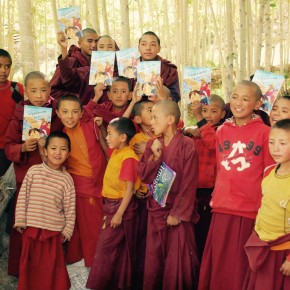
For Avalokiteśvara Trust, planning the seasonal book supply is therefore part of its wider educational work. Reading rooms need reliable collections throughout the year, especially when children and young monks spend more time indoors. Preparing before the roads close helps keep learning active when outside connections are limited.
Why Mountain Access Changes In Winter
Ladakh’s geography makes every delivery dependent on a small number of major routes. Mountain passes can become unsafe because of snowfall, black ice, avalanches, or poor visibility. Even when a road is technically open, transport operators may pause journeys until conditions improve. A short delay at one point can affect an entire chain of deliveries.
Winter isolation also affects local movement. A shipment may reach a nearby town but still be unable to travel to a remote village or monastery. Public transport becomes less frequent, fuel deliveries require careful planning, and drivers must consider road conditions that can change within hours. The final distance is often the most complicated part of the journey.
These realities make book distribution different from ordinary retail logistics. A late parcel cannot always be replaced by a faster shipment. Air transport may be expensive or unavailable, while sending a vehicle into dangerous conditions is not a responsible option. Educational planning has to follow the rhythm of the mountains.
The Seasonal Book Supply Chain
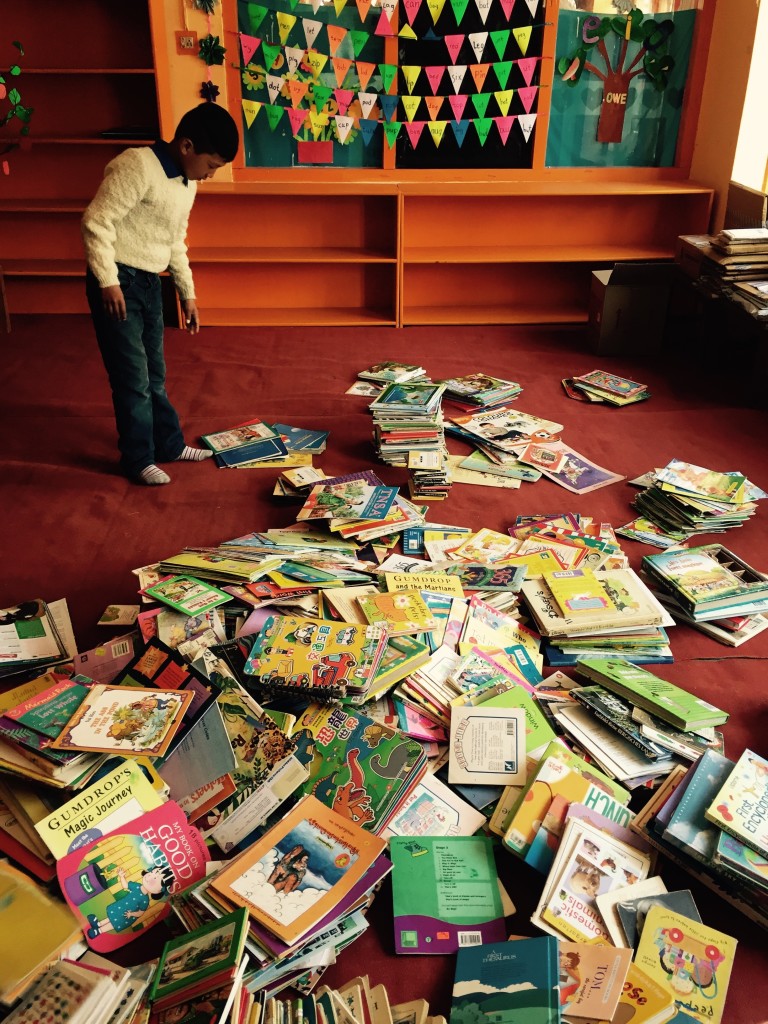
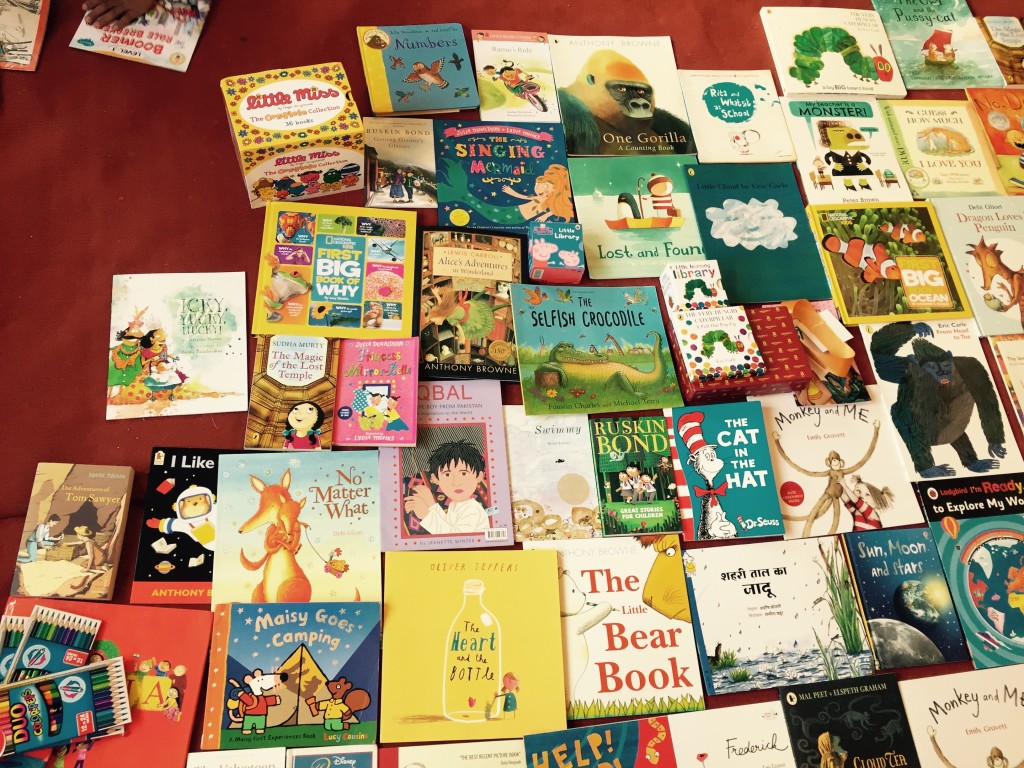
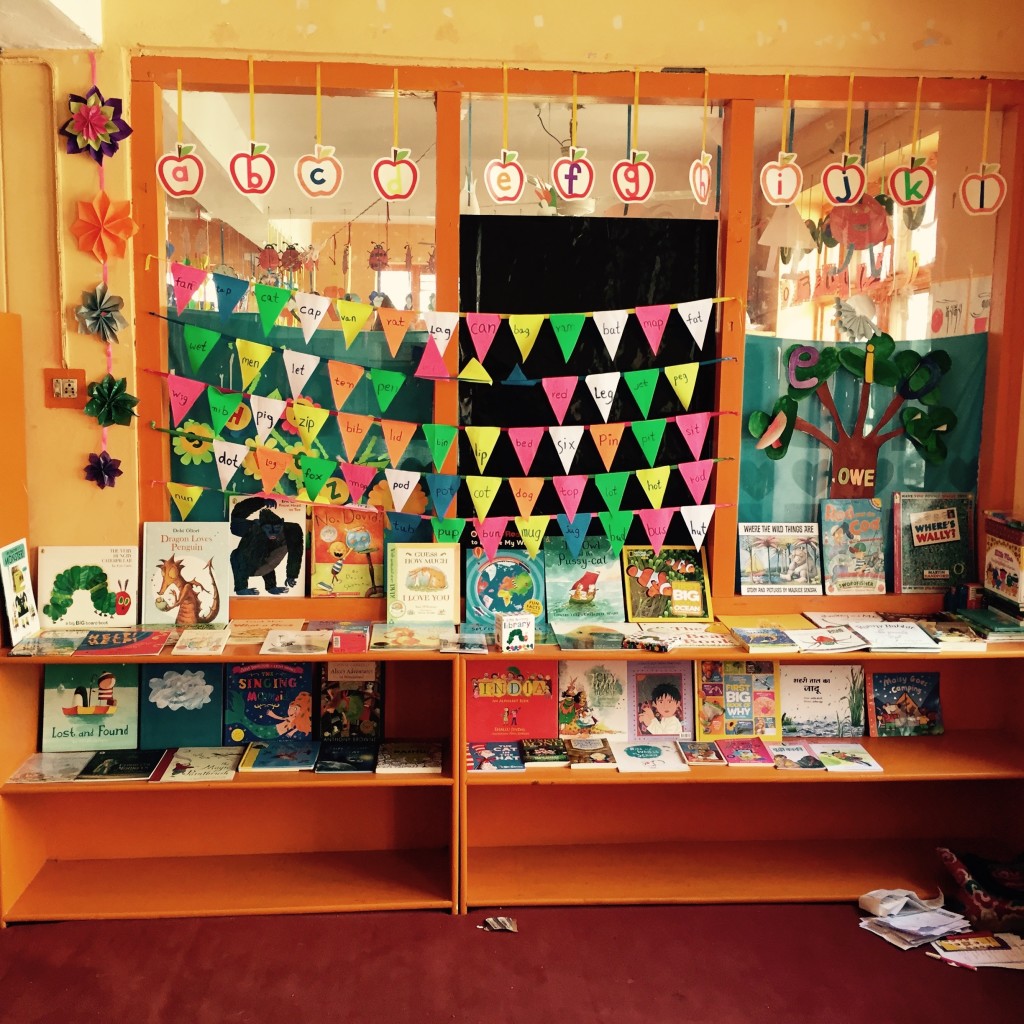
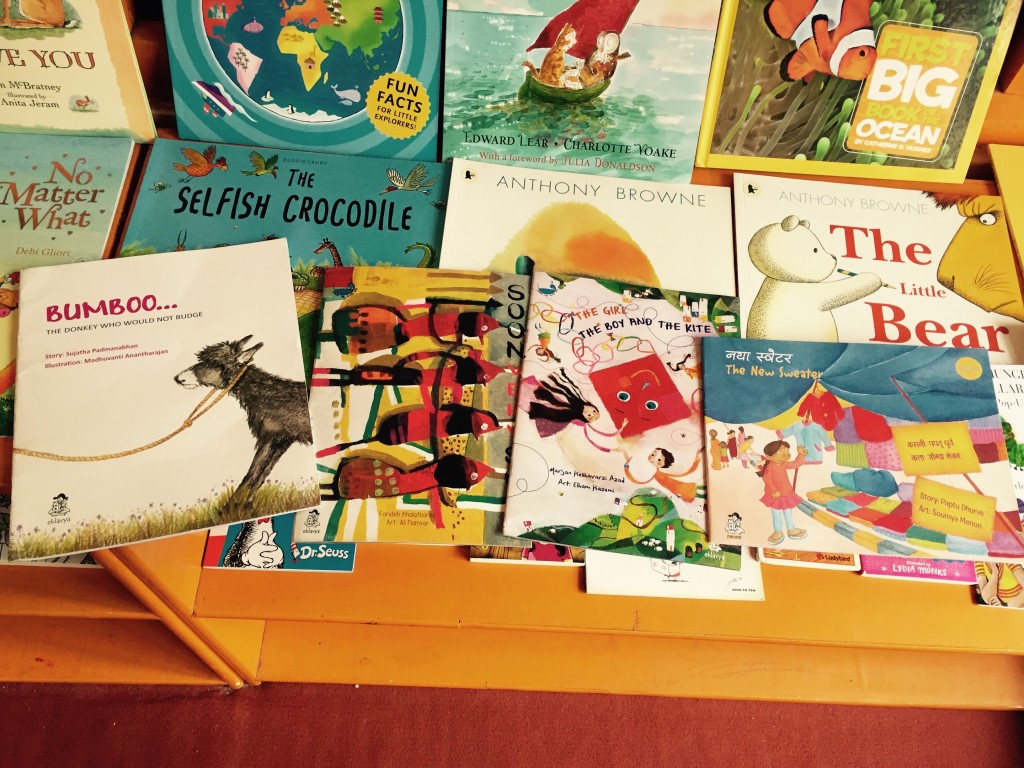
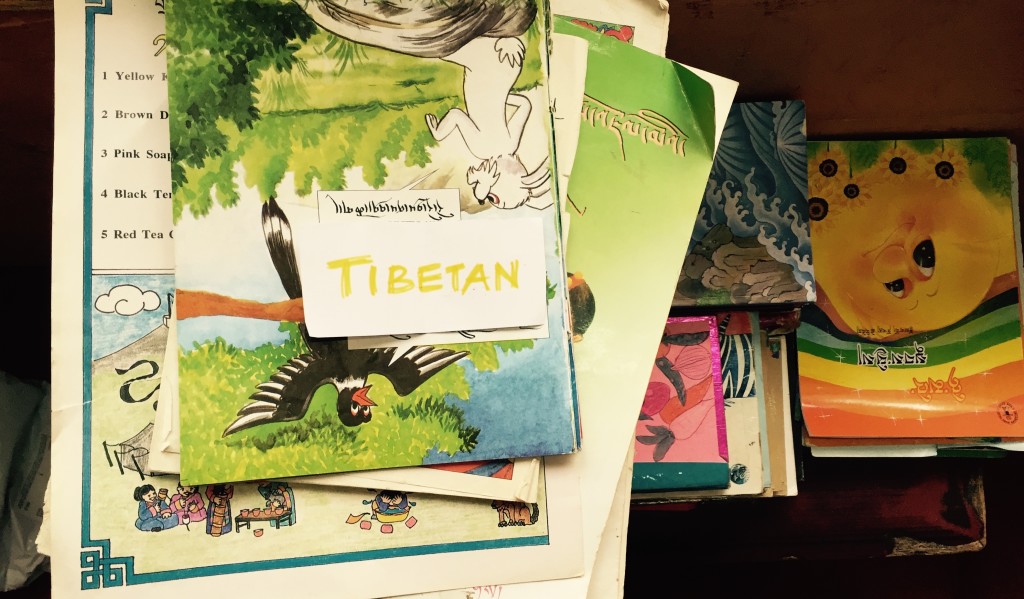
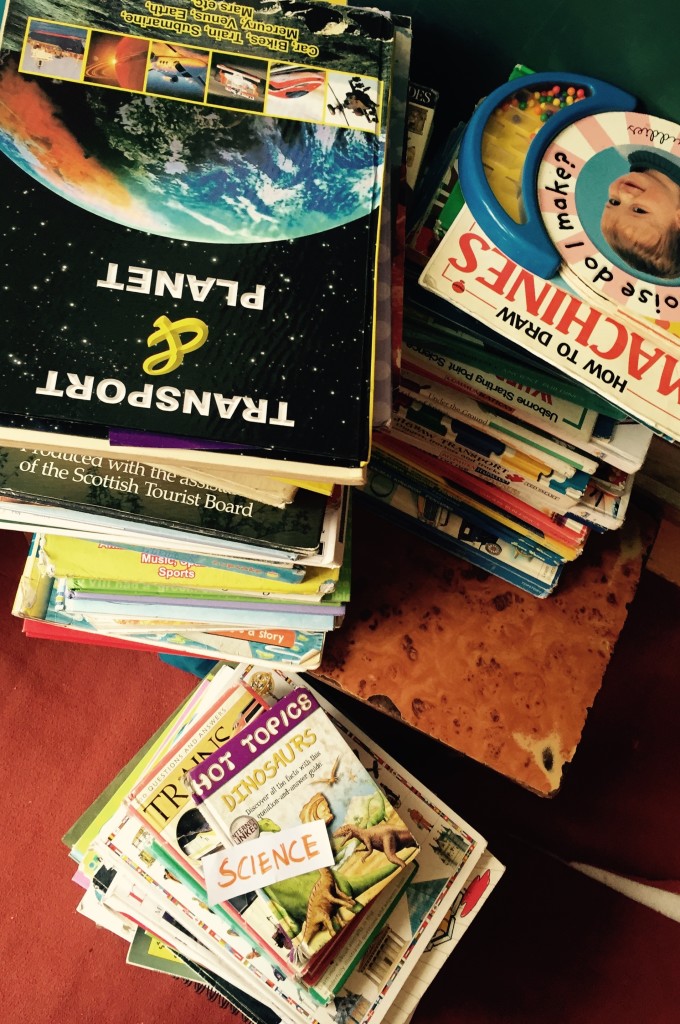
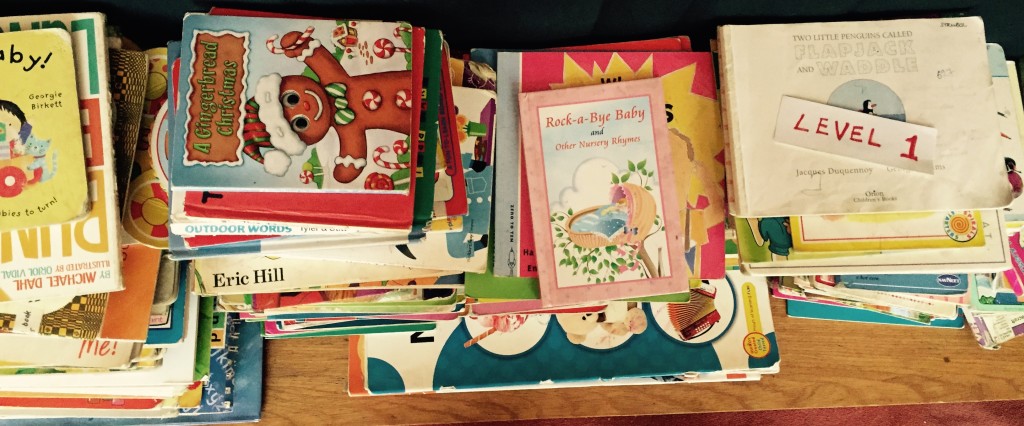
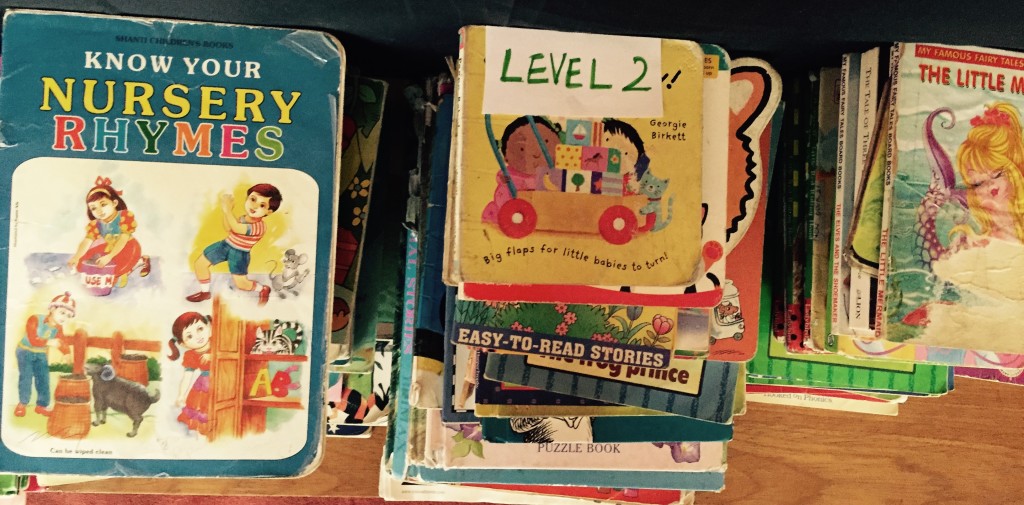
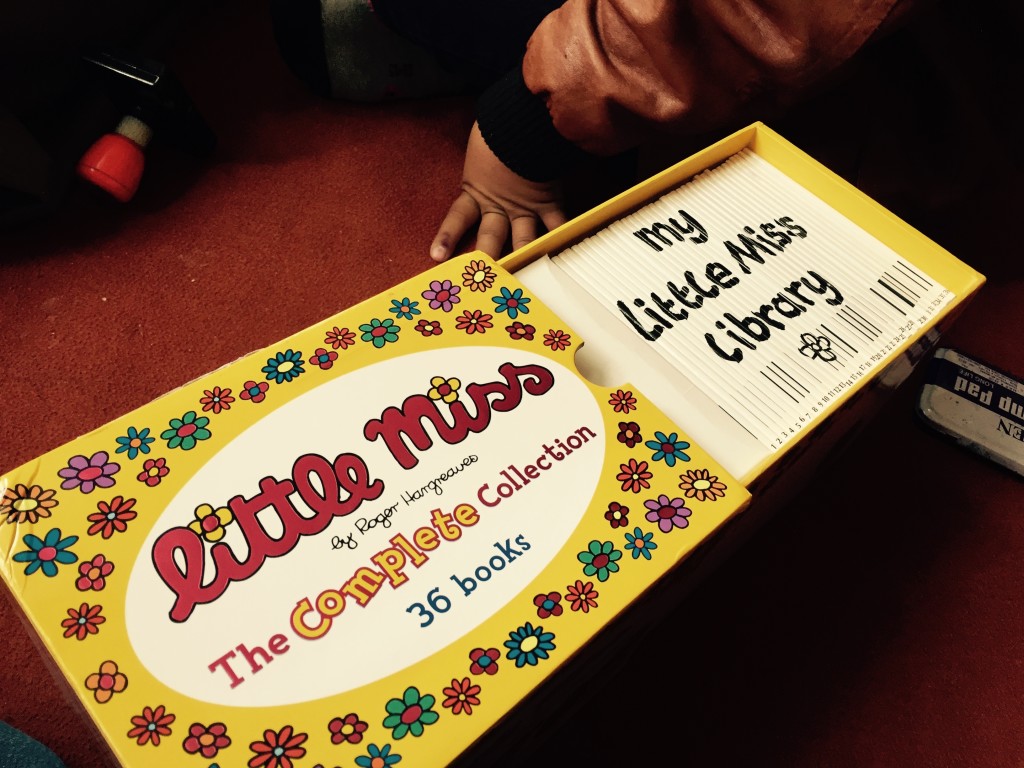
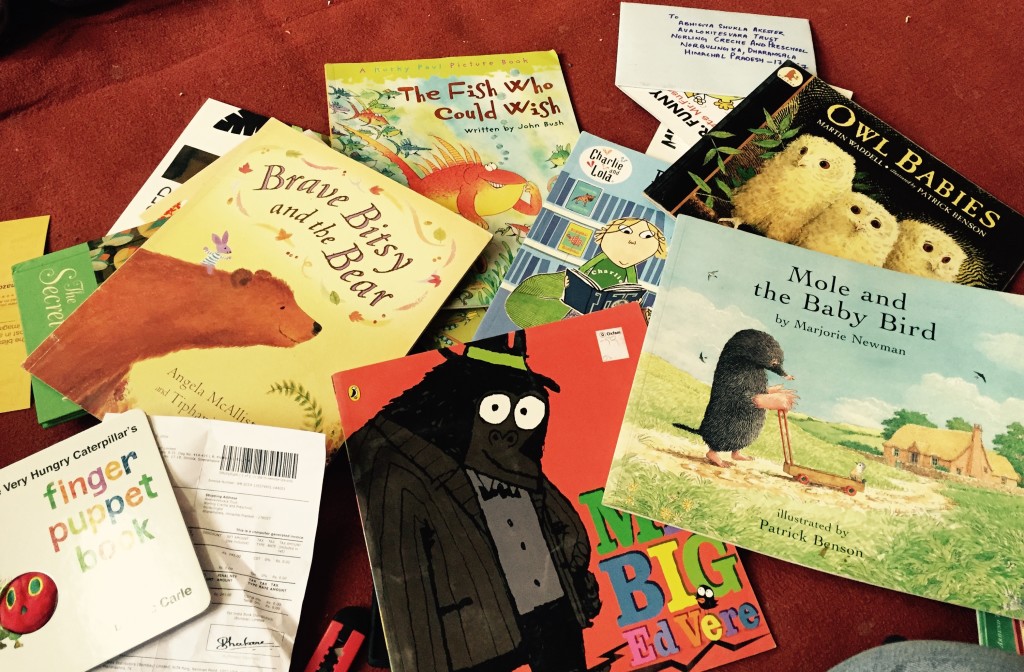
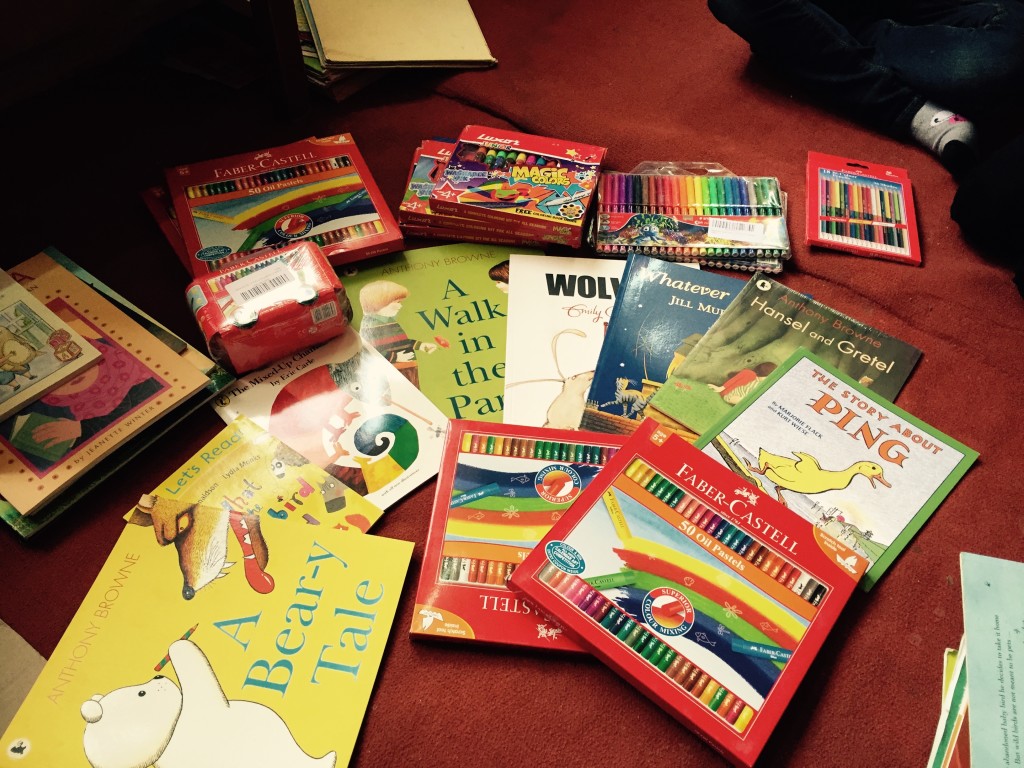
The process begins months before winter. Staff and local partners identify which reading rooms need new titles, which age groups are using the collections, and what materials are missing. A balanced order may include picture books, local-language texts, fiction for older readers, dictionaries, nonfiction, notebooks, and creative activity books.
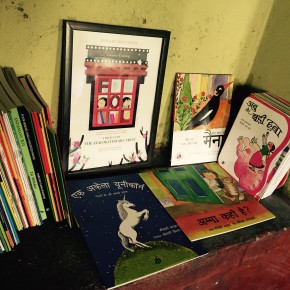
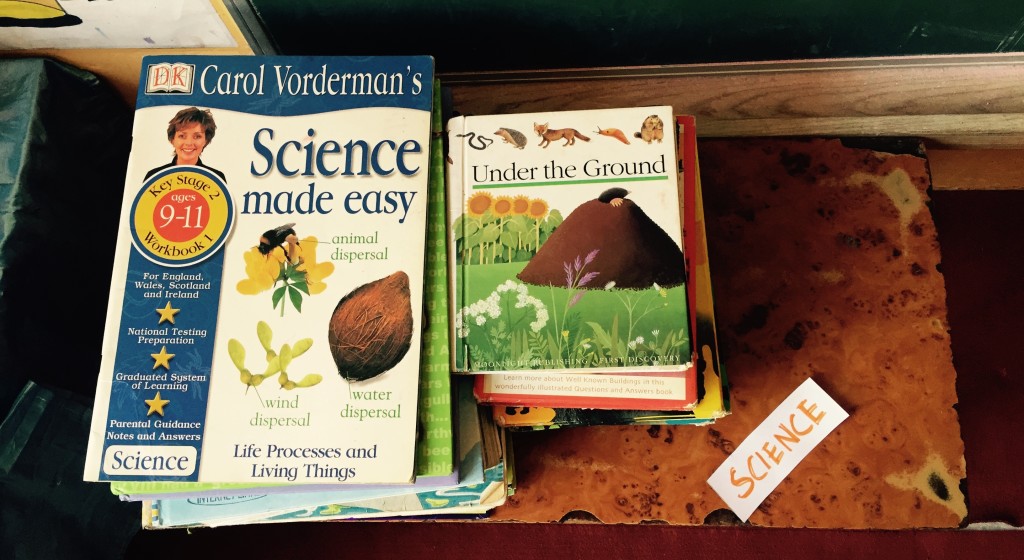
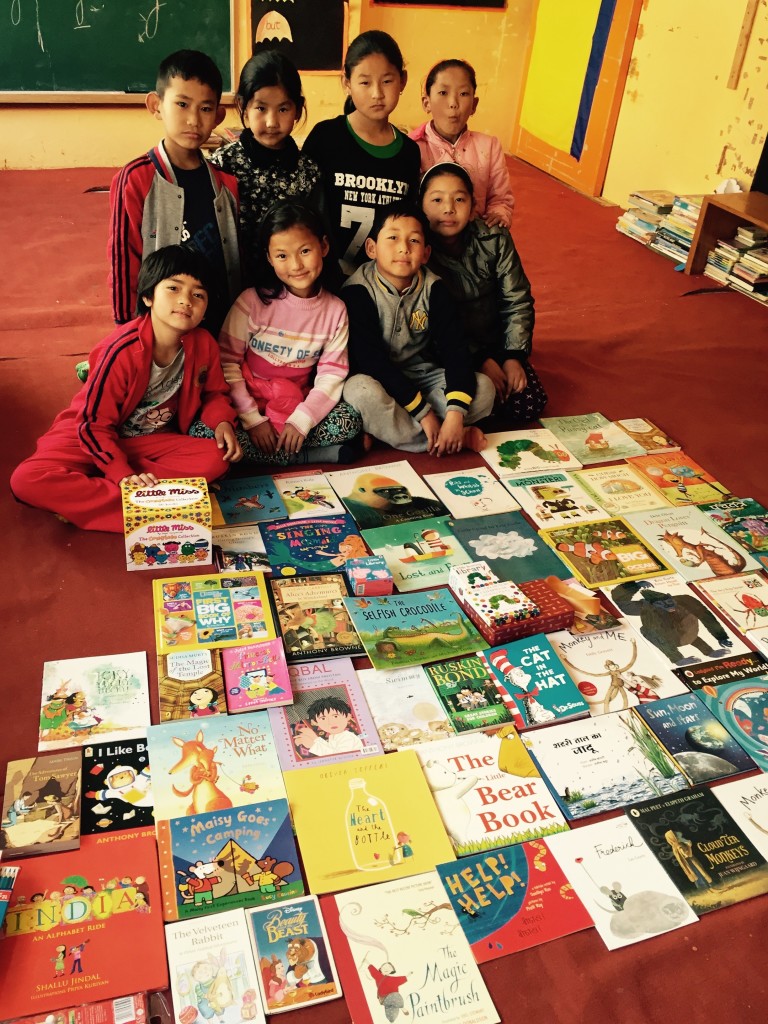
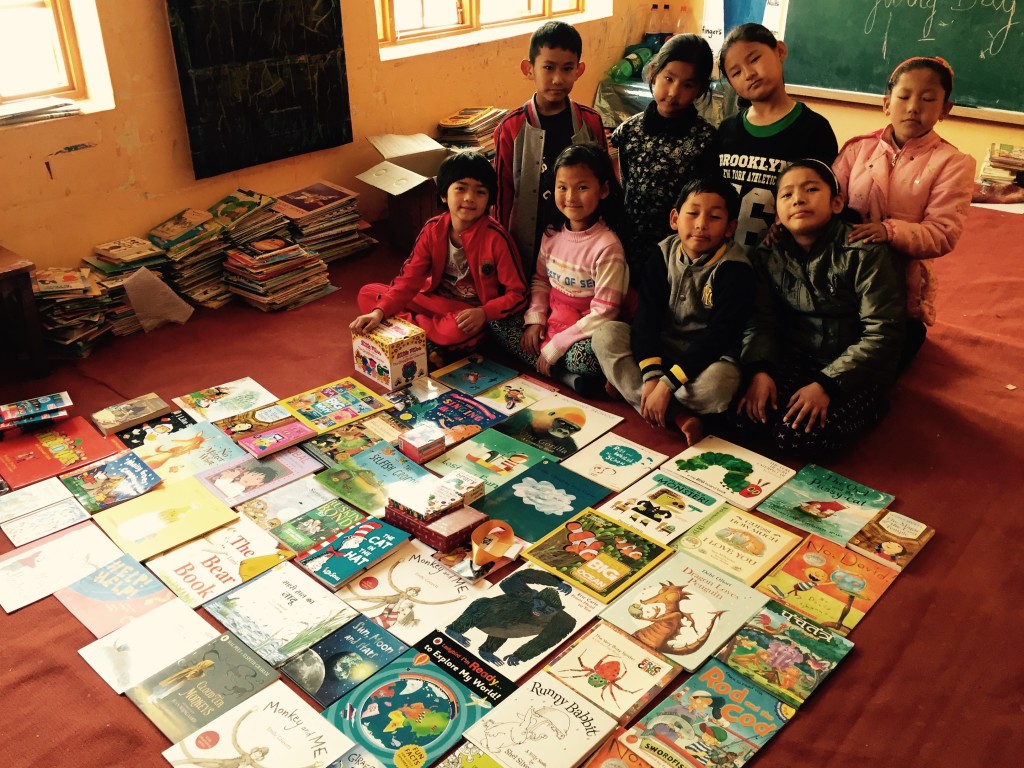
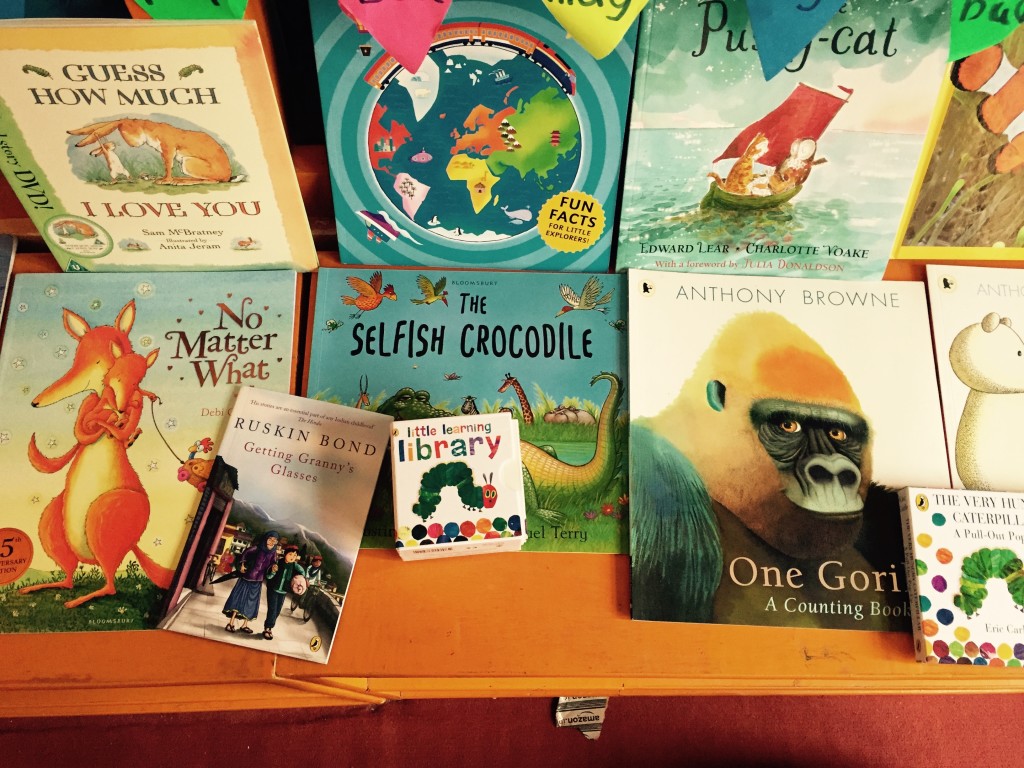
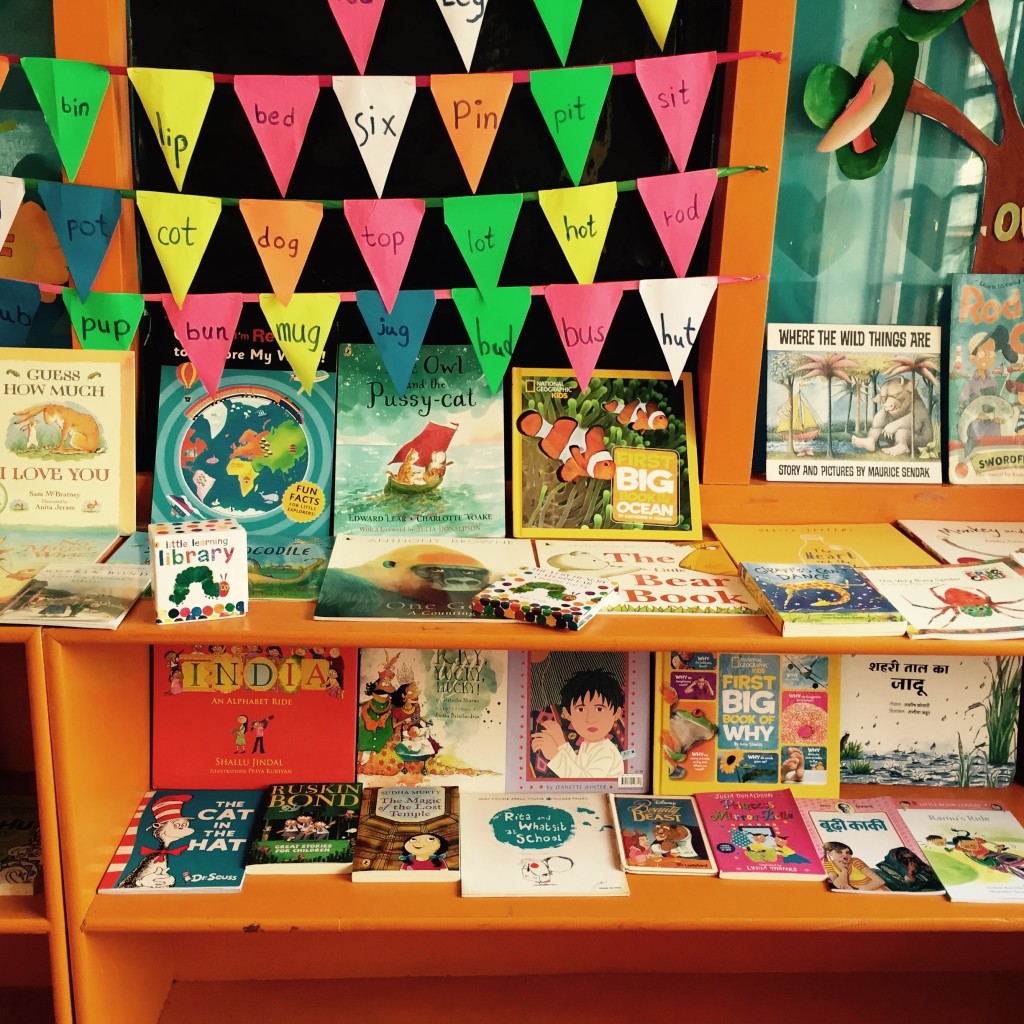
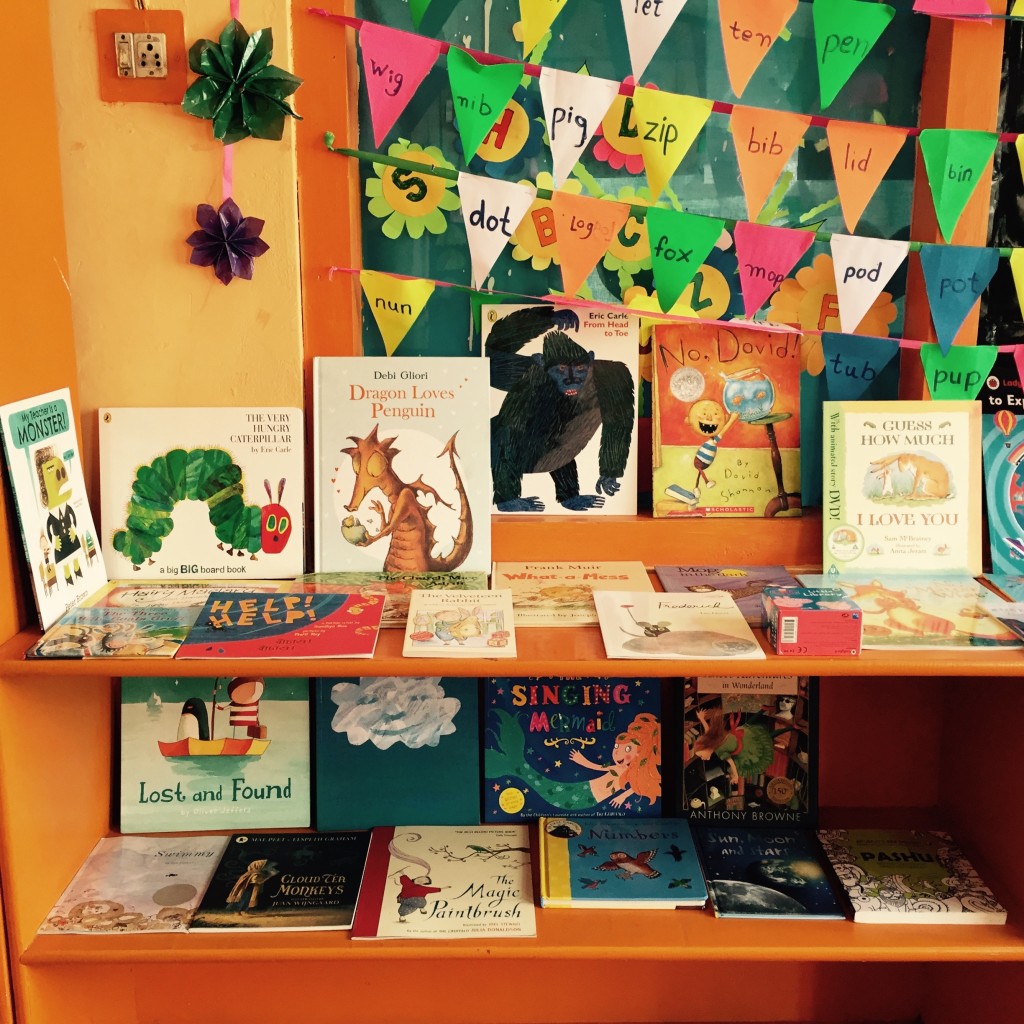
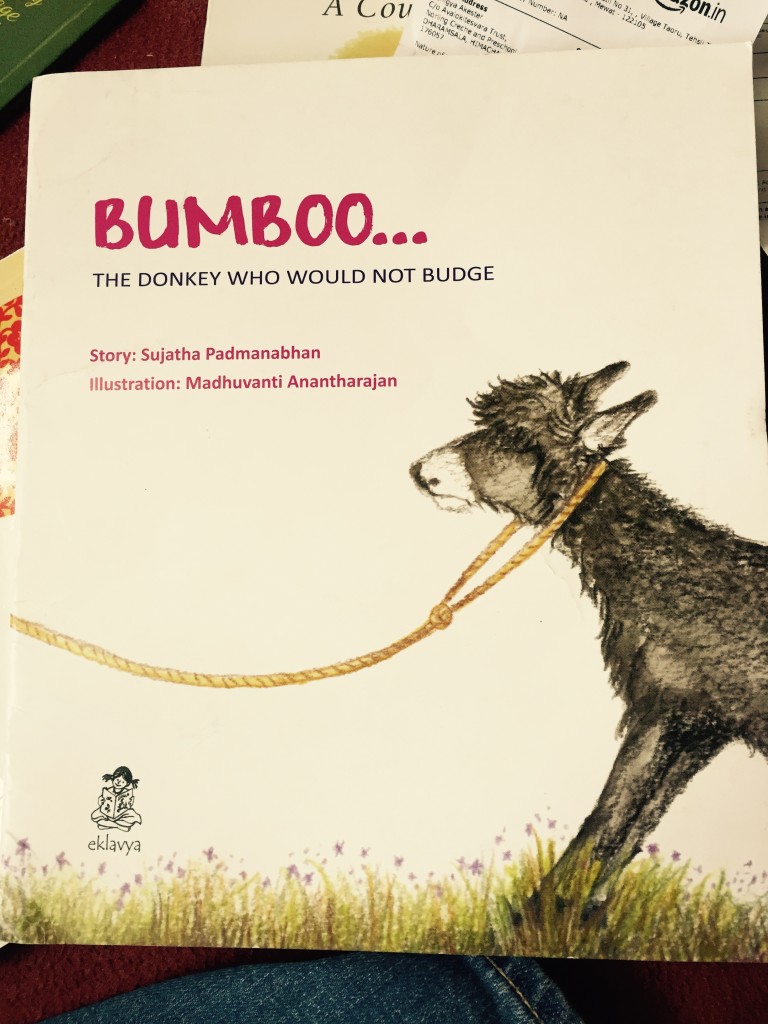
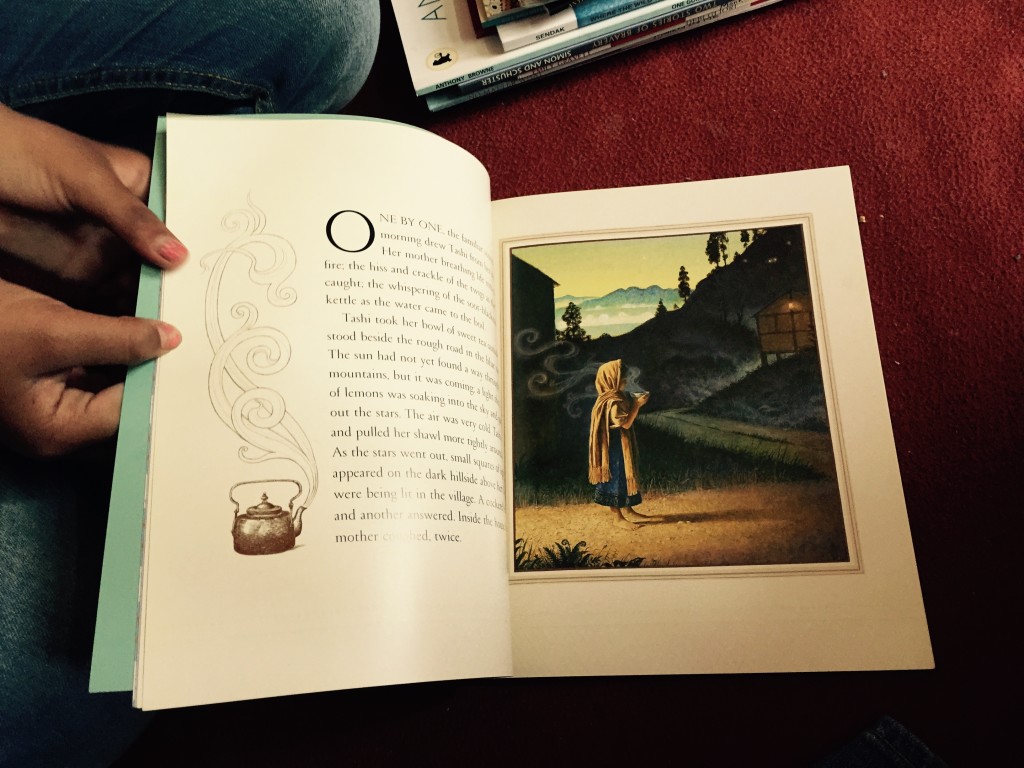
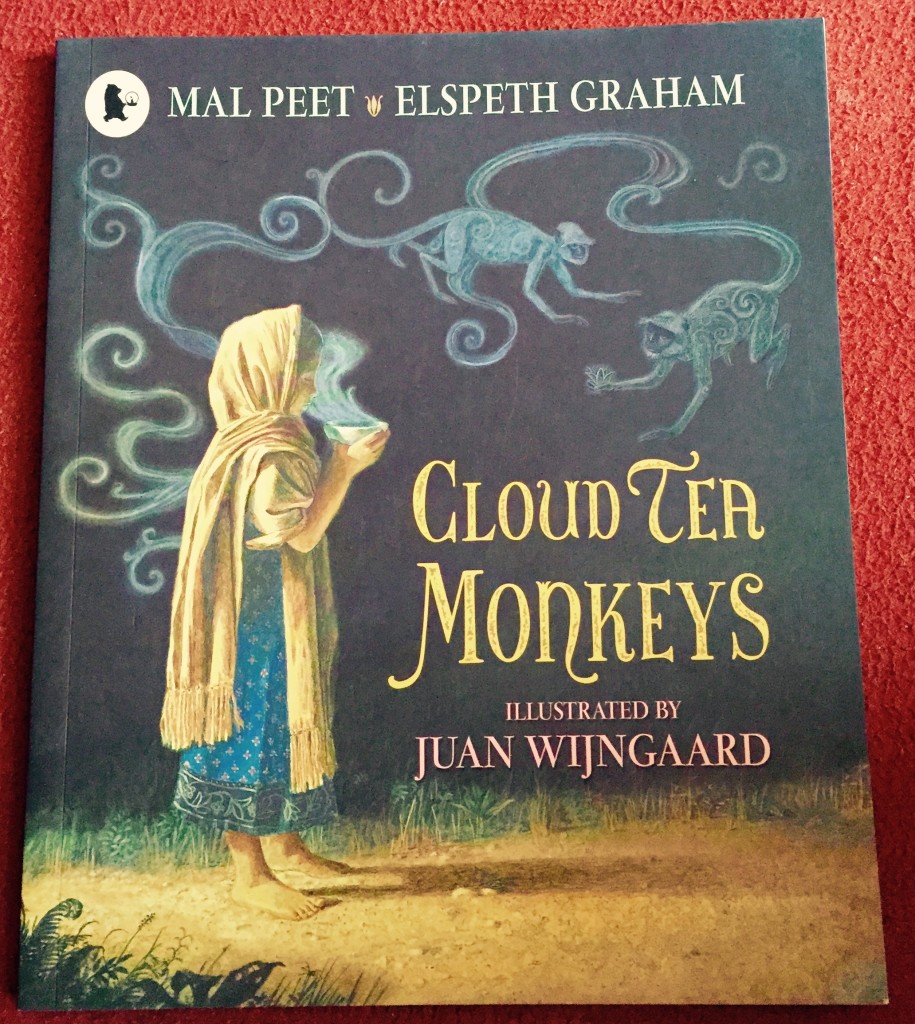
Selection matters as much as quantity. Children are more likely to return to a reading room when books reflect their interests, abilities, languages, and daily experiences. A collection can include translated stories, illustrated science books, biographies, folk tales, poetry, and books that introduce children to places beyond their immediate surroundings.
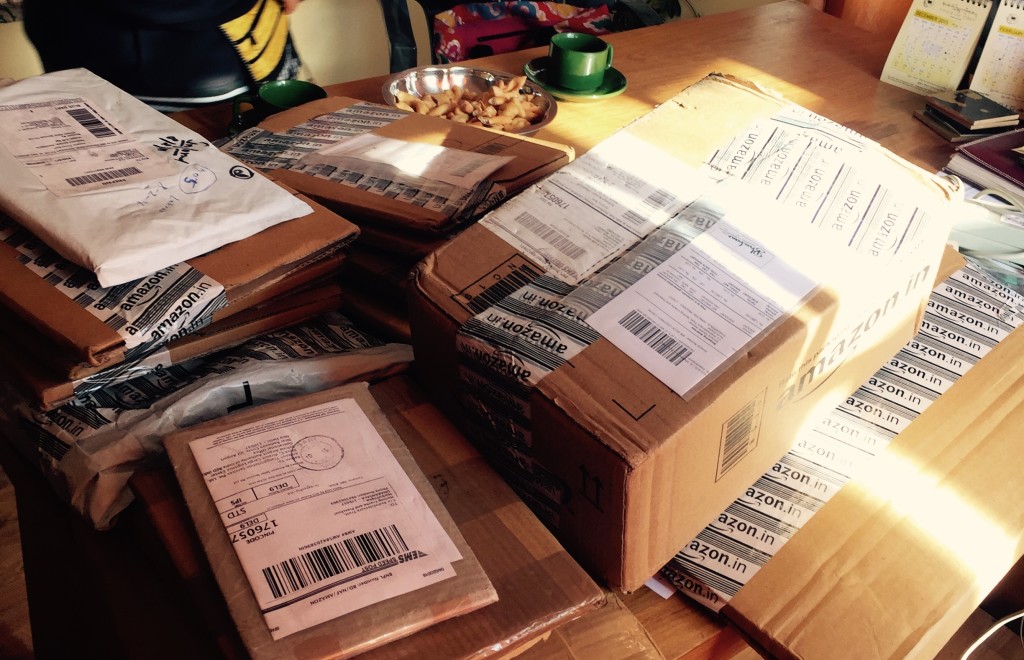
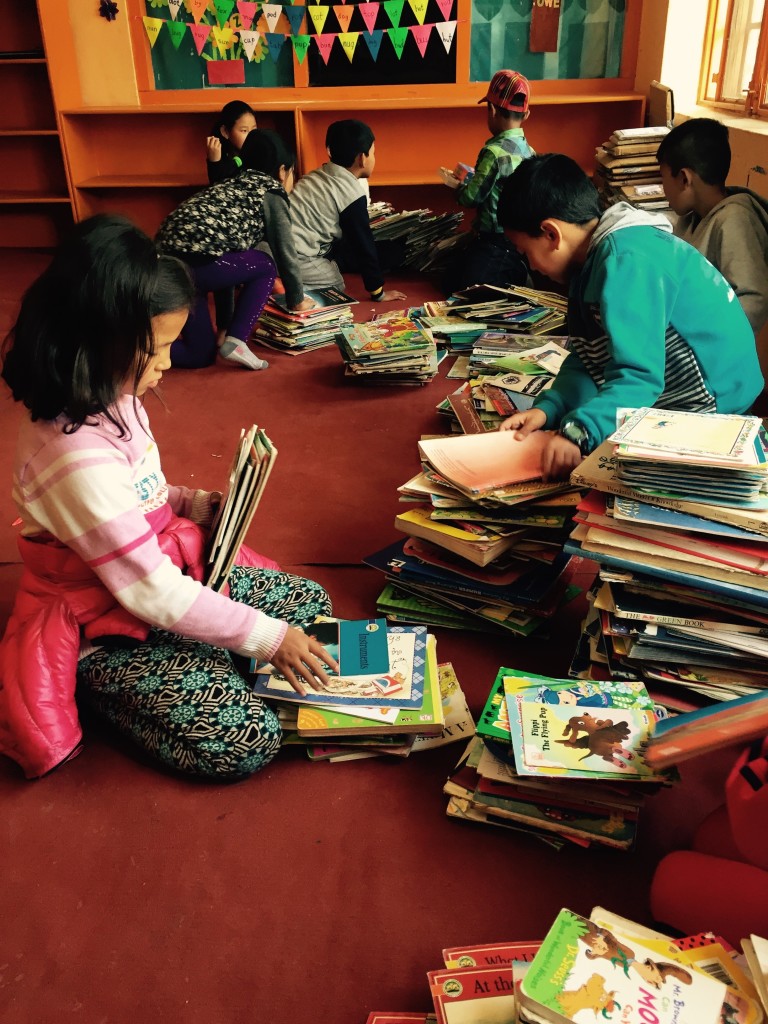
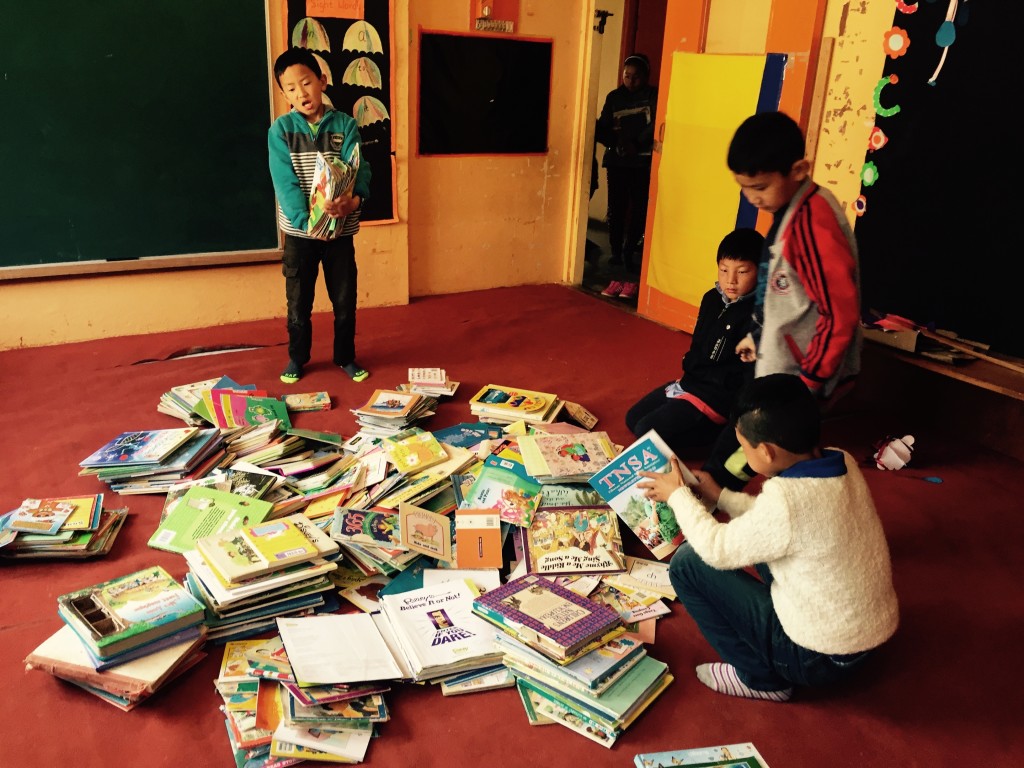
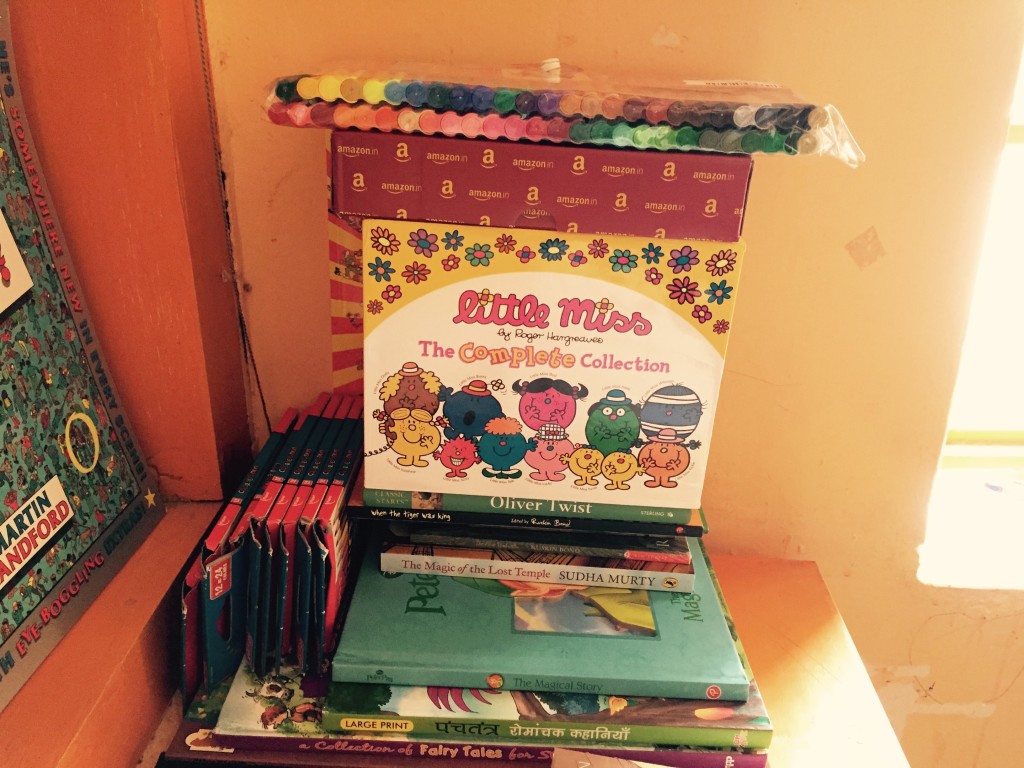
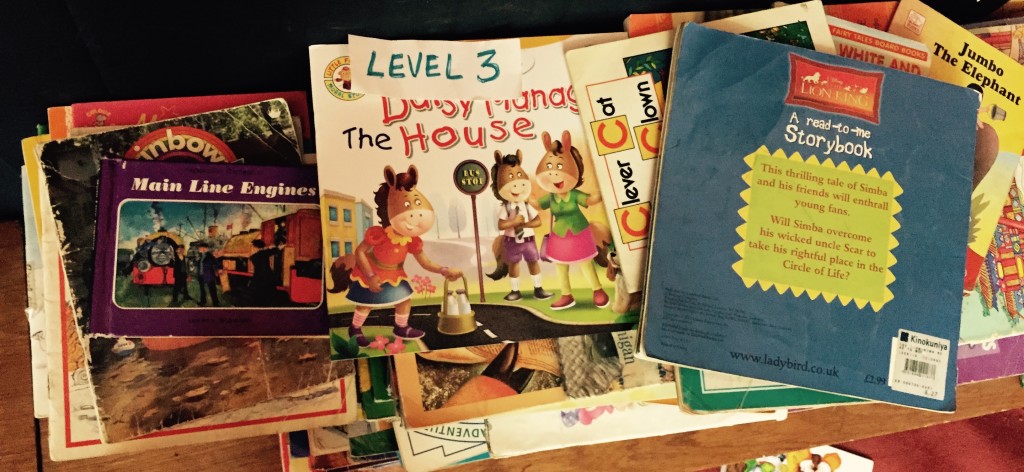
Books then need to be consolidated, packed, and sent while roads remain dependable. Combining several smaller donations into one organized shipment can reduce transport costs and simplify receiving. Clear labels, inventory records, and moisture-resistant packaging are particularly valuable when materials may be stored for several months before distribution.
Comparing Ways To Prepare Before Roads Close
No single delivery method solves every winter access problem. The best approach usually combines advance purchasing, local storage, community coordination, and carefully timed transport. The right mix depends on distance, urgency, budget, road access, and the type of material required.
| Approach |
Strength |
Limitation |
Best Use |
| Pre-winter bulk shipment |
Moves many books before severe weather |
Requires early planning and storage space |
Core reading-room collections |
| Local purchasing |
Supports nearby booksellers and reduces long-distance transport |
Selection may be narrower or costs may vary |
Urgent gaps and locally relevant titles |
| Shared community delivery |
Spreads transport costs and builds local cooperation |
Requires coordination among several partners |
Remote villages and clustered schools |
| Digital resources |
Can provide quick access when connectivity works |
Devices, power, and internet access may be limited |
Supplementary learning materials |
| Volunteer-carried books |
Brings small, targeted collections during scheduled travel |
Limited weight and irregular timing |
Special titles or priority requests |
A seasonal inventory can help trustees and coordinators decide what must arrive before closure and what can wait. Core books should be secured first, while less urgent purchases may be scheduled for spring. This approach protects scarce funds and reduces the risk of sending unsuitable materials into storage.
Storage Is Part Of Access
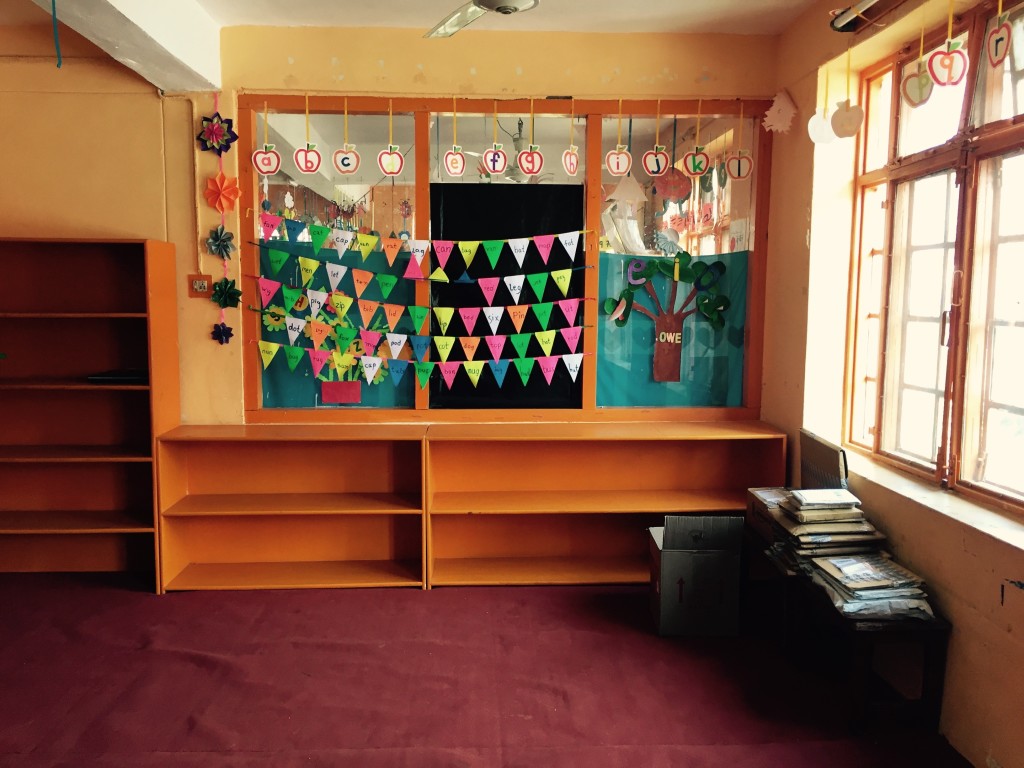
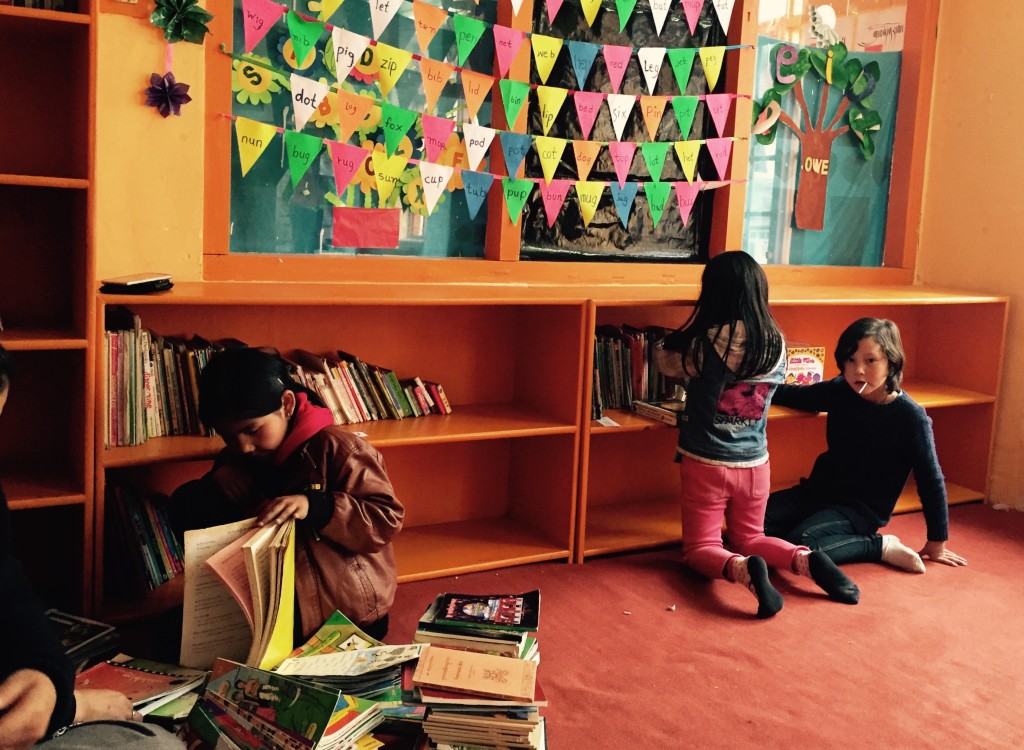
Getting books to a mountain community is only half the task. They must also be protected from dampness, dust, freezing temperatures, pests, and accidental damage. A well-organized storage area keeps books usable and makes it easier for volunteers or local educators to find the right materials when children visit.
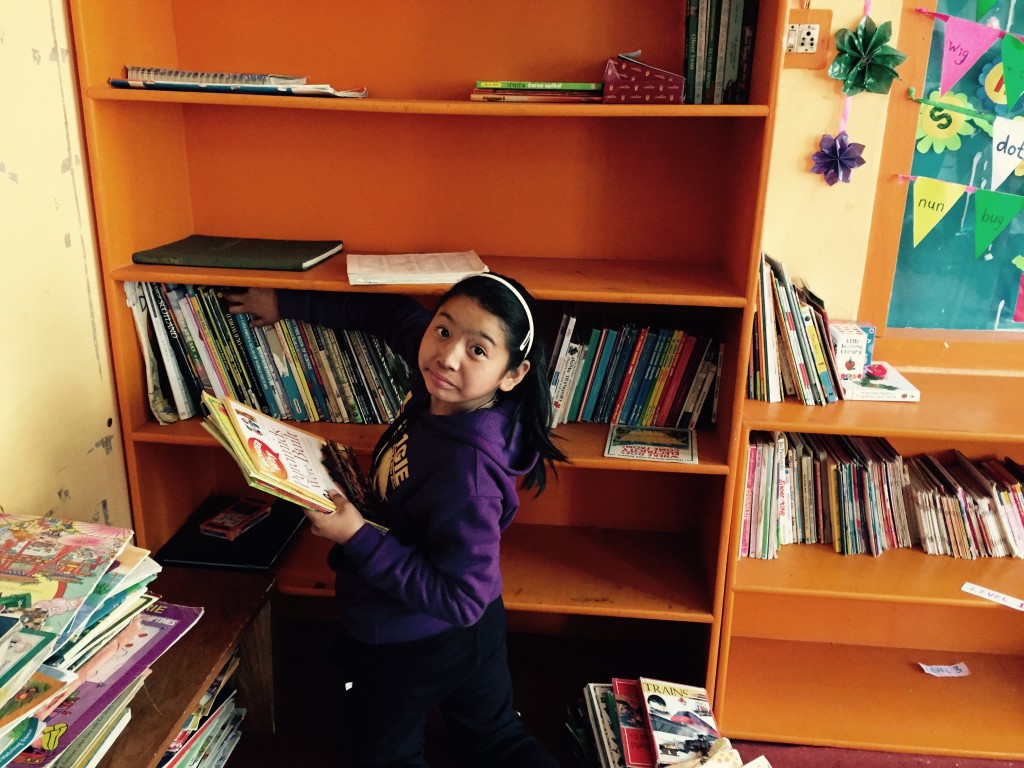
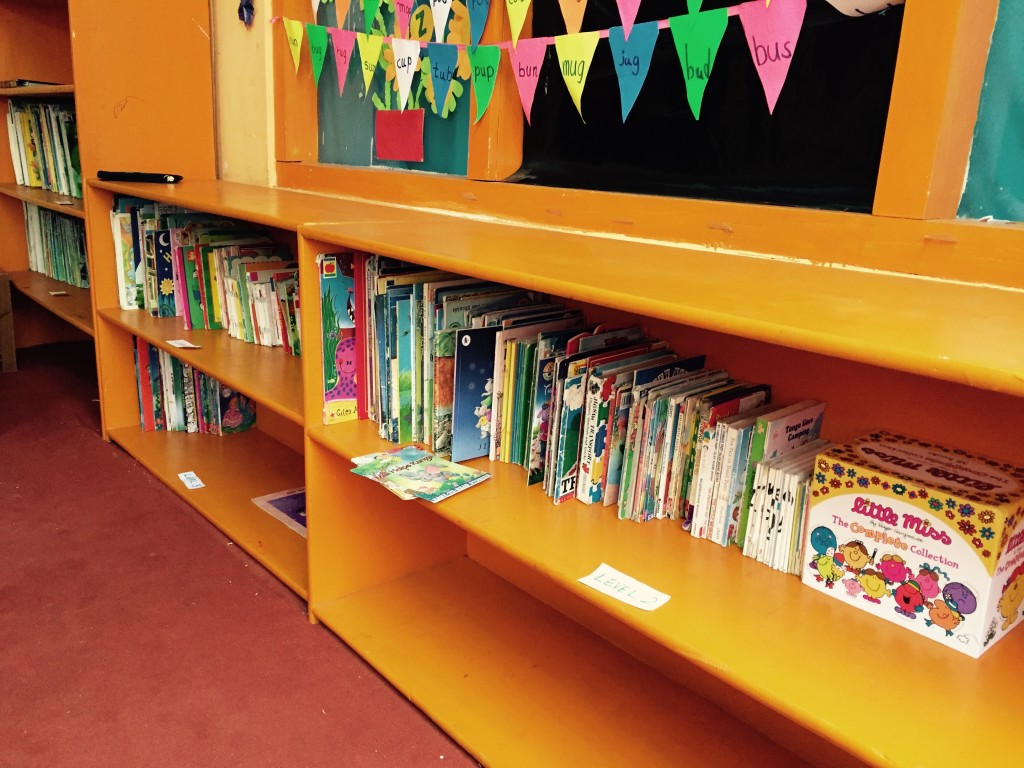
Shelving should keep books off the floor and away from exterior walls where temperature changes can cause condensation. Boxes need enough protection for long-term storage without making them impossible to open. A simple inventory, recorded on paper or digitally, can show which titles are available, which are being read, and which need repair.
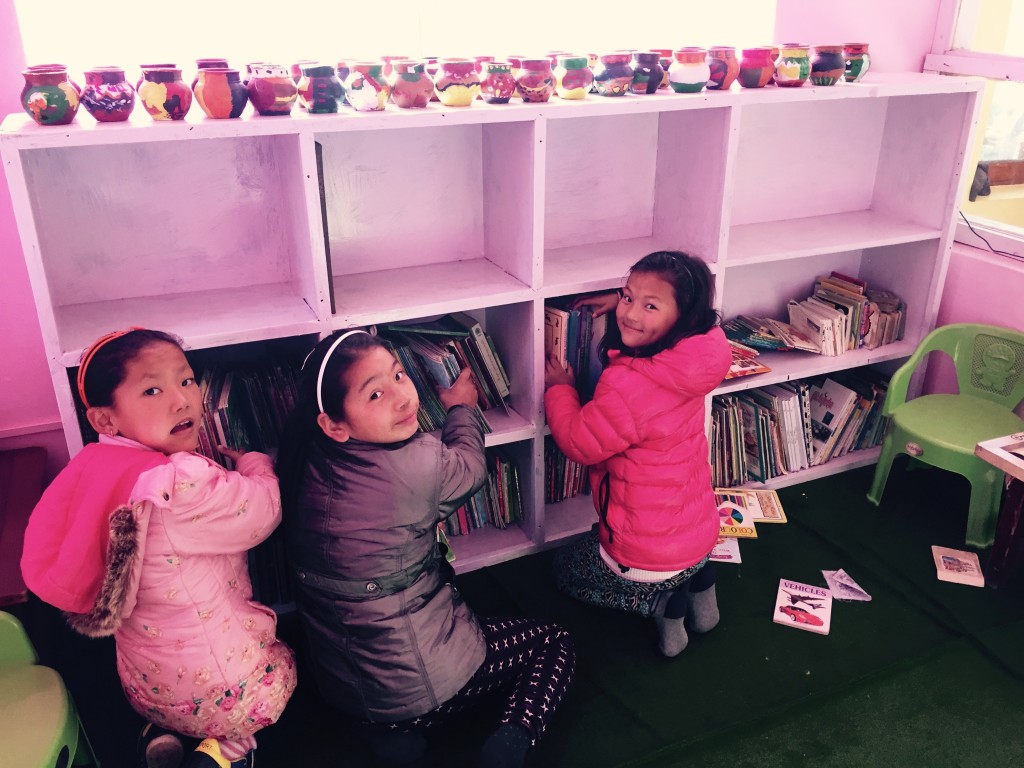
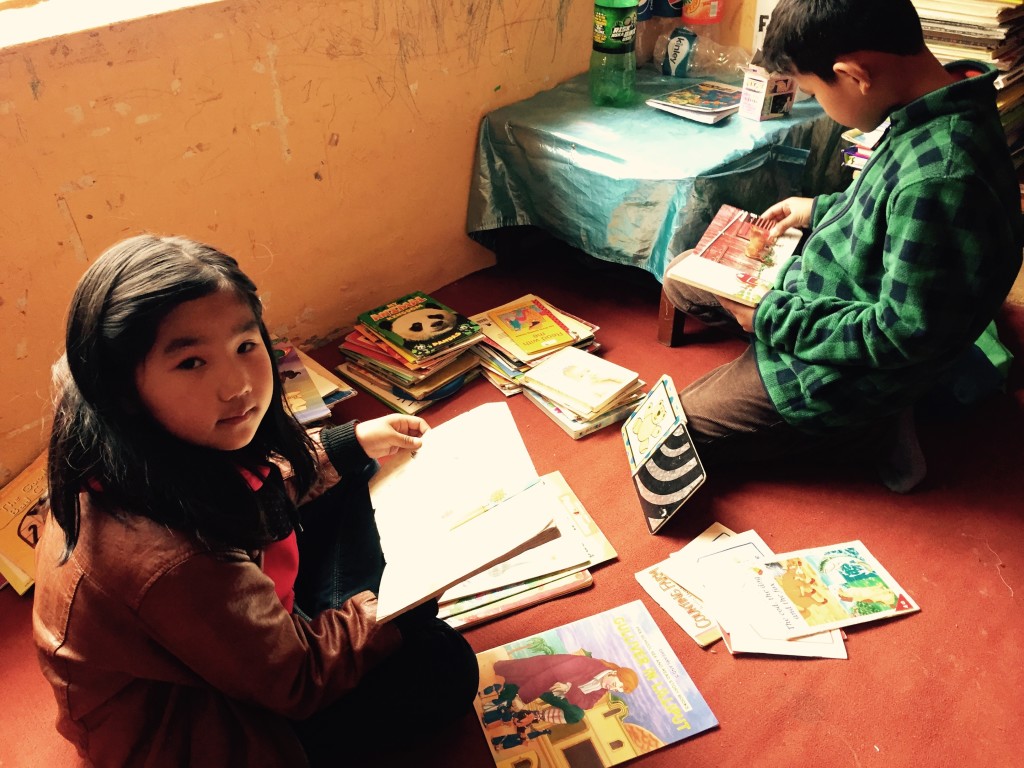
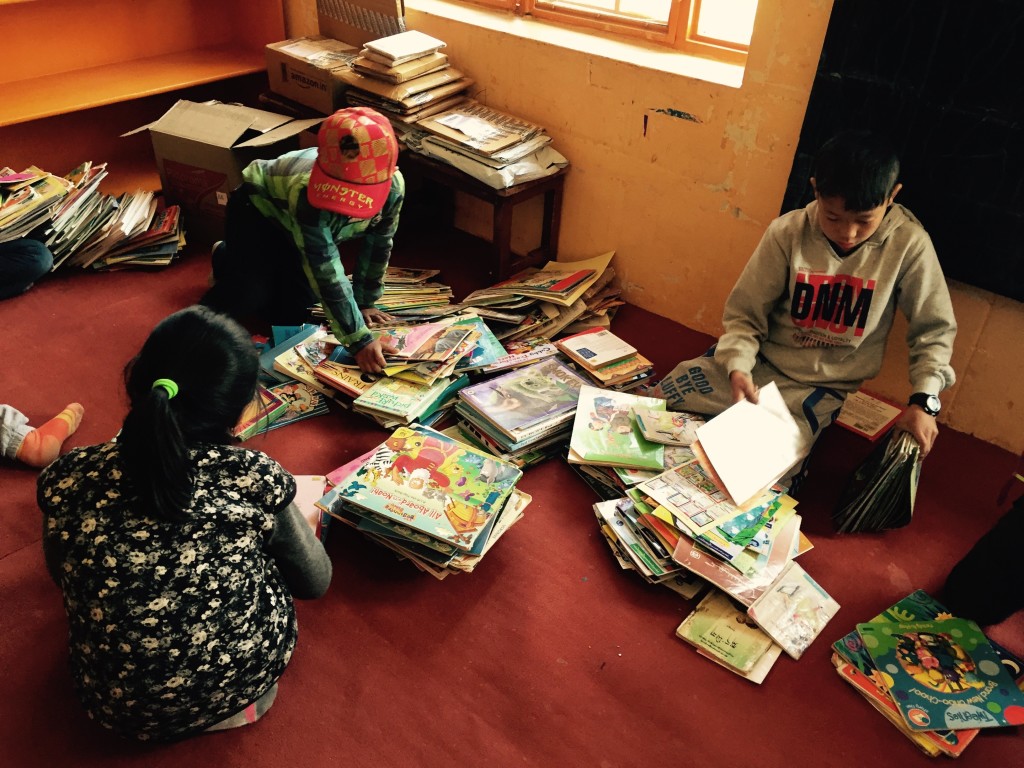
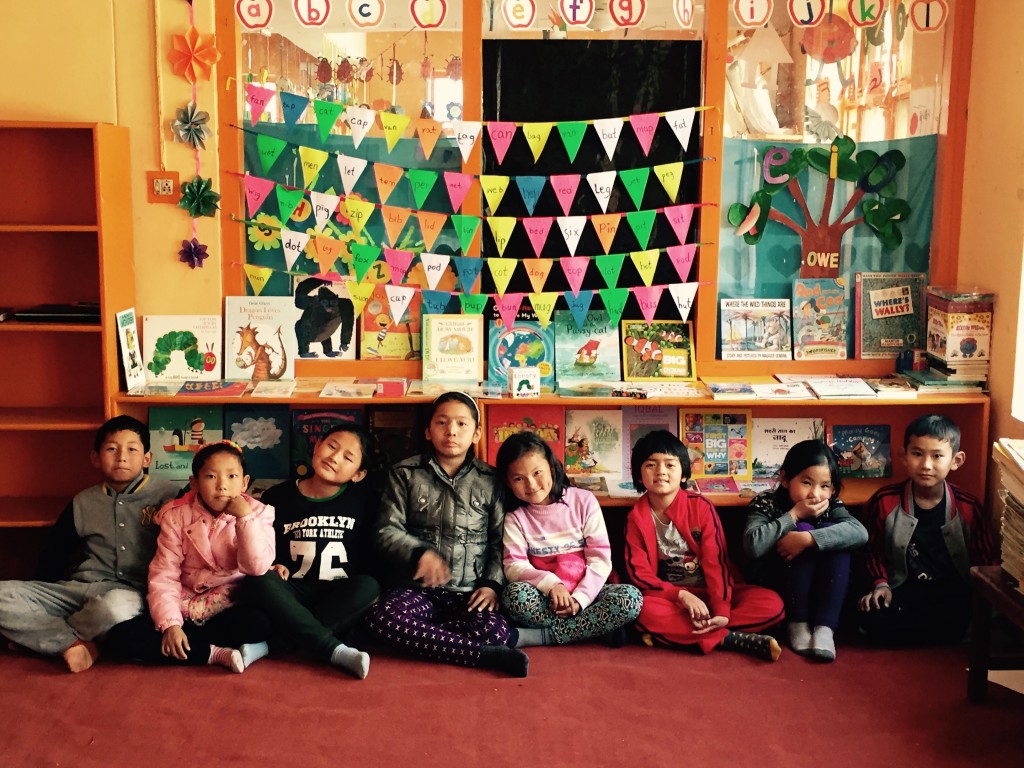
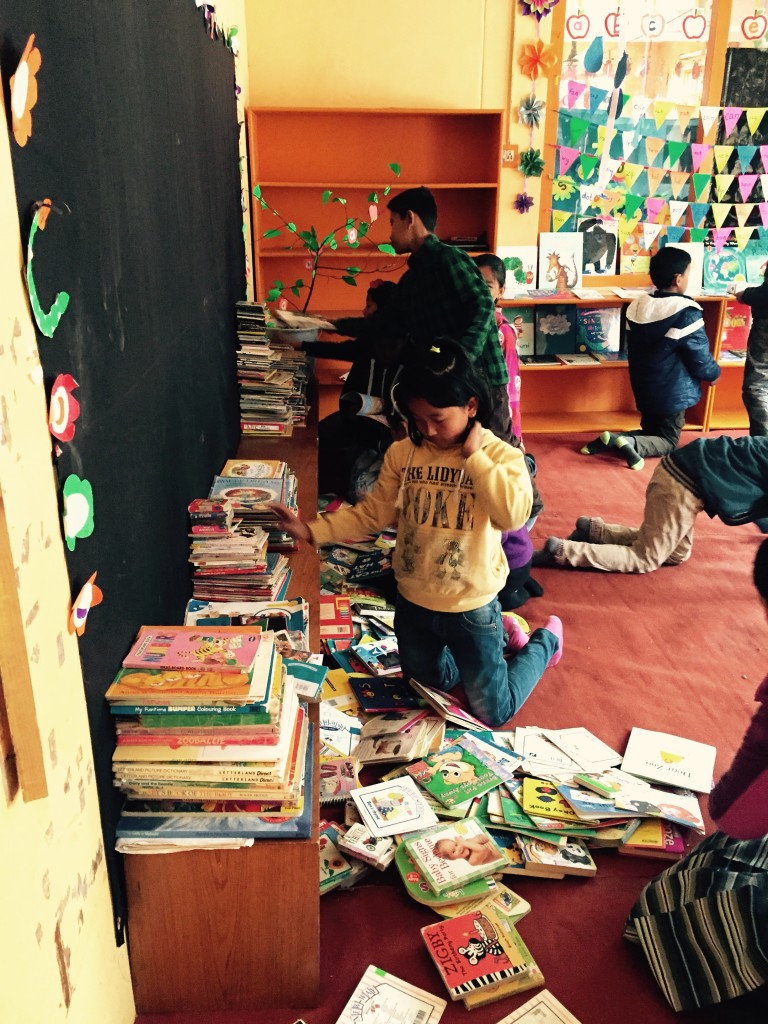
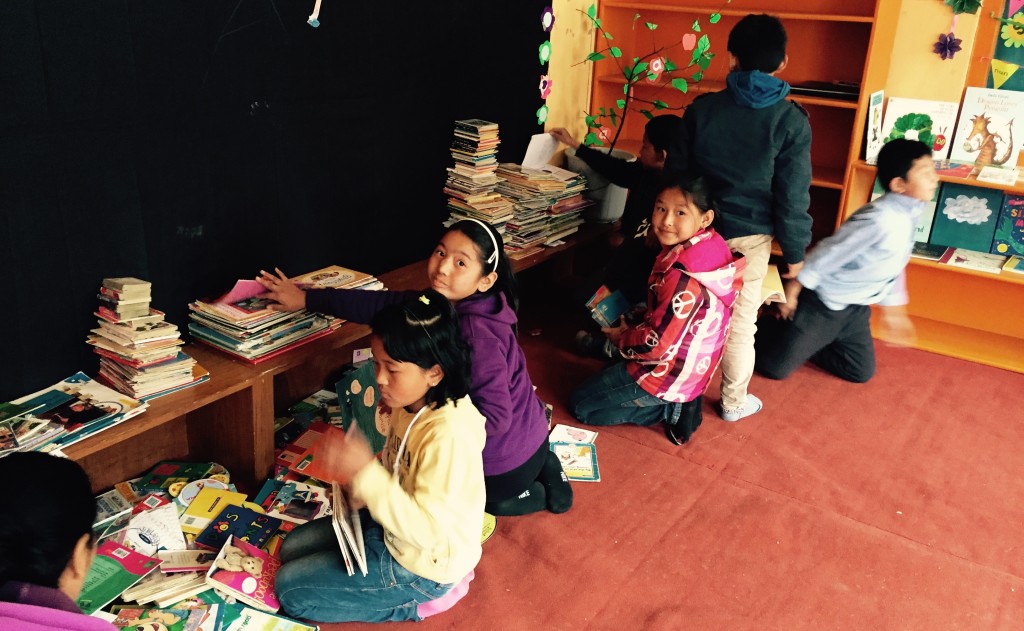
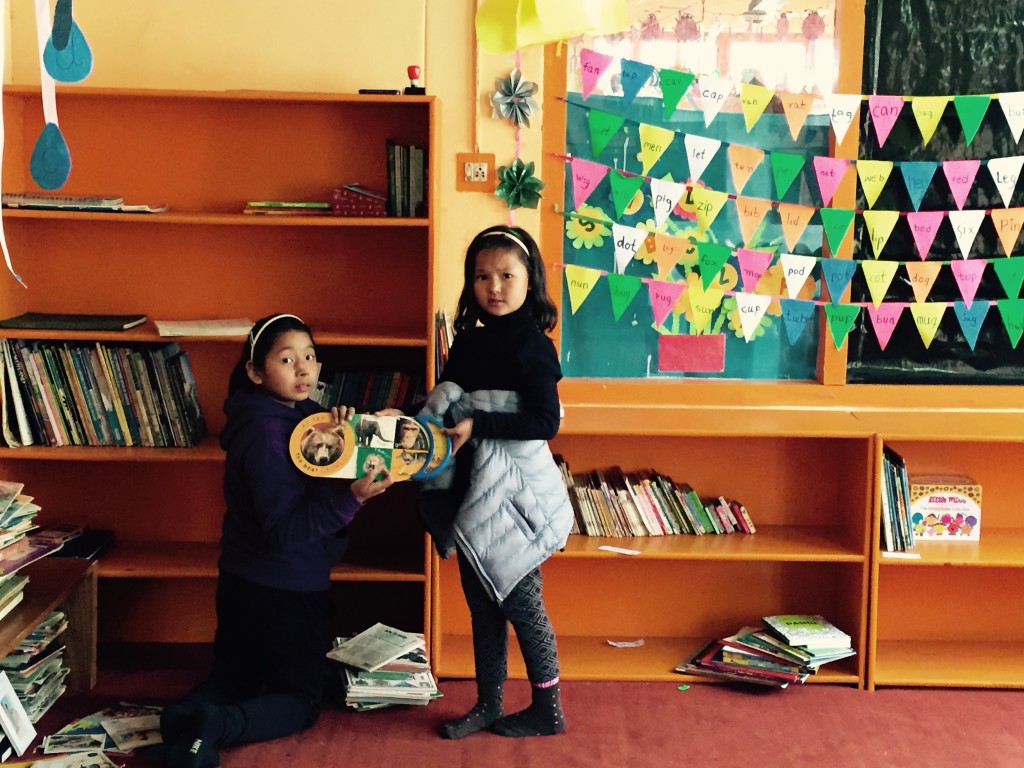
Winter storage can also create an opportunity for collection care. Local volunteers may clean shelves, sort books by age or subject, mend worn covers, and prepare themed displays. These small tasks help turn a reading room into an inviting learning environment rather than a place where books are simply kept.
Keeping Learning Active During Isolation
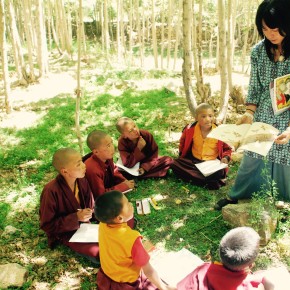
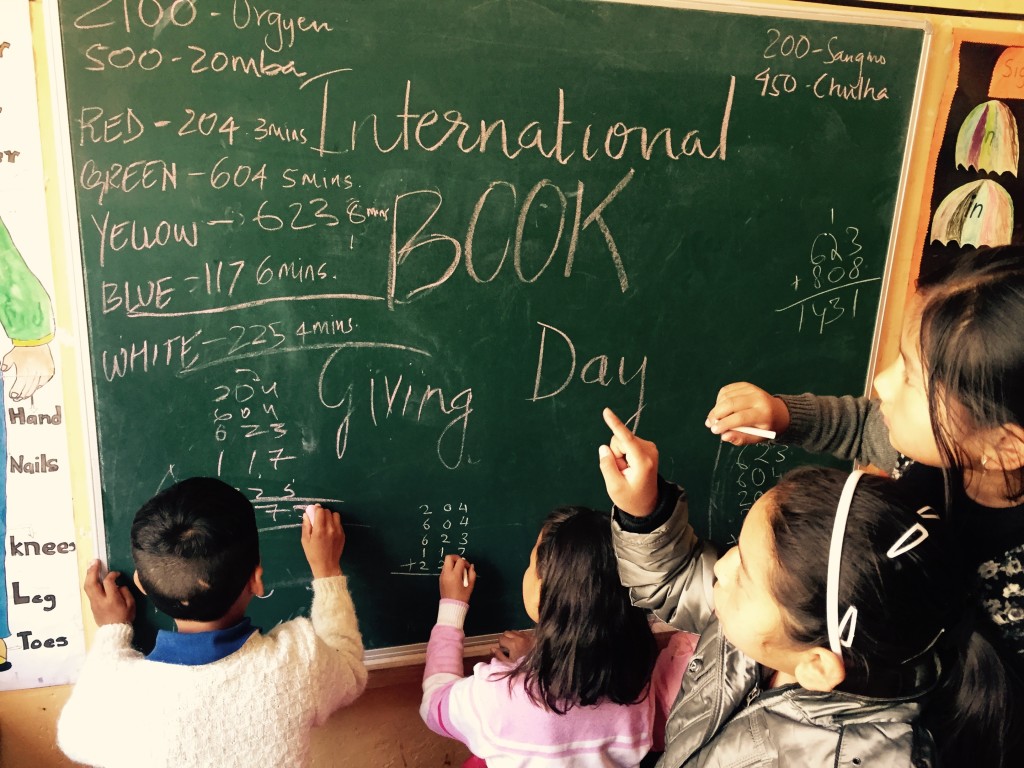
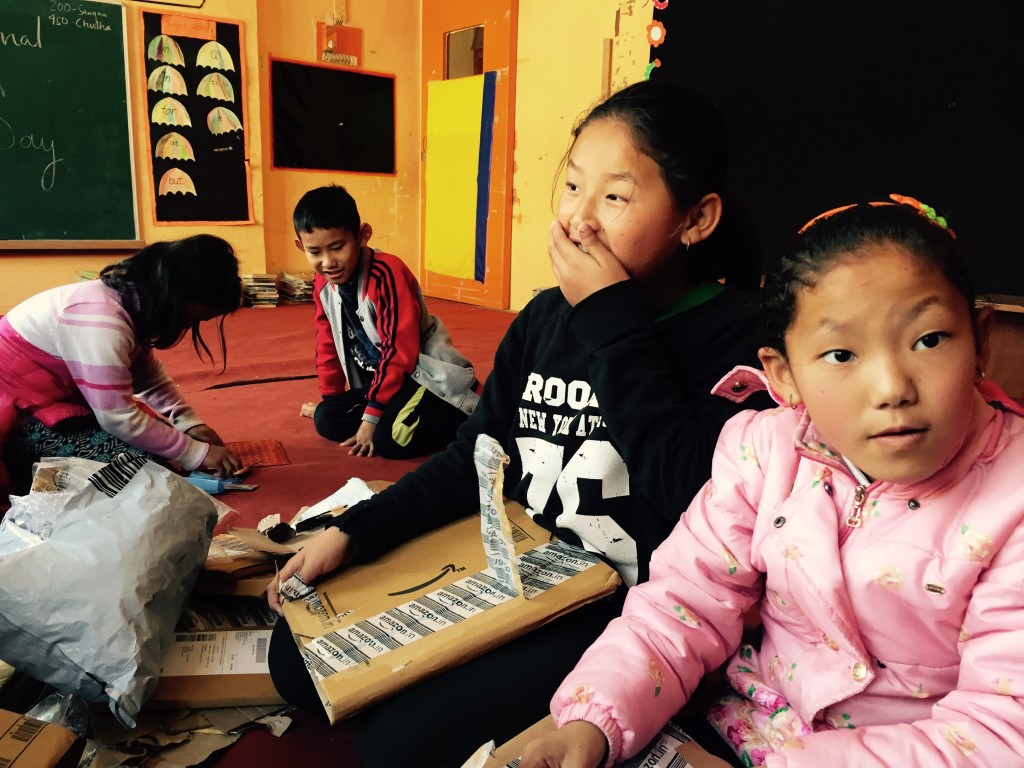
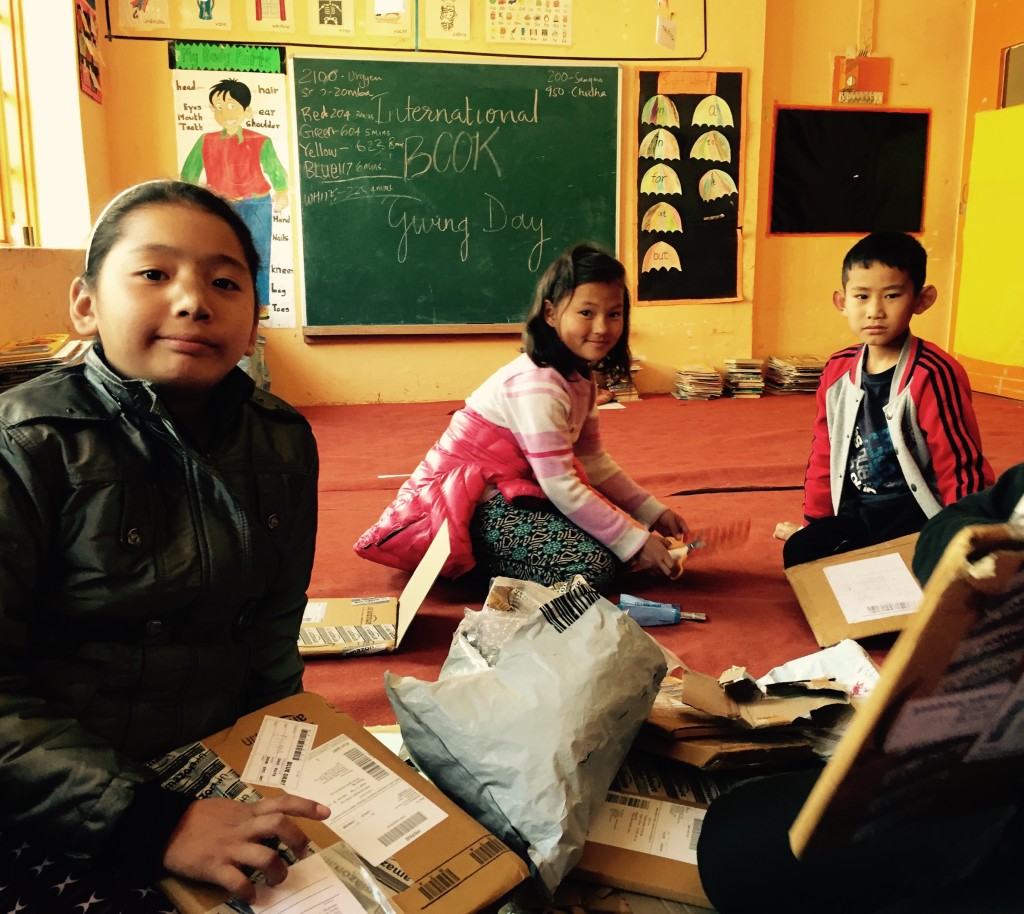
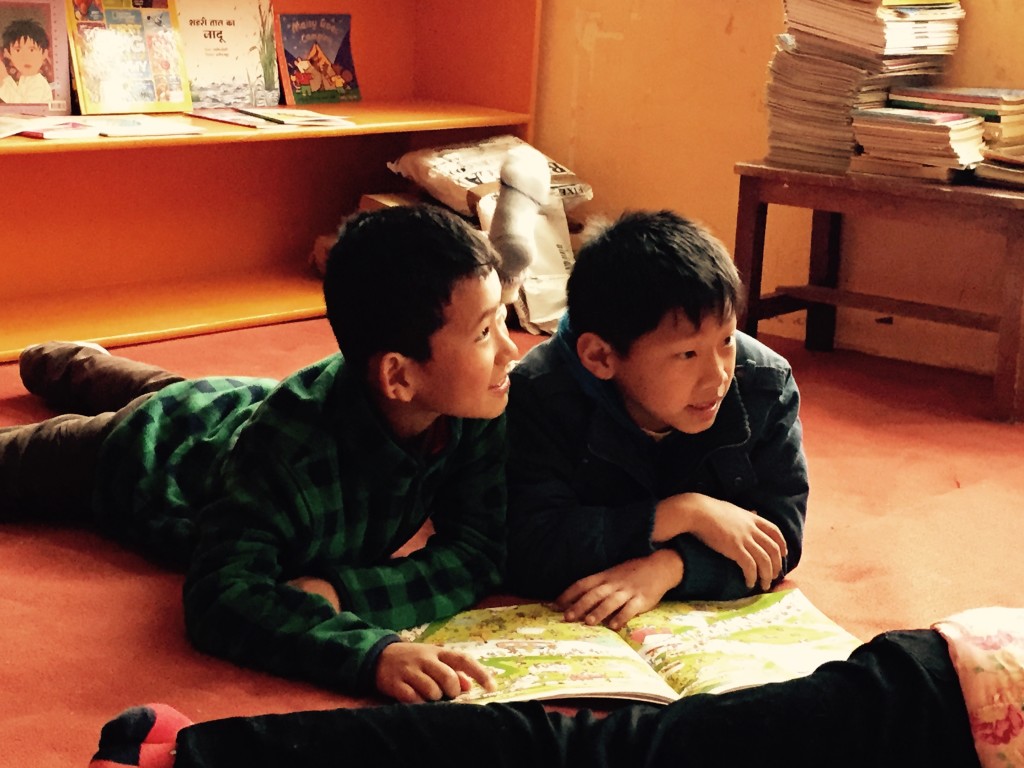
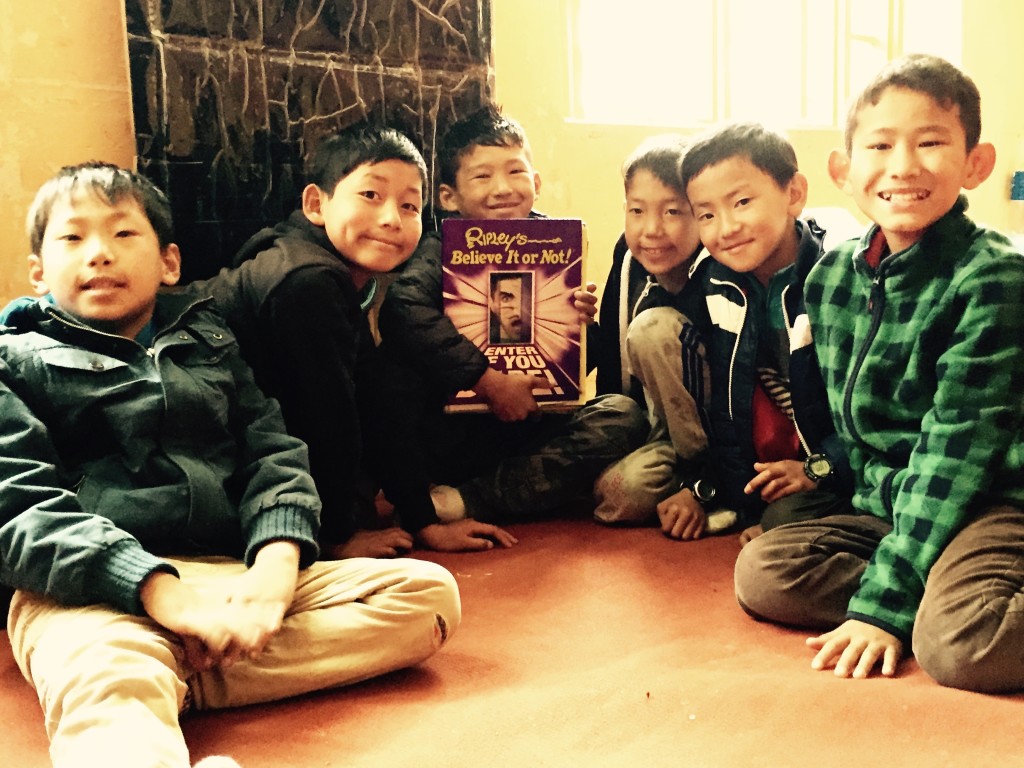
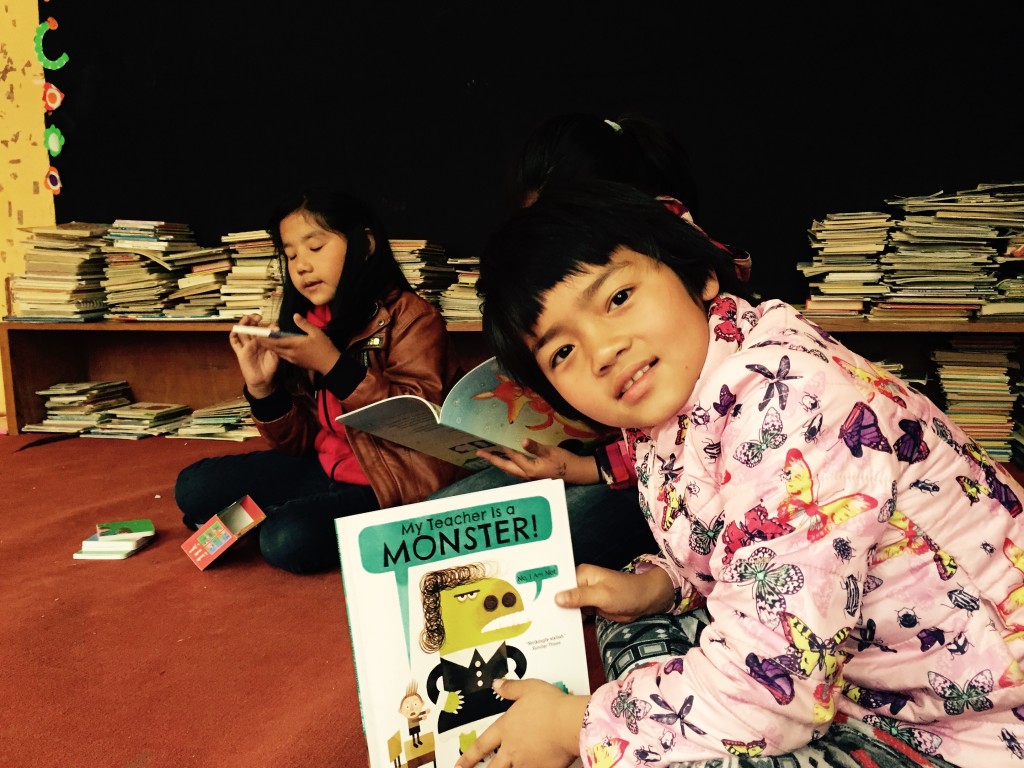
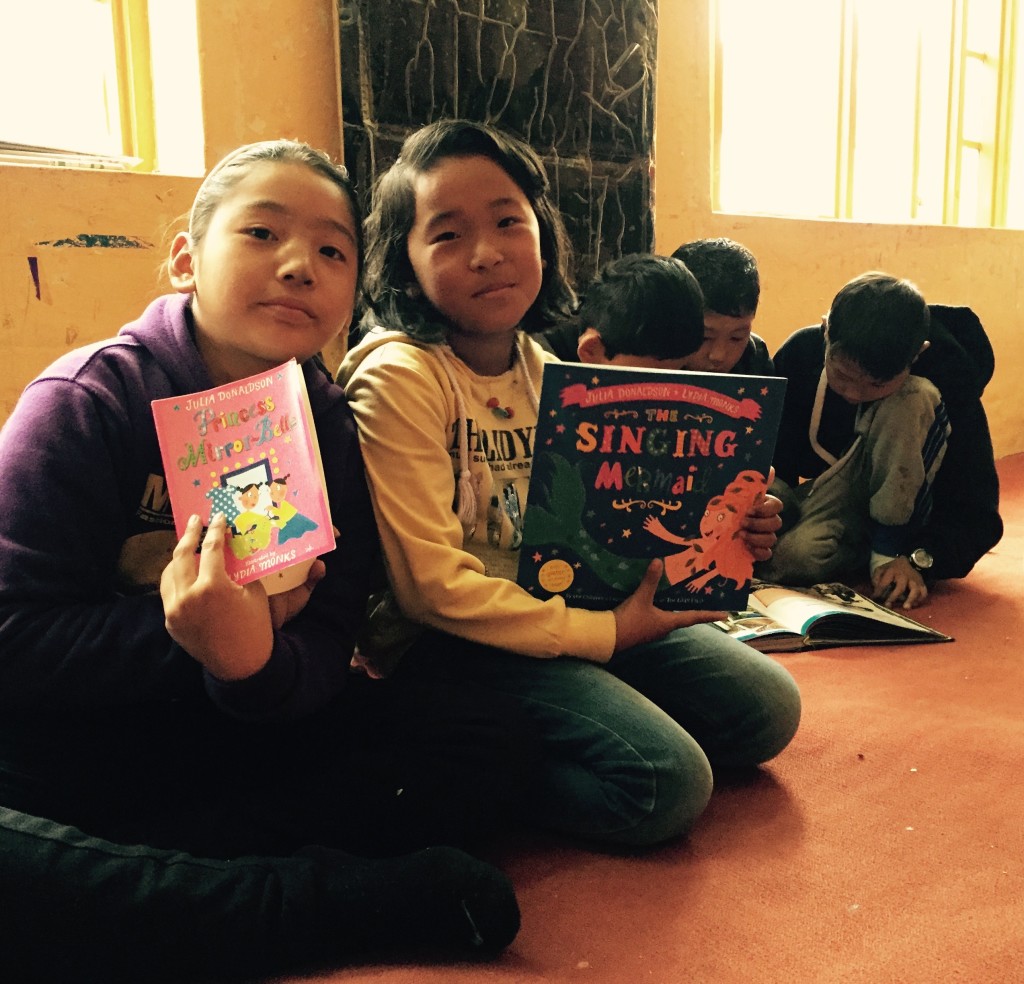
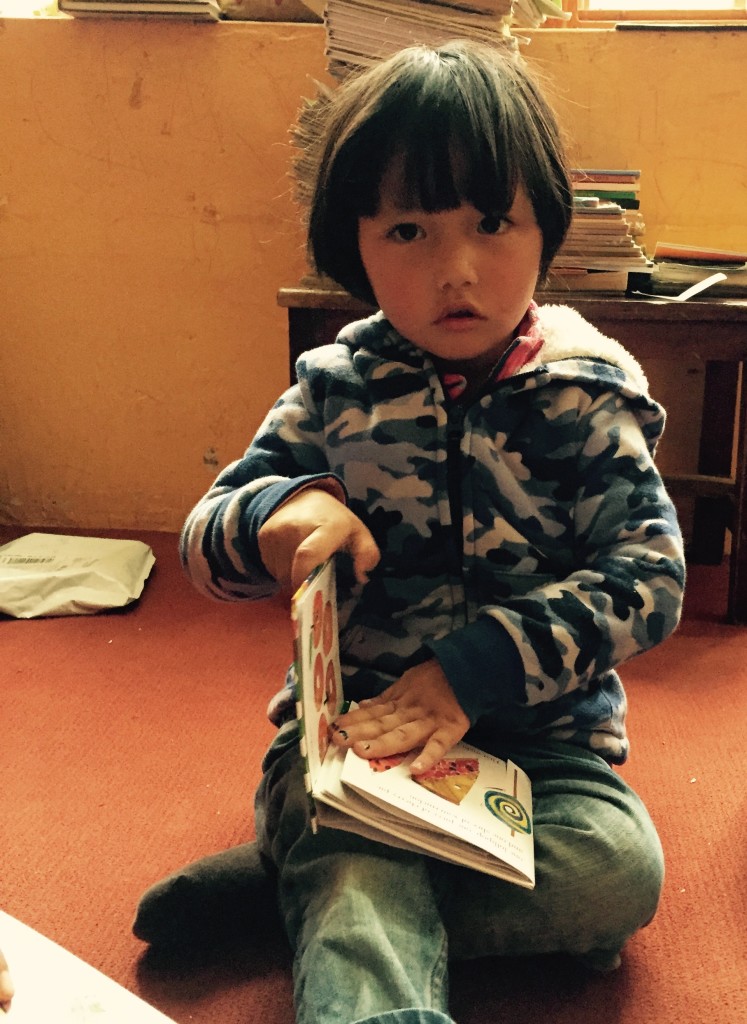
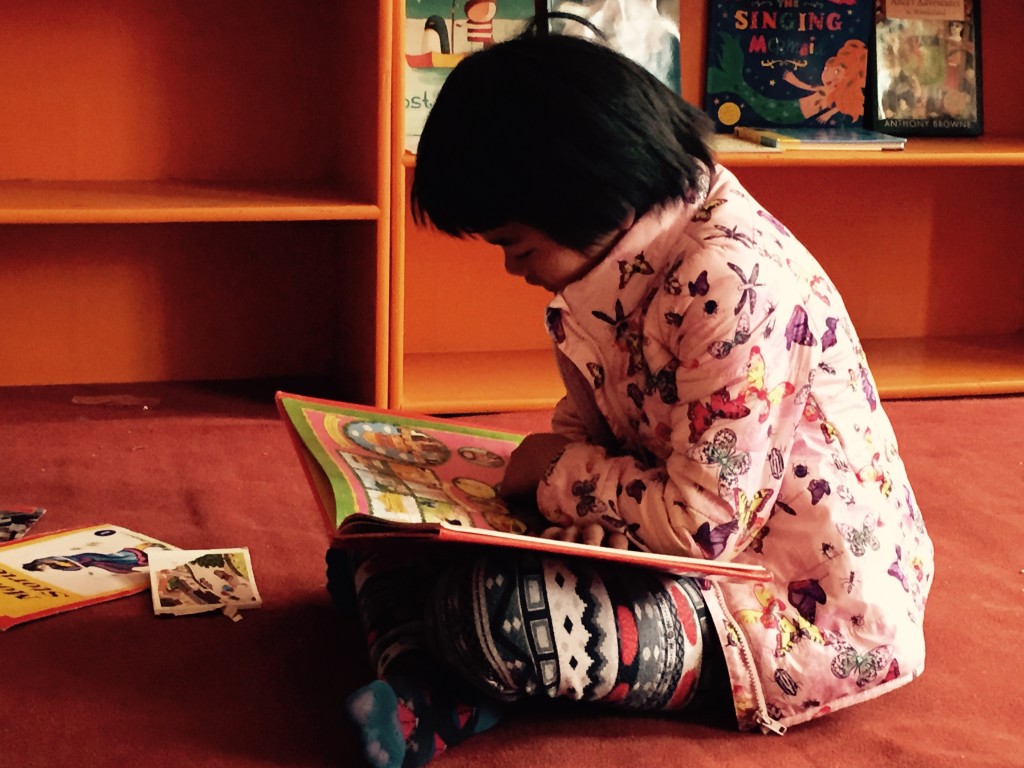
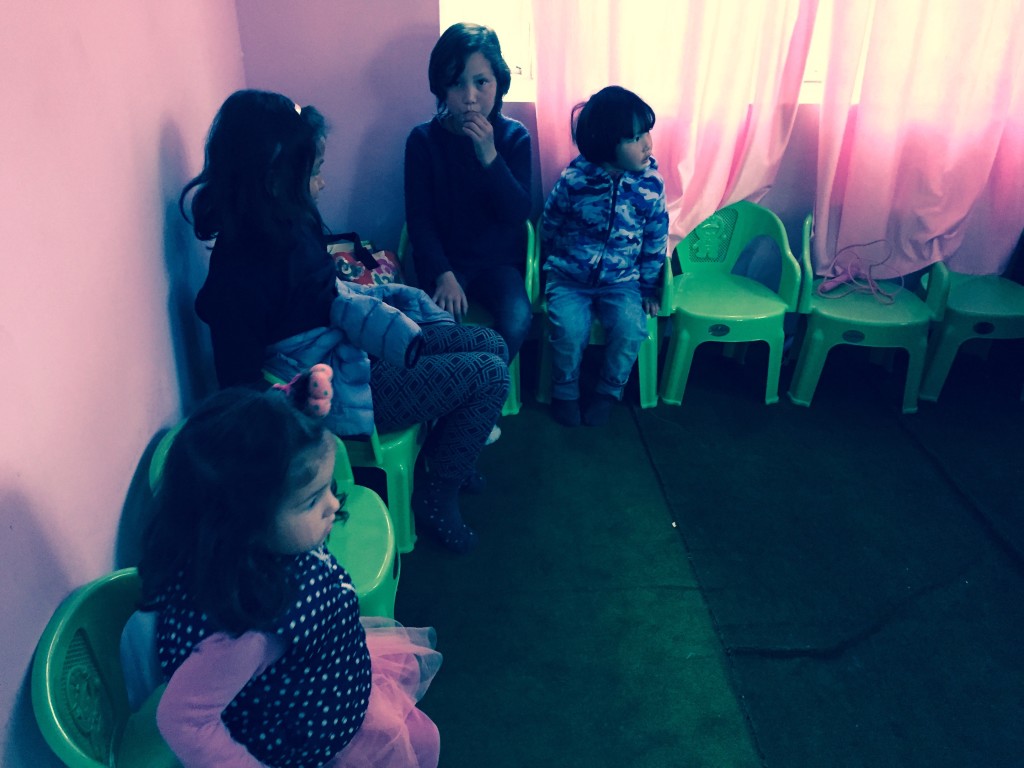
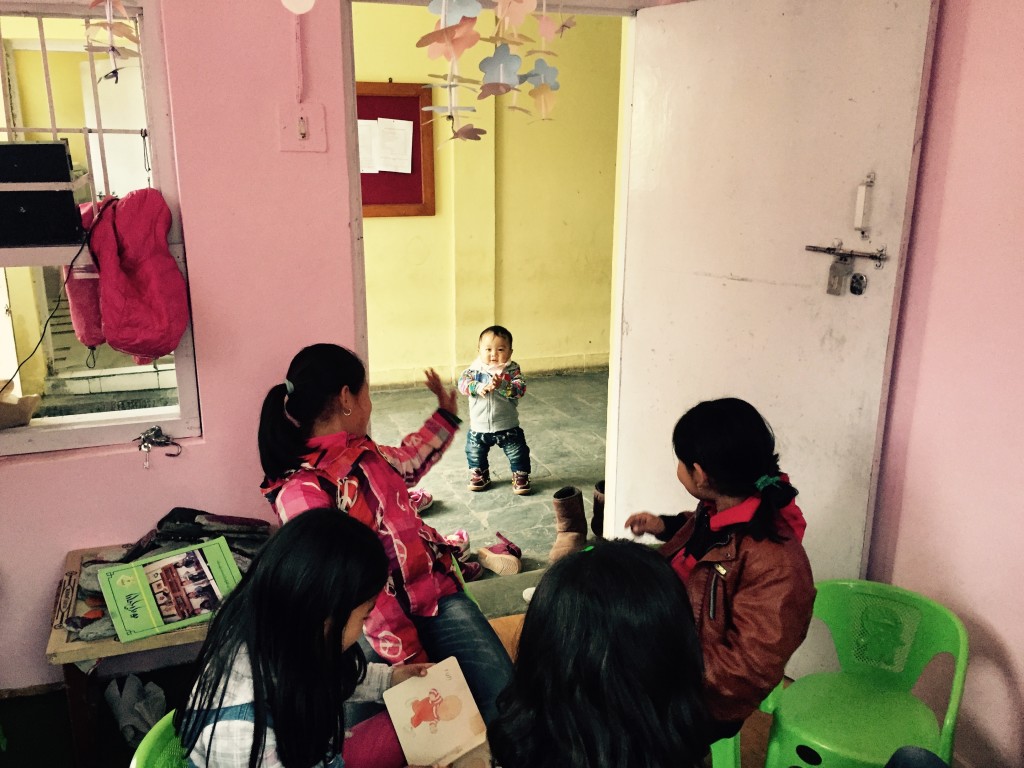
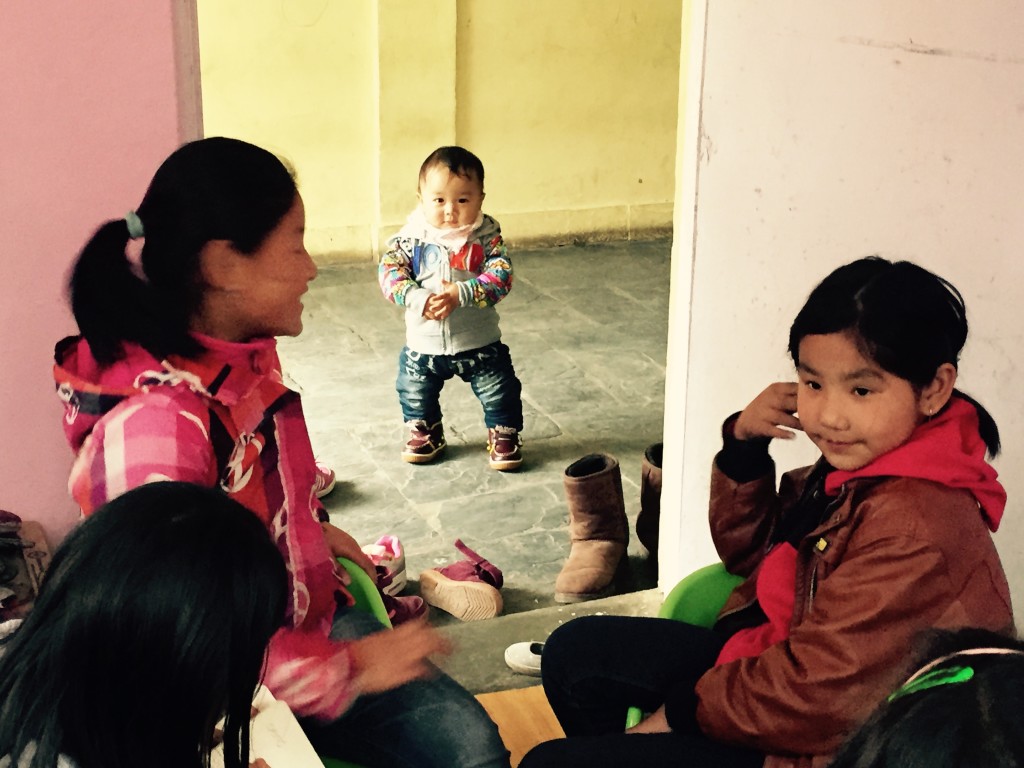
When roads are closed, children may have fewer organized activities and less contact with teachers, visitors, or outside institutions. Books provide continuity. A story hour, independent reading period, drawing session, or group discussion can give structure to long winter days and encourage children to learn together.
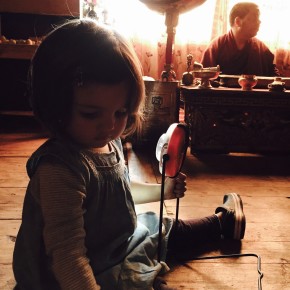
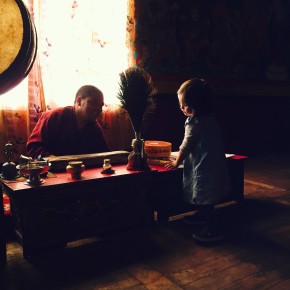
Young monks can benefit from materials that connect literacy with music, art, history, and practical knowledge. A biography can lead to a conversation about perseverance; a nature book can inspire observation and drawing; a collection of poems can become a reading performance. Educational resources become more powerful when adults help children explore them actively.
Printed books remain important because electricity and internet access cannot always be assumed. Digital content may supplement a collection, but it depends on devices, charging, connectivity, and technical support. A durable physical library offers dependable access without requiring a signal or subscription.
How Donors And Volunteers Can Support Planning
Support for winter book access is most effective when it responds to local priorities. A general donation can help purchase a broad collection, while a targeted contribution may fund transport, shelving, protective storage, or books in a particular language. Each of these needs affects whether children can actually use the resources.
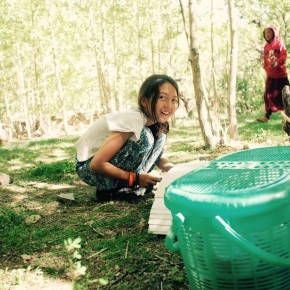
Volunteers can contribute through book selection, cataloguing, packing, translation, reading activities, and remote coordination. Book drives are especially useful when they follow clear criteria for condition, age level, language, and educational value. Shipping unsuitable or damaged books can add cost without strengthening a reading room.
Useful ways to help include:
- Donate funds for pre-winter purchasing, transport, and secure storage.
- Organize a book drive focused on high-quality children’s and young adult titles.
- Sponsor a reading-room collection suited to a specific age group or community.
- Volunteer skills in cataloguing, translation, storytelling, art, music, or educational planning.
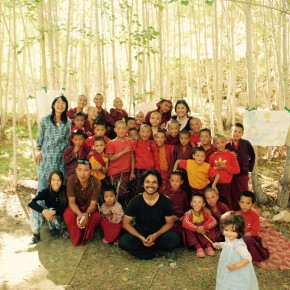
Good preparation also respects local knowledge. Teachers, monastery leaders, families, and community coordinators understand which books children choose, which languages are most useful, and which locations need additional support. Their guidance helps ensure that every shipment is practical, relevant, and welcomed.
Building A More Reliable Winter Network
The long-term answer is not simply to send more books before the first snowfall. It is to develop a dependable network that connects donors, publishers, transport providers, volunteers, and local educators. Shared calendars, seasonal purchasing plans, and regular feedback can make each year’s preparation more accurate.
Partnerships with regional booksellers and community organizations may reduce travel distances and strengthen local access. Where appropriate, small reserve collections can be placed in strategic locations before winter. These reserves provide a buffer when a remote reading room cannot receive its usual delivery.
Records from each season can guide future decisions. Which routes remained open longest? Which titles were most used? Did storage protect the books adequately? Were there gaps in language, reading level, or subject? Answering these practical questions allows the program to improve without losing sight of its central purpose: giving children the freedom to discover, imagine, and learn.
A contribution to Avalokiteśvara Trust can help place meaningful books within reach before winter roads close. Whether through funding, carefully selected donations, or volunteer support, each act of participation strengthens reading rooms and keeps educational, artistic, and musical opportunities available in Himalayan communities throughout the coldest months.