Book drive logistics where there is no postal service
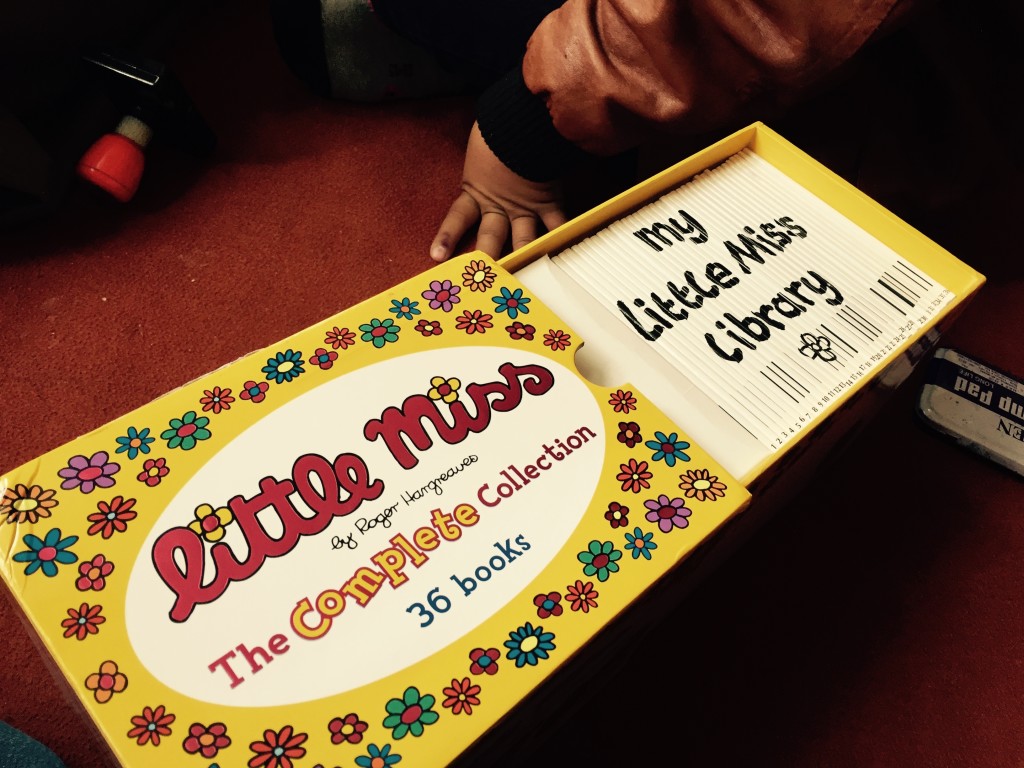
A book drive sounds simple: collect books, sort them, send them to the children who need them. For Avalokiteśvara Trust, the collecting happens in Australian cities and the sending happens into Ladakh, Himachal Pradesh and other Himalayan communities. The two halves of the job share almost nothing. One runs on volunteers, school halls and car boots; the other runs on buses, jeeps, mules and people.
Posting a crate of books in Australia is unremarkable: leave it at the counter in the post office at Lithgow, pay by weight, print a label. In many Himalayan districts there is no postal service at all, and a plan built around a parcel ends at a depot. So a book drive here has to be planned backwards from the village gate, as a consignment with named custodians rather than a shipment with a tracking number.
Why the postal playbook collapses in the Himalaya
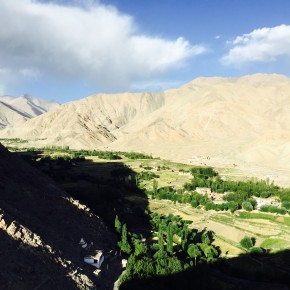
Postage is a chain of collection point, sorting hub, line-haul and last delivery leg, and almost every failure happens on that last leg. In the high Himalaya it has no vehicle on it. Villages sit kilometres above the road, across rivers and glacier-fed streams, with the nearest bus stop a half day's walk away.
Indian Post and courier firms serve Leh, Kargil and larger towns, and private operators will carry freight beyond where the mail goes. What they do not offer is a delivery to a monastery gate or a side-valley school: no signature, no tracking on the final handover, no insurance.
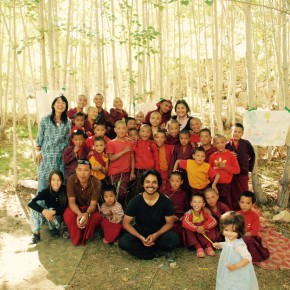
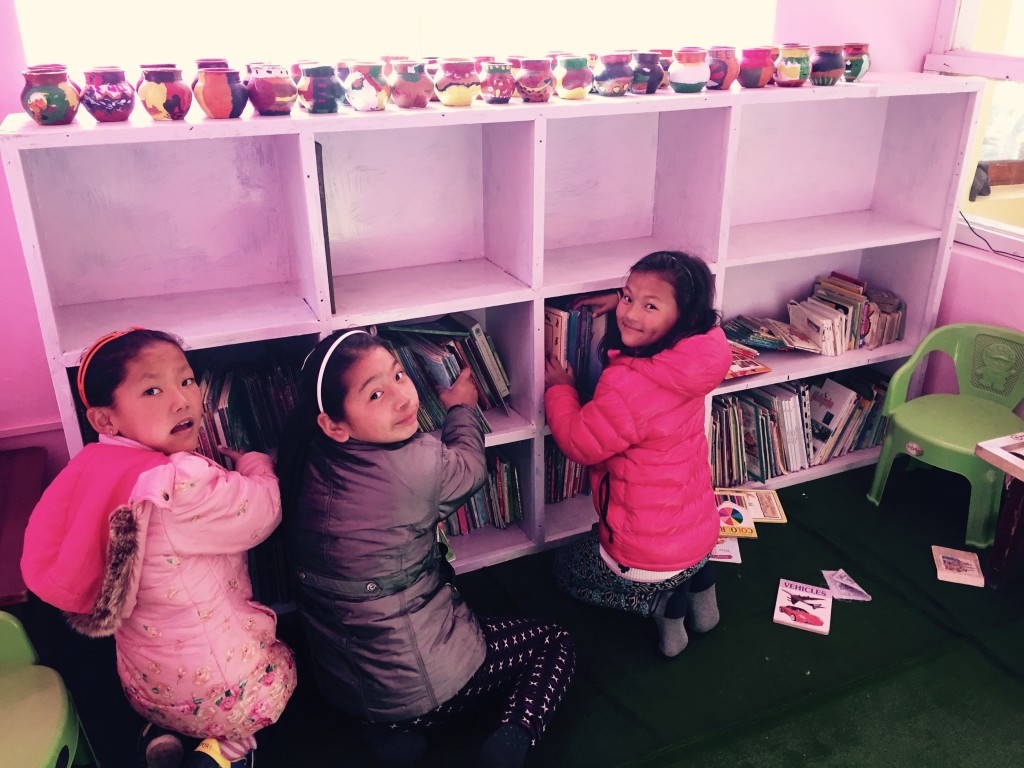
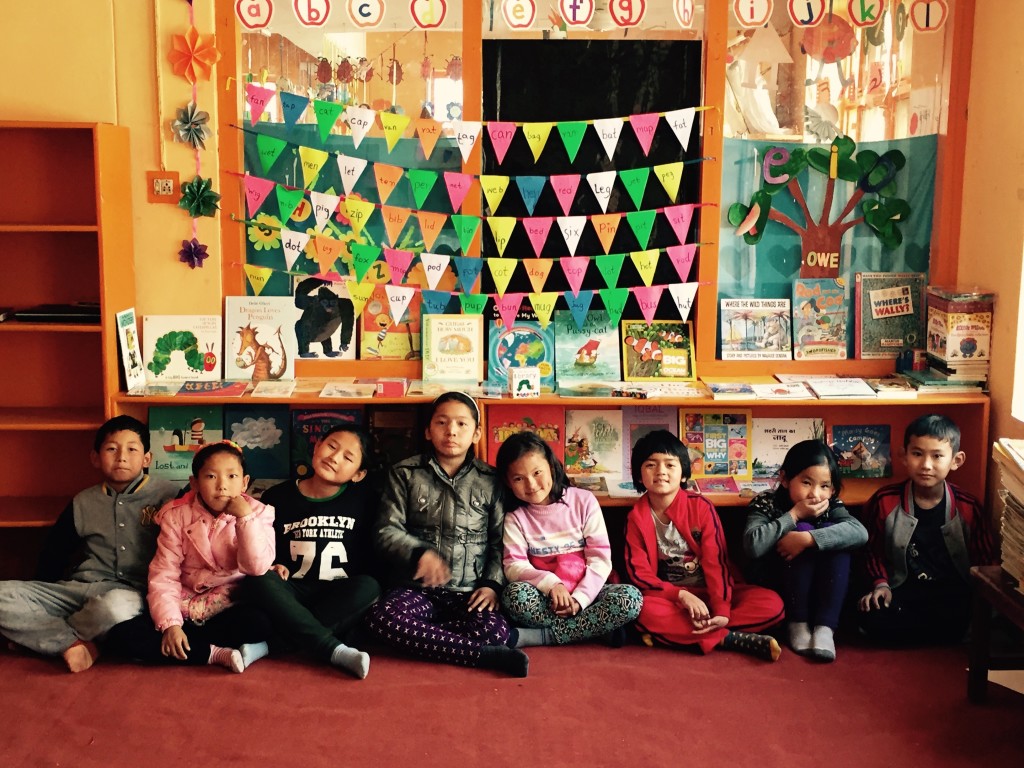
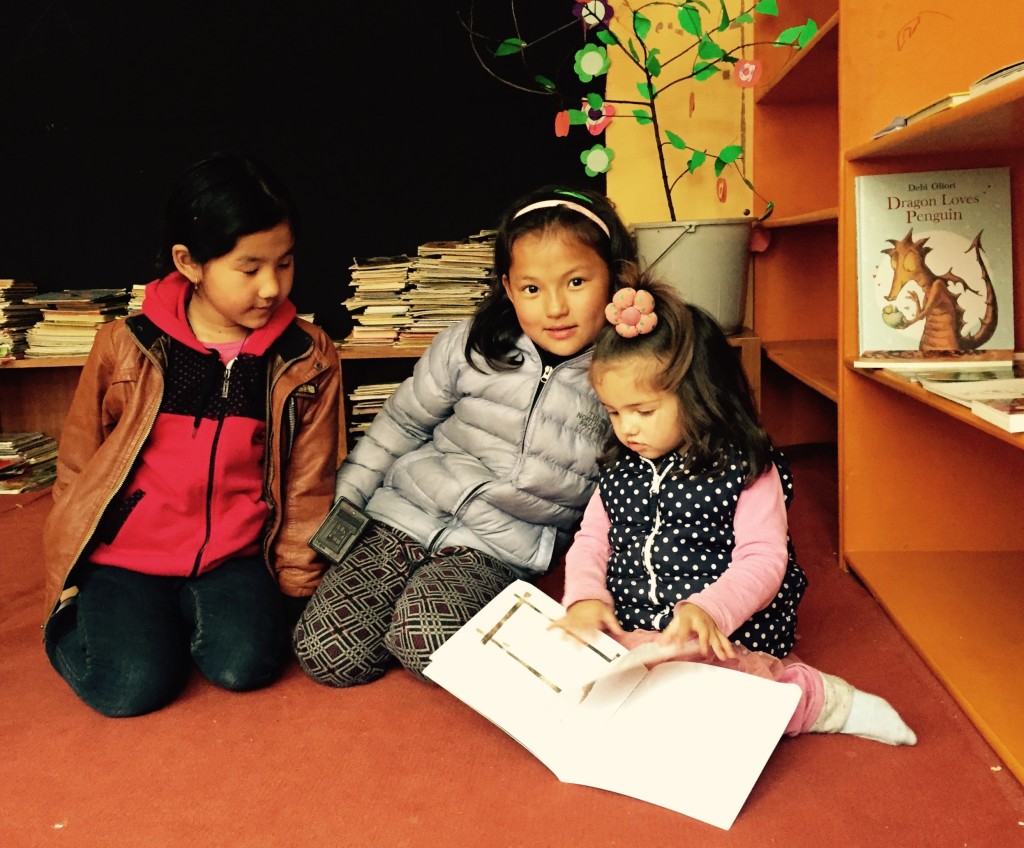
So the trust works backwards. A partner in Leh or Kargil confirms how many children and monks a reading room serves, volunteers are told which languages and reading levels are wanted, and every consignment carries a named custodian at each handover.
What the route looks like from Leh
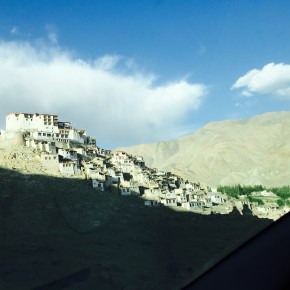
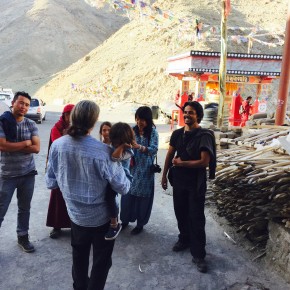
Everything from Leh is seasonal. The Manali–Leh and Srinagar–Leh highways open when the passes clear and shut again when snow returns, so freight moves in convoys inside that window rather than as a continuous service. Towards Kargil, Spiti and Zanskar the usable road ends sooner, and the last leg becomes a bus, a jeep, a mule or a person's back.
That leg sets the real limits. A mule carries a fraction of a truck's load, a porter takes what he can lift unaided, and a bus takes freight only when there is room beside the passengers. Heavy crates sit in a Leh depot; oversized crates arrive broken and wet. Good intentions have to become small, light, well-packed boxes.
The chain also runs through villages rather than couriers alone. A recent note on local farmers backing literacy shows farming households contributing books, labour and transport, so a consignment arriving in Leh is often re-sorted locally and handed onward by people who know which side valley a school sits on.
Sorting, packing and weighing the consignment
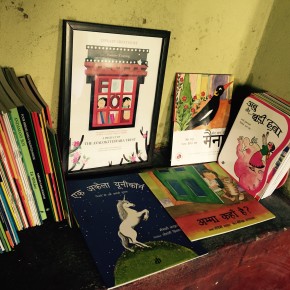
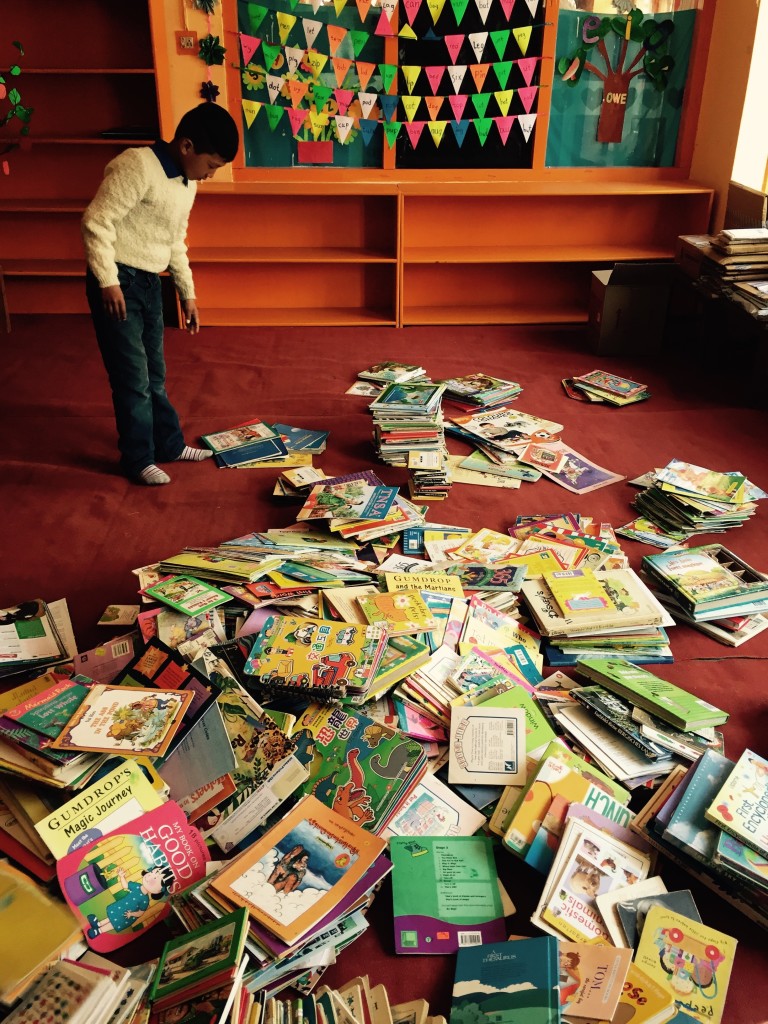
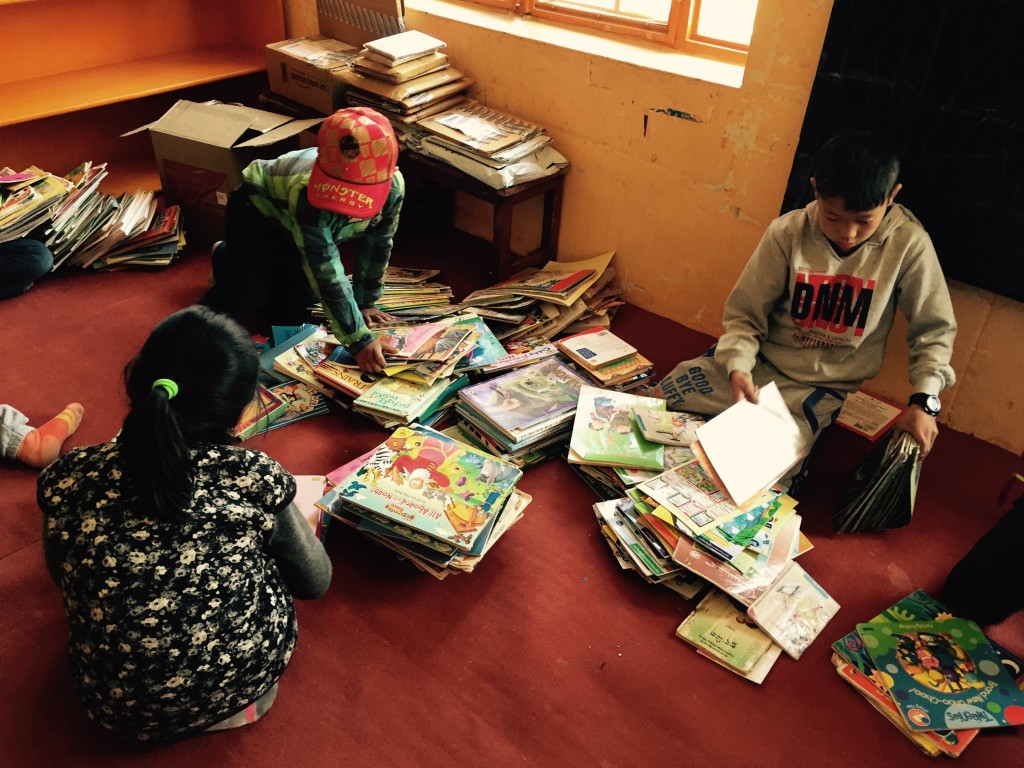
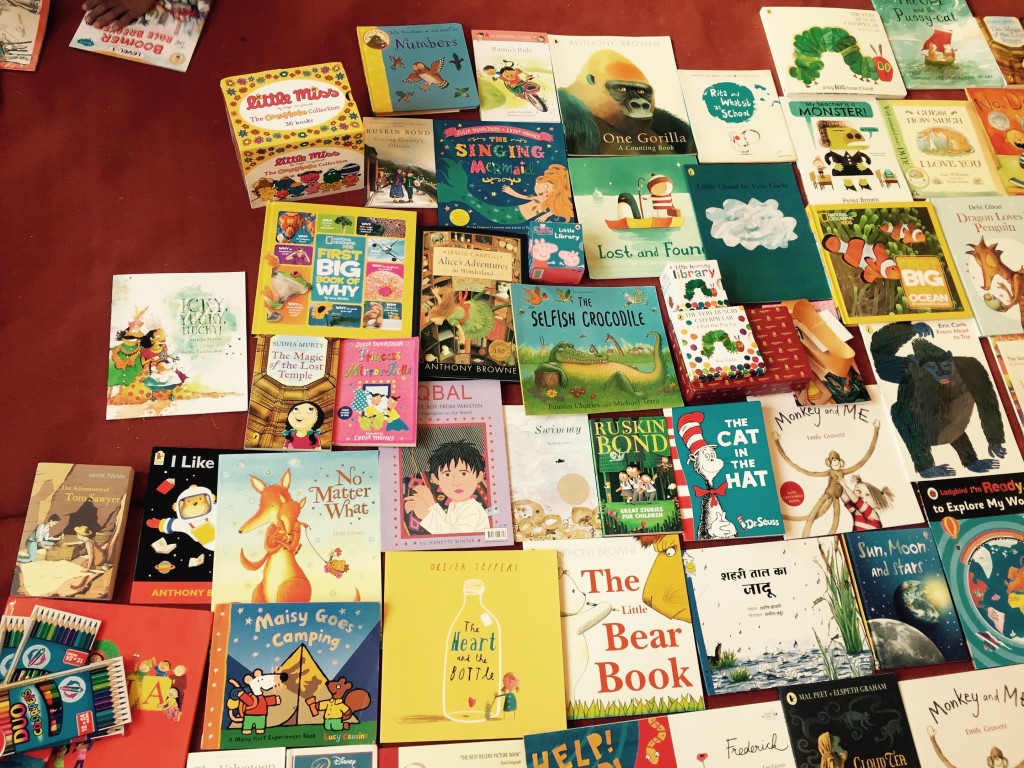
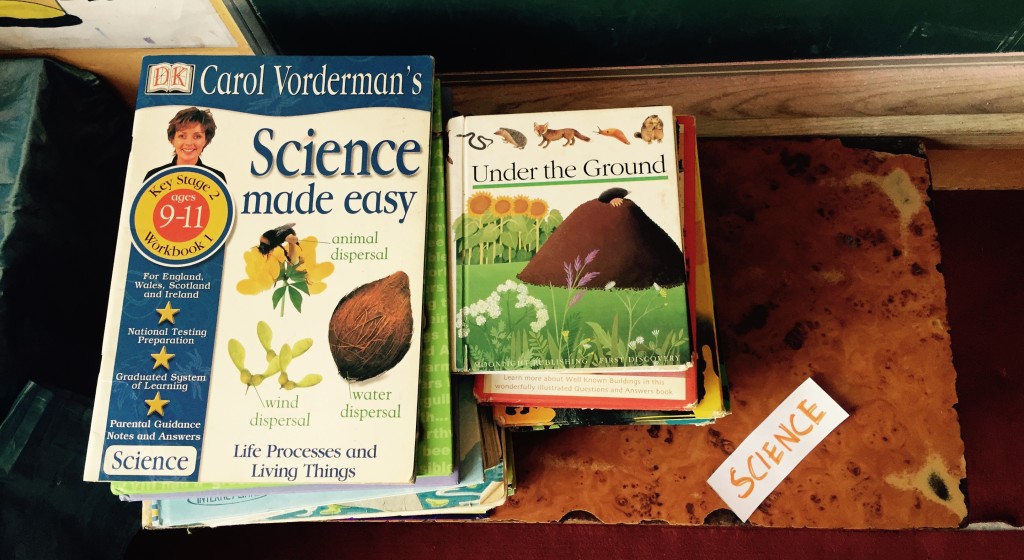
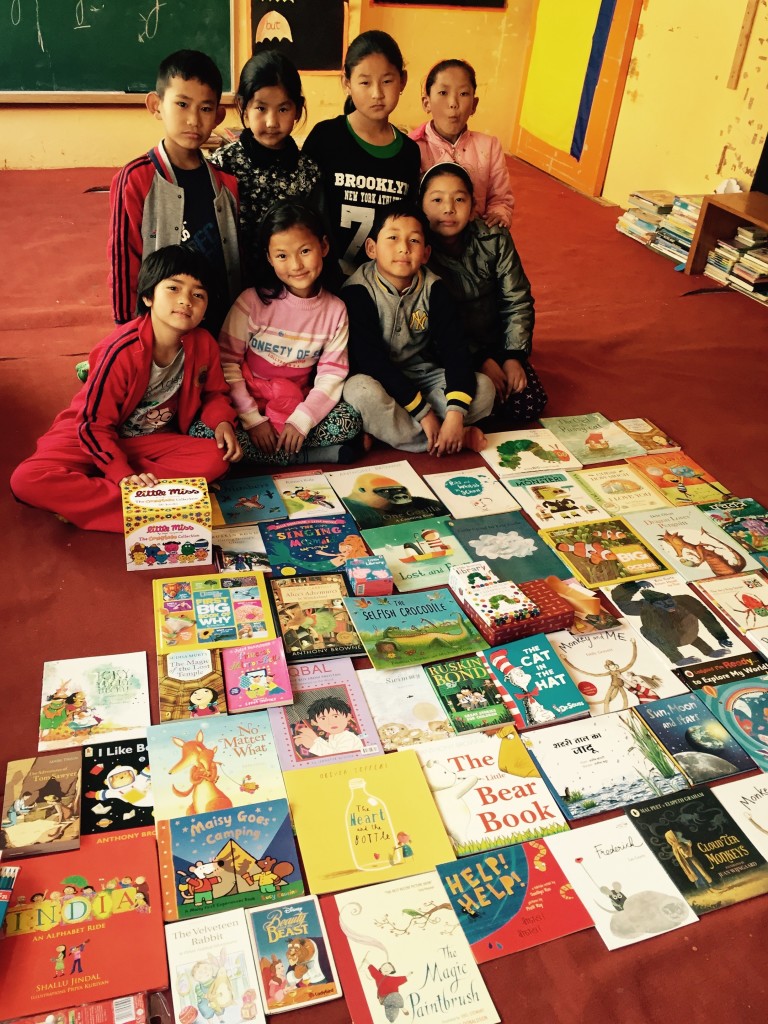
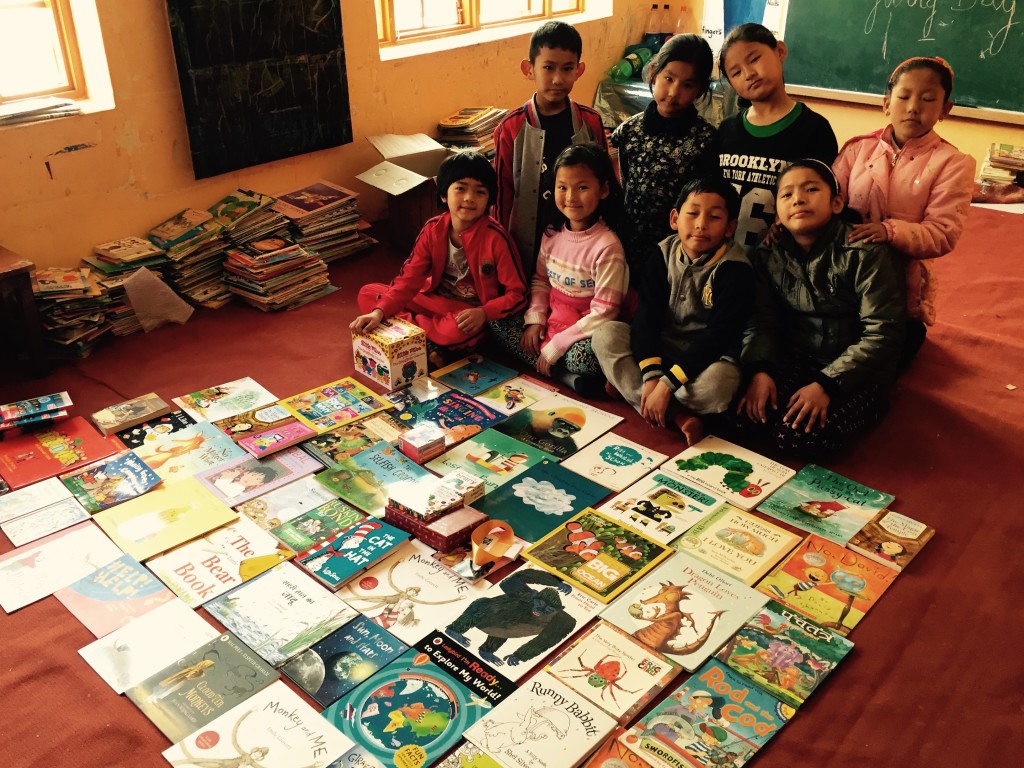
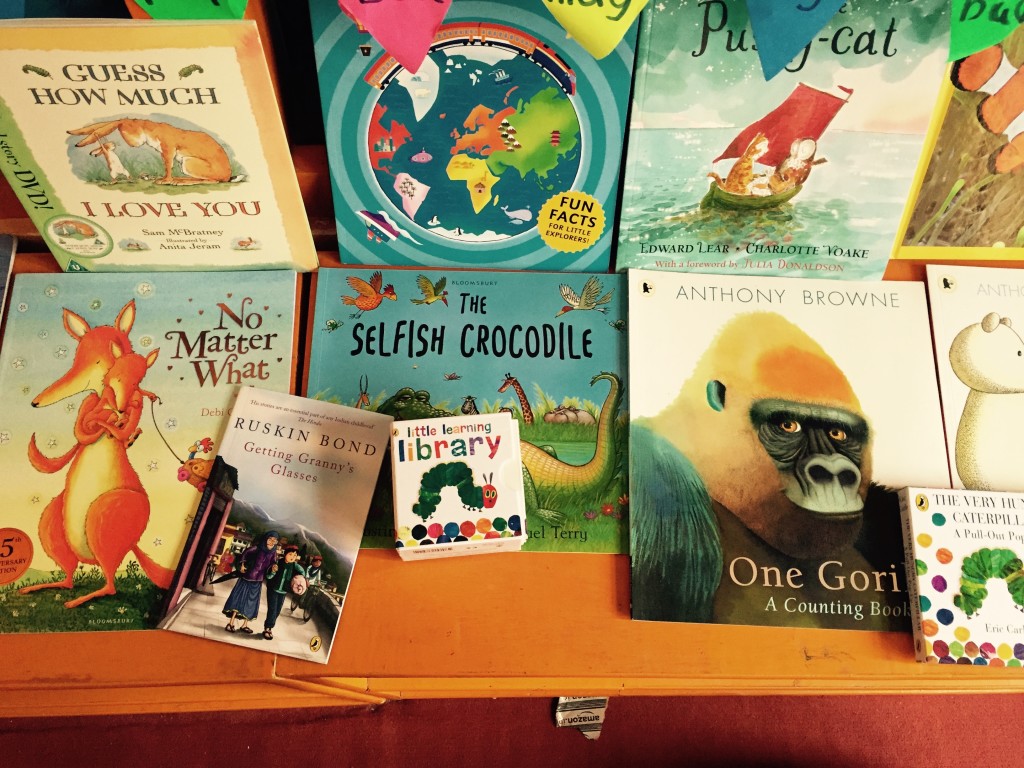
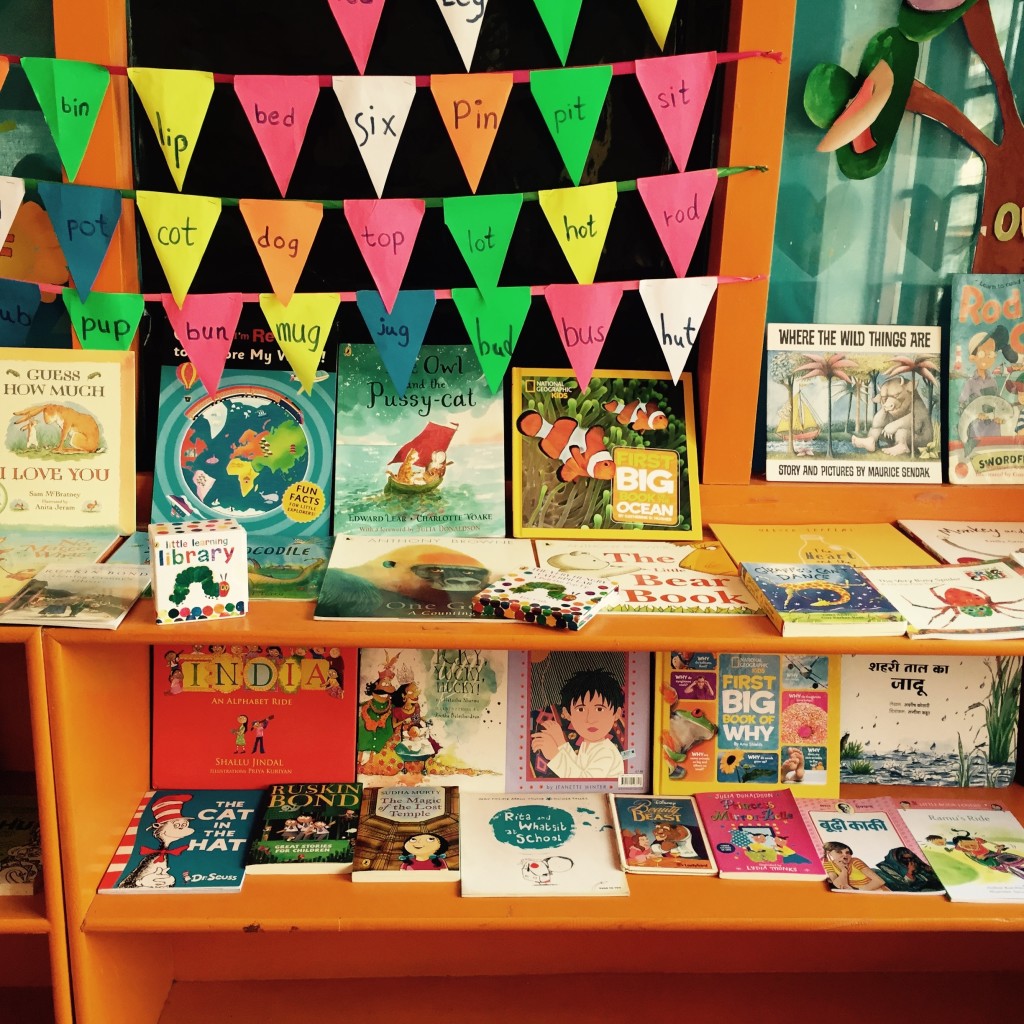
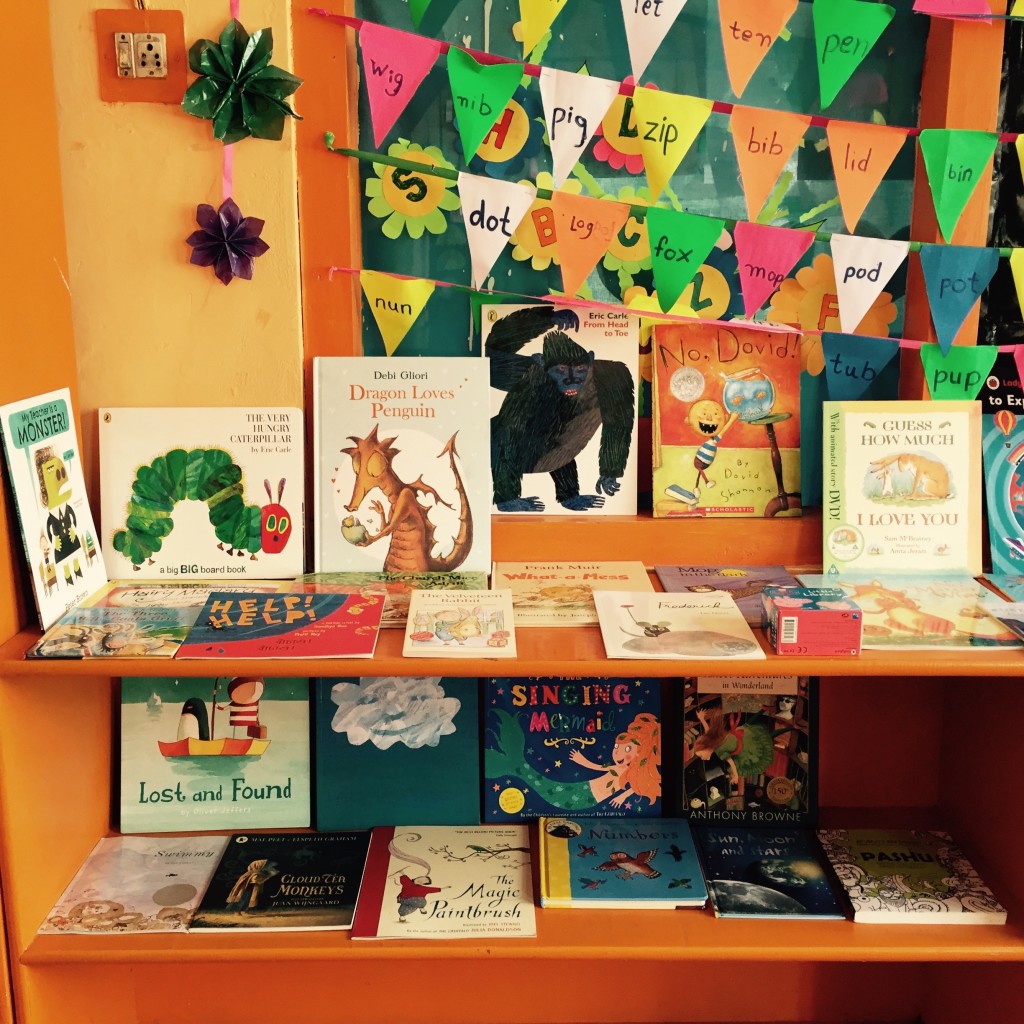
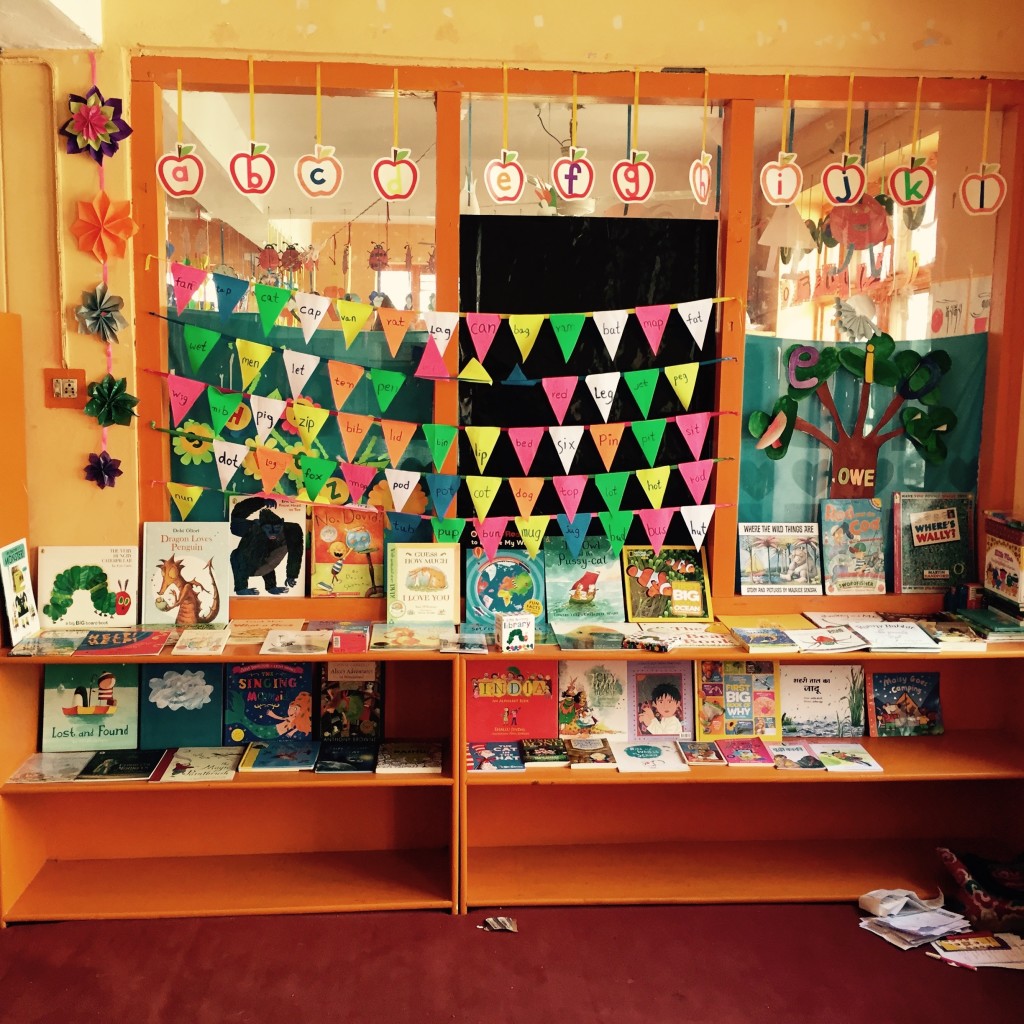
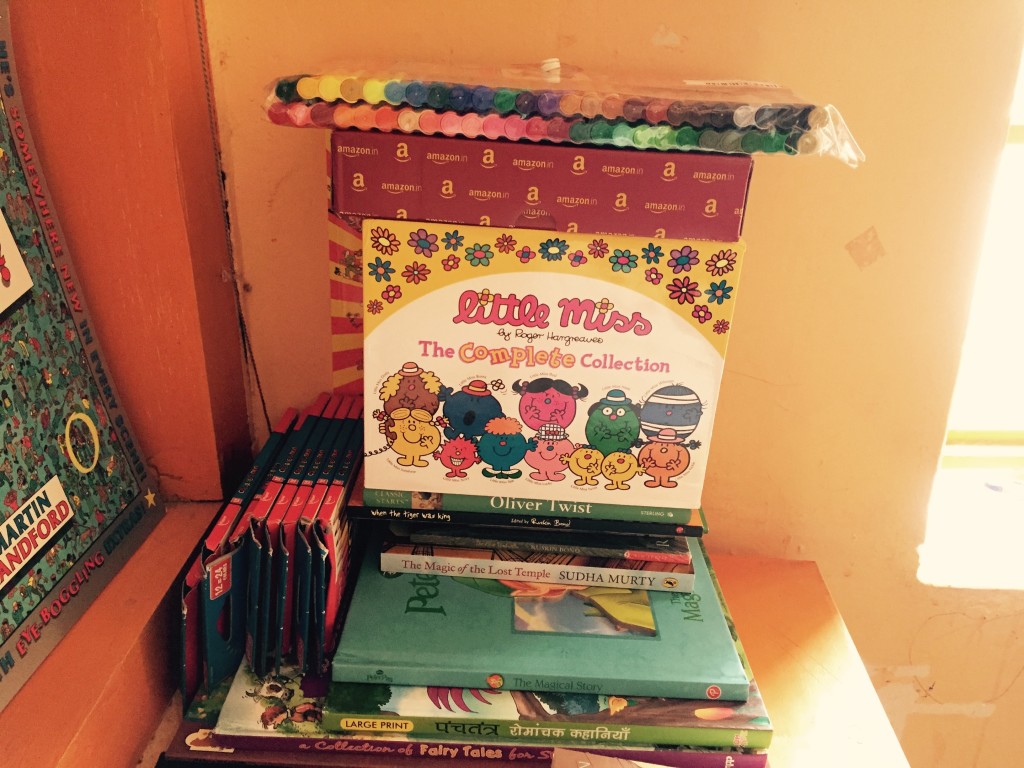
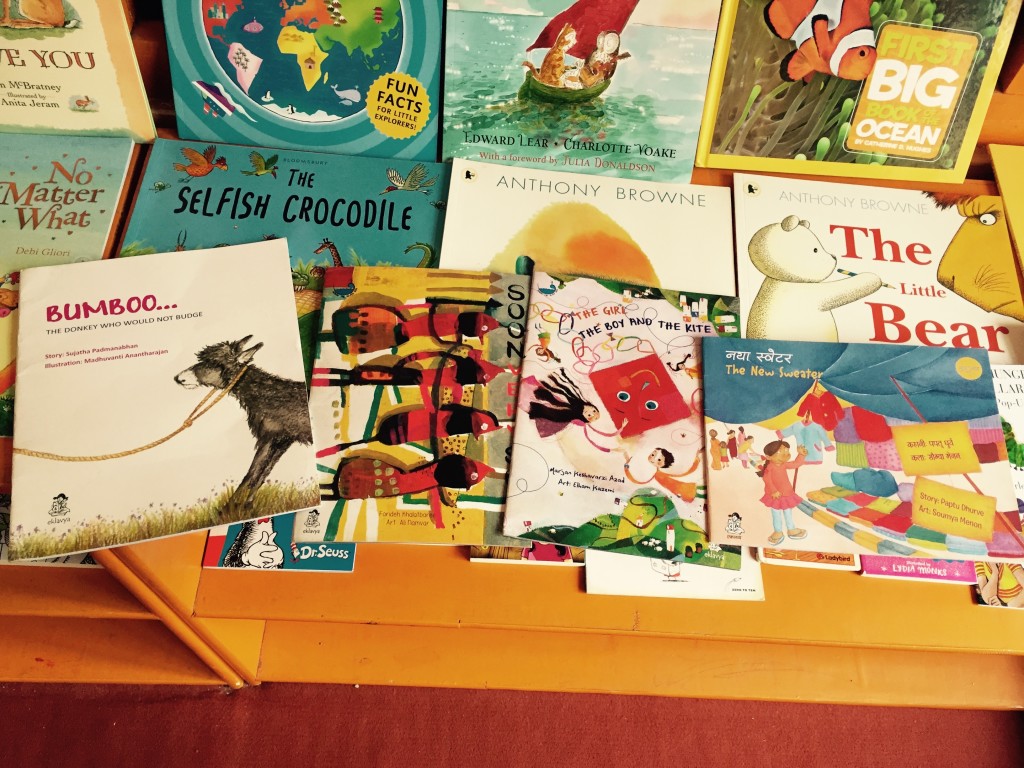
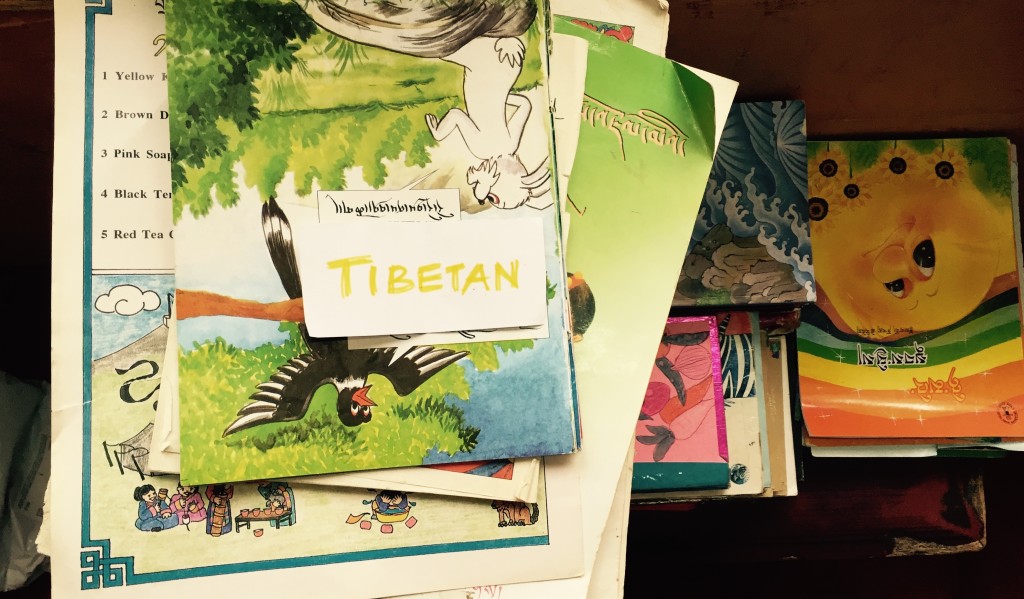
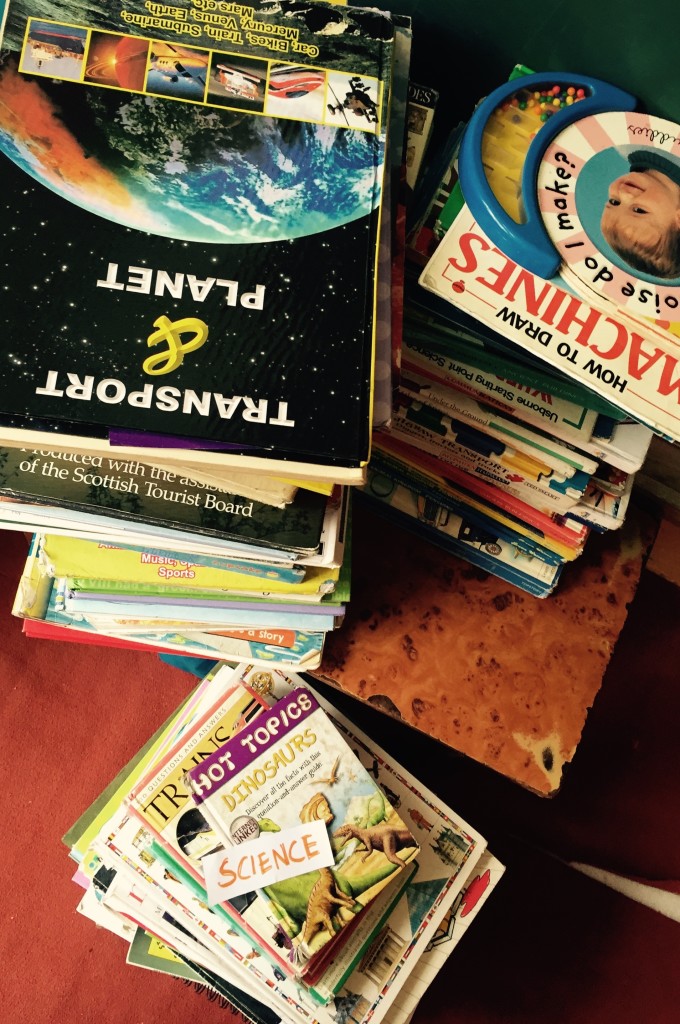
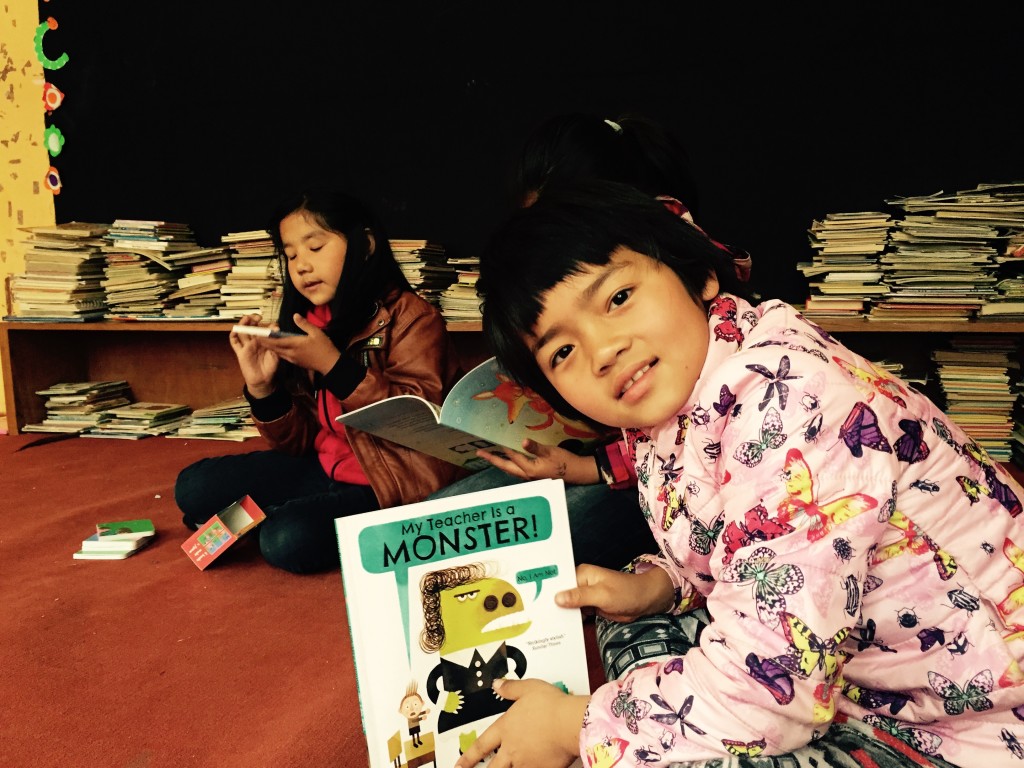
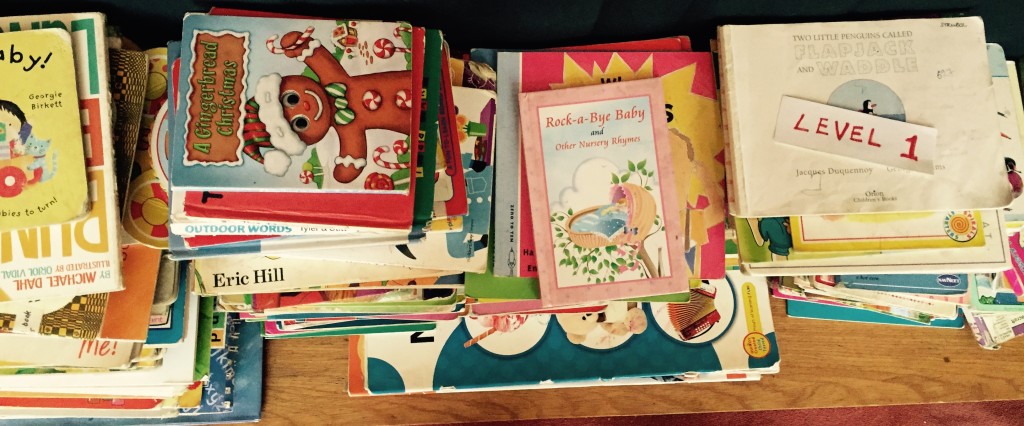
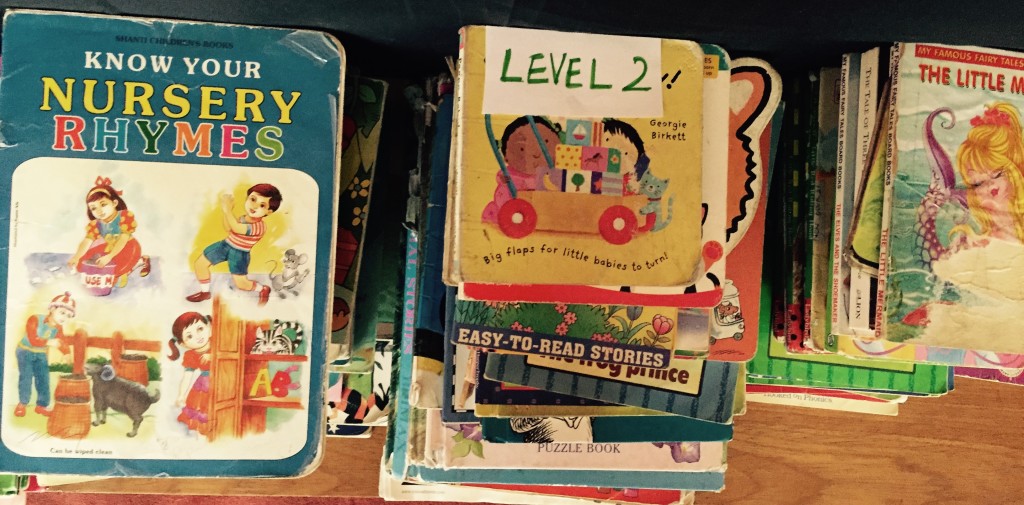
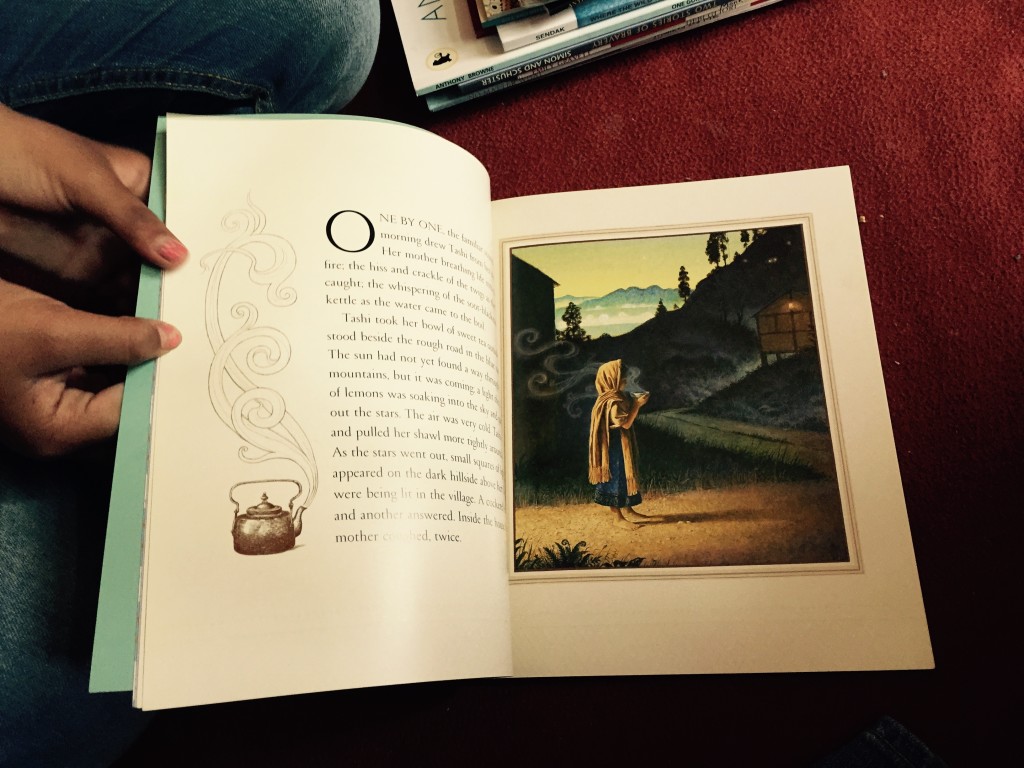
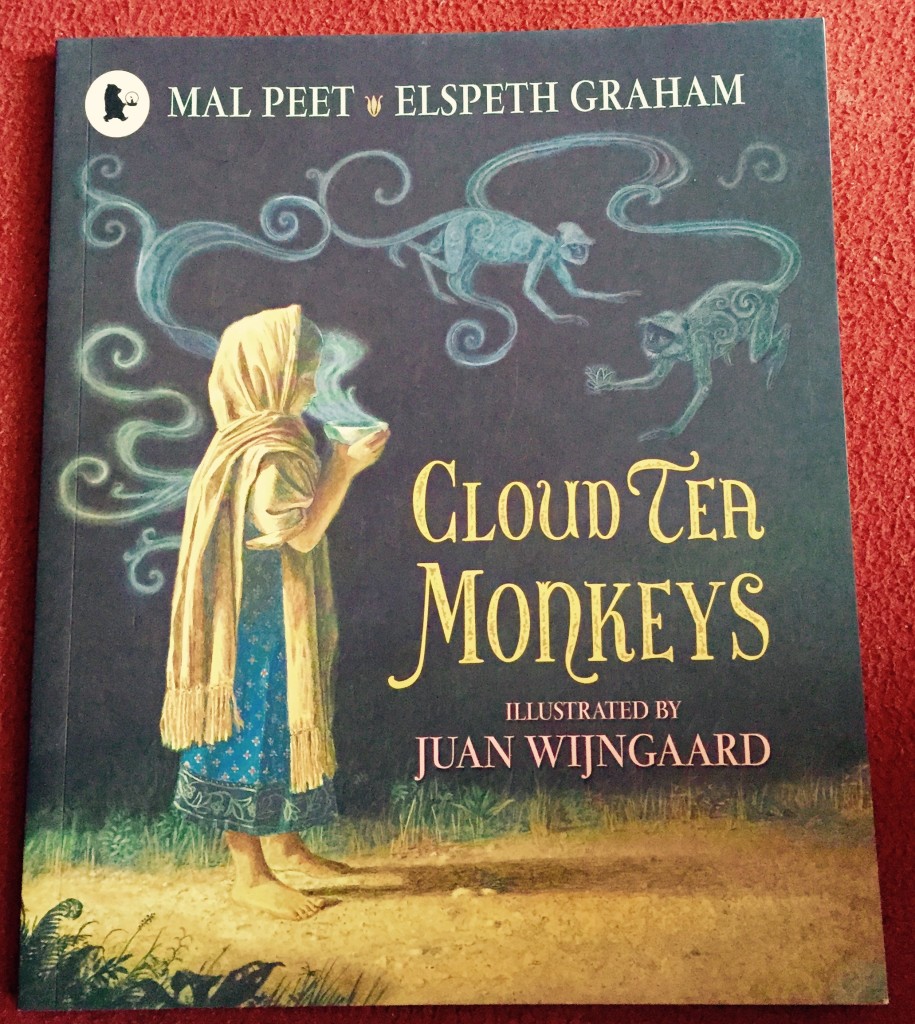
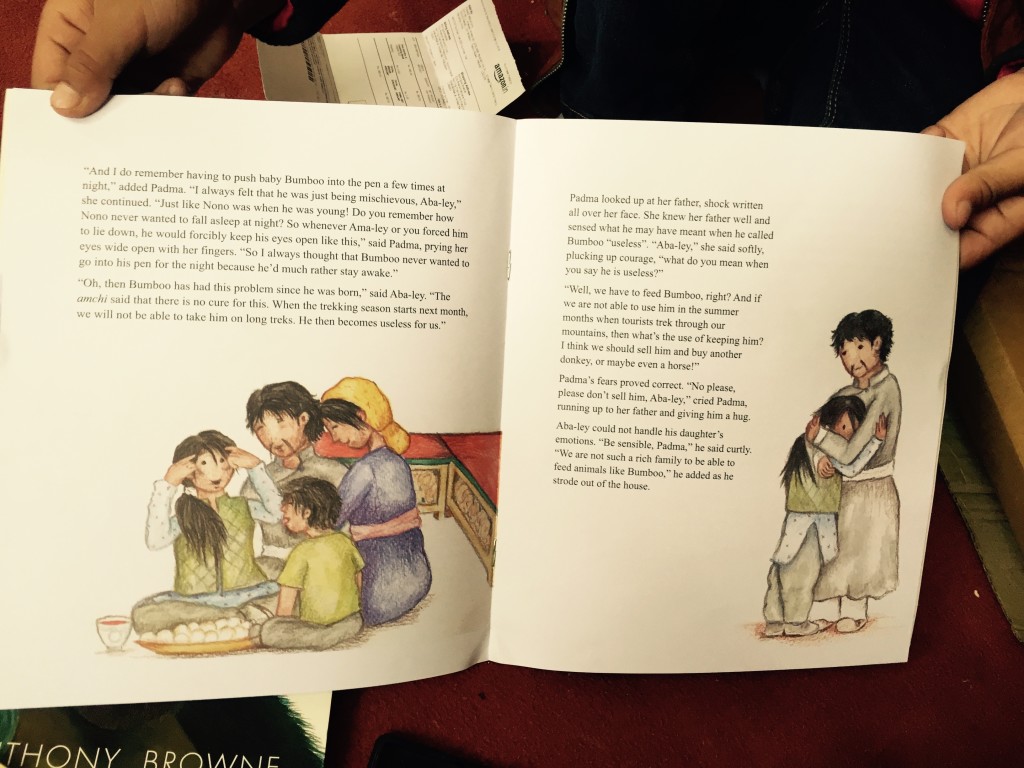
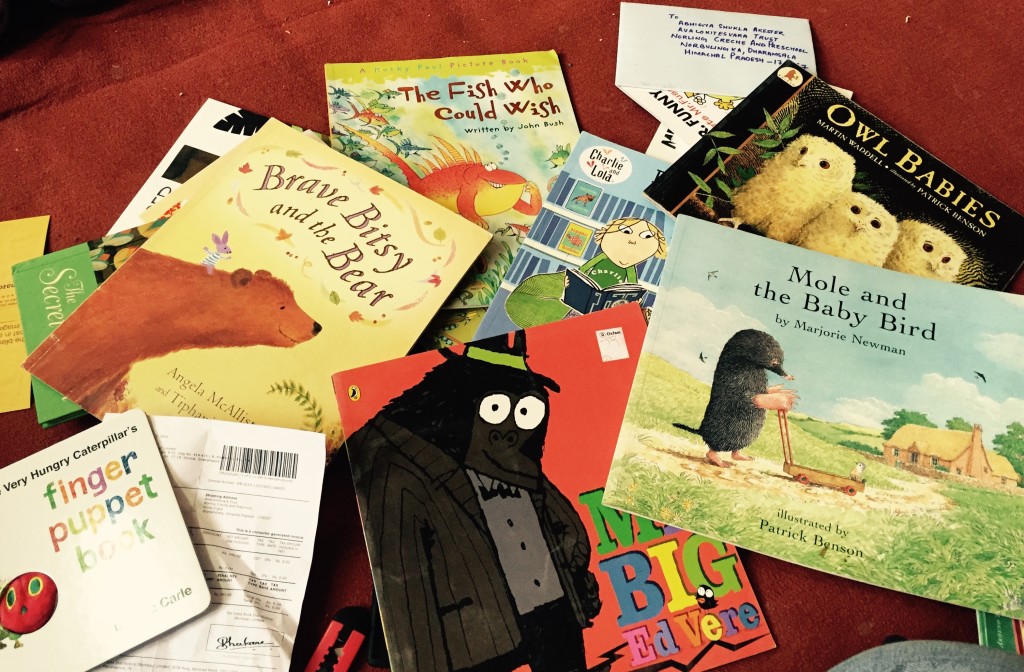
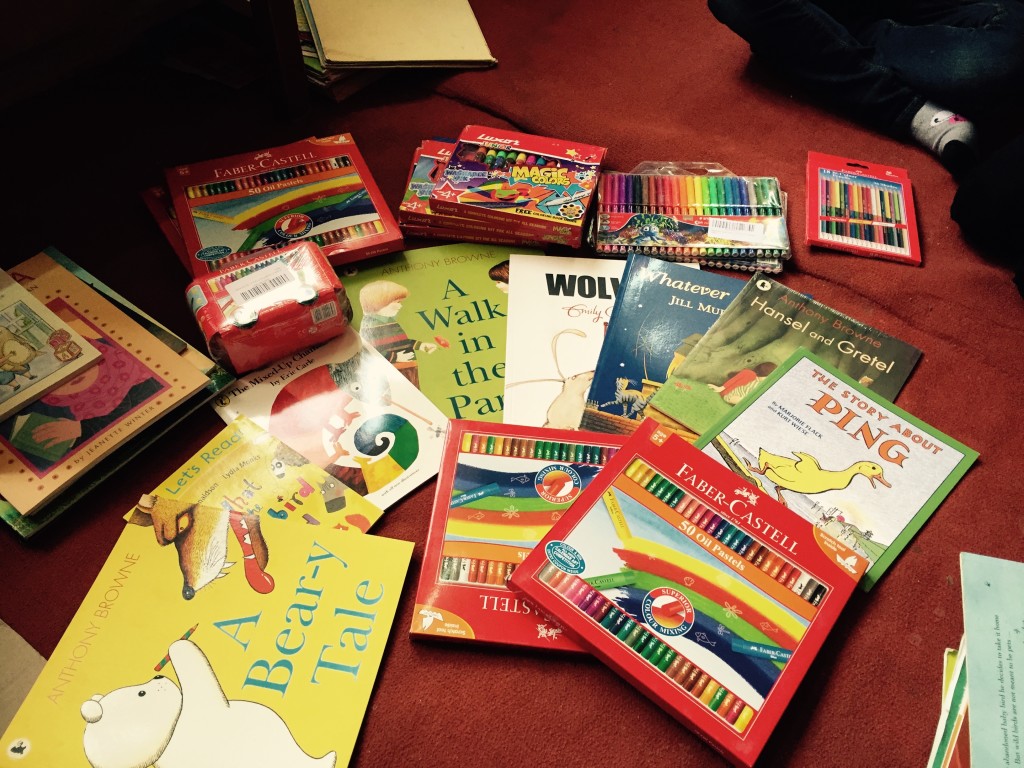
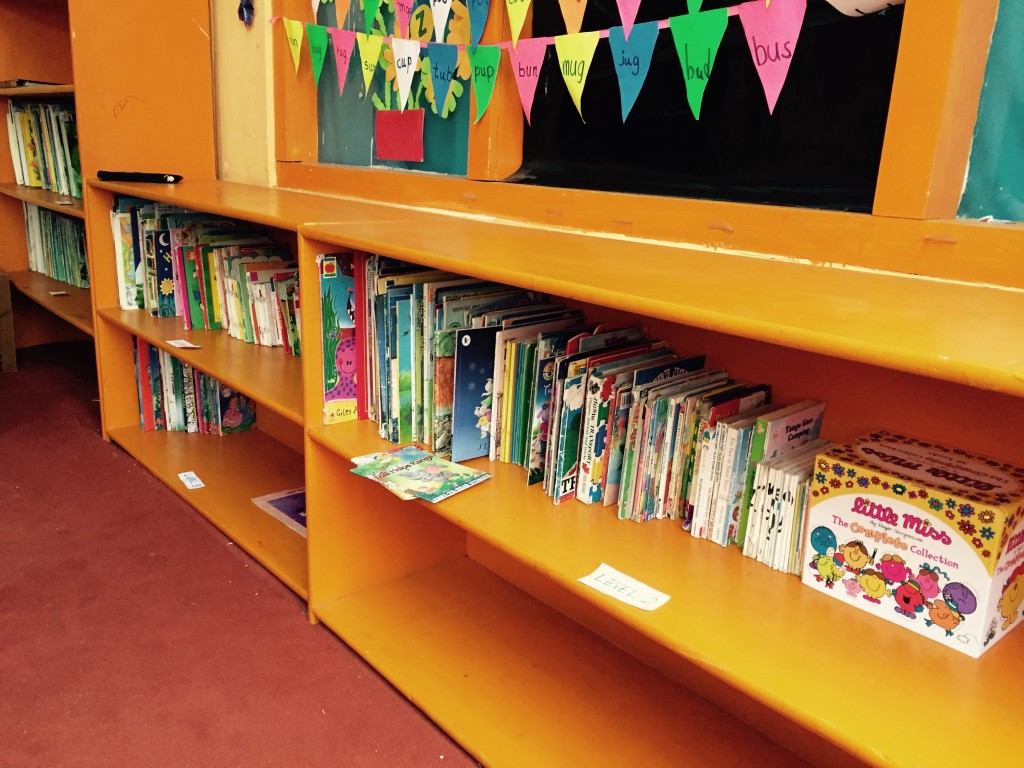
Books are awkward freight: heavy for their size and priced by weight. Four hundred children's readers in one crate can approach half a tonne. Volunteers therefore get a weight cap rather than a book count, and are asked to prioritise titles a child will actually read: primers and picture books in Ladakhi, Hindi and English, plus reference and science titles for older students in monastic schools.
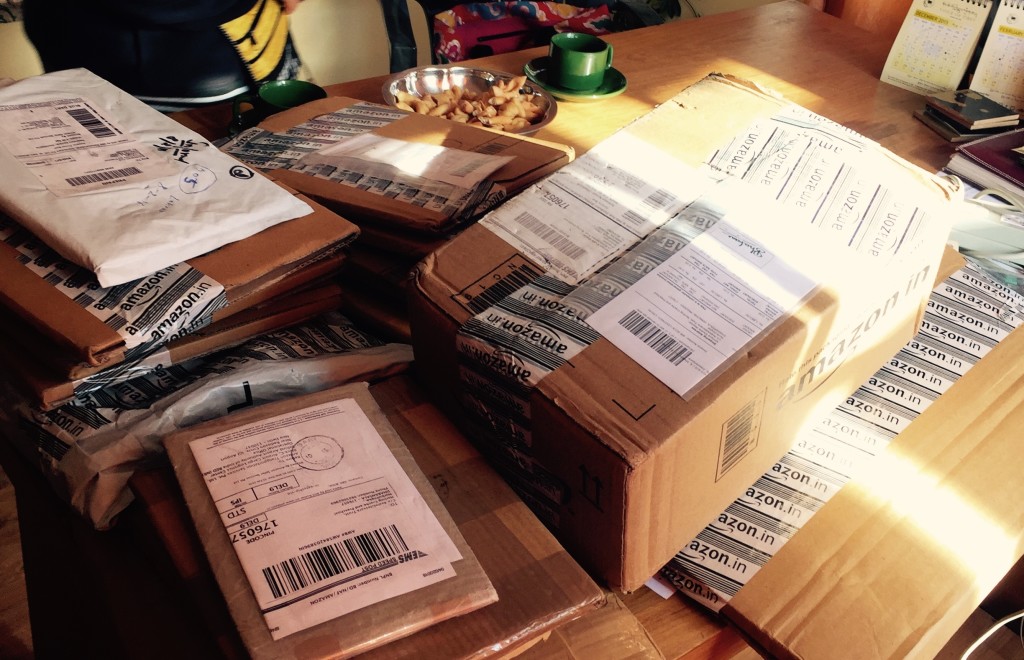
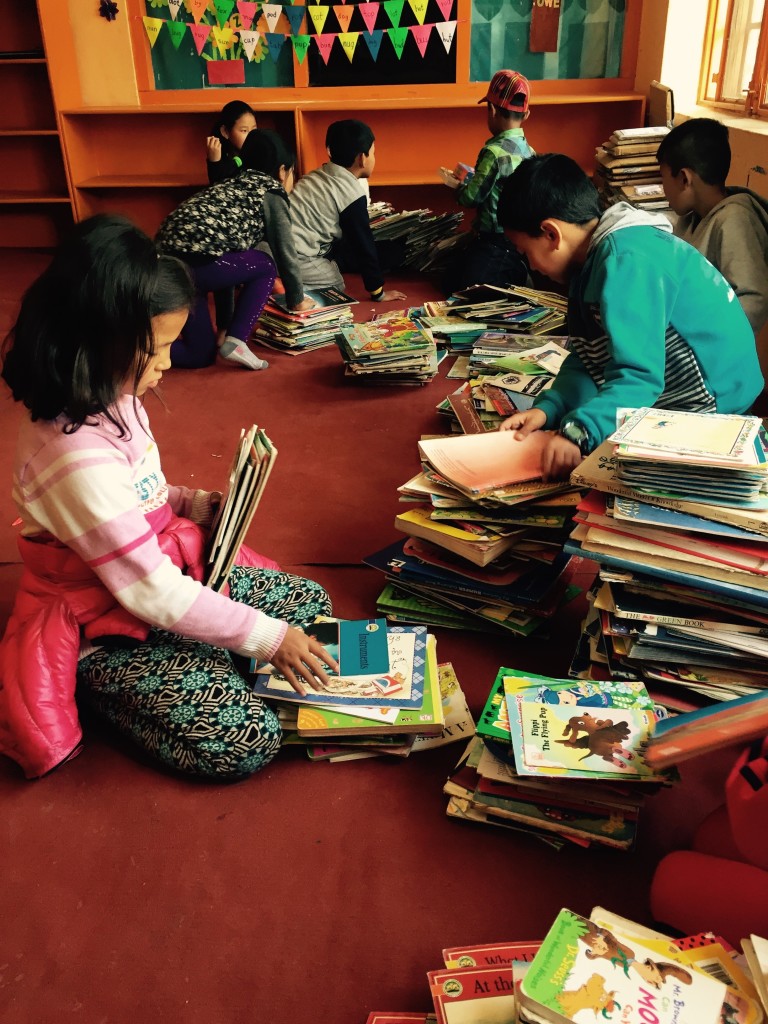
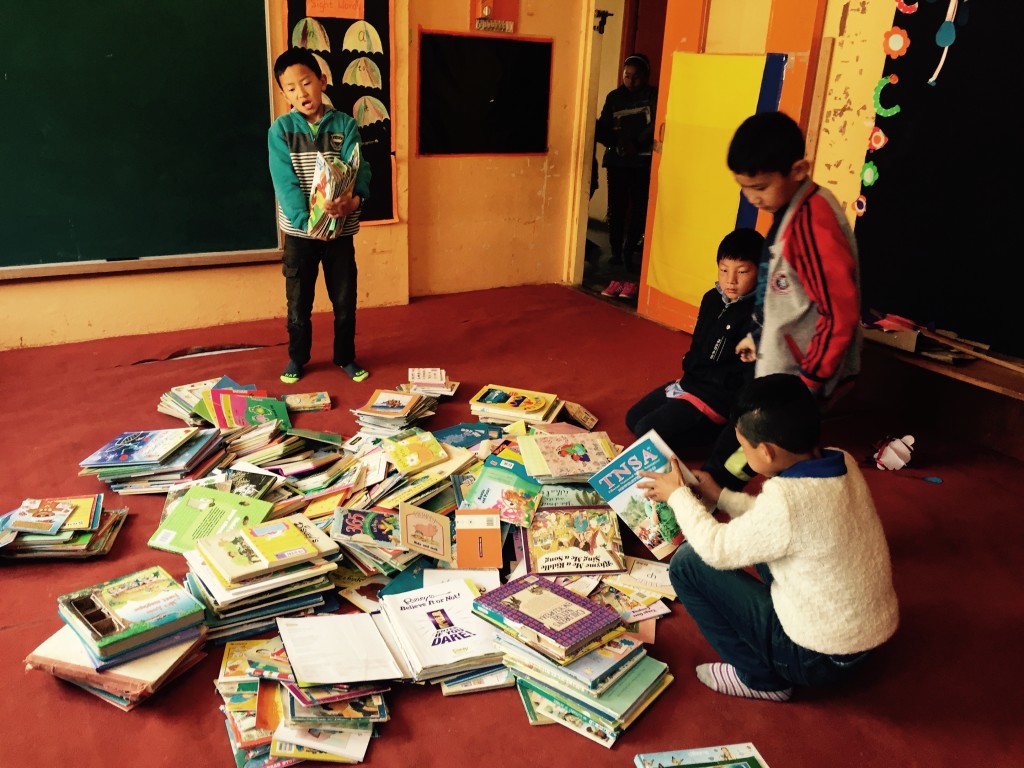
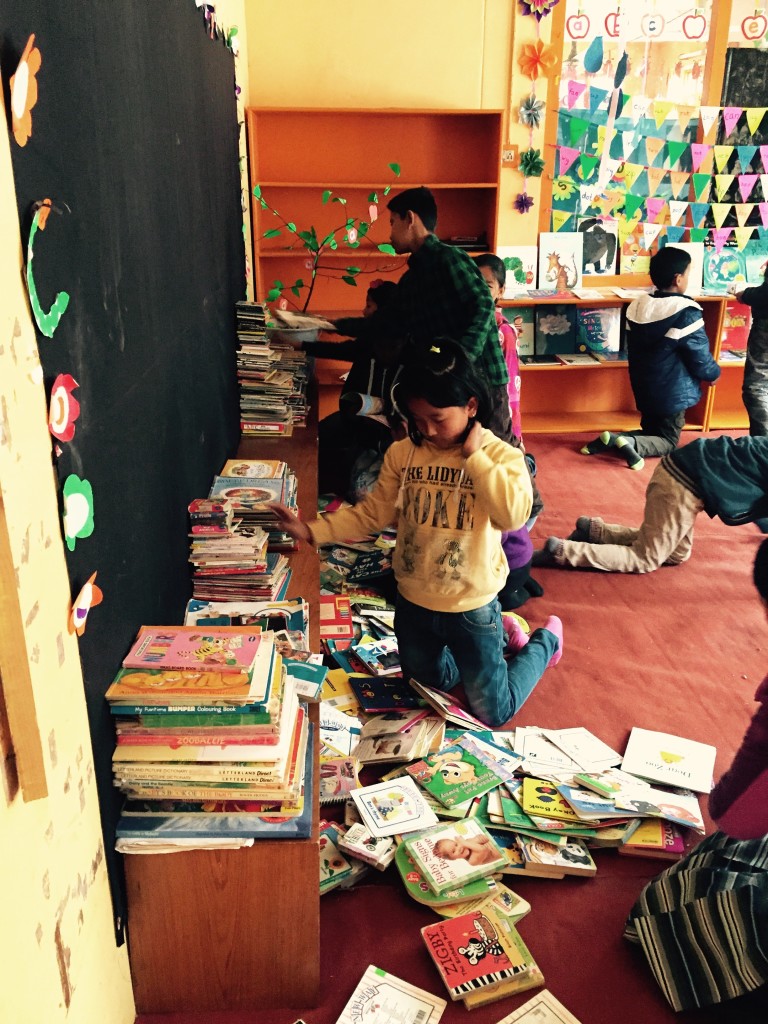
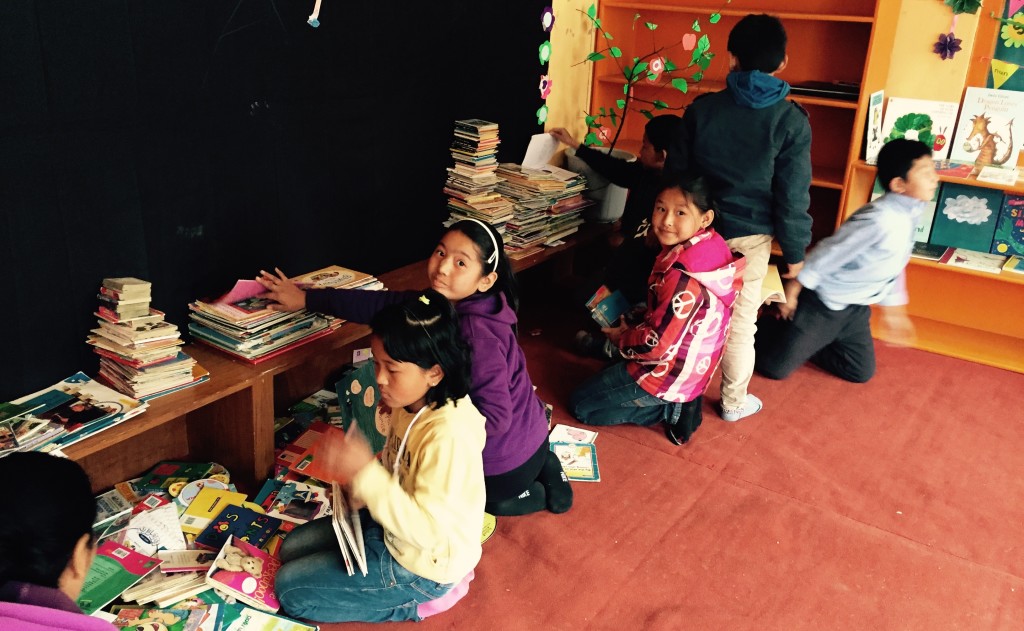
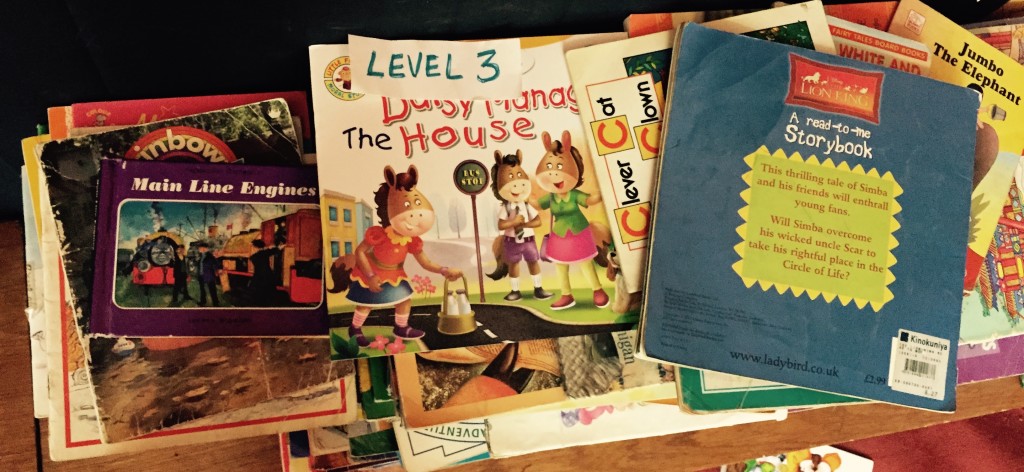
Sorting happens before the crate closes. Damaged spines, missing pages and superseded series go back into the second-hand market in Australia, where they still fetch something through op shops and listings on eBay Australia and Gumtree. What goes into the crate is chosen for condition and relevance, and each crate travels with a manifest listing titles and weights.
Packing protects against cold, damp and rough handling. Cardboard alone does badly in a freezing valley, where condensation and freeze-thaw destroy paper quickly, so crates are lined, wrapped and sealed with desiccant, with lids taped so they can be reopened after inspection. Where possible crates travel out and back for reuse, and the thinking behind zero waste methods fits precisely: avoiding disposable packaging saves cardboard as well as money.
What Australian supporters bring to the route
Australia's freight network shows what money buys. Australia Post prices by weight and volume, couriers add a remote-area surcharge, and road trains more than fifty metres long run the Stuart Highway past Alice Springs and Katherine. Distance is handled with machines, fuel and invoices. The Himalayan last mile is handled with ponies, porters and goodwill, and postage does not substitute for any of them.
The second-hand book trade in Australia is huge and mostly volunteer-powered: op shops, school book drives, library clear-outs, and online listings on eBay Australia and Gumtree. Australian drives usually end at a depot; ours ends at a crate on a bus. The habits transfer well, since volunteers at a collection weekend in Ballarat stack novels onto trestle tables, argue cheerfully about donation values, and usually find someone in the car park who can drive the van.
The money works differently too. The trust is a deductible gift recipient, so an Australian supporter who gives $30 with a receipt can claim the deduction, and regular giving by direct debit is the pattern many donors prefer. A monthly gift becomes a term's worth of primers. Australians shrug off freight delays with 'she'll be right', but a snow-closed pass in Zanskar stays shut for weeks, and the schedule has to allow for it.
Freight options and the costs that follow
Five freight options exist, and each solves a different problem. Shared bus and jeep loads from Leh are cheap and suit small, urgent parcels. Road couriers from Delhi or Chandigarh handle bulk restocking at a good rate per kilo but take a week and depend on open passes. Porter and mule consignment costs more per kilo but is the only reliable way into a village above the road. Air freight to Leh's airport is fast and dear, right for urgent material and wrong for a pallet of readers.
Customs paperwork sits on top. Books sent as a charitable donation to a school or monastery usually clear without duty when accompanied by a donation certificate and an undertaking from the receiving institution, and the same paperwork can be shared with shipments of hospital equipment or school supplies. Consolidating loads is the easiest way to cut cost per kilo, because both freight and paperwork are priced per consignment.
Weighing speed, cost and reliability together:
| Option |
Cost band per crate |
Transit time |
Where it breaks down |
Best use |
| Shared bus or jeep load from Leh |
Low |
1–3 days in the valley |
Freight travels only when there is room beside the passengers |
Small, urgent parcels for village reading rooms |
| Road courier from Delhi or Chandigarh |
Low to moderate |
5–12 days |
Customs delays and passes closing early |
Bulk restocking of monastic and school libraries |
| Porter or mule consignment |
Moderate |
1–3 days on the last stretch |
Load limited by what a person or animal can carry |
Settlements above the road, the final leg |
| Air freight to Leh |
High |
1–2 days plus handling |
Weather, cost per kilo, altitude |
Urgent, high-value material |
| Volunteer hand-carry |
Air fare plus time |
Depends on the traveller |
Baggage limits and personal allowance |
Small priority crates for specific requests |
Air freight buys time, mule trains buy access, shared loads buy scale, and a well-planned drive usually uses all three.
Practical moves that keep a book drive moving
None of this is exotic. It is ordinary logistics for a donation that has to arrive intact, and it rewards preparation more than heroics. These moves have the largest effect on whether a consignment reaches a reading room in good order.
- Set a weight cap per crate, such as twenty kilograms for a porter and thirty for a jeep, and let the book count follow from it.
- Send a manifest before the crate leaves: titles, languages, reading levels, crate numbers and weights, countersigned at every handover.
- Photograph each sealed and labelled crate, and keep the lorry receipt or airway bill with copies of the manifest.
- Consolidate book shipments with other charitable freight to Leh so customs paperwork and vehicle costs are shared.
- Leave three weeks of slack between collection and the teaching term, and record which pass was open on the day the consignment moved.
- Reuse crates, return them empty on the next run, and place surplus books back into the local second-hand market rather than dumping them.
None of this replaces a postal service, and goodwill cannot substitute for a secure vehicle, a customs paper or someone willing to carry a crate across a bridge in February. What the arrangement does is turn the absence of a postal service into a design constraint rather than a surprise: routes follow the season, loads stay light, handovers are recorded, and the people who move books over the last kilometre are treated as partners rather than freight.
The next consignment window opens with the first buses on the Manali highway, usually in late June, and the trust needs its final crate manifest signed off before the collection weekend. The concrete next step is to send the current manifest, crate weights and label templates to the partner in Leh by the end of this month, so the winter restocking run can be booked against a confirmed load.