How Himalayan Farmers Help Children Find Their Way Into Books
In mountain communities, education is shaped by the rhythm of everyday life. Families depend on small fields, orchards, livestock, and seasonal work, while children often balance school with responsibilities at home. Local farmers contribute to literacy programs in ways that reach far beyond financial gifts: they offer food, space, knowledge, transport, and steady community support.
These contributions help reading rooms stay welcoming and educational activities continue throughout the year. A donated sack of barley may support a shared meal during a book drive. A farmer’s spare room may become a temporary library. A family’s knowledge of local plants, weather, and traditional work may inspire stories, art projects, and science lessons.
The partnership matters because literacy grows best when it is connected to real life. When children see farming families supporting books and learning, reading becomes part of community life rather than an activity limited to school.
Sharing Food And Seasonal Resources
Agriculture in Ladakh and other Himalayan regions follows demanding seasonal cycles. Families prepare soil, sow crops, manage irrigation, harvest grain, and preserve food during a short growing season. When farmers contribute produce to a learning center, they help create a stable environment where children can read, draw, sing, and participate in educational programs.
Fresh vegetables, fruit, grains, and dairy products can support meals served during workshops or holiday activities. Food donations reduce the pressure on small charitable budgets, allowing more funds to go toward books, shelves, art supplies, musical instruments, and literacy training. A well-fed child is better prepared to concentrate during reading sessions and creative lessons.
Harvest donations also teach children about generosity and interdependence. Volunteers can use local food as the starting point for reading comprehension, vocabulary building, and storytelling. A lesson about planting peas might include measuring rows, writing observations, learning local names for crops, and creating a short illustrated account of the growing season.
Opening Farm Spaces To Young Readers
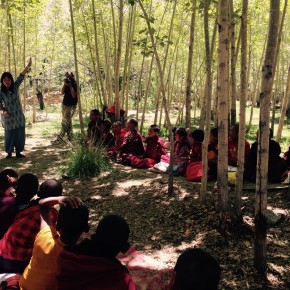
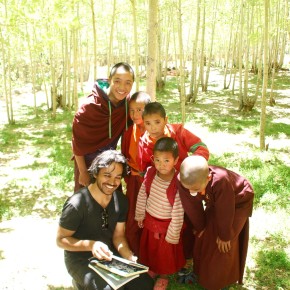
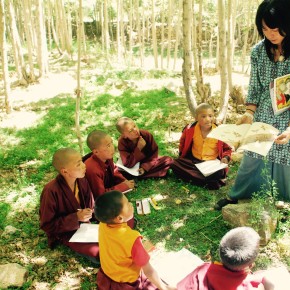
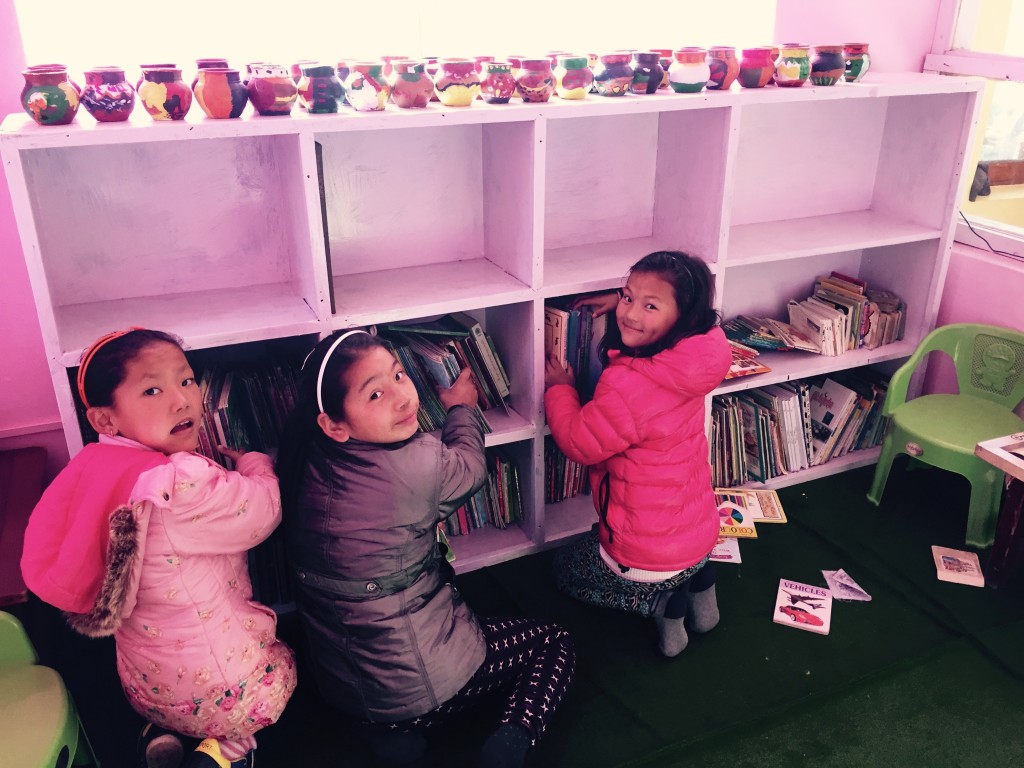
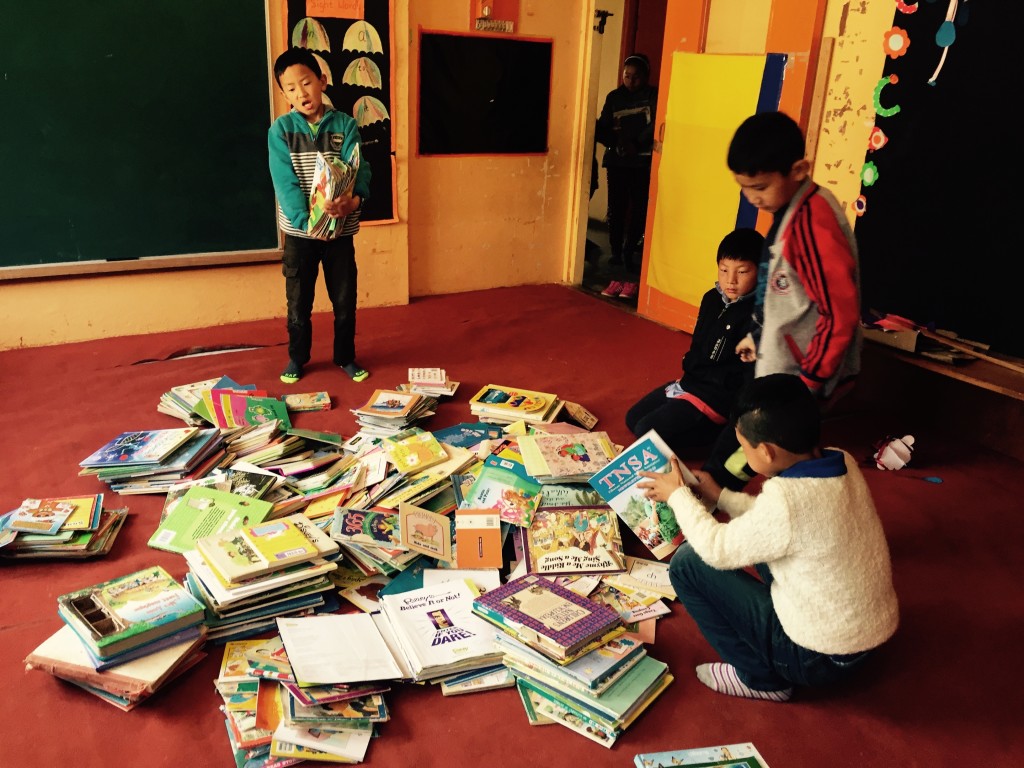
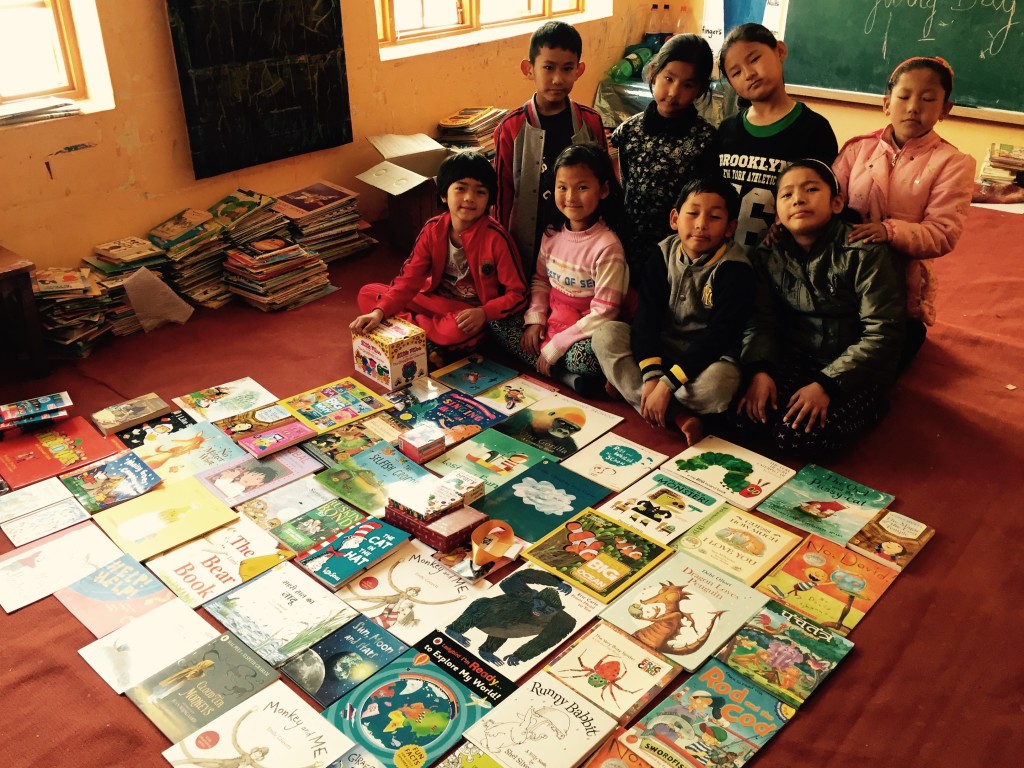
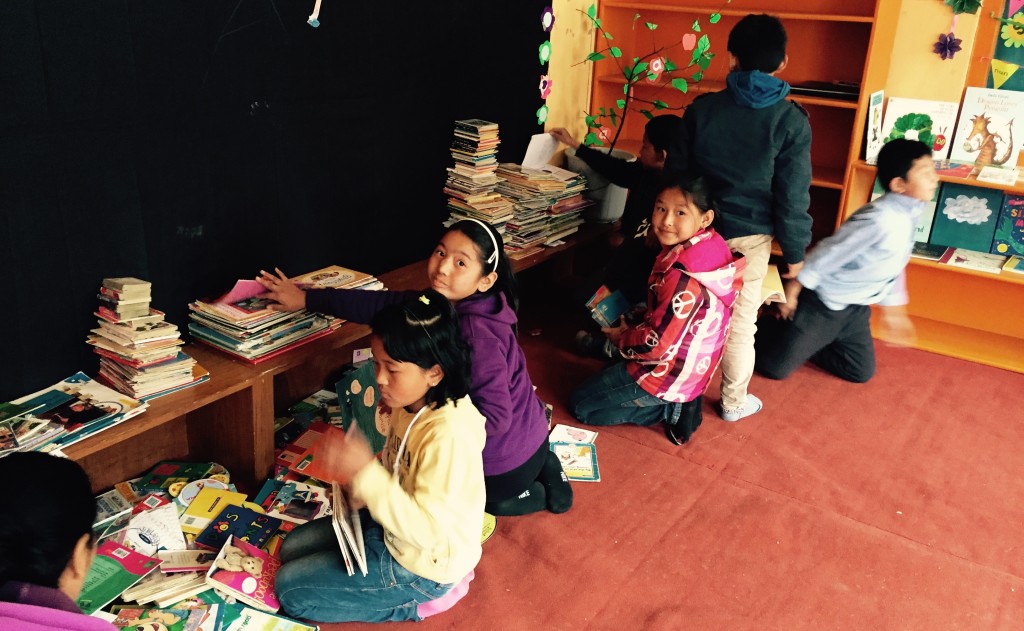
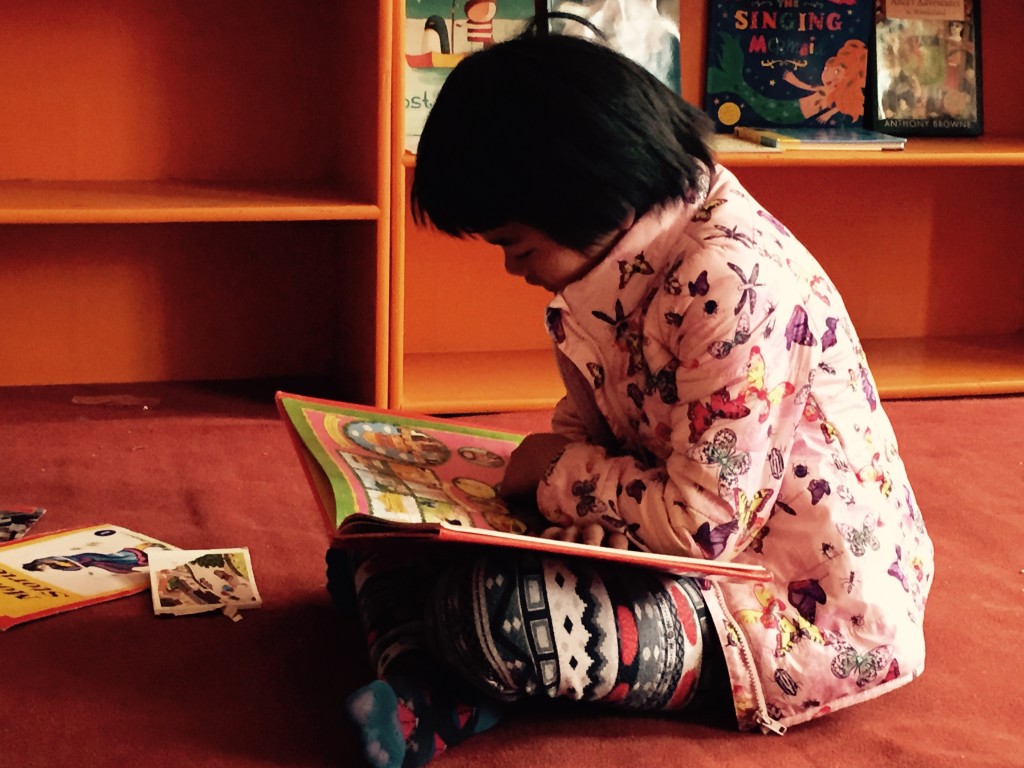
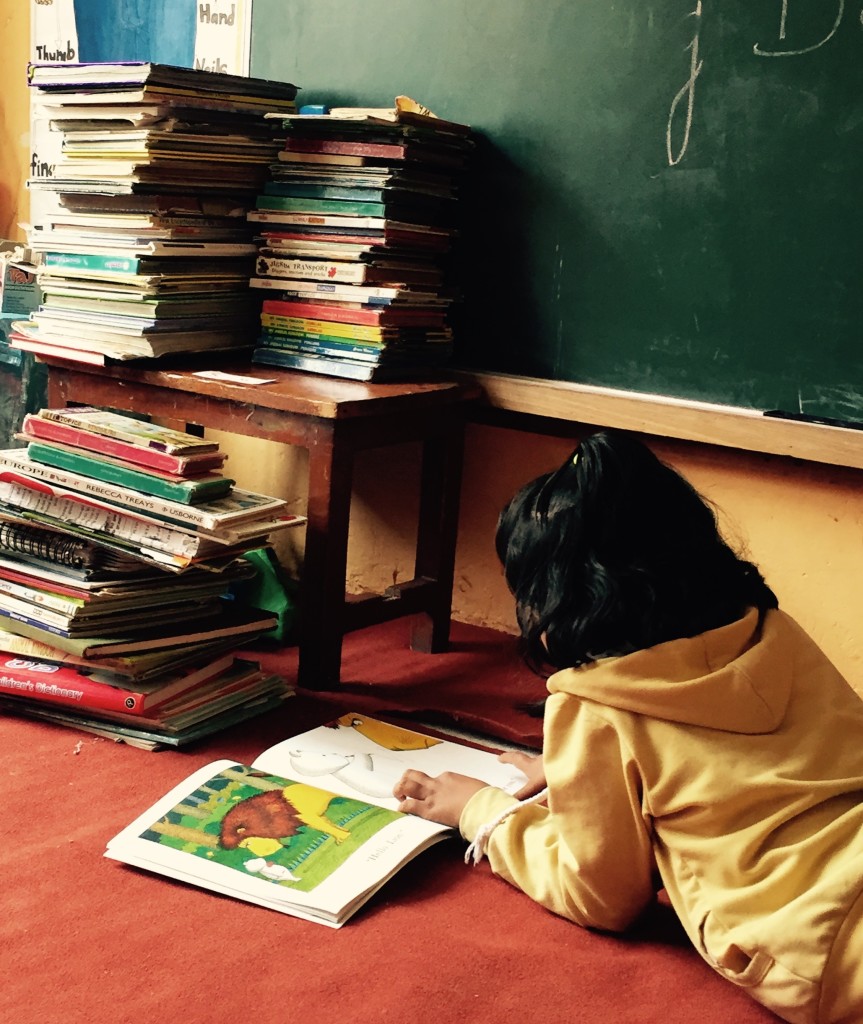
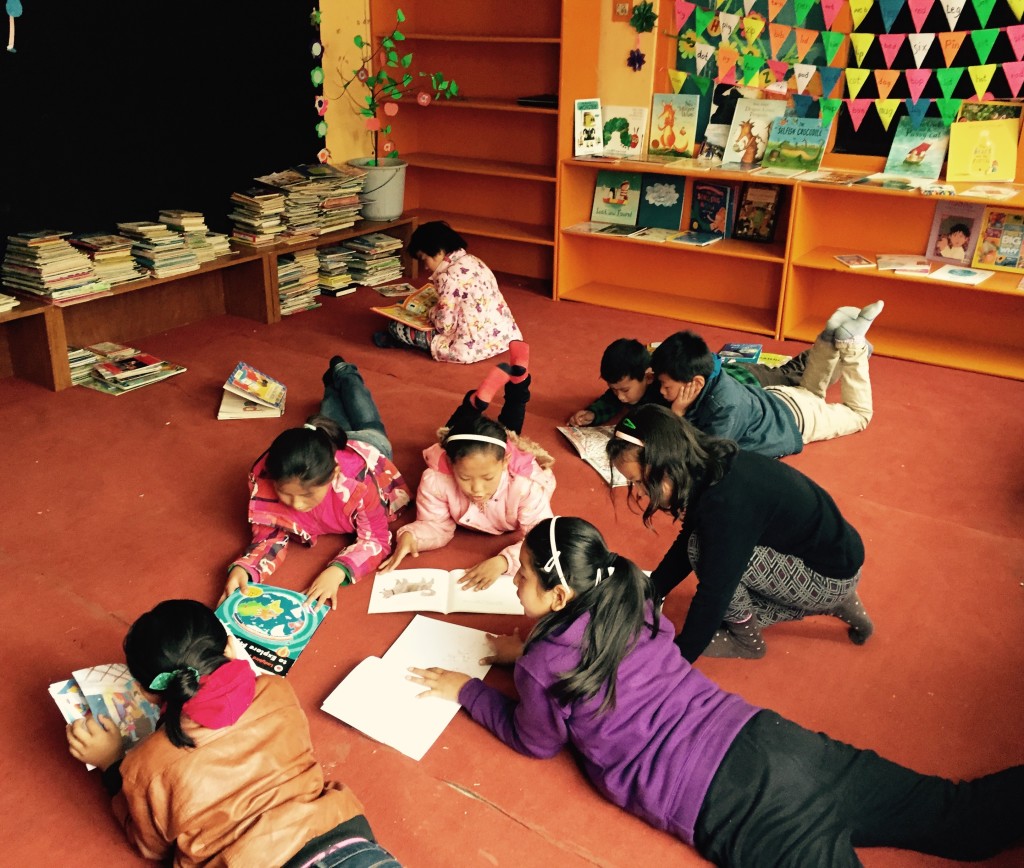
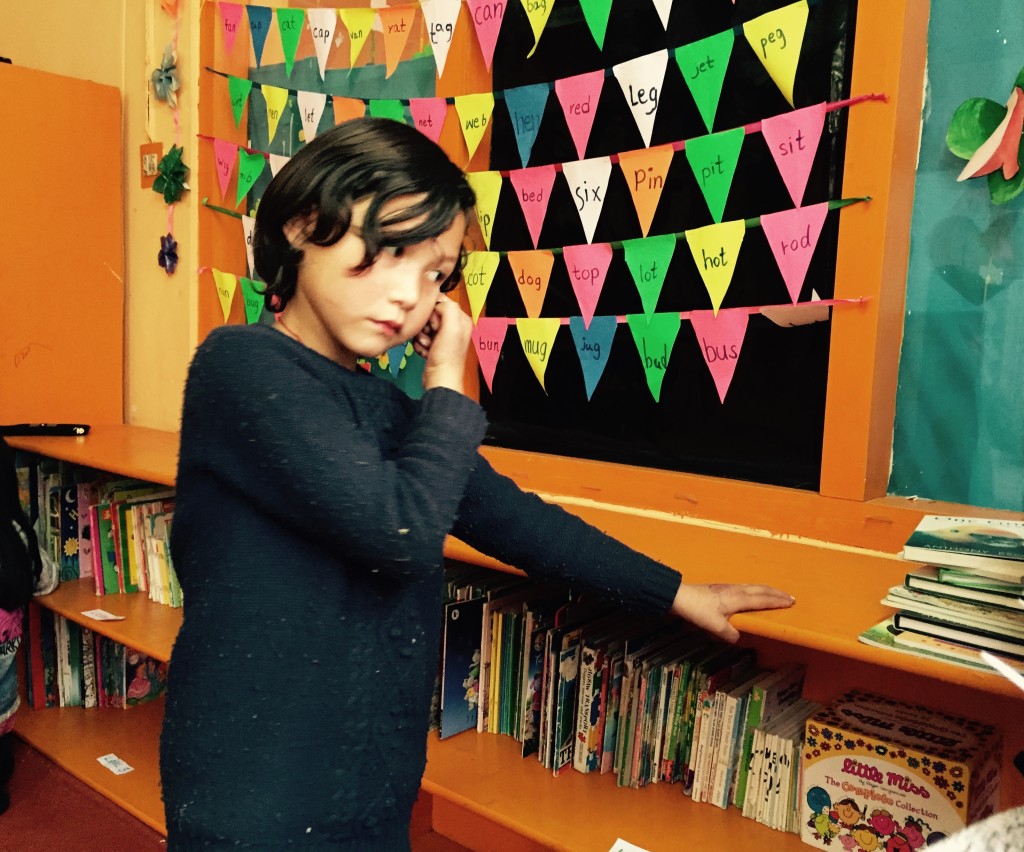
Some villages have limited access to formal libraries or comfortable study areas. Farmers may help by lending a clean room, courtyard, storage building, or shaded outdoor space for book exchanges and reading circles. These locations are familiar to children and can make literacy activities feel accessible.
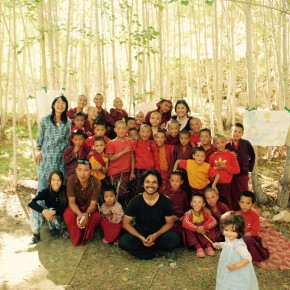
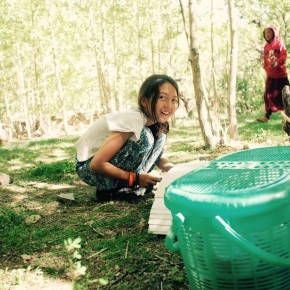
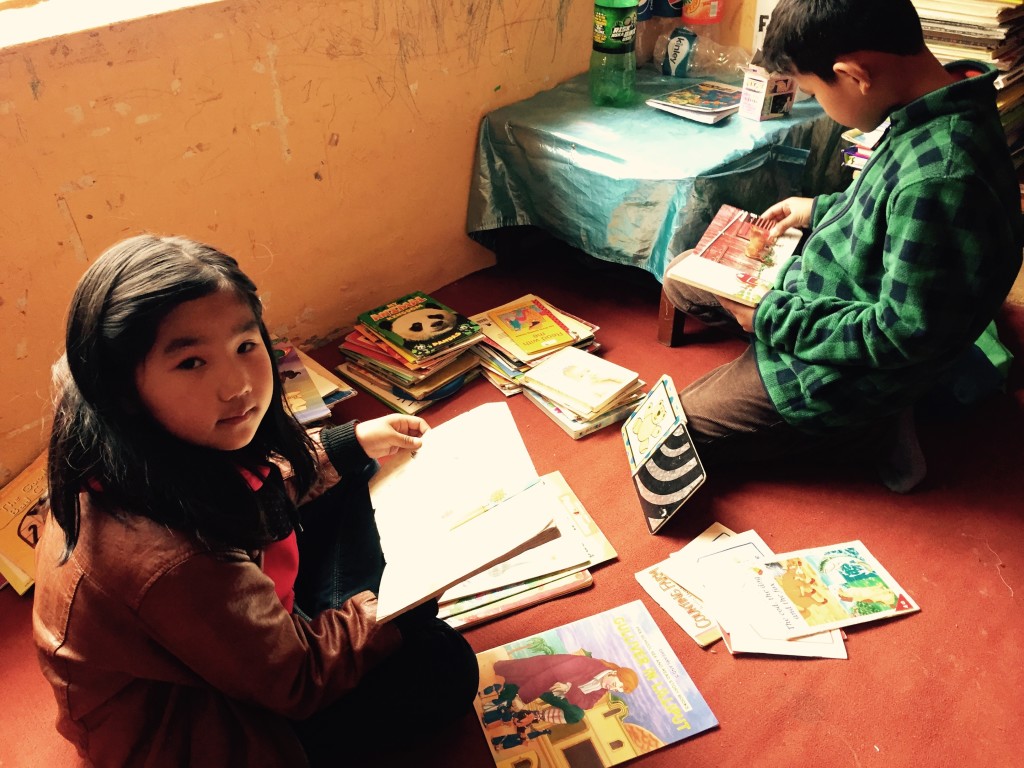
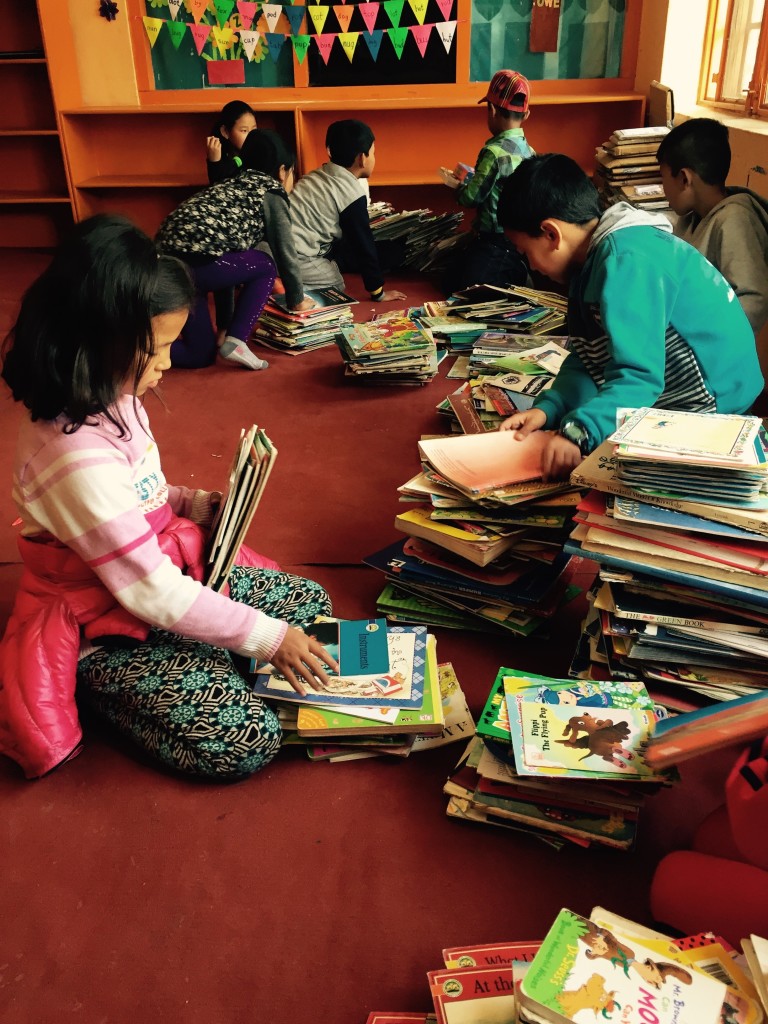
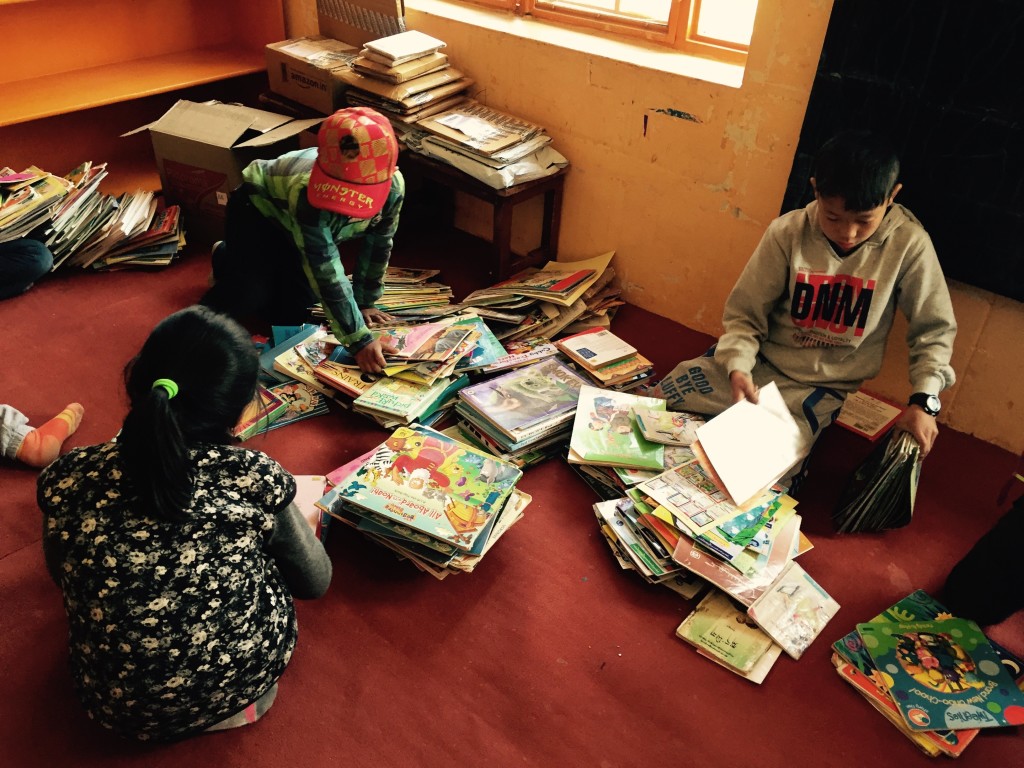
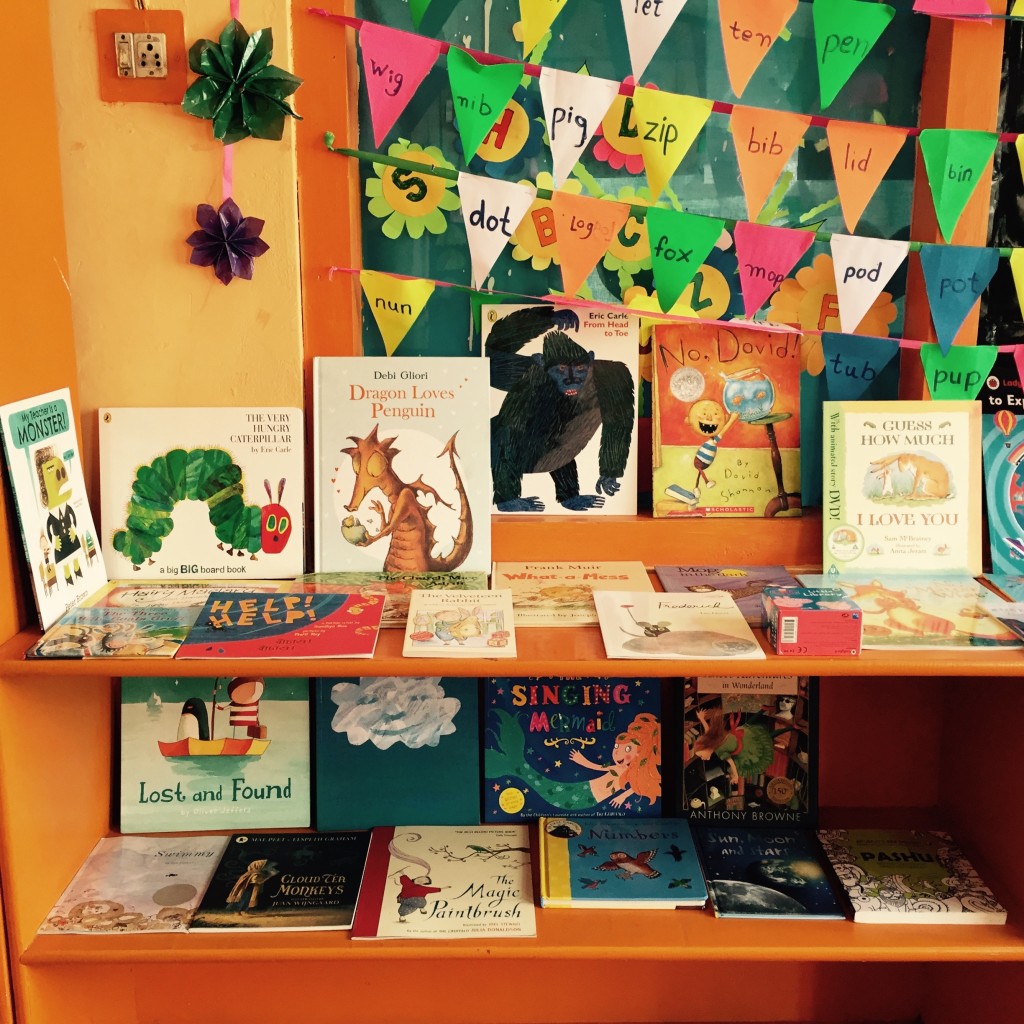
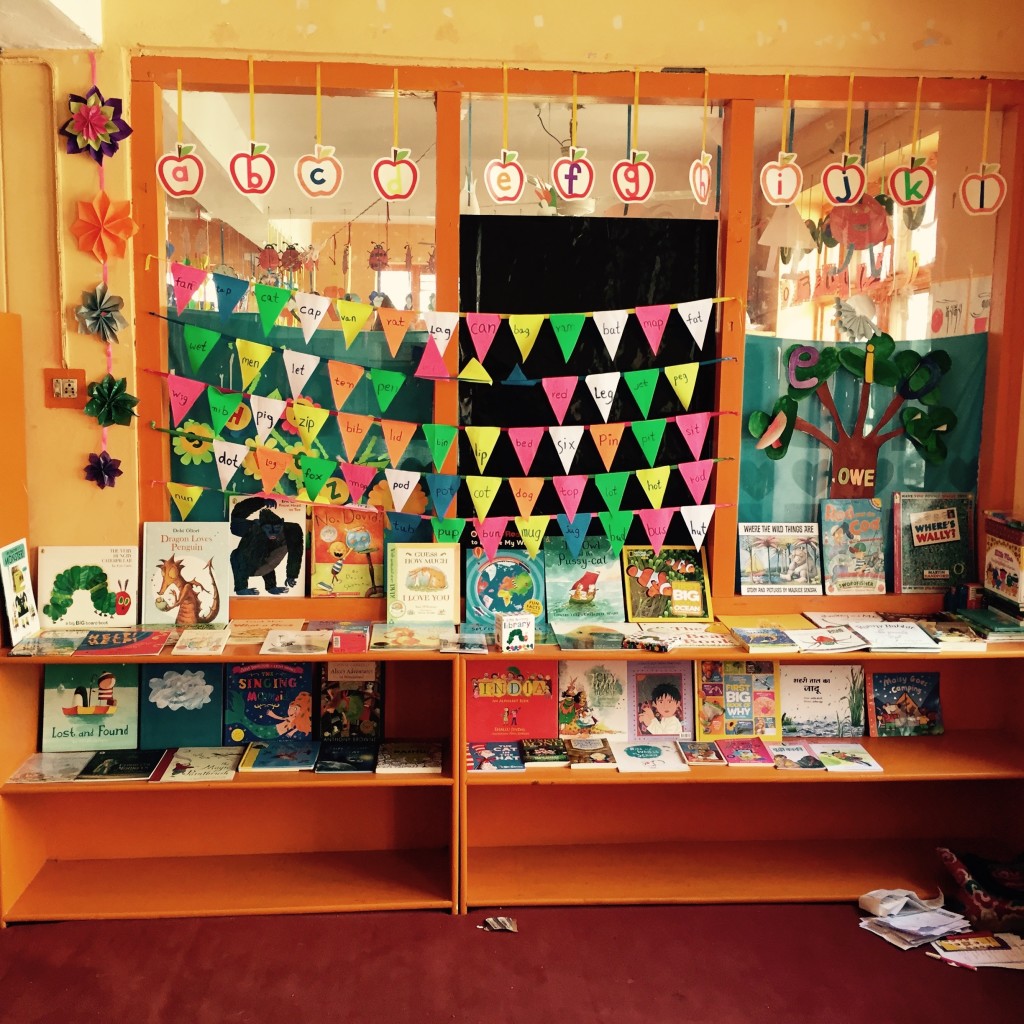
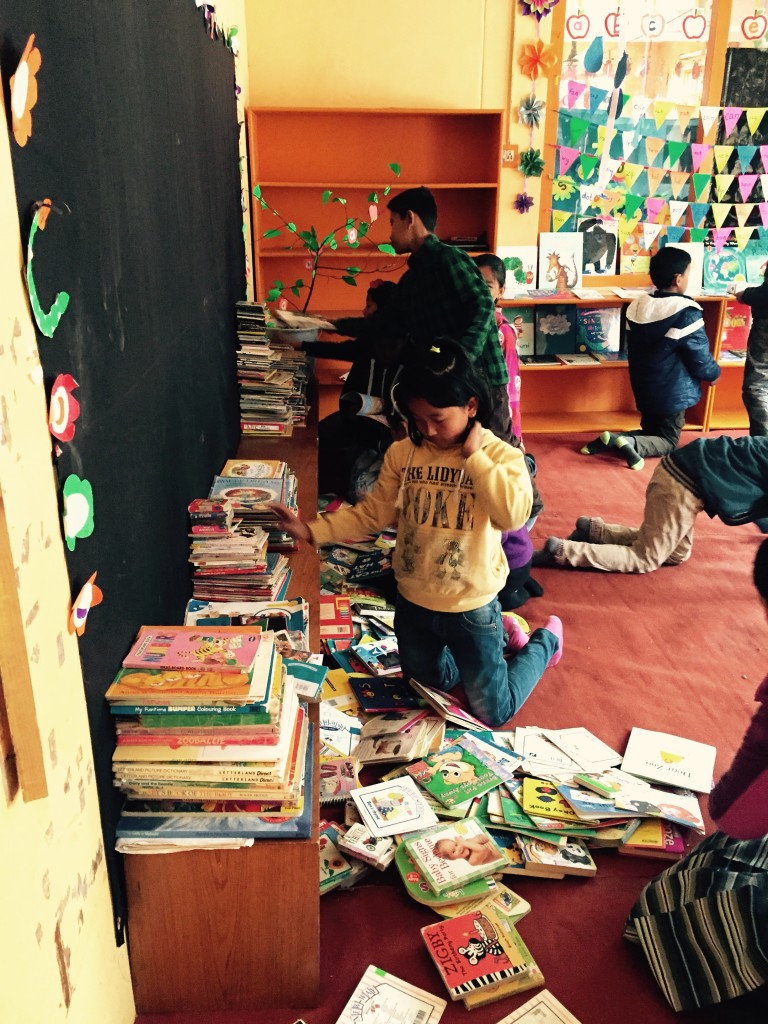
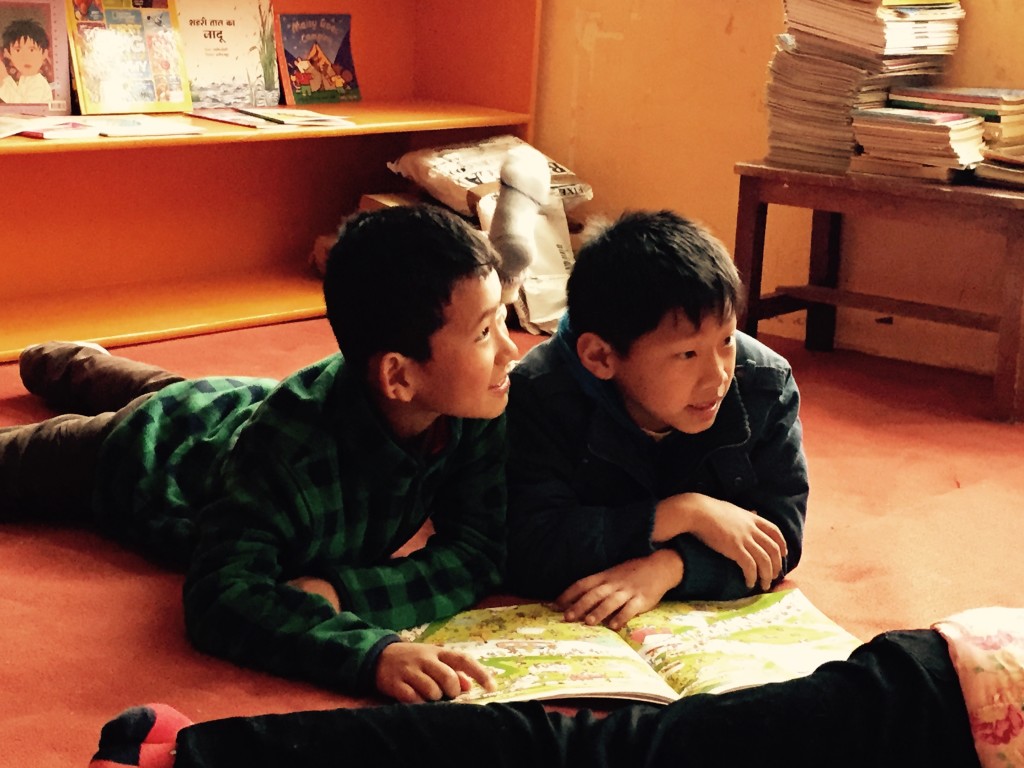
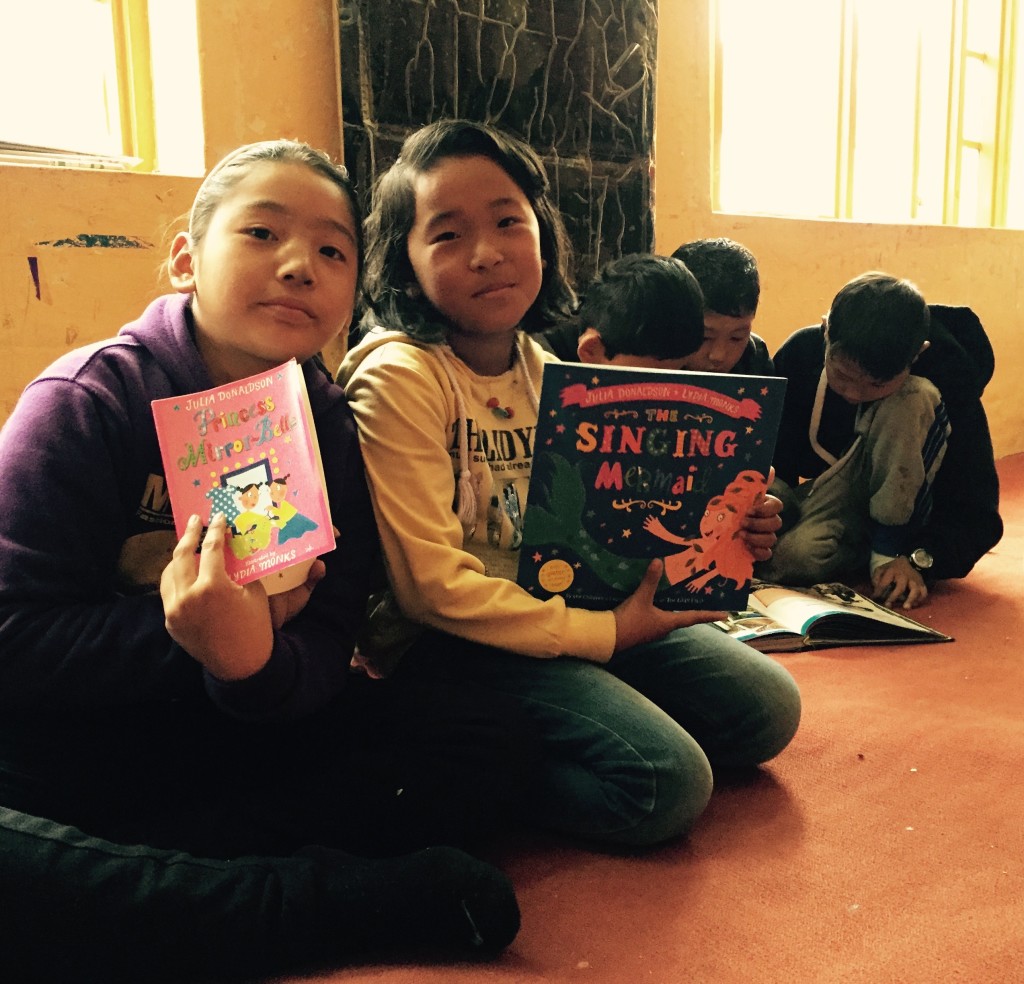
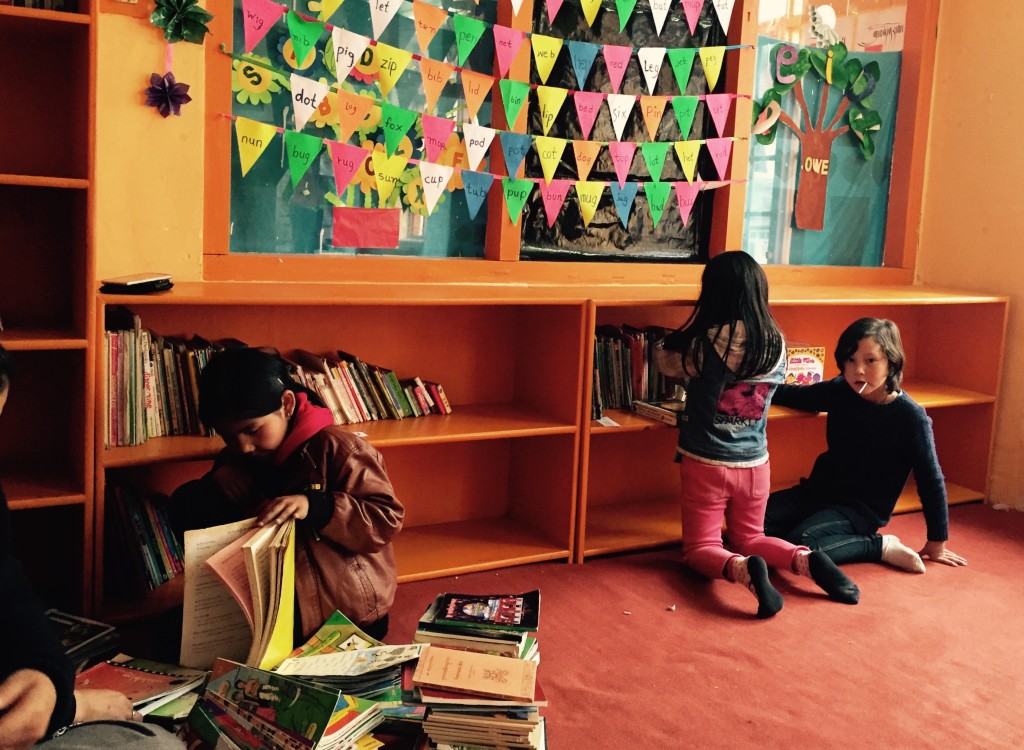
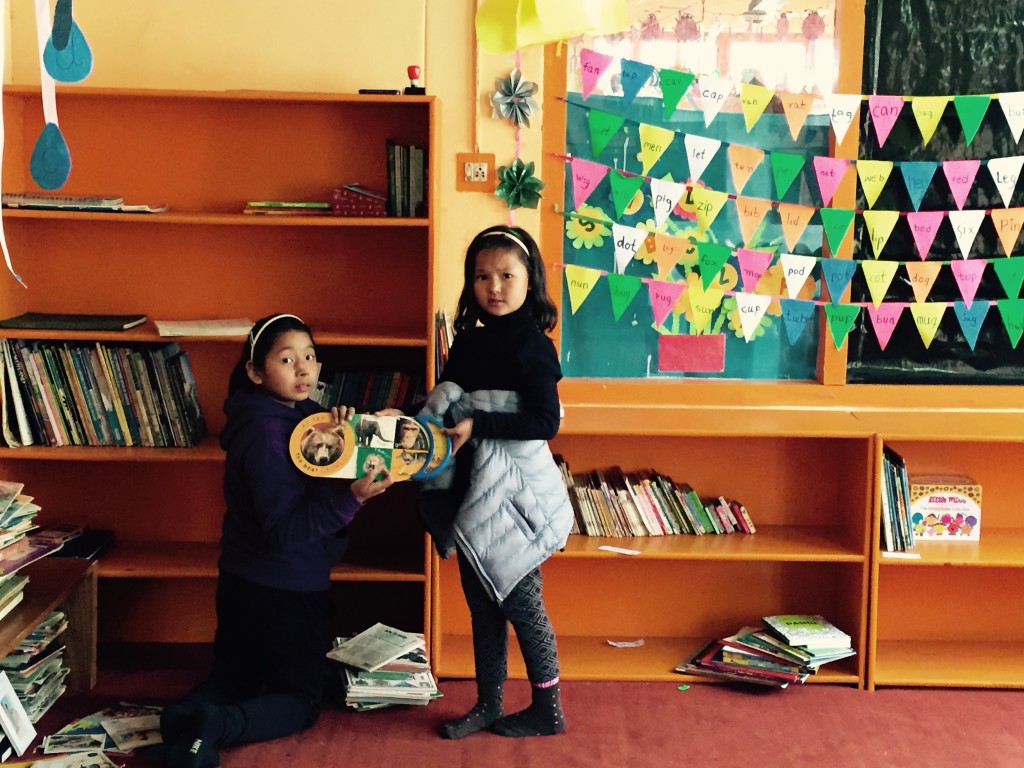
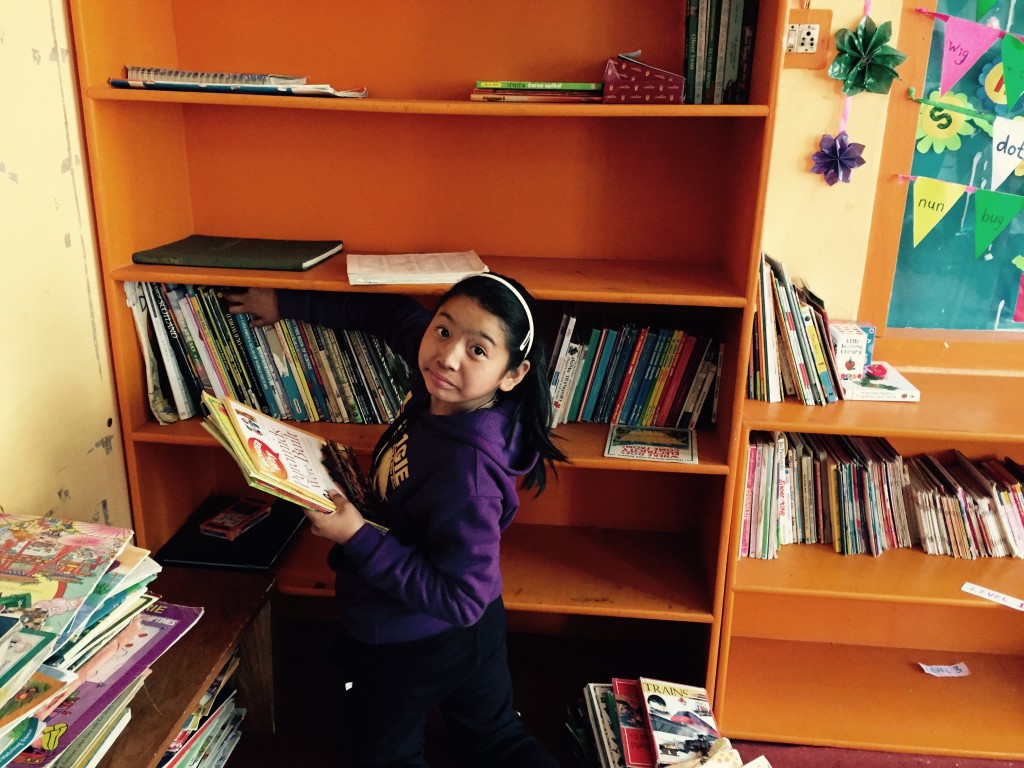
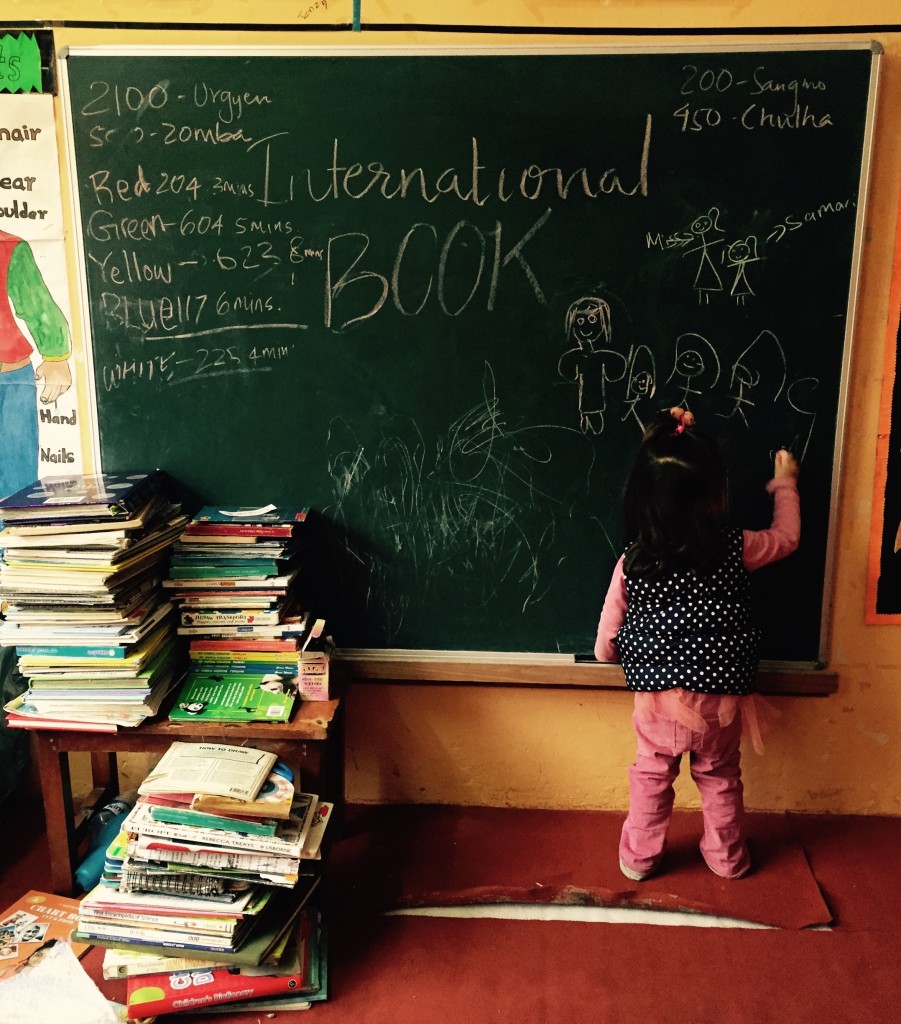
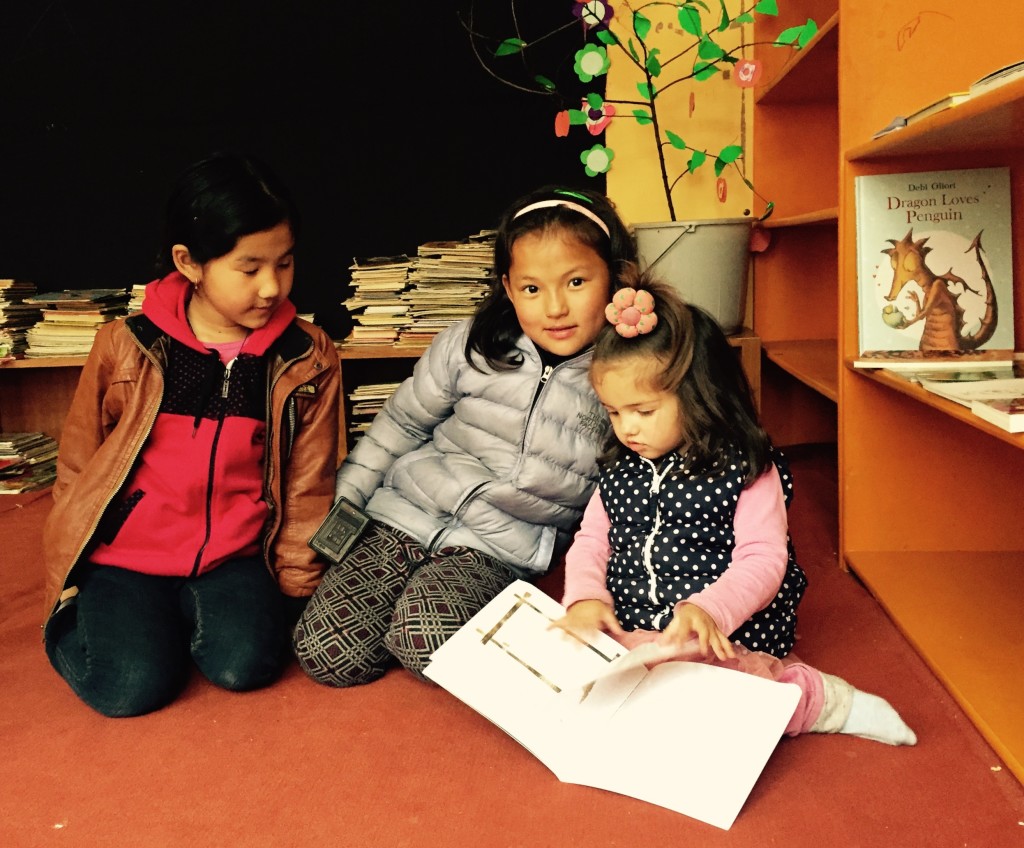
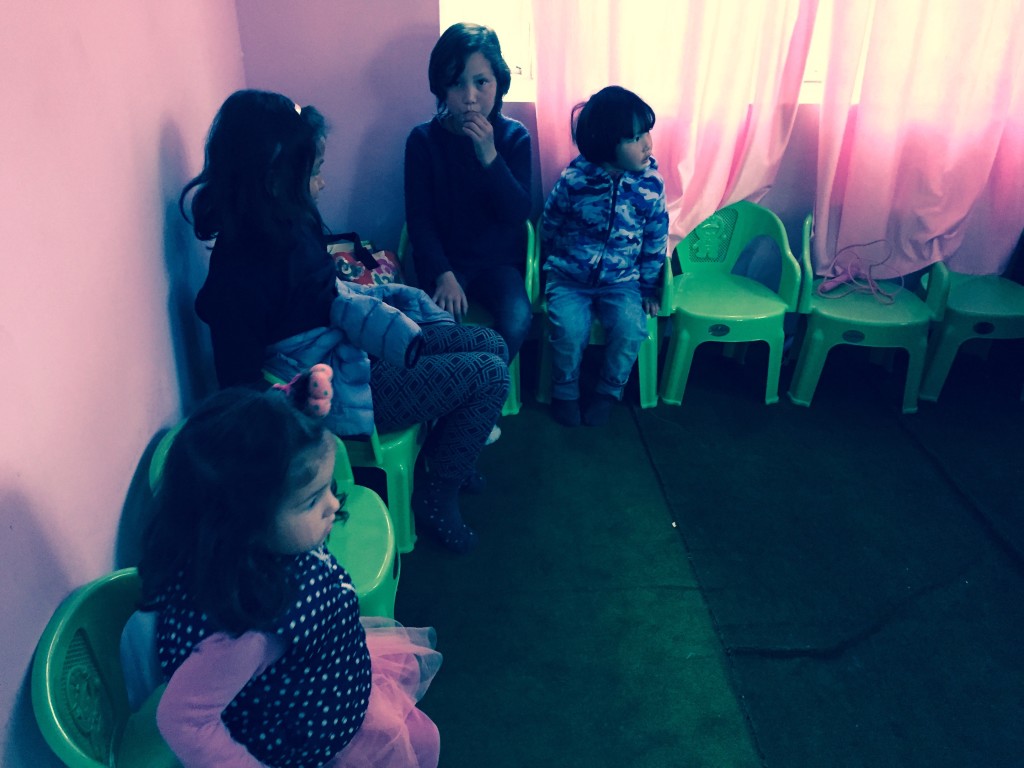
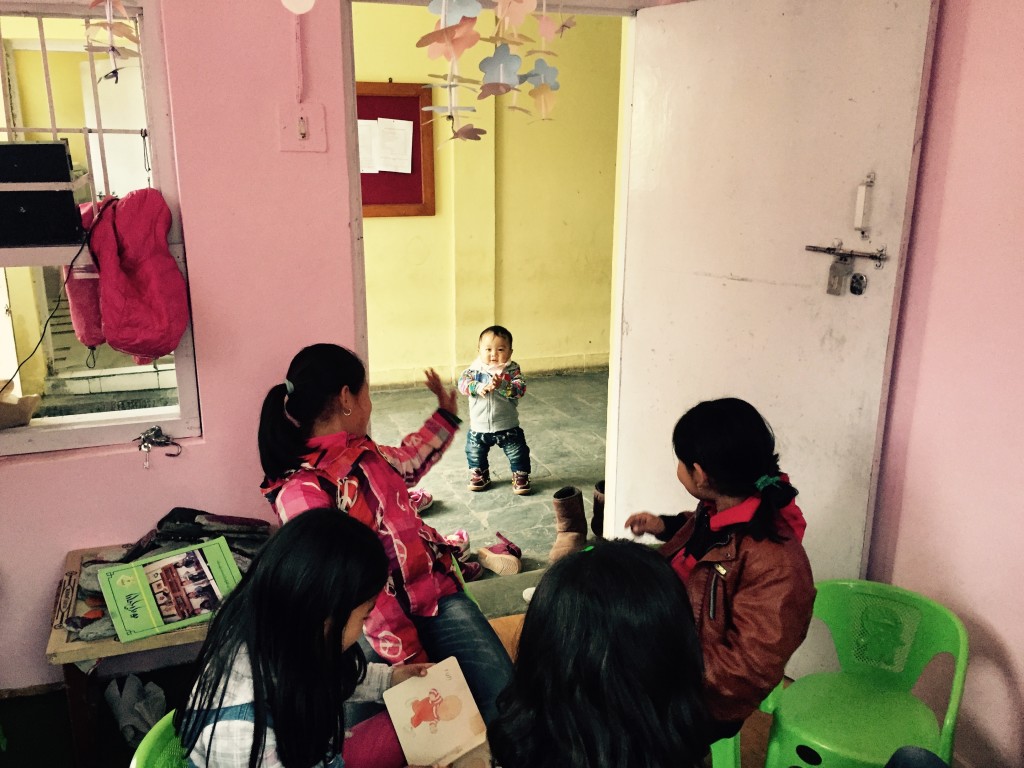
A temporary reading corner near a field can serve several purposes. Younger children may browse picture books while older students complete homework or read local-language stories. Community members can gather for storytelling, oral history, or discussions about farming traditions. Such spaces bring books closer to families who may live far from a permanent education center.
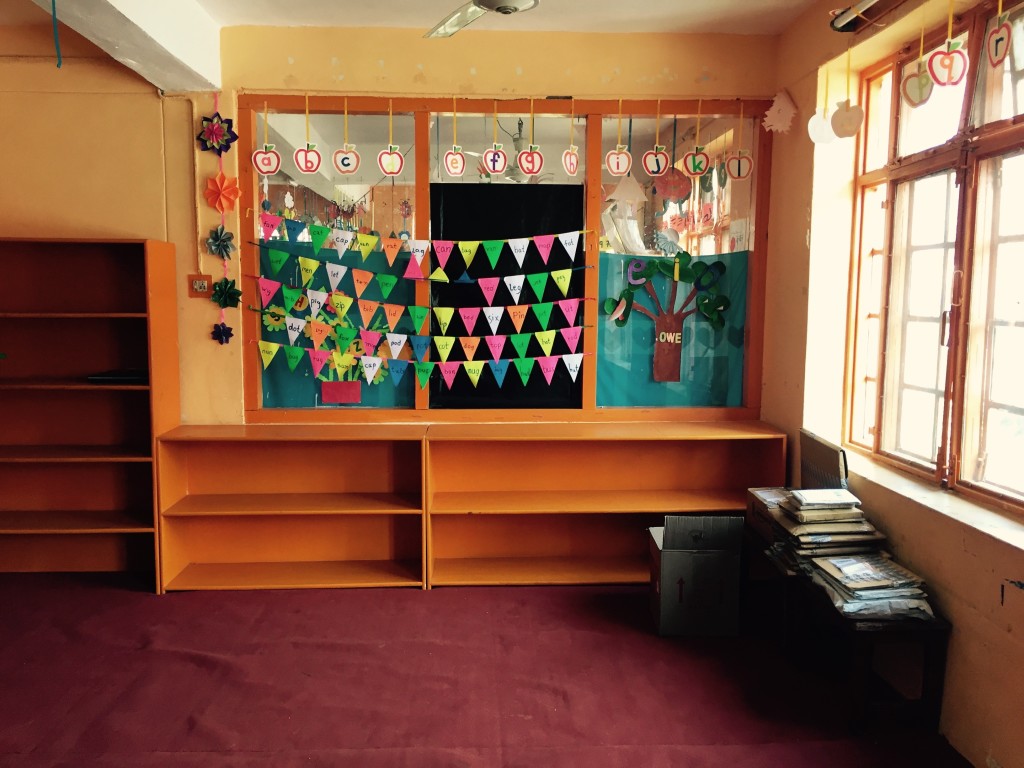
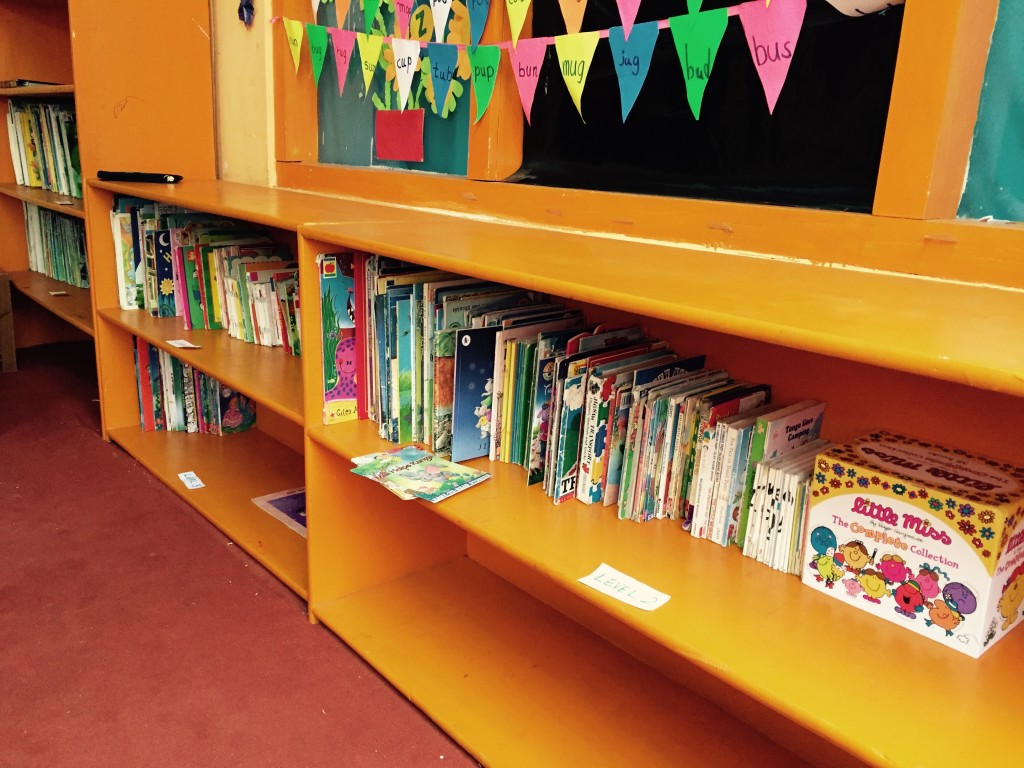
Farmers also understand the value of practical maintenance. They may repair benches, build simple book racks, provide tables, or help protect supplies from dust and weather. These hands-on contributions make educational resources safer and more durable, especially in remote settings where replacement materials are expensive and difficult to transport.
Turning Local Knowledge Into Learning
Farmers carry detailed knowledge of soil, water, animals, seeds, weather patterns, and mountain ecology. Inviting them into literacy programs gives children meaningful subjects to read and write about. A farmer can explain how irrigation channels work, why certain crops grow at different elevations, or how families preserve seeds for the next season.
These conversations can become bilingual learning materials. Children might record an elder’s memories, translate agricultural terms, write captions for photographs, or create a booklet about traditional tools. The process strengthens reading and writing skills while preserving community knowledge that is rarely found in standard textbooks.
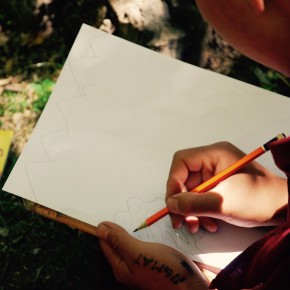
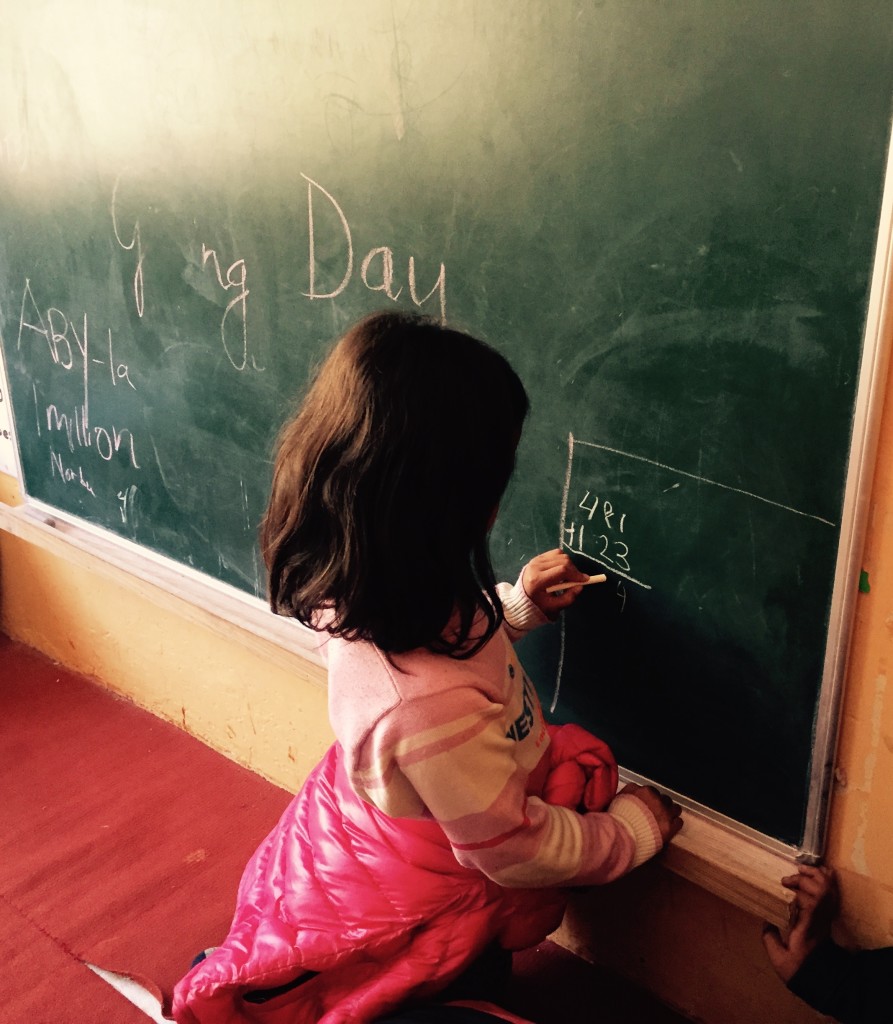
Agricultural experience also supports creative education. Children can sketch a terraced field, compose a song about harvest time, act out a market scene, or calculate the amount of grain needed for a group meal. These activities connect literacy with mathematics, visual arts, music, and environmental awareness.
Building A Reliable Community Network
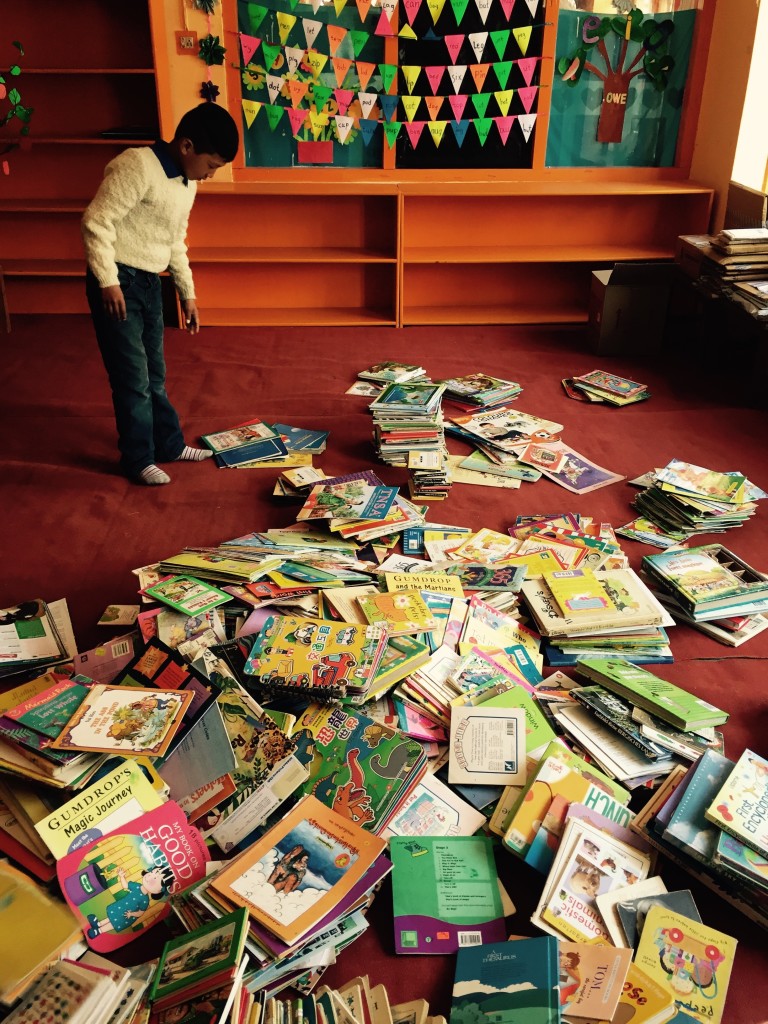
Literacy initiatives depend on many small acts of coordination. Farmers may transport donated books from a nearby town, carry supplies along mountain roads, or help volunteers reach villages during suitable weather. Their knowledge of local routes and seasonal conditions can make educational visits safer and more efficient.
They can also help identify families who would benefit from reading materials, tutoring, or children’s activities. Because farmers are often closely connected to village life, they understand when children are available and when agricultural duties are most demanding. Programs can then schedule sessions around planting and harvest rather than asking families to choose between education and essential work.
The wider mission of Avalokitesvara Trust depends on this kind of local cooperation. Reading rooms, book drives, and creative programs become stronger when residents help shape how they operate. Farmers are partners in that process, contributing practical judgment and a clear understanding of what children and families need.
| Farm Contribution |
Literacy Benefit |
Community Value |
| Grain, vegetables, fruit, or dairy products |
Supports meals during reading and arts activities |
Reduces program costs and encourages sharing |
| A room, courtyard, or shaded area |
Creates a local place for books and study |
Brings learning closer to village families |
| Transport for books and supplies |
Keeps reading materials moving to remote areas |
Improves access across difficult terrain |
| Agricultural knowledge |
Provides subjects for stories, research, and vocabulary |
Preserves local traditions and environmental knowledge |
| Seasonal planning advice |
Helps programs fit village work patterns |
Builds trust and long-term participation |
| Repairs and practical labor |
Protects shelves, furniture, and learning spaces |
Makes educational facilities more sustainable |
Supporting Children Through Shared Responsibility
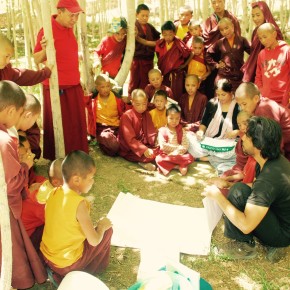
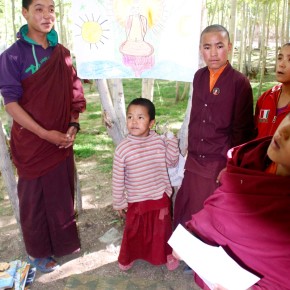
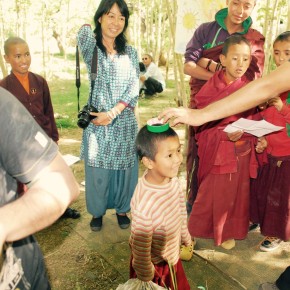
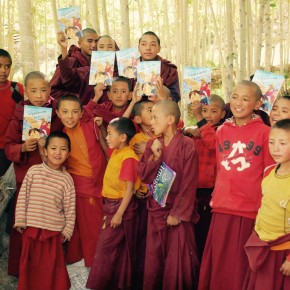
When a farming family contributes to a literacy program, the effect can reach several generations. Children gain books and encouragement, while parents see their knowledge recognized as part of education. Young monks and students can explore subjects beyond their usual curriculum, including fiction, local history, science, music, and art.
This shared responsibility also strengthens children’s confidence. A student who reads a story about familiar fields, animals, or mountain weather may feel that personal experience belongs in the world of books. That sense of recognition can encourage regular reading and make it easier to express ideas in writing.
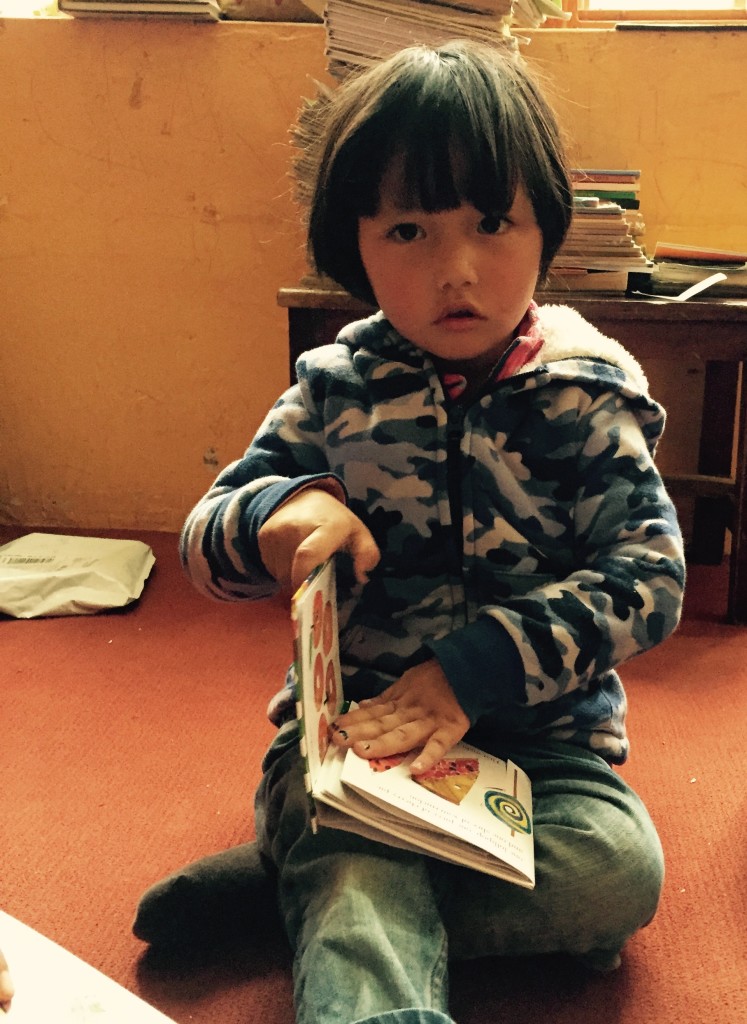
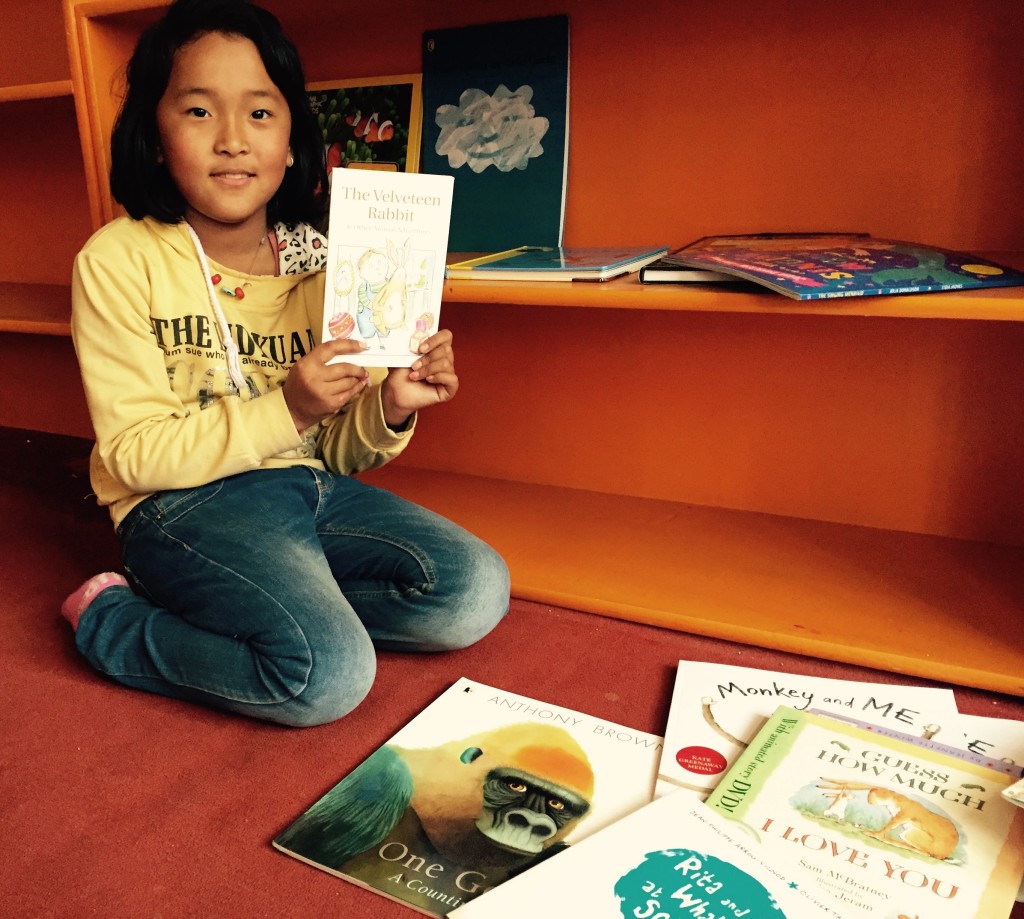
Community participation is especially important for young learners who have limited access to educational resources at home. A farmer’s contribution may provide the first storybook a child owns, the first quiet place available for homework, or the first opportunity to meet an adult who values creative learning.
Making Contributions Last Beyond One Season
A successful partnership should continue after a single harvest or book drive. Programs can document donated materials, maintain transparent distribution records, and acknowledge participating families through community events or children’s artwork. Clear communication helps donors see how their produce, time, or transport support educational outcomes.
Long-term planning can include seed exchanges that raise funds for books, farm visits linked to reading lessons, and annual harvest celebrations featuring storytelling and student performances. Local schools, monasteries, community groups, and charitable organizations can coordinate schedules so that resources are shared rather than duplicated.
Practical ways farmers and supporters can strengthen literacy access include:
- Donate a small portion of seasonal produce to support meals at reading activities.
- Offer transport space for books, shelves, art materials, or musical instruments.
- Lend a safe community room for reading circles during suitable months.
- Share knowledge about crops, water conservation, livestock, and local history.
- Encourage children to preserve family stories through writing, drawing, and interviews.
These actions demonstrate that literacy is a community investment. A book becomes more useful when children have a place to read it, enough nourishment to focus, and adults who connect its ideas to daily life.
Grow The Circle Of Learning
Every harvest offers an opportunity to nourish minds as well as families. By sharing resources, spaces, skills, and local knowledge, Himalayan farmers help children discover the pleasure of reading and the confidence to create. Their support gives educational programs a stronger local foundation and helps books travel farther into mountain communities.
Supporters can contribute by donating funds or books, joining a book drive, volunteering skills, or helping connect literacy organizers with farming communities. With each shared effort, a field, village room, or community gathering can become part of a wider path toward imagination, learning, and opportunity.