From A Donor’s Shelf To A Child’s Hands In Zanskar
A book can begin its life in a quiet home far from the Himalayas, resting on a shelf after its owner has finished reading it. In Zanskar, that same book may become a doorway into another language, a source of curiosity during a long winter, or a treasured companion in a community reading room. Its journey connects households, volunteers, local educators, and children through a simple exchange of knowledge.
For Avalokiteśvara Trust, book donations are part of a wider commitment to literacy, creativity, and meaningful learning. In Ladakh and neighboring Himalayan communities, access to varied and quality reading material can be limited by distance, transport costs, and the region’s demanding geography. Each carefully selected volume helps widen a child’s experience of the world.
The journey involves much more than shipping a parcel. Books must be gathered, assessed, packed, transported across mountain roads, organized for young readers, and placed in welcoming spaces. Along the way, donors contribute more than objects: they help build a culture in which stories, art, music, and independent discovery have room to grow.
Choosing Books With A Young Reader In Mind
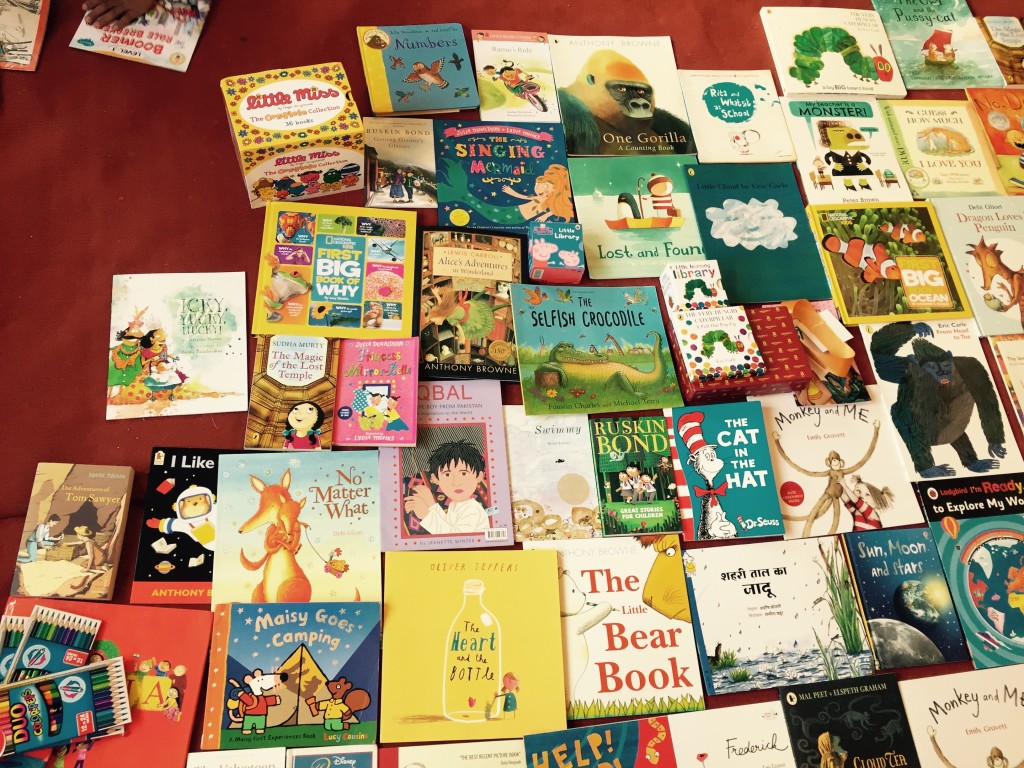
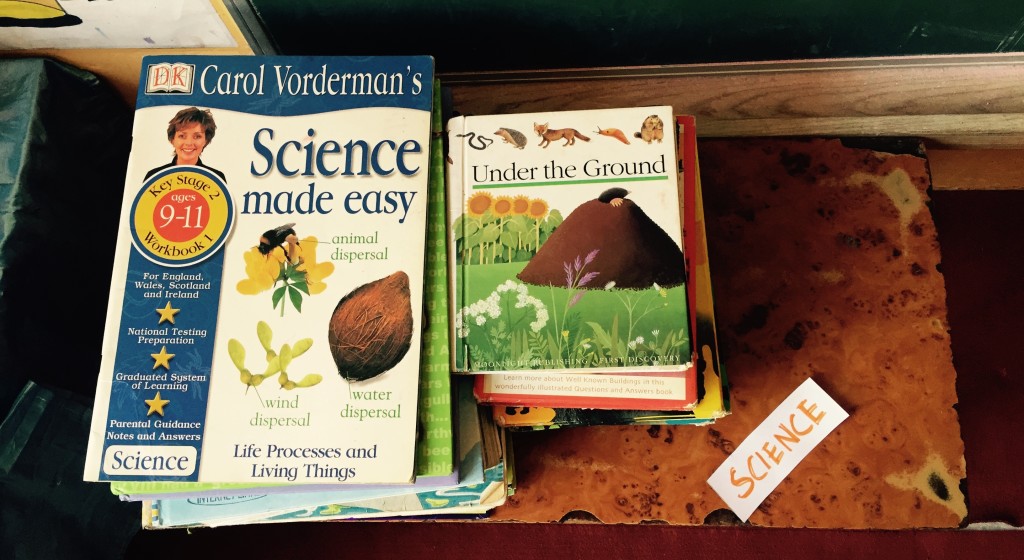
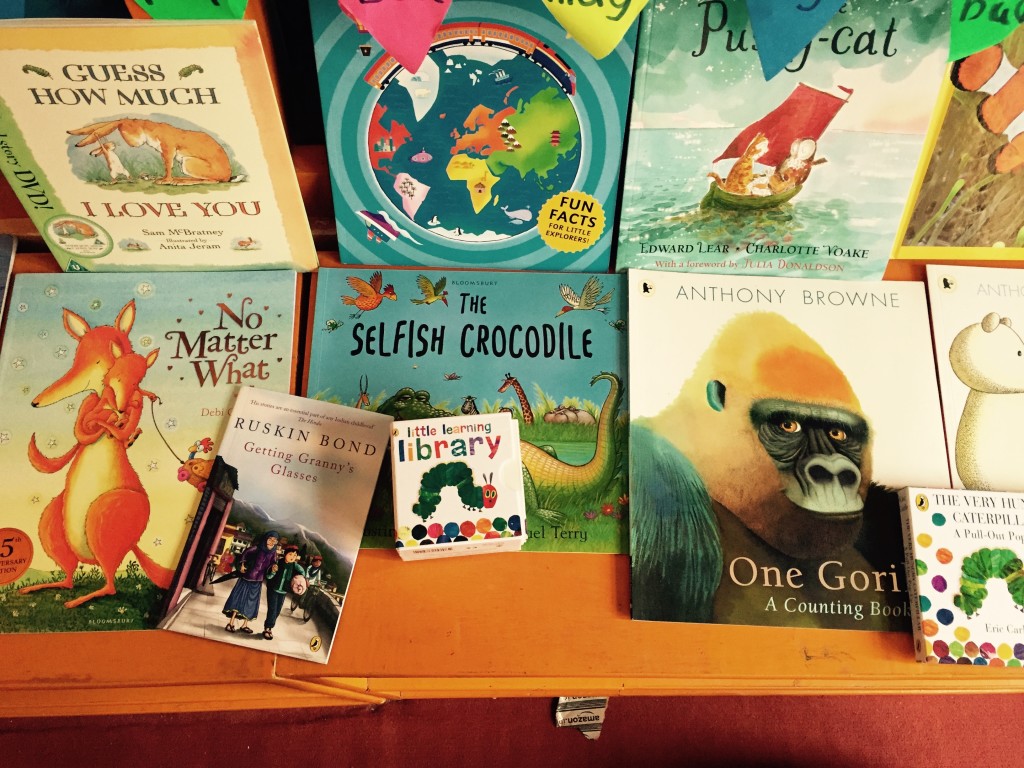
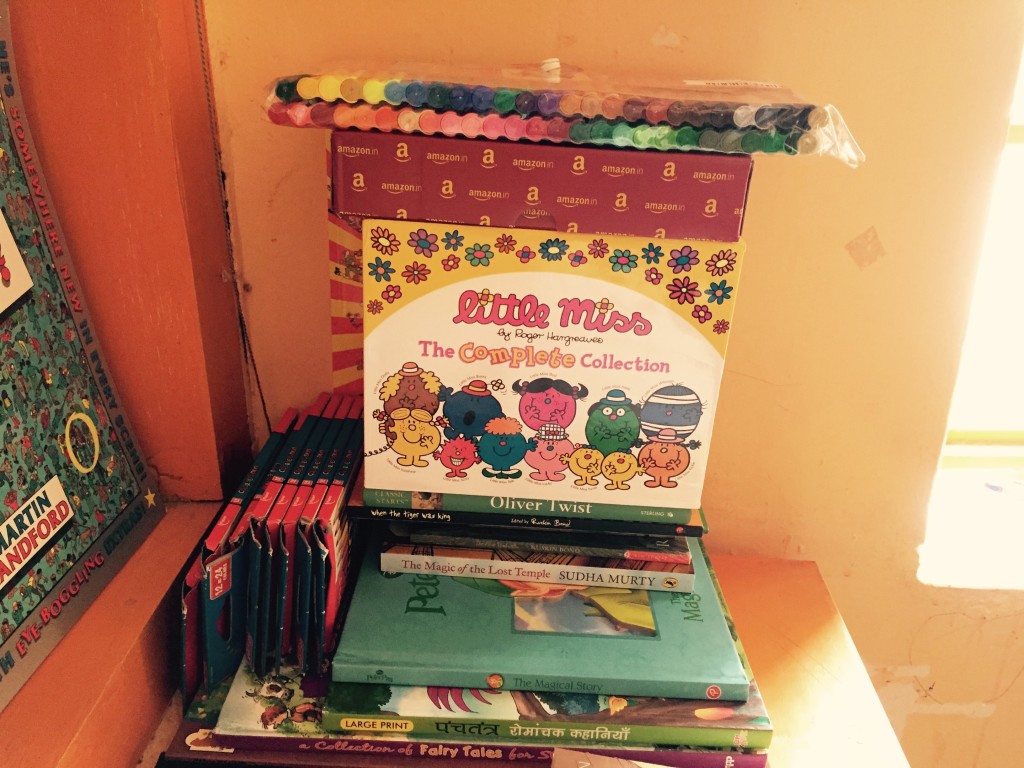
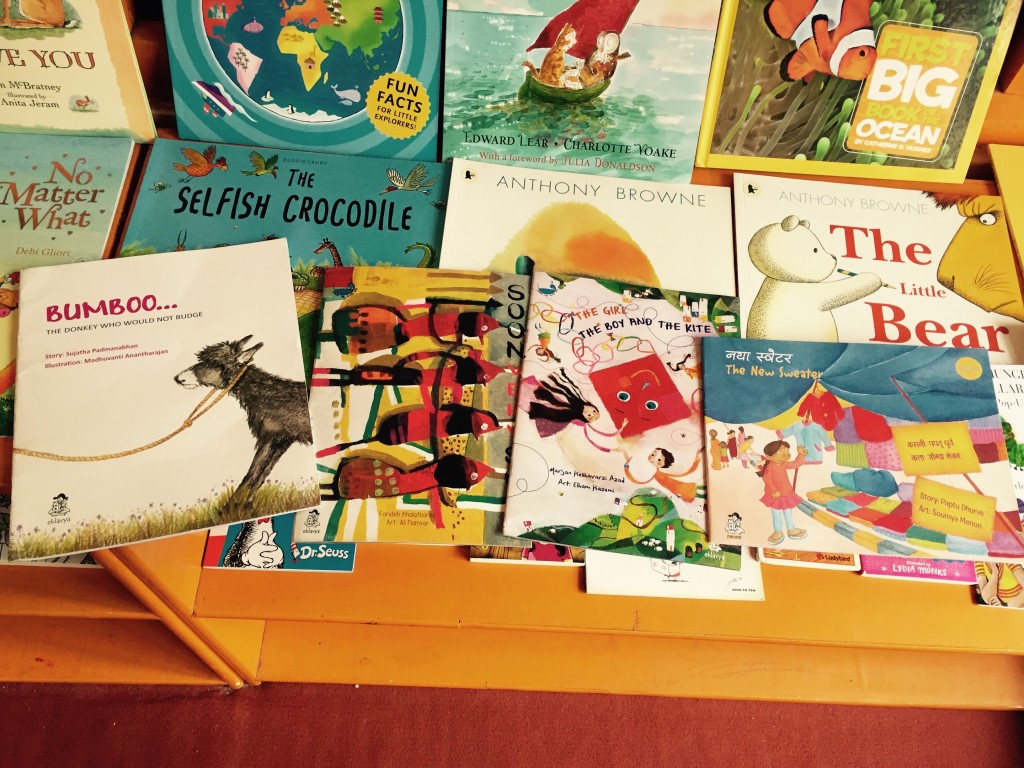
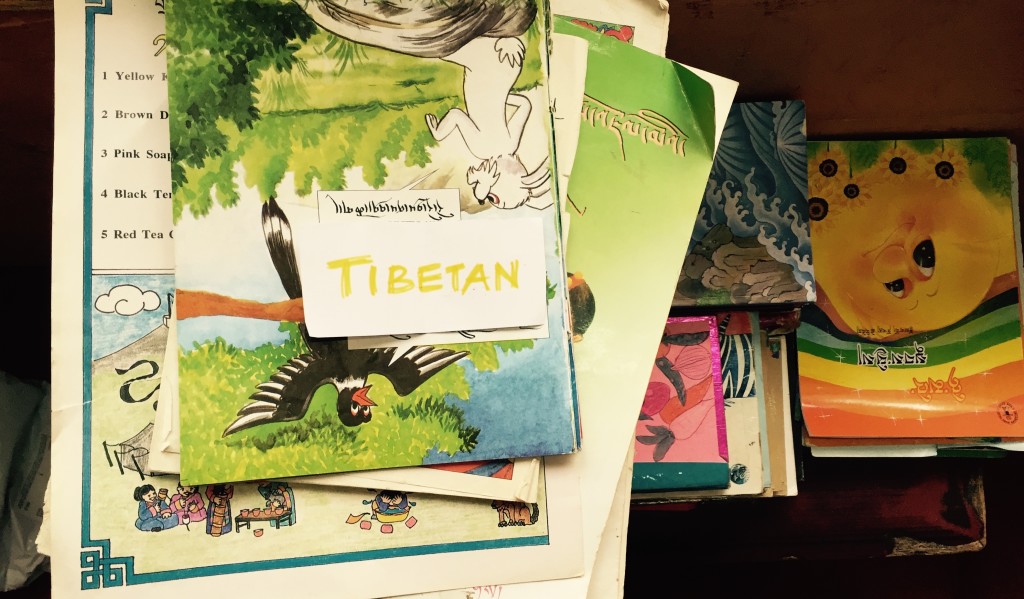
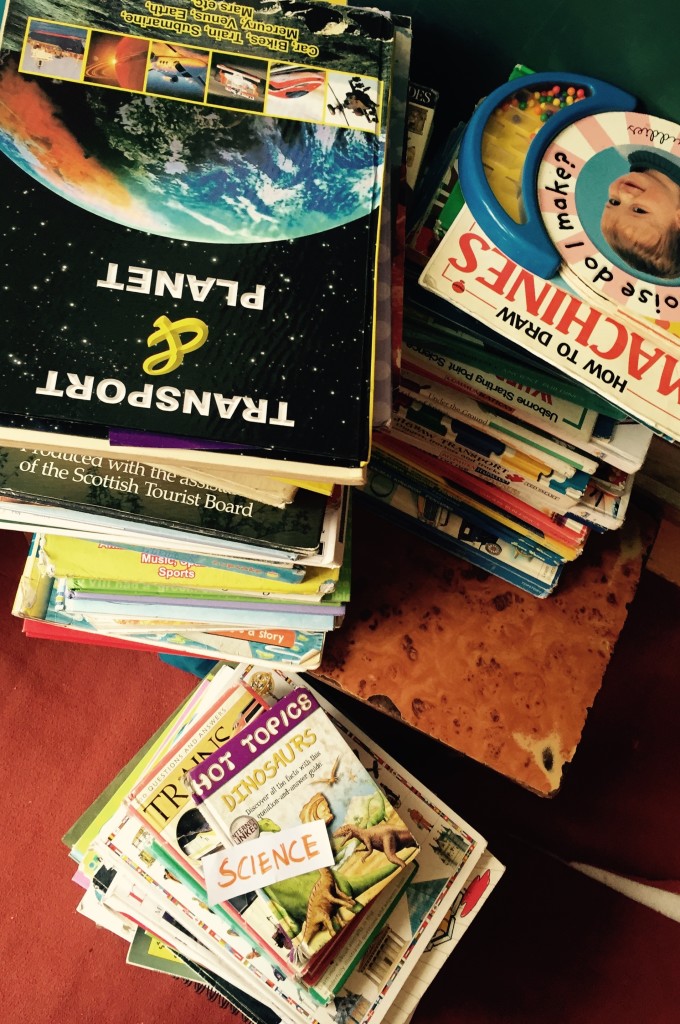
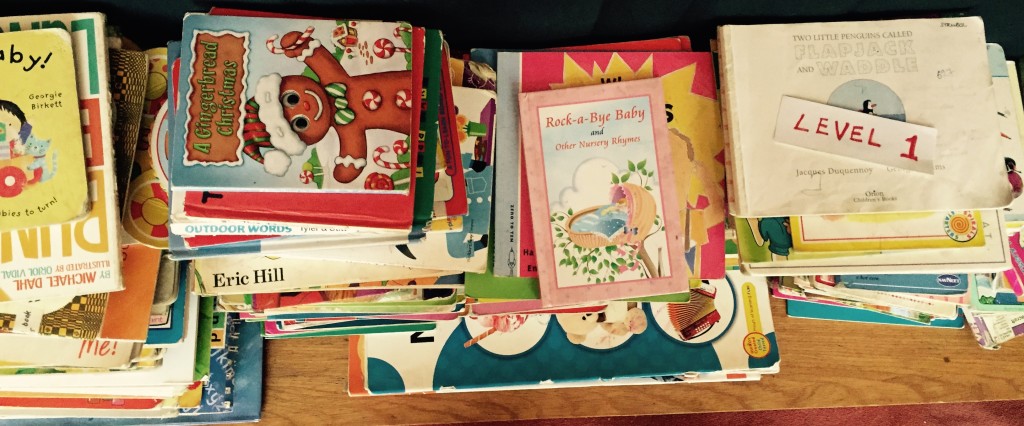
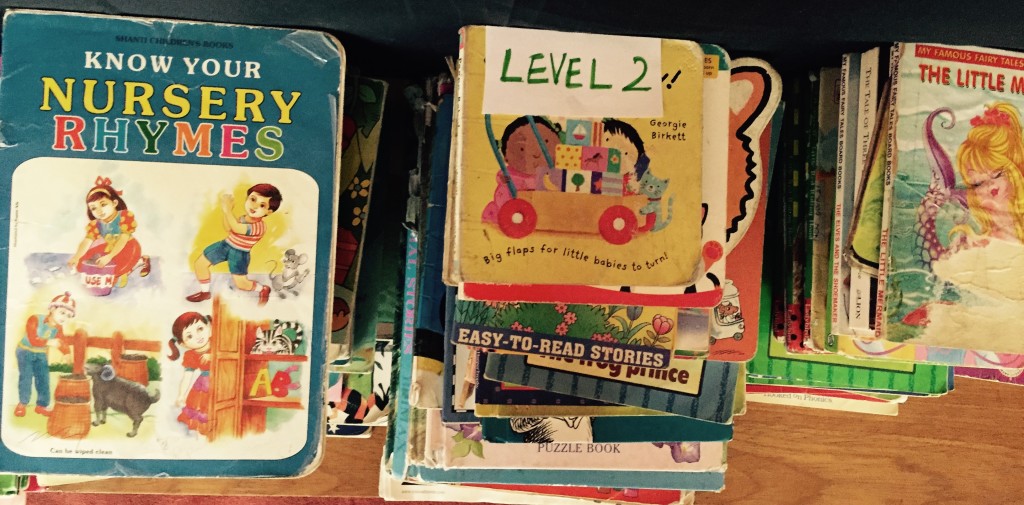
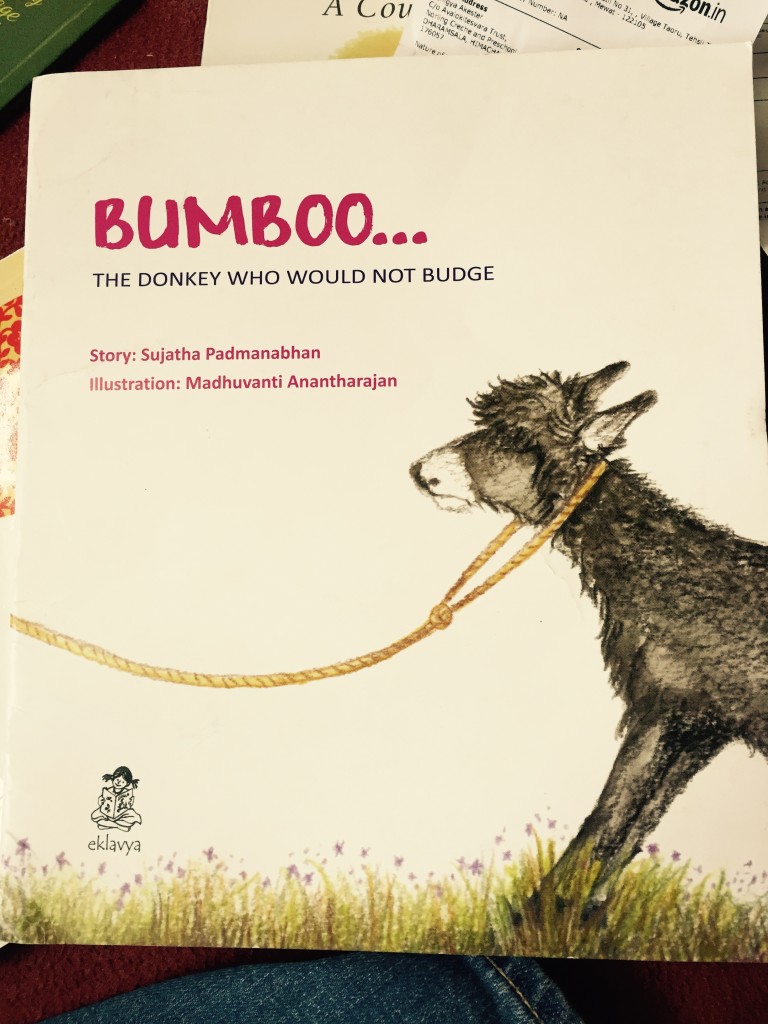
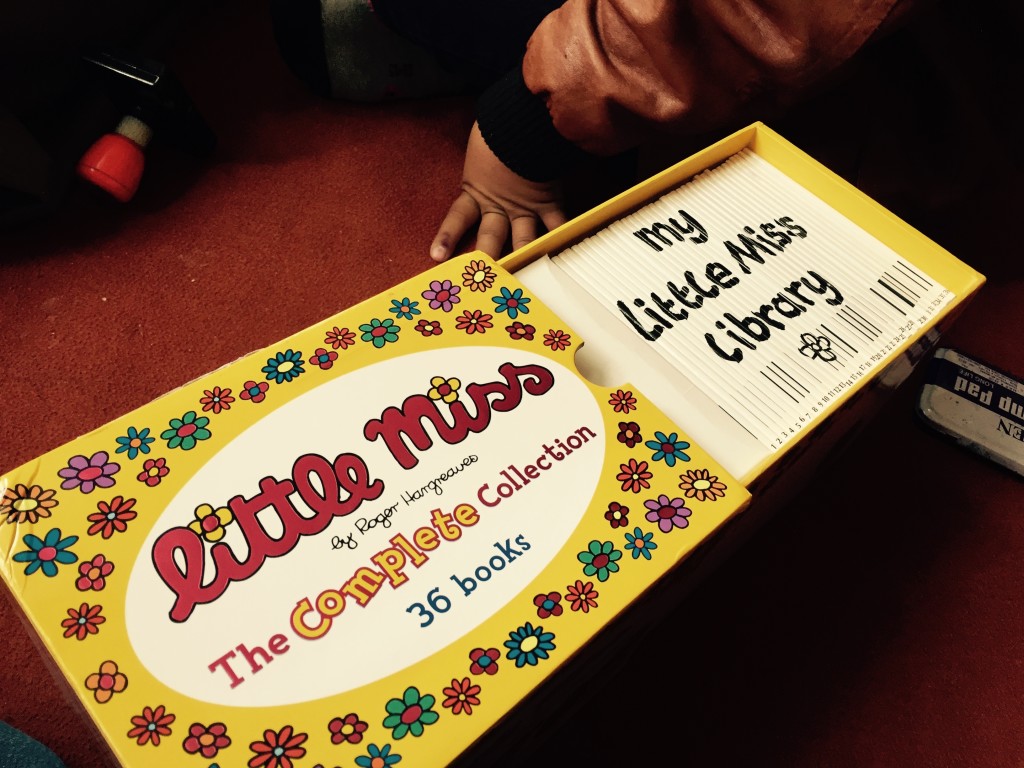
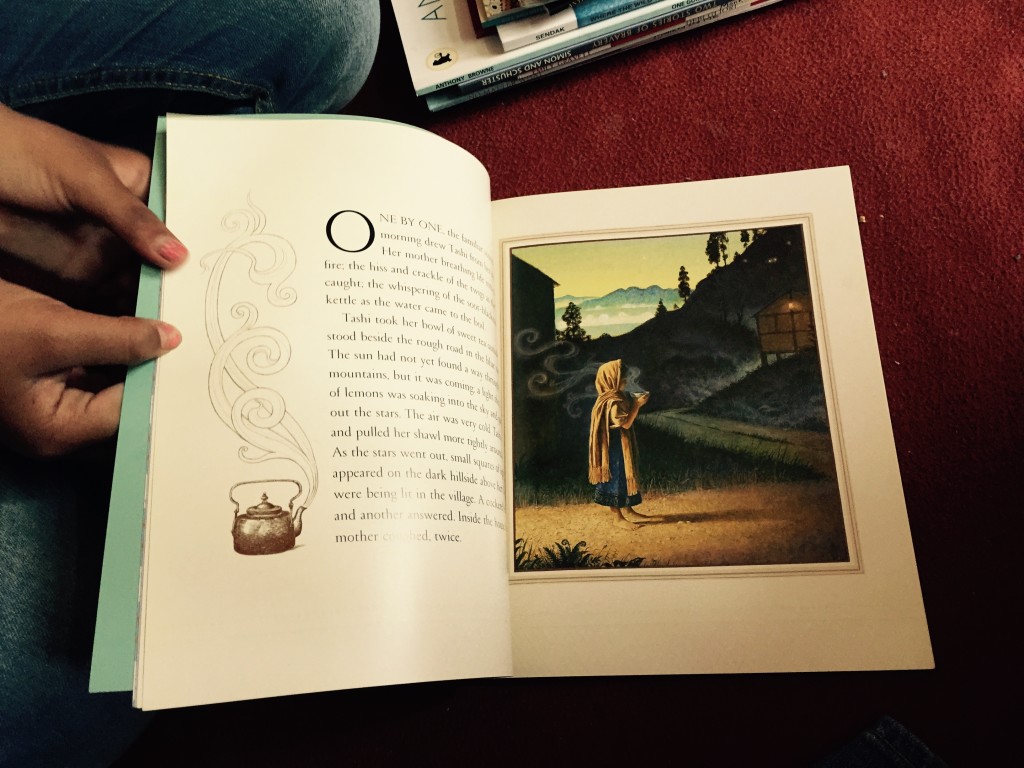
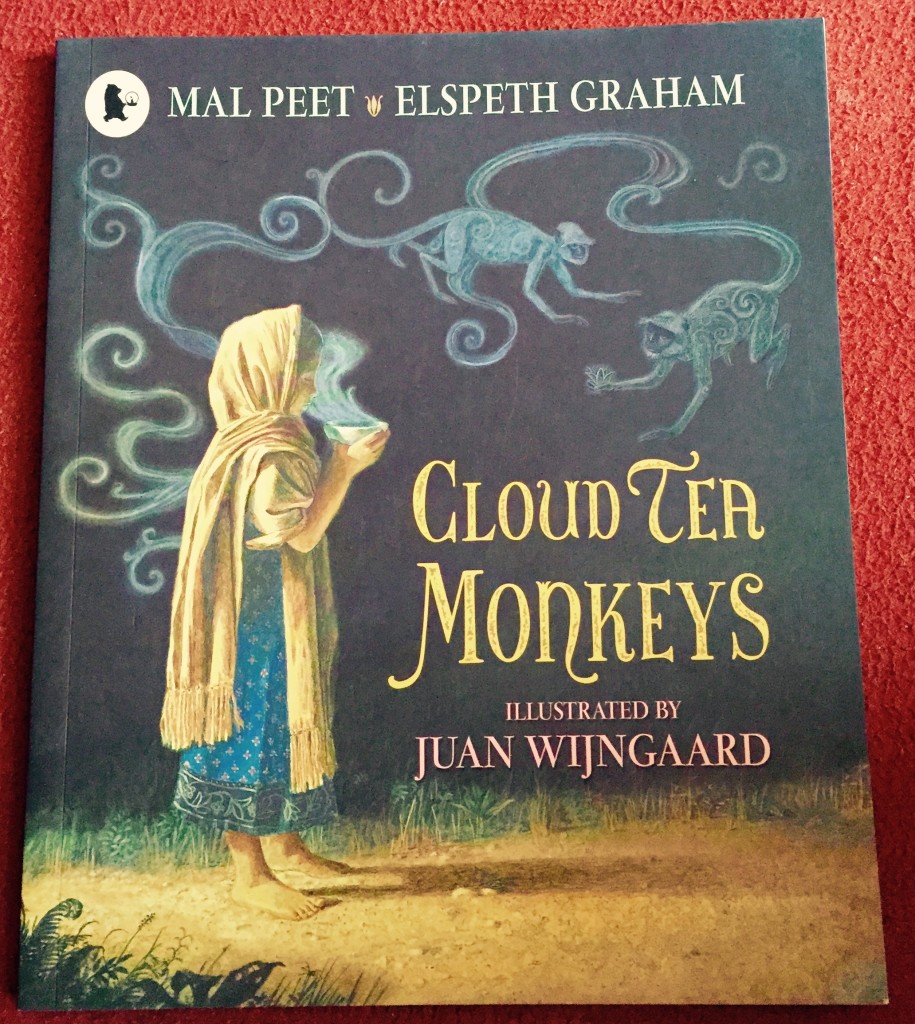
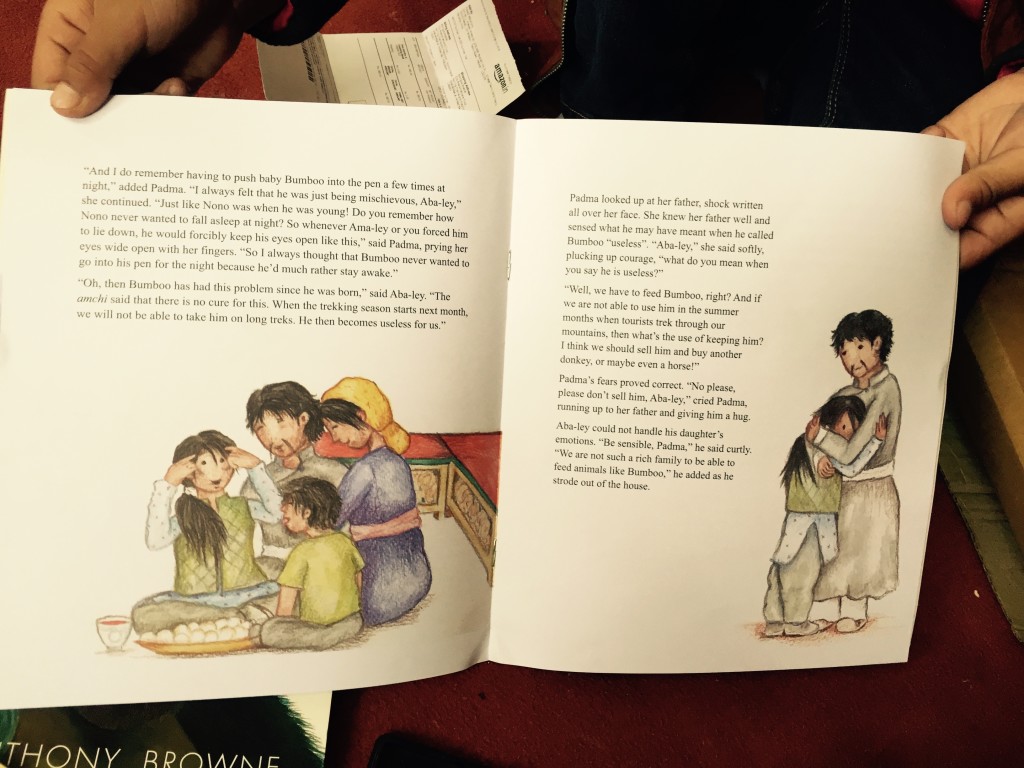
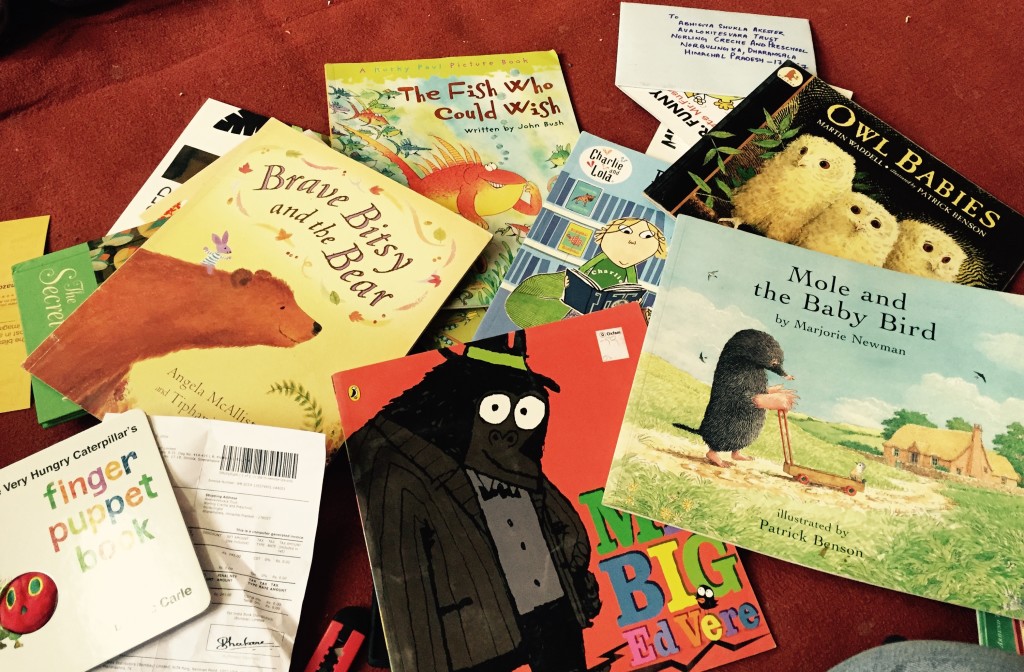
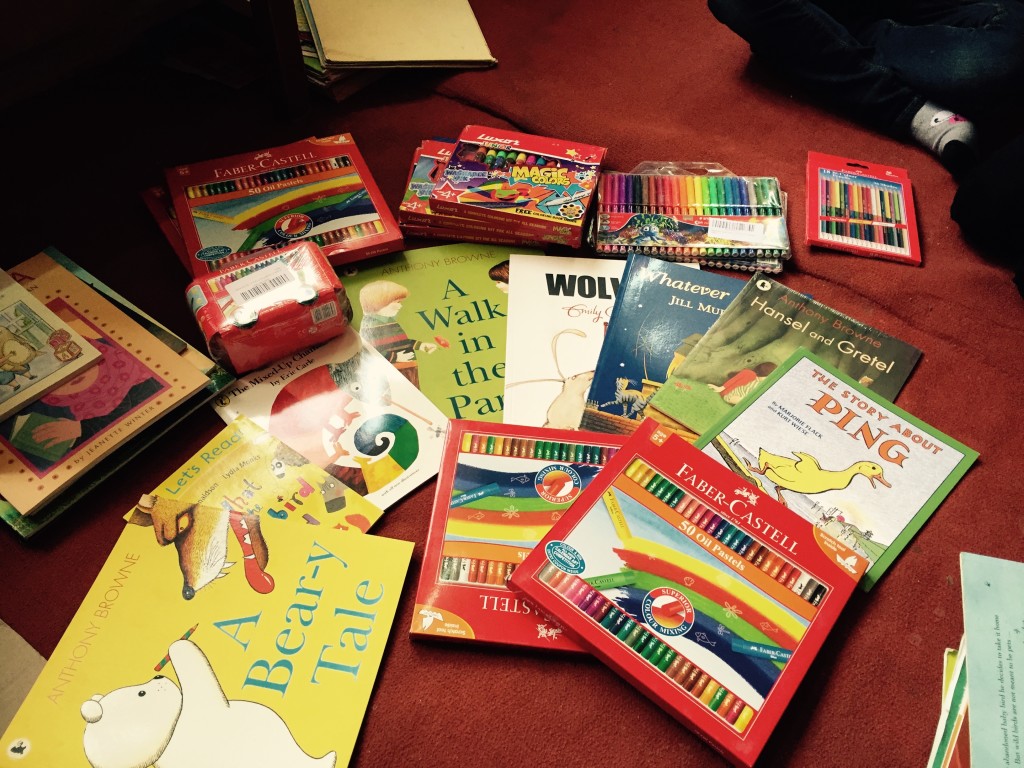
The process begins when a donor looks at a personal collection and considers which books could serve children in Zanskar. Picture books, illustrated science titles, folktales, biographies, poetry, atlases, and accessible fiction can all have value. A strong donation usually includes different reading levels so that beginners, confident readers, and older students can find something suited to them.
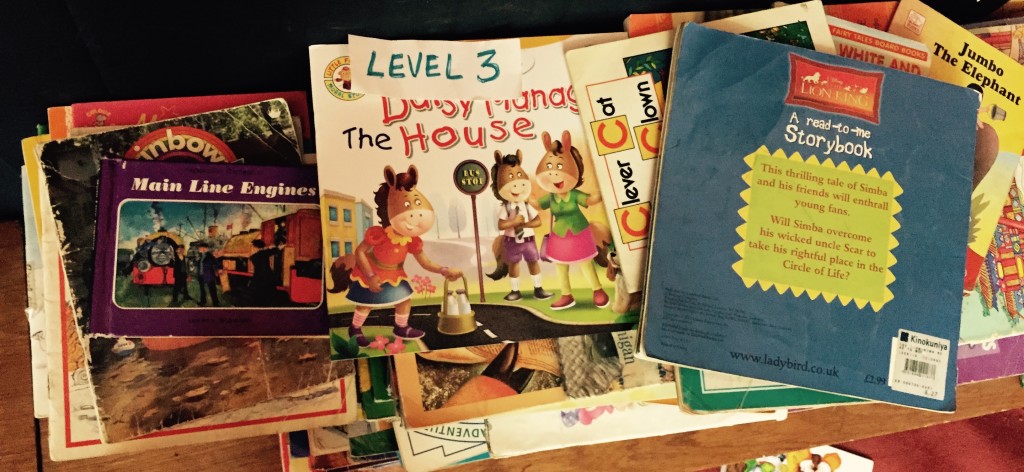
Condition matters as well. Books should be clean, complete, and sturdy enough for repeated use. A beautifully illustrated book with a few signs of reading may be more useful than a pristine title that is too advanced or disconnected from a child’s interests. Content should be age-appropriate, respectful of local communities, and capable of encouraging imagination rather than presenting a narrow view of the world.
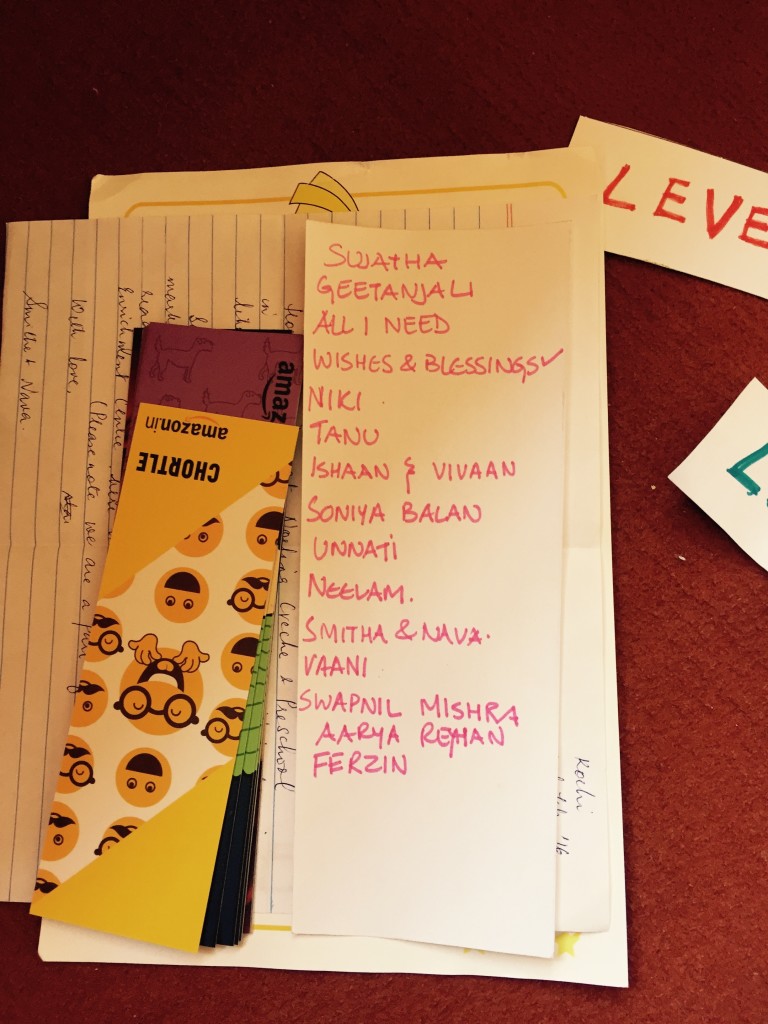
Donors can make the sorting stage more effective by grouping books by age or subject and checking that pages, covers, and bindings are intact. A short note about the collection can also help volunteers understand its character. This thoughtful preparation reduces unnecessary transport and ensures that the books most likely to be enjoyed reach the right readers.
From A Household Collection To A Shared Library
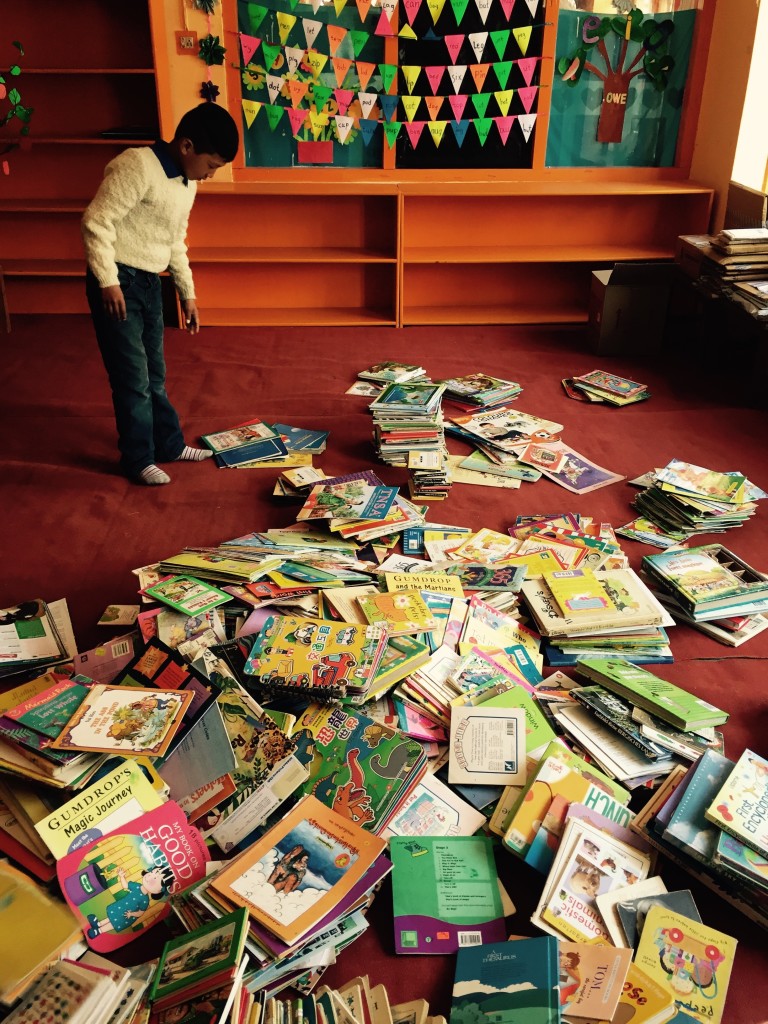
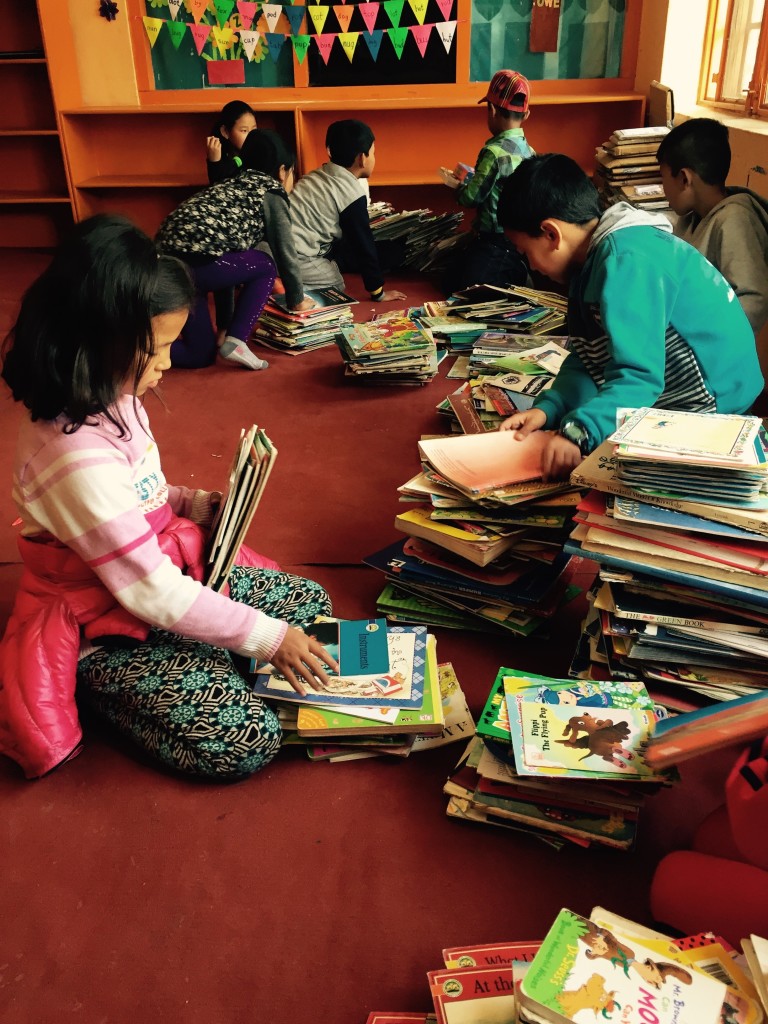
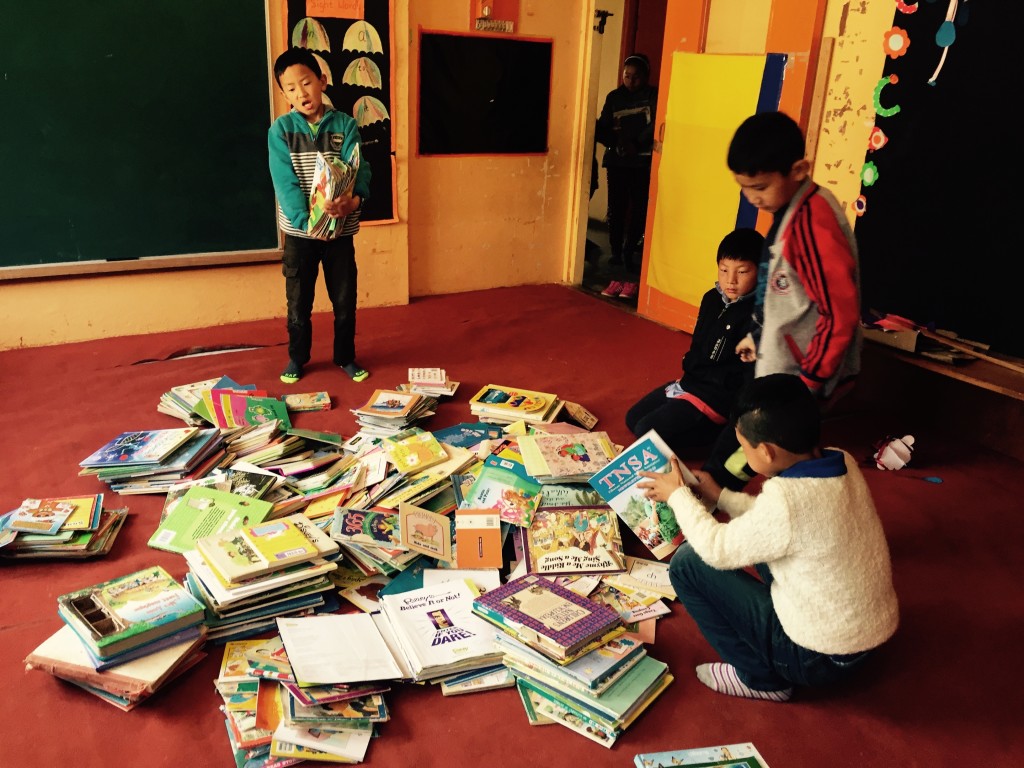
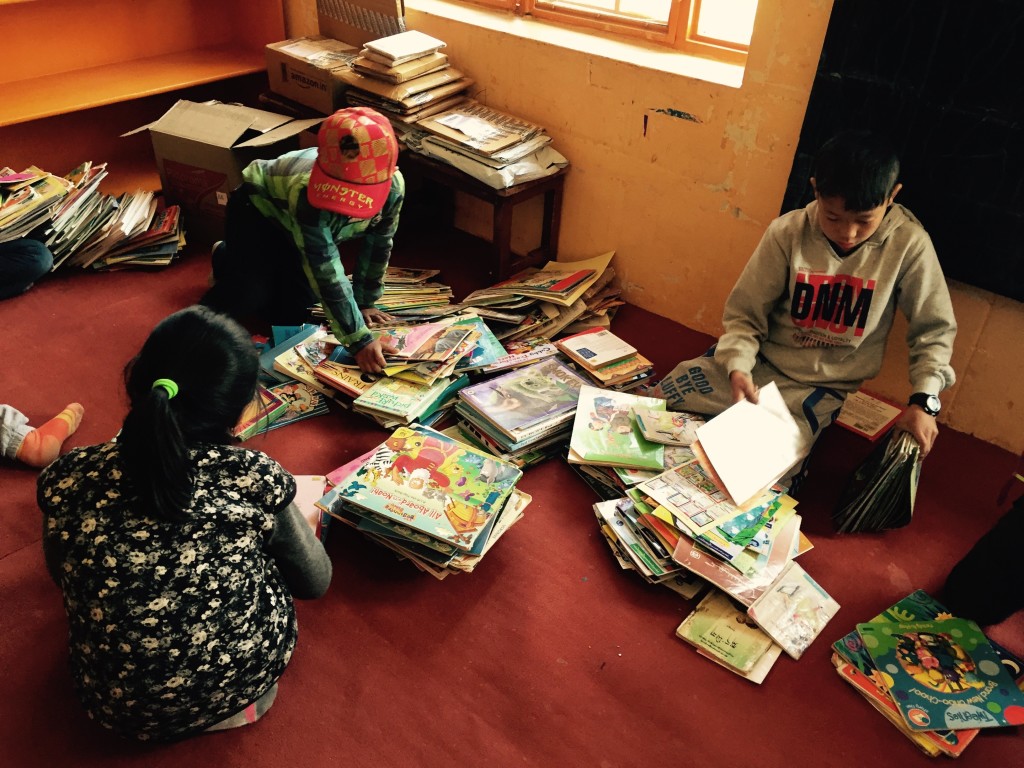
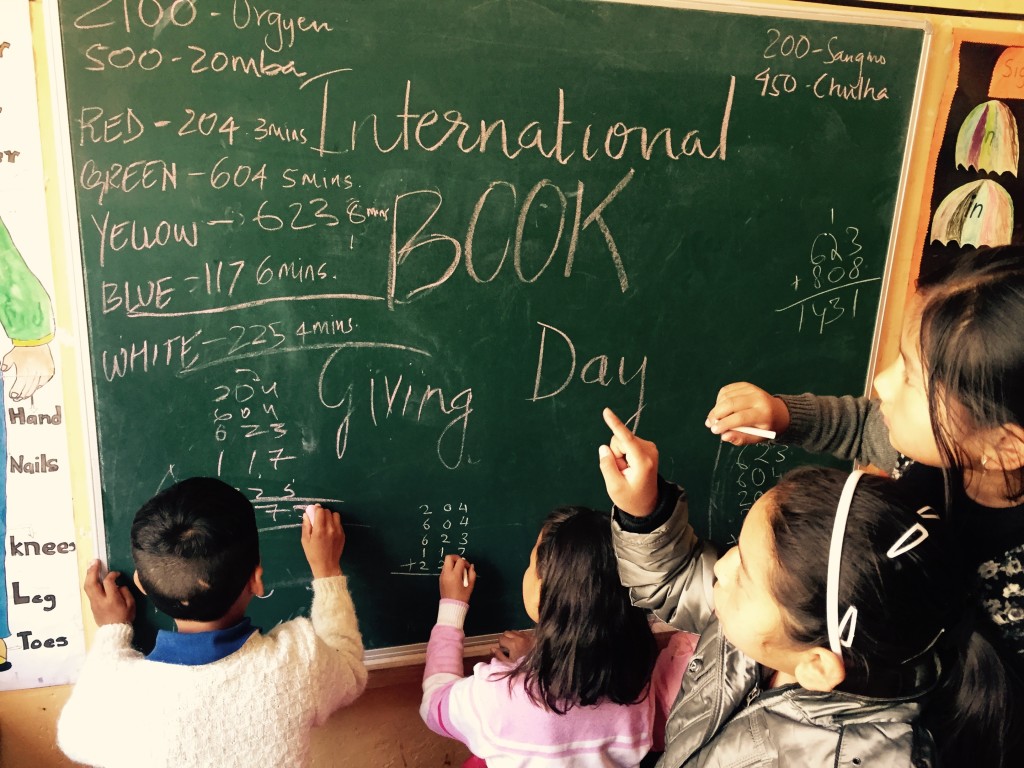
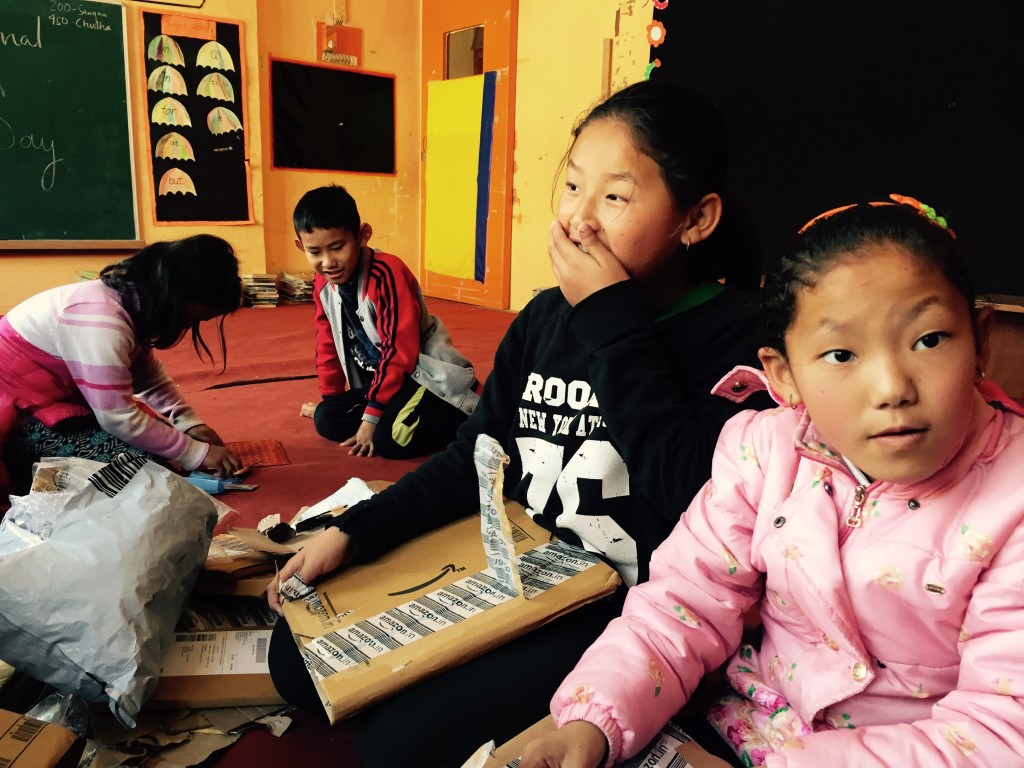
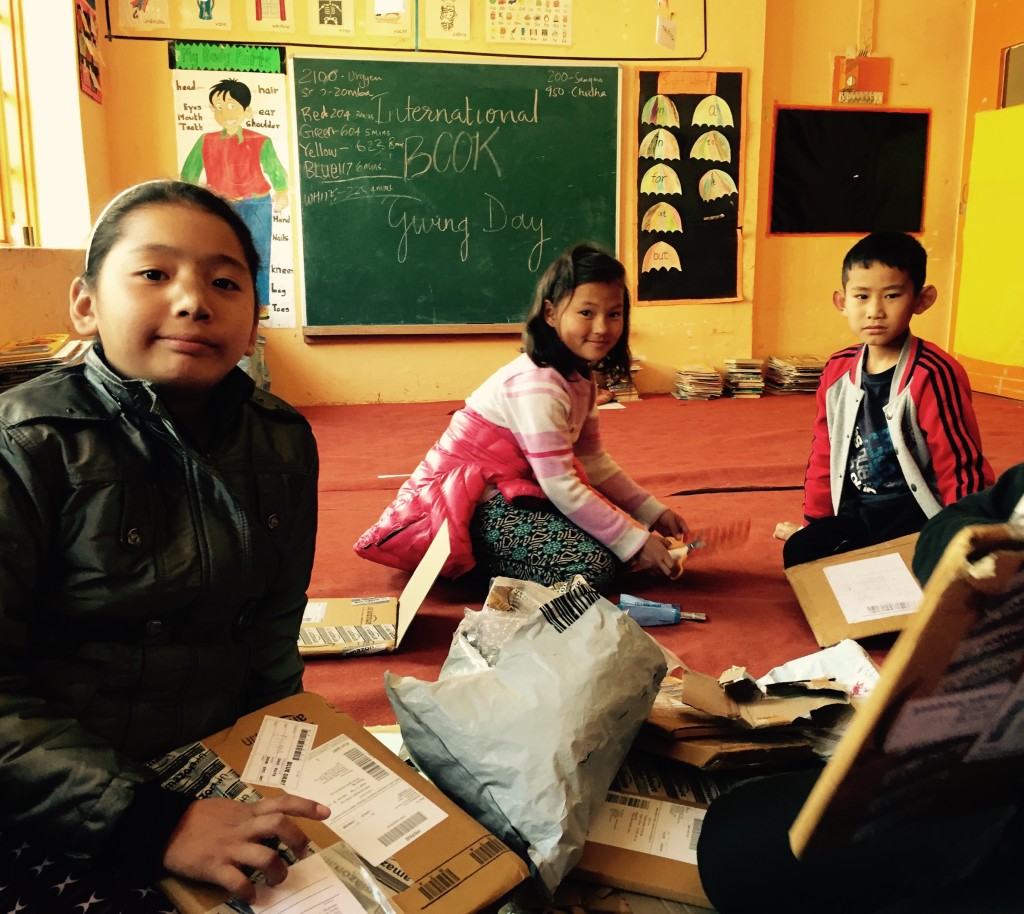
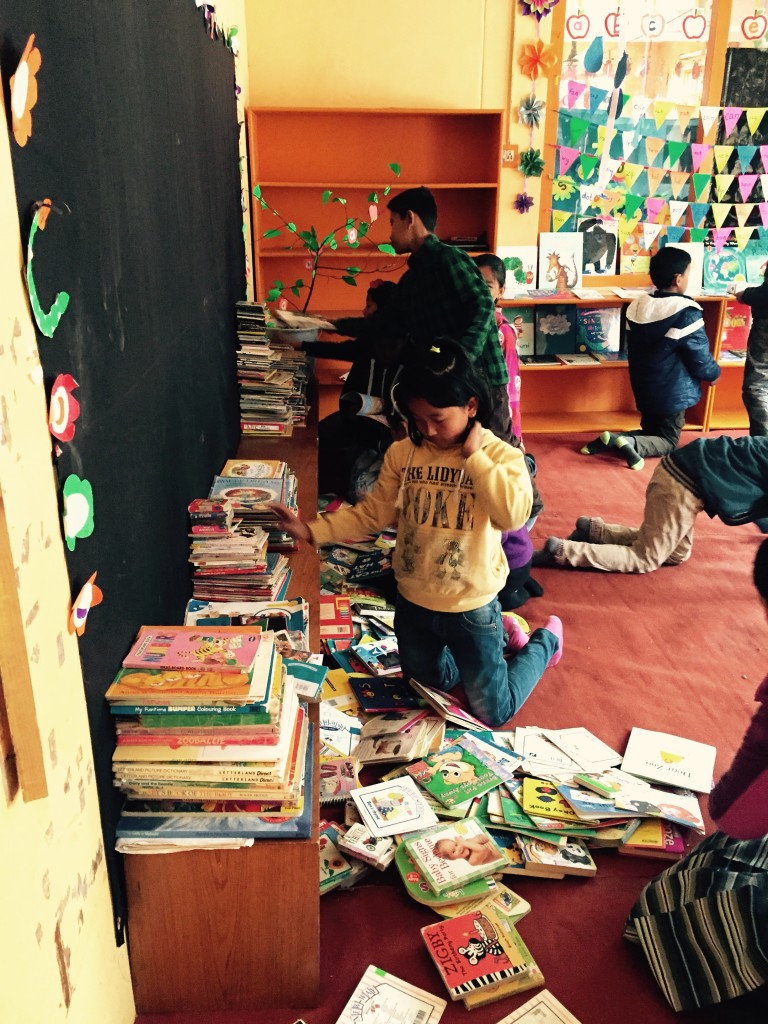
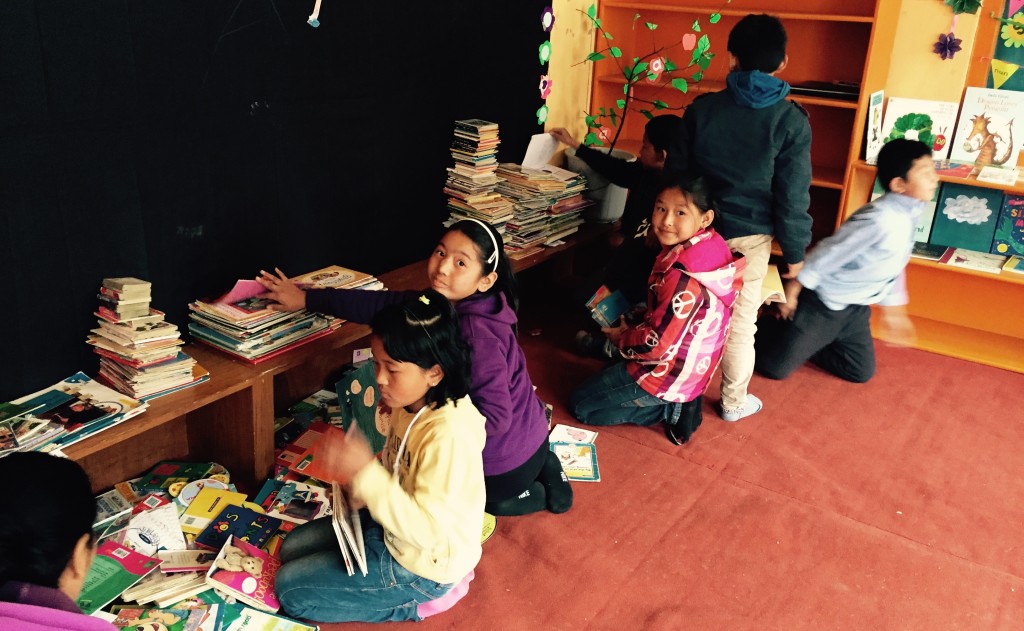
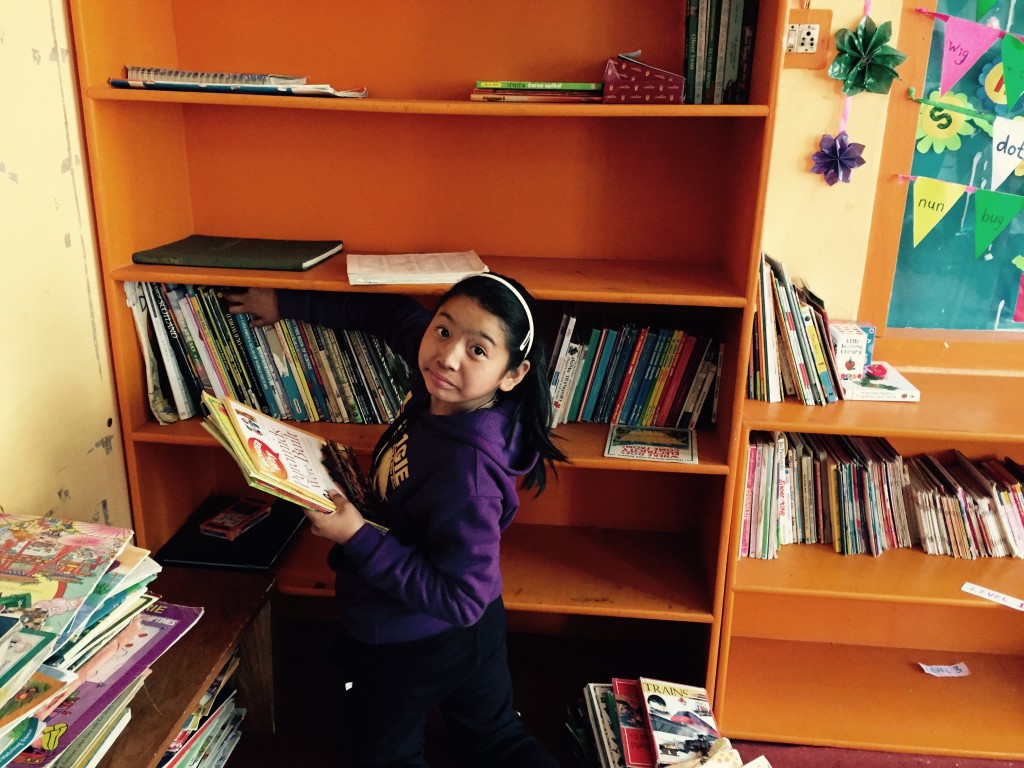
Once books arrive at a collection point, volunteers turn a private donation into a community resource. They may sort the material, remove unsuitable items, repair minor damage, and organize titles so that children can browse without feeling overwhelmed. This stage gives every book a practical place in the larger educational program.
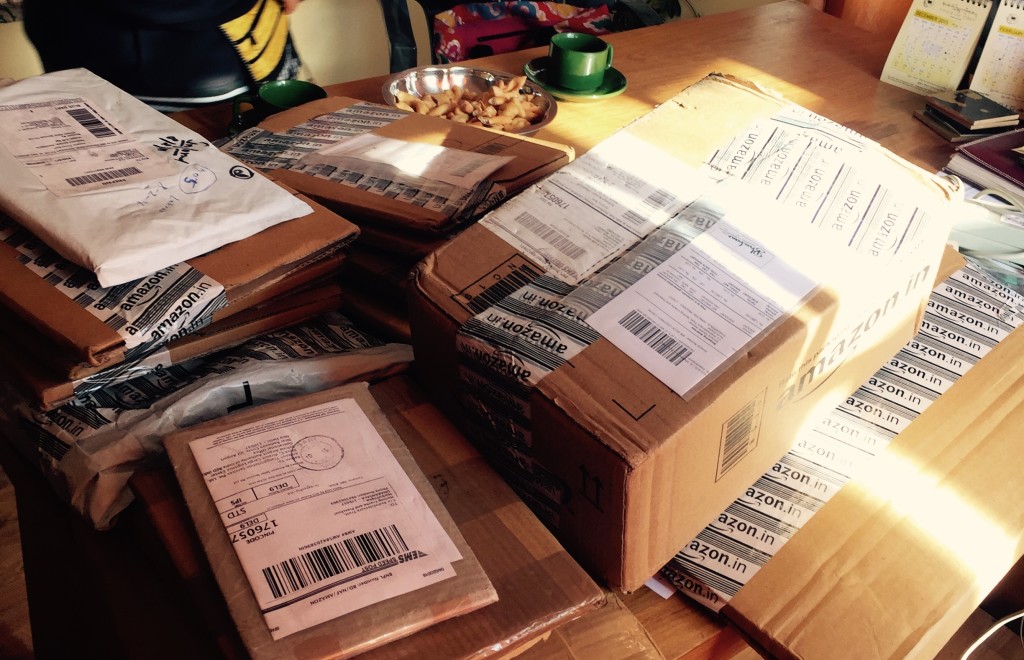
Packaging is especially important when materials must travel long distances. Books need protection from dust, moisture, and rough handling while remaining manageable for transport. In remote areas, a shipment may pass through several hands and travel along roads affected by weather, so careful labeling and secure packing make a real difference.
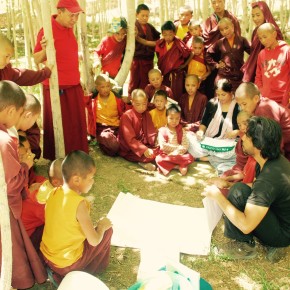
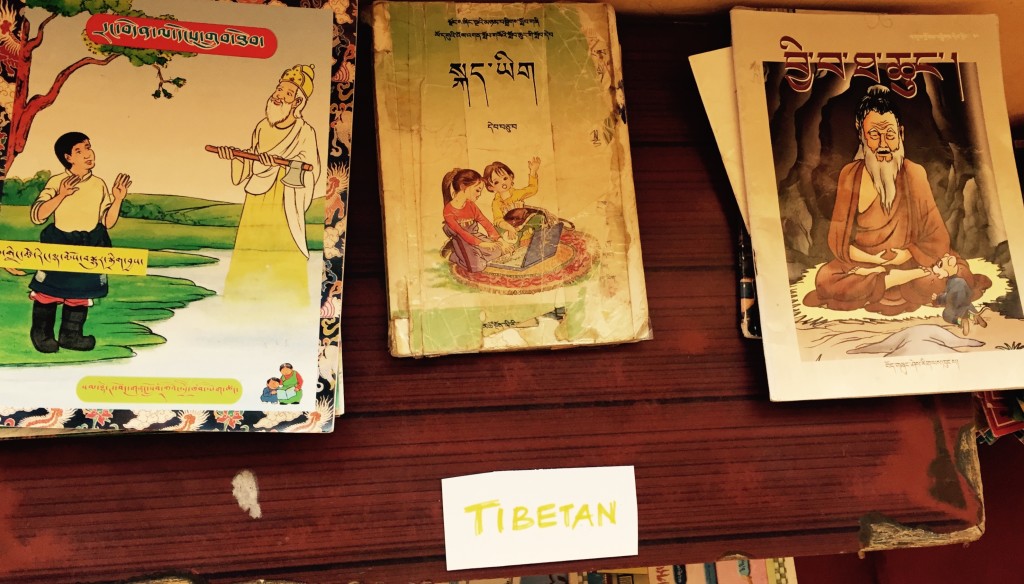
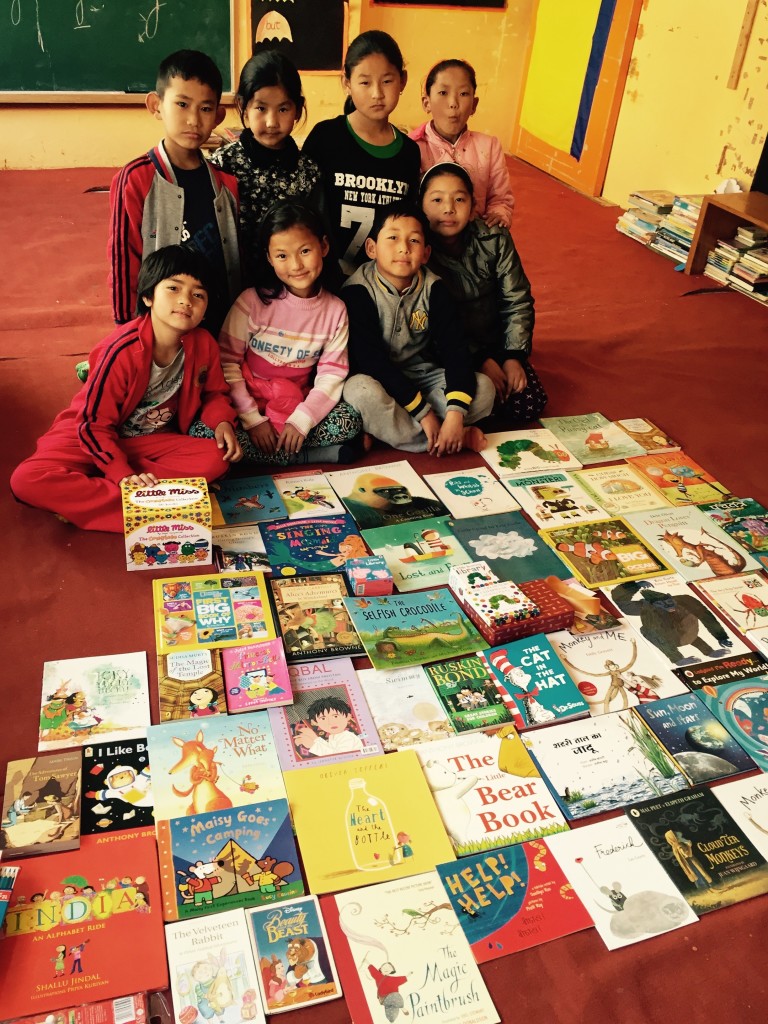
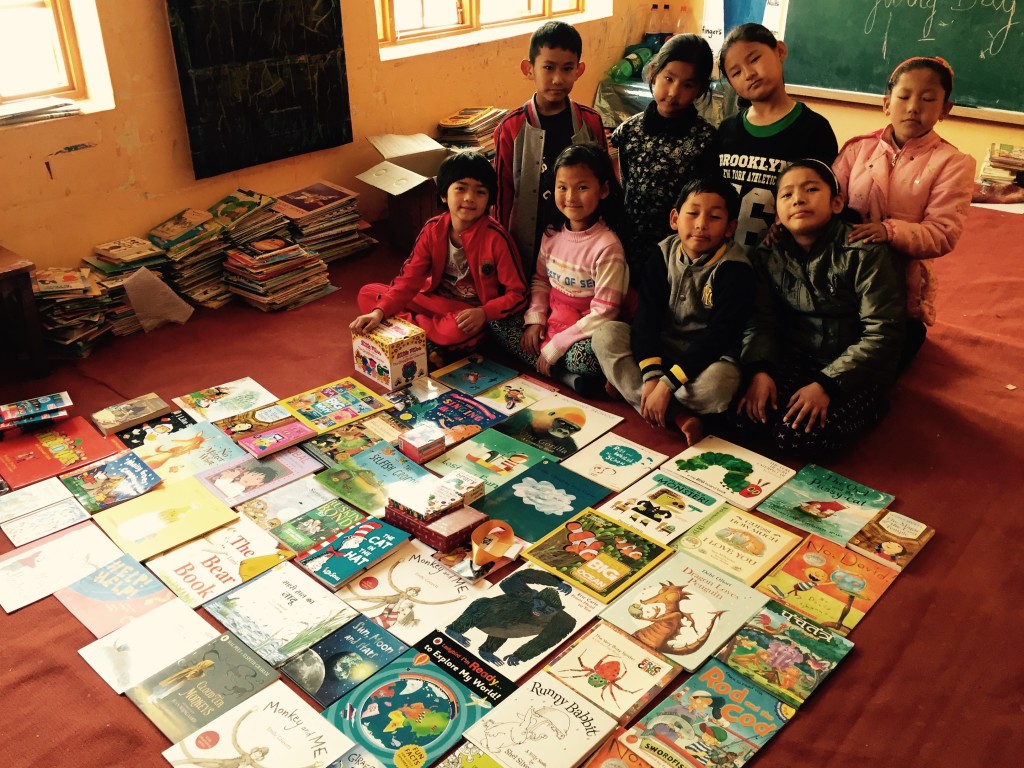
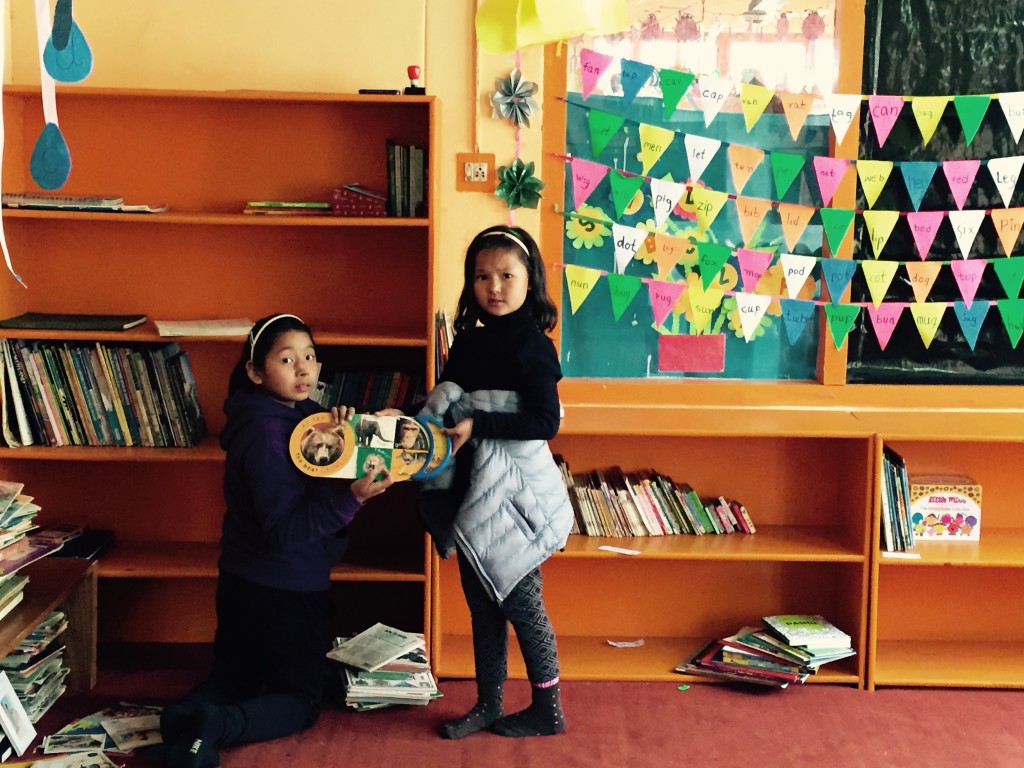
The destination is rarely just a shelf. Books may be distributed to a reading room, a school, a monastery community, or an activity center where children gather for creative learning. A donated novel can sit beside a reference book, a drawing guide, and a collection of local stories. Together, they create a varied learning environment rather than a single-purpose library.
Making Reading Spaces Welcoming
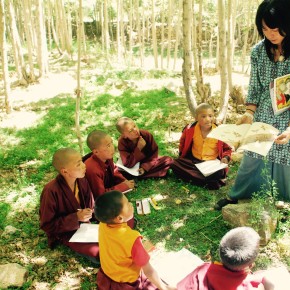
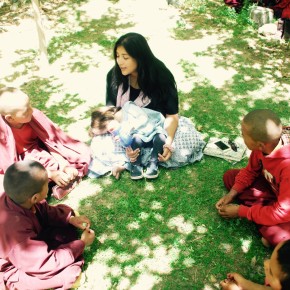
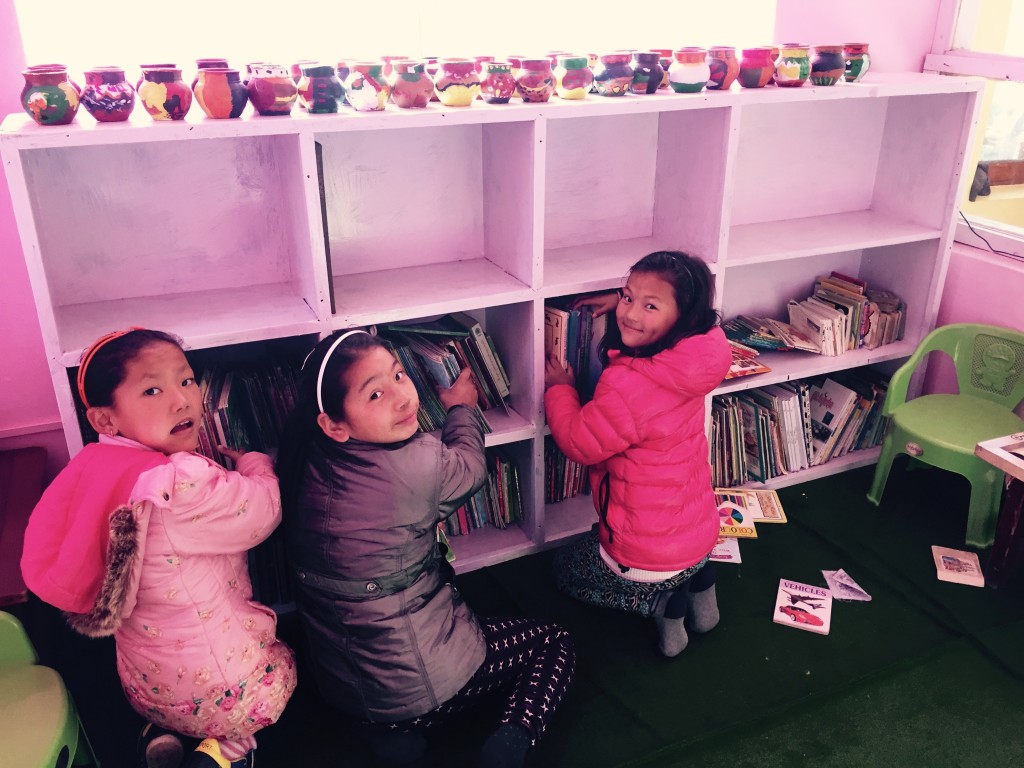
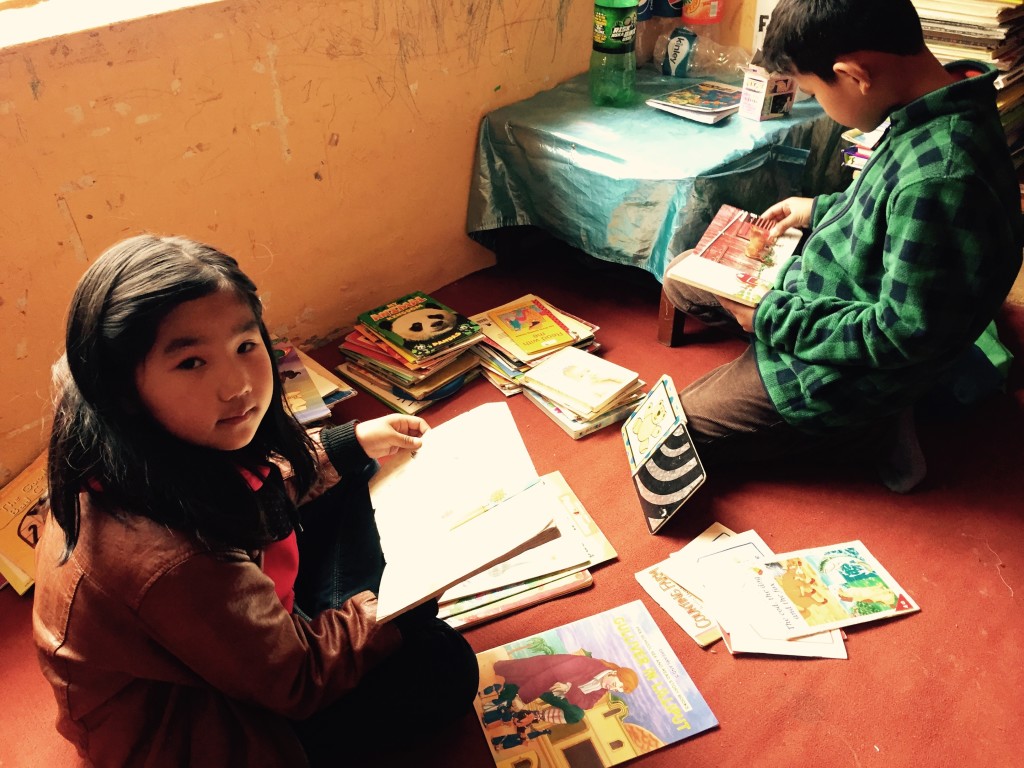
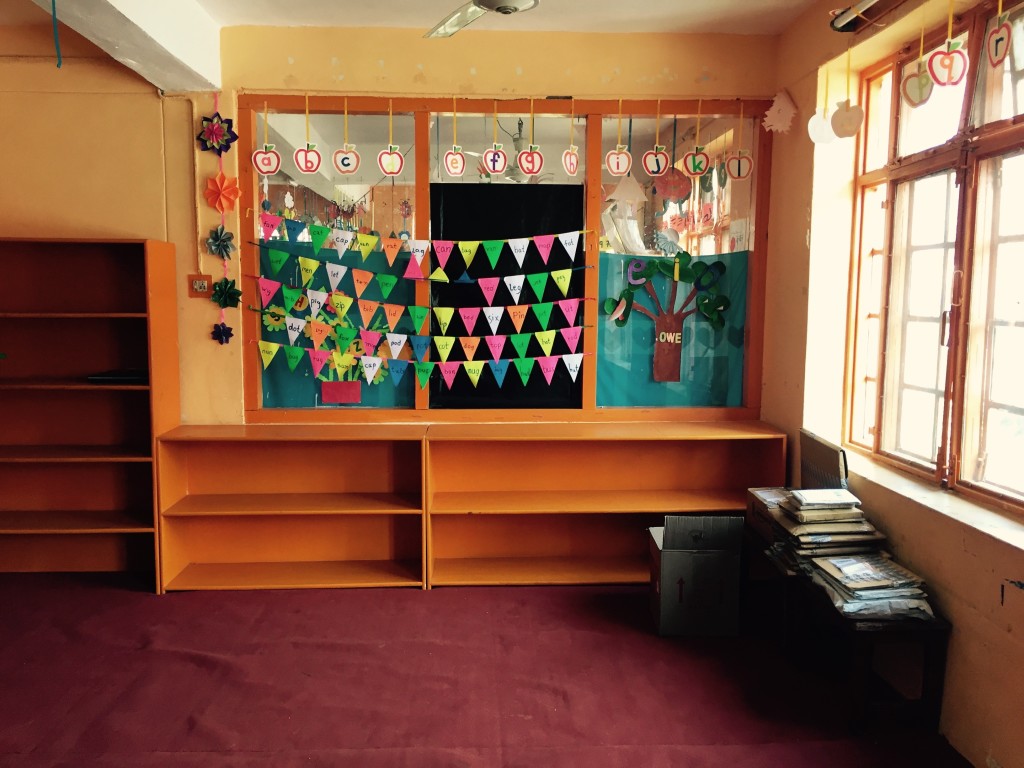
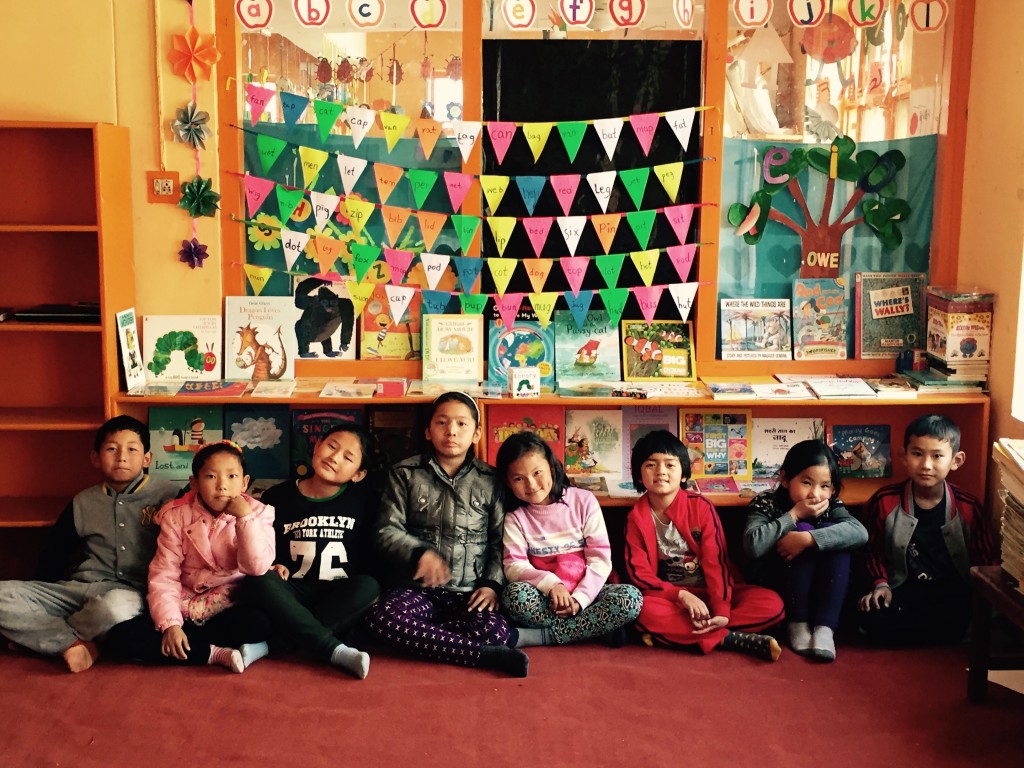
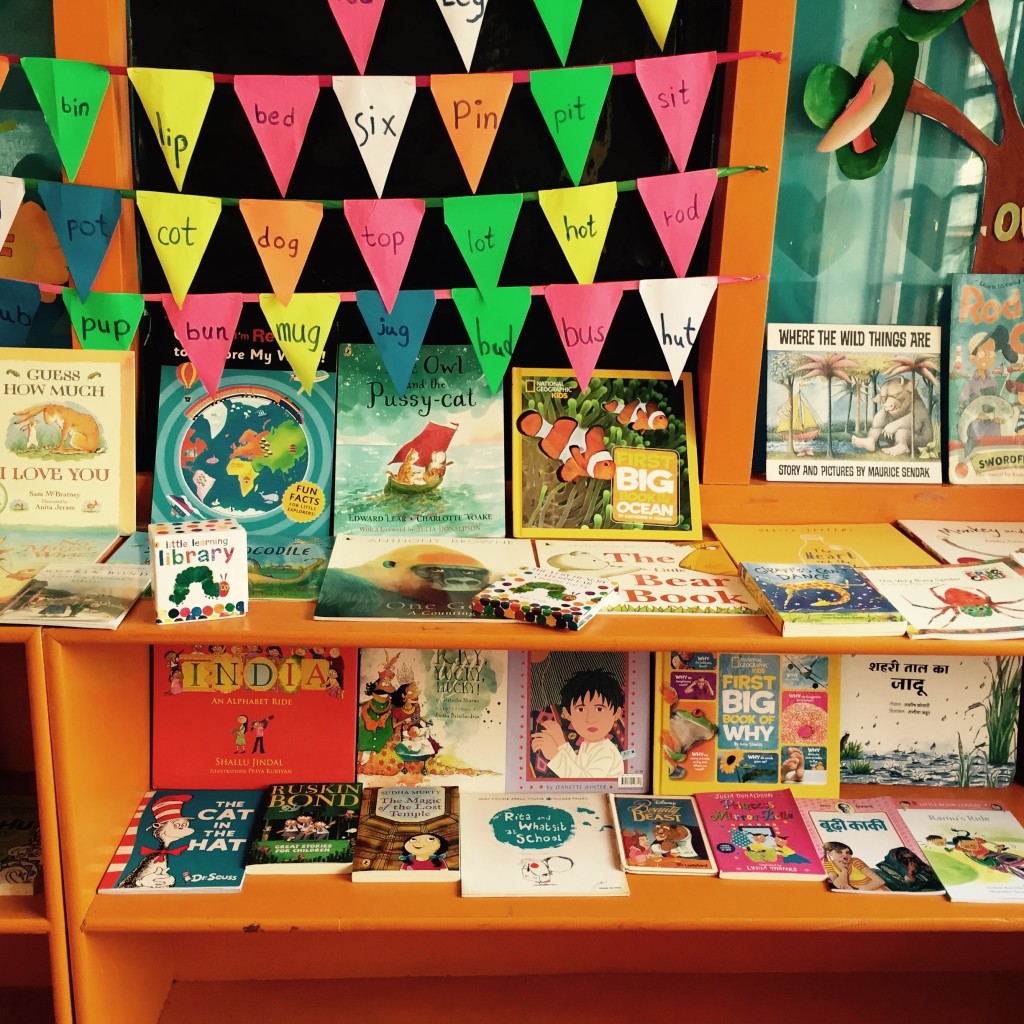
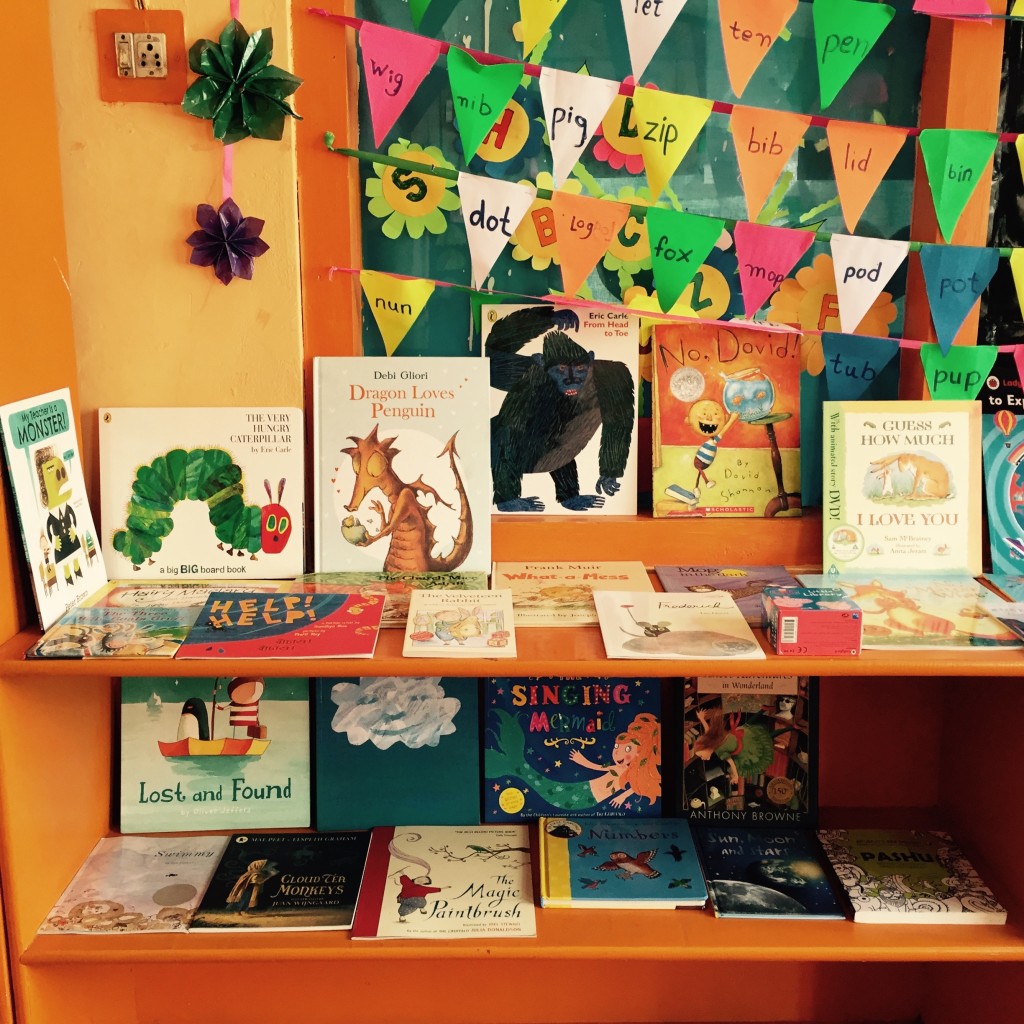
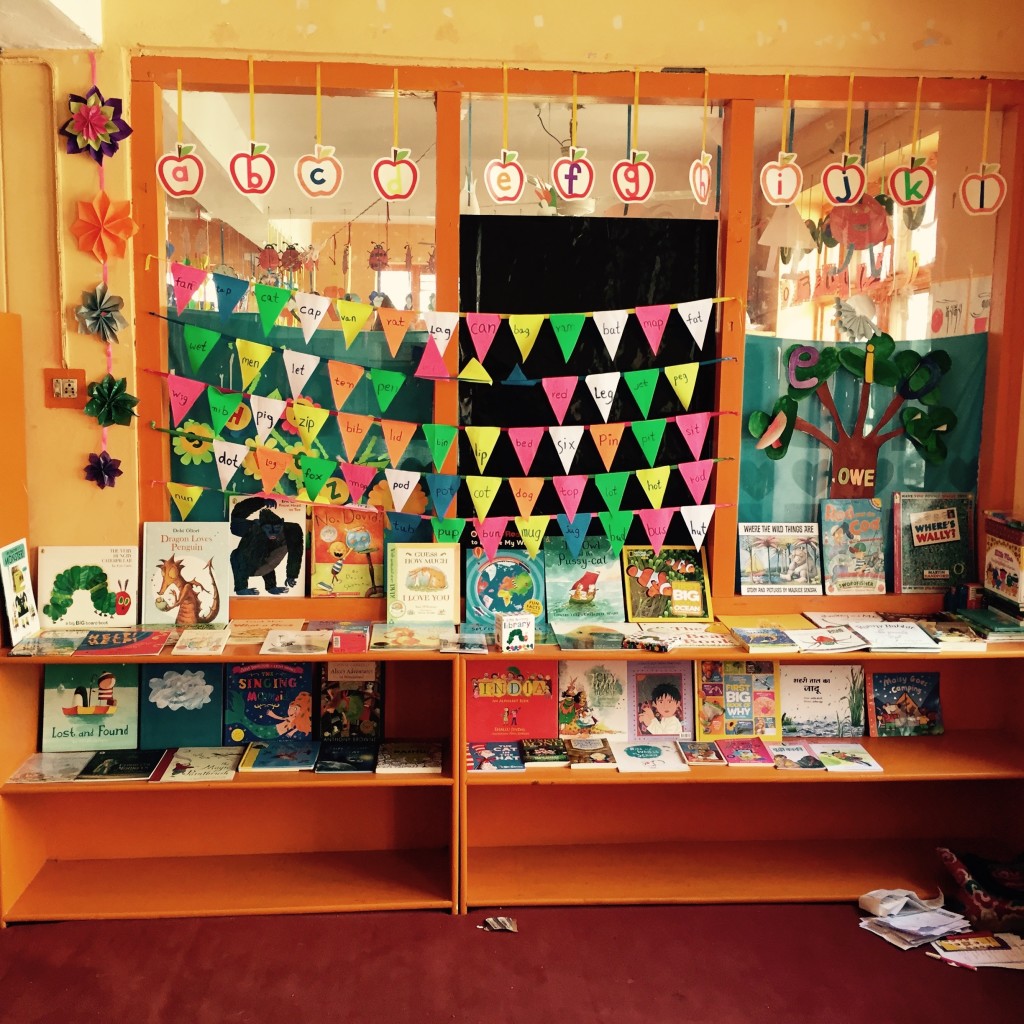
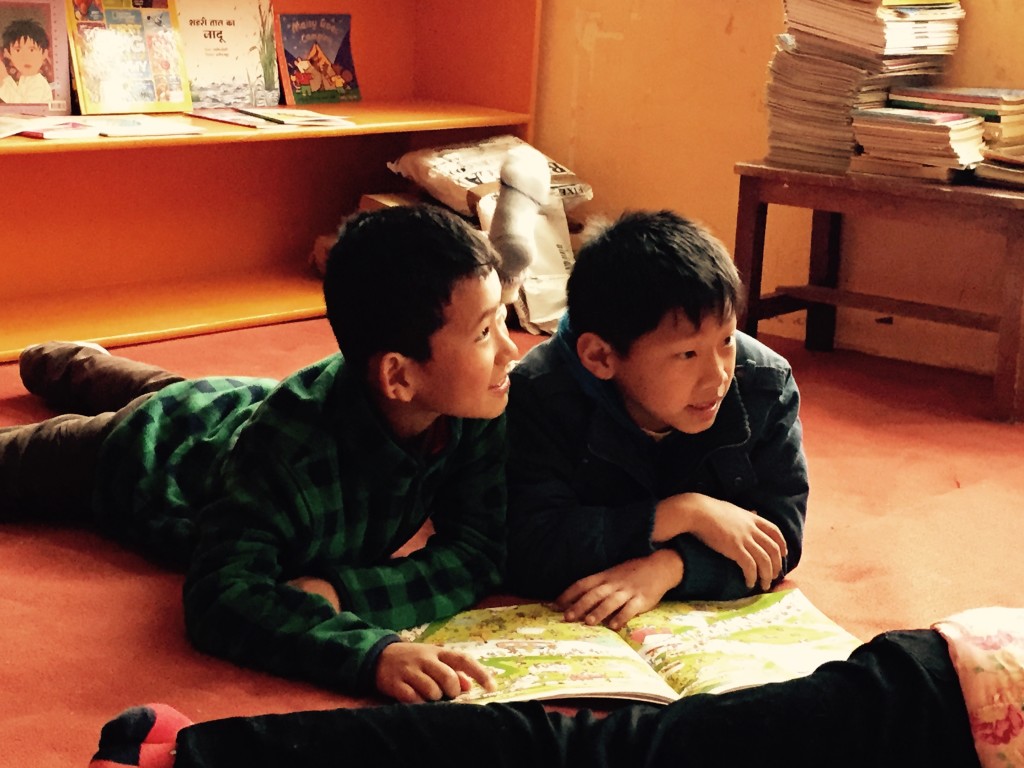
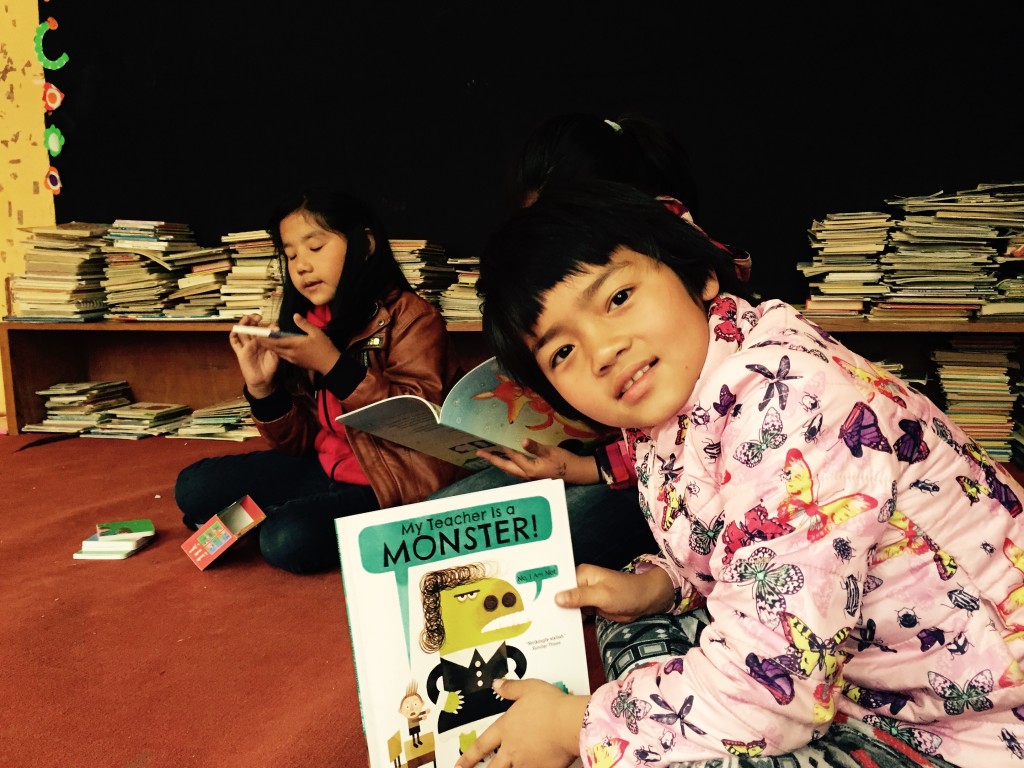
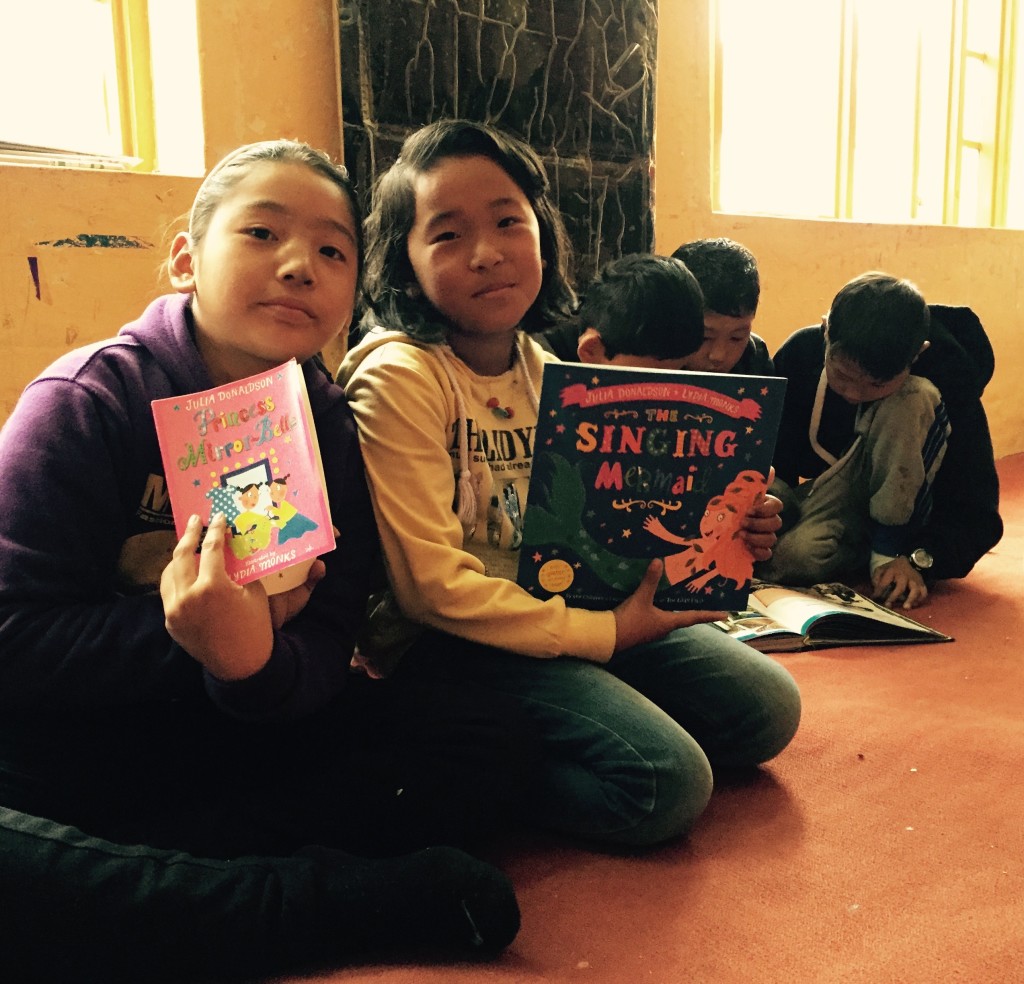
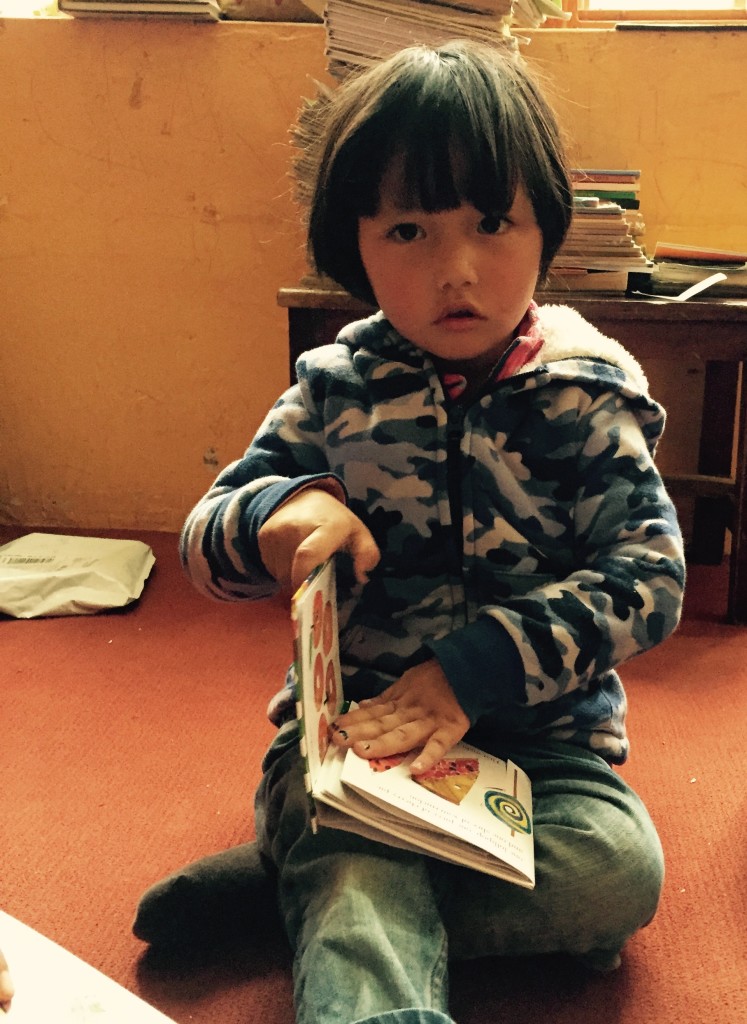
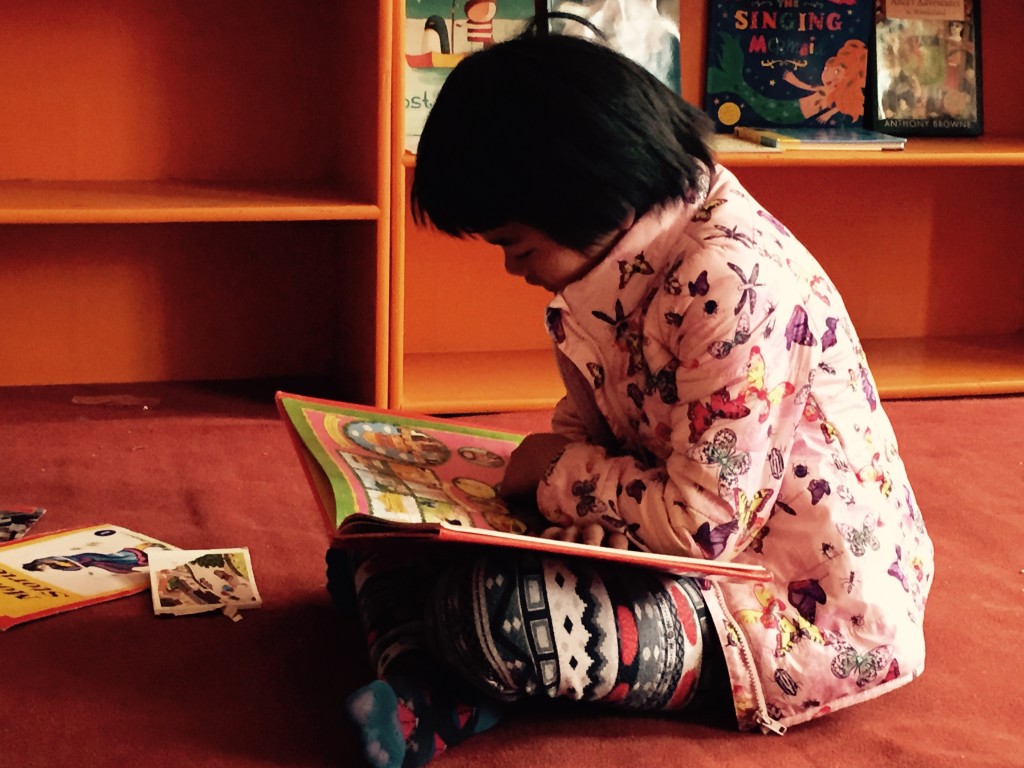
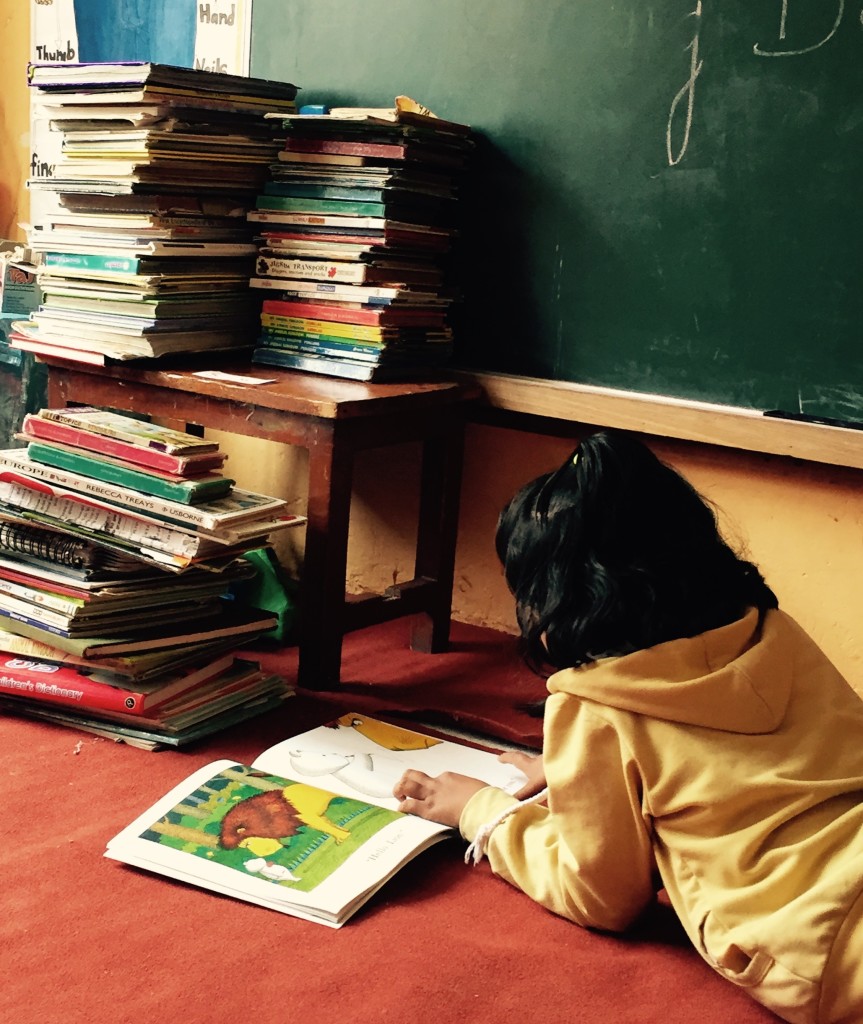
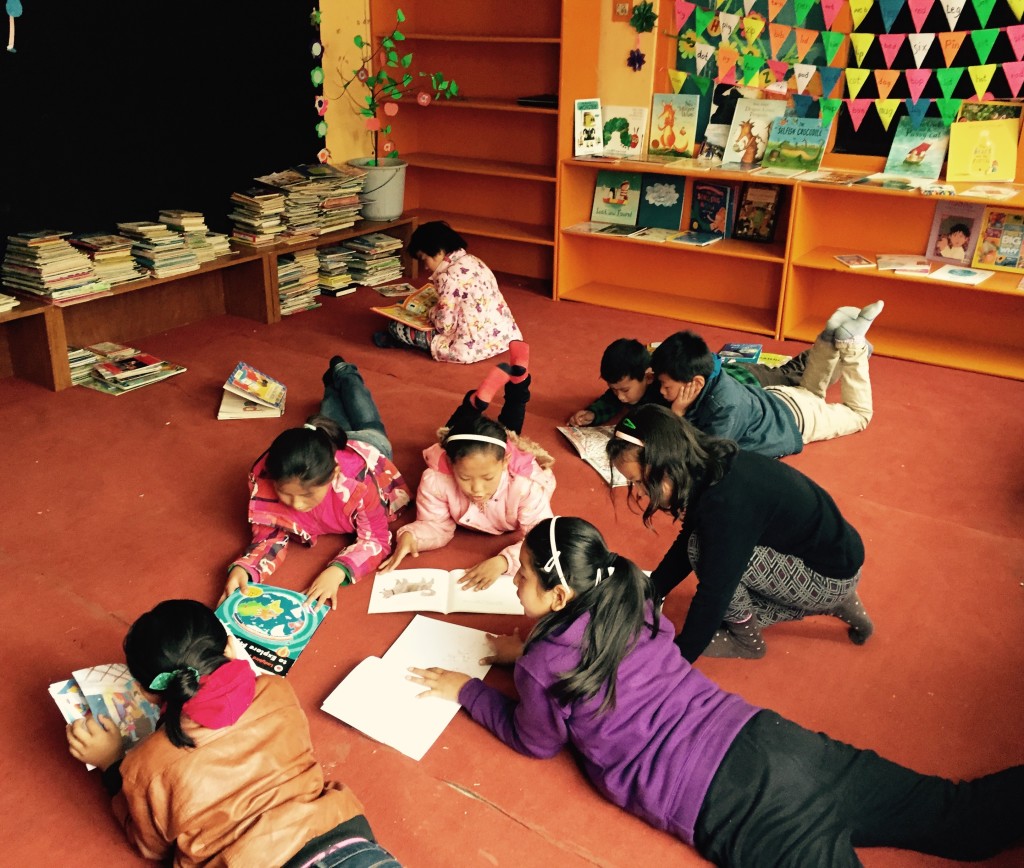
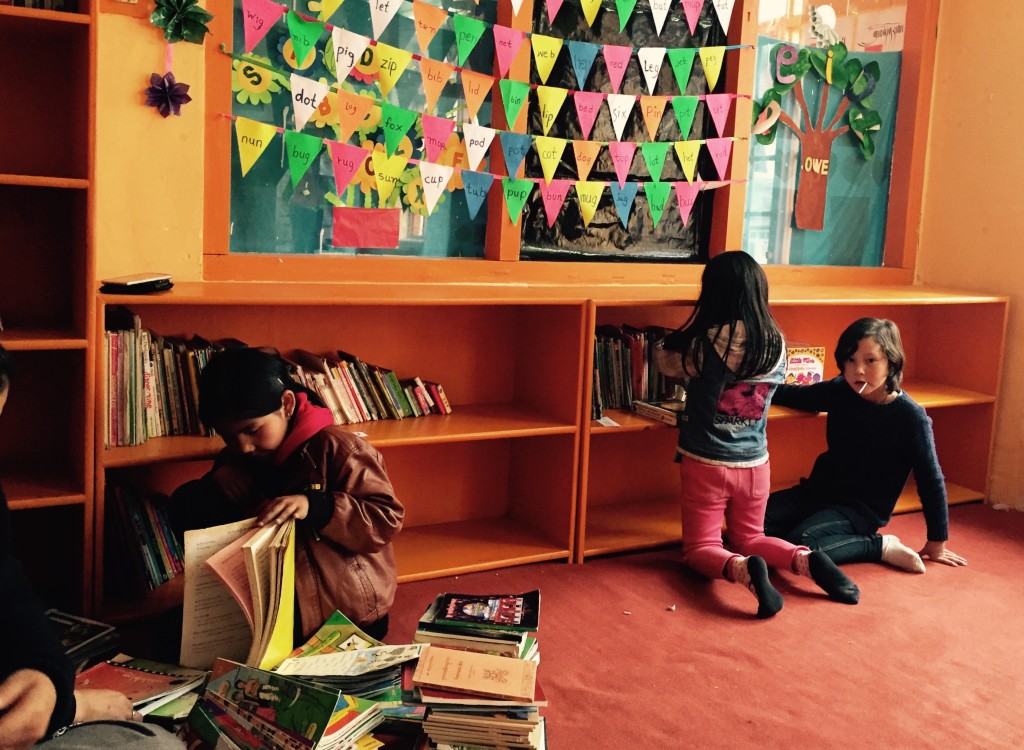
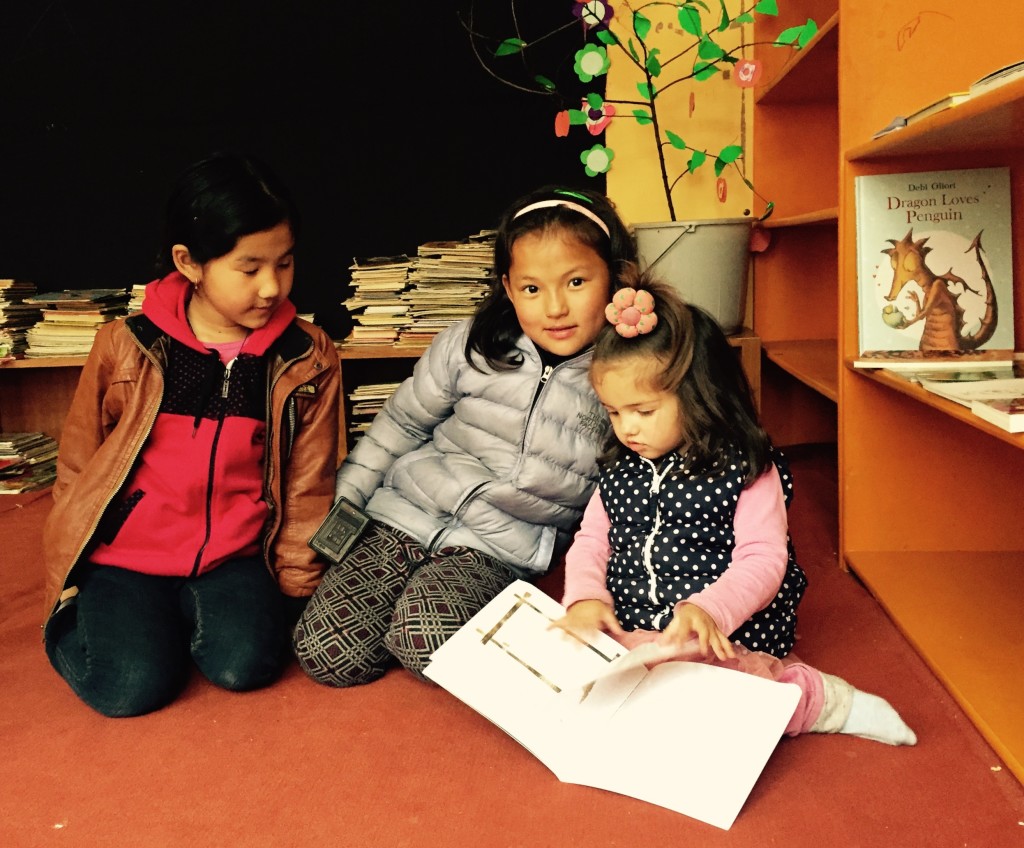
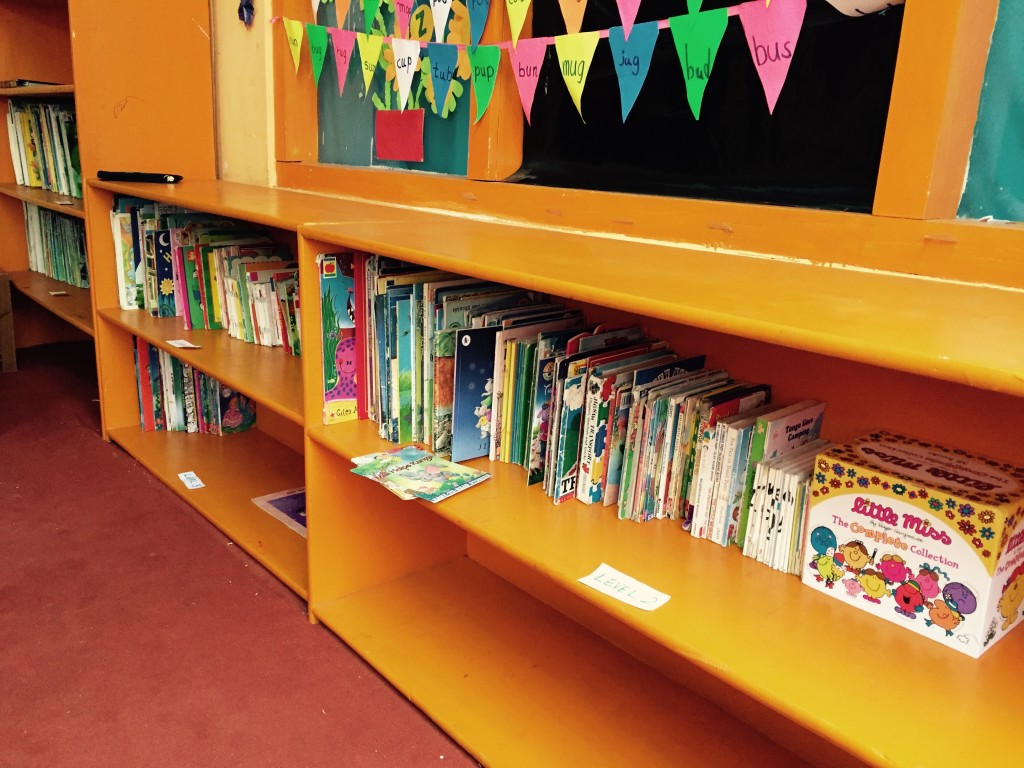
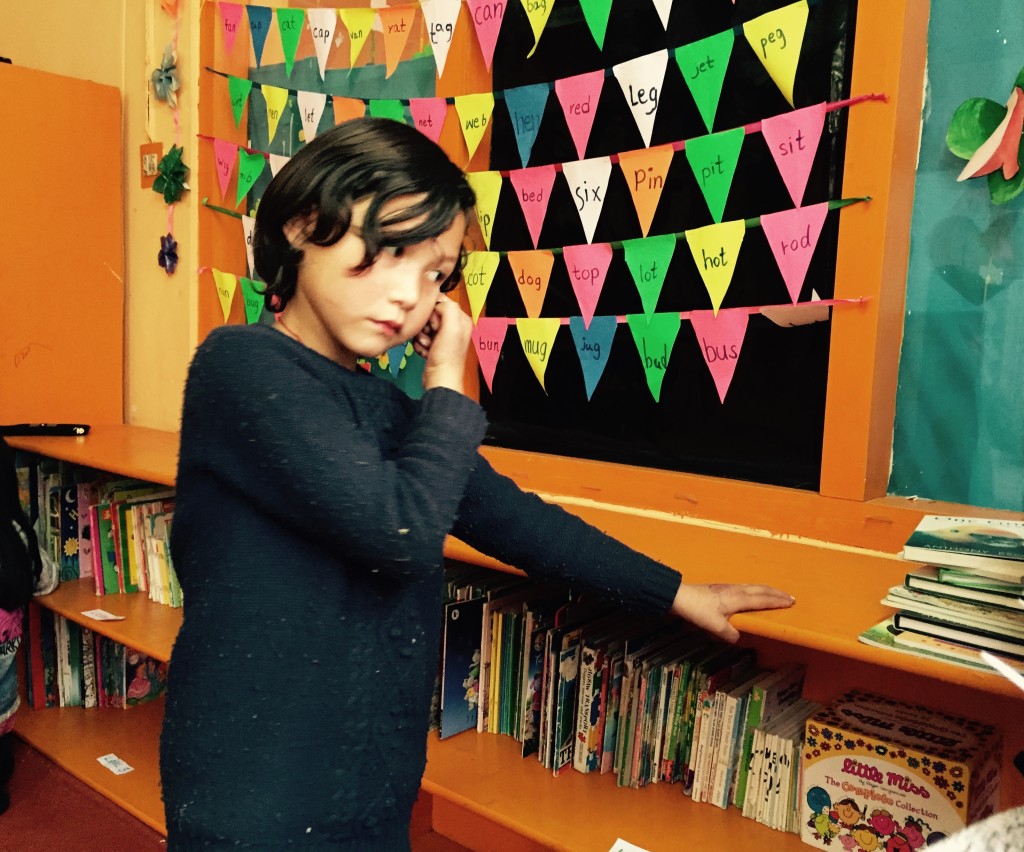
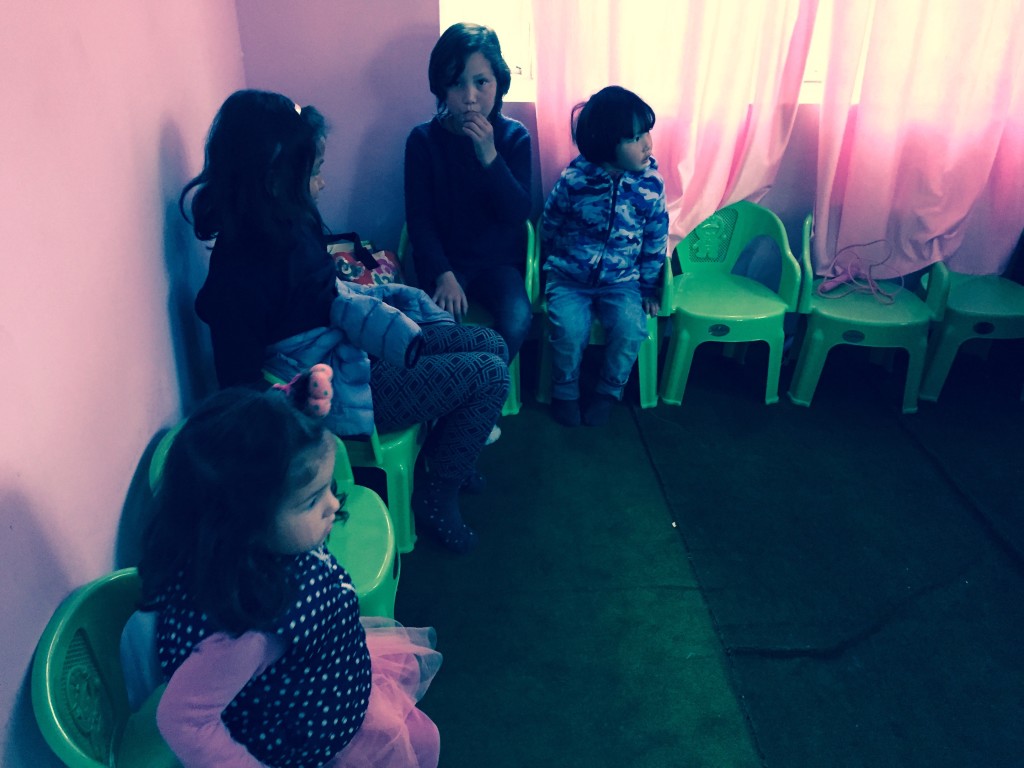
A child’s relationship with a book is shaped by the space around it. Open shelves, clear displays, comfortable seating, and places to draw or talk about stories can make reading feel inviting. Volunteers and local partners work to create environments where children can choose a title independently and return to it over time.
Practical design can also make limited resources go further. Donated cardboard and other materials may be transformed into durable, attractive shelving or display units. Avalokiteśvara Trust’s story of creative book displays shows how resourcefulness can support both sustainability and access to reading. A welcoming display helps turn a collection of books into a recognizable place for discovery.
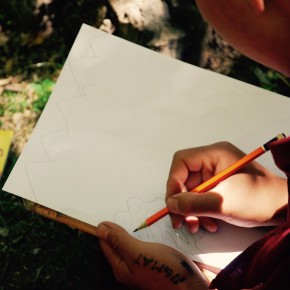
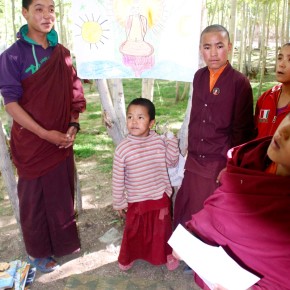
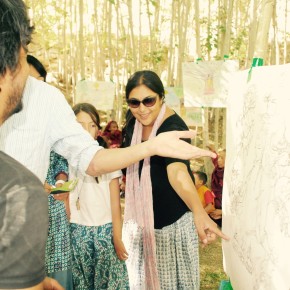
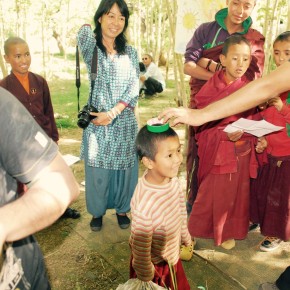
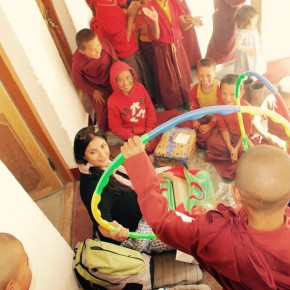
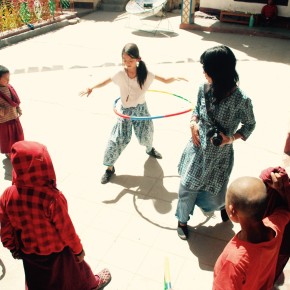
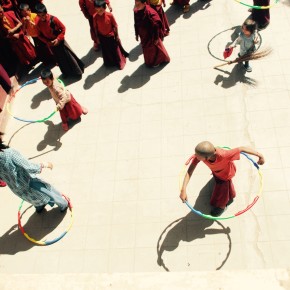
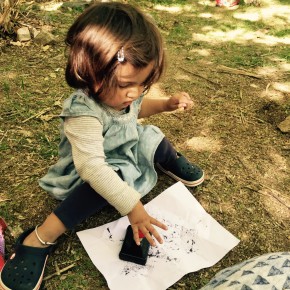
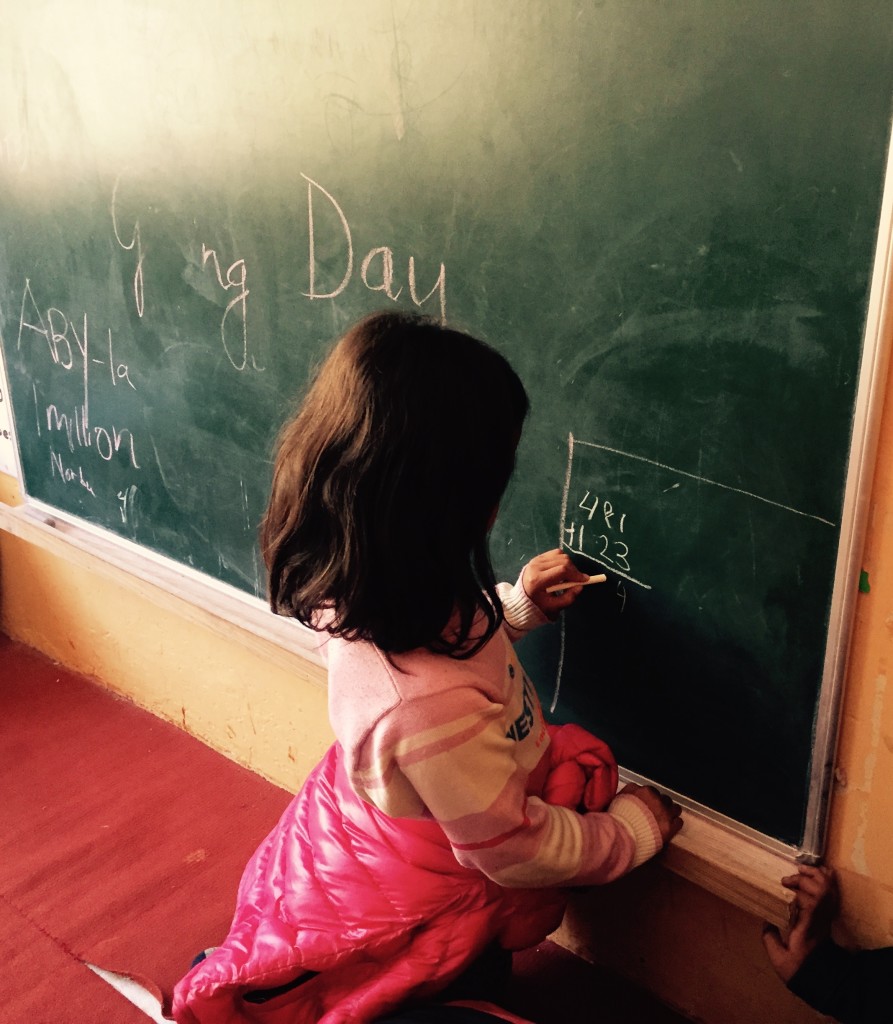
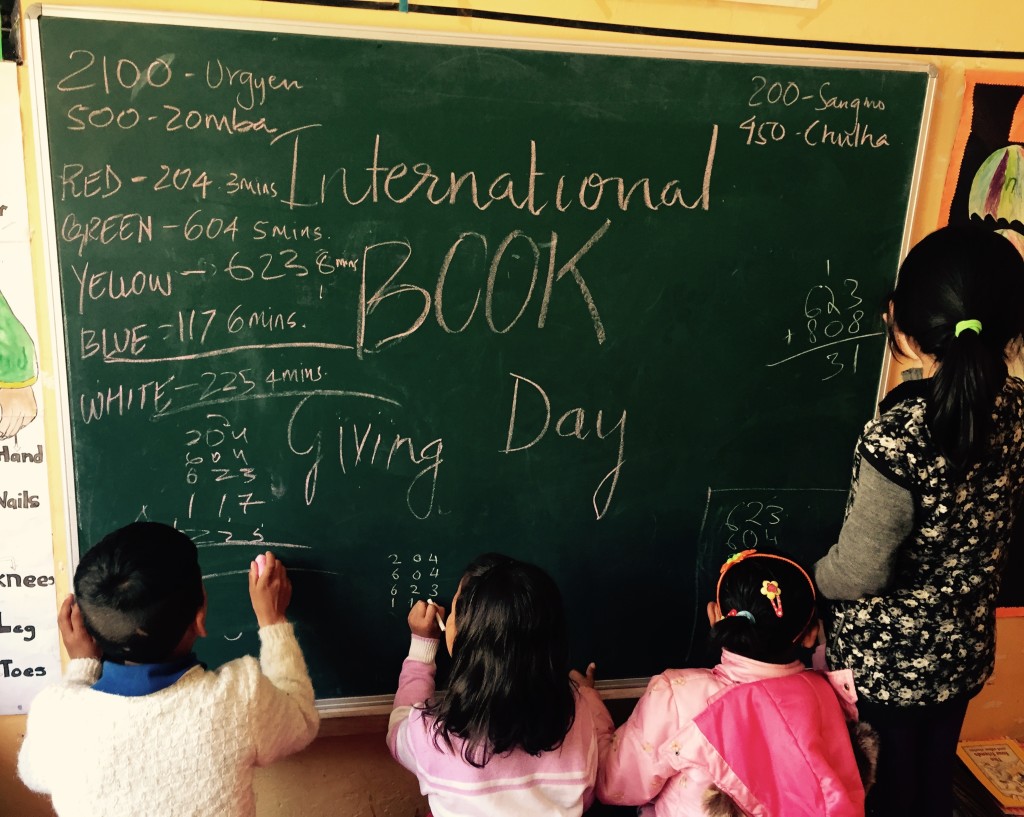
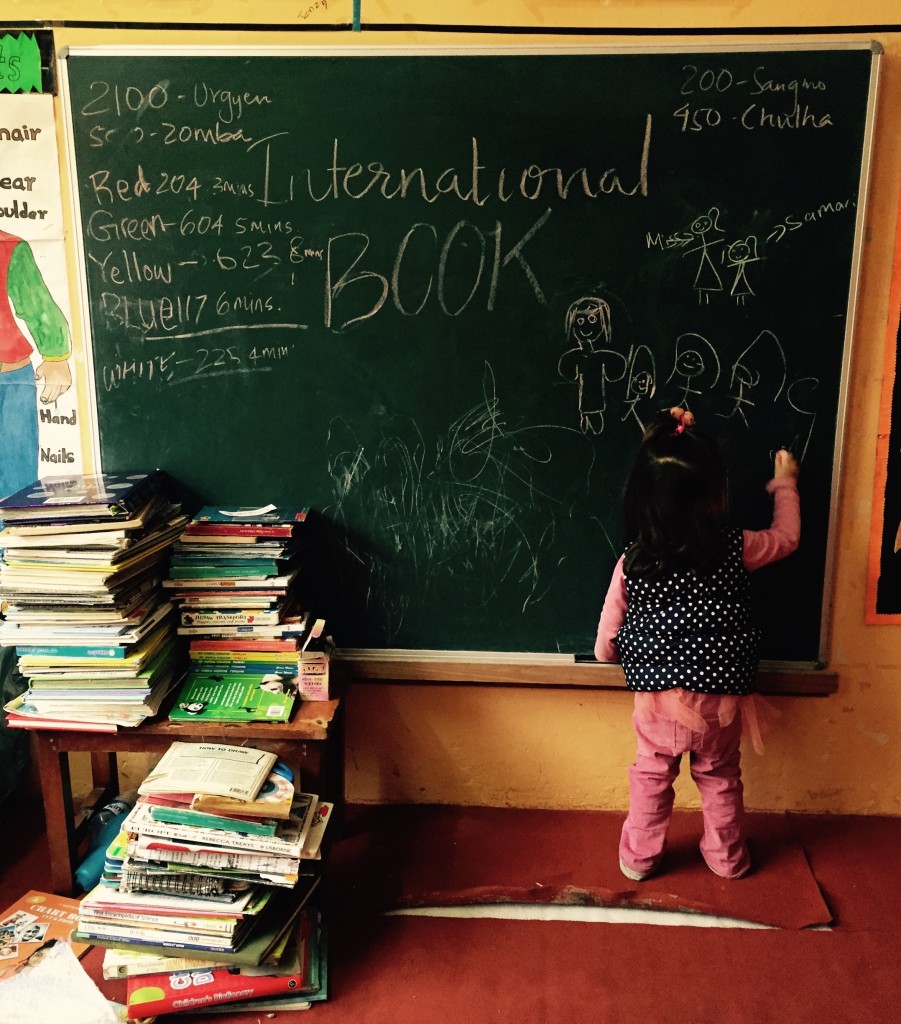
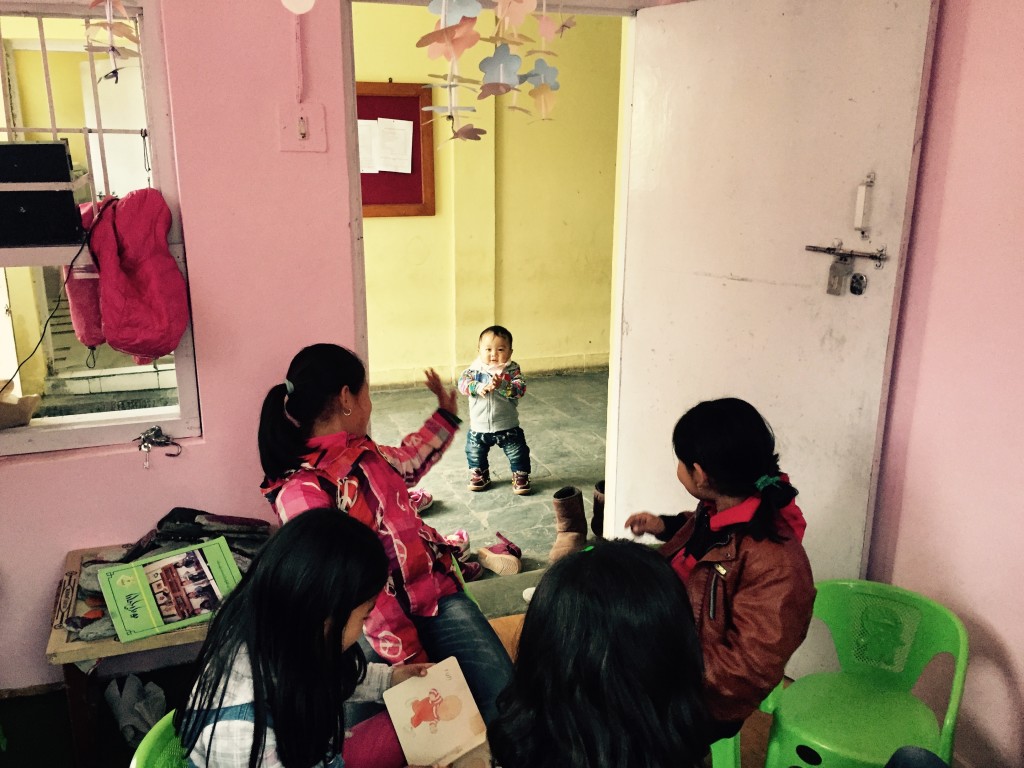
Reading rooms can also become centers for related activities. A story may inspire a painting session, a group discussion, a song, or a small theater performance. These connections are especially valuable for children who learn best through movement, conversation, and making things with their hands.
| Journey Stage |
Practical Work |
Benefit For Children |
Wider Community Value |
| Donor’s shelf |
Selects suitable, complete books |
Receives varied reading choices |
Extends the life of useful resources |
| Collection and sorting |
Checks, groups, and prepares titles |
Finds books at an appropriate level |
Makes donations easier to manage |
| Mountain transport |
Packs and moves books carefully |
Gains access to distant resources |
Connects supporters with Himalayan communities |
| Reading room |
Displays and shares books |
Builds confidence and curiosity |
Creates a shared place for learning |
| Ongoing activities |
Combines reading with art and music |
Develops creative and communication skills |
Strengthens community participation |
Crossing Distance And High Mountain Roads
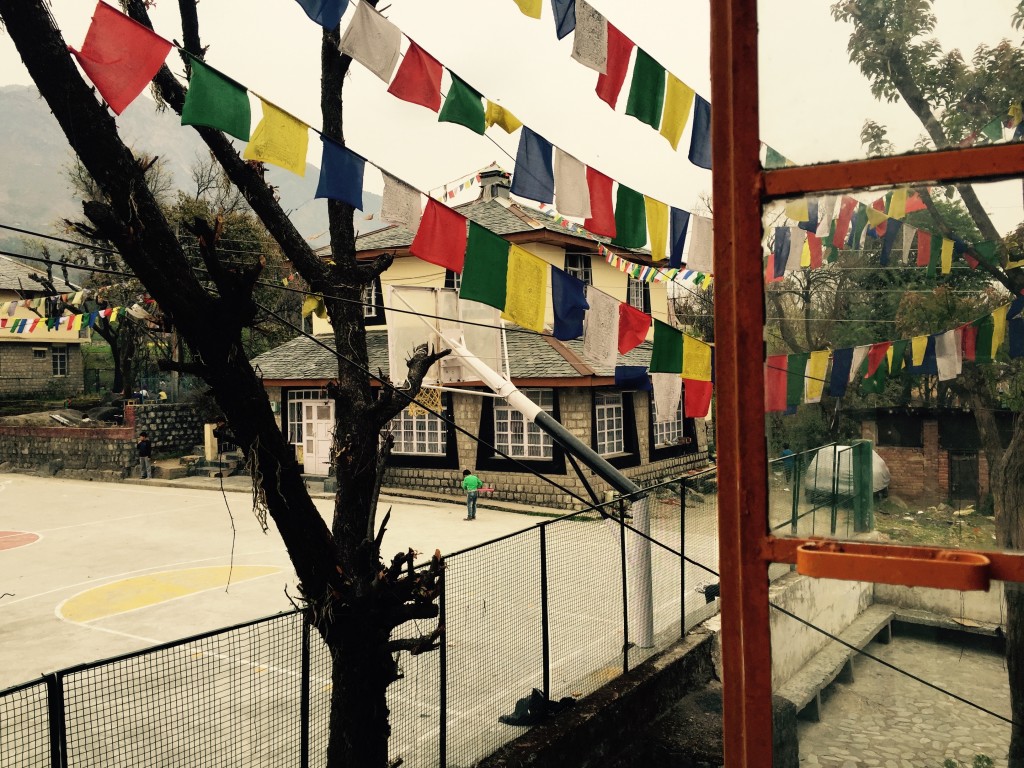
Zanskar’s landscape gives every shipment a distinctive logistical challenge. Villages and settlements are separated by high passes, narrow roads, and long travel distances. Seasonal conditions can affect when supplies move, which means educational materials must be planned with patience and flexibility.
This distance makes local coordination essential. Partners who understand the community can help identify the most useful books, prepare appropriate storage, and notice which subjects attract children. Their knowledge prevents donations from becoming disconnected from local needs. It also helps ensure that books are shared fairly among children with different ages, interests, and levels of literacy.
The physical arrival of a box is therefore an important moment, but it is only one part of the work. The lasting value appears when children return to the books, talk about what they have read, and begin recommending titles to one another. A shipment becomes meaningful through regular use.
What A Book Can Change
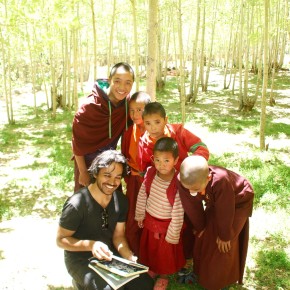
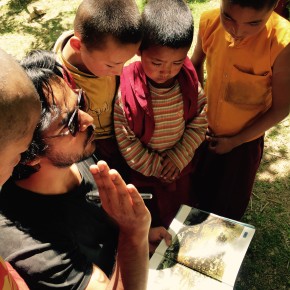
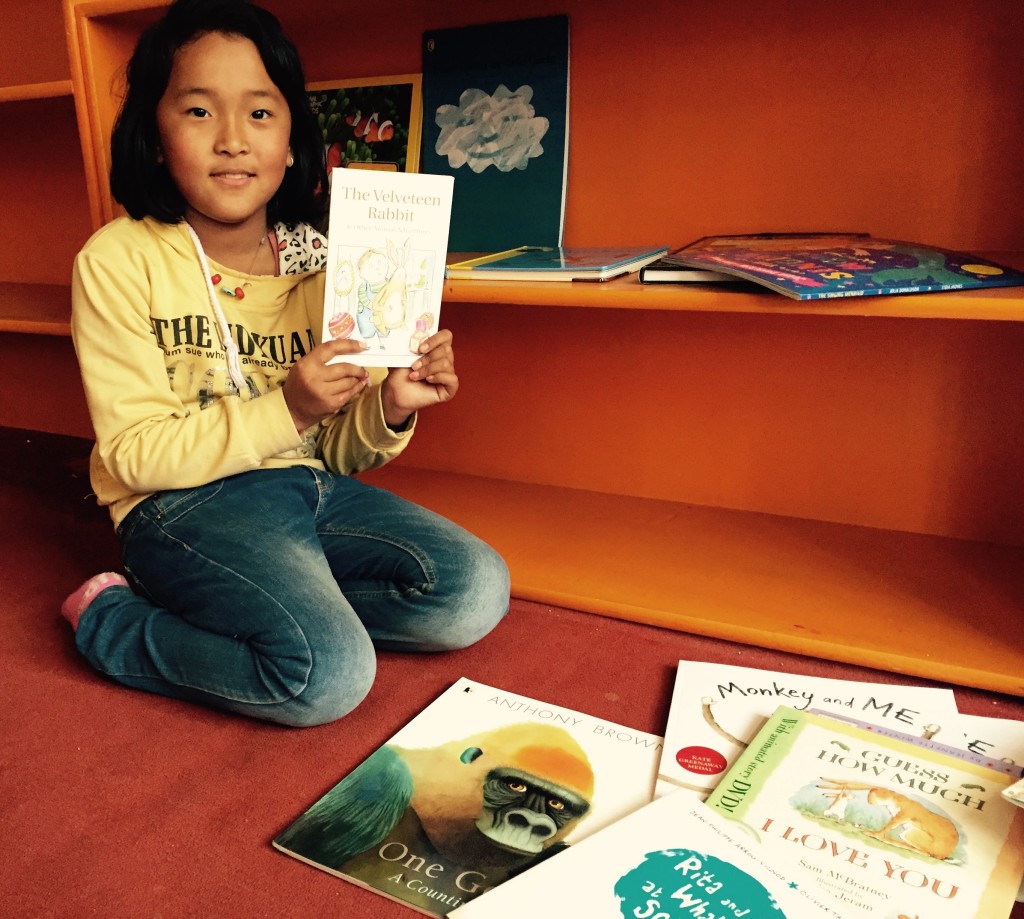
A single book may introduce a child to a landscape beyond the mountain valley, explain how the human body works, provide a new vocabulary, or offer comfort during a difficult day. Reading supports concentration and language development, while stories help children recognize emotions, imagine other perspectives, and form their own ideas.
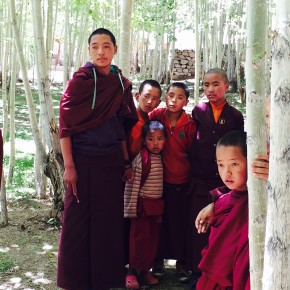
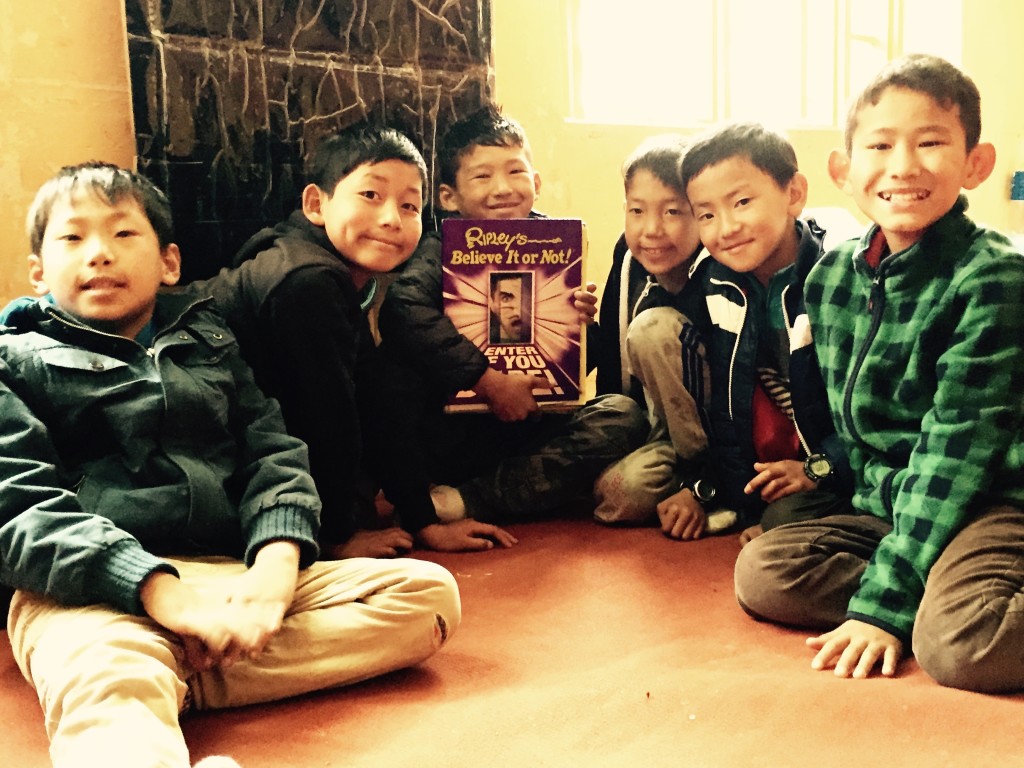
For young monks and other students, books can complement formal education without duplicating it. A science book may prompt experiments, an art book may lead to new drawings, and a biography may encourage reflection on perseverance and service. Reading material can also support English learning when paired with discussion, drawing, and patient guidance.
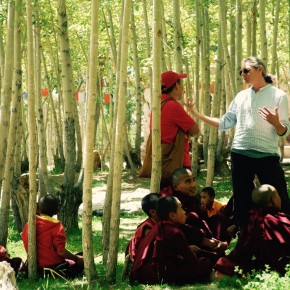
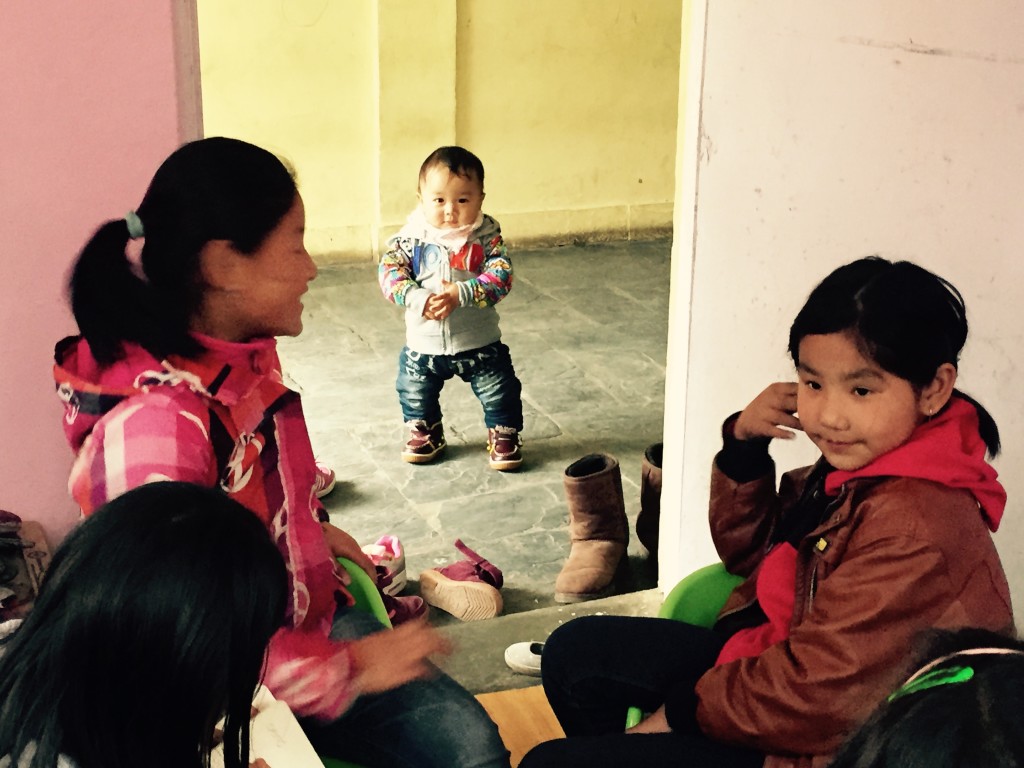
The benefits extend beyond individual readers. Children who discover enjoyable books often share them with siblings and friends. A reading room can become a gathering point where older students help younger ones, volunteers lead activities, and families see learning as a creative part of community life. In this way, donated books help cultivate confidence as well as literacy.
Giving Books A Longer Life
A useful donation is chosen with purpose, prepared with care, and supported by an understanding of how children actually read. Donors can help the process by following a few practical principles:
- Choose engaging books across several ages, reading levels, subjects, and formats.
- Send clean, complete, durable titles that children can handle and revisit.
- Include picture books, visual references, fiction, poetry, and creative activity books.
- Coordinate with the organization before sending large quantities or specialized materials.
- Consider a financial contribution when transport, shelving, repairs, or local purchases are needed.
These steps help prevent unsuitable surplus from taking up valuable space. They also recognize that a strong library depends on more than the number of books it contains. Good organization, local insight, inviting design, and ongoing activities determine whether children feel that the collection belongs to them.
A book’s journey ends in one sense when a child opens it, but its influence may continue for years. The child may retell the story, use a new idea in a drawing, teach a younger reader, or choose another book the next day. That chain of discovery is the real destination of a thoughtful donation.
Help A Book Find Its Reader
A book waiting on a shelf can become part of a child’s education in Zanskar. Support Avalokiteśvara Trust by donating suitable titles, contributing to reading-room projects, sharing the organization’s work, or volunteering time and skills. Every carefully chosen resource helps bring literacy, imagination, and creative learning closer to children and young monks in the Himalayan region.