From Trash to Treasure: Turning Donated Cardboard into Book Displays
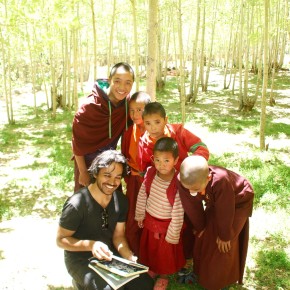
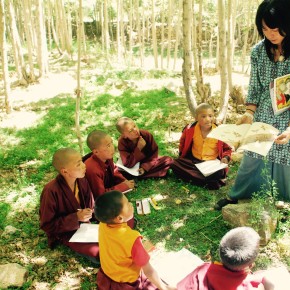
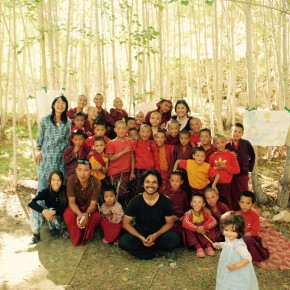
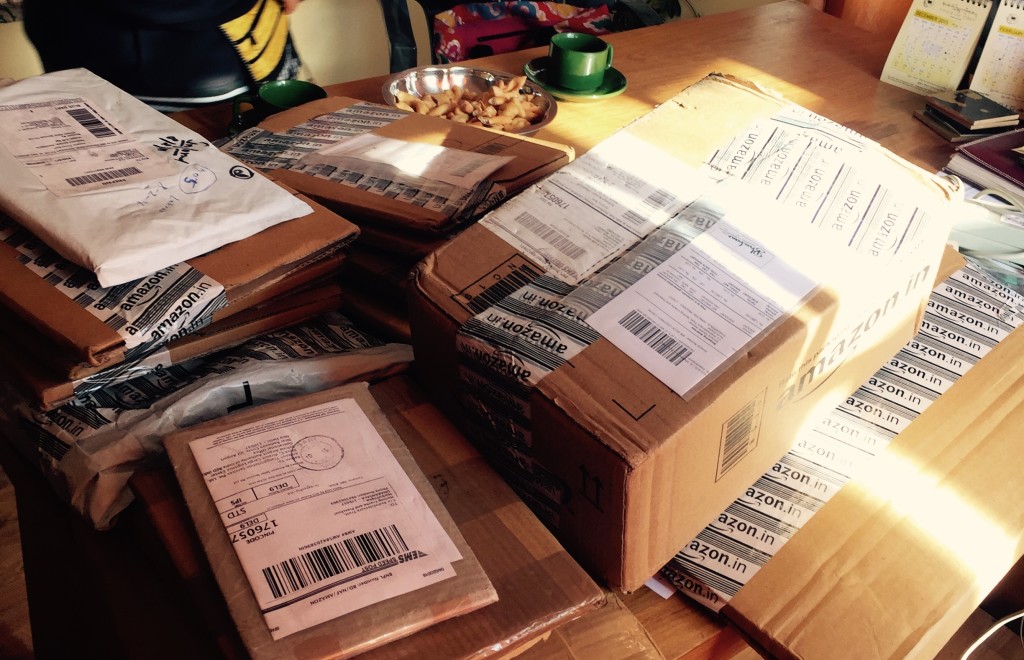
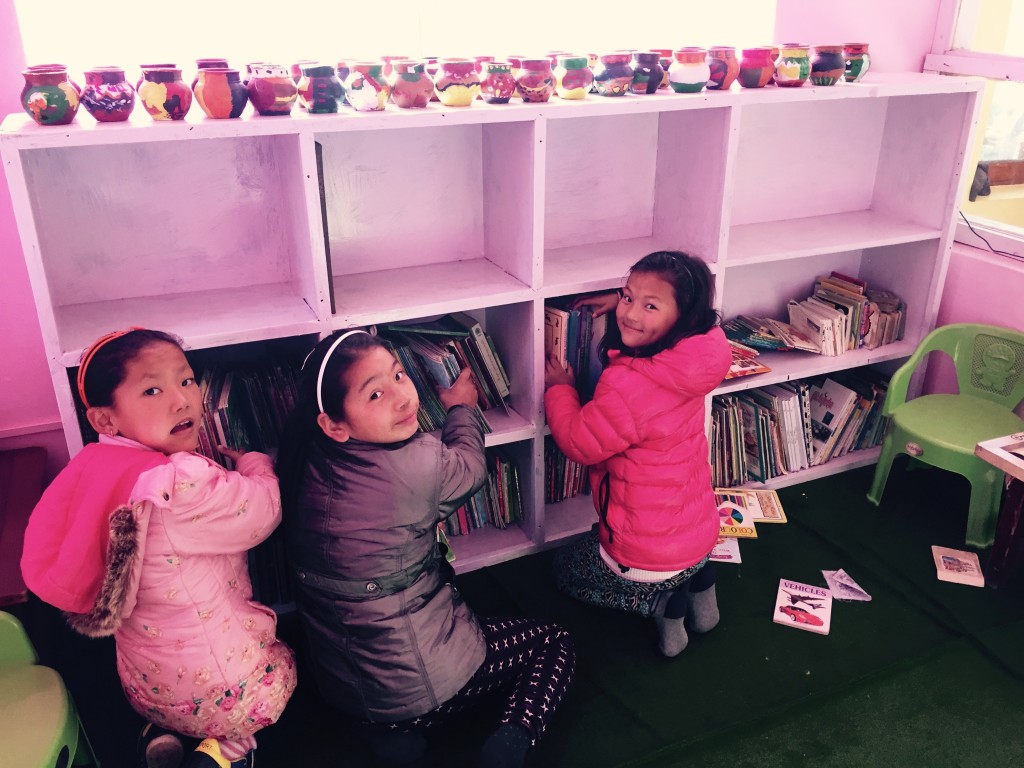
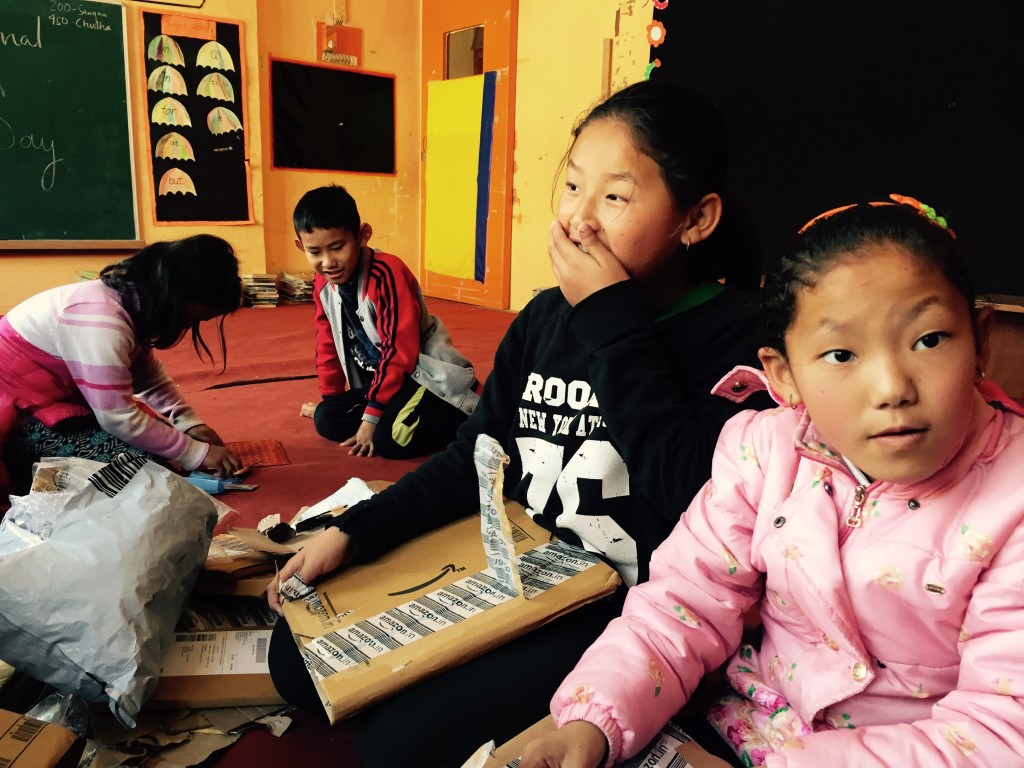
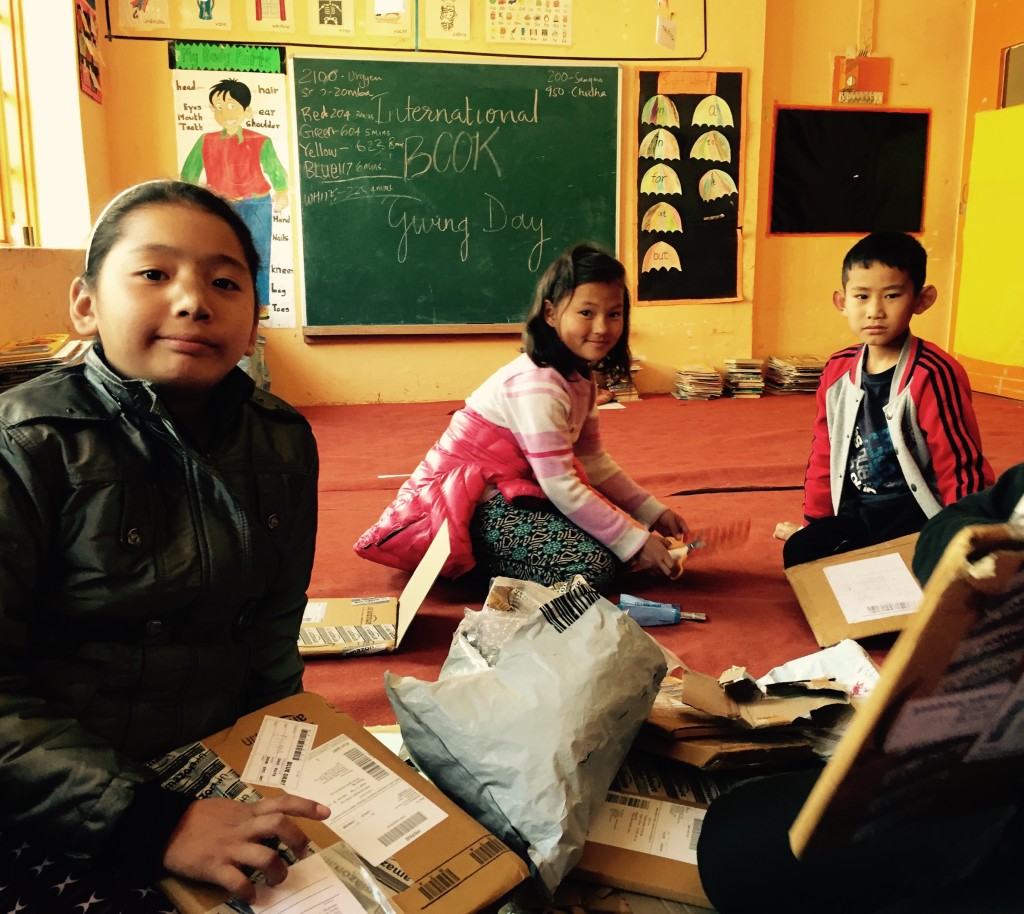
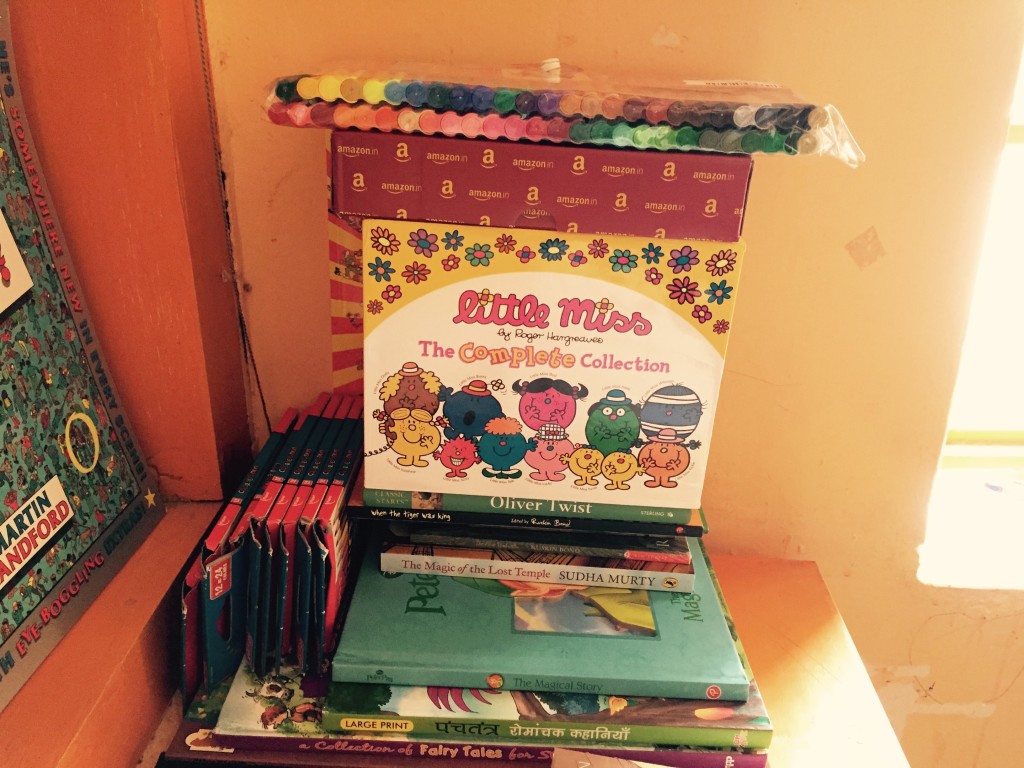
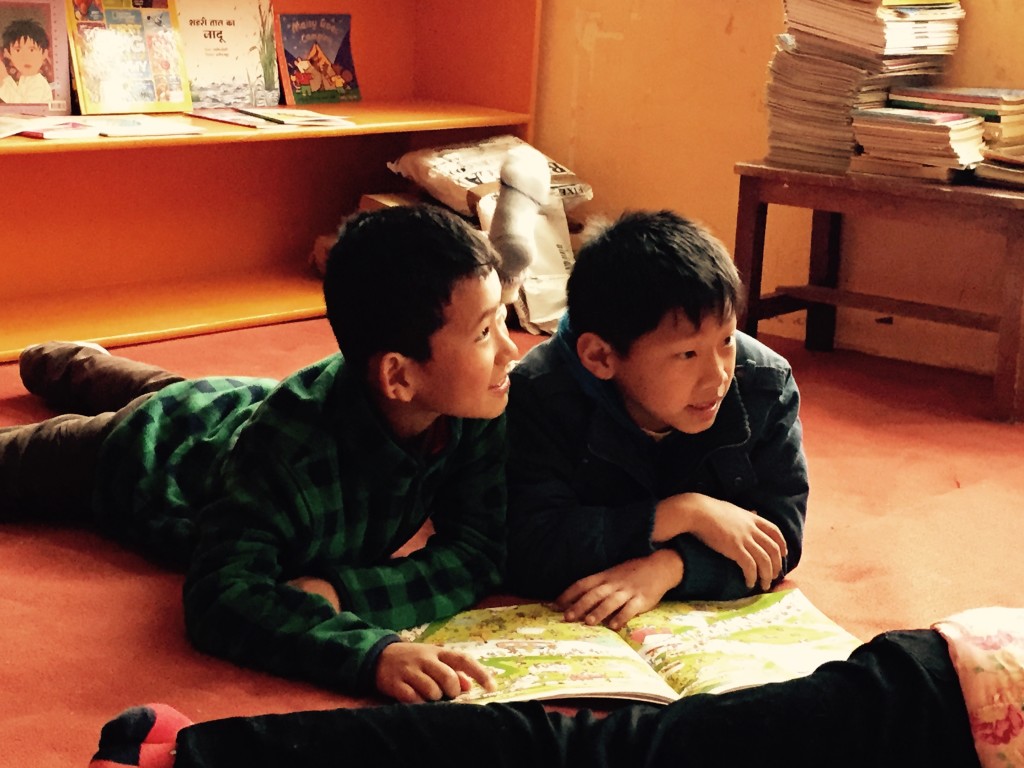
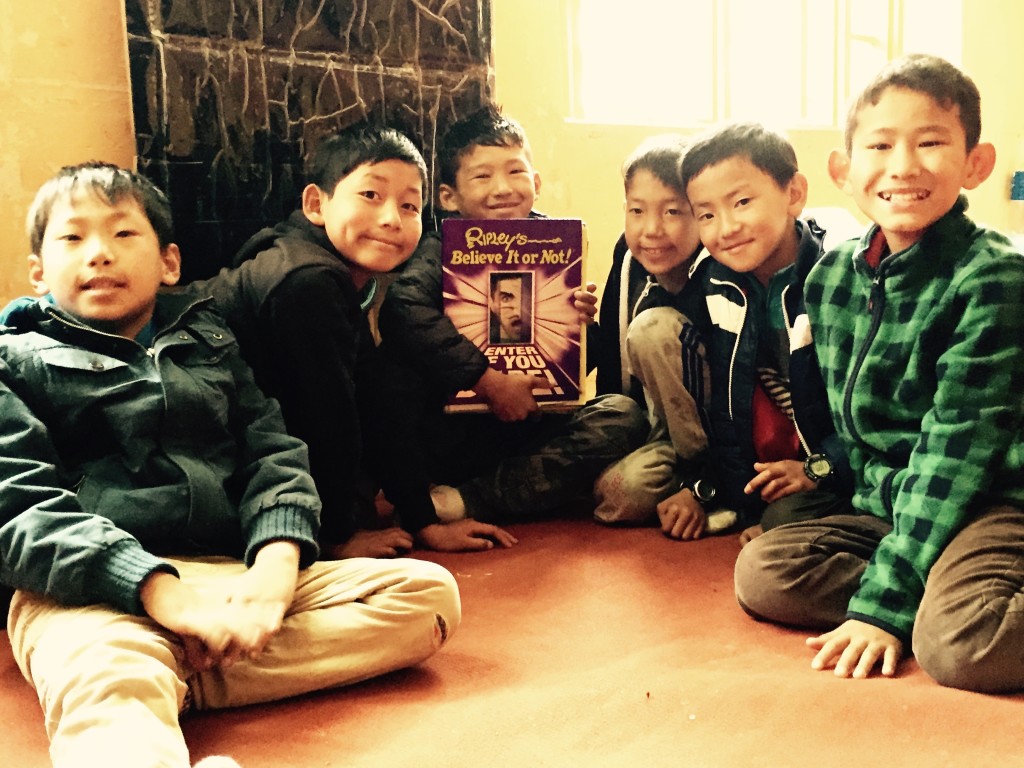
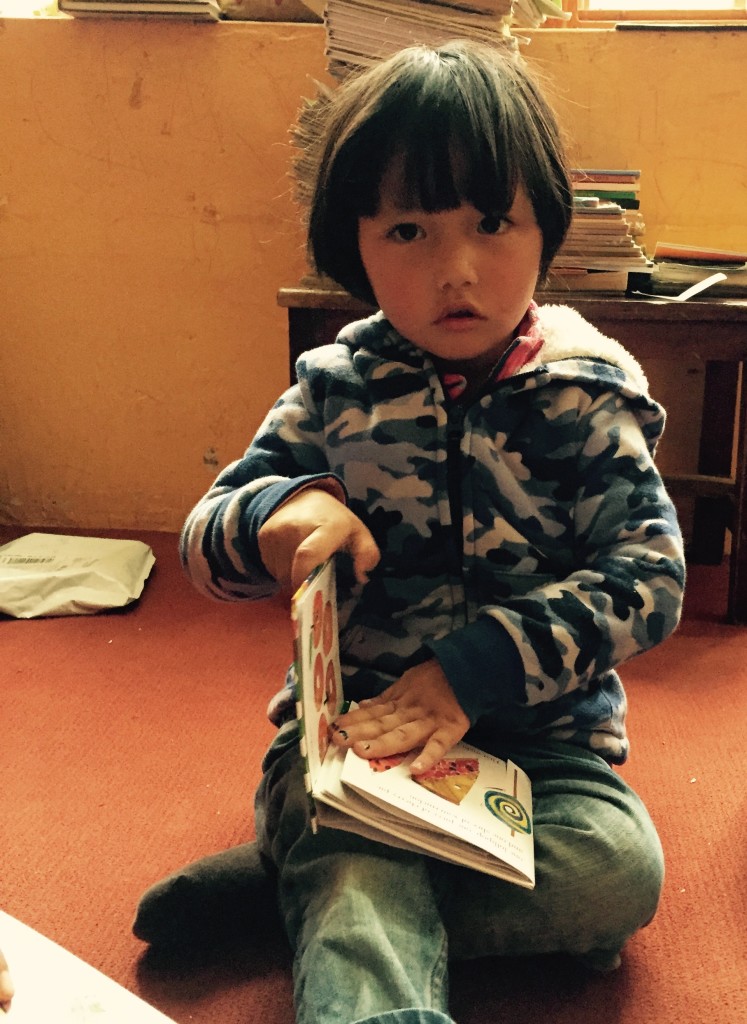
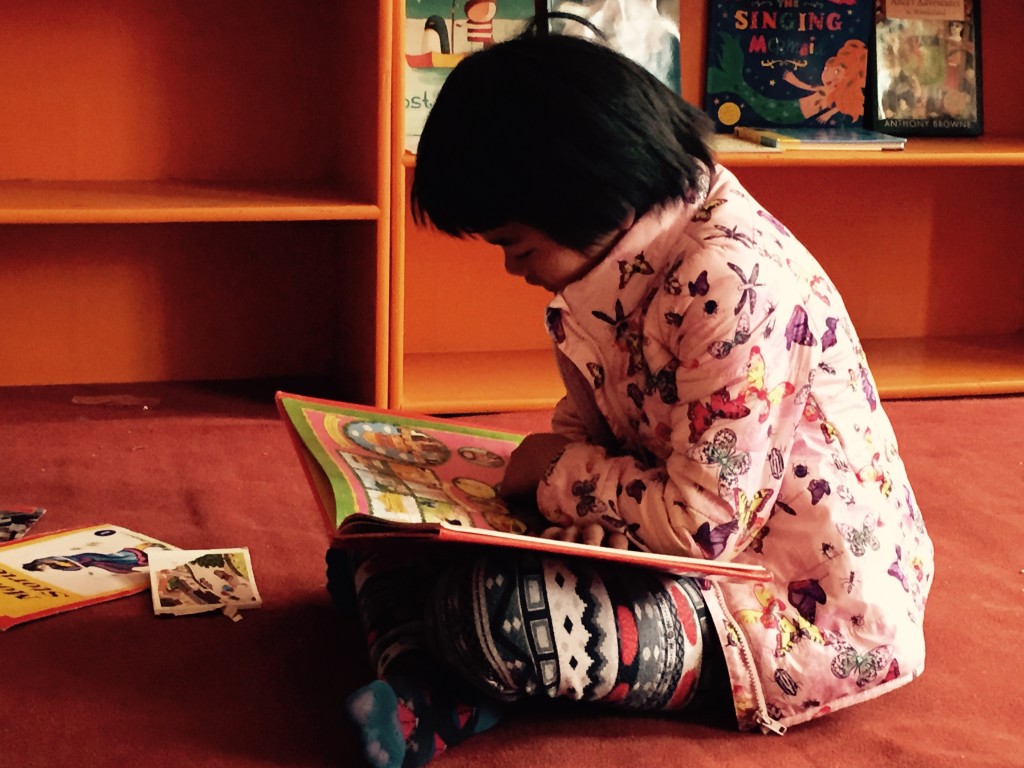
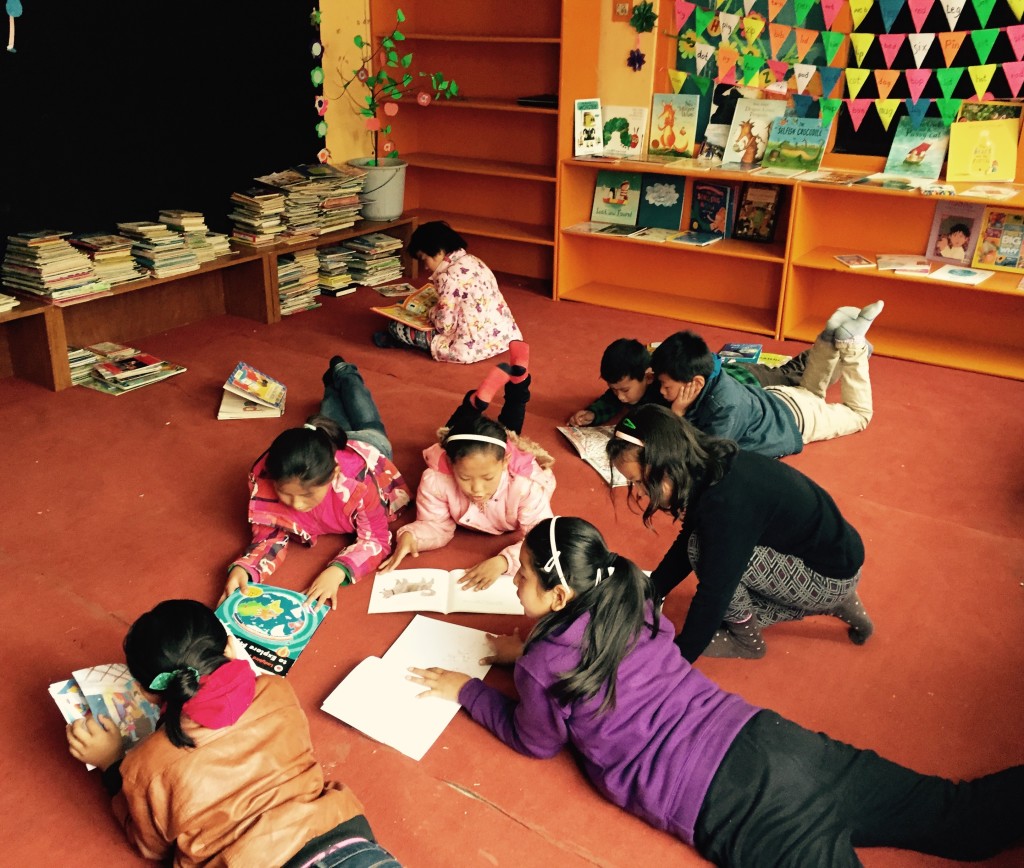
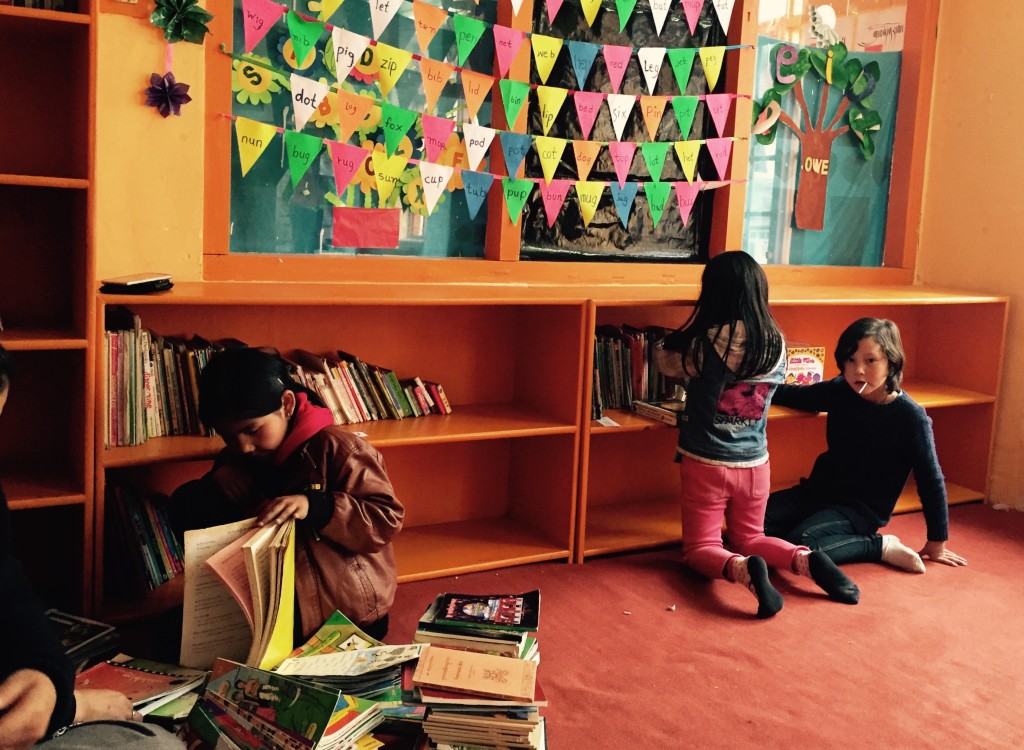
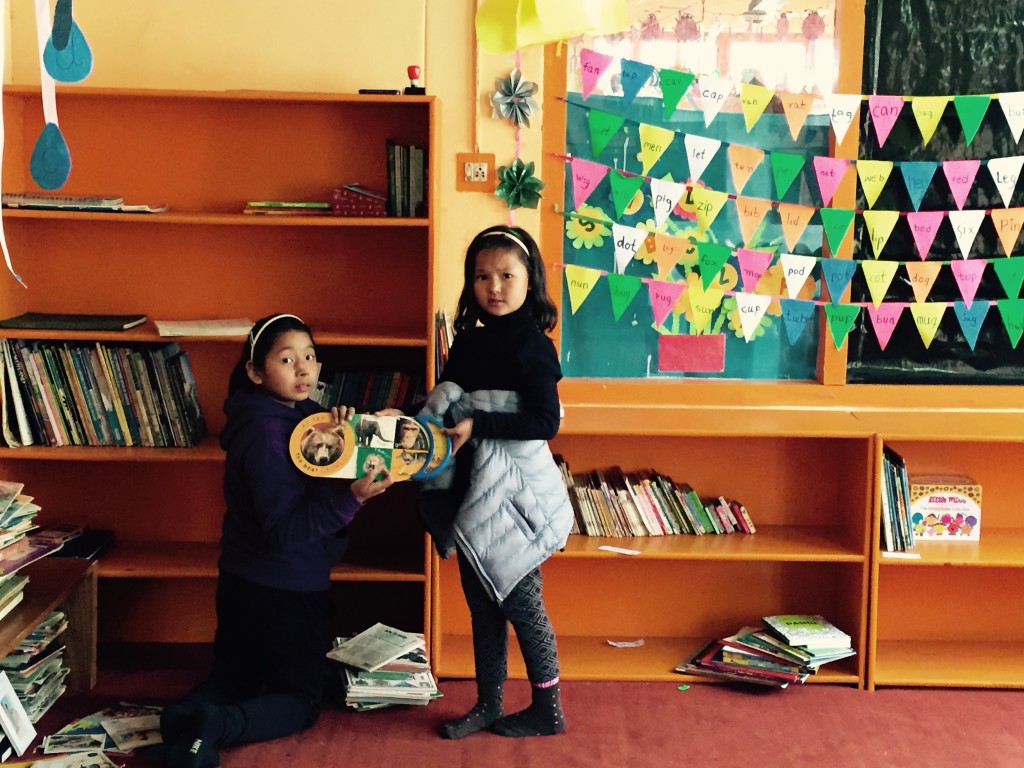
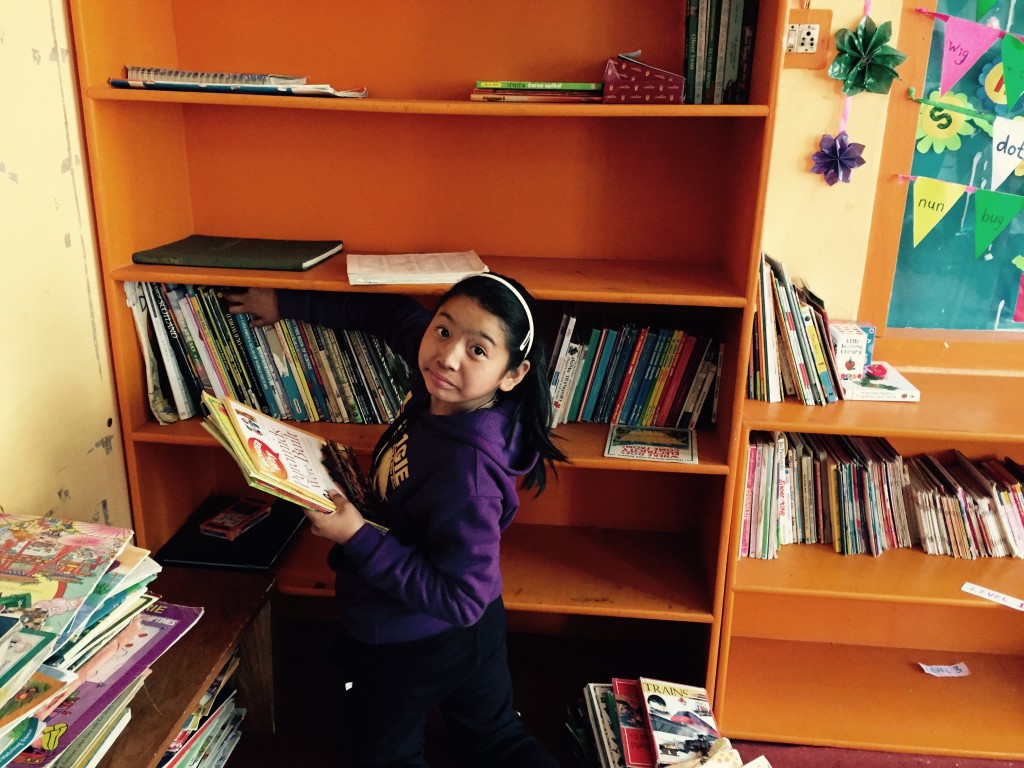
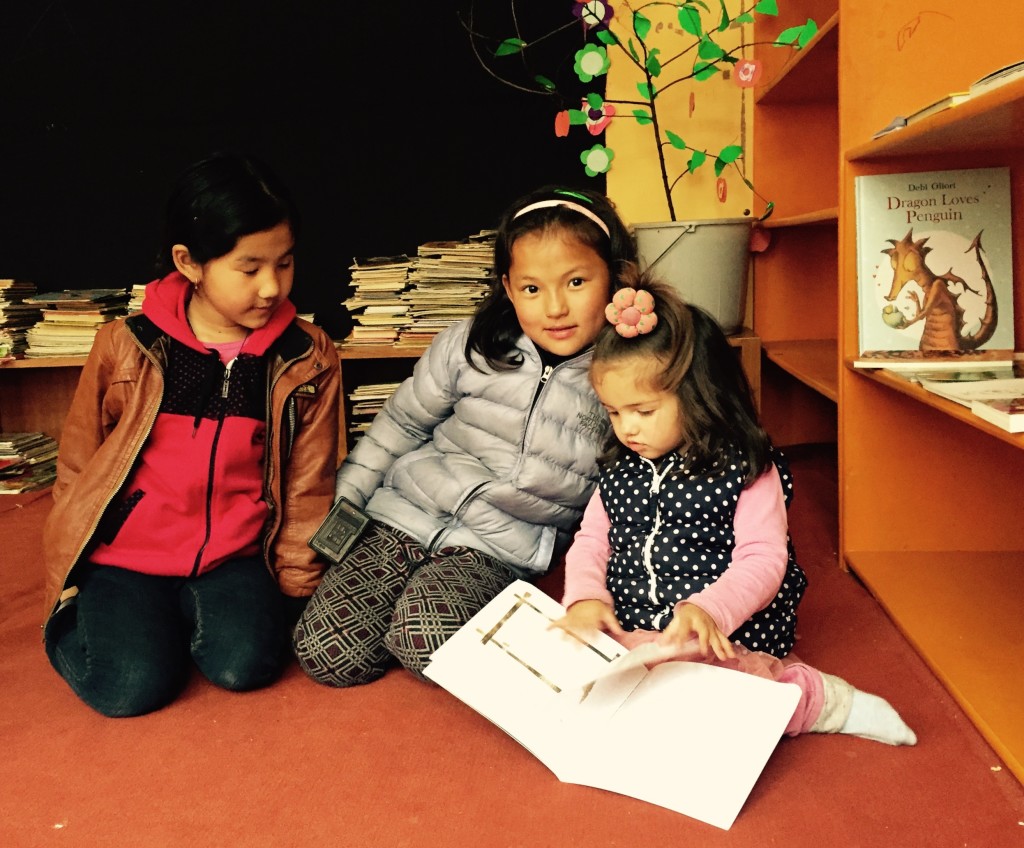
A donated box can begin its second life in a reading room. Instead of being discarded after books, supplies, or food have been transported, sturdy cardboard can become a colorful shelf, magazine rack, book stand, or mobile display. For children and young monks in Himalayan communities, these simple structures make books easier to see, reach, and enjoy.
In Ladakh, educational materials often travel long distances before reaching a classroom or community space. Reusing packaging reduces waste while stretching the value of every donation. With careful cutting, folding, and decoration, volunteers can transform corrugated cardboard into useful furniture for reading corners and creative learning areas.
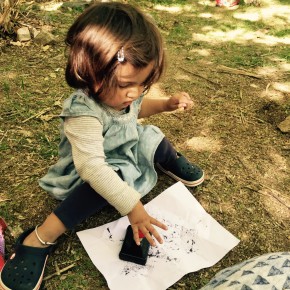
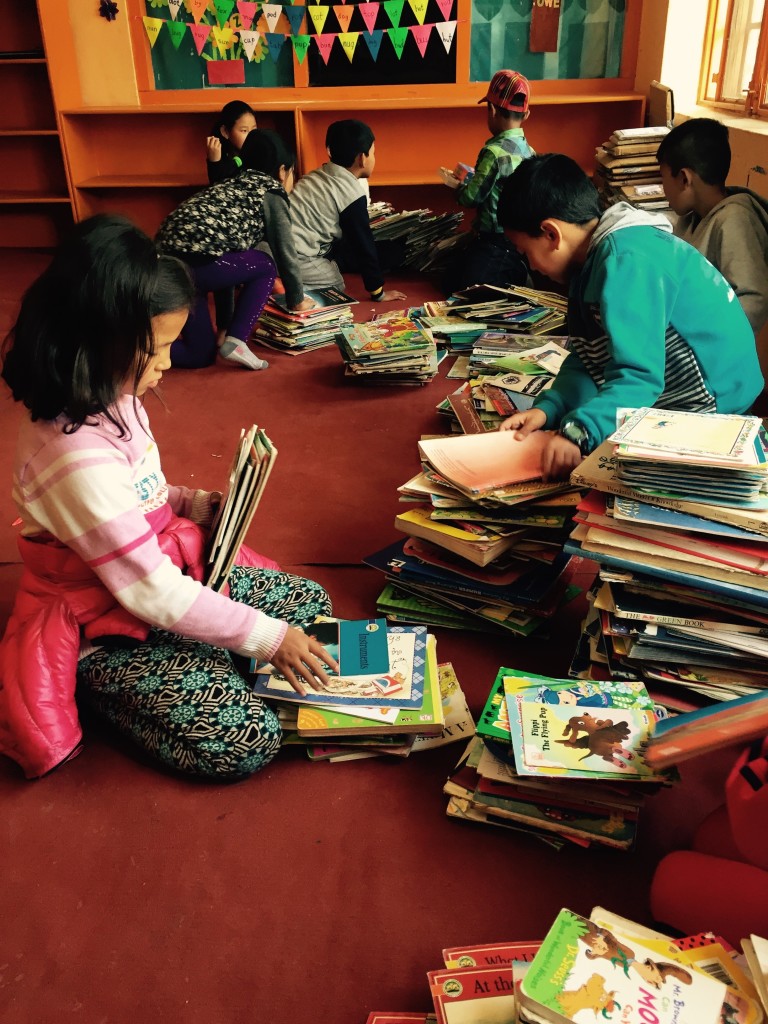
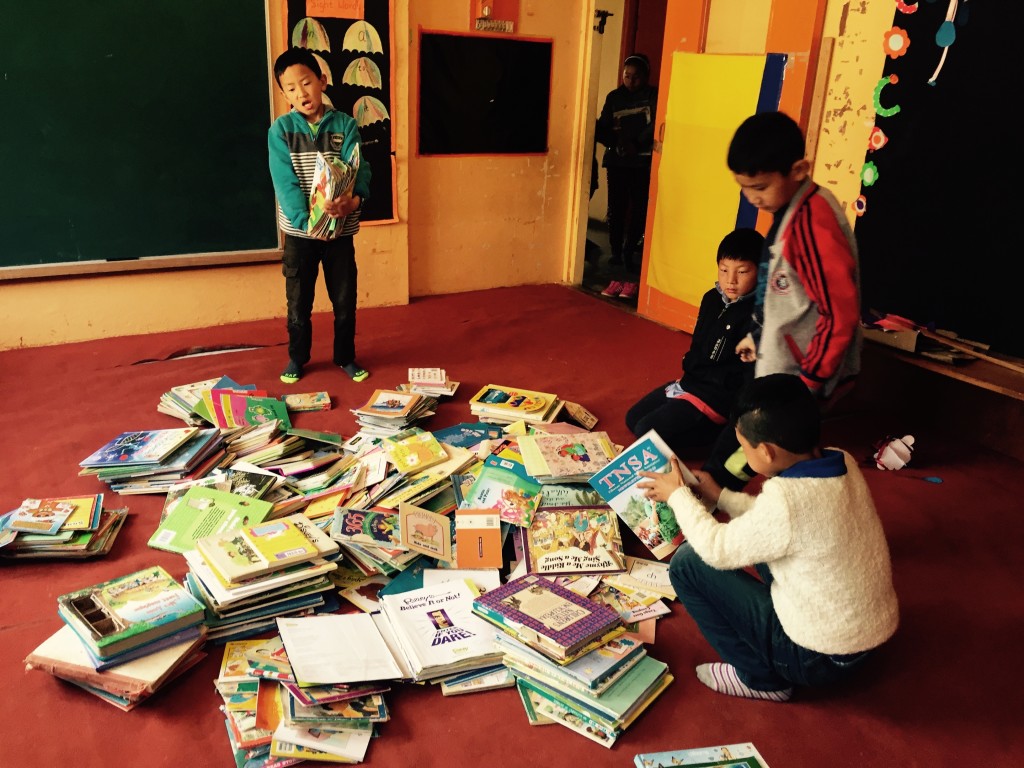
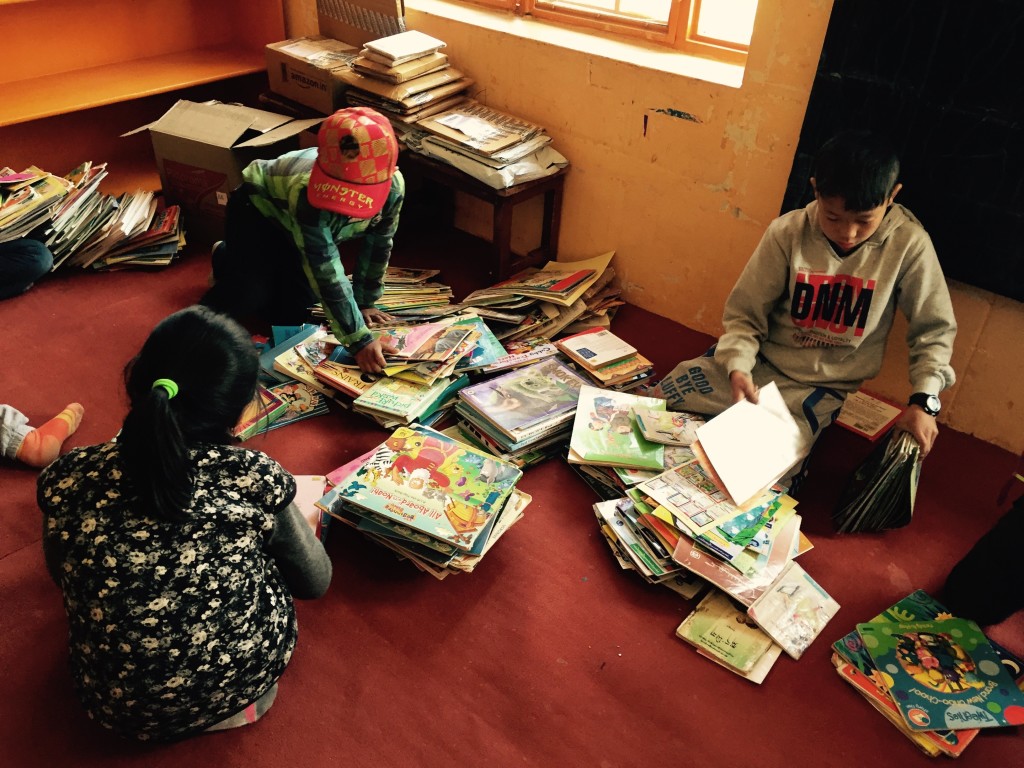
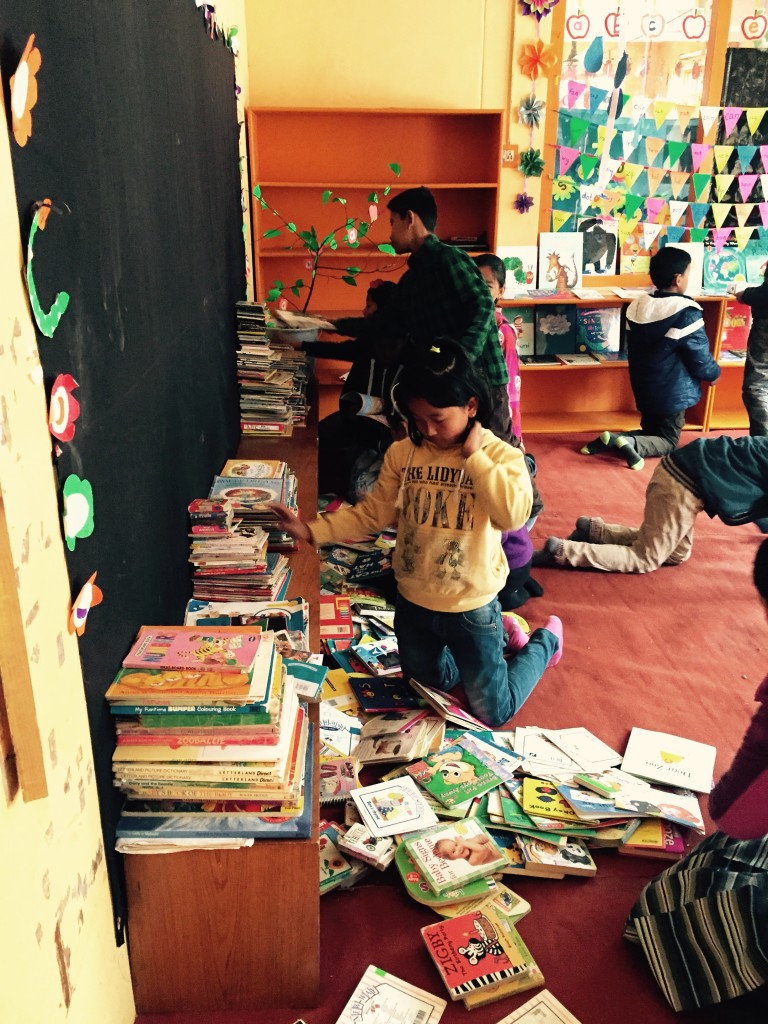
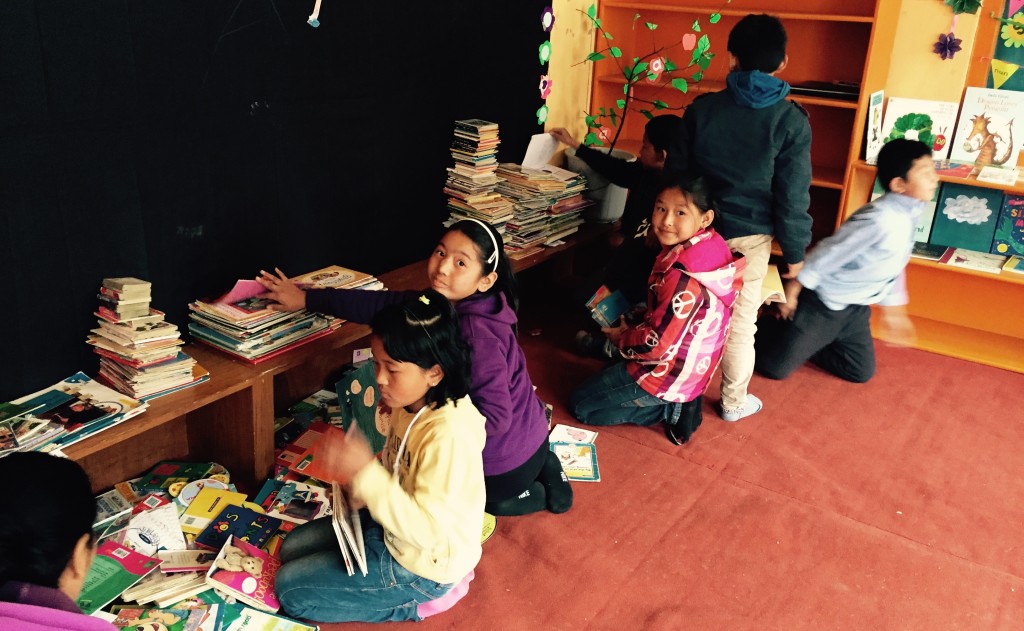
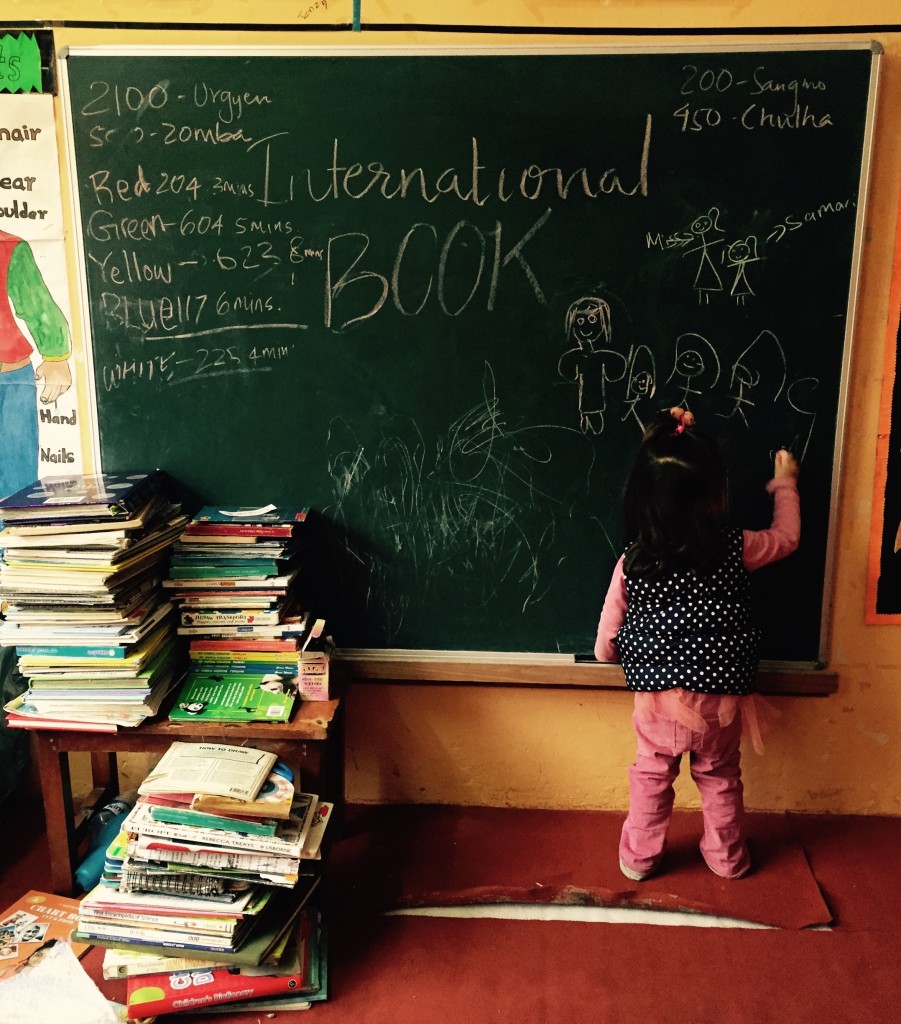
This activity also gives children an opportunity to participate. They can sort materials, sketch designs, paint signs, and organize books by subject or color. The finished display carries a visible message: valuable resources can be cared for, adapted, and shared.
Why Cardboard Belongs in Reading Rooms
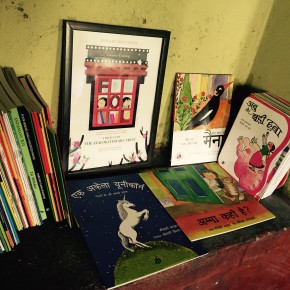
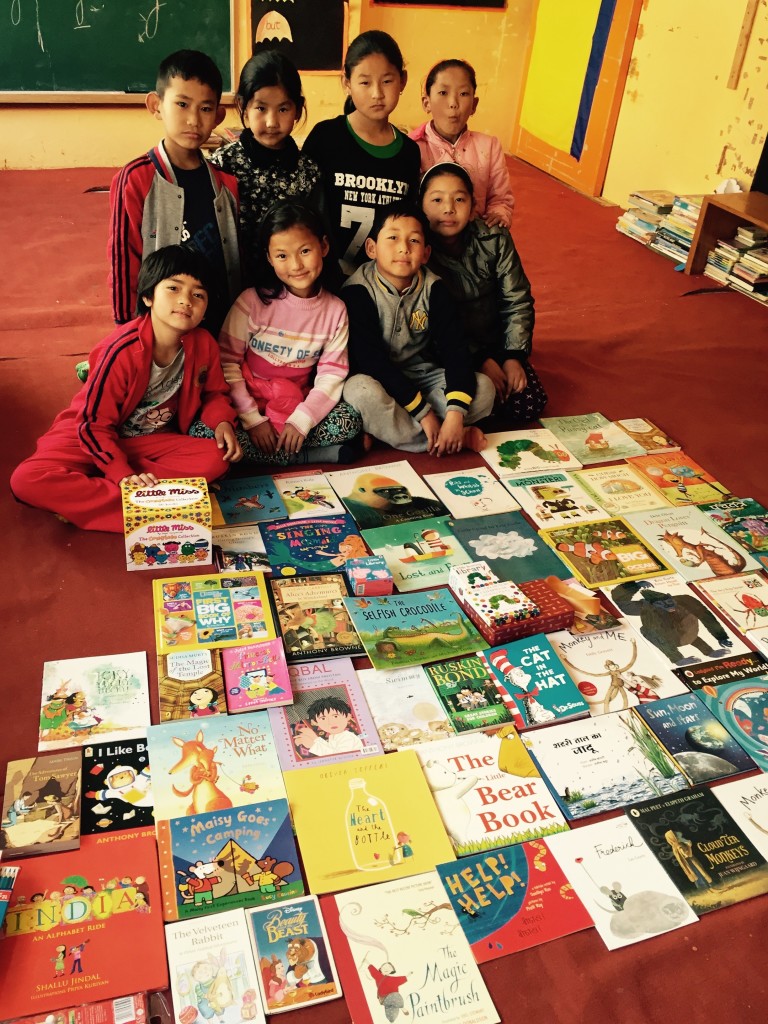
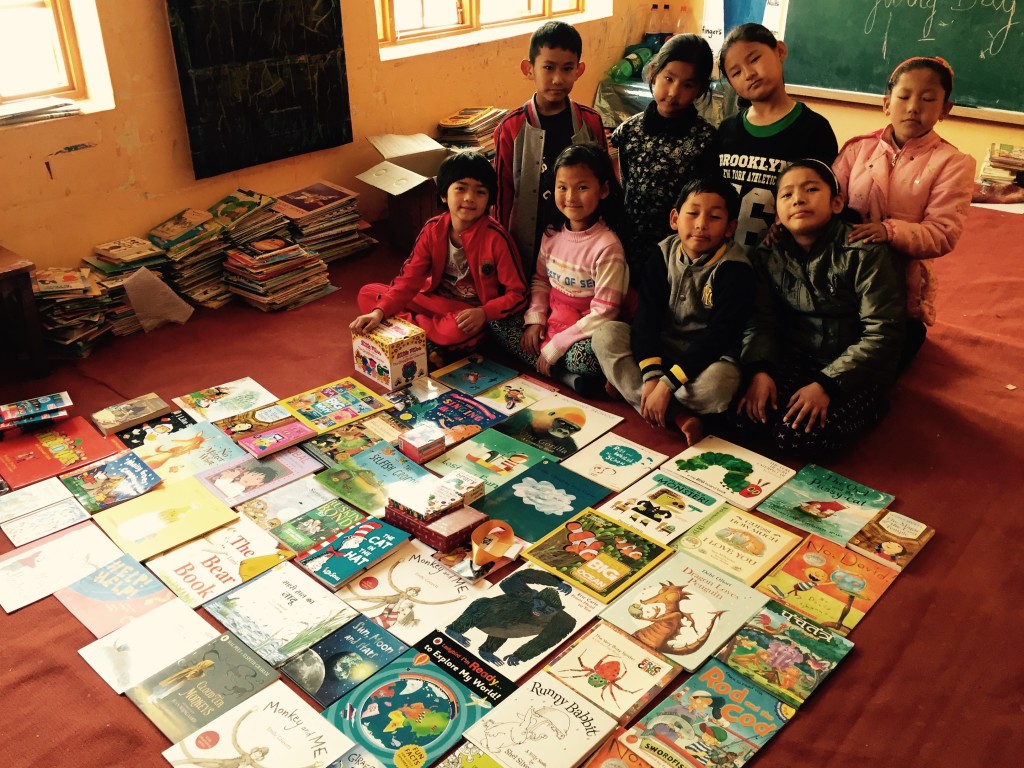
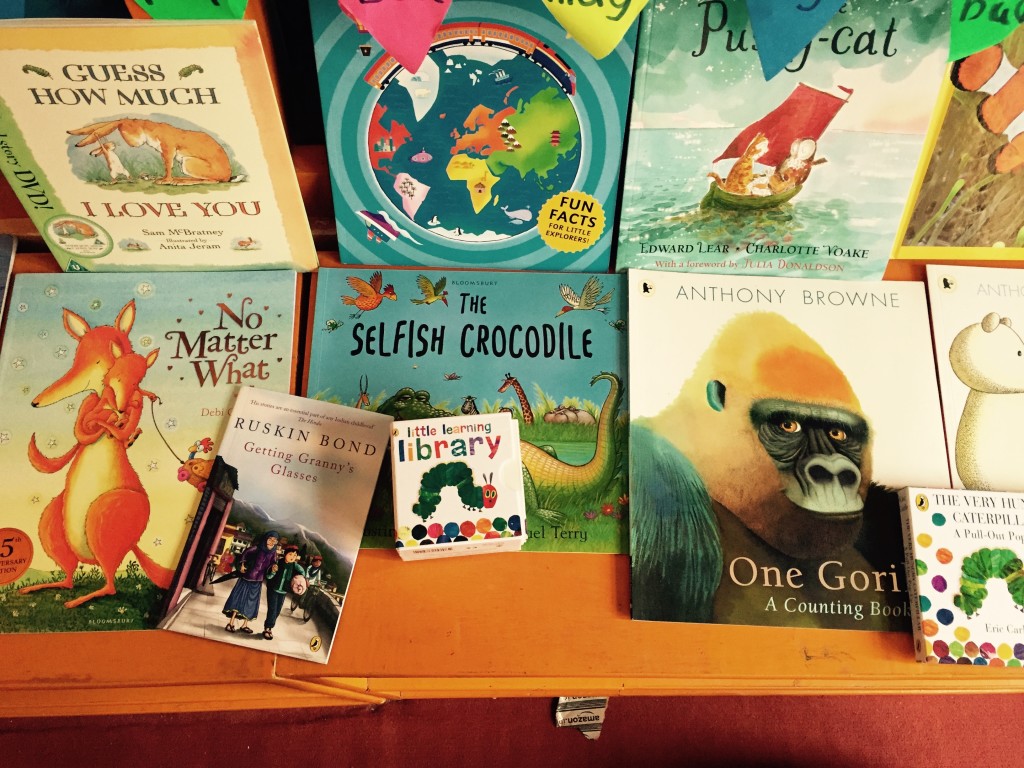
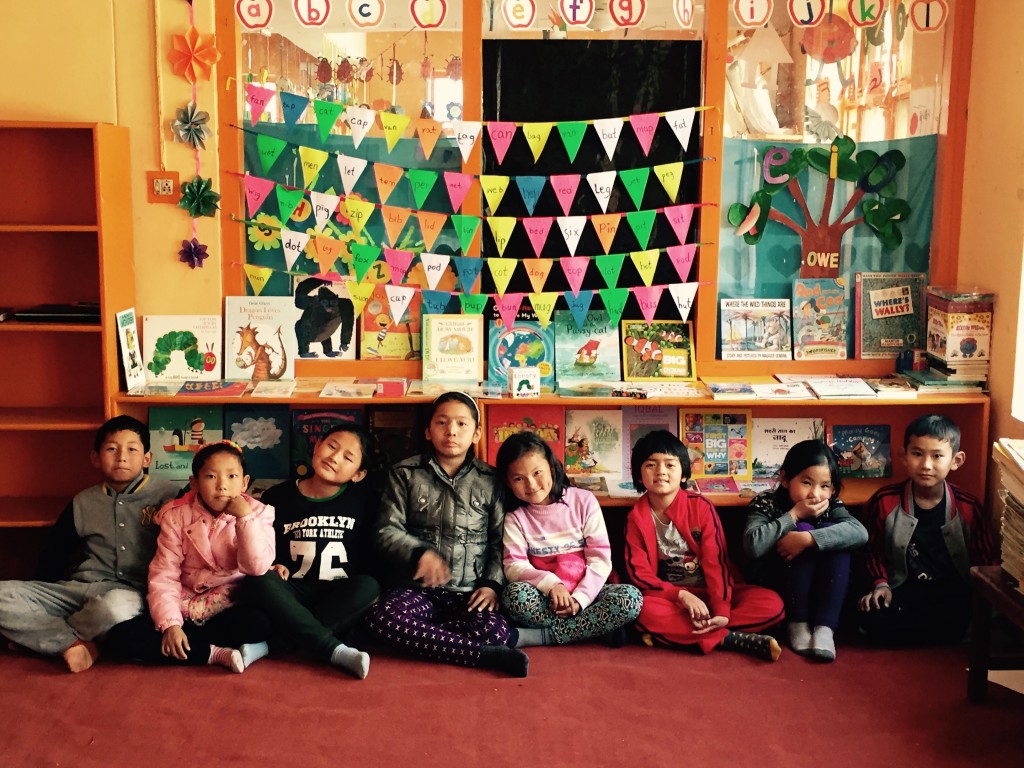
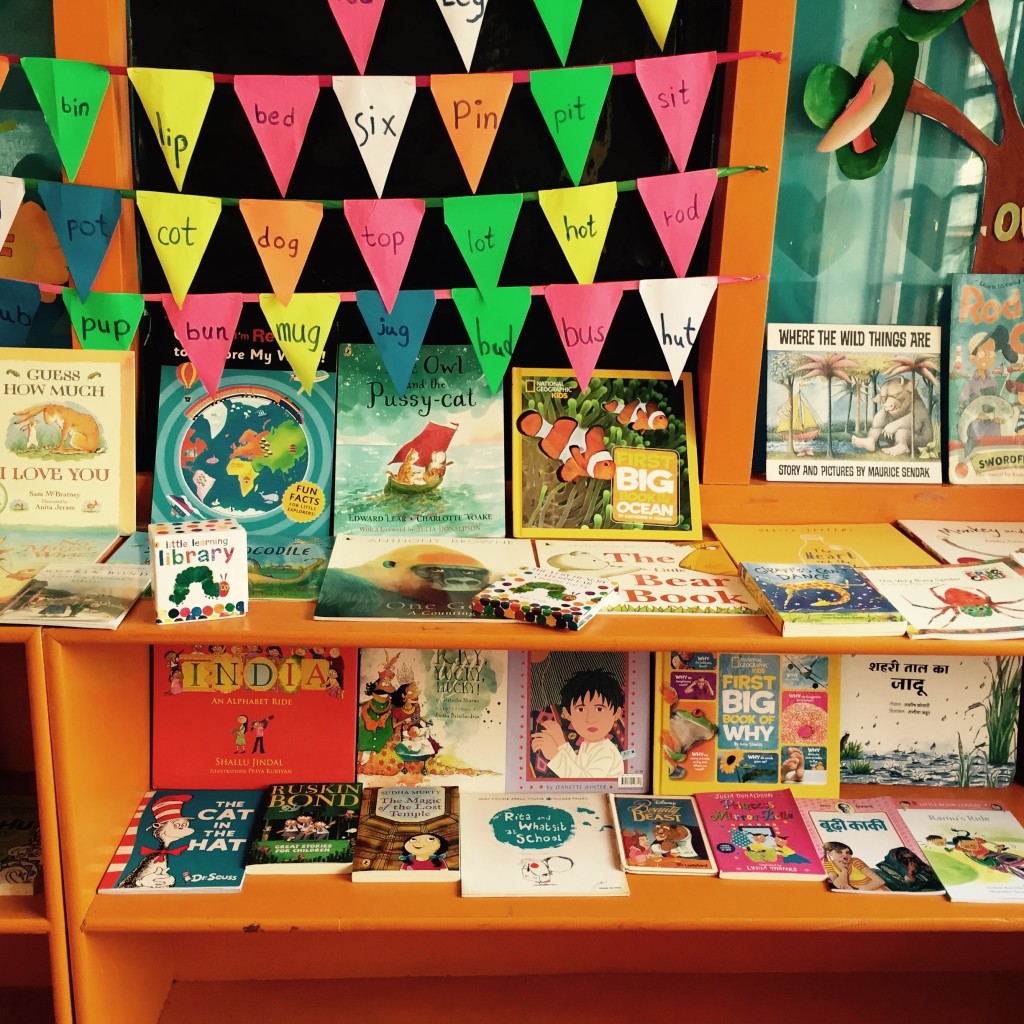
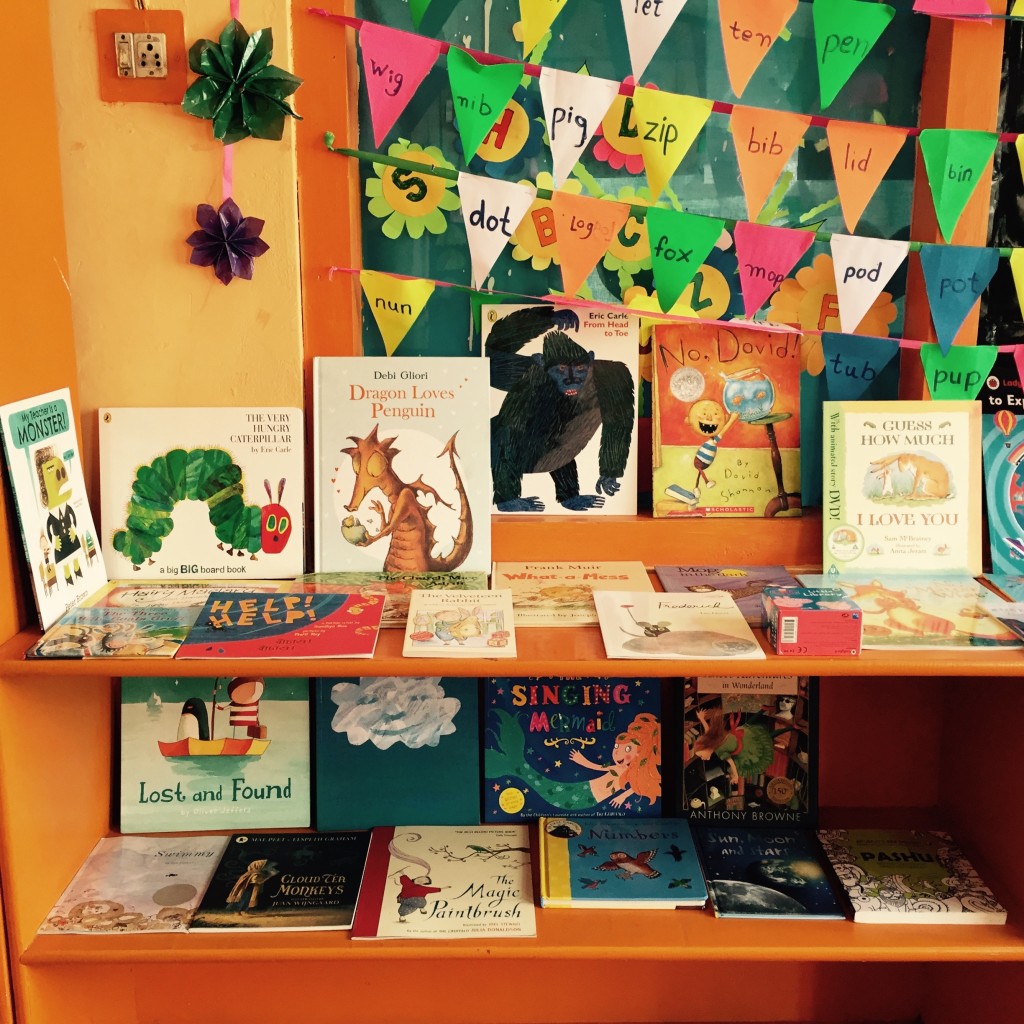
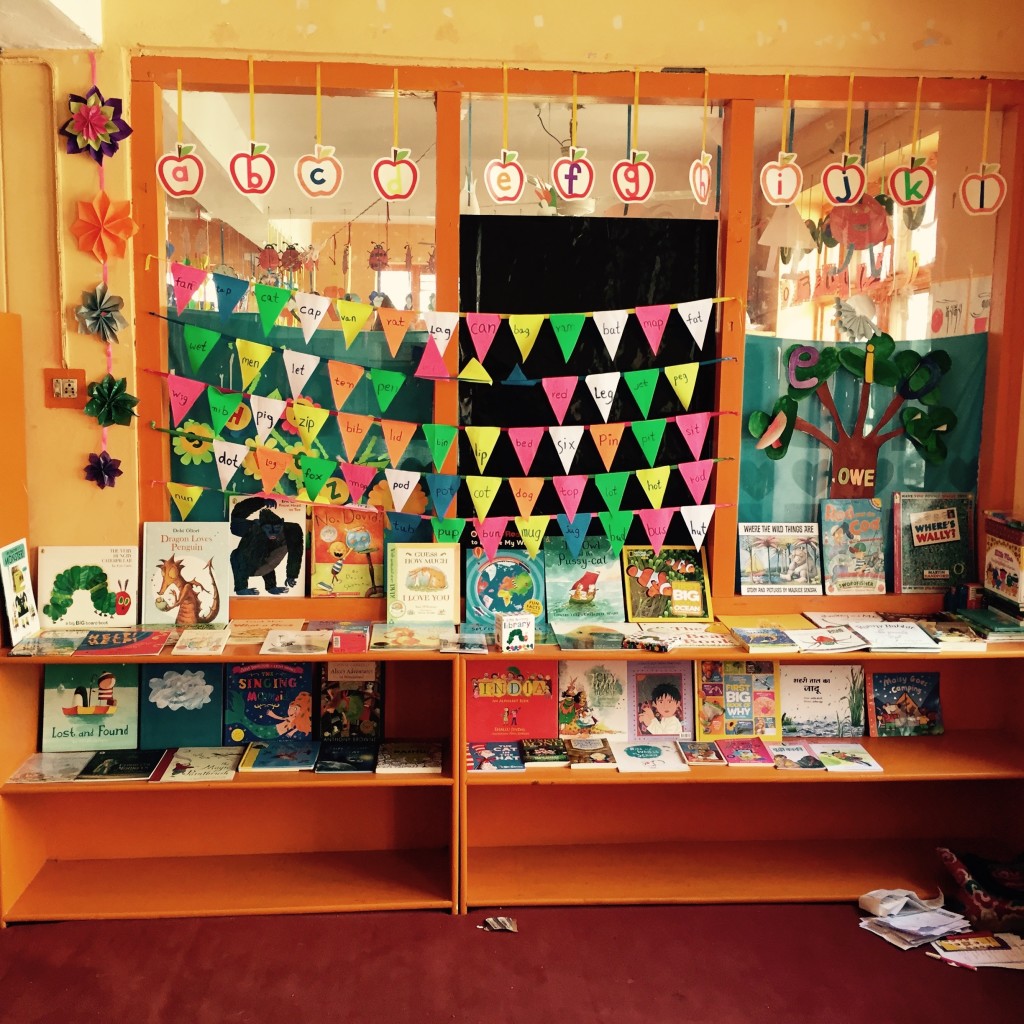
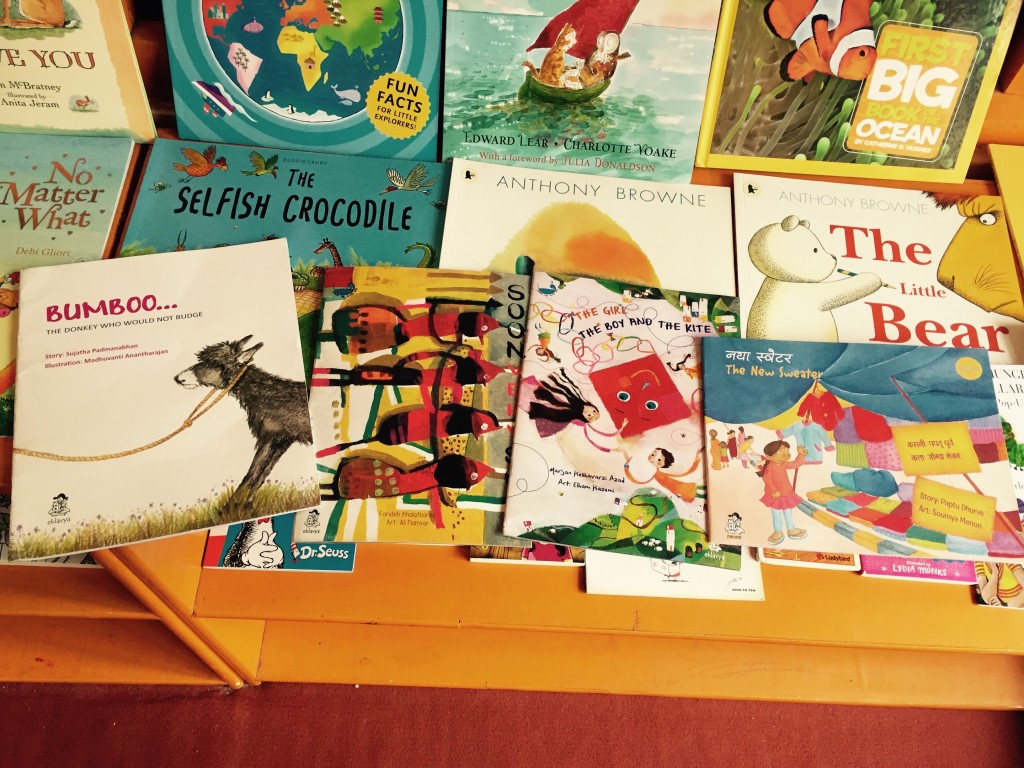
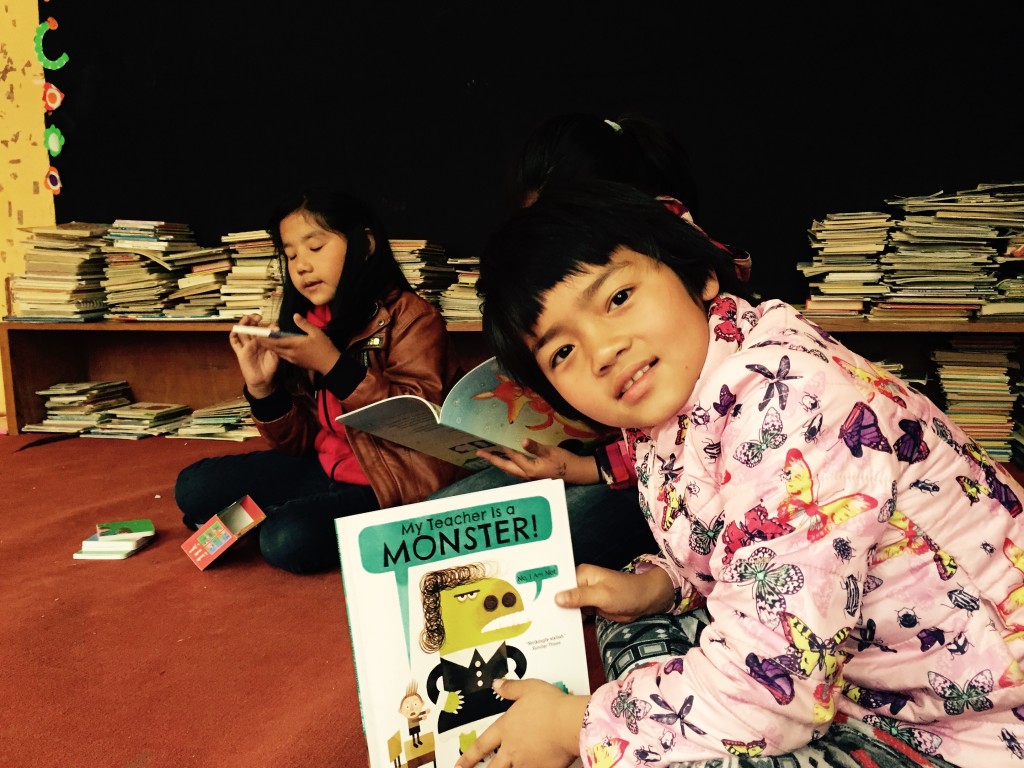
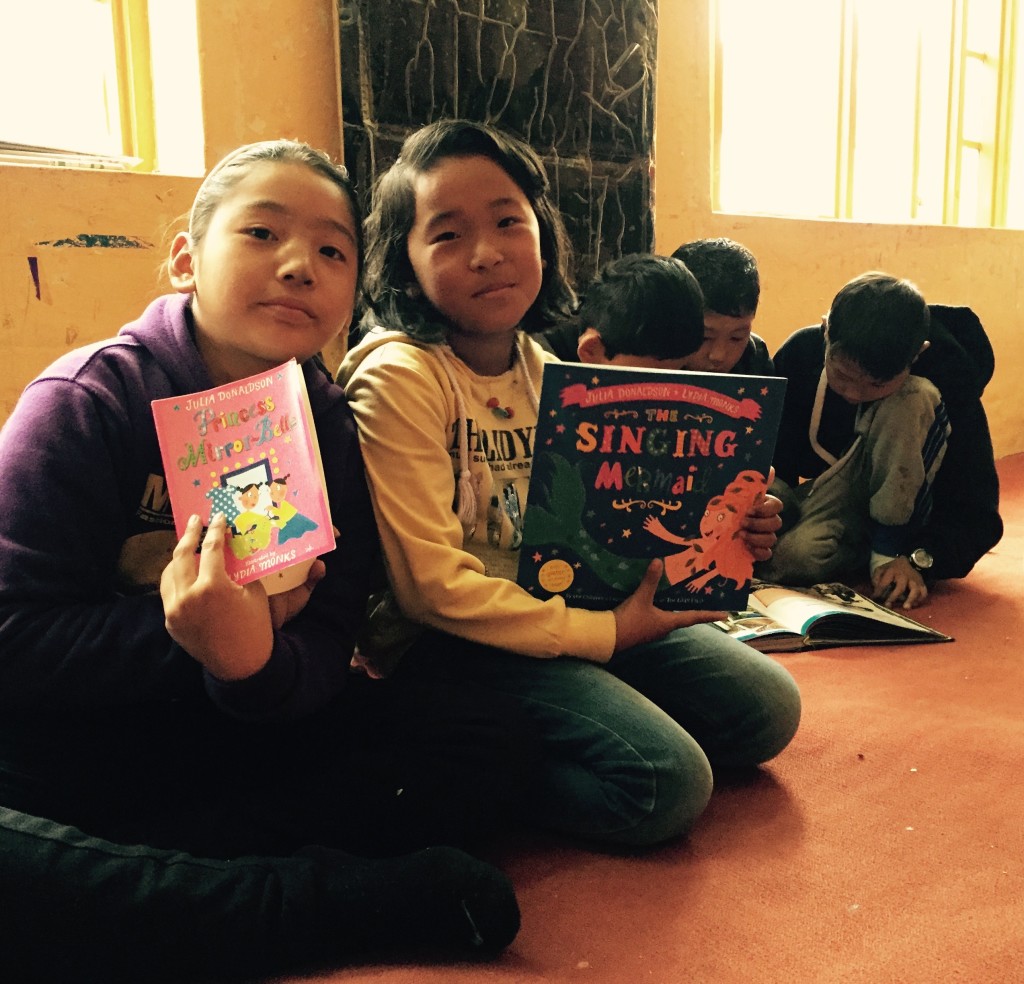
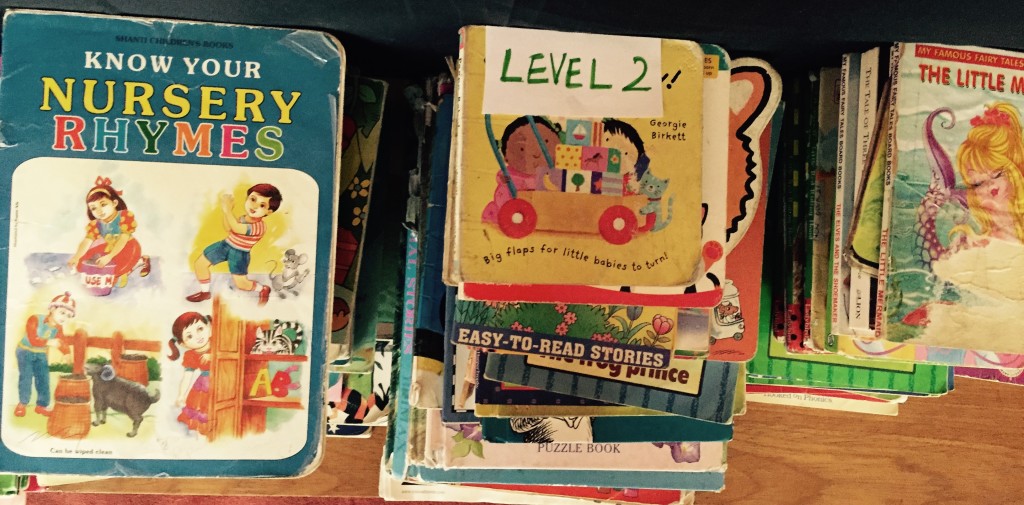
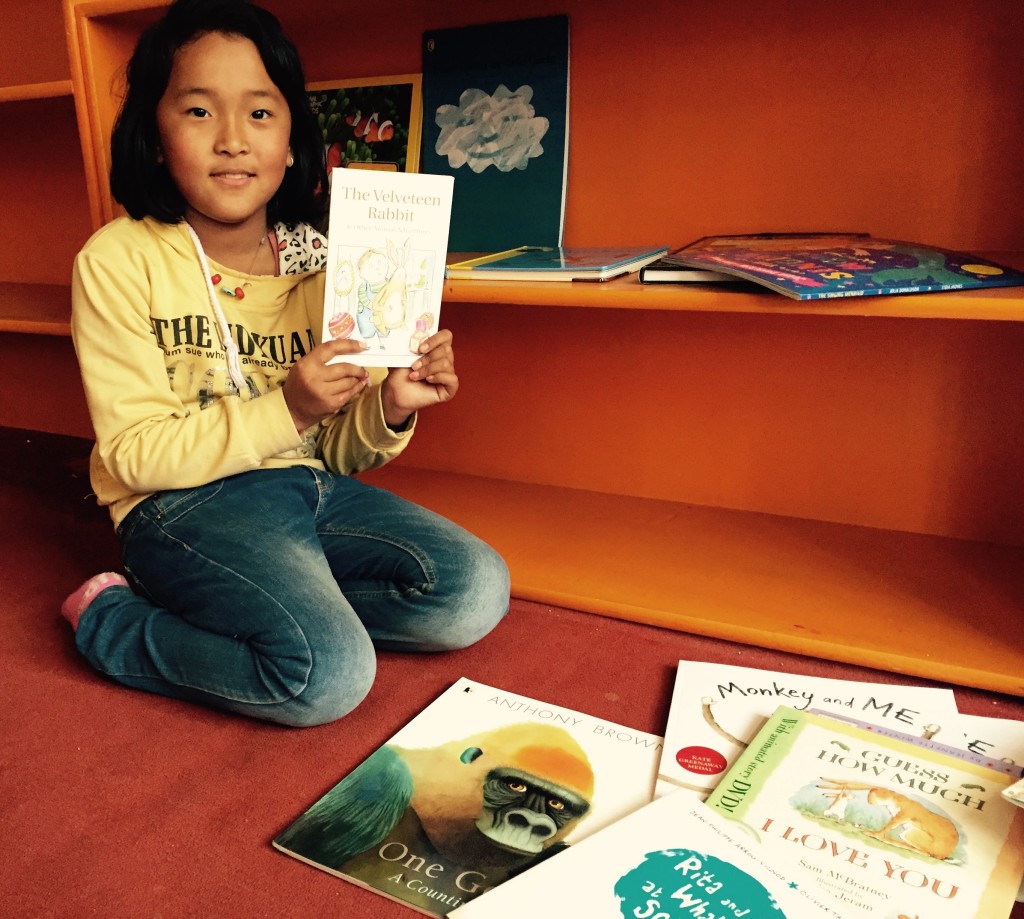
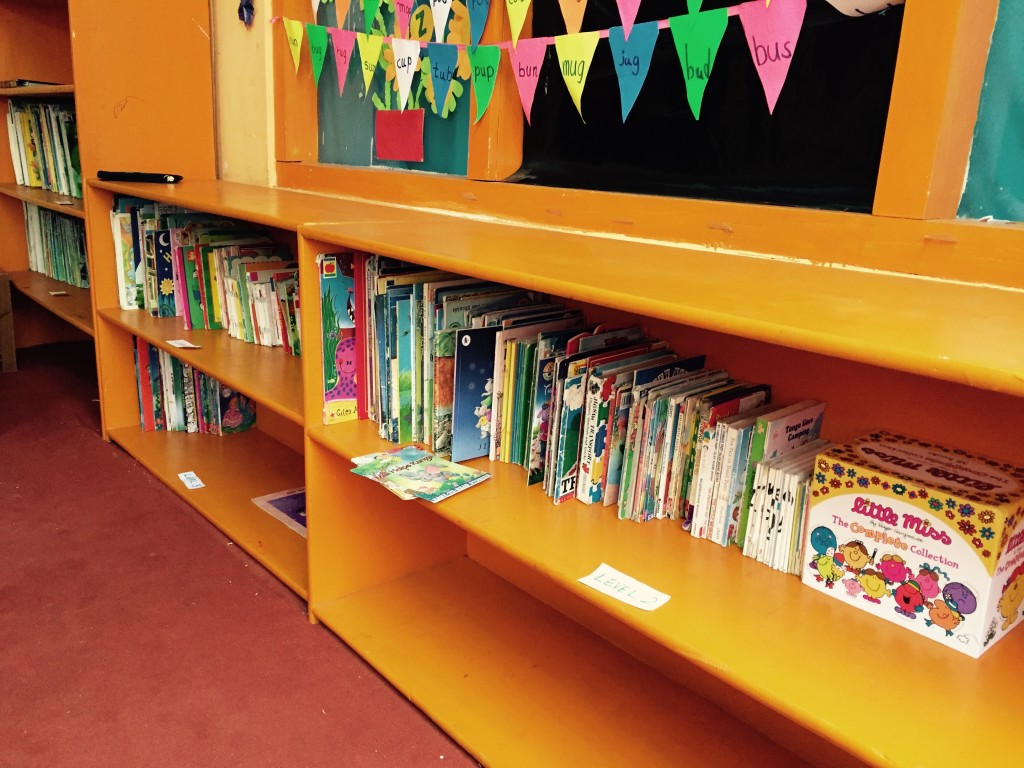
A shelf filled with books is useful, but a well-designed display can make those books feel inviting. Covers facing outward attract attention, especially for younger readers who may not yet know which titles to choose. A low cardboard rack allows children to browse independently and return books without assistance.
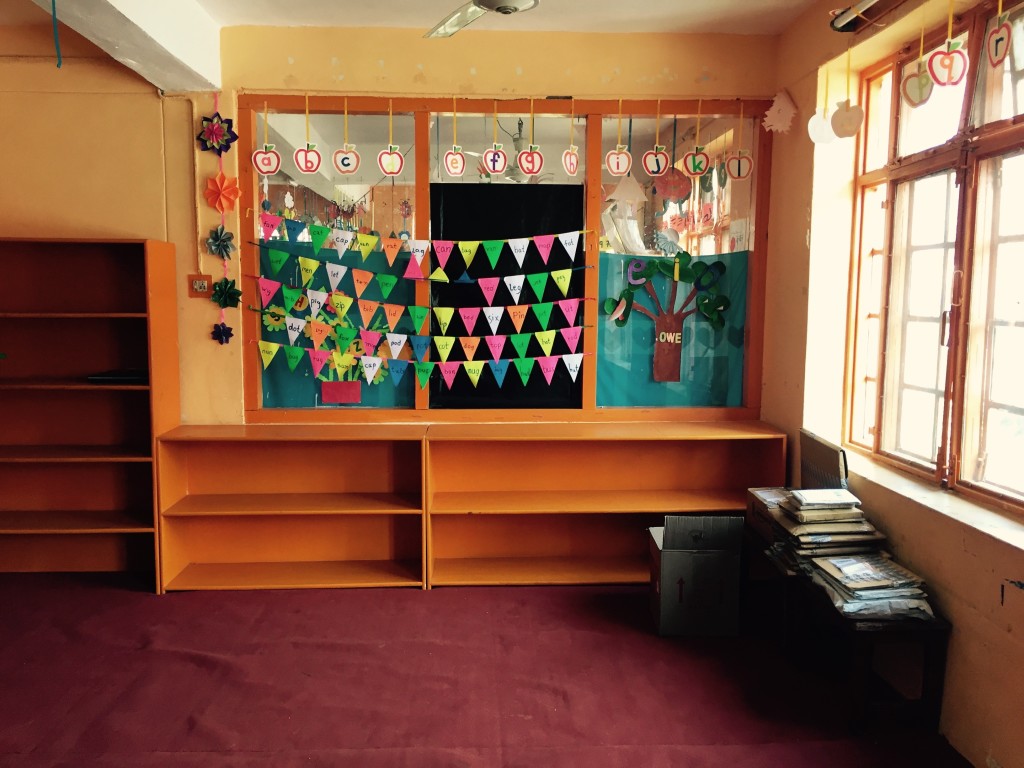
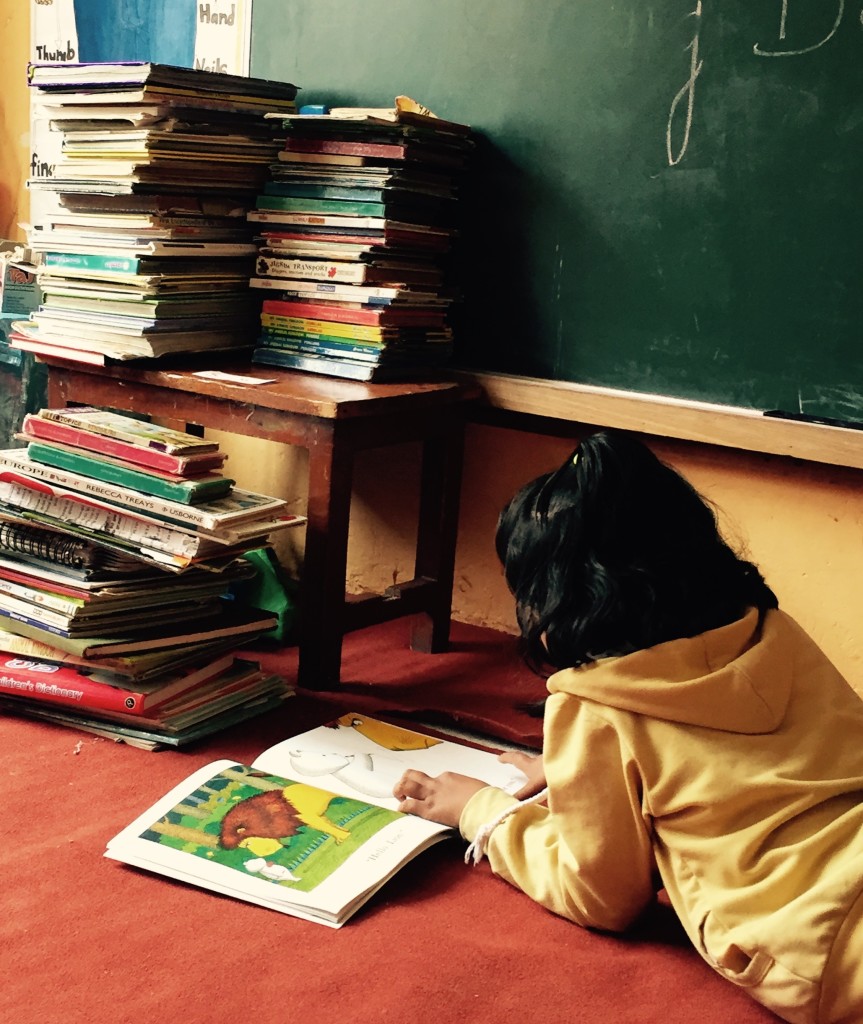
Cardboard displays are particularly helpful in flexible spaces. A reading room may also serve as an art studio, music area, classroom, or meeting place. Lightweight book bins and freestanding stands can be moved when the room changes. This flexibility is valuable where permanent furniture is limited or expensive to transport.
Reusing packaging also supports responsible stewardship. Donated boxes might otherwise be burned, buried, or left to deteriorate. Converting them into educational equipment keeps materials in use and gives children a practical example of environmental care.
Selecting Safe And Sturdy Materials
Not every box is suitable for a book display. Choose clean, dry corrugated cardboard with strong fluting and intact outer layers. Large shipping cartons are useful for side panels, while smaller boxes can become compartments, dividers, or decorative features. Avoid boxes that have absorbed moisture, developed mold, or carried chemicals.
The weight of books places pressure on shelves and joints. Double-layering the base, folding cardboard into triangular supports, and reinforcing corners with strips can greatly improve stability. A display does not need to hold an entire library; a smaller unit filled with a manageable number of books is often safer and easier for children to use.
Materials should be child-friendly. Use blunt scissors for supervised activities, non-toxic glue, water-based paint, and paper tape where possible. Remove staples, sharp plastic straps, and exposed wire. Before placing the display in a reading room, check that no edges can scratch hands and that the structure does not wobble when gently touched.
Designing Displays For Young Readers
A successful cardboard bookshelf begins with the needs of its users. Young children benefit from low shelves, open fronts, and broad spaces that show the covers. Older students may appreciate taller compartments for reference books, notebooks, and art materials. A mixed-height design can serve several age groups without making the room feel crowded.
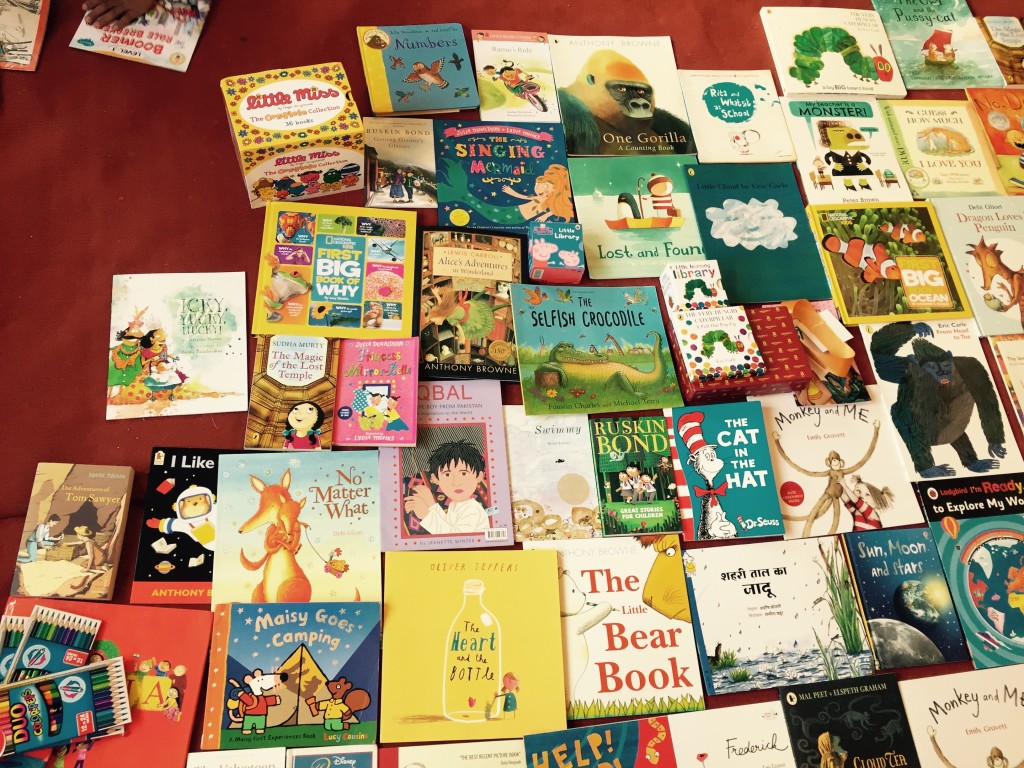
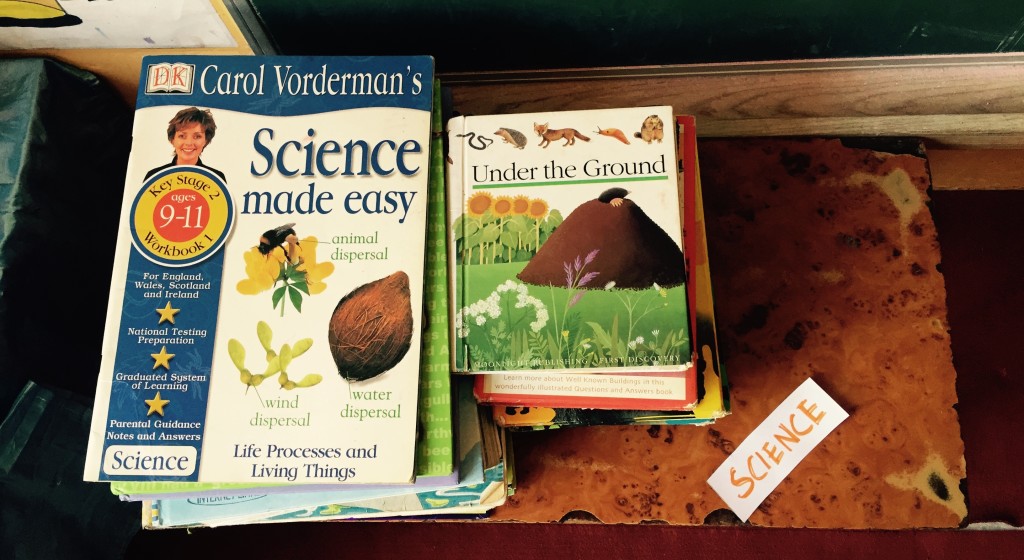
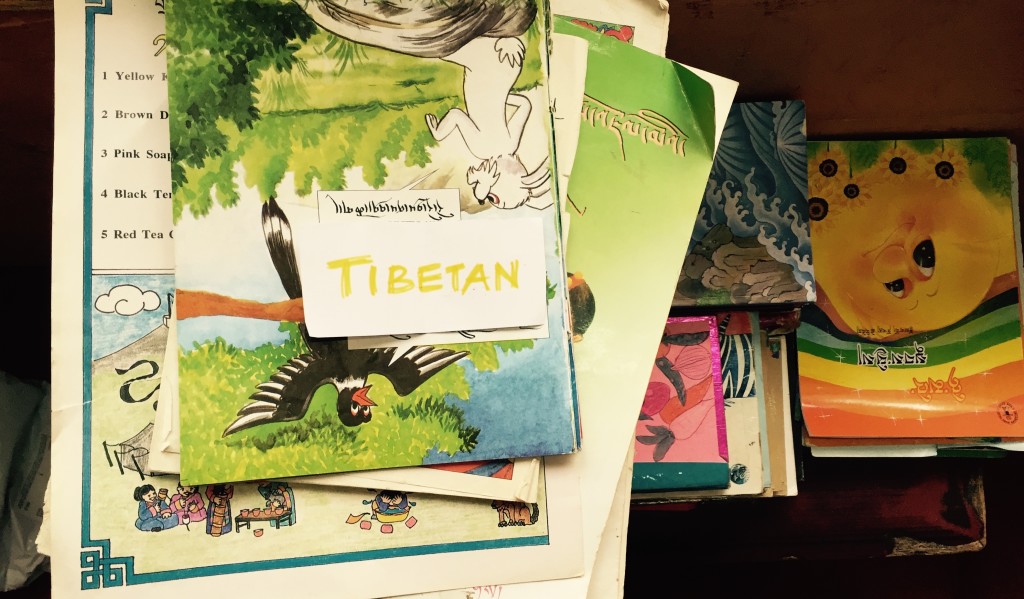
Color and labeling help children navigate the collection. A blue section might hold nature books, a red section could feature stories, and a yellow area might contain picture books. Simple labels in English and local languages can support vocabulary development while making the space more welcoming.
In Himalayan communities, displays can also reflect local identity. Volunteers and children might paint mountains, rivers, animals, musical instruments, or scenes from village life. These details turn a functional object into part of the learning environment. The display becomes a piece of collaborative artwork rather than anonymous storage.
| Display Format |
Best Use |
Main Strength |
Important Consideration |
| Low open shelf |
Picture books and early readers |
Children can browse independently |
Reinforce the base to prevent bending |
| Forward-facing rack |
Featured titles and new donations |
Book covers are highly visible |
Limit the number of books on each ledge |
| Compartment bin |
Mixed-age collections and supplies |
Easy sorting and carrying |
Add strong dividers between sections |
| Mobile book box |
Shared spaces and outdoor reading |
Can move between rooms |
Include handles and keep the load light |
| Wall-mounted pocket display |
Notices, thin books, and magazines |
Saves floor space |
Secure it carefully and keep it within reach |
Building A Simple Book Rack
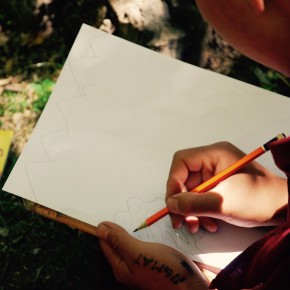
Start by measuring the books that will occupy the display. Add enough width for easy removal, but avoid creating deep shelves where books disappear from view. Mark each panel with a ruler and pencil before cutting. A simple design can use two side panels, a back panel, horizontal shelves, and triangular braces.
For extra strength, create folded edges rather than relying on a single flat sheet. A narrow folded strip along the front of a shelf acts like a beam and helps prevent sagging. Two or three layers of cardboard can be laminated together with glue, then pressed under a stack of books while drying.
Assembly should take place on a flat surface. Use paper tape to hold pieces in position while the glue sets. Once the structure is dry, test it gradually with lightweight books before adding heavier volumes. Place the finished rack against a wall when possible, and keep walkways, doorways, and emergency routes clear.
Decoration comes after construction. Covering every surface with wet paint can soften cardboard, so apply thin coats and allow each layer to dry. Reused wrapping paper, fabric scraps, old maps, and donated art supplies can add color without requiring new materials. A protective layer of clear, non-toxic sealant may help, provided it is appropriate for indoor use and fully dry before children handle the display.
Making Construction A Shared Learning Activity
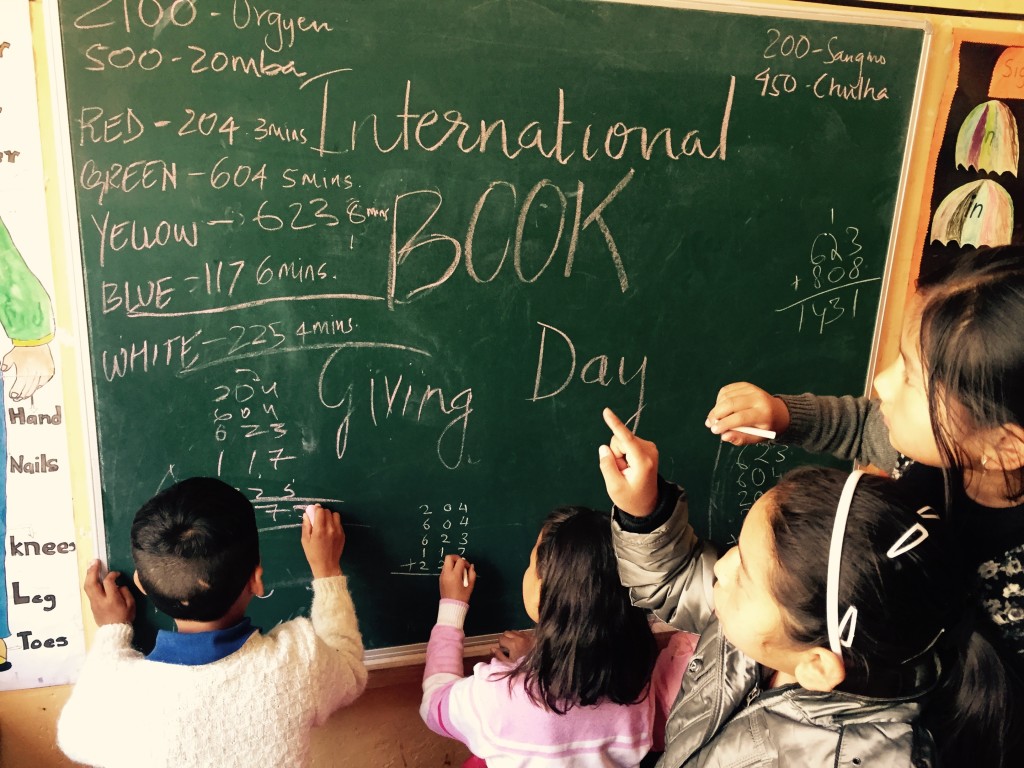
The project can become a lesson in measurement, geometry, language, and cooperation. Children can compare the length and width of books, calculate how many compartments are needed, and draw a scaled design. They can discuss why triangles strengthen corners or why a wide base improves balance.
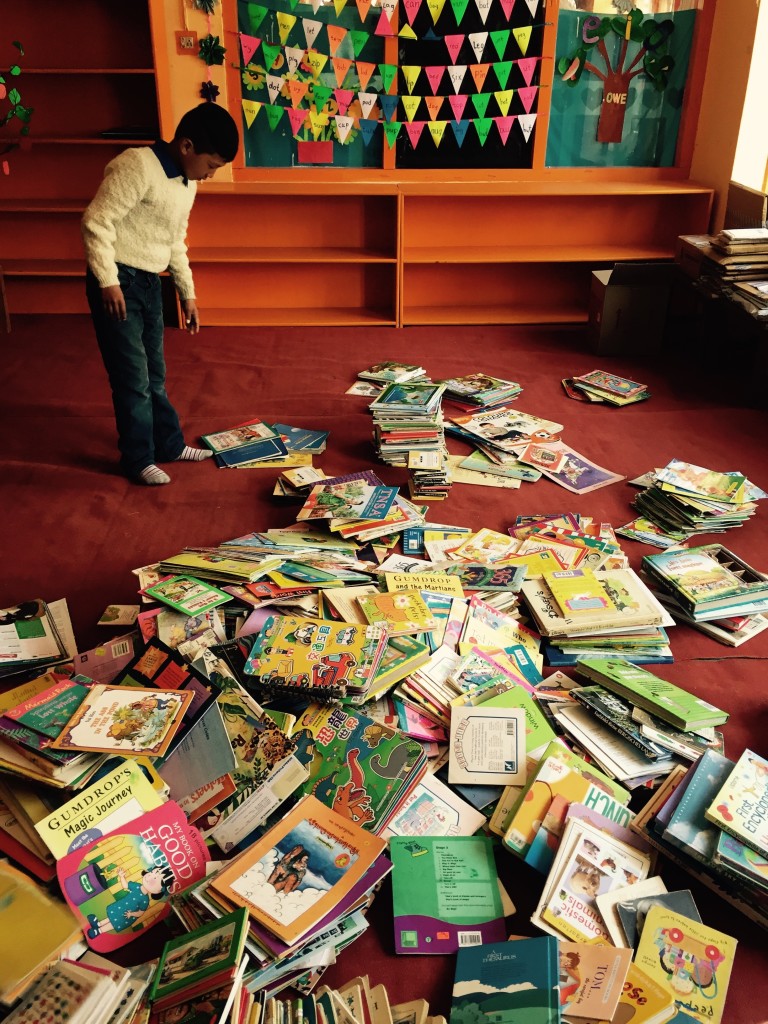
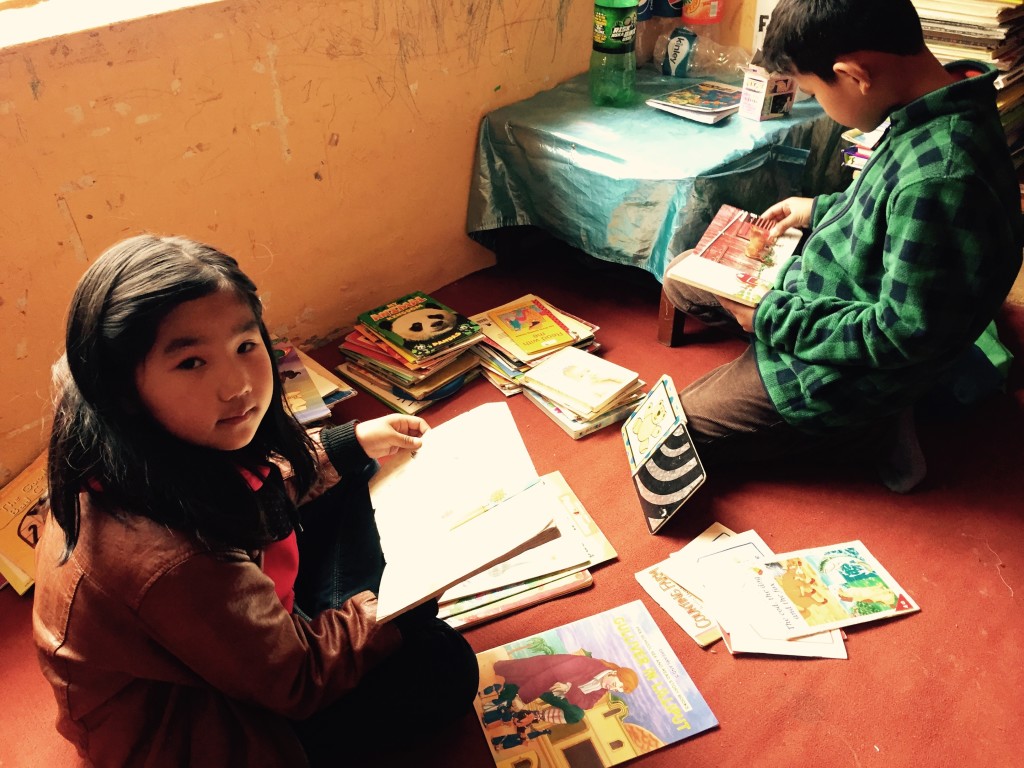
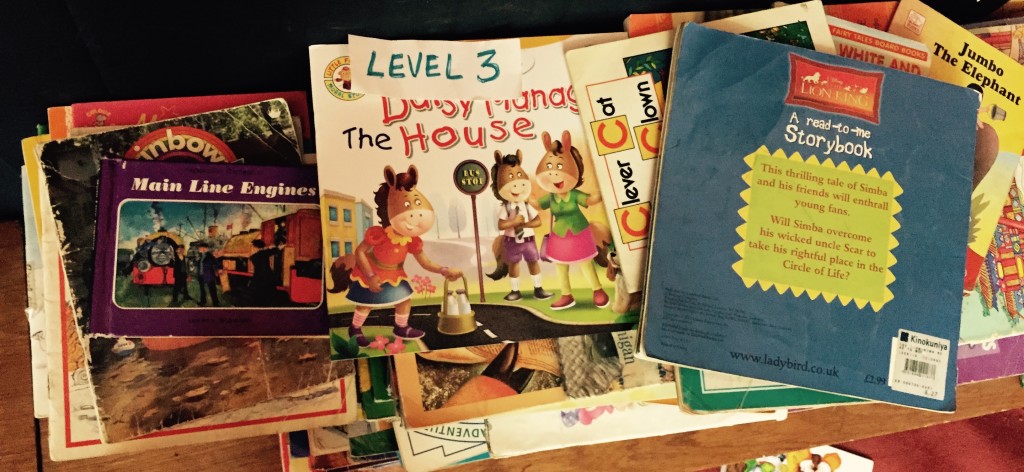
Book organization adds another learning opportunity. Groups can sort titles by language, theme, reading level, or format. They can create handwritten shelf signs and short recommendations for their peers. A child who is hesitant to read aloud may feel confident contributing through painting, labeling, or arranging books.
Volunteers can connect the activity to broader environmental ideas. Children can examine how packaging moves through a community, identify which materials can be reused, and consider how to reduce unnecessary waste. The conversation remains practical: a discarded box is not simply rubbish when imagination and care give it a new purpose.
A finished display can also support storytelling sessions, music activities, and art workshops. Books about local culture can sit beside drawings inspired by their pages. A rack for poetry collections might stand near a small performance area. In this way, cardboard furniture helps connect literacy with creativity.
A Practical Workshop Checklist
Before beginning a cardboard book display project, prepare the space and materials carefully:
- Collect clean, dry boxes and remove staples, tape, plastic, and sharp fasteners.
- Measure the books, sketch the display, and decide how much weight each shelf should carry.
- Provide child-safe tools, non-toxic adhesives, water-based colors, and adult supervision.
- Reinforce bases, corners, handles, and shelf fronts before decoration begins.
- Test the finished structure, place it securely, and inspect it regularly for wear or moisture damage.
Maintenance keeps a reused display useful for longer. Dust can be removed with a dry or lightly damp cloth, while spills should be dealt with immediately. If a shelf becomes soft or unstable, move the books elsewhere and repair or replace the damaged section. Cardboard is an excellent low-cost material, but it works best when protected from damp floors, leaking windows, and heavy overloading.
Sharing The Value Of Every Donation
A cardboard display shows that educational support extends beyond the books themselves. Packaging, volunteer time, local creativity, and careful planning can all contribute to a stronger reading space. The result is modest in scale, yet meaningful in daily use: children see more books, reach them more easily, and take part in shaping the place where they learn.
For Avalokiteśvara Trust, projects like this complement book drives, reading rooms, and artistic activities across Ladakh and other Himalayan communities. Donors can support the books and materials; volunteers can help with design, construction, storytelling, or creative workshops. Together, these contributions turn available resources into welcoming spaces for curiosity.
Support a reading room by donating books, sponsoring educational materials, or volunteering skills that help children and young monks discover the pleasure of learning. A box that once carried supplies can become the first shelf in a child’s favorite corner.