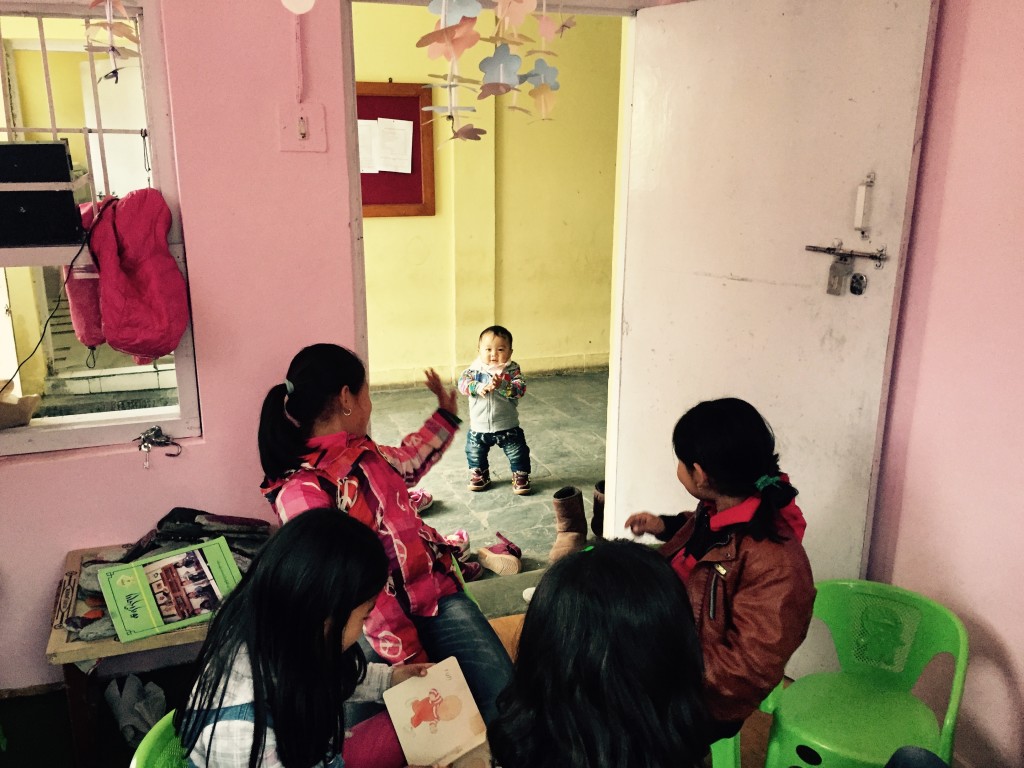
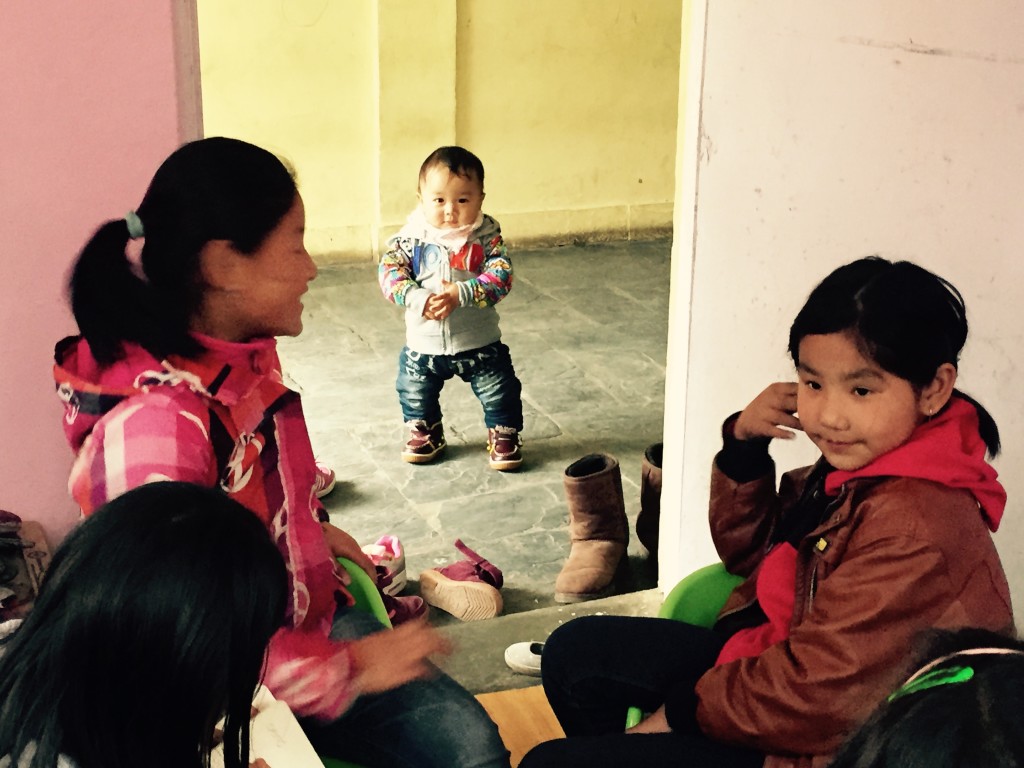
Why Multilingual Storybooks Matter In The Himalayas
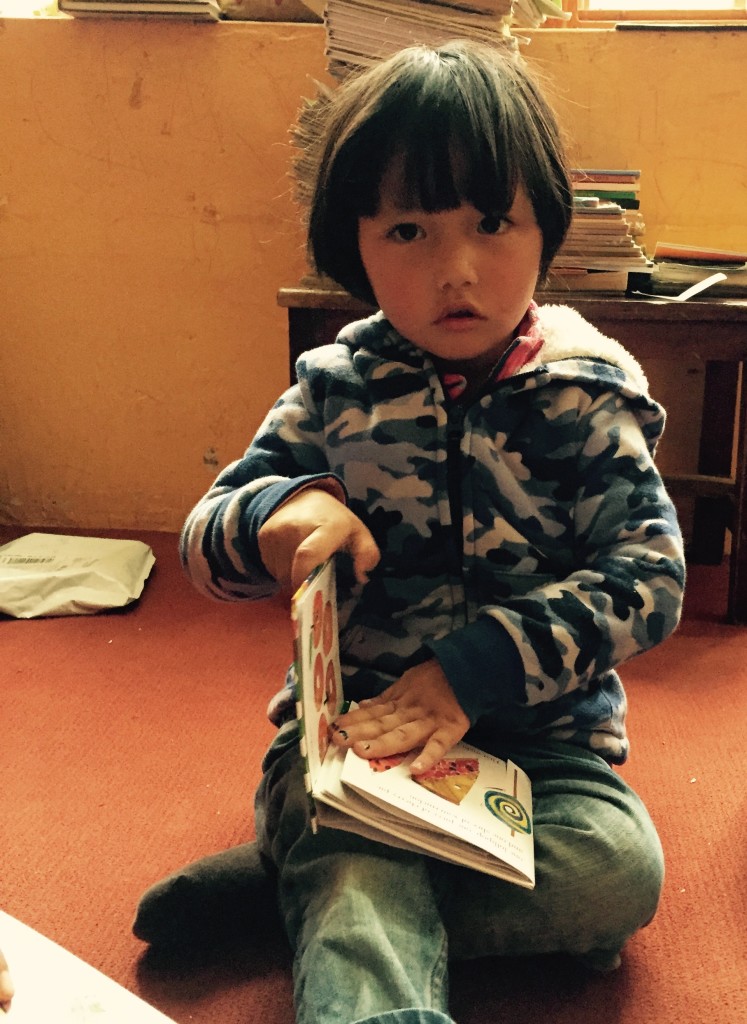
A storybook can be a doorway into language, imagination, and belonging. In the Himalayan region, where communities often use several languages in daily life, books can also connect home, school, monastery, and wider society. A child may speak one language with grandparents, study in another, and encounter English or Hindi in formal education. Reading materials that recognize this reality are especially valuable.
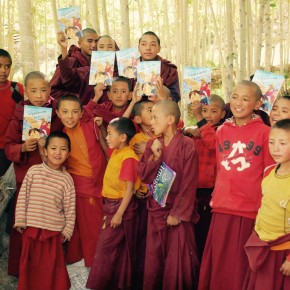
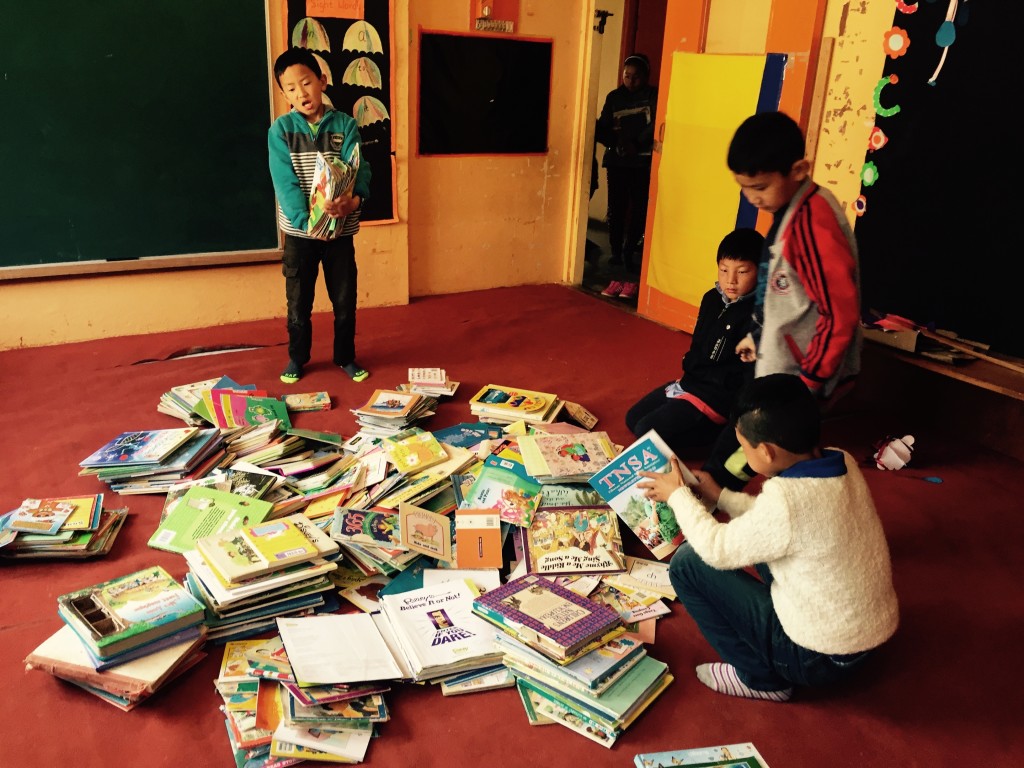
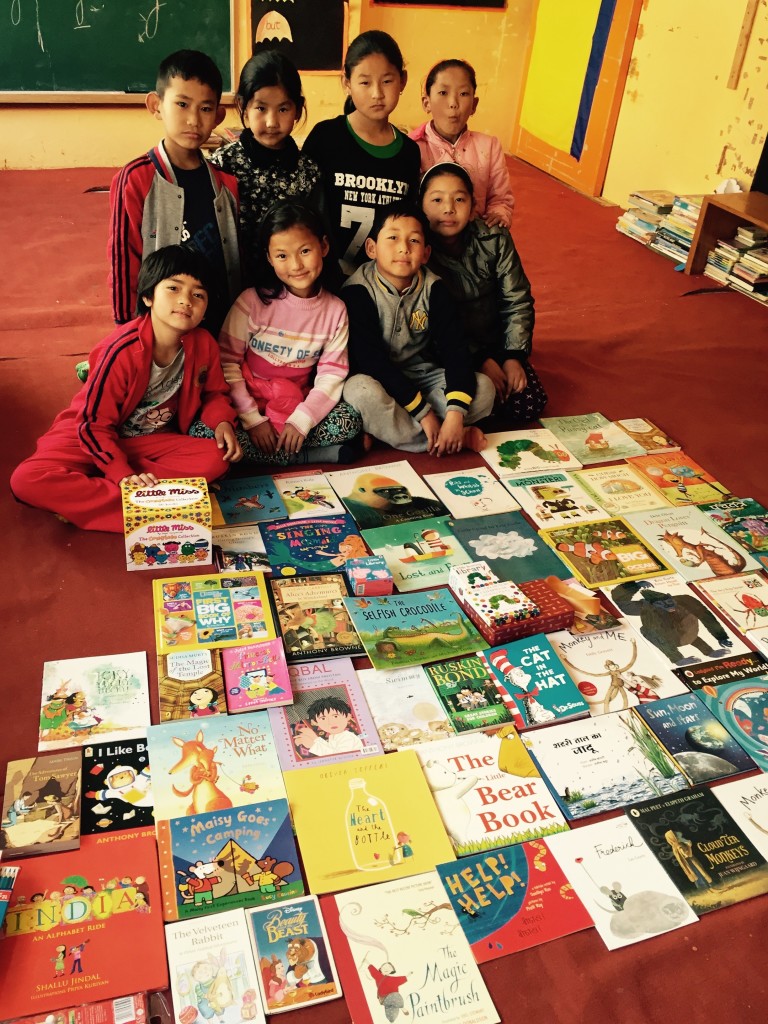
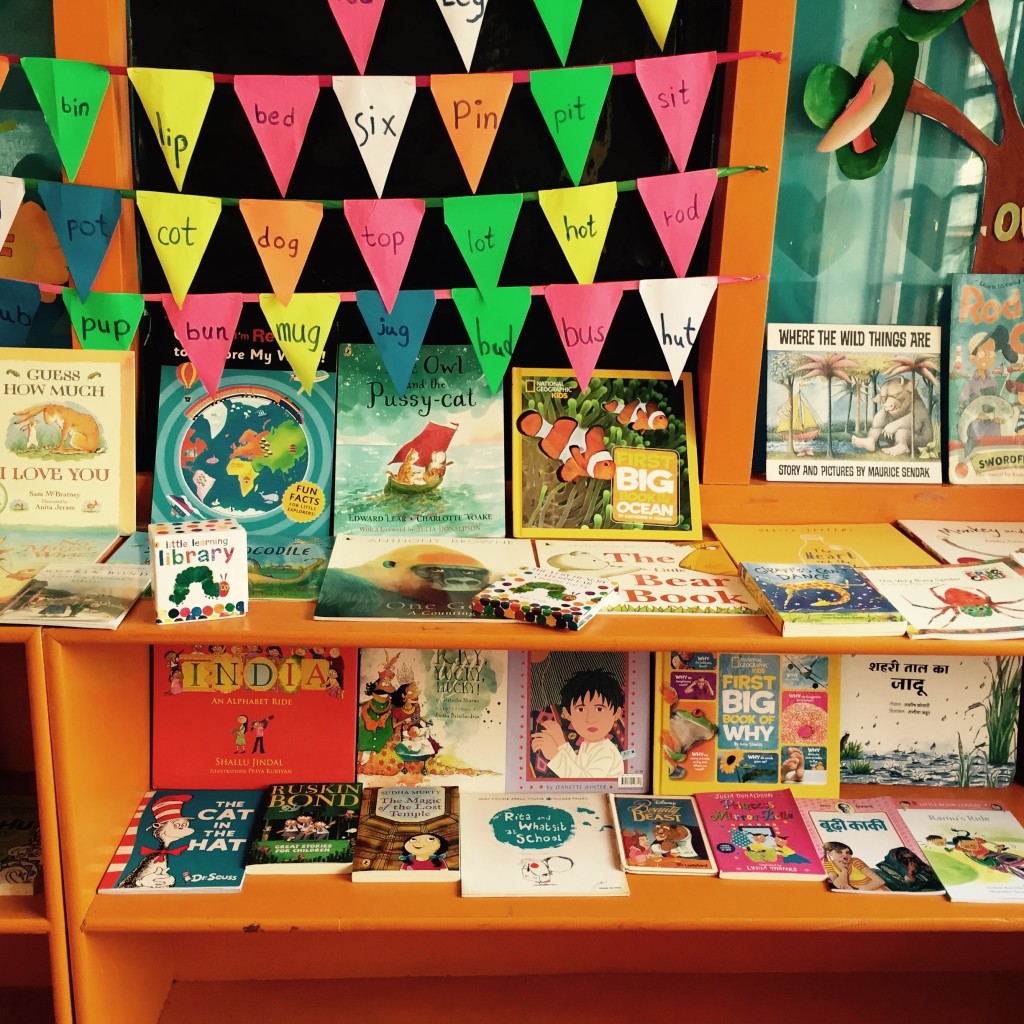
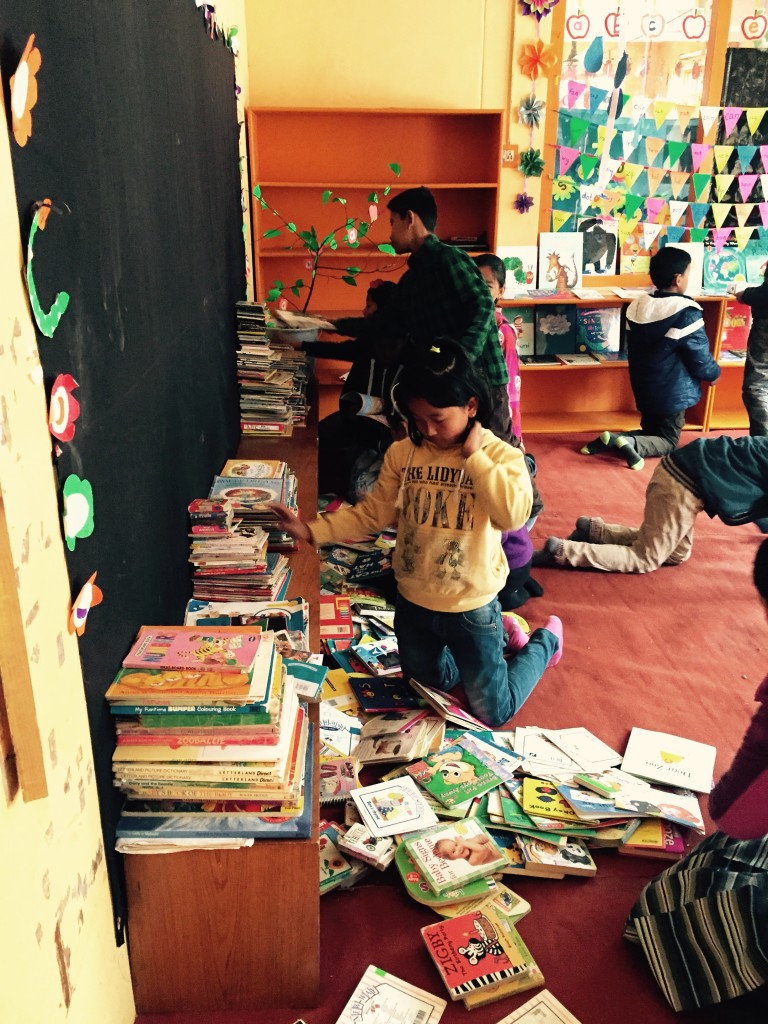
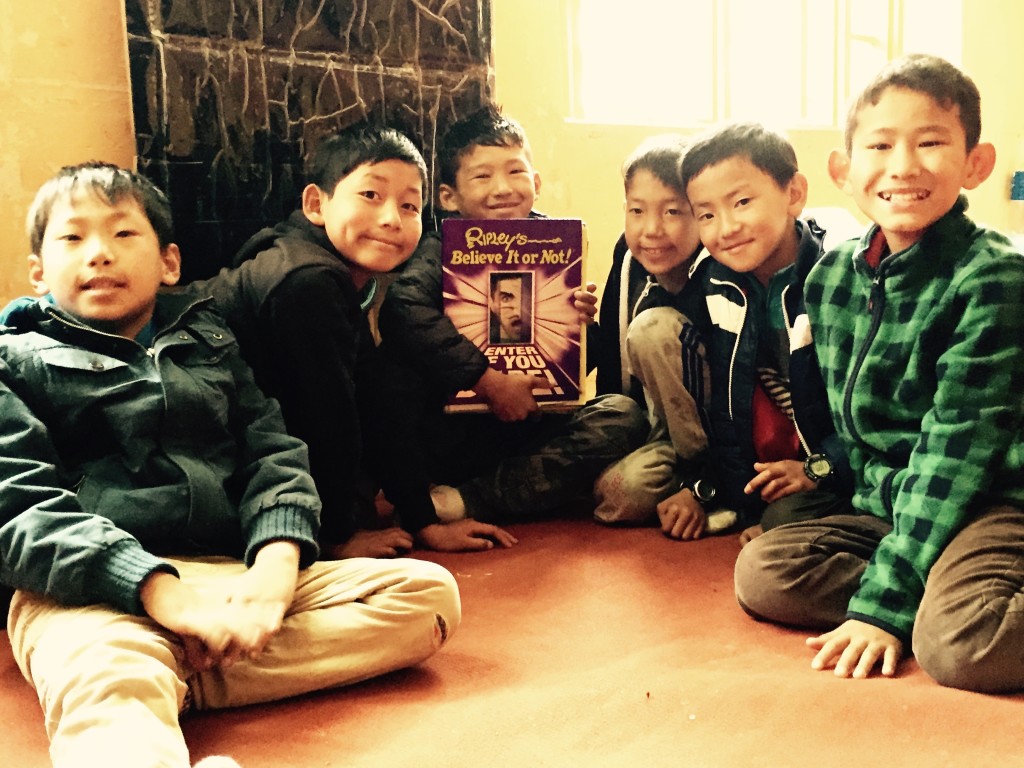
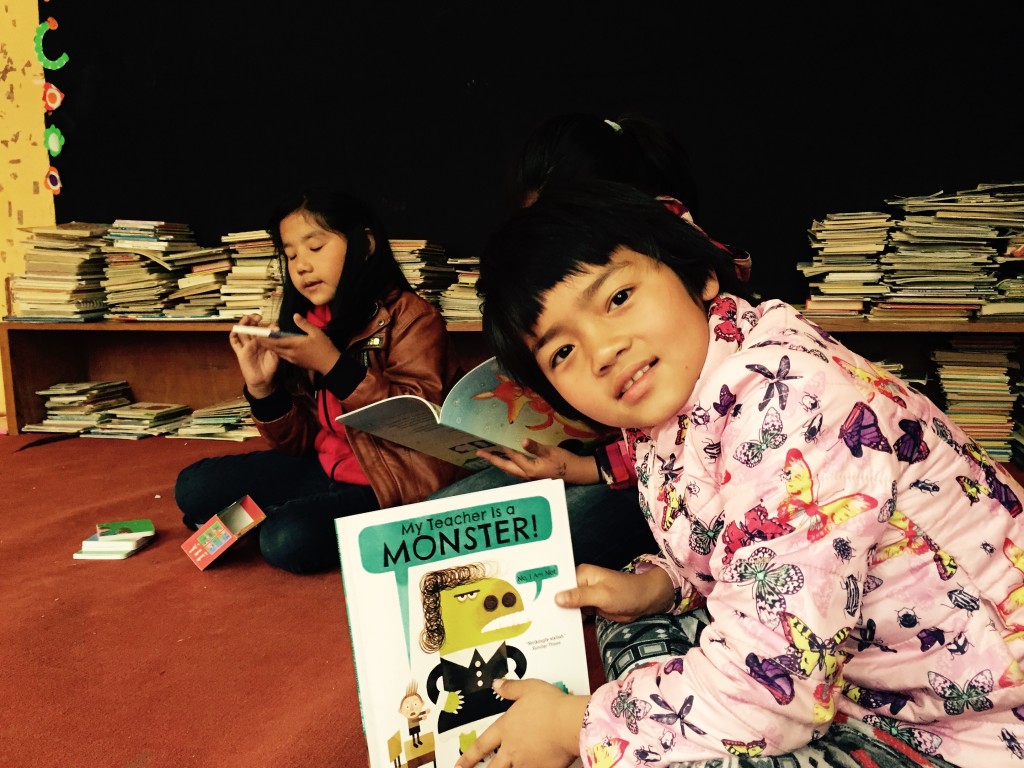
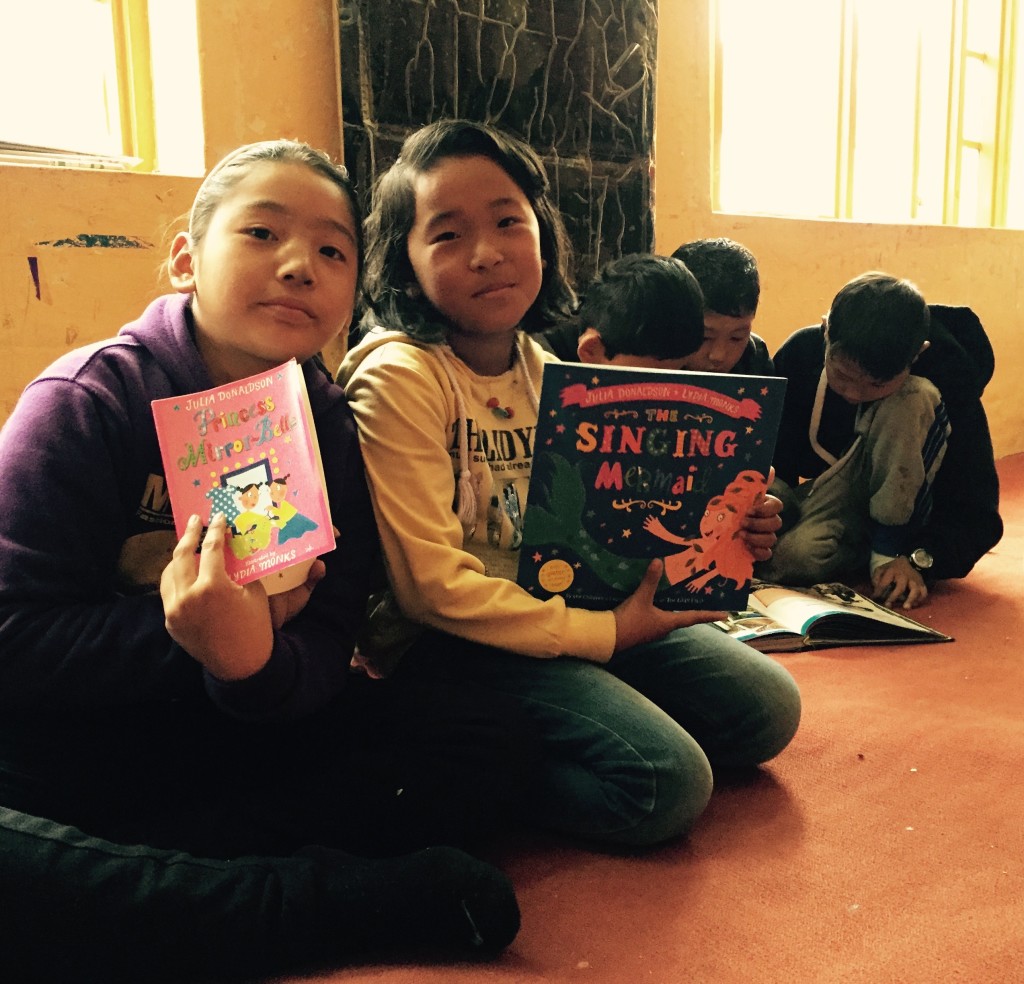
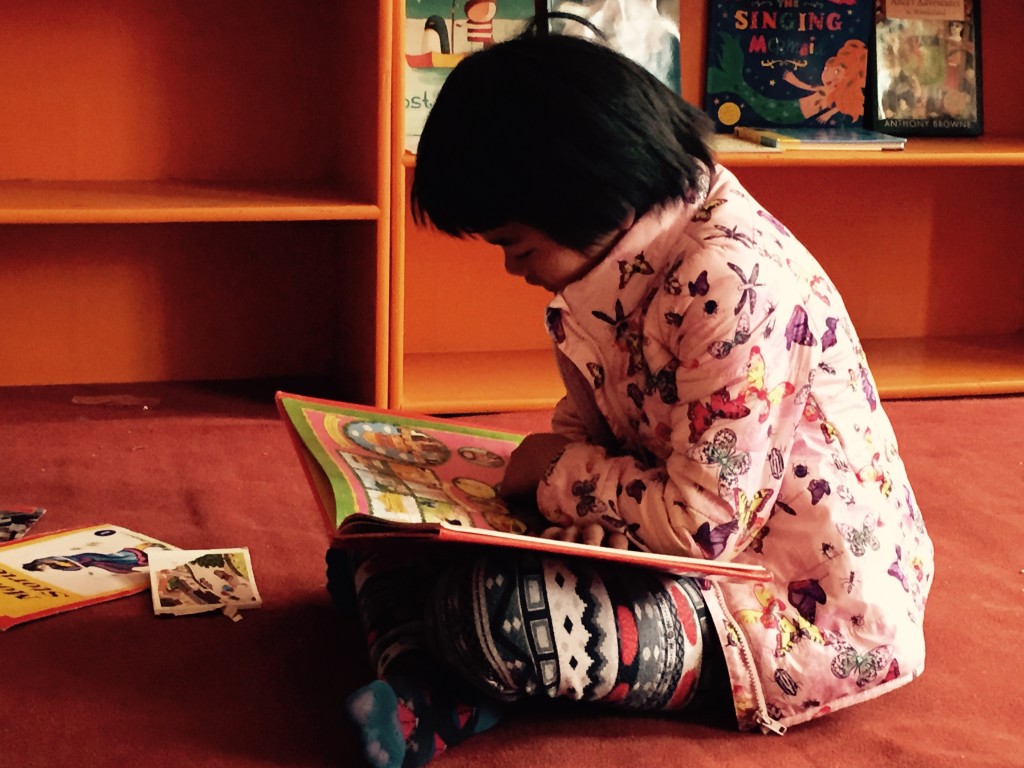
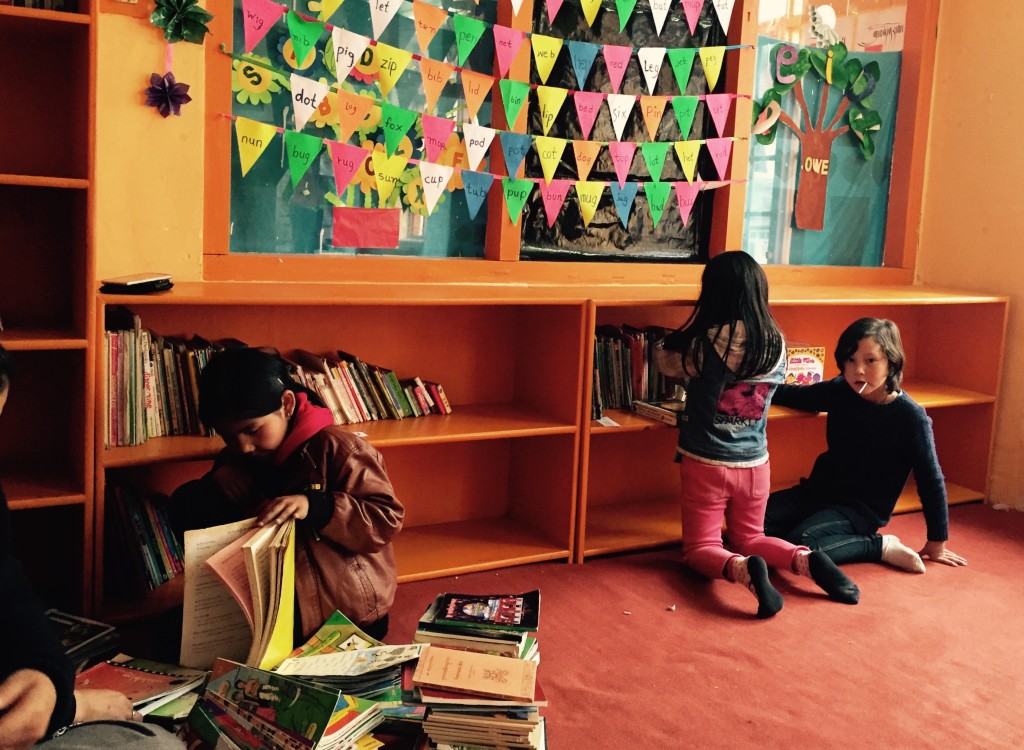
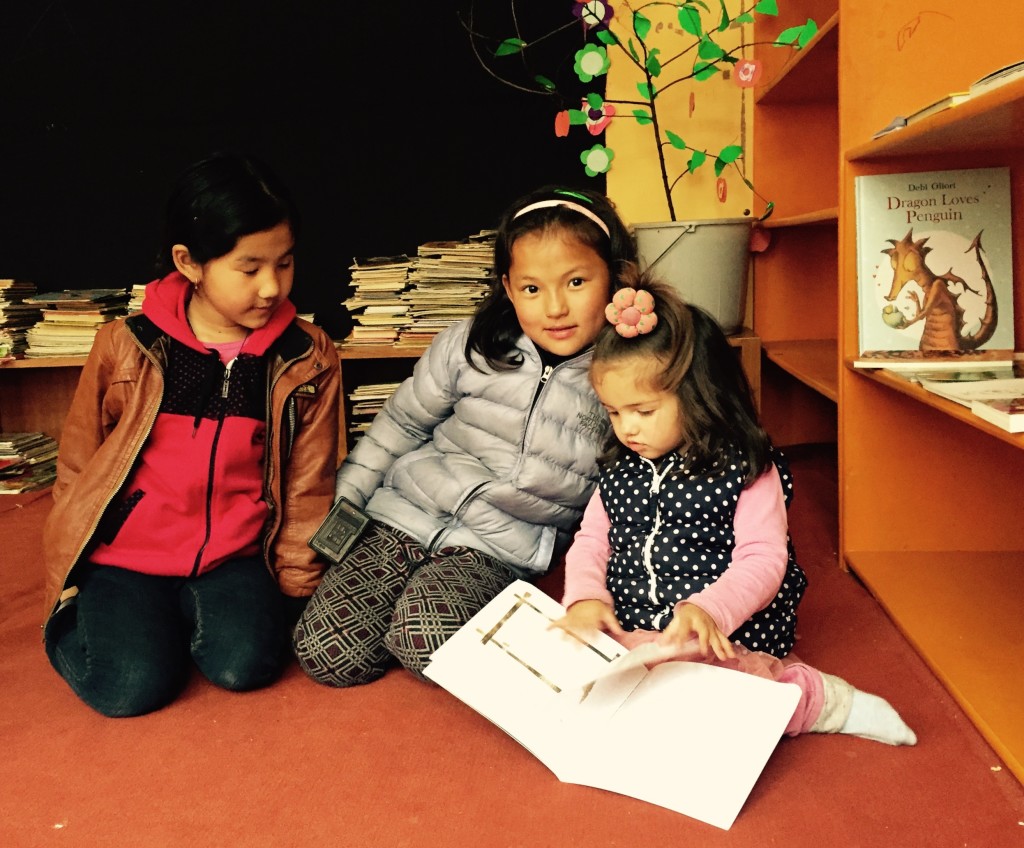
Multilingual storybooks give children the chance to see familiar words, places, and cultural ideas on the page while gradually meeting new vocabulary. They support early literacy without asking children to leave their first language behind. For young monks and children in Ladakh and neighboring Himalayan communities, access to books in several languages can make reading feel relevant, welcoming, and possible.
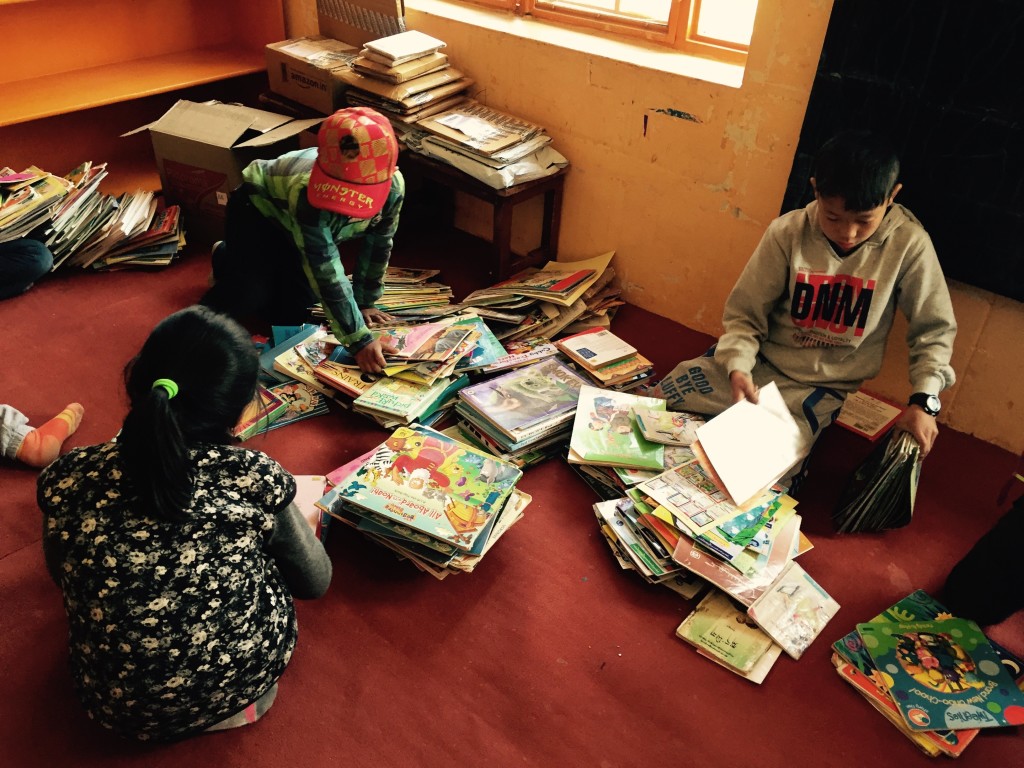
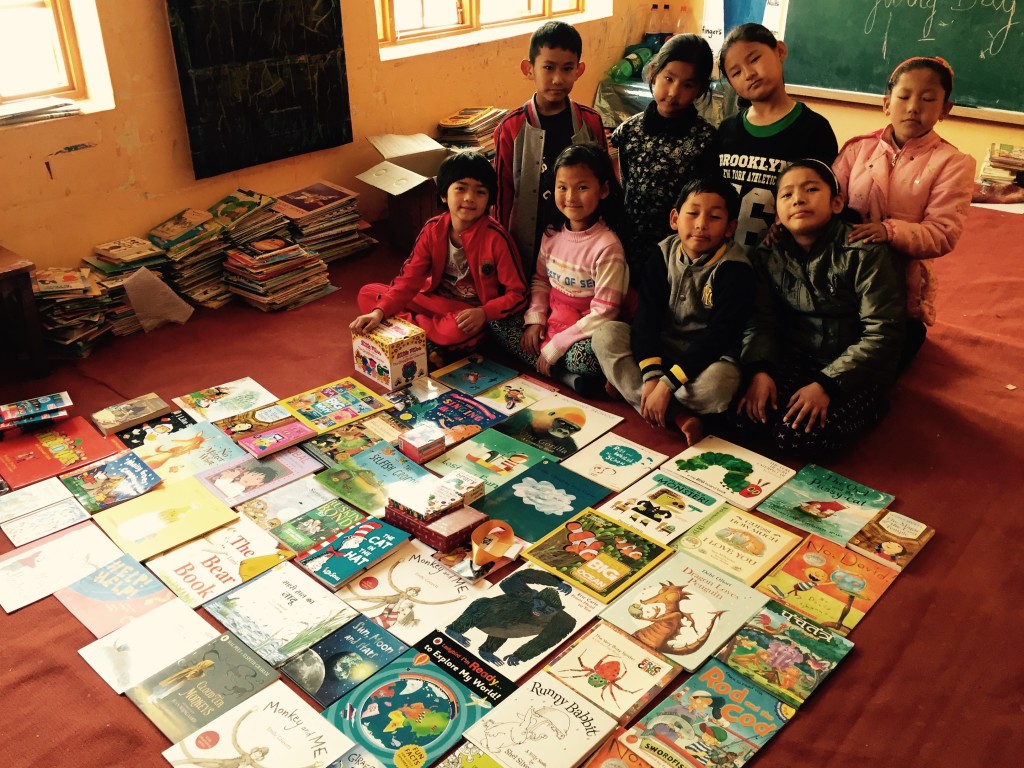
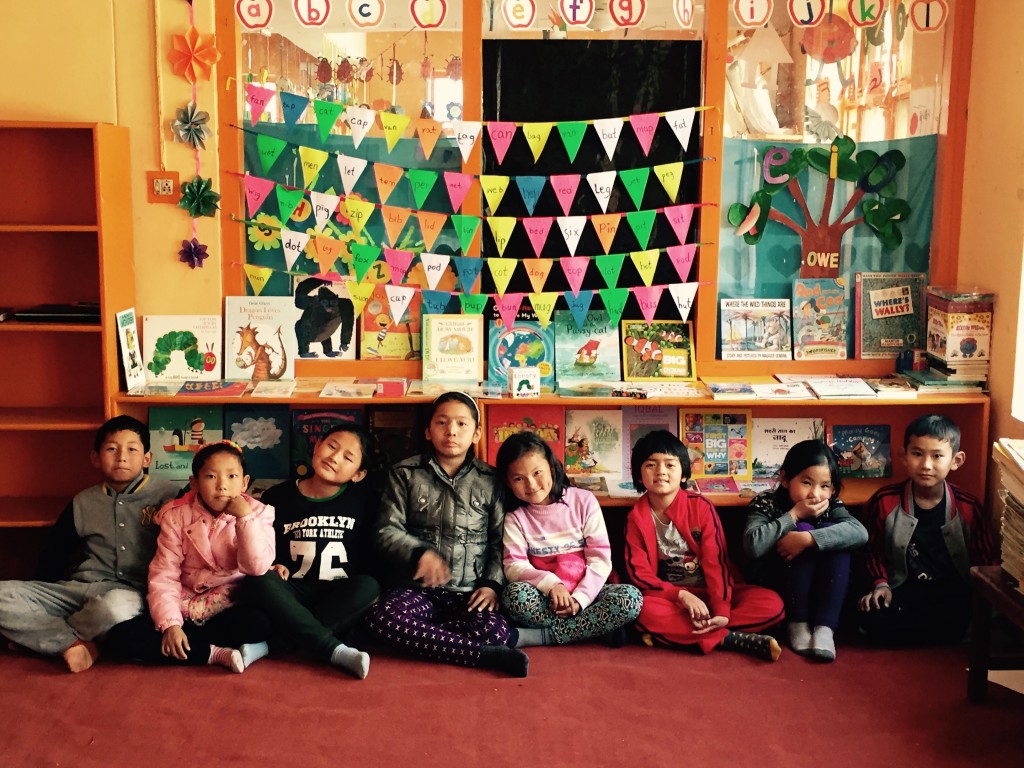
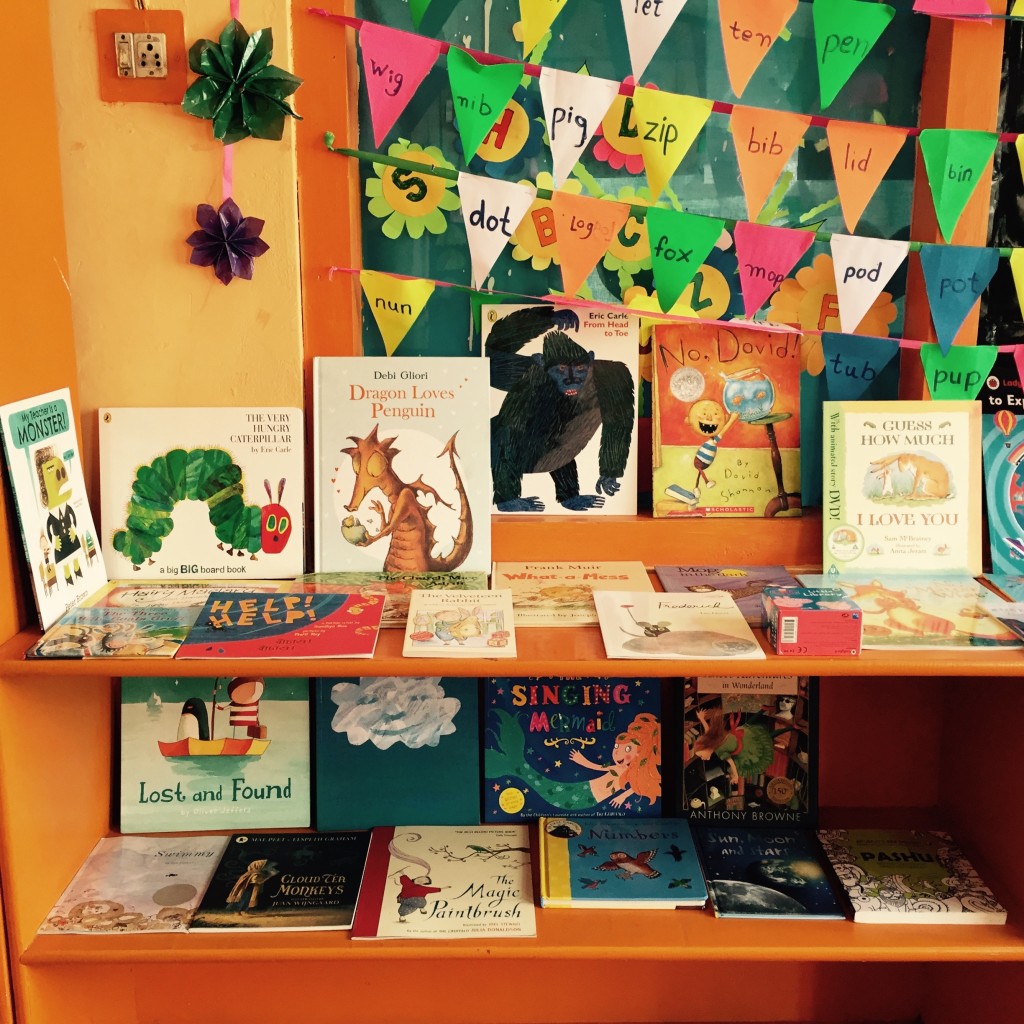
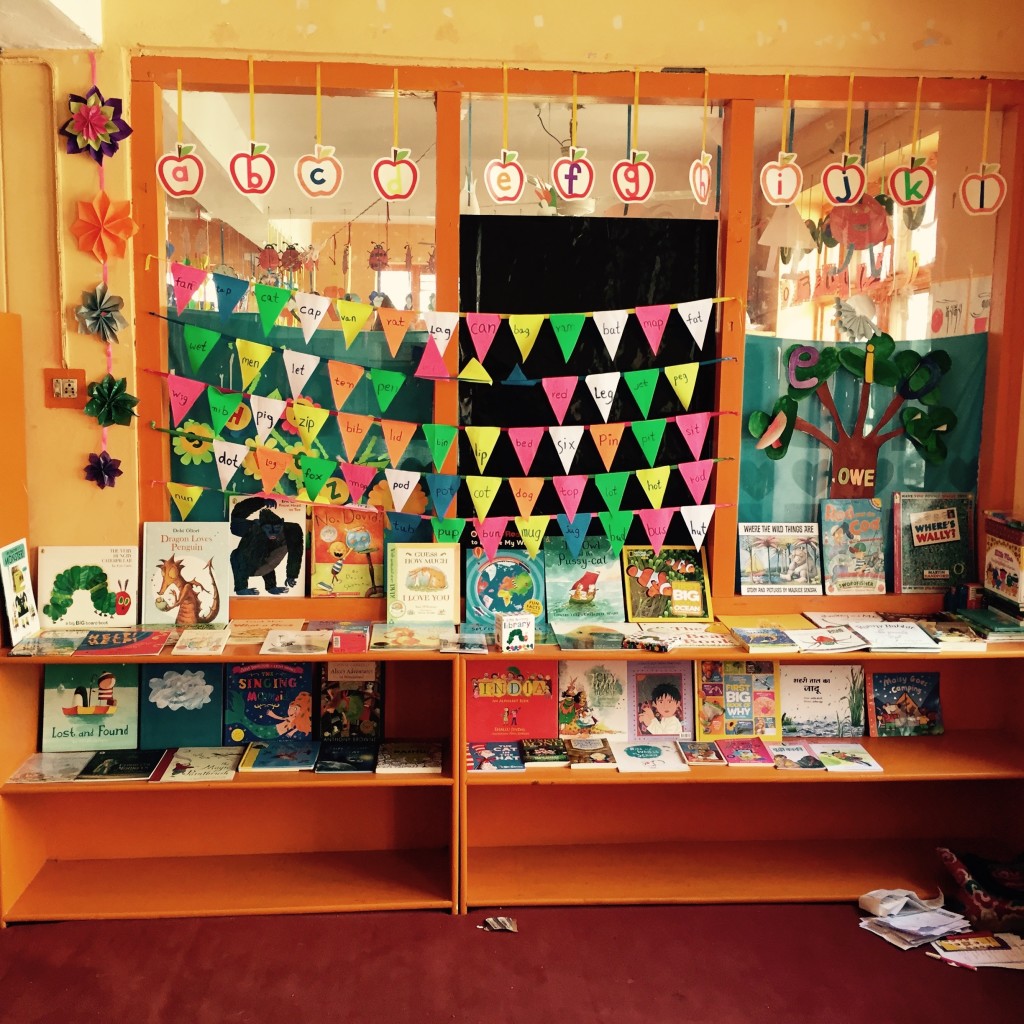
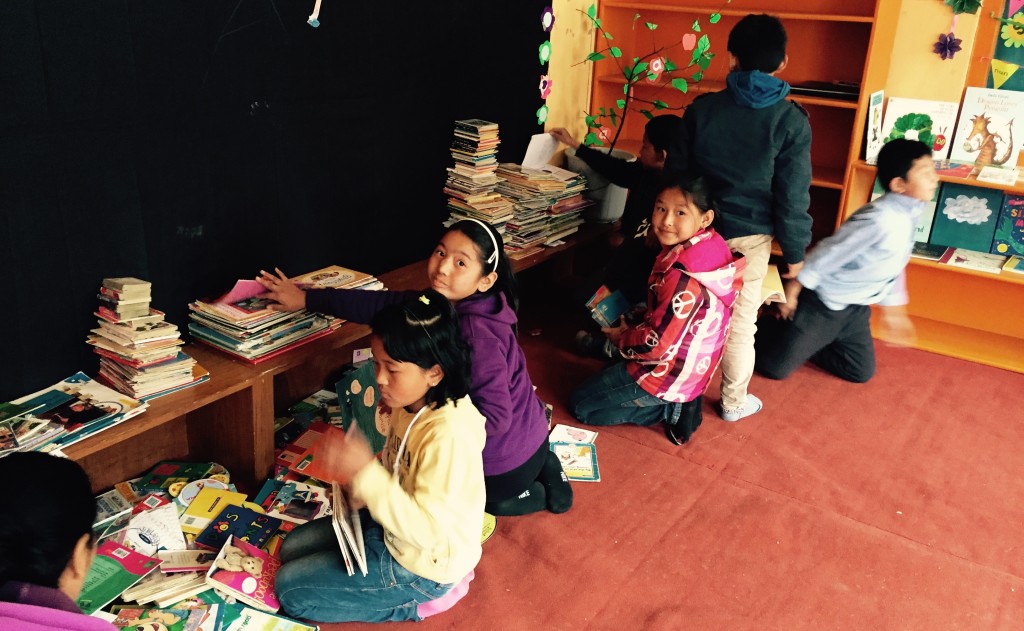
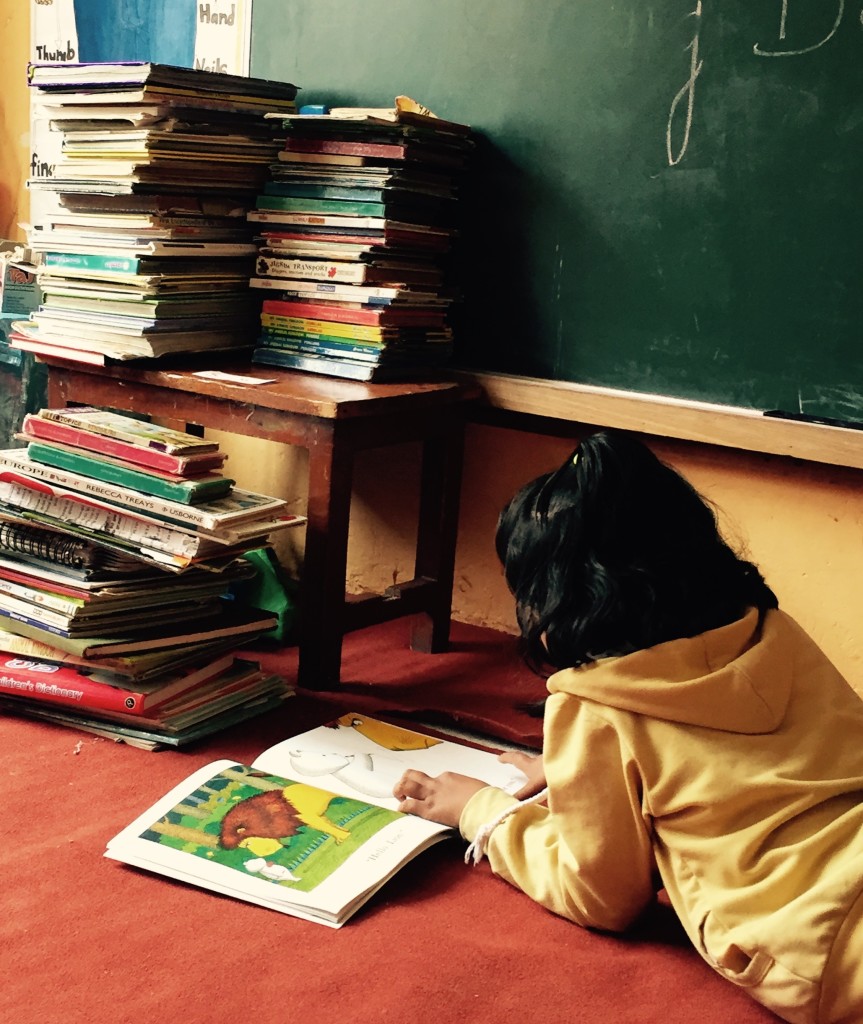
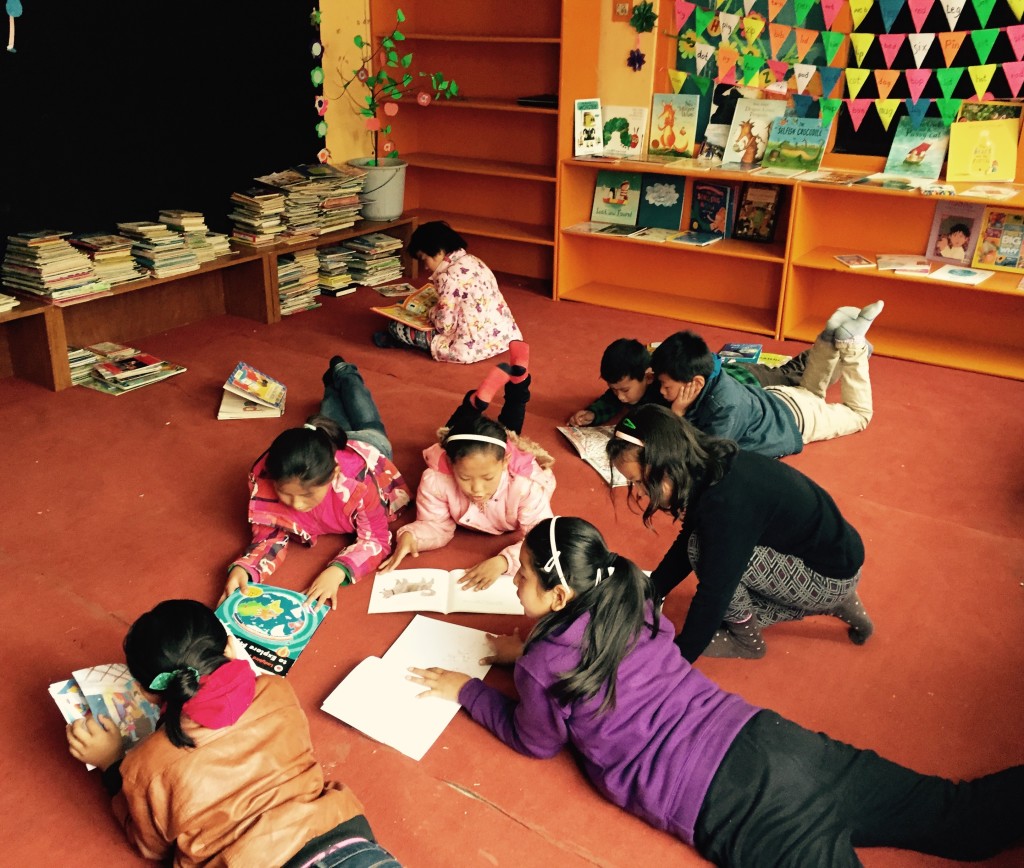
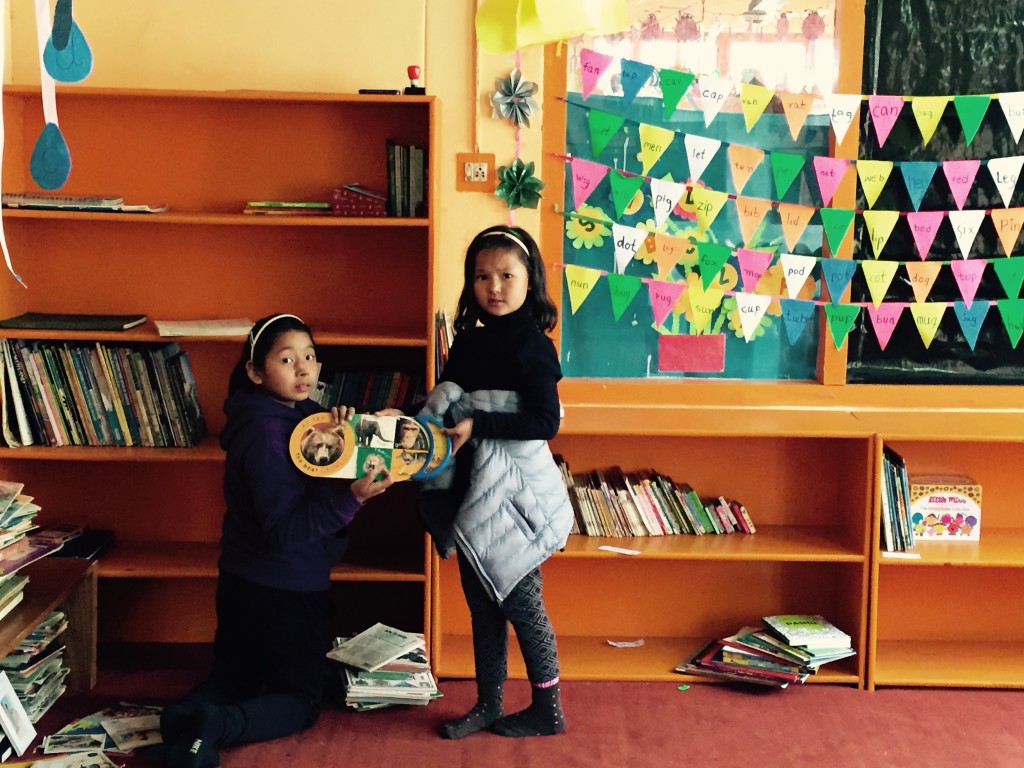
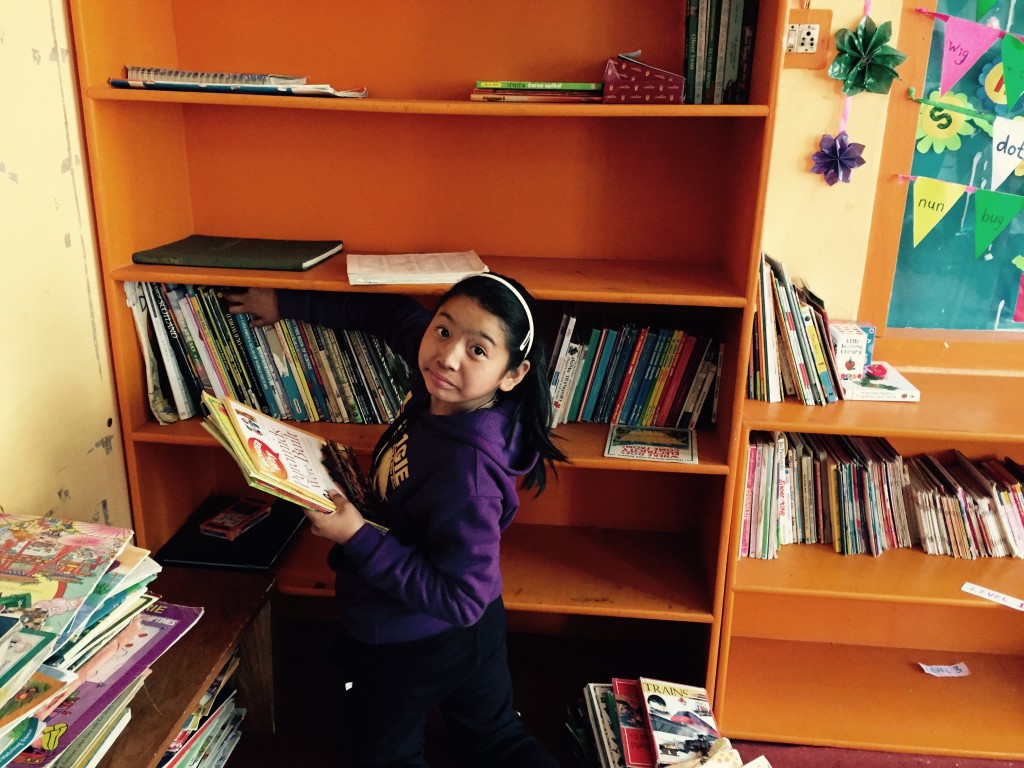
This approach also strengthens the work of reading rooms and book drives. A carefully chosen collection can serve beginners, confident readers, families, teachers, and volunteers at the same time. When stories are available across languages, every child has more opportunities to participate.
Language Belongs In Every Reading Room
Language is closely tied to identity. A story written in a child’s home language can reflect local landscapes, family relationships, humor, animals, festivals, and ways of understanding the world. Such details help children recognize that their experiences deserve space in books. This recognition can build confidence before they begin exploring unfamiliar languages.
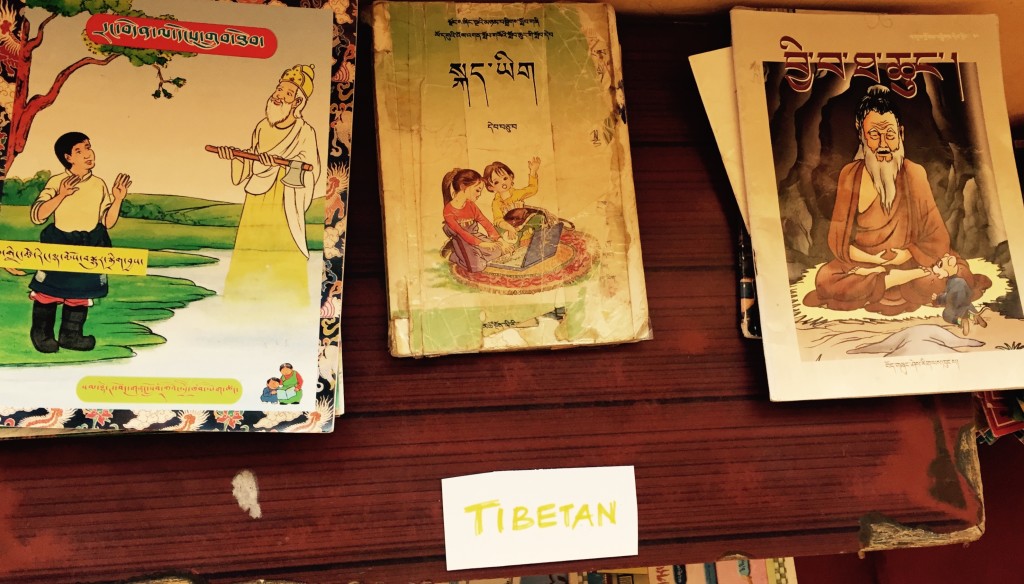
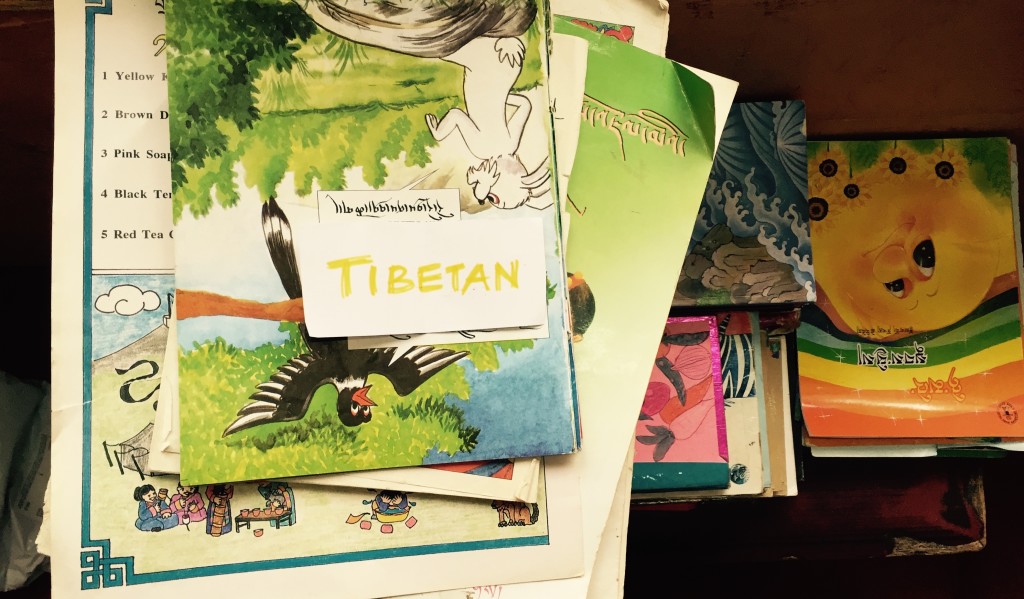
In Himalayan communities, linguistic diversity can be found across valleys, villages, schools, and households. Ladakhi, Tibetan, Hindi, Urdu, Nepali, English, and other local languages may all have a role in a child’s education or daily life. A reading room that includes multiple languages is better prepared to welcome this variety than one that relies on a single language.
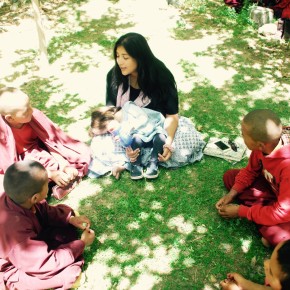
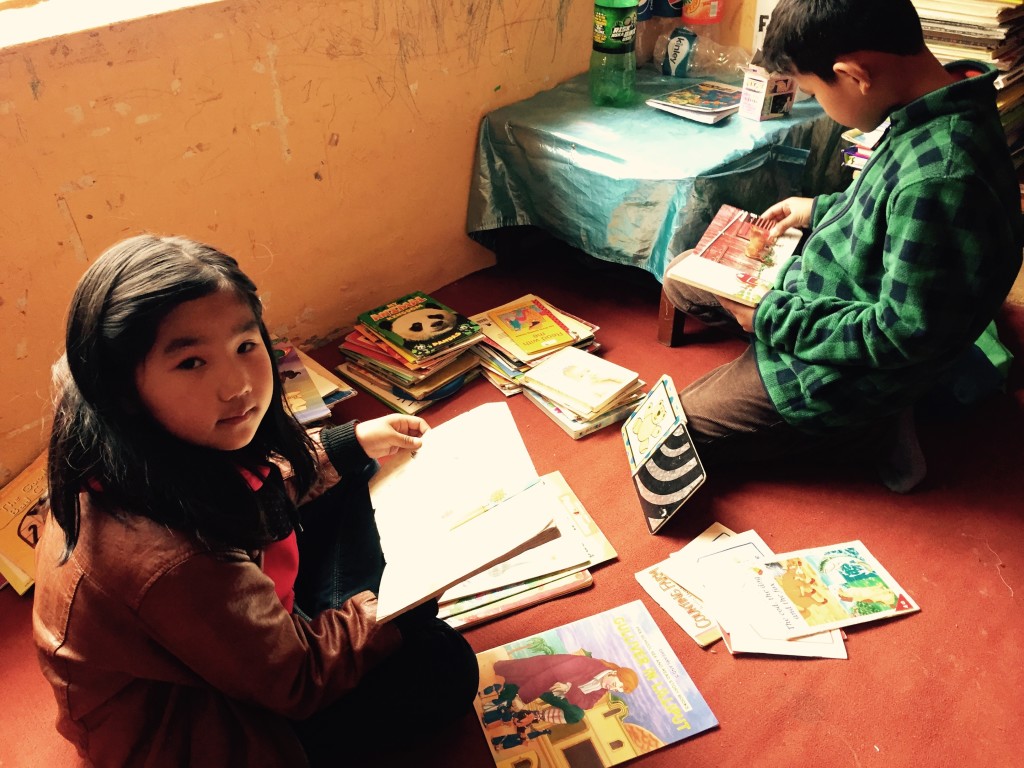
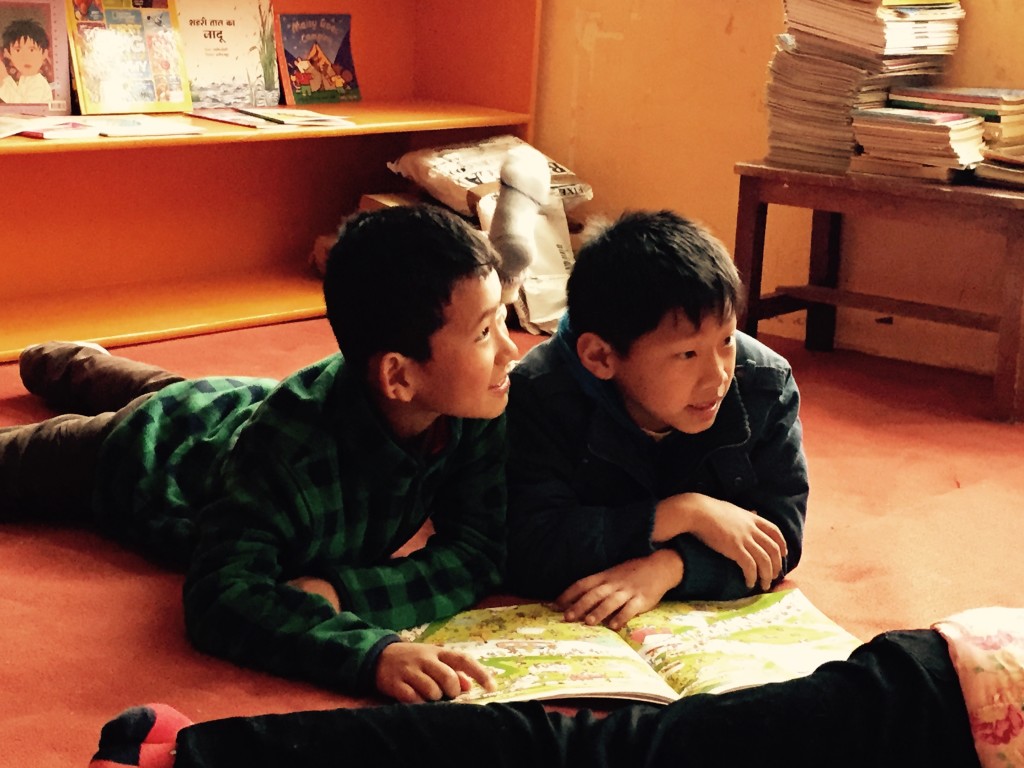
Multilingual collections also encourage shared reading. A parent can tell a story in the family language while a child follows printed words in another. A teacher can compare expressions across languages. Two children with different strengths can take turns translating, explaining, or illustrating a scene. The book becomes a meeting place rather than a test of fluency.
Building Confidence Through Familiar Words
Children learn more effectively when new ideas are connected to what they already know. A story about snow, mountain paths, butter tea, a village animal, or a family celebration may be easier to understand when its setting feels familiar. Once a child is engaged with the story, new words and sentence patterns become less intimidating.
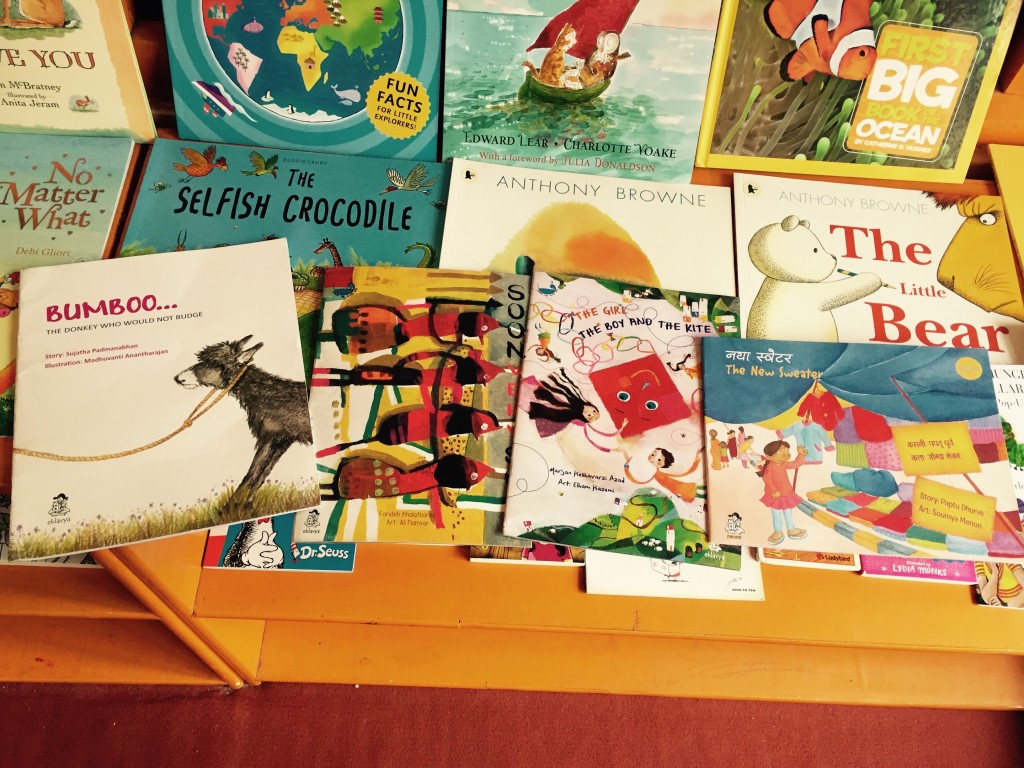
Parallel-text books, bilingual editions, and translated picture books can support this process. A child might read a short passage in a familiar language and then examine the same meaning in English or Hindi. This encourages vocabulary development while preserving comprehension. It also helps children notice that a single idea can be expressed in several beautiful and precise ways.
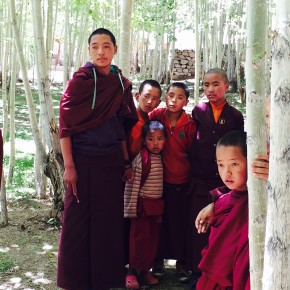
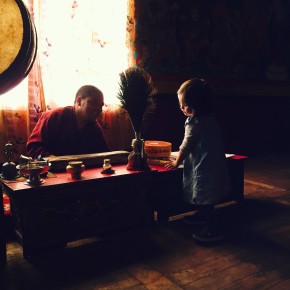
For young monks, multilingual reading can support both religious and secular learning. Texts may include moral stories, biographies, poetry, science, geography, and imaginative fiction. Access to varied reading materials gives learners a broader foundation for study and helps them move between traditional knowledge and contemporary education.
Stories That Carry Culture Forward
Translation is more than replacing words. It requires attention to rhythm, humor, names, customs, and the emotional meaning of a story. When local languages appear in children’s books, they carry cultural memory into a form that can be shared between generations. This matters in places where oral storytelling remains important but printed resources may be scarce.
Books created with local communities can represent Himalayan life with greater care. They can include regional landscapes without reducing them to scenery and present children as curious, capable characters rather than distant symbols. Local authors, artists, teachers, and elders can all contribute knowledge that makes a story authentic.
This kind of representation supports cultural continuity while leaving room for discovery. Children can read stories from their own region alongside tales from other parts of Asia and the world. They learn that their culture has value, while also developing curiosity about lives beyond their immediate surroundings.
Art Turns Reading Into Participation
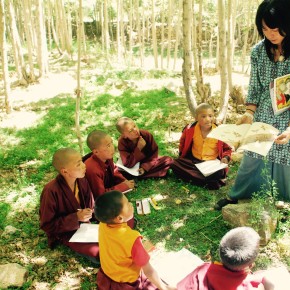
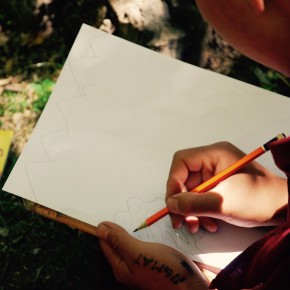
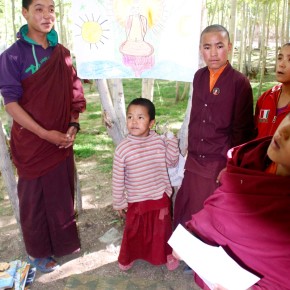
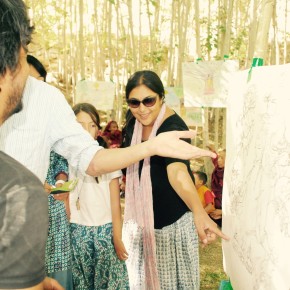
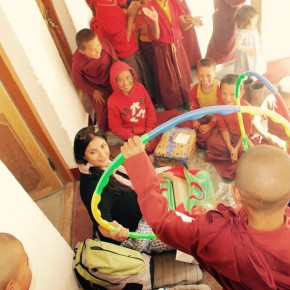
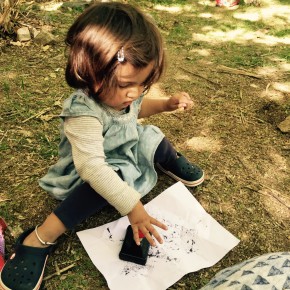
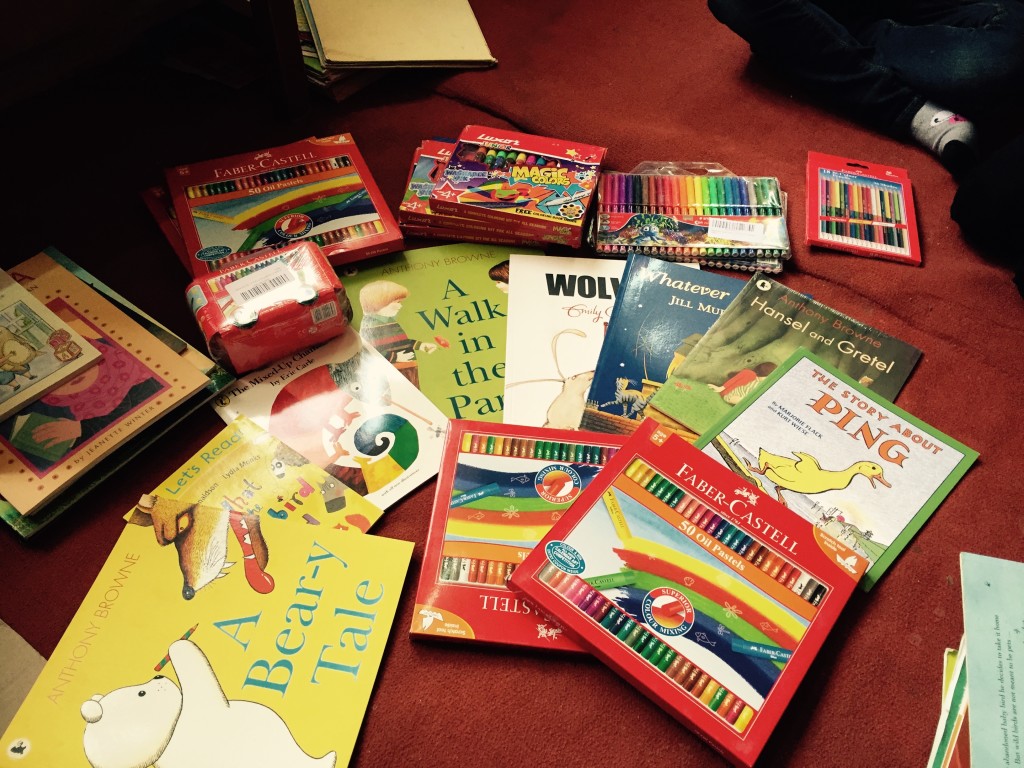
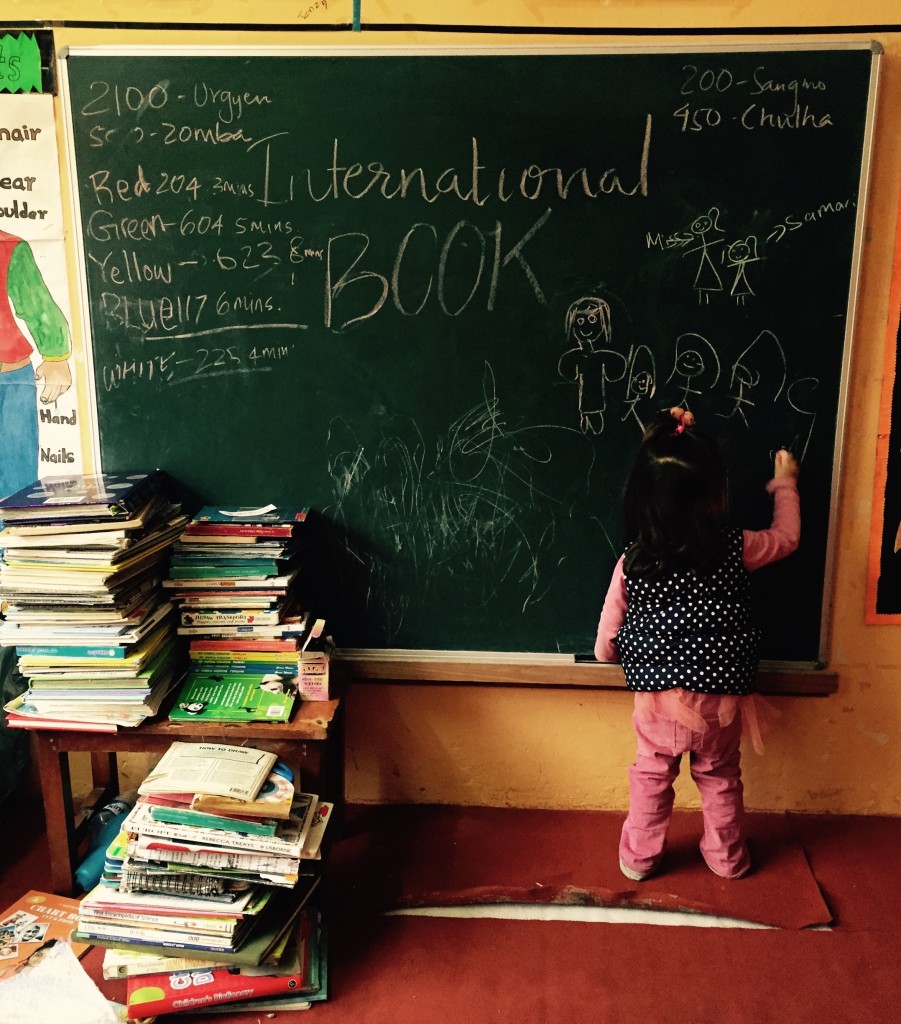
Reading becomes especially memorable when children are invited to respond creatively. Drawing a character, painting a setting, acting out a scene, or composing a song gives learners another way to process language. Artistic activities can help children who are still developing reading fluency express ideas that they cannot yet write in full sentences.
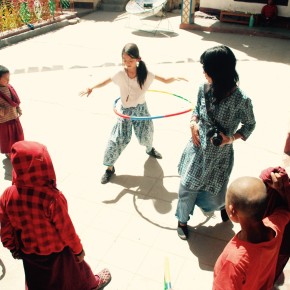
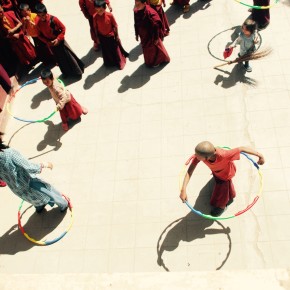
This is why reading and art work so naturally together in educational workshops. A child may understand a story through an image before being ready to discuss every word. Another may remember vocabulary through movement, color, or music. These experiences make books active and social rather than silent objects on a shelf.
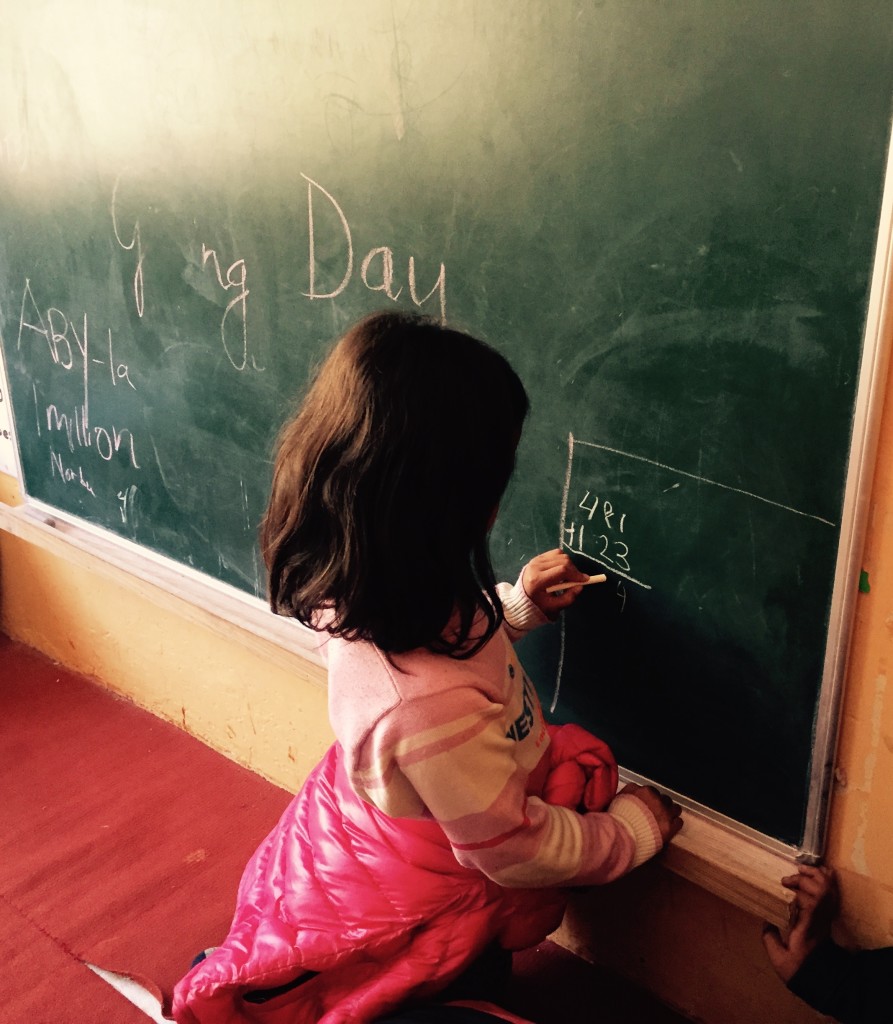
Creative responses can also cross language boundaries. A child may draw a scene and label it in Ladakhi, explain it in Hindi, and present it in English. The activity recognizes all of those languages as useful resources. It gives learners permission to experiment, make mistakes, and communicate with confidence.
Choosing Books For Diverse Groups
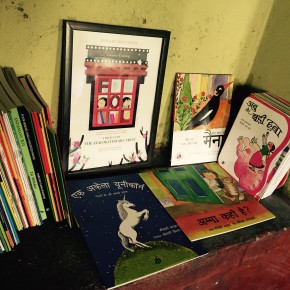
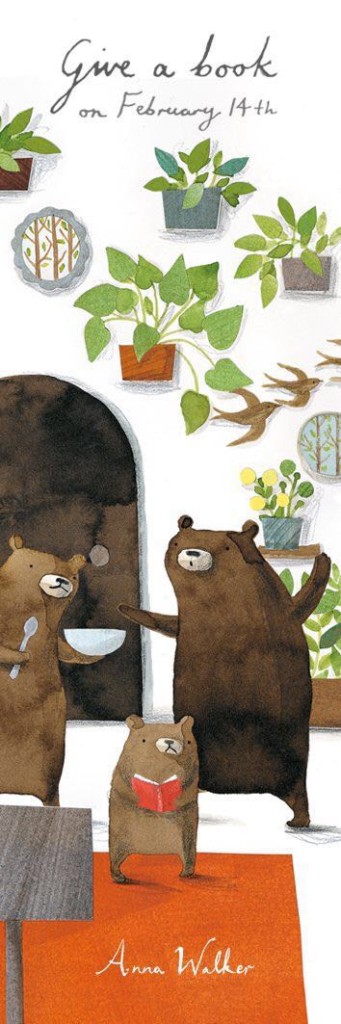
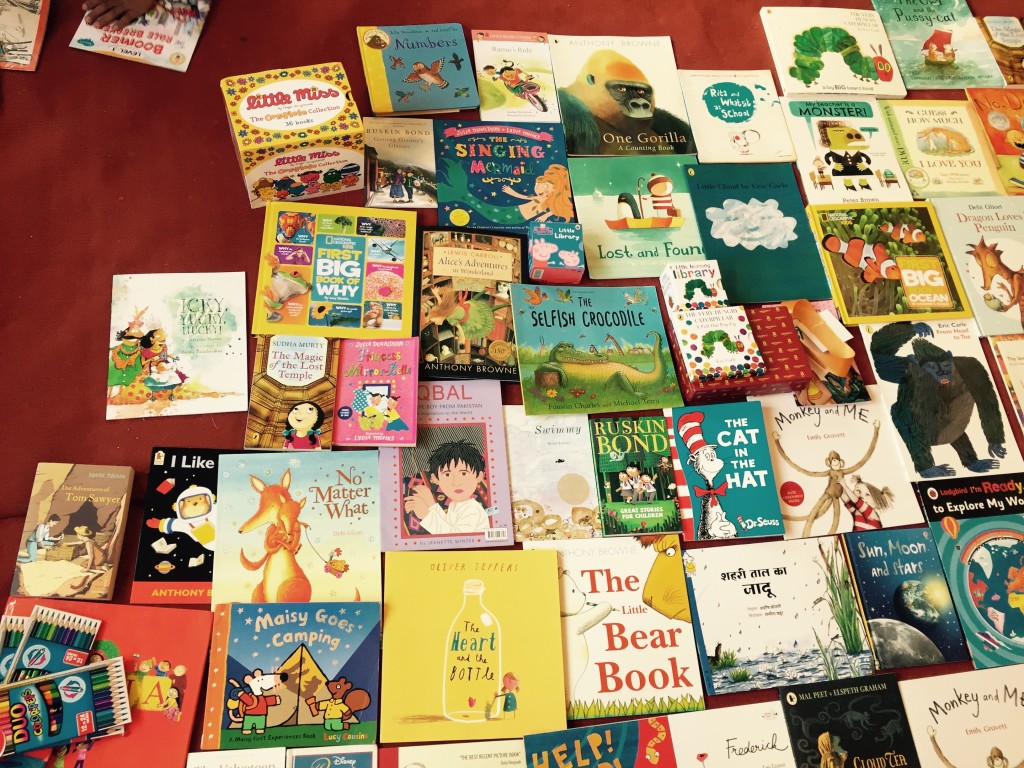
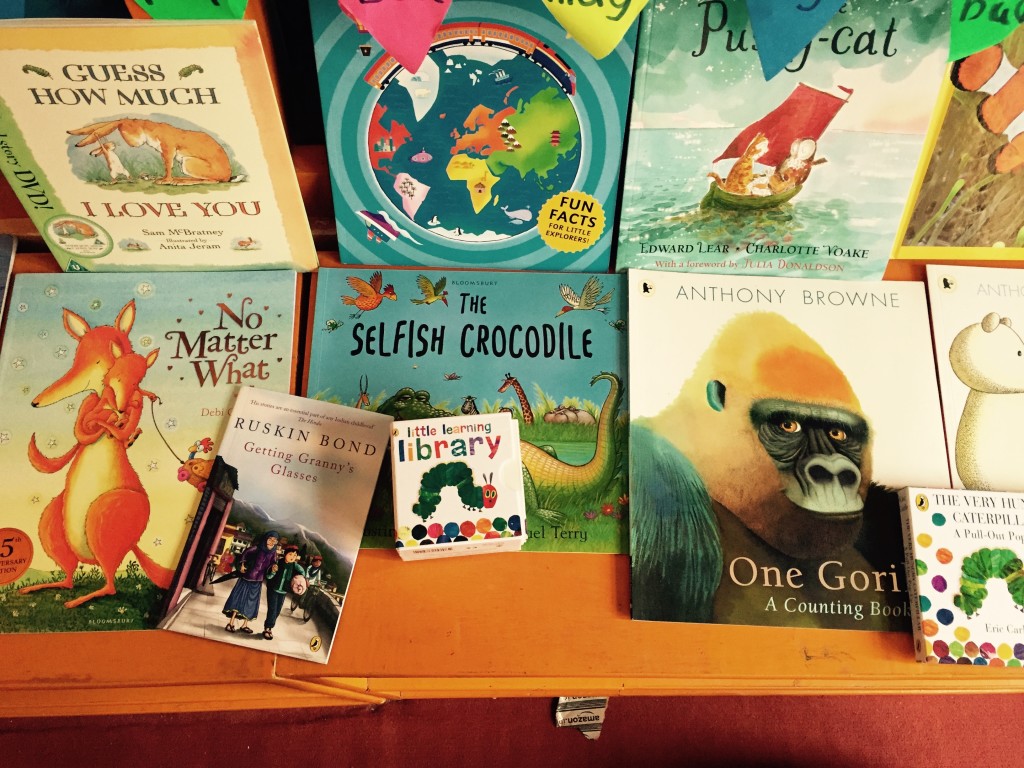
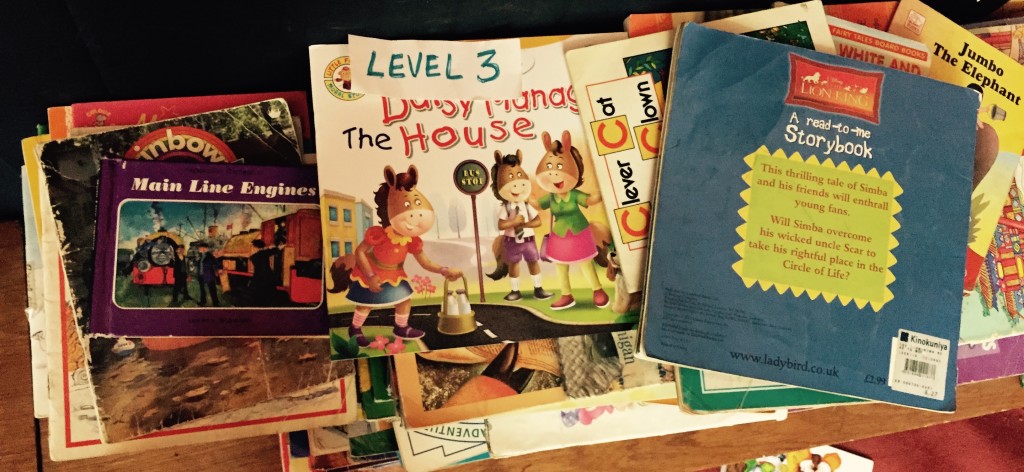
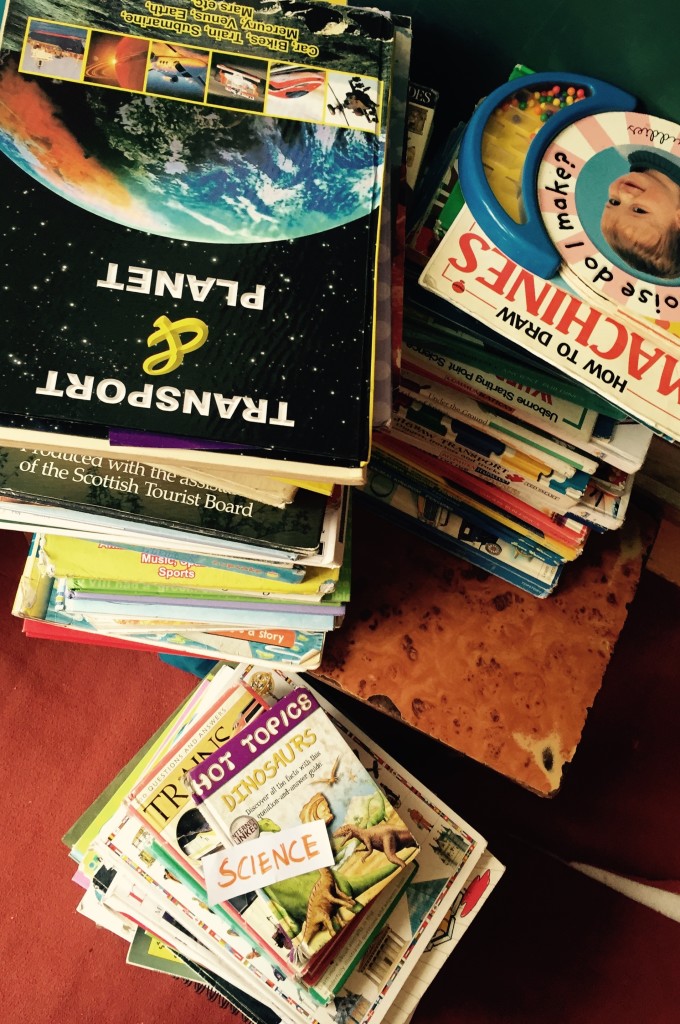
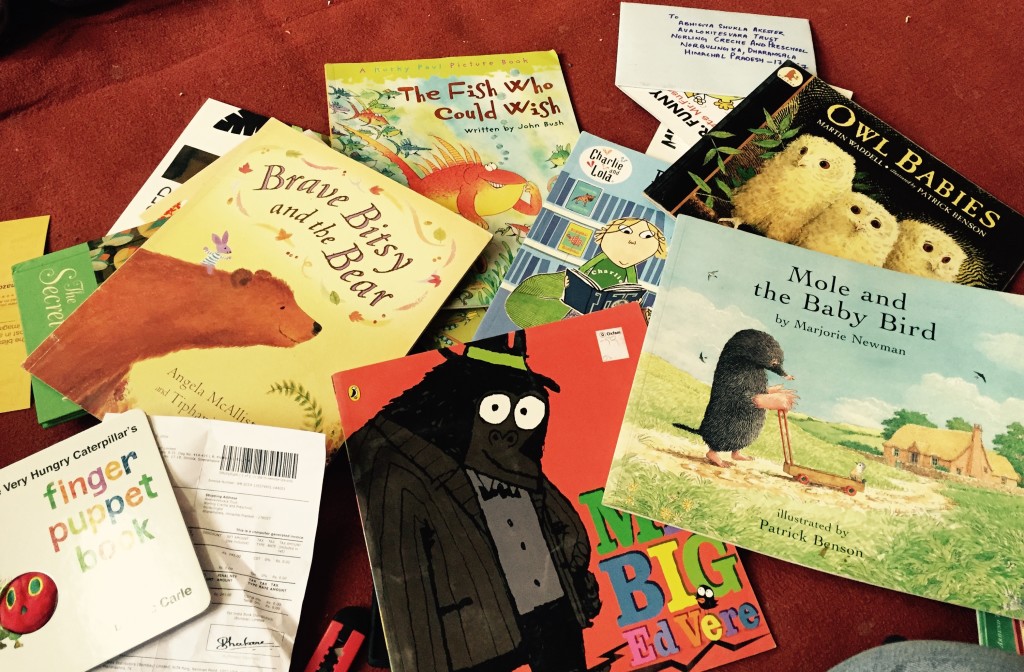
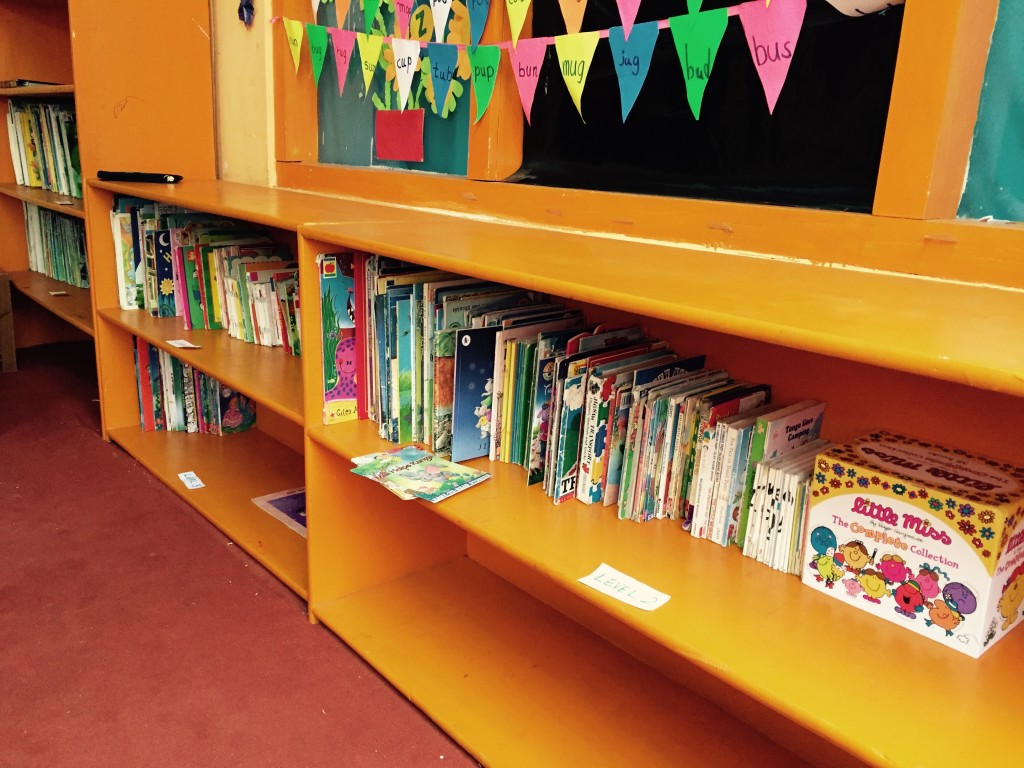
A useful multilingual collection should offer variety in language, reading level, format, and subject. Picture books are important for emerging readers, while longer fiction and nonfiction serve older children and young monks. Books with clear illustrations can support understanding even when a reader does not know every word.
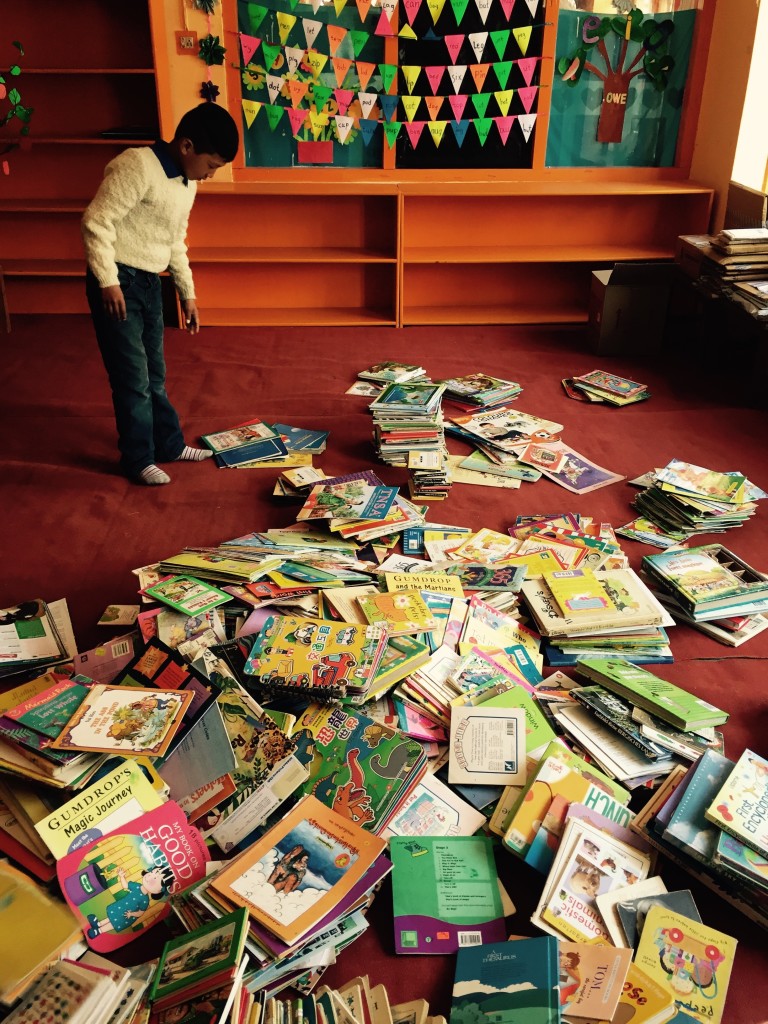
Selection should also consider practical conditions. In remote communities, books may need to withstand frequent handling, dust, travel, and changing weather. Large print, strong binding, clear illustrations, and manageable text can make a real difference. Digital resources may help in some settings, but printed books remain dependable where electricity or internet access is limited.
| Resource Type |
Main Benefit |
Best Use In A Himalayan Learning Setting |
| Bilingual picture books |
Connect images, familiar language, and new vocabulary |
Shared reading with younger children |
| Parallel-text storybooks |
Let readers compare meaning and sentence structure |
Language learning and peer support |
| Local-language folk tales |
Preserve cultural knowledge and strengthen identity |
Family reading, storytelling, and community events |
| Illustrated nonfiction |
Builds subject knowledge through accessible language |
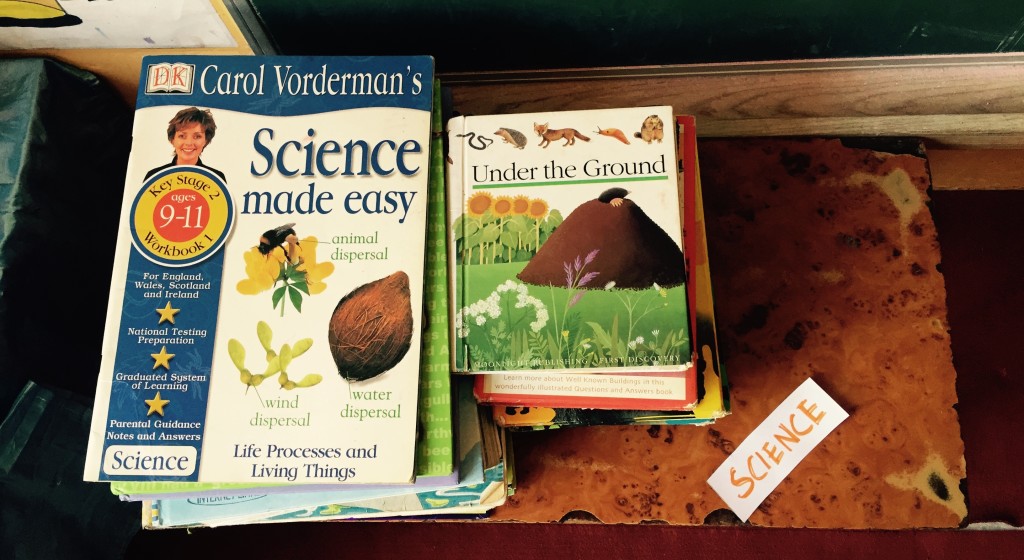
Science, geography, nature, and monastery study |
| Poetry and songbooks |
Develops rhythm, memory, and expressive language |
Group activities, music sessions, and performances |
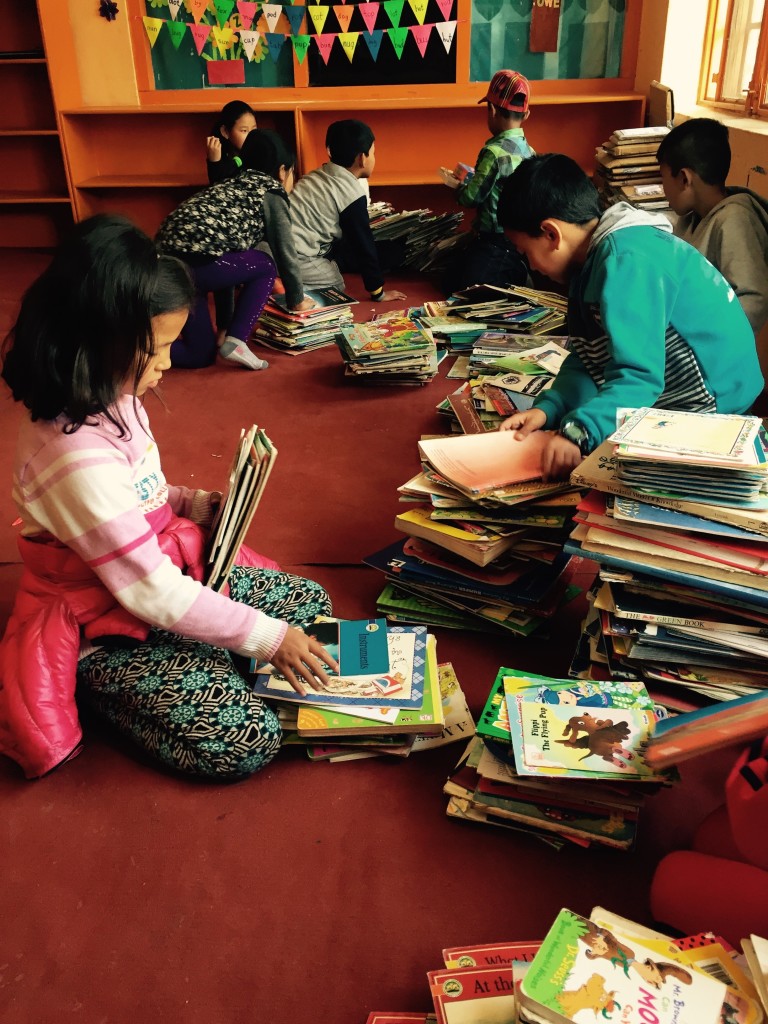
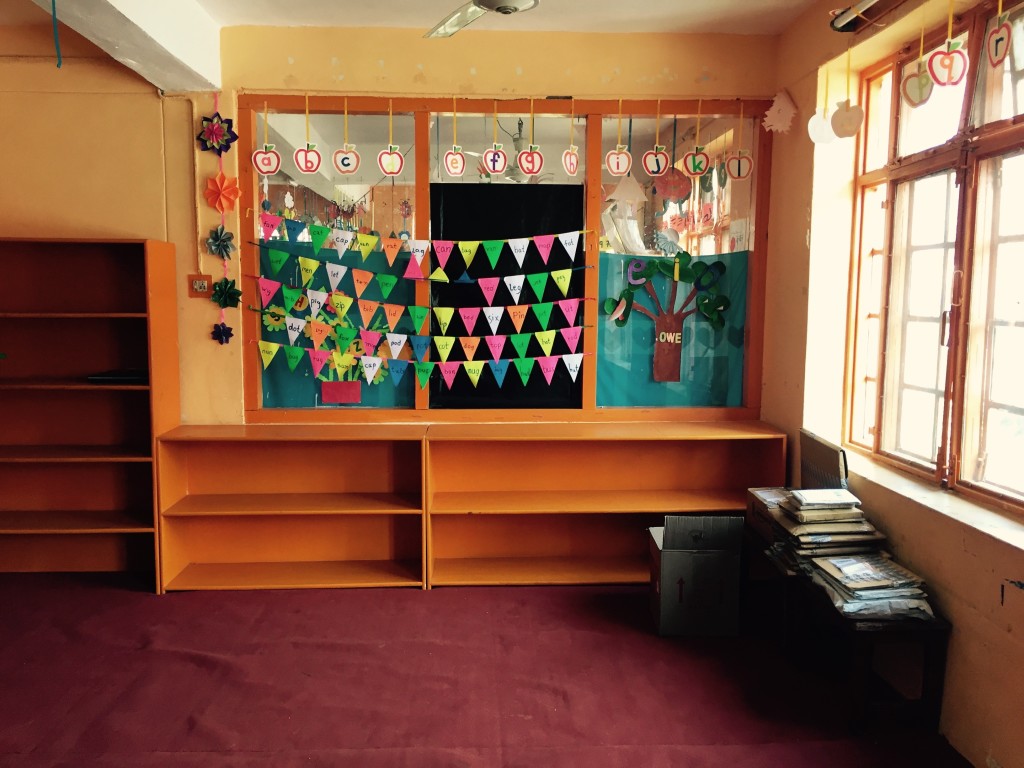
A reading room does not need every title in every language to be effective. It needs a thoughtful balance that reflects the community using it. Feedback from children, families, teachers, and volunteers can show which languages and subjects are missing. Regularly refreshing the collection also keeps curiosity alive.
Making Books Part Of Daily Life
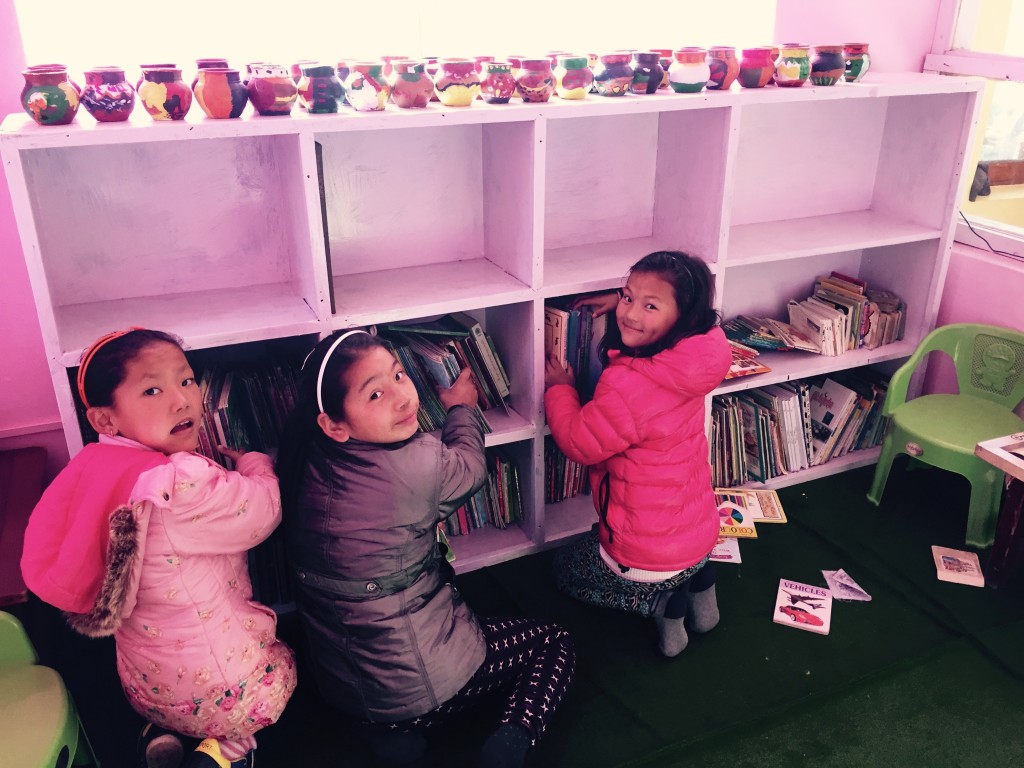
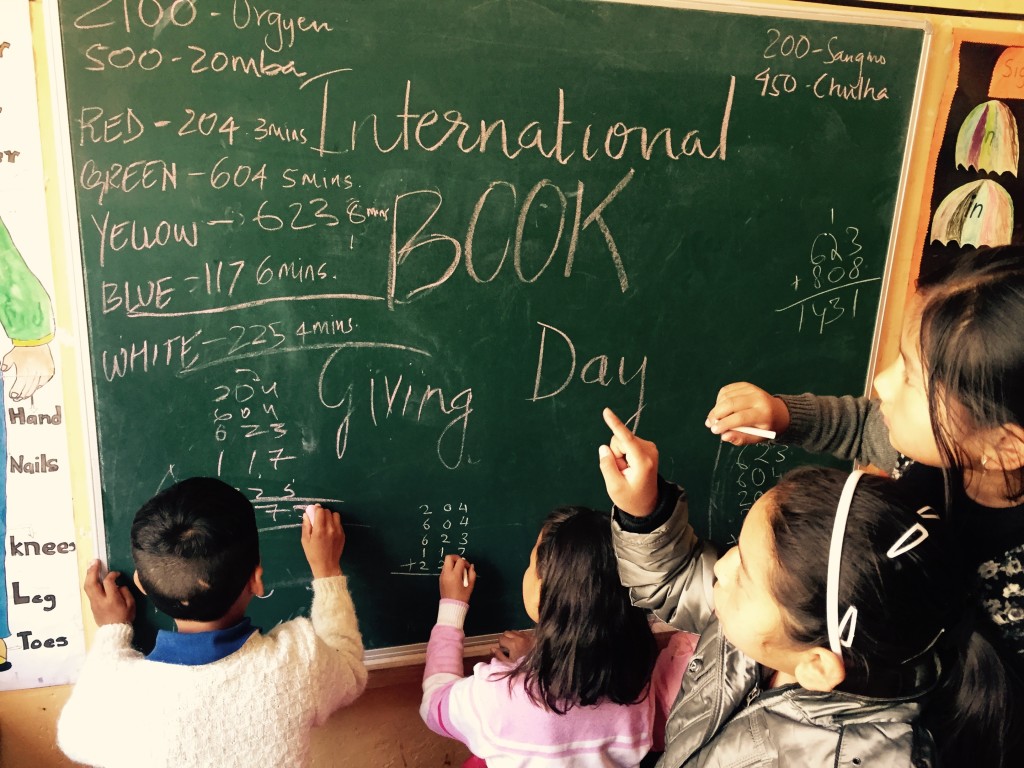
Book access becomes more powerful when reading is woven into ordinary routines. A short shared story before an art session, a quiet reading period after lessons, or a weekly book discussion can establish habits without making reading feel like extra schoolwork. Small, regular encounters often build stronger engagement than occasional large events.
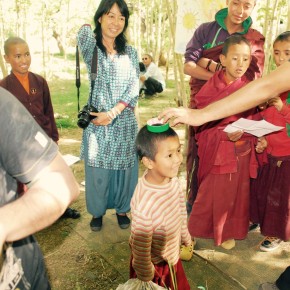
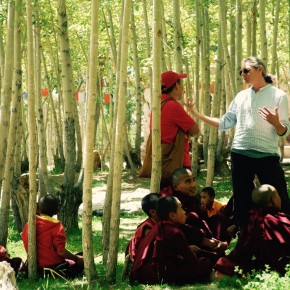
Volunteer support can extend the value of each book. Volunteers may read aloud, help children choose suitable titles, organize bilingual word games, or record local stories for future projects. They can also encourage older readers to support younger ones, creating a culture in which knowledge is shared rather than held by a few confident students.
Practical planning helps sustain this work over time:
- Build collections with children’s ages, languages, and interests in mind.
- Include local stories alongside translated books from other regions.
- Invite teachers, families, and community elders to recommend titles.
- Use art, music, drama, and discussion to deepen every reading experience.
- Track which books children return to most often and expand those subjects.
When communities help shape a collection, the reading room becomes more than a storage space. It becomes a living educational resource that responds to local needs. Children see their languages represented, discover new worlds, and learn that reading belongs to them.
Help Stories Travel Further
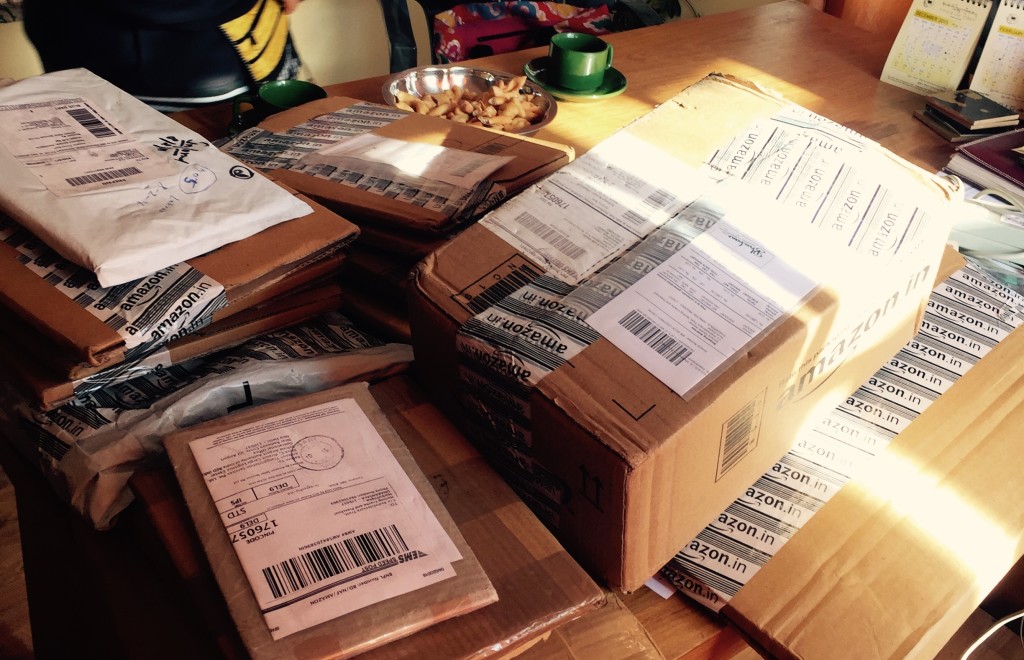
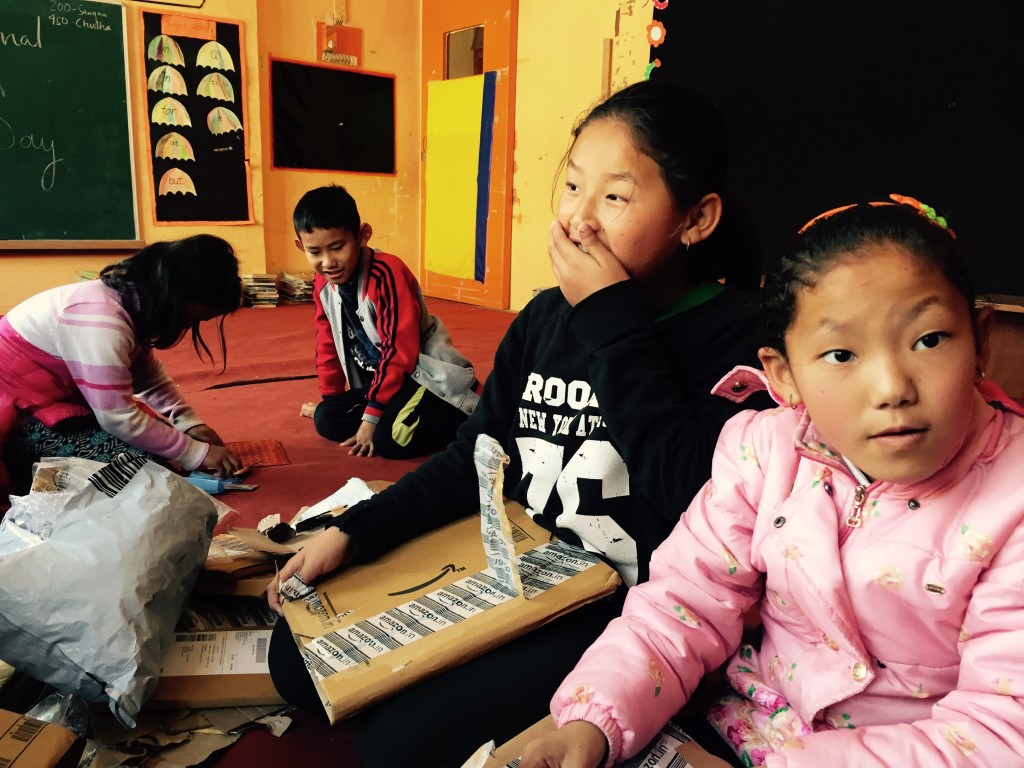
Supporting multilingual literacy can begin with a book, a shared reading session, or a contribution to a community reading room. Donations help provide quality storybooks, educational materials, and creative activities for children and young monks in Himalayan communities. Volunteers can bring energy, language skills, artistic ideas, and the simple gift of reading together.
Every well-chosen book has the potential to reach many readers. It may be read aloud to a younger sibling, discussed by friends, translated for a grandparent, or revisited years later. Support the Avalokiteśvara Trust’s literacy work so more children can find stories in familiar languages and discover new possibilities through them.