The Elderly Monk Who Reads Aloud to Children Every Afternoon
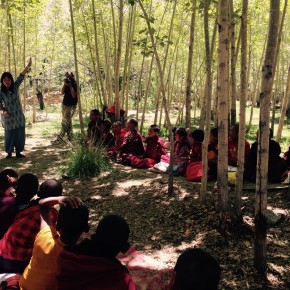
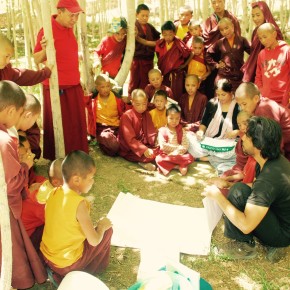
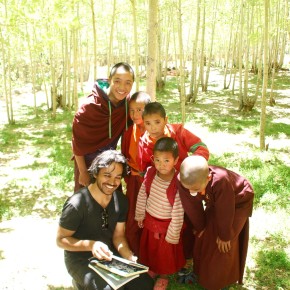
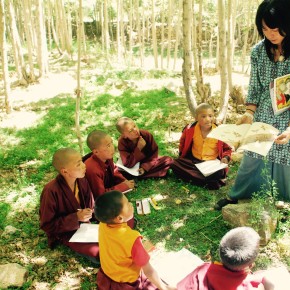
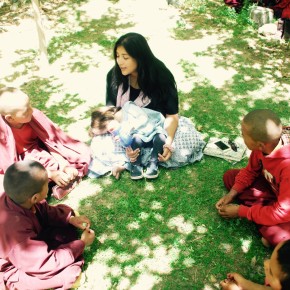
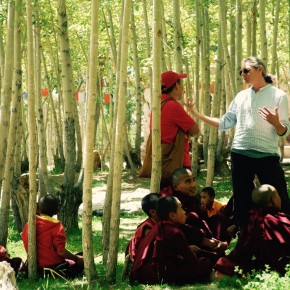
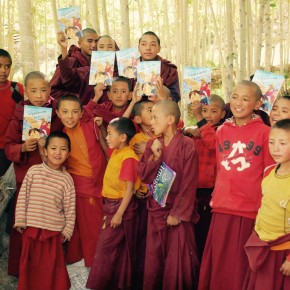
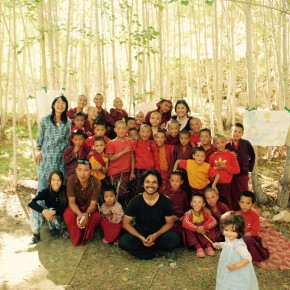
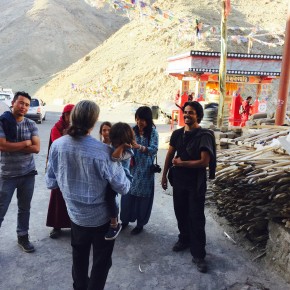
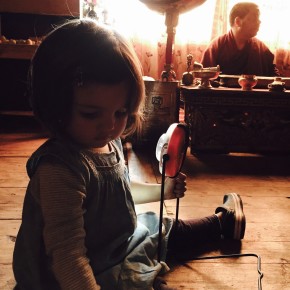
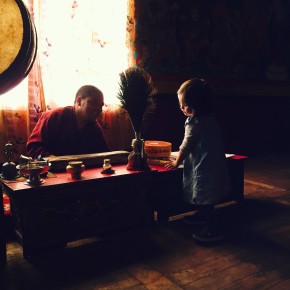
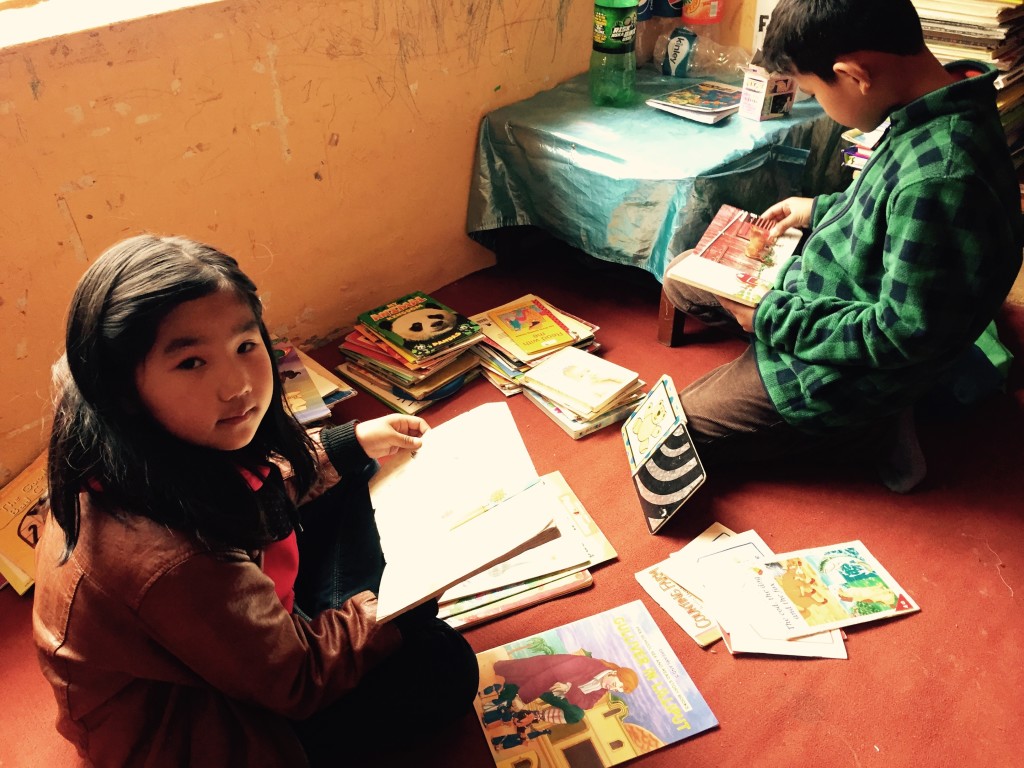
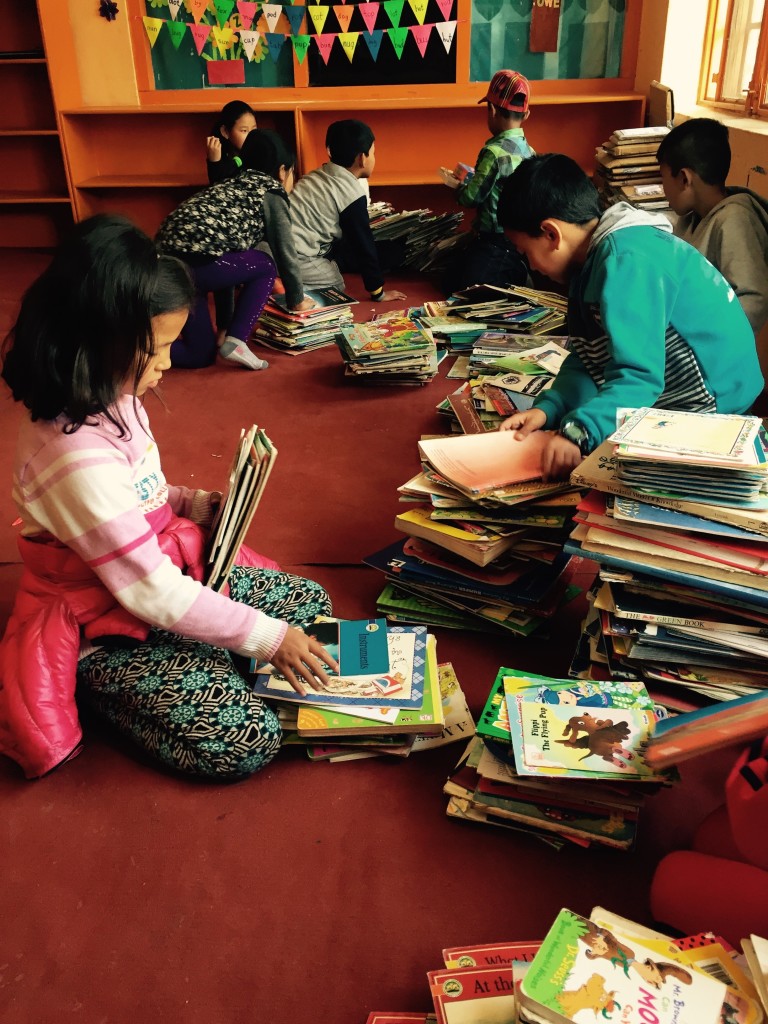
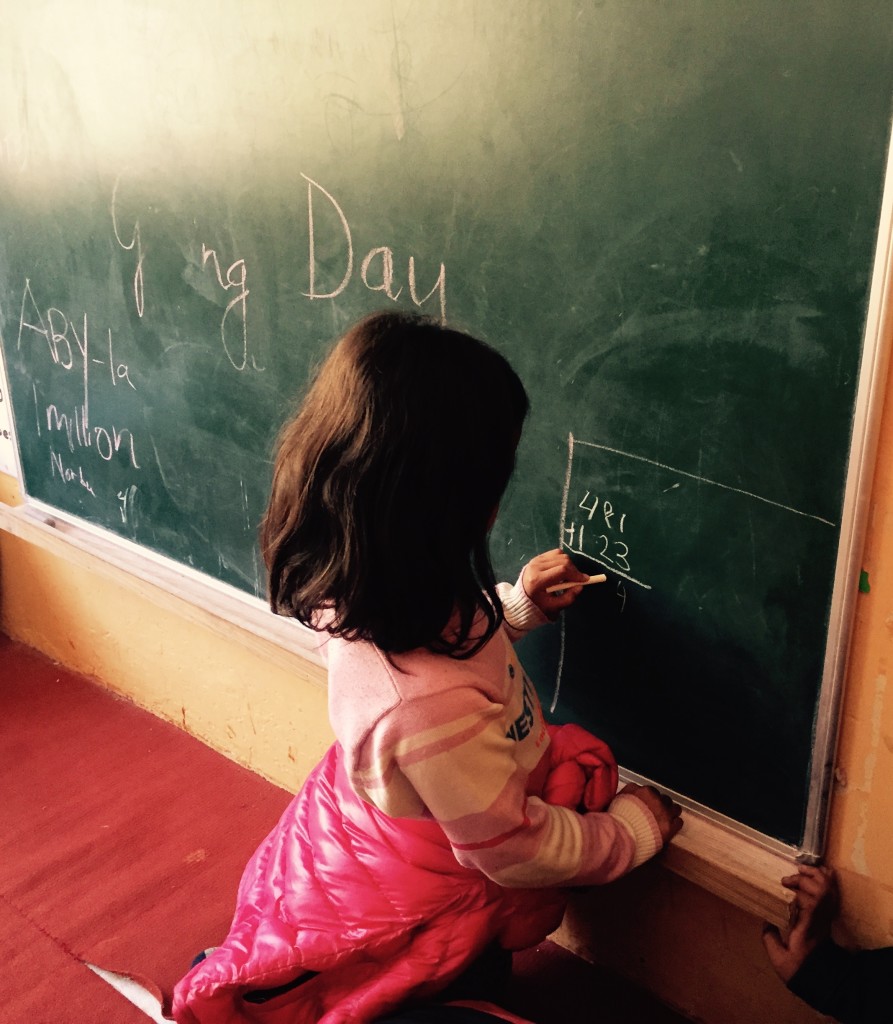
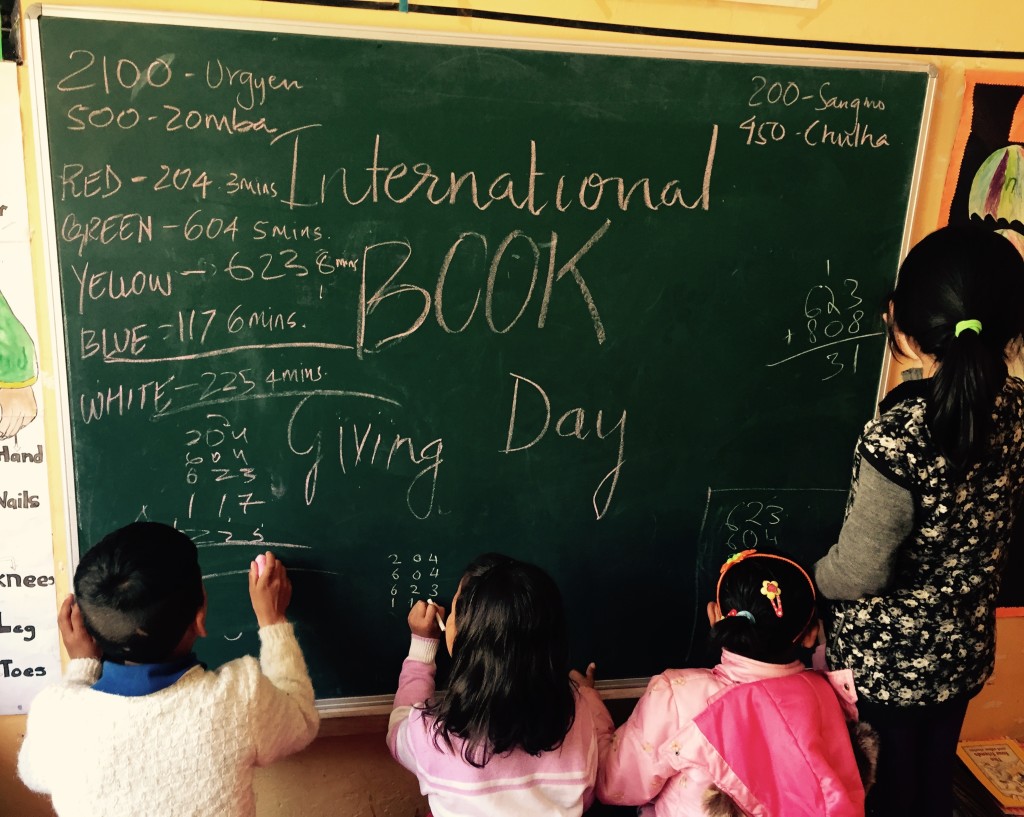
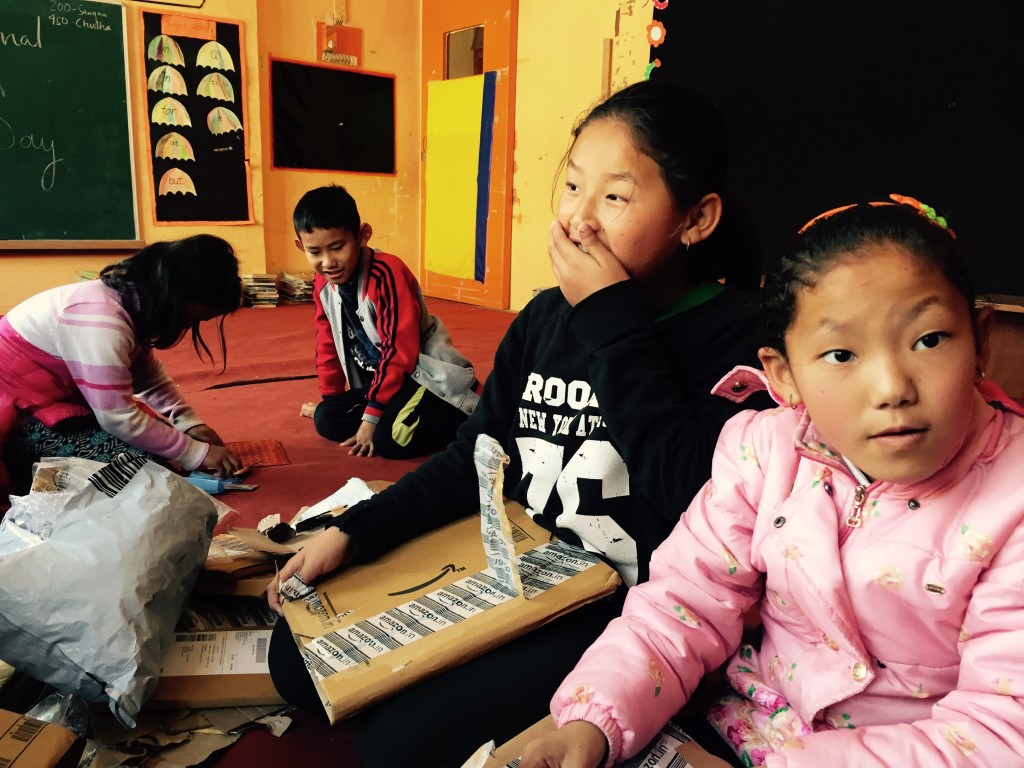
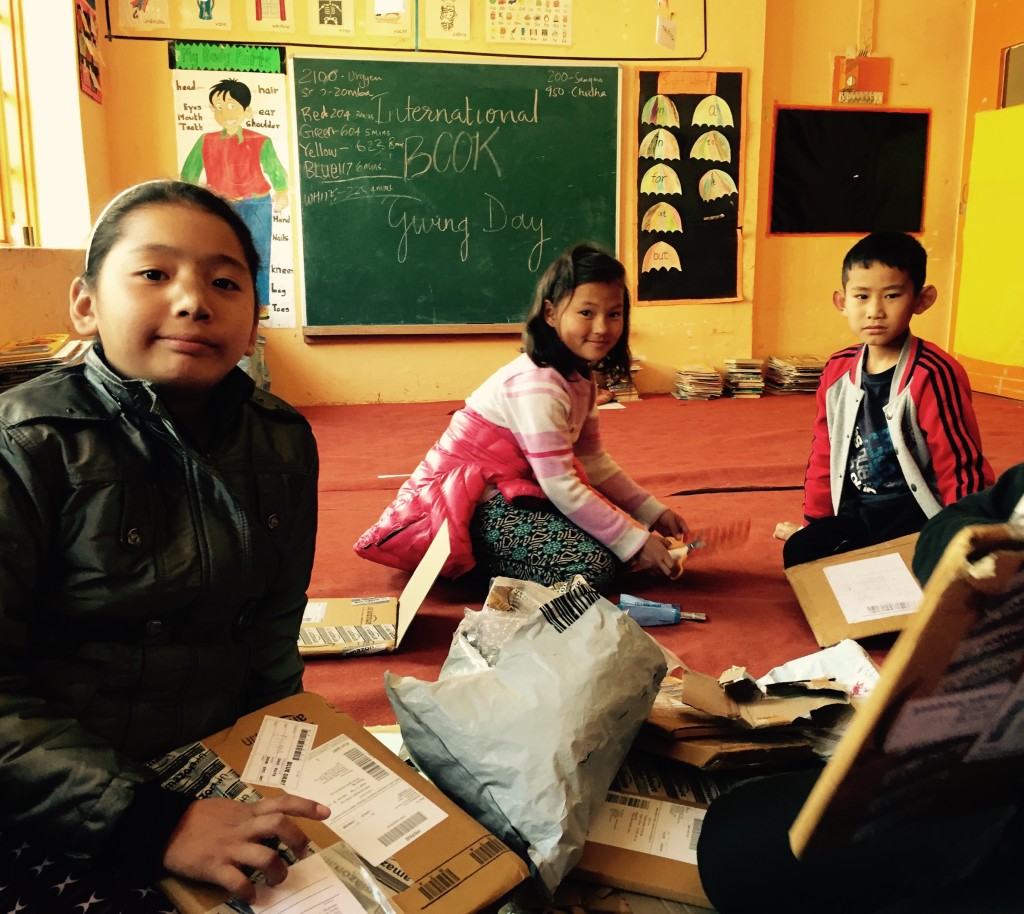
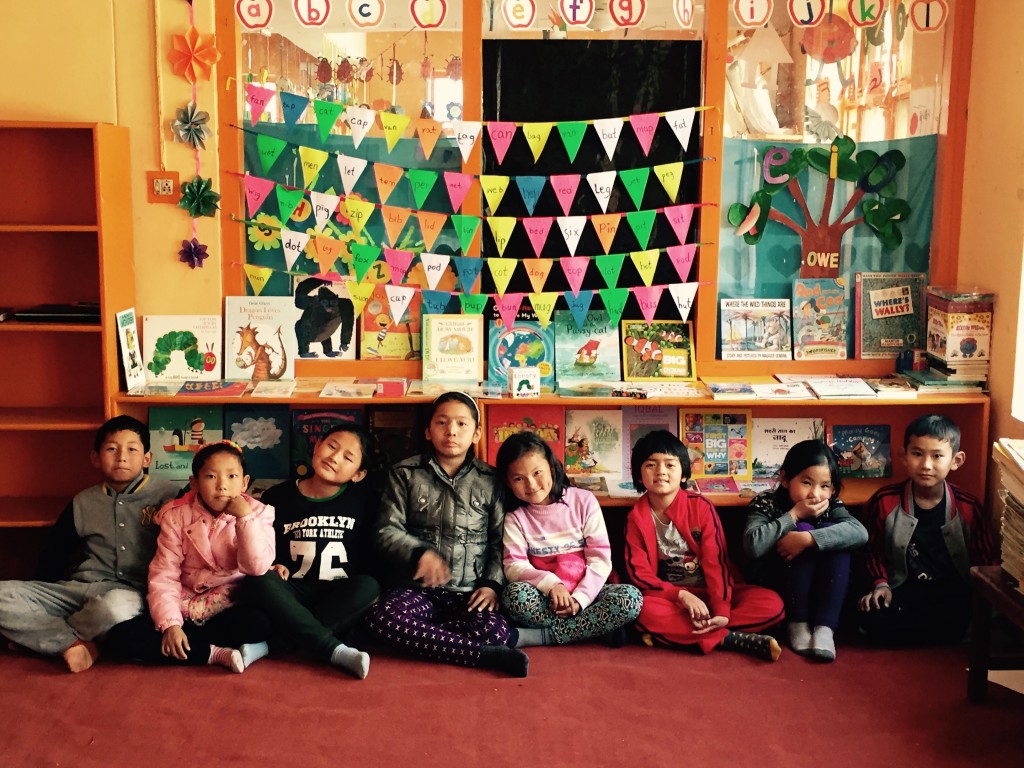
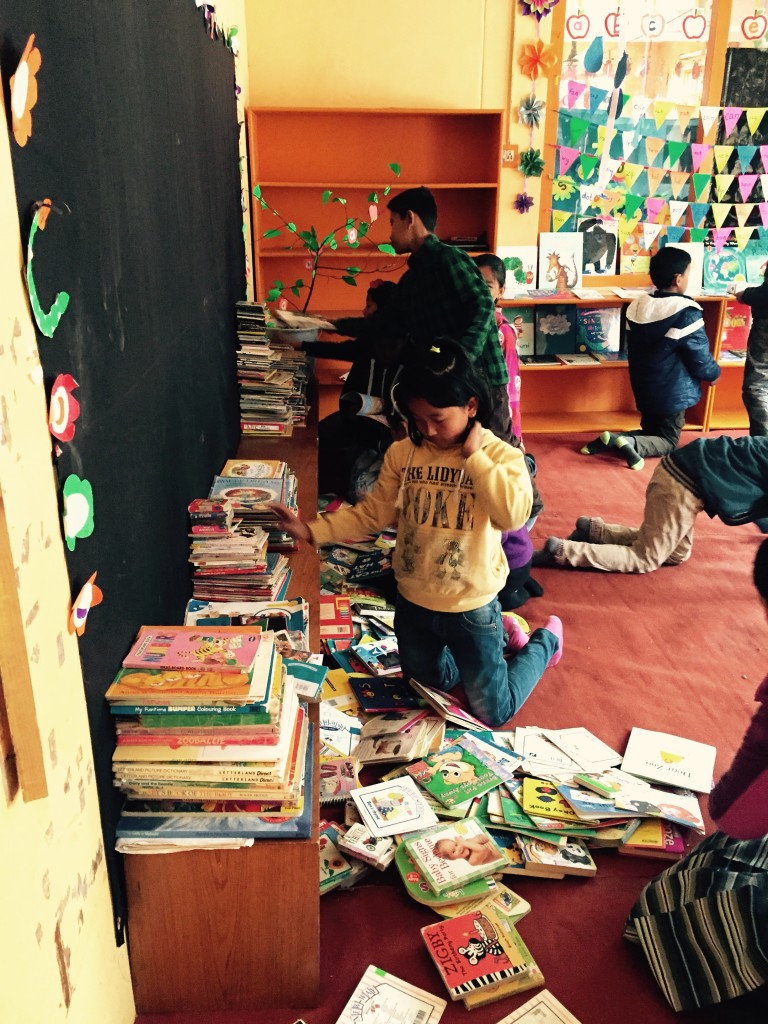
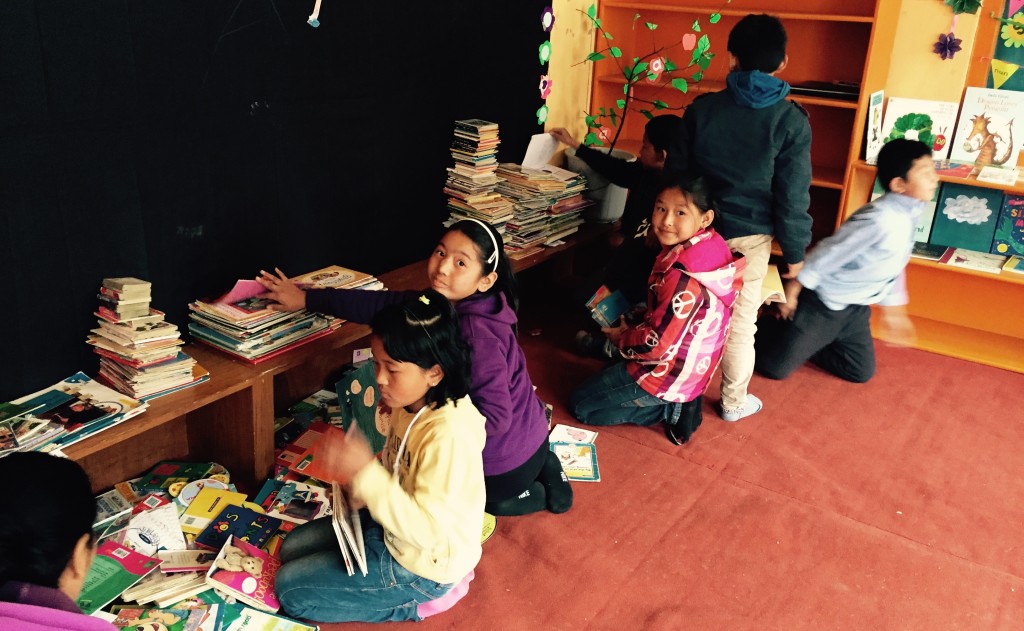
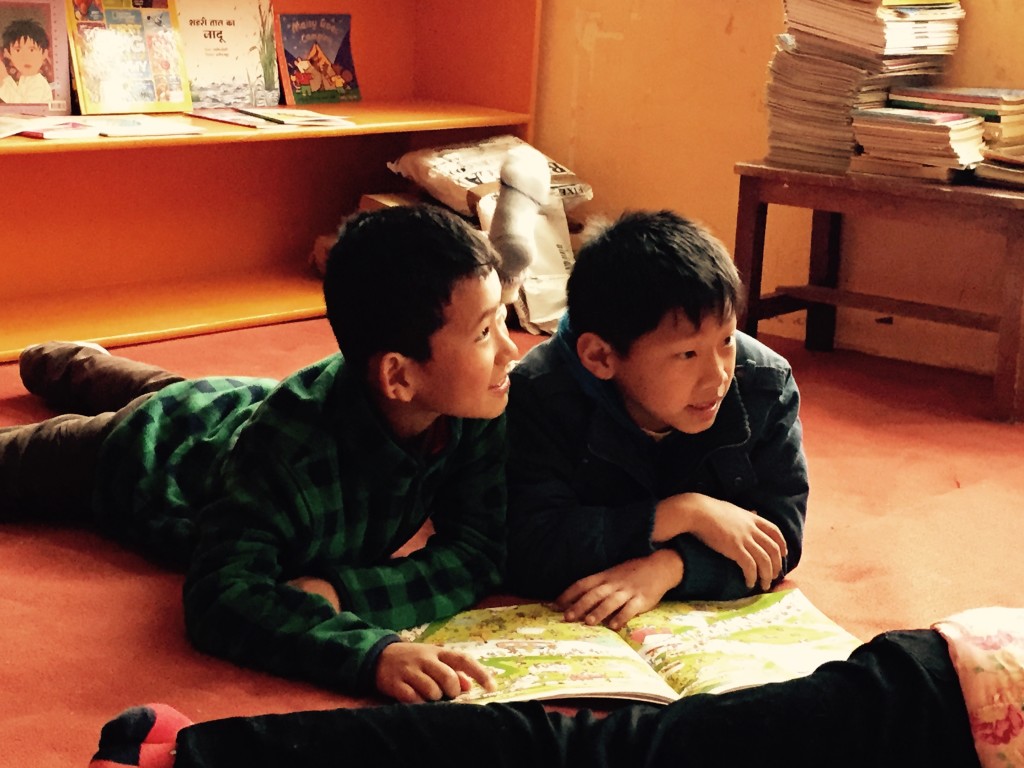
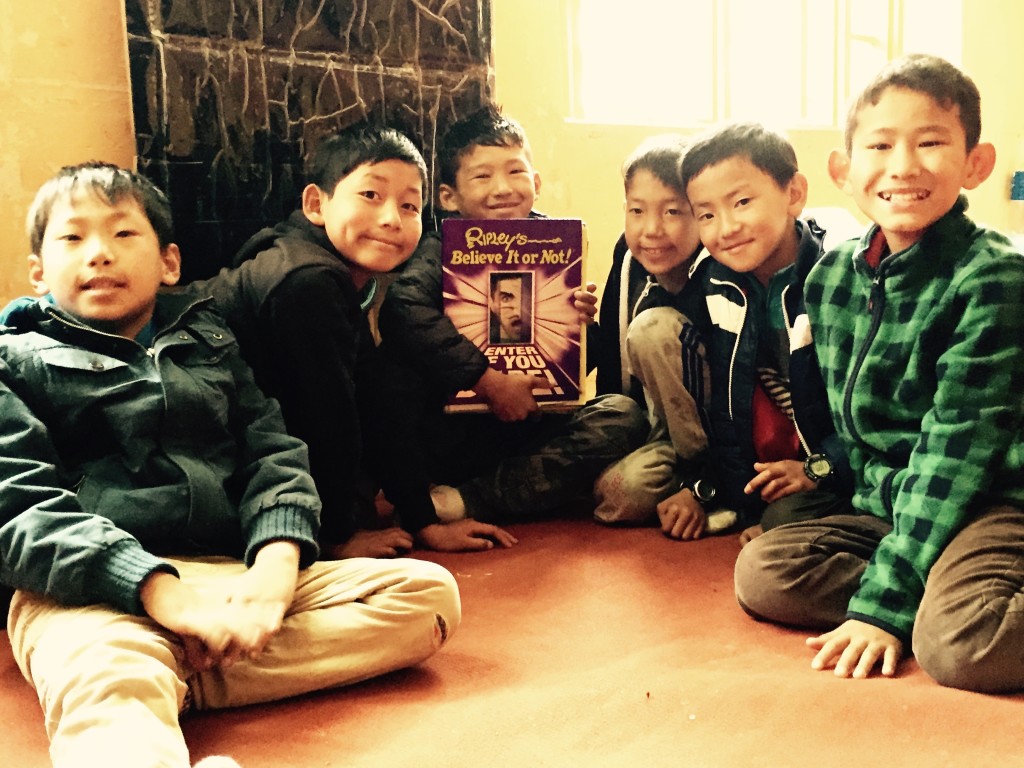
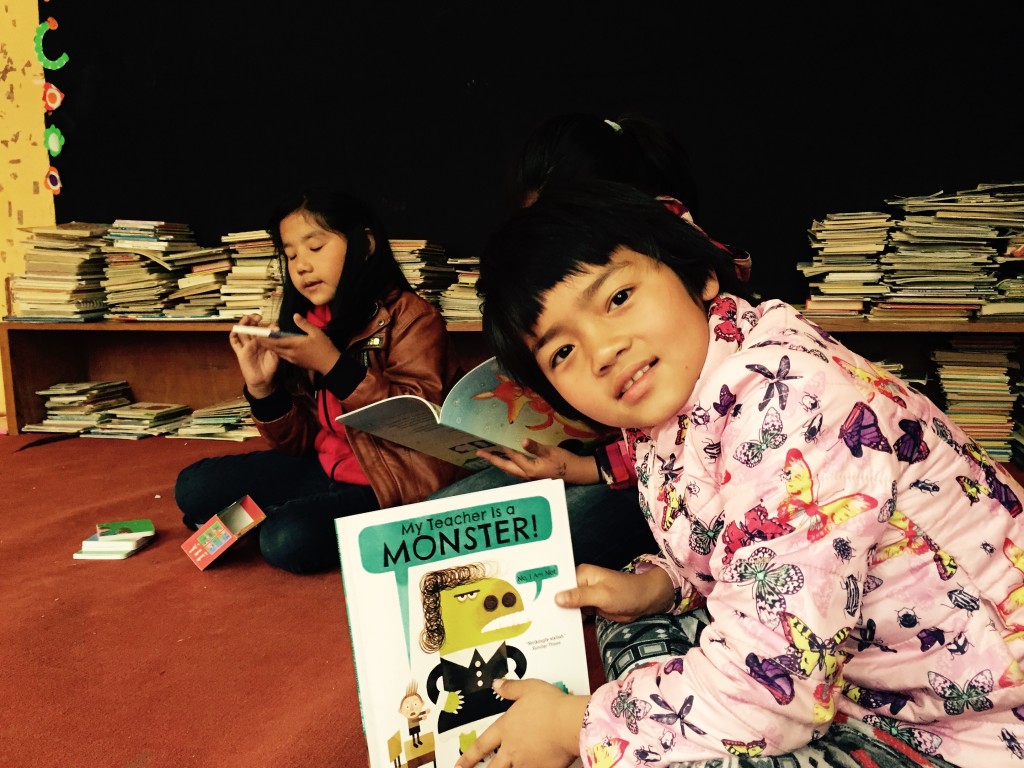
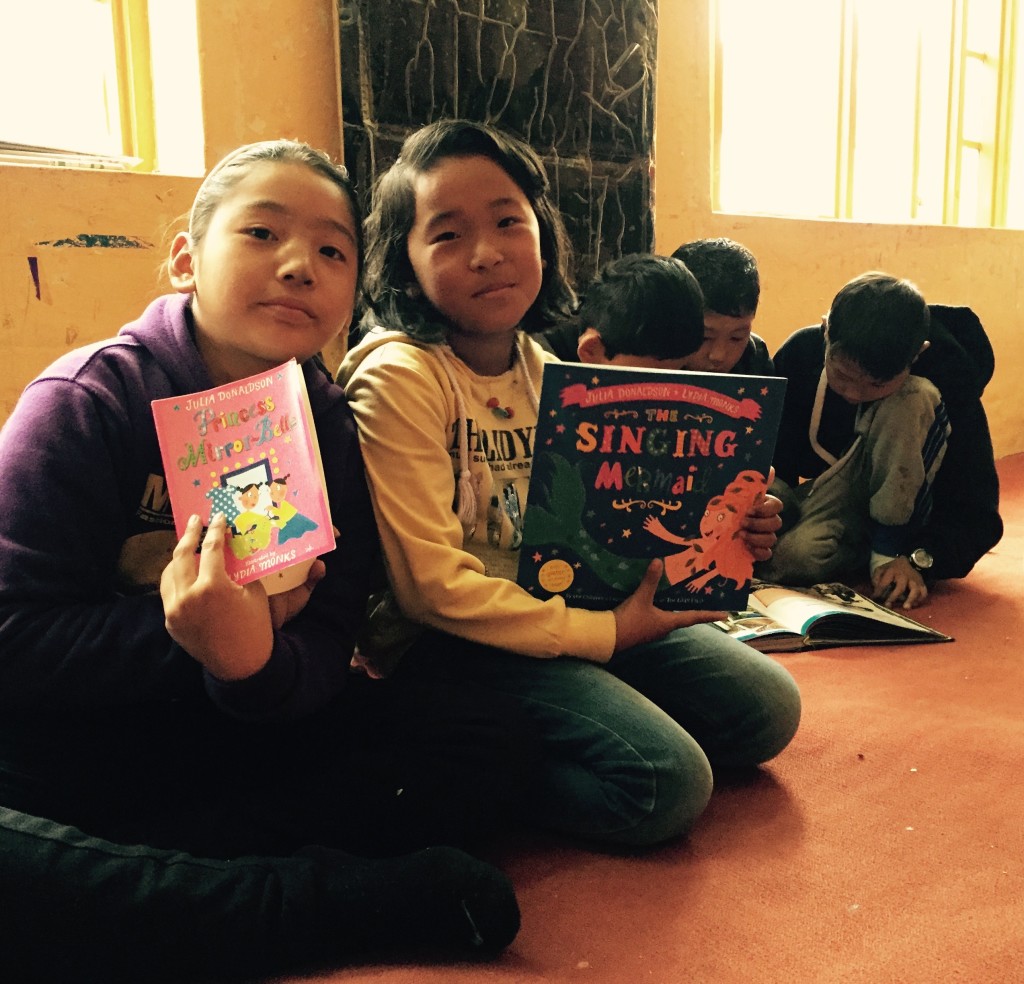
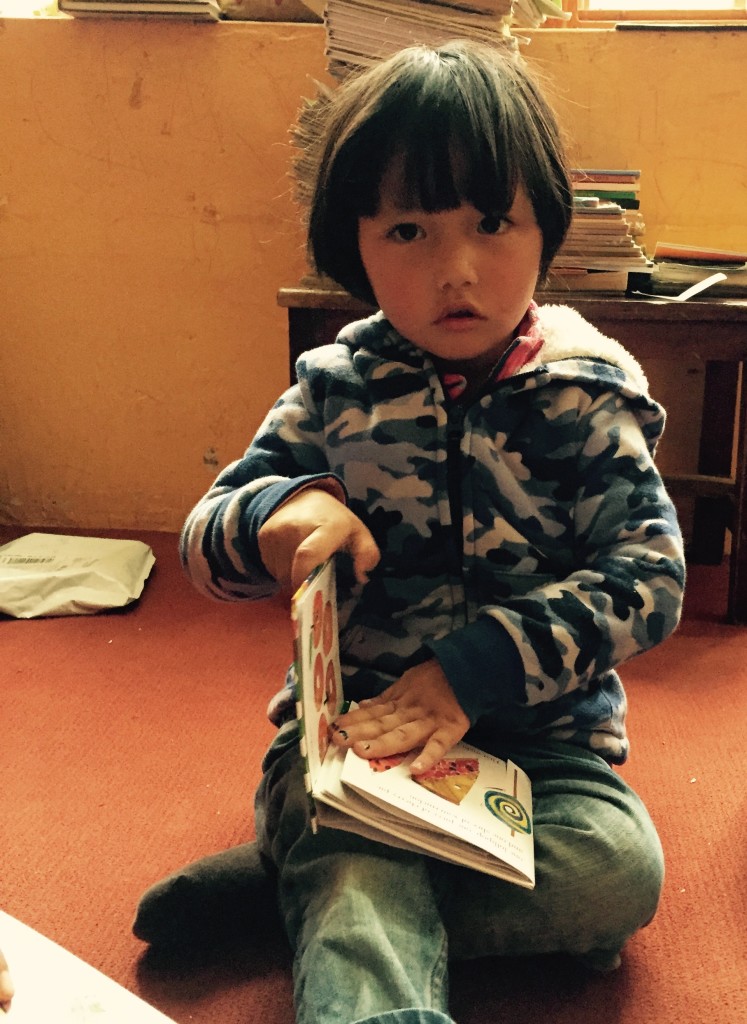
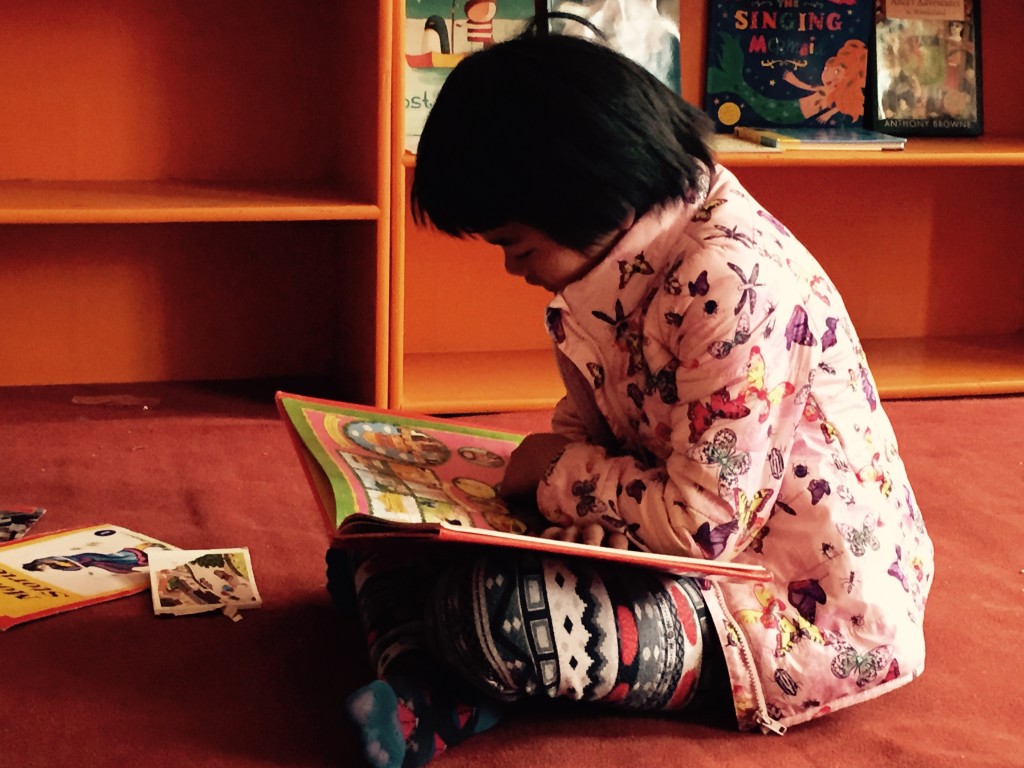
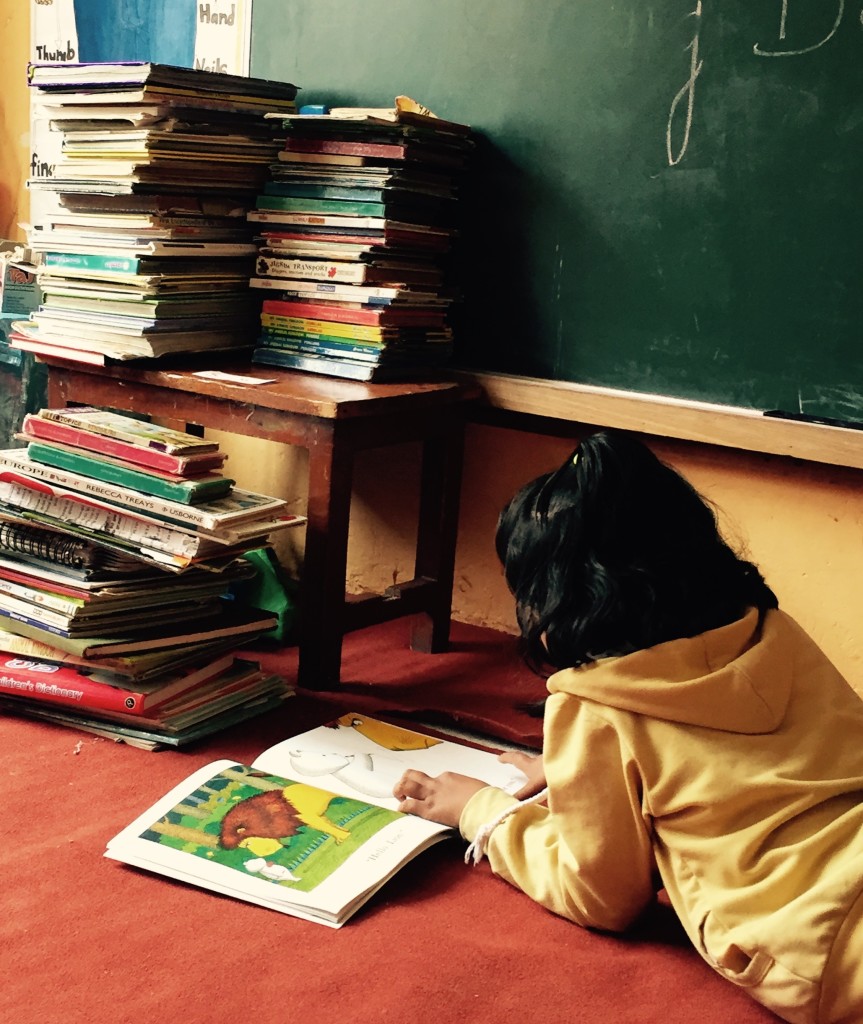
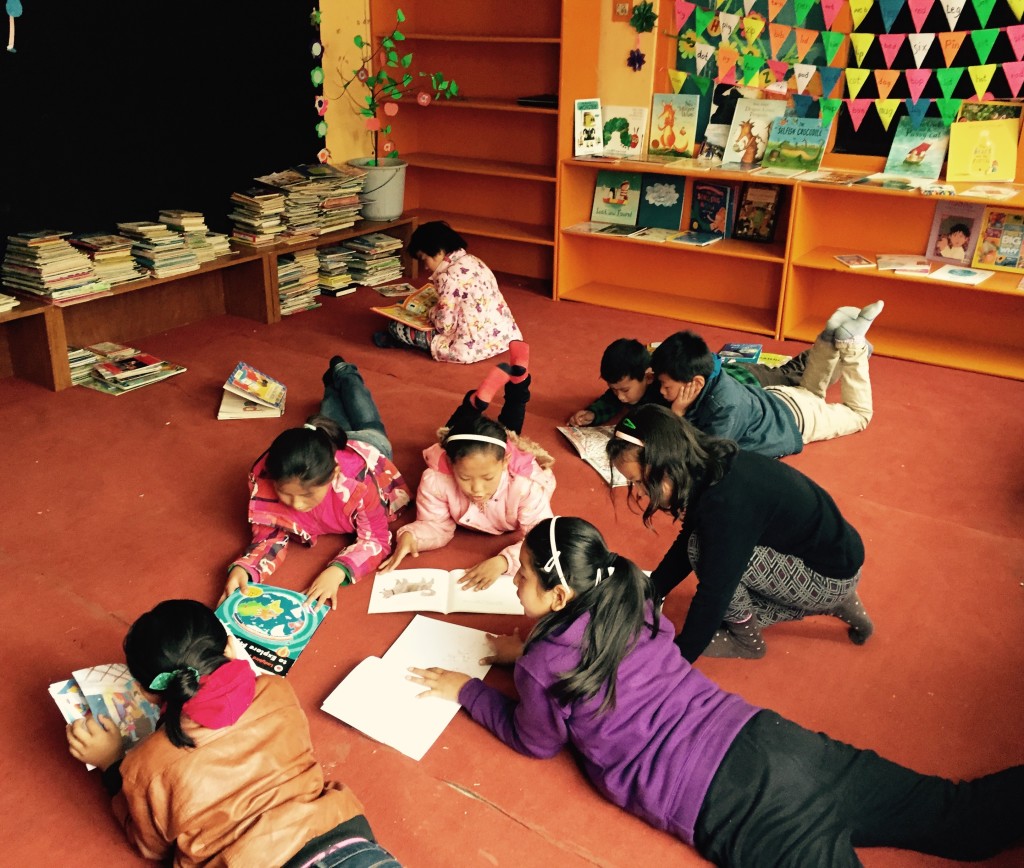
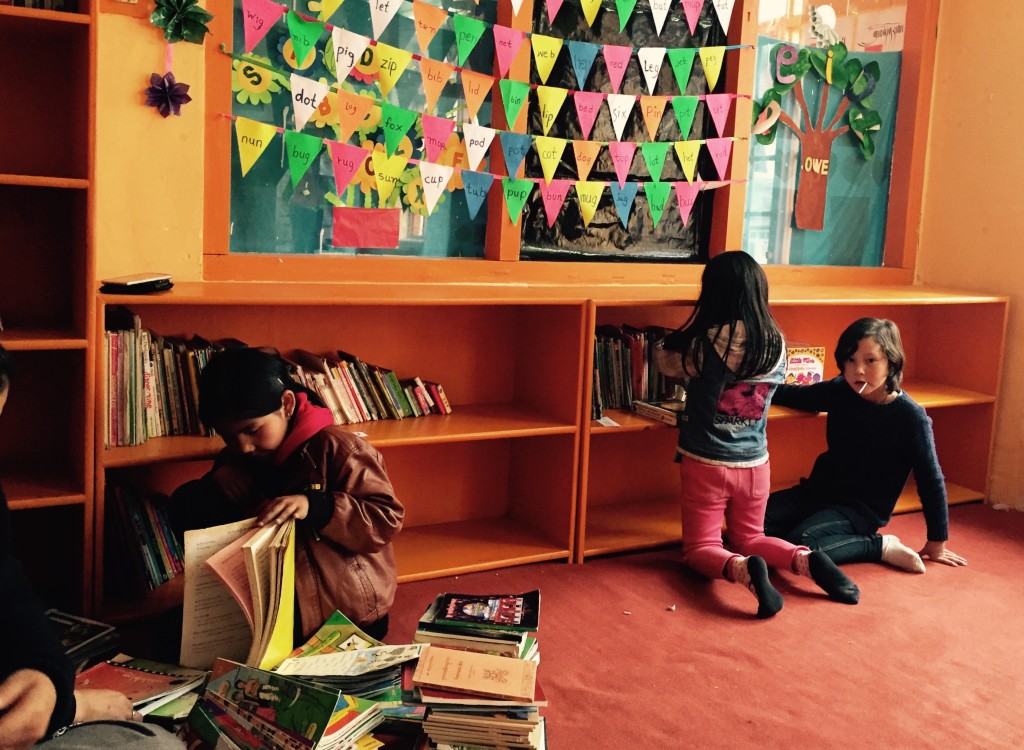
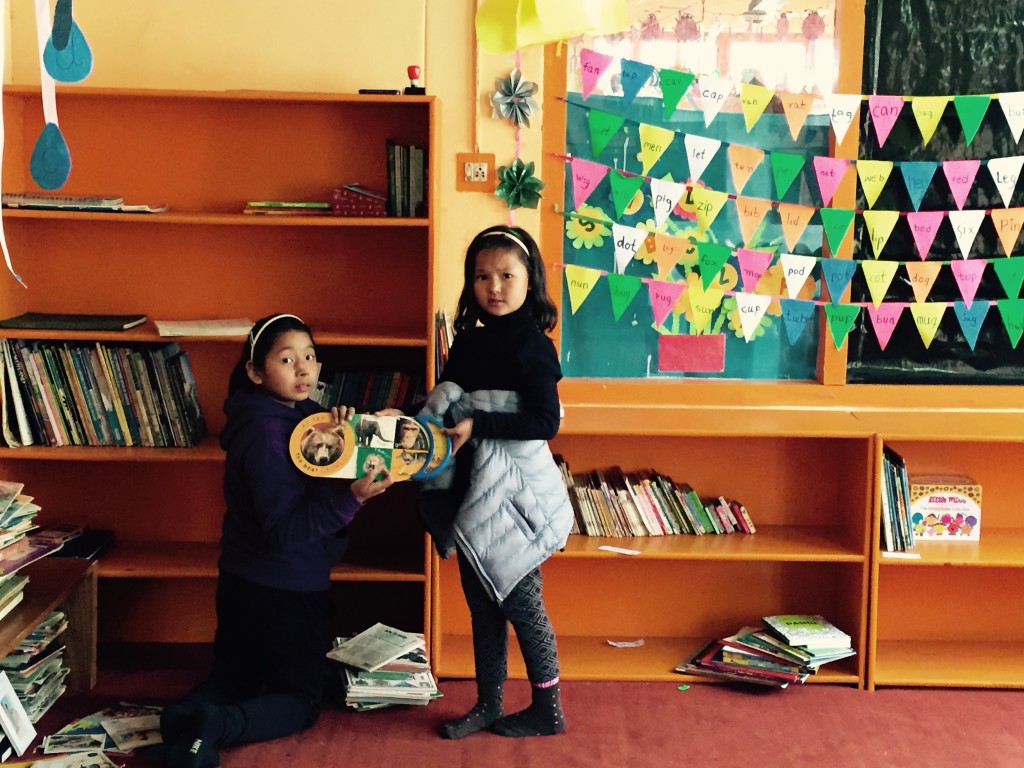
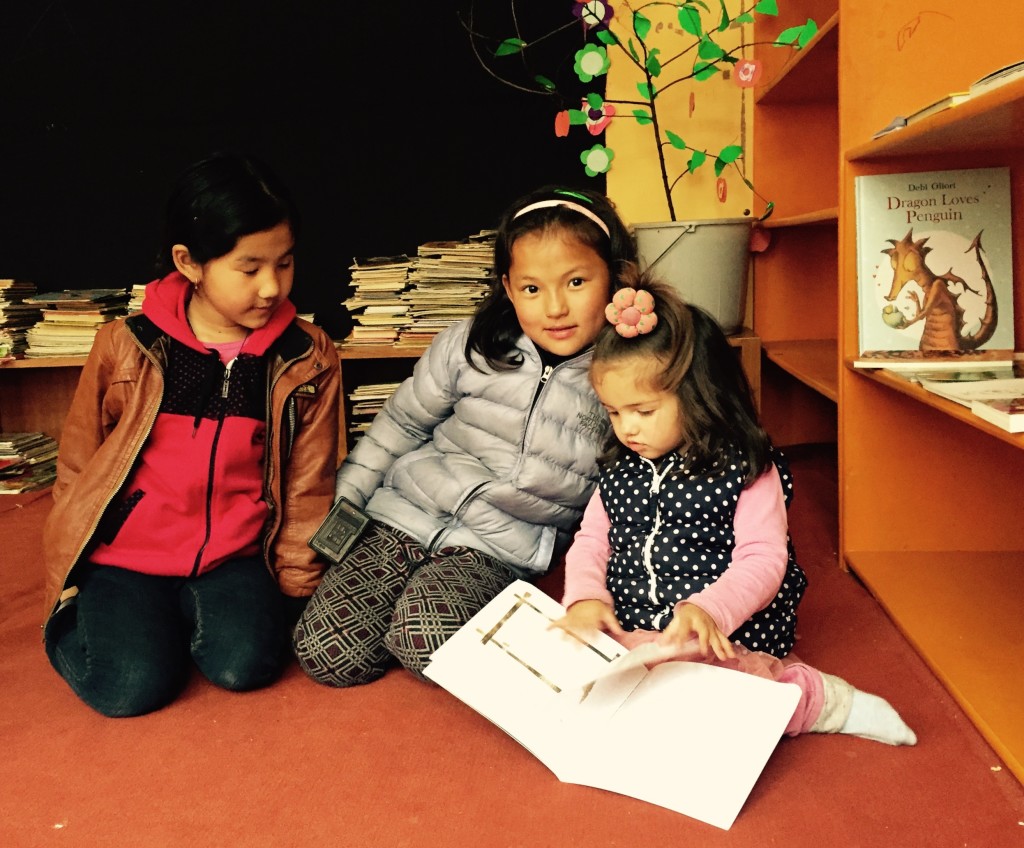
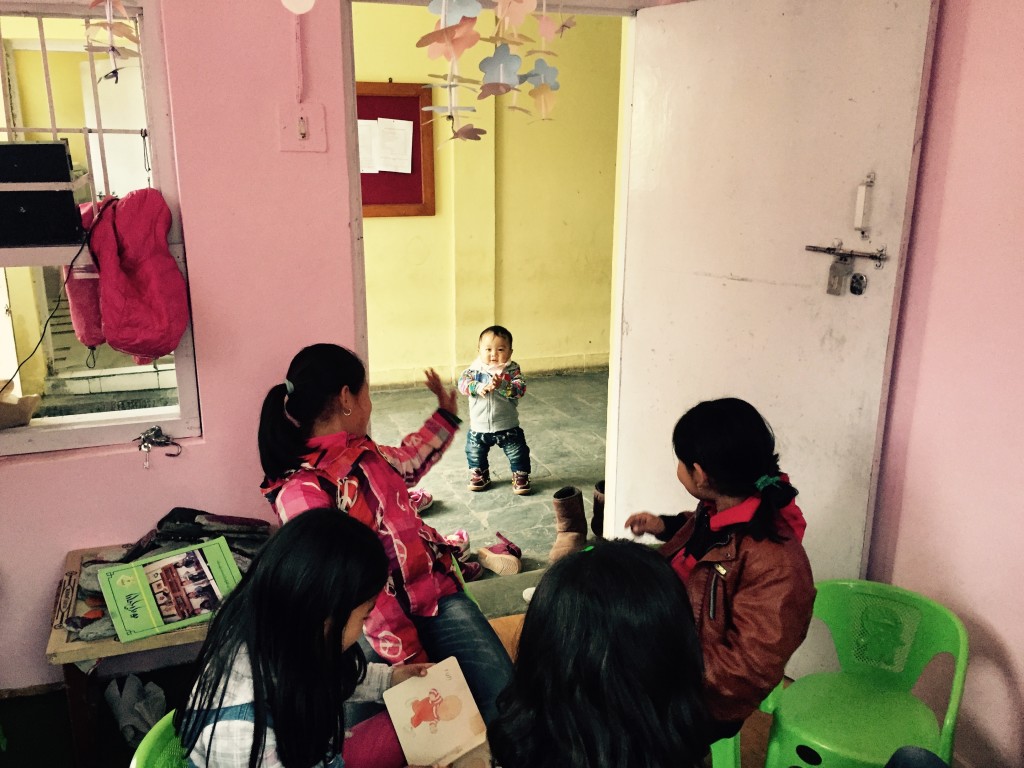
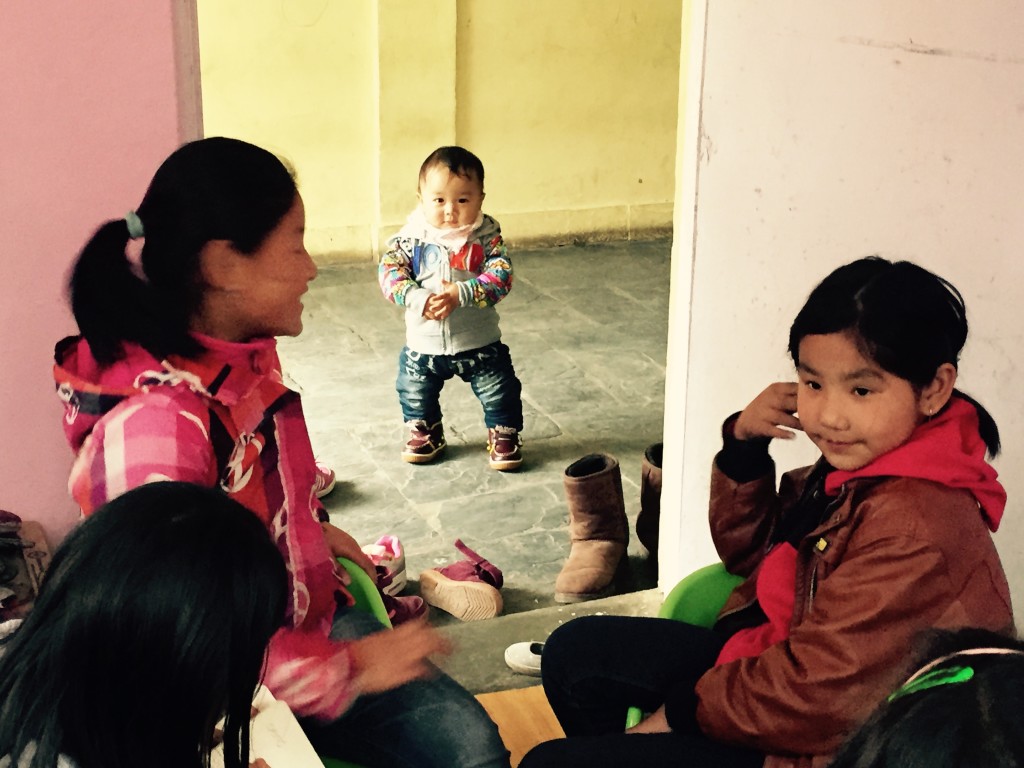
In a Himalayan settlement where winter light leaves the valley early, an elderly monk has made reading aloud part of the daily rhythm. Each afternoon, children gather on rugs with picture books, folktales and school texts while his calm voice fills the room. Some arrive straight from lessons; others come because the reading room is warm, welcoming and full of stories they cannot easily find elsewhere.
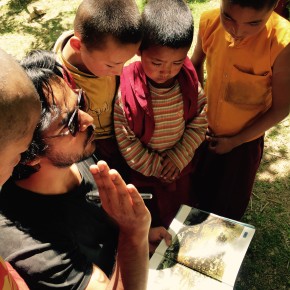
He reads slowly, giving every child time to follow the page. When a young listener meets an unfamiliar word, he pauses and explains it through a story, a gesture or an example from village life. The session may include laughter, music, drawing and conversation, yet its centre remains the simple act of sharing a book.
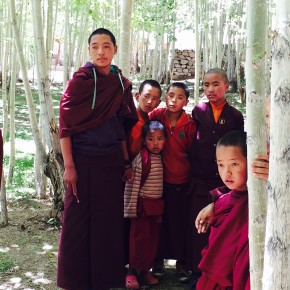
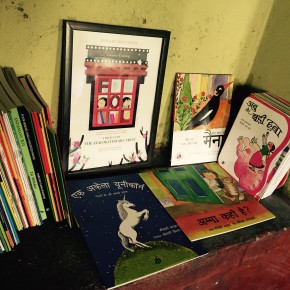
For children in Ladakh and neighbouring Himalayan communities, access to quality reading material can be limited by distance, cost and harsh weather. A small collection of carefully chosen books can therefore become a doorway to language, imagination and confidence. The afternoon gathering also offers young monks a gentle way to learn alongside local children.
For Australian supporters, the scene may recall story time at a public library in Melbourne, a school pickup followed by homework in Brisbane, or the familiar habit of reading before bed. The setting is different, but the comfort of a trusted adult reading aloud is widely understood.
The Voice Behind The Books
The monk is known for his patience rather than his volume. He does not perform for the children or rush towards the final page. He lets a picture invite discussion and allows a shy child to answer when ready. Over time, the children learn that reading is a shared experience rather than a test.
His daily ritual has also become a bridge between generations. The older monk brings memory, discipline and a deep knowledge of local traditions, while the children bring curiosity and questions about the wider world. A book about animals may lead to a discussion about mountain wildlife; a folk story may become the starting point for a drawing session.
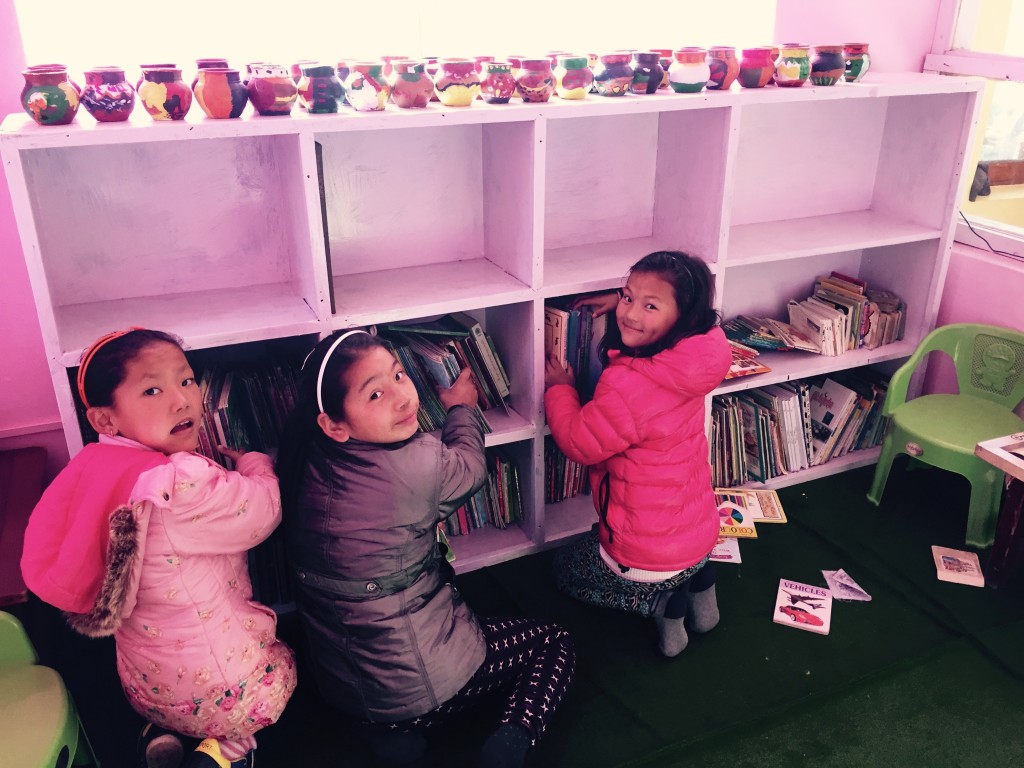
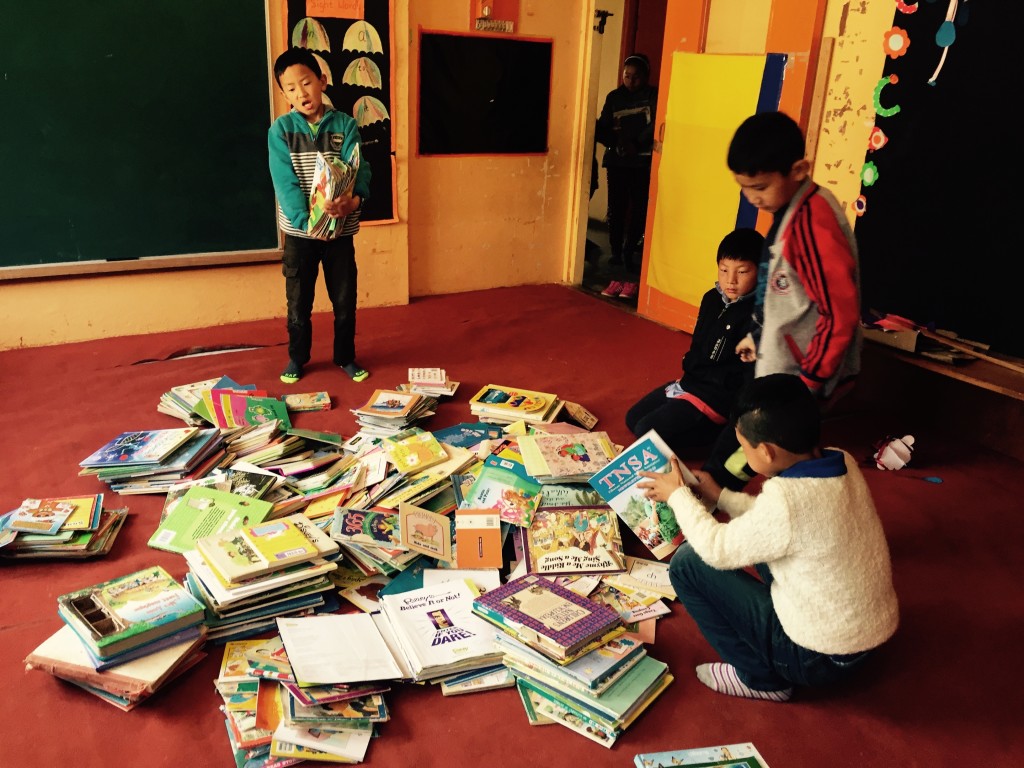
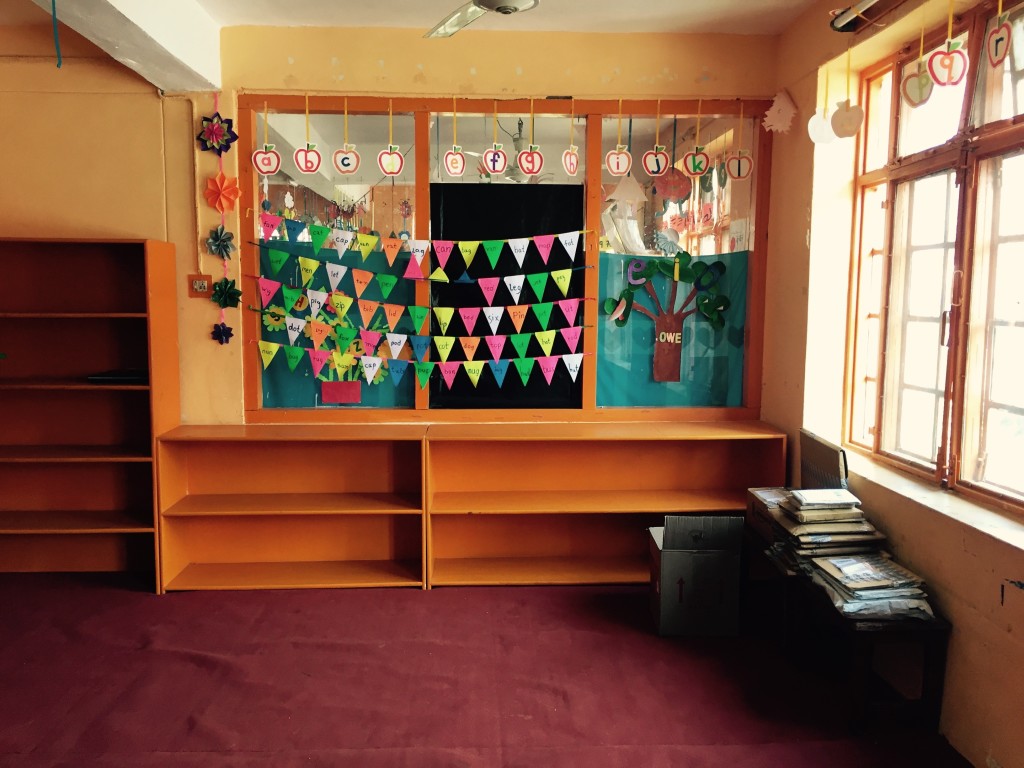
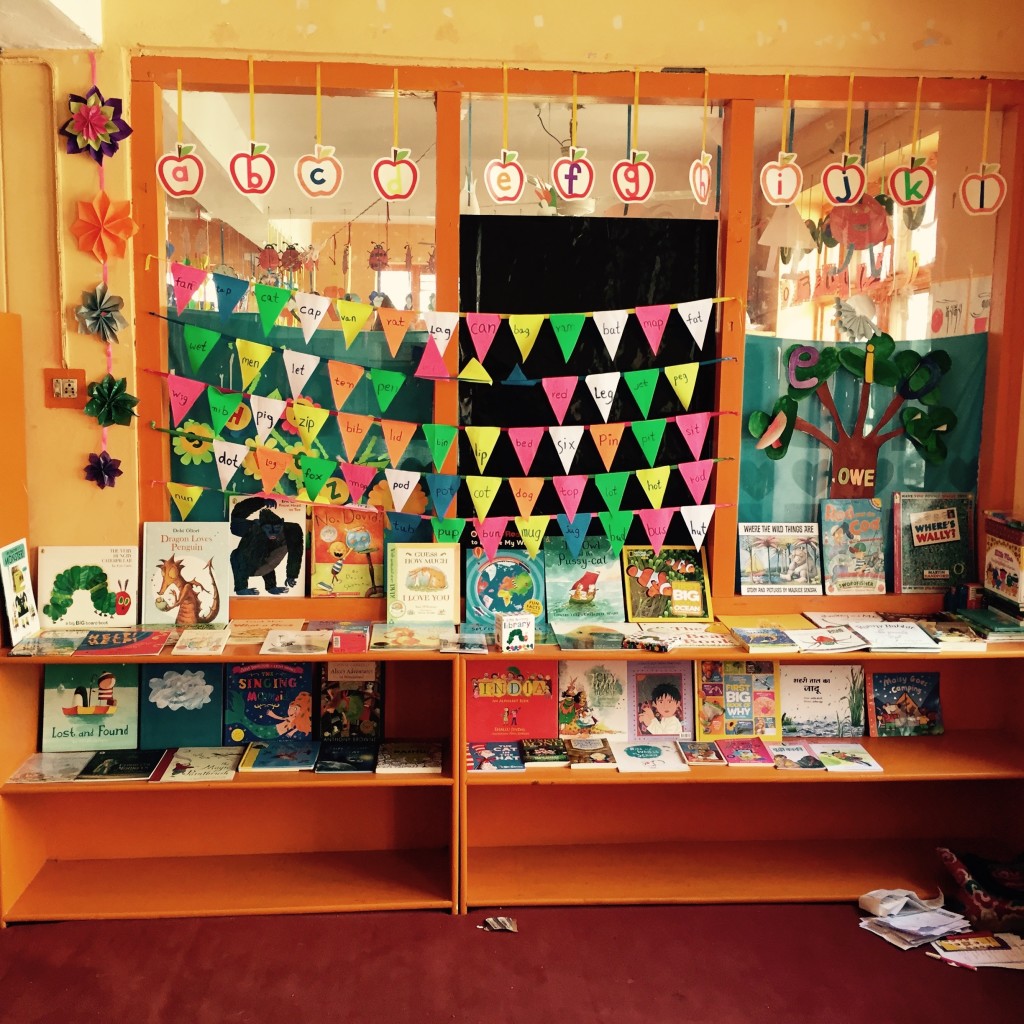
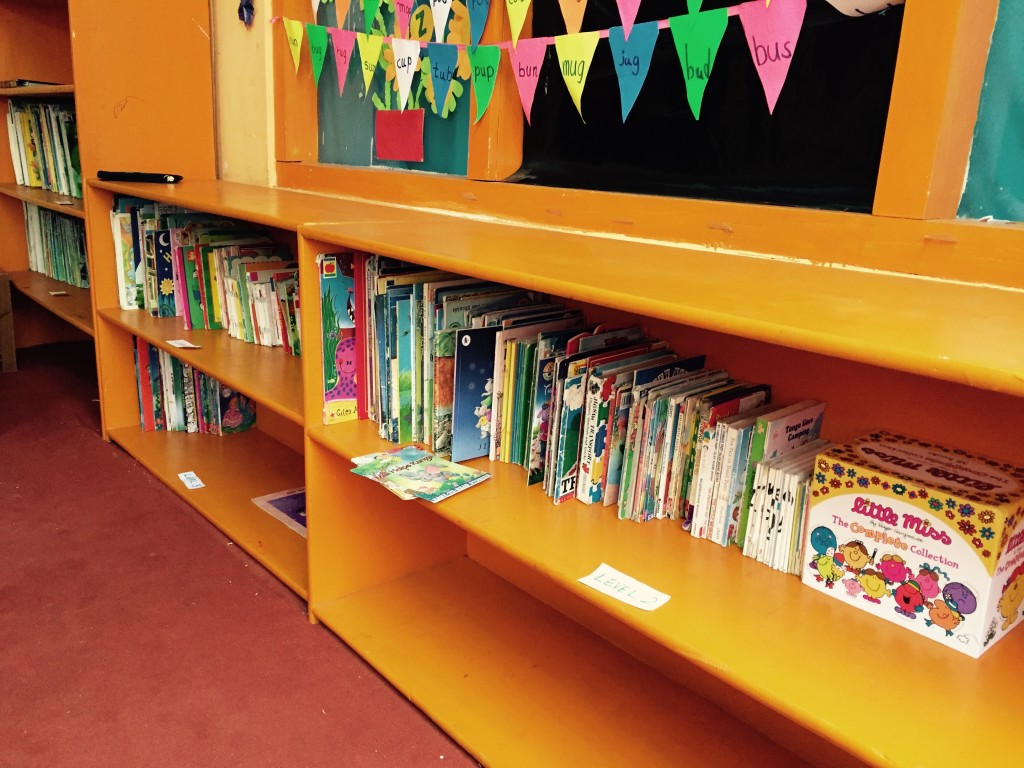
The reading room itself reflects the practical spirit of Avalokiteśvara Trust. Its work includes books, creative activities and spaces where children can study without feeling isolated. The story of a first reading room inside a nunnery shows how an underused corner can become a lively place for learning.
Why Reading Aloud Matters
Listening comes before independent reading for many children. Through a familiar voice, they hear sentence structure, pronunciation and expressive language. Repeated stories build vocabulary, while questions about characters and events strengthen comprehension. These gains can support classroom learning without turning the afternoon into another formal lesson.
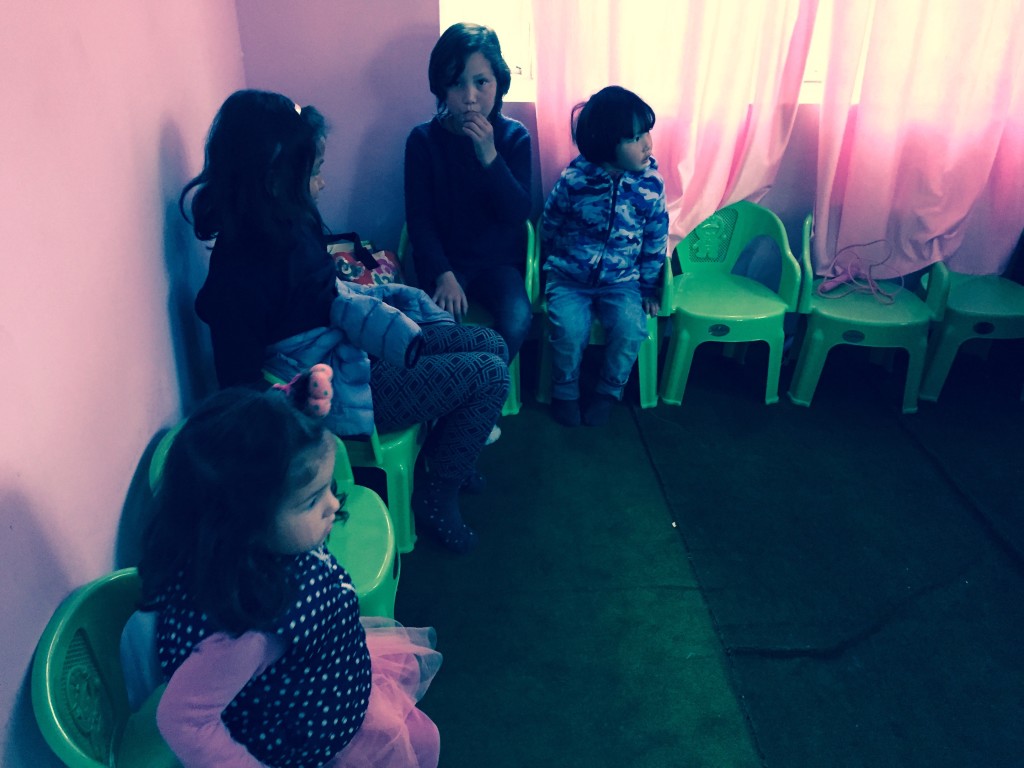
Reading aloud also creates emotional security. Children know when the session begins, where they can sit and who will welcome them. That dependable routine matters in communities where families may face seasonal work, limited transport or interrupted access to educational resources.
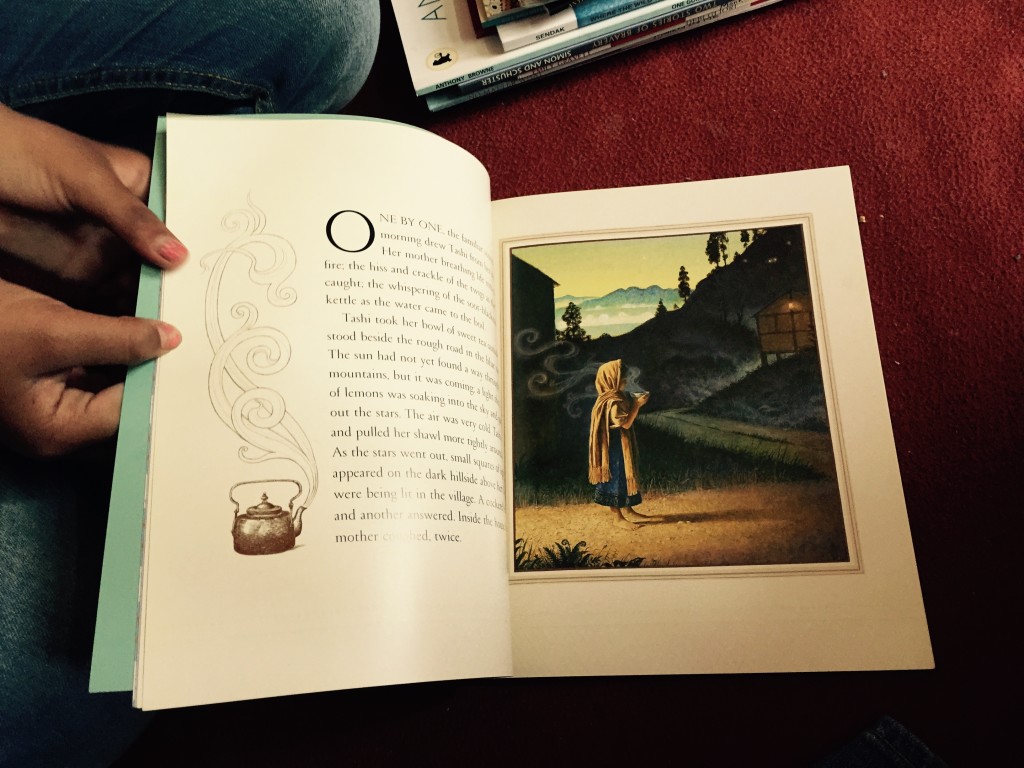
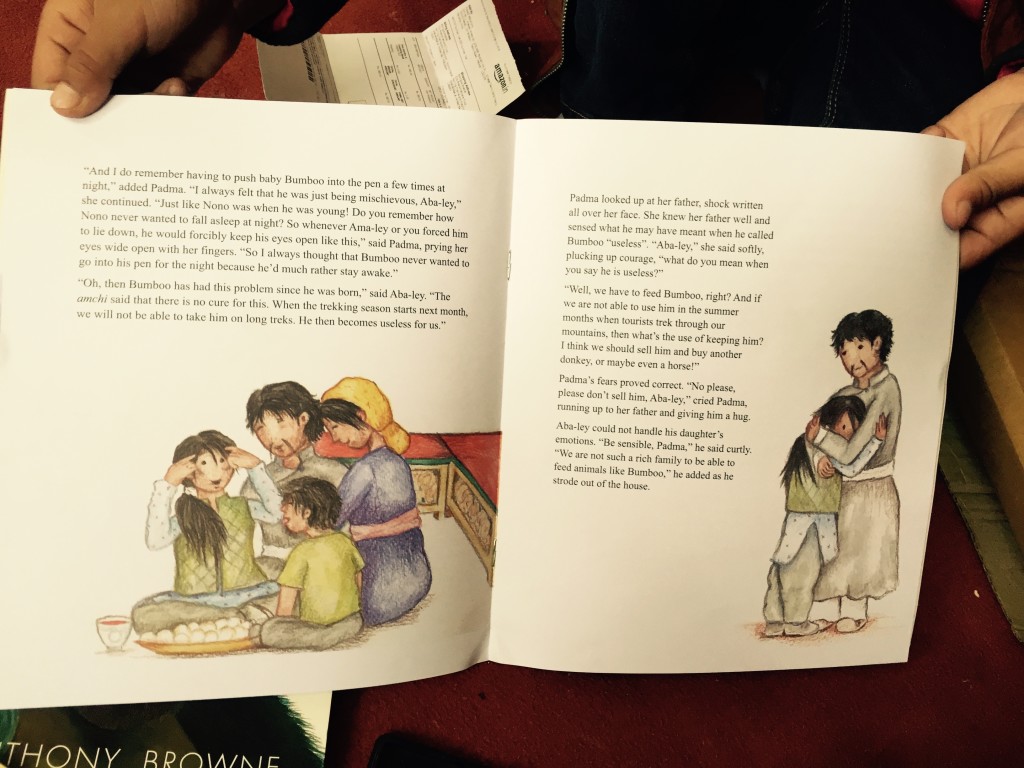
The monk’s approach leaves room for pleasure. A child can enjoy a funny illustration, imitate a character or choose the next story without needing to produce a written answer. Enjoyment helps books become companions, encouraging children to return and eventually read for themselves.
A Room Filled With Possibility
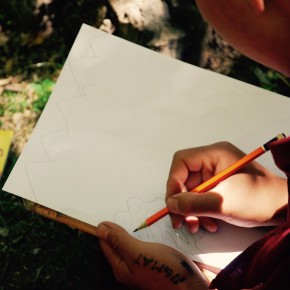
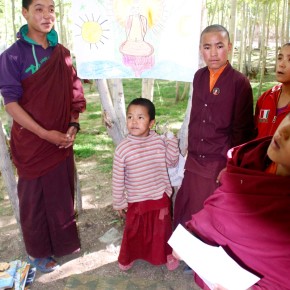
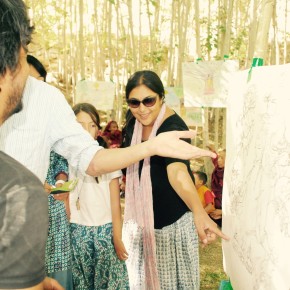
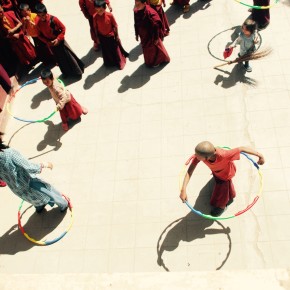
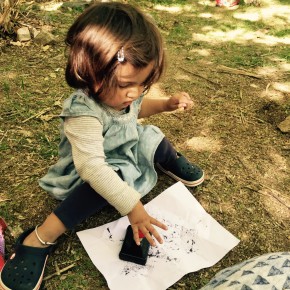
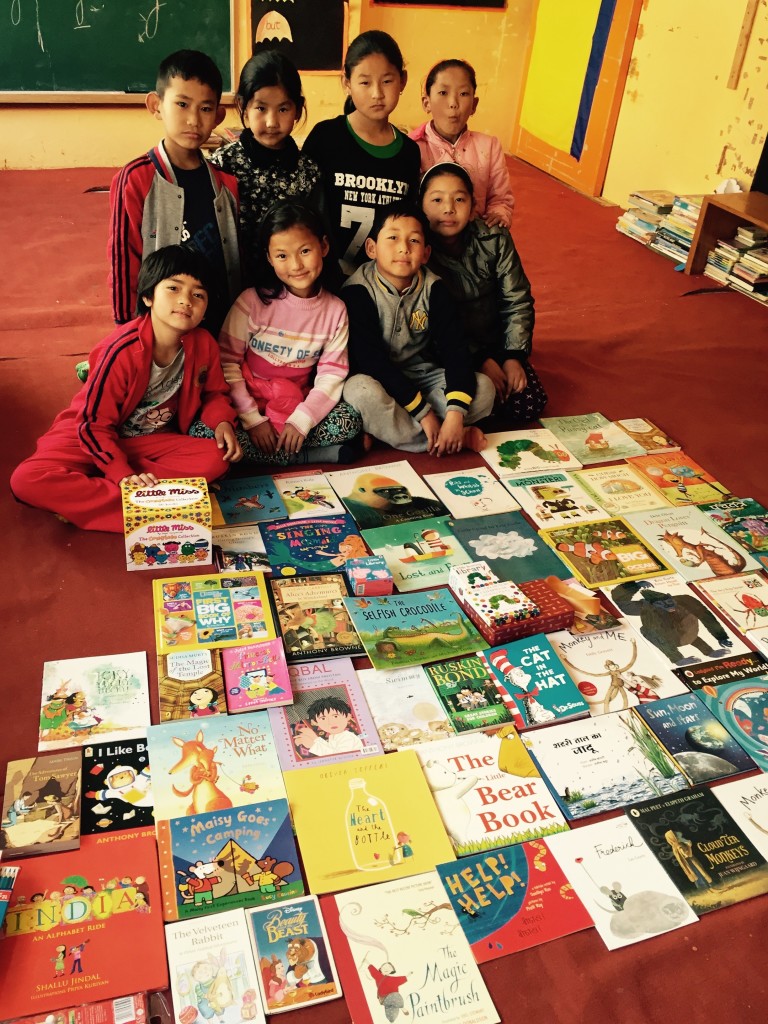
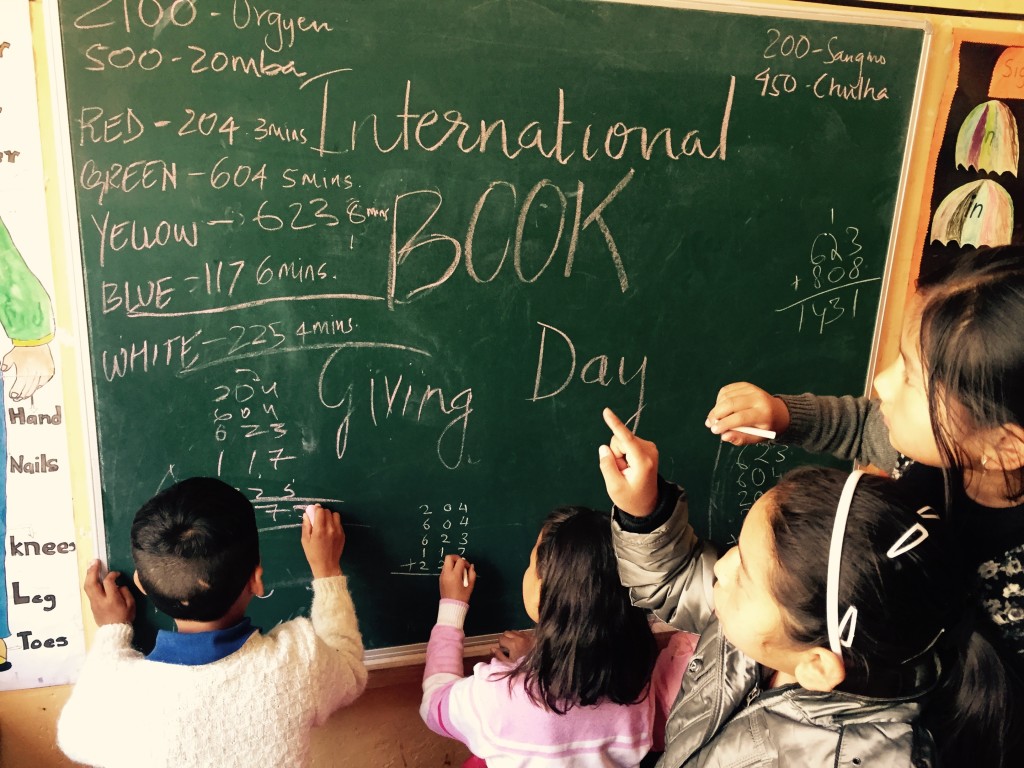
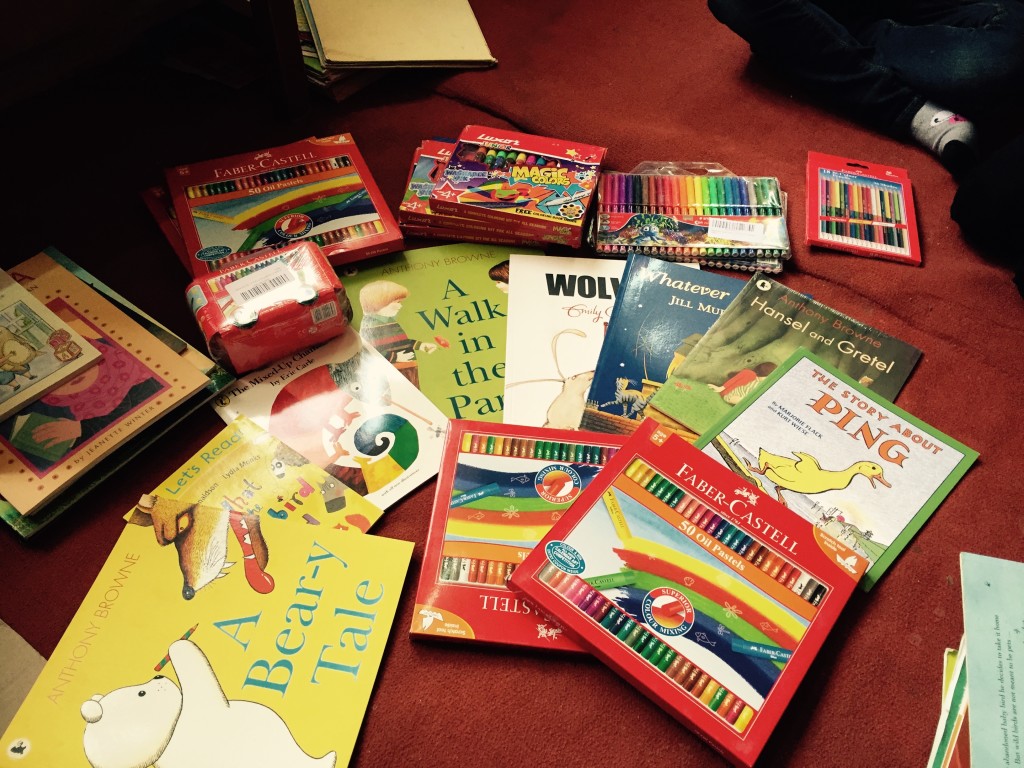
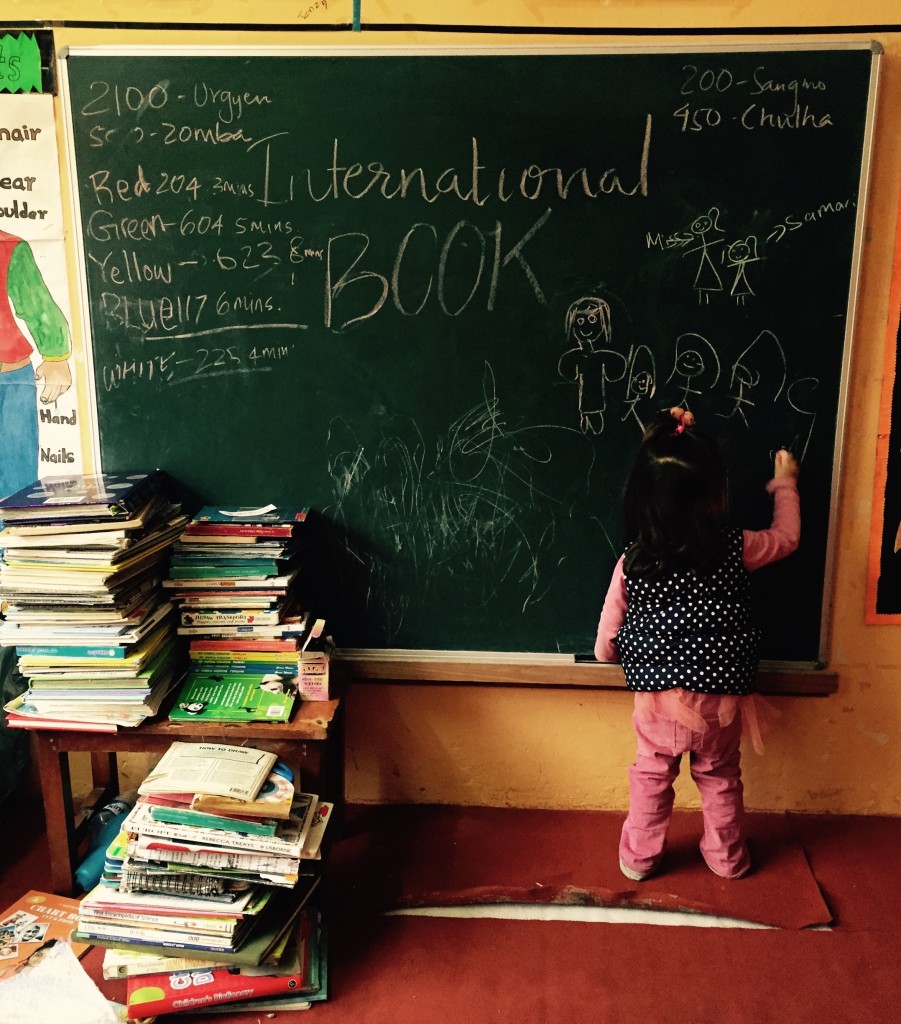
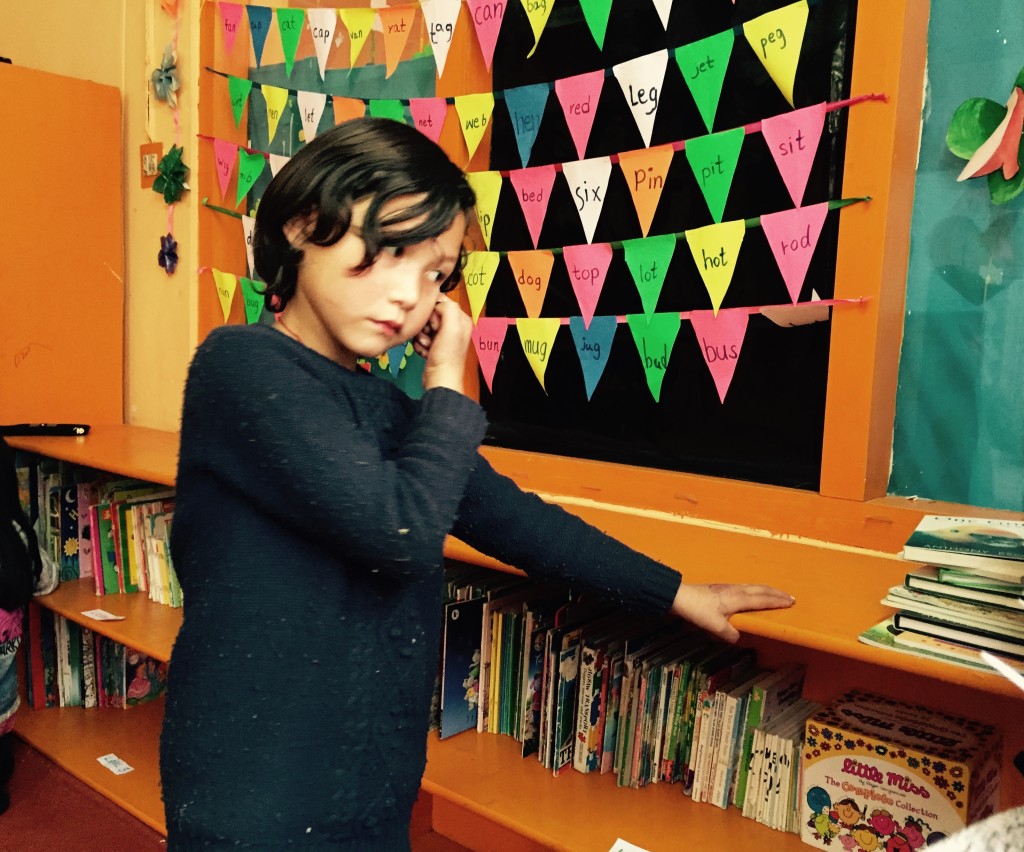
A reading room is more than shelves and chairs. It can be a place for drawing after a story, practising a song, building a paper model or quietly completing schoolwork. Artistic and musical activities give children different ways to express what they have understood.
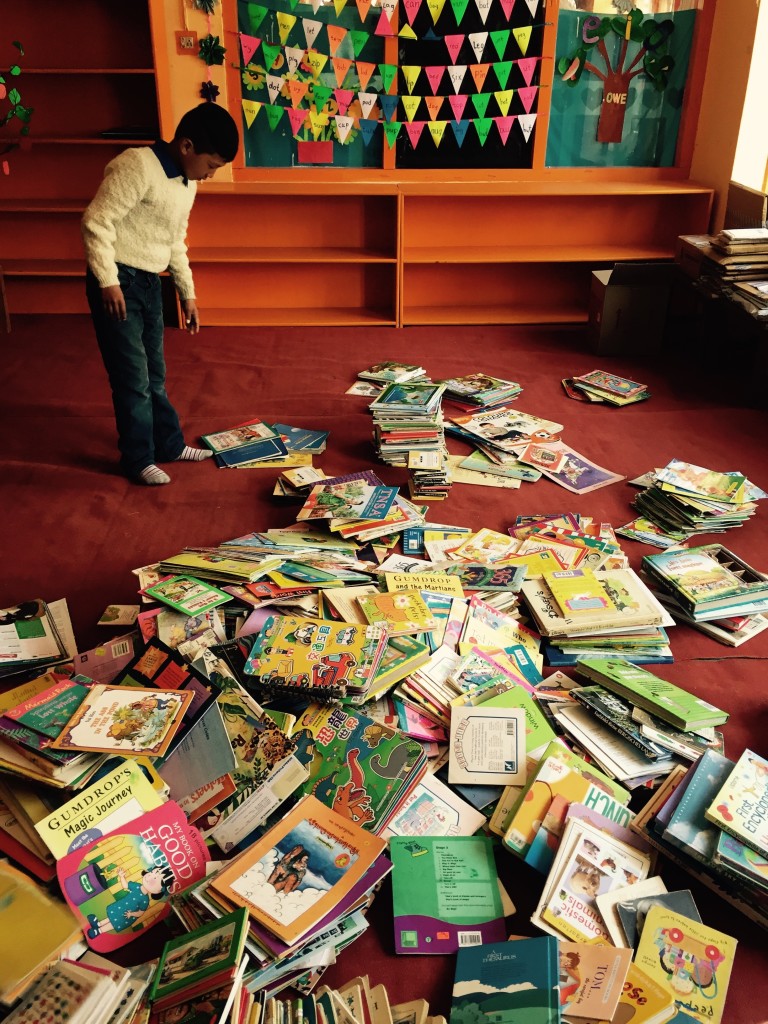
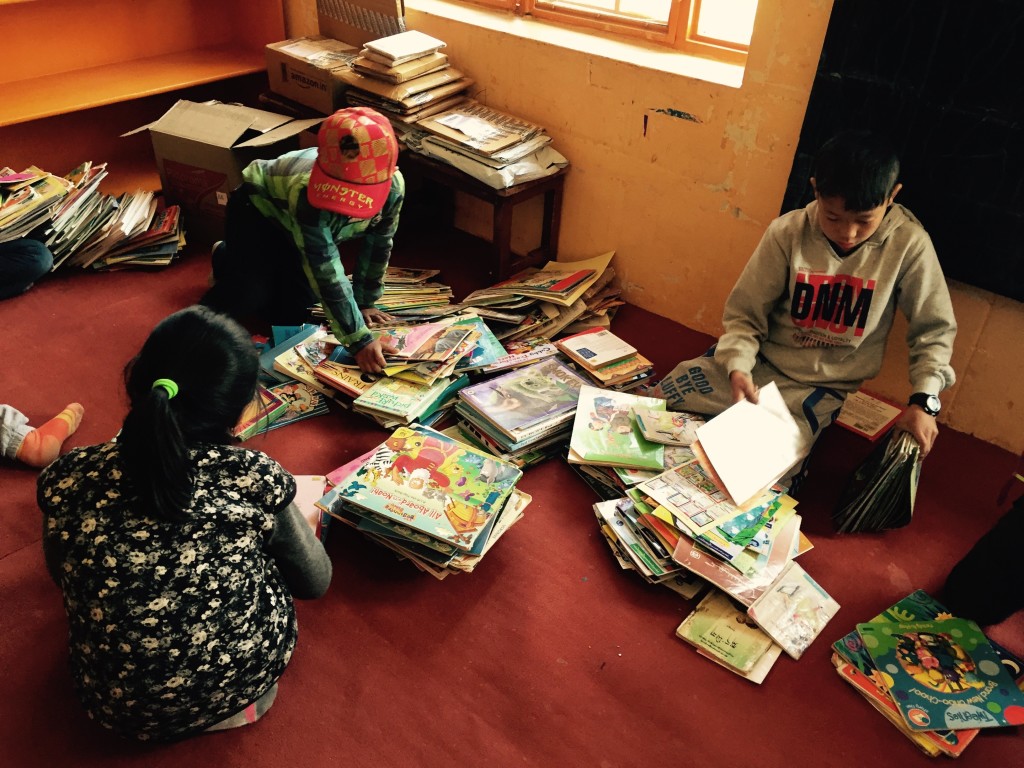
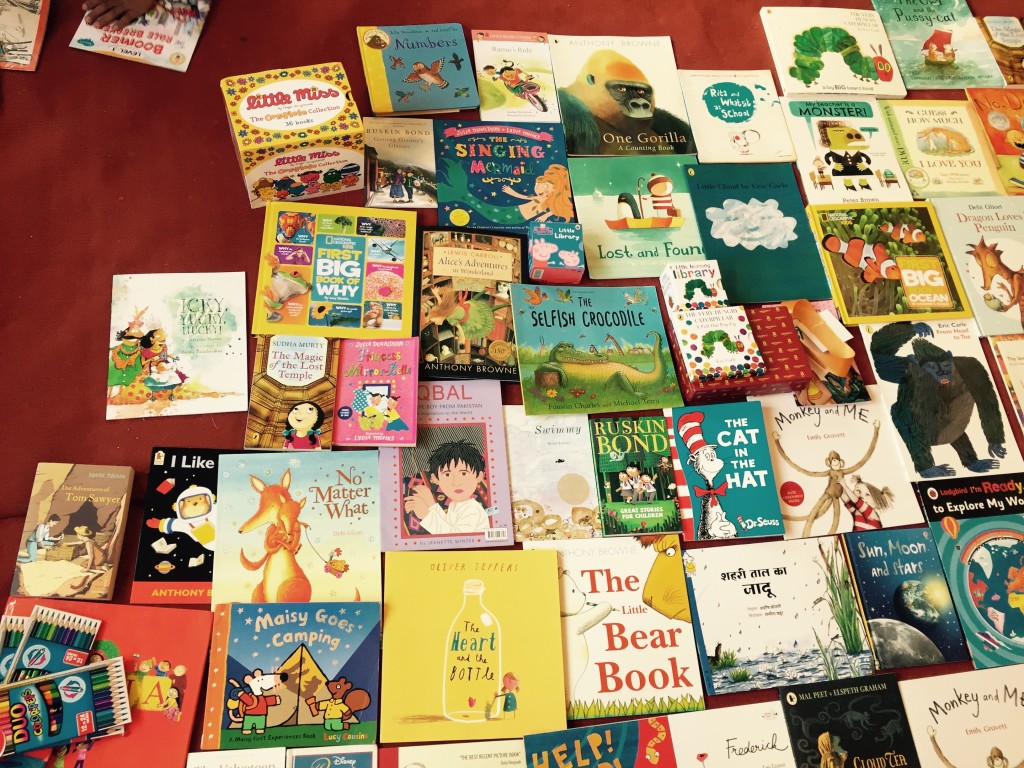
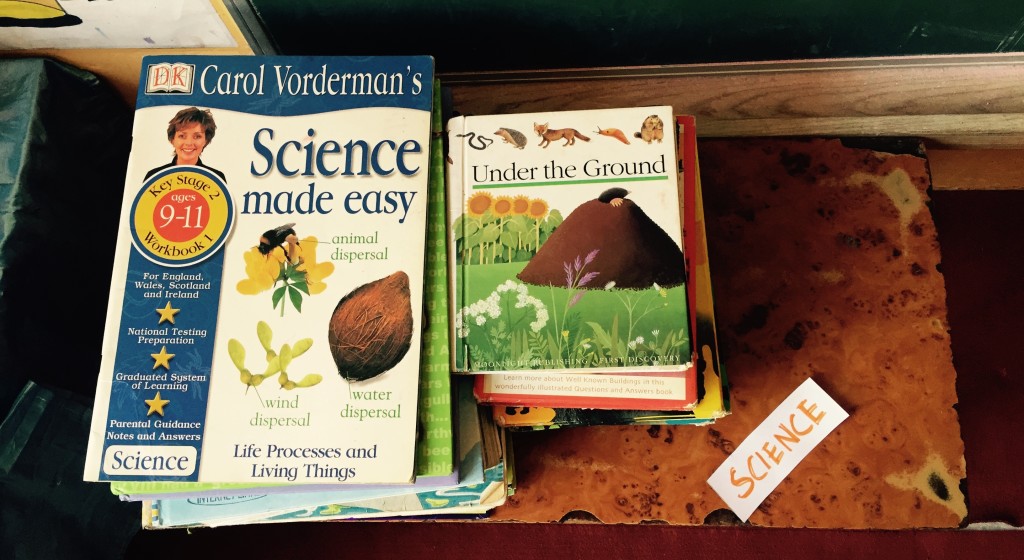
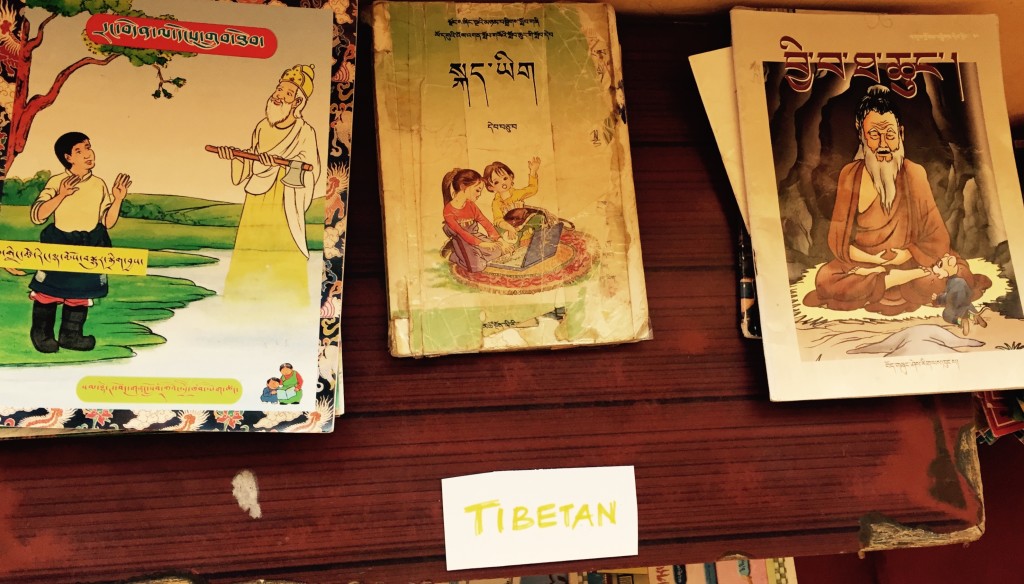
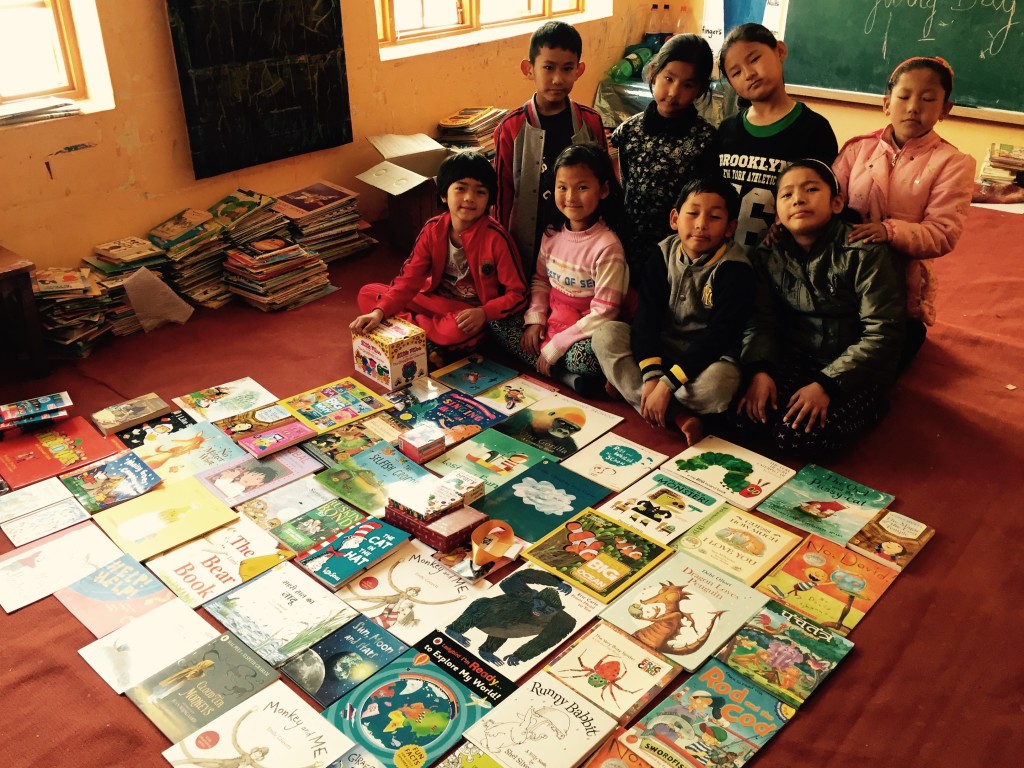
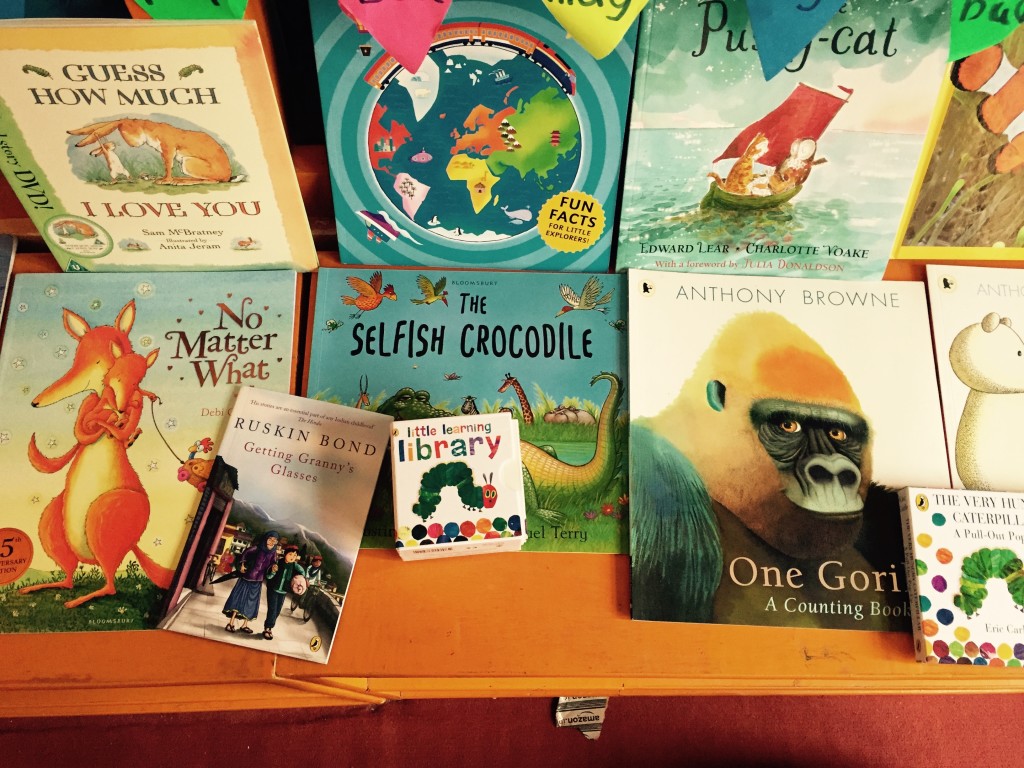
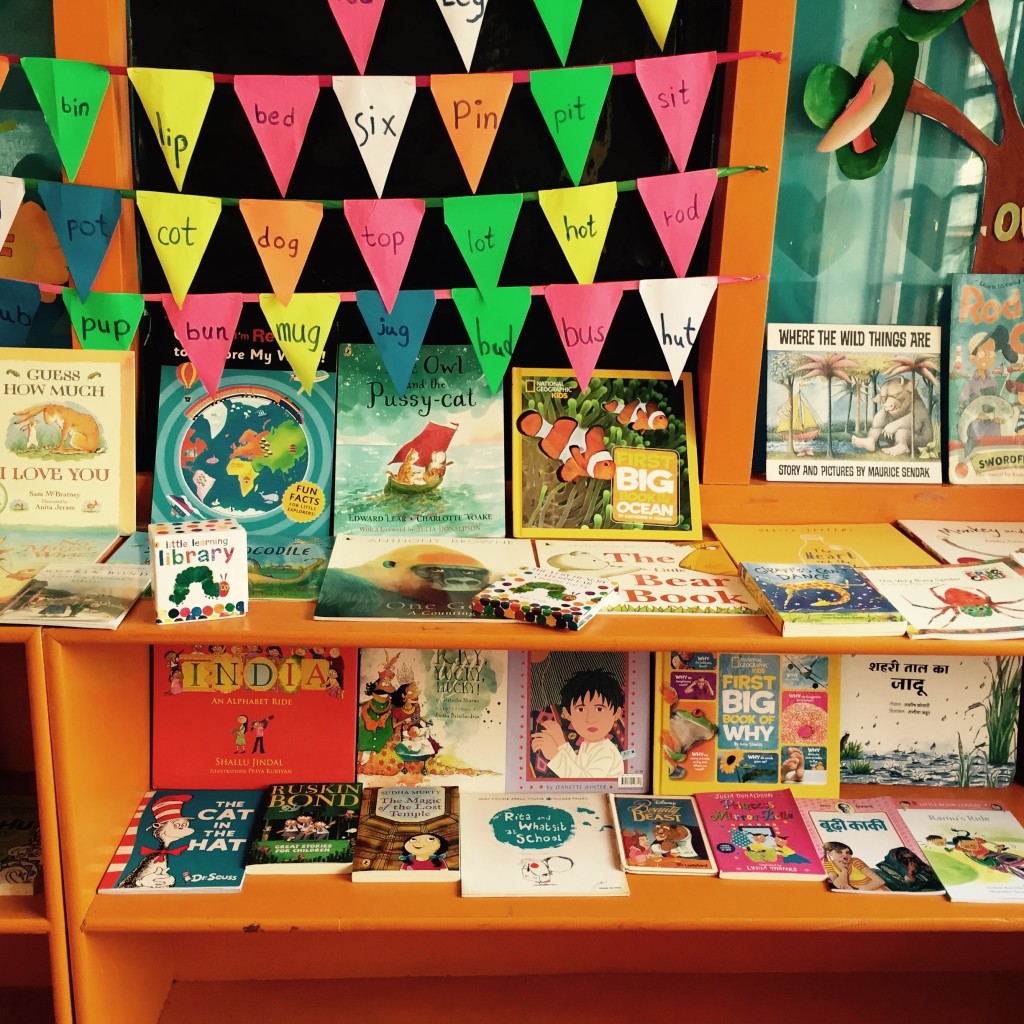
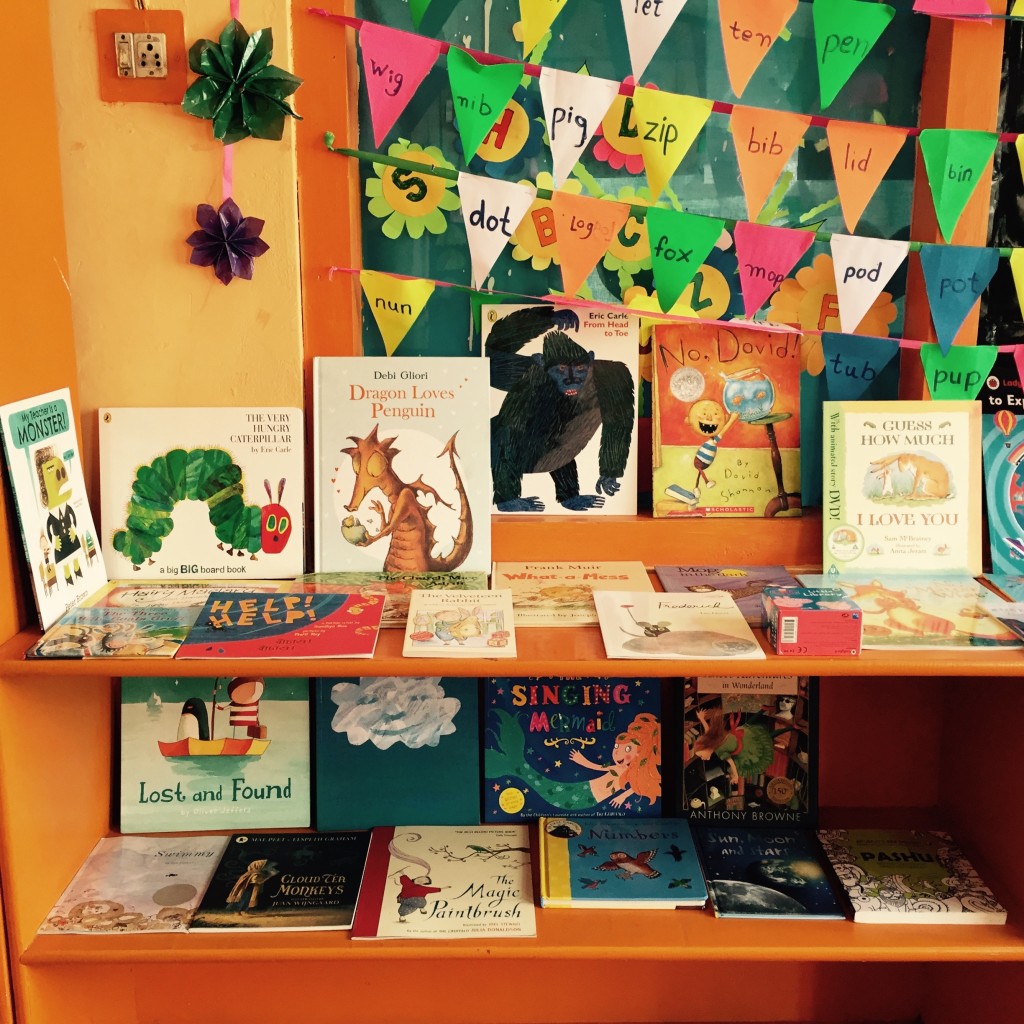
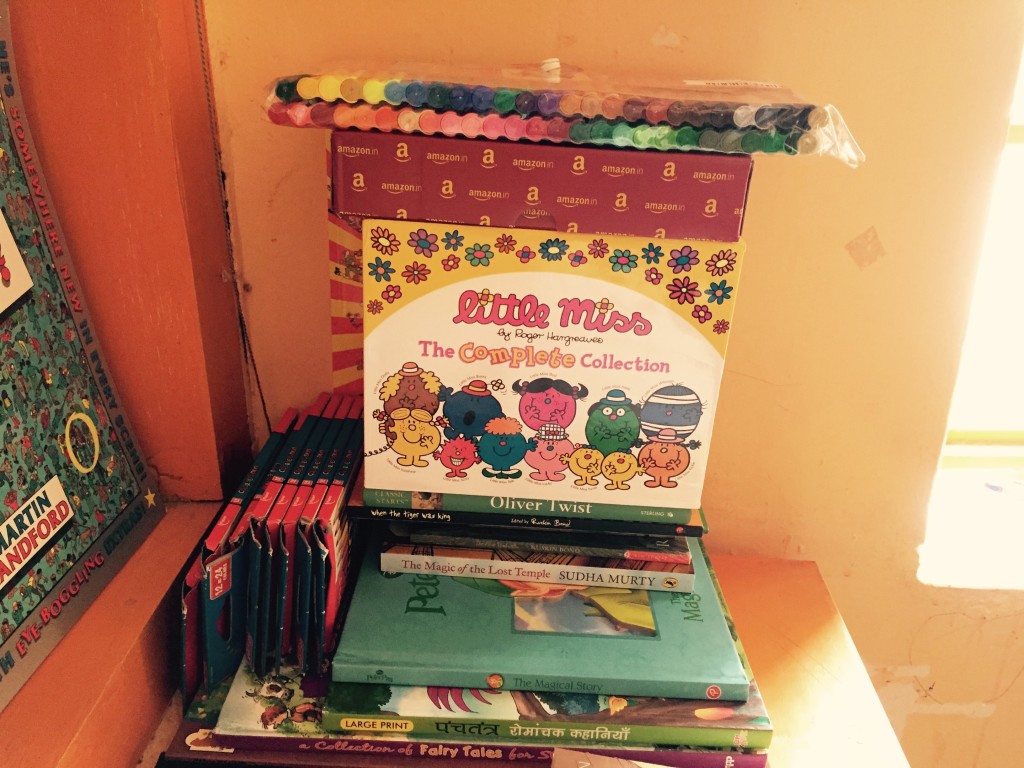
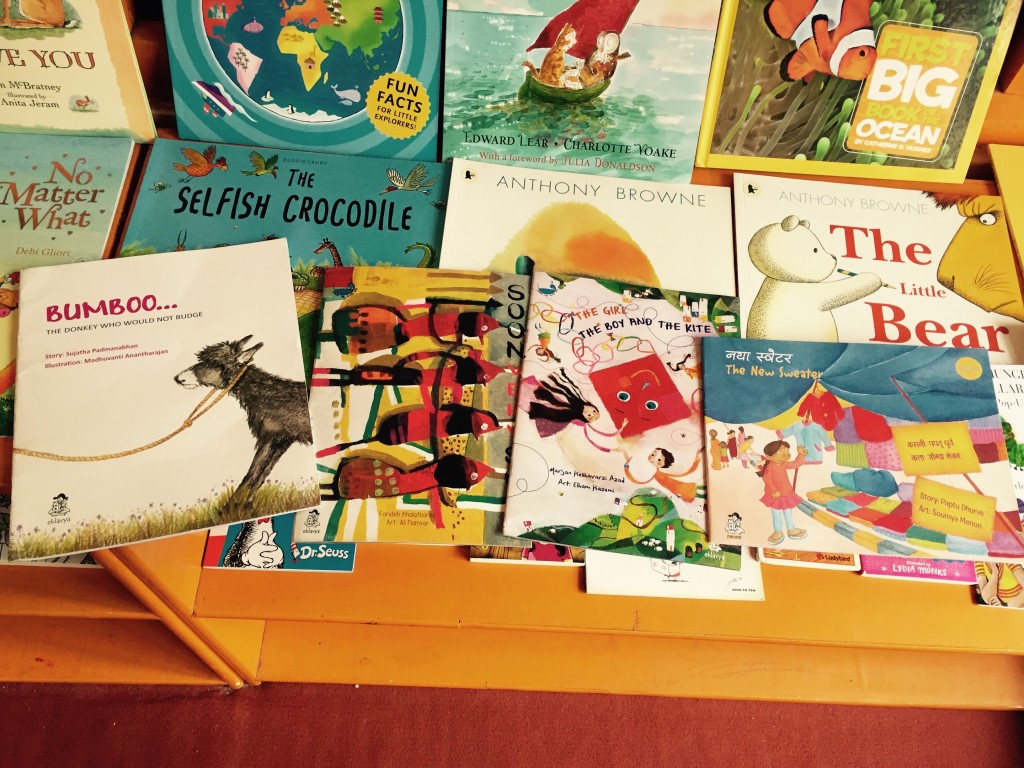
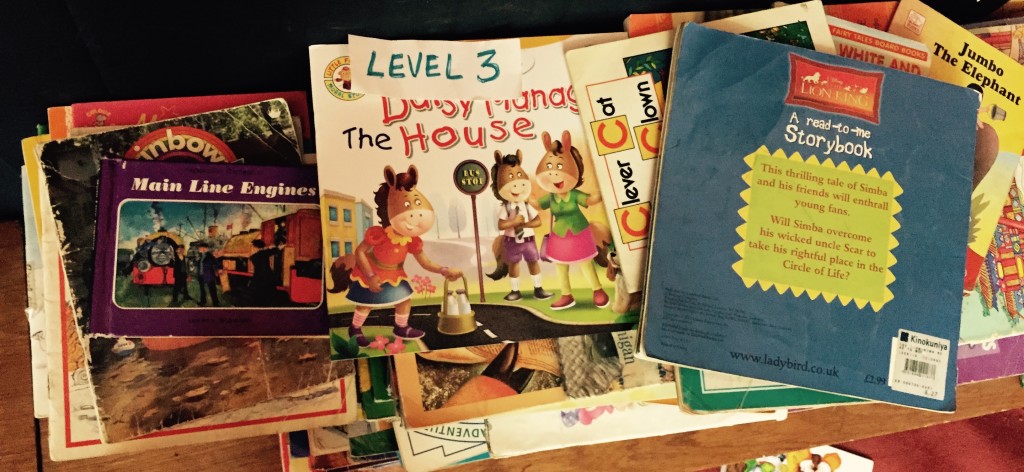
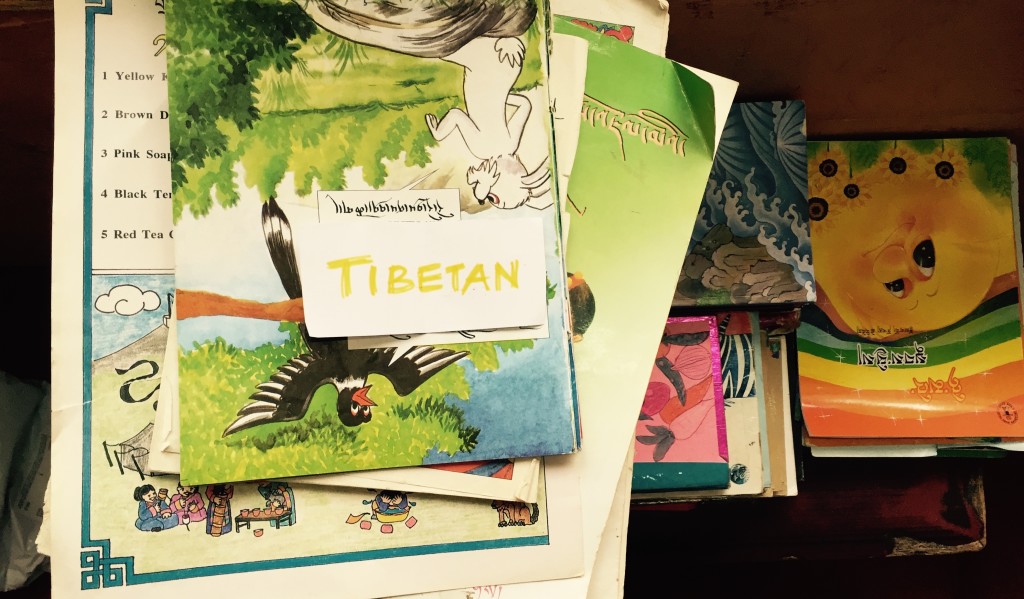
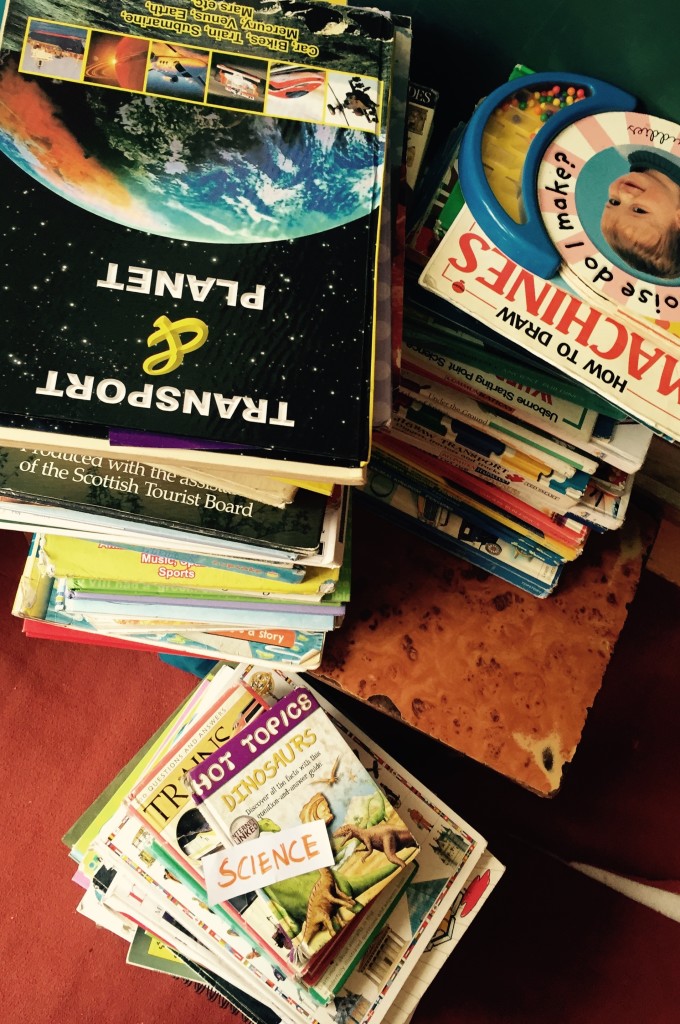
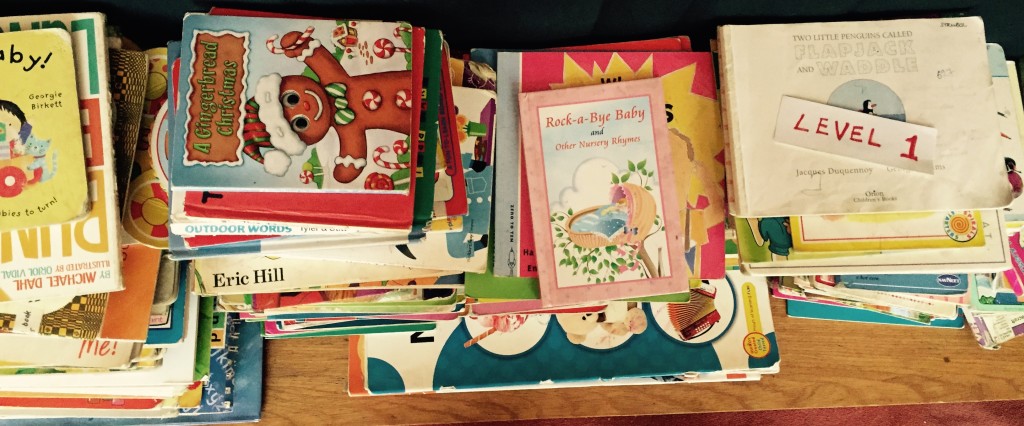
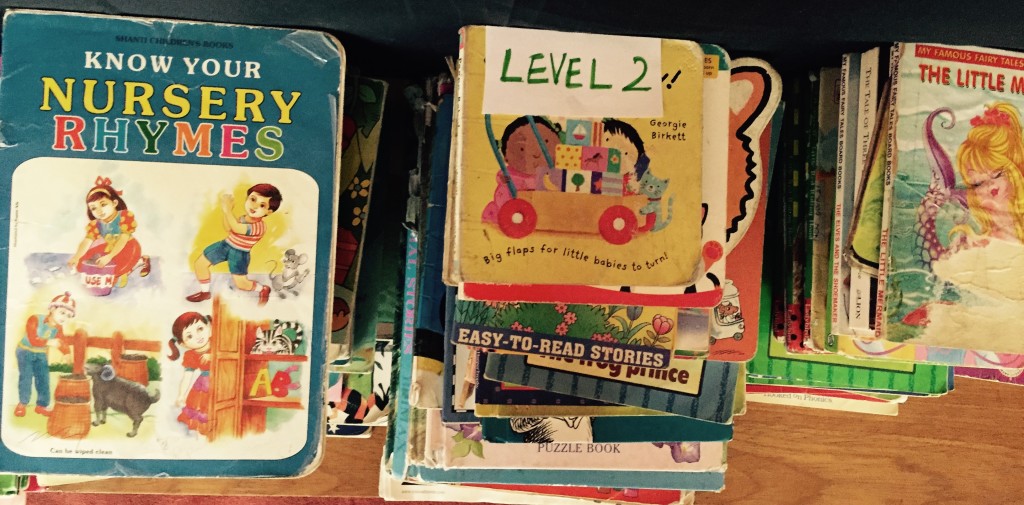
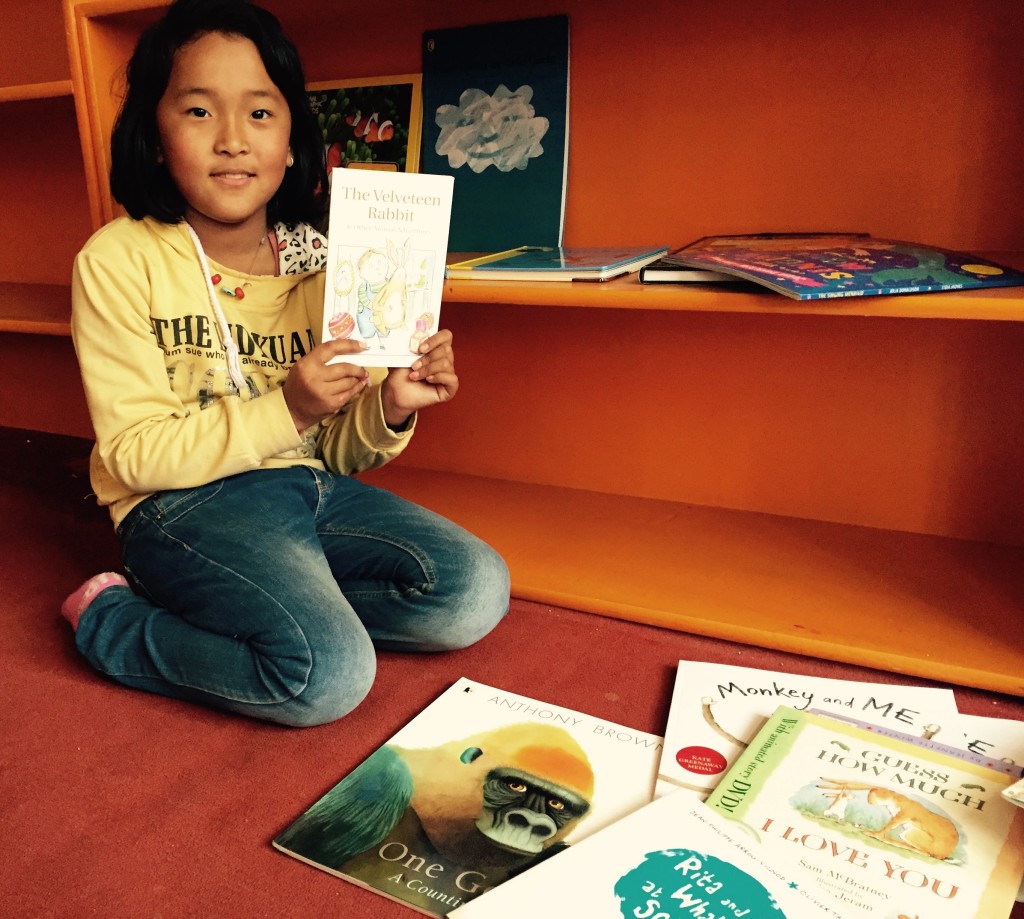
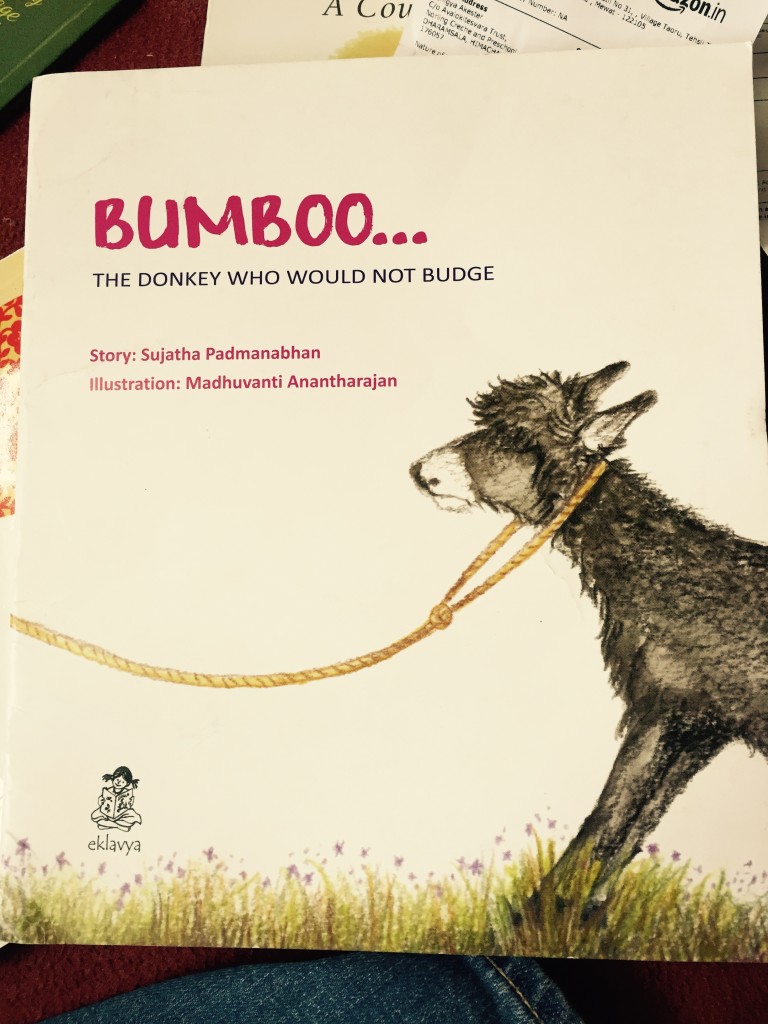
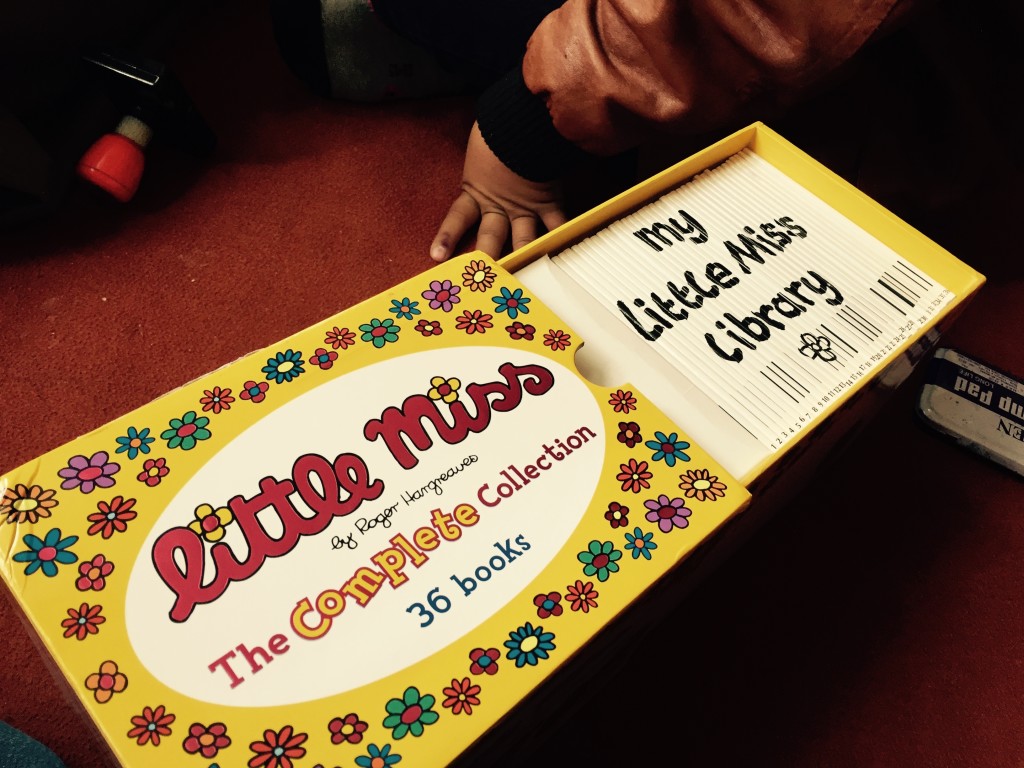
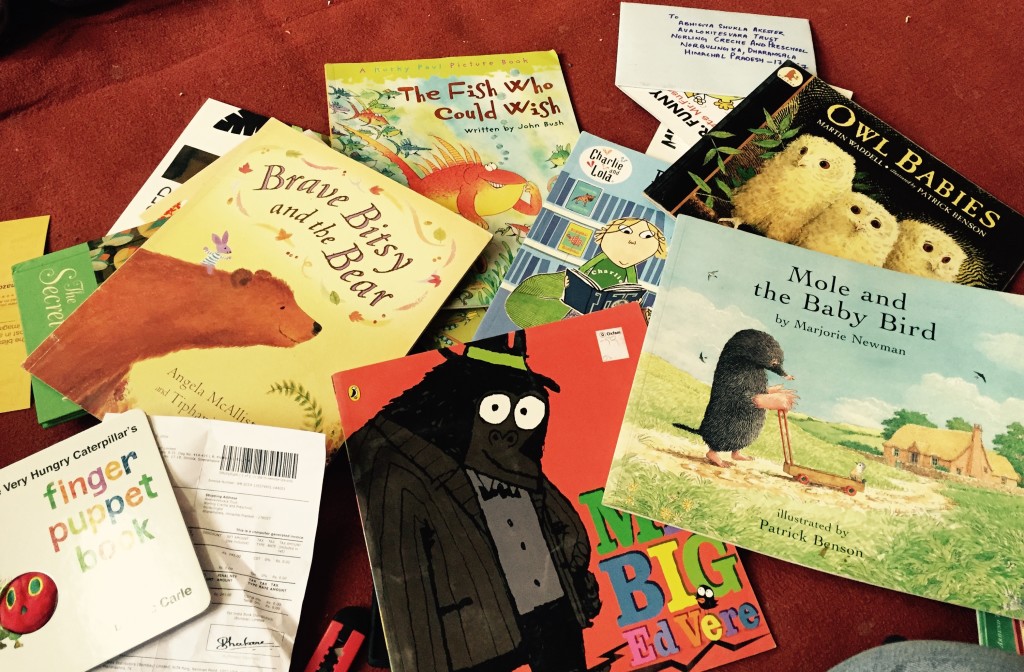
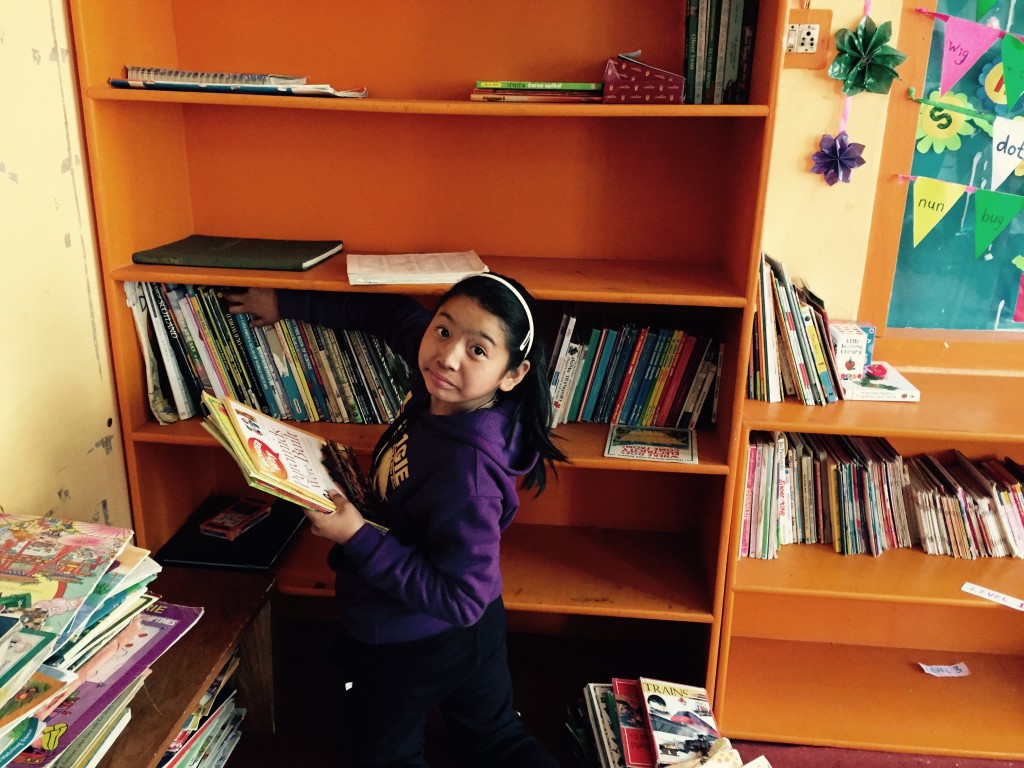
The collection does not need to be enormous. A balanced shelf might include early readers, bilingual books, local histories, nature guides, poetry, novels for older students and picture books for younger visitors. Repairing well-used books and rotating titles can make a modest library feel fresh.
In Australia, families often find affordable pre-loved books through op shops, school fairs and community markets. A children’s book that costs little at a weekend market in Adelaide or Perth may become a valuable shared resource in a remote Himalayan reading room, provided it suits the language level and cultural setting.
What Children Gain From The Afternoon Gathering
- Stronger listening skills and a growing vocabulary
- Confidence to speak, ask questions and retell stories
- A regular place for quiet study and creative play
- Familiarity with books beyond school textbooks
- Connection with an encouraging older mentor
A Daily Tradition With Wider Reach
The afternoon reading circle depends on consistency. Children learn that the monk will be there after lessons, ready with a story and a kind welcome. This reliability can be as important as the books themselves, particularly for children who have few quiet places to read at home.
Volunteers may contribute by sorting books, supporting art activities, recording local stories or helping staff understand which titles children choose most often. Good preparation matters. Books should be clean, age-appropriate and relevant, with space for local languages and familiar landscapes.
Supporters in Australia may also need to think carefully about safe and responsible volunteering. Anyone travelling to work directly with children should ask about safeguarding procedures and the relevant Working With Children Check requirements in their state or territory. The rules differ between places such as New South Wales, Victoria and Queensland, so responsible organisations explain expectations before a placement begins.
From Australian Bookshelves To Himalayan Readers
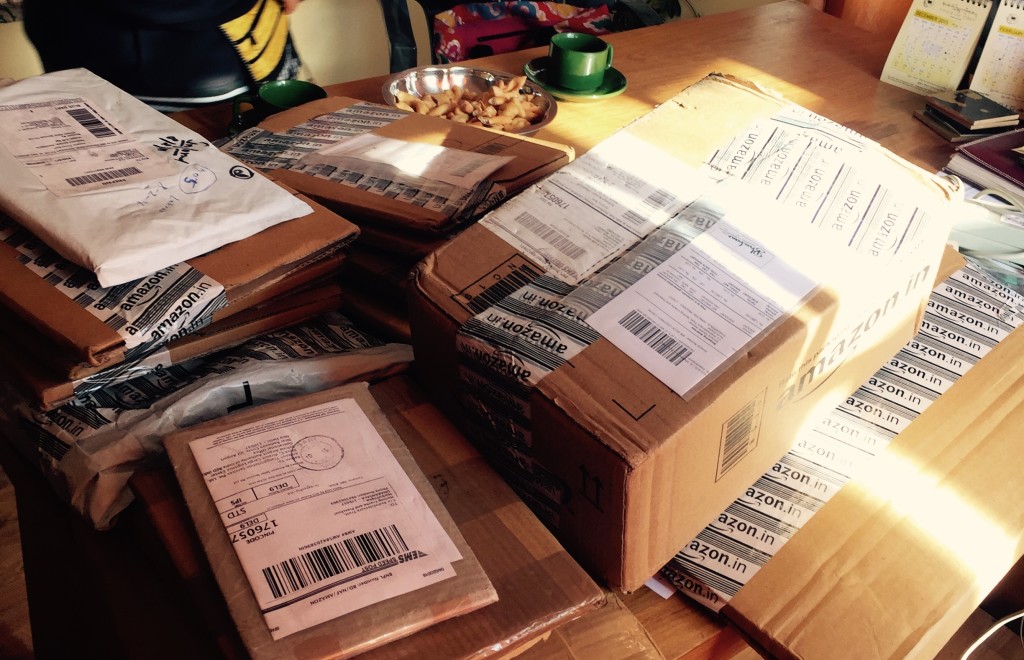
Book donations are most useful when they are selected rather than simply packed. Shipping, customs, storage and local reading levels all affect whether a donation reaches children in a practical form. Financial support can sometimes allow local partners to obtain suitable books closer to the communities they serve.
Australian donors can also check how a charity is registered and whether a gift is tax deductible through information connected with the Australian Charities and Not-for-profits Commission. Tax treatment should never be assumed, particularly when a donation is made through a fundraising campaign or informal collection.
Ways Support Can Strengthen A Reading Programme
- Funding shelves, floor cushions, lamps and weatherproof storage
- Providing age-appropriate books in suitable languages
- Supporting art, music and storytelling sessions
- Covering transport for book deliveries to remote communities
- Helping local educators maintain regular reading hours
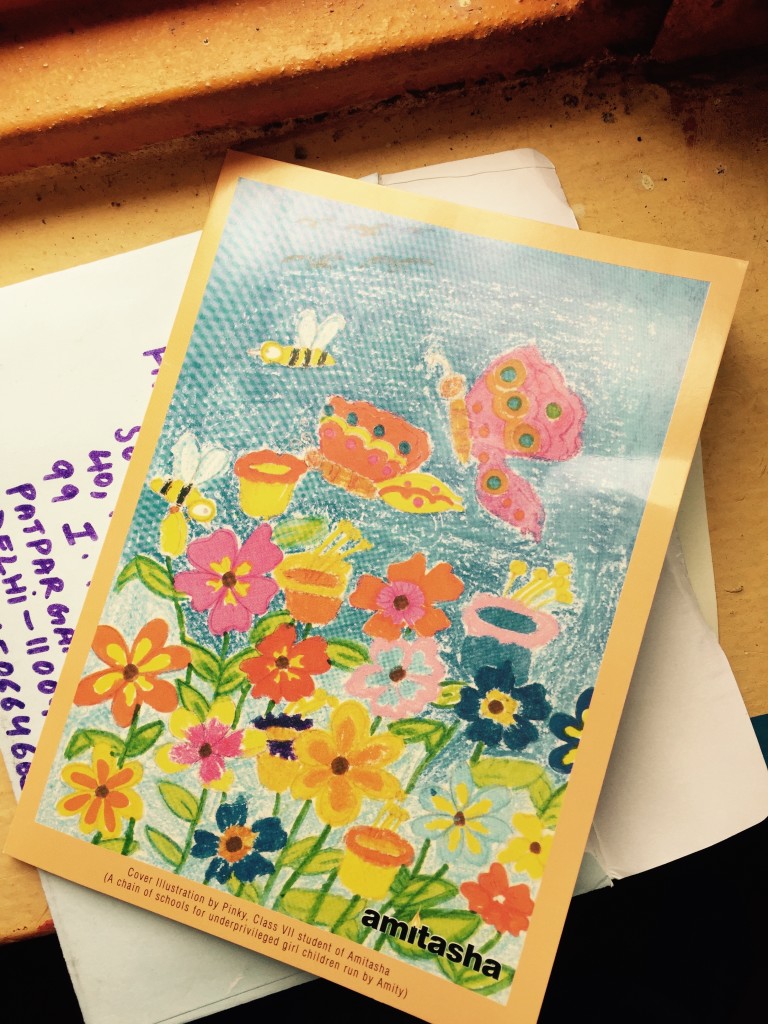
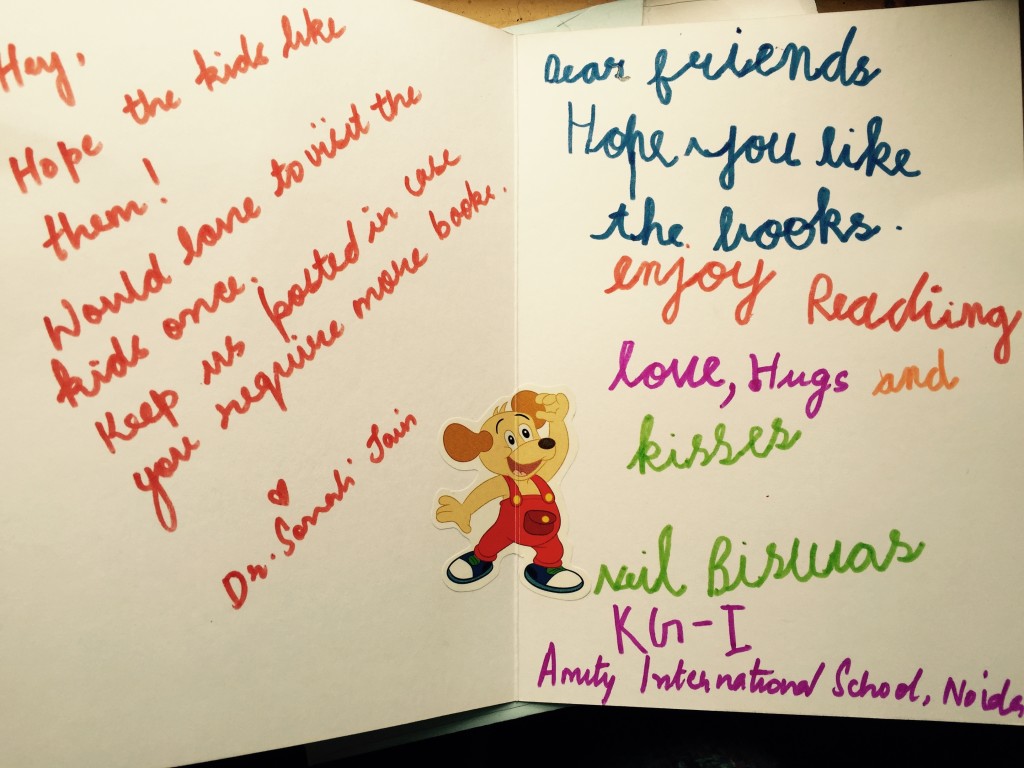
The local market offers useful possibilities too. Independent bookshops, library clearances, community groups and second-hand sellers may help assemble thoughtful collections. A partnership between an Australian school and a Himalayan reading room could pair book exchanges with letter writing, giving children on both sides a reason to communicate.
What The Monk Teaches Beyond Reading
The elderly monk’s gift is measured in more than pages completed. He teaches children how to listen to one another, wait for an answer and care for shared belongings. He shows that knowledge can be offered generously, without competition or display.
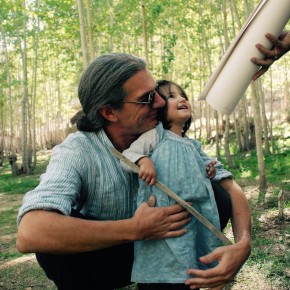
His presence also gives a different picture of ageing. An older person is not placed at the edge of community life; he remains an active teacher, storyteller and guide. The children learn from his experience, while their energy and questions keep his work connected to the present.
The comparison below shows why a small daily reading circle can have such a broad effect:
| Element |
Immediate experience |
Longer-term value |
| Reading aloud |
Children hear fluent, expressive language |
Better vocabulary and comprehension |
| Regular routine |
Children know where and when to gather |
Greater confidence and study habits |
| Shared books |
Children discover unfamiliar ideas |
Wider imagination and curiosity |
| Intergenerational contact |
Children learn with an older mentor |
Respect, trust and community connection |
| Creative follow-up |
Stories lead to art, music or discussion |
Stronger self-expression and participation |
A quiet voice, a repaired book and a familiar room can therefore become part of a child’s educational foundation. The work does not depend on grand equipment. It depends on care repeated often enough to become trusted.
What Readers Should Remember
Every afternoon, the monk turns reading into an act of welcome. His stories give children language, companionship and a safe place to wonder. They also show why literacy projects need human warmth as much as shelves of books.
For communities in the Himalayas and supporters in Australia, the lesson is clear: a reading room grows through steady relationships. The most lasting resource may be the person who opens a book, reads with patience and helps children believe that their questions matter.