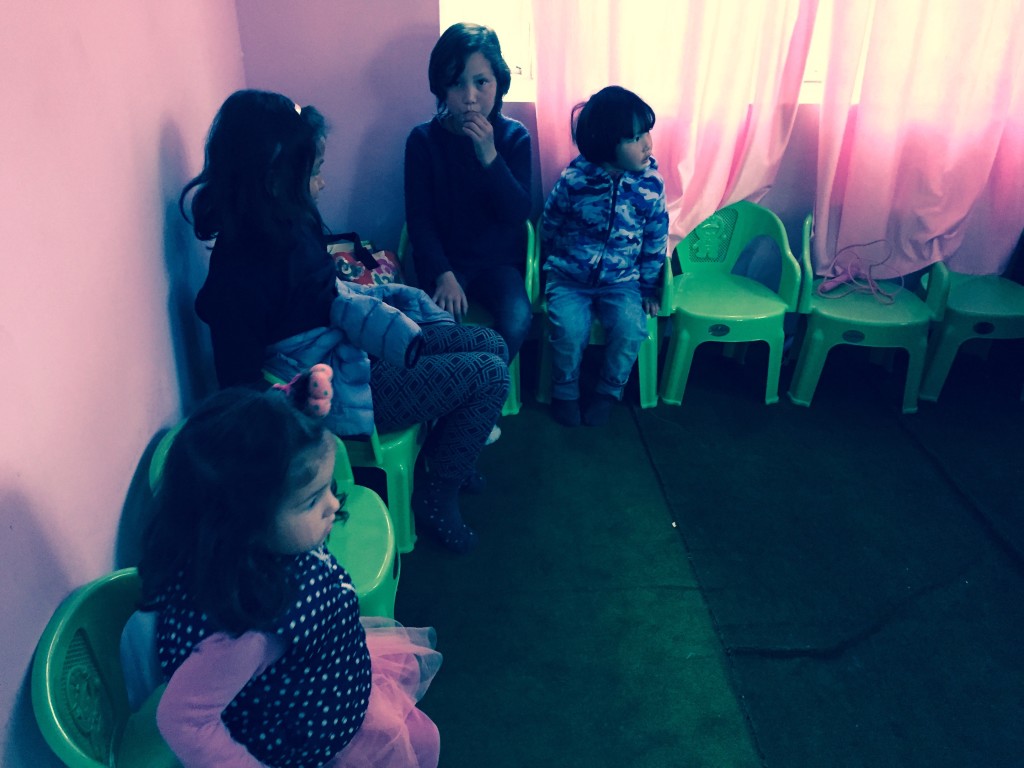
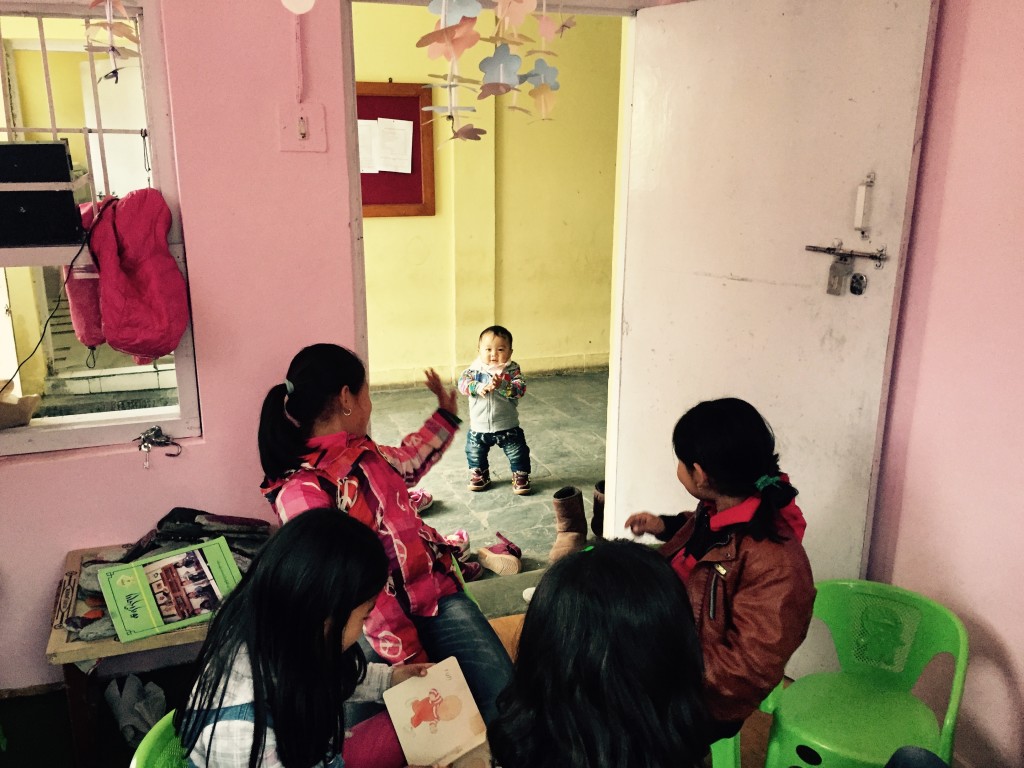
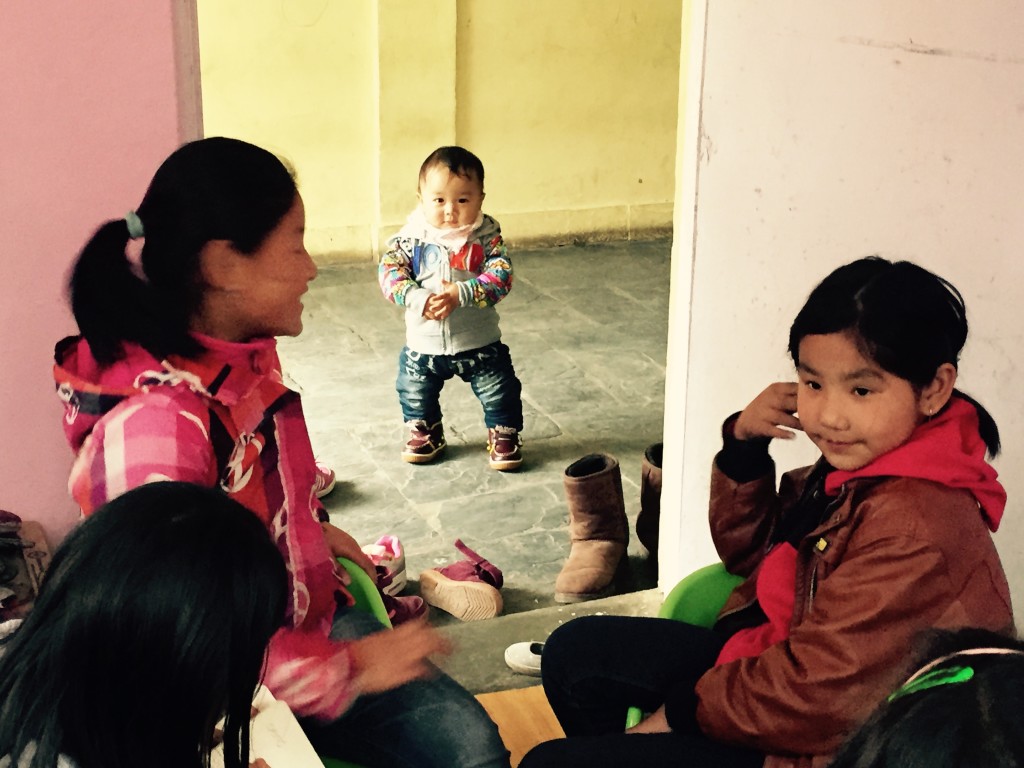
The day we opened our first reading room inside a nunnery
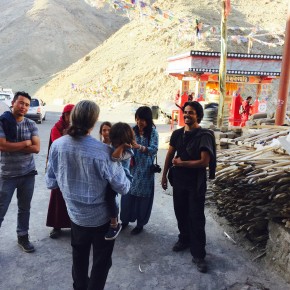
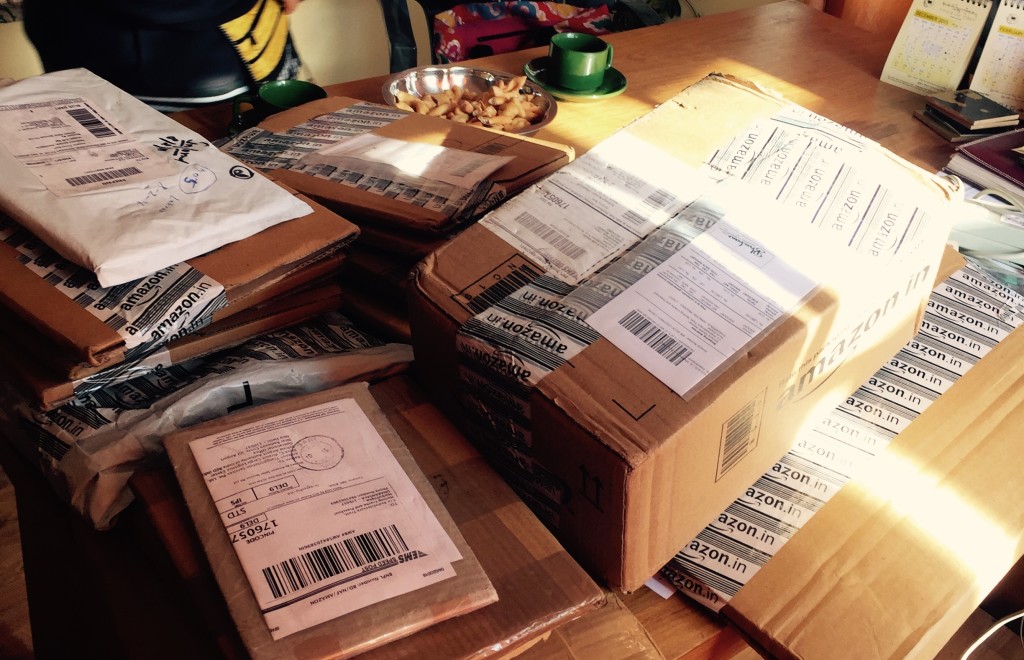
The morning began with a road winding through the high, dry landscape of Ladakh. Behind us were boxes of storybooks, picture books, school supplies, and art materials. Ahead was a nunnery where young Buddhist nuns had been waiting for a place to read, study, draw, and share ideas.
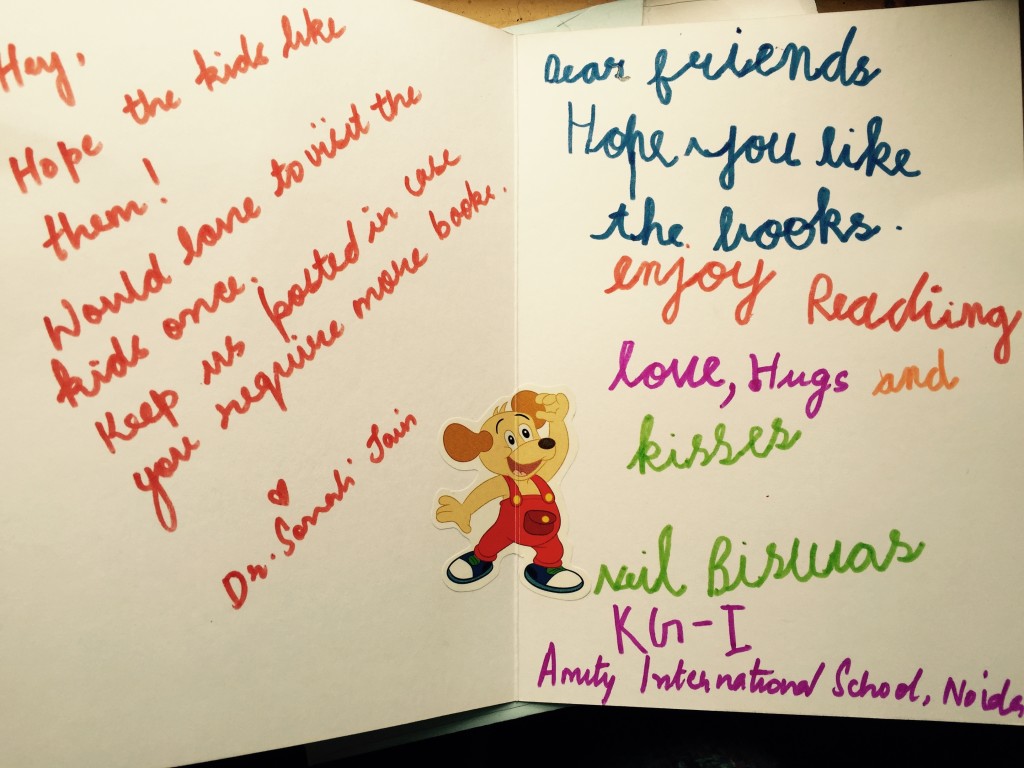
For Avalokiteśvara Trust, the opening of this reading room was more than the delivery of books. It was the beginning of a welcoming learning space inside a community that had long valued education but had limited access to a broad children’s library. Every shelf, cushion, and carefully chosen title carried the promise of regular discovery.
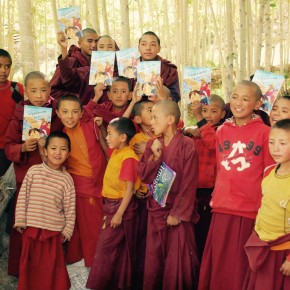
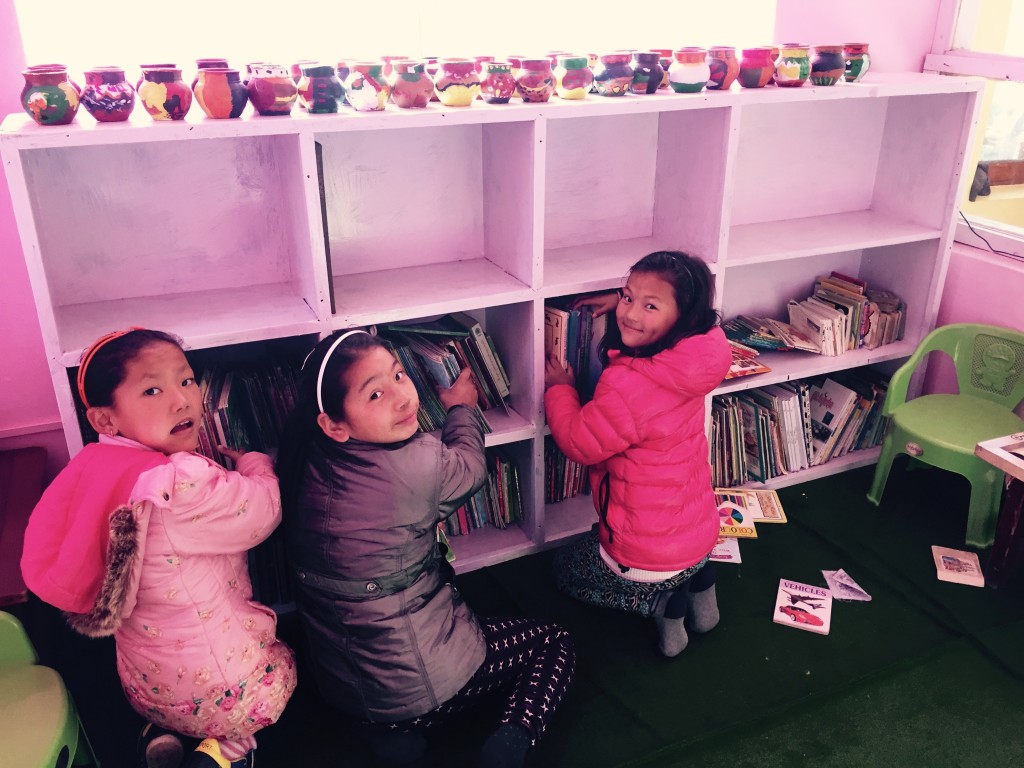
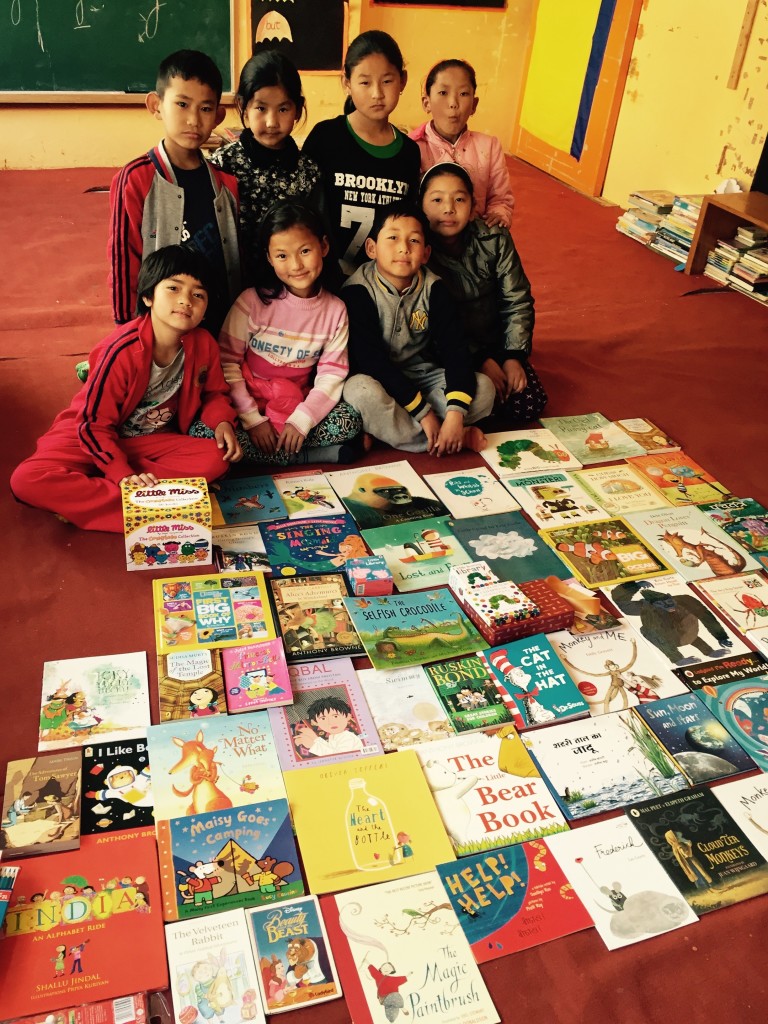
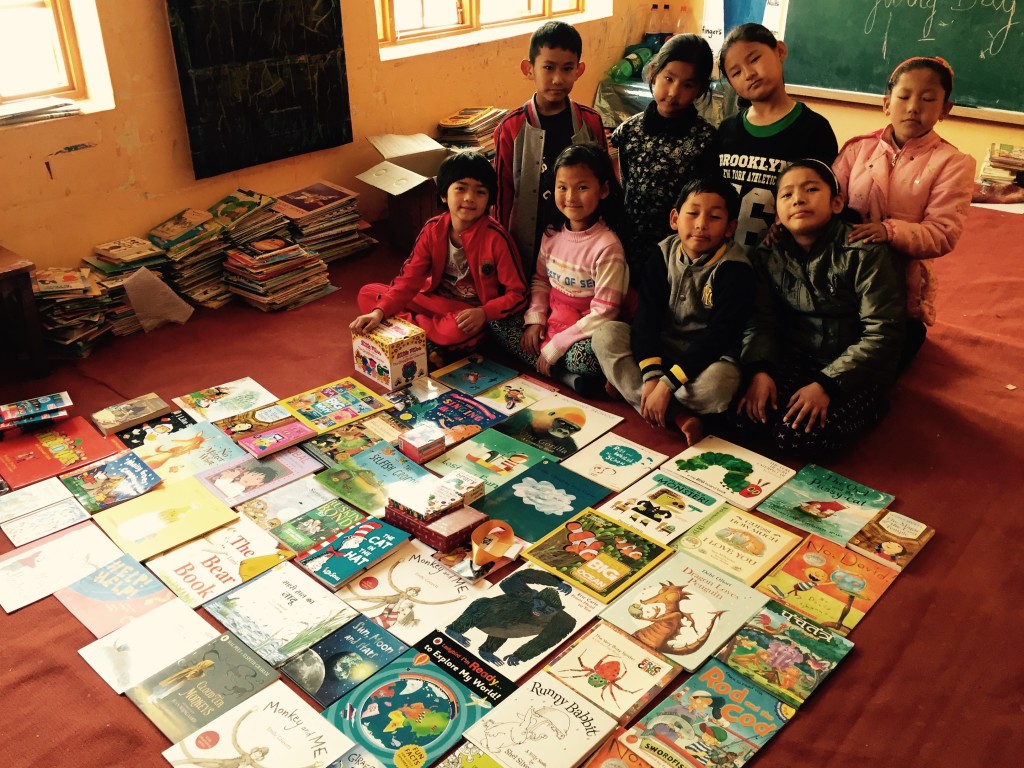
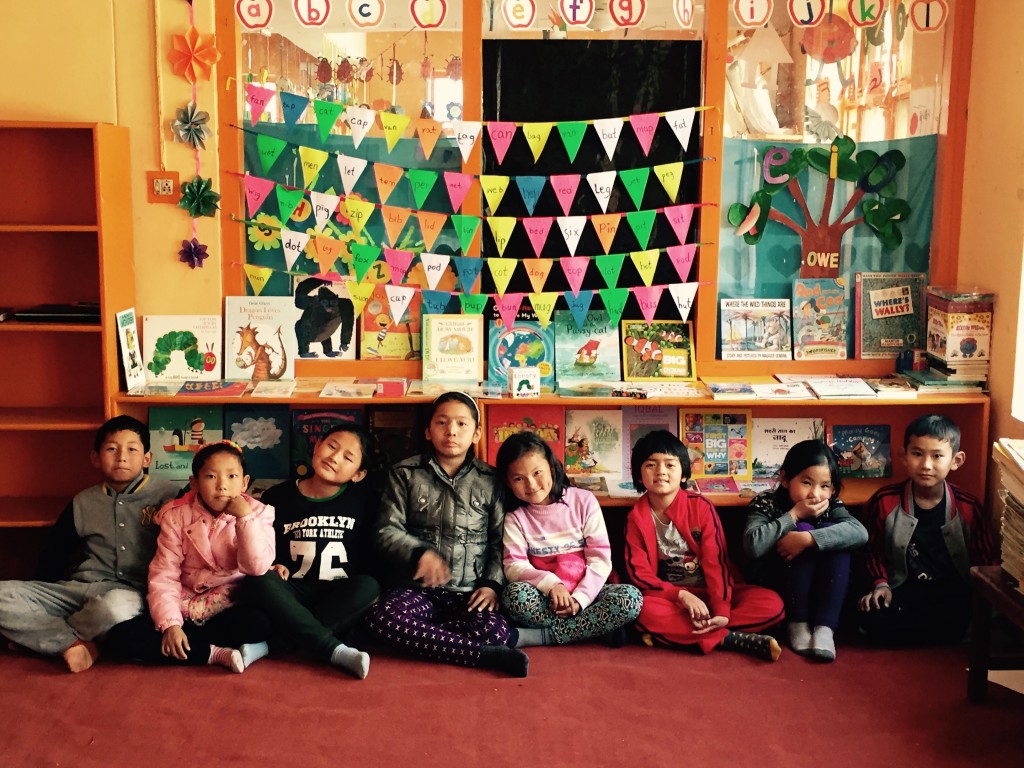
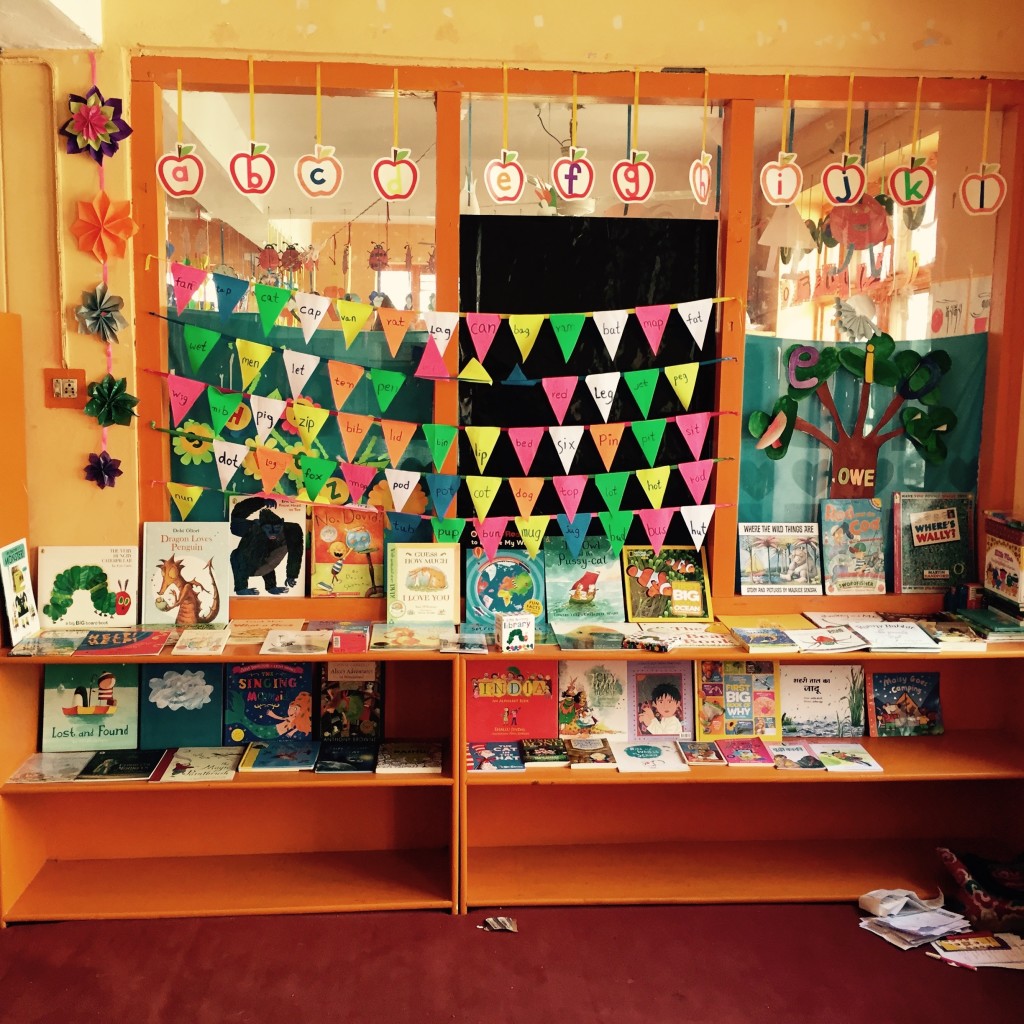
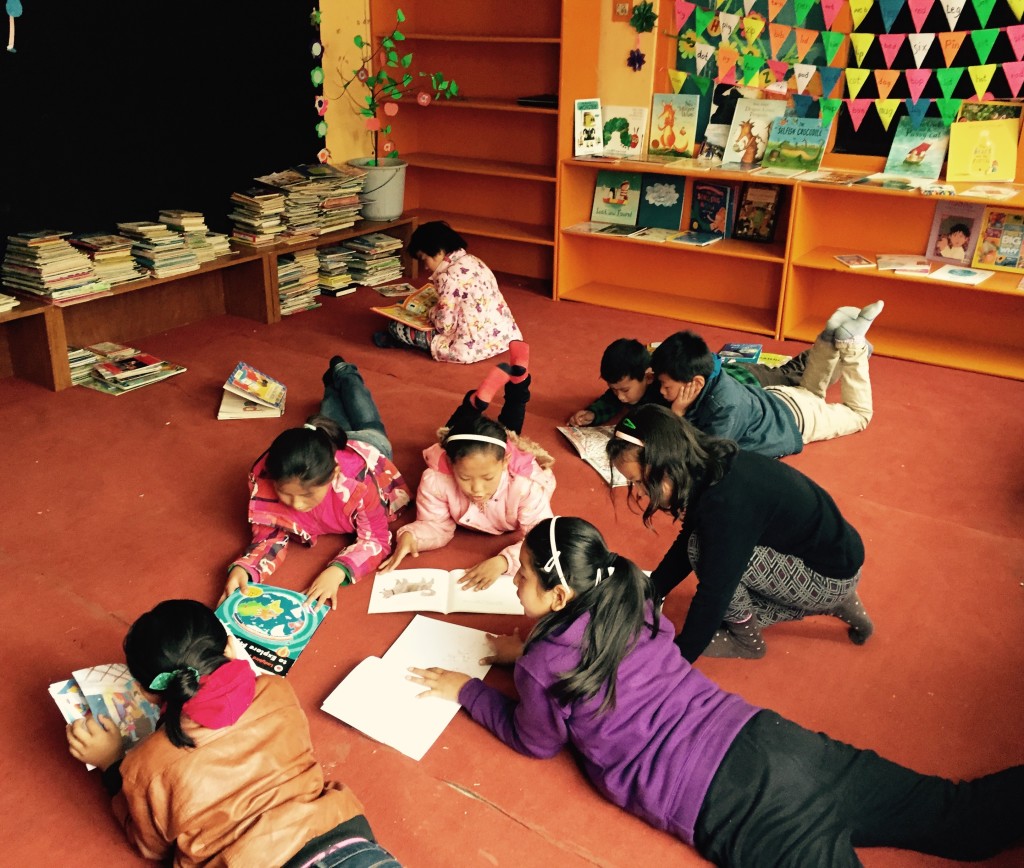
By the time the first books were arranged, the room had changed character. What had been a quiet interior became a bright corner for literacy, imagination, and conversation. The young nuns entered hesitantly at first, then gathered around the shelves with the lively curiosity that makes every book drive worthwhile.
A quiet room with a larger purpose
The nunnery already had a strong rhythm shaped by prayer, study, work, and shared responsibility. The reading room was designed to fit naturally within that daily life. It did not replace traditional learning; it widened the opportunities available to children and young monks and nuns by adding stories, reference materials, creative activities, and independent reading.
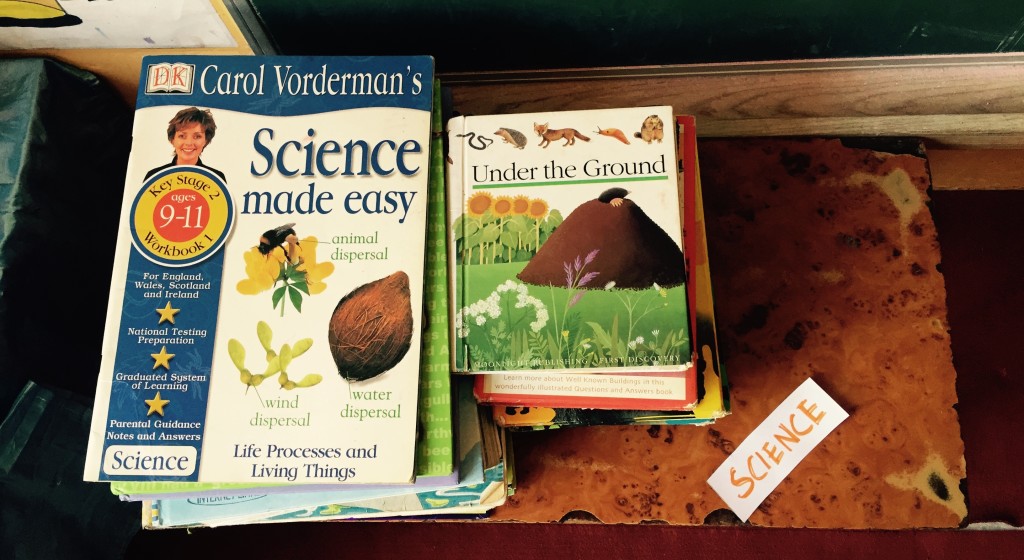
Access to books can influence a child’s confidence in subtle ways. A shelf filled with different voices shows that learning can be pursued through many paths. A folktale can strengthen language skills, an illustrated science book can encourage observation, and a biography can help a young reader imagine a future beyond familiar surroundings.
In remote Himalayan communities, a quality book collection may be difficult to build. Travel, cost, limited local supply, and the demands of school schedules can all restrict access. A community reading room creates a reliable place where books remain available long after a single donation visit has ended.
Preparing the shelves and the space
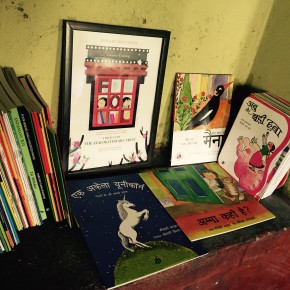
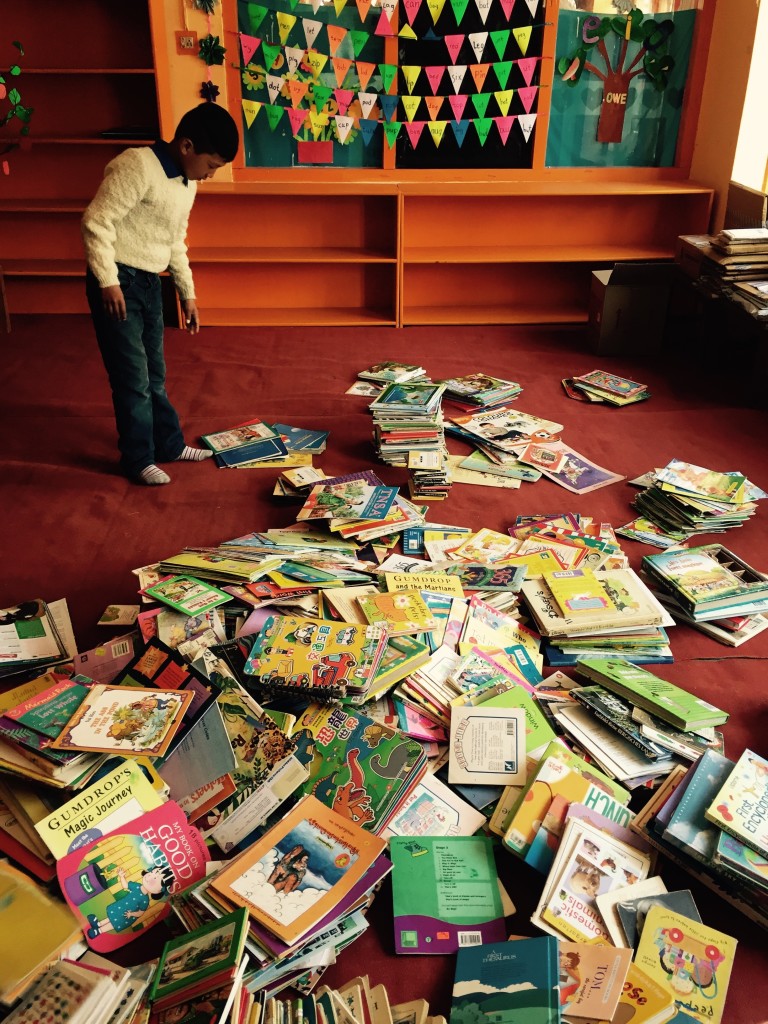
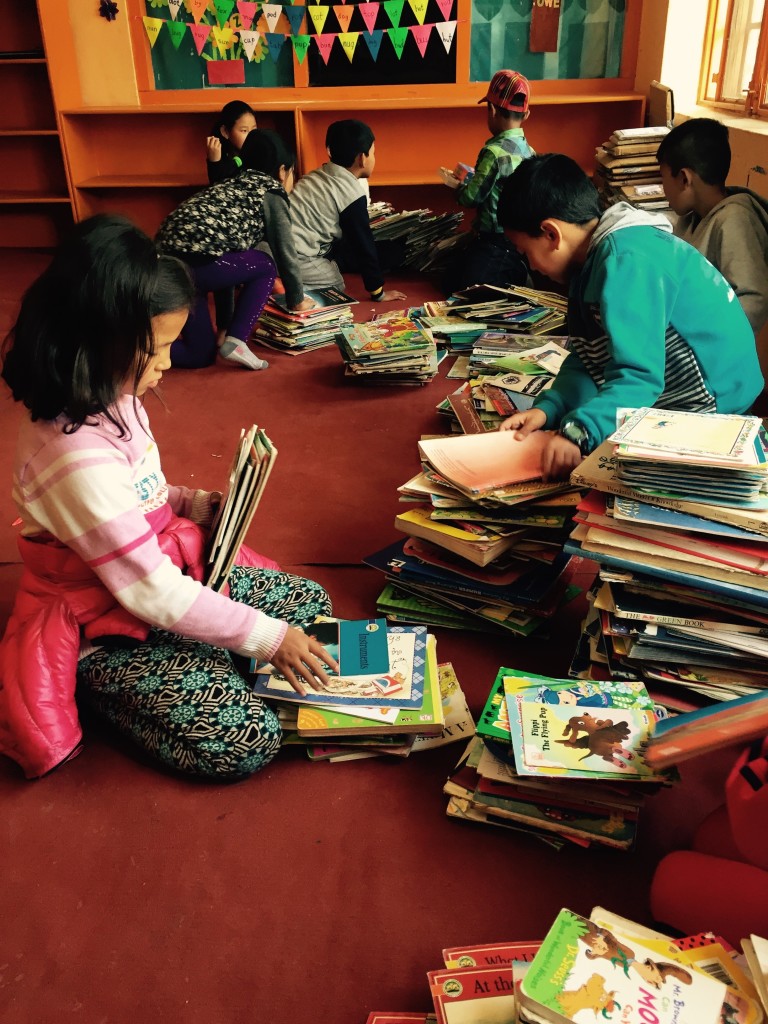
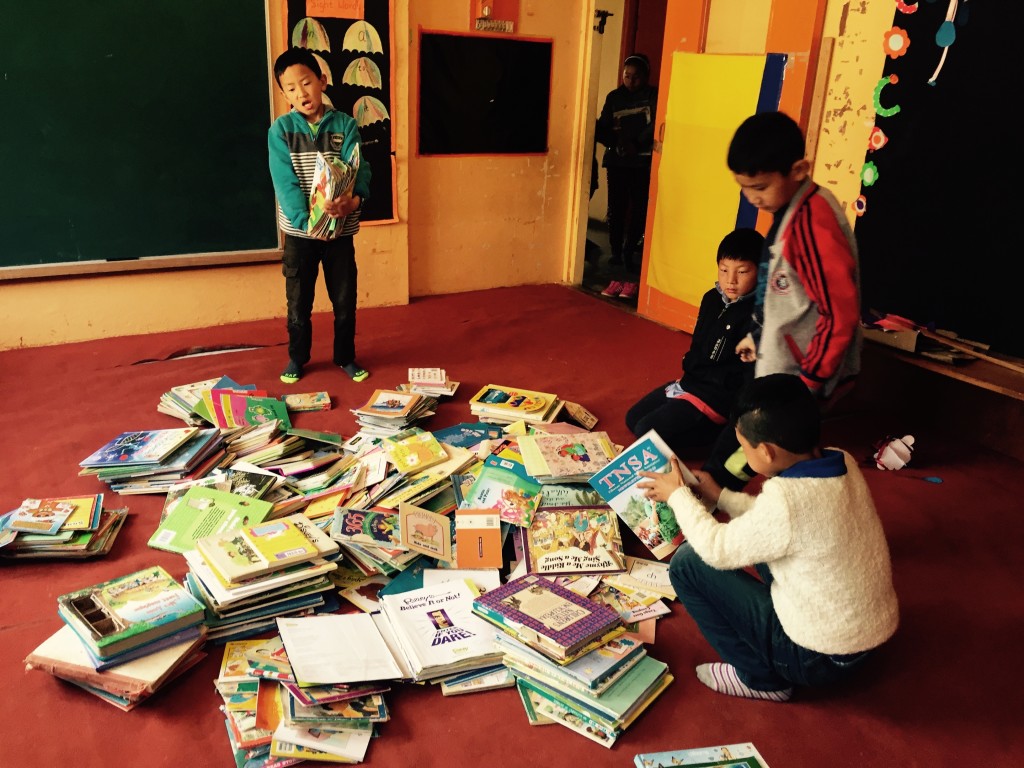
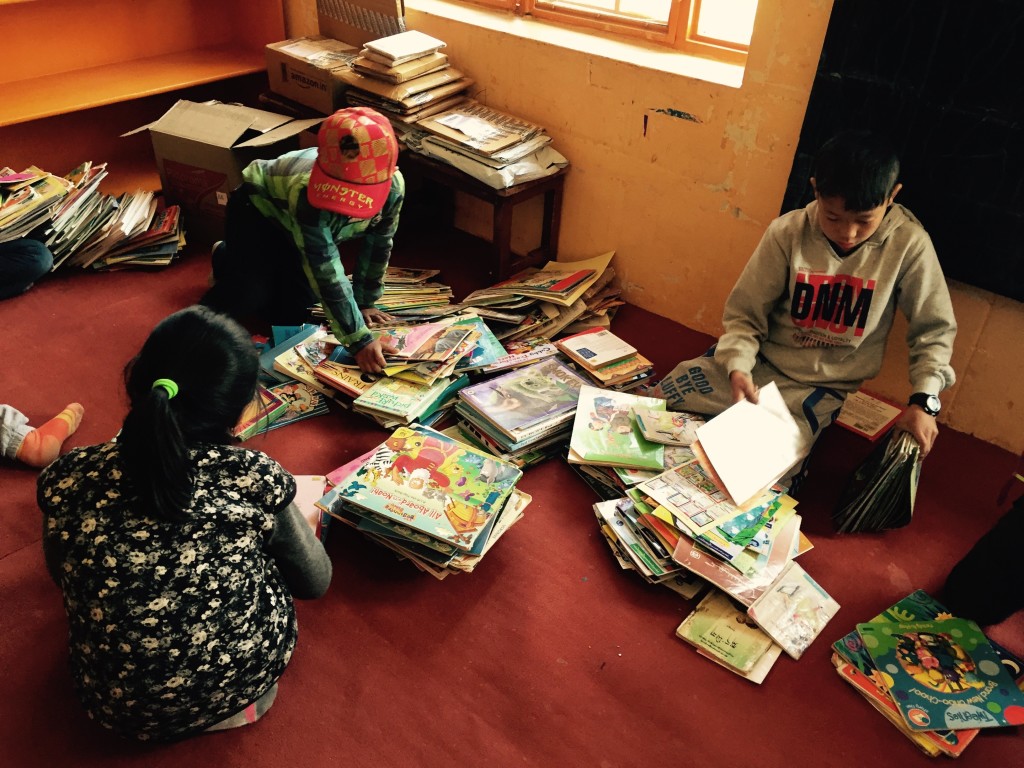
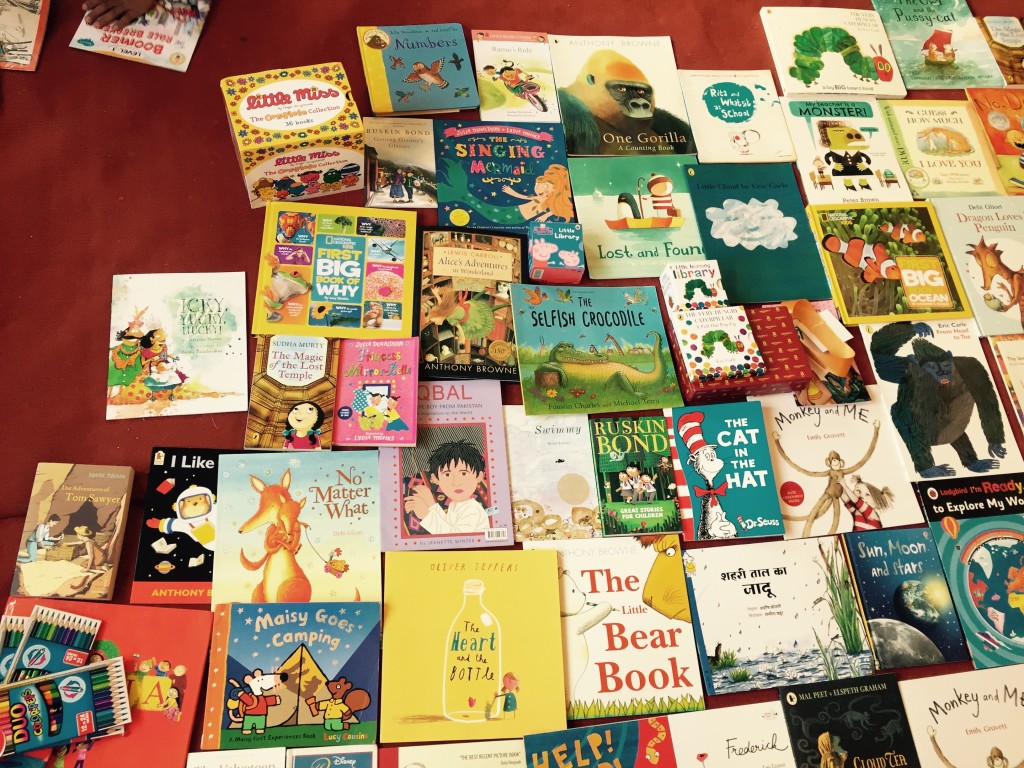
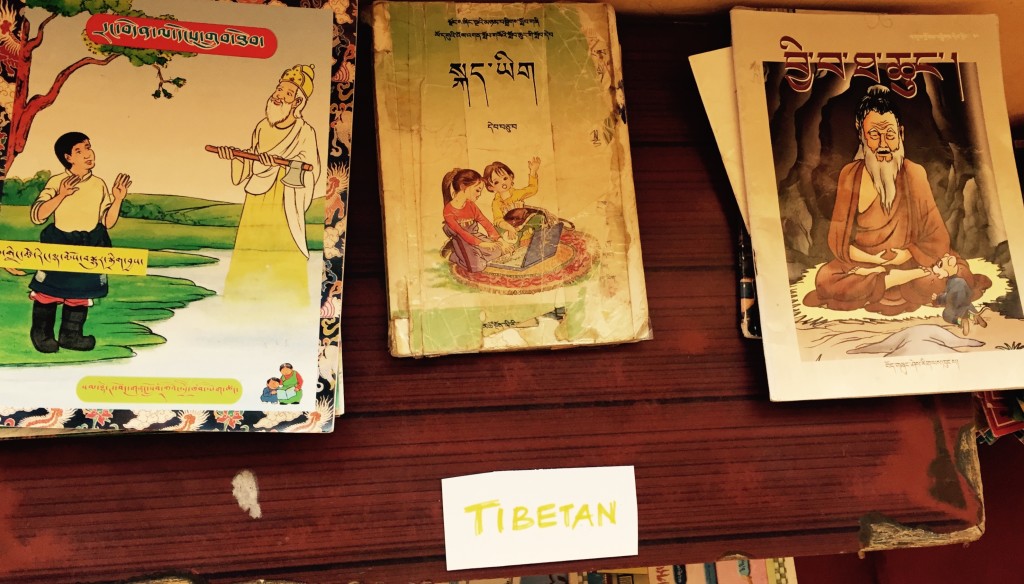
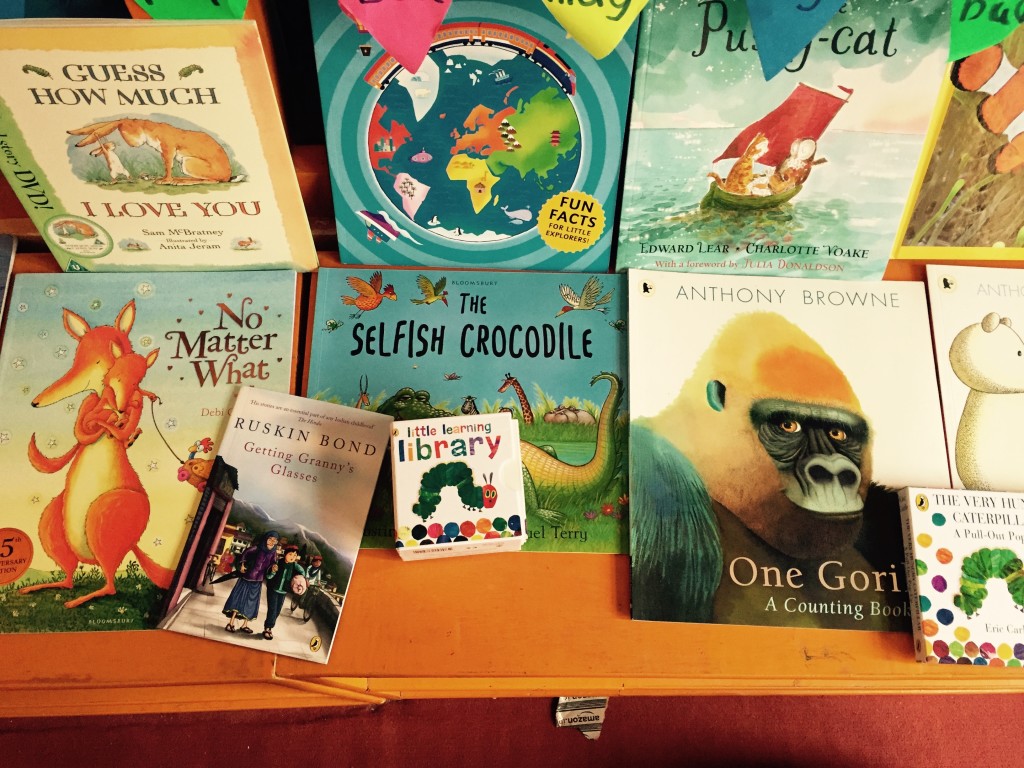
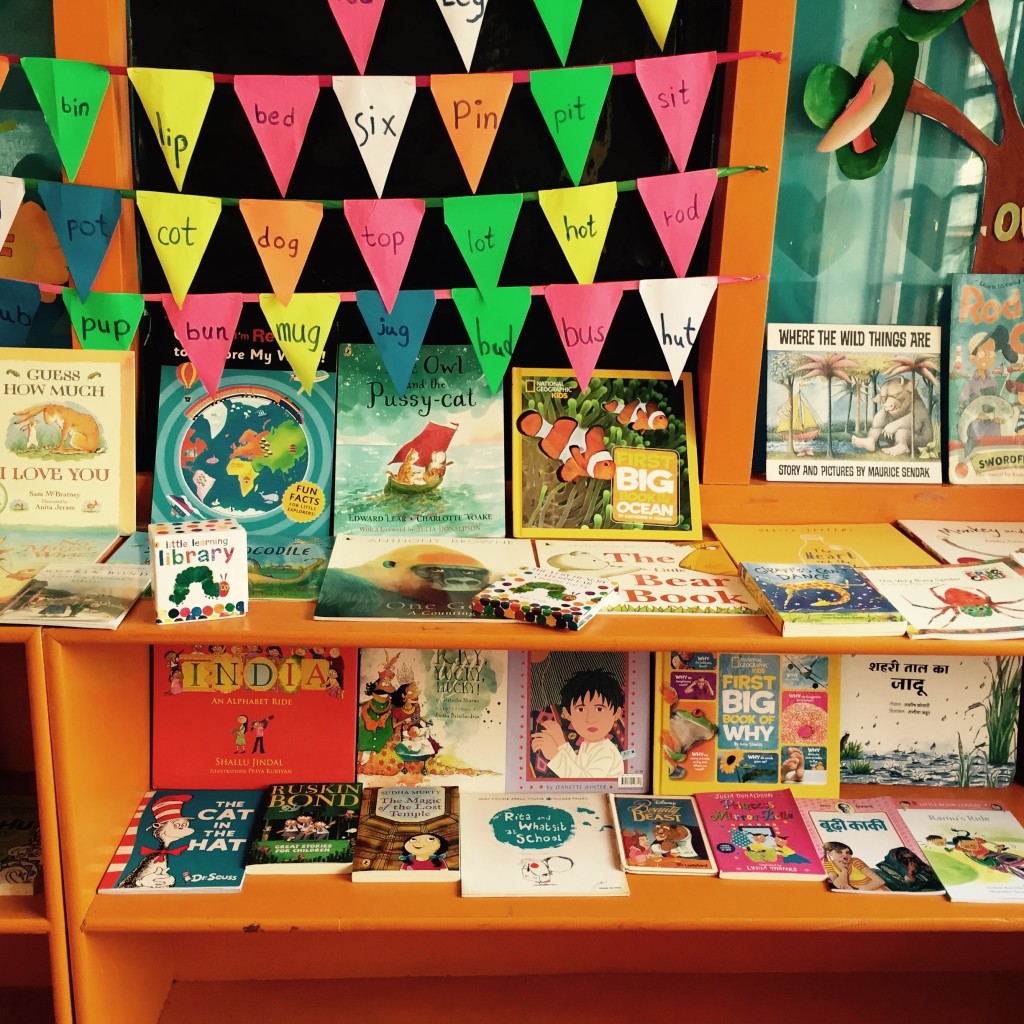
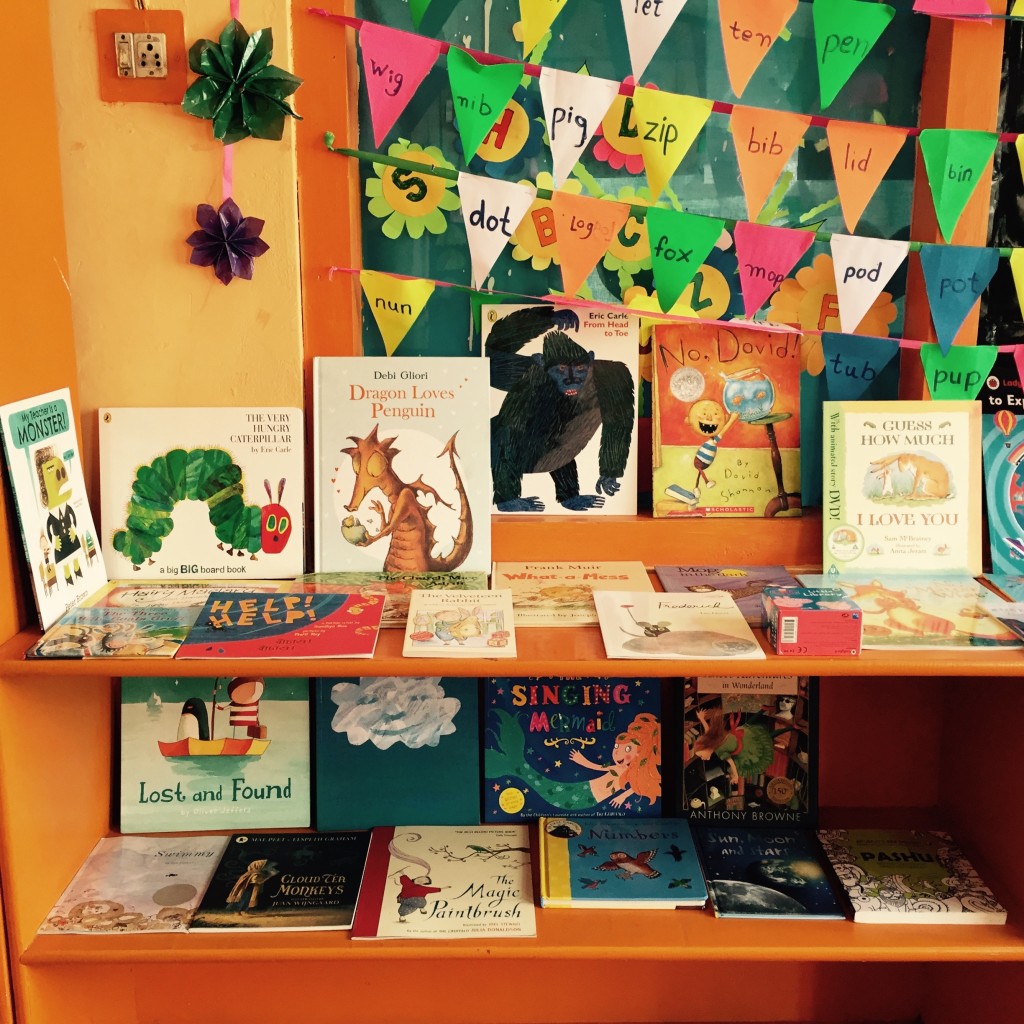
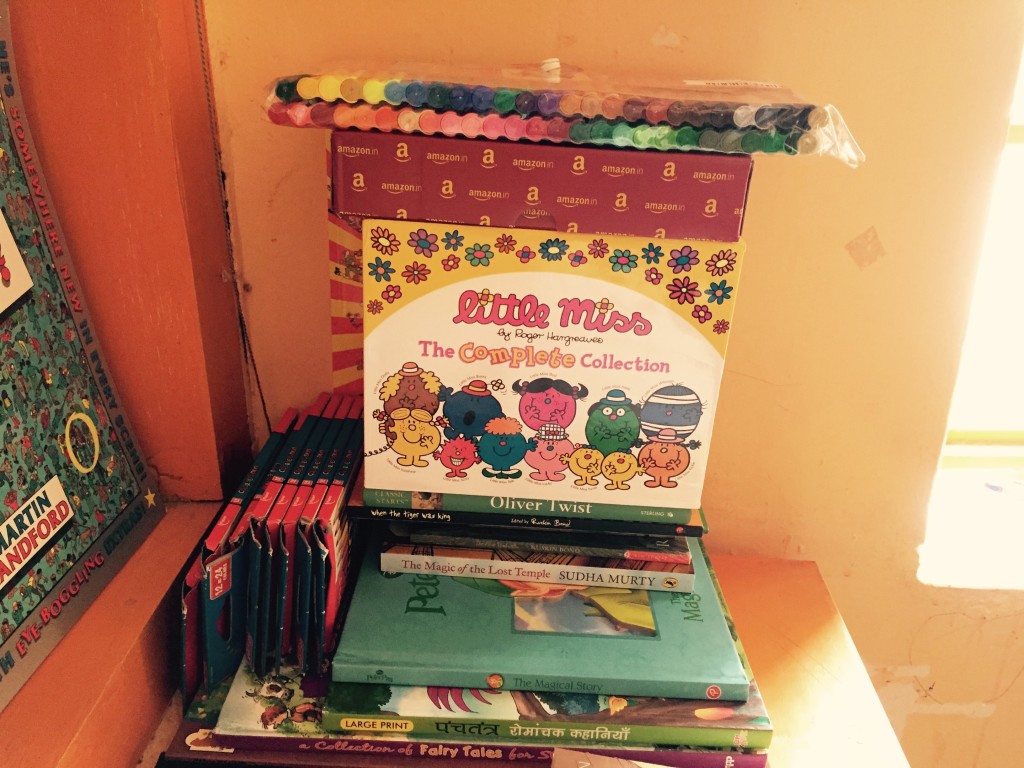
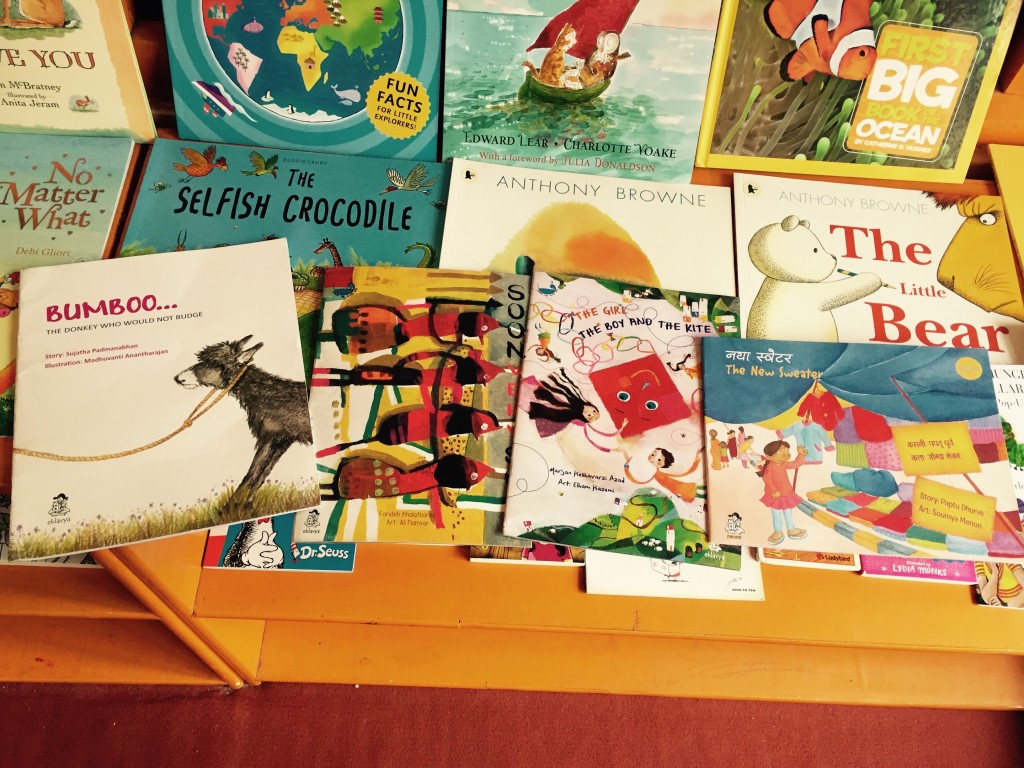
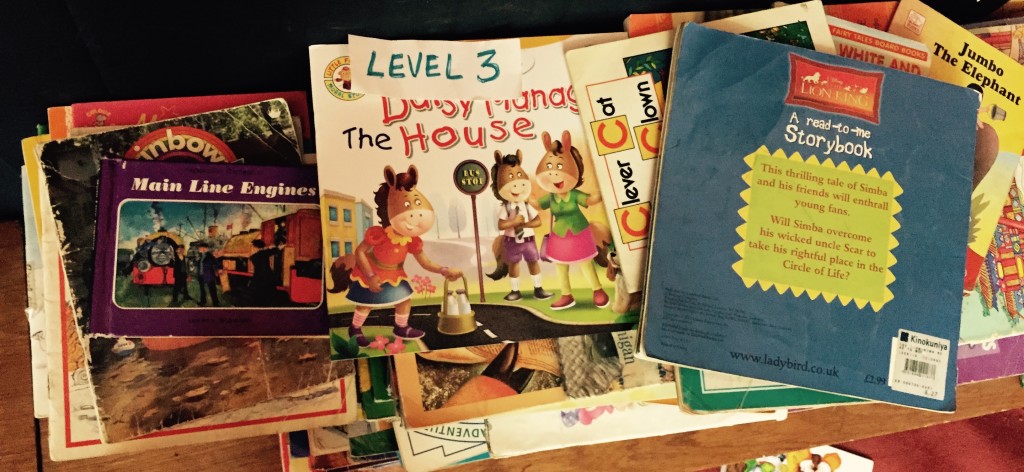
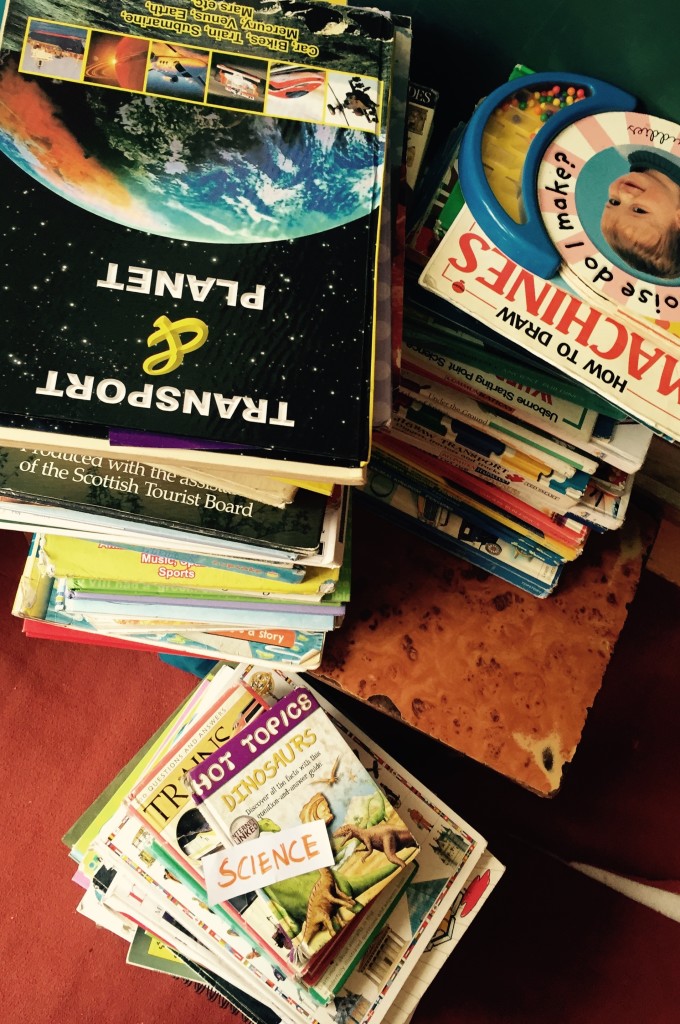
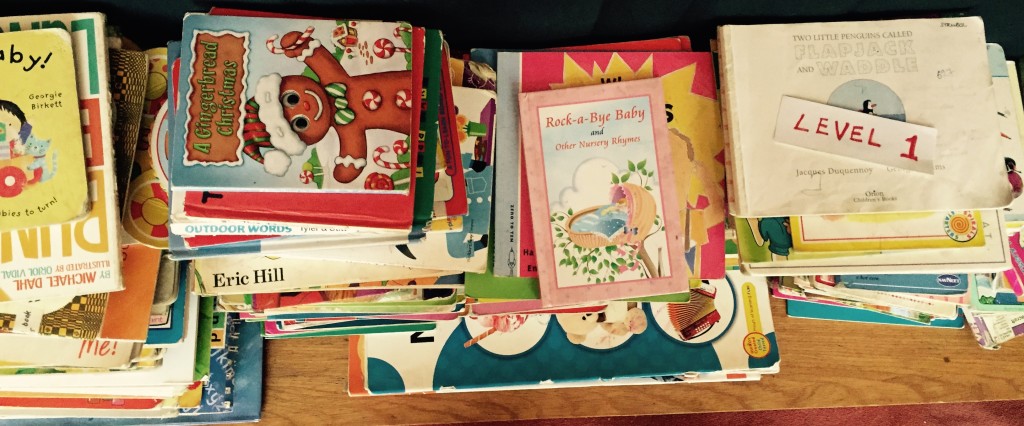
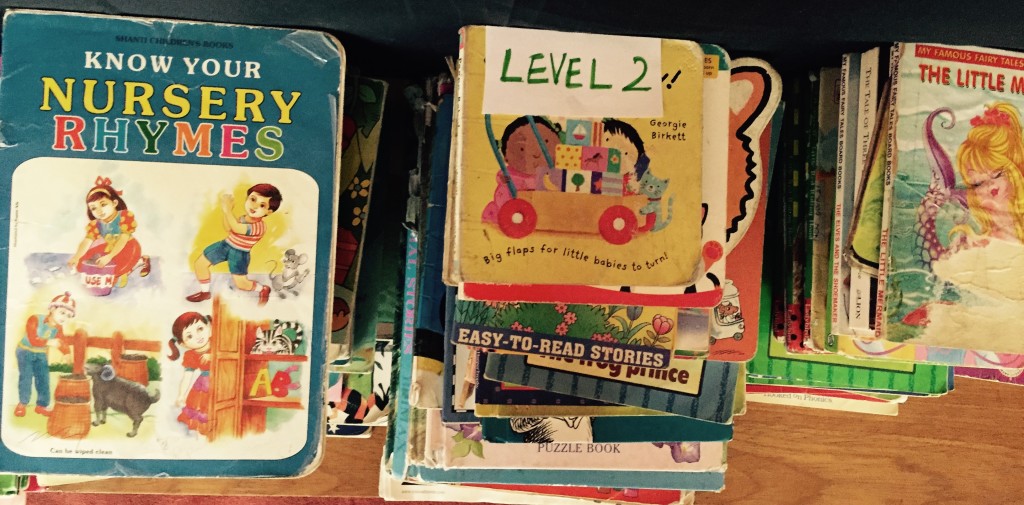
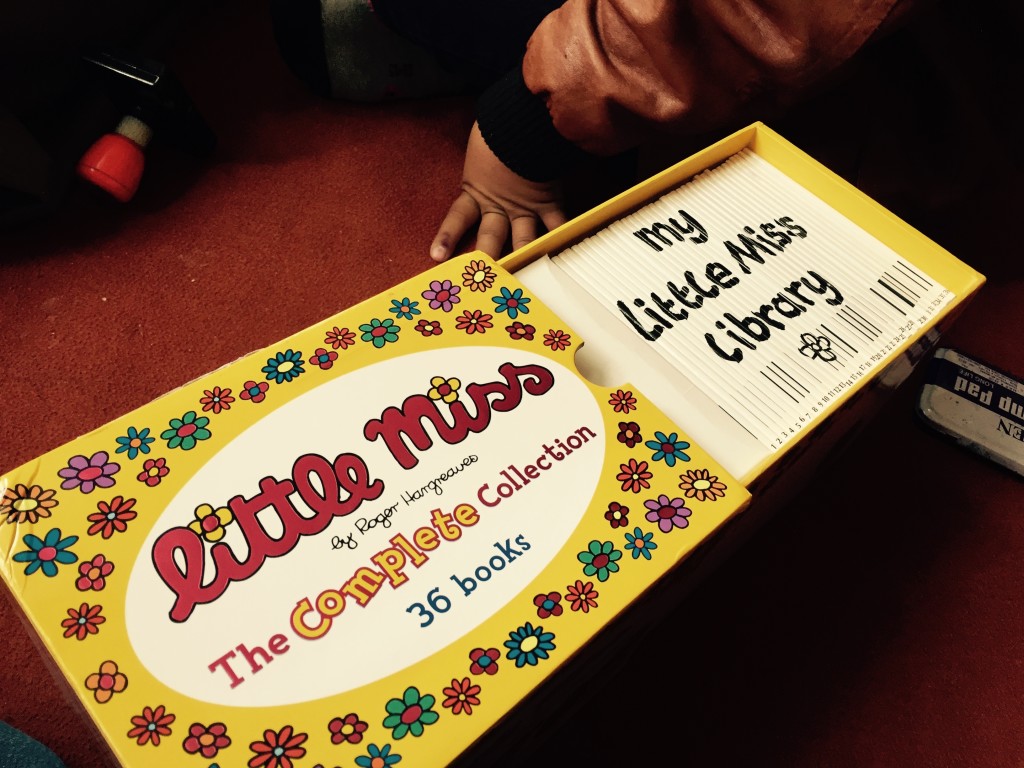
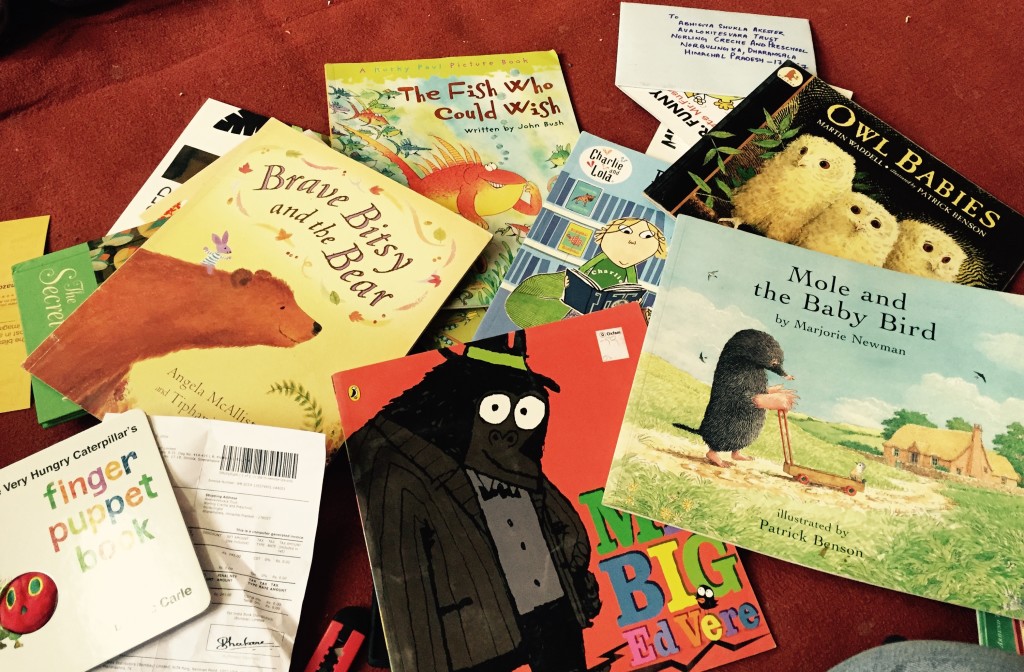
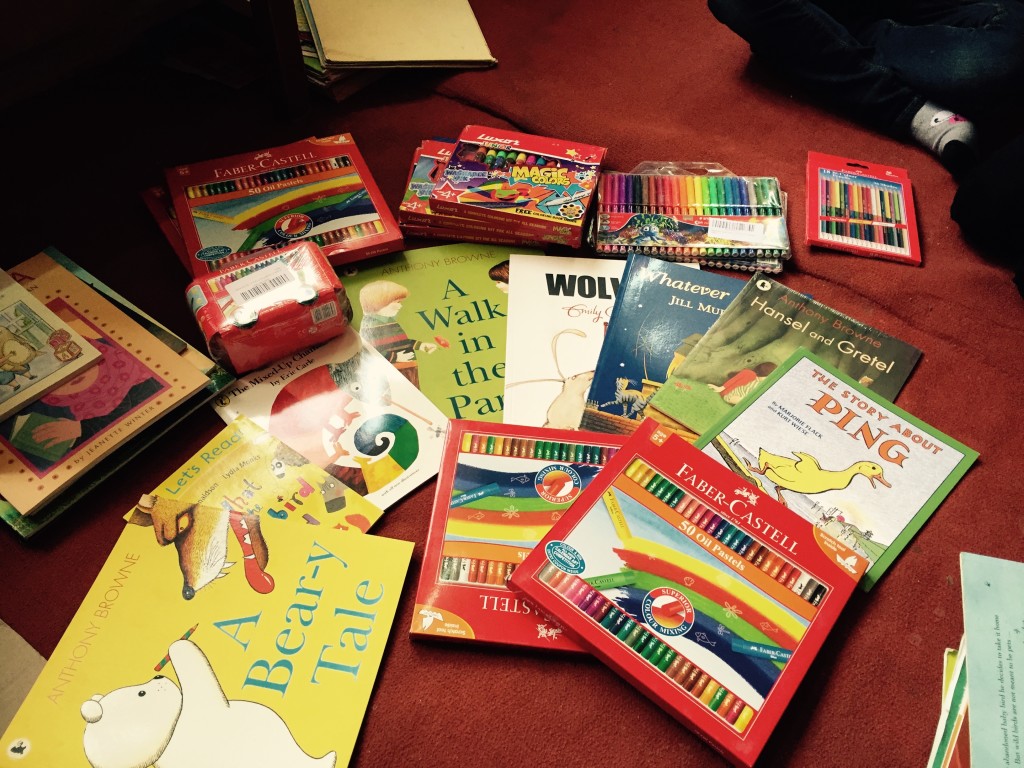
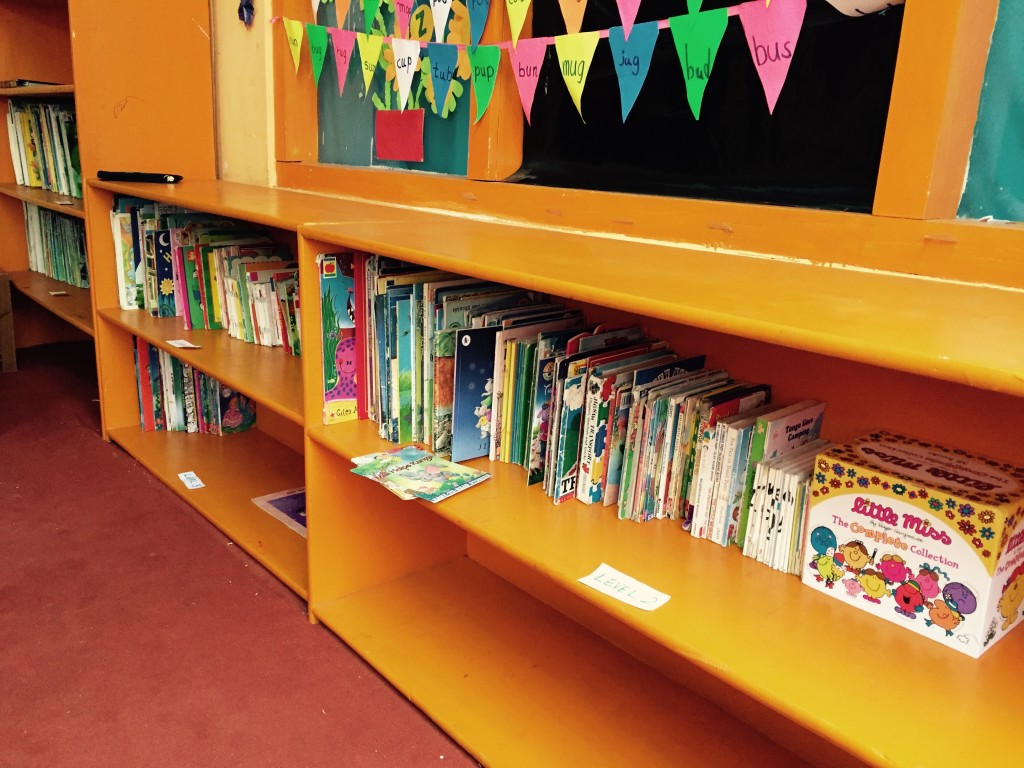
The work began well before the doors opened. Books were gathered through donations and book drives, then reviewed for age, condition, usefulness, and cultural relevance. The collection needed to be varied enough to support different reading levels, from early picture books to longer stories and educational resources.
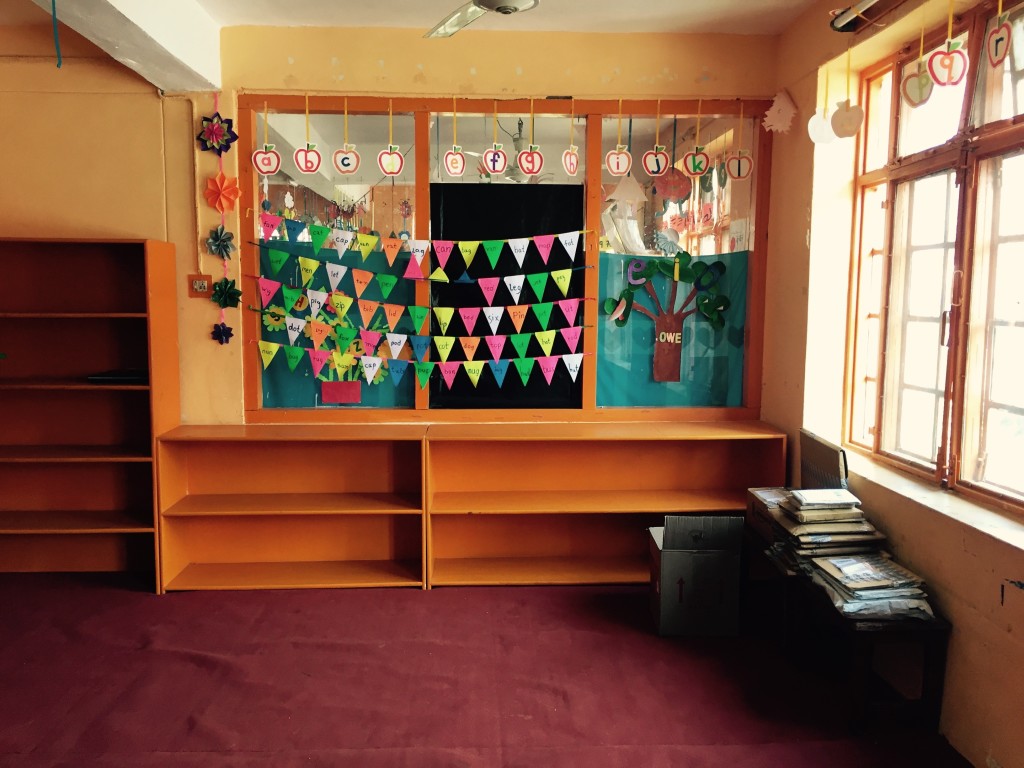
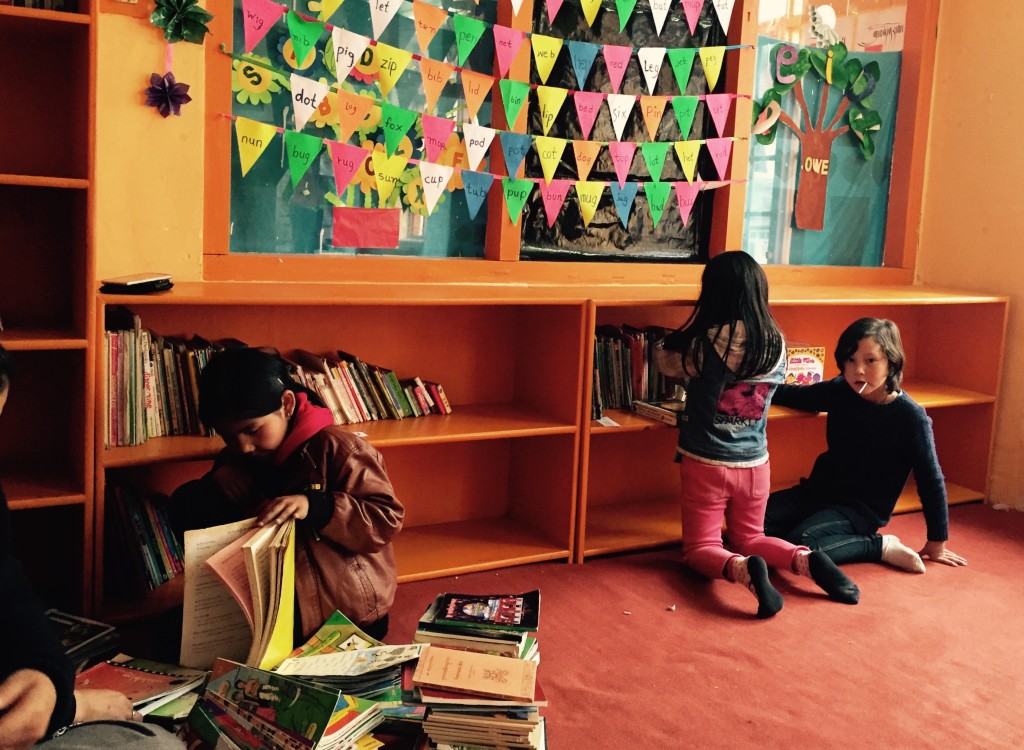
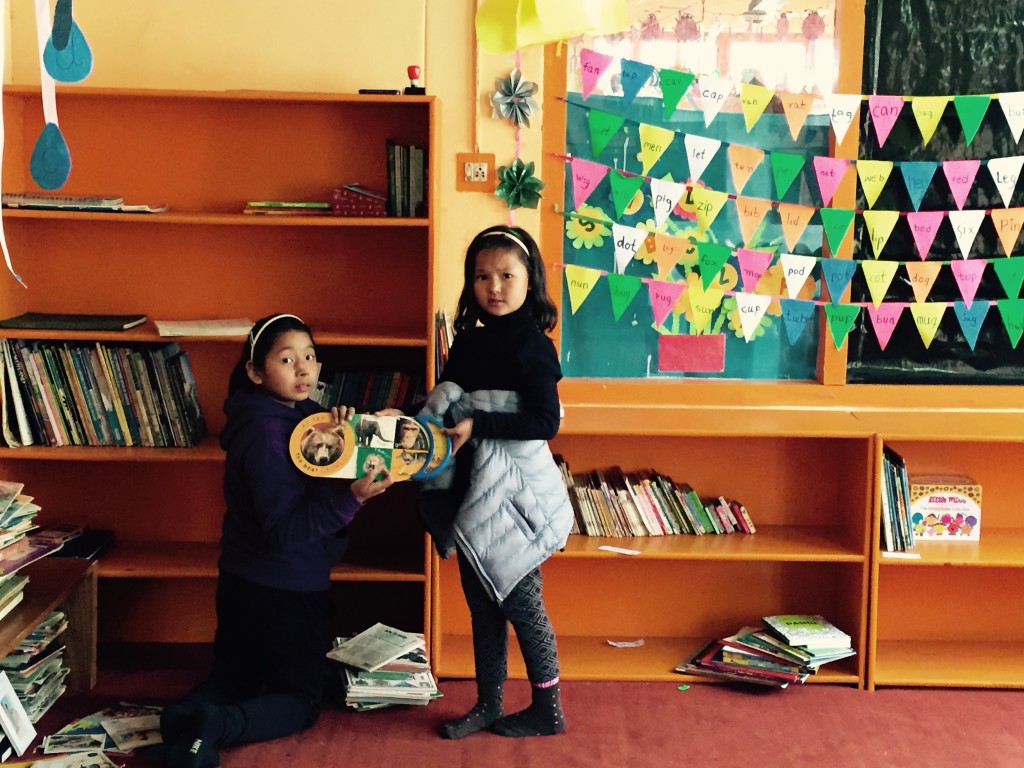
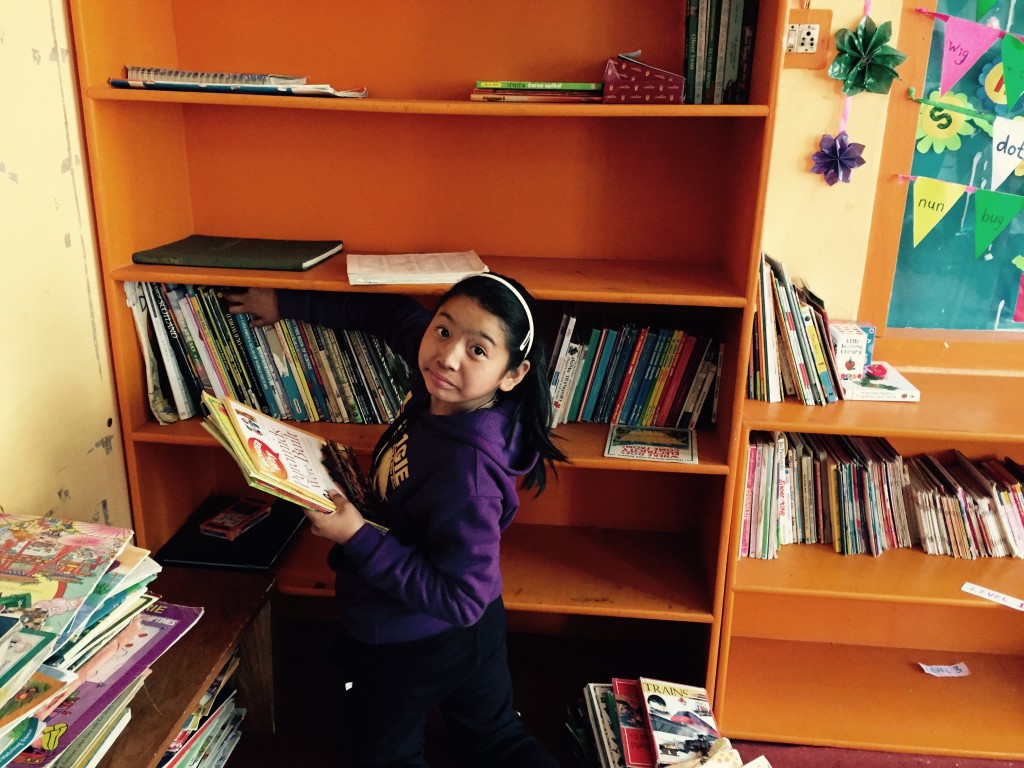
The physical room mattered just as much as the contents. Low shelves made it easier for children to browse independently. Open floor space allowed small groups to sit together. Bright artwork and comfortable places to read helped make the room feel different from a formal classroom, while sturdy storage ensured that the collection could be cared for over time.
Volunteers also considered how the books would be used. Some readers preferred illustrated stories, while others were drawn to geography, animals, music, or practical knowledge. A successful library does not ask every child to enjoy the same kind of book. It offers enough variety for each reader to find a first point of connection.
The first readers arrive
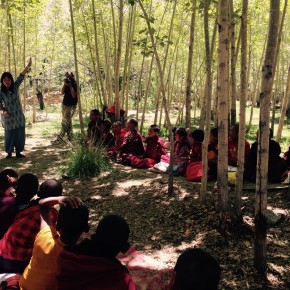
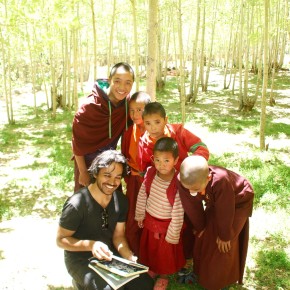
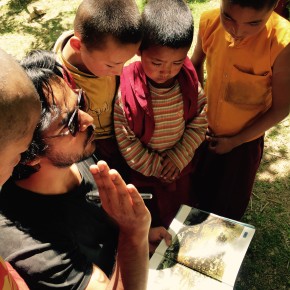
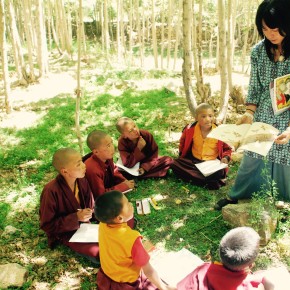
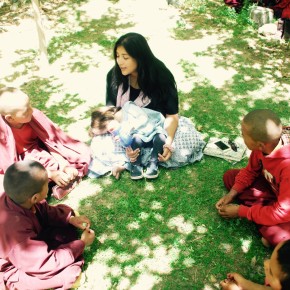
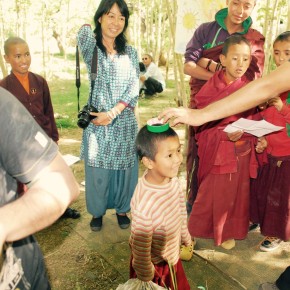
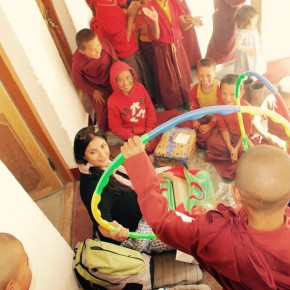
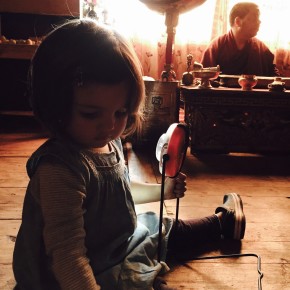
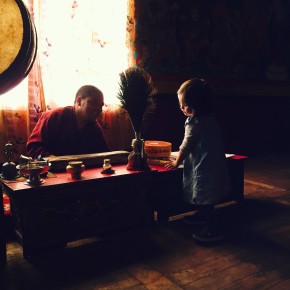
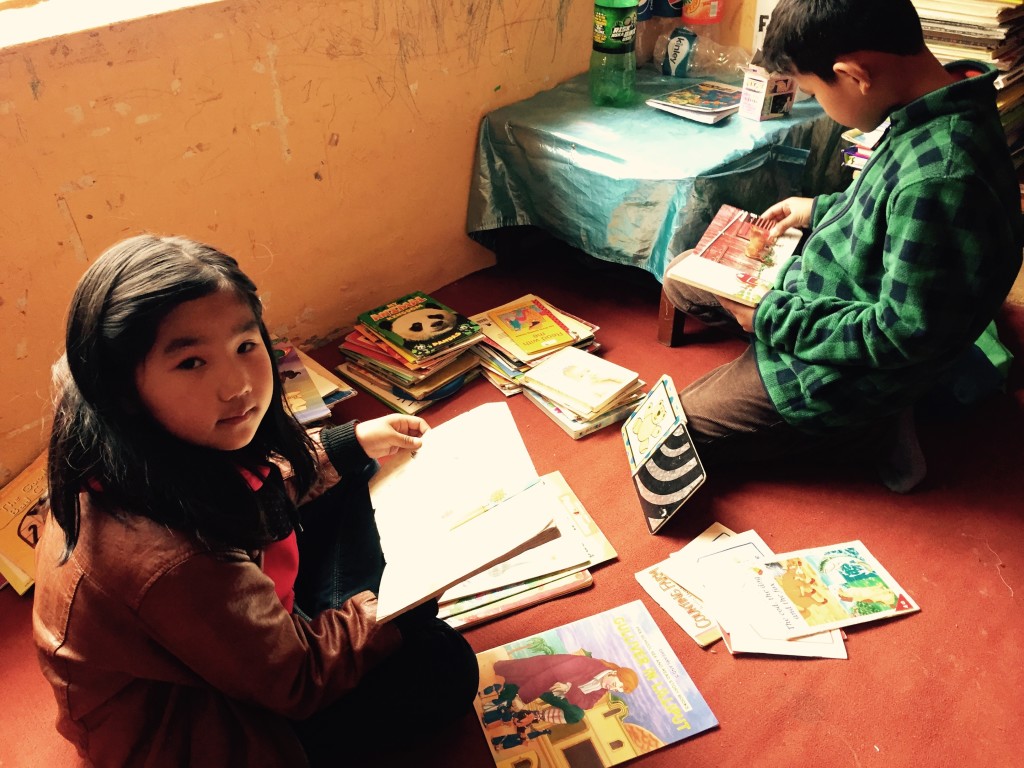
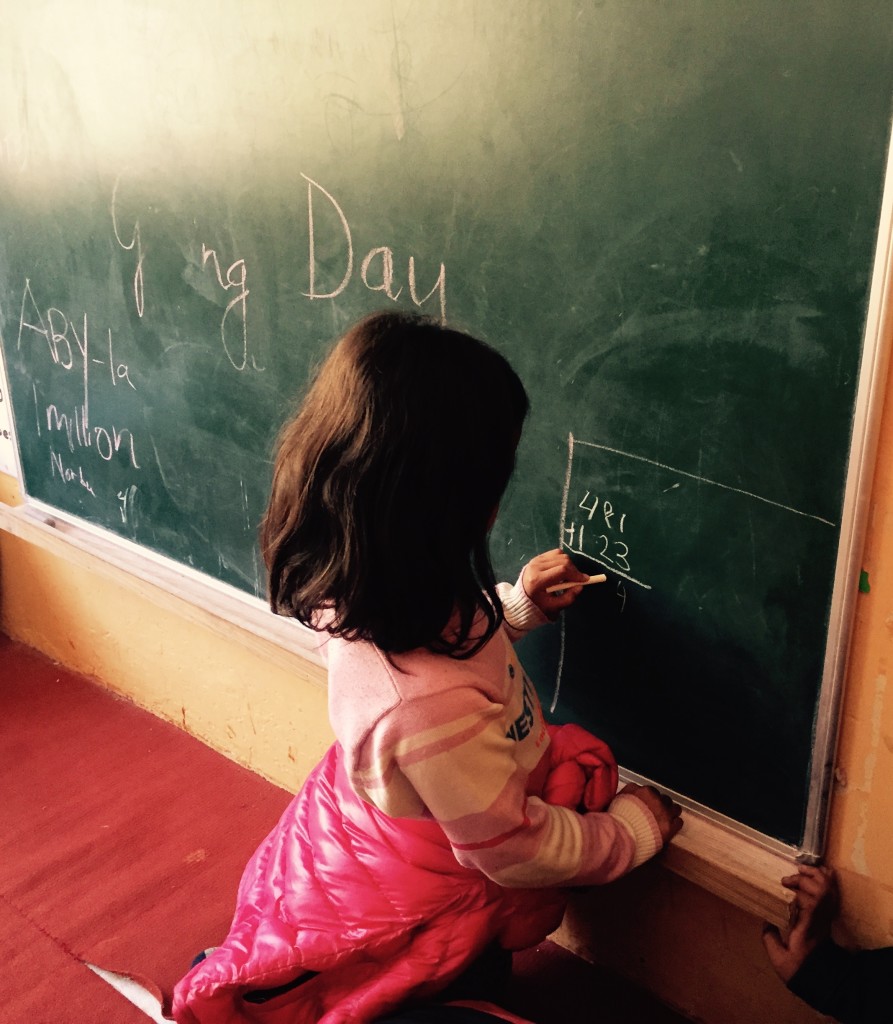
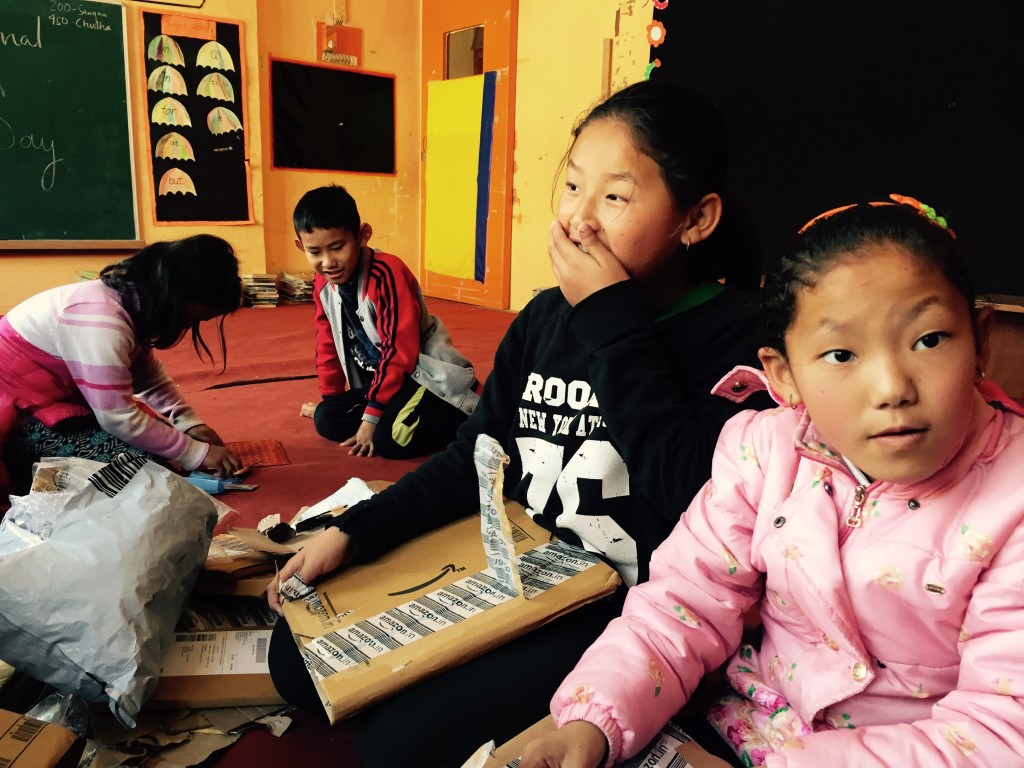
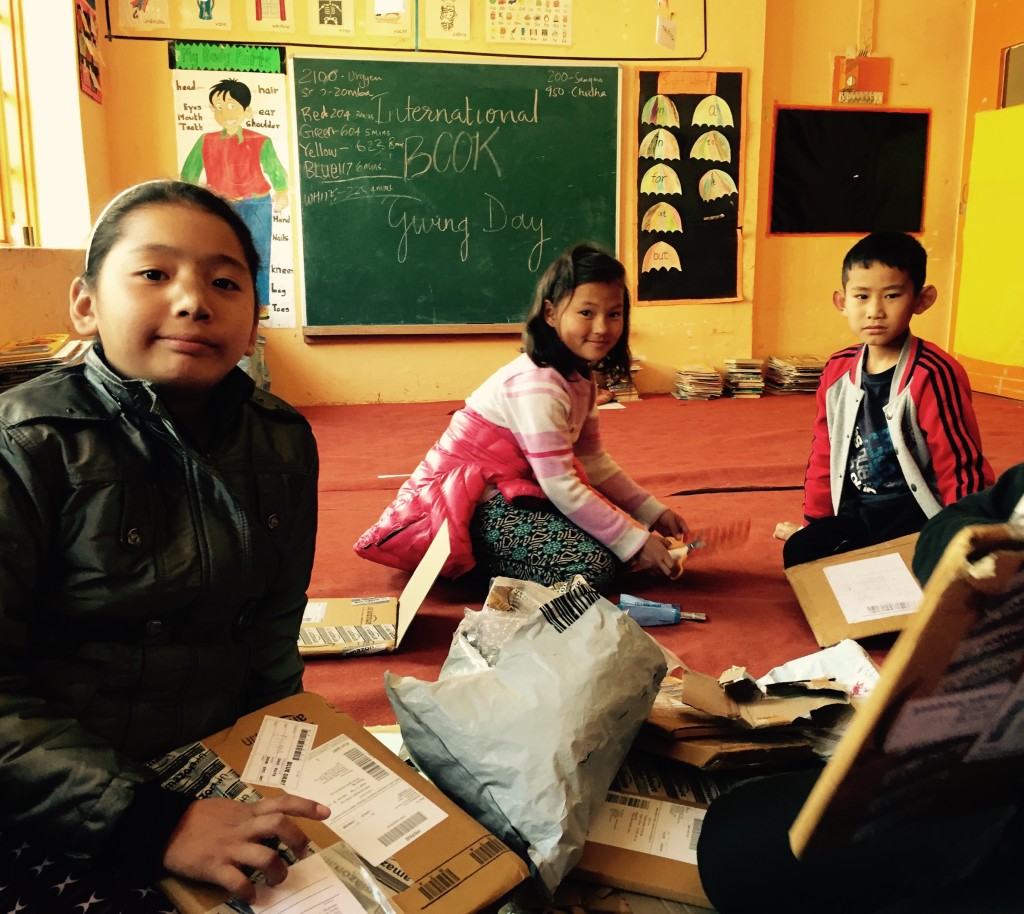
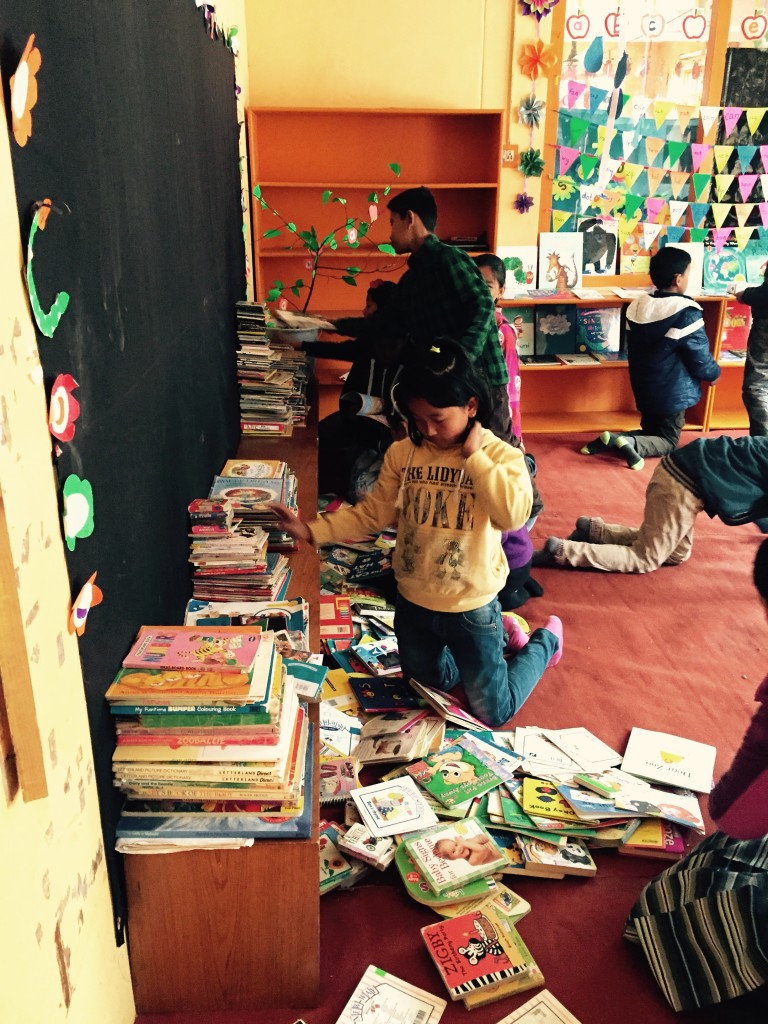
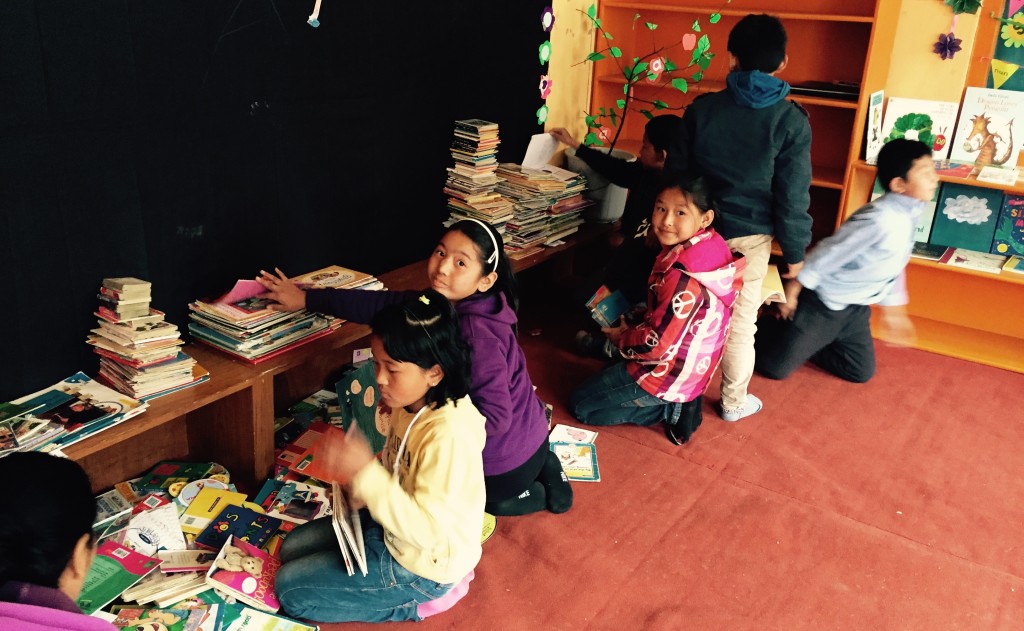
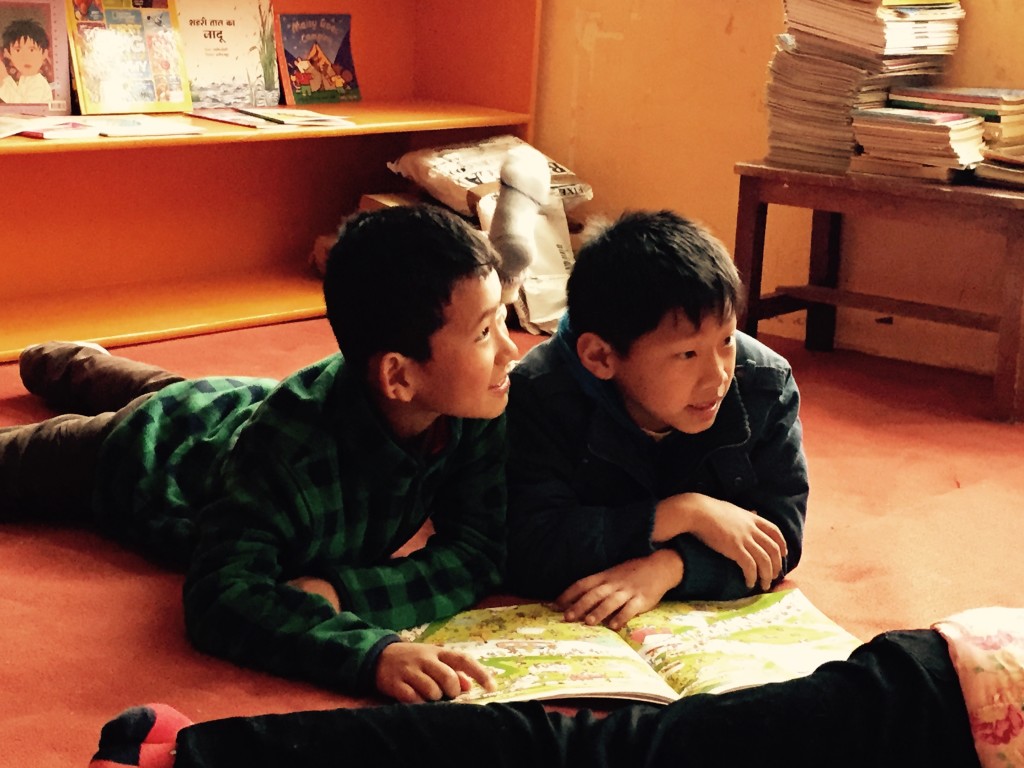
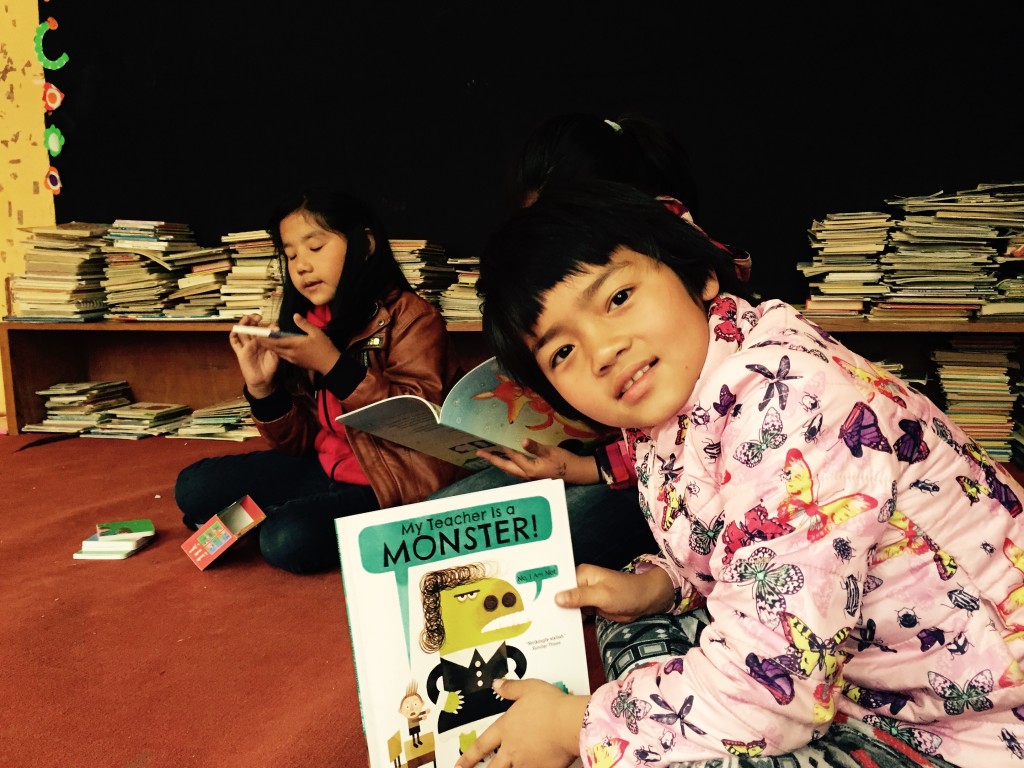
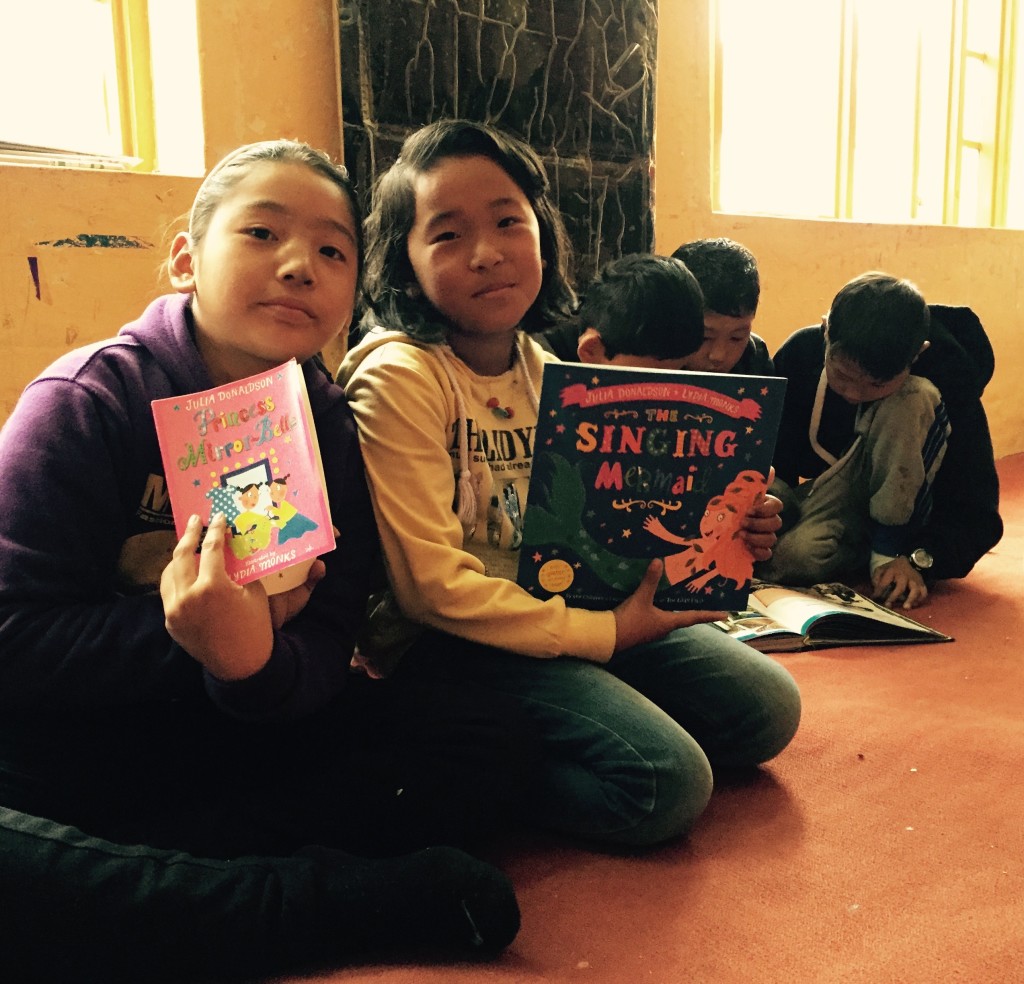
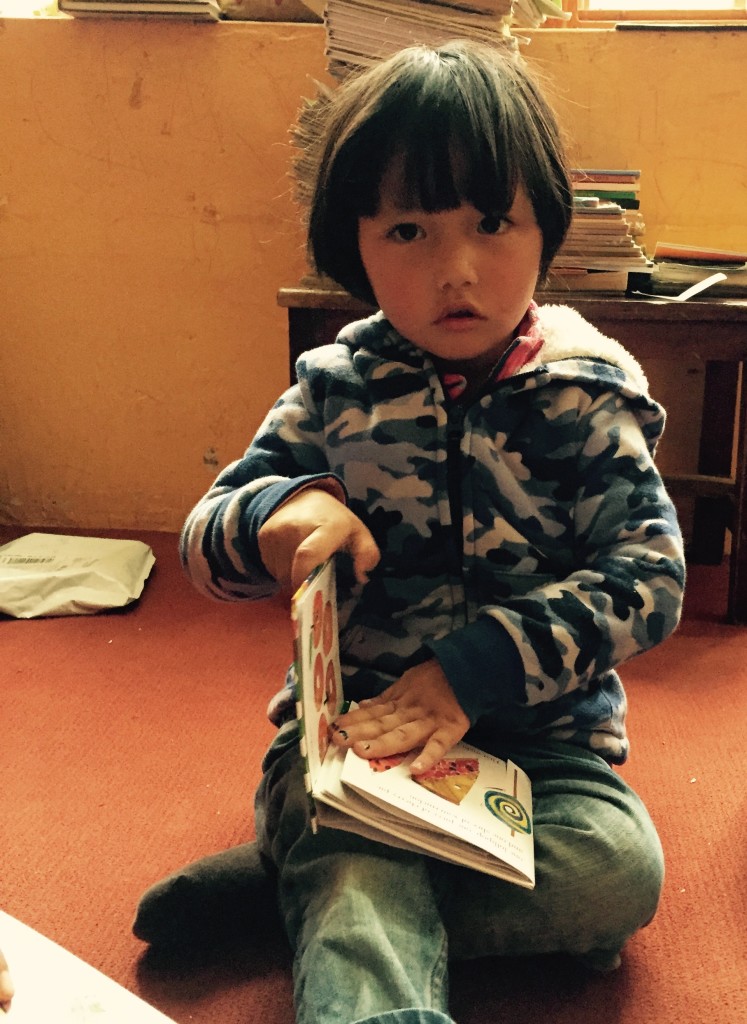
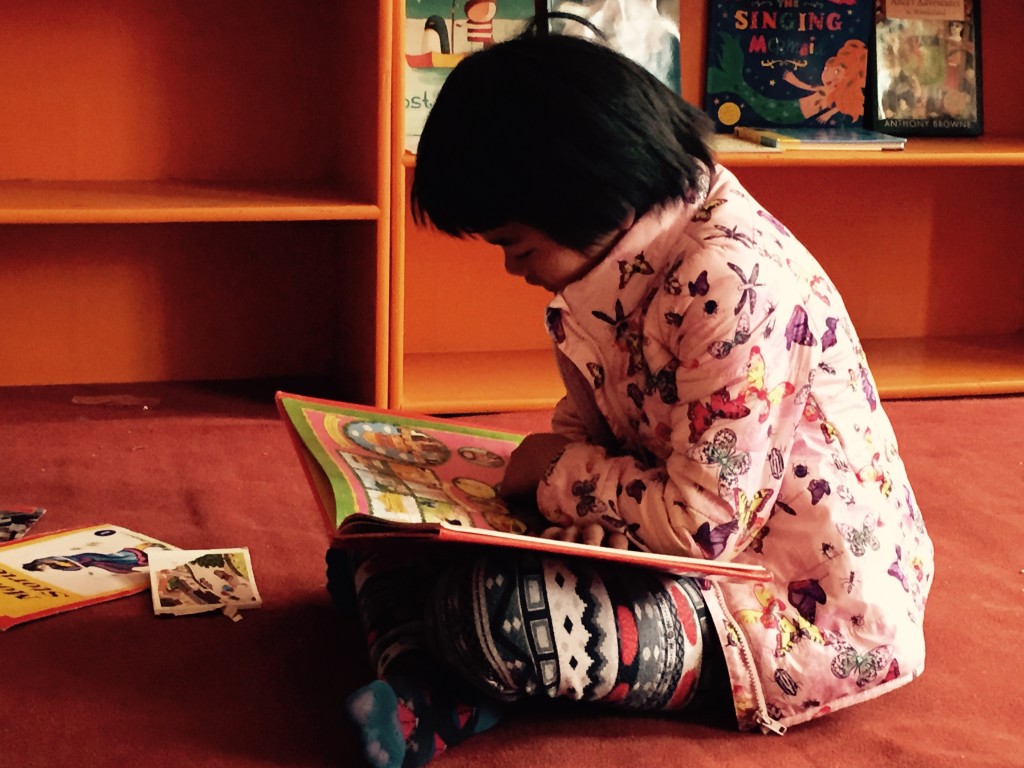
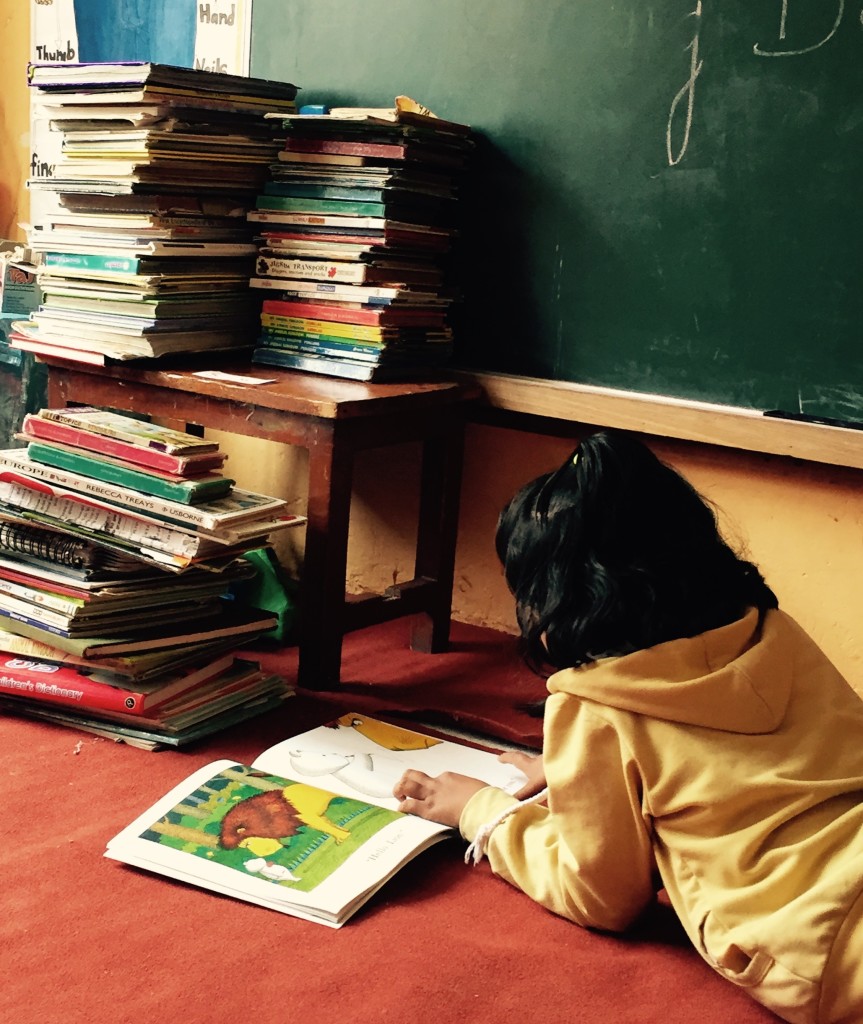
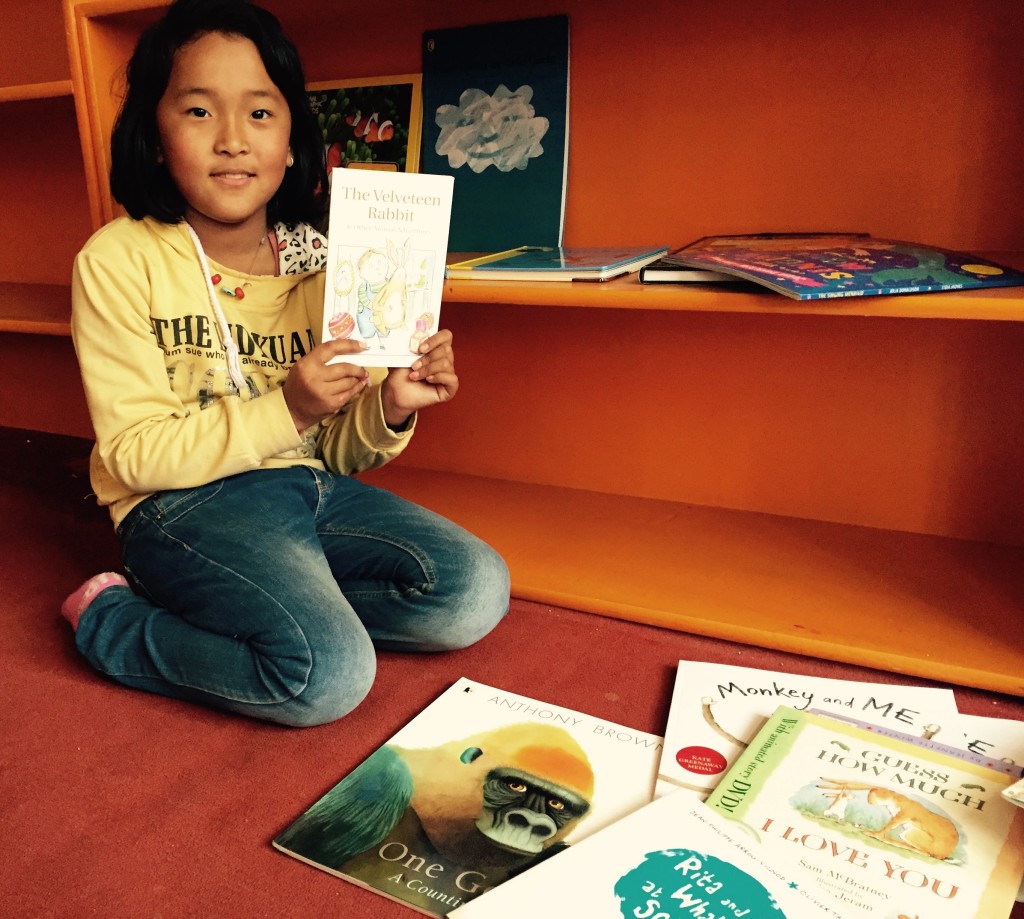
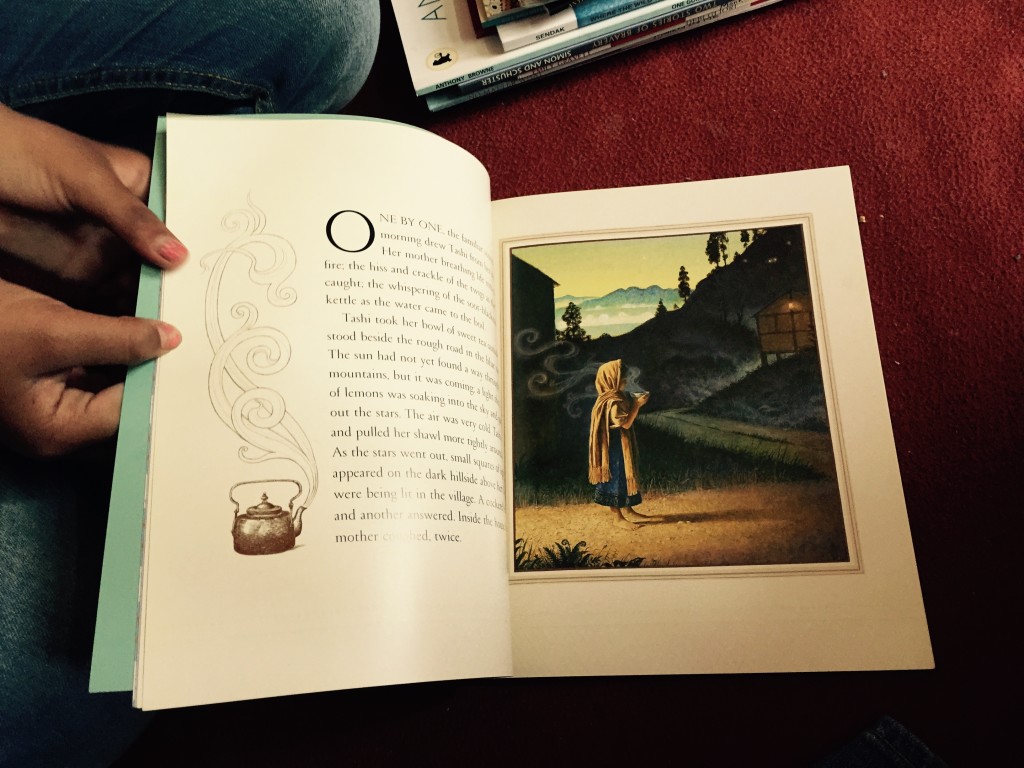
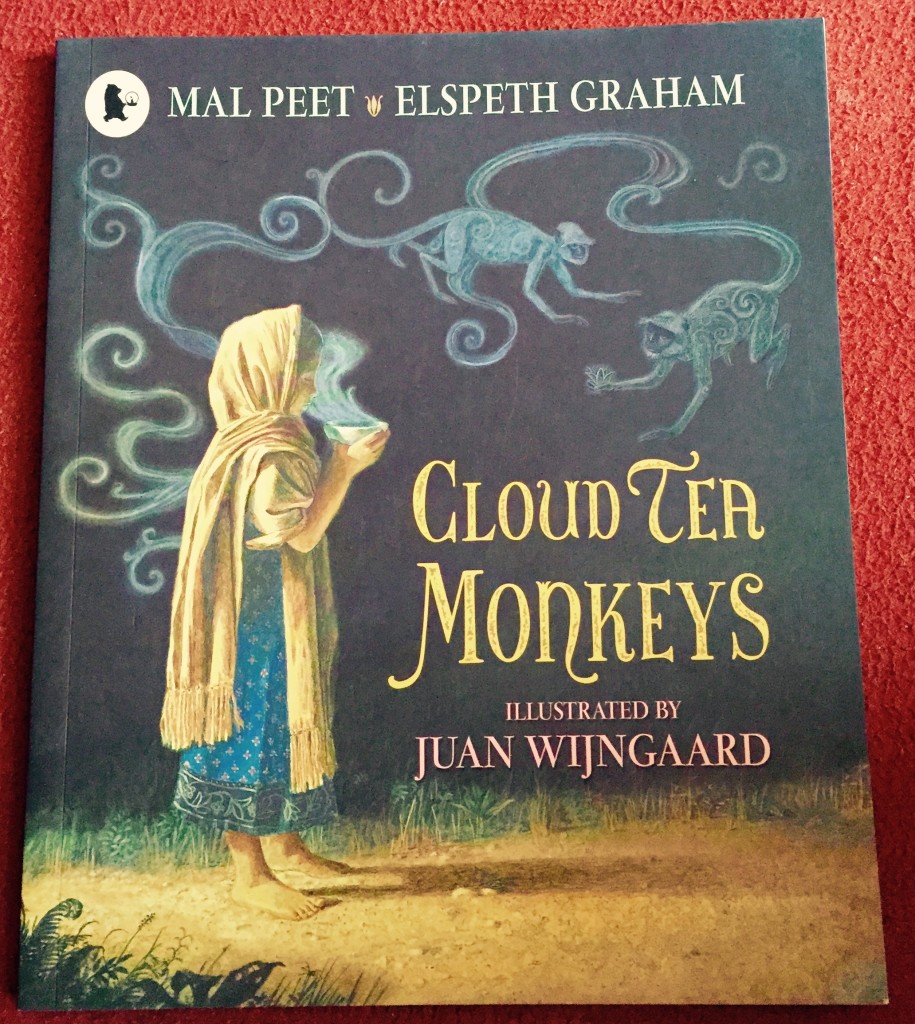
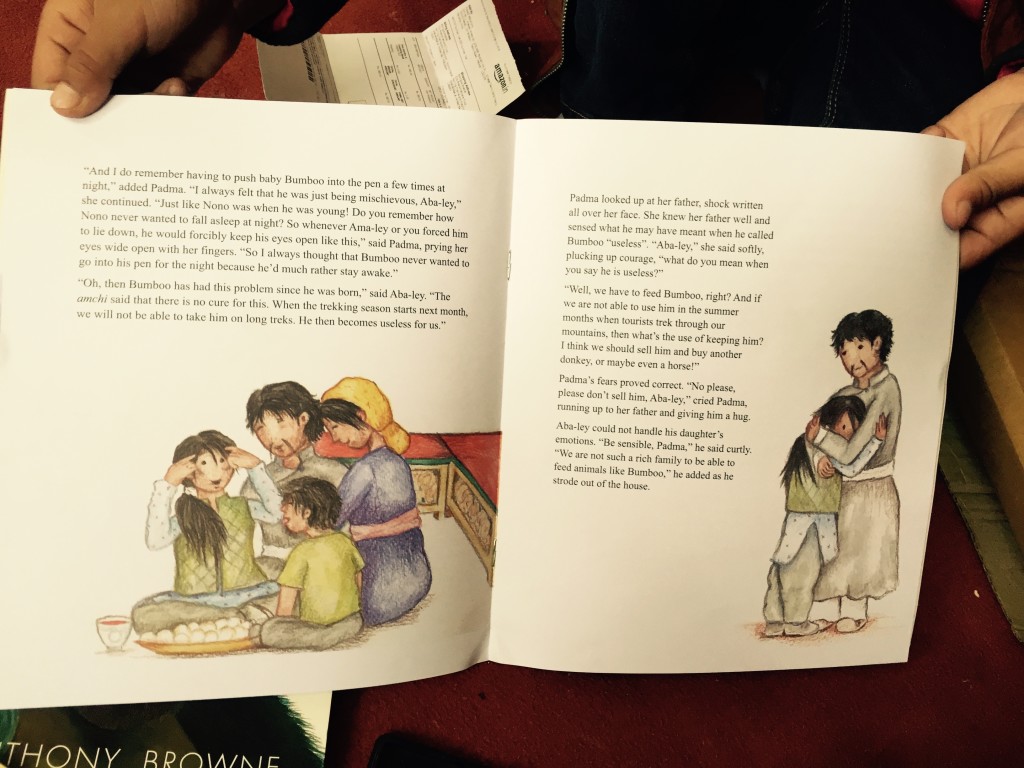
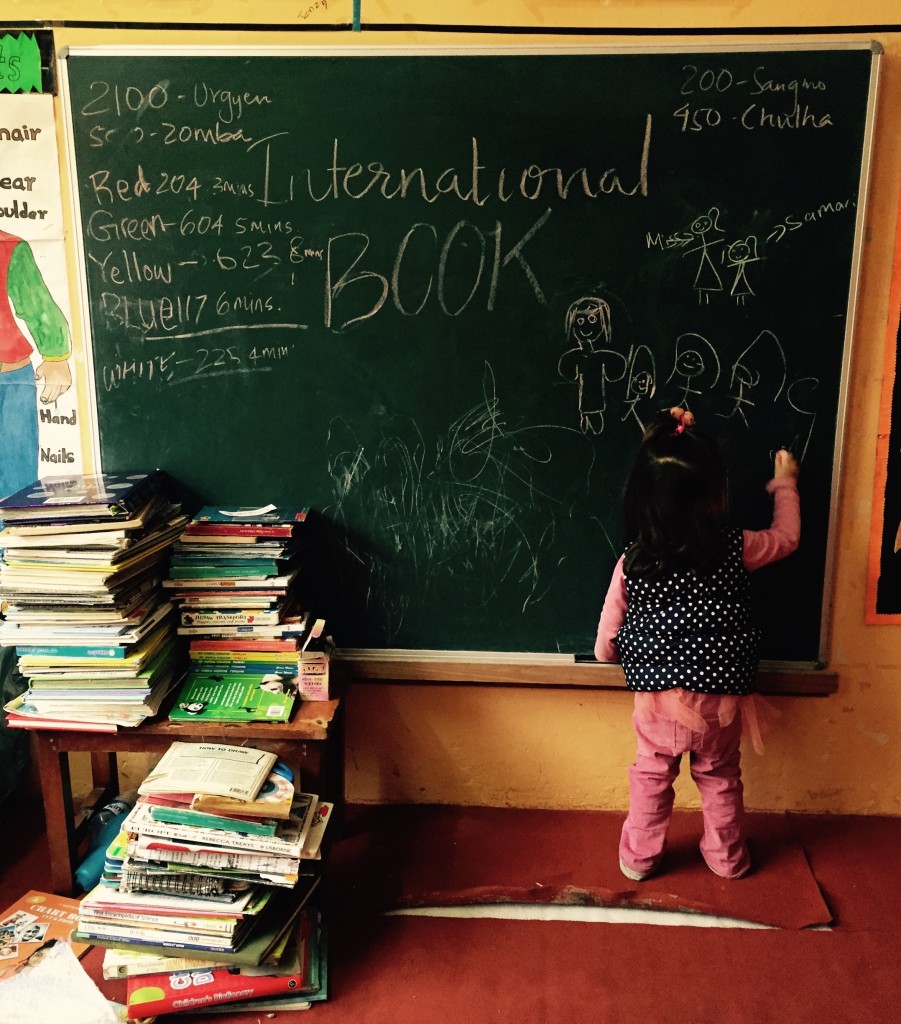
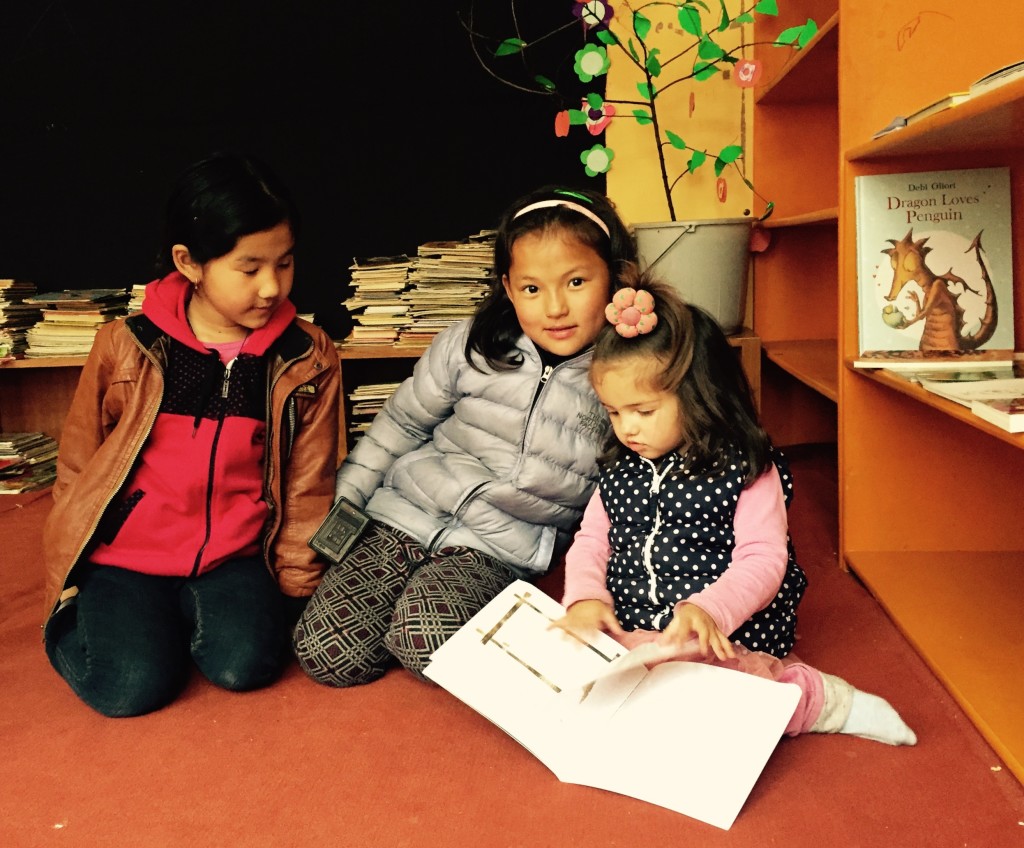
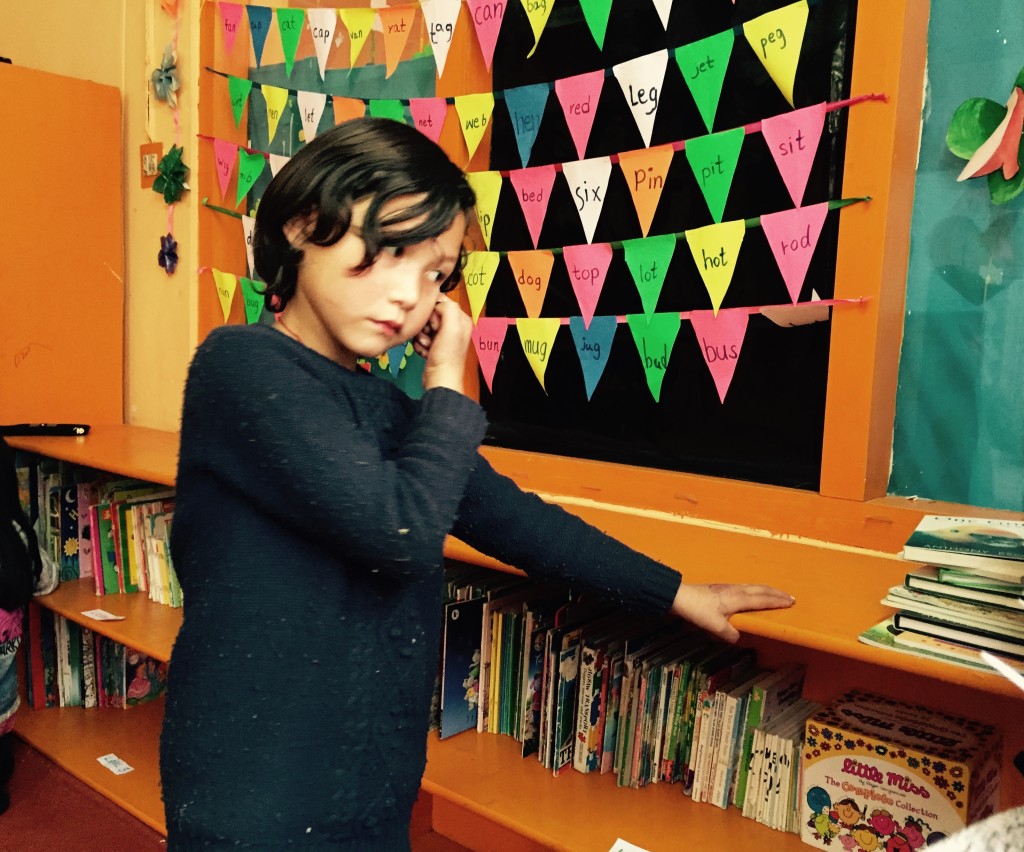
When the young nuns came into the room, several moved directly toward the picture books. Others examined the shelves quietly, running their fingers along the spines and reading titles aloud. Soon, a small group had settled on the floor, turning pages together and helping one another understand unfamiliar words.
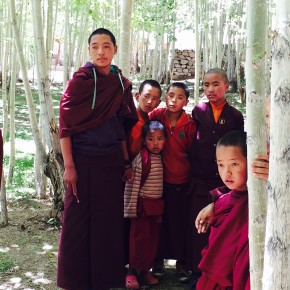
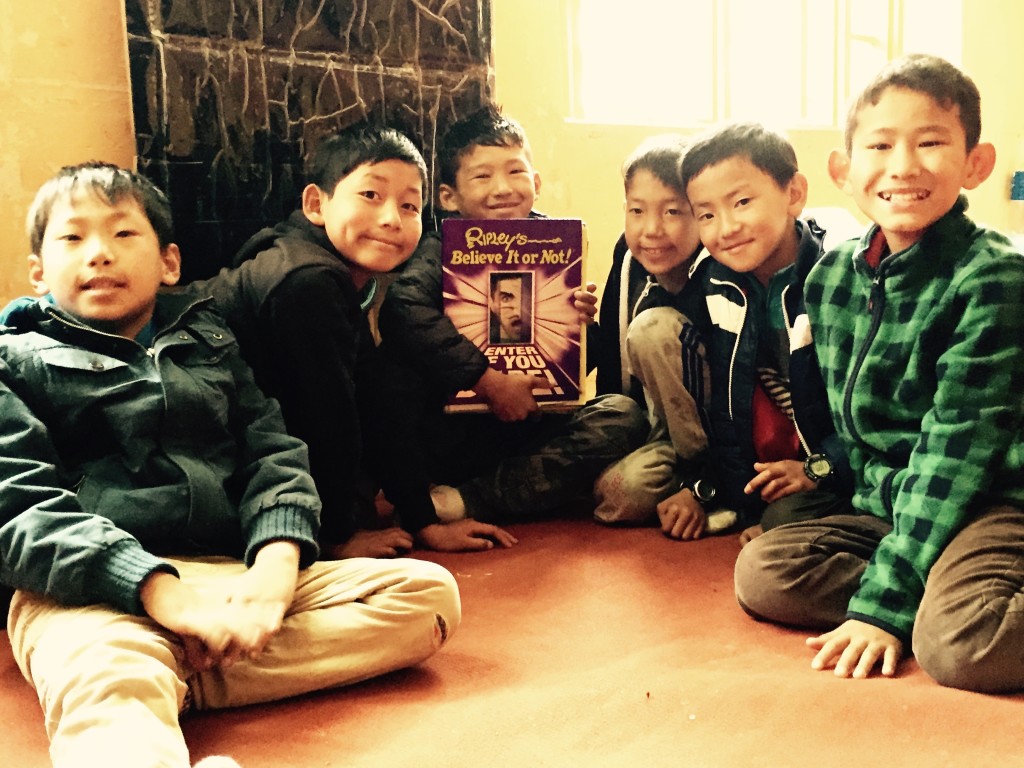
The atmosphere grew warmer with every visit. A child who initially watched from the doorway began returning regularly. Another discovered a favorite series and started recommending it to friends. These small moments showed that the room was becoming part of the community rather than remaining a temporary project.
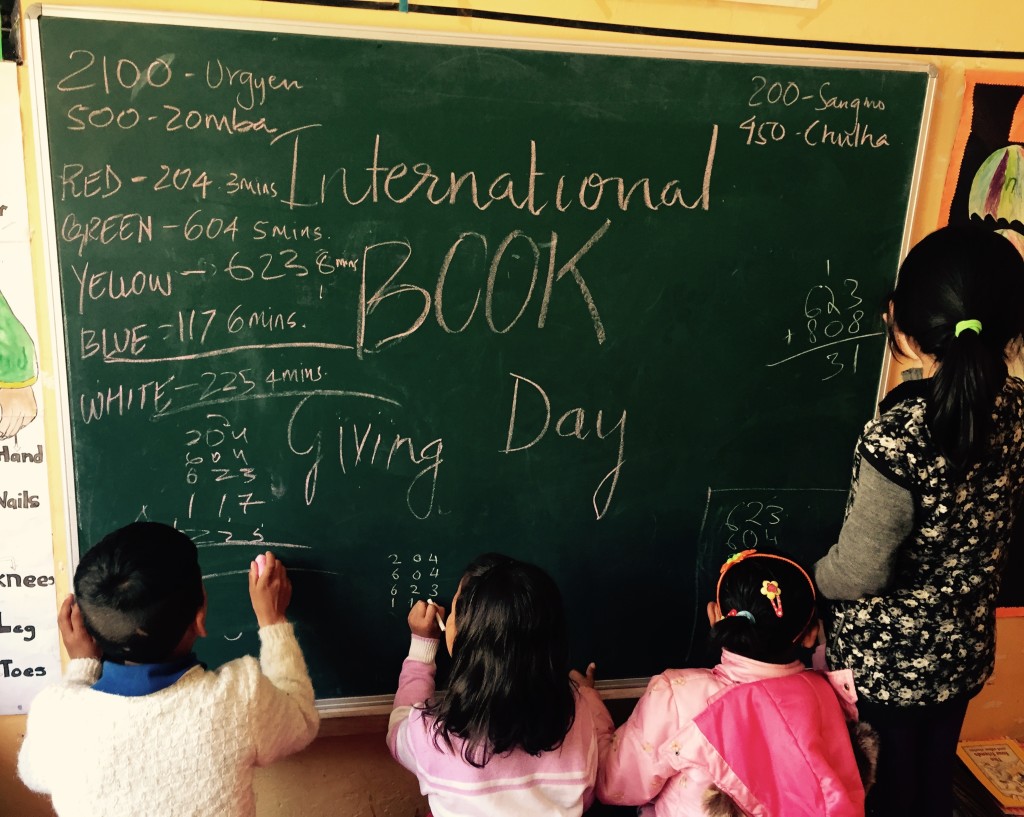
The opening day also revealed the value of shared reading. Children talked about the images, predicted what might happen next, and connected stories to their own lives. Reading became a social activity, a form of creative expression, and a reason to spend time together beyond lessons and routine duties.
| Area of the reading room |
Purpose |
Long-term benefit |
| Storybooks and picture books |
Encourage enjoyment, vocabulary, and imagination |
Builds regular reading habits |
| Educational books |
Support schoolwork and independent research |
Strengthens curiosity and confidence |
| Art and music resources |
Connect learning with creative expression |
Develops communication and self-belief |
| Comfortable reading areas |
Make browsing and group reading inviting |
Helps children see books as part of daily life |
| Organized shelves |
Allow children to choose materials independently |
Encourages responsibility and ownership |
Learning beyond the printed page
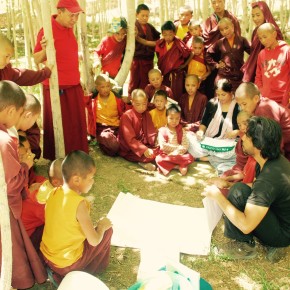
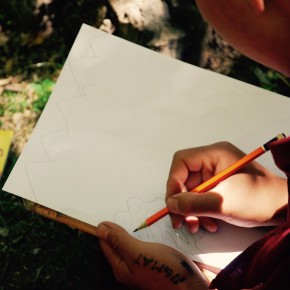
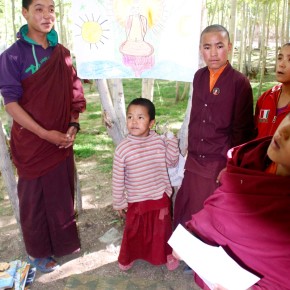
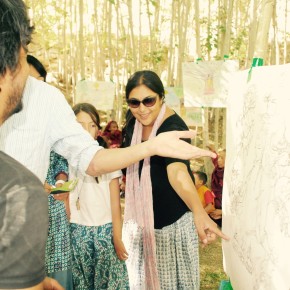
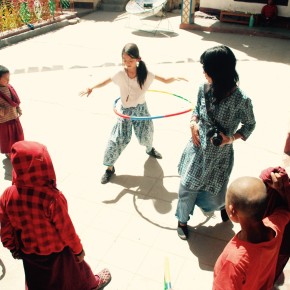
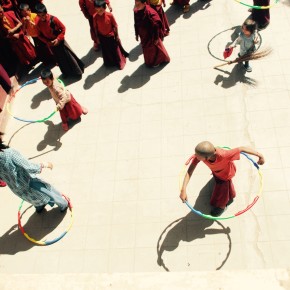
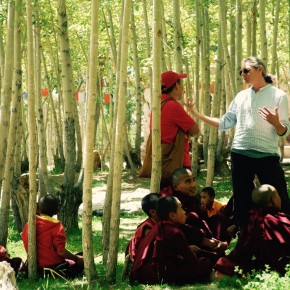
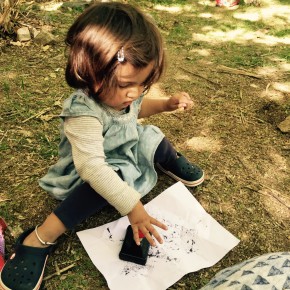
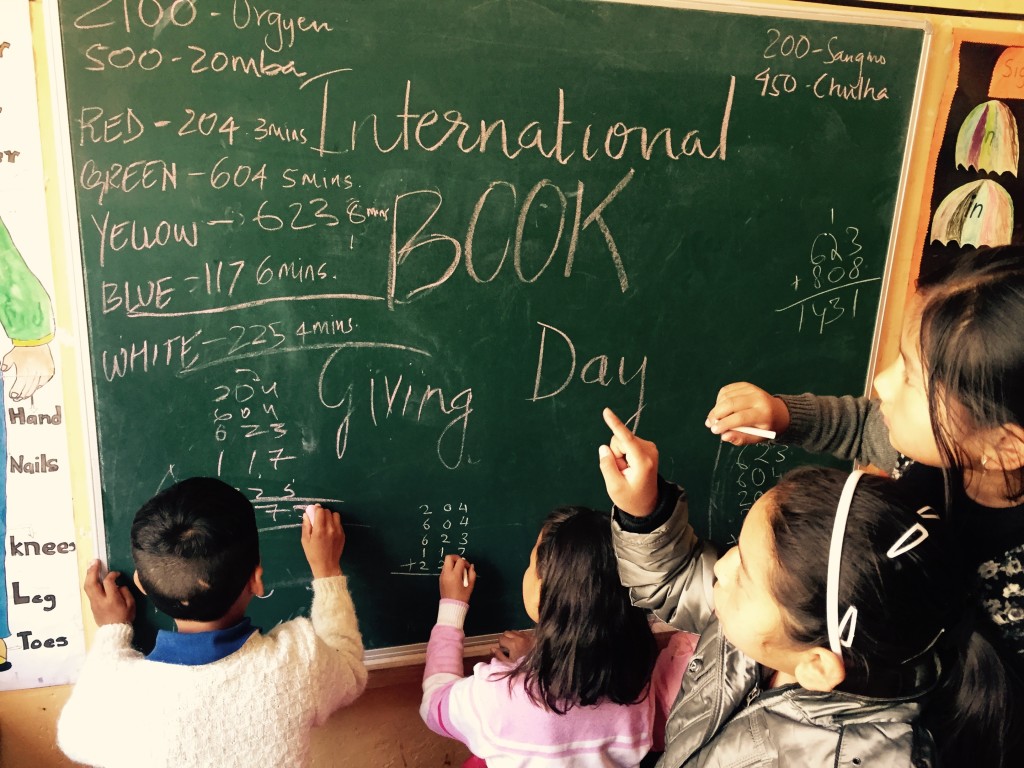
A reading room can become a starting point for many activities. Story sessions invite children to listen and retell. Drawing workshops allow them to respond to characters and settings. Music and rhythm games help transform language into something active and memorable. These experiences make literacy feel connected to the whole child.
The space also supports quiet concentration. Young nuns balancing religious study, school subjects, and daily responsibilities need opportunities to work at their own pace. A book can provide a private moment of focus, while a shared activity can build cooperation and confidence.
For volunteers, the room offers a meaningful way to contribute skills. Some can lead reading circles or creative sessions. Others can help catalog books, repair worn materials, or organize future donations. The most useful support is consistent and respectful, allowing the community to shape how the space develops.
What helps a community library thrive
Opening a library is an important milestone, but its value grows through regular care and use. The collection must remain organized, relevant, and welcoming. Staff and volunteers can observe which books are popular, which reading levels need support, and which subjects children would like to explore next.
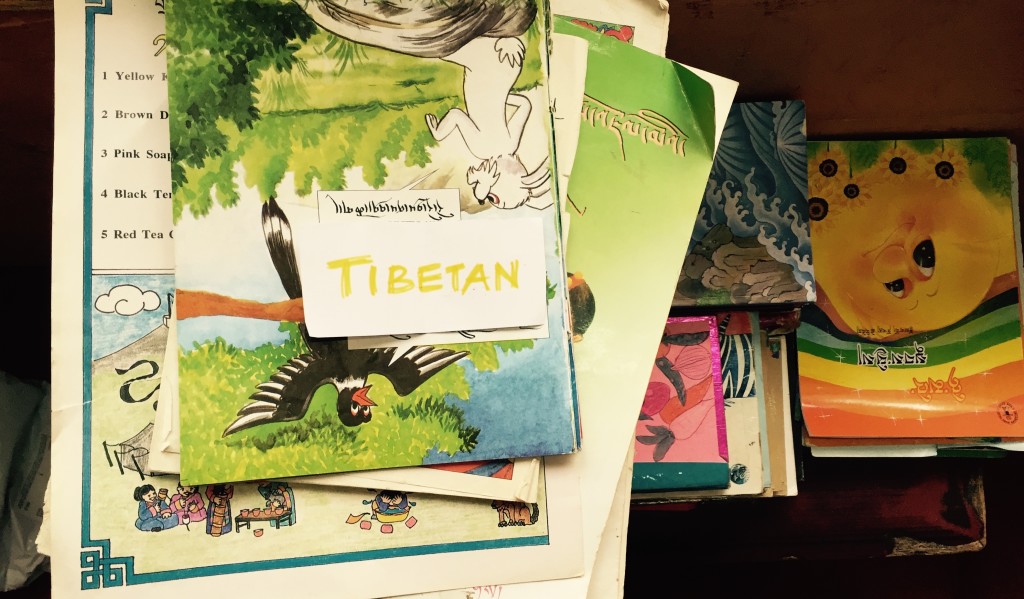
A thoughtful reading program also leaves room for local knowledge. Himalayan stories, regional history, familiar landscapes, and local languages can sit alongside books from other parts of the world. This balance helps children see their own experiences reflected while developing an appreciation for different cultures and perspectives.
The following practices help protect the purpose of a small reading room:
- Choose books for a range of ages, reading abilities, interests, and languages.
- Keep shelves low, labels clear, and seating comfortable for independent browsing.
- Include regular storytelling, art, music, and discussion sessions.
- Train local caretakers to manage borrowing, repairs, and basic cataloging.
- Review the collection regularly so future book drives respond to genuine needs.
A shared investment in young readers
The first reading room inside the nunnery became a visible expression of what communities can achieve when educational resources are shared thoughtfully. The room itself was modest, yet its possibilities were wide. Each book could be read many times, passed between friends, discussed during a group activity, or opened years later by a new generation of students.
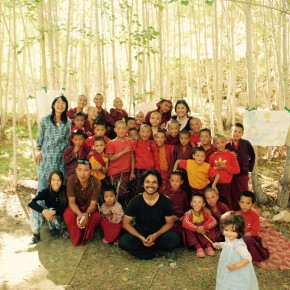
Its greatest strength came from local participation. The nunnery provided the space and the daily connection with its young residents. Volunteers helped prepare materials and activities. Donors made it possible to gather books and create an environment built for learning. Together, these contributions turned a simple room into a lasting educational resource.
The experience also shaped the way Avalokiteśvara Trust approaches future projects in Ladakh and other Himalayan communities. Every reading room must respond to its setting. The most effective work begins with listening, develops through partnership, and continues through dependable support rather than a single moment of delivery.
Help place more books within reach
A child’s relationship with reading often begins with one welcoming shelf and one book that feels personally meaningful. By supporting Avalokiteśvara Trust, donors and volunteers can help create reading rooms, strengthen book collections, and bring educational, artistic, and musical activities to children and young monks and nuns across the Himalayan region.
Every contribution can help provide books, transport, shelving, learning materials, or time with a young reader. Visit Avalokiteśvara Trust to learn about current initiatives, join a book drive, volunteer your skills, or make a donation that helps another quiet room come alive with stories.