The Day a Reading Room Became a Shelter During a Storm
In the high Himalaya, a reading room can serve many purposes beyond quiet study. It may be a place where a child discovers a new story, a young monk practises English, or a group gathers around a picture book after school. On one stormy afternoon, it became something even more immediate: a warm, familiar shelter for children caught in dangerous weather.
For families in Australia, the scene may recall a school library during a sudden hailstorm, a community hall opened during a flood, or the reassuring bustle of a neighbourhood refuge. In a remote Himalayan settlement, however, a safe indoor room with books, light and trusted adults can carry an especially important value.
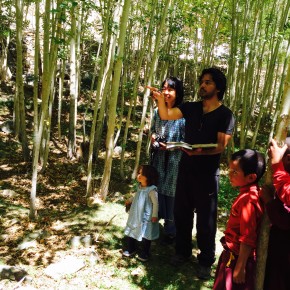
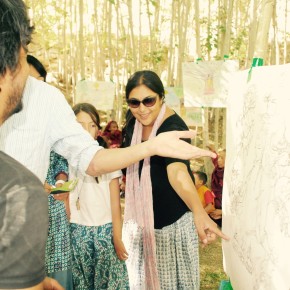
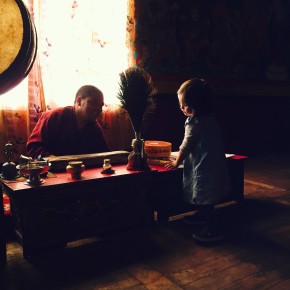
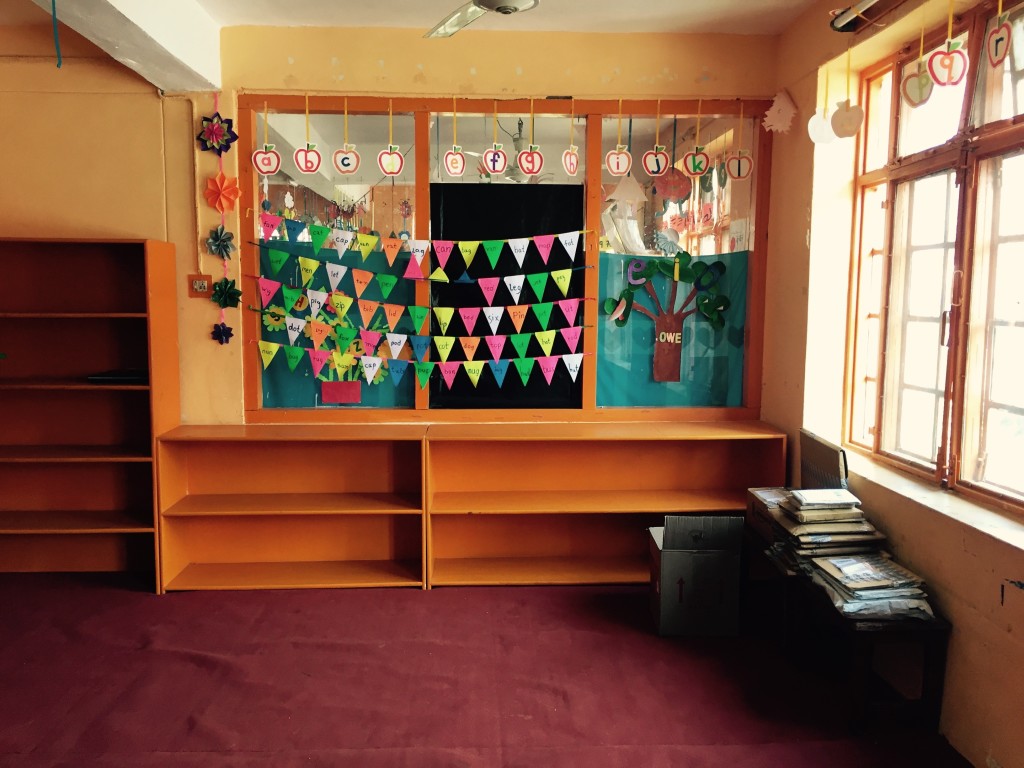
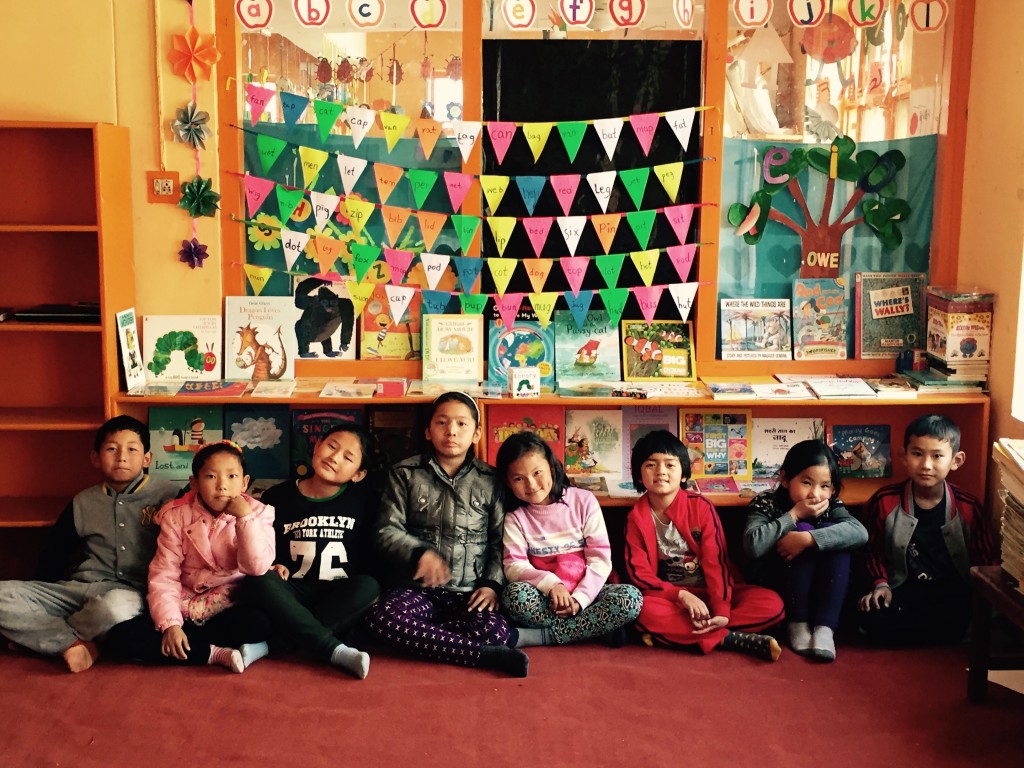
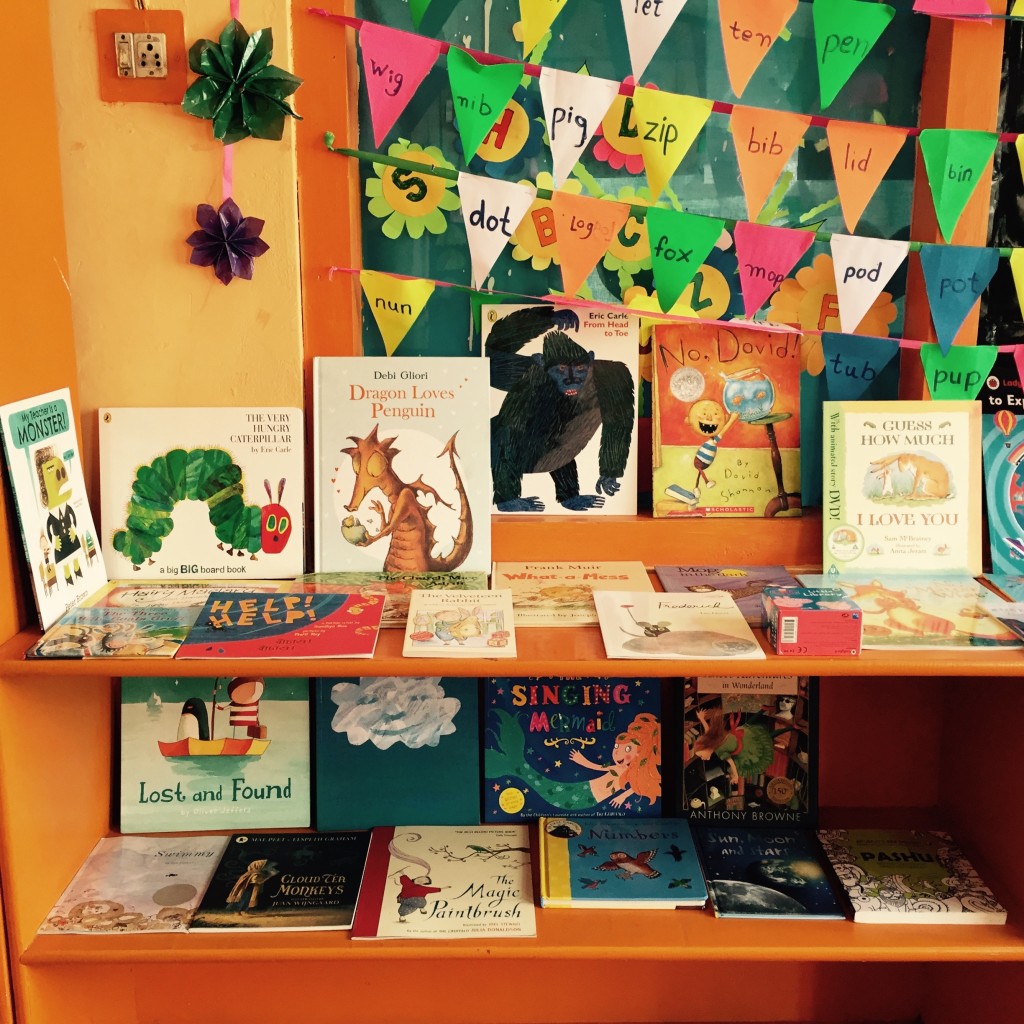
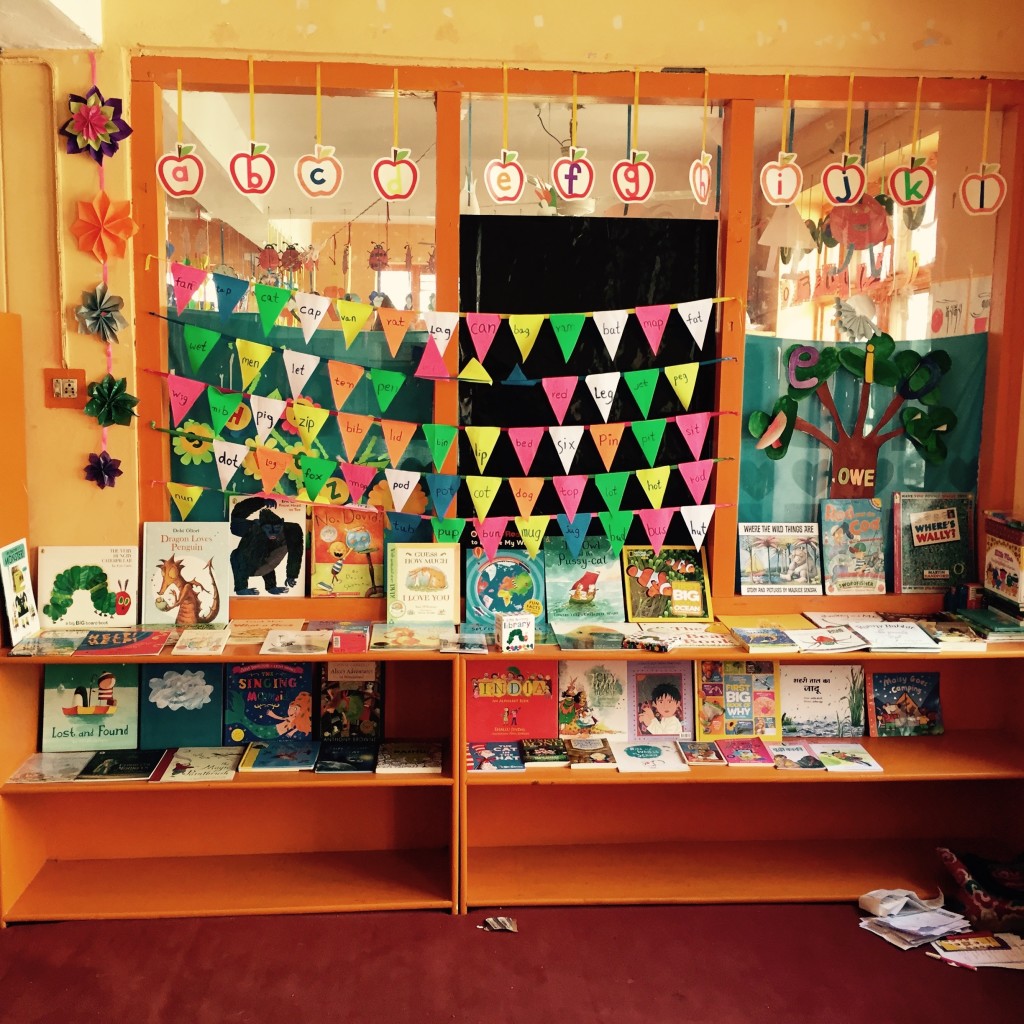
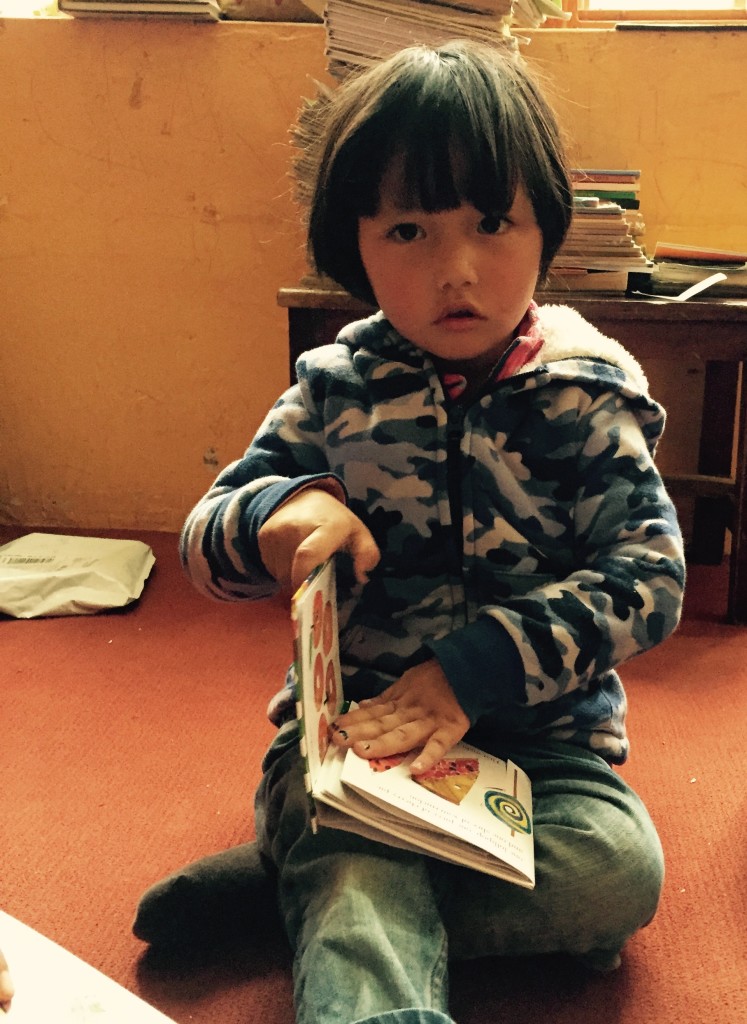
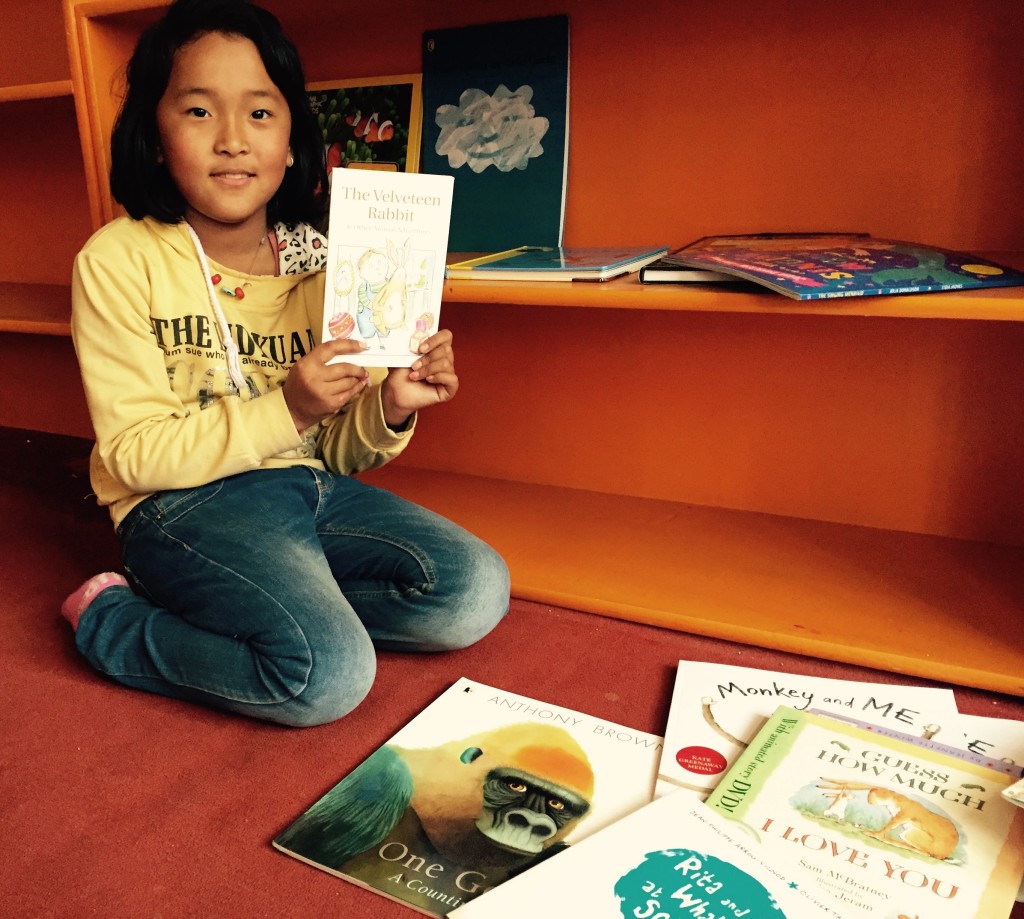
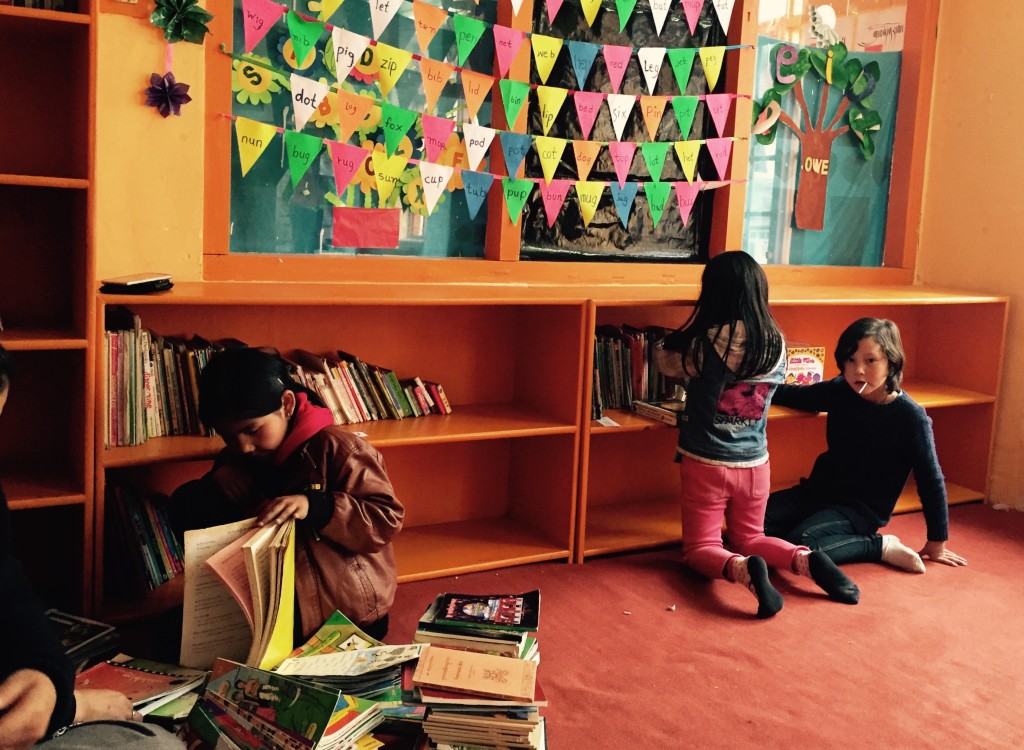
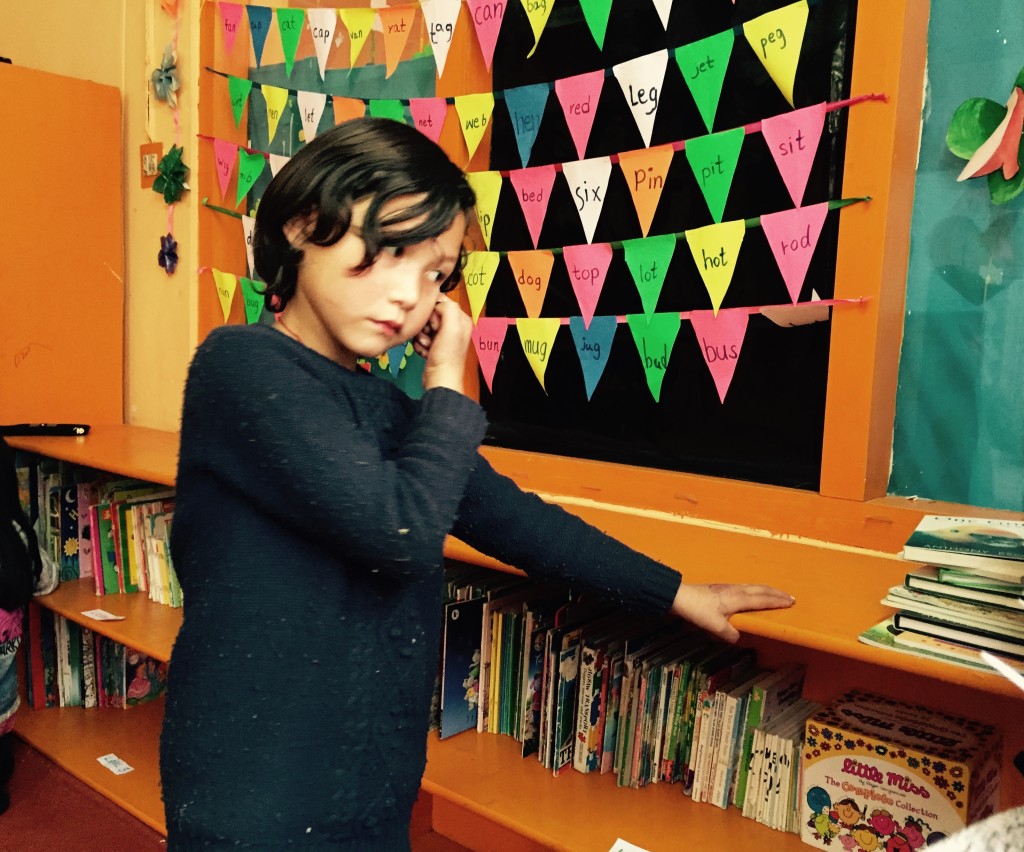
| Reading room on an ordinary day |
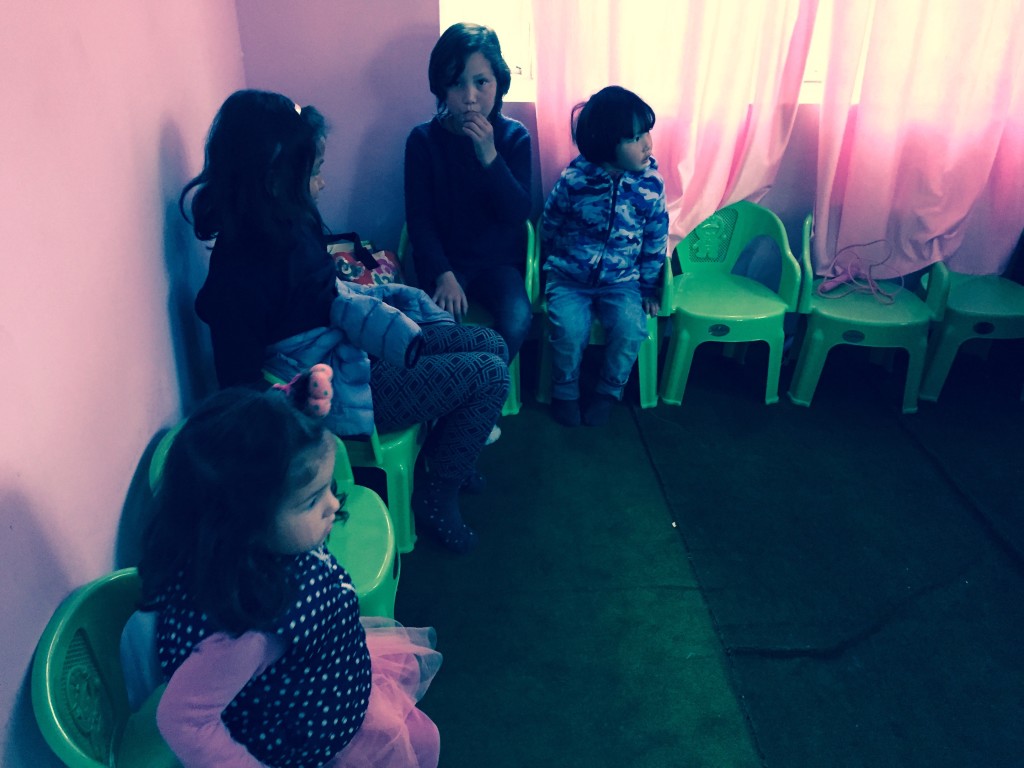
Reading room during the storm |
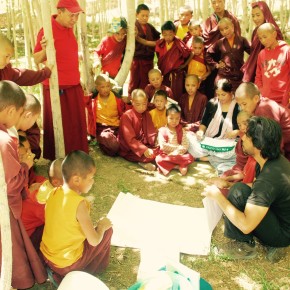
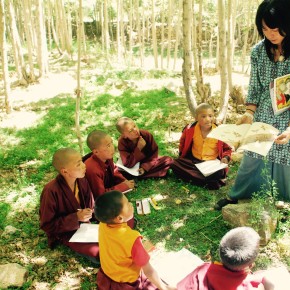
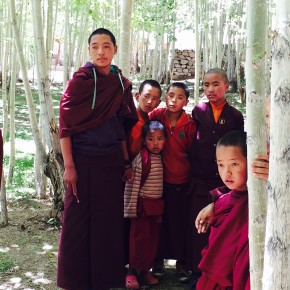
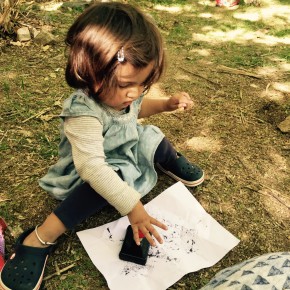
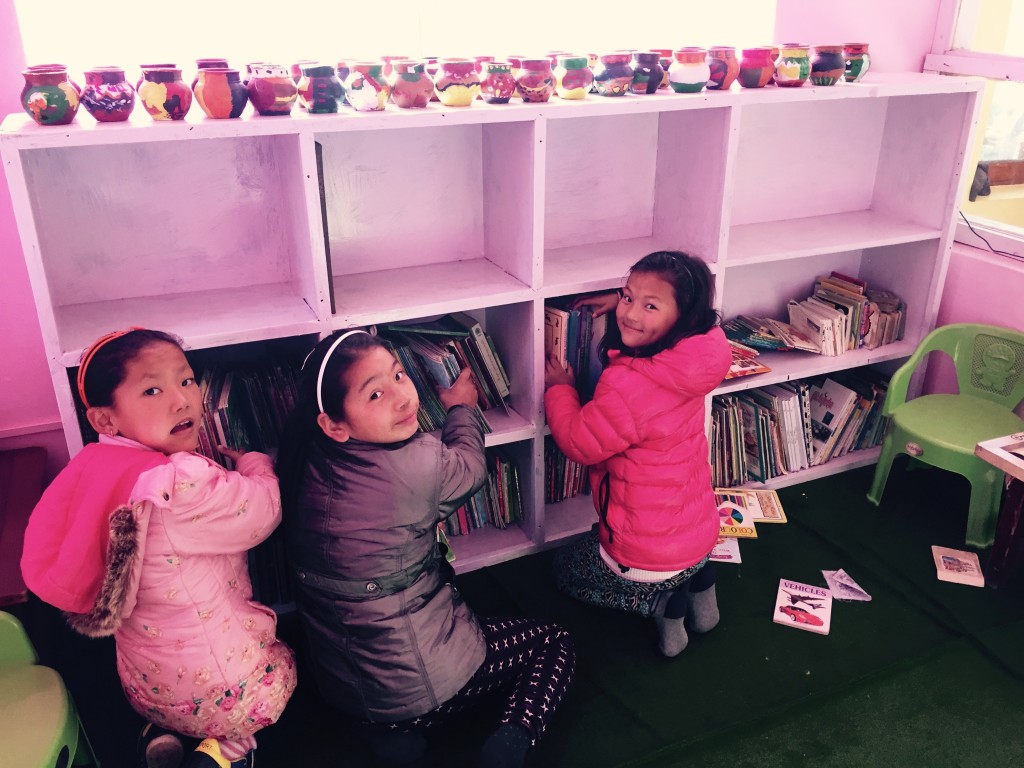
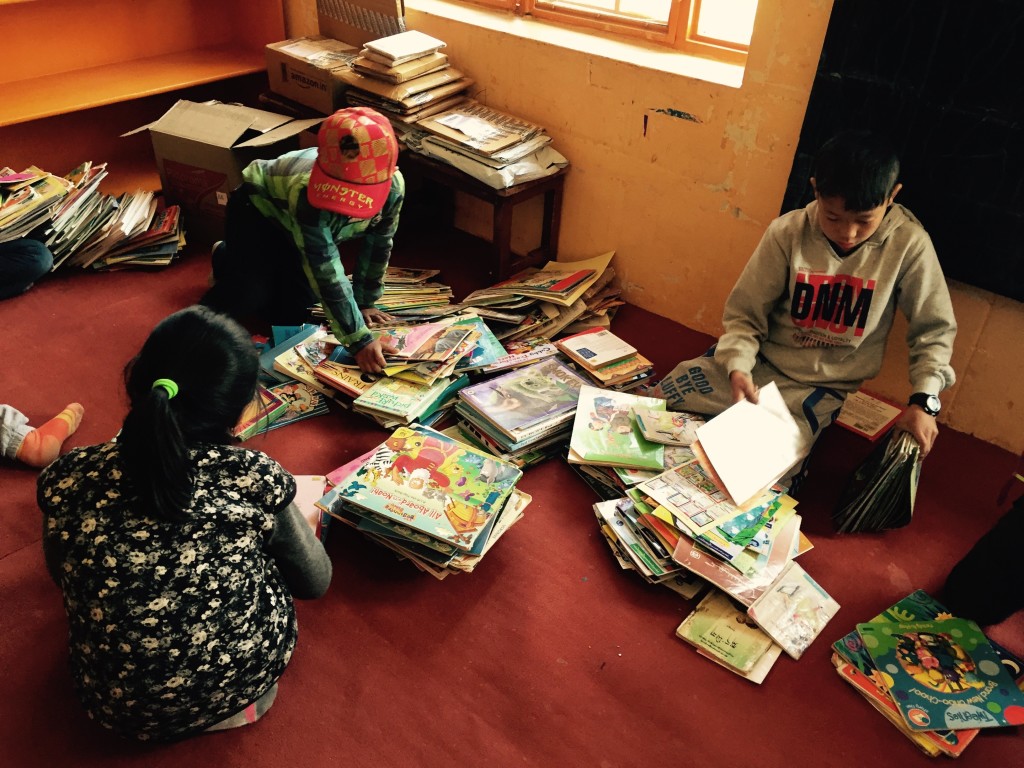
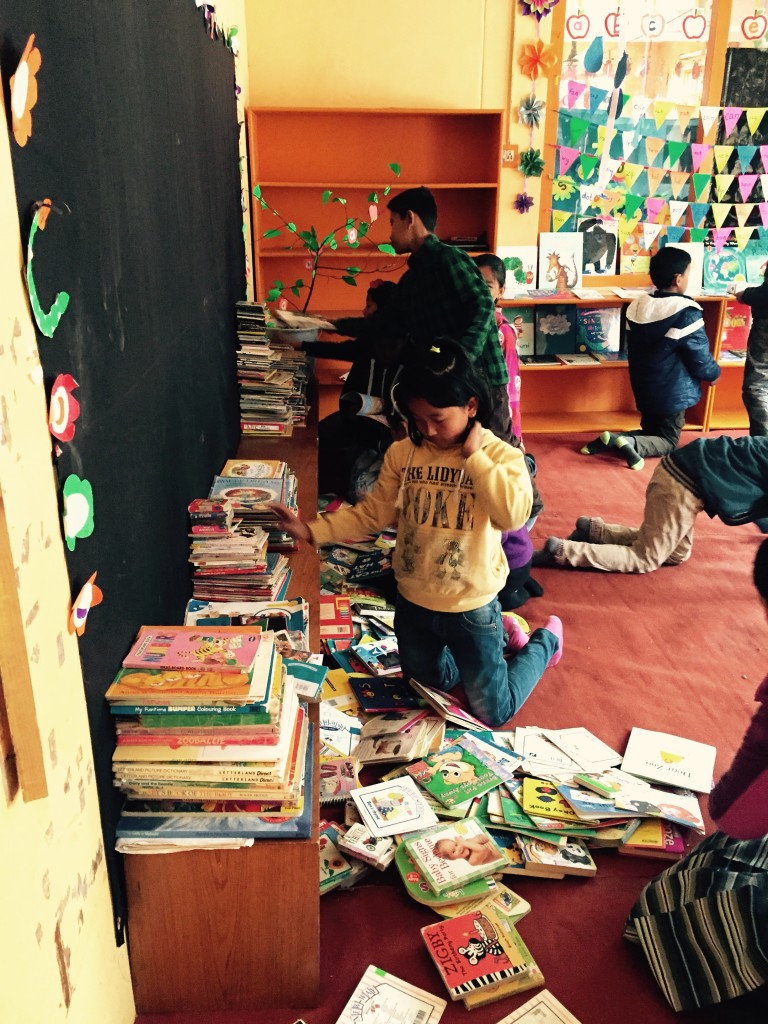
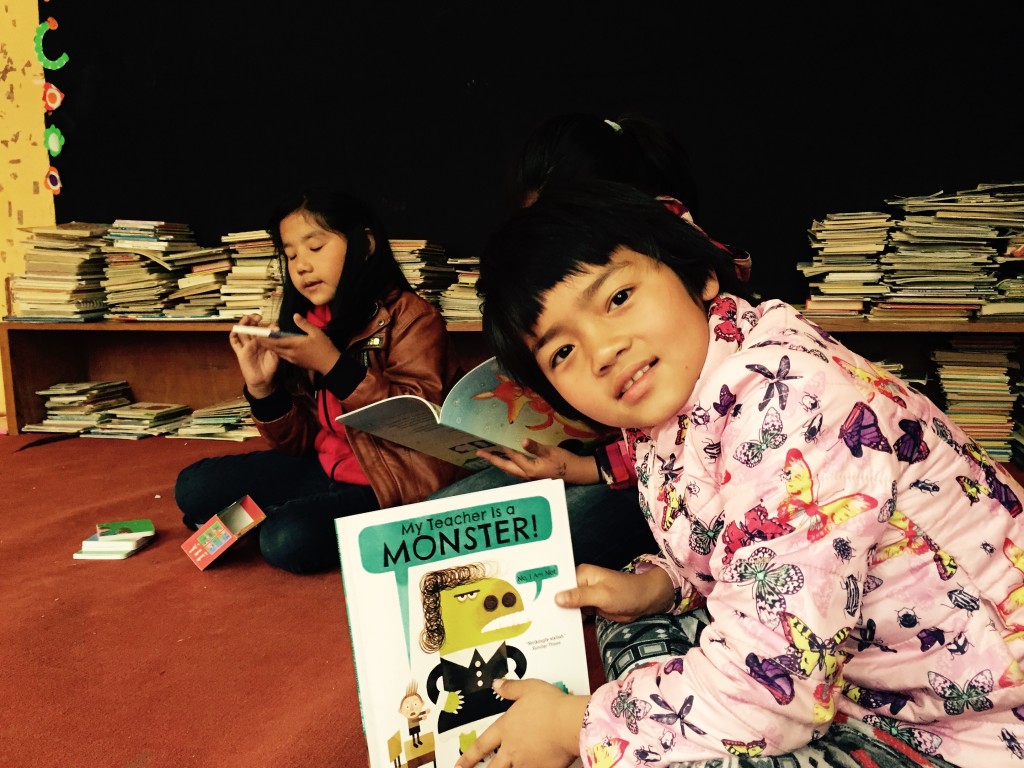
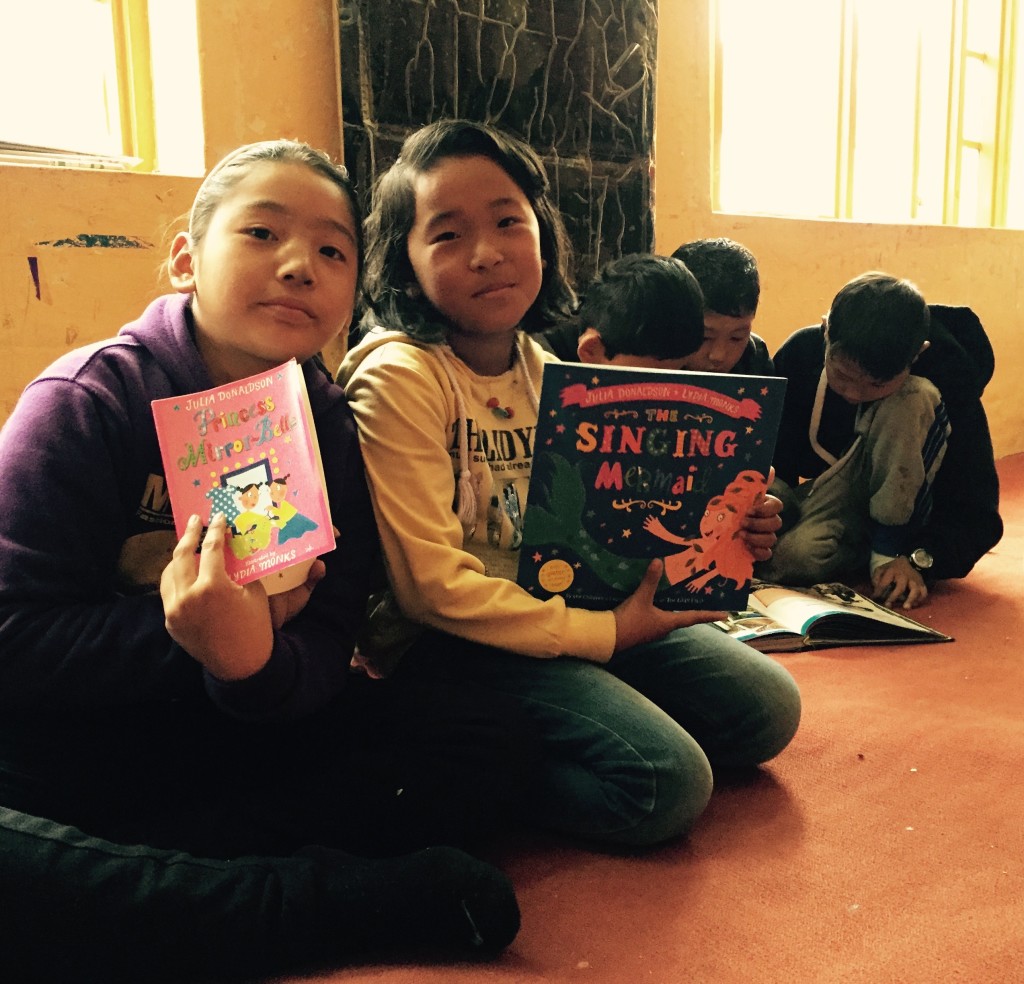
| Children browse, draw and read together |
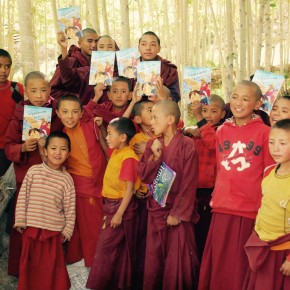
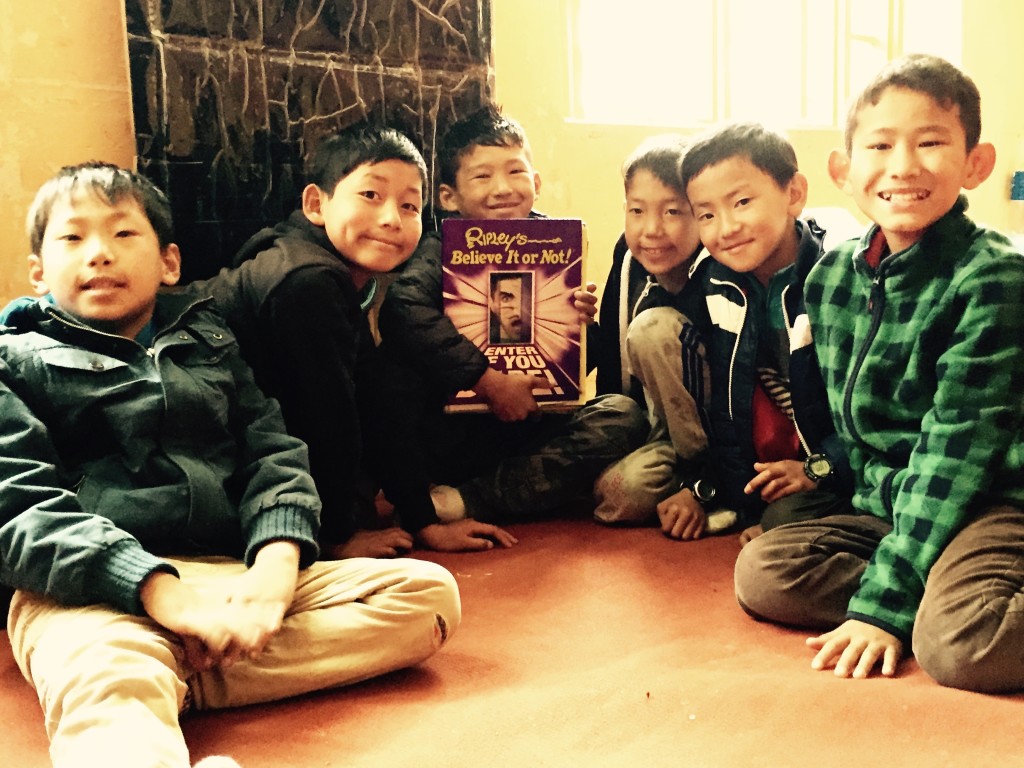
Children gather safely away from wind and rain |
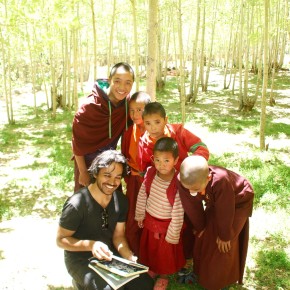
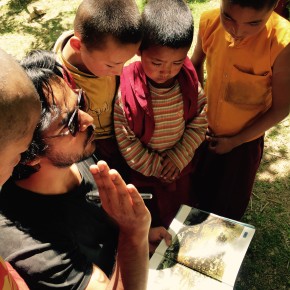
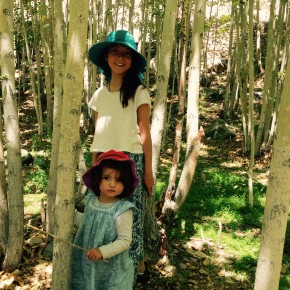
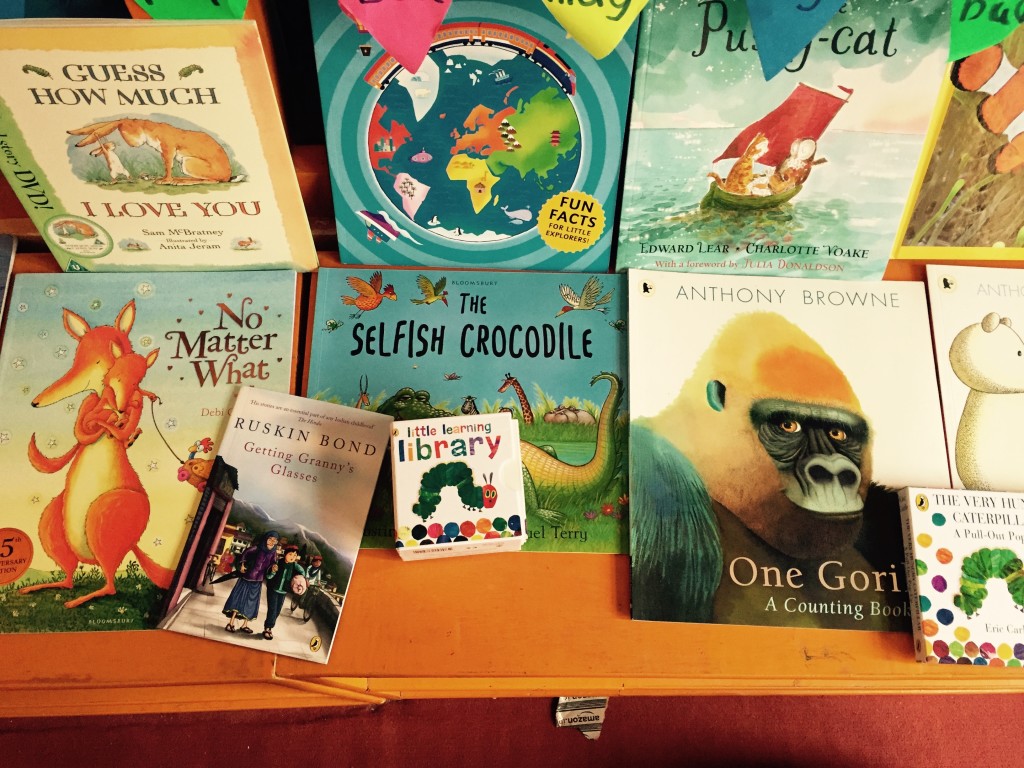
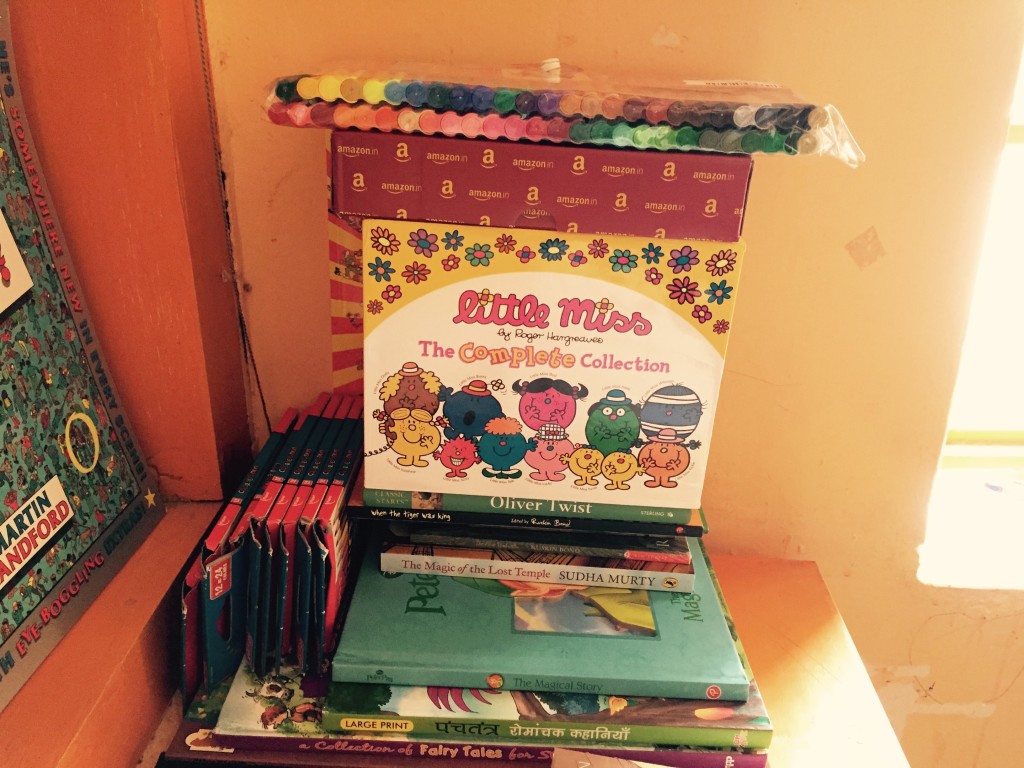
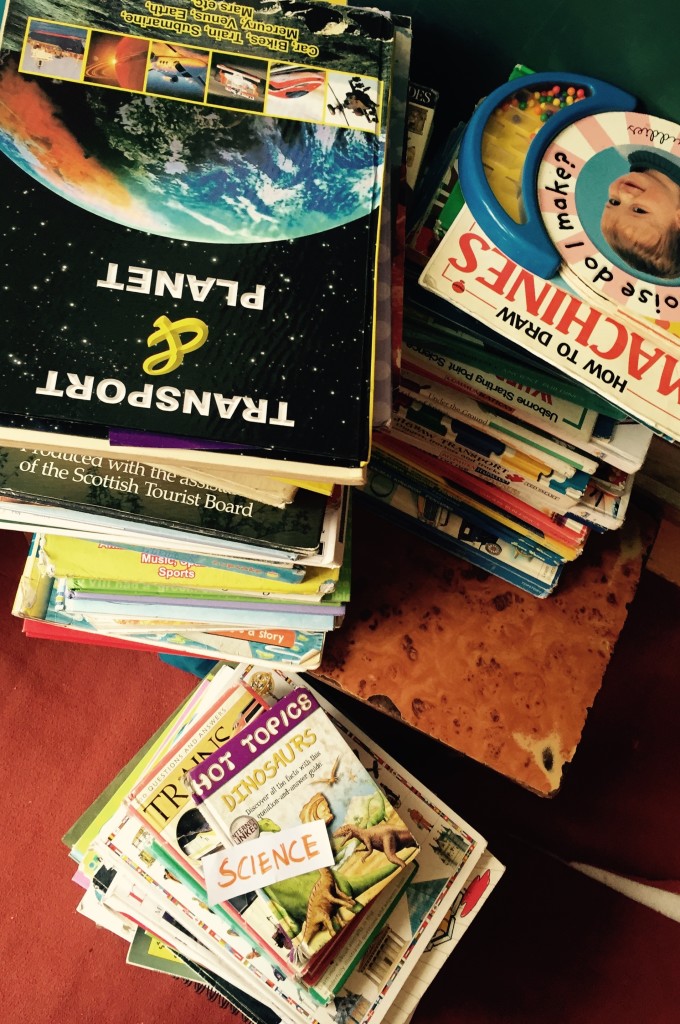
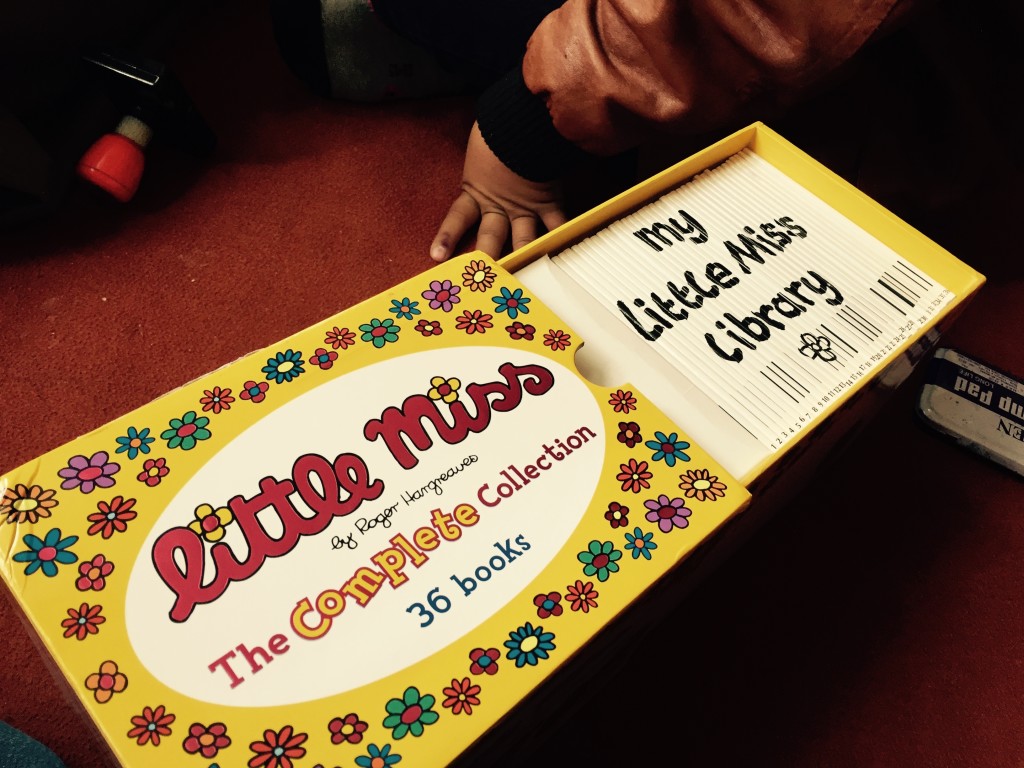
| Books support language and imagination |
Stories help settle fear and pass the time |
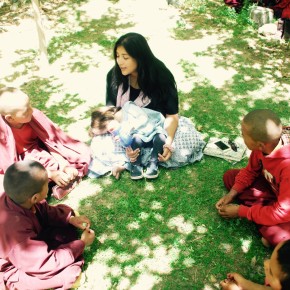
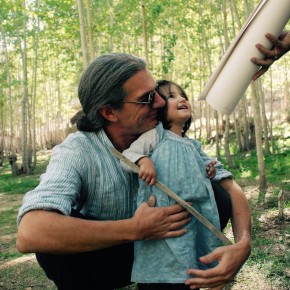
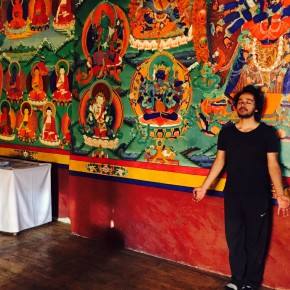
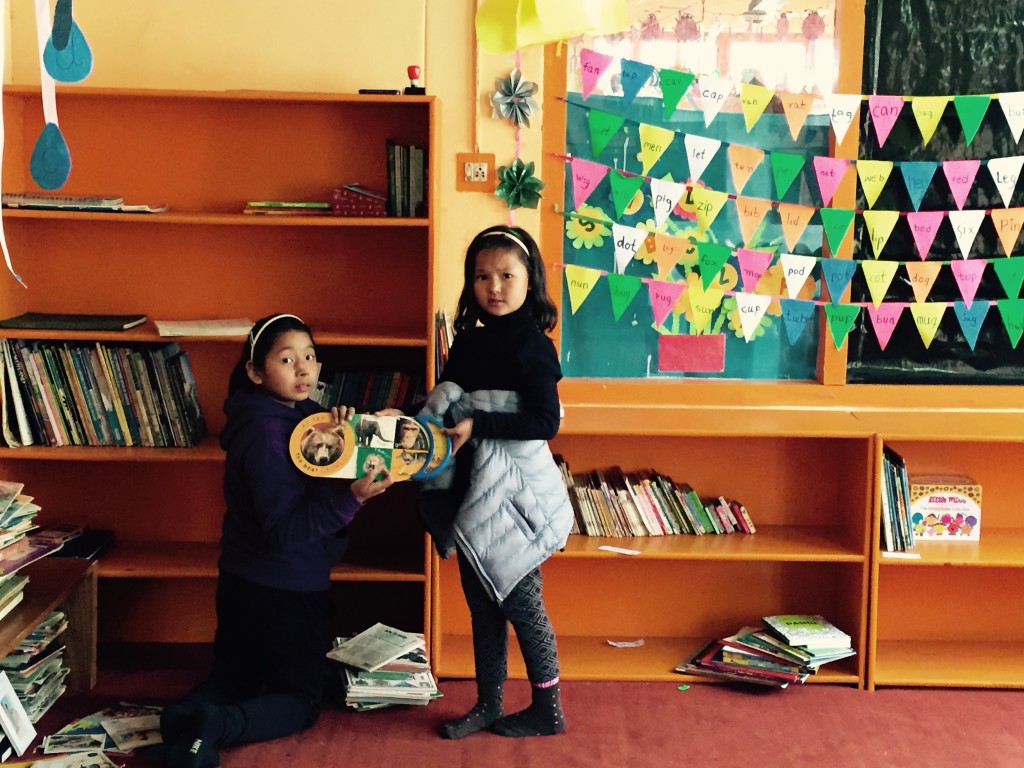
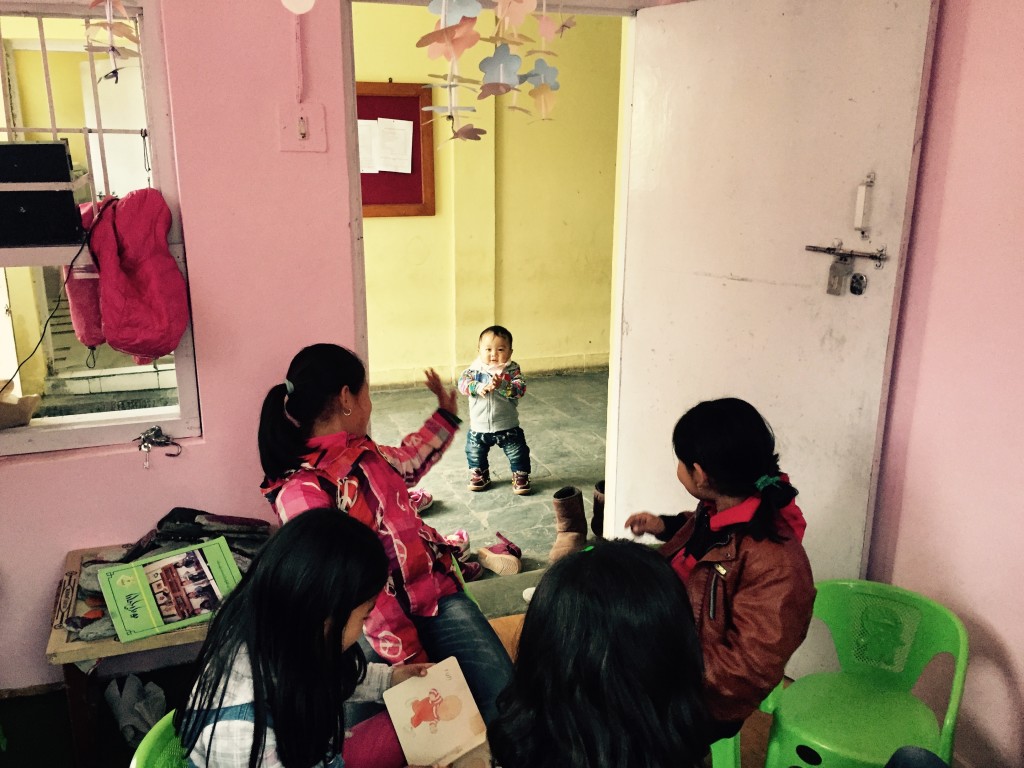
| Volunteers lead creative activities |
Adults organise warmth, space and reassurance |
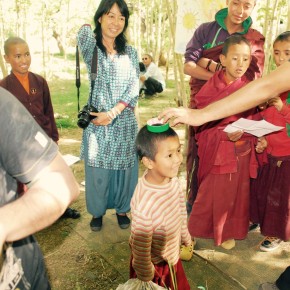
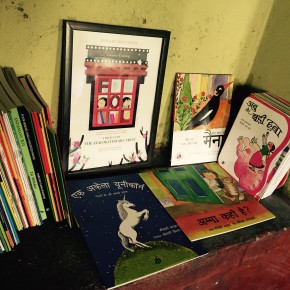
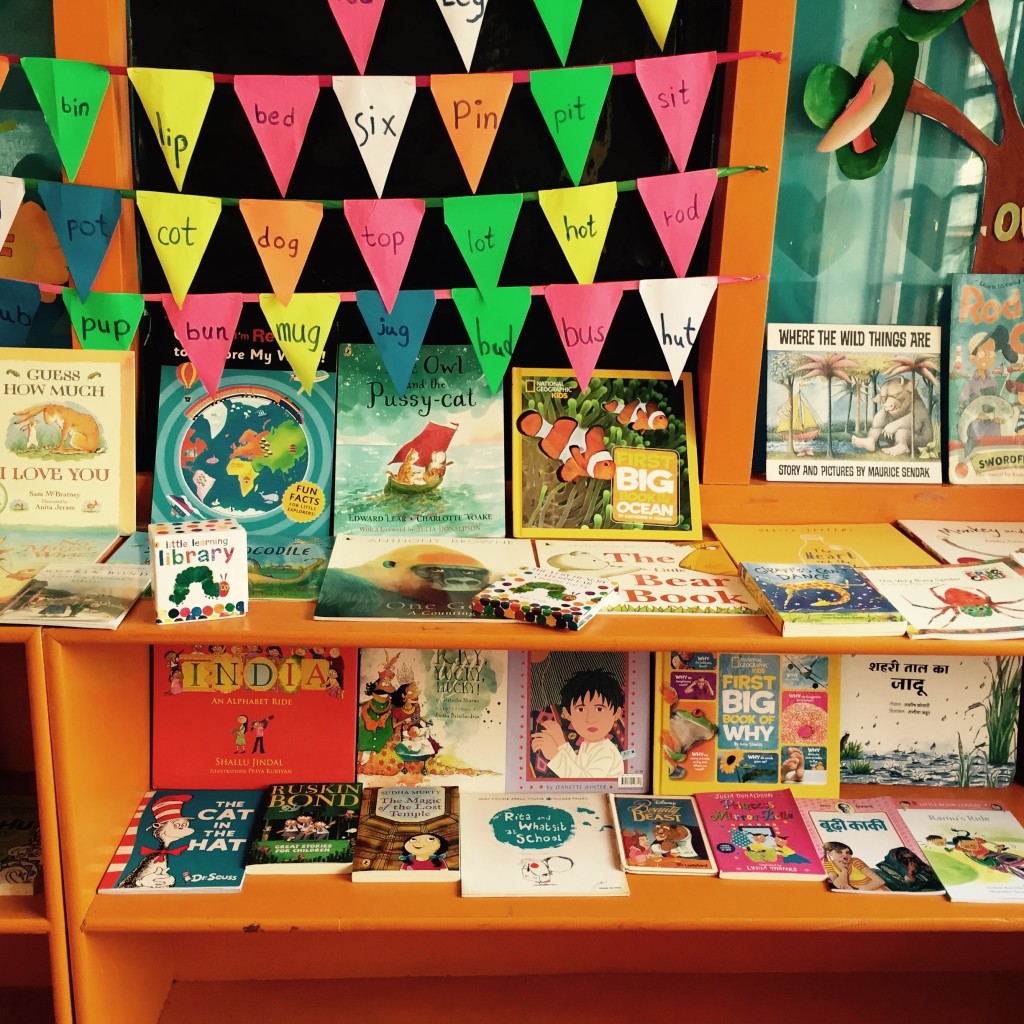
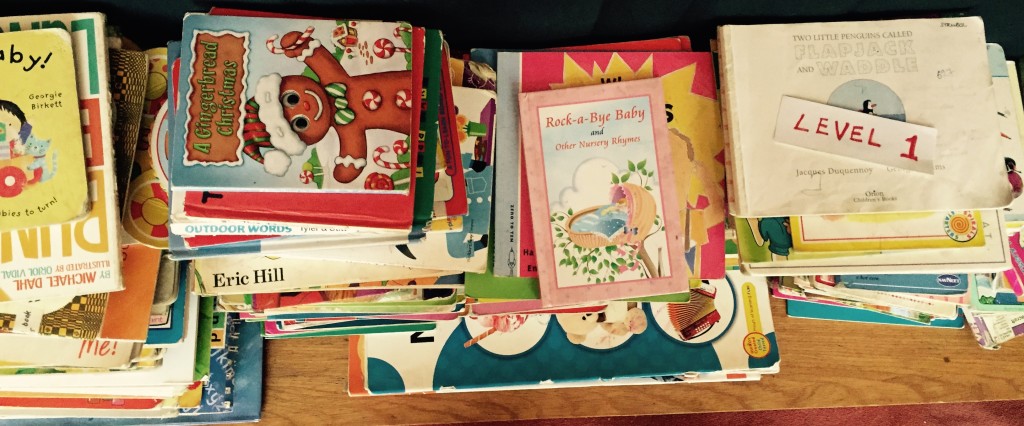
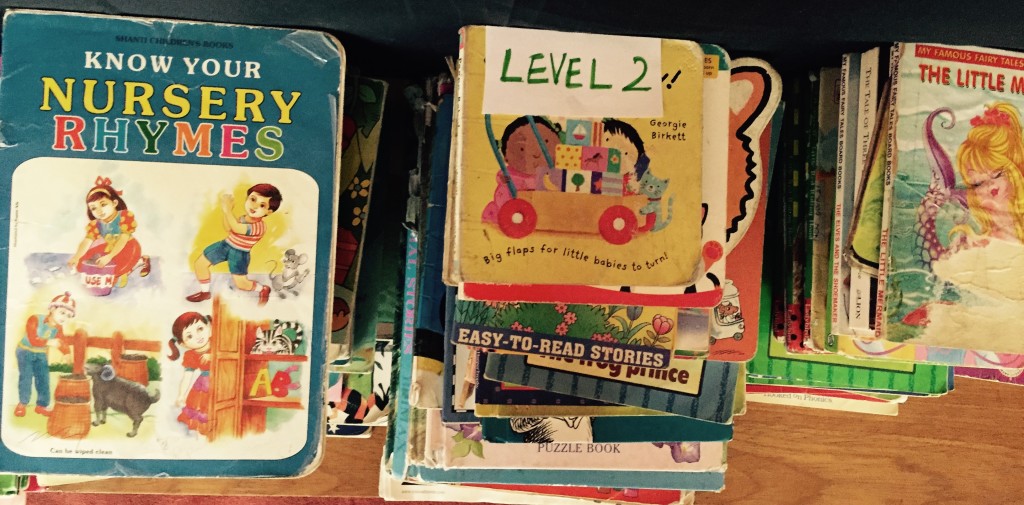
| Shelves represent long-term learning |
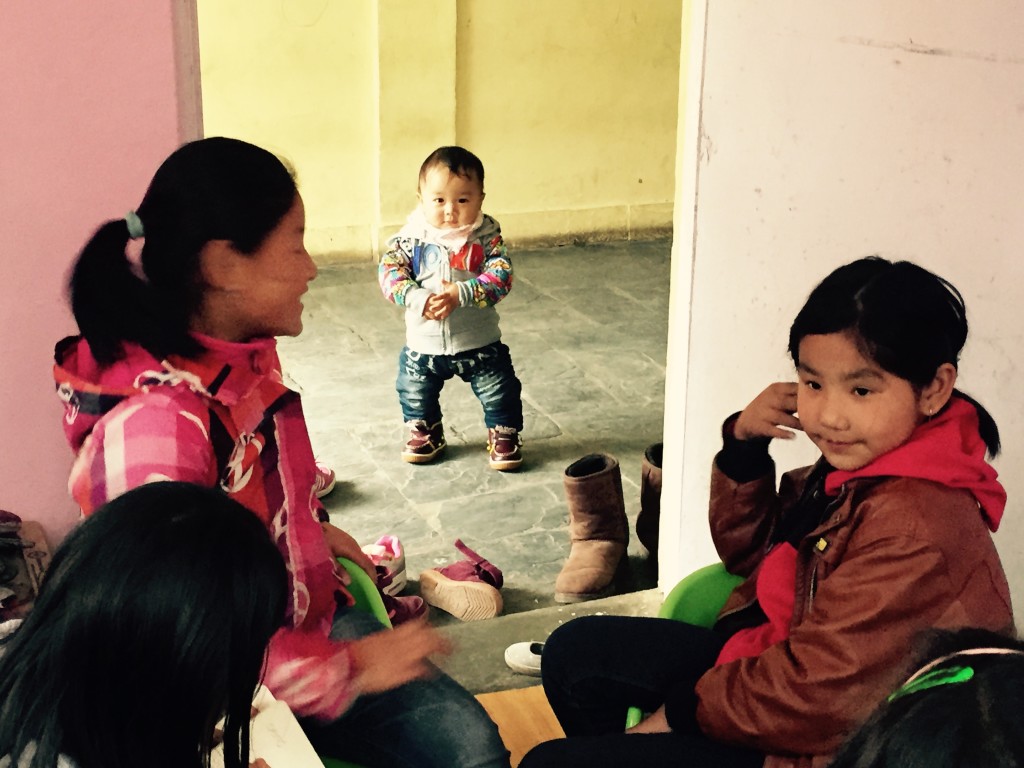
The room becomes an immediate community resource |
Clouds Gather Over the Valley
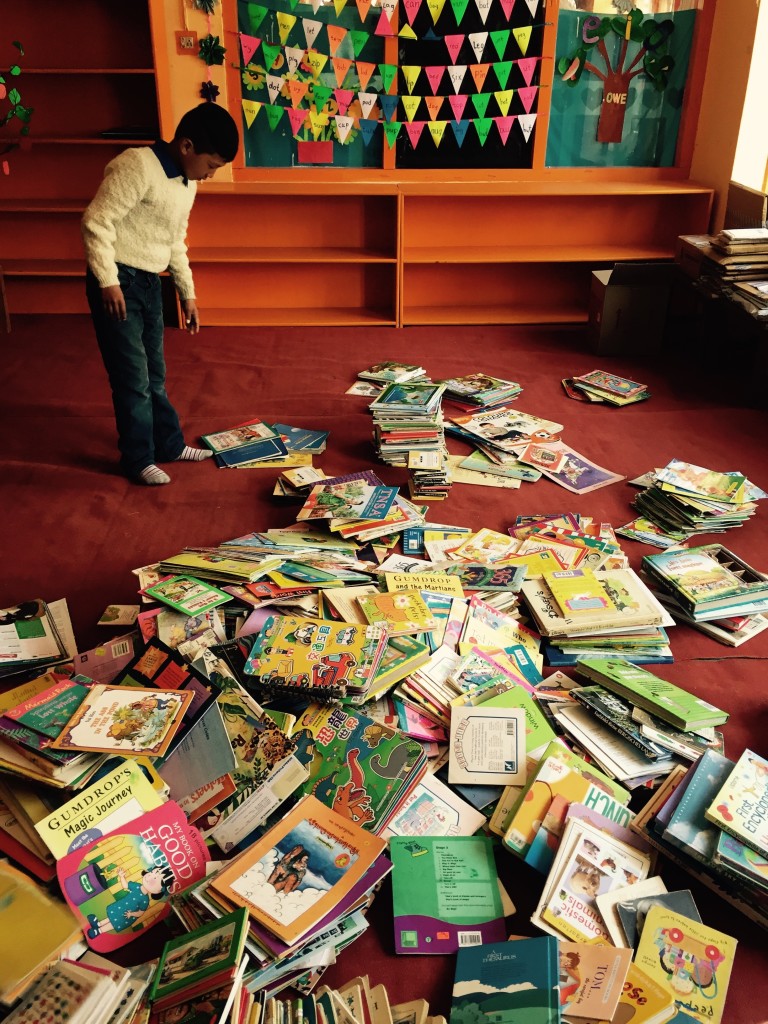
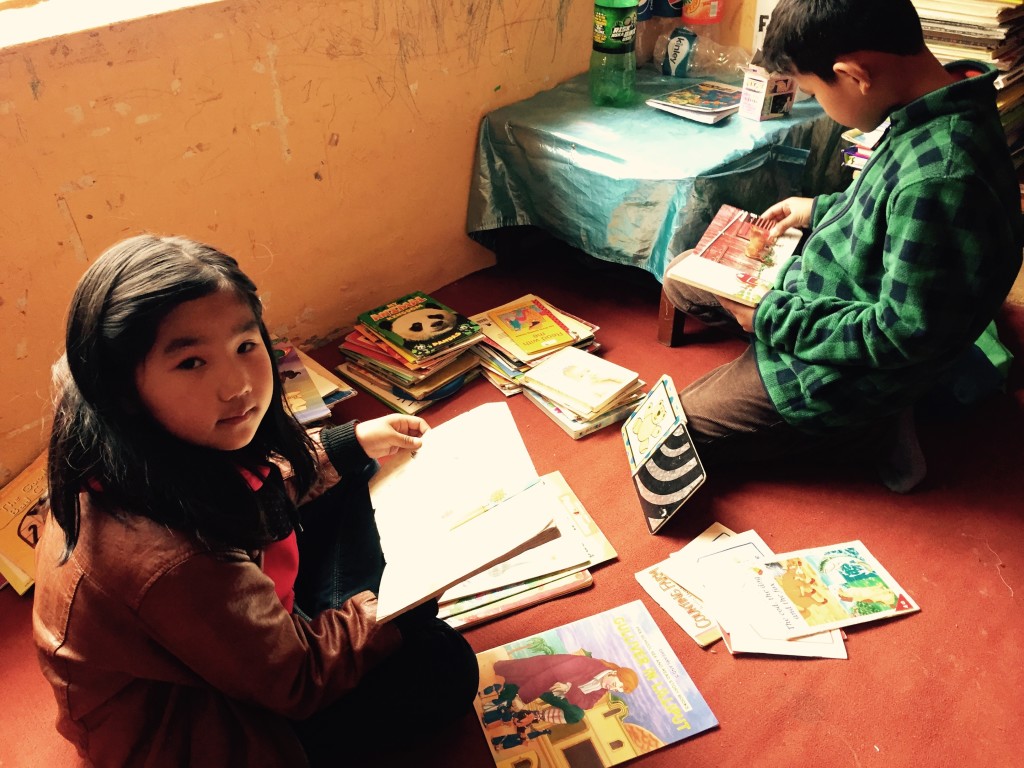
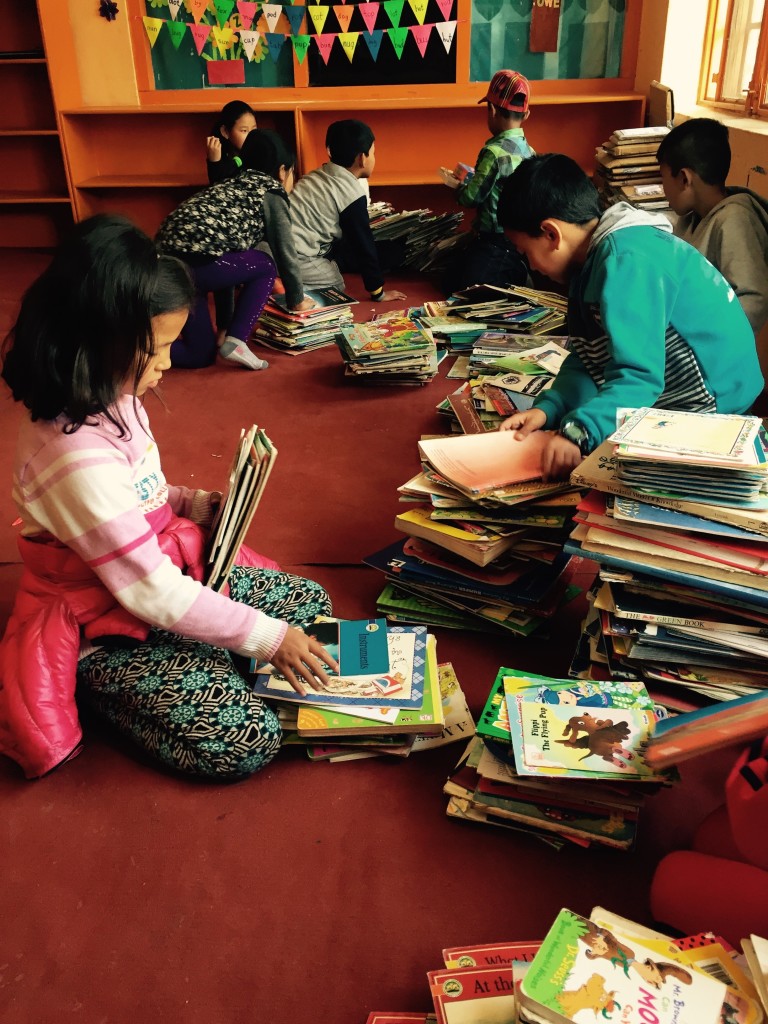
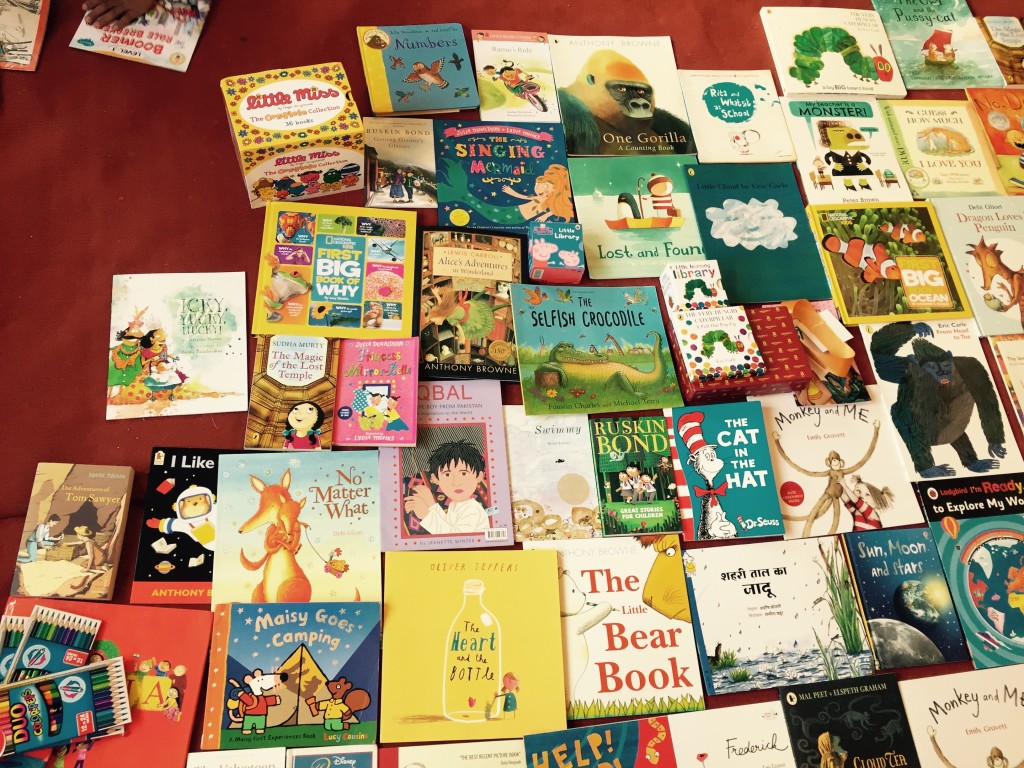
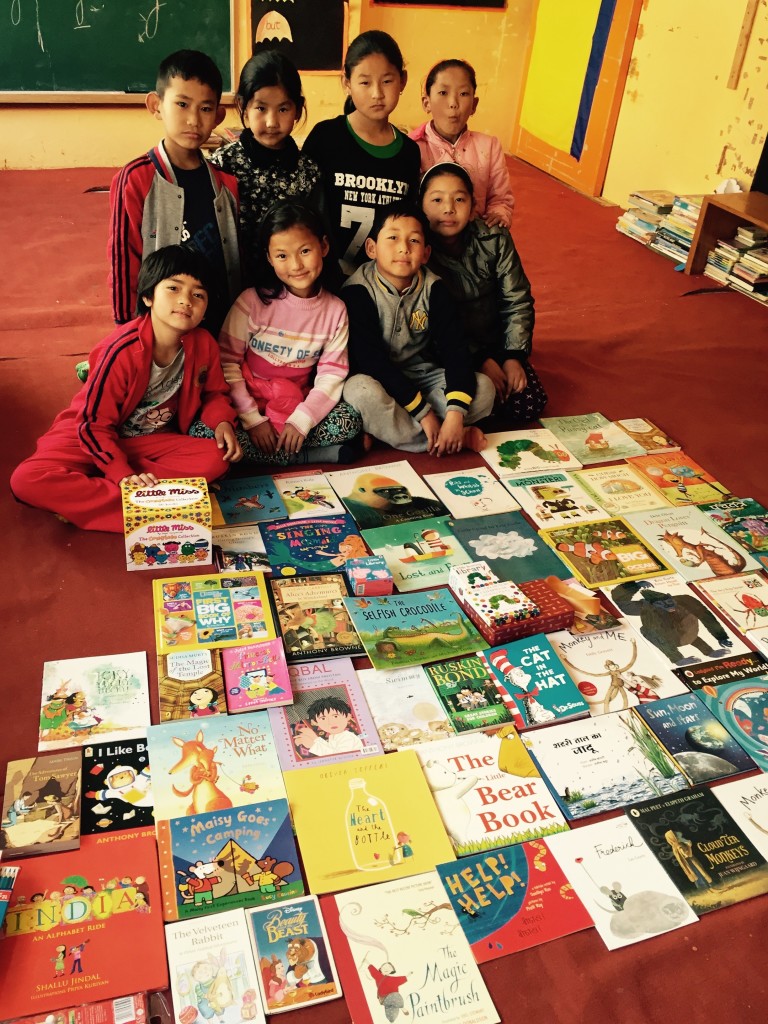
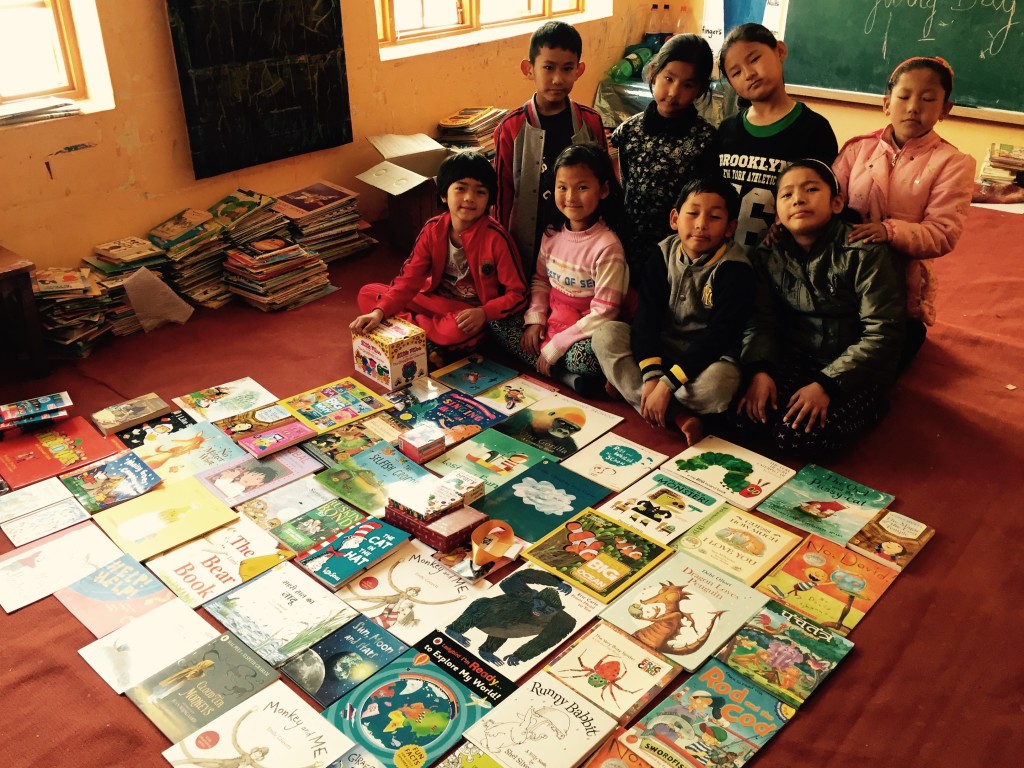
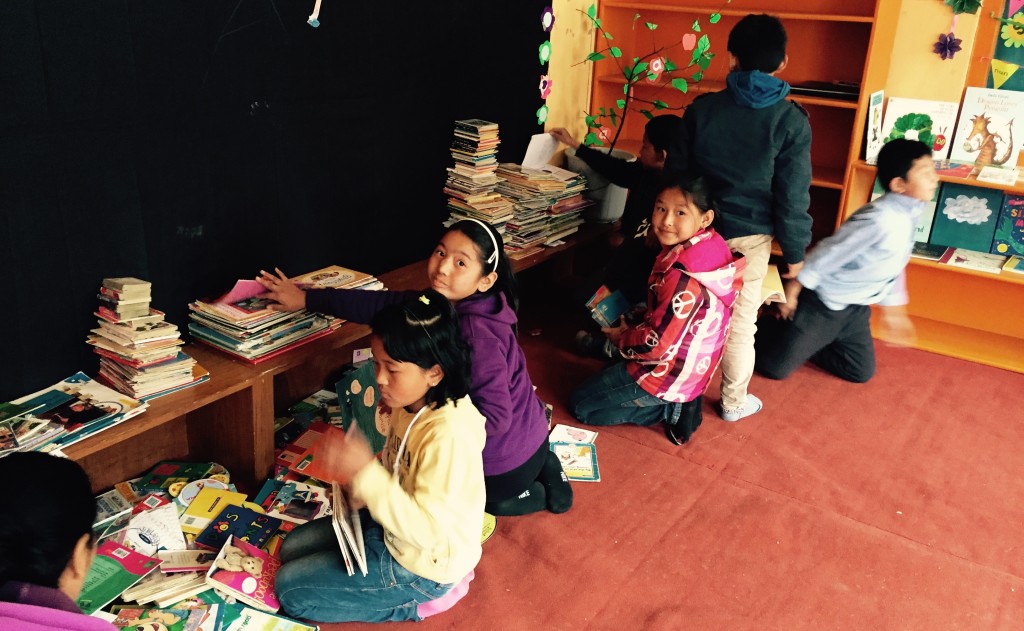
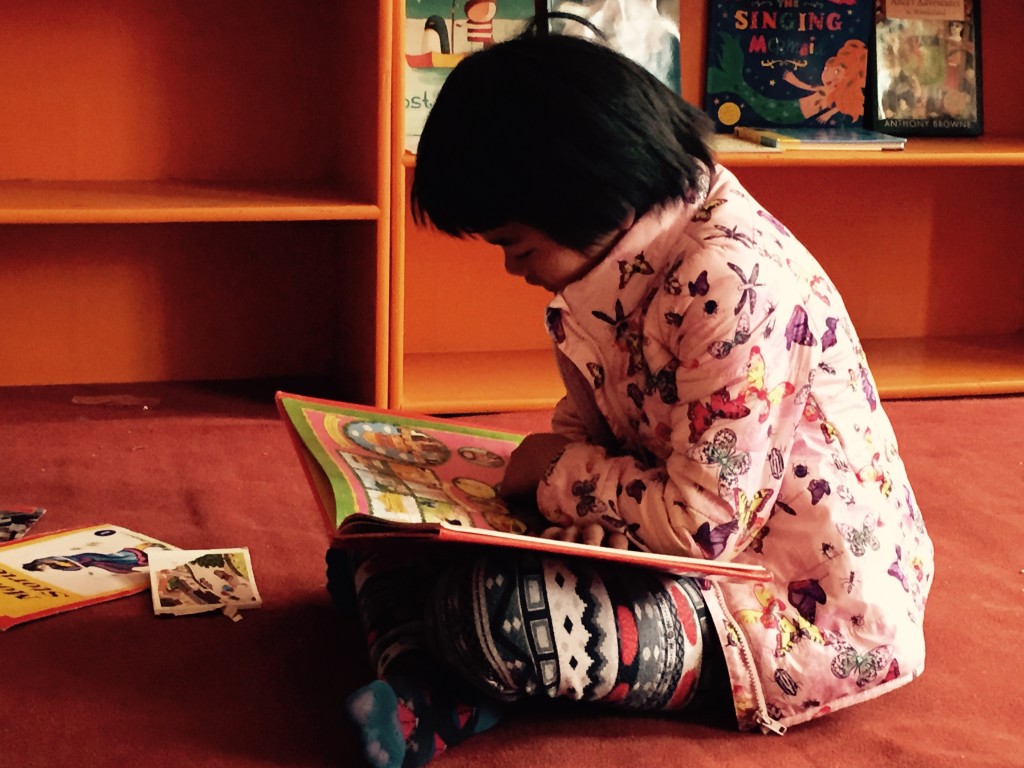
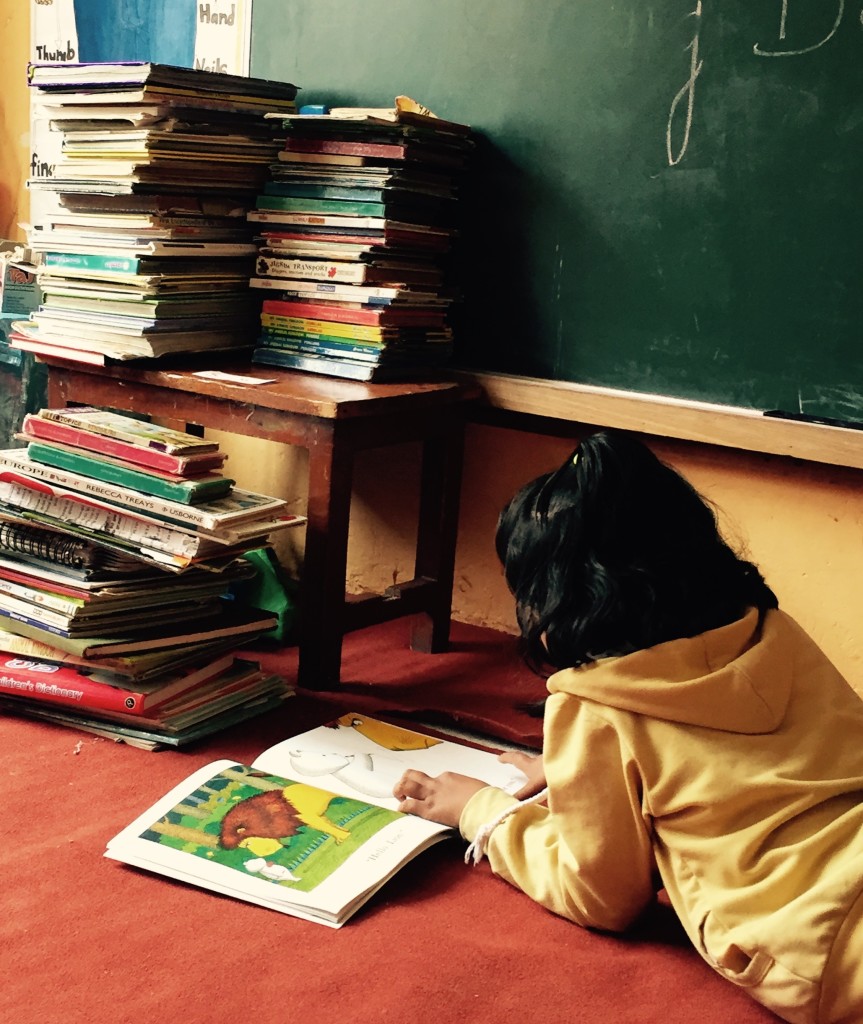
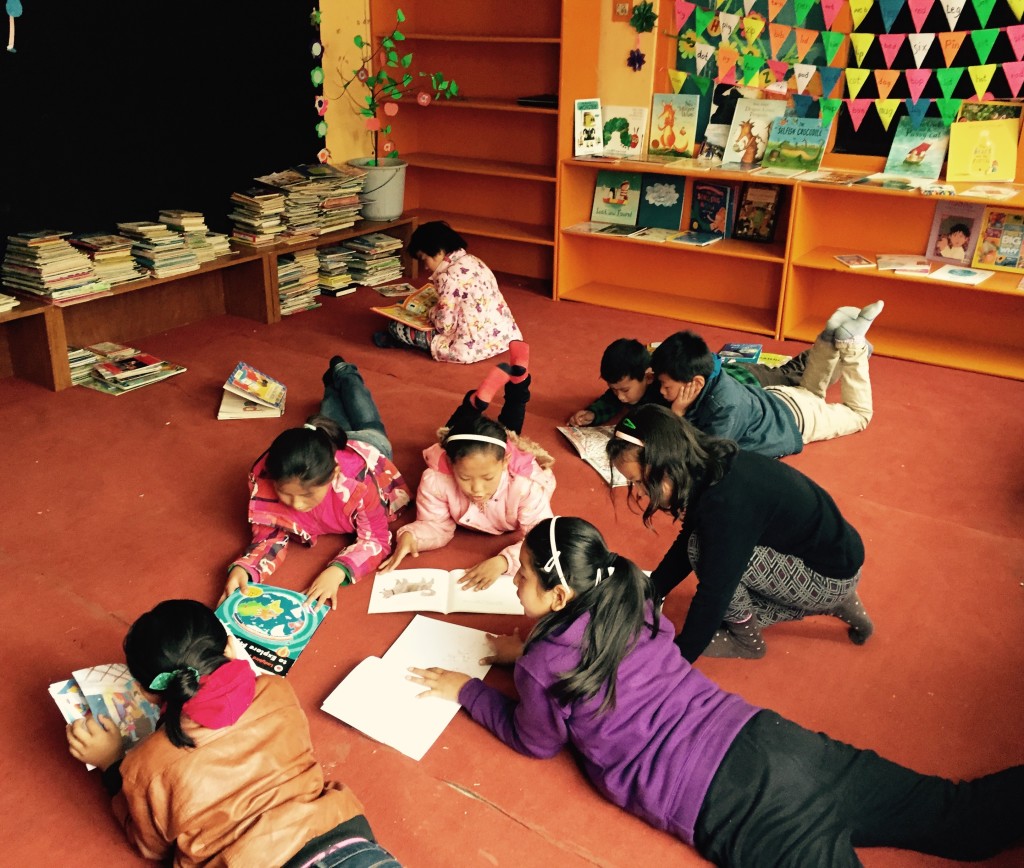
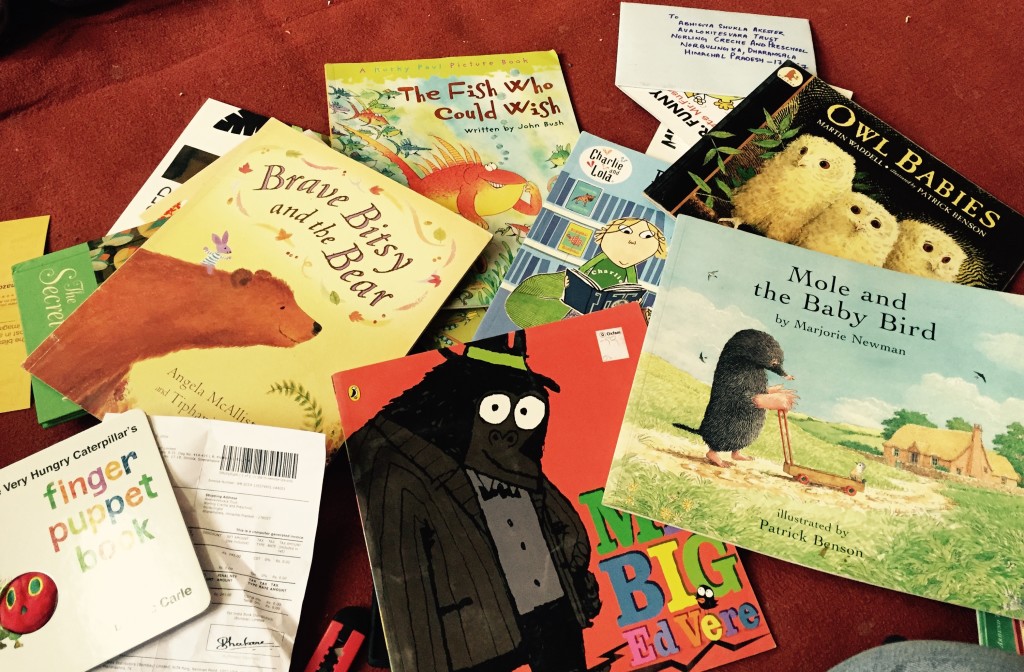
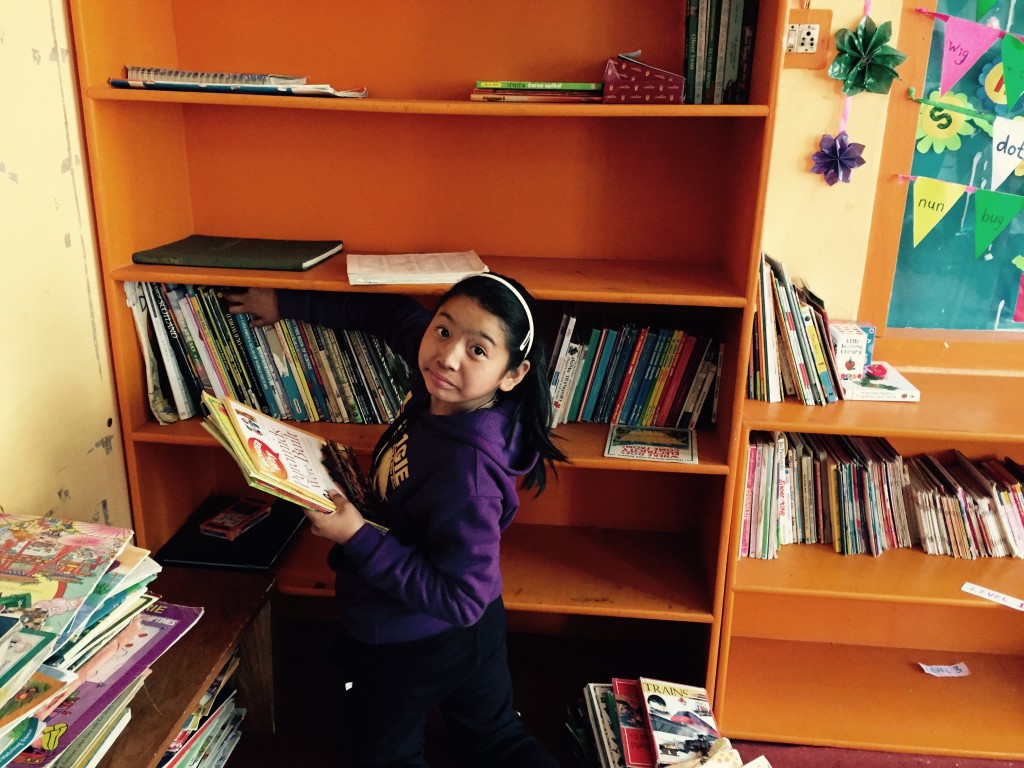
The afternoon had begun in a familiar rhythm. Children arrived after lessons, leaving dusty shoes near the doorway before moving towards the shelves. Some searched for illustrated tales, while others chose simple readers or sat with coloured pencils. The room was modest, yet it offered something precious: a dependable place for curiosity.
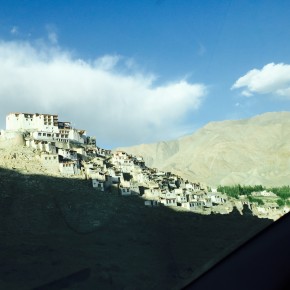
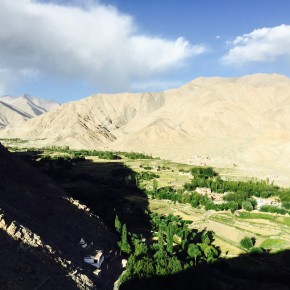
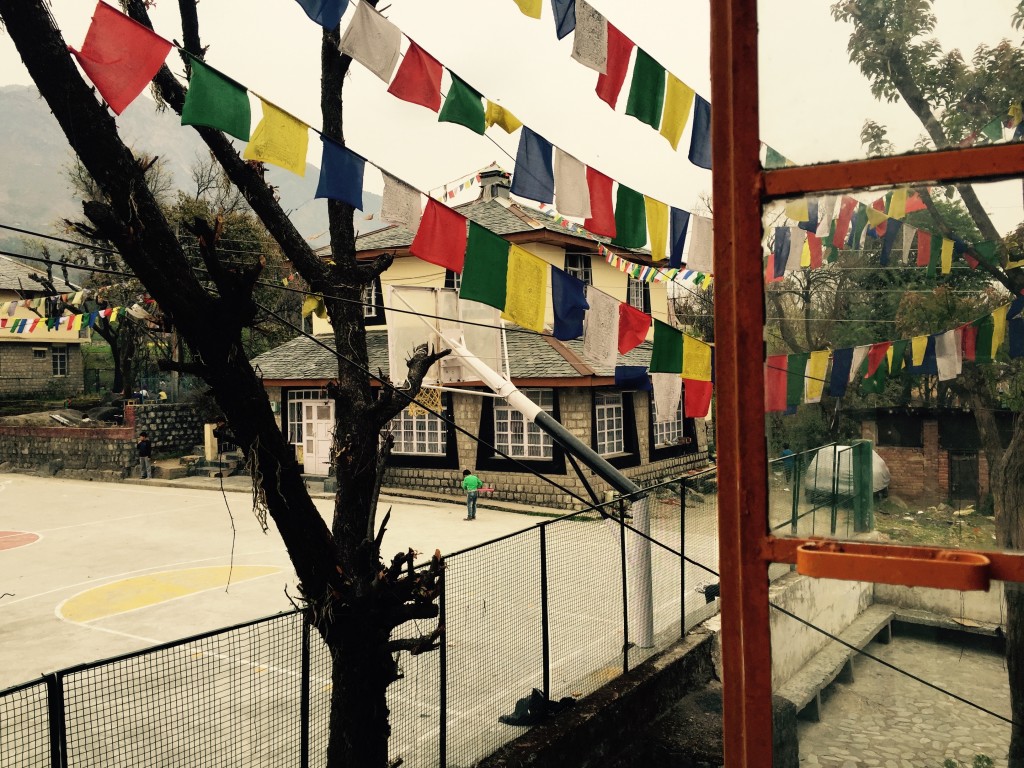
Outside, the weather changed quickly. Dark clouds pressed against the mountain ridges, and the wind began driving rain across the paths. In the Himalayan region, storms can make travel difficult within minutes. Narrow roads become slippery, streams rise, and a short walk home can turn into a serious risk for a young child.
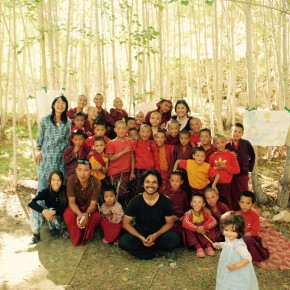
The adults in the reading room noticed that several children could not safely leave. Rather than sending them into worsening conditions, they rearranged the space. Mats were placed away from windows, bags were kept dry, and the group settled in while the storm moved through the valley.
A Library Finds Another Purpose
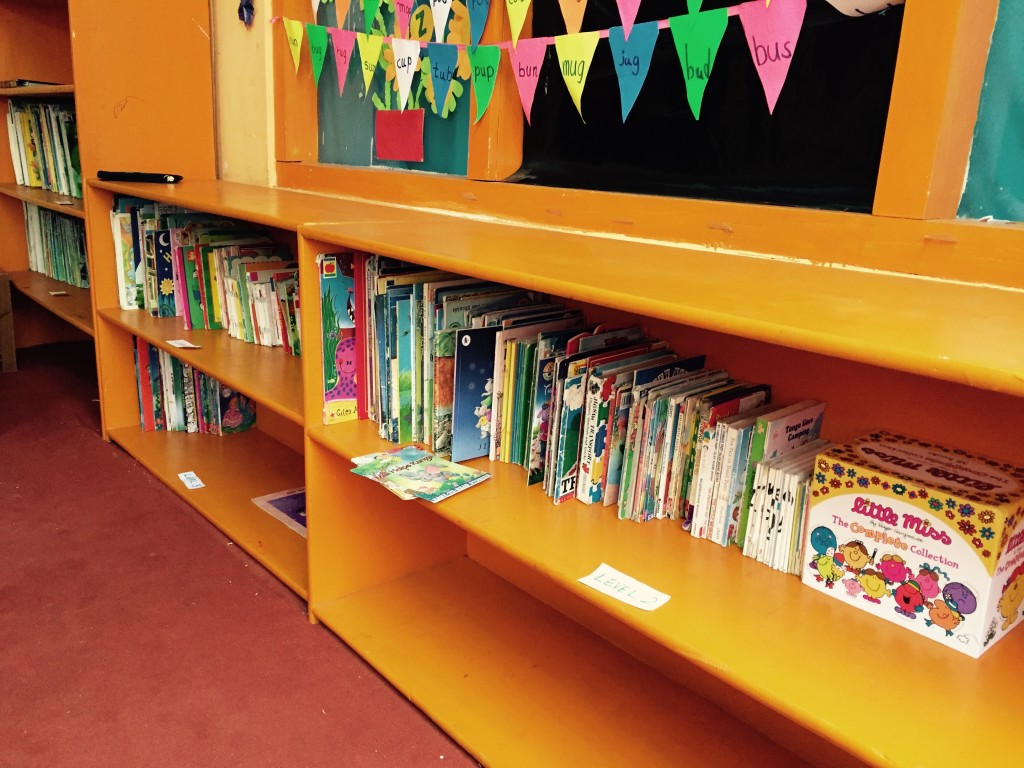
The room was never designed as an emergency centre. It had shelves, floor cushions, low tables and a collection of children’s books. Yet those ordinary features became useful. The solid walls offered protection from the weather, the lights made the space less frightening, and the familiar books gave children something positive to focus on.
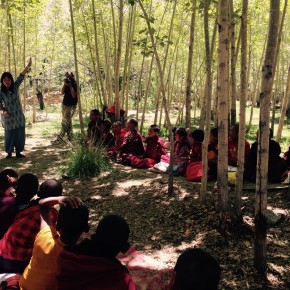
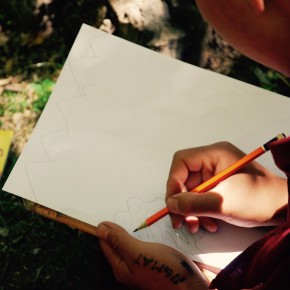
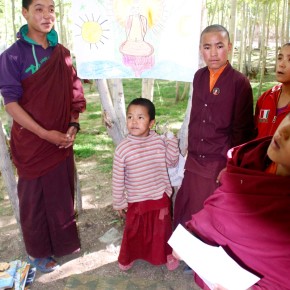
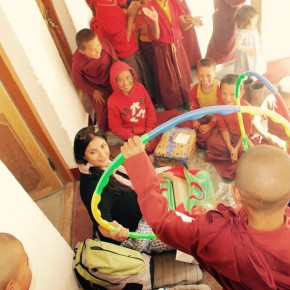
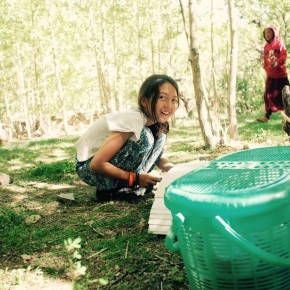
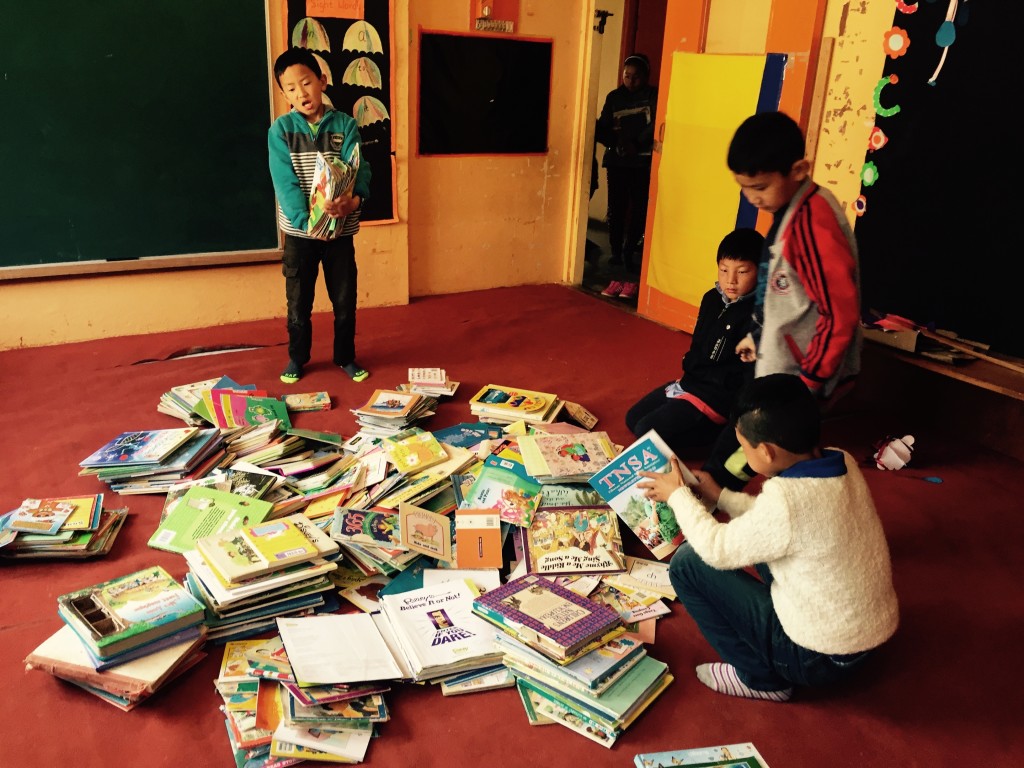
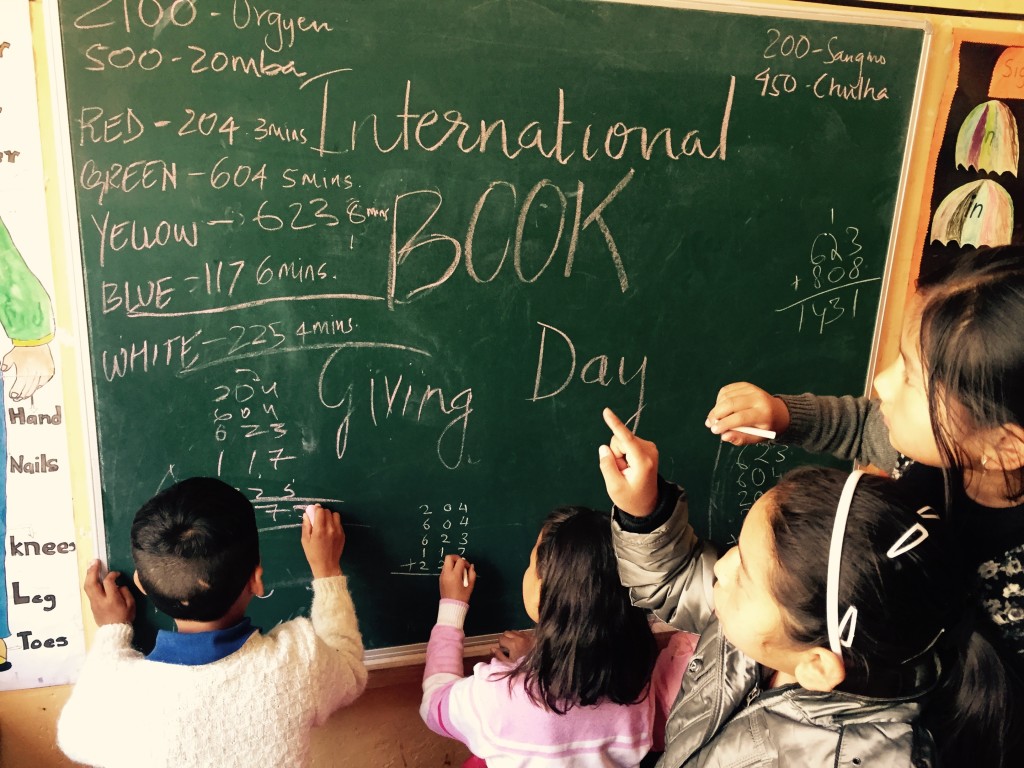
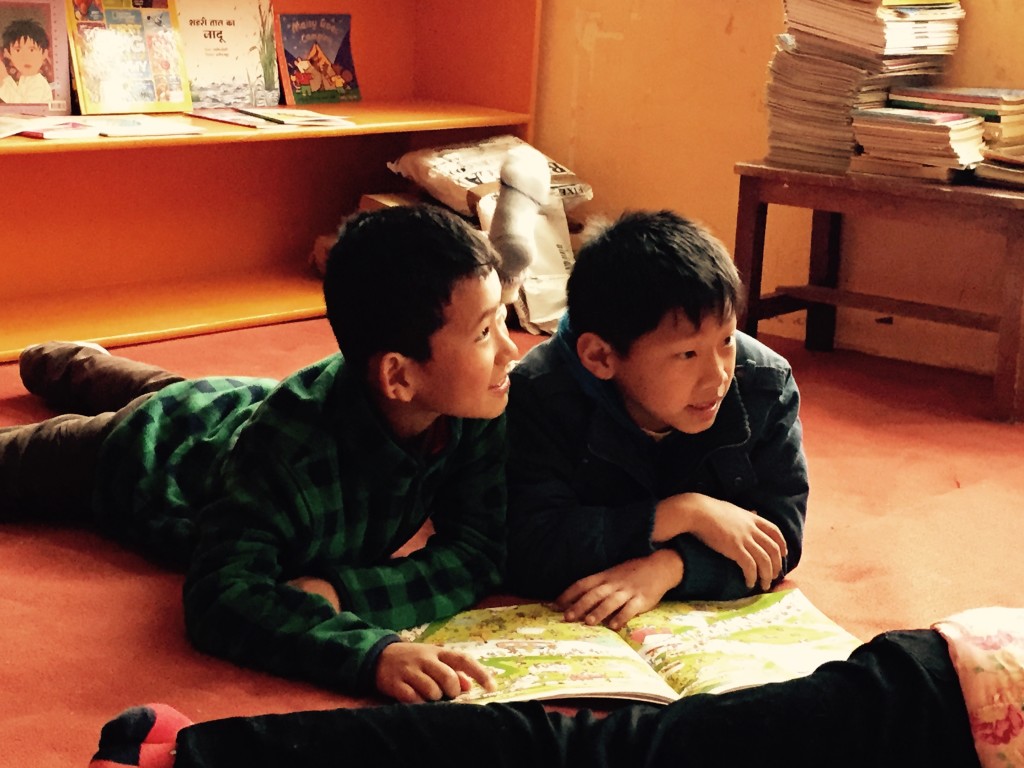
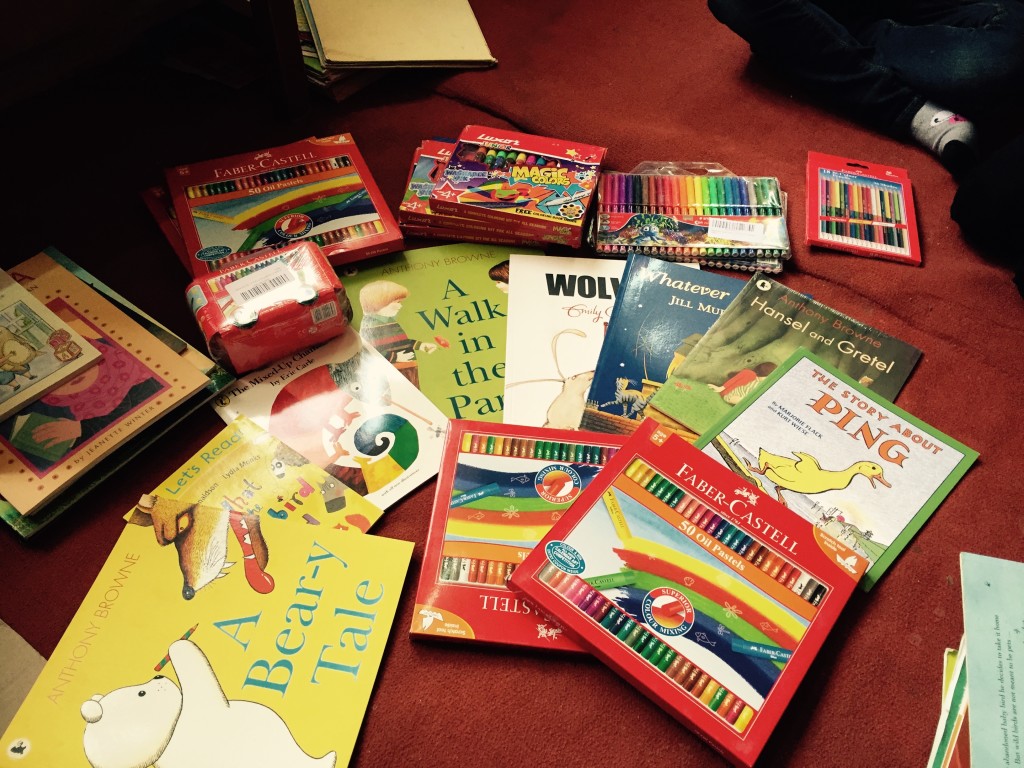
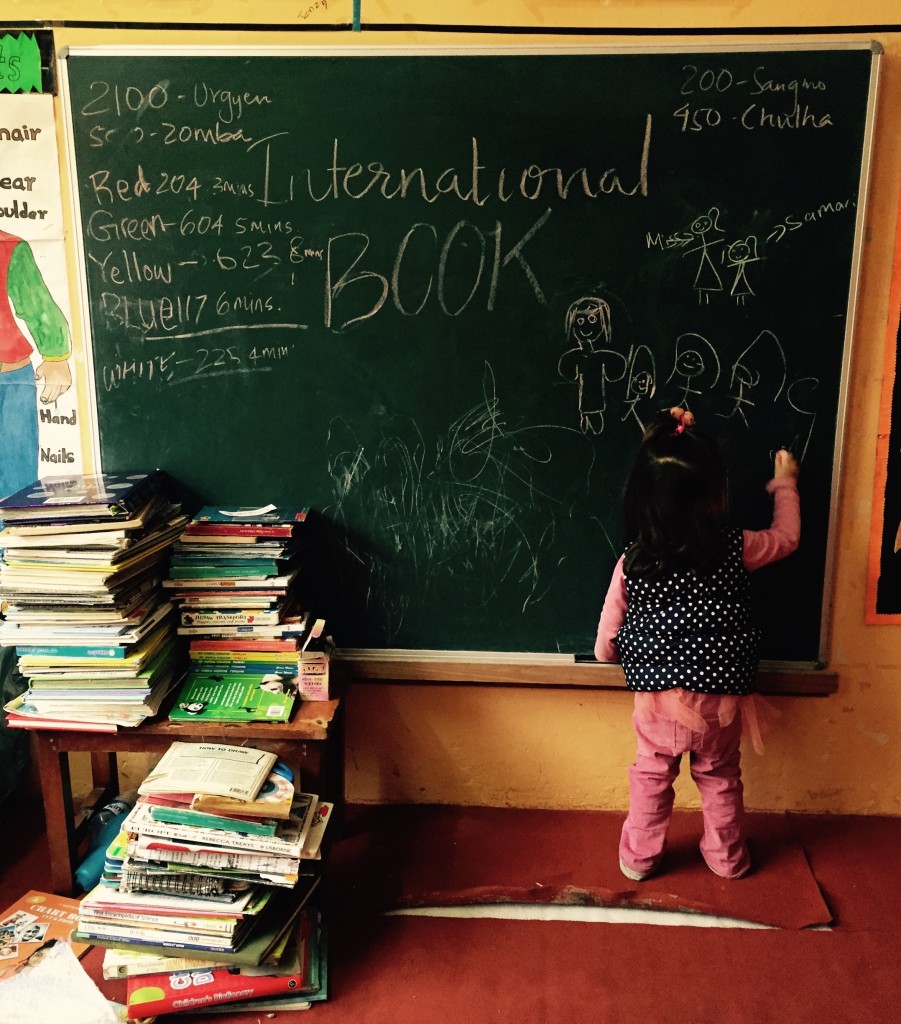
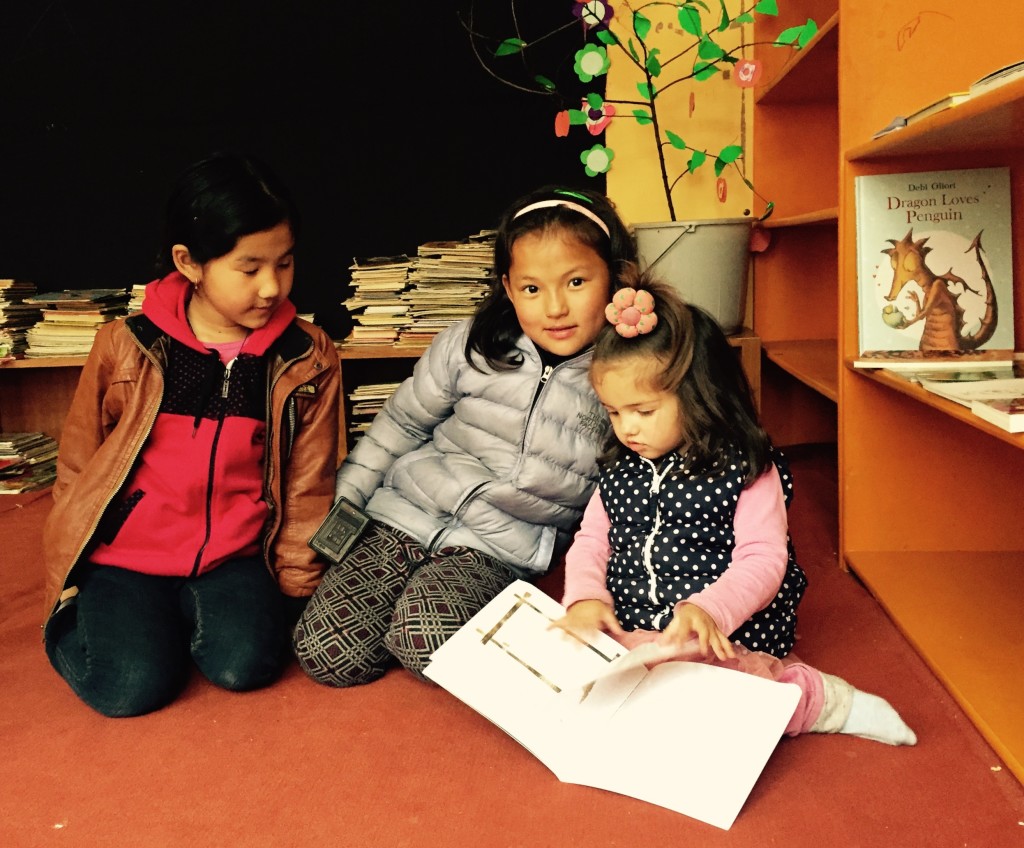
A reading session continued in a different form. One volunteer read aloud while younger children listened close together. Older children helped turn pages, explain unfamiliar words and keep the smallest visitors occupied. Drawing materials came out, and pictures of mountains, animals and imagined journeys gradually replaced anxious glances towards the door.
This is the quiet strength of a community reading space. Its impact is not limited to literacy targets or the number of books borrowed. A room built for learning can also provide belonging, routine and calm when the world outside feels unpredictable.
Stories That Cross Mountain Passes
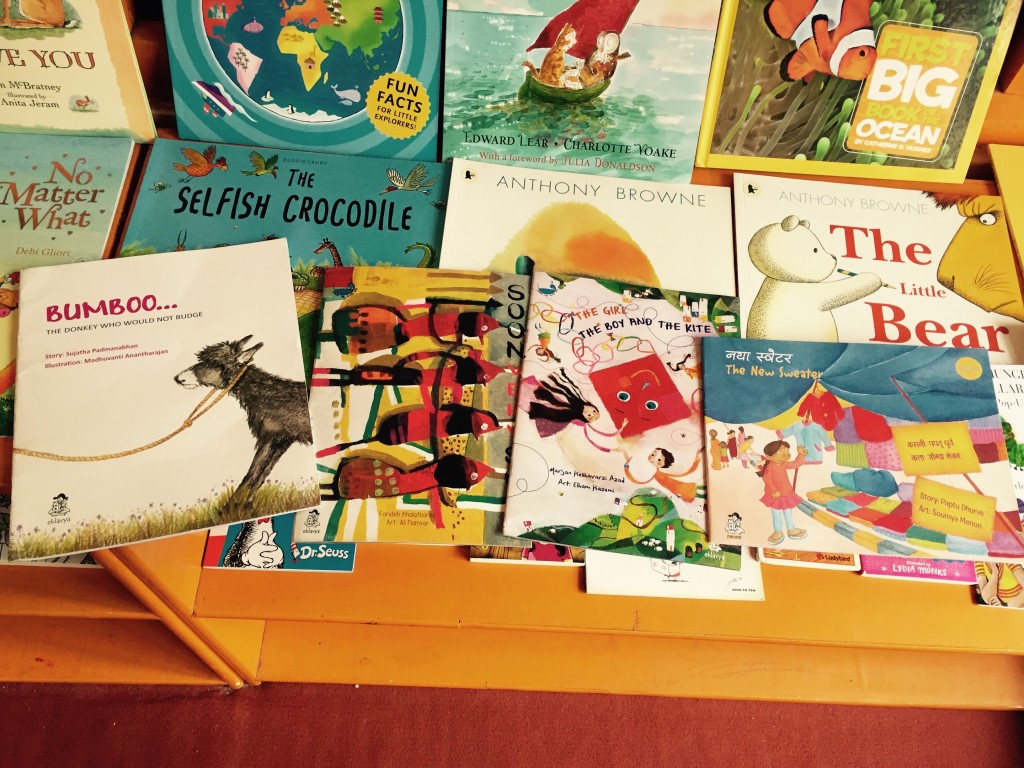
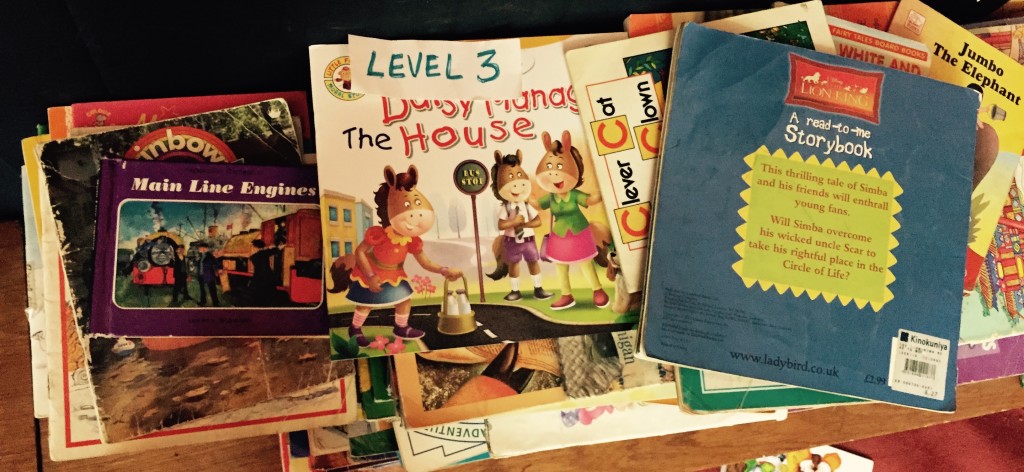
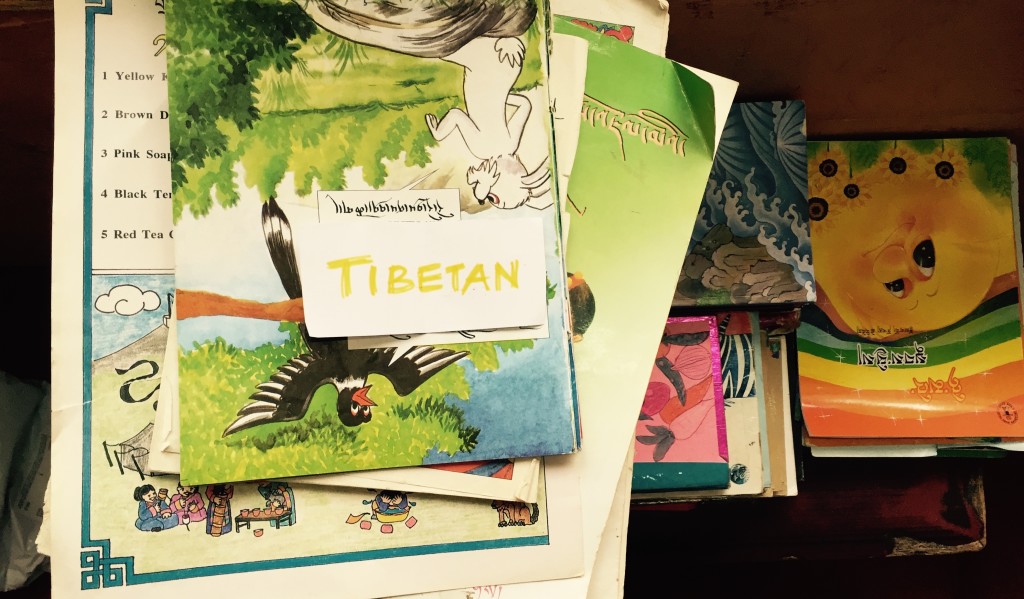
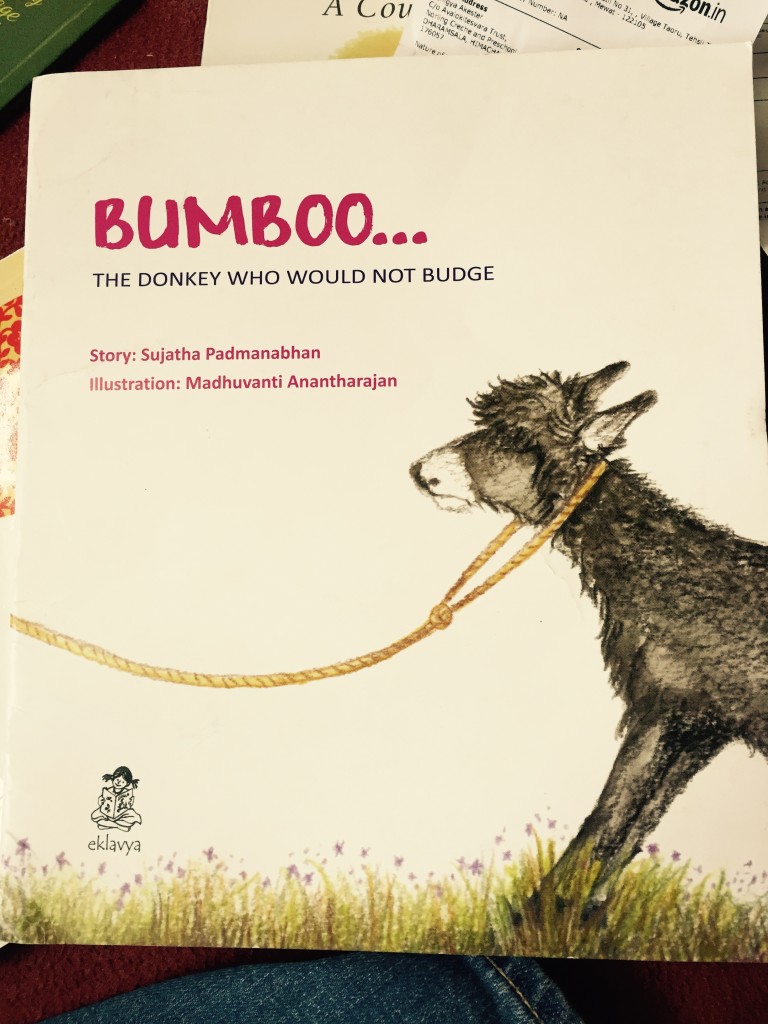
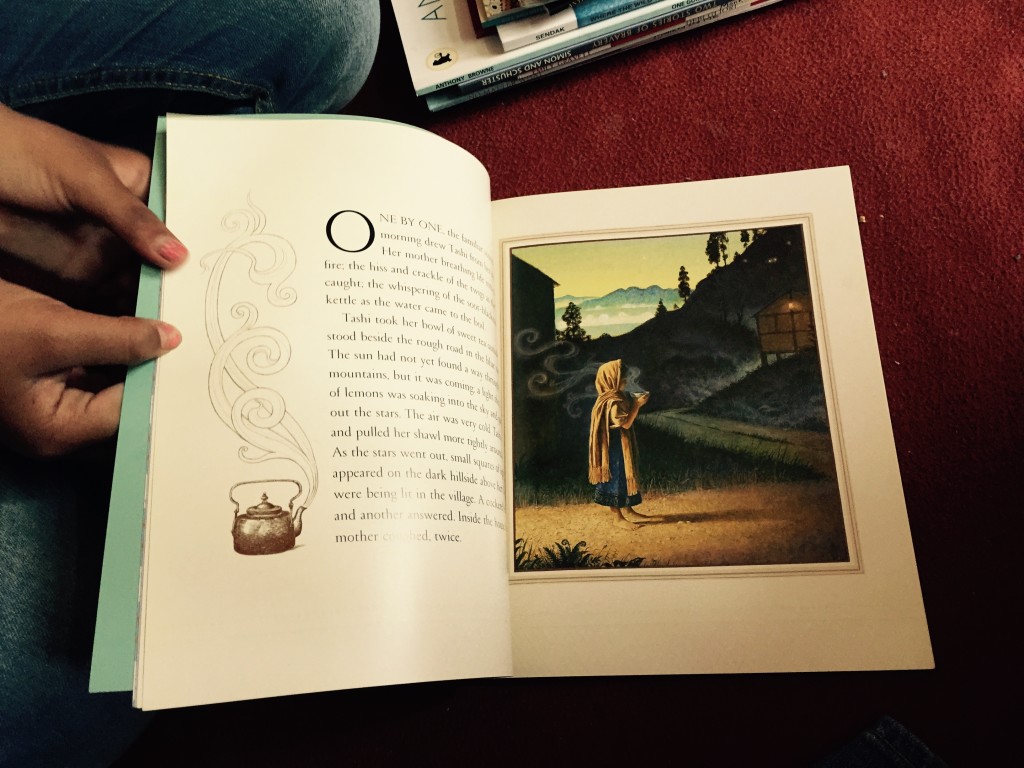
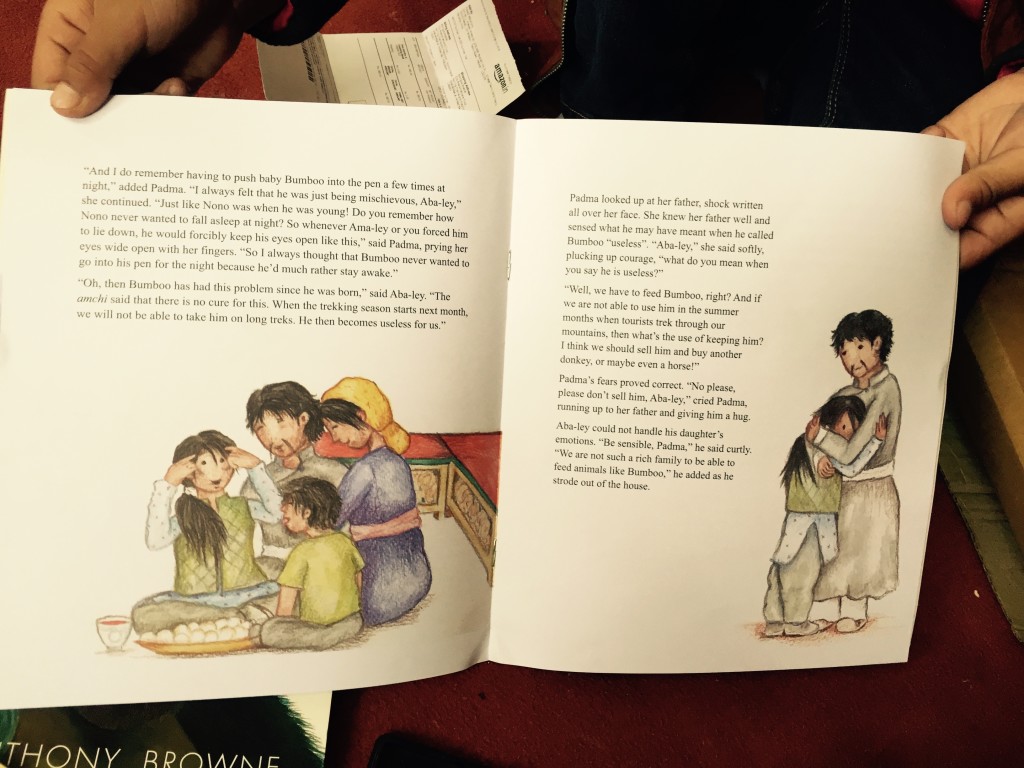
Choosing books for Himalayan children requires care. A story written for a Western classroom may contain unfamiliar landscapes, family structures, foods or daily routines. A snowy scene, for example, may mean something different to a child living at high altitude, while a reference to a suburban backyard can require explanation.
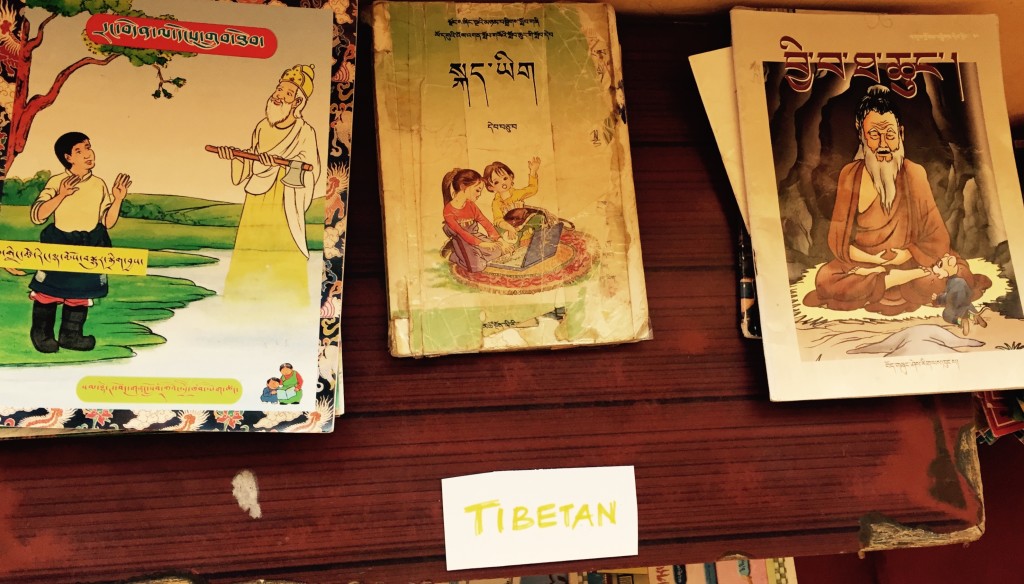
That does not mean children should receive only books that mirror their own lives. Imagination grows when young readers encounter new places and possibilities. The important work is to make those worlds accessible without treating local culture as an obstacle. Avalokiteśvara Trust explains this process through its book adaptation work, showing how language, illustrations and context can be considered together.
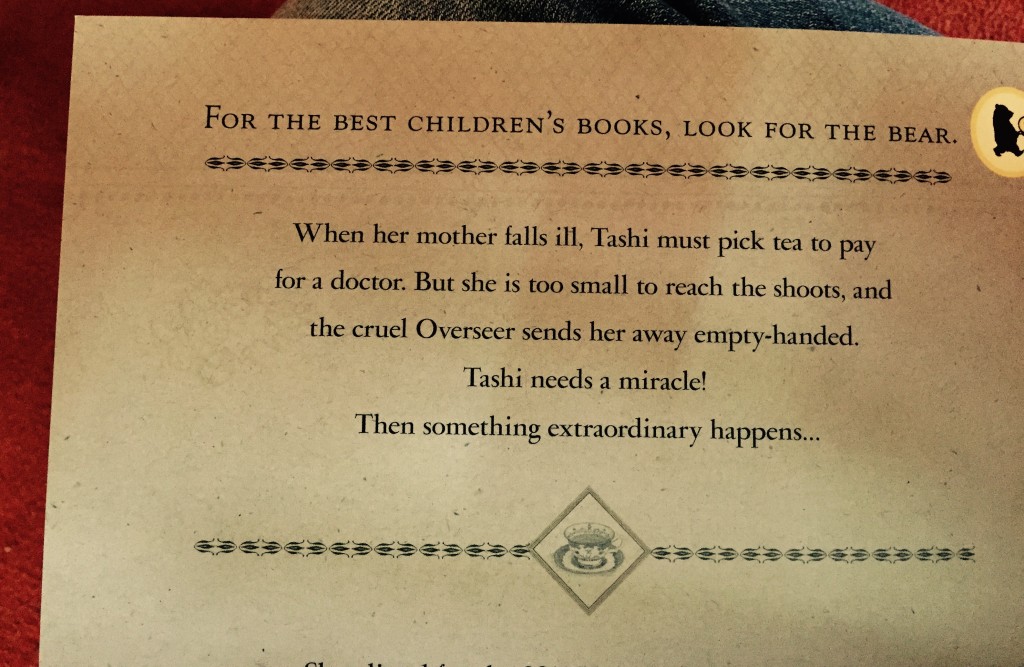
During the storm, the value of that approach became visible. Children could listen to a story set far away while still recognising emotions such as nervousness, friendship and relief. A well-chosen book does not erase difference; it creates a safe bridge across it.
Lessons For Australian Supporters
Australians know the importance of shared spaces in difficult weather. A school library in Melbourne may become a cool refuge during extreme heat, while a community hall near the Hawkesbury can support residents during flooding. In regional and remote areas, the local hall, sports club or CWA meeting room often becomes a practical centre for connection when roads or services are disrupted.
That understanding can shape how people in Sydney, Brisbane, Perth and smaller country towns view literacy projects overseas. A reading room is not simply a room with donated books. It is part of a local support network. When families contribute through a school collection, a neighbourhood fundraiser or a Bunnings sausage sizzle, they are helping create a place with educational and social value.
Australian donors also tend to look for clear evidence that contributions are being used well. Updates with photographs, stories from volunteers and specific descriptions of book drives help connect a gift in Australian dollars with a real outcome. A child sitting safely through a Himalayan storm makes that connection tangible without reducing the community to a single dramatic moment.
Making Shelter Feel Like Normal Life
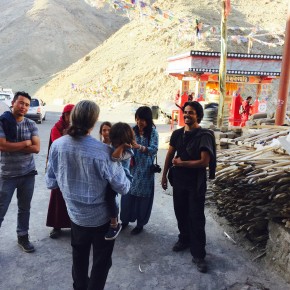
The adults did not treat the children as passive recipients of help. They gave them small responsibilities suited to their age. Someone collected pencils, someone made space for a younger child, and someone checked whether wet clothing had been moved away from the draft. These simple tasks restored a sense of control.
Food and warmth mattered, too. A shared snack created a pause between bursts of rain. Conversation returned as the children compared drawings and debated which character in the story had made the wisest decision. The storm remained present, but it no longer occupied every thought.
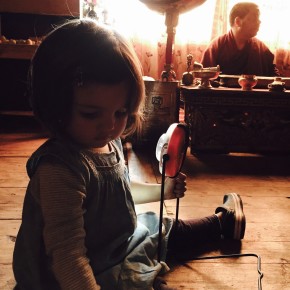
For young monks and children who use the reading room regularly, familiarity was a form of comfort. They knew where the picture books were kept and which adults would listen. In an emergency, trust built through ordinary afternoons can be as valuable as any special equipment.
What Remained After the Rain
When the weather cleared, the room needed tidying. Damp footprints marked the floor, a few cushions had to be dried, and books were checked for moisture. The work was practical, but it also carried a deeper message: the space had protected its community, and the community would care for it in return.
The next day, reading resumed. The storm became part of the room’s memory, attached to the stories shared and the drawings made while rain struck the windows. Children had learned that books could transport them elsewhere, yet the room itself could also hold them safely where they were.
For supporters in Australia, the clearest lesson is simple. Funding books, reading sessions and creative activities helps build places that respond to everyday needs as well as unexpected ones. The concrete next step is to choose one children’s reading-room project and make a dedicated contribution towards its books and learning materials.