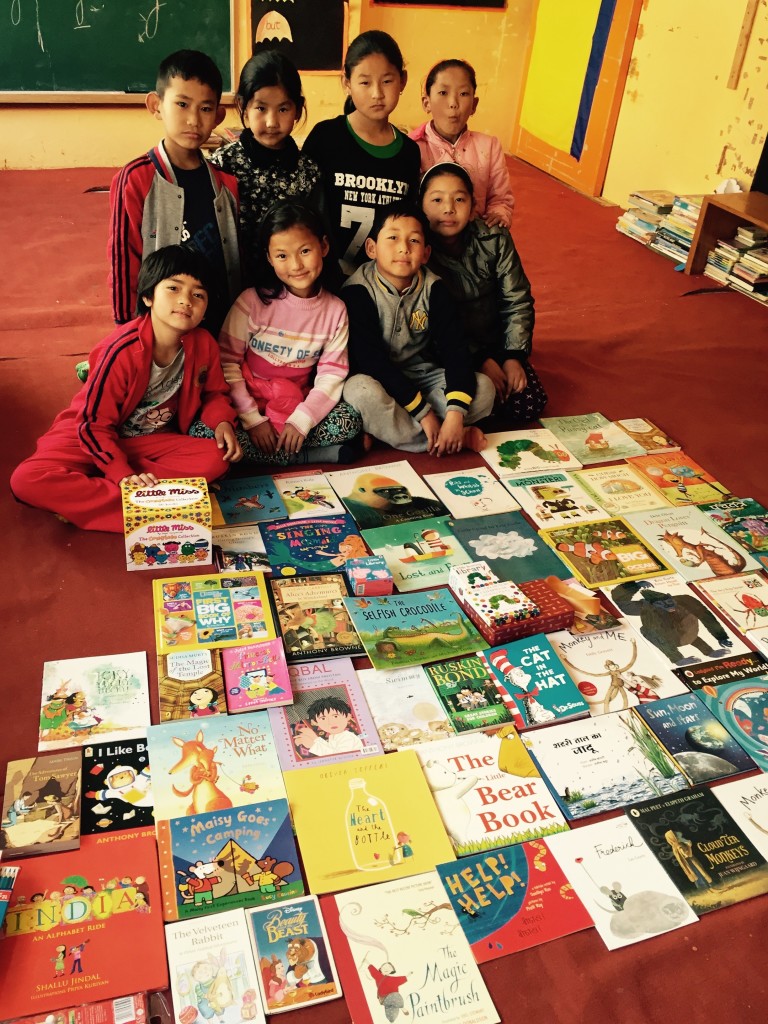
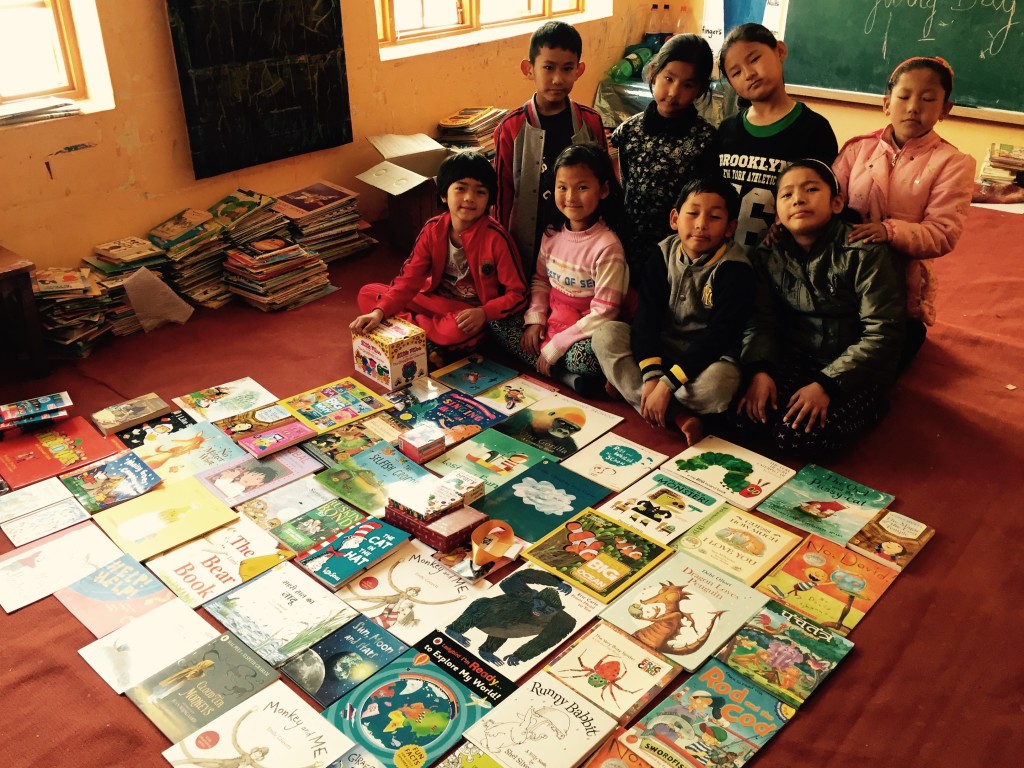
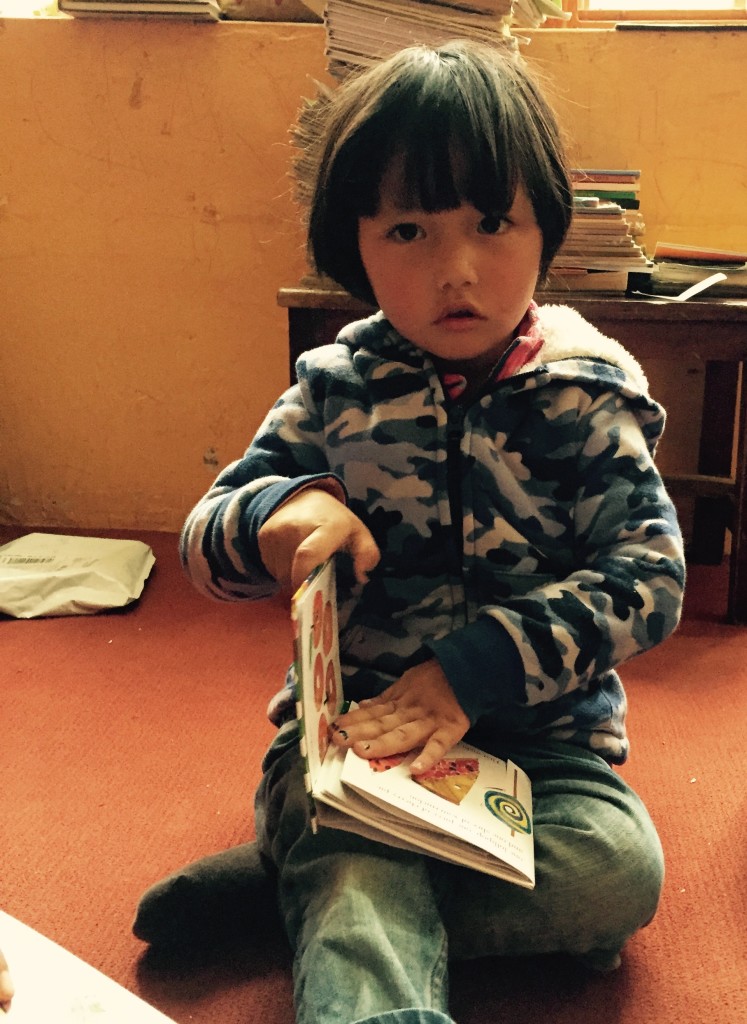
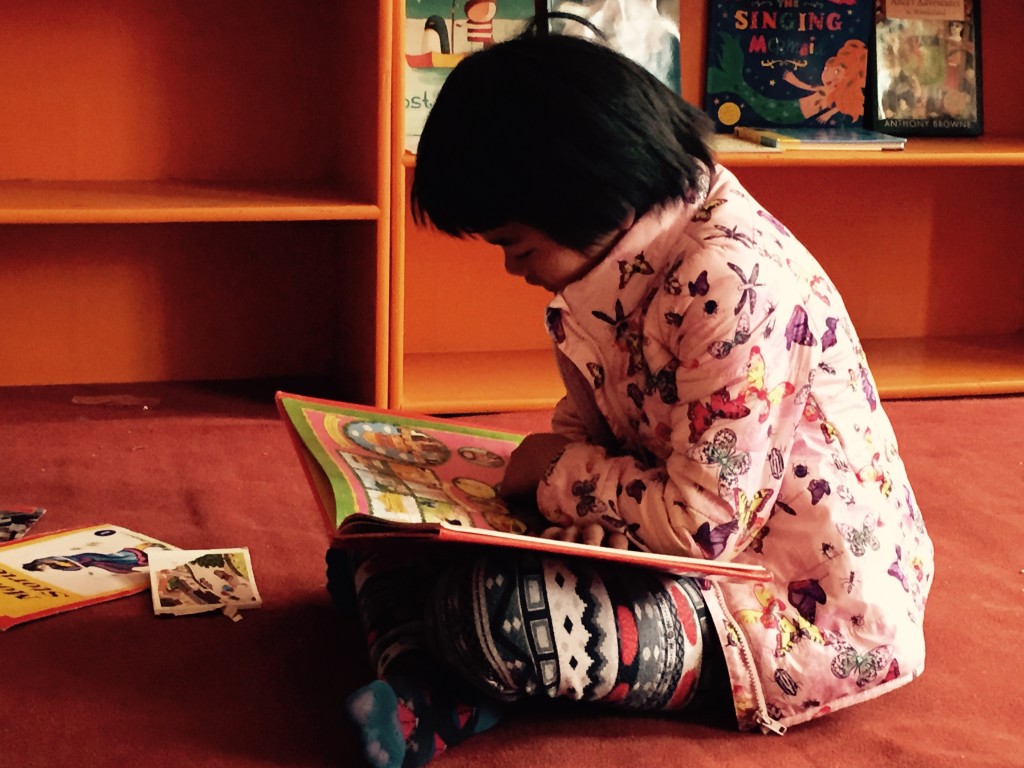
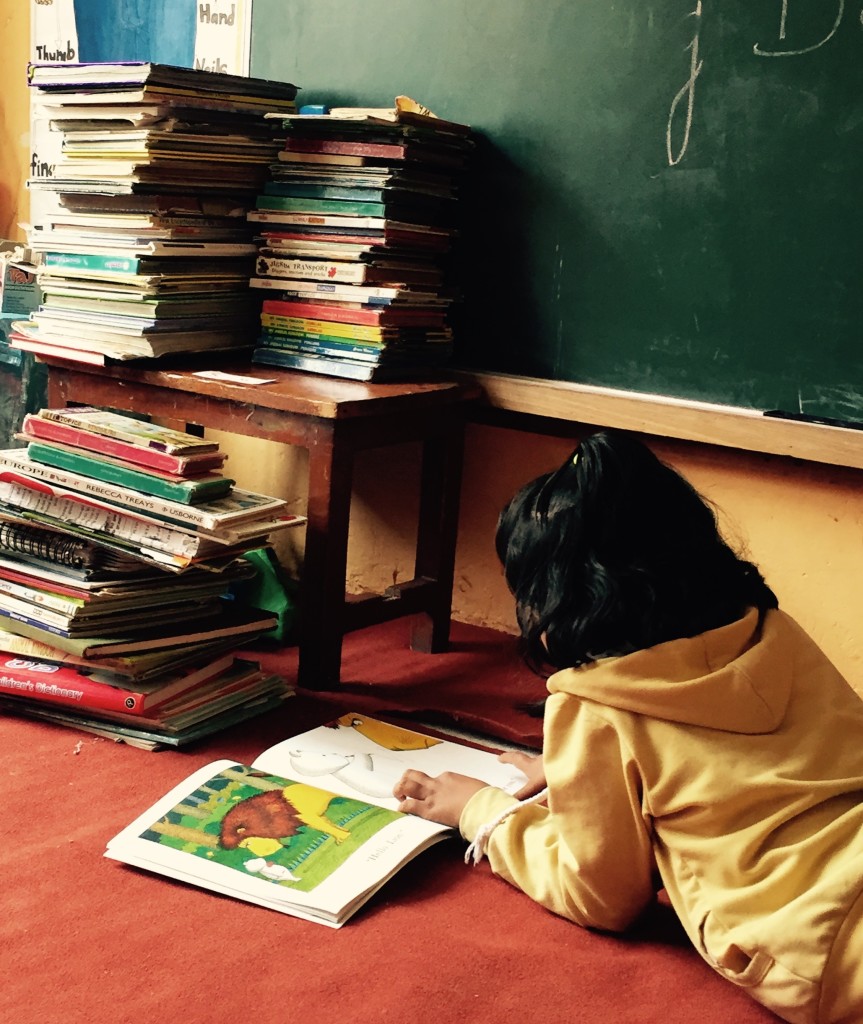
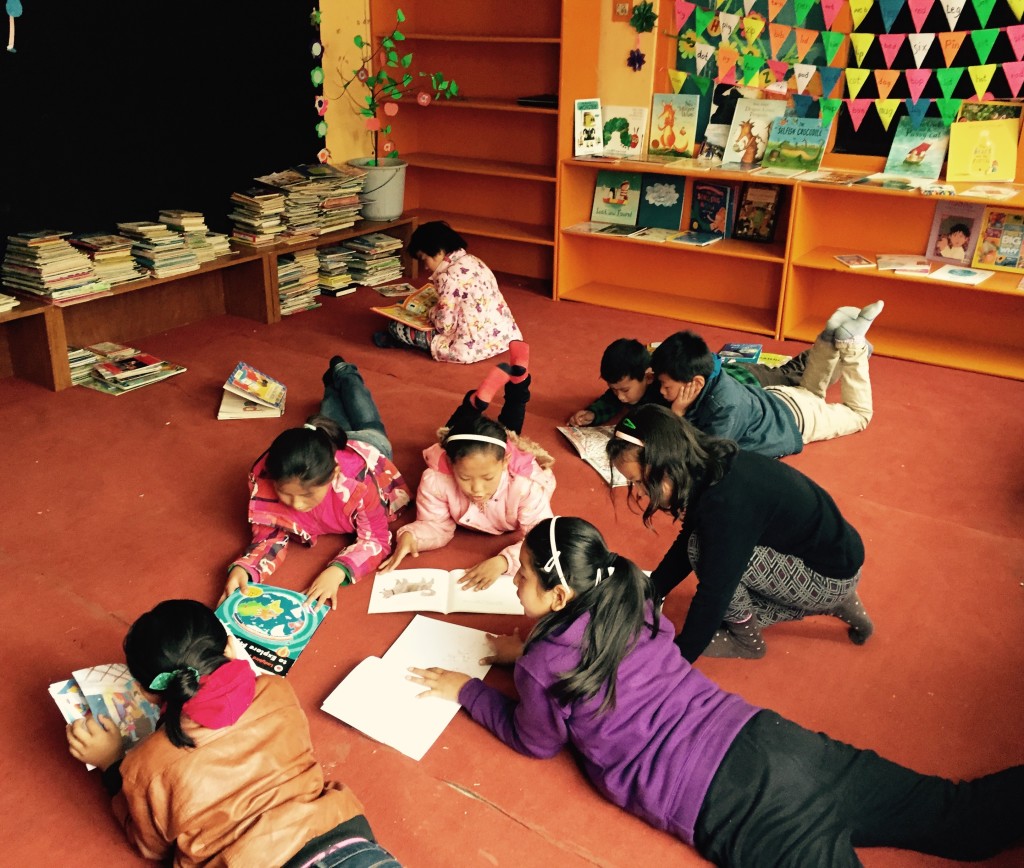
How We Adapt Western Children’s Books for Himalayan Contexts
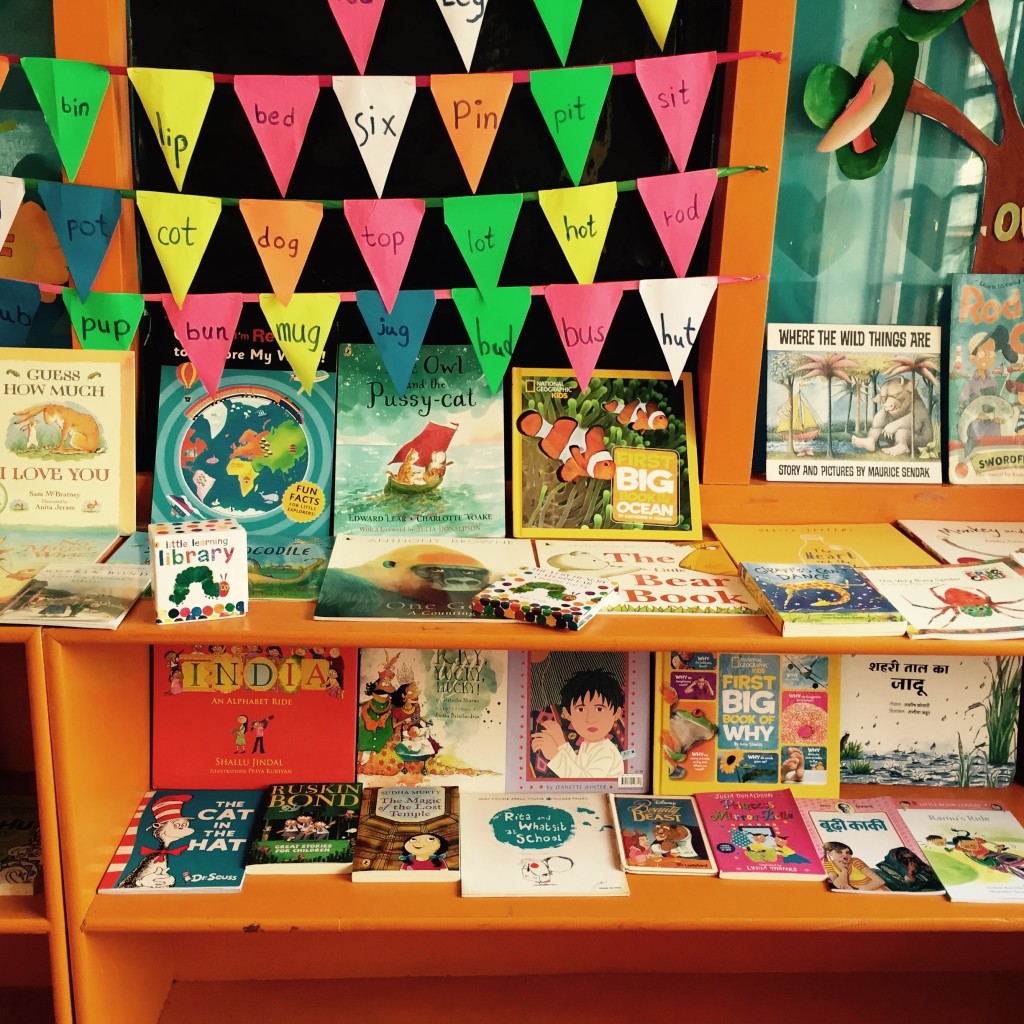
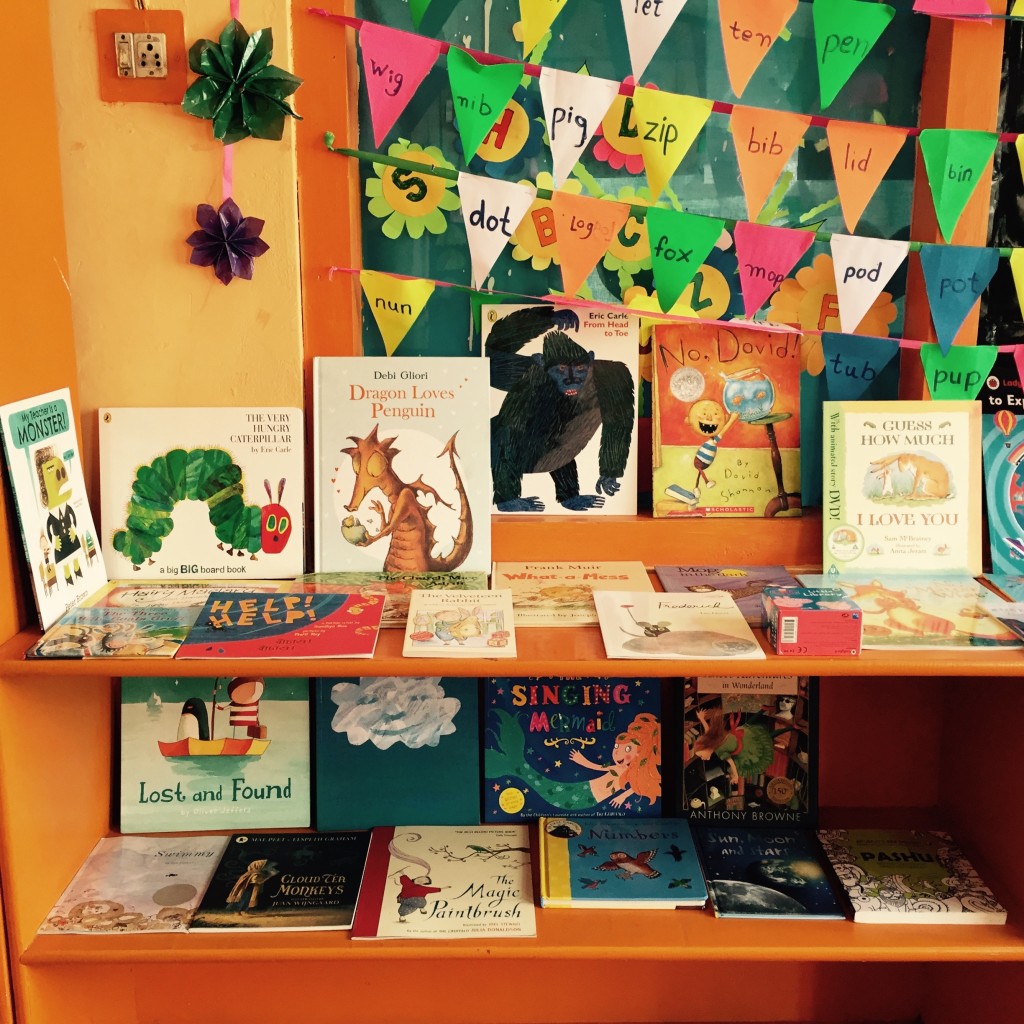
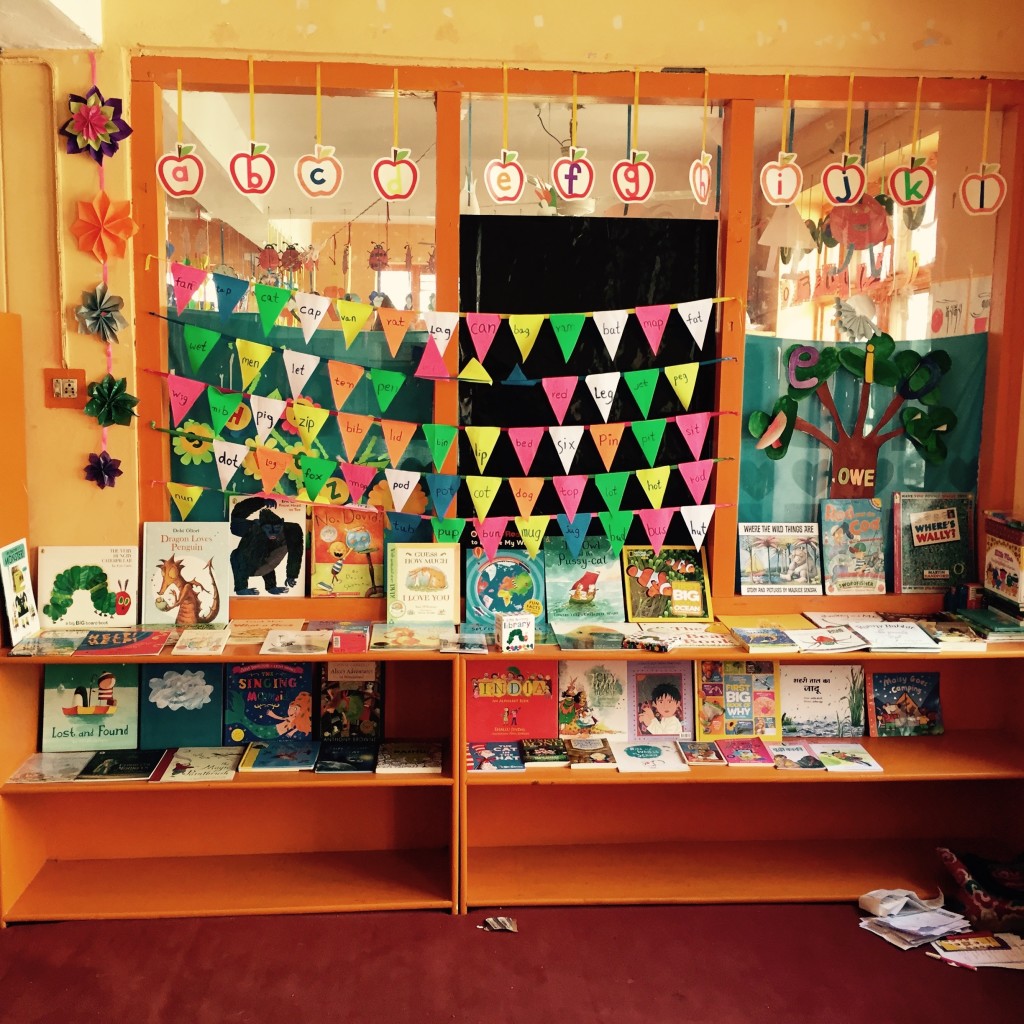
A good children’s book can open a door to language, imagination, and confidence. Yet a book written for one place does not automatically work in another. A story may depend on familiar foods, seasons, family customs, landscapes, or school routines that feel distant to children growing up in Ladakh and other Himalayan communities.
At Avalokiteśvara Trust, adapting books means more than changing a few words. It involves choosing suitable titles, listening to children and educators, considering local languages, and presenting stories in ways that welcome curiosity without erasing cultural identity. The aim is to expand children’s reading choices while helping them recognize their own world in the learning environment.
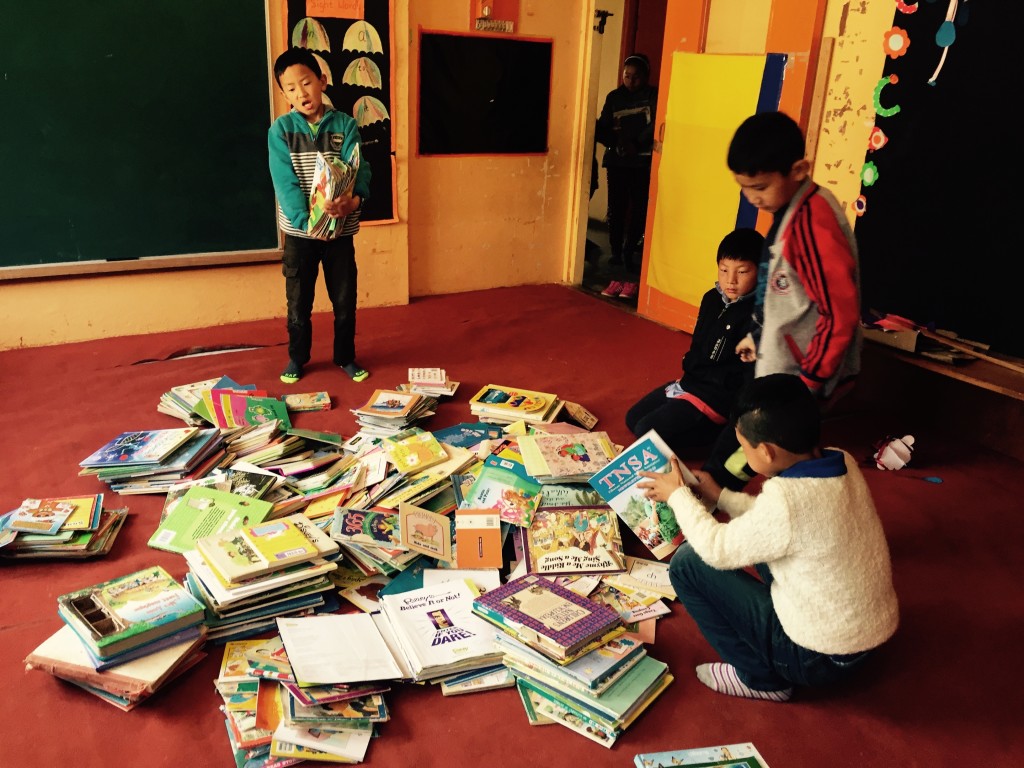
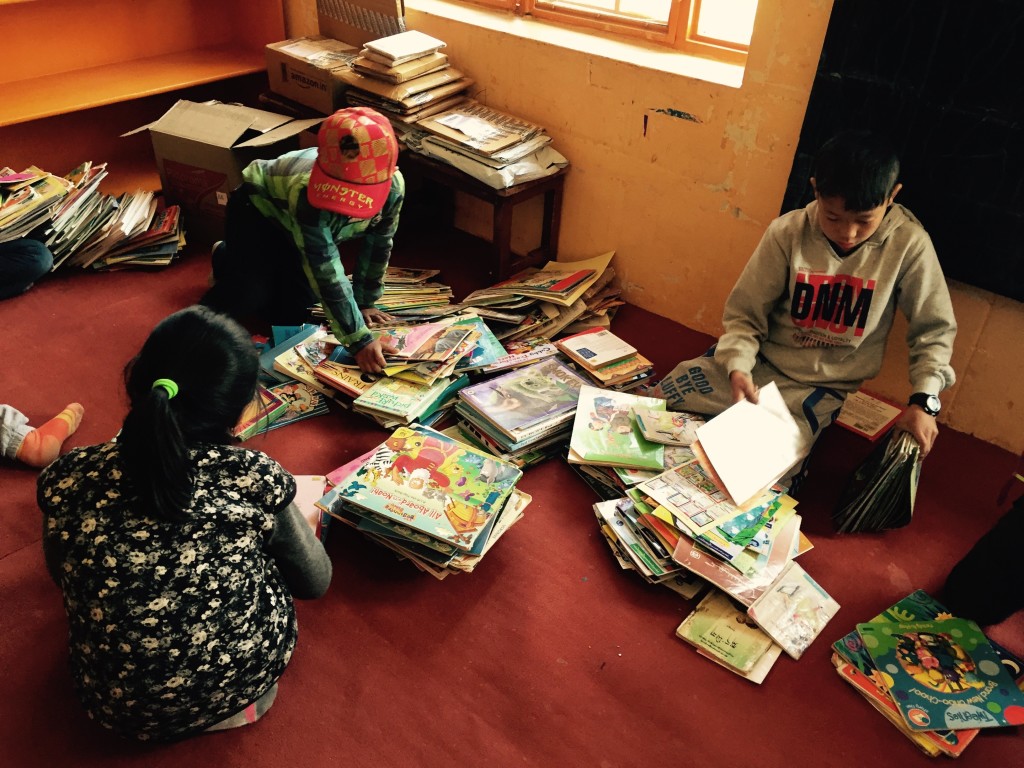
This process guides our book drives, reading rooms, and educational activities. It also helps volunteers and donors understand why a smaller collection of carefully selected books can be more valuable than a large shipment of unsuitable material.
Choosing stories with local relevance
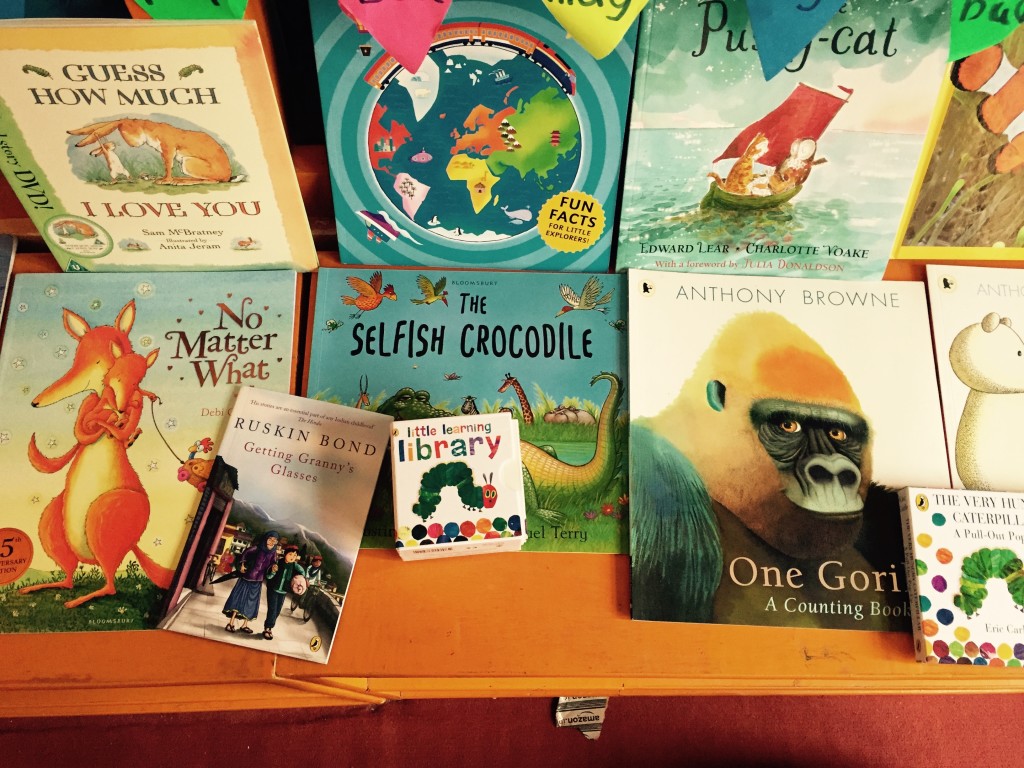
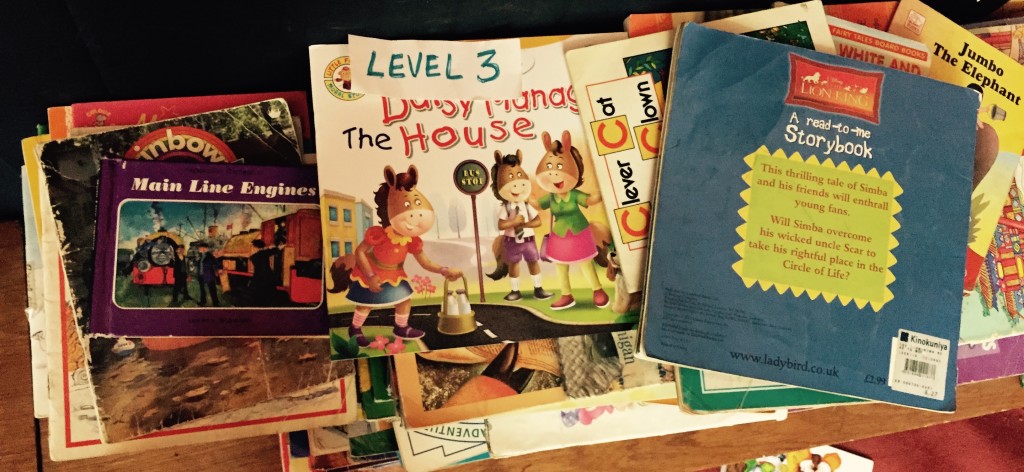
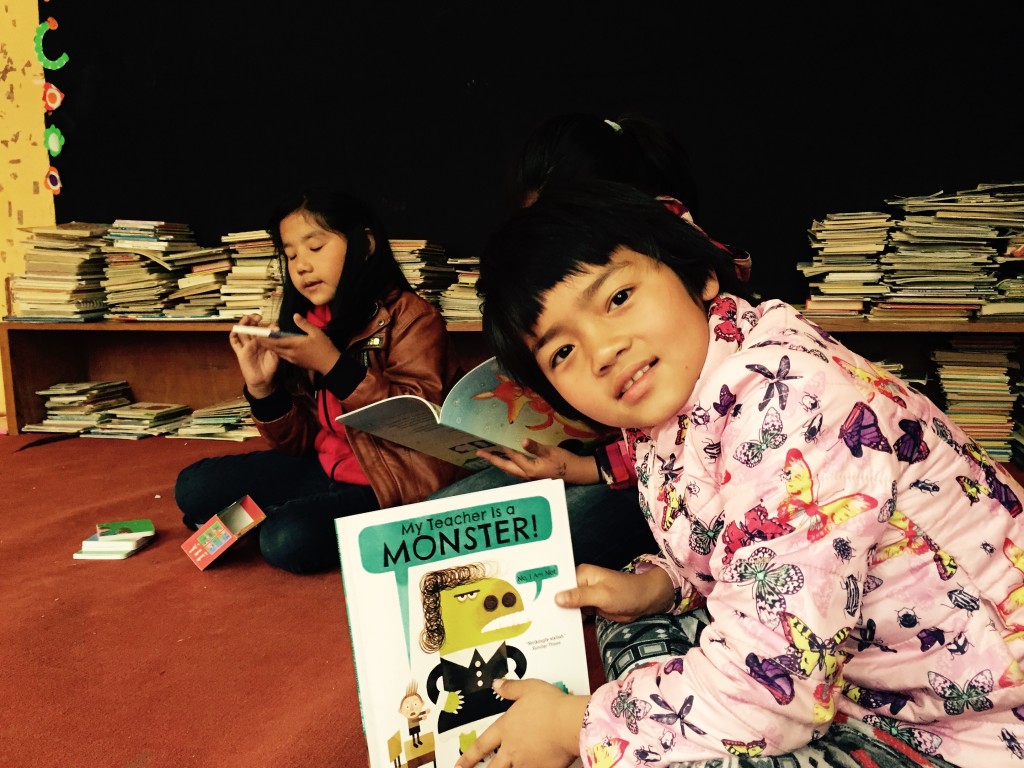
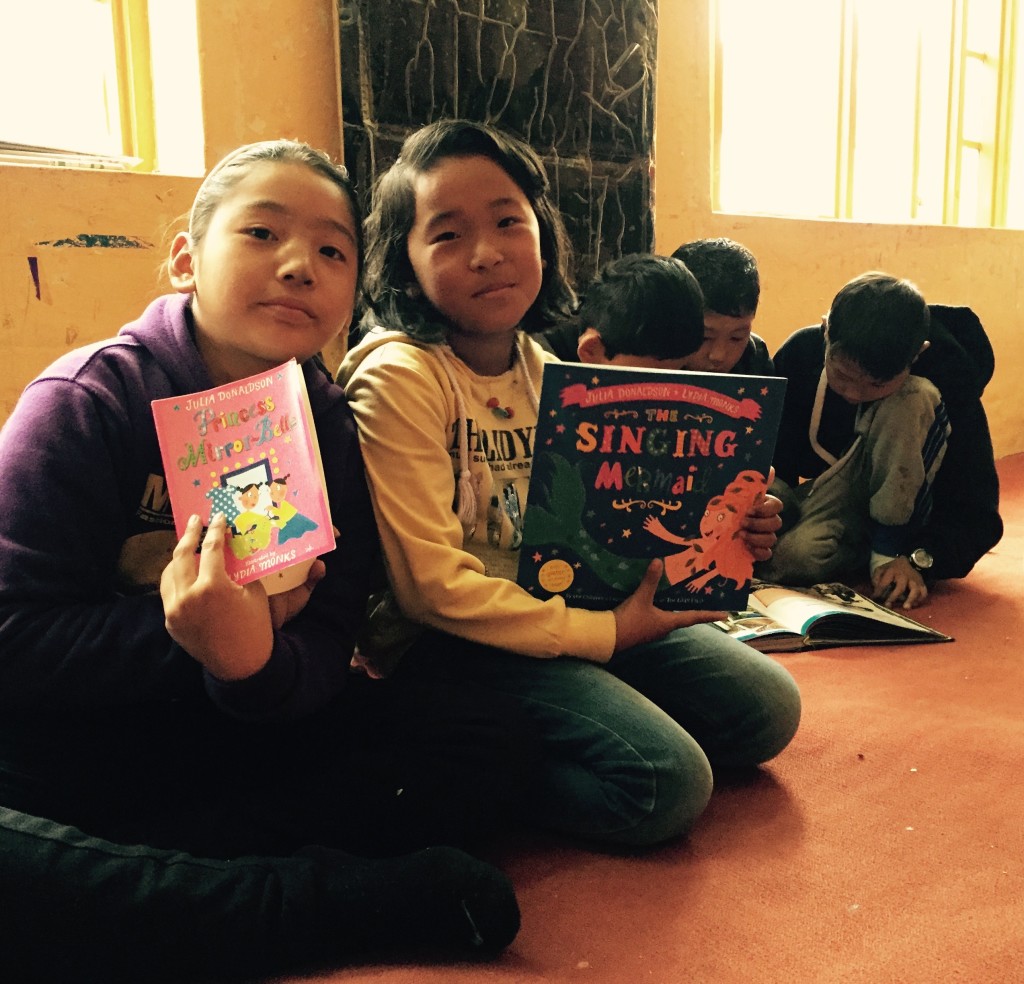
The first step is reviewing a book’s themes, language level, illustrations, and assumptions. A picture book about a snowy landscape may be visually appealing, but snow can carry a different meaning for a child living near high mountain passes. A story about a forest, a suburban home, or a school bus may need context before children can fully understand it.
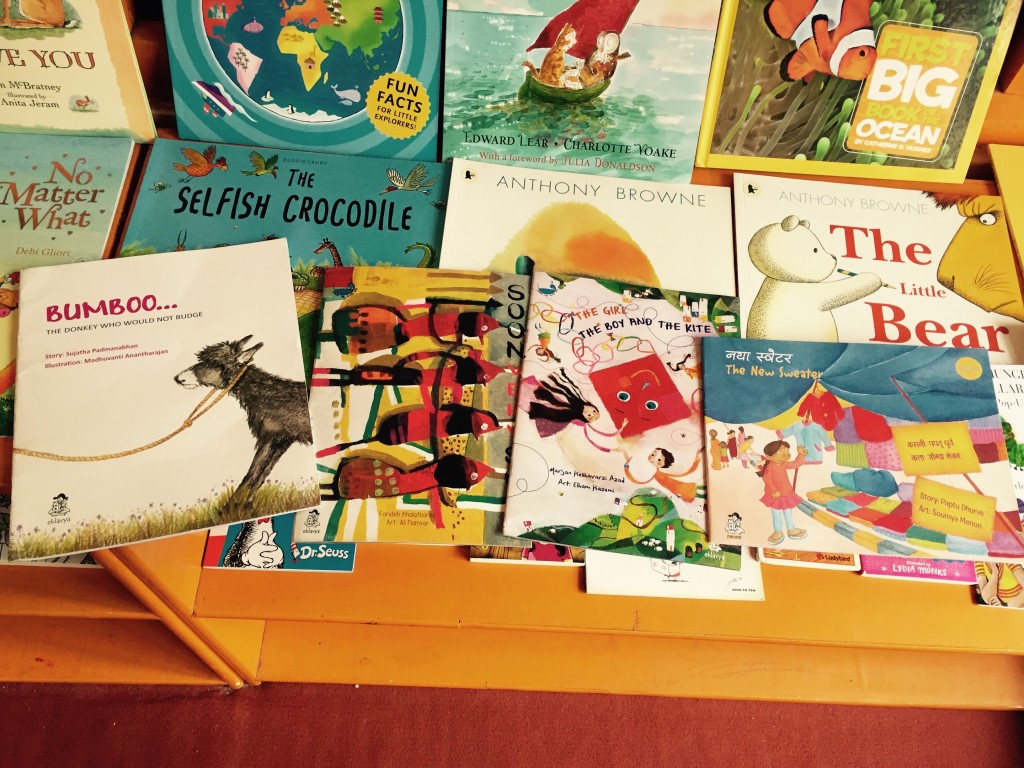
We look for books with strong narratives, expressive artwork, and ideas that travel well: friendship, courage, kindness, problem-solving, environmental care, and the joy of discovery. These universal themes can be paired with stories that introduce unfamiliar places. The collection becomes a meeting point between Himalayan experience and the wider world, rather than a replacement for local knowledge.
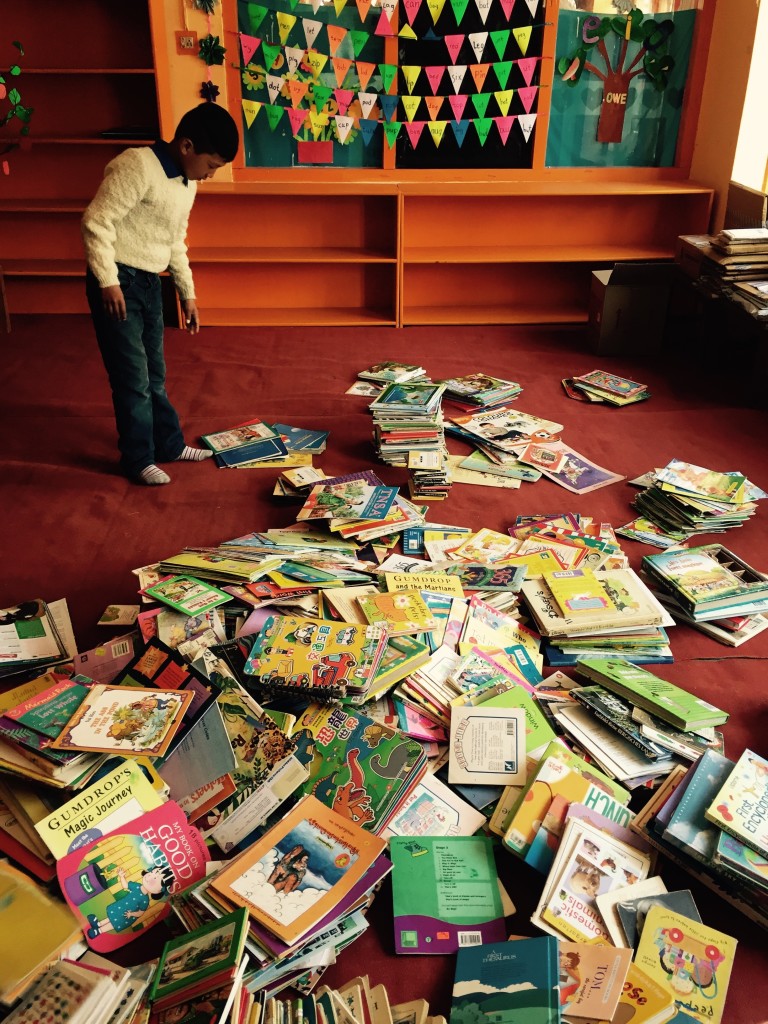
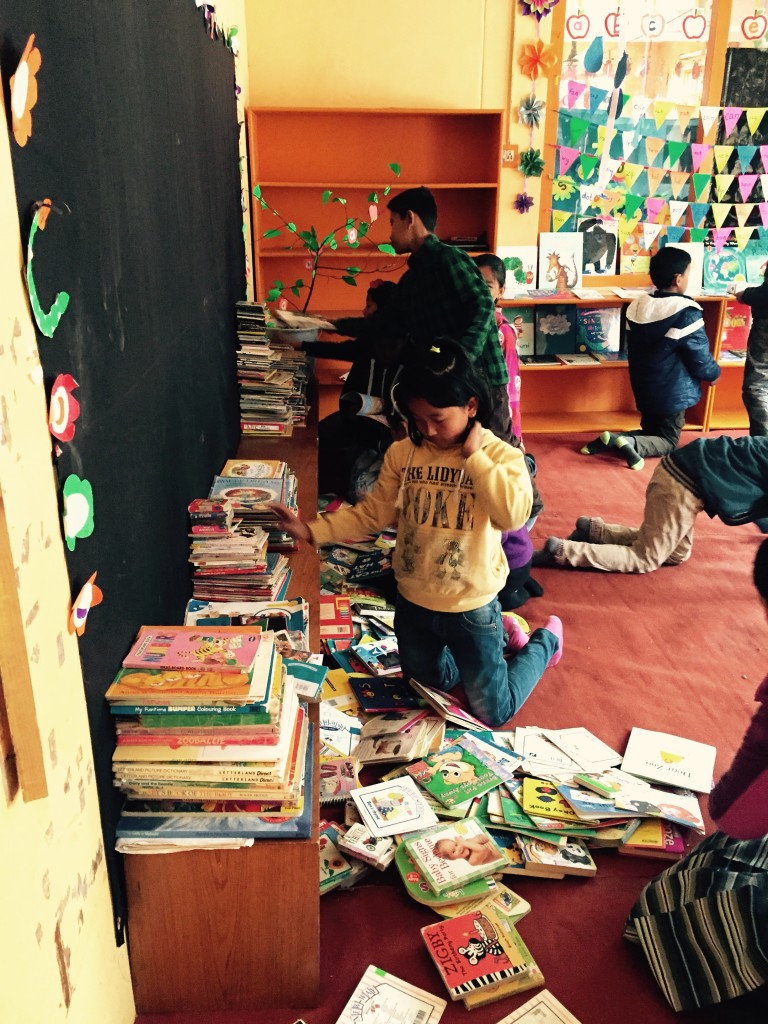
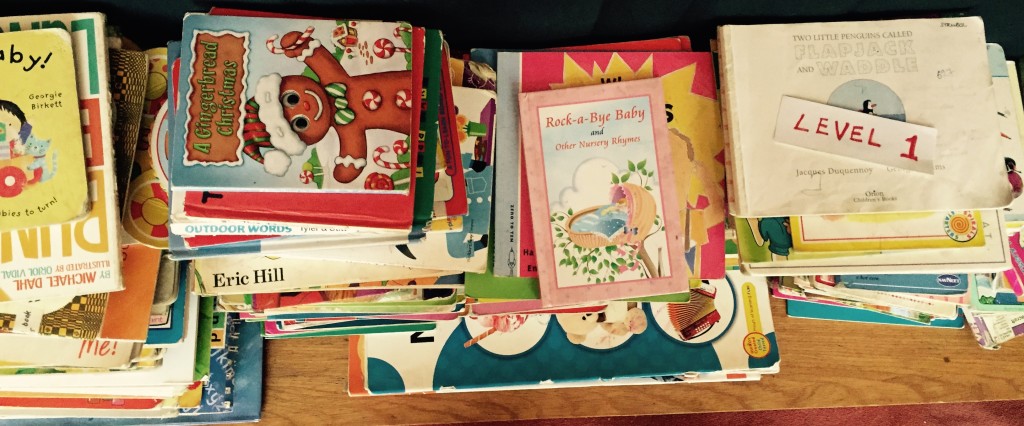
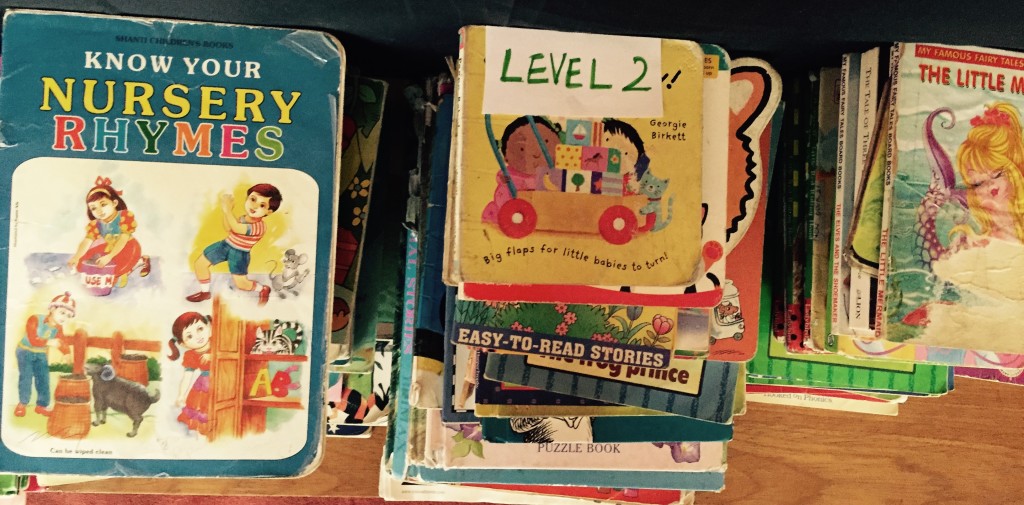
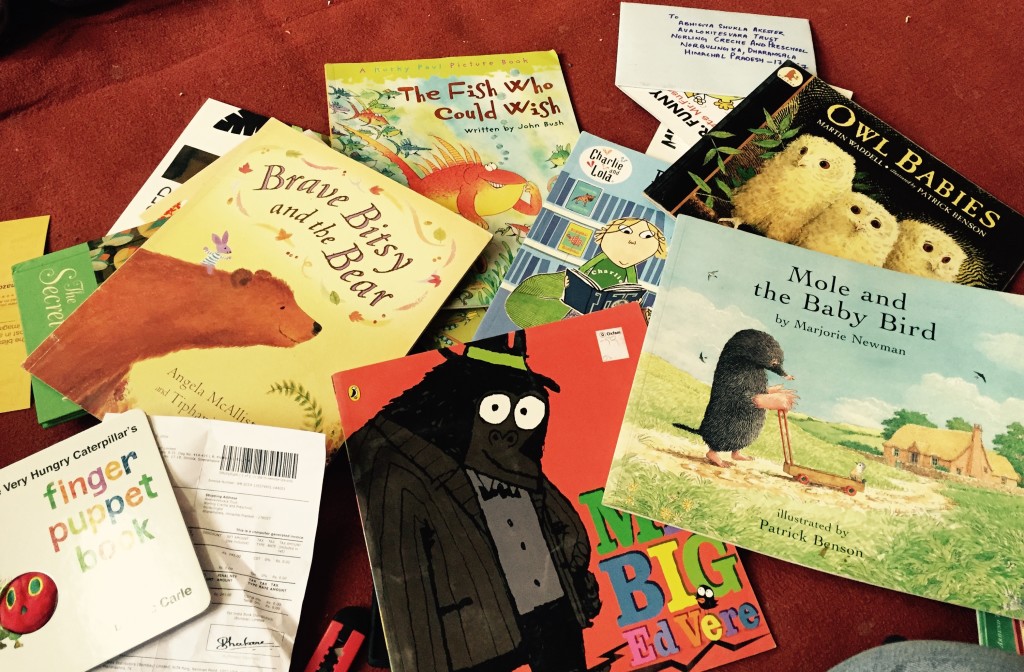
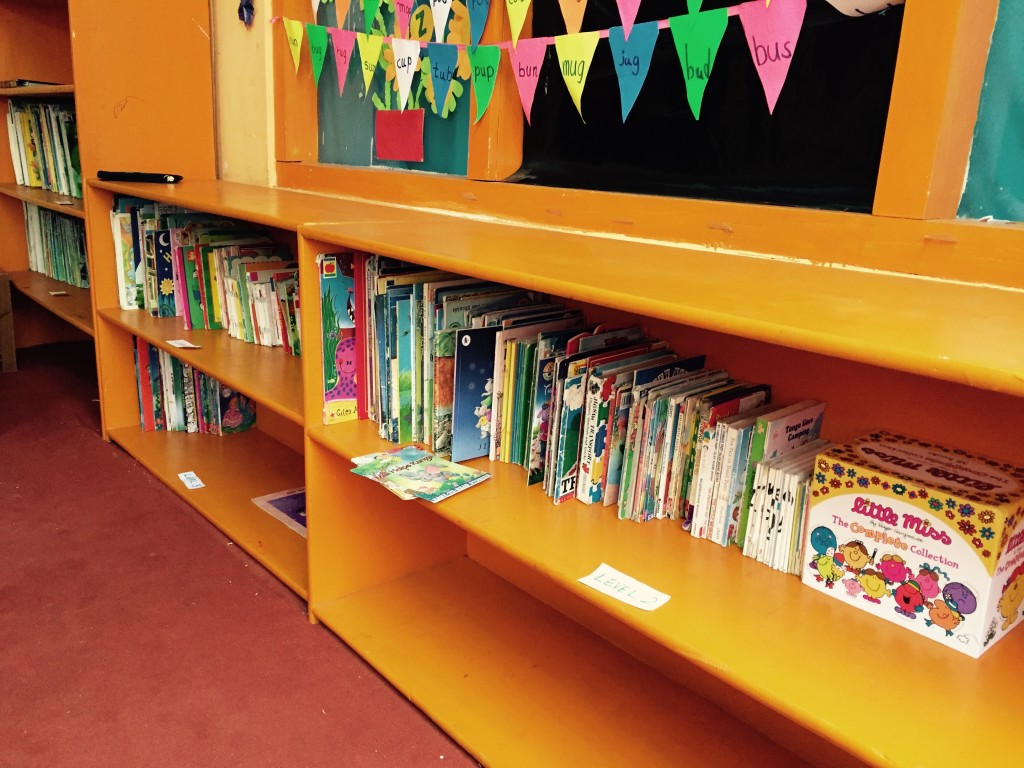
Book quality matters as much as subject matter. Torn, incomplete, heavily outdated, or overly academic material can discourage children from reading. Our approach to thoughtful book donations prioritizes attractive, usable books that invite repeated reading and shared exploration.
Making language accessible
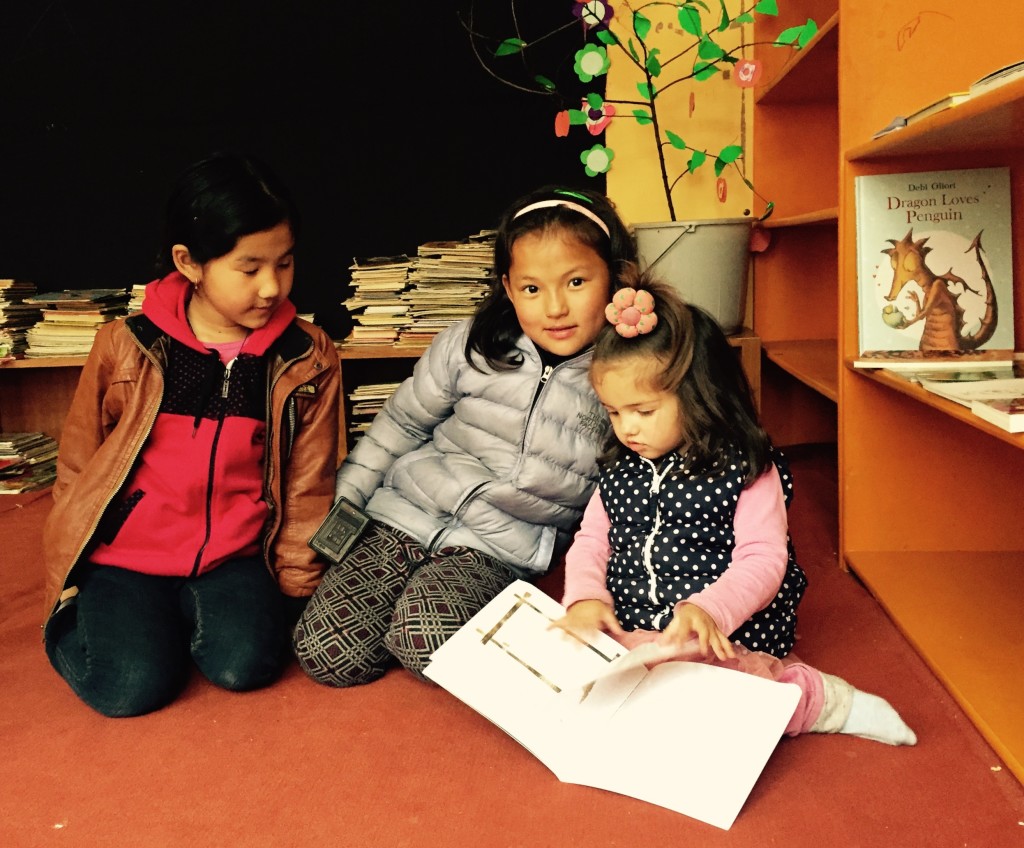
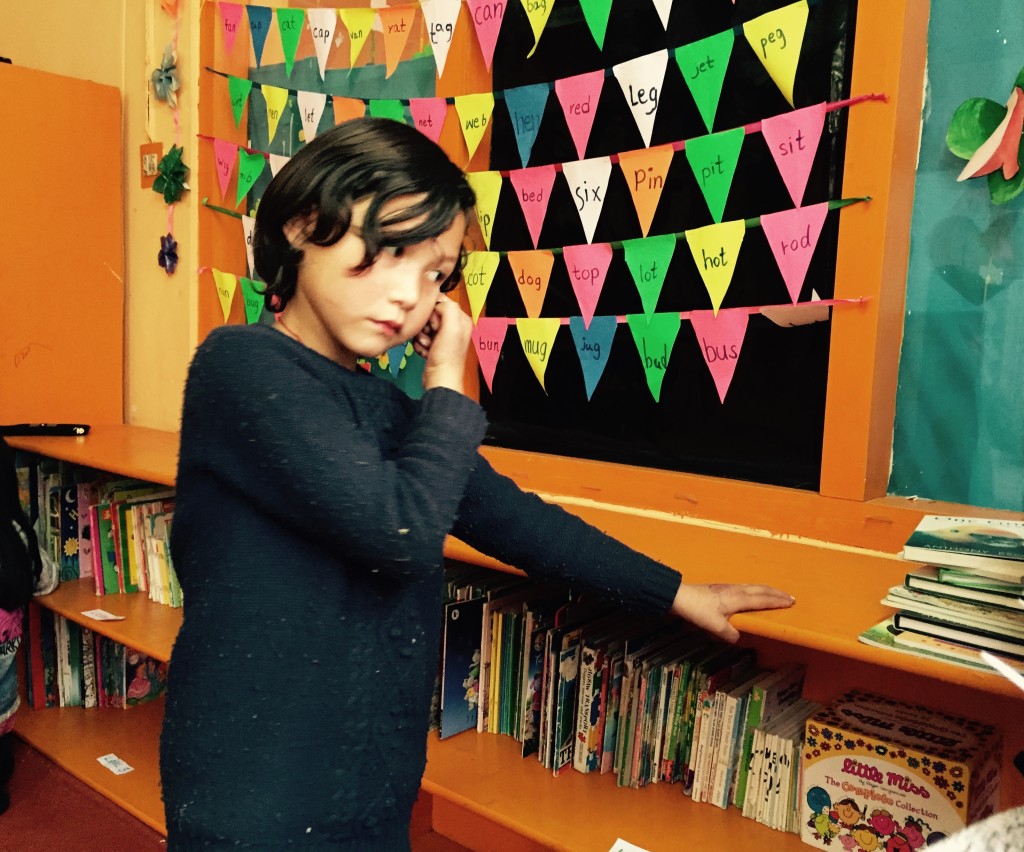
Many children encounter English as an additional language. A Western children’s book may therefore be useful for vocabulary development, but only when its language is accessible and supported by patient guidance. Short sentences, repeated phrases, clear sequencing, and visual clues can help children follow a story without understanding every word immediately.
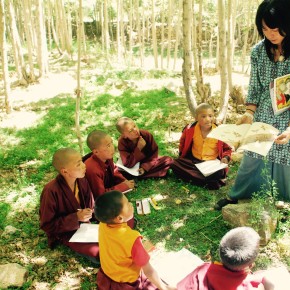
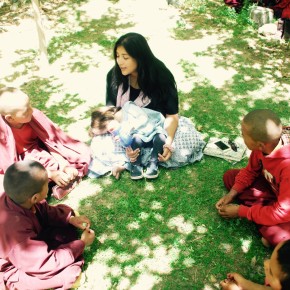
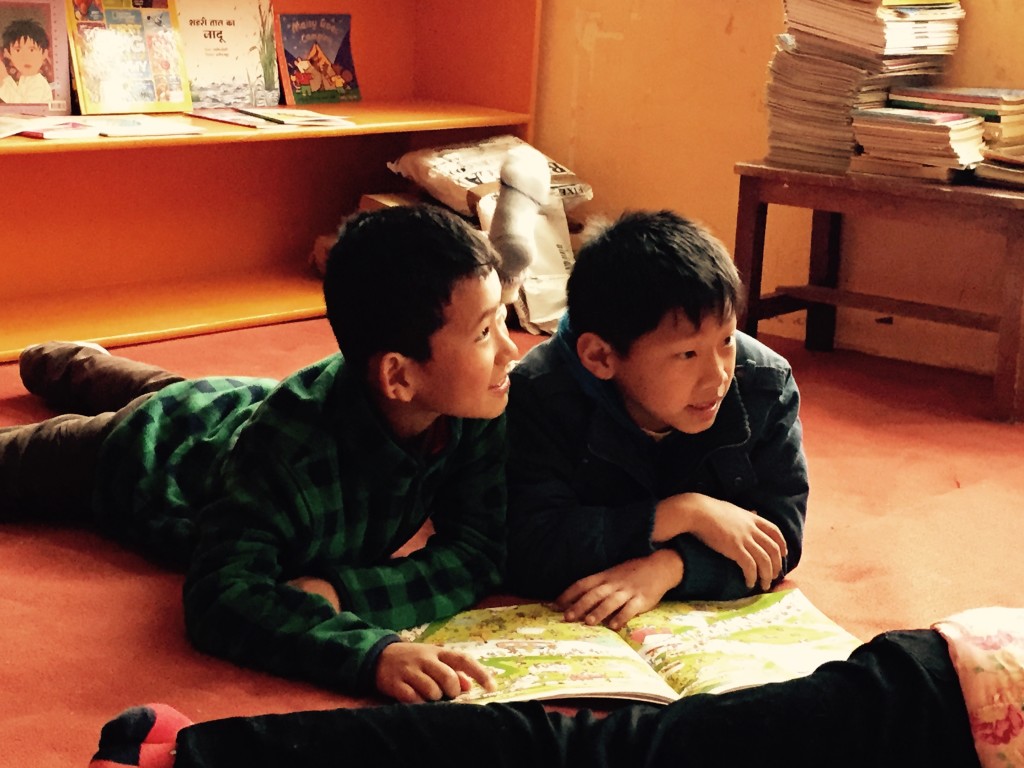
Volunteers can adapt the reading experience without altering the book itself. They may introduce key vocabulary before reading, explain an unfamiliar object, act out a scene, or invite children to predict what happens next. These methods turn reading aloud into a collaborative language activity rather than a test of English fluency.
Where possible, important ideas can be discussed in a child’s strongest language as well as in English. Translating every sentence is not always necessary. A conversation about the characters, a local-language explanation of a difficult term, or a drawing activity can provide the bridge children need. Multilingual reading also affirms that learning another language does not require setting aside one’s first language.
Reframing unfamiliar settings
Some stories need cultural framing before they make sense. A book might mention Halloween, a pet hamster, a packed lunch, or a summer holiday at the seaside. These details can become opportunities for comparison. Children can discuss which celebrations they know, what animals live near them, or how meals and journeys differ across regions.
The purpose is not to make every foreign story look Himalayan. Children deserve access to stories that show different homes, climates, family structures, and ways of living. The important distinction is between offering a window into another culture and presenting unfamiliar details as if they were universal.
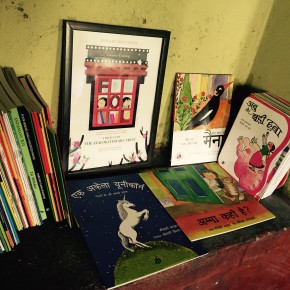
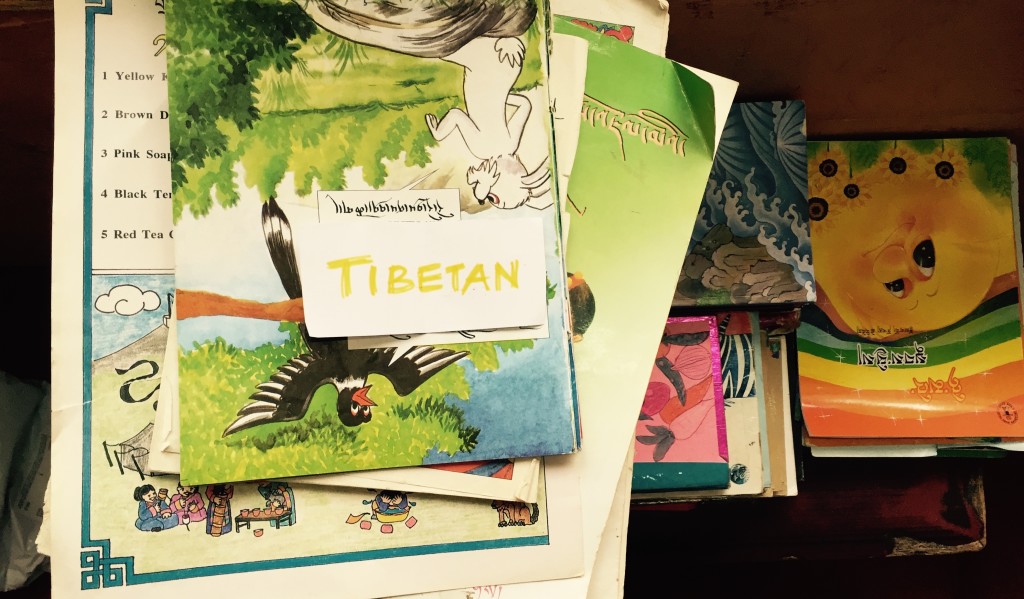
Illustrations receive the same careful attention. Books can broaden visual representation, but images should be discussed critically when they simplify mountain communities or portray poverty as the defining feature of life in the Himalayas. Alongside international titles, reading rooms benefit from books featuring local landscapes, artists, languages, history, and everyday experiences.
Balancing global and local books
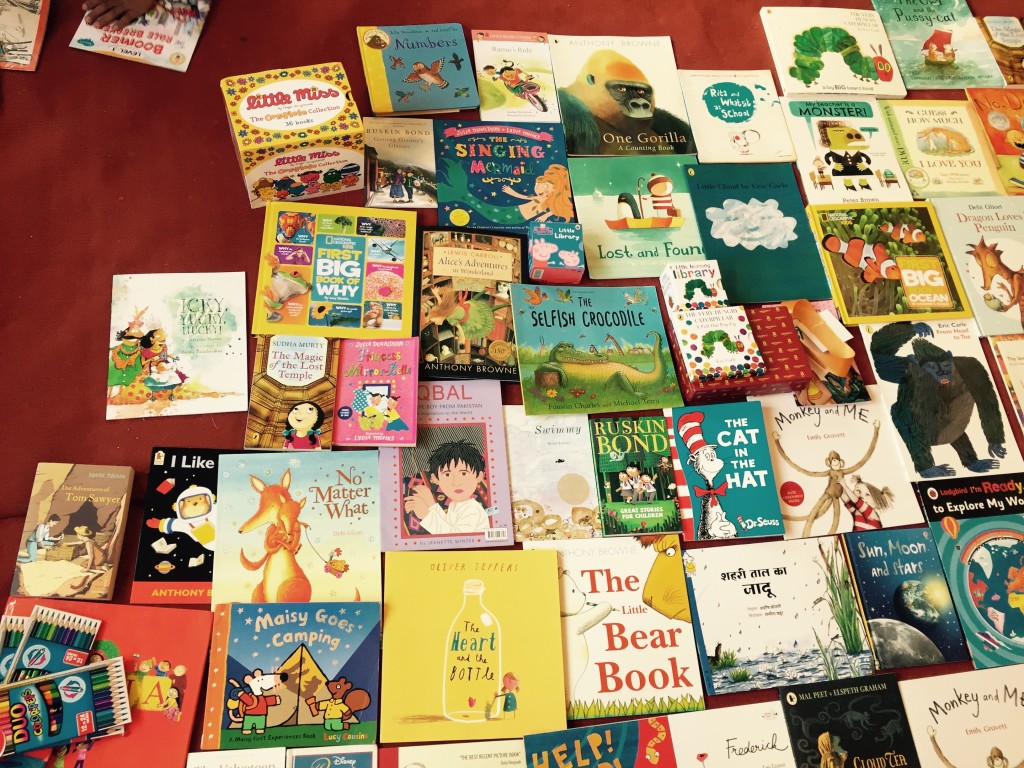
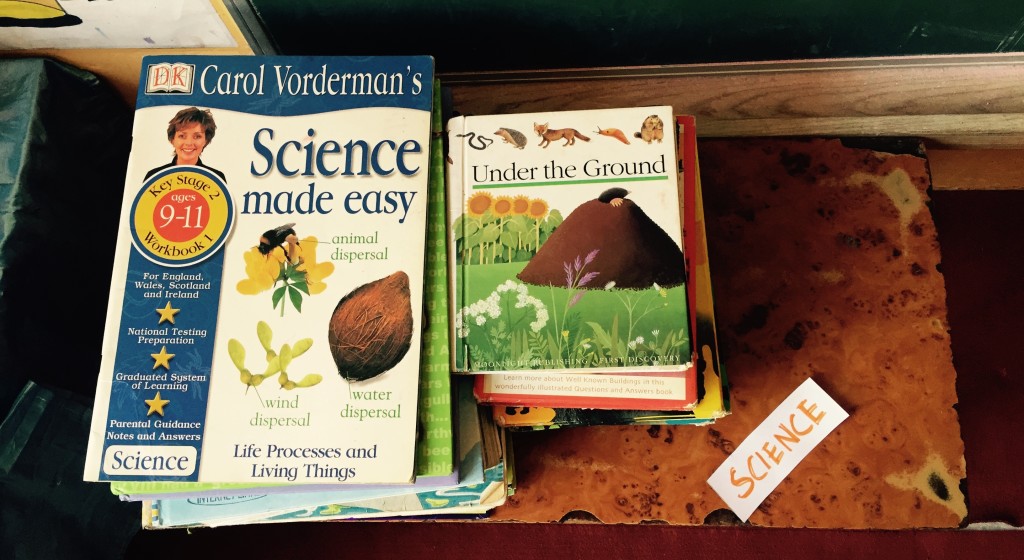
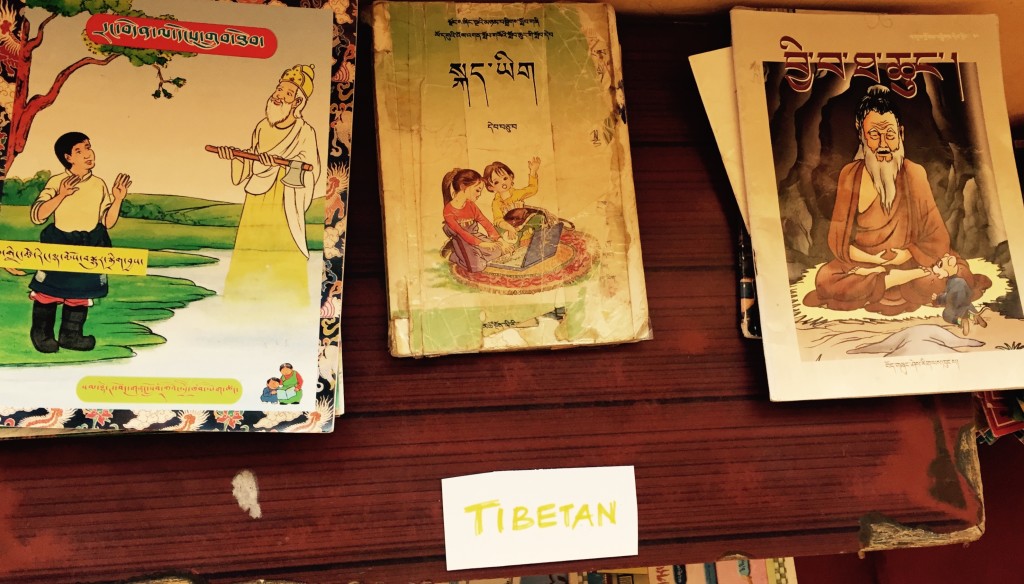
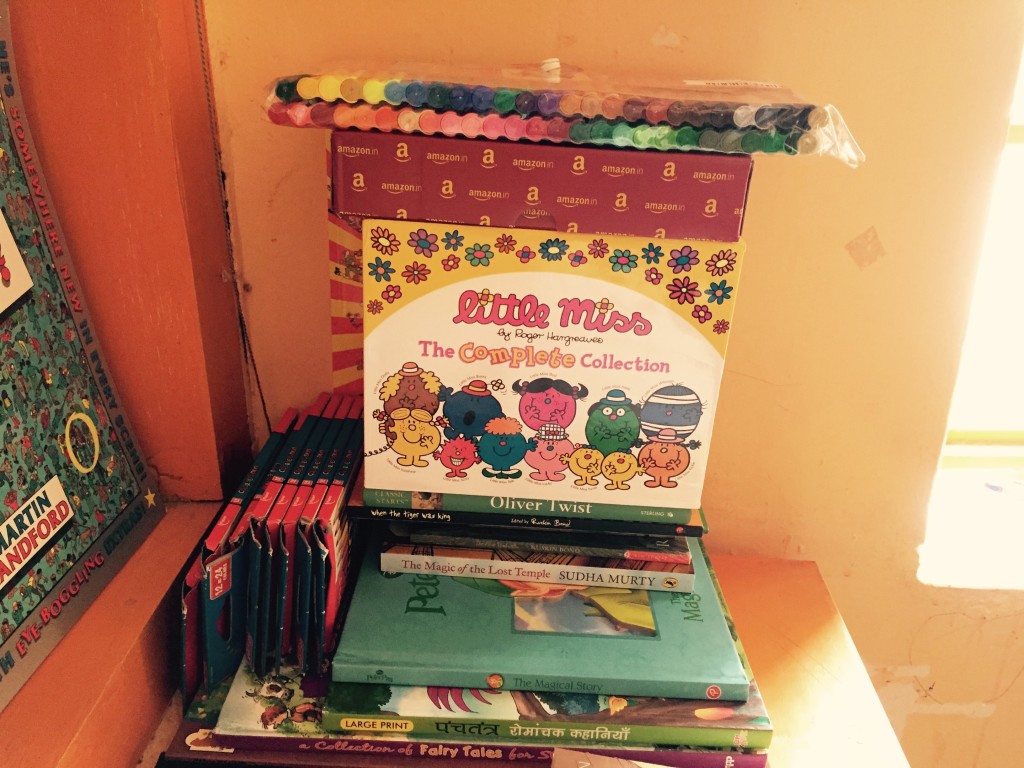
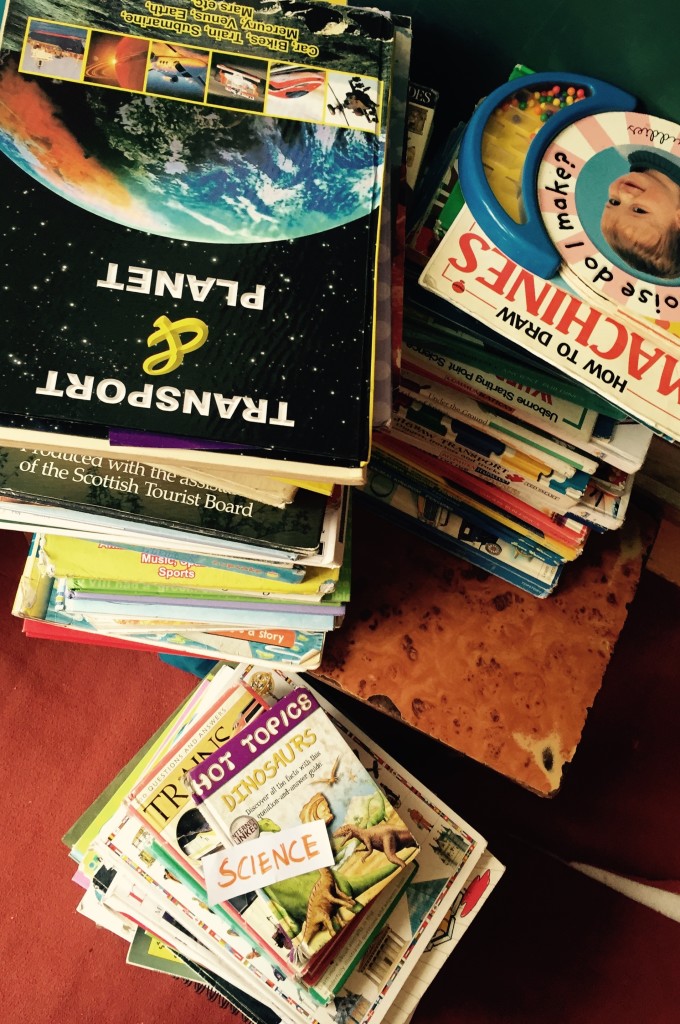
A strong library collection contains variety. Western picture books may support English learning and expose children to different narrative traditions. Local and regional books provide recognition, cultural continuity, and knowledge grounded in familiar places. Reference materials, poetry, folk tales, comics, biographies, and creative activity books add further choices.
| Book type |
Value for children |
Useful adaptation |
| Illustrated storybooks |
Build vocabulary, imagination, and empathy |
Explain unfamiliar objects and invite children to compare settings |
| Folk and traditional tales |
Connect reading with cultural memory |
Pair regional stories with tales from other countries |
| Informational books |
Encourage questions about science, nature, and society |
Relate facts to local geography, animals, and daily life |
| Poetry and rhyme |
Develop sound awareness and expressive language |
Read aloud, perform, and explore rhythm across languages |
| Art and activity books |
Support creativity and fine-motor skills |
Use accessible materials and connect projects to local themes |
| Early chapter books |
Build stamina and independent reading |
Offer guided reading, summaries, and group discussion |
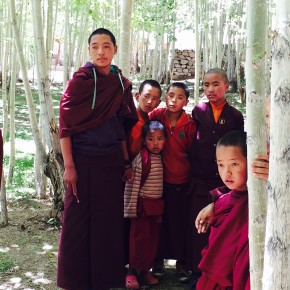
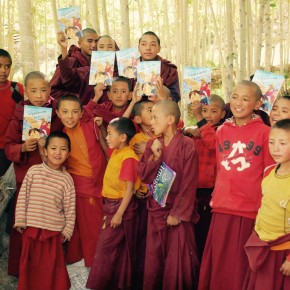
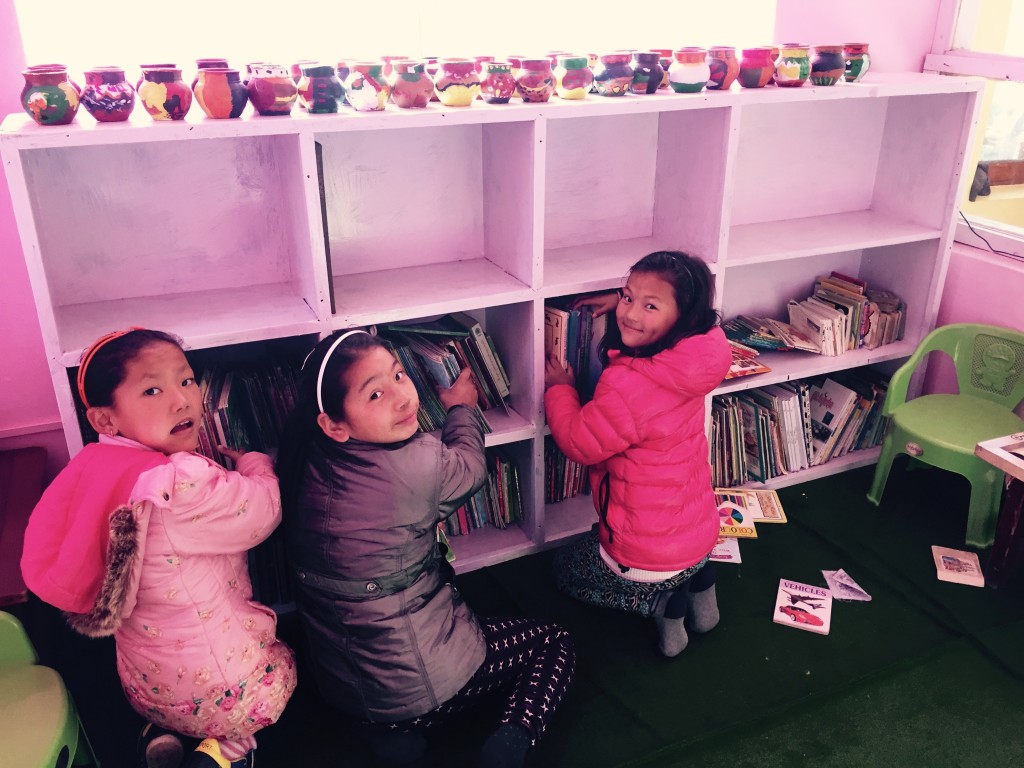
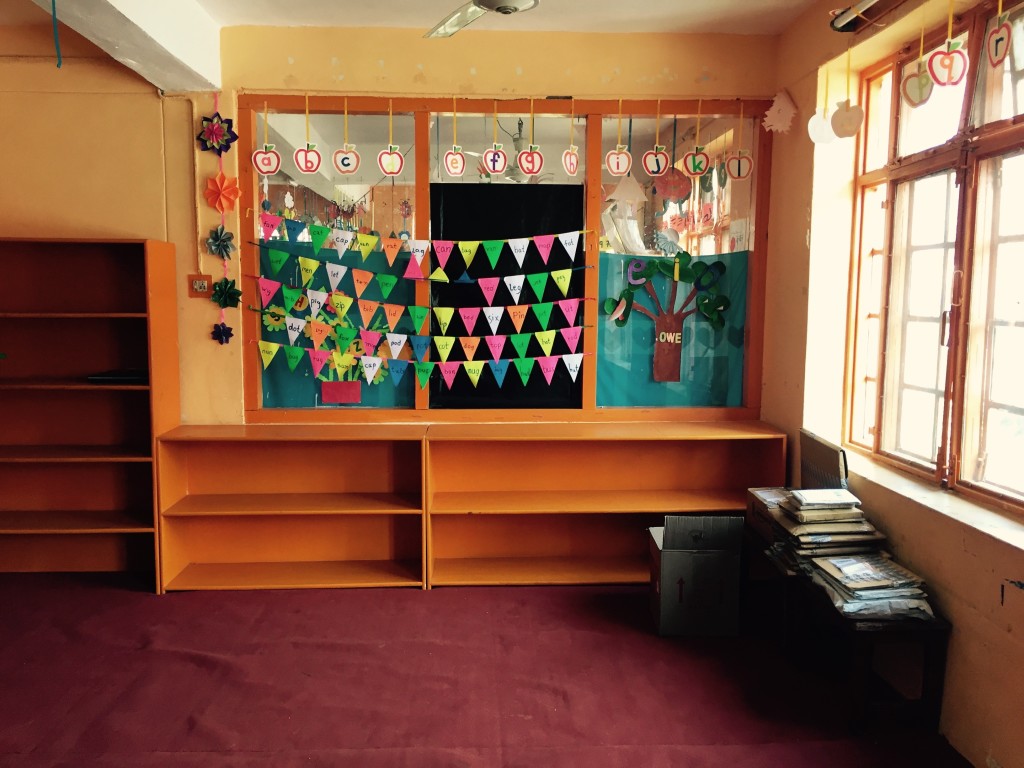
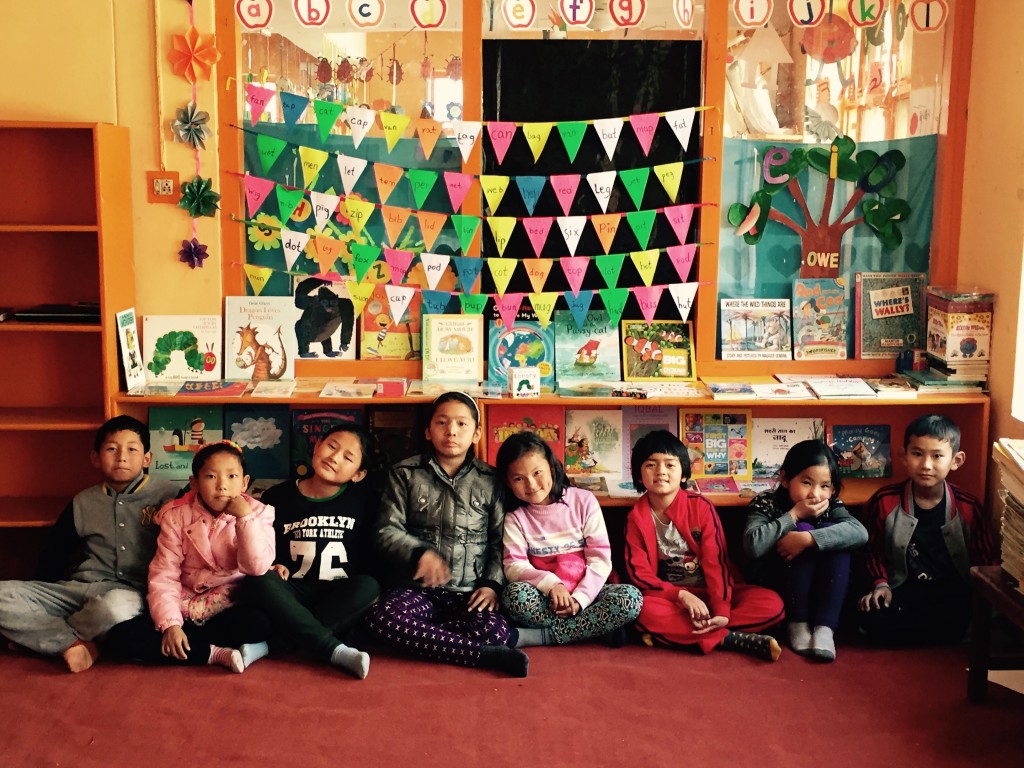
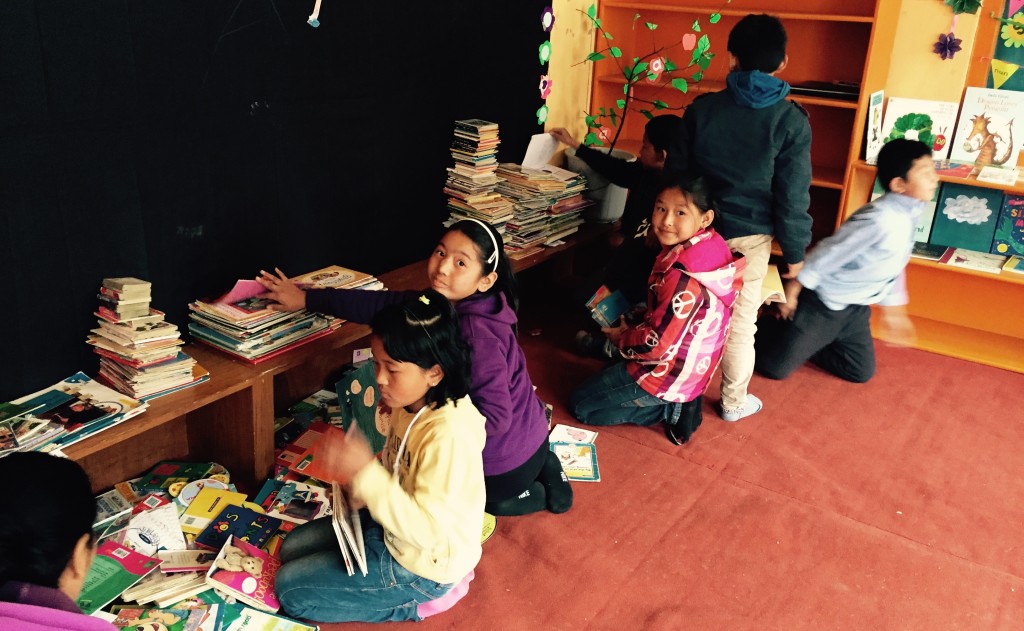
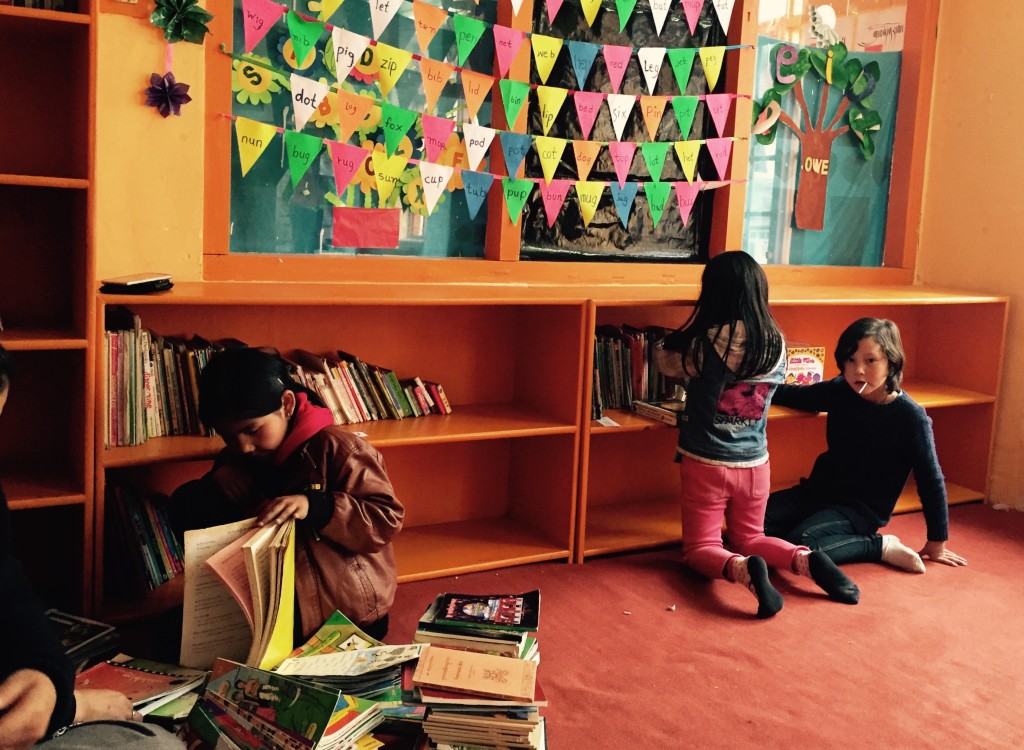
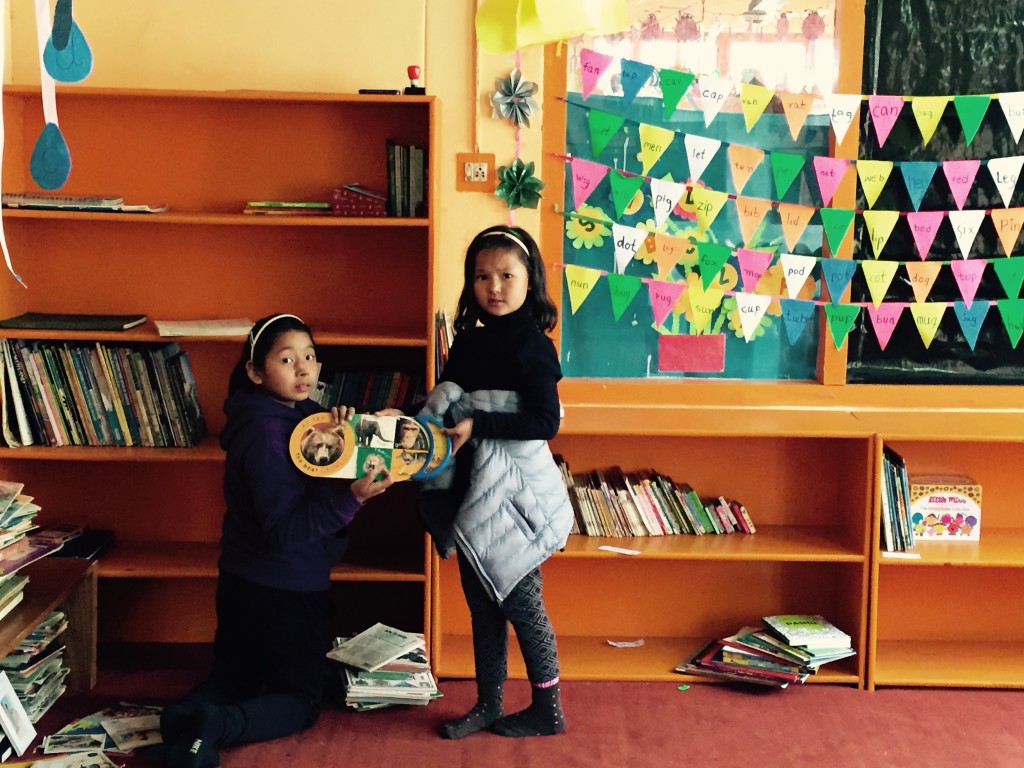
The balance may change according to the community. A reading room serving young monks may need books about ethics, biography, history, art, and philosophy alongside fiction. A community library for younger children may prioritize sturdy picture books, wordless stories, songs, and hands-on activities. Adaptation begins with observing what children choose, revisit, and share.
Designing activities around the page
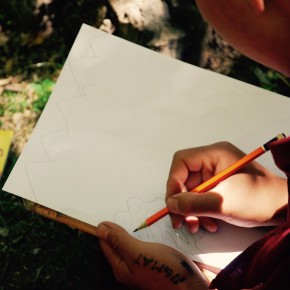
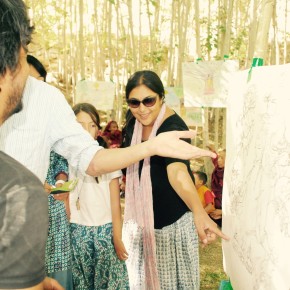
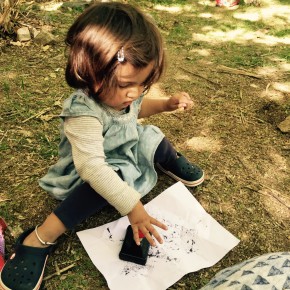
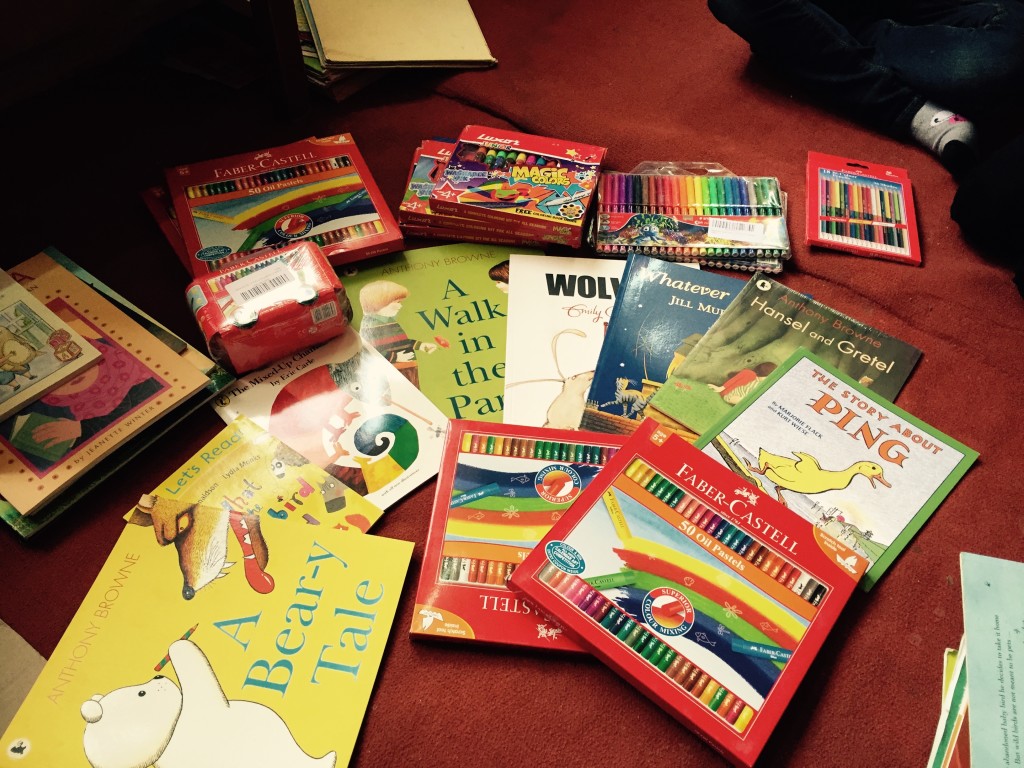
A book becomes more meaningful when children can respond to it. After a story about animals, they might create a local wildlife guide. Following a tale about a journey, they could map a route through their own village or imagine a character traveling through mountain valleys. These activities help children transfer ideas from a distant setting into their own lives.
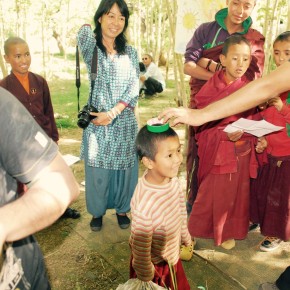
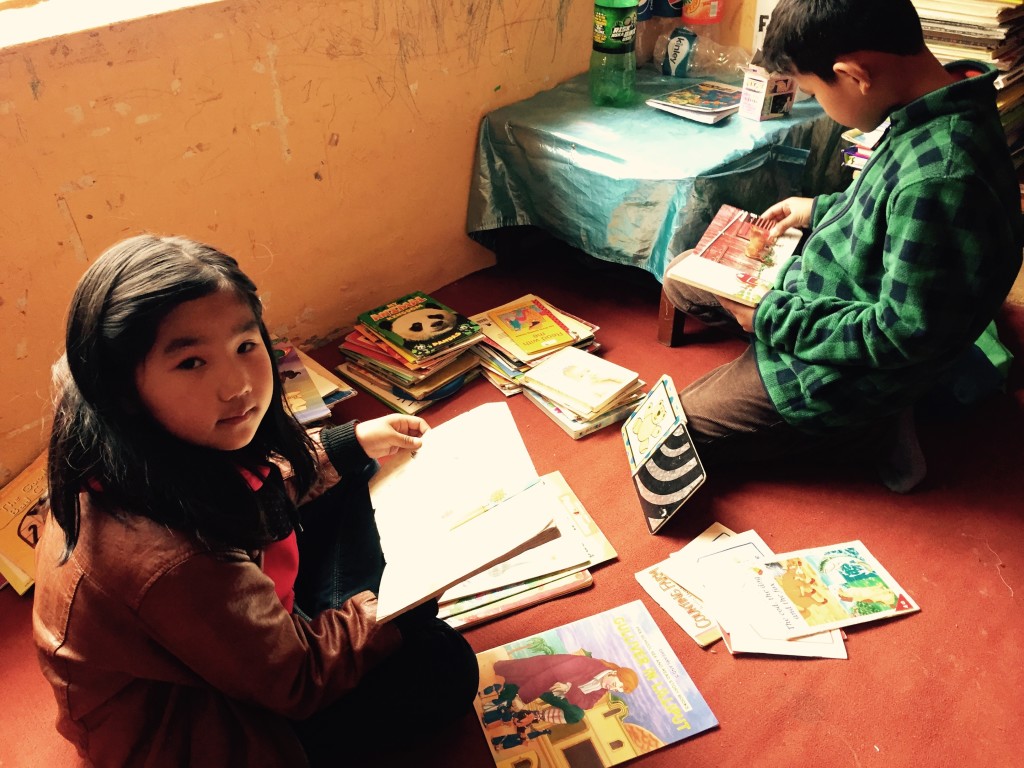
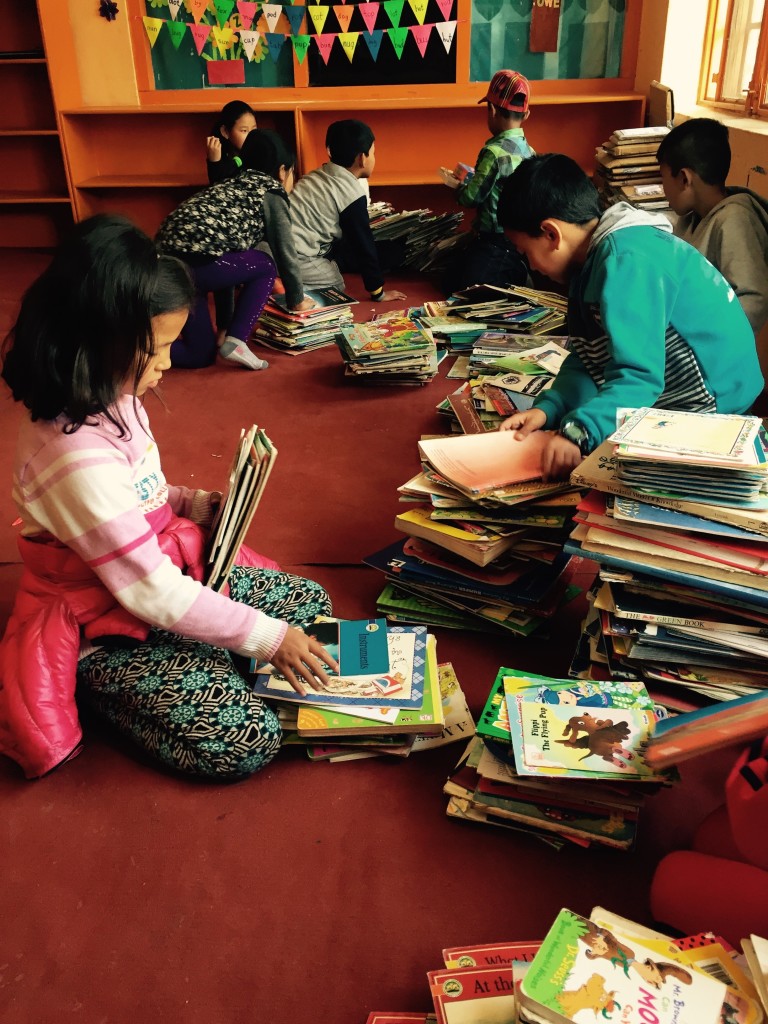
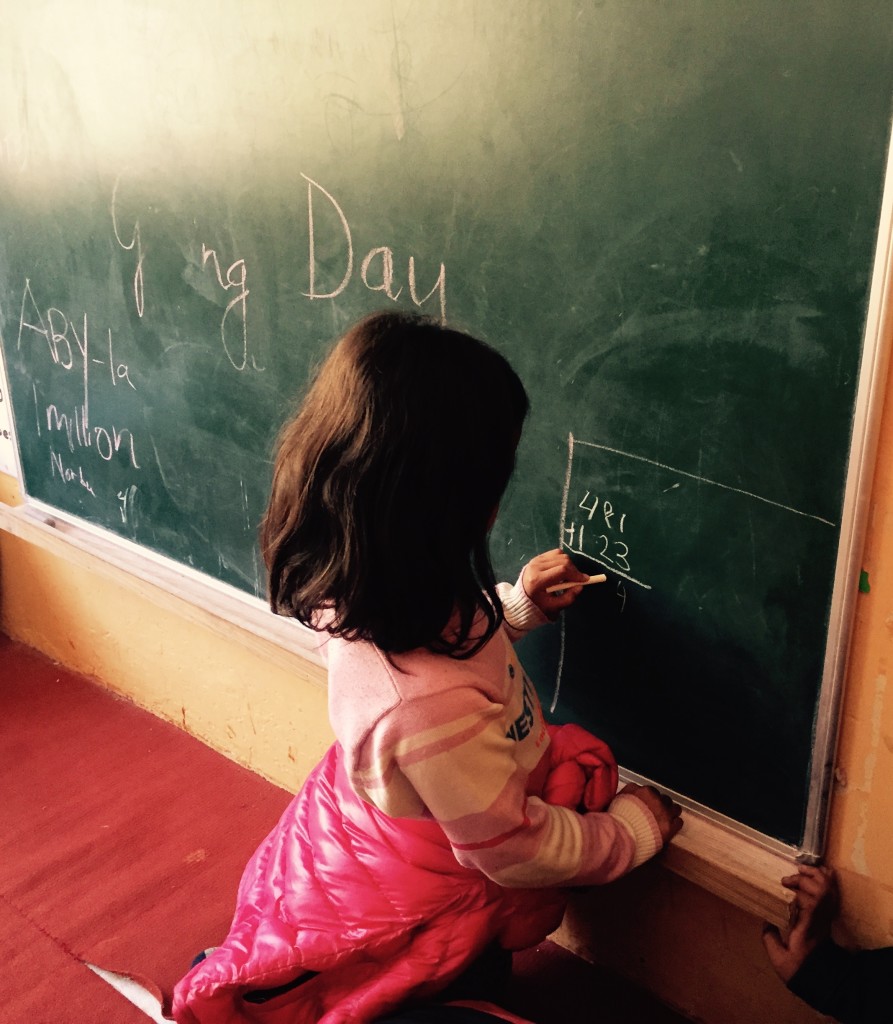
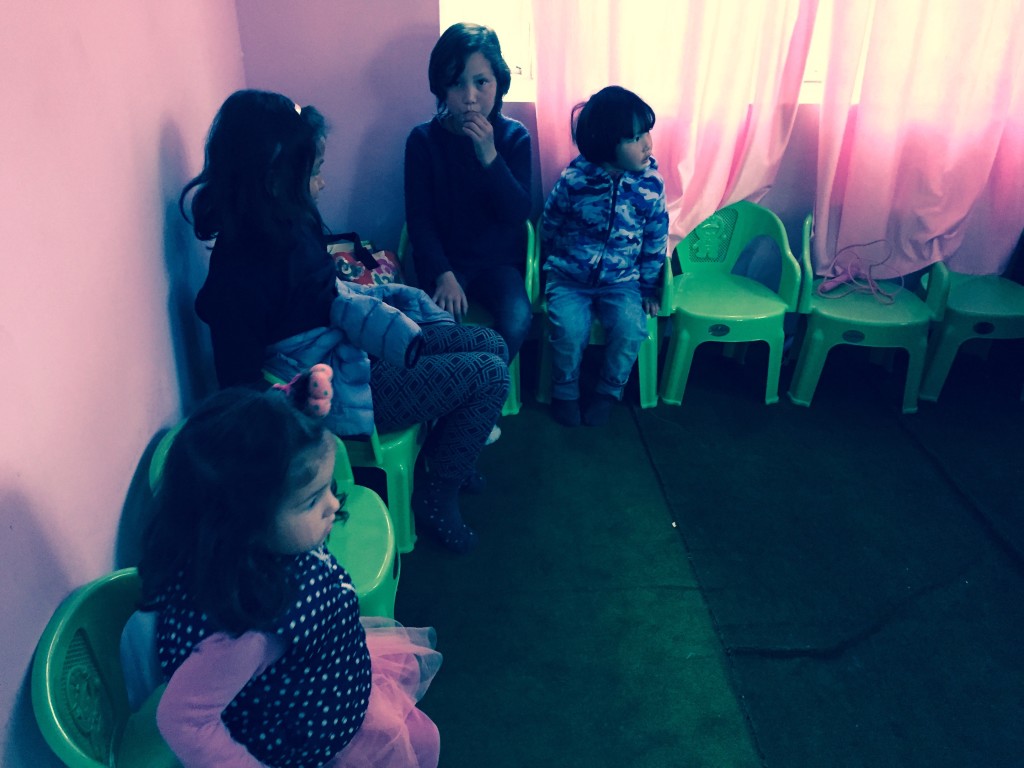
Music, drawing, drama, and discussion are especially valuable when reading levels vary. A child who cannot yet read the full text may still understand the plot through pictures, join a song, or contribute an idea about a character. Older readers can help younger children, strengthening comprehension and creating a cooperative reading culture.
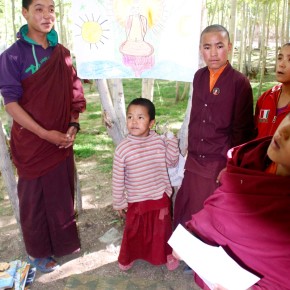
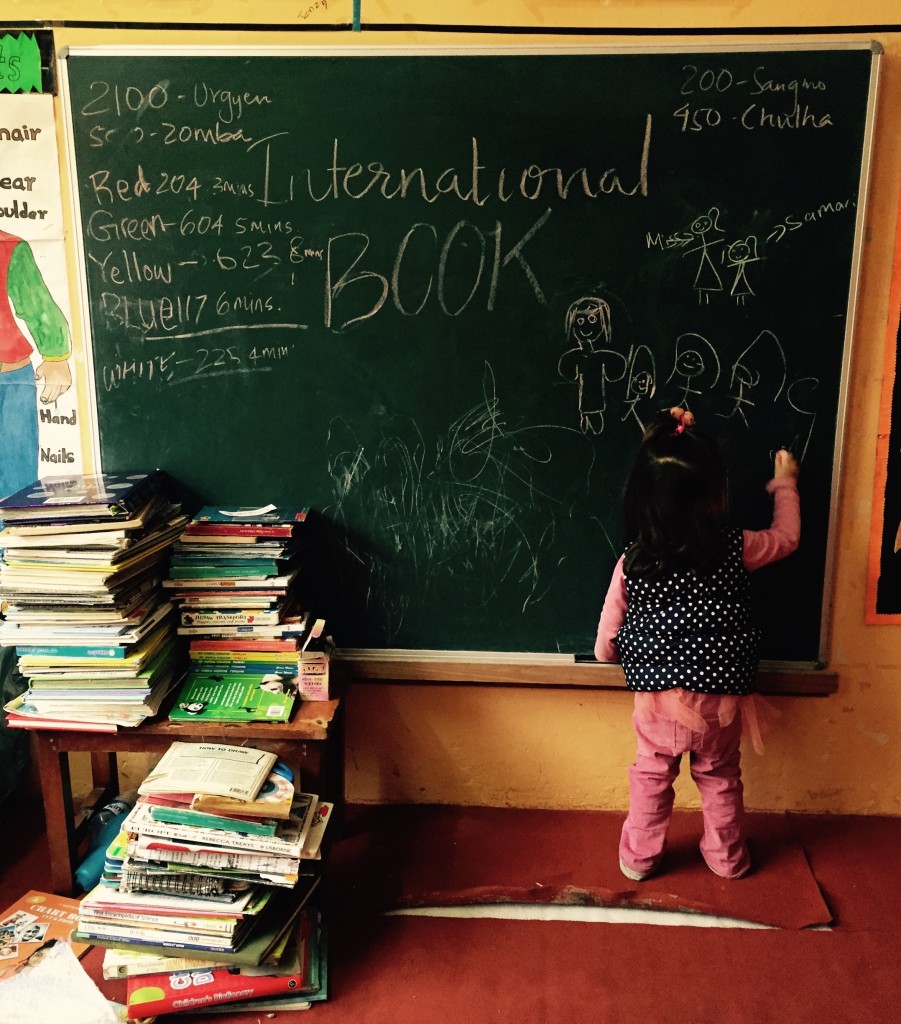
Adaptation should leave room for children to reinterpret a story. They may give a character a local name, change the setting, invent a different ending, or illustrate clothing and homes from their own community. Such responses are not mistakes. They show that children are becoming active readers who can carry stories across cultural and linguistic boundaries.
A practical adaptation checklist
Volunteers and educators can use a simple review process before adding a title to a reading room. The goal is not to reject books because they are foreign, but to understand what support they require and whether they contribute to a balanced collection.
- Check whether the reading level matches the children who will use the book.
- Identify cultural references, idioms, foods, celebrations, and objects that may need explanation.
- Review illustrations for stereotypes, inaccurate portrayals, or limited representation.
- Pair unfamiliar stories with local books, discussion, translation, or creative activities.
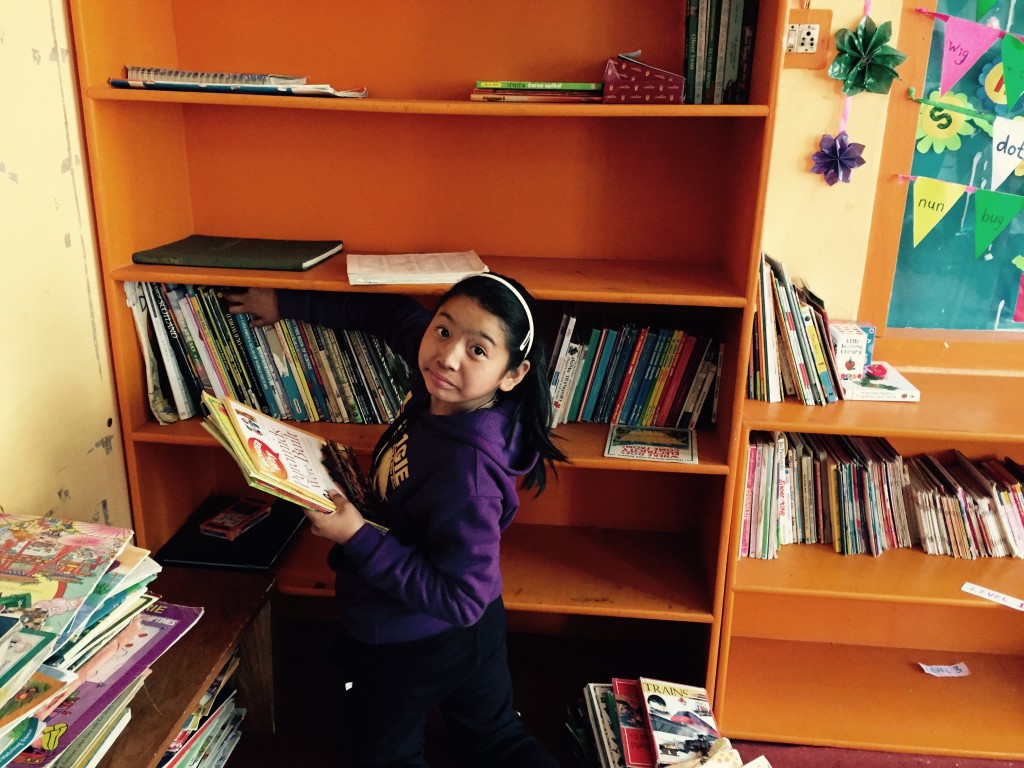
- Choose durable, complete copies that children can handle freely and return to often.
This review also helps donors select books with purpose. A well-chosen title can serve several groups when it has clear artwork, engaging language, and themes suitable for shared reading. A book that is too advanced, culturally narrow, or physically damaged may take up valuable shelf space without becoming part of children’s reading lives.
Learning from children and communities
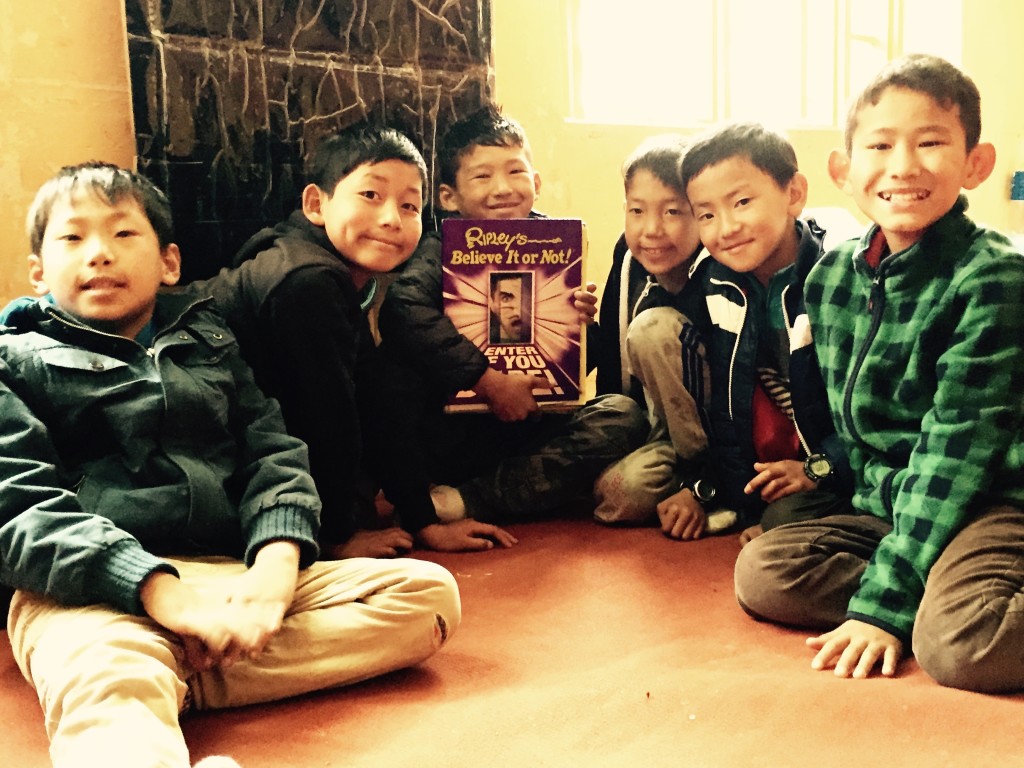
No adaptation guide can replace local feedback. Children reveal what works through their questions, laughter, silence, repeated choices, and conversations after a reading session. Teachers, families, monastic communities, and local partners add knowledge about language, customs, developmental needs, and practical access.
We record these observations to improve future book selections and activities. If children repeatedly ask about a particular animal, place, or scientific idea, that interest can guide the next book drive. If a story creates confusion because of its structure or vocabulary, volunteers can change the way it is presented or find a more suitable companion title.
The process is gradual and responsive. Himalayan communities are diverse, and a book that works well in one reading room may not suit another. Treating adaptation as an ongoing relationship keeps the library relevant and ensures that educational support is shaped by the children it serves.
Reading across cultures is most powerful when it is reciprocal. Western children’s books can bring new images, language, and questions into Himalayan classrooms, while local stories and children’s interpretations reshape how those books are understood. Support this work by sharing suitable books, funding reading rooms, or helping provide creative learning activities. Each thoughtful contribution can place a meaningful story into a child’s hands and give that story a chance to grow in a new home.