Why We Avoid Donating Outdated Textbooks—and What We Send Instead
A well-intentioned book donation can look generous while offering little practical value to the children who receive it. Textbooks become outdated, damaged, or difficult to use when their content, language, format, or level does not match the needs of a local learning community. Sending unsuitable materials also creates sorting, storage, and disposal work for the people who are already coordinating educational programs.
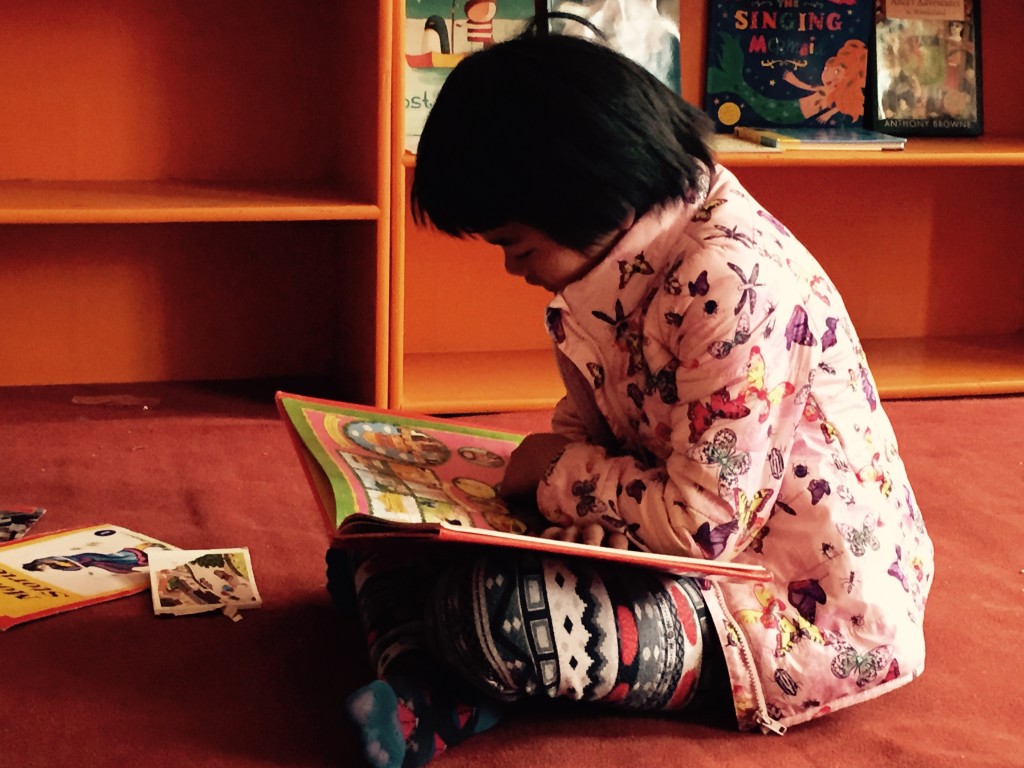
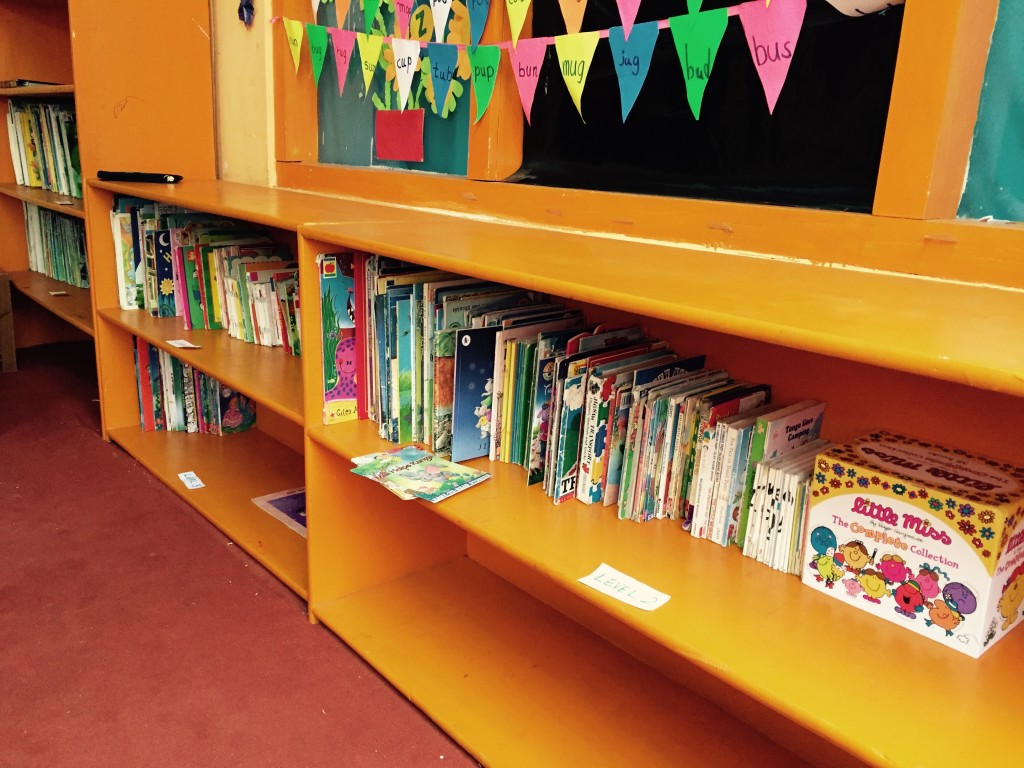
For communities in Ladakh and other Himalayan regions, useful learning resources must do more than contain information. They should invite curiosity, support classroom or independent study, and remain accessible to children with different reading abilities. A current science book, a beautifully illustrated story, or a music activity guide may contribute far more than a stack of obsolete school manuals.
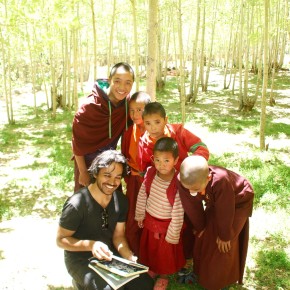
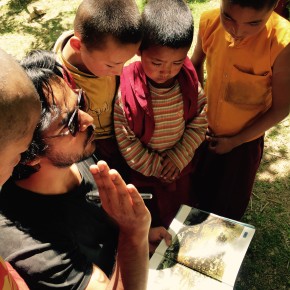
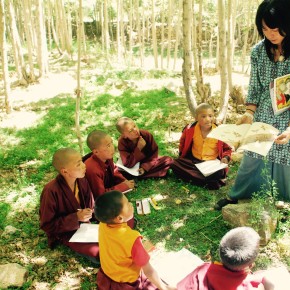
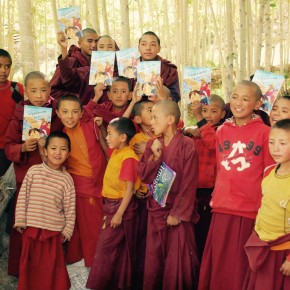
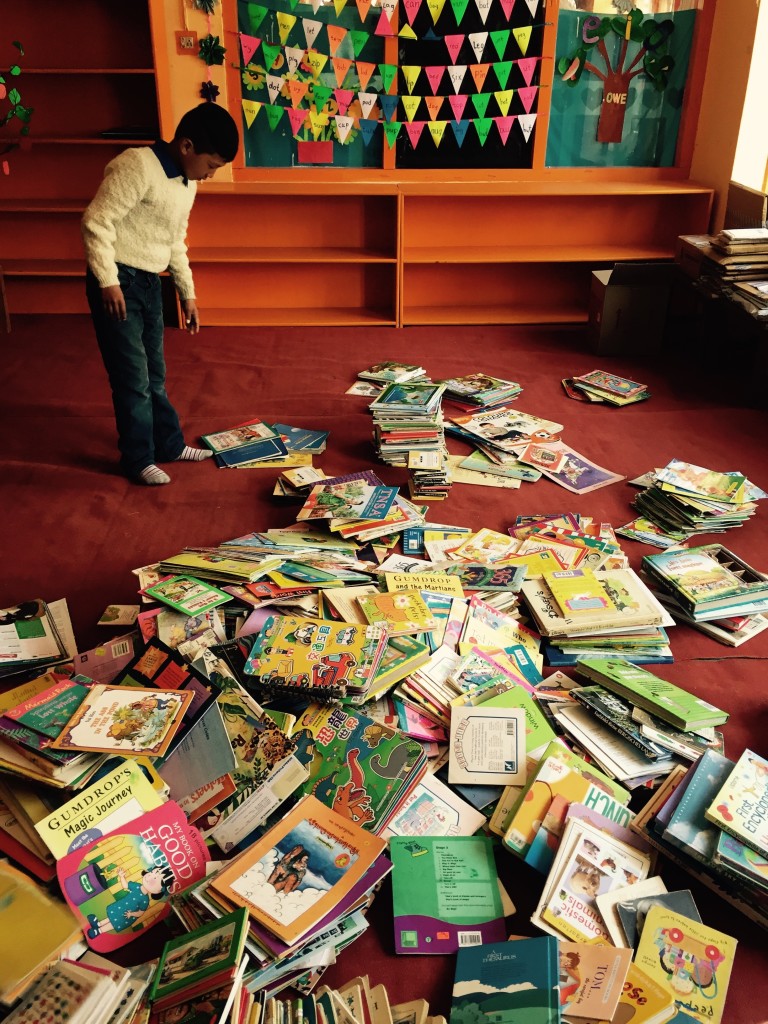
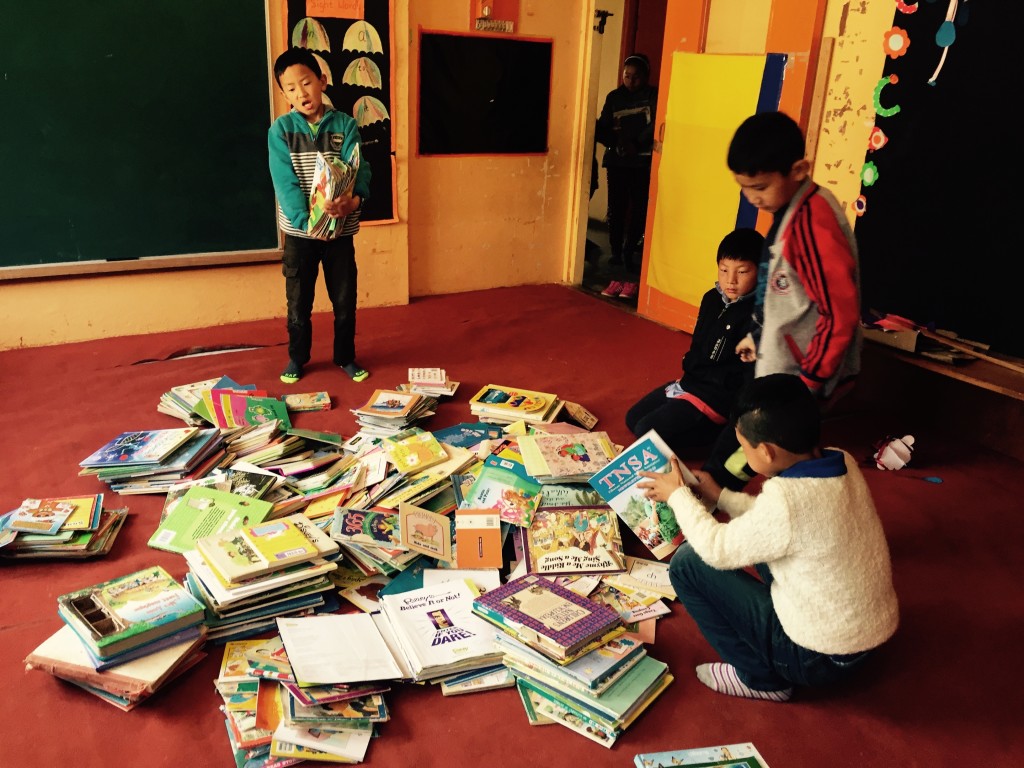
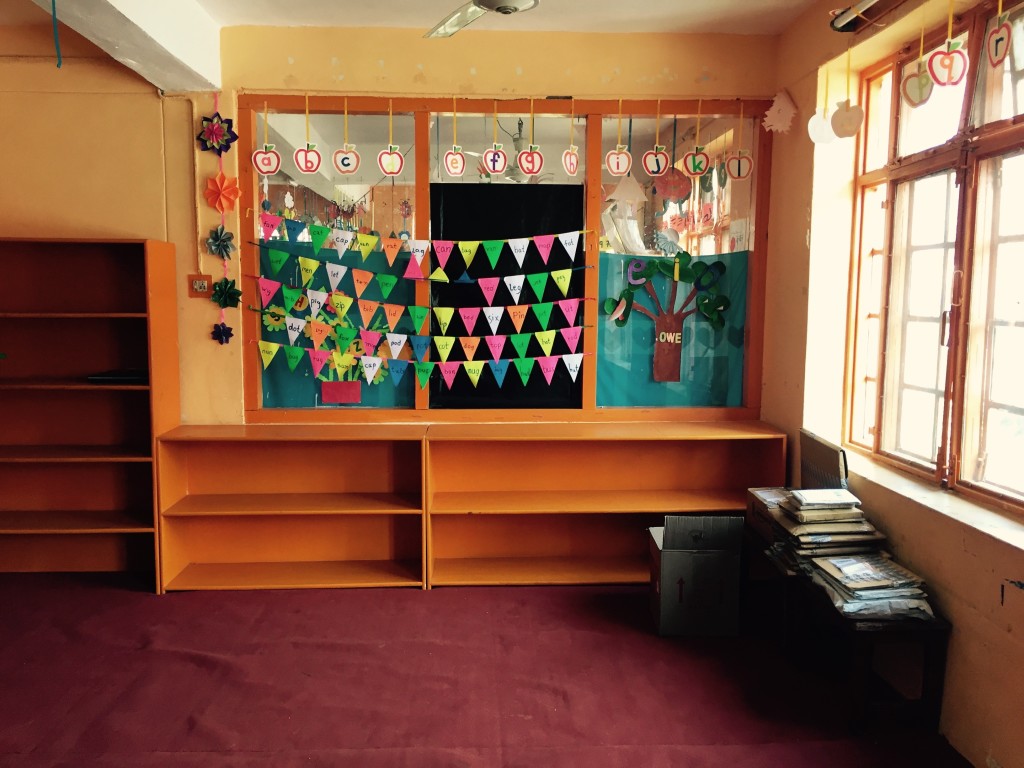
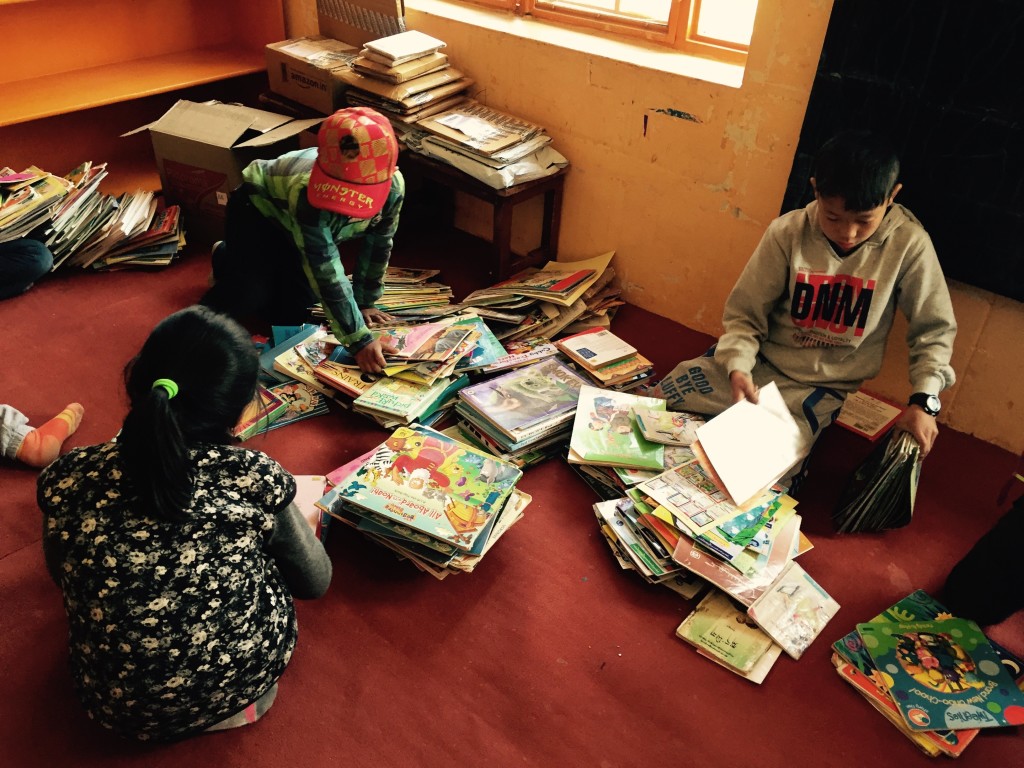
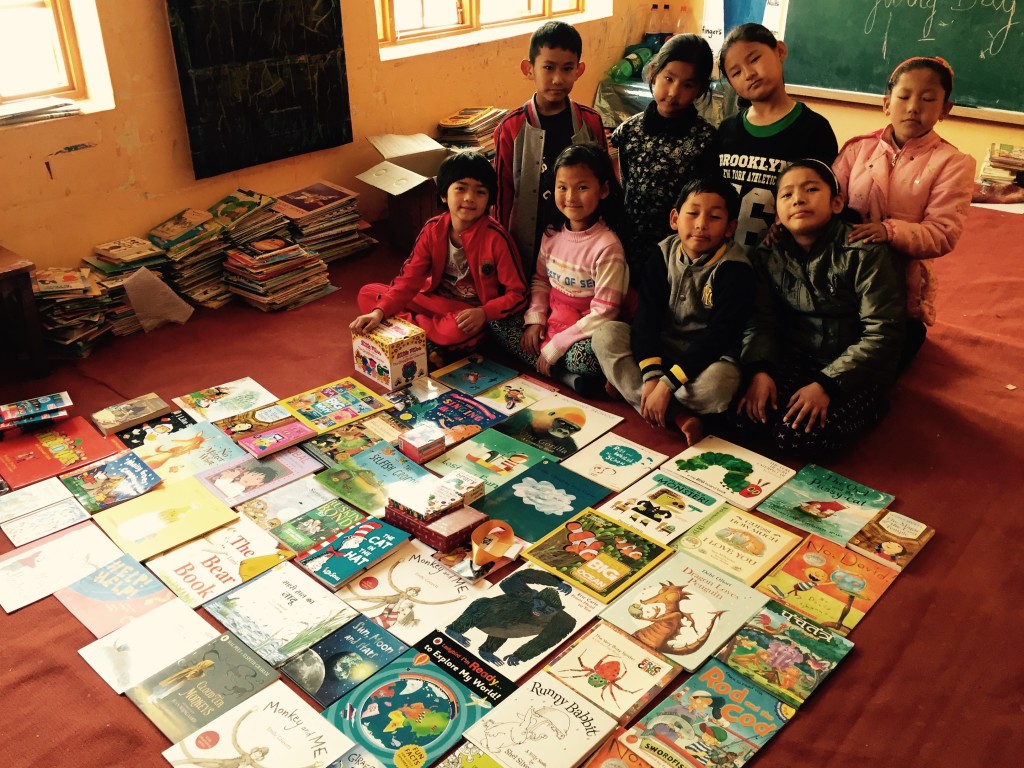
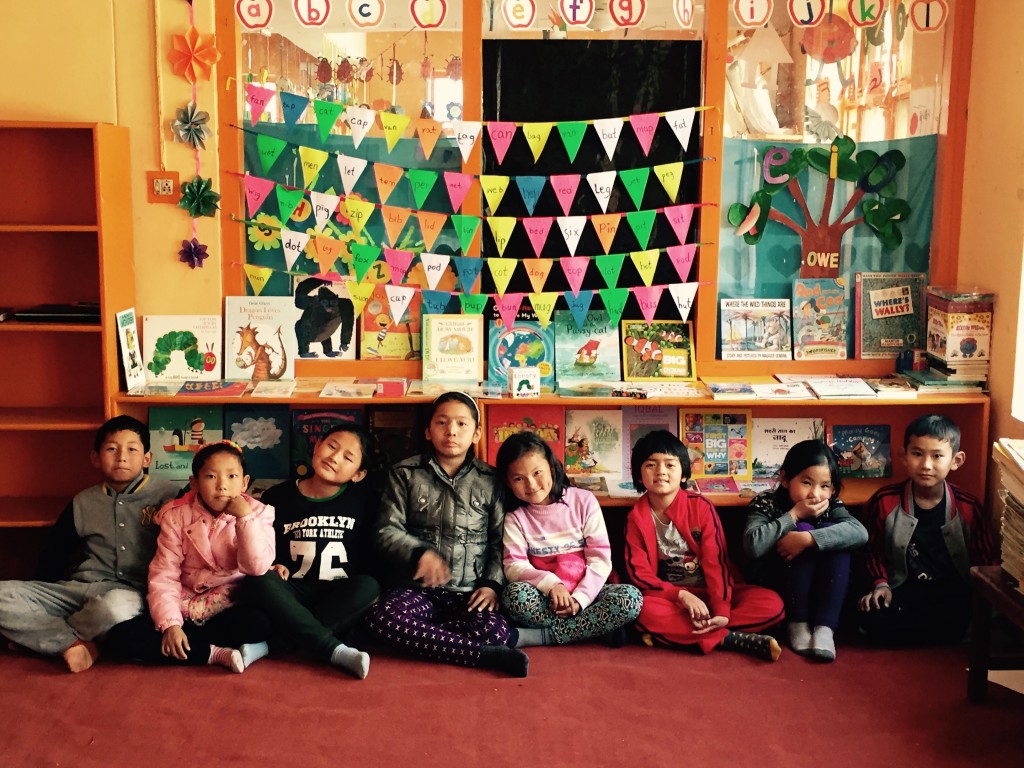
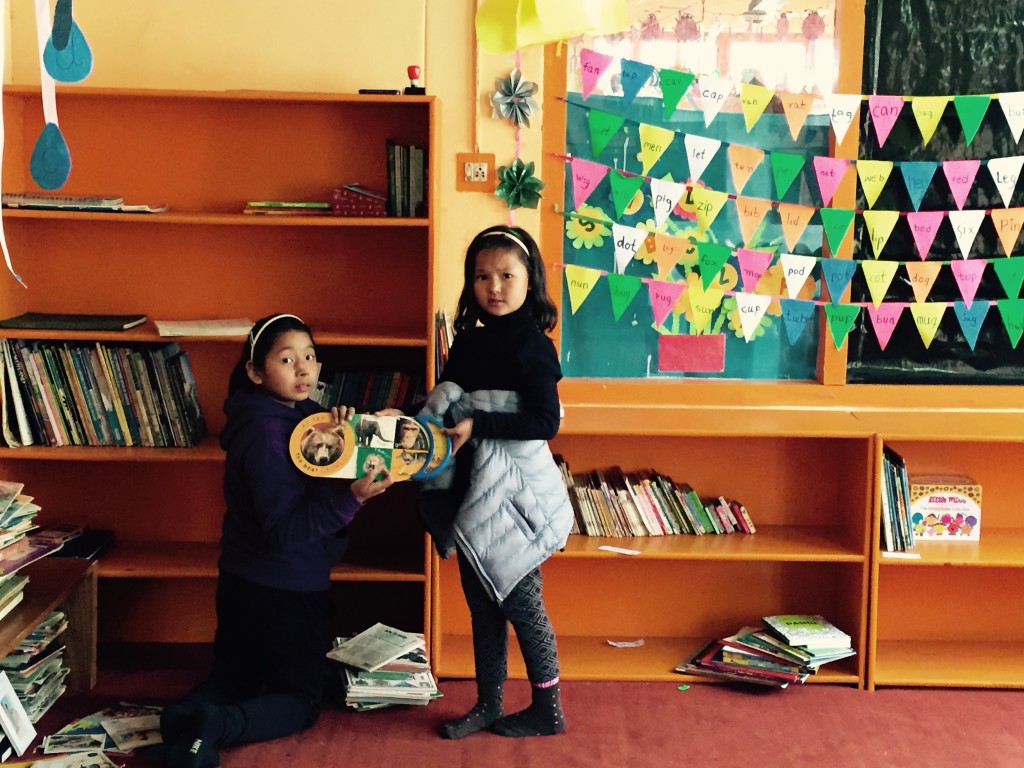
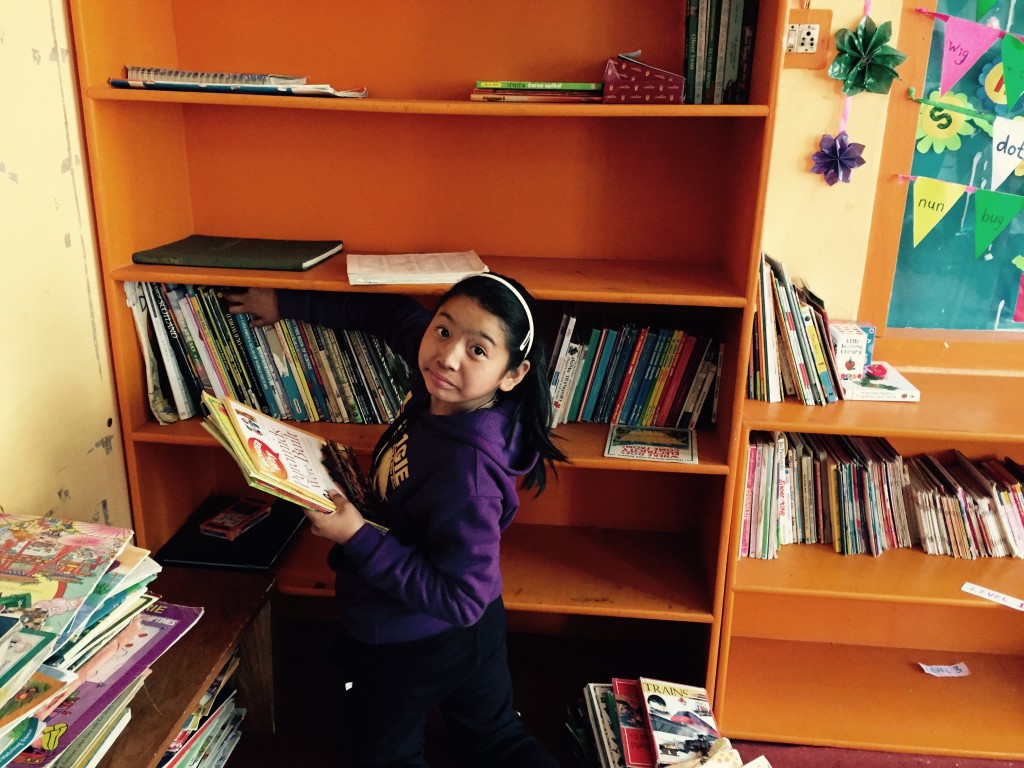
That is why Avalokiteśvara Trust focuses on thoughtful, relevant resources for reading rooms, book drives, and creative activities. The goal is to send materials that children and young monks can actually use, enjoy, and share.
Why Old Textbooks Miss The Mark
Many outdated textbooks contain information that has been replaced by newer research, revised maps, changed terminology, or updated curriculum standards. This matters especially in science, geography, technology, health education, and social studies. A book can be clean and complete yet still teach concepts through an obsolete framework.
Age is not the only issue. Textbooks designed for a particular national curriculum may use unfamiliar examples, measurements, spelling conventions, or cultural references. Their exercises can assume access to equipment, internet services, or classroom structures that are unavailable in a remote setting. Without the teacher’s accompanying materials, a textbook may become difficult to interpret rather than helpful.
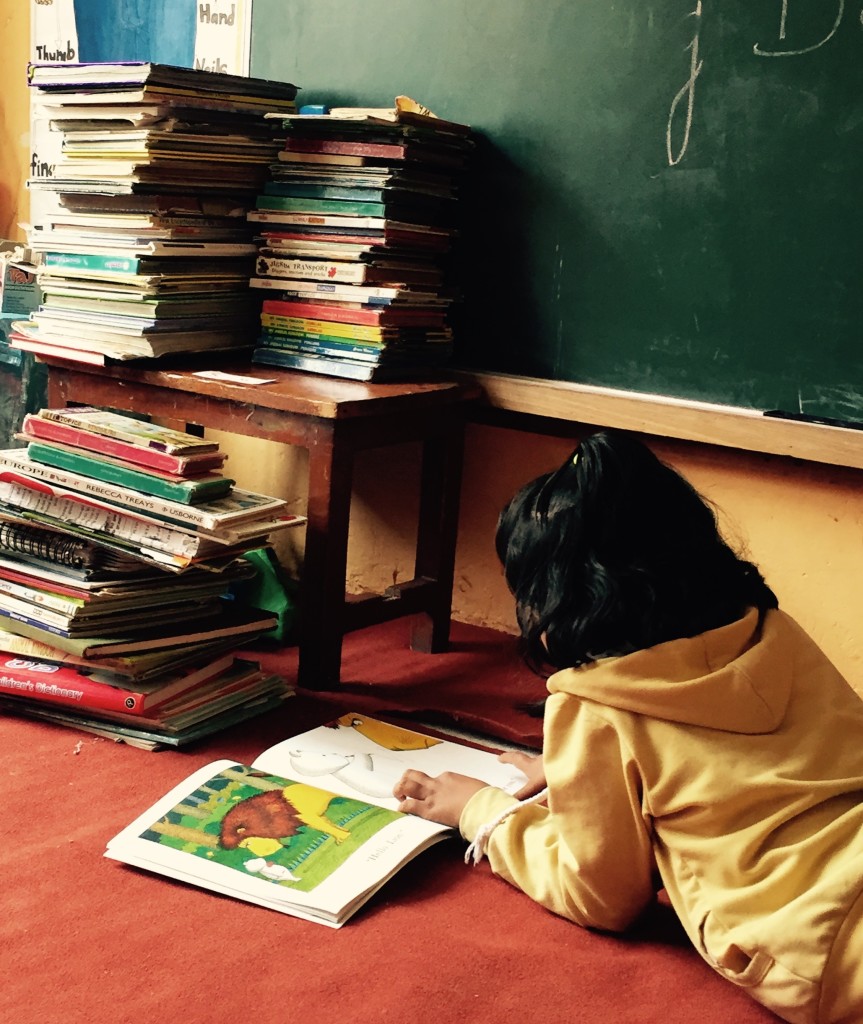
Physical condition also affects usability. Missing pages, faded diagrams, heavy annotations, broken bindings, and tiny print can discourage independent readers. Transporting books across long distances costs money and effort, so every parcel should earn its place through genuine educational value.
Local Relevance Matters
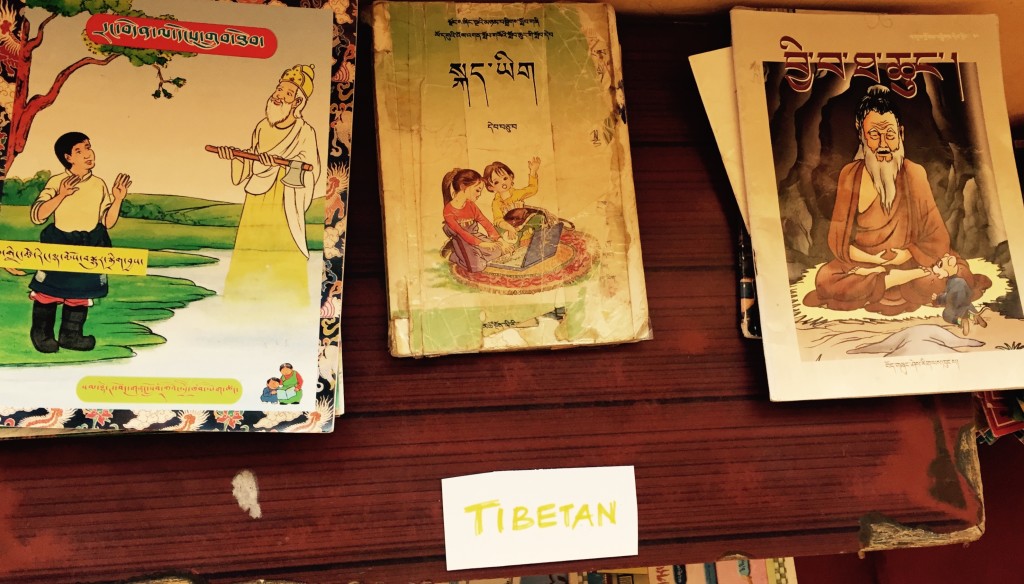
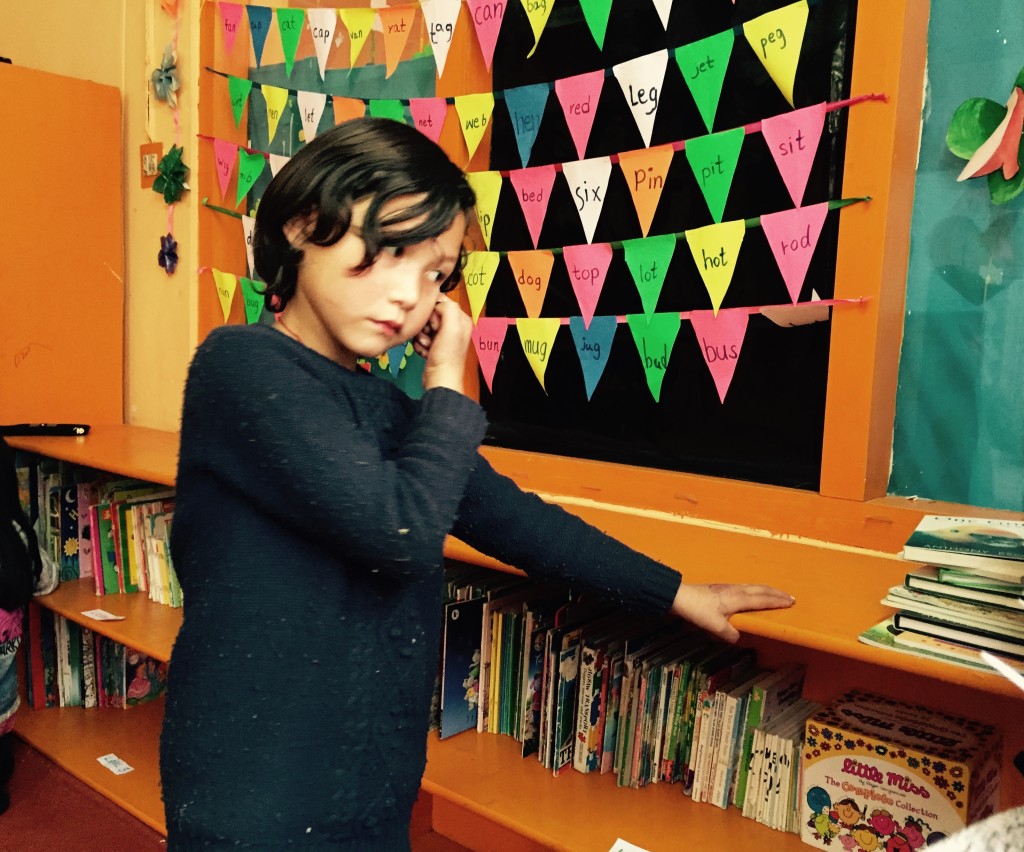
A strong donation begins with the learner rather than the donor’s bookshelf. Children need books that reflect their reading level, interests, and daily experience while also opening a window onto unfamiliar places and ideas. A balanced collection can include local history, world cultures, nature, fiction, biographies, visual arts, and practical knowledge.
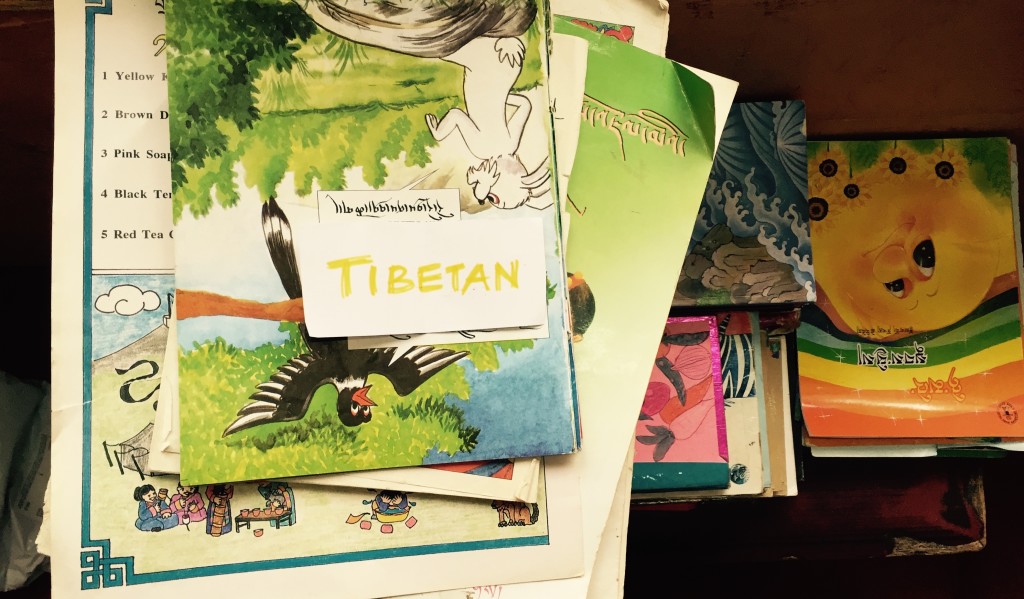
Language is a central consideration. Materials may be most useful when they offer clear English, accessible vocabulary, strong illustrations, or opportunities to connect with multilingual learning. Books that are too advanced can be as unsuitable as books that are factually obsolete. A shorter story with engaging pictures may support literacy more effectively than an advanced grammar workbook.
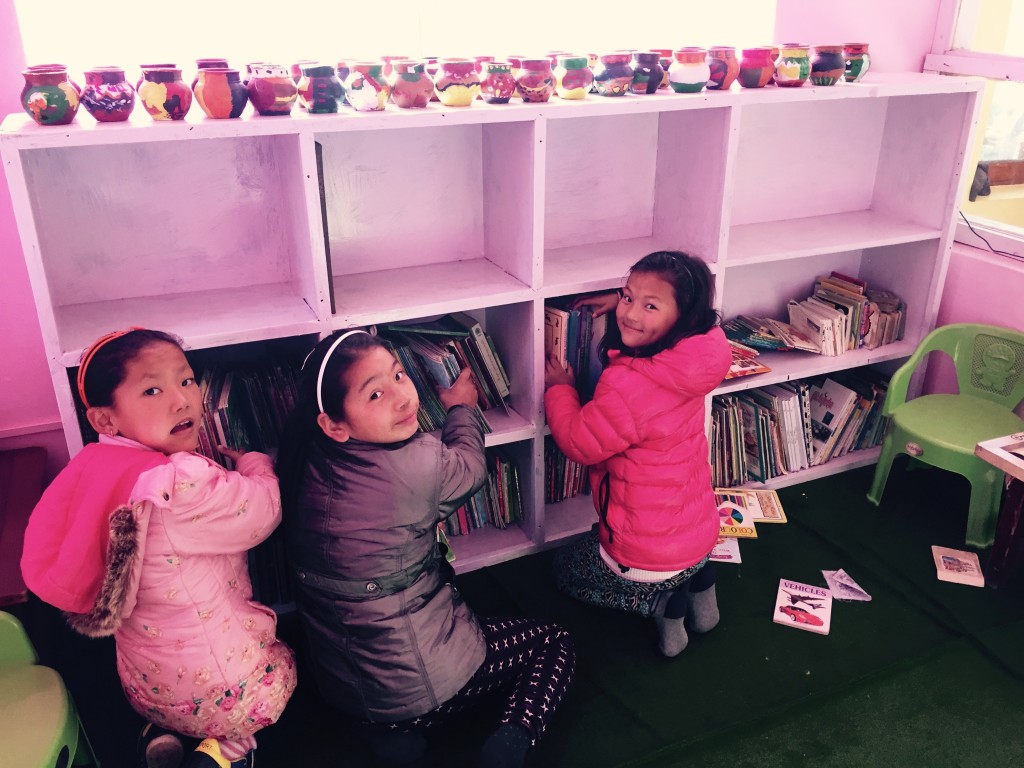
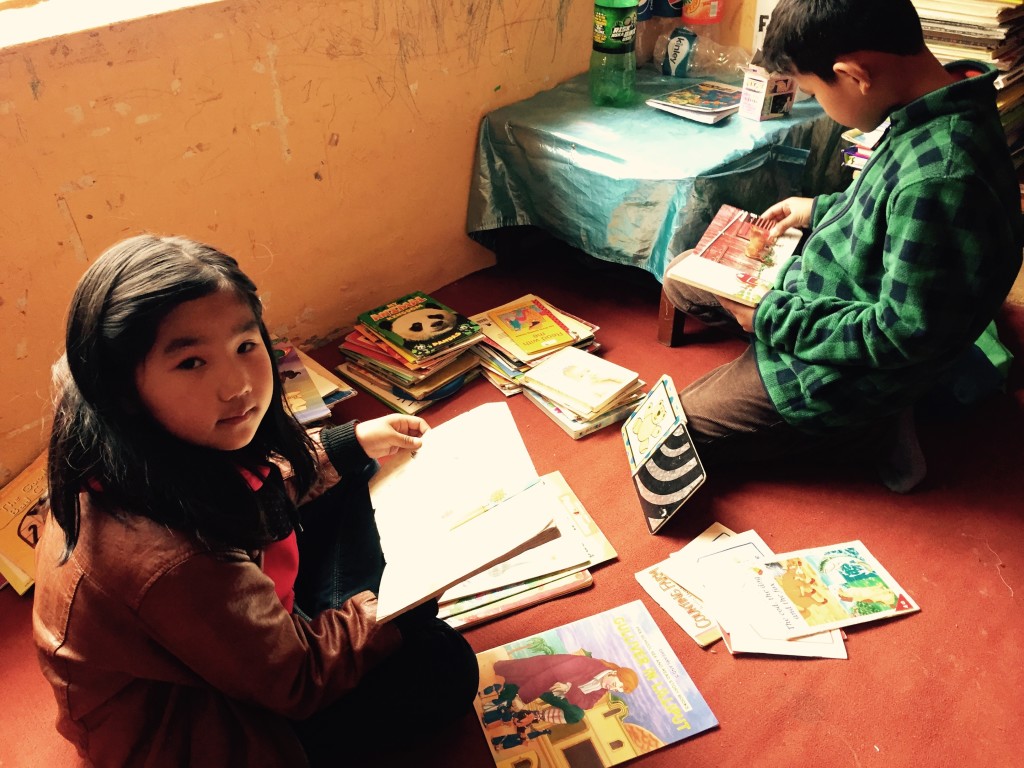
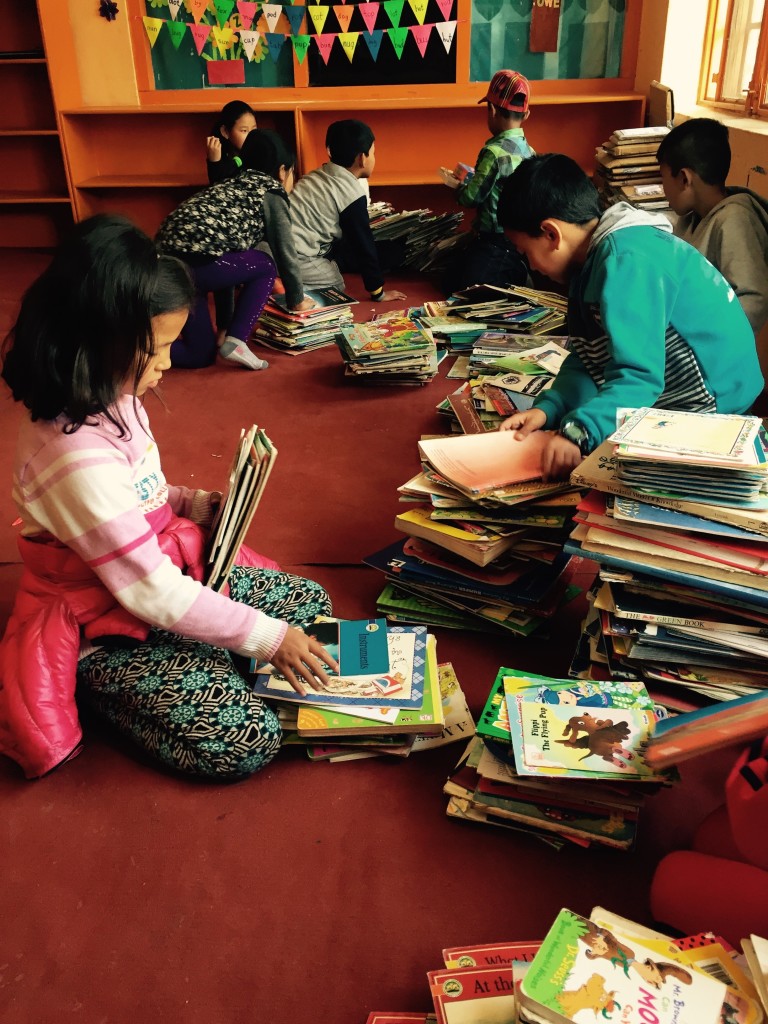
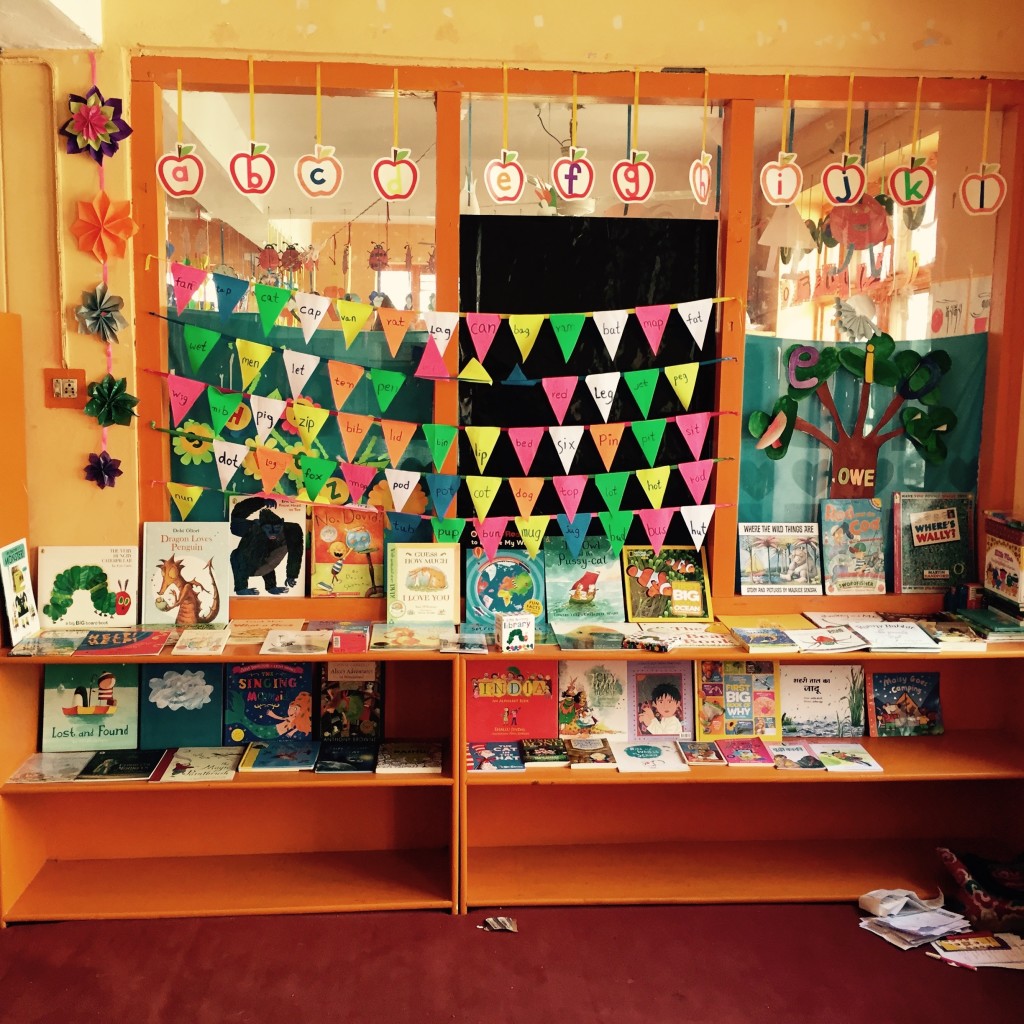
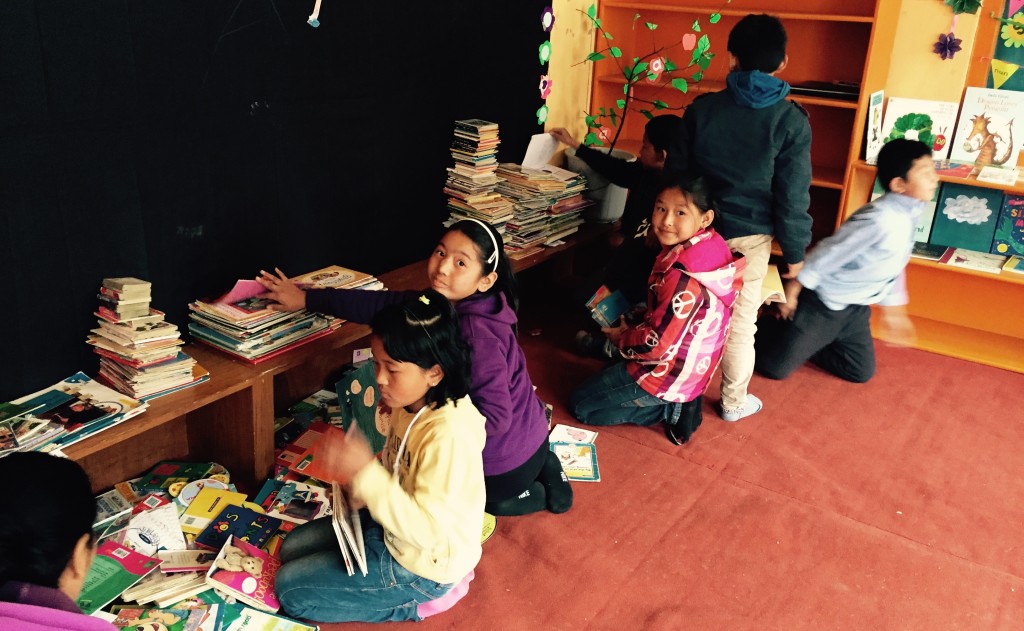
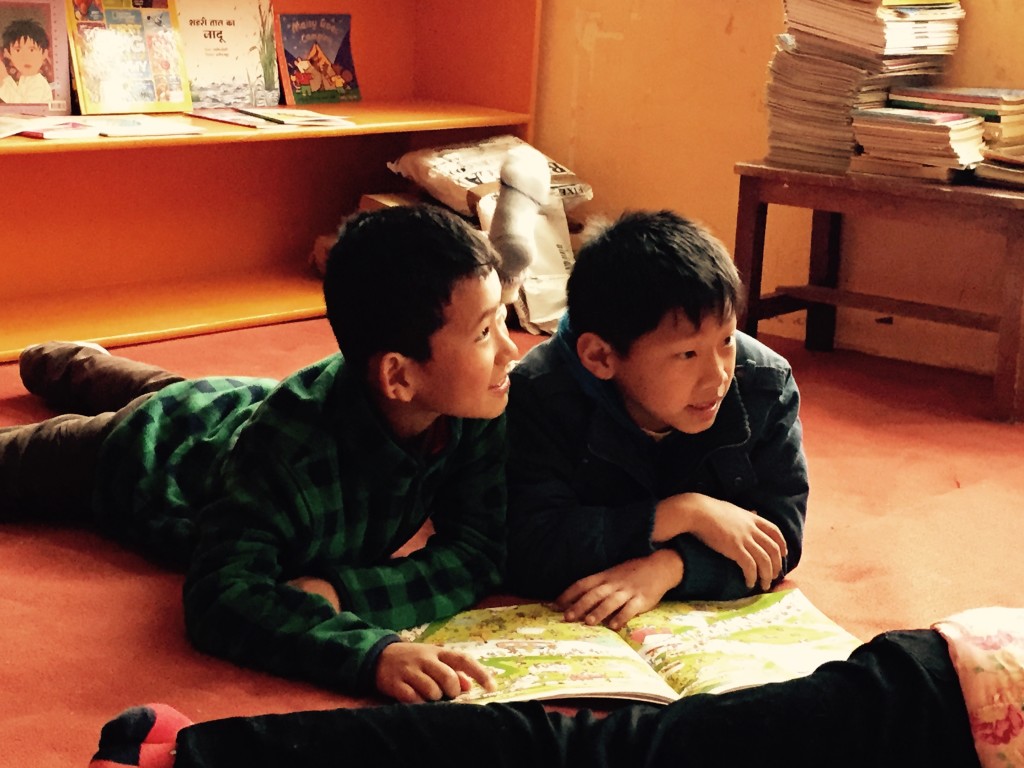
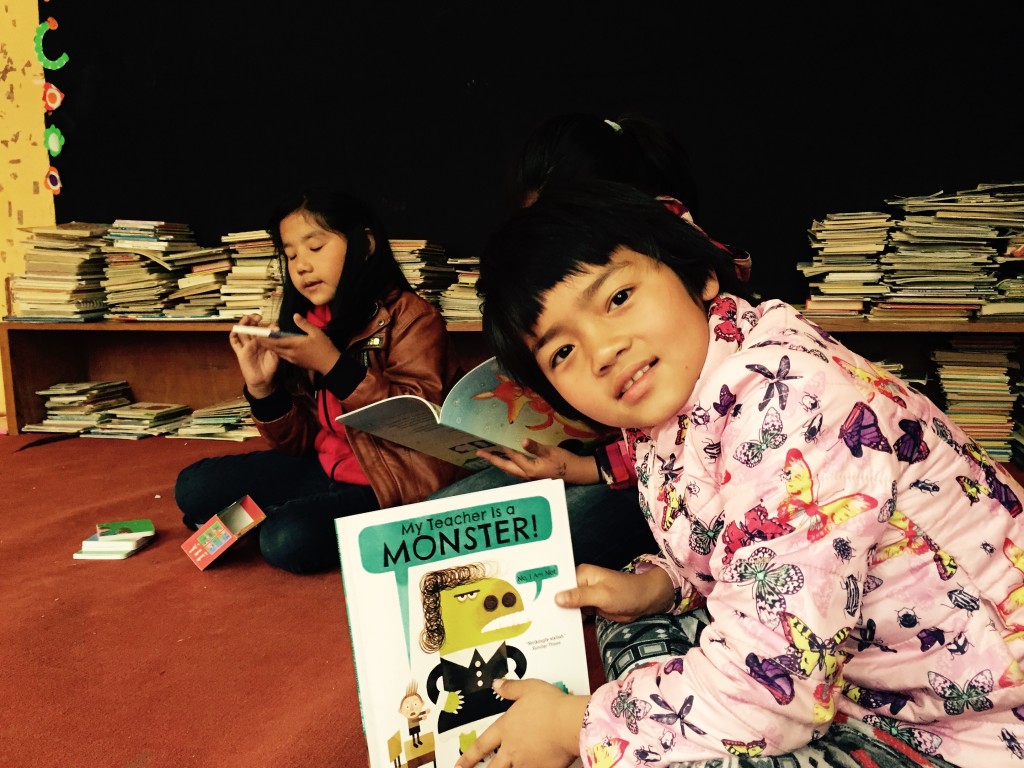
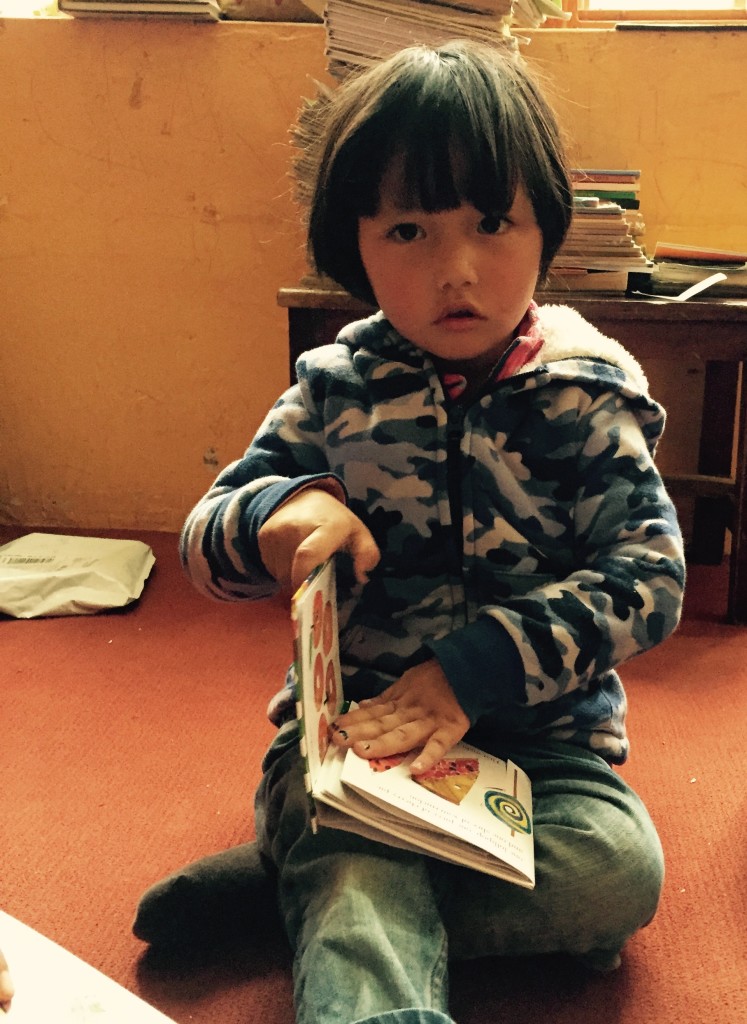
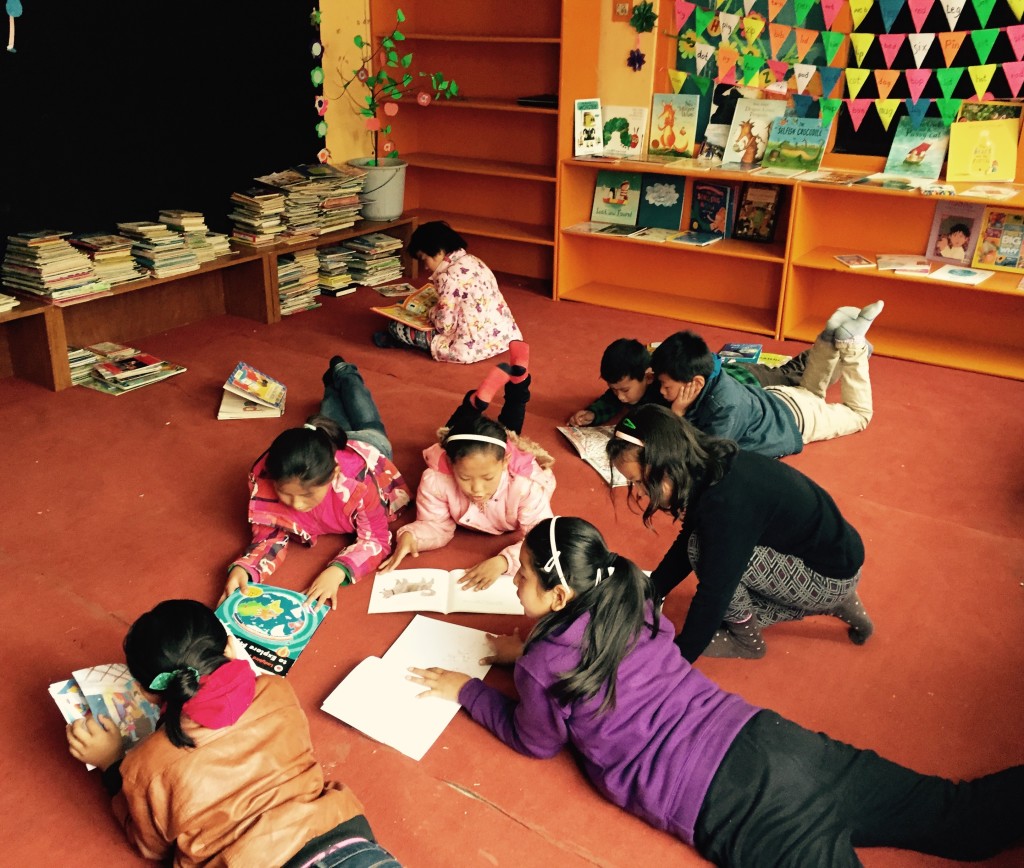
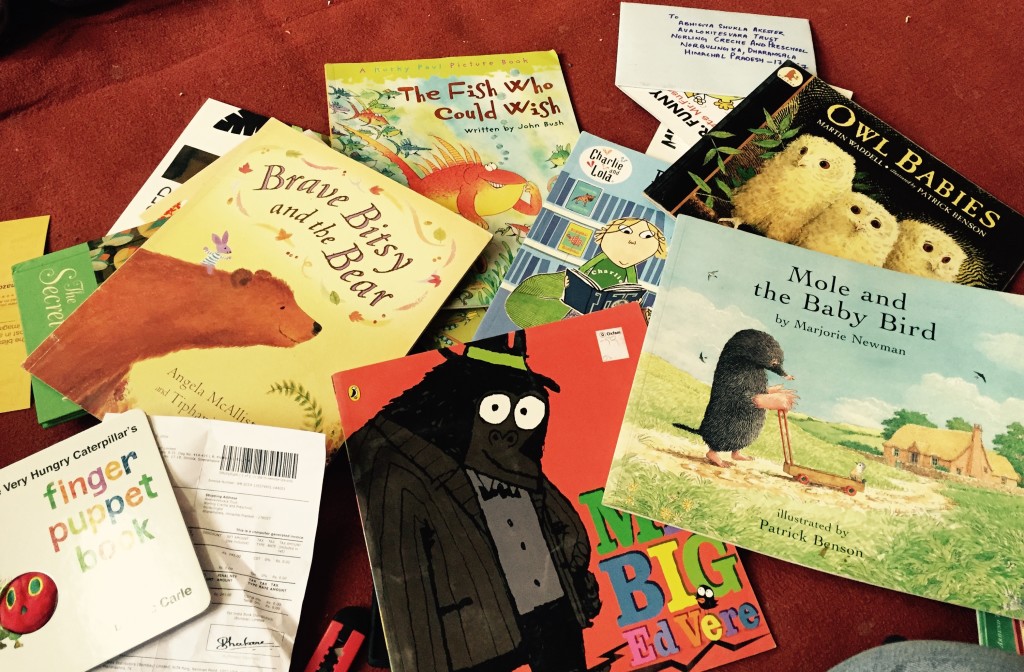
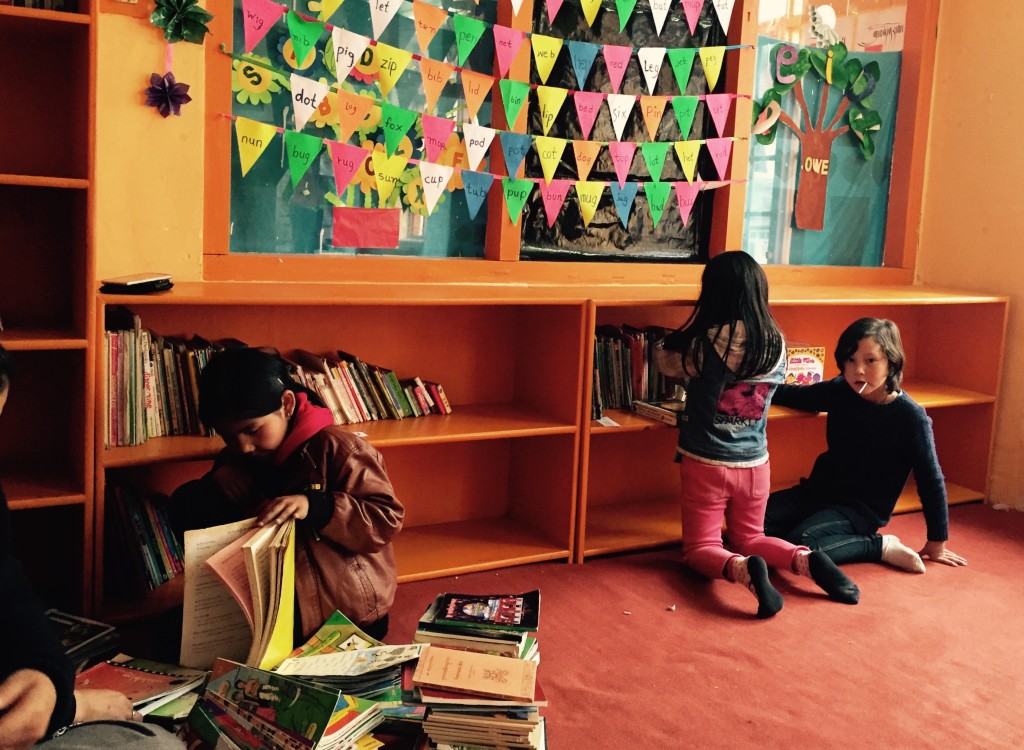
Reading rooms also benefit from variety. Some children prefer adventure stories, while others choose drawing, animals, poetry, puzzles, or music. A broad selection encourages voluntary reading and gives young people room to discover their own interests instead of treating every book as a compulsory lesson.
Choosing Resources With Lasting Value
The distinction between unsuitable and useful donations becomes clearer when materials are assessed for accuracy, accessibility, and purpose. The following comparison can guide book drives and individual gifts.
| Resource type |
Common concern |
More useful alternative |
| Outdated science textbook |
Superseded facts and terminology |
Current, illustrated science books |
| Old geography manual |
Changed borders, statistics, or maps |
Updated atlases and world geography titles |
| Advanced exam workbook |
Narrow curriculum and limited flexibility |
Level-appropriate practice books |
| Damaged reference book |
Missing or unreadable content |
Complete, durable reference materials |
| School-specific teacher guide |
Depends on an unfamiliar curriculum |
General teaching aids and activity books |
| Old computer manual |
Obsolete software and devices |
Digital literacy books with enduring concepts |
| Repetitive workbook bundle |
Little choice or creative exploration |
Stories, puzzles, art, and music resources |
This approach does not mean every older book should be discarded. Classic literature, historical accounts, art books, traditional stories, and timeless mathematics resources may remain valuable. The key question is whether a child can use the book confidently and whether its content still serves the intended purpose.
What We Send Instead
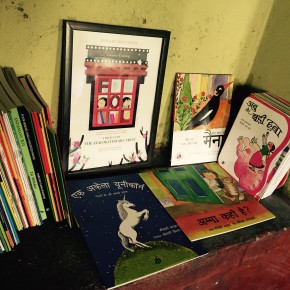
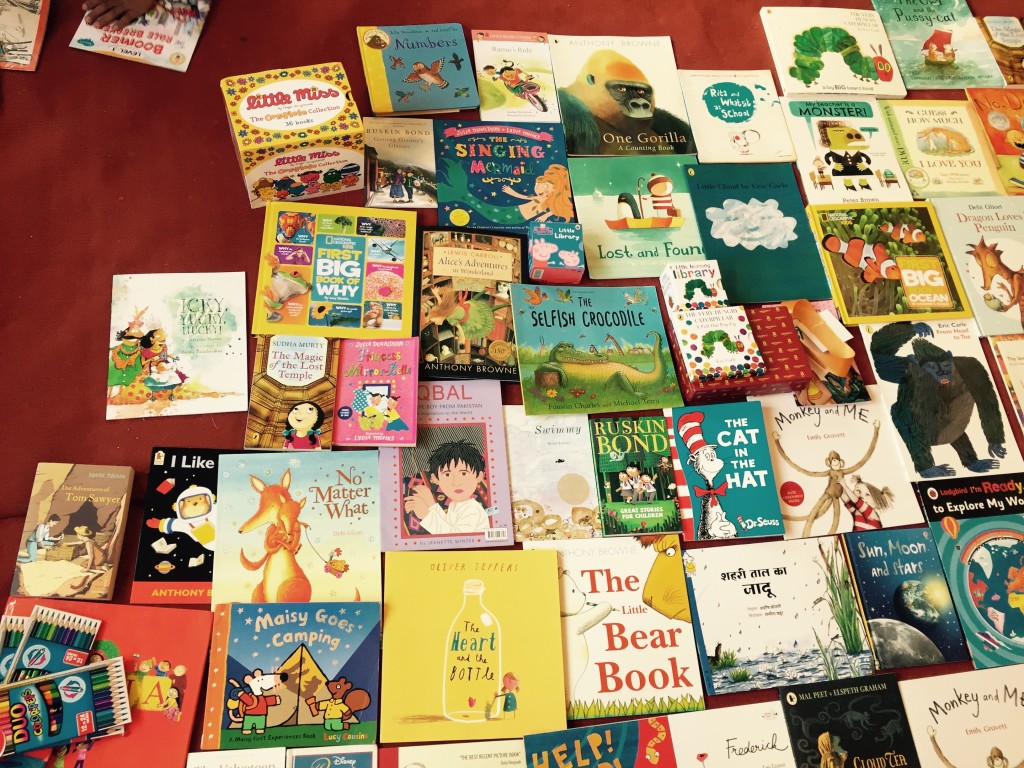
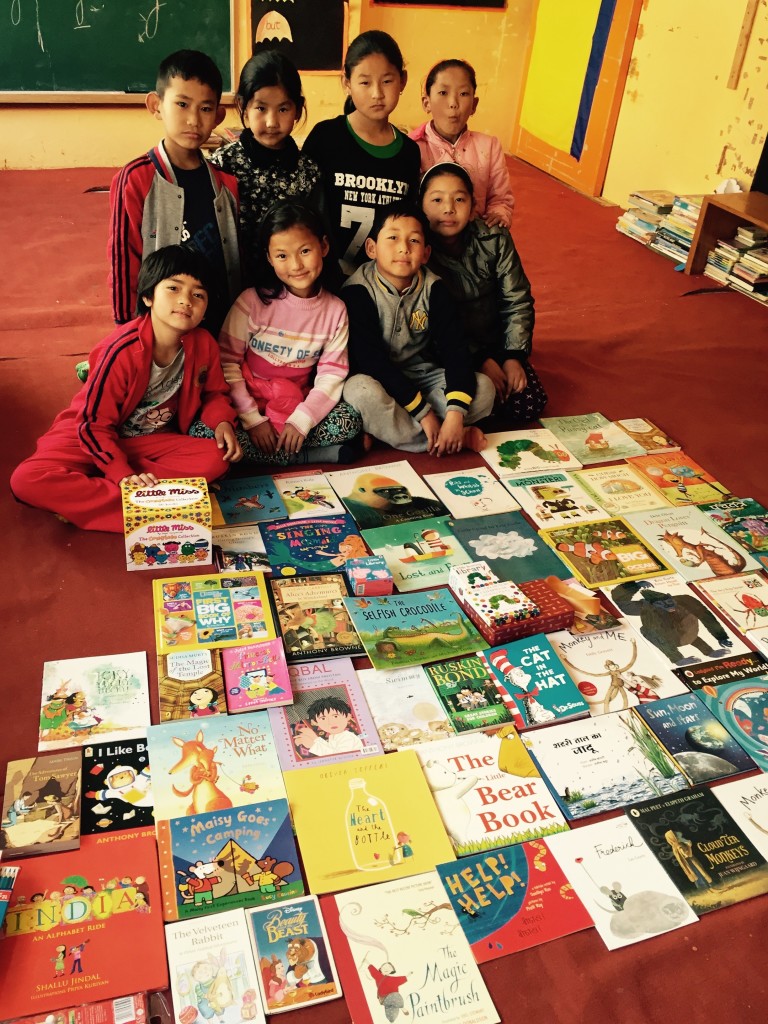
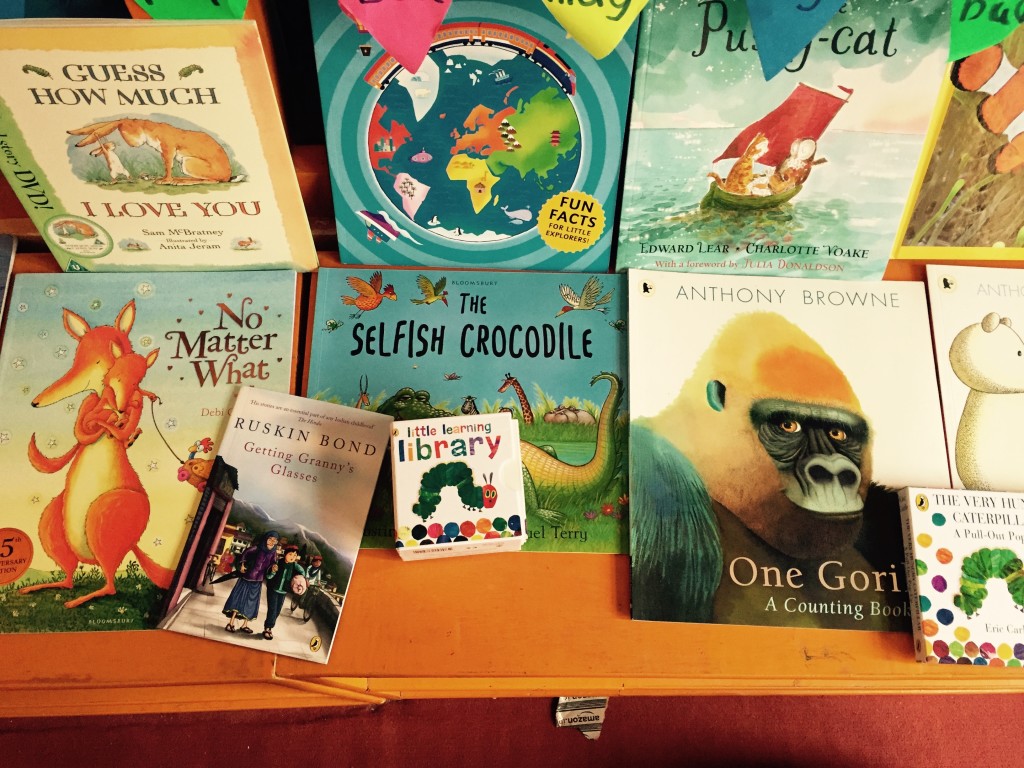
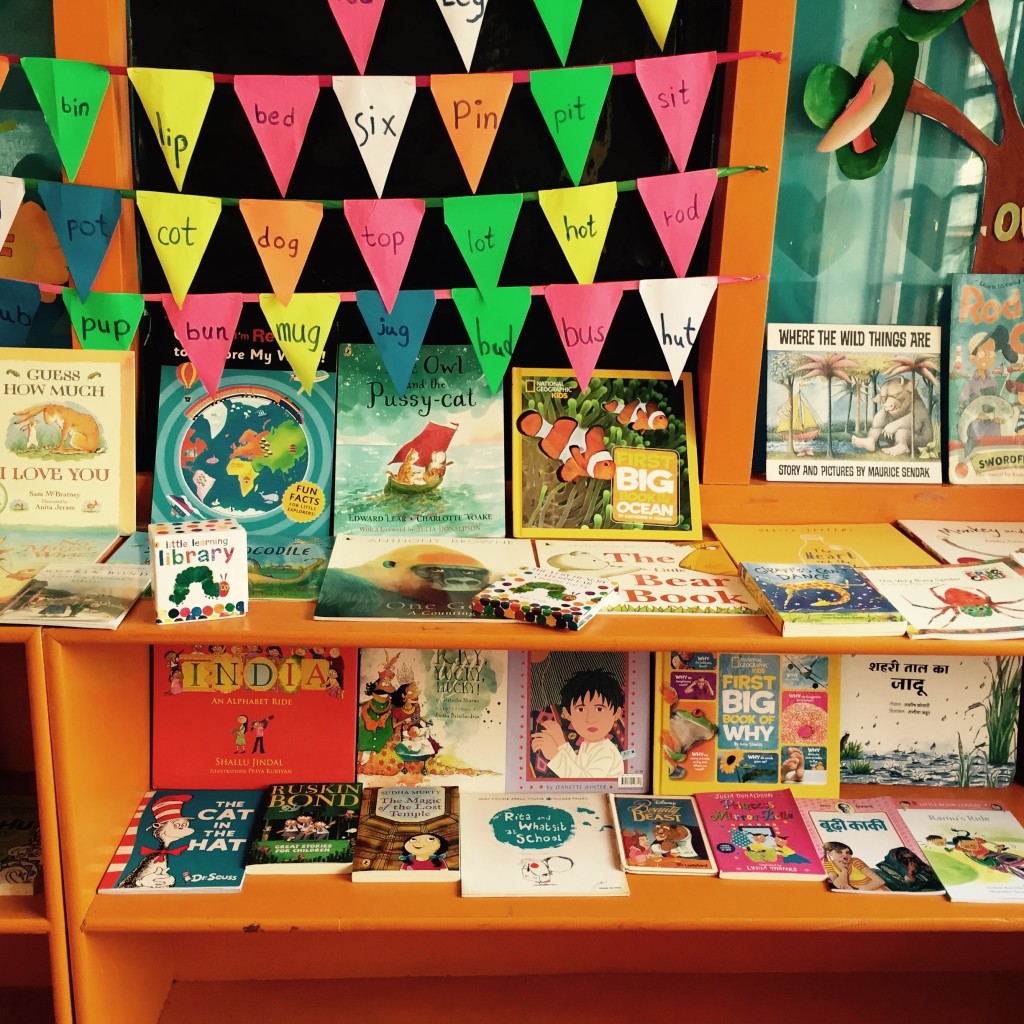
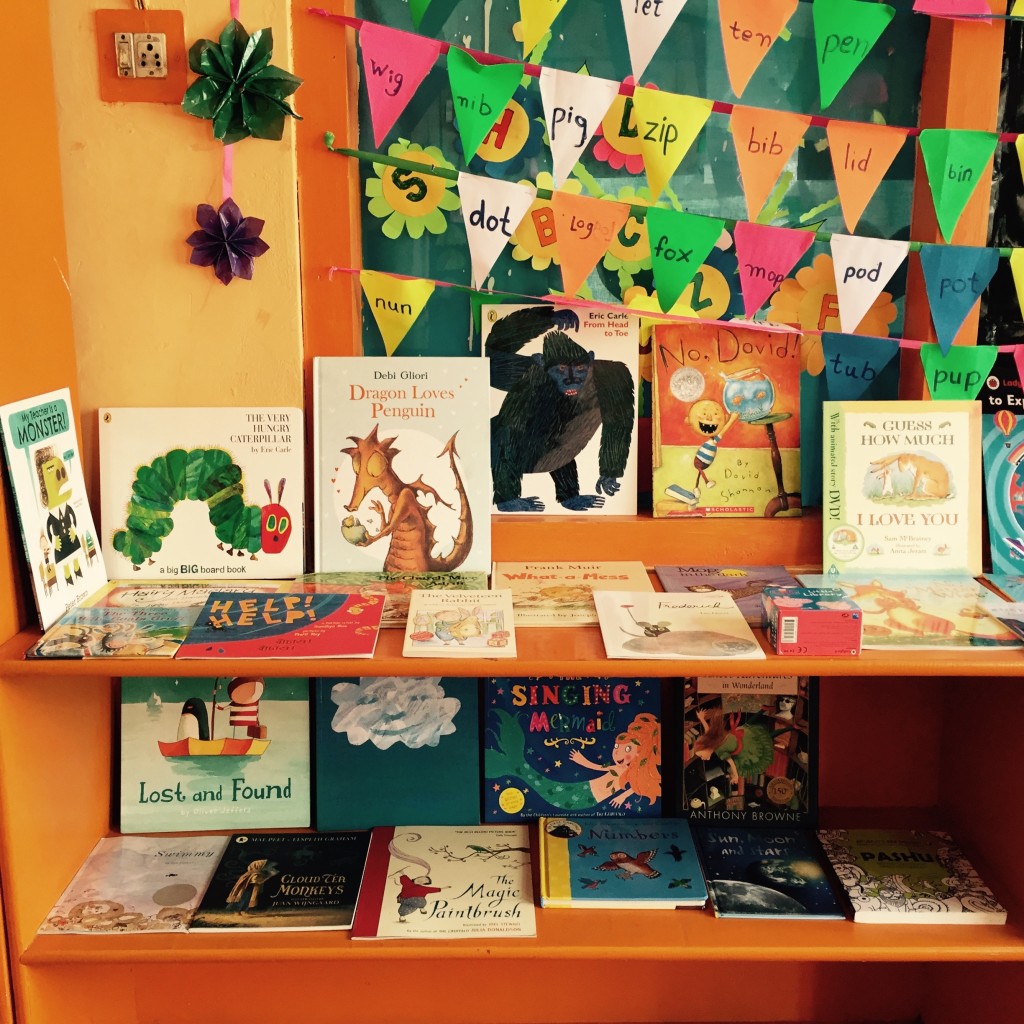
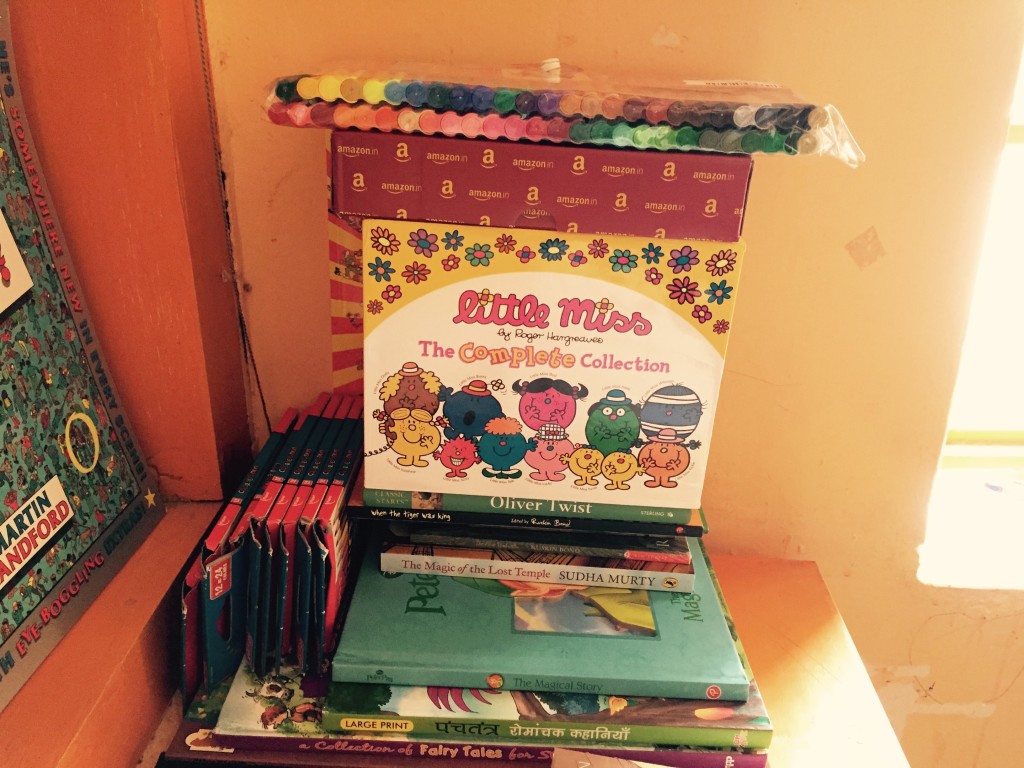
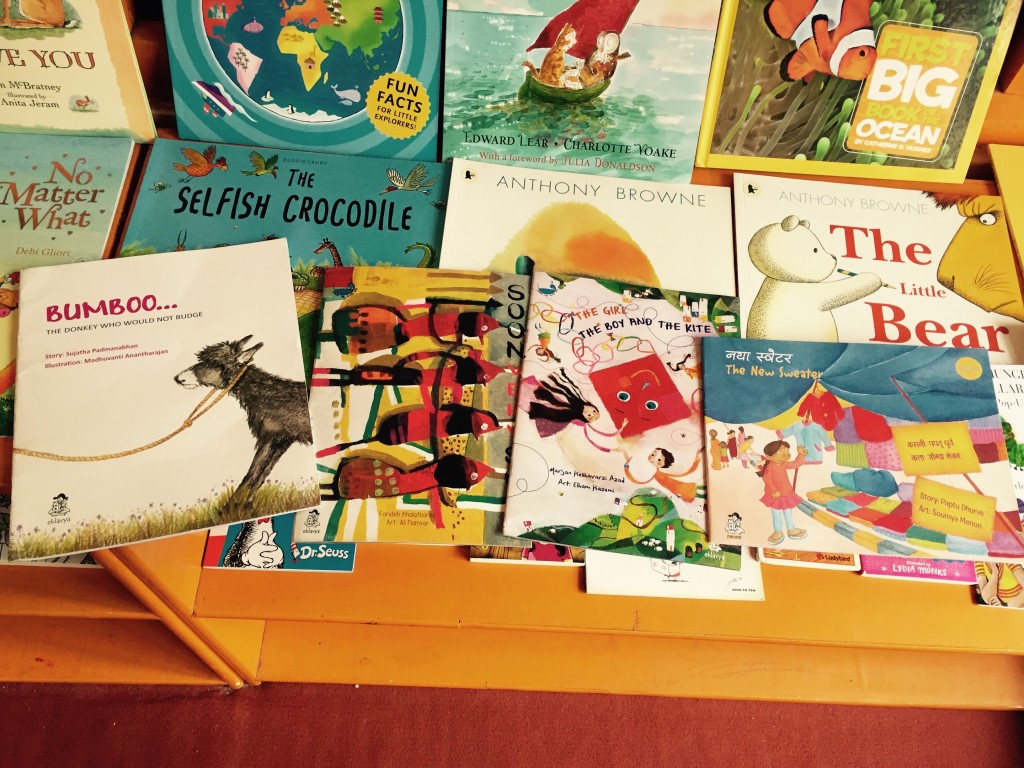
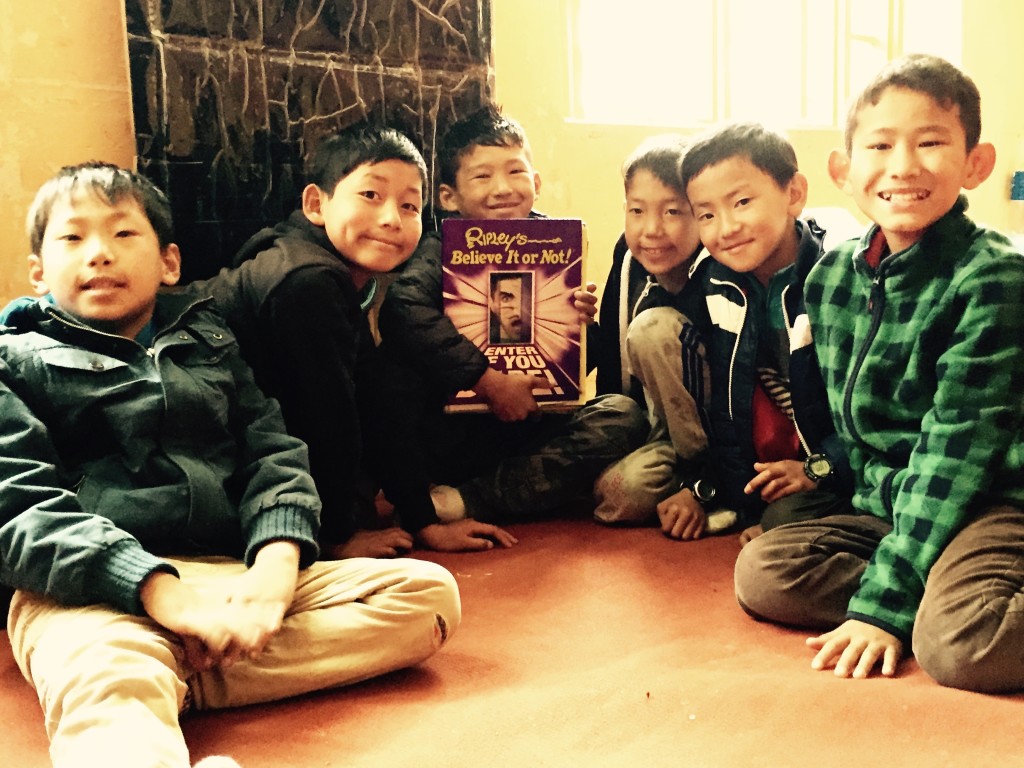
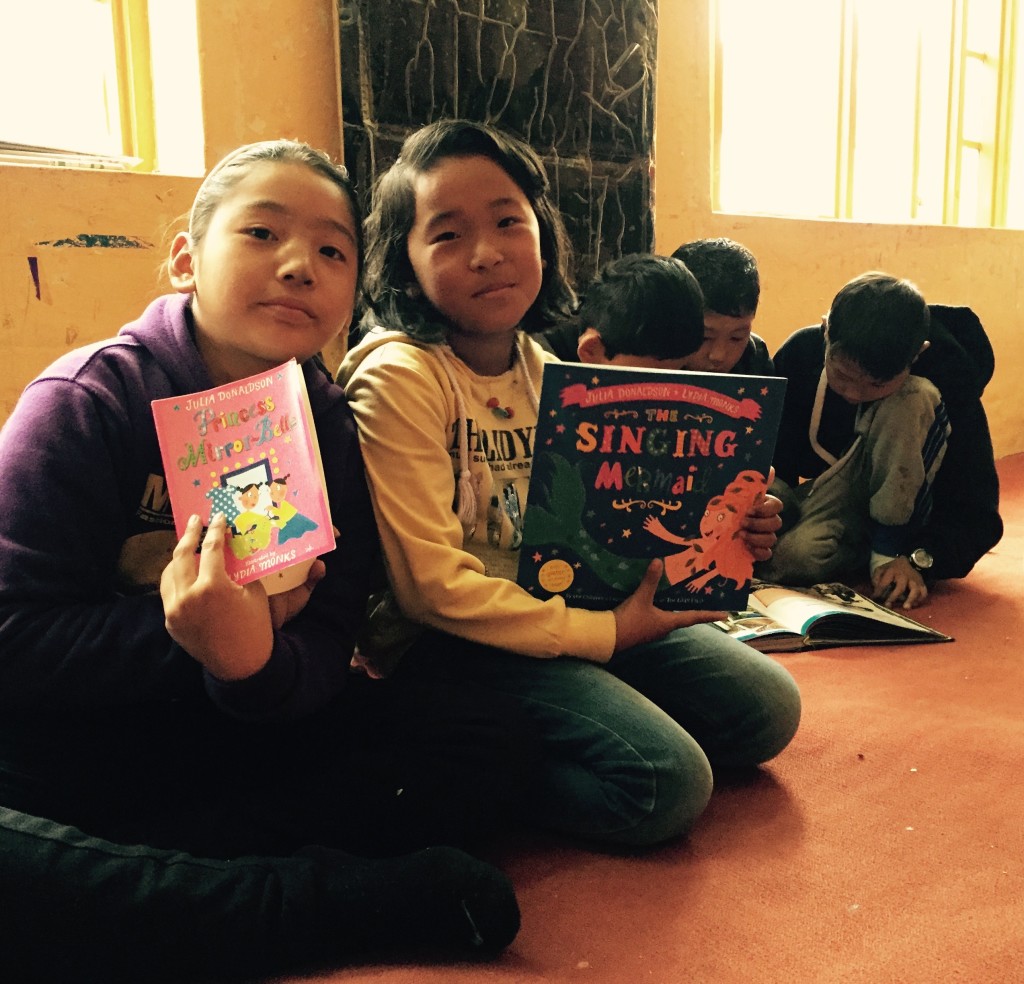
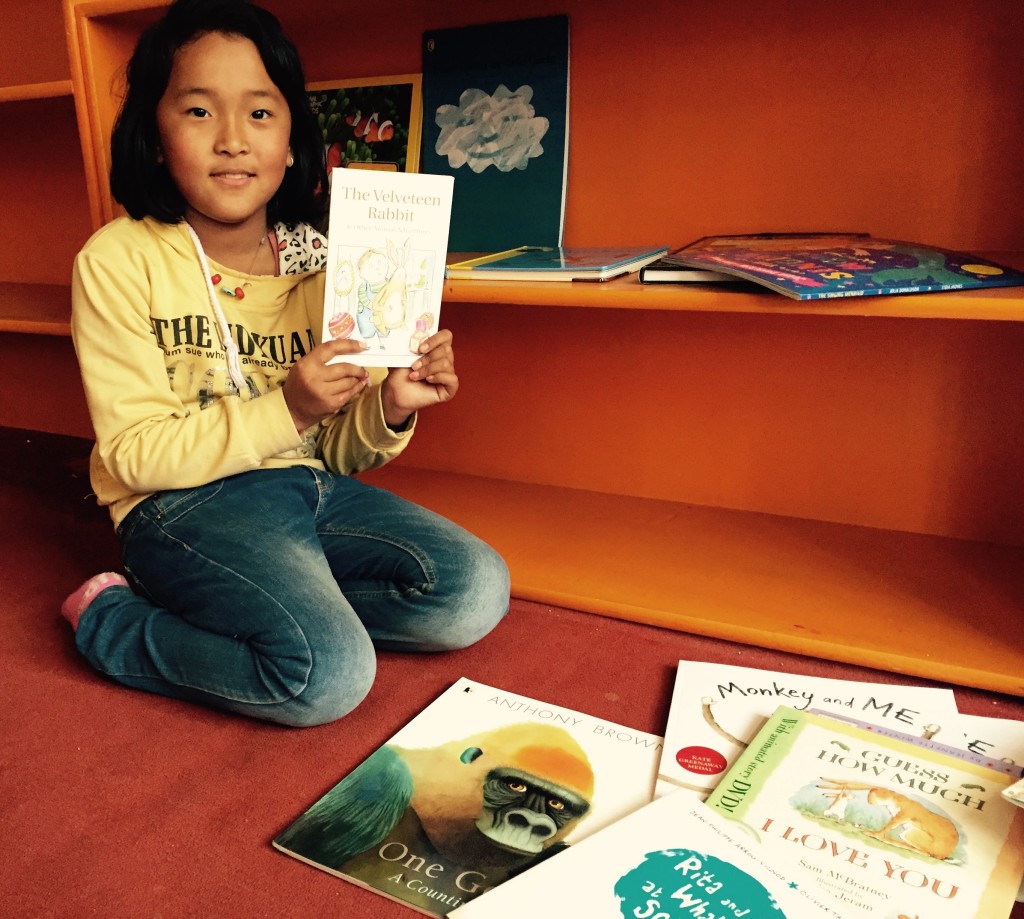
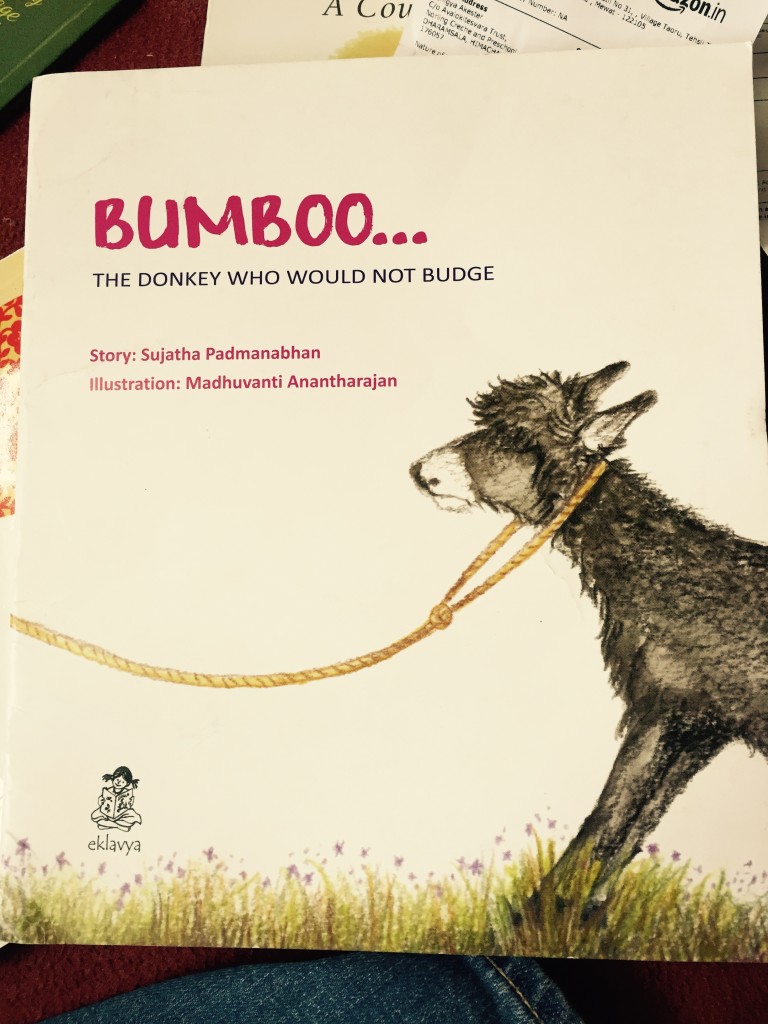
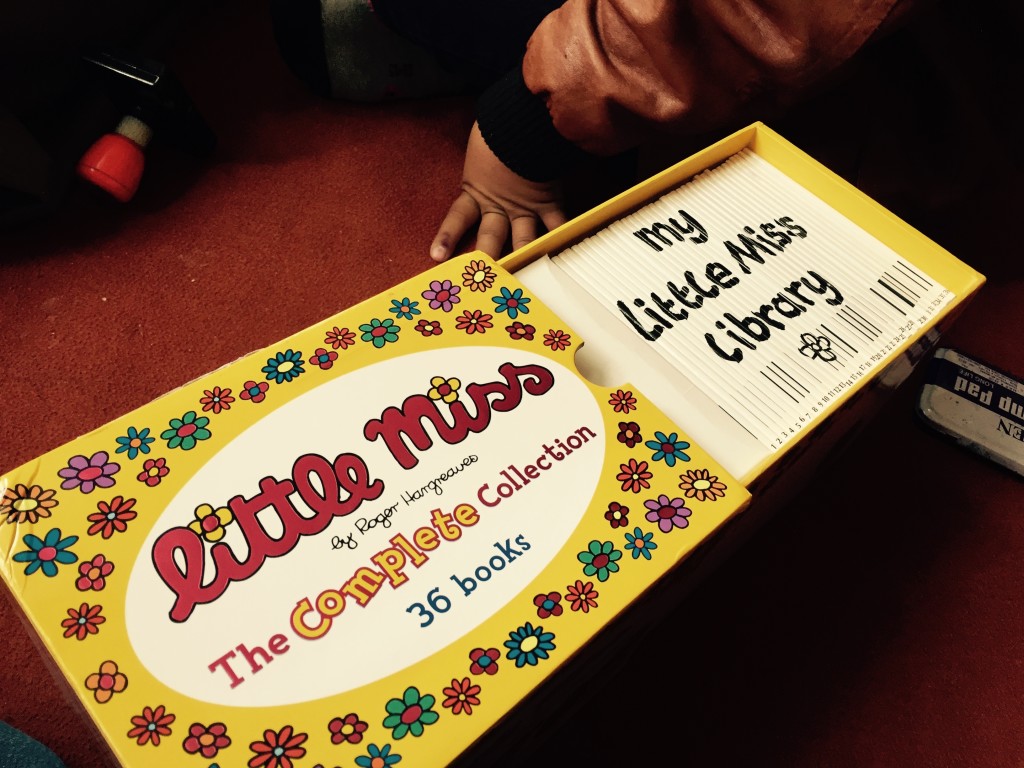
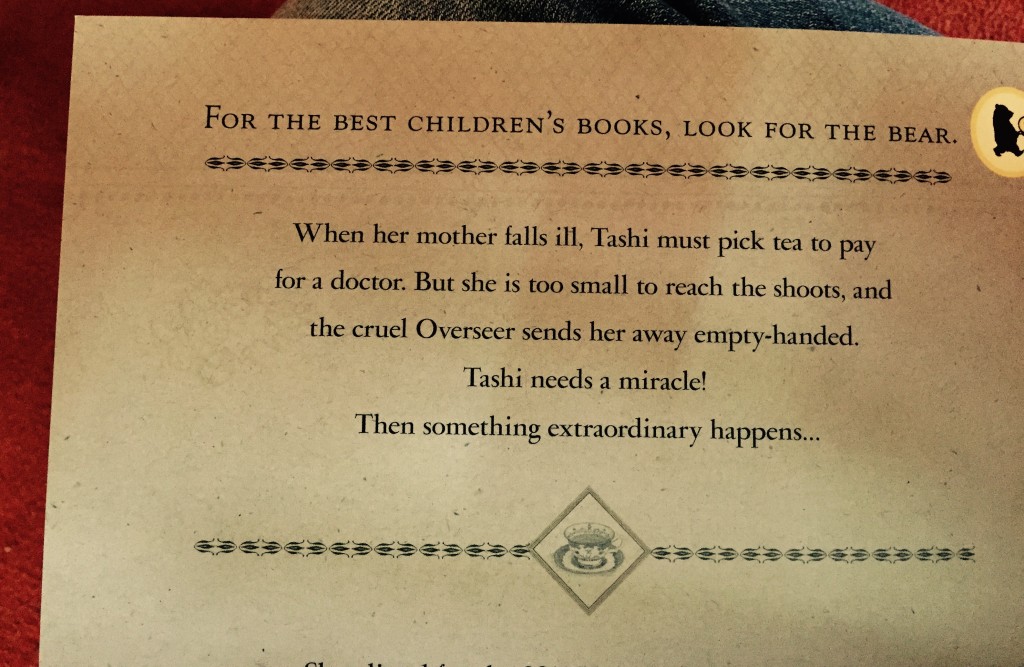
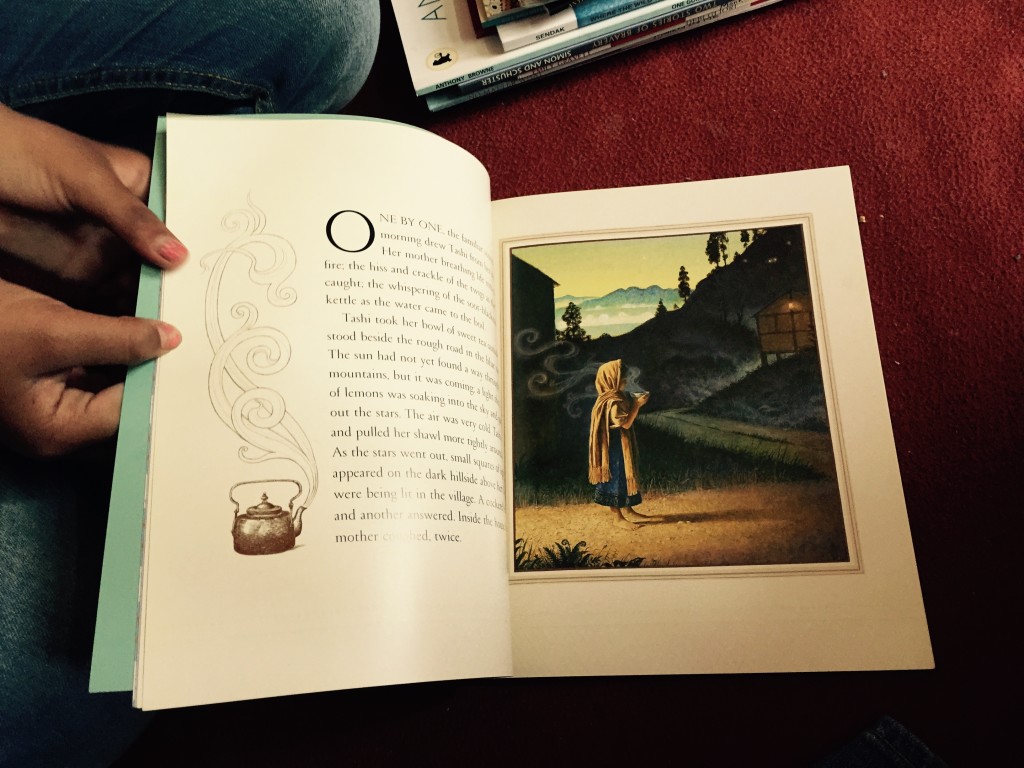
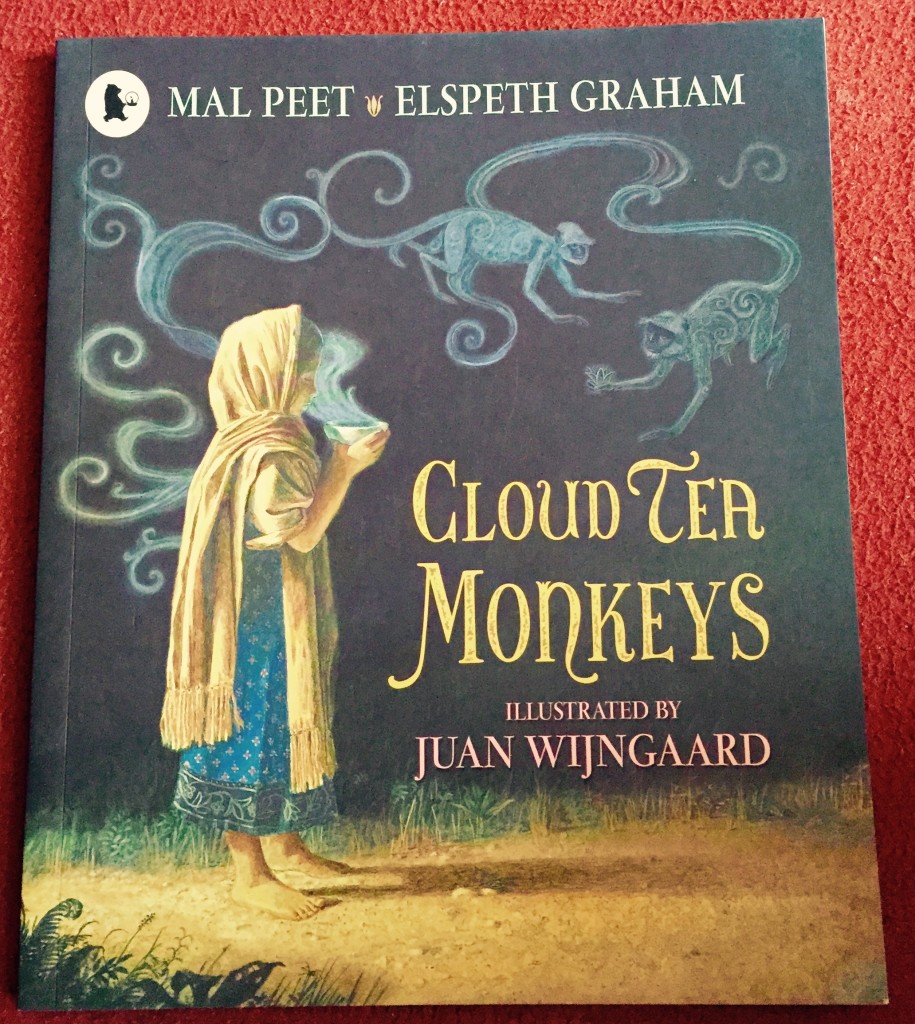
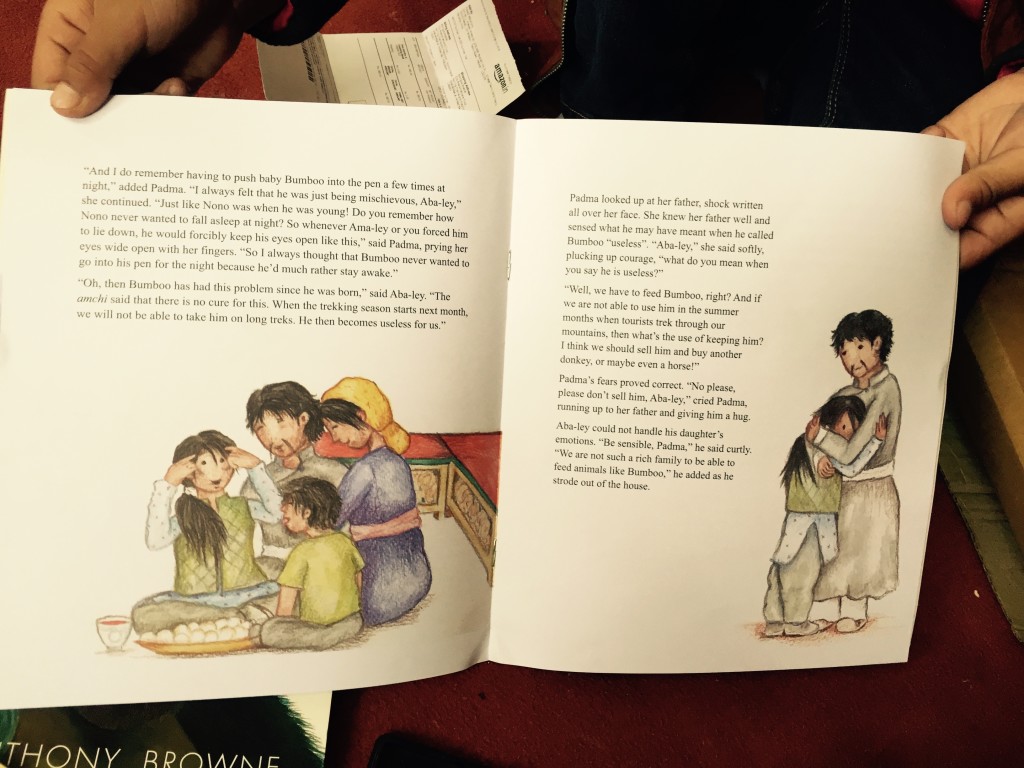
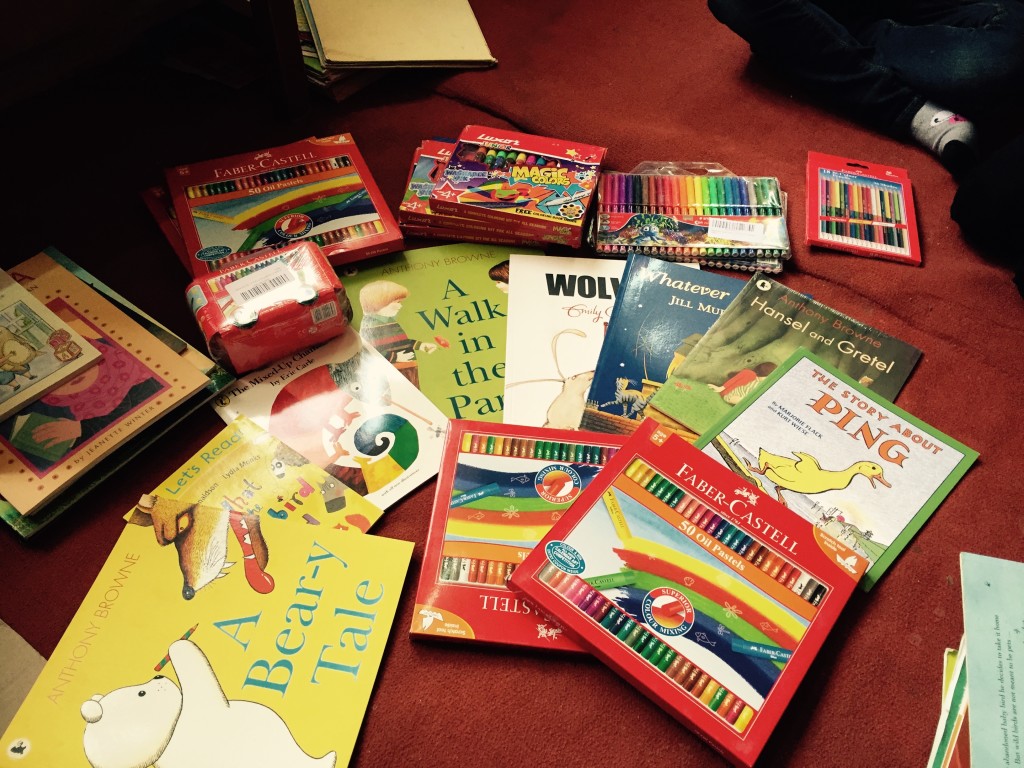
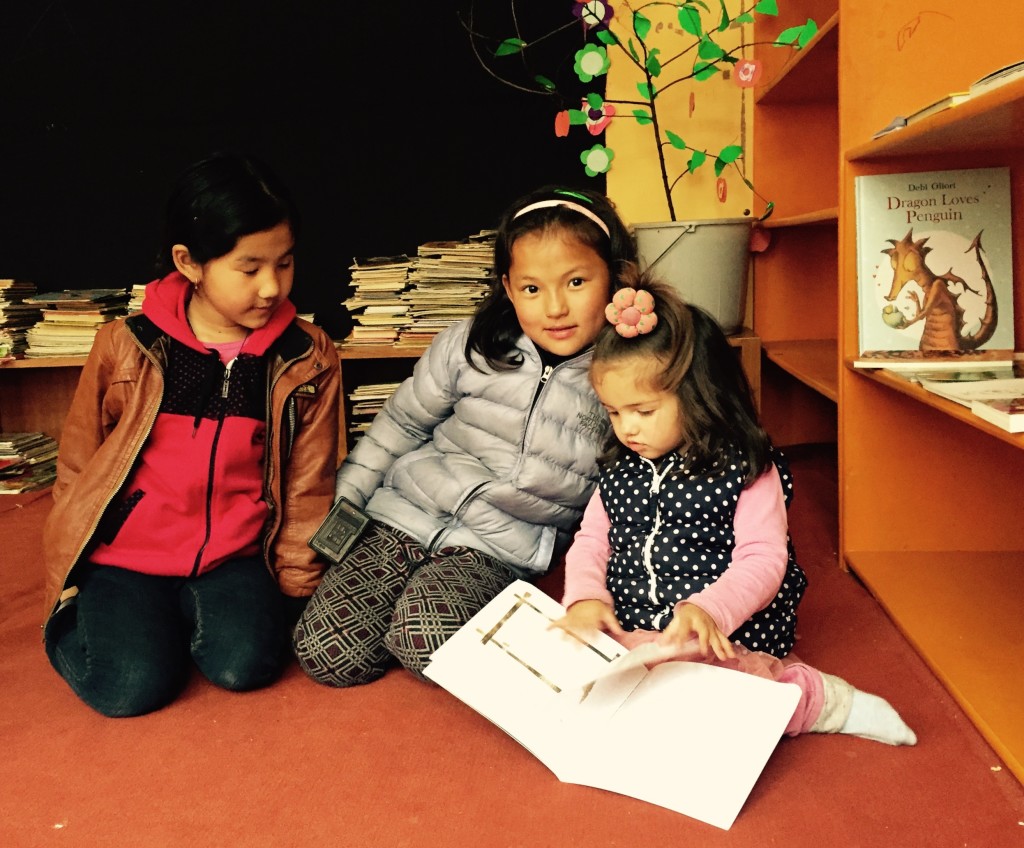
Current children’s fiction is often a strong choice because it supports vocabulary, imagination, and sustained attention. Picture books, early readers, chapter books, folktales, and graphic novels can serve different ages and reading abilities. Books with compelling plots and varied characters can make reading feel like an enjoyable activity rather than another assignment.
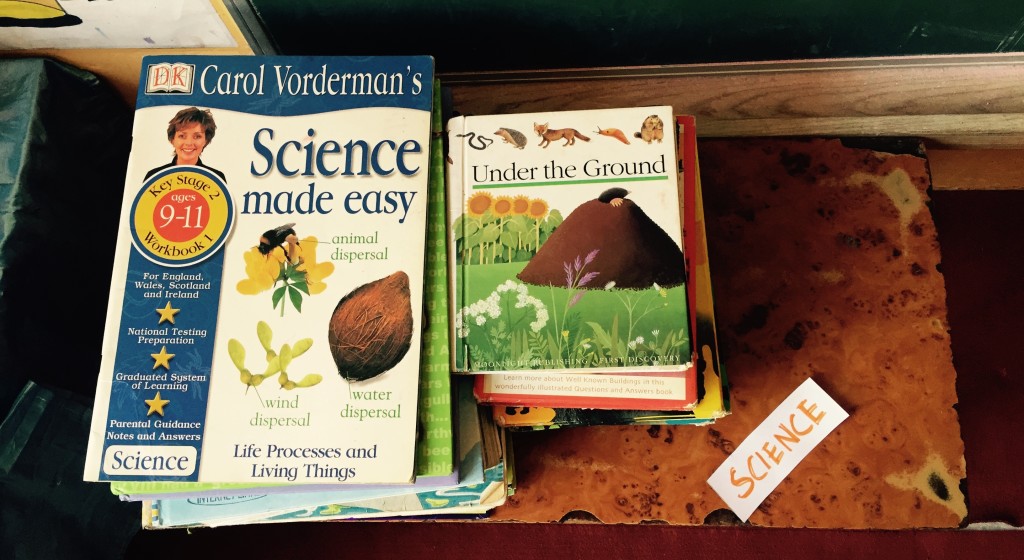
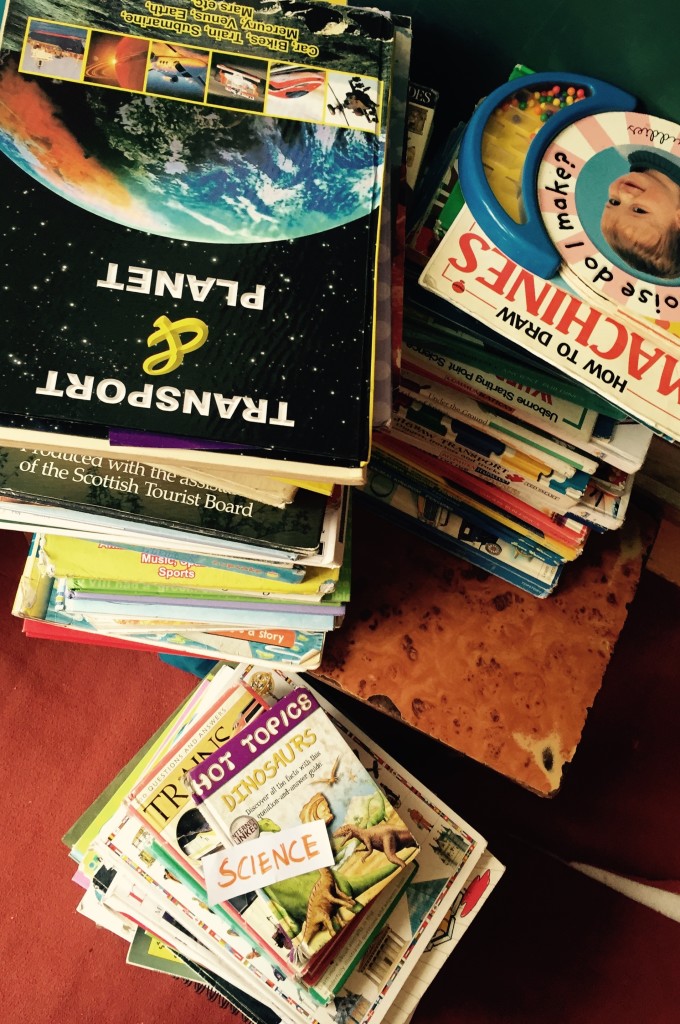
We also prioritize nonfiction that is accurate, visually clear, and broad in subject. Books about animals, astronomy, the natural world, inventions, artists, musicians, and explorers can encourage questions that continue beyond the page. Well-designed reference books and recent atlases can support schoolwork without being tied too narrowly to one curriculum.
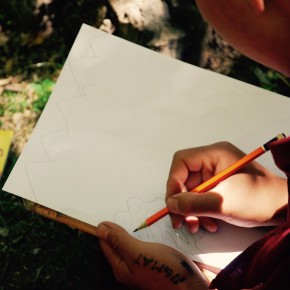
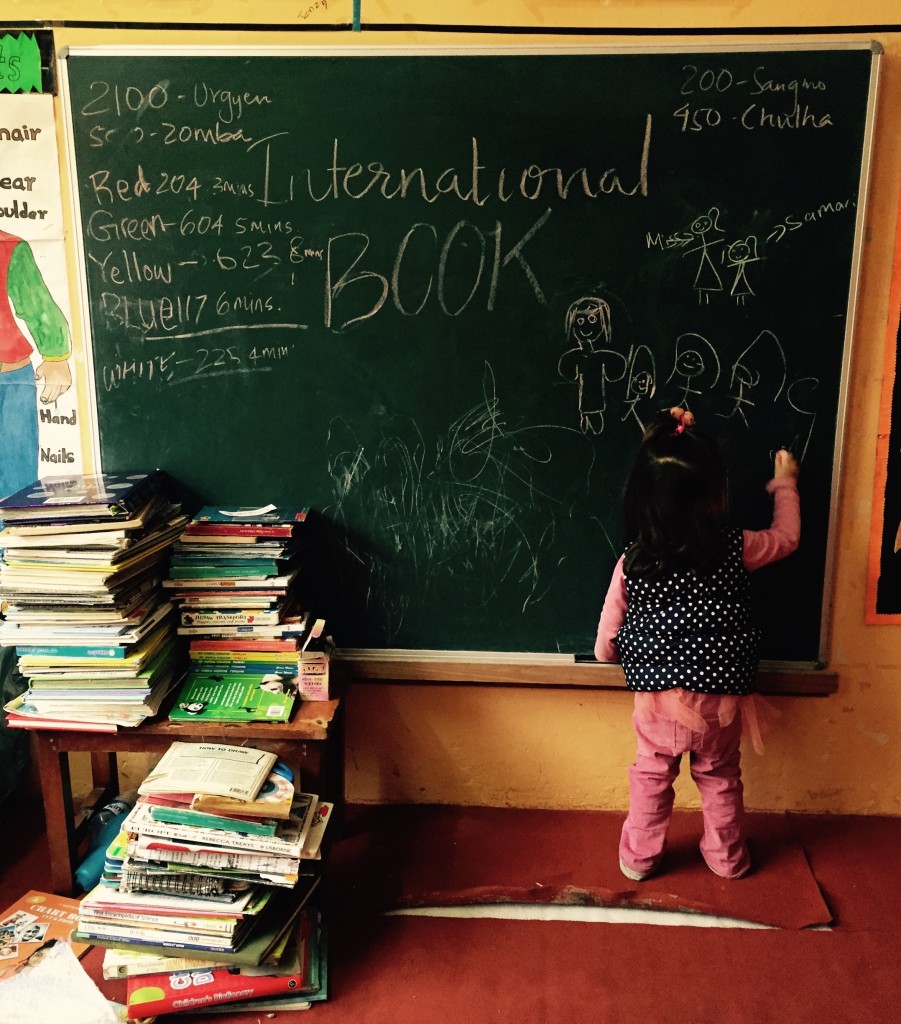
Creative materials have a special place in a learning collection. Drawing books, craft guides, music resources, poetry, drama activities, and age-appropriate puzzle books help children develop expression, concentration, and collaboration. These resources complement academic study by giving learners opportunities to make, perform, experiment, and communicate.
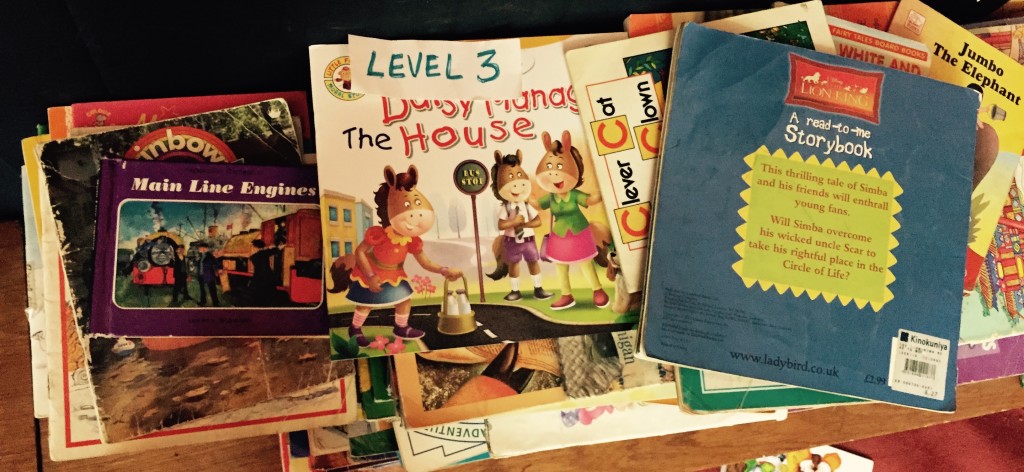
Durability matters as much as content. Sturdy bindings, readable print, clear illustrations, and manageable sizes help books withstand repeated use in shared reading rooms. We prefer complete, clean copies that can circulate among many children and remain useful over time.
Preparing A Thoughtful Donation
Donors can improve the value of a book shipment by reviewing each item before packing it. Check publication dates when facts may change, remove books with missing pages, and confirm that the reading level is appropriate. A simple inspection prevents unsuitable materials from taking up space in a community collection.
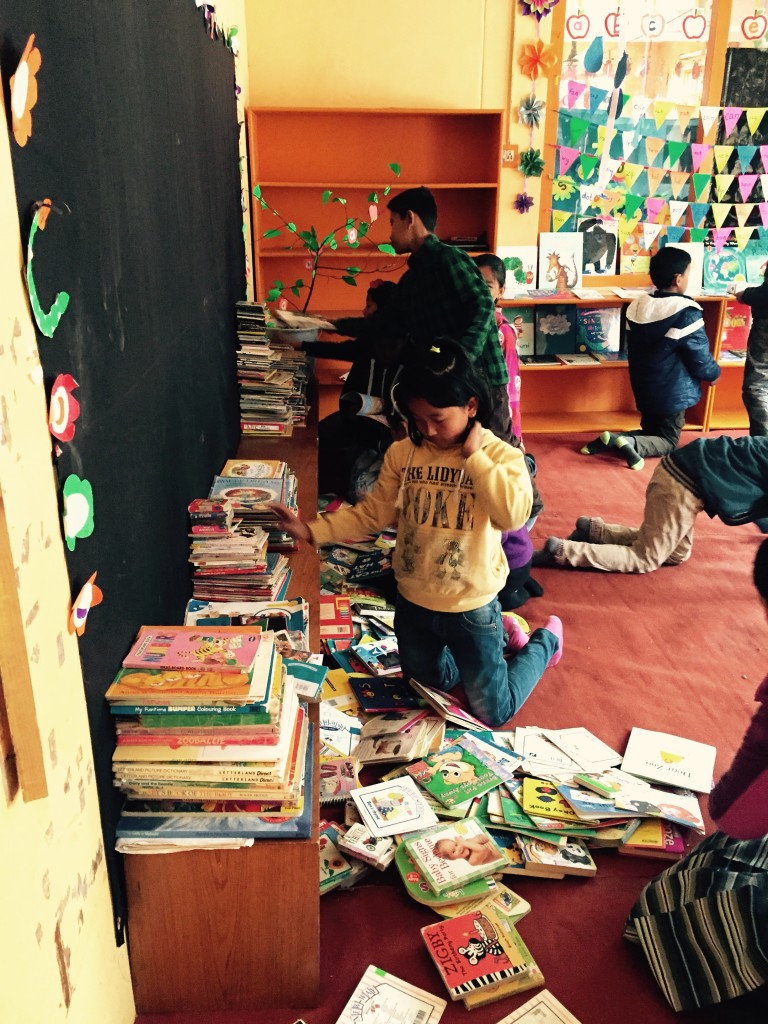
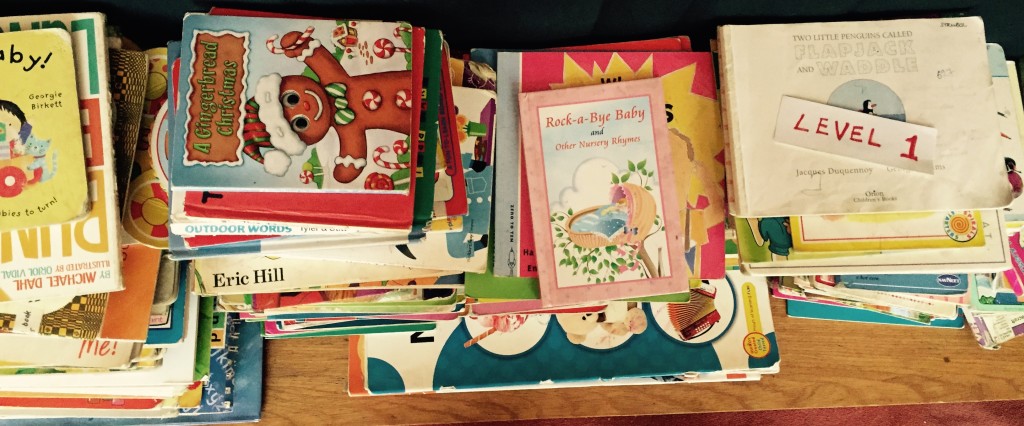
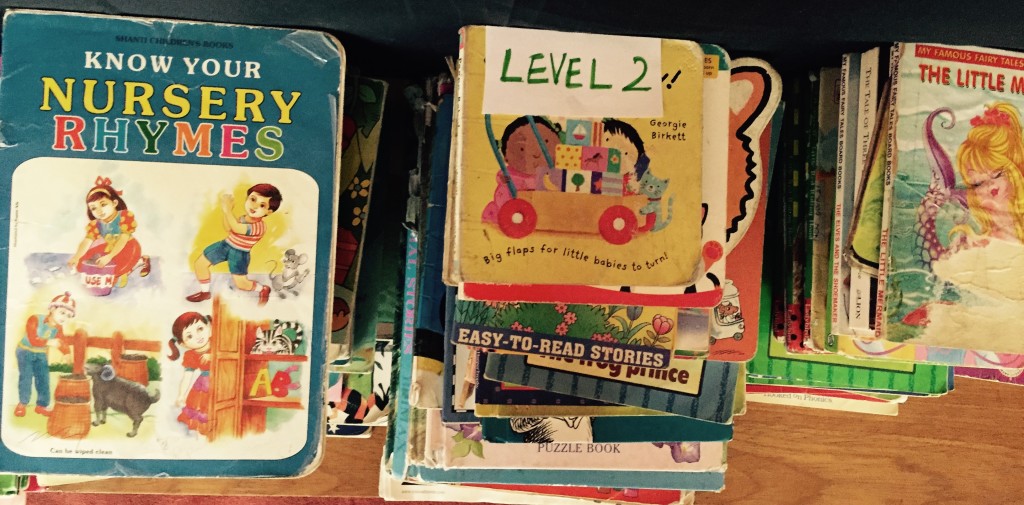
It is helpful to group books by broad category and age range. Labels such as “early readers,” “middle-grade fiction,” “science,” “art,” or “reference” make sorting easier for local coordinators. A short packing list can also help recipients understand what has arrived and identify any titles that need special handling.
Avoid sending materials that are strongly tied to a temporary school assignment, contain answer keys without the related exercises, or require expensive equipment. Books with culturally insensitive images or language should be reviewed carefully. Educational value includes respect, representation, and the ability to use a resource without extensive explanation.
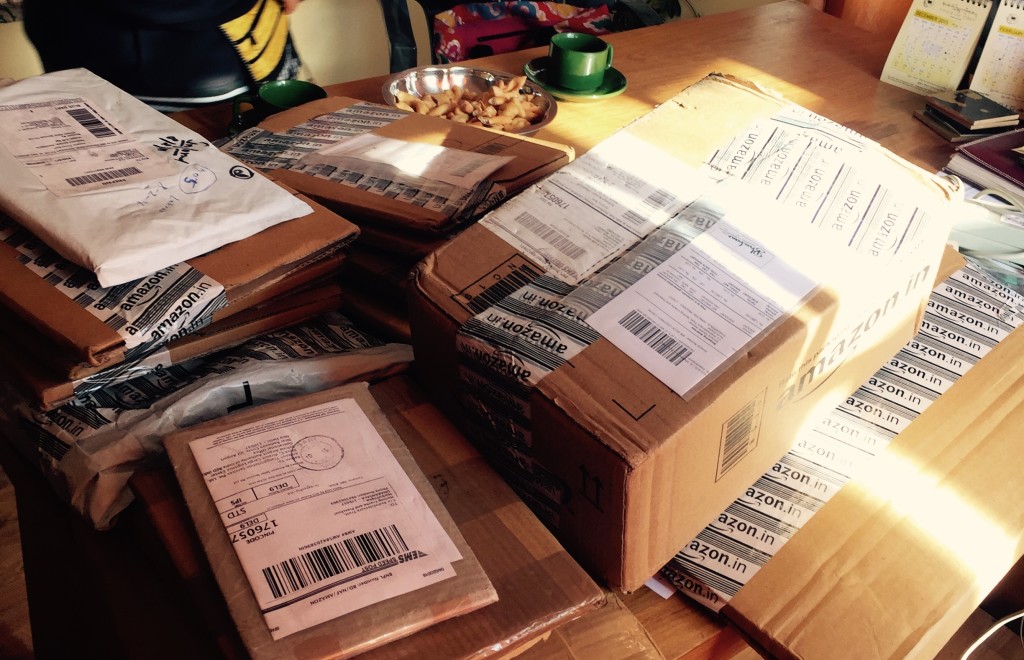
When possible, donors should coordinate with the organization receiving the books before shipping. Local knowledge is essential for understanding current priorities, available storage, language needs, and age groups. A smaller shipment selected with care is often more useful than a large unsorted box.
A Better Giving Checklist
Before donating books or educational supplies, use these practical checks:
- Is the information current for its subject, especially in science, health, technology, and geography?
- Is the book complete, clean, durable, and easy to read?
- Does it suit a clear age group or reading level?
- Can children use it without specialized equipment, local curriculum materials, or internet access?
- Does the collection include stories, nonfiction, art, music, puzzles, or other creative choices?
Thoughtful giving also means accepting that some books may not be suitable for shipment. Passing them to a local library, school, resale program, or recycling service can be more responsible than sending them far away. The aim is to support learning, not to relocate unwanted materials.
Donations can include more than books. Funds may help purchase current titles locally, equip reading rooms, organize activities, or cover transport. This flexibility allows educational programs to respond to actual needs instead of relying entirely on whatever happens to be available elsewhere.
When resources are selected with care, every parcel becomes part of a larger learning environment. Children gain access to stories that spark imagination, reference books that answer questions, and creative materials that encourage confidence. Donors, in turn, can see their contribution as a meaningful investment rather than a simple clear-out.
Support literacy and creativity in Himalayan communities by choosing useful, current resources or contributing toward materials selected for local needs. A carefully chosen book can begin a conversation, strengthen a new skill, or lead a child toward a lifelong love of learning.