Learning Beyond the Signal: Internet Access in Himalayan Communities
For children and young monks in the Himalayan region, learning often takes place across dramatic distances. A village may be separated from the nearest town by mountain passes, changing weather, and roads that are difficult to travel. In these communities, access to books, teachers, and creative activities can depend on resources that are easy to overlook in better-connected places.
Internet access can expand educational possibilities, yet a signal alone does not solve every problem. A slow connection, an expensive data plan, a shared phone, or an unreliable power supply may prevent children from using online lessons consistently. Digital learning works best when it is shaped around local realities rather than copied from urban classrooms.
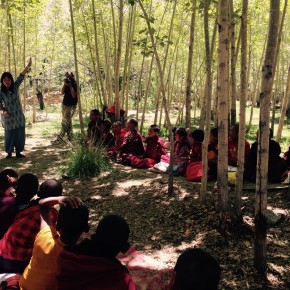
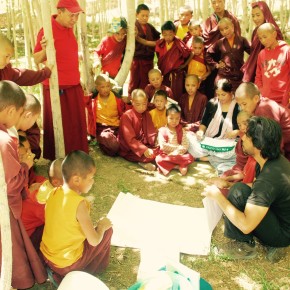
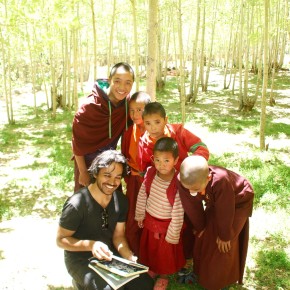
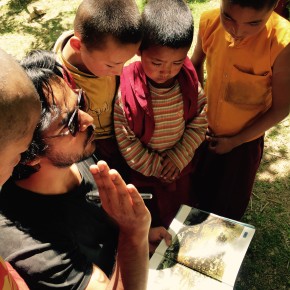
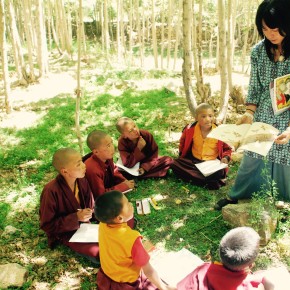
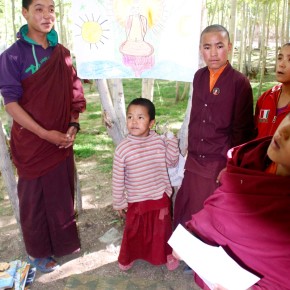
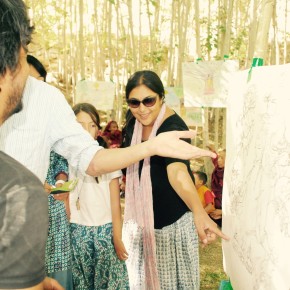
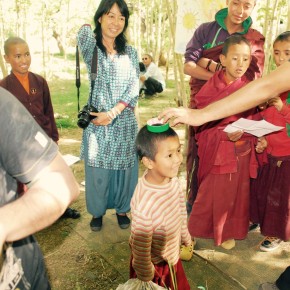
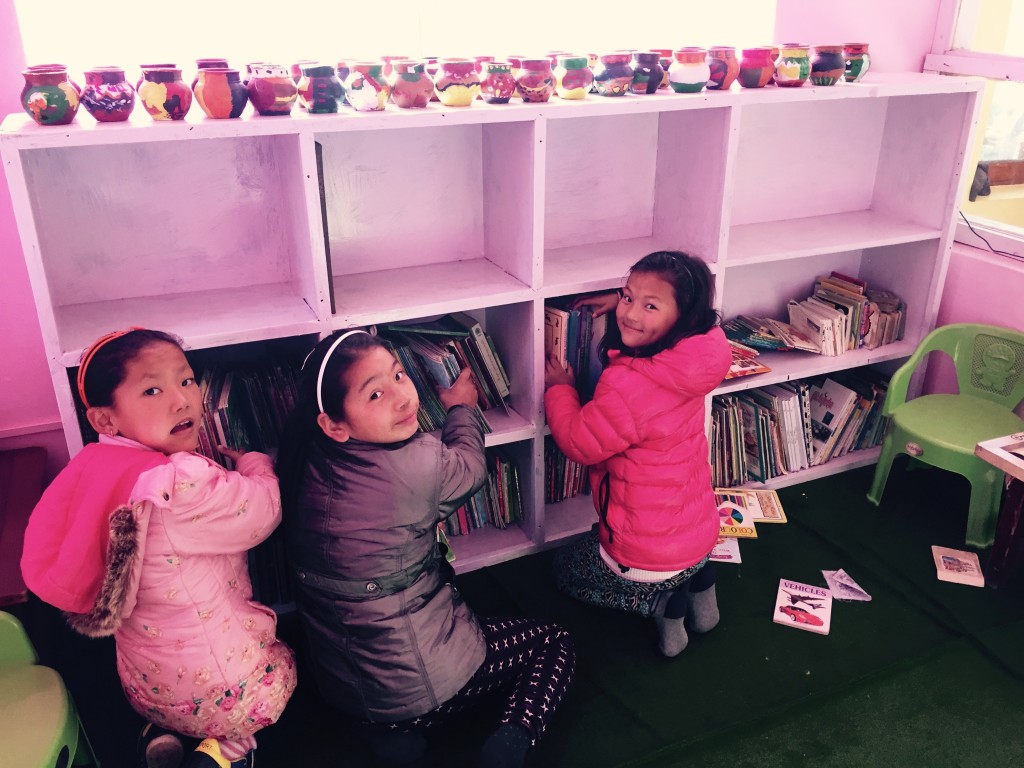
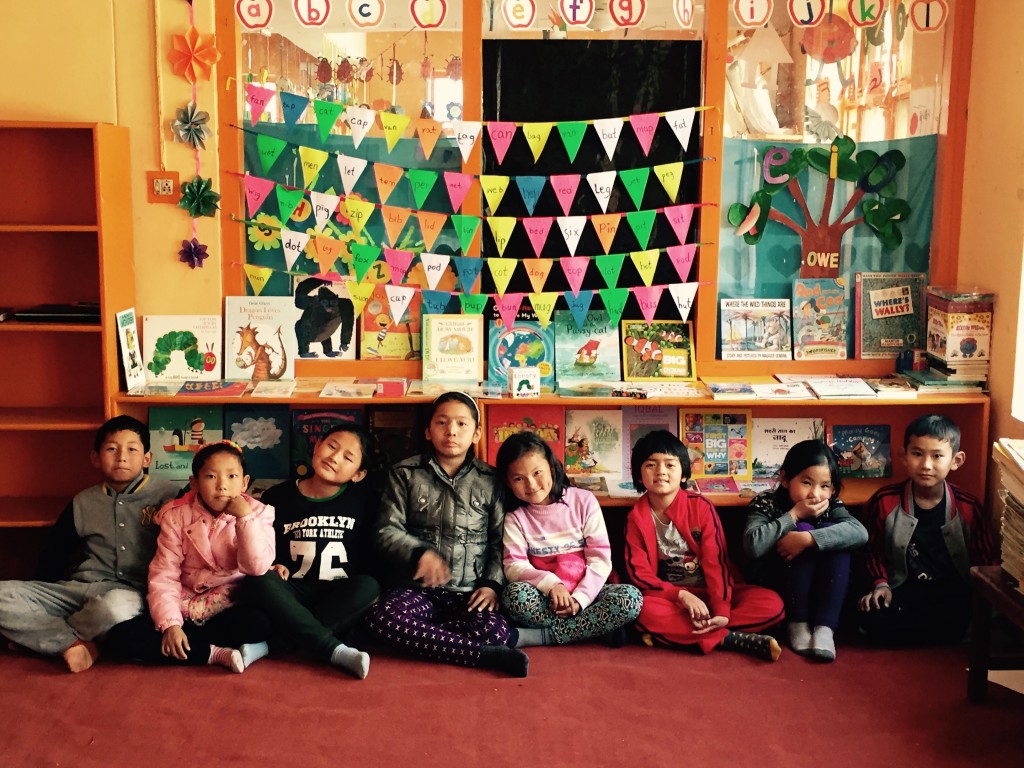
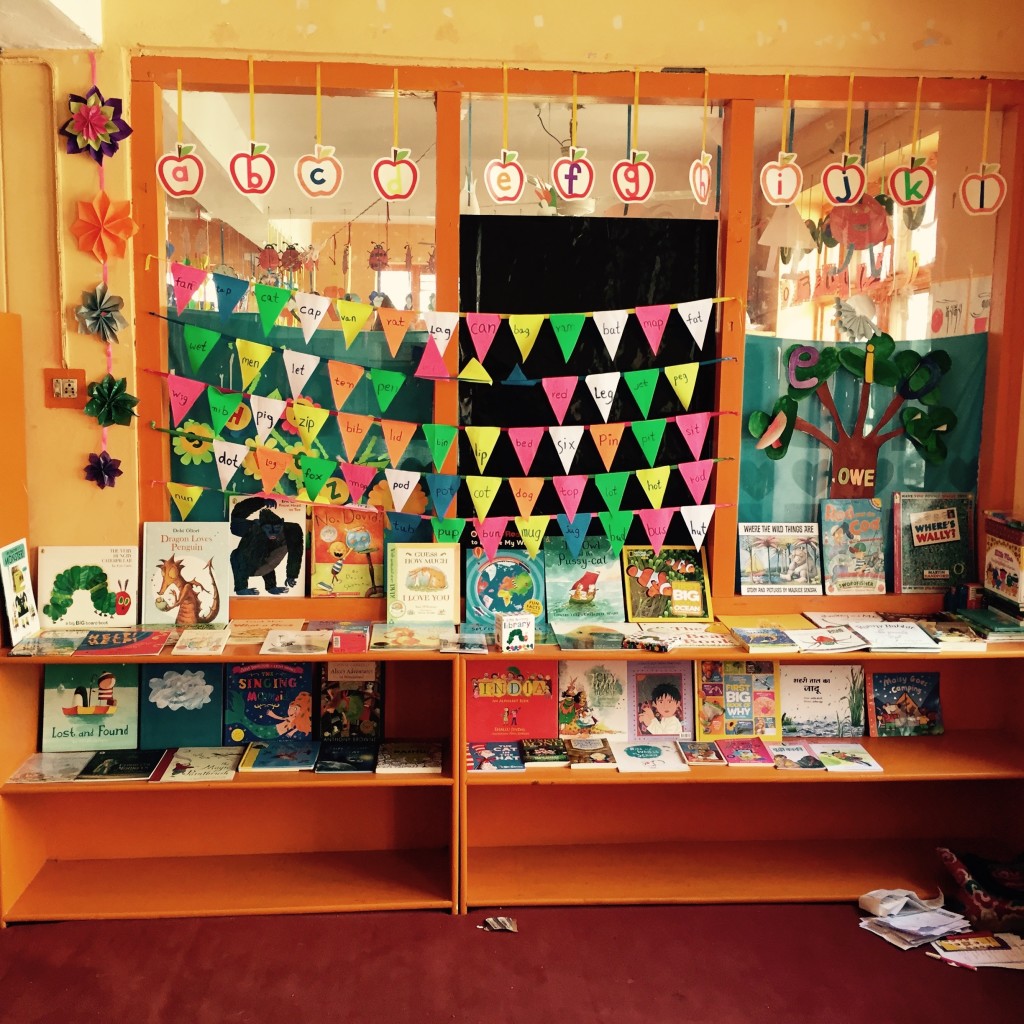
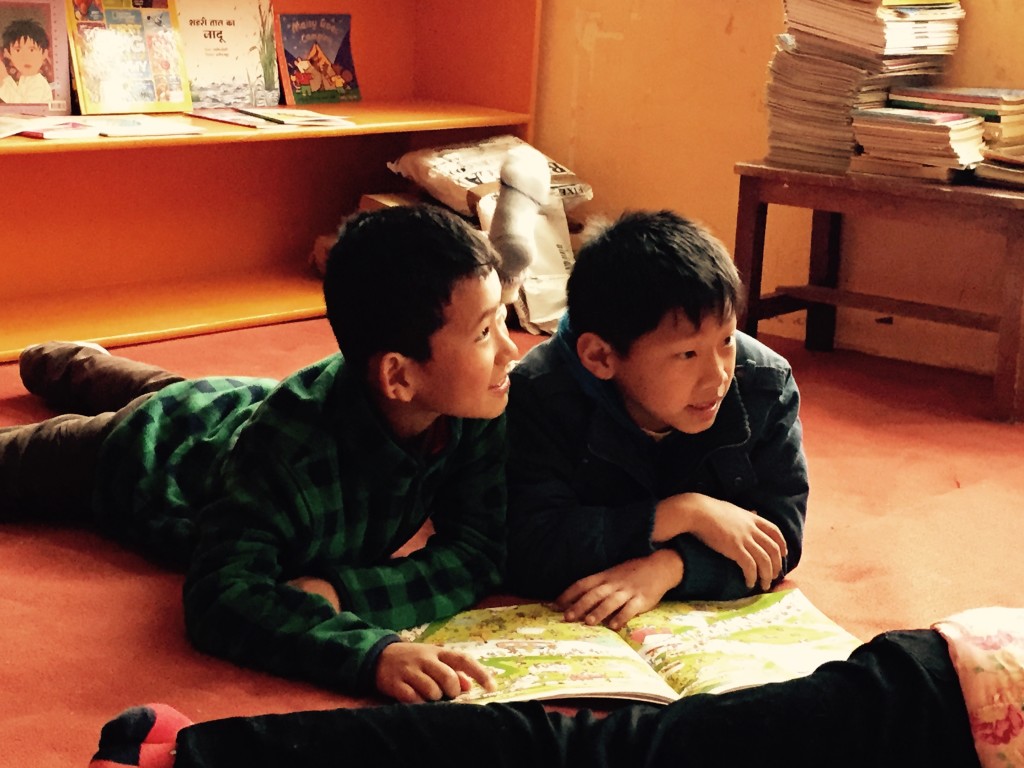
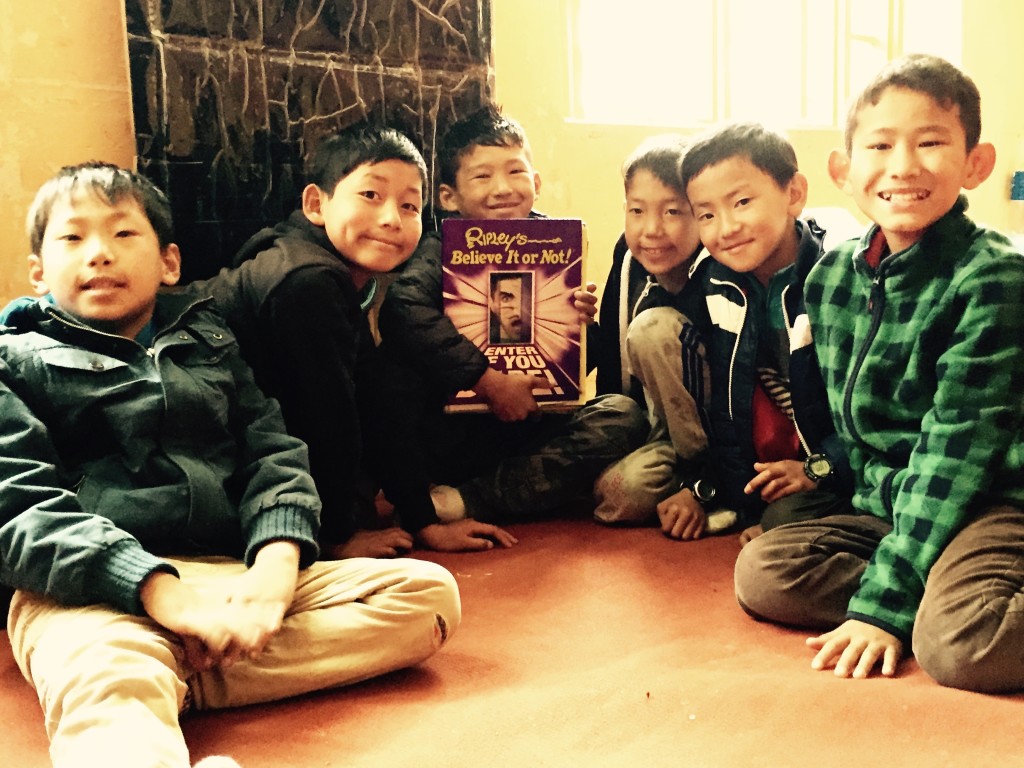
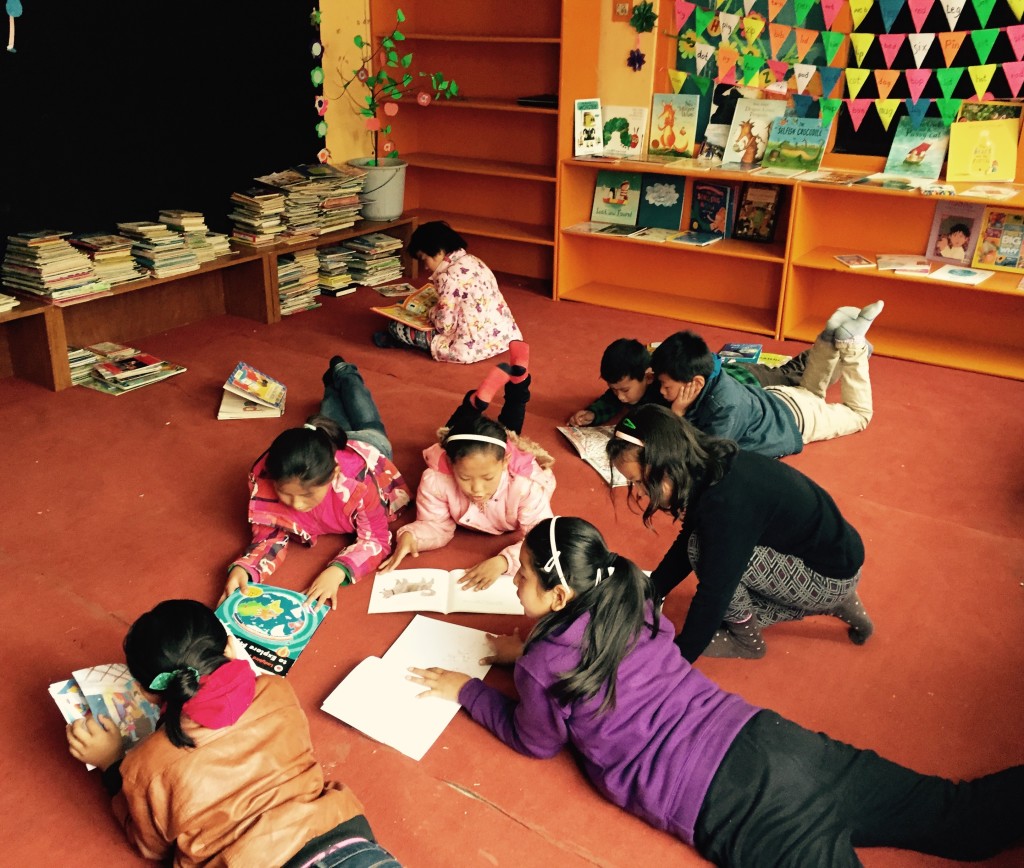
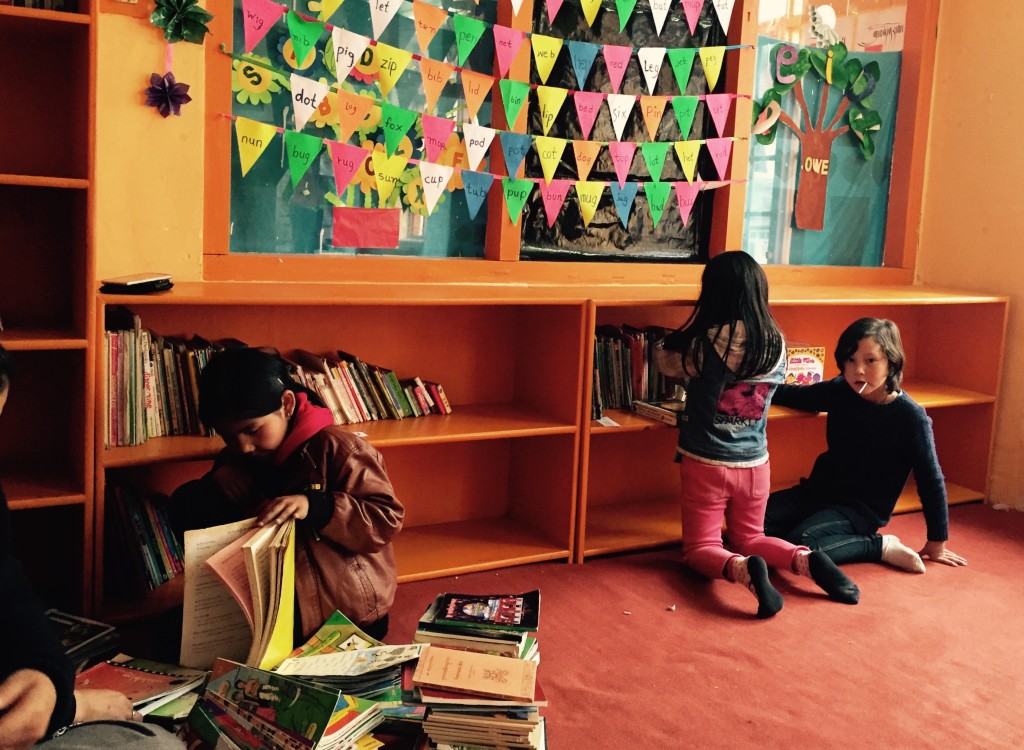
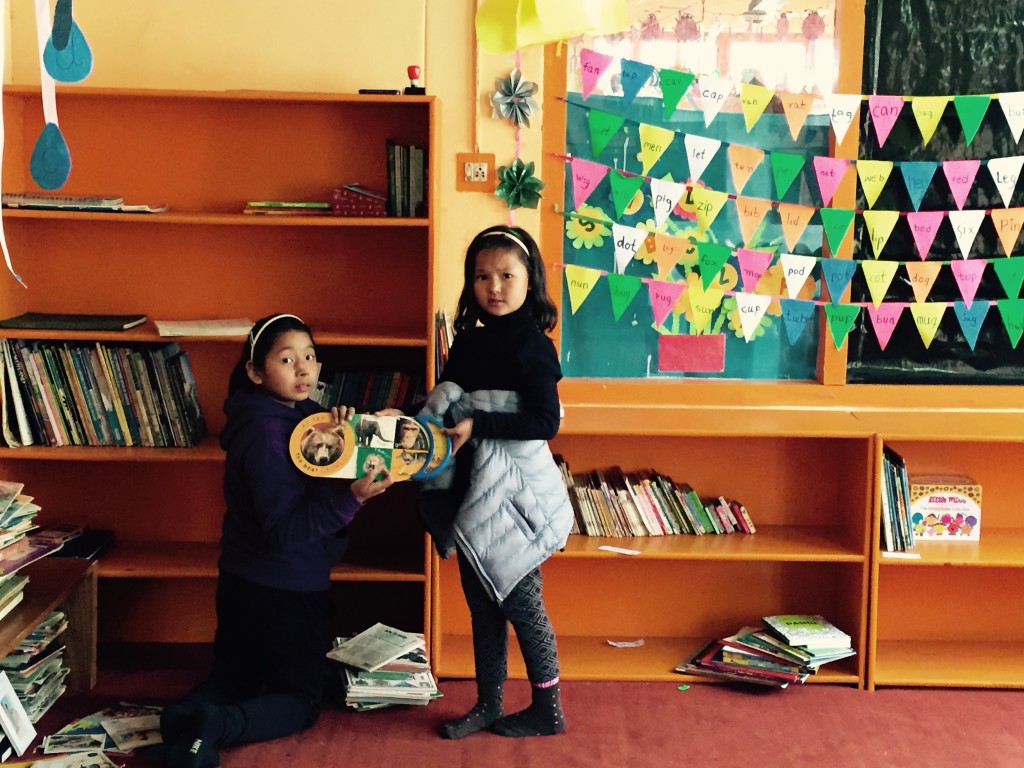
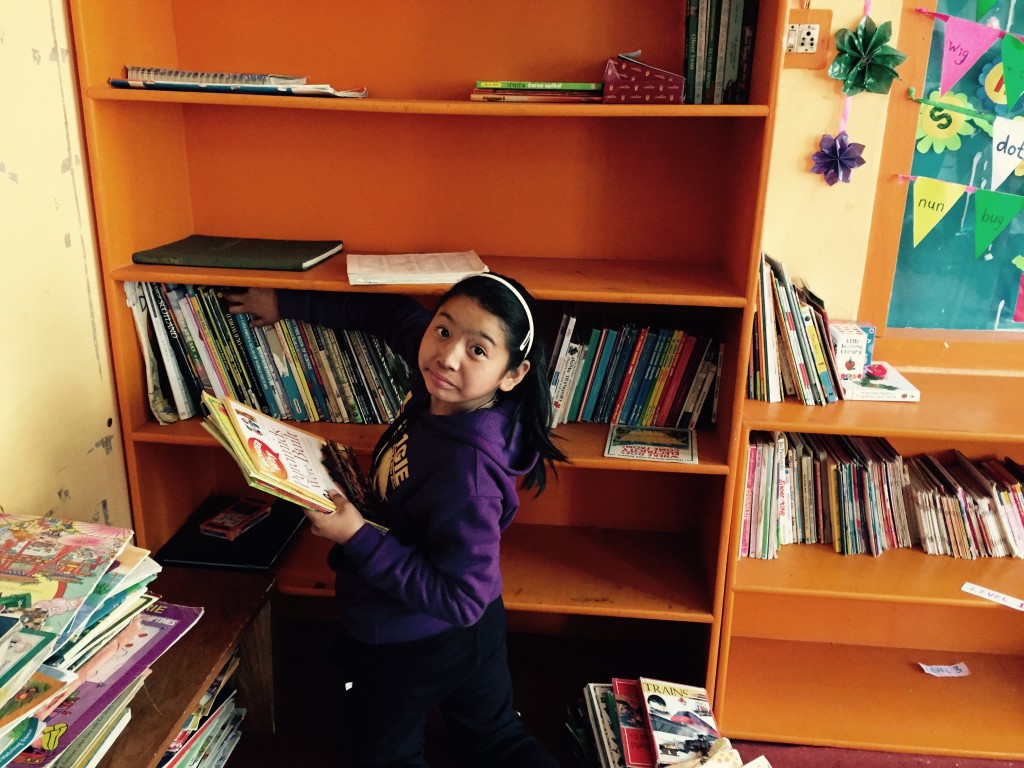
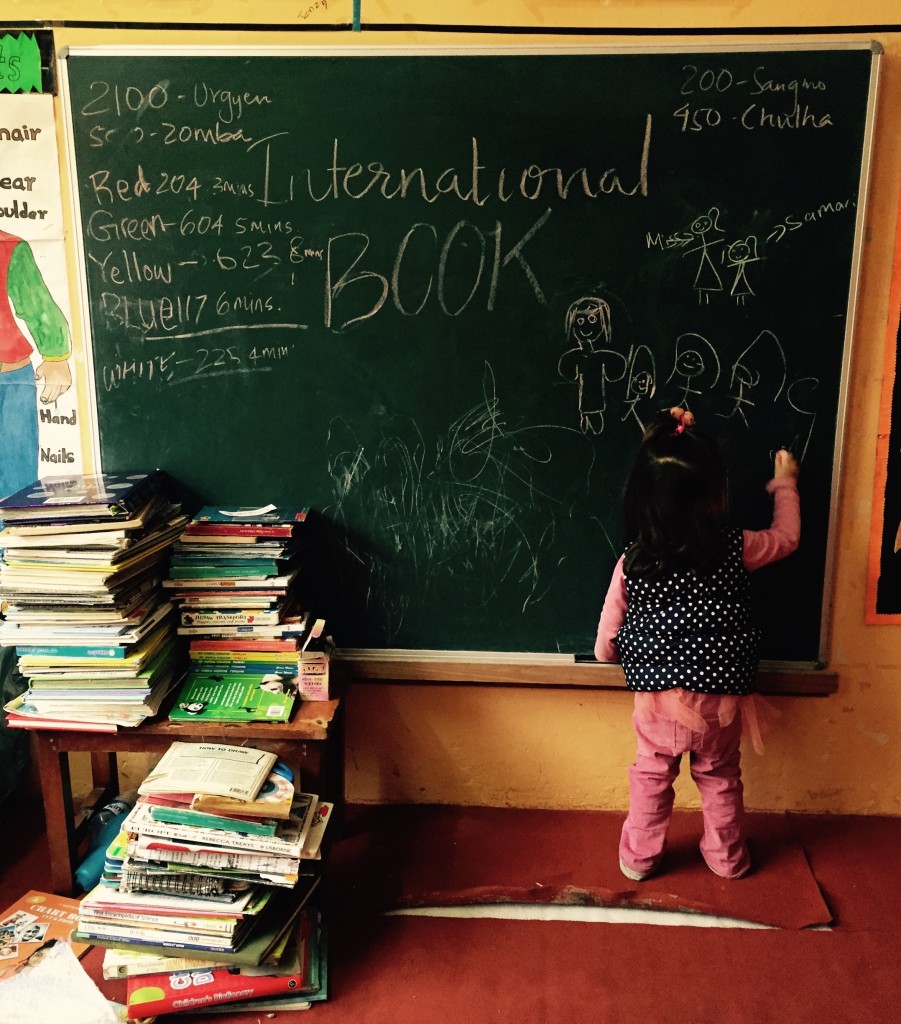
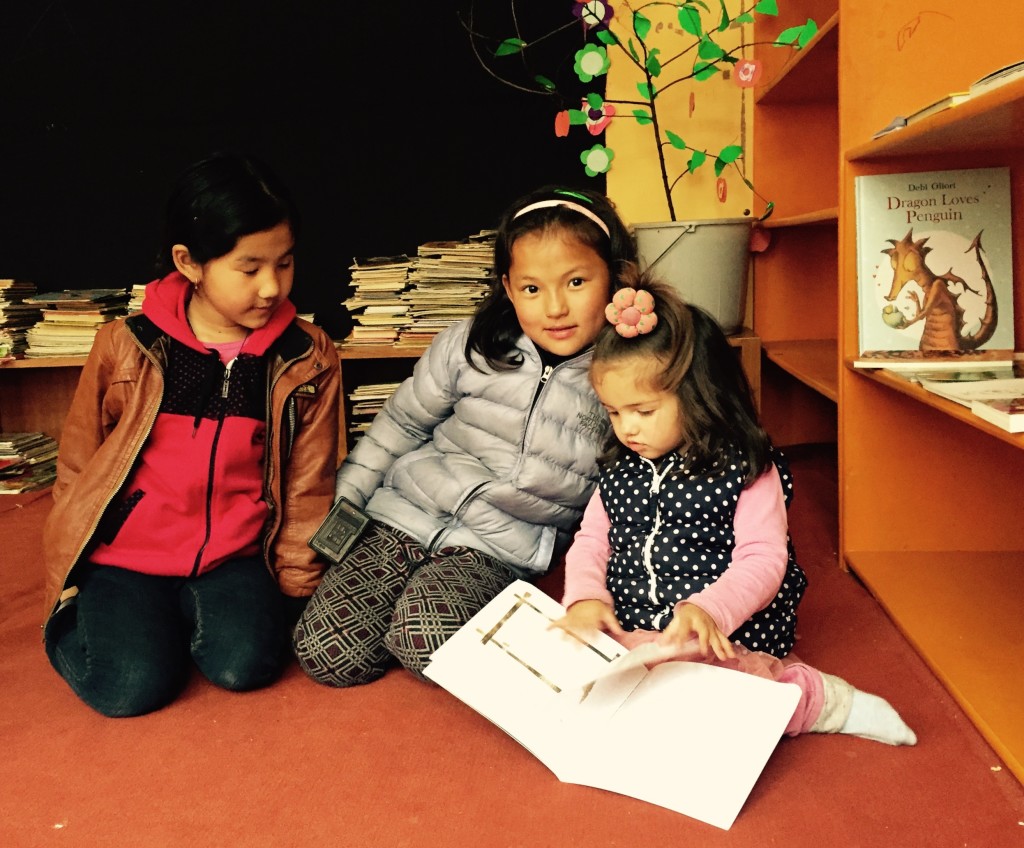
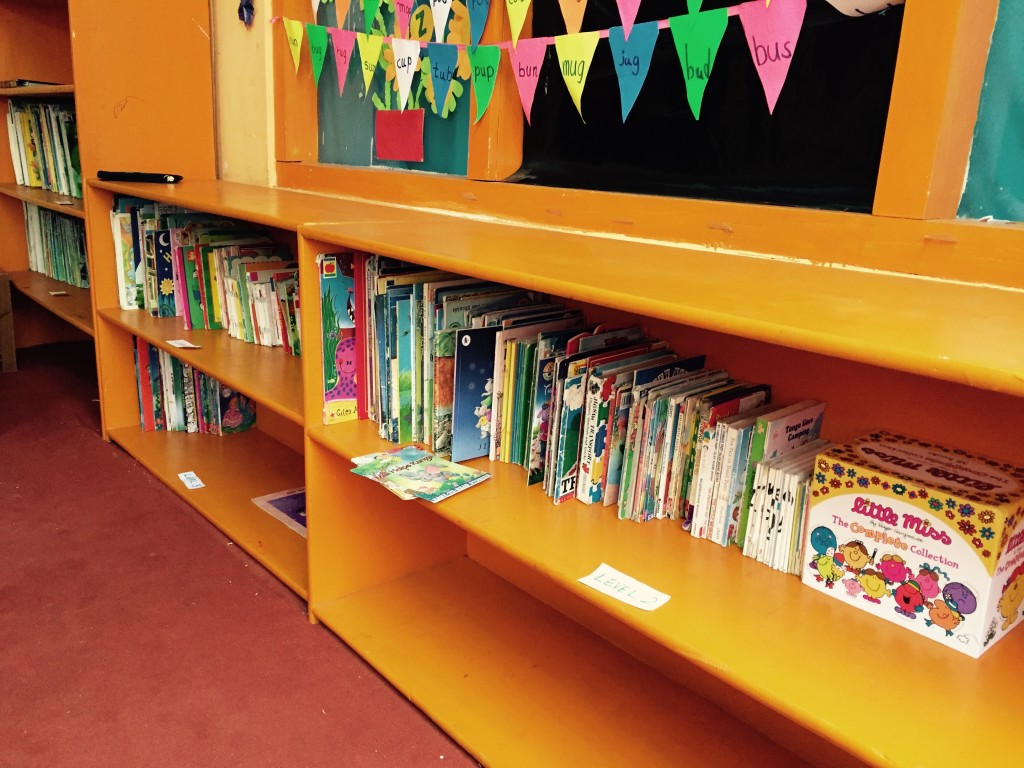
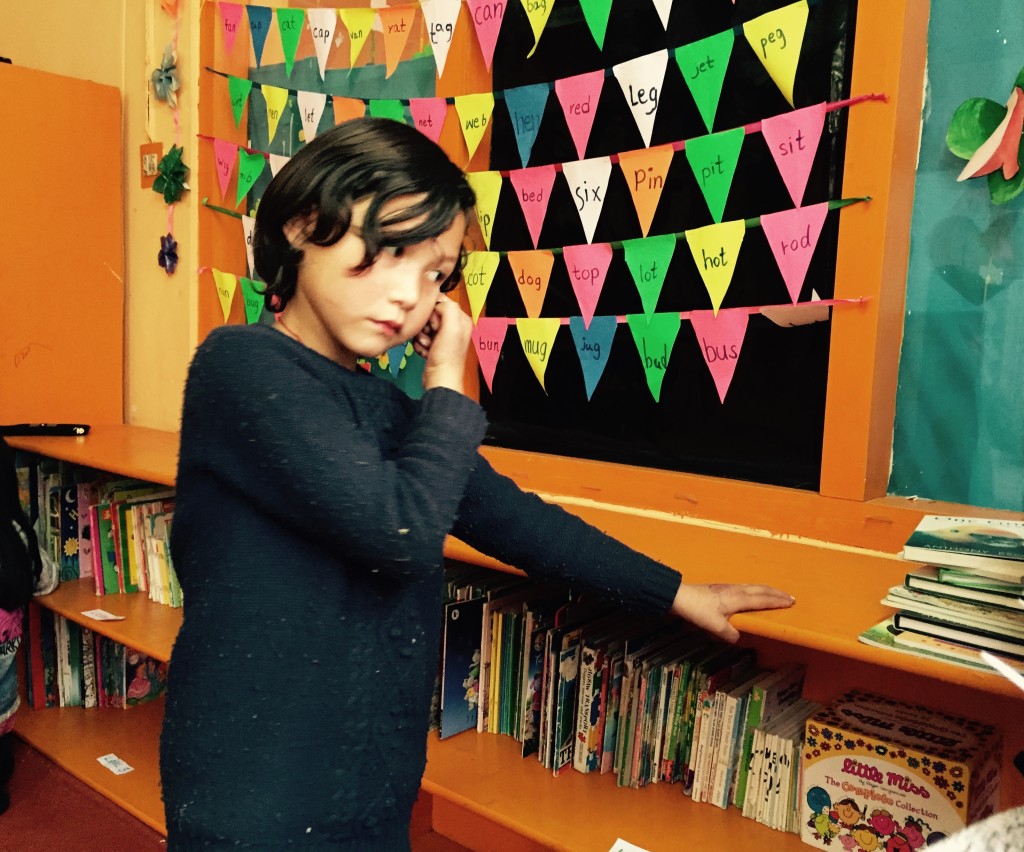
At Avalokiteśvara Trust, reading rooms, book drives, and arts programs provide dependable spaces for children to explore ideas. These spaces also help young learners use technology thoughtfully, combining online information with printed books, conversation, drawing, music, and hands-on discovery.
Distance Shapes Digital Learning
Mountain geography creates practical barriers to connectivity. Wireless infrastructure can be costly to install across steep valleys, while winter conditions and landslides may interrupt roads, electricity, or maintenance visits. Some communities receive a mobile signal only in particular locations, making a simple online assignment much harder than it appears.
Household circumstances matter as well. Several children may share one smartphone, and a device used by adults for work or communication may not be available during study hours. Families may need to prioritize food, transport, and heating over mobile data. These factors form part of the digital divide, which is measured by affordability, reliability, device access, and the skills needed to use technology effectively.
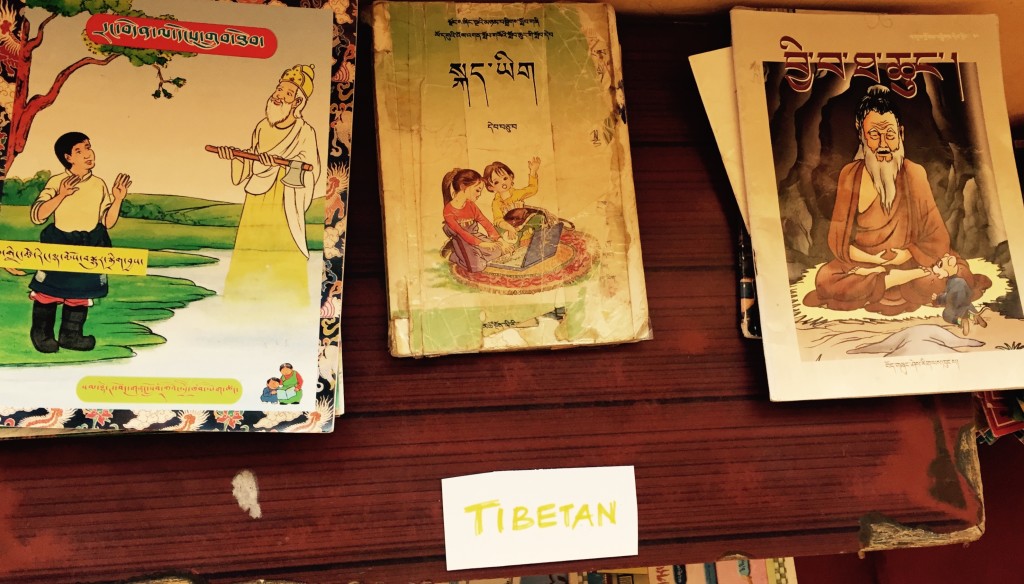
Language can add another layer of difficulty. Many educational websites are designed for fluent English speakers, while children may be more comfortable learning in Ladakhi, Tibetan, Hindi, or another local language. When online materials do not reflect the learner’s language or culture, digital access may exist technically without creating meaningful educational access.
What Limited Connectivity Looks Like
Internet access and learning are often discussed as if every student can stream a video, join a live class, and download large files. In remote Himalayan settlements, this model may consume too much bandwidth or data. A lesson that works smoothly in a city can become an expensive and frustrating experience when the signal drops repeatedly.
Teachers, volunteers, and community leaders therefore need to understand the difference between being connected and being able to learn online. A child may reach a website but be unable to complete an activity because images load slowly. A young monk may download a file once but lack the storage space or software to open it. Another learner may need guidance to recognize unreliable information or protect personal details.
These challenges do not make technology irrelevant. They point toward more flexible methods: compressed educational files, downloadable audio, text-based resources, offline libraries, and short activities that can be completed without a continuous connection. Good educational technology respects the limits of the network instead of treating those limits as personal failures.
Offline First Learning Spaces
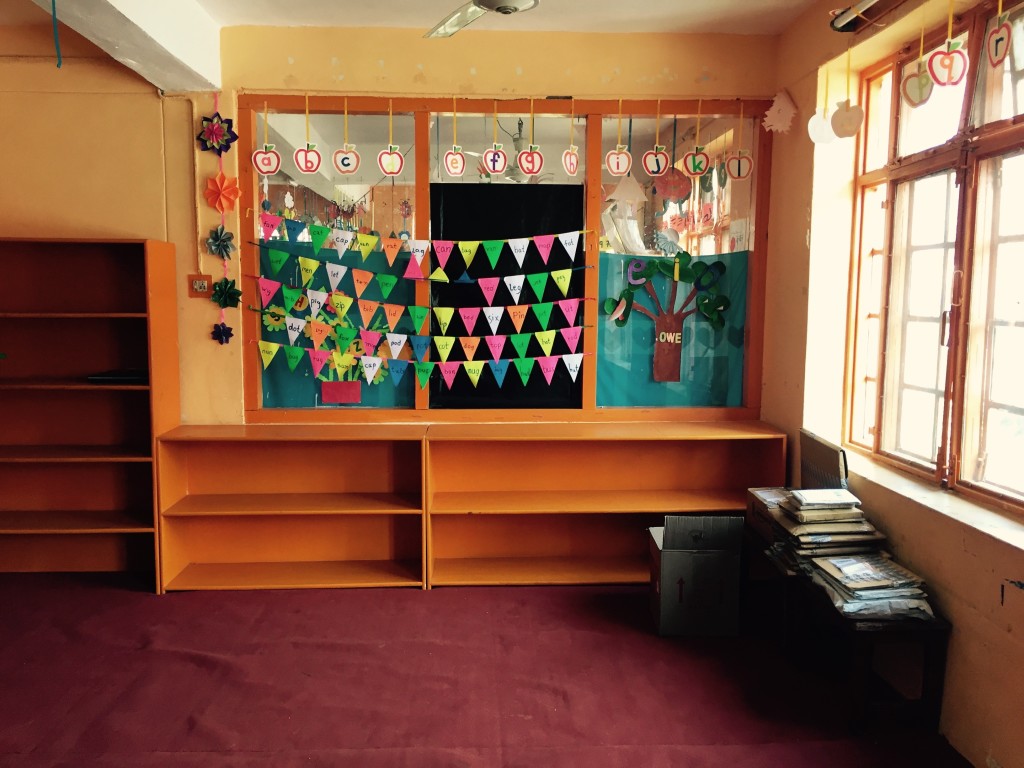
An offline-first approach begins with resources that remain useful when the signal disappears. A reading room can store downloaded lessons on a local computer, tablet, or small server, allowing children to browse selected materials without using mobile data each time. Digital encyclopedias, language exercises, recorded stories, and science demonstrations can be refreshed whenever a stronger connection becomes available.
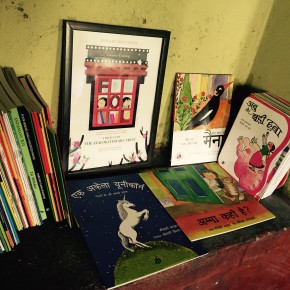
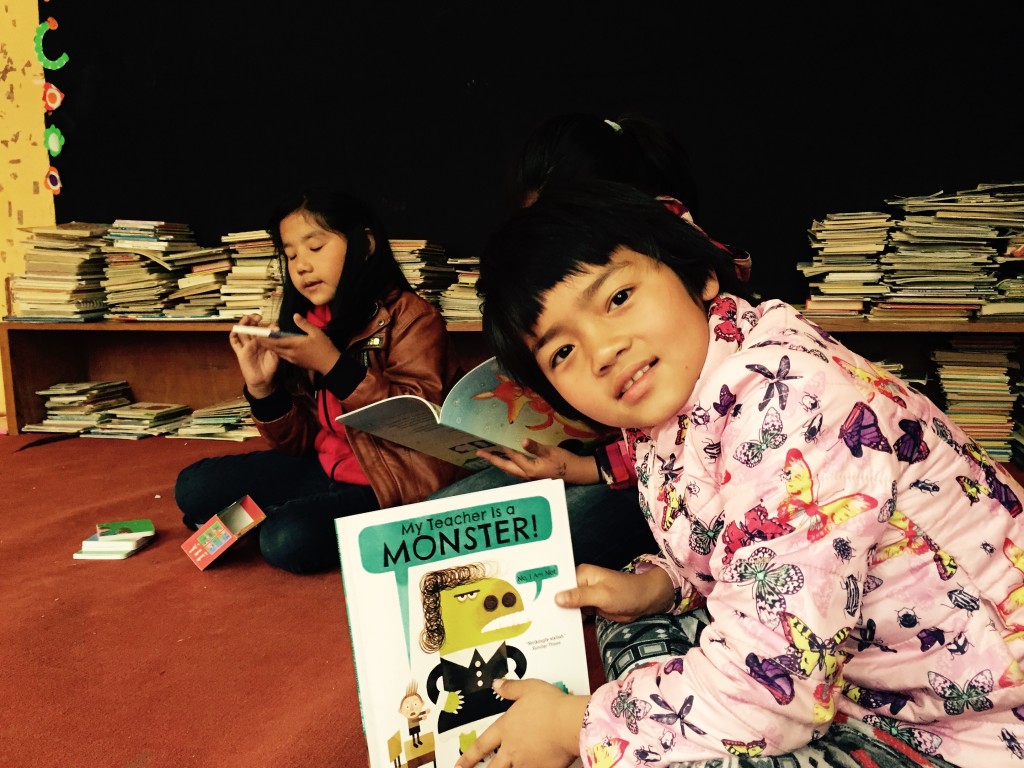
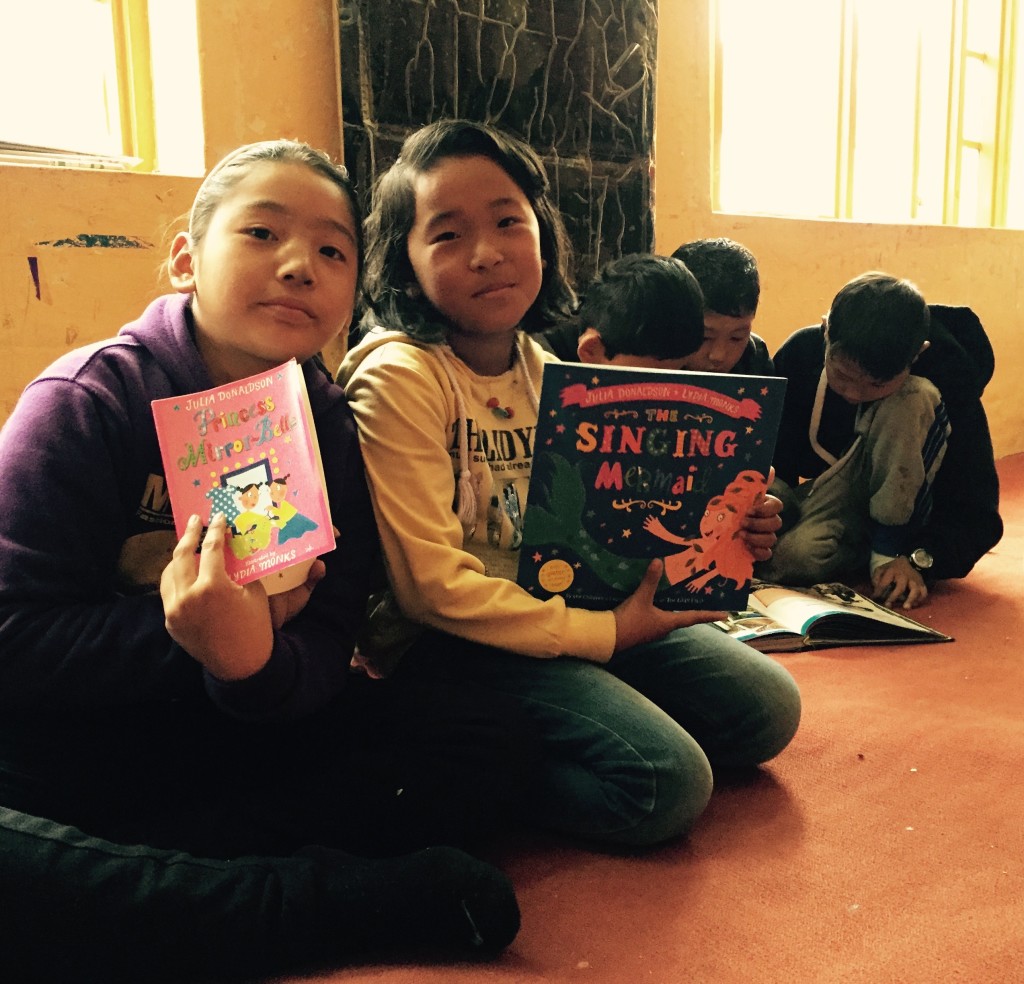
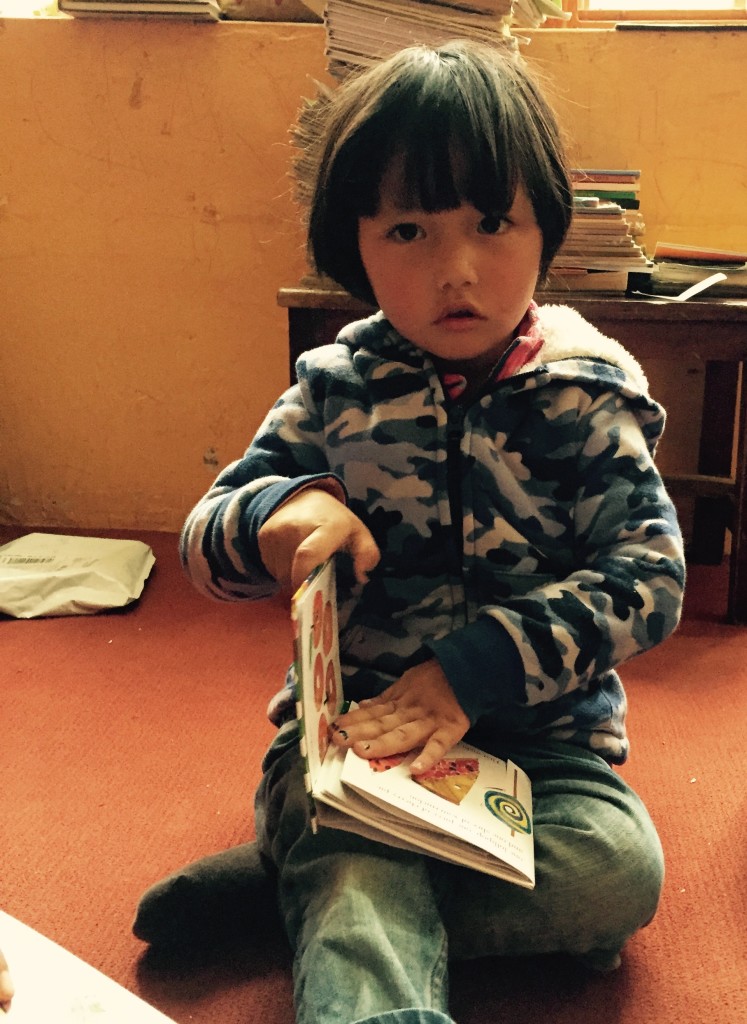
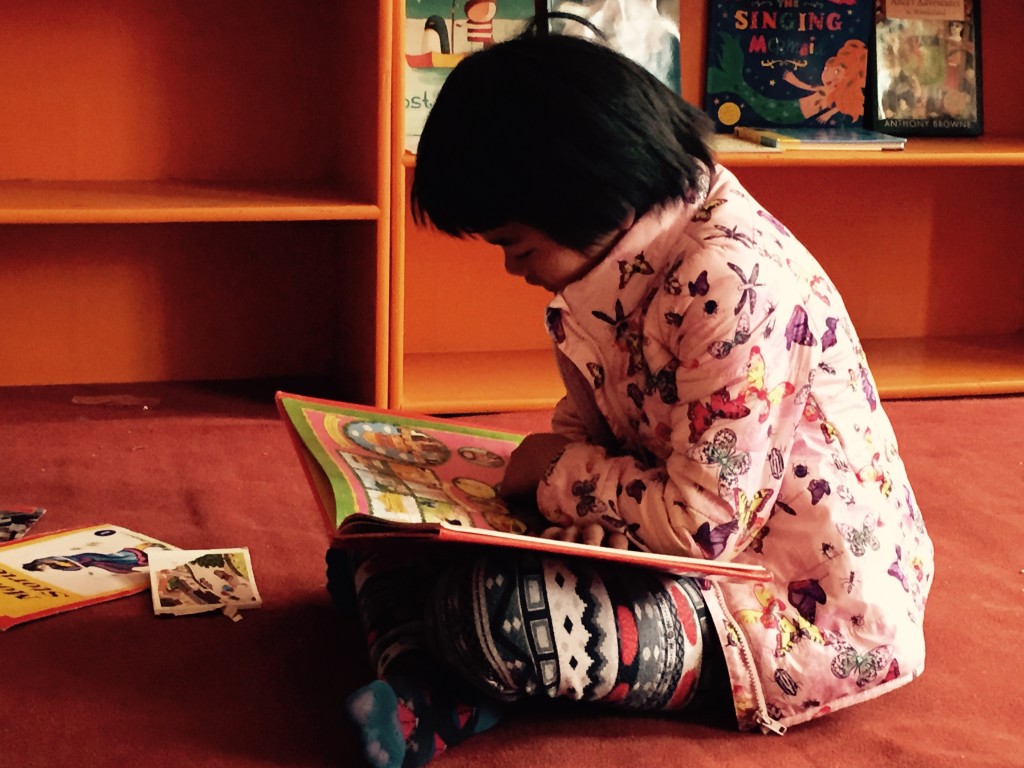
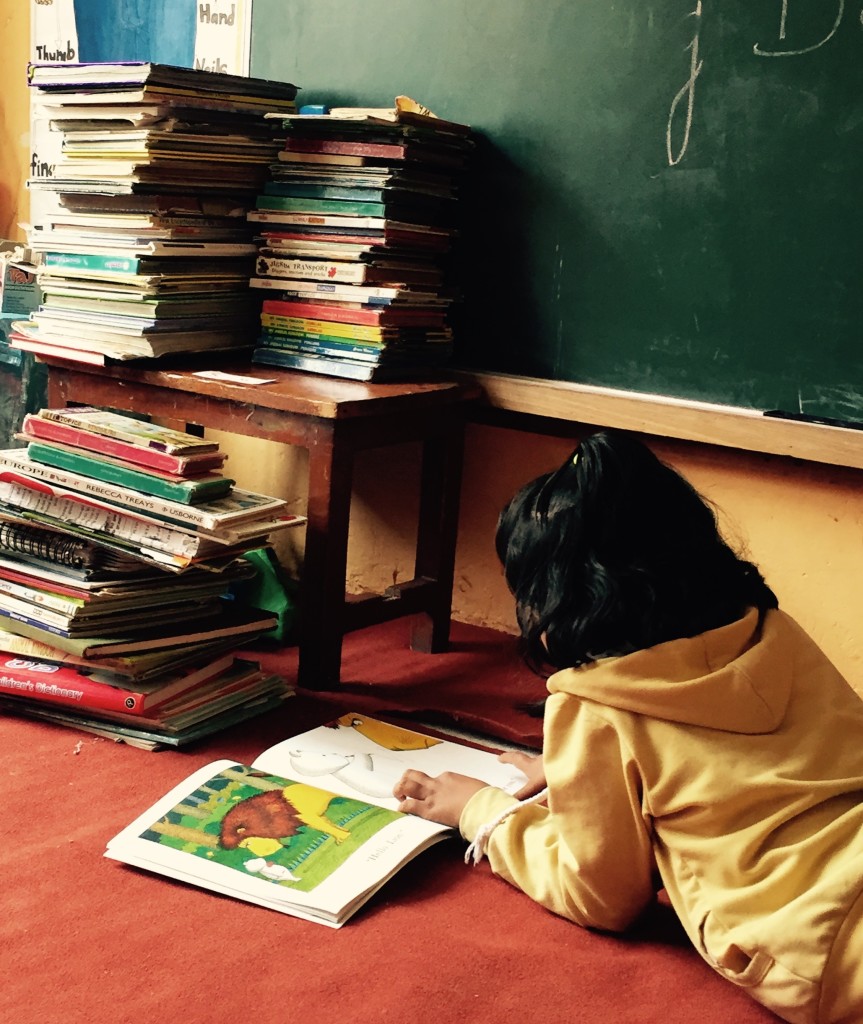
Printed resources remain central to this approach. Books do not require charging, passwords, or broadband, and they support sustained attention in ways that short online posts often do not. A child can return to a story, share it with a sibling, or use it as inspiration for a drawing or performance. Donated books become especially valuable when they are chosen with age, language, and local interests in mind.
| Learning Need |
Online-Only Approach |
Blended or Offline-Friendly Approach |
| Reading practice |
Streaming a digital story |
Printed books plus downloaded audiobooks |
| Science learning |
Live video lesson |
Stored videos, diagrams, experiments, and discussion |
| Language development |
Web exercises requiring constant access |
Offline dictionaries, books, and recorded pronunciation |
| Creative activities |
Online tutorials |
Art supplies, music sessions, and selected digital examples |
| Teacher support |
Continuous video calls |
Downloaded lesson plans and occasional messaging |
| Digital safety |
Unsupervised browsing |
Curated resources and guided practice |
A reliable learning space can also include solar charging, shared headphones, sturdy storage, and a simple schedule for device use. These modest arrangements make technology more dependable while keeping books and human guidance at the center.
Books and Screens Working Together
Digital resources are most useful when they extend a child’s curiosity rather than replace physical learning. A student may read a printed folktale, look up a map of the region, listen to music from another culture, and then create an illustrated retelling. This sequence develops reading comprehension, research skills, imagination, and confidence through several forms of expression.
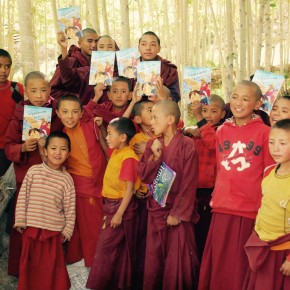
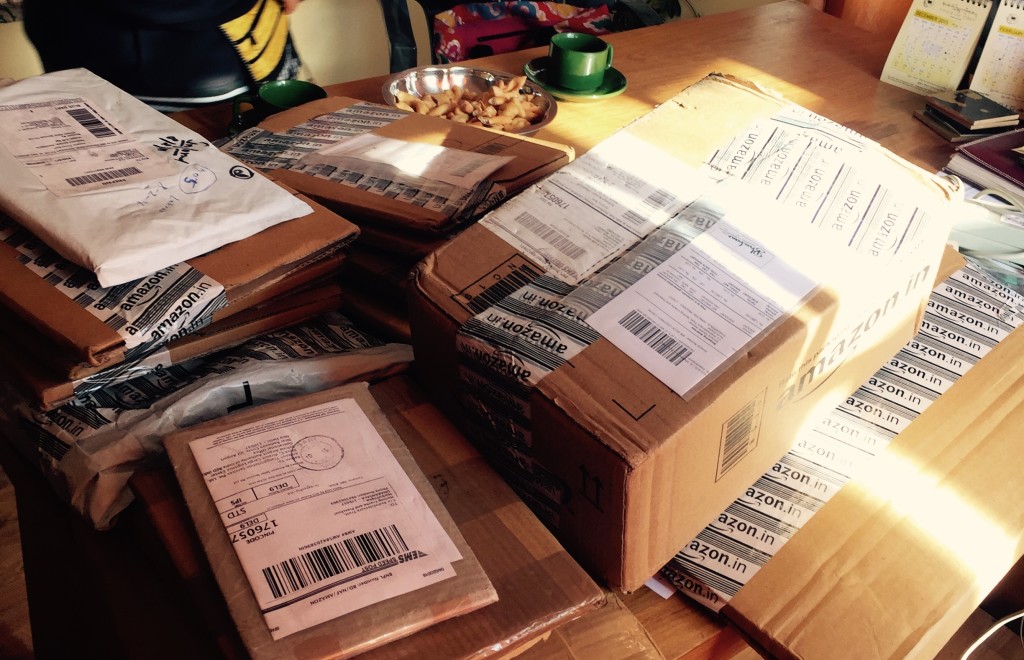
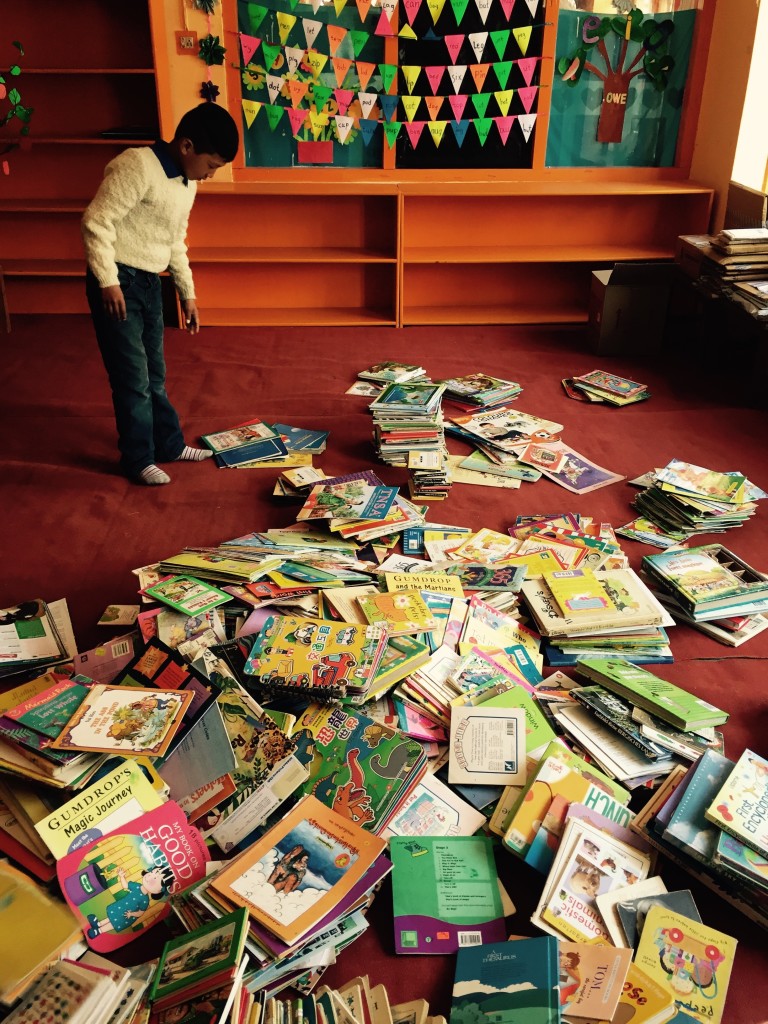
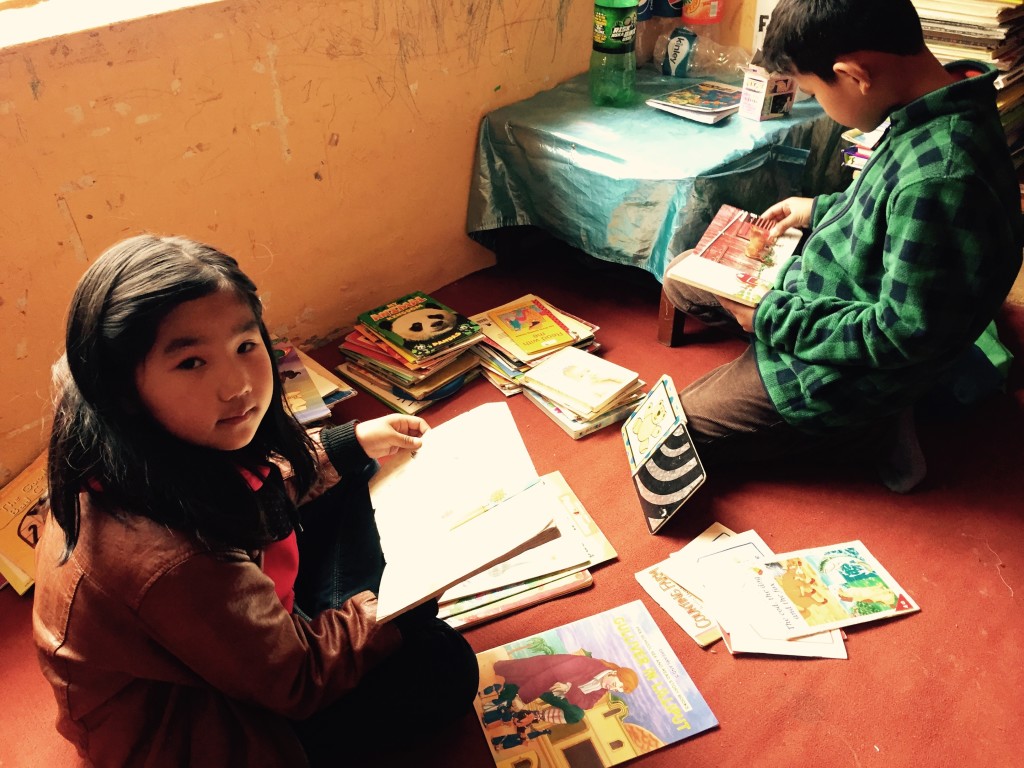
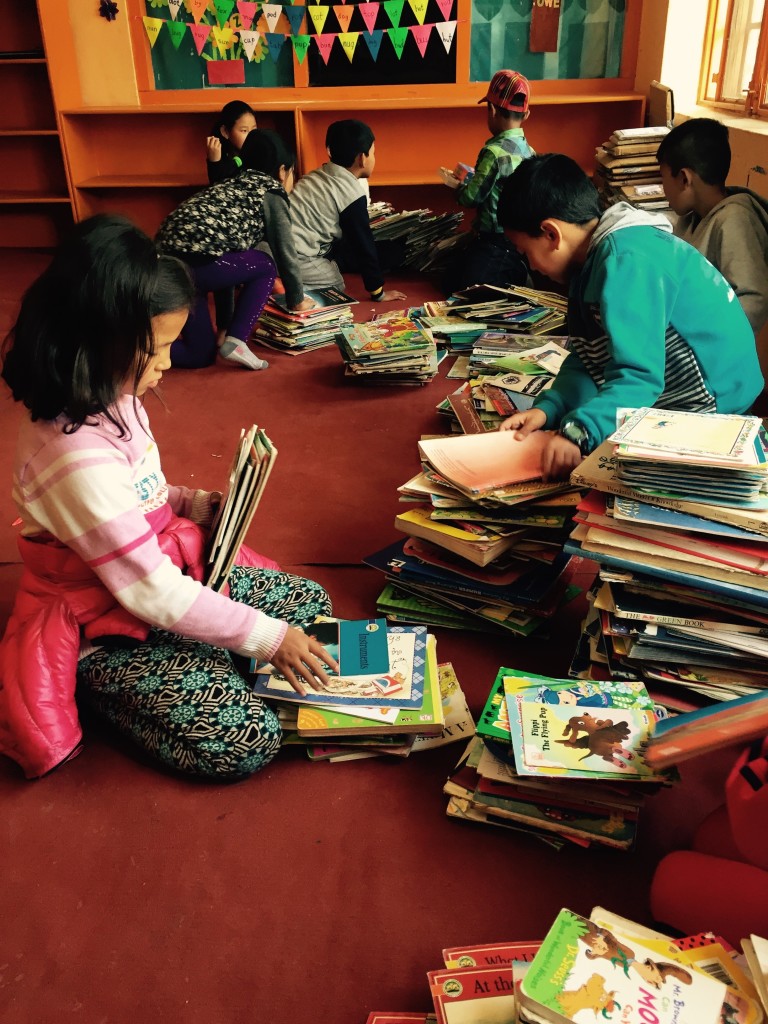
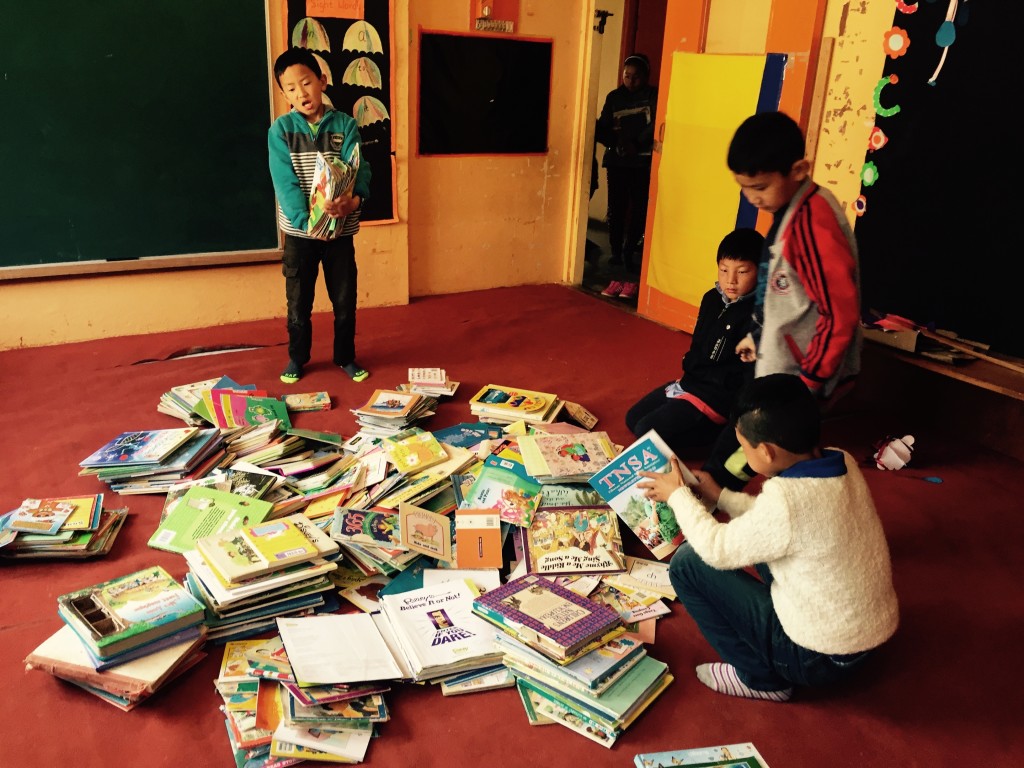
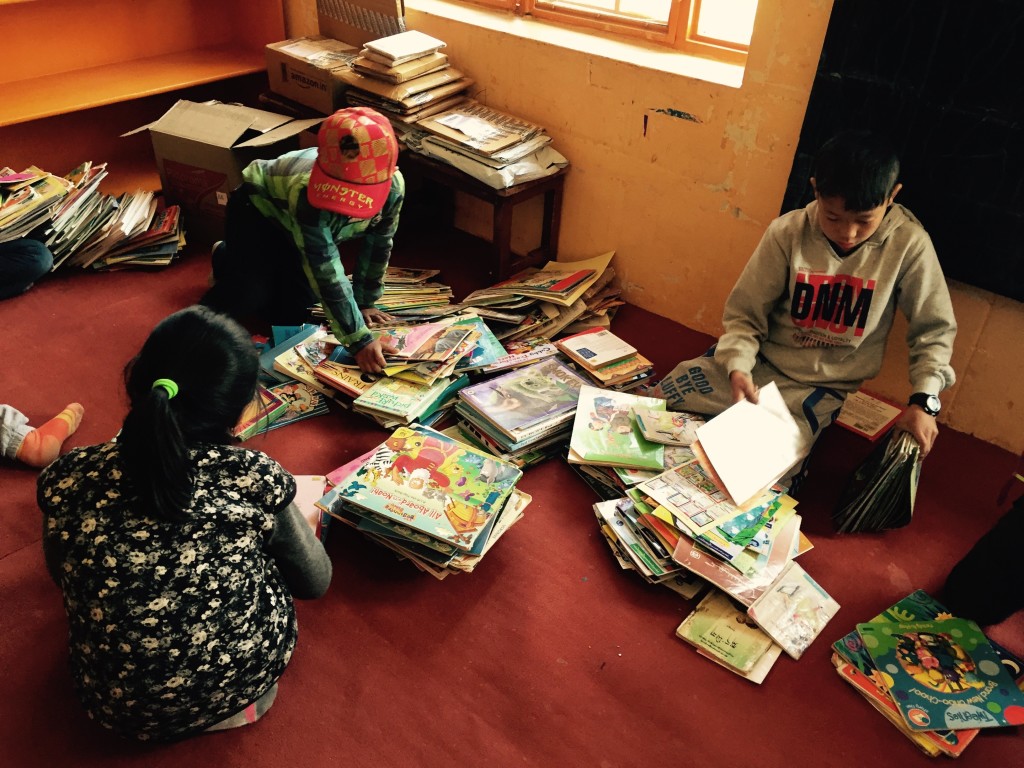
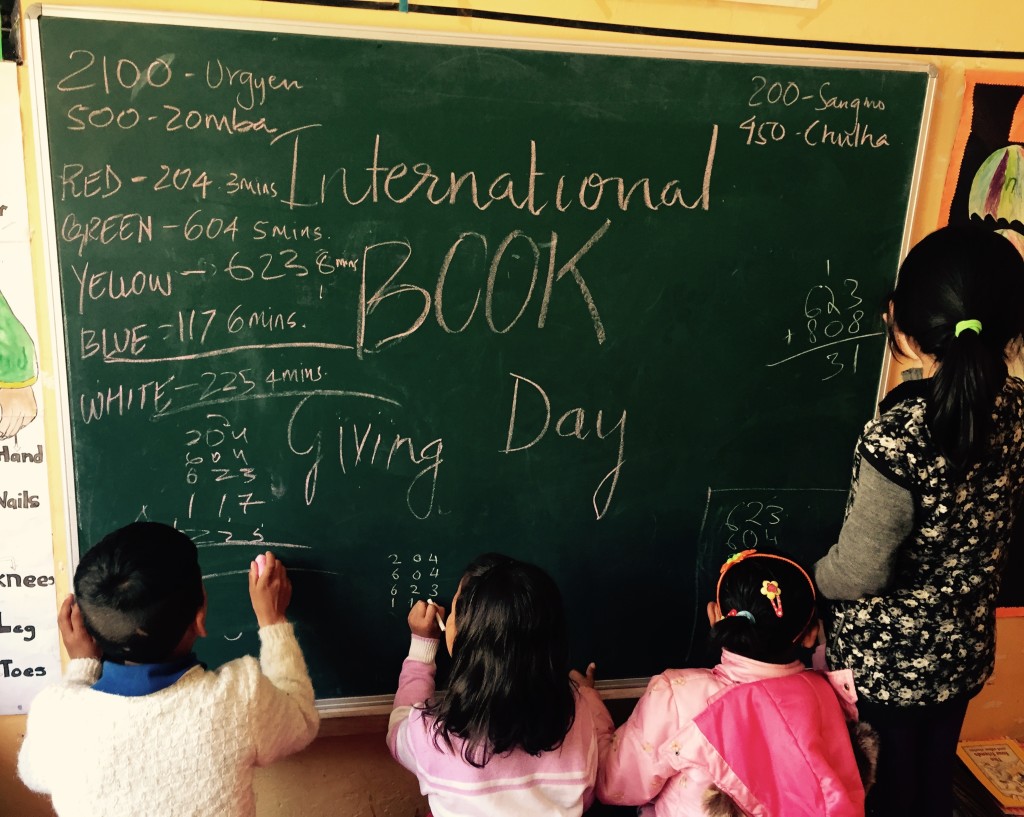
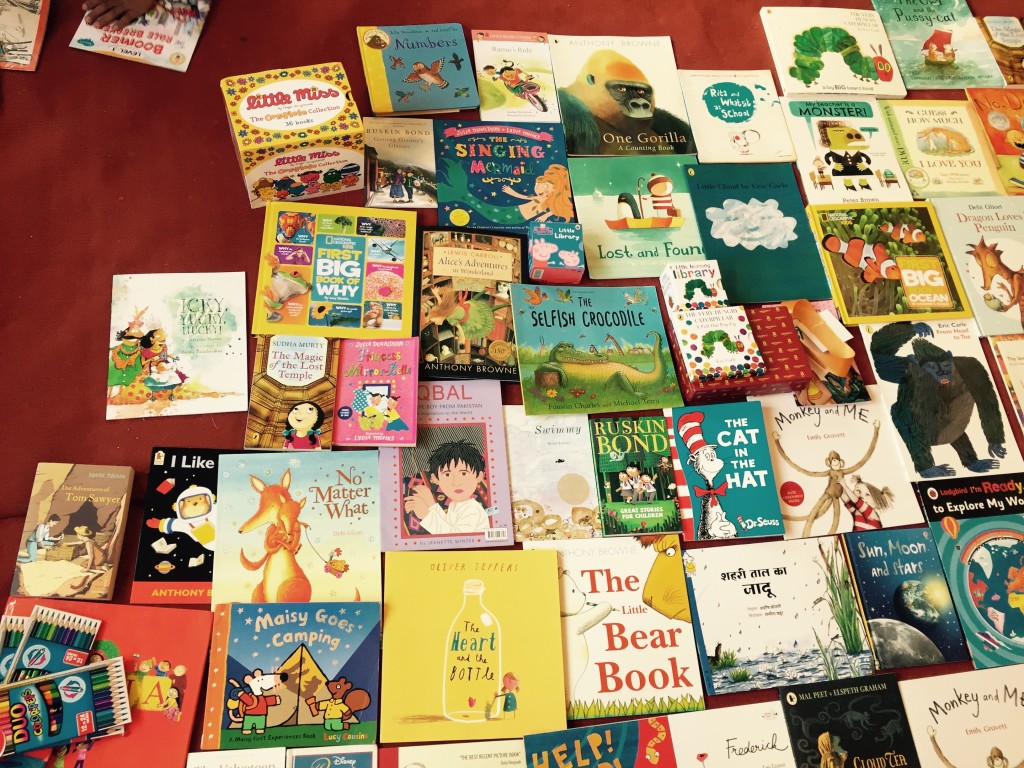
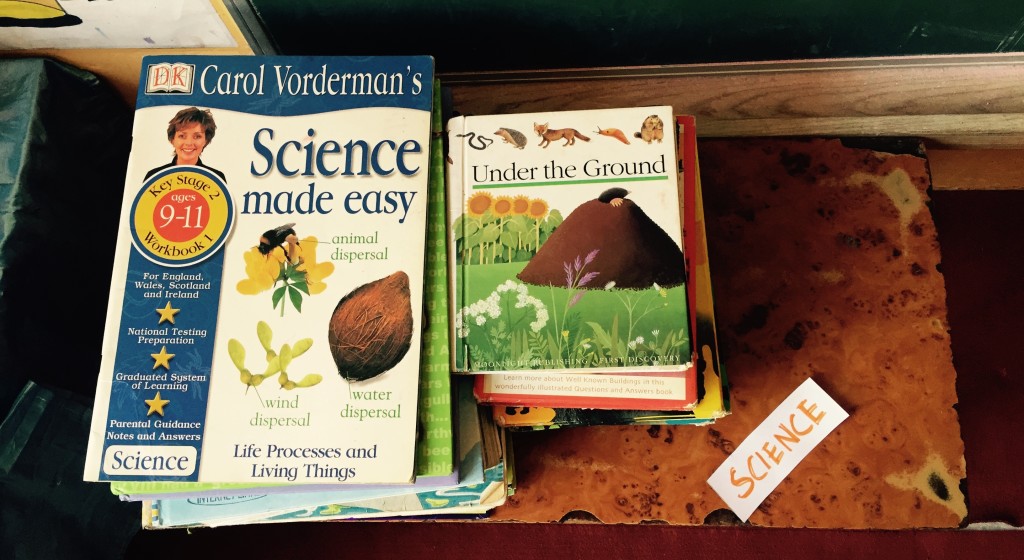
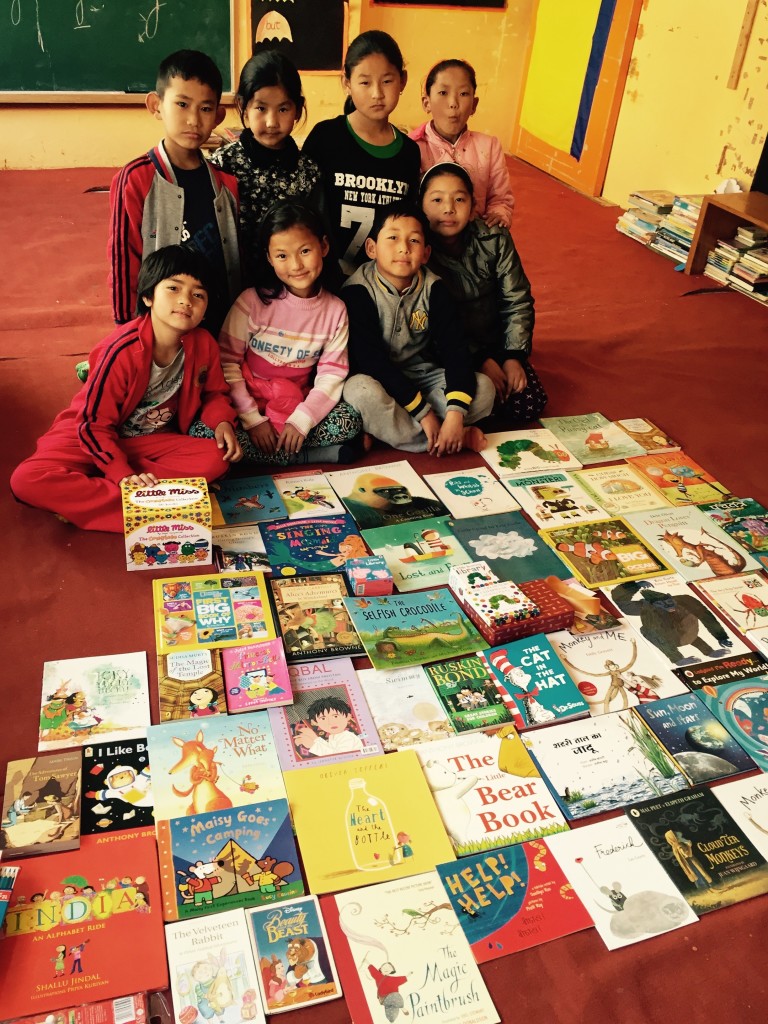
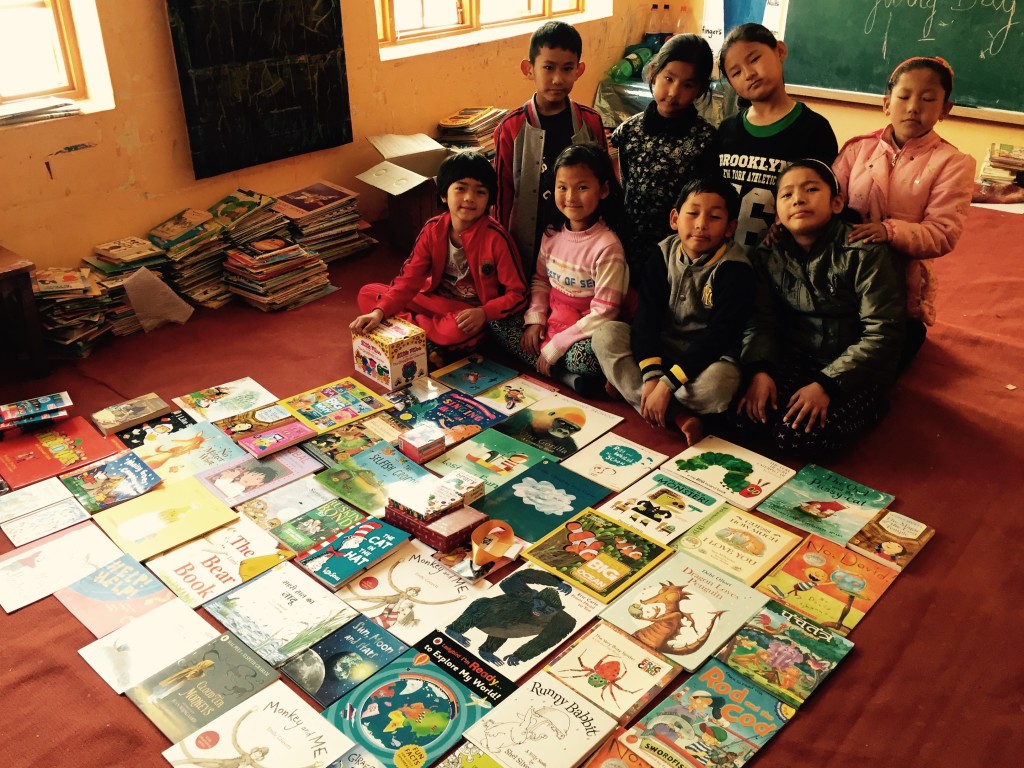
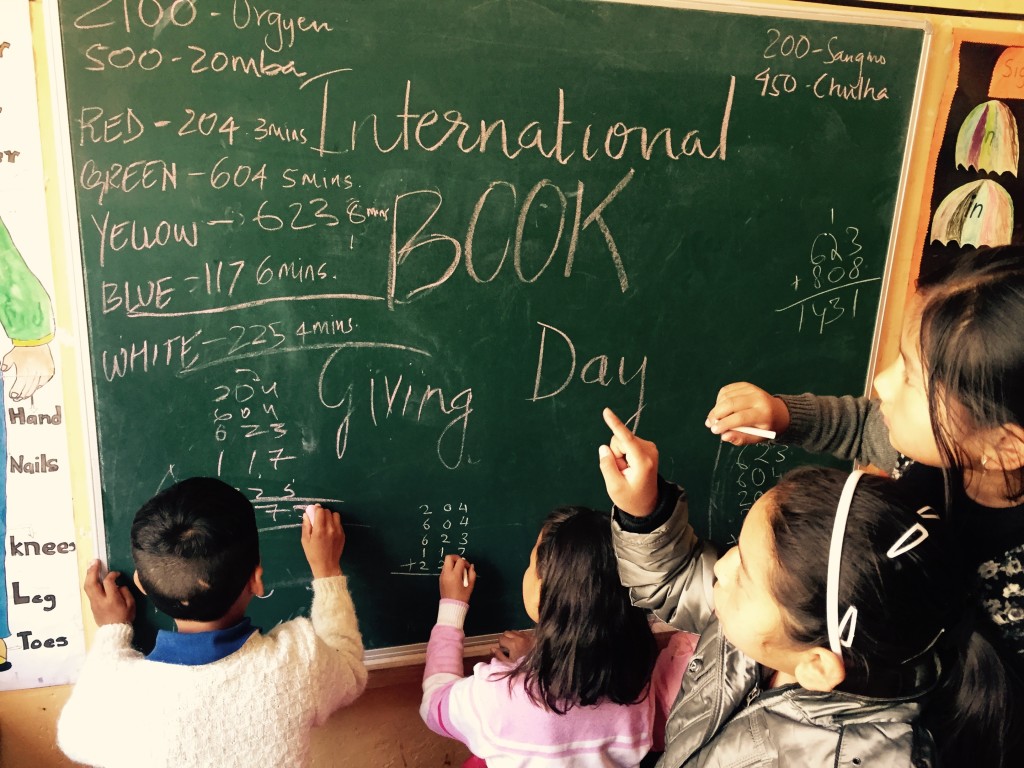
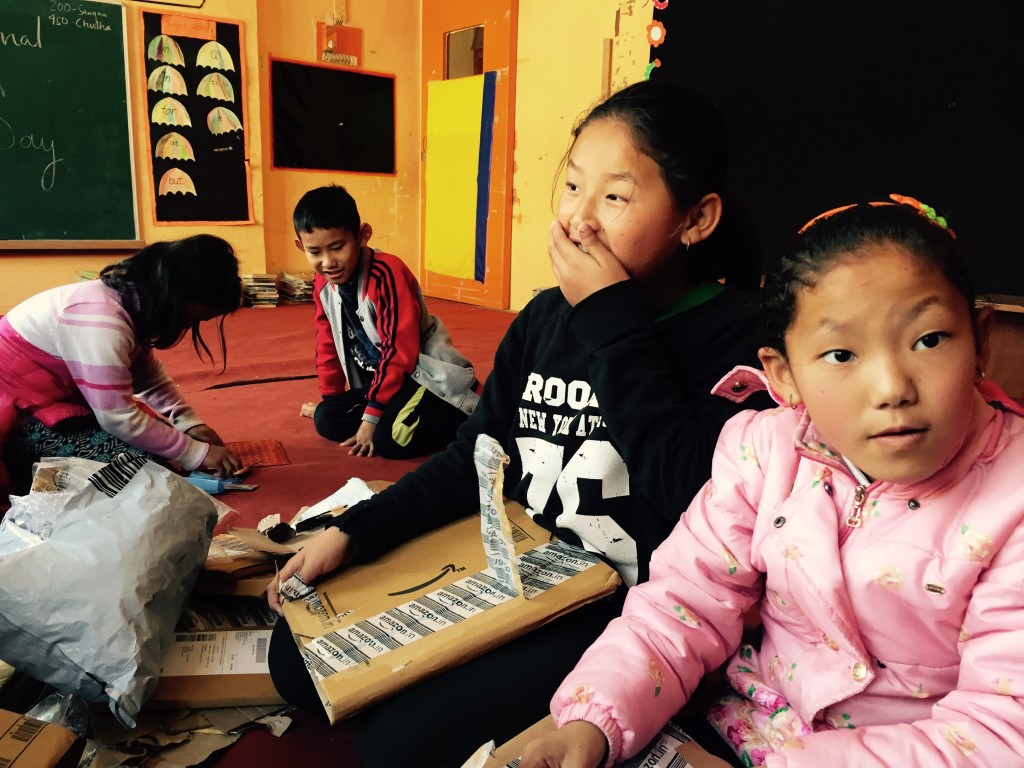
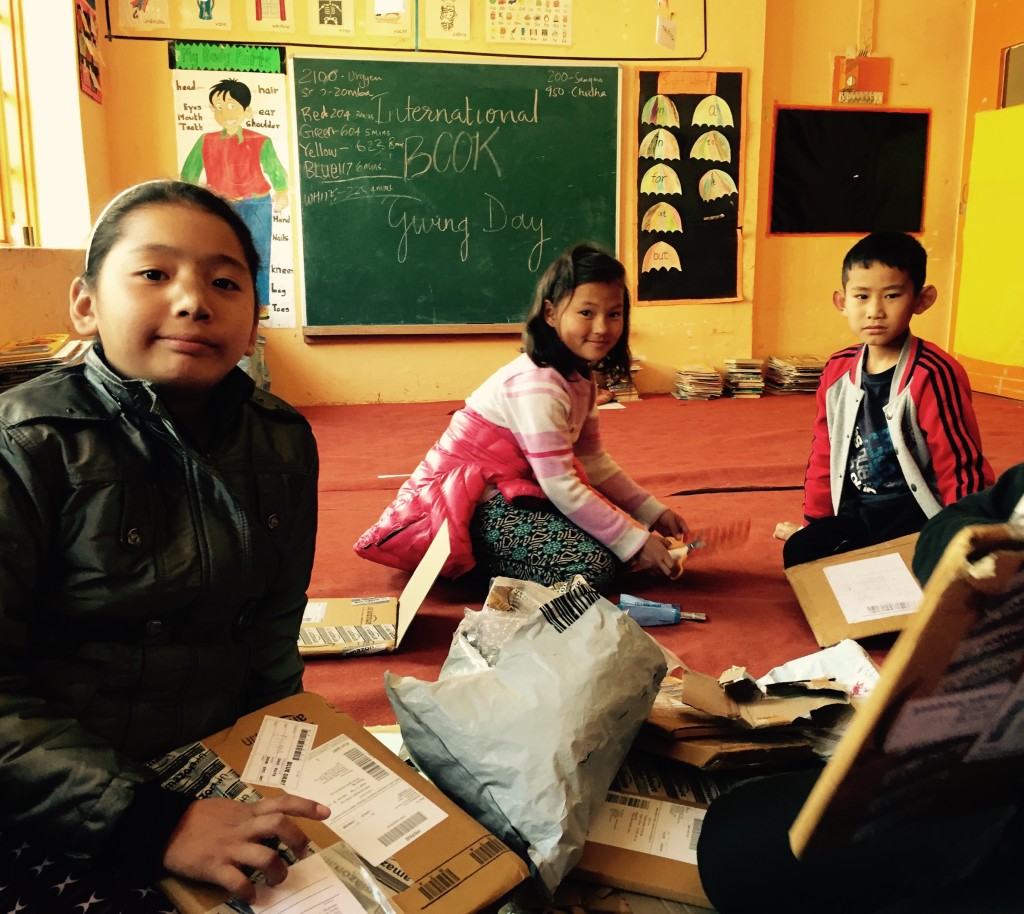
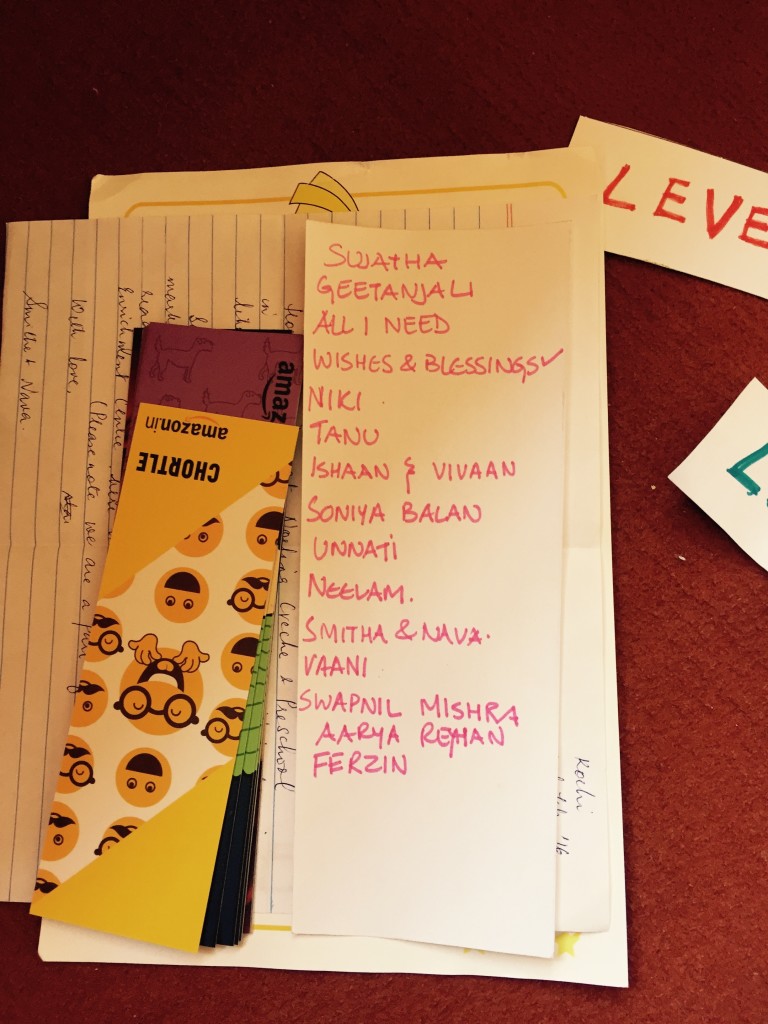
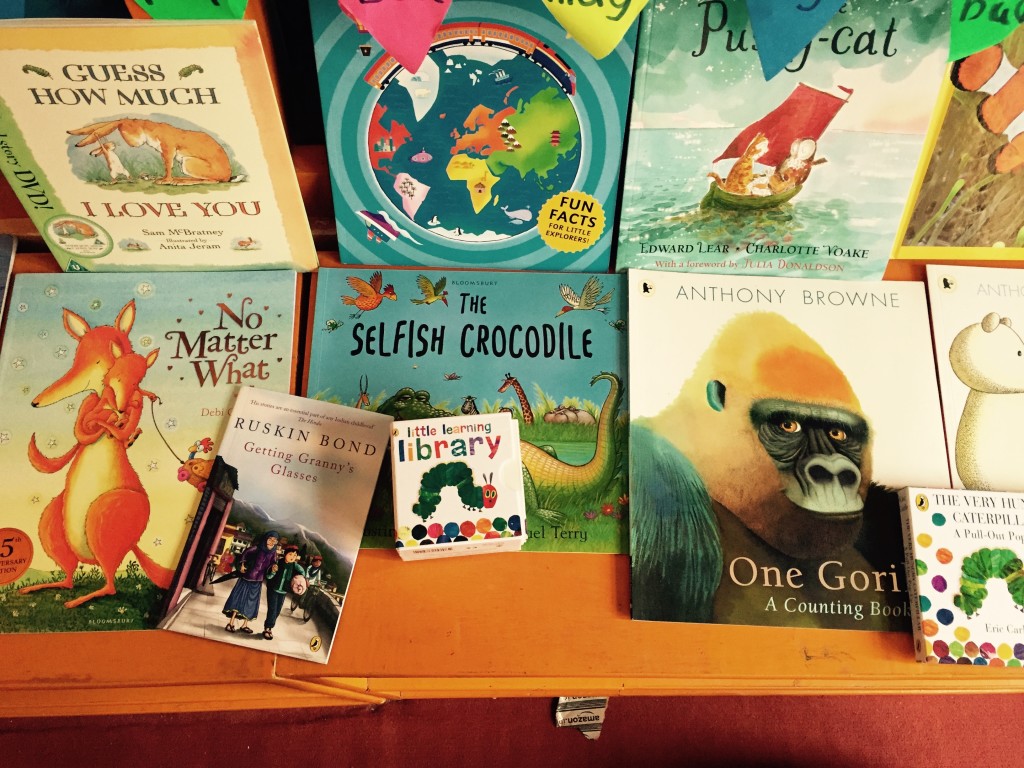
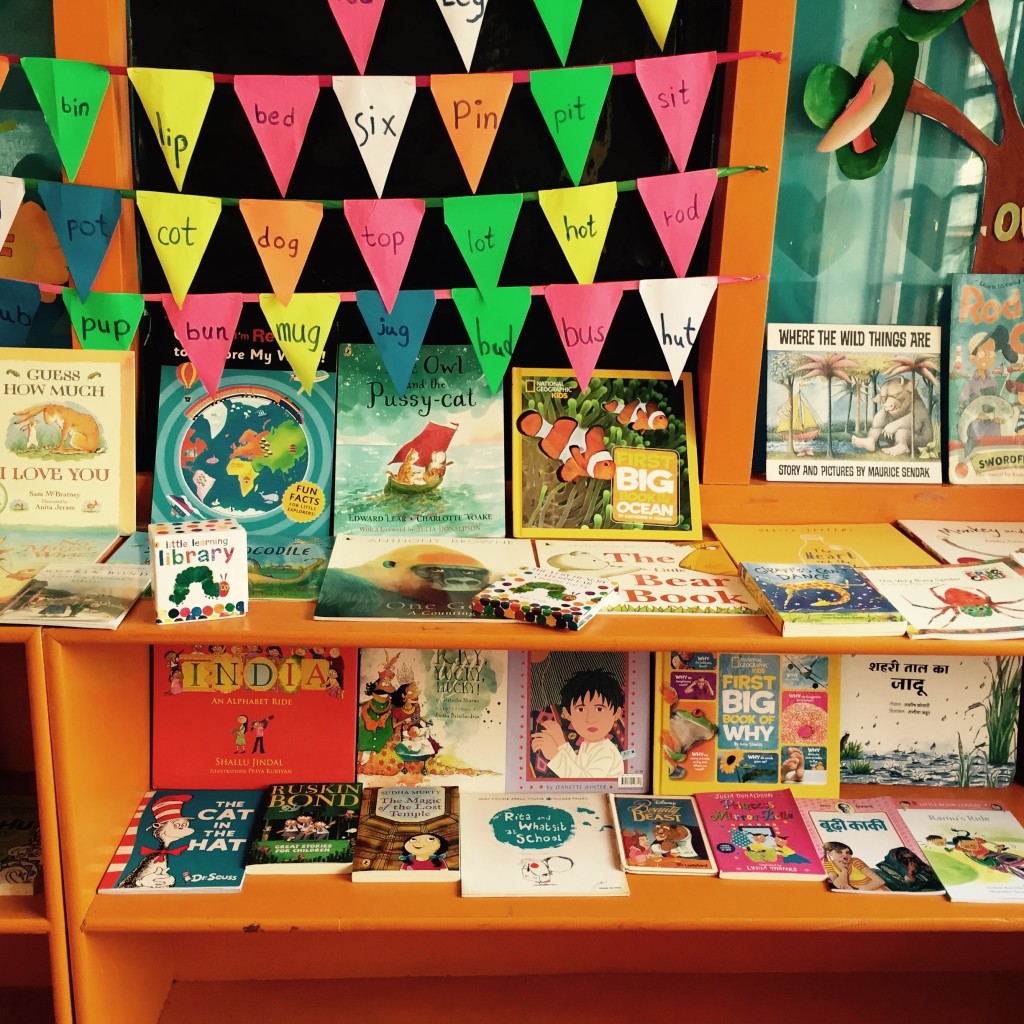
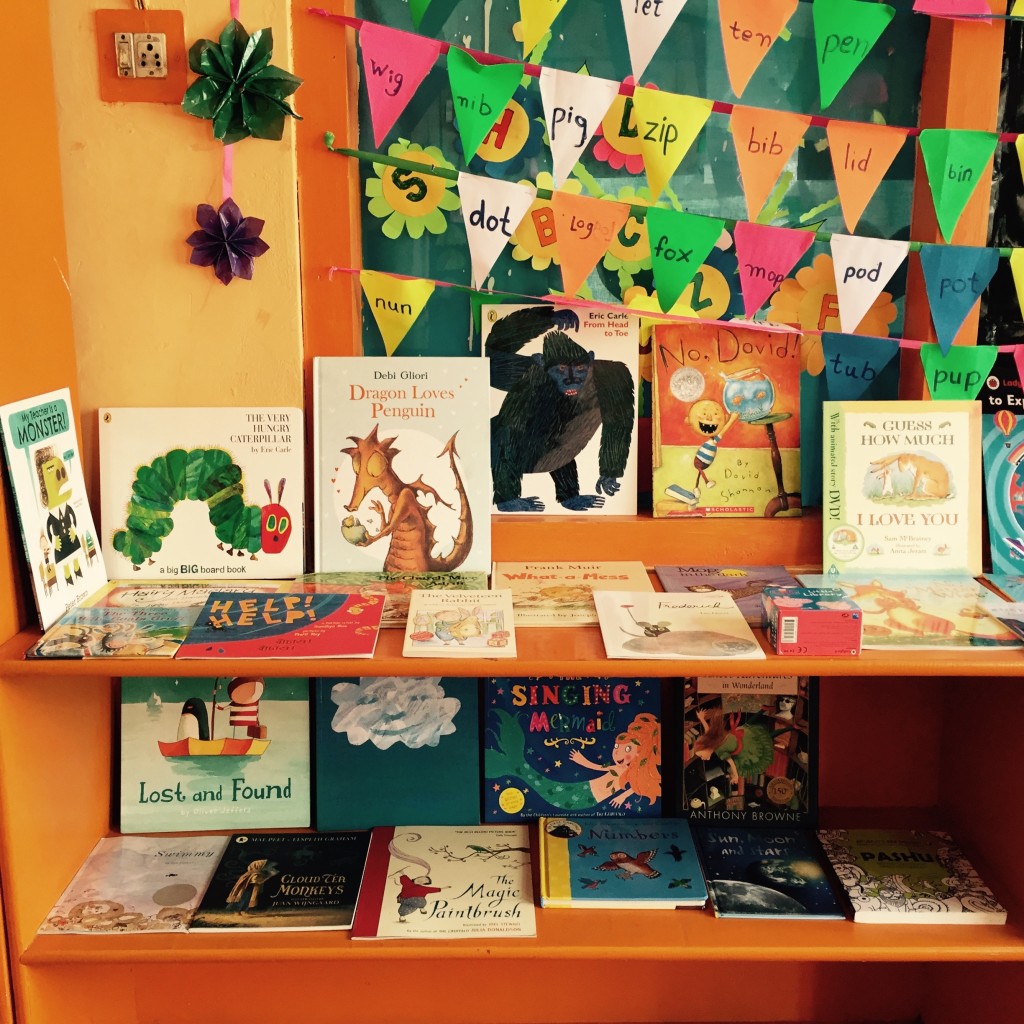
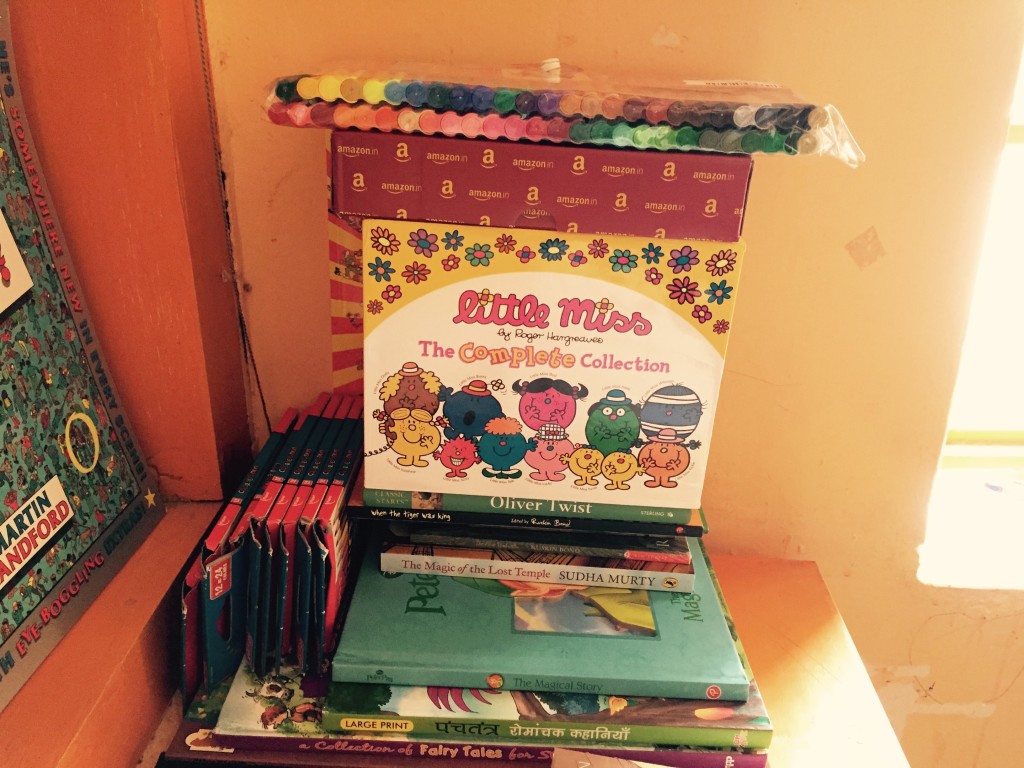
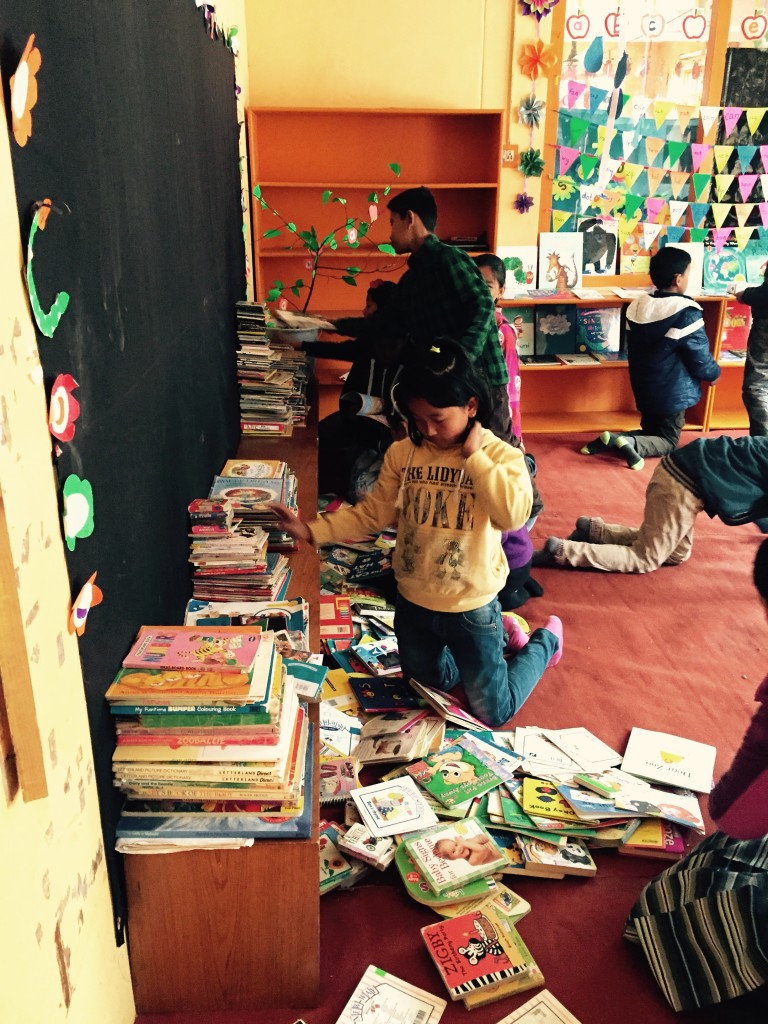
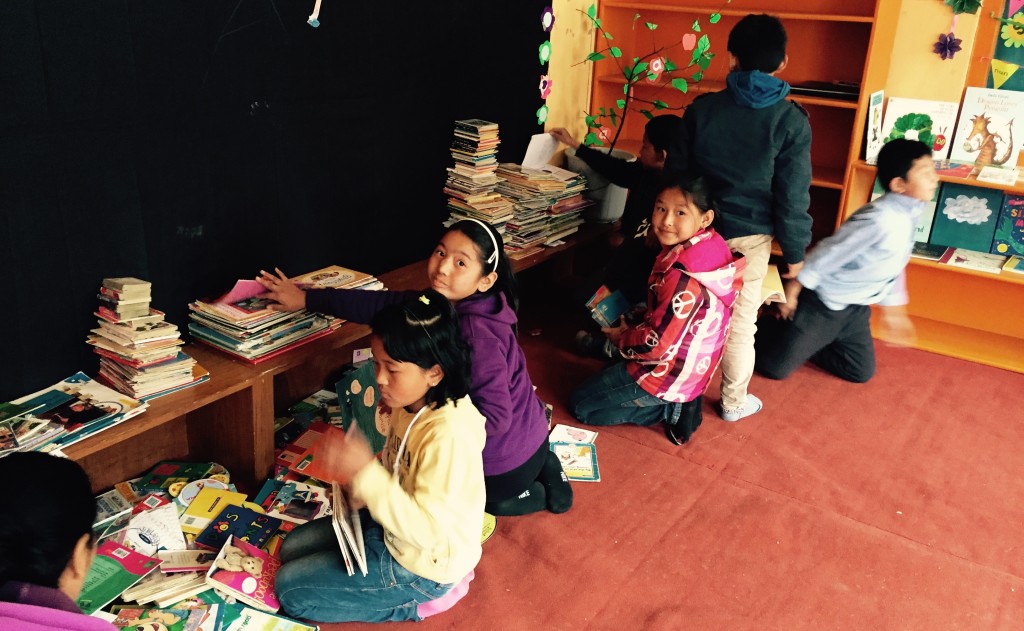
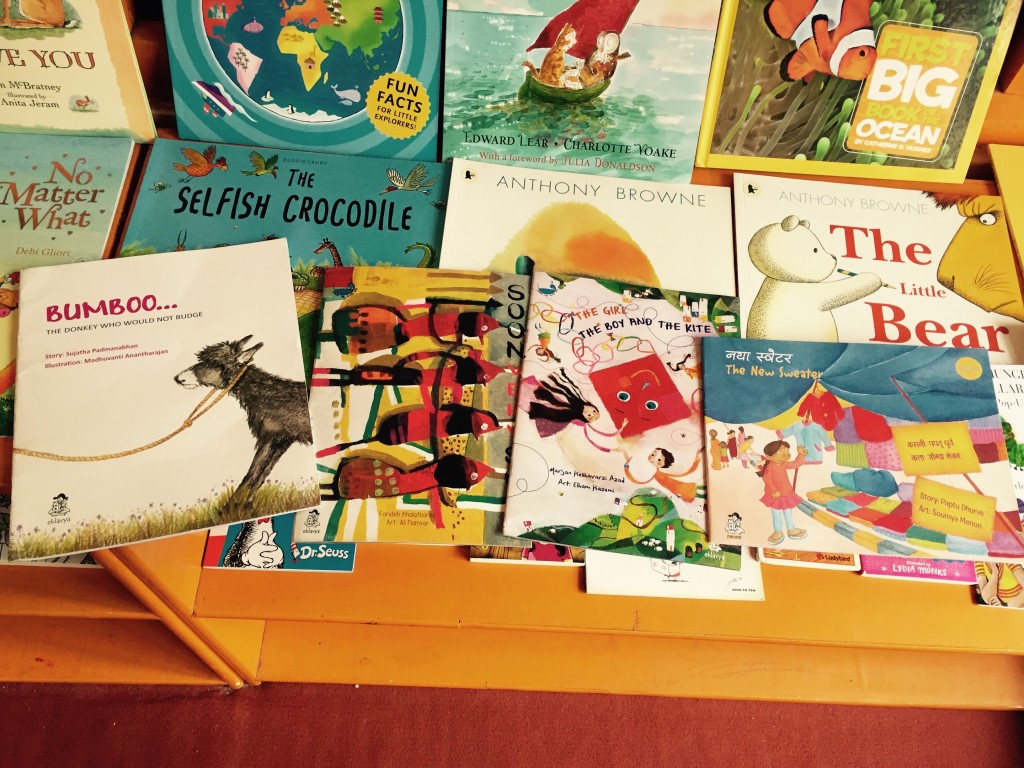
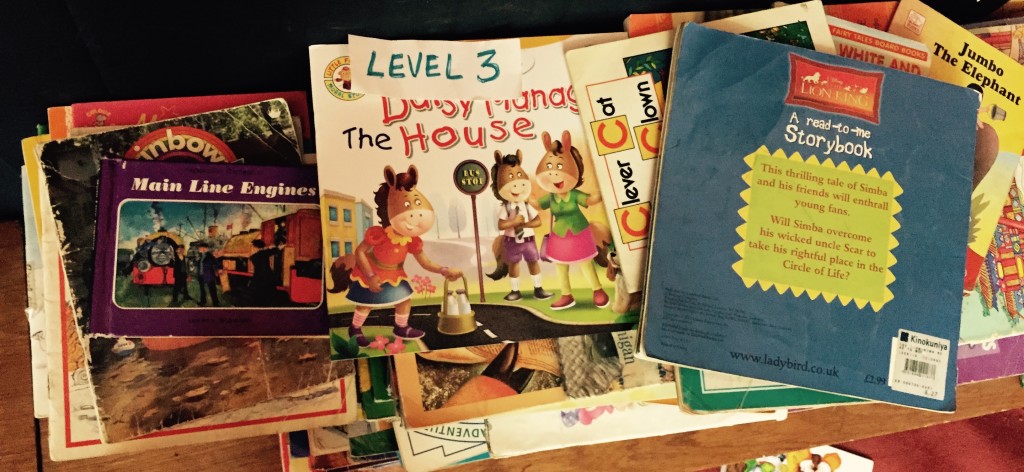
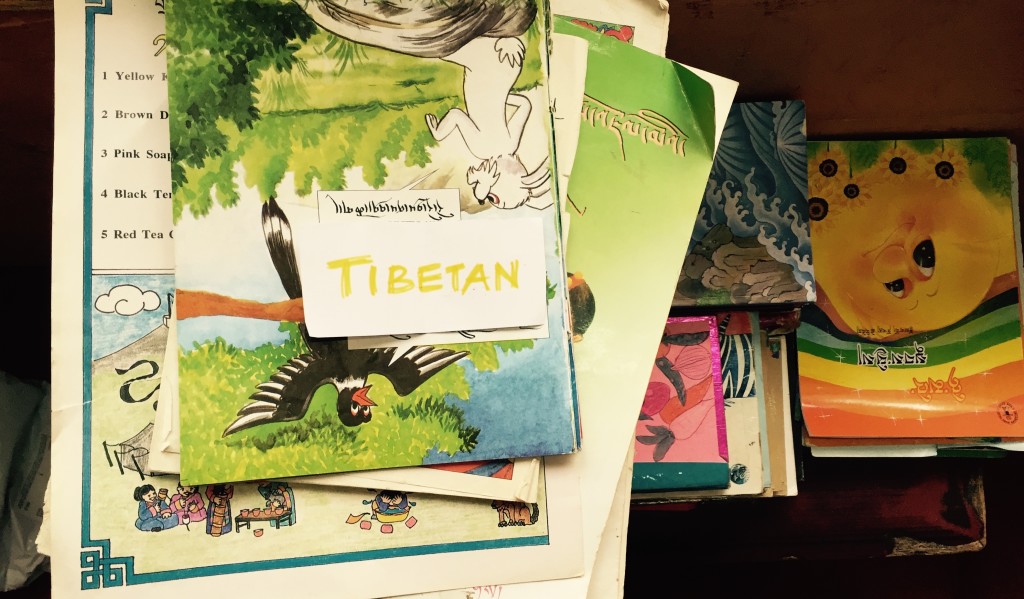
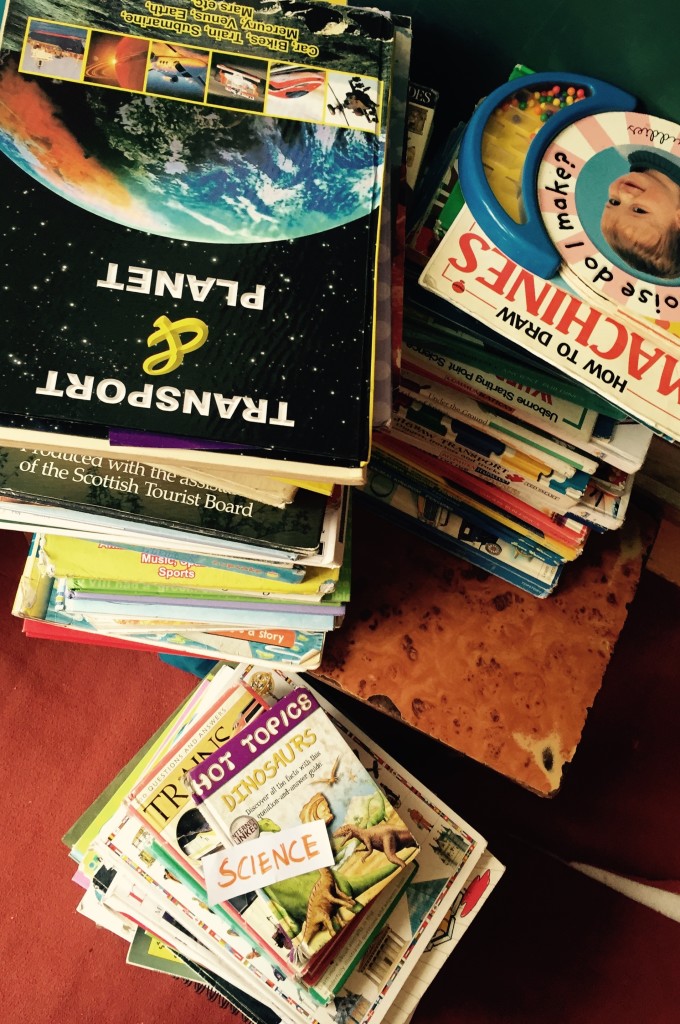
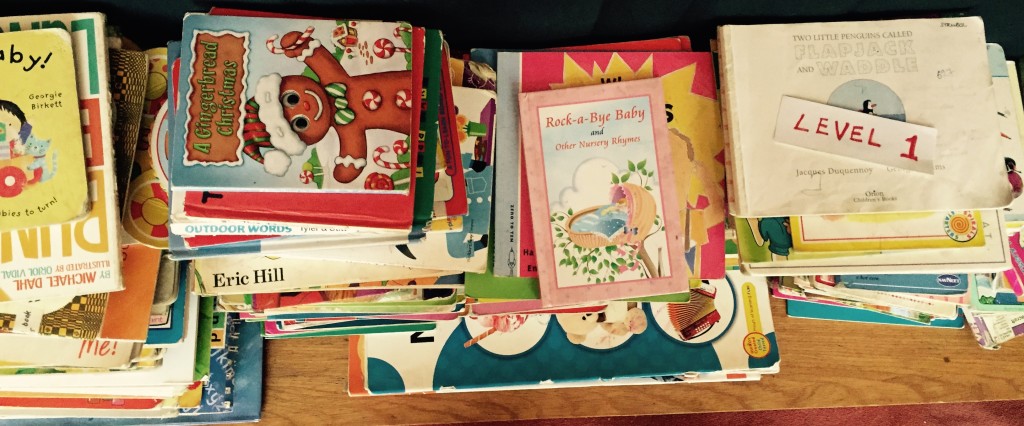
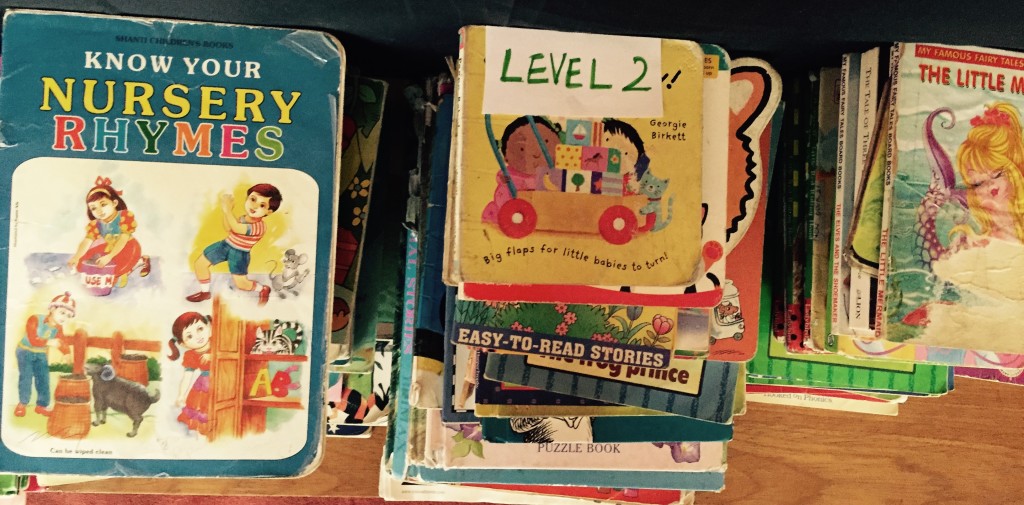
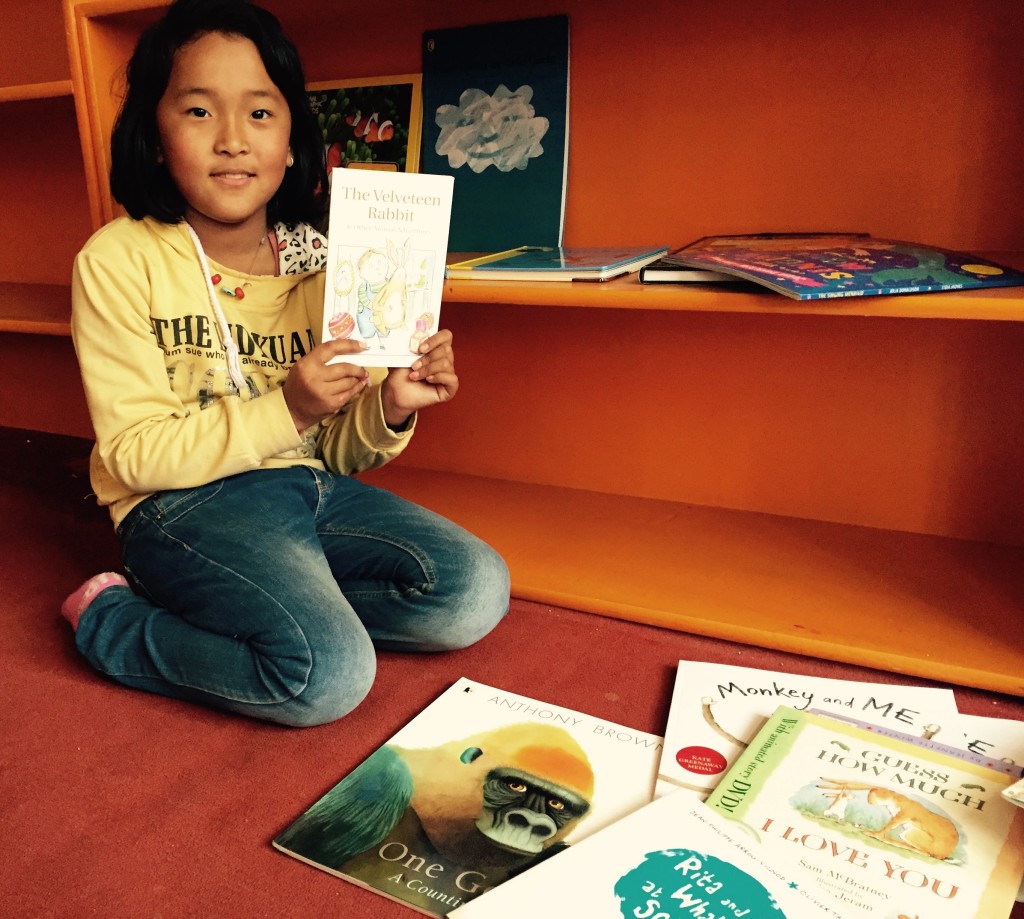
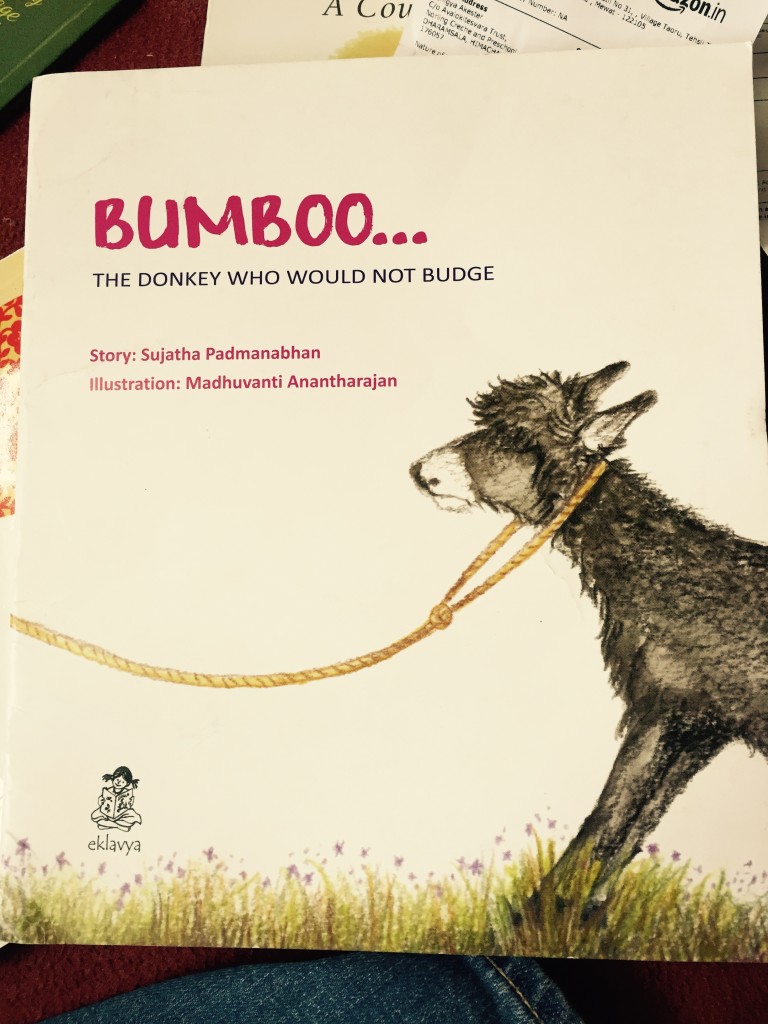
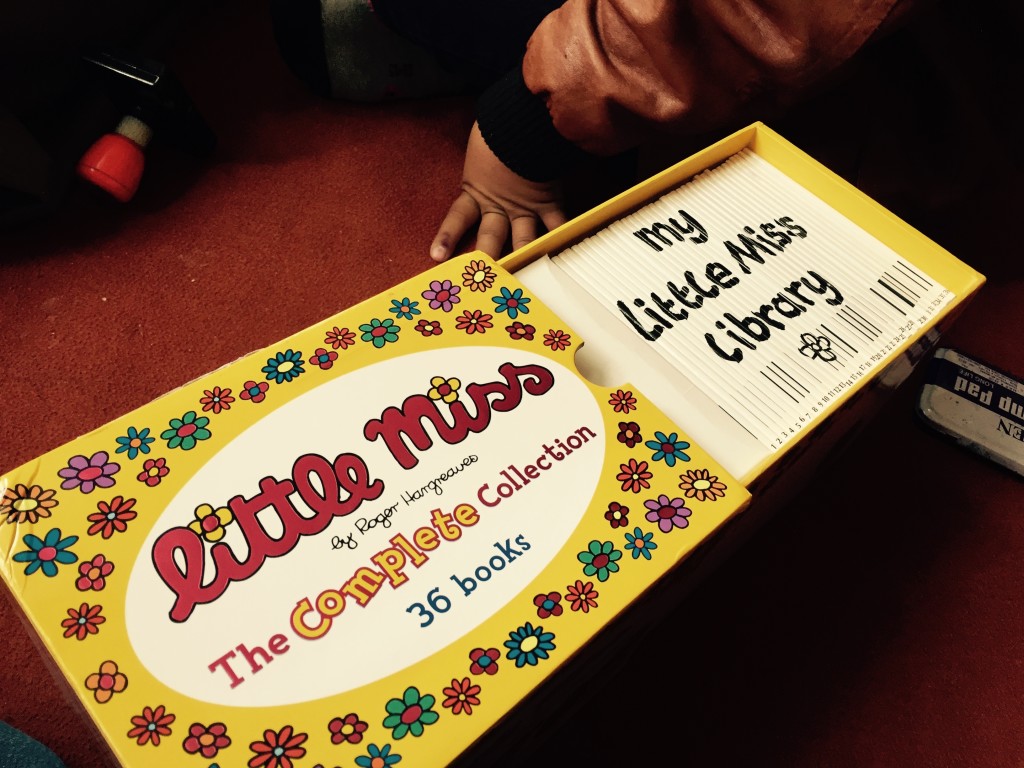
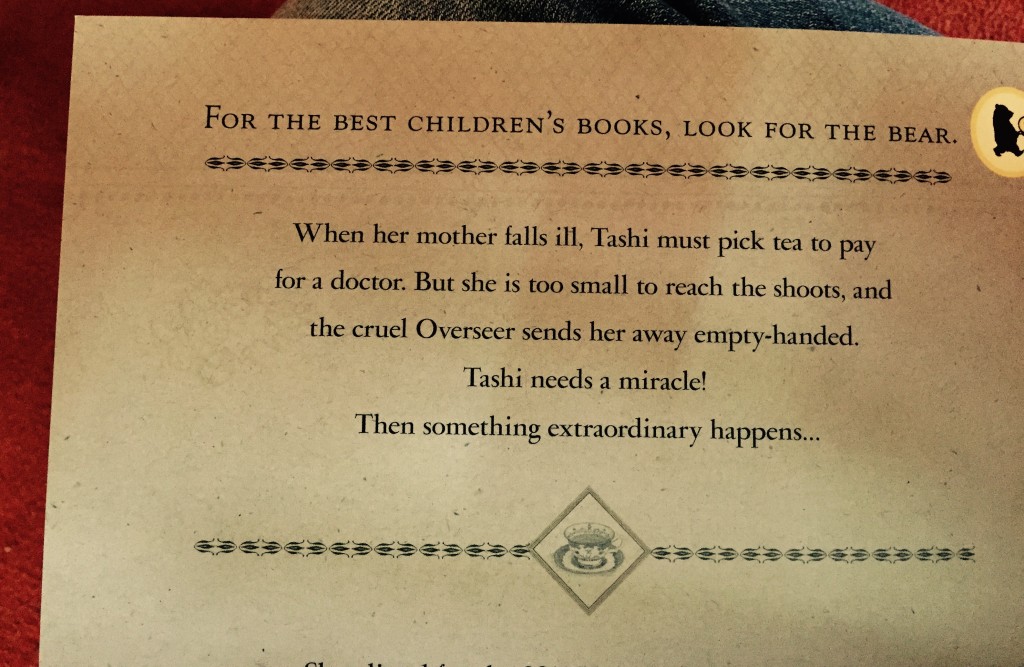
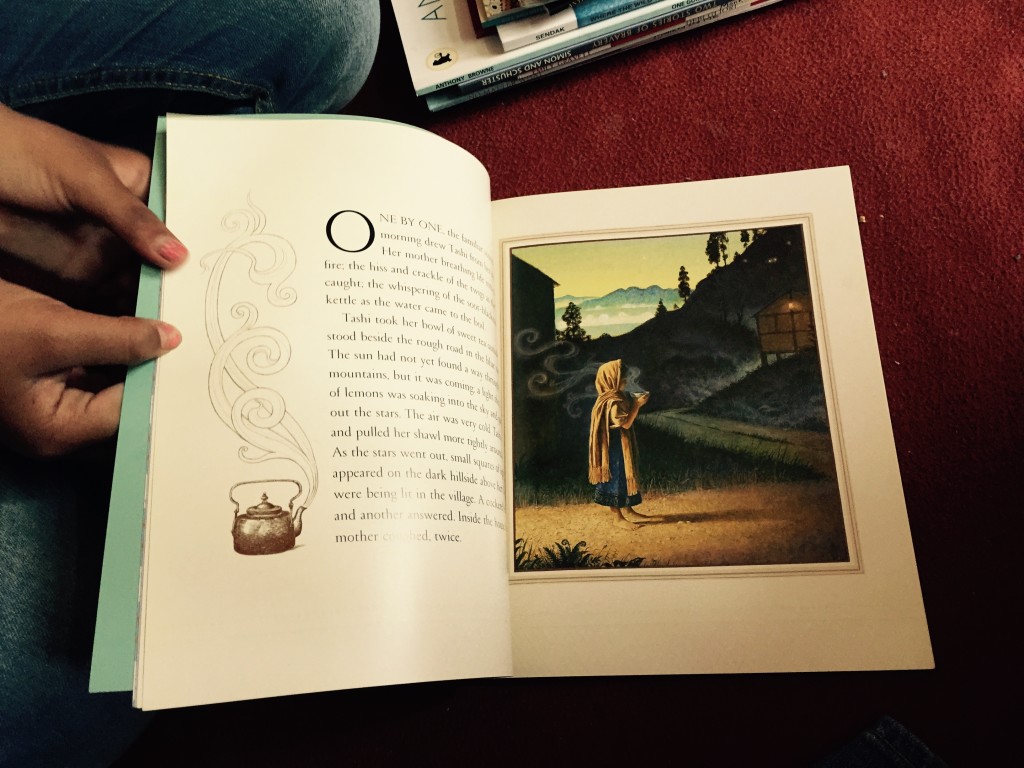
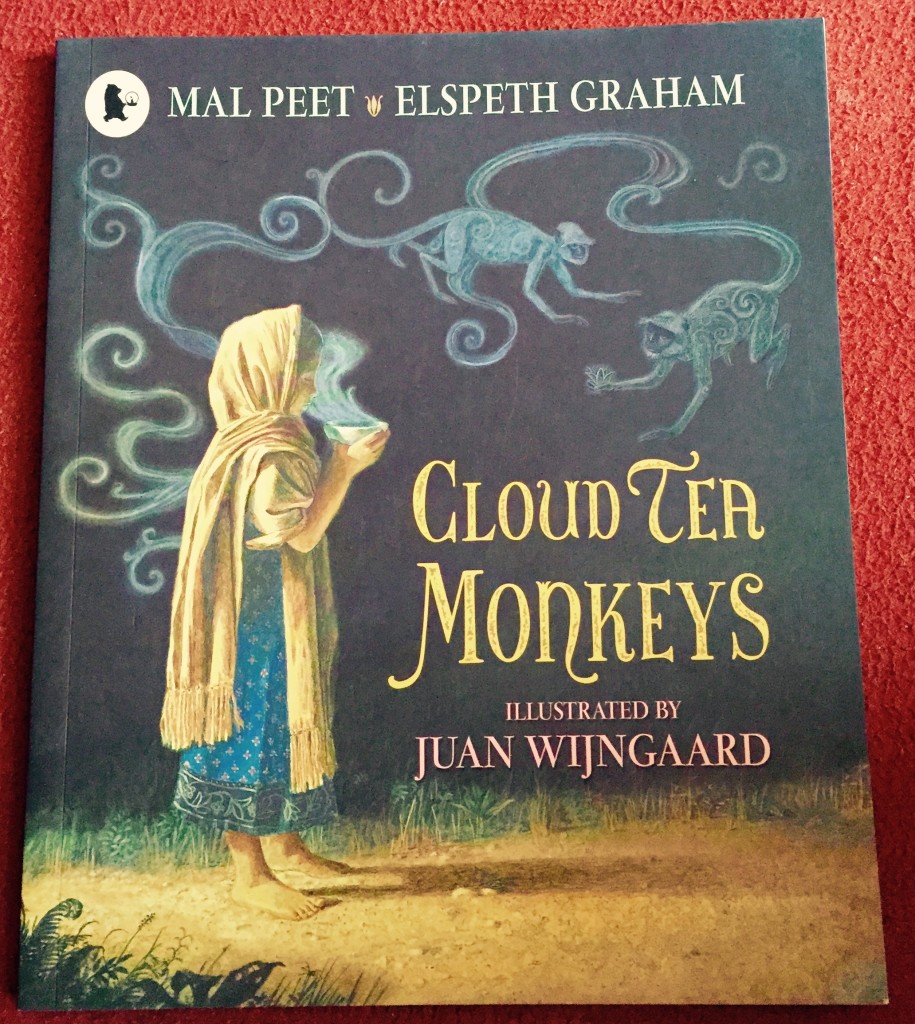
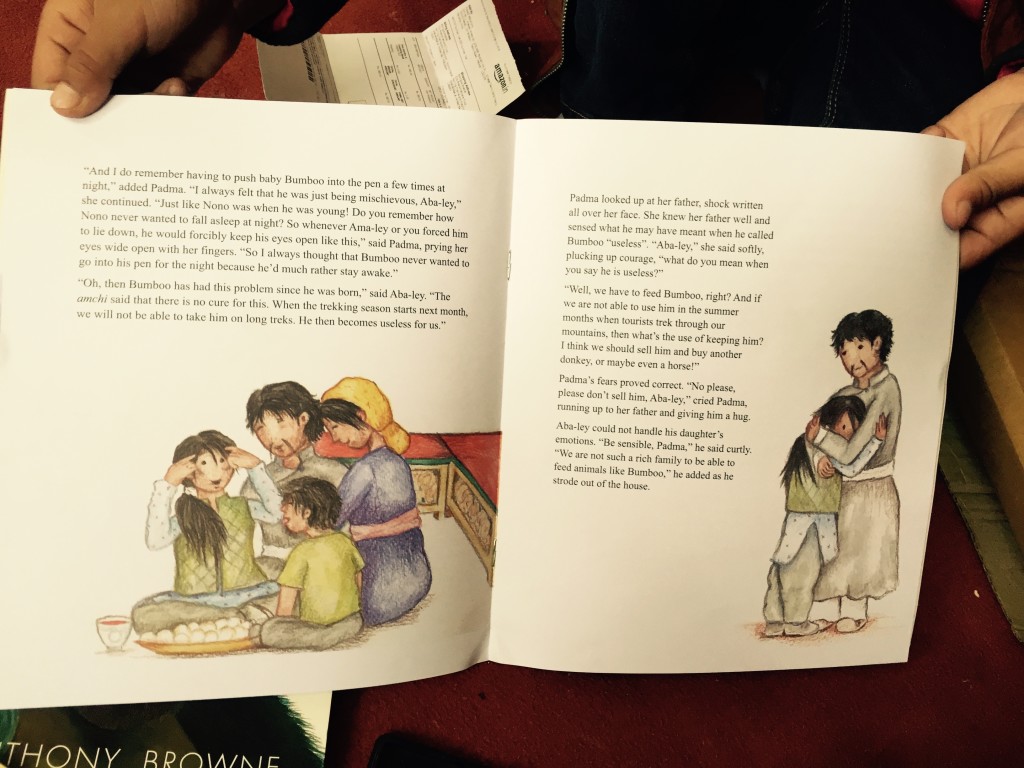
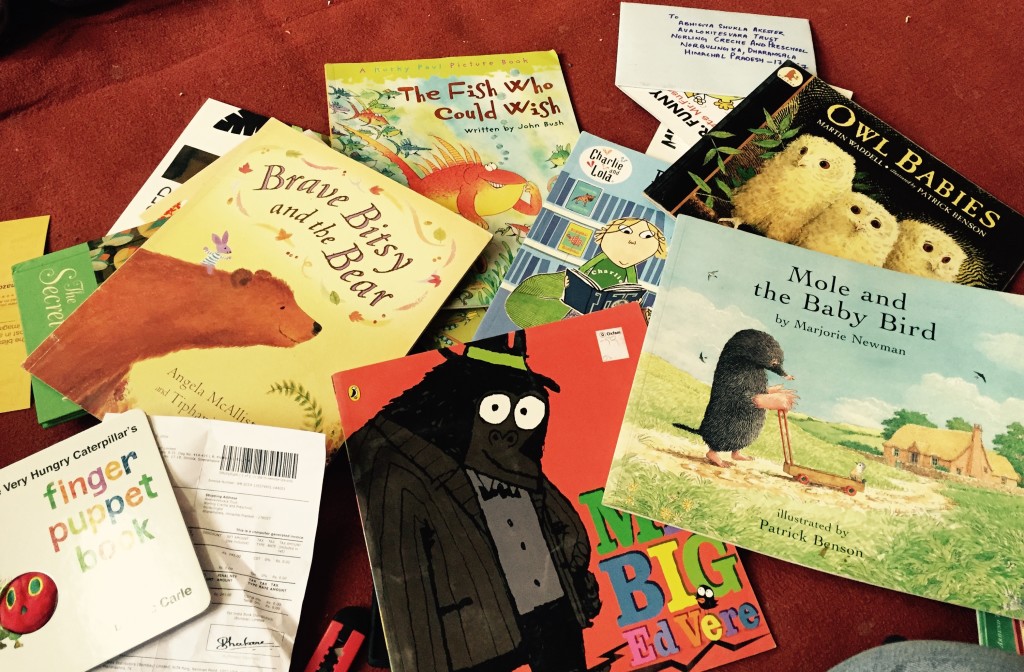
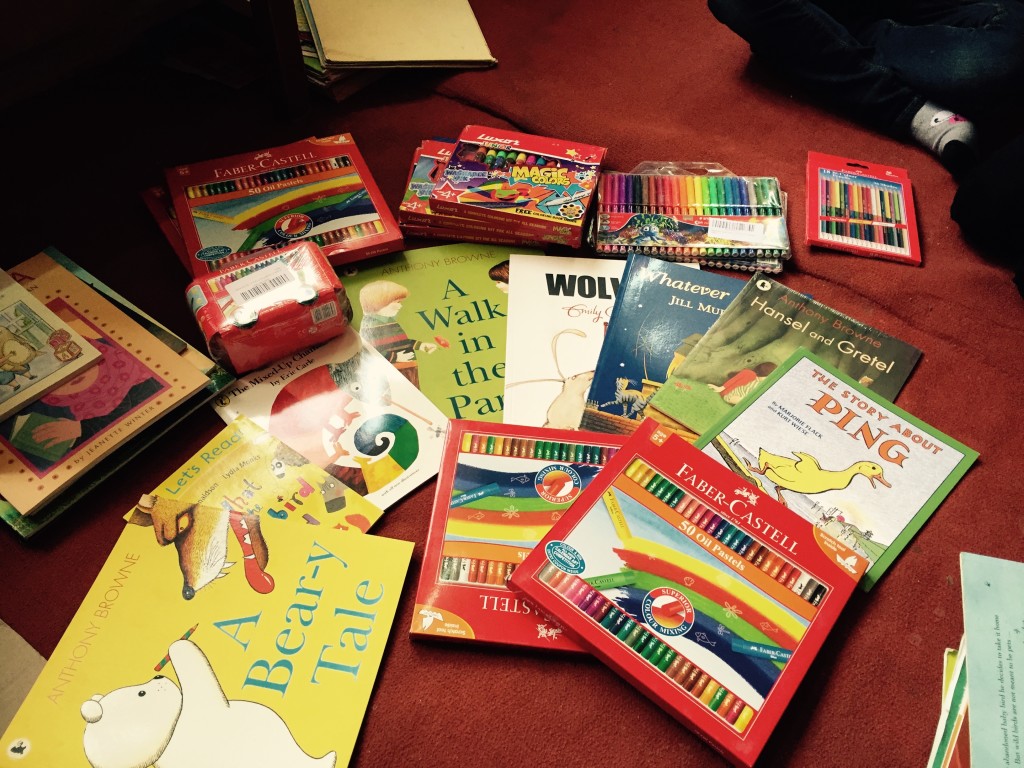
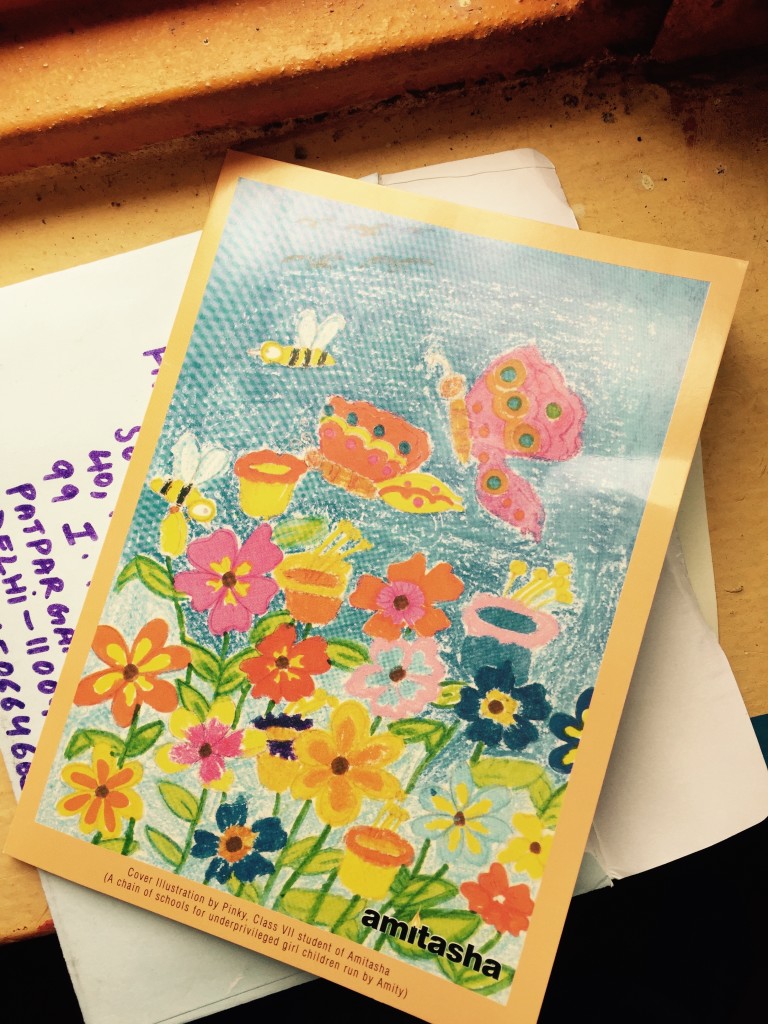
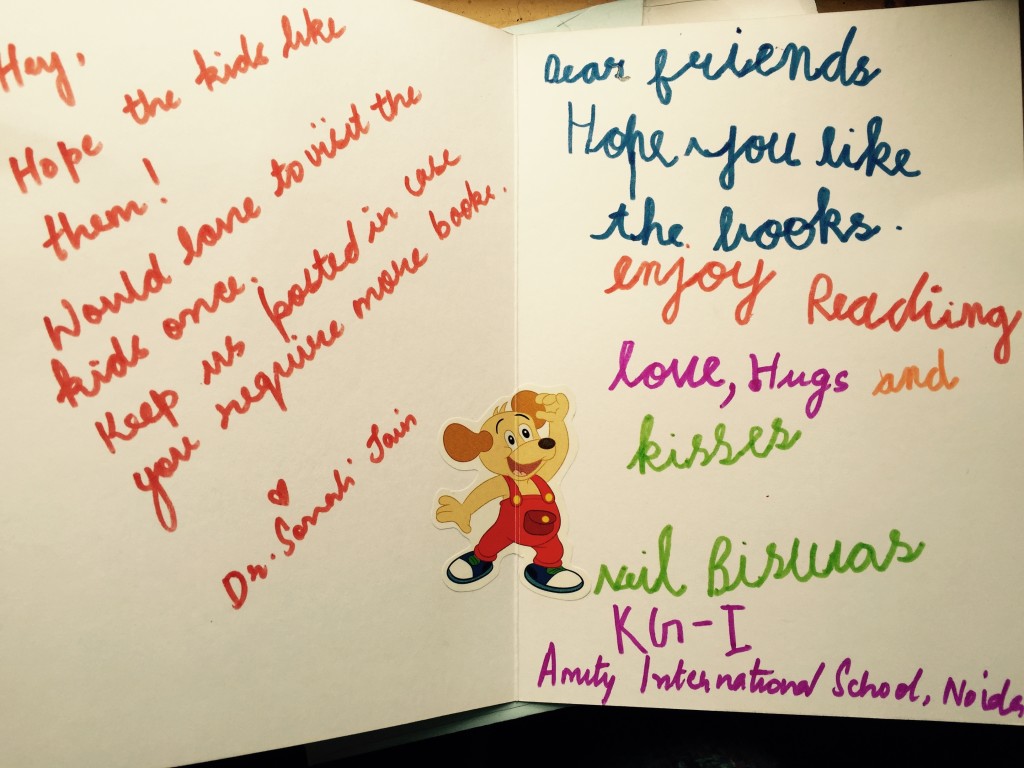
Book drives support this balance by bringing fresh material into communities where libraries may be small or distant. The story of how donated volumes reach new readers is captured in secondhand books, showing that a book’s journey can continue long after it leaves its first owner. Each volume can become a shared resource in a reading room, classroom, monastery, or family home.
Screens can help children discover authors, images, instruments, and places that are not represented in the local collection. At the same time, adults can help learners compare online information with printed sources and personal experience. This habit encourages careful reading instead of passive consumption.
The strongest model is a blended one. Books offer depth and continuity; the internet can provide current information, wider perspectives, and access to specialist materials. Art, music, storytelling, and group discussion turn both kinds of resources into active learning rather than solitary screen time.
Building Practical Digital Skills
Digital literacy involves much more than knowing how to open an app. Children benefit from learning how to search with precise words, identify trustworthy sources, save files, manage passwords, and ask for help when content feels unsafe or confusing. These skills are increasingly important as online education, communication, and employment become more common.
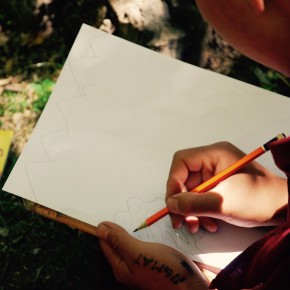
Instruction should be gradual and connected to real interests. A child who loves drawing might learn to photograph artwork, organize images, and create a simple digital portfolio. A young monk interested in music could explore recordings, compare instruments, and document a practice session. Such activities make technology feel purposeful and reinforce creativity.
Online safety deserves equal attention. Learners should understand why they should not share private information, meet online contacts without adult guidance, or assume that every photograph and claim is accurate. Teachers and volunteers can model respectful communication, copyright awareness, and responsible use of shared devices.
Where possible, local educators should guide technology programs. They understand seasonal schedules, community expectations, language needs, and the learning pace of the children. External volunteers can contribute training and resources, but lasting digital education depends on knowledge being shared with people who remain in the community.
Practical Priorities for Community Learning
Investment in connectivity should be matched with investment in people and places. A fast connection is useful only when learners have devices, electricity, relevant content, and someone who can help them navigate unfamiliar material. Small, carefully maintained systems may serve a community better than ambitious projects that are difficult to repair.
Useful priorities include:
- Create reading rooms with printed books, downloaded educational content, and clear device-sharing schedules.
- Choose low-bandwidth resources that work on basic phones, older computers, and intermittent connections.
- Provide solar charging or backup power where electricity is unreliable.
- Train local teachers and volunteers in digital literacy, online safety, and equipment care.
- Build collections that include local stories, multilingual materials, science resources, art, and music.
These steps support learning continuity during bad weather, travel disruptions, or temporary network outages. They also help children see education as something broader than exam preparation: a way to communicate, create, investigate, and understand their place in a changing world.
A thoughtful approach to internet access can connect Himalayan communities with knowledge without weakening local culture or the value of shared learning. When a child has a welcoming reading room, a trusted adult, a useful book, and carefully selected digital resources, limited connectivity becomes less of a barrier. Support Avalokiteśvara Trust’s work by helping expand access to books, learning spaces, creative programs, and the tools that allow young learners to explore both their communities and the wider world.