The Joy of a Secondhand Book: How Donated Books Find New Homes
A book can begin its life on one shelf and continue it thousands of miles away. Once read, it may be passed to a sibling, placed in a classroom, or packed into a box for a community that has limited access to affordable reading material. Its pages carry a history, yet each new reader creates a fresh connection with the story.
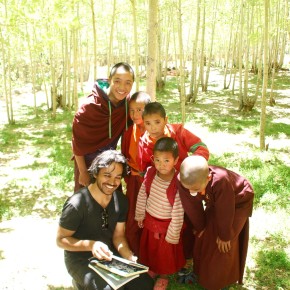
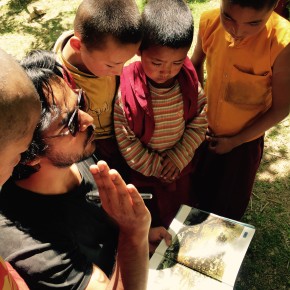
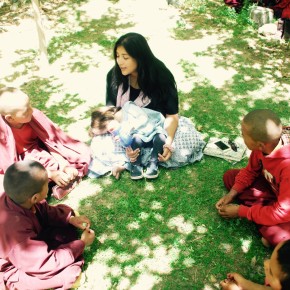
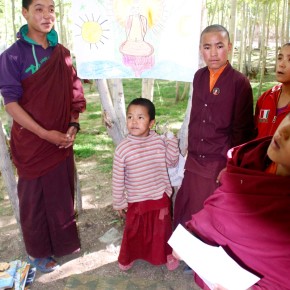
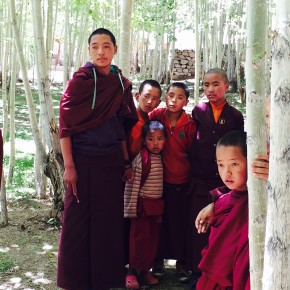
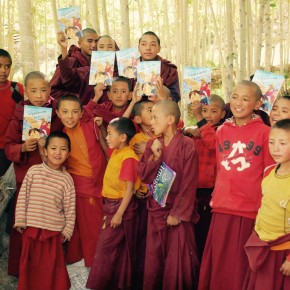
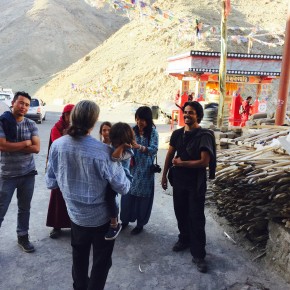
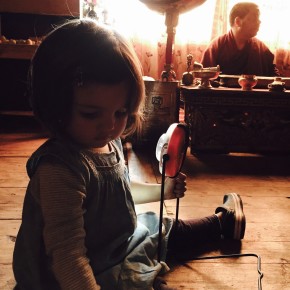
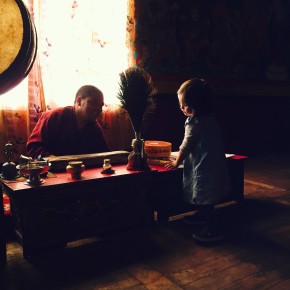
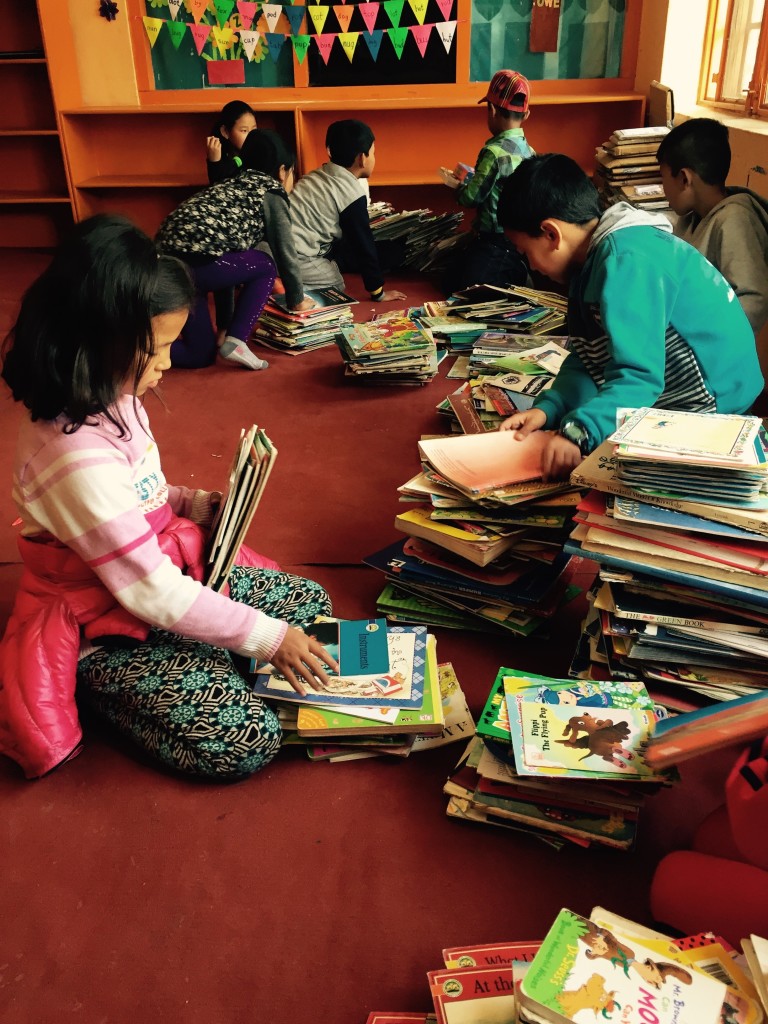
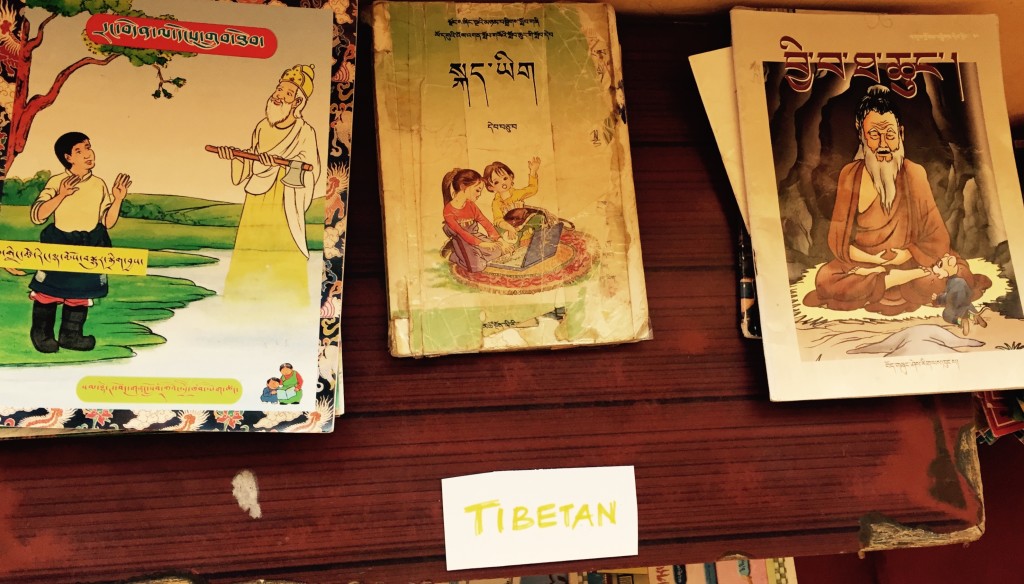
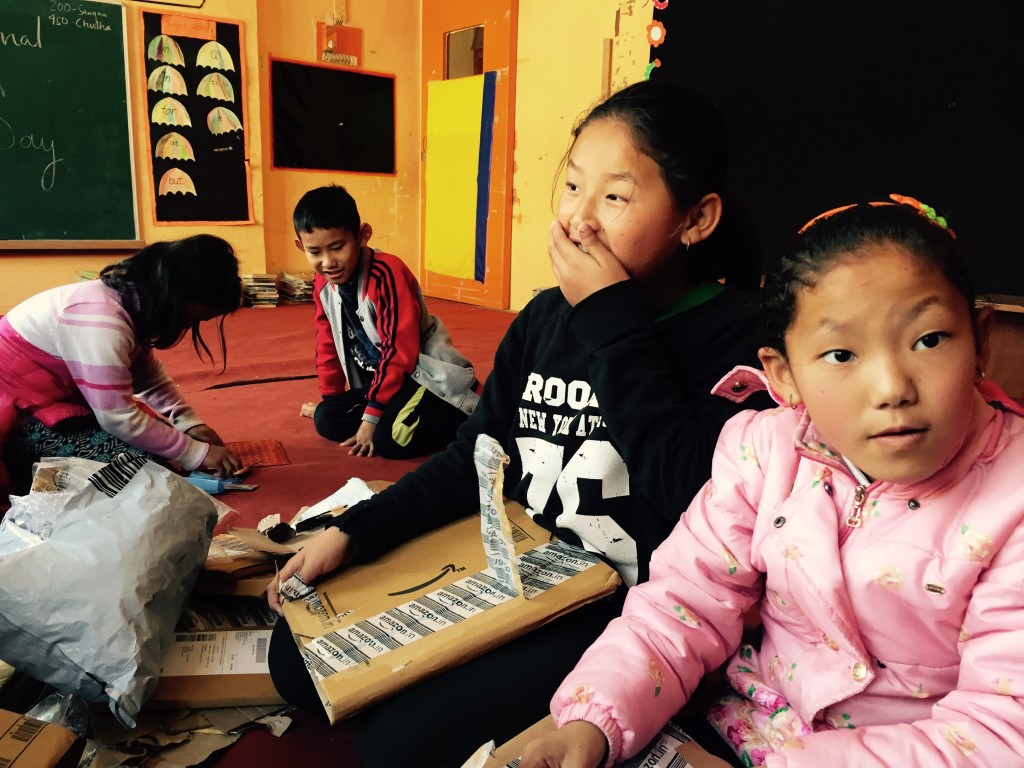
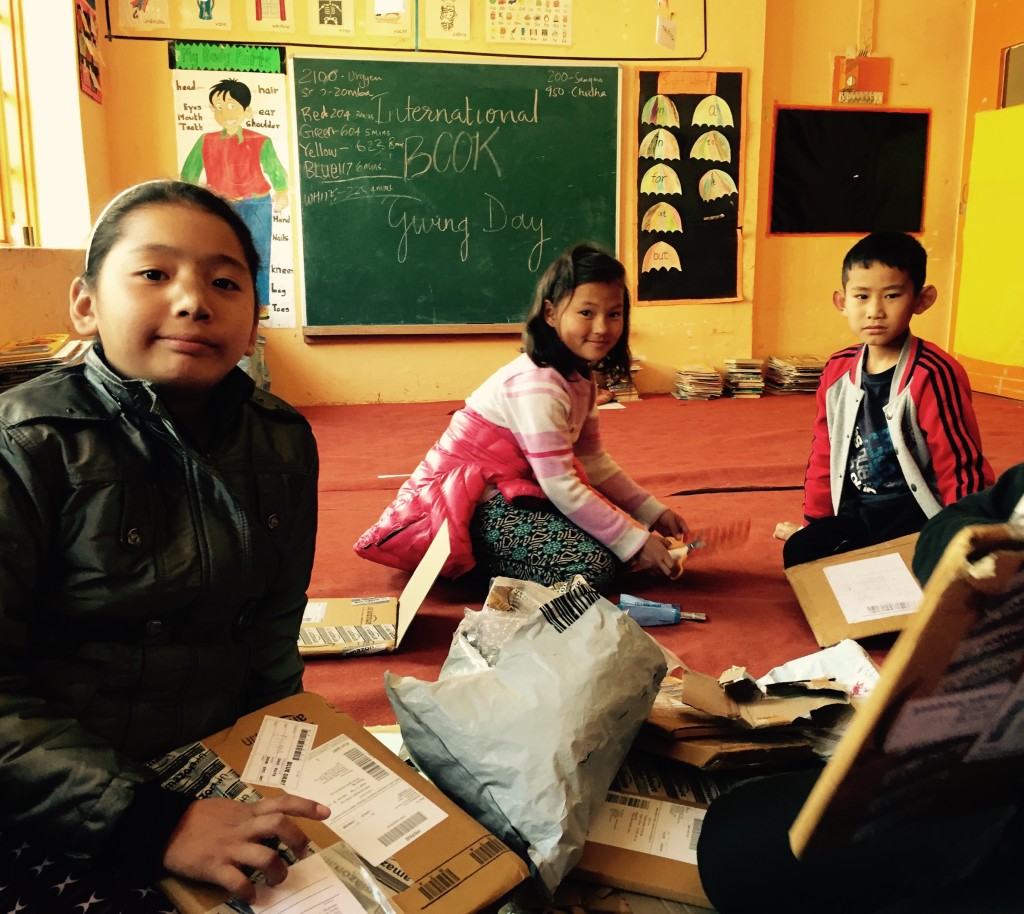
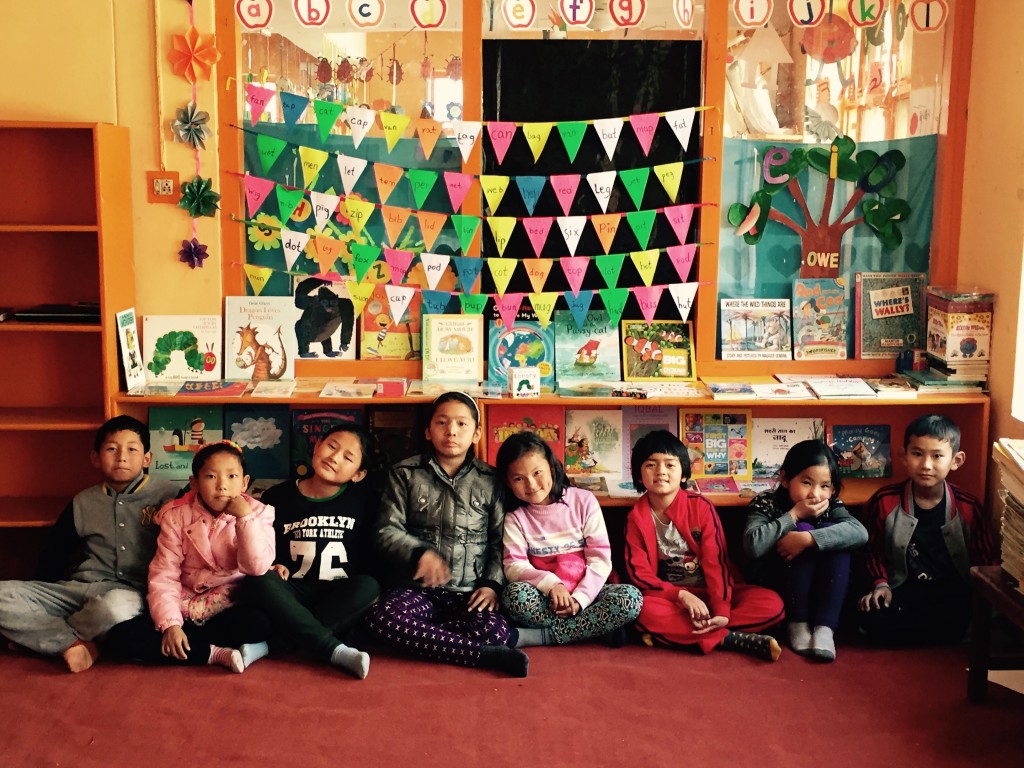
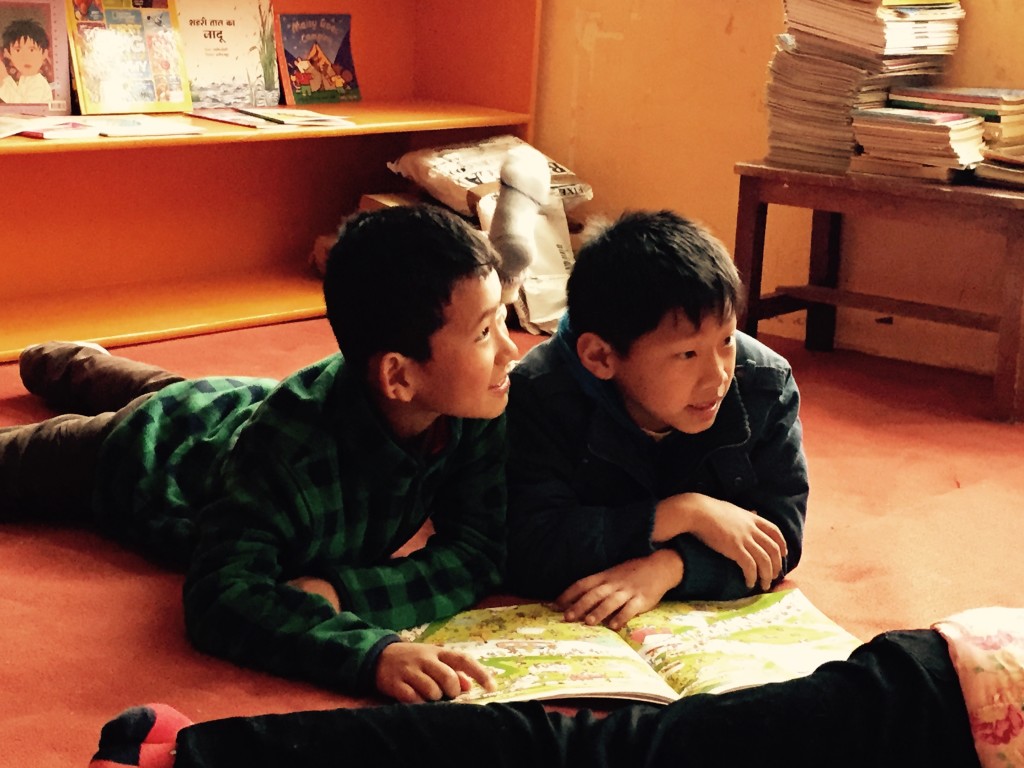
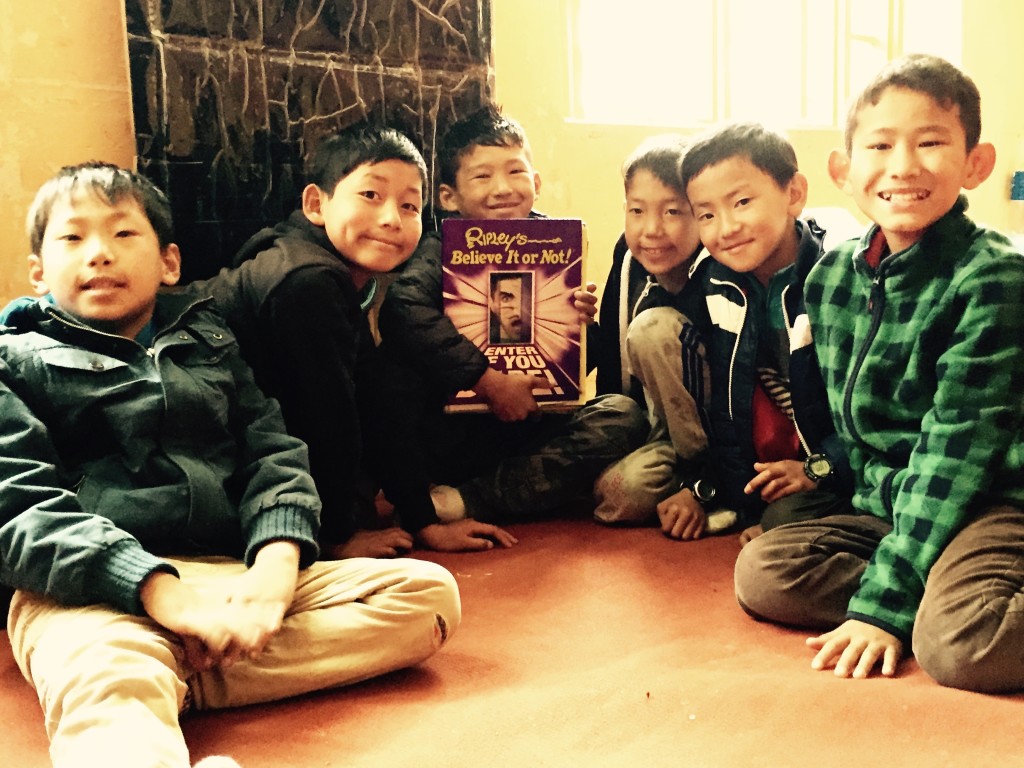
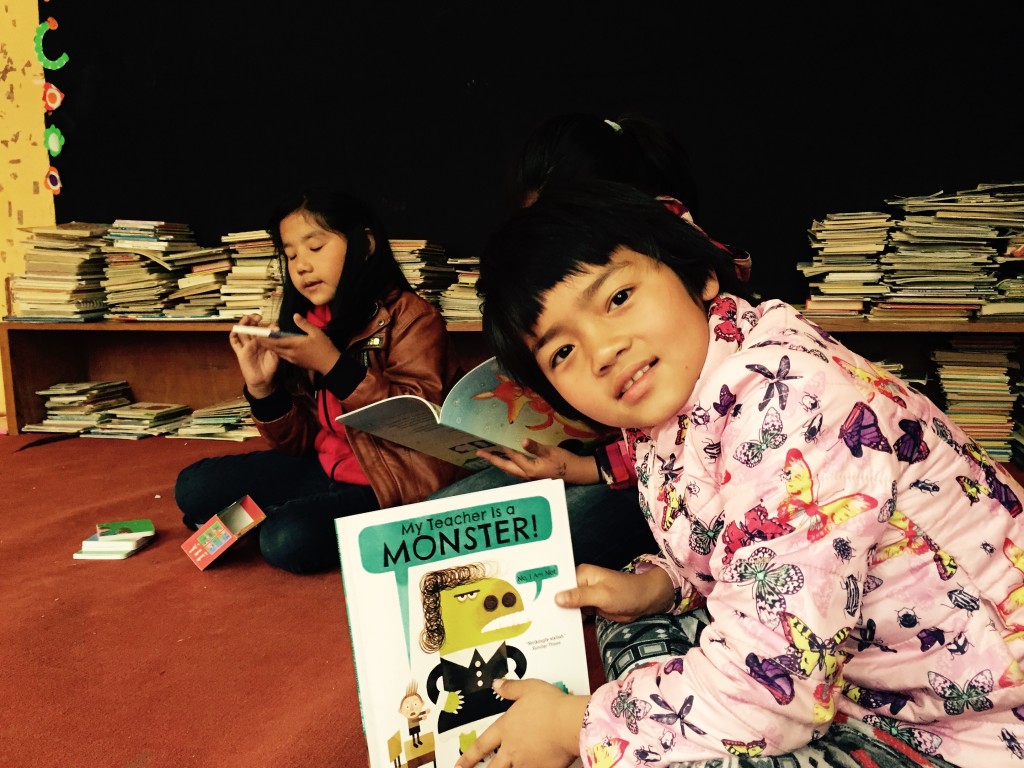
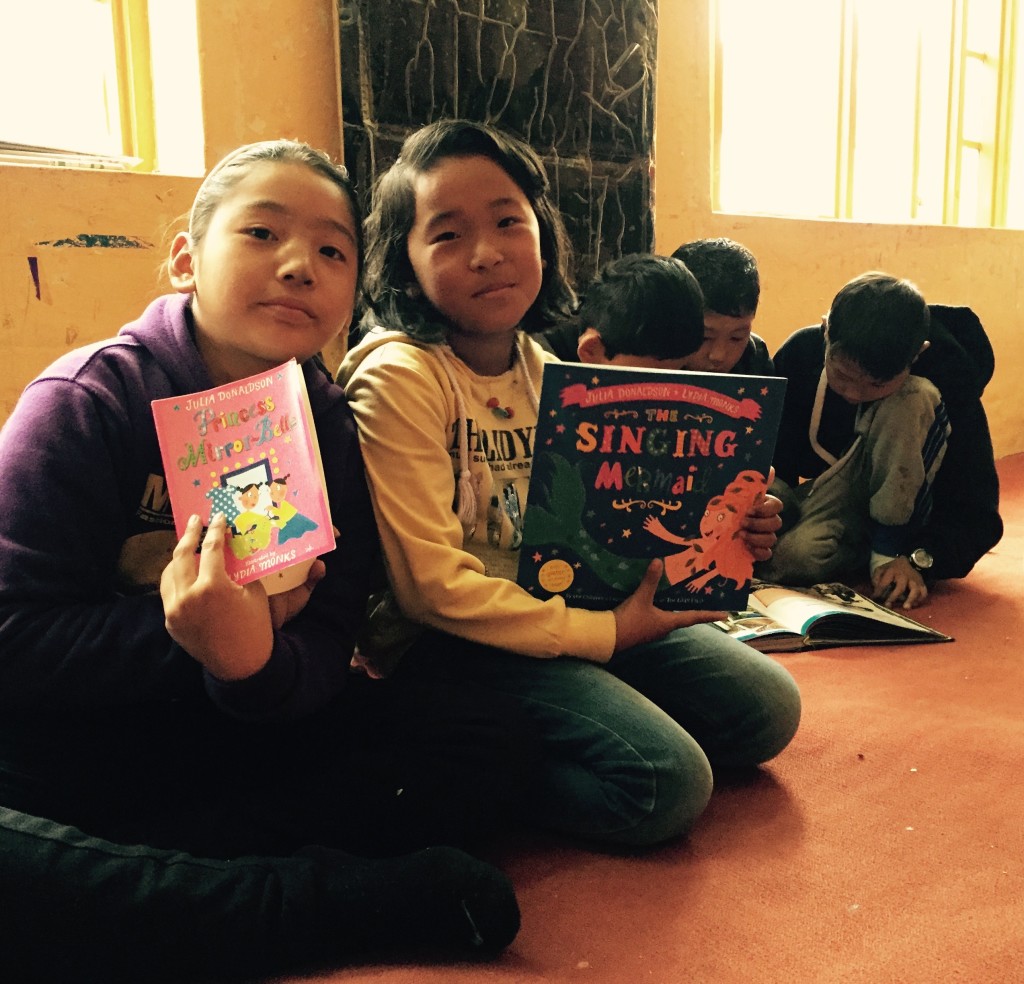
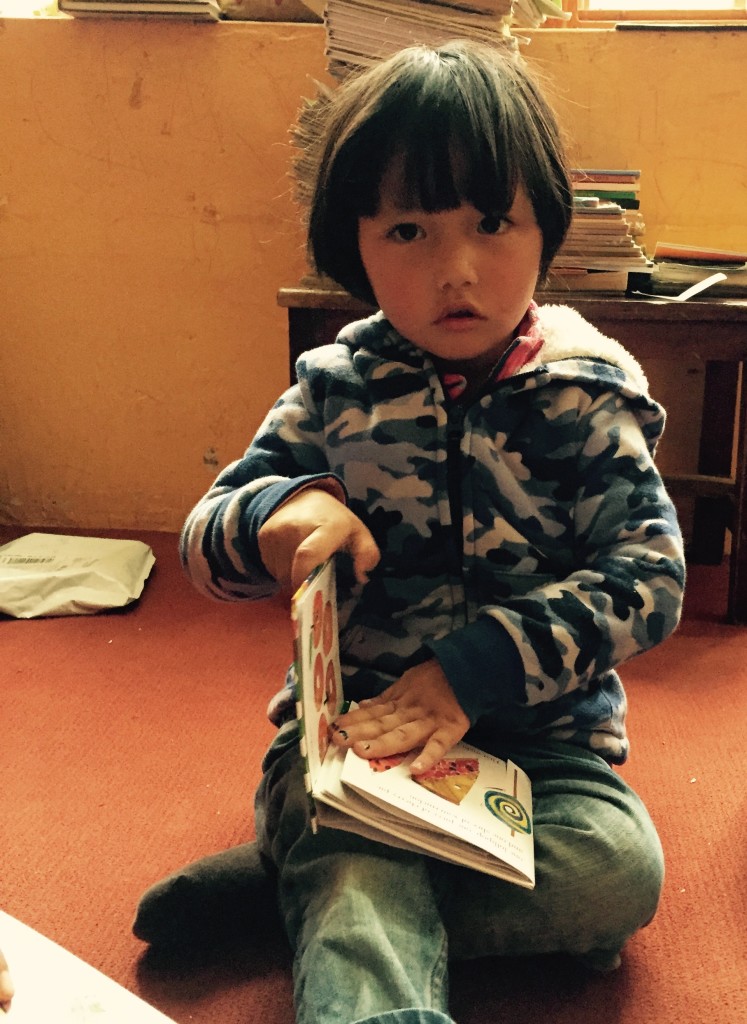
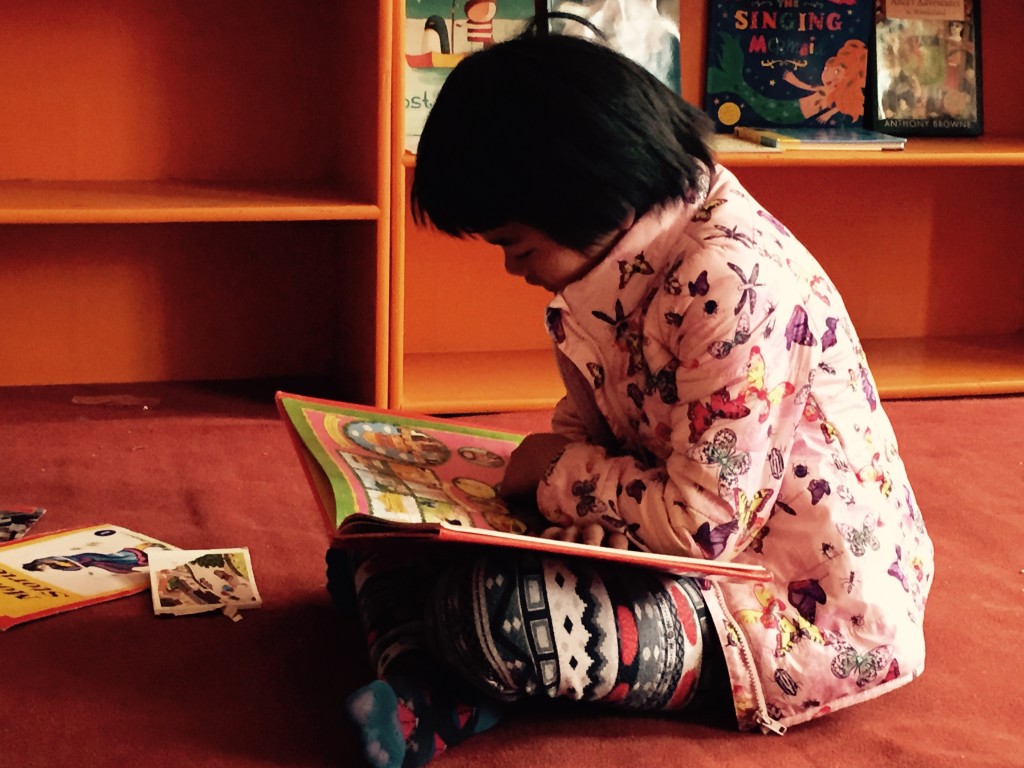
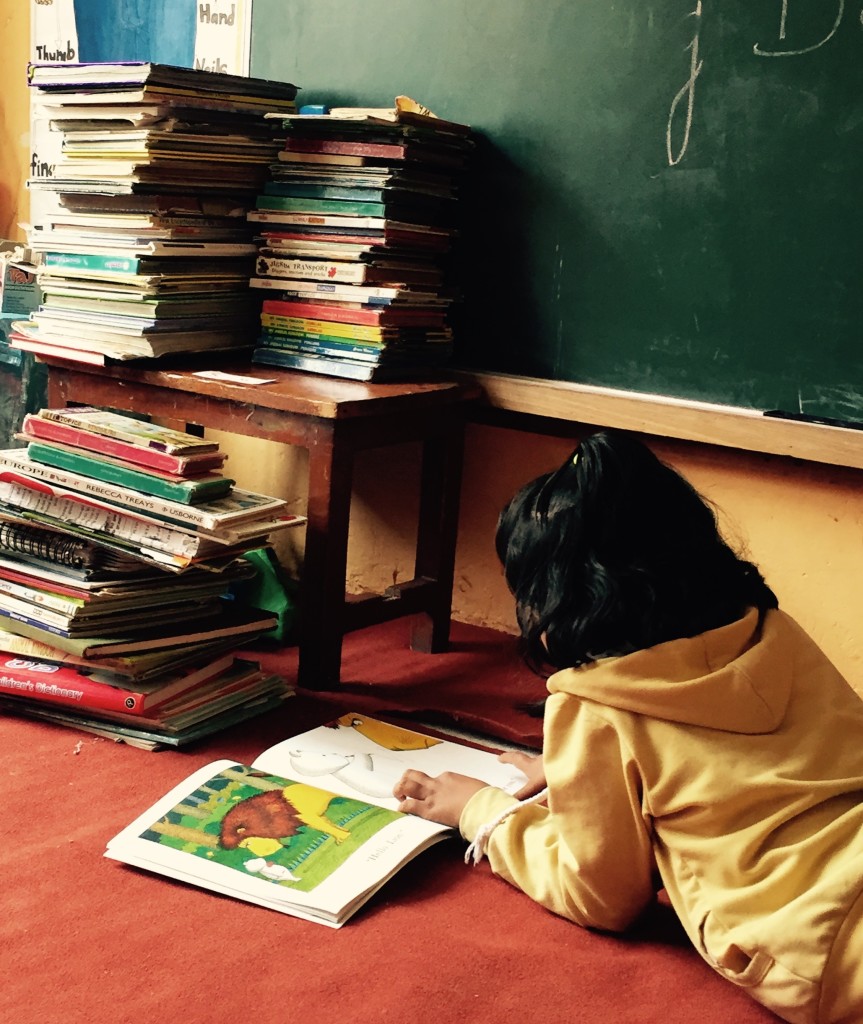
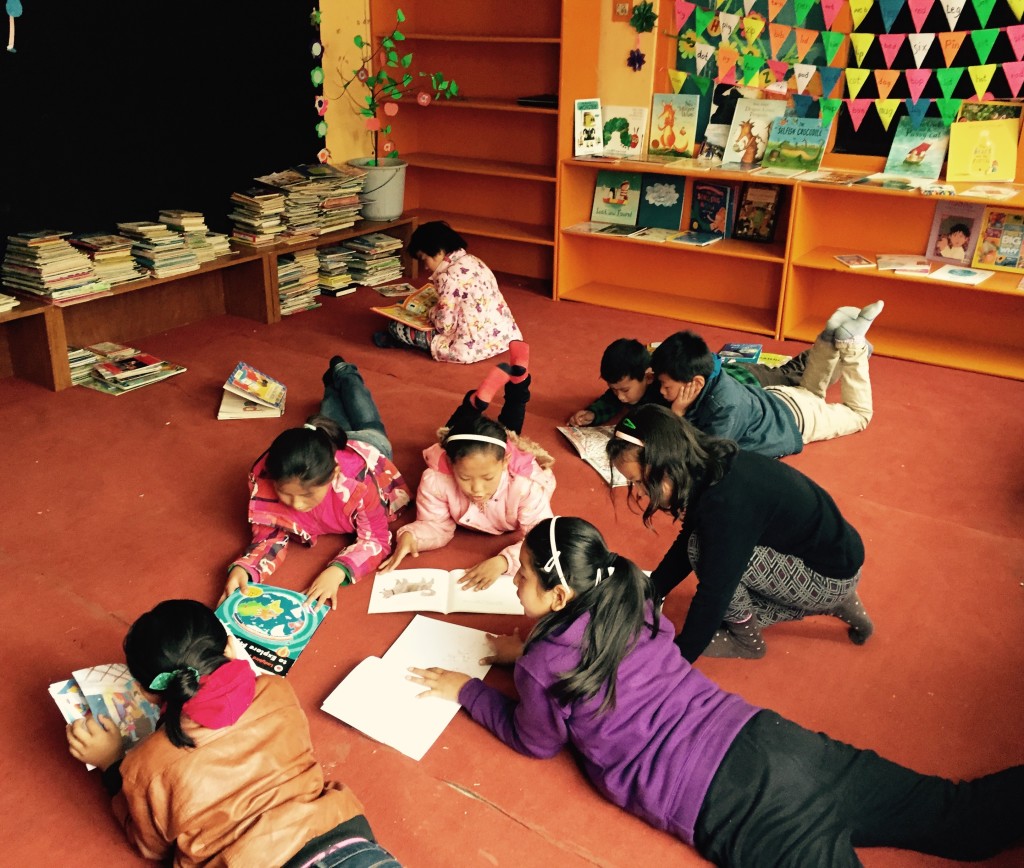
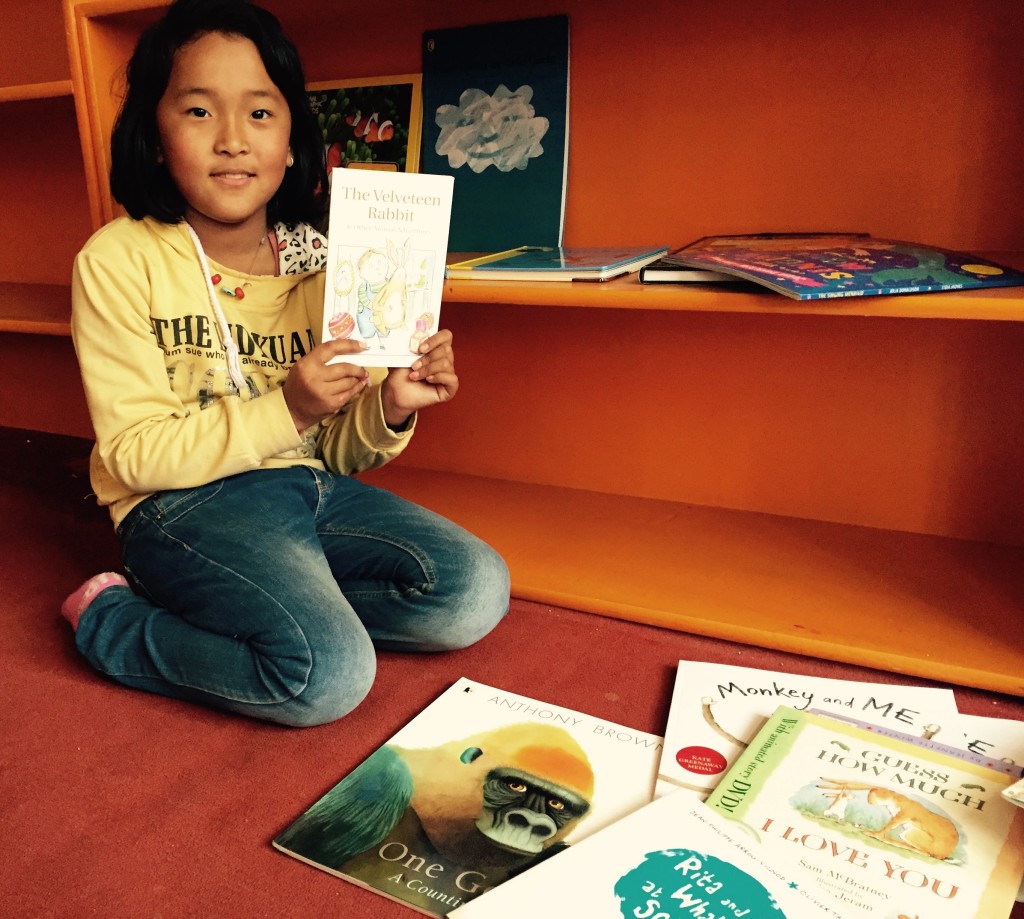
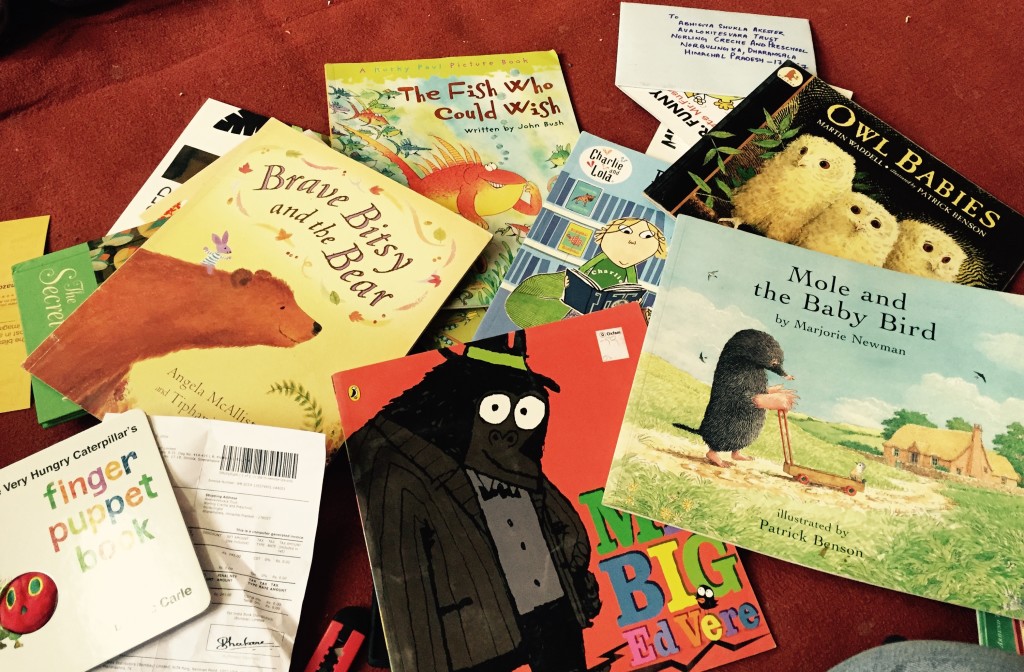
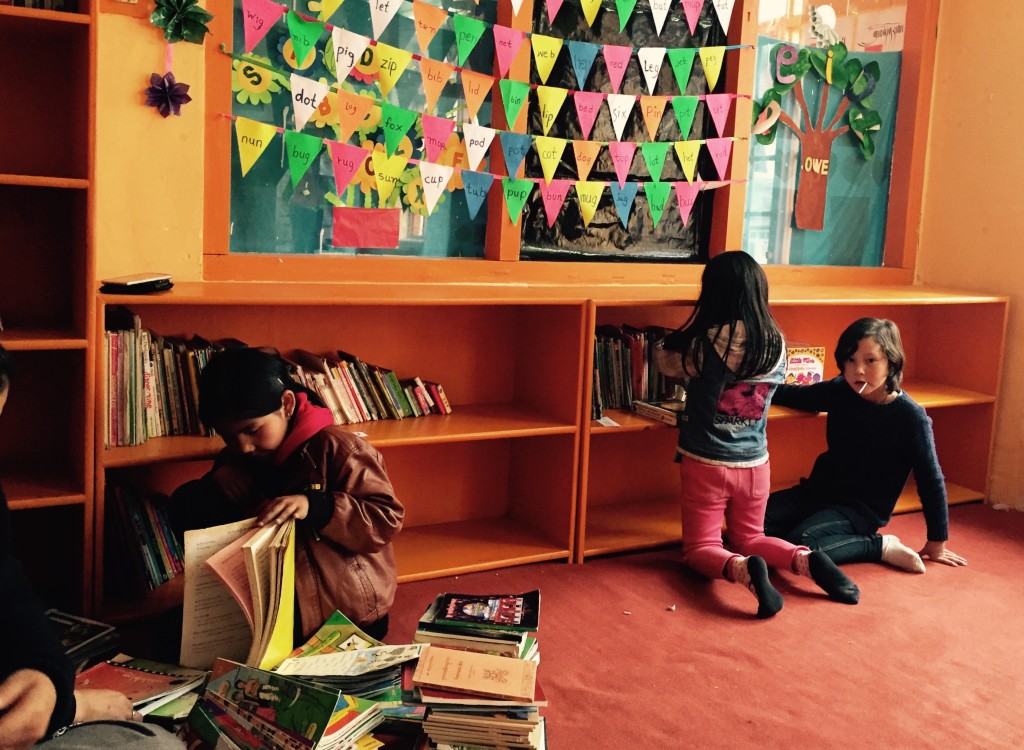
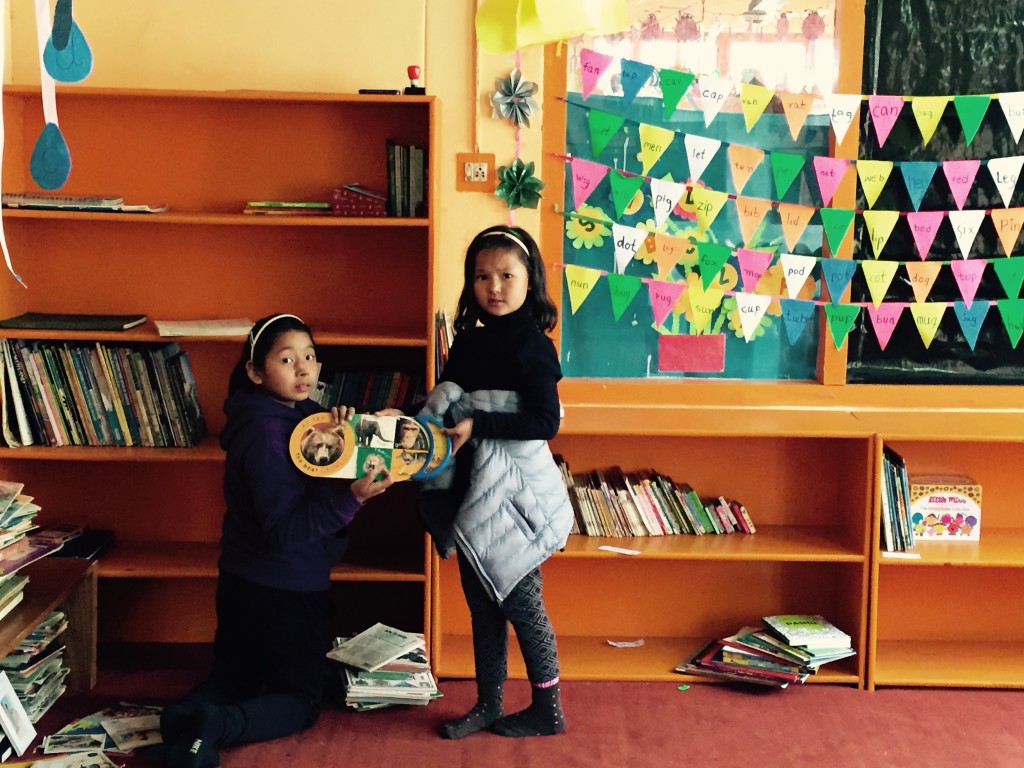
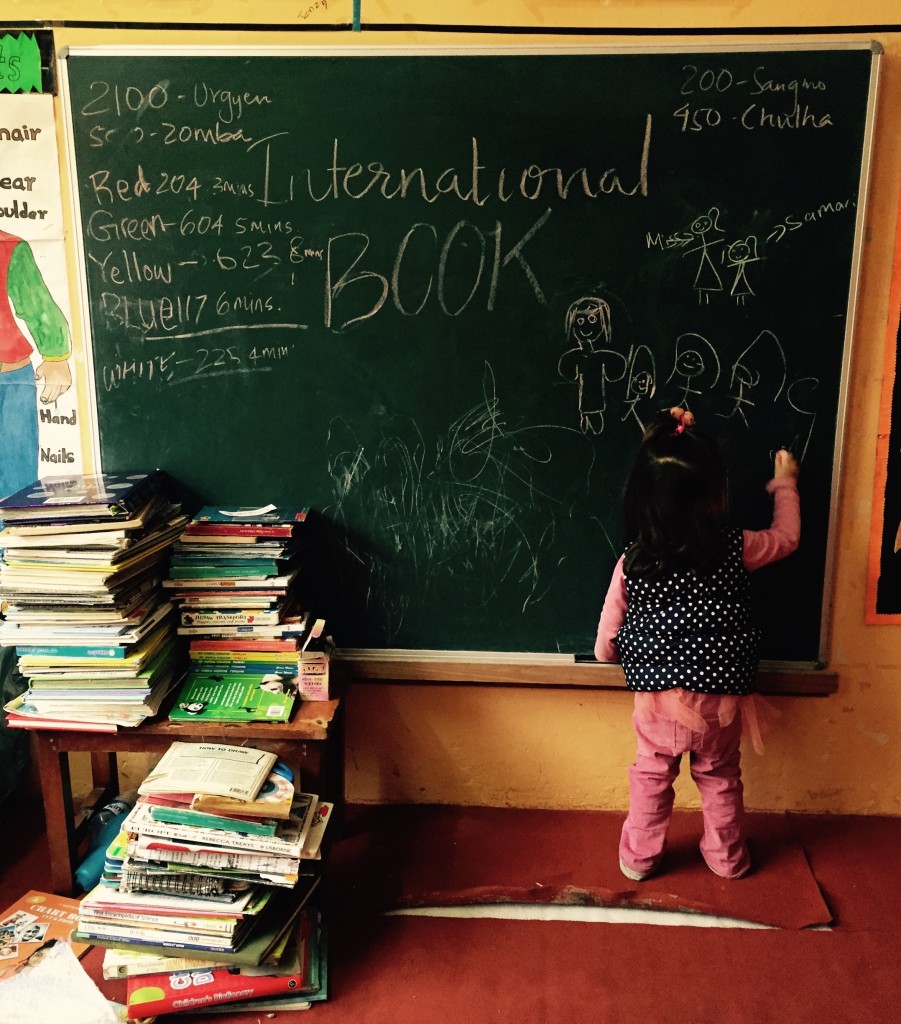
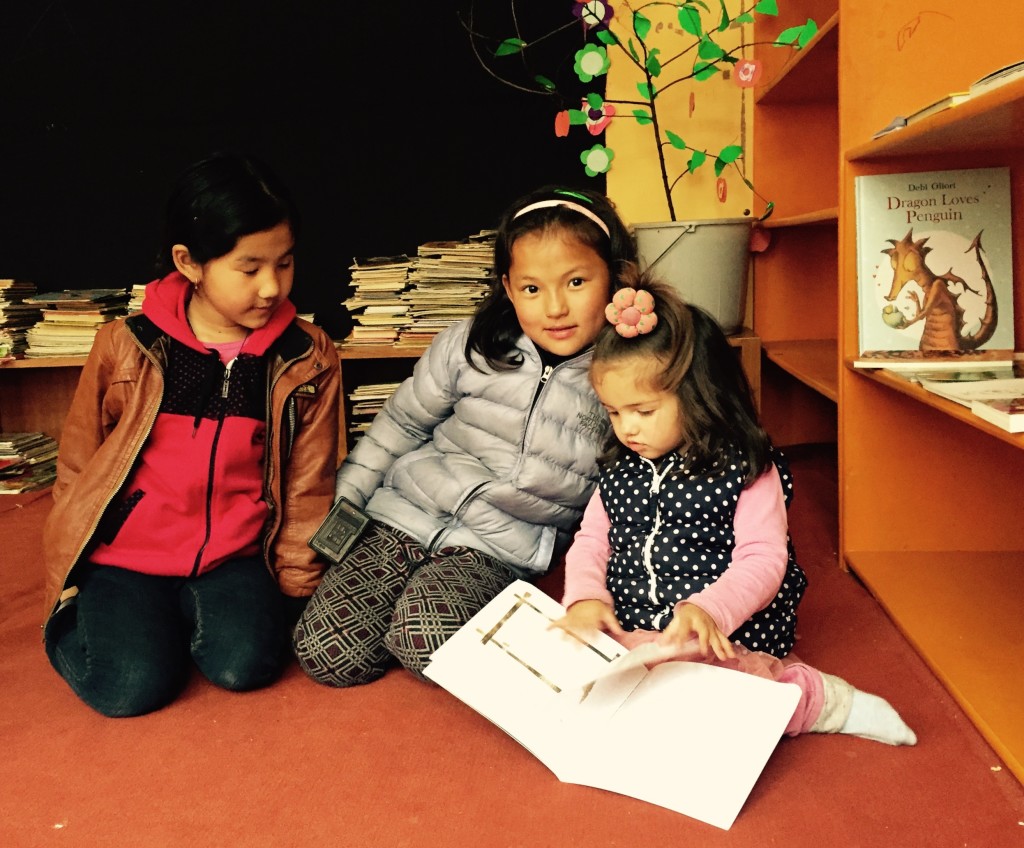
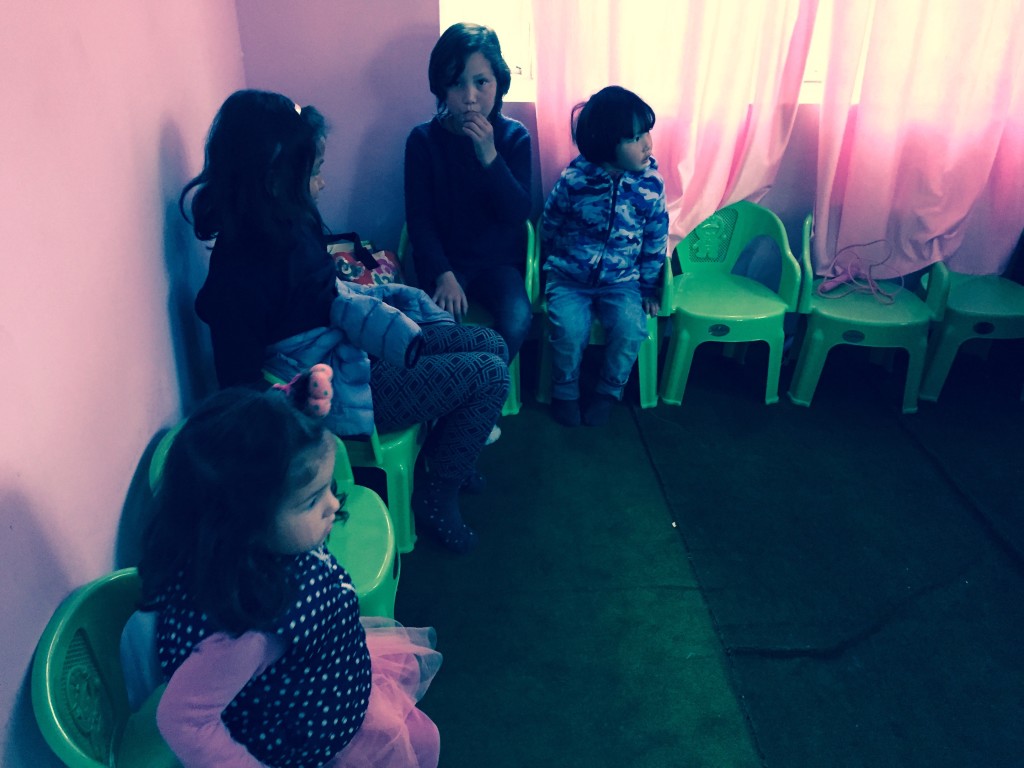
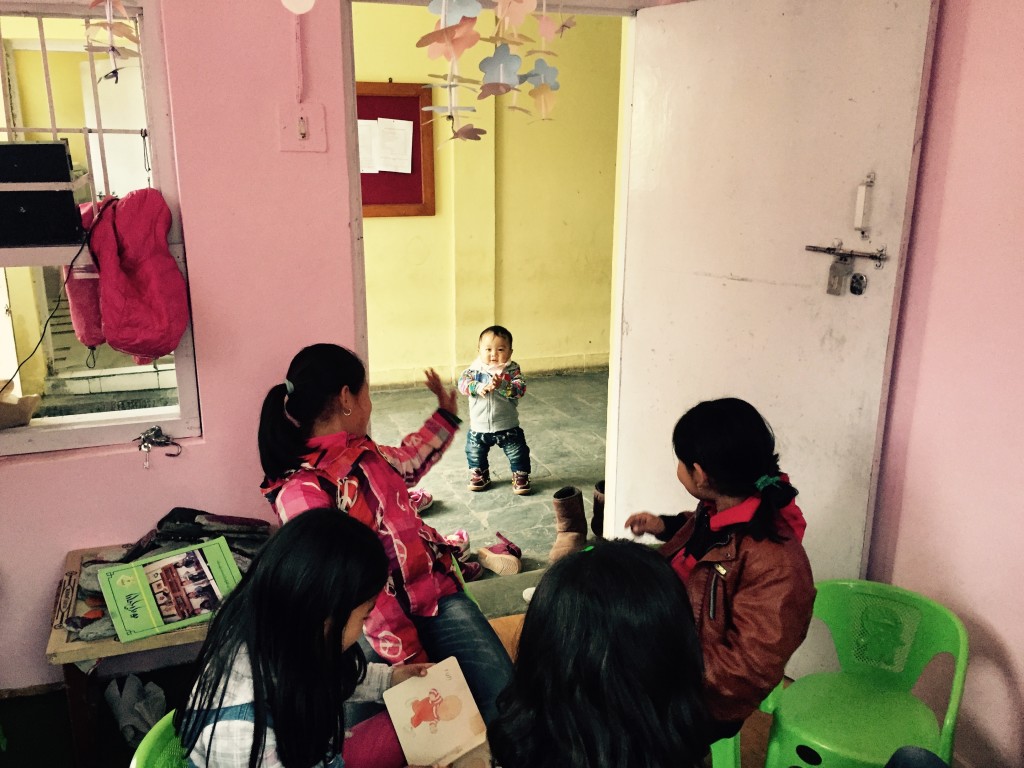
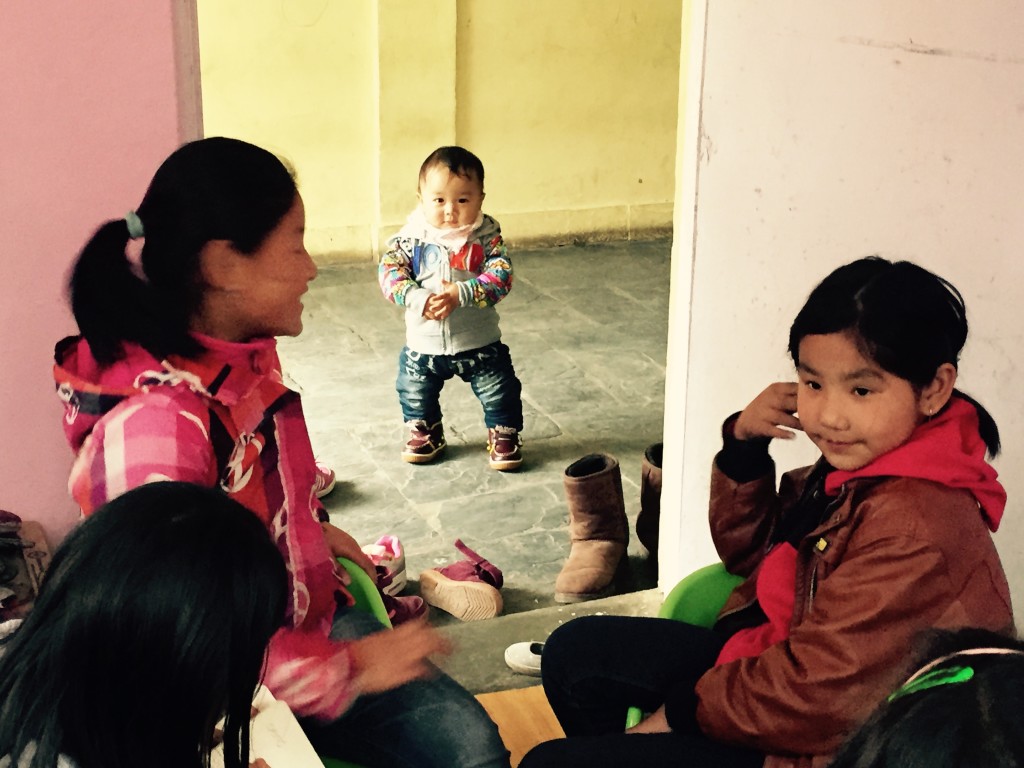
For children and young monks in the Himalayan region, a donated book can represent far more than a pre-owned object. It can be an invitation to explore, a tool for language learning, or a quiet companion during an afternoon in a reading room. Illustrated stories encourage imagination, while reference books support study and widen access to knowledge.
The joy of a secondhand book comes from this renewal. A thoughtful book donation keeps useful resources in circulation and gives a reader the pleasure of discovering something that once mattered to someone else. Through book drives, volunteers, and community partnerships, a single volume can find a meaningful new home.
A Book's Second Life Begins With Care
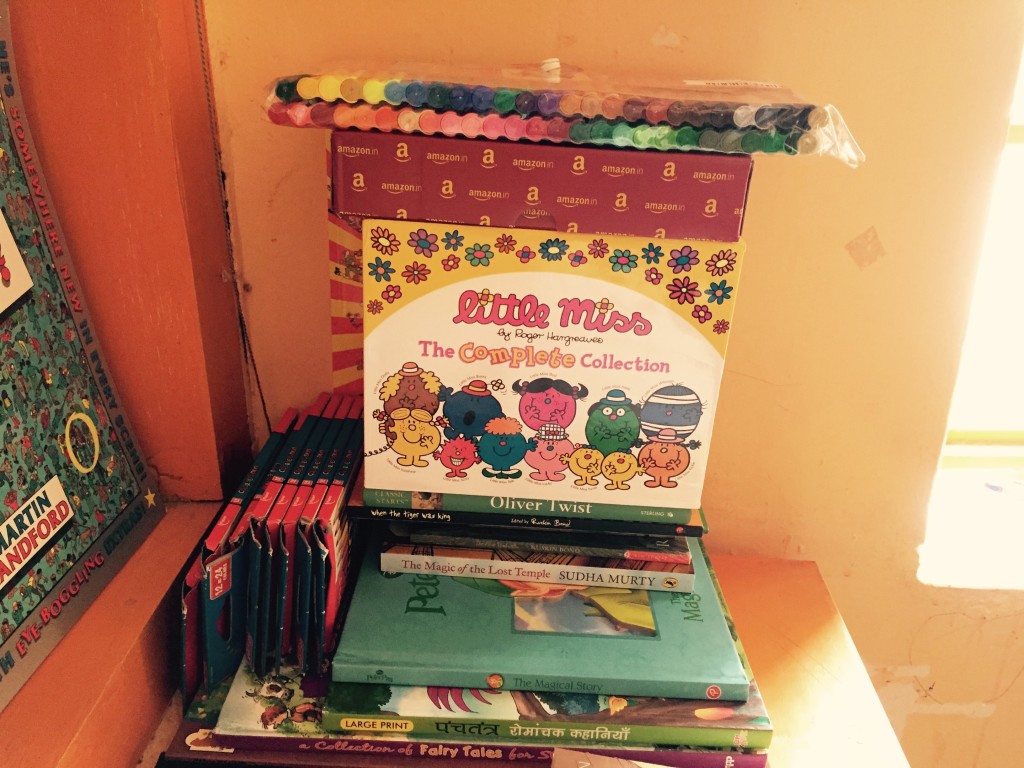
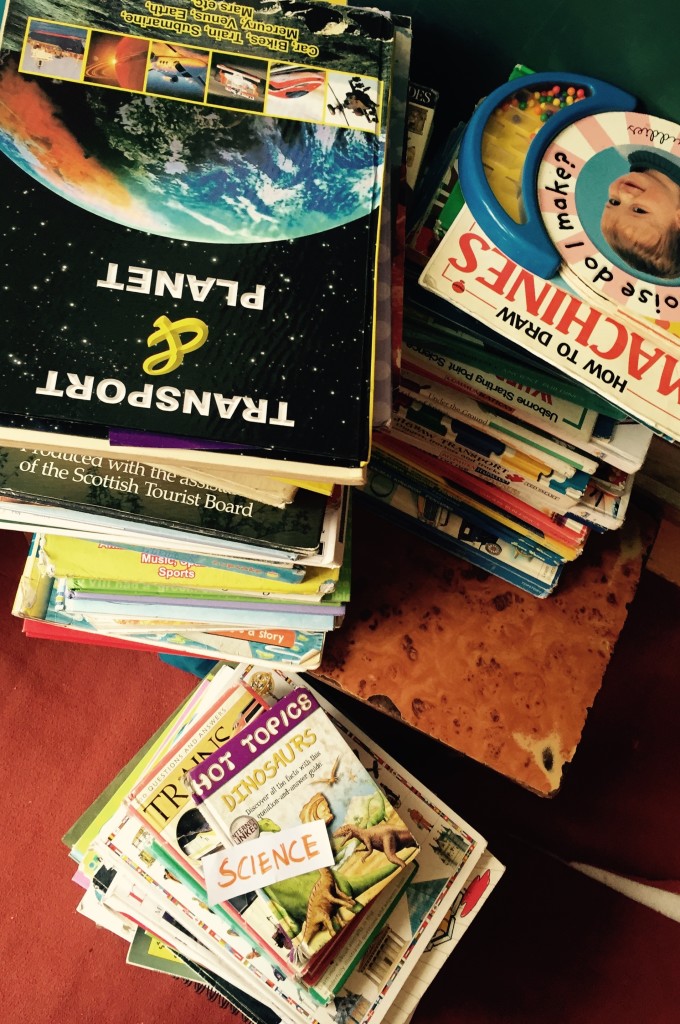
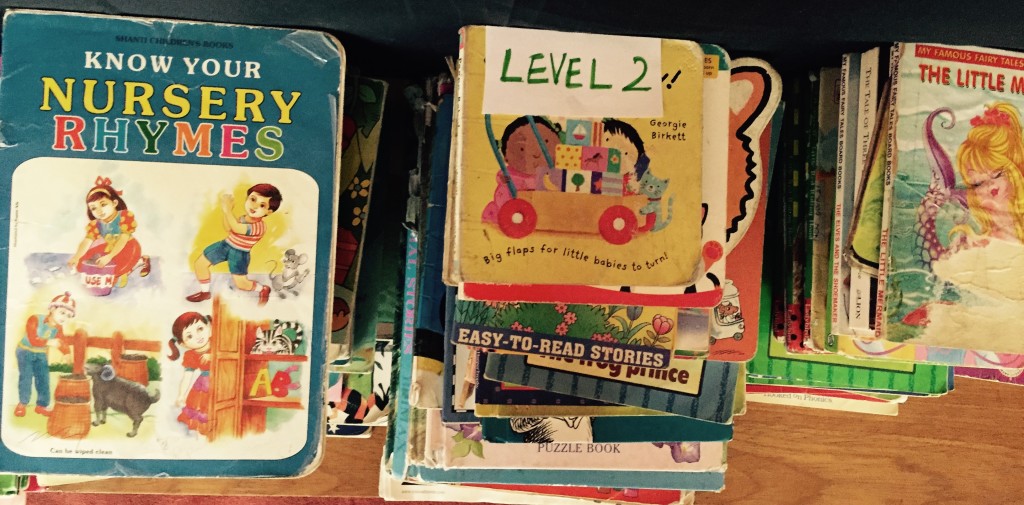
The journey starts when someone decides that a much-loved book should keep serving readers. Families clear their shelves, schools replace older editions, and individuals gather children’s stories, novels, art books, and educational materials for donation. These books may show signs of use, yet a sturdy binding and readable pages can still offer years of value.
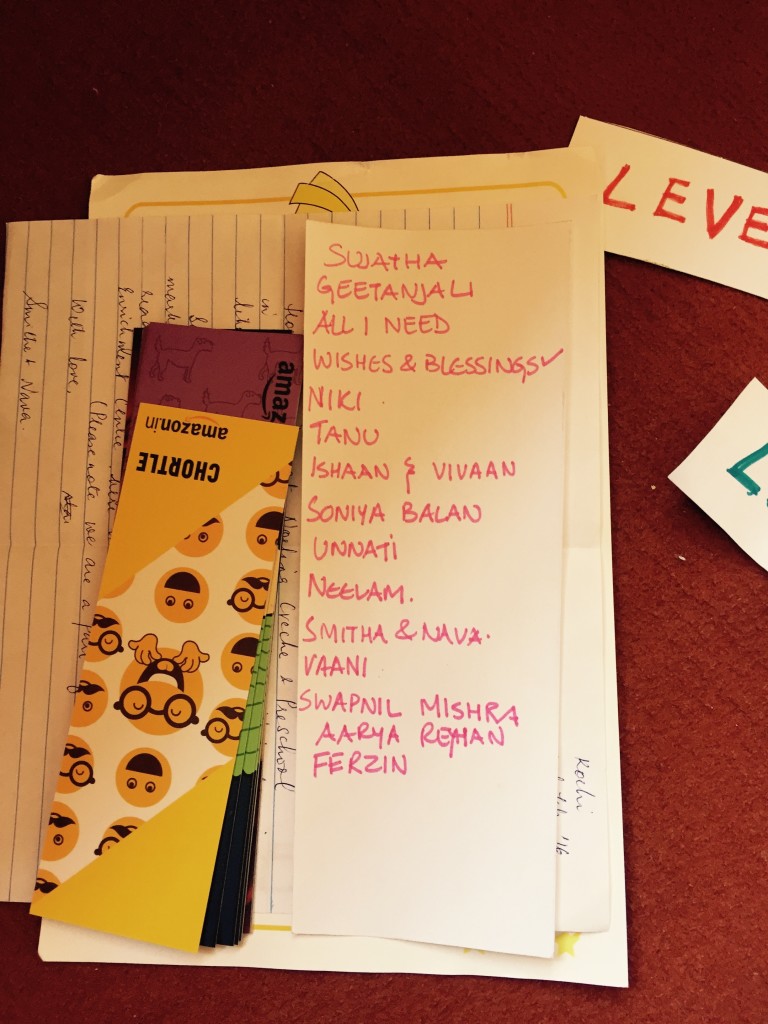
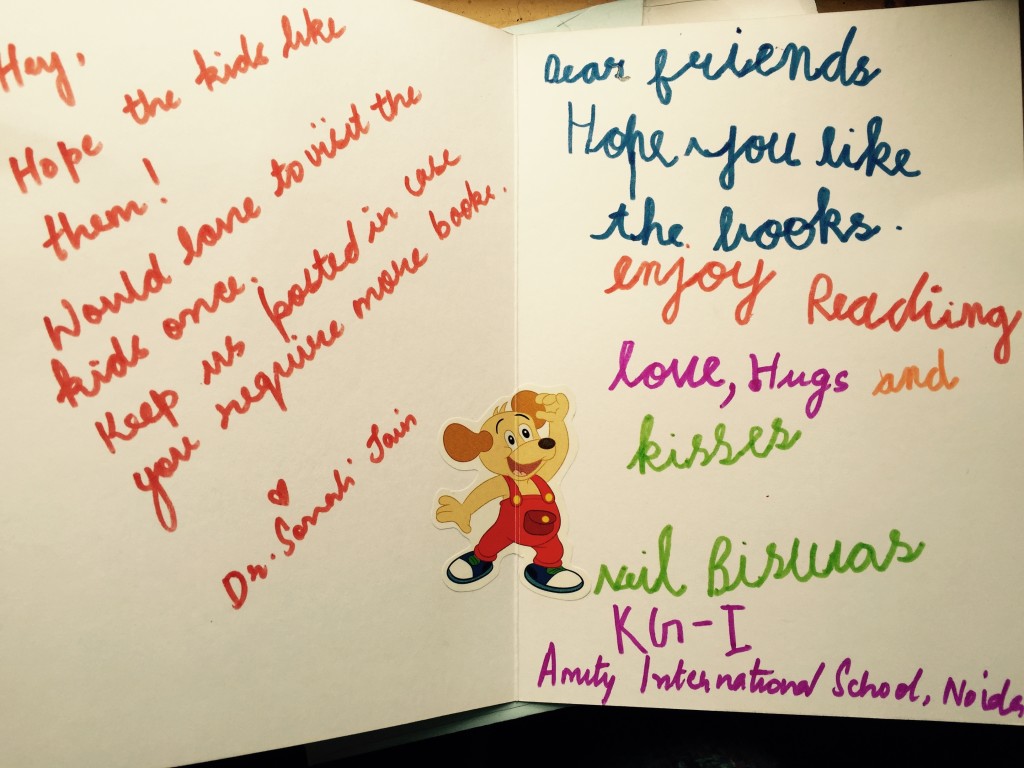
Good preparation makes the difference. Donors can check that books are complete, clean, and suitable for the intended age group. A brief note inside the cover can add warmth, especially when it explains where the book came from or wishes its next reader well. The marks of previous ownership often make a secondhand book feel personal rather than impersonal.
A donated volume also carries an environmental benefit. Reusing books reduces waste and extends the materials, energy, and craftsmanship invested in producing them. When a book moves from a private shelf into a shared reading space, its usefulness grows without requiring a new object to be manufactured.
How Donations Travel From Shelf To Reading Room
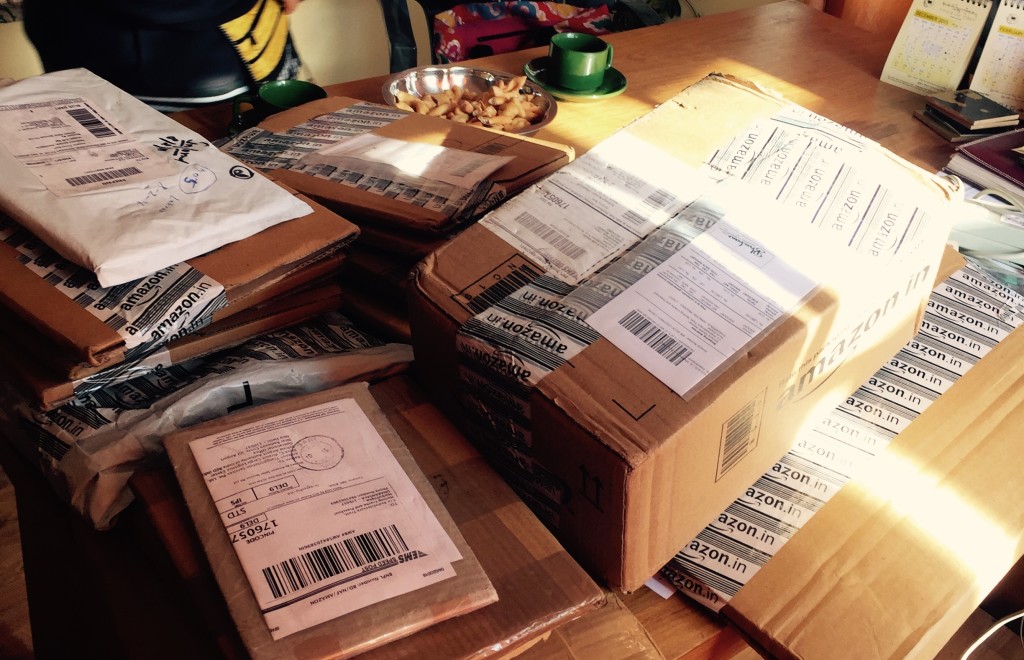
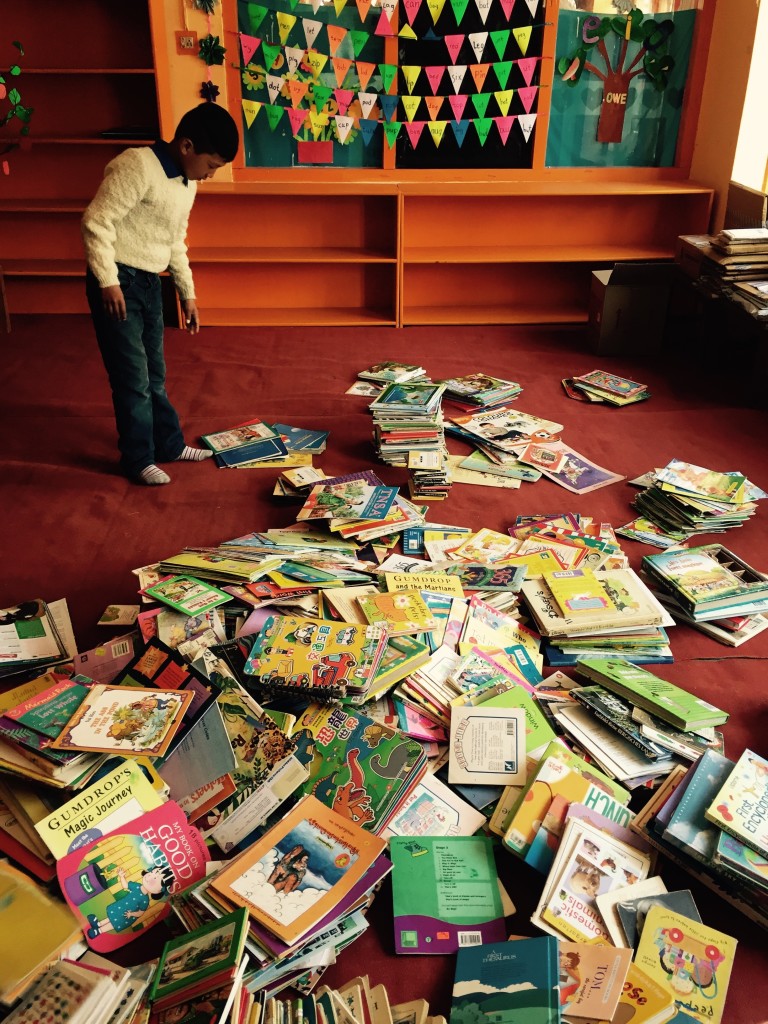
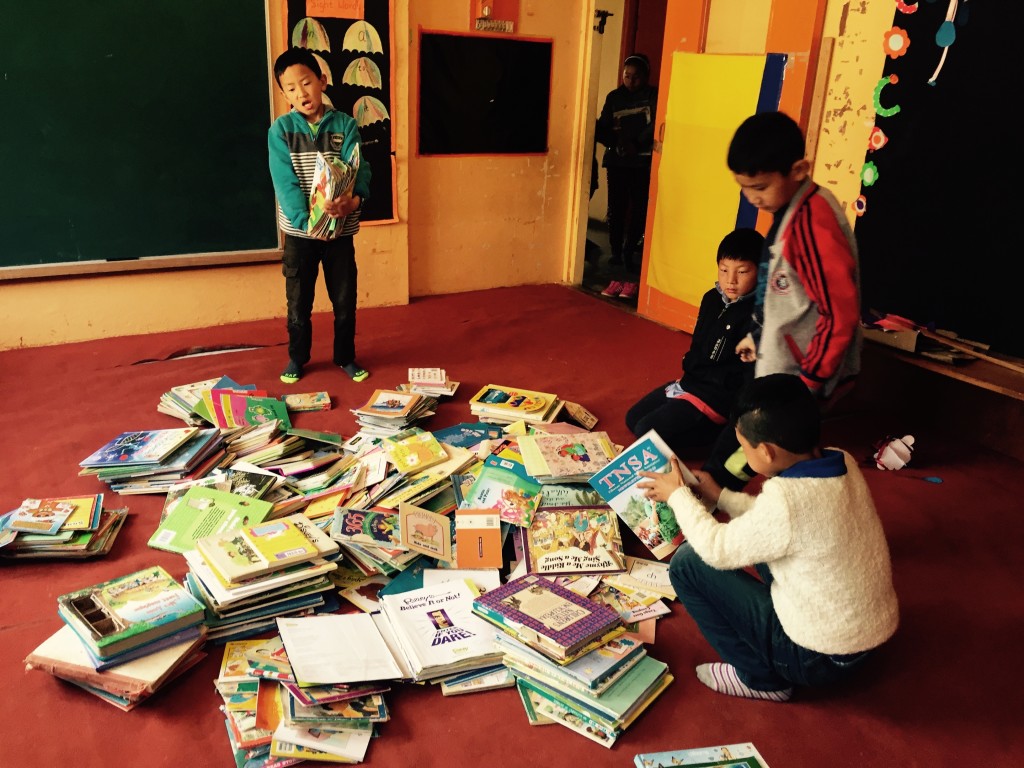
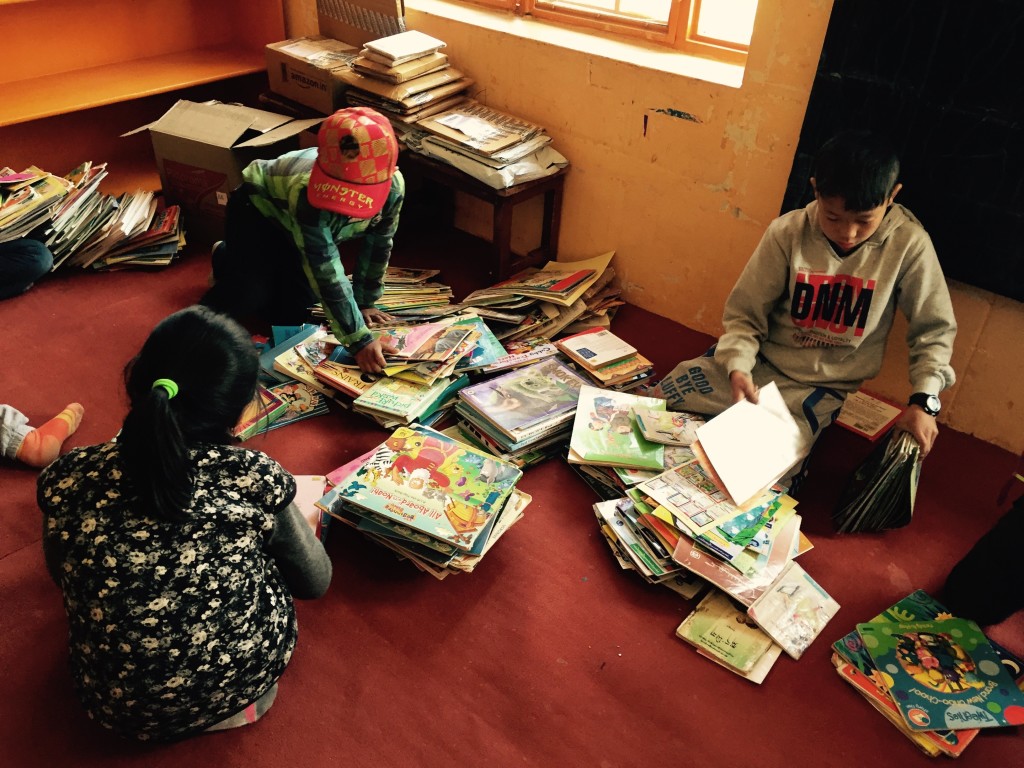
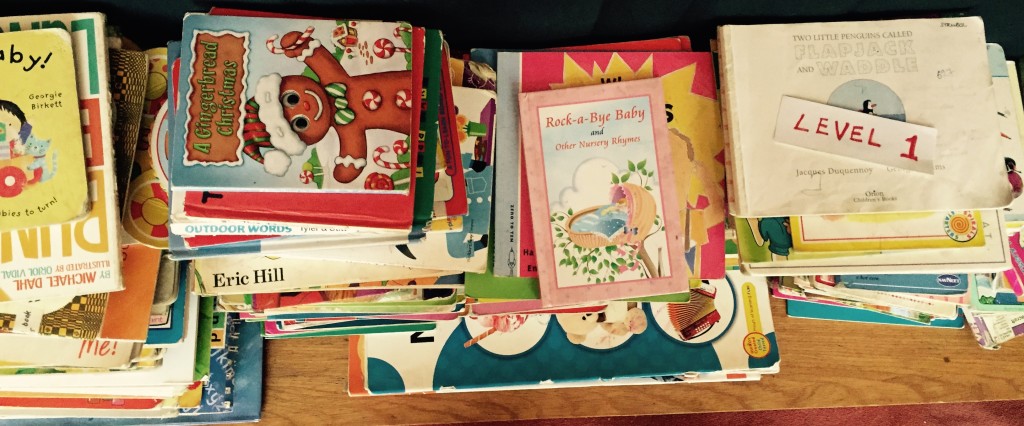
Book donations rarely move directly from one household to one child. Volunteers and charitable organizations sort incoming collections, assess condition, group titles by age or subject, and plan transportation. This careful process helps ensure that books arrive in places where they can be enjoyed and used regularly.
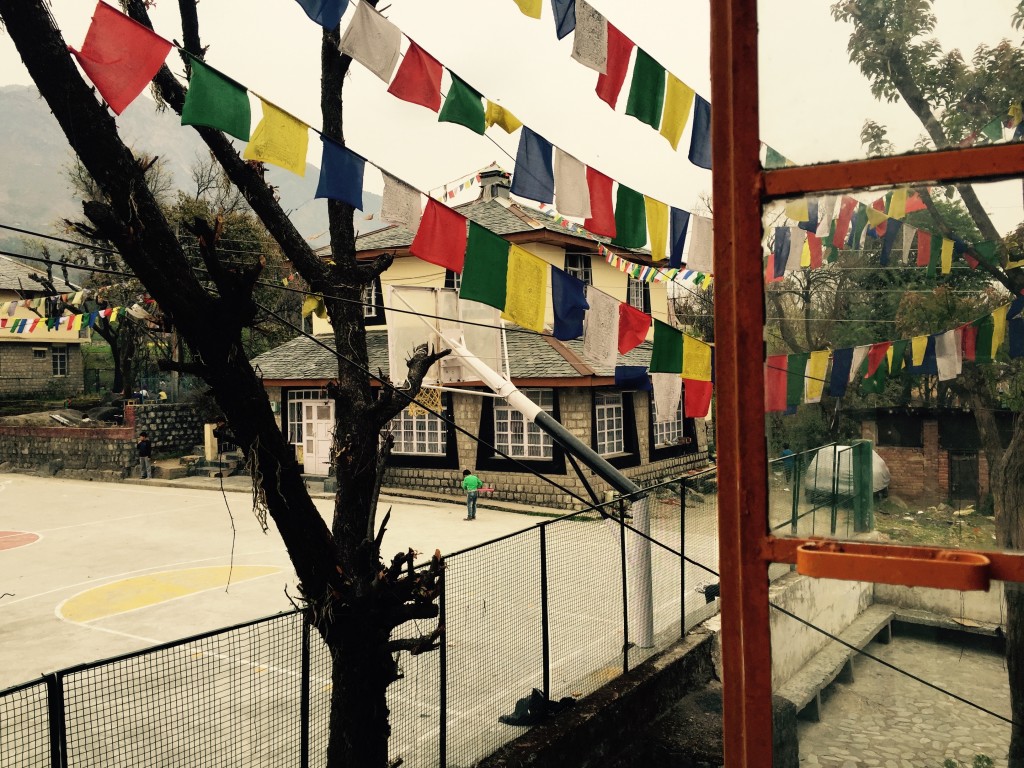
In Ladakh and other Himalayan communities, logistics can be complex. Distance, mountain roads, weather, and limited storage all influence how educational resources are delivered. A successful book drive therefore depends on organization as much as generosity. Compact packing, clear labeling, and realistic choices about what to send help each shipment make better use of available space.
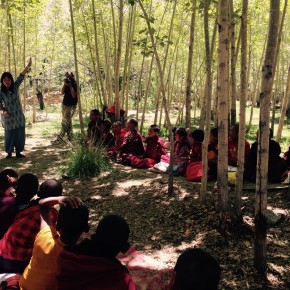
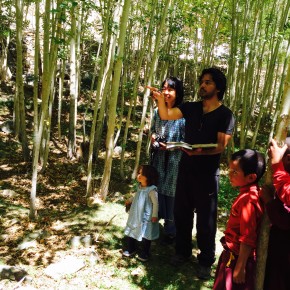
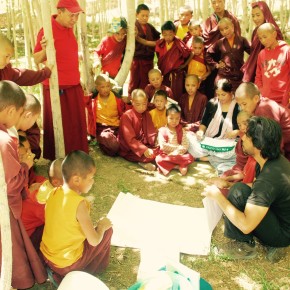
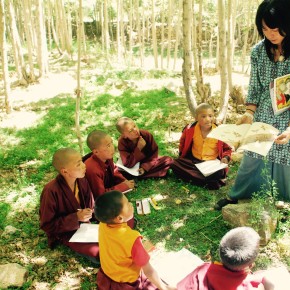
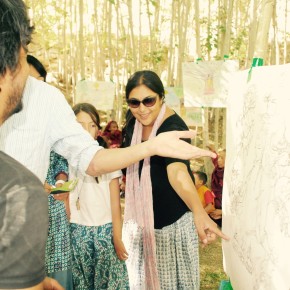
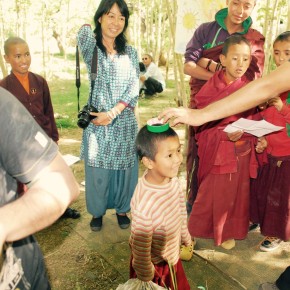
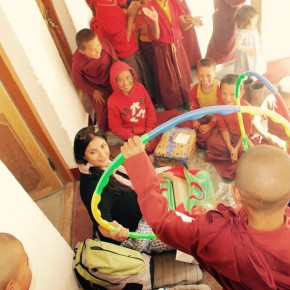
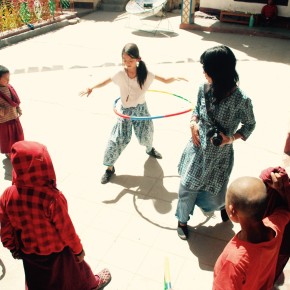
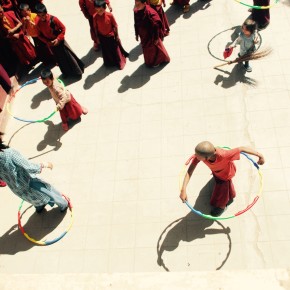
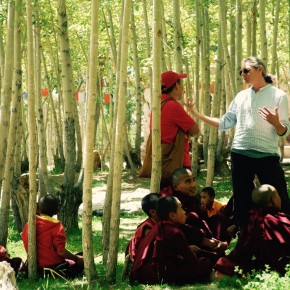
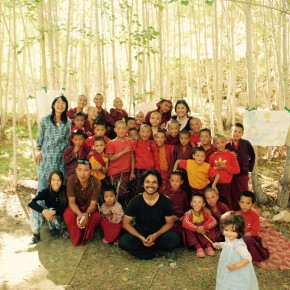
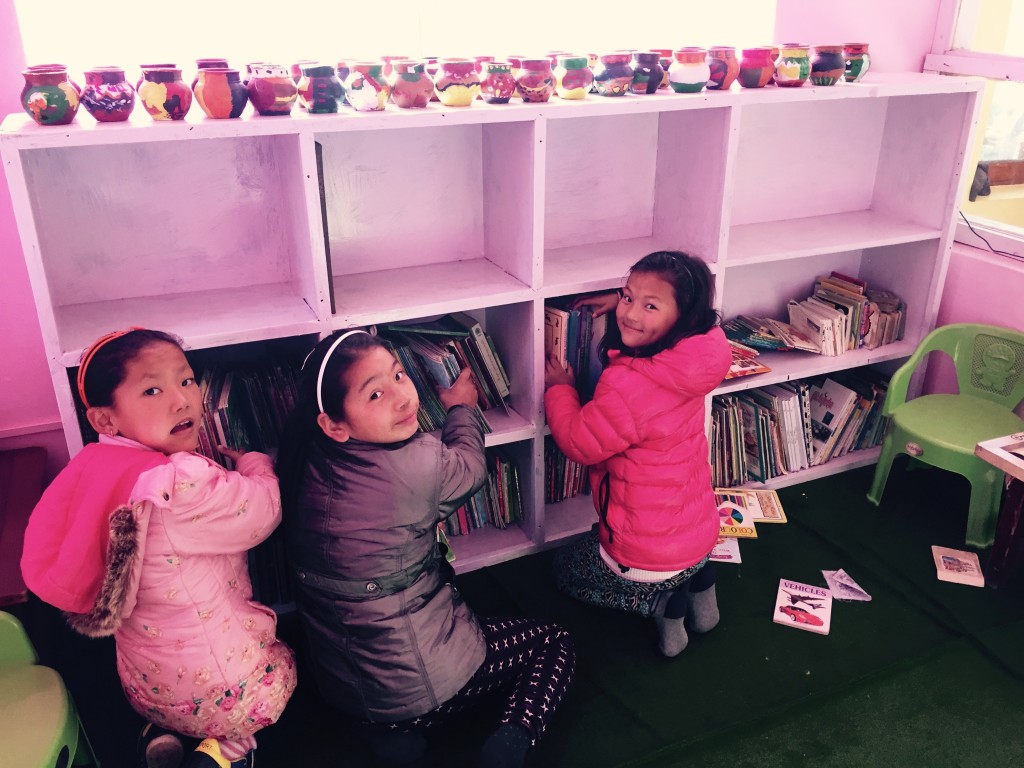
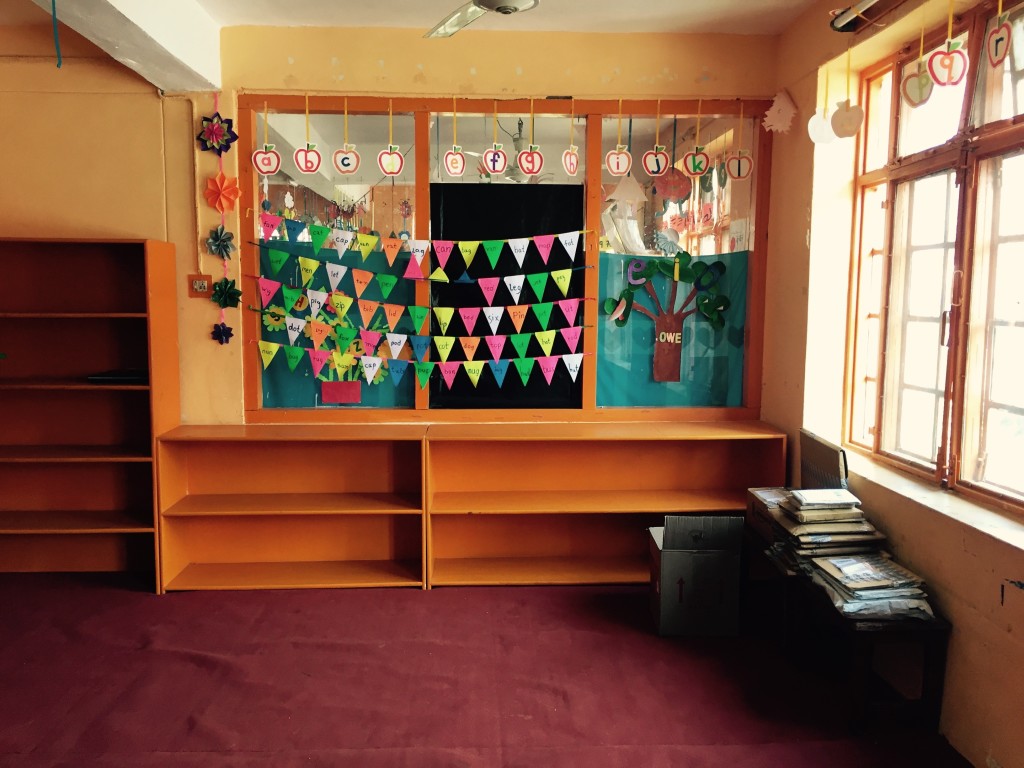
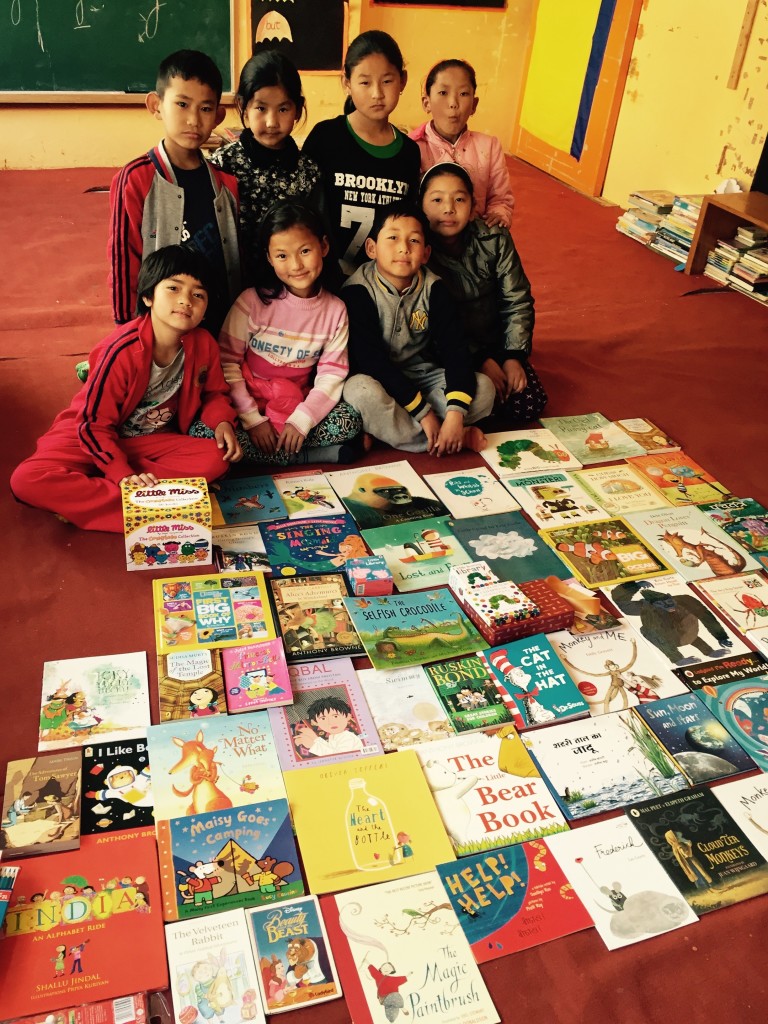
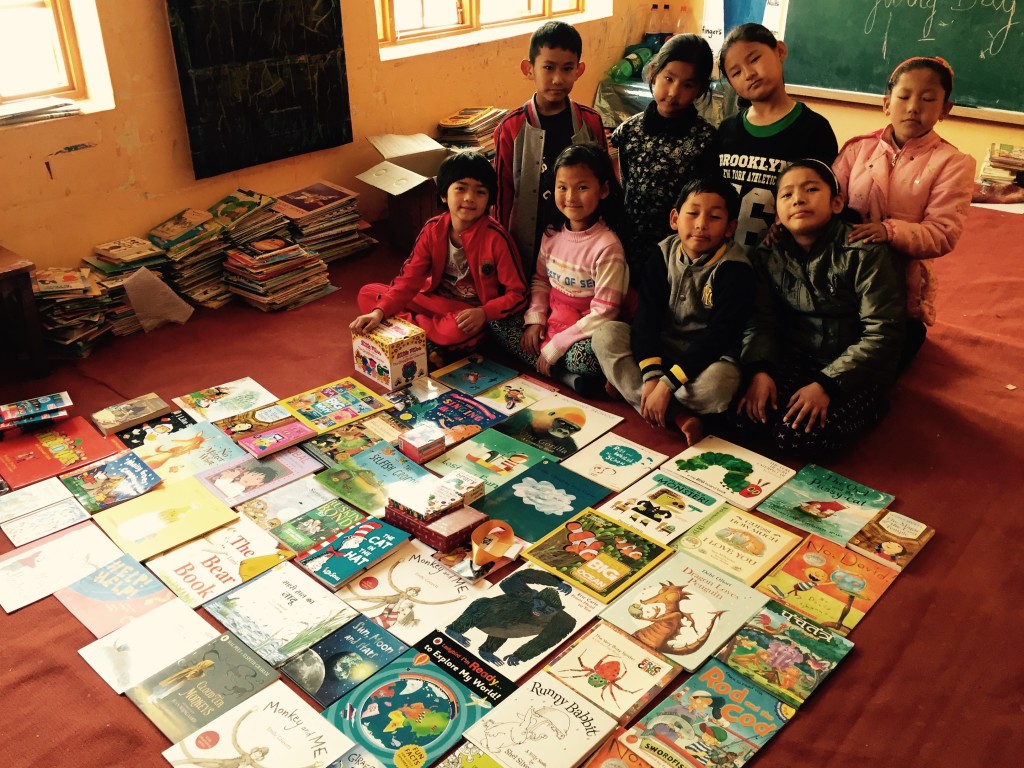
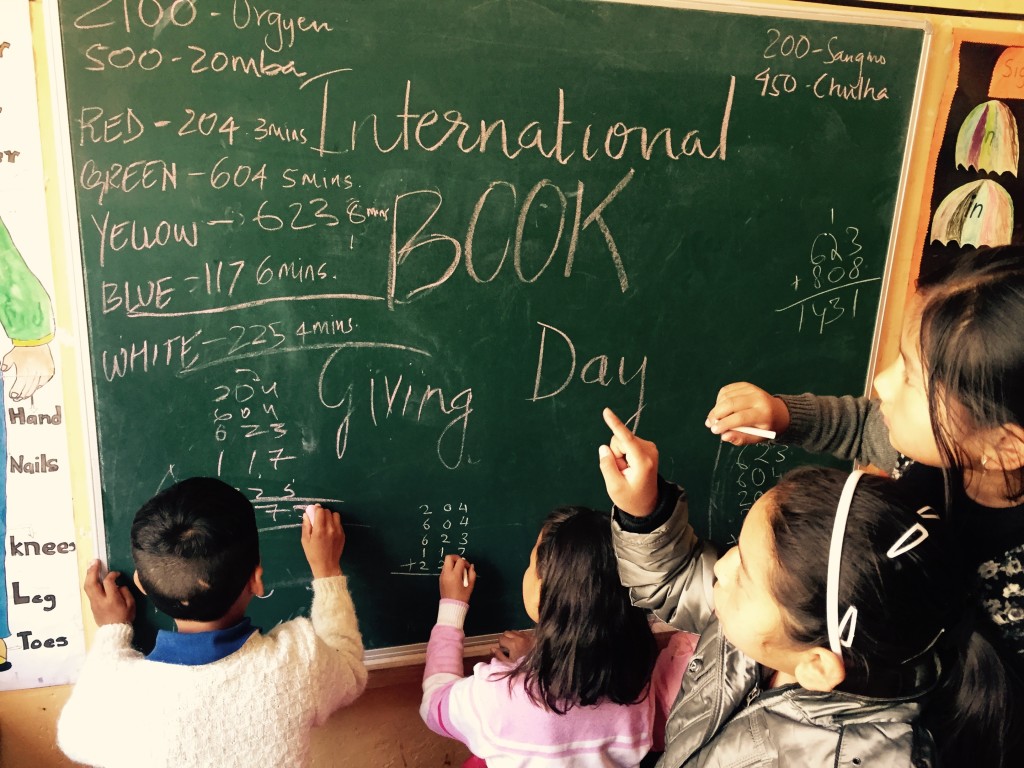
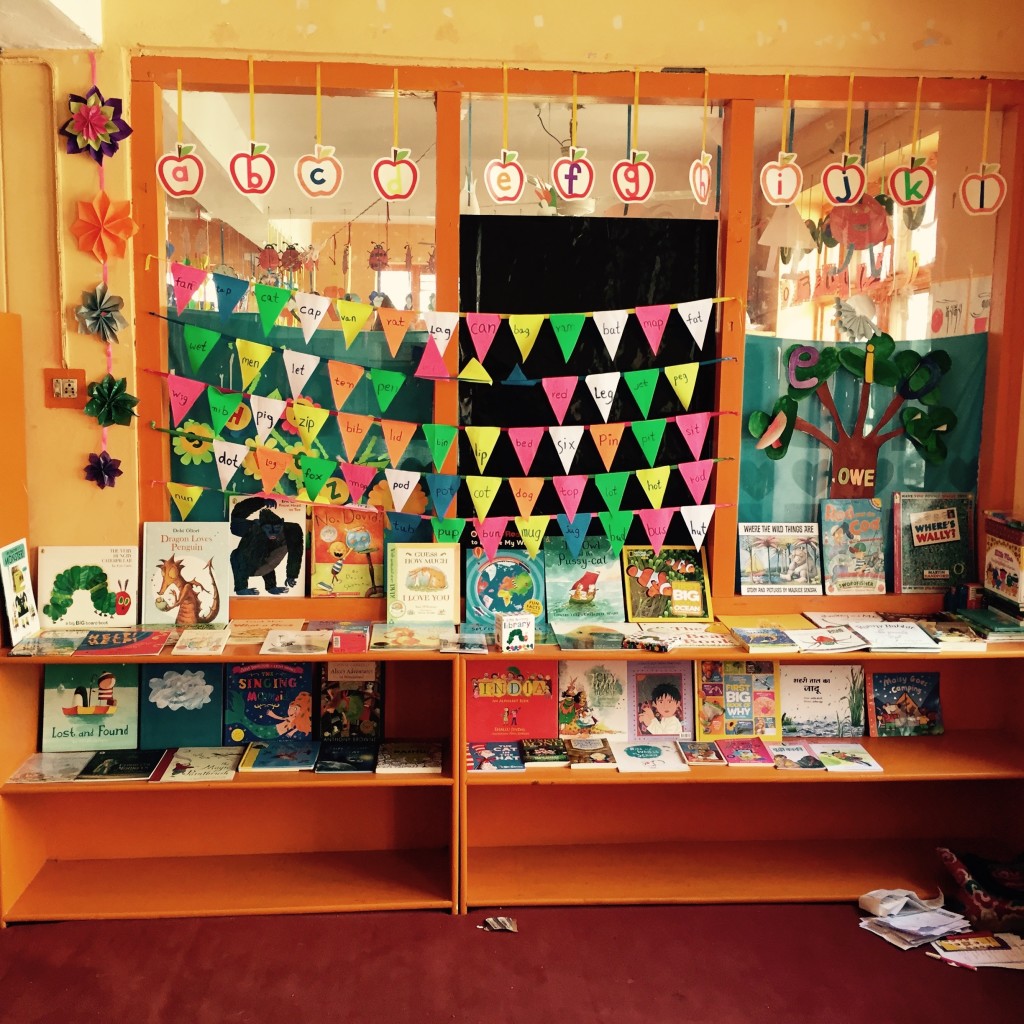
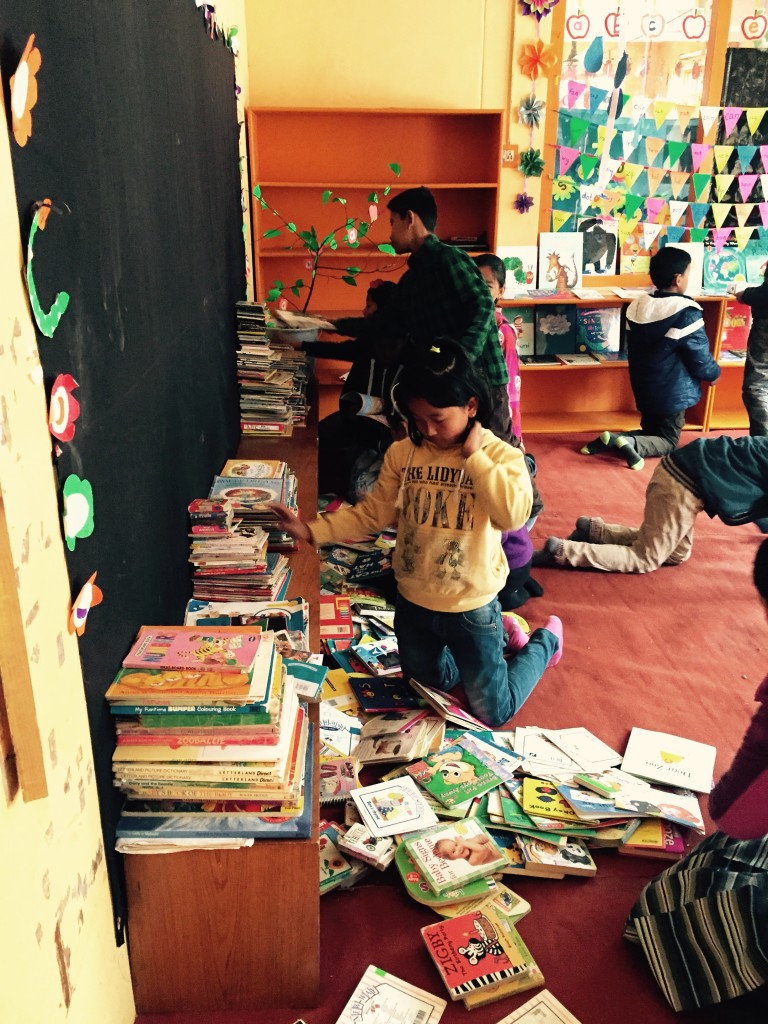
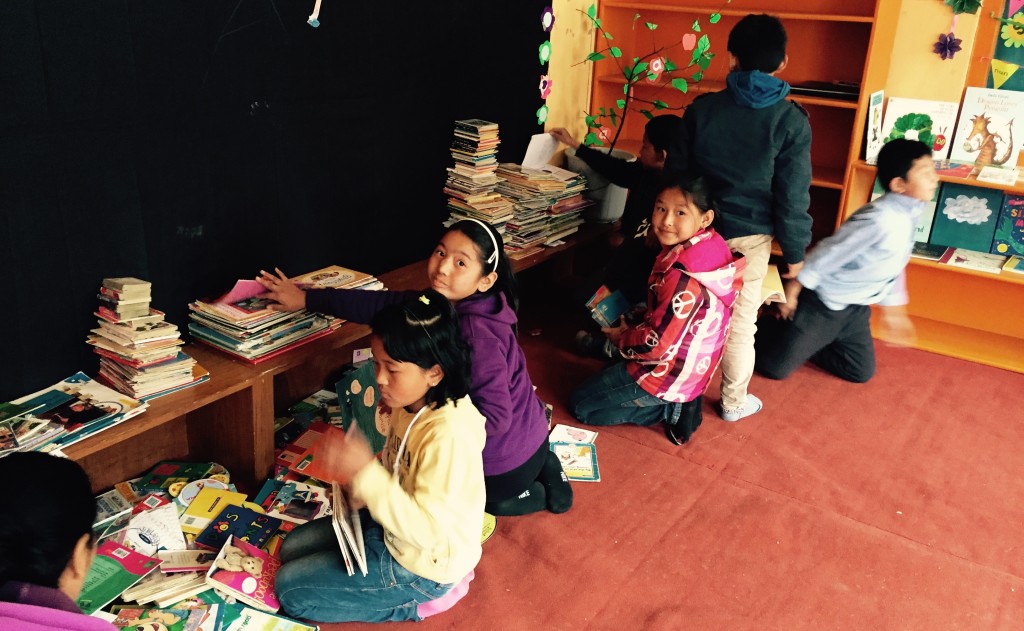
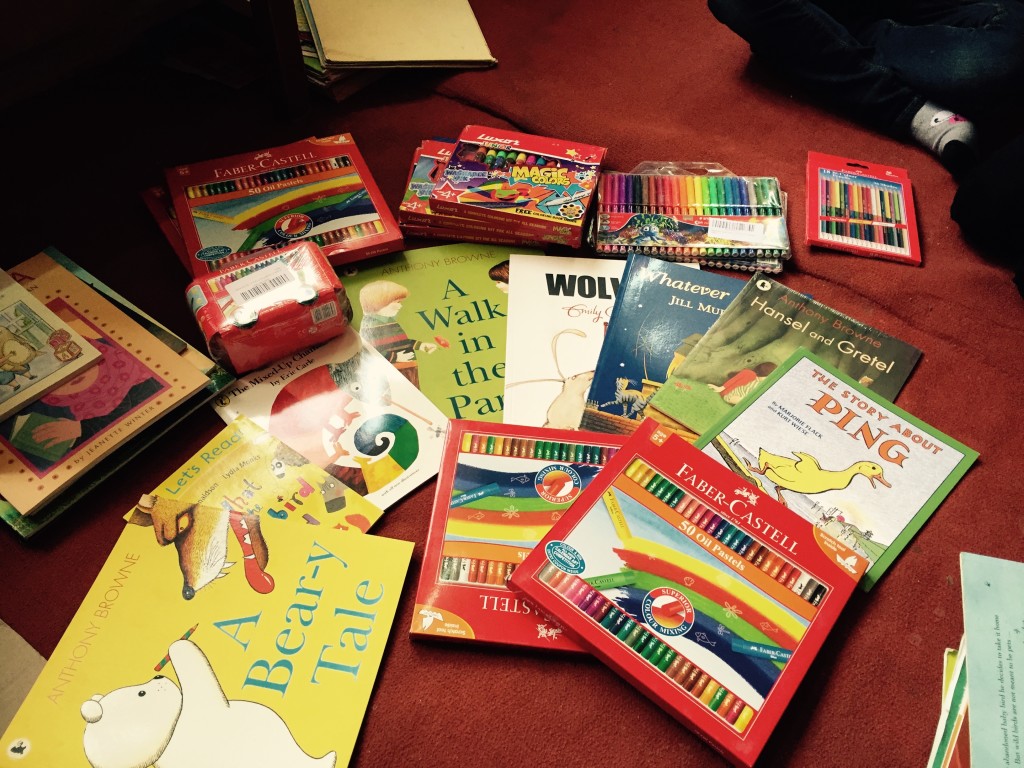
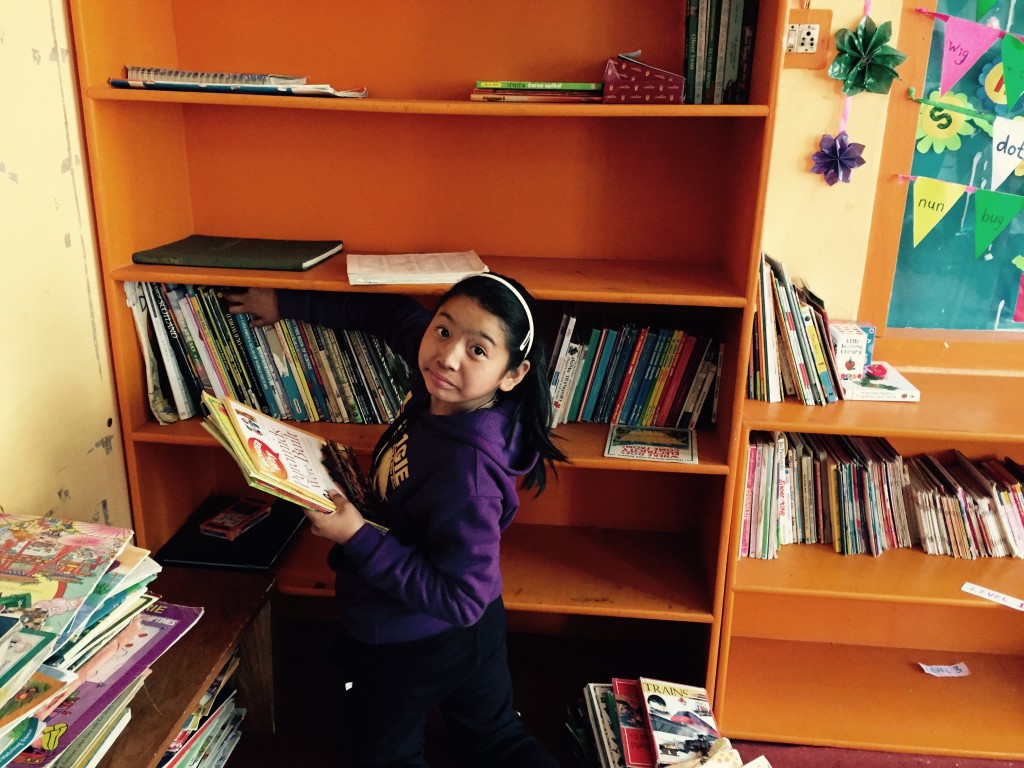
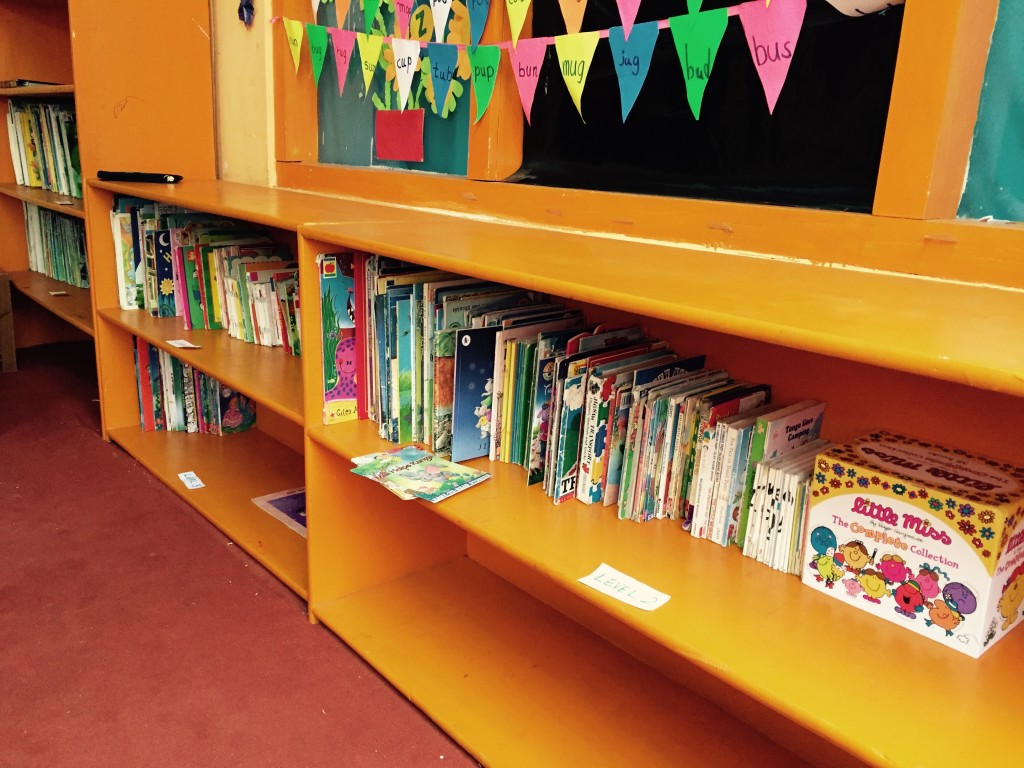
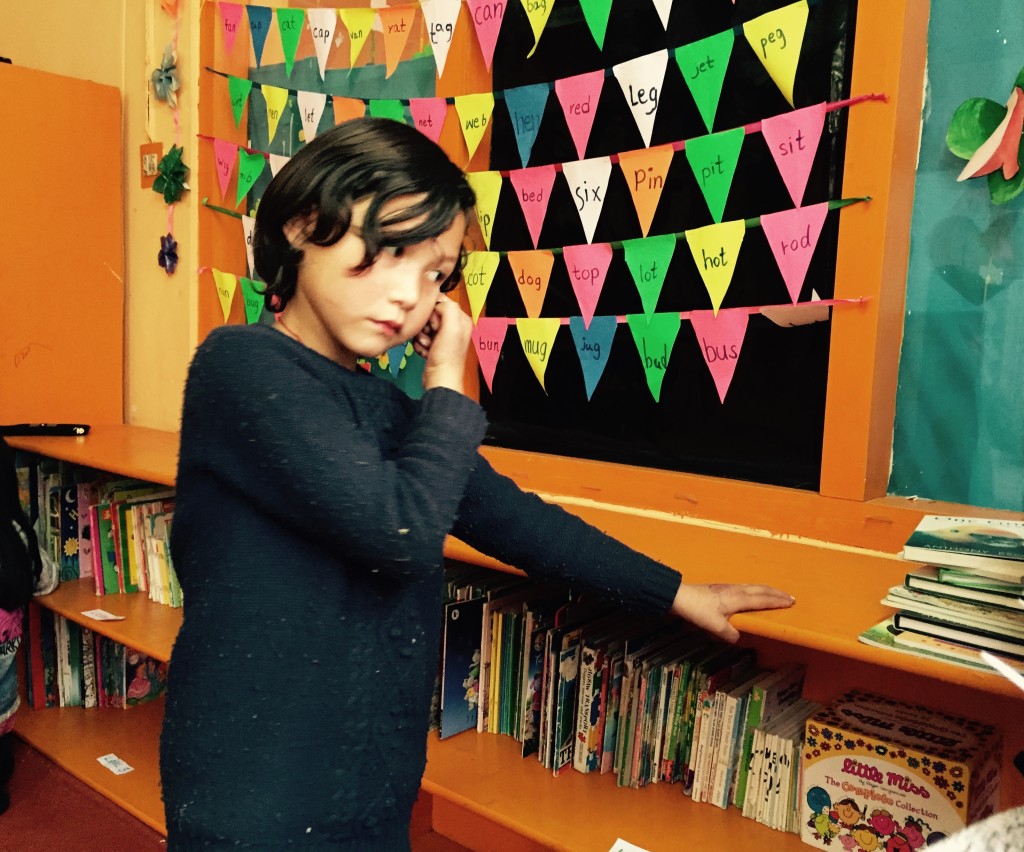
At Avalokiteśvara Trust, reading rooms, book drives, and creative activities connect donated resources with children and young monks. Books become part of a wider learning environment that may include drawing, music, storytelling, and group reading. This setting gives every volume more opportunities to be opened, discussed, and remembered.
From Donation Box To Daily Discovery
A book’s journey can be understood through several connected stages. Each stage adds value, from the original decision to give an item away to the moment a child chooses it from a shelf. The process is practical, yet its outcome is deeply human: a reader finds a story, a subject, or an idea that may stay with them for years.
| Stage |
What Happens |
Lasting Value |
| Choosing |
A donor selects books in good condition and suited to readers |
Useful materials are kept in circulation |
| Preparing |
Volunteers sort, clean, label, and pack the collection |
Books become easier to distribute and find |
| Delivering |
Shipments travel to schools, monasteries, reading rooms, or community spaces |
Remote communities gain broader access to books |
| Sharing |
Children read independently or join group activities |
Literacy, confidence, and curiosity develop |
| Reusing |
Books are passed between readers and programs |
One donation supports many learning experiences |
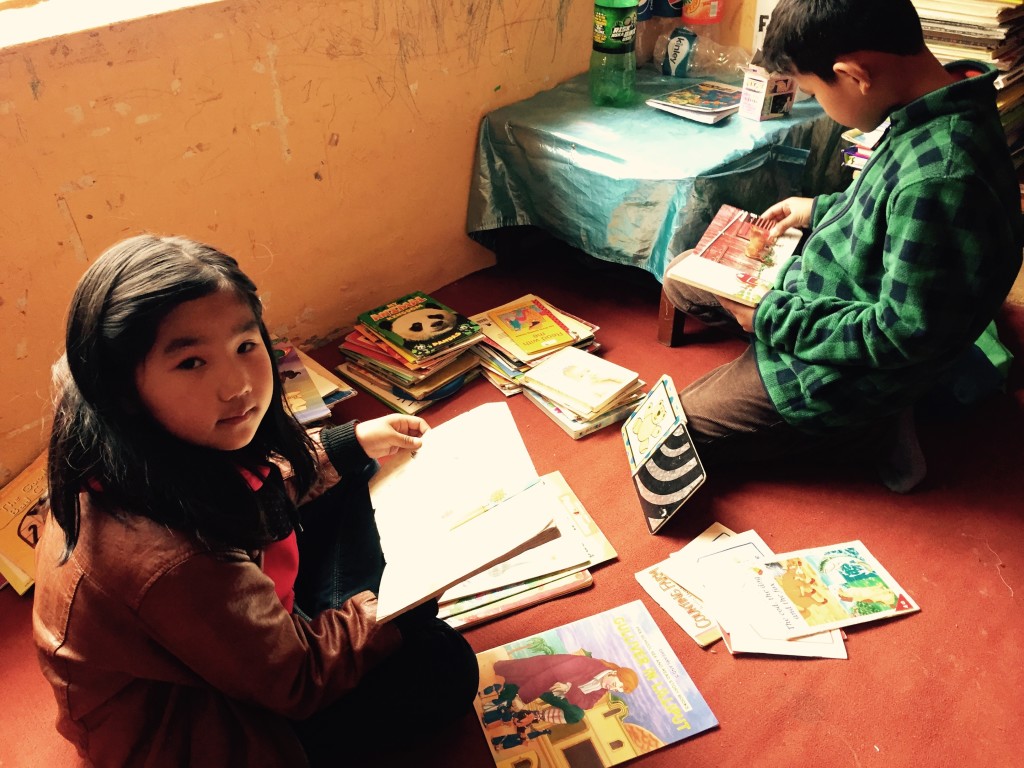
The final stage is often the most rewarding. A child may choose an animal story, a young monk may use an illustrated atlas, or a group may gather around a book of folk tales. The original donor cannot always see these moments, but the book itself becomes evidence of a continuing relationship between communities.
Matching Books With Local Needs
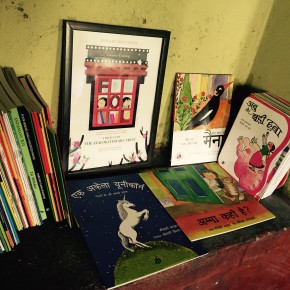
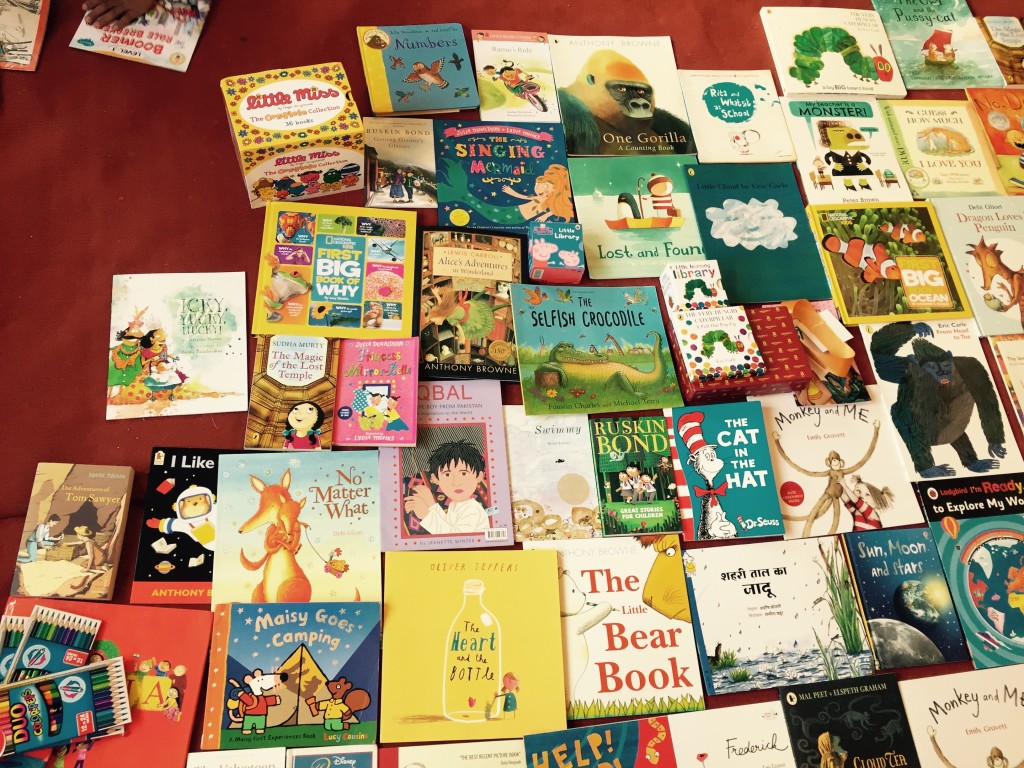
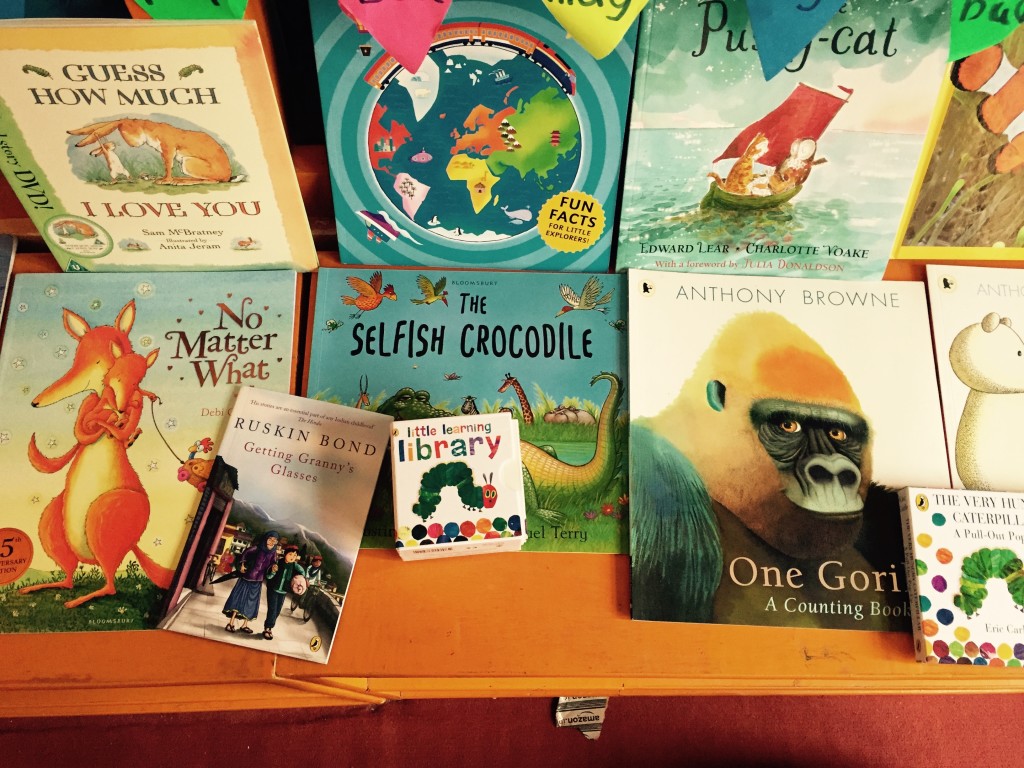
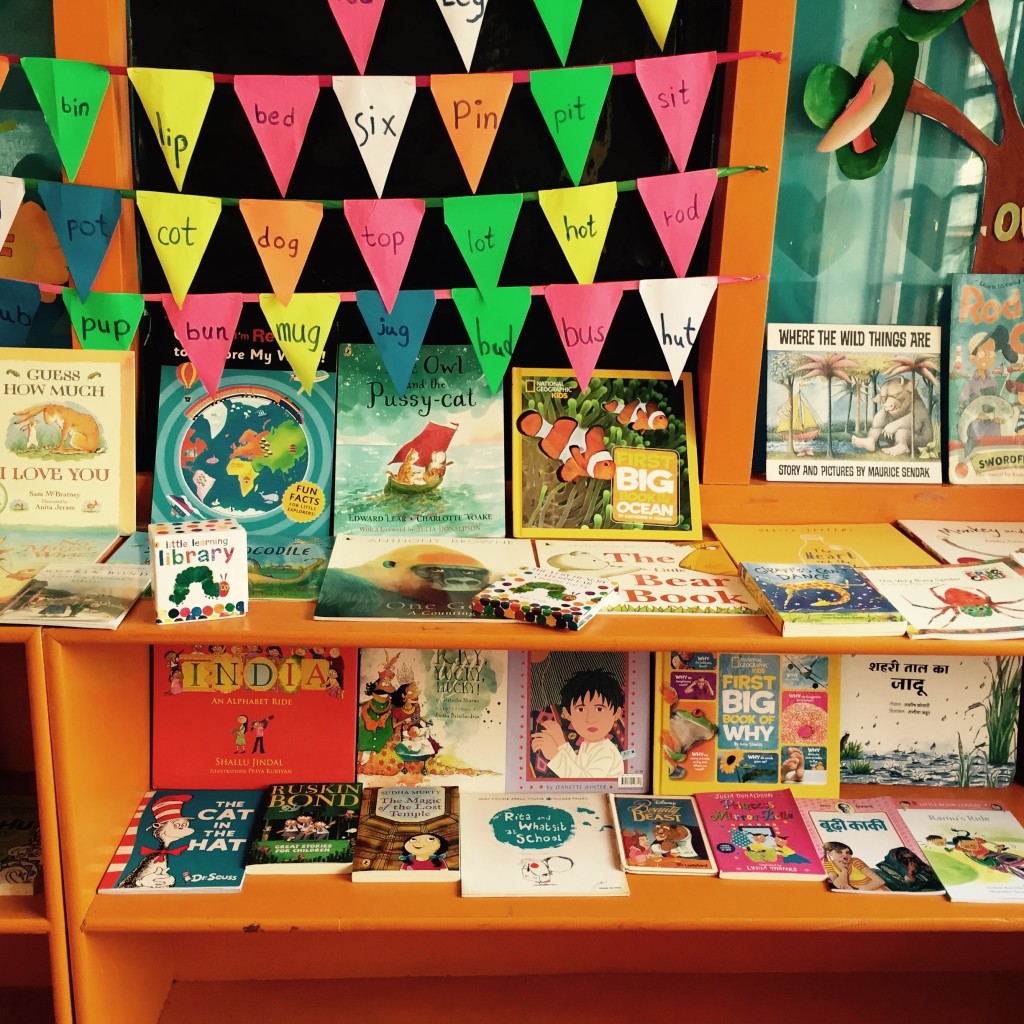
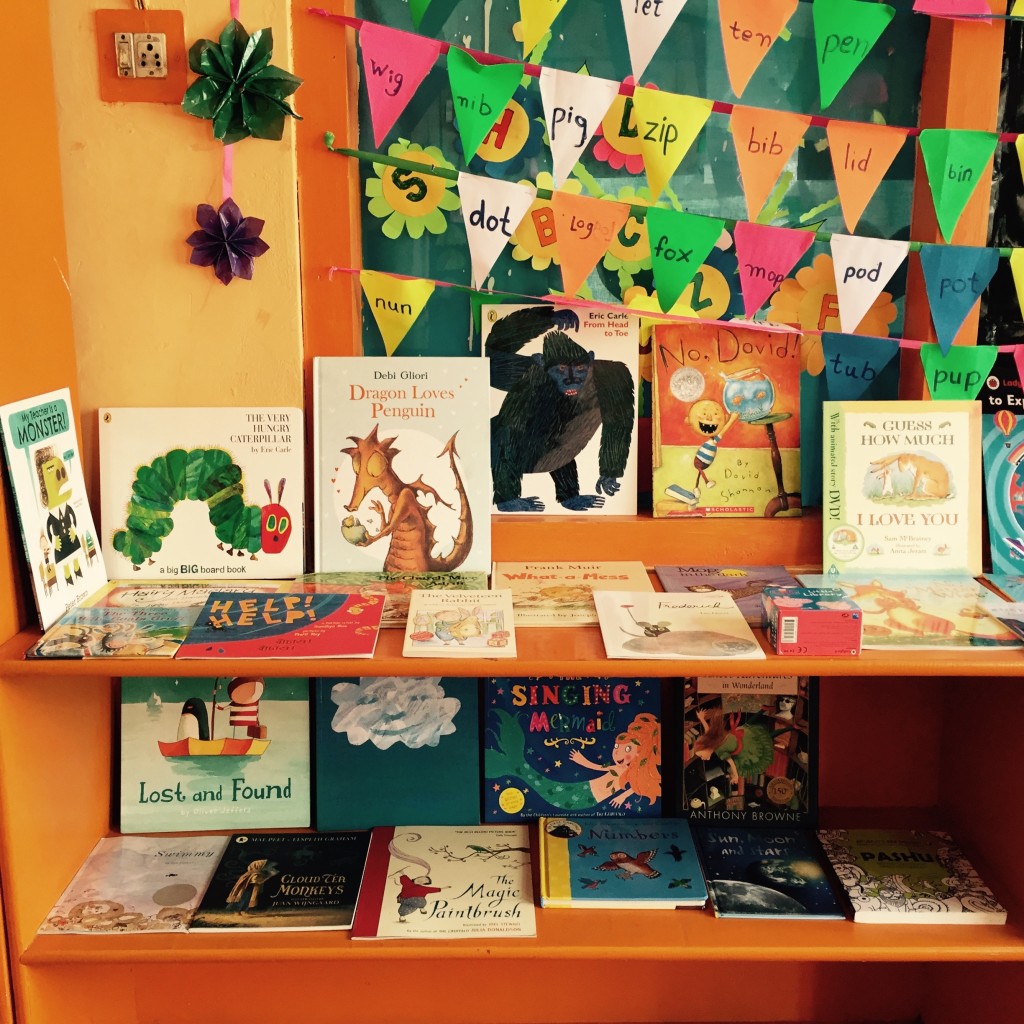
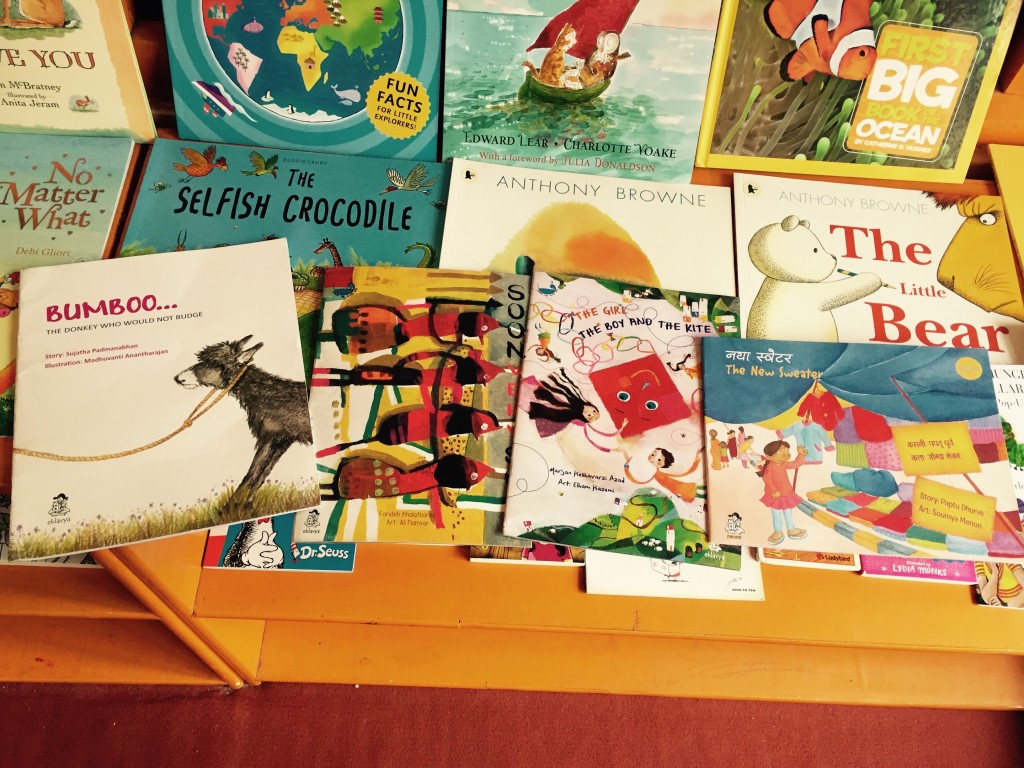
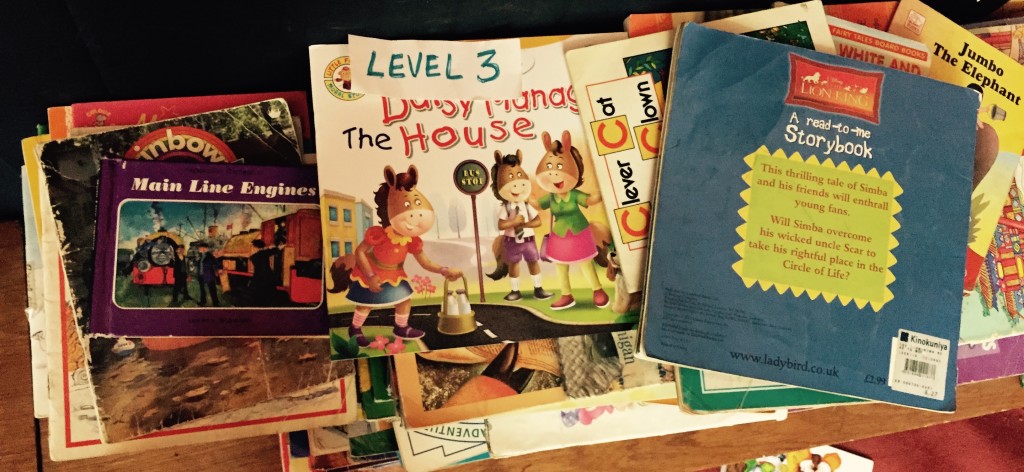
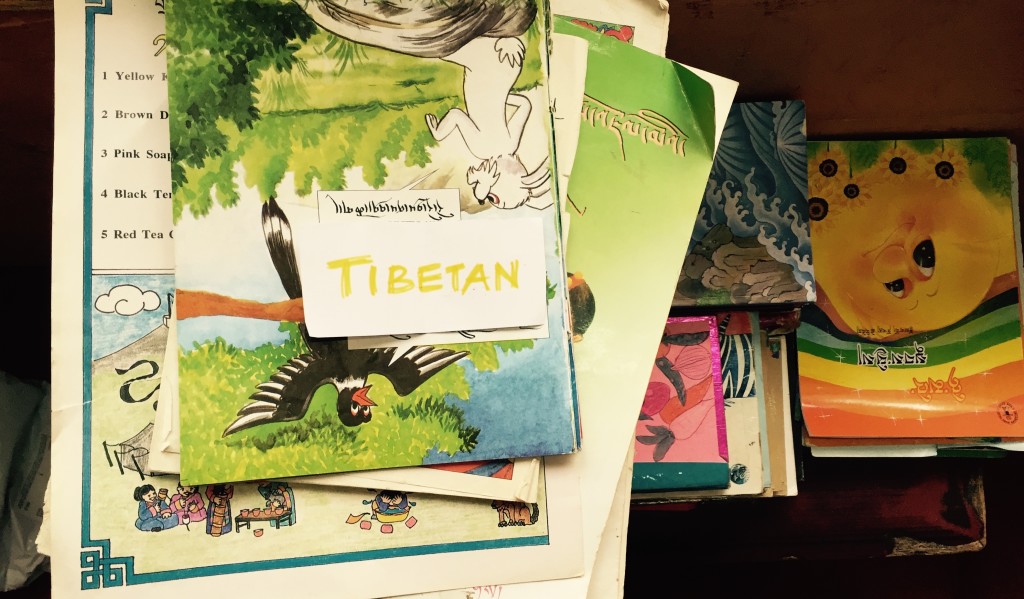
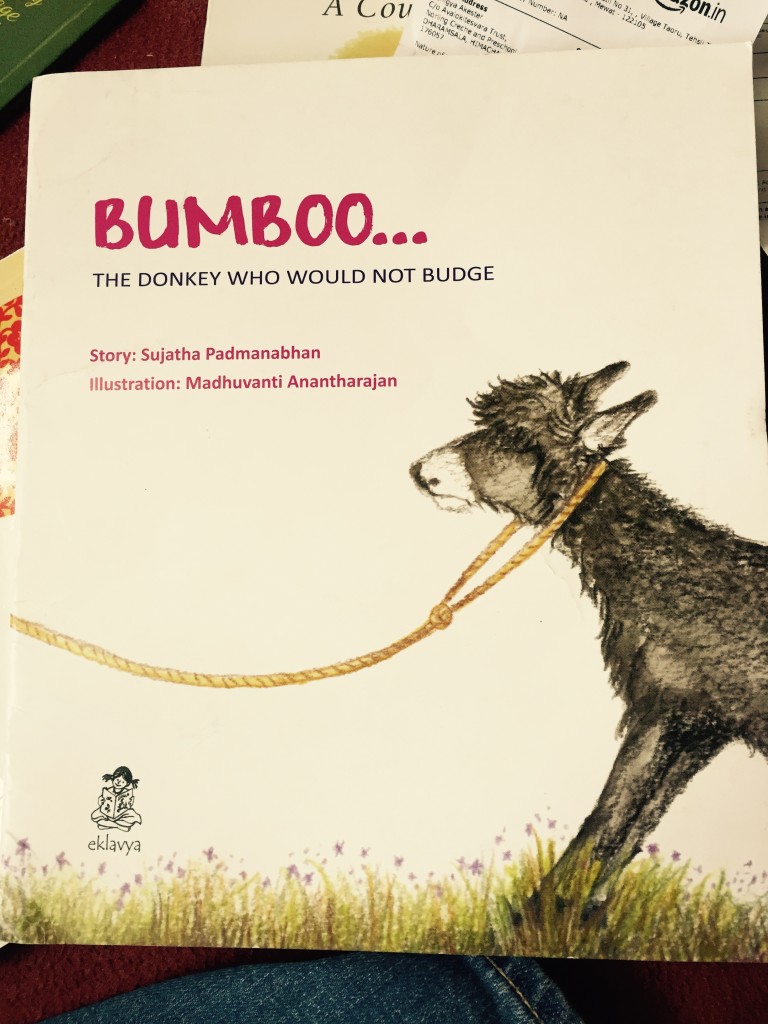
Effective book donation is guided by relevance. A collection filled with advanced academic texts may be less useful to early readers than a smaller group of picture books, bilingual stories, activity books, and accessible novels. Age, language, cultural context, reading level, and curriculum all matter when selecting educational materials.
Children benefit from variety. Fiction helps them understand different lives and imagine new possibilities, while nonfiction can answer questions about science, nature, history, and the wider world. Art and music books support creative expression, and dictionaries or language-learning resources can strengthen classroom study.
Local knowledge improves every book drive. Teachers, librarians, volunteers, and community leaders can identify gaps that outside donors may not see. Their guidance helps avoid sending unsuitable or duplicate titles and encourages a collection that reflects genuine interests. A well-matched book is more likely to leave the shelf, be read carefully, and be shared with another child.
Making Each Donation Count
People who want to pass books forward can make the process more useful by taking a few simple steps:
- Choose clean, complete books with durable pages and covers.
- Prioritize children’s literature, age-appropriate fiction, reference materials, art books, and language resources.
- Follow the receiving organization’s guidance about subjects, languages, formats, and condition.
- Pack books securely, label boxes clearly, and include a short description of the contents.
- Consider supporting transportation, storage, or reading-room activities alongside the physical donation.
These decisions protect volunteer time and help charitable groups focus on connecting books with readers. A smaller, carefully selected collection can have greater impact than a large box of unsuitable titles. Donors can also ask schools, libraries, and community groups to coordinate book drives, making it easier to gather balanced materials.
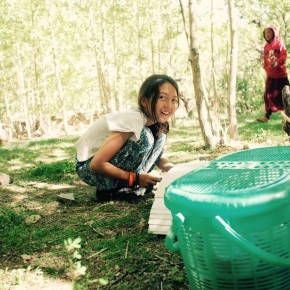
Giving time is another meaningful form of participation. Volunteers may sort books, help organize shelves, lead reading sessions, photograph activities, or assist with creative workshops. Each role supports the central goal: making reading a visible, enjoyable, and regular part of community life.
The People Who Make Sharing Possible
The movement of a secondhand book depends on many hands. A donor begins the process, but volunteers inspect and organize the collection. Drivers, partner organizations, teachers, librarians, and local coordinators help move it through the practical stages. Finally, children and young monks give the book its renewed purpose by reading, discussing, and sharing it.
Reading rooms are especially valuable because they create a dependable place for discovery. A child who owns few books can still return to a shelf, choose a title, and build a reading habit over time. Group activities make the experience social, allowing readers to recommend stories, practice language, and learn from one another.
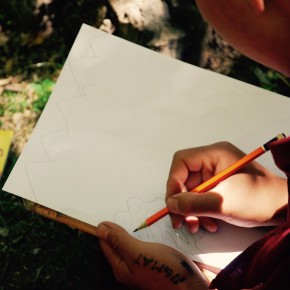
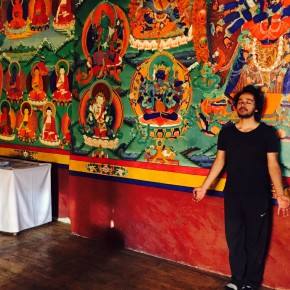
The effect can extend beyond the original reader. A favorite story may be read aloud to younger children. A book about drawing may inspire a mural, while a volume about music may lead to a new activity. This is how donated books become part of educational, artistic, and cultural exchange rather than remaining isolated objects.
Give A Book Its Next Chapter
A shelf-clearing decision can become a lasting educational opportunity. Set aside books that are ready for another reader, learn what a trusted organization needs, and contribute to a book drive with care. Financial gifts and volunteer support can also help provide transport, maintain reading rooms, and create activities around the books that arrive.
When a donated book finds a new home, its story continues in unexpected ways. Support literacy and creativity by sharing useful books, time, or resources with communities that welcome them, and help place the next good read into the hands of a curious reader.