Carrying Creativity Beyond the Last Road
In the Himalayan region, a box of paint, paper or musical instruments can travel through several systems before reaching a child. It may leave a warehouse in a city, cross mountain roads by jeep, pass through a local transport network and finally move along a narrow trail carried by people or pack animals. The final distance is often the slowest and most physically demanding part.
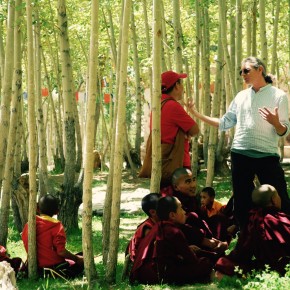
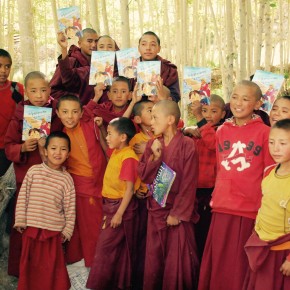
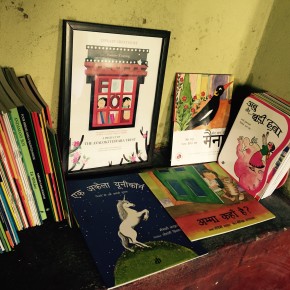
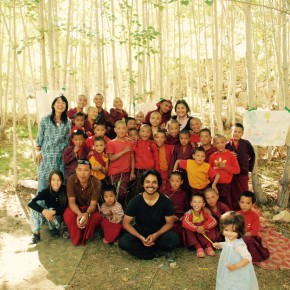
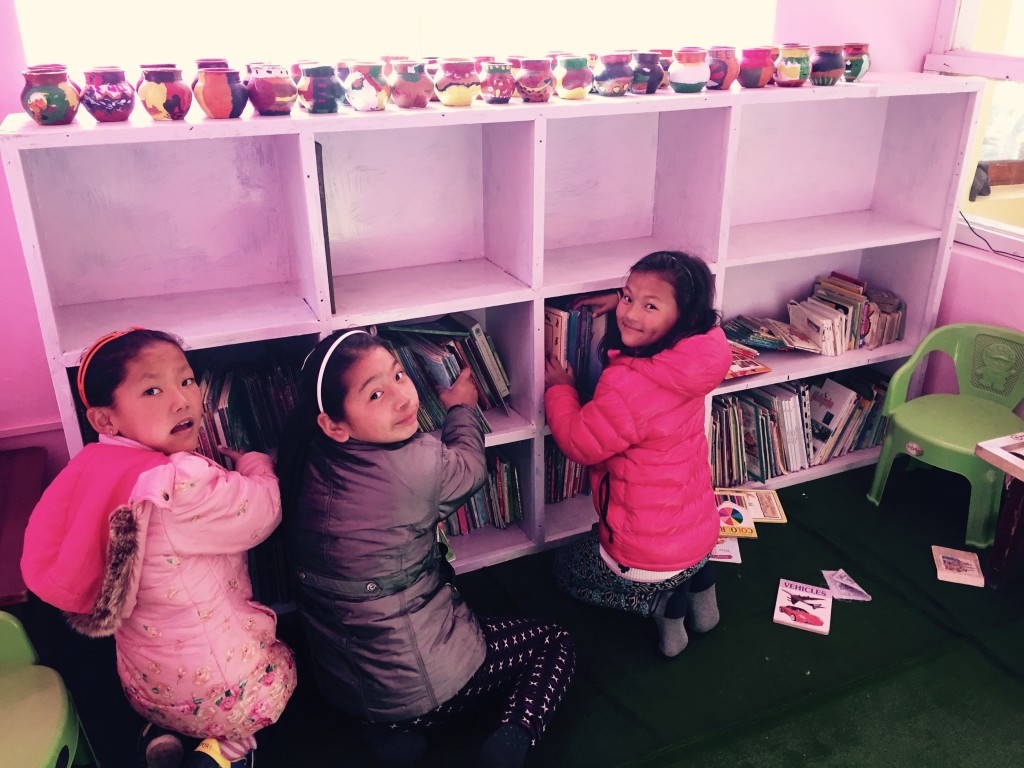
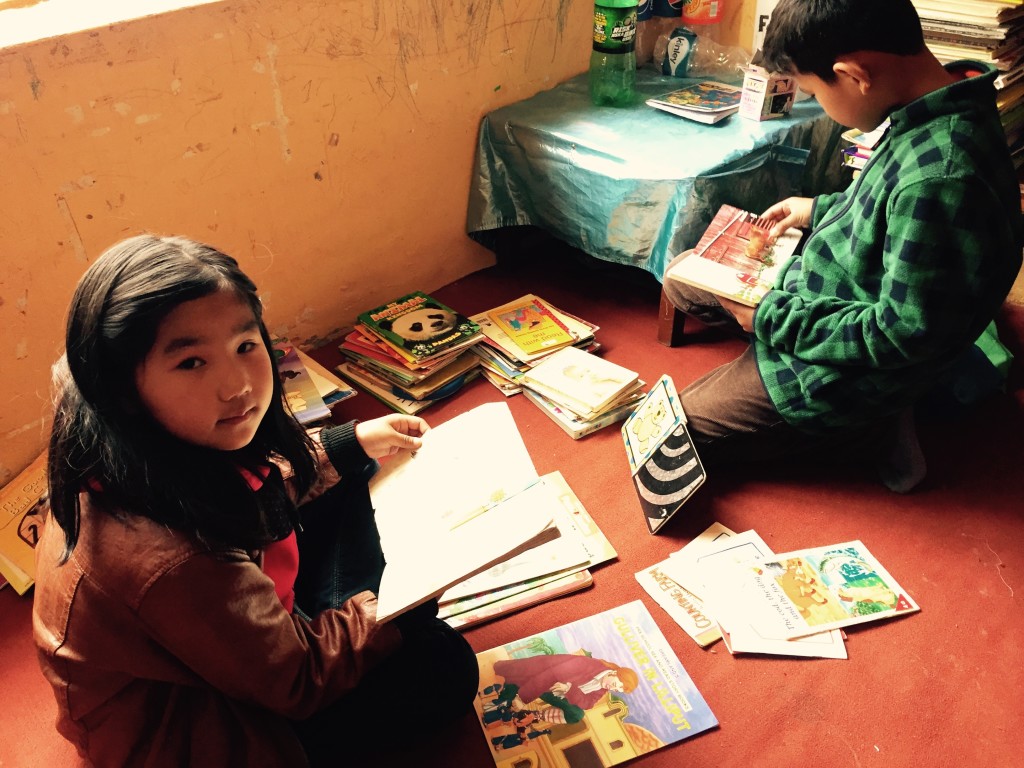
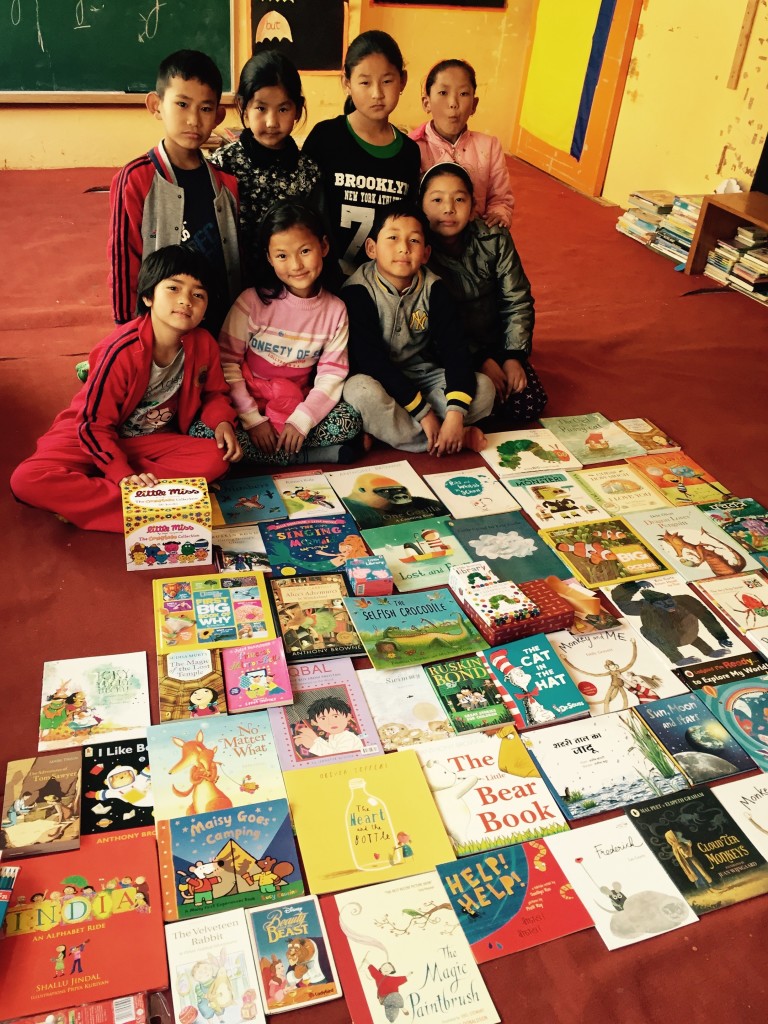
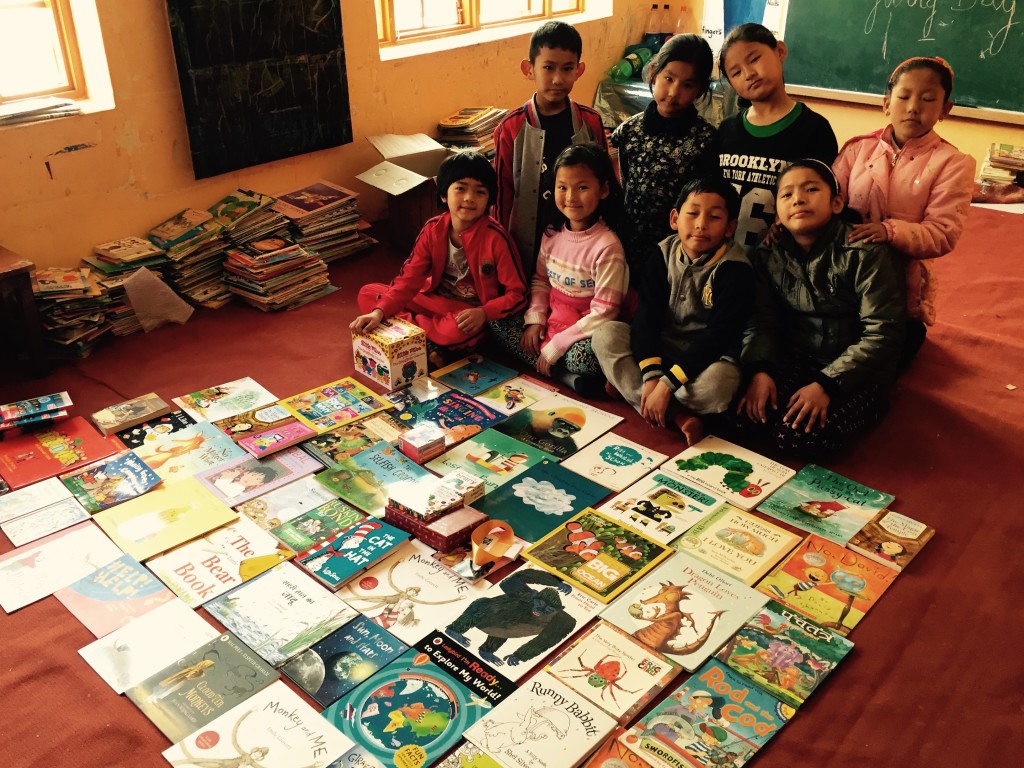
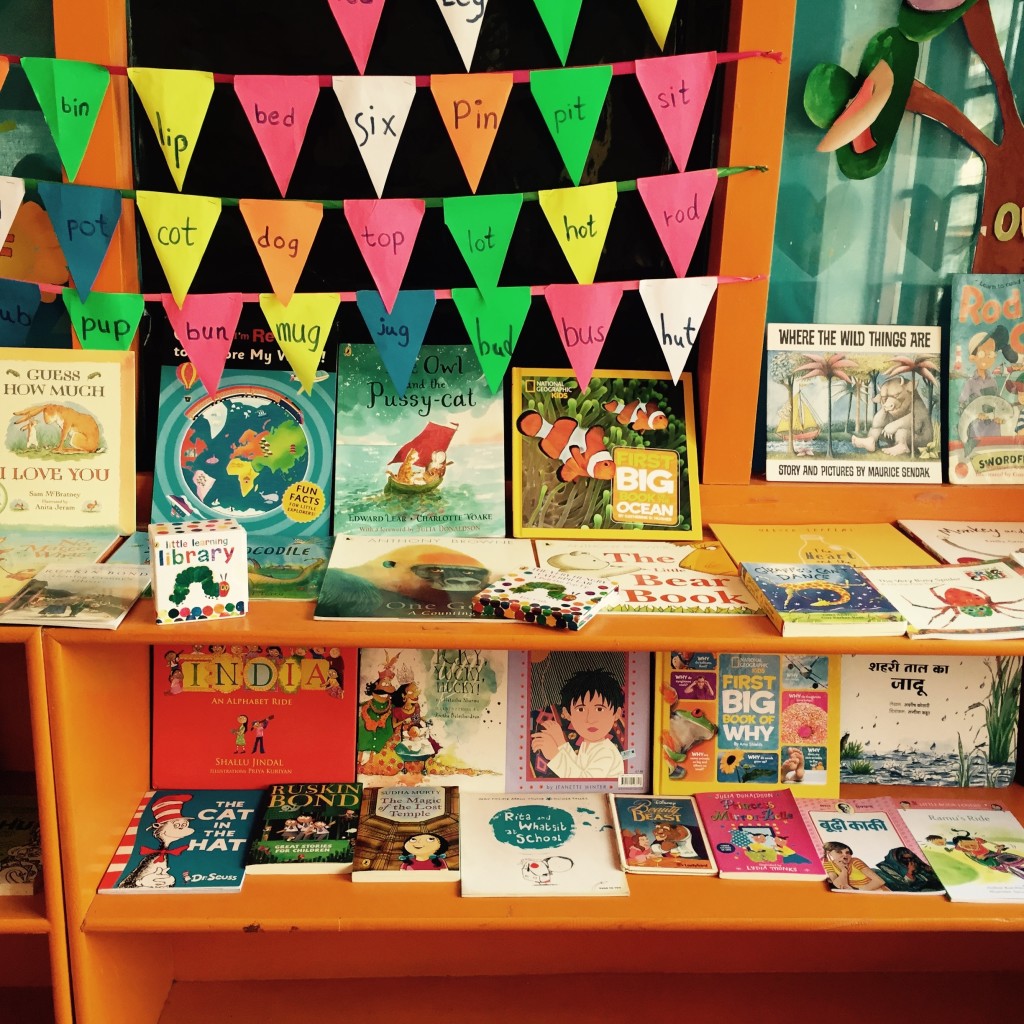
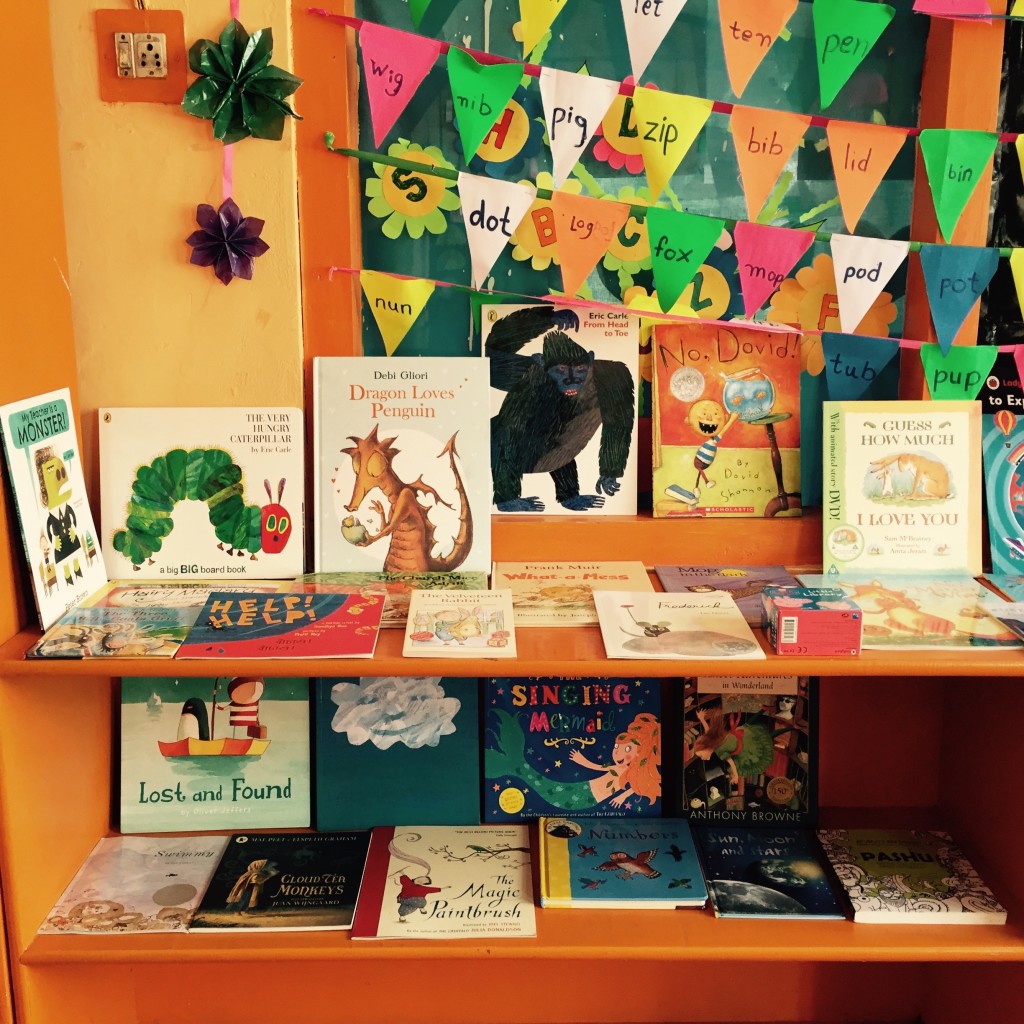
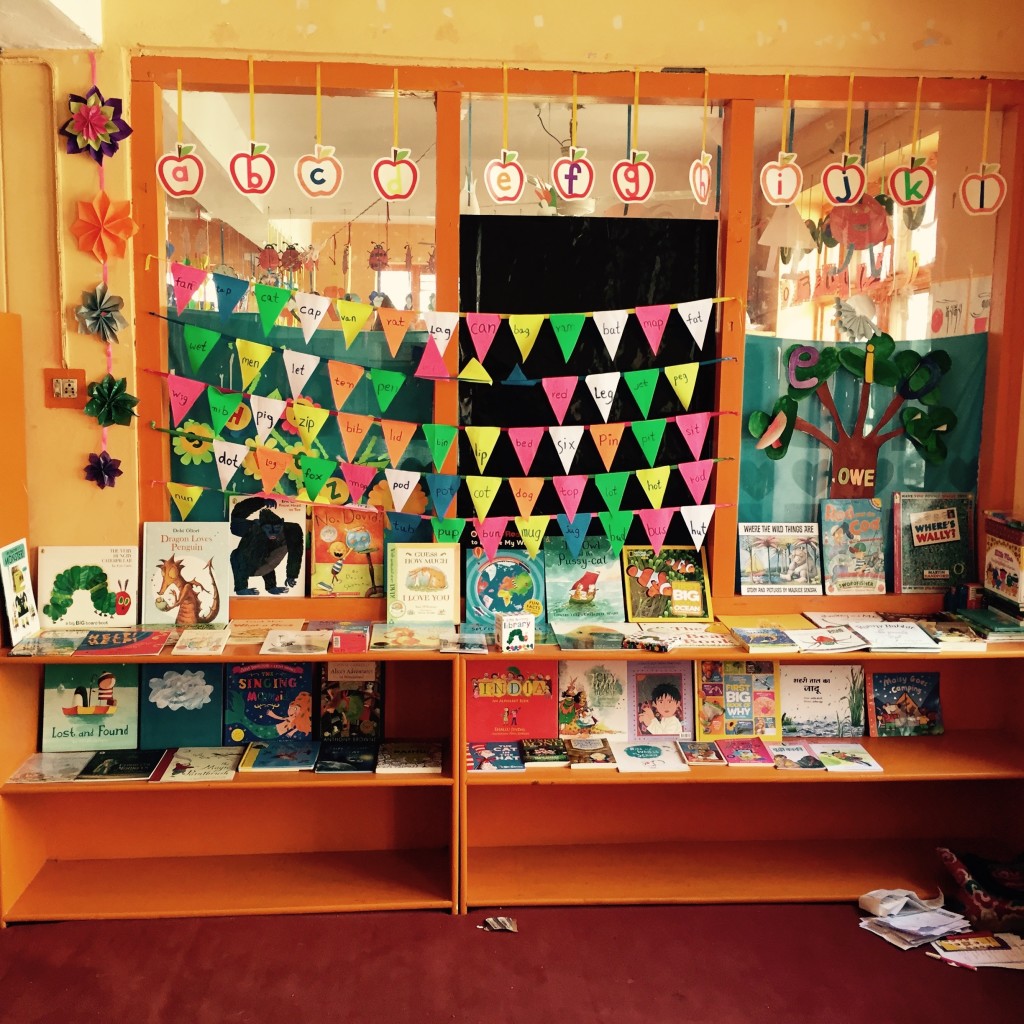
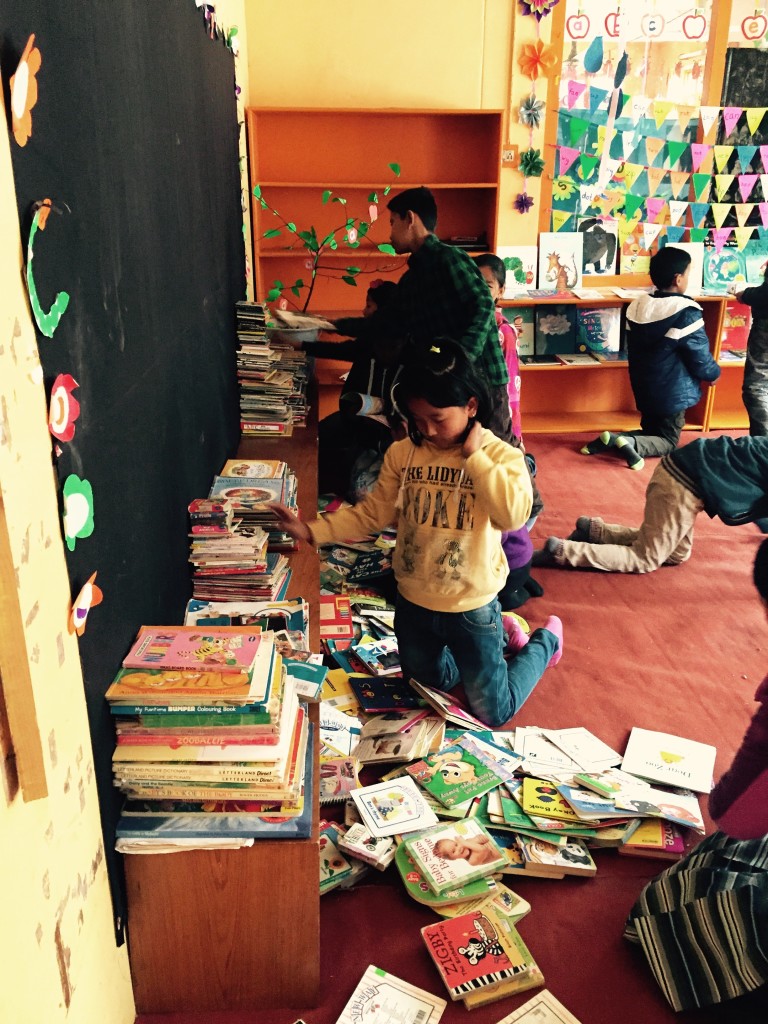
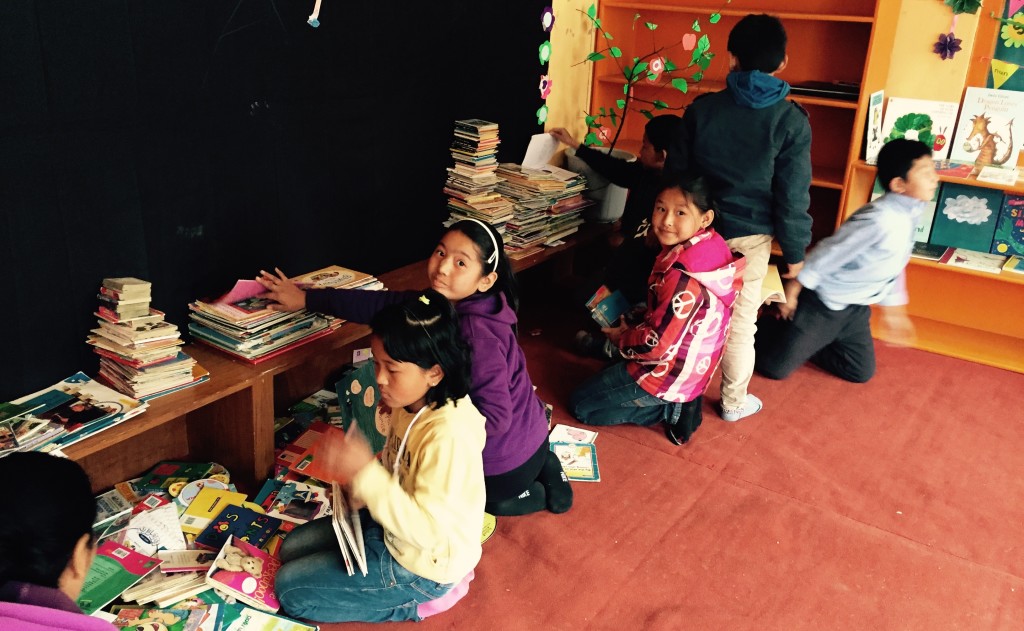
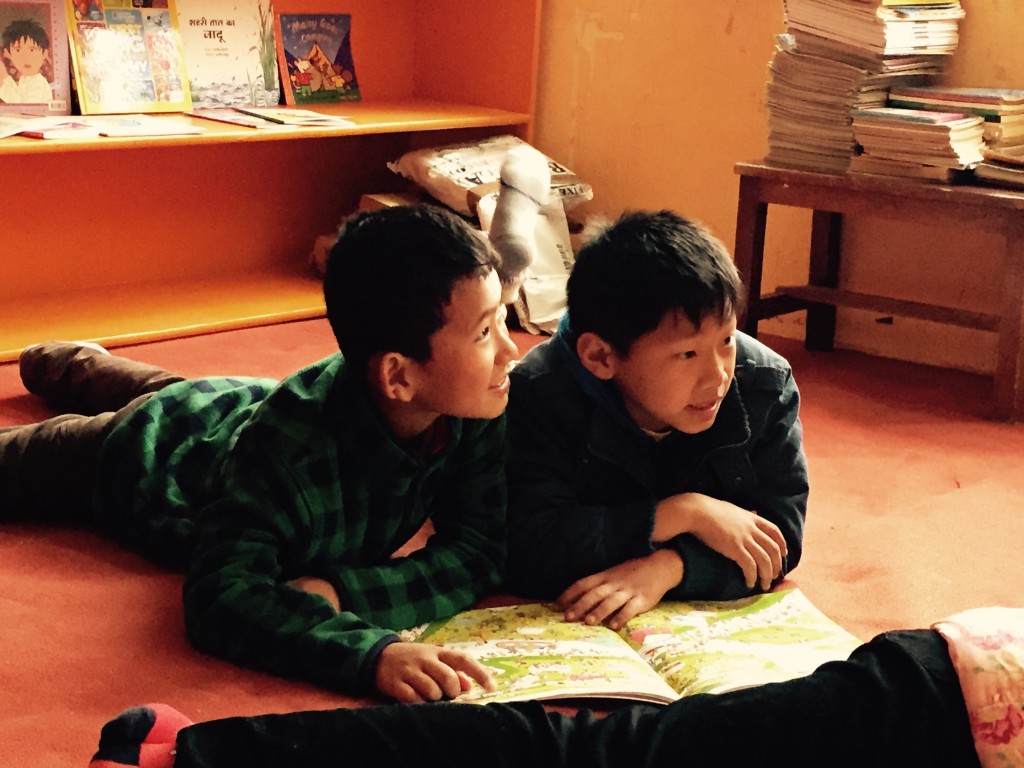
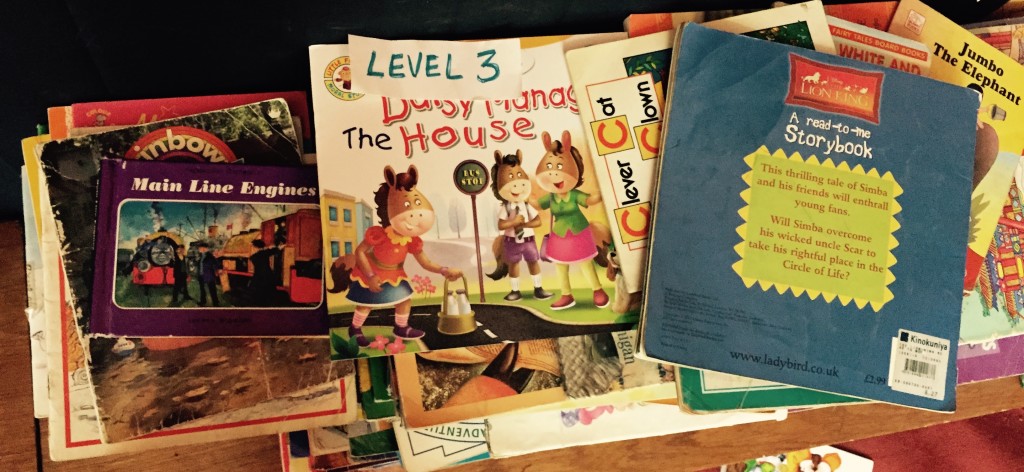
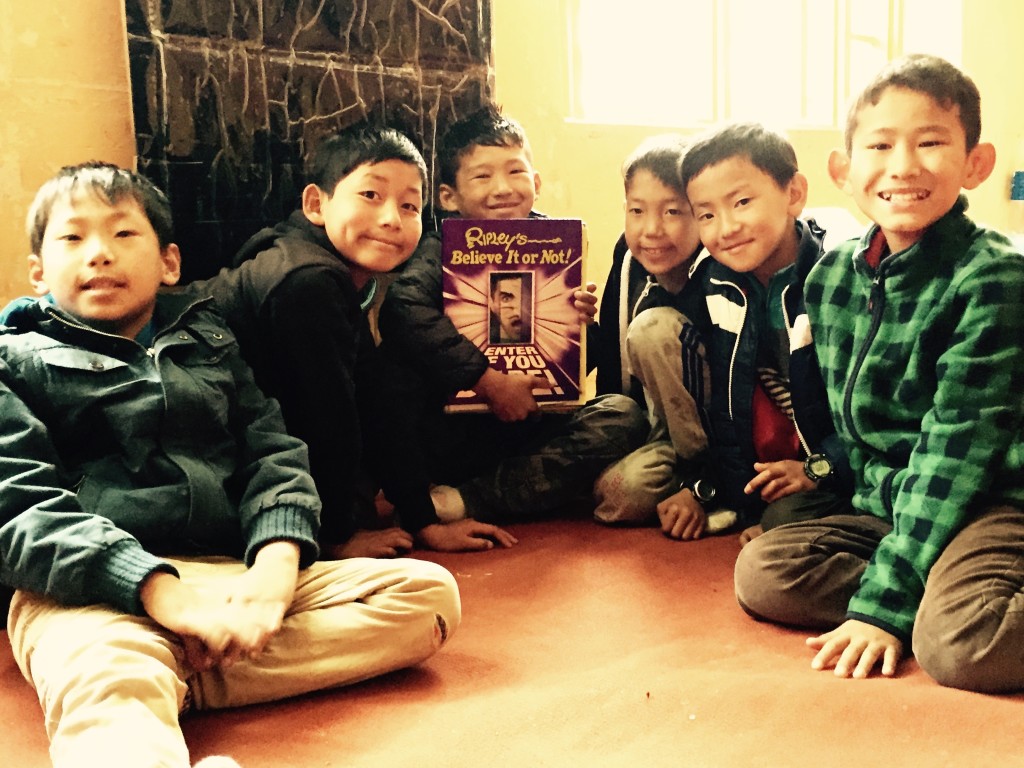
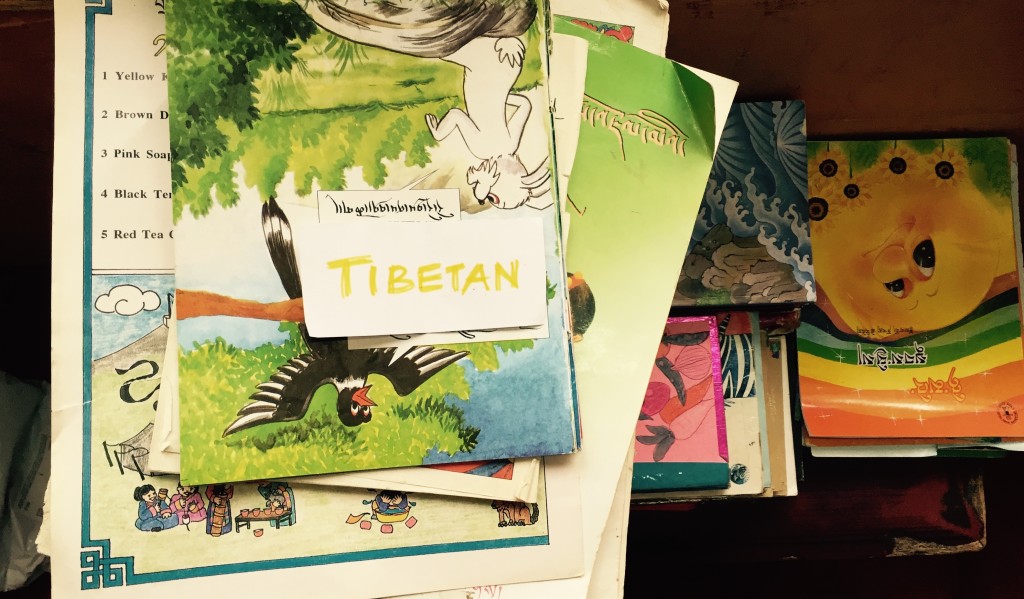
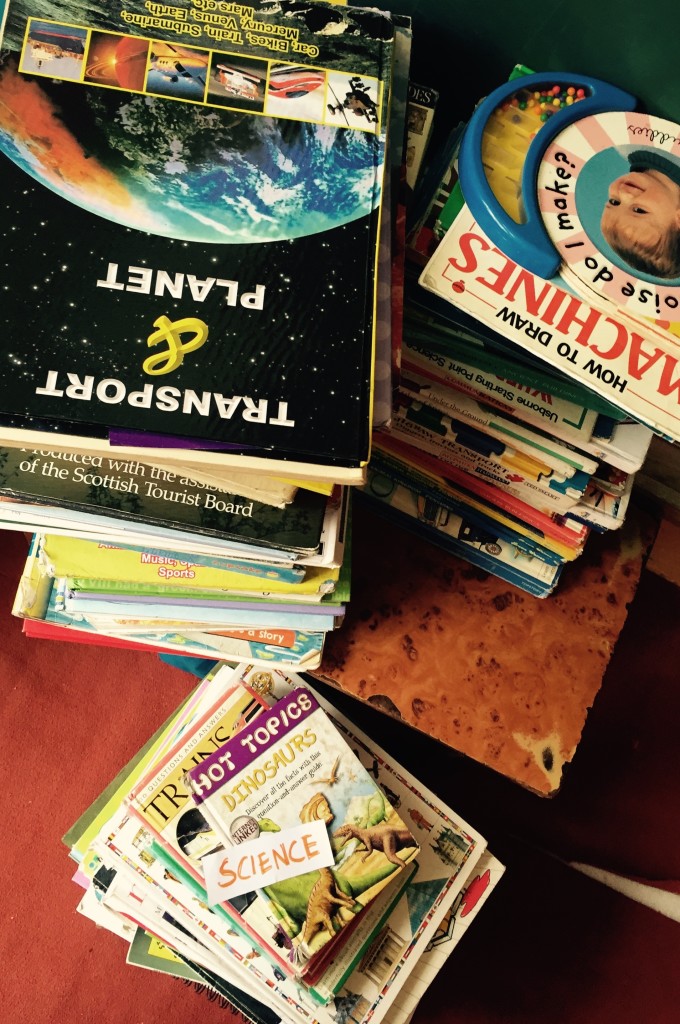
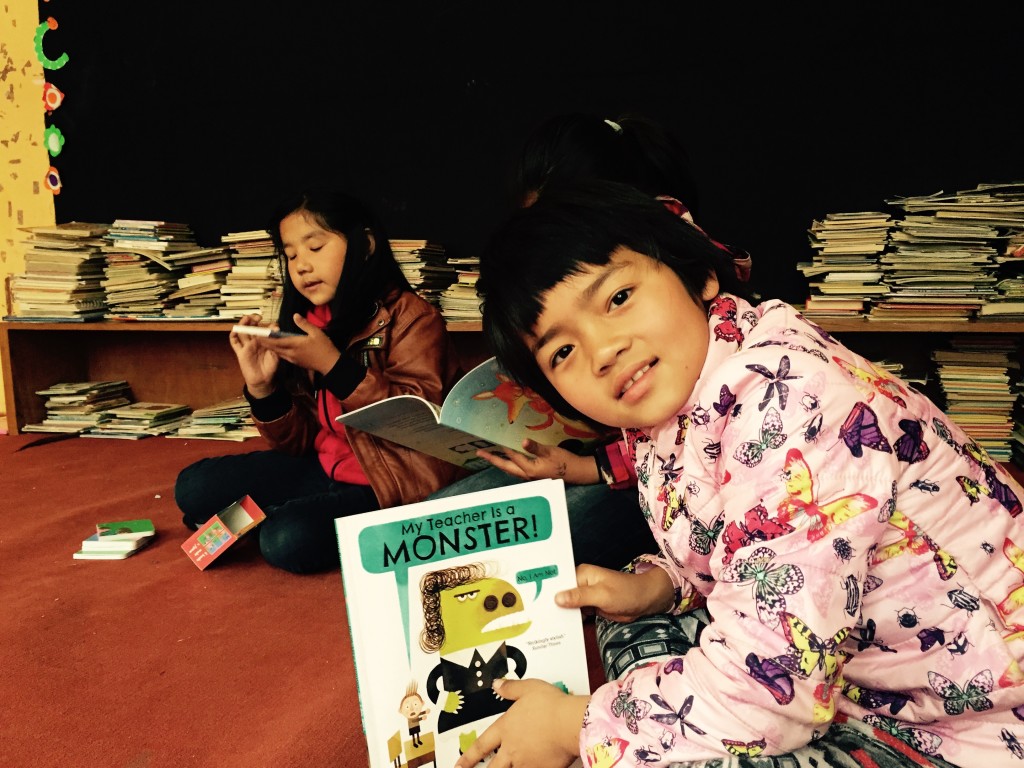
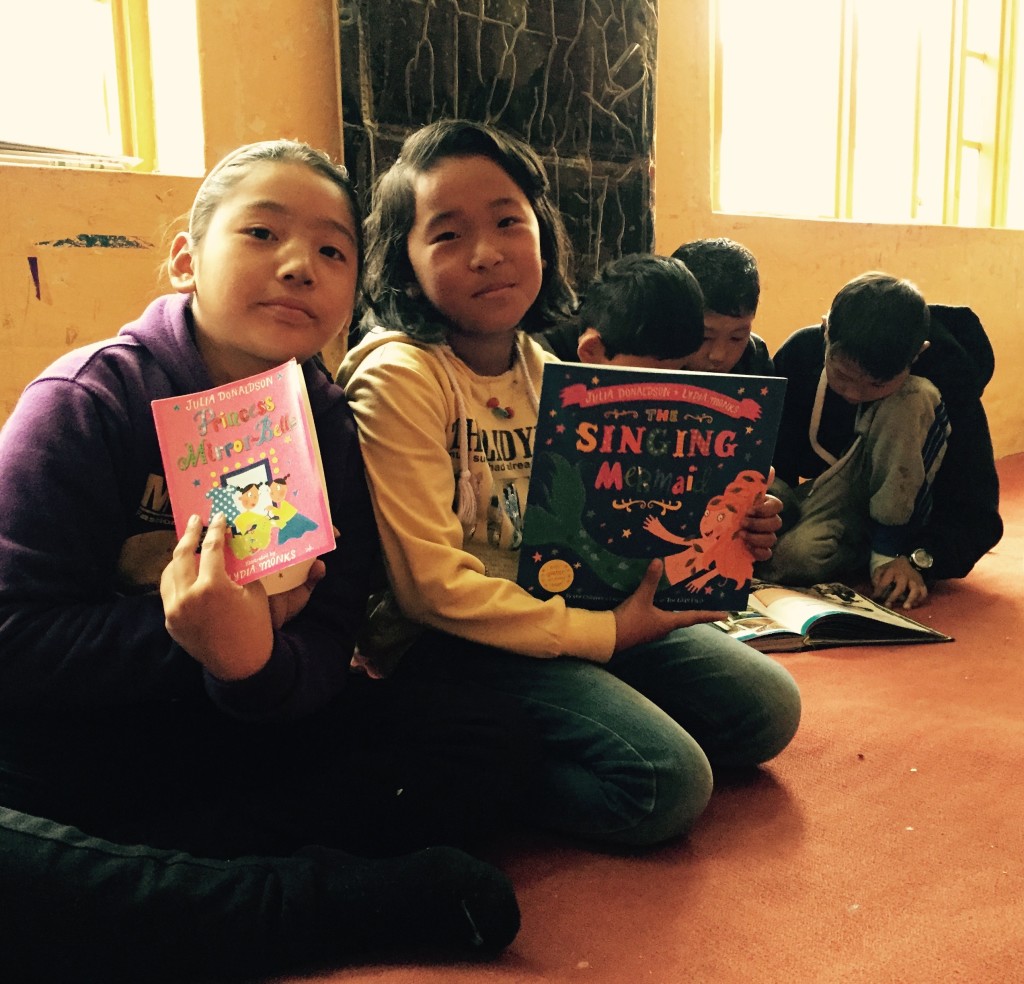
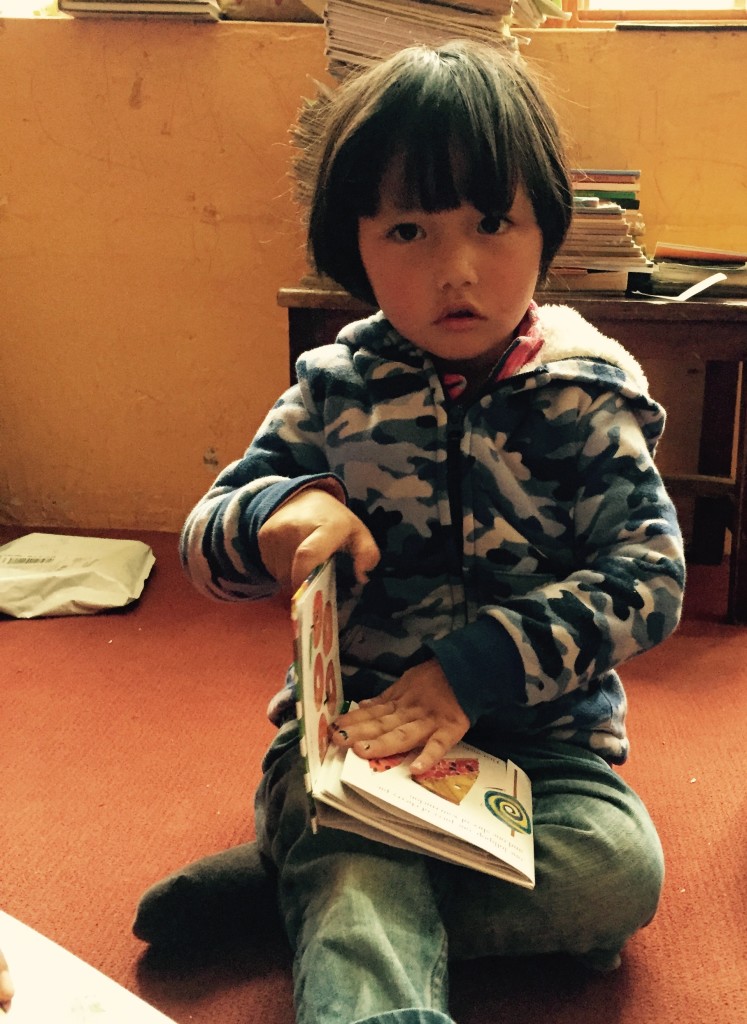
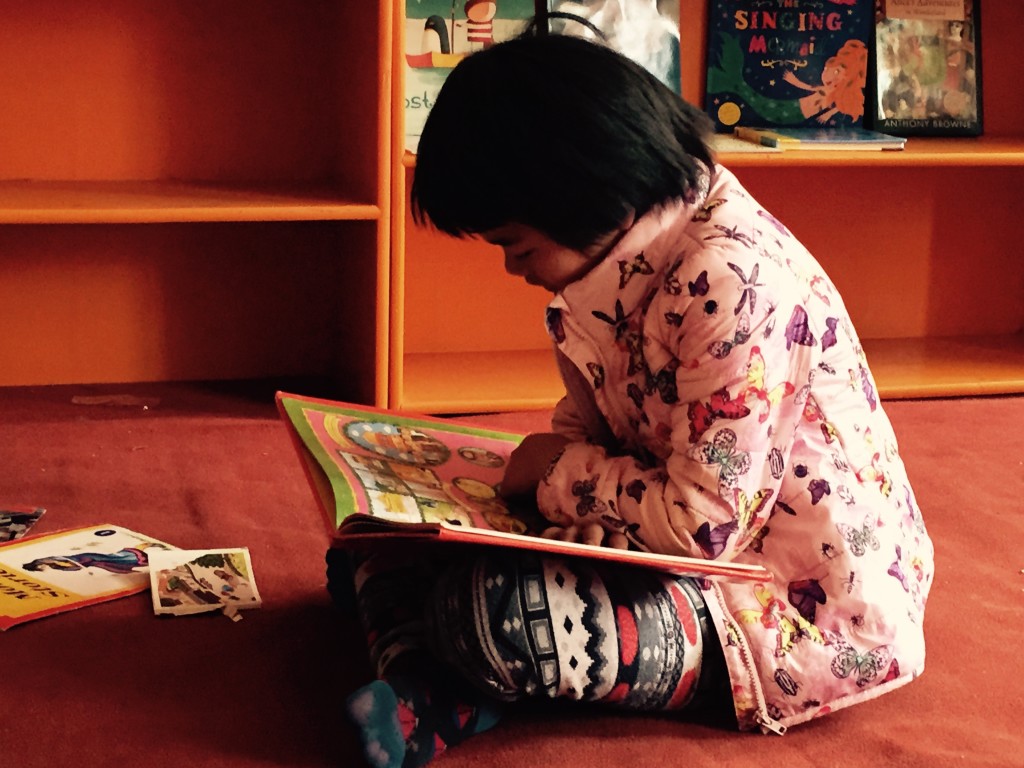
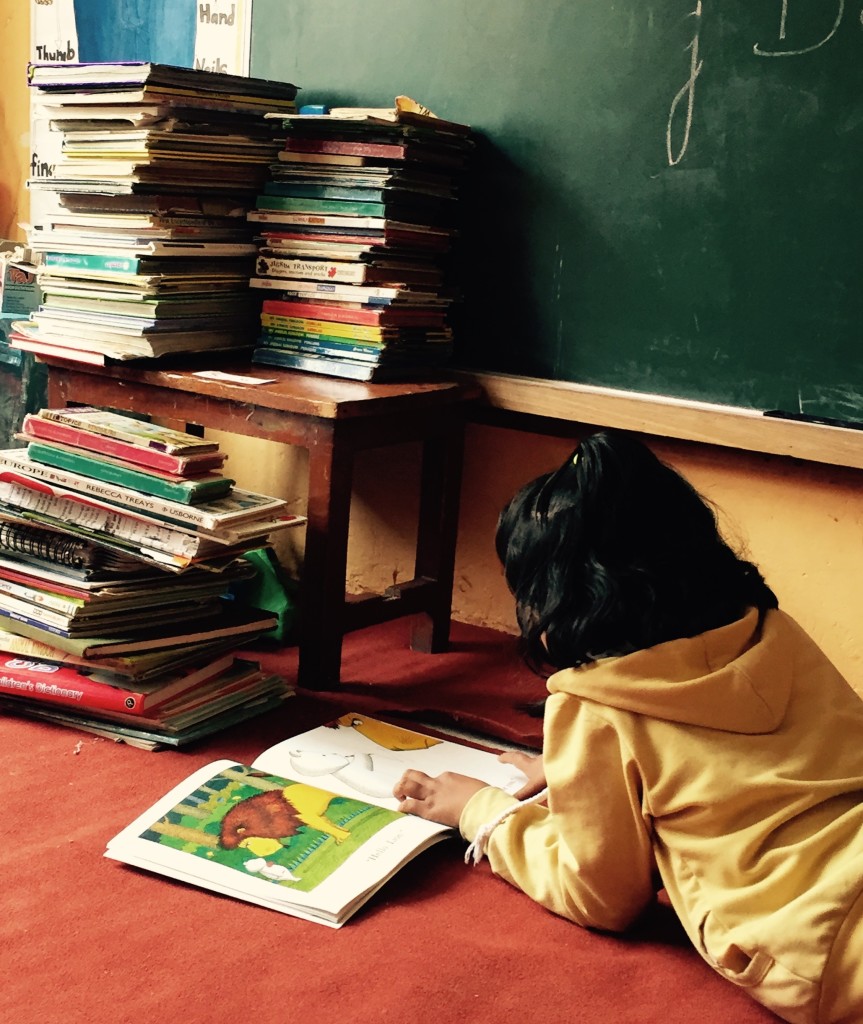
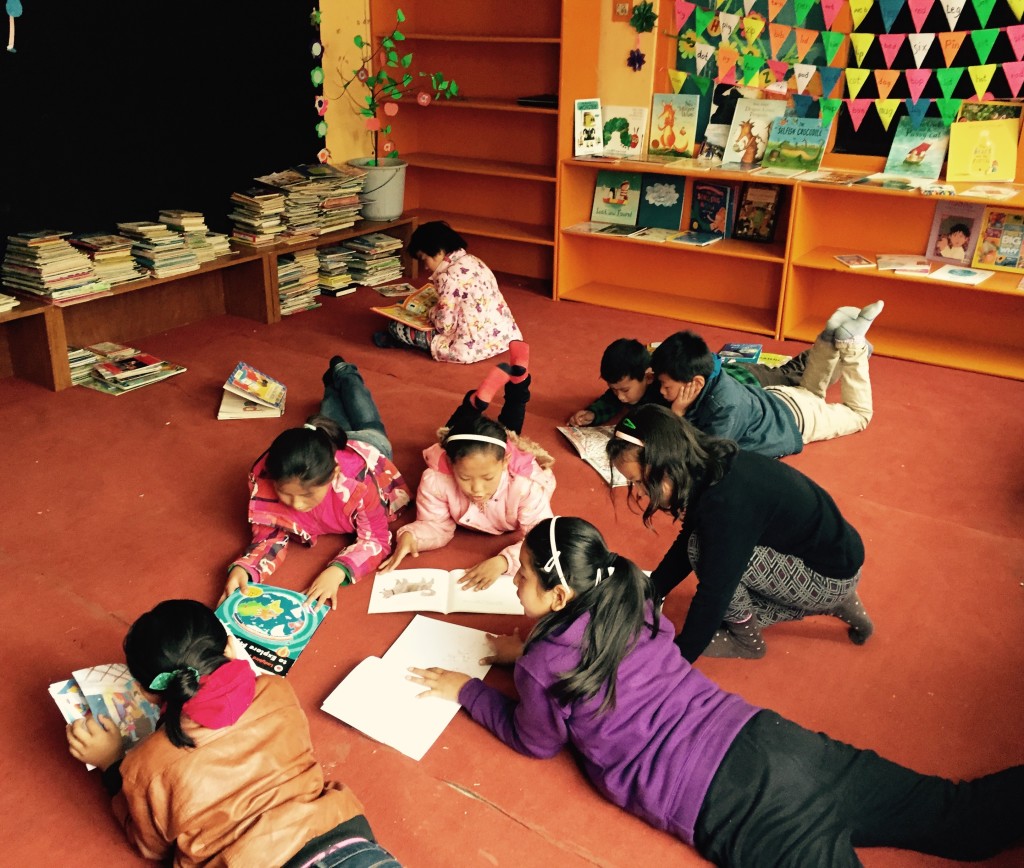
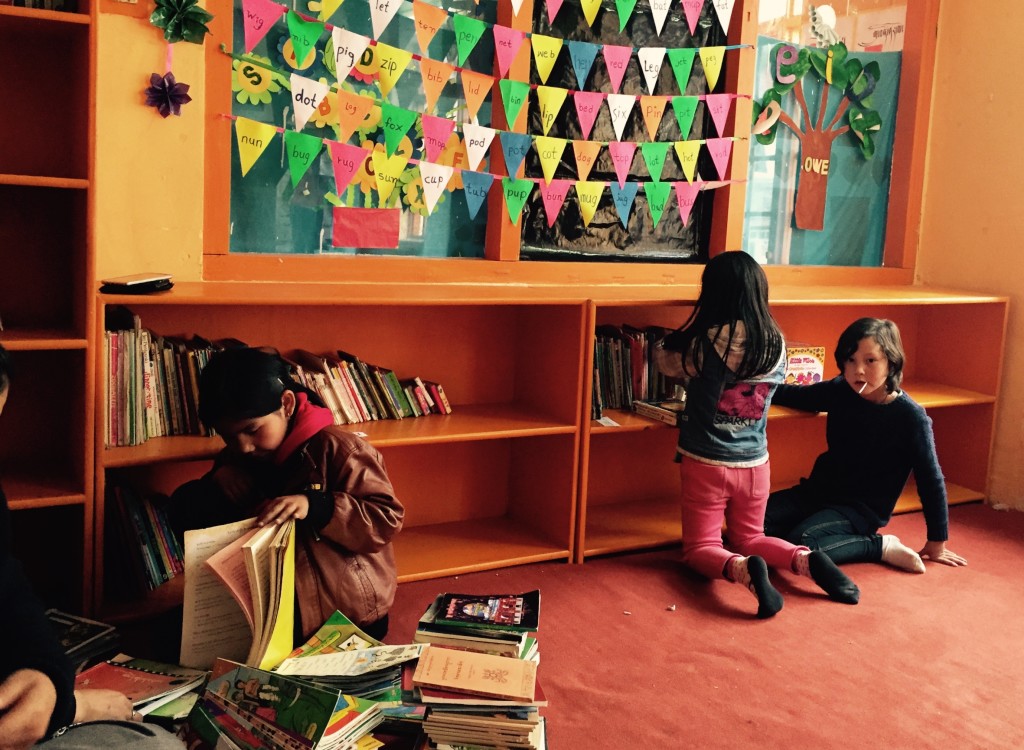
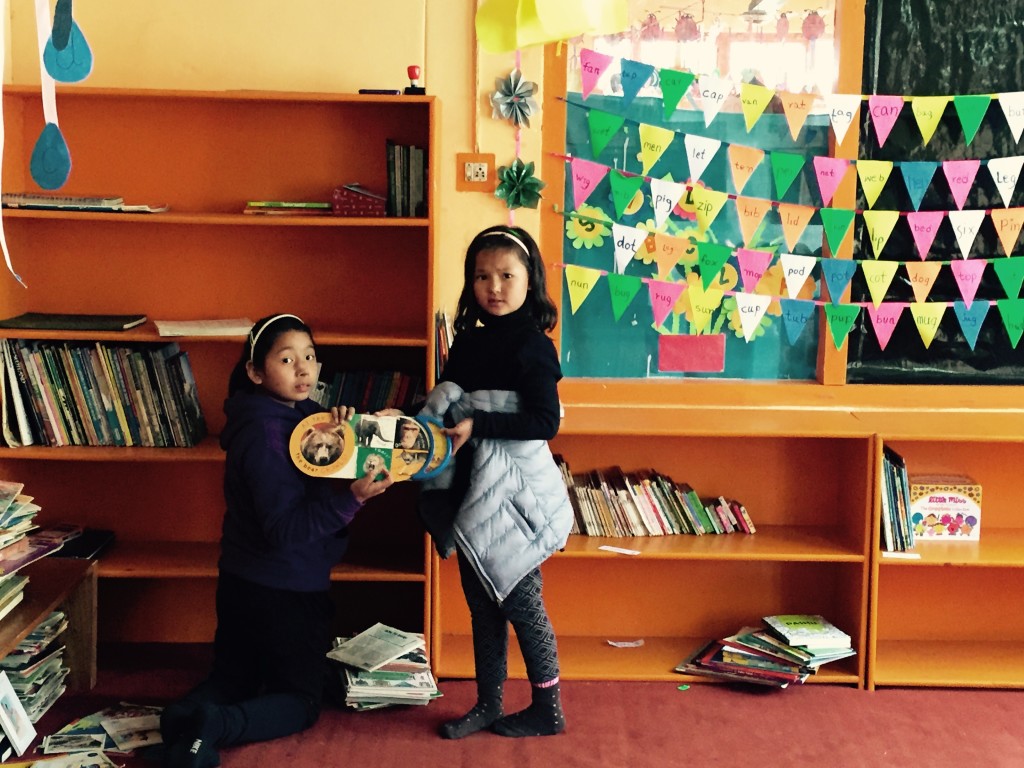
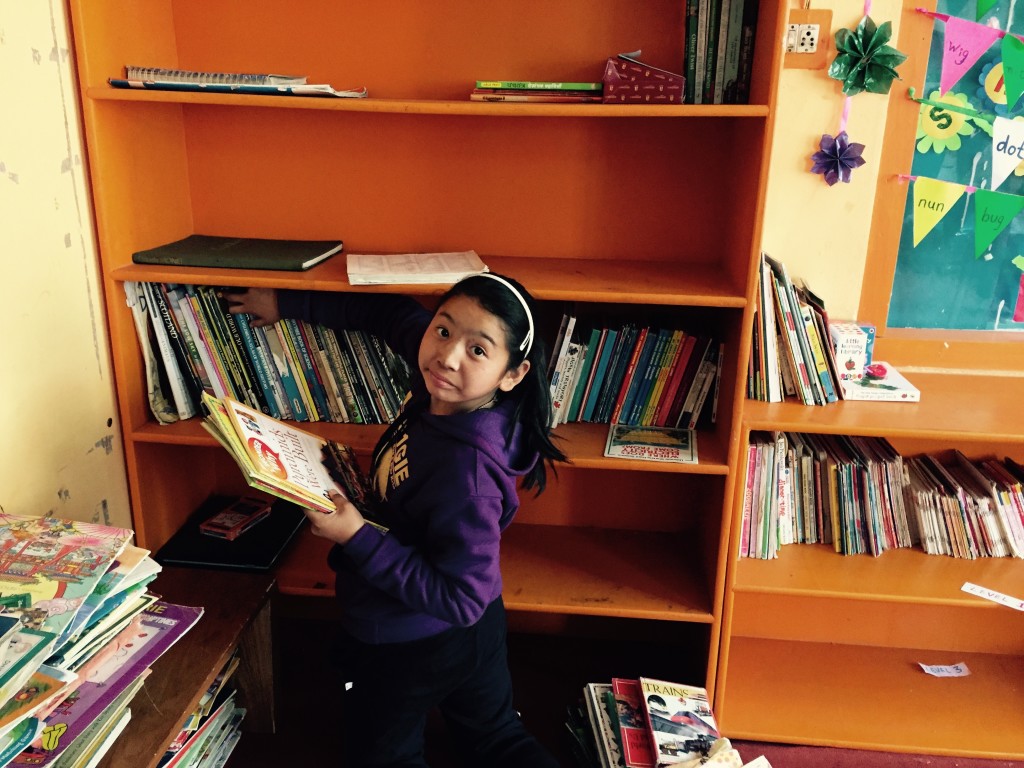
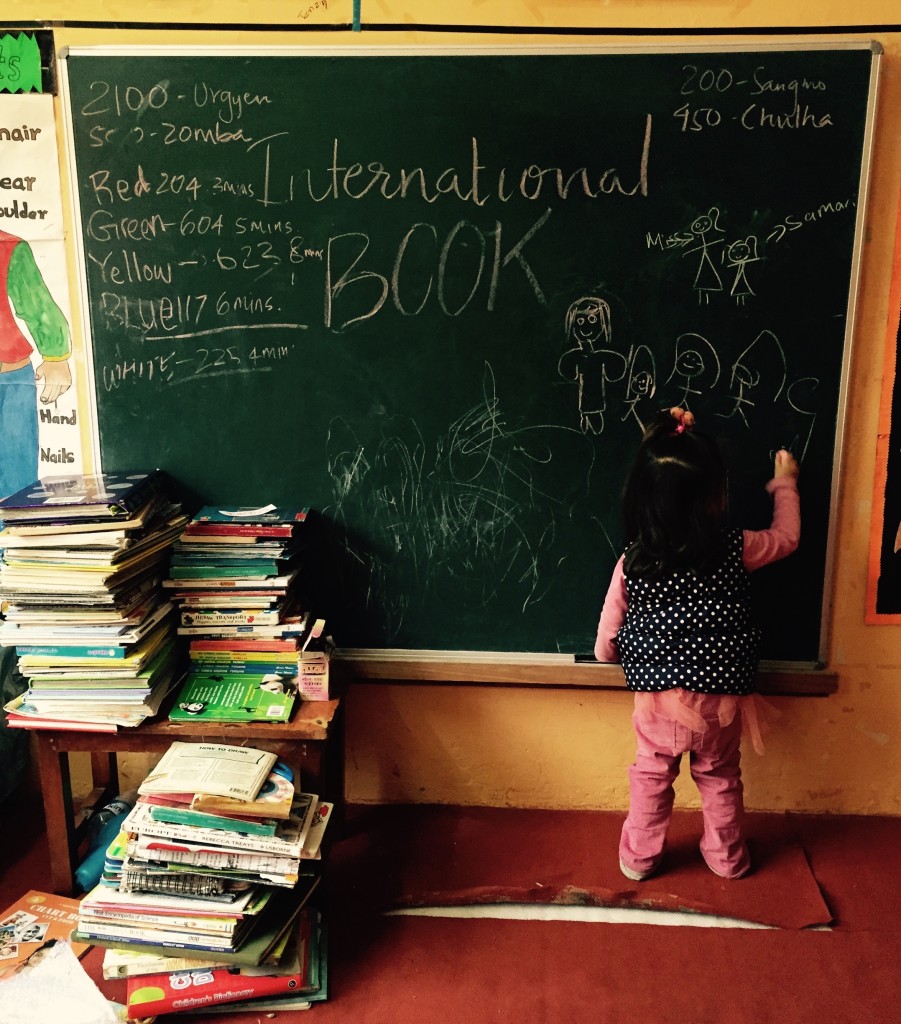
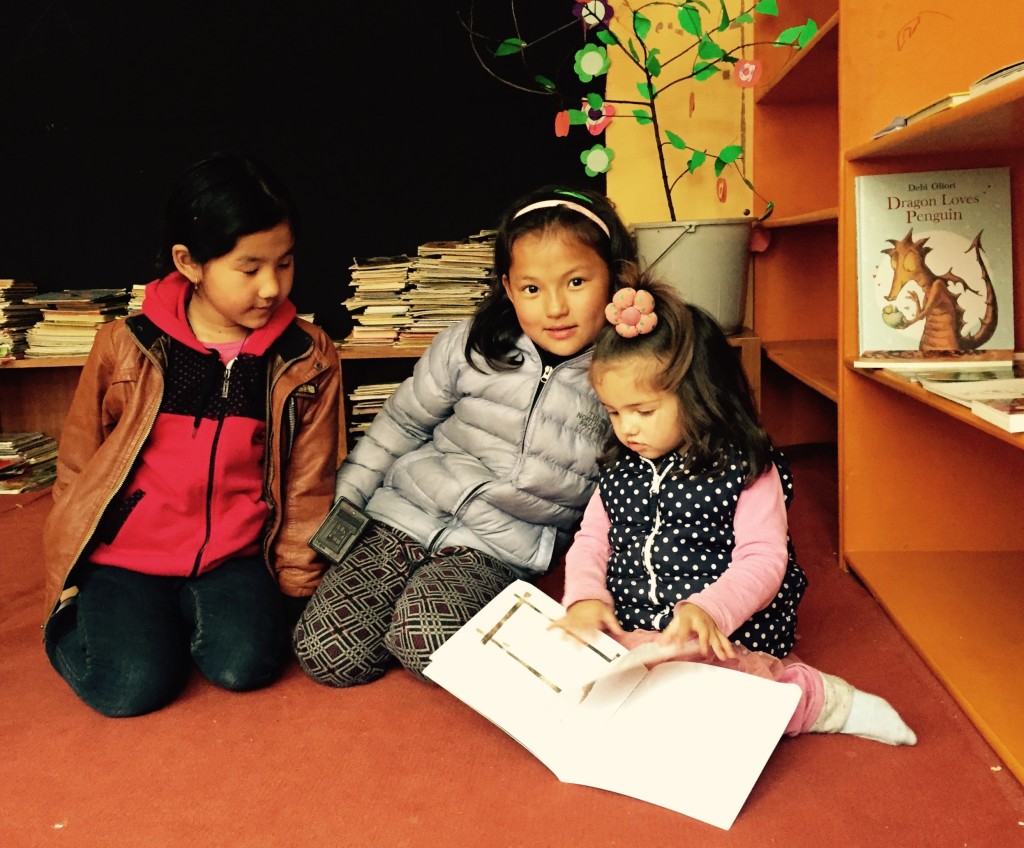
For Avalokiteśvara Trust, these deliveries support reading rooms, creative workshops and educational activities for children and young monks. Art materials are especially valuable because they make learning active and expressive. A child who has limited access to books, shops or formal art classes can still explore colour, shape, rhythm and storytelling when the right resources arrive.
The challenge is larger than simply buying supplies. Donors and organisers must choose durable materials, reduce unnecessary weight, protect everything from moisture, plan around weather and respect the needs of the village receiving the delivery. Careful preparation turns a difficult porter journey into a practical investment in learning.
Why The Last Kilometres Matter
Many Himalayan settlements are connected to the nearest road only by steep footpaths. Roads may be blocked by landslides, snow or flooding, while a bridge can become unsafe after heavy rain. In these conditions, the journey cannot be measured only by kilometres. A short route may take a full day when it includes stairs, river crossings and high-altitude climbs.
Transporting art supplies to villages only reachable by foot also involves a weight problem. A large box of low-cost materials may be less useful than a compact collection of washable paints, strong brushes and quality paper. Every kilogram affects porter fees, energy, handling time and the number of other items that can travel with the load.
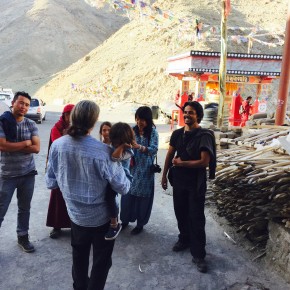
The delivery schedule must follow local rhythms. School calendars, religious festivals, winter closures and farming seasons can all change when children and community helpers are available. Local coordinators know which tracks are open, where a porter can rest and which route is safest after a storm.
Choosing Materials That Travel Well
Paper is often the first concern. Thin sheets crease easily, while heavy sketchbooks add weight. Smaller pads, folded card and recycled packaging can provide a sensible compromise. Materials should be packed inside waterproof liners, even when the outer box appears strong, because condensation, rain and snowmelt can damage supplies before they reach a classroom.
Paints need similar care. Powder pigments, solid watercolours and concentrated materials are usually easier to carry than large bottles of liquid paint. Child-safe, non-toxic products are essential, and containers should be sealed in separate bags. Brushes with short handles take up less room, while reusable palettes reduce the need for extra packaging.
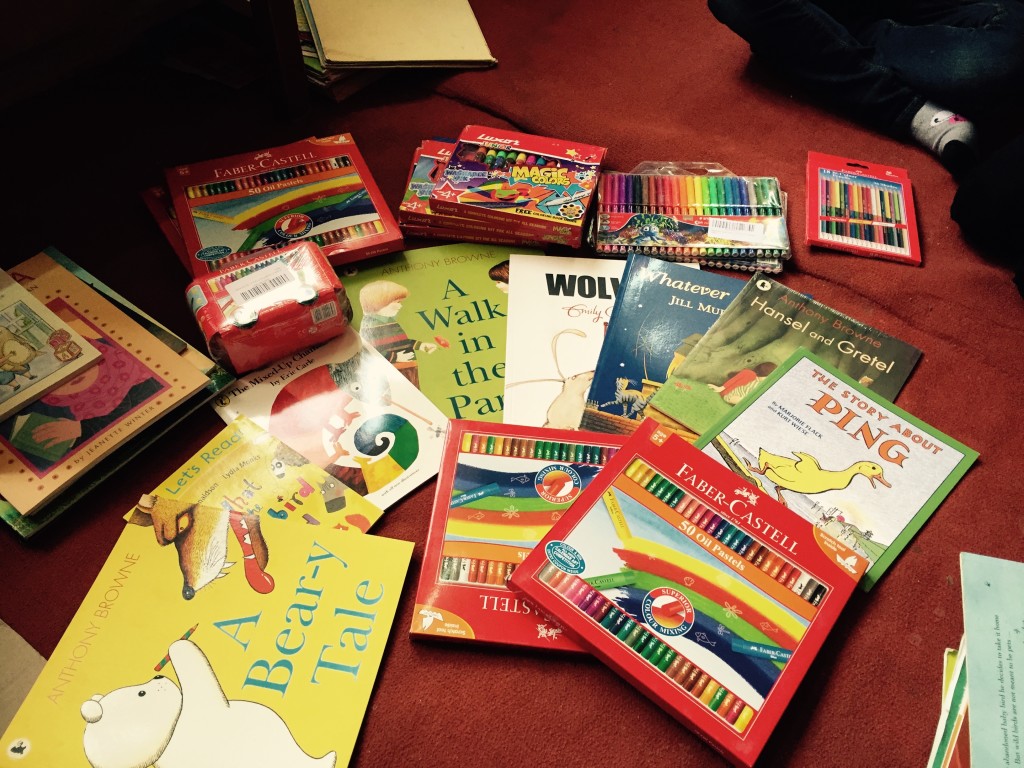
The same principle applies to creative equipment. Coloured pencils, graphite pencils, fabric scraps, chalk, glue sticks and simple musical instruments can support many activities without requiring complex storage. Before purchasing, organisers can review the teaching plan and ask what the village already has. This prevents duplicate donations and makes room for materials that are genuinely scarce.
Planning Loads With Local Knowledge
A reliable supply chain begins with information from the receiving community. Local teachers, monks, volunteers and families can identify preferred materials, storage limitations and age-appropriate activities. They can also explain whether a building has dry shelving, whether water is available for painting and whether children are likely to share supplies in groups.
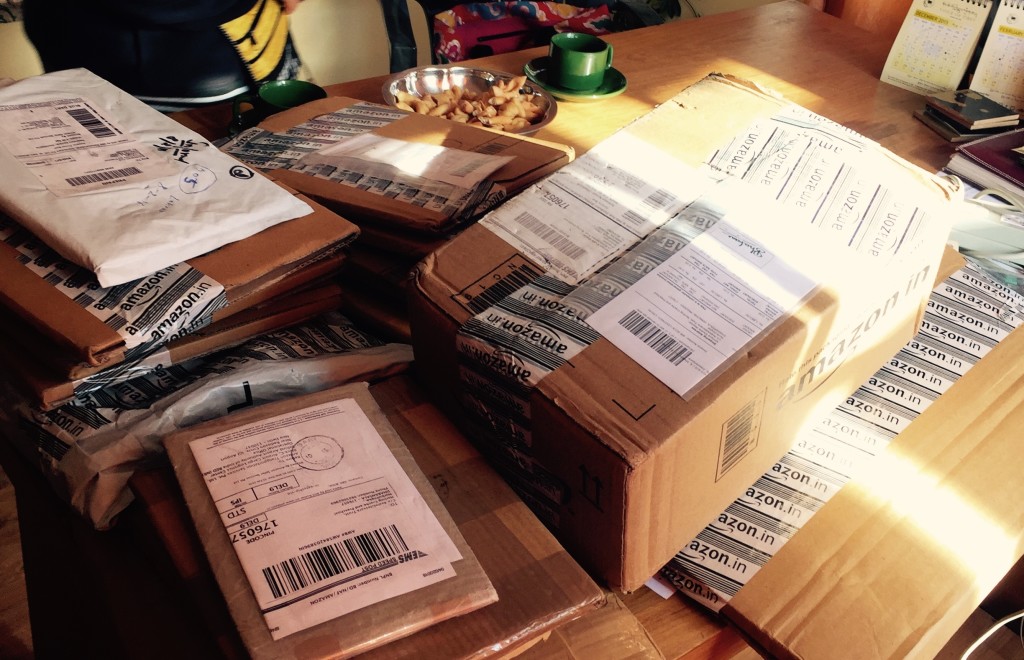
Packaging should be designed for the final carrier, not just the first vehicle. Several small, balanced bundles are easier to distribute than one oversized carton. Each bundle can have a clear contents list, a destination label and a simple instruction sheet in an appropriate local language. Strong handles, internal padding and waterproof wrapping make hand-carrying safer.
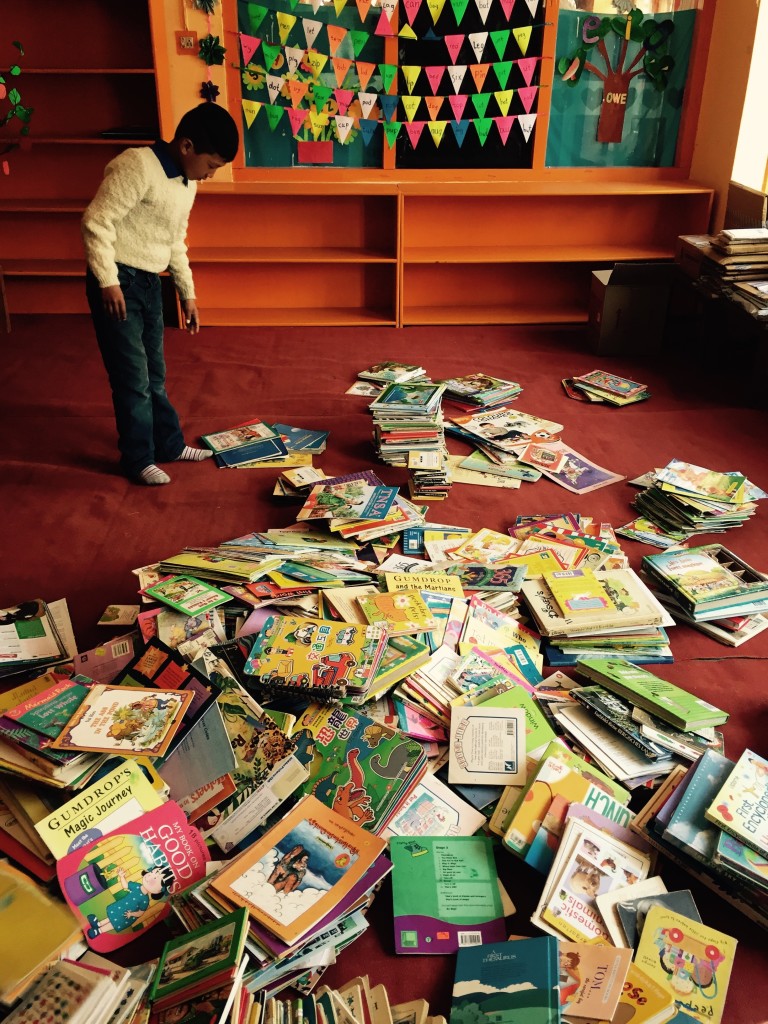
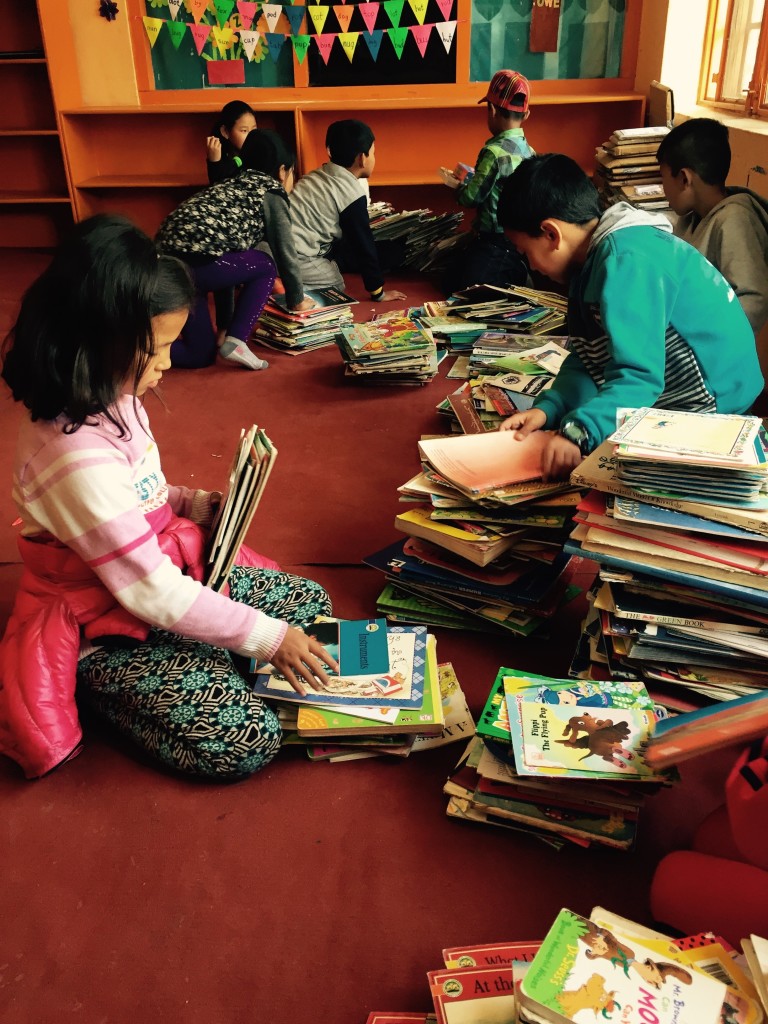
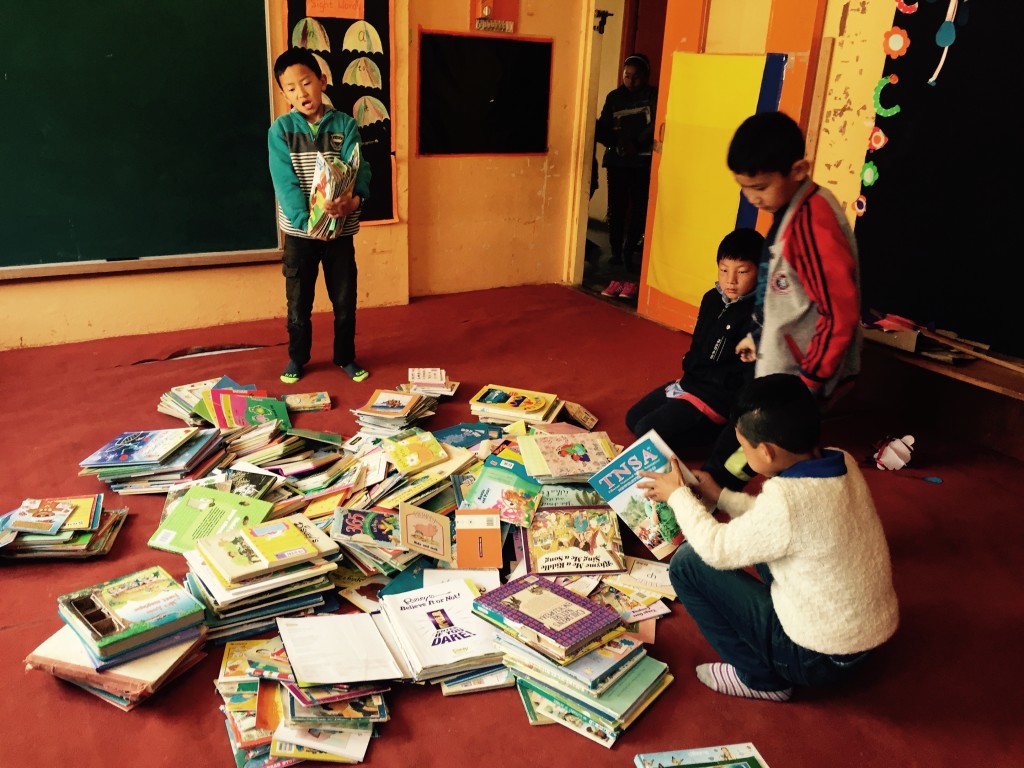
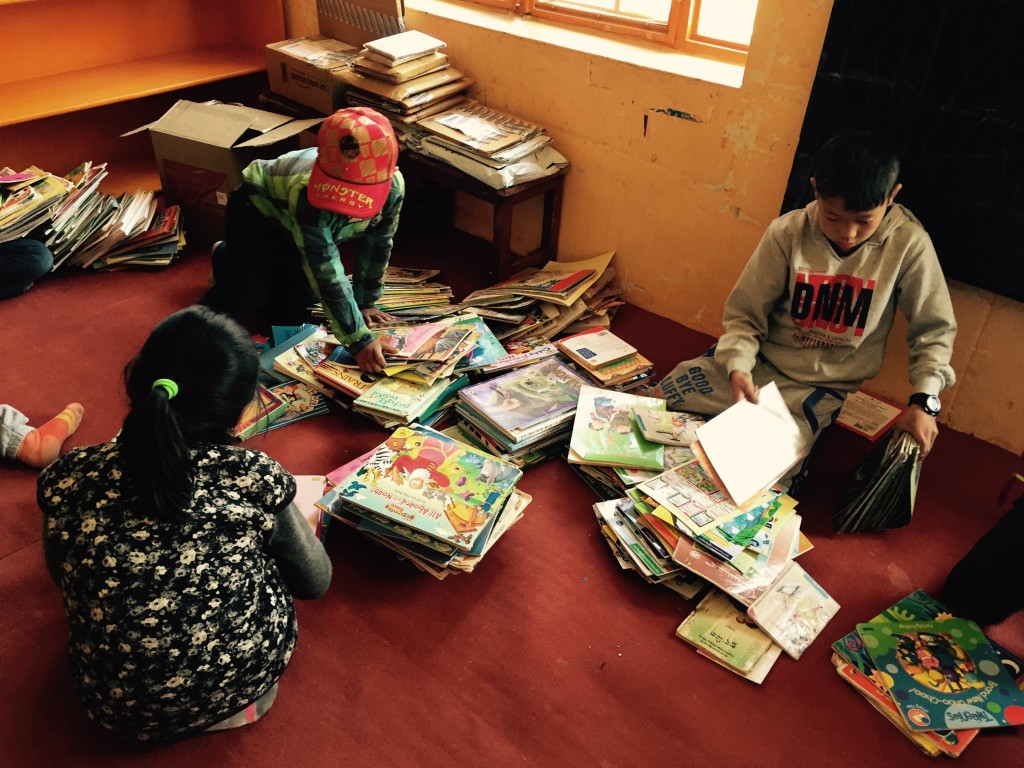
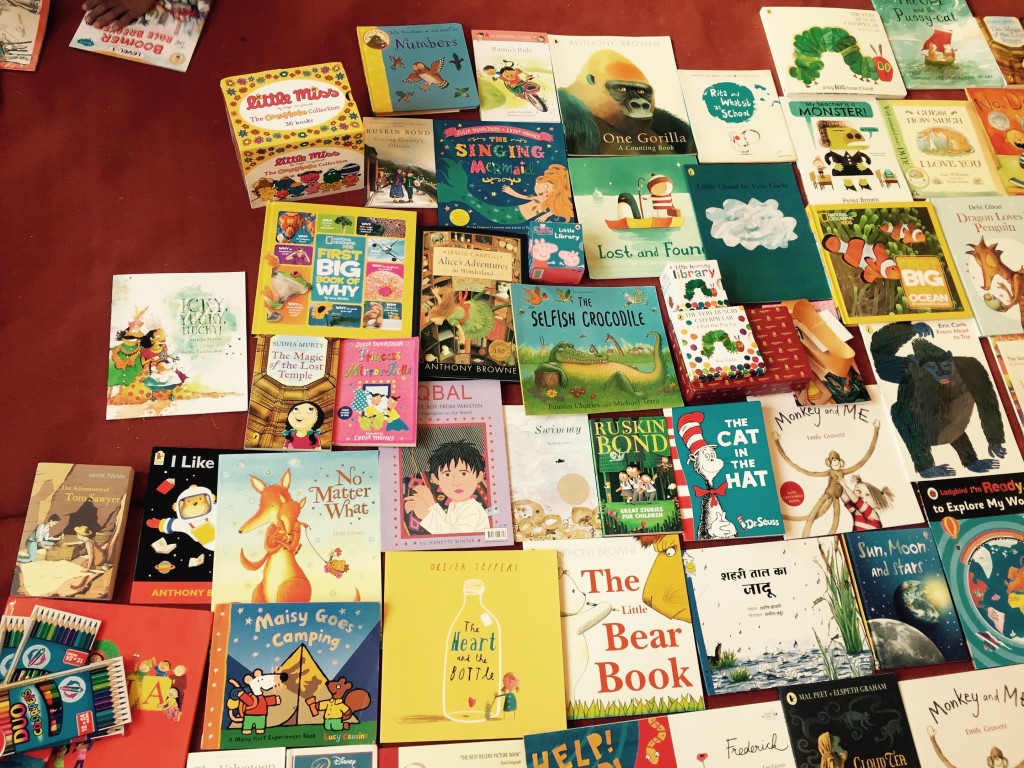
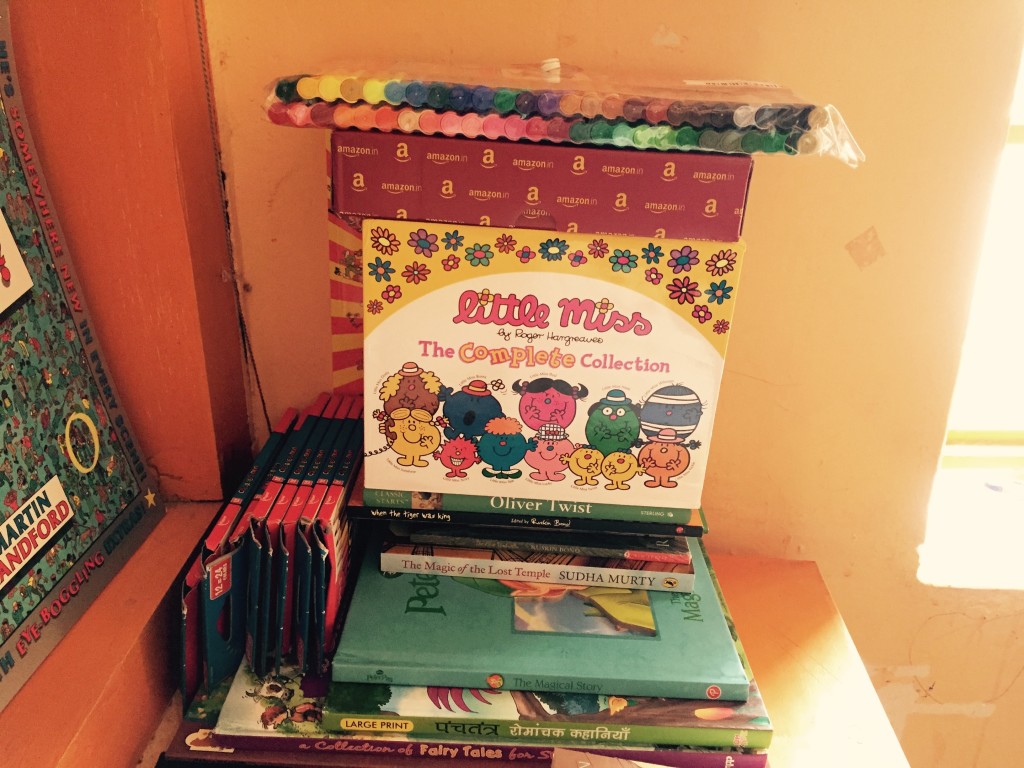
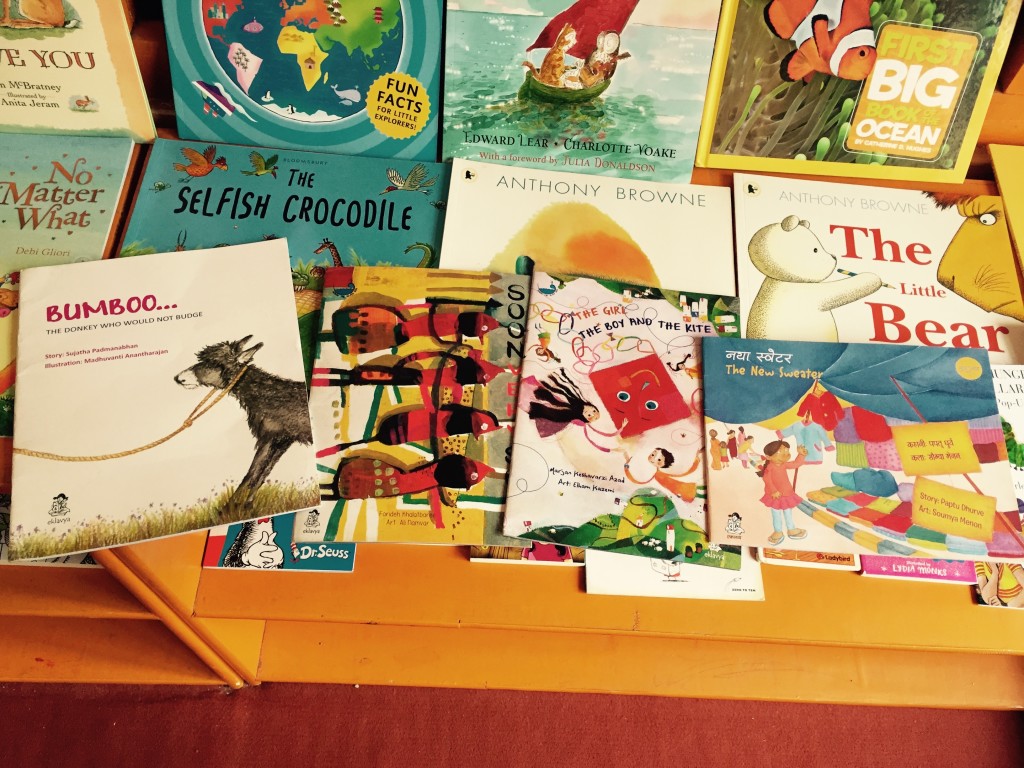
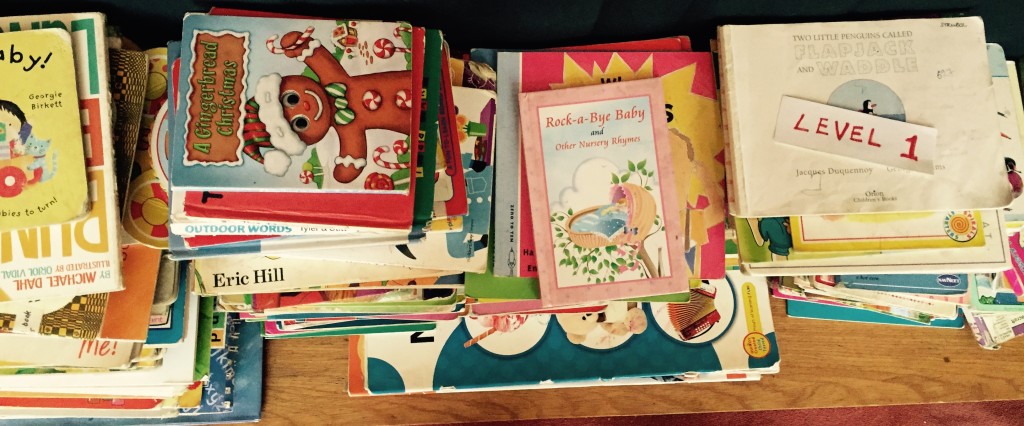
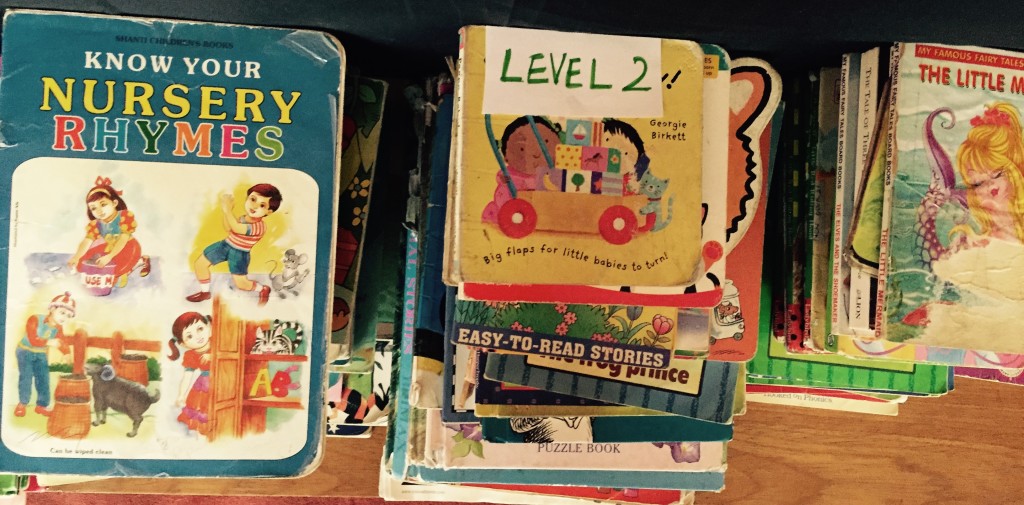
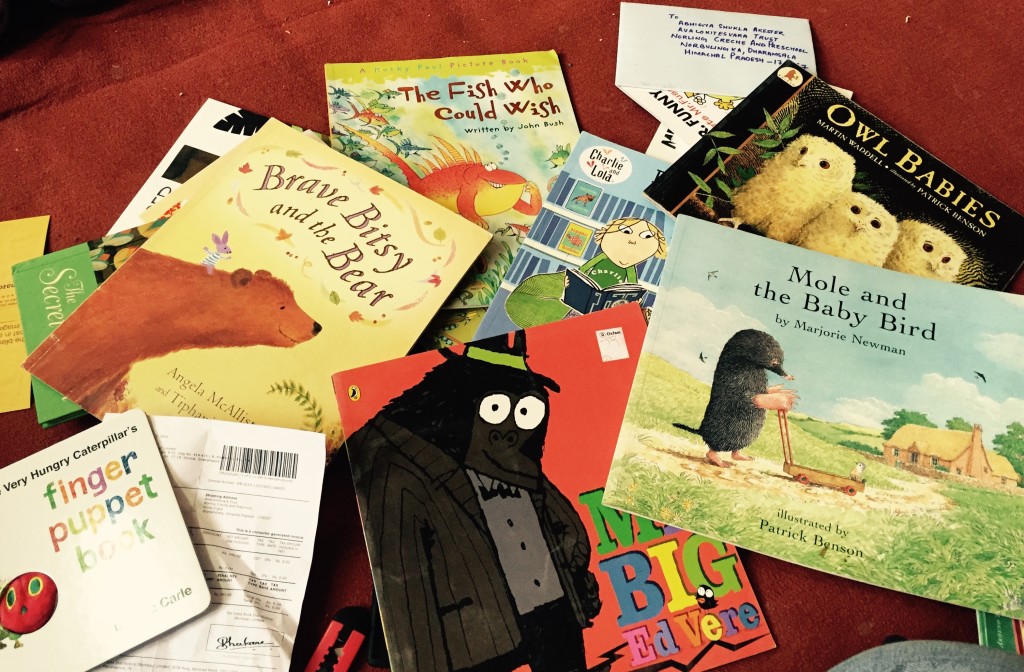
Book-drive experience offers useful lessons for art donations as well. Guidance on collecting, sorting and packing resources can be found in a practical book-drive guide, especially where limited budgets require careful decisions about storage and transport. The same thinking helps separate essential materials from items that look generous but are difficult to use.
Balancing Cost, Weight And Community Value
Australian donors may compare prices at major retailers in Melbourne, Sydney or Brisbane, local independent art shops, school-supply wholesalers and online marketplaces. A low shelf price does not always mean a low delivery cost. Bulky packaging, fragile containers and repeated small orders can raise the final expense considerably.
Community groups can reduce waste by collecting new, suitable materials through schools, art clubs and carefully managed workplace drives. Op shops may provide fabric, containers and craft tools, but donated goods should be checked for cleanliness, safety and usefulness before they enter an international shipment. Australian organisations also need to consider customs descriptions, import rules and any applicable GST or charity documentation when sending goods overseas.
| Supply type |
Transport advantage |
Main risk |
Practical approach |
| Coloured pencils |
Light, compact and durable |
Breakage or blunt tips |
Pack in rigid pencil cases |
| Solid watercolours |
Low spill risk and long-lasting |
Need clean water and palettes |
Include reusable mixing trays |
| Paper and card |
Versatile for drawing and craft |
Moisture and crushed corners |
Use waterproof liners and flat protection |
| Glue sticks |
Easy for children to handle |
Heat can affect texture |
Seal separately and check expiry |
| Fabric scraps |
Useful for collage and sewing |
Bulky if poorly sorted |
Fold, bundle and remove unsuitable pieces |
| Small percussion instruments |
Supports music activities |
Fragility and awkward shapes |
Choose robust designs with padded covers |
A budget should include the last-mile cost from the roadhead to the village. It should also allow for replacement materials, storage tubs and modest coordination expenses. Transparent records help donors understand why a smaller shipment of well-chosen goods may create more value than a larger mixed donation.
Protecting Children And Supporting Volunteers
Remote creative activities require the same care standards as programmes in Australian schools or community centres. Volunteers need clear guidance on supervision, photography, appropriate communication and the handling of personal information. Australian organisations should align their processes with relevant child safety expectations, including the National Principles for Child Safe Organisations where applicable.
A practical delivery kit can include attendance sheets, activity cards, non-toxic supplies, cleaning cloths and a simple inventory. Volunteers should be briefed on altitude, hydration, sun protection, safe walking and respectful conduct. They also need permission to adapt an activity if weather, fatigue or local customs make the original plan unsuitable.
Useful recommendations for preparing a foot-access delivery include:
- Ask local educators to approve the materials before purchasing in bulk.
- Choose compact, durable and non-toxic supplies with multiple uses.
- Divide heavy donations into balanced bundles for safer carrying.
- Protect paper, books and paint from rain, snowmelt and condensation.
- Label every package with its contents, destination and handling notes.
- Budget for porters, storage, replacement items and unexpected delays.
- Record what was used so the next shipment becomes more precise.
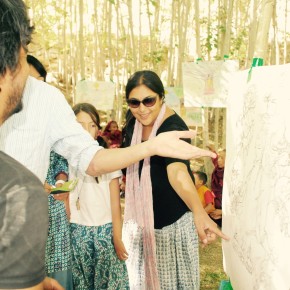
Good volunteer coordination also respects the expertise of people who live in the region. A porter is not simply the final link in a chain; local carriers understand terrain, weather and safe movement in ways that distant planners cannot replicate. Fair payment, realistic loads and sufficient rest are part of responsible logistics.
Turning Materials Into Learning
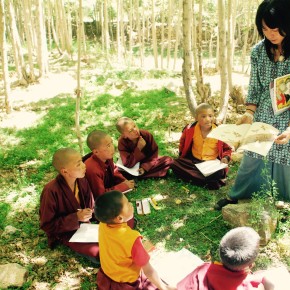
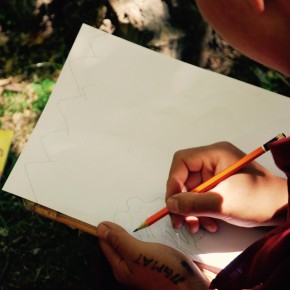
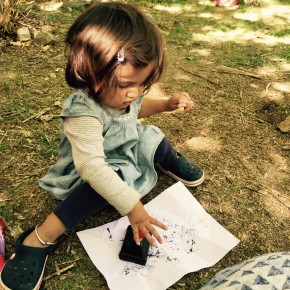
The value of a delivery is measured after the supplies arrive. A box of pencils becomes meaningful when children use it to draw their homes, map a mountain route or illustrate a story from their community. Paint can support lessons about nature and observation. Fabric can become part of a collaborative display, while rhythm instruments can help a group explore language and memory.
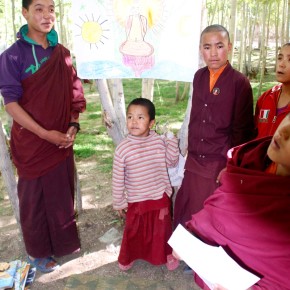
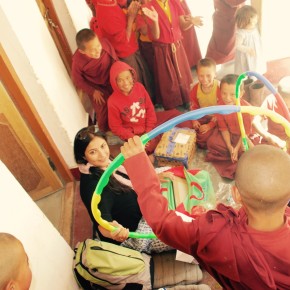
Activities should leave room for local creativity rather than imposing a fixed model of art education. Children may combine drawing with oral storytelling, religious imagery, local patterns or scenes from daily life. Young monks may use creative work alongside reading and language practice. These connections make the supplies relevant beyond a single workshop.
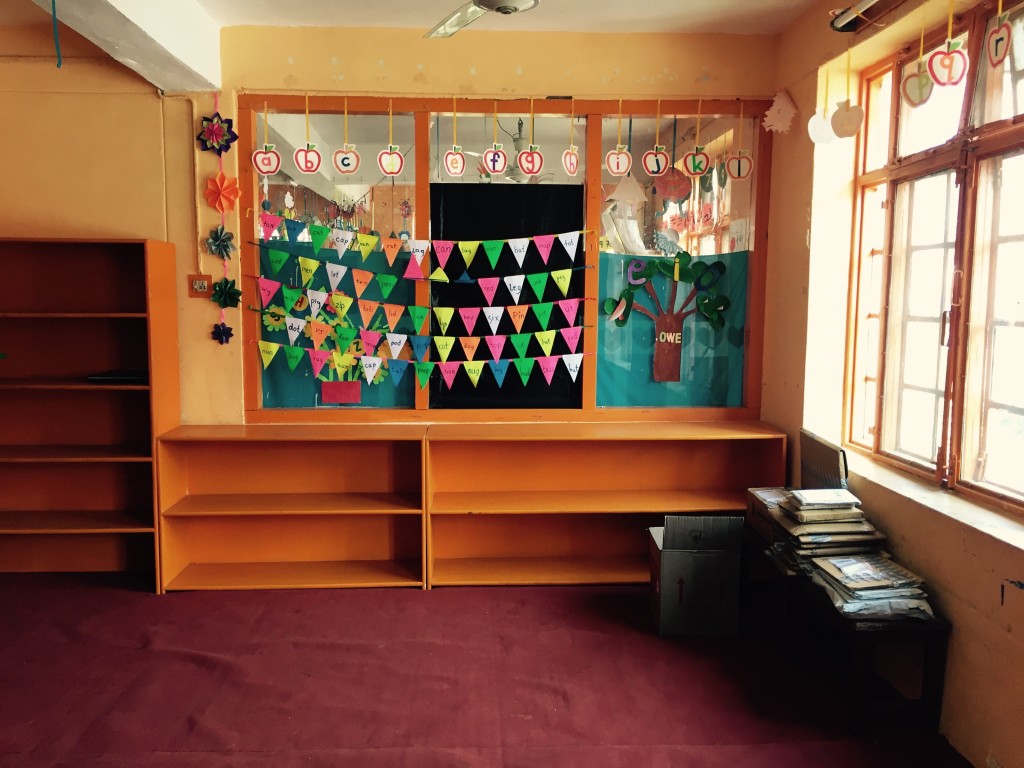
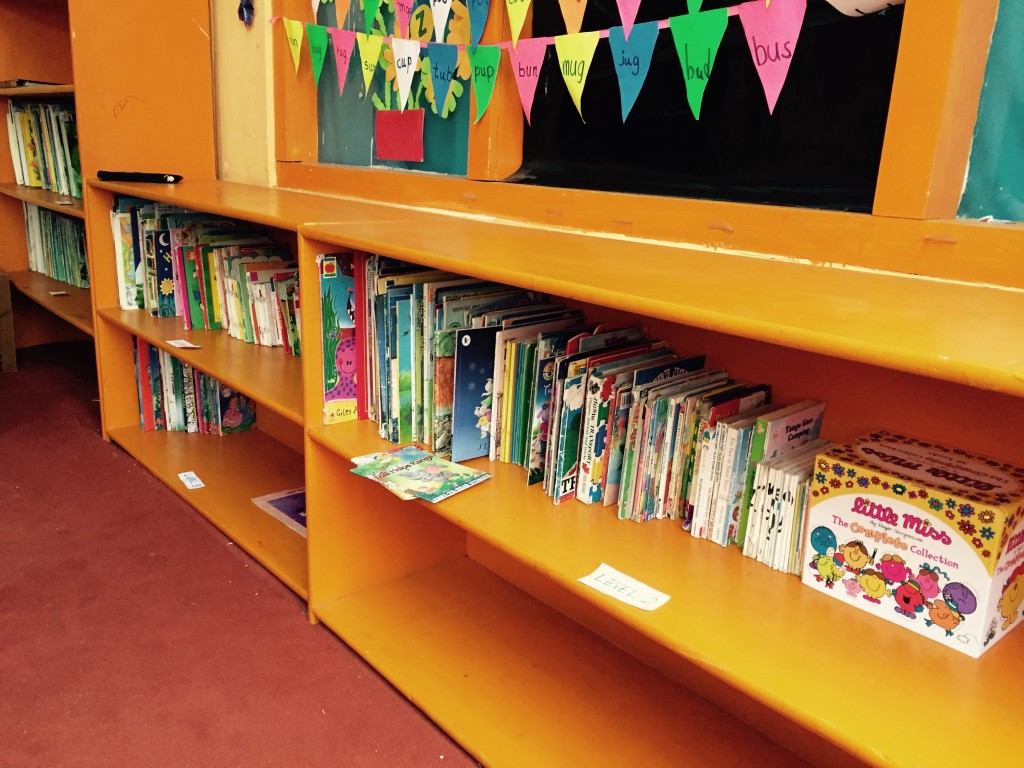
Storage and replenishment matter as much as the first delivery. A reading room or classroom needs labelled containers, simple borrowing rules and a person responsible for checking supplies. When communities can decide how materials are shared and request what is needed next, outside support becomes more sustainable.
The hardest part of reaching a foot-access village is often invisible: the weighing, sorting, waterproofing, budgeting and coordination that happen before a child opens a box. Thoughtful logistics protect resources and people while preserving the joy of discovery. What readers should remember is that every carefully chosen, safely carried art supply can widen a child’s opportunity to learn, imagine and create.