The Art Of Making Tibetan Butter Lamps With Children
In Himalayan communities, a small butter lamp can carry a large meaning. Its flame represents clarity, compassion, and the dispelling of darkness, while the act of offering light connects everyday life with spiritual practice. A children’s workshop can introduce these ideas through careful making, storytelling, and respectful observation.
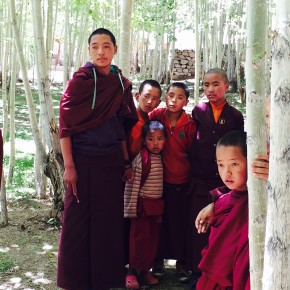
For children in Ladakh and other mountain regions, the activity also offers a bridge between art and local heritage. They can learn about traditional materials, monastery customs, seasonal celebrations, and the skilled hands that preserve cultural knowledge. The workshop becomes more meaningful when it is presented as an opportunity to listen and learn rather than as a decorative craft.
A safe, age-appropriate session may use ghee, natural wax, or a non-flammable modeling material for shaping. Real flames should be handled only by trained adults, with battery-operated lights available for younger participants. In every stage, the purpose is to honor the tradition while making space for creativity and thoughtful questions.
Understanding The Light Offering
Butter lamps, often called mar me in Tibetan, are traditionally placed before sacred images, in temples, and in household shrines. Their light may symbolize wisdom overcoming ignorance, kindness overcoming anger, and awareness overcoming confusion. Families and monastic communities may offer lamps during prayers, festivals, memorial observances, and ordinary devotional routines.
Children do not need a complex theological lesson to understand these themes. A facilitator can explain that light is a shared symbol found in many cultures, then describe how Tibetan Buddhist communities connect the flame with compassion and clear understanding. This approach gives young participants cultural context without asking them to imitate a religious ceremony casually.
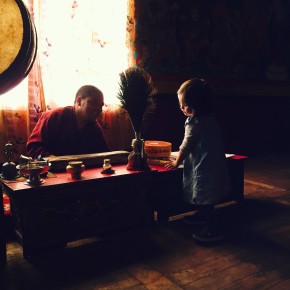
It is useful to distinguish between a learning activity and an actual offering. A workshop can begin with photographs, a short story, or a visit from a local cultural guide. If lamps will be lit as part of a sacred setting, organizers should ask a monk, teacher, or community elder to explain the proper practice and provide permission.
Choosing Materials For Young Makers
Traditional lamps may contain clarified butter, including yak butter in some Himalayan settings, and are often made in small metal bowls. The scent, texture, and preparation of the butter can be part of the cultural experience. In a children’s reading room or community center, however, practical needs may call for alternatives that are stable, affordable, and easy to clean.
A supervised workshop might use soft beeswax, plant-based modeling wax, or unscented vegetable shortening. Cotton wicks can be prepared in advance by adults. For a no-flame version, children can shape a lamp container from clay or salt dough and place a small LED tea light inside. The substitute should be clearly described as a classroom model rather than presented as an exact traditional object.
Natural colors such as turmeric, red clay, or mineral-inspired powders can add visual interest, but all materials must be checked for skin safety and allergies. Avoid loose glitter, strongly scented oils, and unstable decorations near heat. Metal trays, washable cloths, hand-washing facilities, and labeled materials help keep the session organized.
Turning Craft Into Cultural Learning
The making process can be divided into small stages: observing examples, preparing the vessel, shaping the fuel, placing the wick, decorating with restraint, and reflecting on the meaning of light. Each stage gives children a chance to practice fine motor skills, patience, and sequencing. Older students can measure materials, record observations, or help younger children follow instructions.
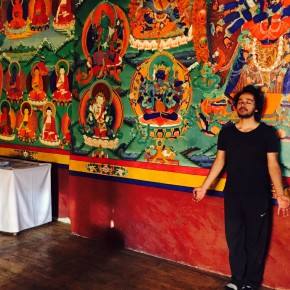
Stories make the activity memorable. A facilitator might describe a winter evening in a mountain village, when lamps bring warmth and brightness to a prayer room, or explain how families prepare for a festival. The story should avoid inventing sacred details. Local teachers and community partners can guide the language, identify appropriate songs, and clarify which images or practices should not be copied.
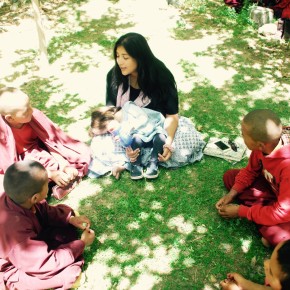
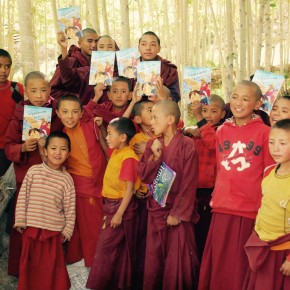
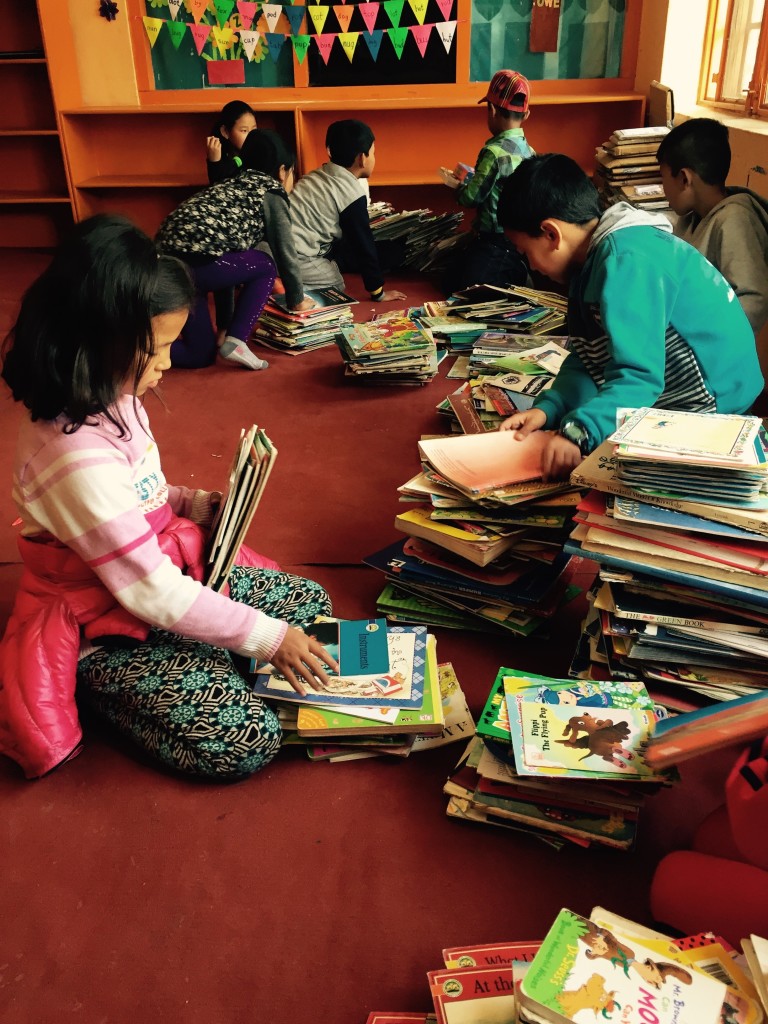
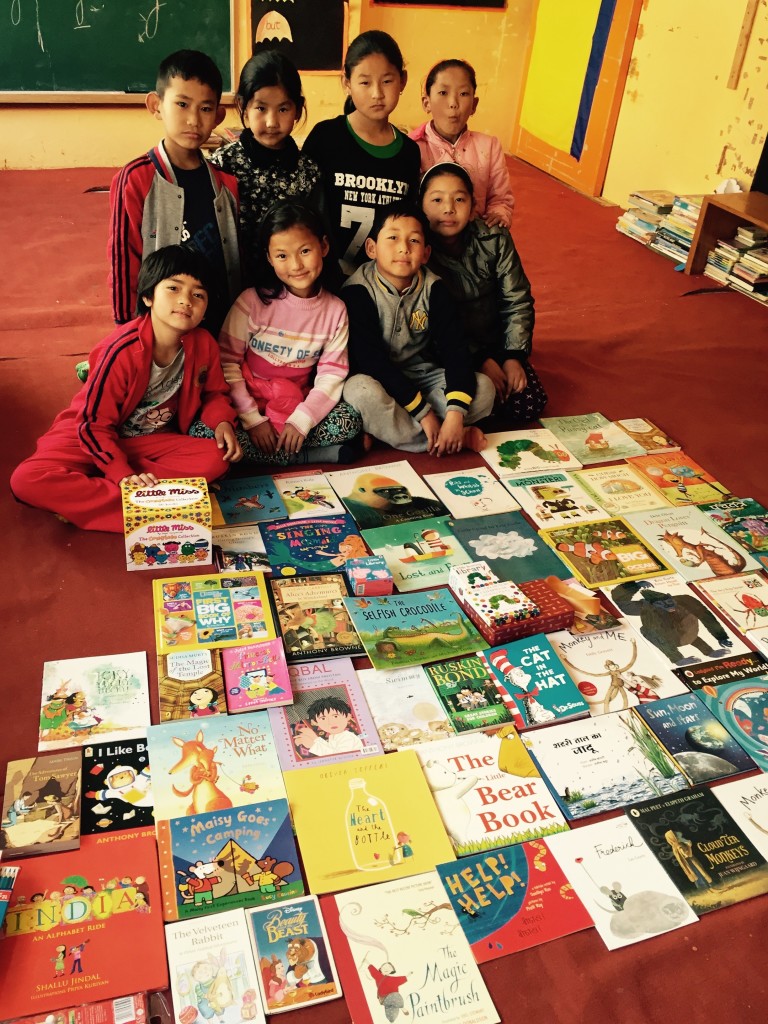
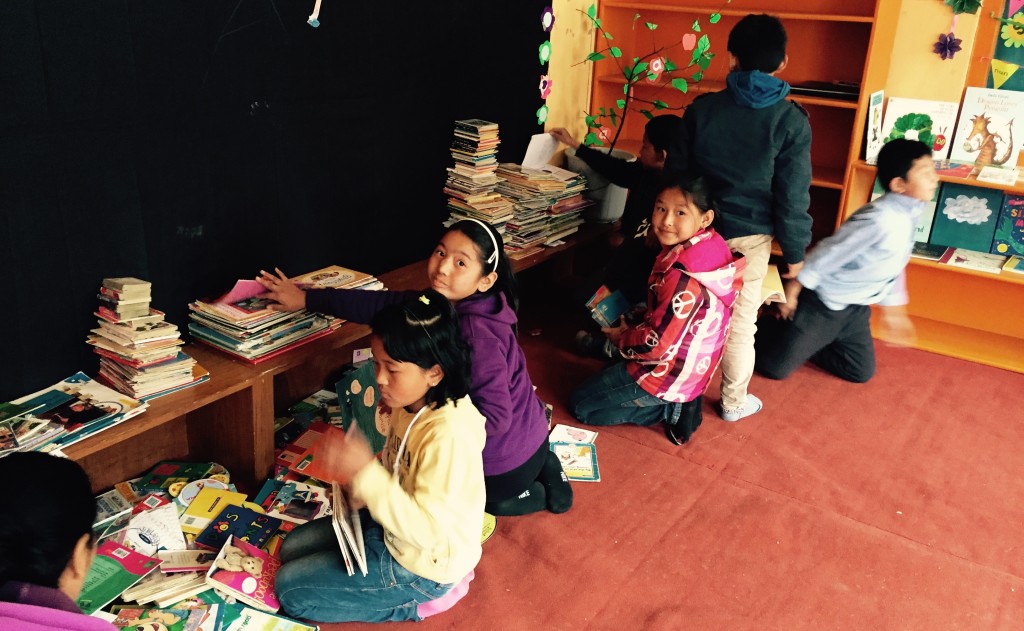
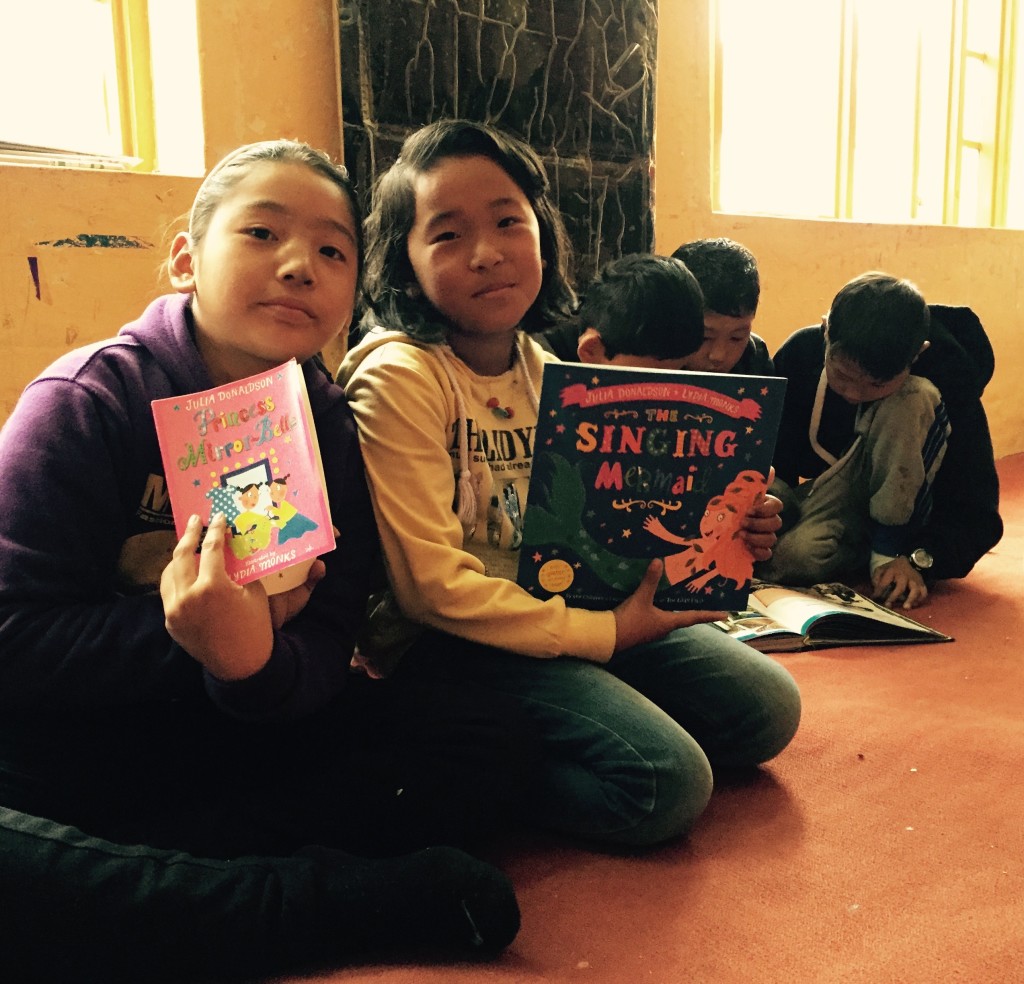
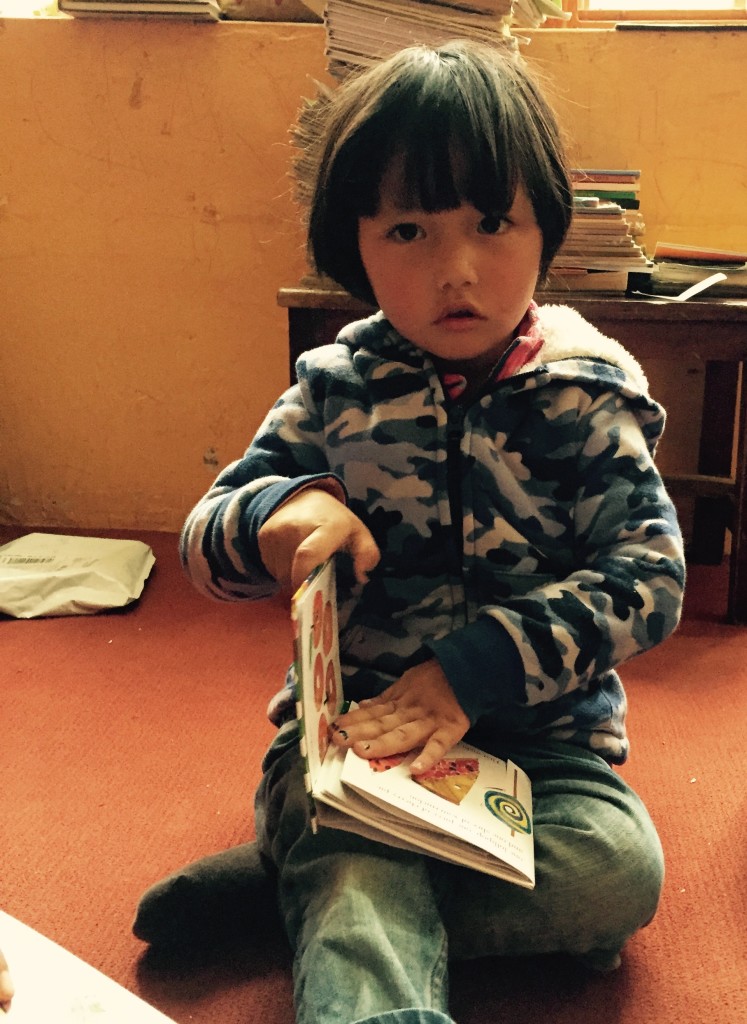
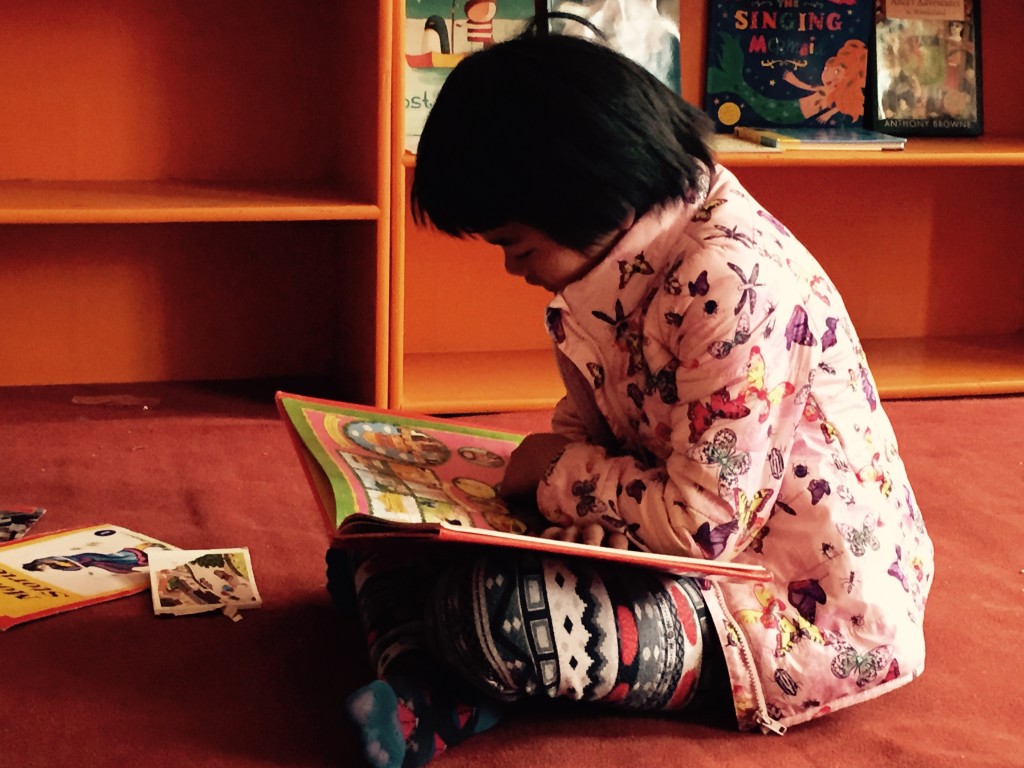
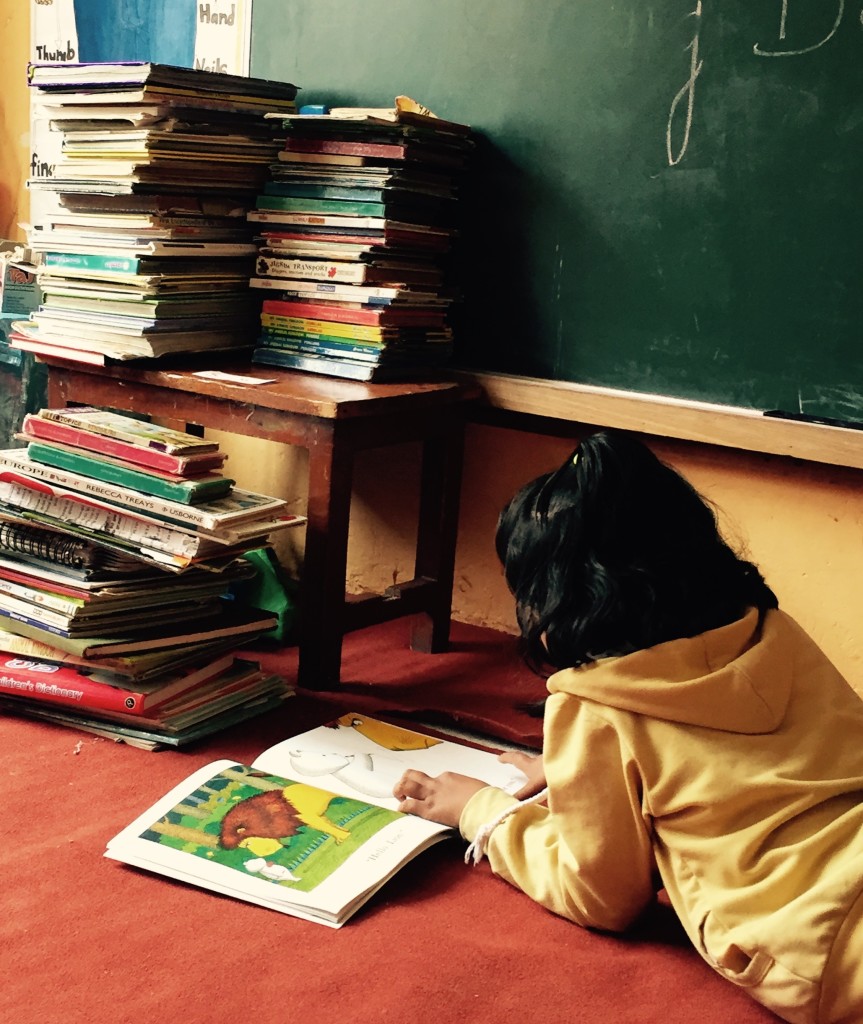
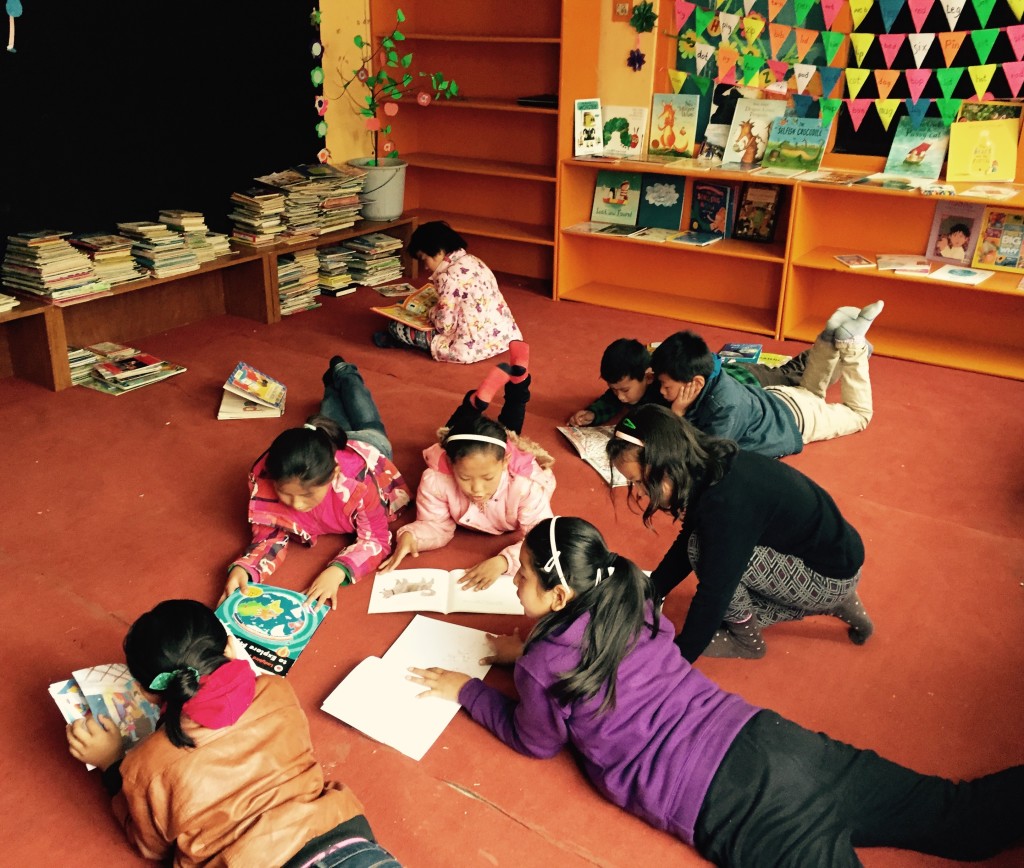
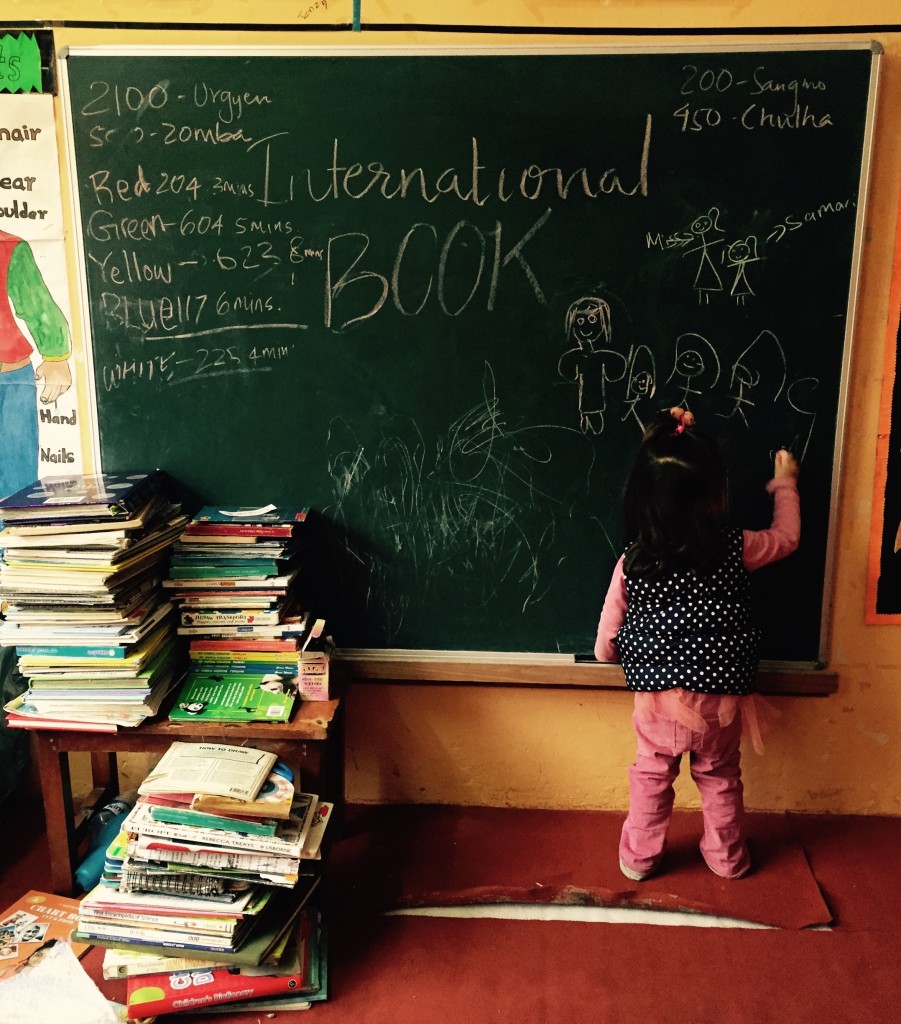
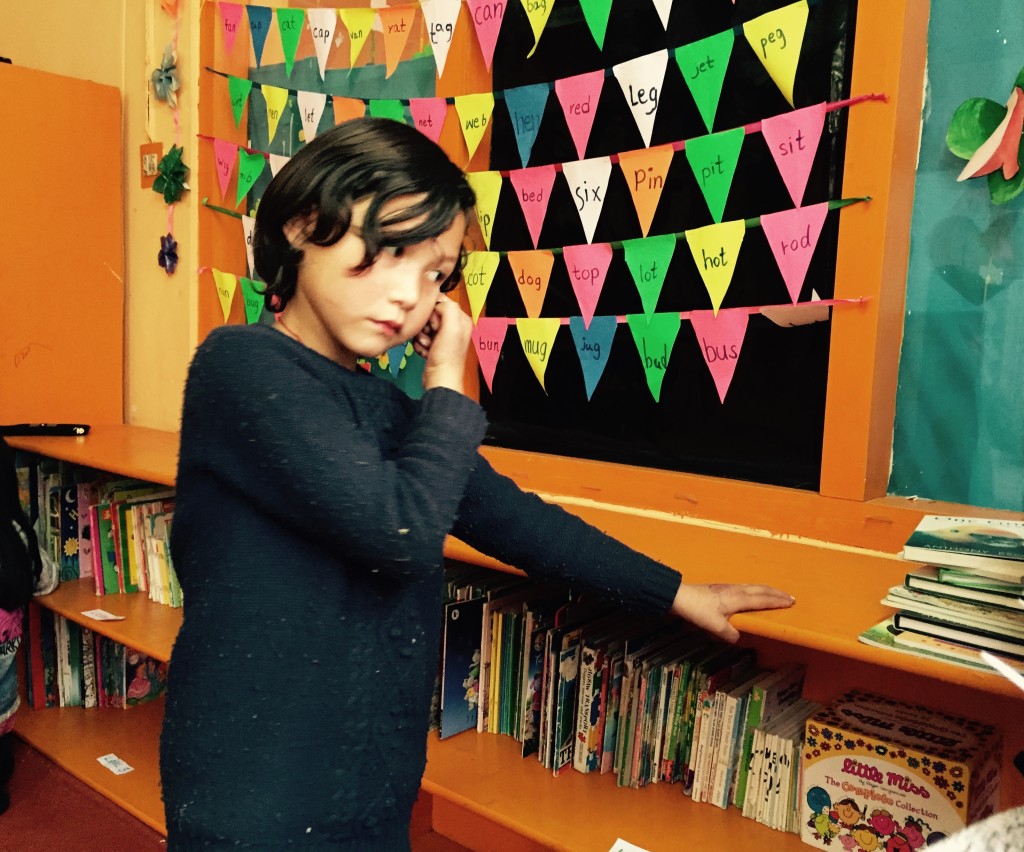
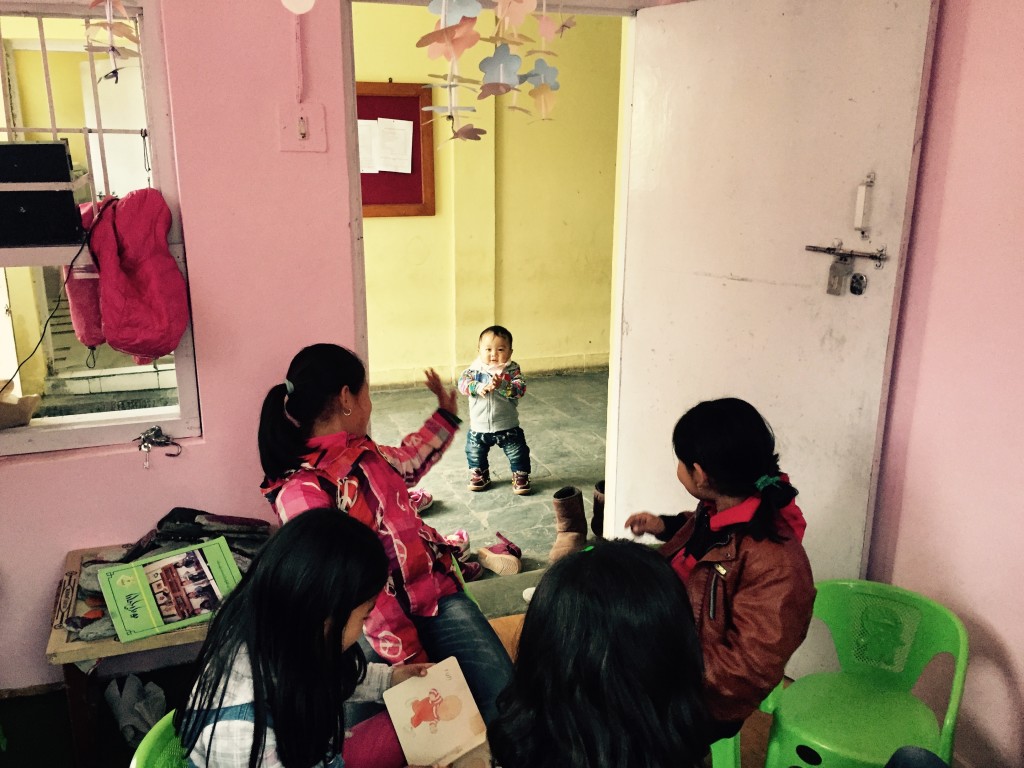
The people who make educational spaces possible deserve attention too. In Avalokiteśvara Trust’s account of the local teachers, educators keep reading rooms active and help children connect books with their own communities. A butter-lamp workshop can build on that same strength by allowing teachers to lead the conversation and relate the craft to local history.
| Workshop Element |
Cultural Purpose |
Child-Friendly Activity |
Safety Note |
| Lamp bowl or vessel |
Shows the simple form used for a light offering |
Shape clay or decorate a small metal cup |
Check edges and avoid fragile containers |
| Ghee, wax, or modeling material |
Introduces traditional and modern materials |
Compare texture, scent, and firmness |
Use allergy-aware, non-toxic materials |
| Cotton wick |
Demonstrates how a flame is sustained |
Place a pre-cut wick with adult help |
Adults should manage trimming and lighting |
| Flame or LED light |
Represents wisdom and compassion |
Observe an adult lighting one or use an LED |
Keep real fire away from children |
| Story and reflection |
Connects craft with community values |
Draw or write what light means to them |
Avoid presenting imitation as worship |
Creating A Safe And Respectful Setting
Fire safety must be planned before children enter the room. Real butter lamps should sit on a stable, heat-resistant surface away from sleeves, hair, books, curtains, and paper decorations. One trained adult should be responsible for lighting and extinguishing every lamp. Children can observe from a marked boundary rather than passing lit objects around.
Ventilation matters when using heated wax or ghee. Materials should be warmed gently by adults, never over an open classroom burner. A first-aid kit, fire blanket, water source where appropriate, and a clear emergency procedure should be available. If these conditions cannot be met, LED lamps offer a responsible alternative without removing the symbolic conversation.
Respect also includes emotional and cultural safety. Avoid turning a sacred object into a costume, game prop, or competition. Do not rank children’s lamps by beauty or encourage exaggerated religious symbols for decoration. Give children permission to make simple vessels, use quiet colors, or participate through drawing and storytelling instead of handling materials.
Connecting The Workshop To Books And Art
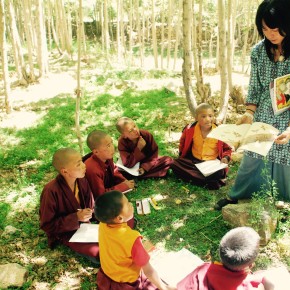
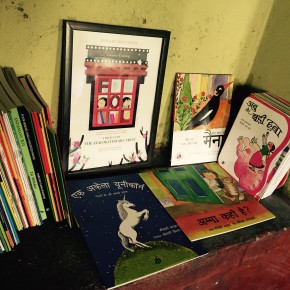
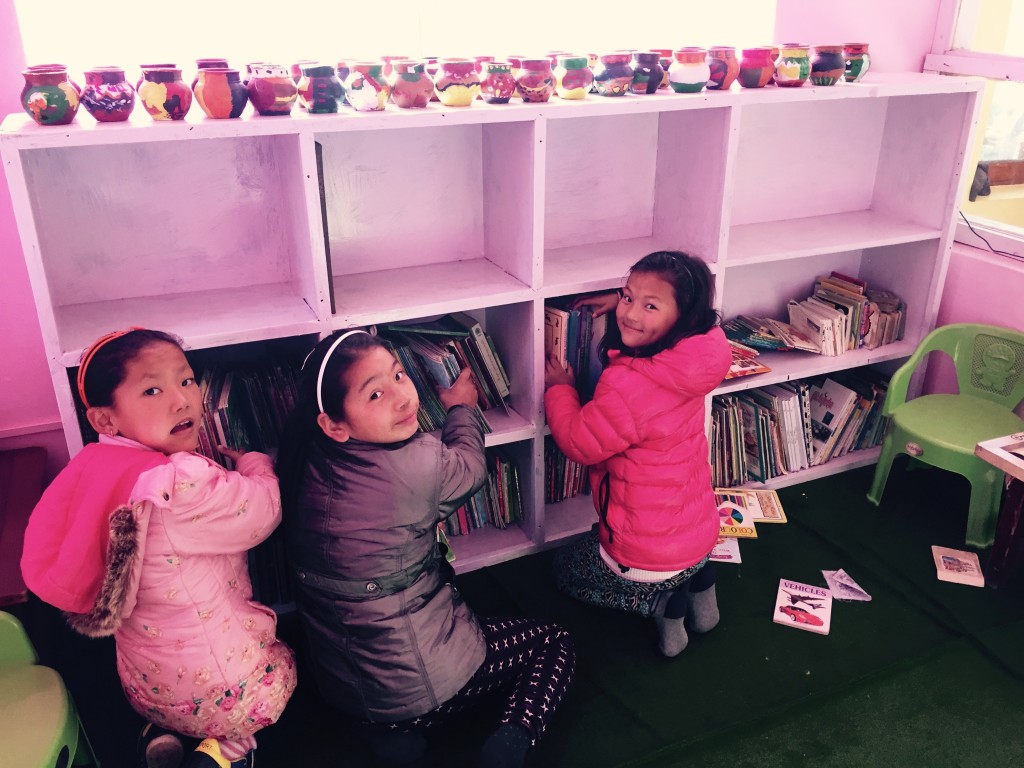
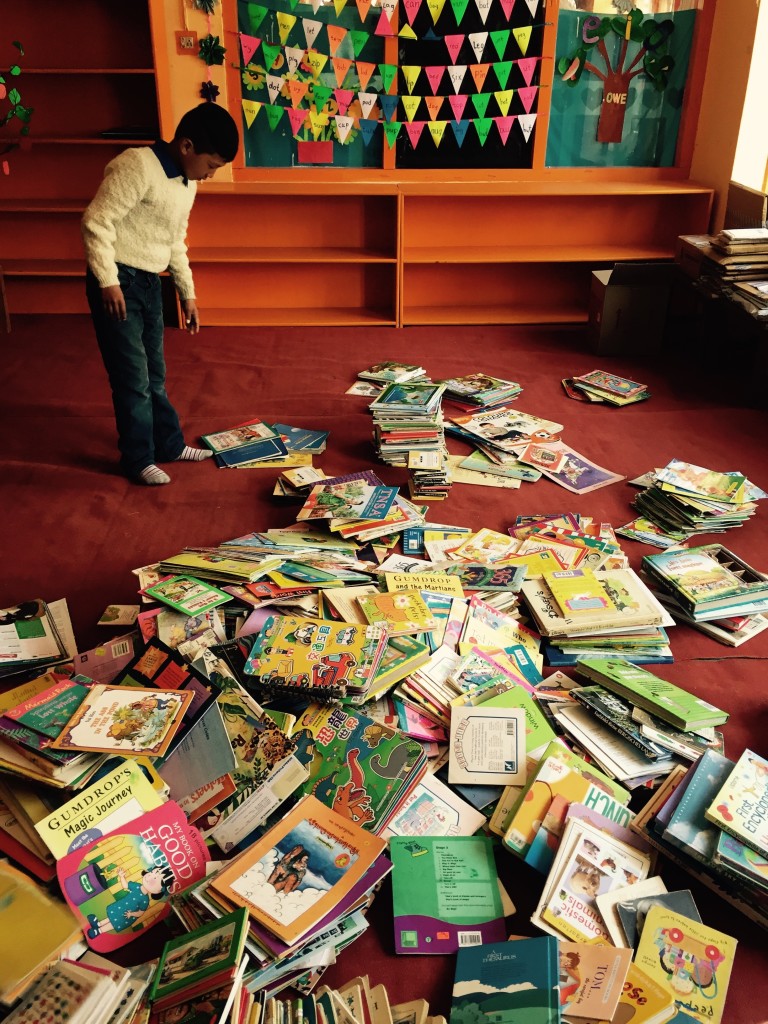
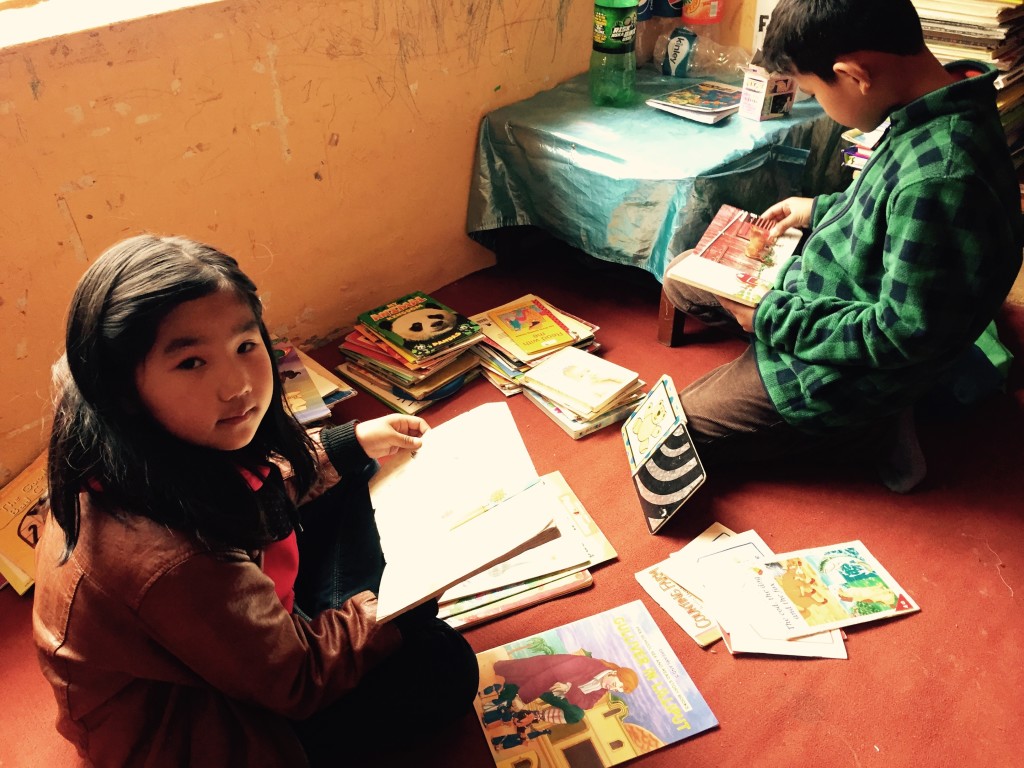
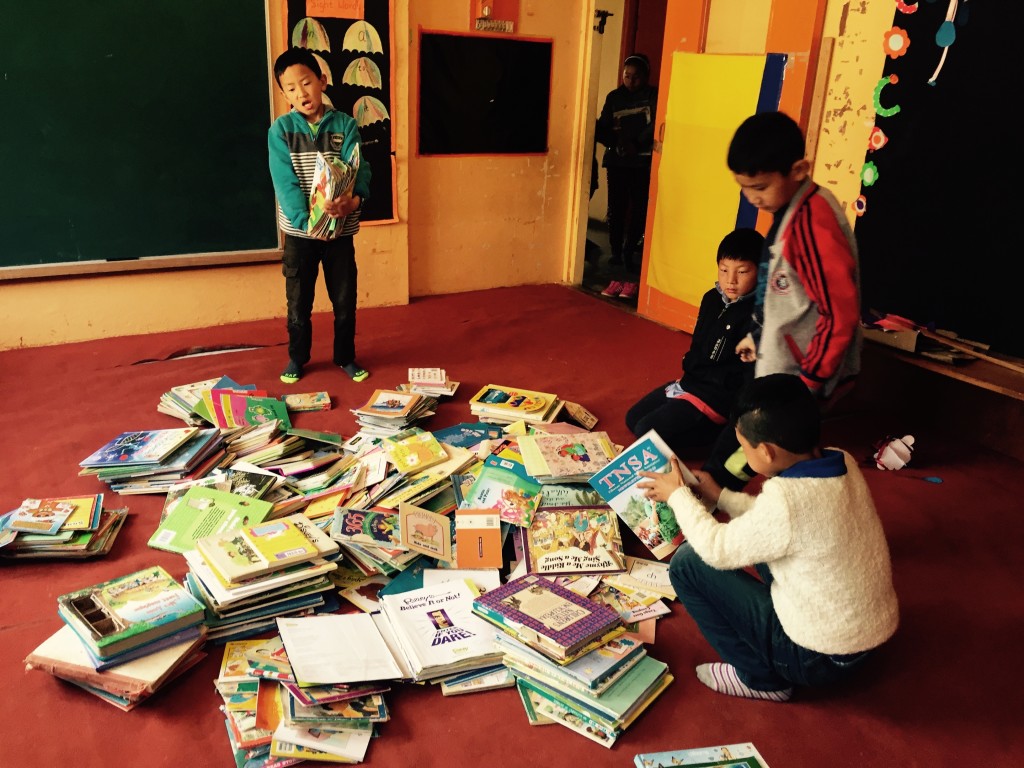
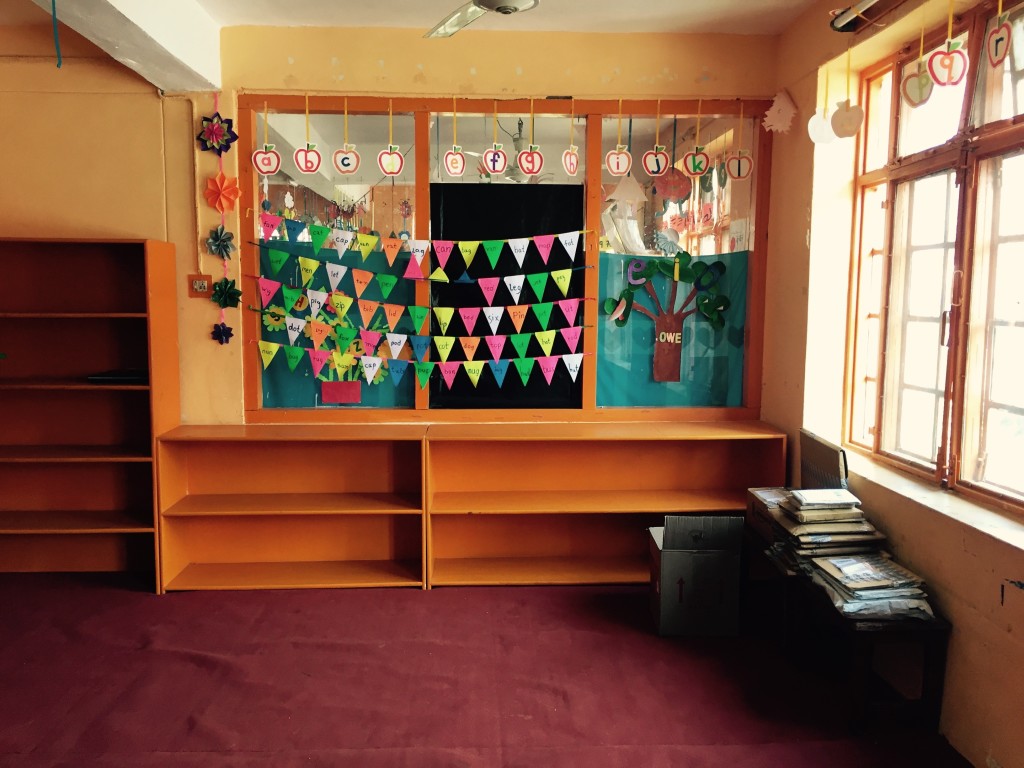
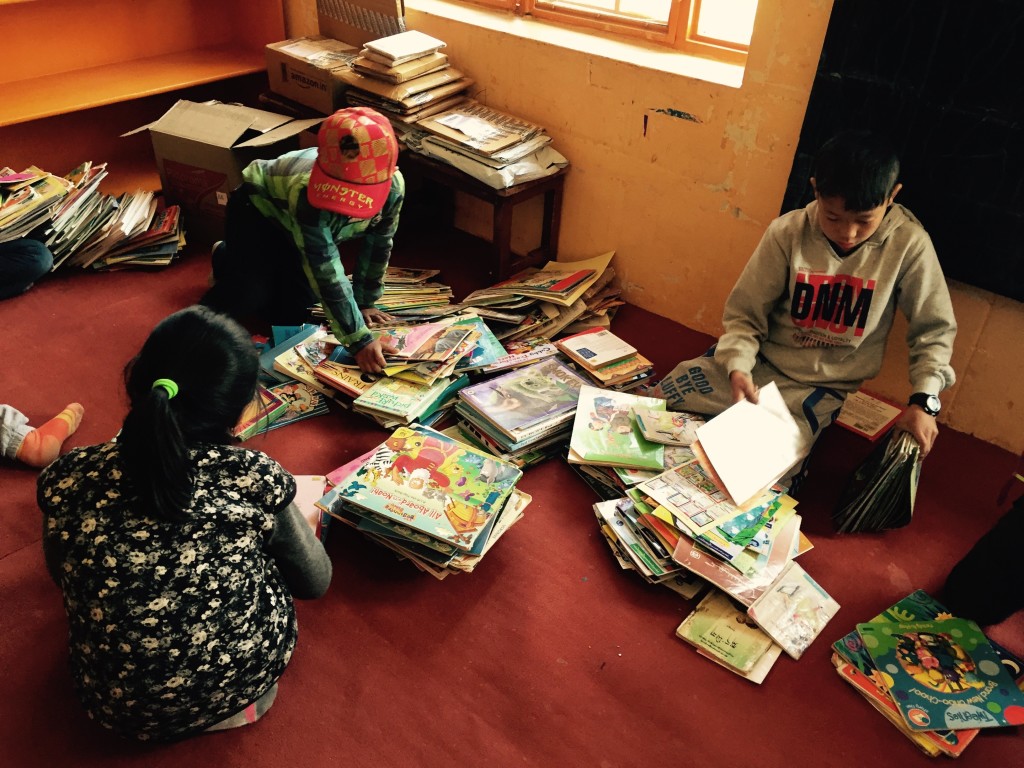
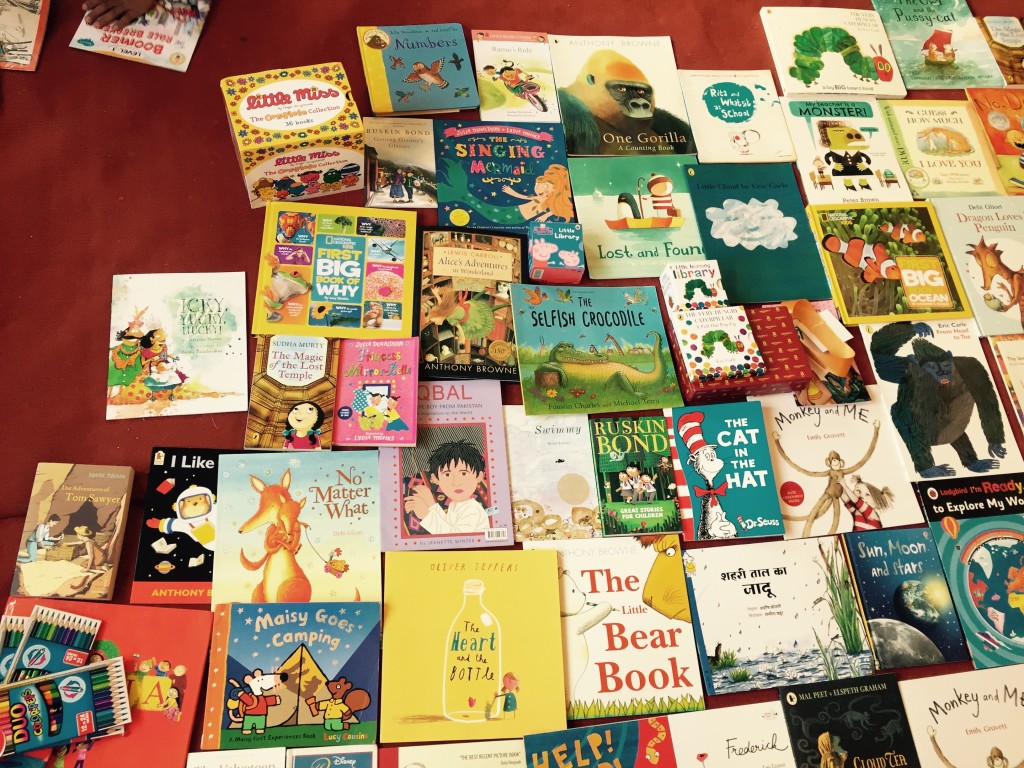
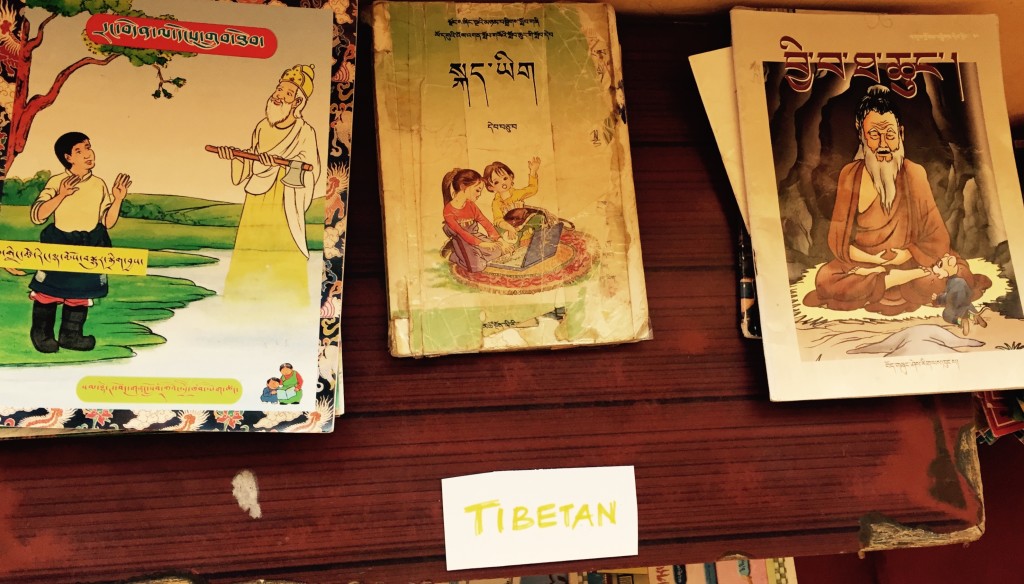
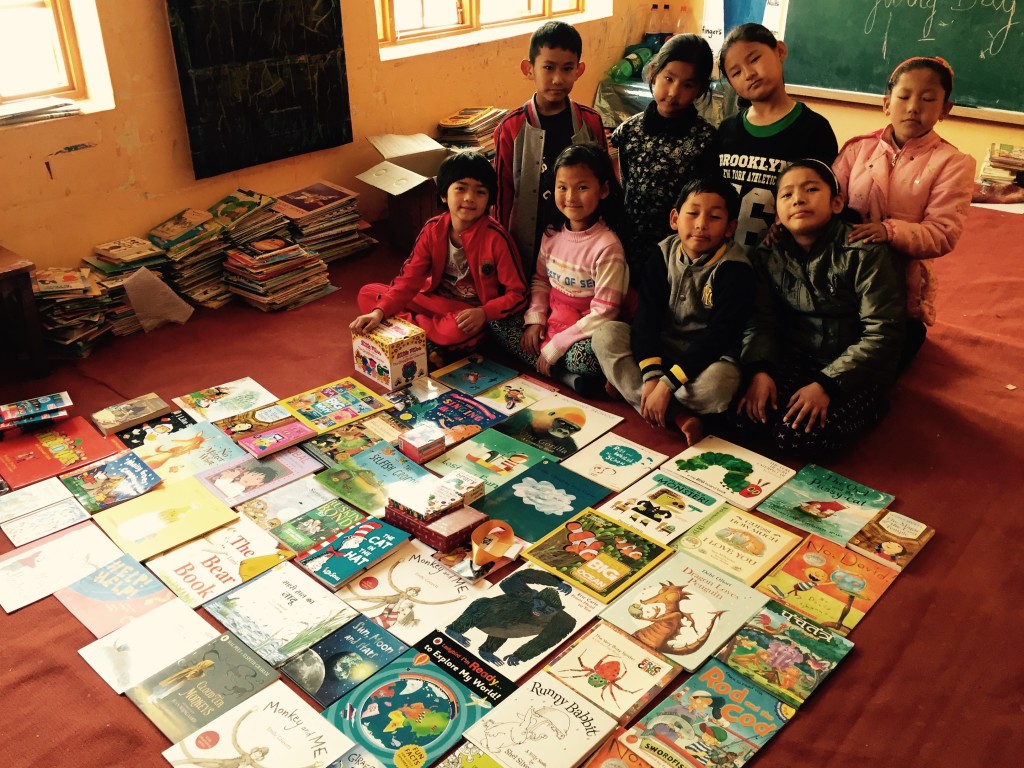
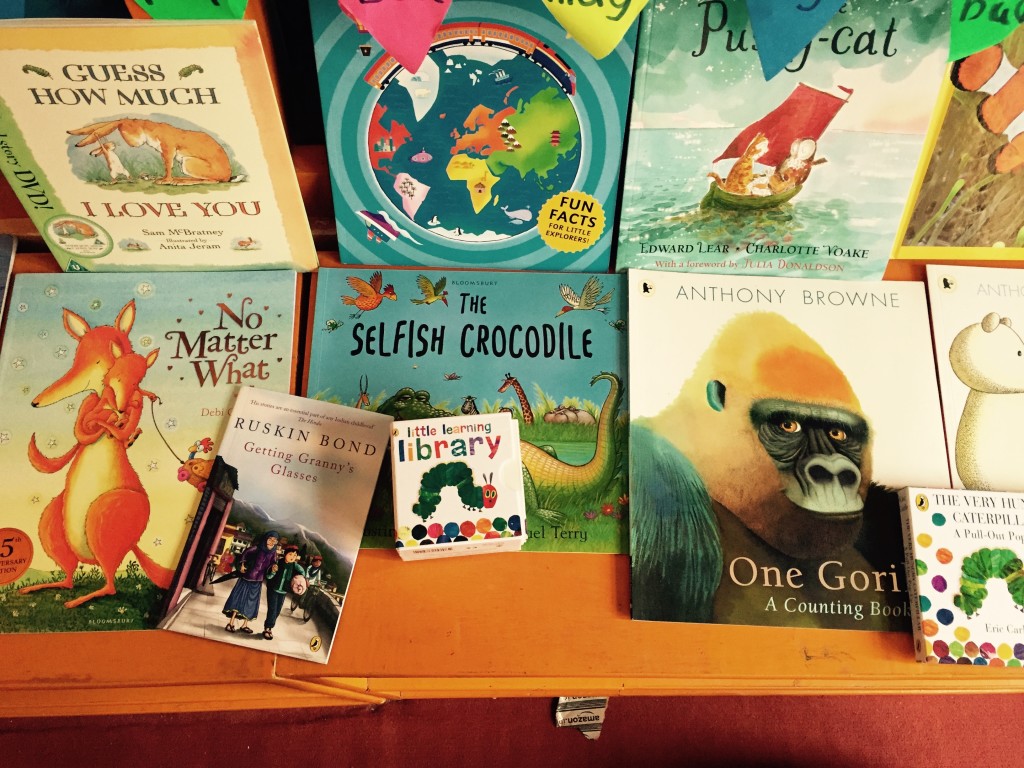
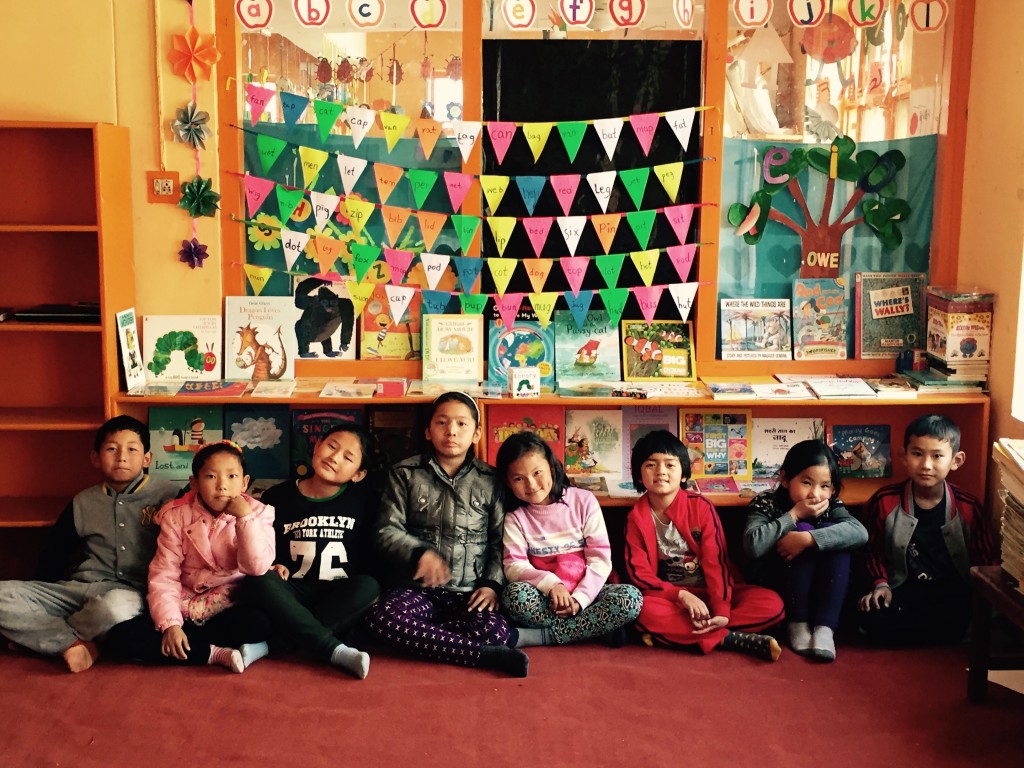
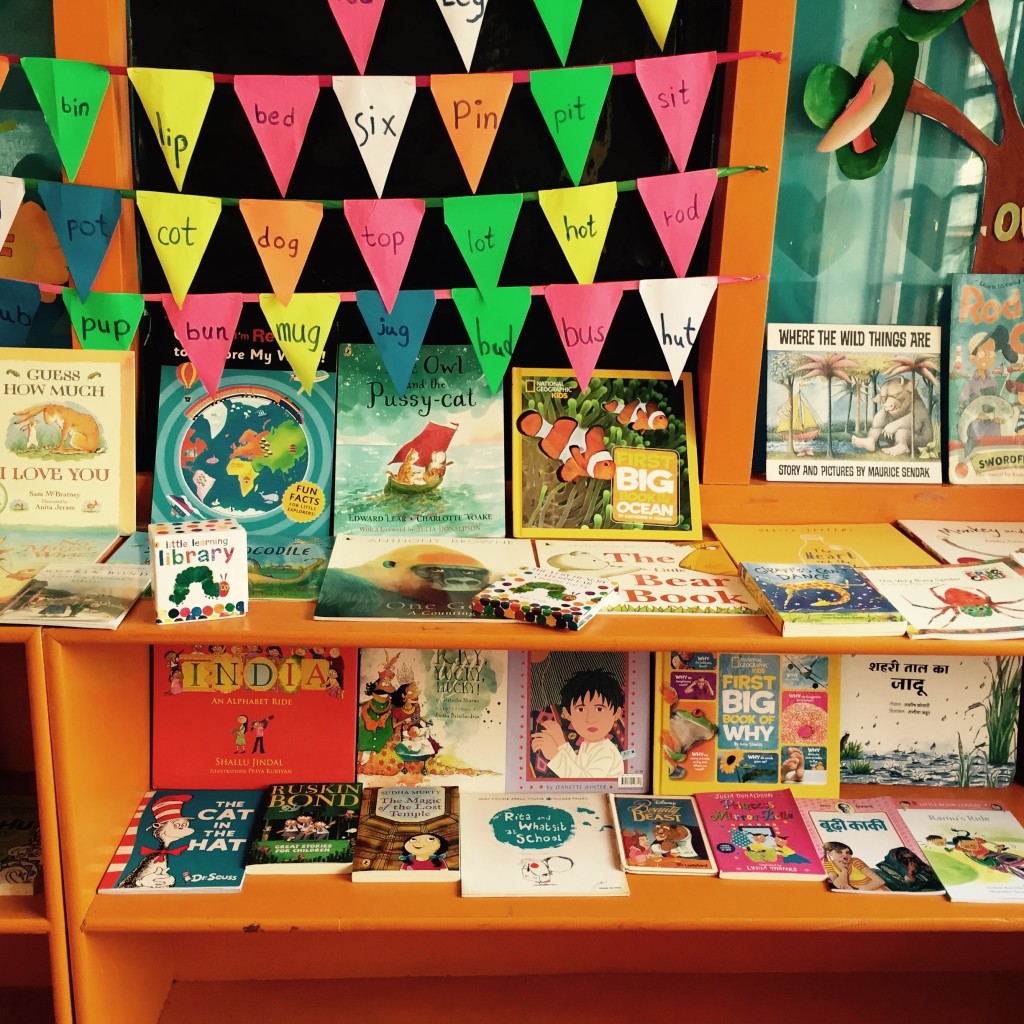
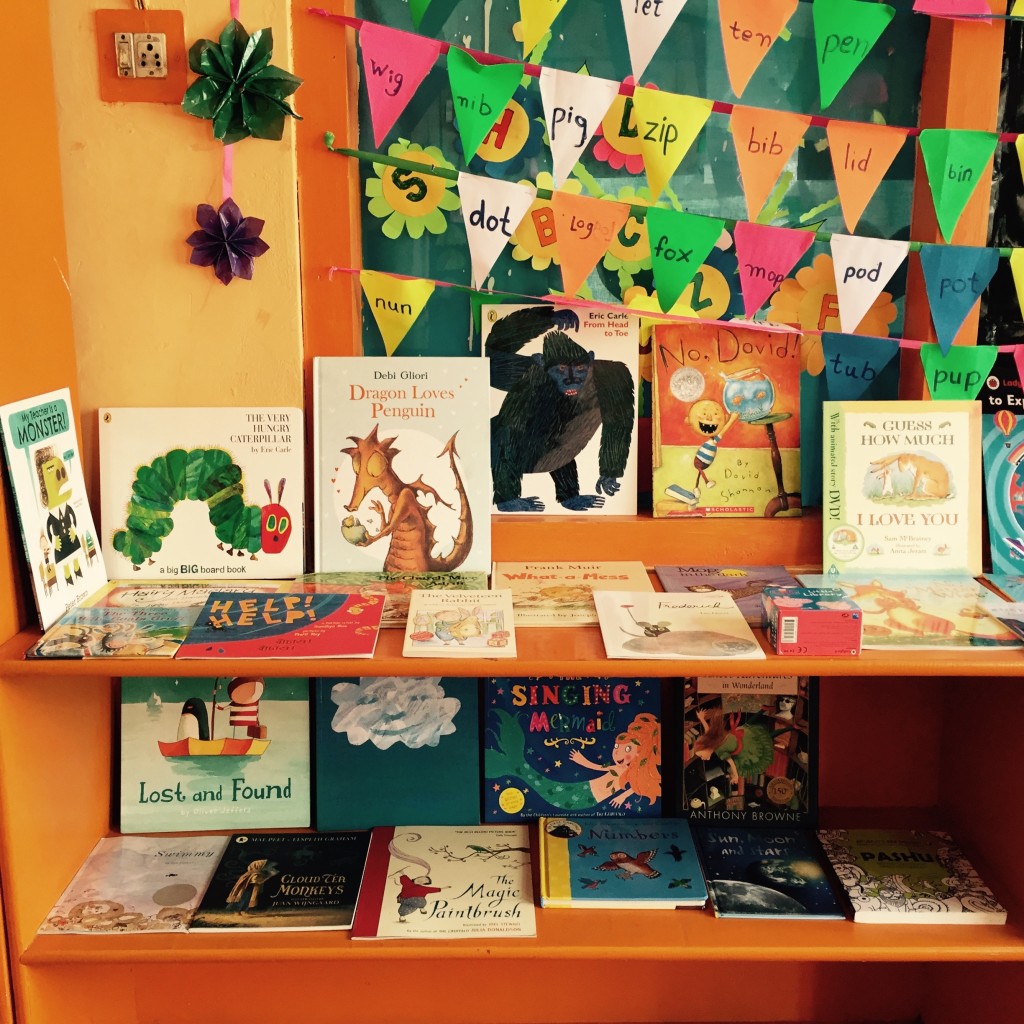
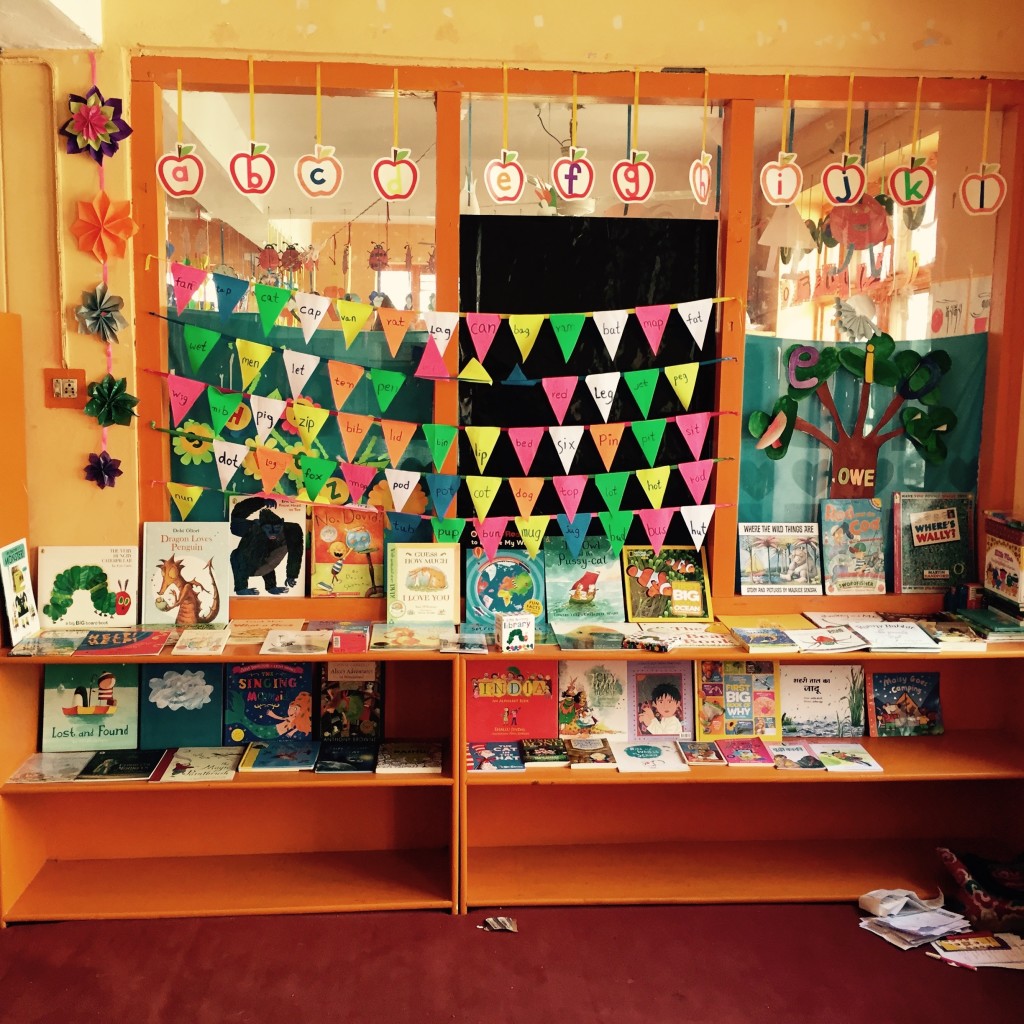
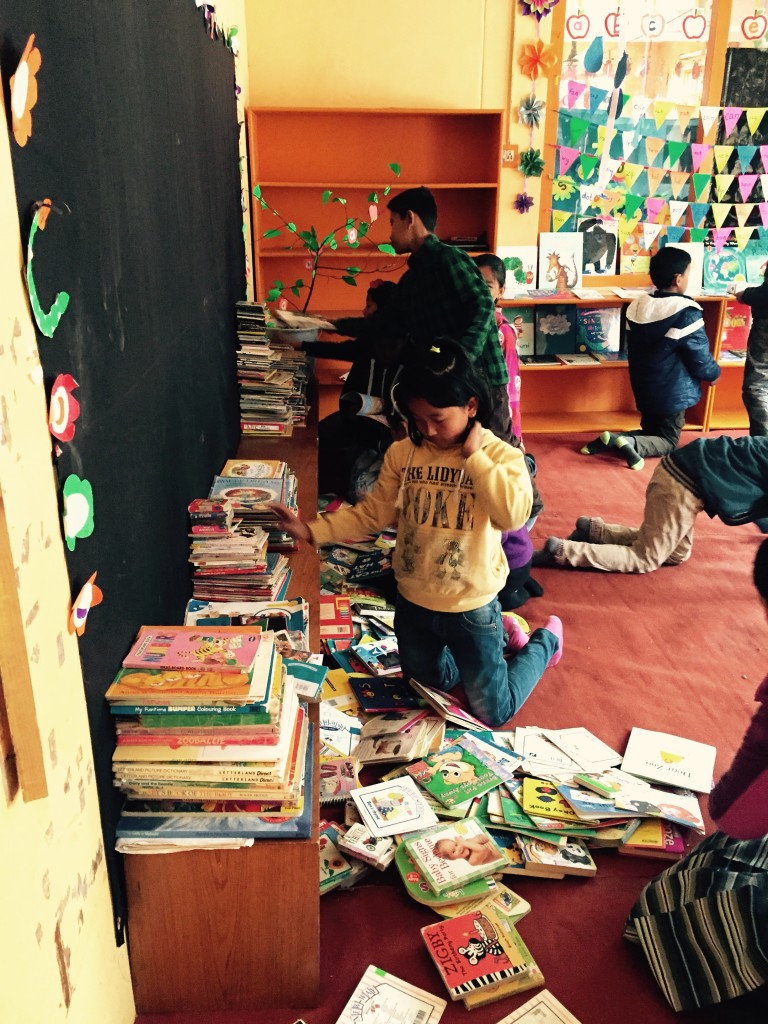
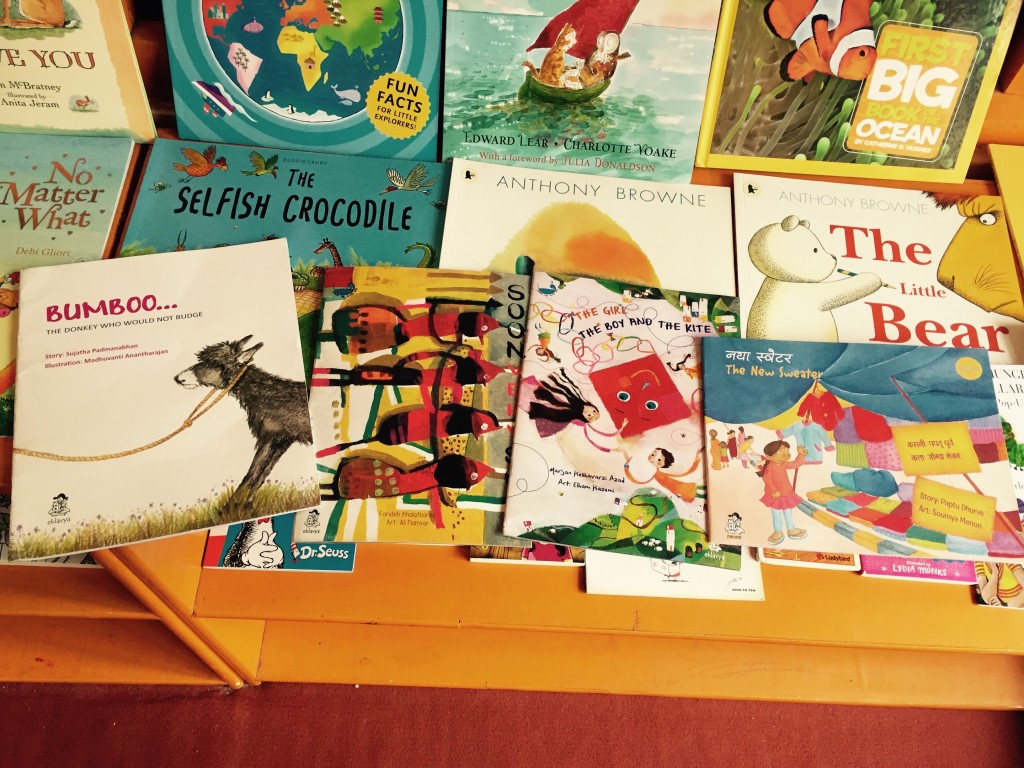
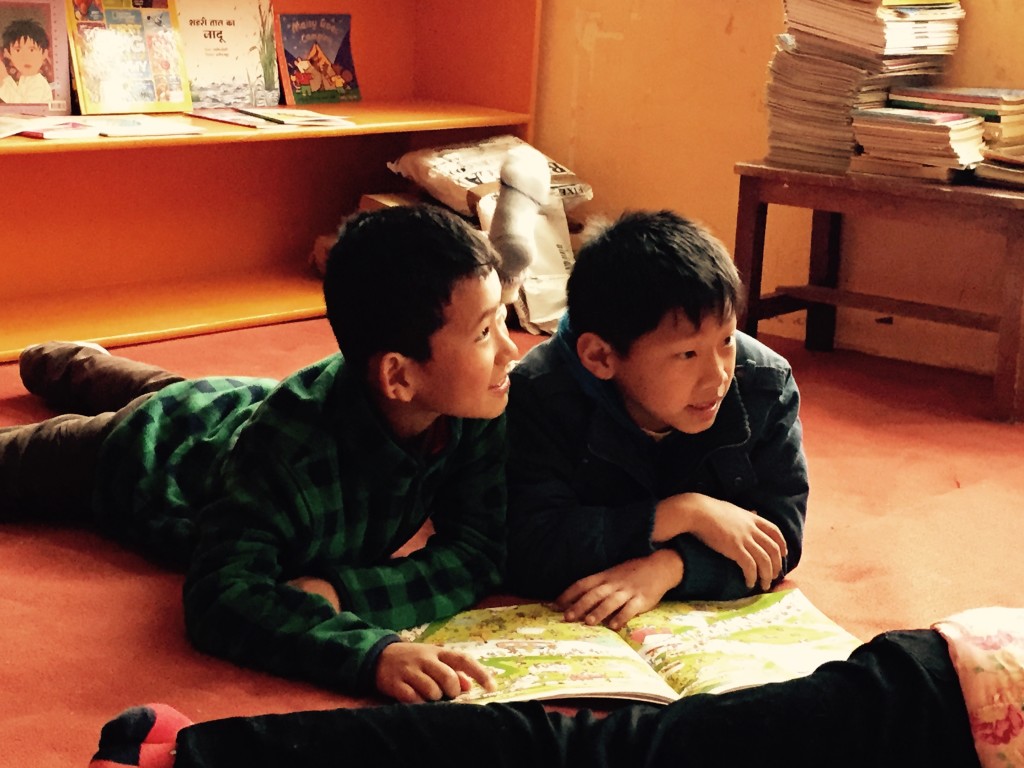
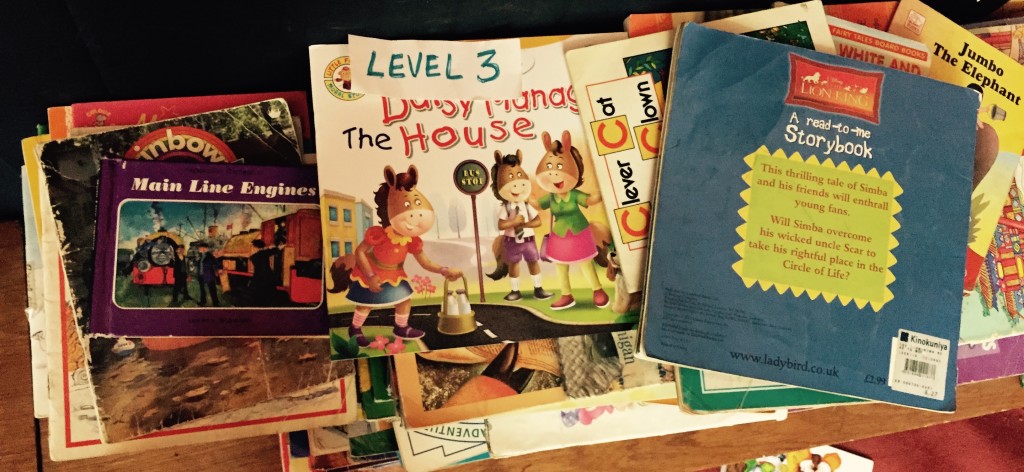
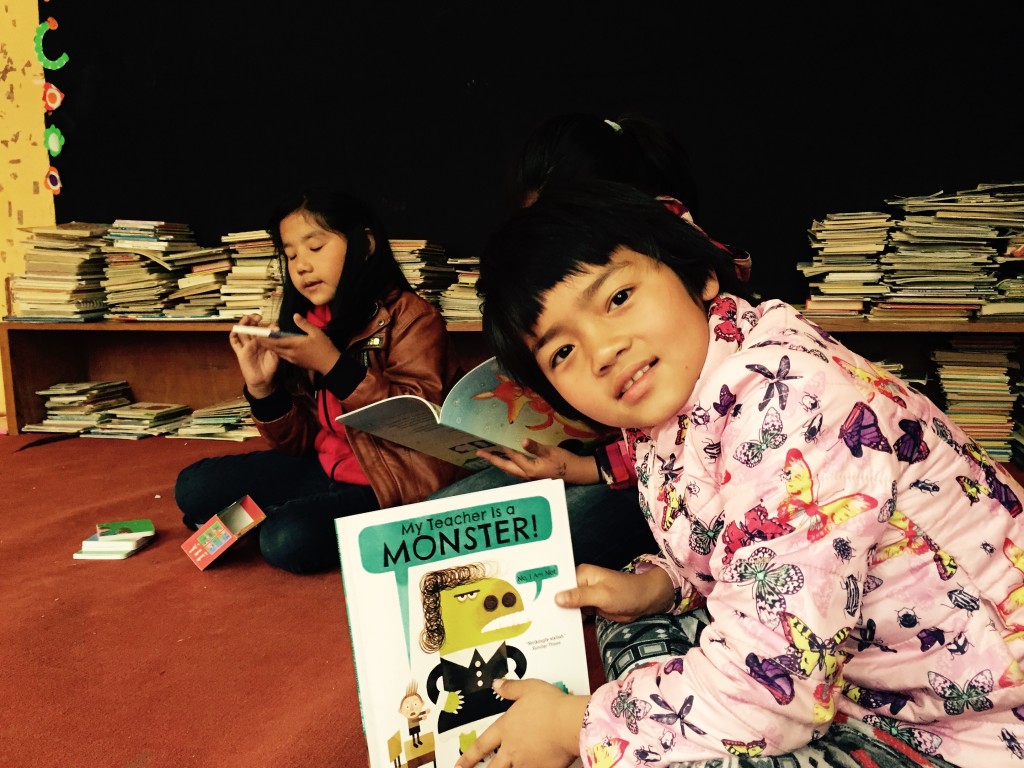
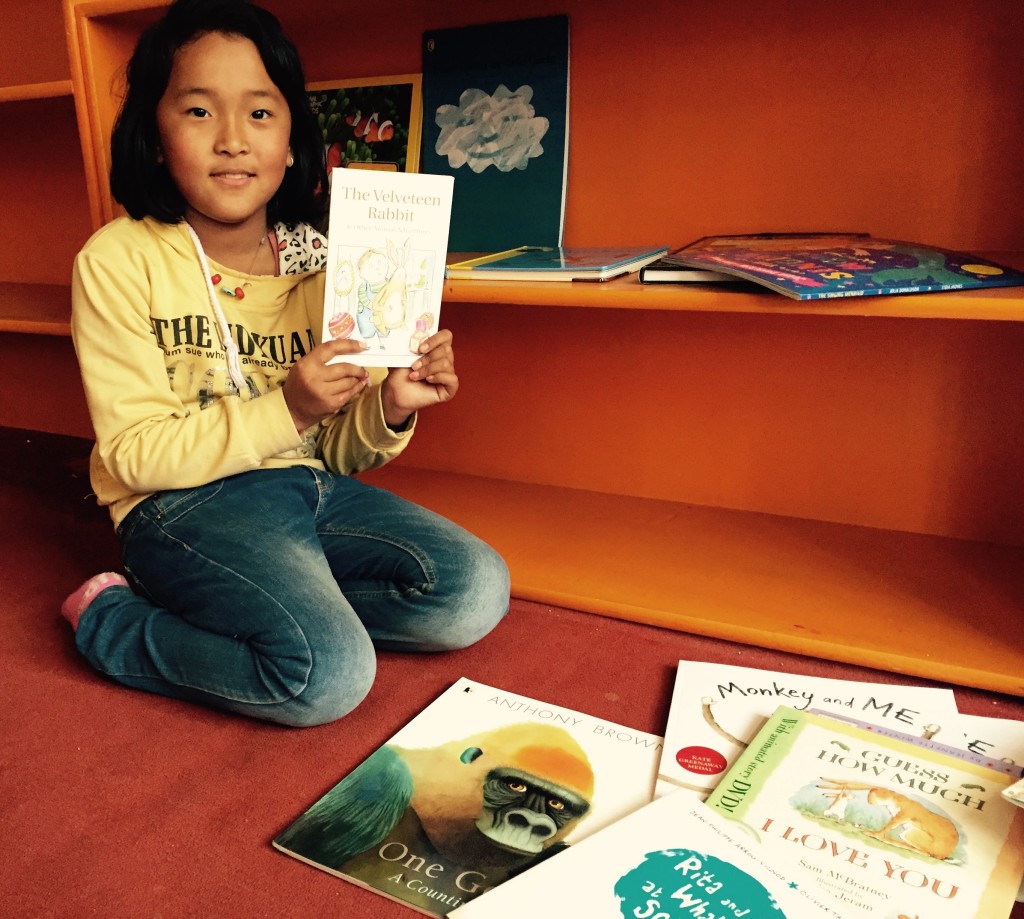
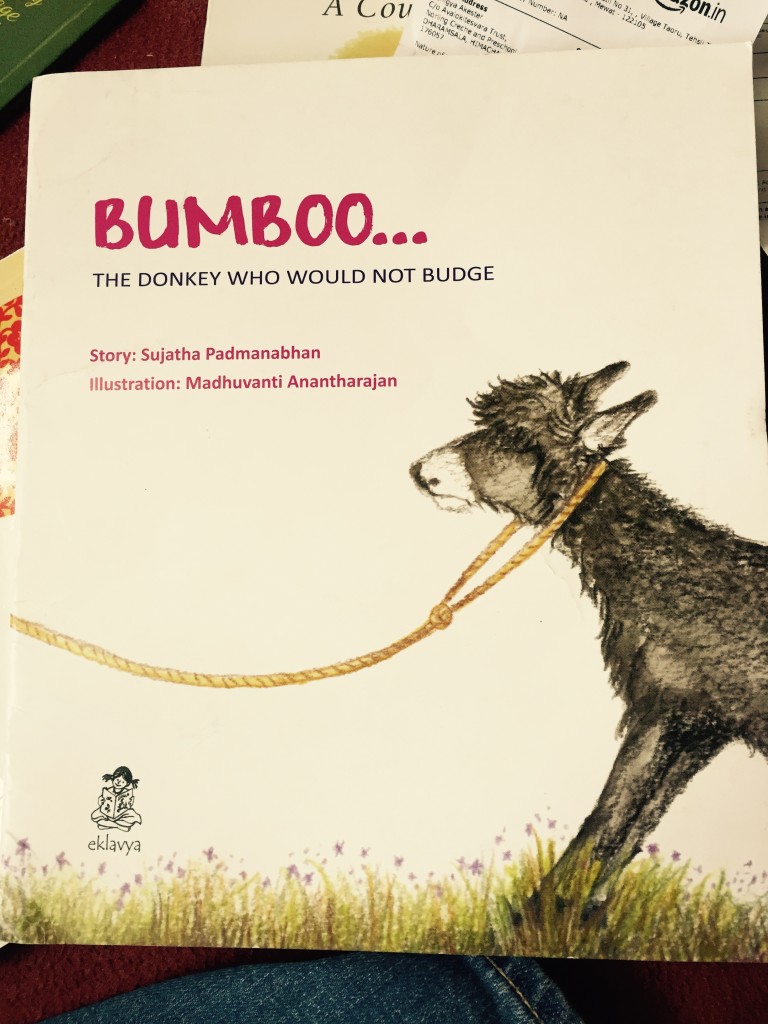
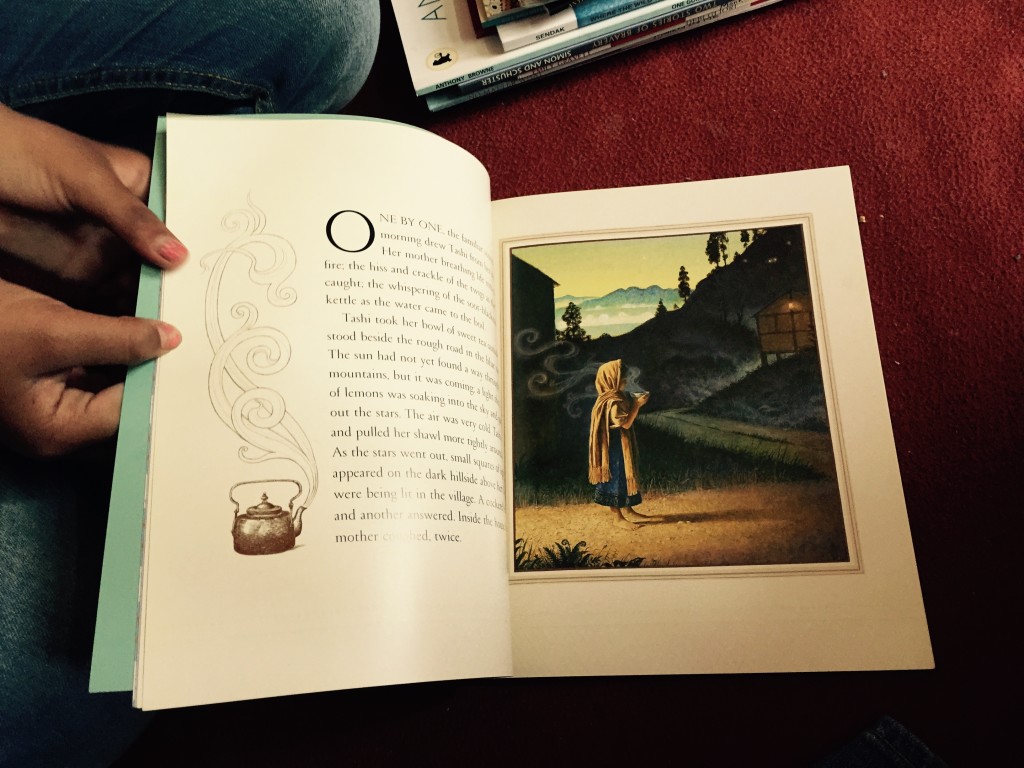
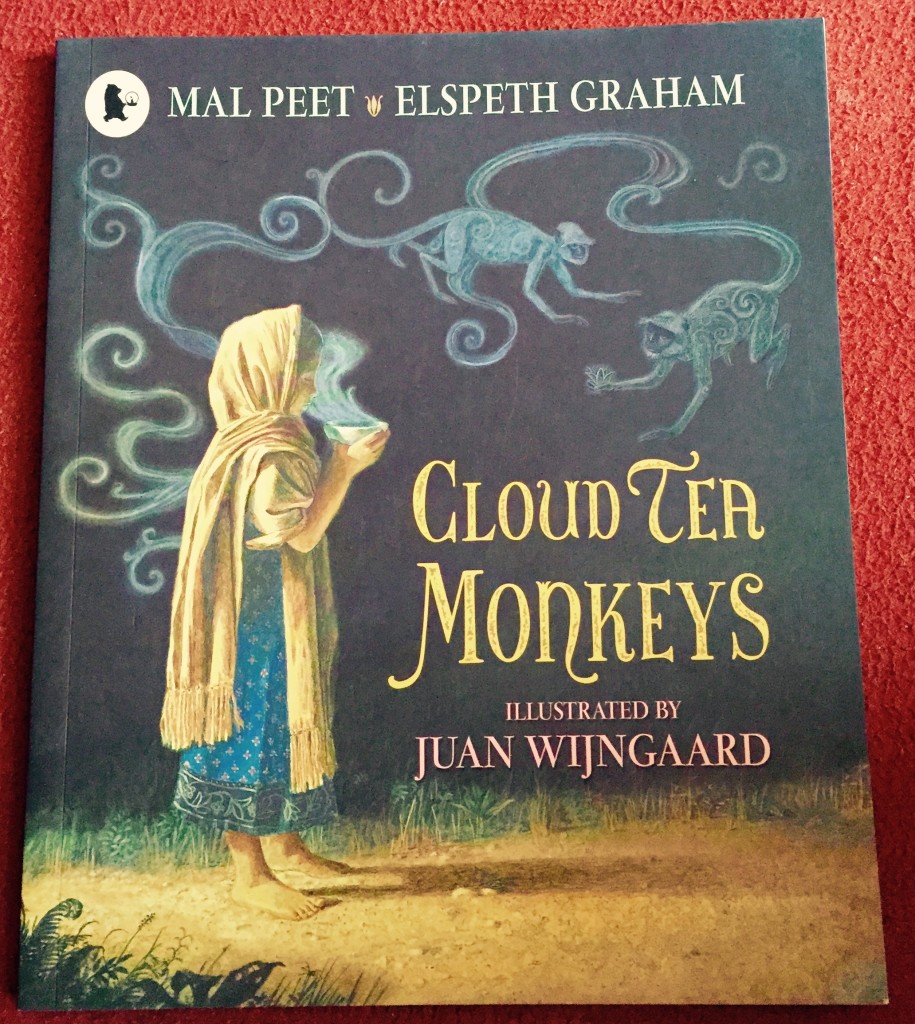
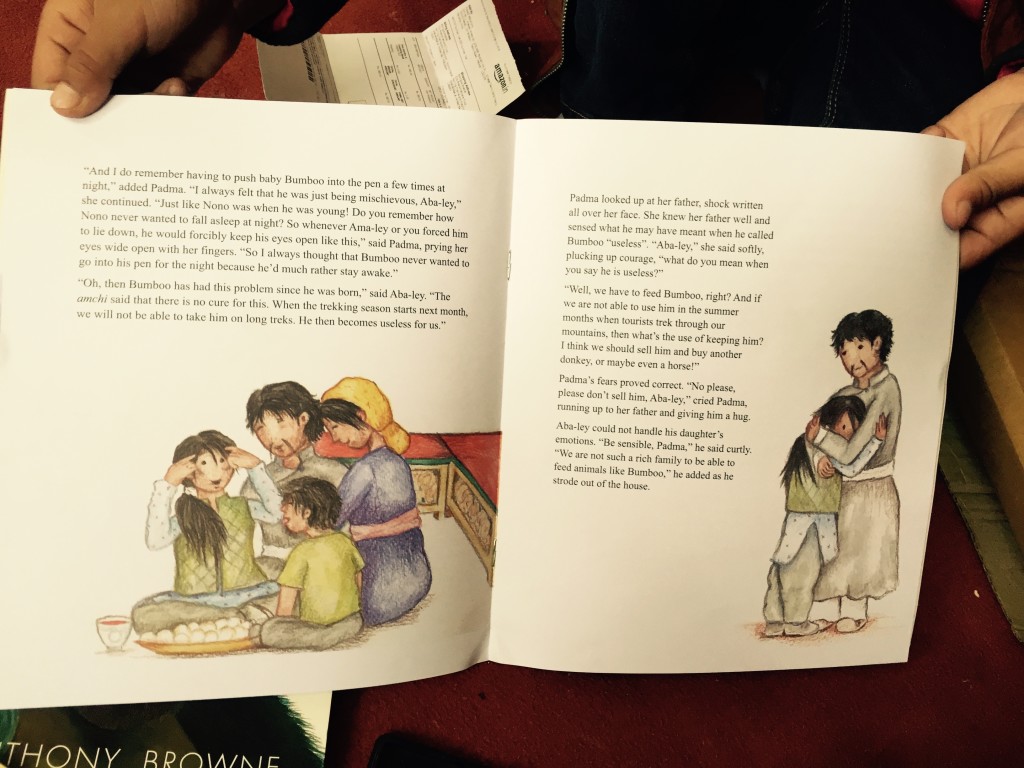
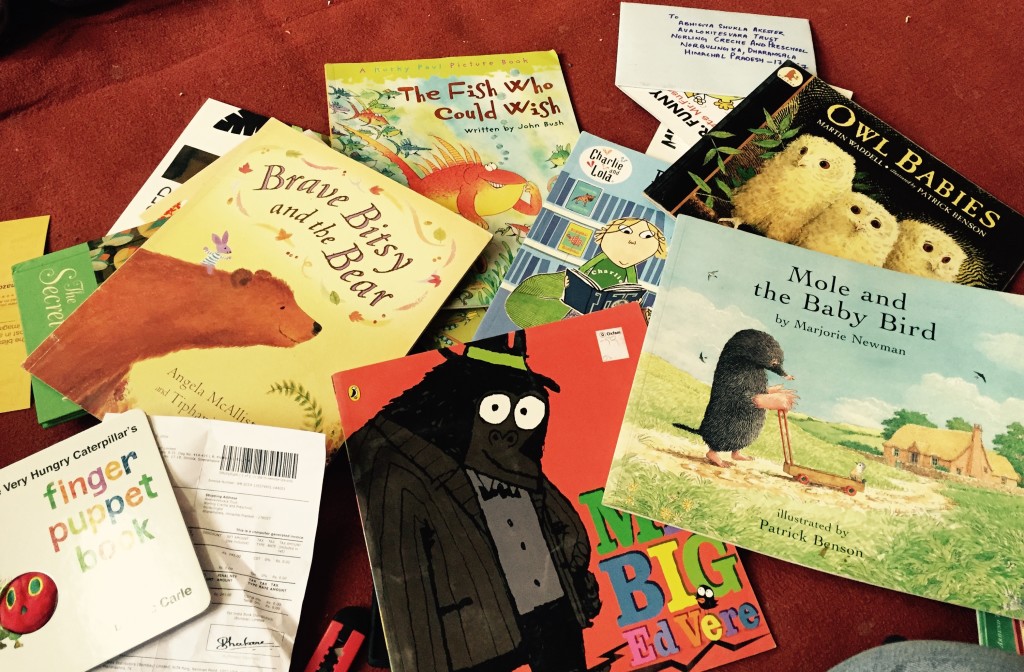
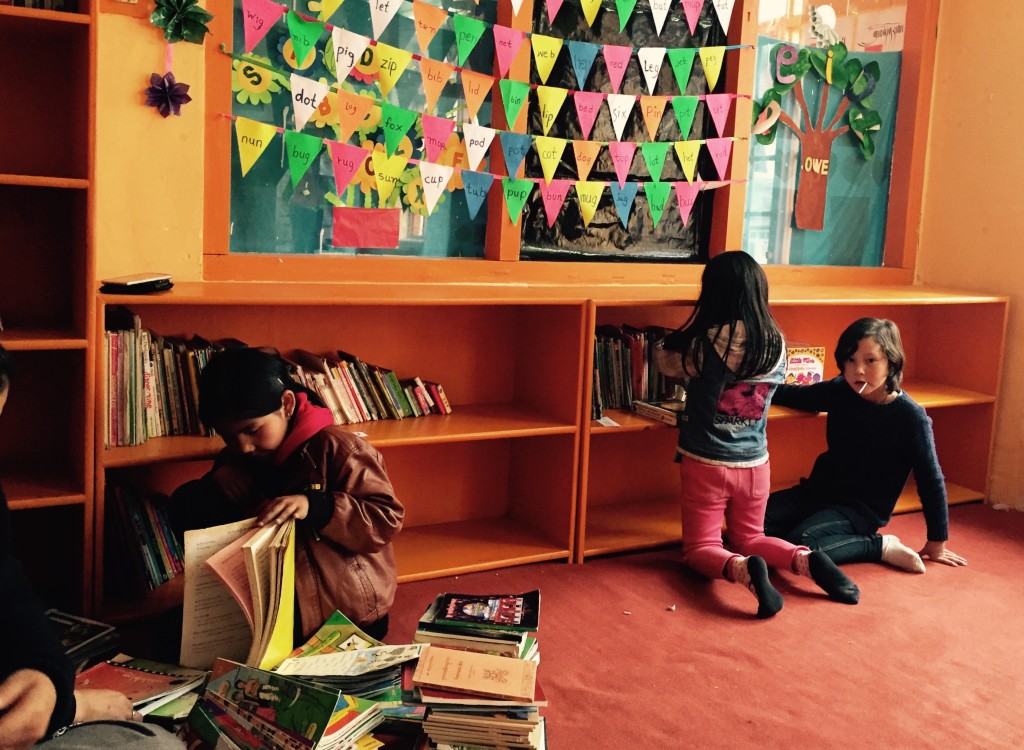
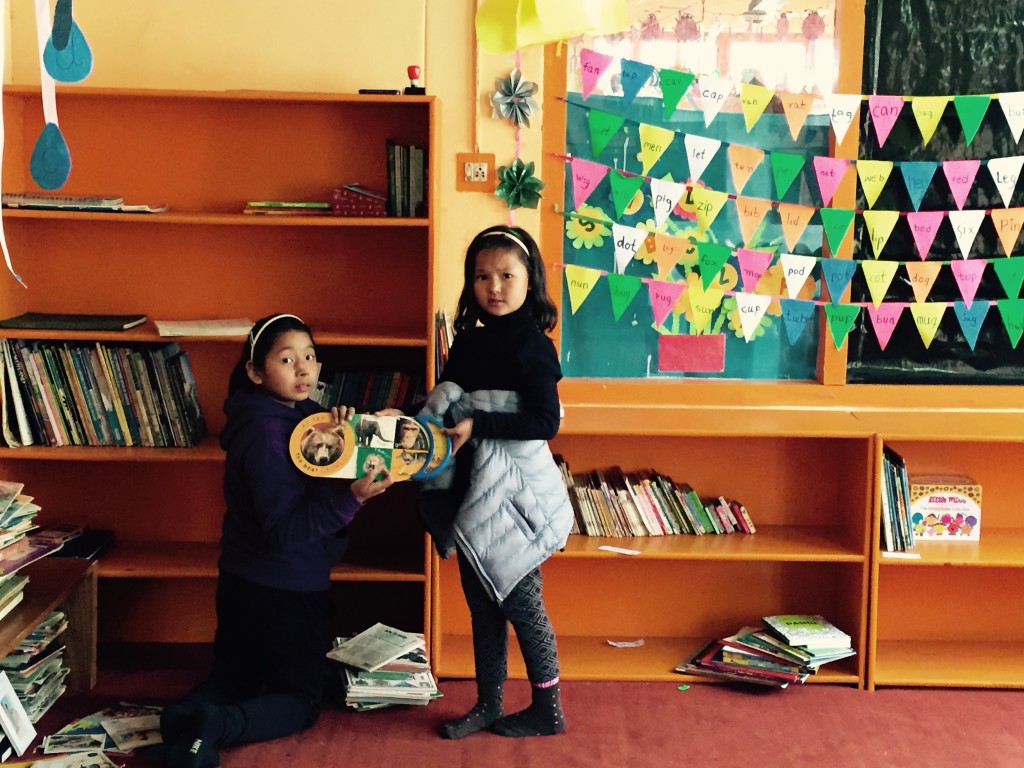
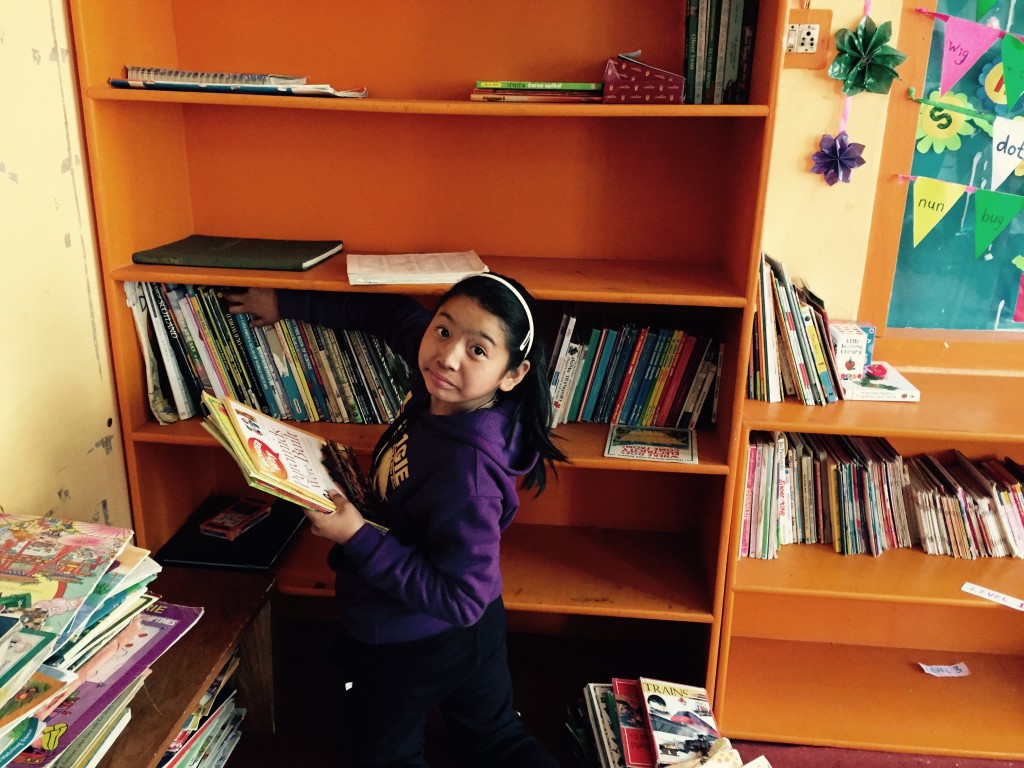
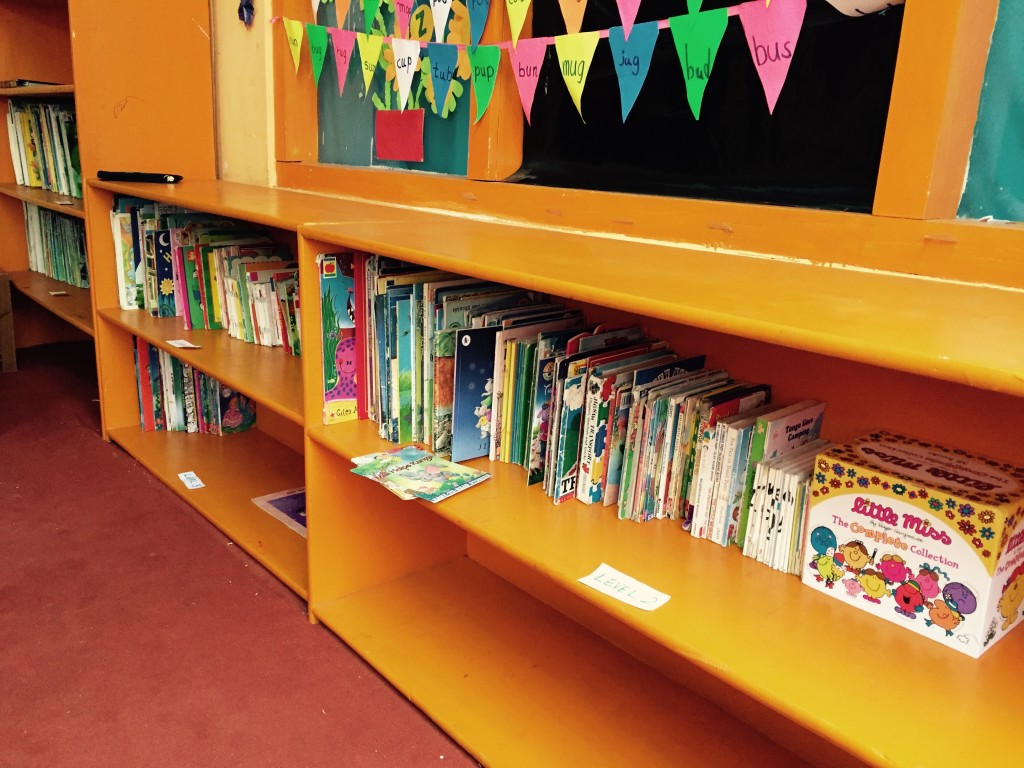
A reading room can extend the workshop with picture books about Himalayan landscapes, compassion, monastery life, traditional crafts, and environmental care. Children may look at illustrations of Ladakh, identify the materials used in different homes, and compare how communities around the world use light in celebrations and ceremonies. This turns a single afternoon into an ongoing literacy experience.
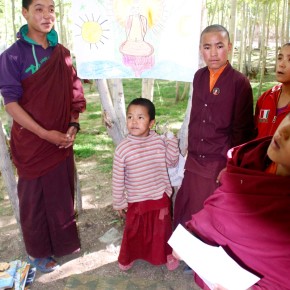
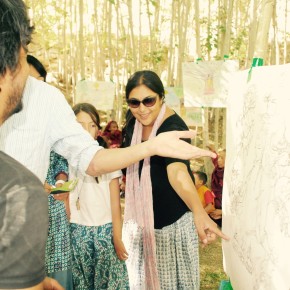
Creative follow-up activities can include writing a short “journey of a flame” story, composing a song about kindness, sketching a monastery courtyard, or making a collaborative mural. Older children might research the difference between ghee lamps, butter candles, oil lamps, and electric lights. These projects reinforce vocabulary while respecting the workshop’s cultural starting point.
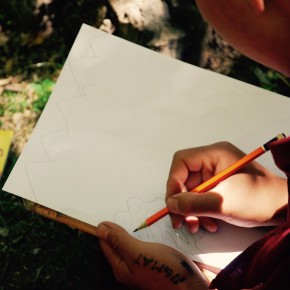
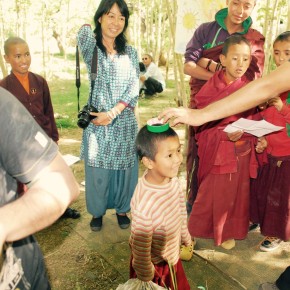
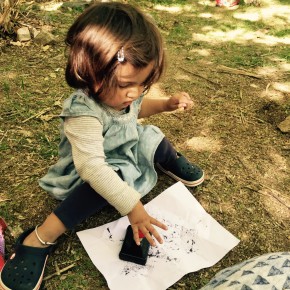
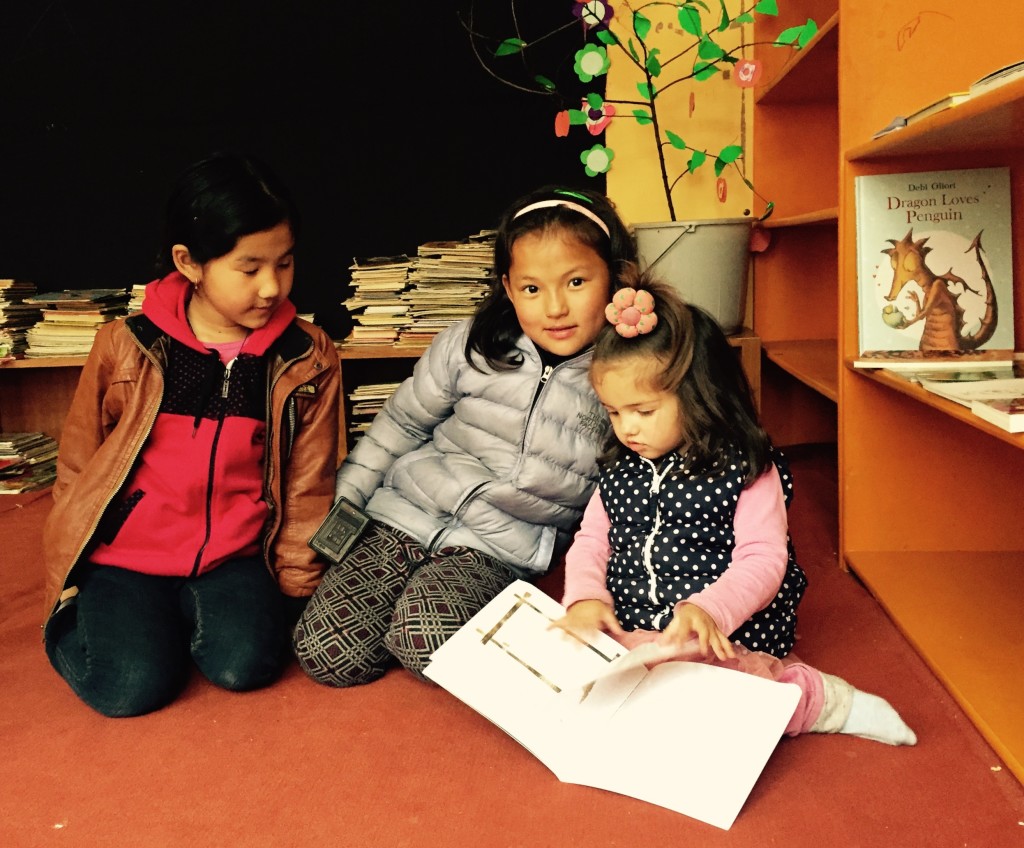
Photography should be handled thoughtfully. Ask permission before photographing children, teachers, or religious objects, and avoid interrupting prayer or placing people in staged devotional scenes. A few images of hands shaping materials, books being shared, or finished non-lit models can document the learning without reducing the tradition to a spectacle.
Preparing A Meaningful Workshop
A successful activity depends on preparation, local guidance, and a clear learning purpose. Before scheduling the session, organizers should consult teachers, families, and cultural advisers about language, timing, materials, and appropriate religious references. The workshop can then reflect the community rather than importing a generic craft project.
Useful planning priorities include:
- Invite a local teacher, artist, monk, or elder to explain the tradition in their own words.
- Prepare a flame-free option for young children, participants with sensory needs, and classrooms where fire is unsuitable.
- Keep the making process simple, allowing time for stories, questions, and quiet reflection.
- Connect the activity with books, music, drawing, or writing so children can explore the theme in several ways.
- Explain clearly which parts are traditional, which are adaptations, and why the changes support safety.
The final moment can be a circle in which children share one value associated with light, such as generosity, courage, patience, or friendship. No child needs to perform a prayer or disclose a personal belief. The emphasis is on listening, appreciation, and the understanding that cultural objects carry relationships, memories, and responsibilities.
A butter-lamp workshop offers more than a handmade candle. It brings together Himalayan heritage, practical learning, visual art, and the gentle discipline of working with care. When local voices guide the experience, children gain respect for Tibetan Buddhist traditions while discovering their own ways to express compassion and curiosity.
Support from donors and volunteers can help reading rooms obtain craft supplies, bilingual books, safe lighting materials, and training for local educators. By contributing to programs that place children and community knowledge at the center, you help keep creative learning available in the Himalayan region. Support Avalokiteśvara Trust’s educational work and help more young learners find light through books, art, and shared discovery.