The Teachers Bringing Ladakh’s Reading Rooms to Life
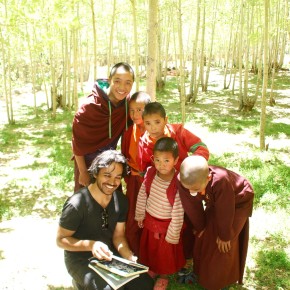
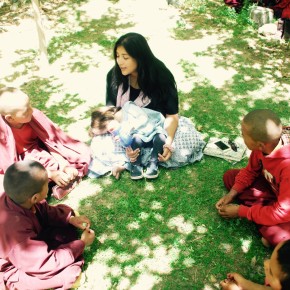
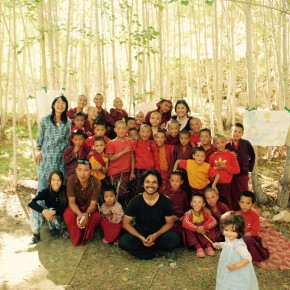
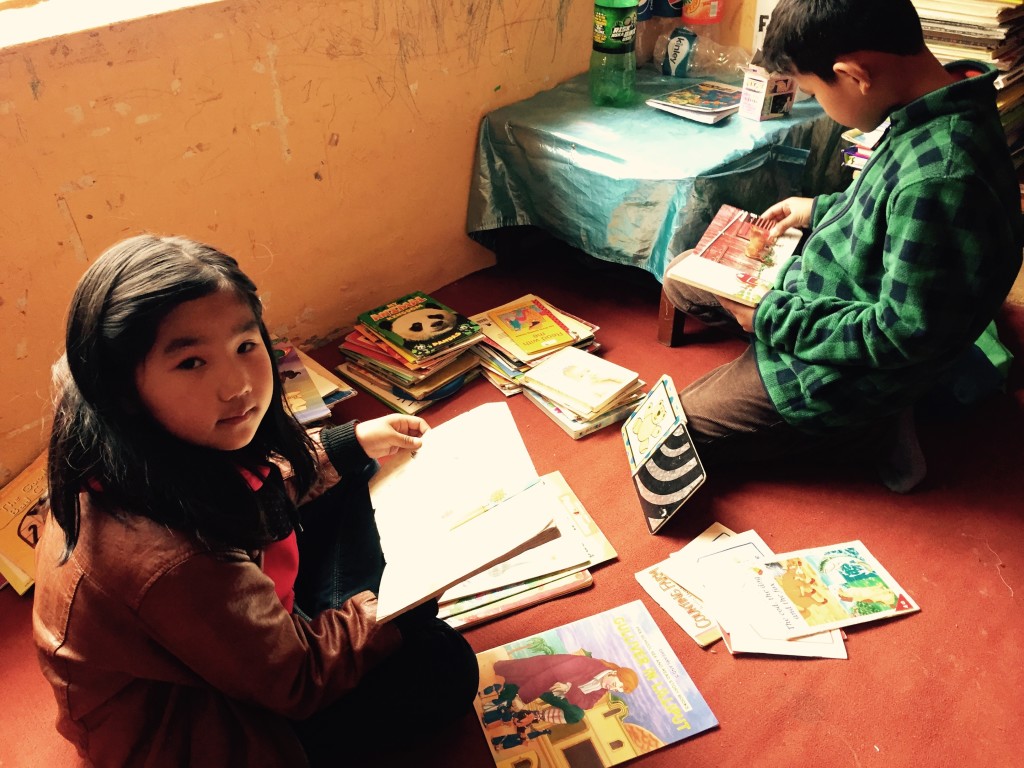
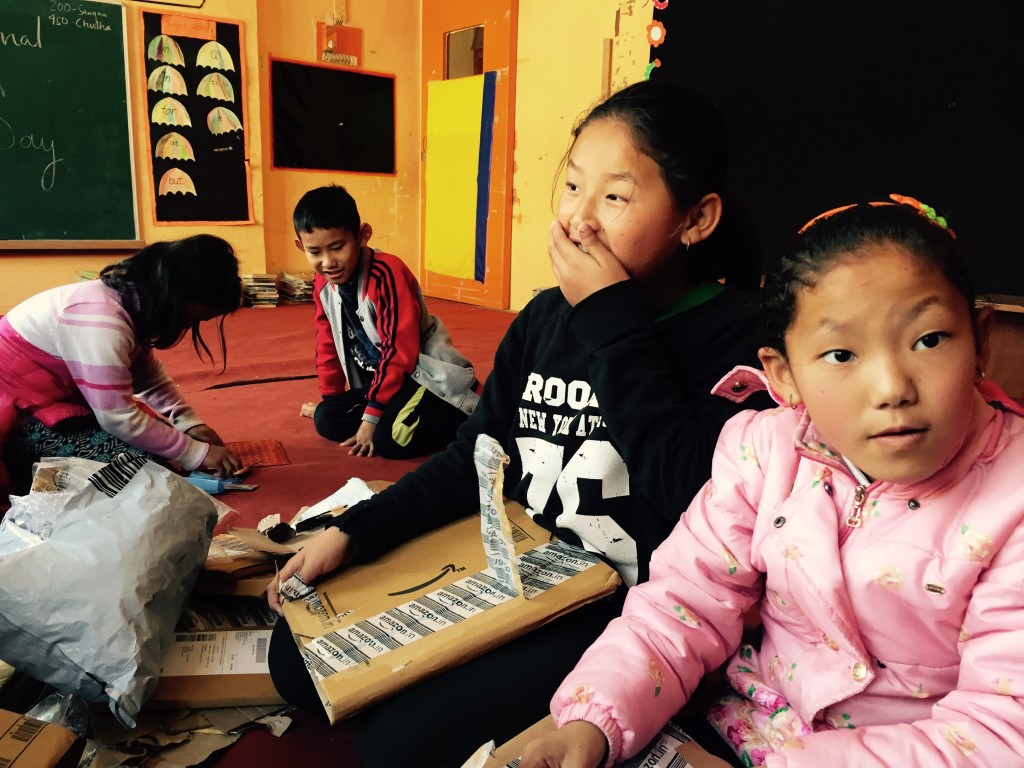
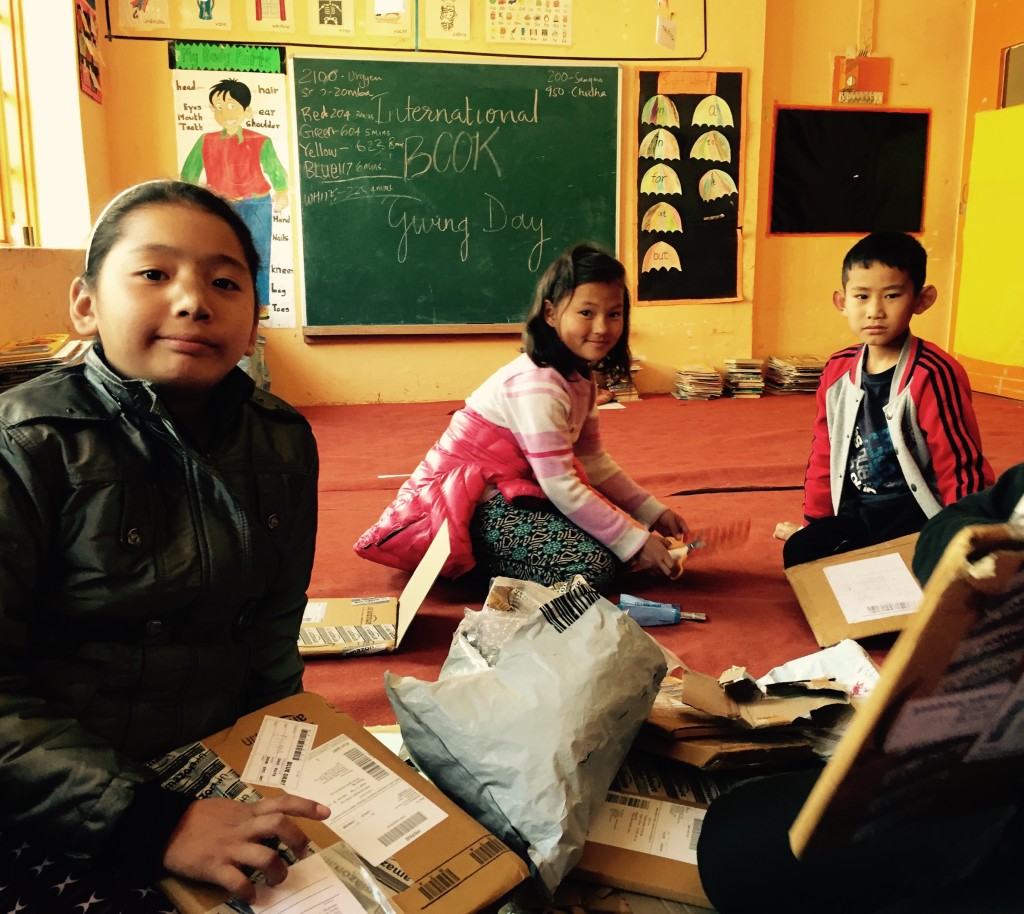
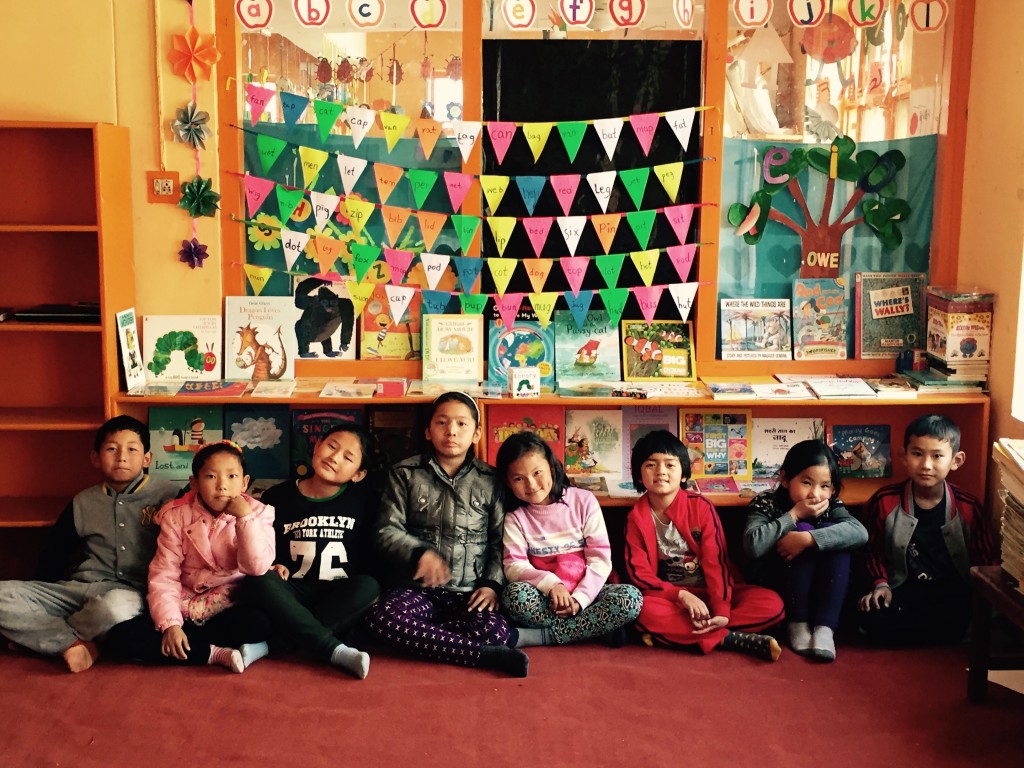
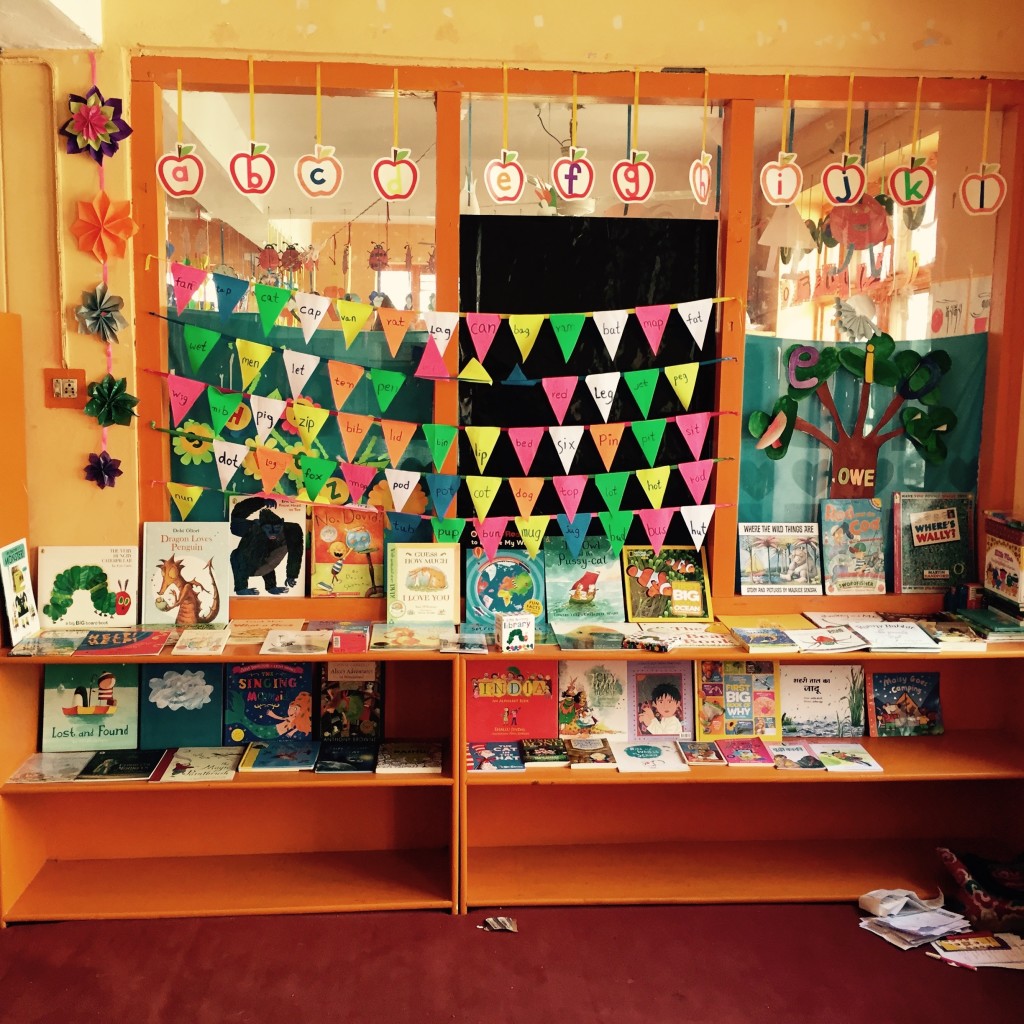
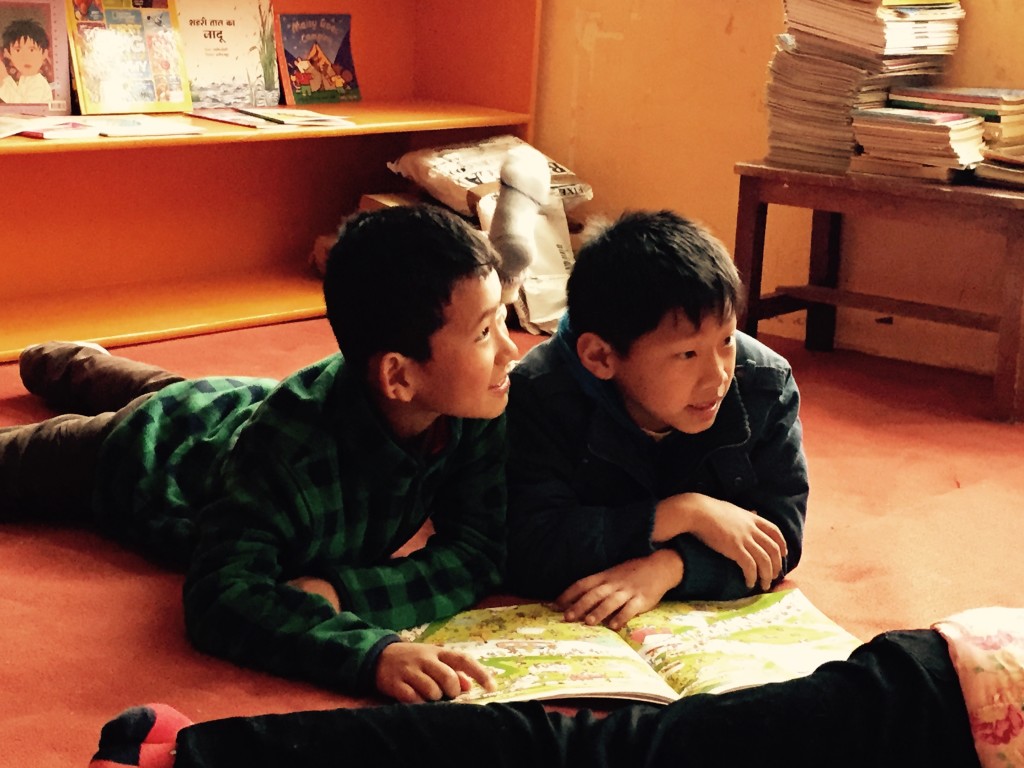
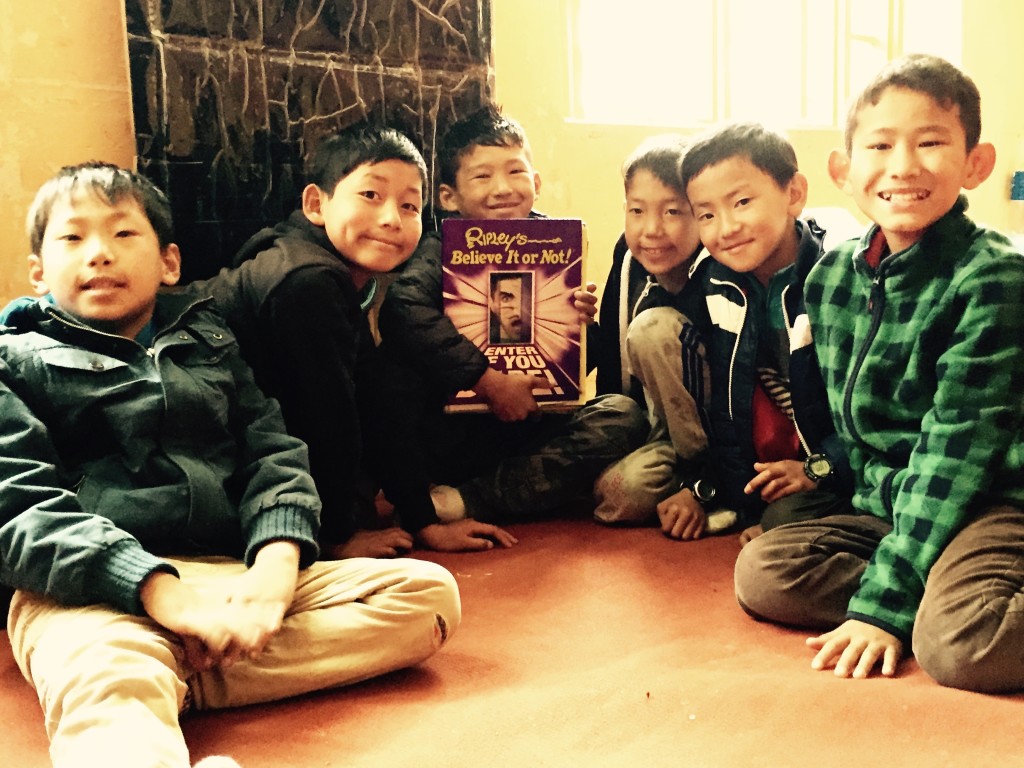
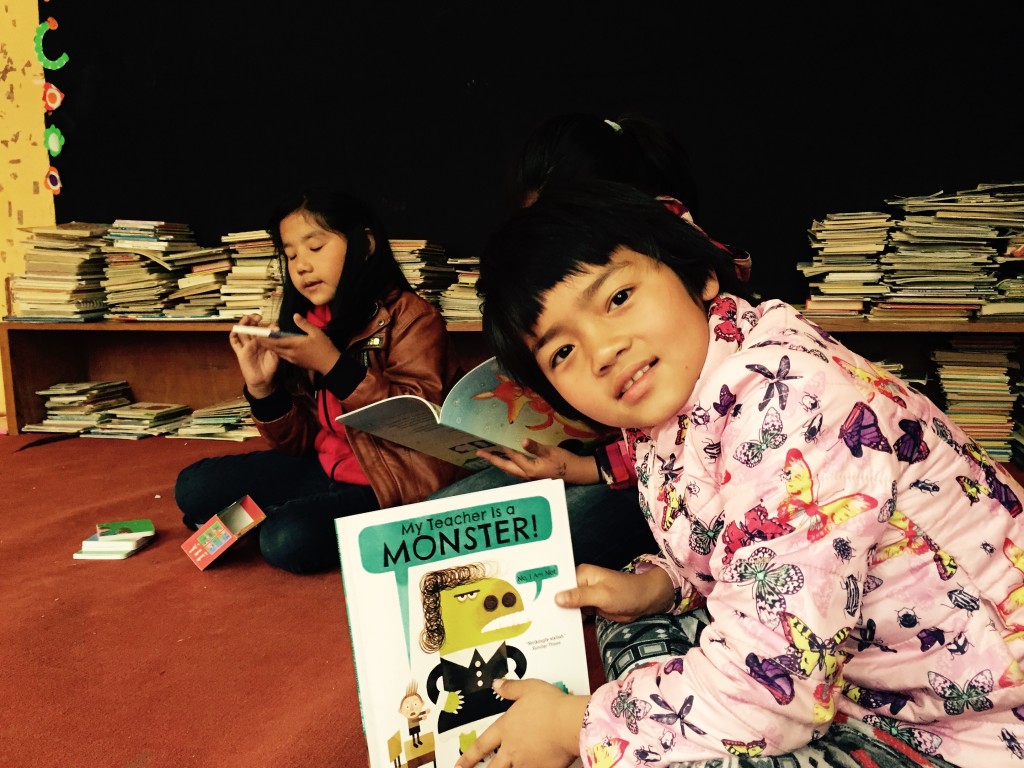
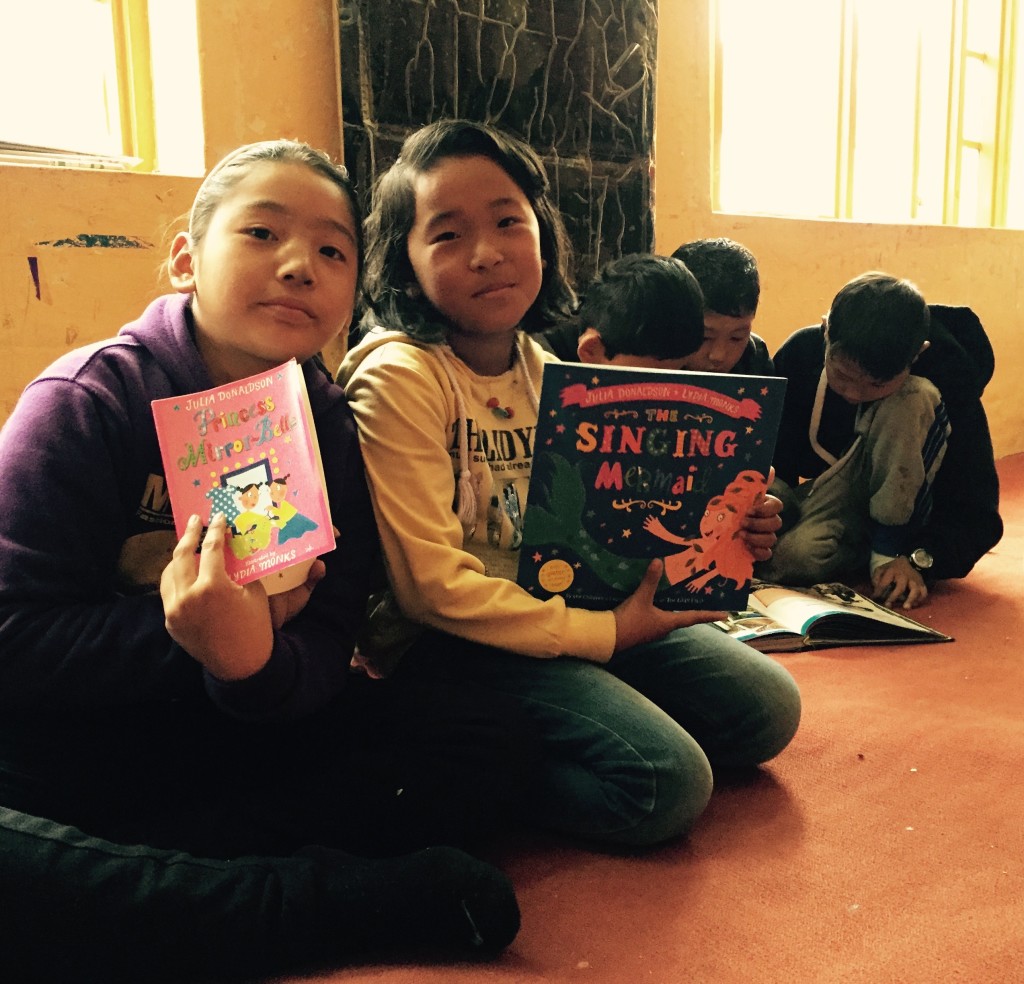
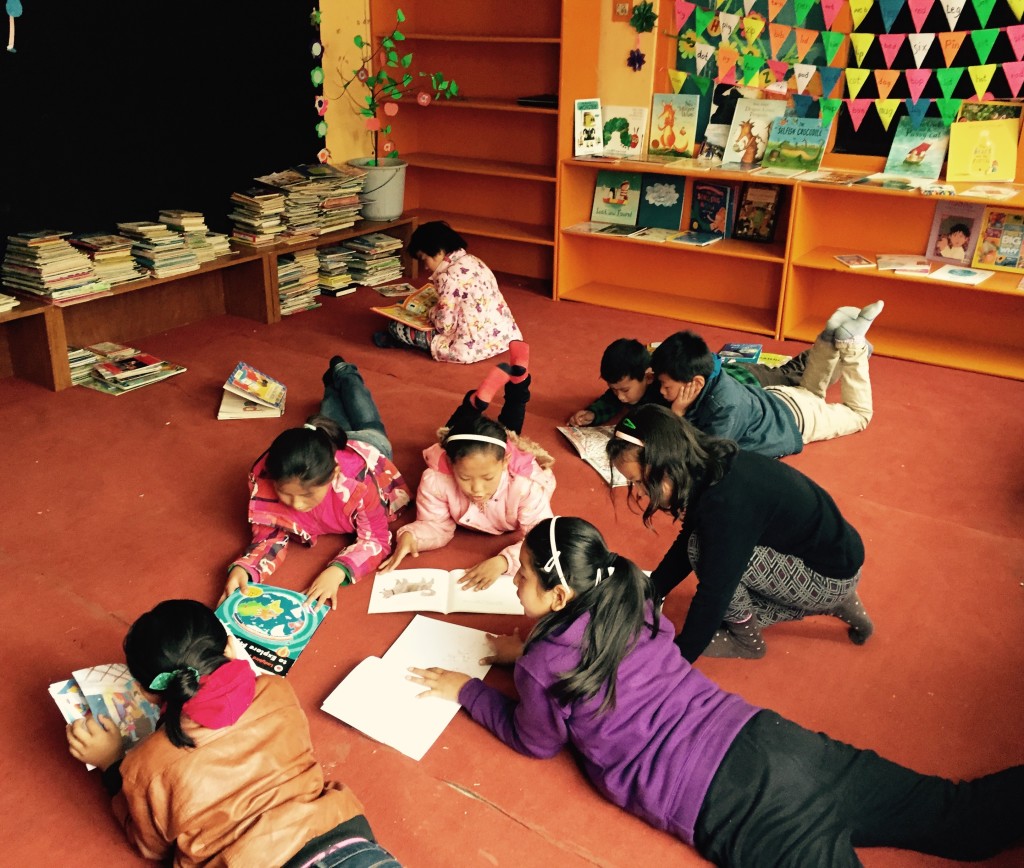
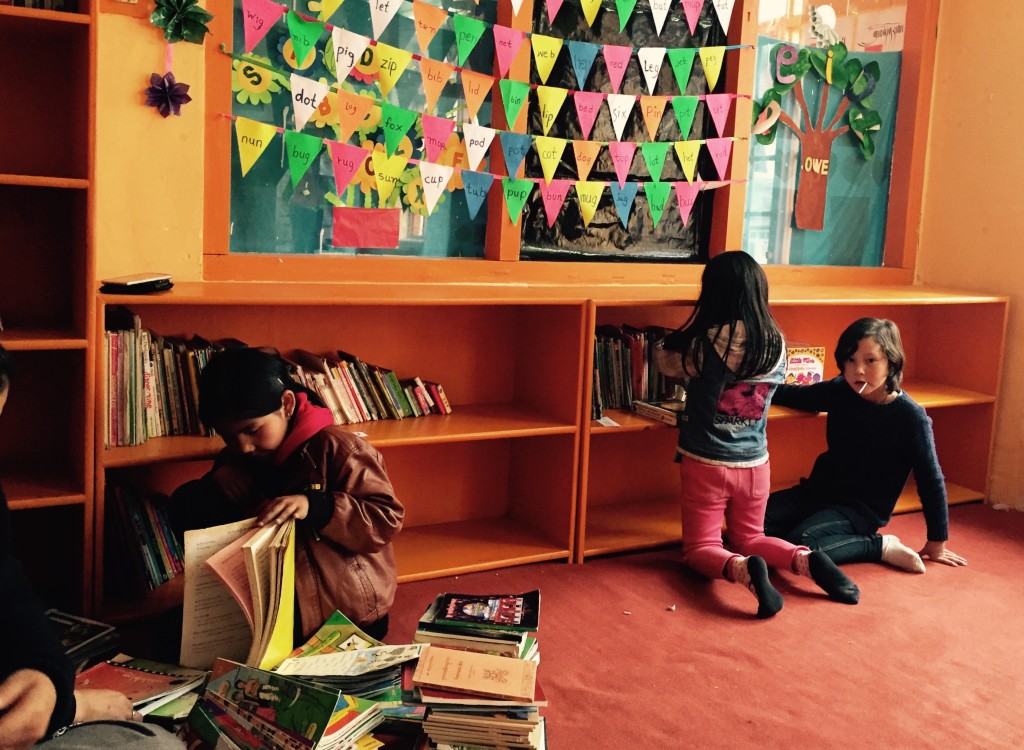
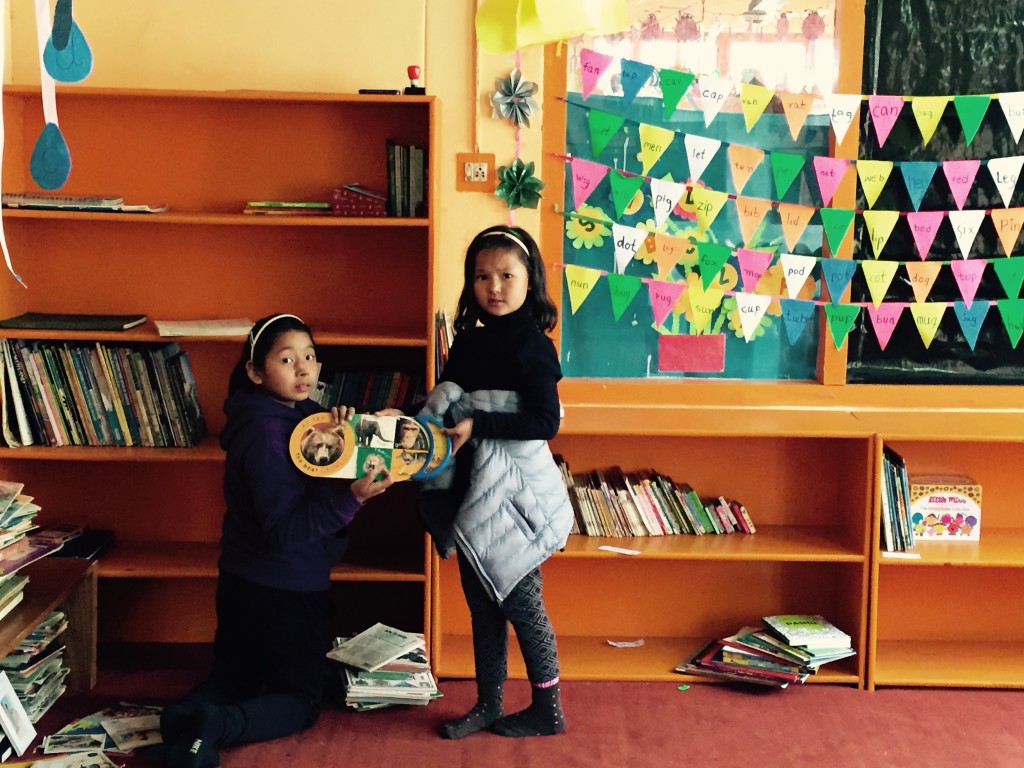
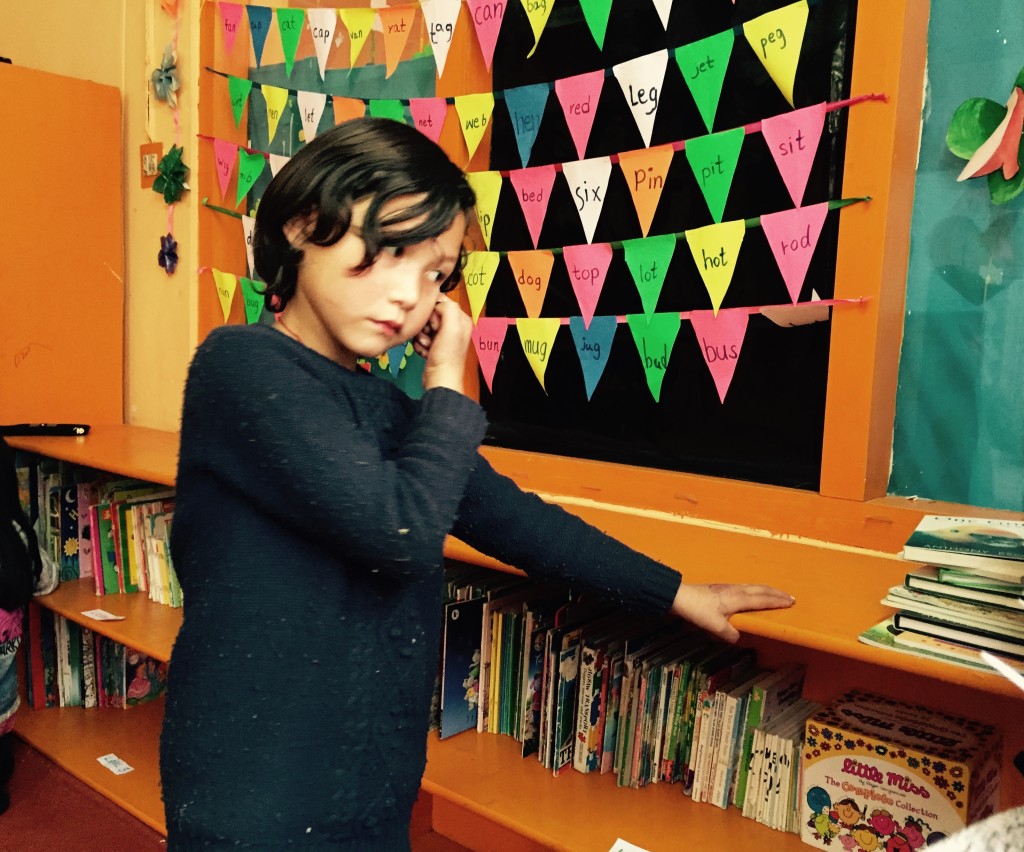
In the Himalayan communities served by Avalokiteśvara Trust, a reading room is more than a quiet space filled with books. It is a place where children discover new words, young monks encounter stories beyond their daily routines, and families see learning as a shared part of community life. Behind every open door is a local teacher who welcomes readers, organizes activities, and makes the room feel safe and familiar.
These teachers understand the rhythm of village life, the languages spoken at home, and the practical barriers that can keep children from reading. Their work connects donated books and educational resources with the people who need them most. They are mentors, librarians, activity leaders, and trusted neighbors.
Their contribution rarely fits into a single job description. A teacher may spend the morning helping a child sound out a sentence, the afternoon sorting new books, and the evening preparing an art session. Through this steady presence, reading rooms become active learning centers rather than shelves that are visited only occasionally.
The People Behind Each Open Door
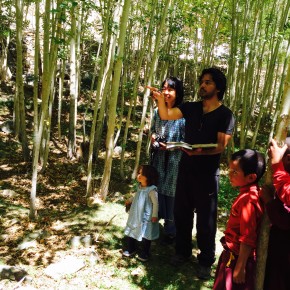
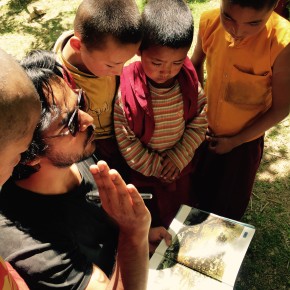
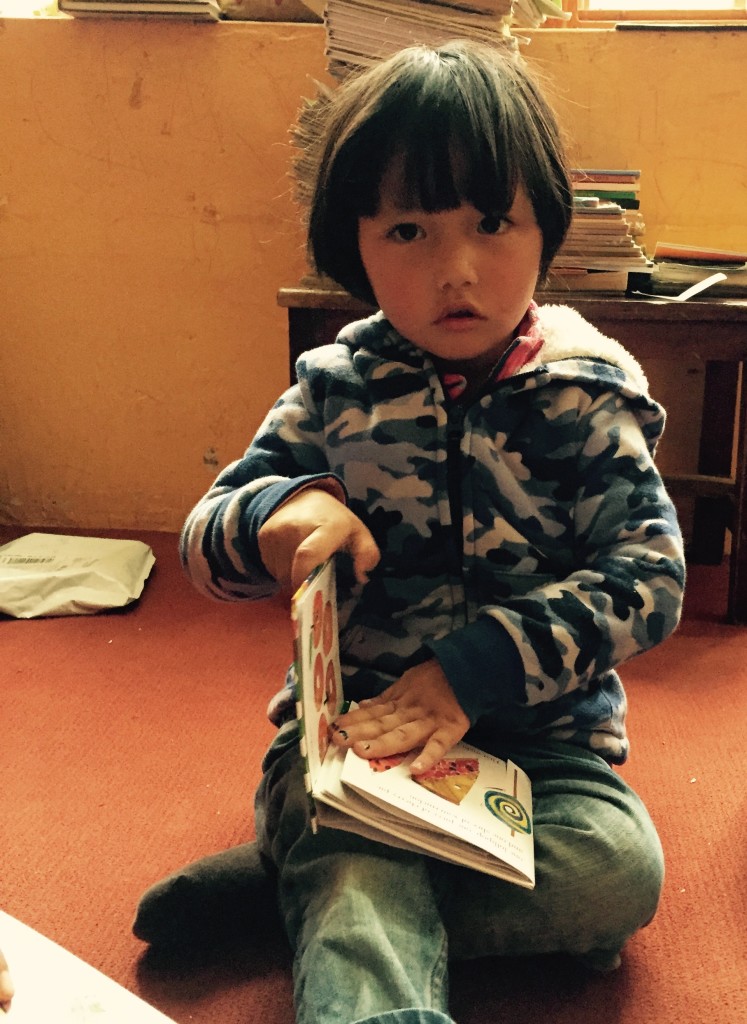
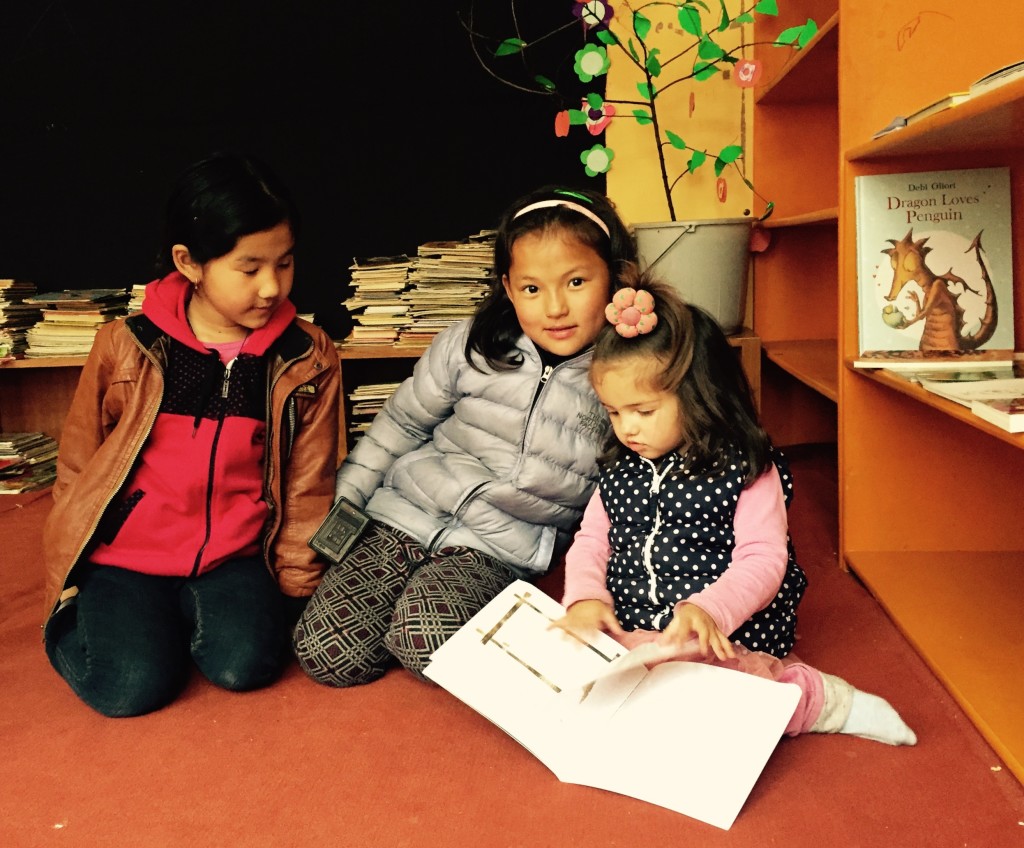
Local teachers are often the first people children meet when they enter a reading room. Their welcome can determine whether a child returns. A warm greeting, a recommendation suited to a child’s interests, or patient help with an unfamiliar word can turn uncertainty into curiosity.
Because these educators live close to the communities they serve, they recognize individual needs quickly. They may know which children are confident readers, who prefers drawing to silent reading, and who needs encouragement before speaking in a group. This personal understanding helps teachers create activities that include different ages and abilities.
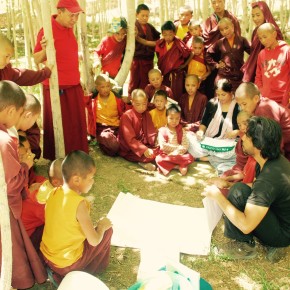
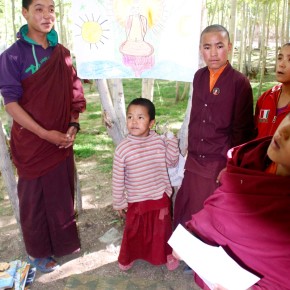
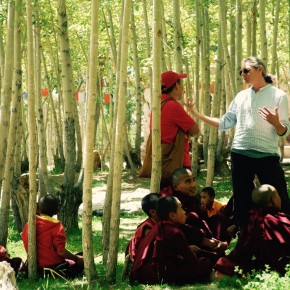
The role also requires flexibility. A reading room may host a group of young students one day and young monks the next. Teachers adapt storytelling, book discussions, music, and creative projects to match the group. Their local knowledge allows outside support to become meaningful, practical engagement.
Reading In Familiar Languages
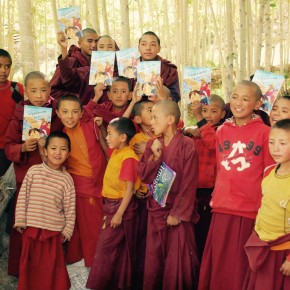
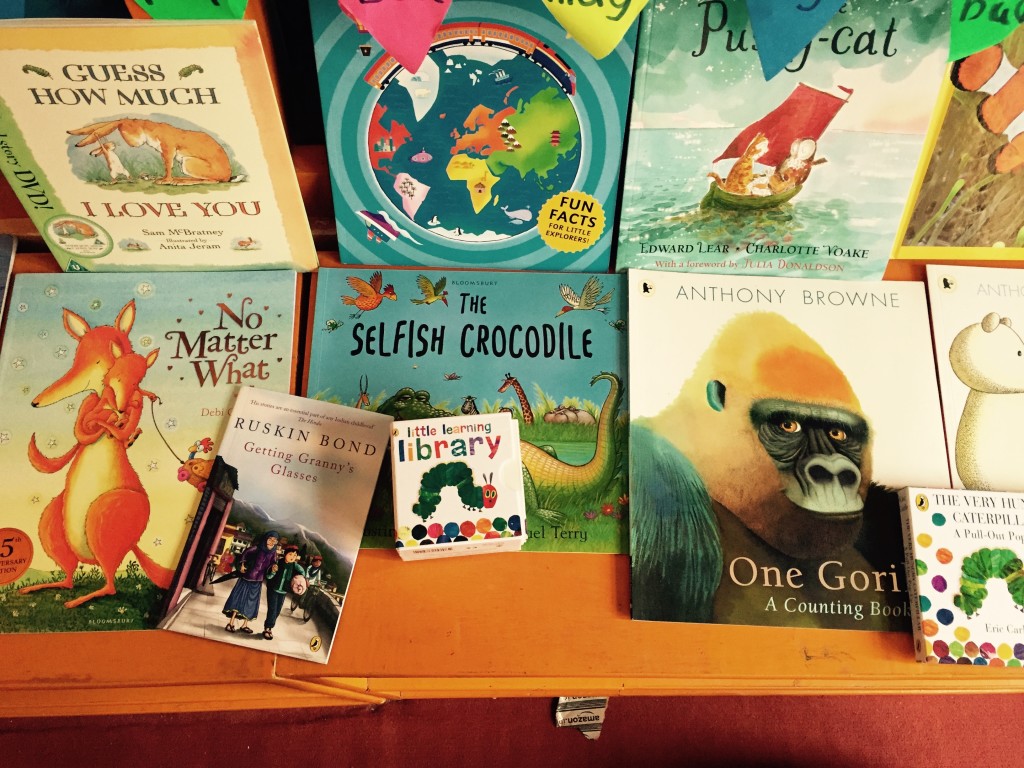
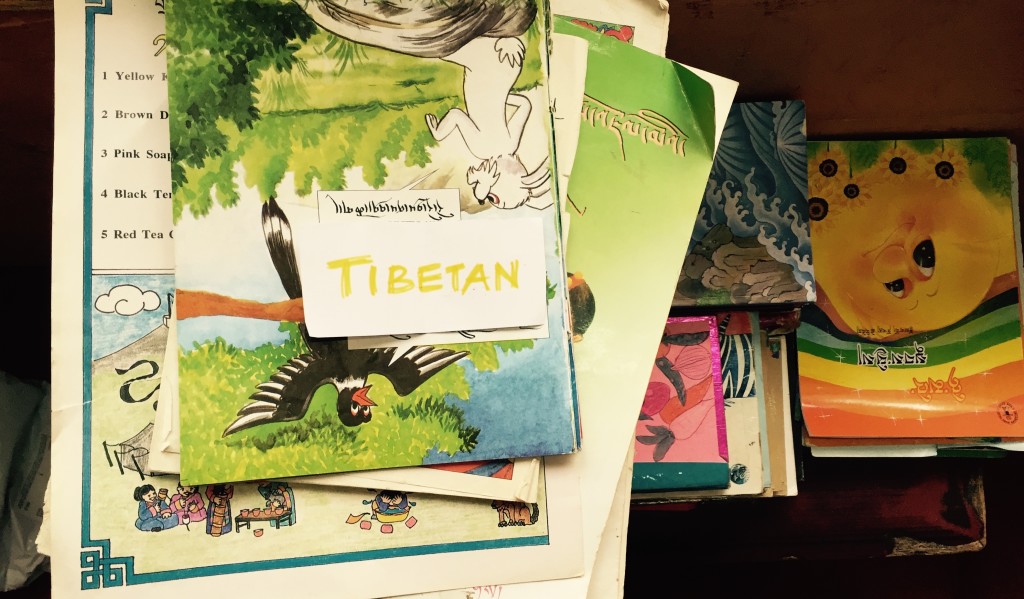
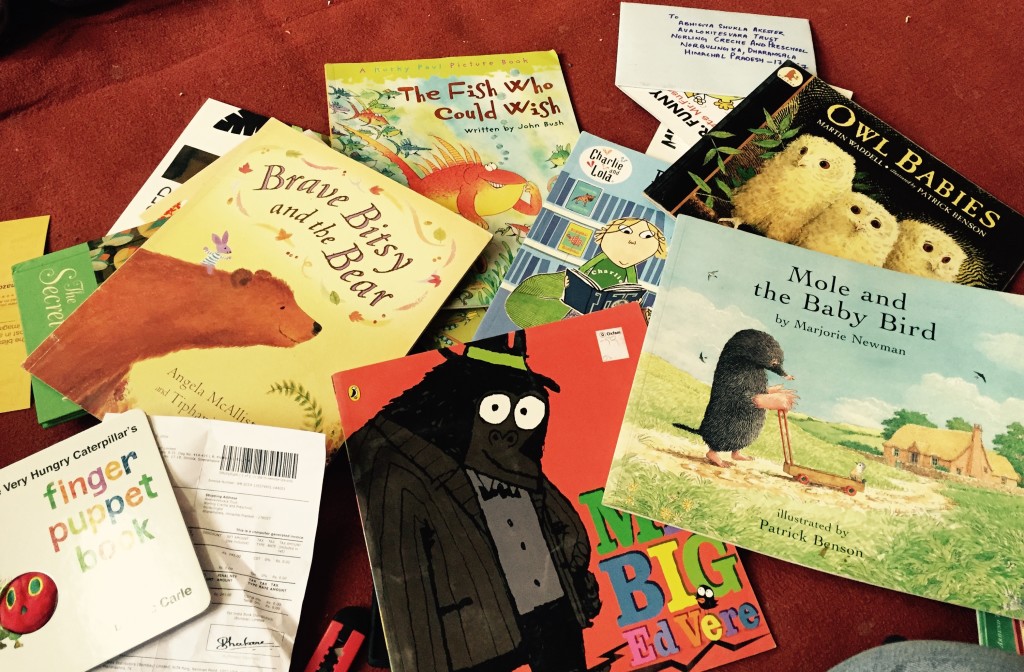
Access to books in a child’s first language can shape the way reading develops. Familiar language makes stories easier to enter, supports comprehension, and gives children the confidence to express what they think. For young monks, storybooks in their own language can connect literary discovery with their cultural and educational surroundings. The Trust explains why this access matters in its discussion of storybooks for young monks.
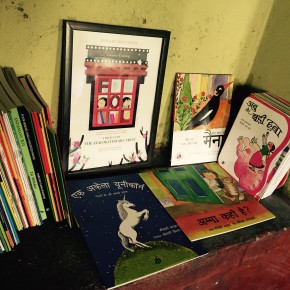
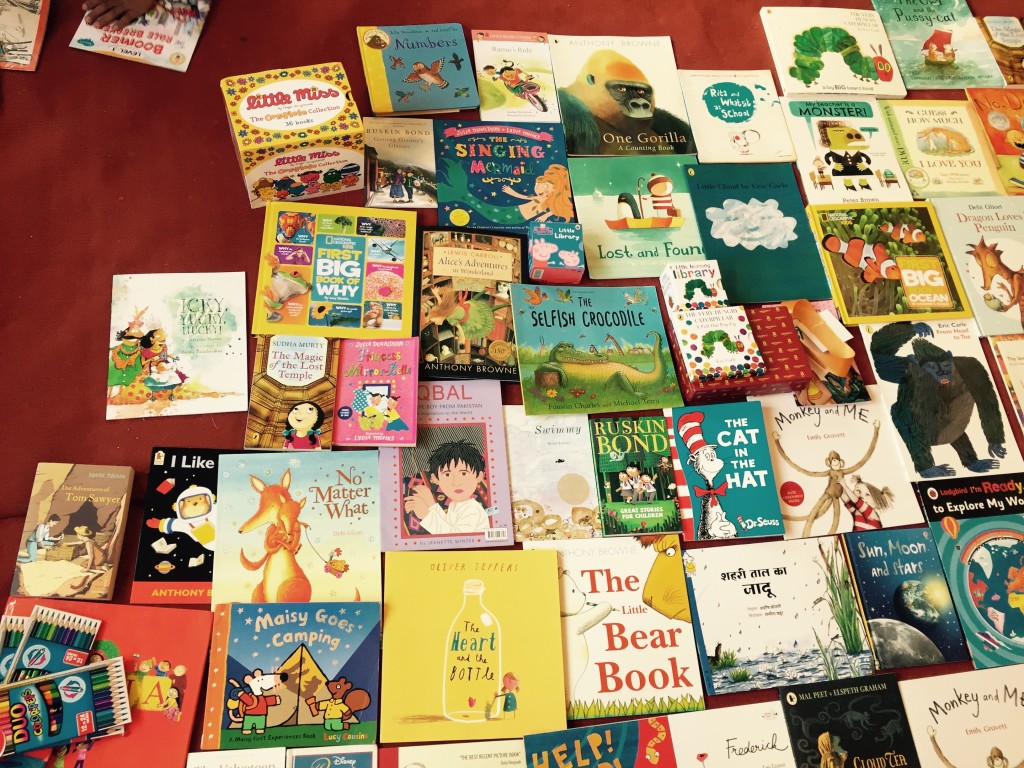
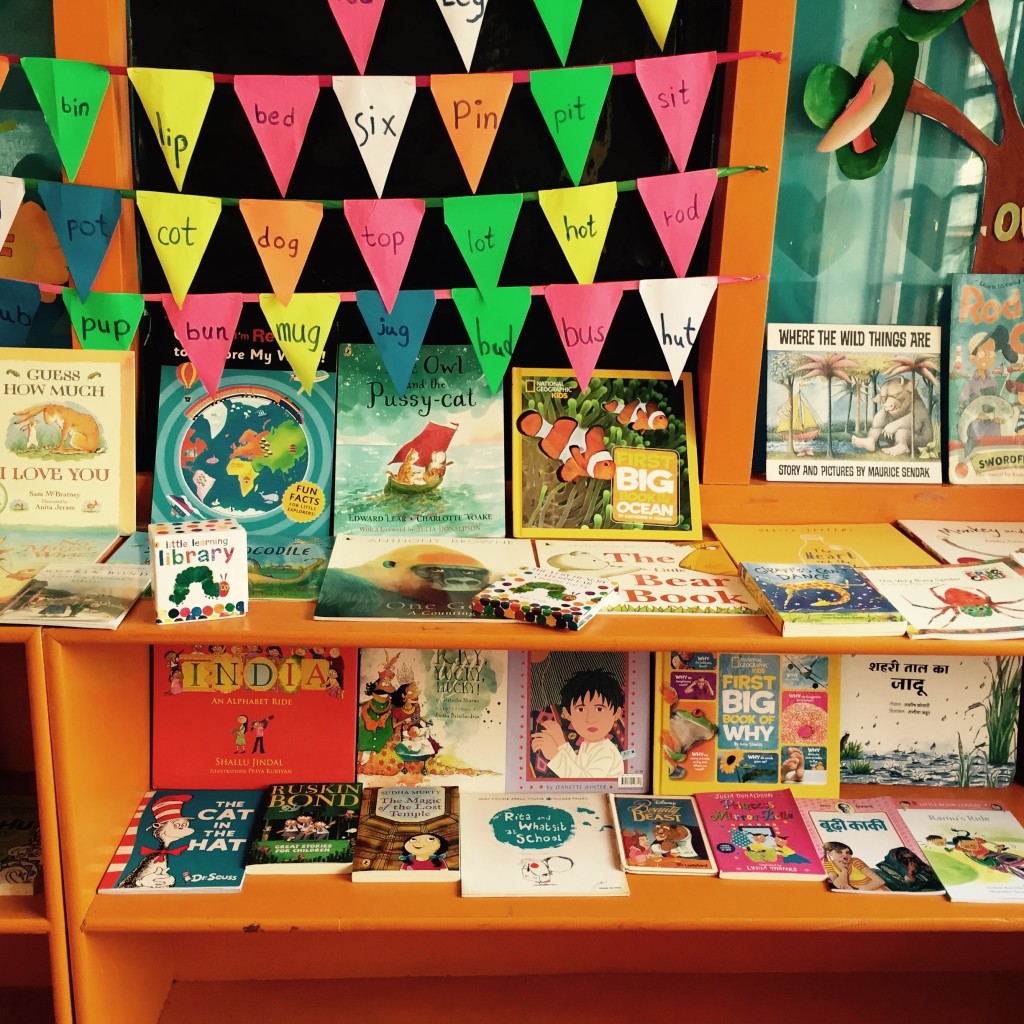
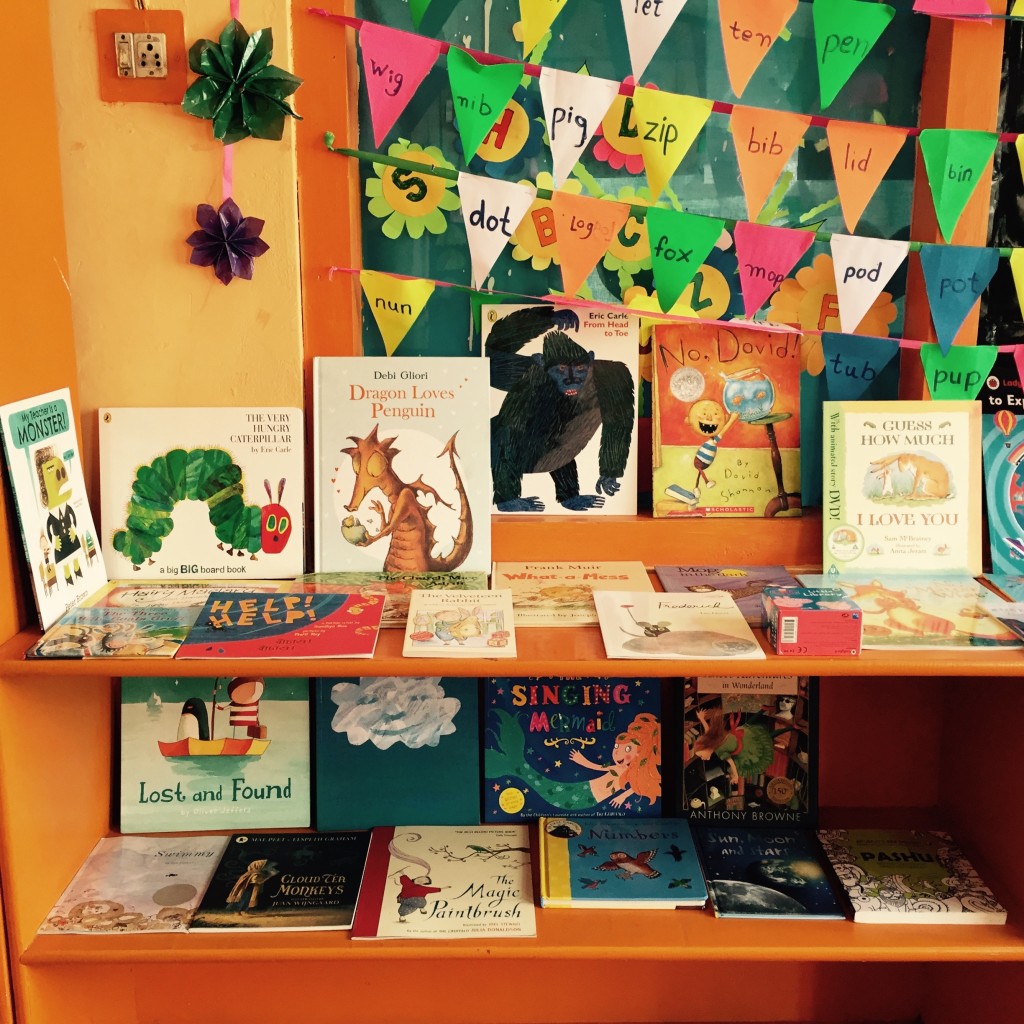
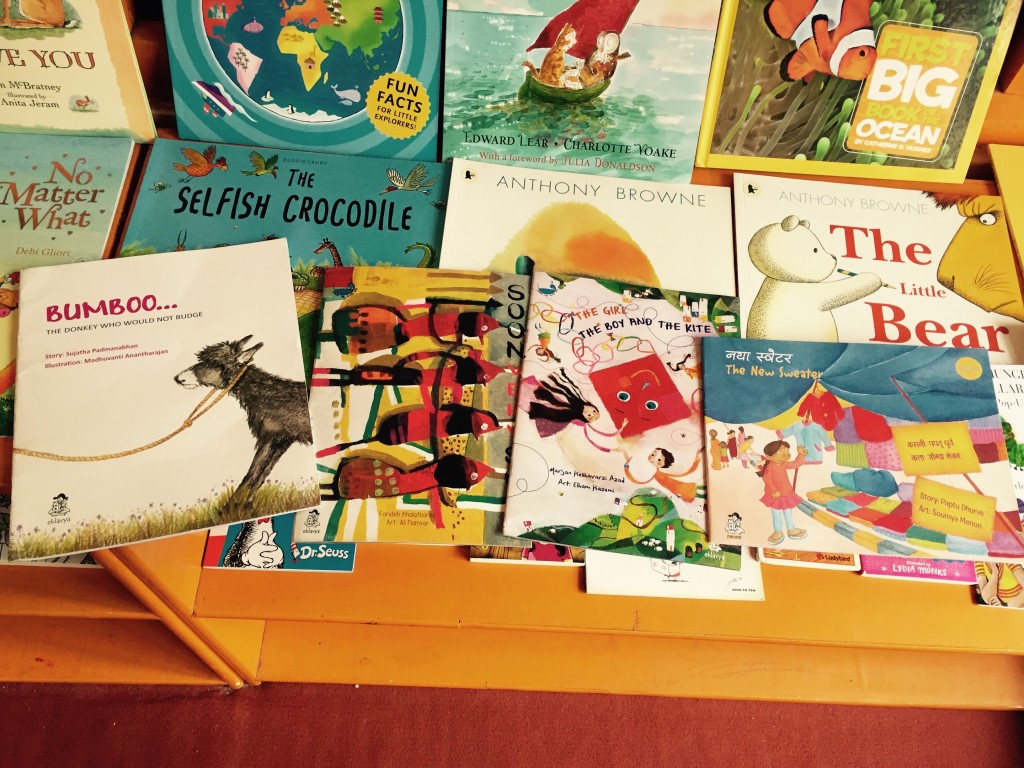
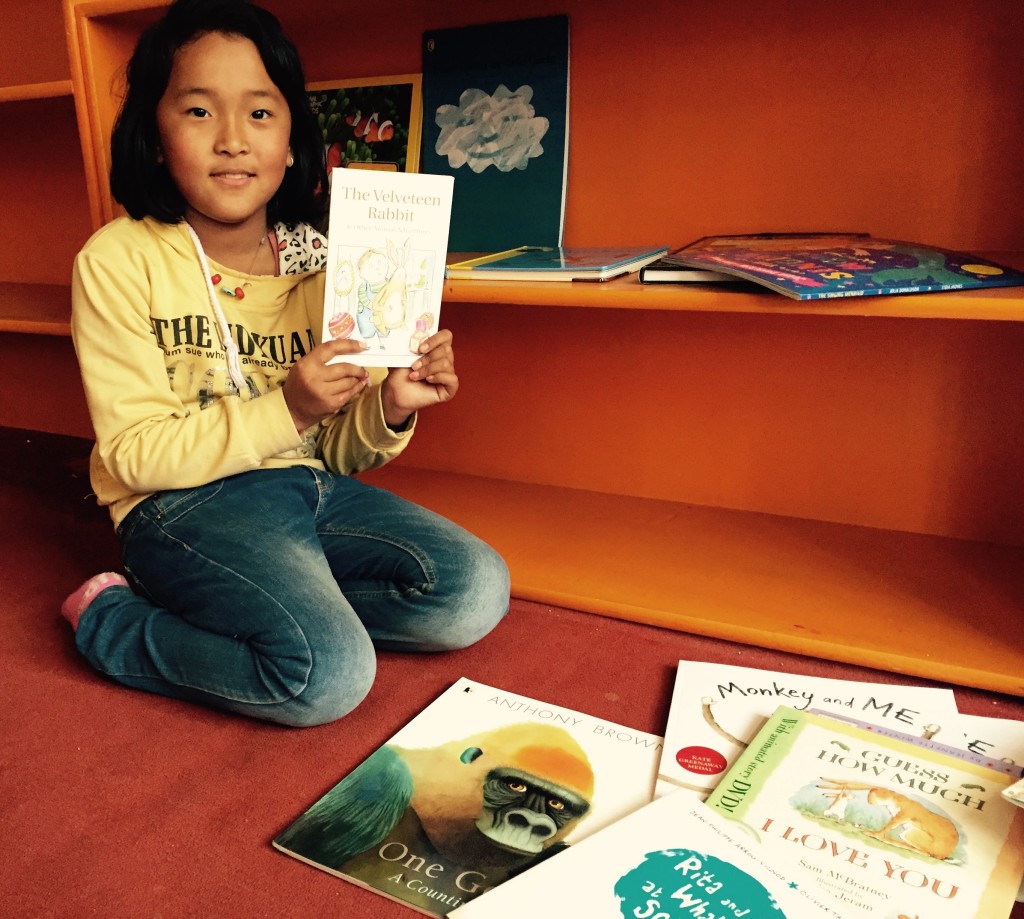
Teachers help make multilingual collections useful. They can explain unfamiliar cultural references, encourage children to compare words across languages, and select books that reflect local experiences. A child might begin with a familiar folktale before exploring a translated adventure story, building confidence step by step.
This approach also protects the joy of reading. When every book feels difficult or distant, children may associate reading with effort alone. Local educators balance challenging material with accessible stories, picture books, poetry, and books that reflect the landscape, traditions, and family life children know.
More Than Books On Shelves
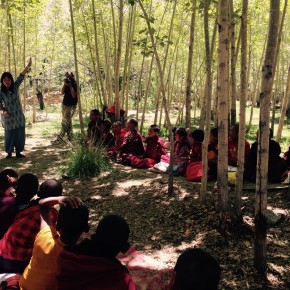
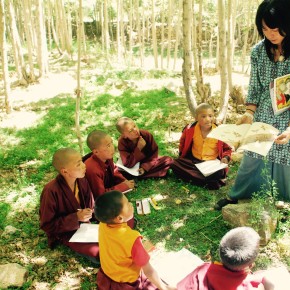
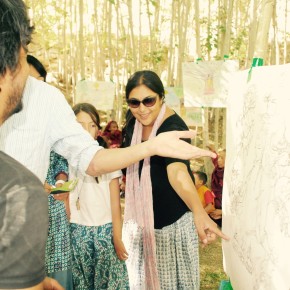
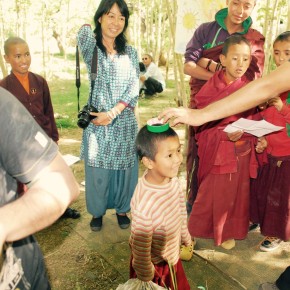
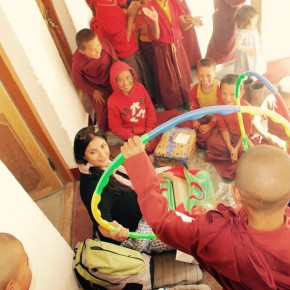
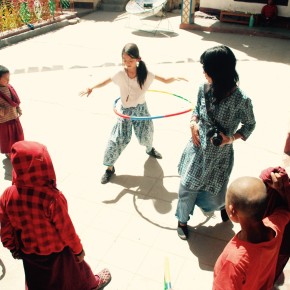
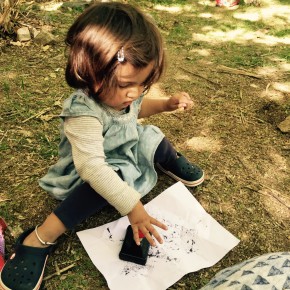
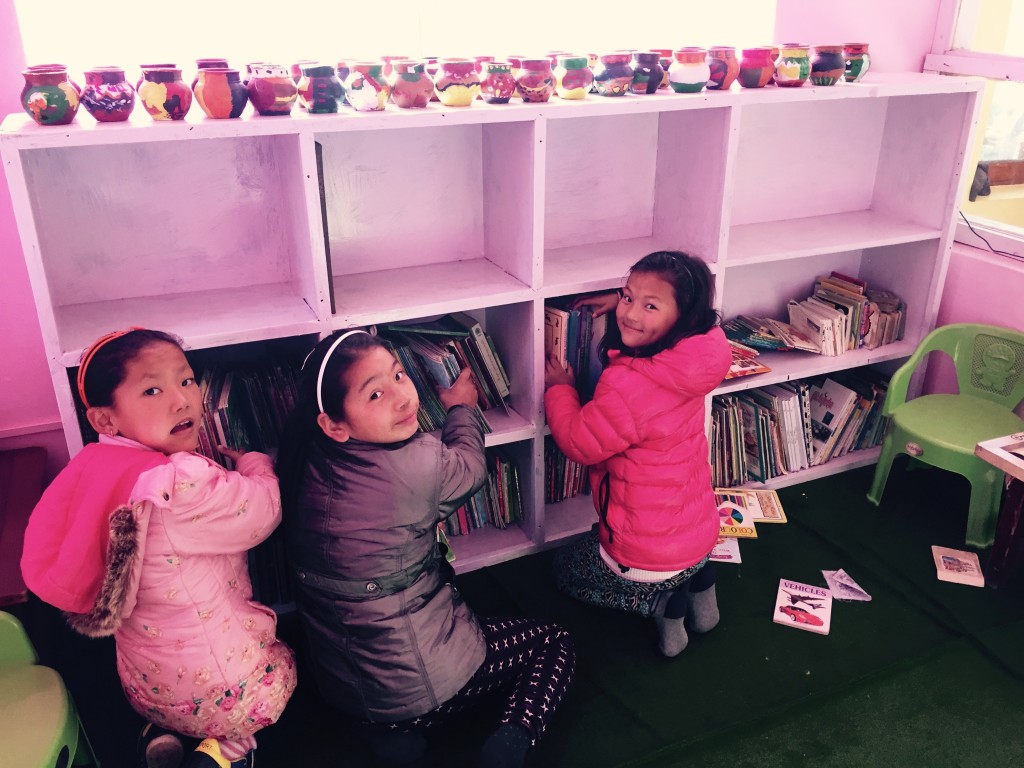
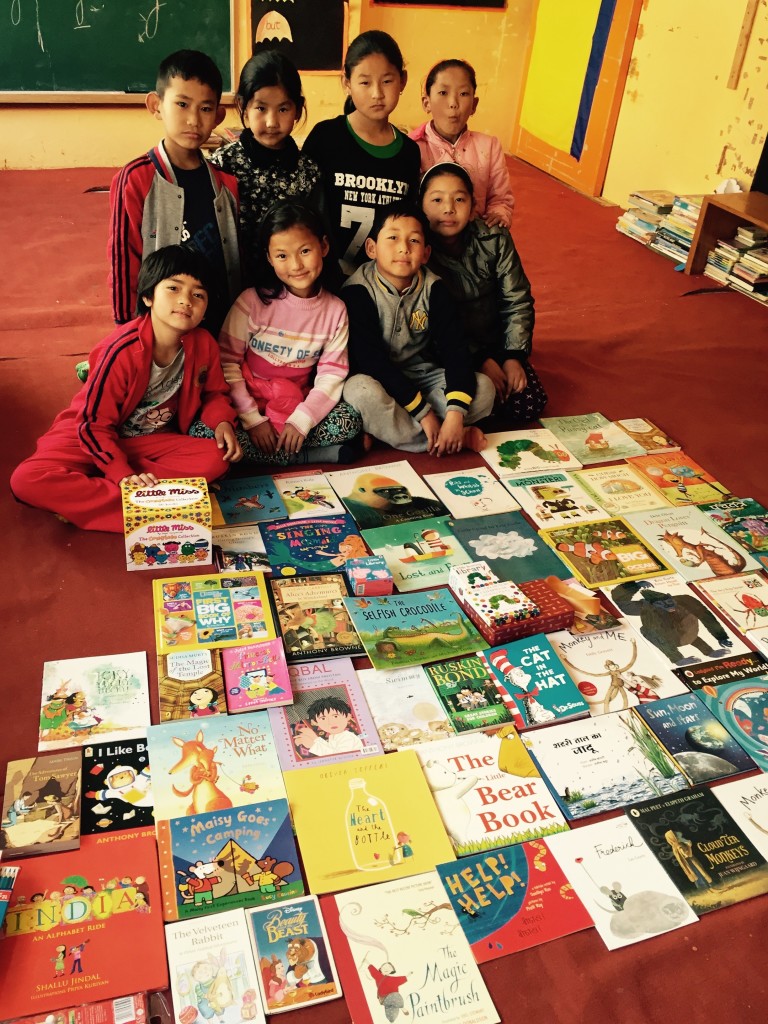
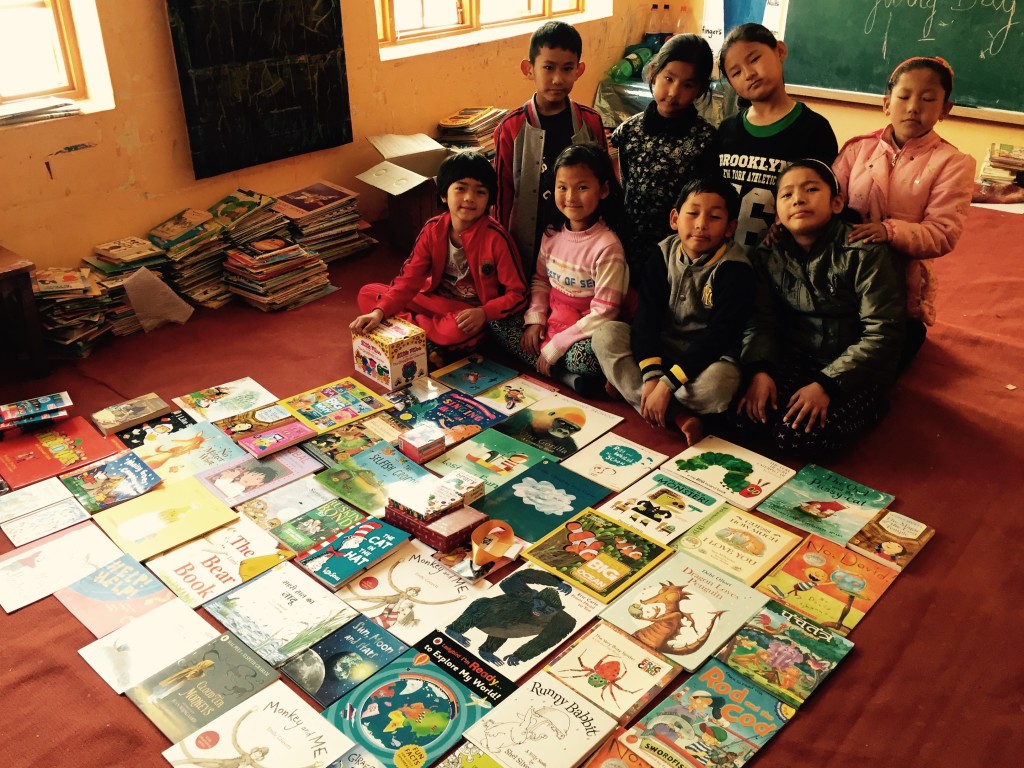
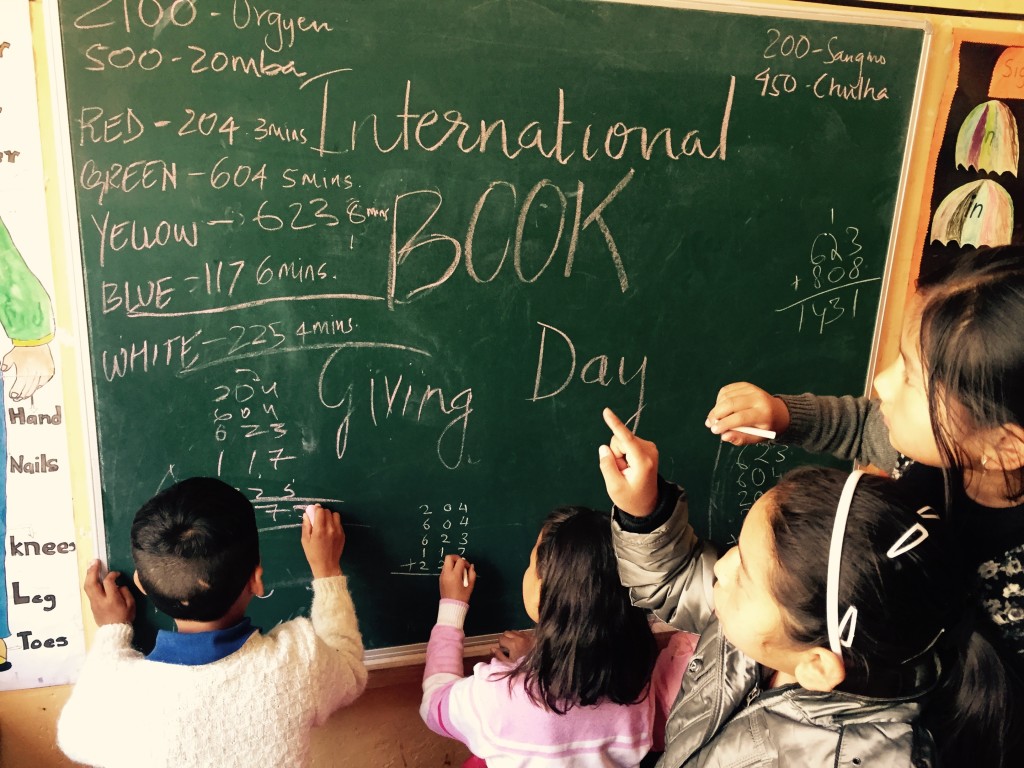
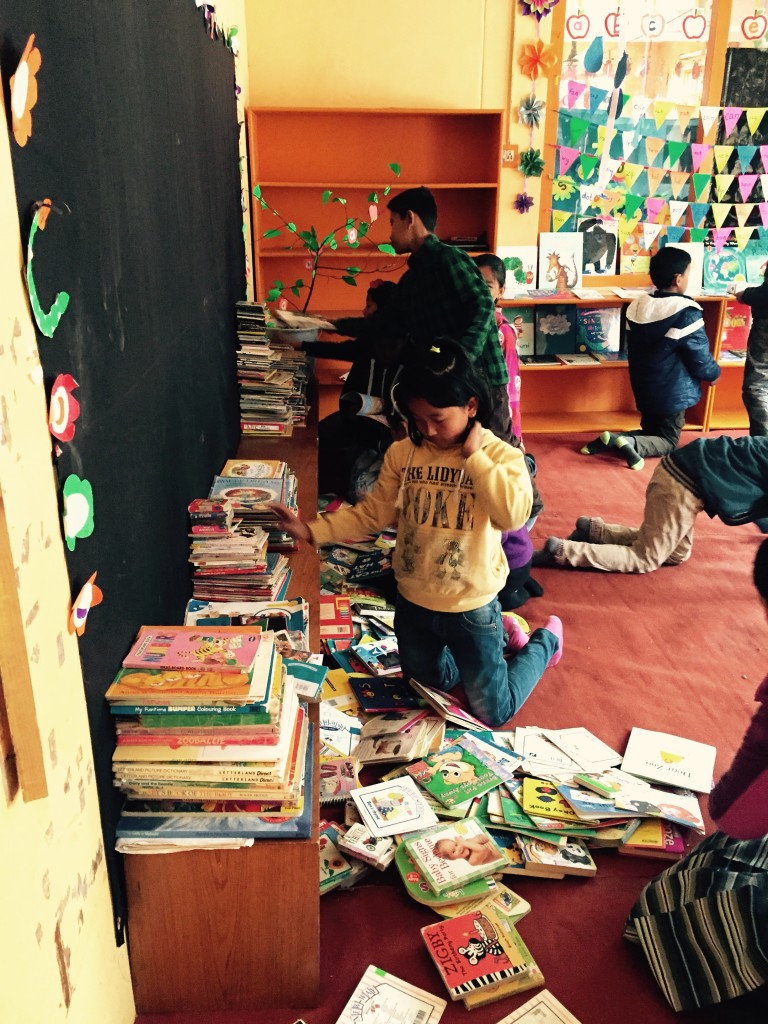
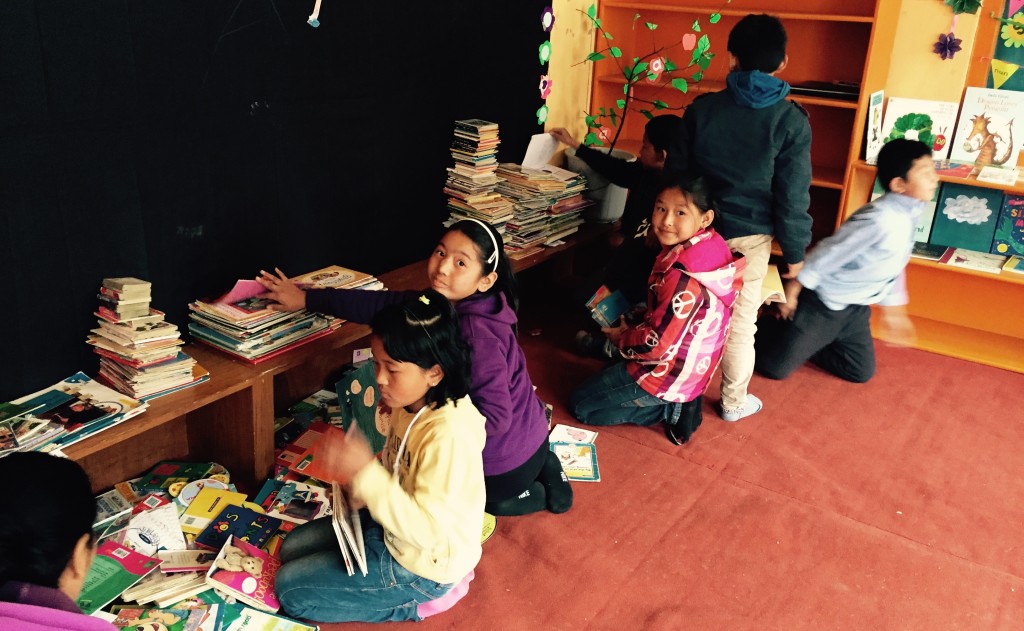
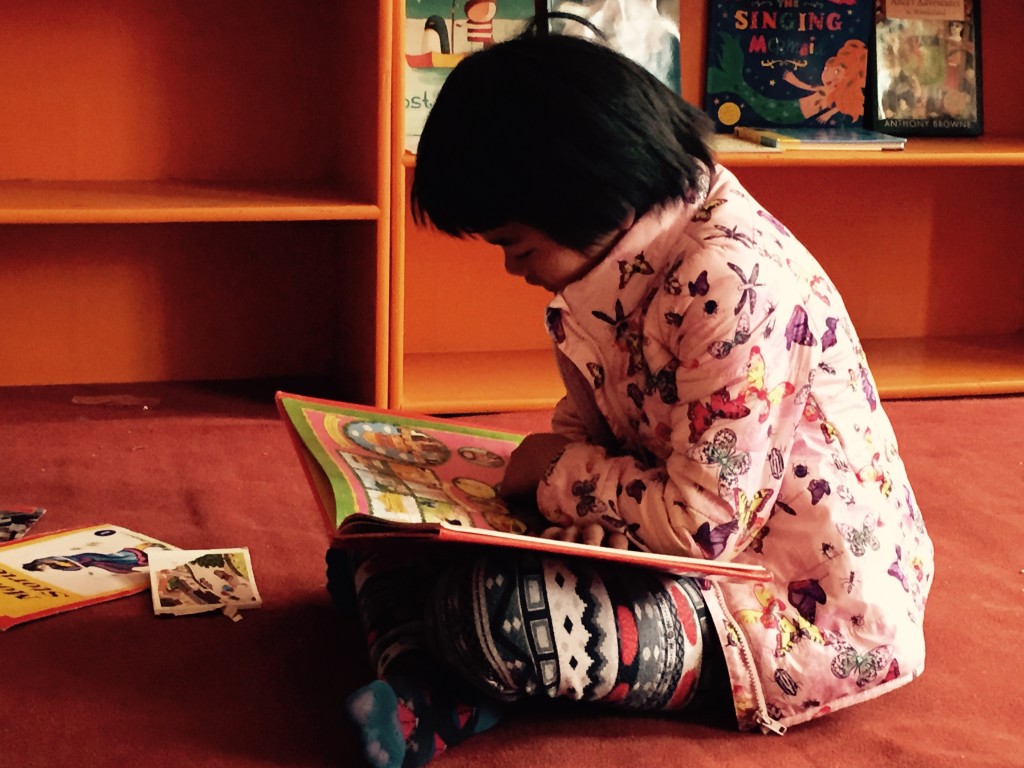
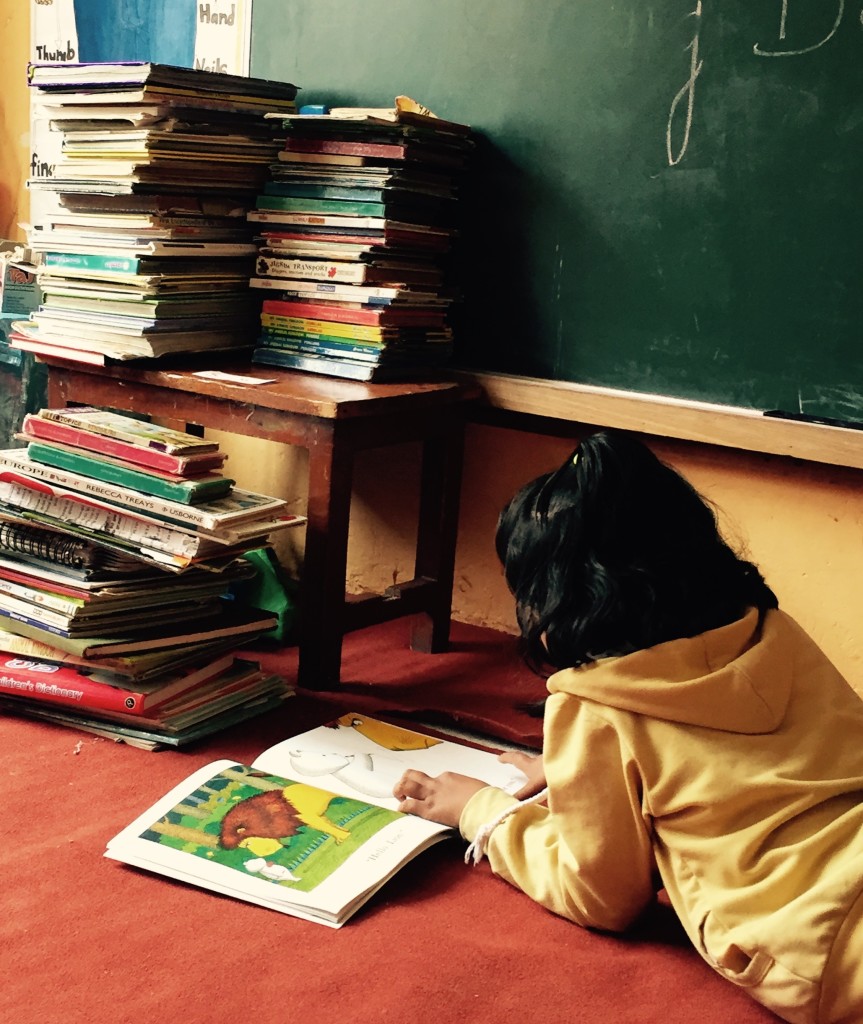
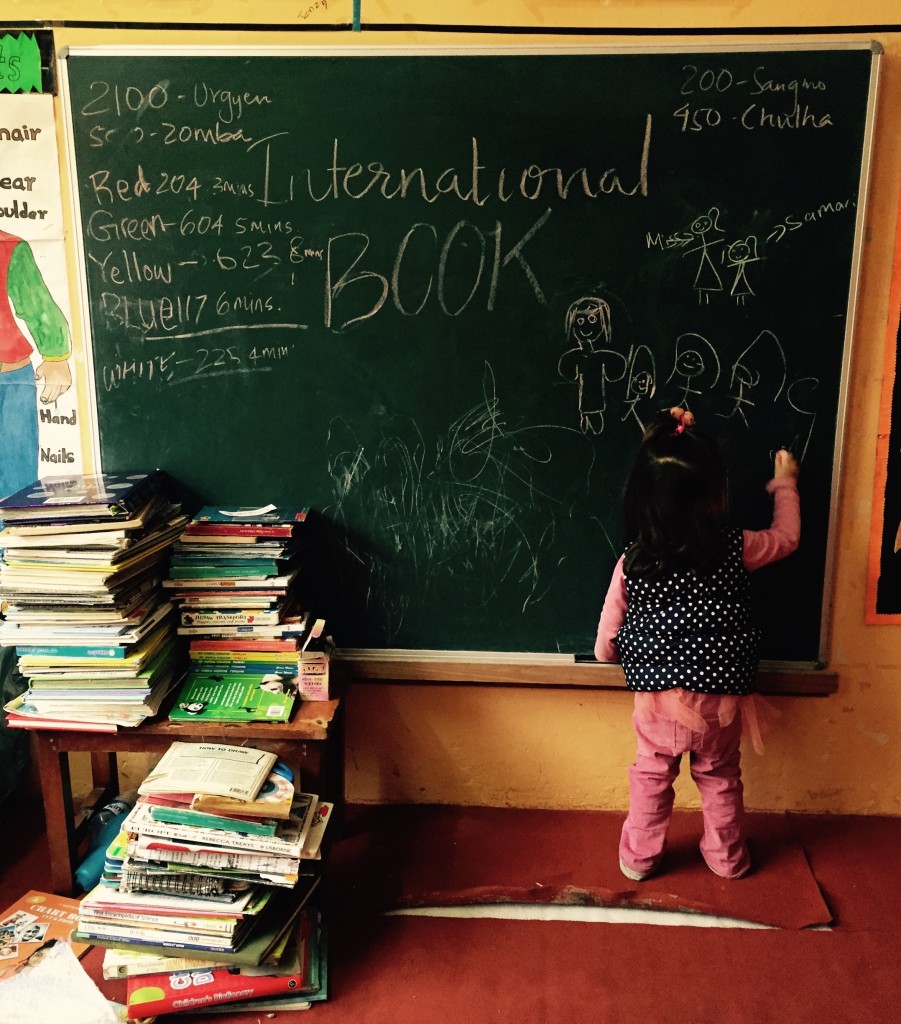
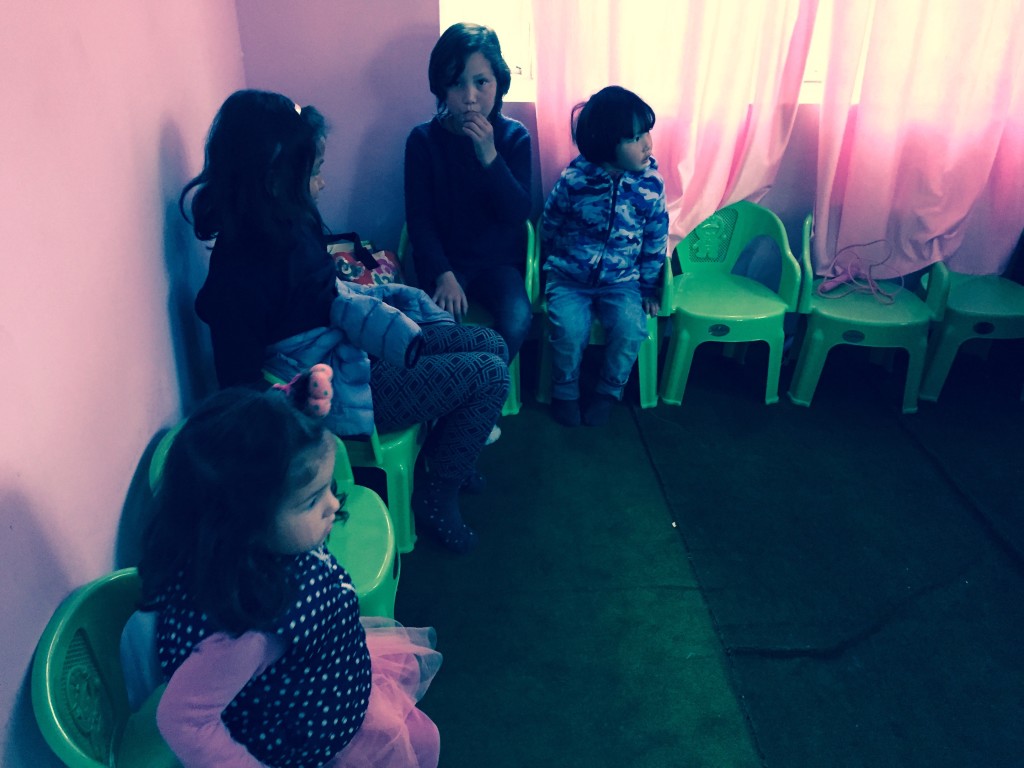
A successful reading room is active throughout the week. Teachers may organize read-aloud circles, drawing sessions inspired by a story, simple writing exercises, music activities, or conversations about characters and choices. These experiences help children see books as starting points for imagination rather than fixed objects.
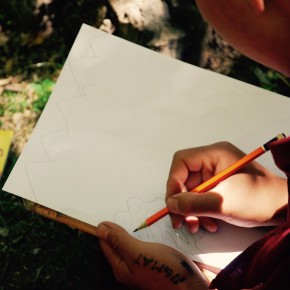
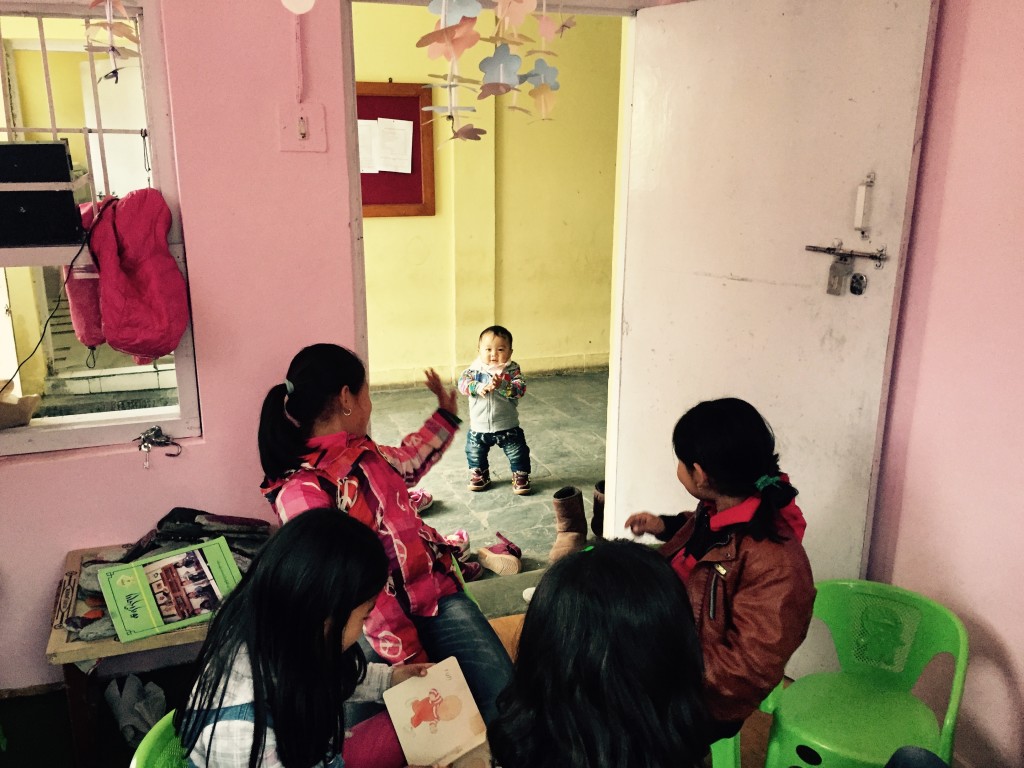
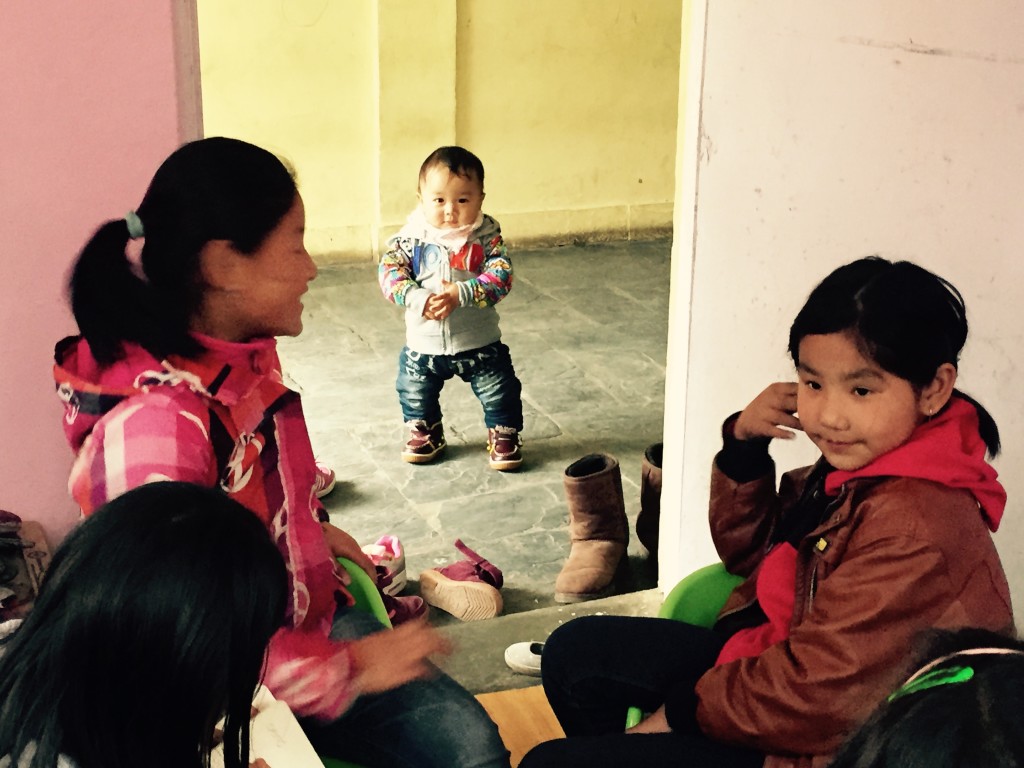
Creative programs are especially valuable where educational opportunities are limited. A child who is hesitant to read aloud may participate confidently in a puppet performance. Another may discover an interest in illustration, songwriting, or storytelling. These activities encourage communication, cooperation, and self-expression while reinforcing literacy skills.
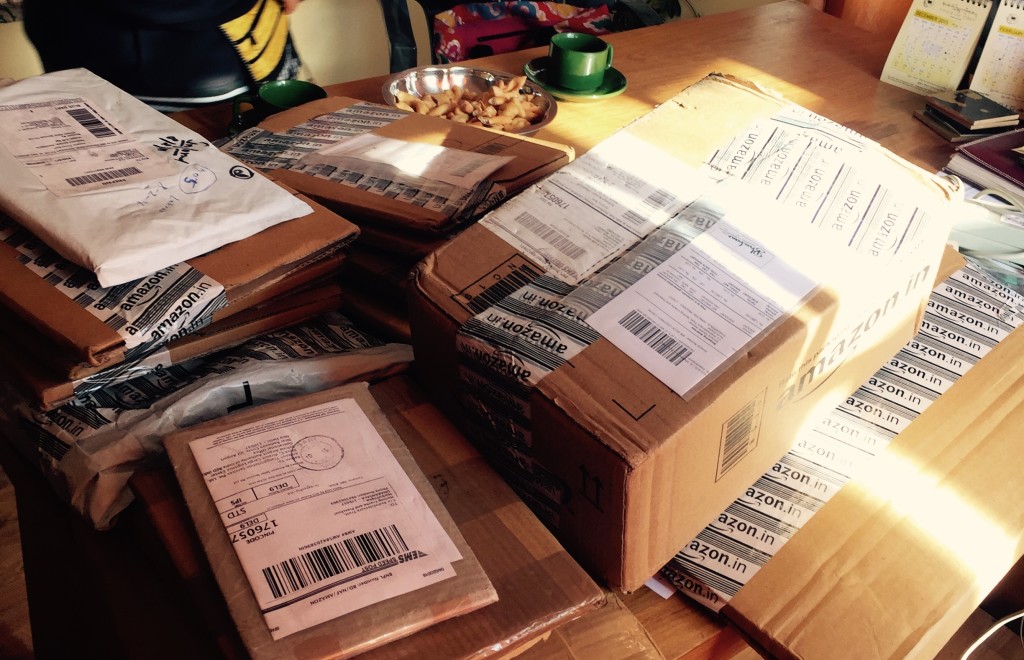
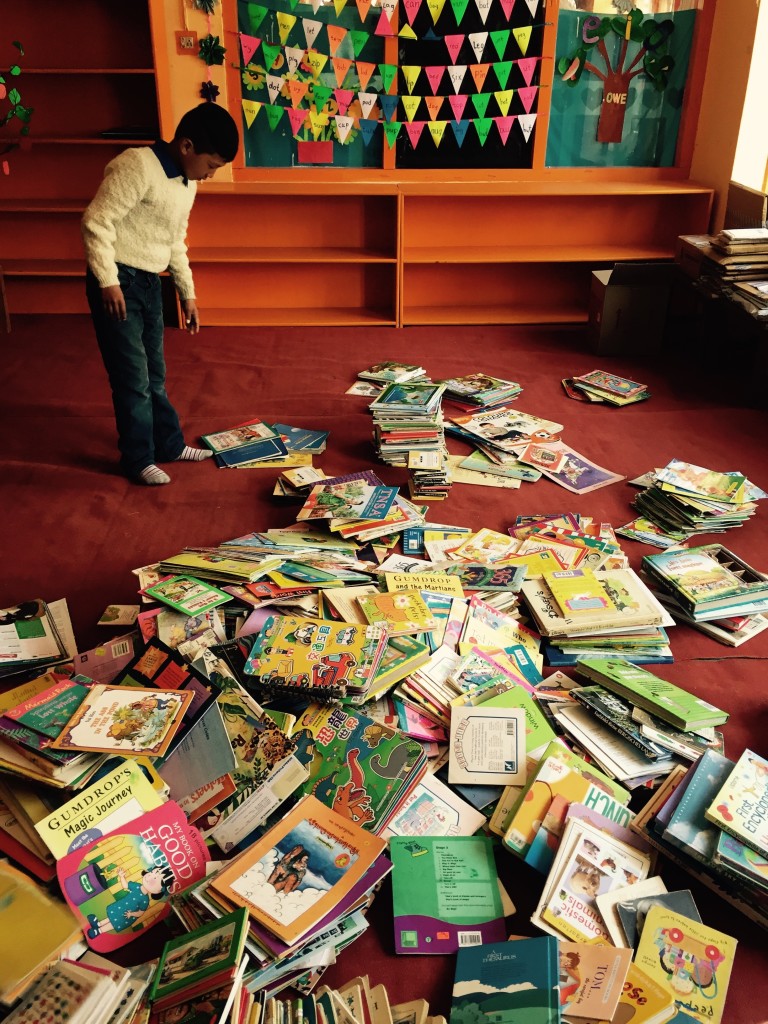
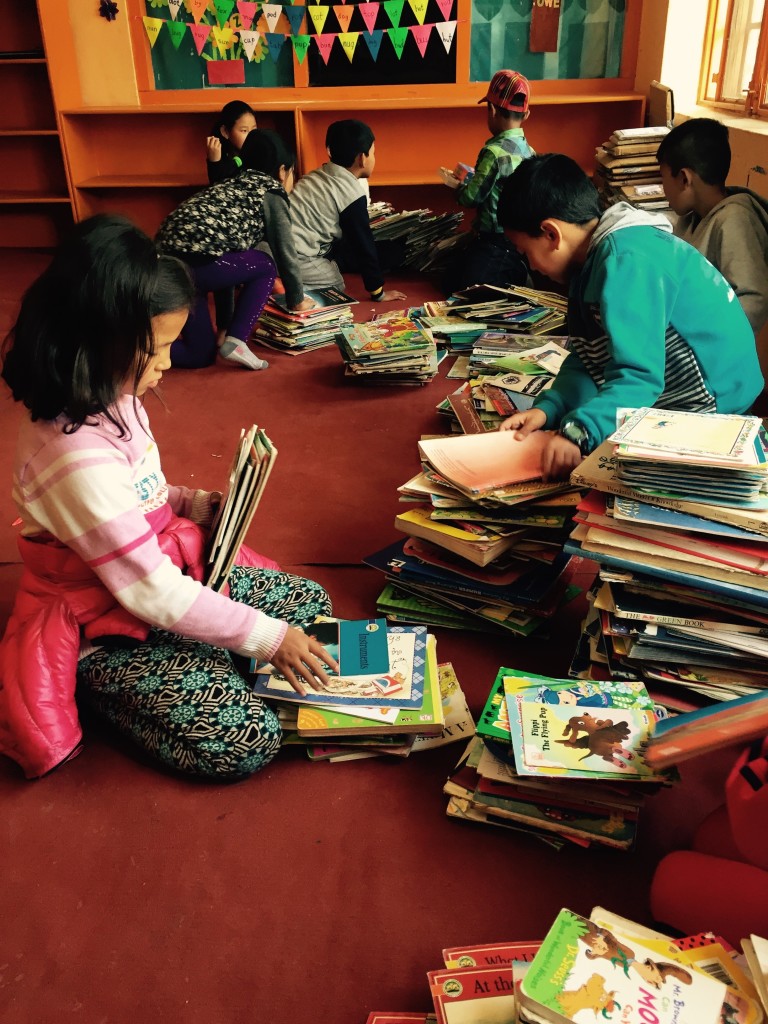
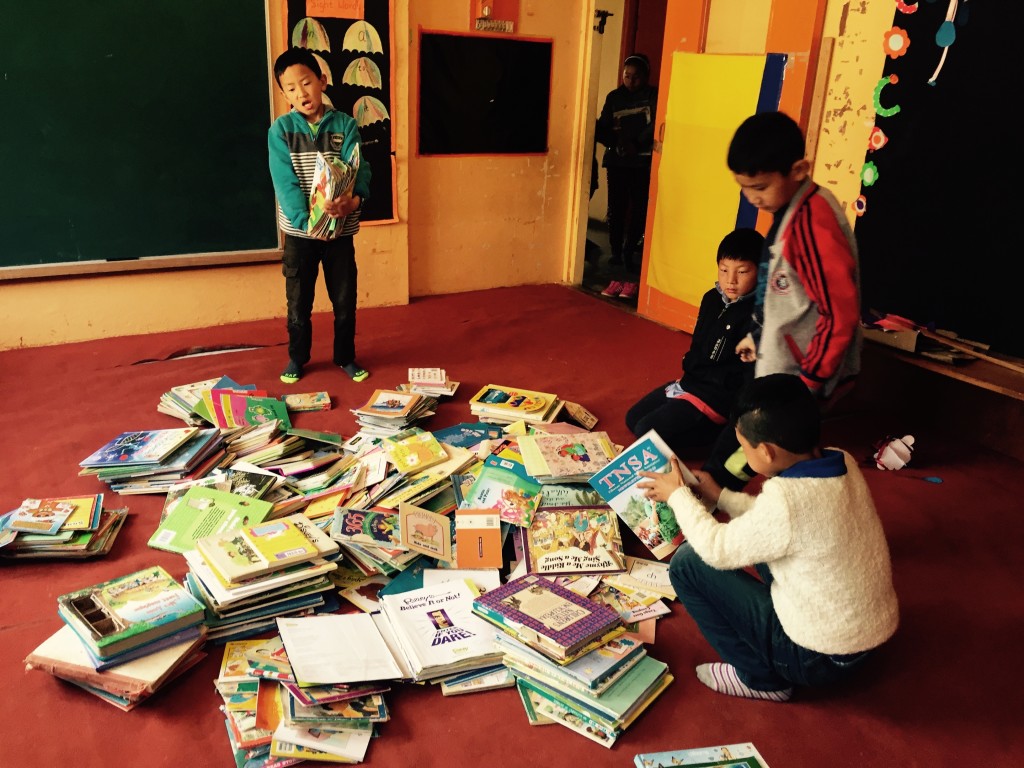
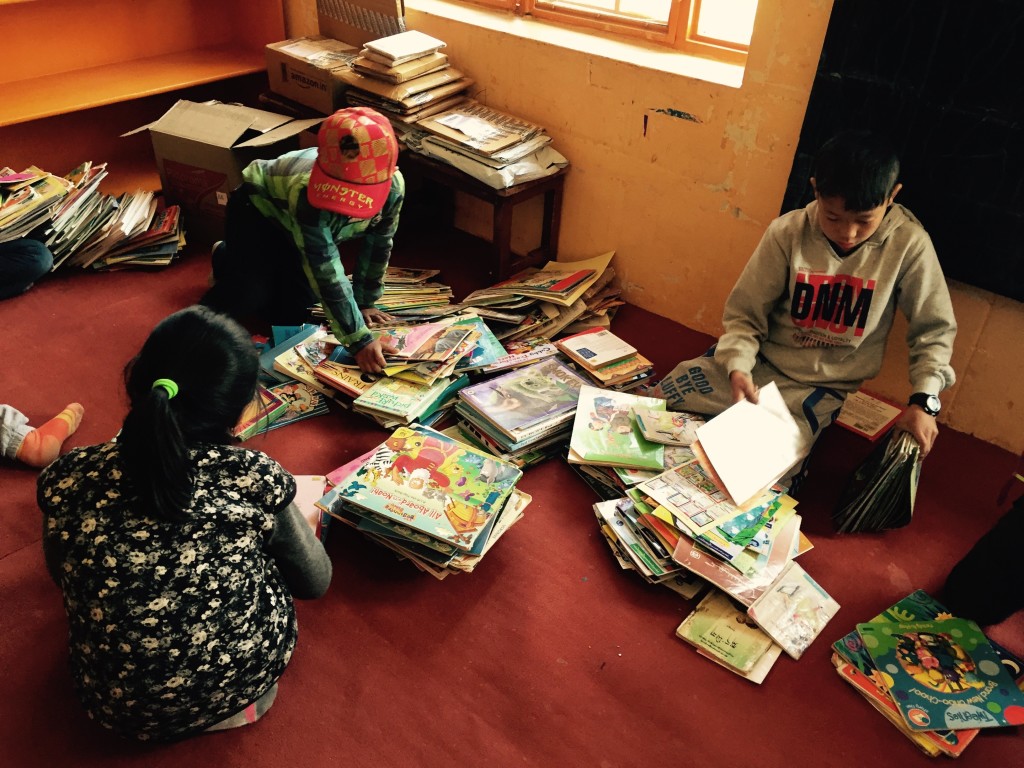
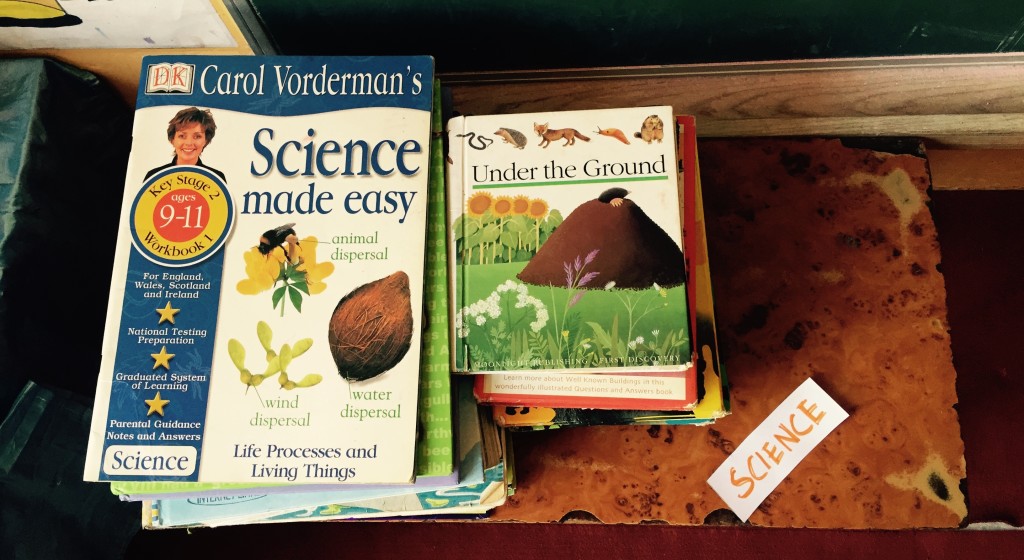
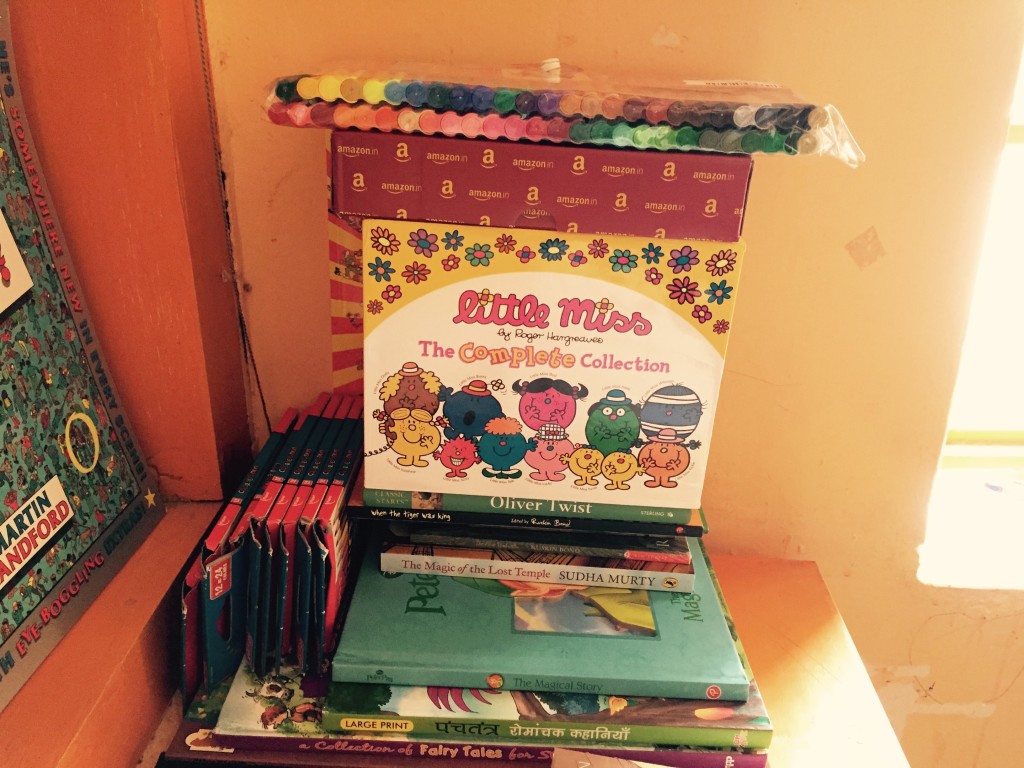
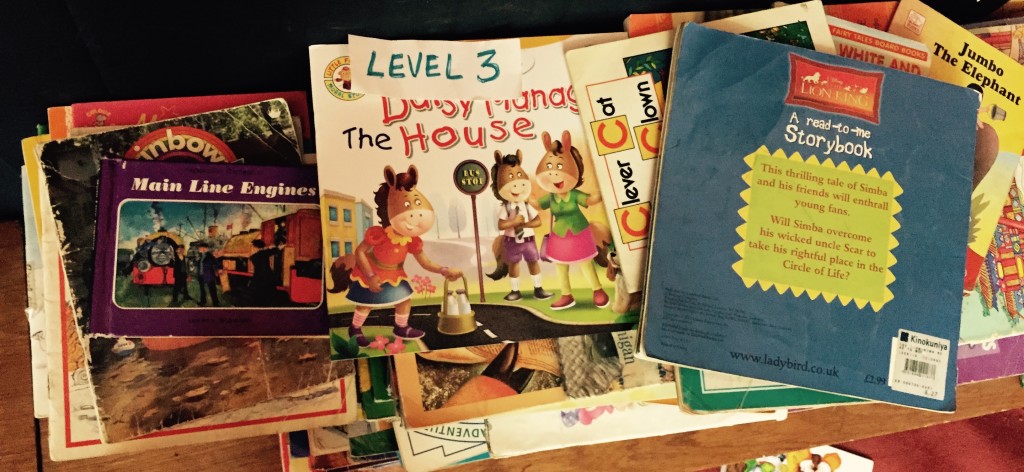
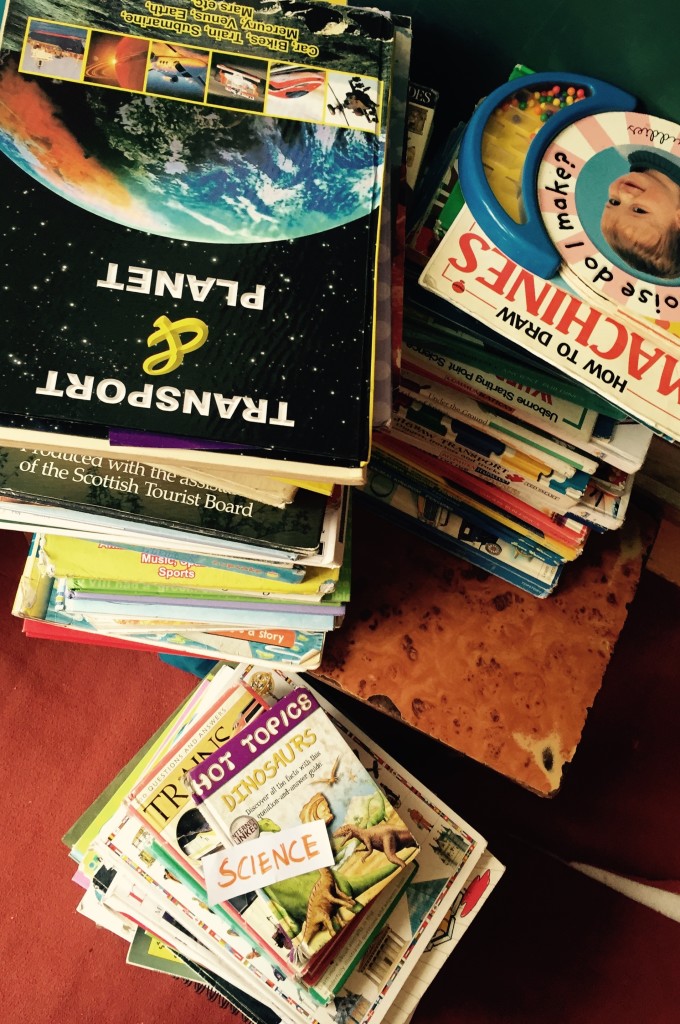
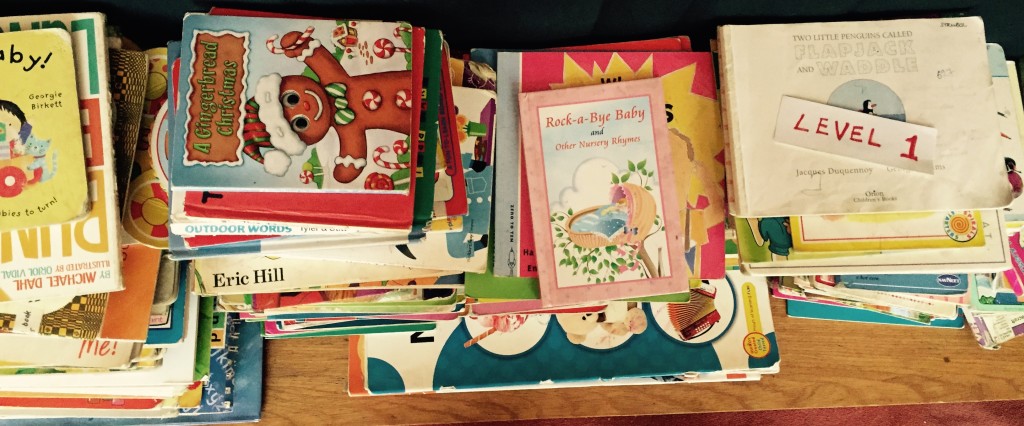
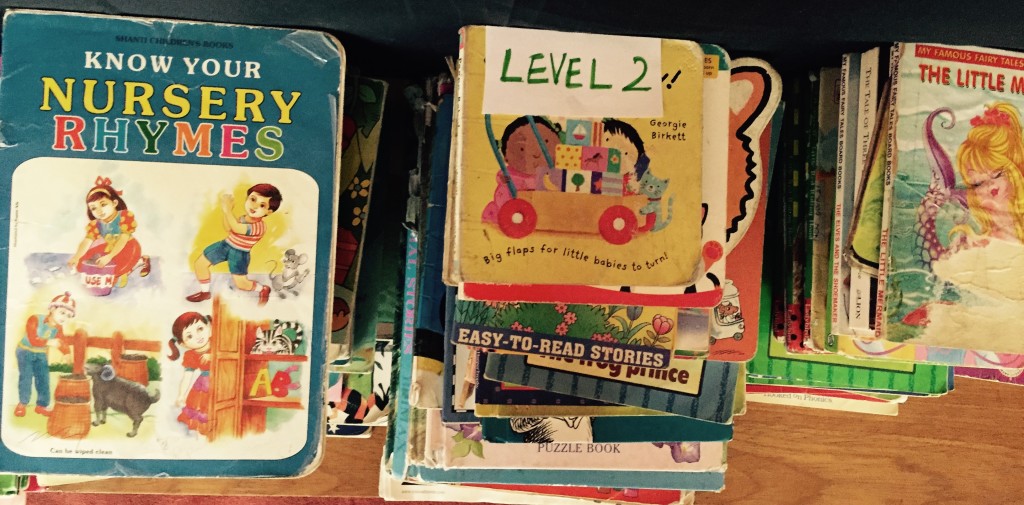
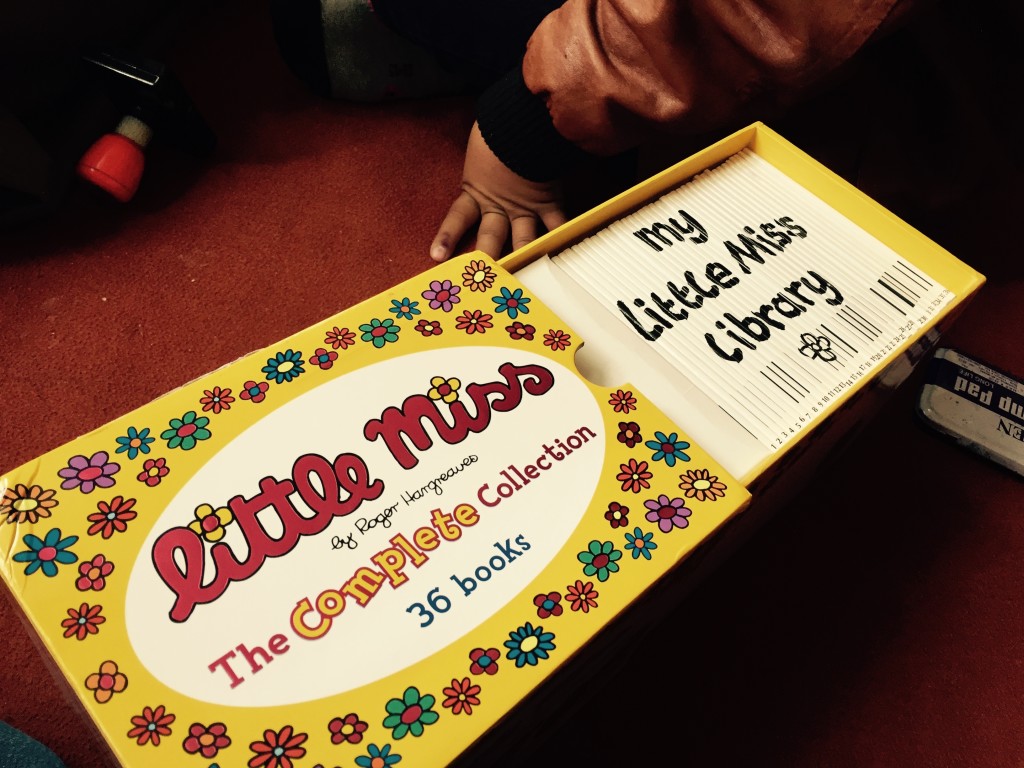
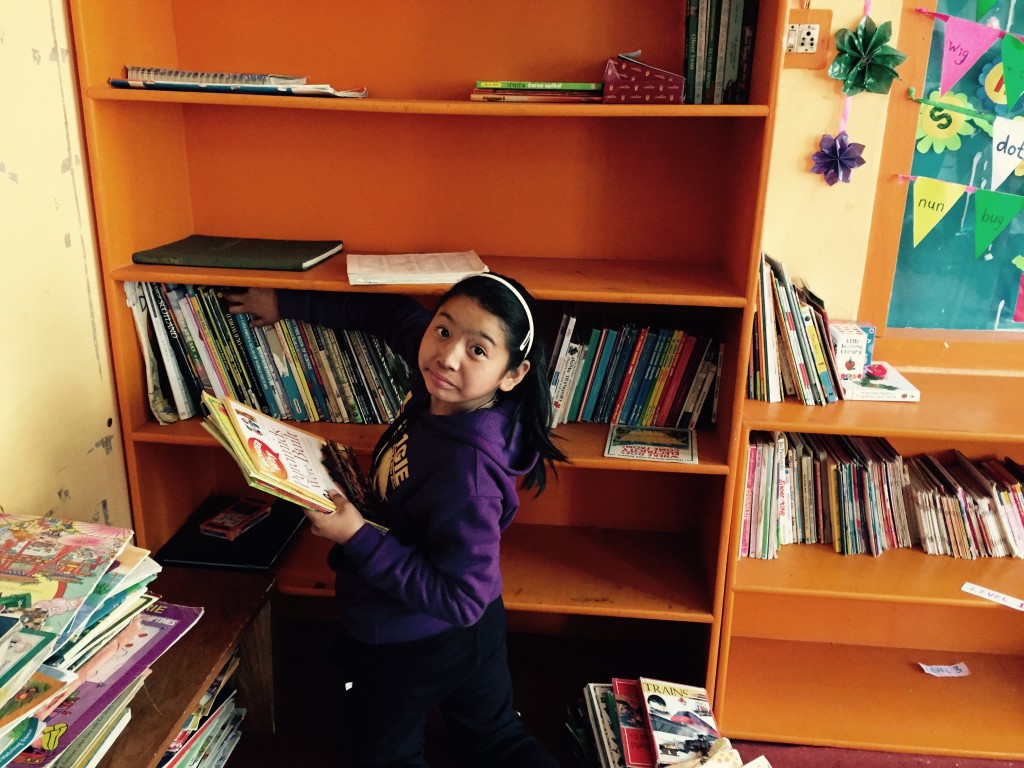
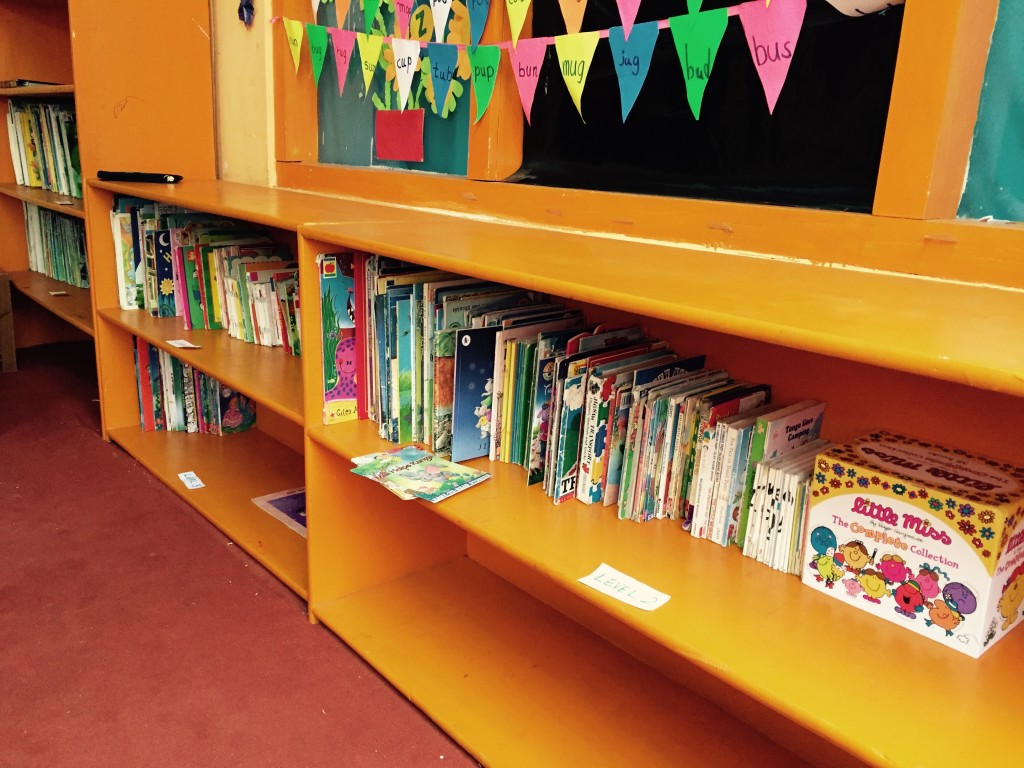
Teachers also give donated books a longer life. They repair worn covers, arrange shelves by age or subject, track which titles are popular, and make sure quieter children receive attention. Their organization allows a growing collection to remain accessible and inviting.
| Teacher Contribution |
Benefit For Children |
Wider Community Value |
| Welcoming readers and guiding book choices |
Builds confidence and regular reading habits |
Creates a trusted educational space |
| Supporting local and familiar languages |
Improves comprehension and cultural connection |
Strengthens respect for community identity |
| Leading art, music, and storytelling |
Develops creativity and communication |
Encourages children to learn together |
| Caring for books and organizing shelves |
Keeps resources usable and easy to find |
Extends the impact of every donation |
| Sharing observations with families |
Connects reading room activities with home life |
Builds long-term support for education |
A Bridge Between Families And Resources
Teachers are also important links between the reading room and the wider community. They can explain how families may use the space, share news about new activities, and encourage parents to see reading as part of everyday life. A short conversation with a caregiver may lead to regular visits, shared storytelling at home, or greater interest in a child’s schoolwork.
This relationship depends on trust. Families are more likely to support a program when they recognize the people running it and see that activities respect local customs and schedules. Local teachers bring this understanding naturally, while charitable organizations can provide books, training, materials, and logistical support.
Their observations help shape future work as well. Teachers notice which subjects attract interest, which age groups need more resources, and where additional language support would be useful. By listening to them, donors and coordinators can direct assistance toward practical priorities rather than assuming that every community needs the same collection or program.
Keeping Learning Consistent
In remote Himalayan communities, consistency can be as important as variety. A special book drive may bring an exciting wave of new titles, but children benefit most when someone is present to help them use those resources week after week. Local teachers provide that continuity.
Their regular schedule gives children a dependable place to read, study, create, and meet friends. This is particularly meaningful for young people whose days are shaped by school timetables, monastic responsibilities, seasonal work, or long travel distances. A reliable reading room creates a stable point within those changing routines.
Continuity also allows progress to become visible. Teachers can recognize when a child moves from picture books to short novels, begins writing independently, or starts recommending stories to younger readers. These small steps reveal the lasting effect of patient guidance and accessible educational materials.
What Support Helps Teachers Most
The strongest support combines resources with respect for local leadership. Teachers know how a reading room functions in practice, so their experience should guide decisions about books, furniture, activity materials, and opening hours. External help becomes more effective when it strengthens the systems already working in the community.
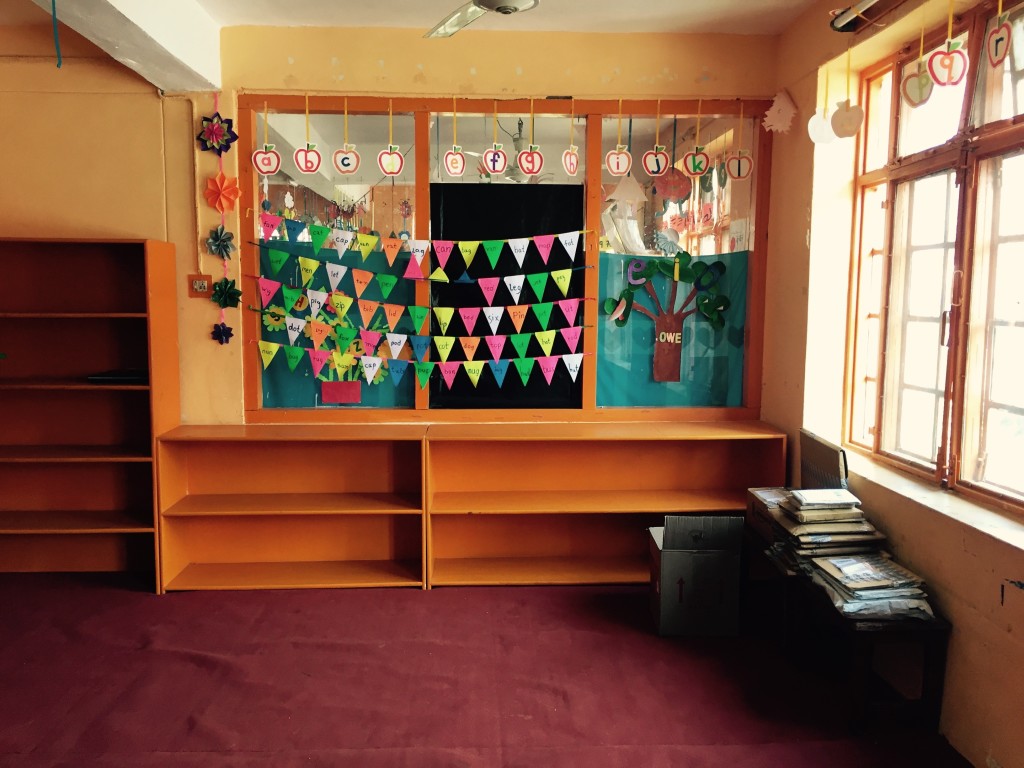
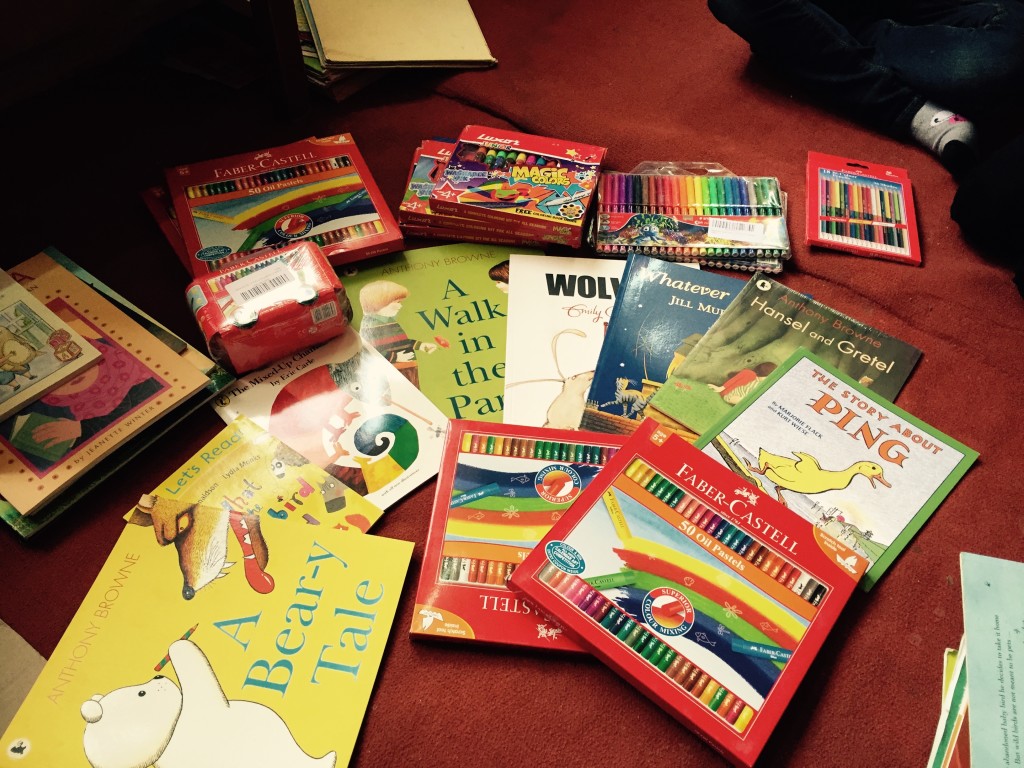
Useful support may include books in local languages, age-appropriate fiction, reference materials, art supplies, musical instruments, shelving, and basic maintenance. Training in children’s literacy, reading-room organization, and inclusive activities can also help educators expand their impact without losing the personal character of the space.
For people who want to support this work, practical priorities include:
- Donate quality books that reflect children’s languages, ages, and interests.
- Fund art, music, and storytelling materials for regular creative sessions.
- Support teacher training and the upkeep of welcoming reading-room spaces.
- Share stories from the Trust’s work to build awareness among friends and community groups.
- Offer volunteer skills that complement local leadership rather than replacing it.
The goal is a reading room that belongs to the community. Teachers should have the tools and encouragement to shape programs according to local needs, while children should feel that the space is made for them.
Every book placed in a child’s hands carries potential, but a teacher helps that potential take root. By opening the reading room, recommending a story, leading a song, or listening carefully to a child’s ideas, local educators turn educational access into a daily experience.
Support Avalokiteśvara Trust’s work in Ladakh and neighboring Himalayan communities by contributing to book drives, sharing the organization’s stories, volunteering where appropriate, or helping provide resources for teachers and children. With steady local guidance and committed supporters, each reading room can remain a welcoming place for literacy, creativity, and discovery.