Why Young Monks Need Storybooks In Their Own Language
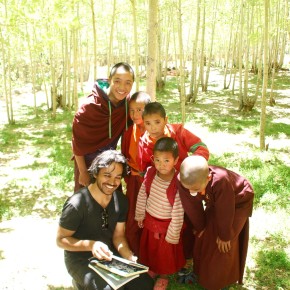
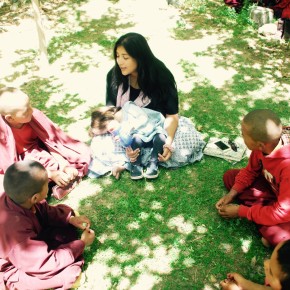
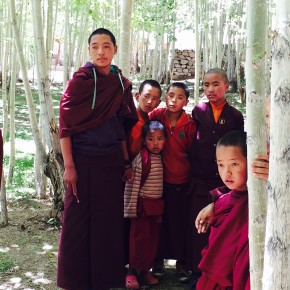
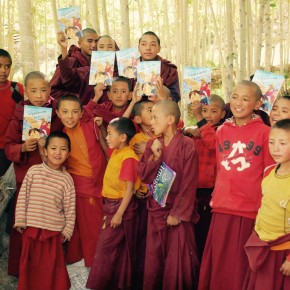
For a child growing up in a Himalayan monastery, reading is more than a classroom skill. It can be a way to understand family traditions, recognize local landscapes, and connect spiritual learning with everyday life. When young monks find stories in the language they speak at home, books feel welcoming rather than distant.
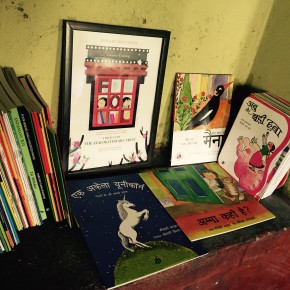
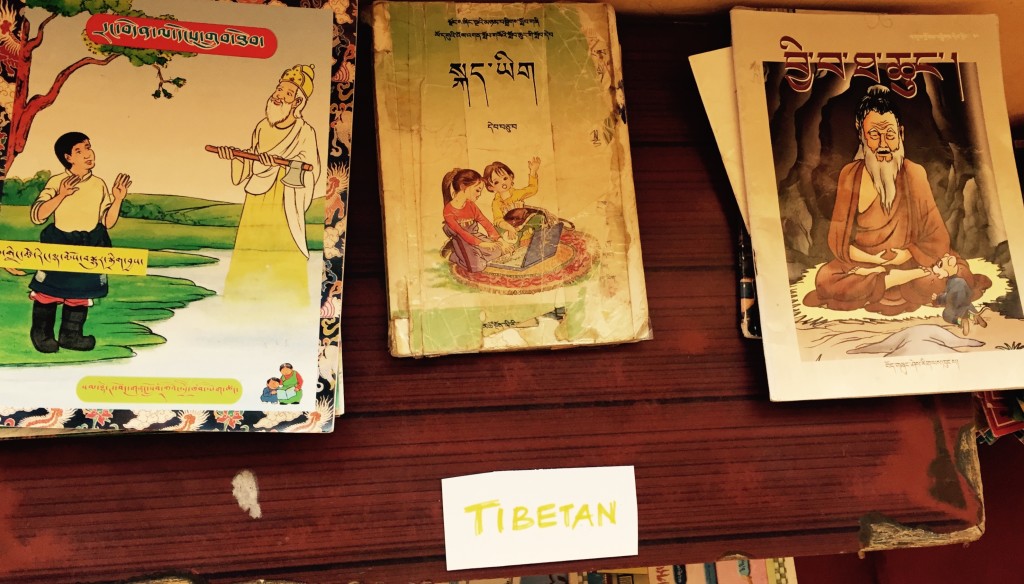
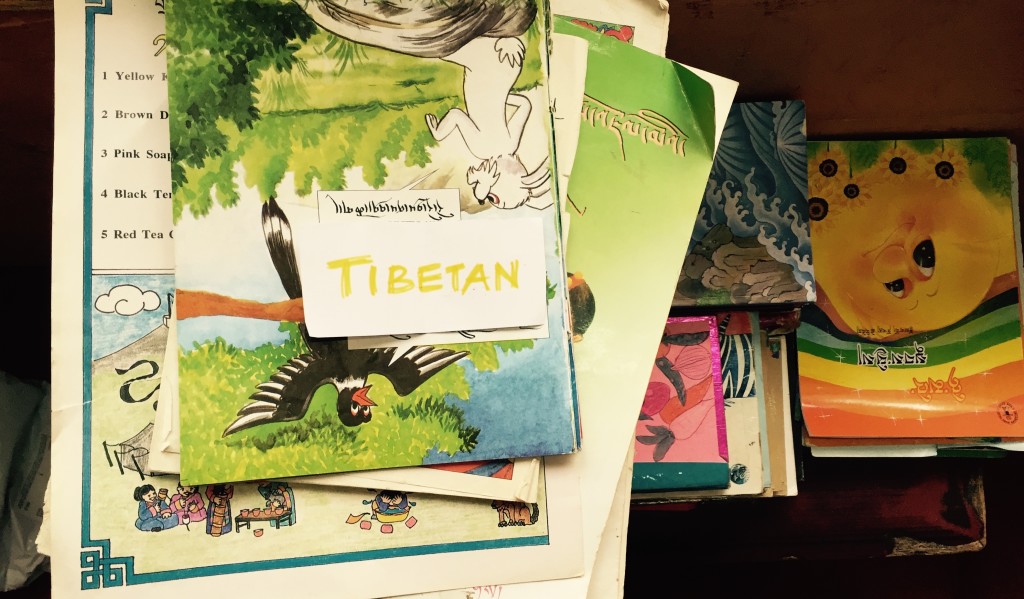
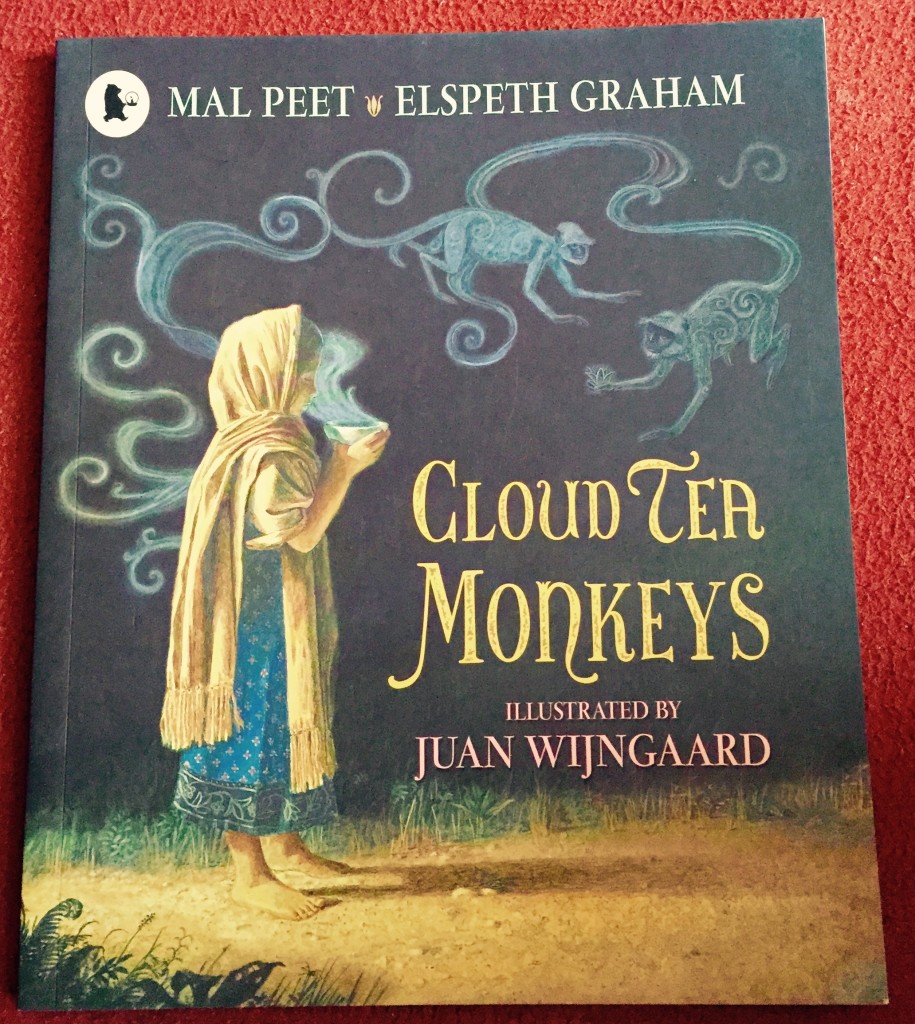
Many monastic communities provide disciplined study, religious instruction, and opportunities for service. Yet access to enjoyable children’s literature may be limited, especially in remote areas where books are expensive to transport and libraries are rare. A small collection of illustrated stories in Ladakhi, Tibetan, or another familiar language can therefore make a meaningful difference.
Storybooks give young readers a chance to explore imagination at their own pace. They support literacy while making room for humor, curiosity, friendship, music, and art. For children and young monks in the Himalayan region, that balance can strengthen both academic growth and emotional wellbeing.
Language Creates A Sense Of Belonging
A child understands the emotional force of a story most fully when its words sound familiar. The rhythm, expressions, and images of a home language carry cultural meaning that can be lost in translation. A tale about a mountain path, a monastery courtyard, or a grandmother’s advice may feel especially vivid when described through language heard every day.
Reading in a first language also affirms that the child’s community matters. Young monks may study additional languages for religious texts, formal education, or communication beyond their region. These languages are valuable, yet they should complement rather than replace the language that connects children with relatives, local history, and community life.
For children living away from home, familiar language can provide comfort. A storybook may remind them of village conversations or seasonal celebrations. That emotional connection helps reading become a source of steadiness during a period of learning, discipline, and personal change.
Storybooks Build Stronger Readers
Children develop reading fluency by reading often. If every available book is linguistically difficult, a young reader may spend so much effort decoding vocabulary that there is little energy left for meaning or enjoyment. Accessible storybooks allow children to practice sentence structure, follow plots, and learn new words with greater confidence.
Stories also strengthen comprehension. Readers learn to identify characters, anticipate events, recognize cause and effect, and explain how a story made them feel. These skills support later learning in history, science, religious studies, and practical subjects. A child who enjoys reading is more likely to return to a book independently.
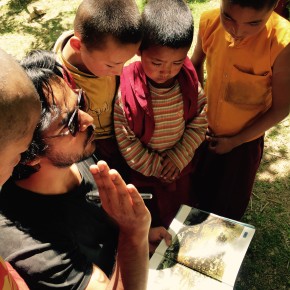
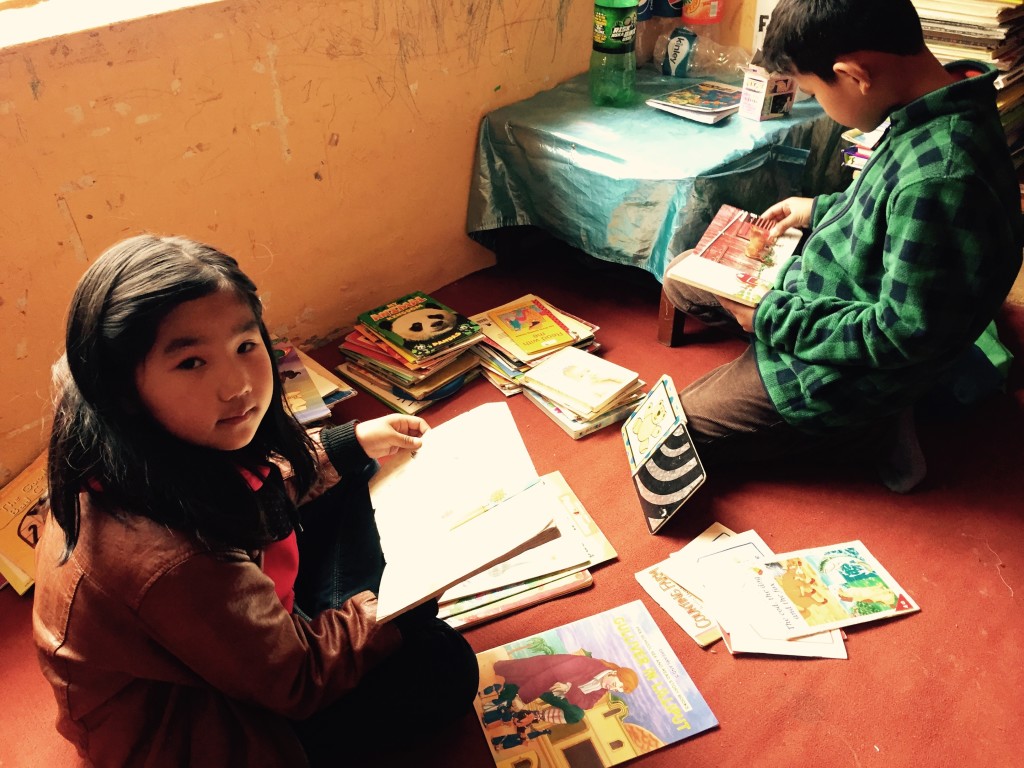
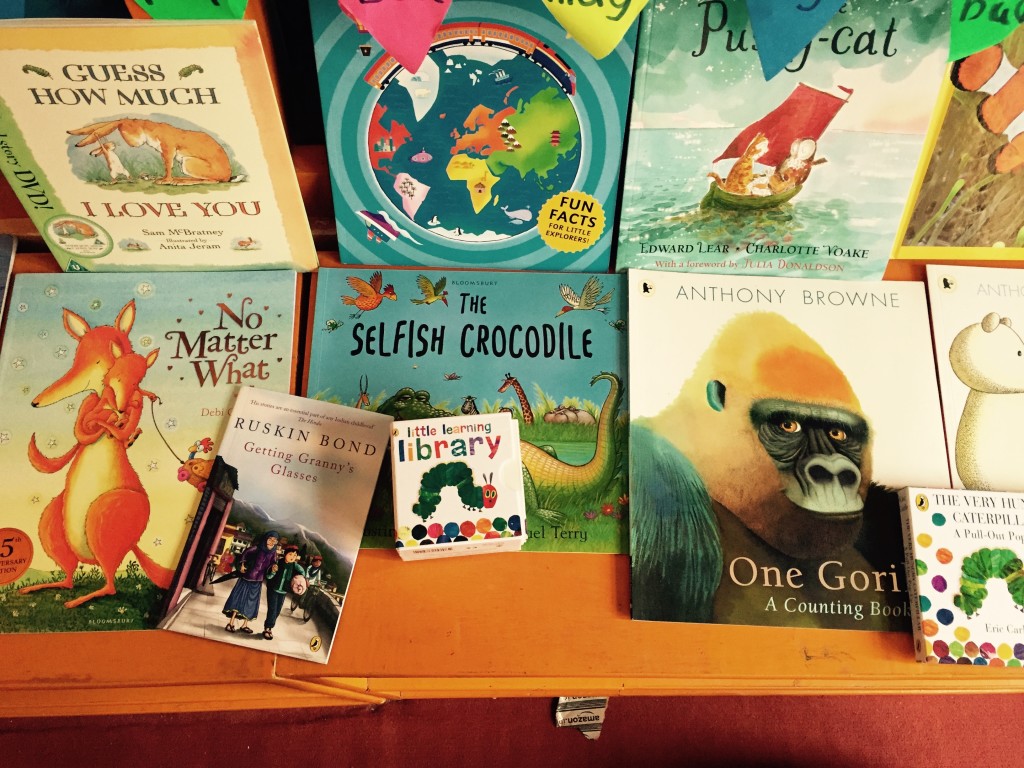
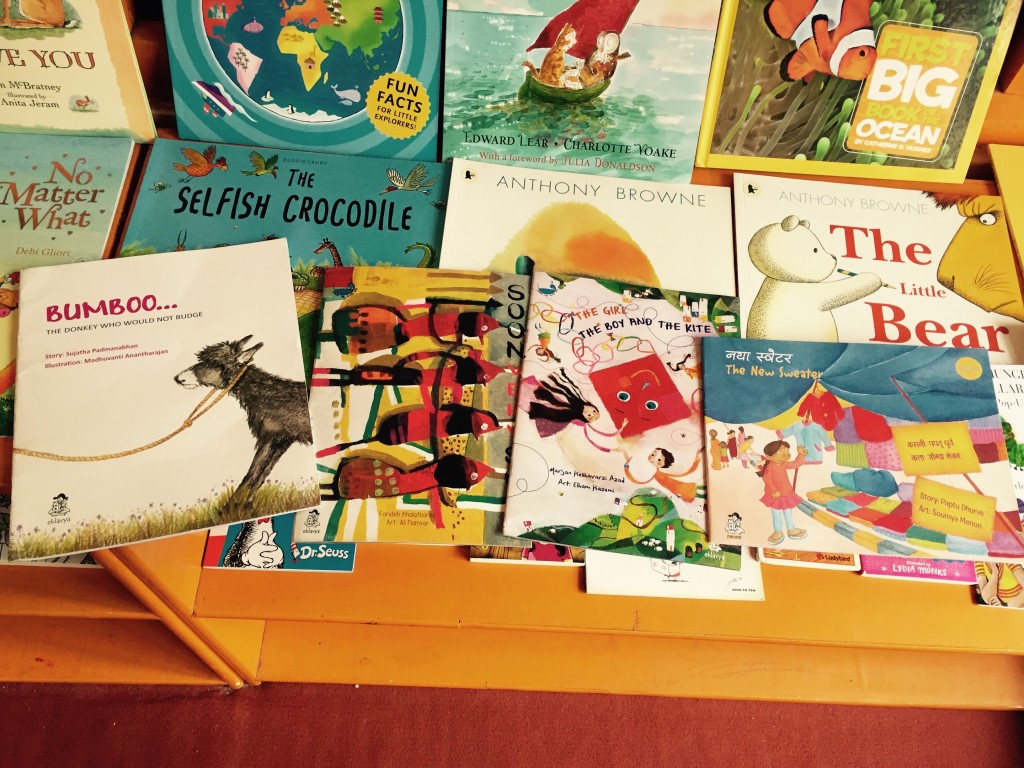
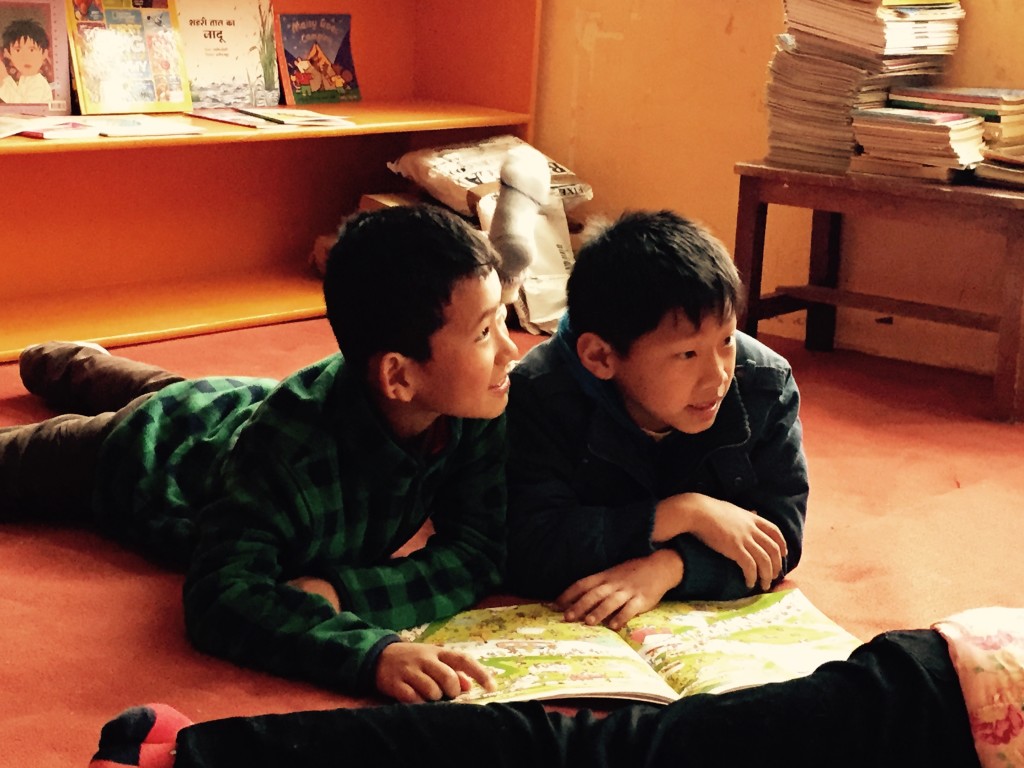
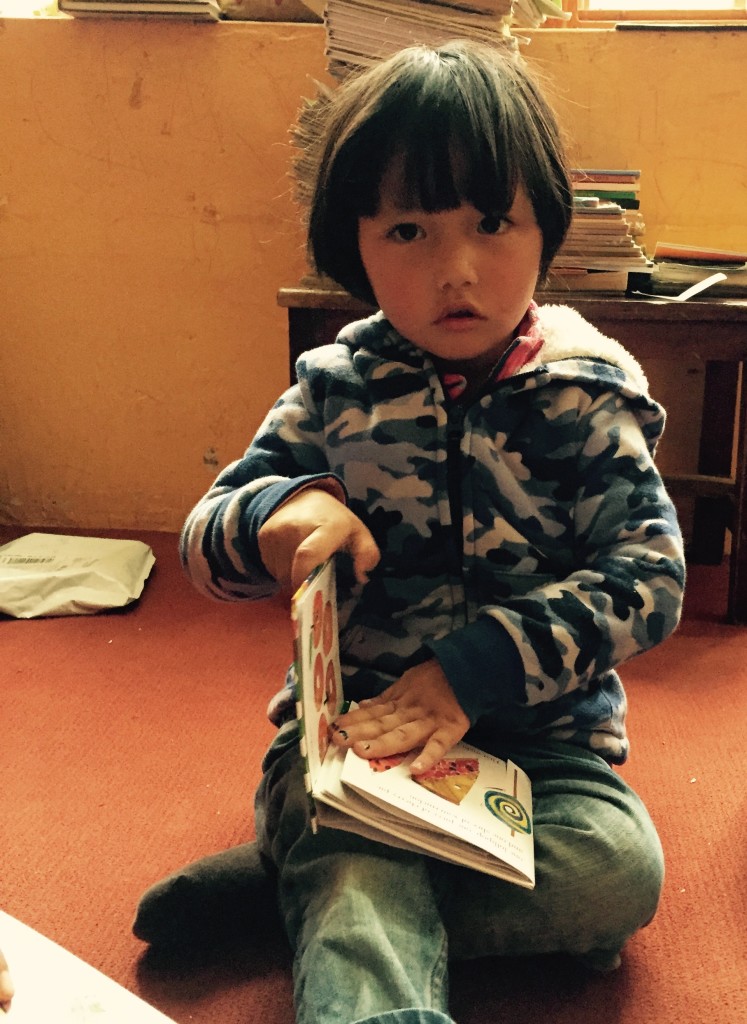
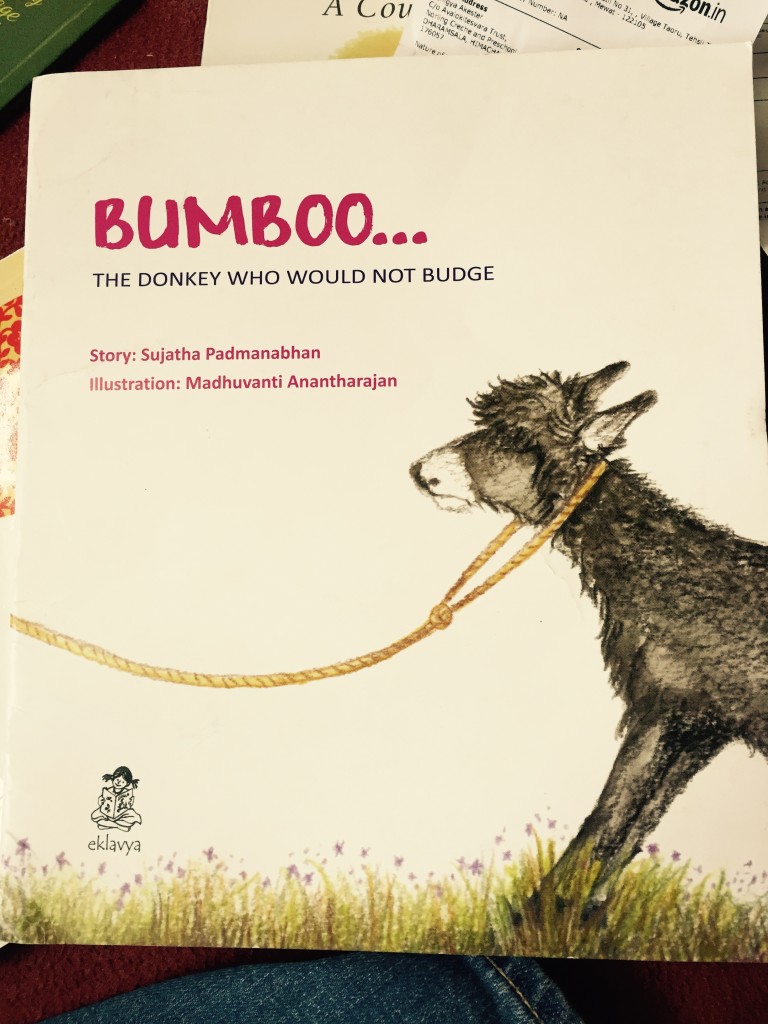
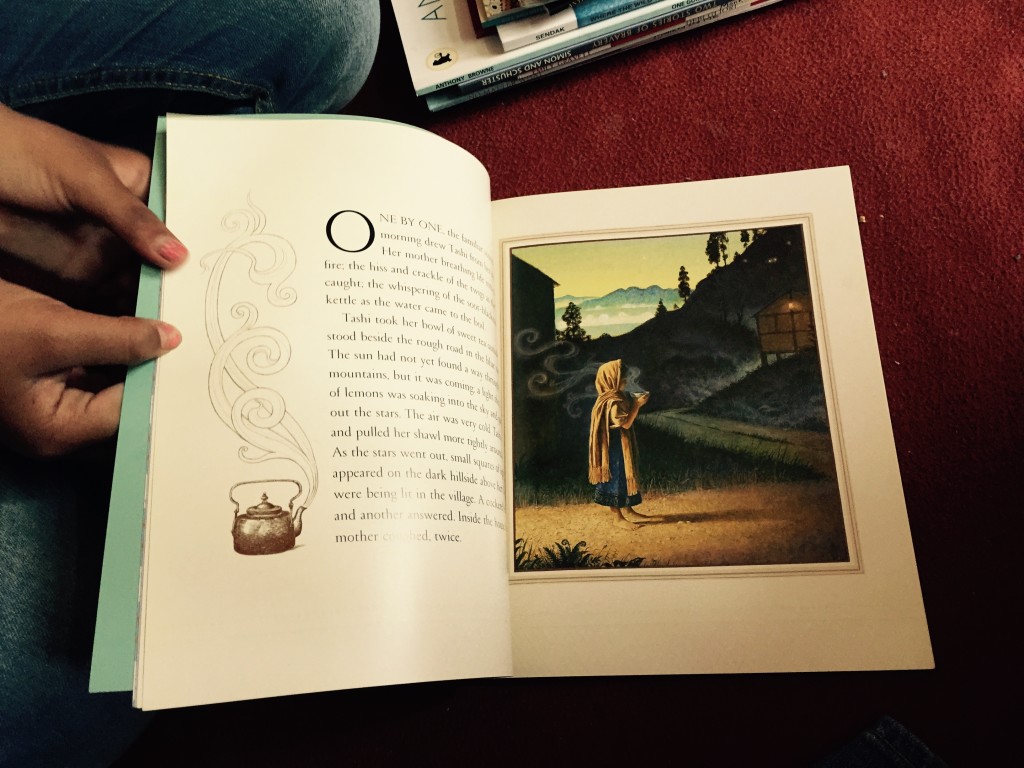
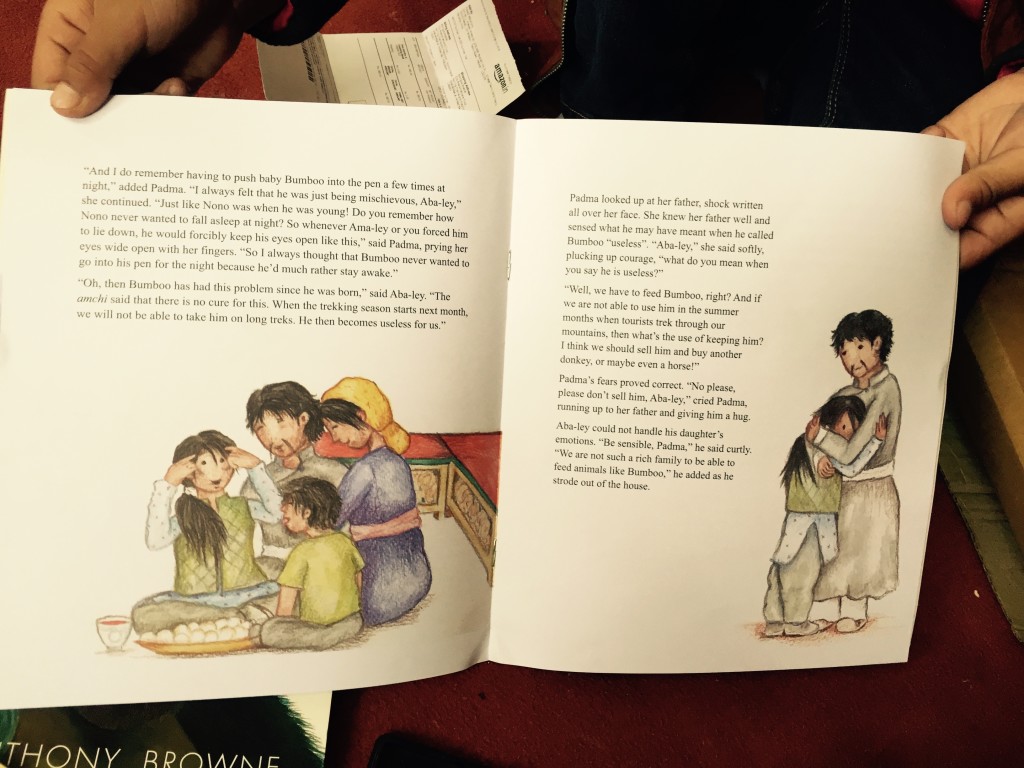
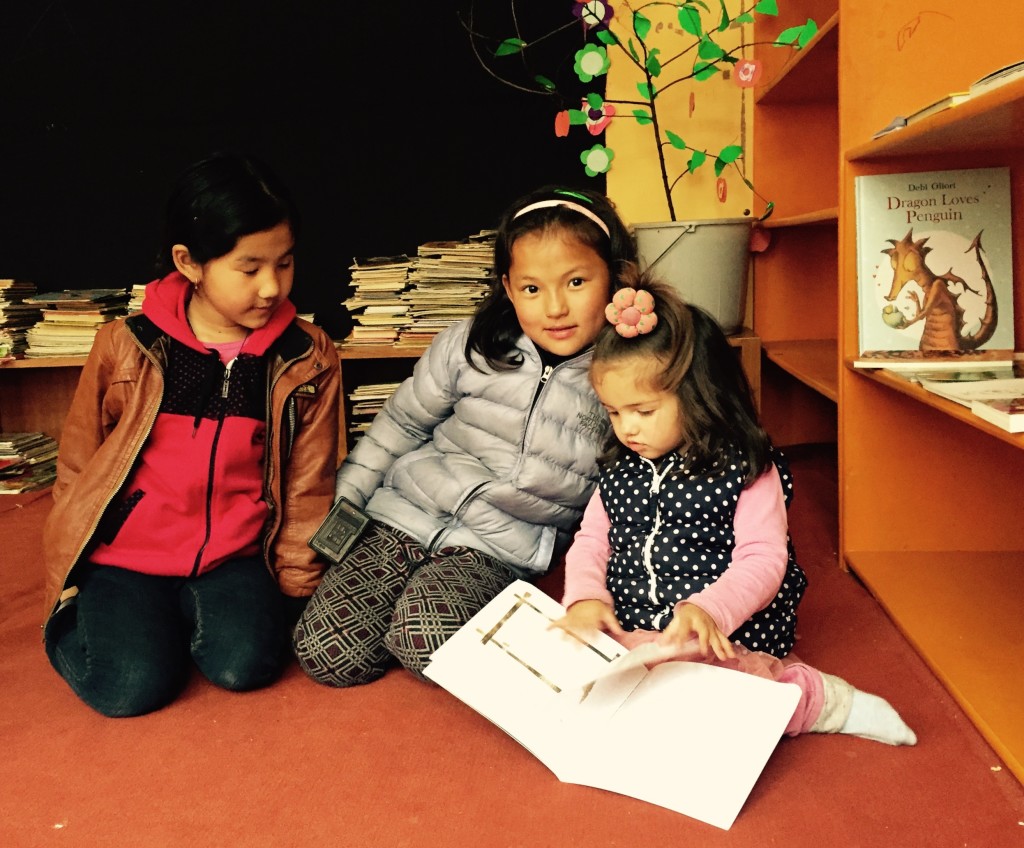
Illustrated books are particularly useful for emerging readers. Pictures provide context, invite discussion, and help children connect written words with objects and actions. When the text reflects local surroundings, illustrations can become a bridge between the printed page and the child’s lived experience.
Reading Supports The Whole Child
Young monks have intellectual, spiritual, social, and creative needs. Storybooks can support these different areas without turning every reading experience into a formal lesson. A story about kindness may prompt reflection, while an adventure tale can encourage problem-solving and courage.
Fiction also helps children understand perspectives beyond their own. Characters can experience loneliness, disagreement, generosity, fear, or discovery. Discussing these experiences gives young monks language for emotions and relationships, helping them develop empathy within their community.
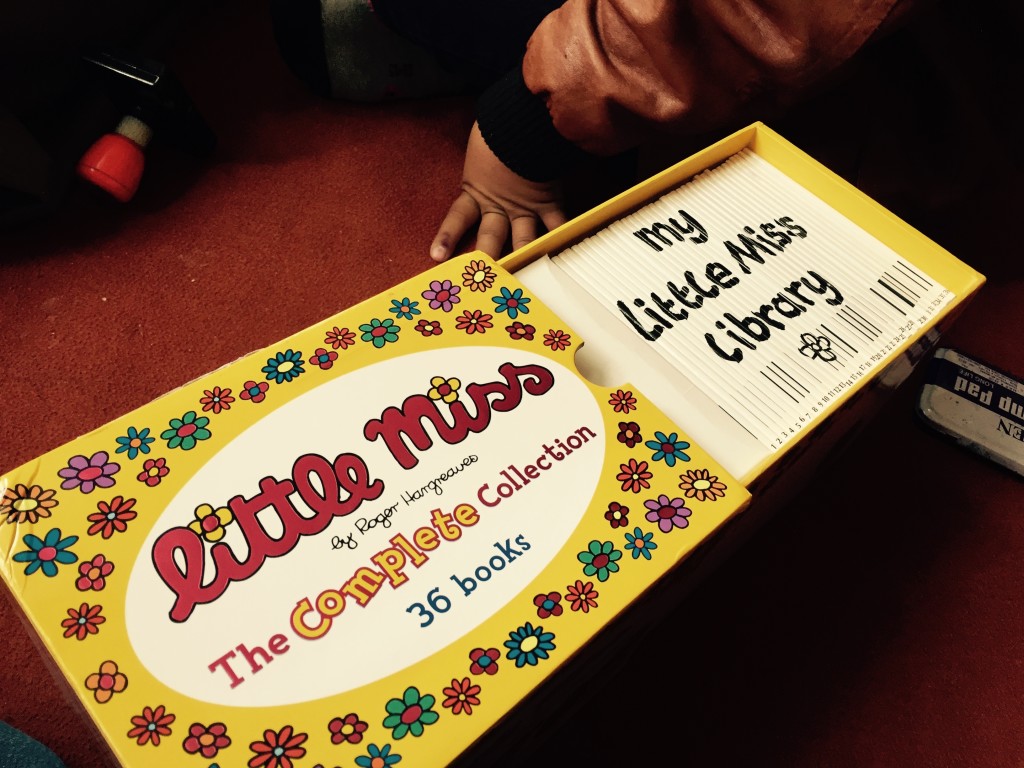
A varied reading collection should include folktales, contemporary children’s fiction, poetry, biographies, picture books, and books about nature. Religious stories may have an important place, yet young readers also benefit from playful and imaginative material. Creative reading gives them space to laugh, wonder, and form independent interests.
Home-Language Books And Wider Learning
Books in a familiar language do not restrict educational ambition. They often create the foundation for learning additional languages. Once children understand how stories work and feel confident as readers, they can transfer skills such as prediction, sequencing, and vocabulary awareness to English, Hindi, Tibetan, or other instructional languages.
Bilingual books can make this transition especially productive. A child may first understand a story through the home-language text and then compare key words or phrases in another language. Teachers and volunteers can use this process to encourage curiosity rather than presenting language learning as a test of ability.
The strongest collections offer a bridge between local identity and the wider world. A Ladakhi folktale can sit beside a translated story from another country. A book about Himalayan wildlife can appear alongside a children’s biography of an artist or scientist. This range helps young monks remain rooted while developing an open, informed outlook.
| Reading Resource |
Benefit For Young Monks |
Helpful Features |
| Local-language storybooks |
Builds confidence and cultural connection |
Familiar vocabulary, local settings, expressive illustrations |
| Bilingual books |
Supports language development across two languages |
Parallel text, clear layout, repeated phrases |
| Folktales and oral histories |
Preserves community knowledge |
Regional characters, traditional values, storytelling rhythm |
| Picture books |
Encourages early reading and conversation |
Large images, short text, visual clues |
| Informational books |
Extends curiosity beyond fiction |
Nature, geography, arts, health, and practical subjects |
Books Should Reflect Real Childhoods
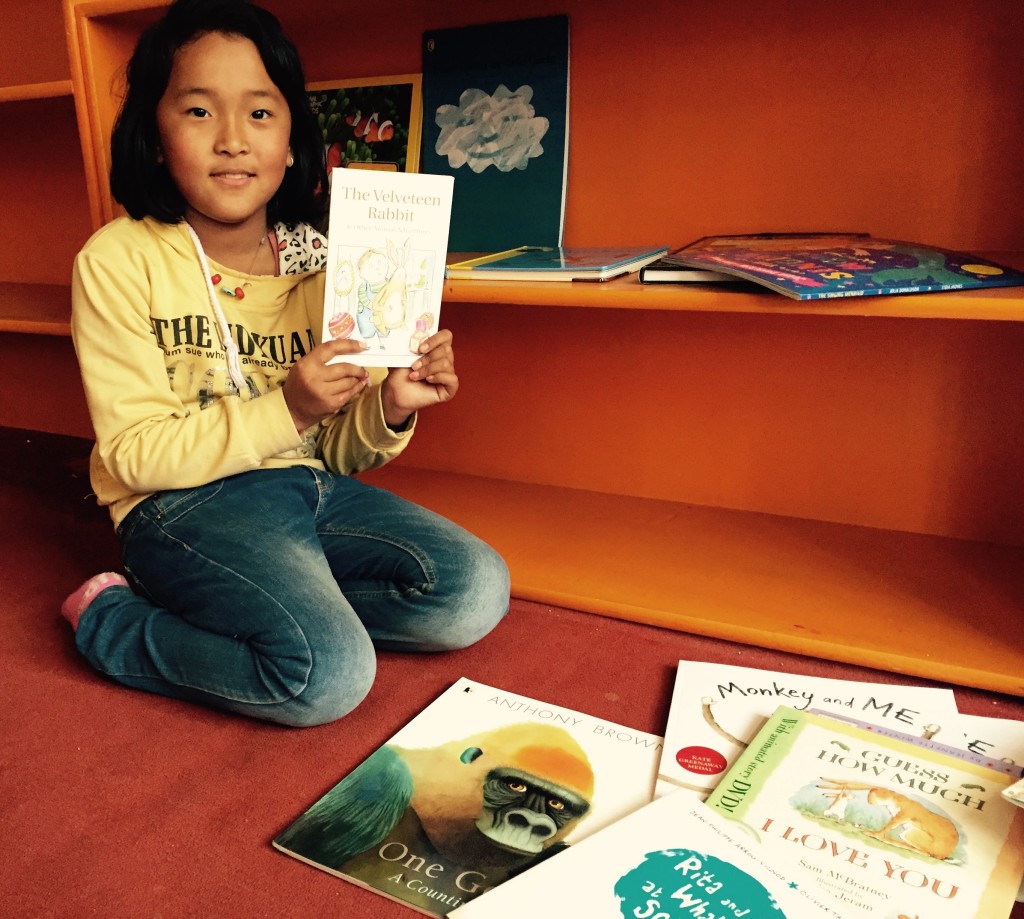
Representation matters when children choose what to read. Young monks should be able to see landscapes, clothing, animals, families, and communities that feel recognizable. A story does not need to be set in a monastery to be meaningful, but it should make room for lives beyond the narrow assumptions often found in mass-produced children’s books.
Local stories can preserve details that formal lessons may overlook: the sound of a particular instrument, the work involved in a seasonal celebration, or the relationship between people and high-altitude environments. Such details help children understand that their own experiences are worthy of being recorded and shared.
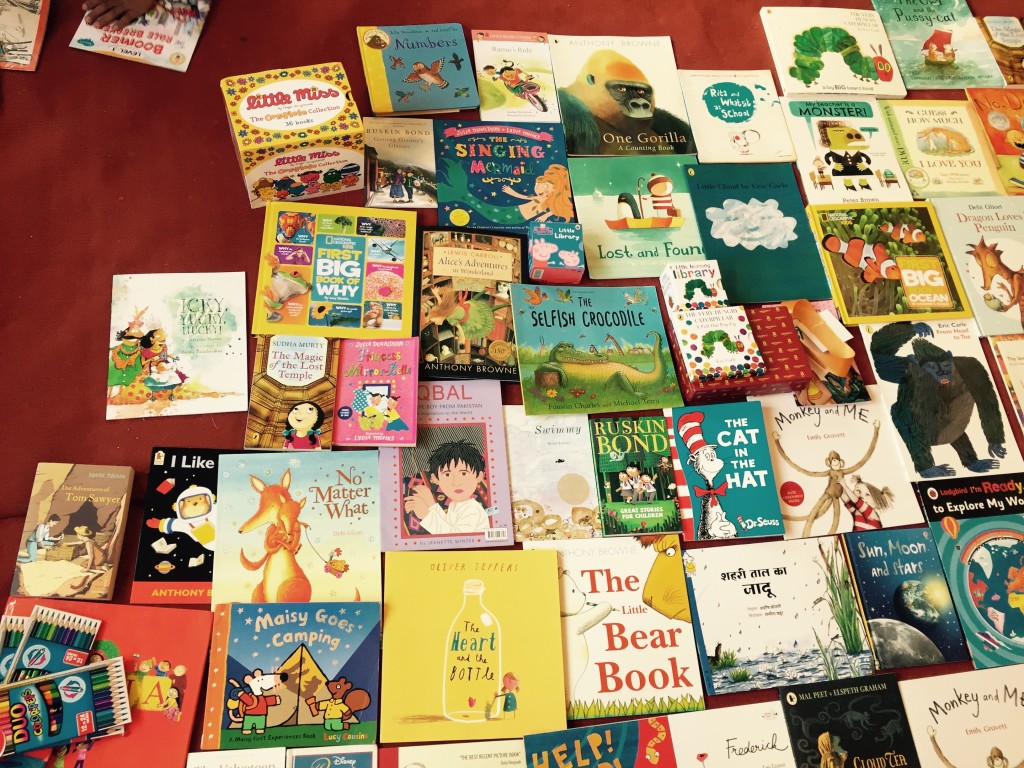
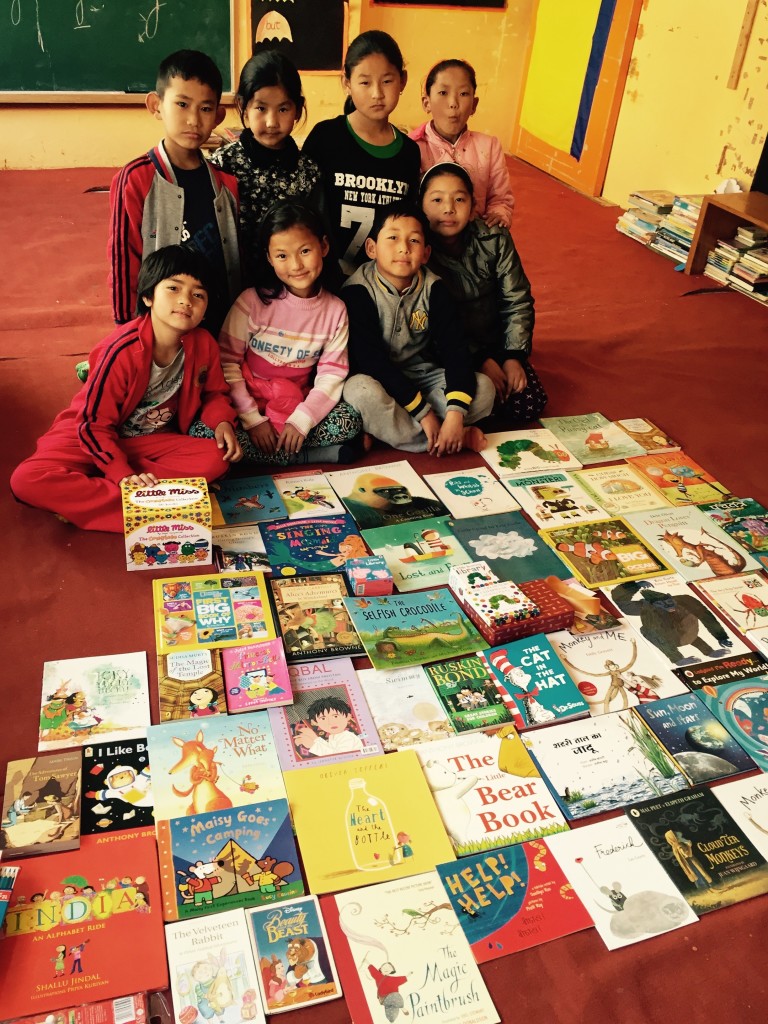
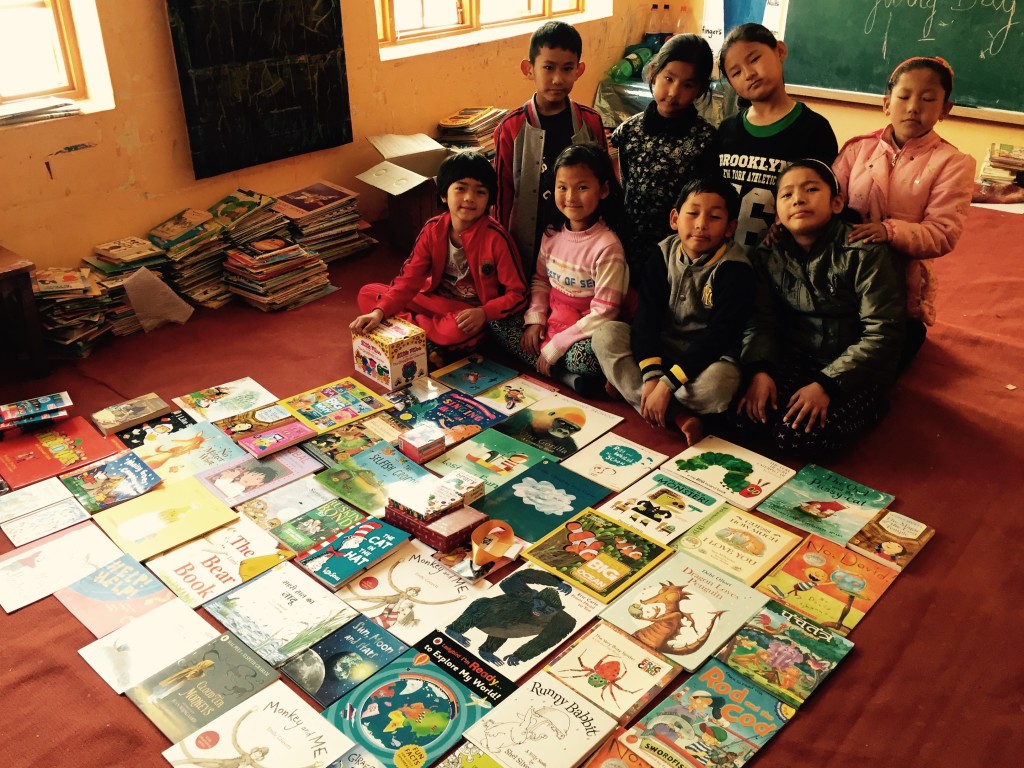
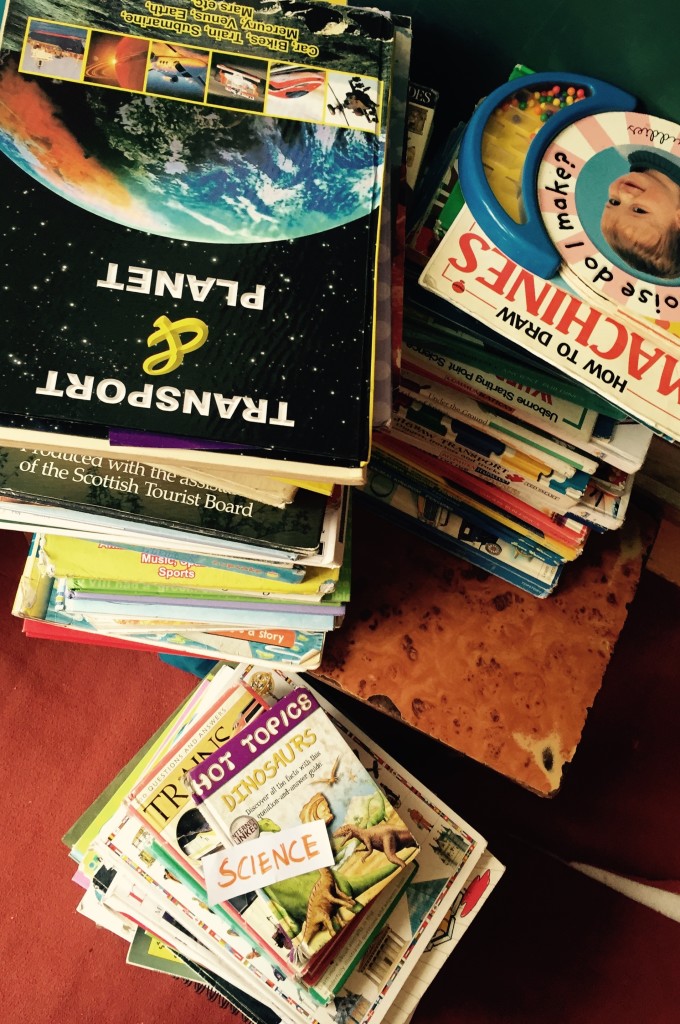
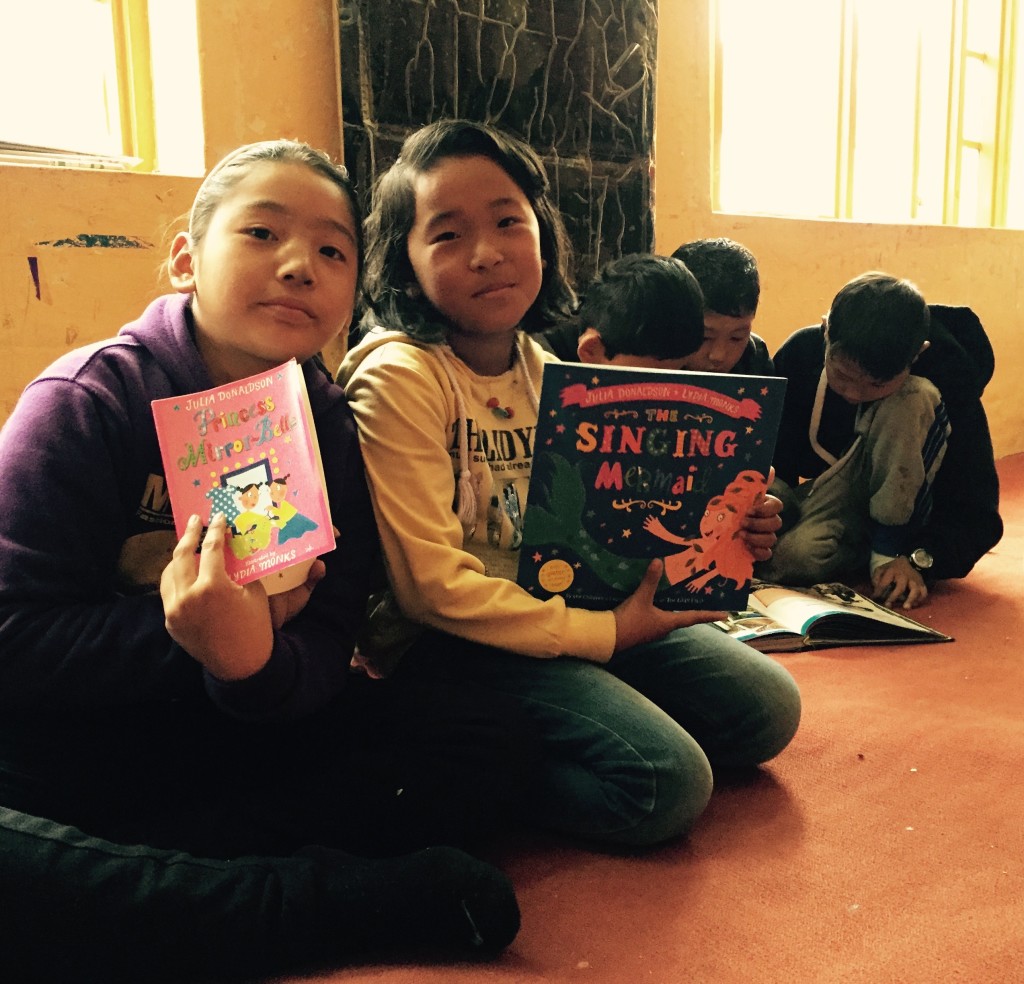
At the same time, children need access to stories that broaden their horizons. Books about different cultures, disabilities, occupations, and family structures can encourage respectful curiosity. Carefully selected international literature gives young readers wider reference points while allowing adults to discuss similarities and differences thoughtfully.
Reading Spaces Make Access Last
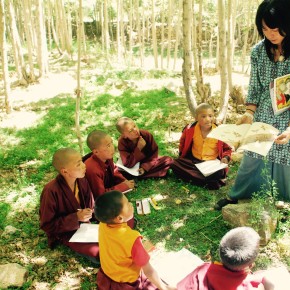
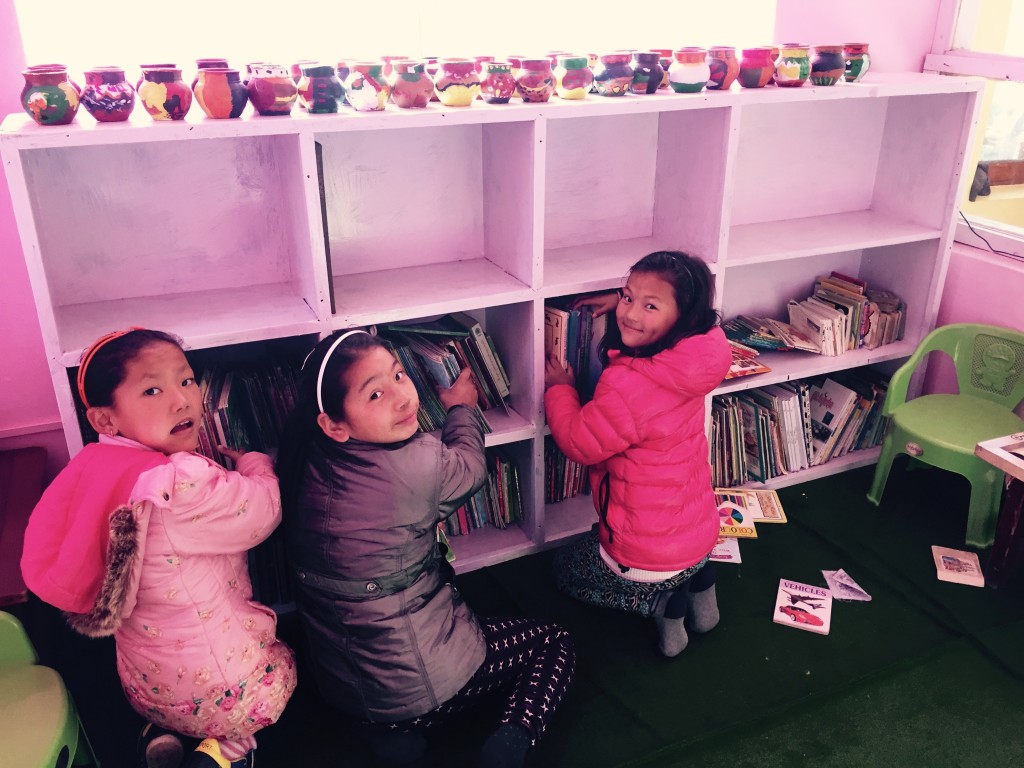
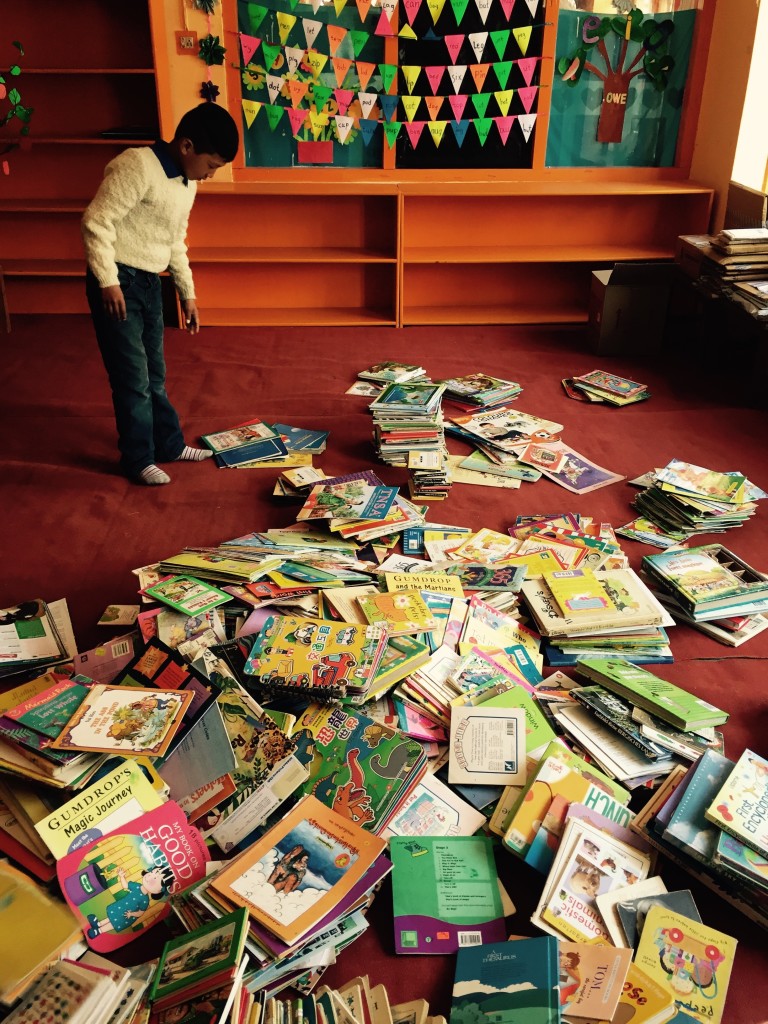
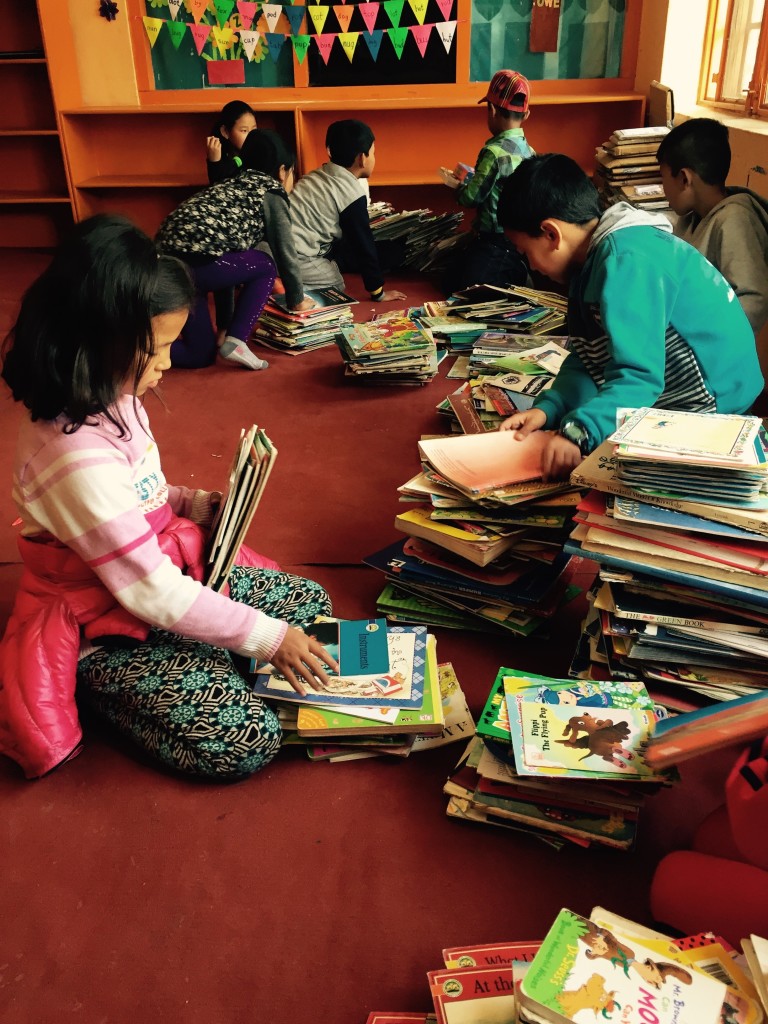
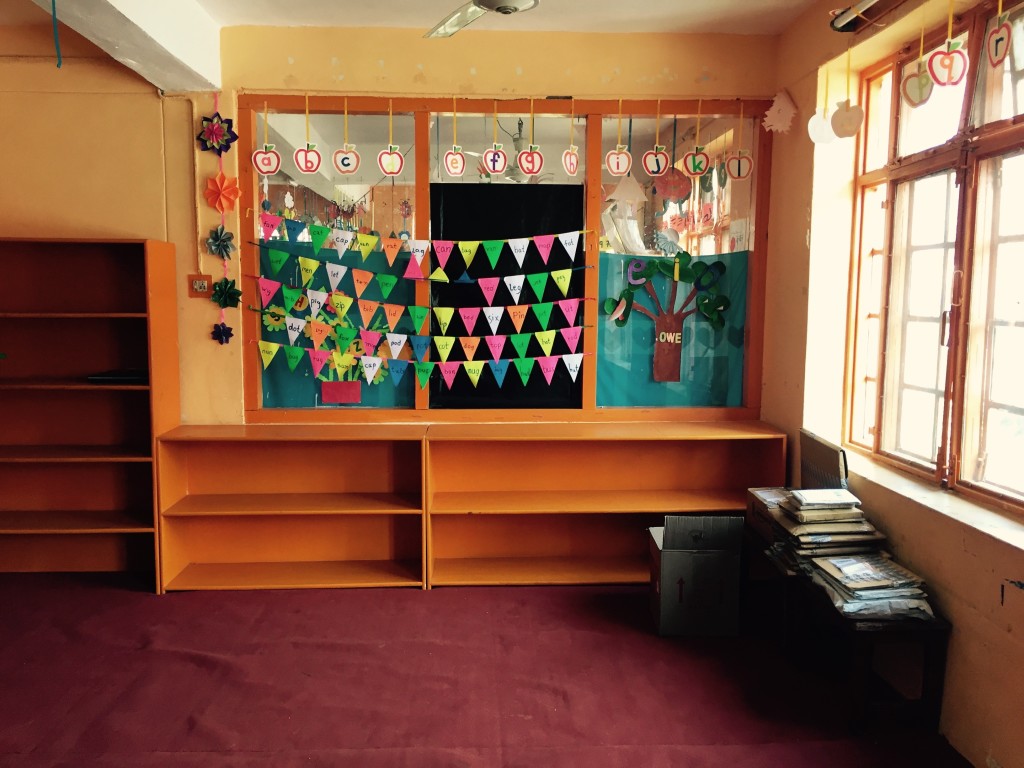
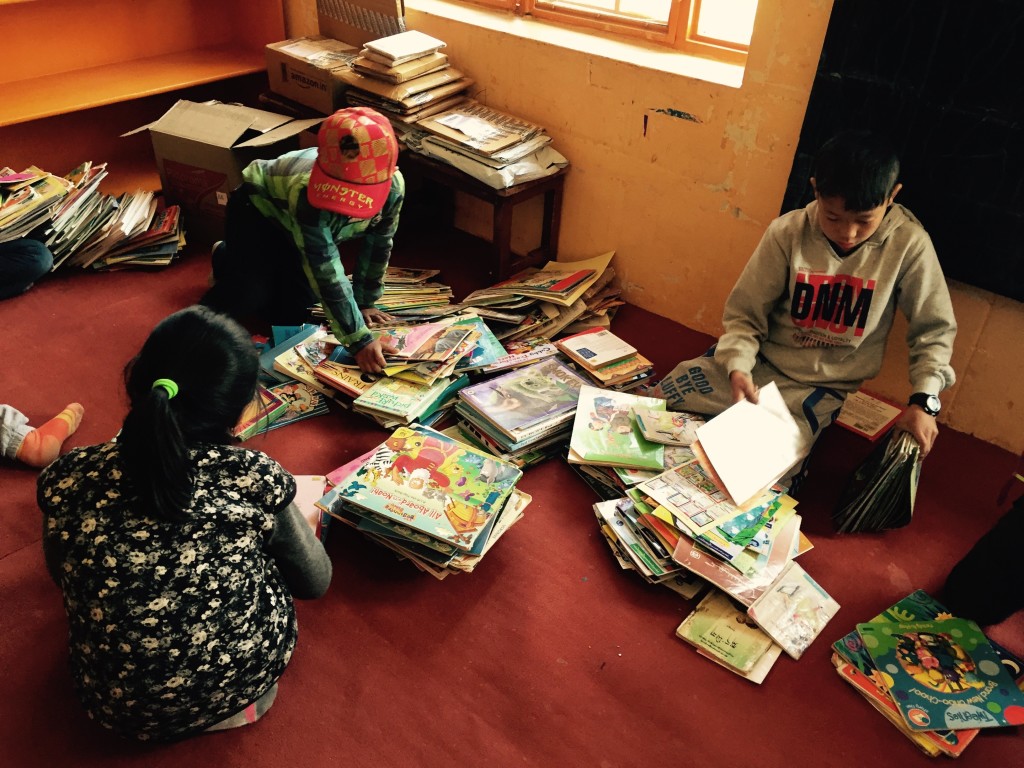
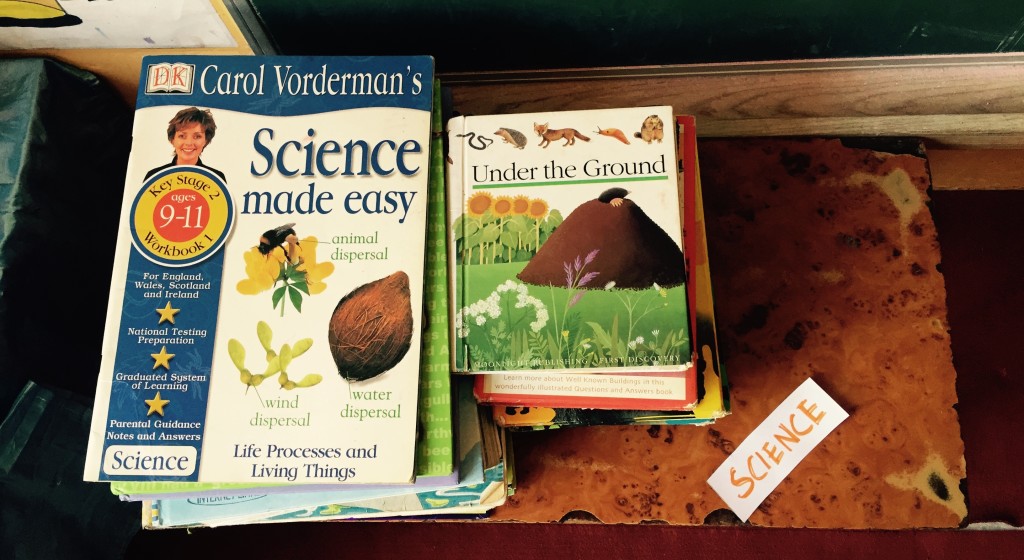
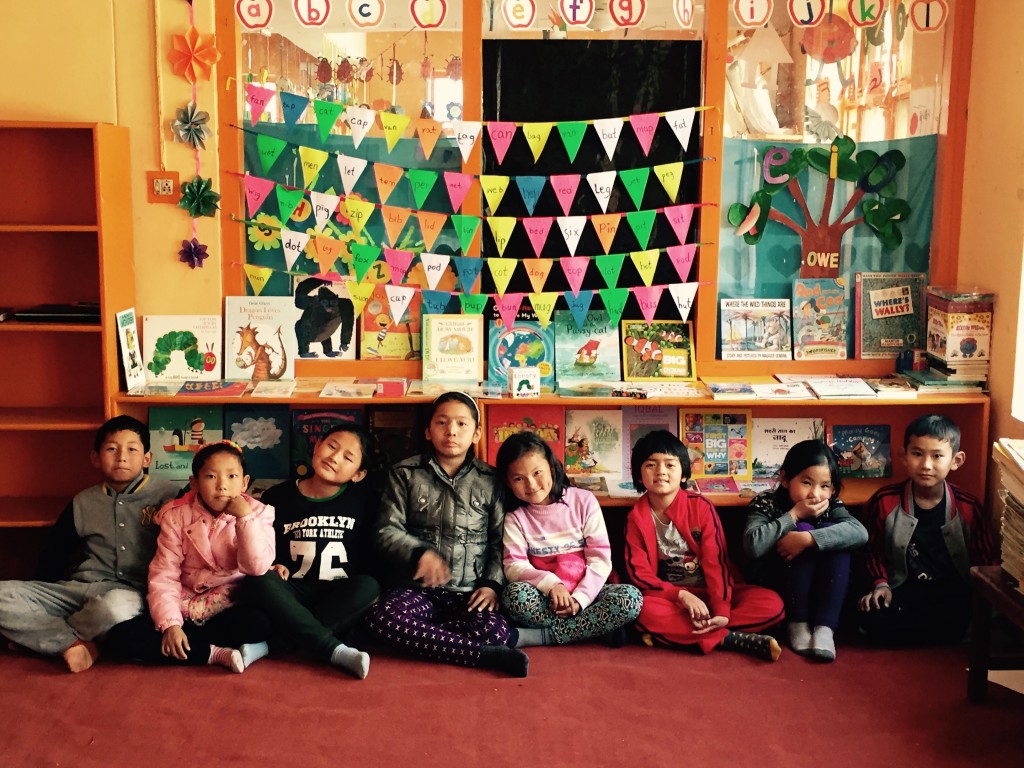
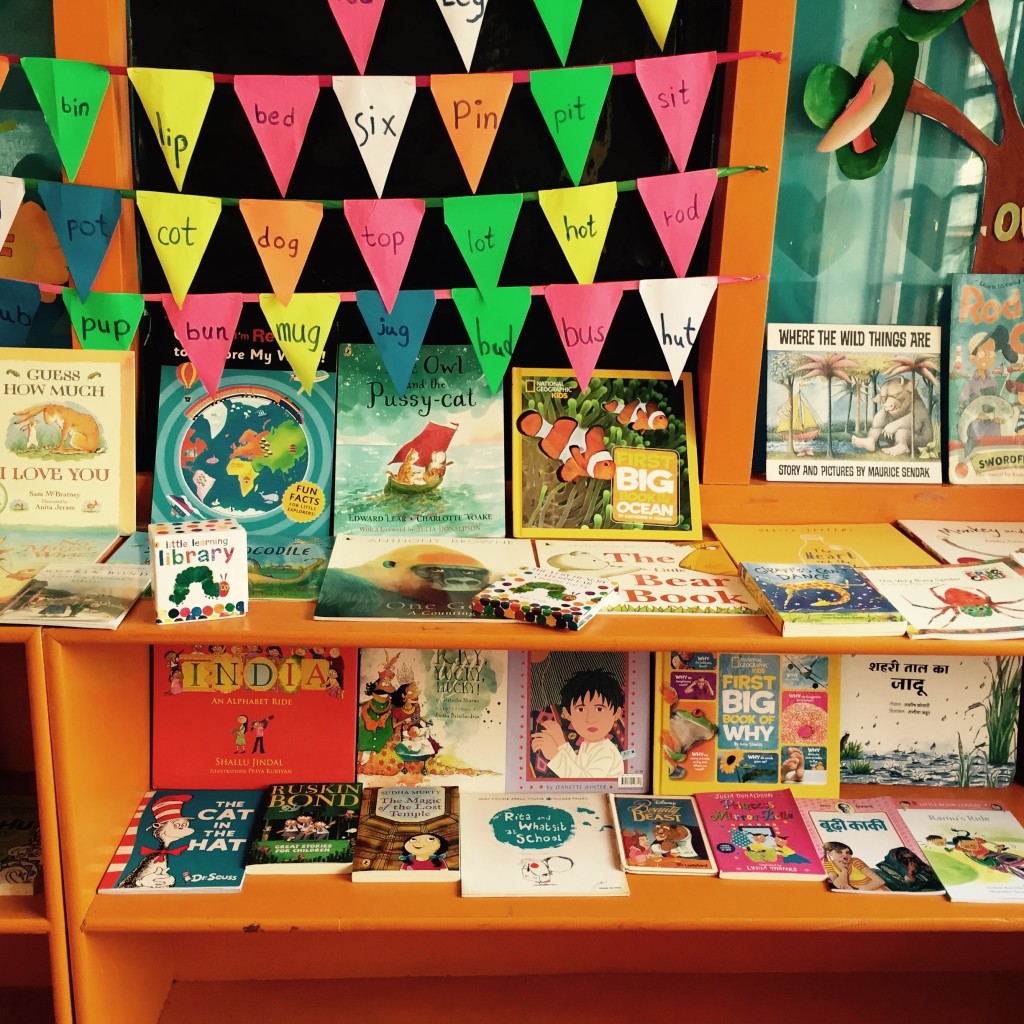
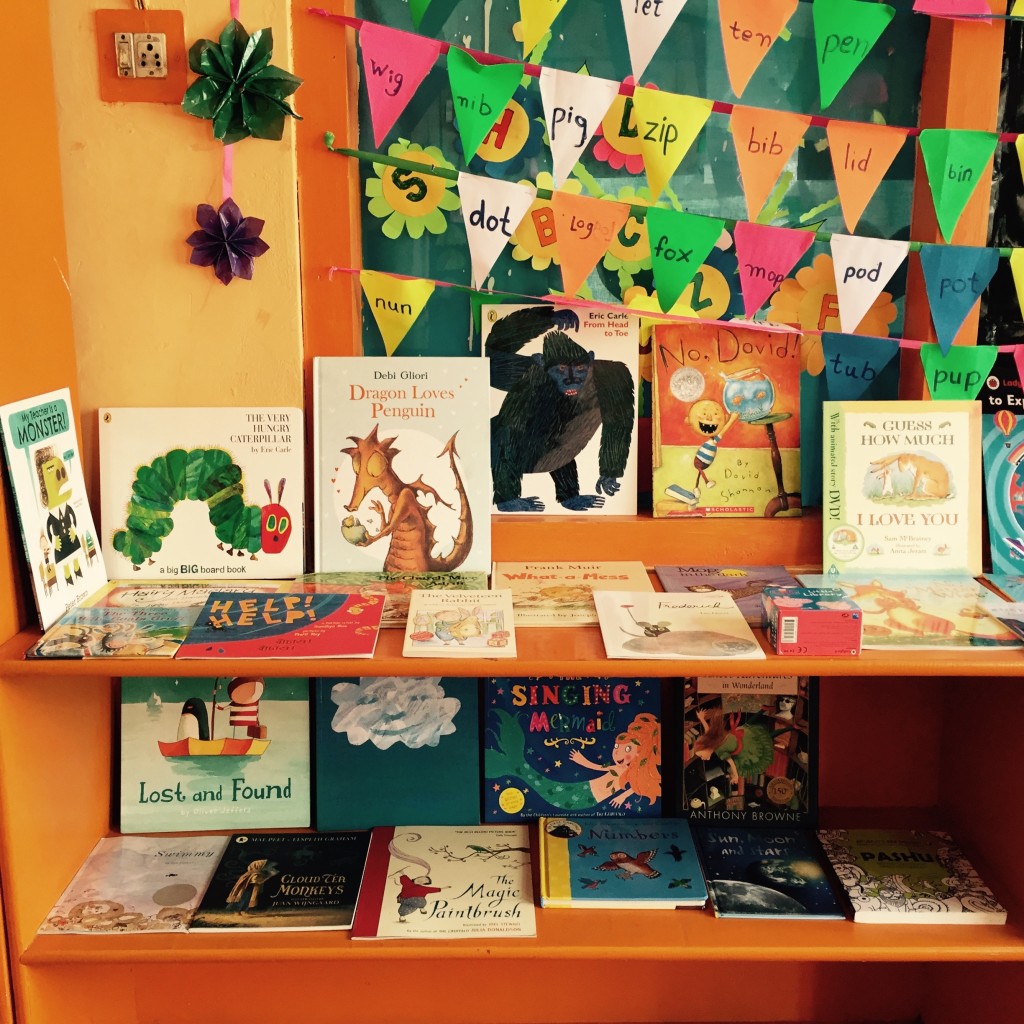
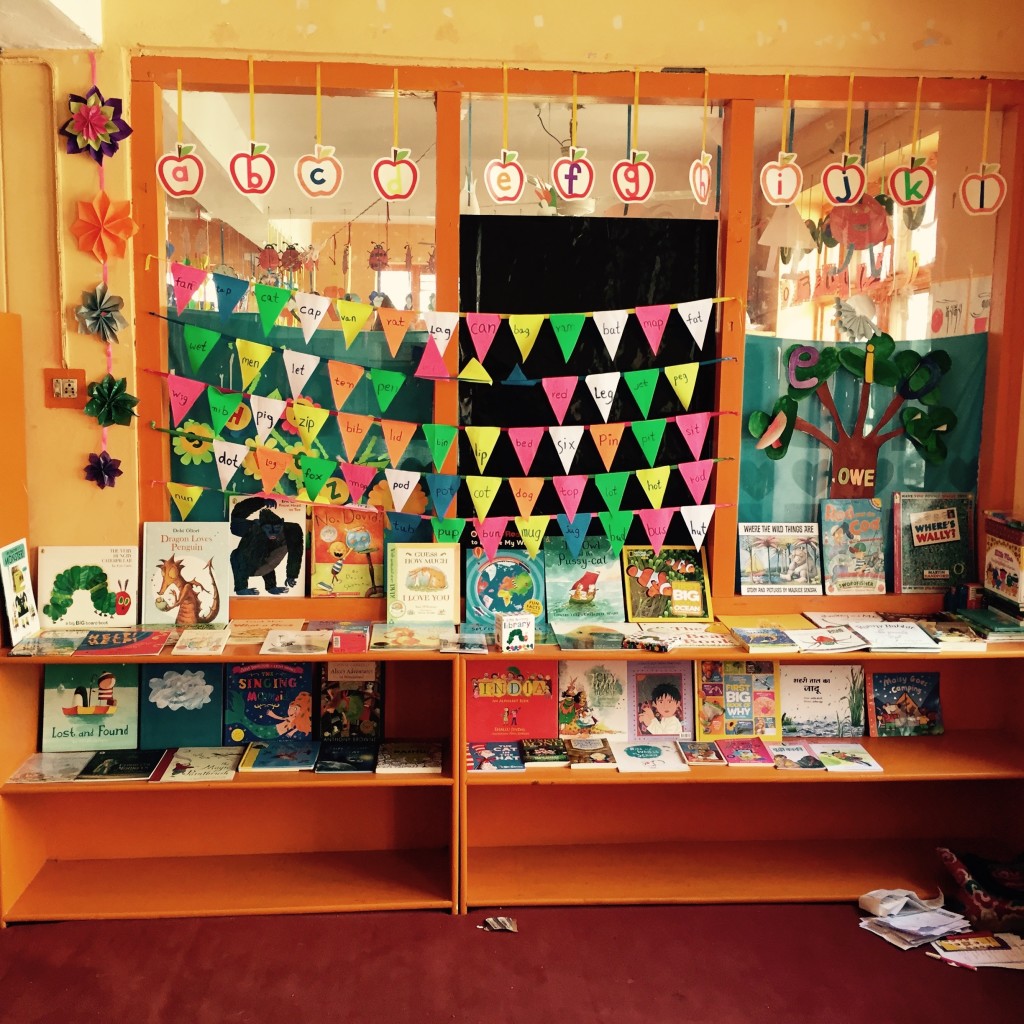
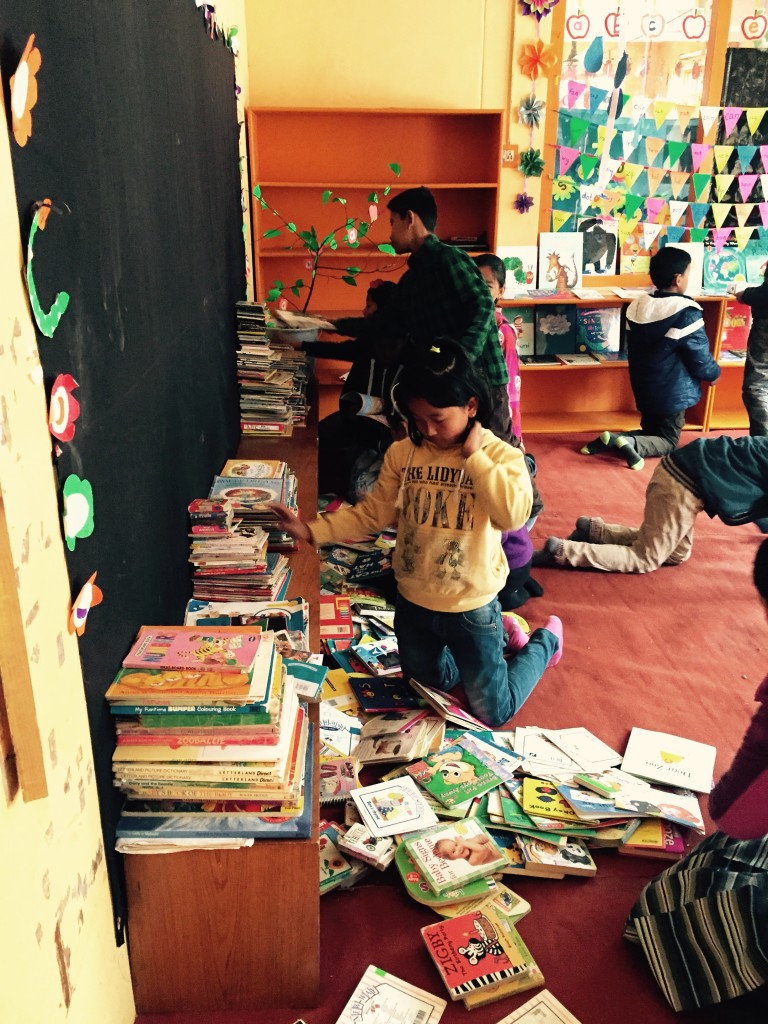
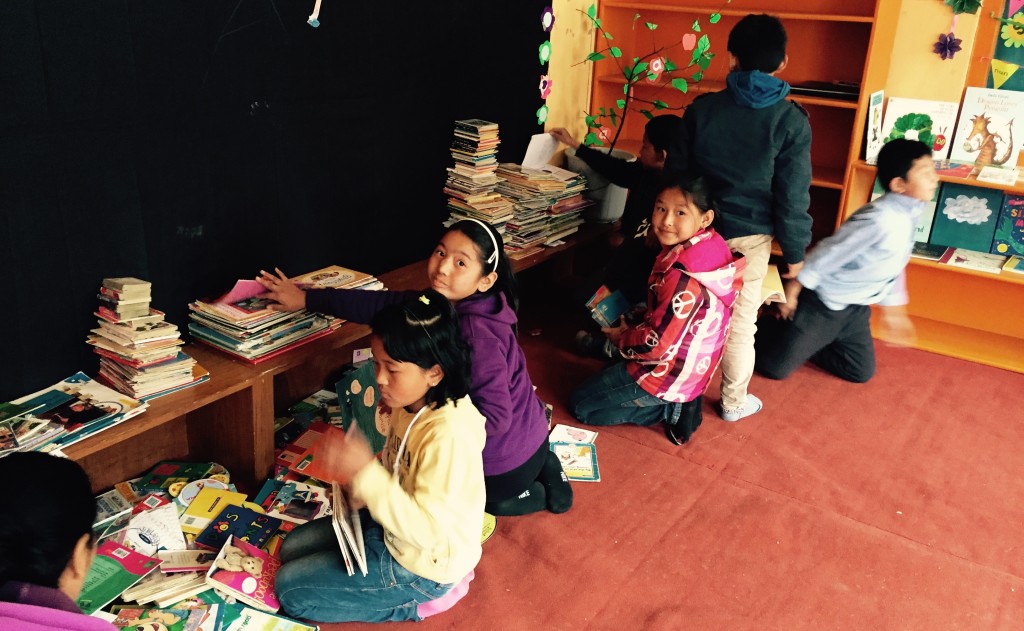
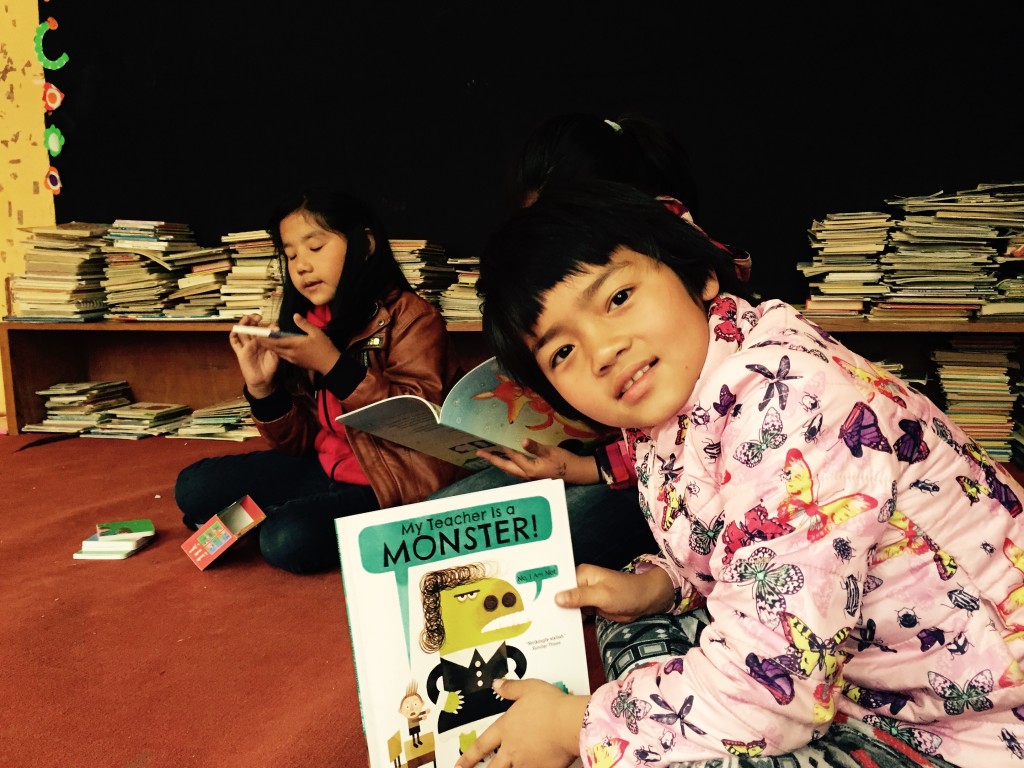
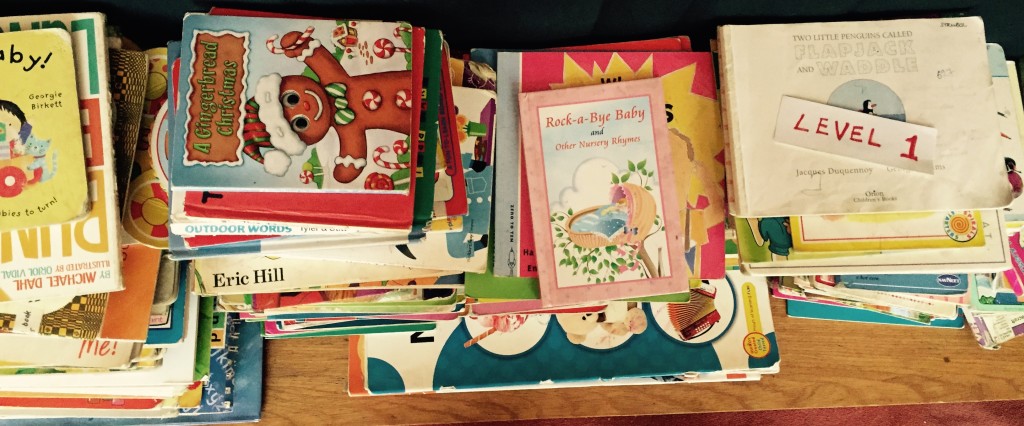
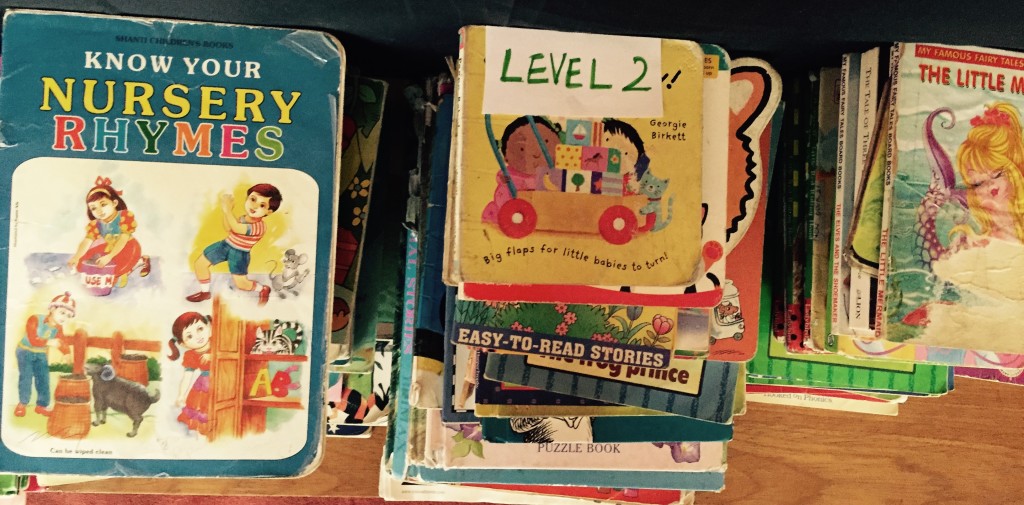
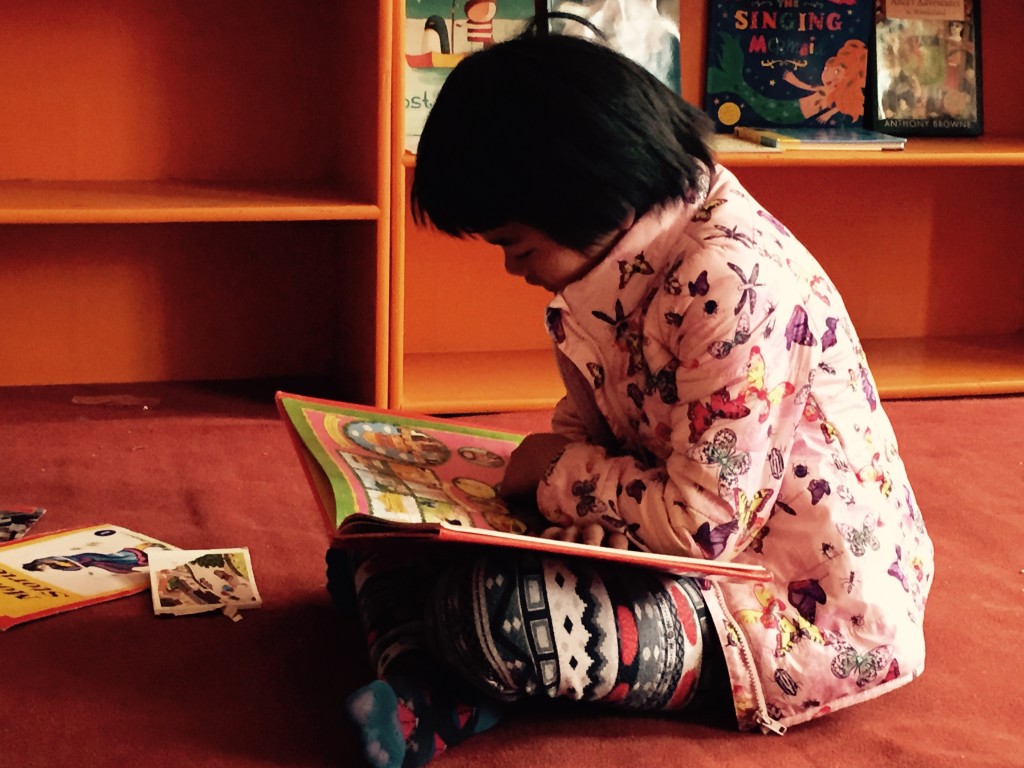
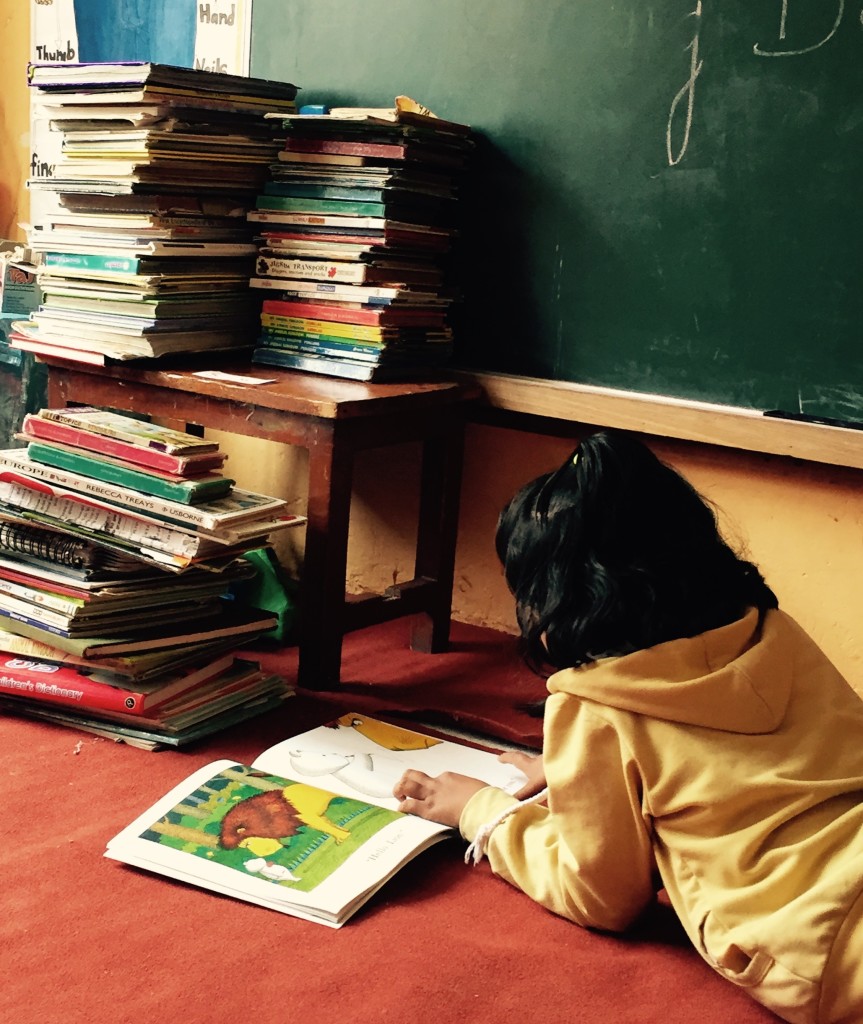
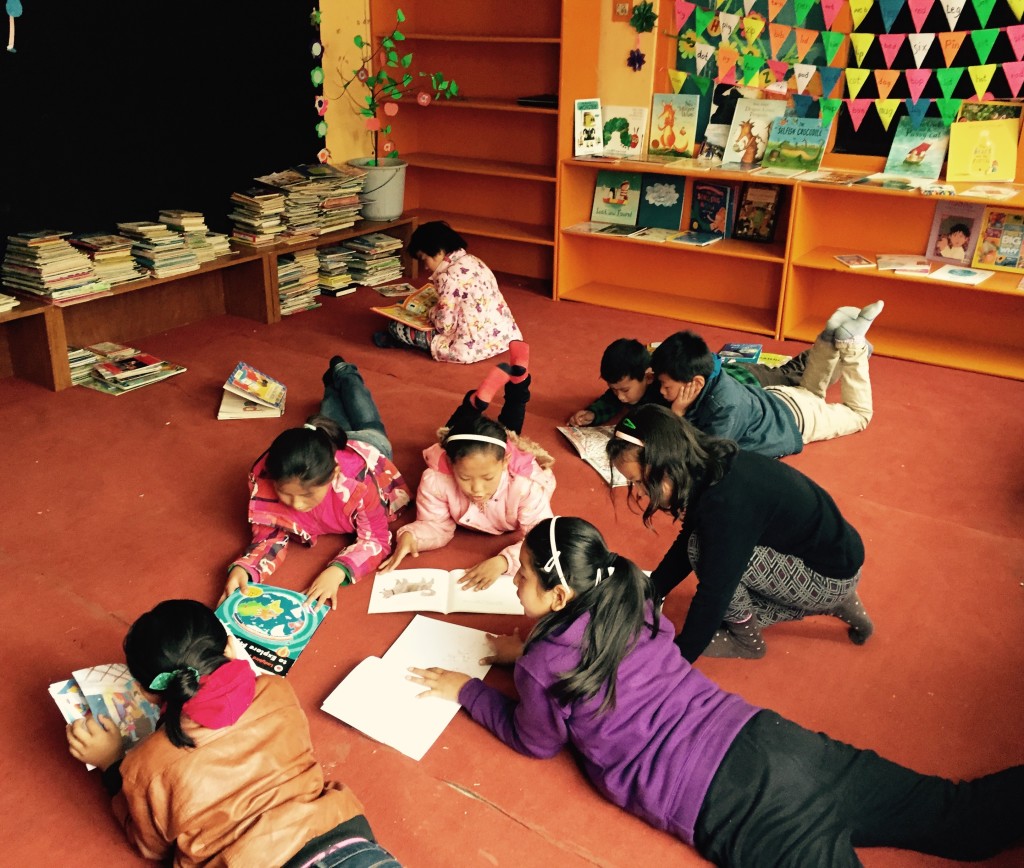
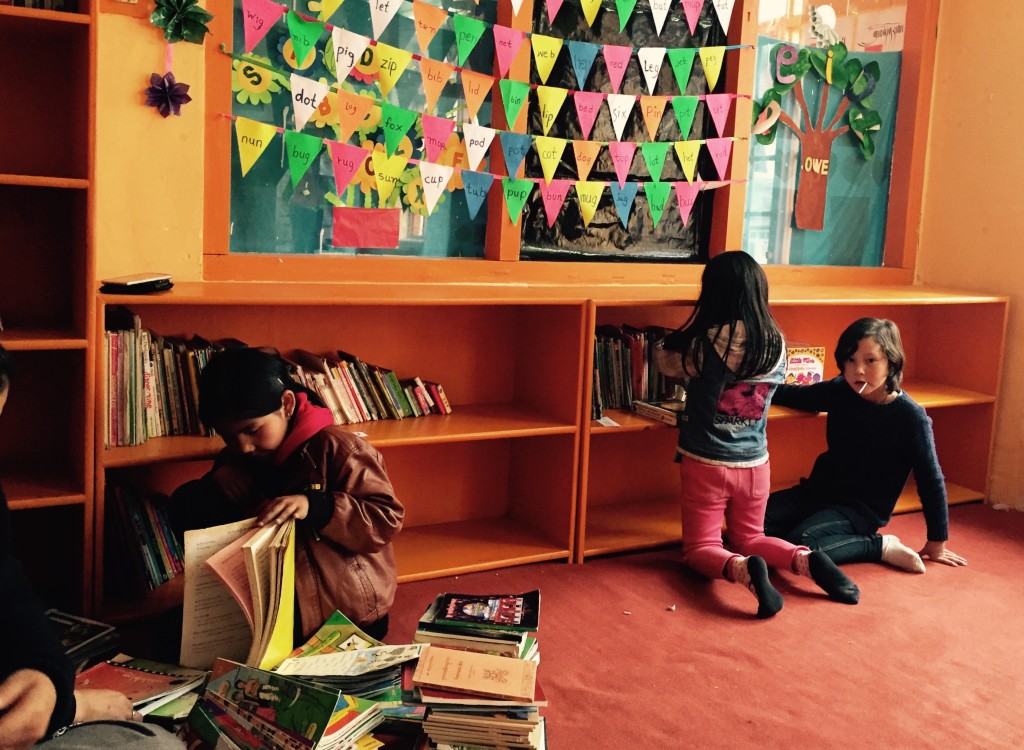
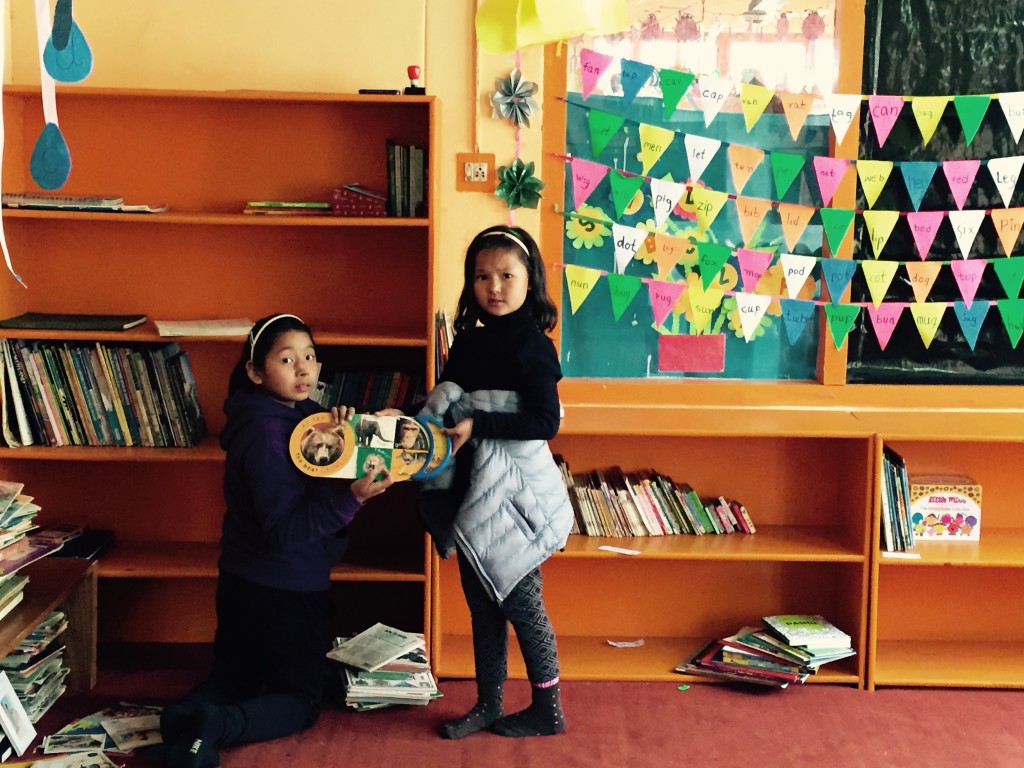
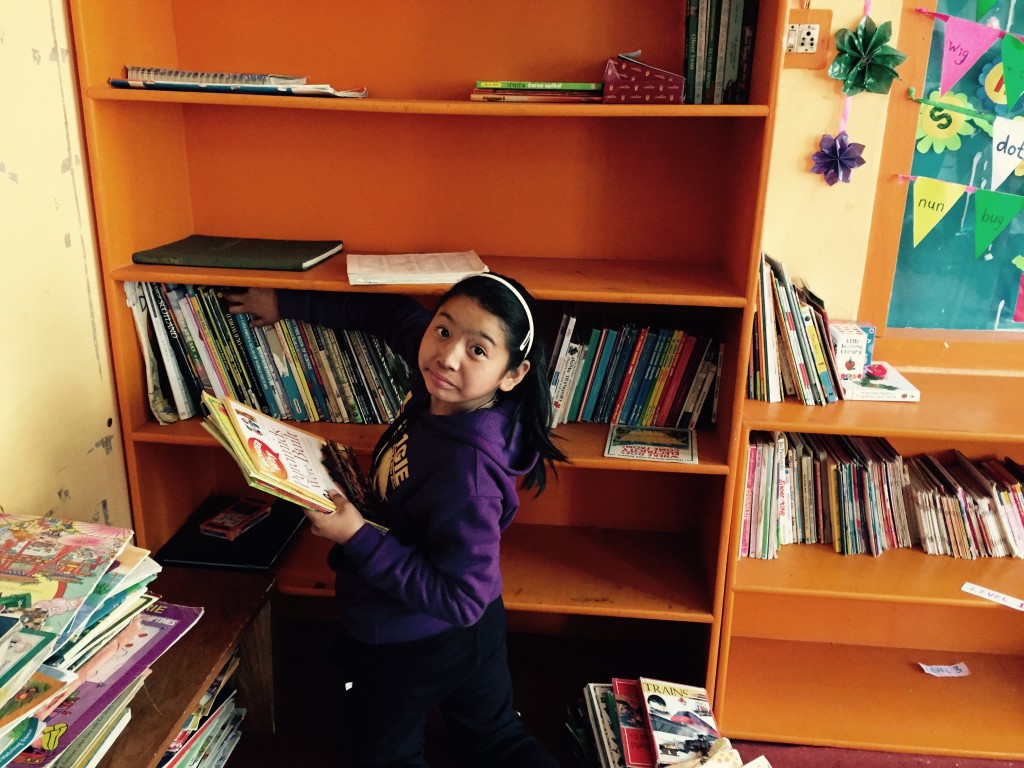
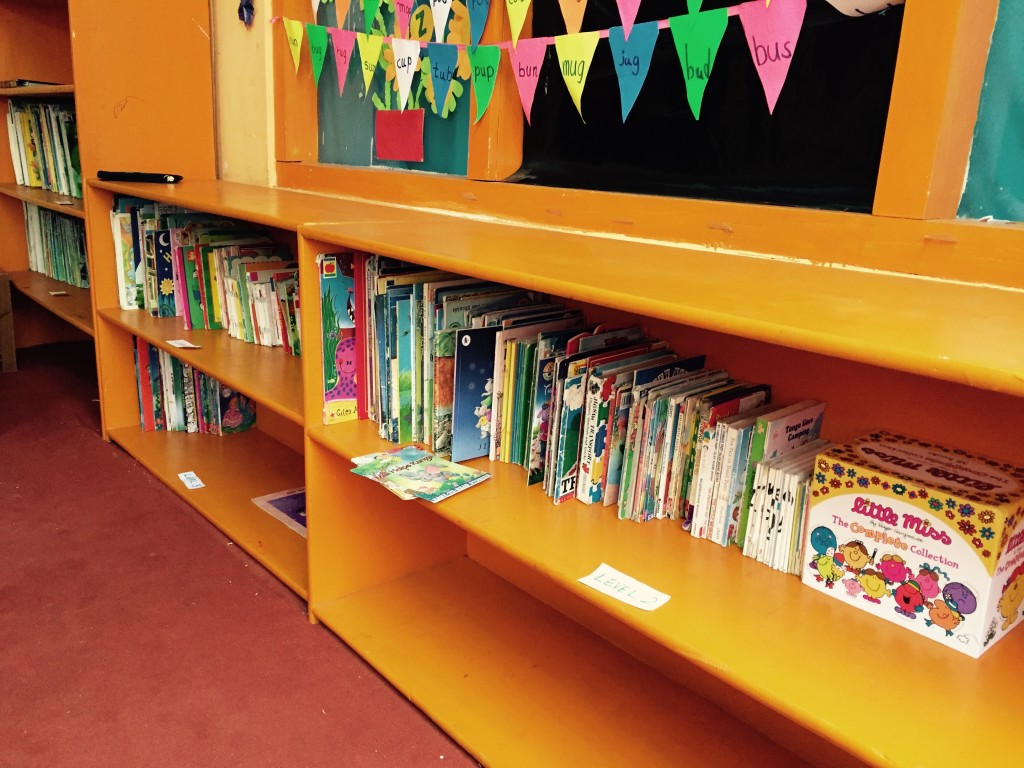
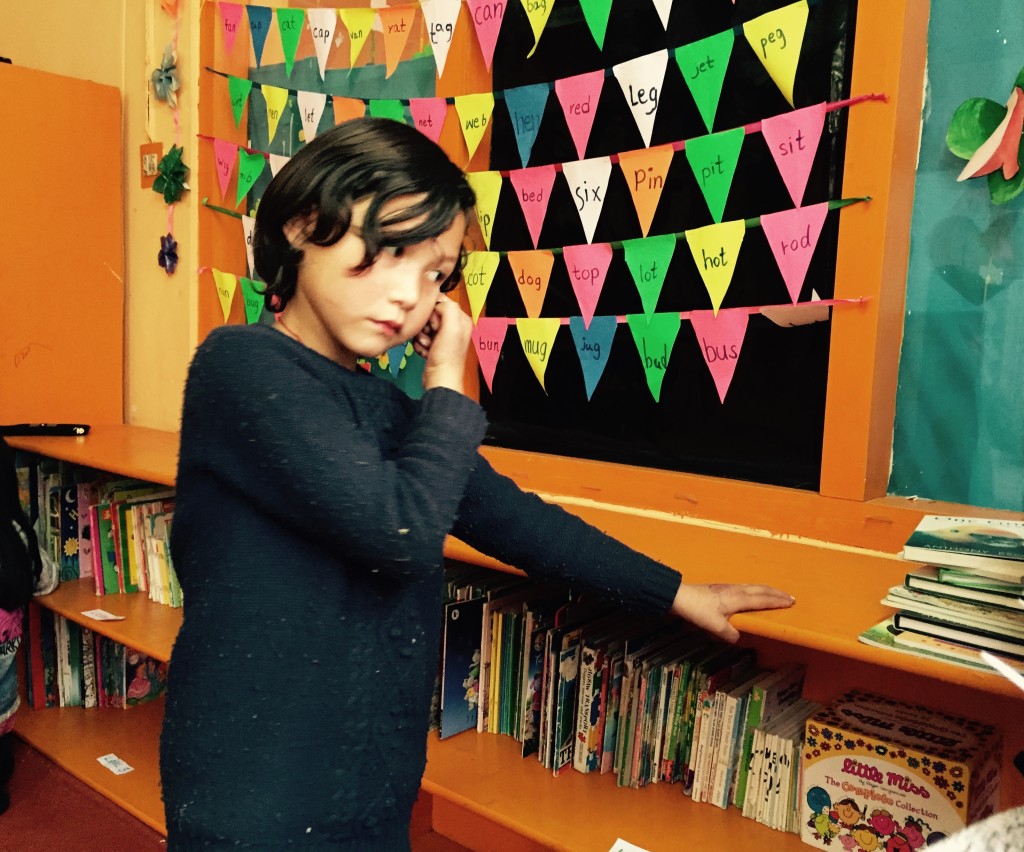
A book collection is most effective when children can reach it regularly. A welcoming reading room, monastery library, or small shelf in a classroom can turn occasional book donations into a lasting resource. Comfortable seating, visible covers, and clearly organized shelves make independent reading easier for children of different ages.
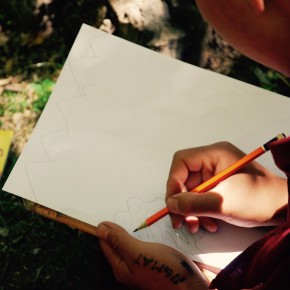
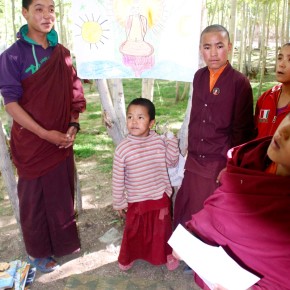
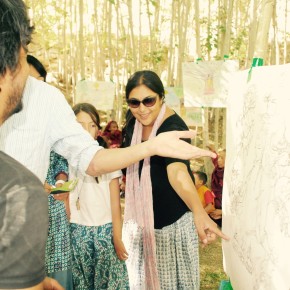
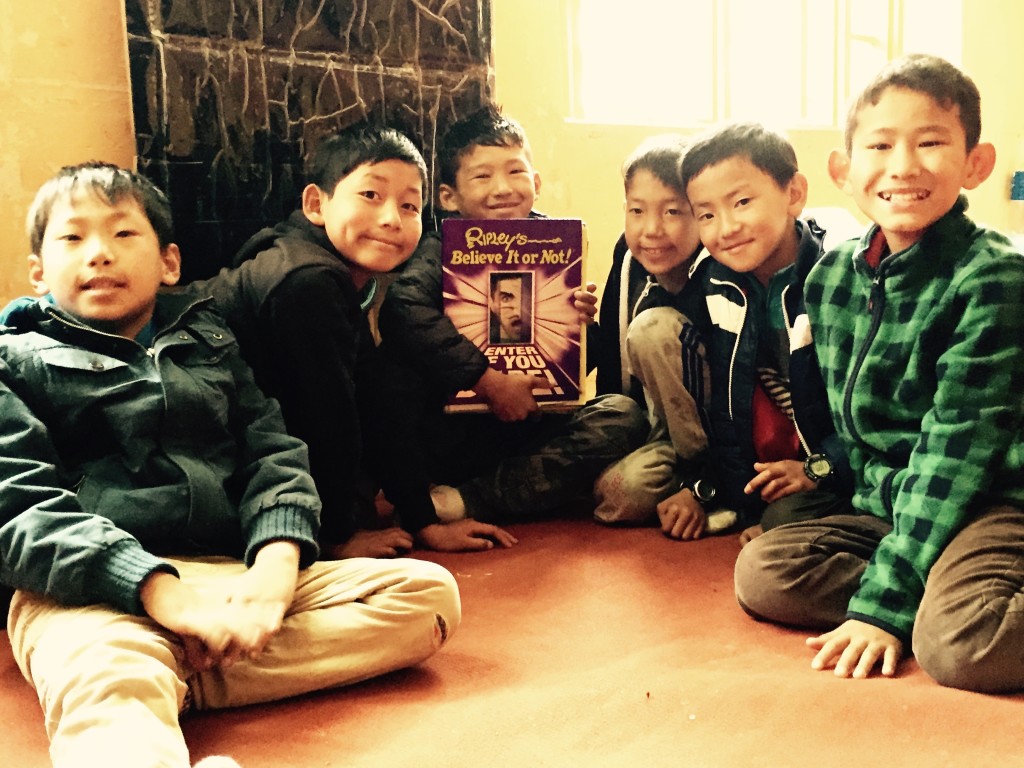
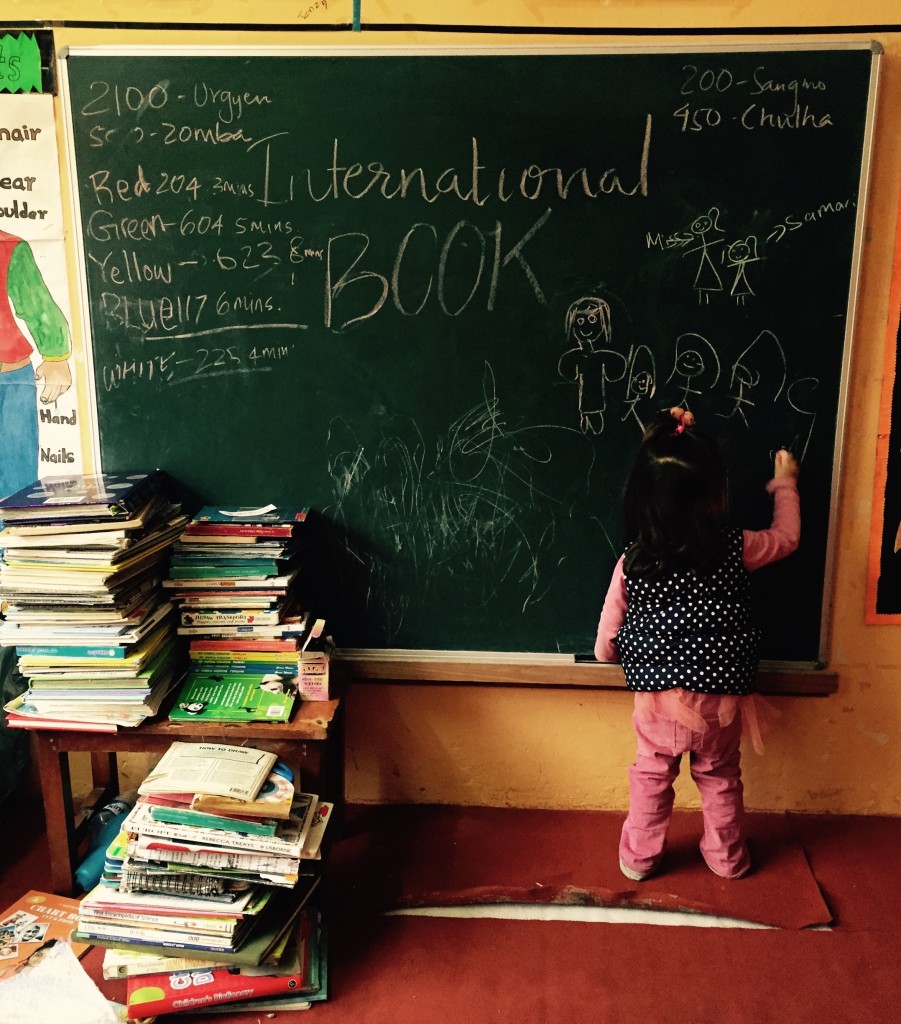
Adults play an important role in creating a reading culture. Teachers, monastic educators, and volunteers can read aloud, recommend books, and invite children to retell stories through drawing, drama, or music. These activities make books social while still protecting time for quiet reading.
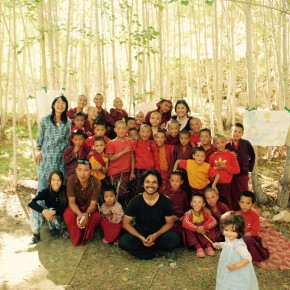
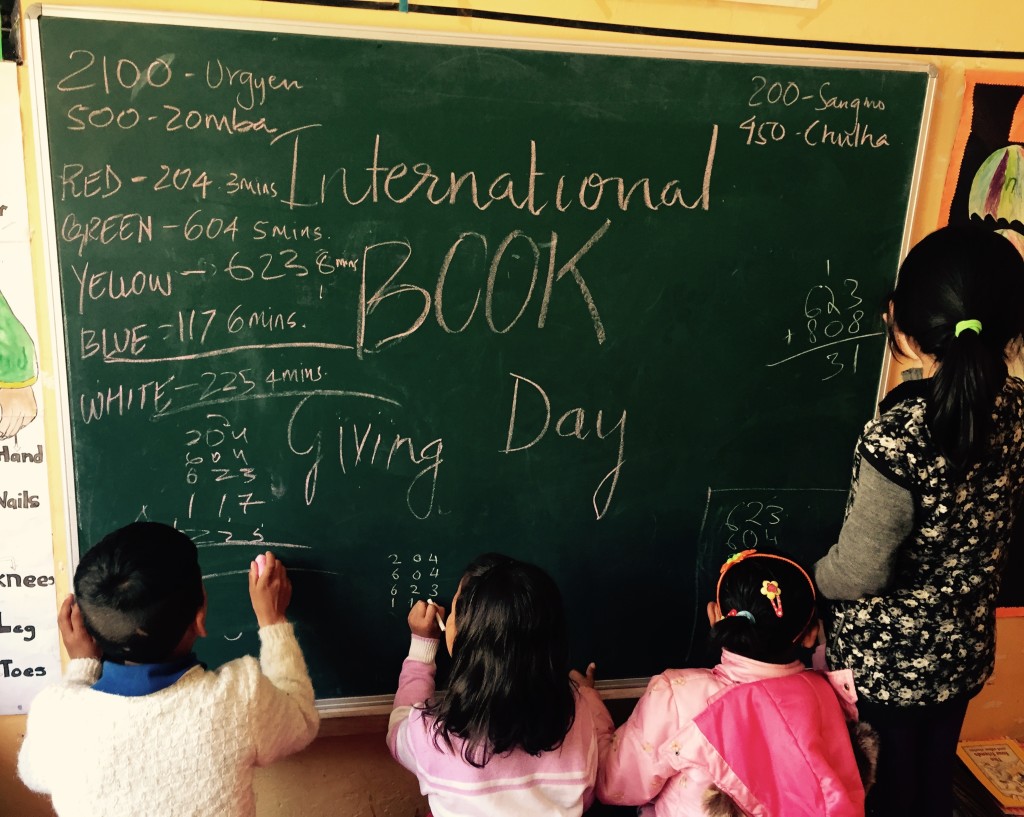
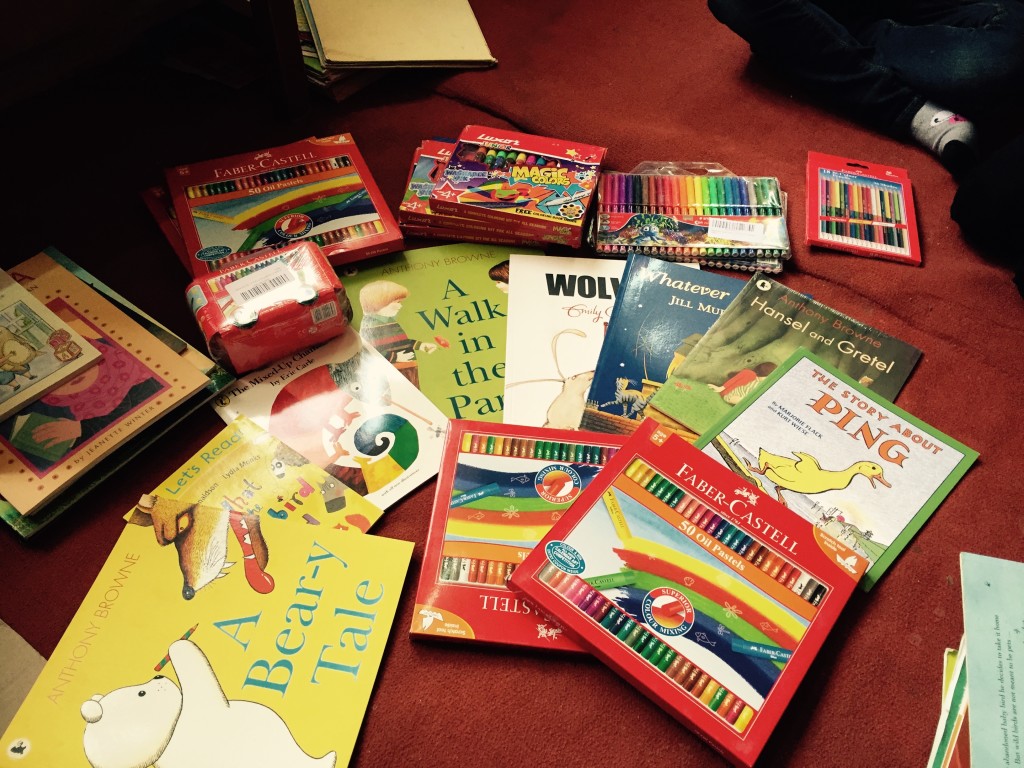
Organizations supporting Himalayan communities can help by combining book drives with careful local consultation. The local literacy work of Avalokiteśvara Trust reflects the value of bringing books, creative activities, and learning opportunities closer to children who may otherwise have limited access to them.
Practical Ways To Support Young Readers
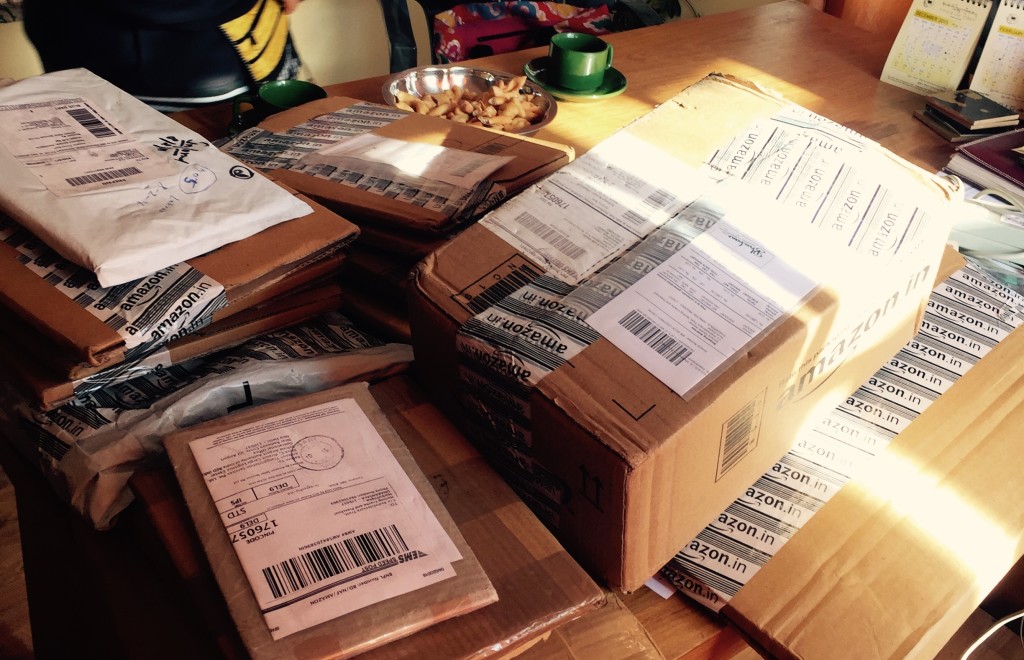
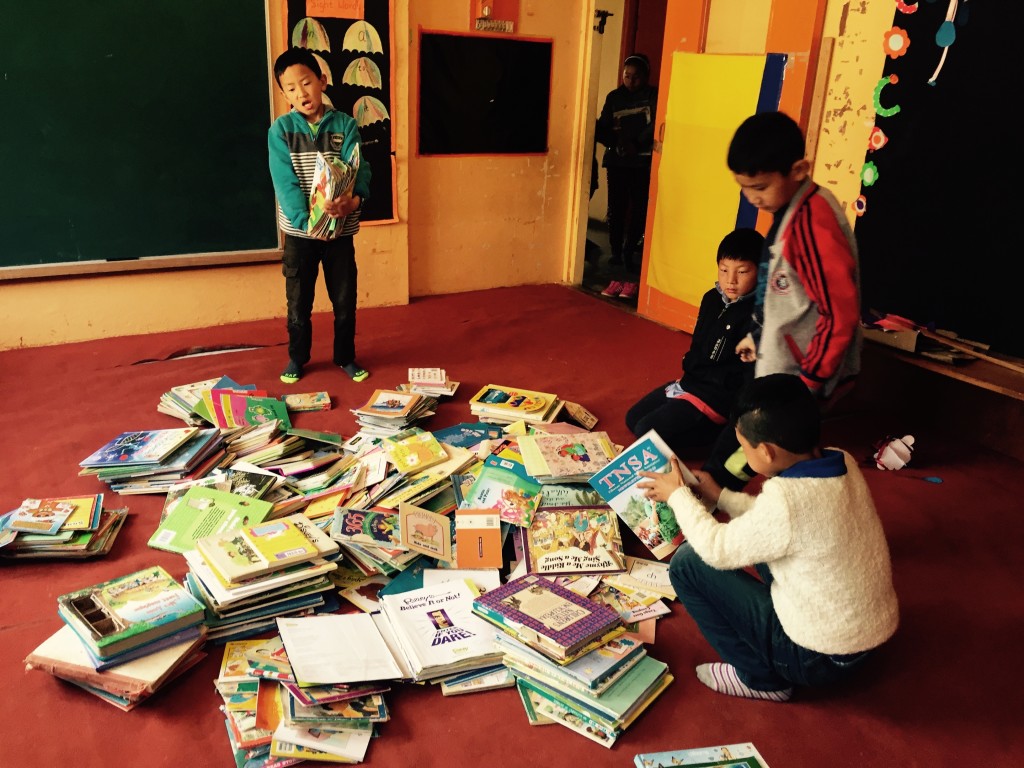
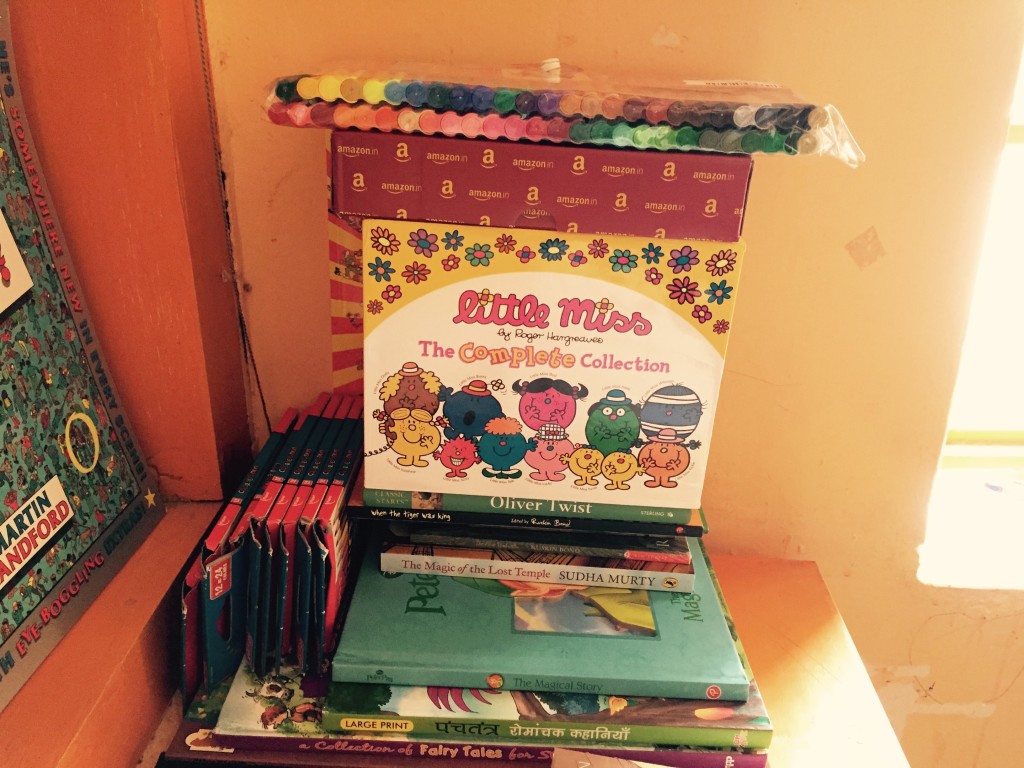
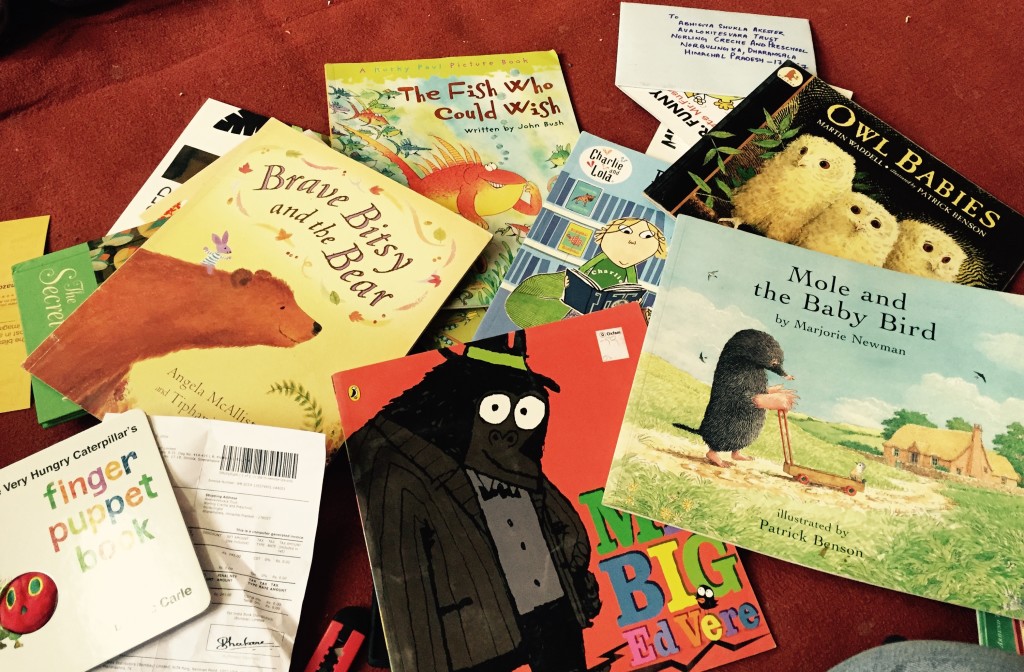
Long-term progress depends on choosing suitable books and supporting the people who use them. Donations are most helpful when they respond to local languages, age groups, cultural context, and available space. A smaller collection selected thoughtfully can be more useful than boxes of unrelated titles.
Volunteers and supporters can contribute in several practical ways:
- Donate high-quality storybooks in Ladakhi, Tibetan, or other community languages, including bilingual editions.
- Fund reading rooms, shelves, floor cushions, lighting, and transport for remote communities.
- Support read-aloud sessions that combine stories with drawing, music, drama, or discussion.
- Invite local teachers, families, and monastic educators to guide book selection.
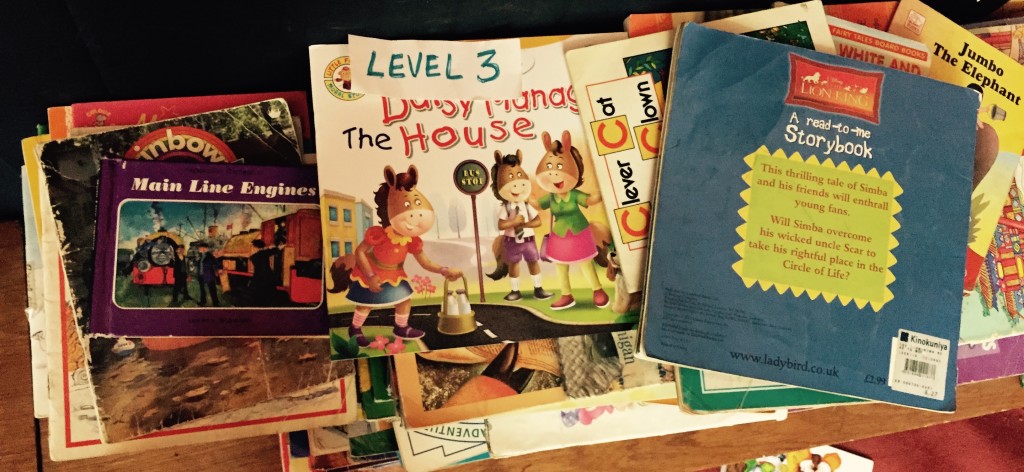
- Help maintain collections through cataloguing, repairs, replacement copies, and regular reading events.
These efforts respect young monks as complete learners. They provide educational support without reducing childhood to examination results or religious achievement. A storybook can teach language, preserve culture, open an imaginative door, and offer a quiet moment of pleasure.
When children have books that speak in a familiar voice, they gain more than reading practice. They gain confidence in their own language and a stronger connection to the people and places that shaped them. Support a reading room, contribute appropriate books, or help bring creative learning activities to Himalayan communities through Avalokiteśvara Trust.