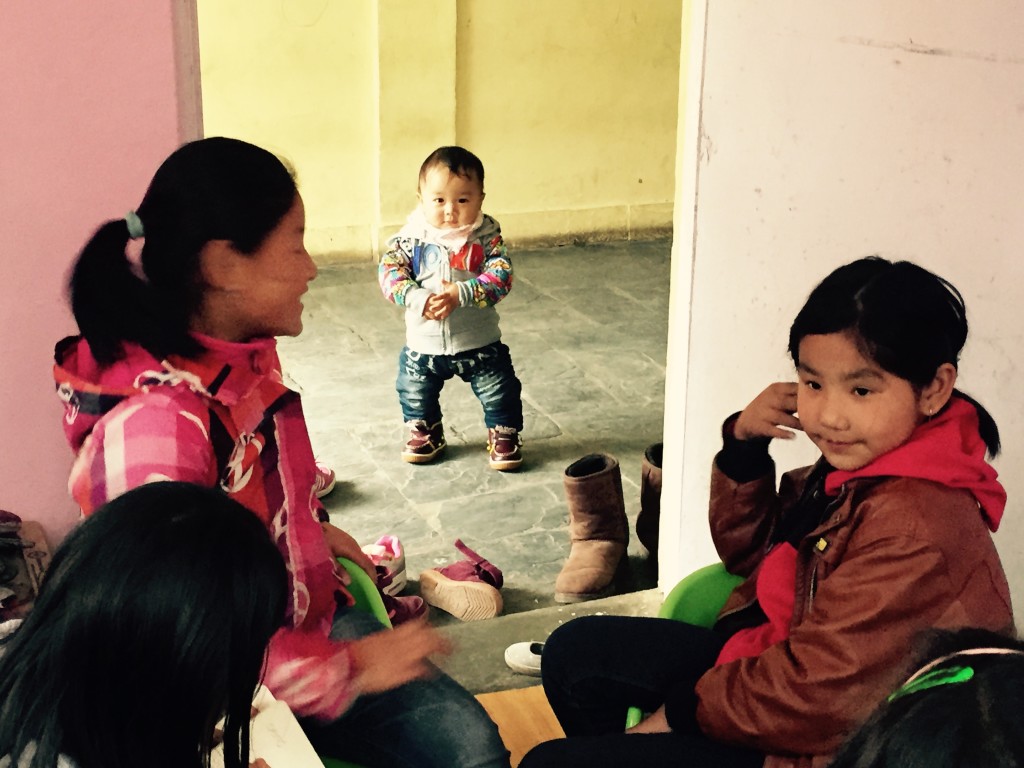
A mobile library for the most remote Himalayan hamlets
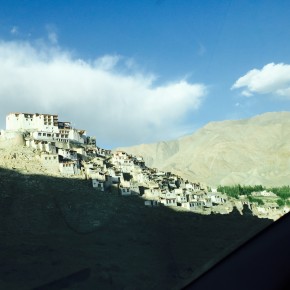
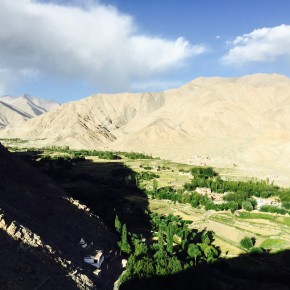
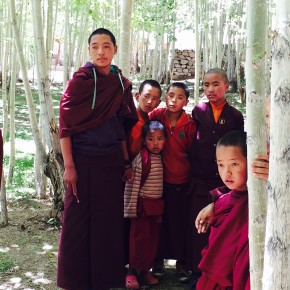
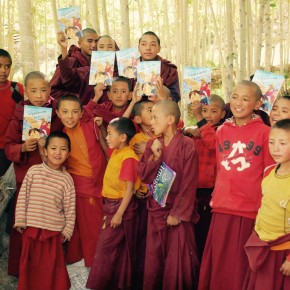
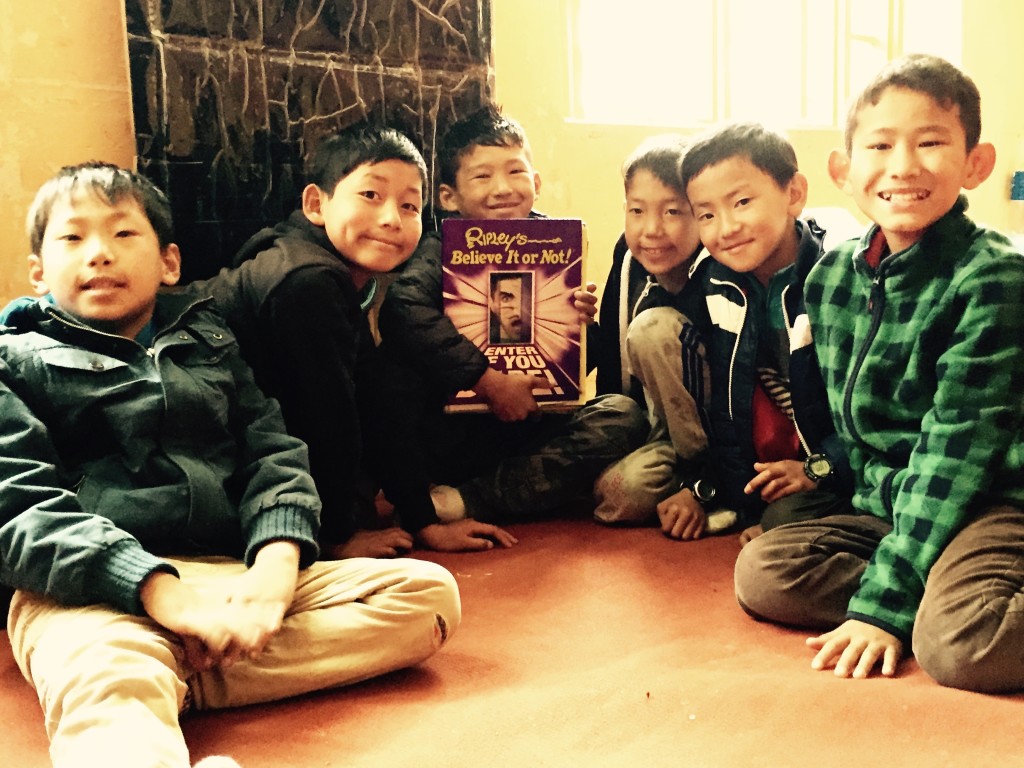
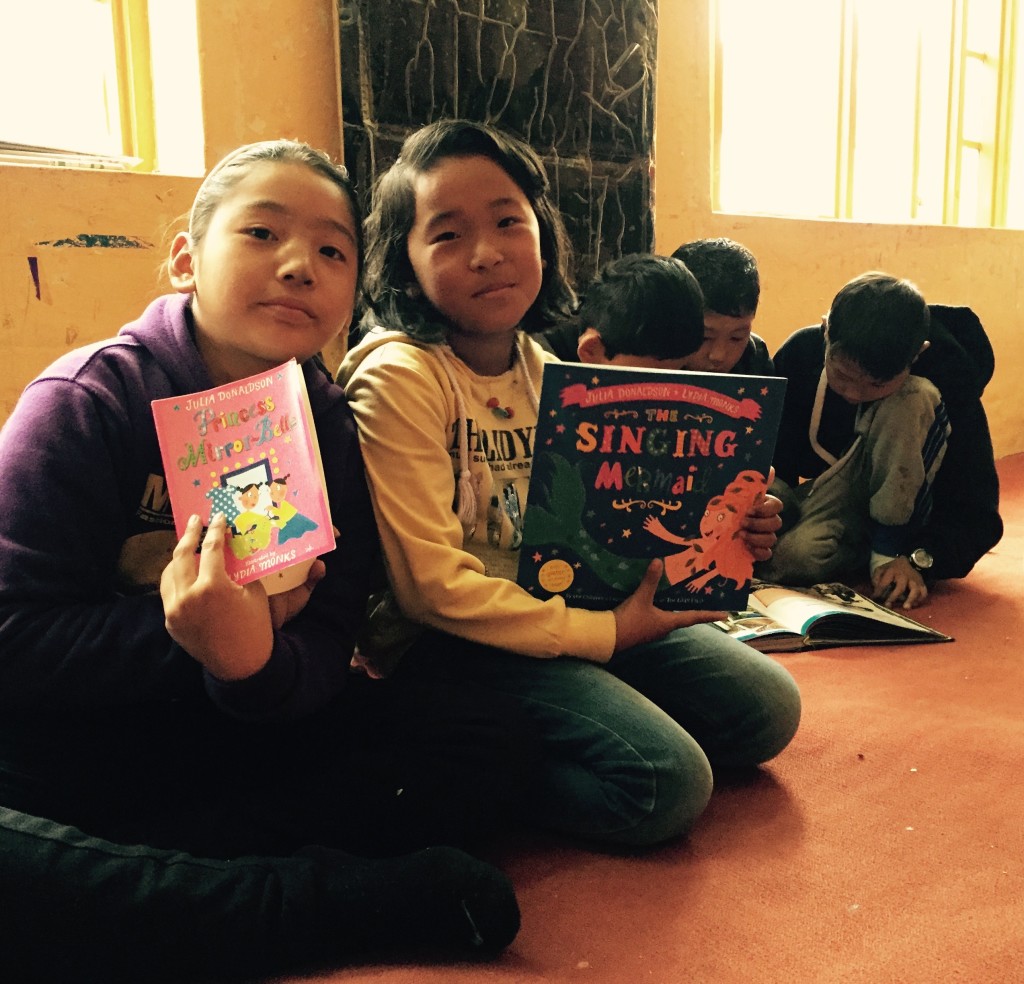
In the high valleys of Ladakh and the wider Himalayan region, distance can determine whether a child has access to a good book. Roads may be seasonal, settlements may be scattered across steep terrain, and a school can have only a small collection shared by many learners. For children and young monks, the chance to discover stories, information, poetry, and art should not depend on where they happen to live.
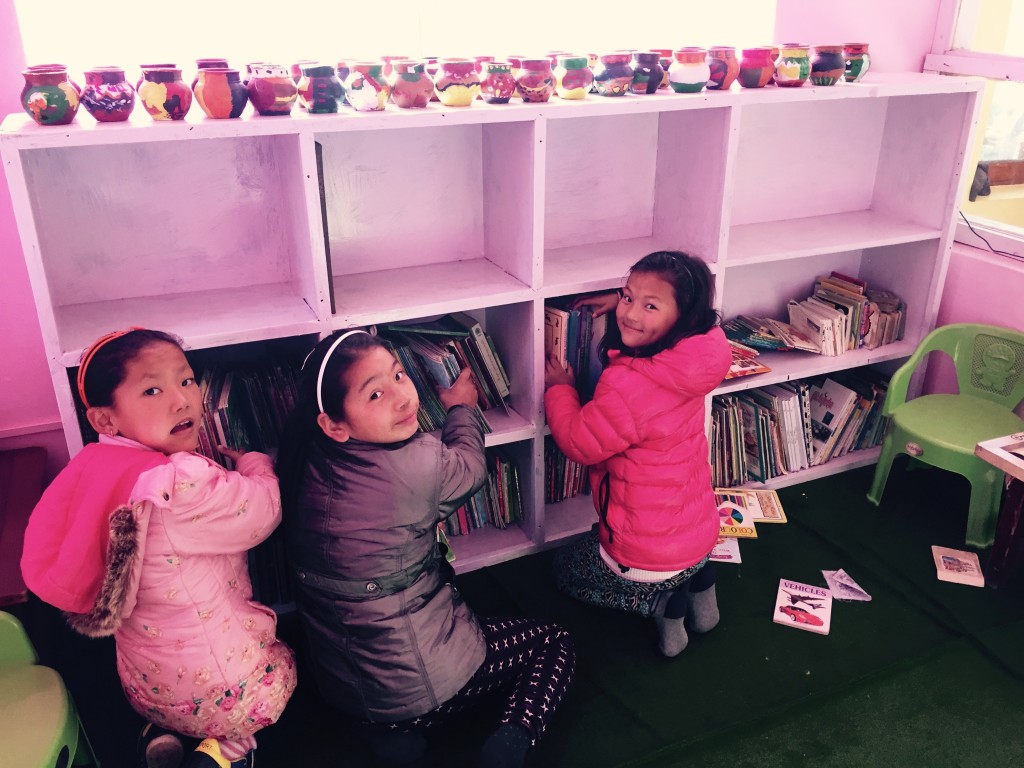
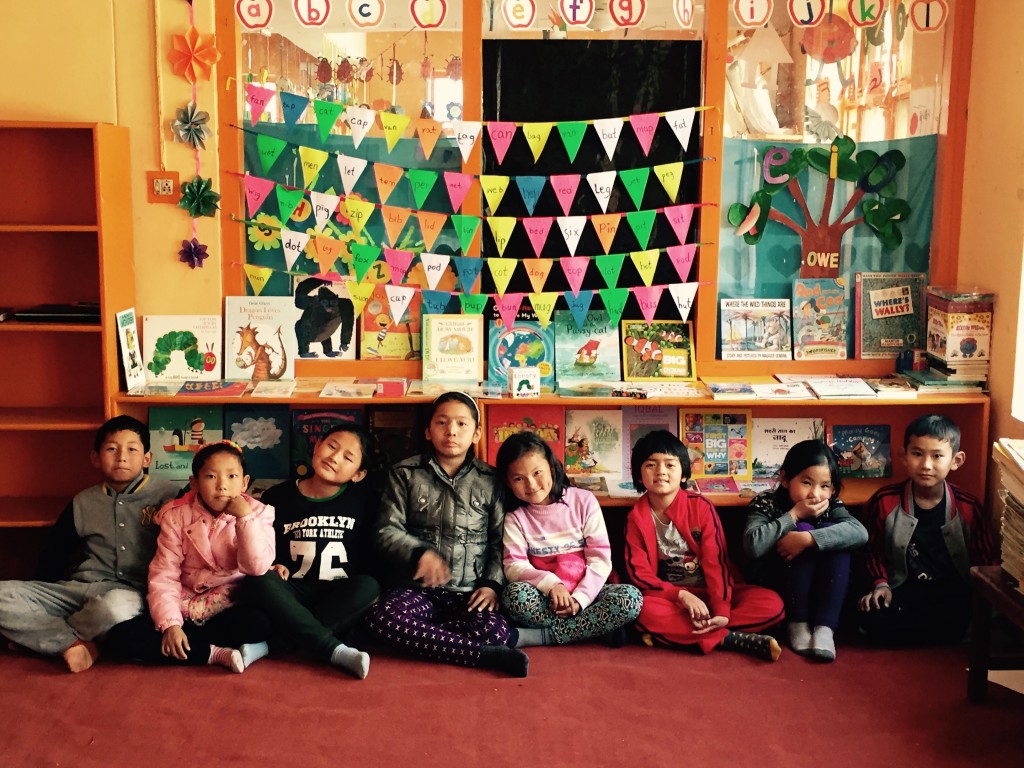
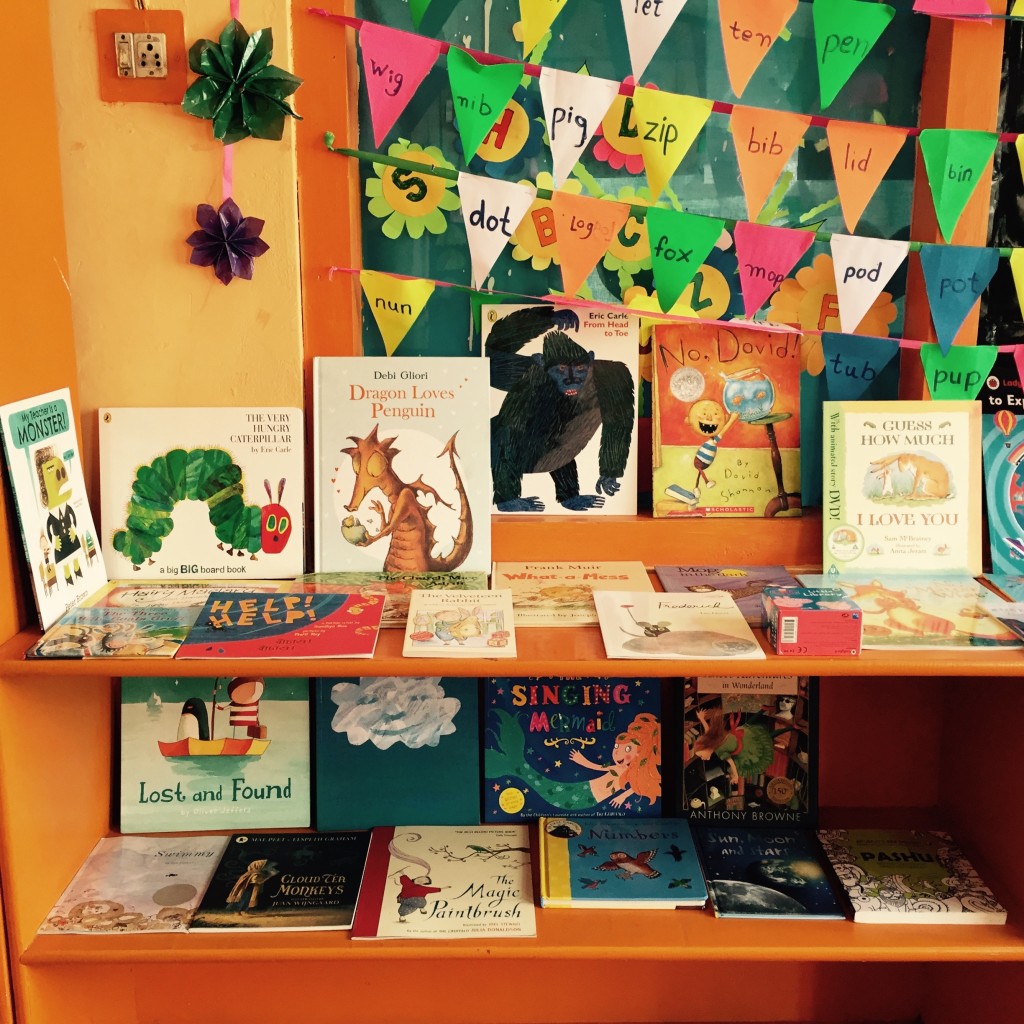
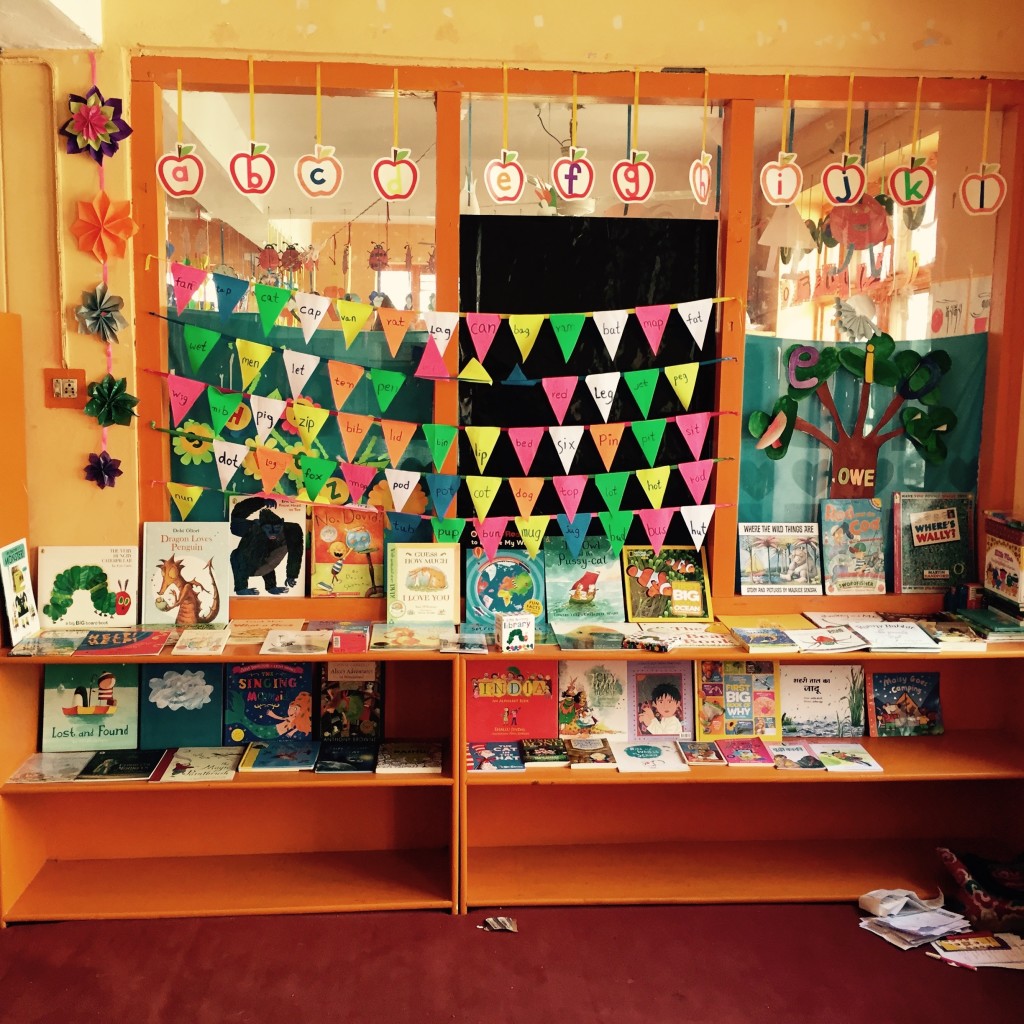
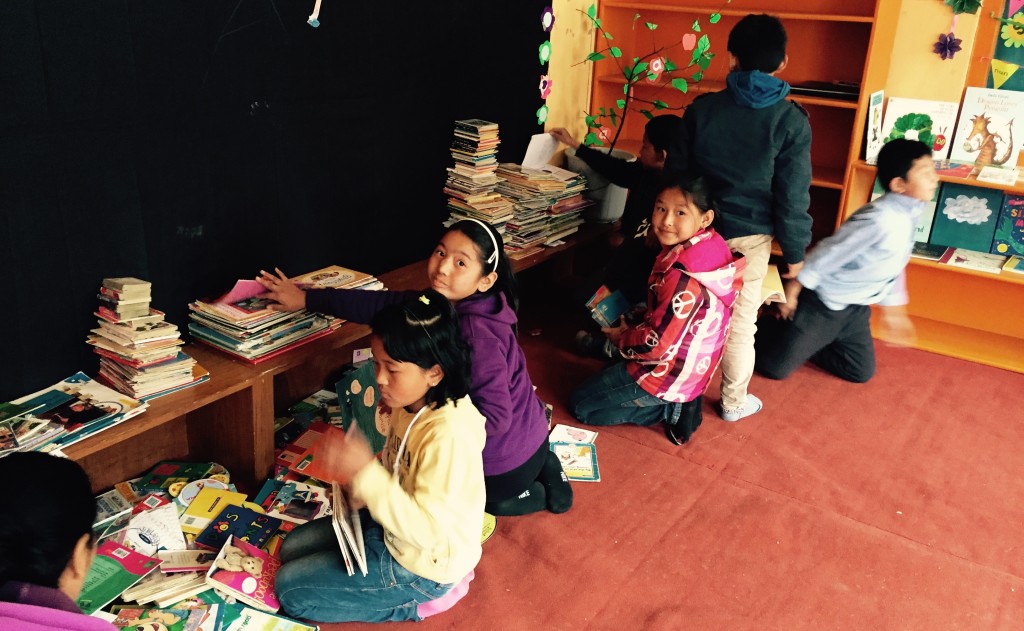
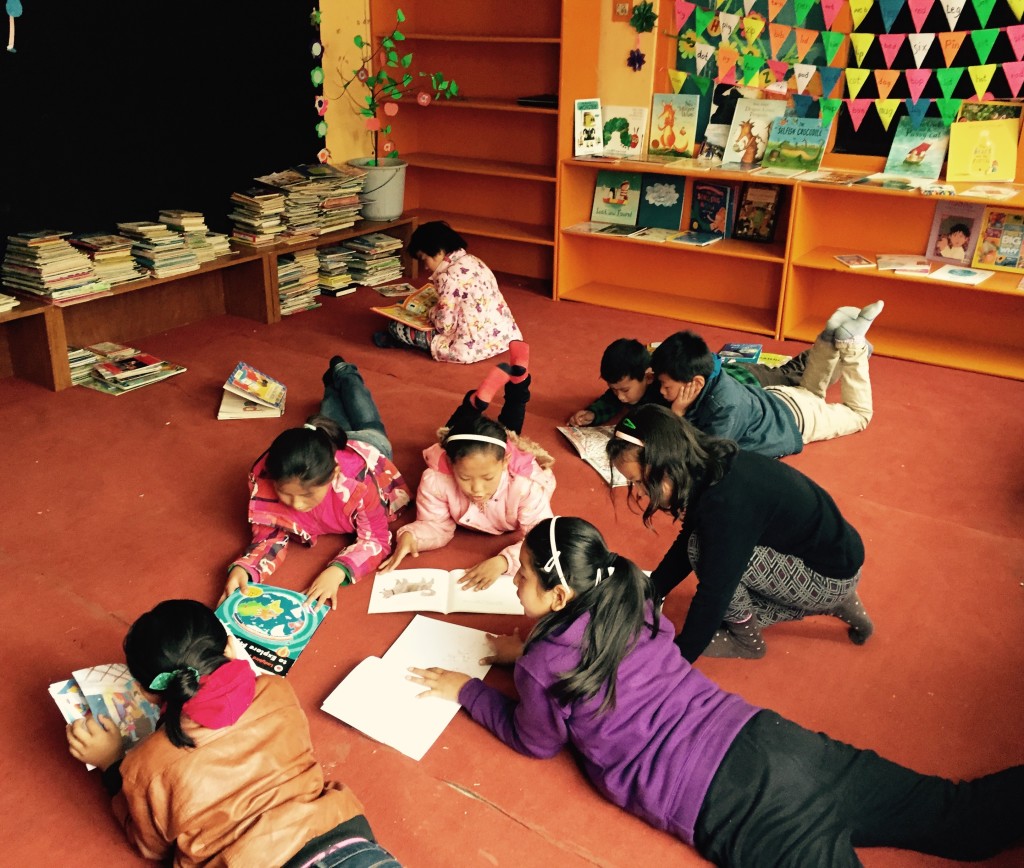
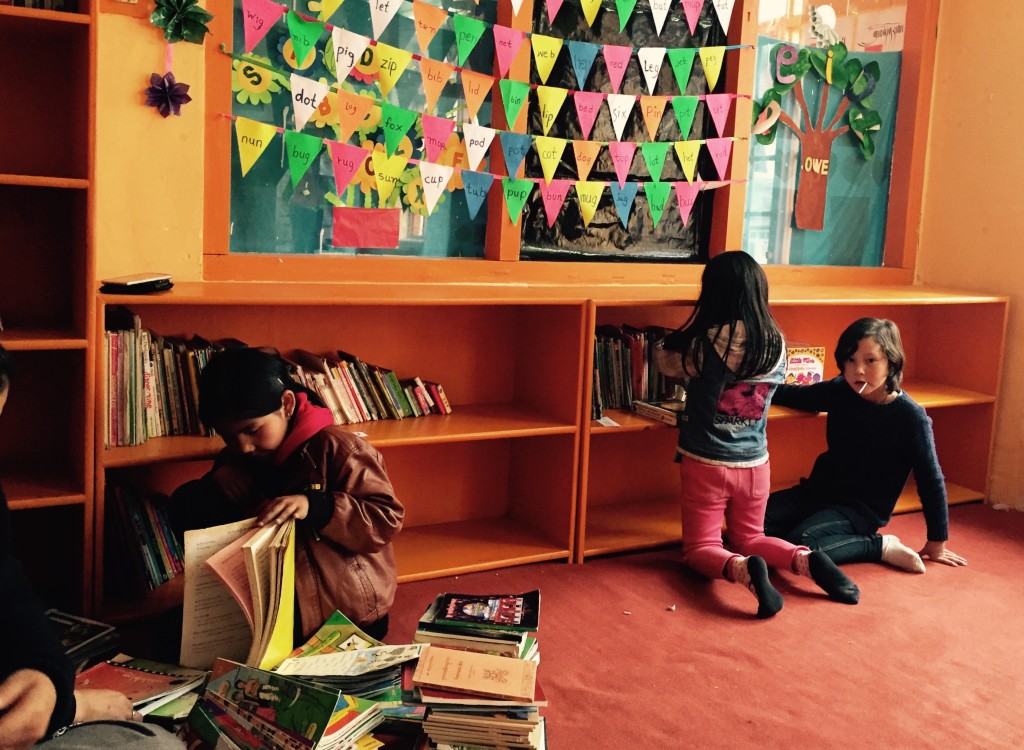
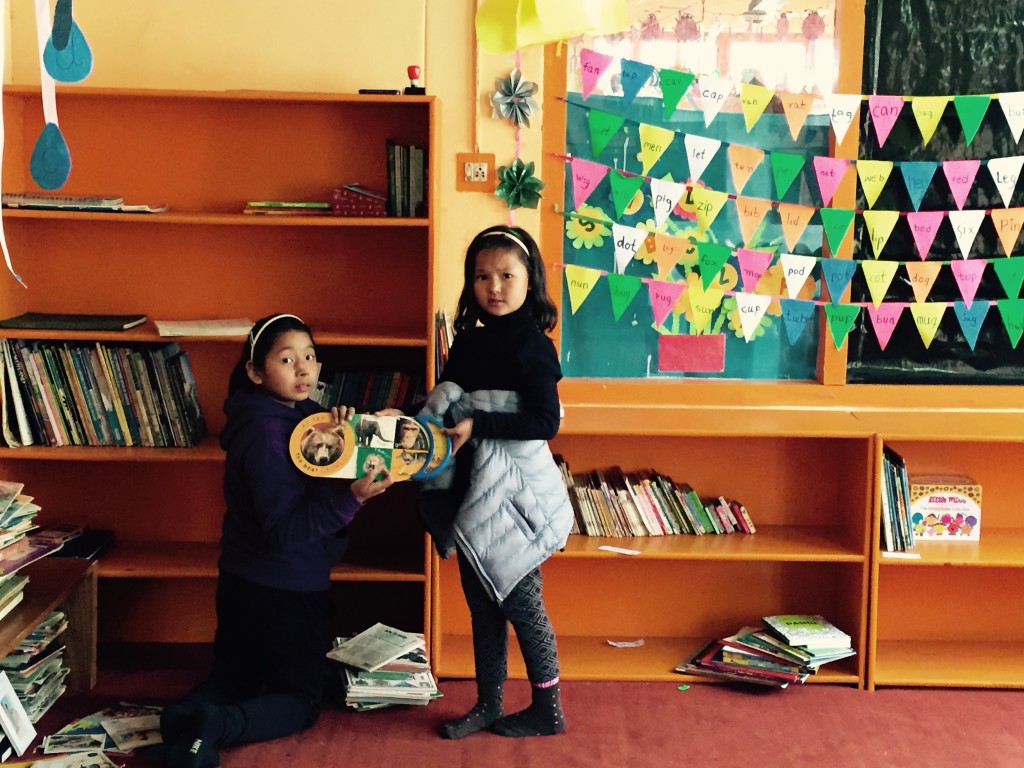
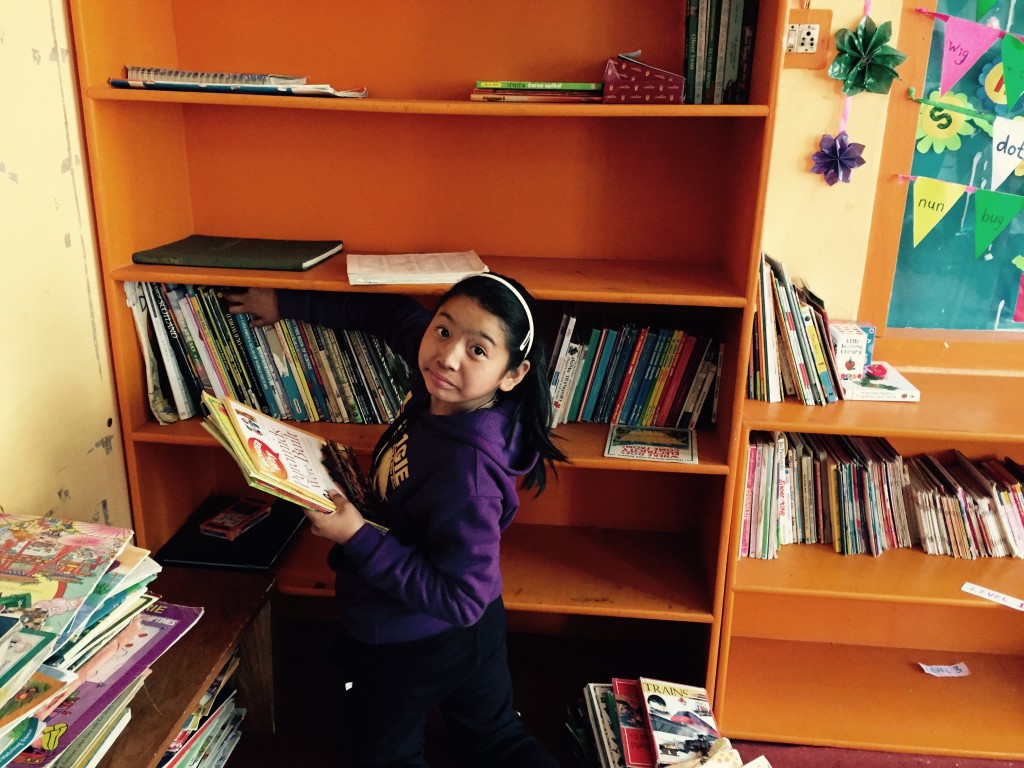
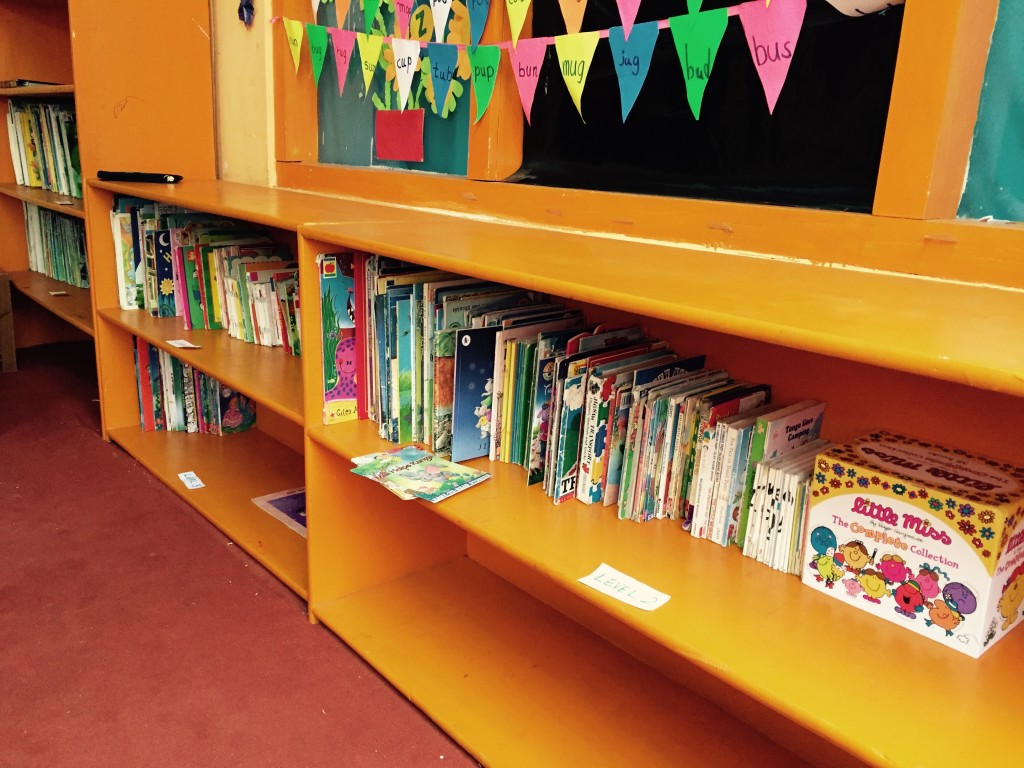
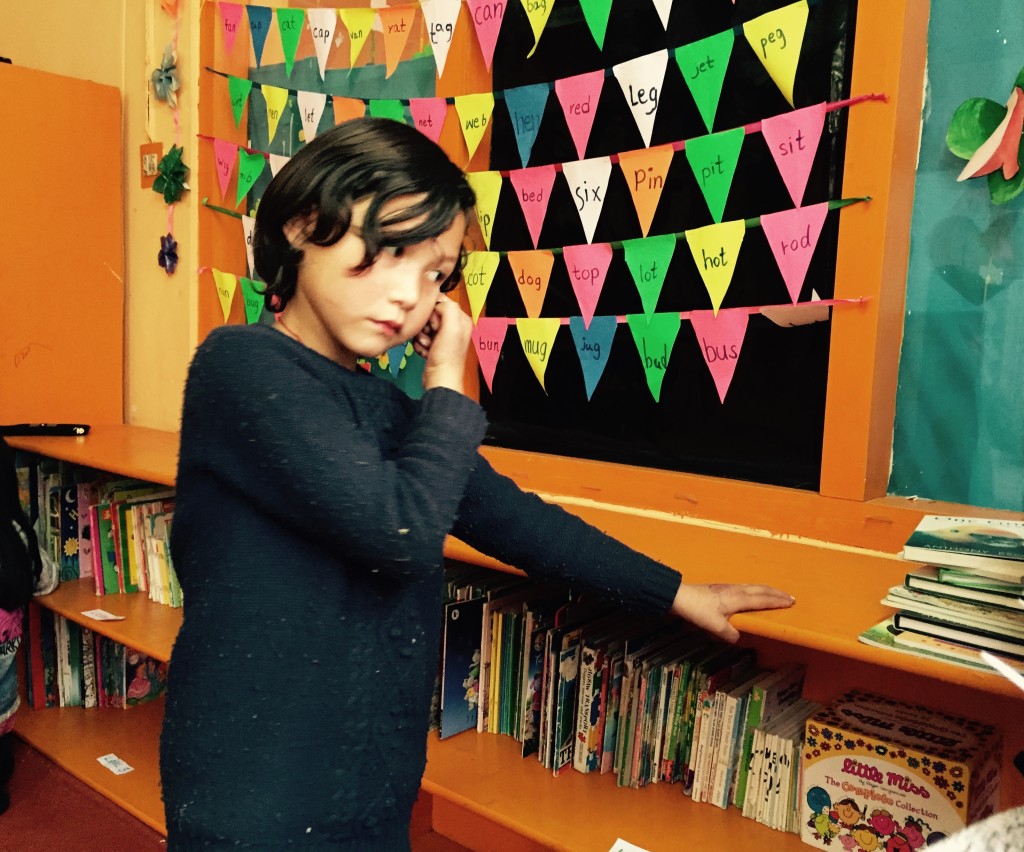
Avalokiteśvara Trust envisions a mobile library that carries books and learning opportunities directly to remote hamlets. It would extend the spirit of our reading rooms beyond a single building, creating a travelling network of literacy, imagination, and connection. Each visit could bring carefully selected books, creative activities, music, and time for children to read at their own pace.
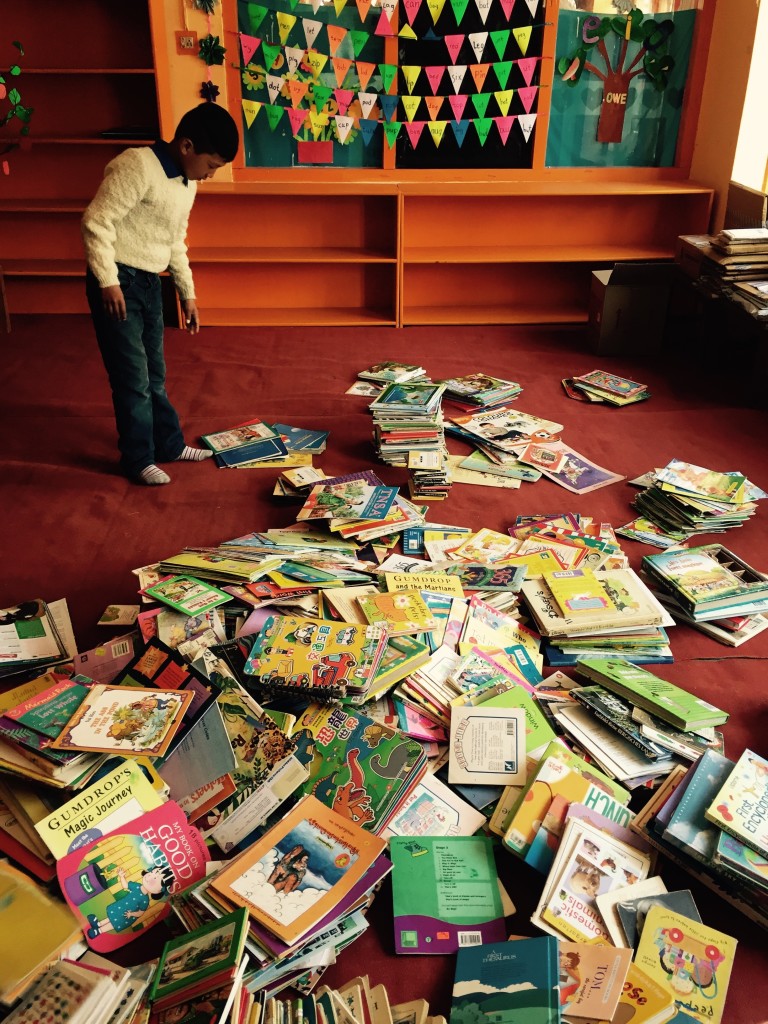
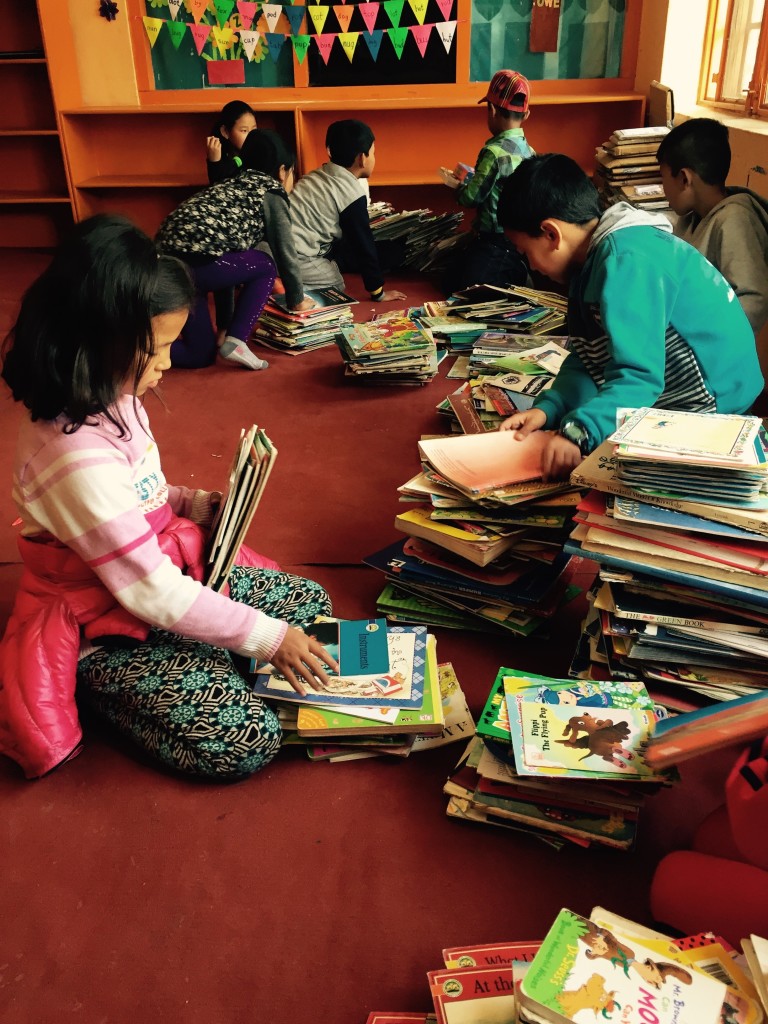
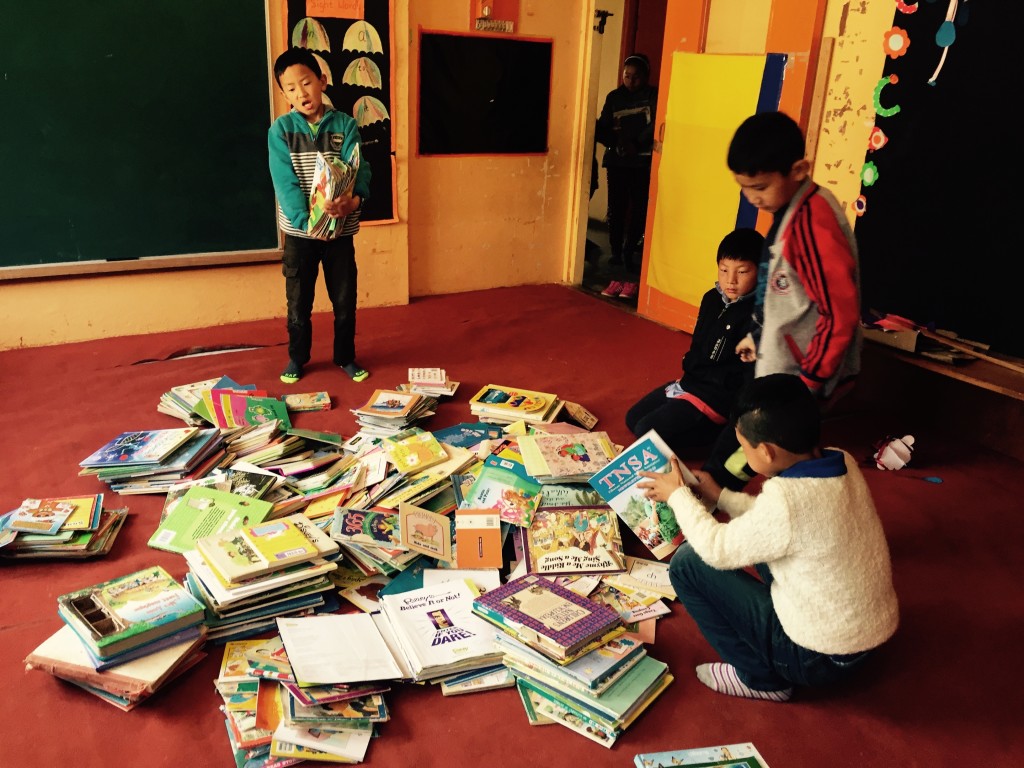
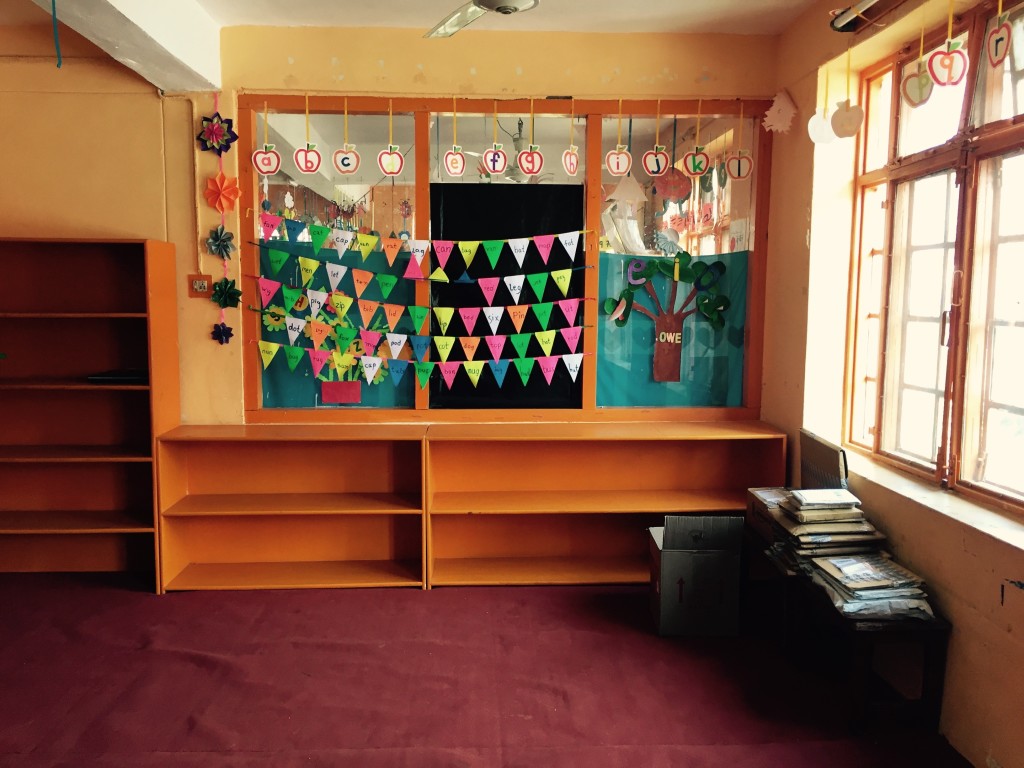
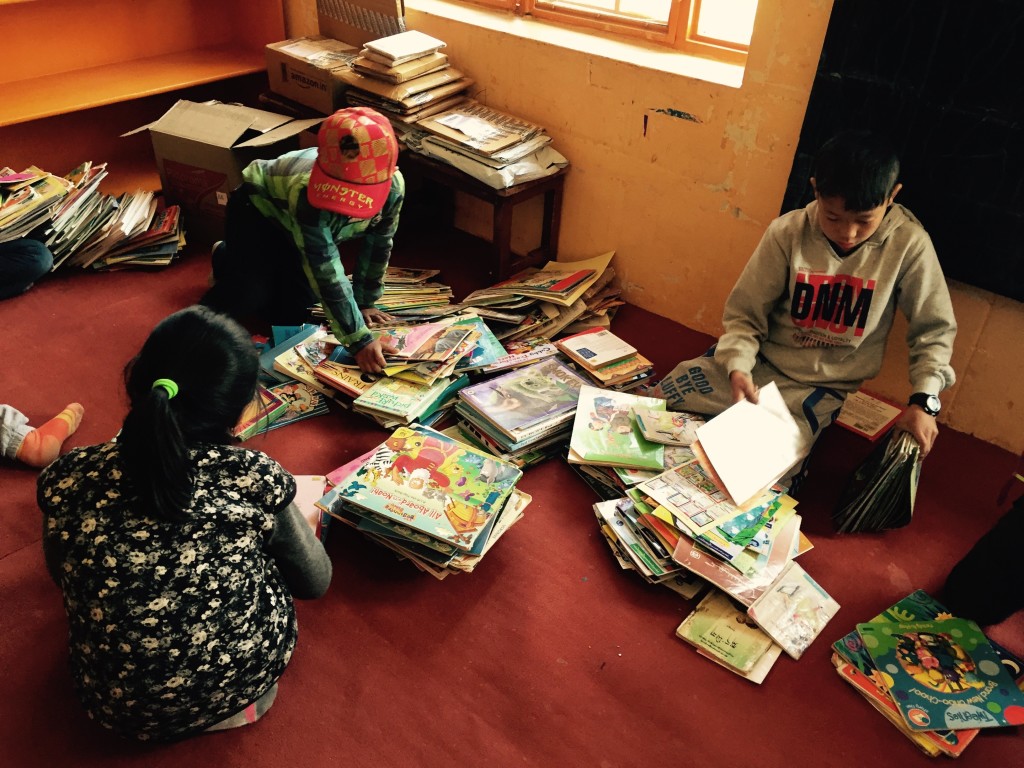
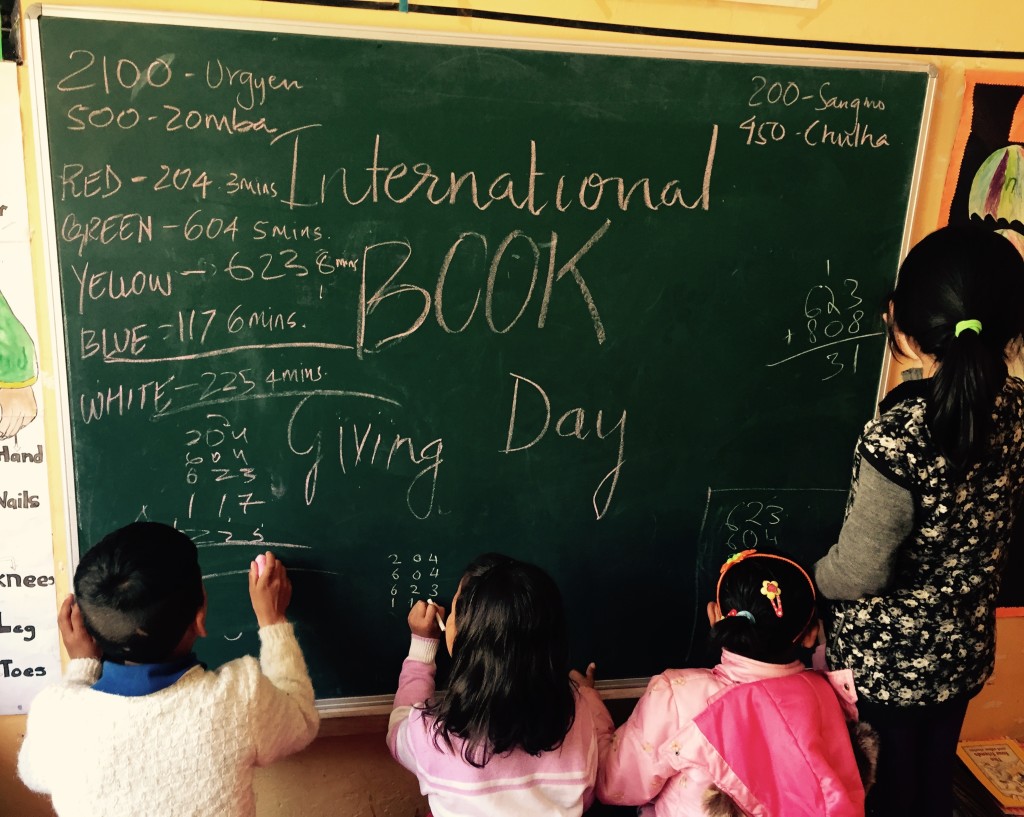
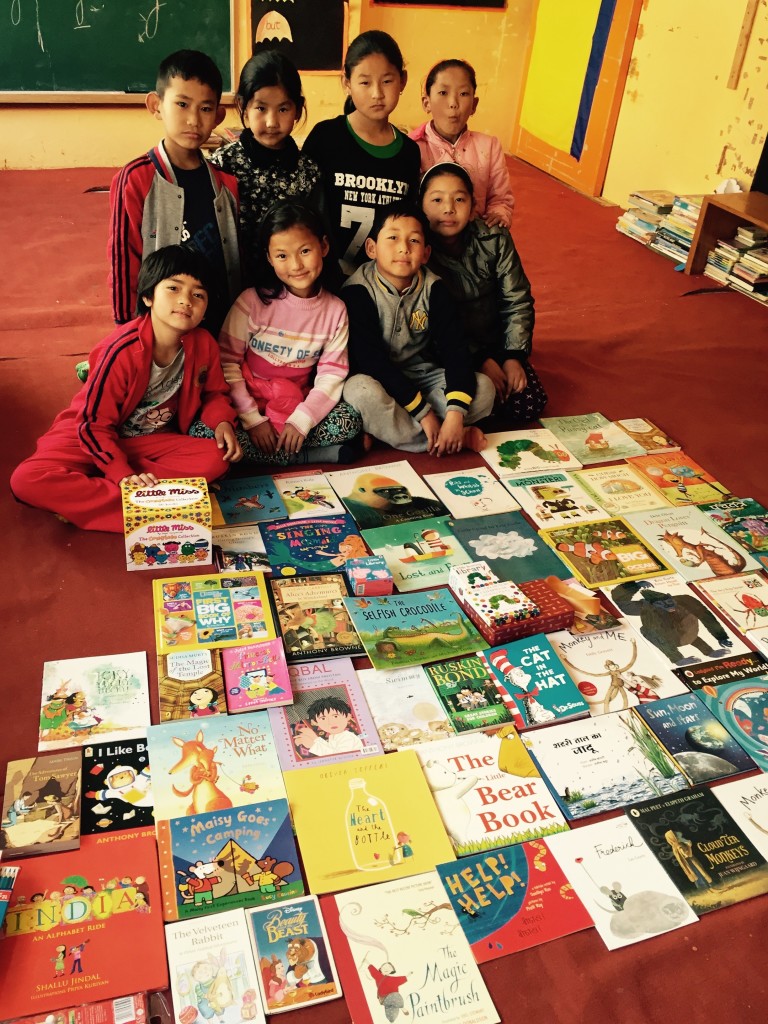
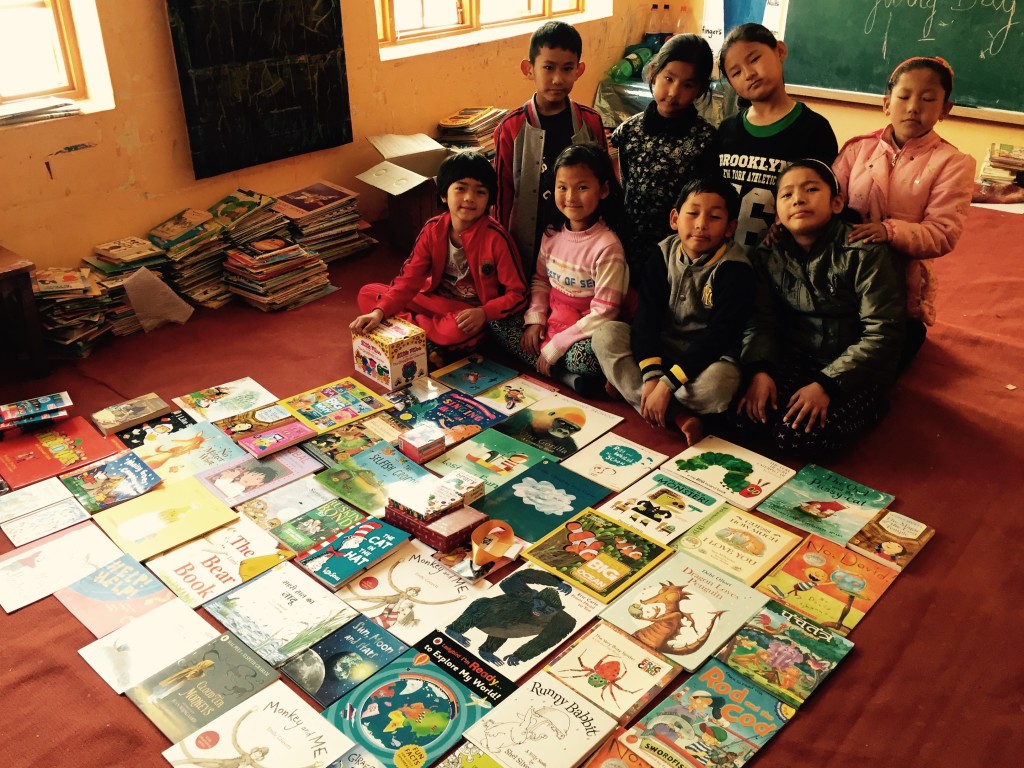
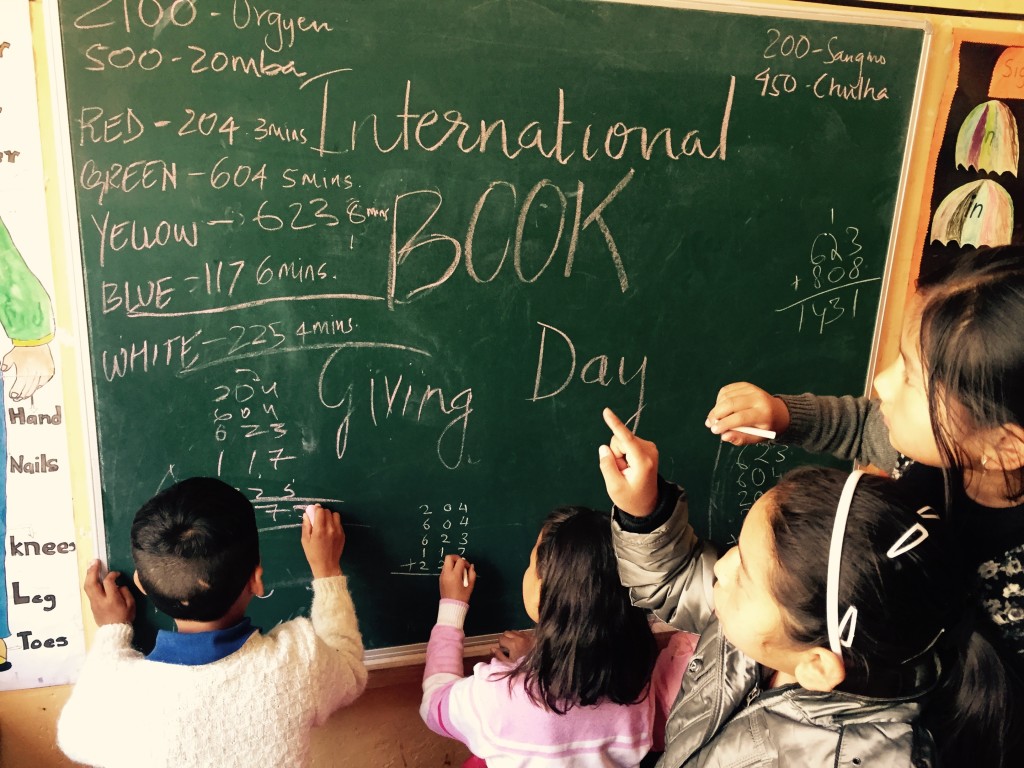
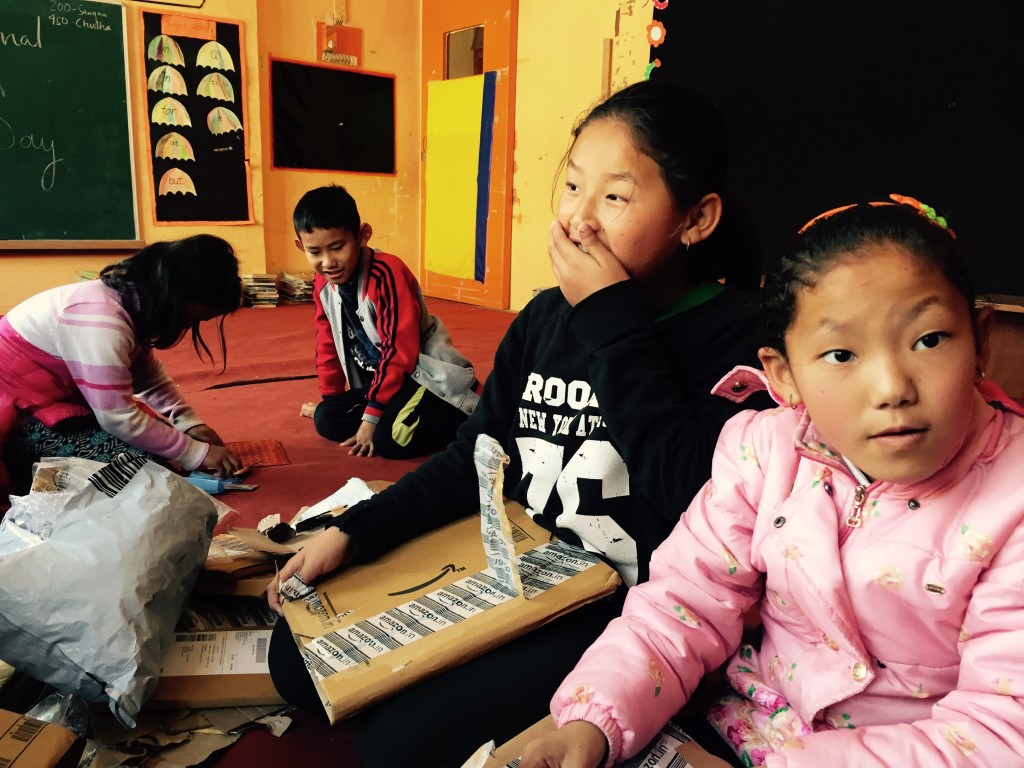
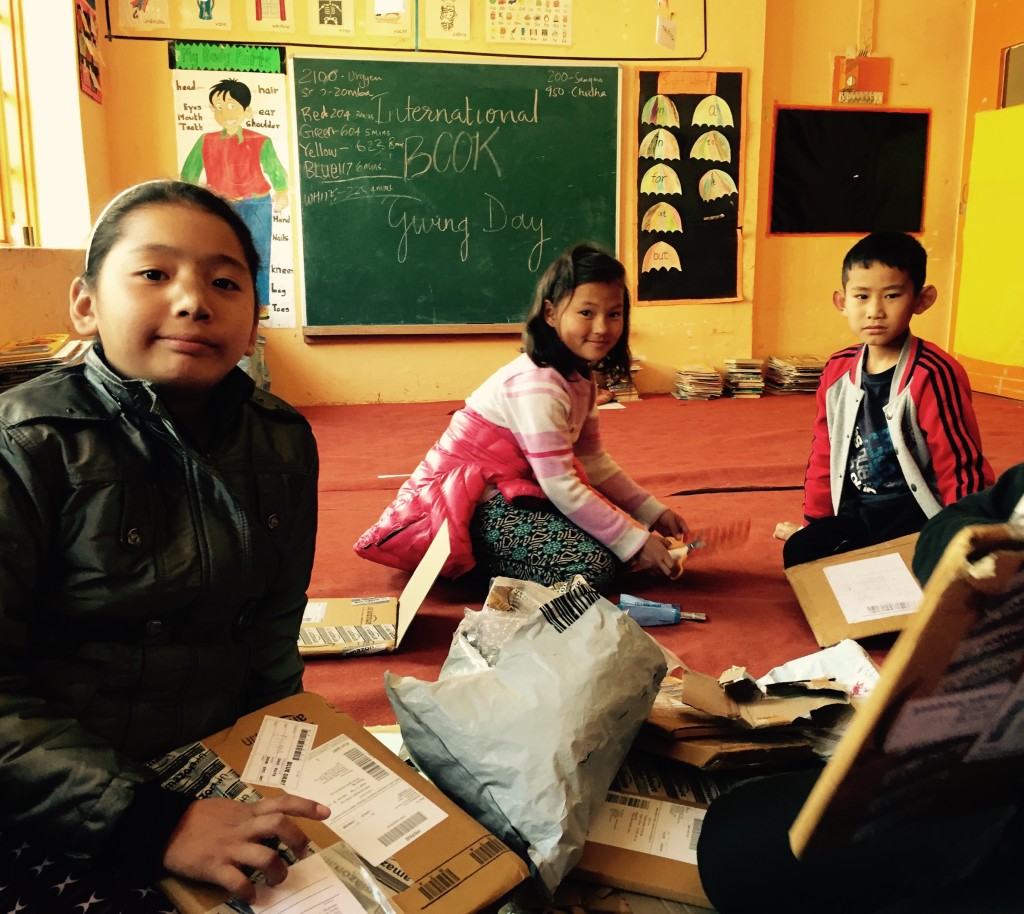
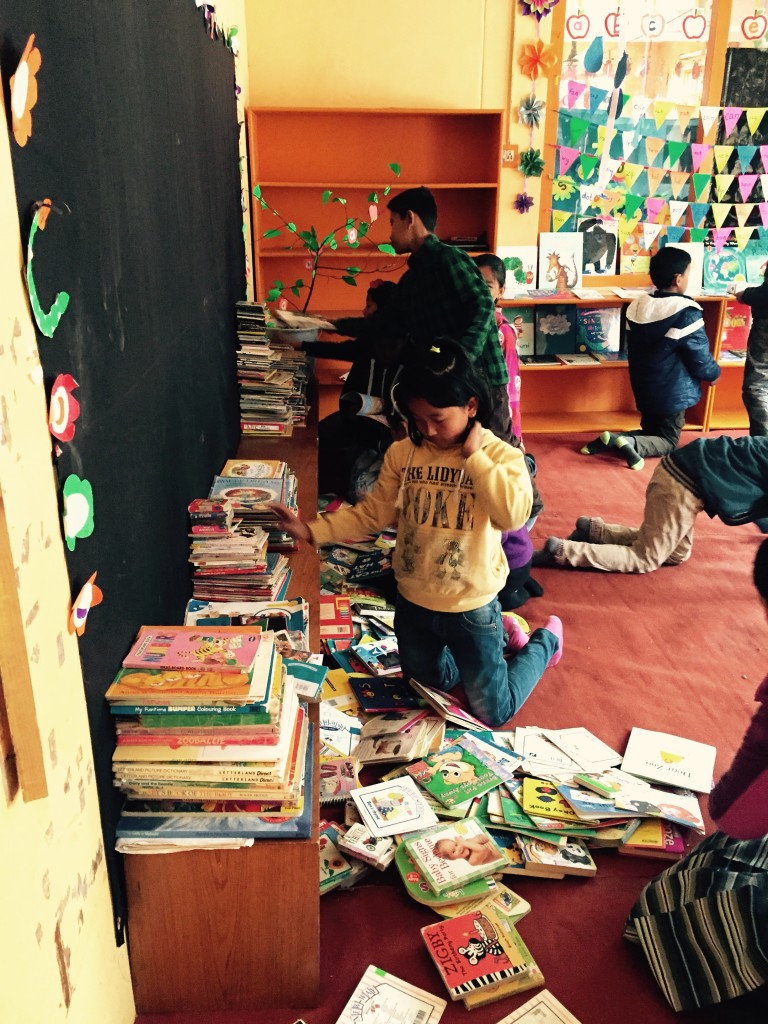
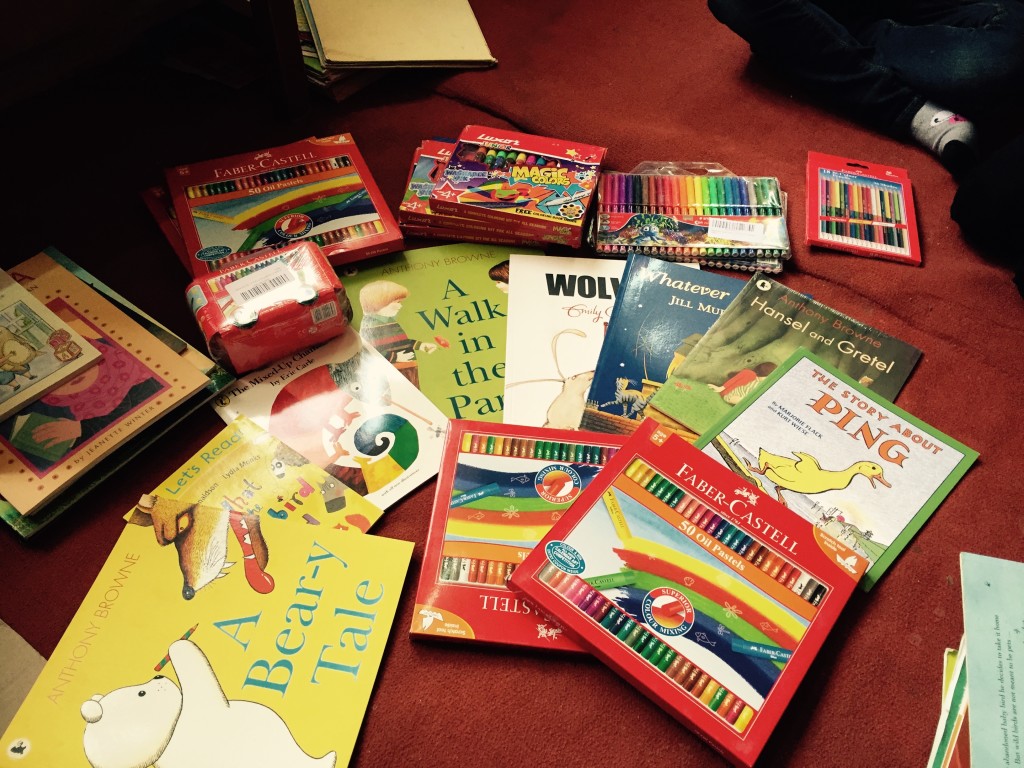
This vision is rooted in practical experience. Book drives, educational programmes, and community activities have shown how quickly curiosity grows when children encounter welcoming spaces and high-quality resources. A mobile library would build on that work while responding to the realities of mountain communities.
Why a travelling library matters
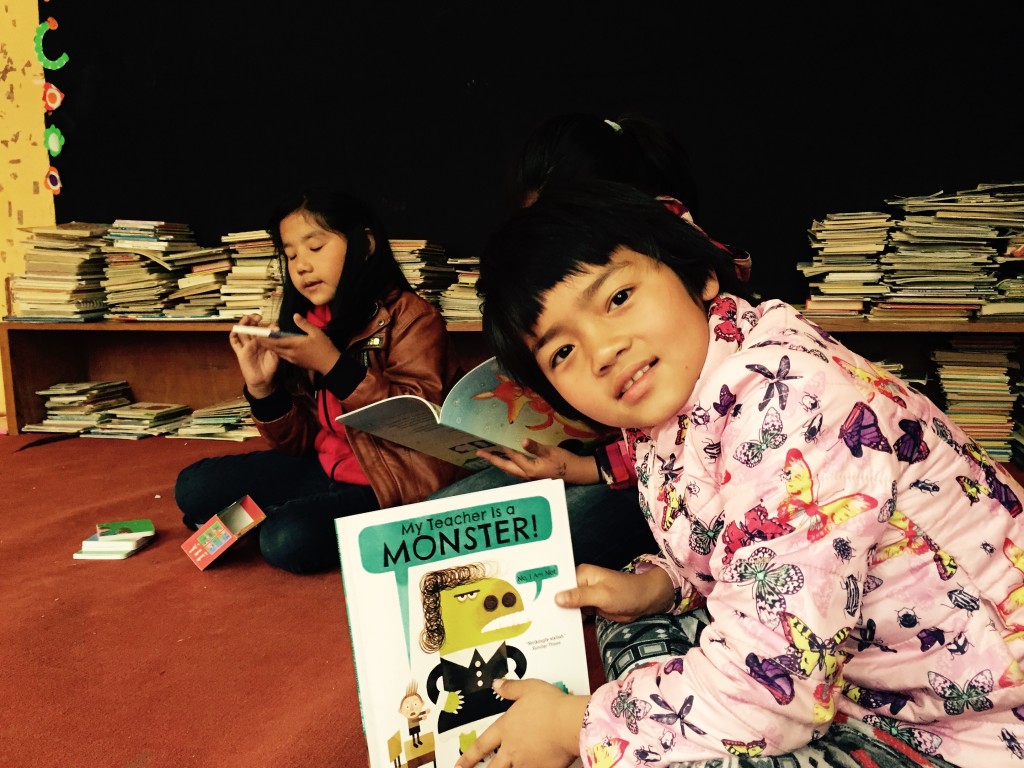
A fixed reading room can become an important gathering place, yet many children live too far away to visit regularly. A travelling book service would help close that gap by bringing a changing selection of books to villages, monastic communities, and small settlements that are rarely reached by cultural programmes. Regular visits could create continuity even when the route is long and difficult.
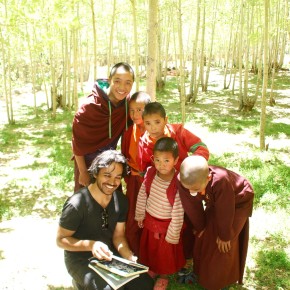
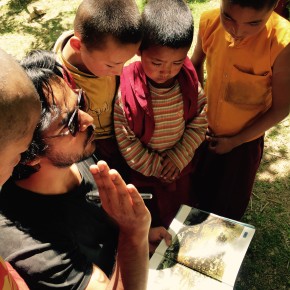
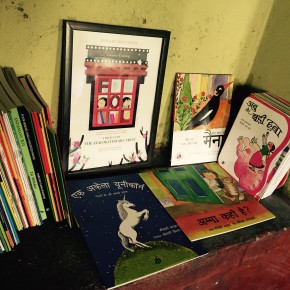
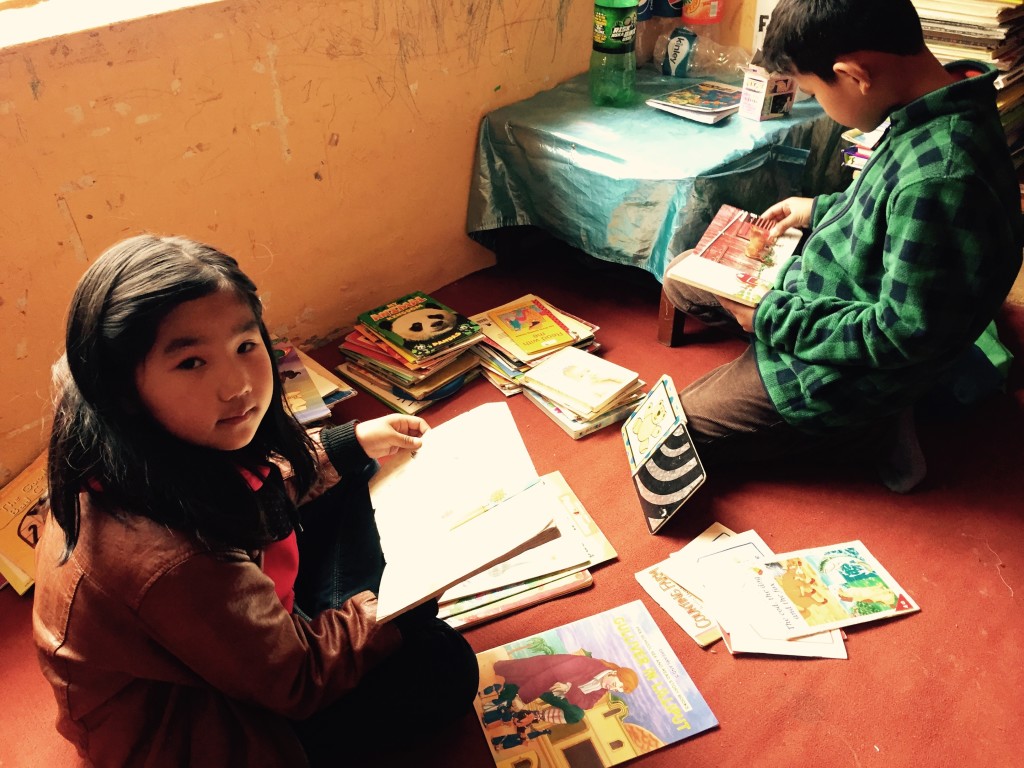
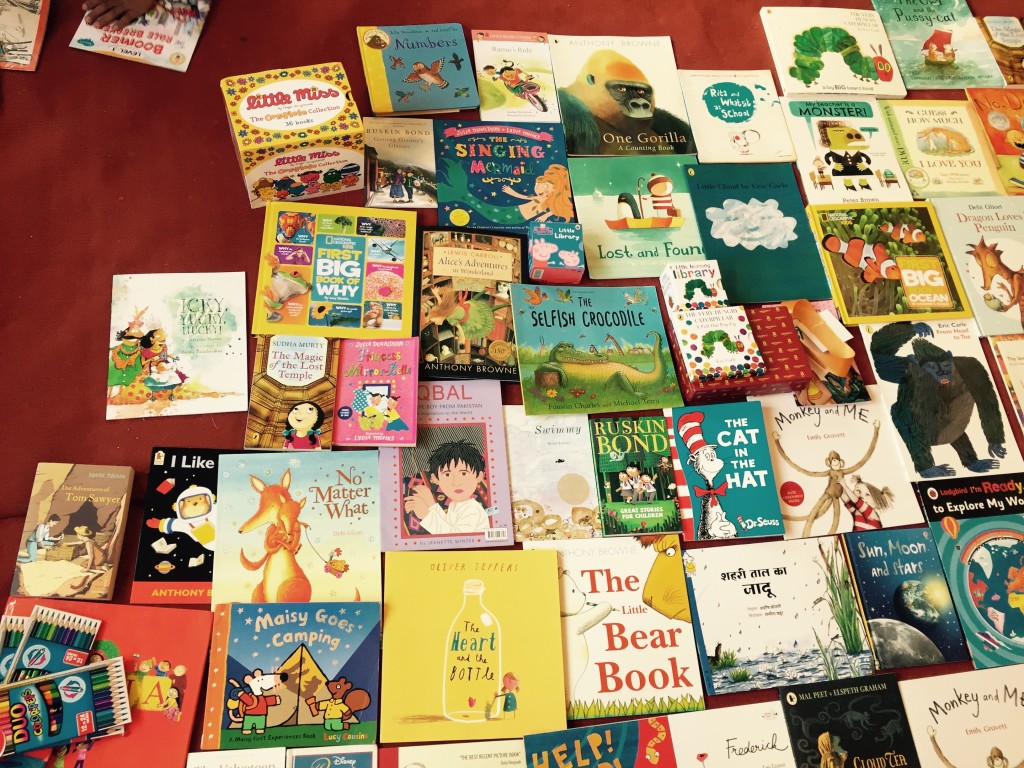
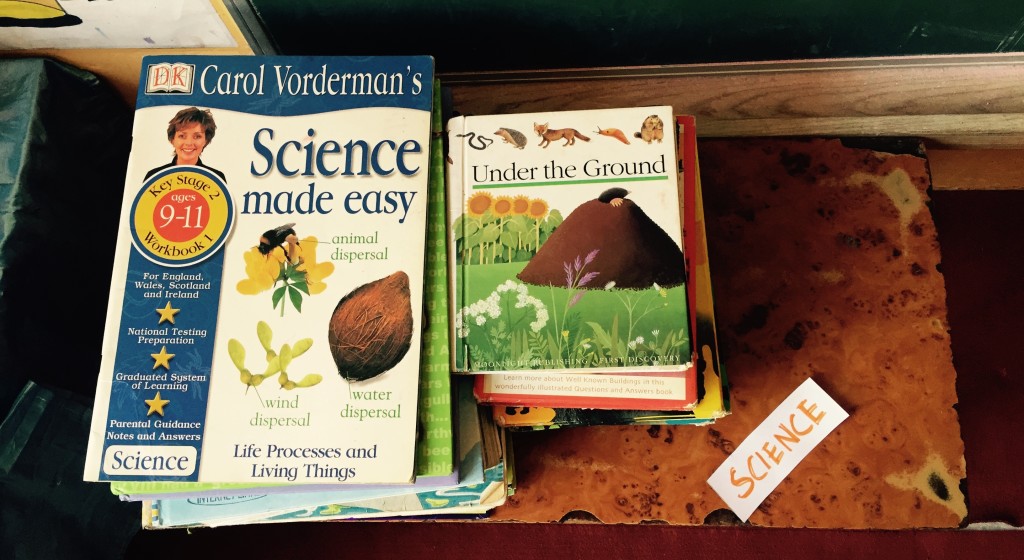
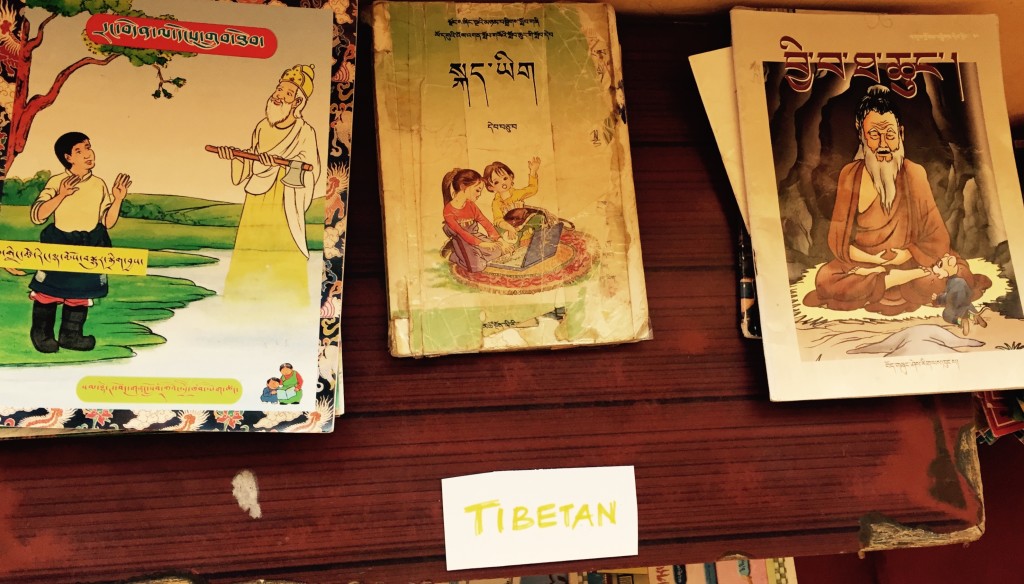
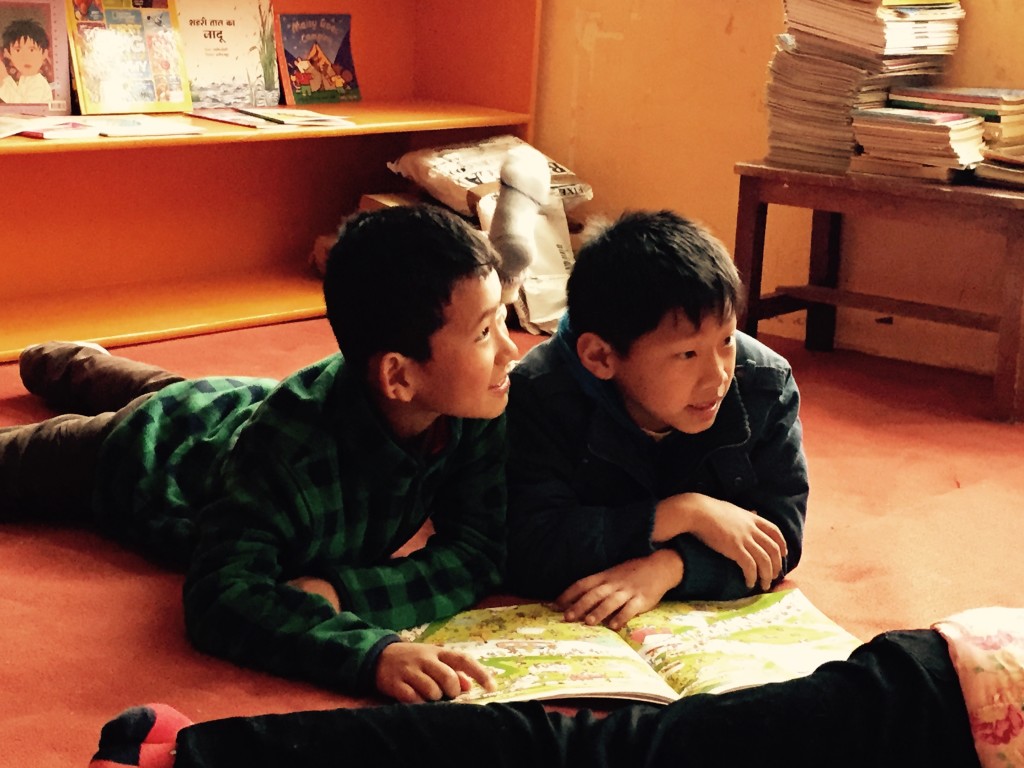
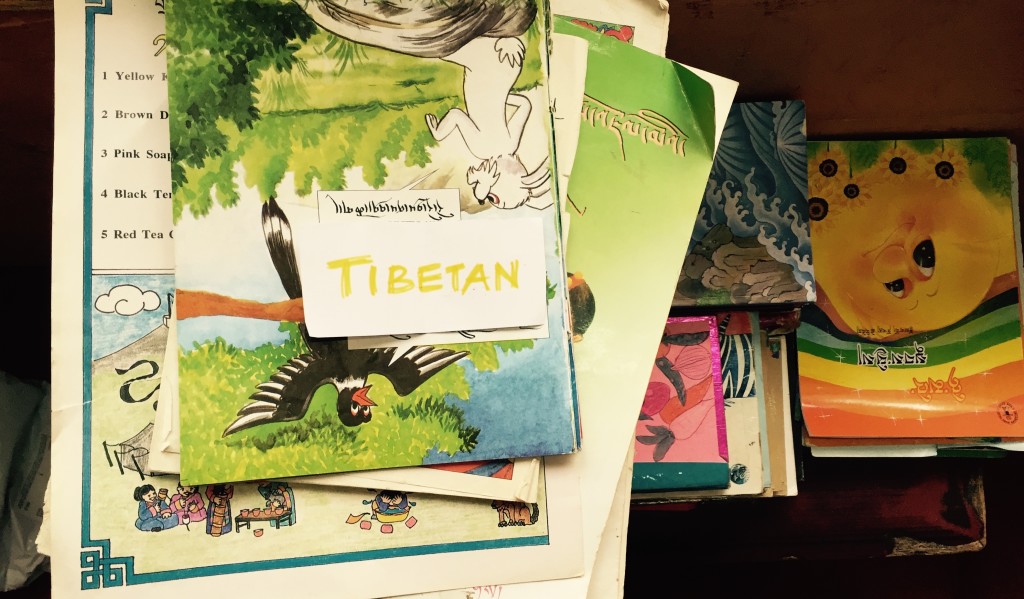
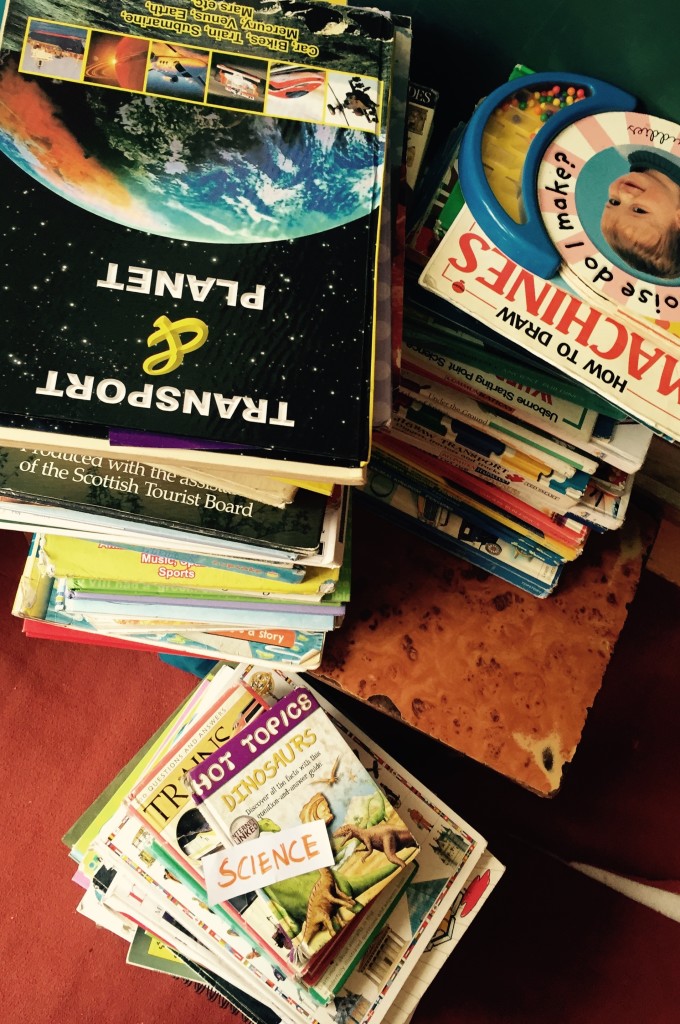
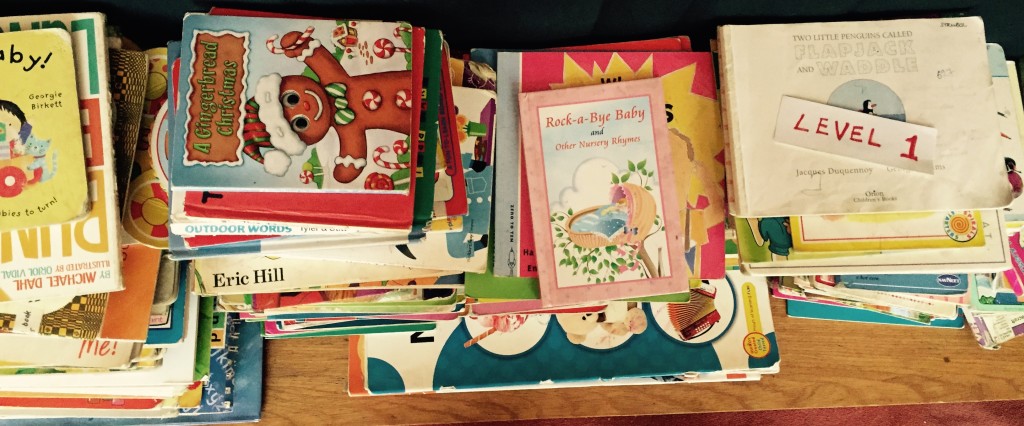
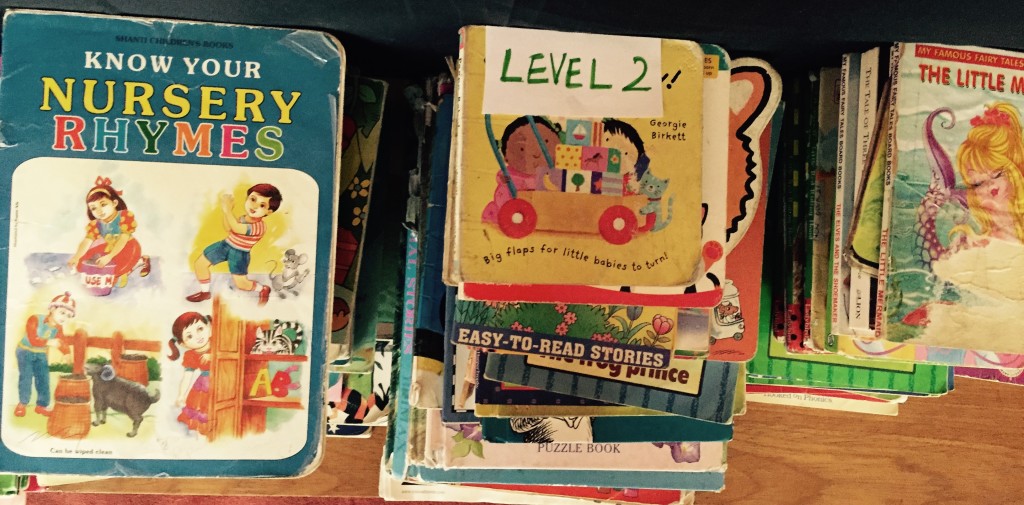
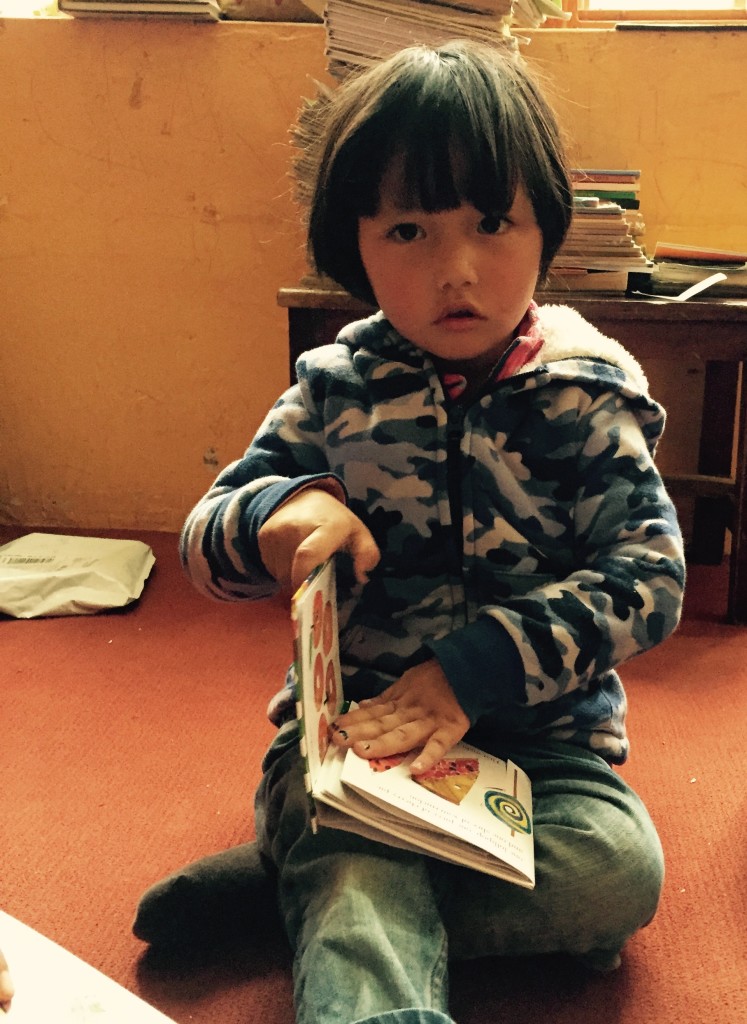
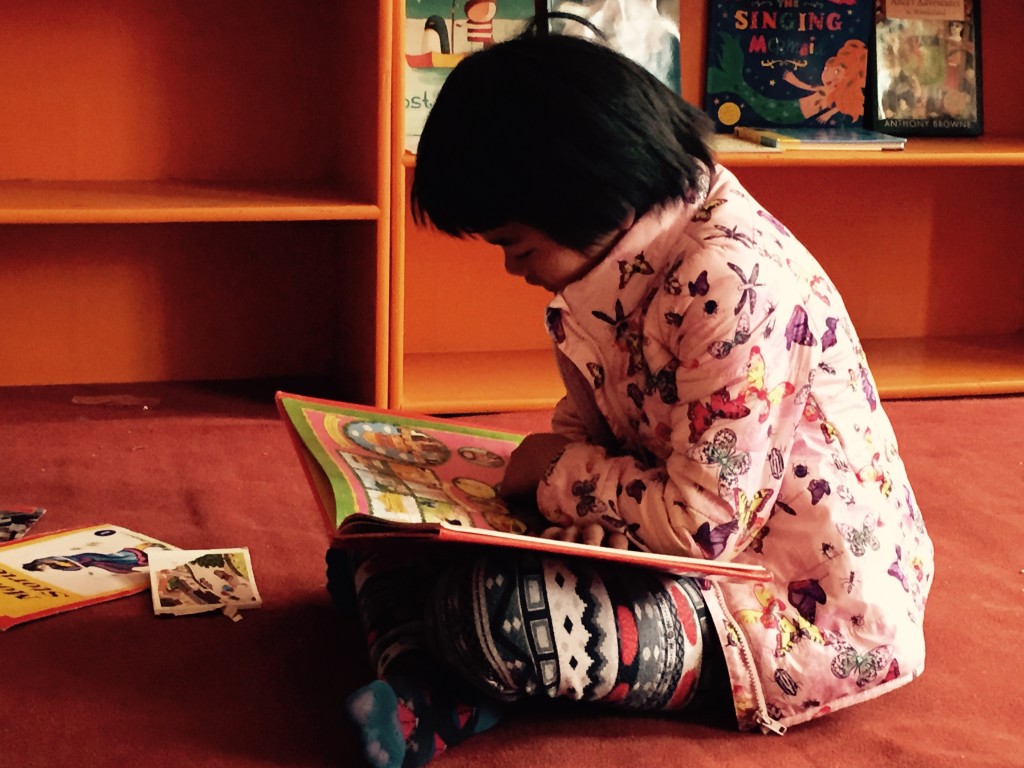
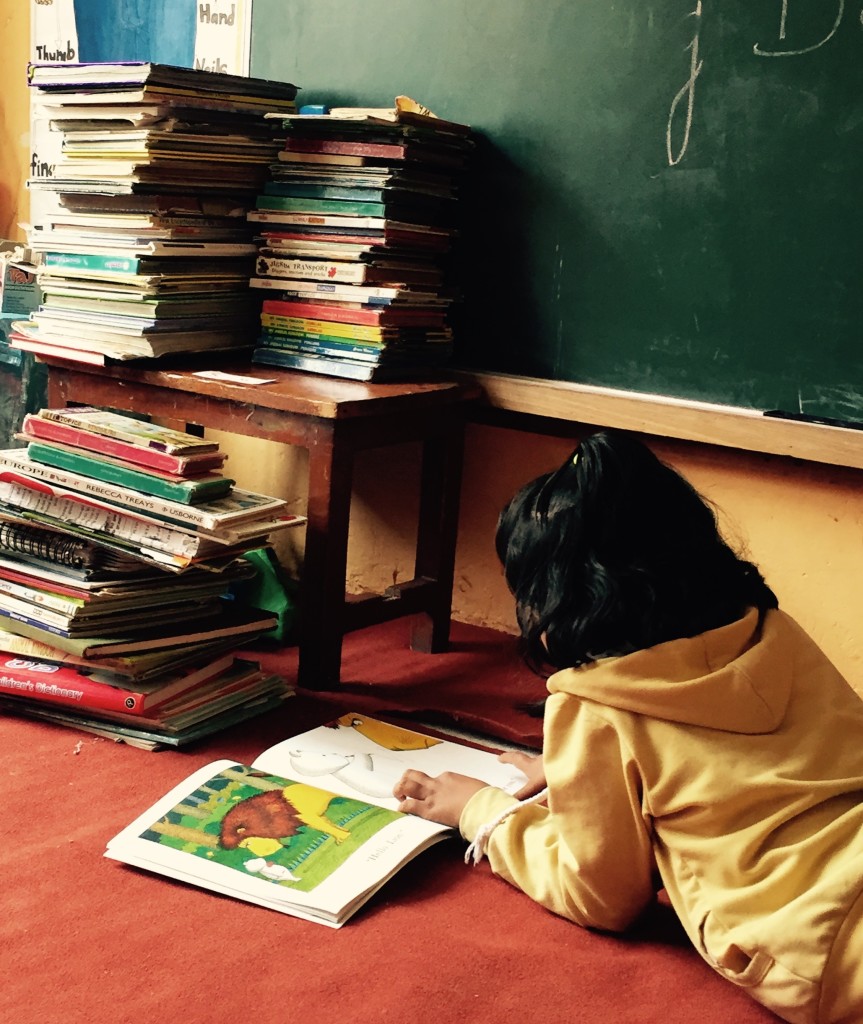
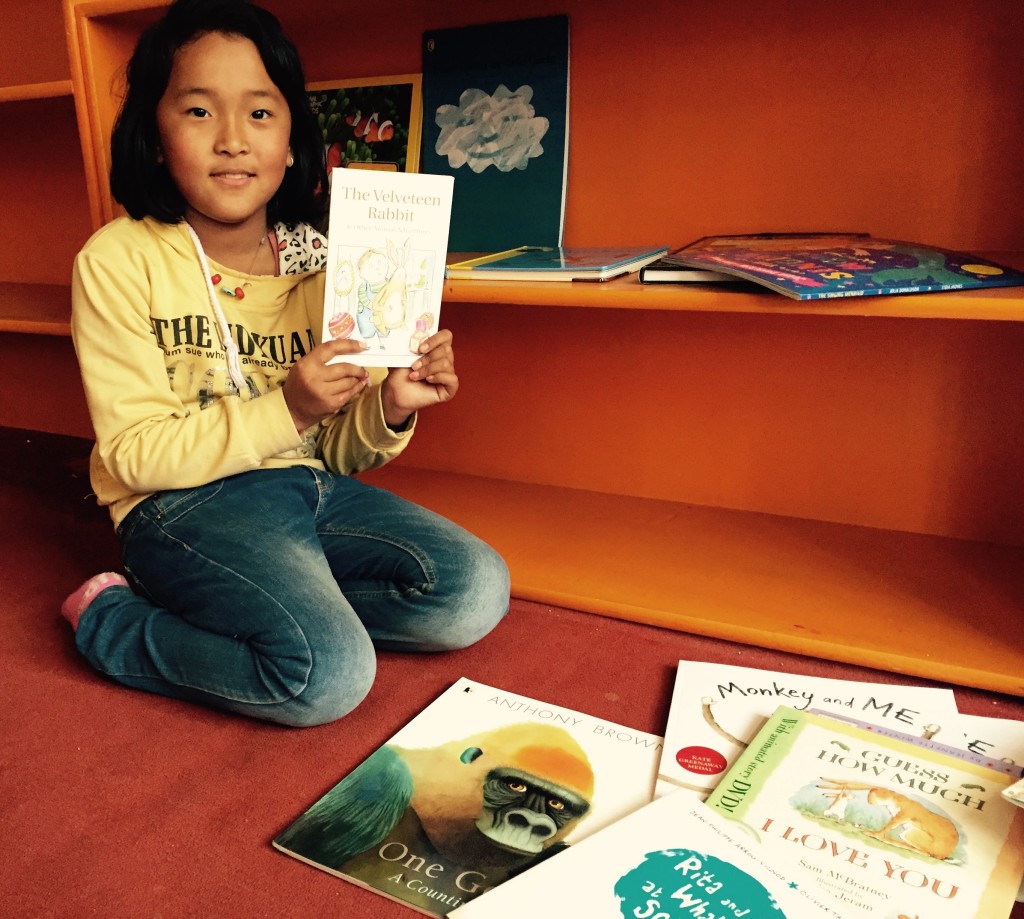
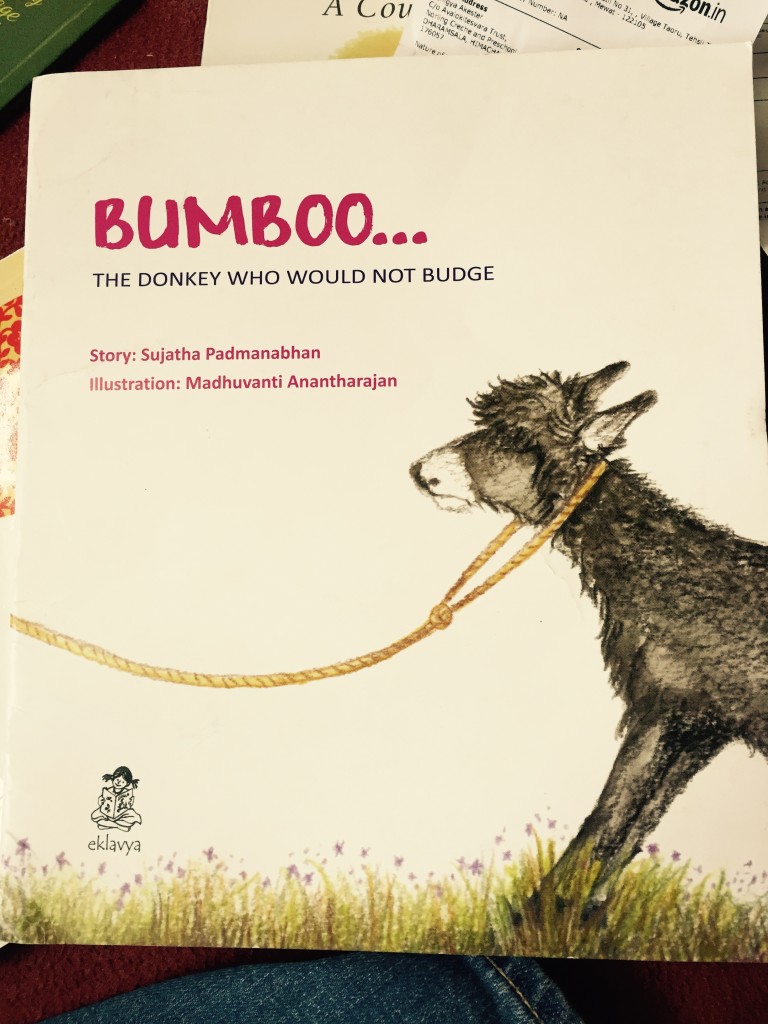
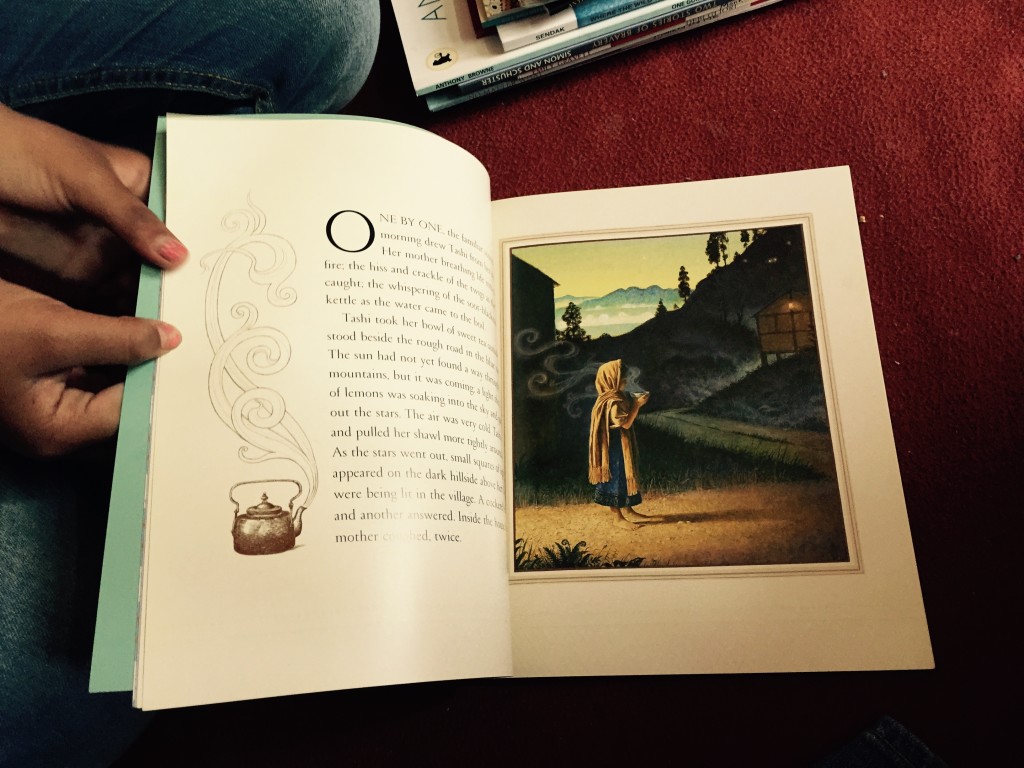
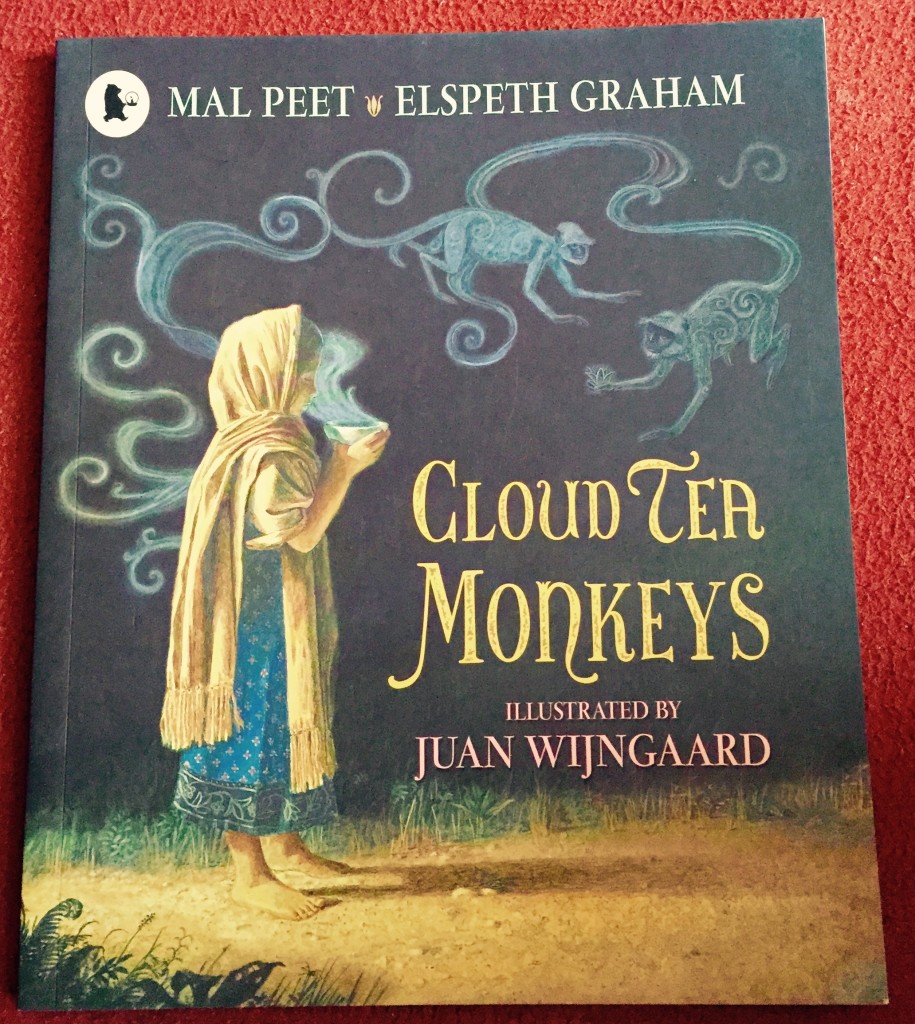
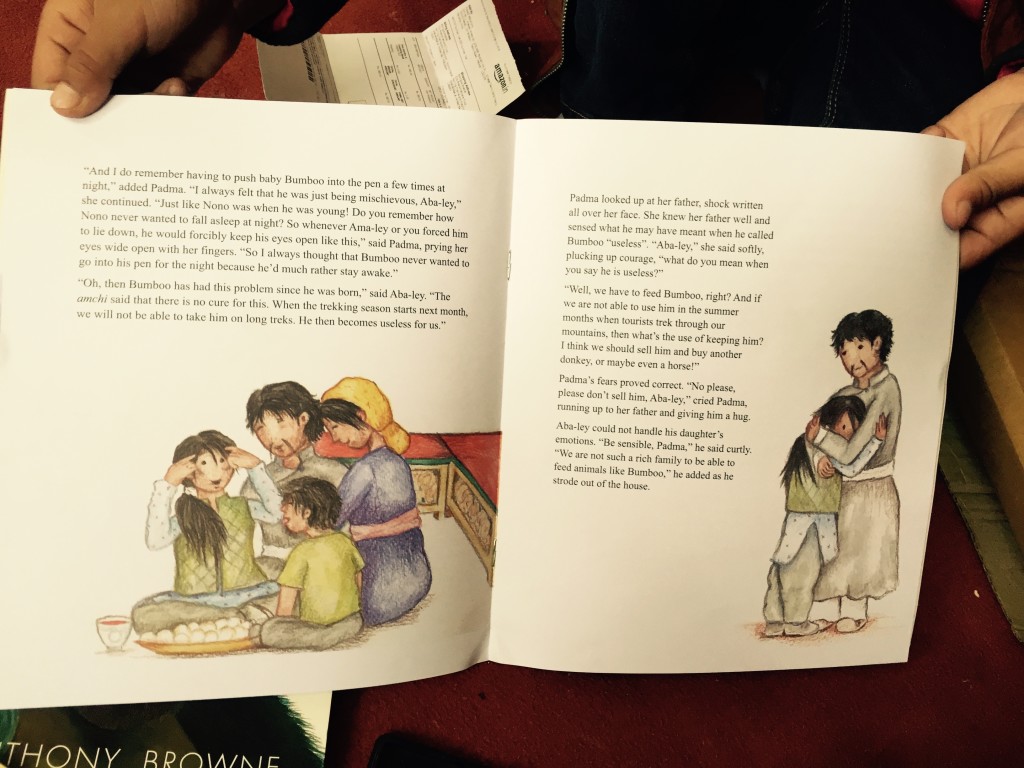
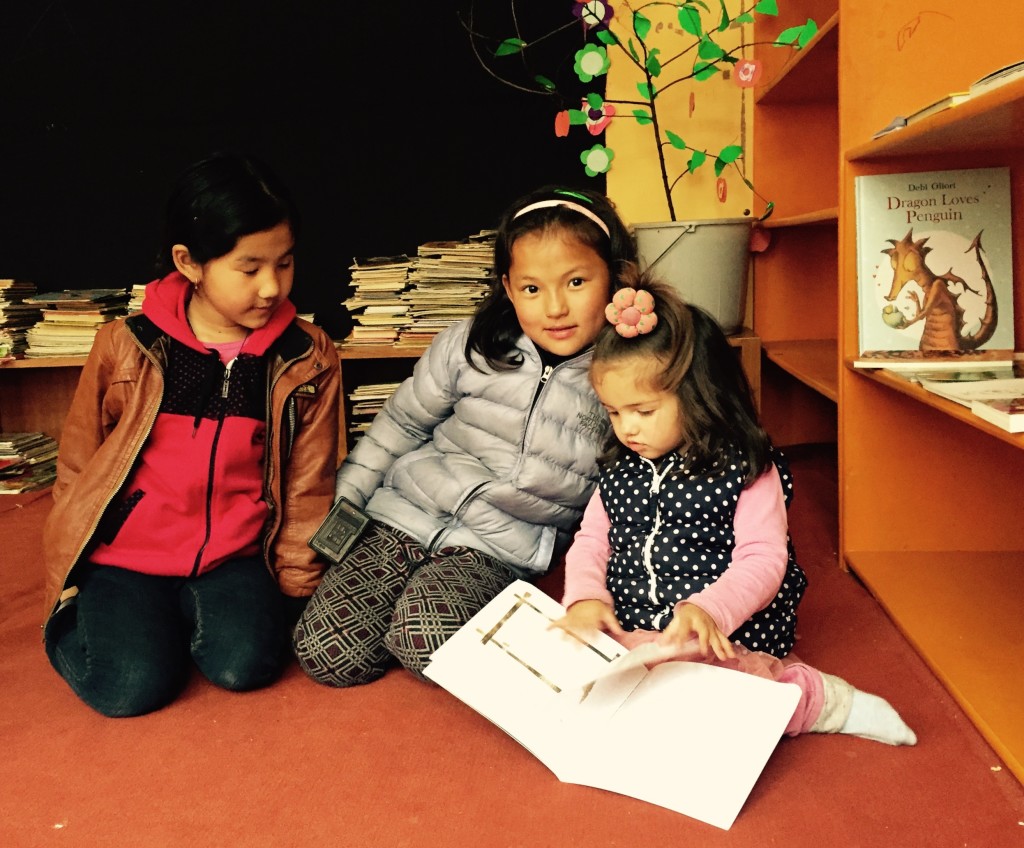
The value of a mobile library extends beyond borrowing. A child might find a picture book in Ladakhi, a science guide with clear illustrations, a collection of folktales, or a biography of someone from a very different part of the world. These encounters support language development, independent thinking, and confidence. They also make reading a shared social experience rather than a solitary school task.
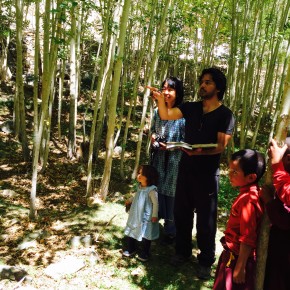
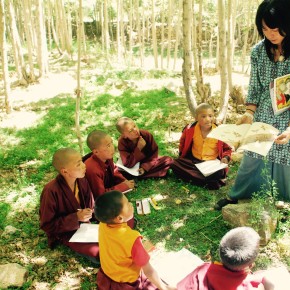
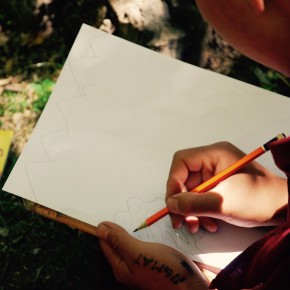
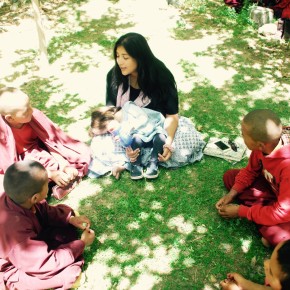
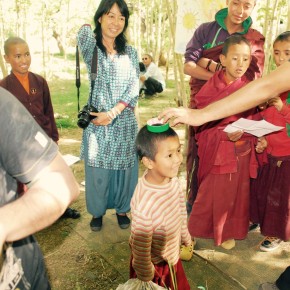
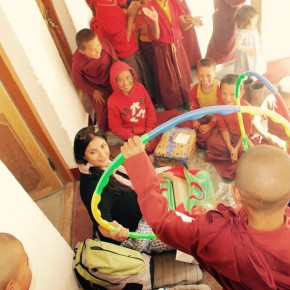
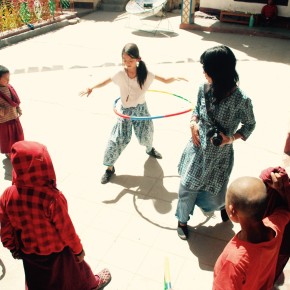
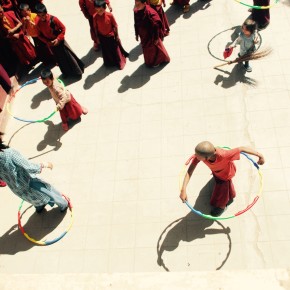
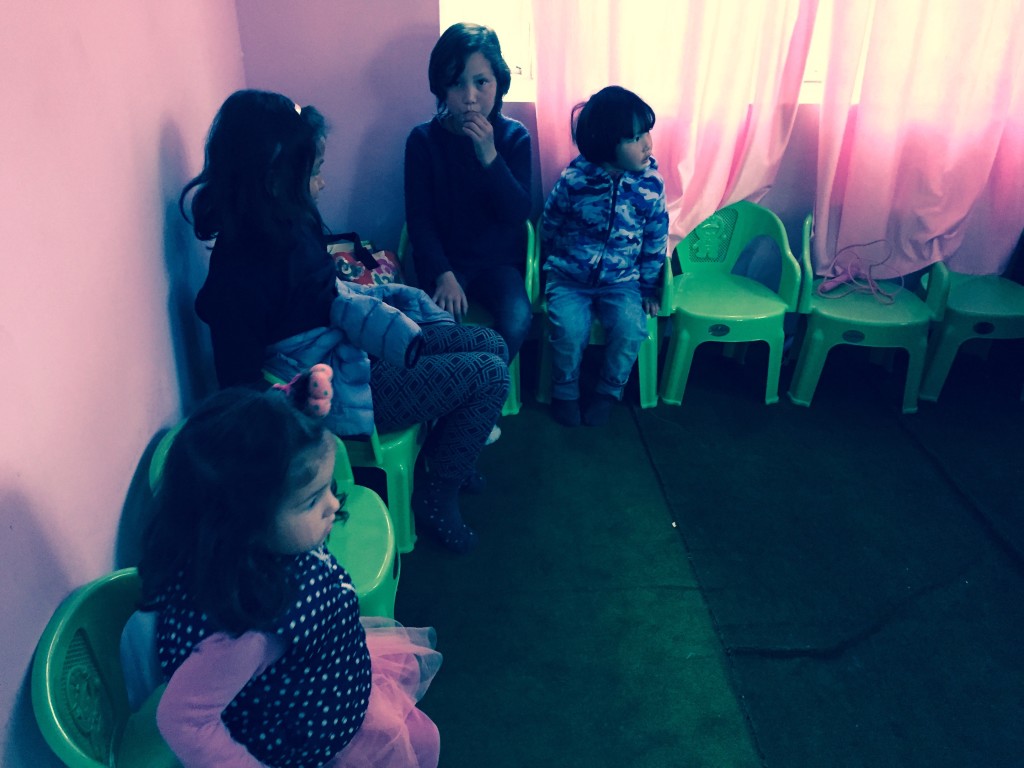
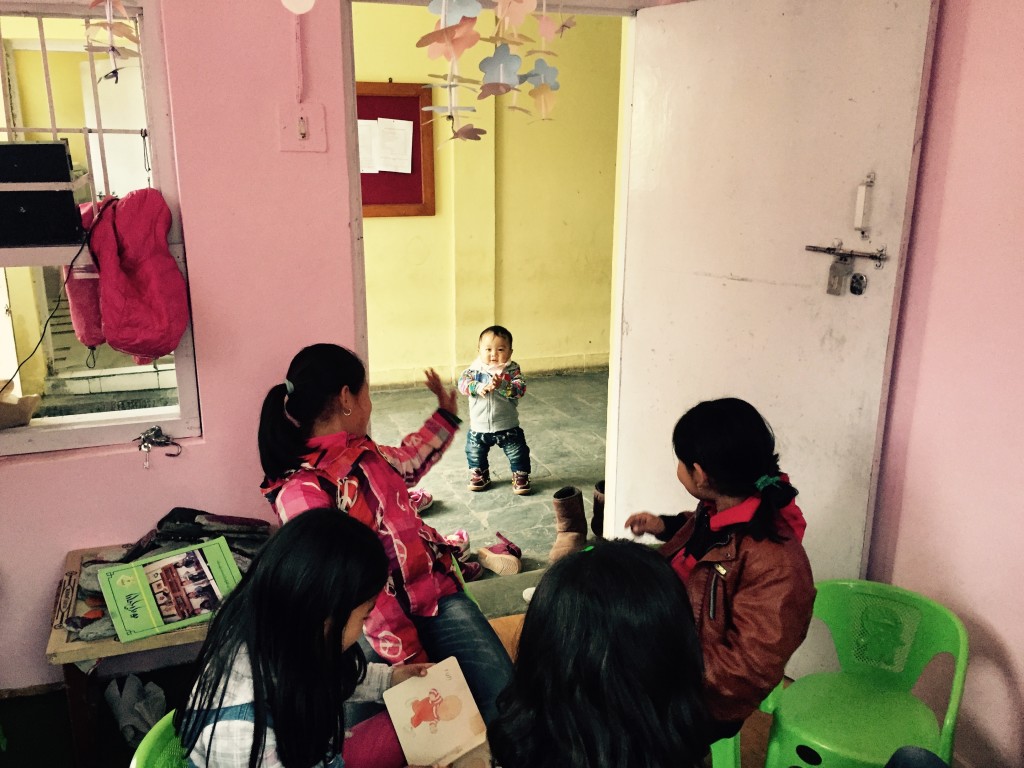
The vehicle would serve as a moving classroom and creative studio. During each stop, children could listen to stories, exchange recommendations, draw characters, write short reflections, or practise music. Young monks could explore subjects that complement their formal studies, from geography and environmental knowledge to literature and visual arts.
A library designed for mountain life
The mobile unit must be compact, durable, and adaptable. Shelving would need to protect books from dust, cold, and movement on rough roads, while the interior should remain inviting and easy for children to browse. A combination of printed books, portable cushions, display boxes, and simple activity materials could transform an unfamiliar vehicle into a warm reading room.
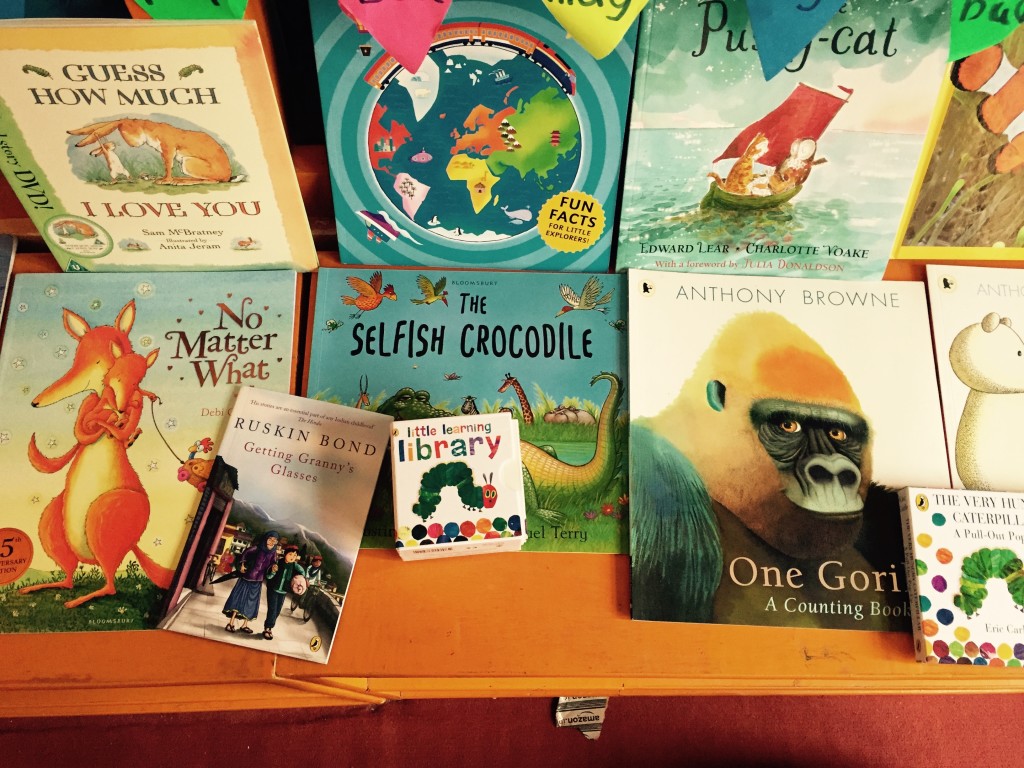
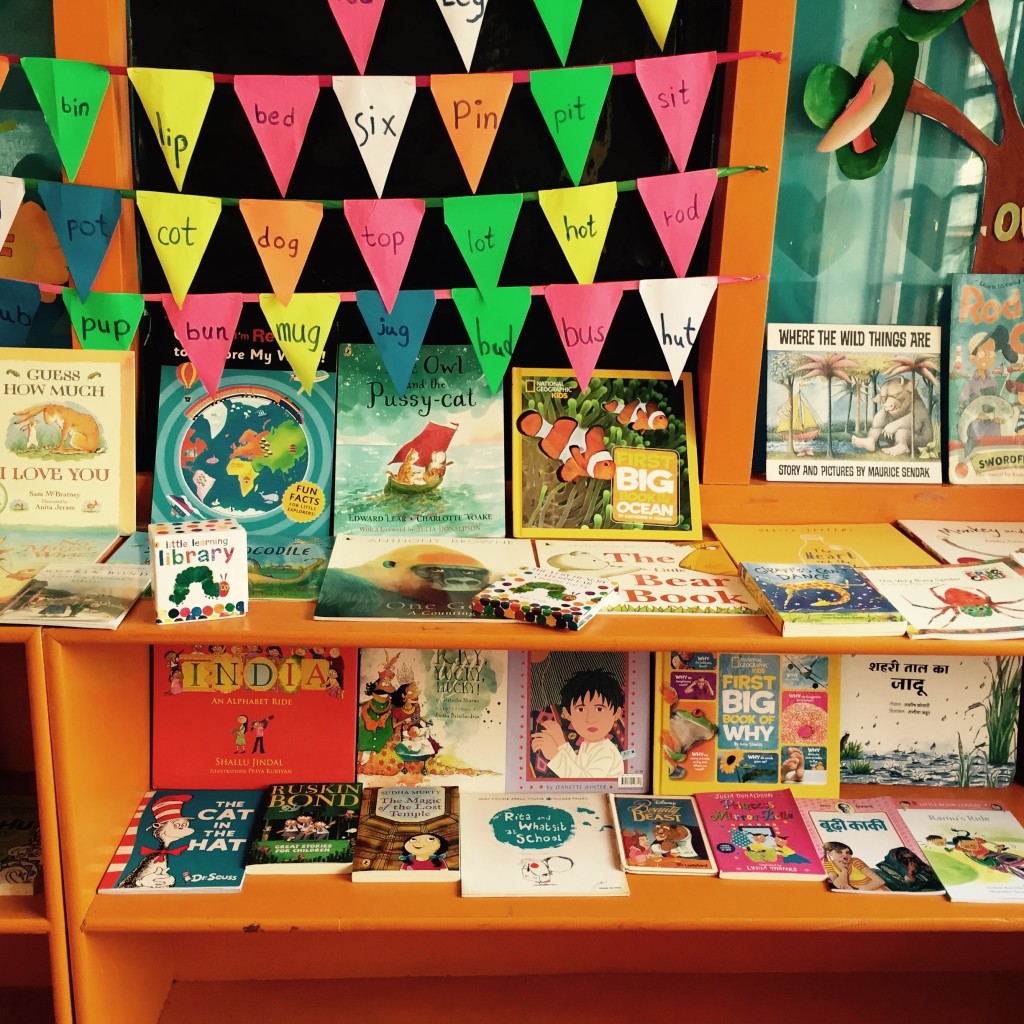
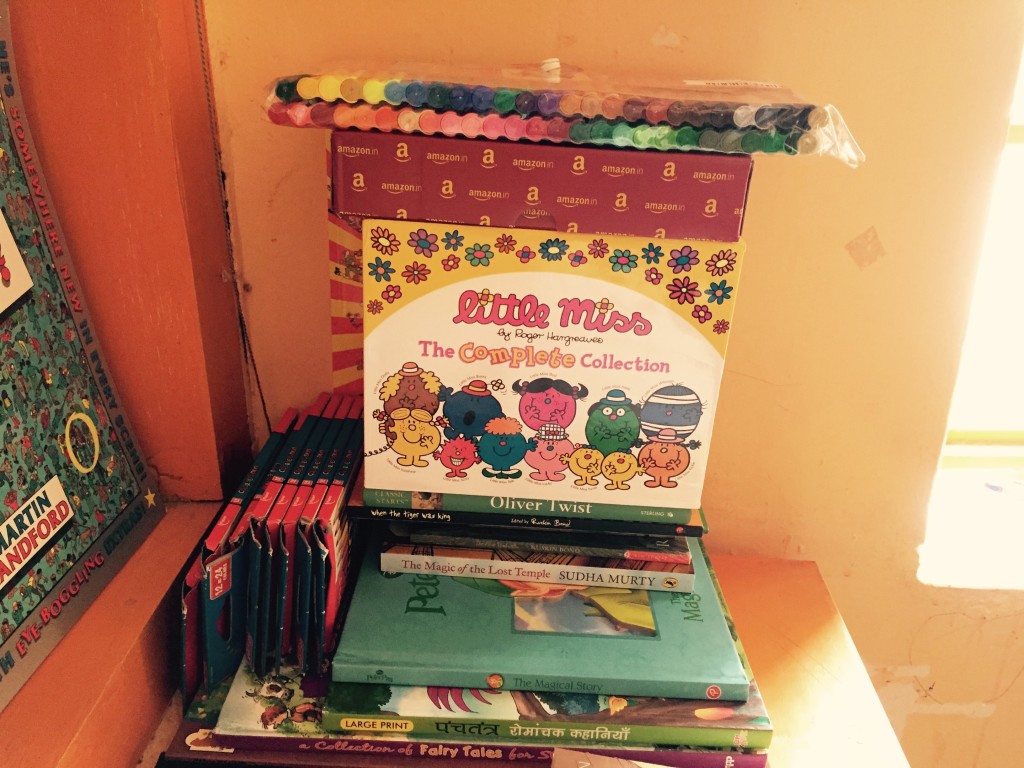
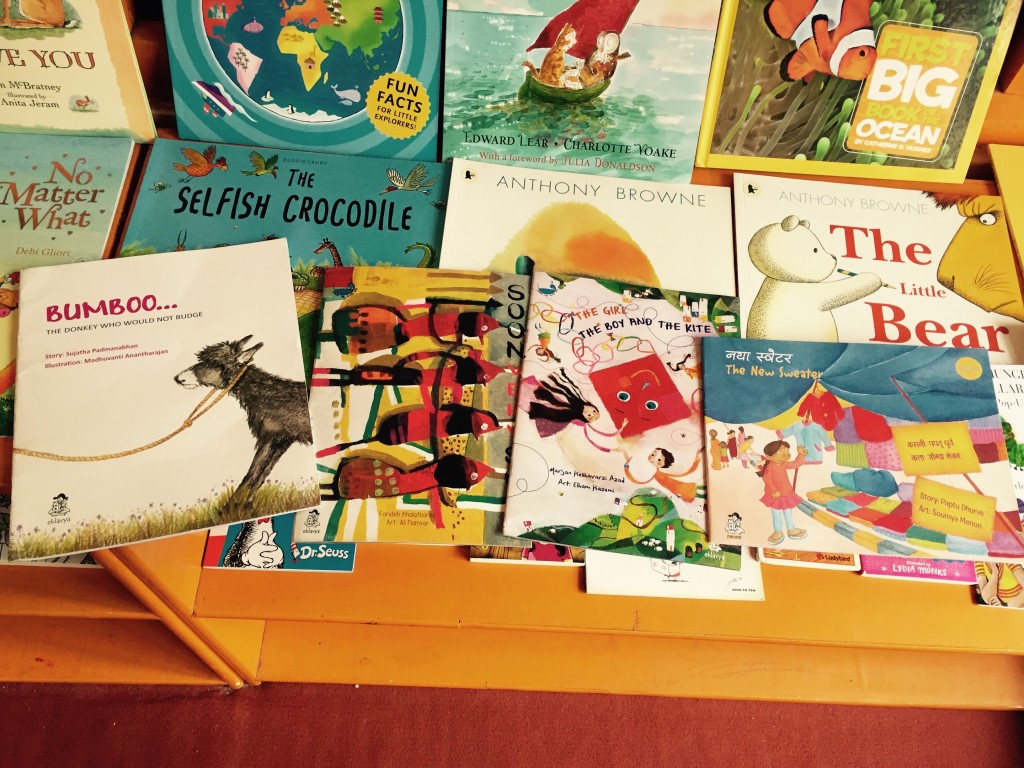
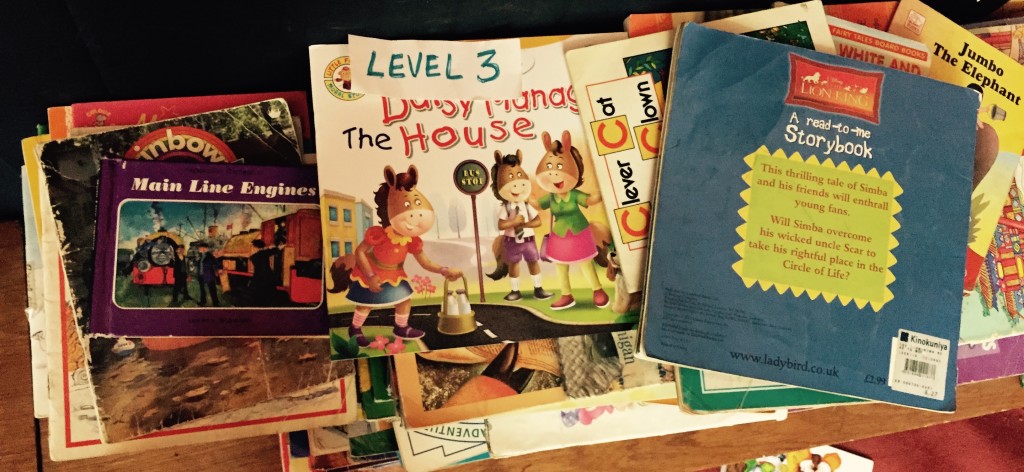
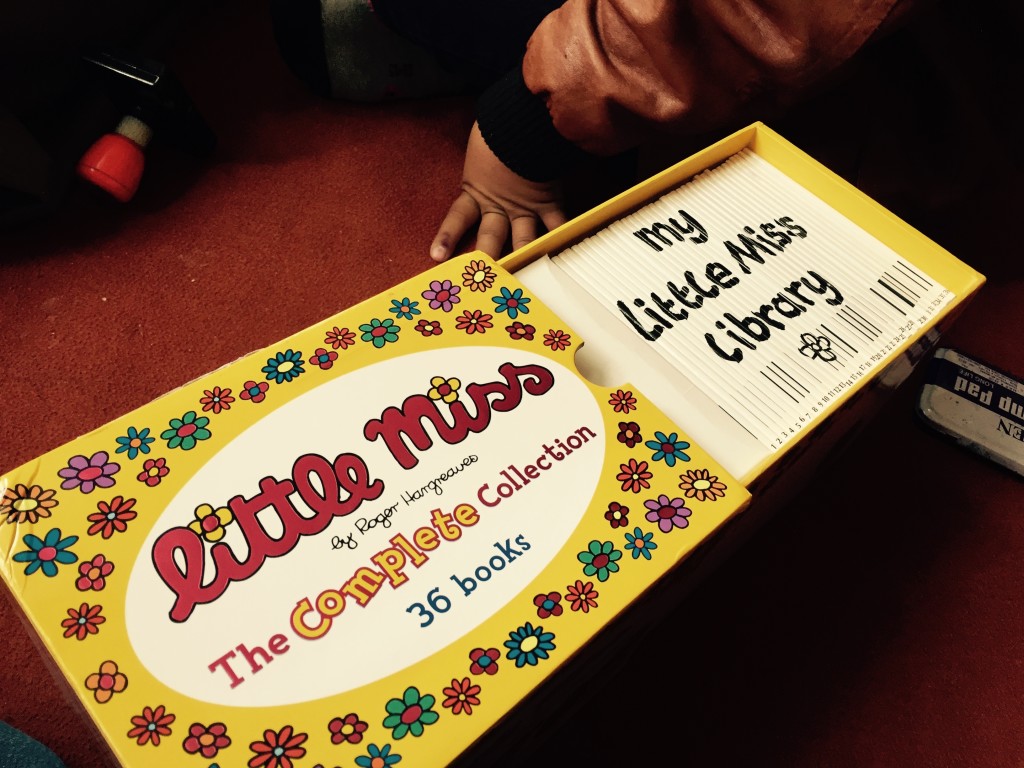
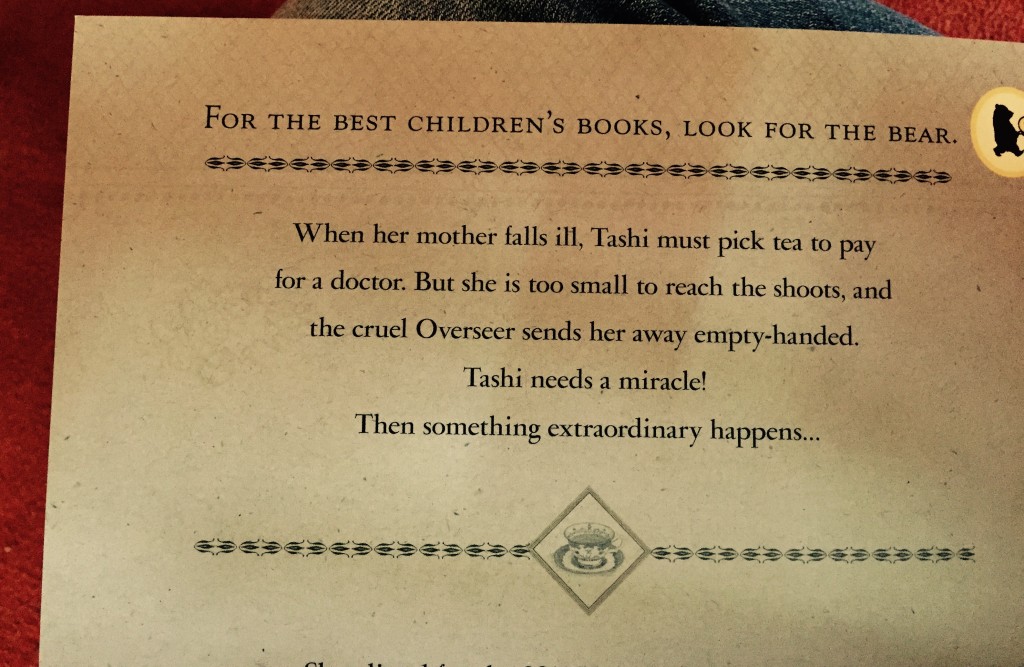
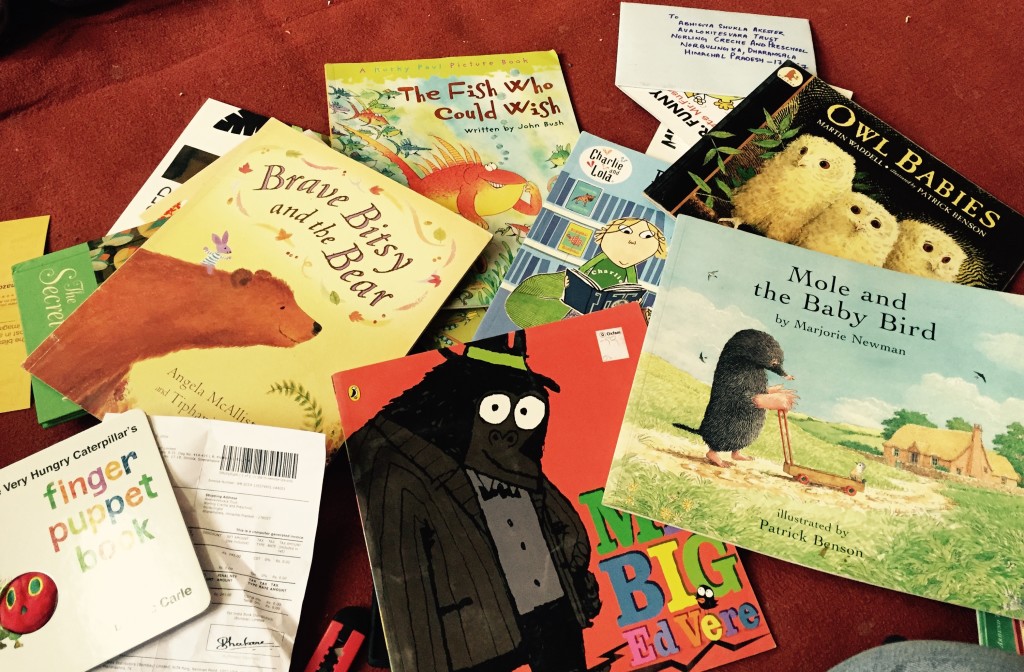
Selection would be guided by age, language, local interest, and educational relevance. Illustrated books can support early readers, while novels, reference works, comics, poetry, and practical guides can engage older children. Bilingual and multilingual resources would help learners move between home languages, regional languages, and English without treating any one language as a barrier.
The collection would also reflect Himalayan culture and the importance of local knowledge. Stories connected to mountains, wildlife, seasonal life, monasteries, craft traditions, and community history can sit beside international literature. This balance allows children to see their own lives represented while developing a wider understanding of the world.
What the service could offer
A mobile library should be measured by the quality of its relationships as much as by the number of books it carries. Each route would be planned with local teachers, families, monastic leaders, and community representatives. Their guidance could identify the best visiting times, the most useful subjects, and the age groups needing additional support.
| Feature |
Purpose |
Benefit for children |
| Rotating book collection |
Bring fresh reading material to isolated communities |
Sustains curiosity and encourages regular reading |
| Storytelling sessions |
Make books accessible to emerging readers |
Builds listening, language, and comprehension skills |
| Art and music activities |
Connect literacy with creative expression |
Develops confidence, imagination, and collaboration |
| Local language resources |
Reflect children’s identities and learning needs |
Supports inclusion and stronger engagement |
| Reading records and feedback |
Track interests without turning reading into a test |
Helps shape future visits and book selection |
A simple lending system could allow children to borrow books between visits. For communities with limited connectivity, paper records would remain essential, supported where possible by digital cataloguing at the Trust’s main base. The aim would be to make borrowing straightforward, respectful, and welcoming rather than administrative or intimidating.
The programme could also carry small collections for teachers and caregivers. Guidance on reading aloud, creative learning, and age-appropriate books would help families continue the experience after the vehicle leaves. A travelling library becomes more effective when it strengthens the local reading culture instead of operating as a short-term event.
Routes that connect isolated communities
Planning a Himalayan mobile library requires careful attention to weather, altitude, road access, and seasonal rhythms. Routes may need to change during winter or the monsoon, and some hamlets may be reachable only during a brief period each year. A flexible calendar could combine dependable regular stops with longer expeditions to communities that are visited less often.
Local partnerships would make this work safer and more sustainable. Schools, monasteries, village groups, and existing reading rooms could provide secure stopping points, help gather children, and recommend local volunteers. Residents who understand the terrain could advise on travel conditions and help the service reach families who might otherwise remain outside its network.
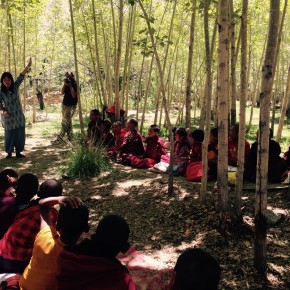
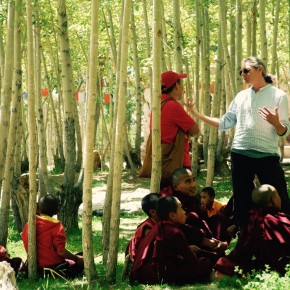
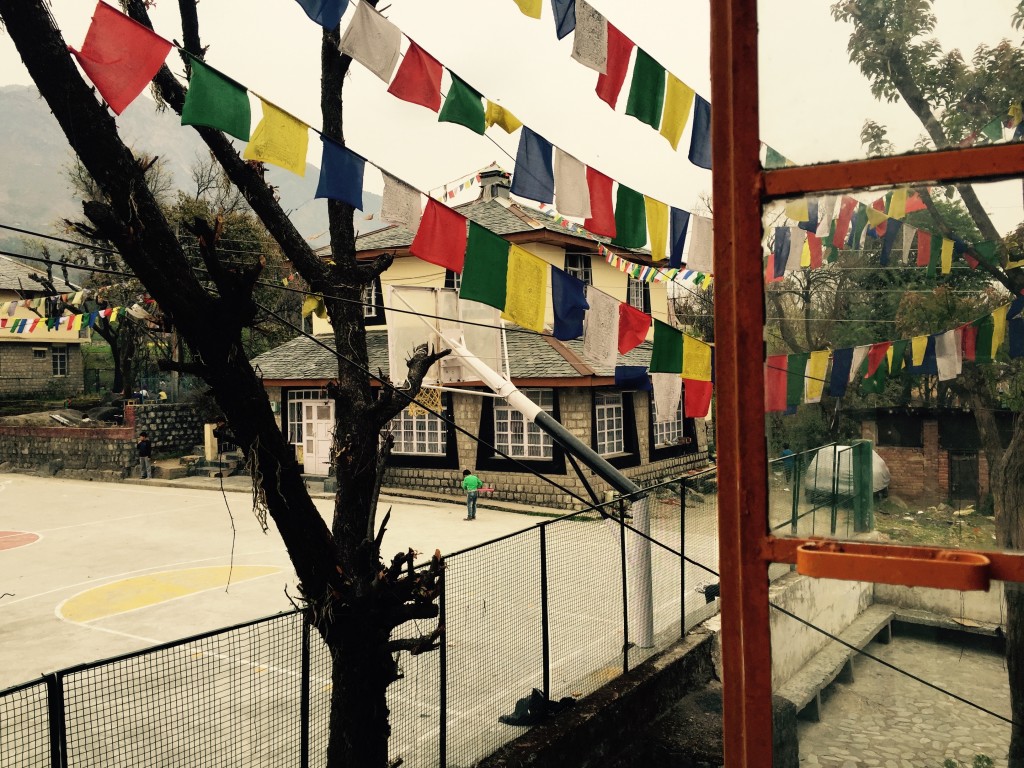
The vehicle should be more than a delivery mechanism. When possible, it could park near a school courtyard, monastery, or community hall and open into a small activity space. A shaded outdoor reading area, portable mats, or a pop-up tent could make visits comfortable when indoor facilities are limited.
Books, creativity, and cultural exchange
Reading grows when children are free to connect books with their own interests. A child who enjoys drawing may begin with an illustrated story, then move toward a book about animals or Himalayan landscapes. Another may discover music through a biography, learn about patterns through craft, or encounter new forms of storytelling through a folktale from another culture.
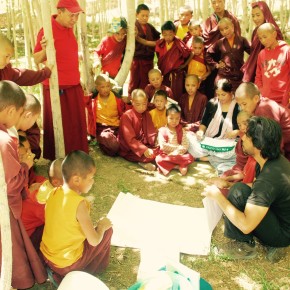
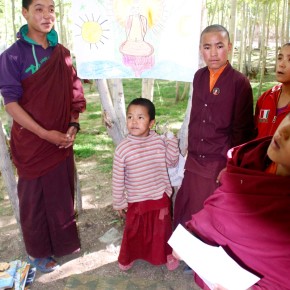
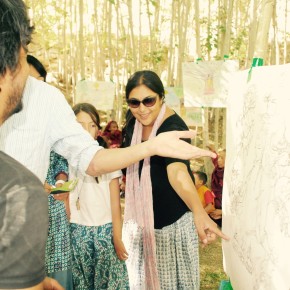
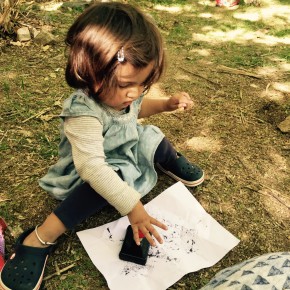
Creative workshops would be a central part of the mobile library’s identity. The Trust’s experience with artistic learning, including its mandala art workshop, demonstrates how focused activities can encourage patience, concentration, and joyful participation. Similar sessions could accompany library visits, using accessible materials and themes connected to the books children have explored.
Art and music also create bridges between generations. Elders may share local stories, teachers can contribute classroom knowledge, and children can present drawings, songs, or handmade books during community gatherings. These exchanges ensure that the programme is rooted in respect for local culture while opening space for new ideas.
Building a lasting reading network
The long-term vision is a connected system rather than a single vehicle. Mobile visits could support existing reading rooms, supply books to partner schools, and identify communities that may eventually develop their own small libraries. As local collections grow, the travelling unit could bring replacement materials, special-interest titles, and new activities.
Evaluation would focus on meaningful signs of engagement: children returning for another visit, borrowing books independently, discussing stories with friends, or asking for books on new subjects. Teachers and families could share observations, while children could recommend titles and help shape future collections. Their voices would be essential to keeping the service relevant.
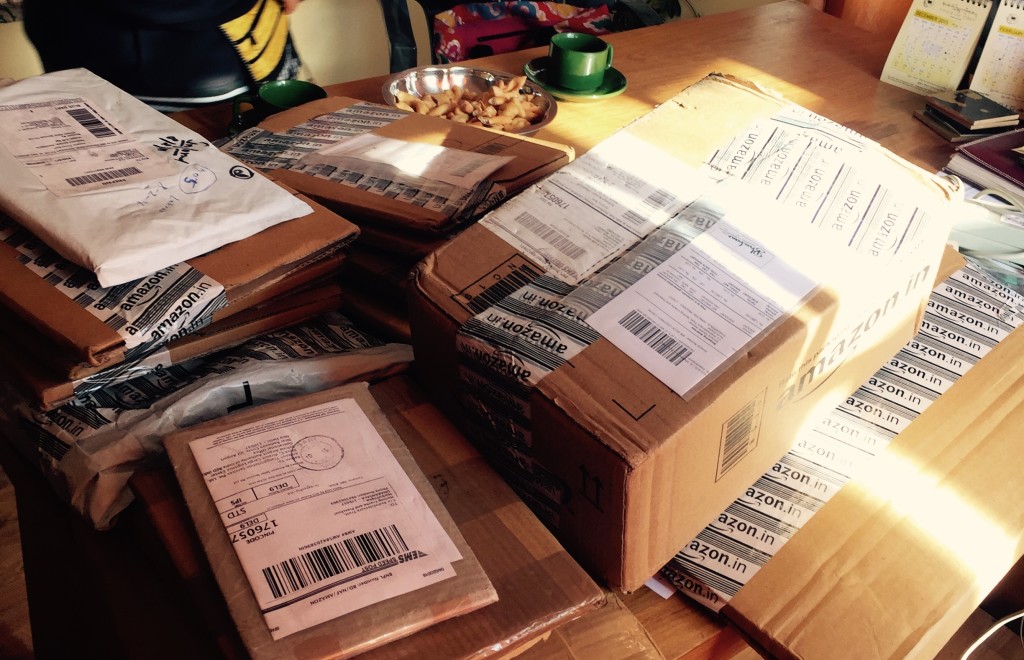
A programme of this scale would require funding for a suitable vehicle, fuel, maintenance, books, storage, staff travel, translation, and activity materials. Volunteers could help catalogue books, lead storytelling, support arts sessions, or prepare multilingual resources. Donors would help turn reliable access to reading into a continuing part of life for remote communities.
Priorities for making the vision real
The first stage should focus on a carefully chosen pilot route, allowing the Trust to learn from local communities before expanding. Strong foundations will help the service remain dependable in difficult conditions.
- Consult schools, monasteries, families, and village leaders before finalising routes.
- Build a diverse collection with local-language, bilingual, illustrated, fiction, nonfiction, and reference books.
- Train staff and volunteers in storytelling, child safeguarding, inclusive learning, and basic library care.
- Combine book lending with regular art, music, and creative writing activities.
- Establish a maintenance and evaluation fund so visits remain consistent over time.
A pilot could begin with a modest number of communities and a clear schedule, then grow as partnerships and resources develop. Photographs, stories, and children’s feedback could document the journey while protecting privacy and dignity. Sharing these experiences would help supporters understand the practical value of each contribution.
The mobile library can become a visible expression of the Trust’s wider purpose: bringing knowledge closer, making creativity accessible, and ensuring that geography does not limit a child’s imagination. With thoughtful planning and committed support, a journey over mountain roads can open a lasting path toward reading and learning.
Support Avalokiteśvara Trust as this vision takes shape. Donations, book contributions, volunteer skills, and partnerships can help carry books, stories, and creative opportunities to children and young monks in the Himalayan hamlets that need them most.