Crafting Himalayan Mandalas With Young Artists
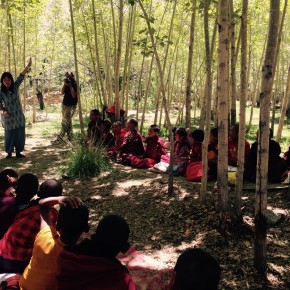
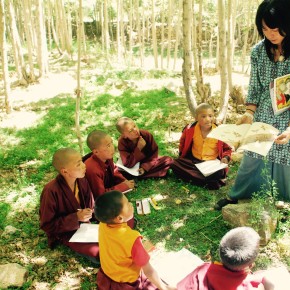
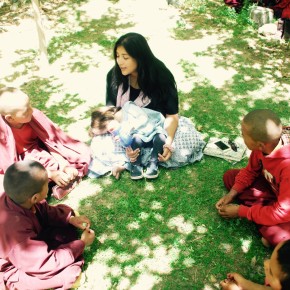
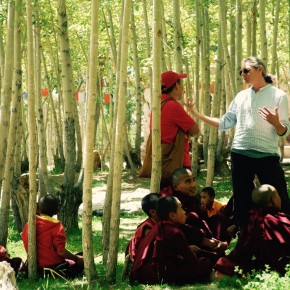
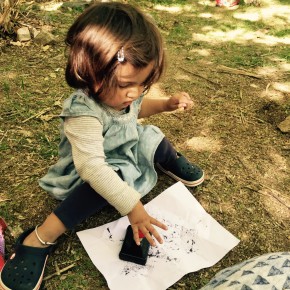
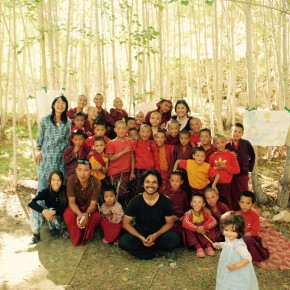
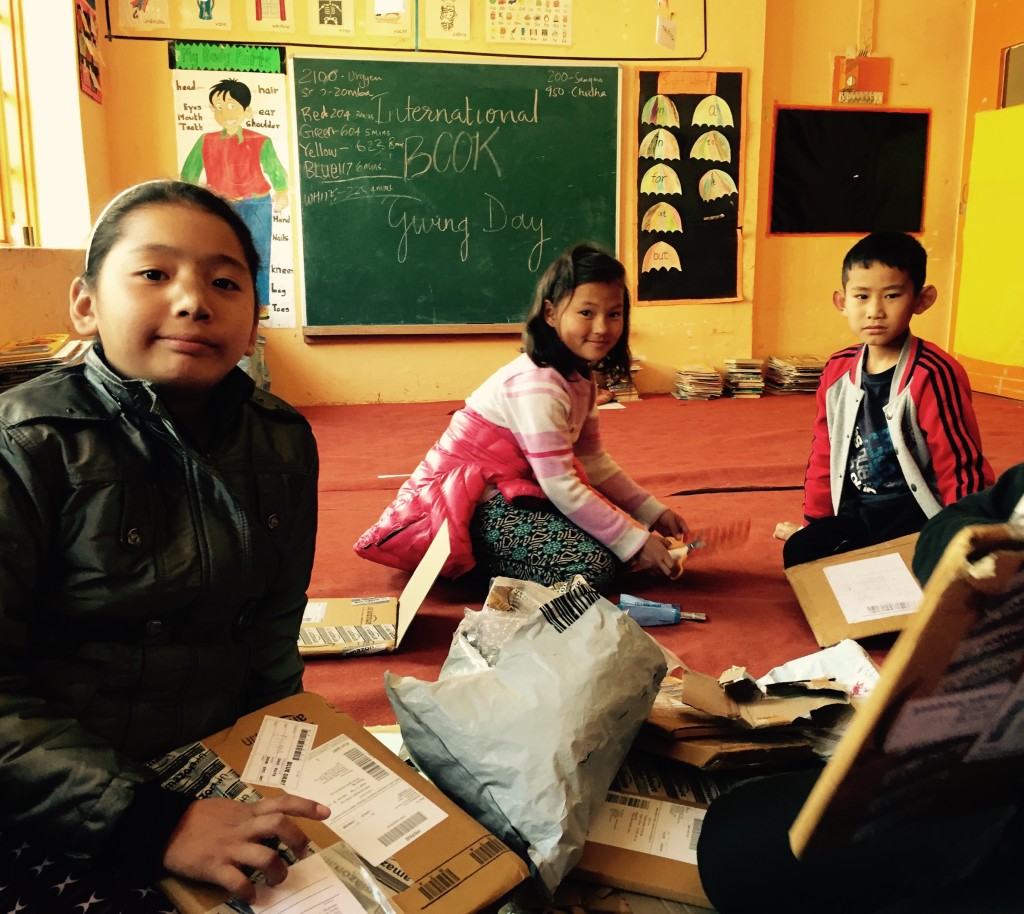
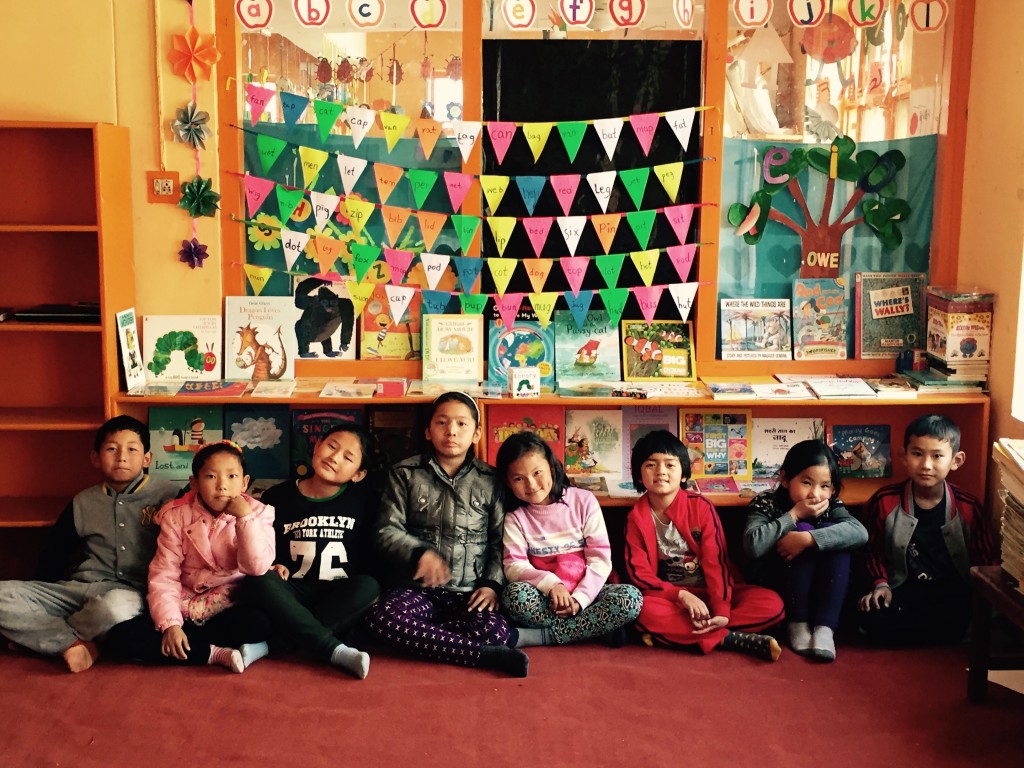
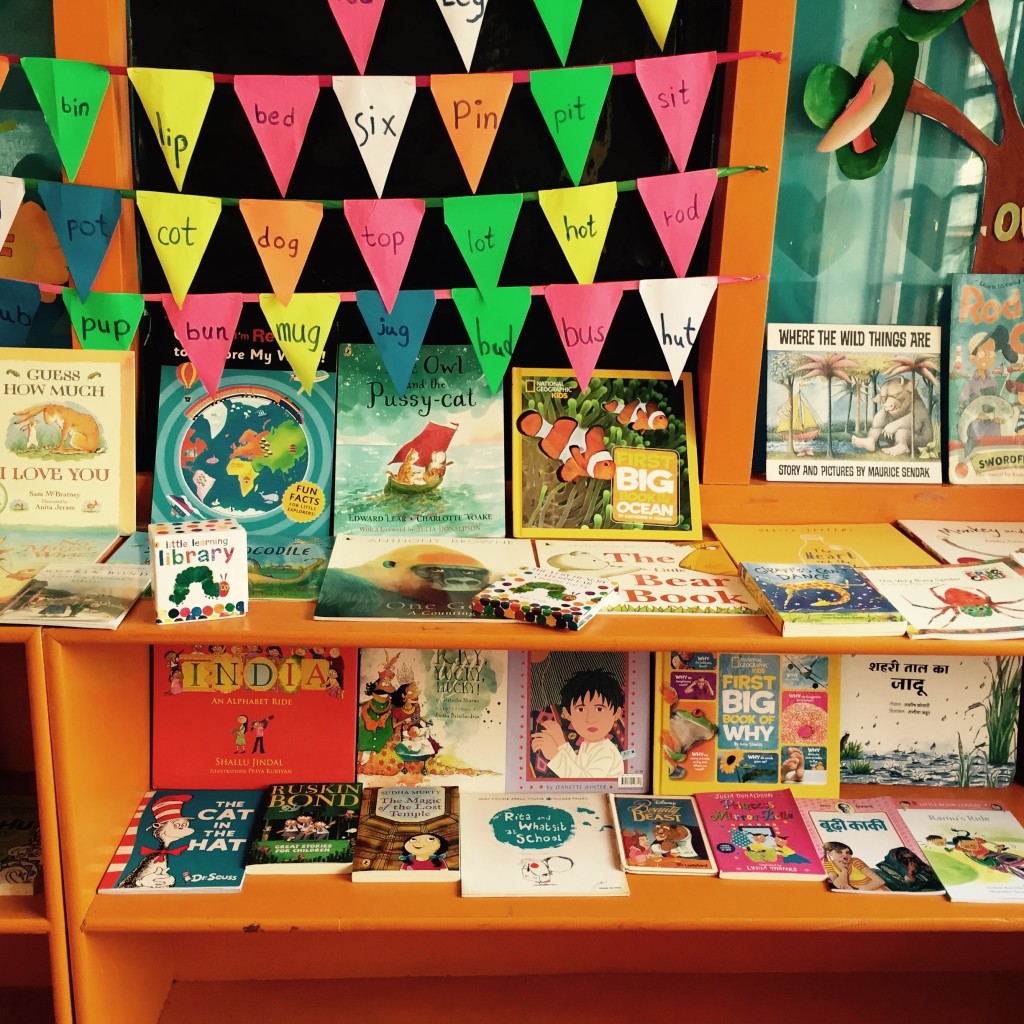
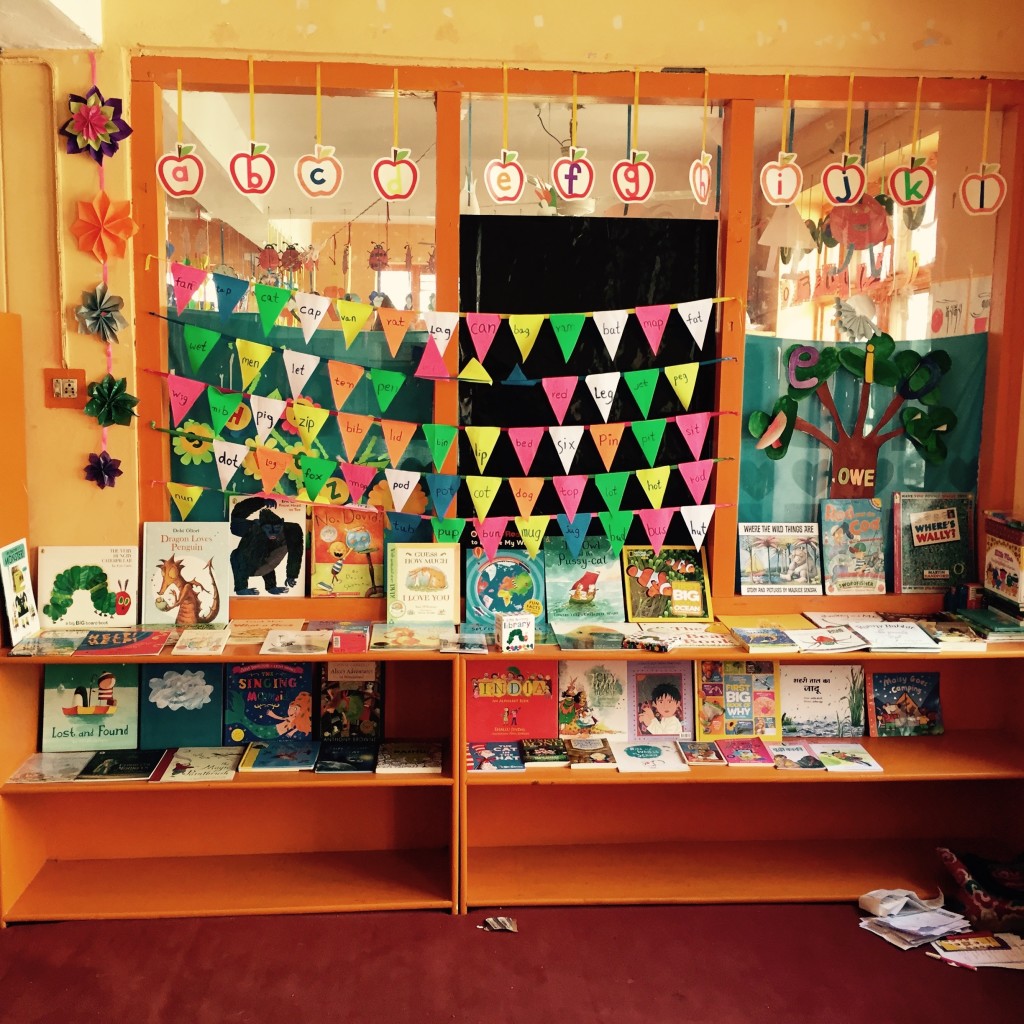
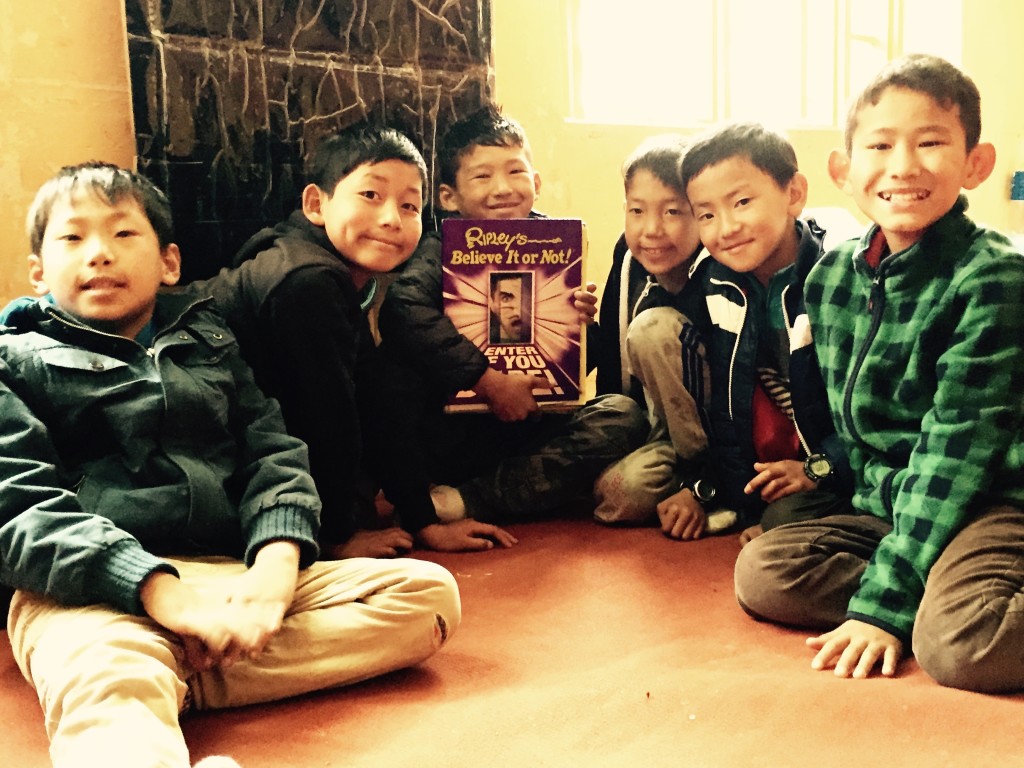
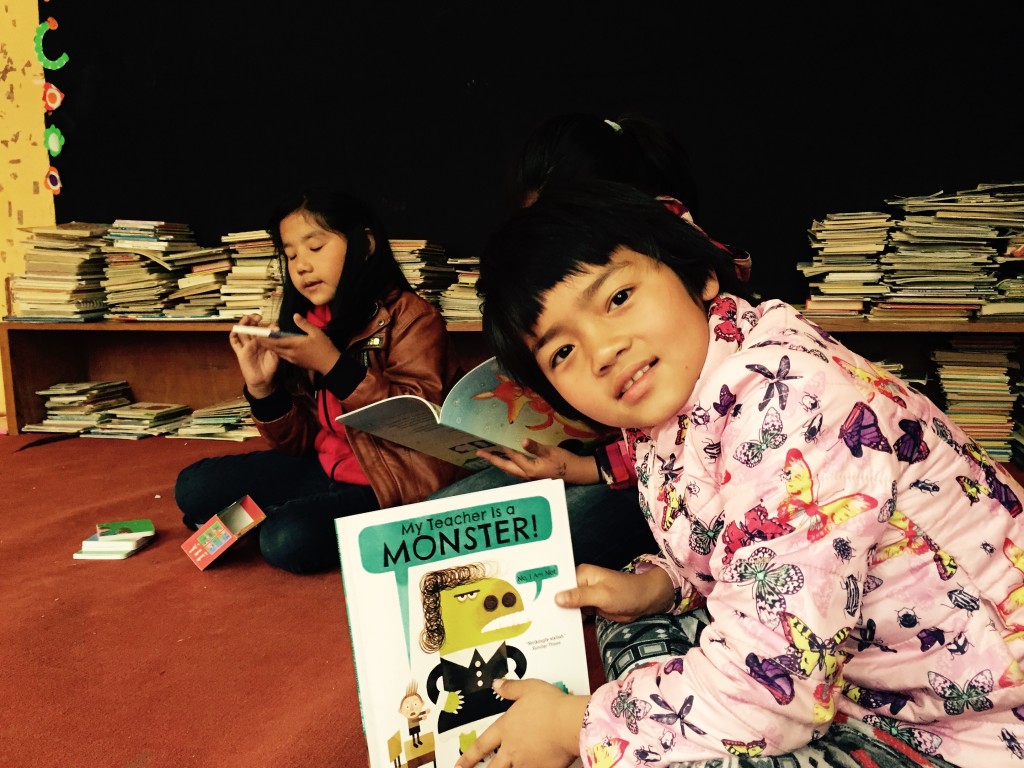
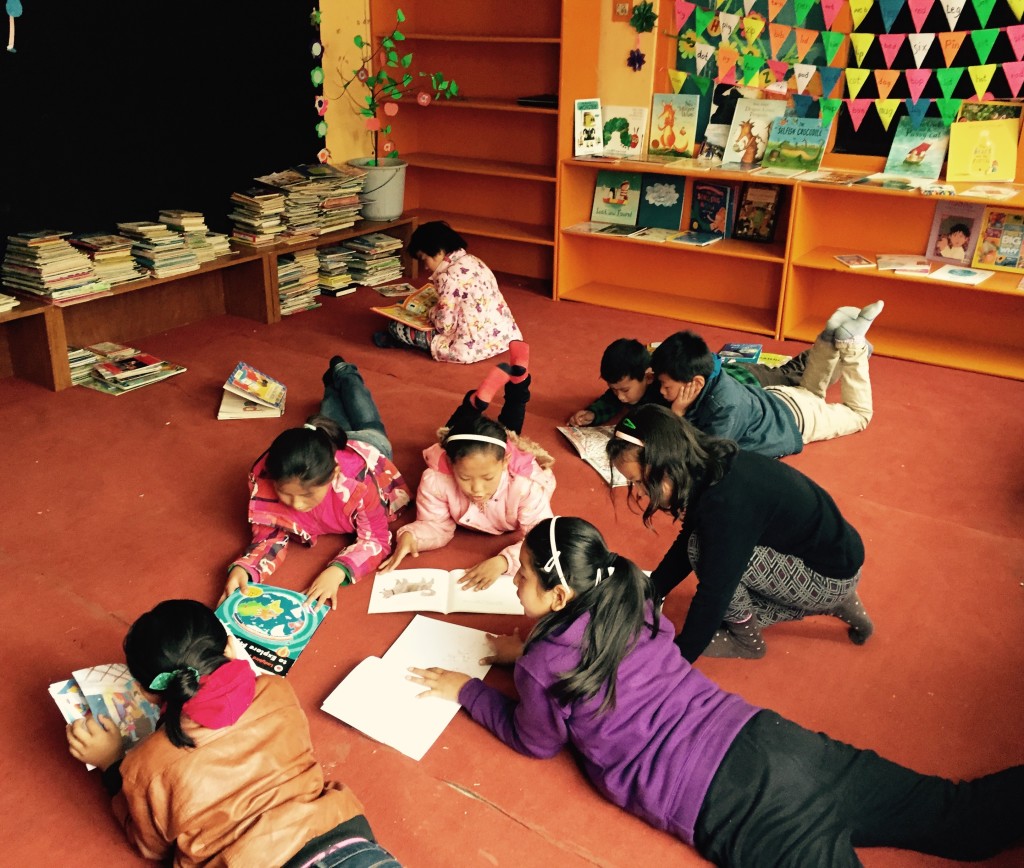
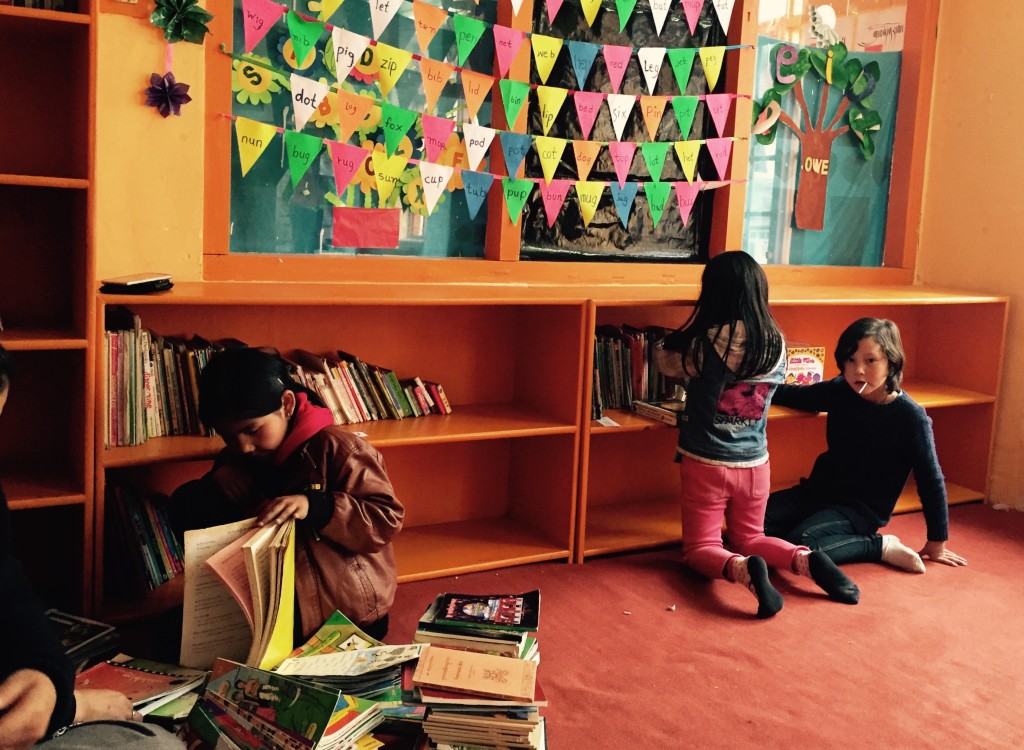
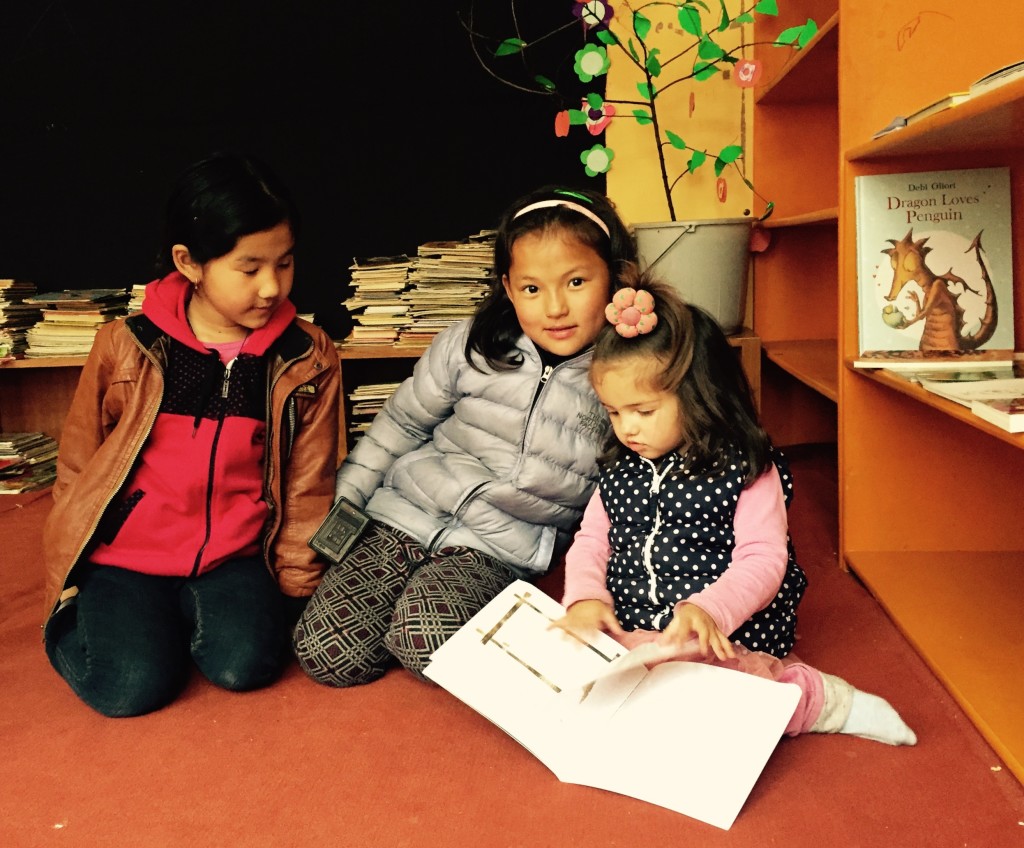
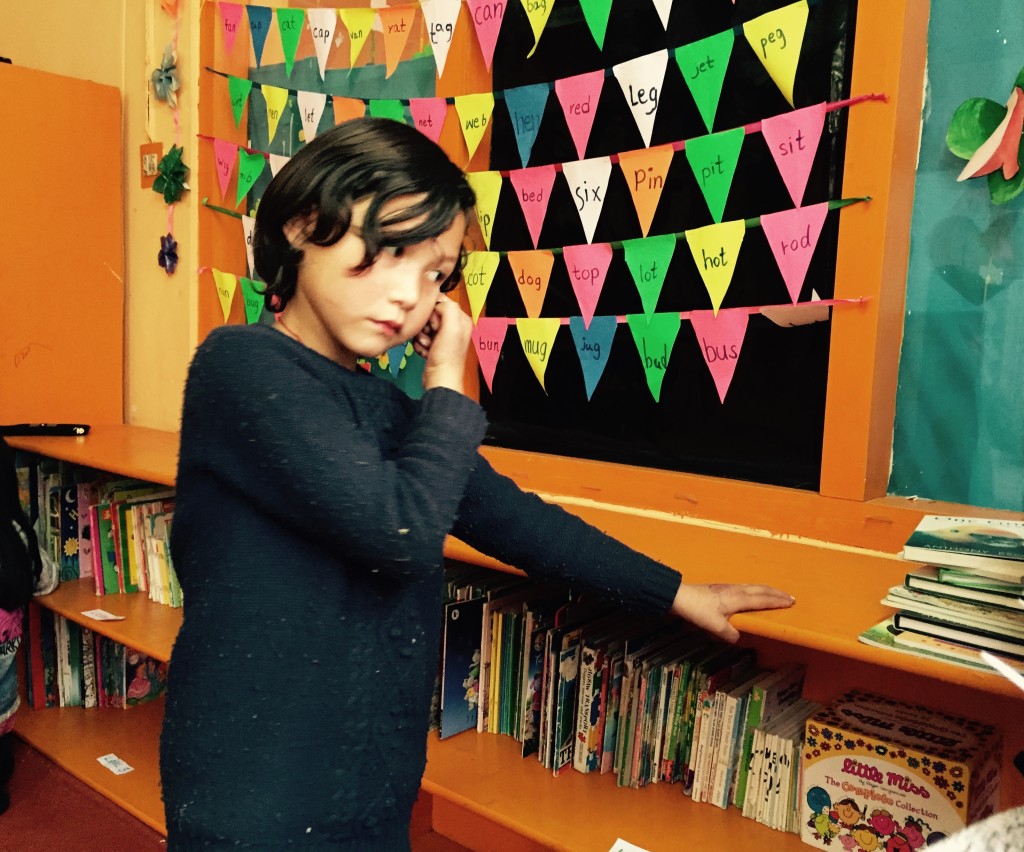
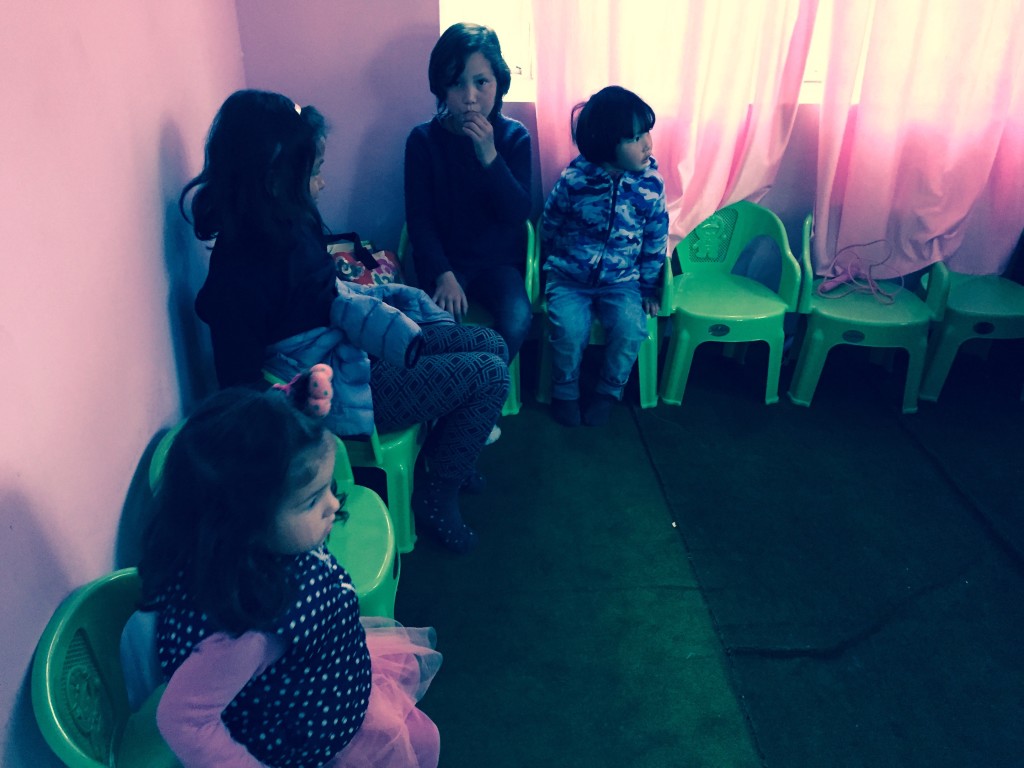
In a quiet reading room in Ladakh, a circle of children gathers around colored pencils, natural pigments, wool, and sheets of handmade paper. Each child begins with a simple center point, then builds outward through lines, shapes, and repeating patterns. The activity is joyful and focused, yet it also opens a path toward culture, patience, and creative confidence.
Crafting Himalayan mandalas is an art workshop for kids that combines visual expression with gentle learning. A mandala can represent wholeness, balance, or the rhythms found in nature. For young artists, it becomes an invitation to observe carefully, make decisions, and discover that a small idea can grow into an intricate design.
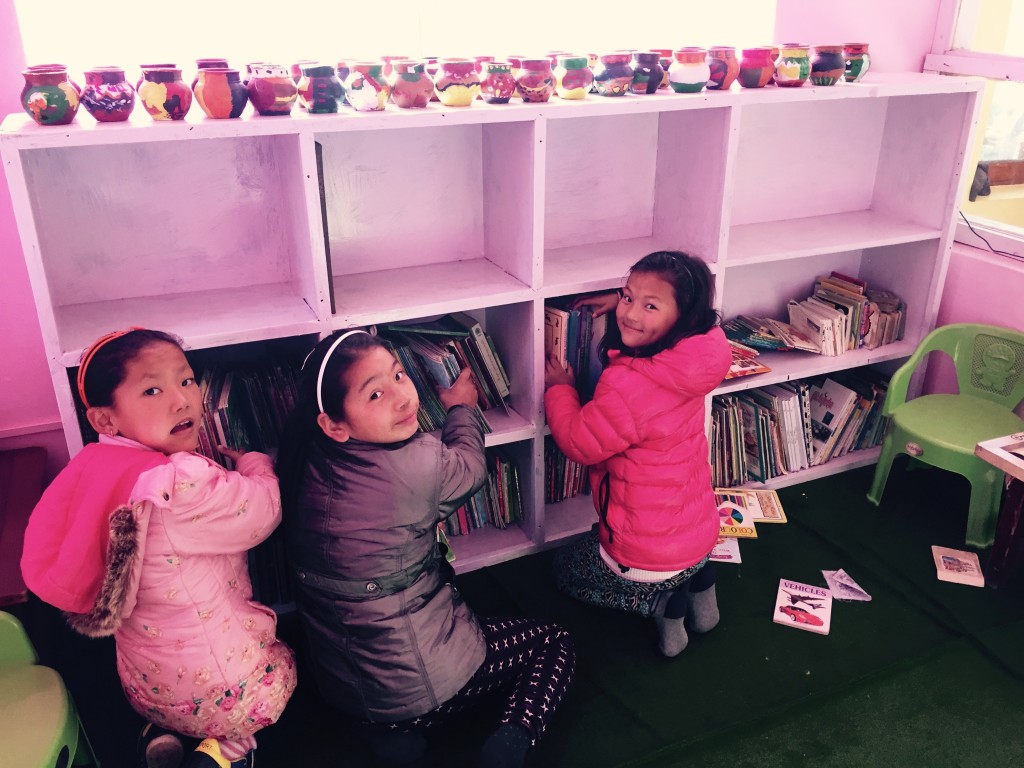
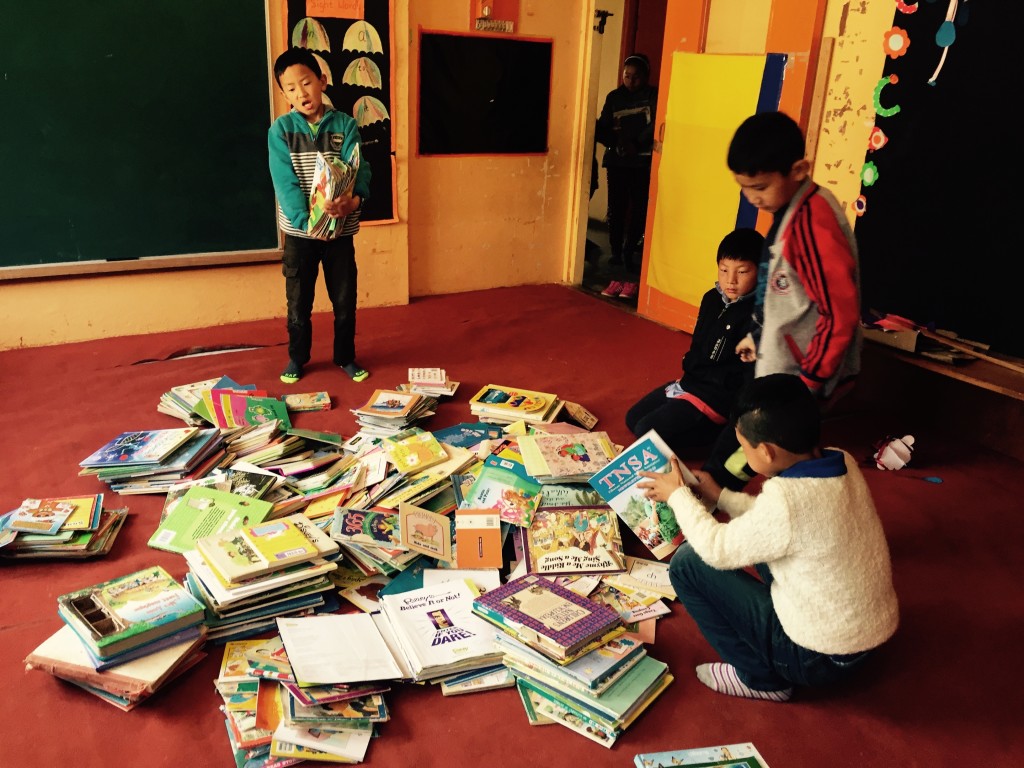
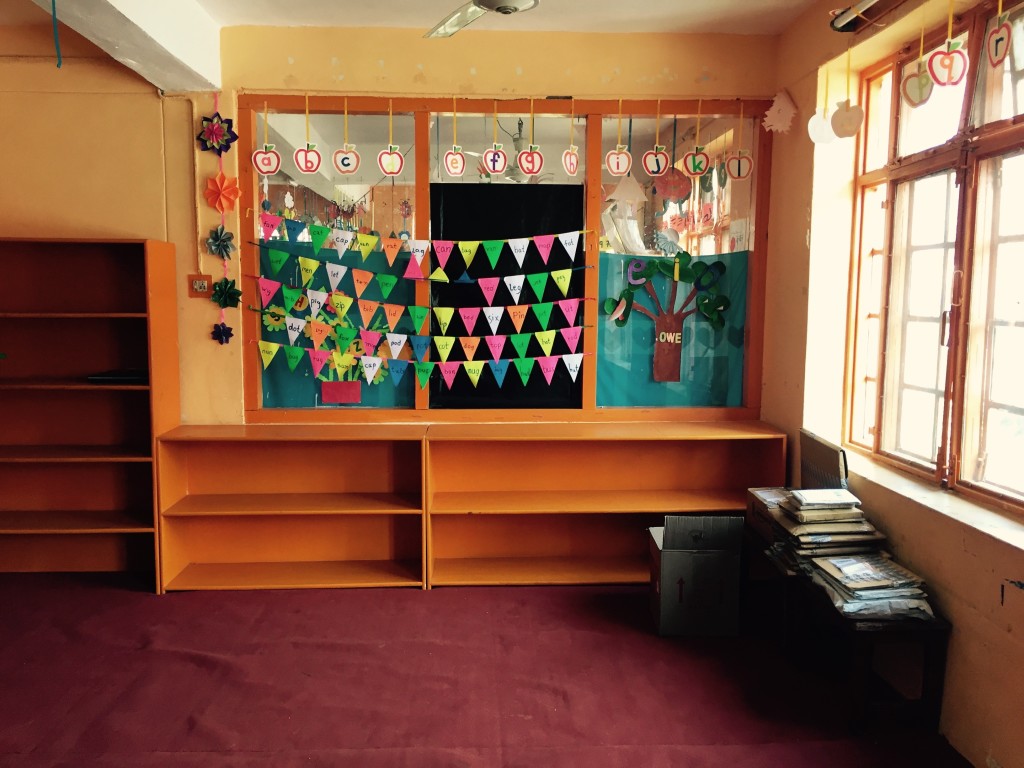
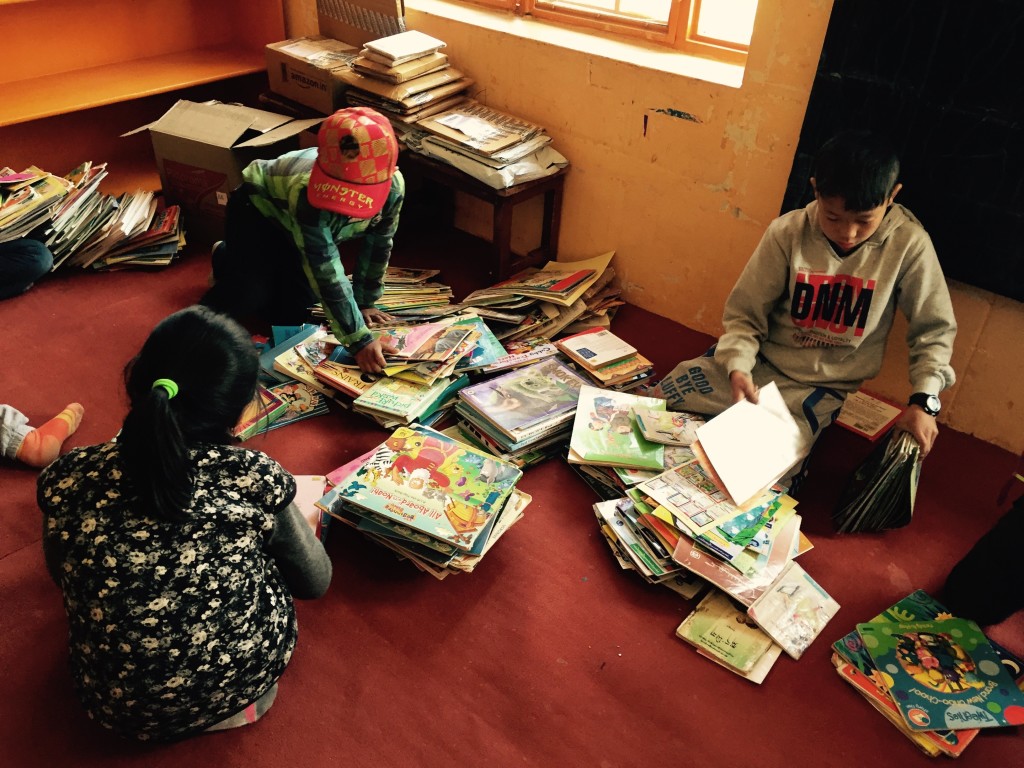
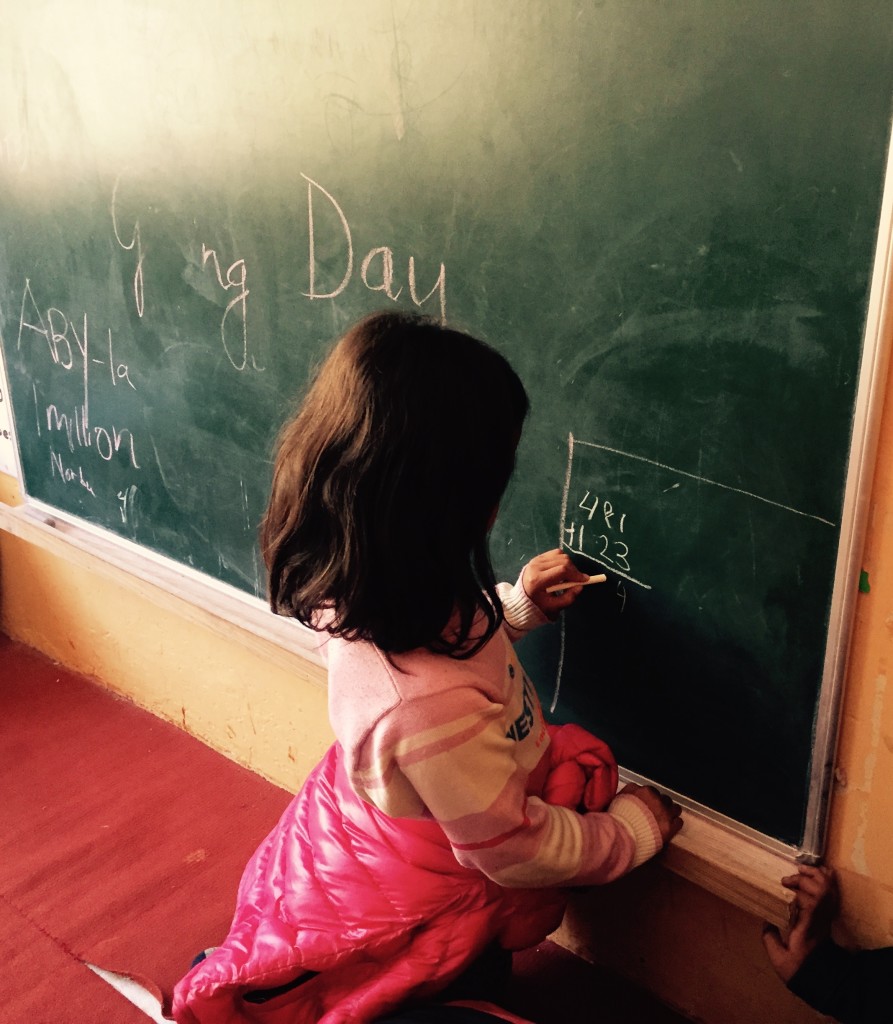
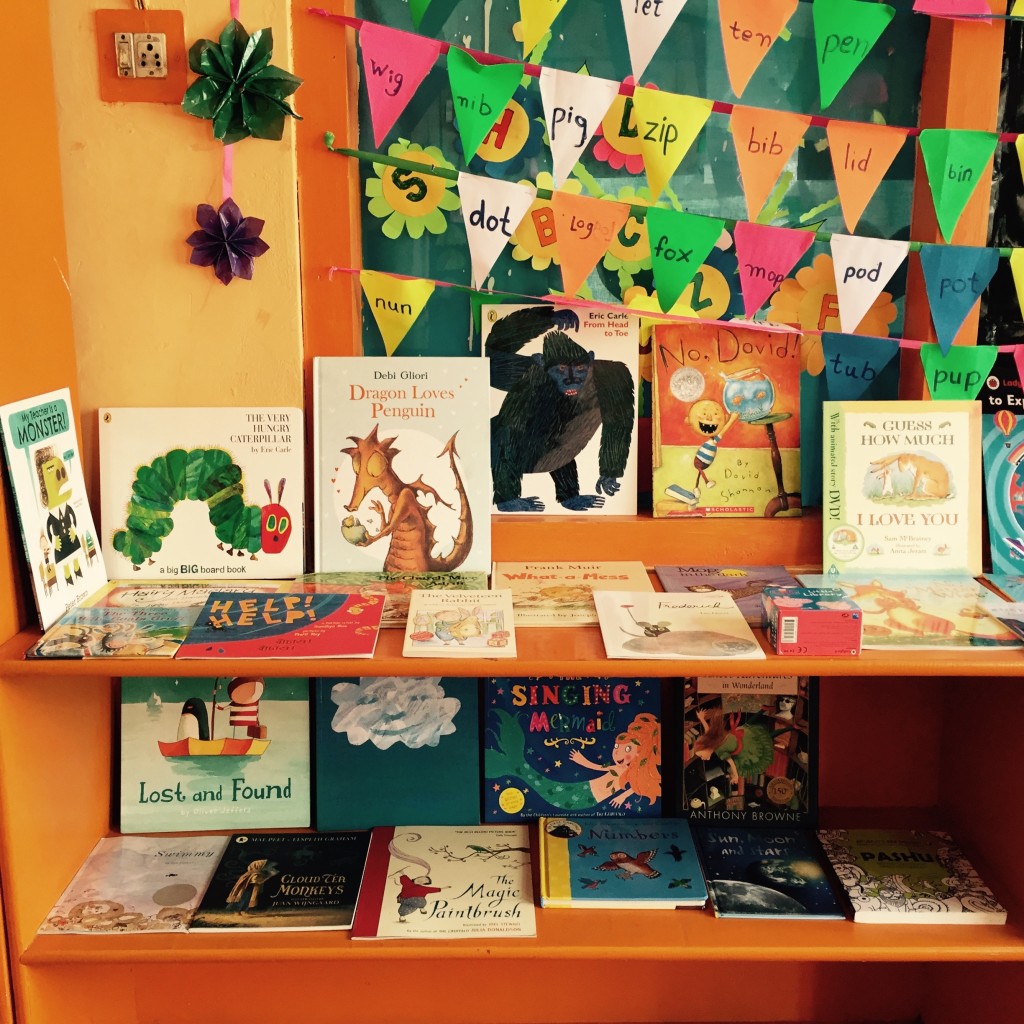
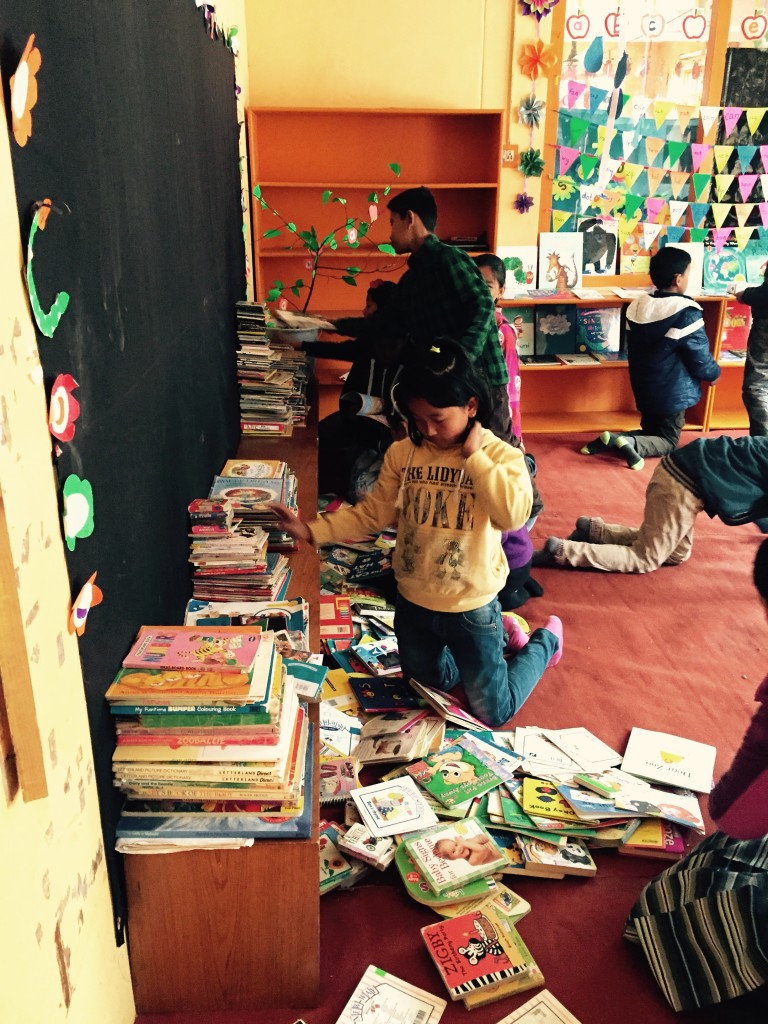
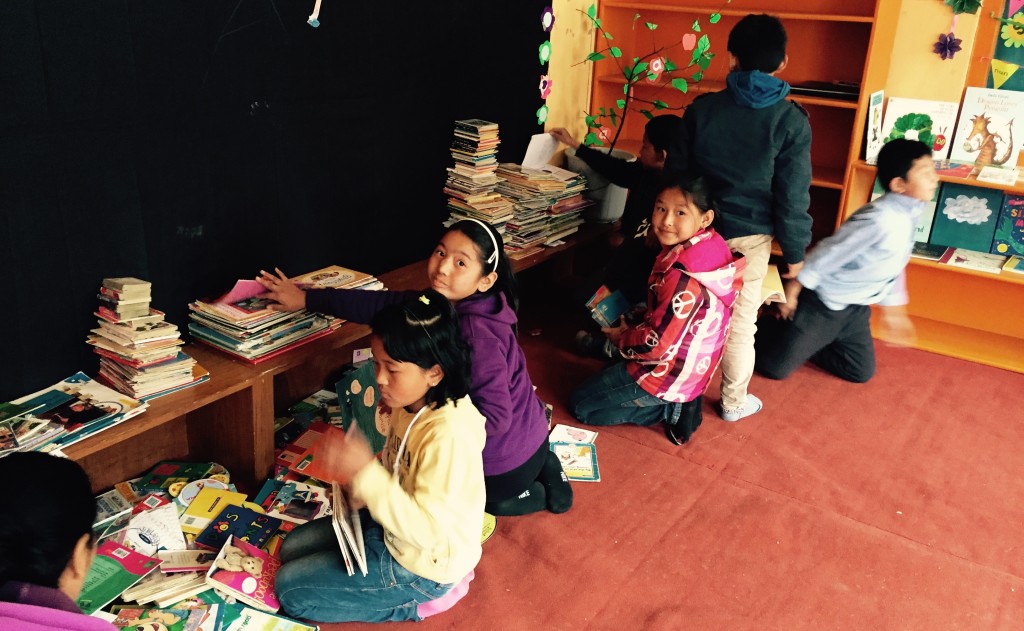
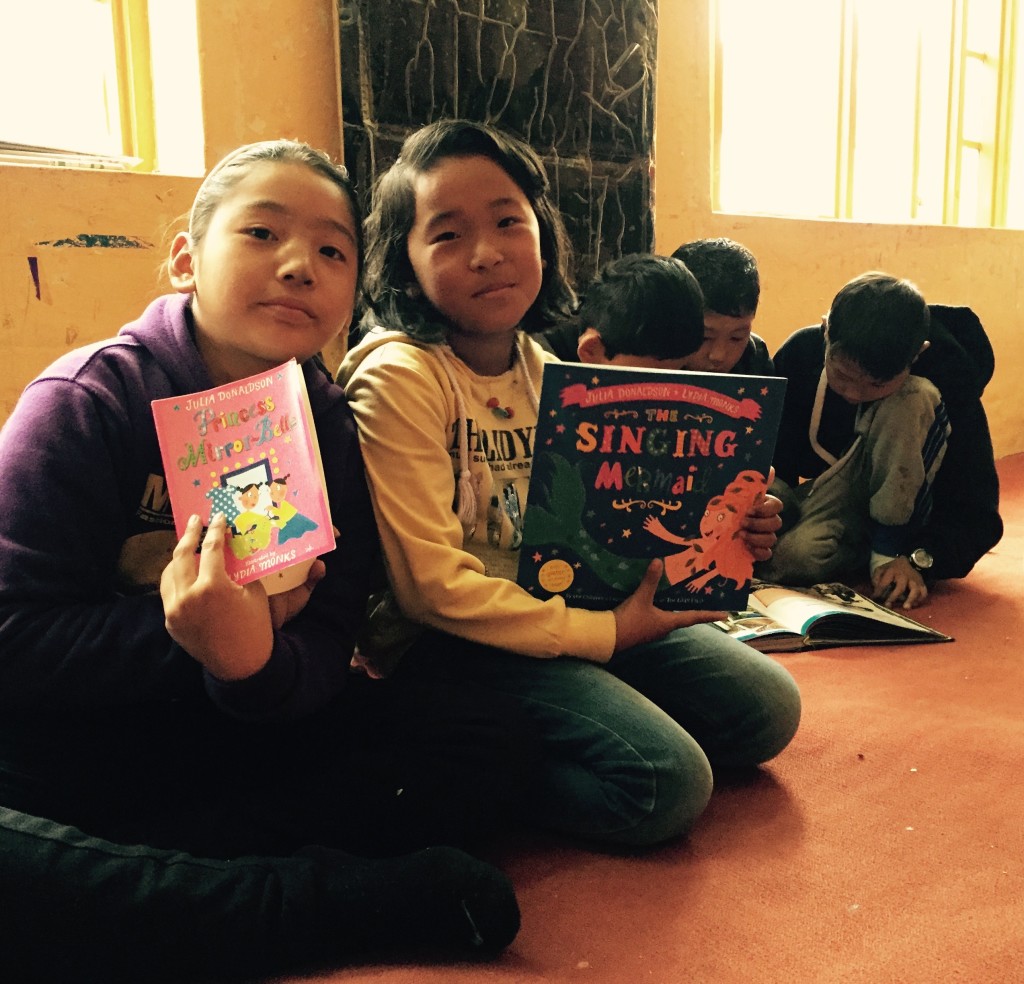
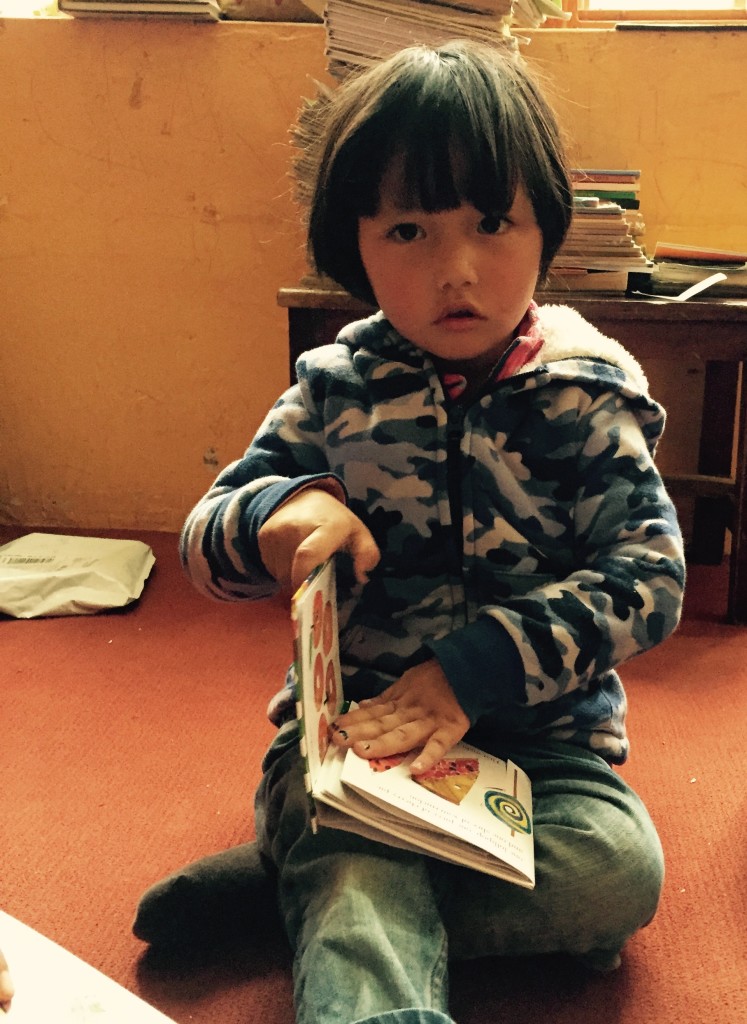
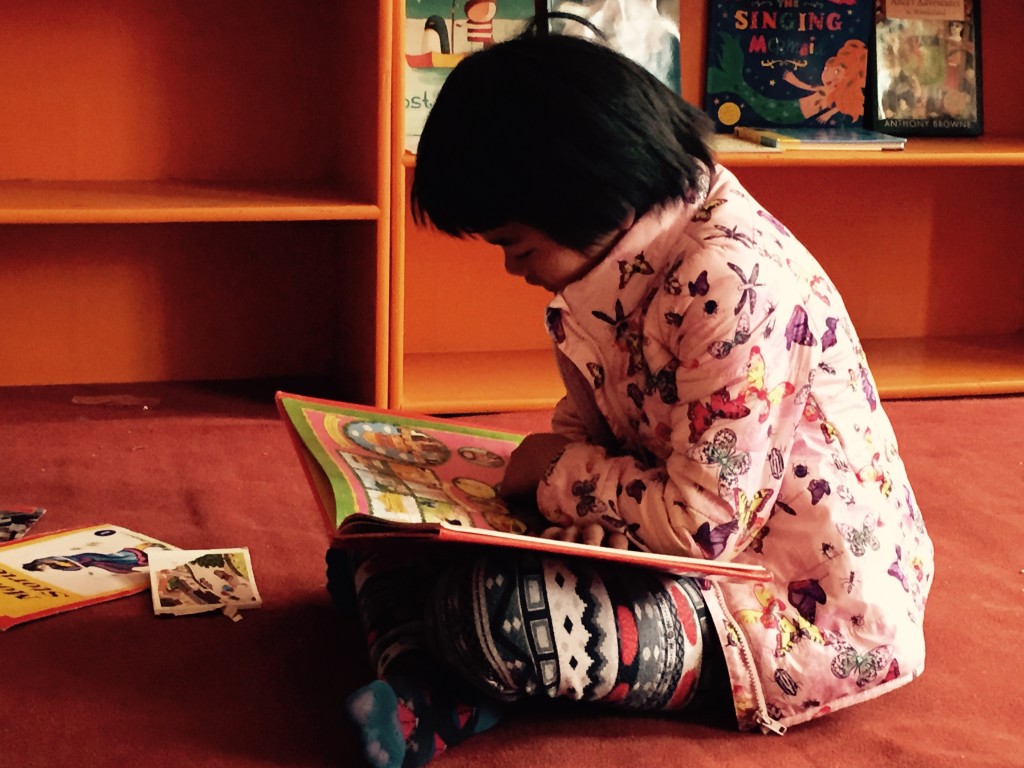
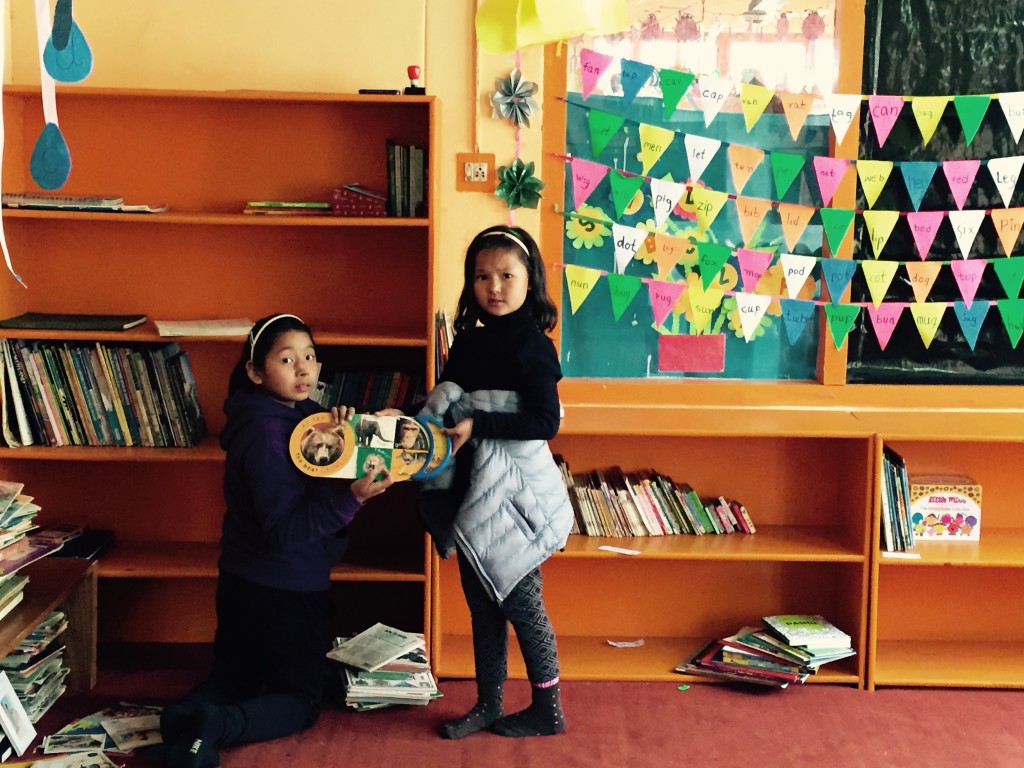
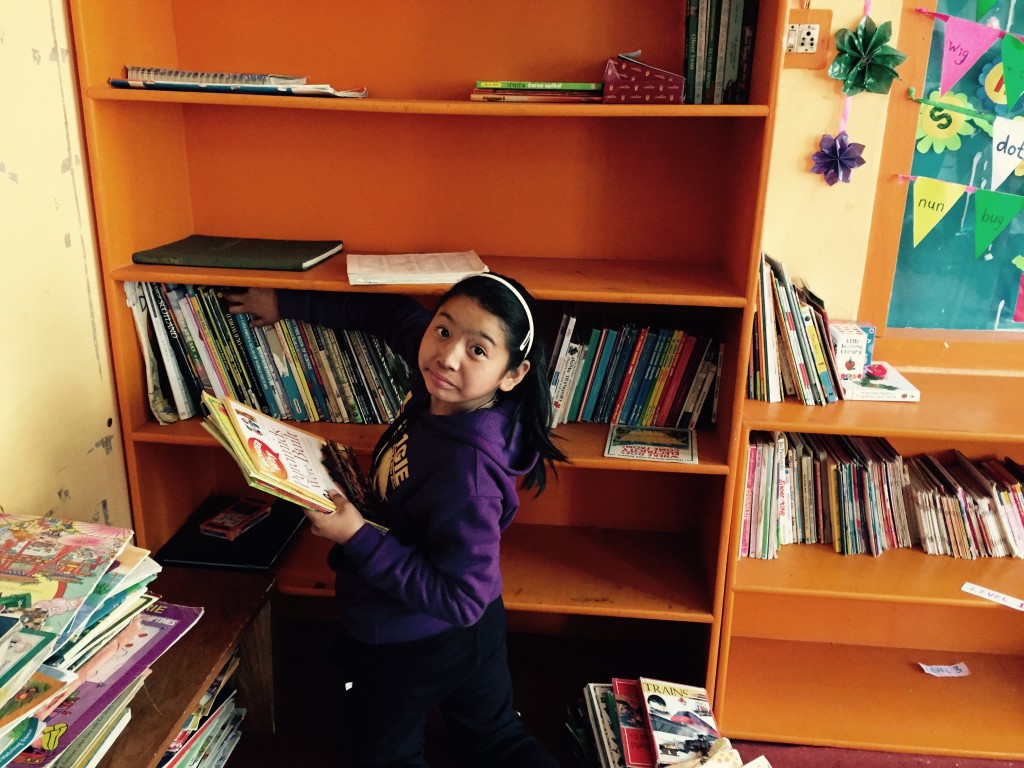
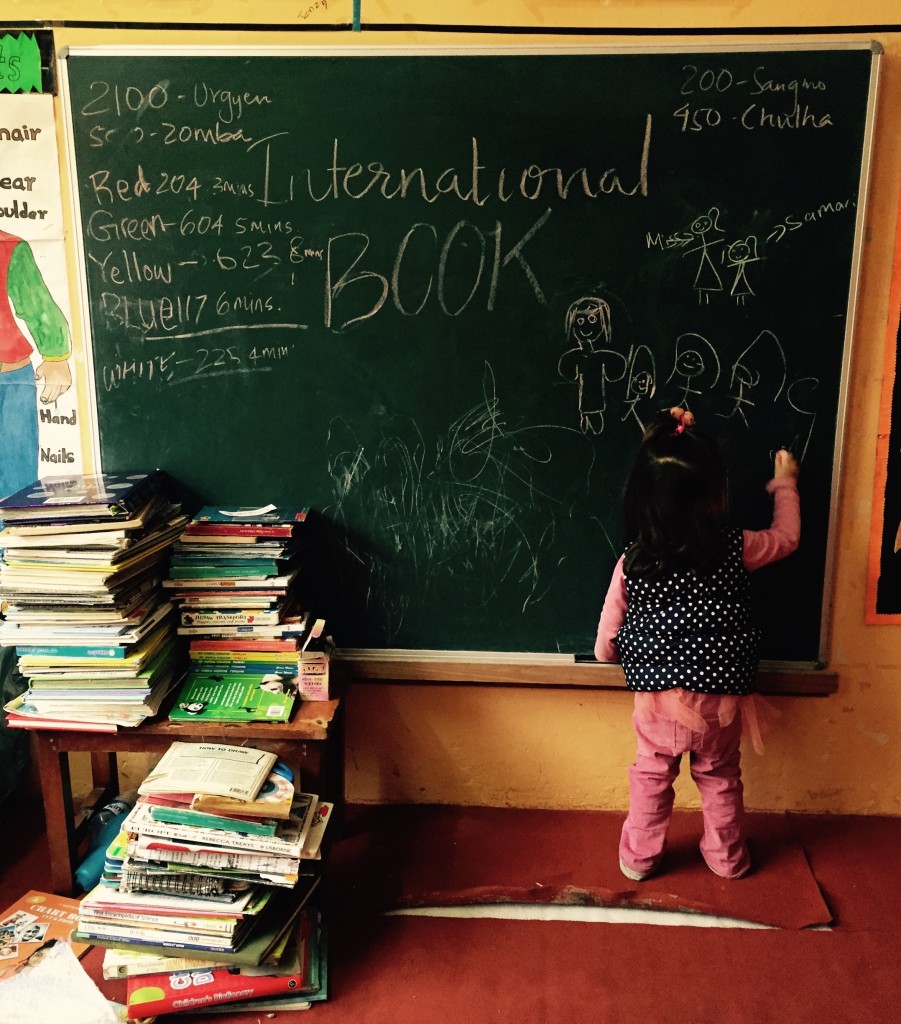
At Avalokiteśvara Trust, creative activities sit naturally beside books, music, storytelling, and educational support. Art gives children another way to communicate, particularly when a drawing can express feelings or memories that are difficult to put into words.
A Circle That Holds Many Stories
Mandalas appear in many artistic and spiritual traditions, including Buddhist communities across the Himalayas. Their circular form often suggests continuity, harmony, and the relationship between the individual and the wider world. A children’s workshop does not need to reproduce sacred designs. Instead, it can introduce basic ideas about symmetry, concentration, and meaningful symbols with care.
Young participants might draw mountain peaks, juniper branches, snow lions, rivers, flowers, or birds inside their patterns. These familiar images help connect the activity to local landscapes and daily life. A child who places a mountain in the center may be thinking about home, a journey, or a favorite view from the village.
The process also encourages quiet attention. Children learn to pause before adding the next shape, compare the balance of each section, and accept small imperfections. The finished artwork matters, but the practice of looking and choosing is equally valuable.
Preparing Materials For A Himalayan Art Workshop
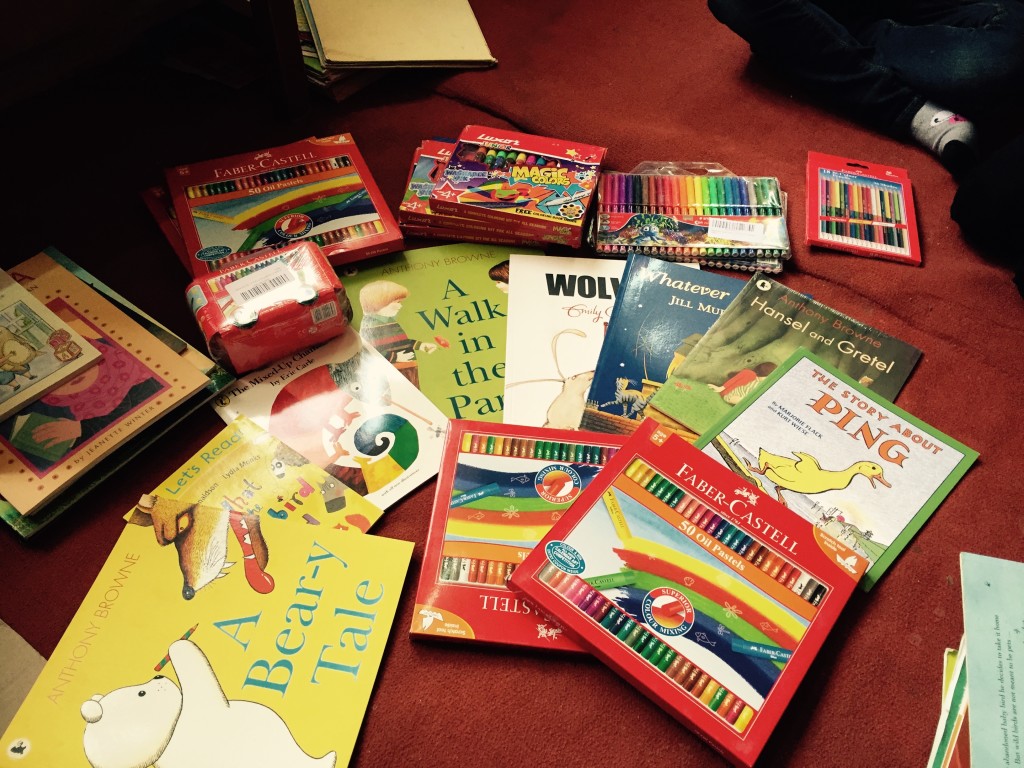
A successful mandala session can use simple, affordable supplies. Thick paper, graphite pencils, colored pencils, watercolor cakes, brushes, rulers, compasses, cotton swabs, and erasers are enough to begin. Recycled cardboard can serve as a firm drawing surface, while old magazines and fabric scraps add options for collage-based mandalas.
In mountain communities, material choices can reflect local resources. Earth-toned pigments, dried leaves, flower petals, wool threads, and small pieces of paper can bring texture to the activity. Natural materials should be collected responsibly and used sparingly, with children learning that creativity also includes respect for the environment.
Before the workshop starts, adults can prepare circles in several sizes and organize supplies at shared stations. This reduces waiting time and helps children work independently. A few examples may be displayed for inspiration, while leaving enough space for every participant to create something different.
From Center Point To Repeating Pattern
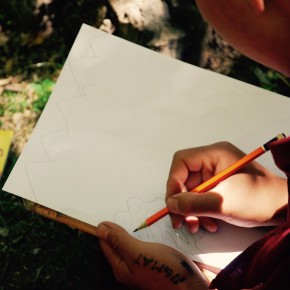
The first step is simple: place a dot at the center of the page. Children can draw a light vertical and horizontal line through that point, creating four sections. Older children may add diagonal lines or use a ruler to divide the circle into six, eight, or twelve parts.
Next comes the pattern. A leaf, triangle, petal, dot, or curved line can be repeated around the center. The facilitator can demonstrate how one shape changes when it is turned, enlarged, or placed beside another. This turns a drawing lesson into an accessible exploration of geometry and visual rhythm.
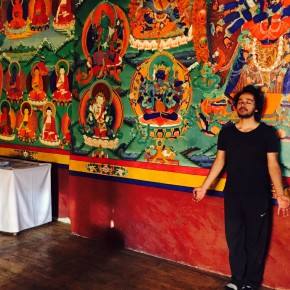
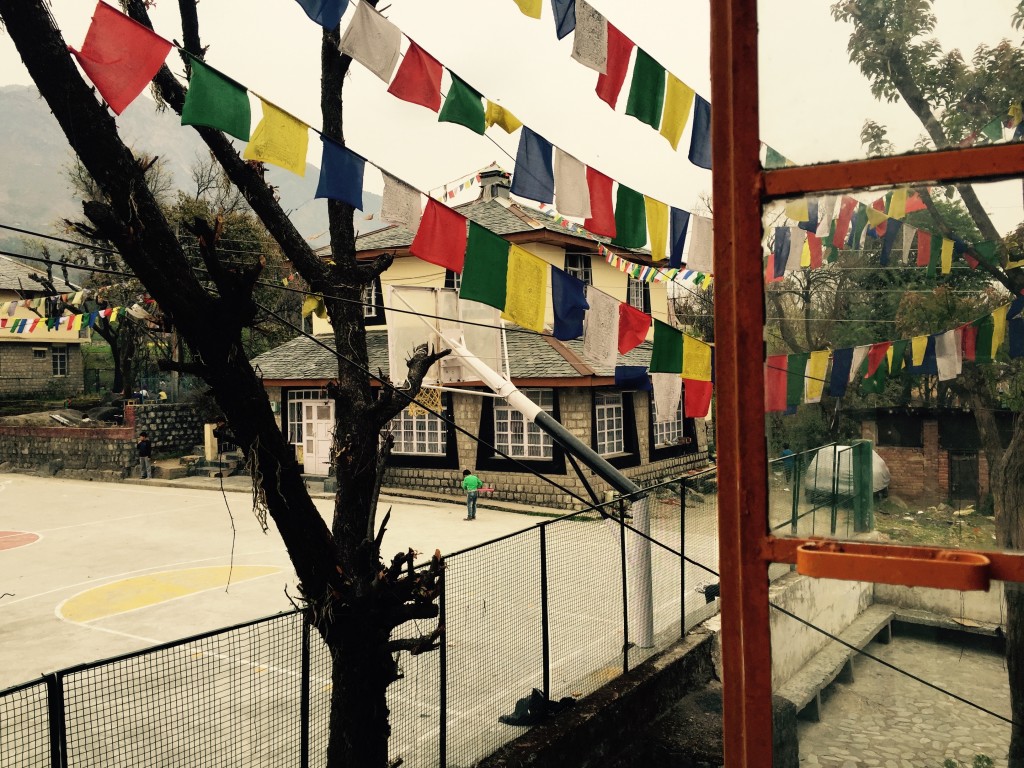
Coloring follows the structure rather than covering it. Children can choose a limited palette inspired by prayer flags, evening skies, high-altitude flowers, or monastery murals. Some may prefer bold contrasts, while others create soft gradients. There is no required “correct” mandala, and that freedom allows different personalities to emerge.
Learning Through Color, Shape, And Patience
A mandala activity supports several areas of childhood development at once. Drawing repeated forms strengthens fine motor control, while measuring sections introduces practical ideas about proportion and symmetry. Naming colors, describing symbols, and presenting a finished work also builds language and communication skills.
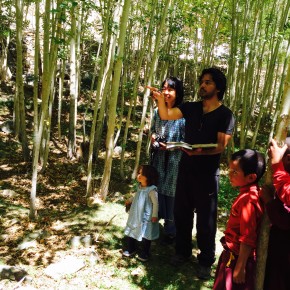
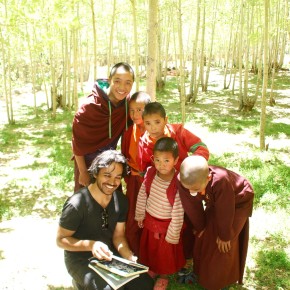
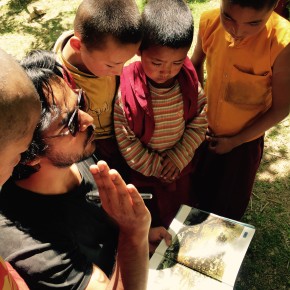
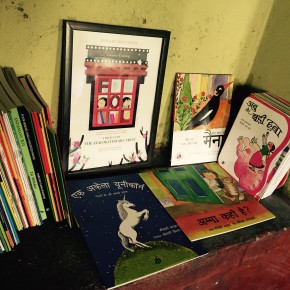
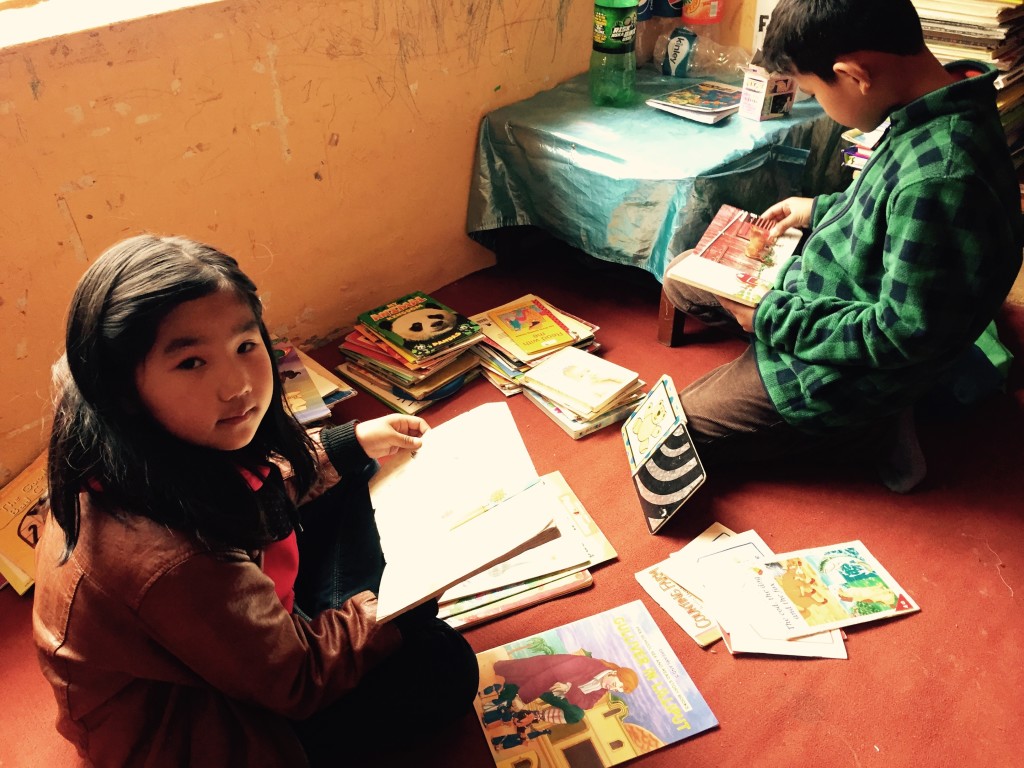
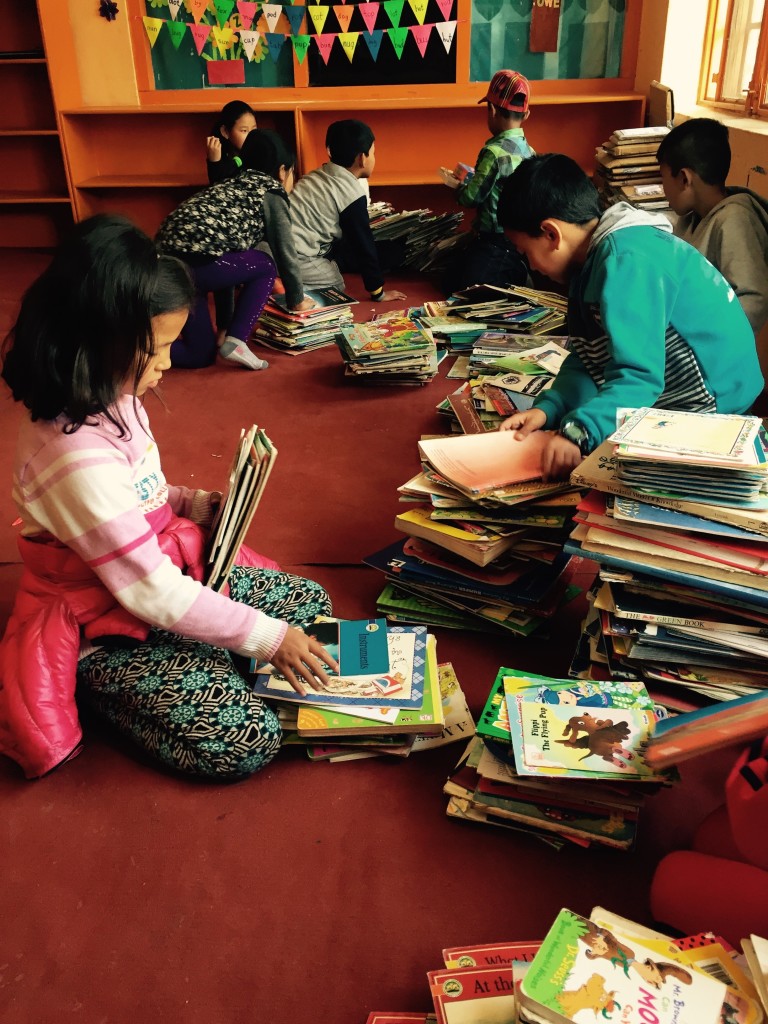
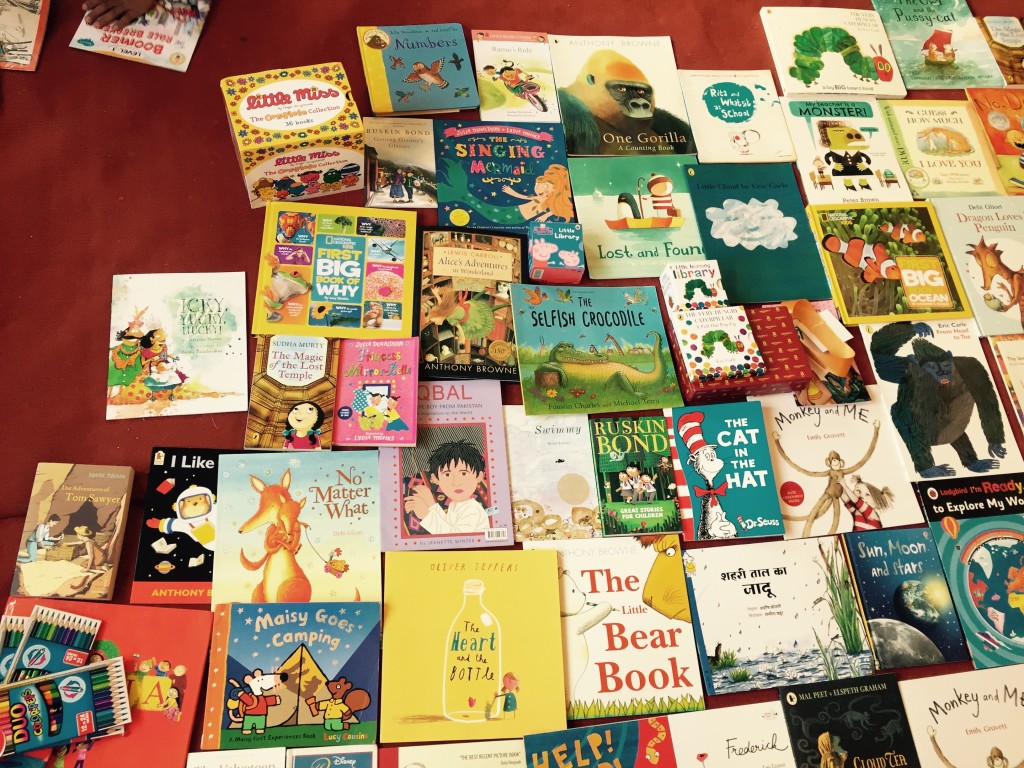
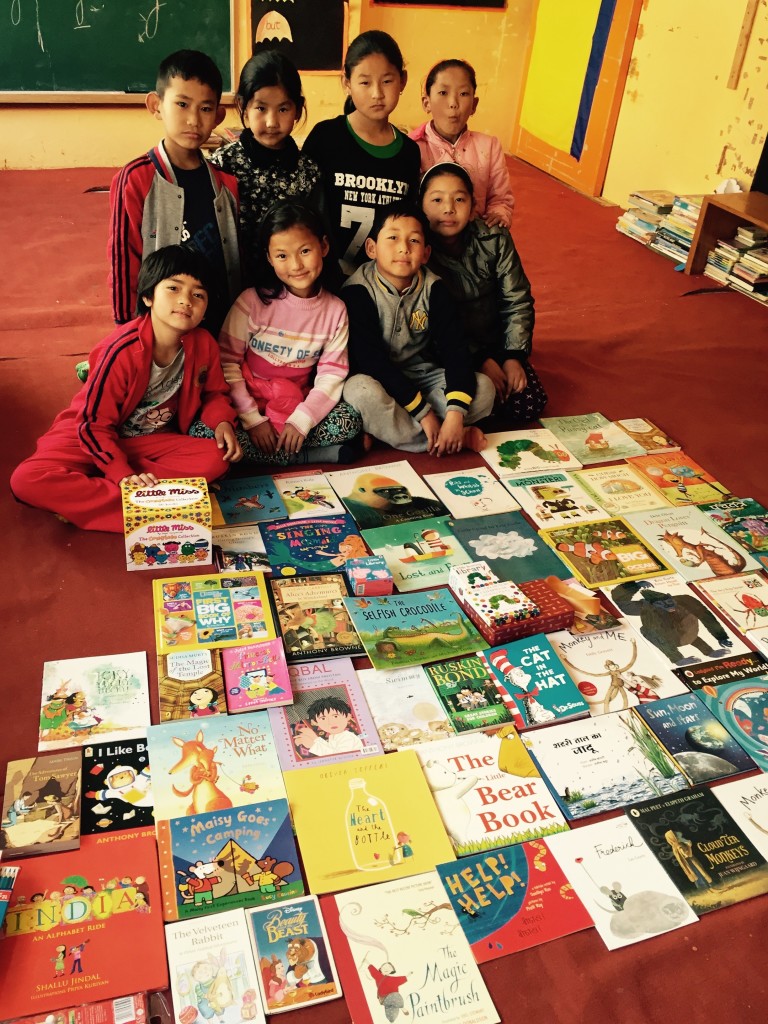
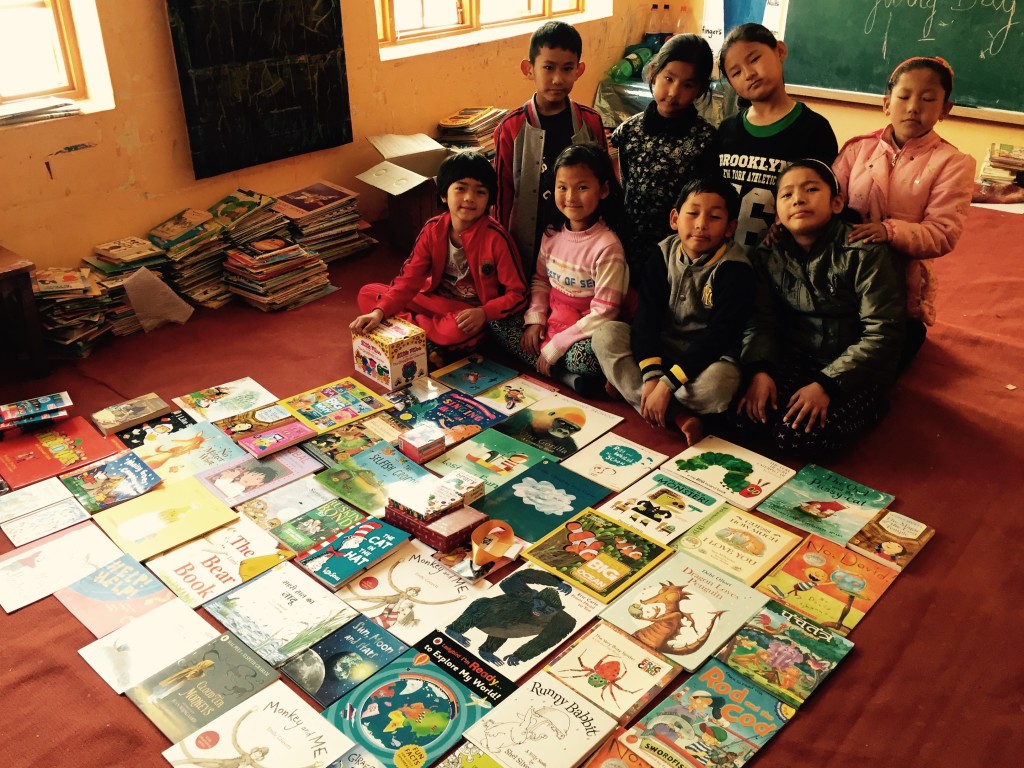
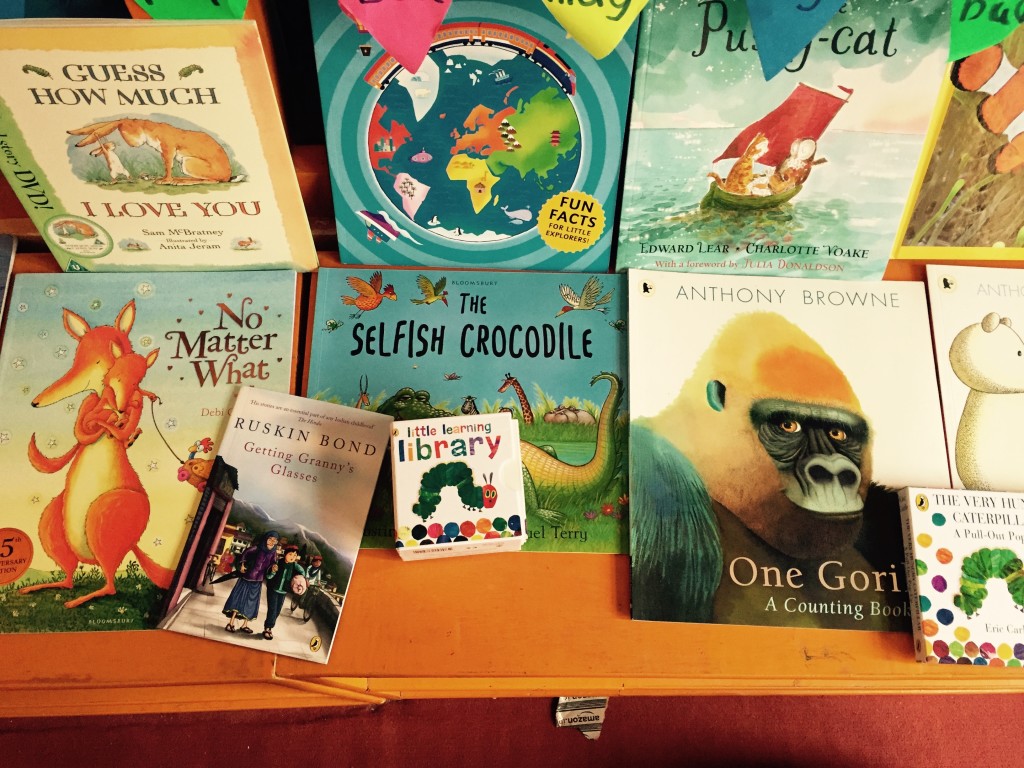
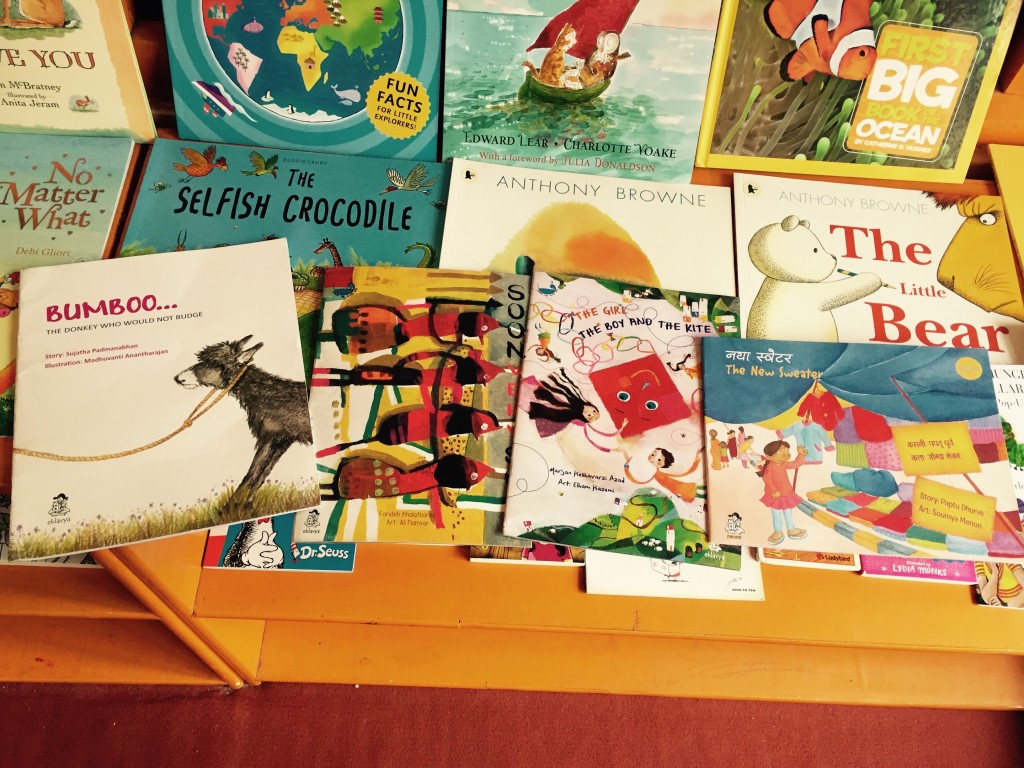
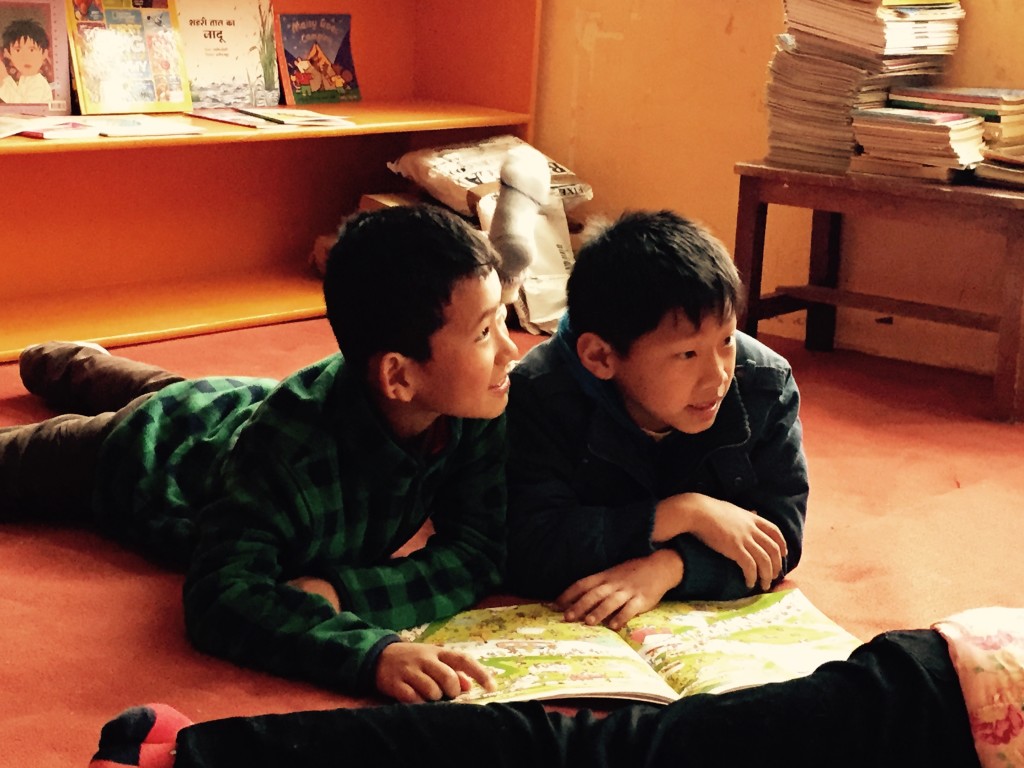
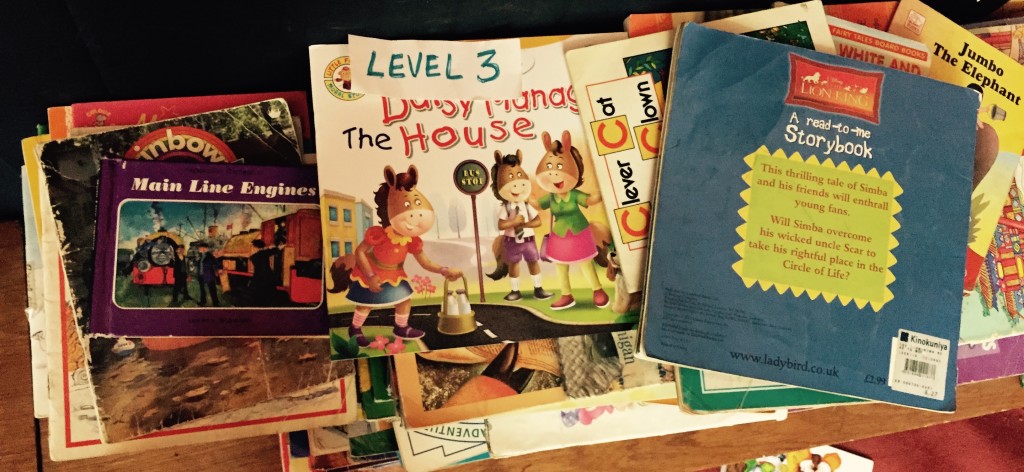
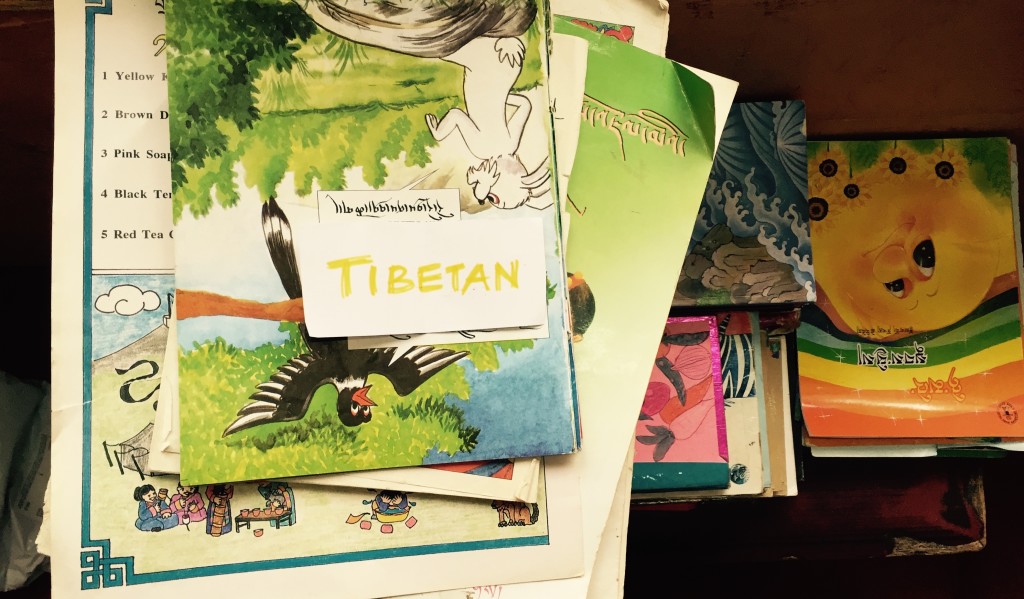
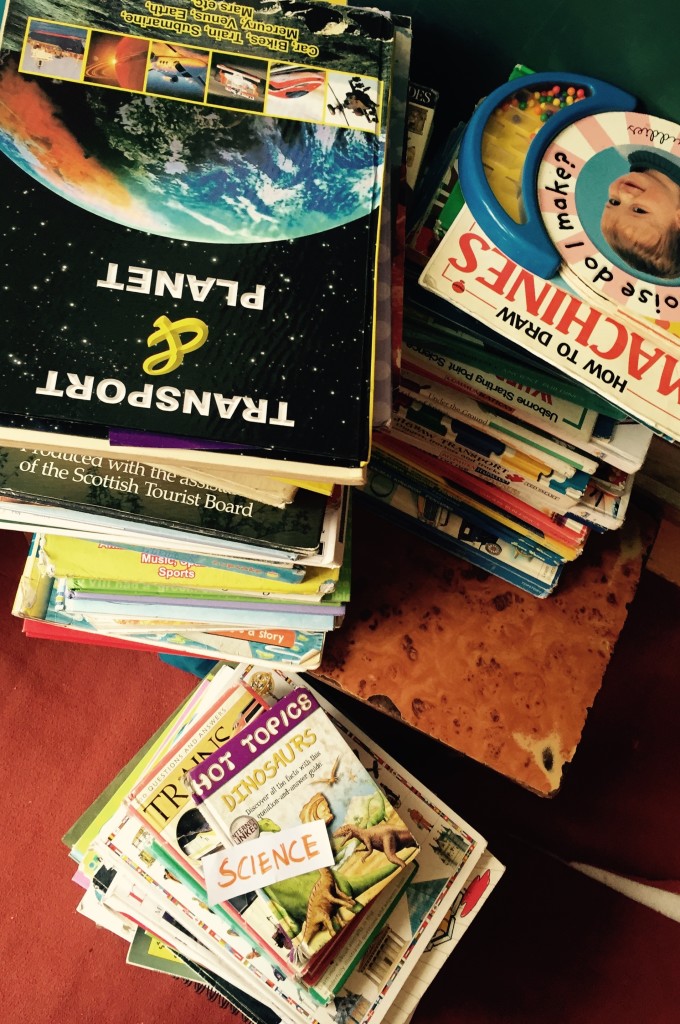
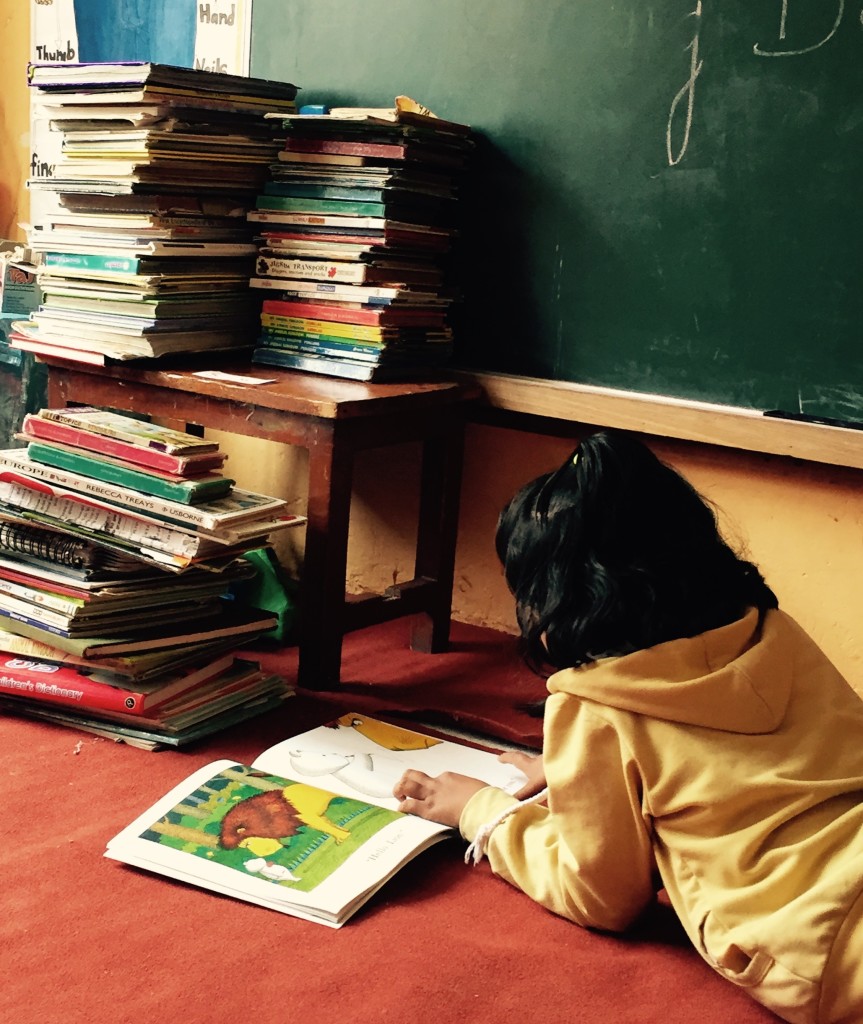
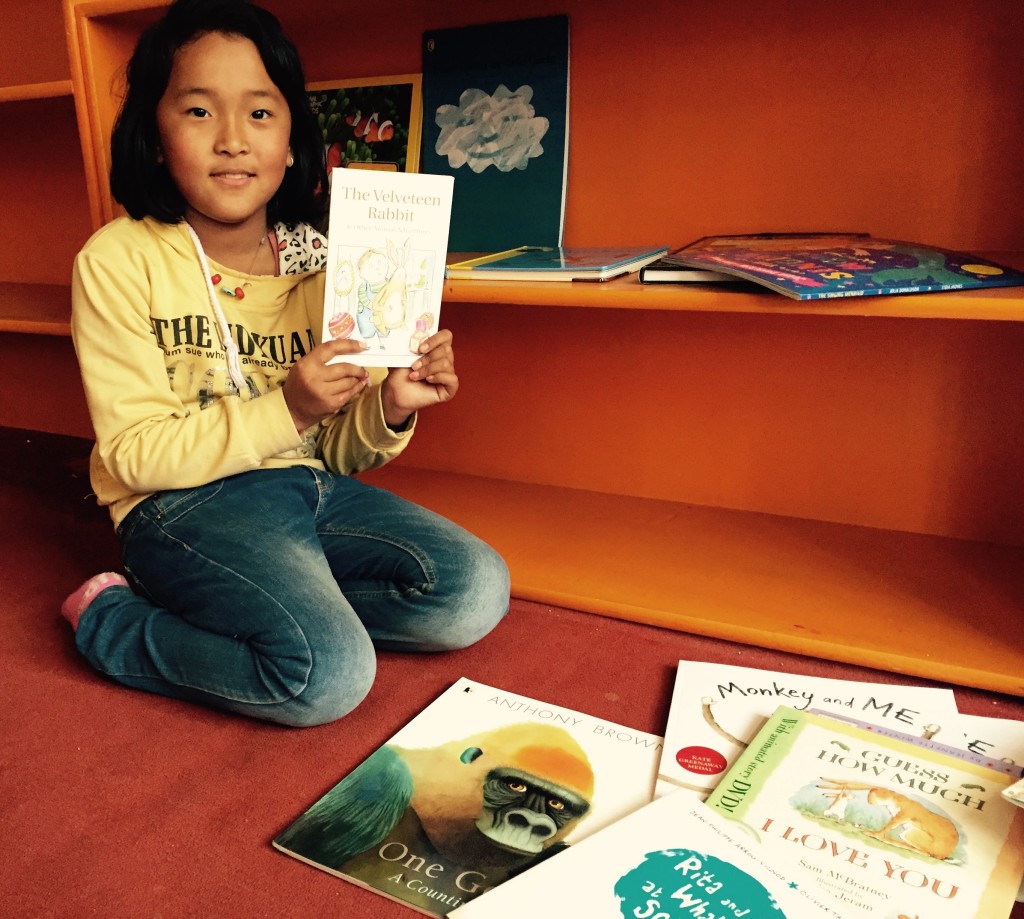
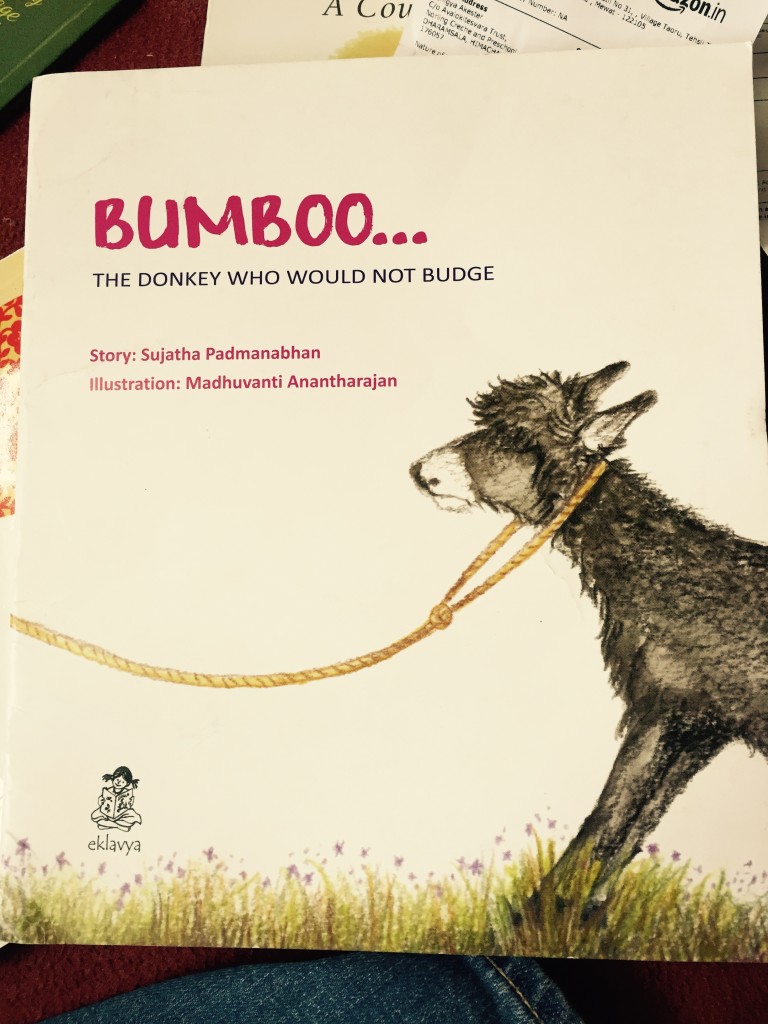
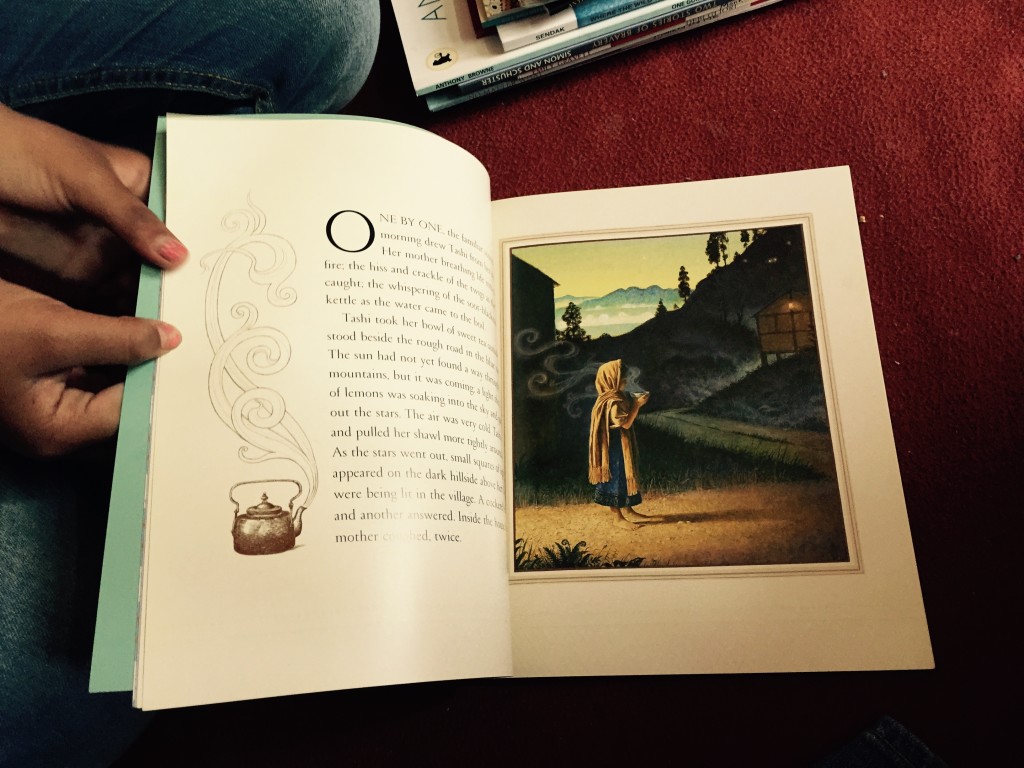
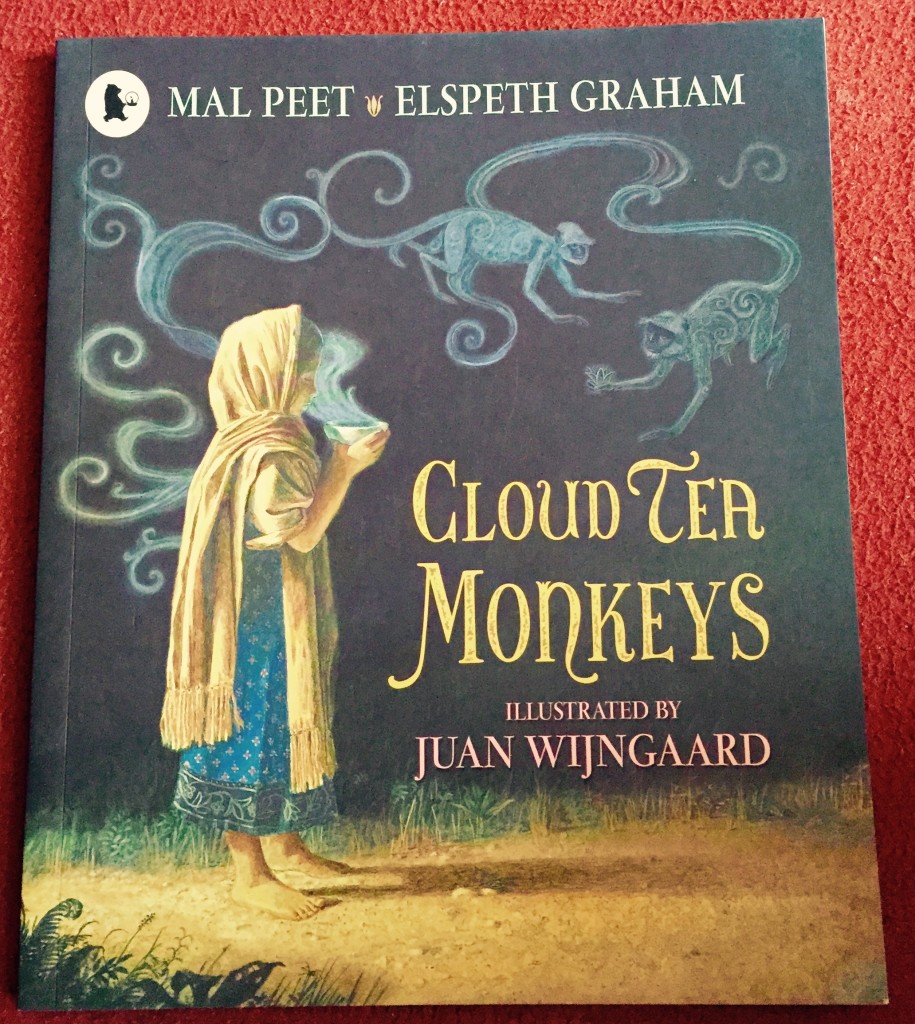
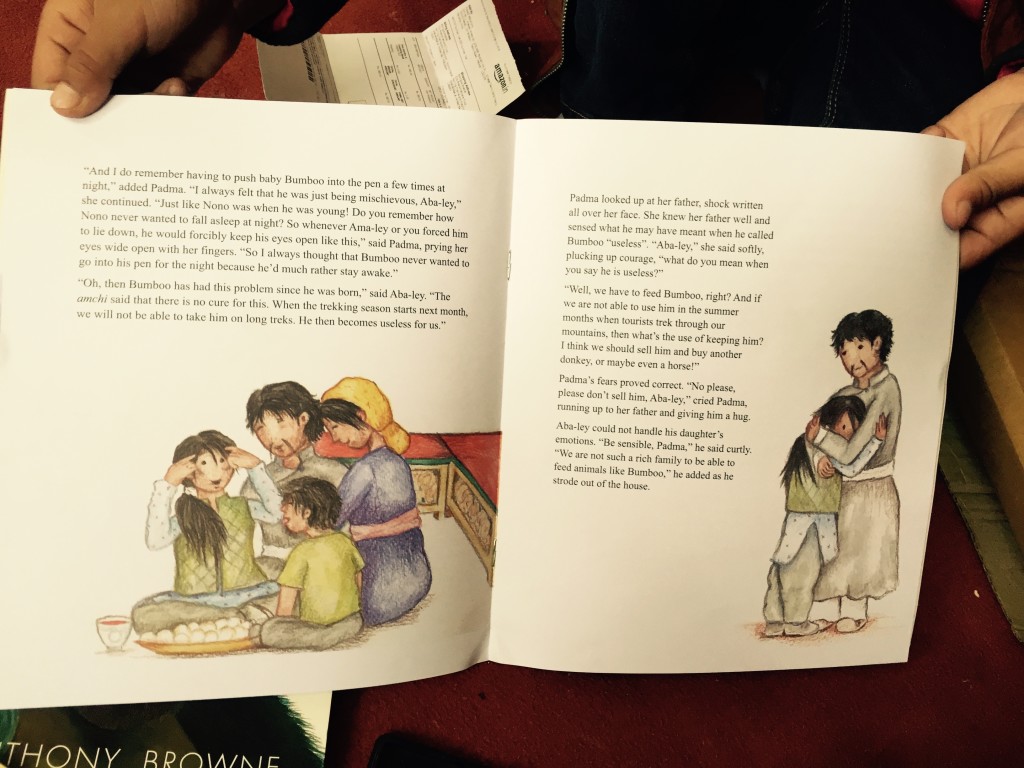
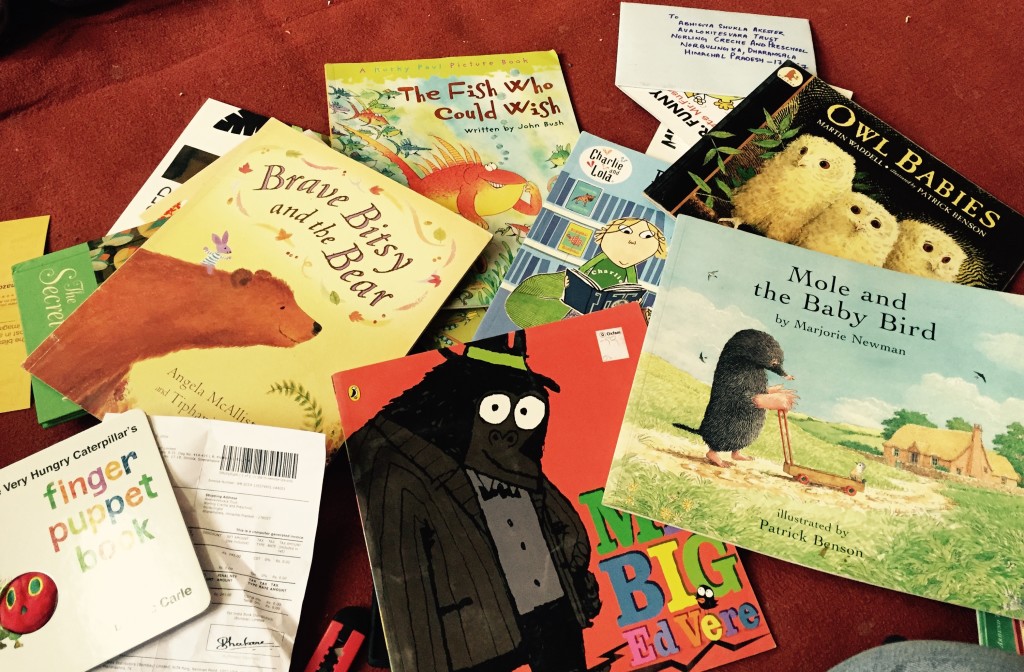
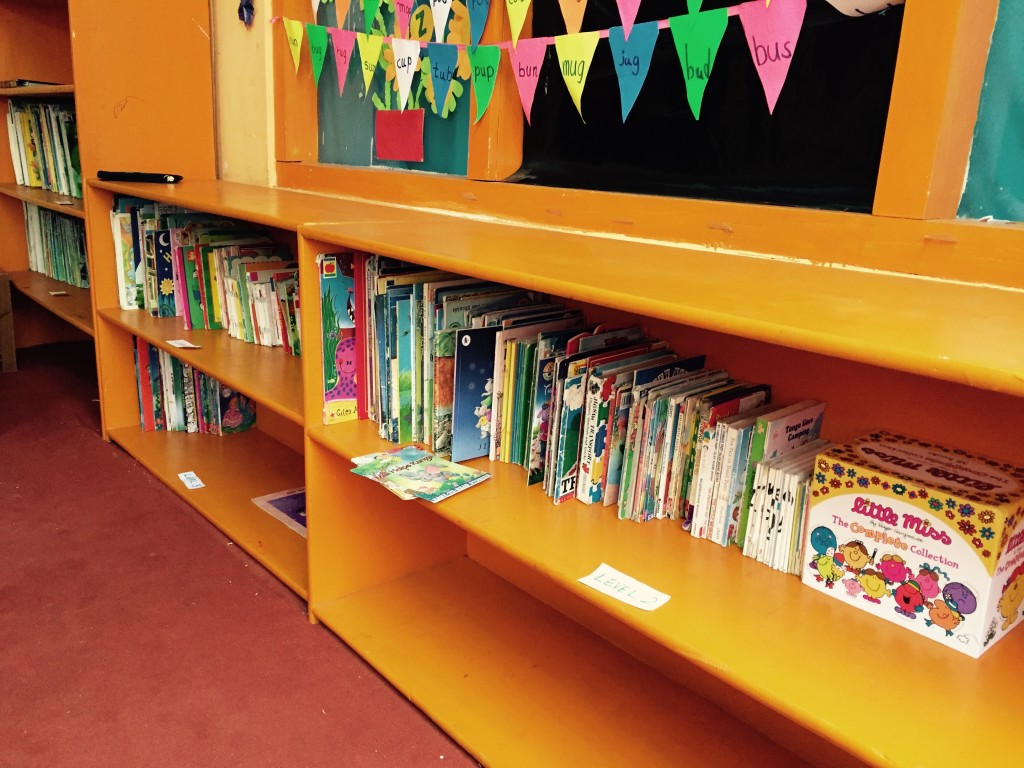
The workshop can include short storytelling breaks. An educator might read a folktale about compassion, a mountain animal, or a journey through changing landscapes, then invite children to place one story element in their artwork. Books from a local reading room can provide further inspiration, especially illustrated titles about nature, art, and Himalayan culture.
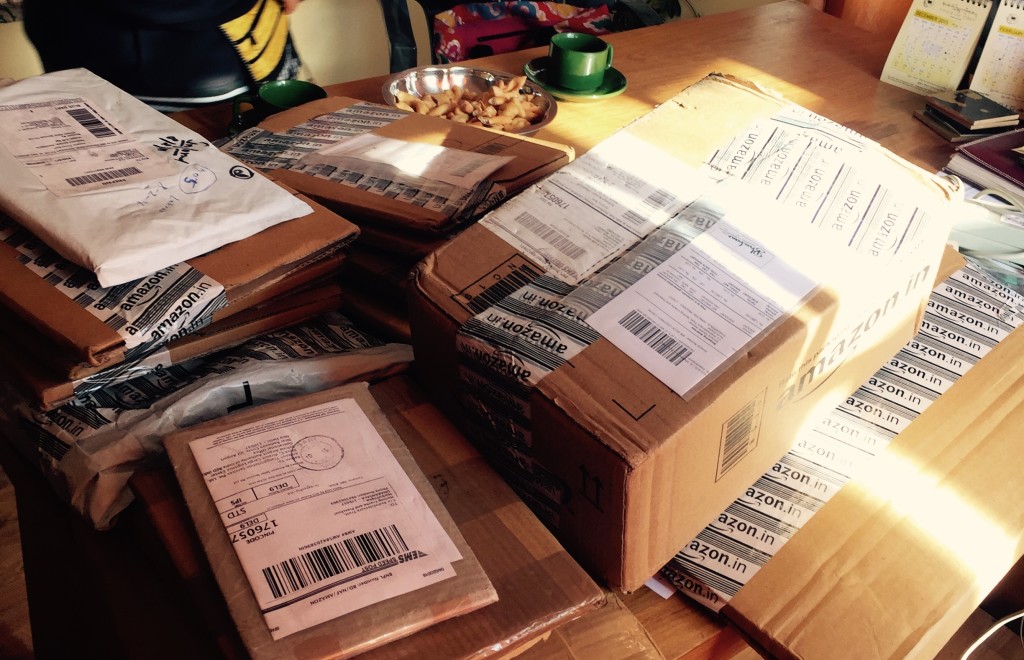
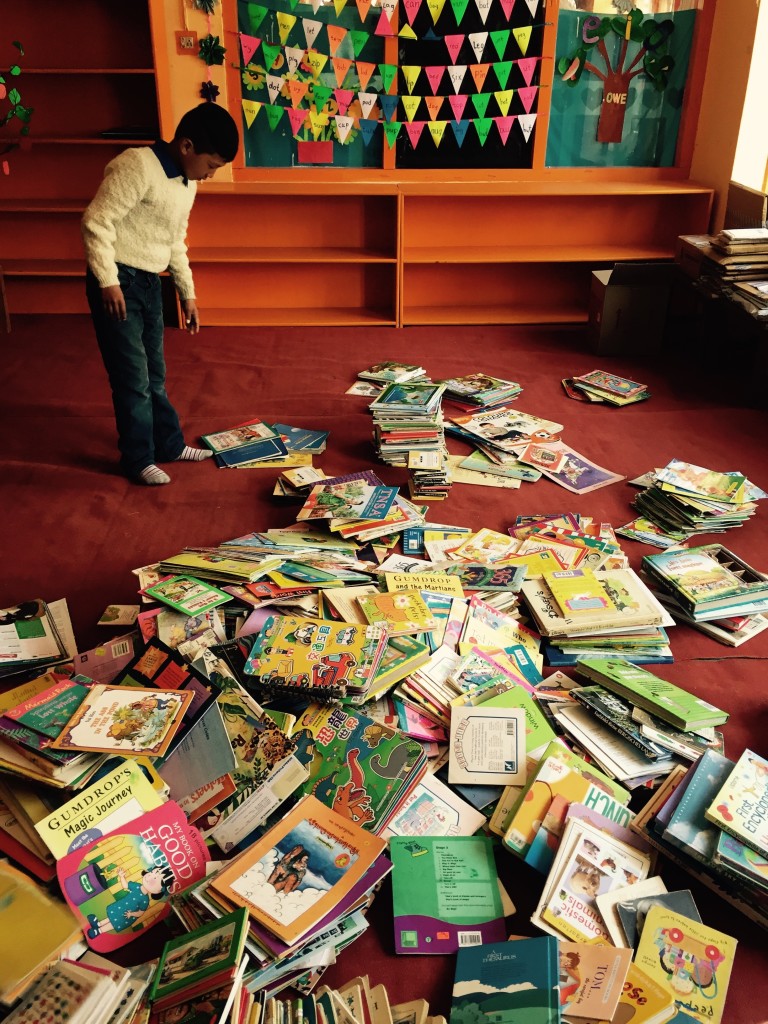
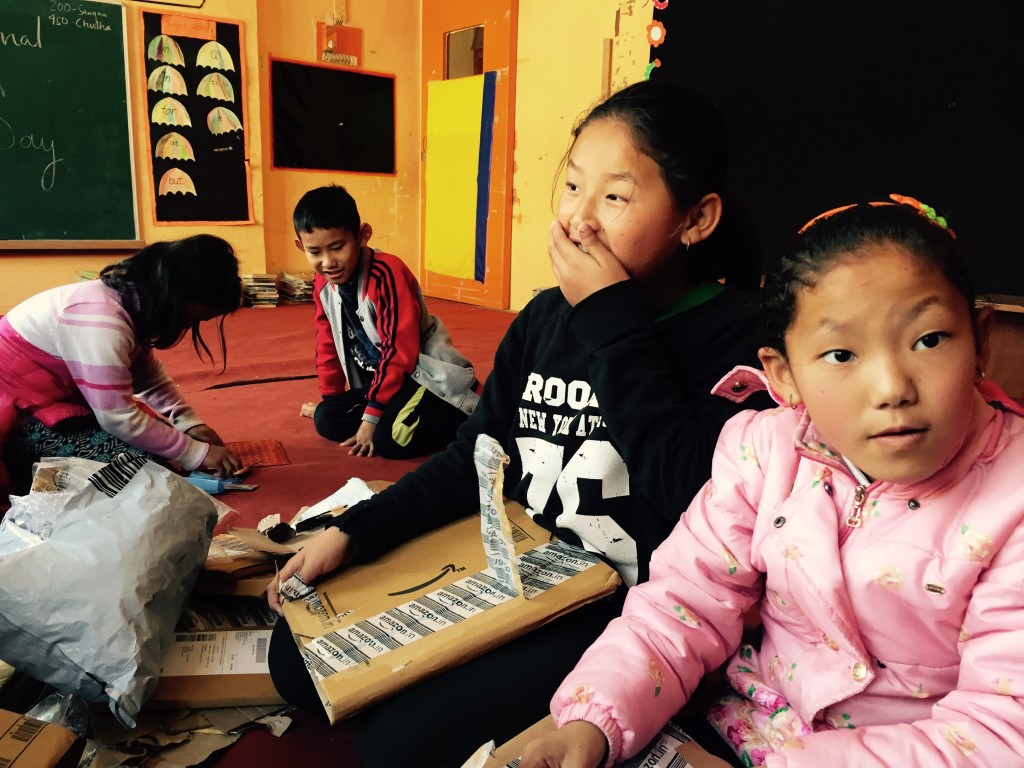
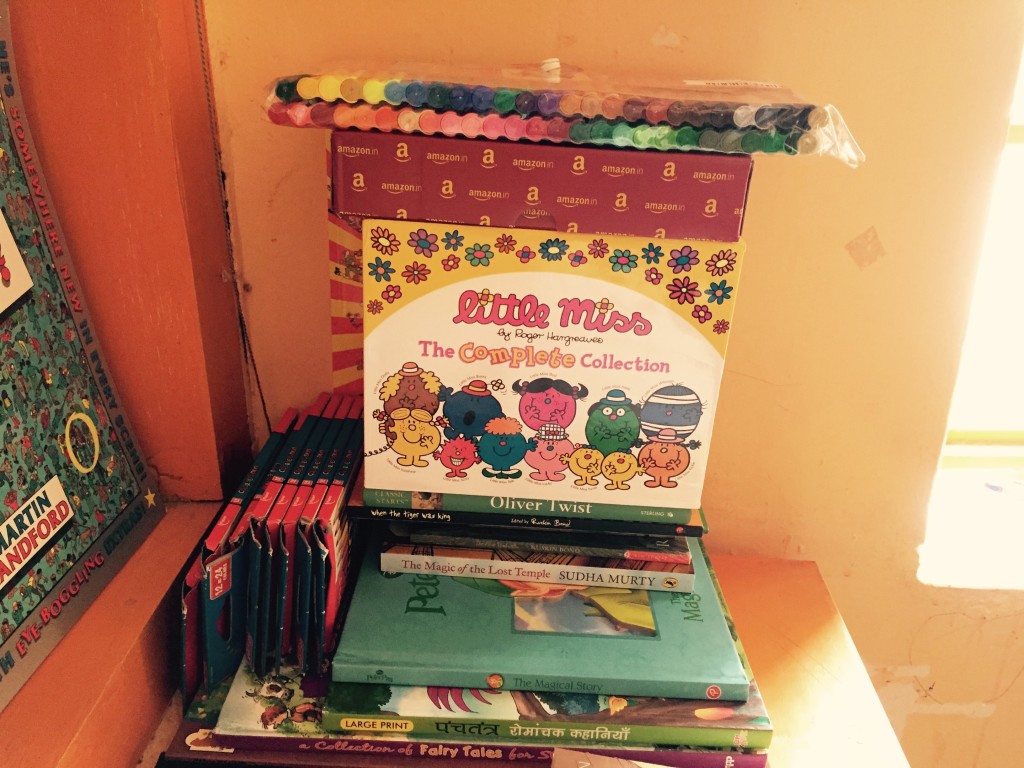
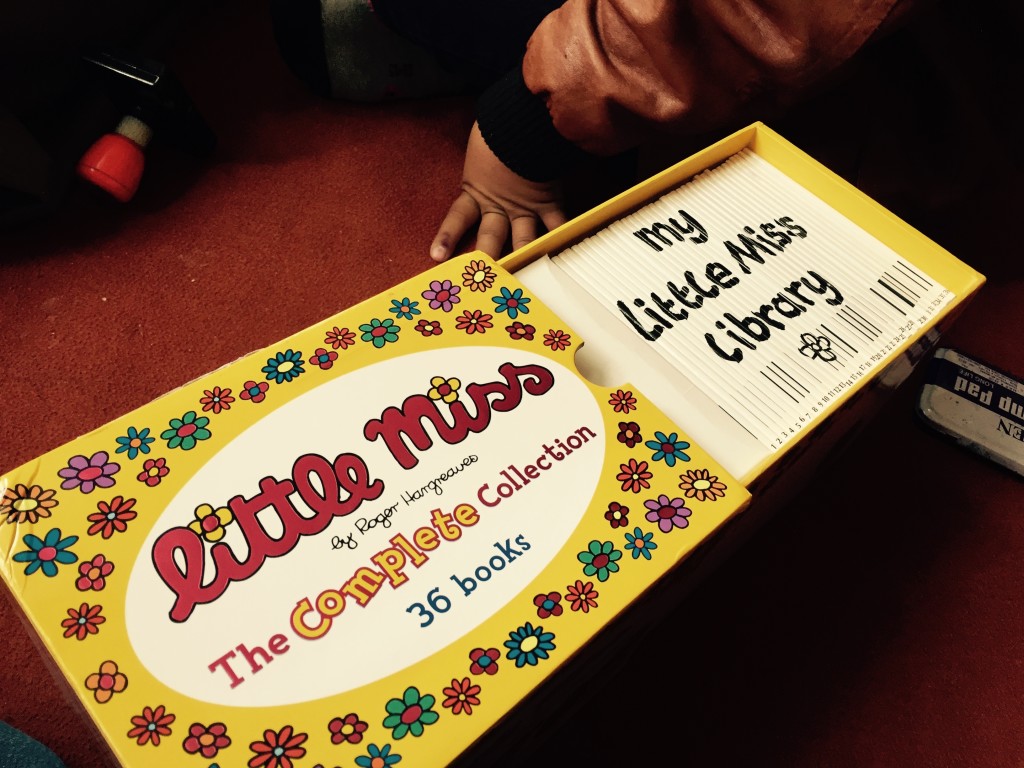
Traveling educational supplies often reach communities by difficult routes, making each book and art material especially meaningful. Accounts such as these journey across mountain passes show the care required to bring learning resources to children in remote areas. A mandala workshop can extend that same spirit of access by transforming modest supplies into a shared creative experience.
| Workshop Element |
What Children Practice |
Possible Himalayan Connection |
| Center point |
Focus and planning |
A mountain, sun, or flower |
| Repeated shapes |
Symmetry and coordination |
Snowflakes, leaves, prayer flags |
| Color selection |
Decision-making and expression |
Local landscapes and textiles |
| Natural textures |
Observation and resourcefulness |
Wool, petals, leaves, stone colors |
| Group sharing |
Listening and confidence |
Stories of home and community |
Making The Activity Inclusive And Welcoming
Children arrive with different levels of artistic experience, confidence, and physical ability. Some may need larger templates, thicker drawing tools, or extra time. Others may be ready to design their own grids. Offering several starting points allows everyone to participate without making the activity feel divided by ability.
Facilitators can avoid judging work as beautiful or imperfect. Instead, they can ask children to explain a color choice, symbol, or repeated shape. This kind of response recognizes thought and effort. It also encourages children to see art as communication rather than a competition.
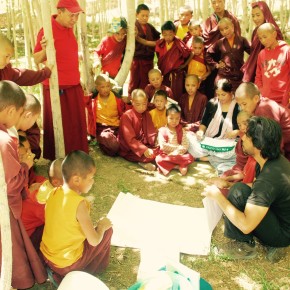
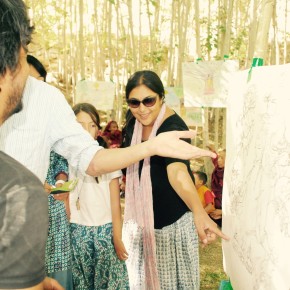
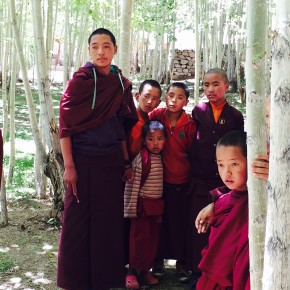
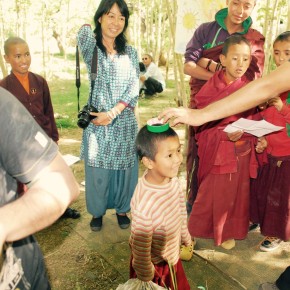
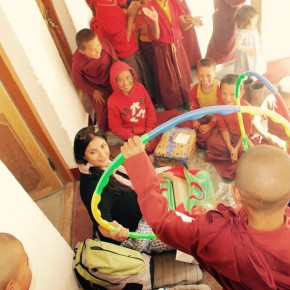
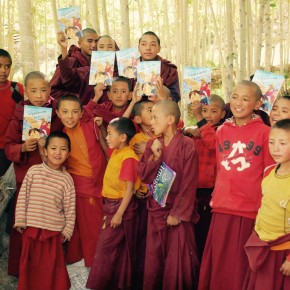
Young monks and schoolchildren may enjoy working together on a shared floor mandala or a large paper design. Collaborative artwork teaches negotiation: one child may outline the border, another may arrange colors, and another may add details. The finished piece becomes a record of cooperation as much as an art object.
Sharing Mandalas Beyond The Workshop
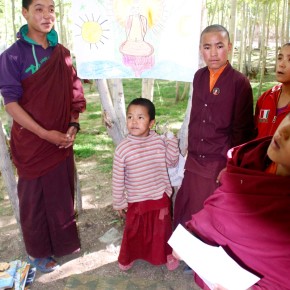
A display at the reading room, school, or community gathering place gives children a meaningful audience. Each mandala can include the artist’s name, age, title, and a short description. A child might call a design “River After Rain” or “The Path To The Monastery,” revealing the personal story behind the pattern.
Photographs of the artwork can help families, supporters, and volunteers see how educational programs encourage creativity. With appropriate permission, images may be shared alongside stories about reading rooms, book drives, music sessions, and village activities. The focus should remain on the children’s ideas and dignity rather than on presenting them as subjects of charity.
A small exhibition can also connect art with literacy. Children might write captions, create a group poem, or make handmade bookmarks based on their mandala designs. These extensions turn a single afternoon into a continuing project that links drawing, writing, reading, and public expression.
Ways To Support A Creative Learning Session
Organizations and volunteers can make future workshops stronger through careful preparation and respectful local collaboration. Useful practices include:
- Use durable, low-cost materials that can be replaced locally when possible.
- Invite children to draw symbols from their own landscapes, stories, and traditions.
- Provide templates alongside open-ended options so beginners feel confident.
- Pair art-making with books, music, storytelling, or nature observation.
- Display finished work where families and community members can celebrate it.
The most important resource is attentive encouragement. A calm adult who demonstrates one step, listens to a child’s explanation, and protects time for concentration can have a lasting influence. Children remember being trusted with materials, being taken seriously, and seeing their ideas valued.
A mandala workshop also offers an adaptable model for remote communities. It requires little technology, can be adjusted to different ages, and works indoors during cold weather. With thoughtful guidance, a circle on paper becomes a meeting point for art, education, culture, and friendship.
Support creative learning in Himalayan communities through Avalokiteśvara Trust. Donate books and materials, volunteer your skills, or share the stories of children whose imagination continues to grow across the mountains.