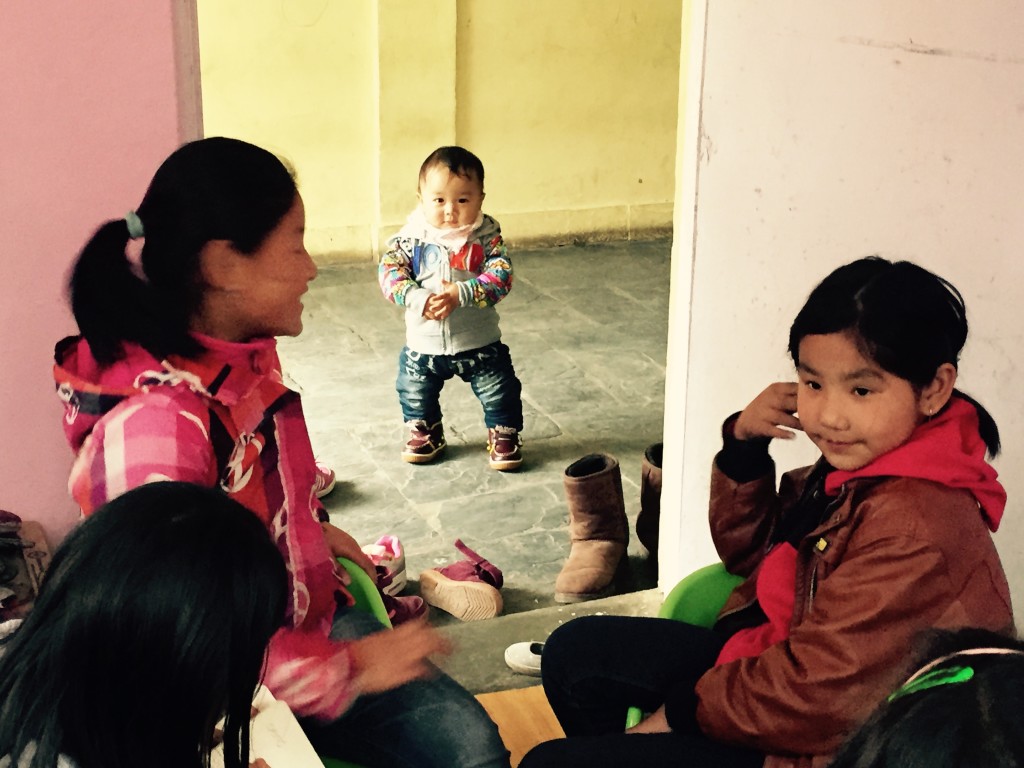
Stories from the road: books across high mountain passes
In the Himalayan region, a new book can travel a very long way before it reaches a child’s hands. A donated storybook may begin in a city warehouse, cross several valleys, climb a high mountain pass, and finally arrive at a small reading room in Ladakh. The journey involves careful packing, patient drivers, volunteers, local coordinators, and communities that understand the lasting value of books.
Transporting books across remote mountain roads is practical work, yet it also carries a sense of anticipation. Each carton represents new stories, unfamiliar pictures, science discoveries, poems, or music activities waiting to be shared. For children and young monks who have limited access to libraries and educational resources, these arrivals can change the atmosphere of an entire classroom.
Avalokiteśvara Trust supports literacy and creative learning by helping books reach communities where distance, weather, and difficult roads often limit choice. The road itself becomes part of the story: a route connecting generous readers with curious children across some of the highest inhabited landscapes in the world.
A journey that begins with careful selection
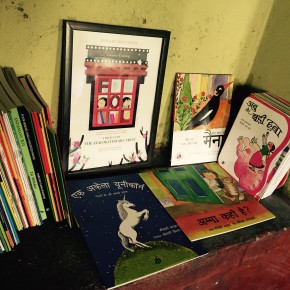
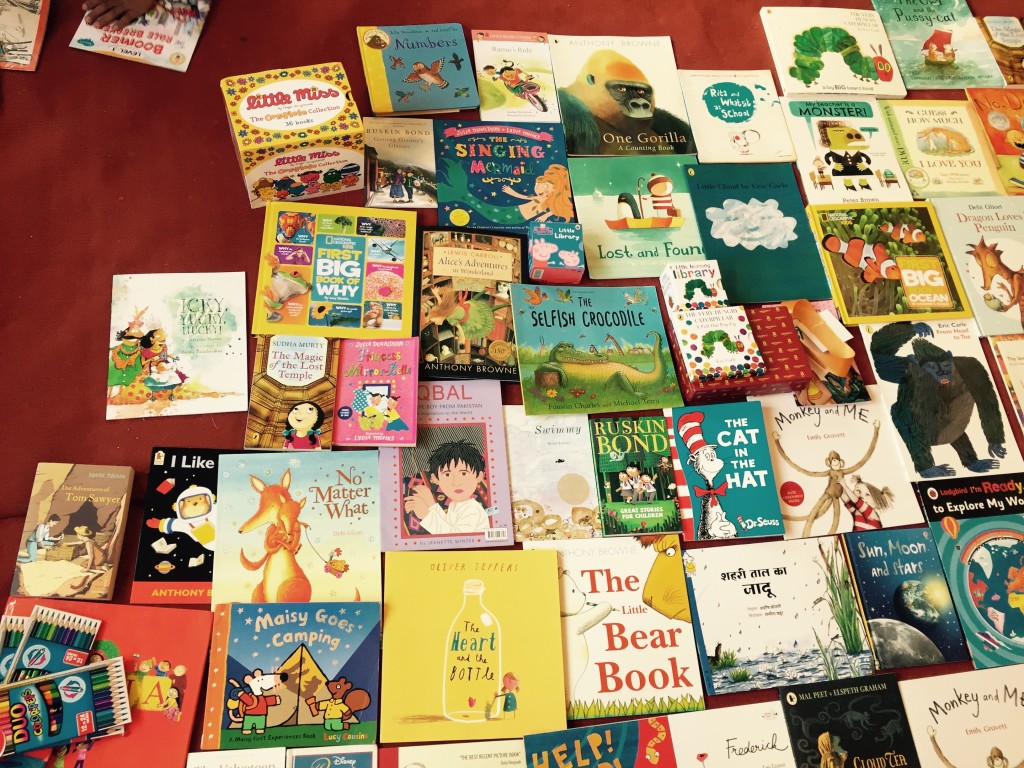
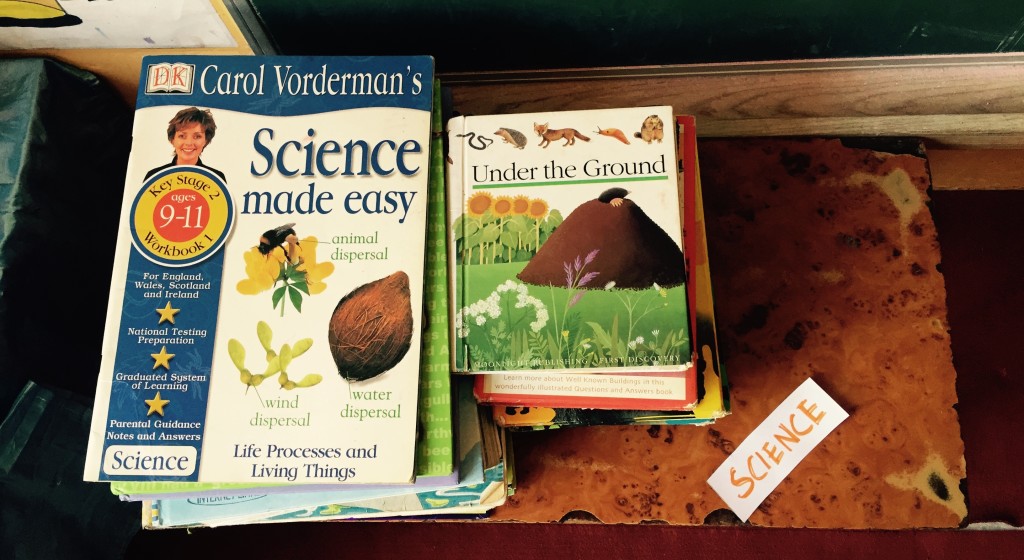
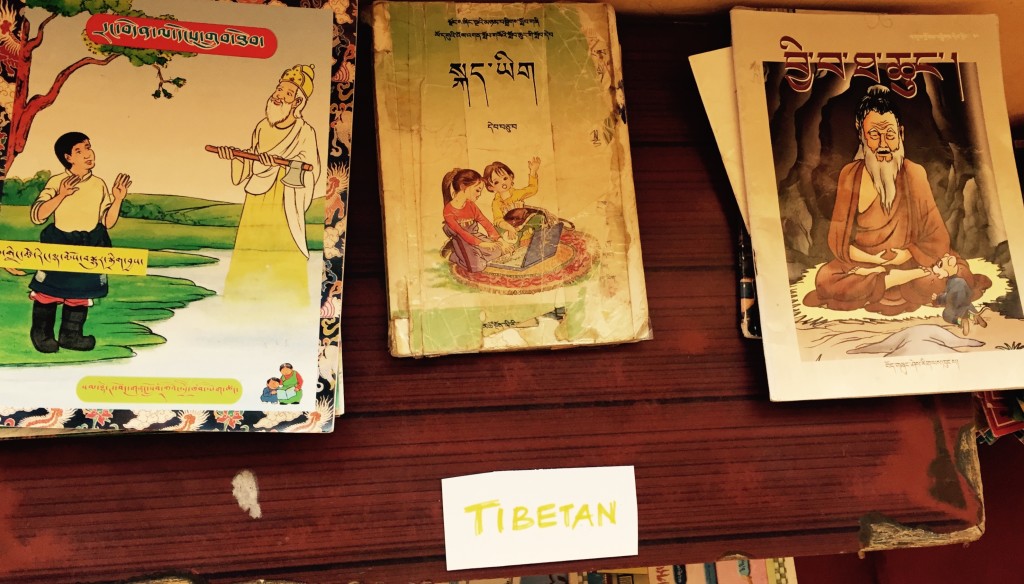
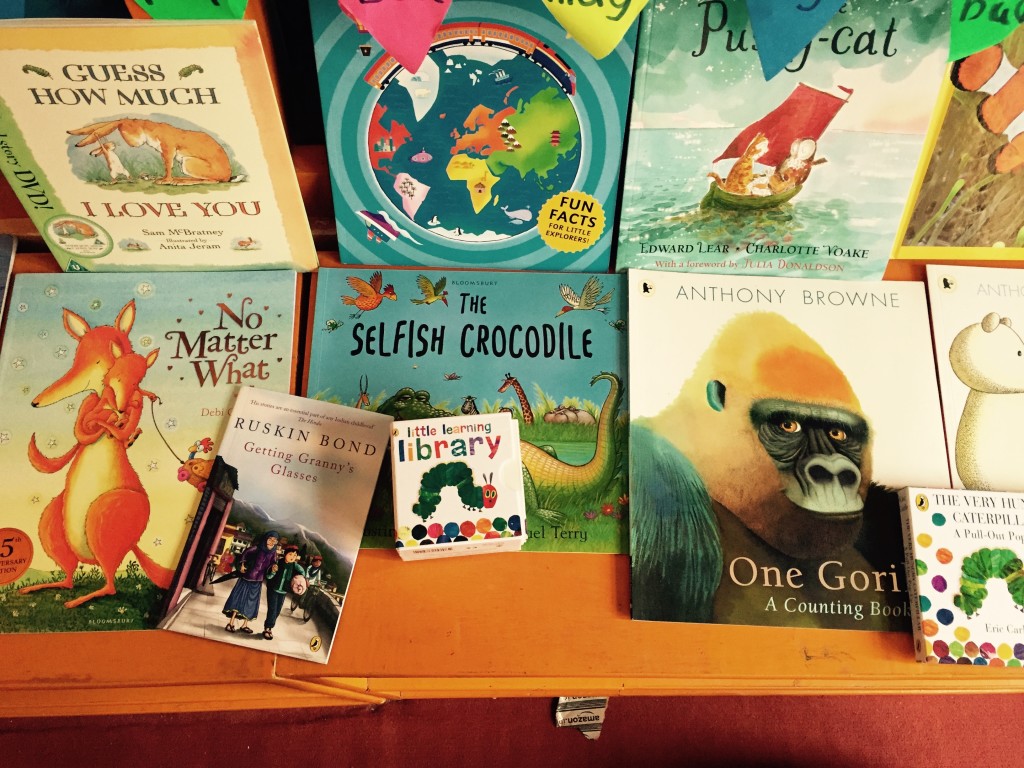
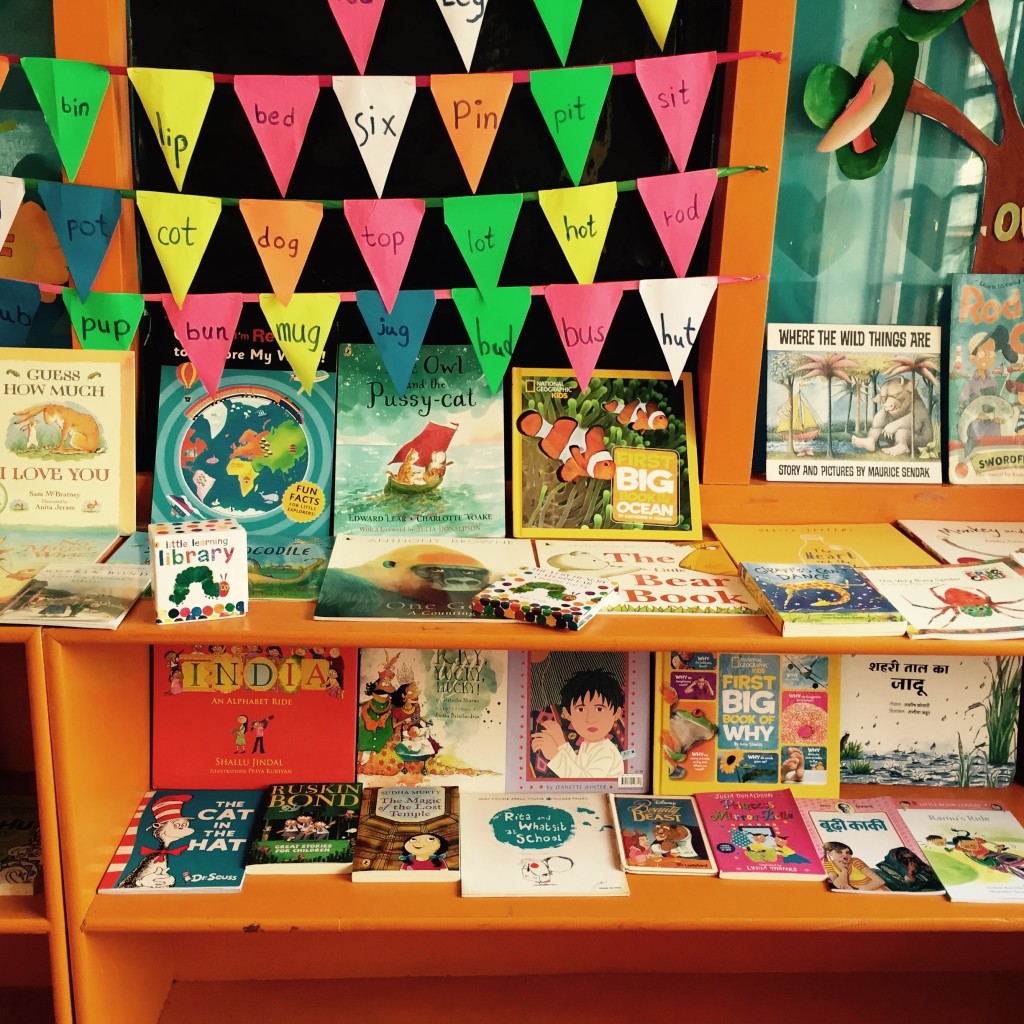
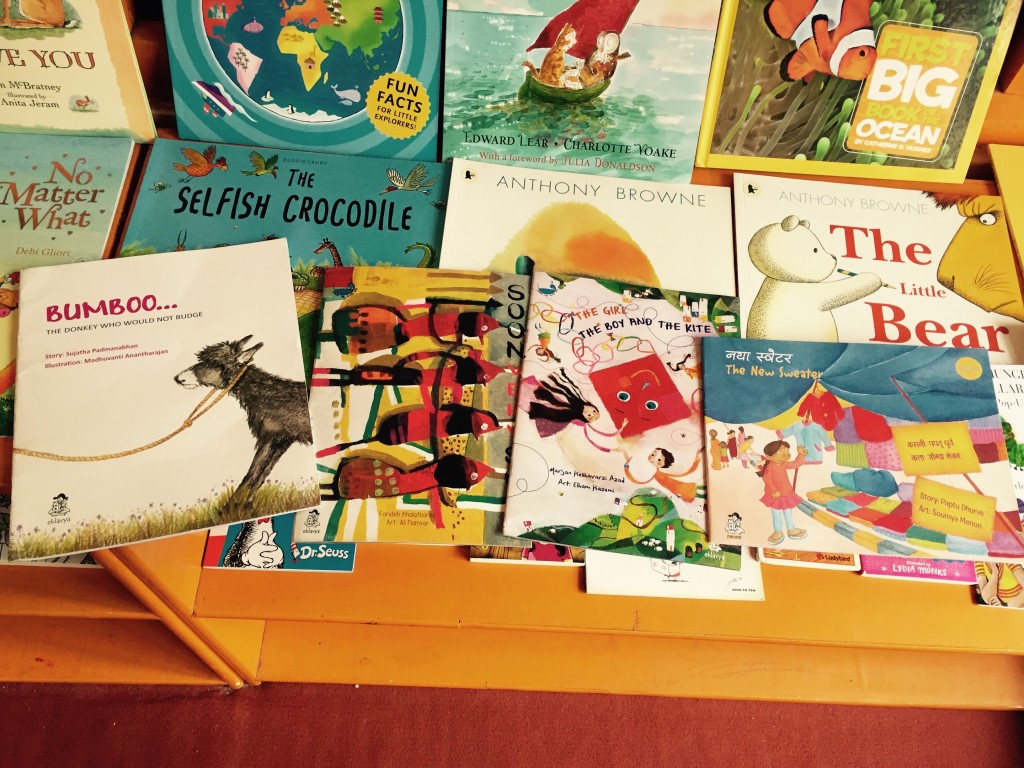
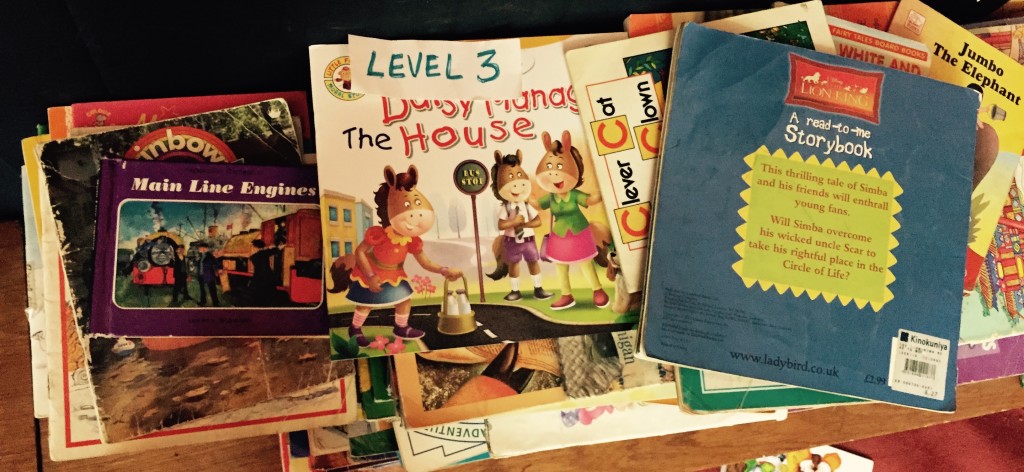
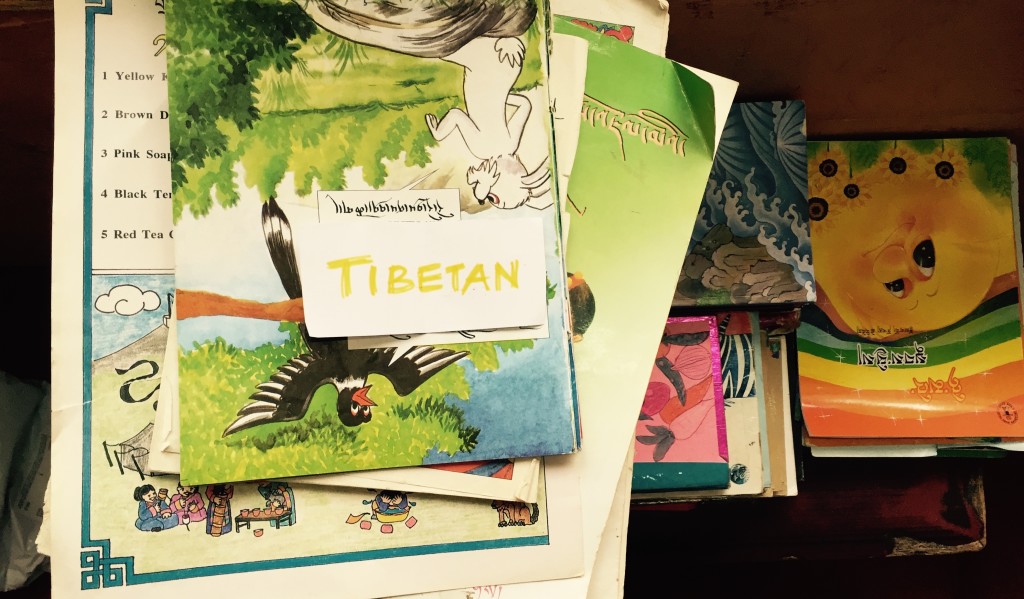
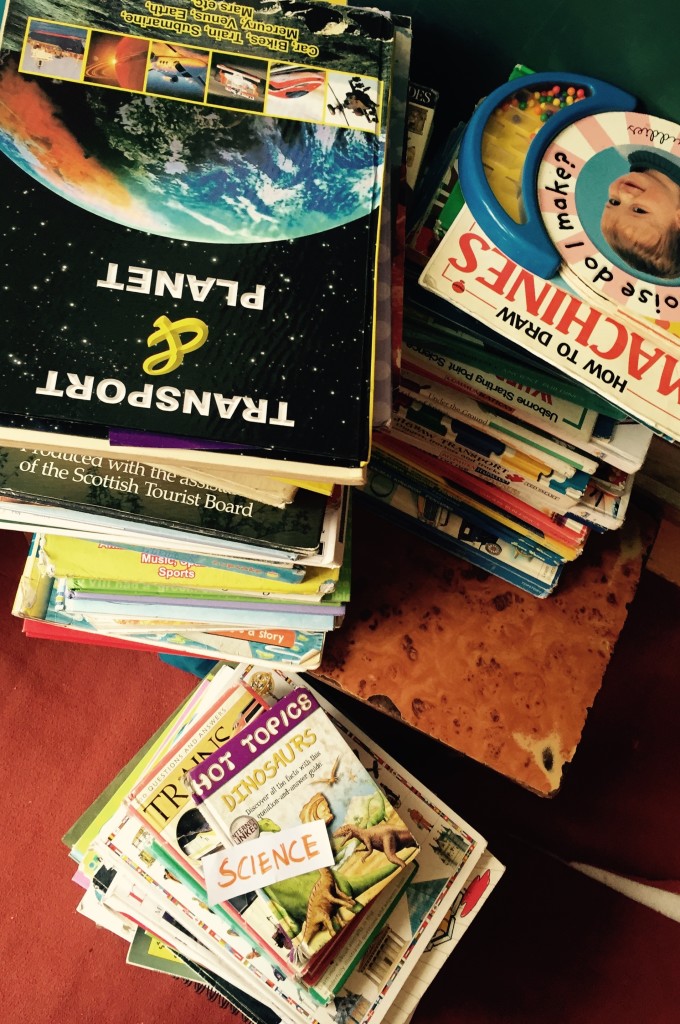
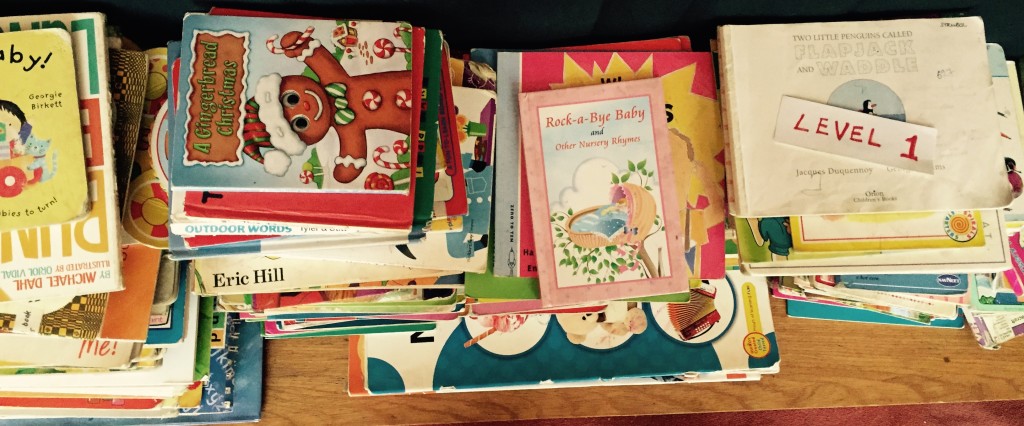
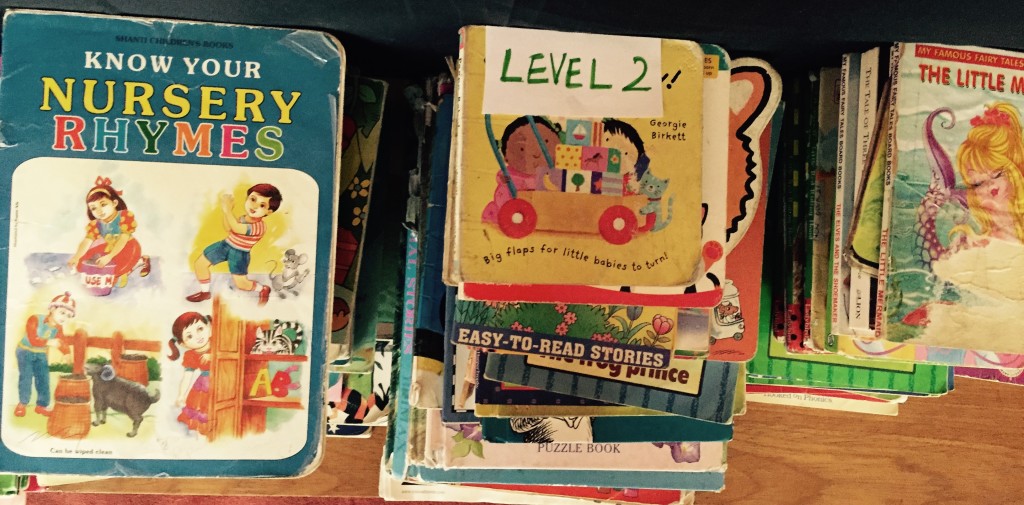
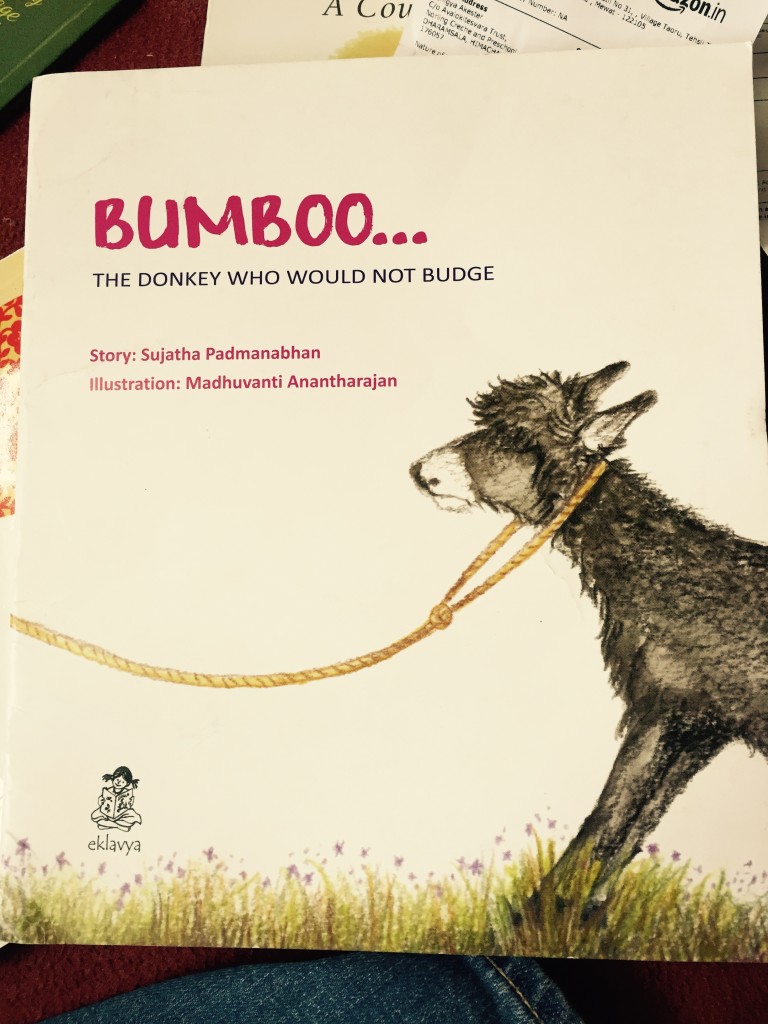
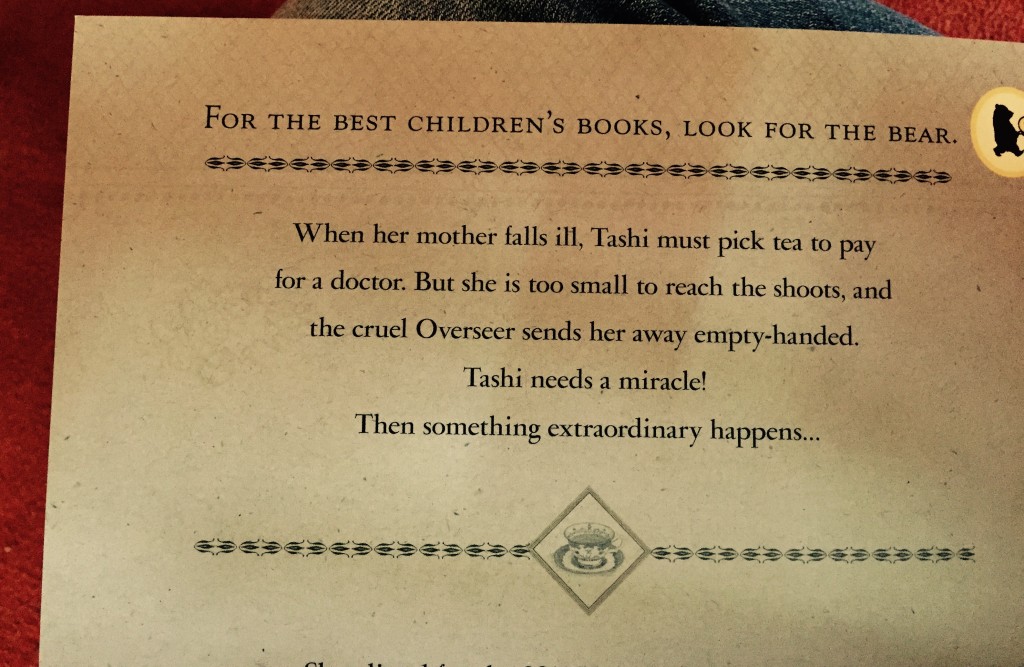
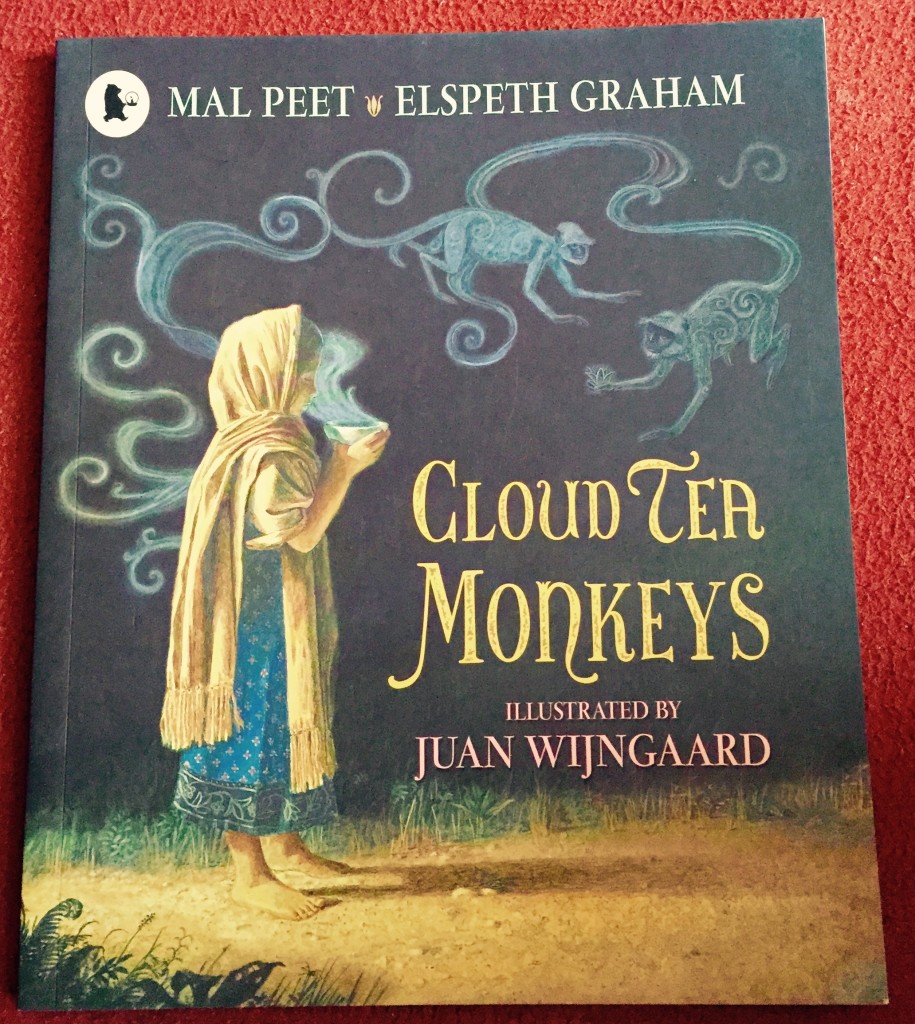
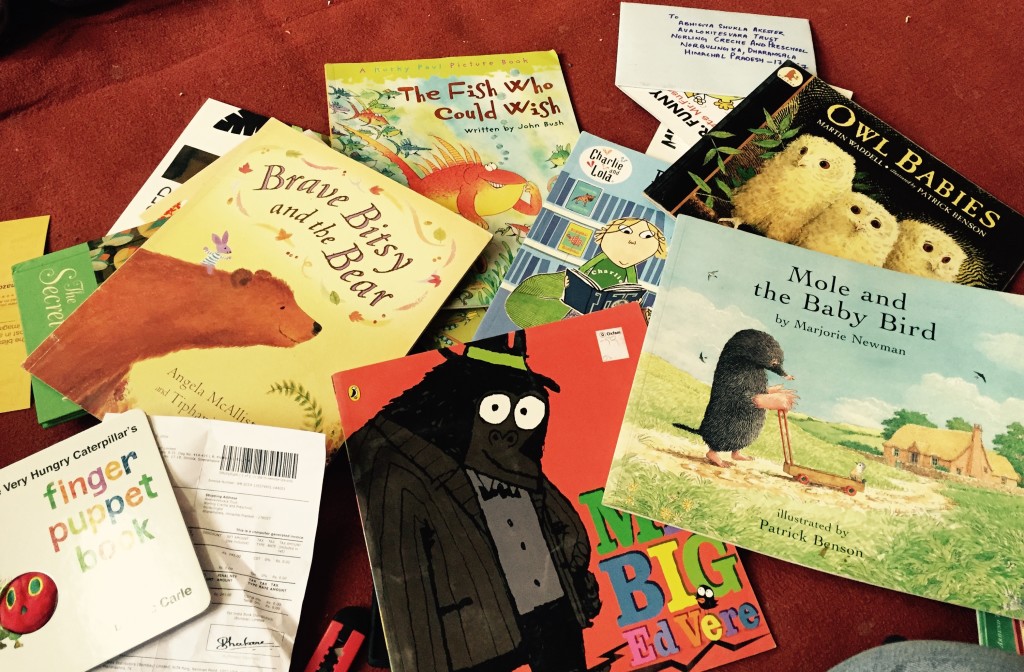
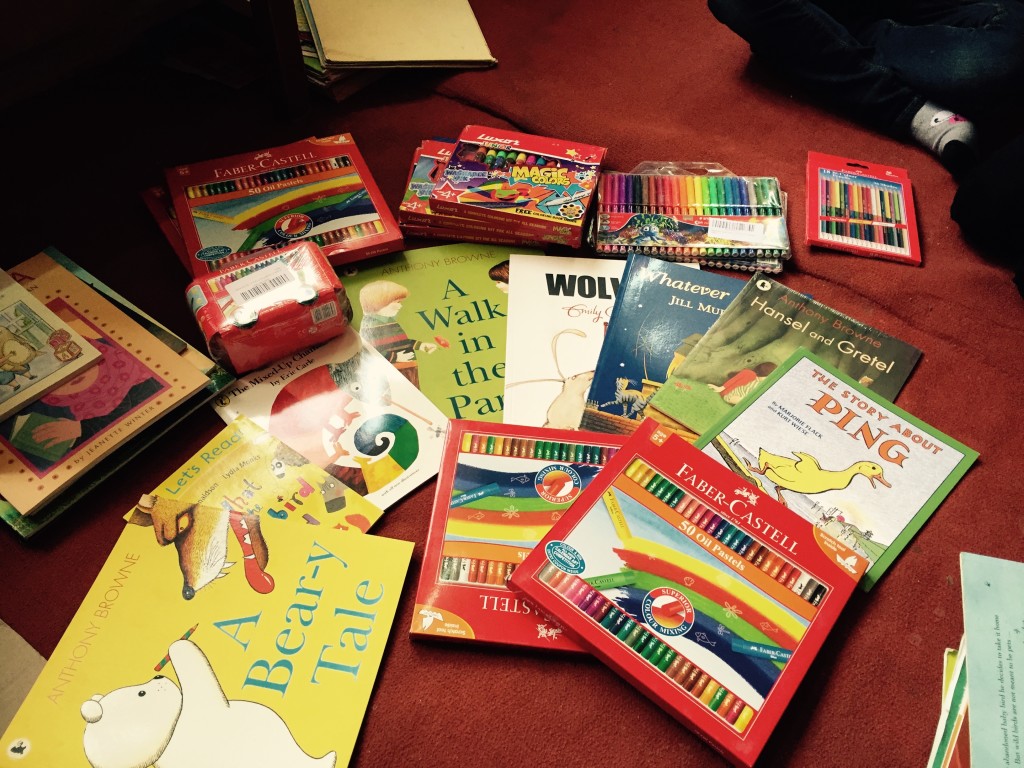
Before books are loaded for the mountains, they must be sorted with the receiving community in mind. Children’s fiction, picture books, early readers, reference material, art books, poetry, and age-appropriate educational resources all have a place. A reading room needs variety, because children learn at different speeds and return to books for different reasons.
Condition matters as well. Durable covers and clear illustrations are especially useful in busy community spaces. Books should be engaging without being overwhelming, and accessible to readers who may be developing confidence in English or another language. A carefully selected collection can support independent reading, group storytelling, classroom activities, and quiet study.
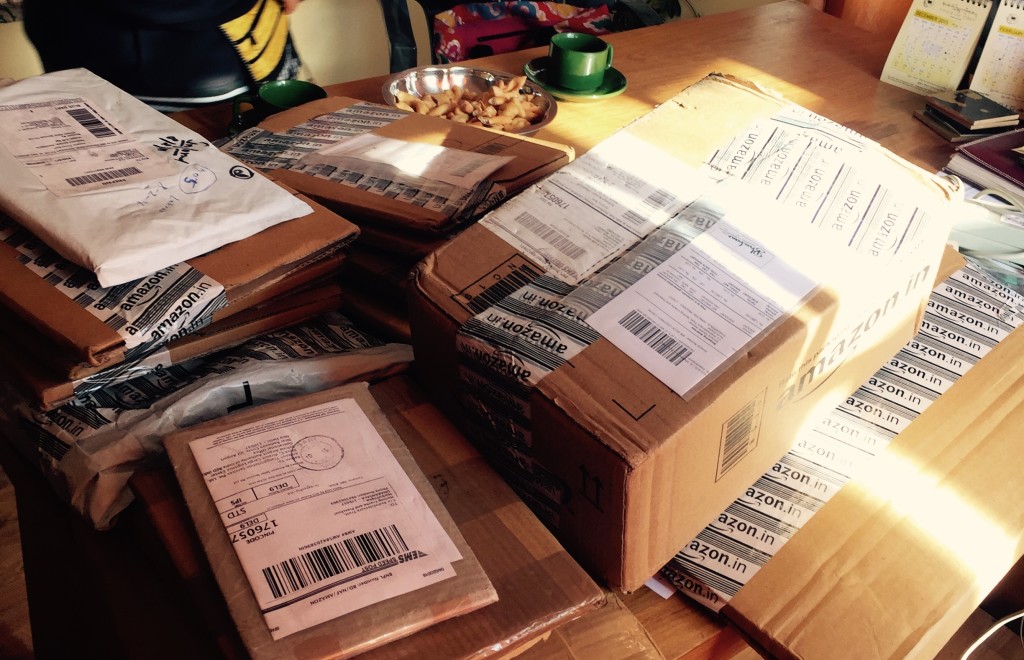
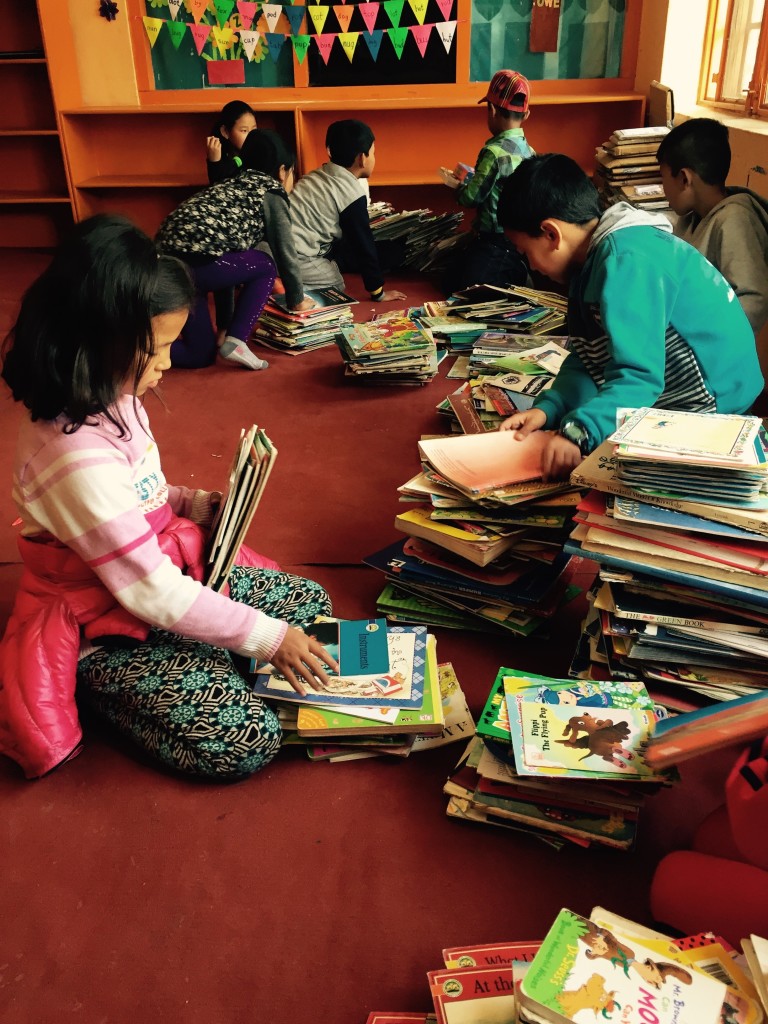
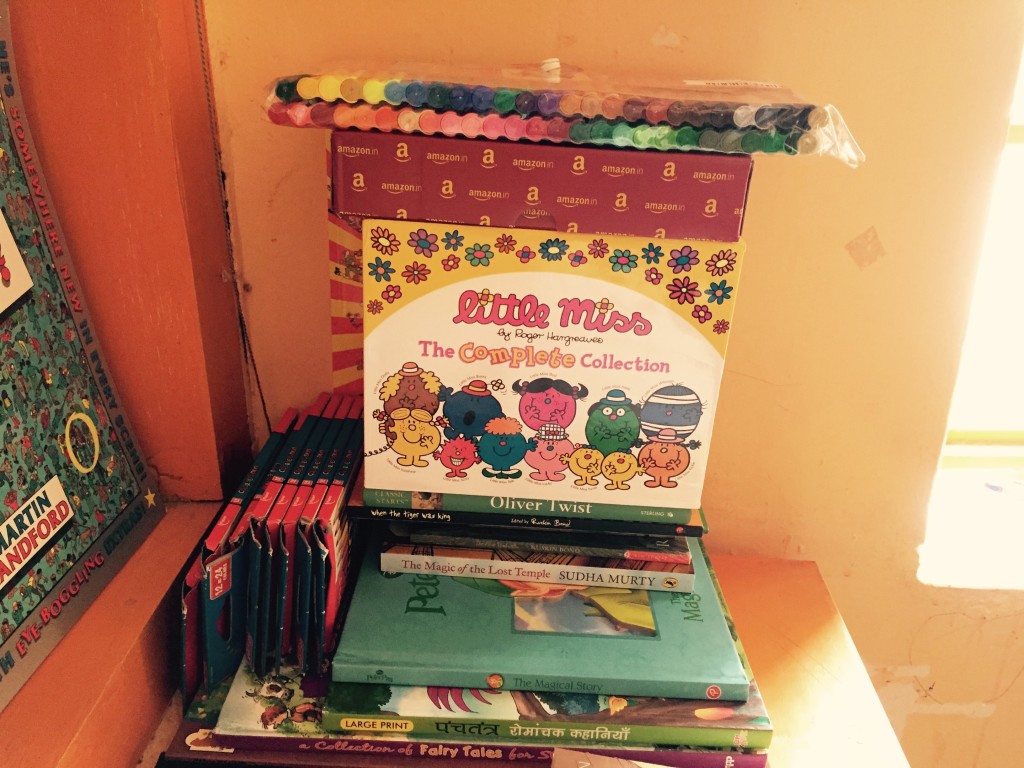
Packing is its own form of preparation. Books are grouped by destination, protected from dust and moisture, and placed in manageable cartons. Labels help volunteers and local partners identify each shipment quickly when several deliveries arrive together. In a remote setting, good organization prevents delays and makes it easier to put new resources into use.
From town roads to high passes
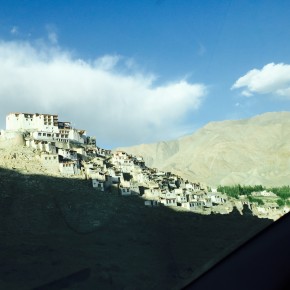
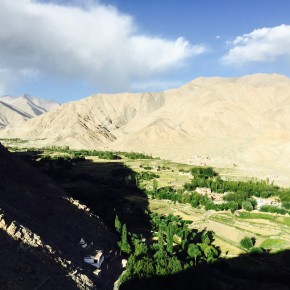
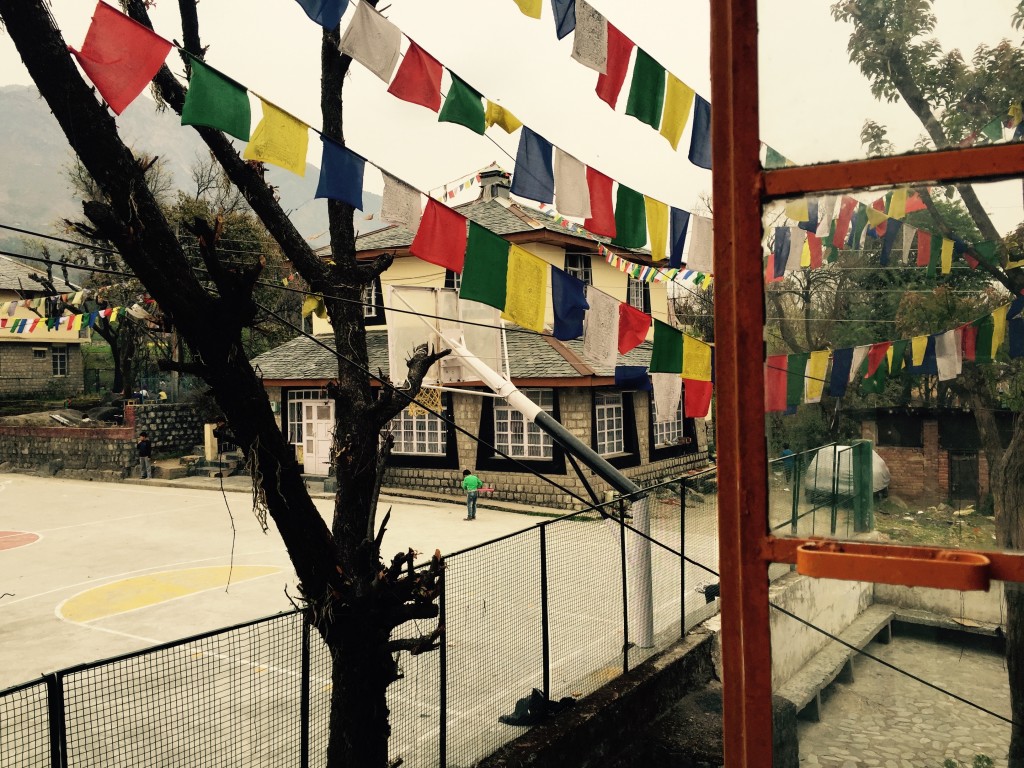
A book shipment may travel through several stages before reaching a mountain community. It can move from a collection point to a regional town, then continue by truck or smaller vehicle along narrow roads. Routes may follow river valleys, pass through military or agricultural settlements, and climb toward villages surrounded by bare slopes and snow-covered peaks.
High-altitude transport requires flexibility. Weather can close a pass, a landslide can block a road, or a vehicle may need repairs far from the nearest workshop. Drivers and local coordinators rely on current road conditions rather than a fixed timetable. A delivery planned for one day may take longer, but patience protects both people and the books they are carrying.
The landscape also affects the materials themselves. Dust, cold, vibration, and changing temperatures can damage poorly packed cartons. Waterproof outer layers, strong tape, and compact loads are simple measures that help preserve the collection. Every part of the journey requires respect for the environment and the realities of Himalayan travel.
What reaches a reading room
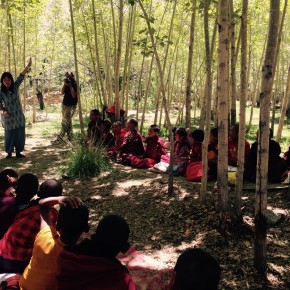
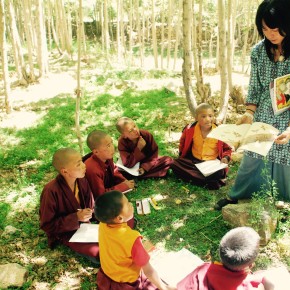
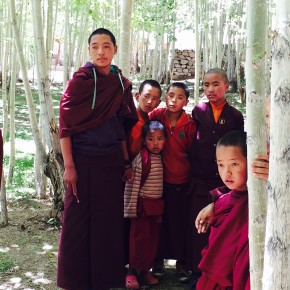
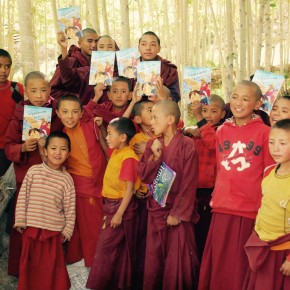
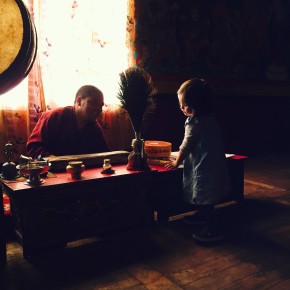
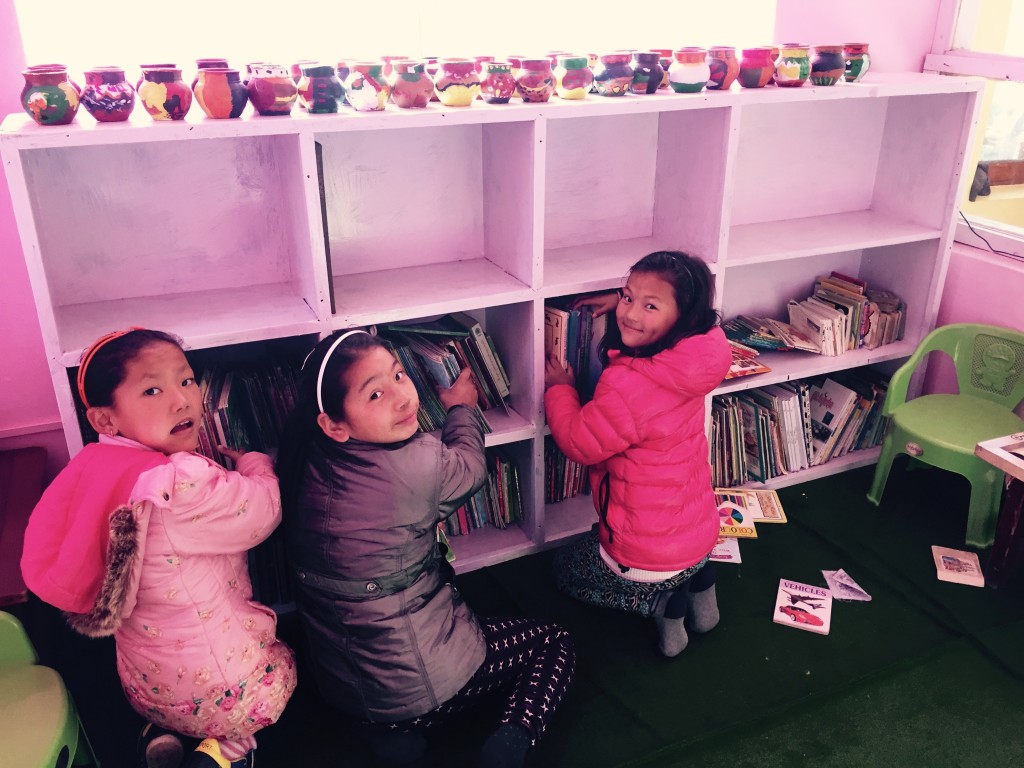
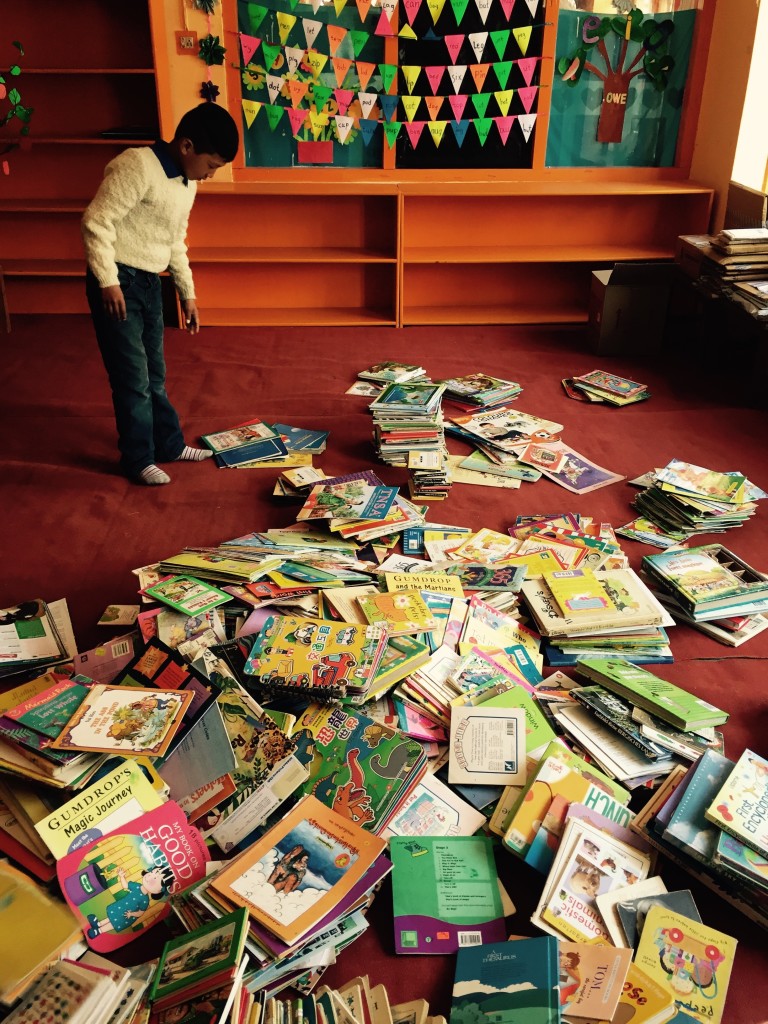
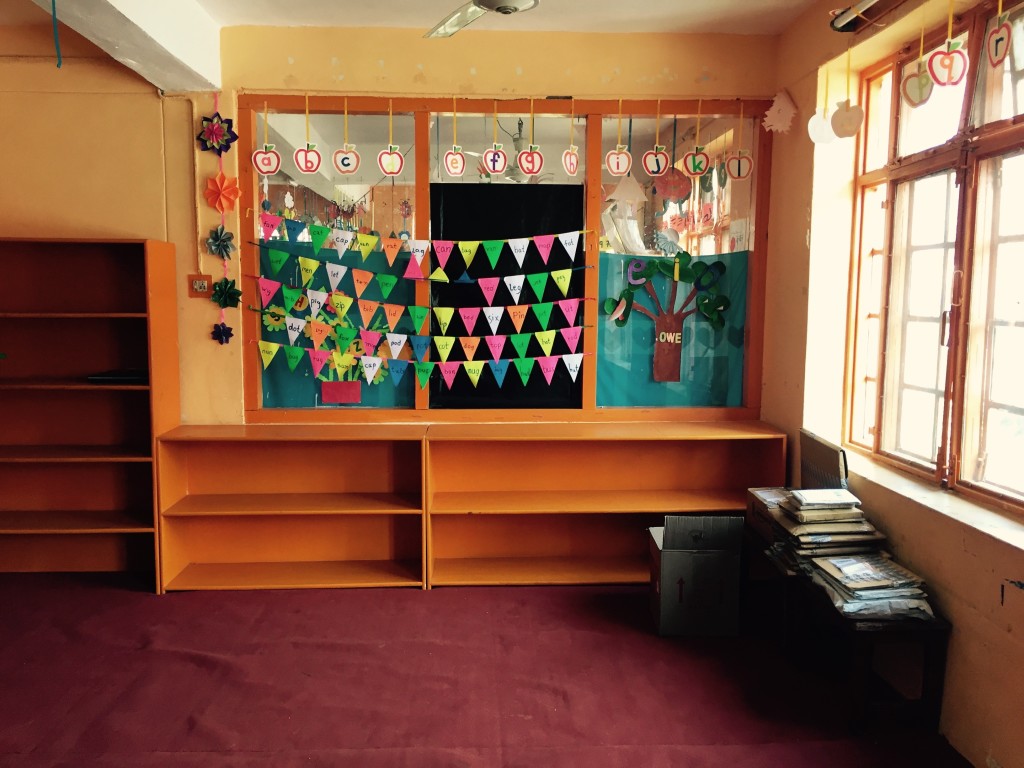
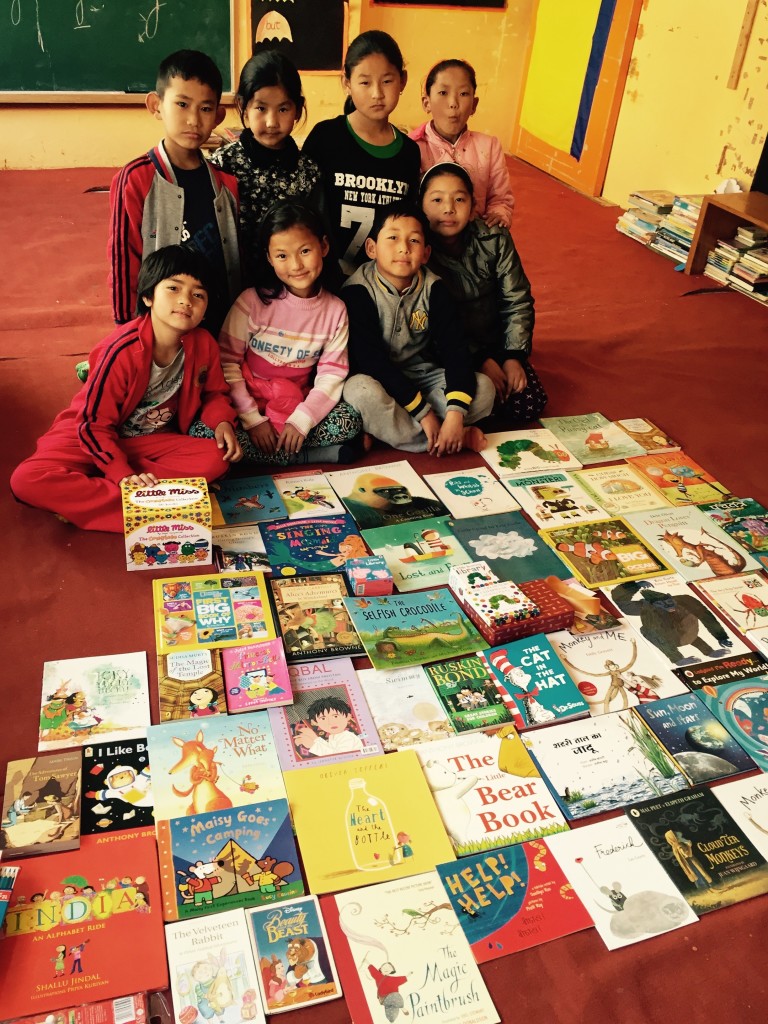
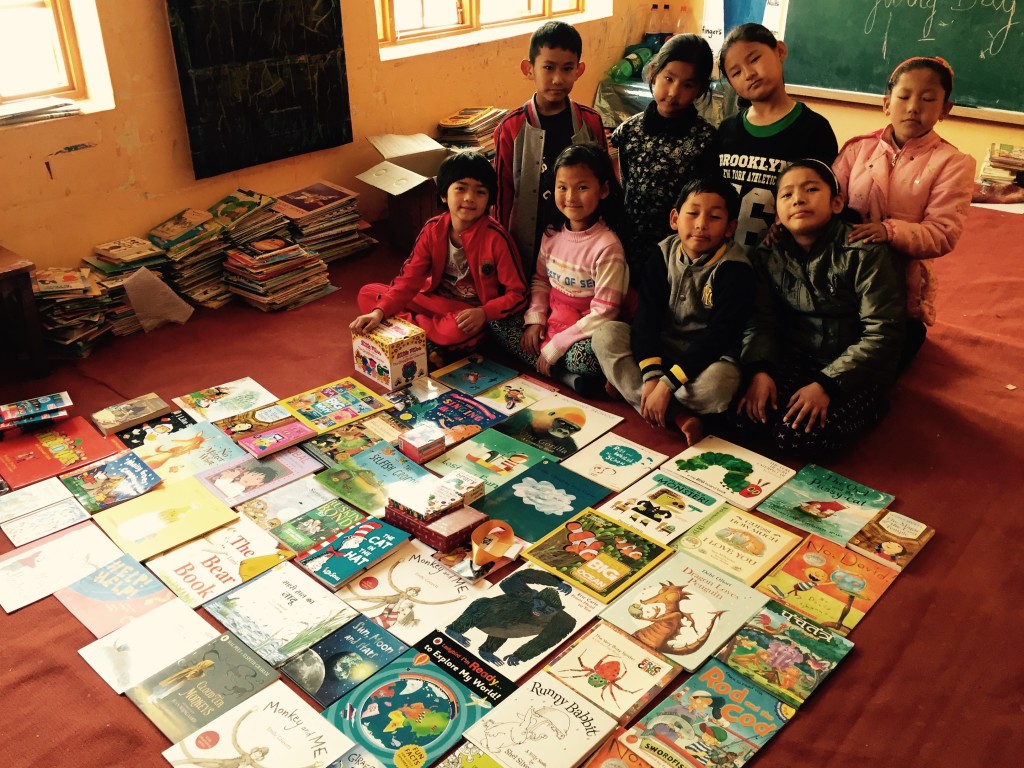
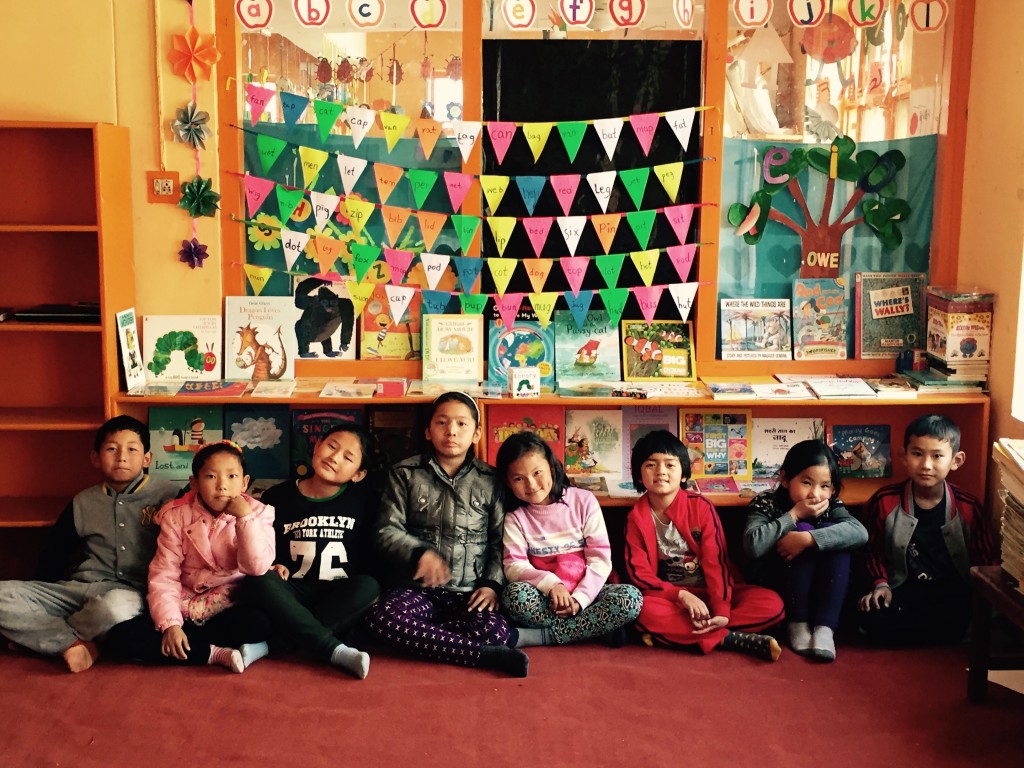
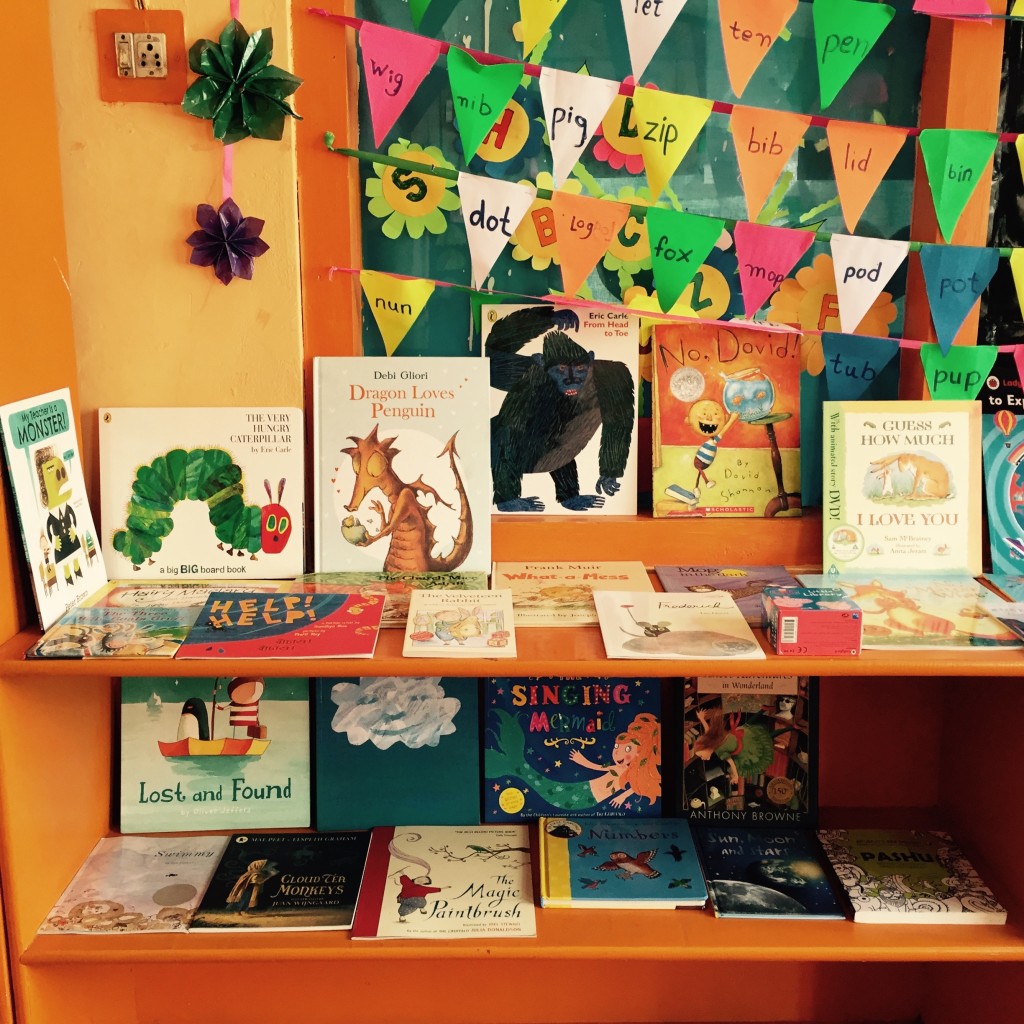
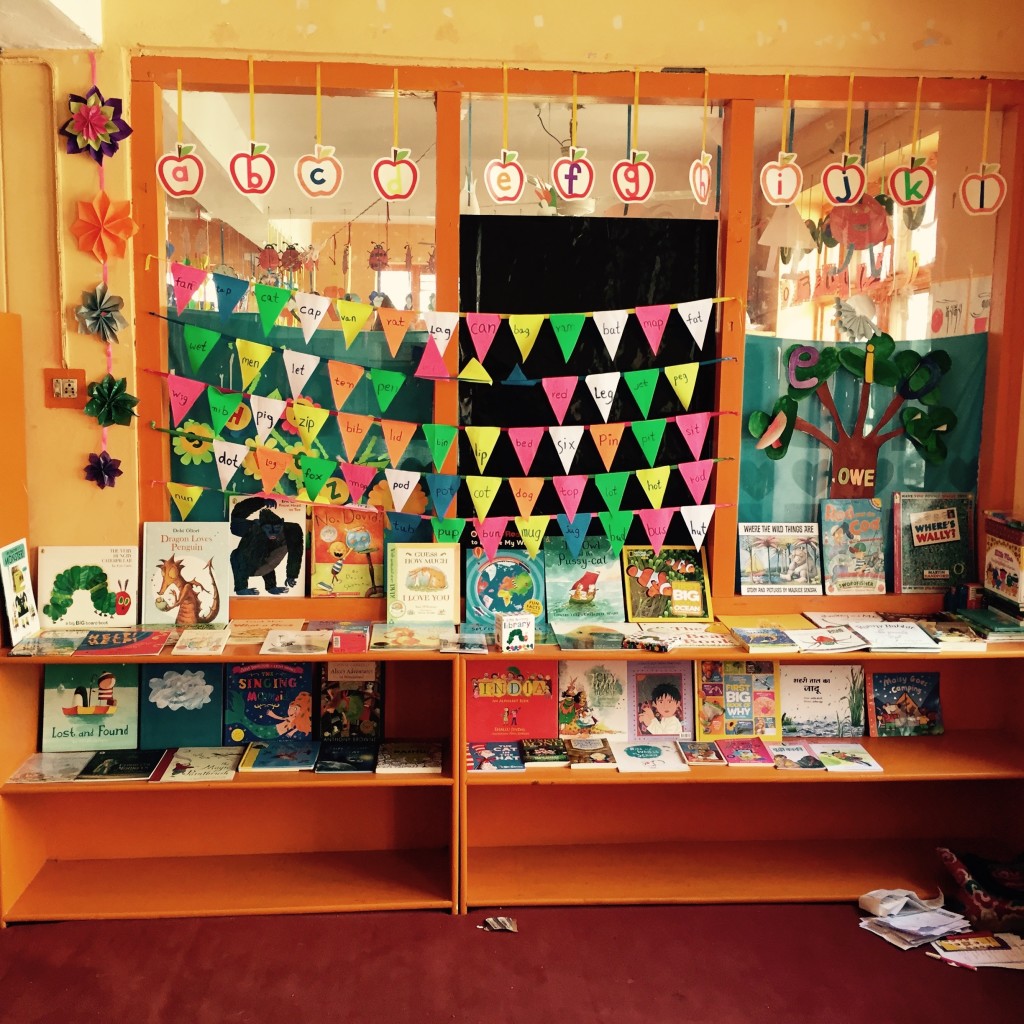
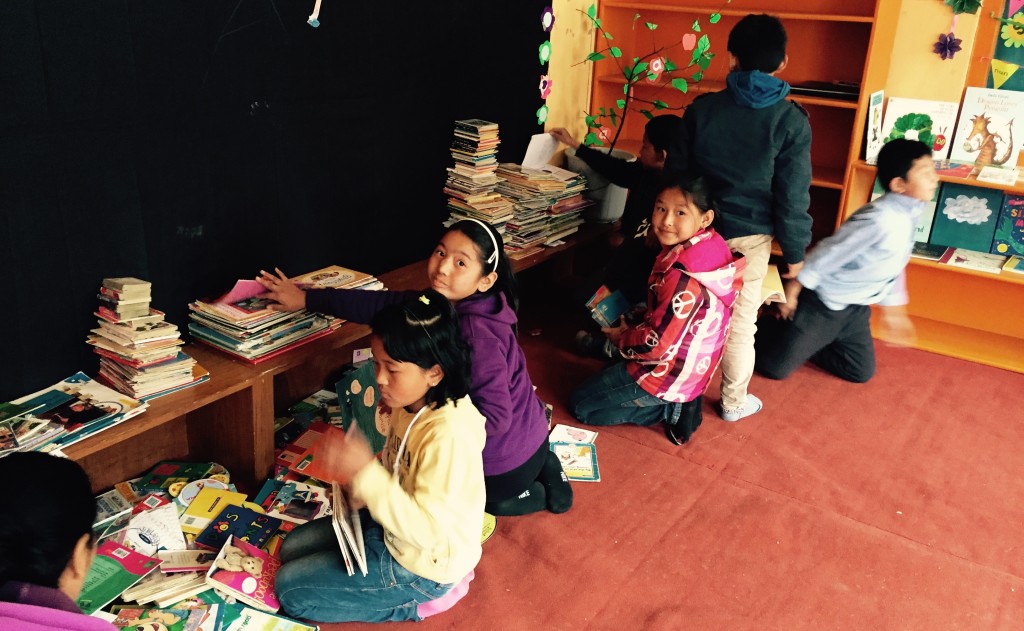
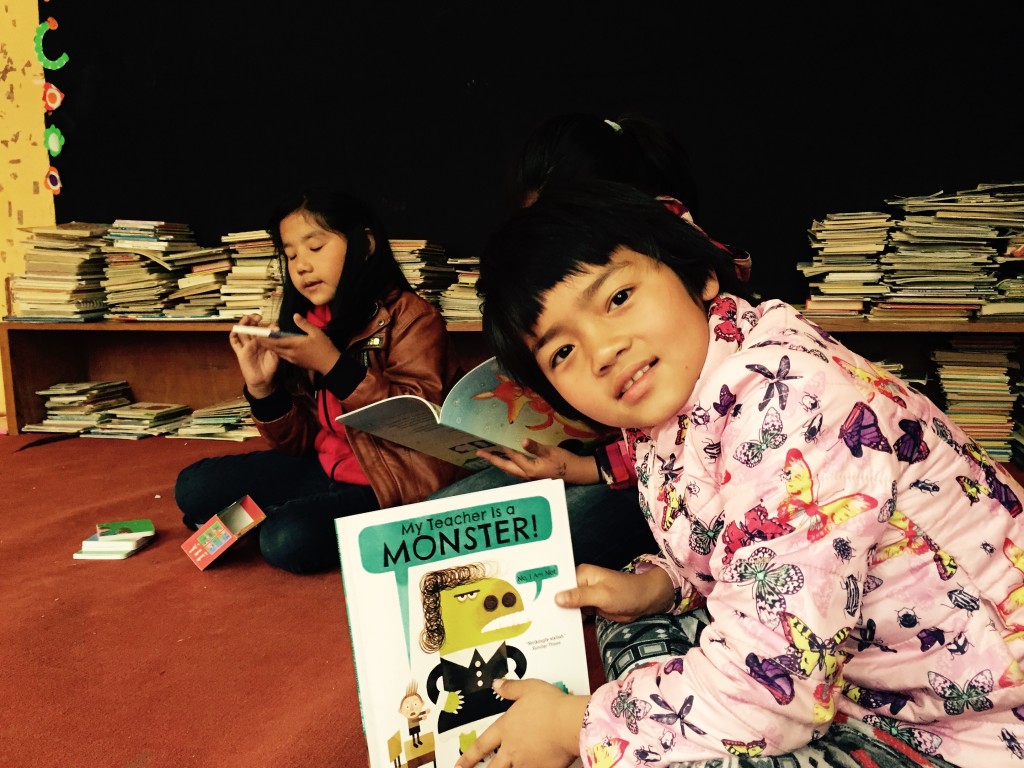
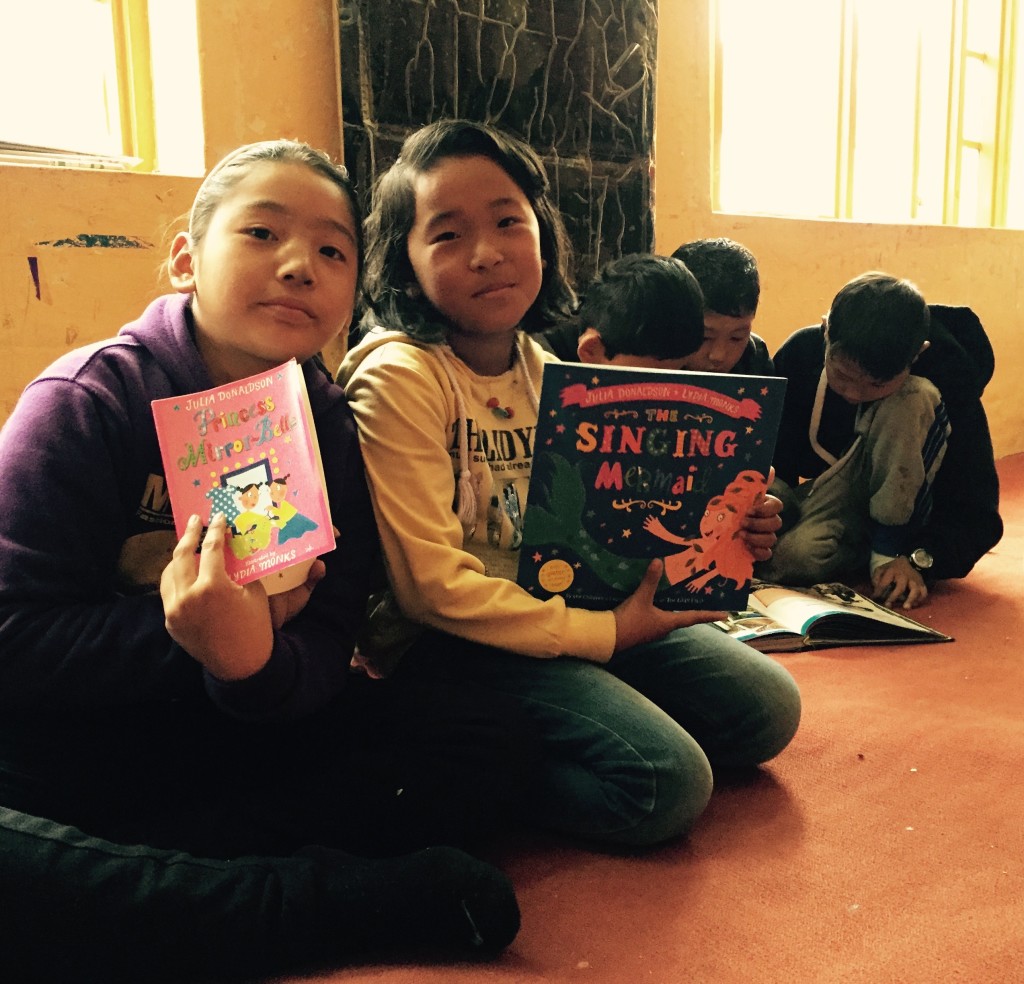
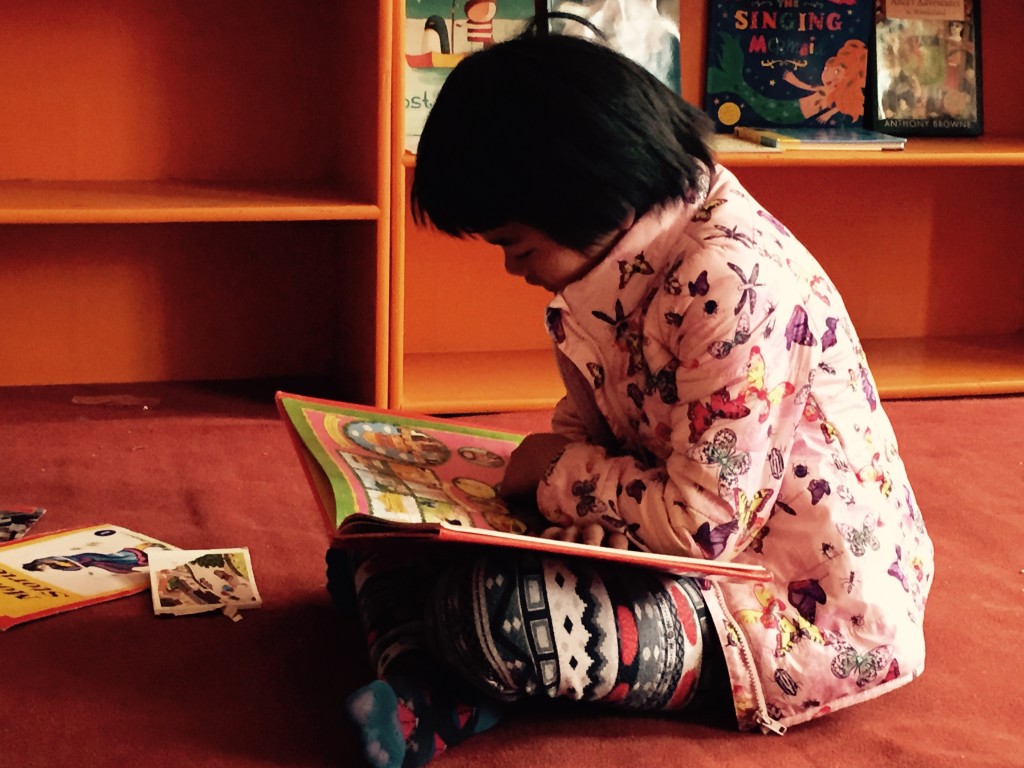
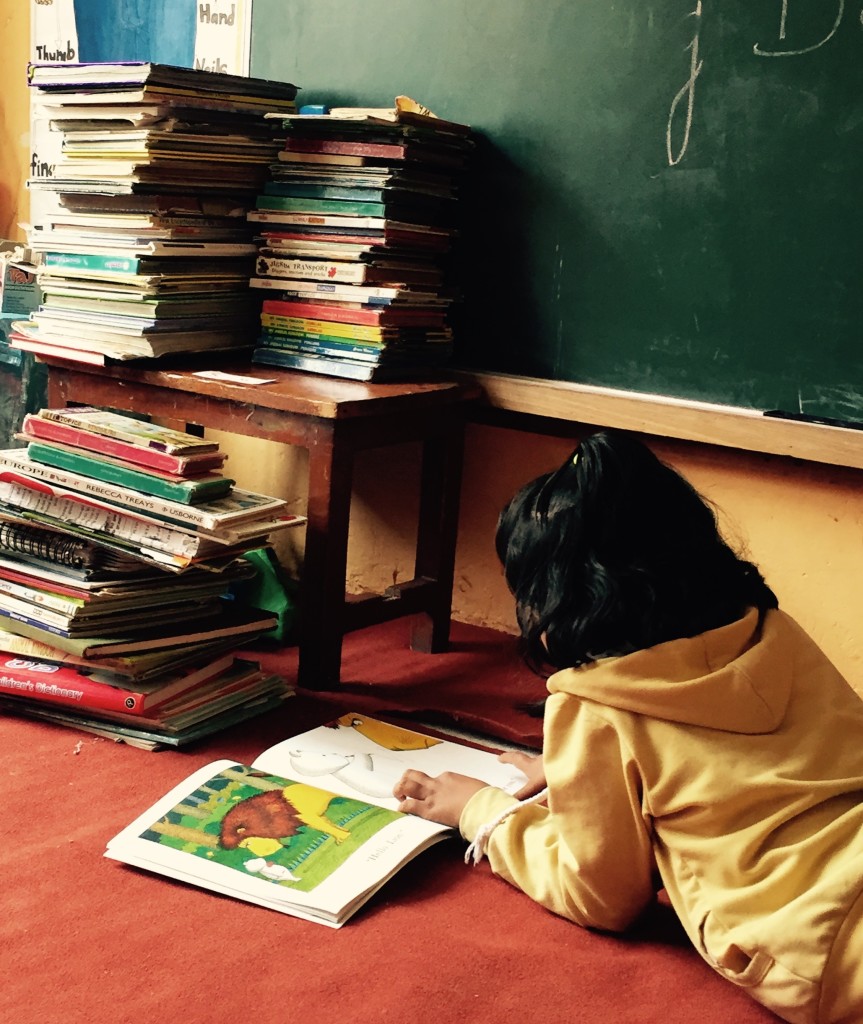
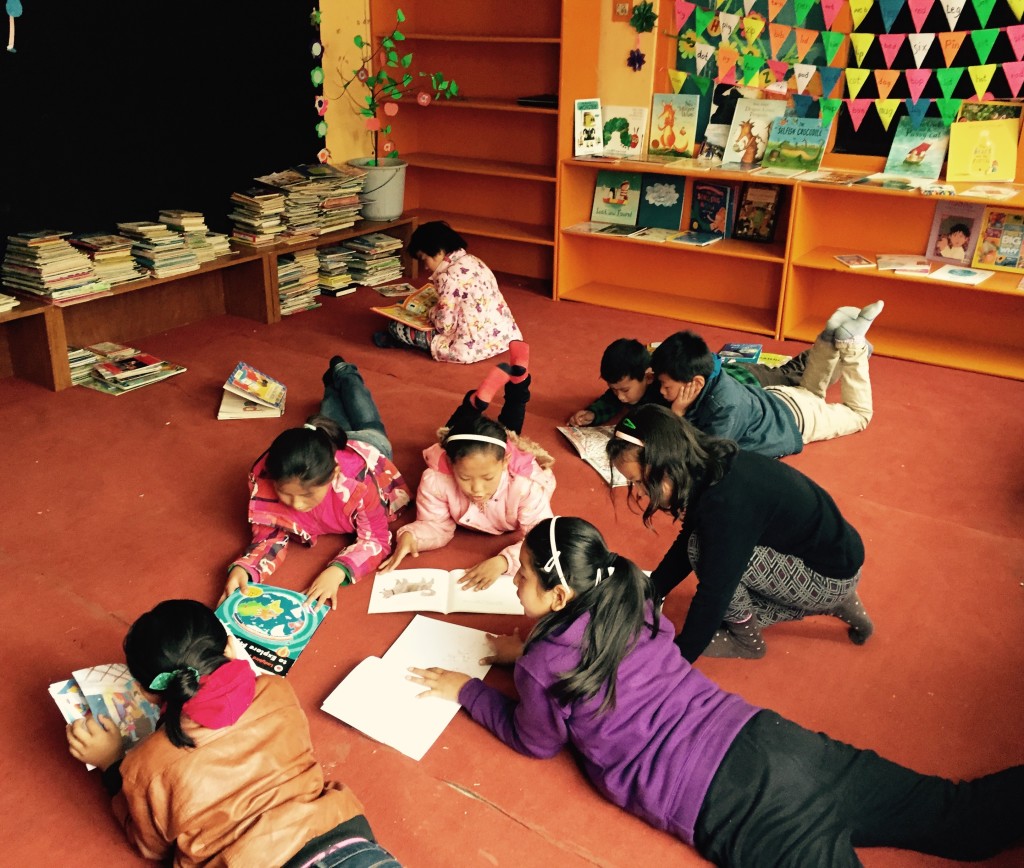
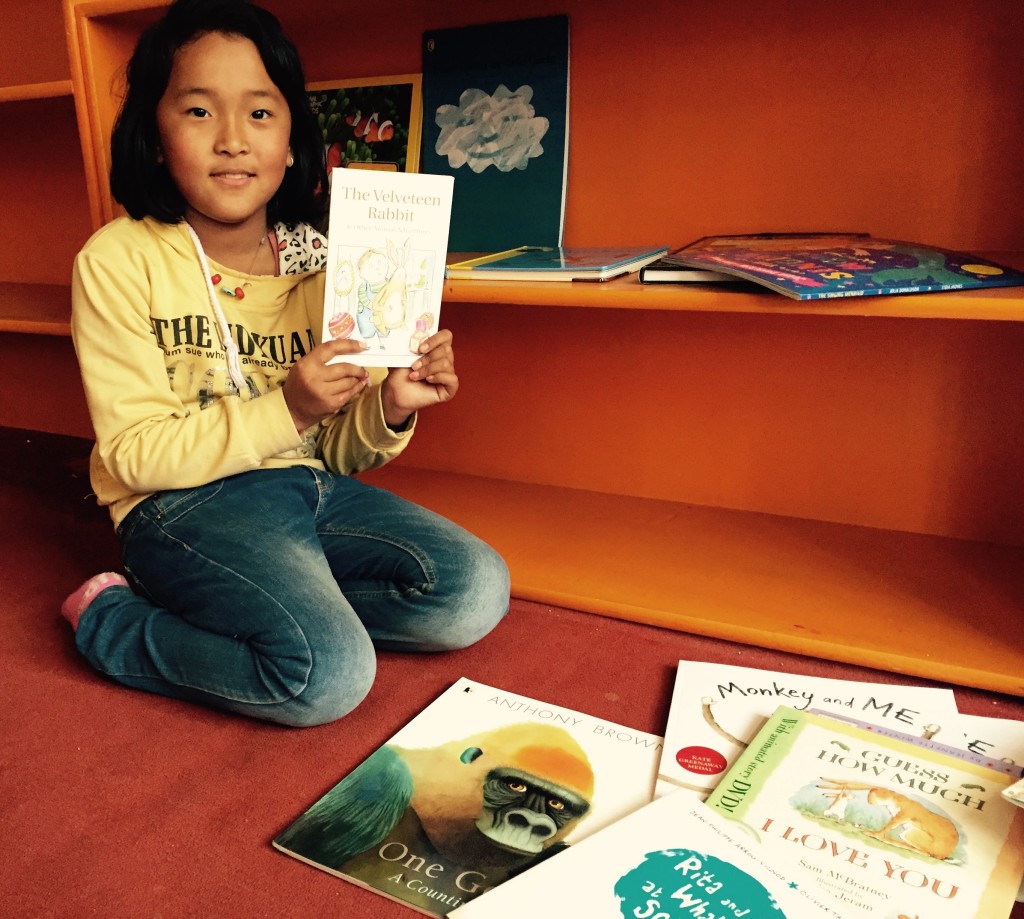
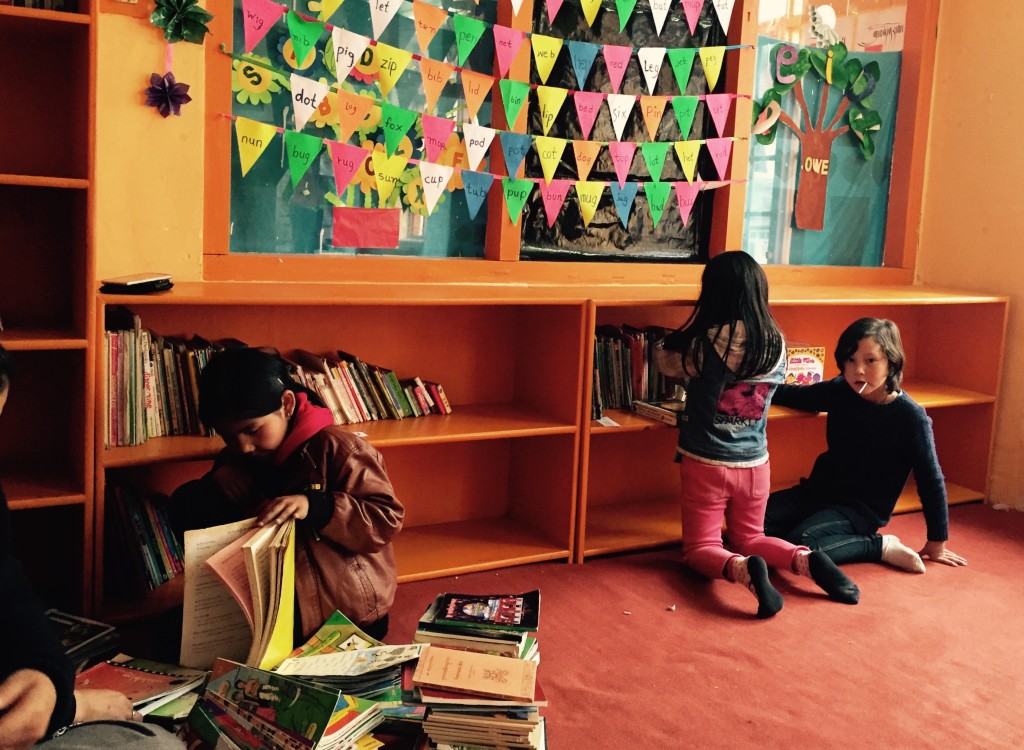
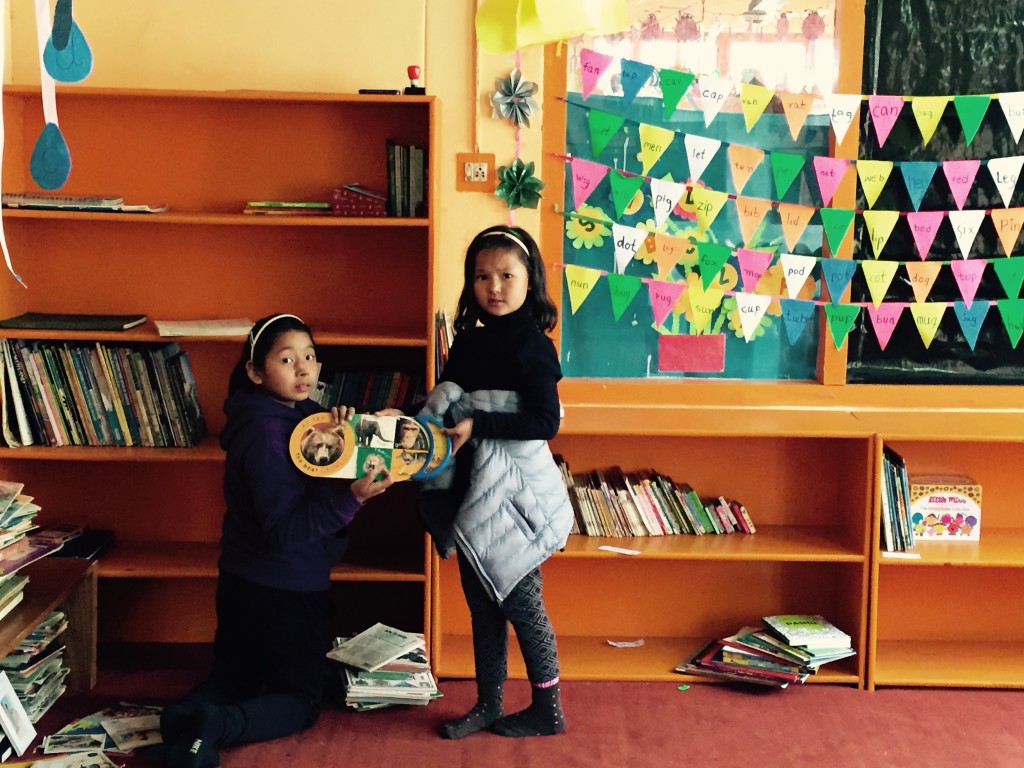
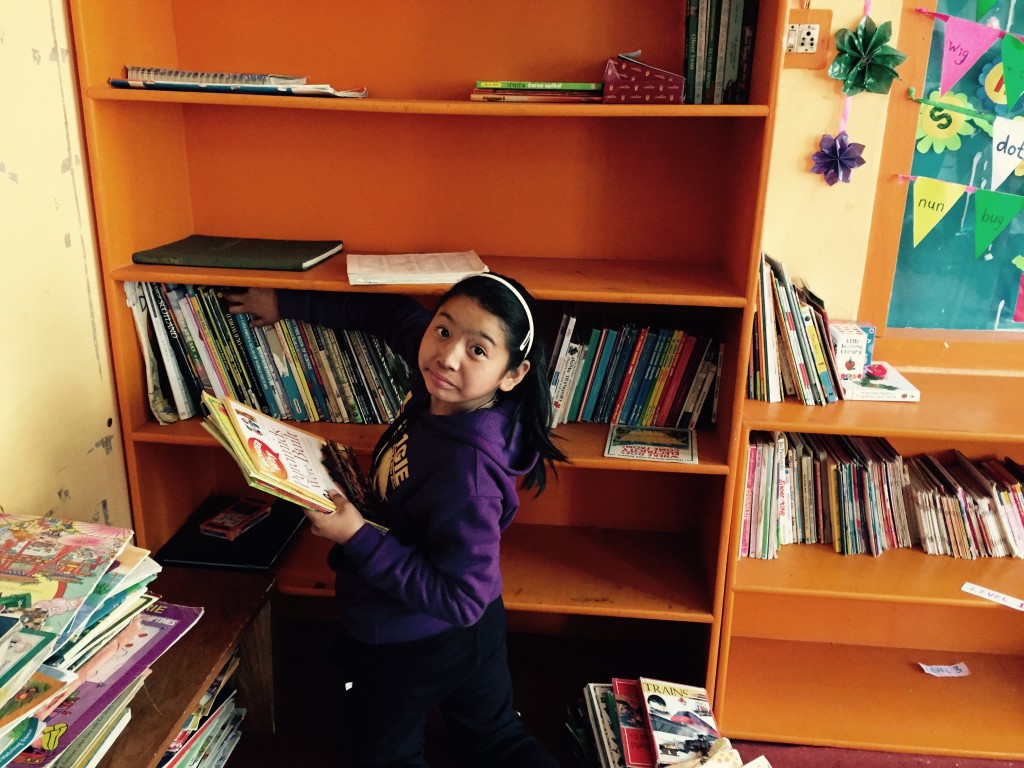
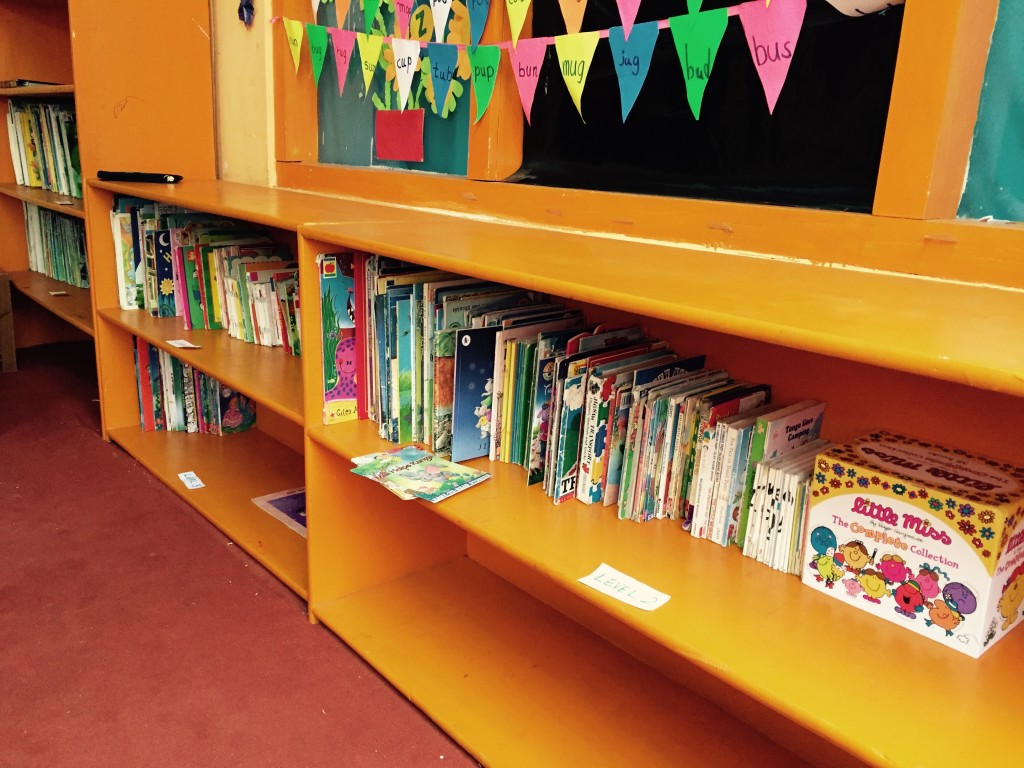
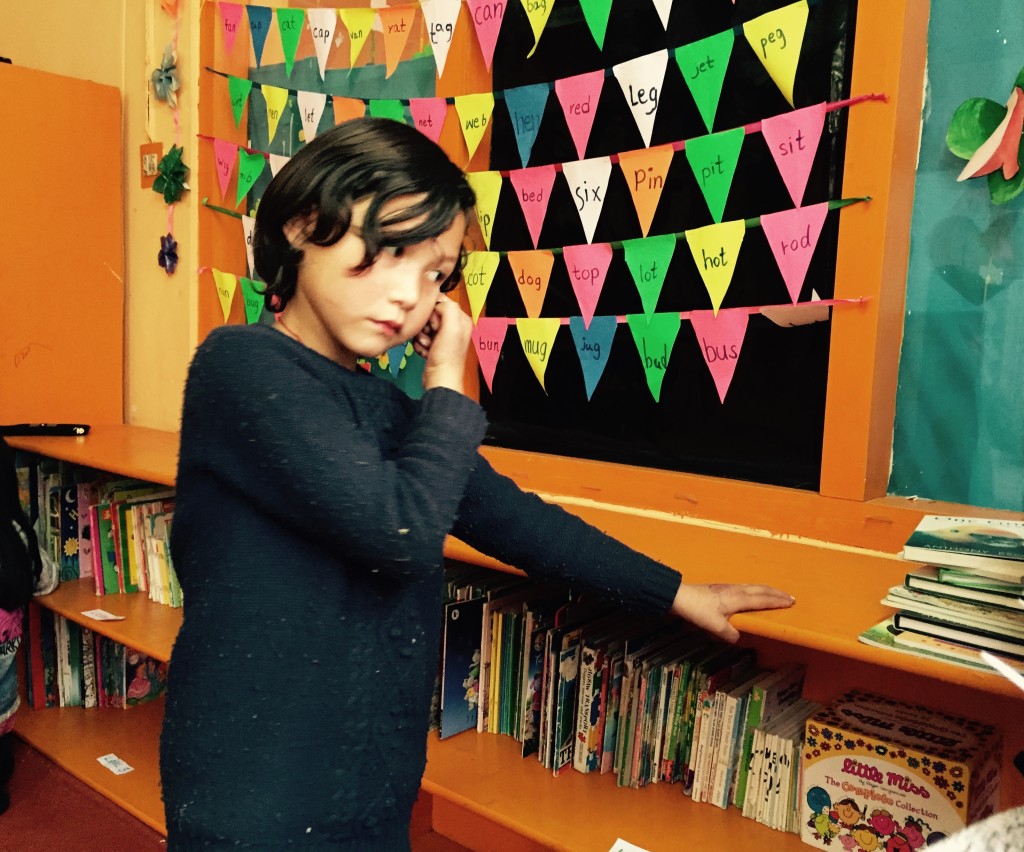
The arrival of books is most meaningful when they become part of regular community life. In a reading room, children might browse after school, listen to a volunteer read aloud, or choose a book to take back to a hostel or family home. Young monks can use illustrated reference books, biographies, and stories as a complement to their formal studies.
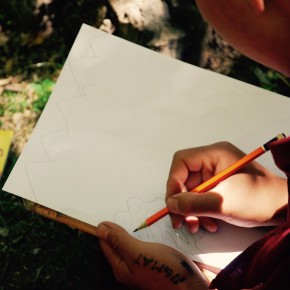
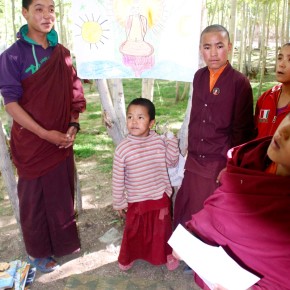
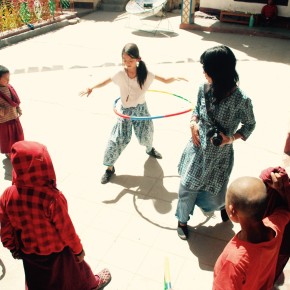
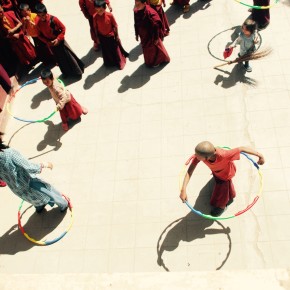
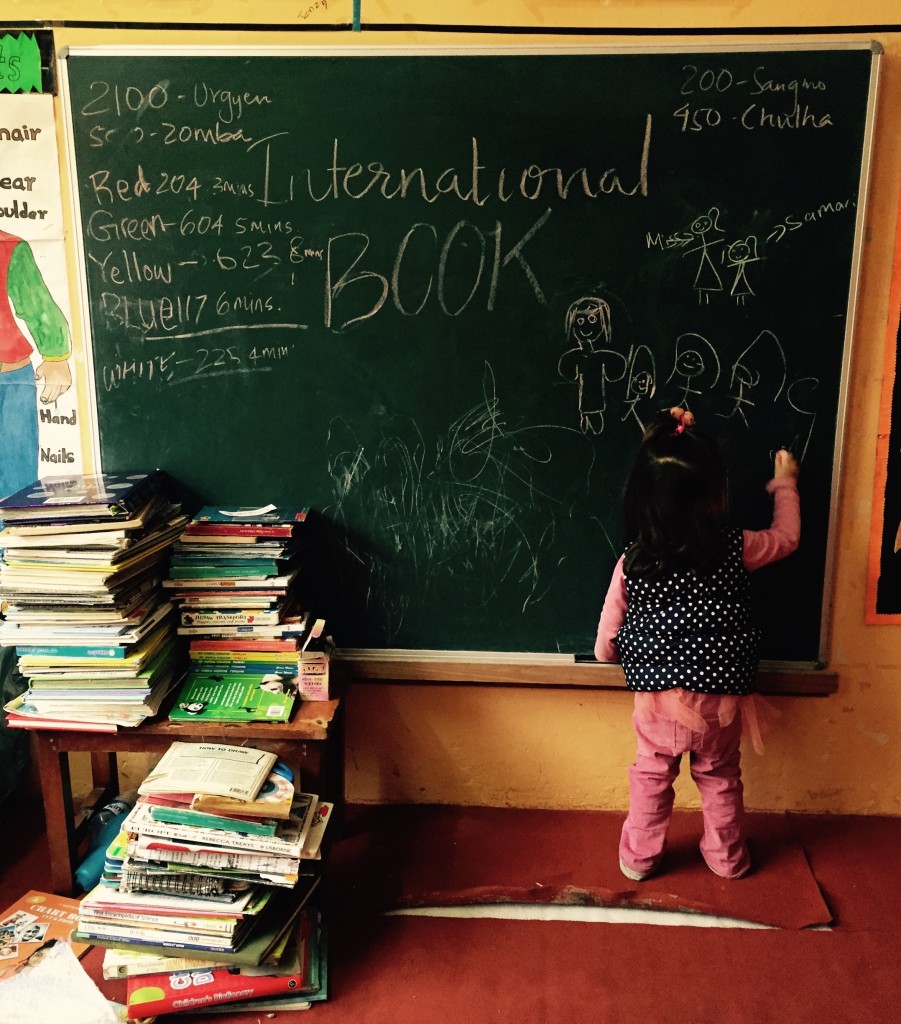
A new collection can also encourage activities beyond reading. A picture book may inspire drawing; a folktale can lead to a discussion about local traditions; a book about animals may become the starting point for a science lesson. Educational, artistic, and musical programs grow stronger when children have access to varied ideas and examples.
| Stage of the journey |
Main purpose |
What helps the delivery succeed |
| Collection and sorting |
Match books with age groups and local needs |
Clear categories and community input |
| Packing and labeling |
Protect books and identify destinations |
Strong cartons, moisture protection, accurate labels |
| Regional transport |
Move shipments toward mountain routes |
Reliable vehicles and coordinated schedules |
| High-pass travel |
Cross difficult roads and changing terrain |
Experienced drivers, weather checks, route flexibility |
| Local delivery |
Bring books to schools, monasteries, and reading rooms |
Local partners who know the community |
| Use and follow-up |
Turn donations into sustained learning |
Reading sessions, creative activities, and care for books |
The final handover is therefore only one moment in a longer process. The real measure of success is whether children return to the shelves, whether teachers include the books in lessons, and whether young readers begin recommending stories to one another.
The people who keep the route moving
Drivers are essential to this work. Their knowledge of mountain roads, seasonal conditions, settlements, and safe stopping points often matters as much as the vehicle itself. They understand that a load of books is more than cargo: it is a promise made to a school, monastery, or group of children waiting for new material.
Local coordinators play an equally important role. They help identify what communities need, receive shipments, organize shelves, and communicate with volunteers. Their insight prevents well-intentioned donations from becoming unsuitable or unused. A reading room shaped by local knowledge is more likely to remain active after the delivery has passed.
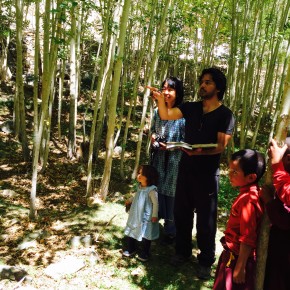
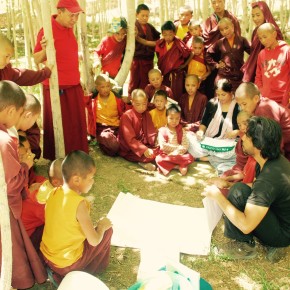
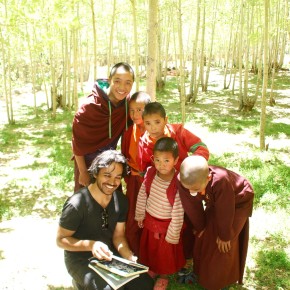
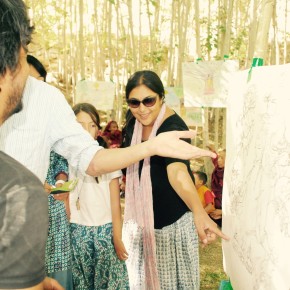
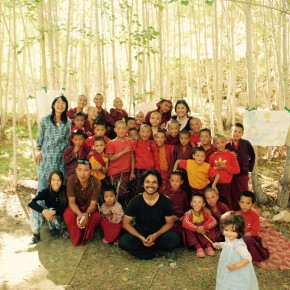
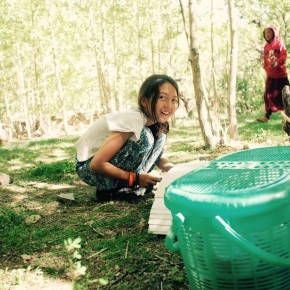
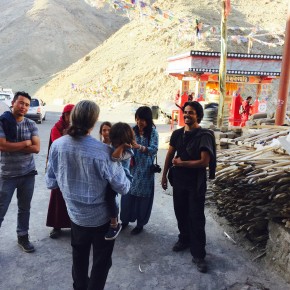
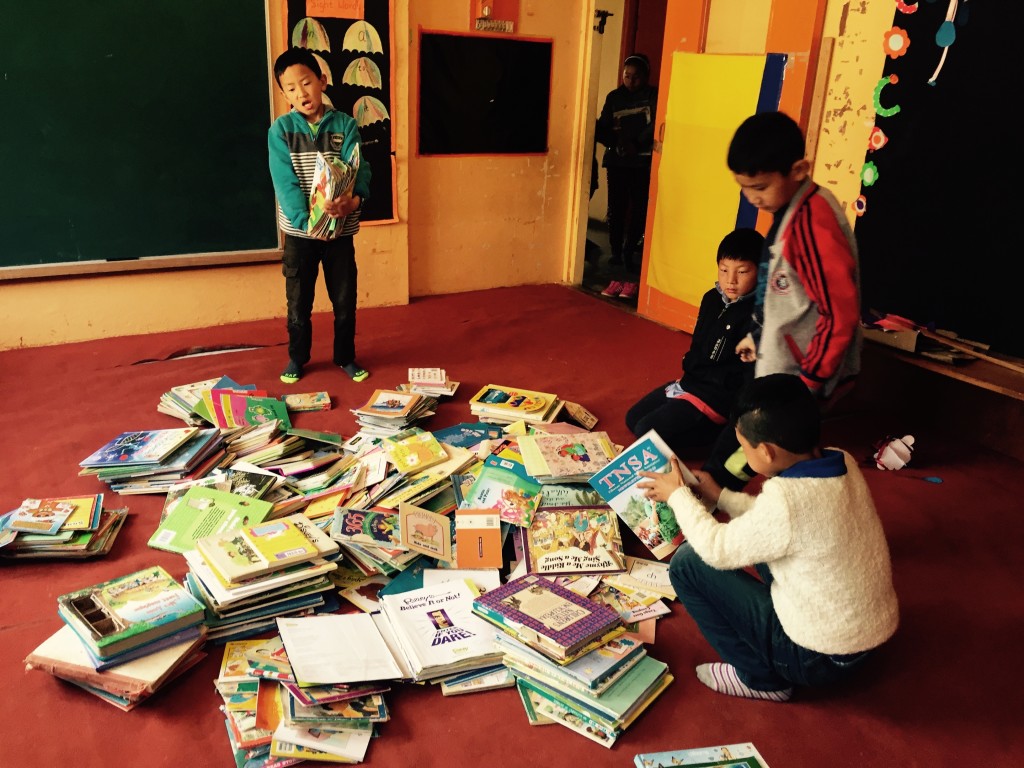
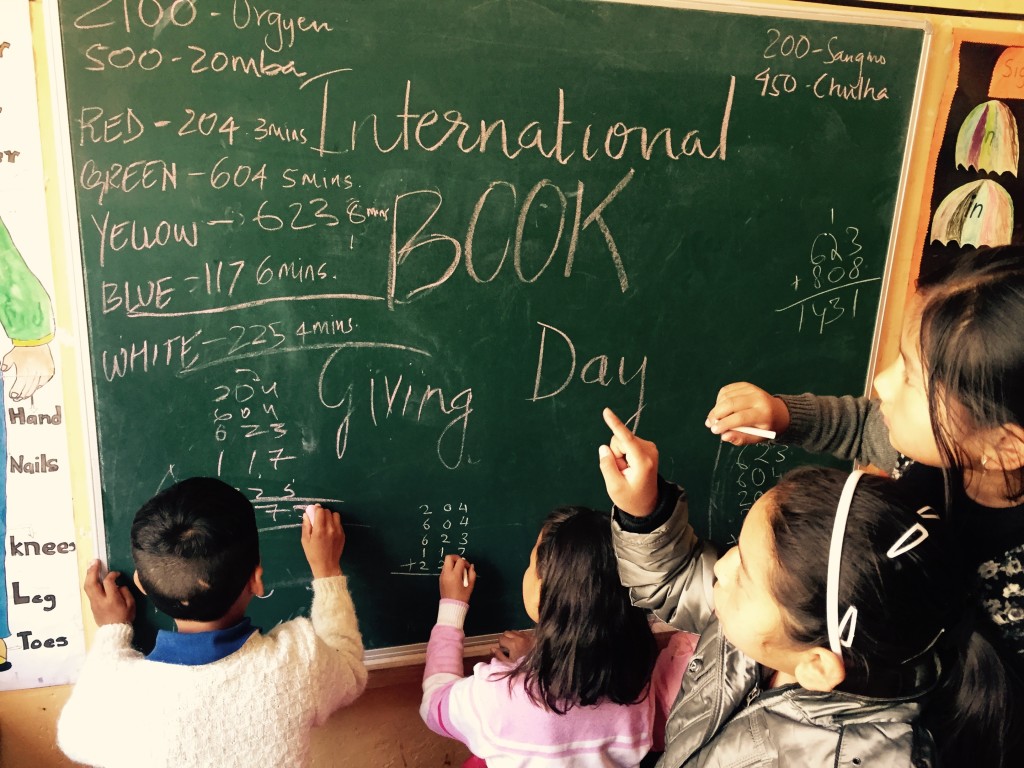
Volunteers contribute in many ways. Some sort and pack books, while others lead reading sessions, art workshops, music activities, or basic library organization. Photographs and stories from the road help supporters understand how donations move from collection points to Himalayan communities, connecting people who may never meet in person.
When a box becomes a shared experience
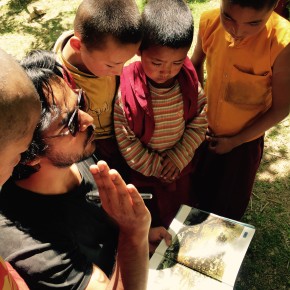
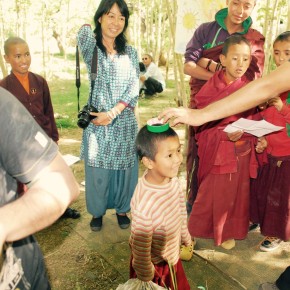
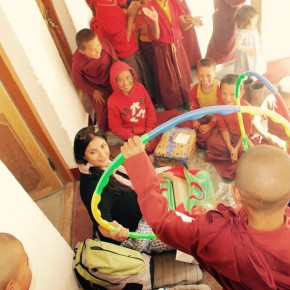
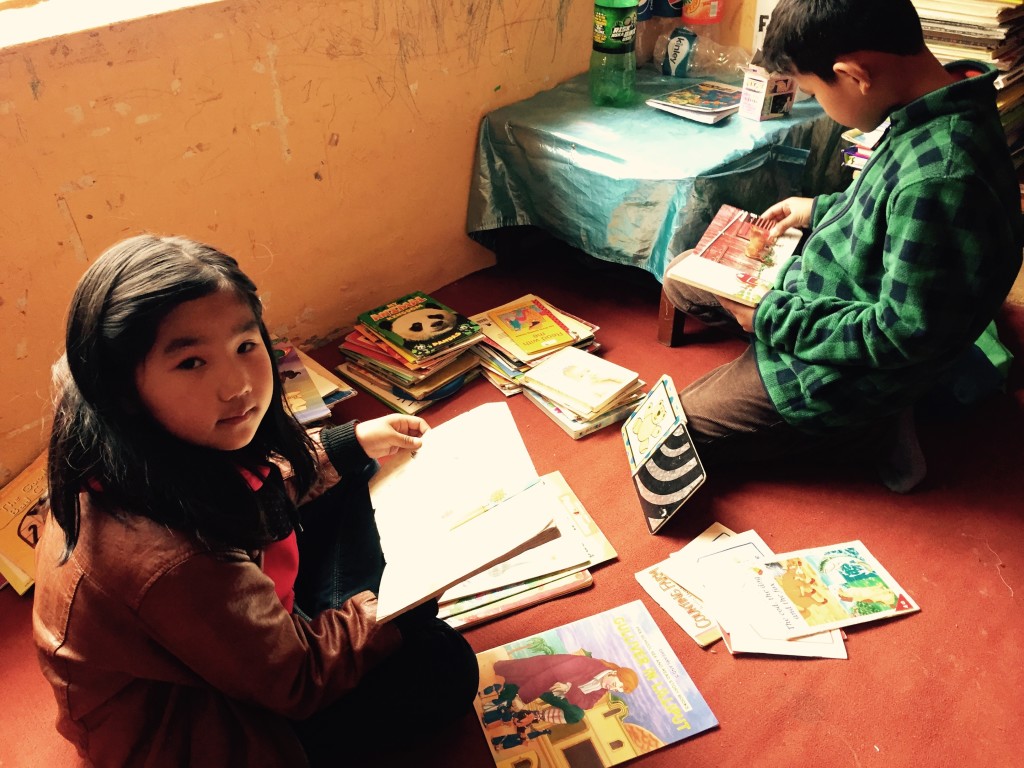
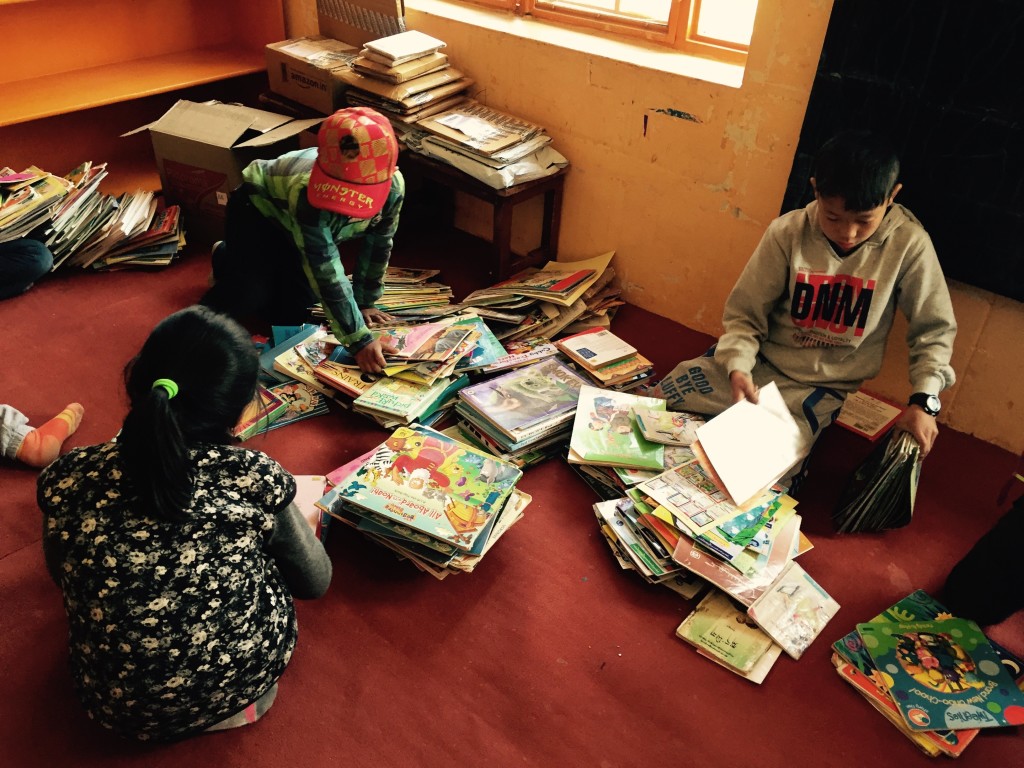
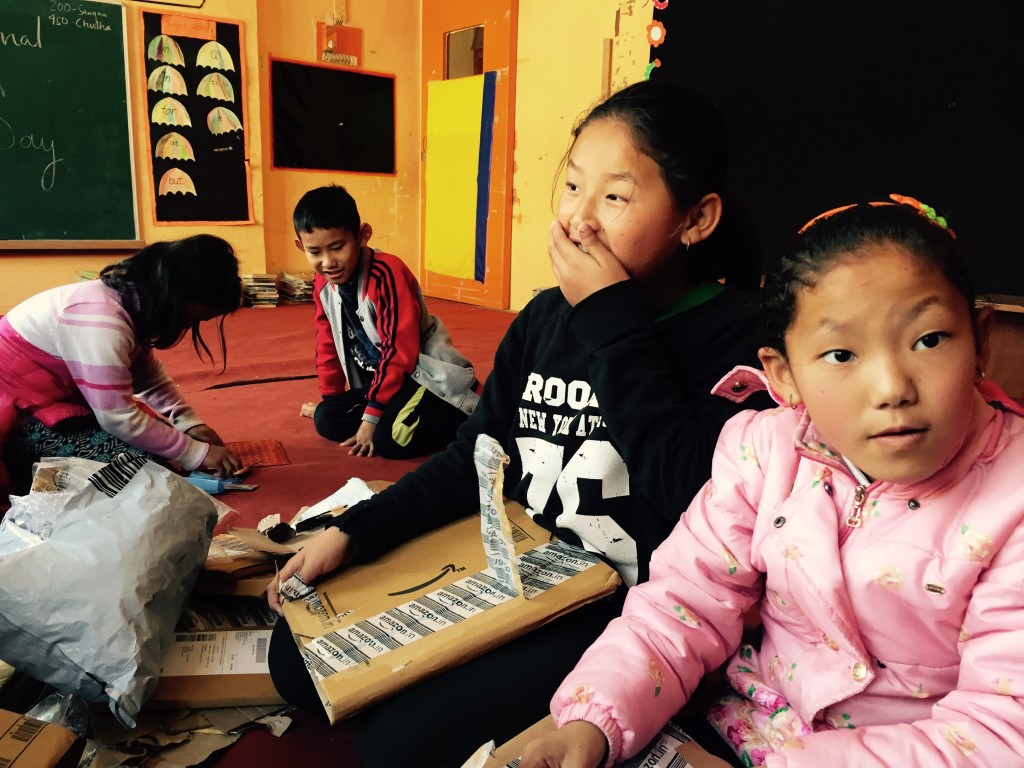
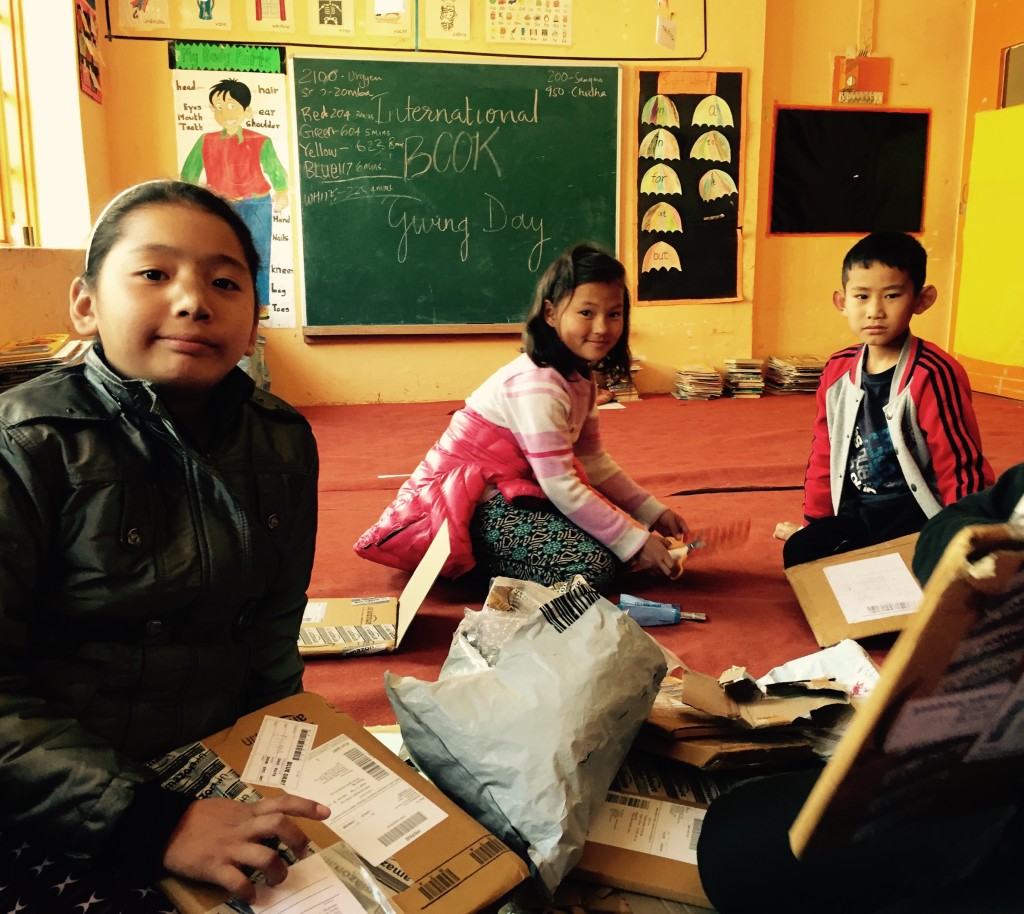
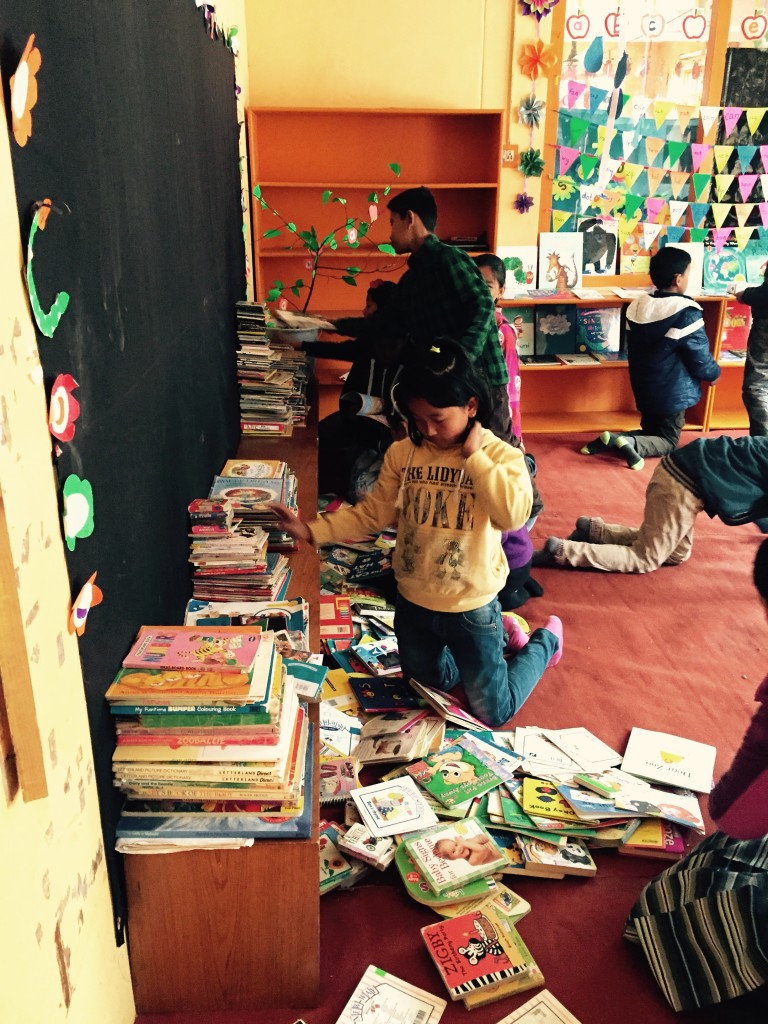
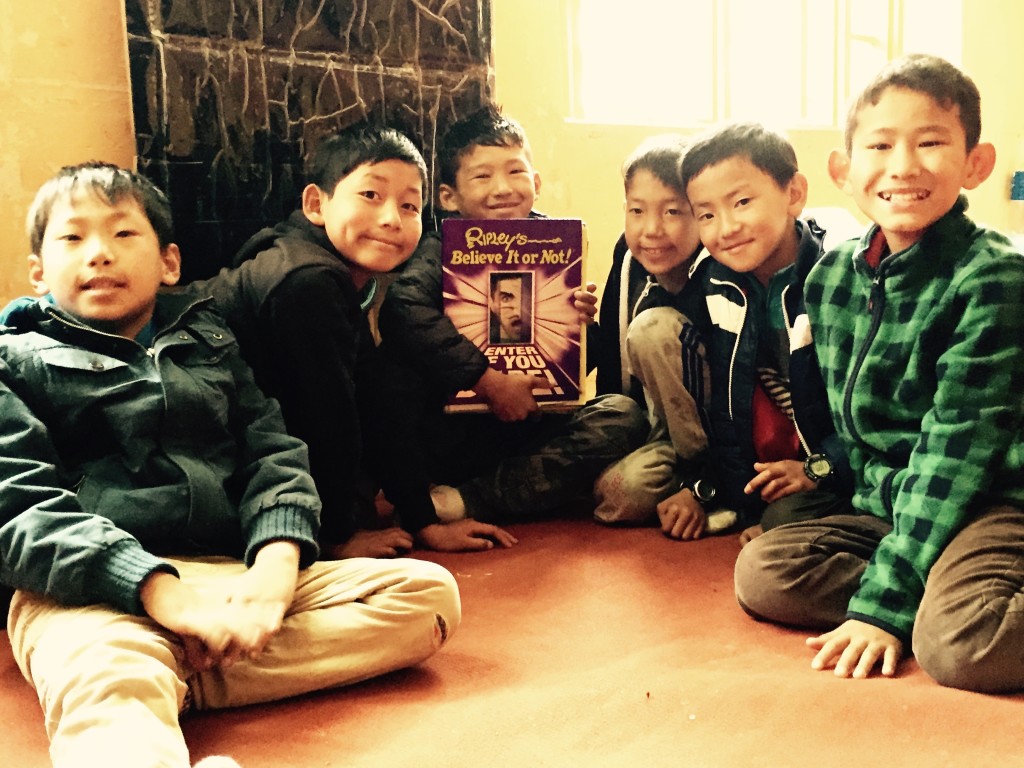
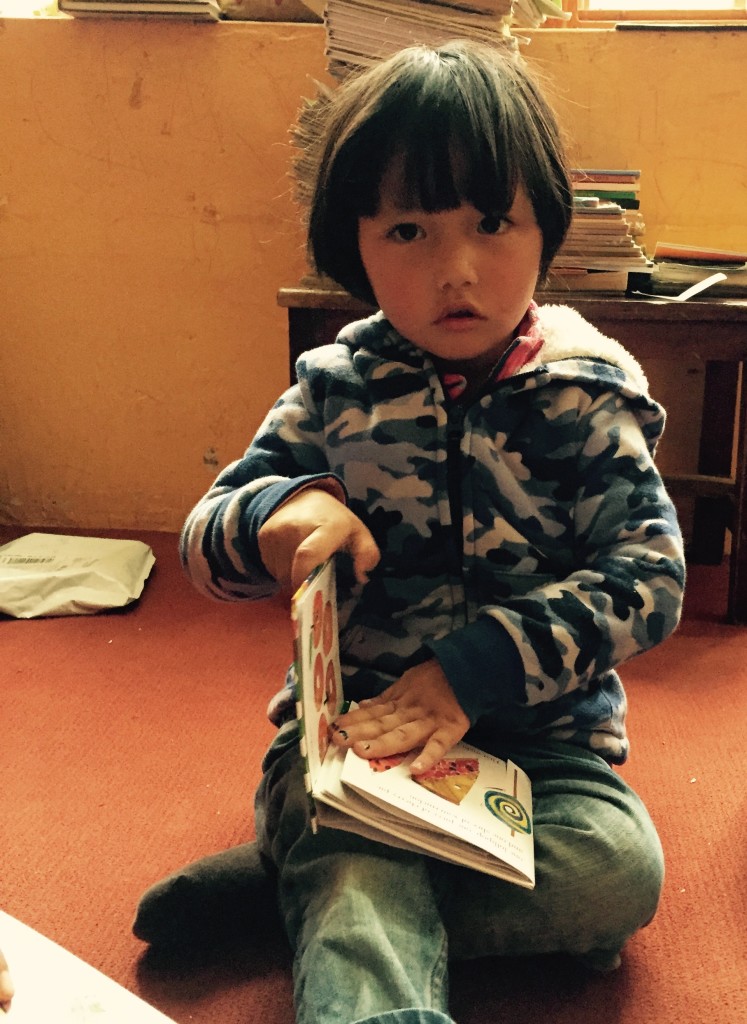
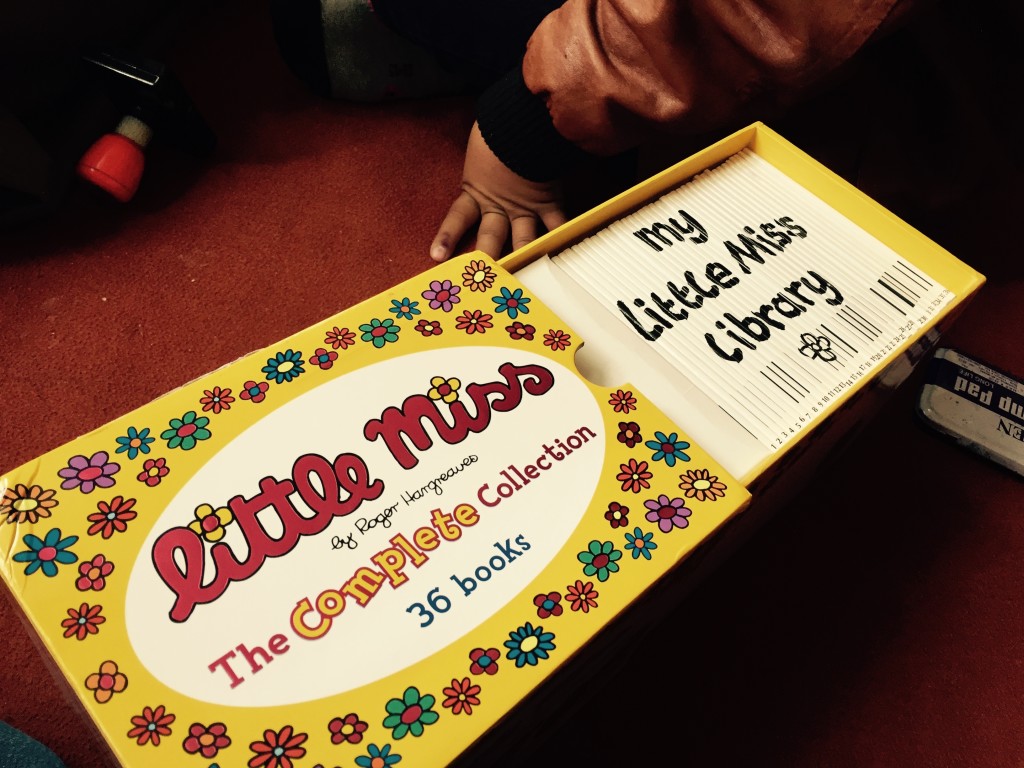
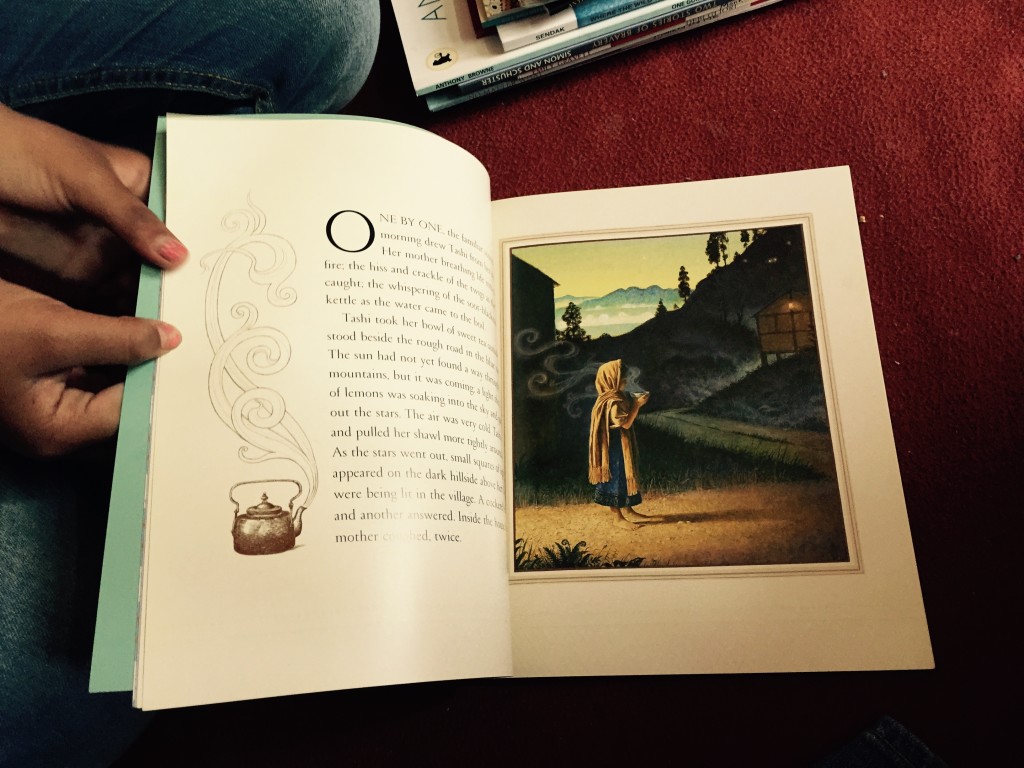
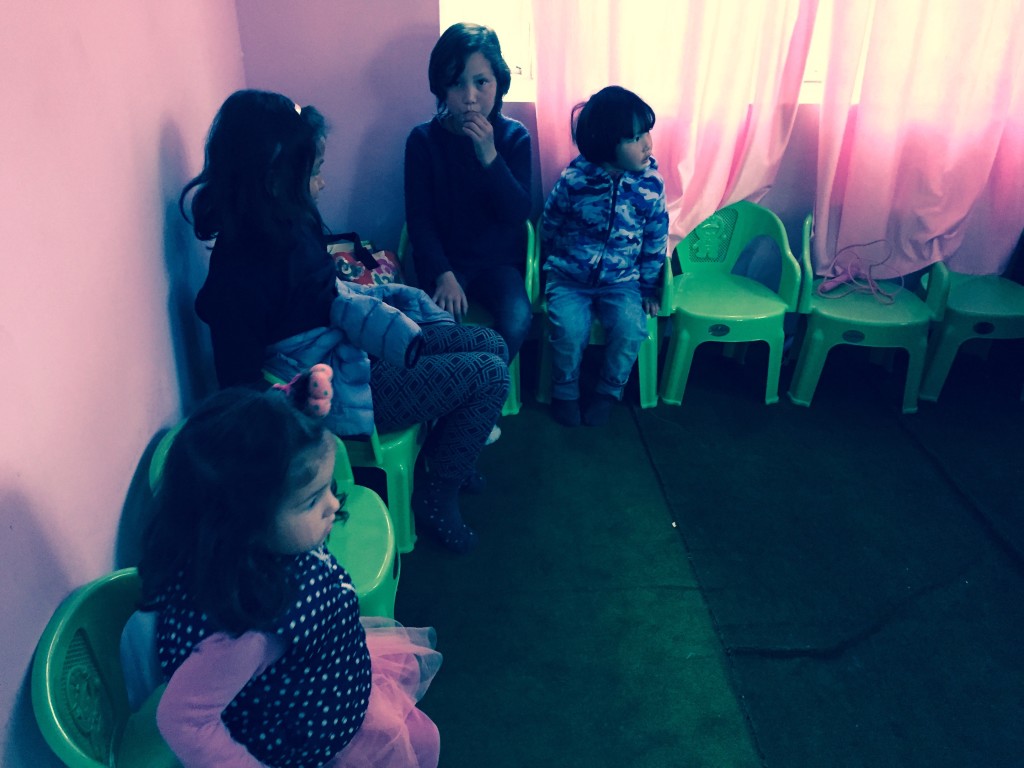
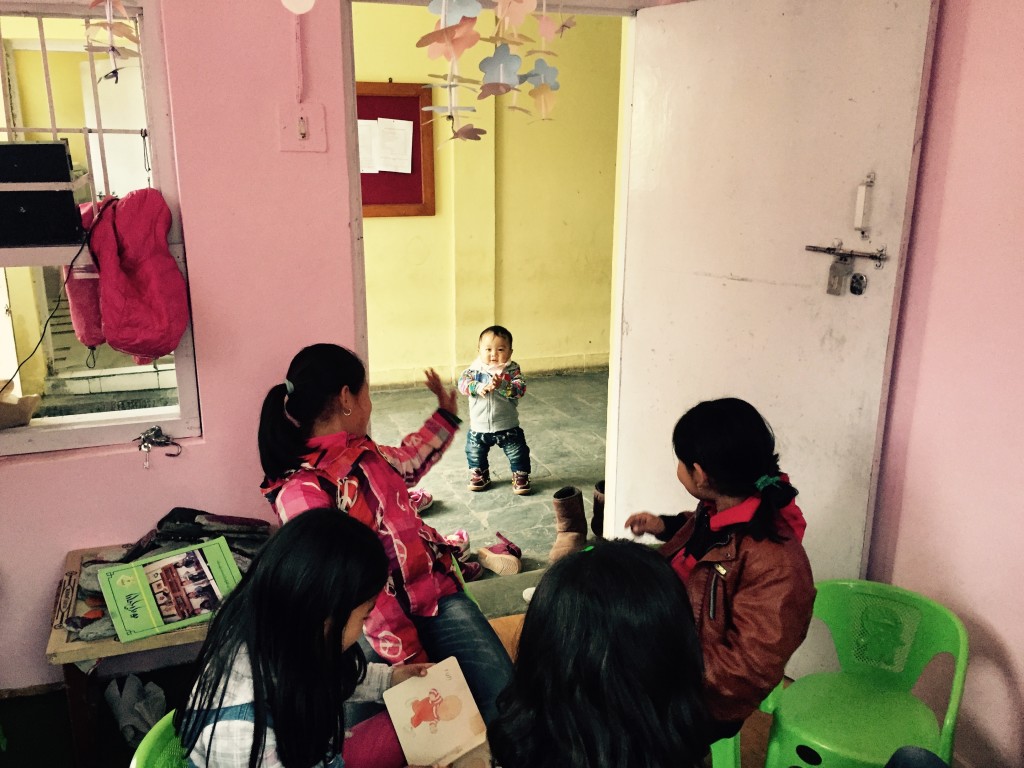
Children often notice the arrival of books before they know what is inside the cartons. The opening of a shipment can create a small gathering, with pages passed from hand to hand and illustrations examined closely. Choosing a first book is an important act of independence, especially for a child who has had few opportunities to browse a personal collection.
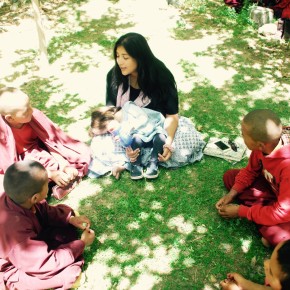
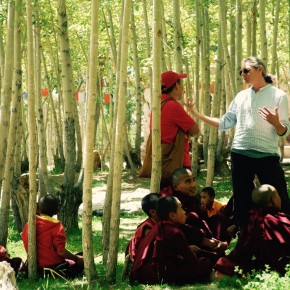
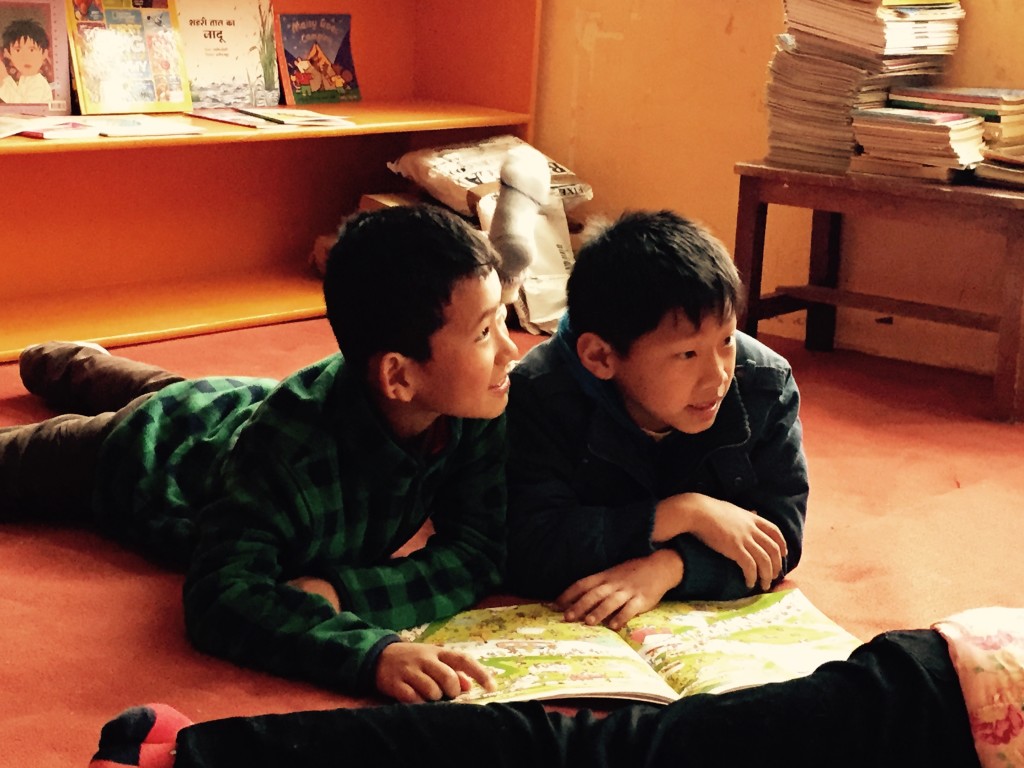
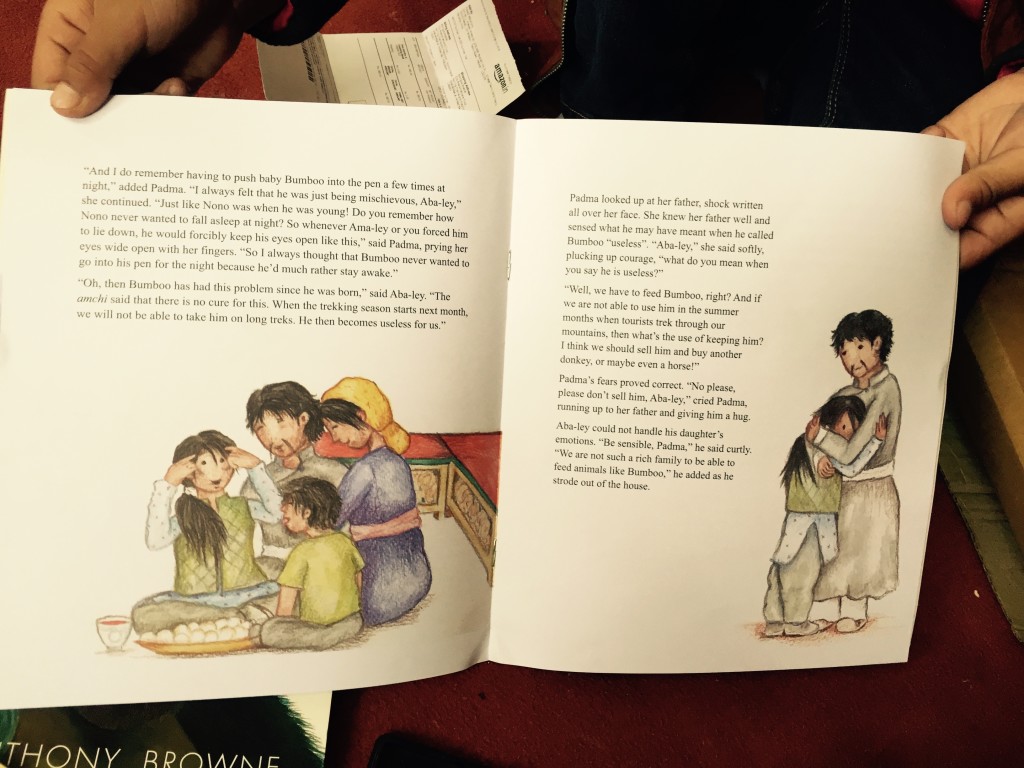
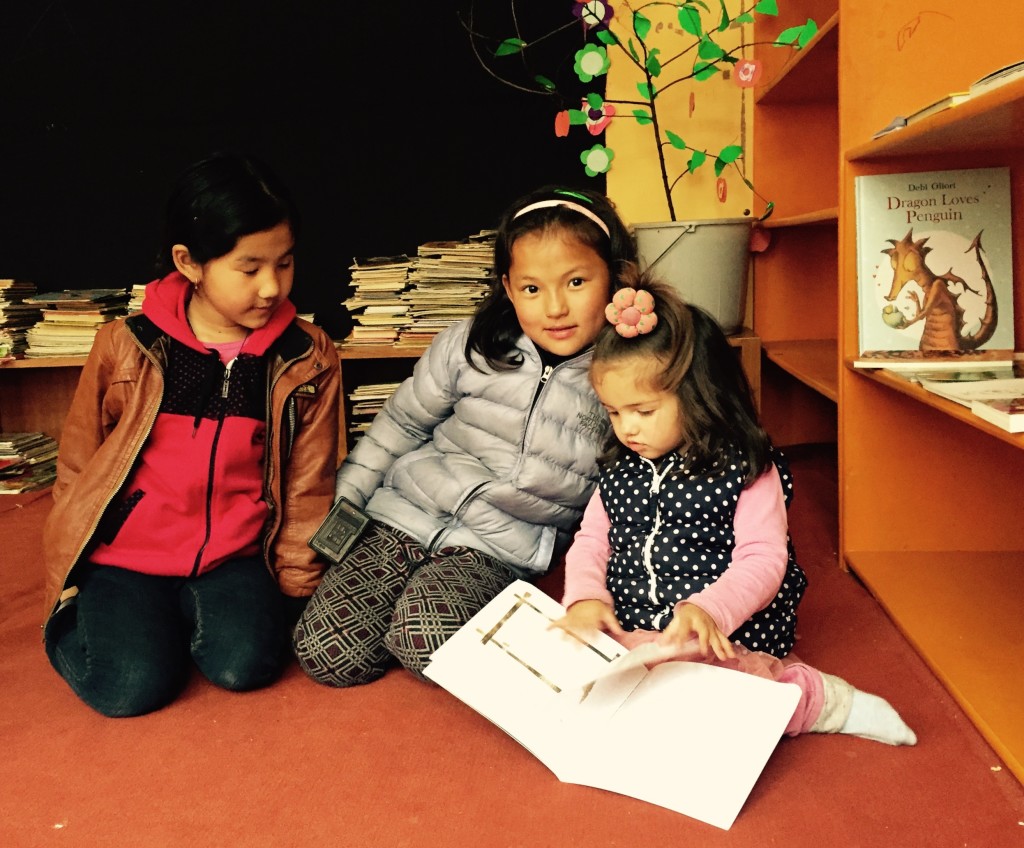
Reading together can be just as valuable as reading alone. A volunteer may tell a story to a group, pause to explain unfamiliar words, or invite children to draw a different ending. Young monks may share books during study periods or use them to support conversations about compassion, nature, history, and imagination.
These moments build confidence gradually. A child who first listens may later read a paragraph aloud. A quiet student may find a way to express an idea through painting or music. Books do not replace teachers, families, or community traditions; they give those relationships more material for learning and creative exchange.
Making every journey count
A successful book drive begins with thoughtful planning rather than volume alone. Supporters can help by choosing high-quality books, contributing toward transportation, or offering time for sorting and preparation. The most useful donation is one that can be safely delivered, understood by its intended readers, and cared for over time.
Practical support for future shipments
- Donate new or gently used children’s books suited to different reading levels.
- Support transport and packing costs for remote schools, monasteries, and reading rooms.
- Volunteer with book sorting, cataloguing, storytelling, art, or music activities.
- Share information about Himalayan literacy projects with schools, libraries, and community groups.
Follow-up matters after the cartons are opened. Communities benefit when shelves are organized, books are repaired, and reading sessions continue throughout the year. Regular contact also helps identify gaps in a collection and guide future book drives toward useful subjects and age groups.
For donors, the road offers a clear connection between a contribution and its purpose. A gift can help cover the movement of books over high mountain passes, provide supplies for a reading room, or support activities that make learning lively. For volunteers, it offers a chance to contribute skills that continue to matter long after a journey ends.
Across Ladakh and other Himalayan communities, every delivery carries more than printed pages. It carries invitations to imagine, investigate, create, and share. A book that crosses a difficult road can open a much wider landscape for a child.
Support Avalokiteśvara Trust by donating books, contributing to transport and educational programs, or sharing the work with people who care about literacy and opportunity. Together, we can help more stories reach the children and young monks waiting for them beyond the next pass.