The Young Leaders Behind Our Summer Reading Camps
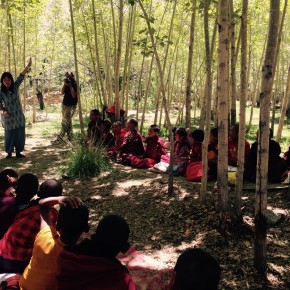
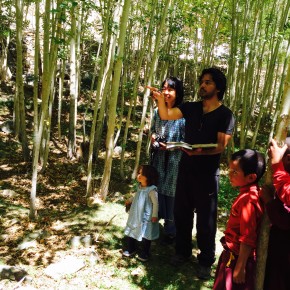
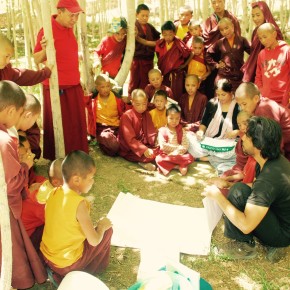
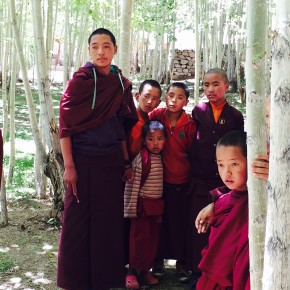
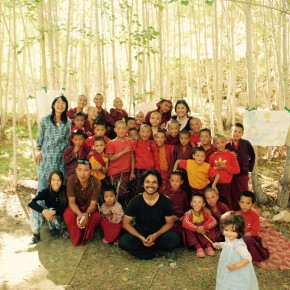
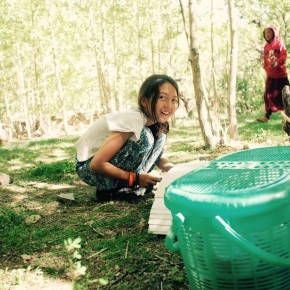
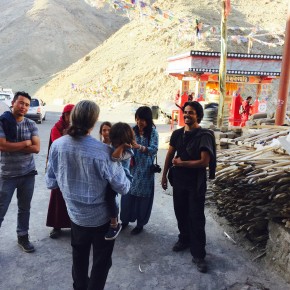
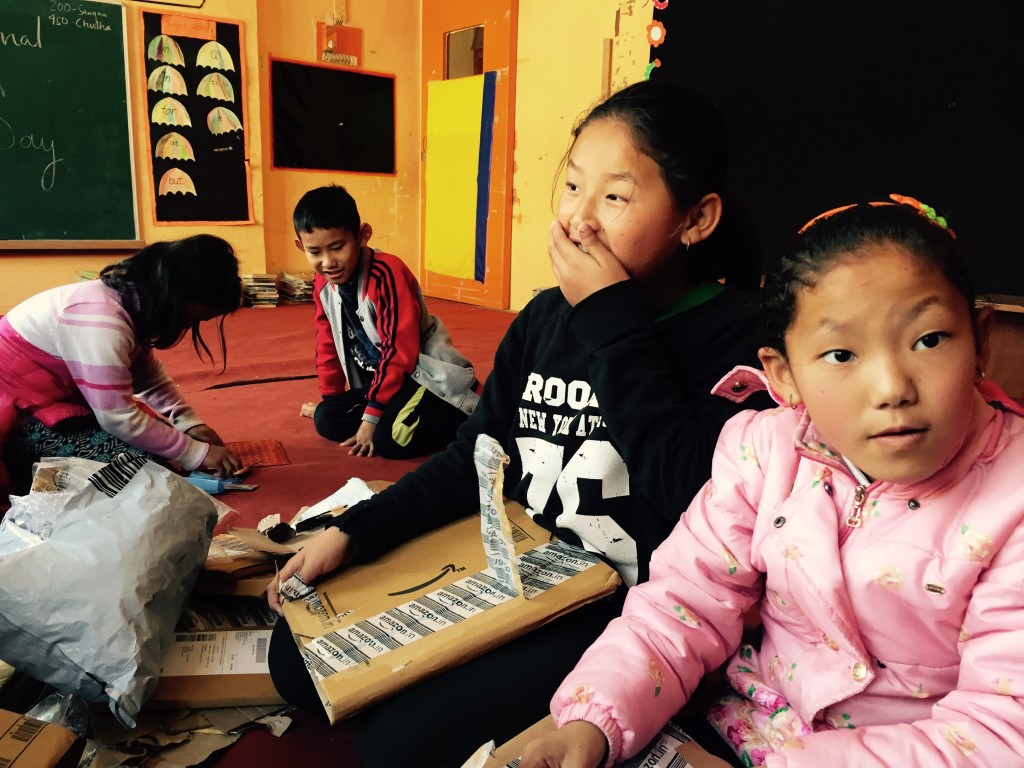
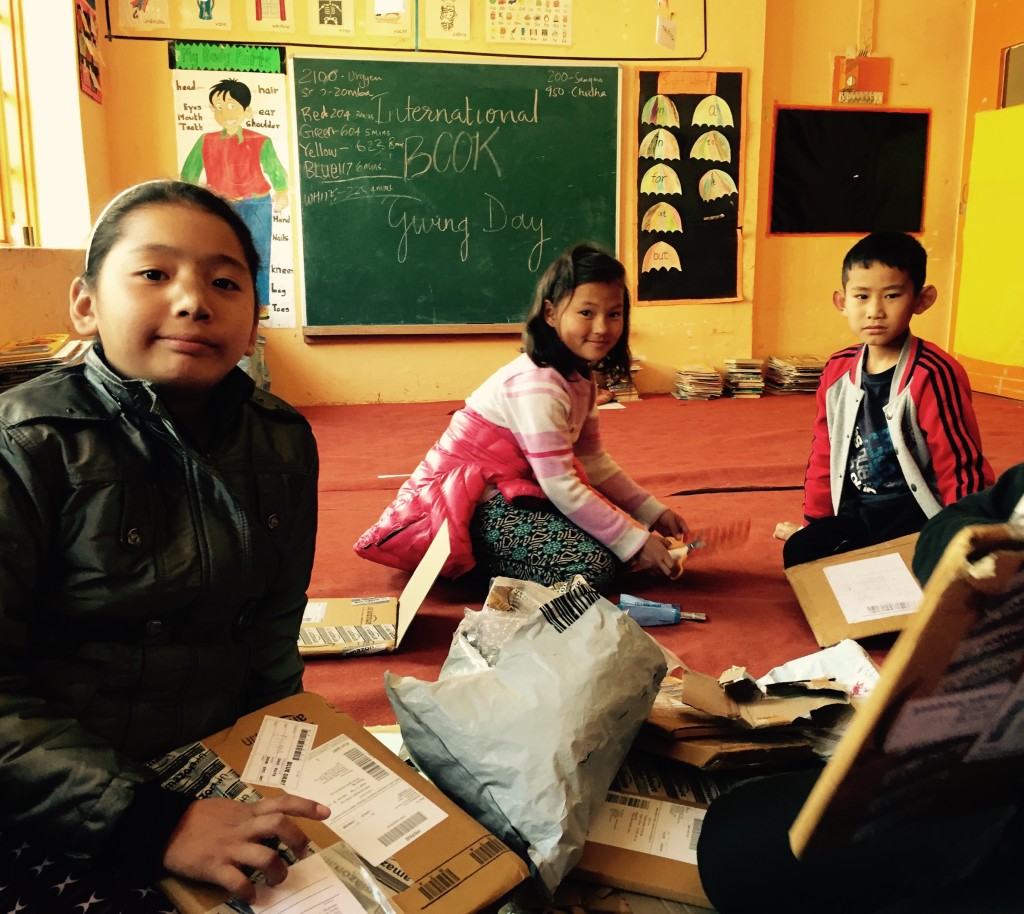
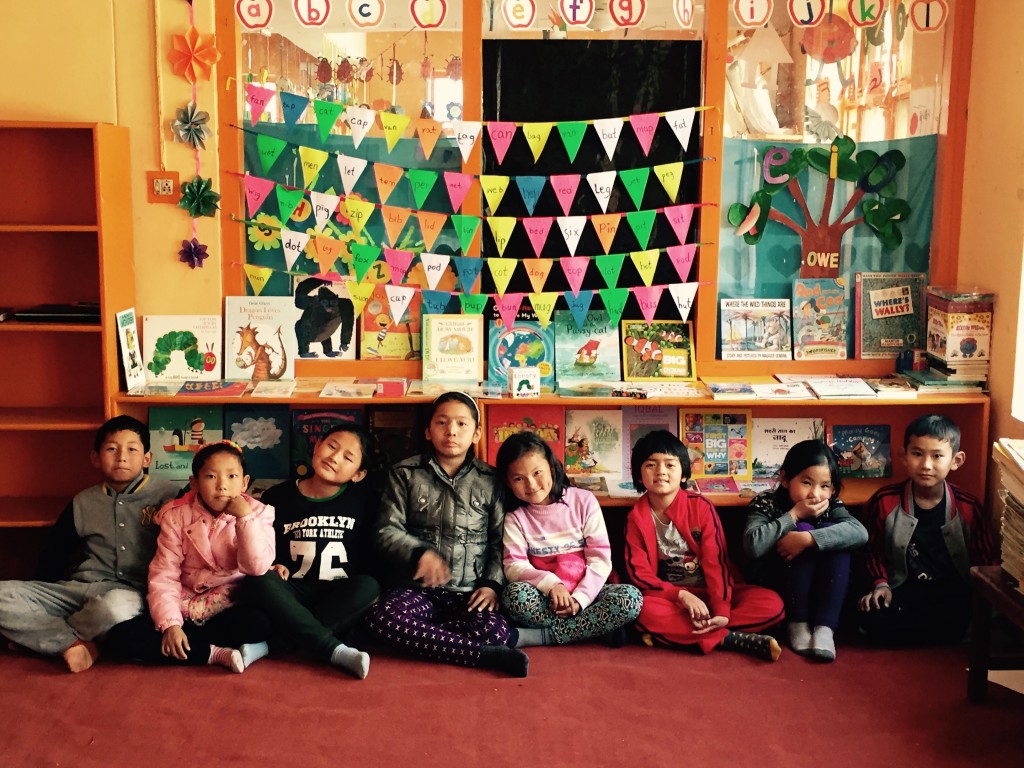
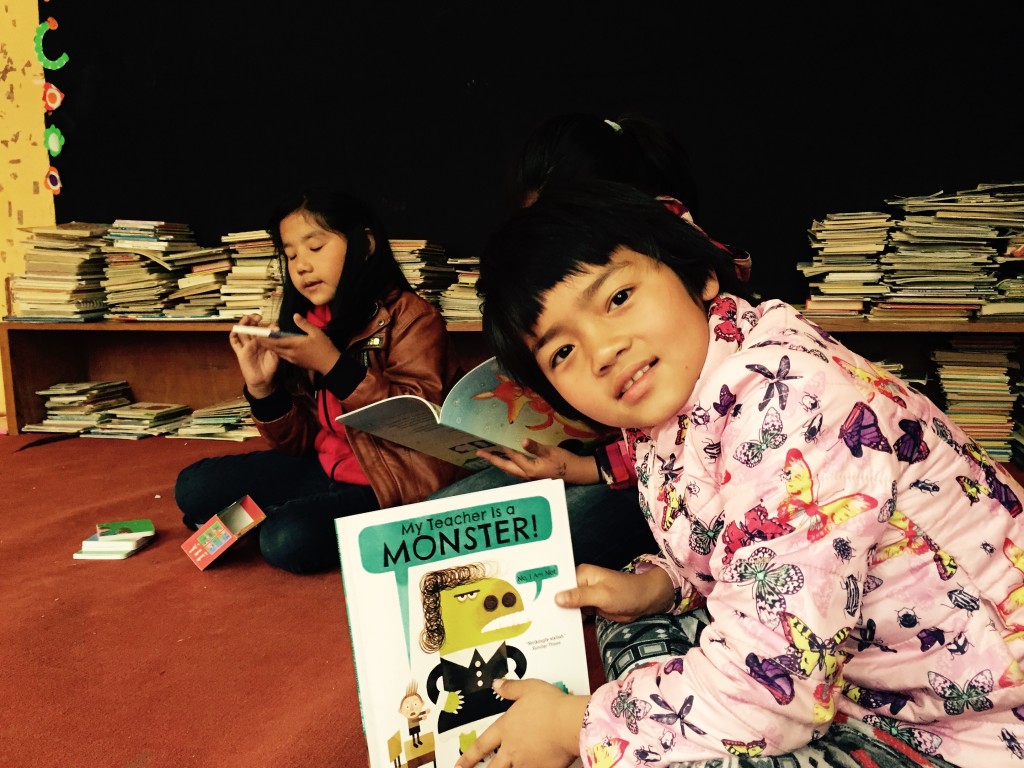
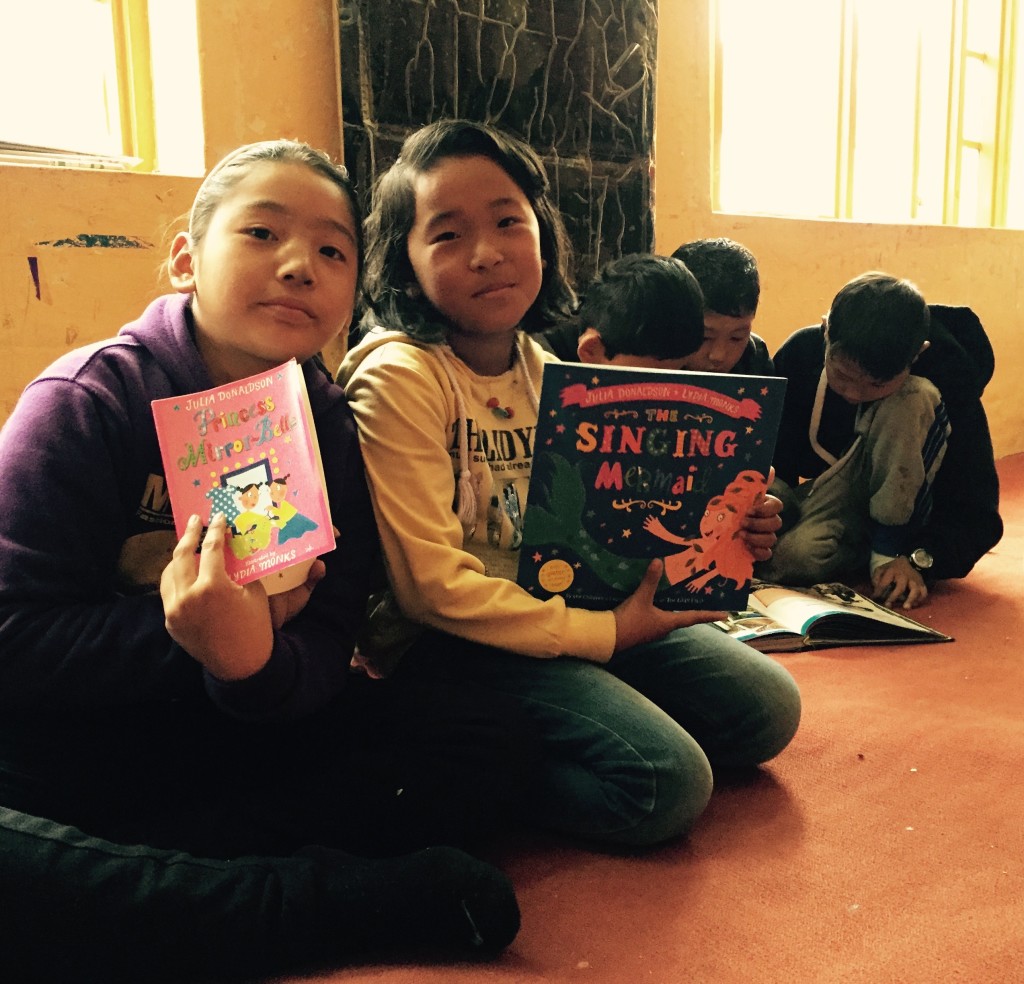
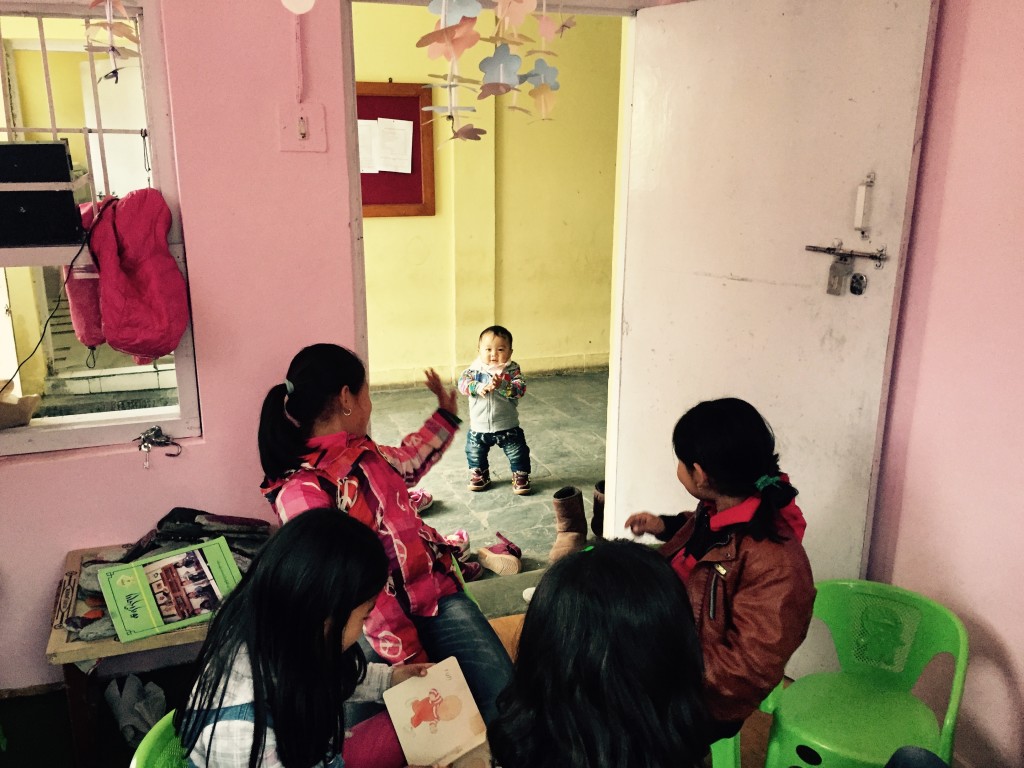
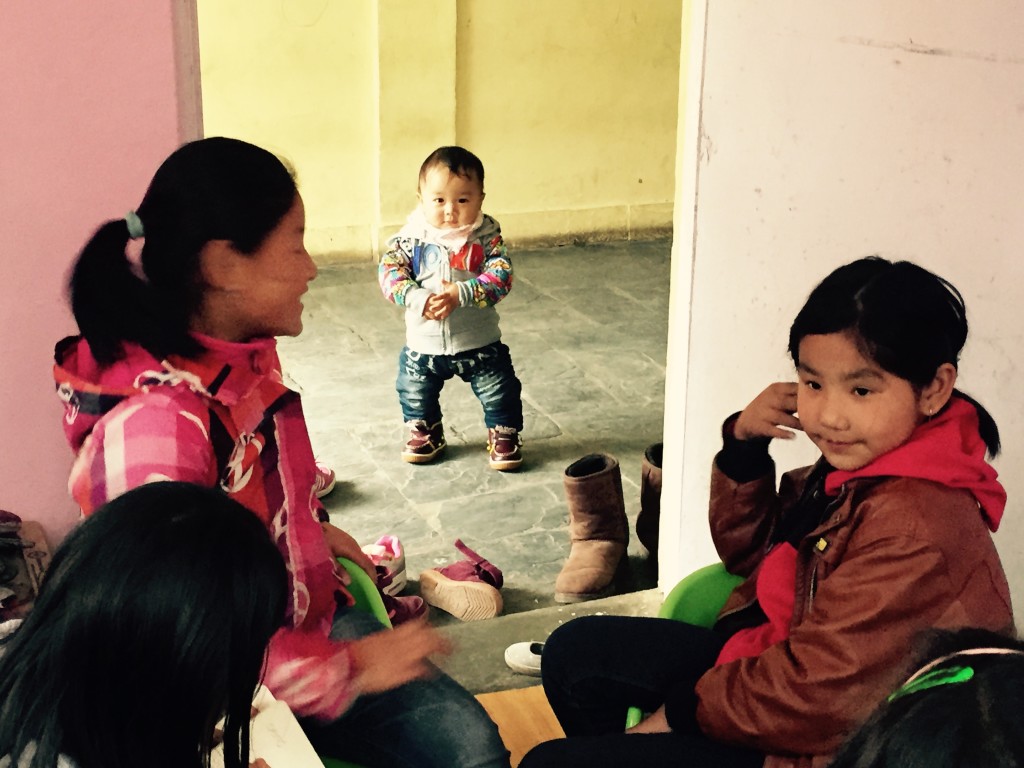
When summer arrives in Ladakh, a reading camp becomes much more than a place to borrow books. It is a lively meeting point where children gather to read, draw, listen, perform, and discover stories beyond their immediate surroundings. The young volunteers who help run these camps bring energy, patience, and a strong understanding of what makes learning enjoyable.
Many of these volunteers have experienced the value of a welcoming book space themselves. They know the excitement of finding a favorite story, the comfort of being read to, and the confidence that grows when a child can share an idea without fear. Their personal connection to reading helps them encourage younger participants with warmth and genuine enthusiasm.
Their work also shows that service can begin early. By arranging books, leading games, supporting creative activities, and welcoming new readers, these young people become role models within their communities. They are helping build a culture of literacy while developing leadership skills that will stay with them long after the summer ends.
Young Readers Become Camp Leaders
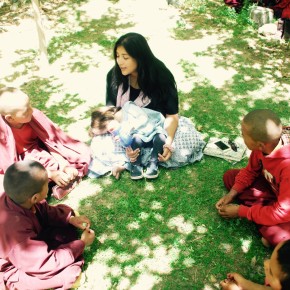
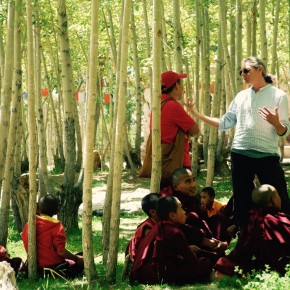
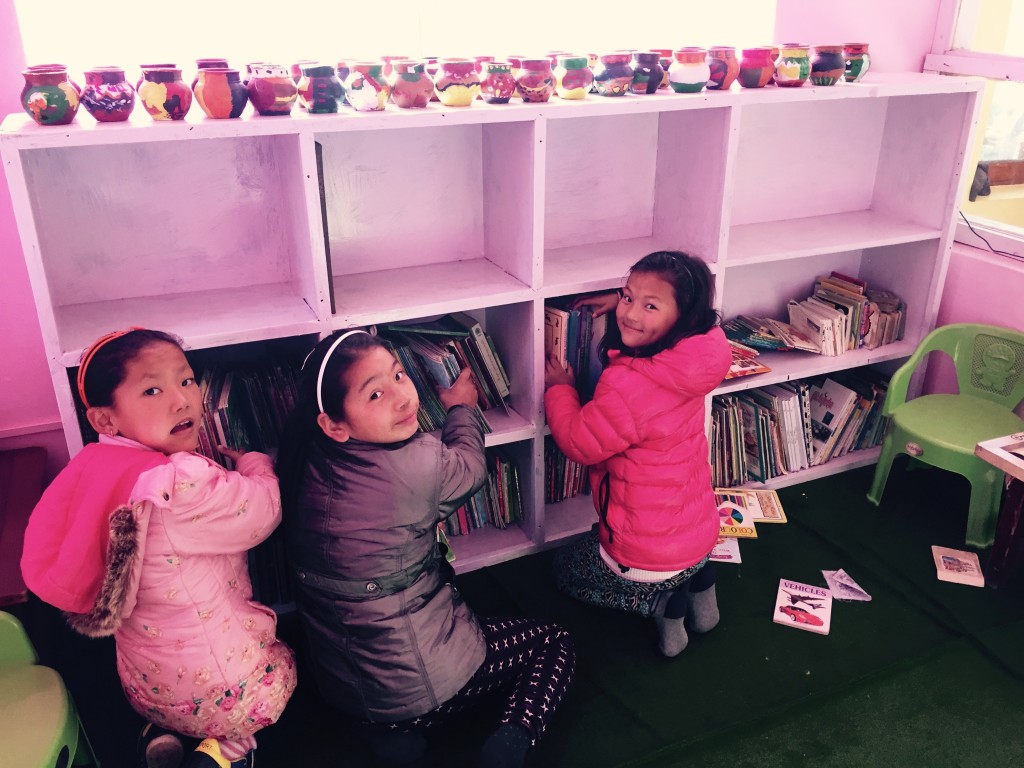
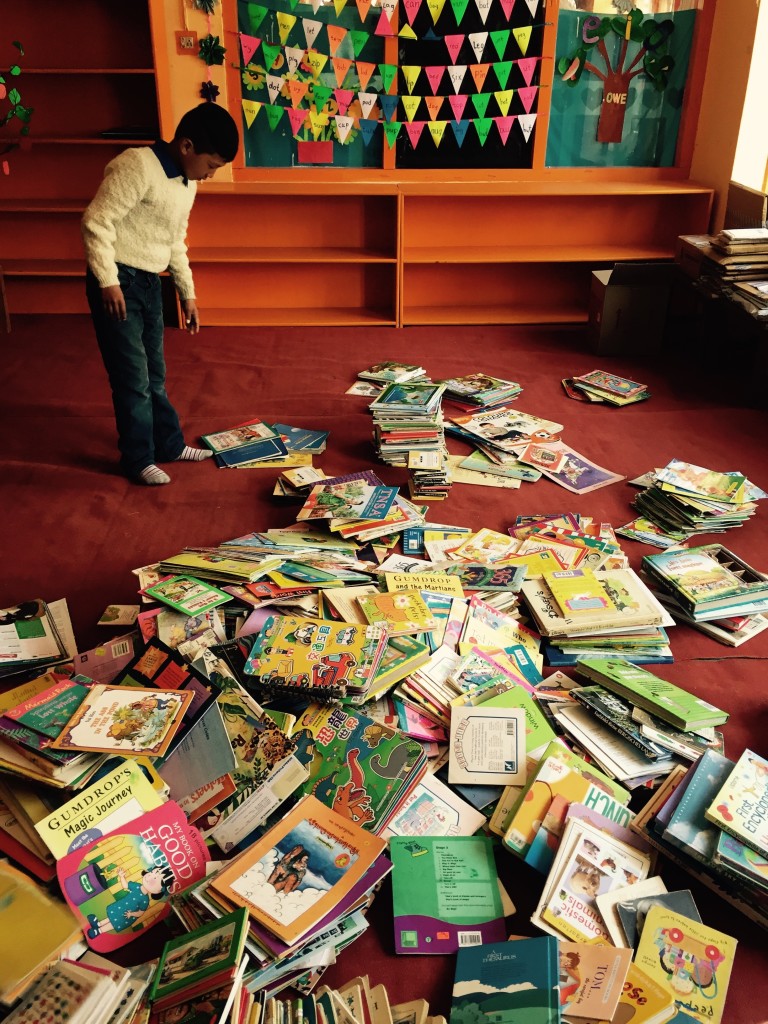
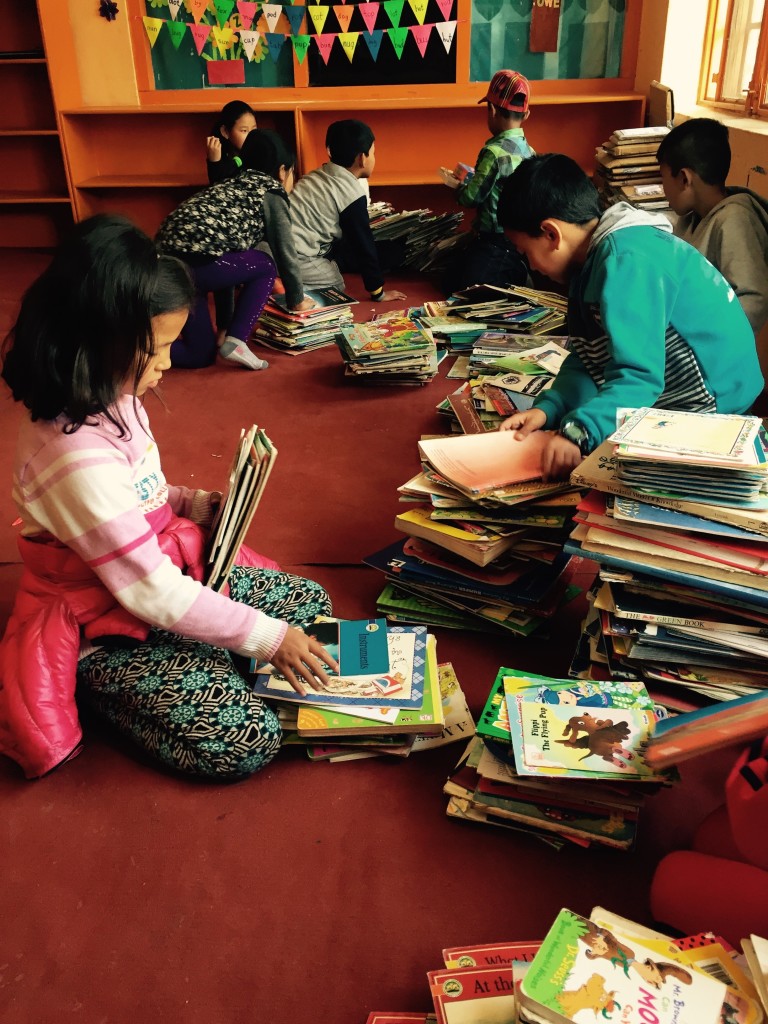
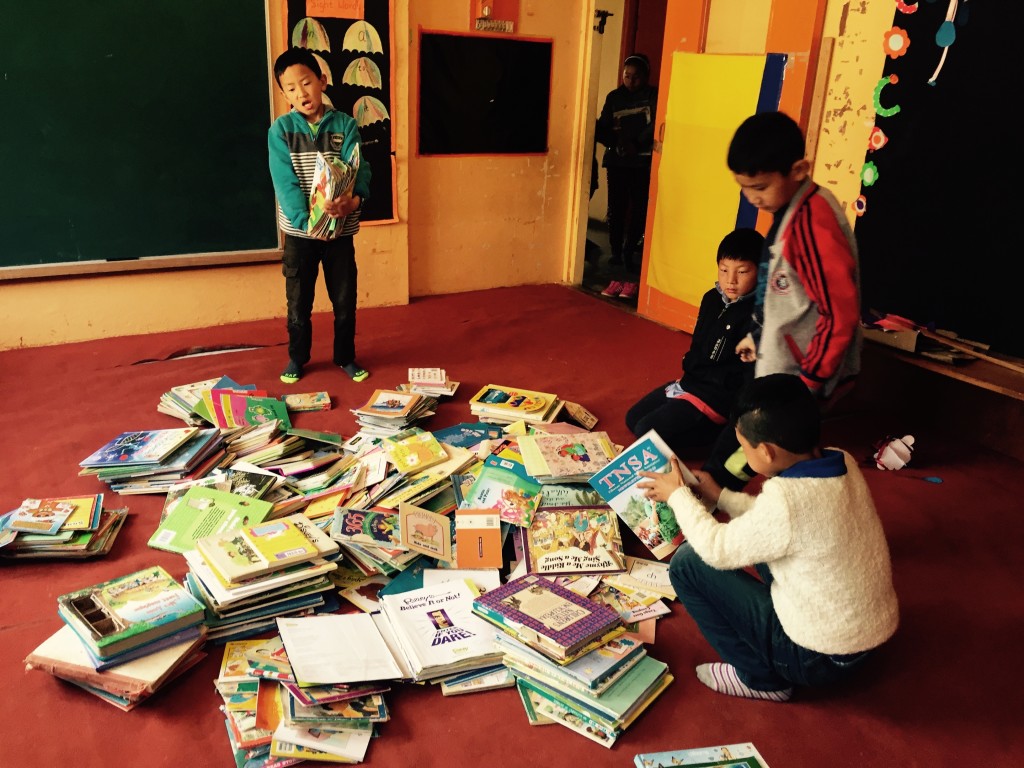
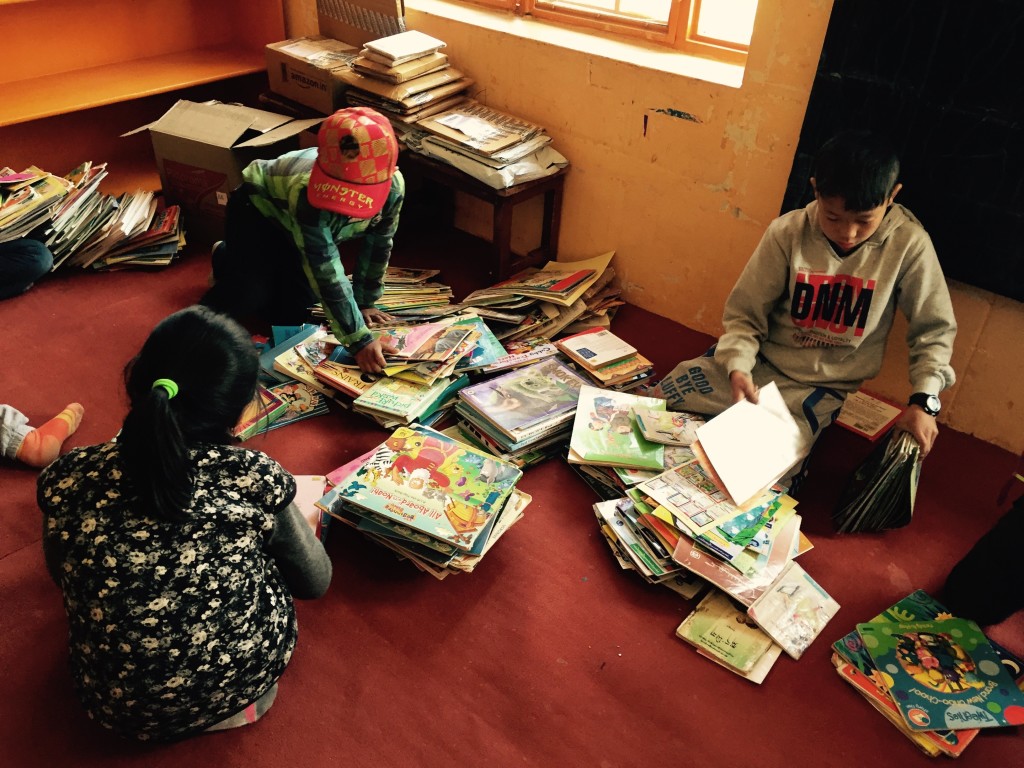
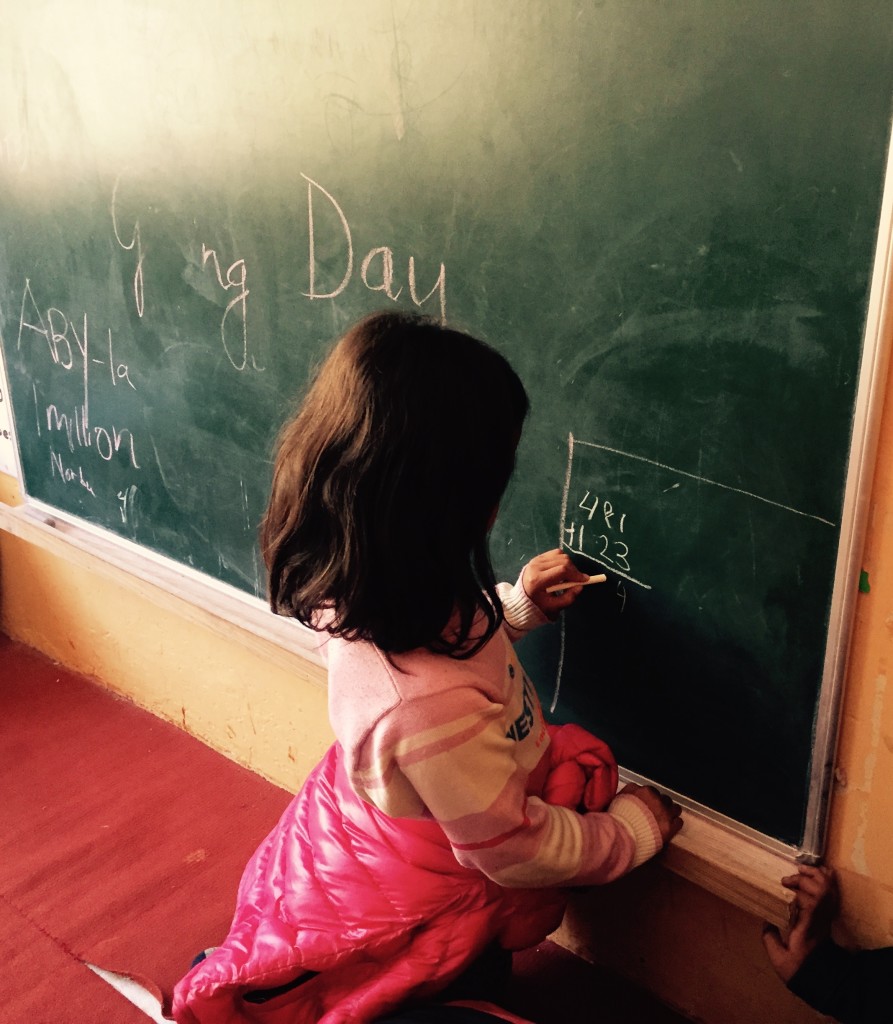
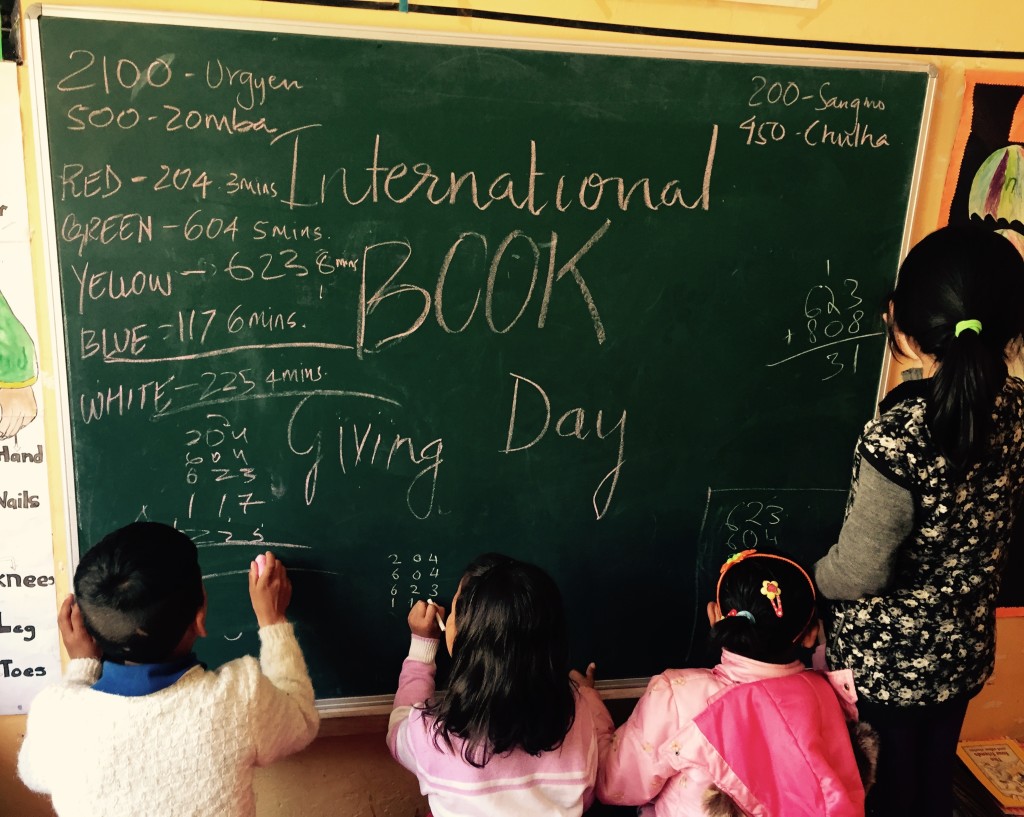
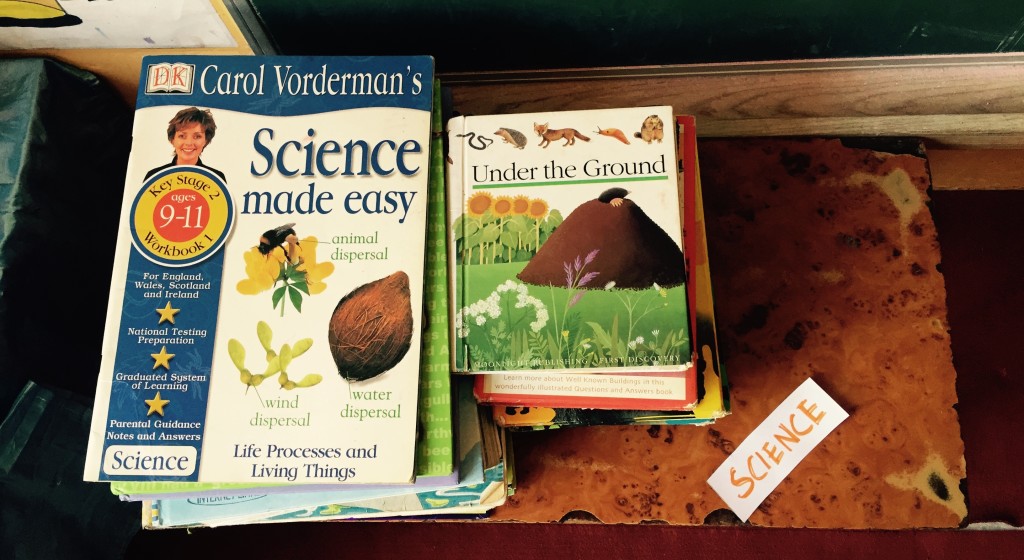
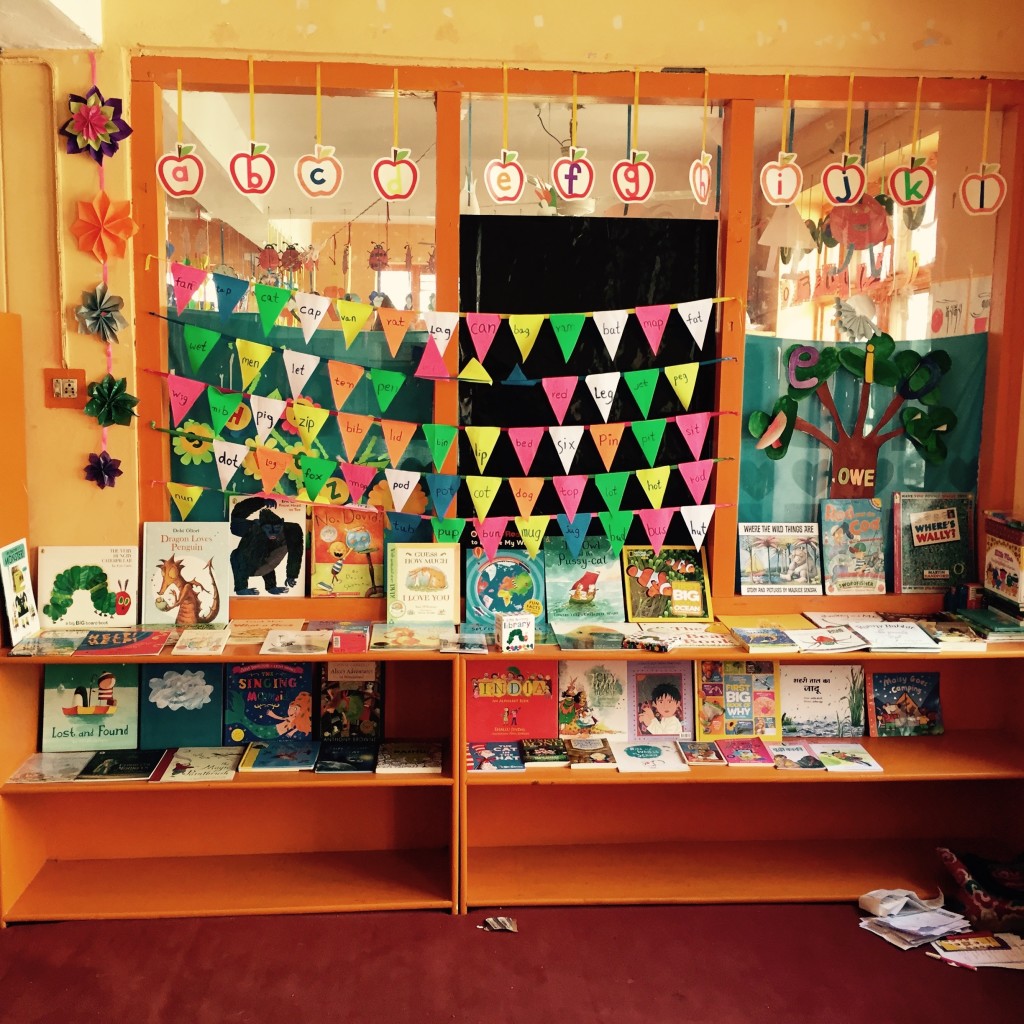
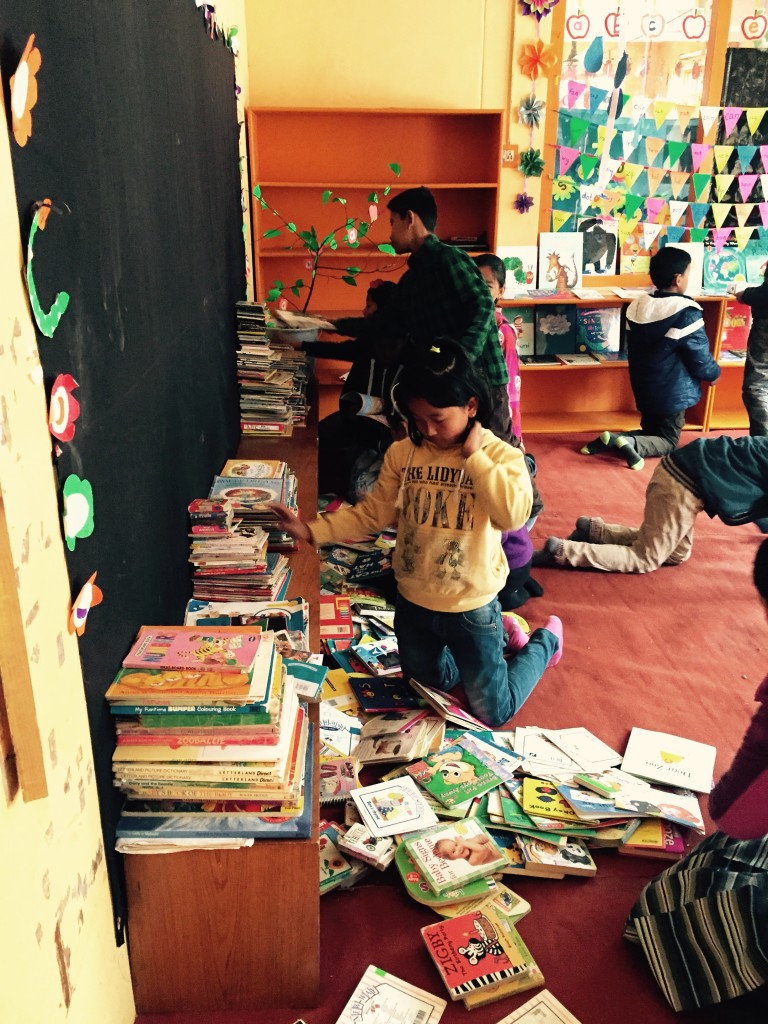
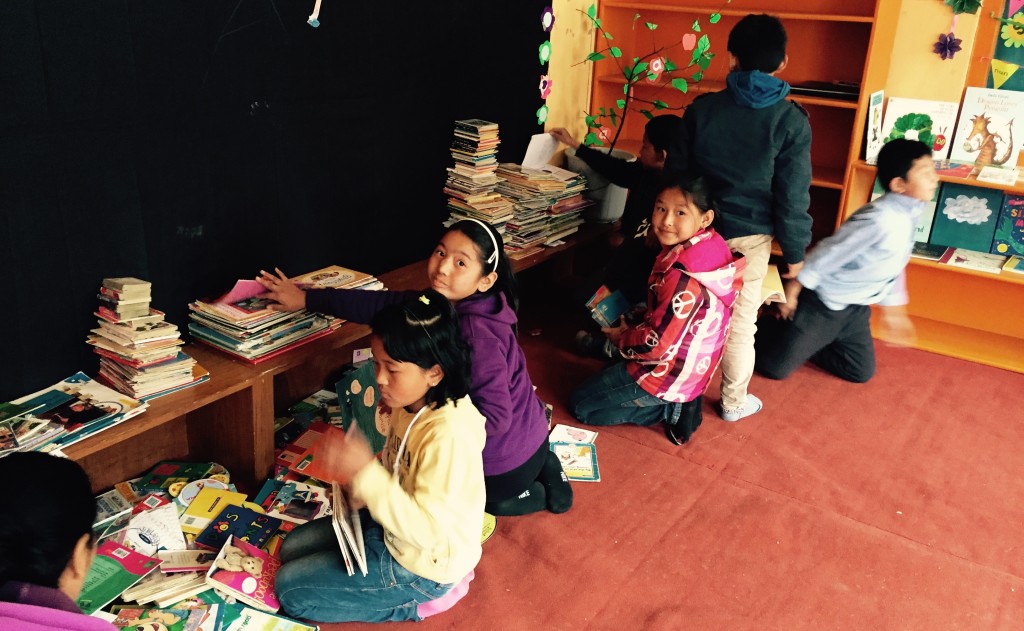
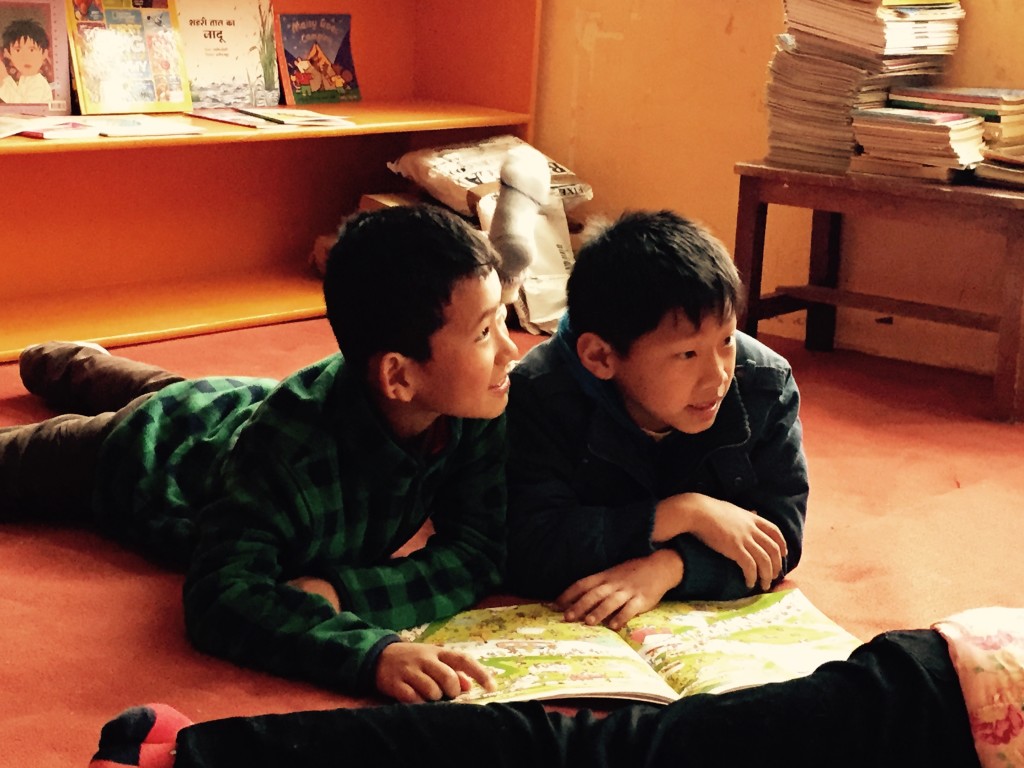
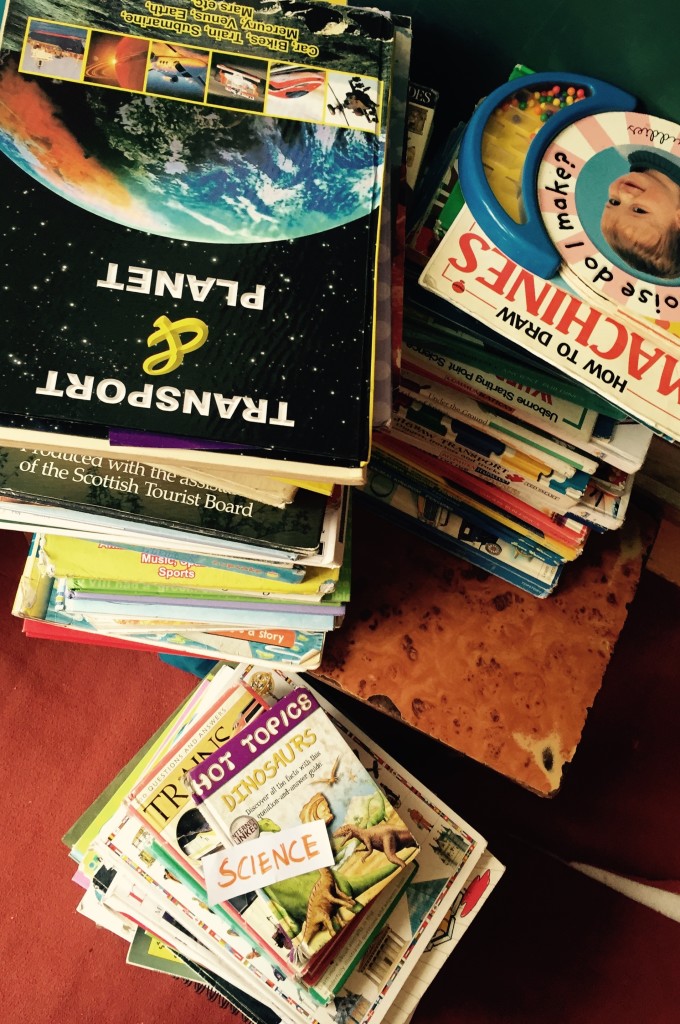
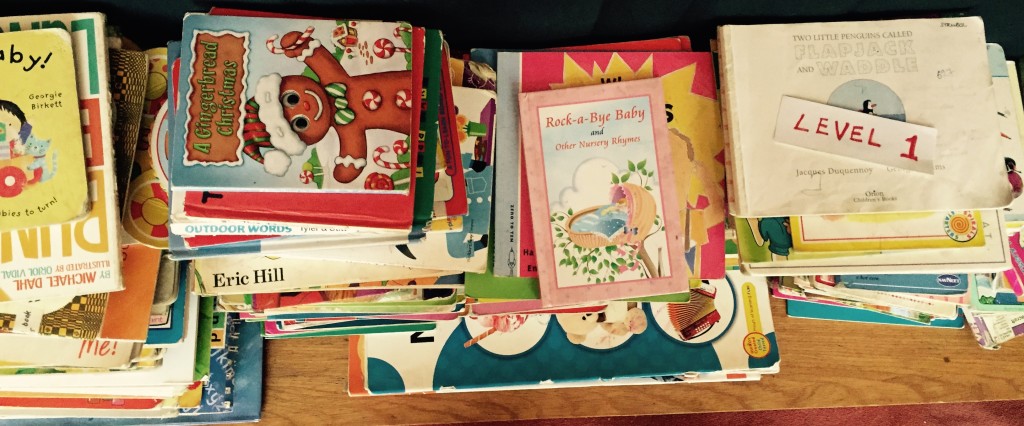
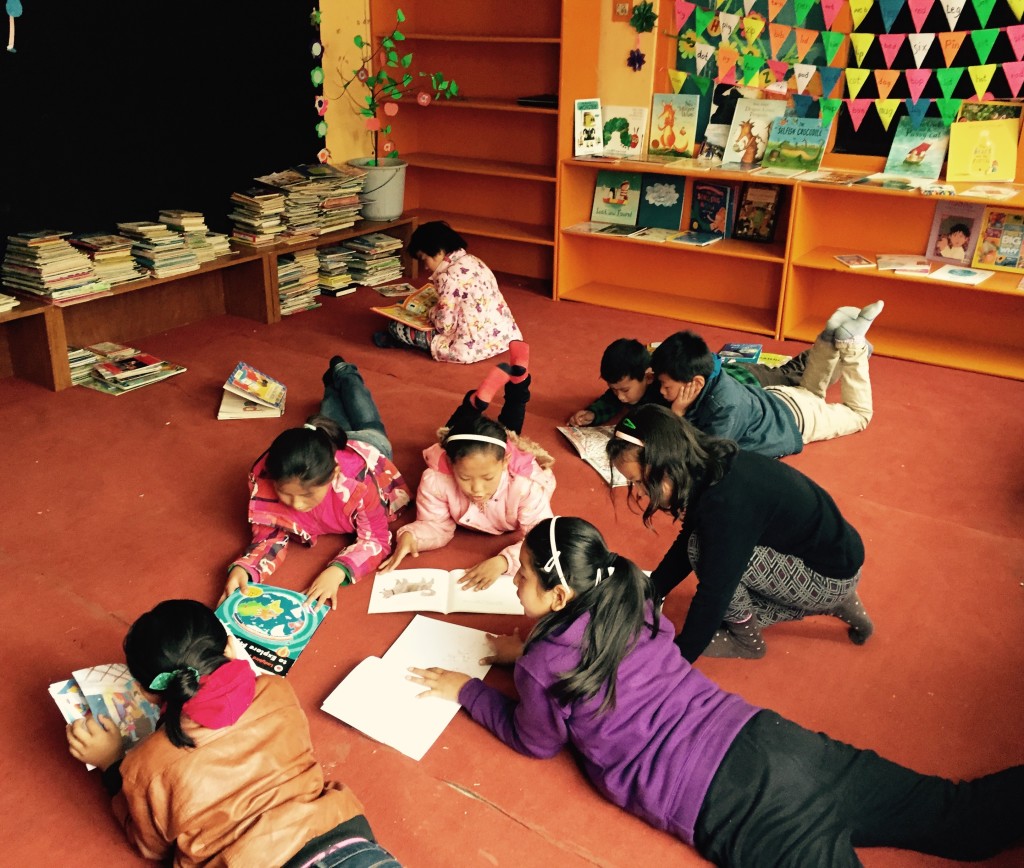
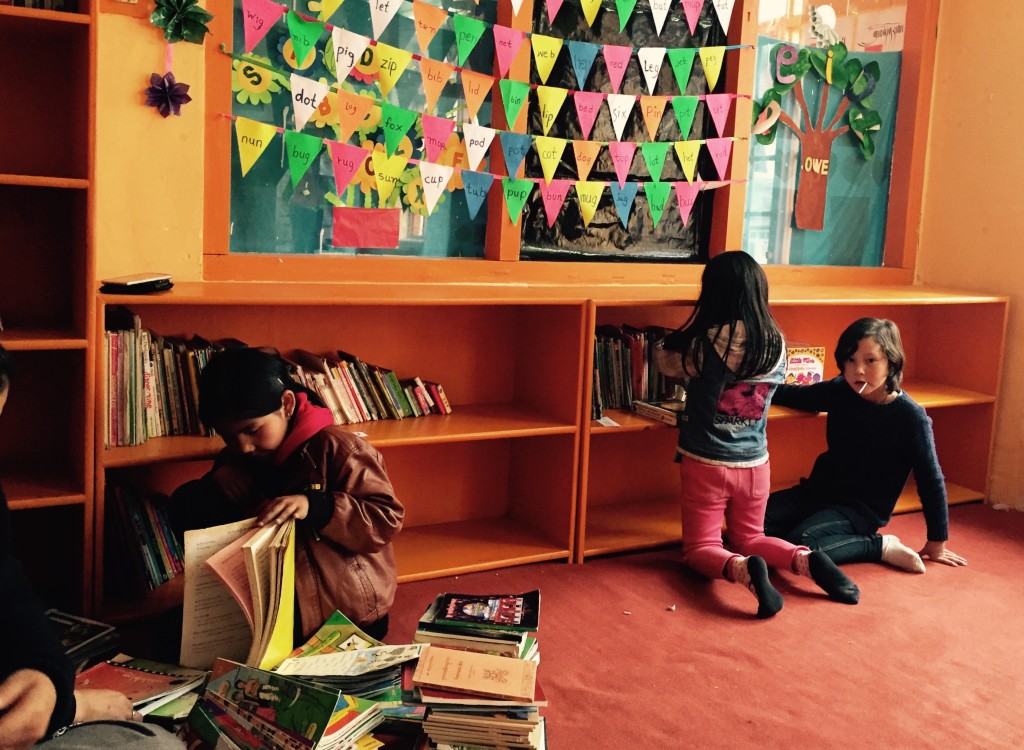
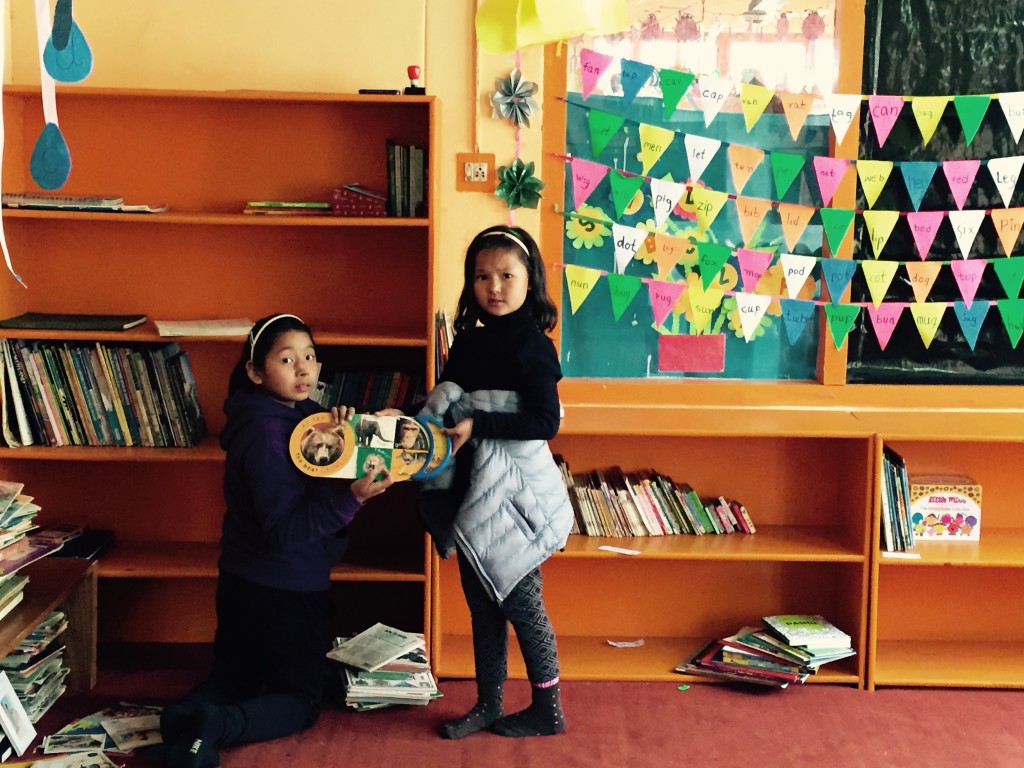
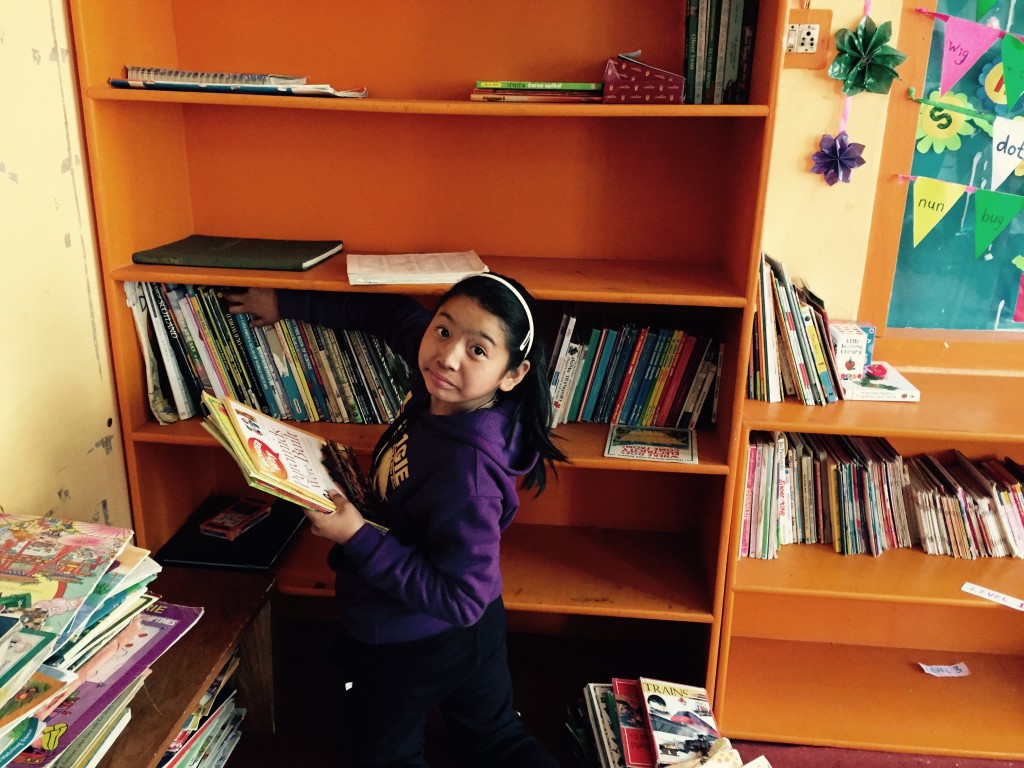
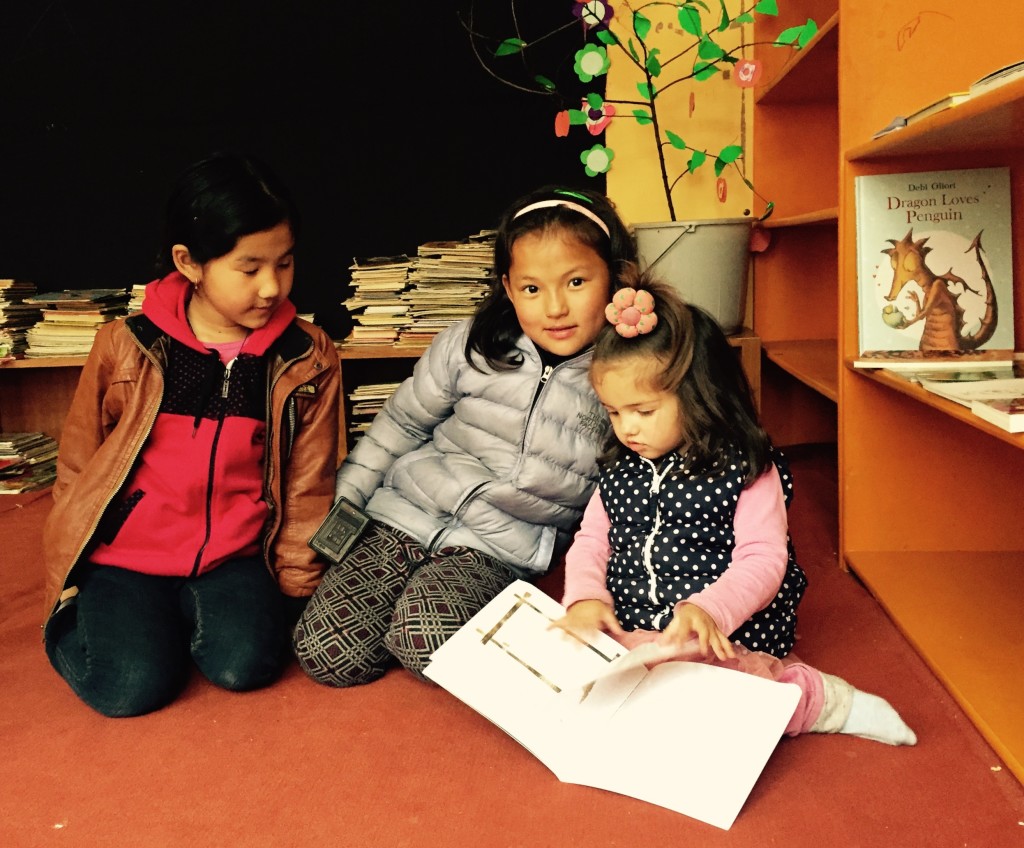
A summer reading camp depends on many small acts of care. Volunteers sort books by age and interest, prepare comfortable reading corners, guide children toward suitable stories, and make sure every participant feels included. Some help with storytelling sessions, while others organize drawing, writing, music, or group activities inspired by the books.
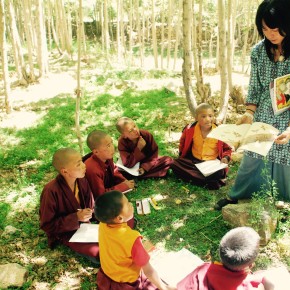
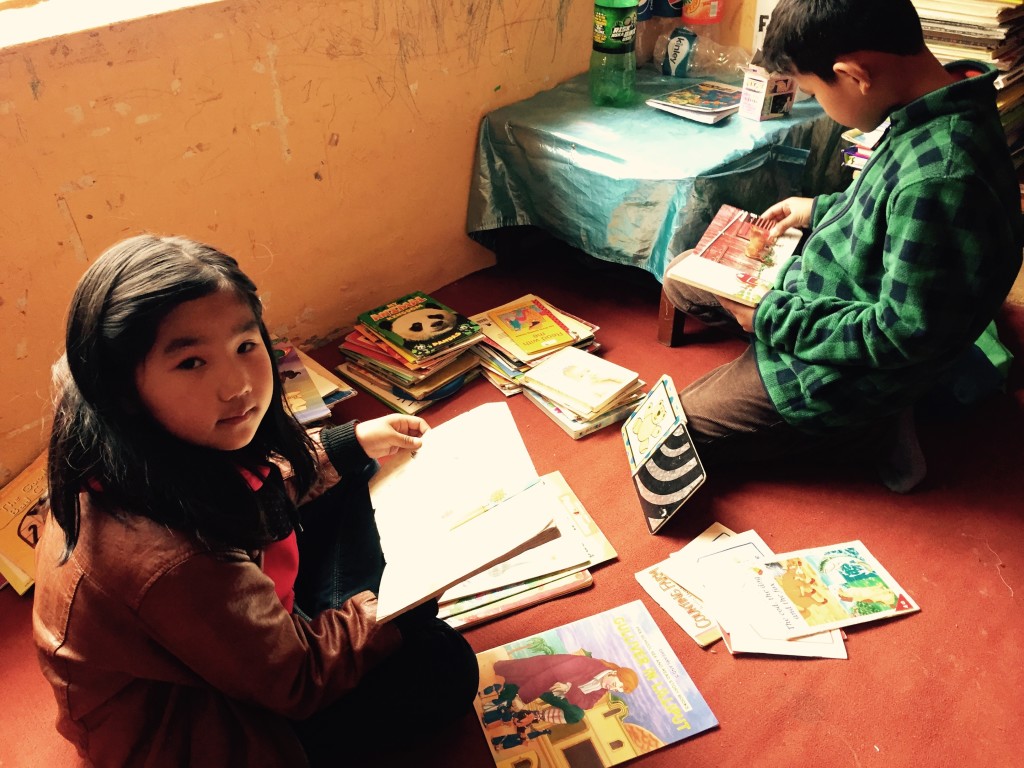
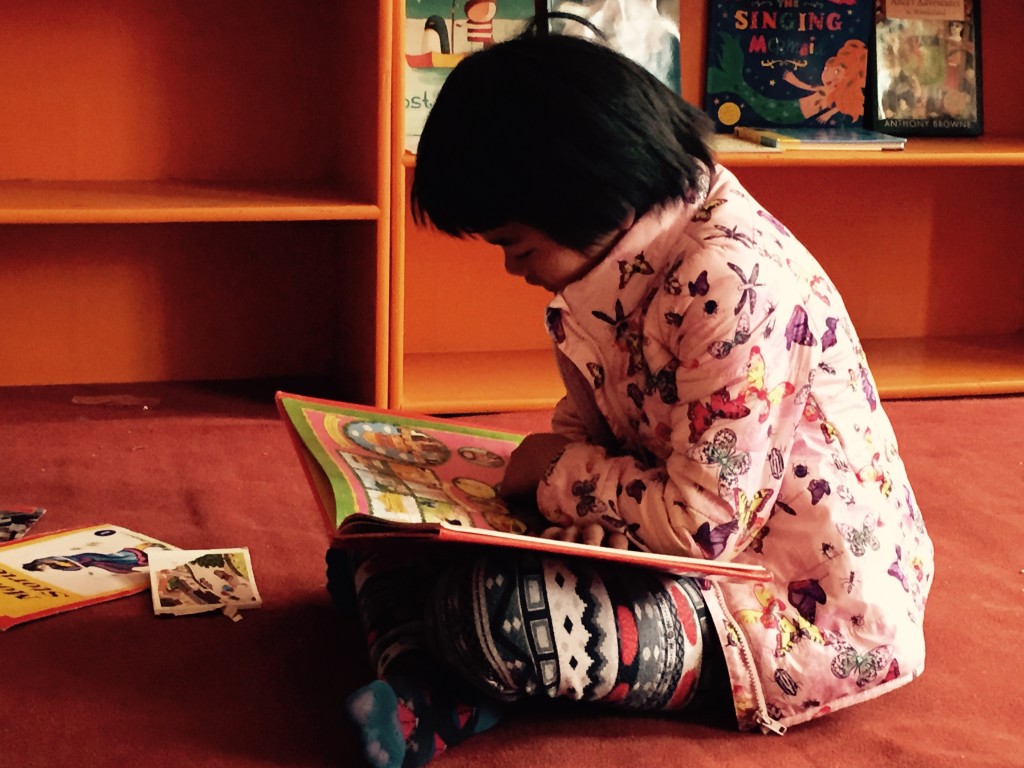
The strongest quality these young helpers bring is attentiveness. A child who is still learning to read may need extra encouragement, while an older participant may be ready to discuss a character or write an alternative ending. Volunteers learn to notice these differences and respond thoughtfully. Their support turns reading from a solitary task into a shared experience.
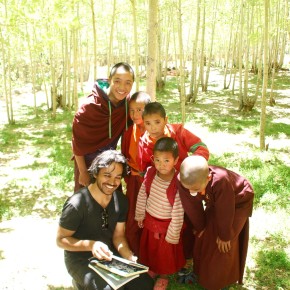
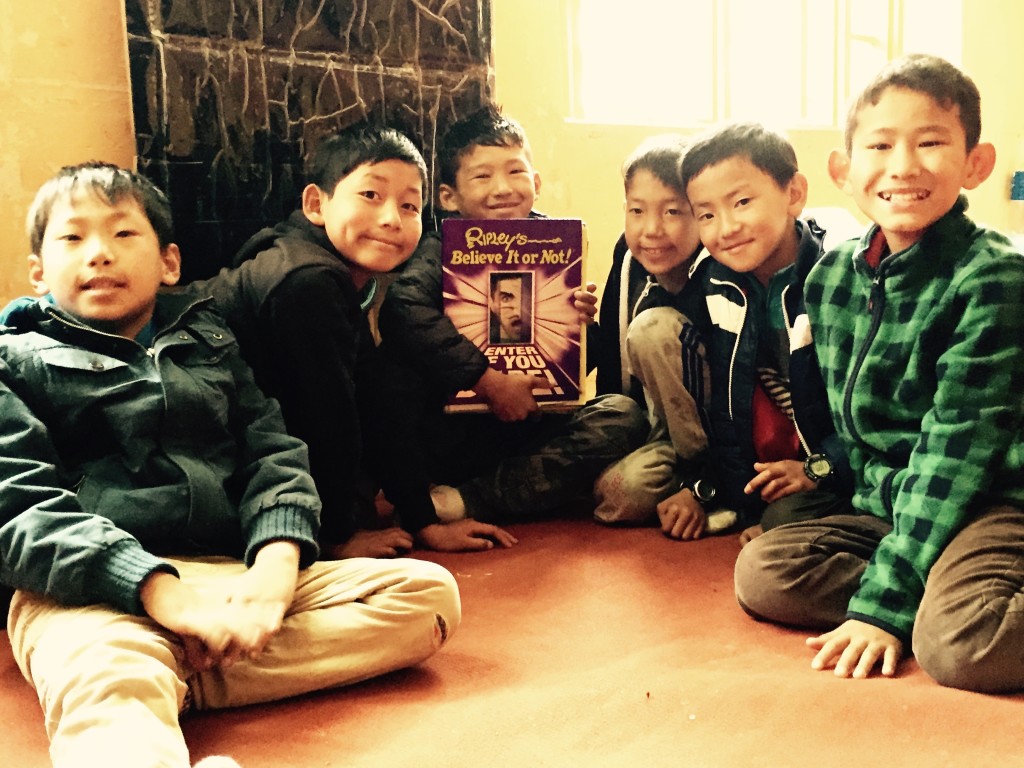
For many children, a familiar young face makes the camp feel approachable. Volunteers often bridge the distance between adult organizers and younger participants. They can explain activities in an easy, friendly way and understand the friendships, shyness, and curiosity that shape a child’s first experience in a reading room.
A Day Built Around Books
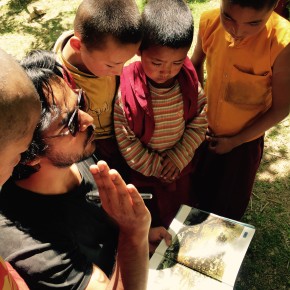
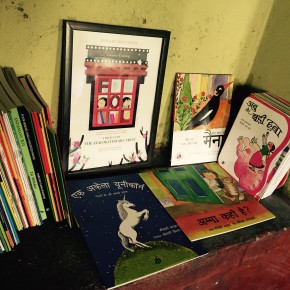
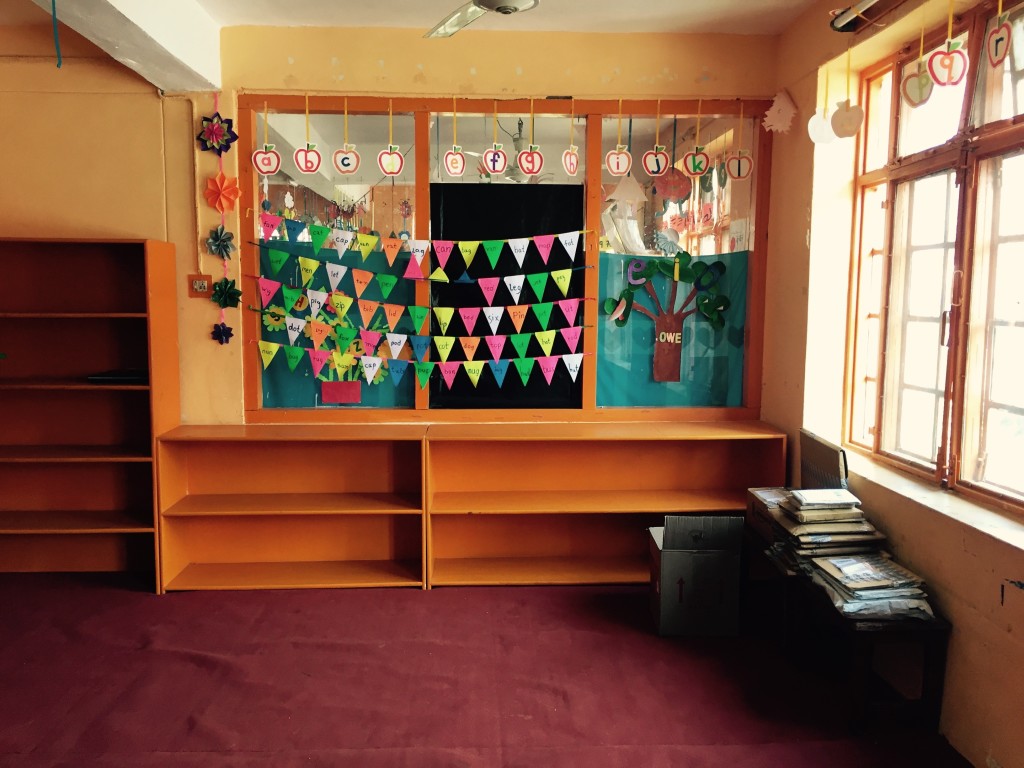
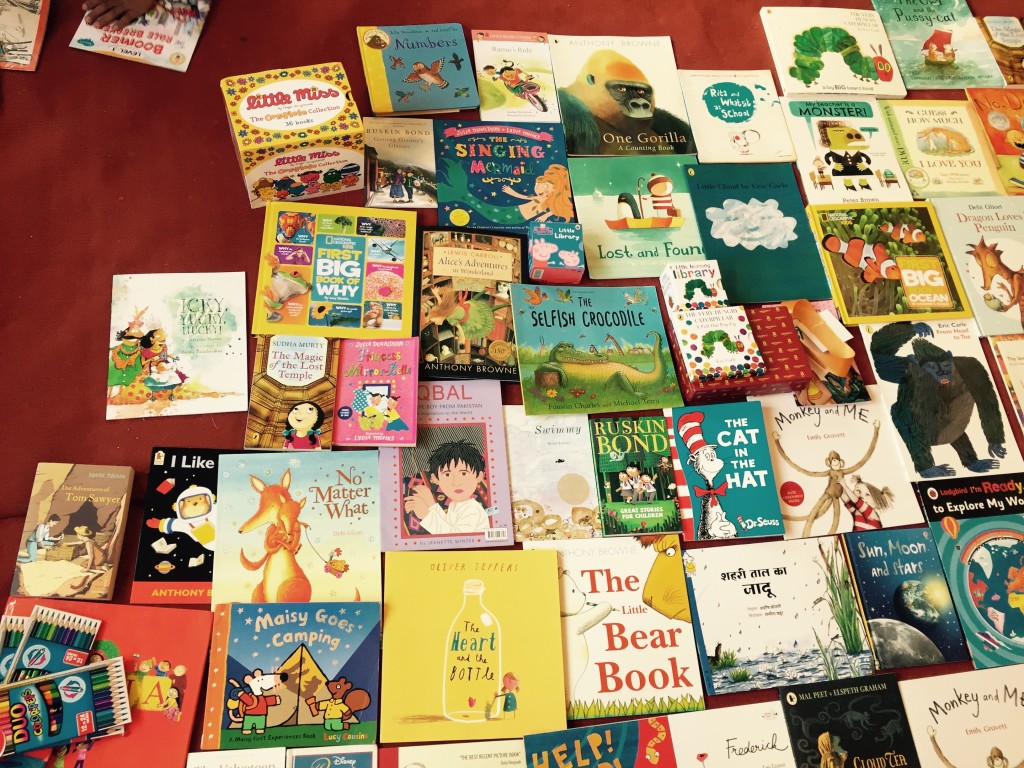
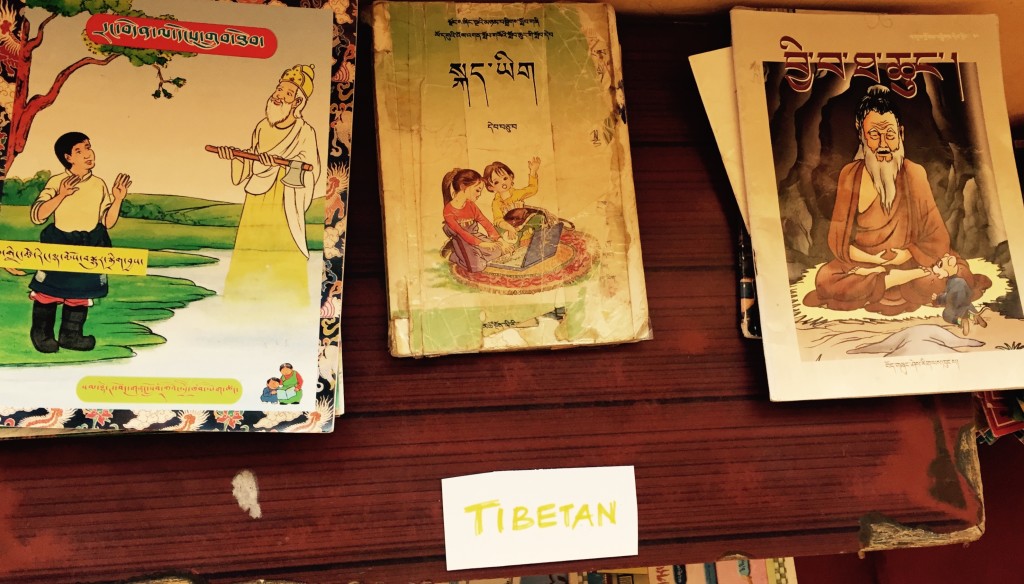
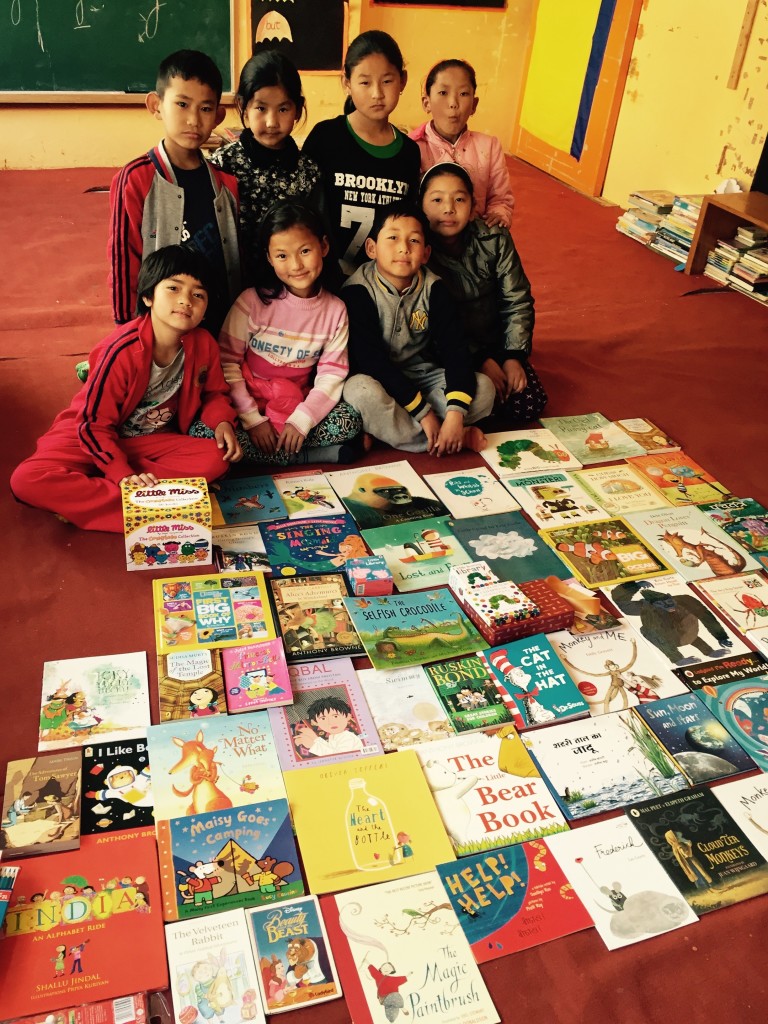
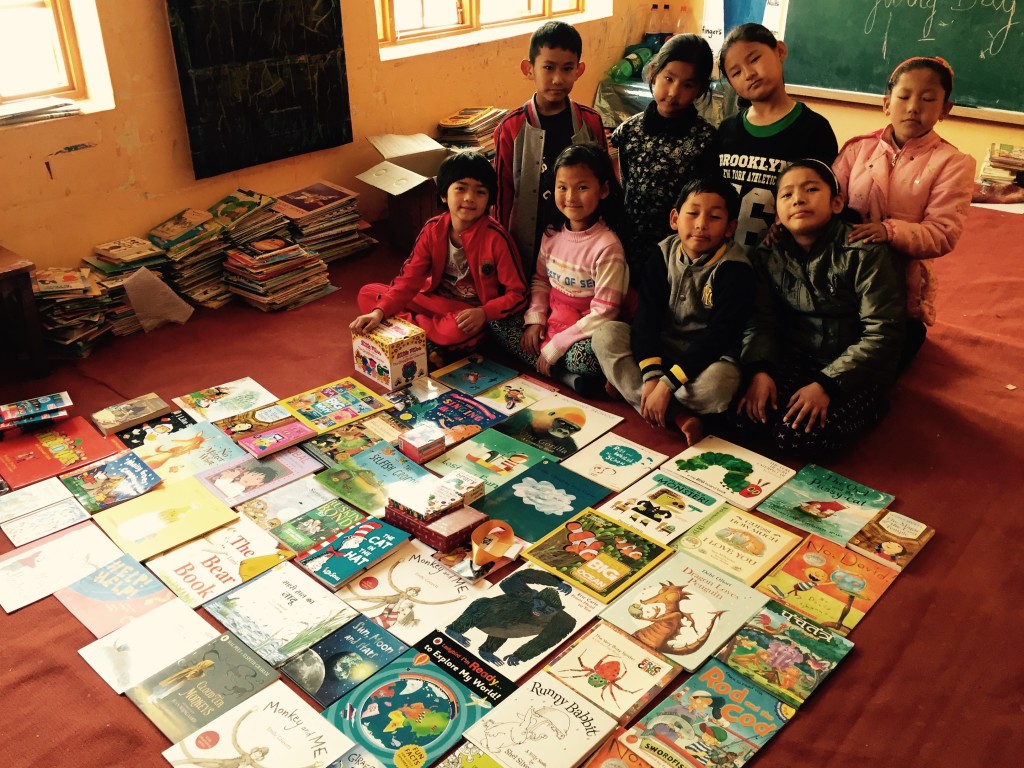
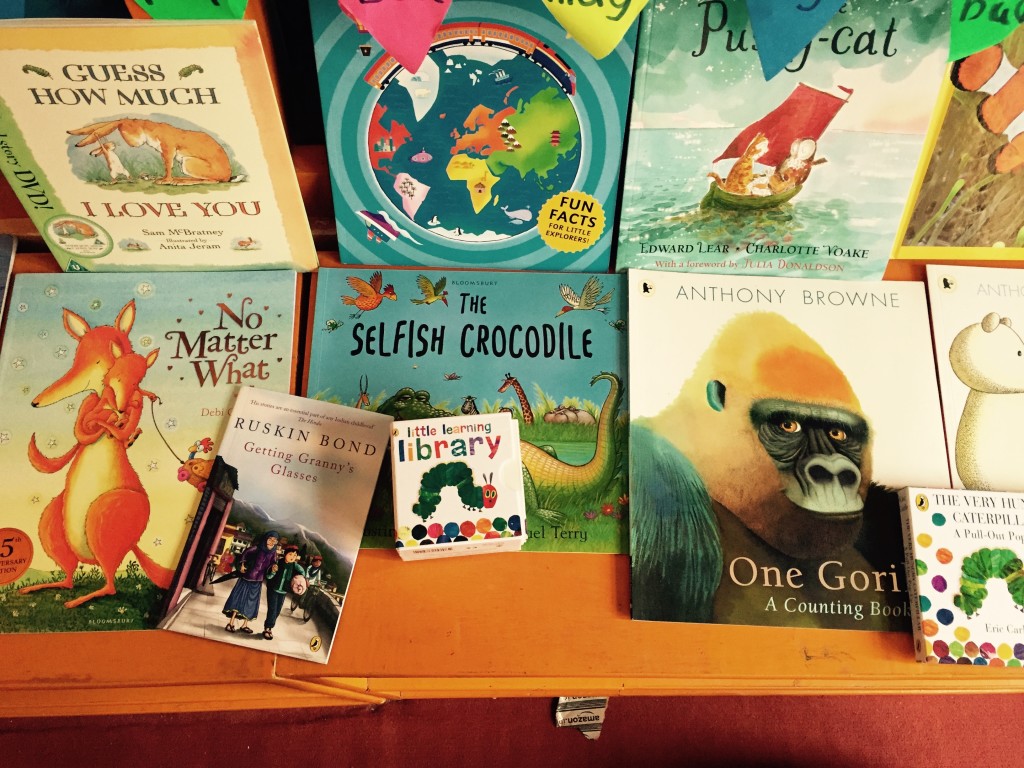
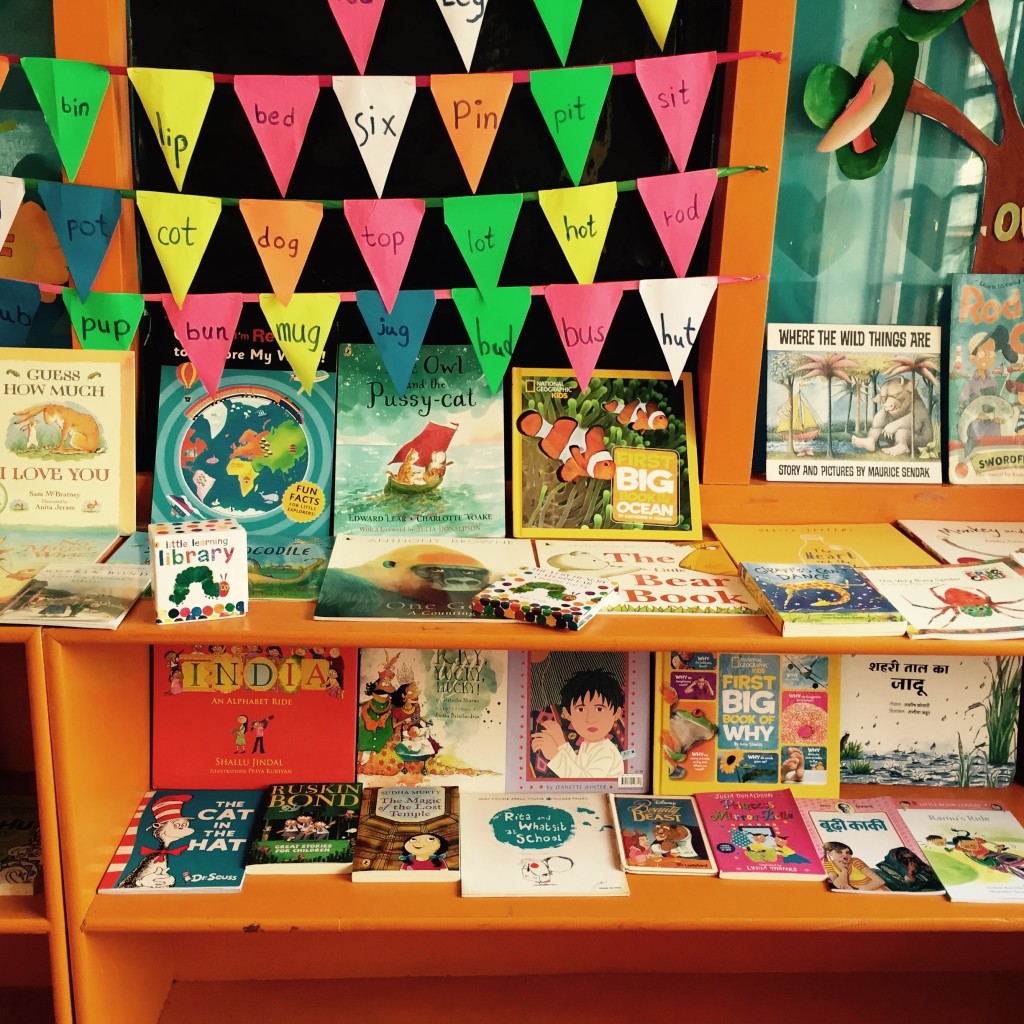
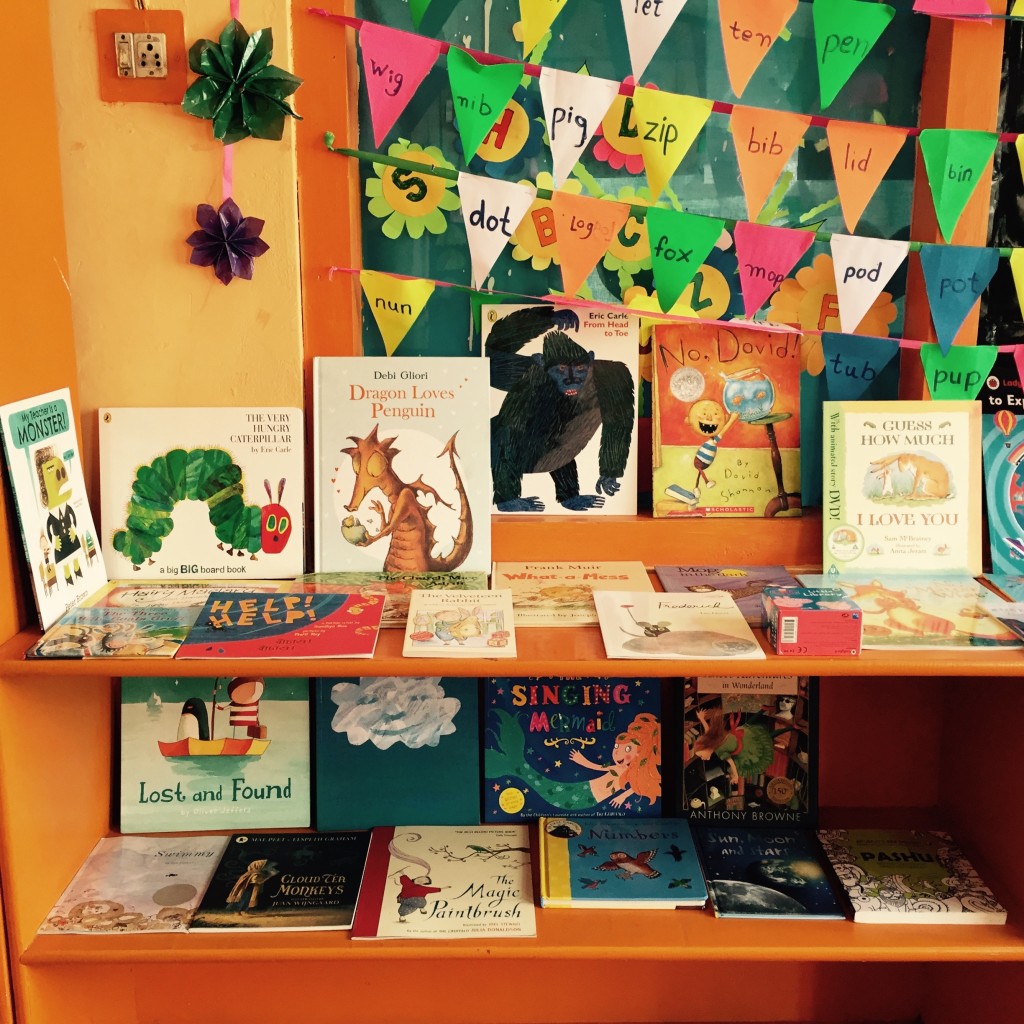
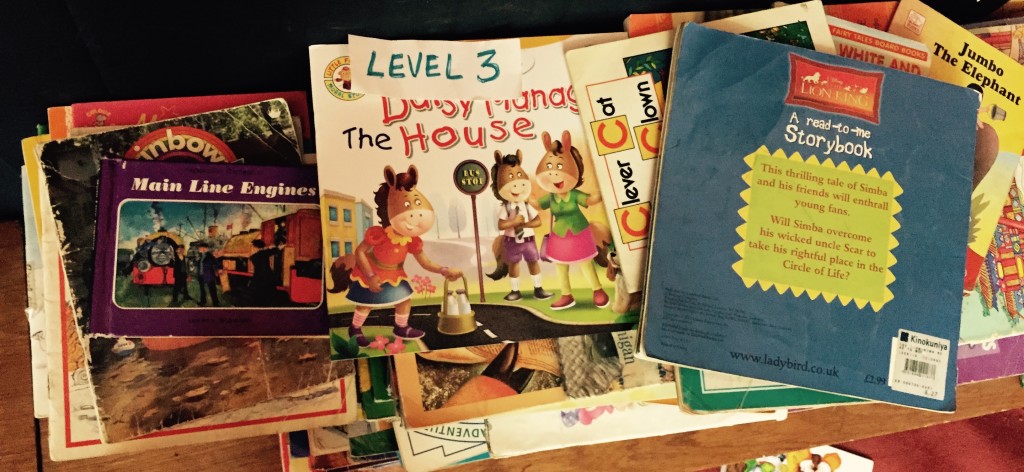
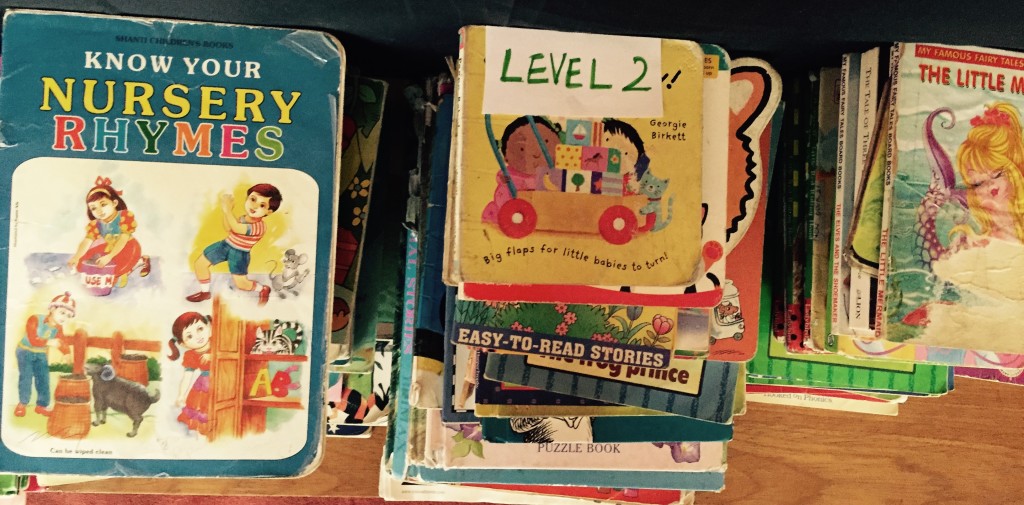
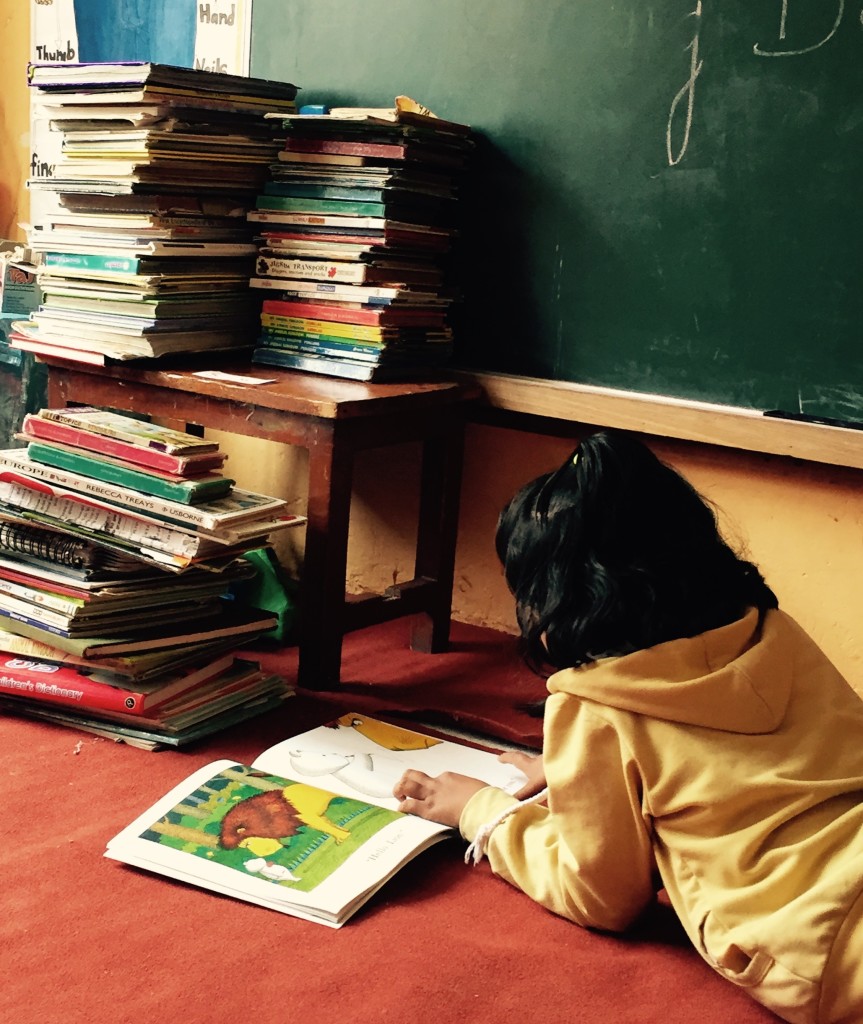
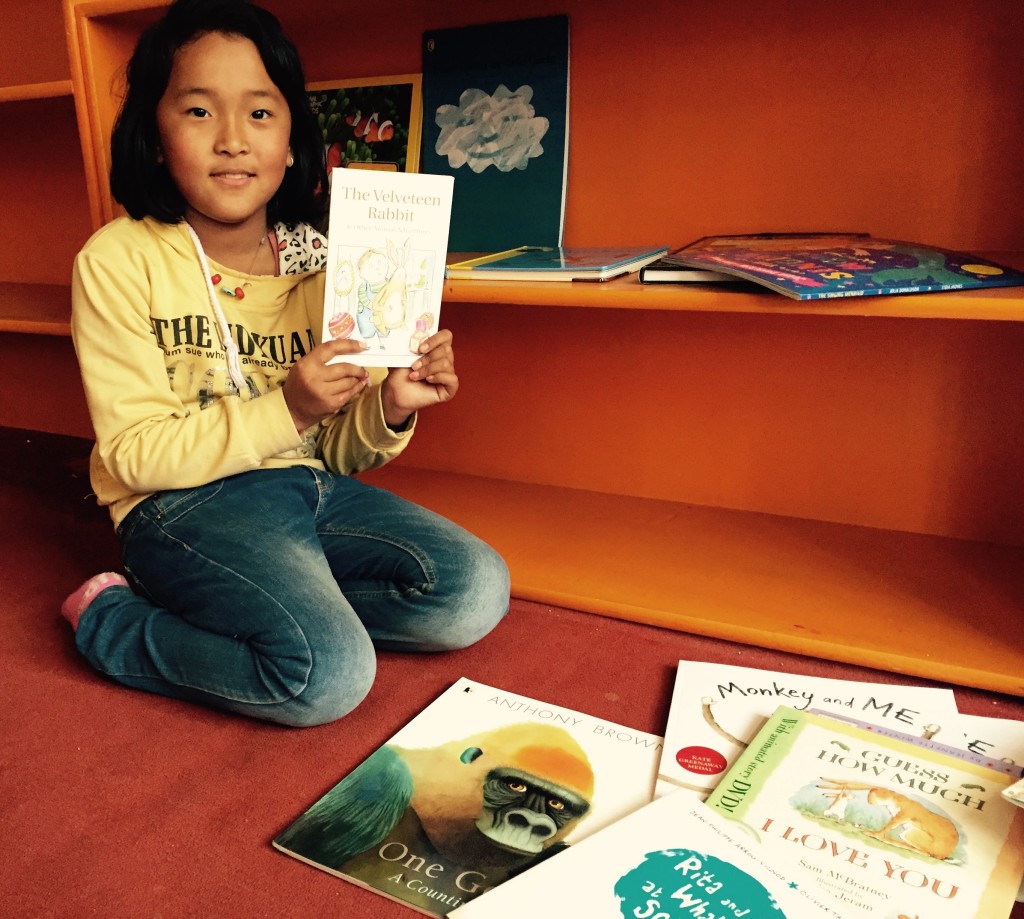
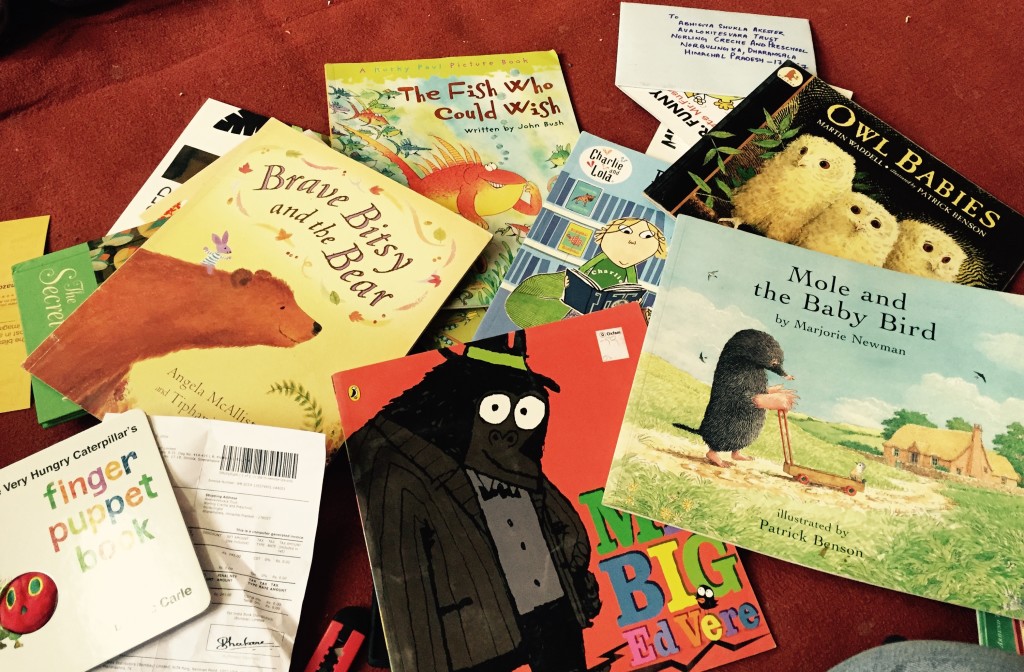
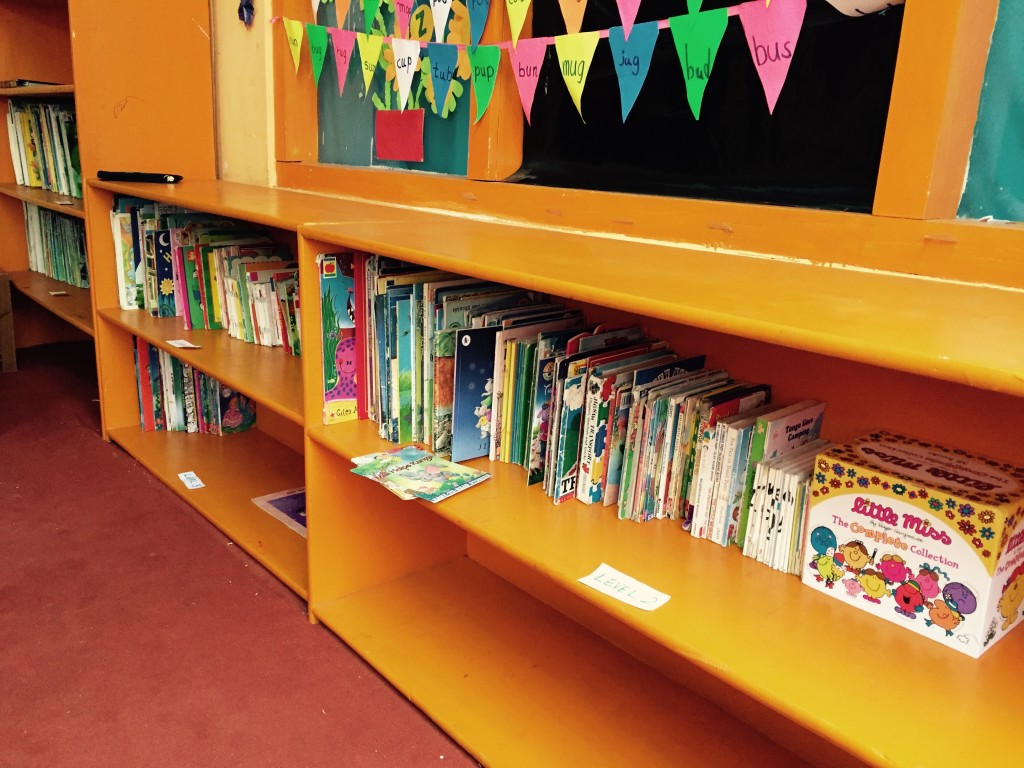
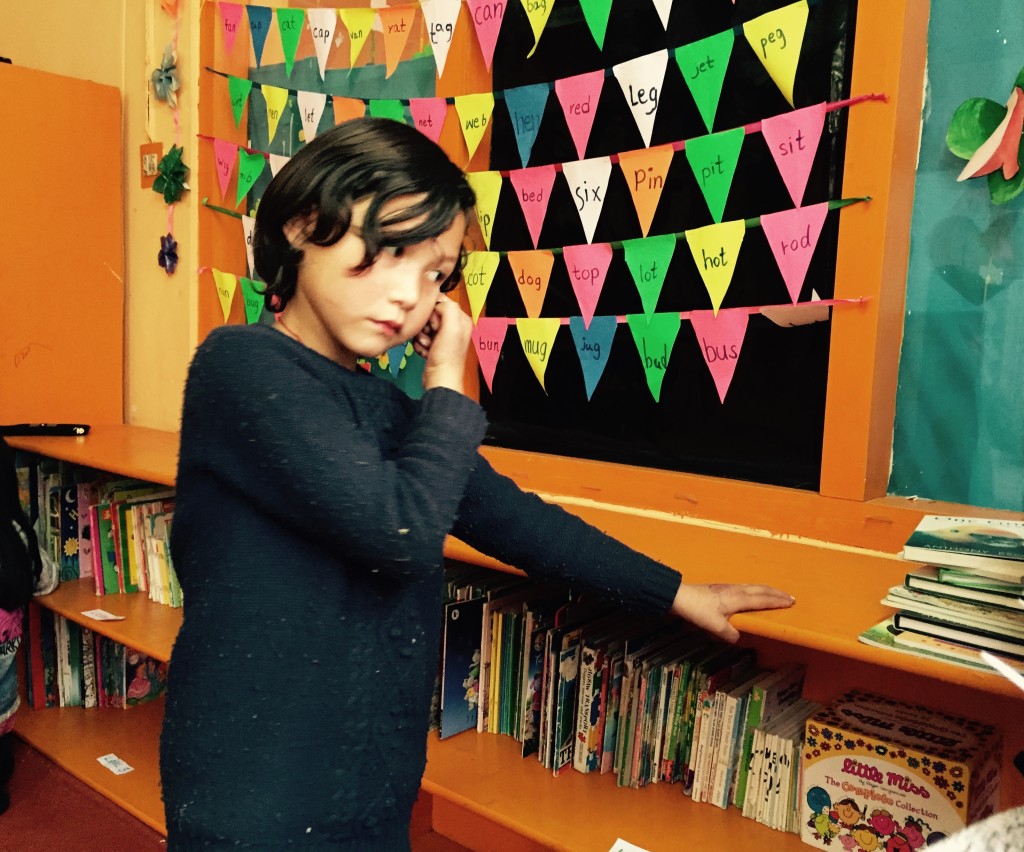
A typical camp day has a gentle rhythm. Children may begin by choosing books from shelves filled through book drives and community donations. A volunteer can help them explore unfamiliar subjects, find stories at the right reading level, or select picture books for younger siblings. The freedom to choose is important because it gives children ownership of their learning.
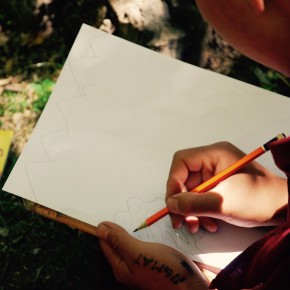
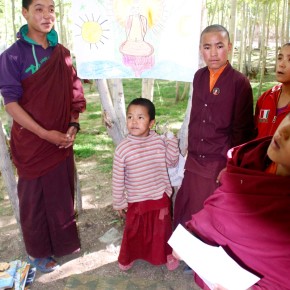
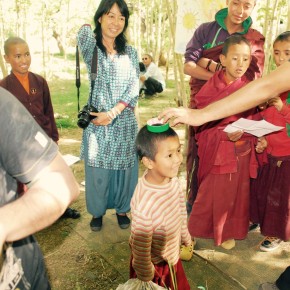
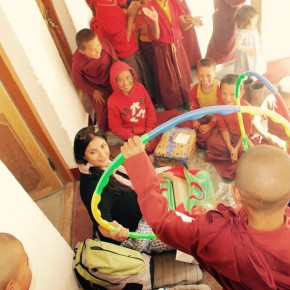
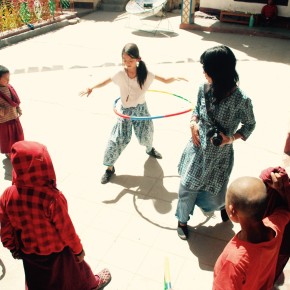
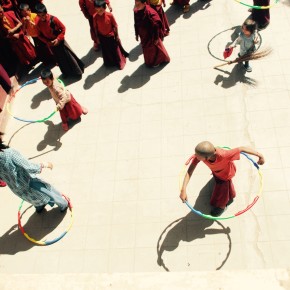
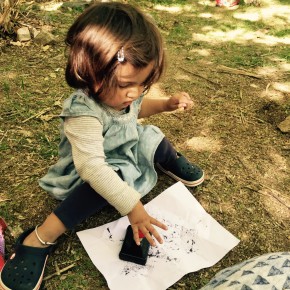
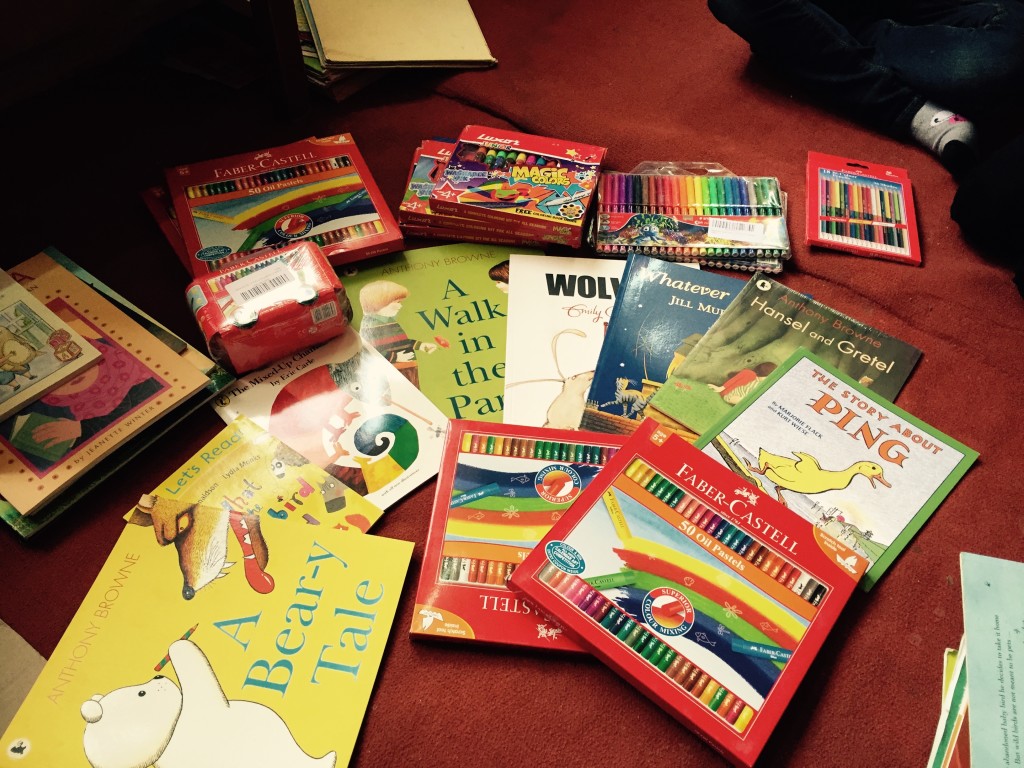
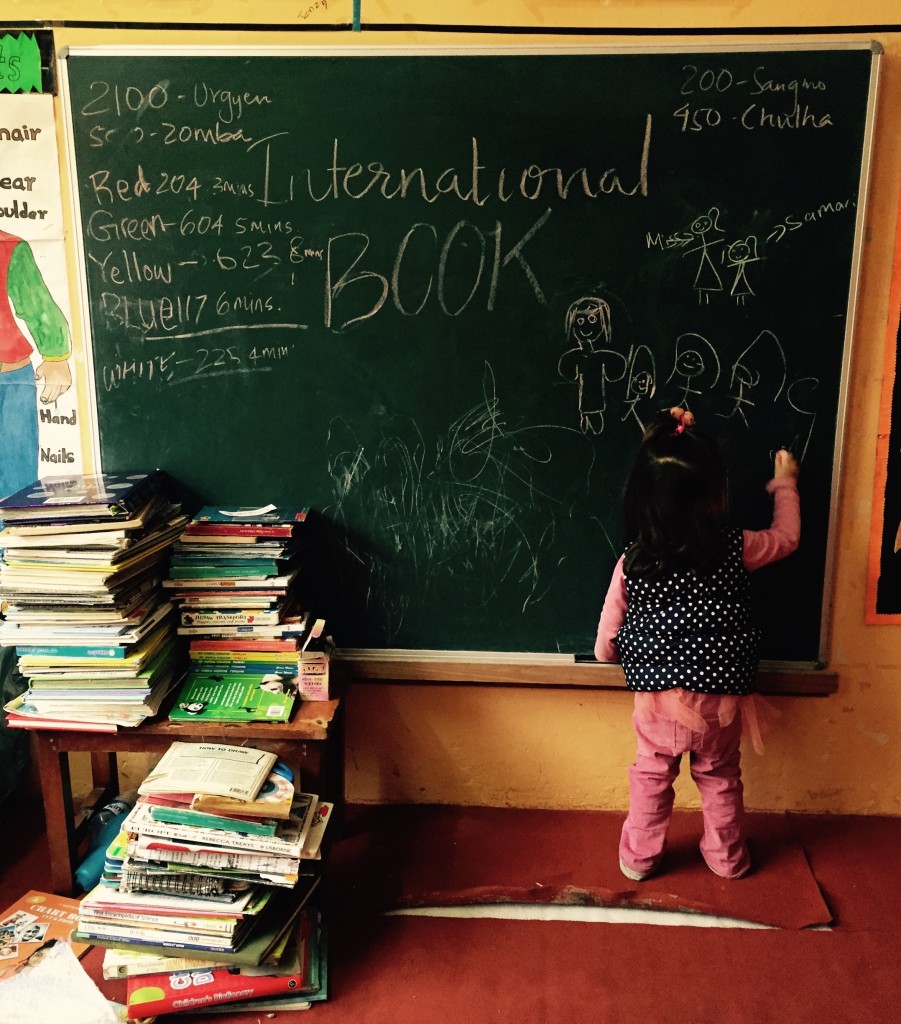
Reading is then balanced with creative expression. A story about animals might lead to drawings of Himalayan wildlife, a folktale could inspire a short performance, and a book about distant places may prompt a map-making activity. Young volunteers help turn pages into conversation and ideas, showing that books connect naturally with art, imagination, and everyday life.
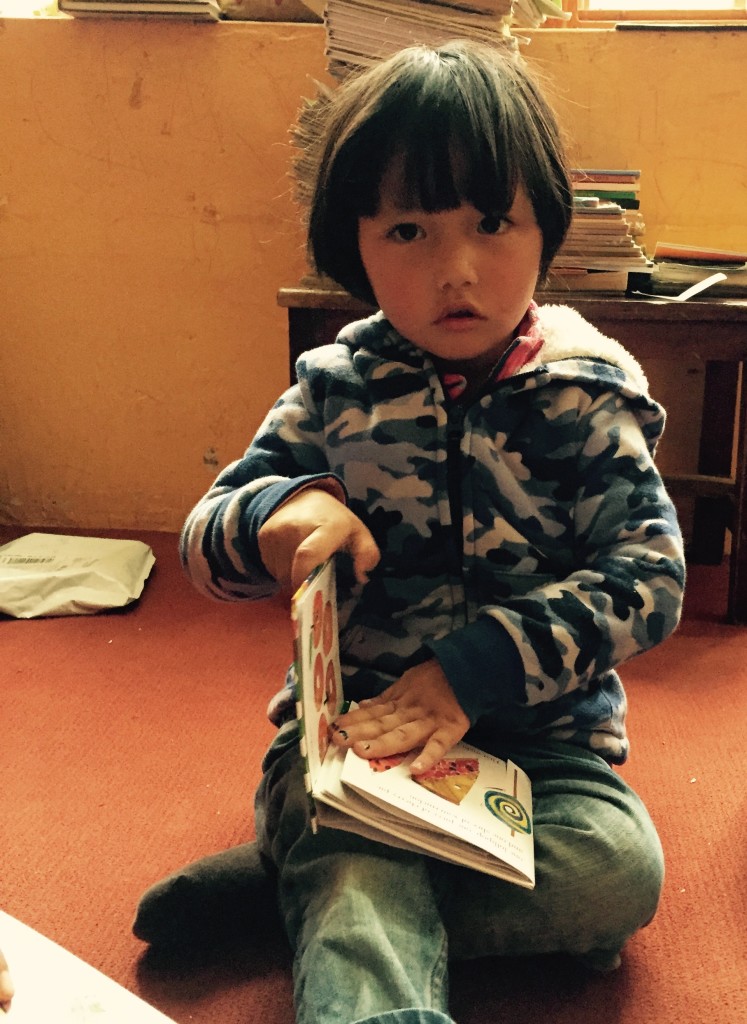
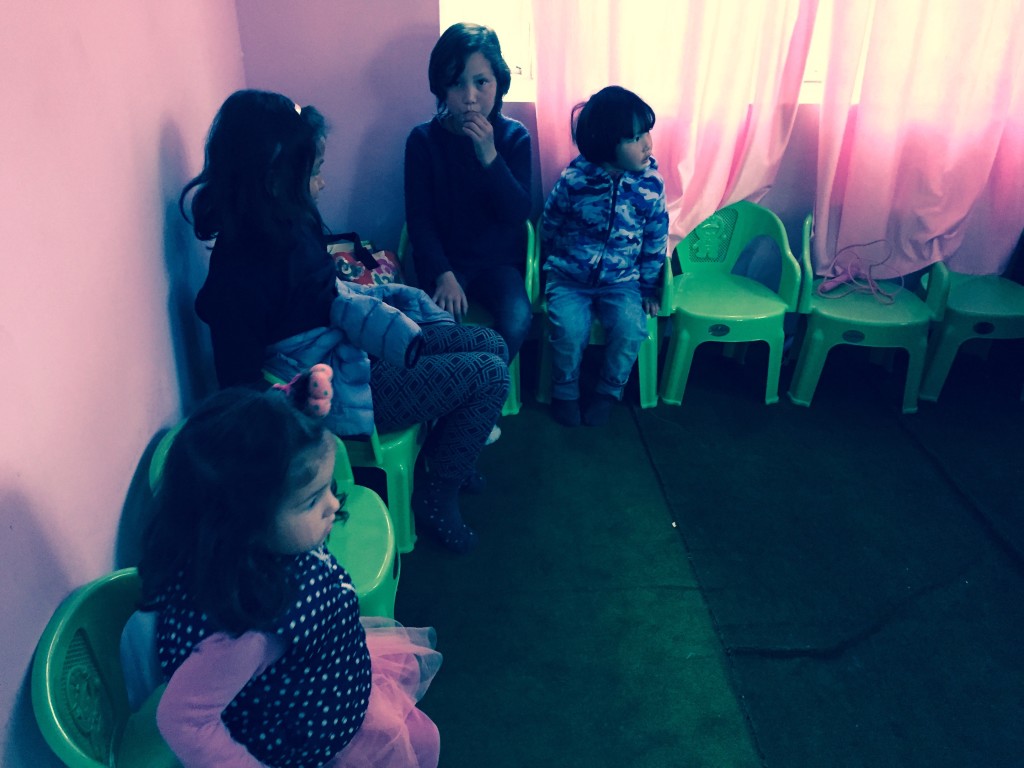
The atmosphere is often as significant as the activities themselves. A quiet child may begin by listening from the edge of a group before gradually joining in. A confident reader may discover the responsibility of helping someone else. These moments are easy to overlook, yet they are central to the camp’s purpose: creating a safe space where every child can participate at a comfortable pace.
Skills That Grow Through Service
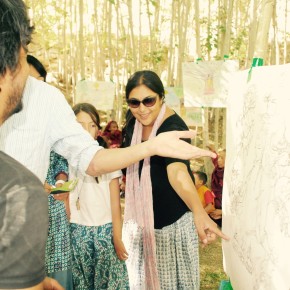
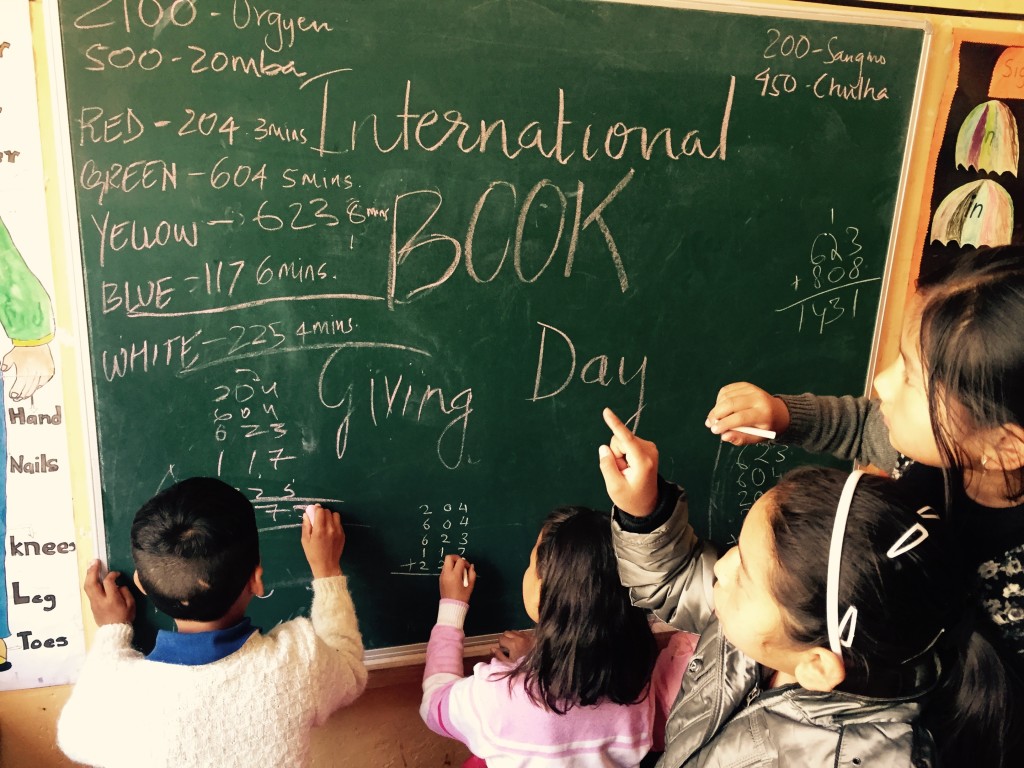
Running a camp gives young volunteers practical experience that cannot be learned from a textbook alone. They practice speaking to groups, managing time, solving small problems, and cooperating with people of different ages. They also learn that leadership is less about giving instructions than about helping others succeed.
The responsibilities vary according to each volunteer’s strengths. Someone who loves stories may lead a read-aloud session, while a volunteer with artistic interests may prepare a craft activity. Another may be especially good at welcoming families, keeping materials organized, or helping younger children settle into the group. Every contribution matters because a successful camp is built from many kinds of effort.
| Camp Responsibility |
What Young Volunteers Practice |
How Children Benefit |
| Book selection |
Listening, organization, and guidance |
More confident and independent choices |
| Story sessions |
Clear speaking and expressive reading |
Stronger language skills and attention |
| Art and writing activities |
Creativity and preparation |
A chance to respond to stories personally |
| Group games |
Cooperation and encouragement |
Friendship, participation, and confidence |
| Reading room care |
Responsibility and teamwork |
A welcoming, well-kept learning space |
These experiences can shape a volunteer’s view of education. They see that progress is often gradual: a hesitant reader finishes a short book, a quiet participant shares a drawing, or a group learns to listen respectfully. Observing such changes teaches patience and gives young people a deeper sense of how community support creates opportunity.
Stories That Connect Generations
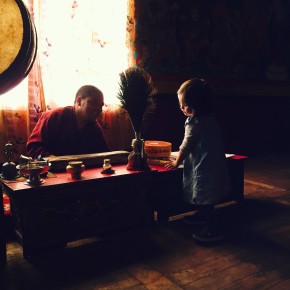
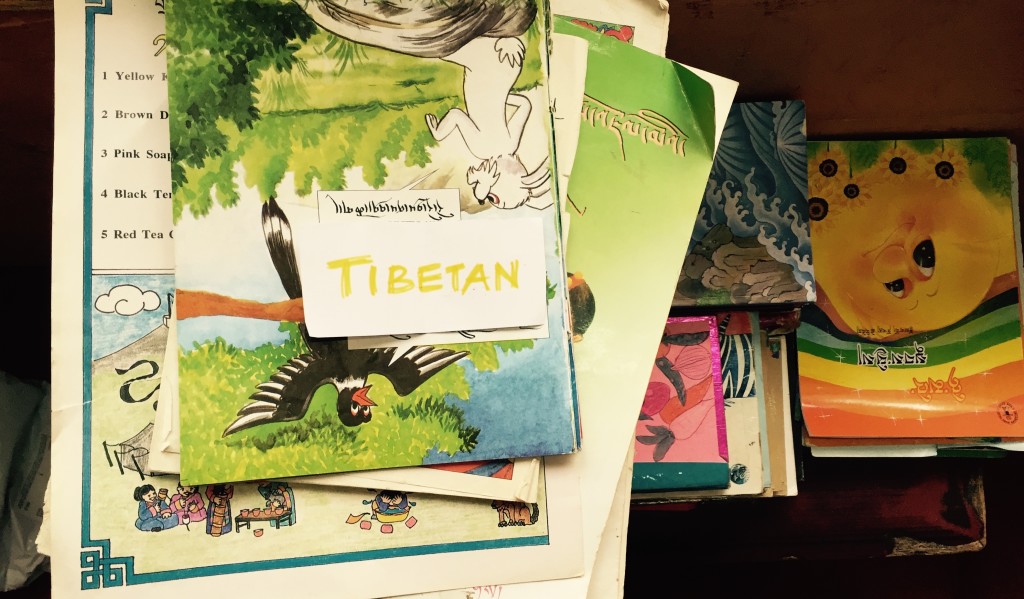
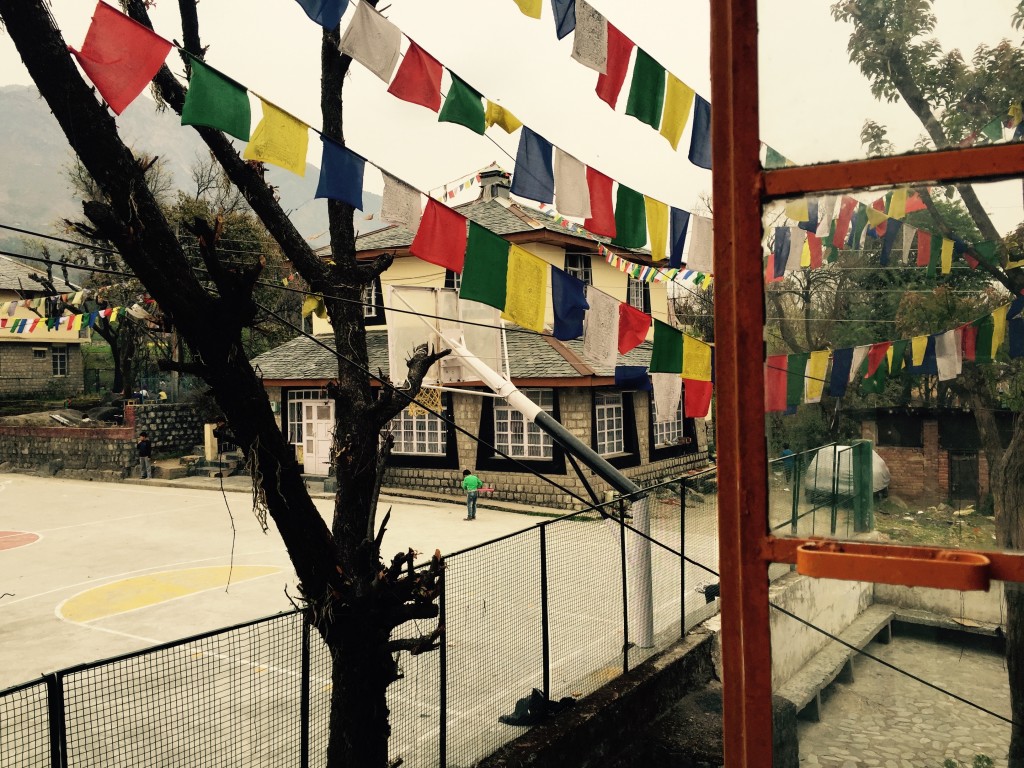
Books help children encounter lives, places, and ideas beyond their own surroundings, while local stories keep them connected to home. In Himalayan communities, reading activities can open space for conversations about language, family traditions, landscapes, and cultural memory. Young volunteers are well placed to help children move between these worlds.
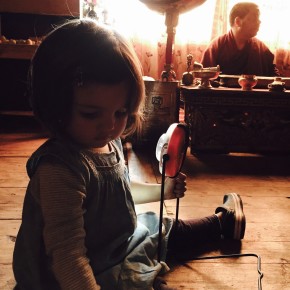
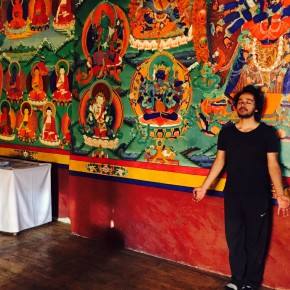
Creative activities make that connection especially vivid. Music, for example, can bring generations together through rhythm, performance, and shared heritage. Volunteers who help with songs or musical games contribute to a broader learning experience, one that values cultural identity alongside literacy. The Trust’s work exploring music and culture illustrates how artistic activities can help younger generations engage with Ladakhi traditions.
A reading camp does not ask children to choose between local knowledge and new ideas. It gives them room to appreciate both. A folktale can sit beside a science book; a traditional song can accompany a creative writing exercise; a conversation about the mountains can lead to a story about another part of the world. Young volunteers help make these connections feel natural and relevant.
Small Actions With Lasting Reach
The value of a young volunteer’s contribution is not measured only by the number of books read during a camp. It can be seen in the confidence a child carries home, the new words added to a vocabulary, or the decision to return to the reading room the next day. These are quiet forms of progress, but they can influence a child’s relationship with learning for years.
Volunteers also strengthen the wider community. Families see local young people investing their time in children’s education. Younger participants gain examples of active citizenship close to home. The volunteers themselves discover that their skills and attention can make a meaningful difference, even through simple tasks such as arranging shelves or listening carefully to a child’s story.
Their example reminds us that educational support is shared work. Donated books create possibilities, dedicated organizers provide structure, and young volunteers bring the patience and companionship that help children use those resources fully.
Helping Young Volunteers Make A Difference
Support for summer reading camps can take many forms. Donors may contribute books or funds for educational materials, while volunteers can assist with reading sessions, arts activities, and camp organization. Families and community partners can also help by spreading the word and encouraging children to take part.
Every contribution should strengthen the welcoming, locally responsive character of the camps. Useful support includes:
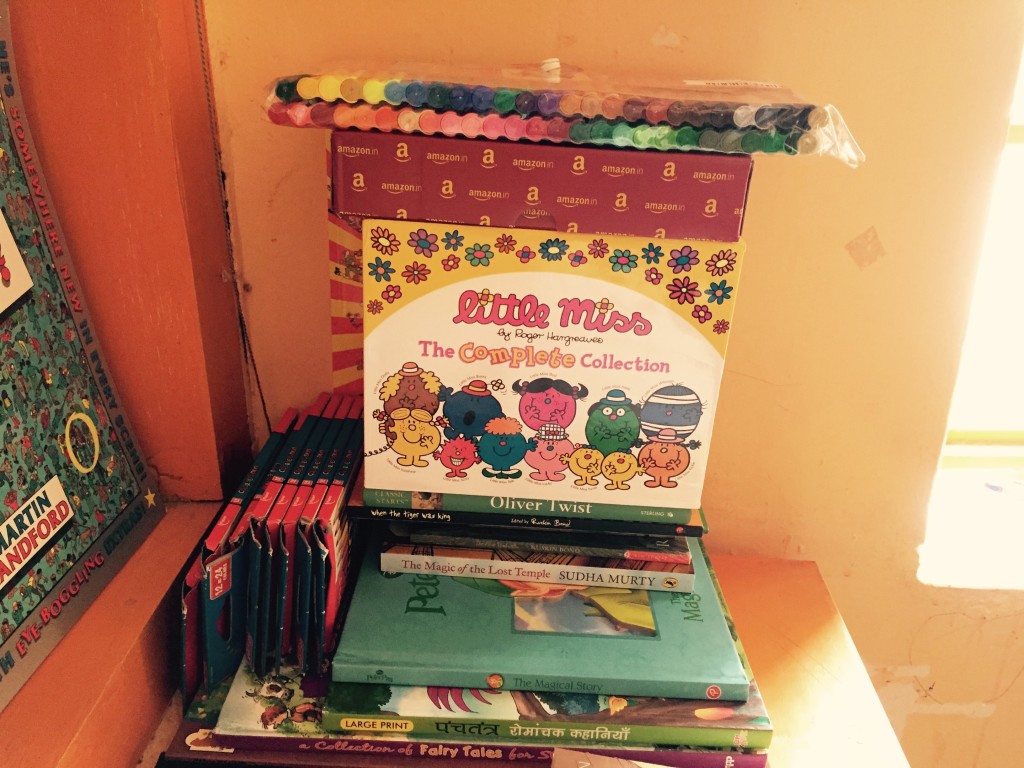
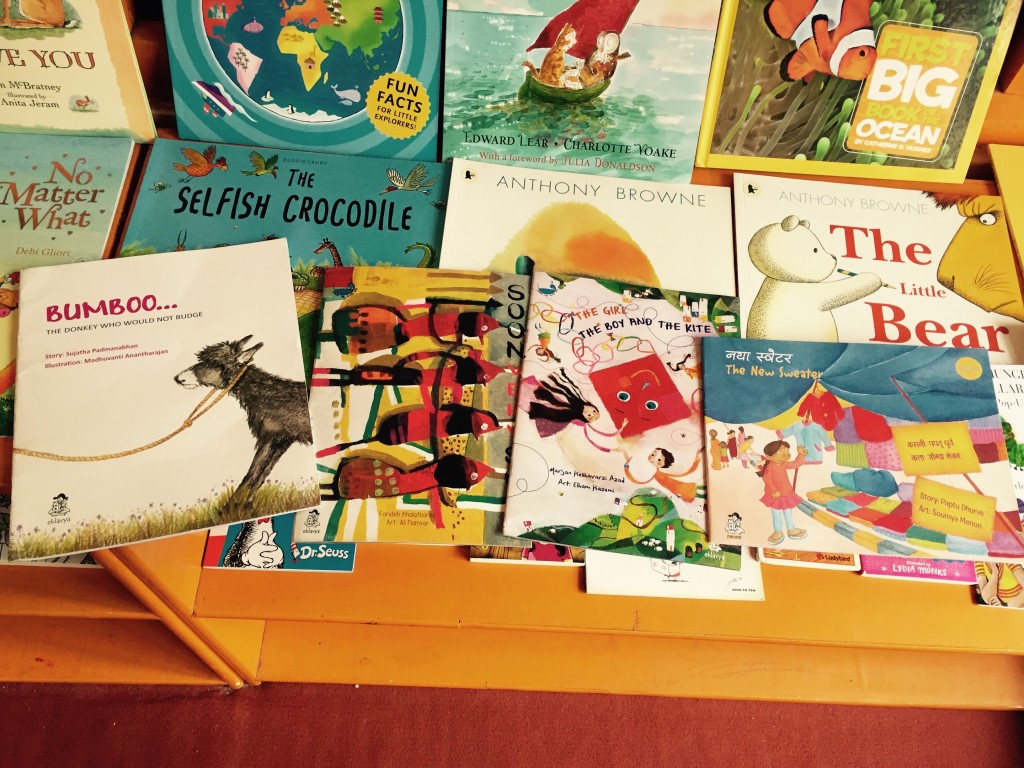
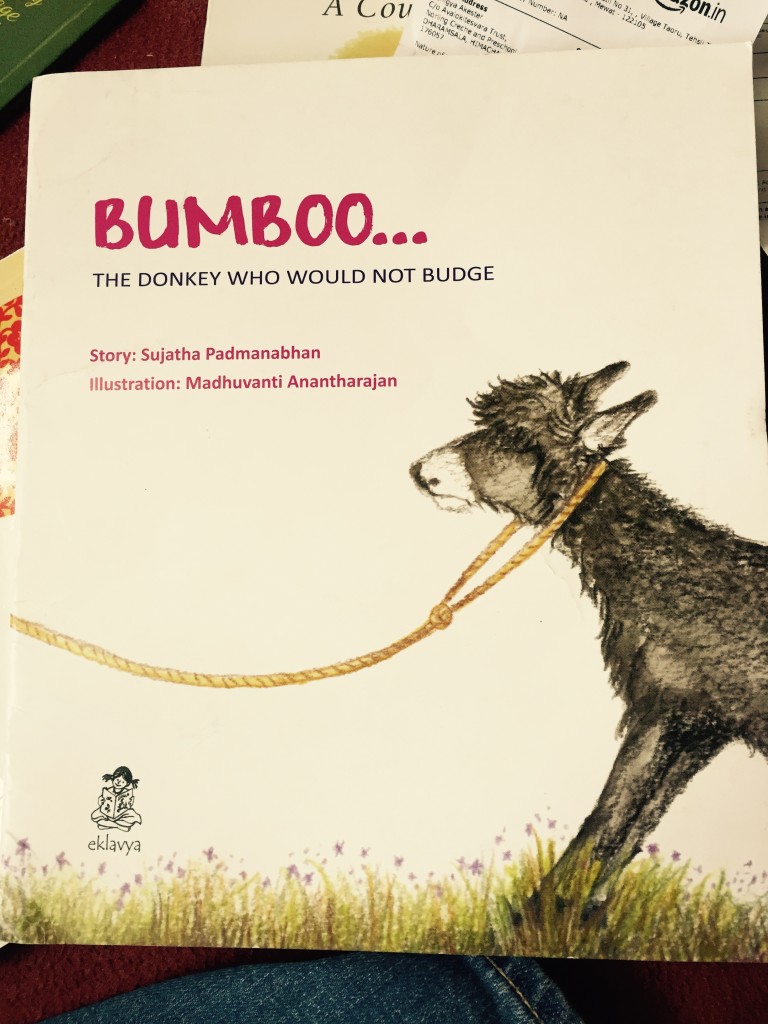
- Donating new or gently used children’s books suited to different ages and reading levels
- Sponsoring art supplies, musical materials, stationery, and comfortable reading spaces
- Volunteering time to read aloud, lead creative sessions, or help organize book collections
- Sharing the Trust’s work with people who care about literacy and education in Himalayan communities
- Encouraging young volunteers as they develop confidence, responsibility, and leadership
When these forms of support come together, young volunteers can focus on what they do best: helping children feel curious, capable, and welcome among books. Their enthusiasm gives the camps a human scale, turning educational resources into relationships and shared memories.
The next generation of readers is being encouraged by the next generation of community leaders. Support Avalokiteśvara Trust’s reading camps by donating books, contributing resources, or volunteering your time, and help young volunteers create joyful pathways to literacy for children across the Himalayan region.