How Board Games Teach Maths and Strategy to Young Monks
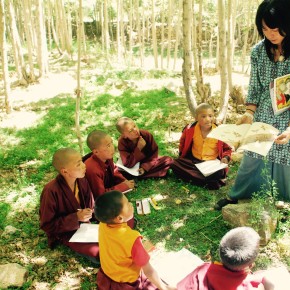
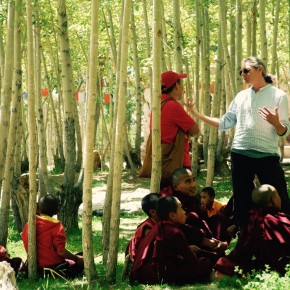
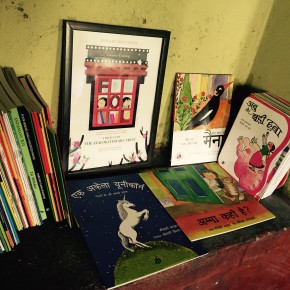
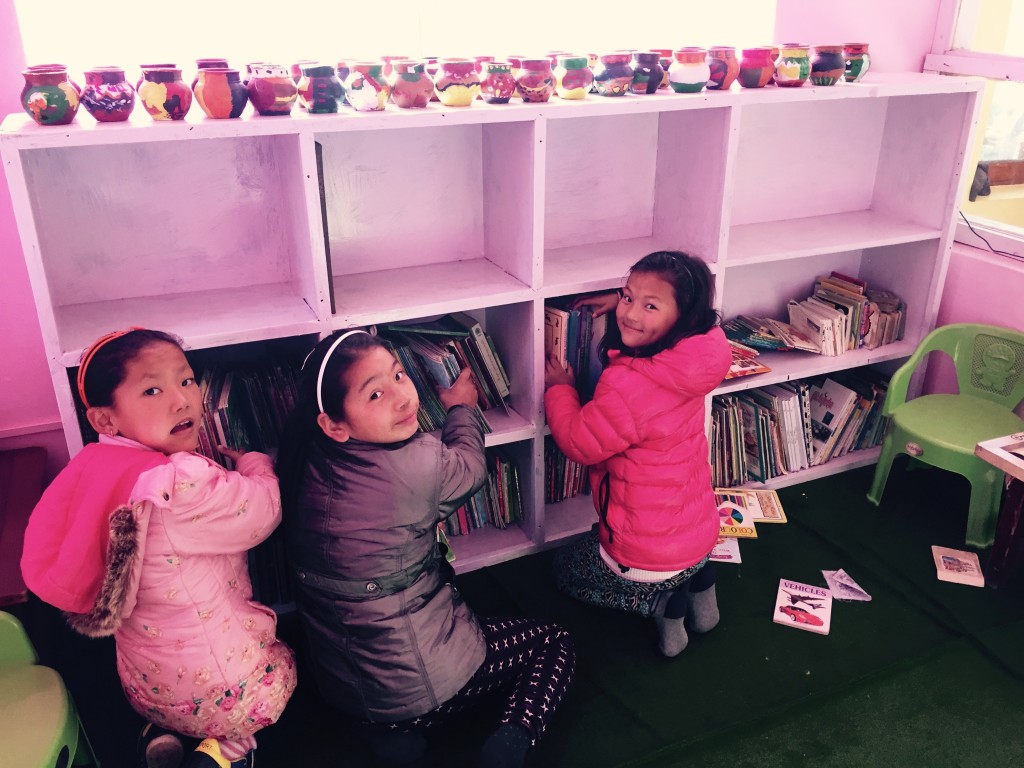
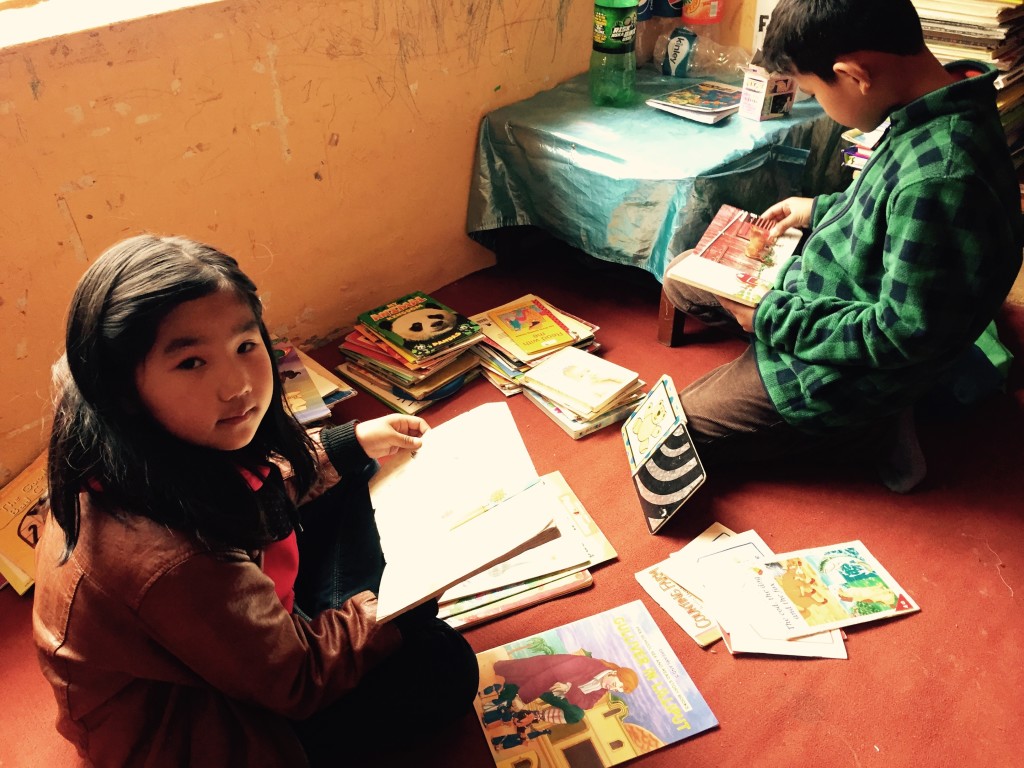
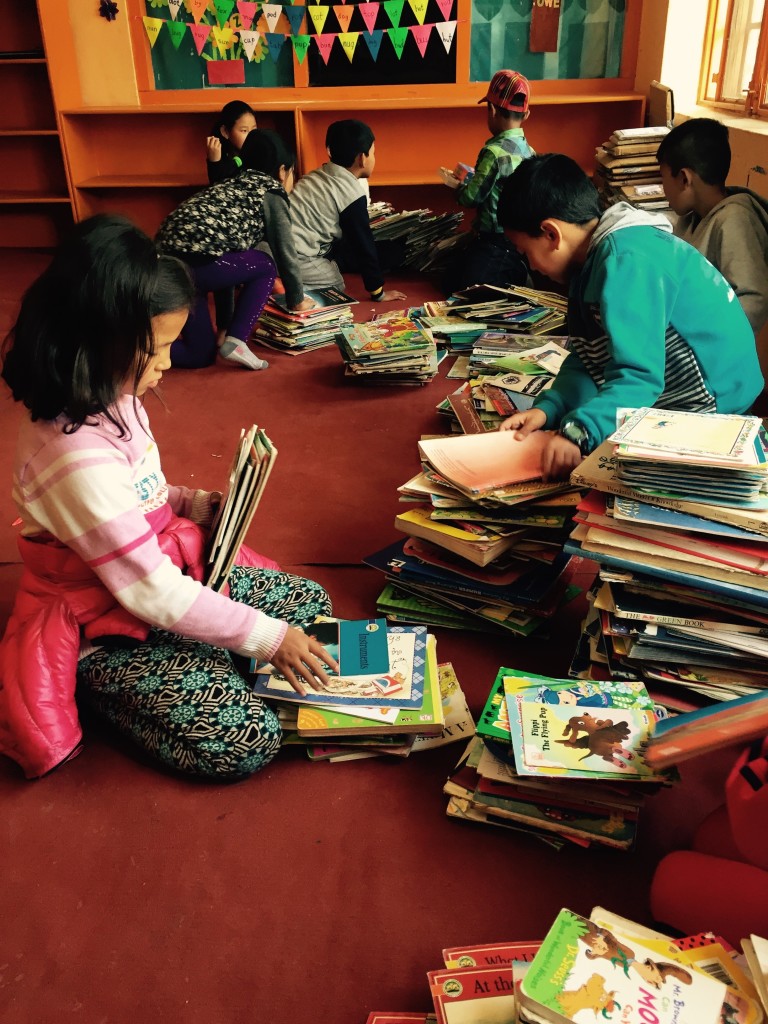
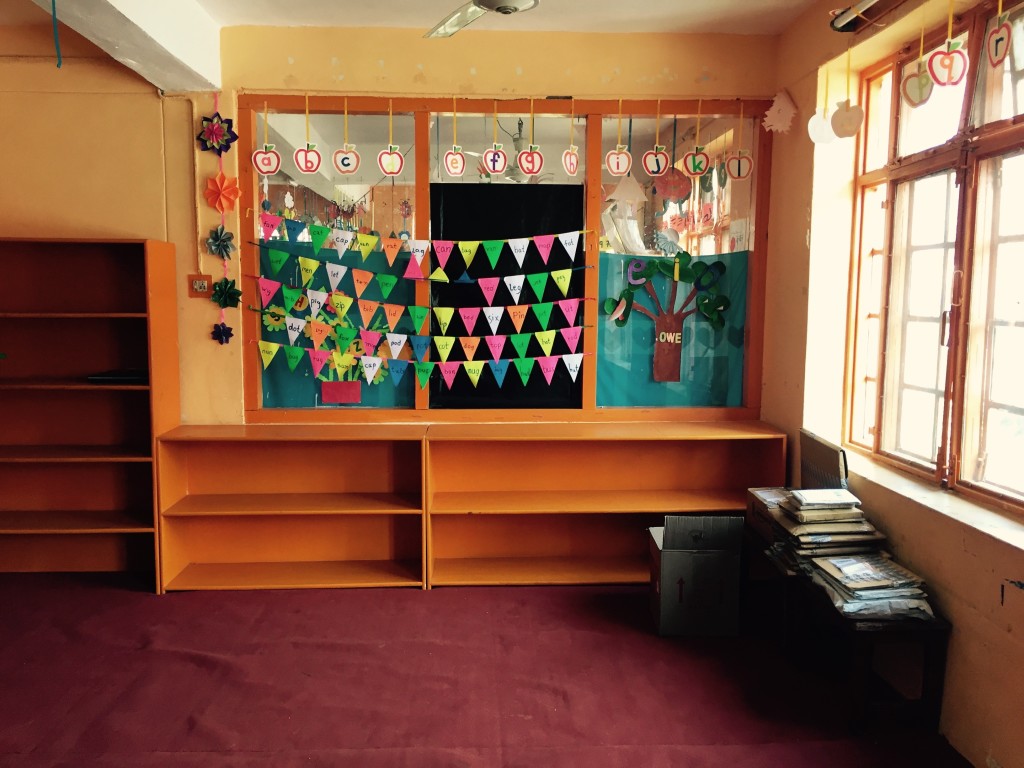
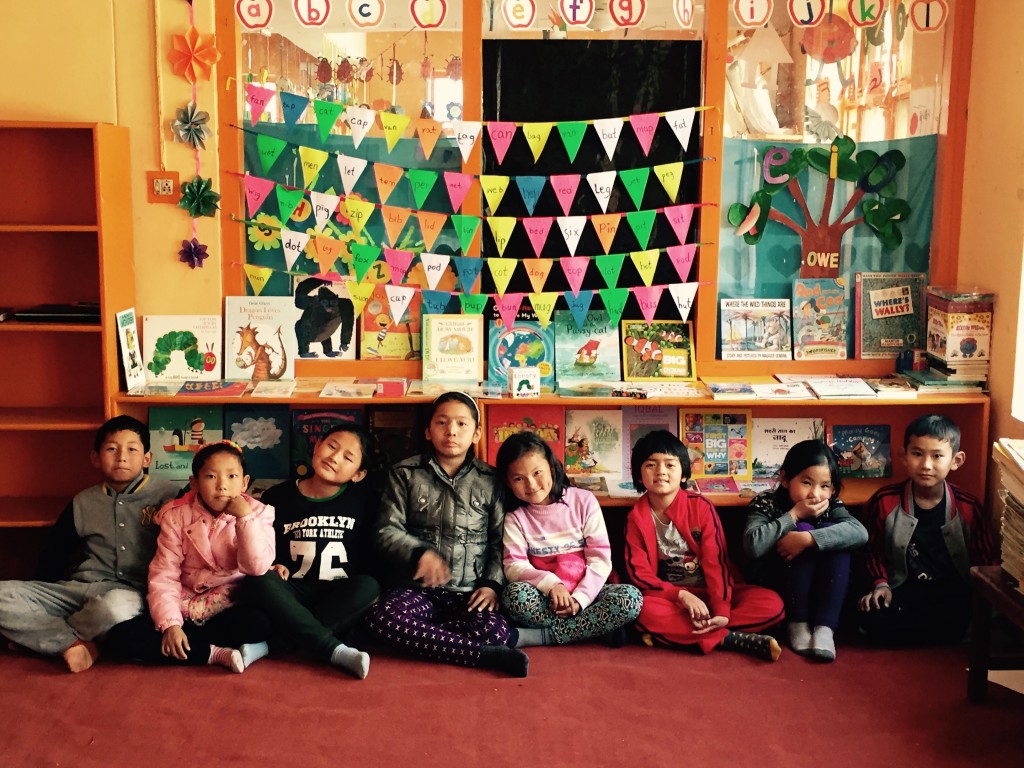
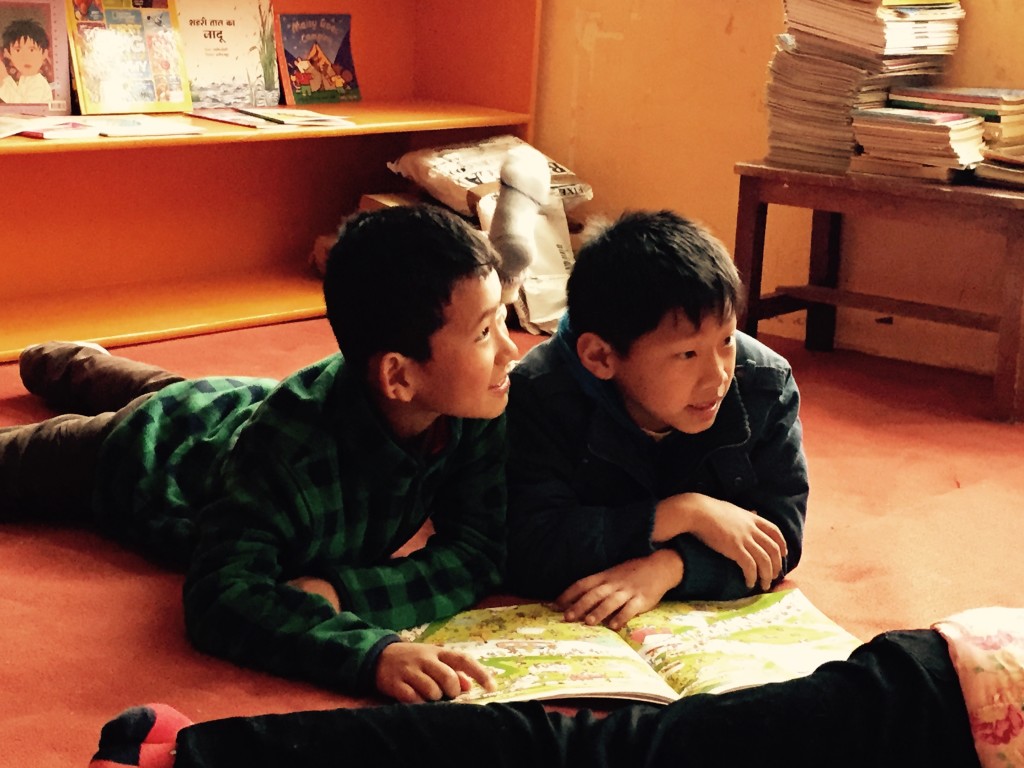
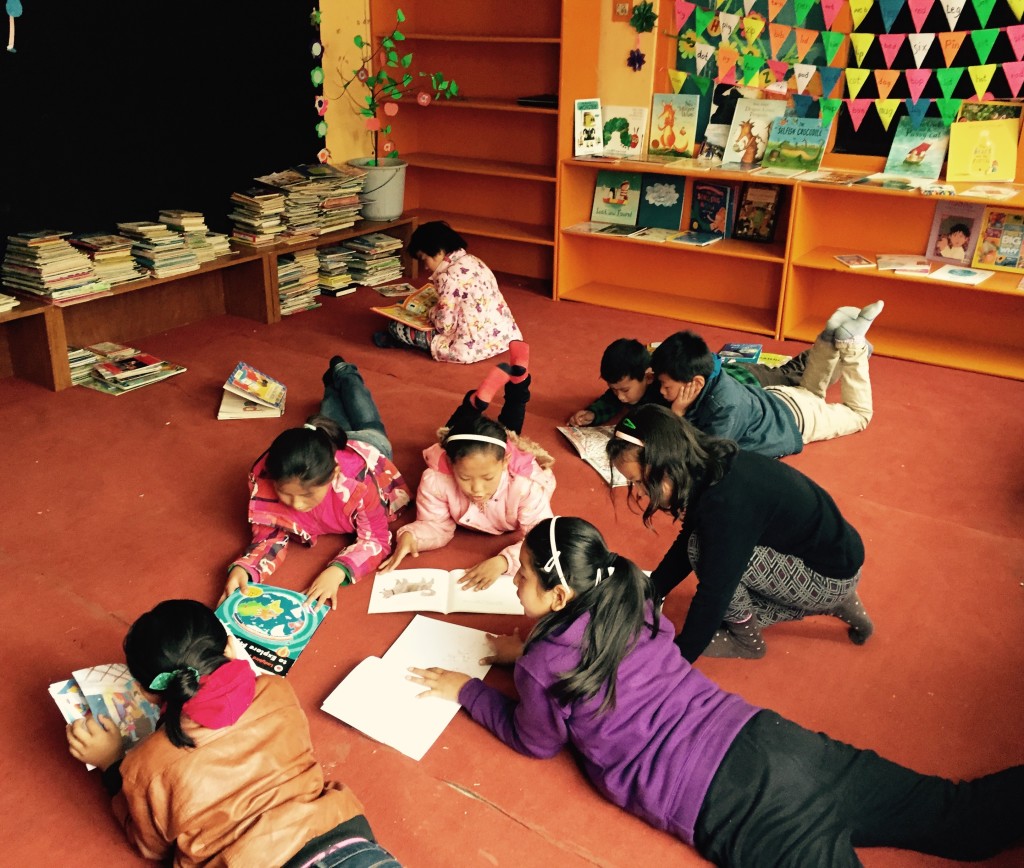
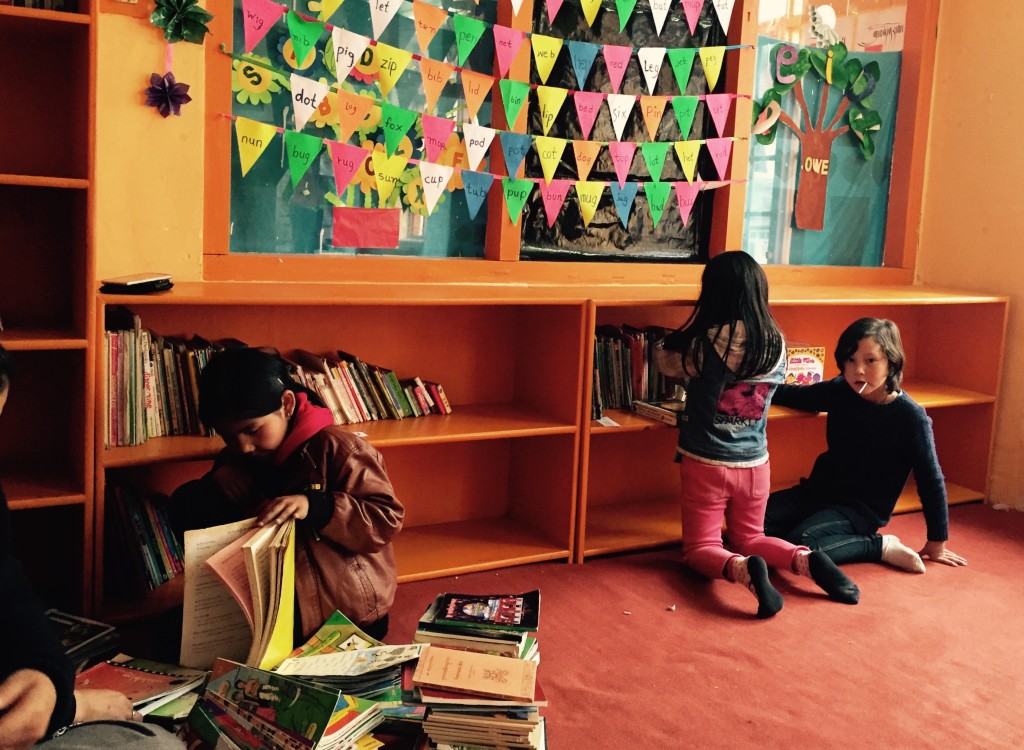
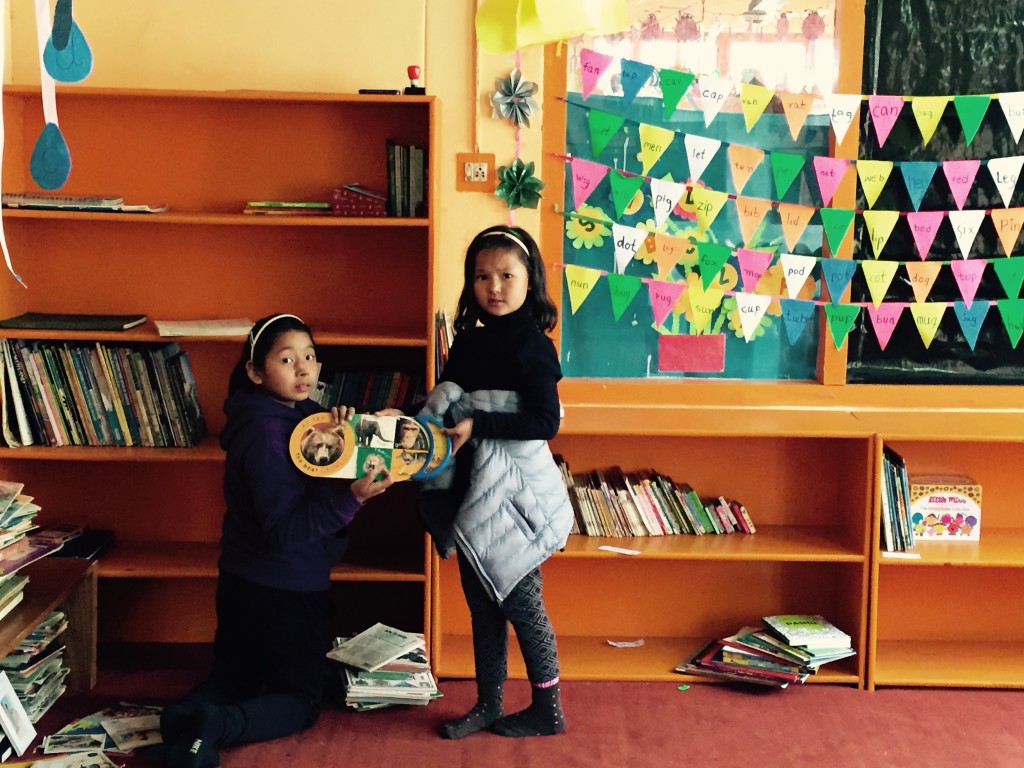
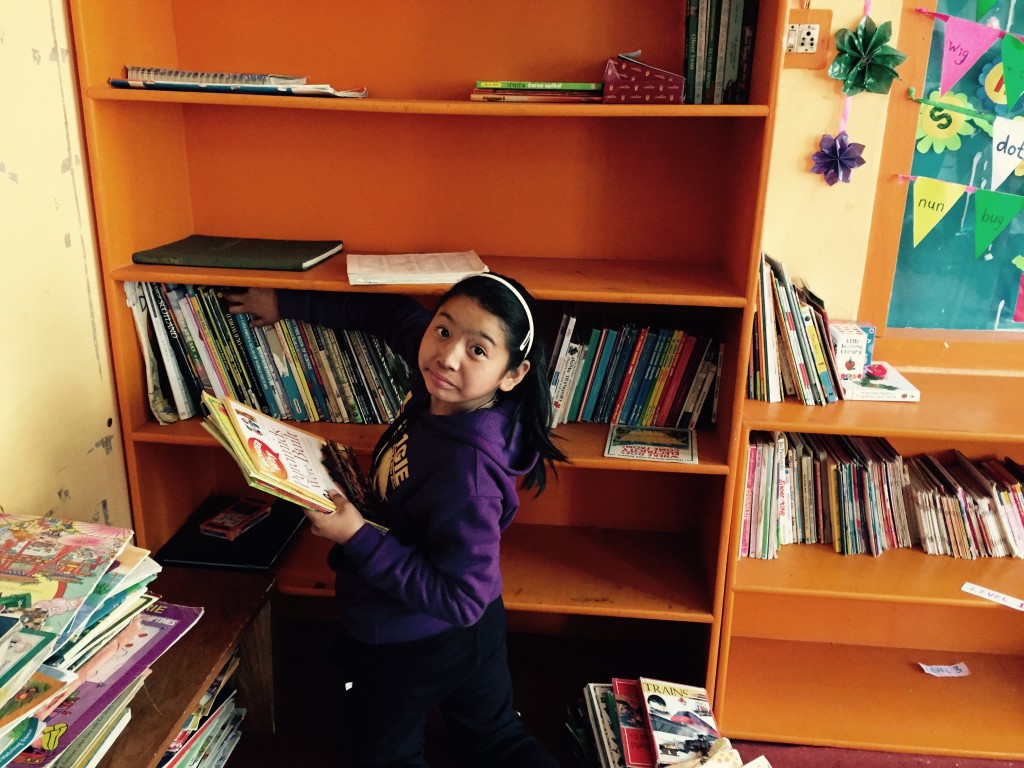
In a quiet reading room in Ladakh, a board game can turn a small table into a lively classroom. Dice, counters, cards and simple rules give young monks a practical way to explore counting, probability, patterns, planning and problem-solving. The activity feels like play, yet every move invites careful thought.
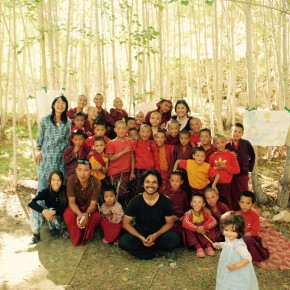
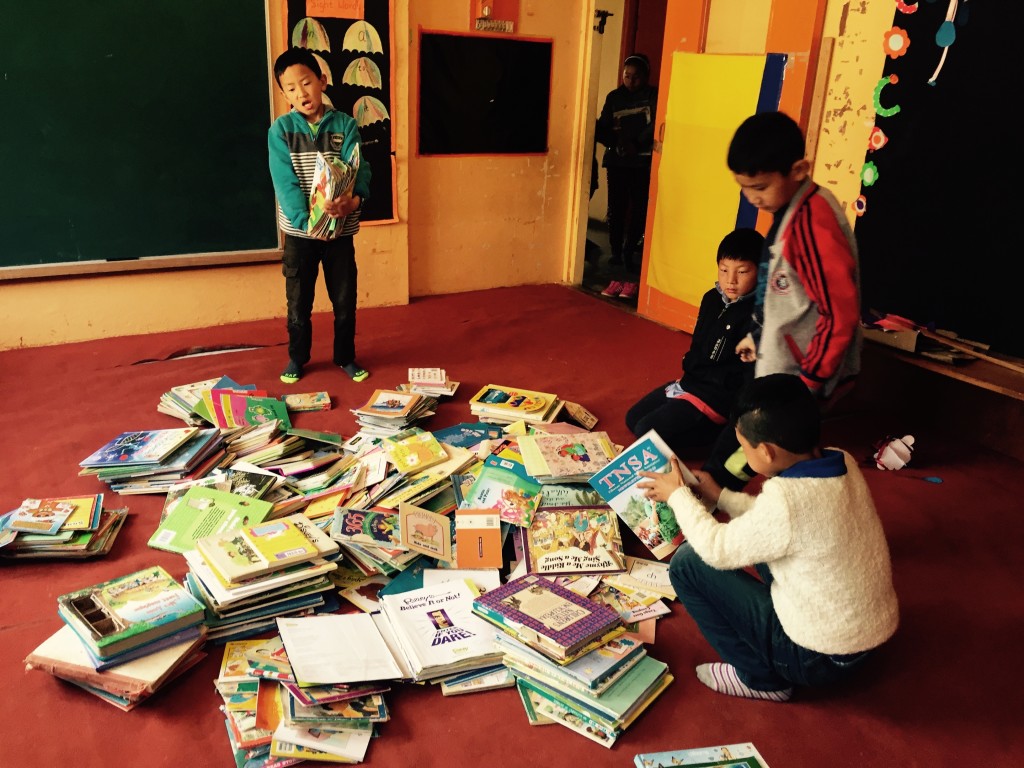
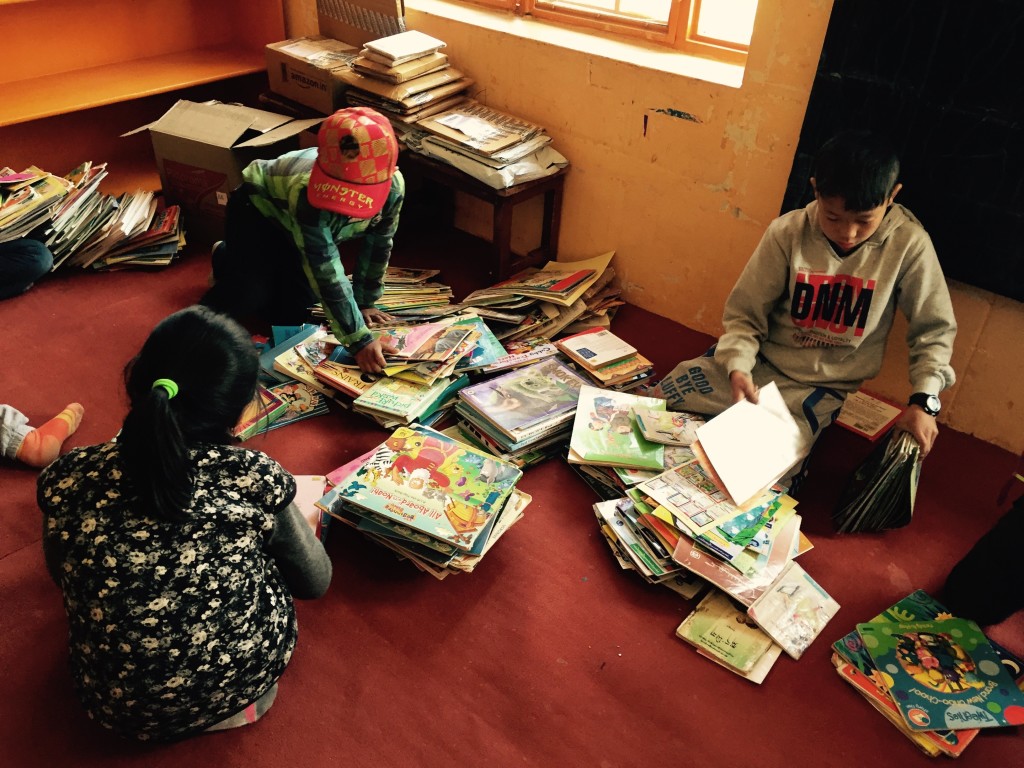
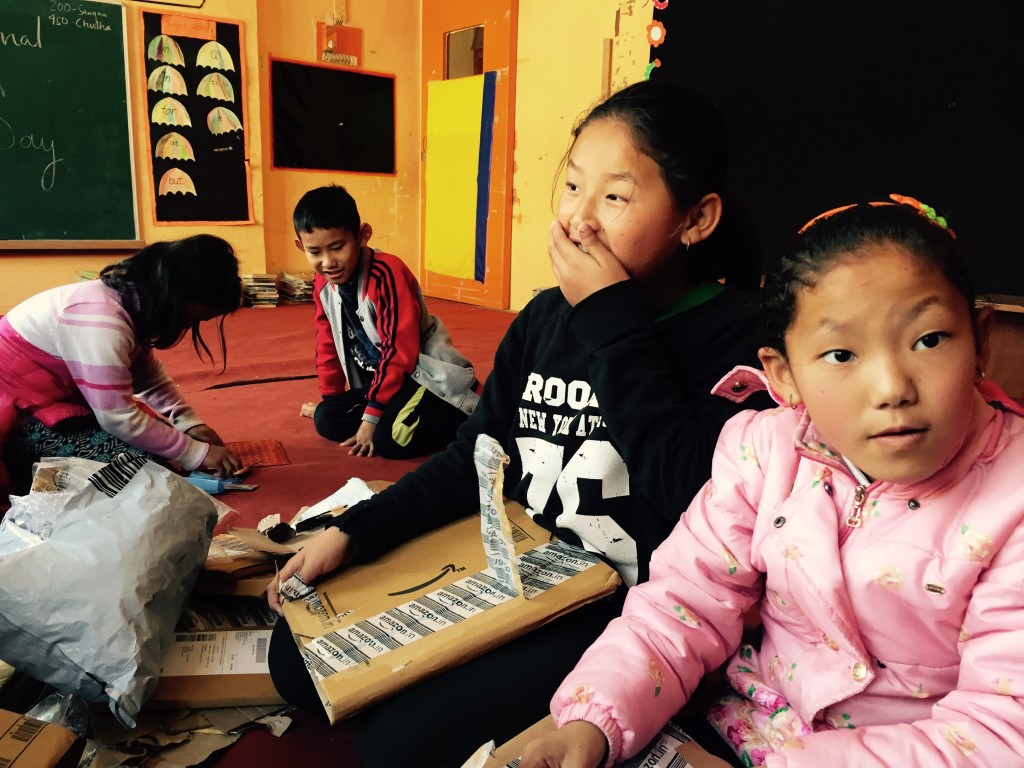
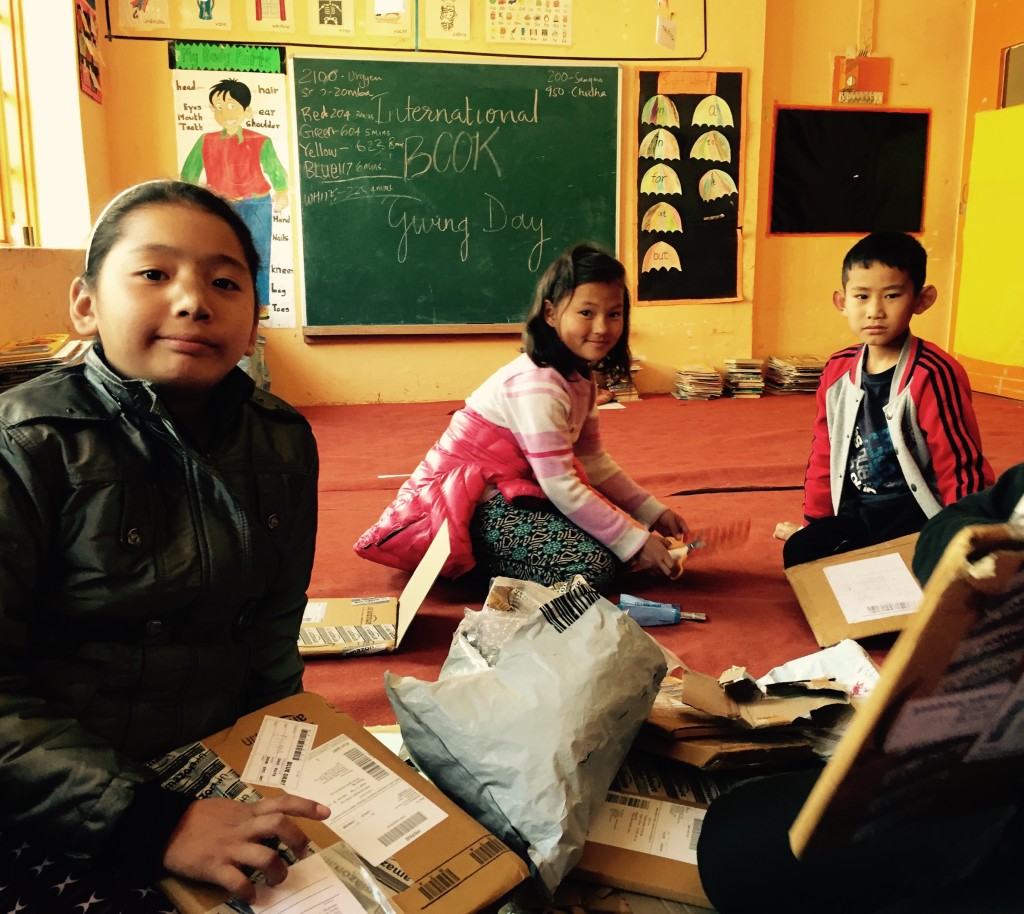
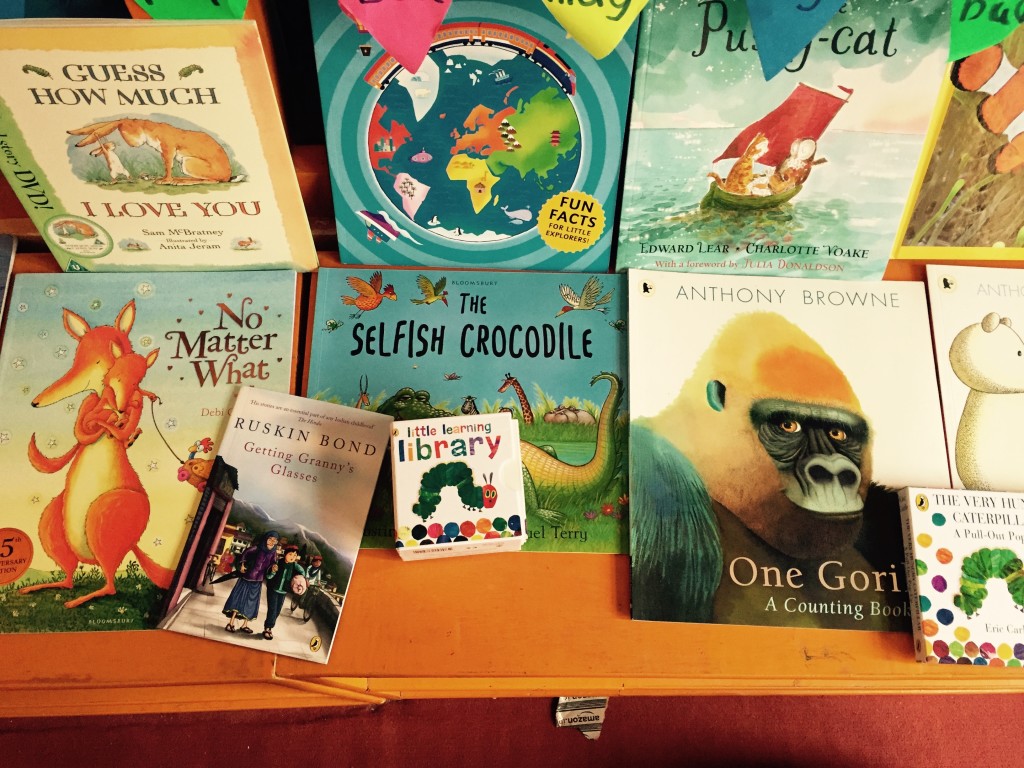
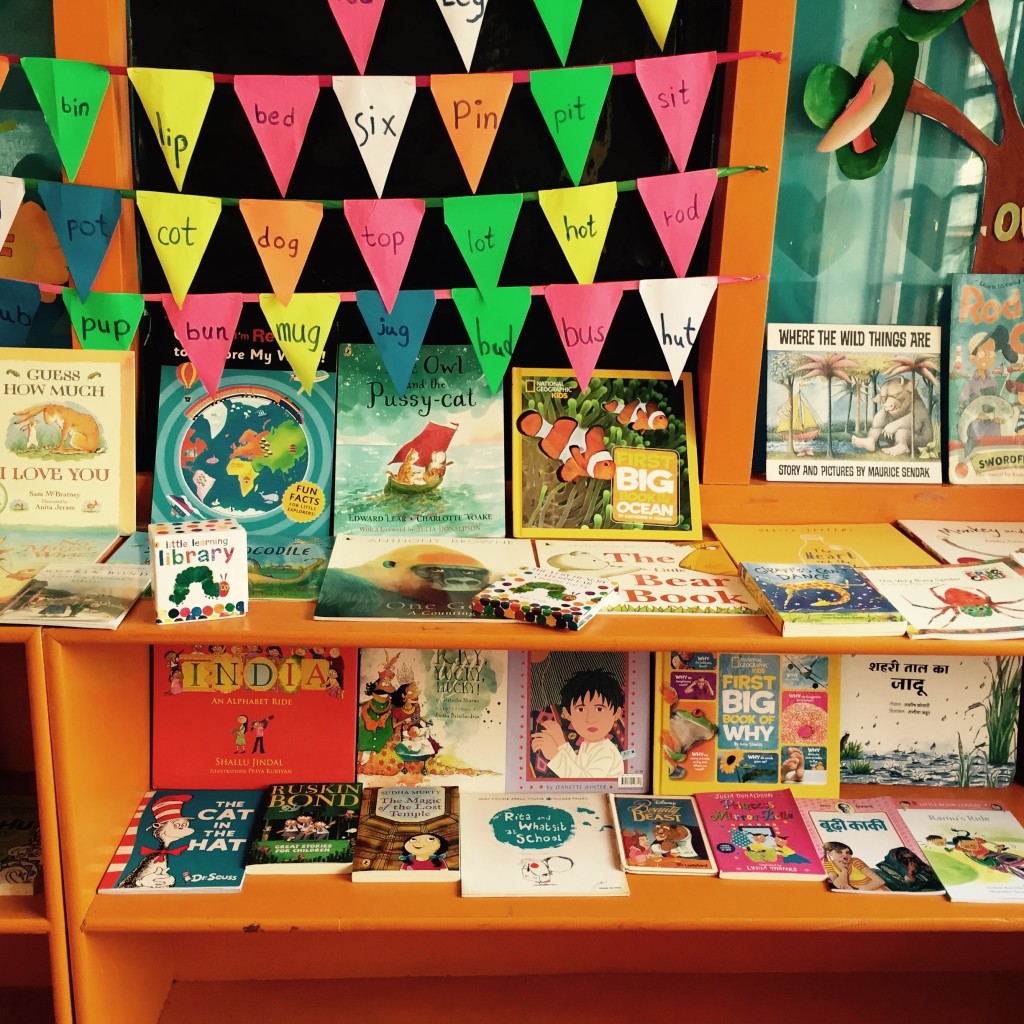
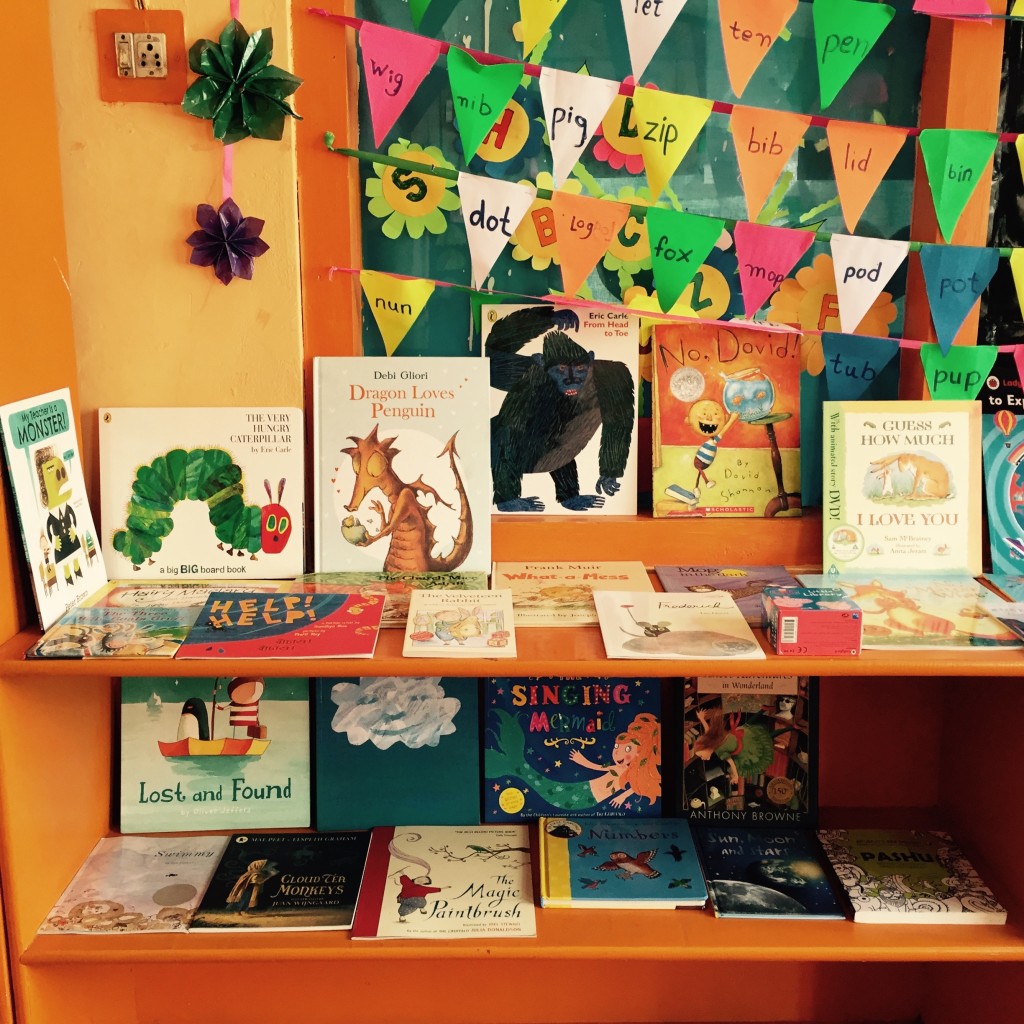
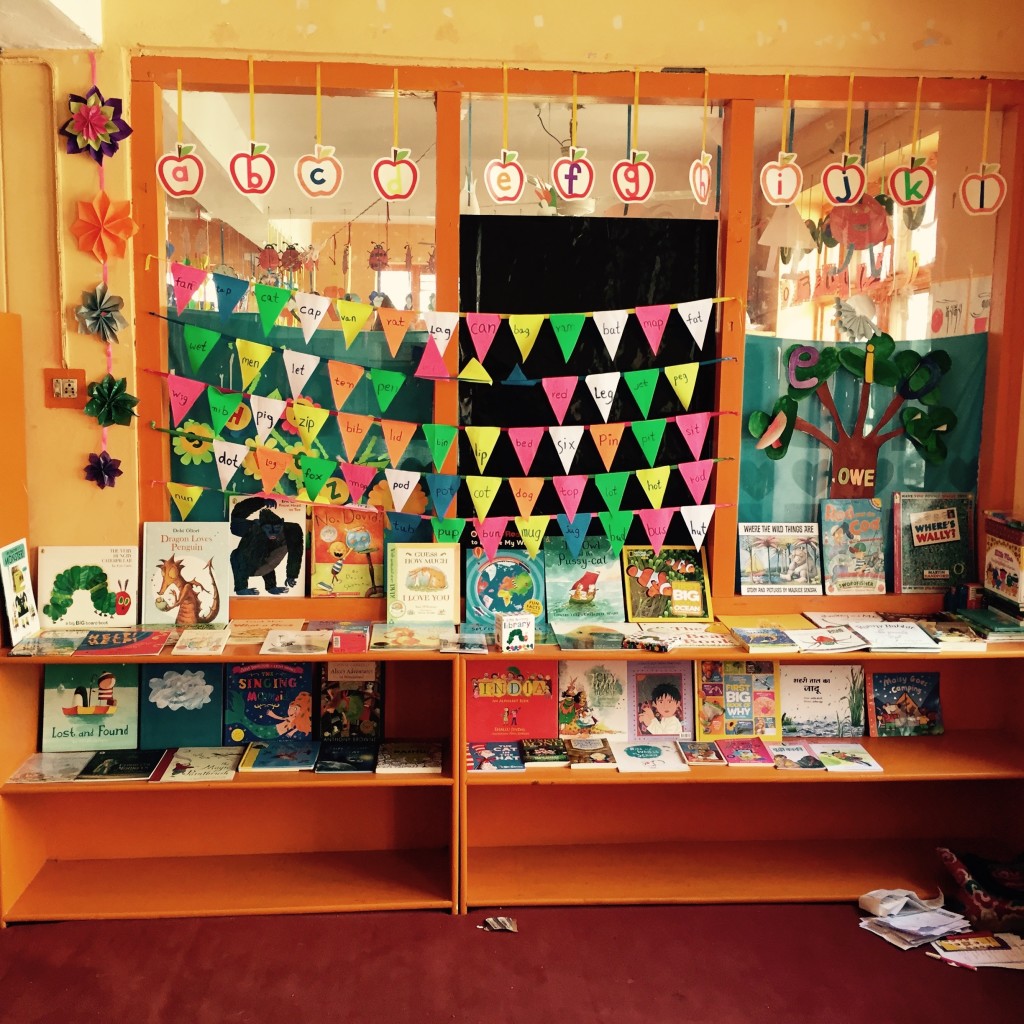
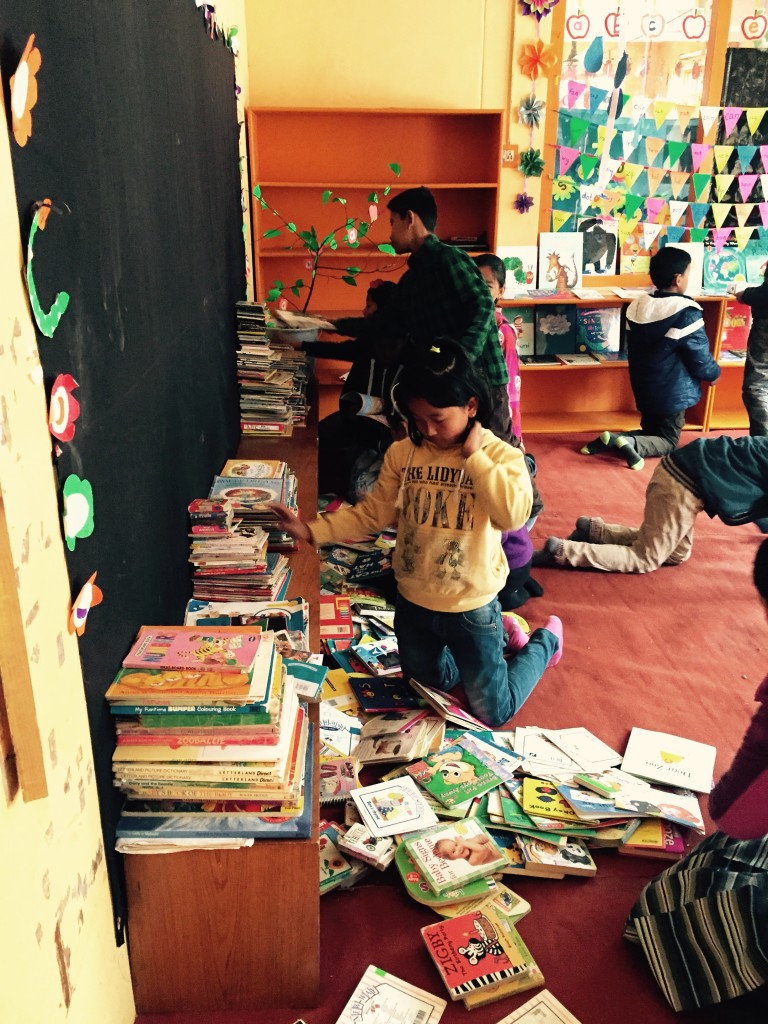
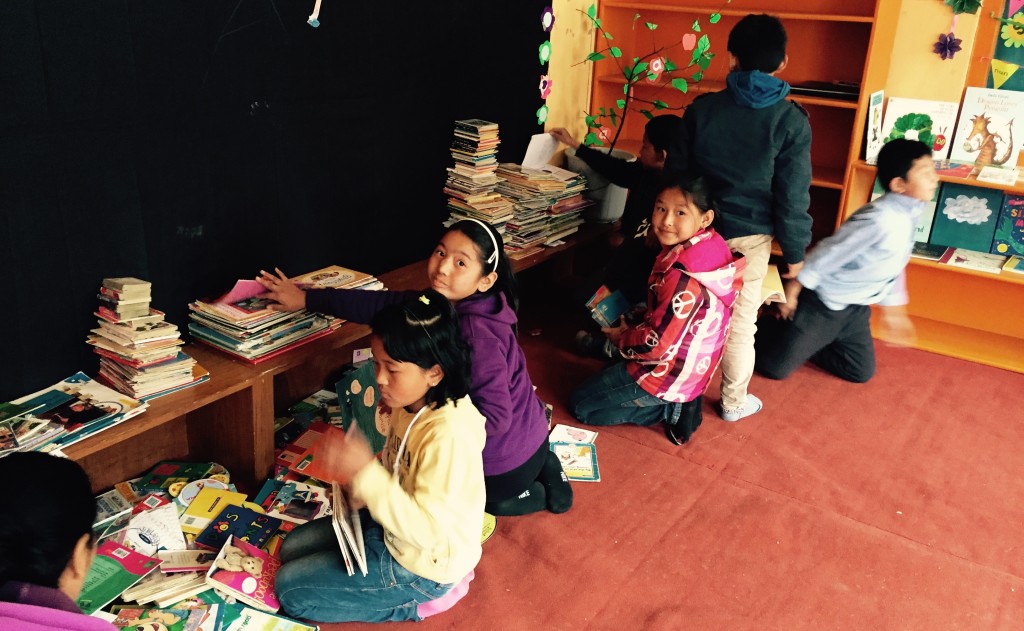
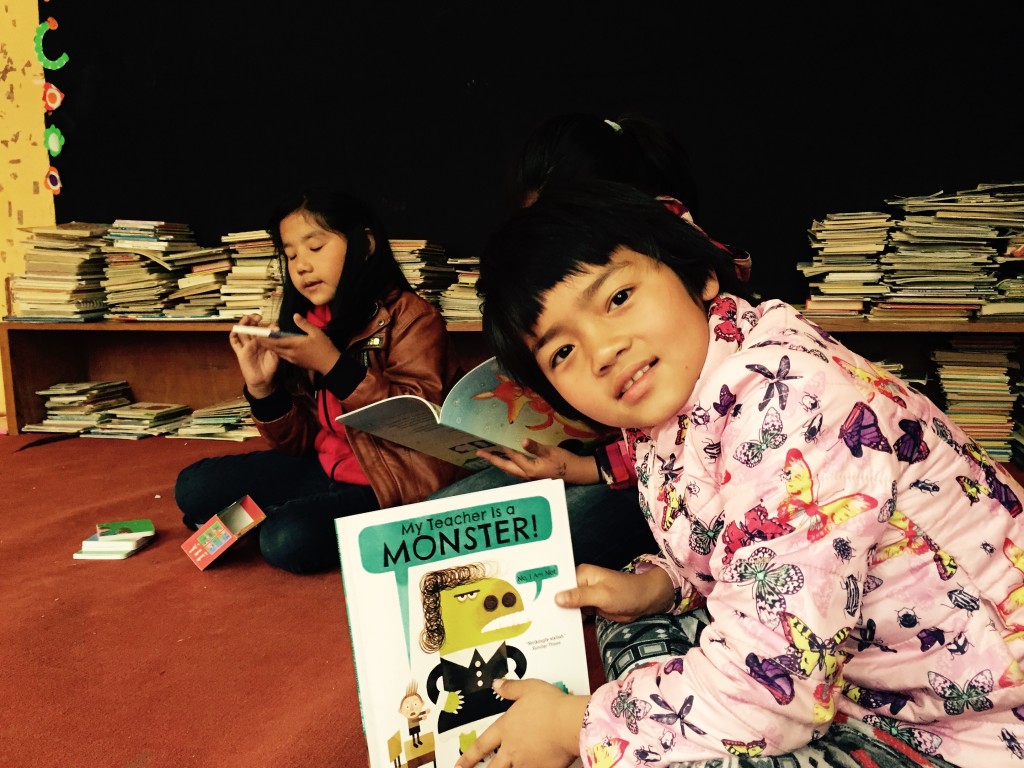
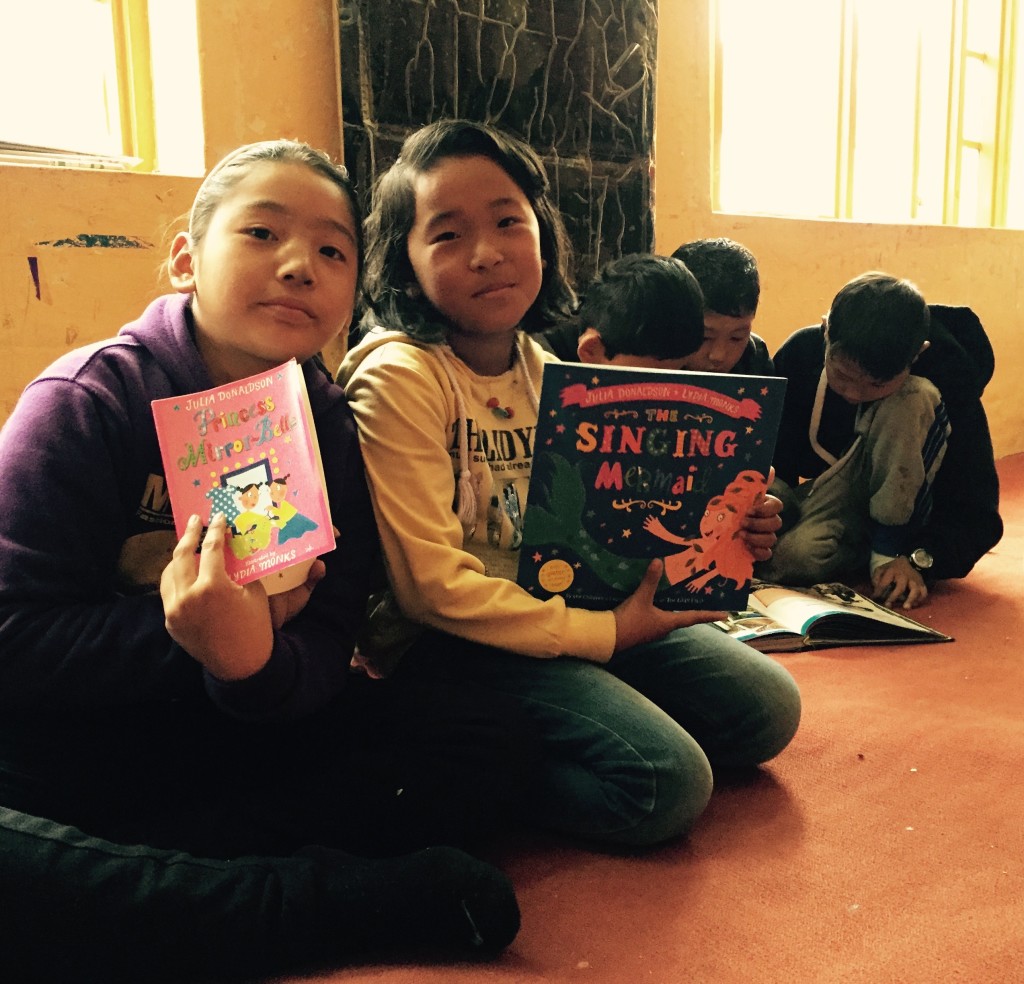
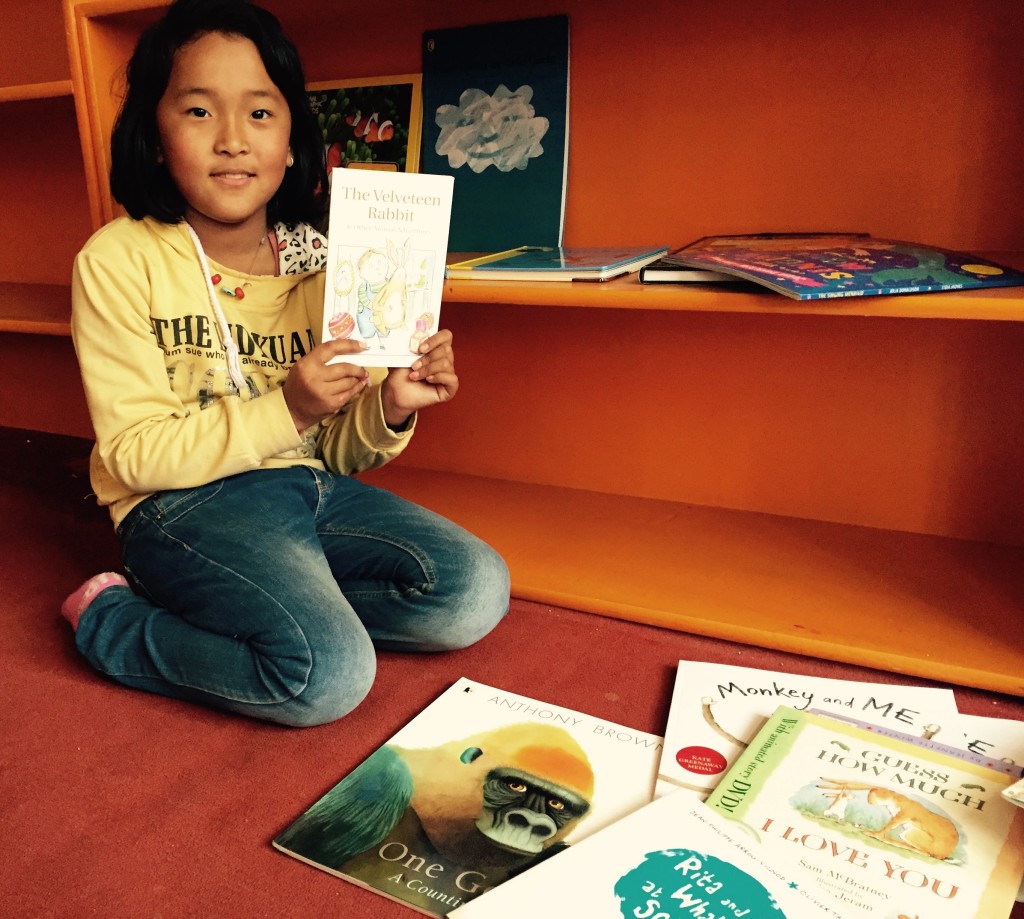
At Avalokiteśvara Trust, games sit alongside books, drawing, music and conversation. This mix matters in communities where access to quality learning materials can be limited. A donated game may travel from an Australian family home in Melbourne or Brisbane to a Himalayan reading room, where it becomes a shared tool for curiosity and confidence.
Why Games Belong In Reading Rooms
Board games create a natural reason to read instructions, recognise symbols and explain decisions. A child who may hesitate over a worksheet often wants to understand a rule so the game can continue. That motivation gives educators an opening to introduce mathematical language without making the lesson feel disconnected from daily life.
Games also make learning social. Young monks practise taking turns, listening to another player’s reasoning and coping with an unexpected result. These habits support literacy and communication as much as numeracy. A reading room becomes a place where knowledge is discussed, tested and enjoyed together.
The materials are practical, too. A board, a set of counters and a deck of cards can be used repeatedly by different age groups. When a full commercial game is unavailable, educators can draw a path on cardboard, use stones as tokens and write numbers on reused paper.
Counting, Patterns And Probability
The first mathematical ideas often appear through movement. Counting spaces, adding points and comparing quantities give younger learners repeated practice with number sense. An educator might ask a player to predict where a token will land, then count the actual distance and discuss the difference.
Cards and dice provide an approachable introduction to probability. Players can list possible results, identify the most common outcomes over several turns and record scores in a simple chart. Older students can calculate averages or compare the chances created by two different moves. The results are visible, so abstract ideas become easier to discuss.
Patterns are equally useful. Repeating colours, sequences of numbers and changing board positions encourage children to notice structure. A game can therefore connect arithmetic with visual thinking, helping learners see that maths is a way of organising information rather than a collection of isolated answers.
Strategy As Mindful Practice
Strategy games teach children to pause before acting. A player may need to decide whether to take a safe move, save a resource or attempt a riskier plan. This develops forward thinking and helps young monks recognise that immediate success is not always the best measure of a decision.
The social setting supports mindful attention. Players must observe what is happening, remember previous moves and adjust their plans when circumstances change. These skills have clear links with study, where patience and concentration are essential. A calm game session can also provide a gentle transition between lessons or prayer and academic activities.
Educators focus on reasoning rather than winning. After a turn, they might invite a child to describe the options considered, what happened and what could be tried next time. This turns a result into useful feedback and gives less confident players a way to contribute.
Selecting Games For Different Ages
Younger children benefit from games with short rounds, large pieces and a limited number of rules. Matching games, counting tracks and simple racing formats build recognition and basic operations. The aim is to keep the cognitive load manageable while giving every player frequent opportunities to act.
For older learners, games can include resource management, spatial planning or several possible routes to victory. Cooperative formats are valuable because the group works towards a shared goal. Competitive games have a place as well, provided the emphasis remains on fair play, clear thinking and respectful communication.
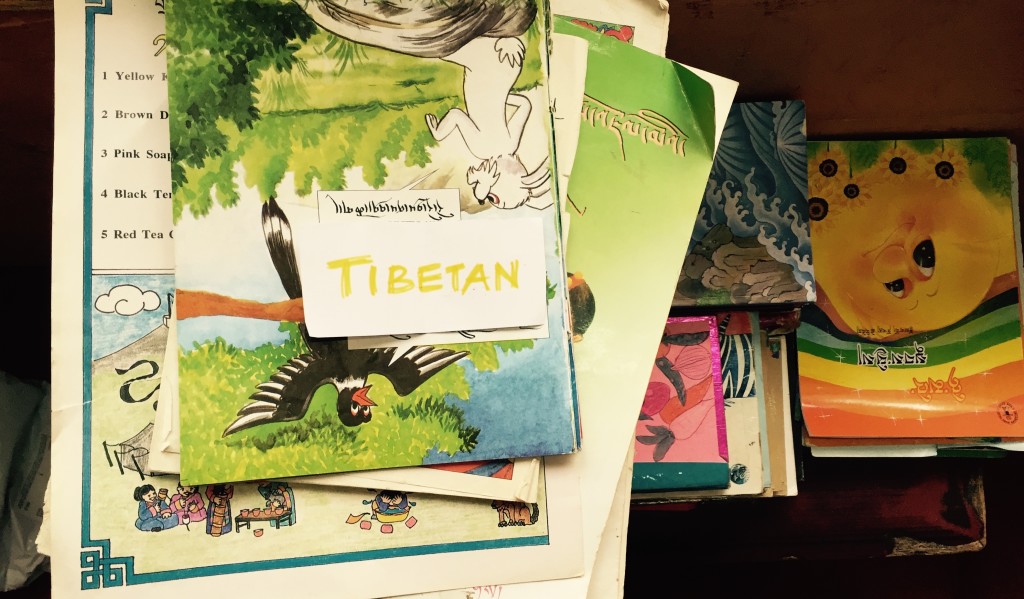
Language is another consideration. Games with heavy text may need translation or explanation, while symbol-based games can be more accessible across different reading levels. A good collection includes adaptable materials rather than assuming that one imported game will suit every child.
Building A Session Around Play
A productive session usually begins with a brief demonstration. The educator explains the objective, shows one or two sample turns and checks that players understand the most important rule. Starting with a practice round allows mistakes without the pressure of a formal competition.
During play, the adult watches for teachable moments. A child who repeatedly counts from one can be encouraged to recognise groups of five or ten. A player who rushes may be asked to compare two possible moves. These prompts preserve the child’s ownership of the game while guiding attention towards mathematical reasoning.
A short reflection closes the activity. Players can count their final scores, draw a winning strategy or describe one surprising result. In some sessions, children write new rules or design a board of their own. This extends the learning into art, writing and collaboration.
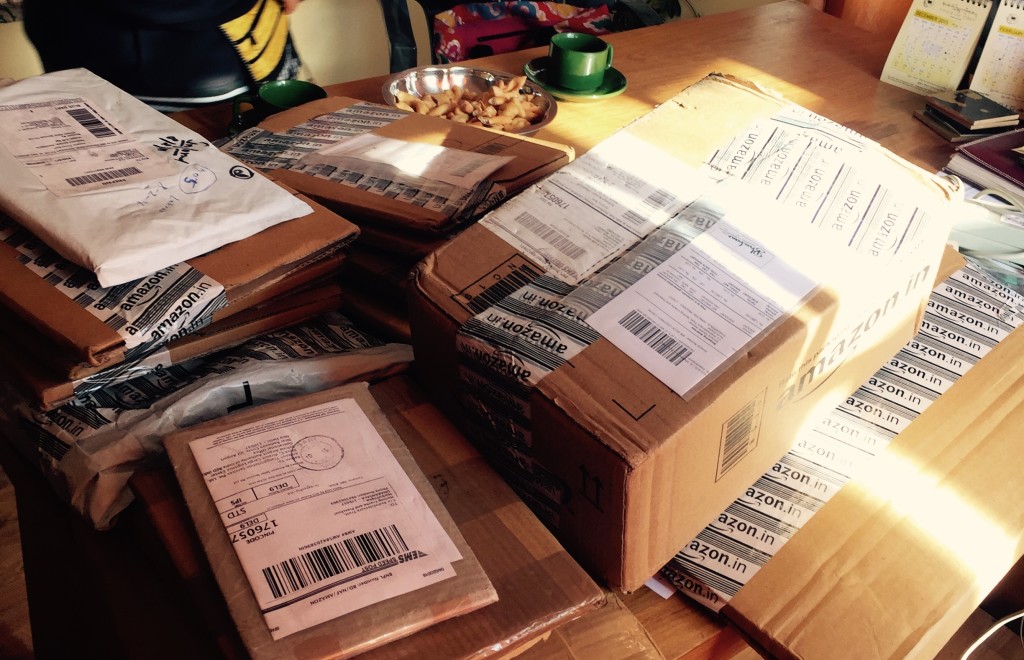
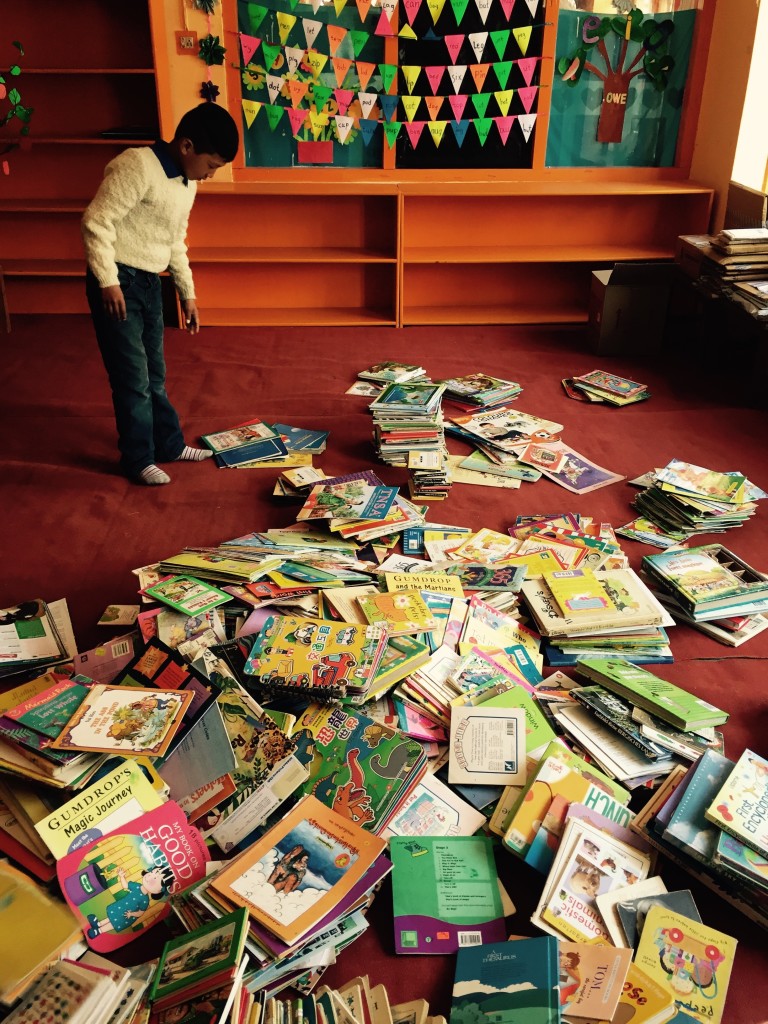
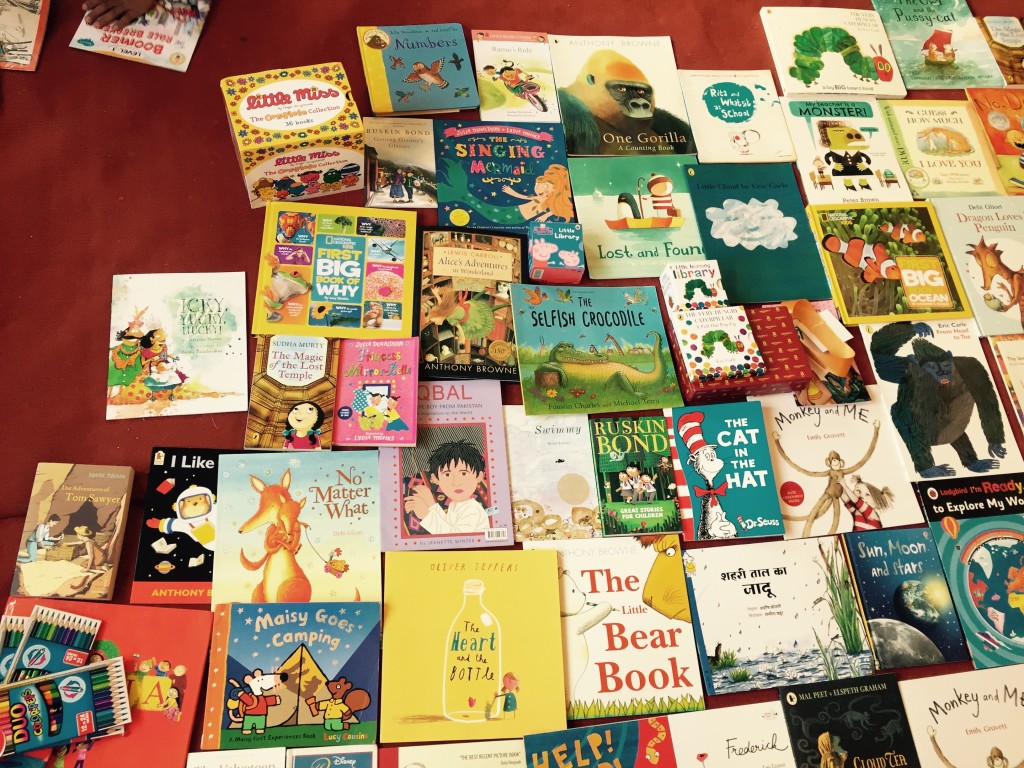
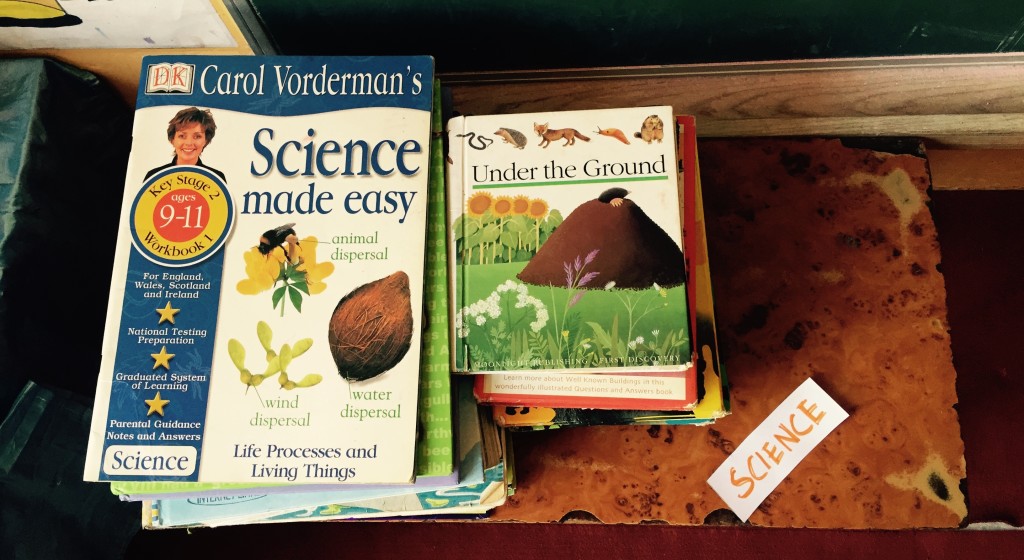
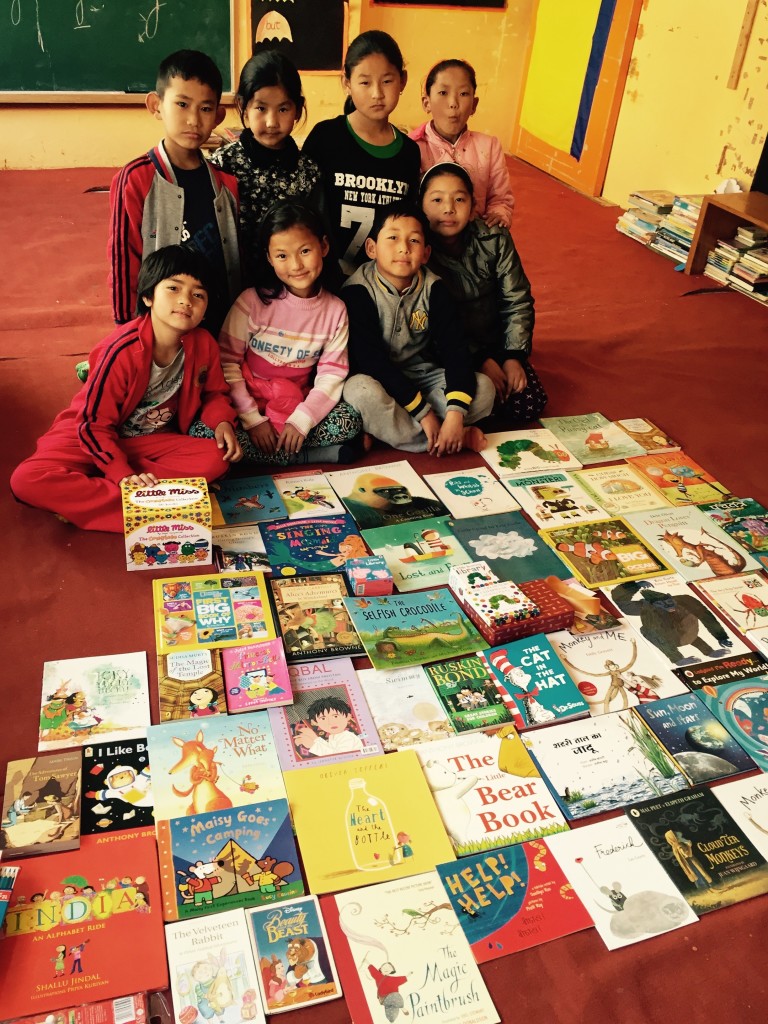
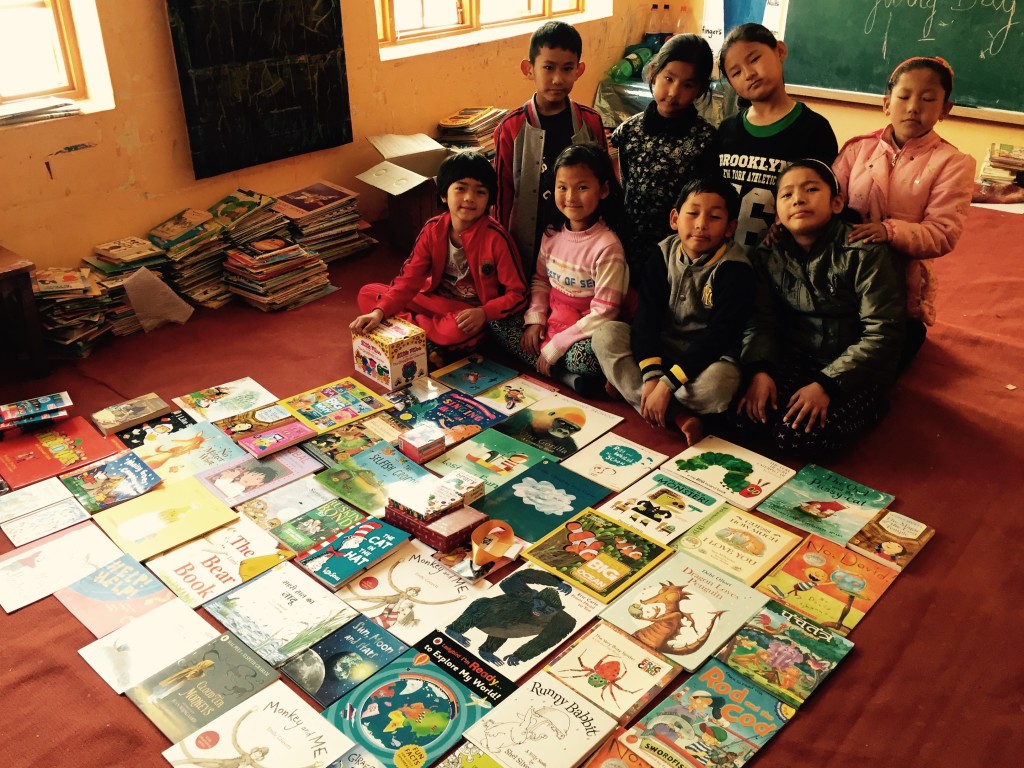
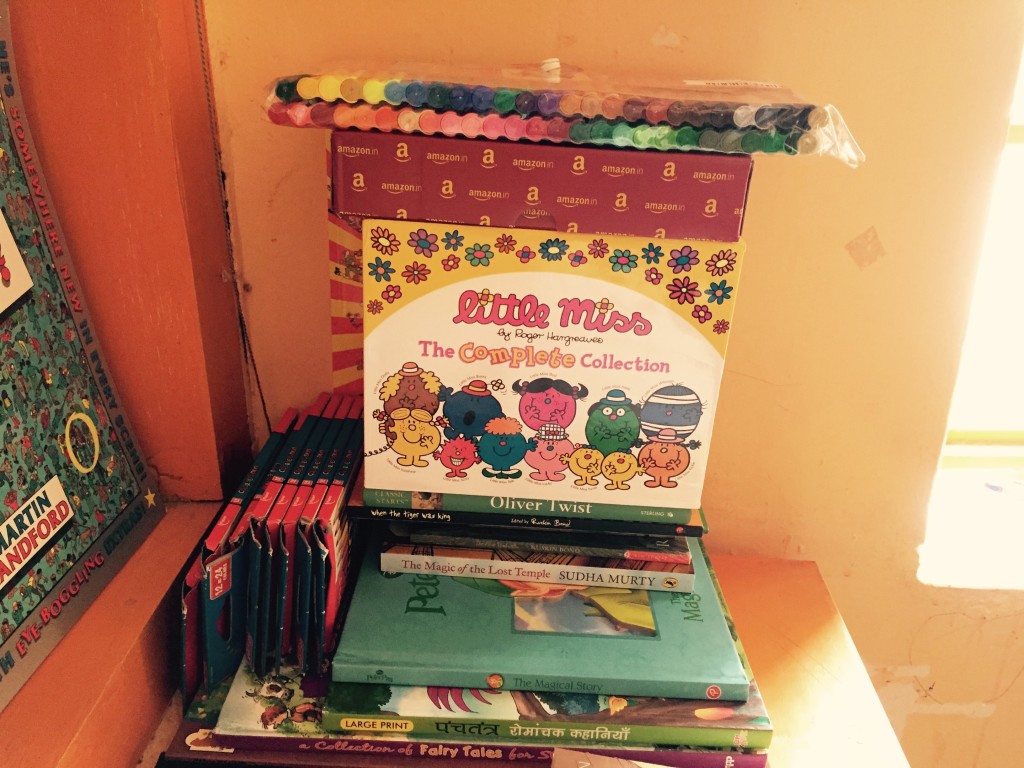
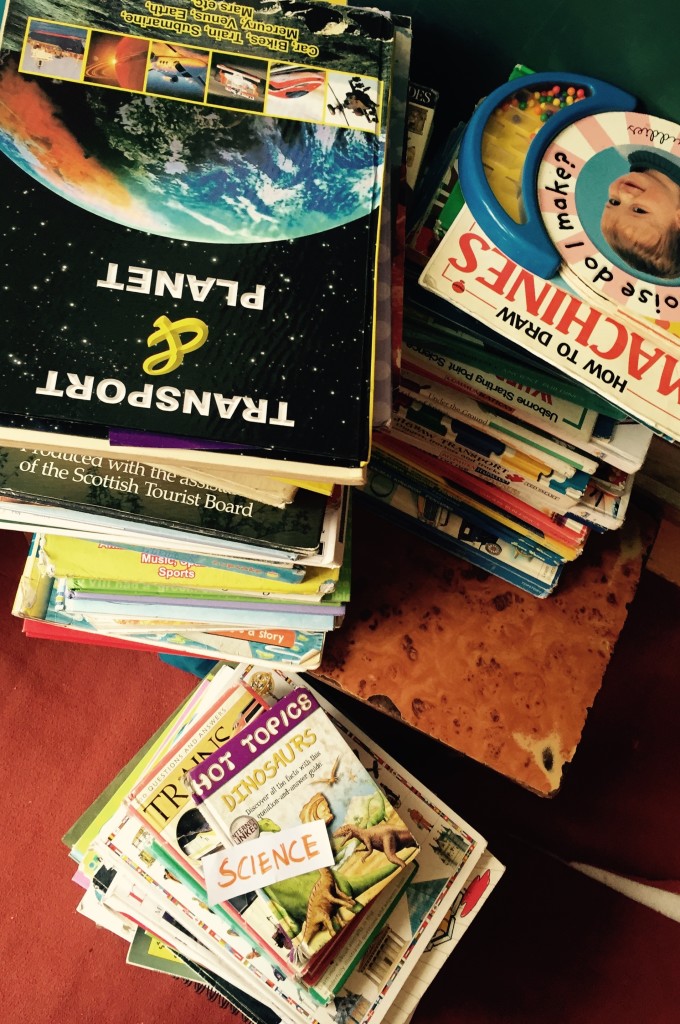
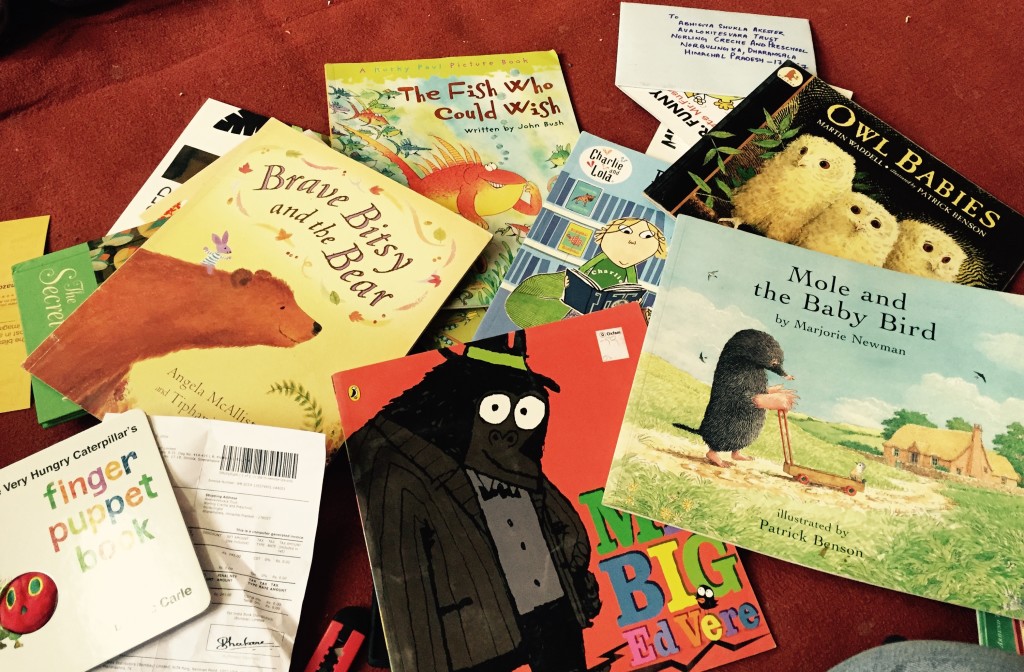
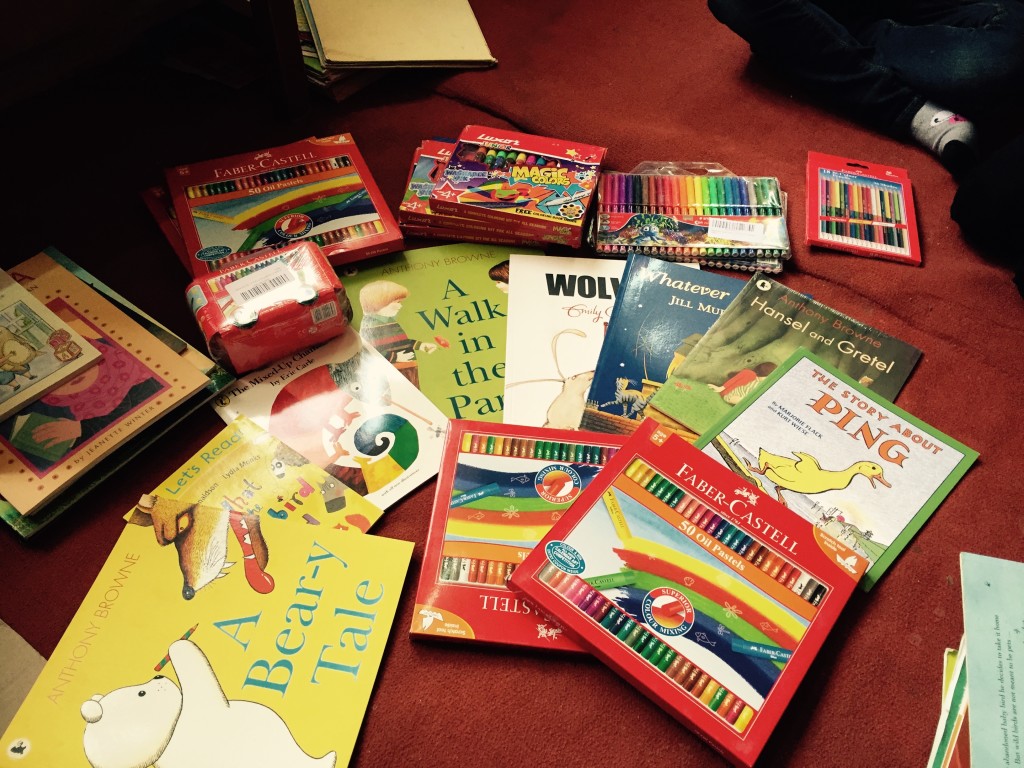
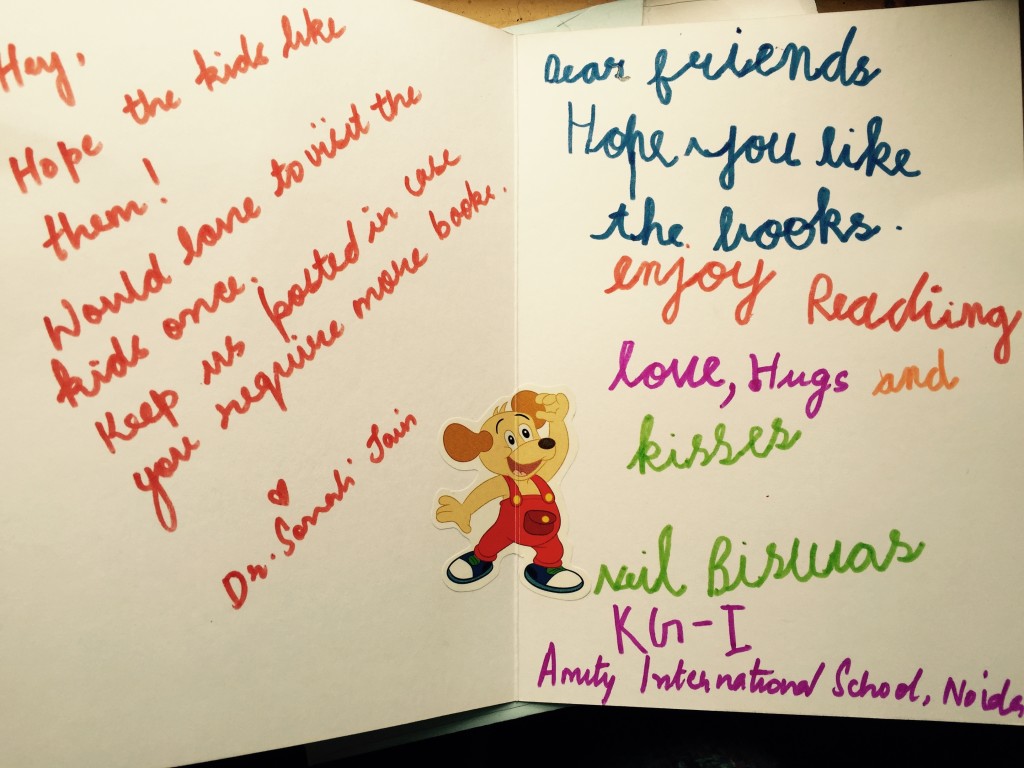
Board games can also connect Himalayan classrooms with supporters in Australia. Families often set aside games during a spring clean, and community groups may collect educational resources through school fairs or weekend gatherings. Carefully chosen donations are more useful than random boxes of material; the experience of receiving an unexpected reference resource, such as the encyclopaedia donation, shows how thoughtful contributions can expand a reading room.
Learning From Cooperation And Mistakes
A cooperative game gives young monks a shared problem to solve. Players might need to distribute limited resources, plan several turns ahead or help one another remember a rule. The group learns that progress can depend on communication, not simply on the fastest or most knowledgeable individual.
Mistakes become less threatening because the board offers another round. A poor move can be examined without becoming a permanent judgement about the player. This is important for children developing confidence in maths, since persistence often grows when errors are treated as information.
The games also provide useful observations for educators. A child may calculate quickly but struggle to explain a choice, while another may show excellent planning but need support with number facts. These insights help adults select suitable books, activities and follow-up exercises for the reading room.
Making A Small Game Collection Work Hard
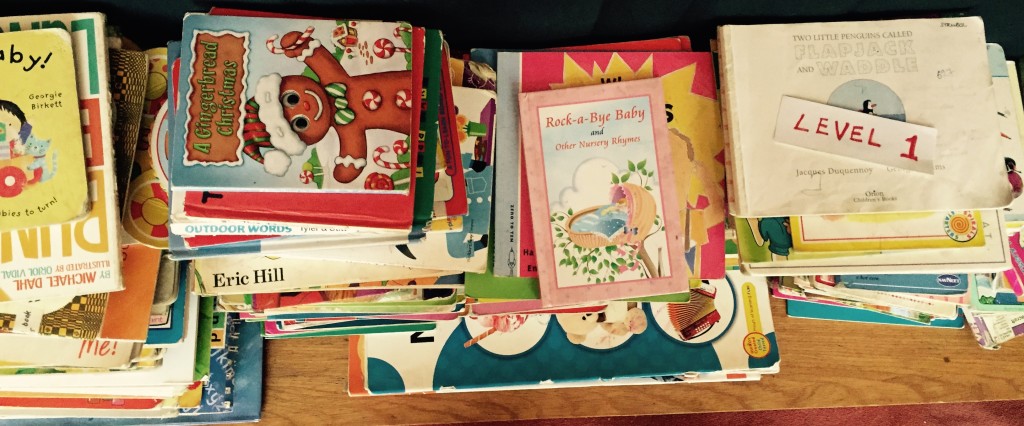
A thoughtful collection does not need to be expensive. Australian supporters can often find durable family games at Kmart, Big W, op shops or local markets, while schools and libraries may have discontinued materials suitable for reuse. It is worth checking that pieces are complete, instructions are legible and the content can be adapted for the children who will use it.
| Game format |
Maths and strategy skills |
Useful adaptation |
| Counting track |
Number recognition, addition, sequencing |
Replace printed numbers with local language and numerals |
| Dice challenge |
Probability, mental arithmetic, estimation |
Ask players to predict results before rolling |
| Pattern cards |
Classification, sequences, visual reasoning |
Invite children to create new patterns |
| Resource game |
Planning, comparison, decision-making |
Use stones, bottle tops or handmade tokens |
| Cooperative puzzle |
Communication, logic, persistence |
Let the group write a shared strategy |
Supporters can make donations more useful by including pencils, storage bags, blank card and simple instructions. A game should be easy to repair and flexible enough for a group of mixed ages. Durable wooden pieces, laminated boards and reusable counters are particularly practical in busy community spaces.
- Choose games with clear rules and short playing times.
- Include cooperative activities alongside competitive ones.
- Add blank cards or paper so children can design their own versions.
- Check every donation for missing pieces, unsafe parts or difficult text.
- Pair each game with a book, maths activity or reflection task.
- Encourage families, schools and community groups to collect quality resources together.
The strongest sessions are simple, repeatable and attentive to the learners in front of the educator. A roll of the dice may begin the activity, but the real learning comes from counting carefully, explaining a choice, listening to others and trying again. In a Himalayan reading room, that combination turns play into a practical lesson in maths, strategy and shared confidence.