Turning leftover fabric into book bags for young readers
At Avalokiteśvara Trust, a book bag starts with a child's daily need: somewhere dependable to carry a picture book, reading sheet or story from our reading room. In Ladakh and the Himalayan communities we support, that object can make access to books feel normal. We turn leftover fabric into book bags for each child, with a size and choice of books that belong to them.
The bags use clean cloth left by tailors, families, workshops and supporters. We sort before cutting and make decisions with participating children. Adults prepare templates and reinforce high-wear areas; children choose colours, mark their bags and join safe stages. The result should feel useful and personal, not like a charity handout or disposable craft.
Australian readers may recognise the school library bag carried in Sydney, bundles of sorted clothing outside Melbourne op shops, or reclaimed goods sold at weekend craft markets in Brisbane. Australian school fetes and community craft sessions also rely on donated fabric, volunteer making and inexpensive accessories. These customs offer a useful comparison with the Himalayan communities we serve.
The article follows a scrap through selection, design, making and use. It addresses respect for cultural cloth, protection from commercial messaging and success measured by use. A finished bag matters most when a child opens it, takes out a book and returns eager to choose another.
Choosing cloth that can do the work
We begin with a practical question: will the cloth withstand carrying, washing and repair? Light cotton may suit a lining pocket, while canvas or fleece can form a base or handles. Tiny remnants become patches and reinforcing panels rather than waste, giving each bag a structure suited to its purpose.
In Ladakh, a bag may move between a warm room and a cold courtyard, so stitching and each layer's strength matter. We test cloth for thickness, stretch and shrinkage, then reinforce high-stress points. Durability respects both child and donor: a bag that fails quickly creates waste and shortens useful reading time.
Some families offer cloth with a personal or ceremonial meaning. We ask permission and avoid cutting identifiable religious garments. Synthetic fabrics are checked for loose fibres or rough edges. Sourcing includes care: the cheapest offcut is not automatically the responsible choice.
Cleaning, cutting and learning together
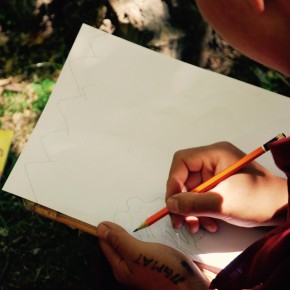
Once selected, fabric is washed, dried and pressed where appropriate. Children mark patterns while adults handle cutting, needles and sewing machines. Younger participants use blunt scissors, pre-cut pieces and glue for simple features. Each stage becomes a lesson in planning, measuring and responsibility.
A good session balances repetition with choice. Repeated stitching teaches rhythm and precision; choosing a lining or drawing a motif gives each child an active role. We let the maker decide where a pocket sits, but safety rules remain fixed. One plan can therefore suit different ages and abilities.
The Trust's story of Tibetan butter-lamp crafting offers a related lesson in careful cultural practice. Children engage more meaningfully when adults explain the history, materials and purpose behind a traditional object. We apply that principle to reusable cloth: explain where it came from, invite careful handling and show how a humble offcut can become something a child values.
Designing around the child and the books
The bag is sized around the child's reach and the books they will carry. A small child needs shorter handles and a lighter body, while a picture book may need a wider opening than a thin novel. We test patterns with sample books and invite children to try the handles before choosing a final shape.
A reinforced base helps on rough paths, an inside pocket keeps a worksheet from slipping, and a name marker prevents confusion in a busy reading room. Bright cloth may appeal to one child, while muted colours or a small motif may suit another. The important measure is ownership: the child can explain the choices and recognise the bag.
Australian families may compare this with a standard library bag or a wipe-clean bag from a discount store. Commercial products offer predictable sizes and easy replacement. Ours combines a reading-room tool with a record of the child's making. It need not outperform a commercial bag, but it should be comfortable, sturdy and linked to the child's books.
Making the bag part of reading life
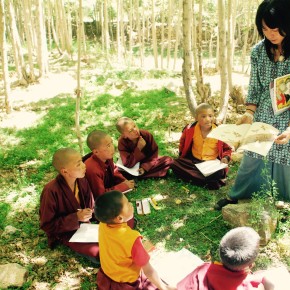
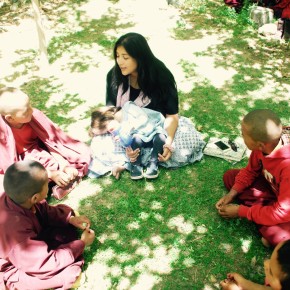
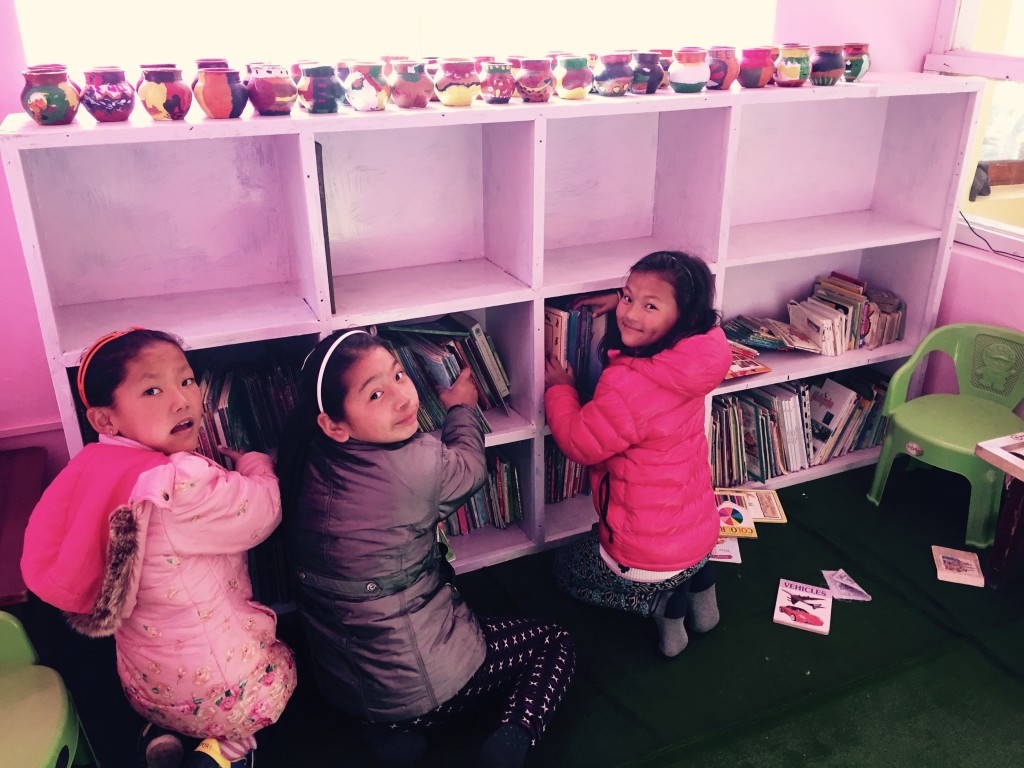
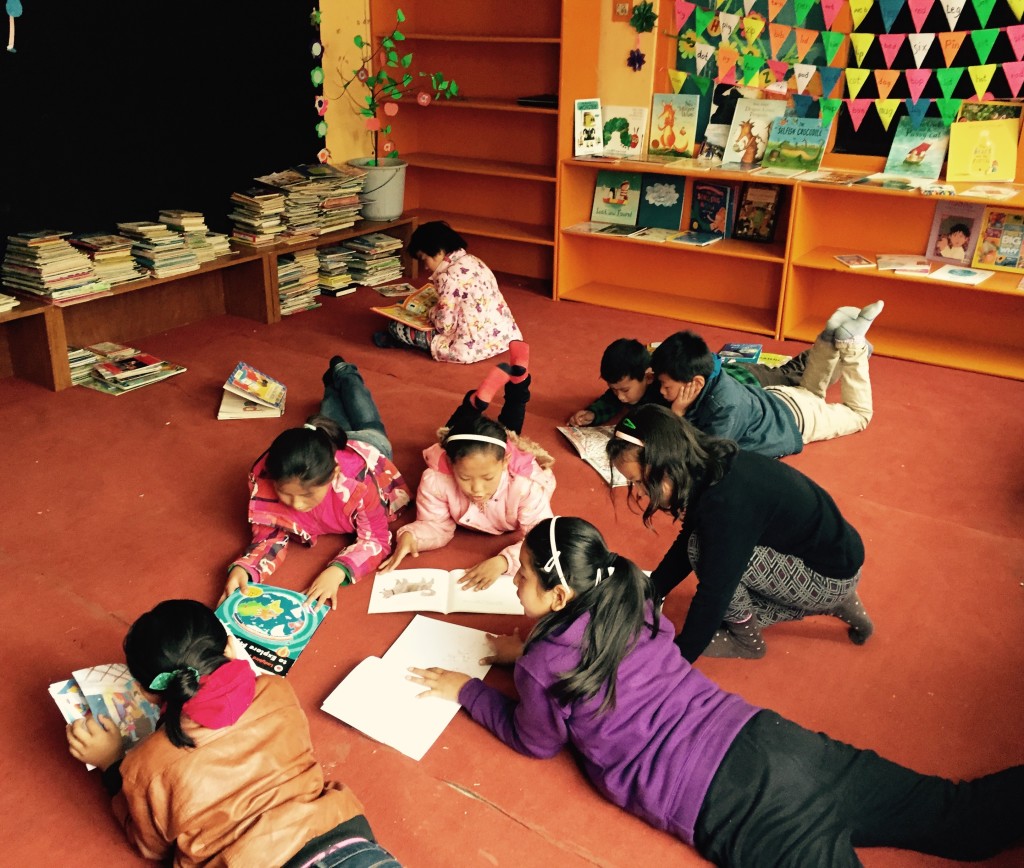
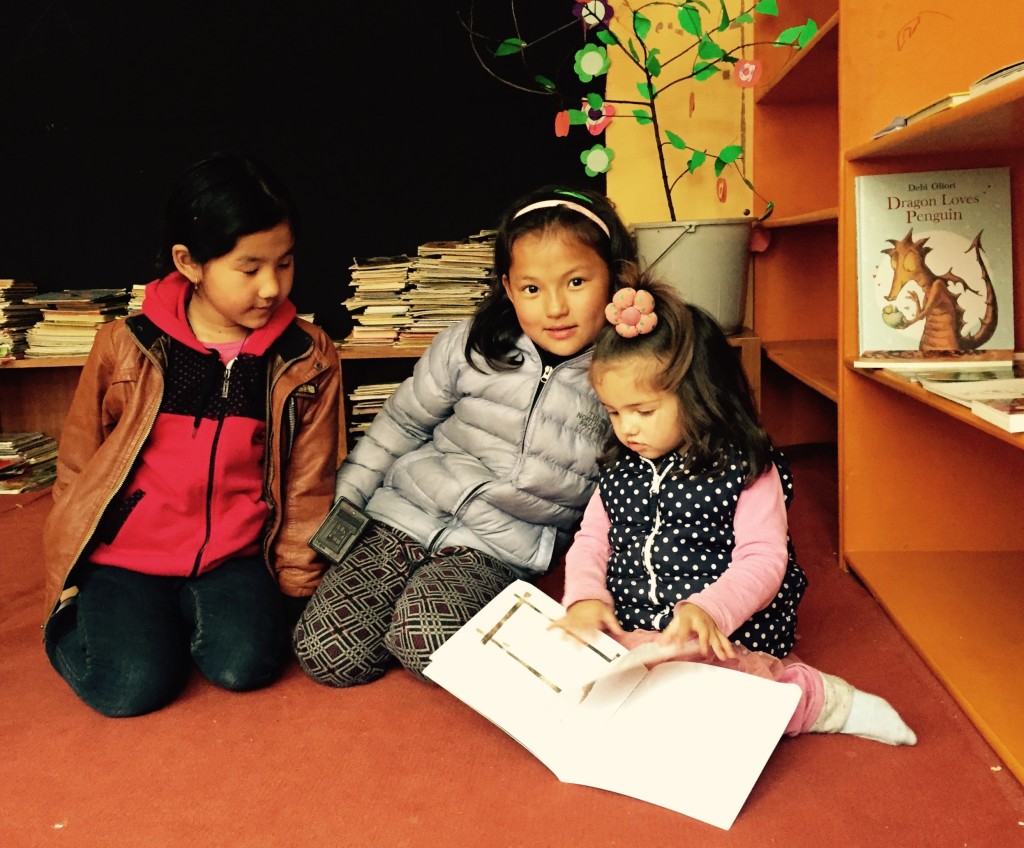
Once made, the bag travels into the reading room or goes home after a book-drive session. Children can carry a chosen title, a shared reader and an activity sheet without wrapping everything in cloth or relying on a fragile plastic folder. The bag makes borrowing feel ordinary and helps volunteers identify a child who needs a larger option.
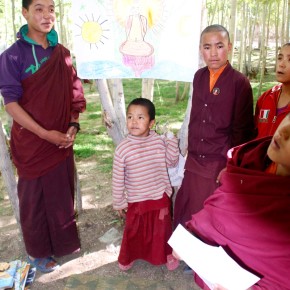
We also use bag-making as a gateway to wider learning. Story prompts can inspire the motif, while books about animals, family or the landscape connect the object to local knowledge. Music and art remain part of the Trust's work with children and young monks. The carrier lets creative lessons lead into reading. Its value comes from supporting a routine, not a photographed display.
A practical standard for worthwhile making
Safeguarding and quality control begin before the first cut. We check for sharp attachments, use child-safe materials, provide supervision and ask each maker to test the bag. Donated cloth is cleaned and never labelled as antibacterial without credible evidence. Cost is tracked openly, but price is not the only criterion: a bag that fits the child, lasts and encourages reading offers better value than the cheapest new alternative.
Digital safety belongs in volunteer training too. When adults encounter persuasive registration pages, including material about real-money baccarat registration, they should check age limits, consent, visible costs and clear terms. No child is asked to register, pay or share personal information. Applying that scrutiny to promotional messages helps keep education free from commercial pressure.
These controls shape how we report the project. We record where cloth came from, how many bags were completed, which children use them and whether repairs are needed. Durable success is visible in repeated use and confident choices rather than in a large number of bags.
| Measure |
New school bag |
Avalokiteśvara book bag |
| Materials |
New fabric and standard trims |
Reused cotton, canvas or fleece with reinforced pieces |
| Family cost |
Retail purchase price |
No child-facing price; donations support materials |
| Environment |
New manufacturing and packaging |
Existing cloth gains another use; useful offcuts are retained |
| Fit and ownership |
Standard size, limited choice |
Adjusted around the child, chosen books and preferences |
| Longevity |
Easy to replace, but replacement adds waste |
Intended for repeated reading and repair where needed |
Before each new making round, we recommend:
- Recording the source, fibre content and condition of donated cloth.
- Testing one pattern with the books and child who will use it.
- Using child-safe fastenings, rounded corners and reinforced handles.
- Budgeting for thread, labels and repairs as well as fabric.
- Reviewing fit, damage and reading use before ordering the next batch.
The lesson that should stay with readers
What readers should retain is the purpose behind the object. A book bag made from an old curtain is more than a recycling exercise. It is a child-sized invitation to carry a story, express a preference and build a reading habit.
The lasting lesson is that useful materials, careful teaching and books reinforce one another. When an offcut becomes a bag selected by a child, access to reading can become an ordinary part of daily life. The thing to remember is simple: a well-made book bag carries both the pages and the confidence a child needs to keep reading.