How Teenagers Grow Into Reading Buddies For Younger Children
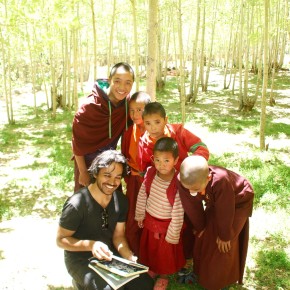
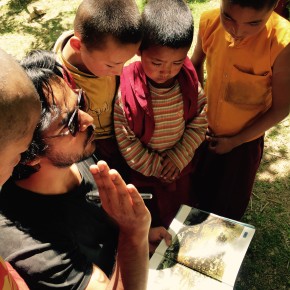
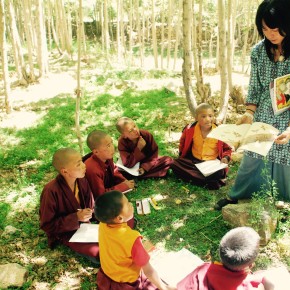
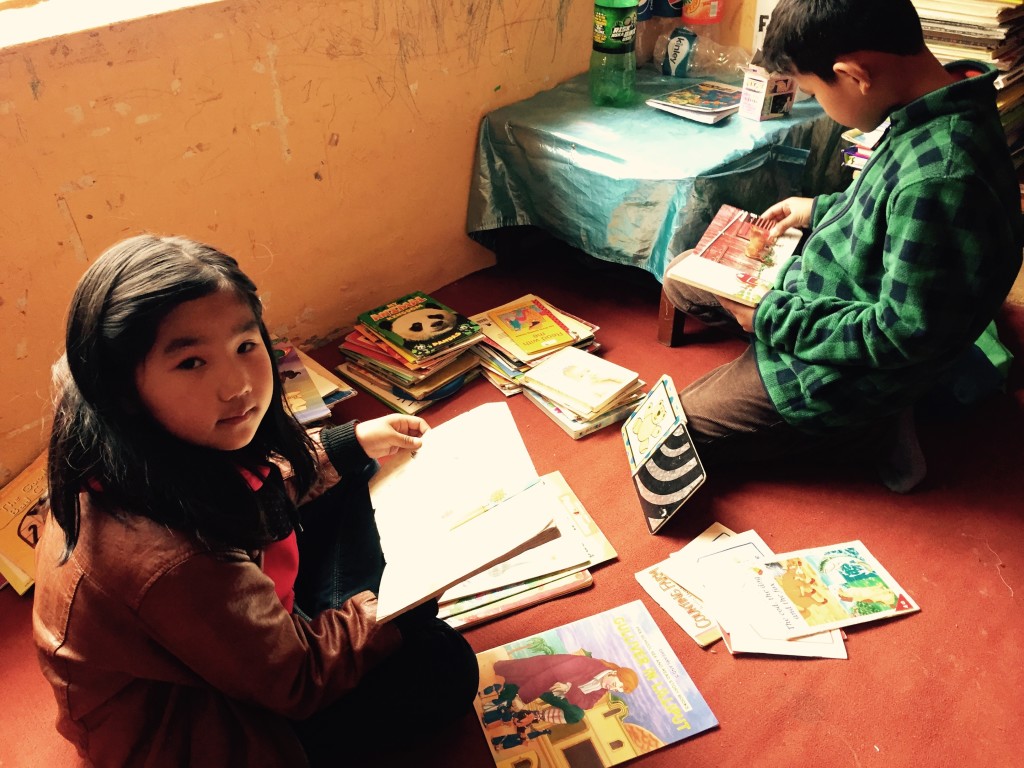
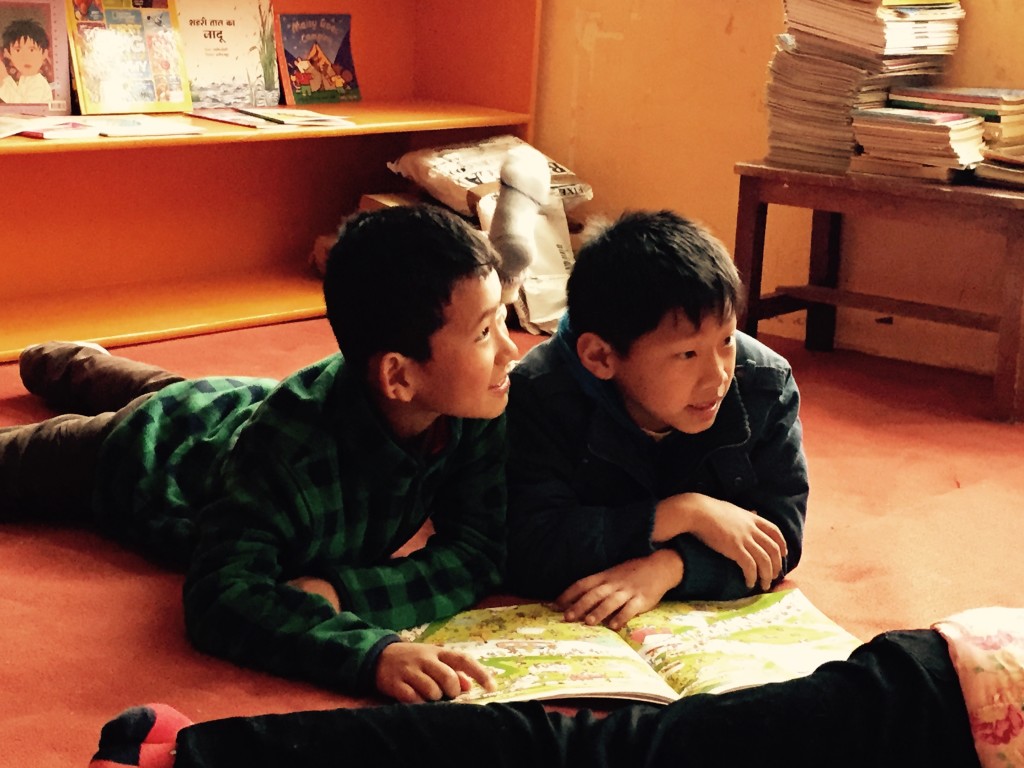
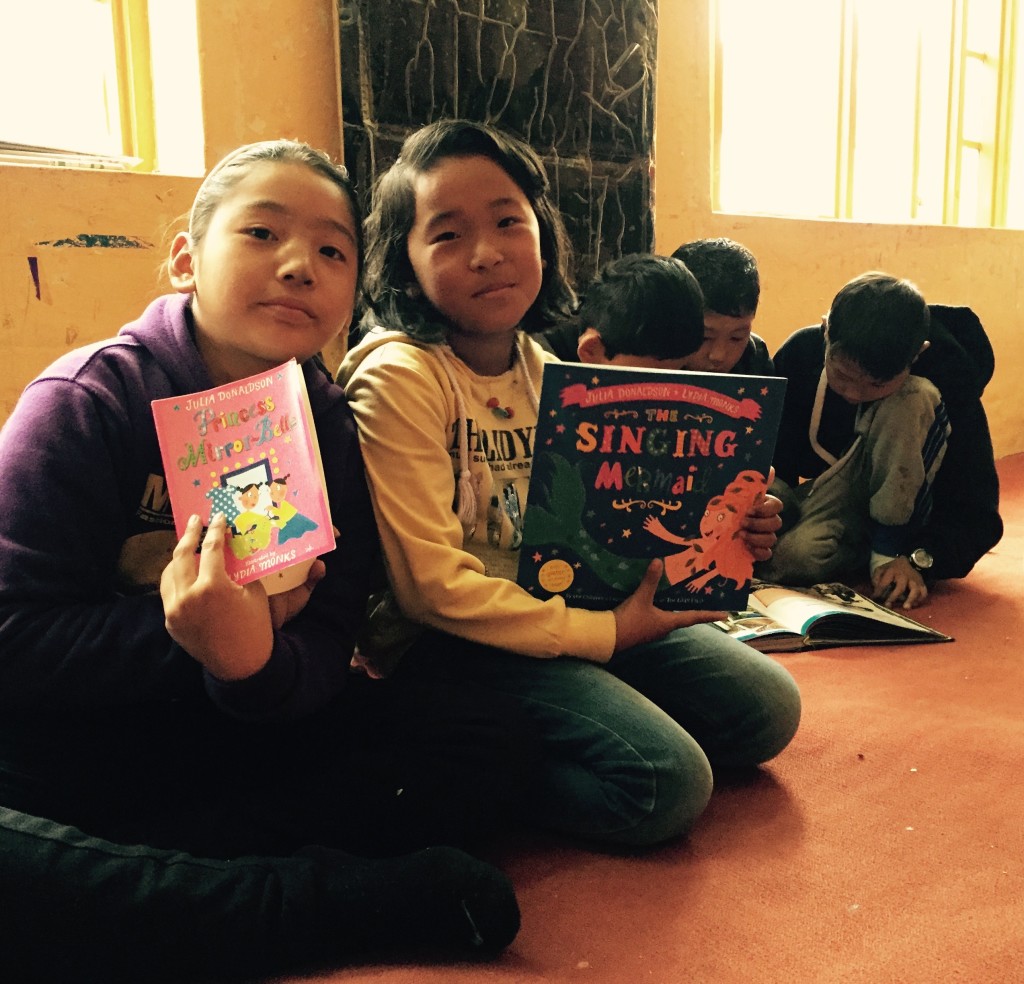
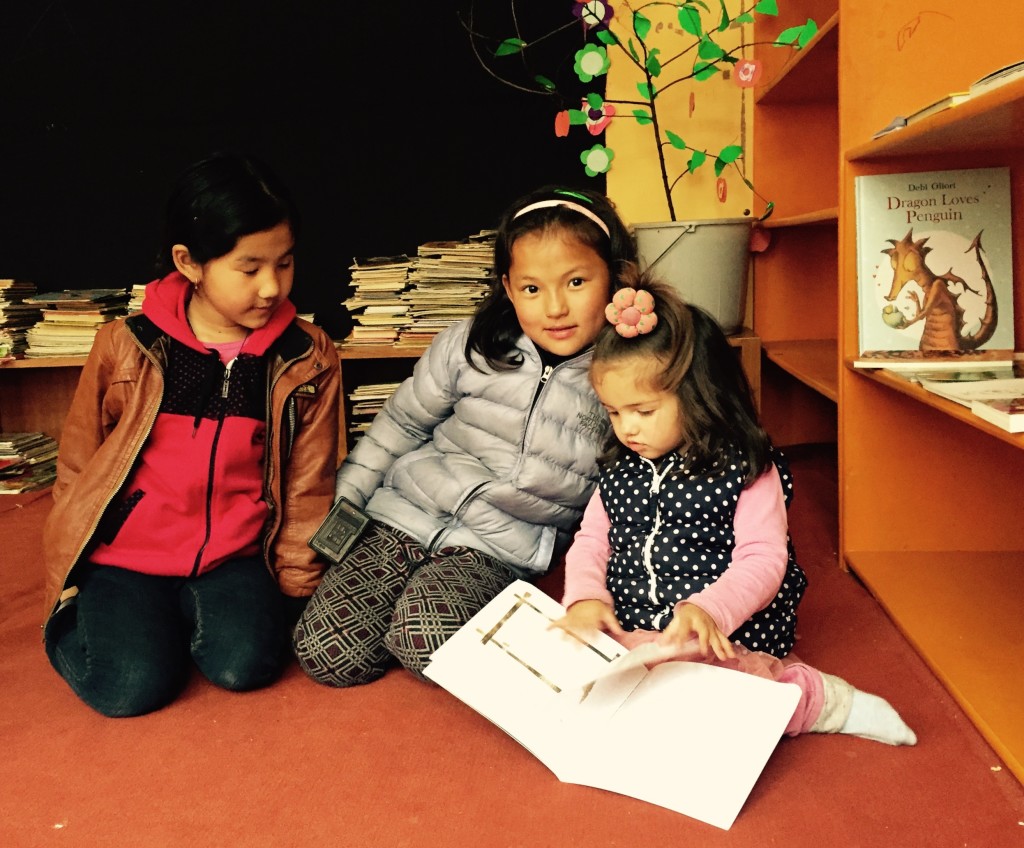
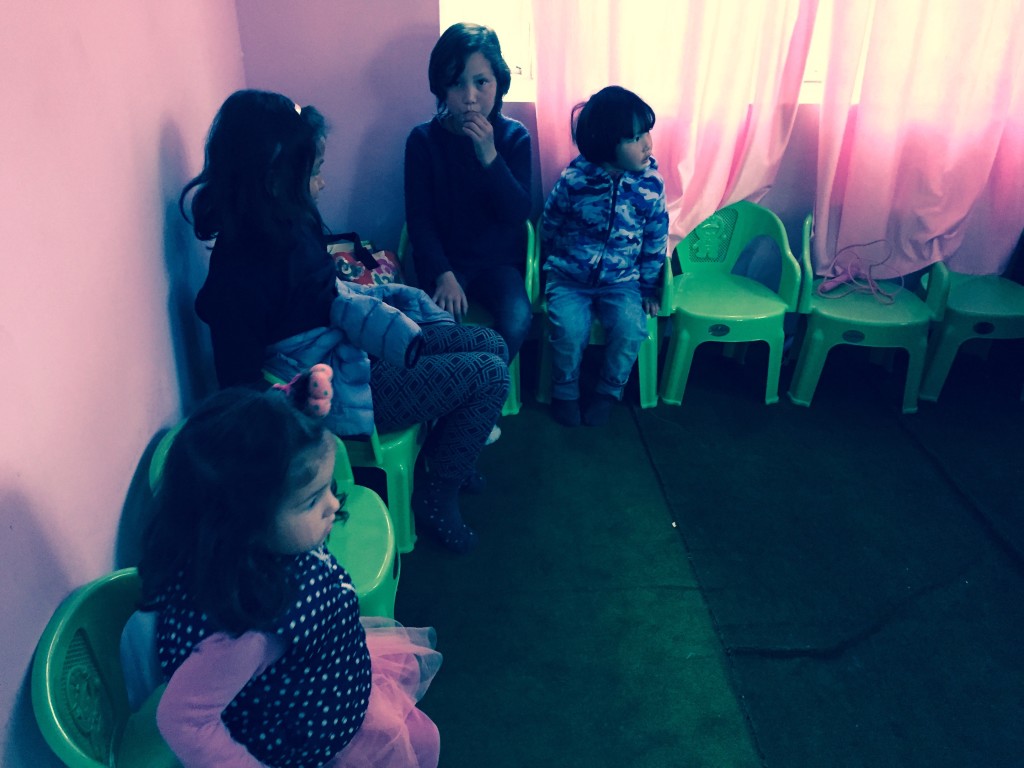
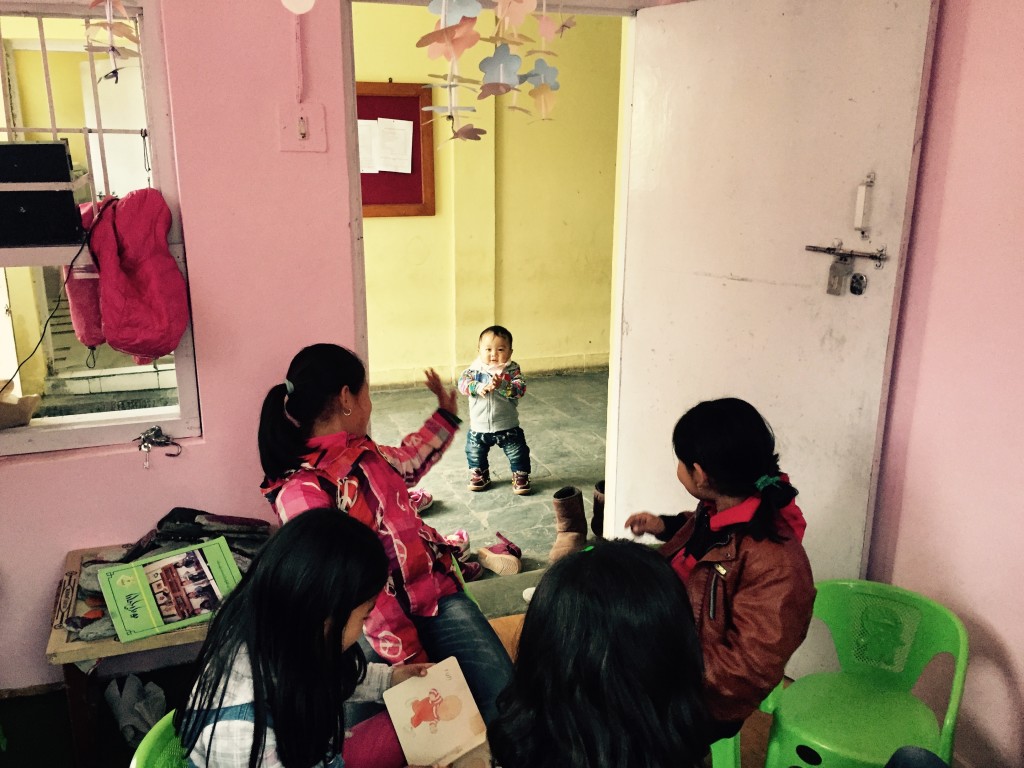
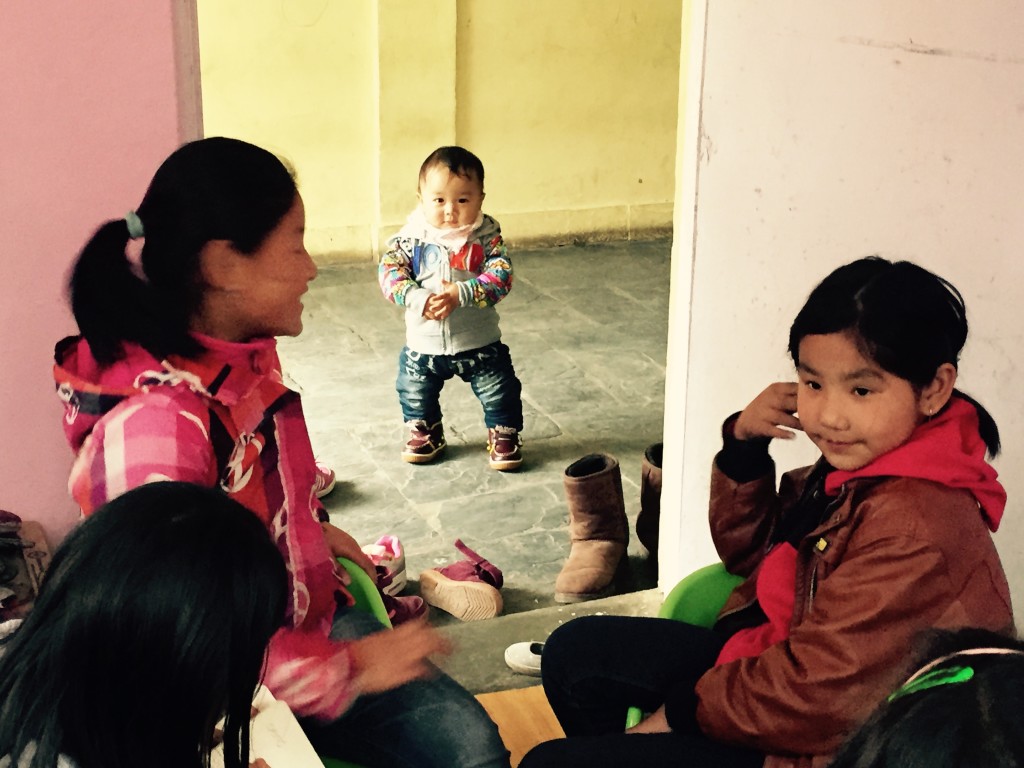
A confident reader can change the atmosphere of an entire room. When a teenager sits beside a younger child, shares a picture book and listens patiently, reading becomes a social experience rather than a solitary task. This simple partnership can help children in Himalayan communities build vocabulary, curiosity and trust in their own abilities.
At Avalokiteśvara Trust, our approach to training teenagers to become reading buddies for younger children combines practical instruction with responsibility. Teenagers learn how to choose suitable books, read aloud expressively, encourage hesitant readers and respond kindly when a child loses focus.
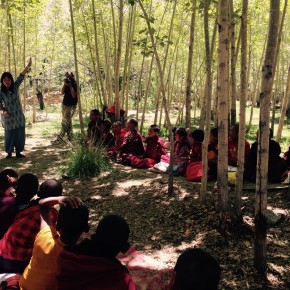
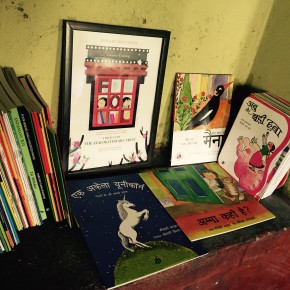
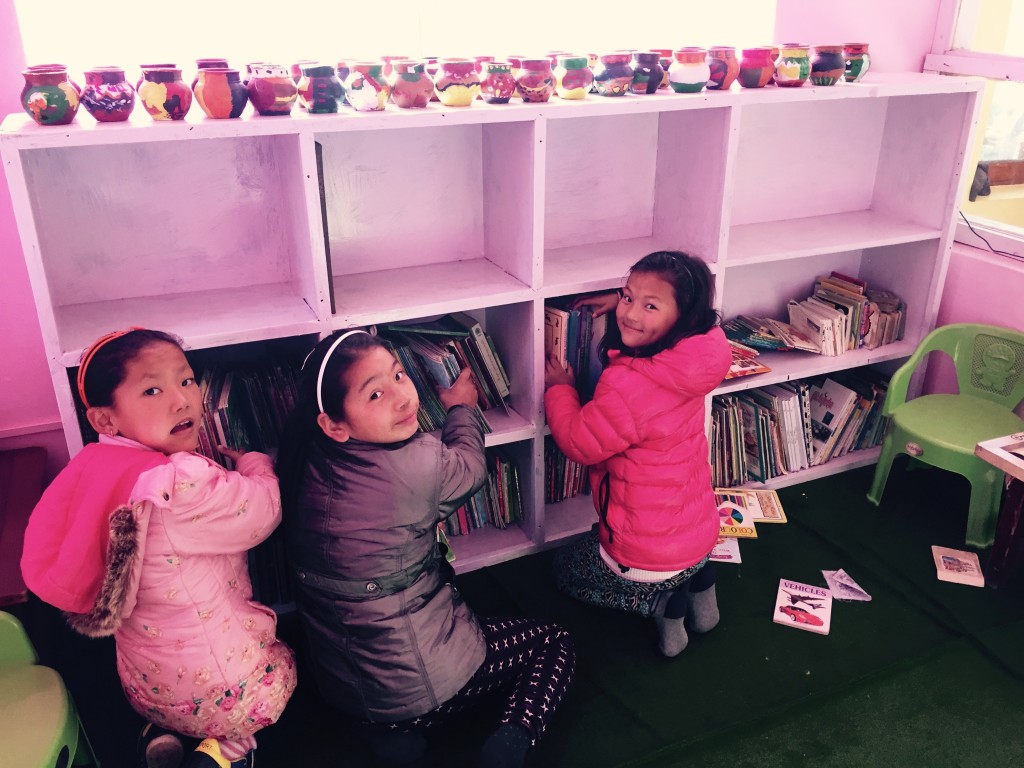
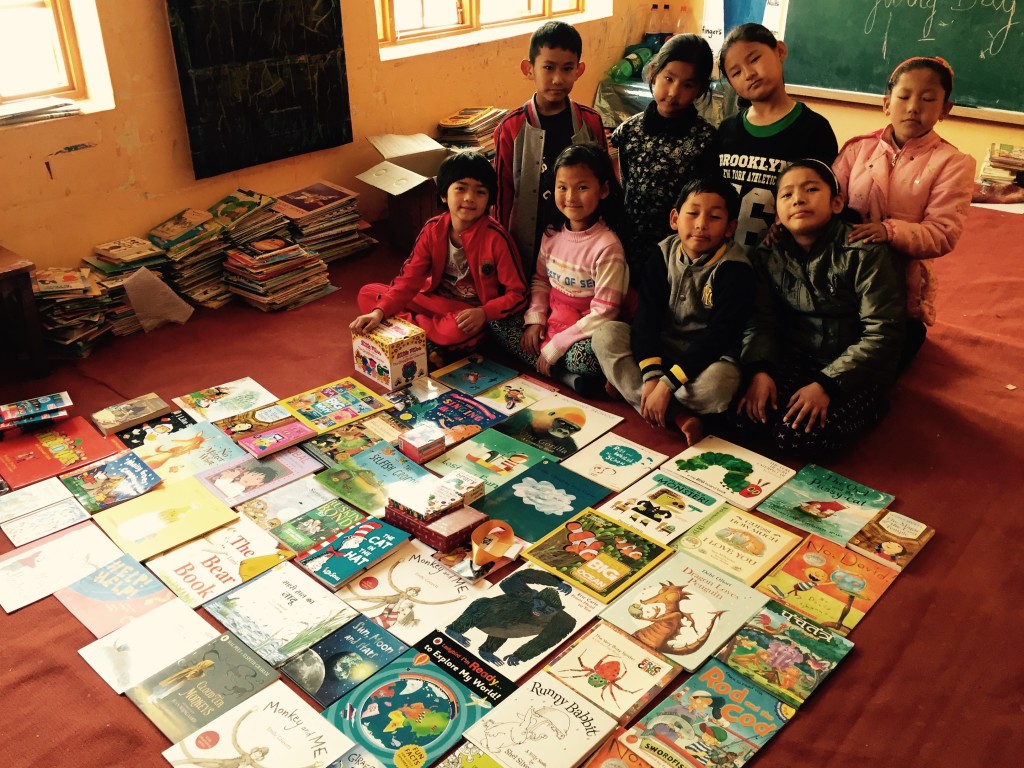
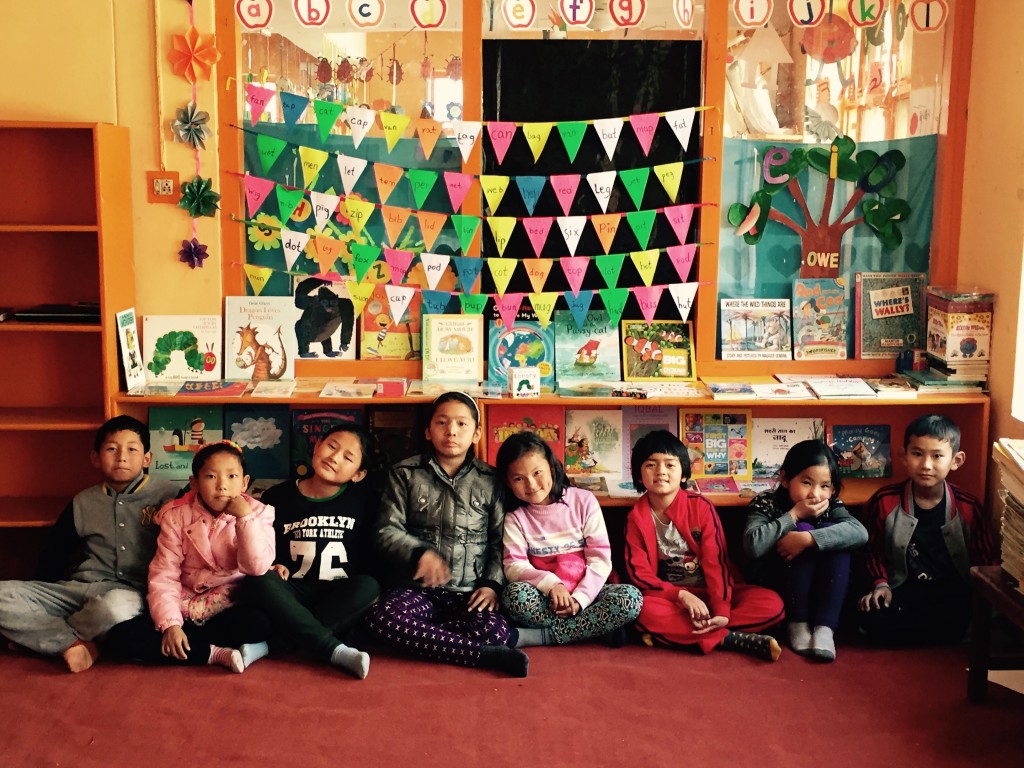
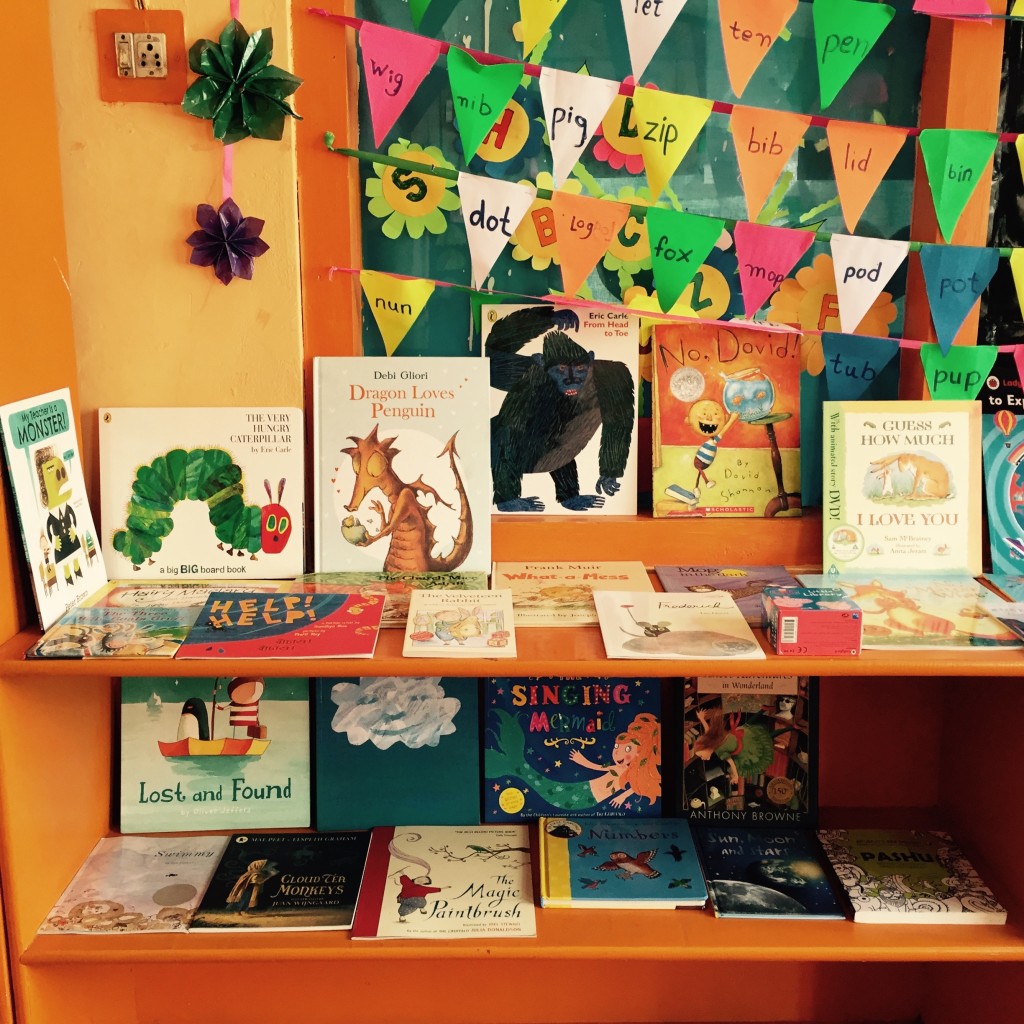
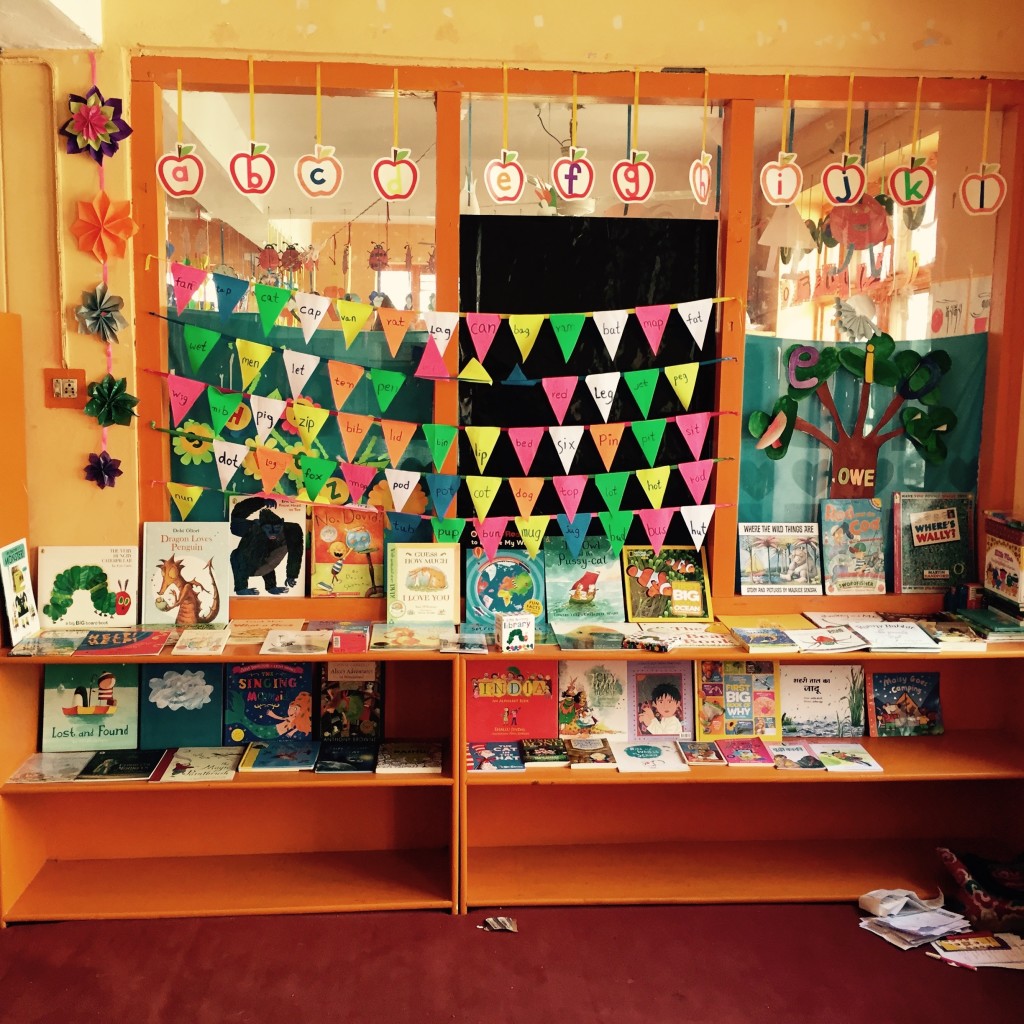
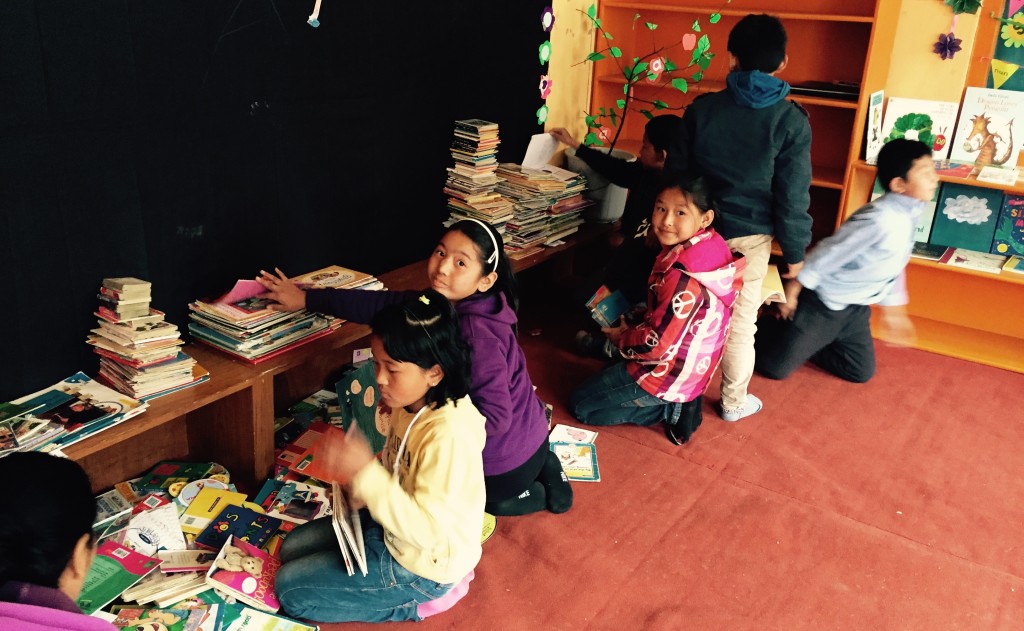
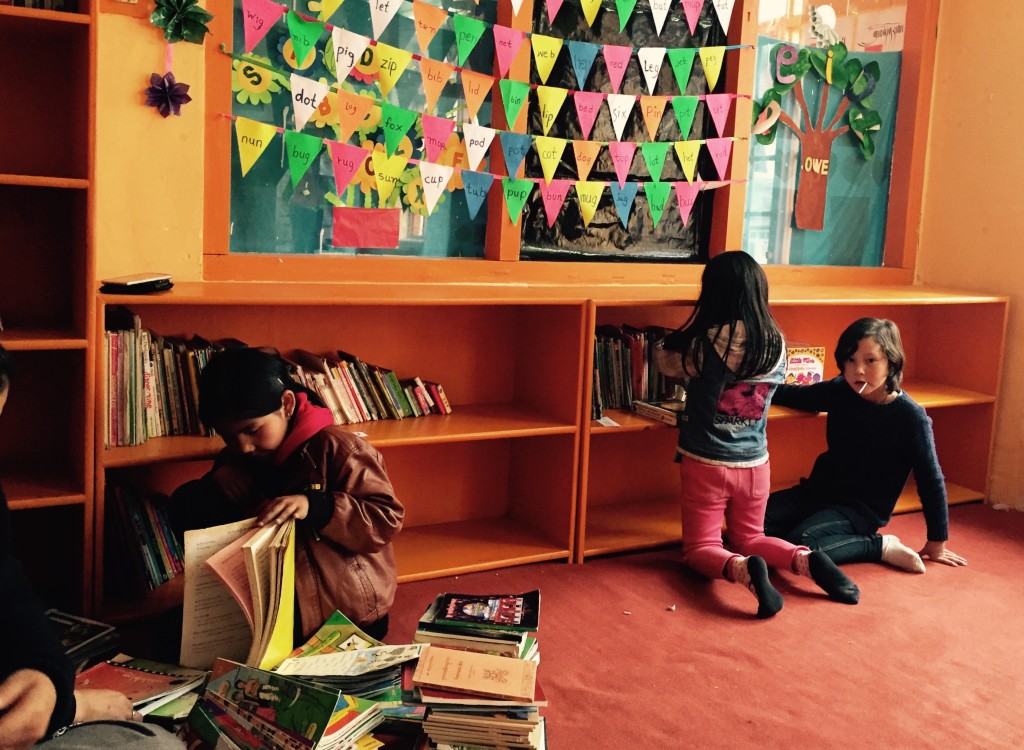
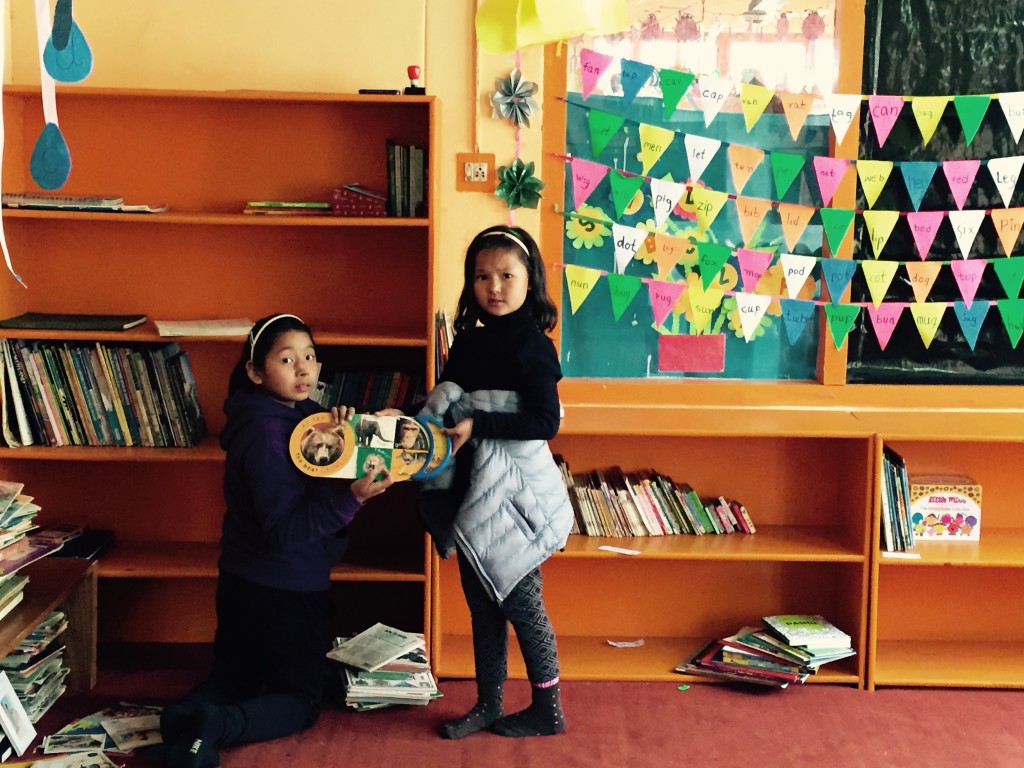
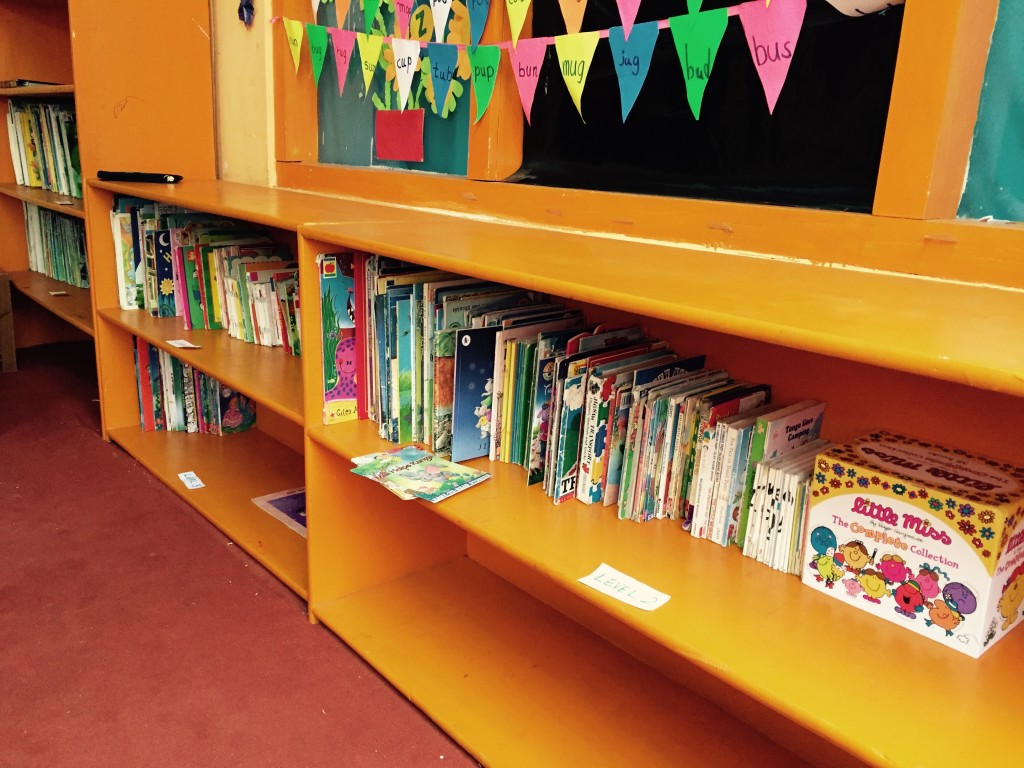
The setting matters. In Ladakh and other Himalayan communities, books may be scarce, libraries can be far away, and children may speak several languages across home, school and community life. A reading buddy therefore does more than supervise a session: they help make a welcoming bridge into stories, ideas and independent learning.
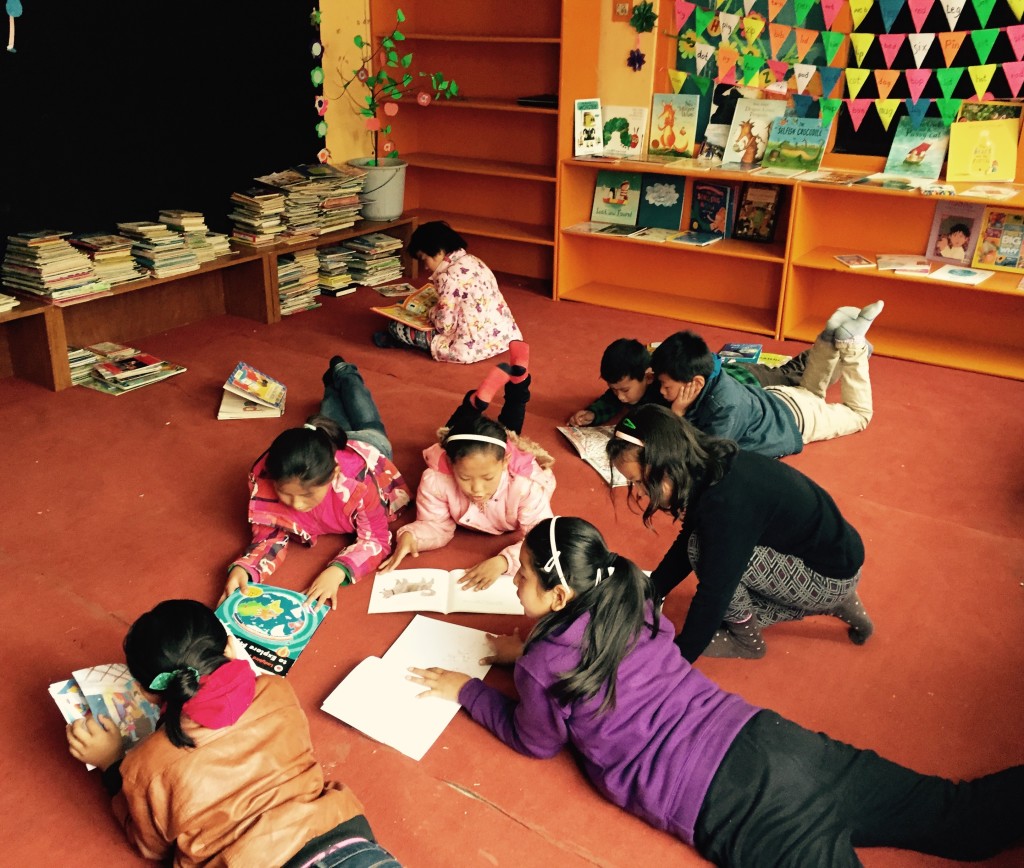
Australian supporters will recognise some familiar principles from school reading programs, library clubs and weekend volunteering. The difference is that our teen mentors often work in reading rooms where every carefully selected book, shared discussion and creative activity can have a lasting effect.
| Reading buddy practice |
What it develops in the younger child |
What it develops in the teenager |
| Shared read-aloud |
Listening, vocabulary and comprehension |
Clear speech and patience |
| Choosing books together |
Independence and personal interest |
Judgement and cultural awareness |
| Asking open questions |
Confidence and critical thinking |
Communication and mentoring |
| Drawing or retelling a story |
Memory, creativity and expression |
Flexible teaching skills |
| Regular buddy sessions |
Trust and reading habits |
Reliability and leadership |
Starting With Empathy And Purpose
Training begins with the reason behind the role. Teenagers discuss what it feels like to encounter an unfamiliar word, read in front of others or struggle to understand a page. This reflection helps them see a younger child as a learner with feelings and preferences, rather than as someone who simply needs correcting.
We use role-play to make this understanding practical. One teenager may act as a nervous beginner while another practises welcoming language, attentive listening and gentle encouragement. The exercise highlights small choices: sitting at the child’s level, allowing extra time, celebrating effort and avoiding embarrassment.
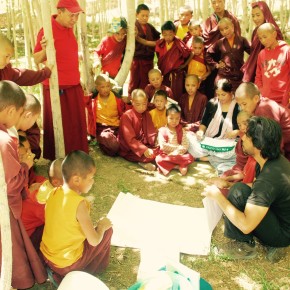
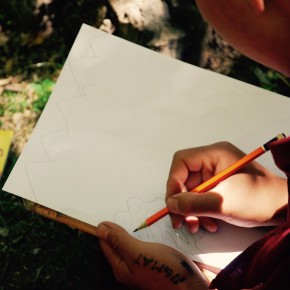
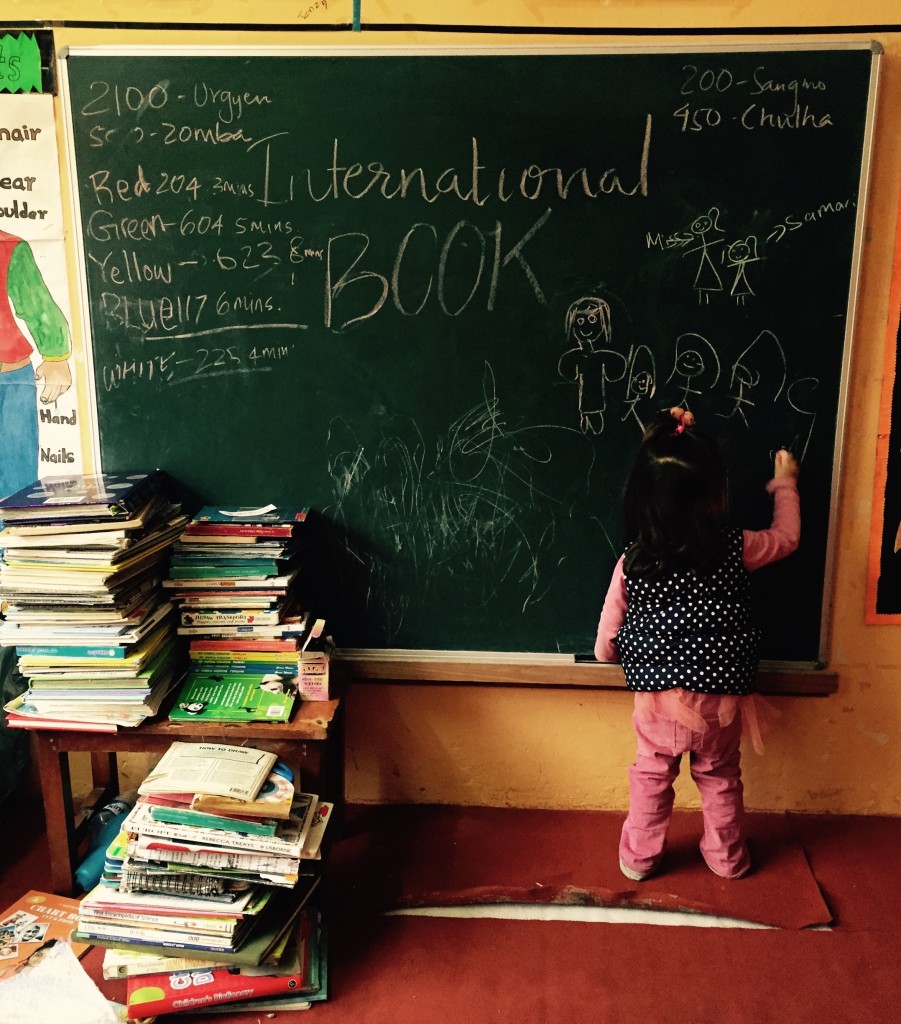
A reading buddy is also introduced to the wider purpose of the reading room. Books support language learning, imagination and general knowledge, while art, music and conversation help children connect reading with everyday life. Teenagers learn that a successful session may involve a drawing, a song or a lively discussion rather than finishing a fixed number of pages.
Building Practical Reading Skills
Teen mentors practise reading aloud before they work with younger children. They experiment with pace, pauses, expression and volume, learning that a quiet reader may need warmth and clarity rather than a louder voice. They also mark unfamiliar vocabulary in advance and consider how to explain it using a picture, gesture or simple example.
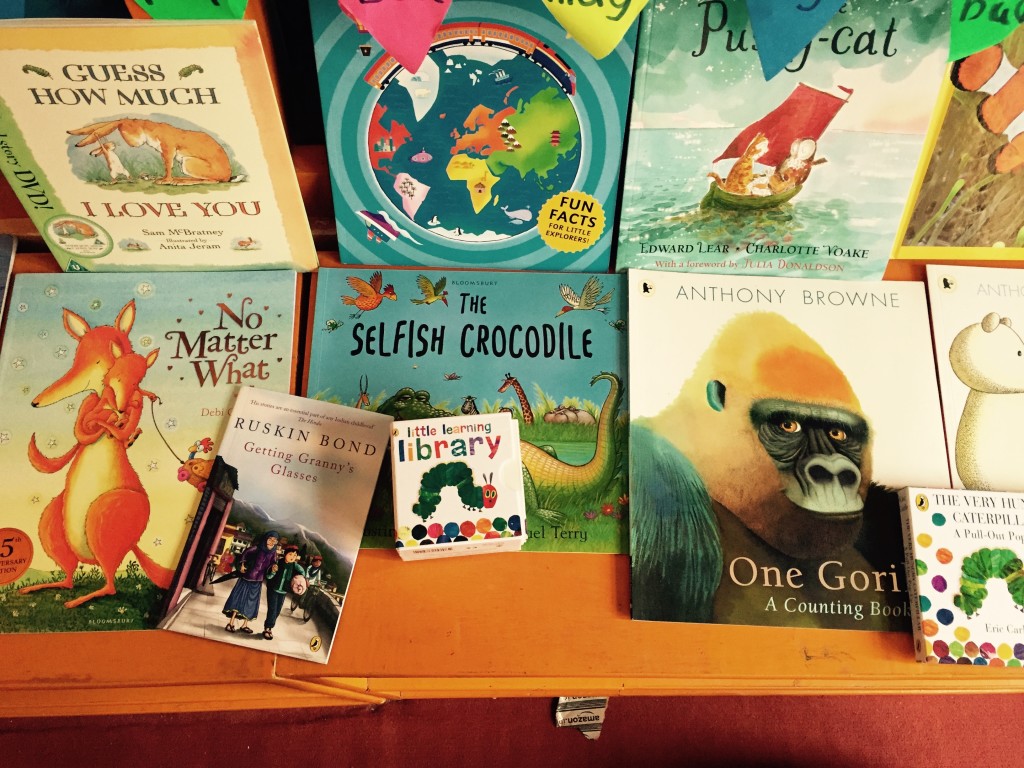
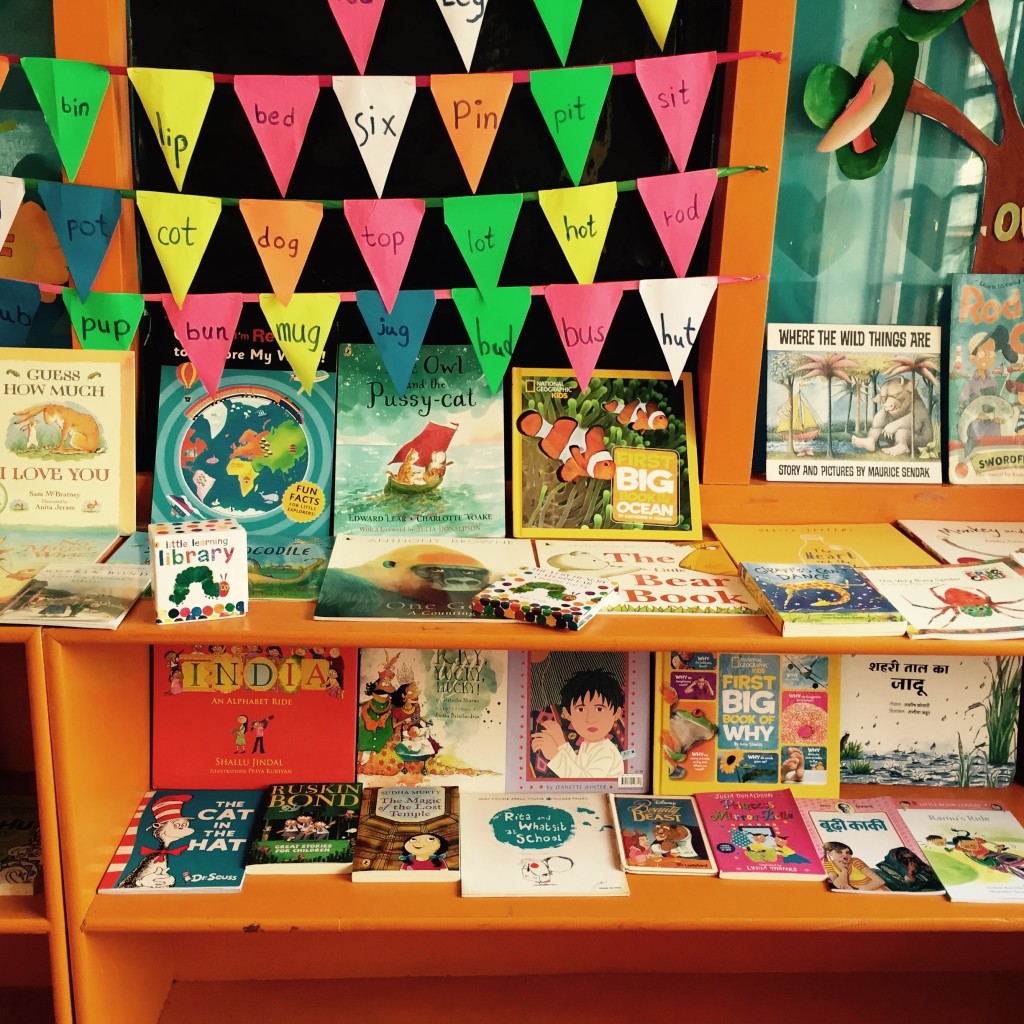
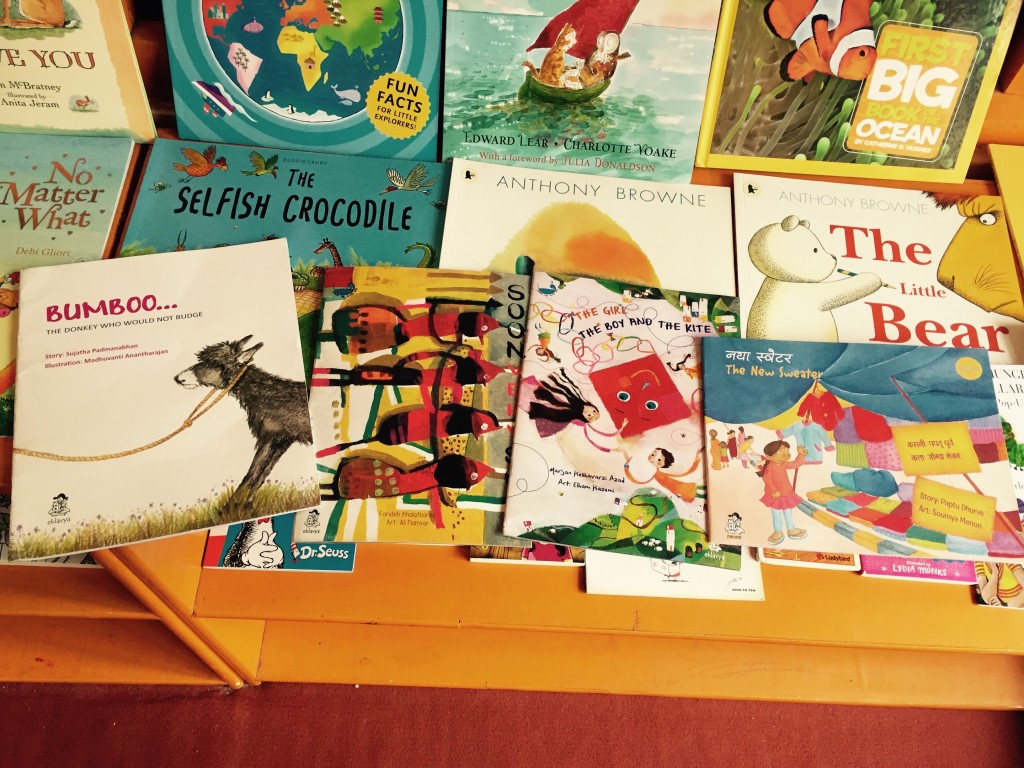
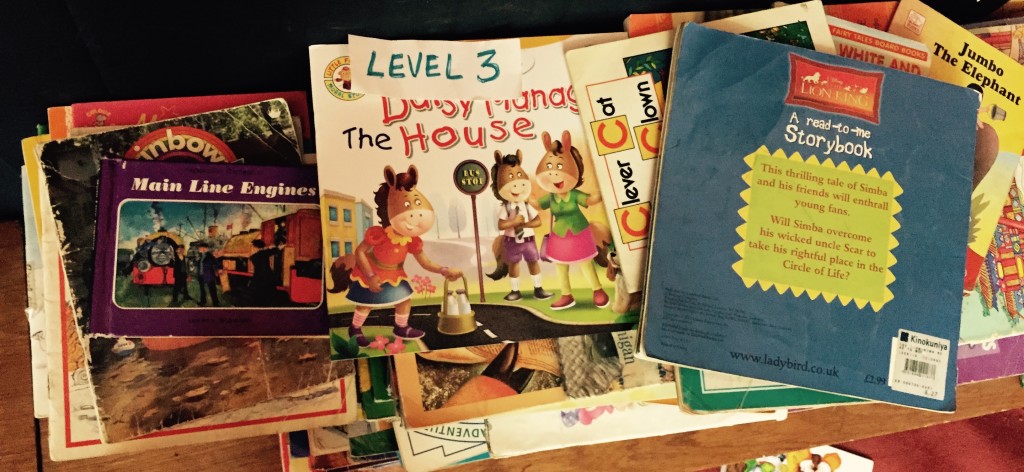
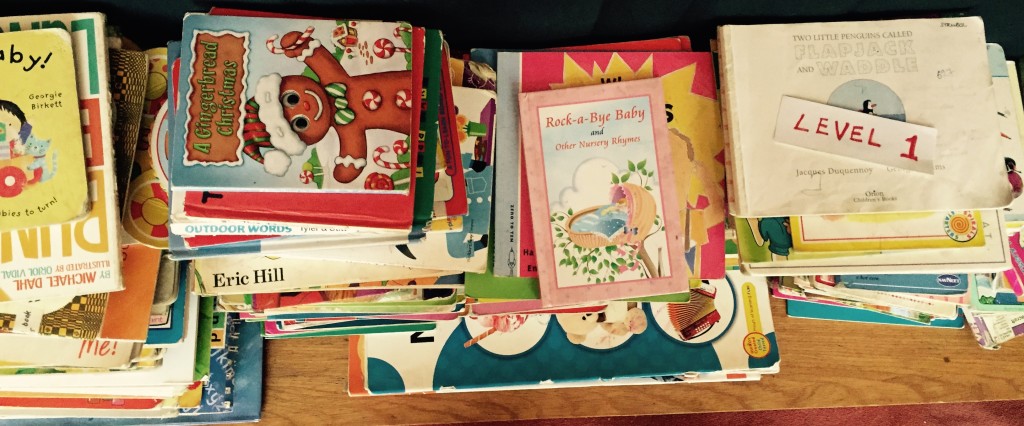
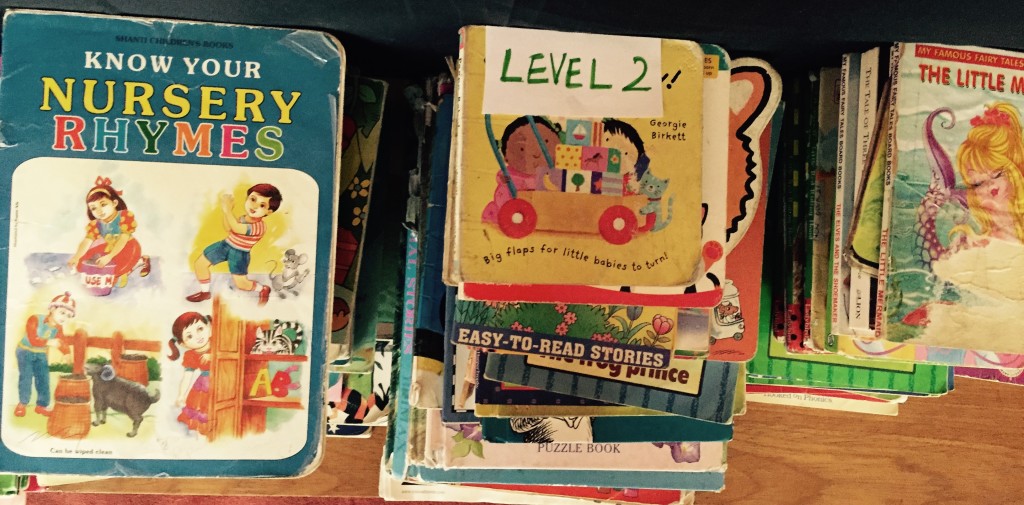
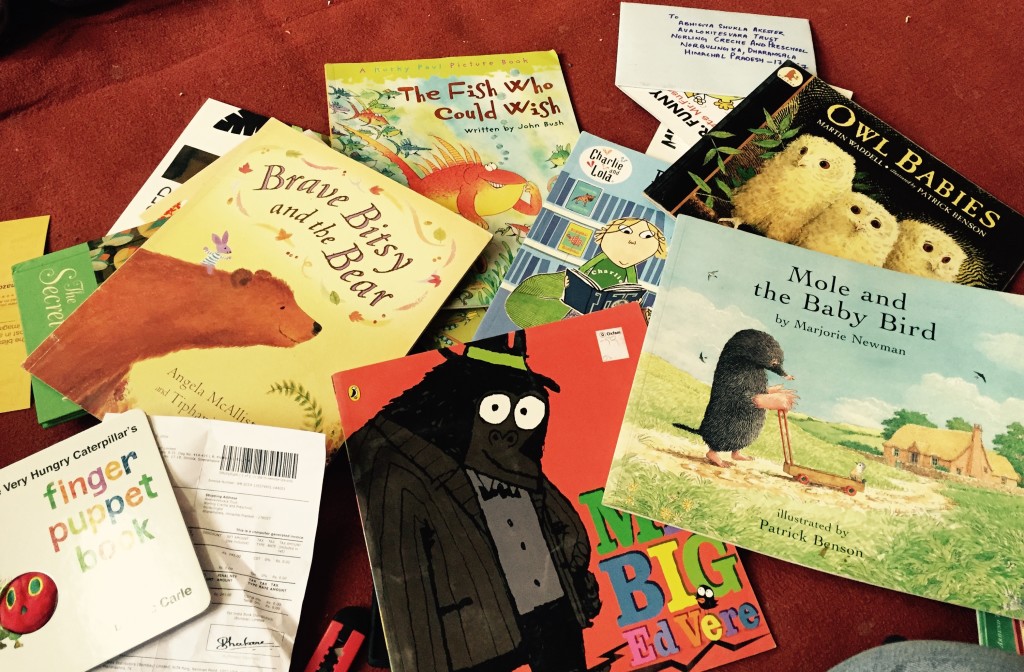
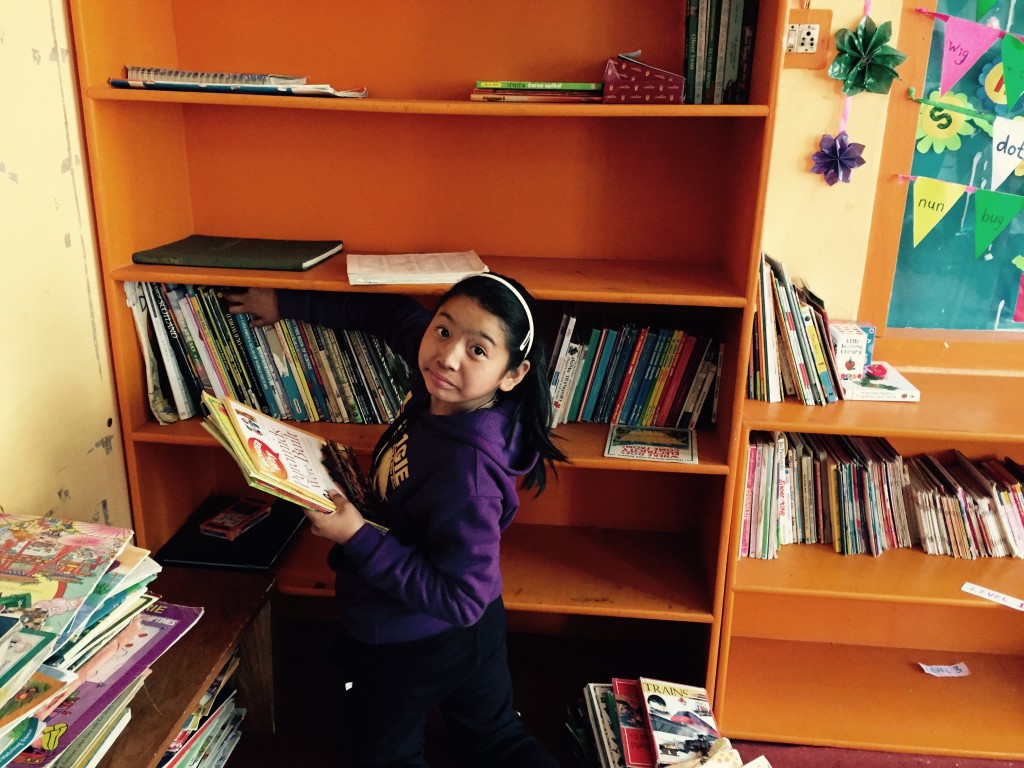
Book selection is another core skill. Teenagers look for age-appropriate language, engaging illustrations and stories that respect local experience. They are encouraged to offer two or three choices, because a child who can select a book is more likely to feel ownership of the session. Bilingual or multilingual resources can be especially valuable where children move between languages.
The training also covers questions that invite thought. Instead of asking only whether a child liked a story, a buddy might ask what a character could do next, how a picture changes the mood or whether the child has seen something similar. These prompts support comprehension without turning a relaxed reading session into an exam.
For Australian volunteers and donors, the process may feel familiar from primary school reading groups or programs run through libraries in Melbourne, Sydney and regional towns. It also reflects the practical value of a well-used book: with Australian bookshop prices often high for new children’s titles, families frequently rely on public libraries, school collections, book swaps and op shops to keep young readers supplied.
Learning To Lead A Safe And Inclusive Session
A teenager does not become a mentor simply by being older than the child. We teach clear boundaries, respectful conduct and reliable routines. Buddies learn to keep sessions in visible shared spaces, follow the guidance of adult coordinators and treat every child’s language, background and ability with dignity.
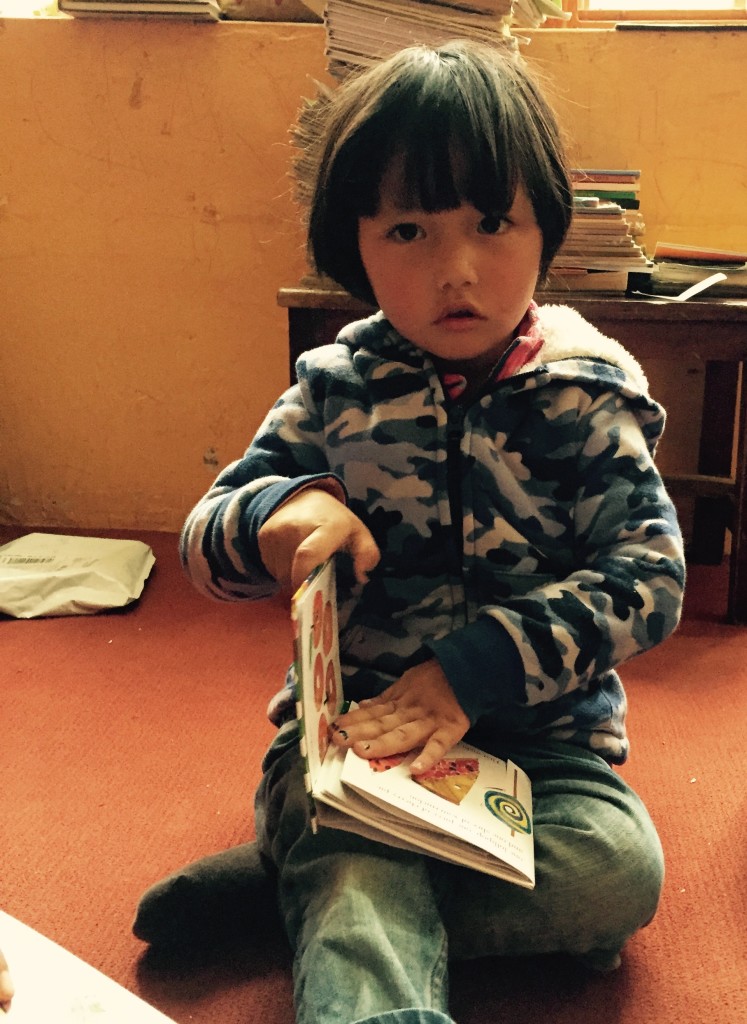
Inclusion is discussed directly. A younger child may be shy, energetic, easily distracted or still developing confidence in the session language. The buddy learns to adapt through shorter passages, paired looking at pictures, movement breaks and drawing. The aim is participation, not performance.
Teenagers also practise noticing when a child needs additional support. They are not expected to diagnose learning difficulties or solve family concerns. Instead, they learn to record simple observations and speak with the supervising adult. This protects the child and gives the mentor a clear, manageable responsibility.
That safeguarding mindset will be recognisable to Australians familiar with school volunteering and Working with Children Checks. Procedures vary between states and territories, but the principle is consistent: young people deserve thoughtful supervision, predictable boundaries and adults who take their wellbeing seriously.
Turning Responsibility Into Confidence
Each reading buddy receives a small set of duties. They help prepare the space, welcome the younger child, choose or share a book, tidy resources and give a short reflection afterwards. Repeating this cycle helps teenagers understand that leadership is built through dependable actions rather than a single impressive performance.
Feedback is specific and encouraging. A coordinator may praise a teenager for waiting patiently, then suggest using more open questions next time. Buddies reflect on what captured the child’s attention, where concentration faded and which book might work better at the next meeting. This turns each session into a manageable learning experience for both participants.
The role can also reshape a teenager’s sense of what is possible. A young person who once viewed books as schoolwork may discover an interest in storytelling, teaching, illustration or community service. The experience gives them a voice and a meaningful place in the reading room.
That progression is visible in the story of a young monk teacher, whose educational journey shows how access to books and encouragement can influence a person well beyond the original program. A teen reading buddy may begin by helping with one child and later carry those skills into classrooms, monasteries, youth groups or family life.
Growing A Culture Of Shared Reading
The strongest results appear when reading buddies become part of the community rather than a short-term activity. Regular sessions create familiar faces and routines. Younger children begin to anticipate story time, while teenagers develop a reputation for being helpful, patient and trustworthy.
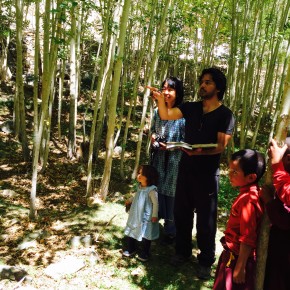
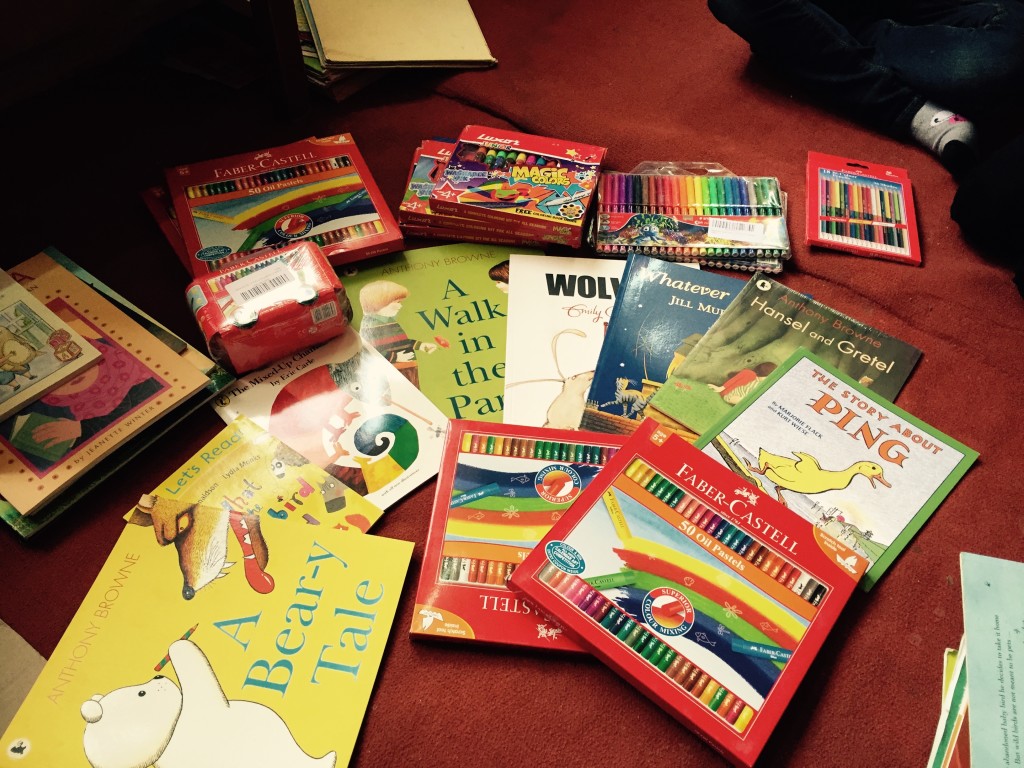
We encourage mentors to connect books with local surroundings. A story about animals can lead to a conversation about the Himalayan landscape; a poem can inspire a group performance; an illustrated book can become the starting point for a painting activity. These links make reading feel alive and relevant, especially for children who have limited access to books at home.
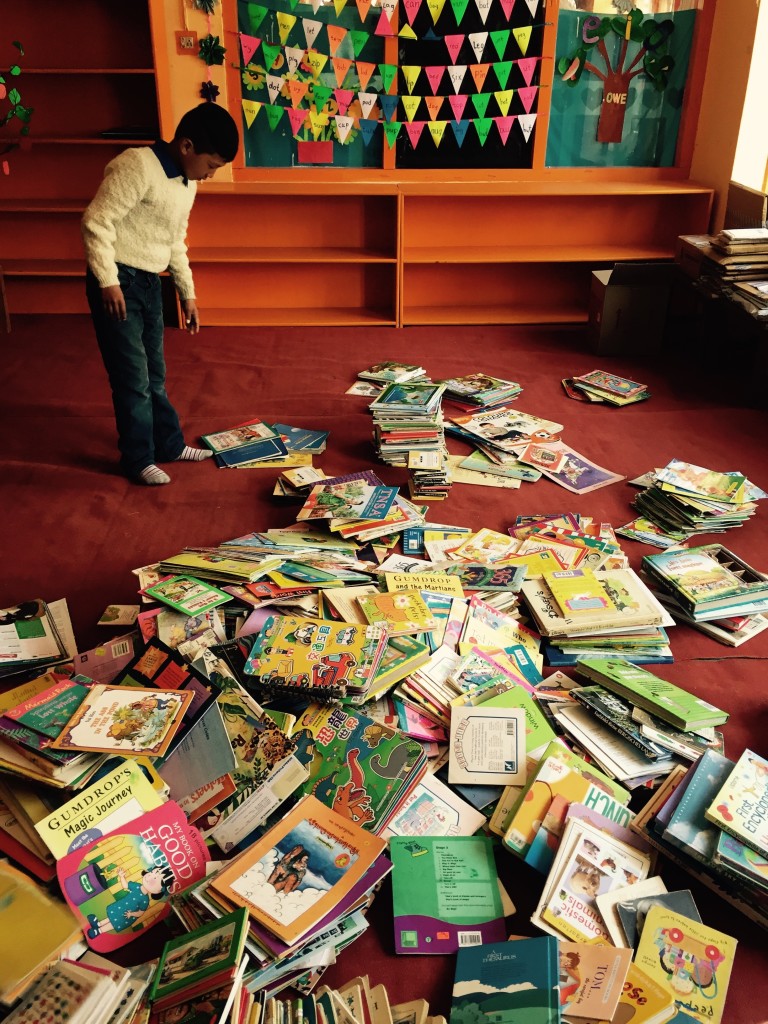
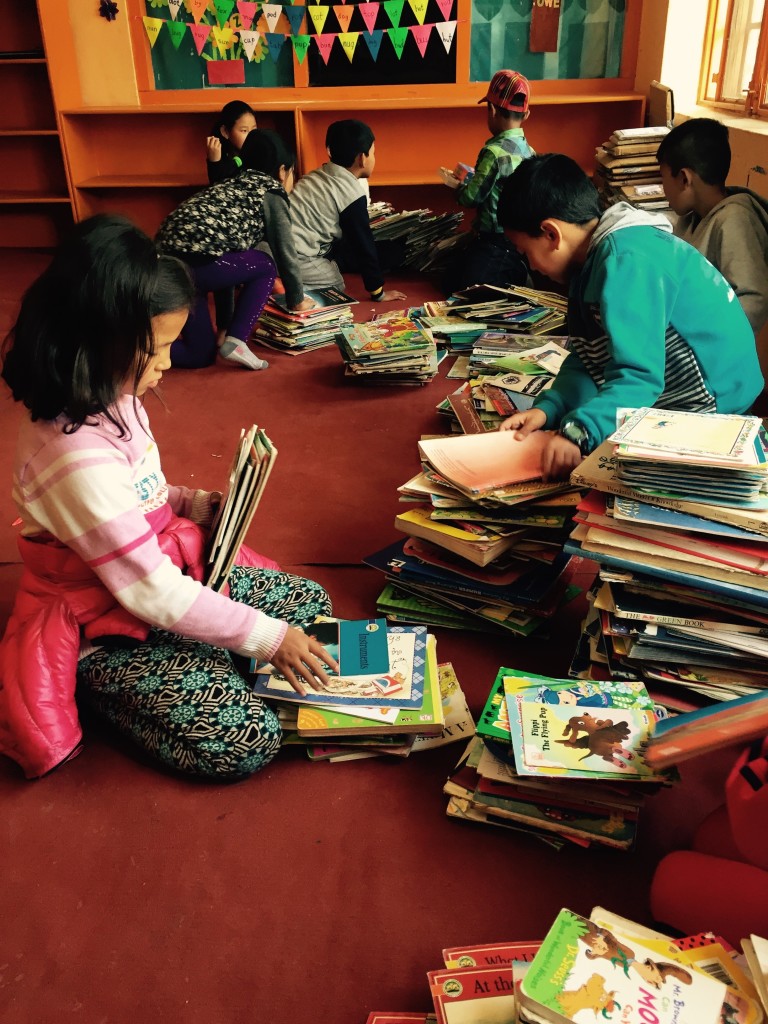
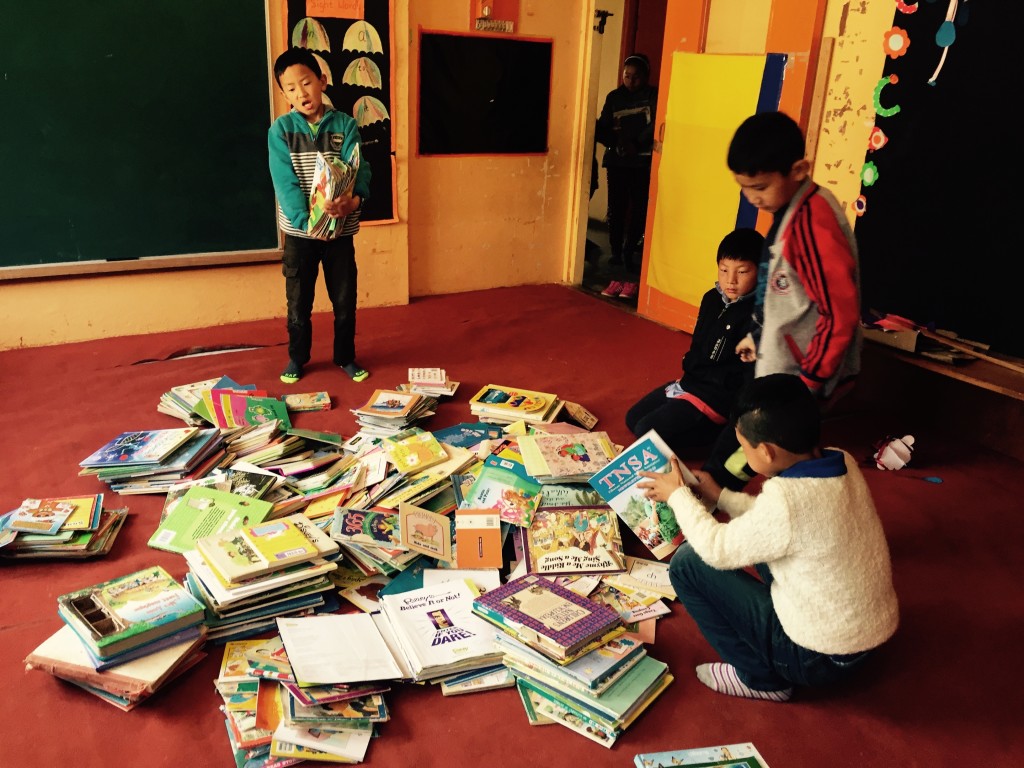
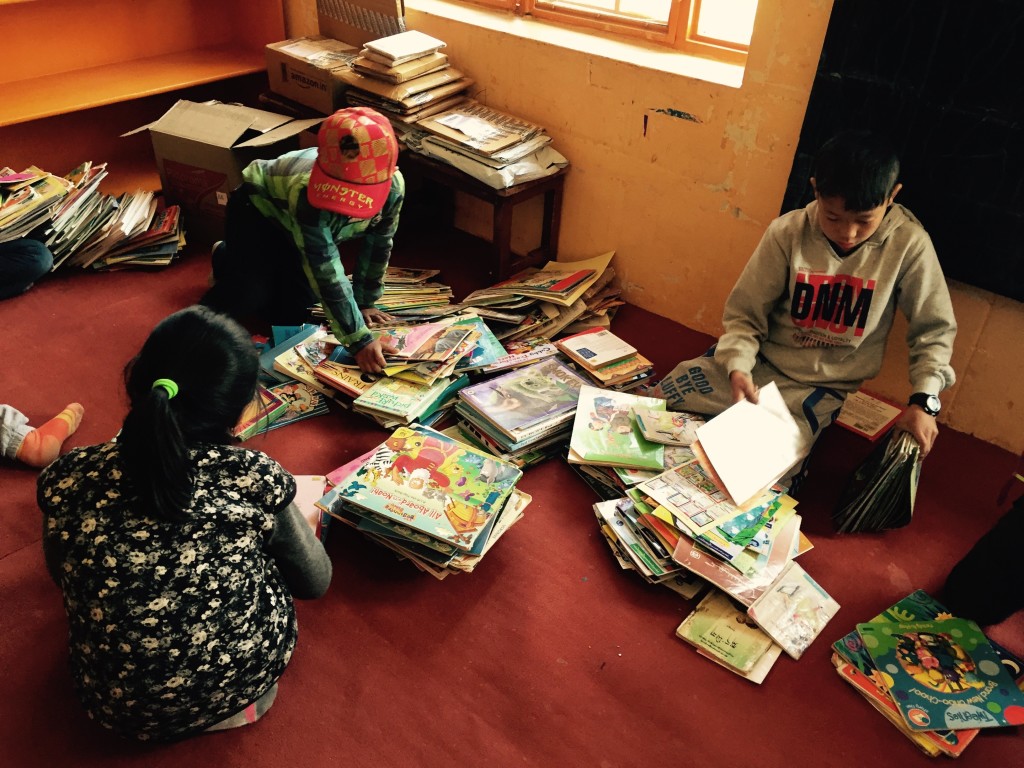
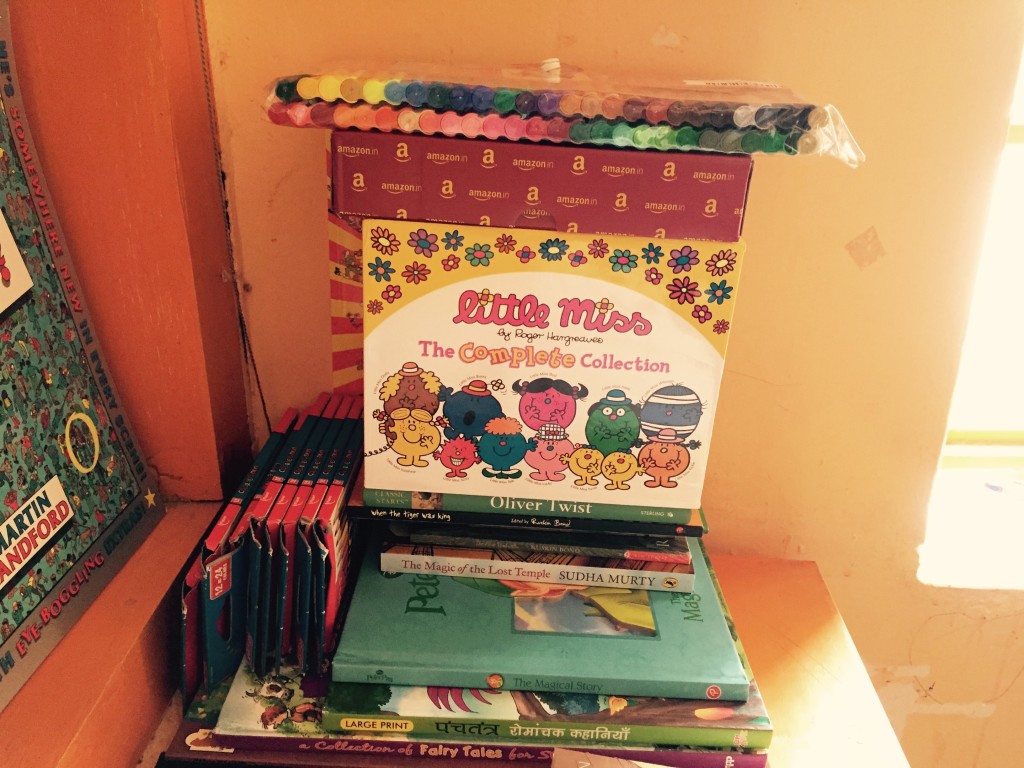
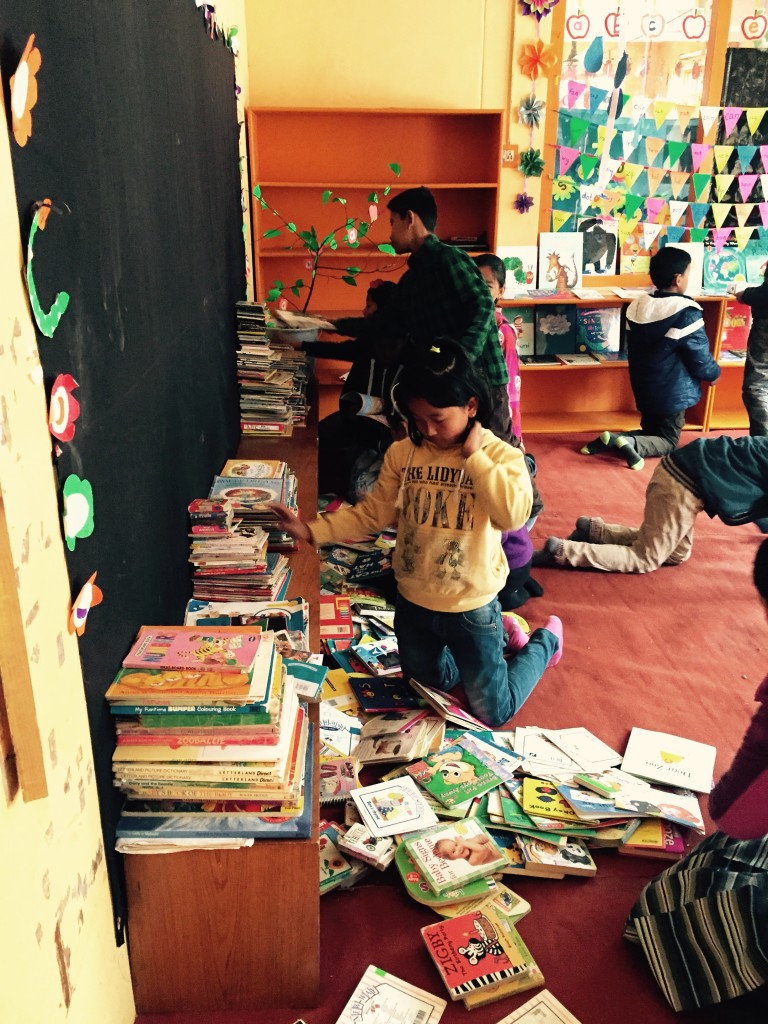
The model also offers useful lessons for Australian supporters. At a community centre, school library or neighbourhood book drive, older students can sort donated books, read with younger children and help create a welcoming corner. A Saturday session at a local library, a fundraiser at a school fete or a collection point at a weekend market can all support the same principle: books work best when people share them.
Teenagers gain confidence because they are trusted with real responsibilities, while younger children gain attention from someone close enough in age to feel approachable. Adult staff remain present to guide the program, but the relationship between buddies gives the reading room energy, warmth and continuity.
The most important outcome is not a perfect reading performance. It is the gradual formation of a community in which children expect stories to be available, teenagers see themselves as capable contributors, and learning is connected with kindness. A reading buddy helps a younger child discover that books belong to them, too.