From Young Monk to Teacher in Ladakh
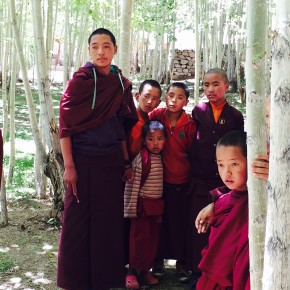
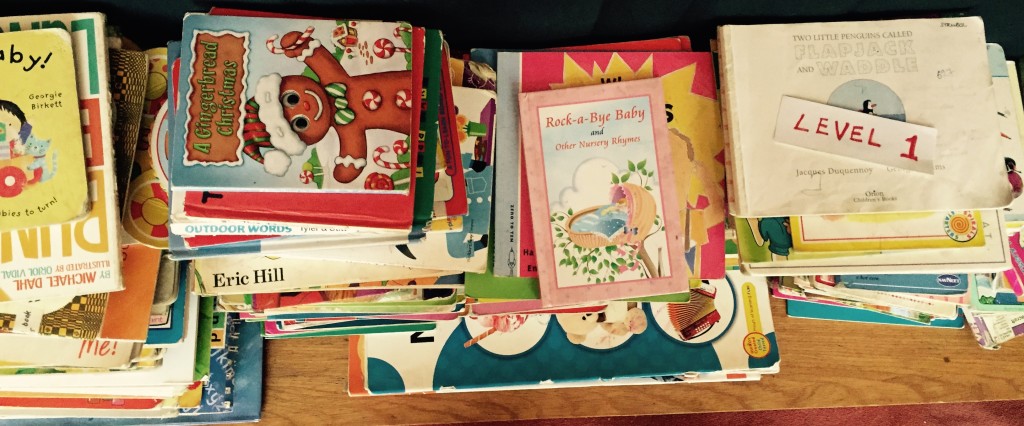
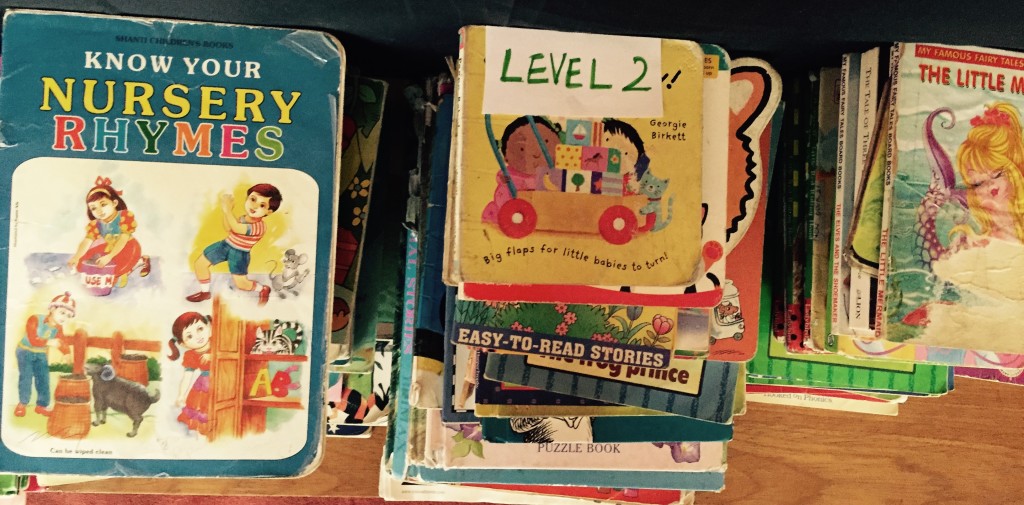
In a quiet Himalayan settlement, where mountain paths connect villages more reliably than roads, a young monk discovered that books could open a world beyond the monastery walls. He was curious, patient, and eager to learn, yet access to reading material was limited. The small collection available to him was often shared among many children and novice monks.
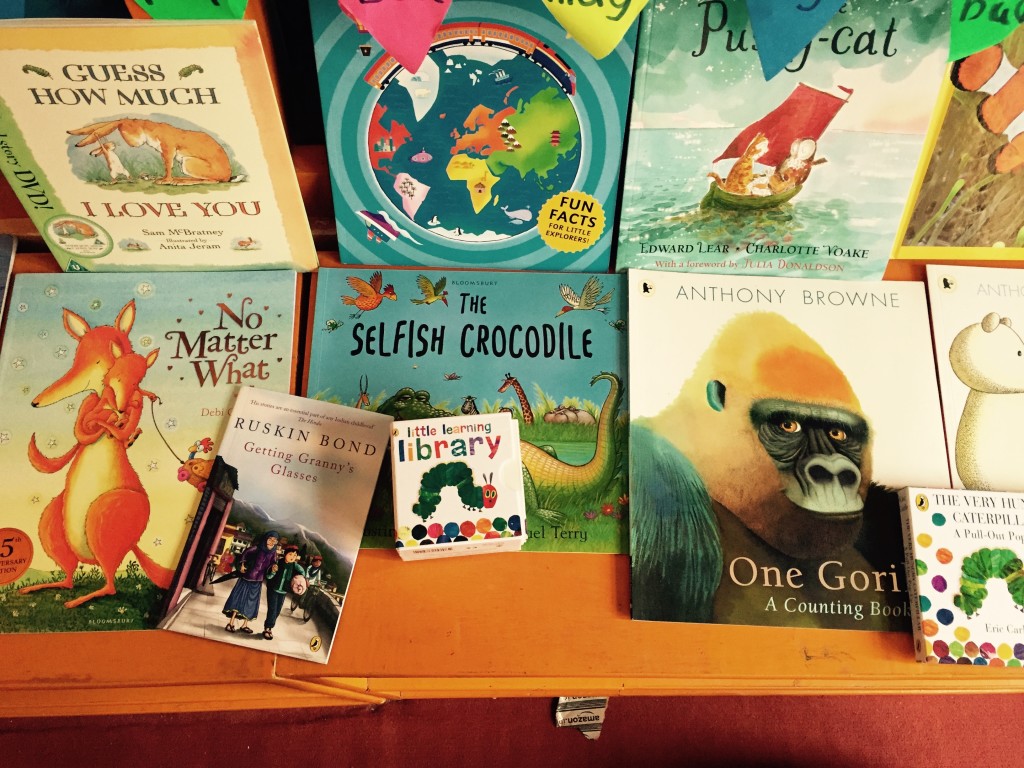
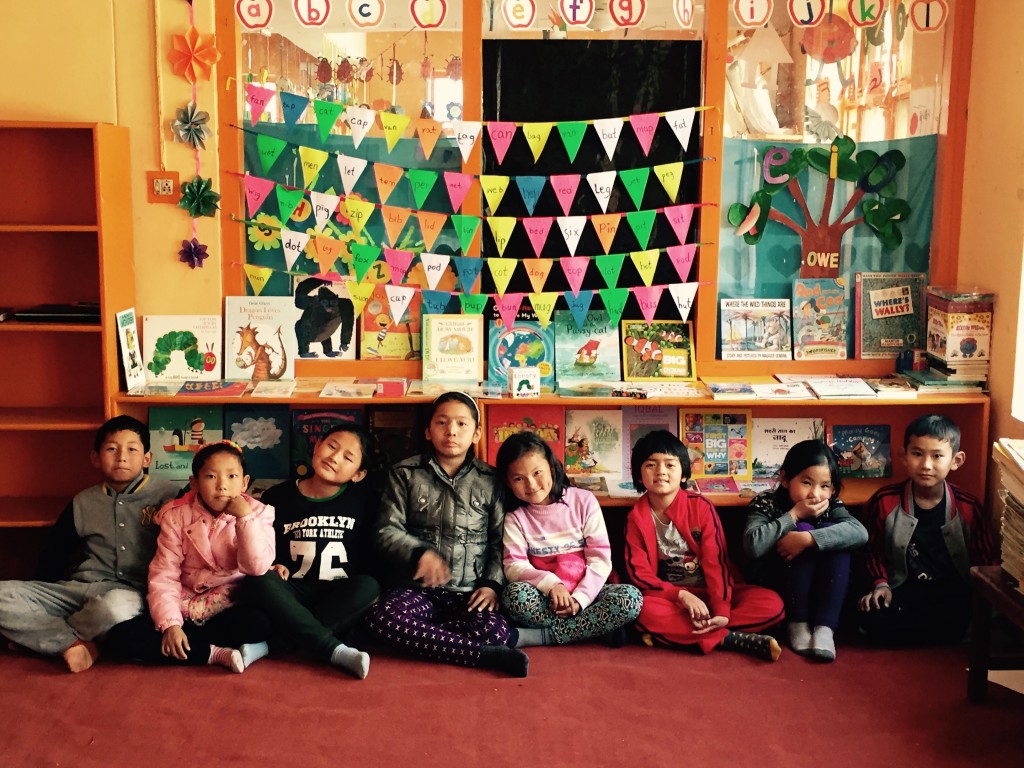
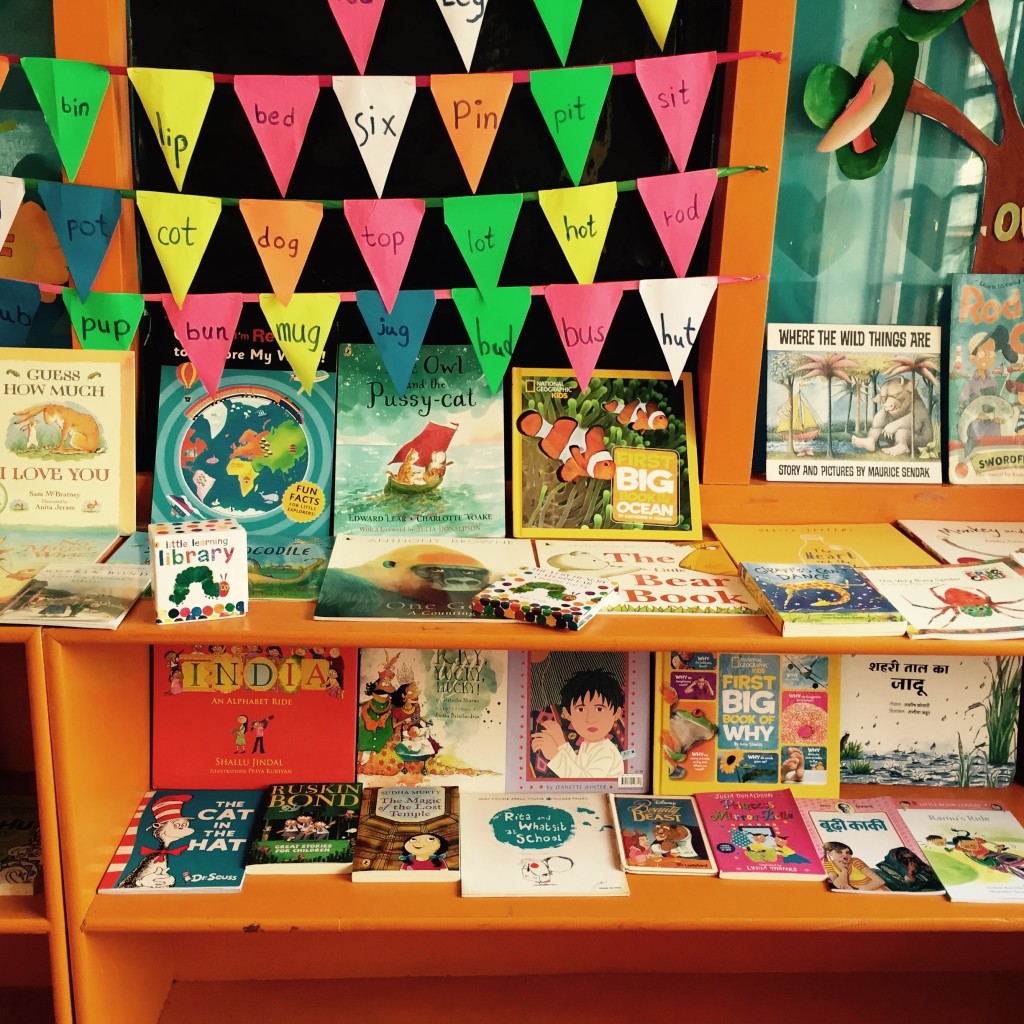
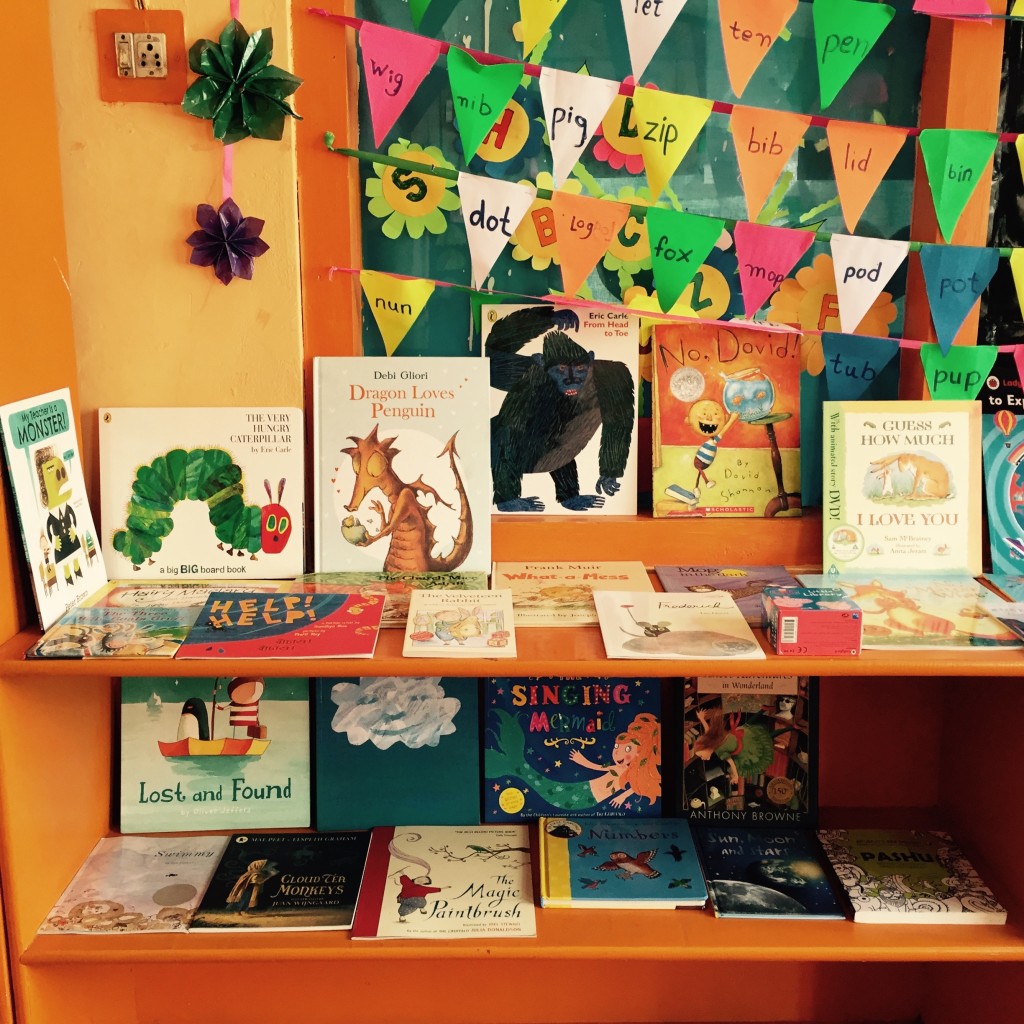
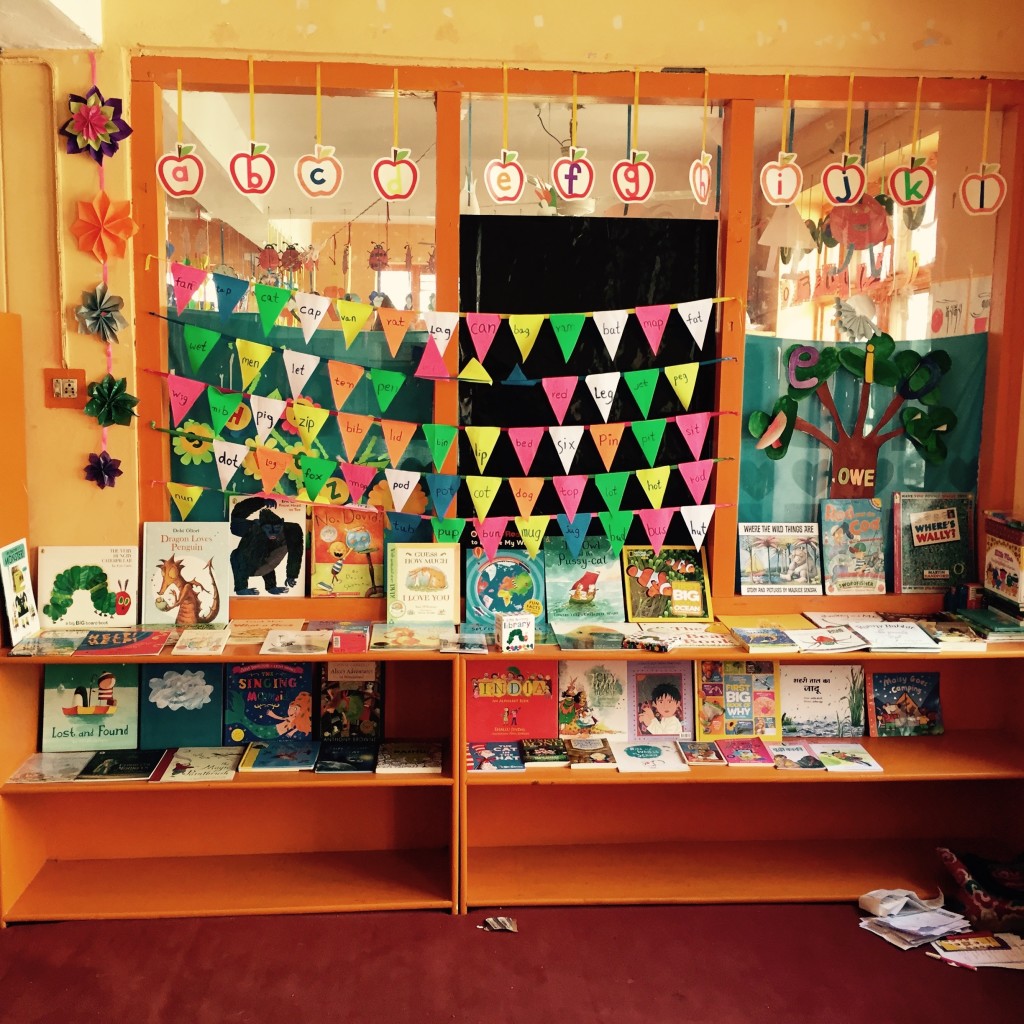
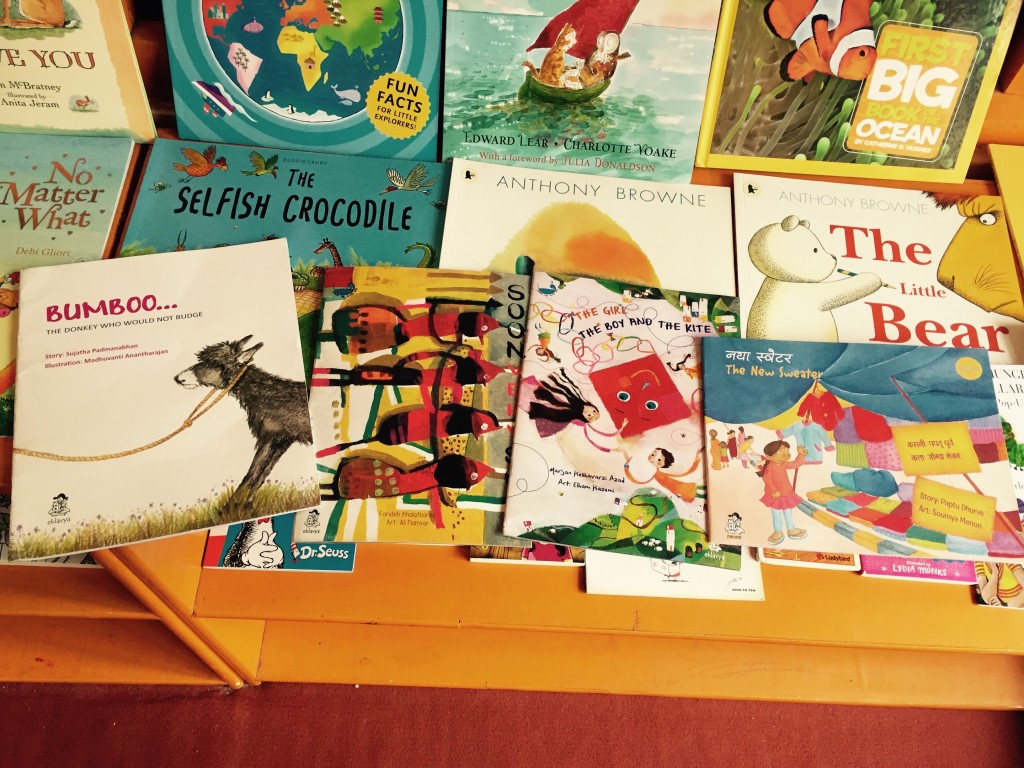
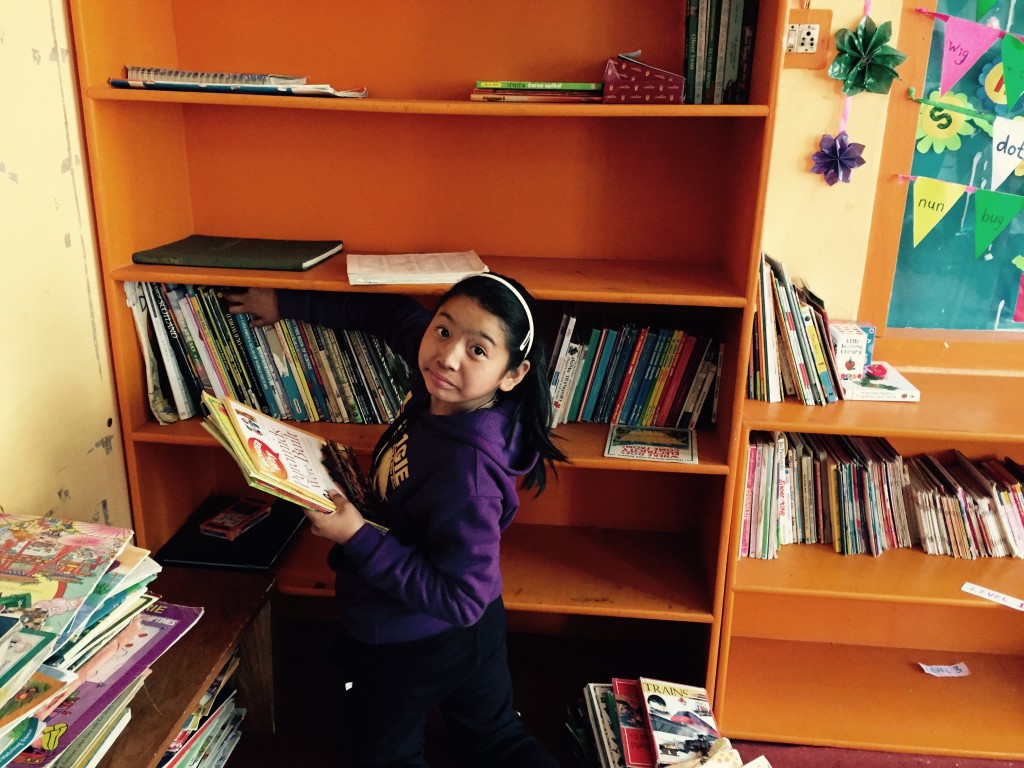
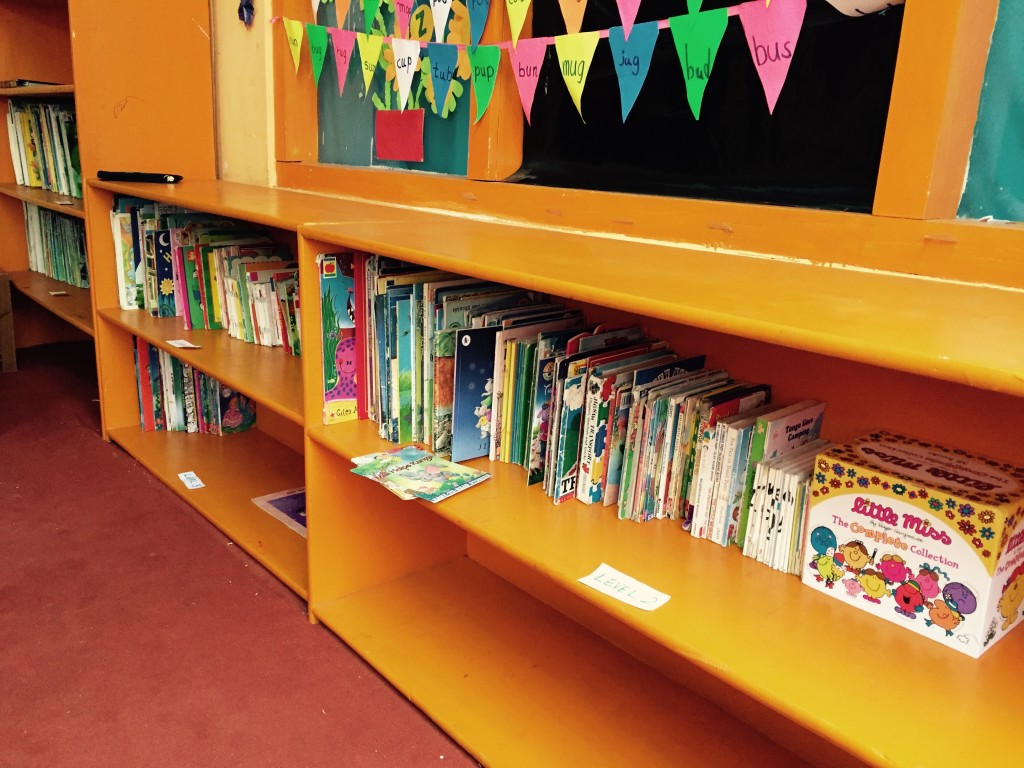
His path changed when an Avalokiteśvara Trust reading room opened in his community. The space offered storybooks, reference materials, art supplies, and a welcoming place to study. It also gave him something equally valuable: adults who recognized his abilities and encouraged him to share them with others.
This is the story of a young monk who became a teacher after our program. It is a story about literacy, confidence, and the lasting influence of a learning opportunity in a remote Himalayan community.
A Curious Child In A Monastery Community
As a child, the monk we will call Tashi spent his days between religious studies, household responsibilities, and lessons shared with other young monks. His formal education included memorization, reading sacred texts, and learning the customs of monastic life. He enjoyed these studies, but he was especially drawn to books with illustrations, stories, and information about places beyond Ladakh.
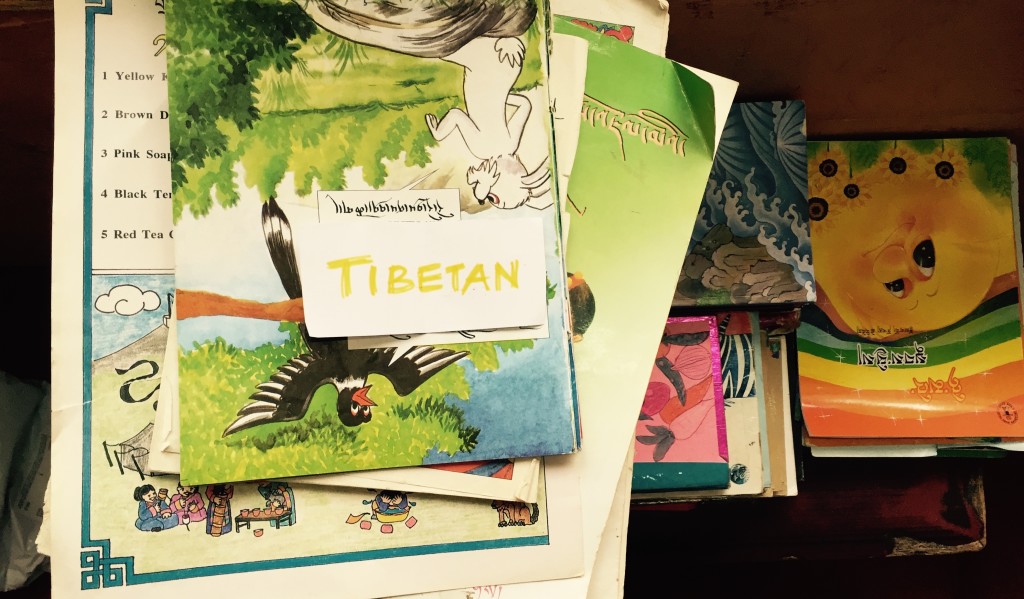
Finding suitable books was difficult. The monastery had a few religious texts, while the local school had limited resources for independent reading. Tashi often copied passages by hand or waited for another child to finish a book. These small obstacles could easily have narrowed his educational opportunities.
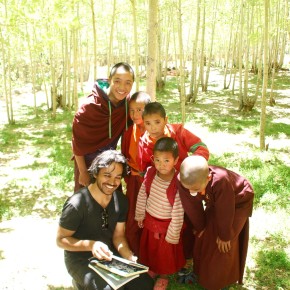
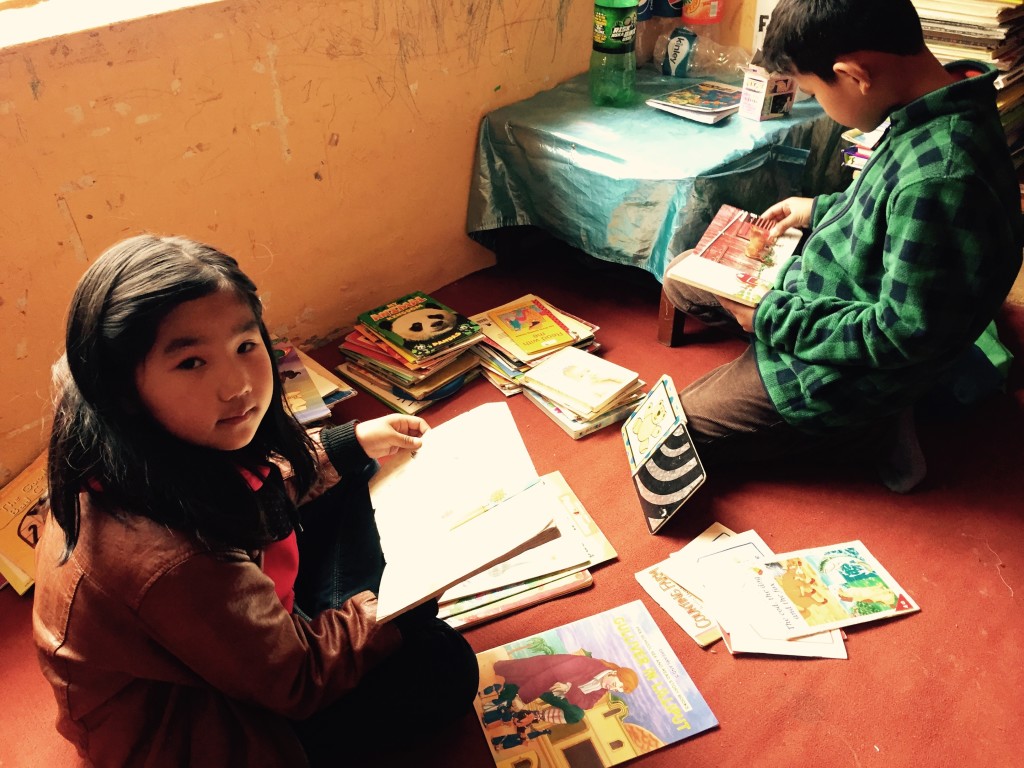
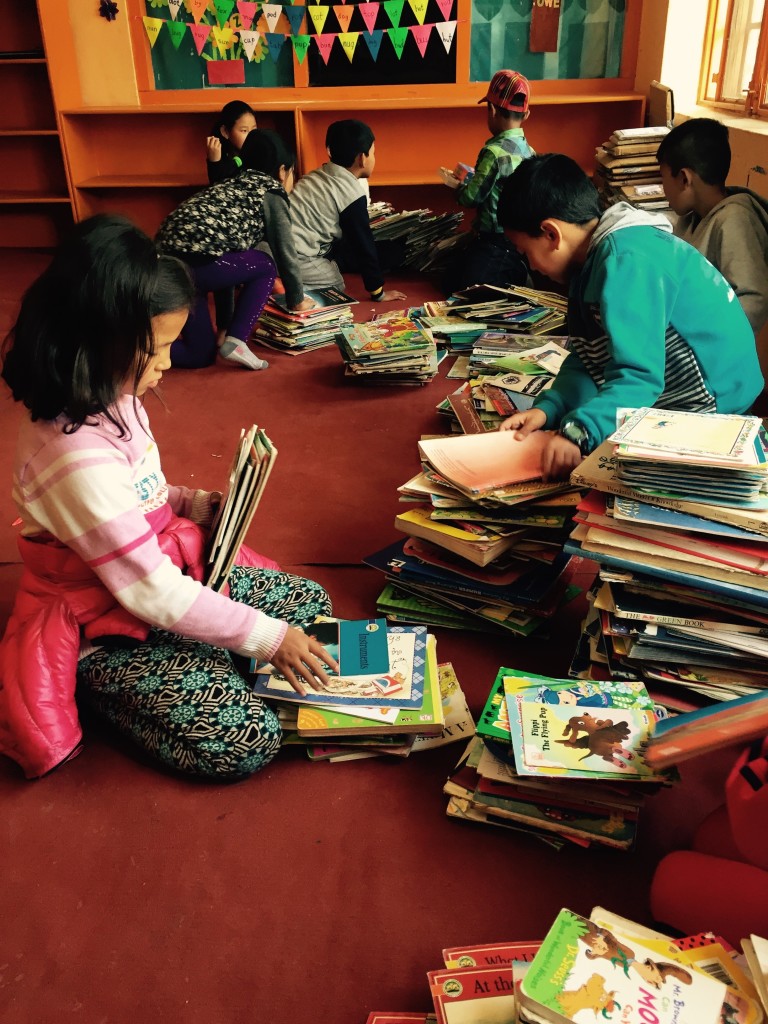
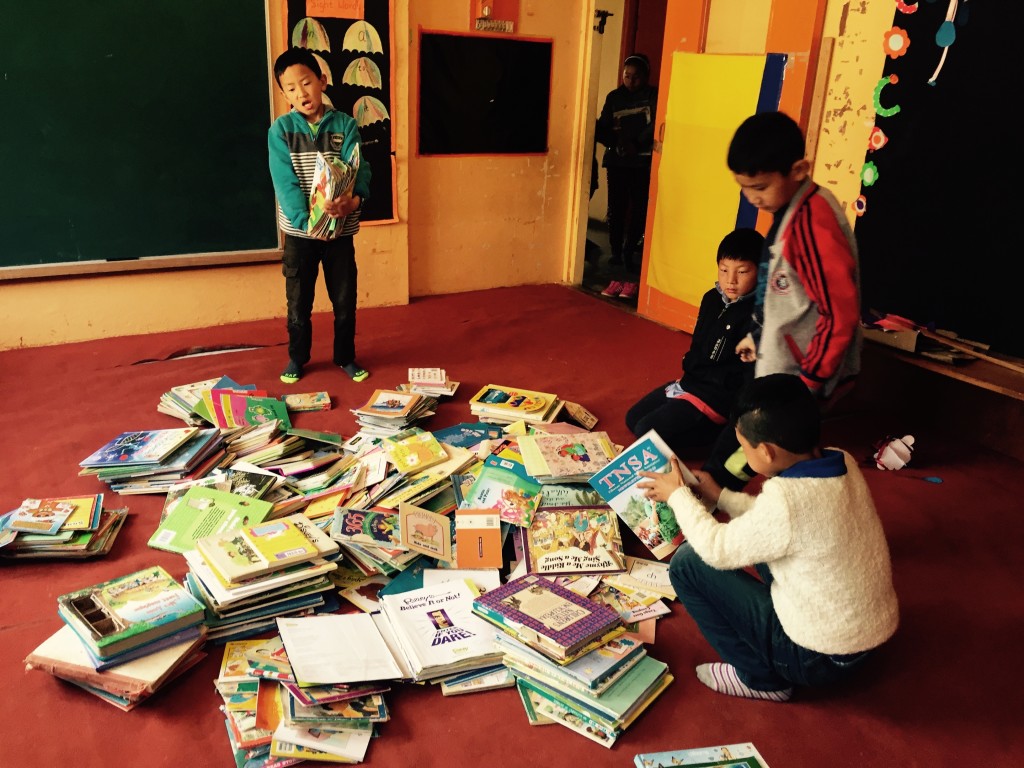
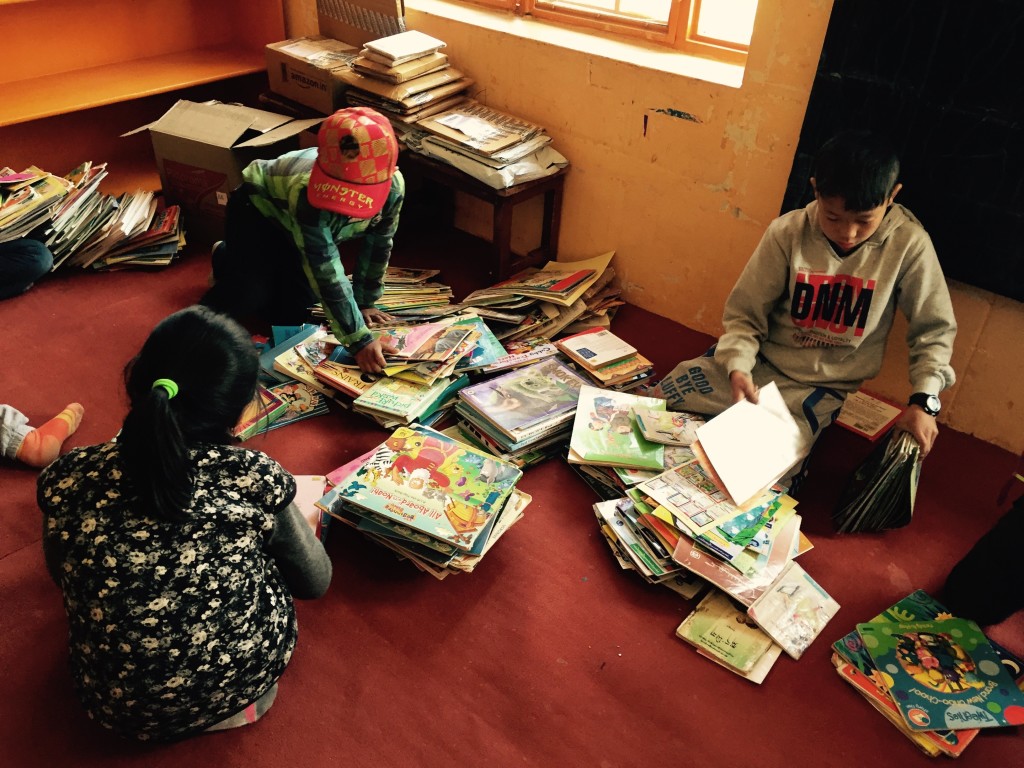
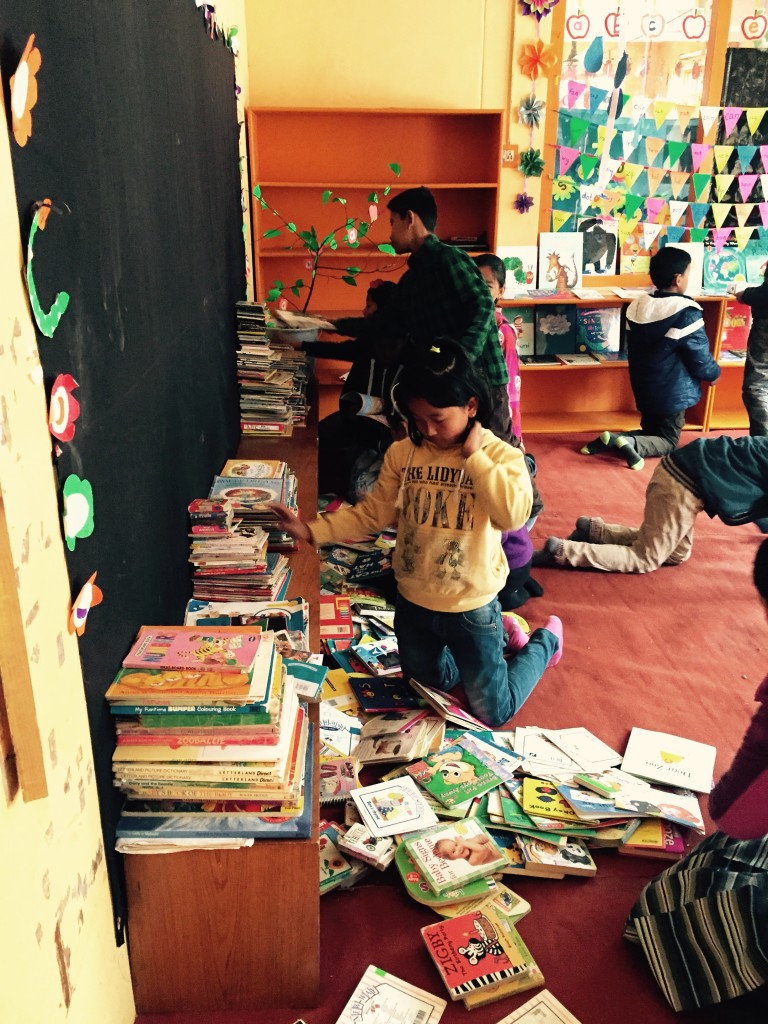
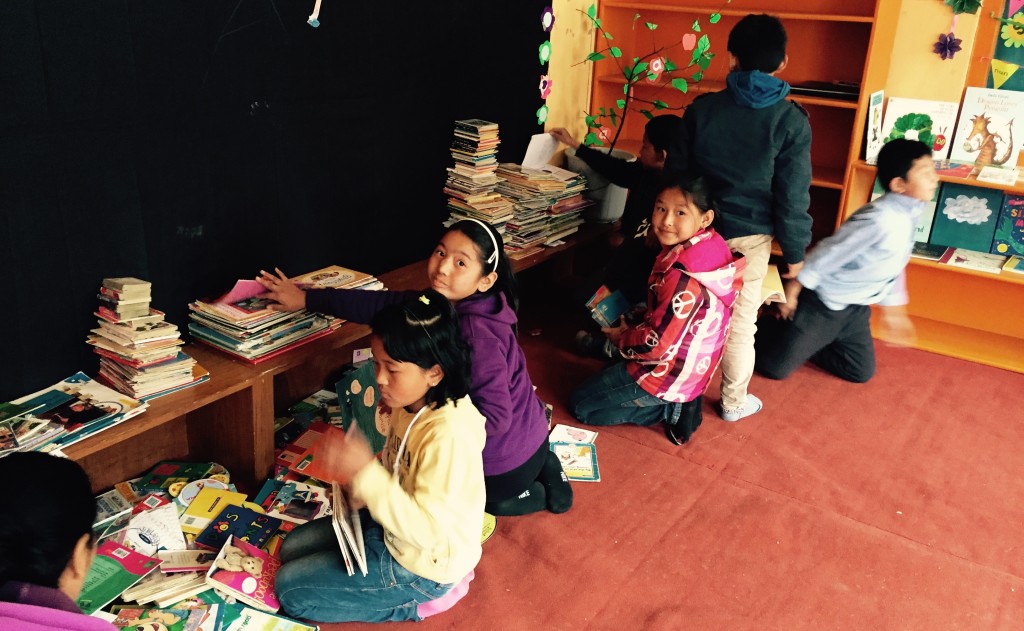
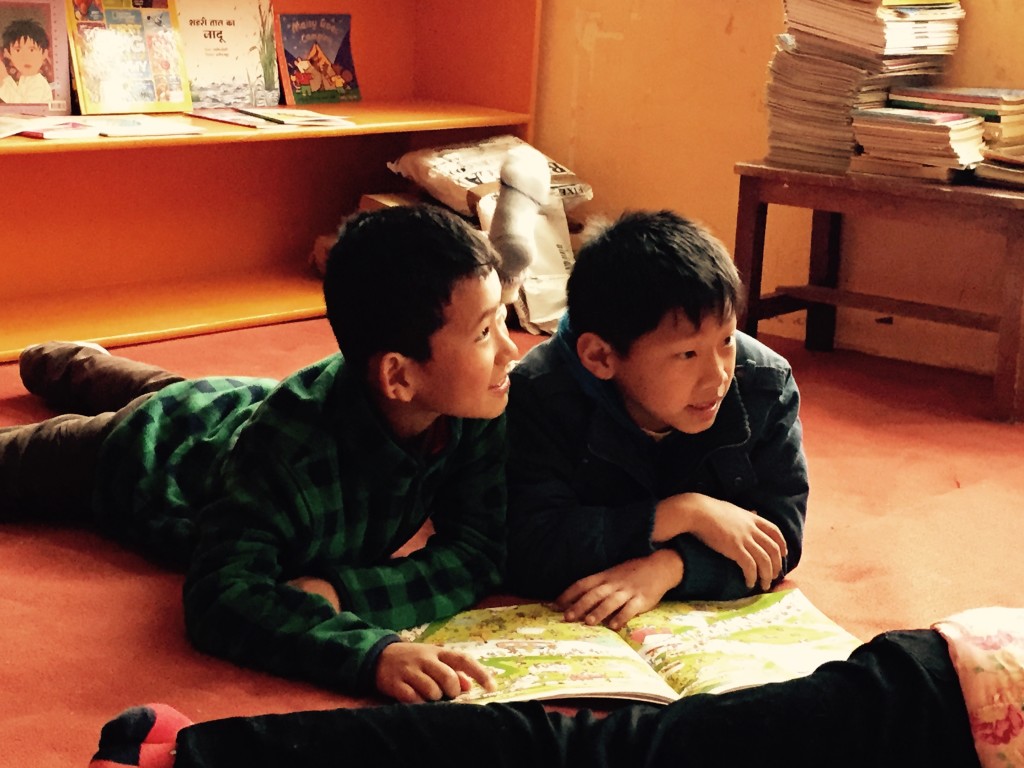
Instead, they strengthened his determination. When a new reading room became available through the Avalokiteśvara Trust, he began visiting regularly. At first, he came for the books. Soon, he was helping younger children choose stories, sound out unfamiliar words, and keep the shelves organized.
The Reading Room That Changed His Direction
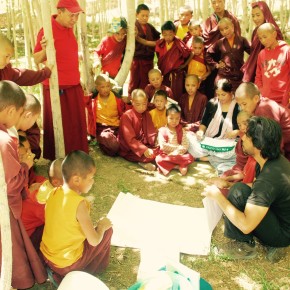
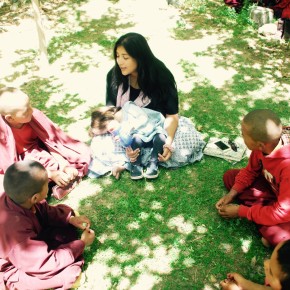
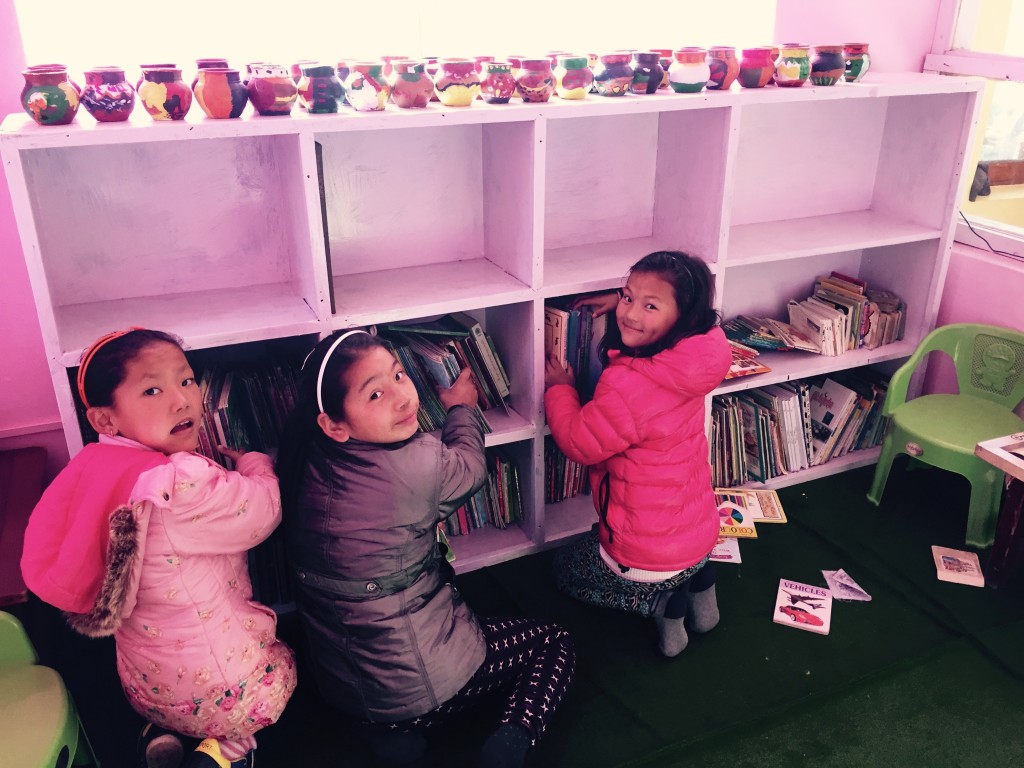
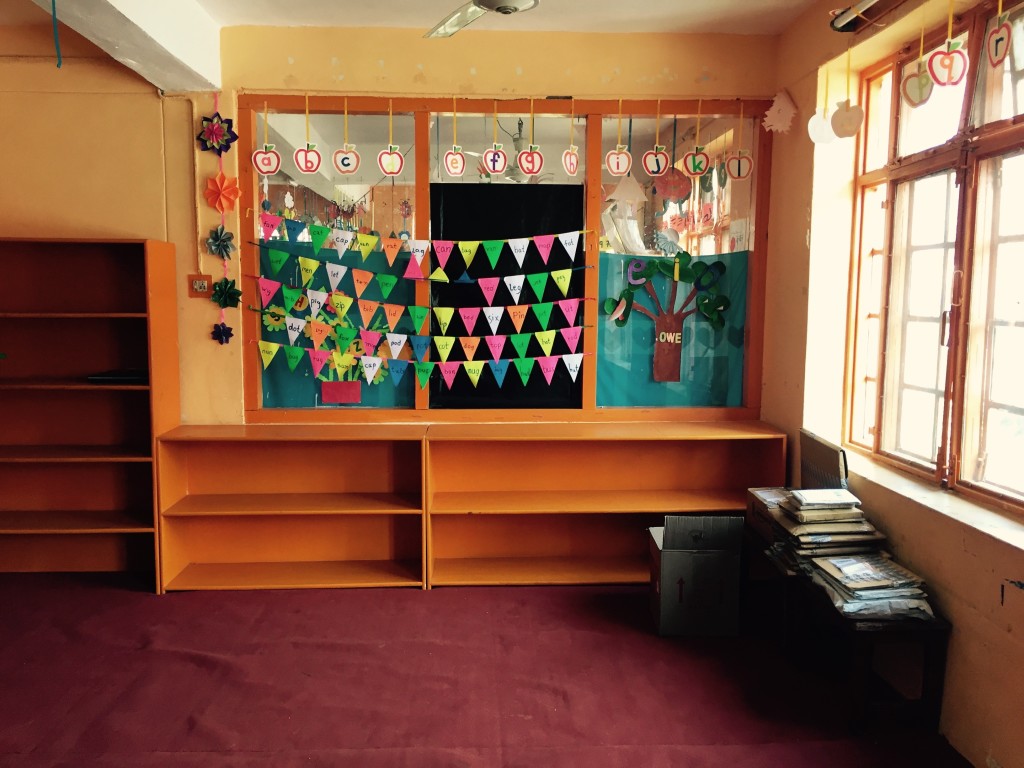
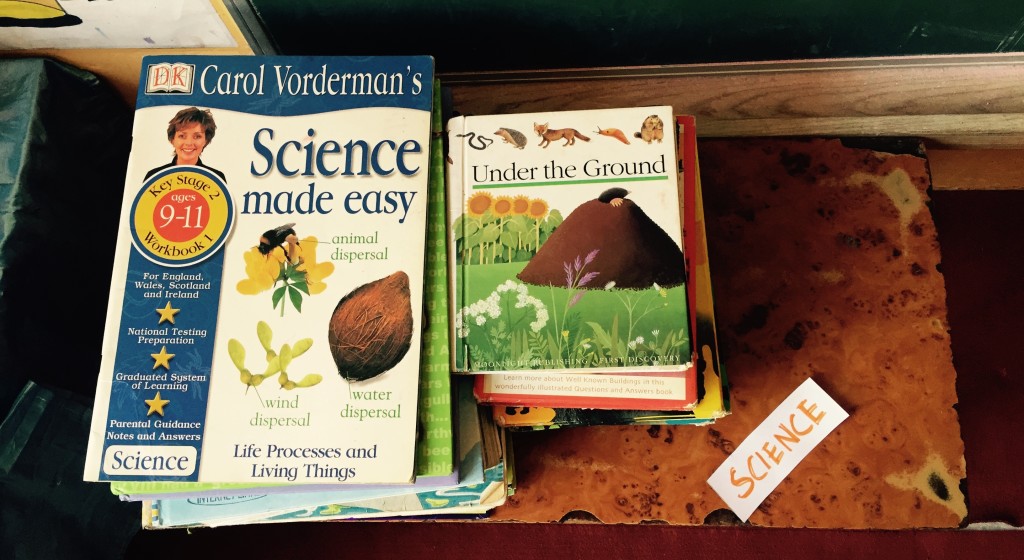
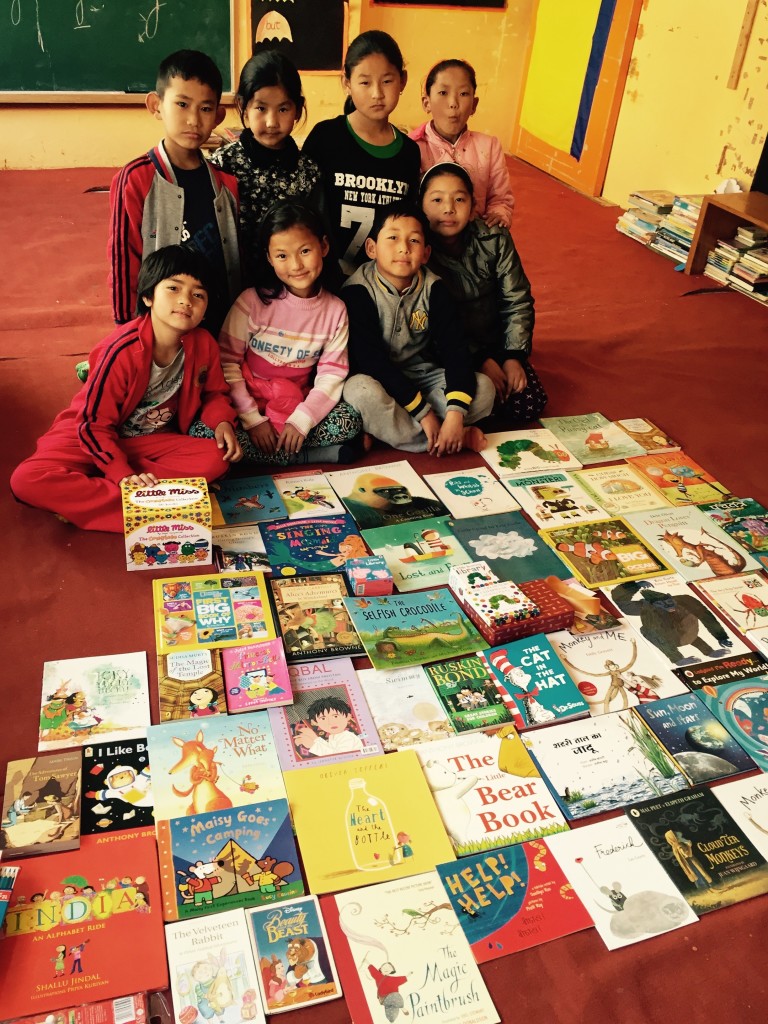
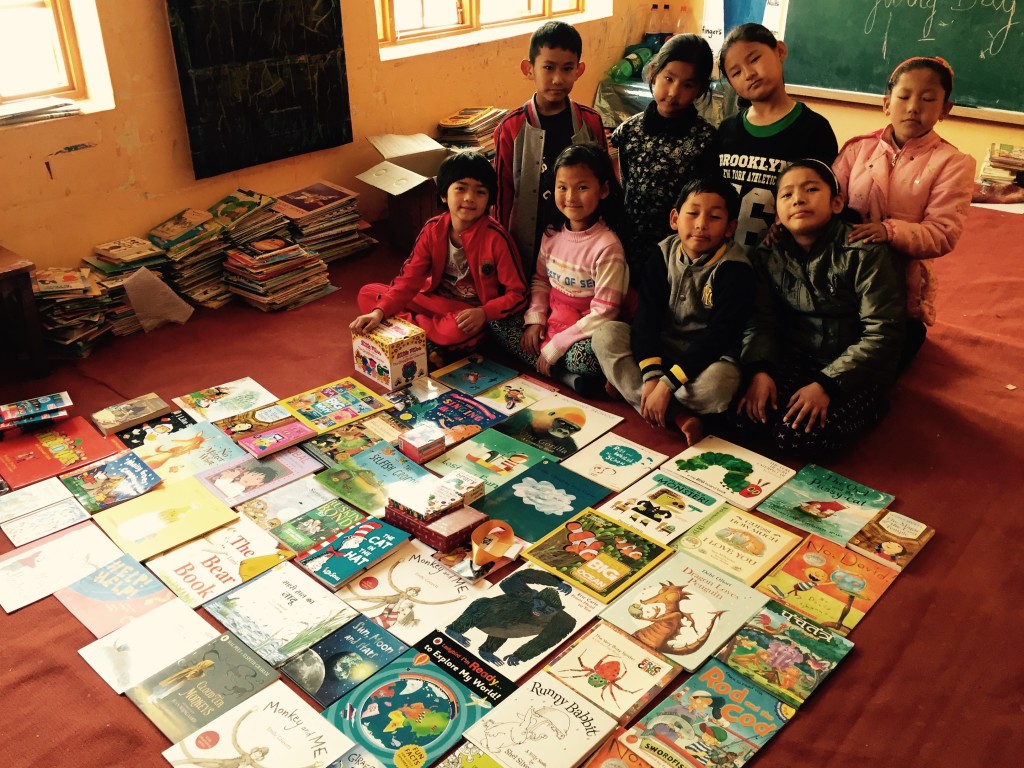
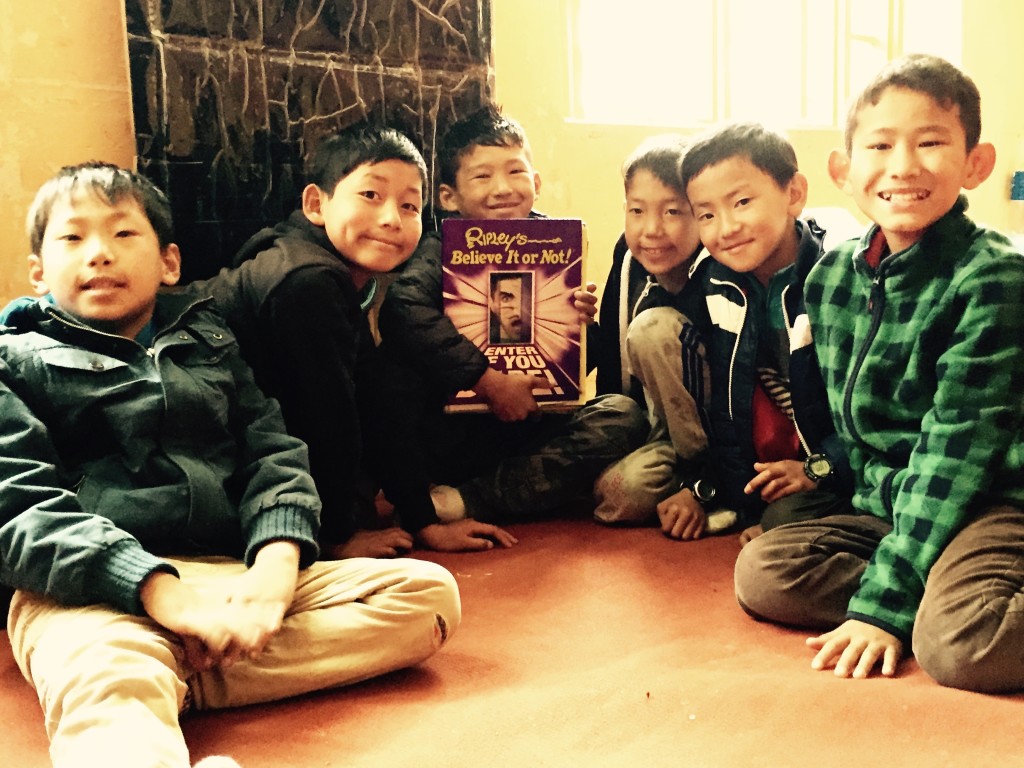
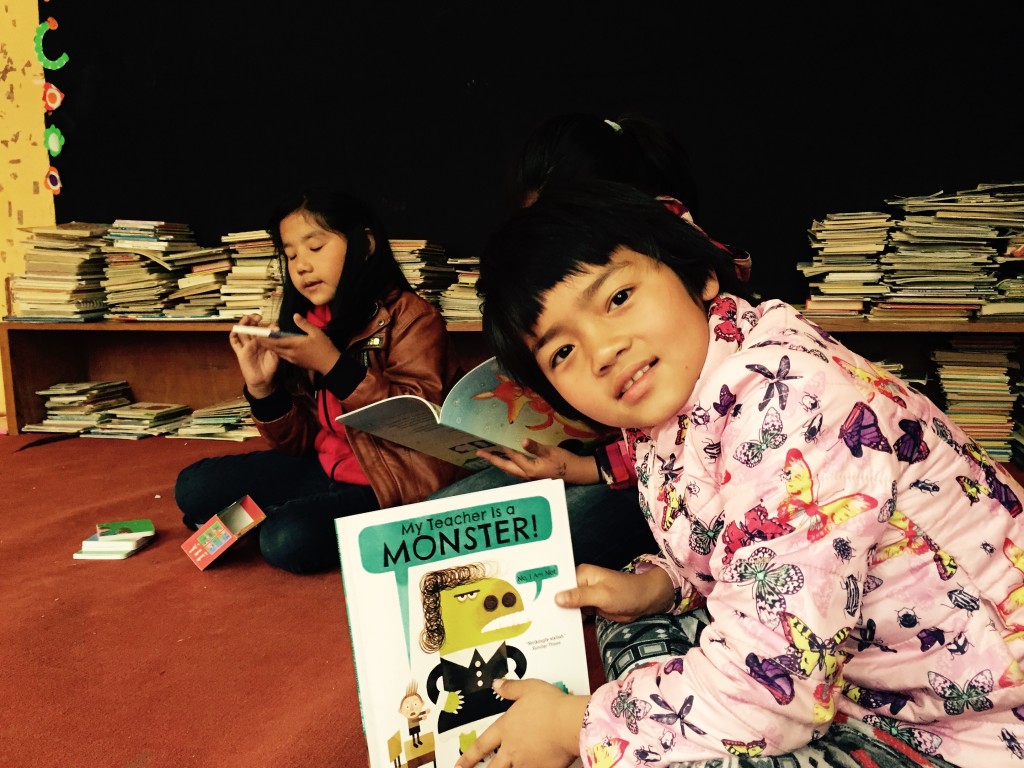
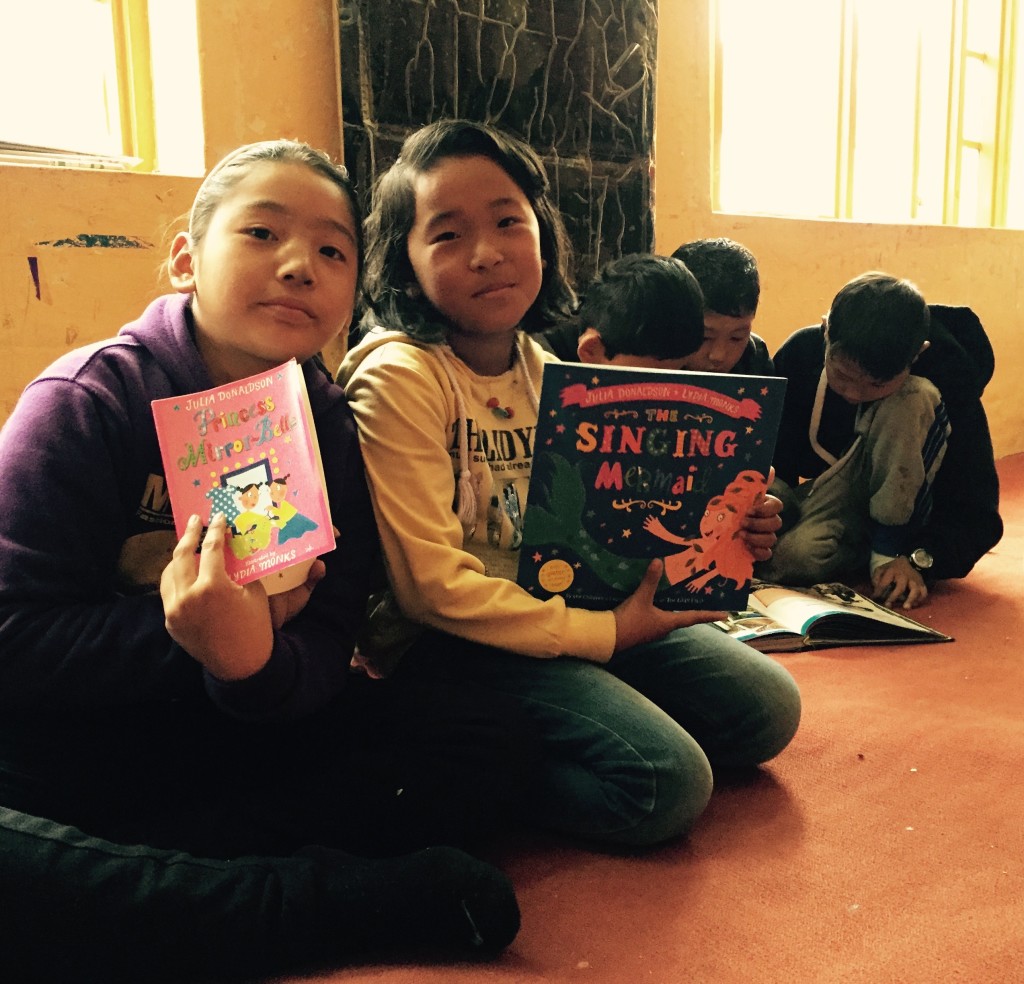
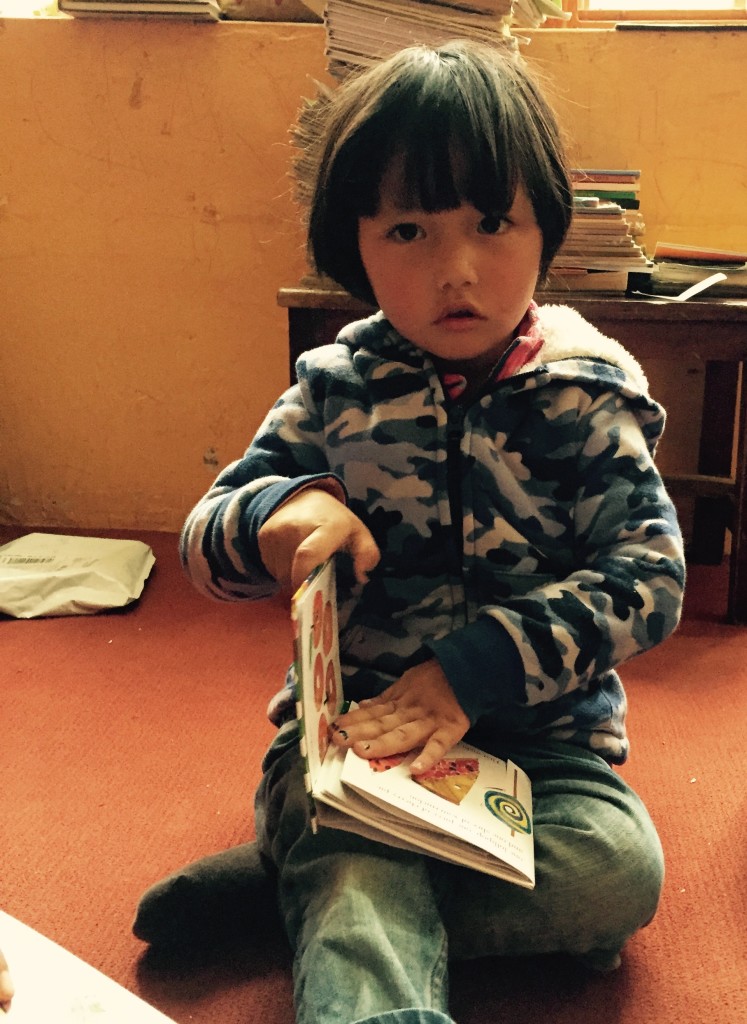
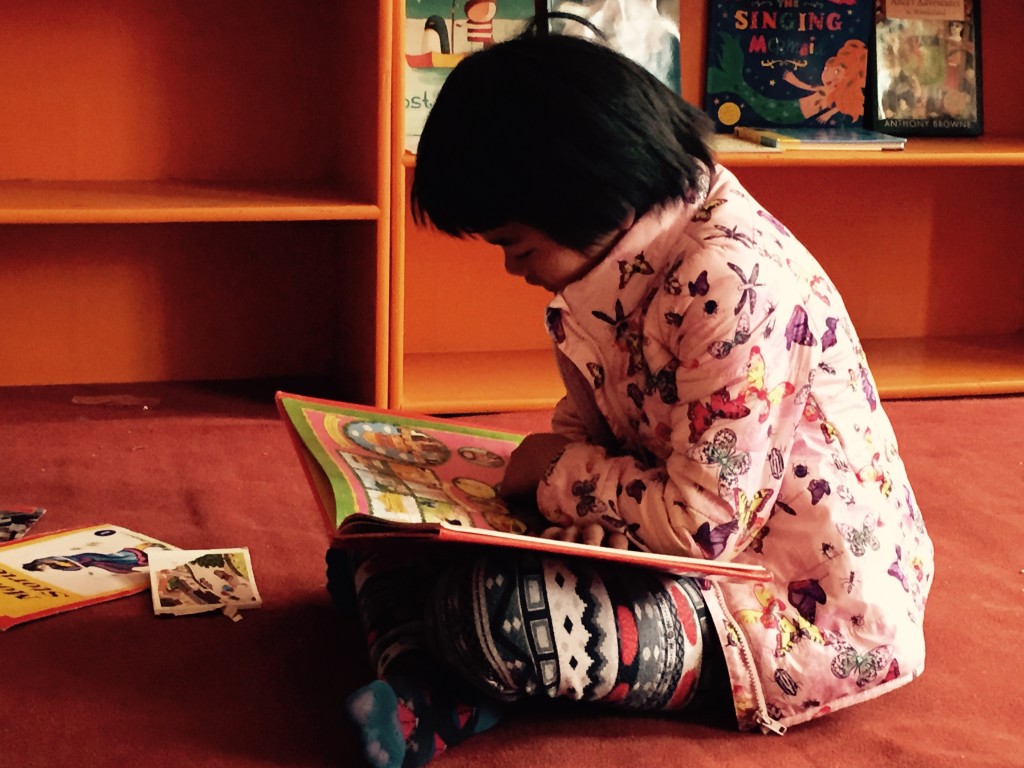
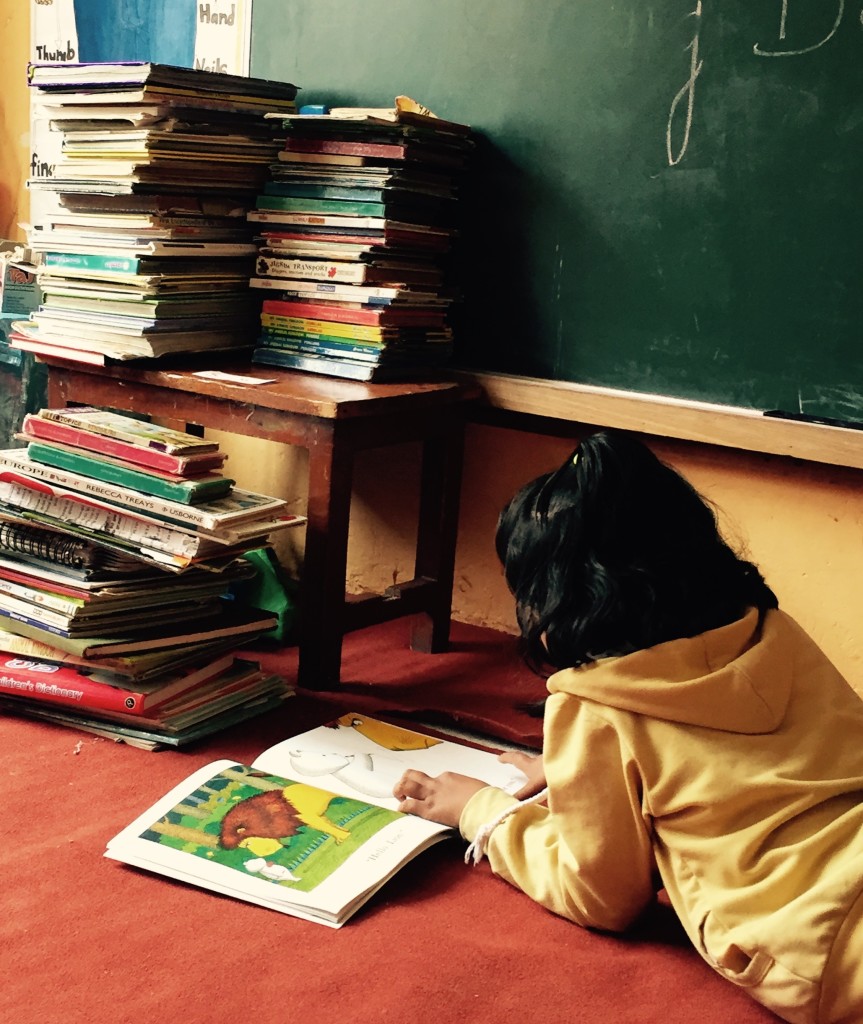
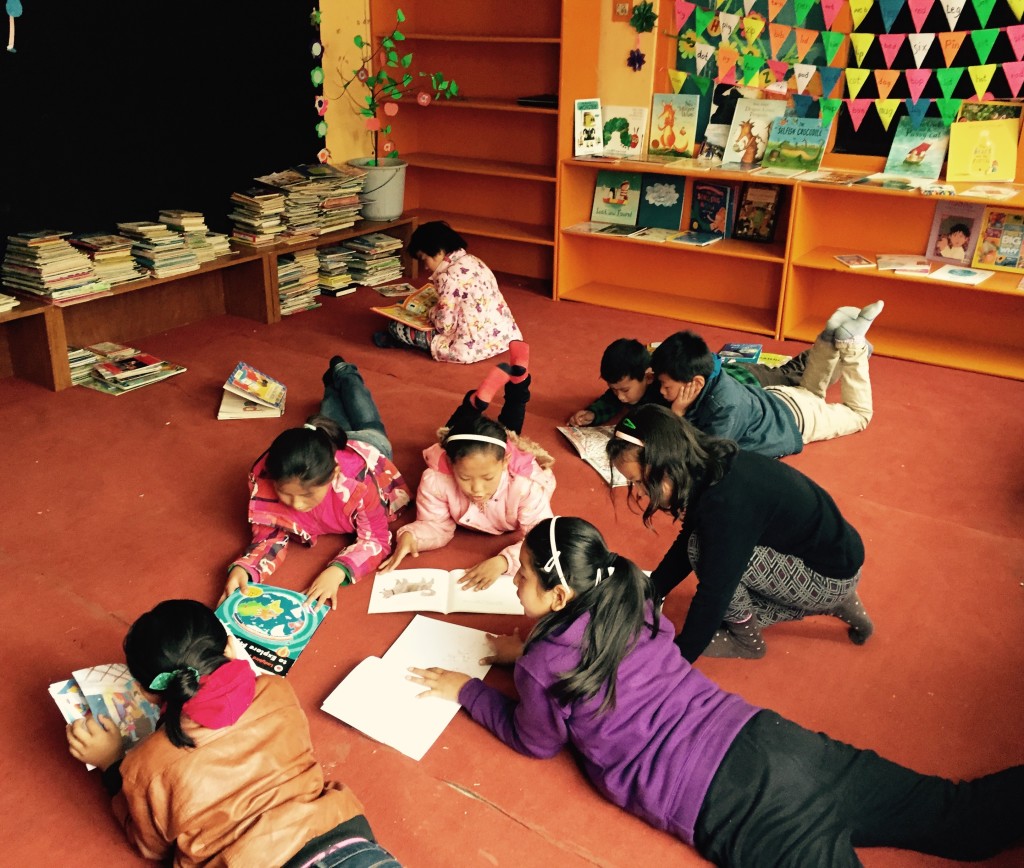
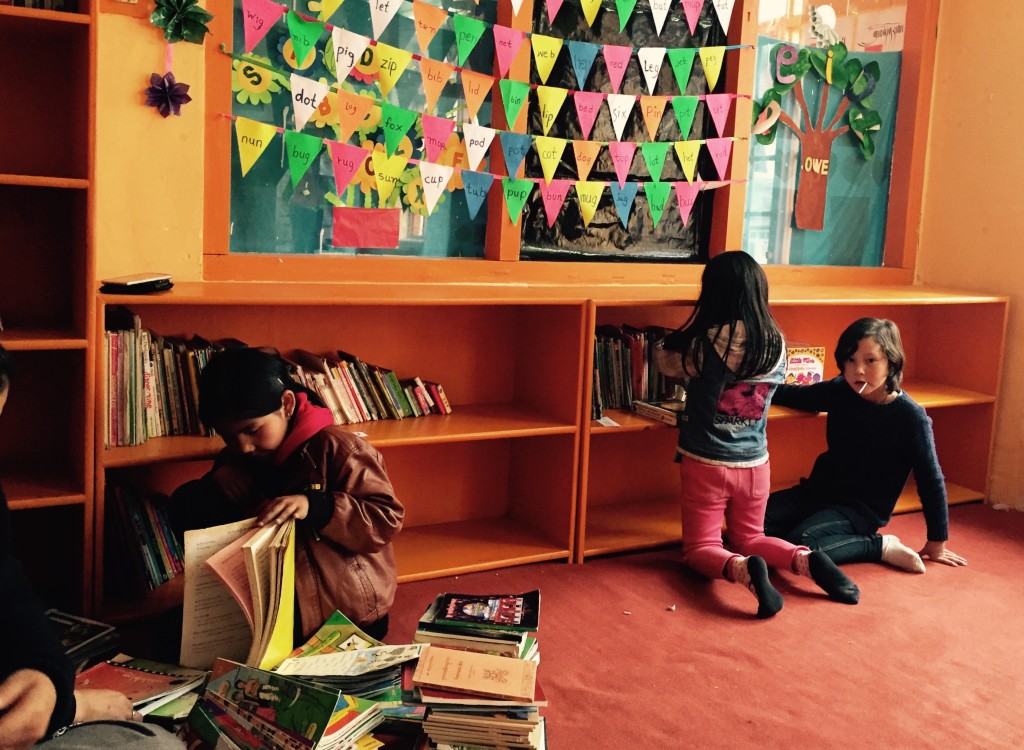
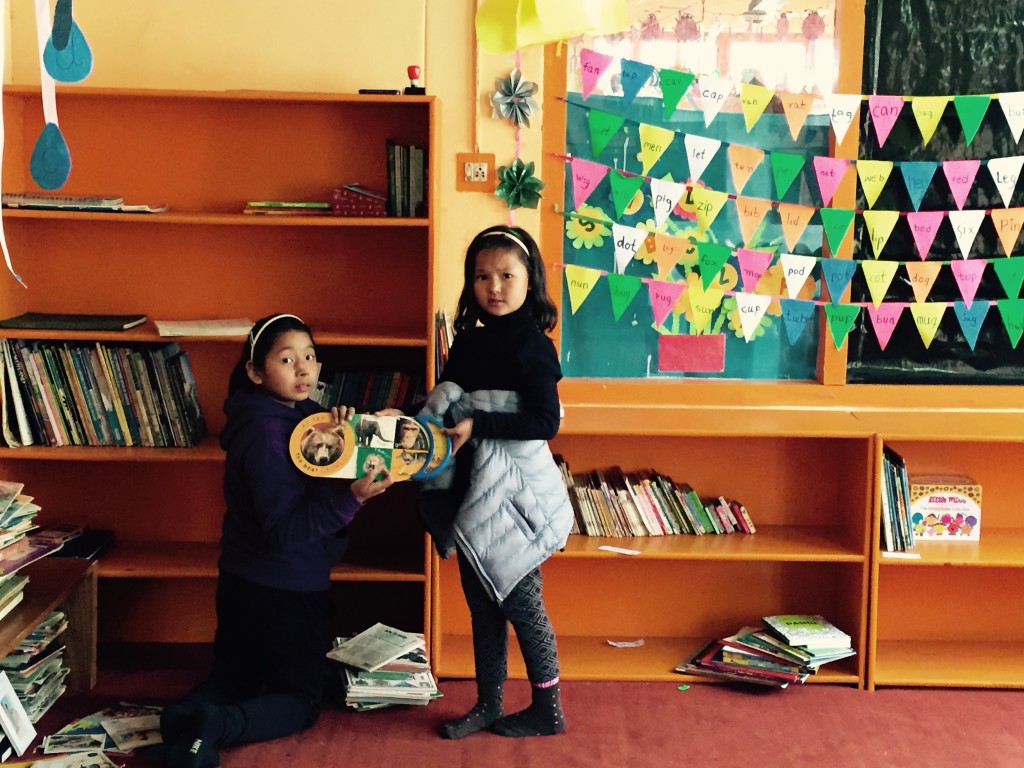
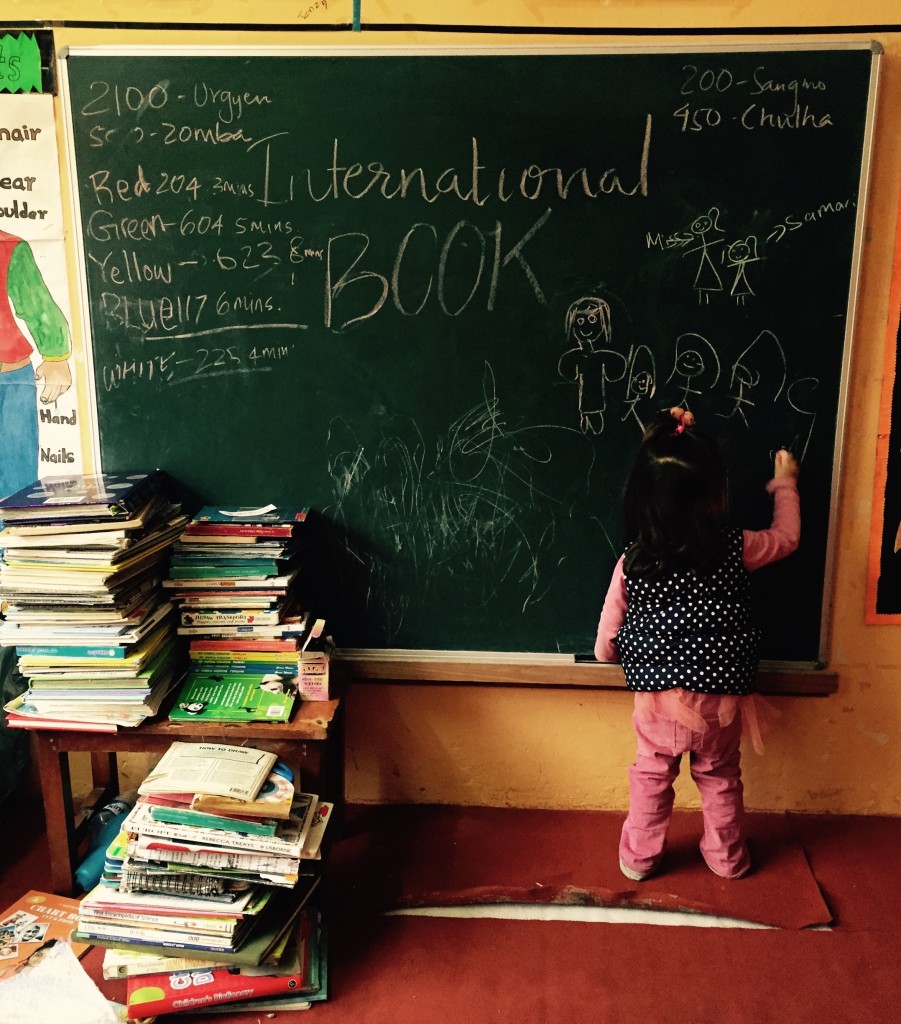
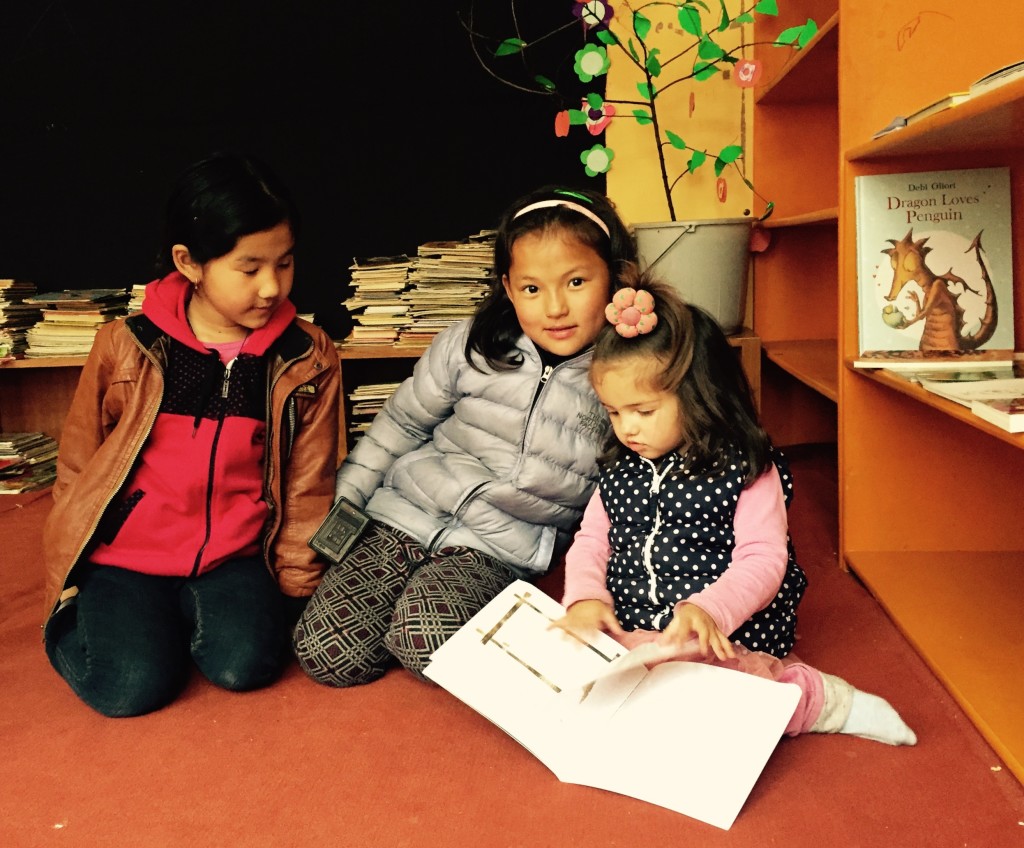
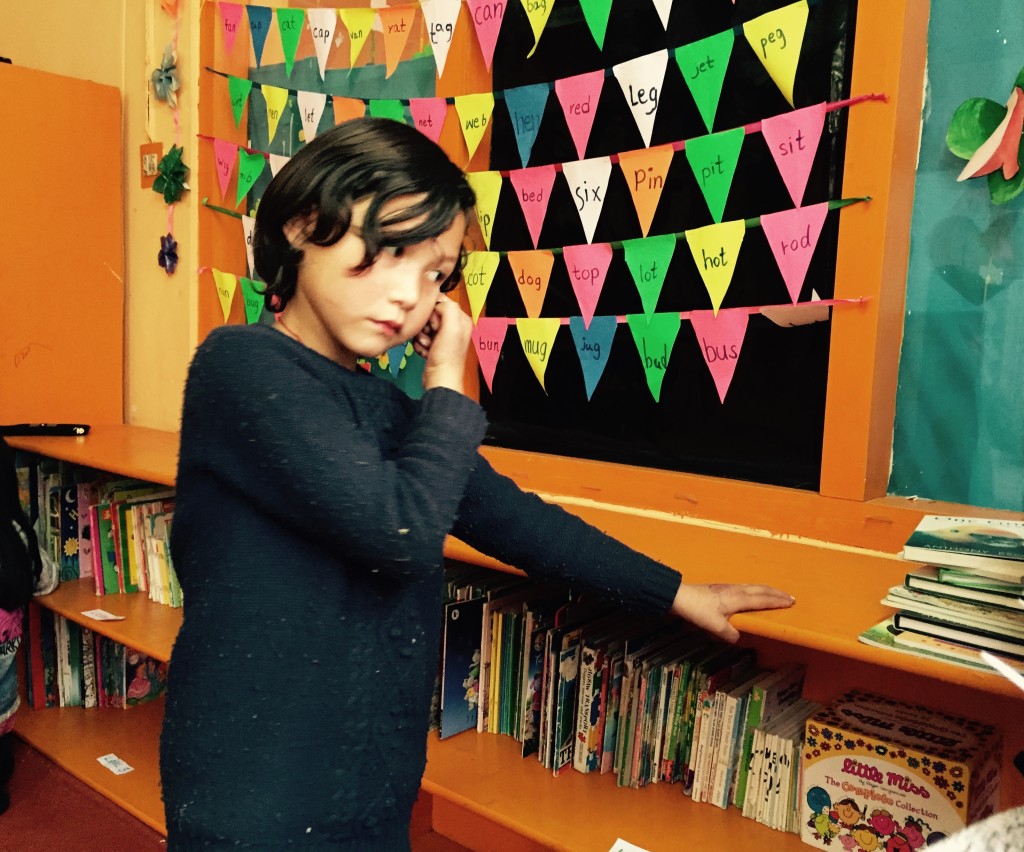
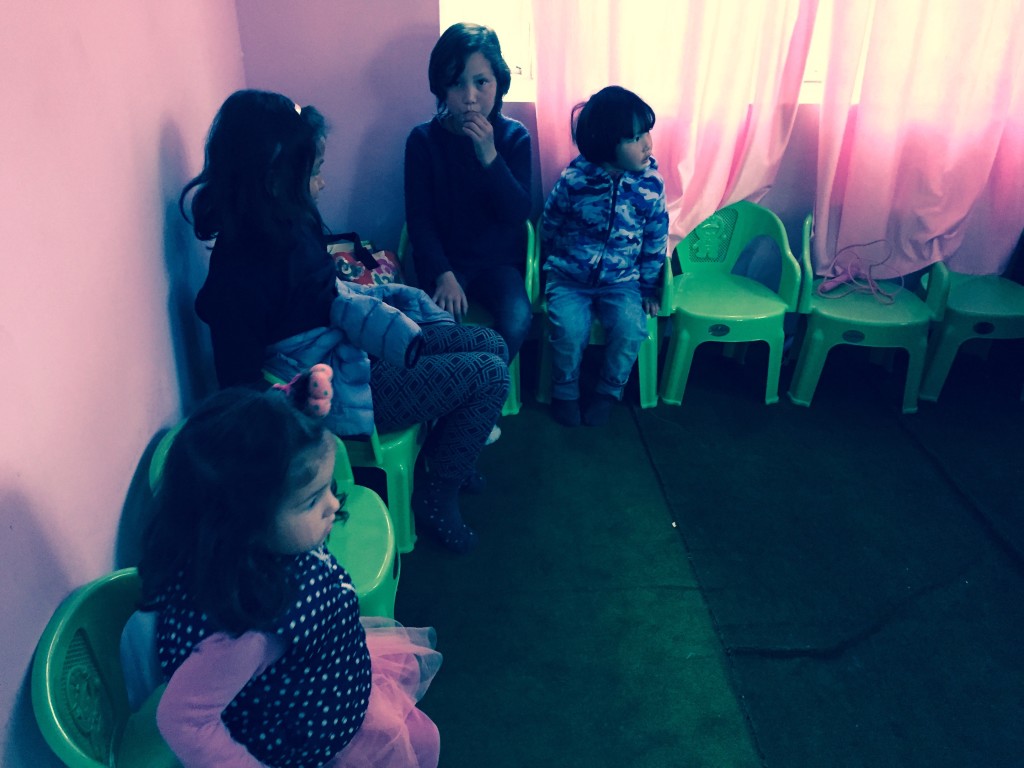
The reading room was designed as more than a storage area for books. It was a place where children could read at their own pace, ask questions, draw, listen to stories, and work together. In a region where winter weather and long distances can restrict access to educational resources, this consistent community space became an important part of everyday learning.
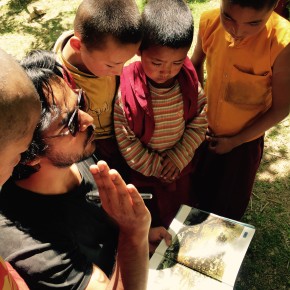
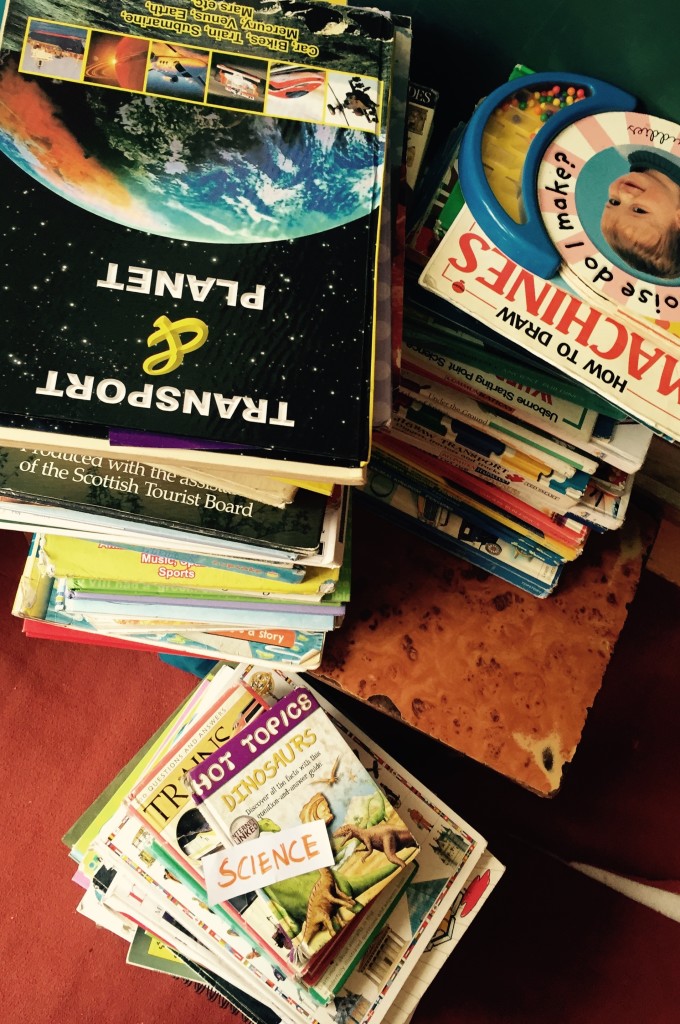
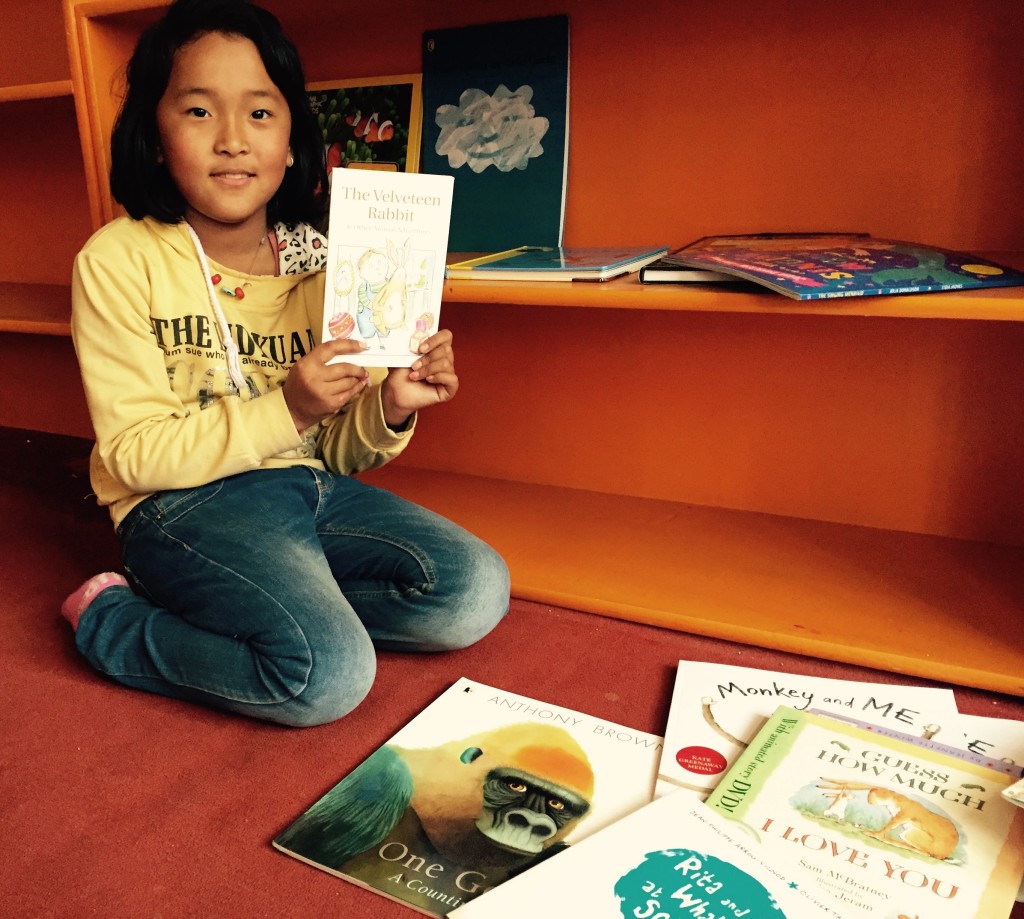
Tashi was particularly interested in illustrated science books, biographies, folktales, and books about the natural world. He read slowly at first, translating difficult words and discussing new ideas with volunteers. Each visit increased his vocabulary and made him more comfortable expressing his thoughts in both spoken and written language.
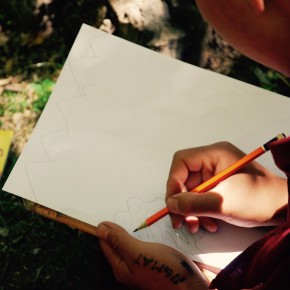
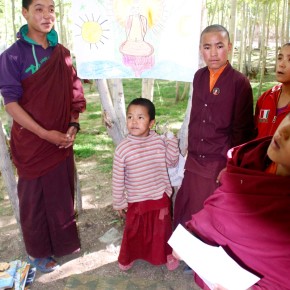
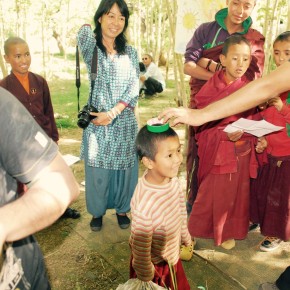
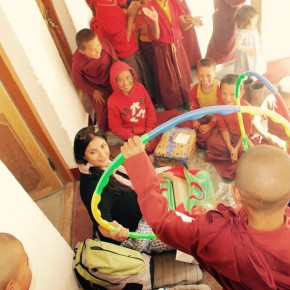
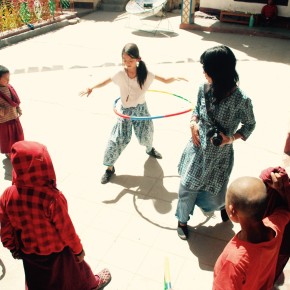
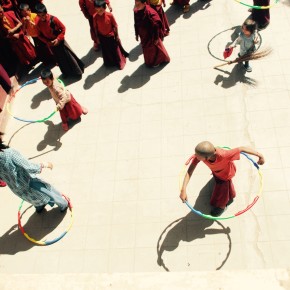
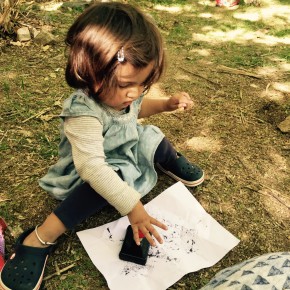
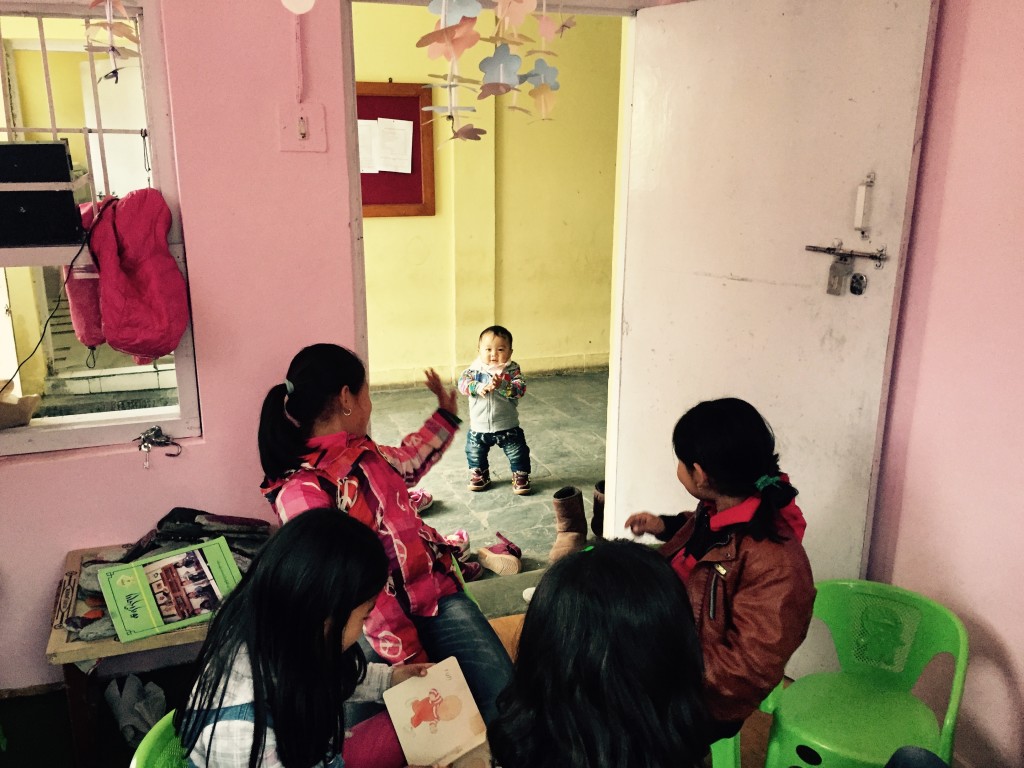
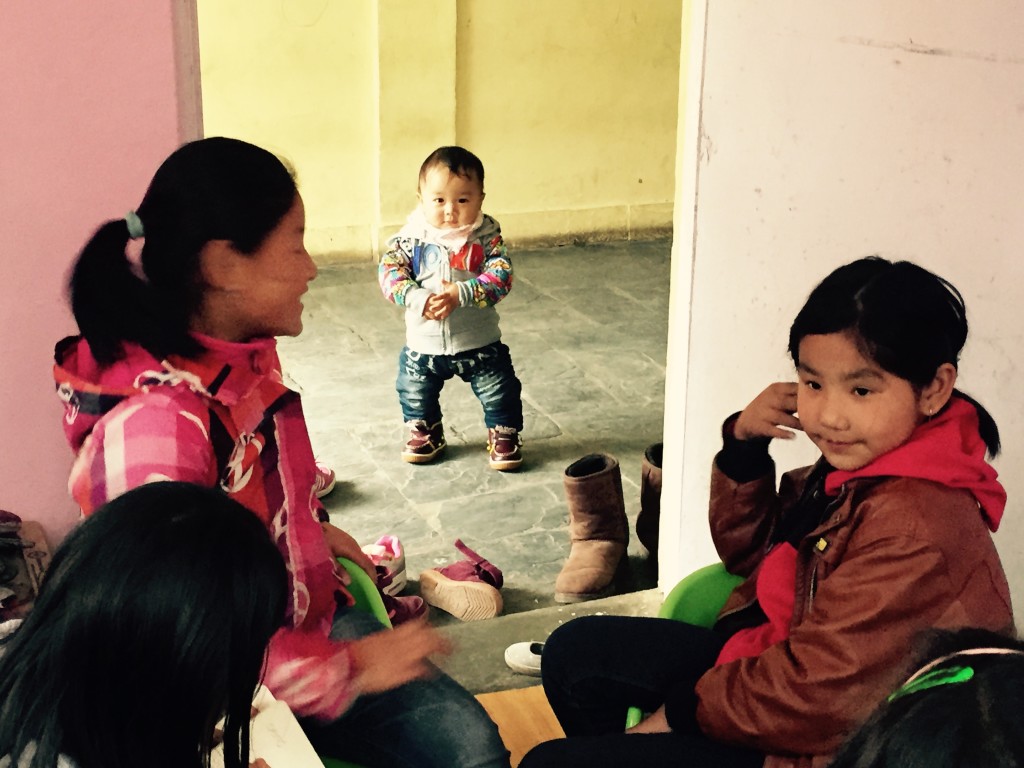
The program also included creative activities. During art sessions, Tashi helped younger participants prepare materials and demonstrated careful attention to detail. At music gatherings, he listened respectfully and encouraged children who were shy about performing. These experiences revealed a quality that test scores could not measure: he had a natural gift for teaching.
Learning To Lead Through Service
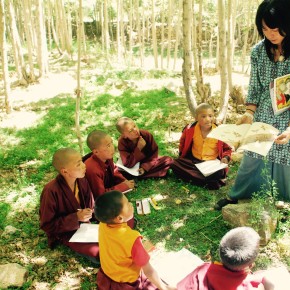
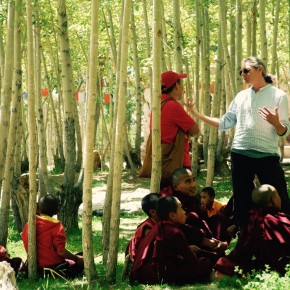
A turning point came when volunteers invited Tashi to assist during a children’s reading session. He was not asked to lecture or act like an adult. His role was simple: read a short story with a small group and help the children understand unfamiliar words.
He prepared carefully. He practiced pronunciation, marked pages with notes, and created questions about the characters and plot. During the session, he noticed when one child was struggling and adjusted his explanation. He used pictures, gestures, and examples from village life to make the story easier to understand.
That first activity showed him that teaching was a form of service. It required knowledge, yet it also required patience, empathy, and the ability to listen. The young monk began returning early to prepare the reading space. He started recommending books to different age groups and keeping track of children who needed extra support.
| Stage Of His Journey |
Opportunity |
Skill That Developed |
Benefit To The Community |
| Early visits |
Regular access to books |
Independent reading |
Greater interest in learning |
| Creative sessions |
Art and music activities |
Confidence and expression |
More inclusive participation |
| Reading support |
Helping younger children |
Communication and patience |
Stronger literacy habits |
| Volunteer assistance |
Leading small groups |
Organization and responsibility |
A dependable local mentor |
| Teacher training |
Continued educational guidance |
Classroom practice |
A new teacher for village children |
From Participant To Mentor
Over time, Tashi’s role changed naturally. Children began looking for him when they arrived at the reading room. They asked him to explain stories, recommend books, and help with school assignments. Because he had once faced the same difficulties, he understood their frustration without making them feel embarrassed.
His influence was especially meaningful for children who believed that academic success belonged only to students from larger towns. Tashi showed them that a young person from a remote monastery community could continue learning, develop professional skills, and contribute locally.
The Trust’s support included access to educational materials, encouragement from volunteers, and opportunities to practice leadership. These forms of support worked together. A book provided information, a creative activity built confidence, and a teaching responsibility gave that confidence a practical purpose.
Choosing The Classroom
As Tashi grew older, he faced an important decision about his future. He remained committed to monastic life, yet he also wanted to work with children. Teaching offered a way to combine his spiritual values with his love of learning and his responsibility to the community.
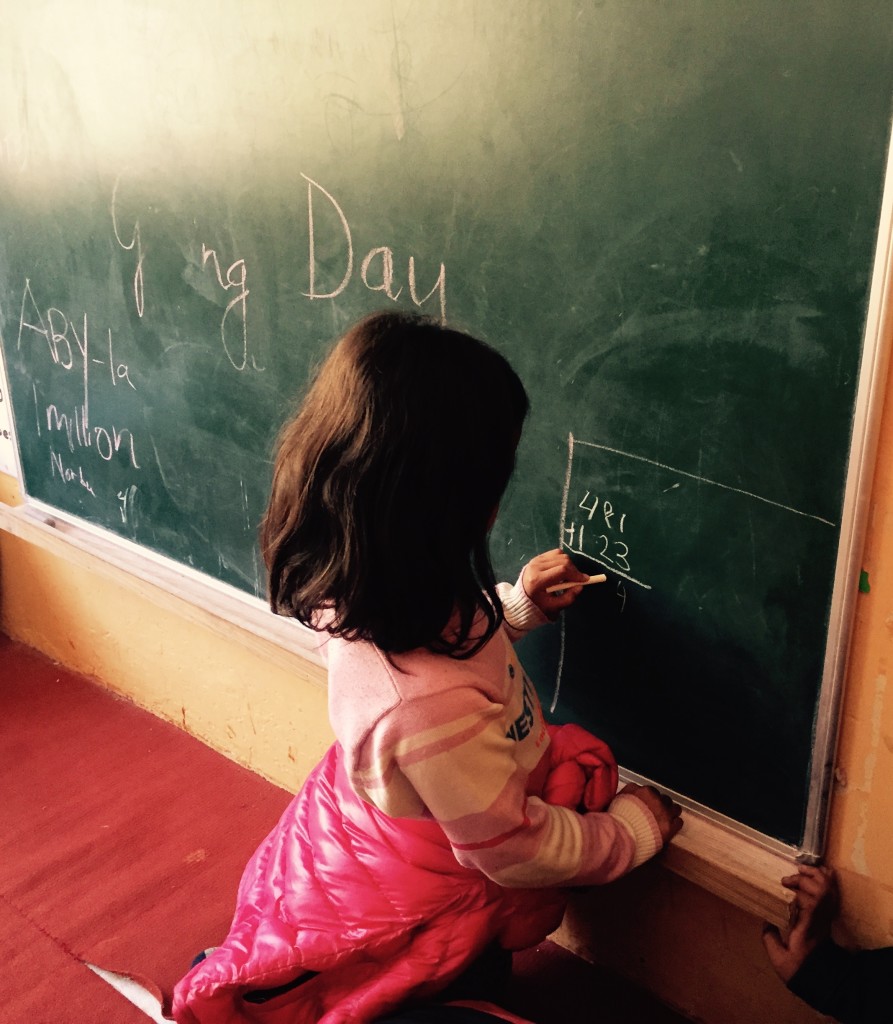
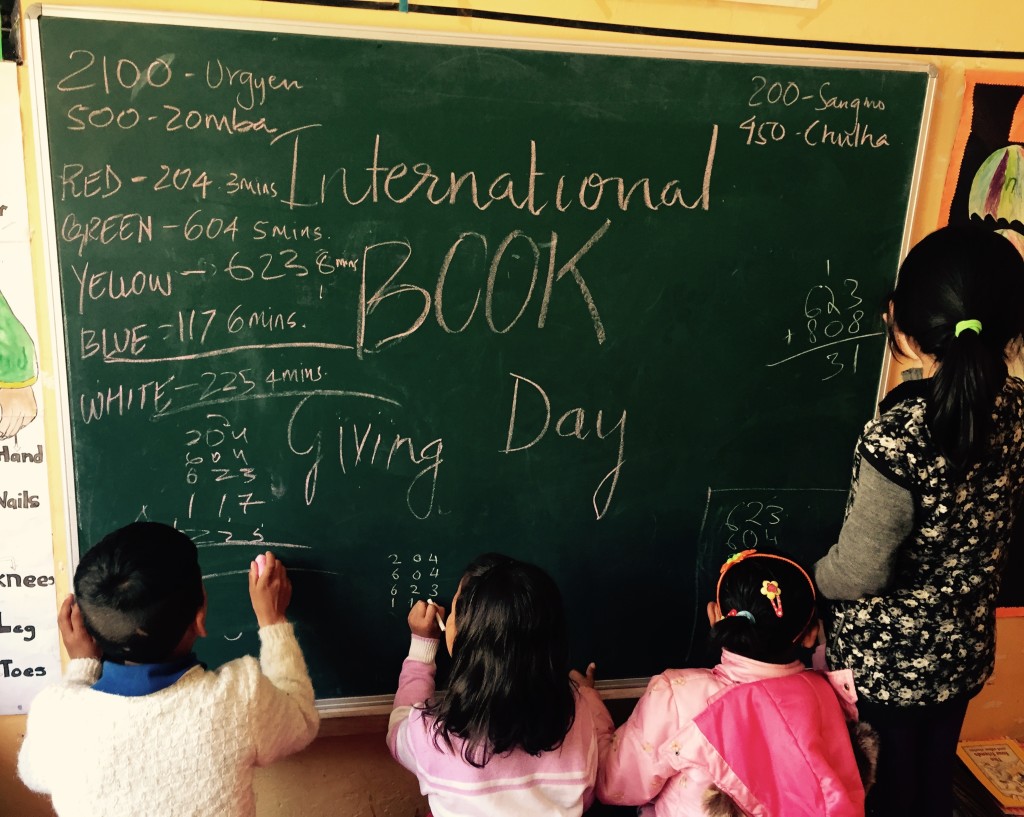
He pursued additional training and began assisting in a local classroom. His first lessons were modest, focused on reading comprehension, basic English, and creative writing. He used stories to help children understand new vocabulary and encouraged them to draw scenes or write alternative endings.
His approach reflected the reading room where his own confidence had developed. He made space for questions, allowed children time to think, and treated mistakes as part of learning. Instead of asking students to memorize every answer, he encouraged them to explain ideas in their own words.
Parents and community members soon noticed the difference. Children who had previously avoided reading began borrowing books. Some returned to the reading room with younger siblings. The effect of Tashi’s work reached beyond his classroom because he helped create a local culture in which reading was shared and valued.
A New Chapter For Himalayan Children
Today, Tashi continues to teach and support young learners. He remains connected to the reading room and occasionally leads group sessions there. His story illustrates why educational programs in Ladakh and other Himalayan communities need to include continuity, local participation, and opportunities for young people to become mentors.
His achievement cannot be attributed to a single book or one workshop. It grew from repeated access to resources and encouragement over many years. The reading room gave him a place to explore. Volunteers gave him guidance. Creative activities helped him communicate. Most importantly, the program trusted him with responsibility before he had an official teaching title.
Stories like Tashi’s also remind us that educational change is often gradual. A child who visits for an hour may later help a younger reader. A young monk who begins by arranging books may eventually stand before a classroom. When communities invest in literacy and creativity, they help children imagine meaningful futures while strengthening the places where they live.
Ways To Help More Young Learners
Support for reading rooms and youth programs can create the same kind of pathway for other children and young monks across the Himalayan region. Practical contributions include:
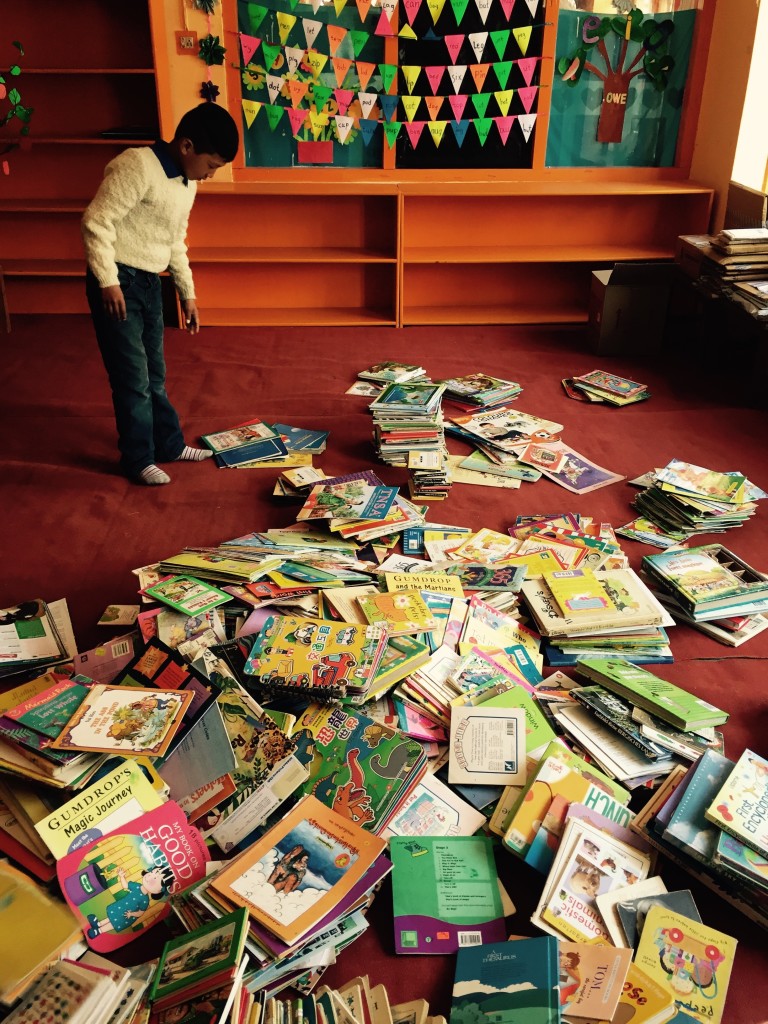
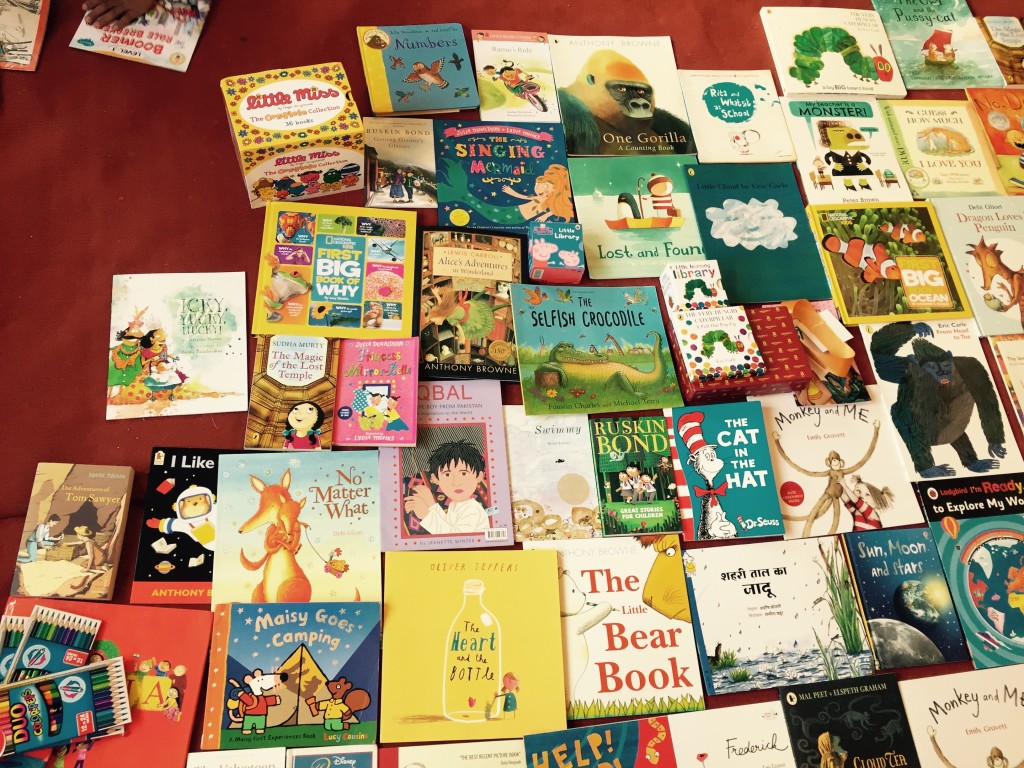
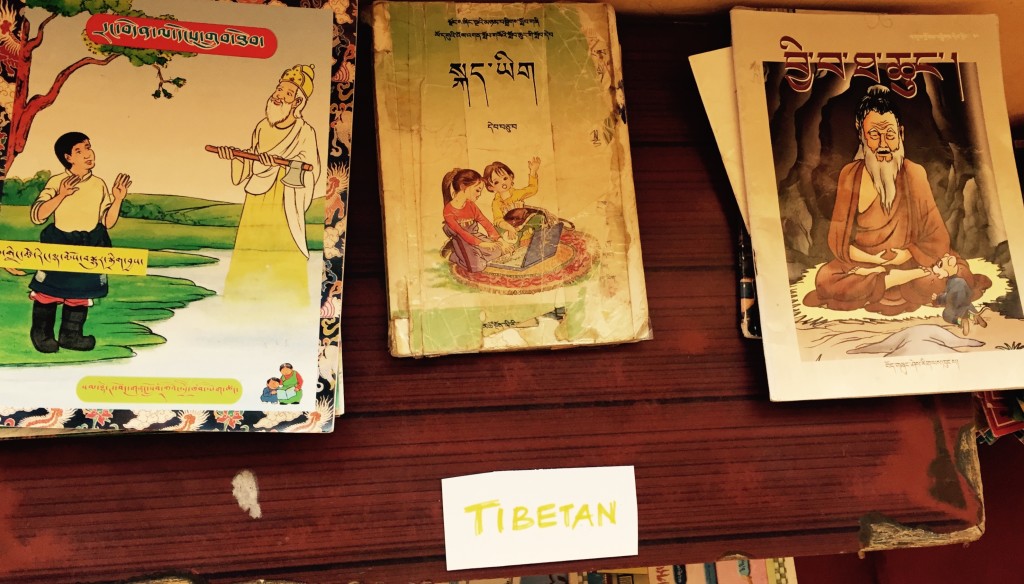
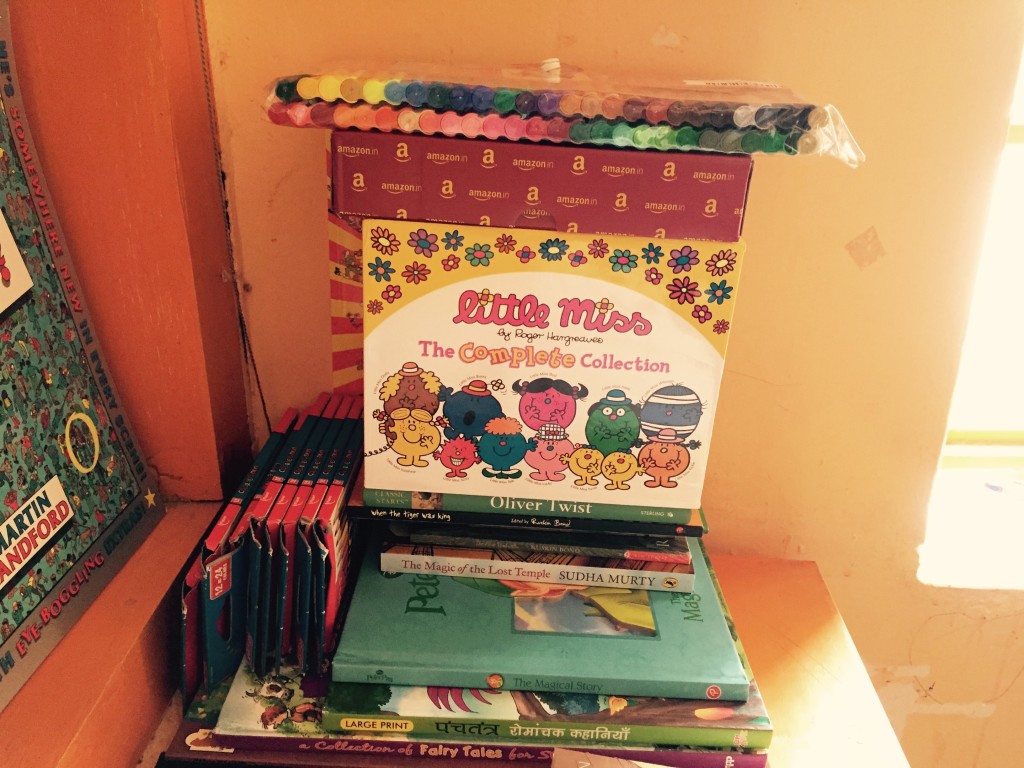
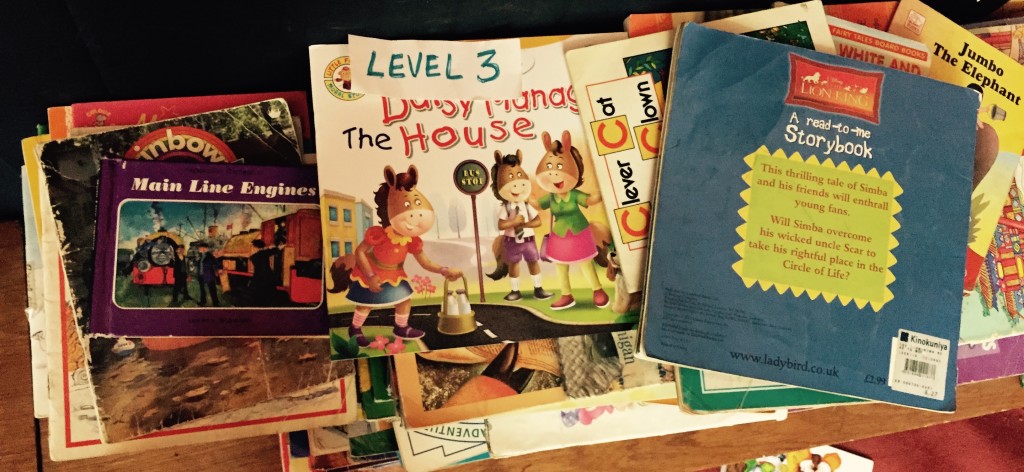
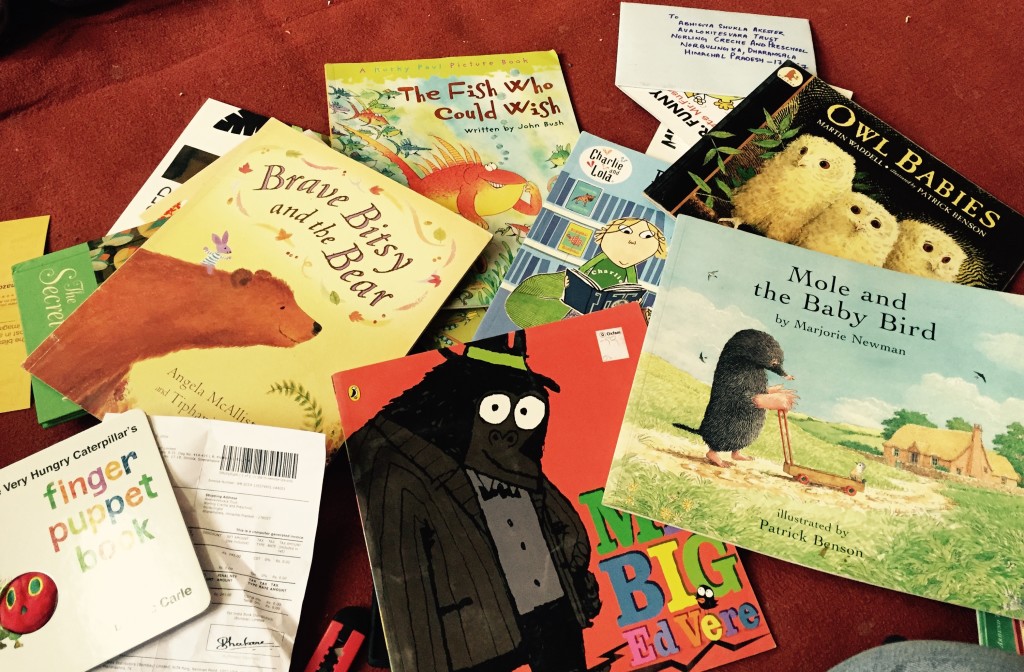
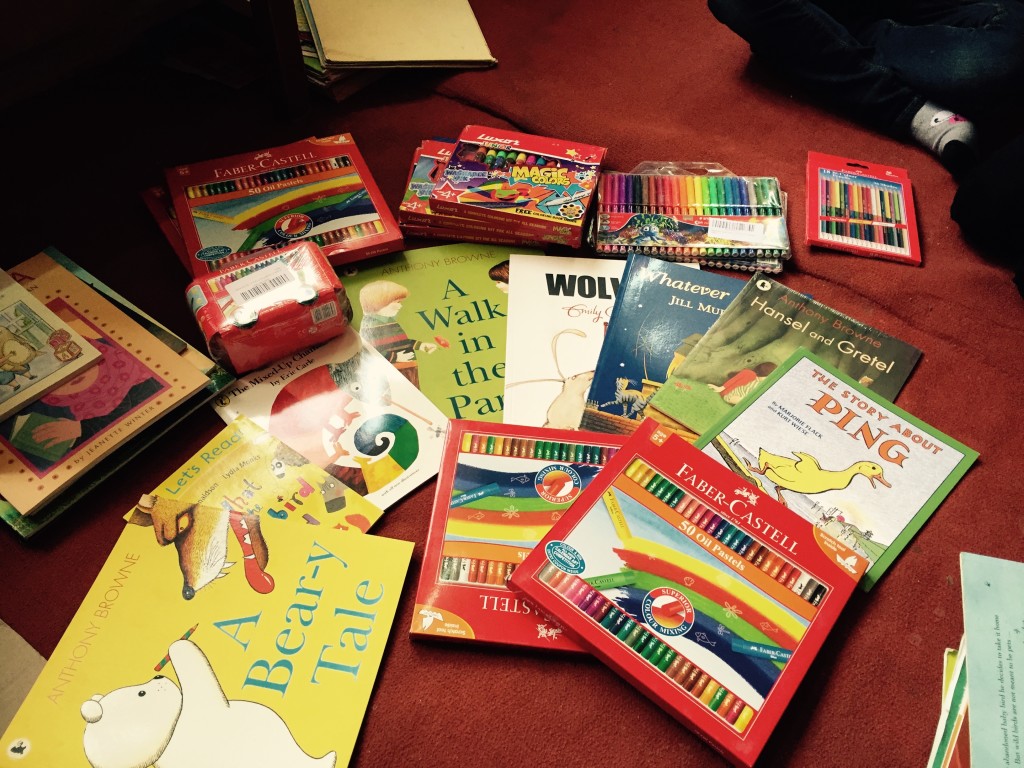
- Donate quality children’s books, bilingual readers, and age-appropriate educational materials.
- Support a reading room with shelves, floor cushions, lighting, art supplies, or musical instruments.
- Volunteer skills in storytelling, literacy, music, art, teacher training, or program coordination.
- Sponsor book drives that reach remote schools, monasteries, and community learning spaces.
- Share stories from Avalokiteśvara Trust to help more people understand the value of local educational support.
Tashi’s journey began with a child reaching for a book and continued because a community made room for his curiosity. Your support can help create that same opening for another young reader. Visit Avalokiteśvara Trust to learn about current initiatives in Ladakh, contribute to educational programs, or become part of the network helping children grow into confident learners and compassionate teachers.