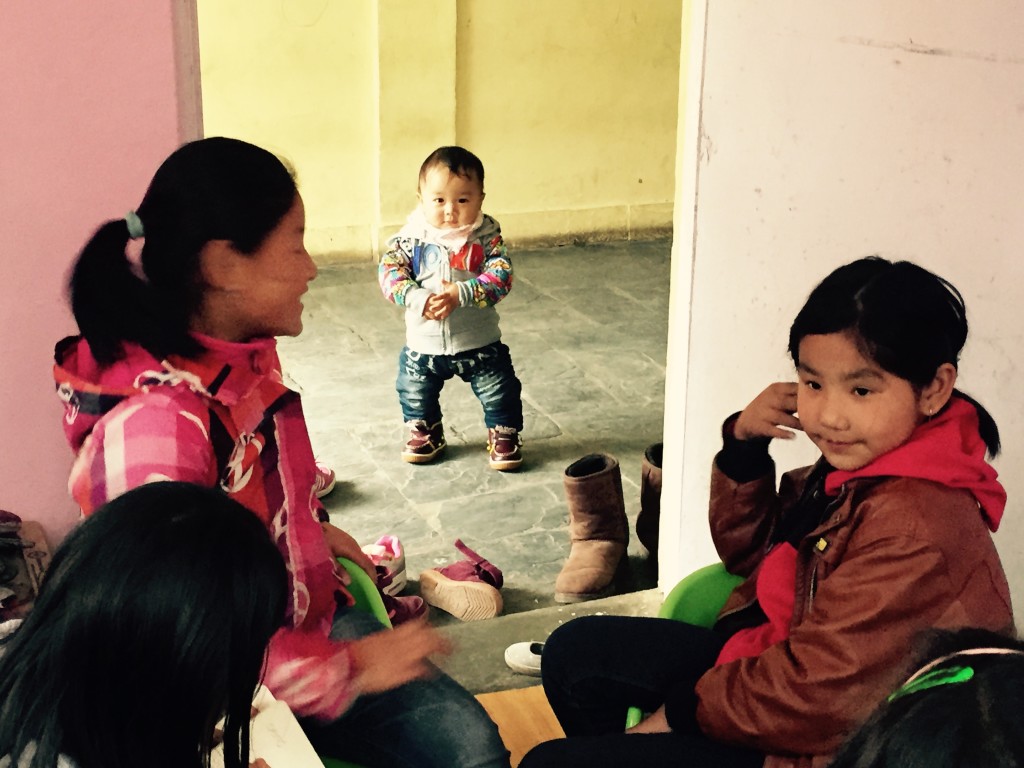
Training Local Librarians for Himalayan Reading Rooms
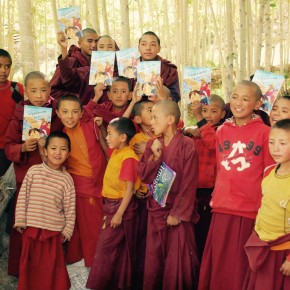
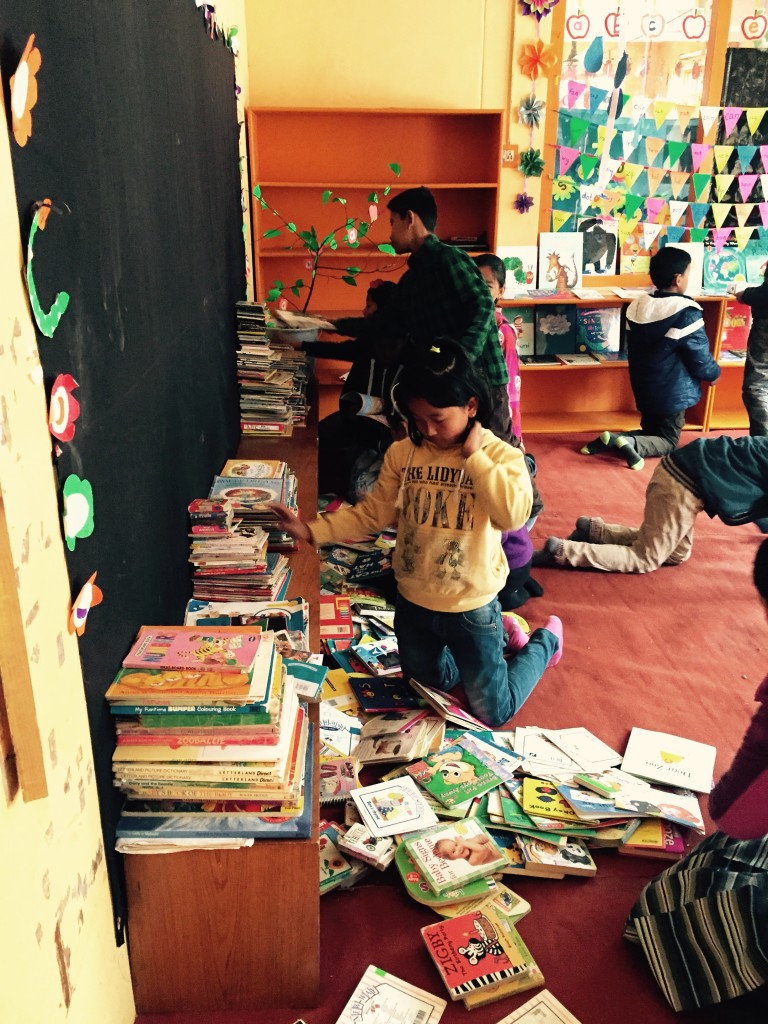
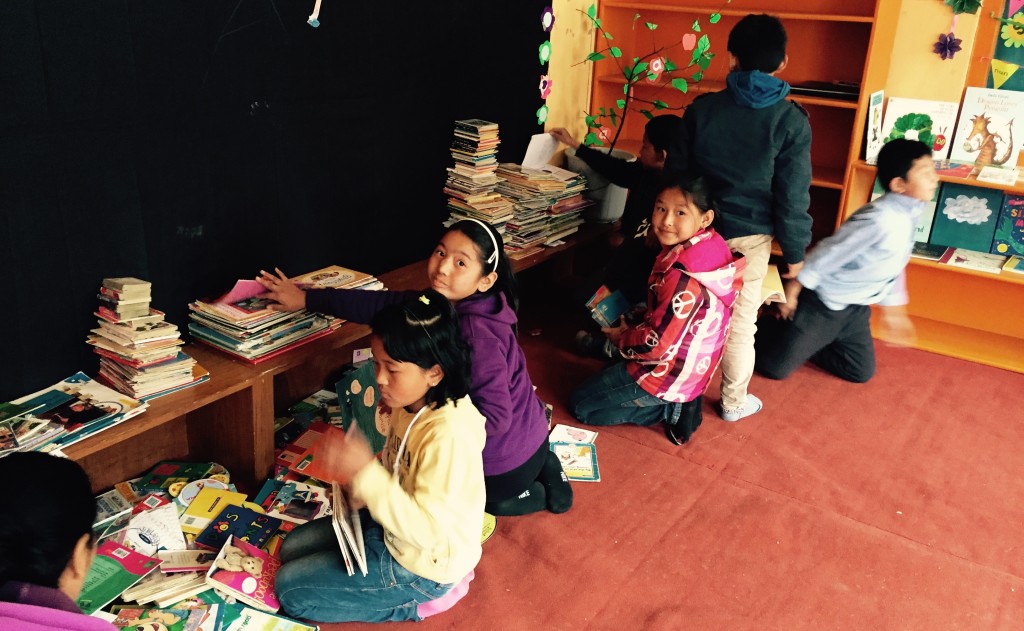
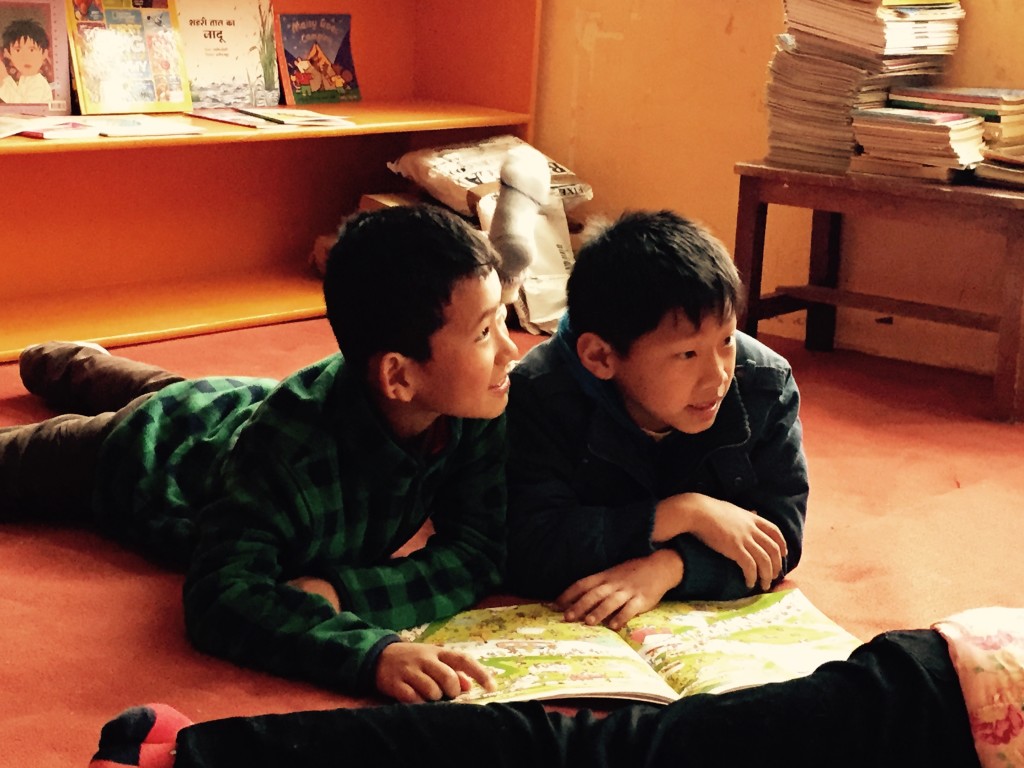
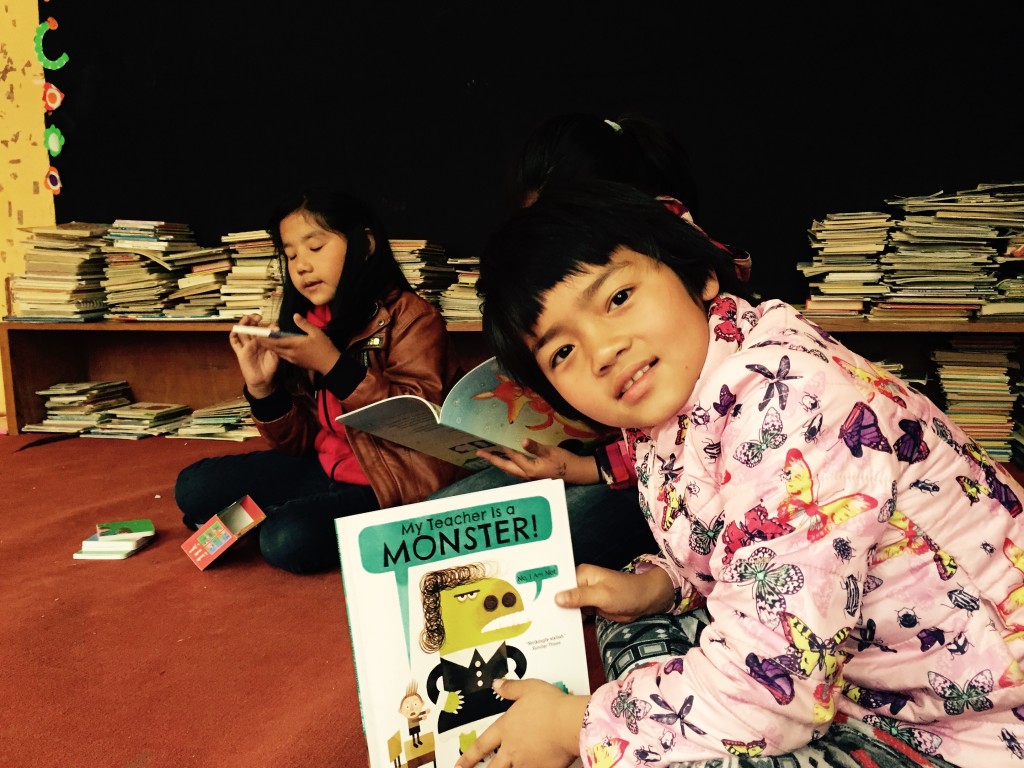
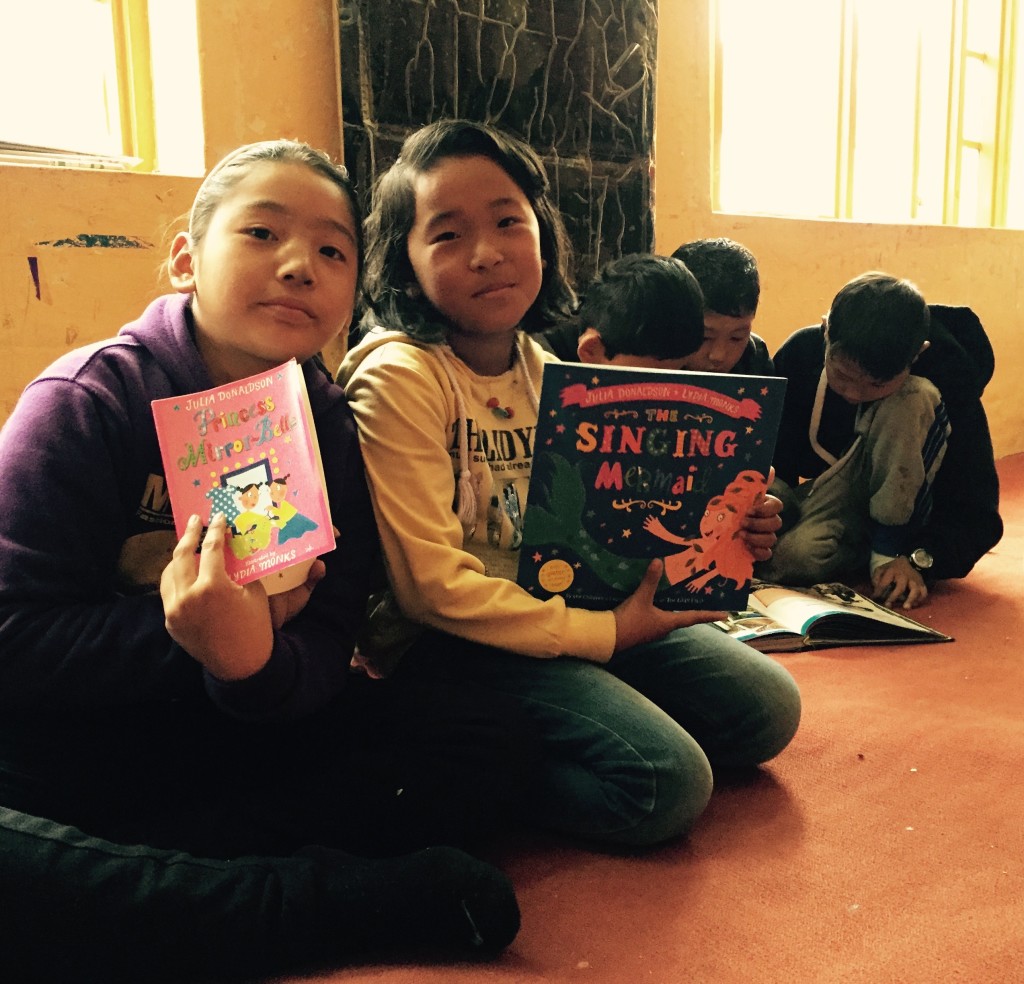
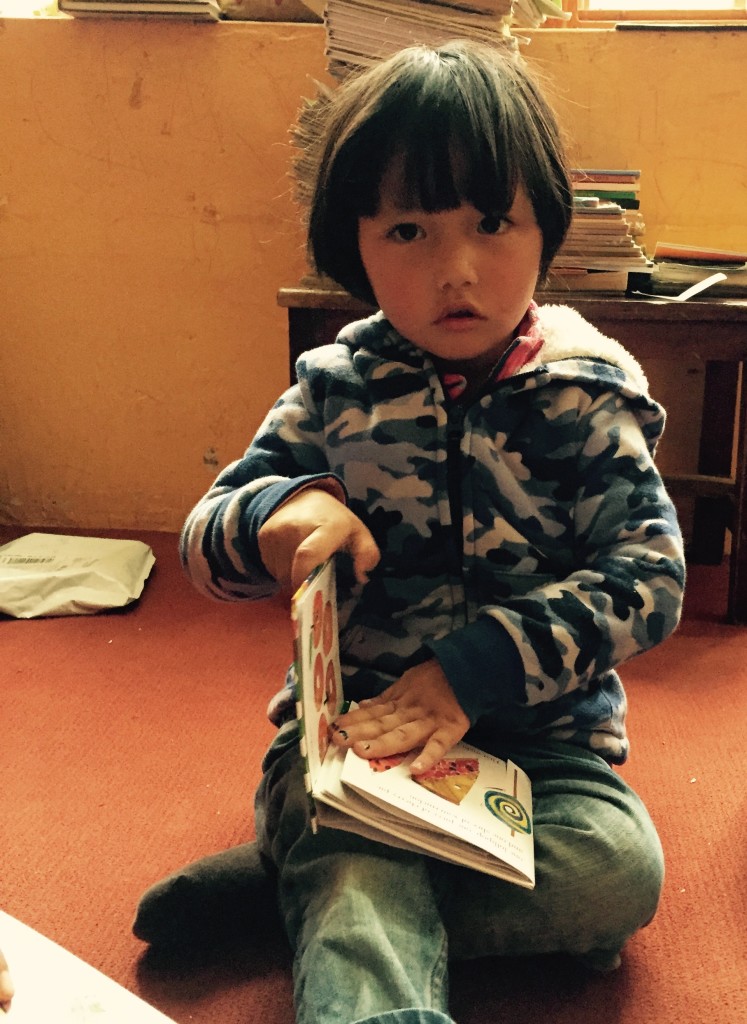
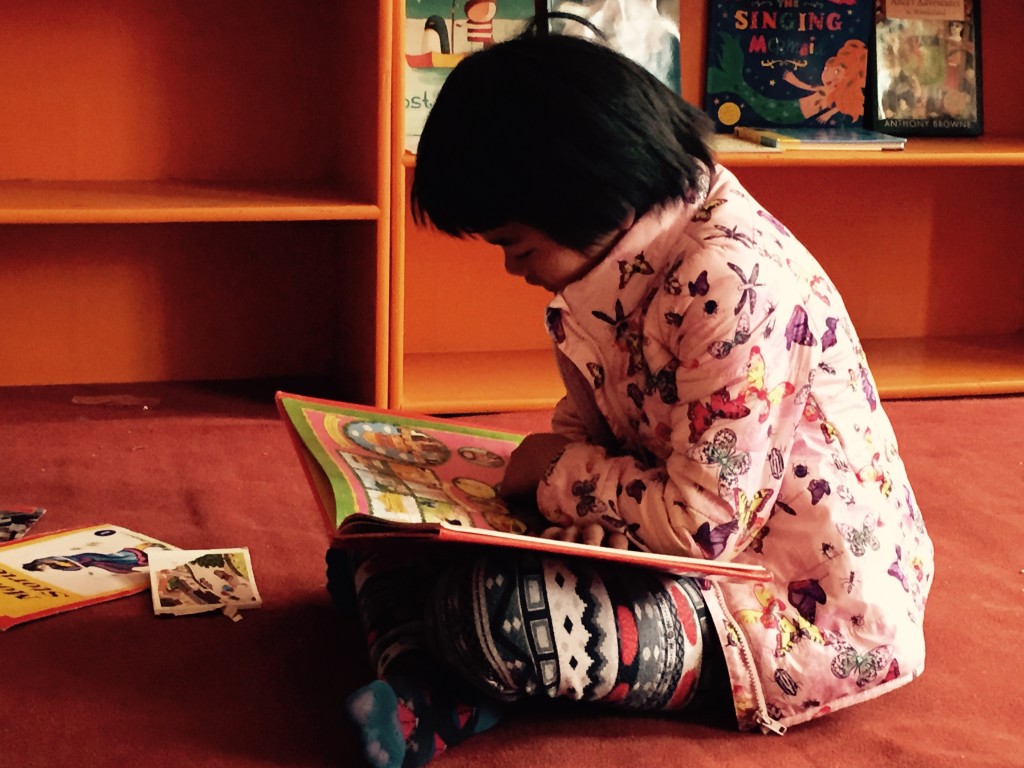
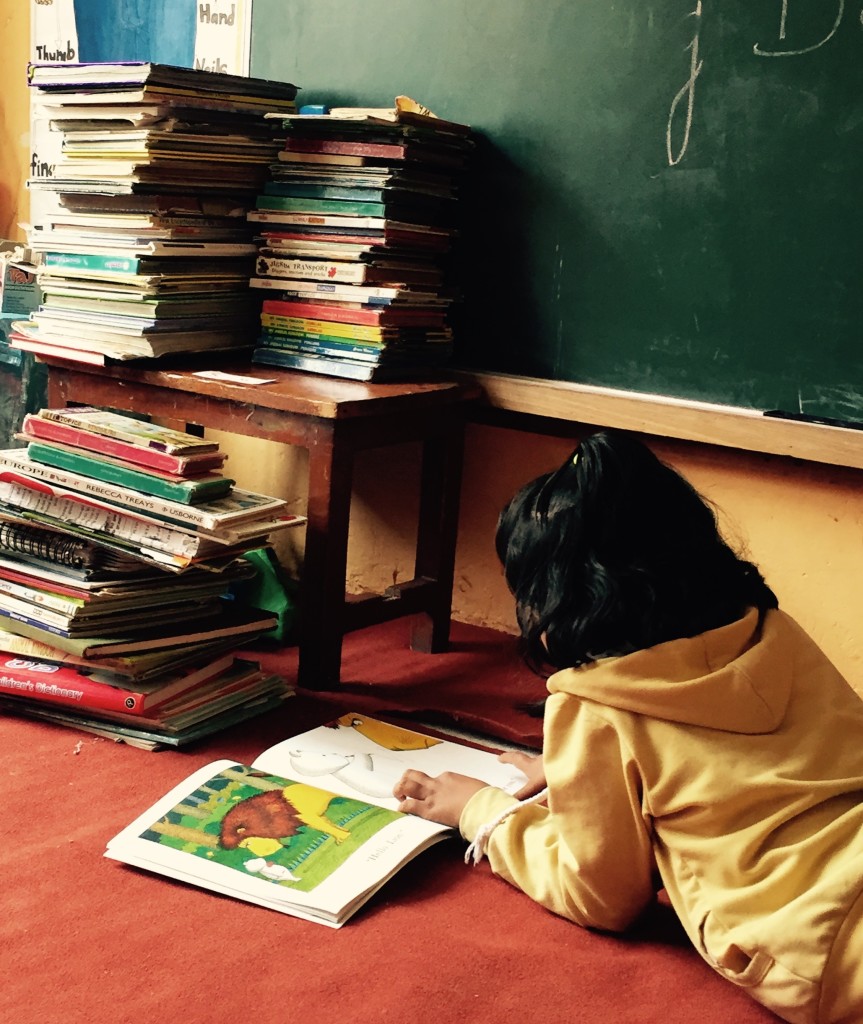
A reading room is more than a space lined with books. In a Himalayan village, it can become a place where children discover stories, practice a new language, draw, ask questions, and spend meaningful time after school. Its success depends on the people who welcome children, care for the collection, and shape activities around local needs.
At Avalokiteśvara Trust, we train local librarians to manage these responsibilities with confidence and care. The training combines practical library skills with child-centered teaching, community knowledge, and an understanding of the realities faced by small mountain communities.
The aim is to develop trusted local leaders who can keep reading rooms active long after a book drive or opening ceremony has ended. Local librarians understand the families, languages, seasonal rhythms, and learning interests of the children they serve, making them essential to the long-term strength of every community library.
Starting With Local Knowledge
Training begins with listening. Before discussing catalog numbers or borrowing records, we learn how children in the community use their time, which languages they speak at home, what subjects interest them, and what may prevent them from visiting a reading room. Conversations with families, teachers, monks, and community leaders help shape a practical plan.
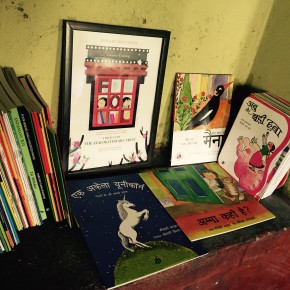
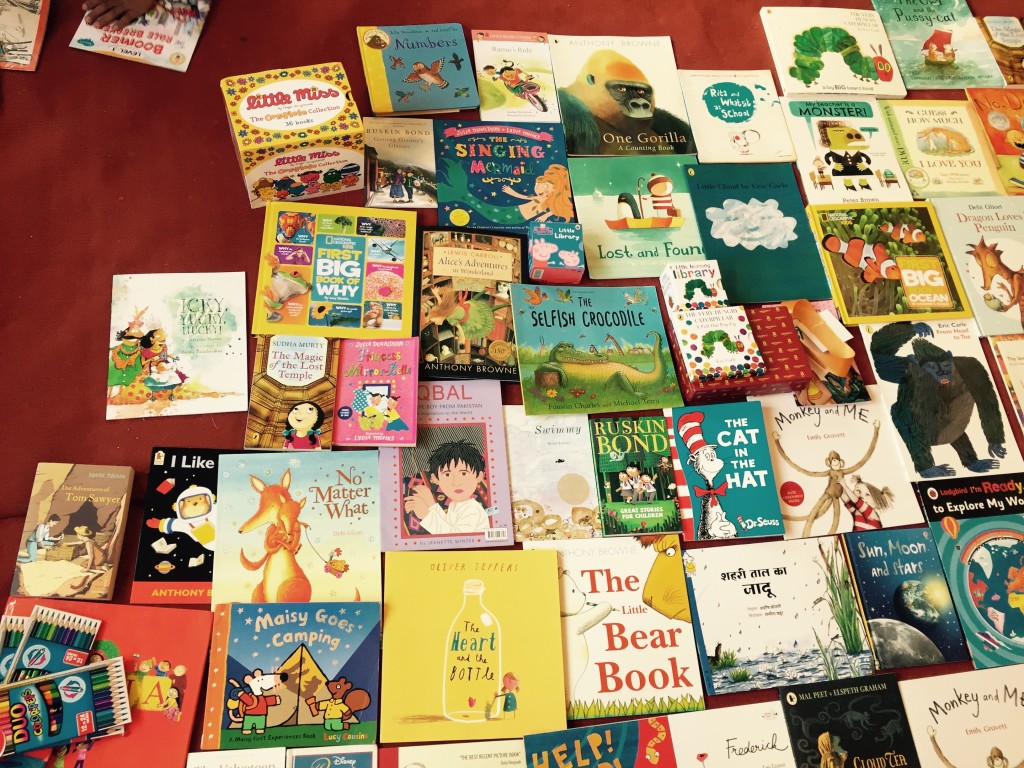
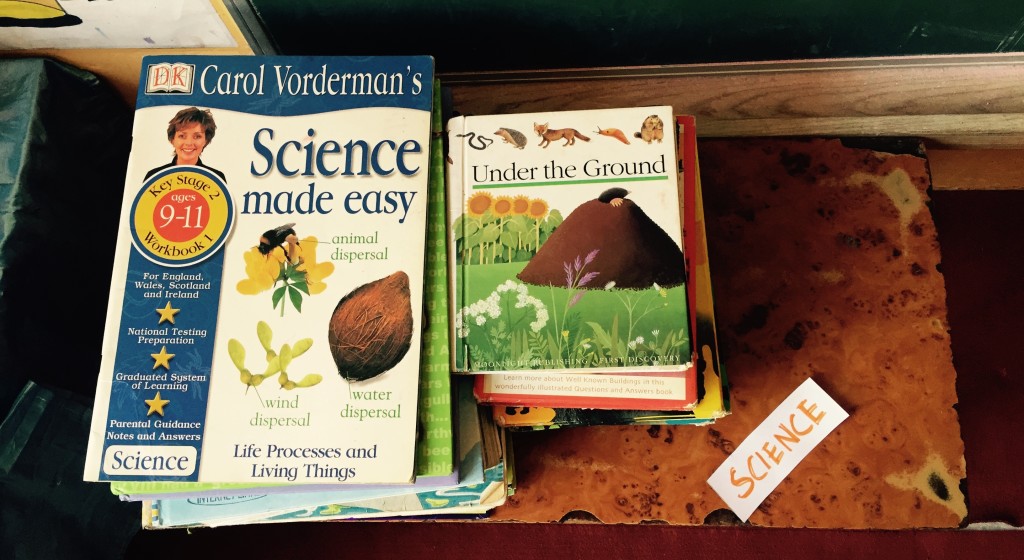
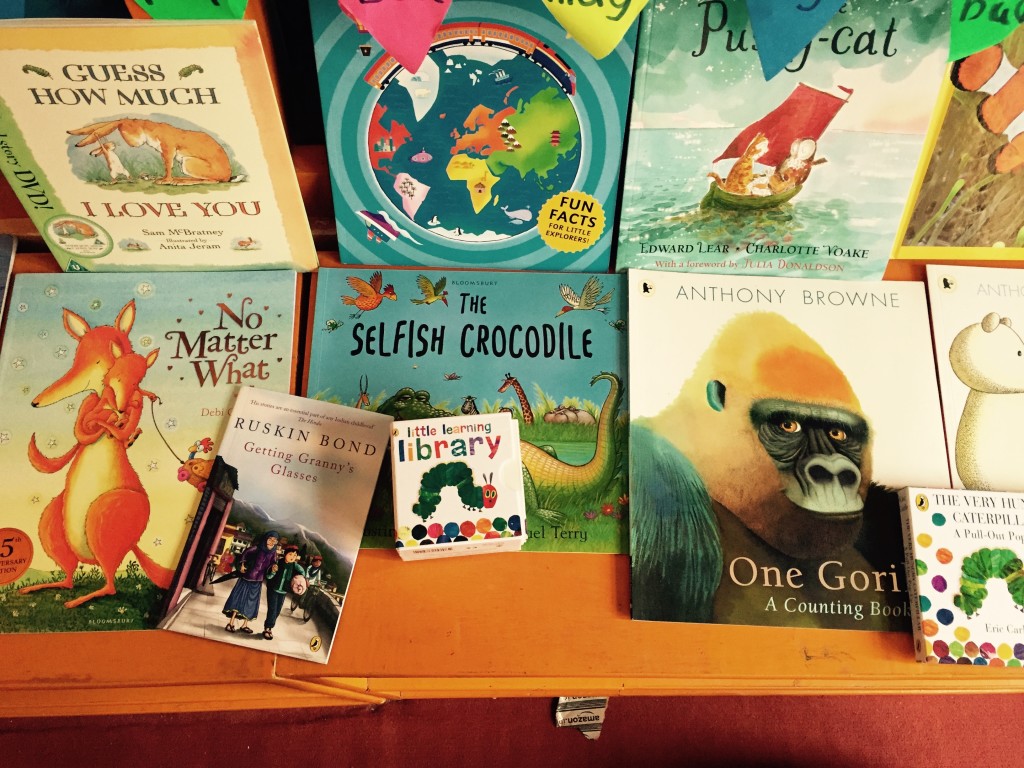
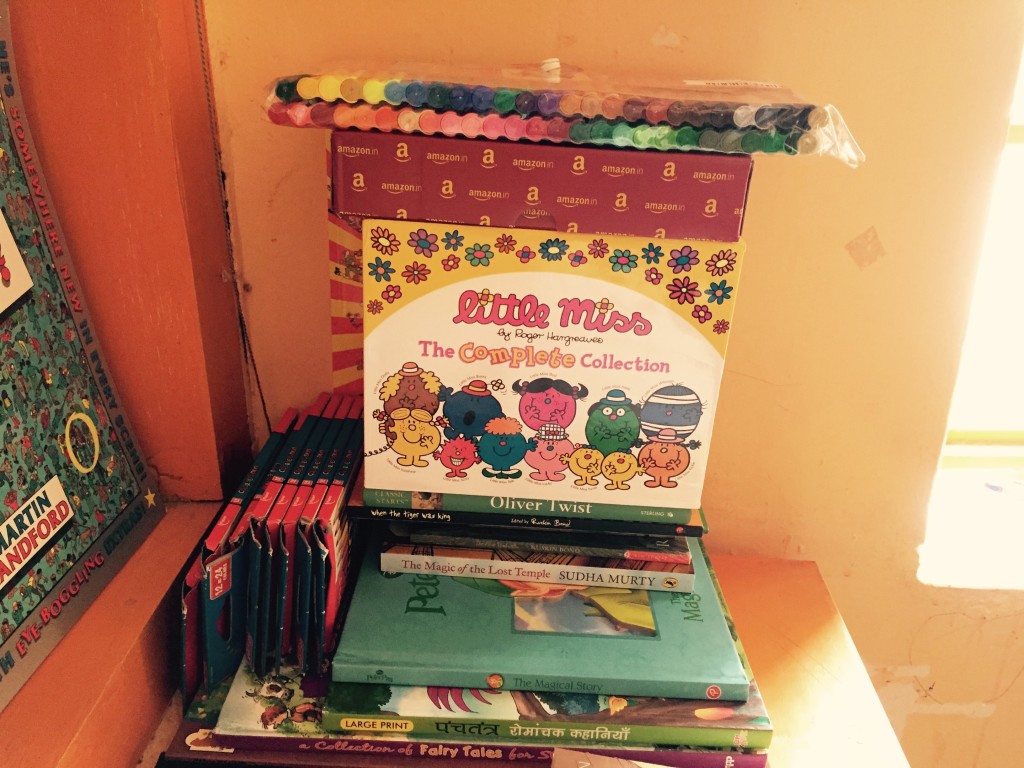
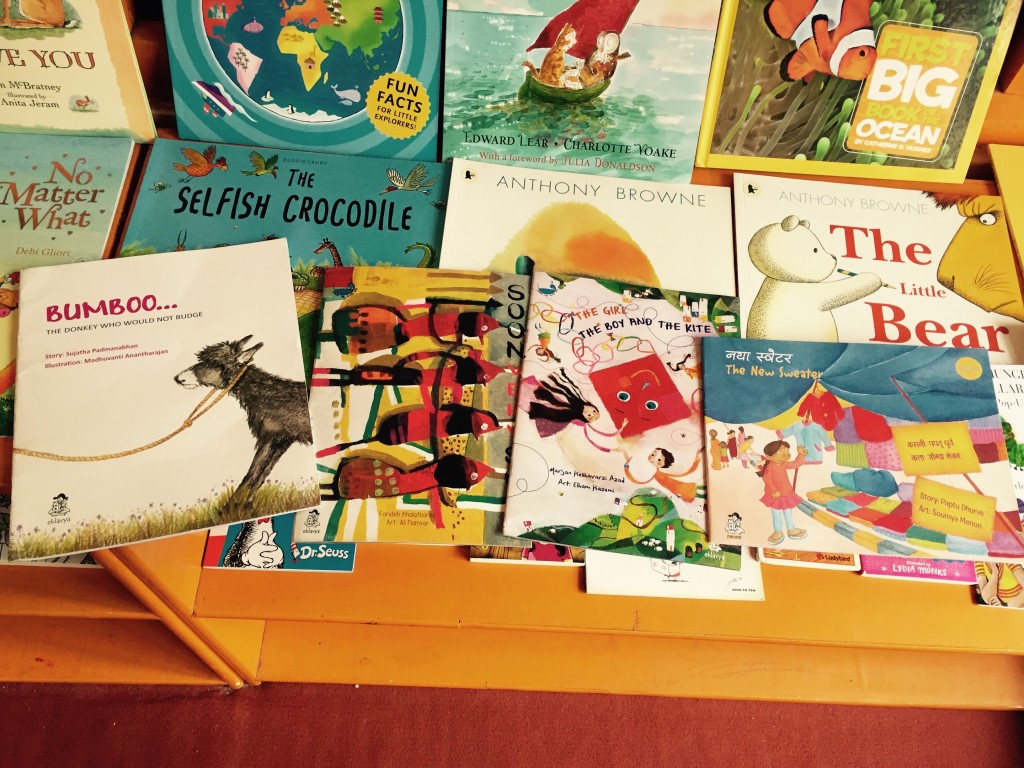
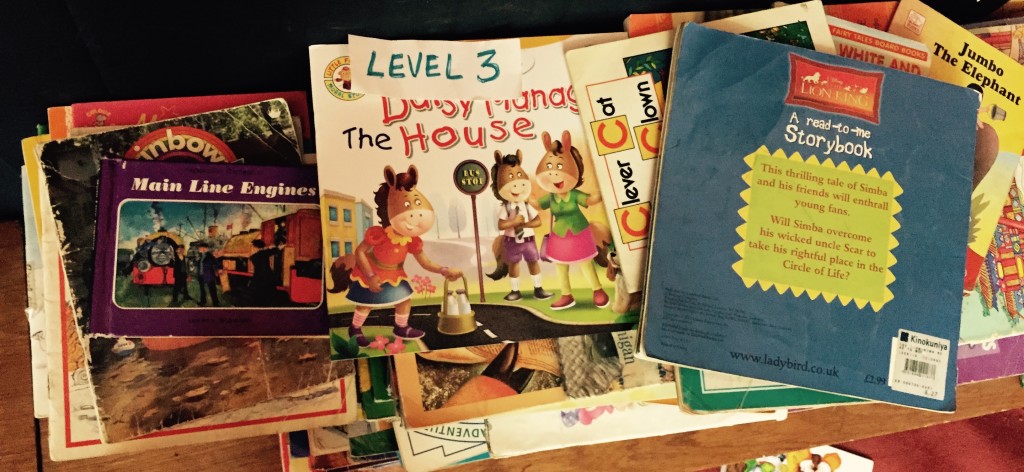
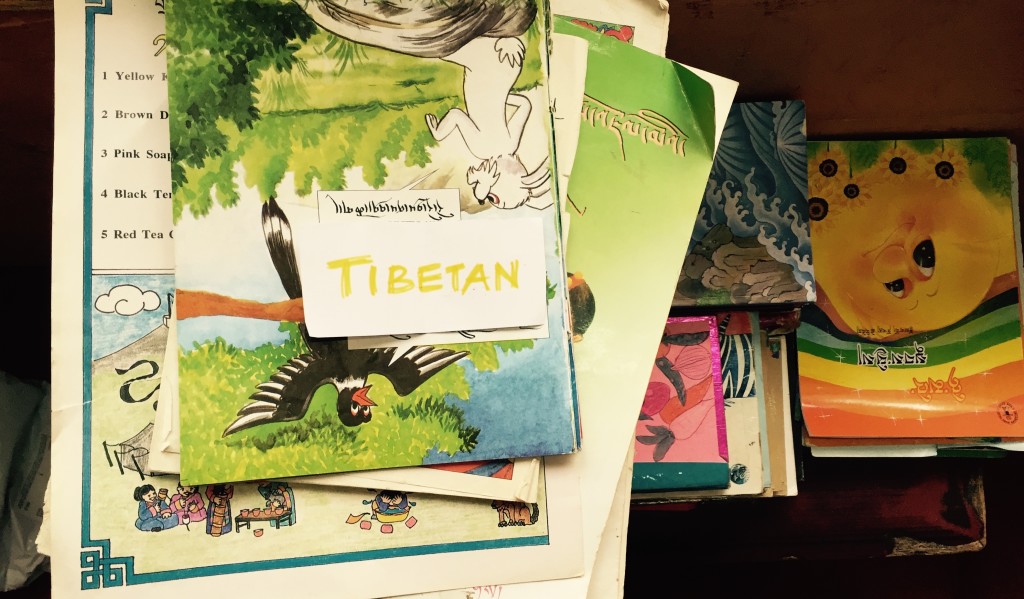
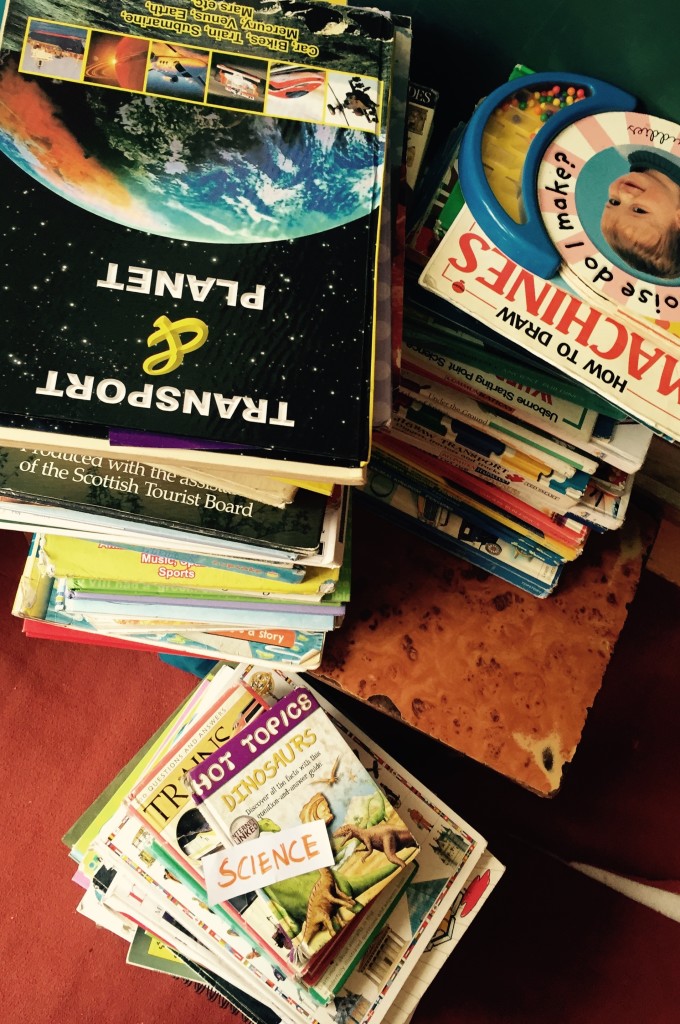
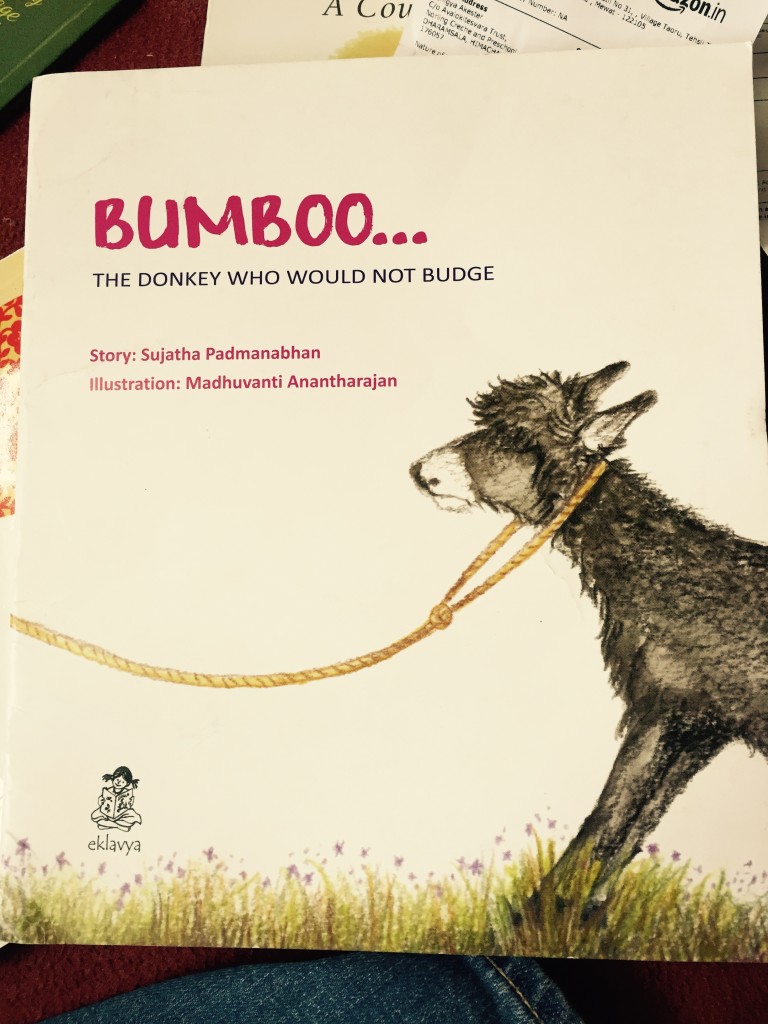
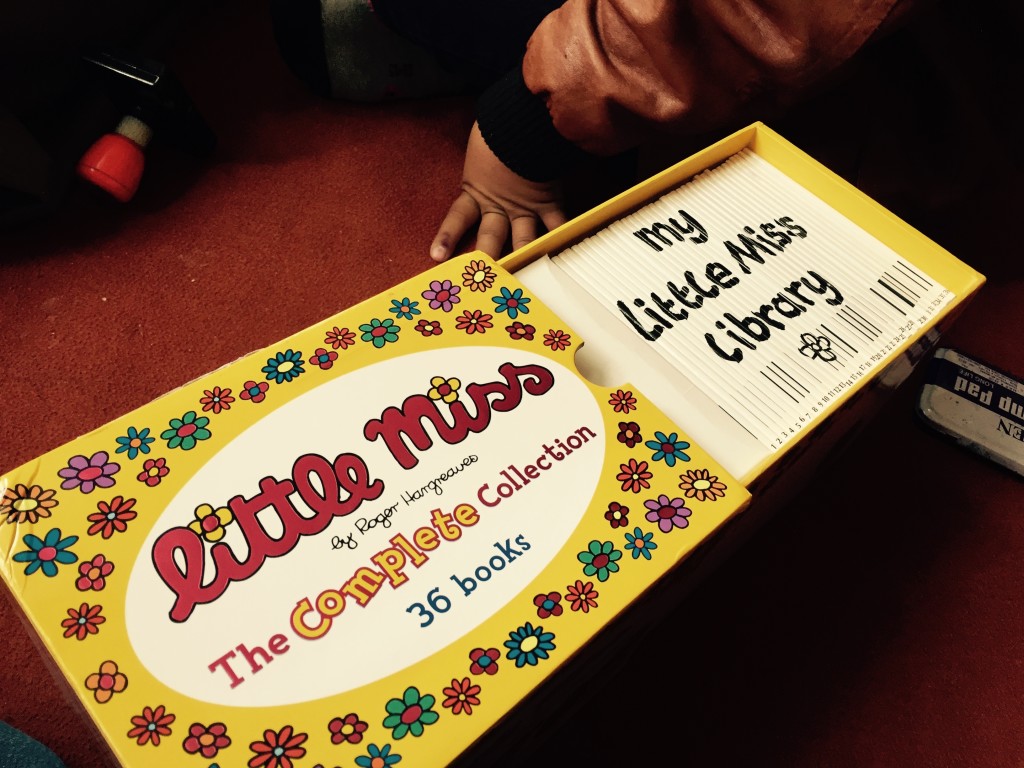
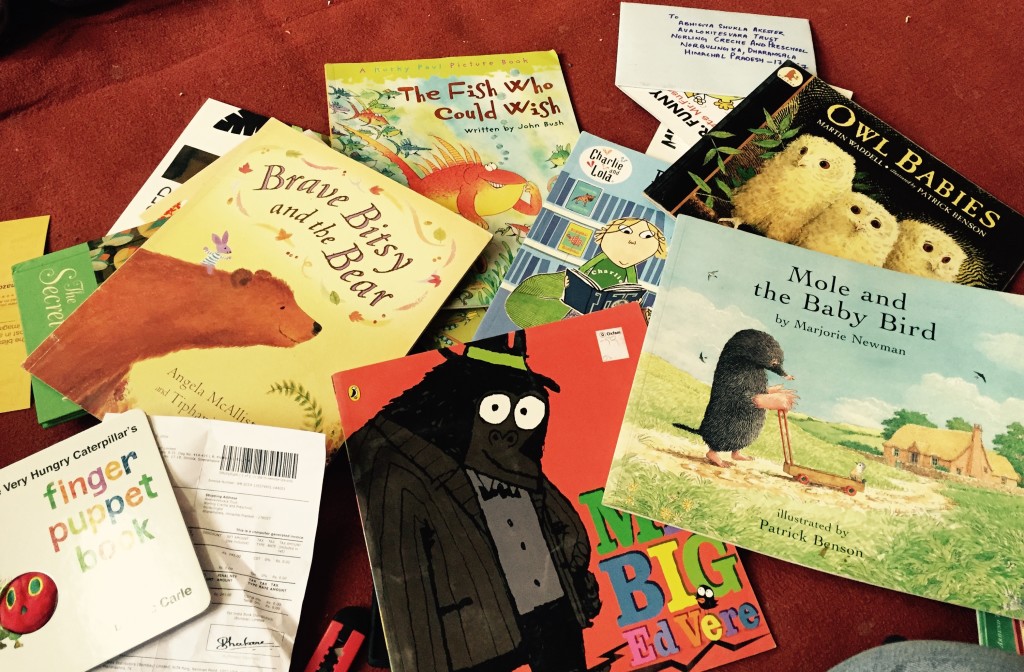
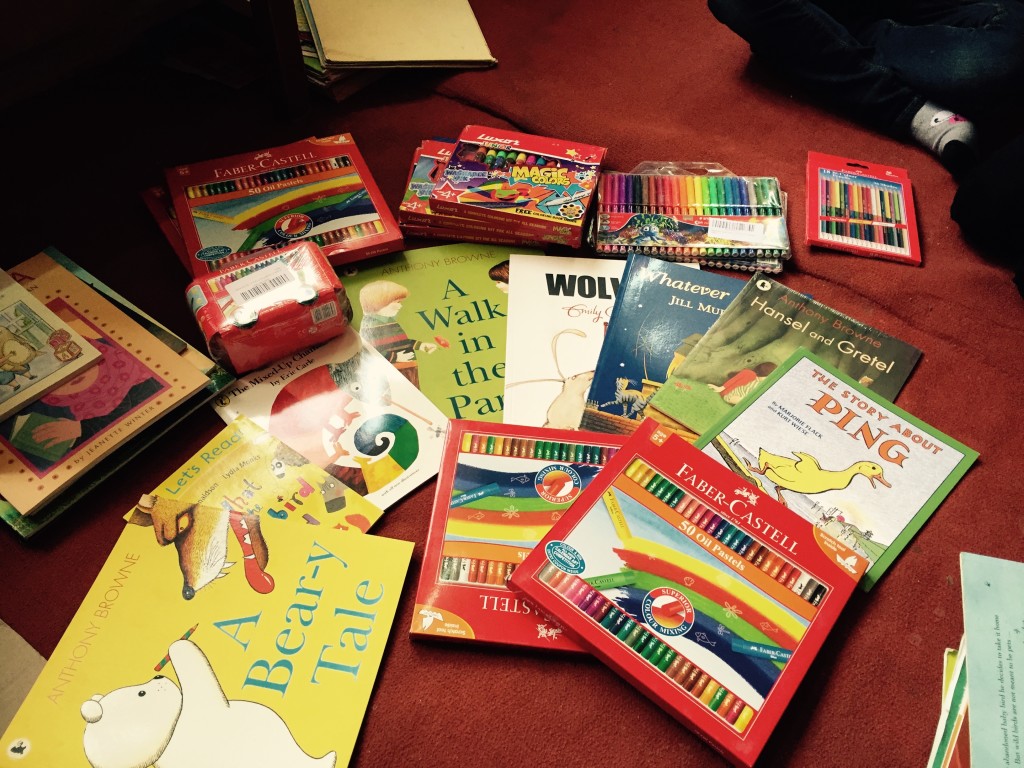
This local perspective guides the selection of books and activities. A collection may include picture books, folk stories, science materials, biographies, poetry, reference books, and bilingual resources. Librarians learn to notice gaps in the collection and share those observations so future donations respond to genuine needs rather than sending unsuitable materials.
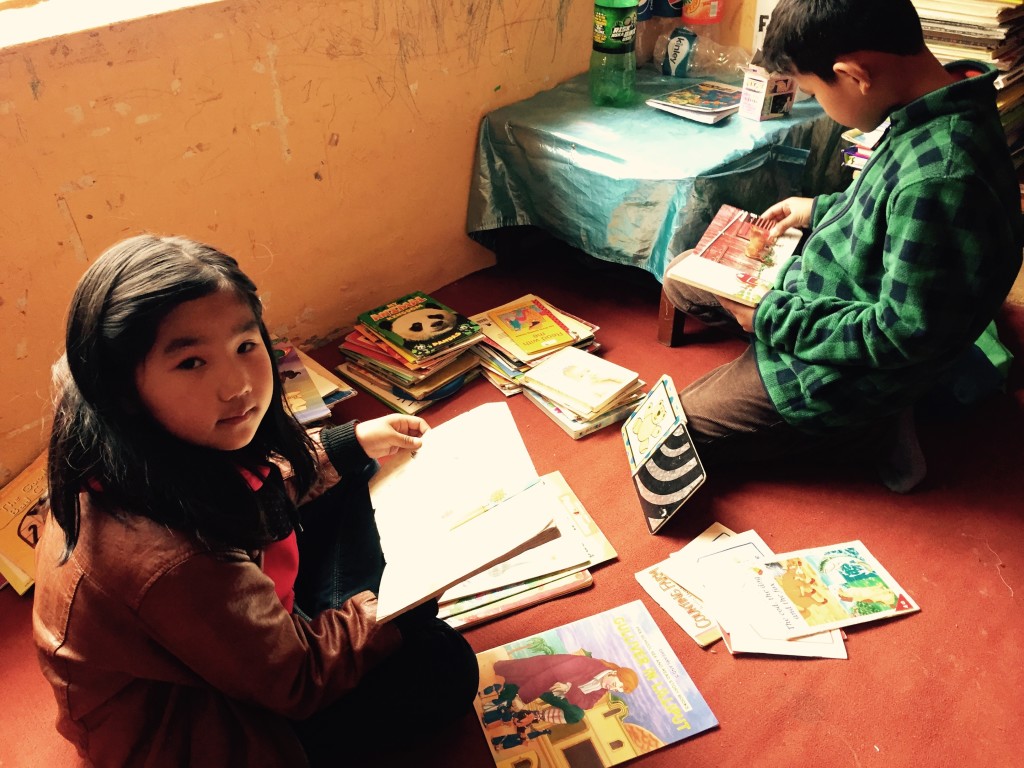
The approach also respects the different roles a reading room may play. For some children, it is a quiet place to read independently. For others, it is where they first receive help with an unfamiliar word, take part in an art session, or gain confidence speaking in a group.
Building Practical Library Skills
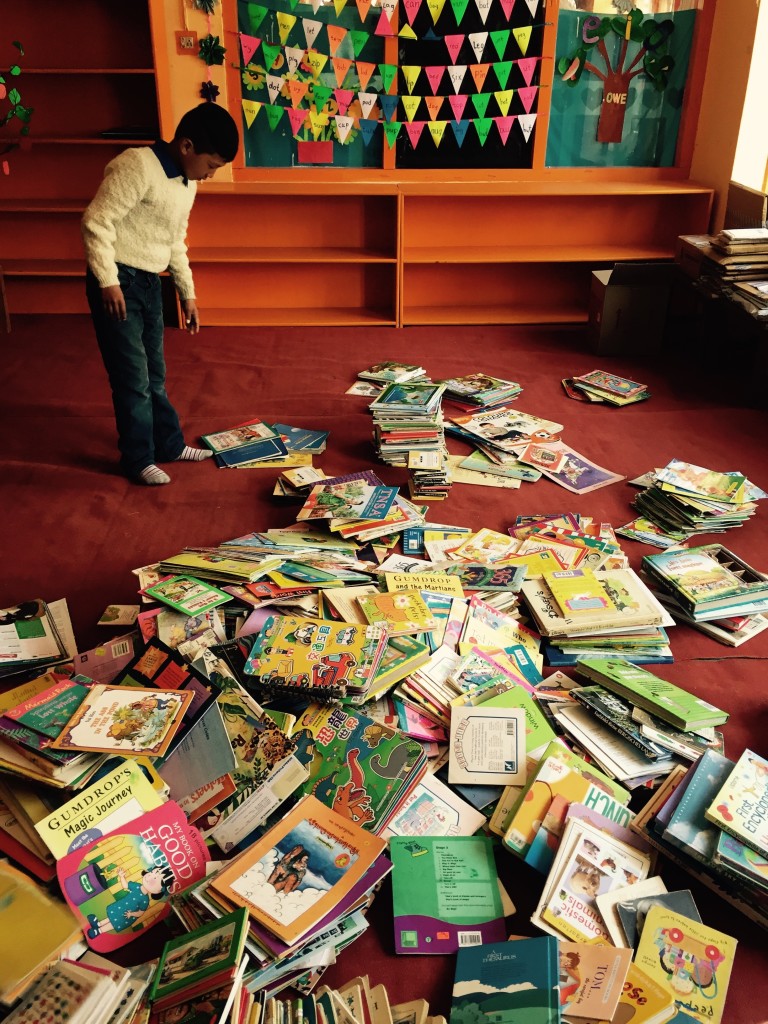
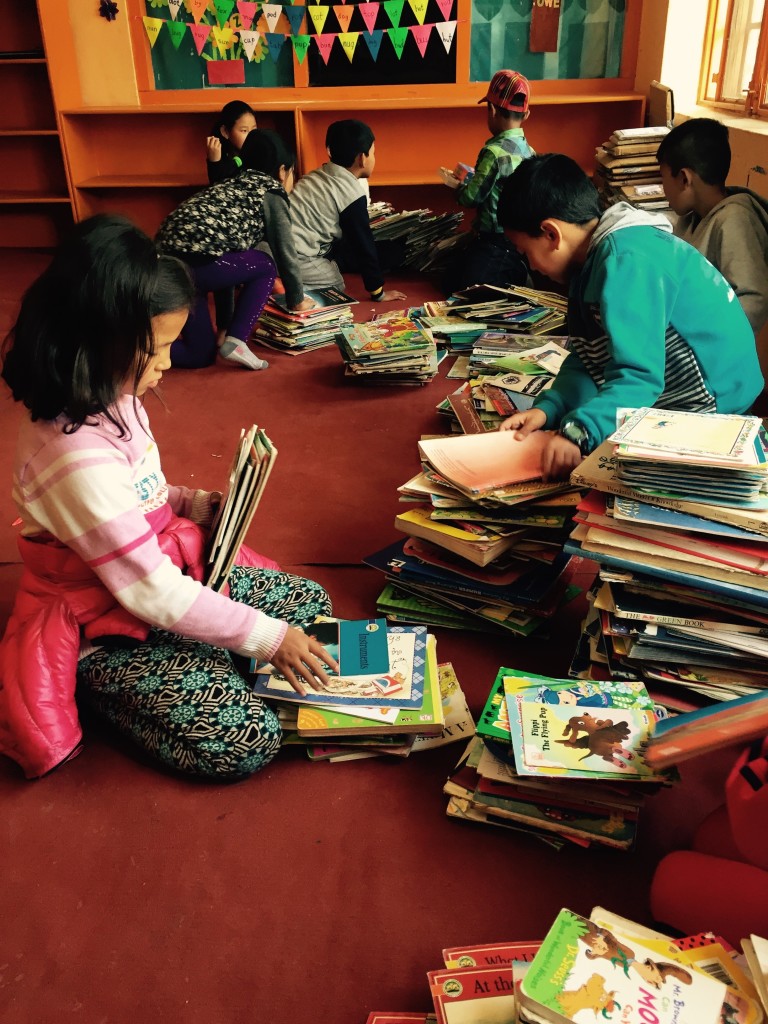
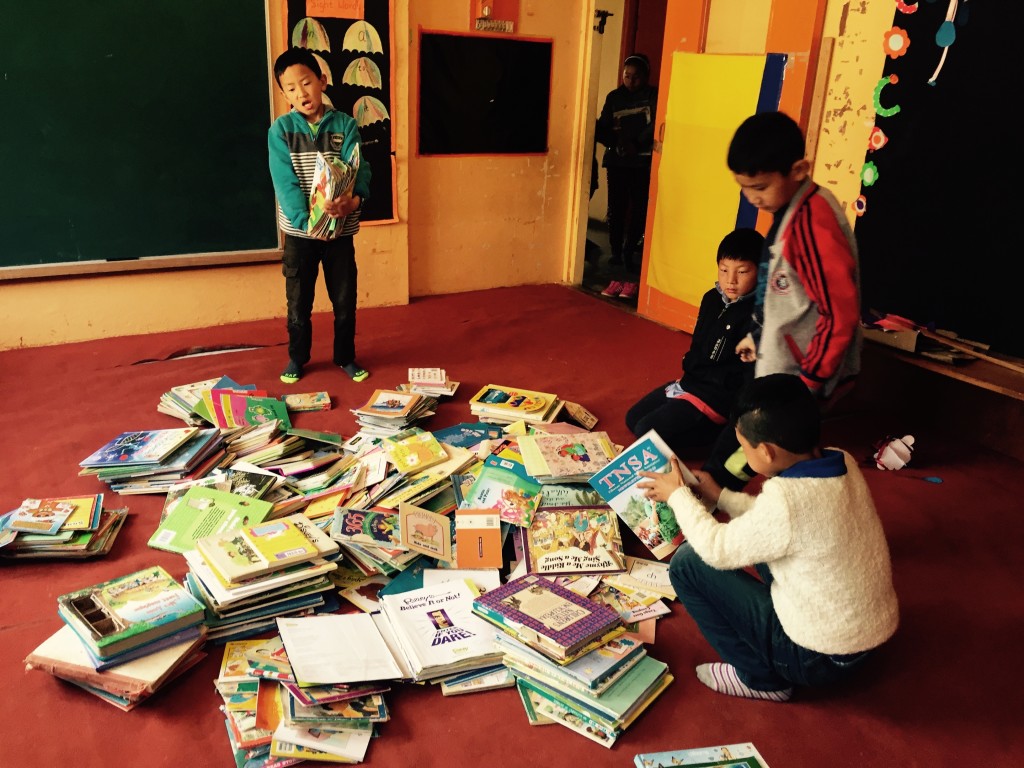
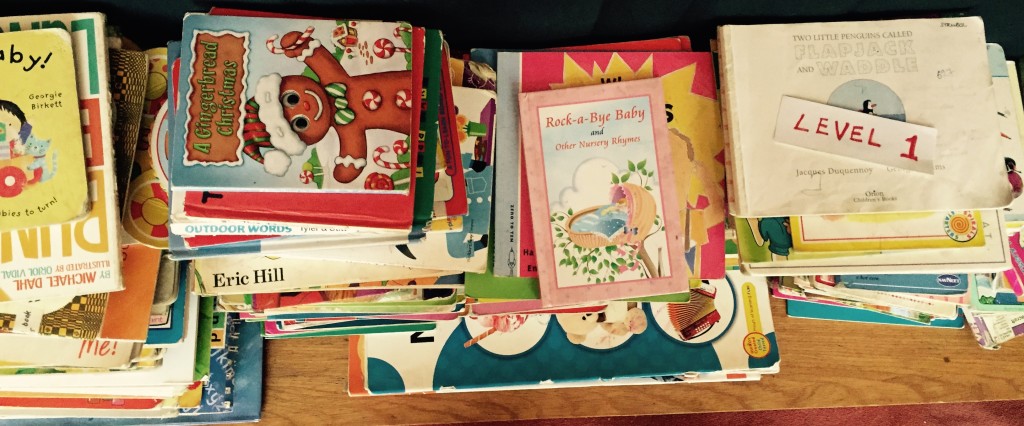
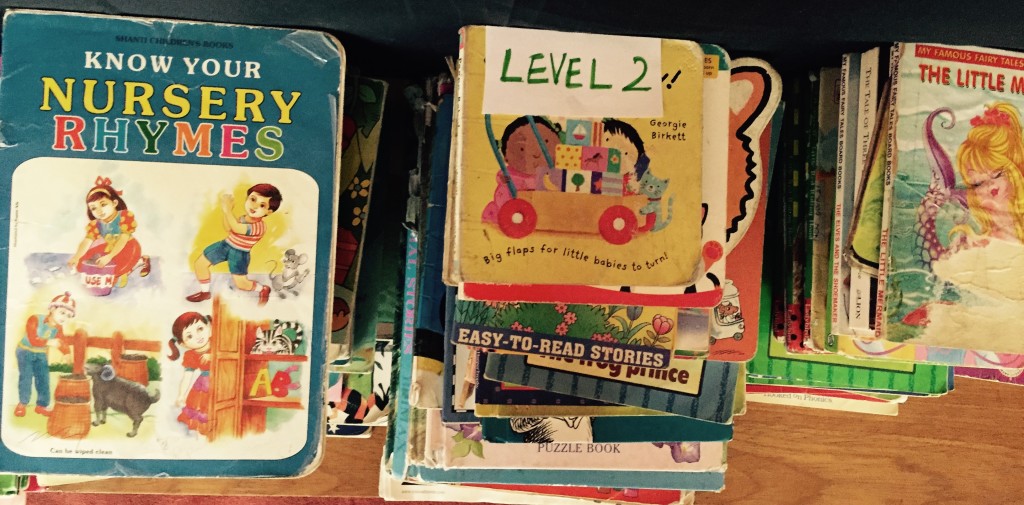
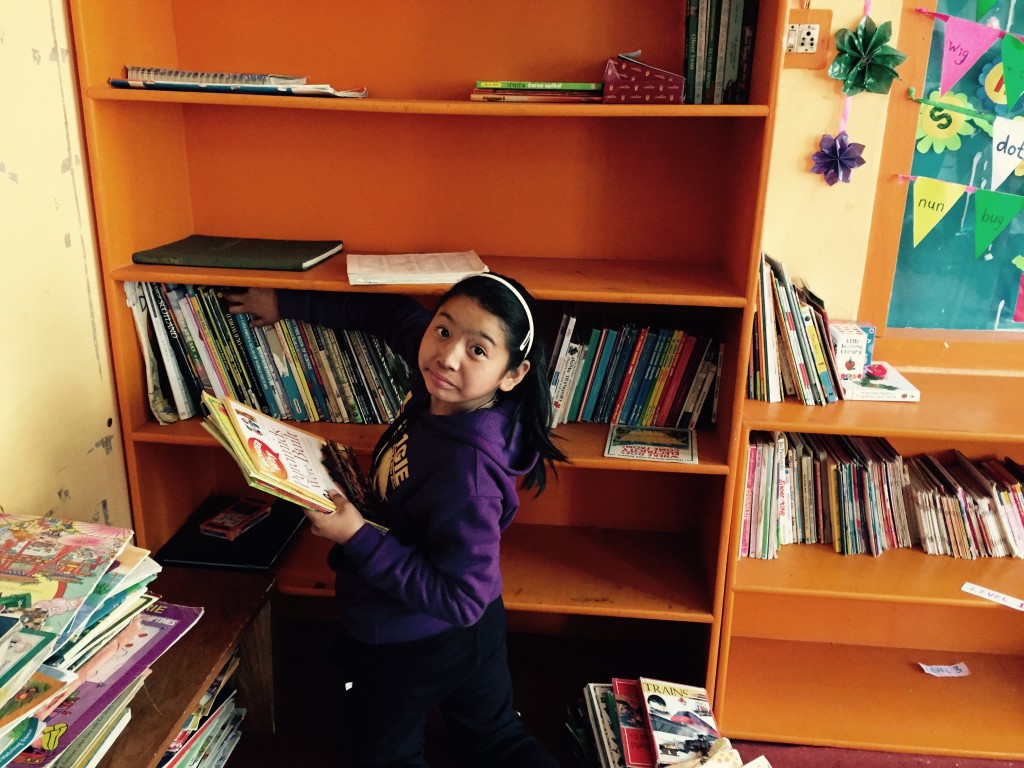
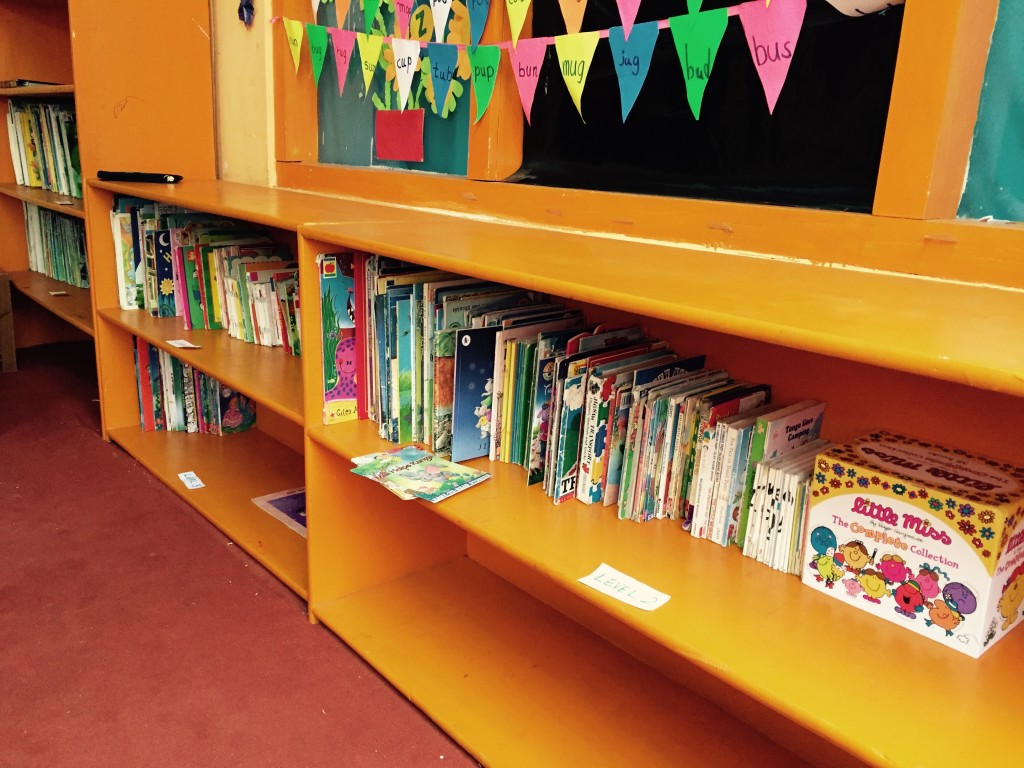
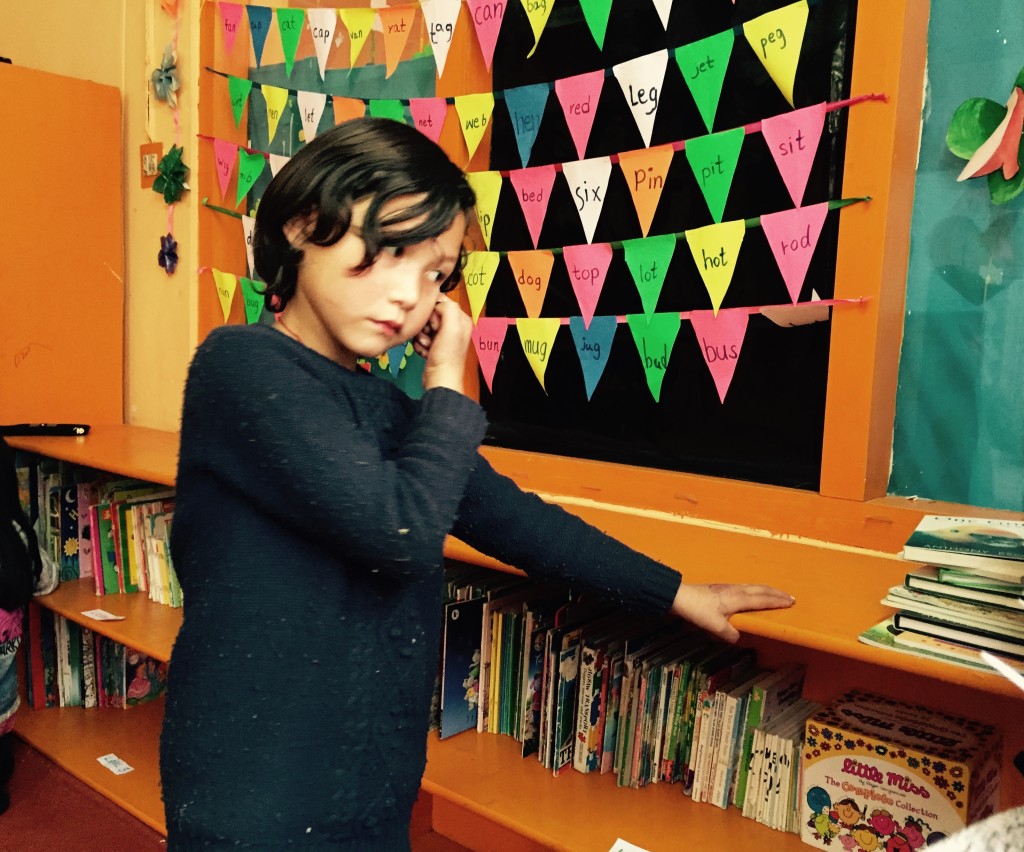
A local librarian needs clear, repeatable systems. We teach staff how to sort books by age level, subject, language, and reading difficulty, while keeping the method simple enough to maintain during busy periods. Labels, shelf signs, and color markers help children find materials without waiting for assistance.
Librarians also practice recording new books, tracking loans, repairing damaged pages, and identifying items that need replacement. A straightforward register or digital record can show which books are popular, which remain unused, and how regularly children visit. These details support better purchasing and make reports to donors more meaningful.
Training includes welcoming visitors and explaining reading room routines in a friendly way. Children learn how to borrow and return books, care for shared materials, and choose reading that matches their interests. Rules are presented as tools for protecting access, rather than as barriers that make the room feel formal or intimidating.
Designing Welcoming Learning Spaces
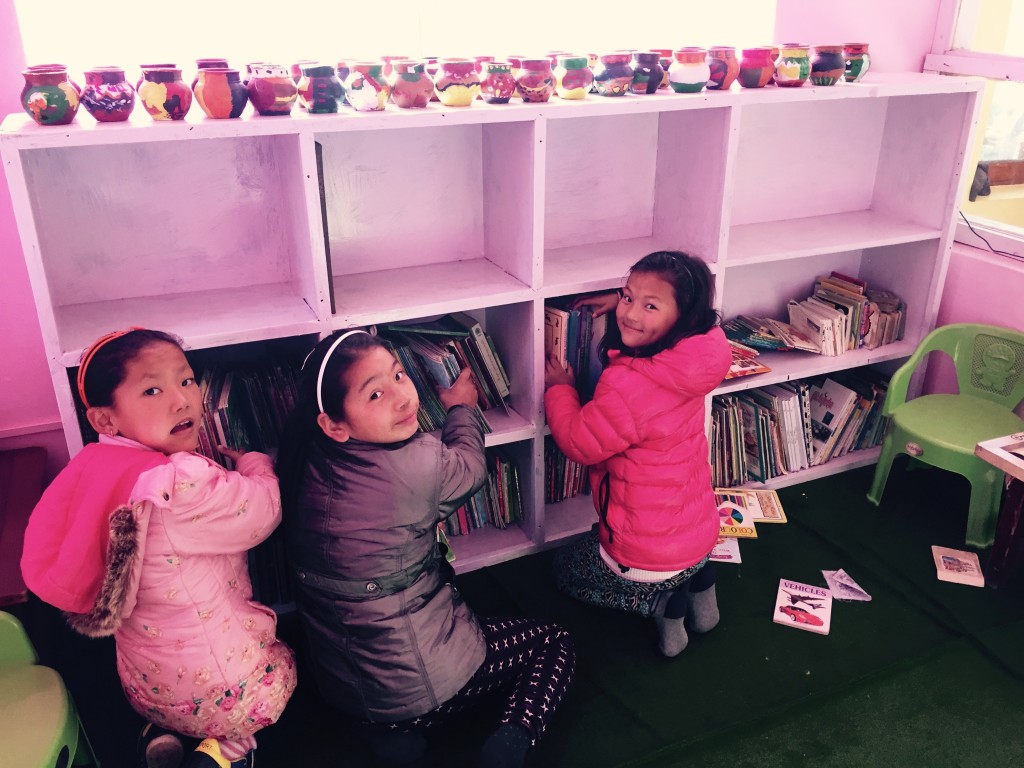
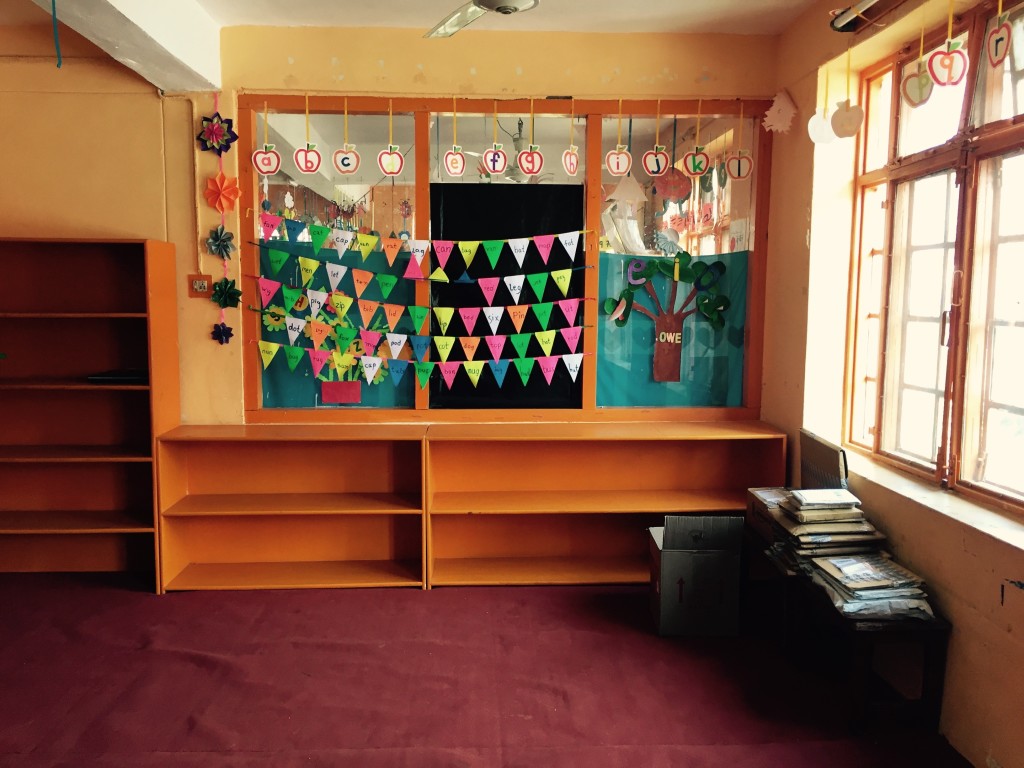
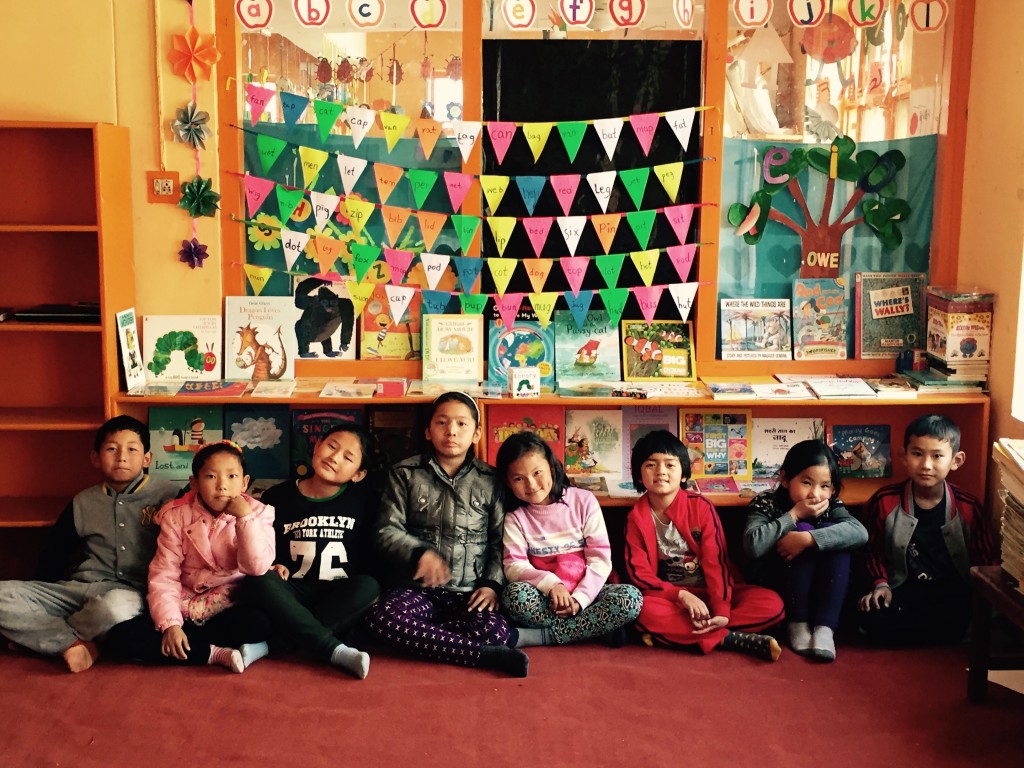
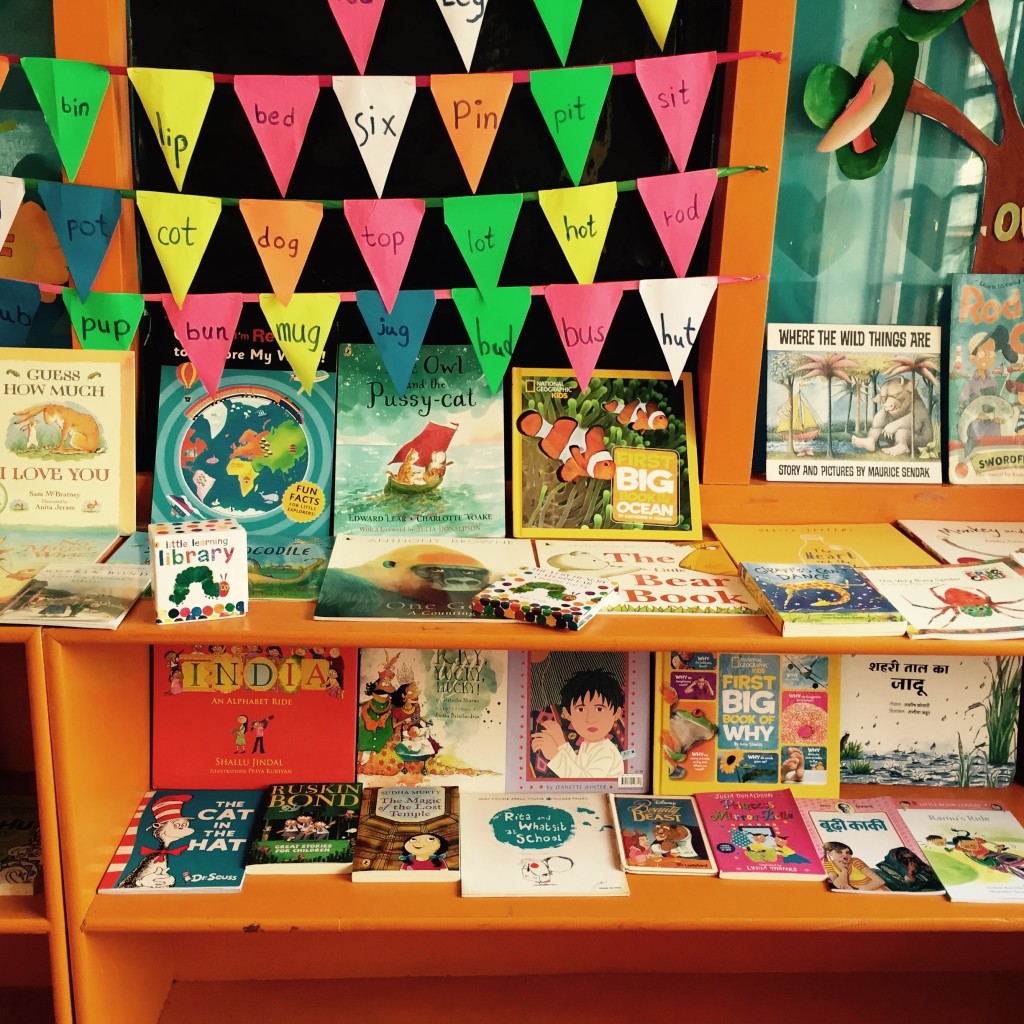
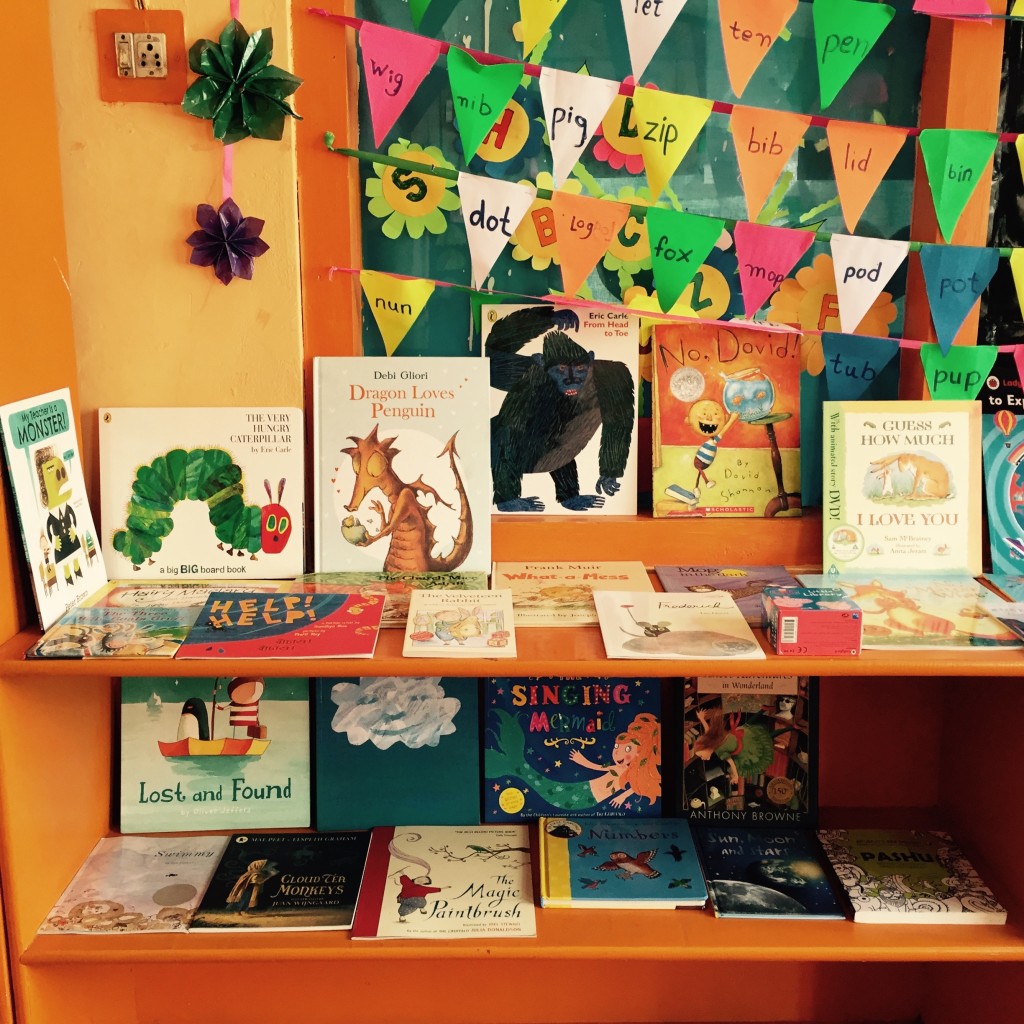
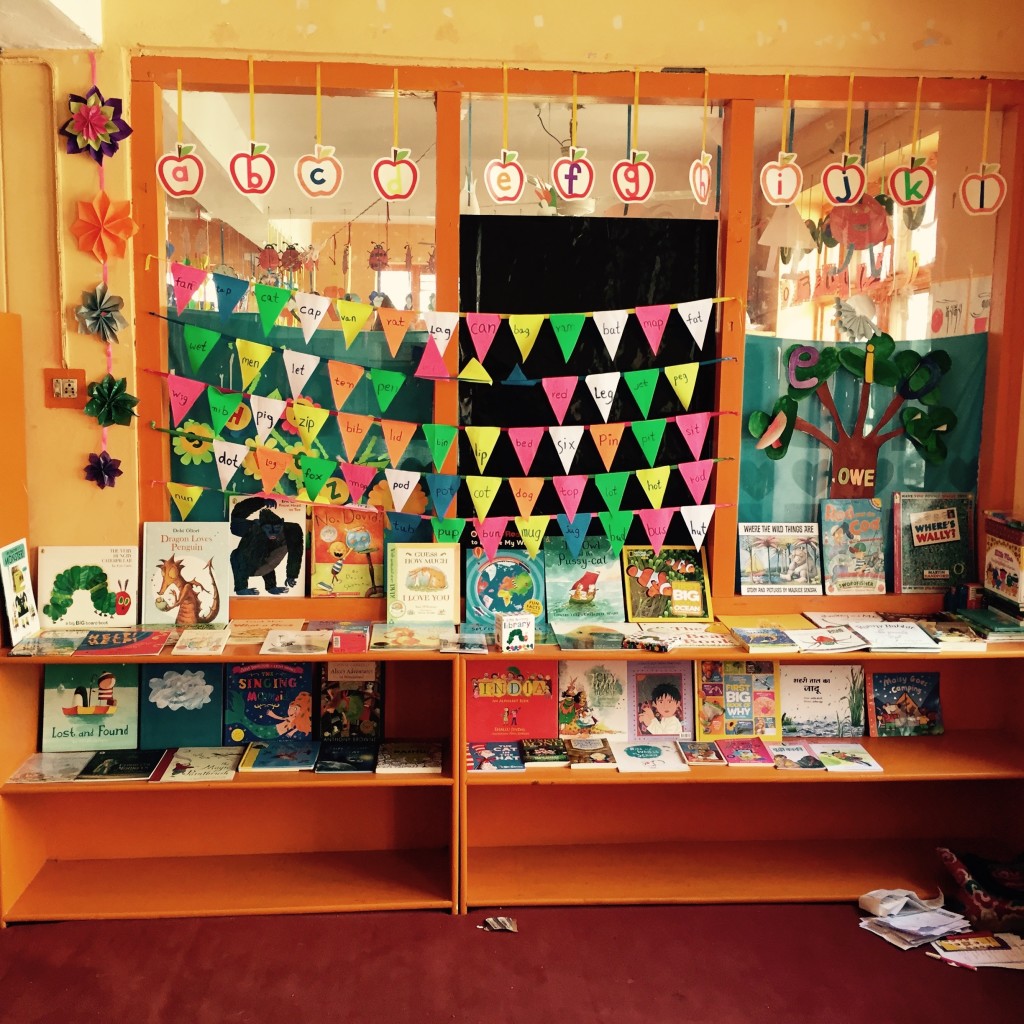
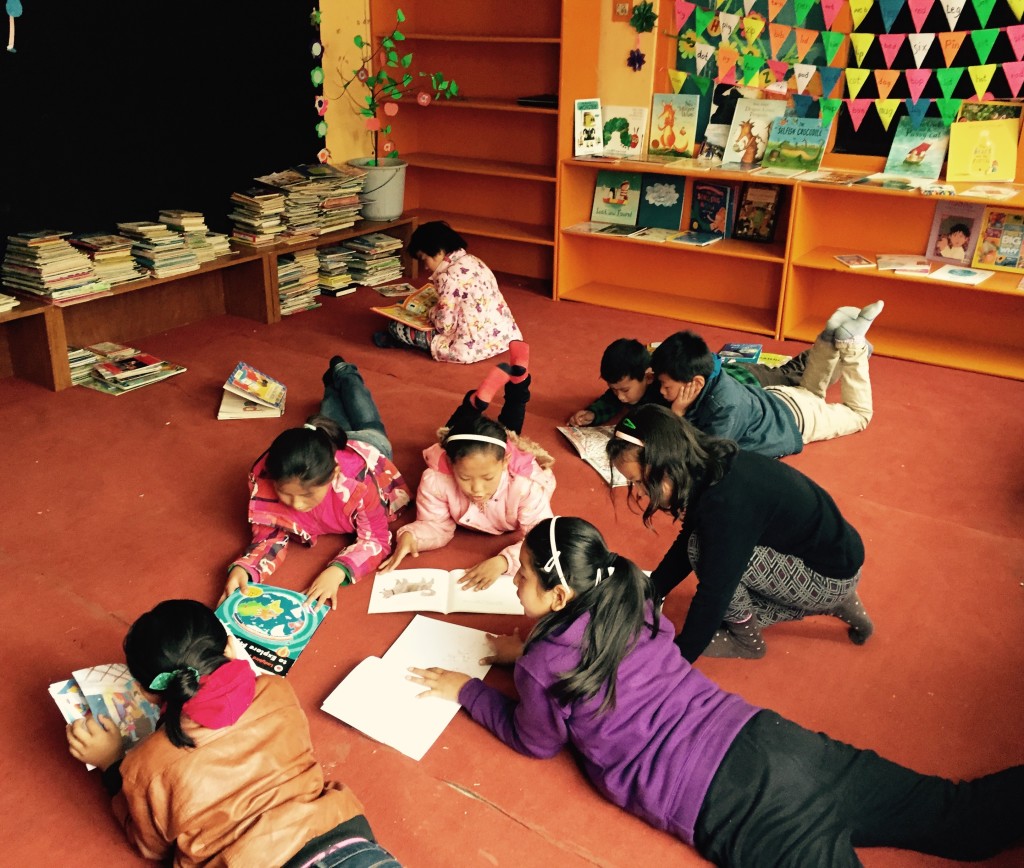
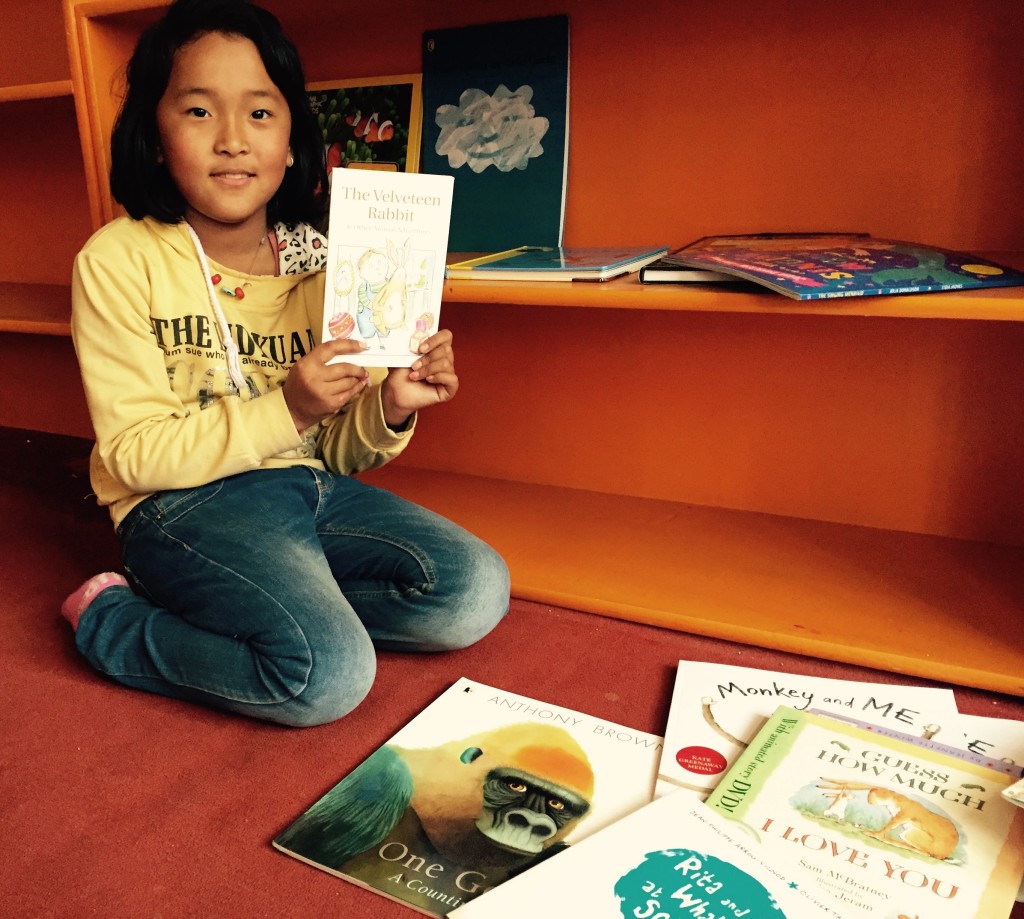
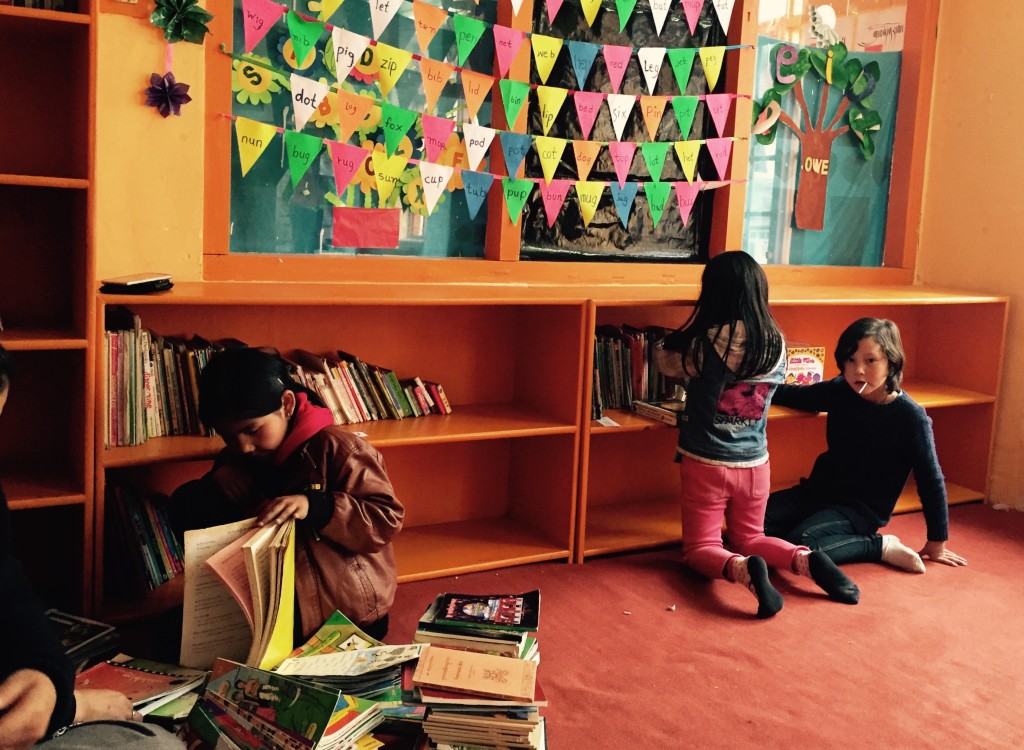
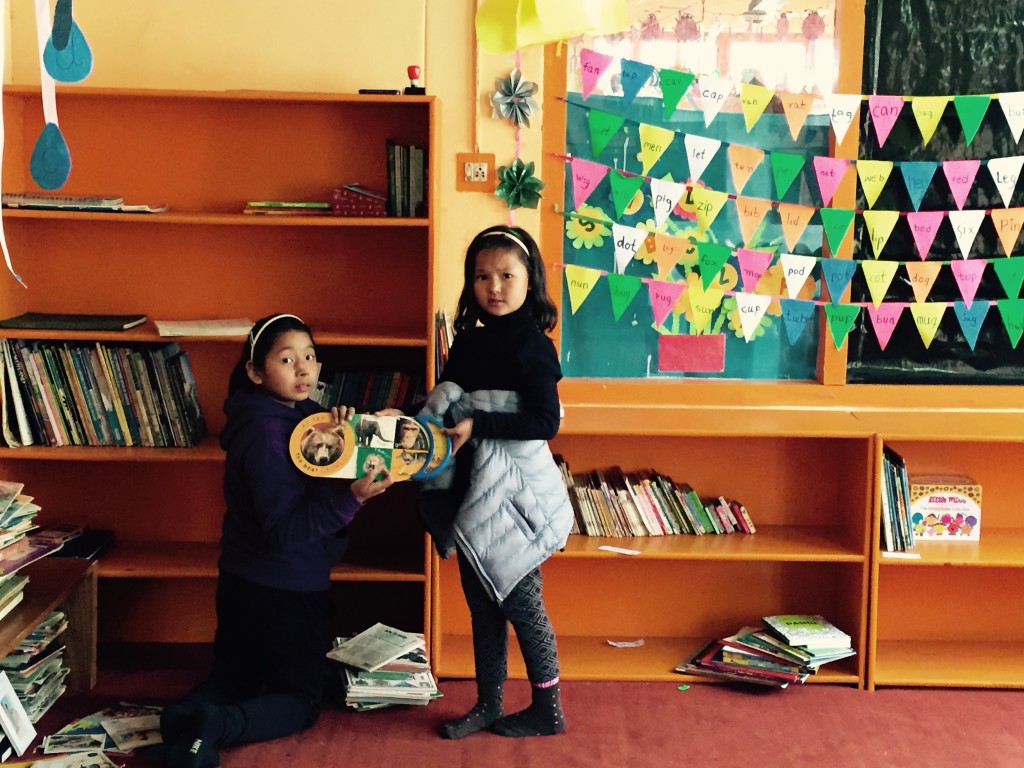
The physical arrangement of a reading room affects how children behave and what they are willing to explore. Librarians learn to create clear areas for quiet reading, group storytelling, creative work, and book browsing. Low shelves, visible covers, floor cushions, and uncluttered pathways can make a modest room feel inviting.
In mountain communities, available space and furniture may vary widely. Training therefore emphasizes adaptable solutions: rotating displays, handmade signs, recycled storage, and flexible seating. A librarian might place new books near the entrance, create a shelf for local stories, or display children’s drawings to show that their work belongs in the room.
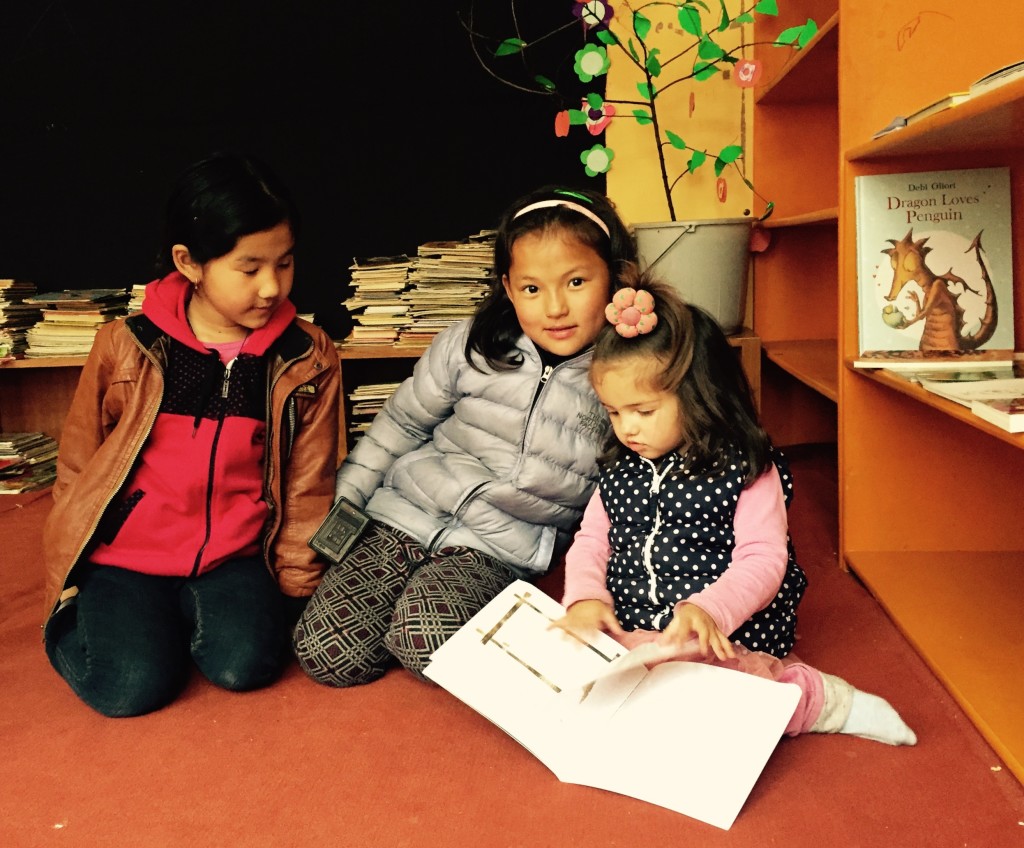
The atmosphere matters as much as the arrangement. Librarians greet children by name, give patient help to emerging readers, and make room for different abilities and personalities. A child who is hesitant to read aloud may begin by looking at illustrations or listening to a story. Small moments of encouragement can have a lasting effect on confidence.
| Training Area |
What Librarians Practice |
Benefit for Children |
| Collection care |
Shelving, labeling, repairs, and inventory |
Books remain easy to find and available for longer |
| Reading guidance |
Matching books to age, interest, and ability |
Children experience success and develop independent habits |
| Activity planning |
Storytelling, drawing, music, and discussion sessions |
Learning becomes active, social, and creative |
| Child safeguarding |
Safe boundaries, supervision, and respectful conduct |
Children can use the space with greater security |
| Community communication |
Speaking with families, teachers, and local leaders |
The reading room remains connected to local priorities |
| Record keeping |
Loan logs, attendance notes, and simple reports |
Staff can understand use and plan future resources |
Supporting Children Through Programming
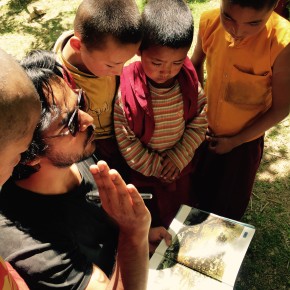
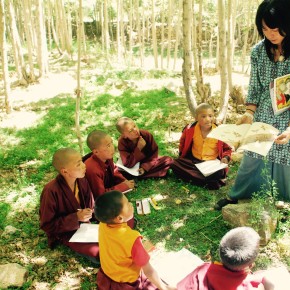
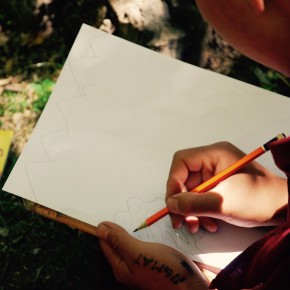
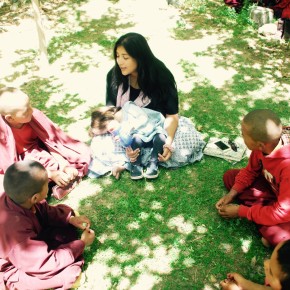
A strong reading room offers more than unstructured access to books. Librarians learn how to plan short, regular activities that encourage children to return. Story circles, reading games, poetry sessions, drawing workshops, music practice, and simple research projects can connect books with wider forms of expression.
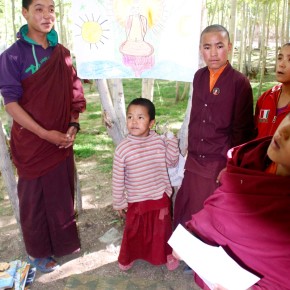
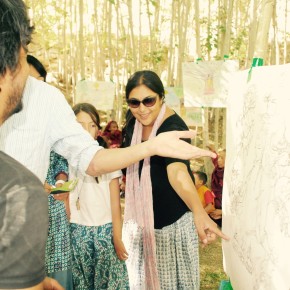
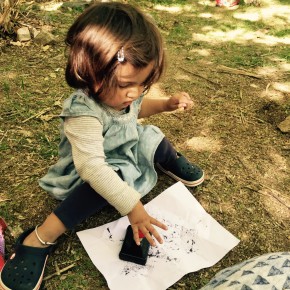
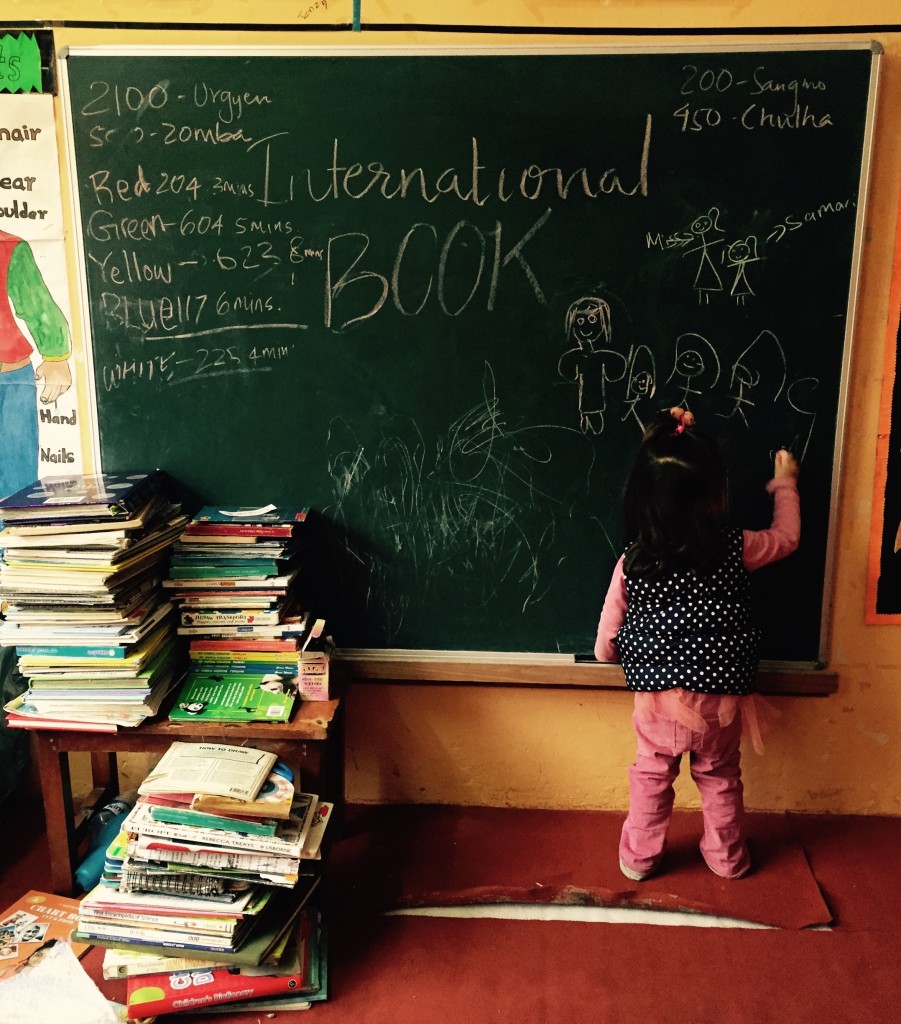
Activities are designed to be achievable with limited equipment. A librarian may use a storybook to begin a conversation about friendship, invite children to illustrate a scene, or ask them to create a small performance. These sessions build vocabulary, listening skills, imagination, and cooperation without turning every visit into a formal lesson.
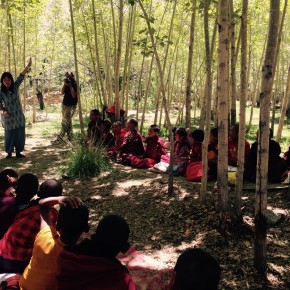
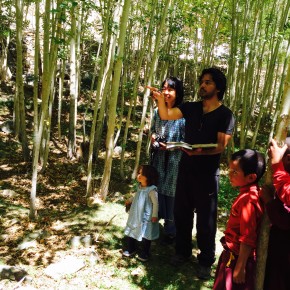
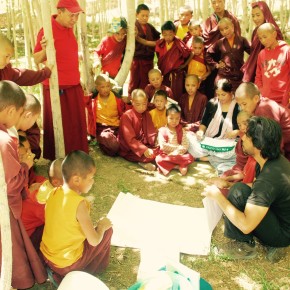
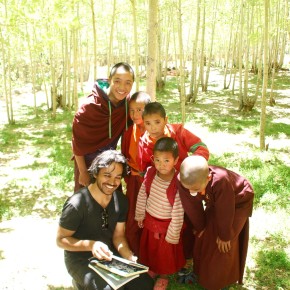
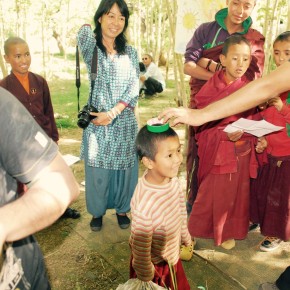
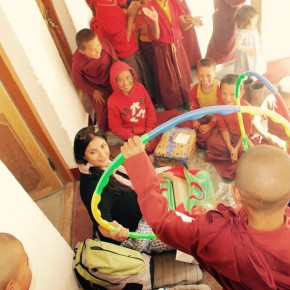
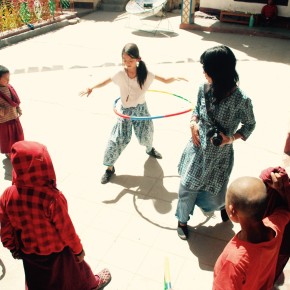
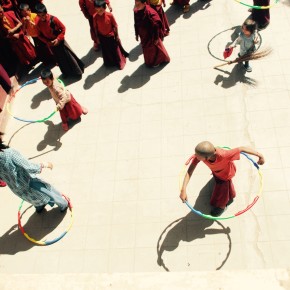
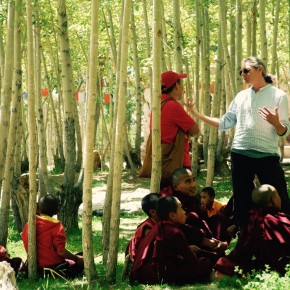
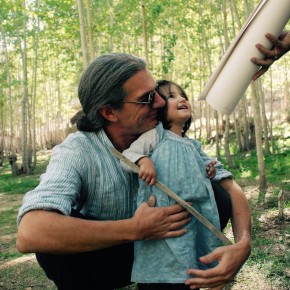
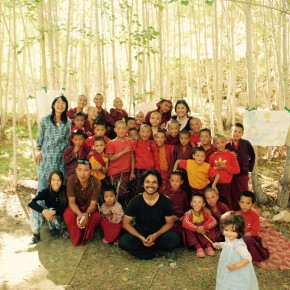
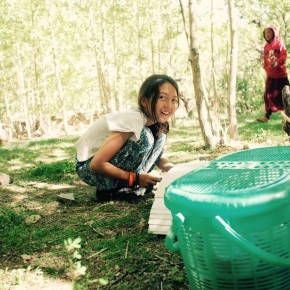
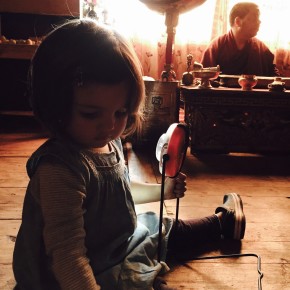
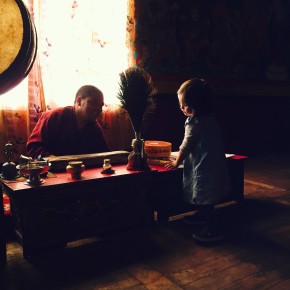
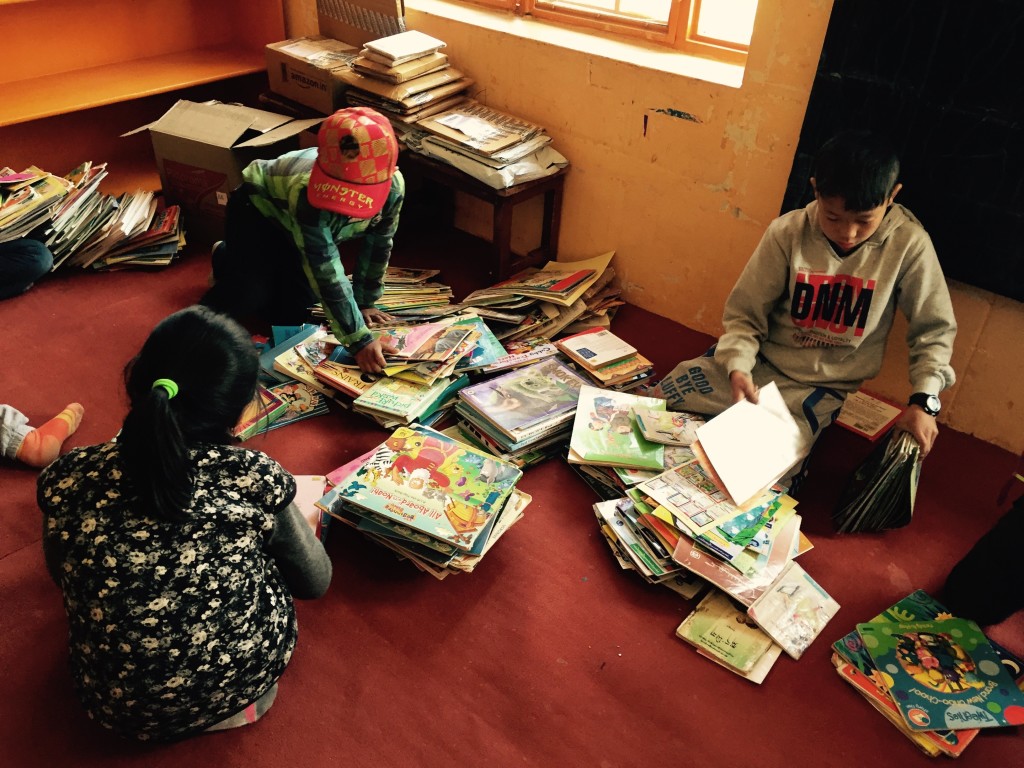
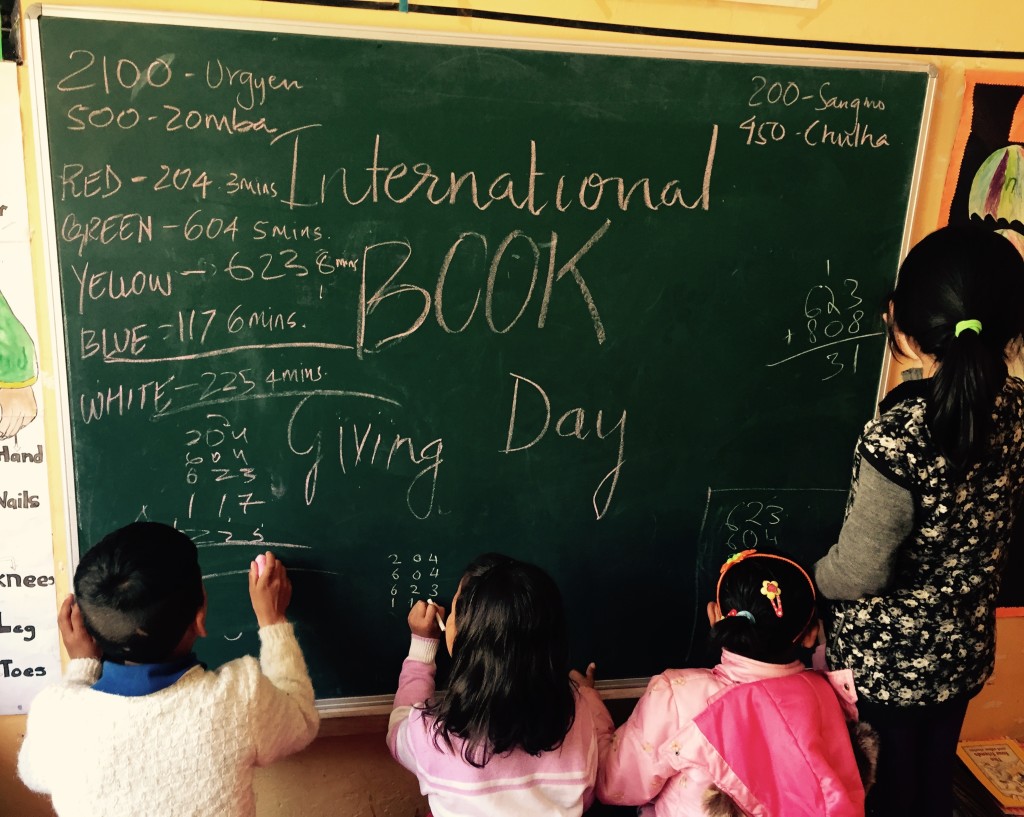
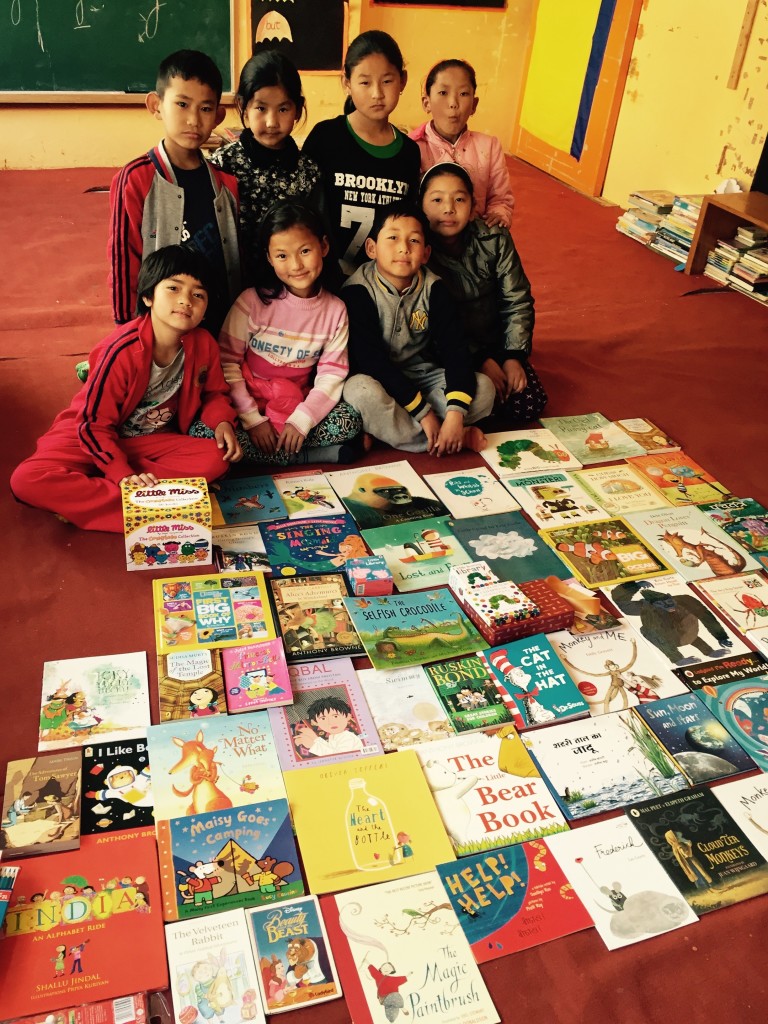
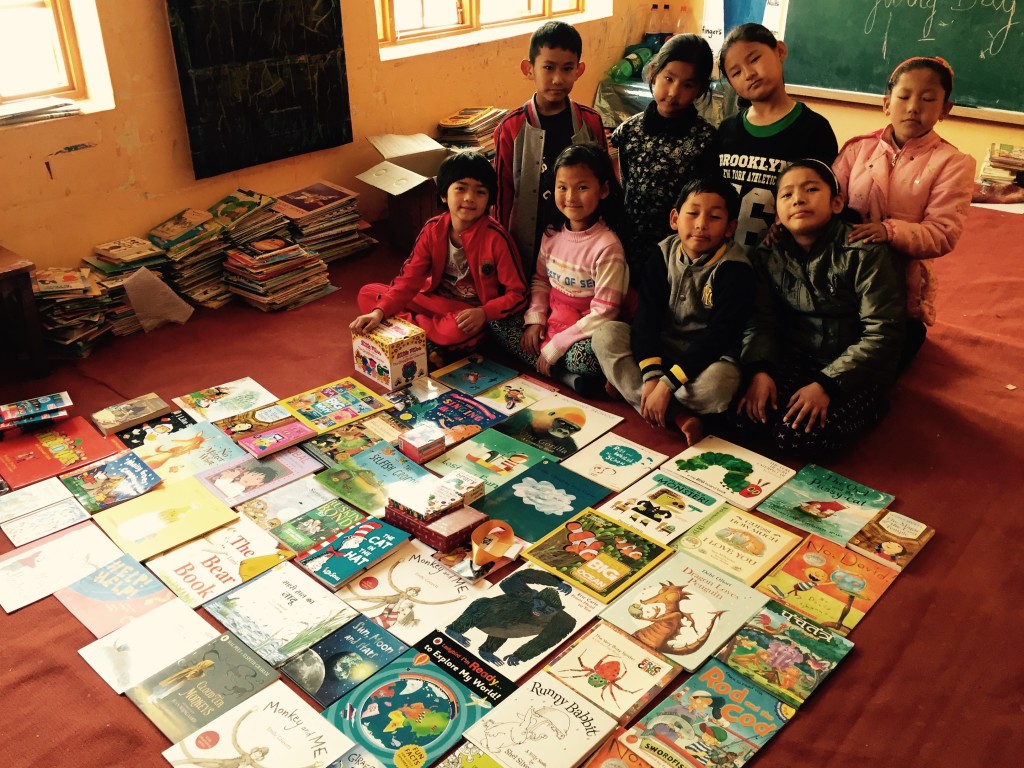
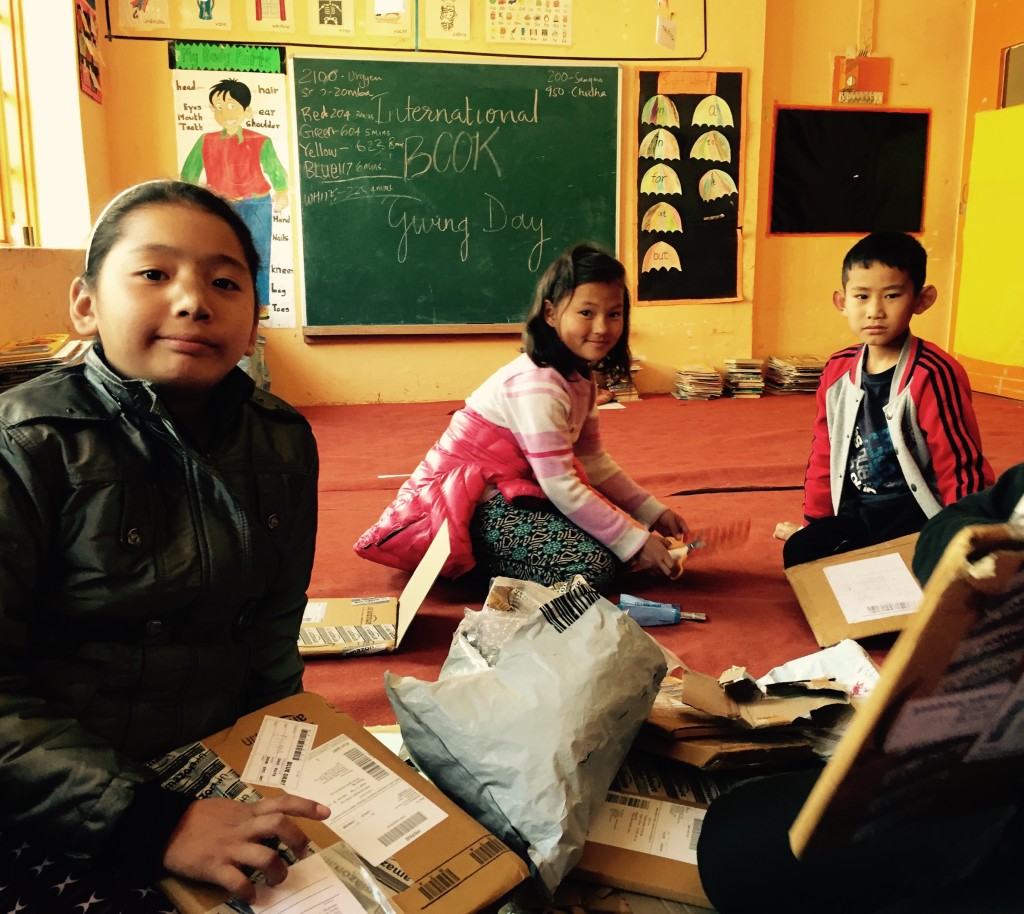
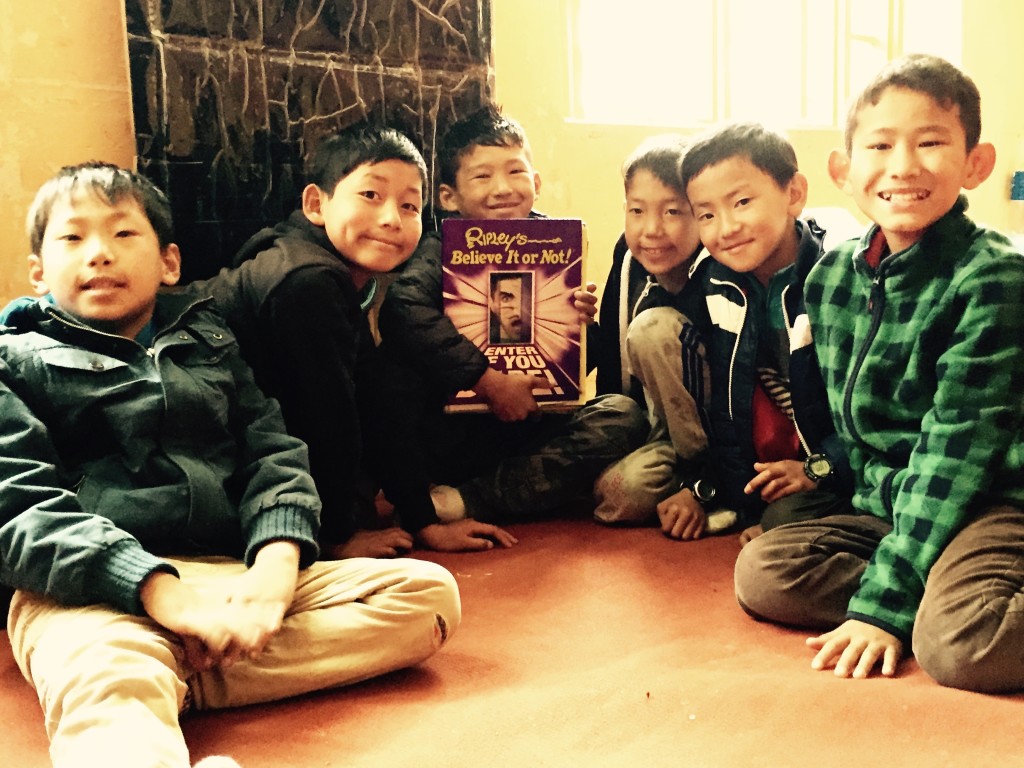
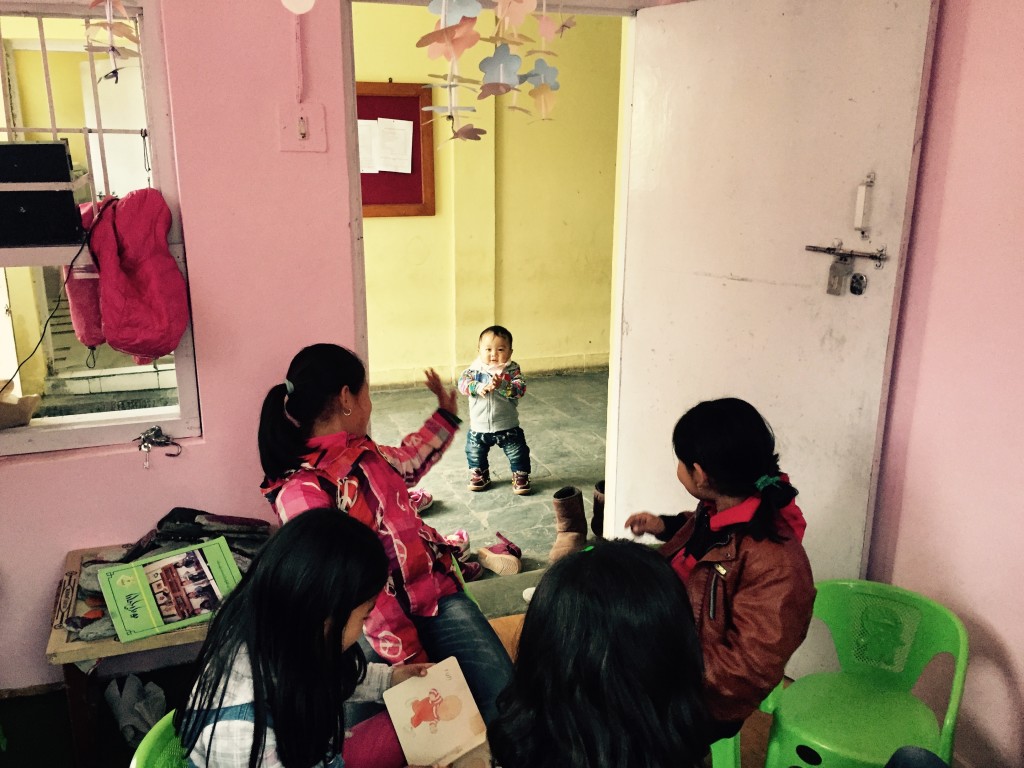
Seasonal programming is another important part of the work. During school holidays, reading rooms may host extended sessions or summer camps. Volunteers can help with storytelling and games, while local librarians provide continuity, understand the children’s needs, and keep routines organized. The experiences of the young volunteers show how community participation can add energy to children’s learning.
Creating Reliable Daily Systems
Good intentions become sustainable through simple routines. Librarians are trained to open and close the room consistently, check the condition of materials, prepare activity supplies, and record attendance. These habits reduce confusion and help the reading room remain dependable for children and families.
We also encourage librarians to review their work regularly. They may discuss which sessions attracted the most interest, whether younger children are finding suitable books, and which families need clearer information about opening hours. Reflection does not require complicated paperwork; a short weekly conversation and a few useful notes can reveal important patterns.
Practical priorities include:
- Keep shelves labeled and return books to consistent places.
- Record loans and attendance in a format that staff can maintain.
- Set aside time each week for cleaning, repairs, and collection checks.
- Prepare activities with different ages, reading levels, and abilities in mind.
- Share concerns about safety, access, or missing resources promptly.
These systems help local librarians work independently while staying connected to the Trust’s wider support network. They also create a clear foundation for future training, new volunteers, and additional educational resources.
Strengthening Safeguarding And Inclusion
Children should experience every reading room as a respectful and secure environment. Training covers appropriate adult-child boundaries, responsible supervision, emergency procedures, and ways to respond when a child appears distressed. Librarians are encouraged to follow clear safeguarding processes and seek support when a situation falls beyond their role.
Inclusion is built into everyday decisions. Staff consider whether children with different reading abilities can participate, whether girls and boys feel equally welcome, and whether language choices reflect the community. Children who are shy, new to the area, or less confident with books should have several ways to join an activity.
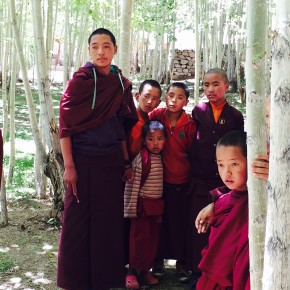
Librarians also learn to avoid assumptions about what children can do. A young monk may be deeply interested in science, while a child who struggles with formal reading may excel at storytelling, drawing, or music. By recognizing varied strengths, the reading room becomes a broader learning environment rather than a place reserved for the strongest readers.
Growing A Sustainable Local Network
Training continues through mentoring, visits, shared discussions, and practical feedback. Librarians can compare activity ideas, solve common problems, and learn from reading rooms in other Himalayan communities. This peer network reduces isolation, especially for staff working in remote locations.
The Trust also supports communication between local librarians and schools, monasteries, families, volunteers, and donors. When these relationships are active, a reading room can respond more effectively to changing needs. A teacher may recommend reference books, a family may share a local story, or a volunteer may lead a creative workshop under the librarian’s guidance.
Over time, the goal is local ownership. External support can provide books, training, furniture, and encouragement, but the daily life of a reading room depends on people who live close to it. Investing in their skills strengthens literacy, creativity, and educational opportunity for many years.
Every donated book becomes more valuable when a trained librarian knows how to place it in a child’s hands, build interest around it, and care for it as part of a lasting collection. Support Avalokiteśvara Trust’s reading room work through a donation, a book contribution, or practical volunteer involvement, helping local communities nurture welcoming spaces where children can read, create, and grow.