How Himalayan Books Teach Care for the Earth
A book can turn a distant mountain landscape into a place children feel responsible for. Through stories about snow leopards, high-altitude villages, glacial streams and young people living with fragile ecosystems, reading becomes a pathway to environmental awareness. Children begin to see that clean water, healthy soil and biodiversity are shared responsibilities, whether they are growing up in Ladakh or attending school in Melbourne.
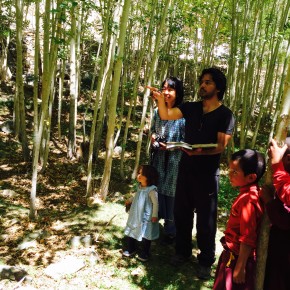
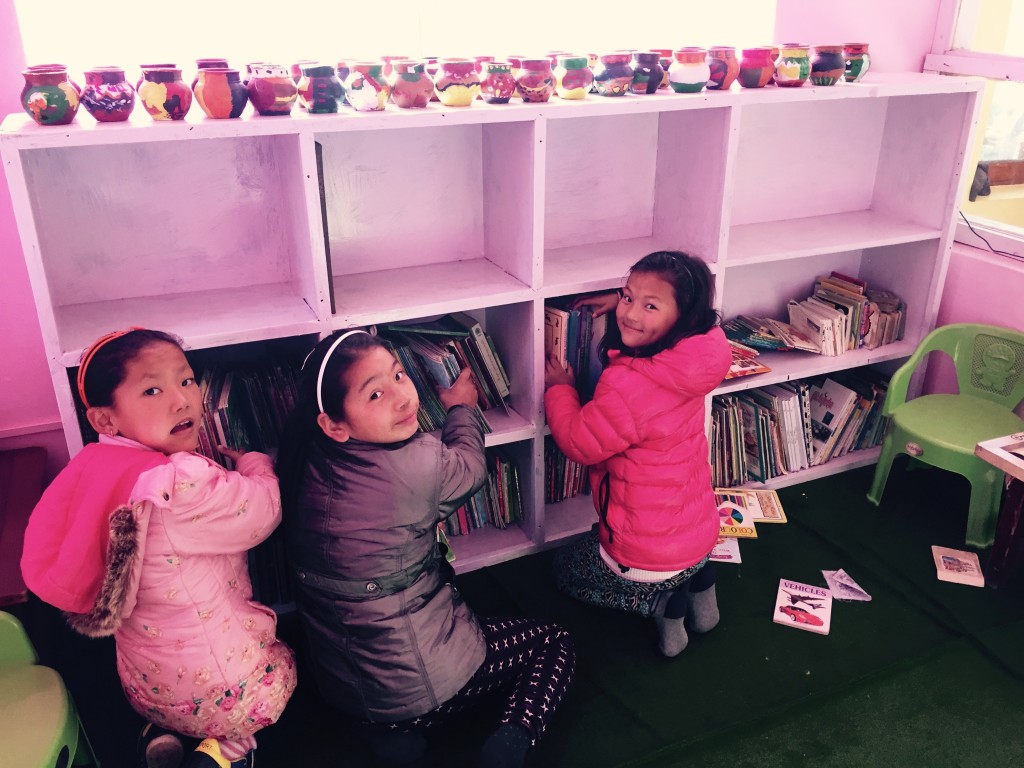
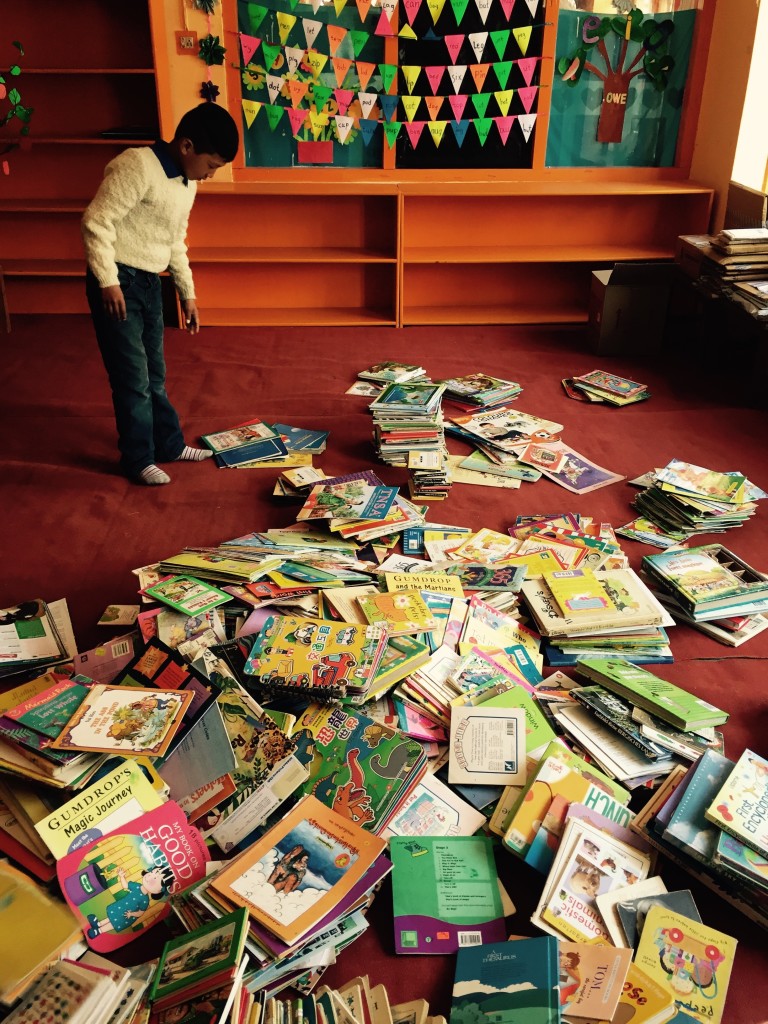
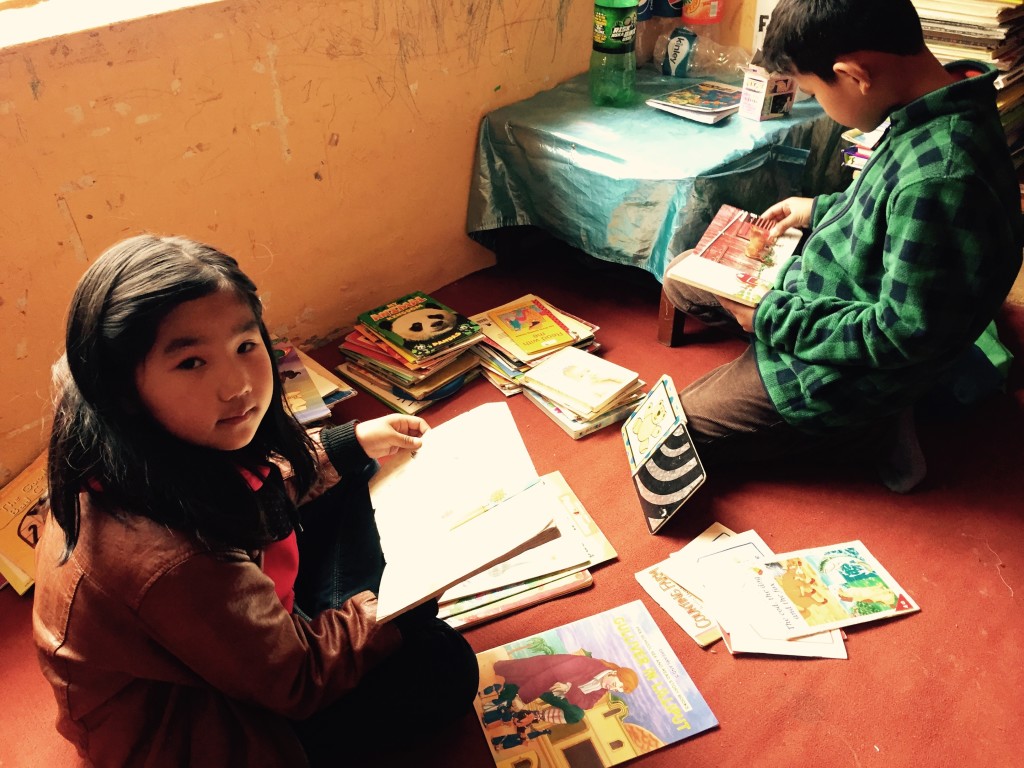
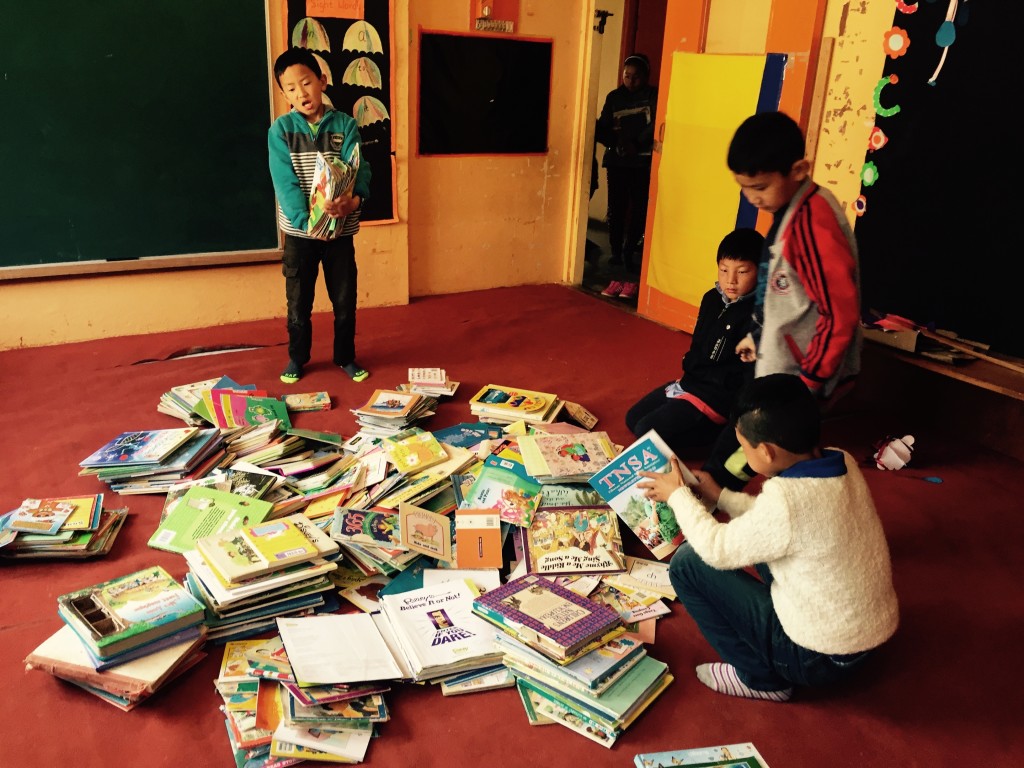
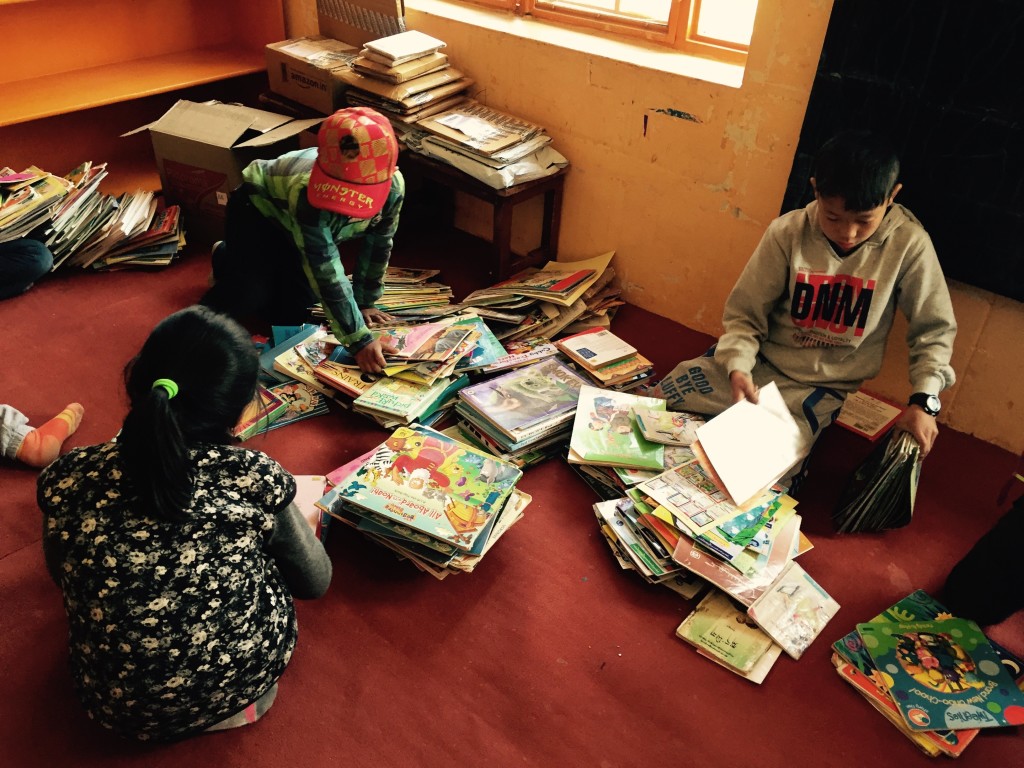
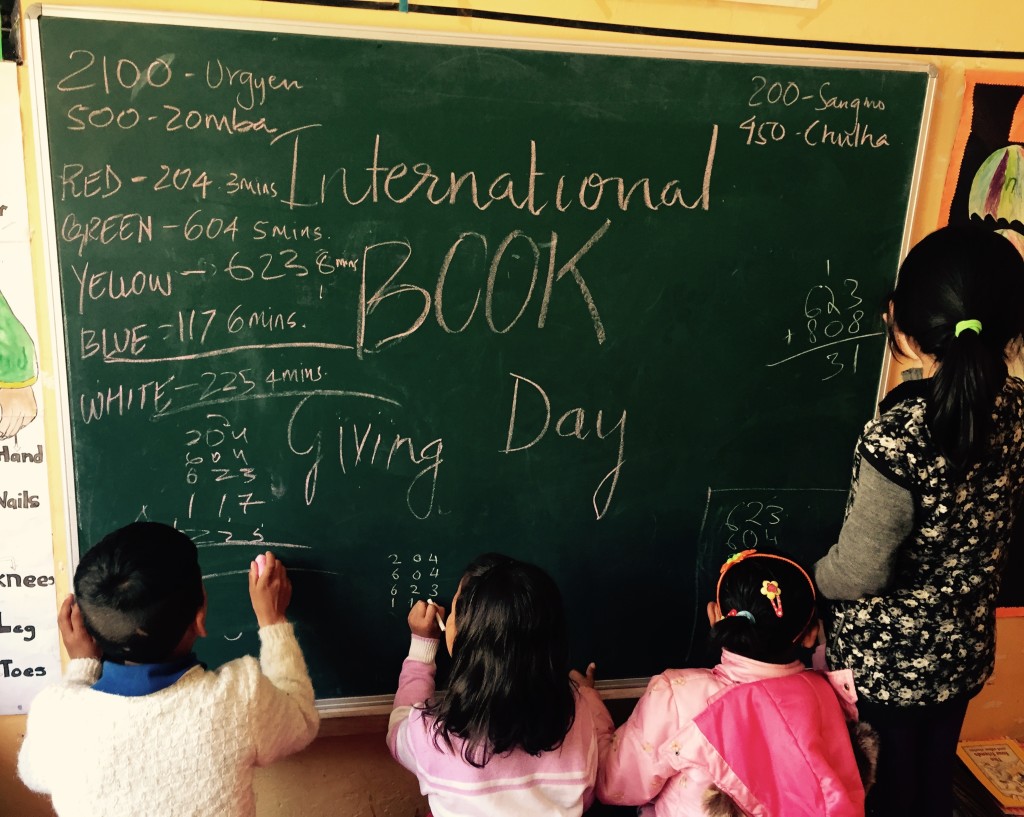
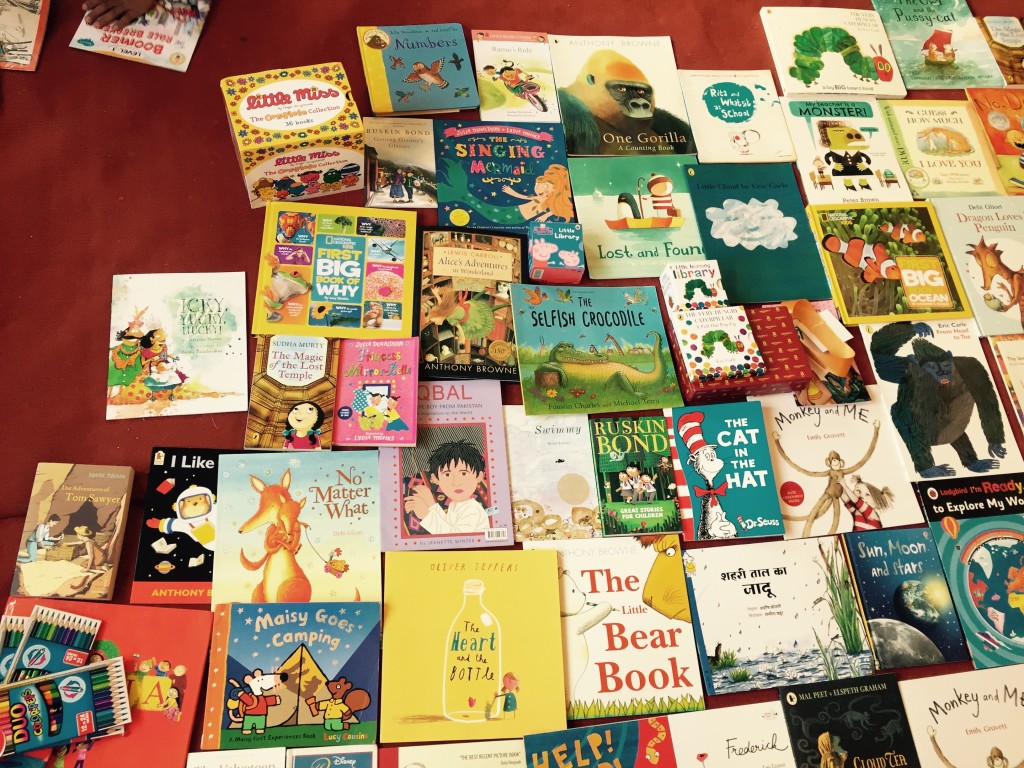
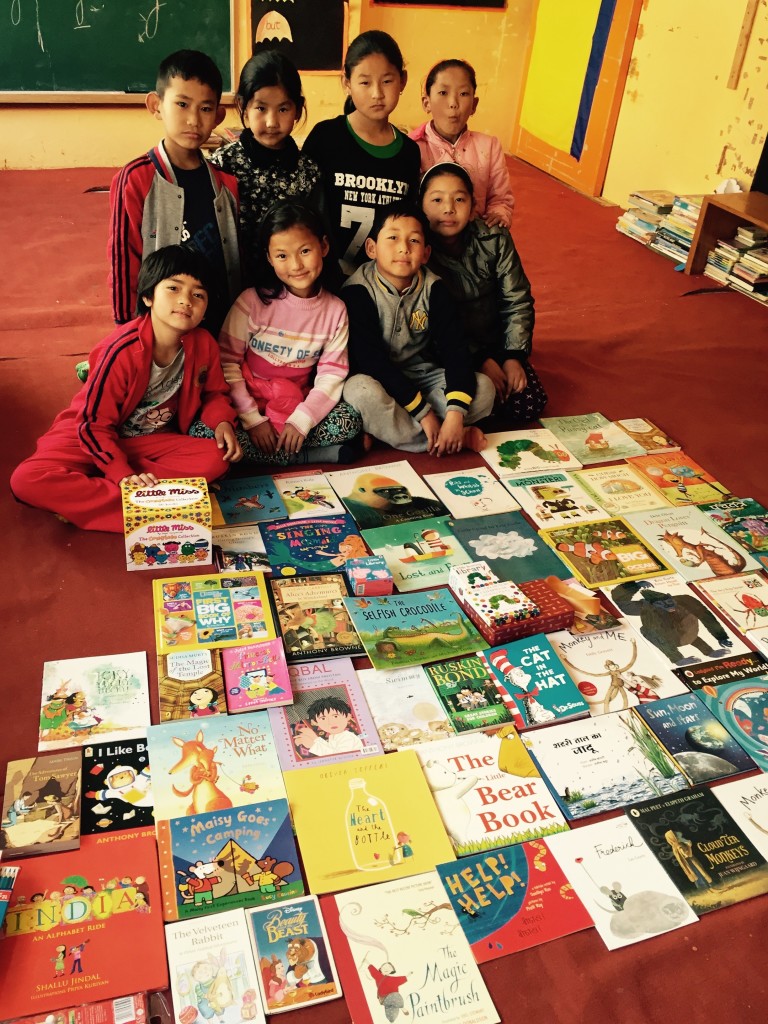
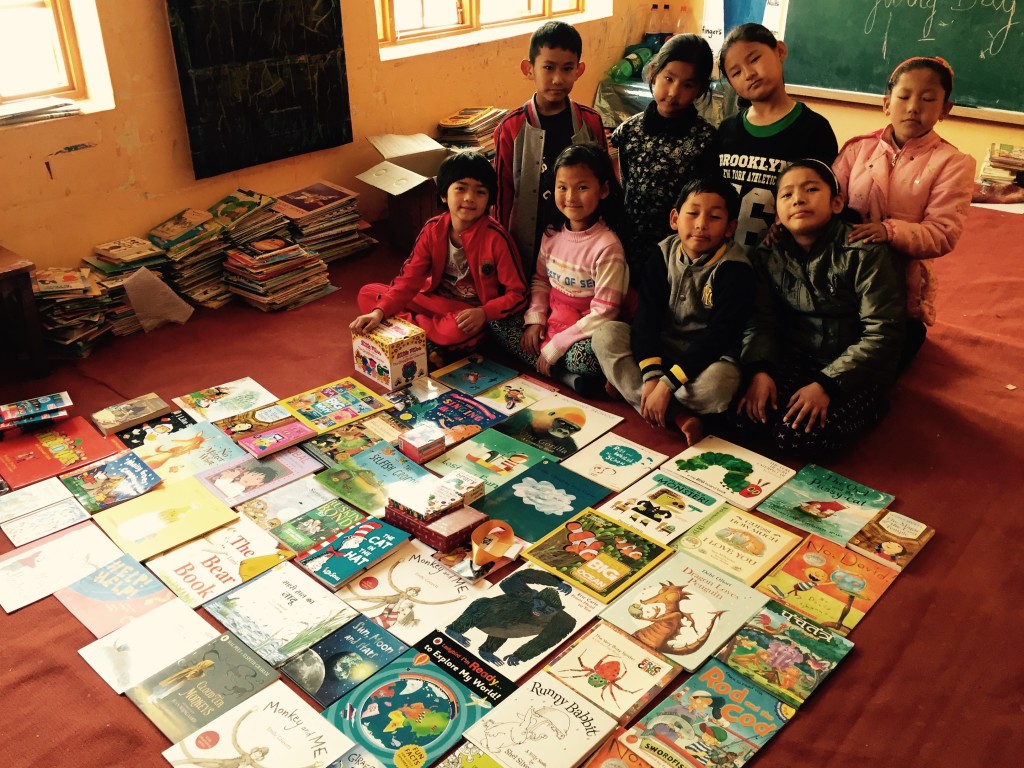
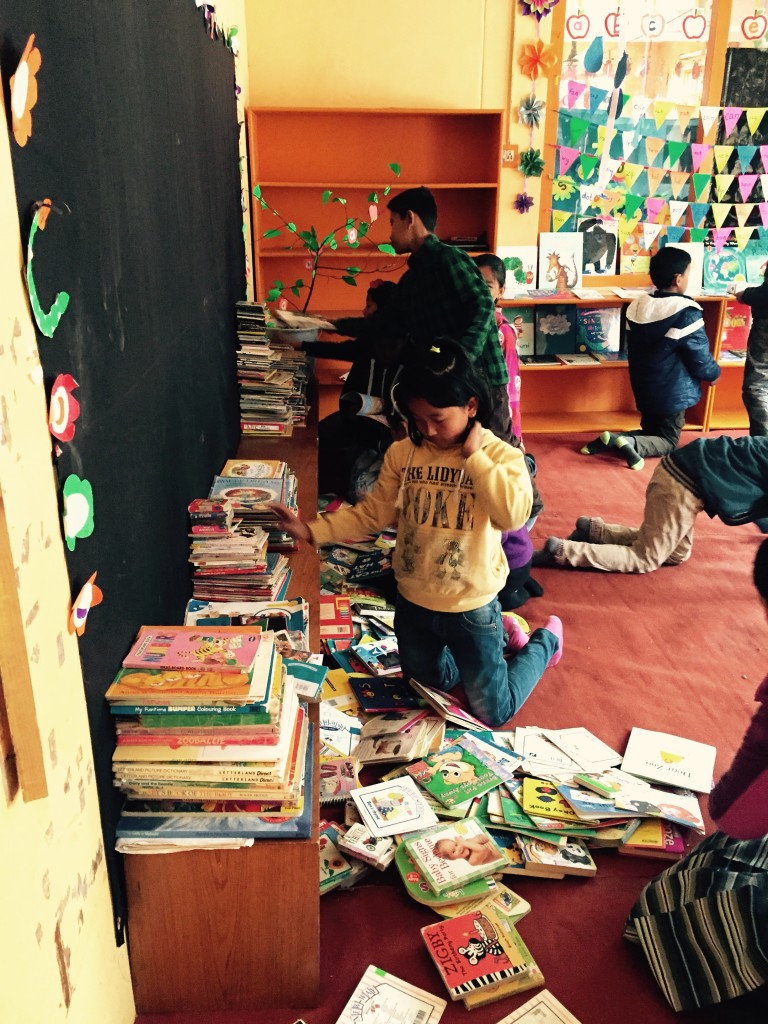
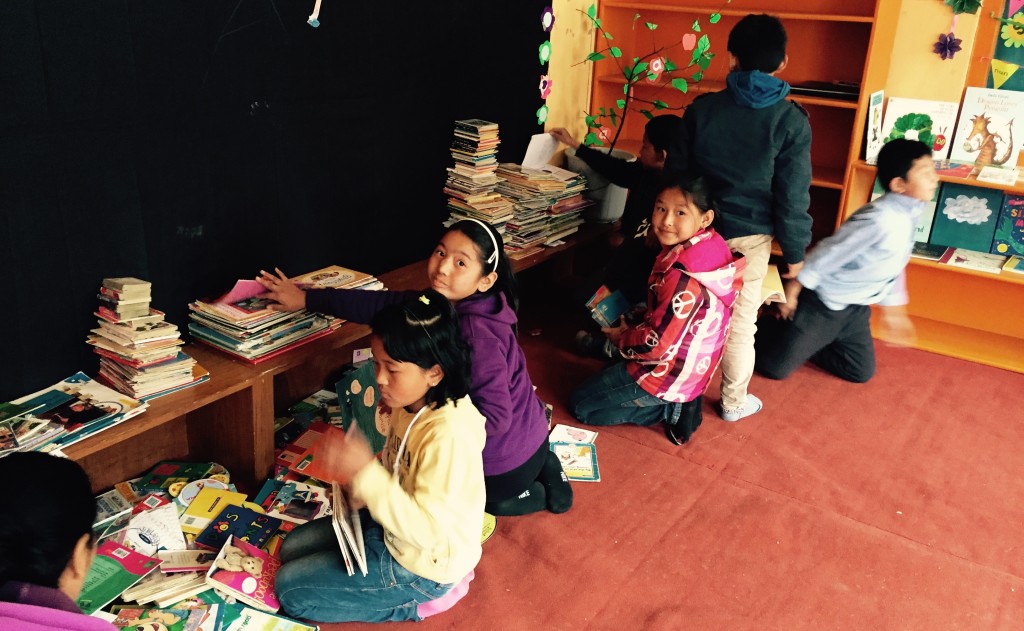
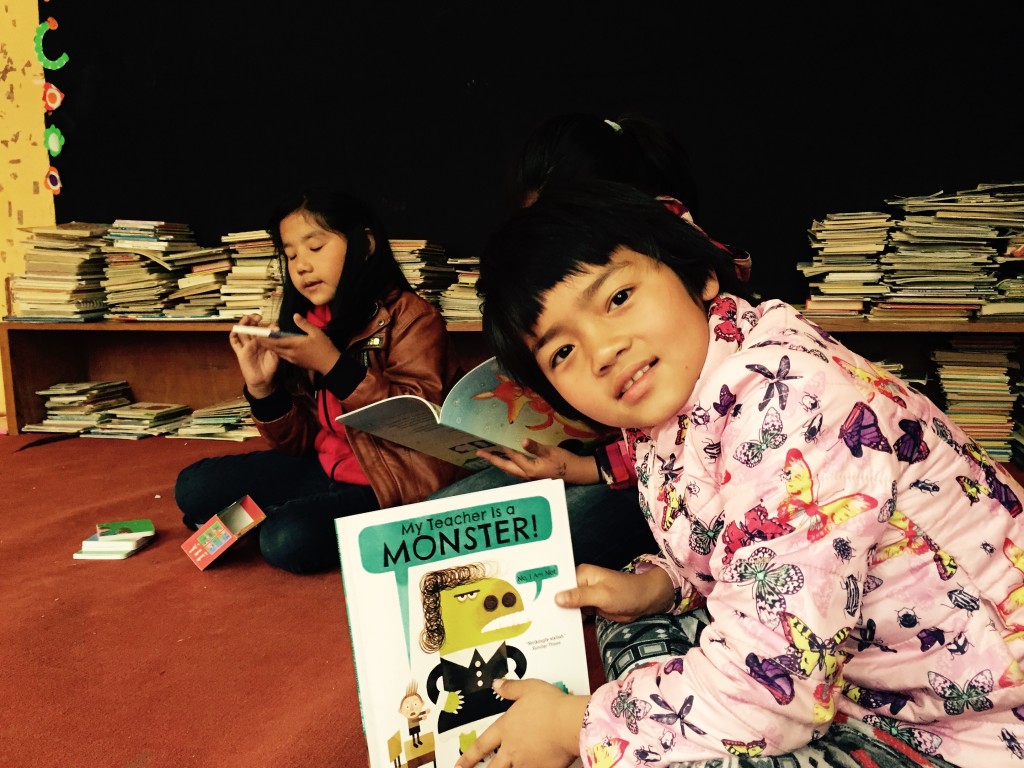
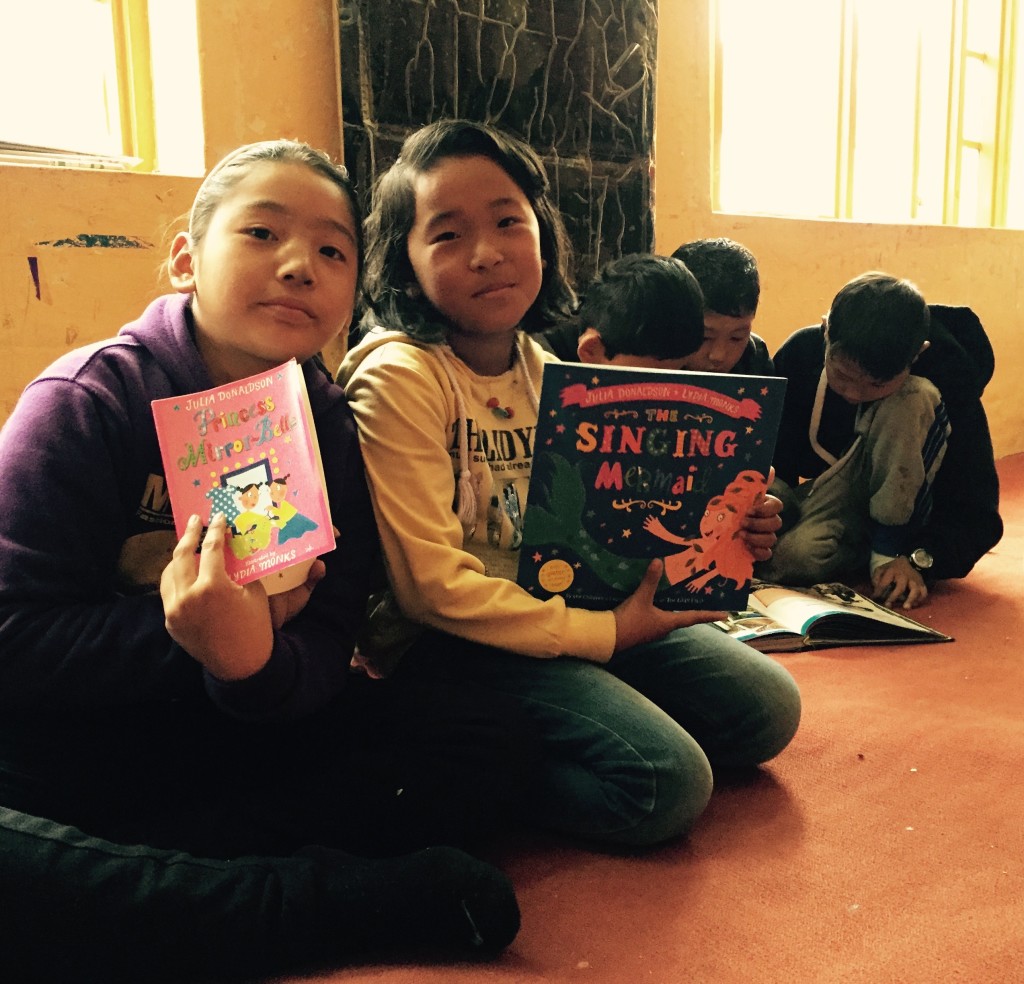
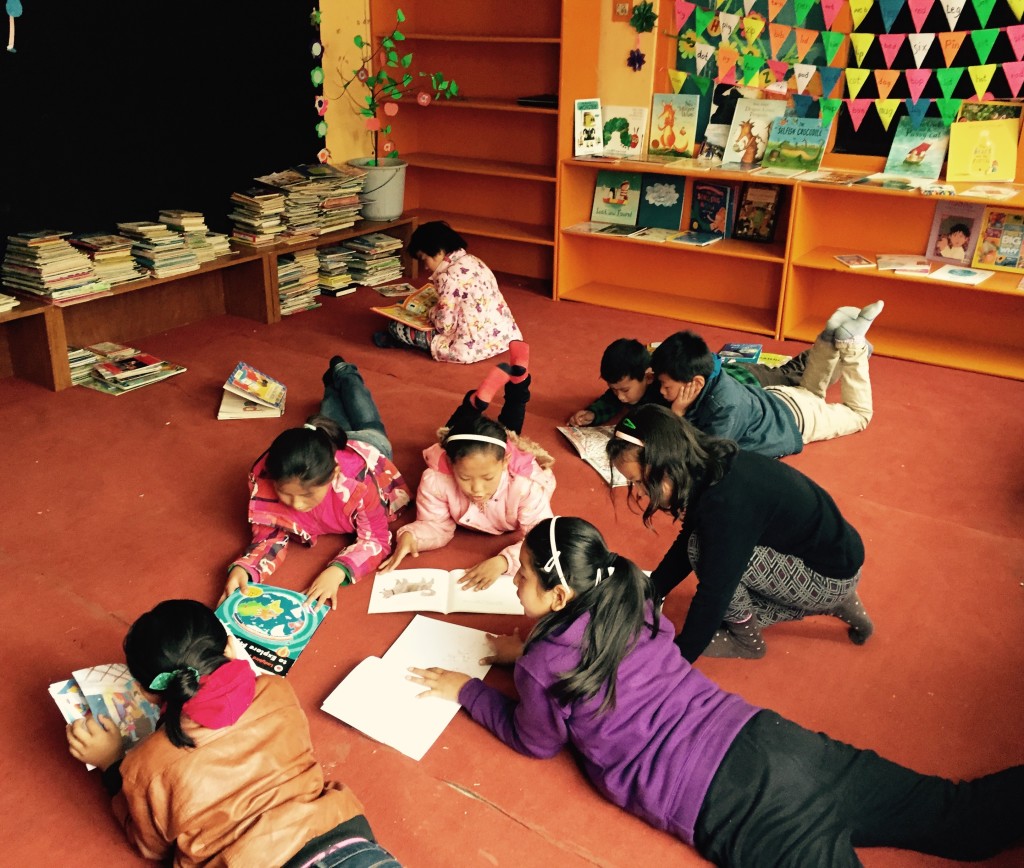
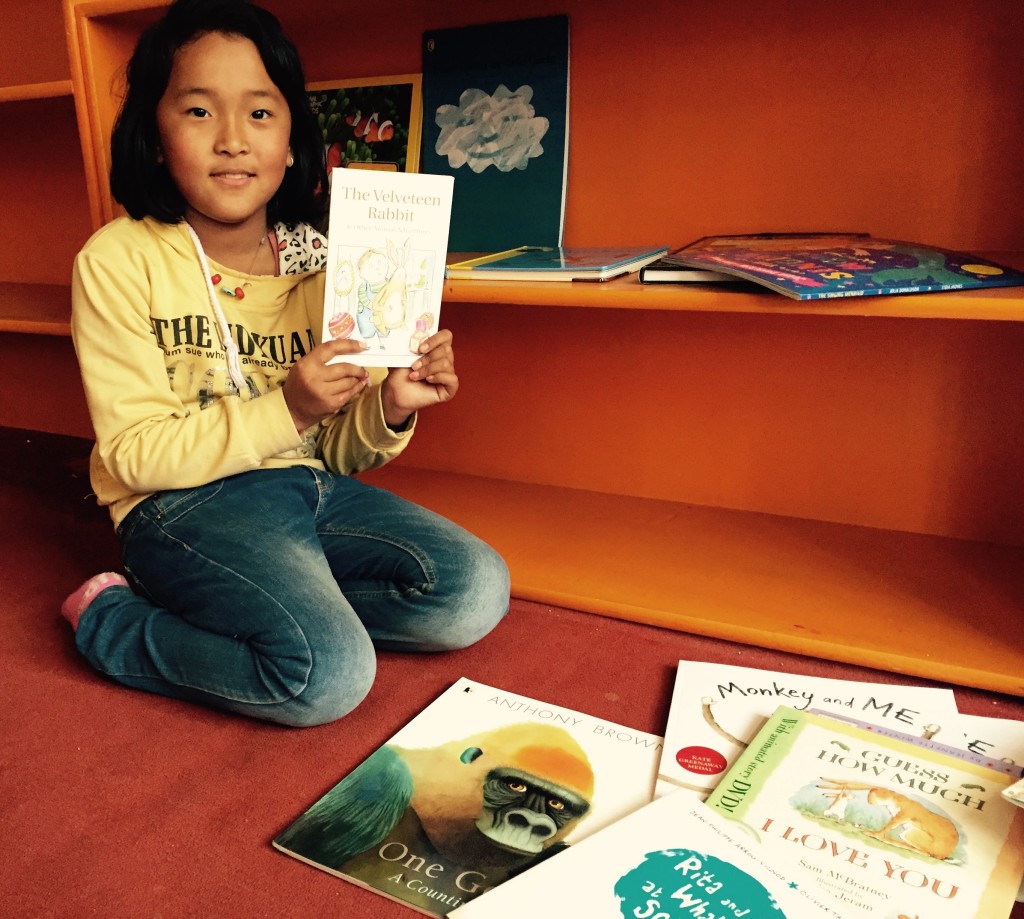
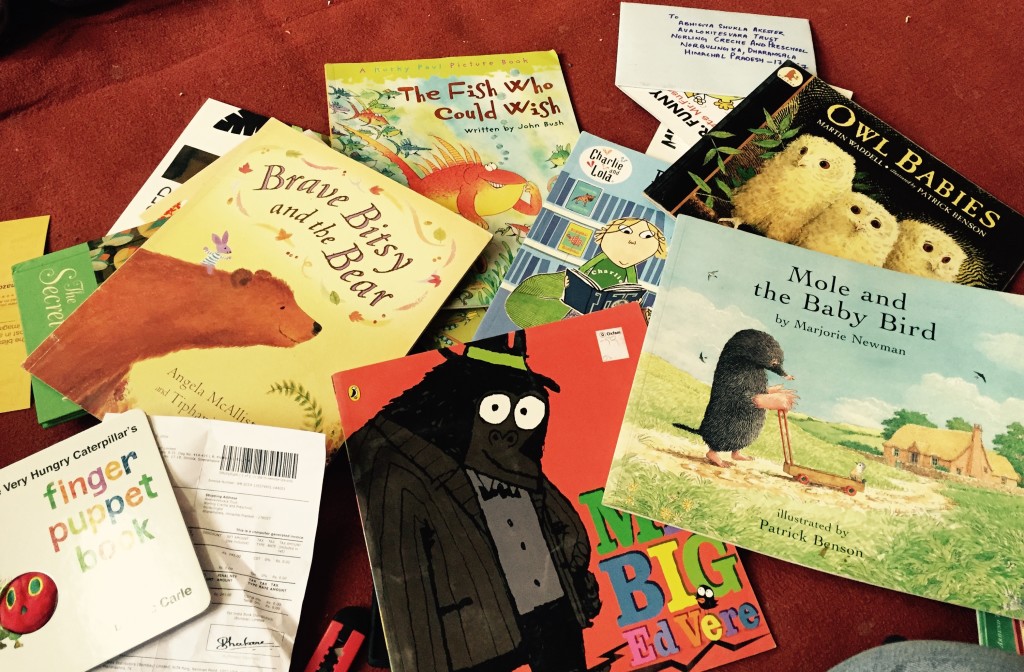
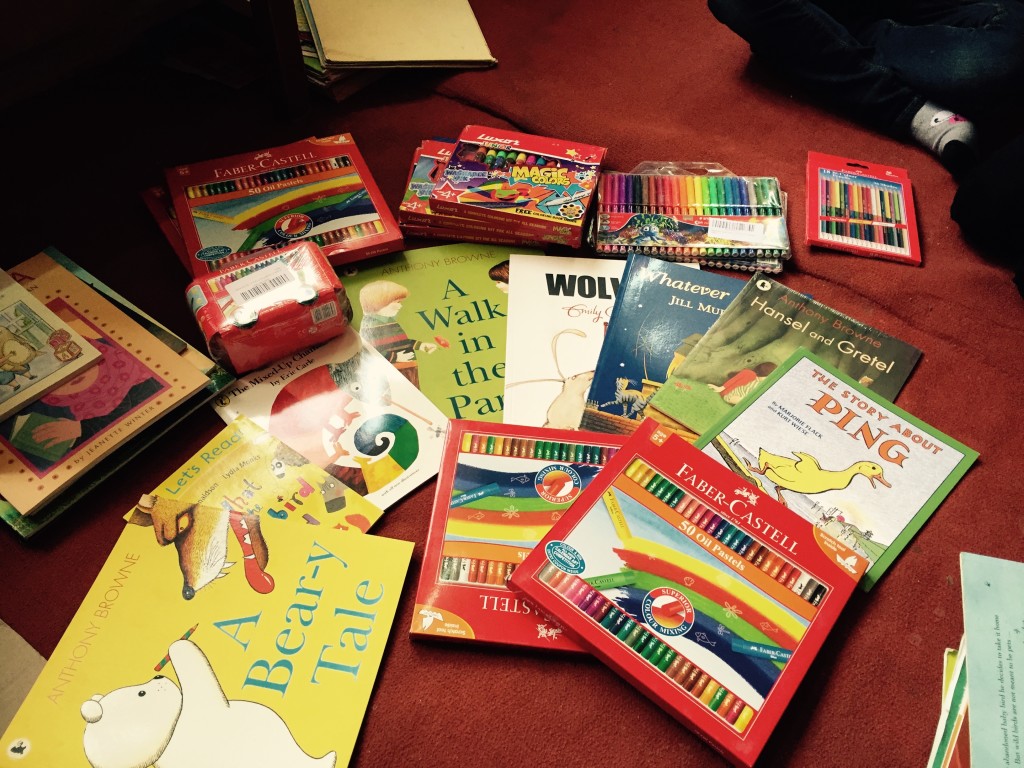
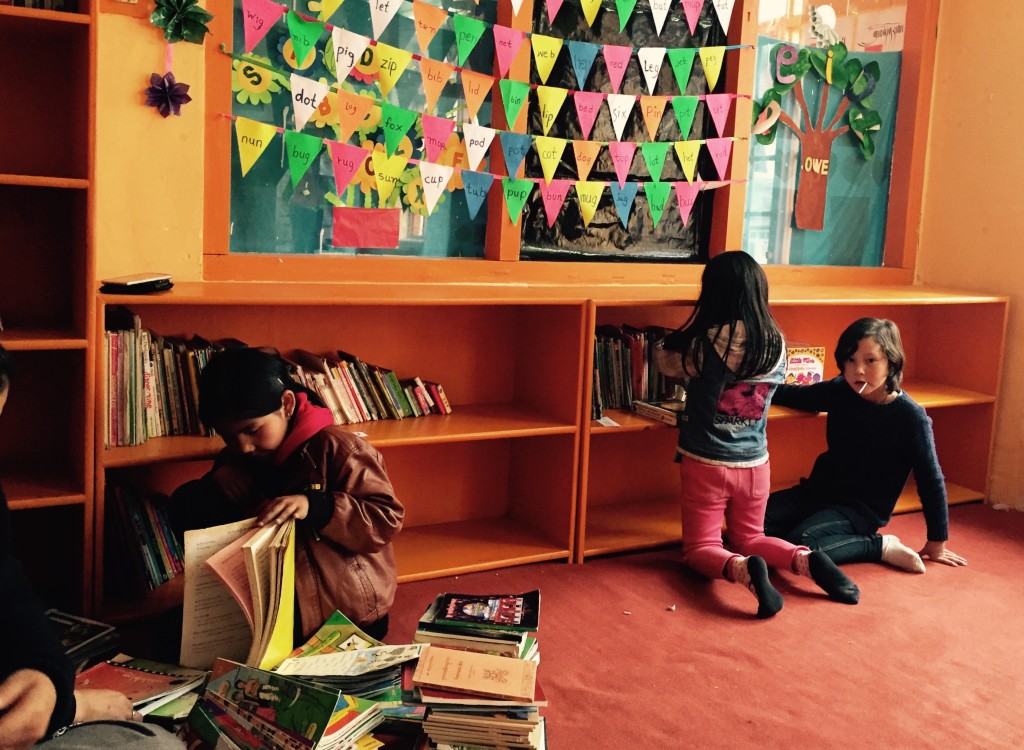
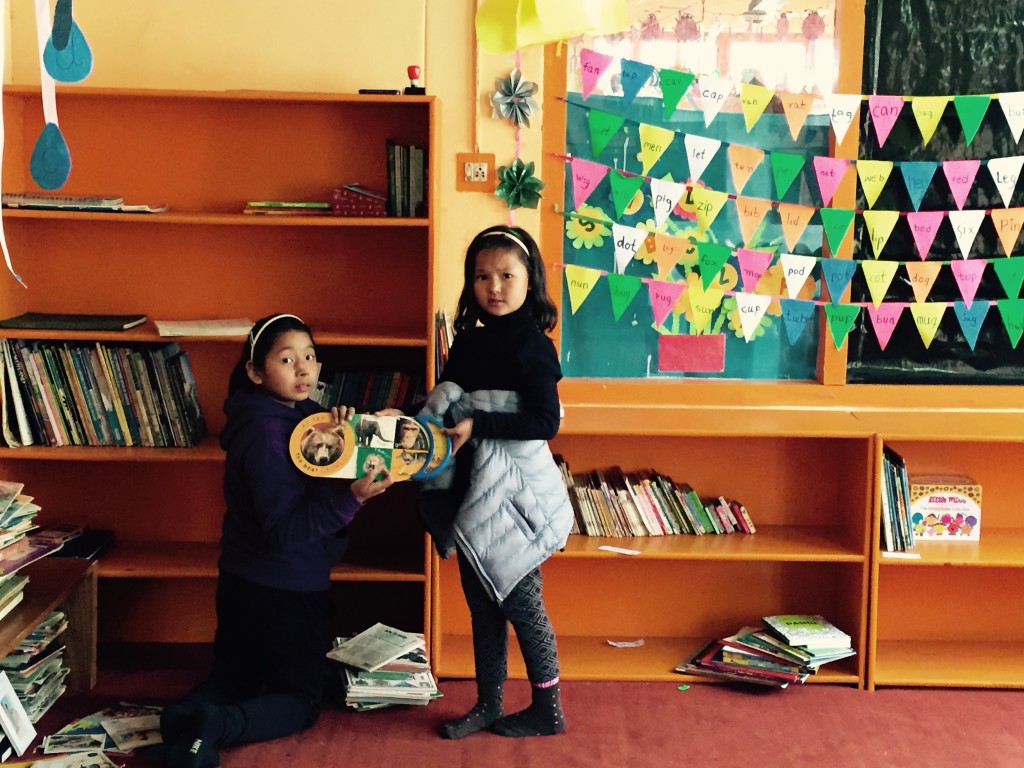
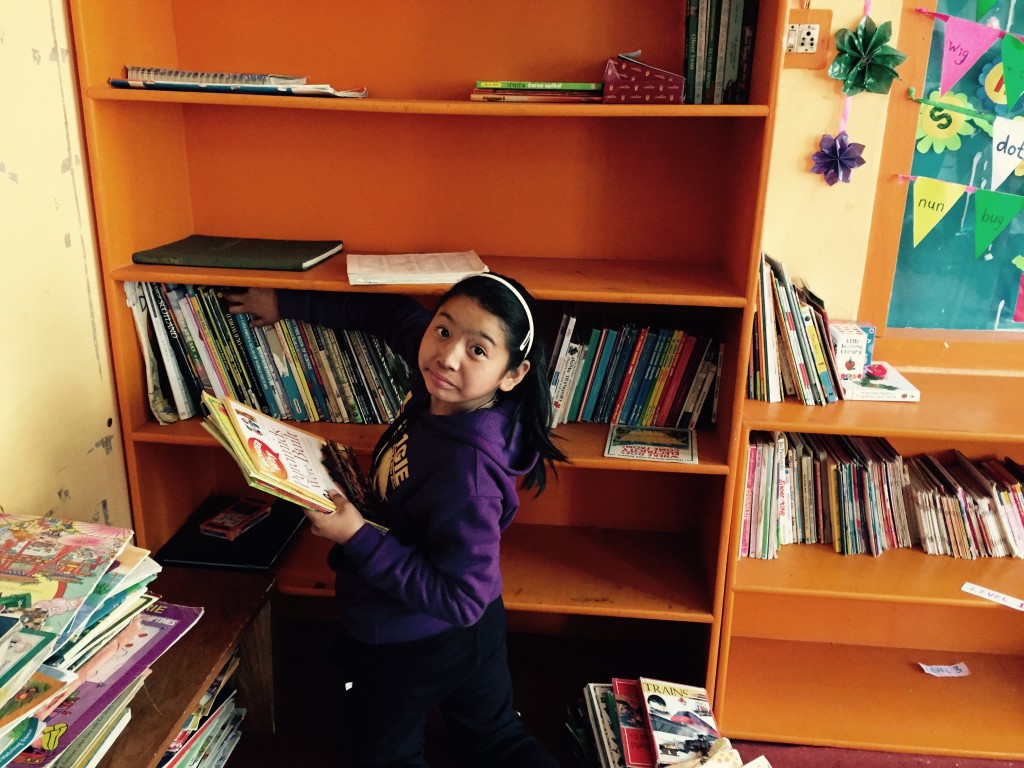
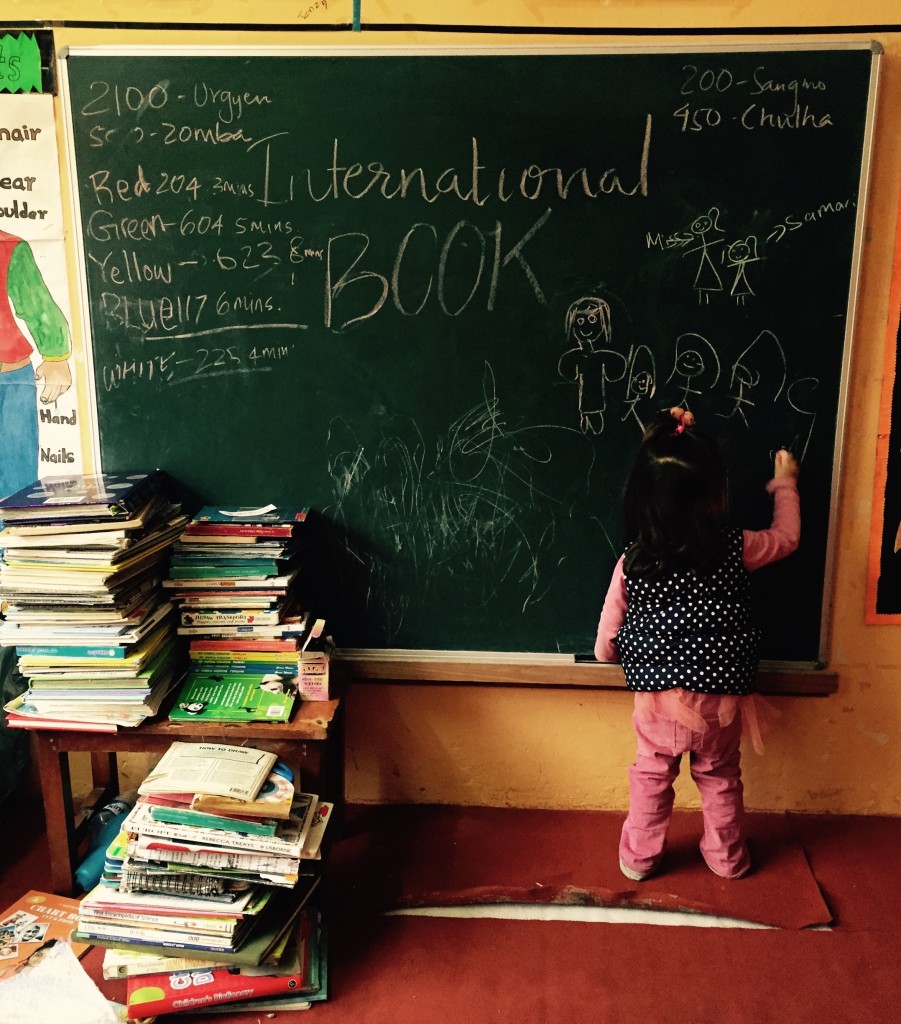
At Avalokiteśvara Trust, we teach environmental stewardship through books about the Himalayas by connecting literacy with observation, imagination and practical care. Reading rooms and book drives give children access to stories that reflect their surroundings, while creative activities help them explore how communities adapt to changing weather, limited resources and the pressures placed on mountain environments.
Stories That Make Landscapes Meaningful
Environmental education is strongest when it begins with a place children can picture. A story set beside a Himalayan river can show how families depend on snowmelt for drinking water, farming and animals. A tale about a trek through a high valley may reveal why a narrow trail, a forest patch or a nesting site matters to the whole community.
These details make conservation personal. Children are more likely to care about an ecosystem when they understand the people, animals and daily routines within it. Books can introduce ideas such as habitat protection and responsible tourism without making them feel like abstract school vocabulary.
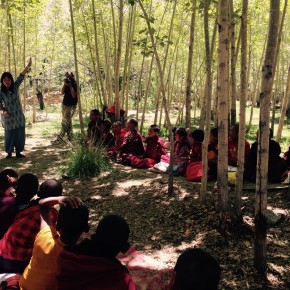
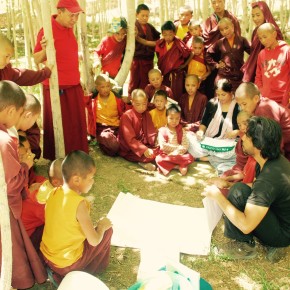
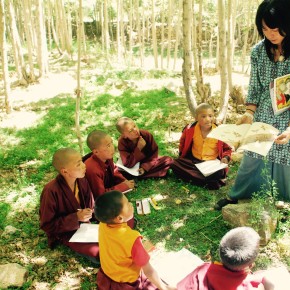
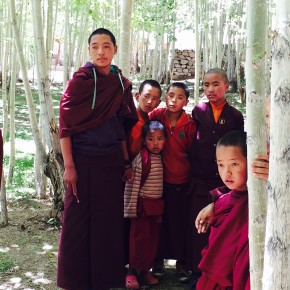
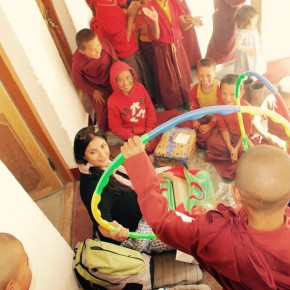
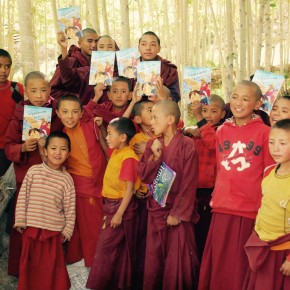
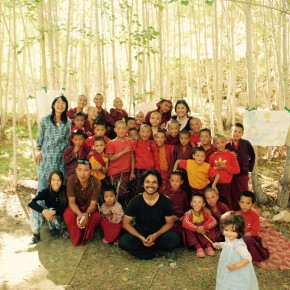
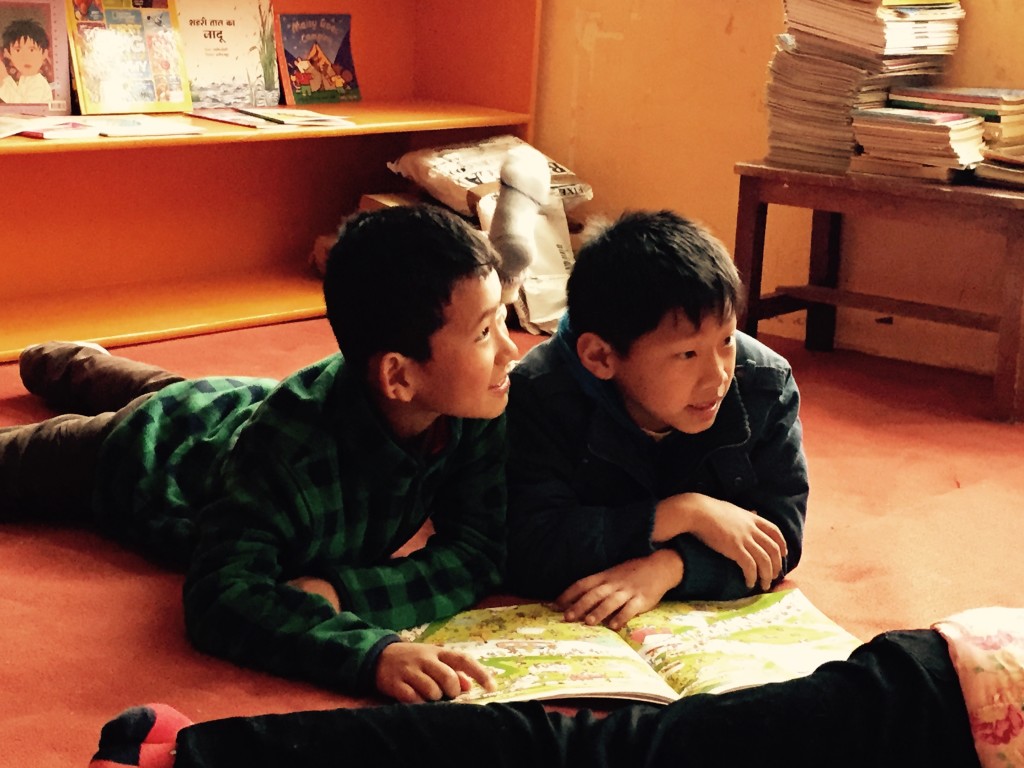
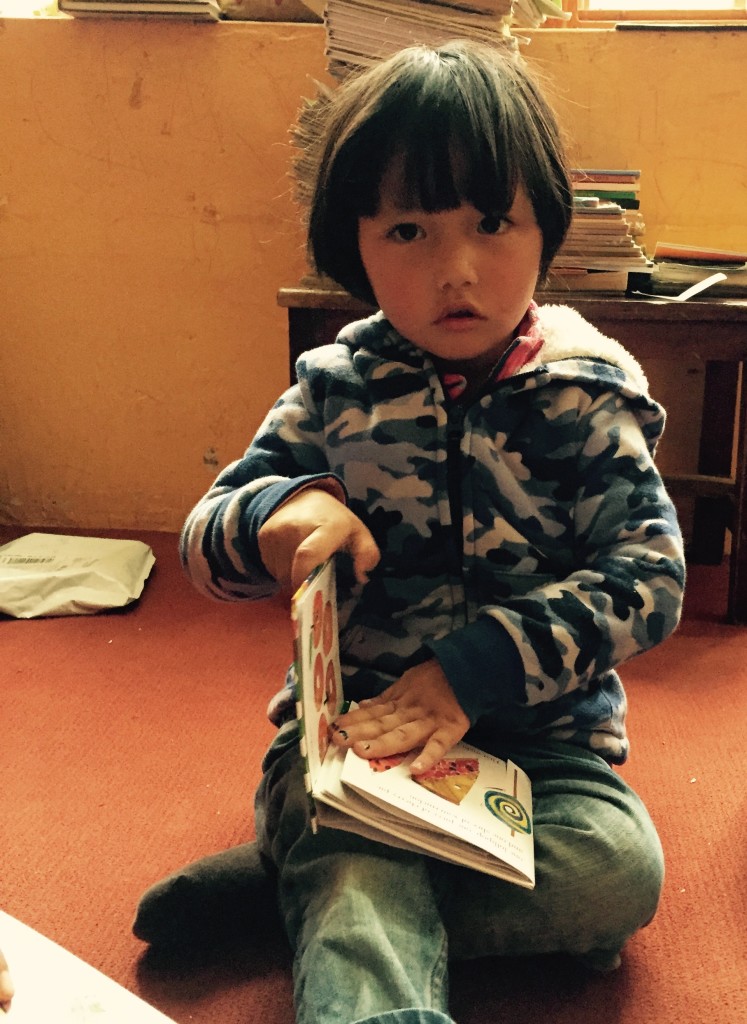
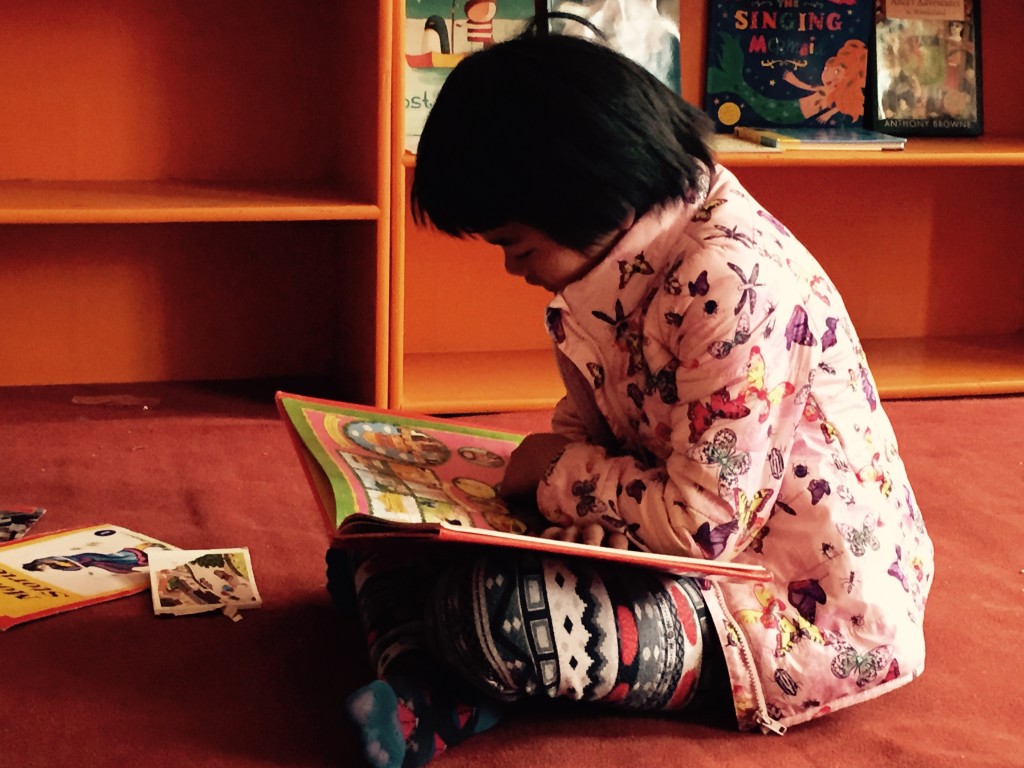
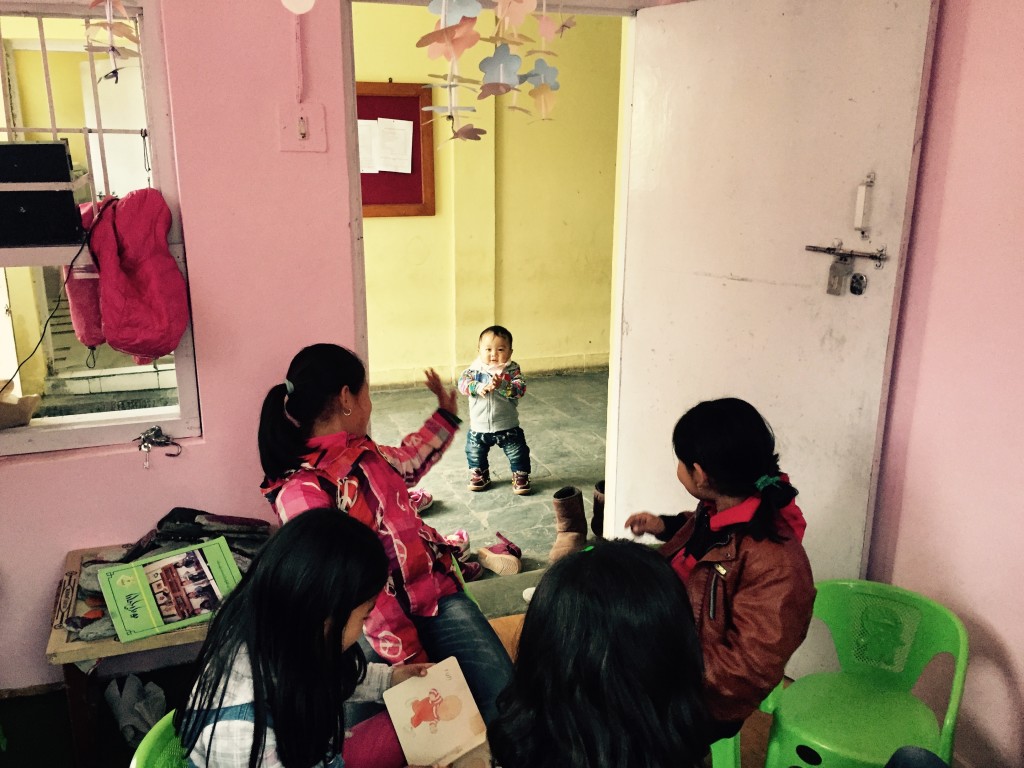
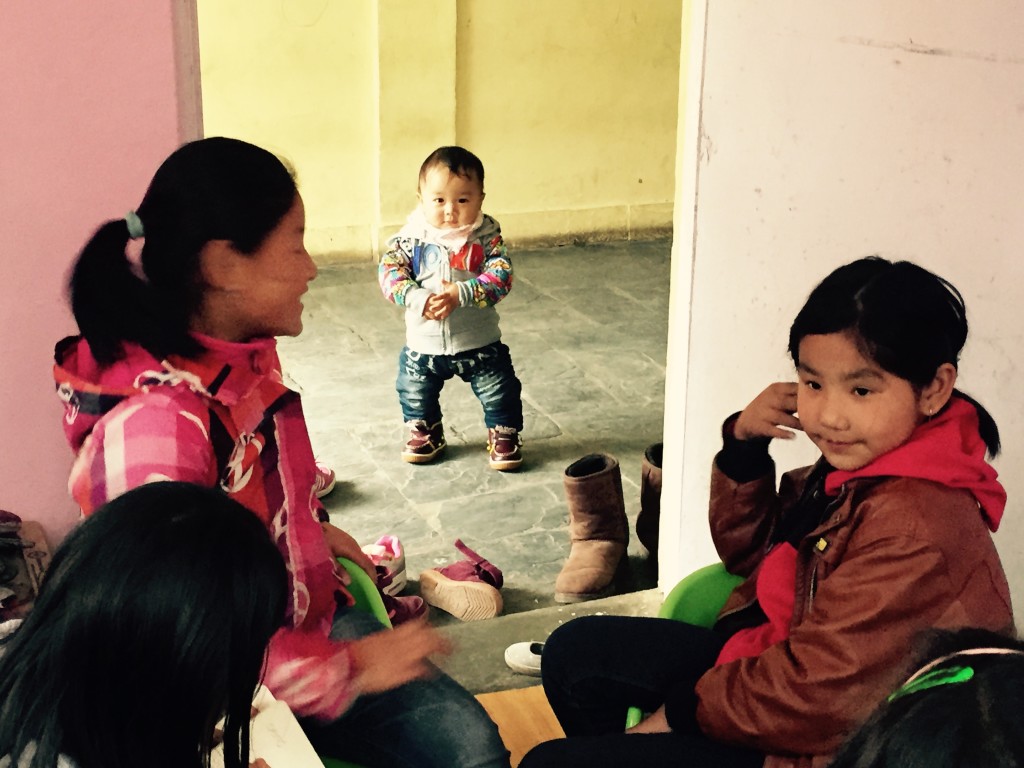
The young monks and children who use our reading spaces often respond to characters who face familiar choices: whether to waste water, how to share scarce resources, or what to do when rubbish reaches a stream. Their conversations show that environmental ethics can grow from empathy as naturally as from scientific information.
From Mountain Pages To Local Questions
A Himalayan story can travel well beyond its original setting. After reading about a village that relies on a spring, children might discuss the water they use at home, the condition of a nearby creek or the role of rainwater tanks. In Australia, a class in Canberra or Brisbane could compare monsoon patterns, drought and bushfire preparation with life in a high-altitude desert.
The comparison does not erase cultural differences. Instead, it encourages children to notice how geography shapes choices. A Ladakhi family may manage fuel and water in ways that differ from a household in Sydney, yet both can recognise the value of reducing waste and protecting supplies.
Australian libraries and schools already have strong reading traditions to build on. Book Week, school library displays and local author visits can give environmental themes a visible place in everyday learning. A carefully chosen Himalayan picture book can sit beside Australian bush stories, First Nations ecological knowledge and books about the Great Barrier Reef.
Learning Through Art, Music And Play
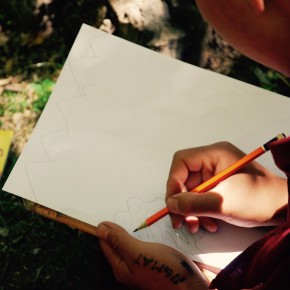
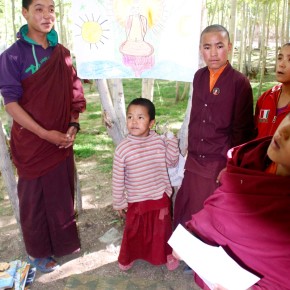
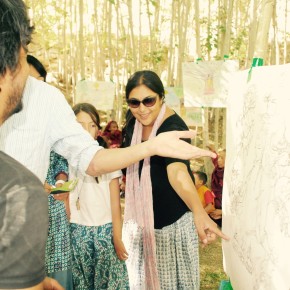
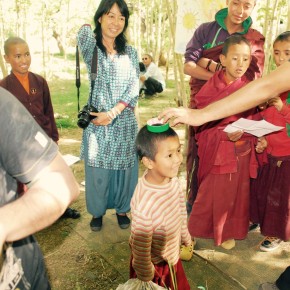
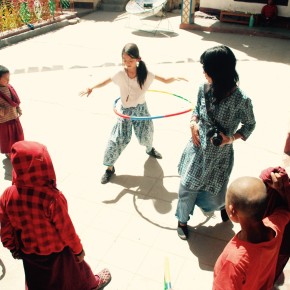
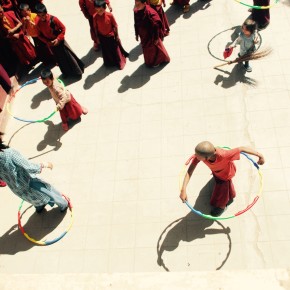
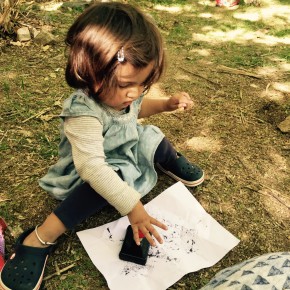
Reading is only one doorway into environmental stewardship. Children may draw a snow leopard’s habitat, paint a map of a mountain watershed or make a collage from reused paper. These activities help them remember ecological relationships because they have processed the ideas with their hands as well as their minds.
Music offers another route. A group can create rhythms inspired by wind, flowing water or the movement of animals, then discuss how sound and silence change when a habitat is disturbed. Drama can invite children to act as villagers, herders, birds, rivers or visitors deciding how to care for a shared landscape.
This approach suits the educational and artistic programmes supported by Avalokiteśvara Trust. It also works in Australian community settings, from a council library in Perth to a classroom in regional Victoria. Low-cost materials, local stories and open-ended creative tasks make sustainability education accessible to families with different resources.
Young Readers As Caretakers
Books can give children language for problems they already notice. Terms such as erosion, recycling, biodiversity and renewable energy become easier to understand when they are connected to a character’s home or a visible change in the landscape. A child who reads about melting ice may begin asking why weather patterns feel different in their own region.
Stories also present young people as capable participants. They might organise a clean-up, protect a nesting area, share books instead of buying new ones or persuade adults to change a habit. This matters because environmental messages can feel overwhelming when children hear only about large-scale crises. A story offers a manageable action and shows how cooperation creates momentum.
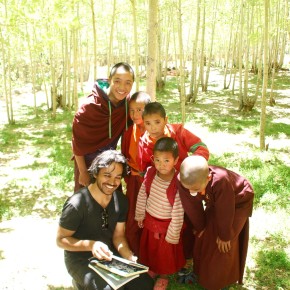
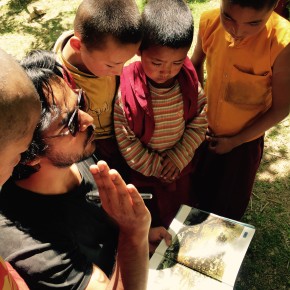
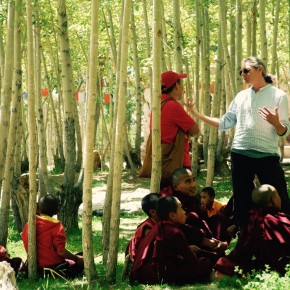
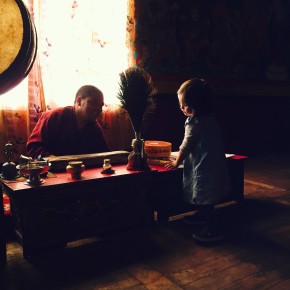
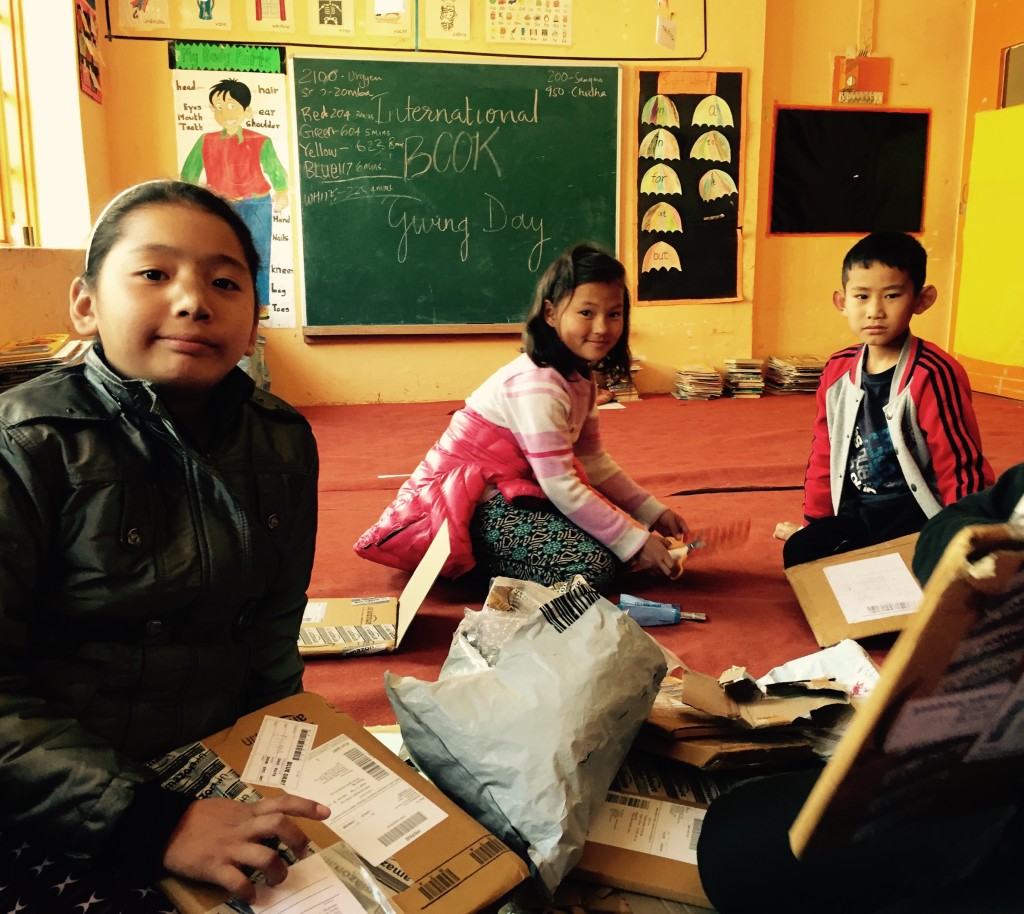
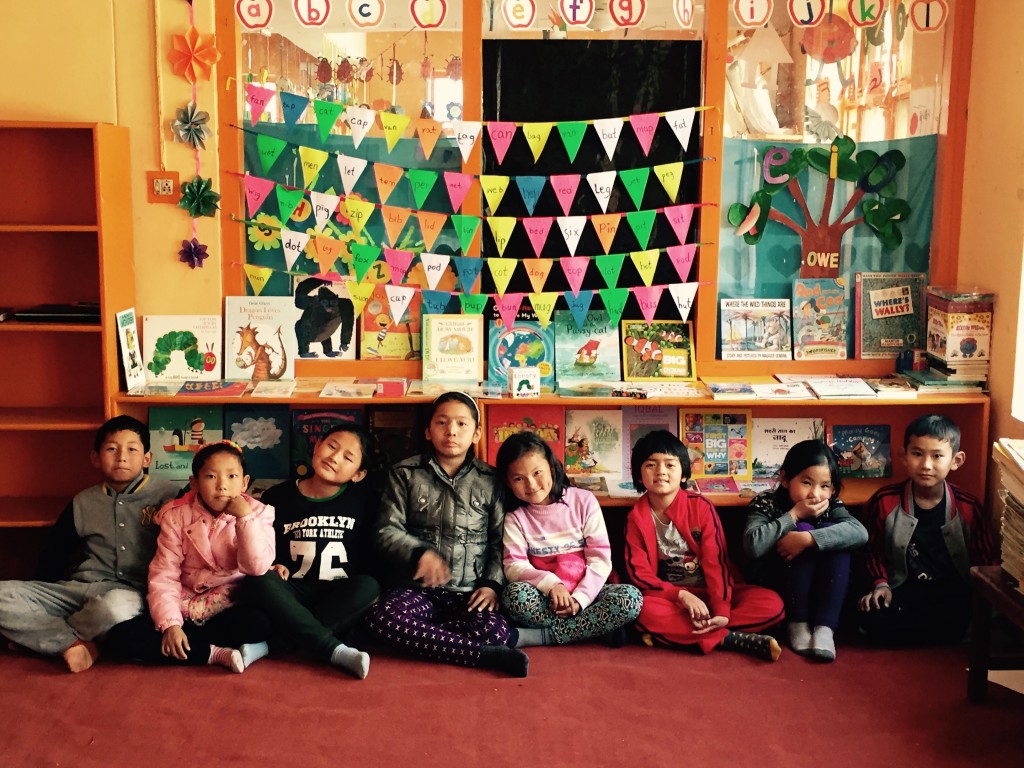
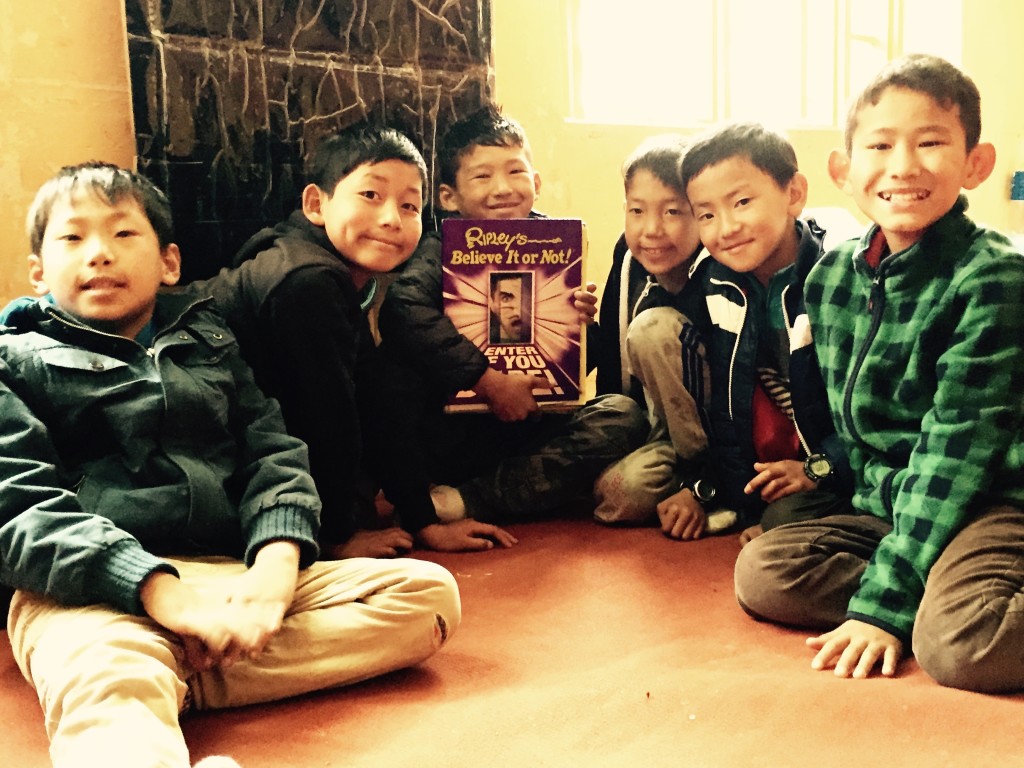
The experience of young monks who read widely demonstrates how books can broaden curiosity while remaining rooted in community life. A story about the young monks shows that reading can be joyful, imaginative and deeply connected to a child’s sense of place.
Reading Rooms That Connect Communities
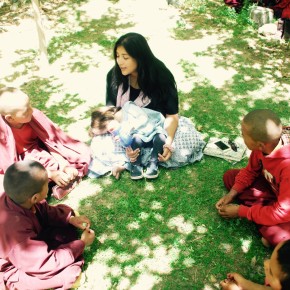
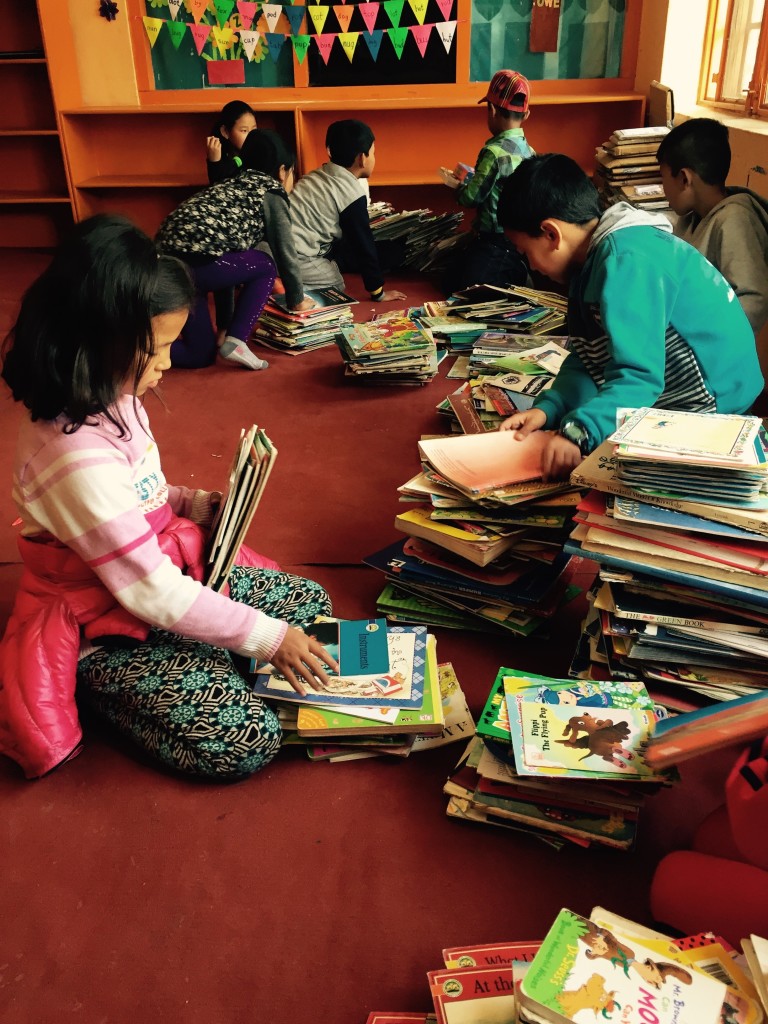
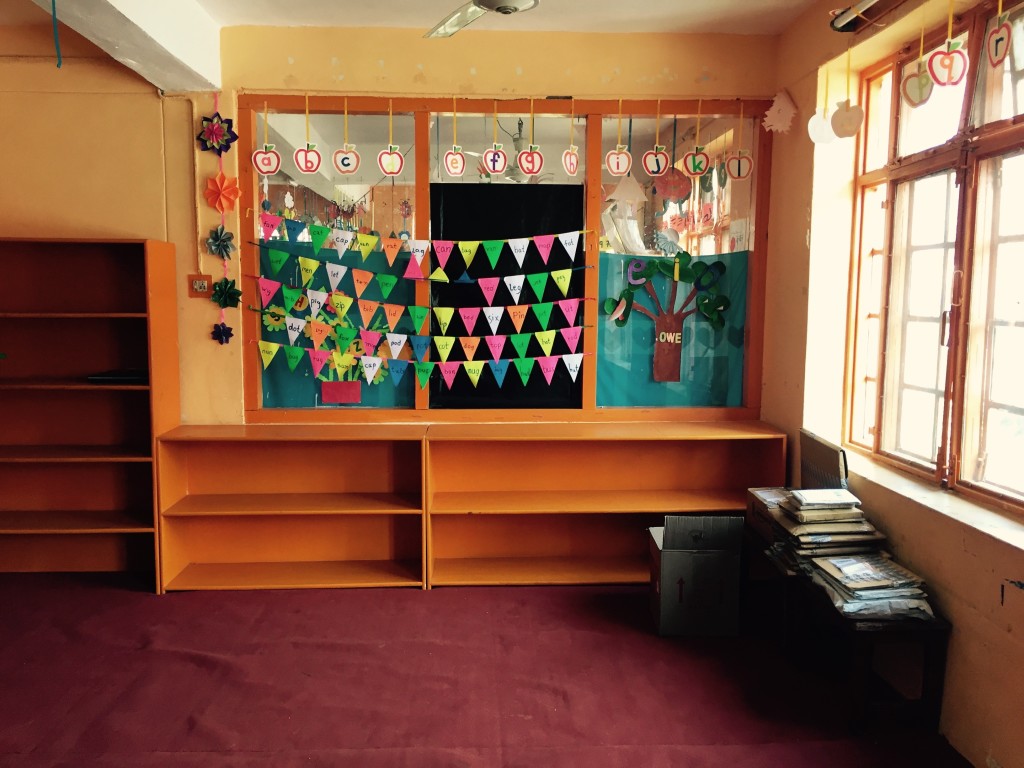
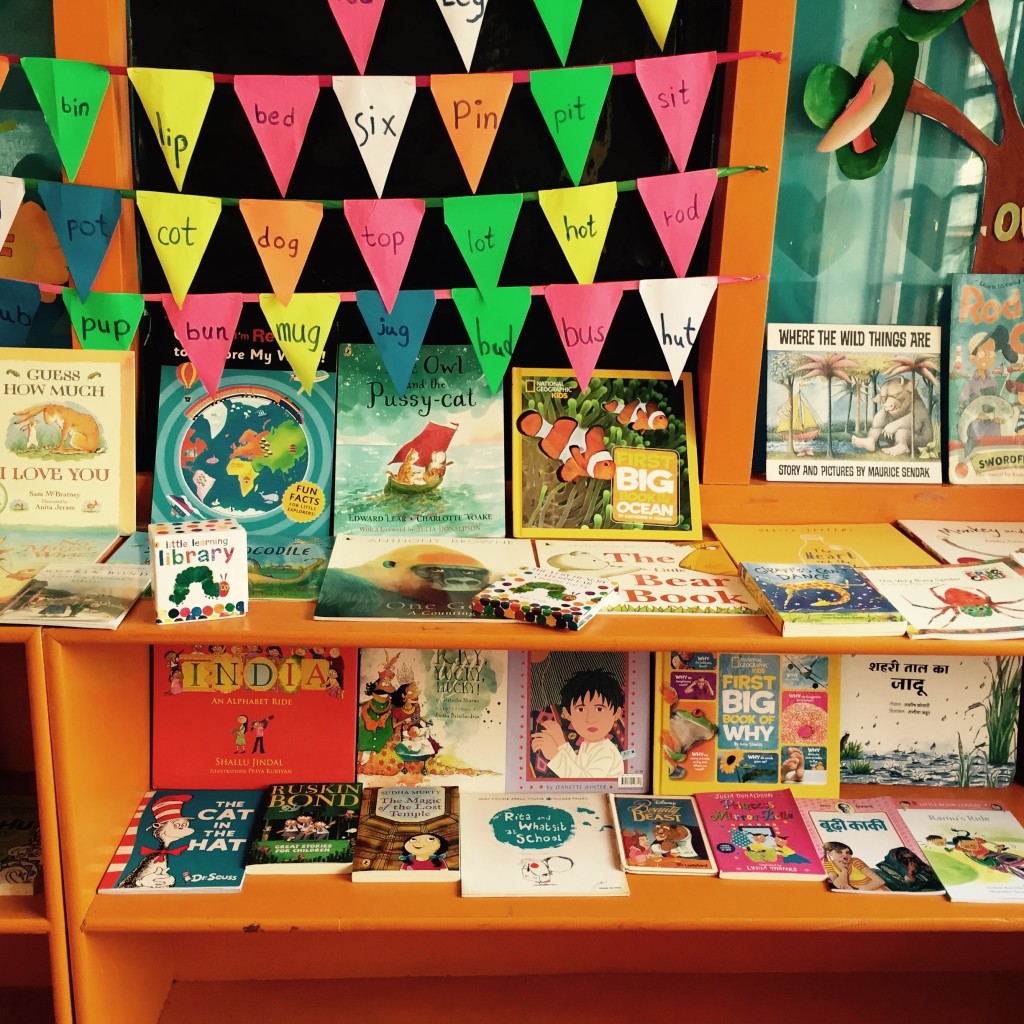
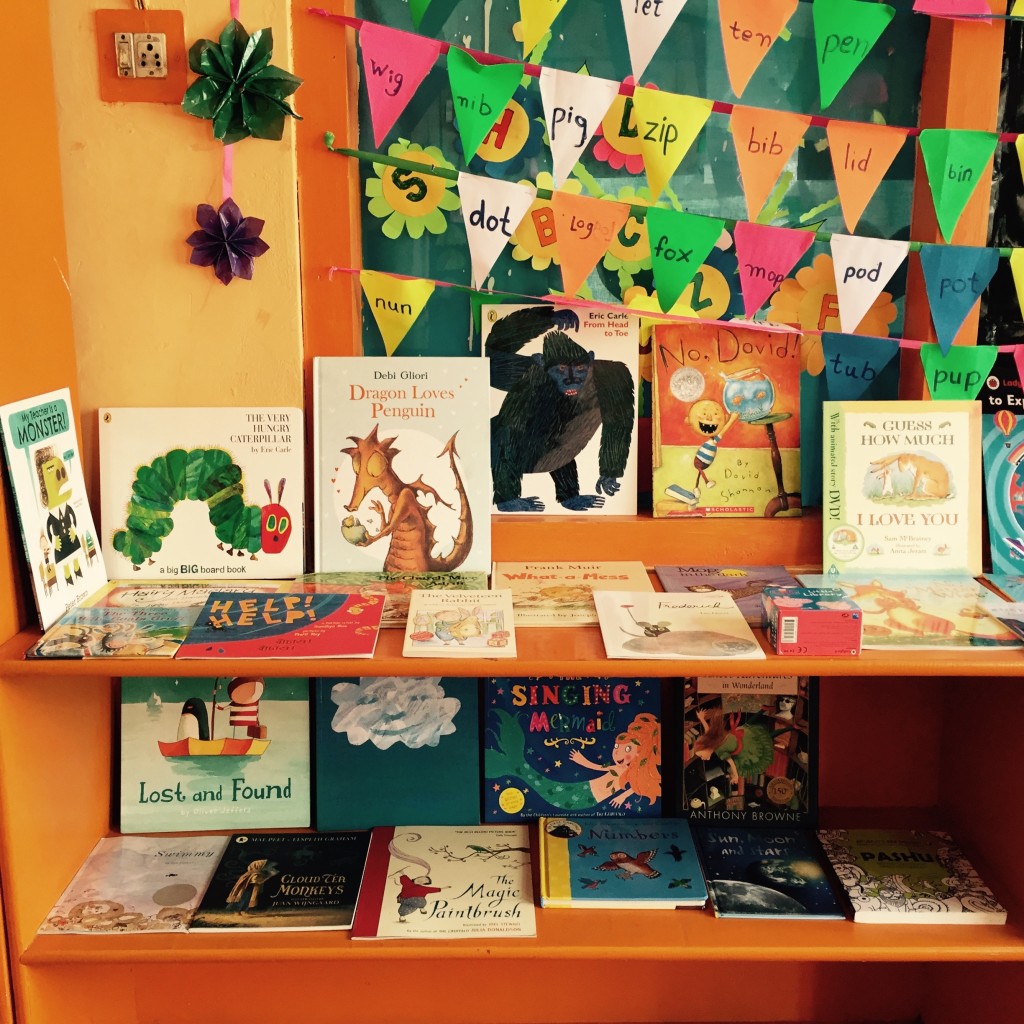
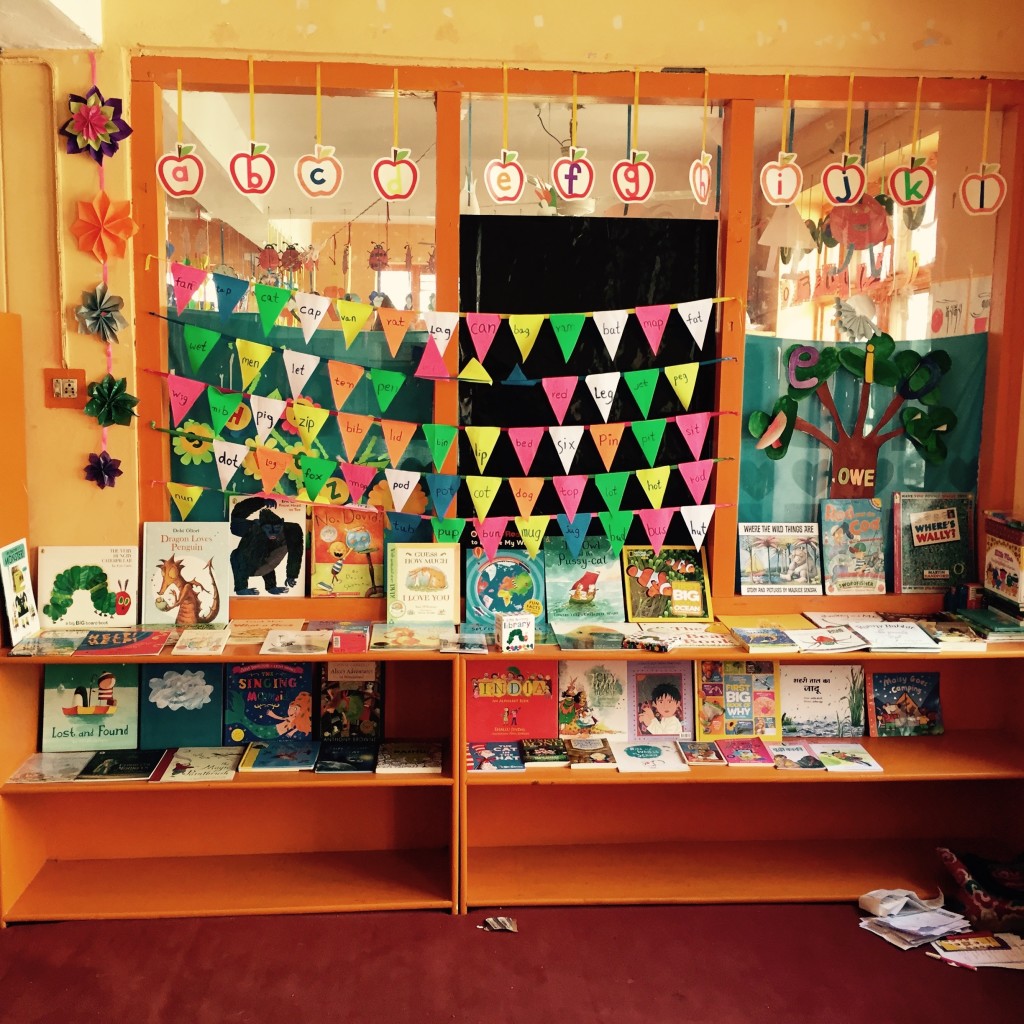
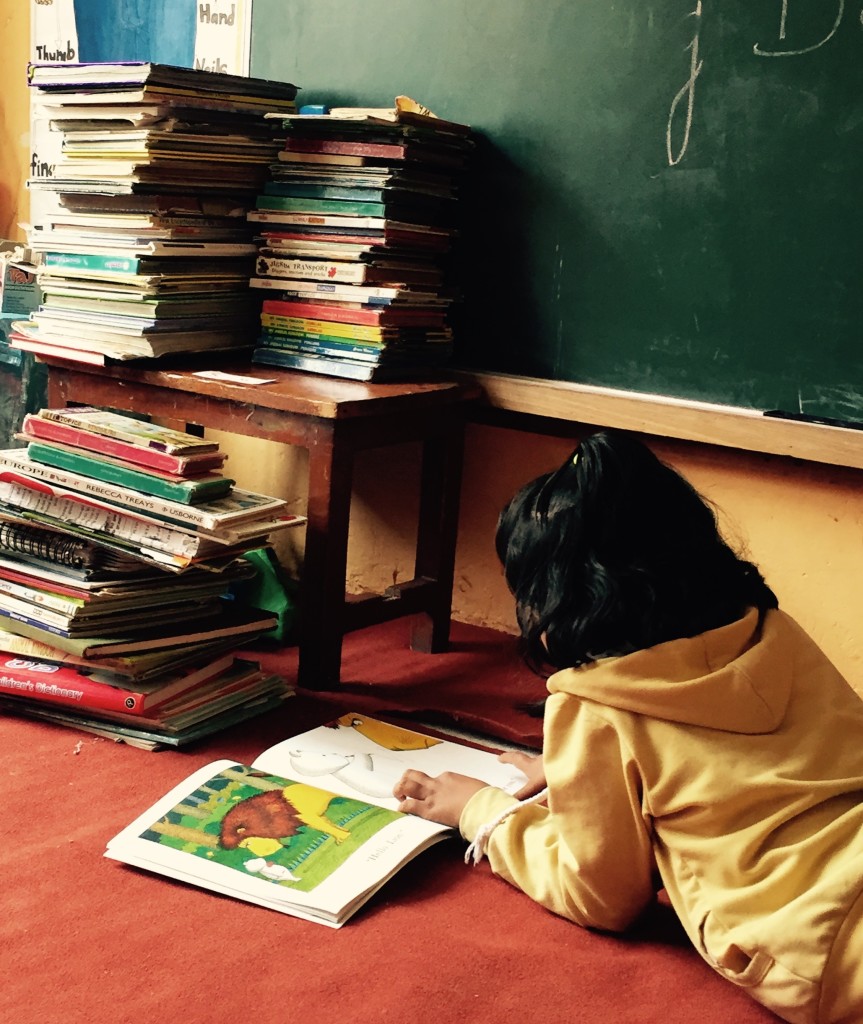
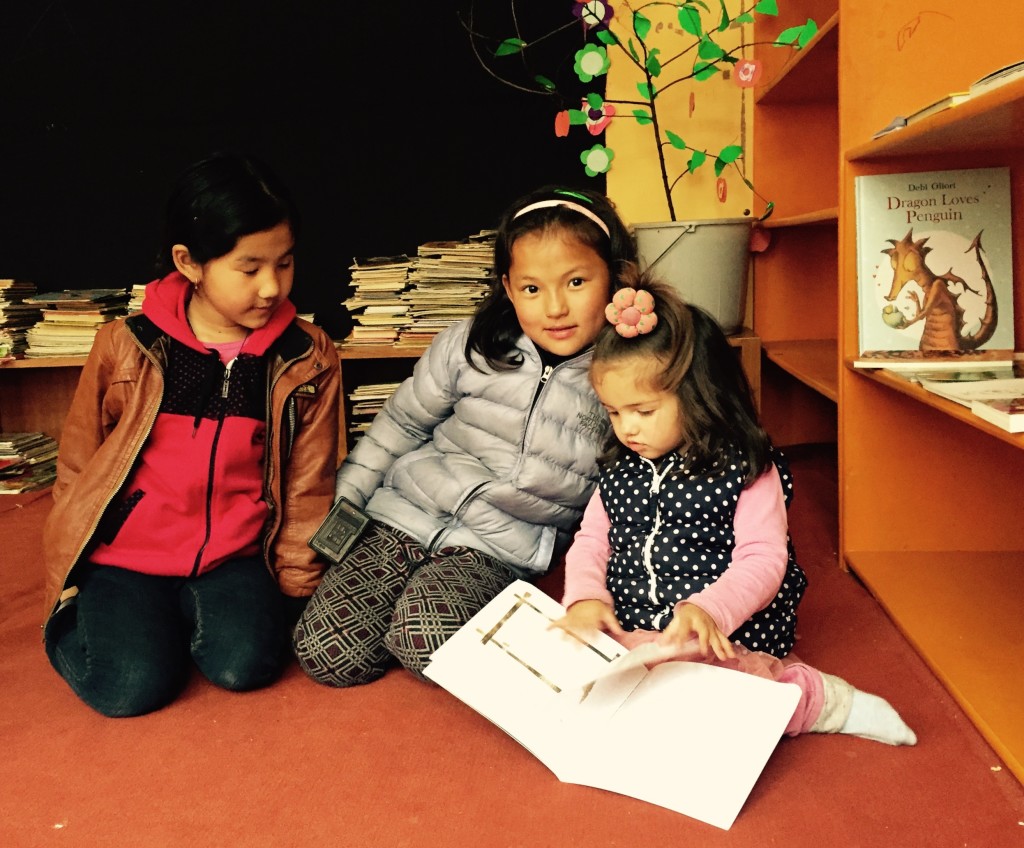
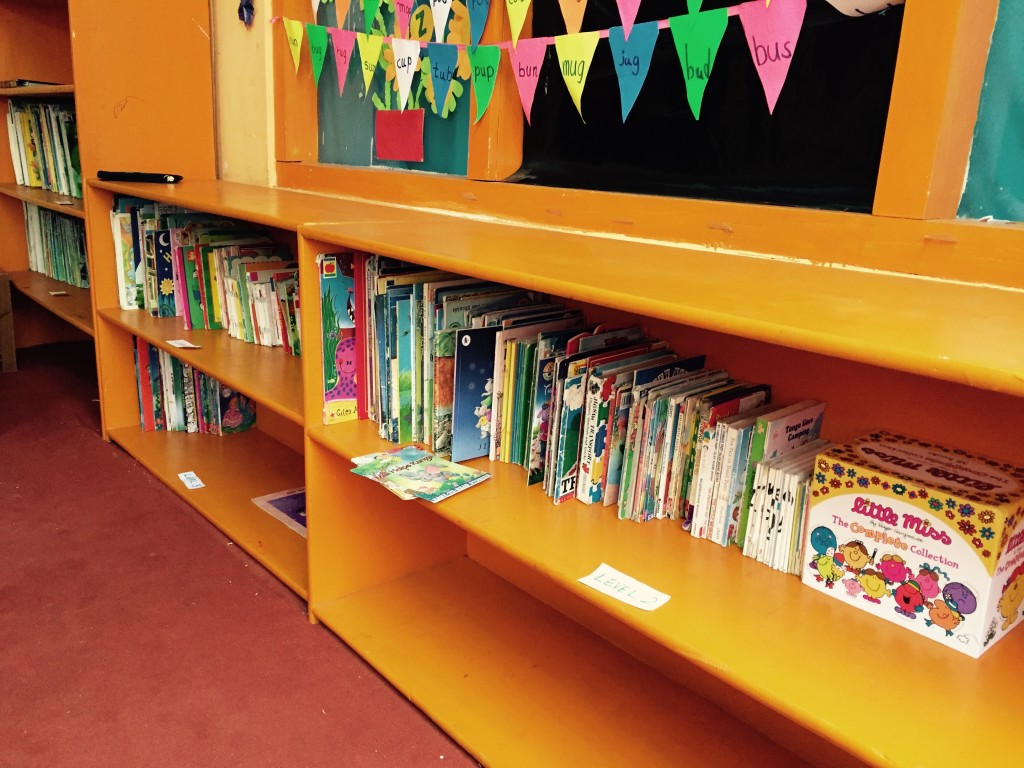
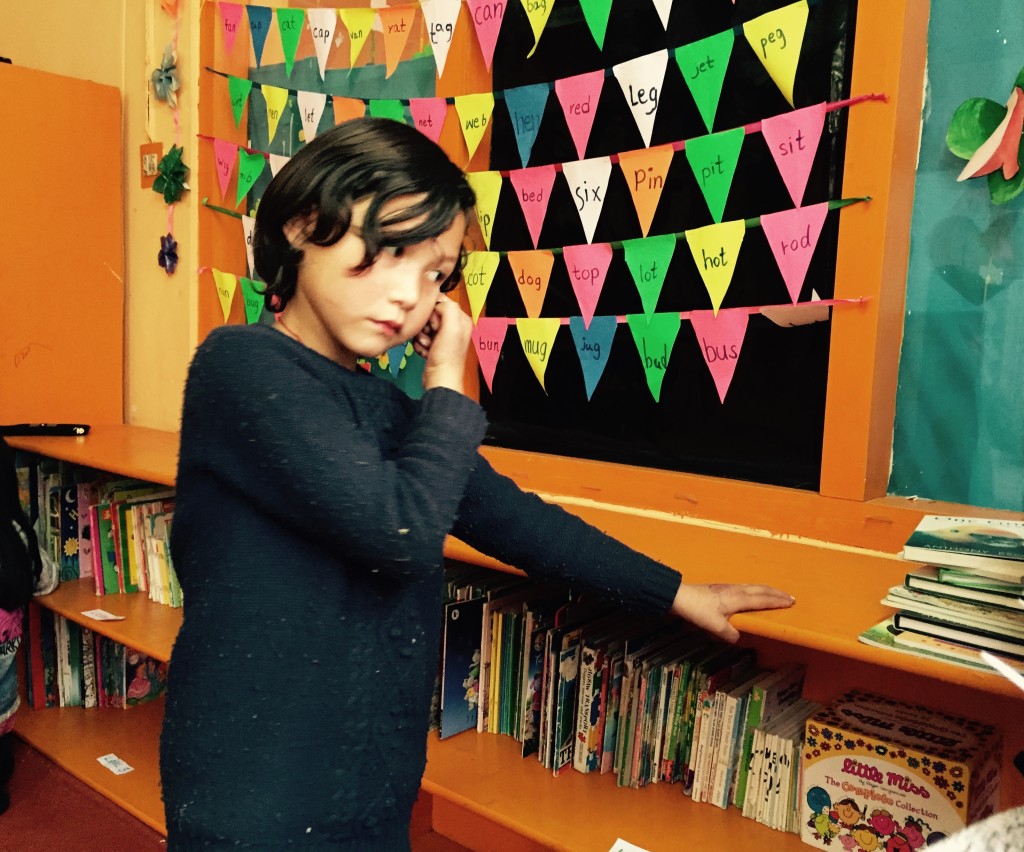
A reading room is more than a shelf of books. It can become a place where children exchange observations, ask questions and hear viewpoints from different generations. In Himalayan communities, a shared space may support children and young monks who have limited access to current, engaging books. It can also provide a calm setting for drawing, discussion and supervised research.
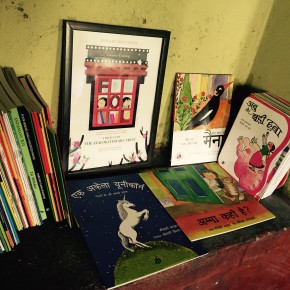
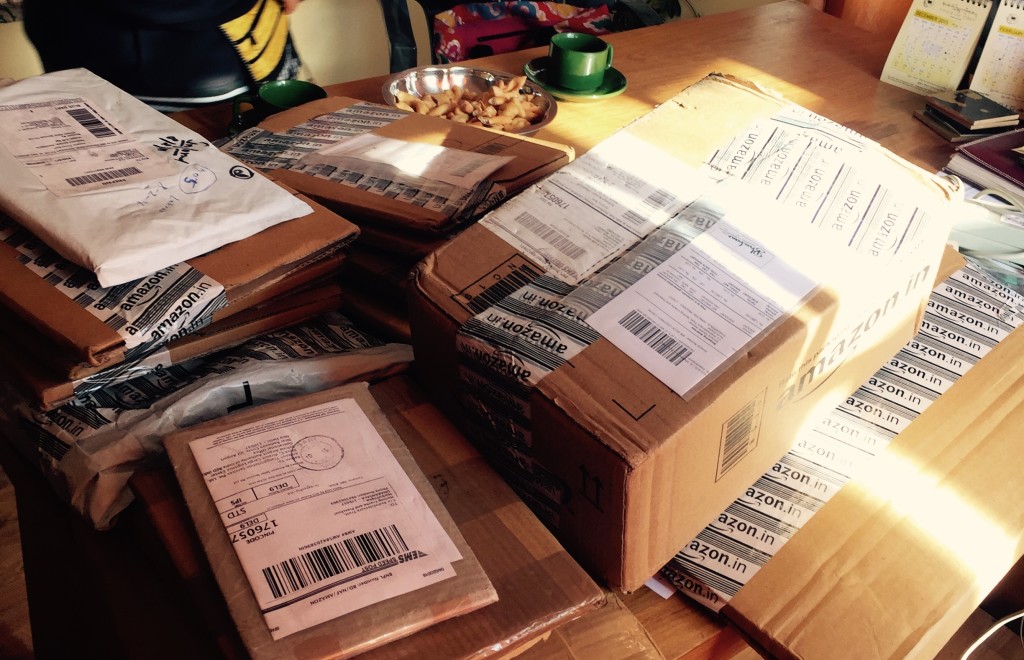
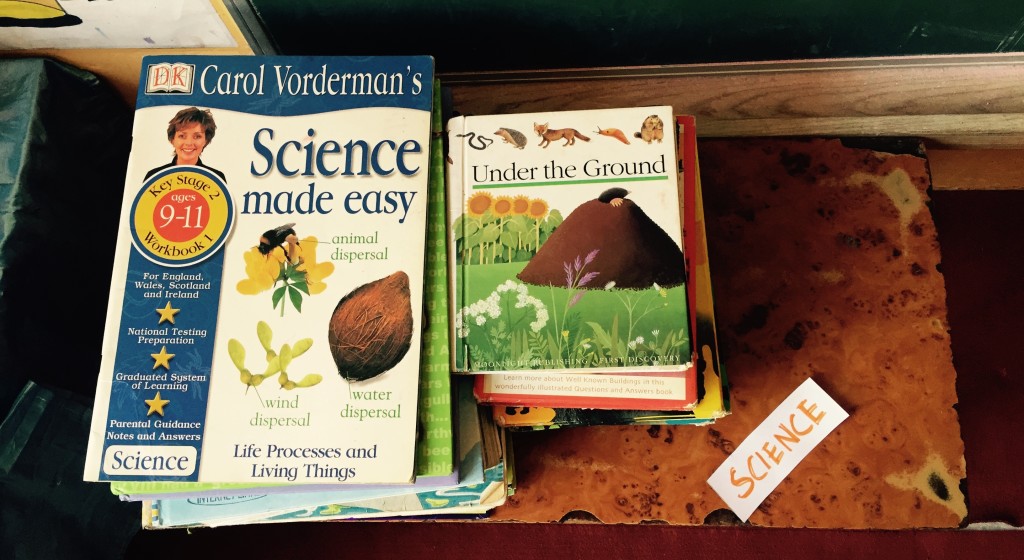
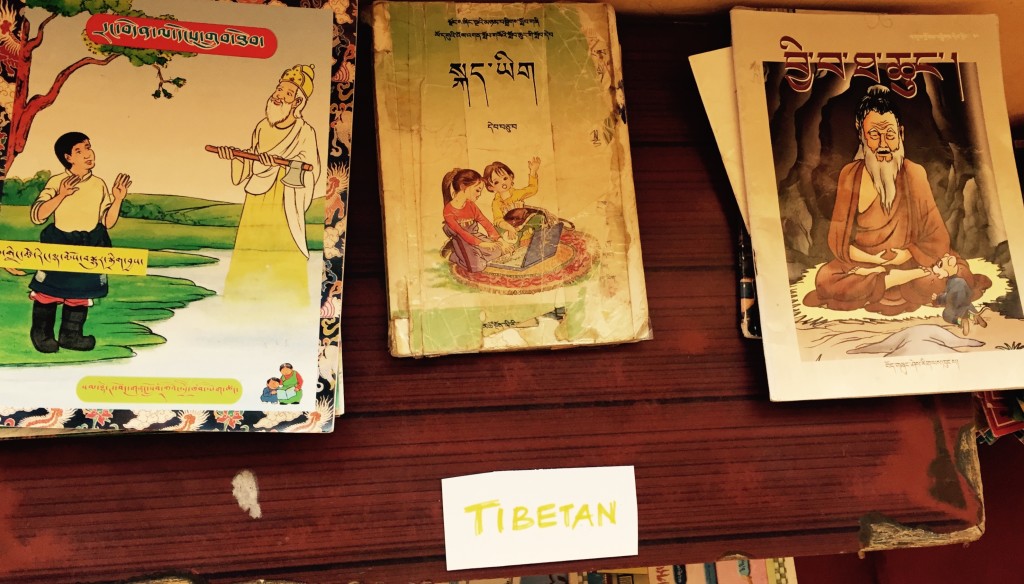
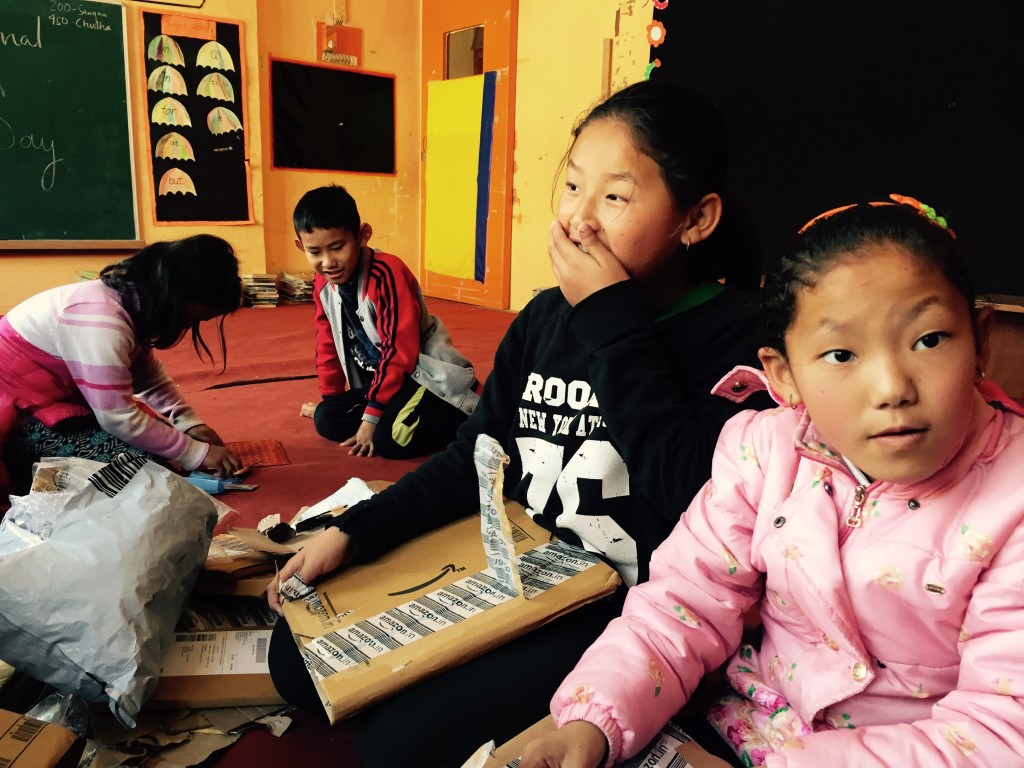
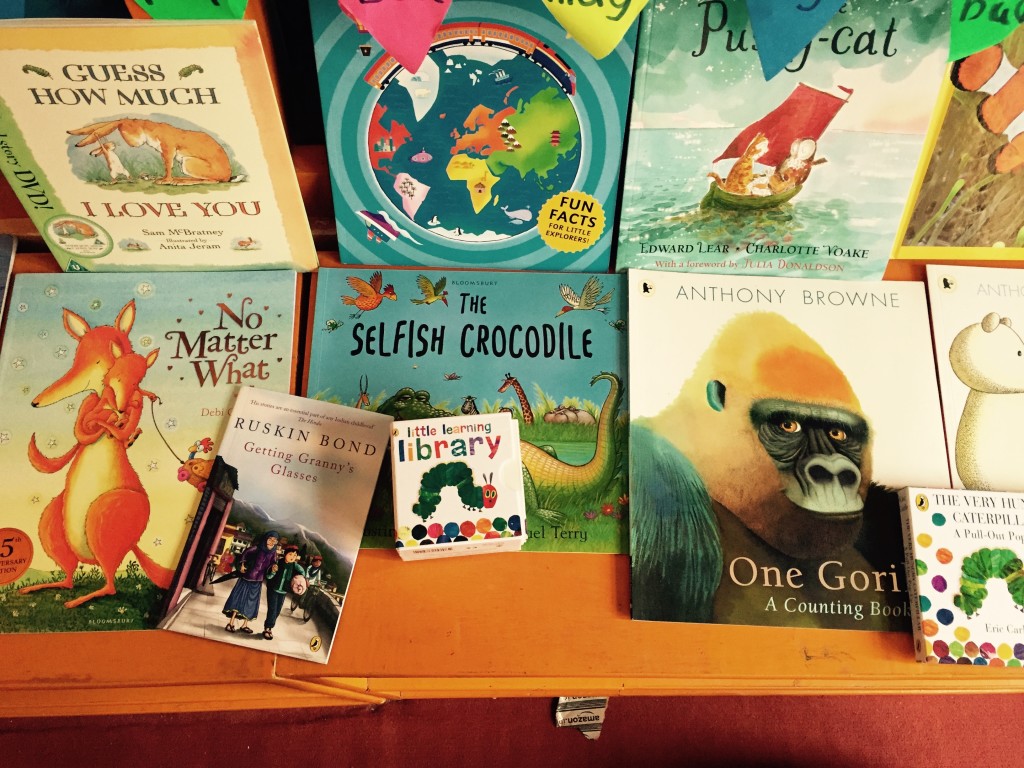
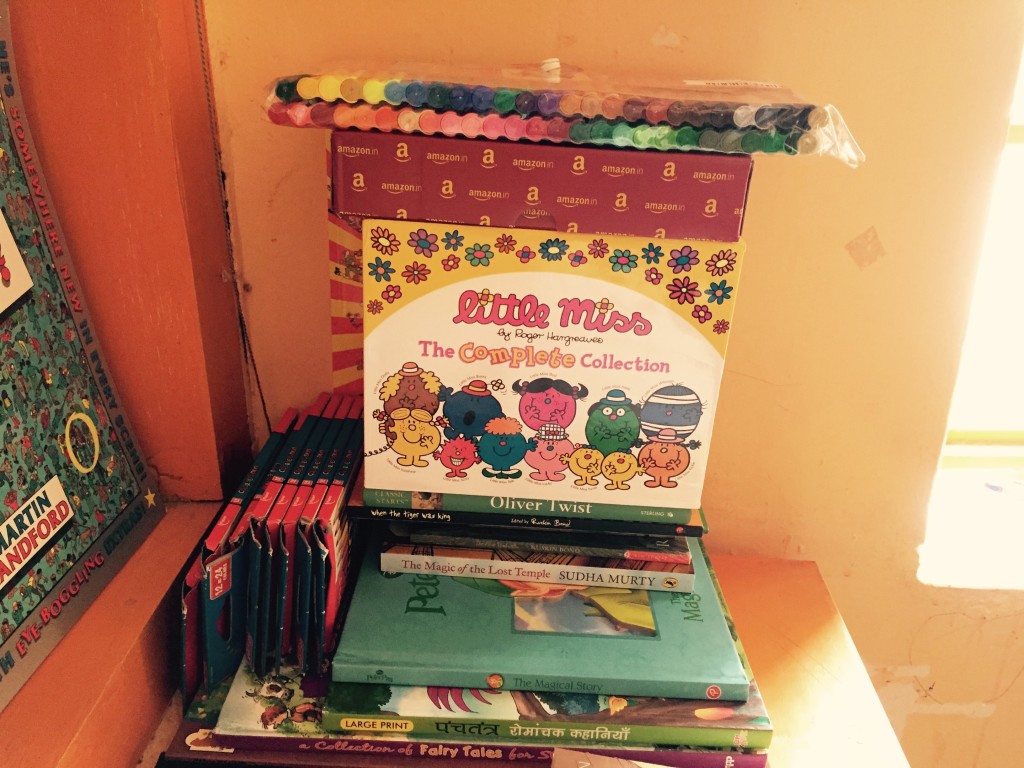
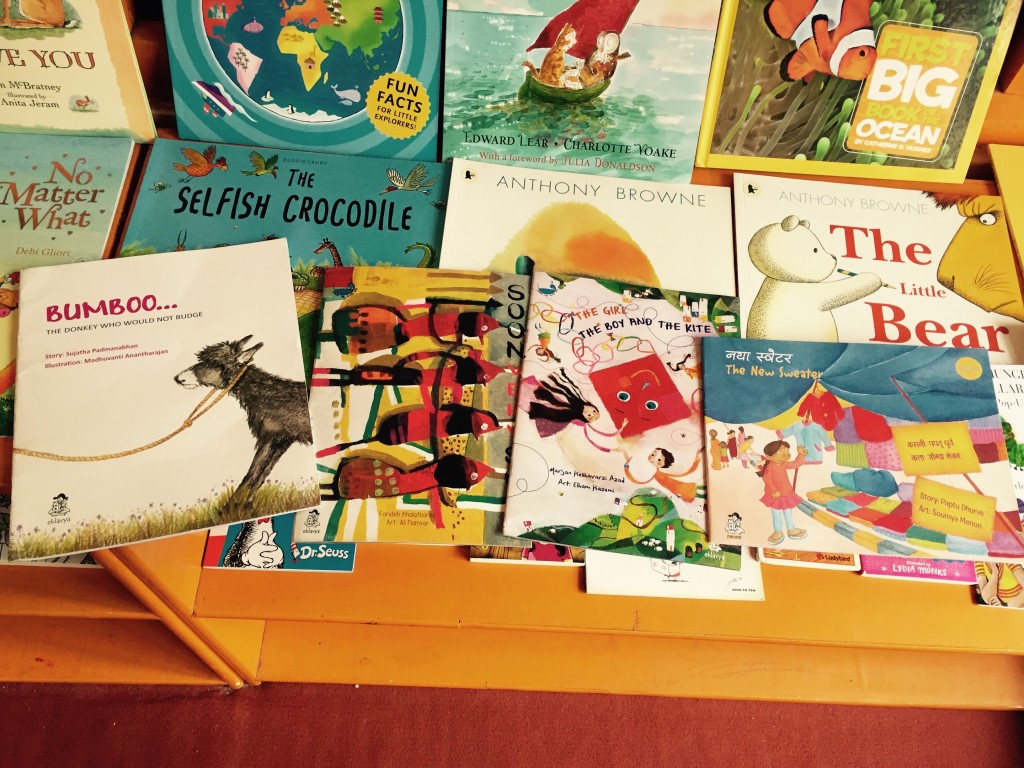
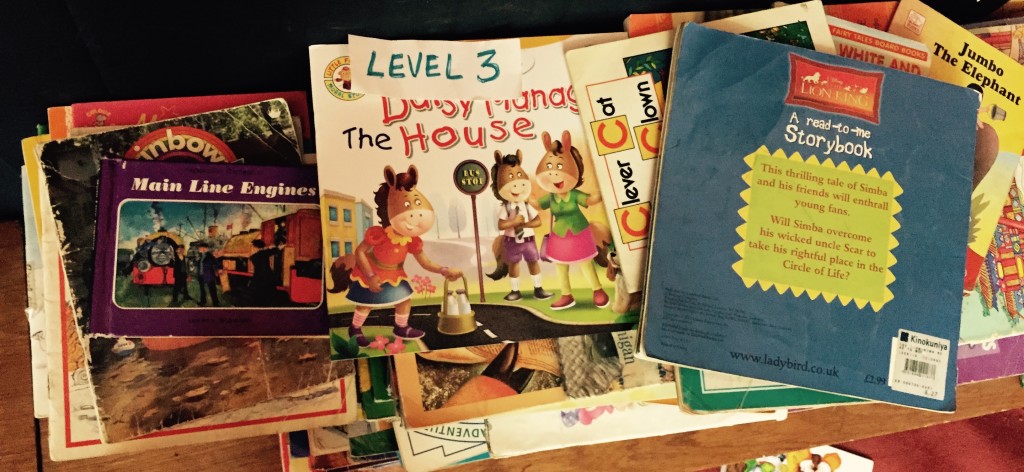
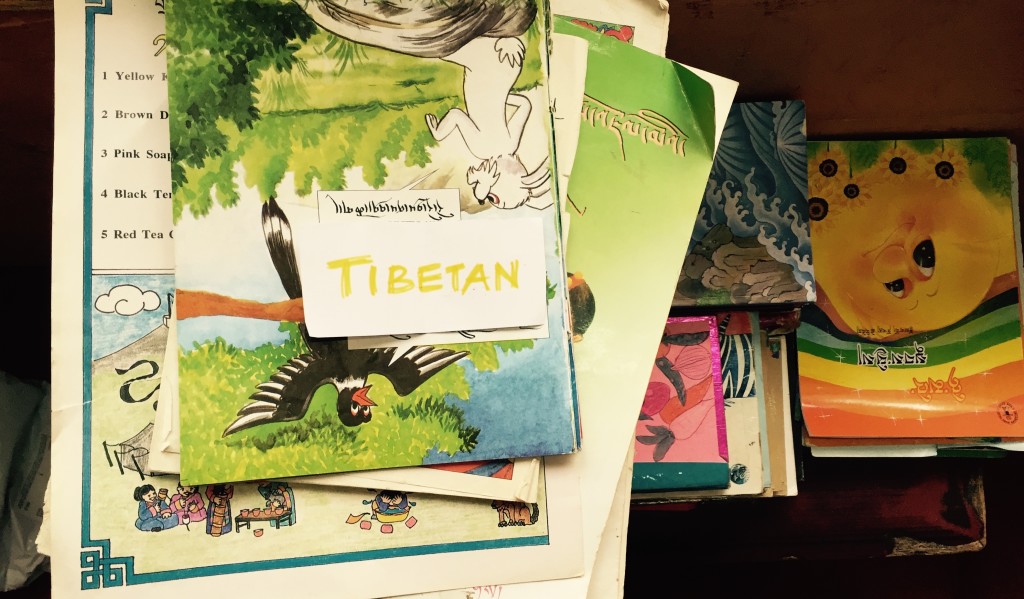
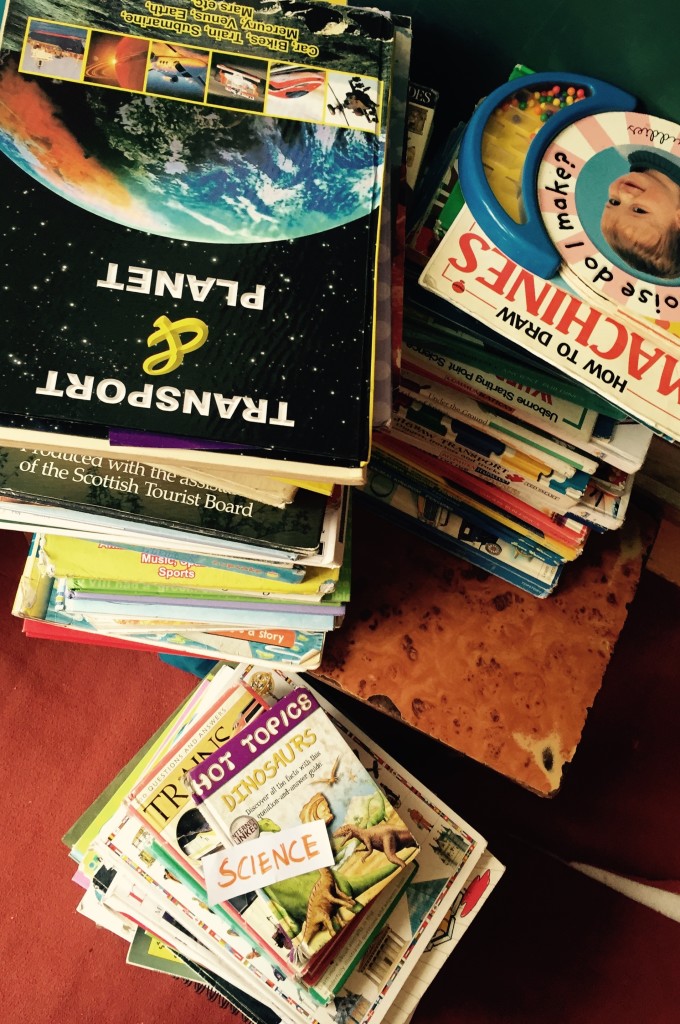
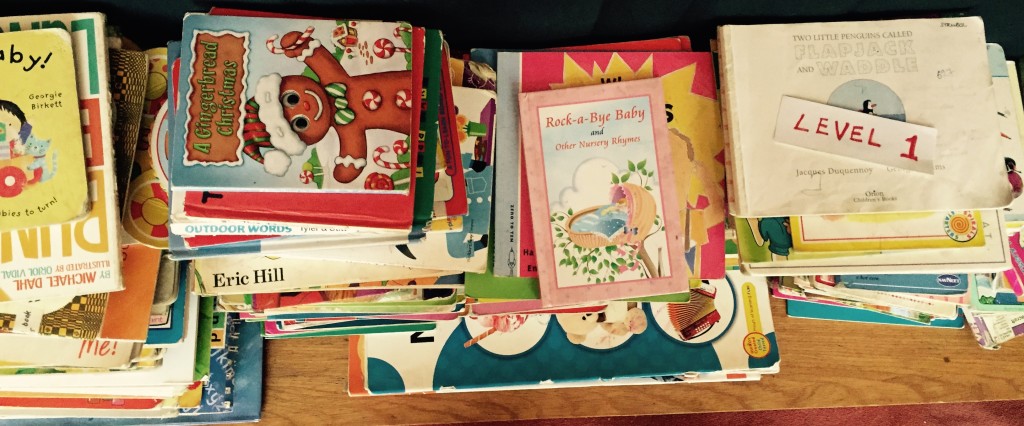
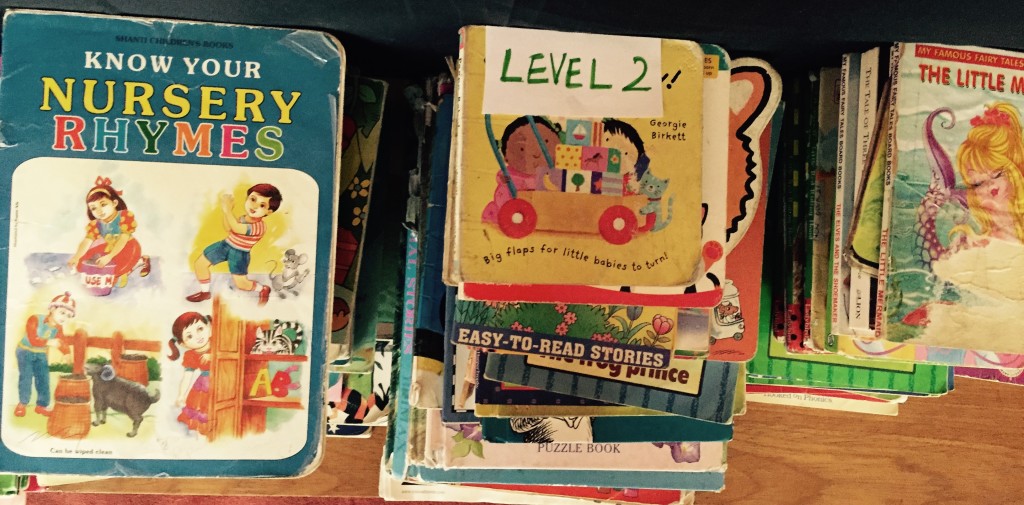
Book drives are especially valuable when they combine quantity with thoughtful selection. Children need stories for pleasure, factual books about animals and habitats, atlases, biographies of conservationists and materials that reflect local languages and cultures. Donated books should be clean, age-appropriate and relevant rather than simply unwanted.
The same principle applies in Australia, where school and public libraries work within budgets shaped by book prices, freight costs and local demand. Partnerships with independent booksellers, community groups and library friends organisations can help build useful collections. Groups such as Friends of the Library show how community support can strengthen access to reading resources and cultural programming.
Choosing Books With Purpose
A strong environmental collection balances wonder, knowledge and cultural respect. The following guide can help volunteers, teachers and donors assess possible additions to a reading room.
| Book feature |
What children can explore |
Useful setting or activity |
| Himalayan wildlife |
Adaptation, food chains and habitat protection |
Animal research or illustration |
| Mountain water stories |
Snowmelt, sanitation and shared resources |
Water-use discussion |
| Community-led conservation |
Cooperation, responsibility and local knowledge |
Role-play or group problem-solving |
| Climate and weather books |
Drought, glaciers, storms and changing seasons |
Comparing regions |
| Recycled-material craft books |
Reuse, creativity and waste reduction |
Art workshop |
| Maps and field guides |
Place, observation and biodiversity |
Outdoor or library nature walk |
For Australian readers, it is helpful to place Himalayan titles alongside local content. A child in Adelaide may connect a discussion about dry mountain valleys with South Australian water management, while a reader in Darwin may compare seasonal weather with Himalayan winter and summer patterns. These links make global learning more concrete.
Book selection should also respect Indigenous knowledge and avoid presenting the Himalayas as an exotic backdrop. Children benefit from books written with community insight, accurate cultural context and clear acknowledgement of local voices. Environmental care is strongest when it includes cultural care.
Everyday Practices That Grow From Reading
A story becomes powerful when it leads to a repeated habit. A reading session might finish with children checking taps, sorting paper for reuse, observing birds or recording rainfall. The activity should remain simple enough to continue at home, in a monastery, at school or during a visit to a community garden.
Families can adapt these ideas to Australian routines. Children might bring a reusable bottle to a weekend sport event, learn which household items belong in the yellow recycling bin, or choose second-hand books through a local bookshop or school fundraiser. The goal is not perfection; it is helping children see that ordinary decisions affect shared resources.
Practical recommendations for educators, volunteers and families include:
- Pair every environmental story with one observation or hands-on activity.
- Include Himalayan books beside Australian and First Nations environmental titles.
- Invite children to map water, trees, wildlife or waste in their own neighbourhood.
- Use recycled paper, fabric and natural materials for creative responses.
- Discuss consumption by sharing, repairing, borrowing and buying used books.
- Ask children to explain one environmental idea to a younger reader.
- Record small changes, such as reduced litter or improved water awareness, over time.
A Shared Future In The Pages
The value of Himalayan books lies in the relationships they create. A child reading about a remote valley can recognise the same concerns found in an Australian suburb: where water comes from, how animals find shelter, what happens to rubbish and who is responsible for protecting common spaces. The distance between places becomes an invitation to learn rather than a barrier.
Avalokiteśvara Trust connects literacy, creativity and community support so children can encounter these questions through stories that are welcoming and memorable. When a reading room includes books, art materials, music and attentive adults, environmental learning becomes part of a child’s wider development rather than a single lesson.
The next step is to choose one Himalayan environmental story, read it with a child or group, and follow it with a local walk to notice water, wildlife and waste.