Meet the Monks Who Love Reading Harry Potter in the Shadow of the Mountains
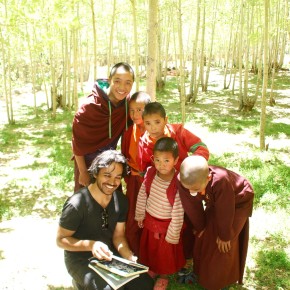
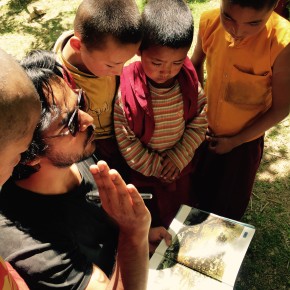
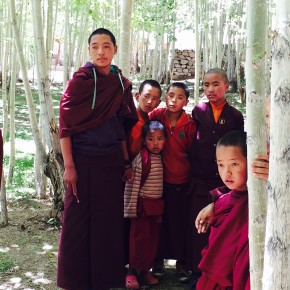
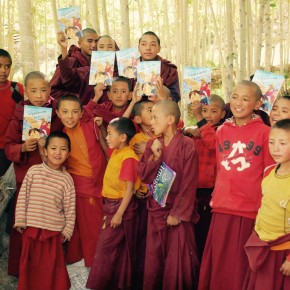
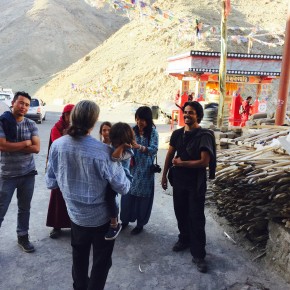
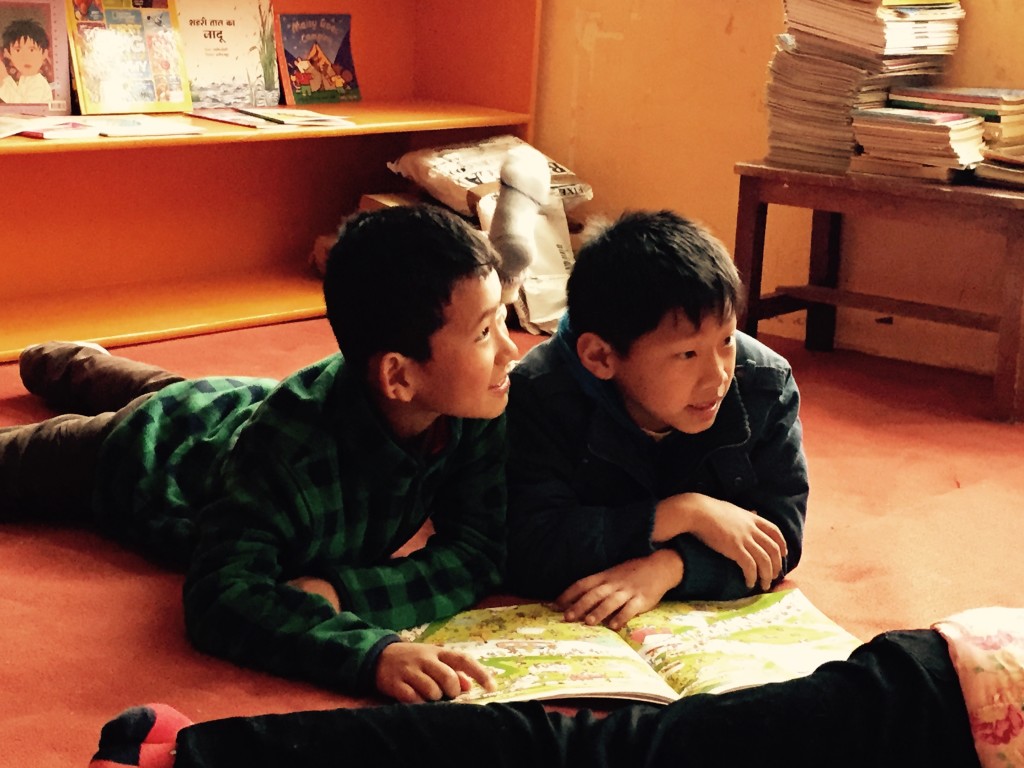
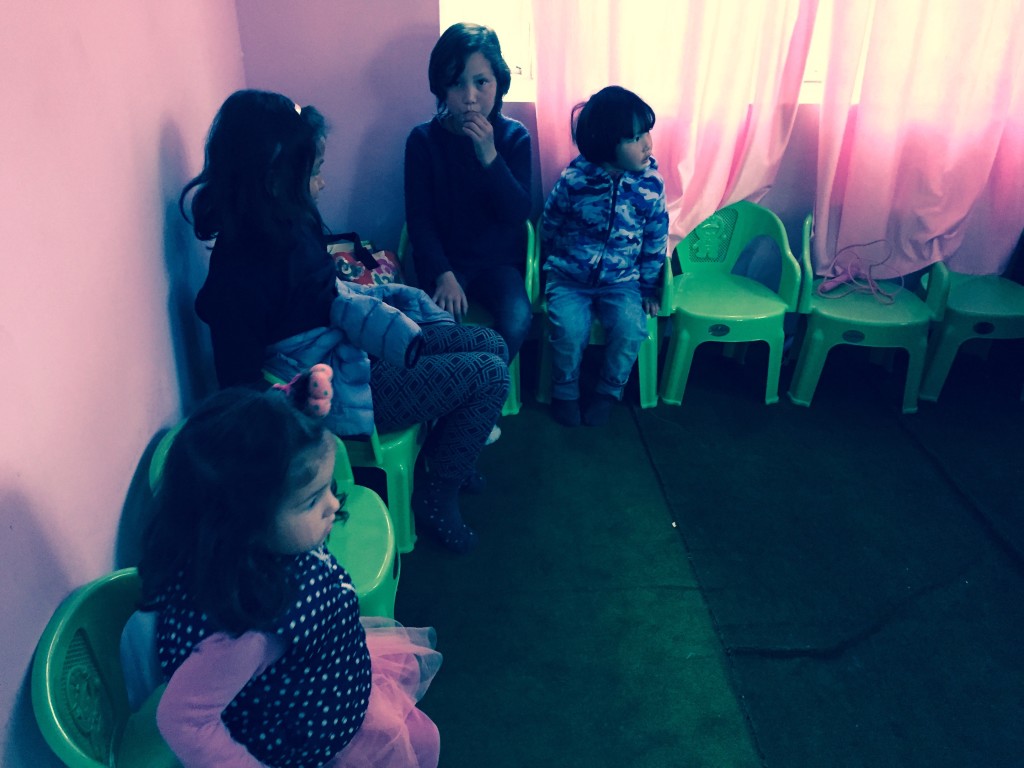
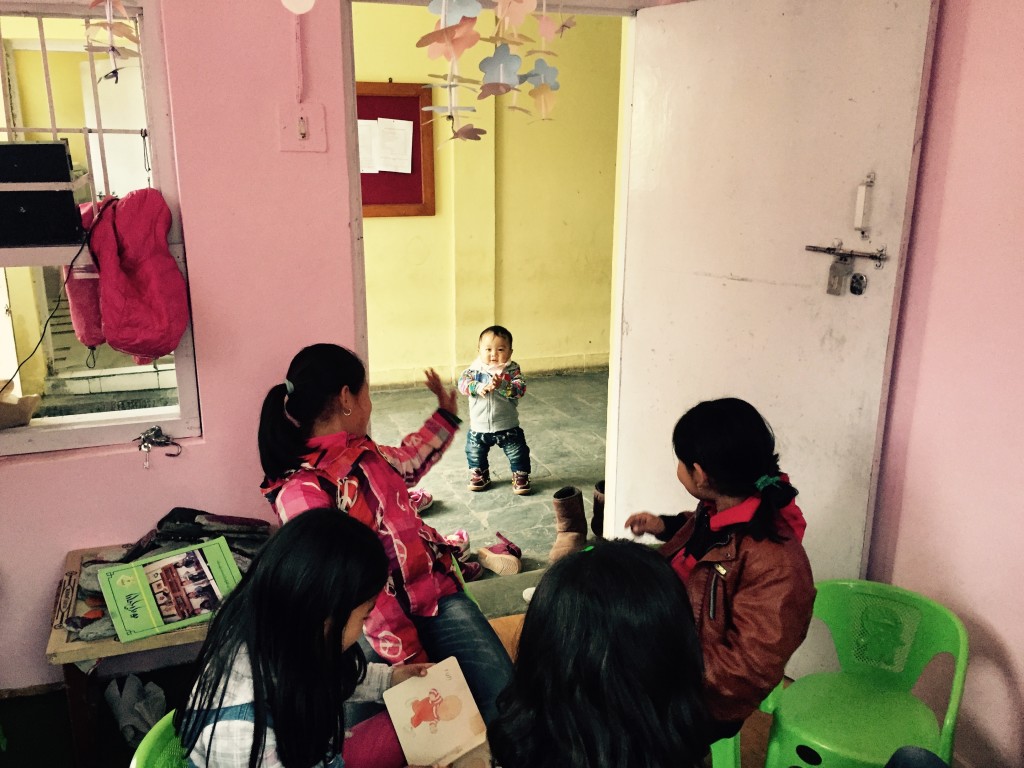
High in the Himalayan region, where mountain passes connect remote villages and monasteries, a well-loved fantasy series is opening unexpected doors. In reading rooms supported by Avalokiteśvara Trust, young monks are discovering the pleasure of turning pages, following a long adventure, and sharing favorite characters with friends.
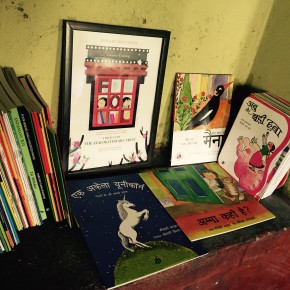
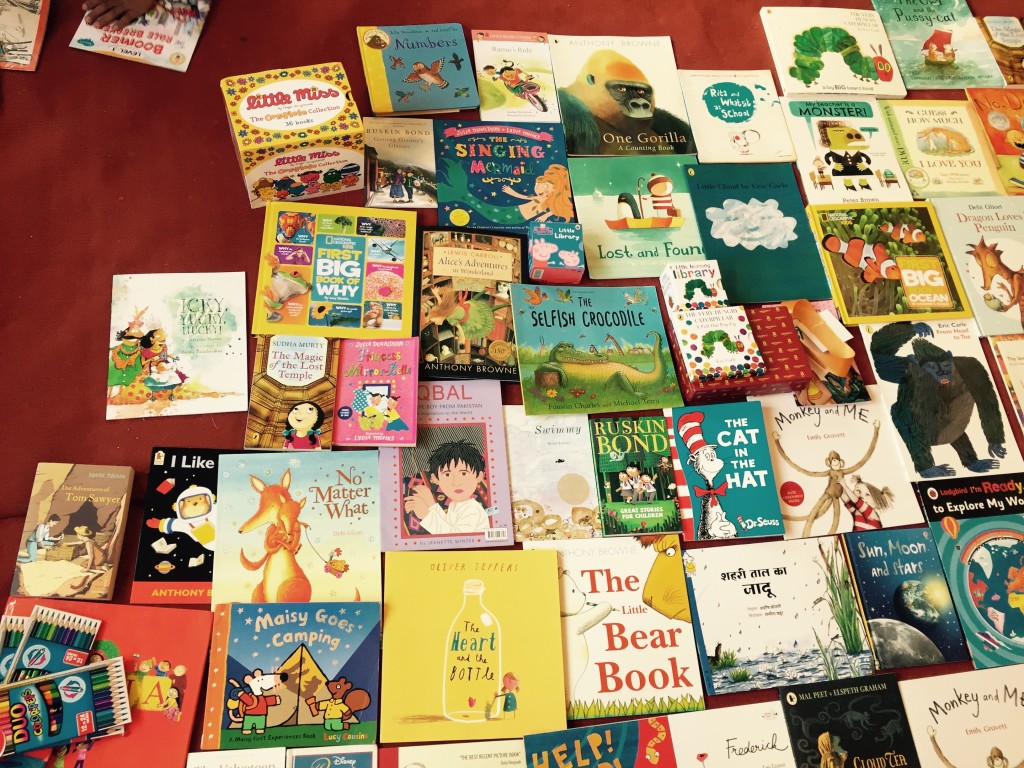
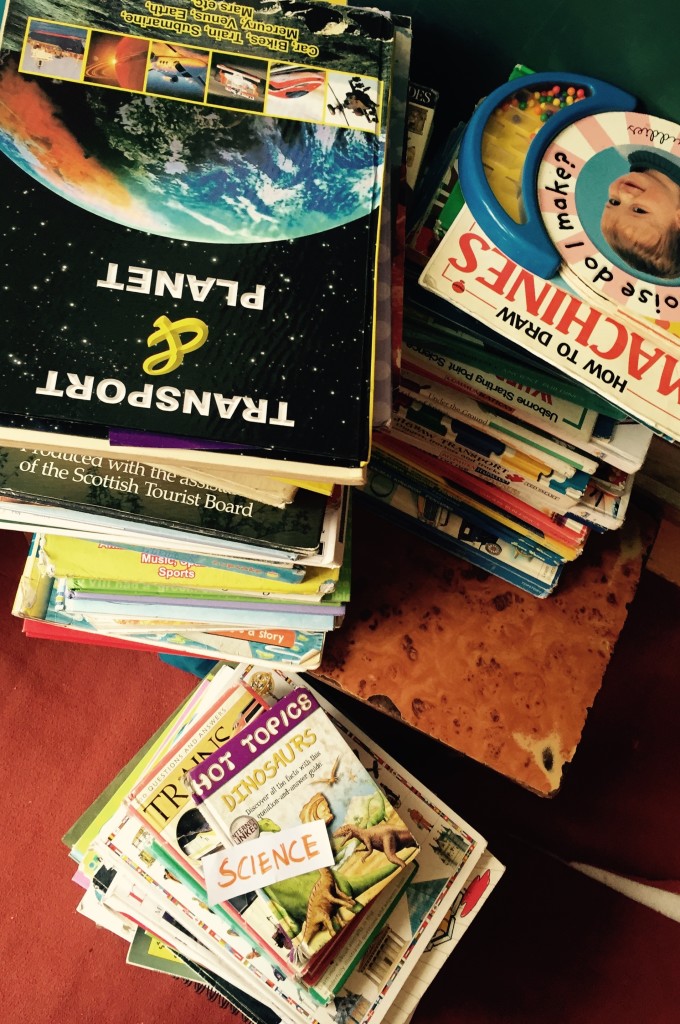
Harry Potter is only one part of a much wider reading culture. Storybooks, picture books, poetry, biographies, comics, and educational materials give children and young monks opportunities to explore ideas beyond their immediate surroundings. A library shelf can become a window into another country, another time, or an entirely imagined world.
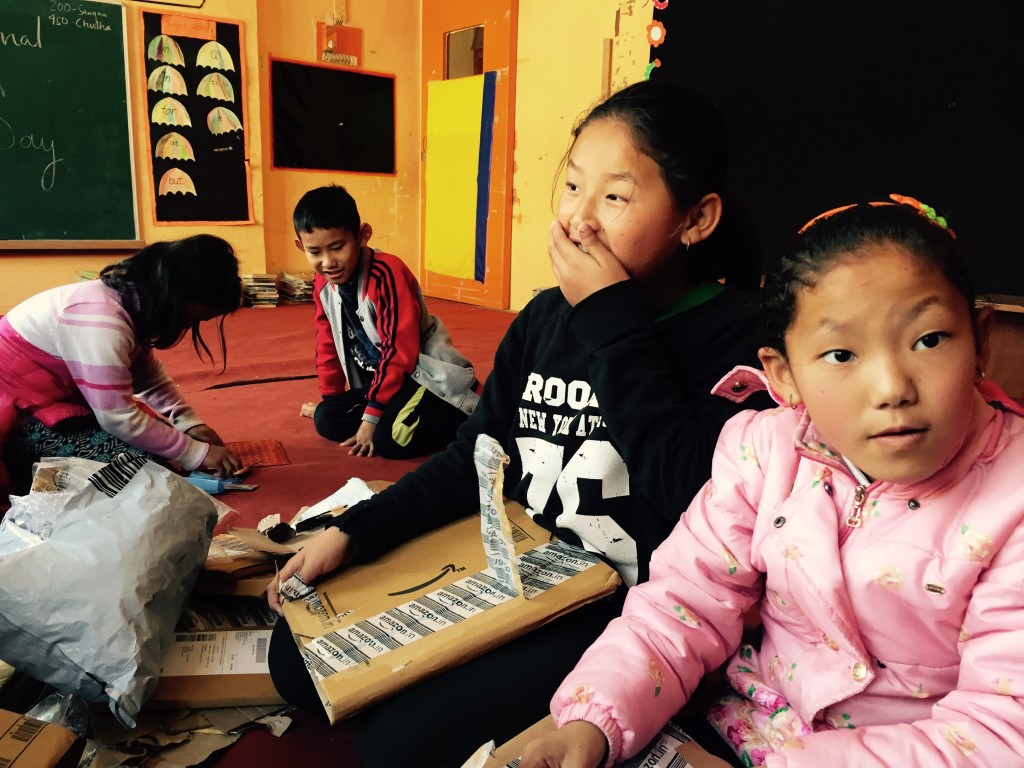
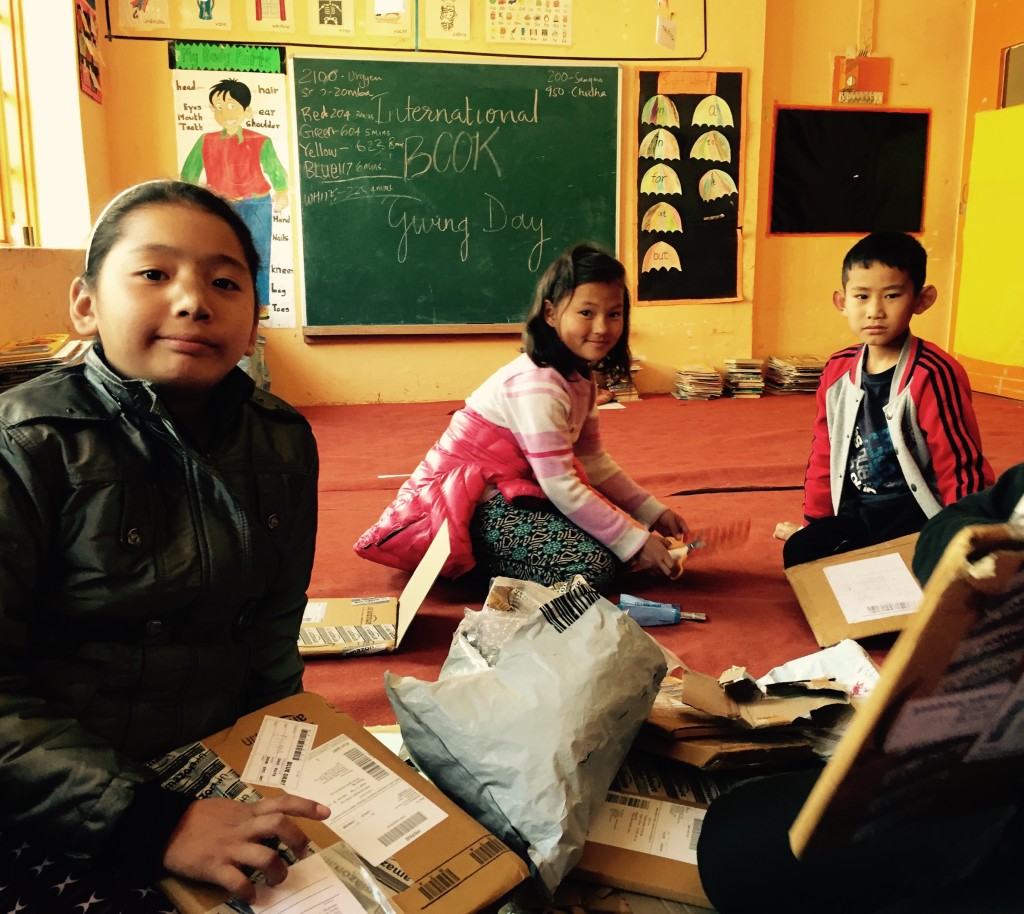
For many readers in Ladakh and neighboring communities, access to quality books is limited. A thoughtful book drive or a welcoming reading room can therefore make a lasting difference. It gives reading a place in daily life and encourages curiosity, confidence, creativity, and conversation.
A Story Unfolds Among the Mountains
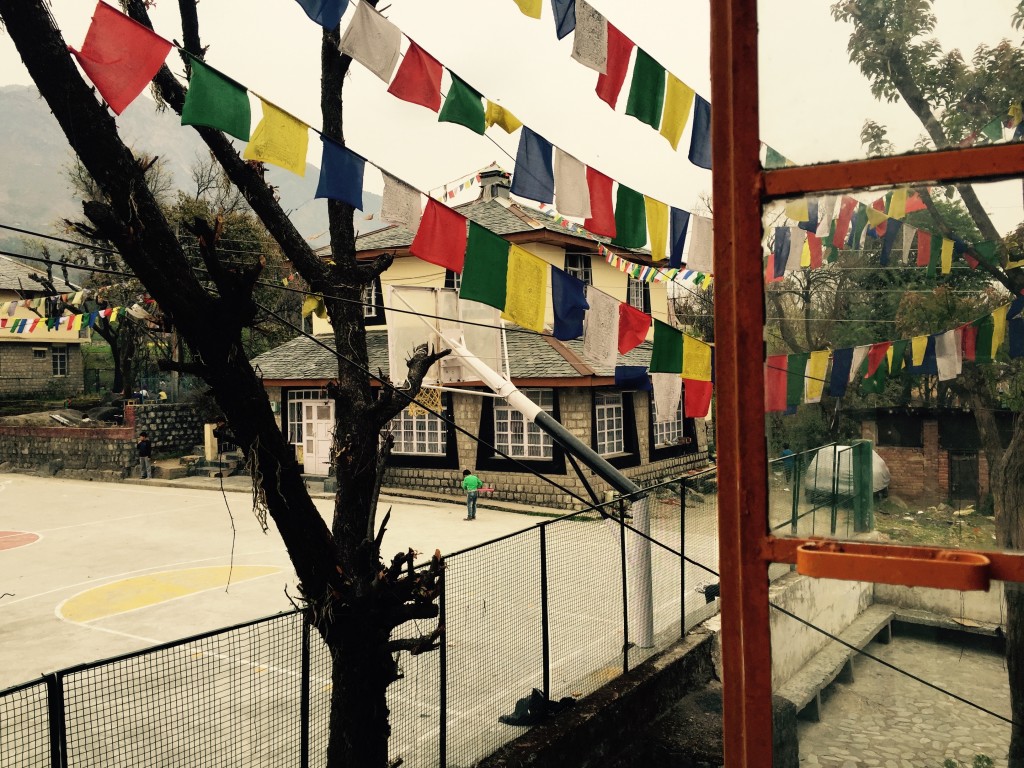
The experience of reading a fantasy novel in a Himalayan monastery has its own atmosphere. Outside, the landscape may be marked by high ridges, dry valleys, prayer flags, and changing light. Inside, a young reader can follow a train to a hidden school of magic, enter a forbidden forest, or wonder what lies around the next corner.
The setting does not make the story distant. It can make it more vivid. Young monks understand disciplined study, close communities, traditions, mentors, and the importance of learning. These familiar elements create points of connection, while the magical world invites them to imagine possibilities far beyond the monastery walls.
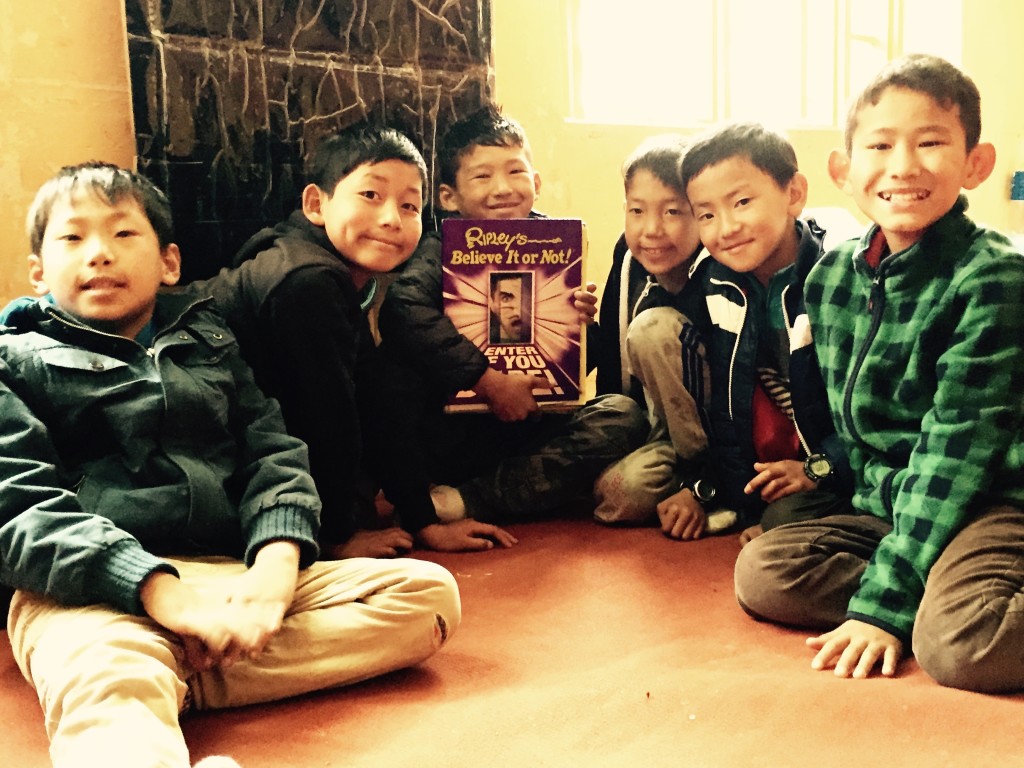
A popular novel also creates a shared language among friends. One reader may recommend a chapter, another may discuss a character, and a third may return to a favorite scene. These conversations transform solitary reading into a social activity that strengthens communication and friendship.
Why Fantasy Books Matter
Fantasy literature offers more than escape. It encourages readers to think about courage, loyalty, kindness, responsibility, and the consequences of personal choices. When young monks discuss a character’s behavior, they are practicing interpretation and ethical reflection in a natural, engaging way.
Long novels also build stamina. Reading several chapters requires concentration, patience, and the ability to remember details over time. For children and young people developing confidence in English or another additional language, an absorbing story can make language practice feel purposeful rather than instructional.
Harry Potter may attract attention because it is familiar, but the deeper goal is a broad and balanced library. Young readers should be able to choose from local stories, Buddhist literature, Himalayan history, translated works, science books, art materials, and contemporary fiction. Choice helps each reader find a personal reason to keep reading.
Reading Rooms That Invite Discovery
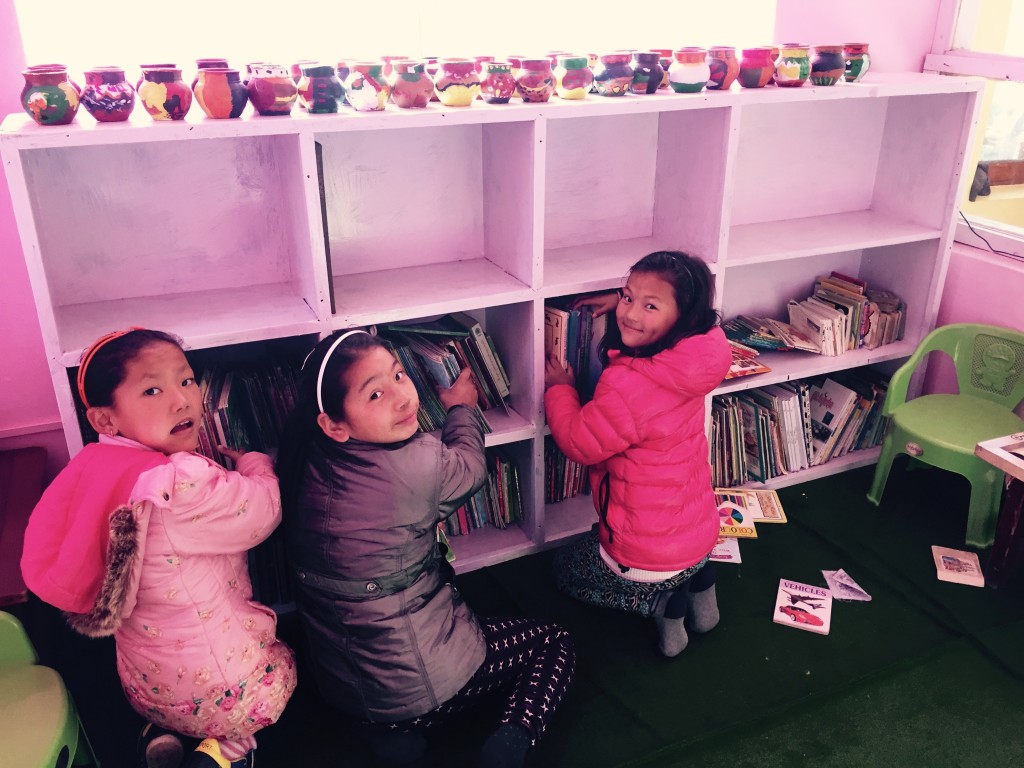
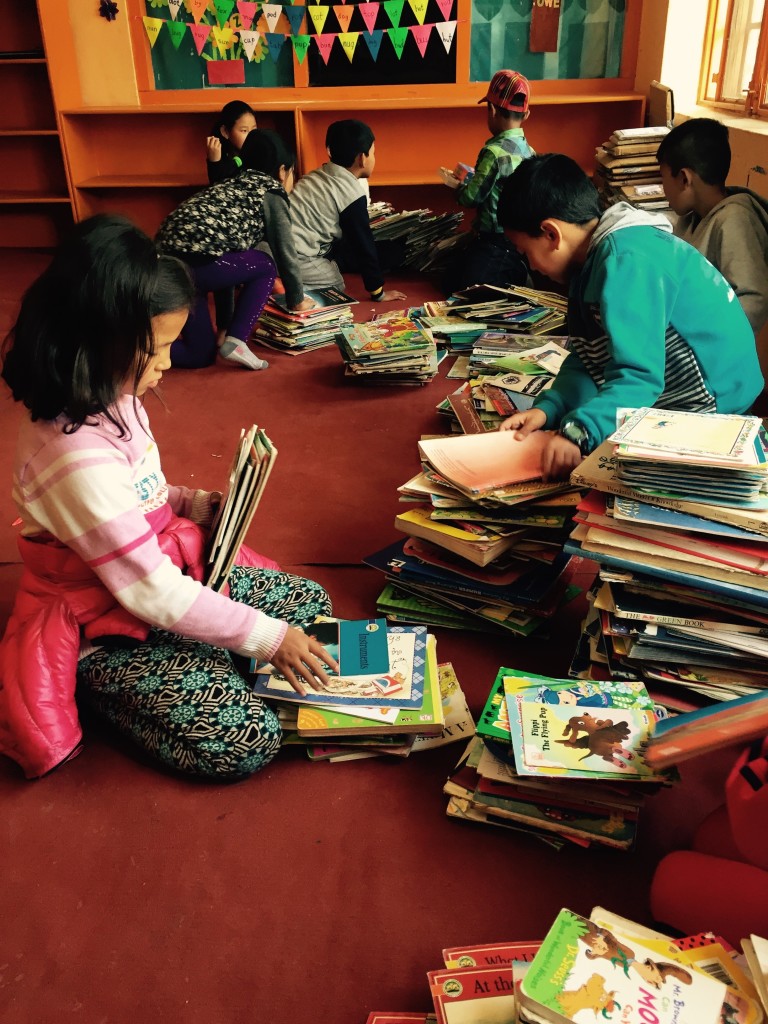
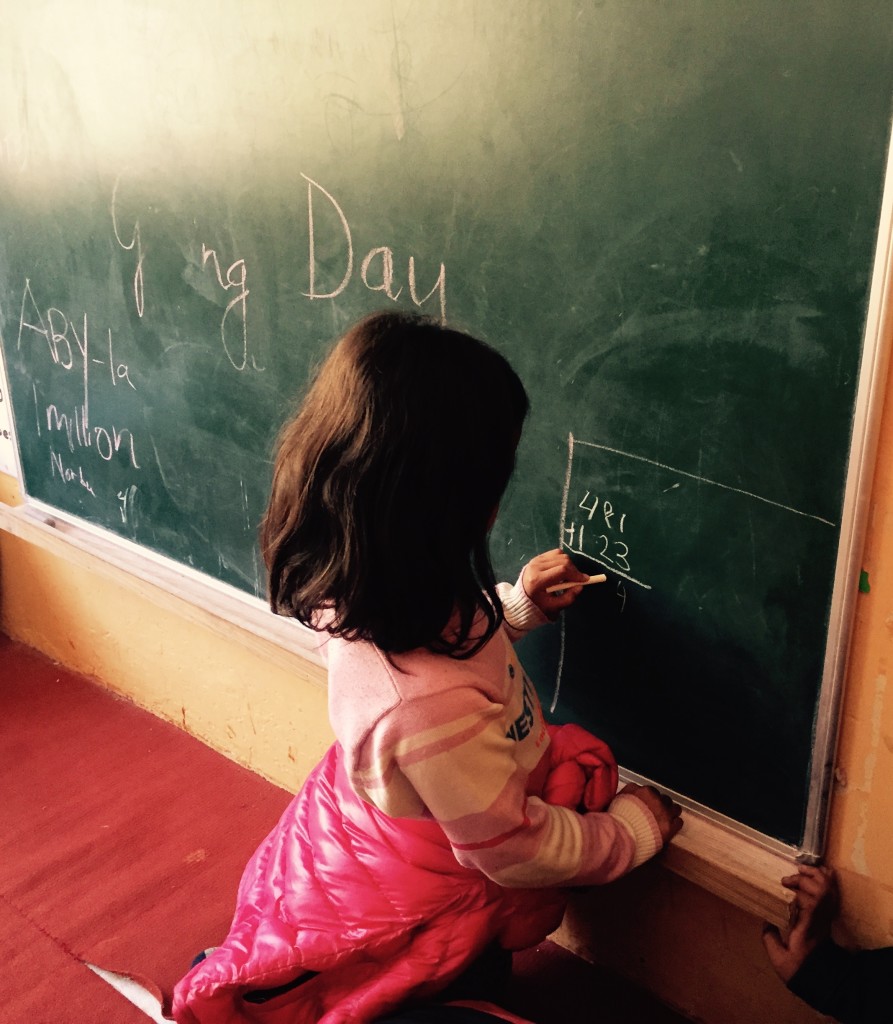
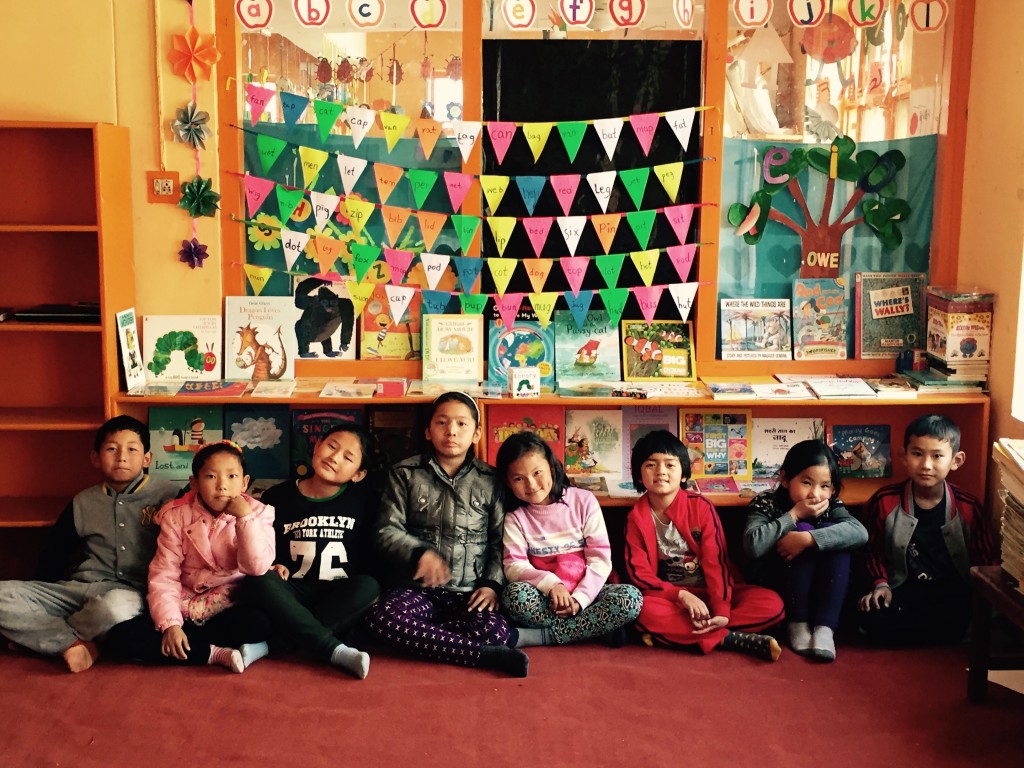
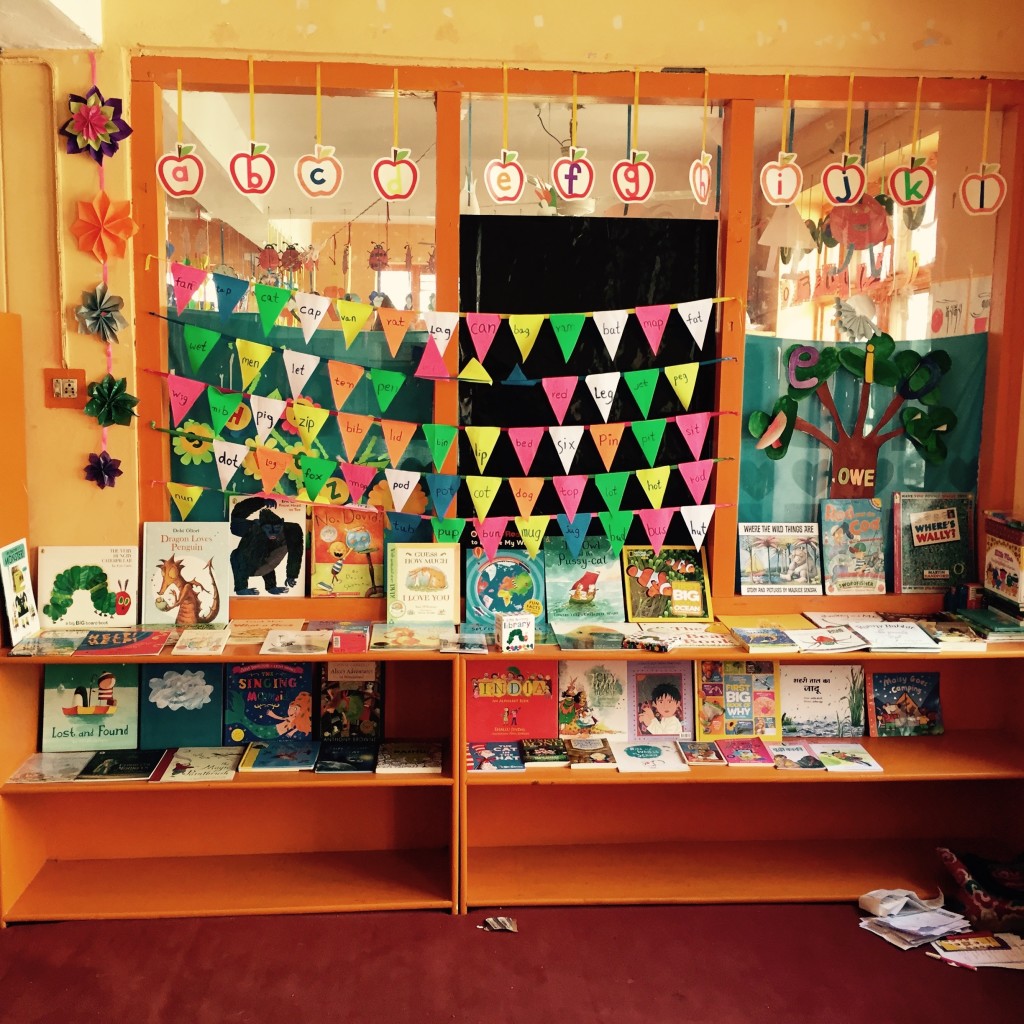
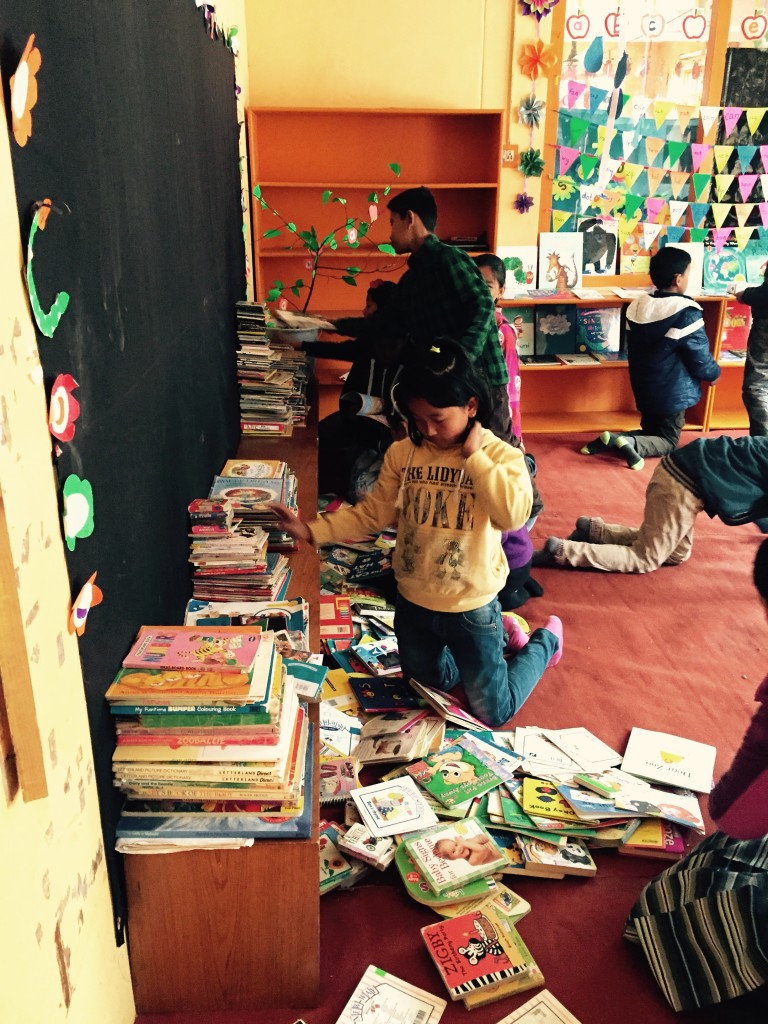
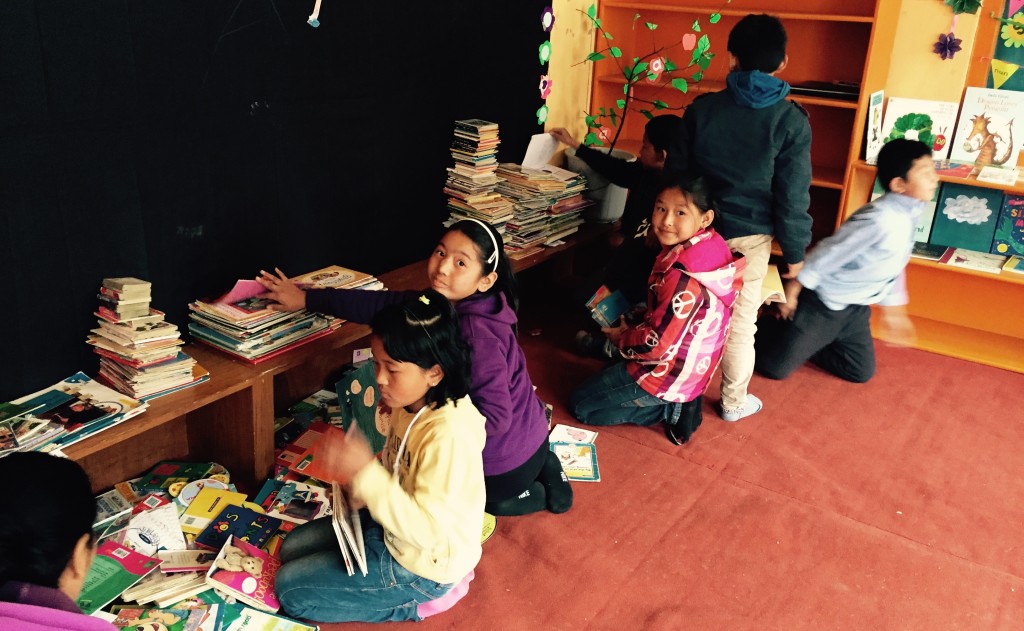
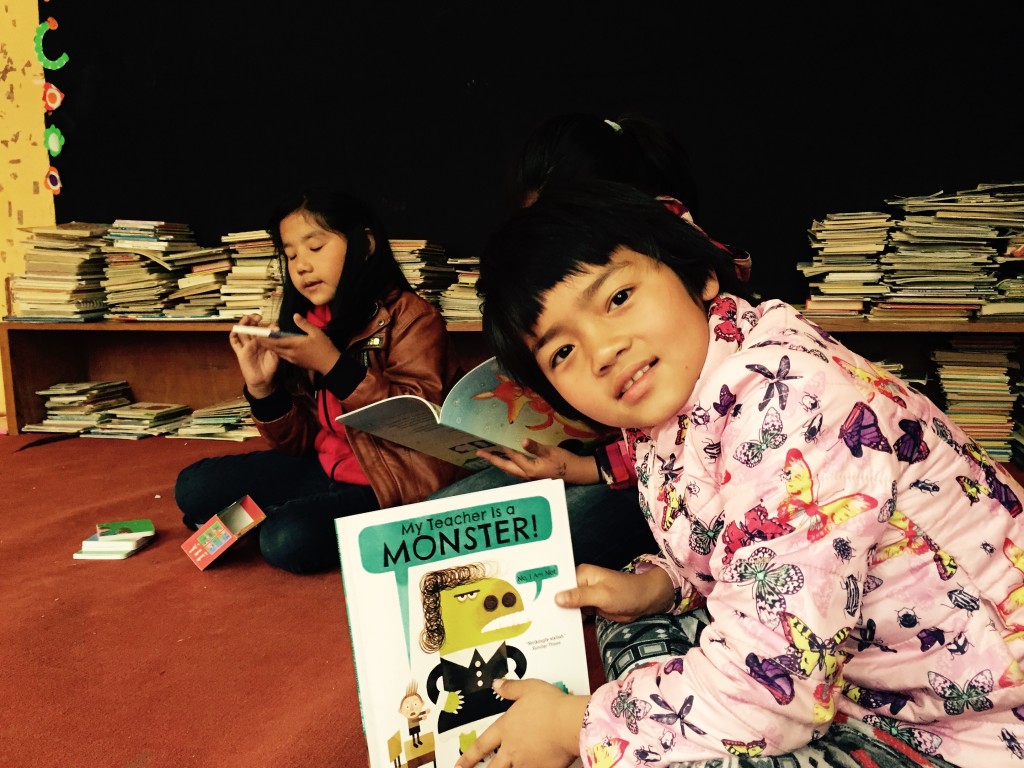
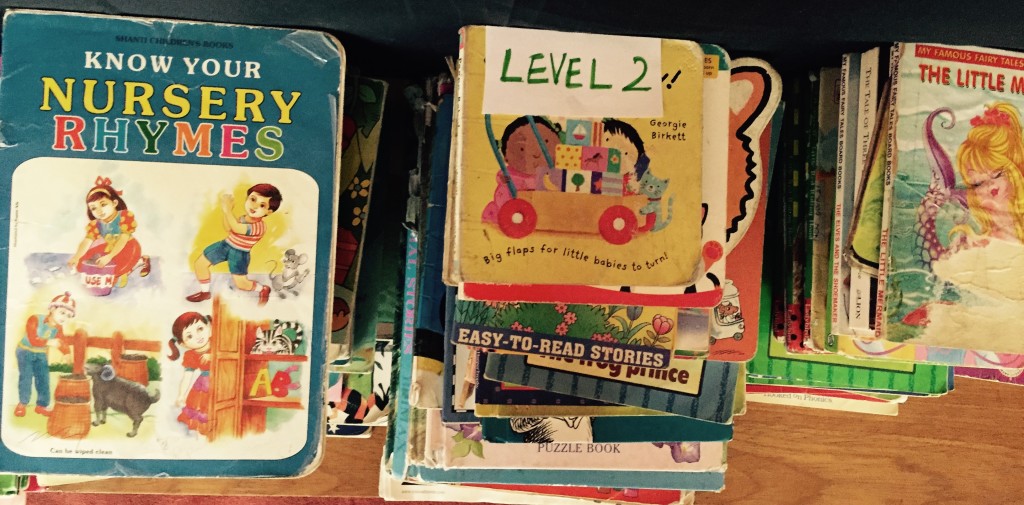
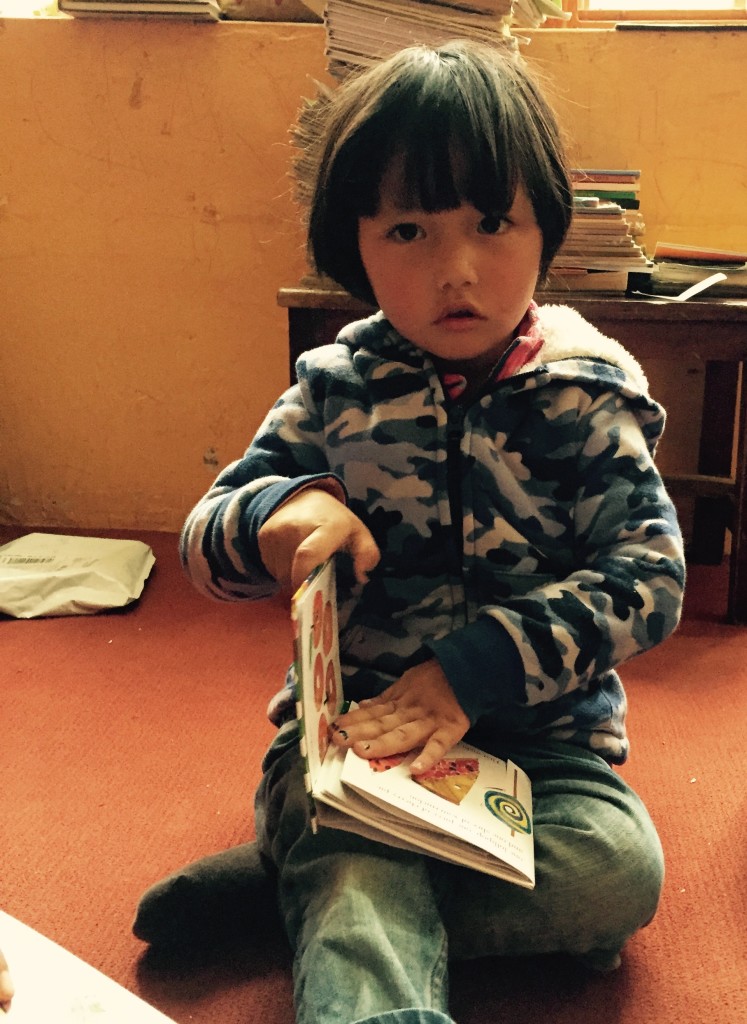
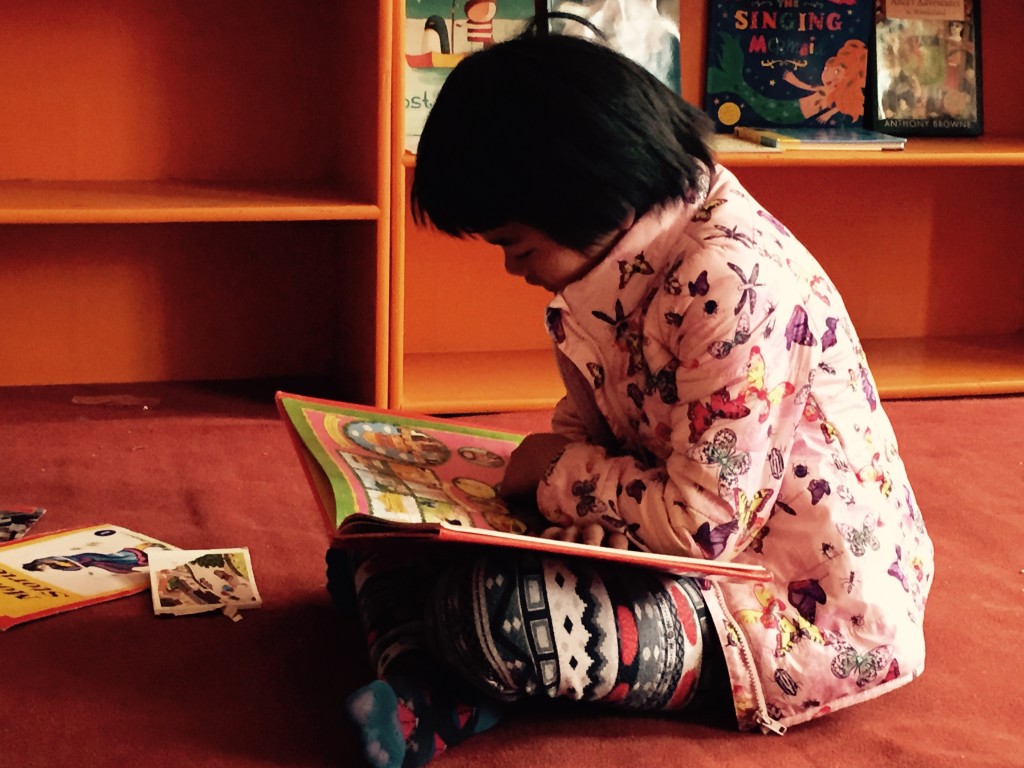
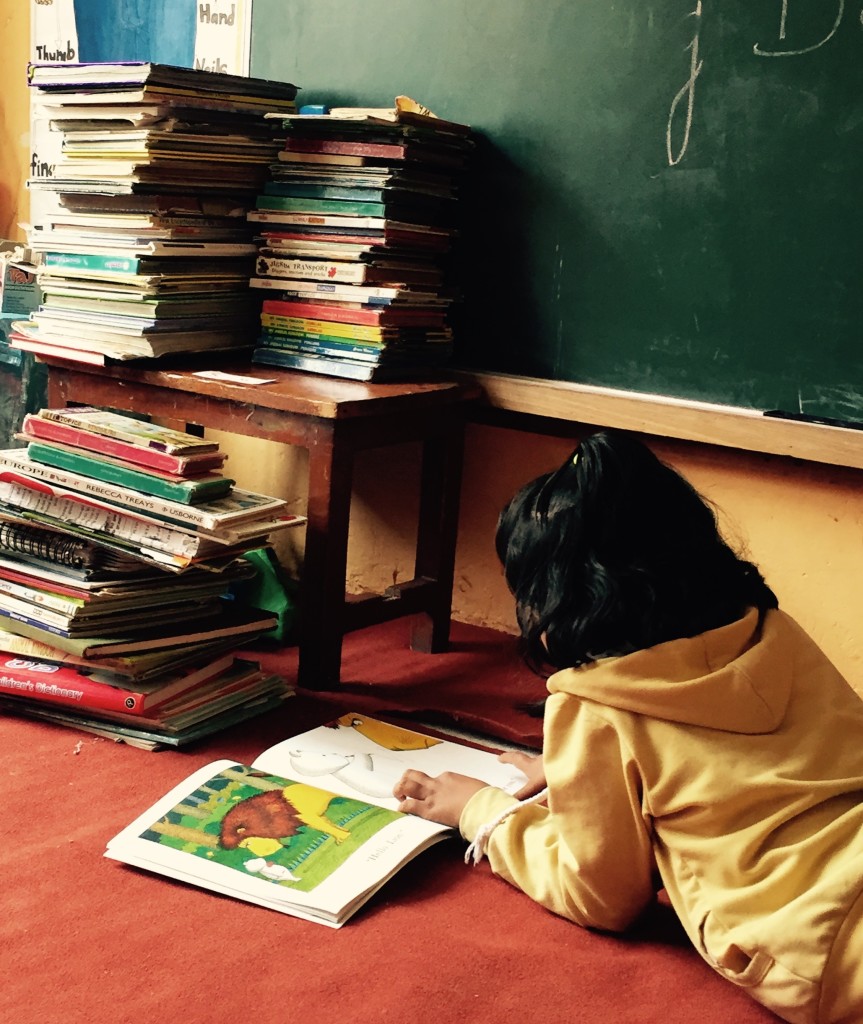
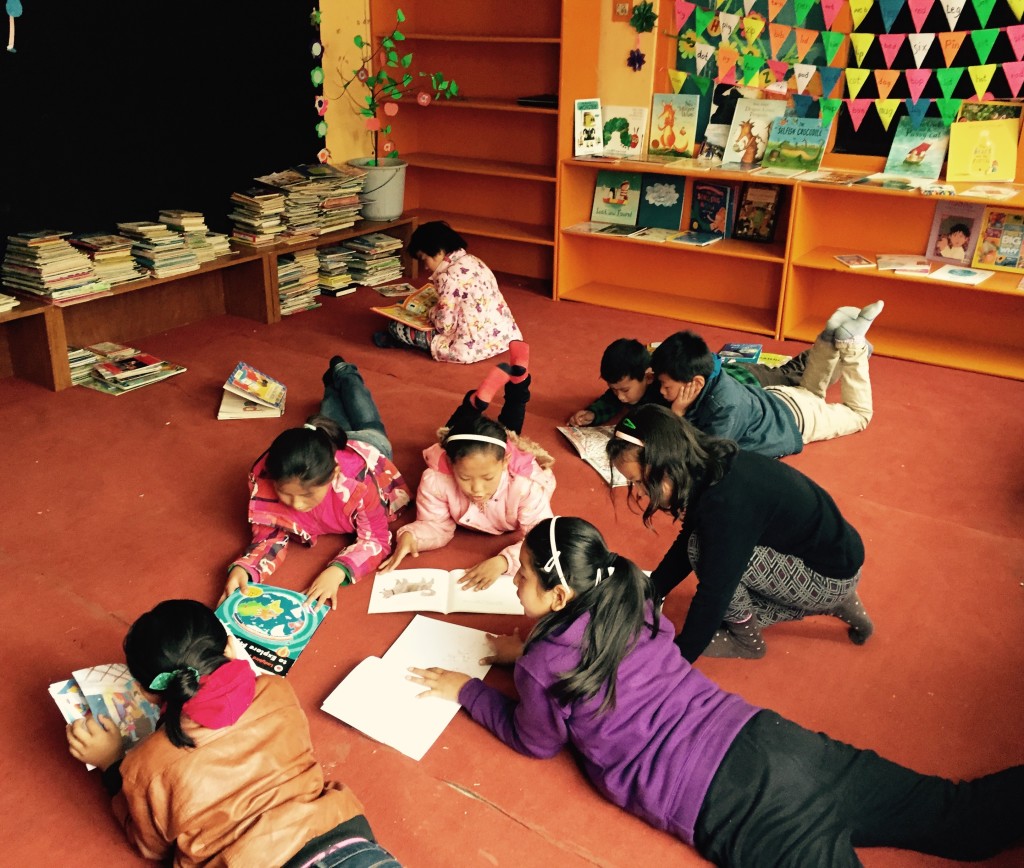
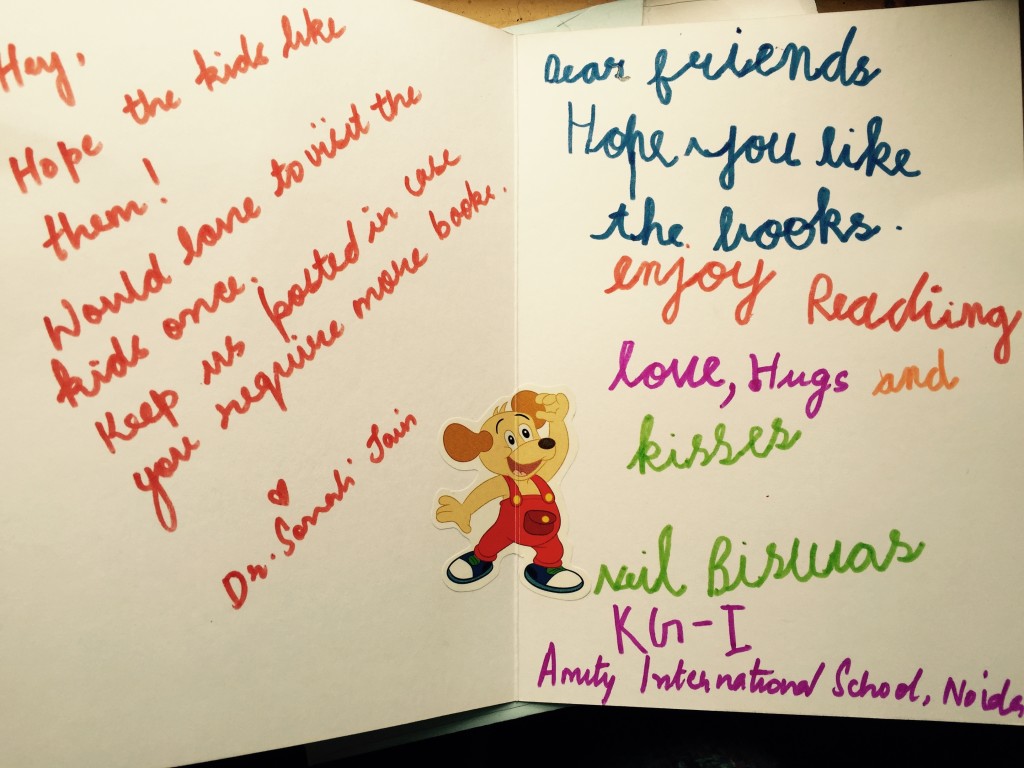
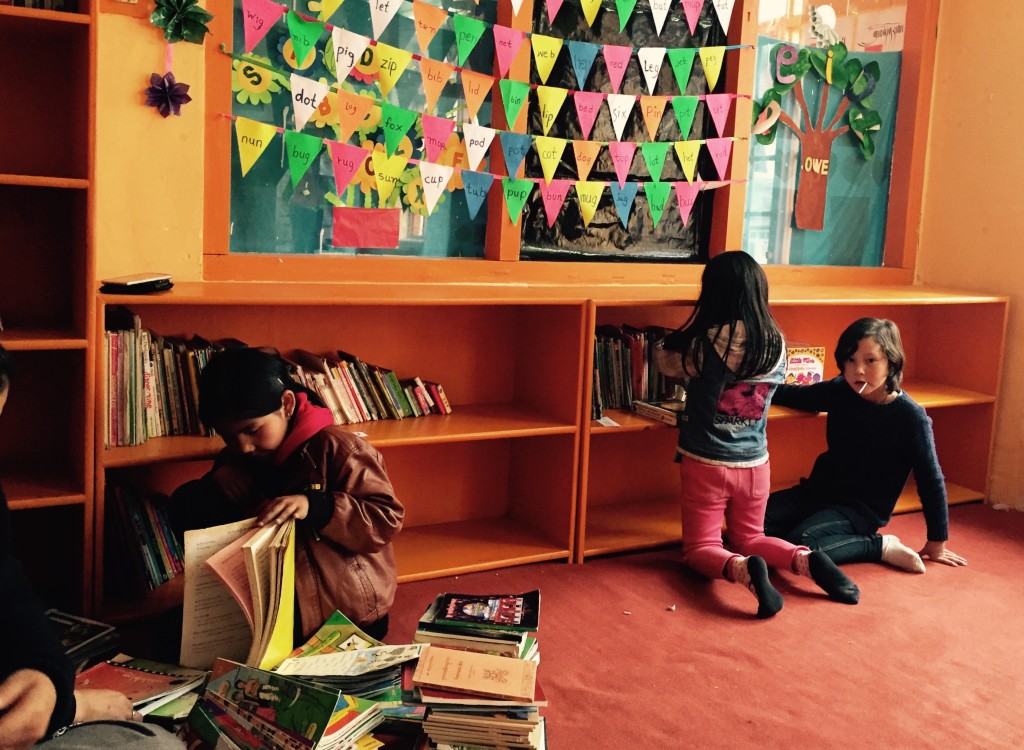
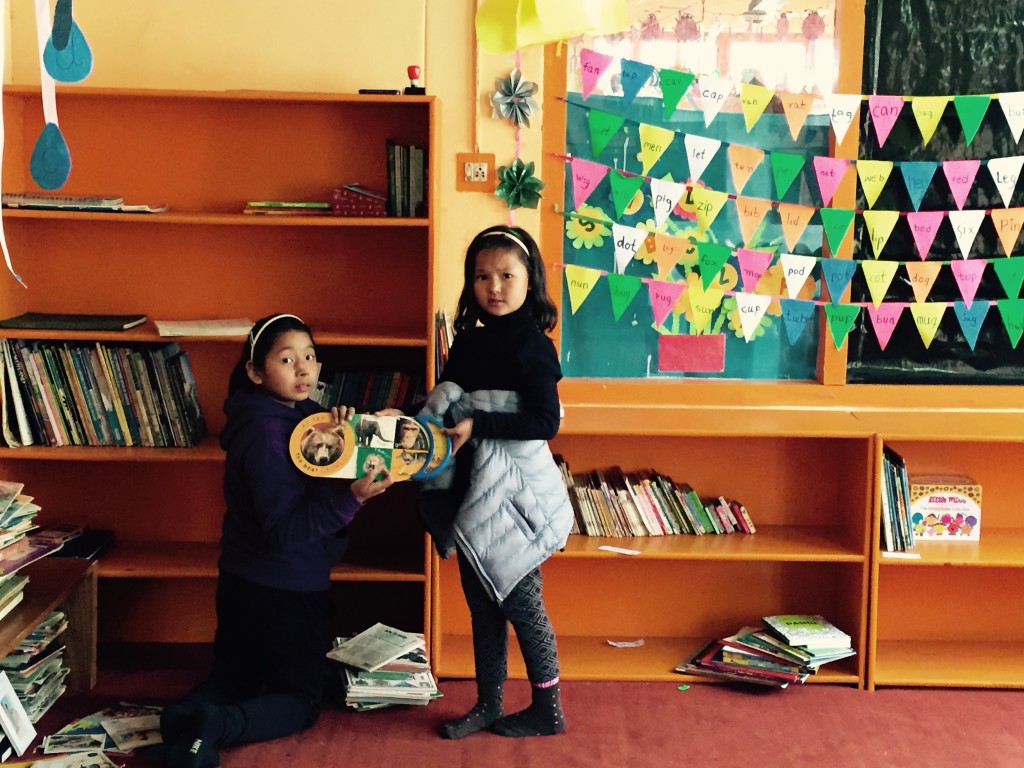
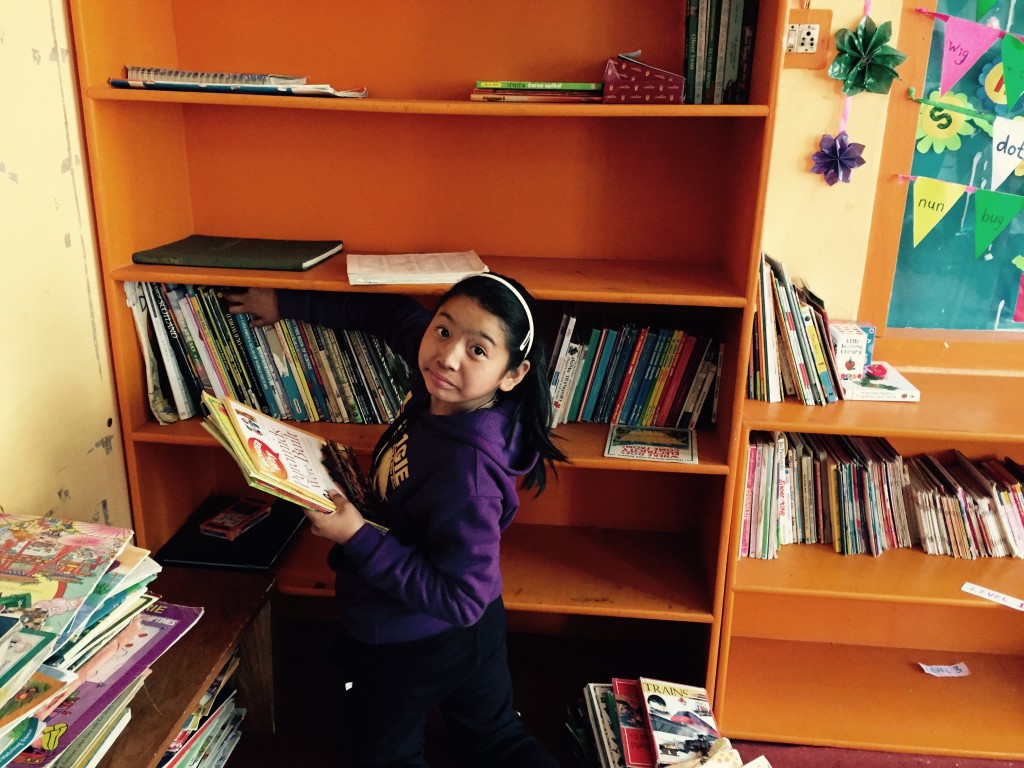
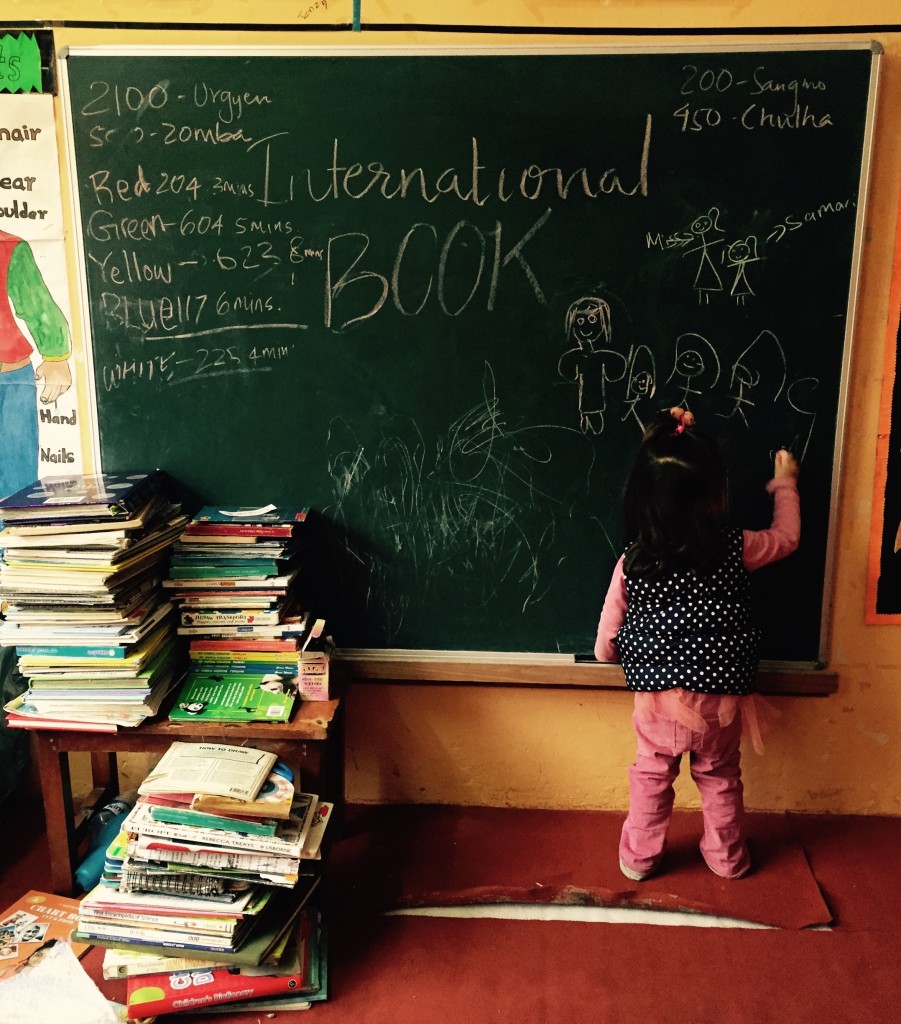
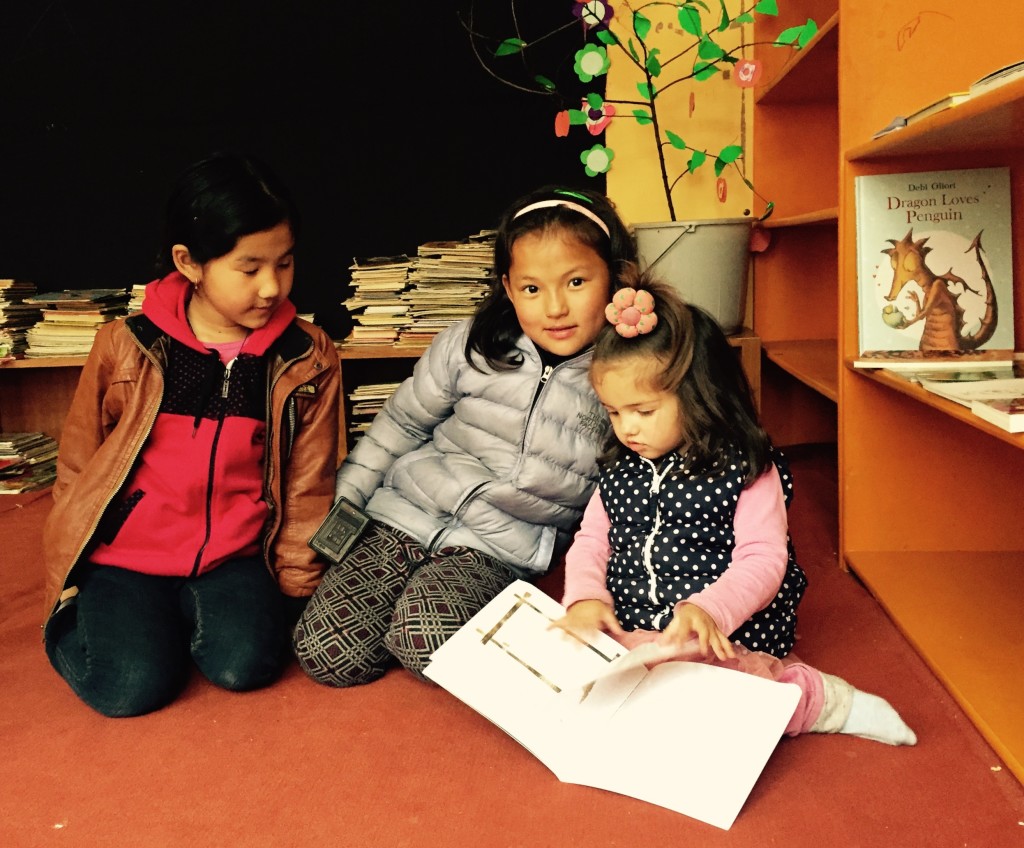
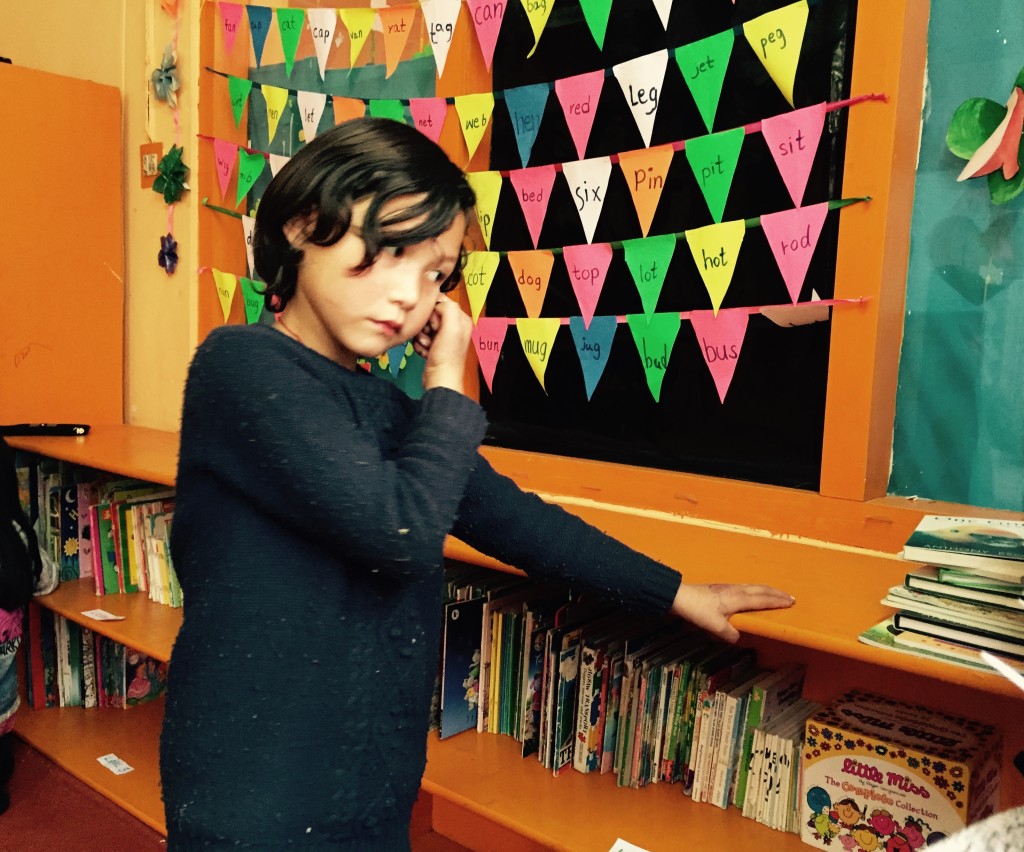
A reading room is more than a collection of books. It is a place where children can browse without pressure, ask for help, sit quietly, and return to a story whenever they wish. In communities where books are expensive or difficult to obtain, that simple freedom is especially valuable.
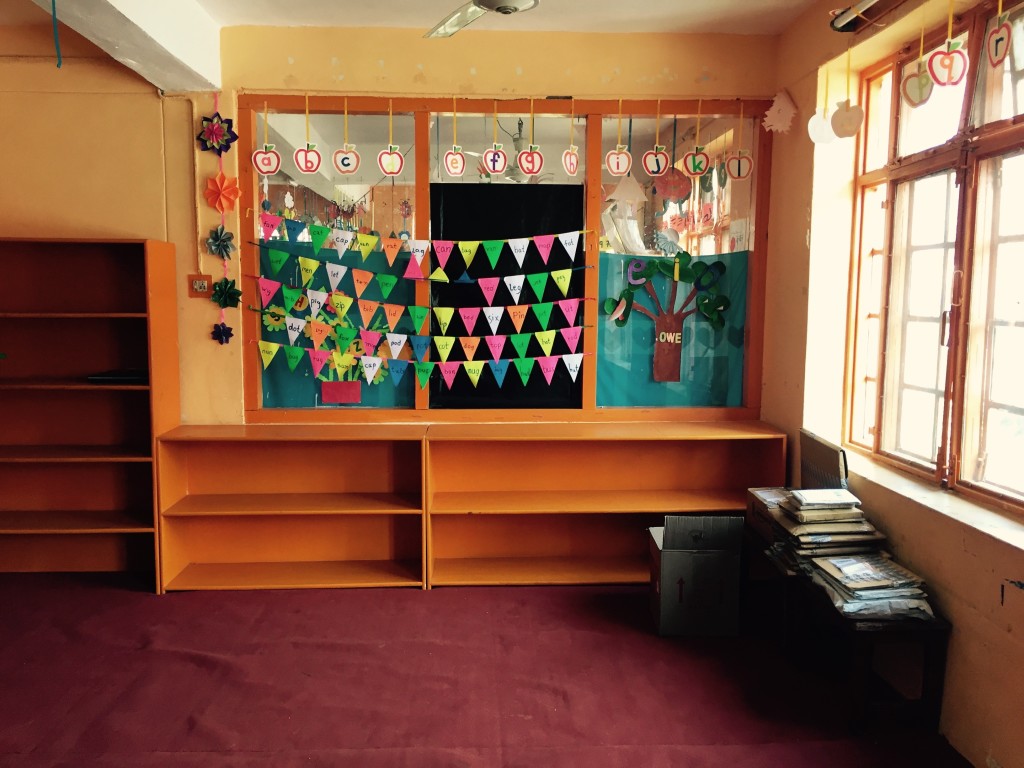
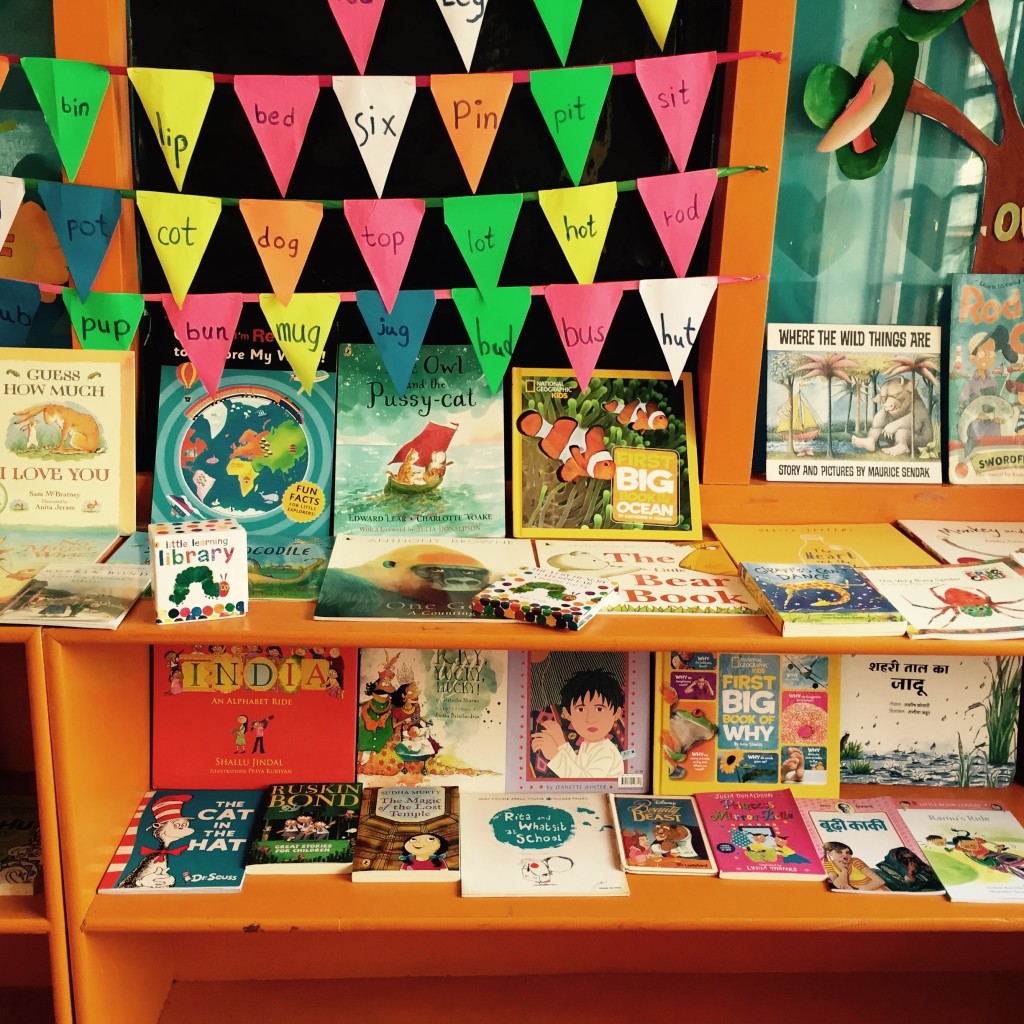
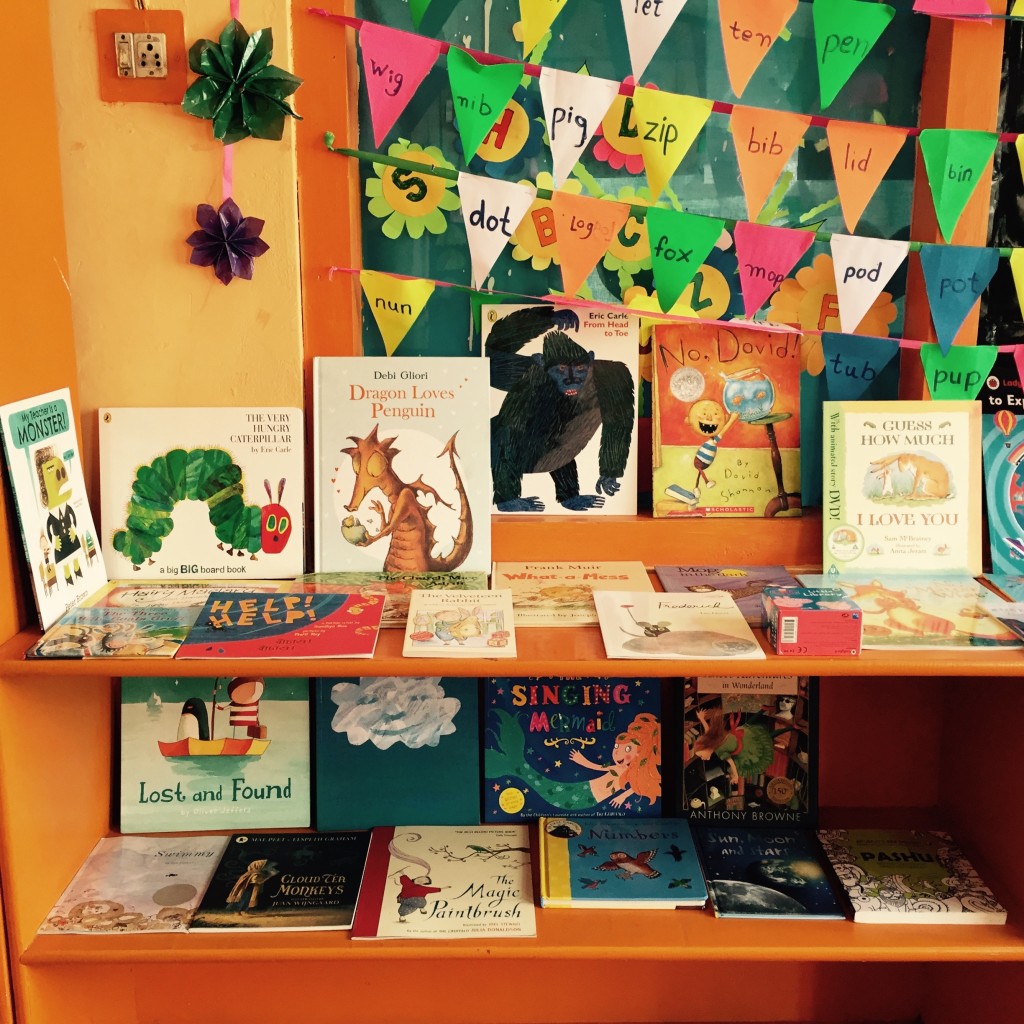
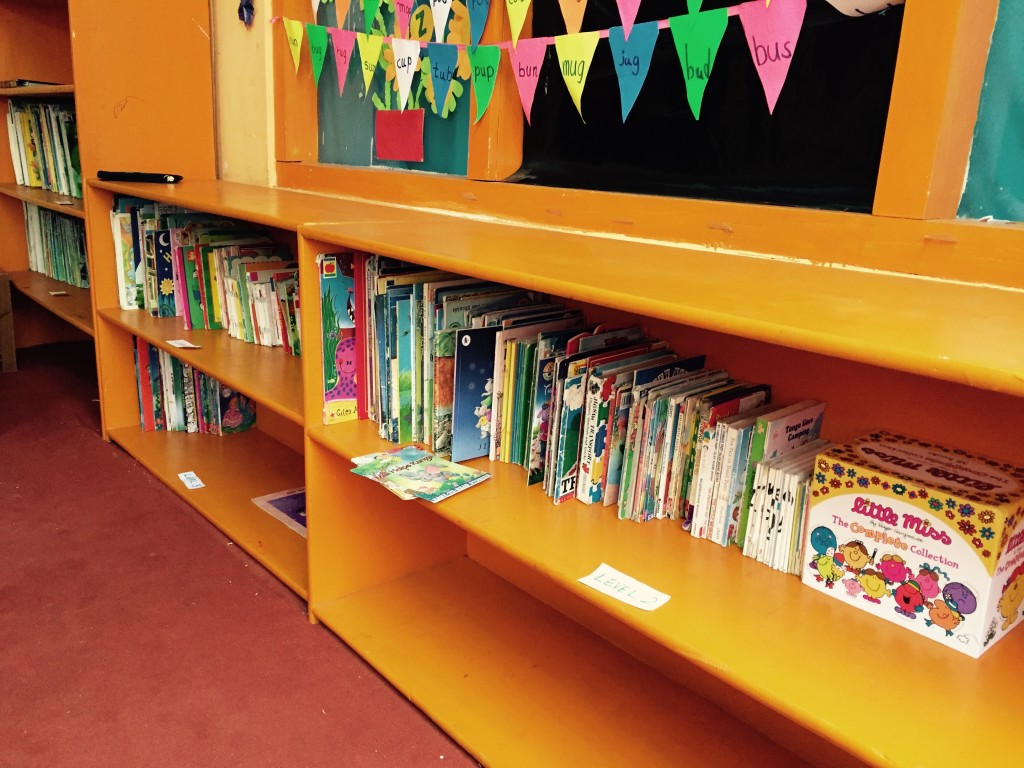
Avalokiteśvara Trust supports educational spaces designed to make reading accessible and enjoyable. Shelves filled with carefully selected books can serve young monks, village children, educators, and families. Comfortable seating, good lighting, and regular activities help turn a room into a lively learning environment rather than a locked storage area.
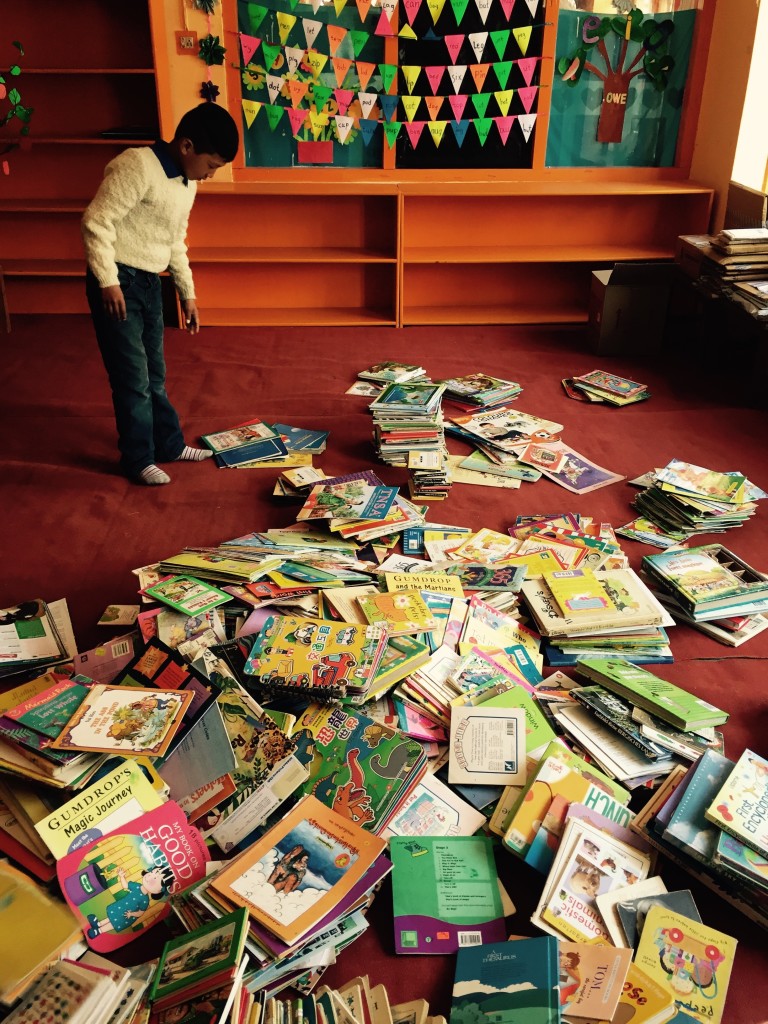
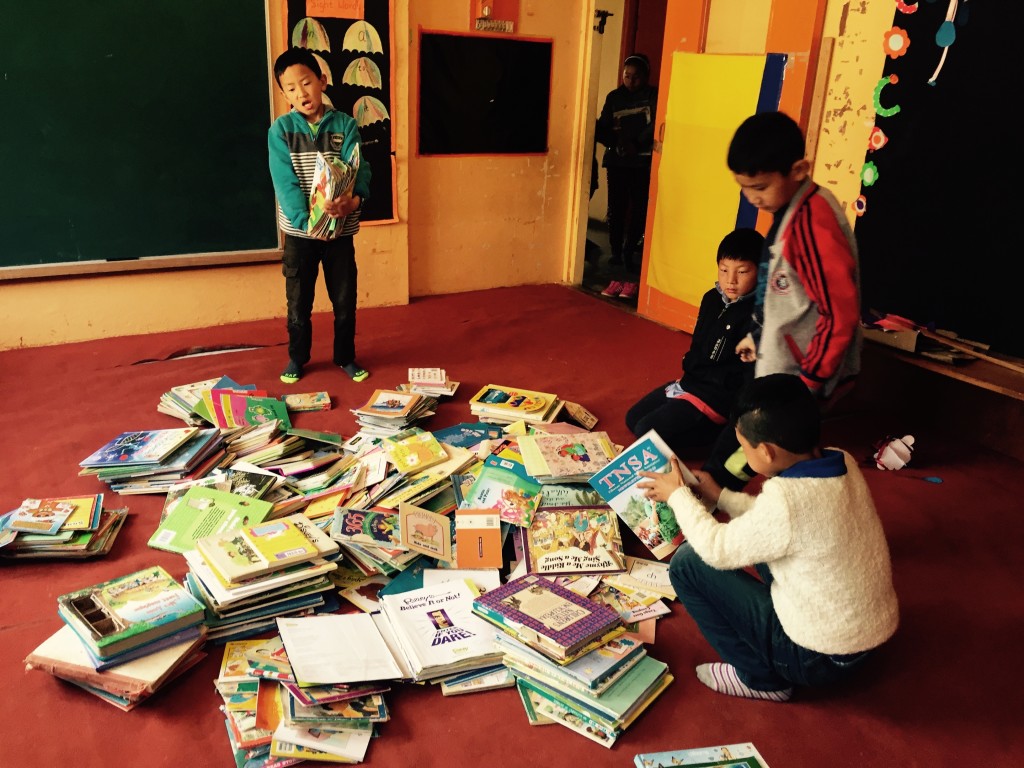
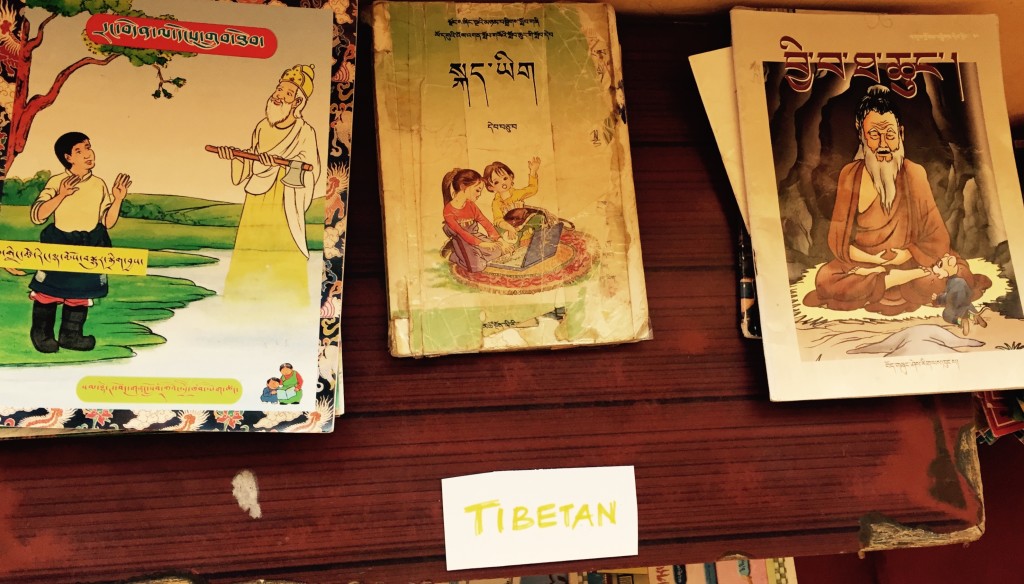
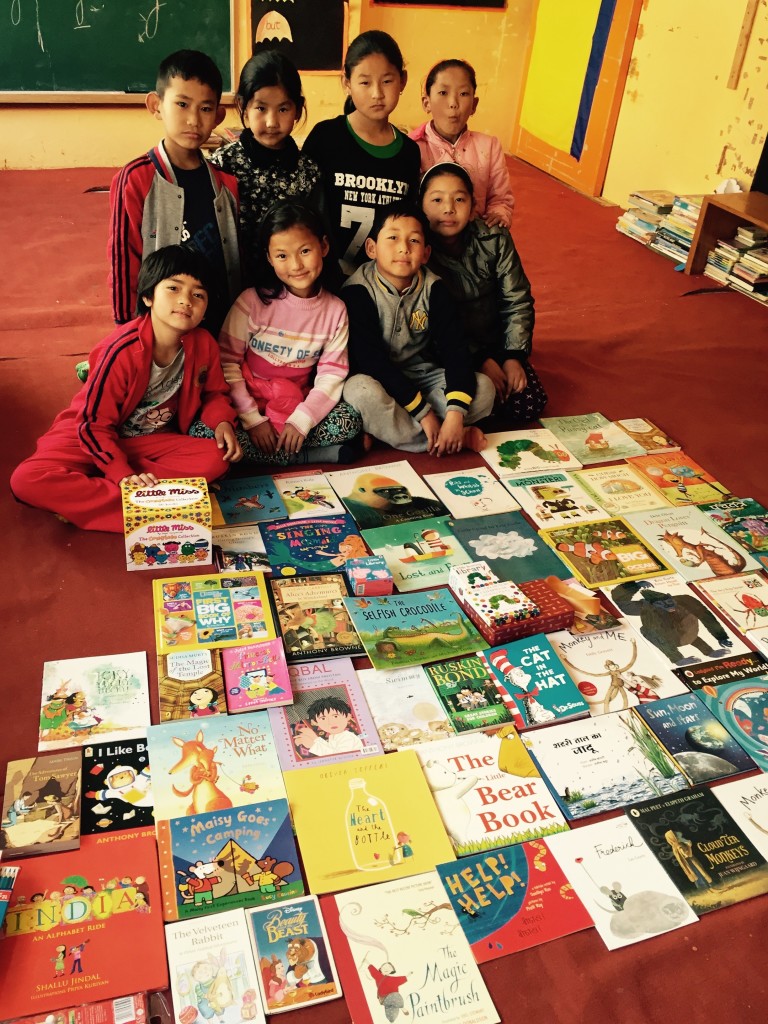
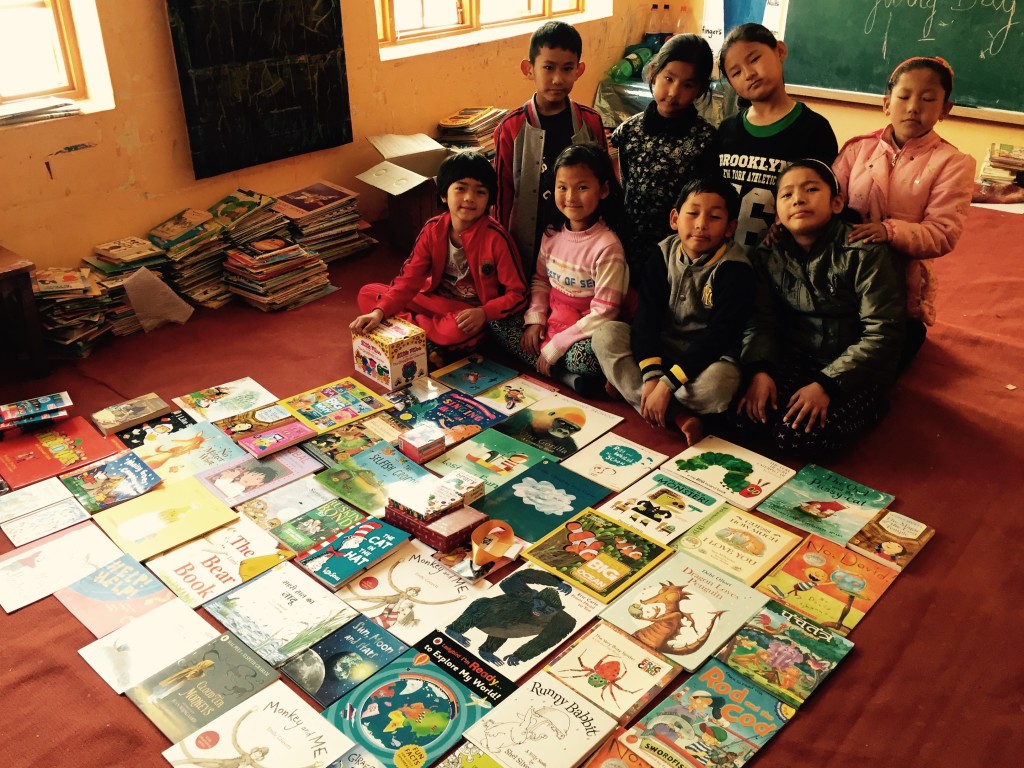
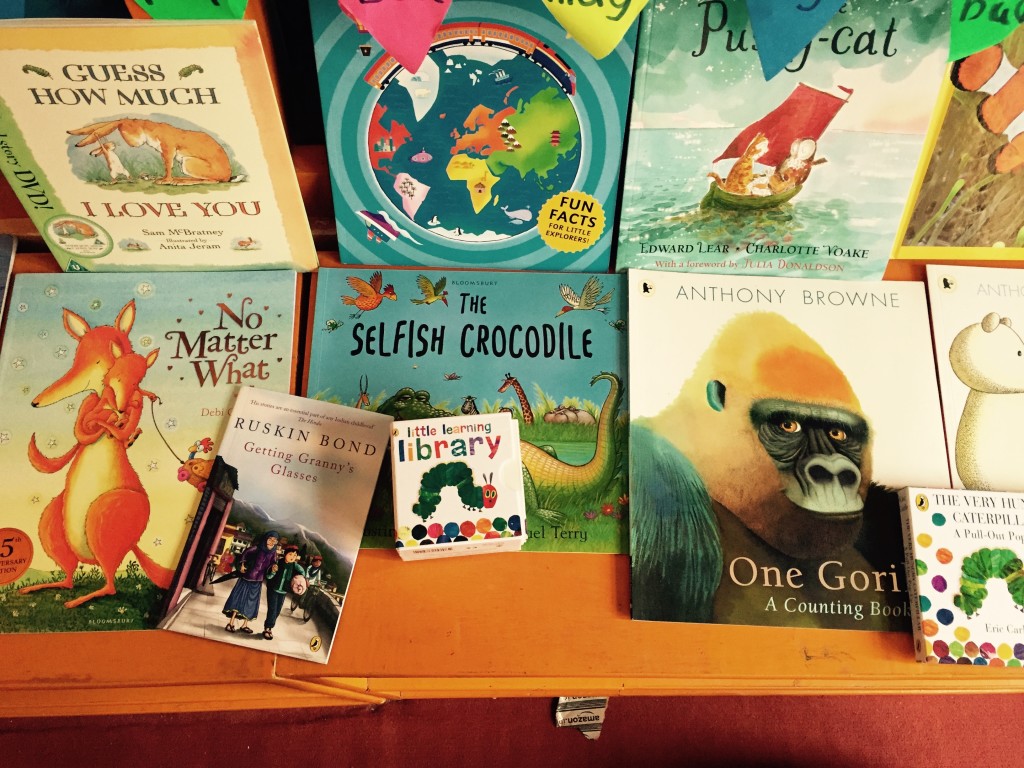
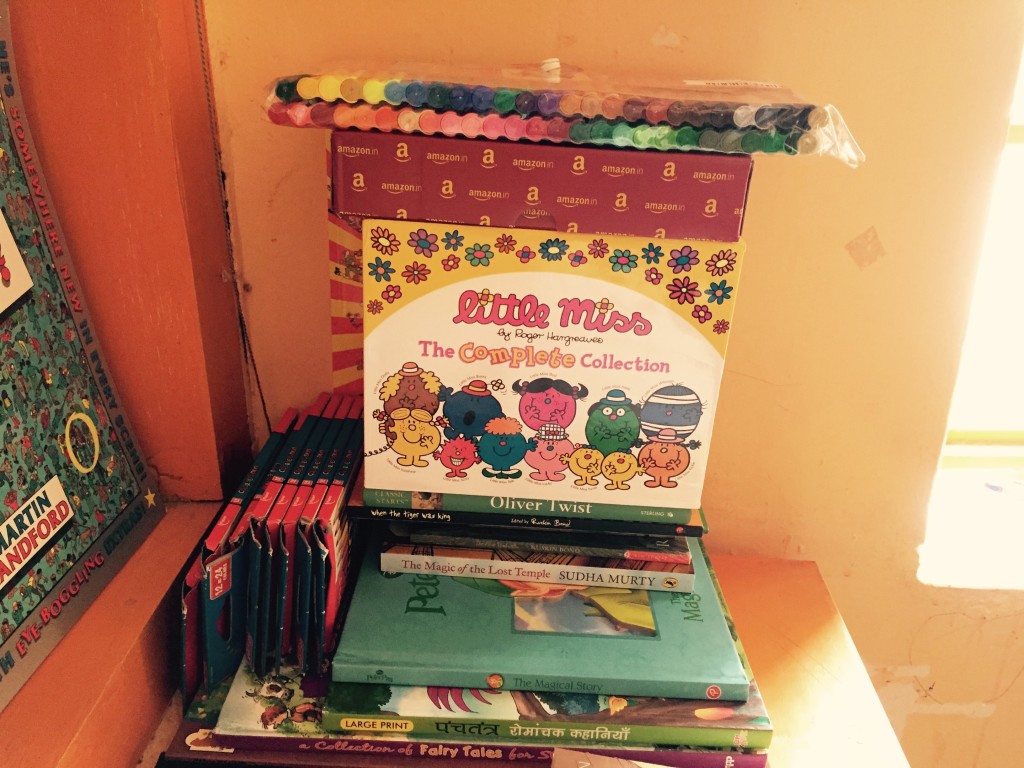
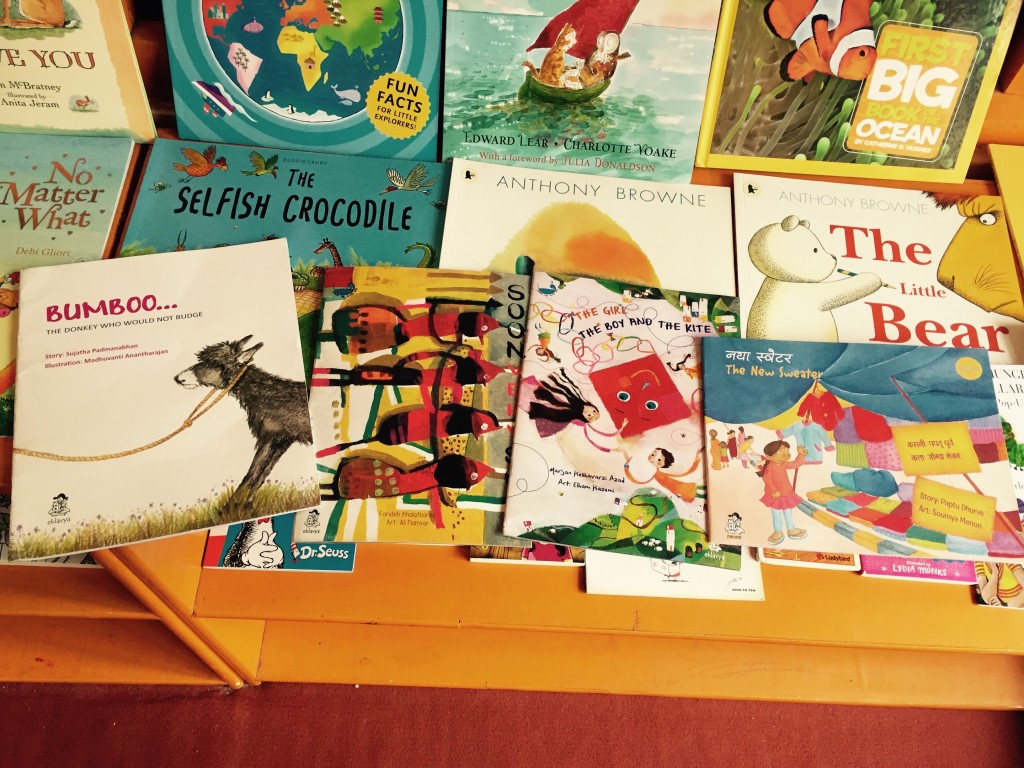
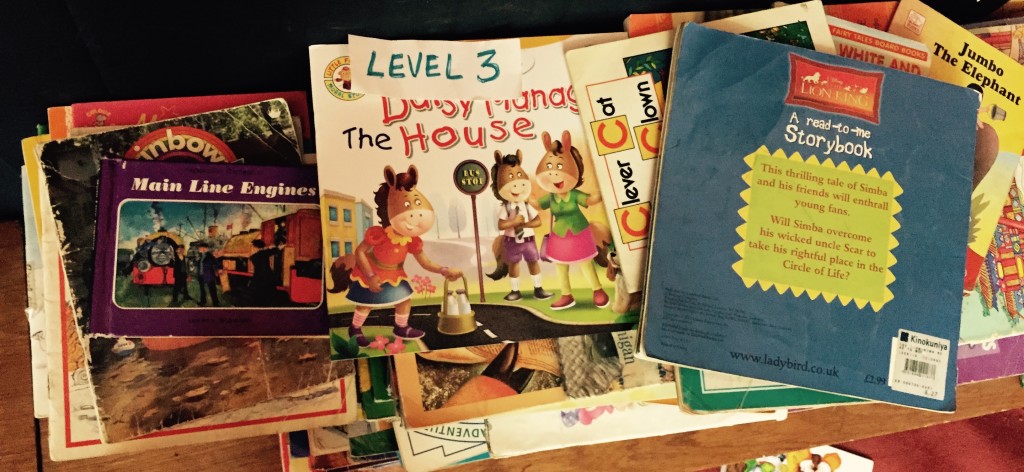
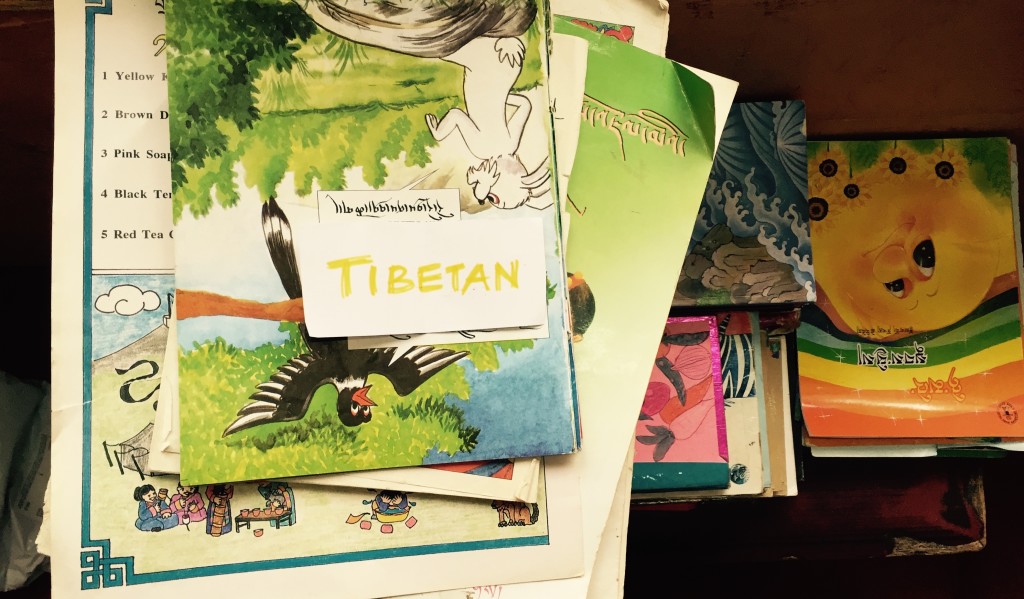
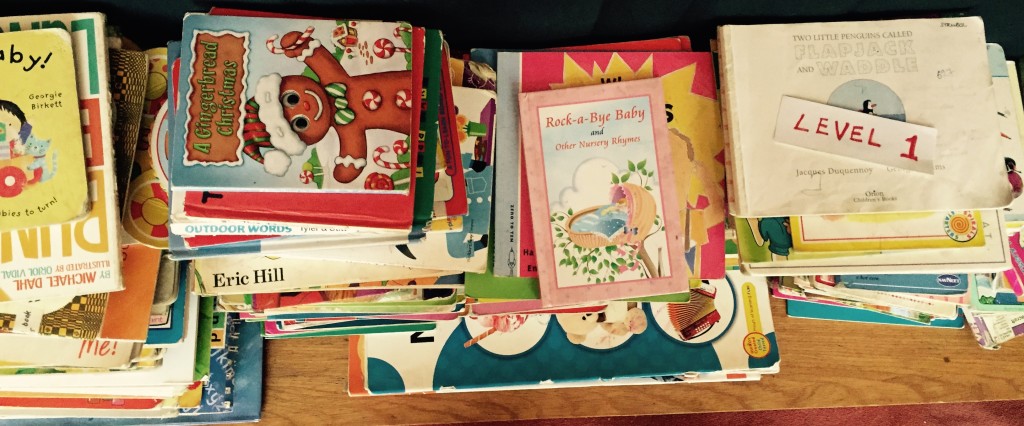
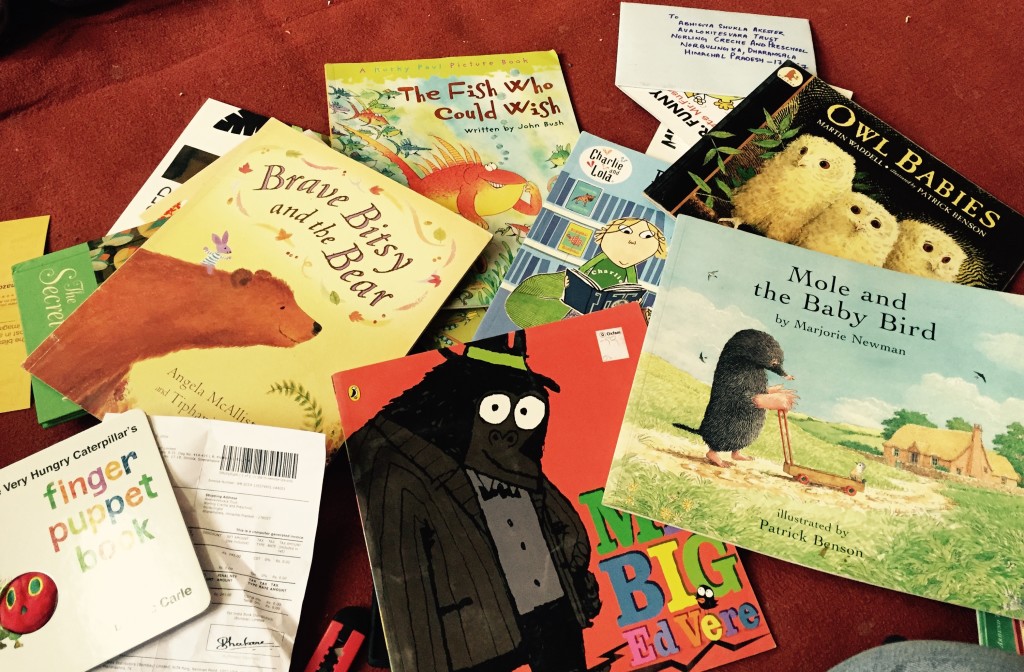
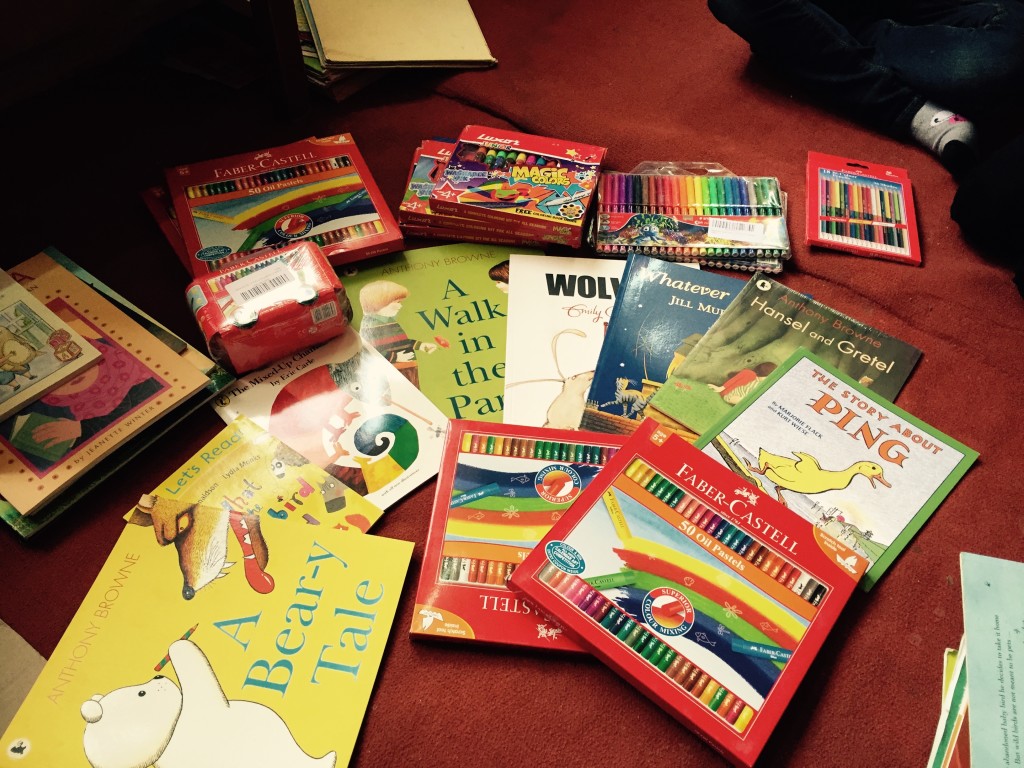
Book drives contribute to this work when they focus on suitability as well as quantity. Books should be age-appropriate, readable, durable, and relevant to the community. A well-chosen selection in English, Tibetan, Hindi, or other useful languages can support both language development and a strong connection to local culture.
| Reading opportunity |
What it can encourage |
Useful support |
| Fantasy novels |
Imagination, sustained reading, ethical discussion |
Complete series and age-appropriate fiction |
| Picture books |
Vocabulary, visual literacy, shared storytelling |
Colorful, durable books with clear text |
| Local history and culture |
Identity, belonging, community knowledge |
Regional authors and bilingual resources |
| Art and music materials |
Creativity, self-expression, collaboration |
Drawing supplies, songbooks, and instruments |
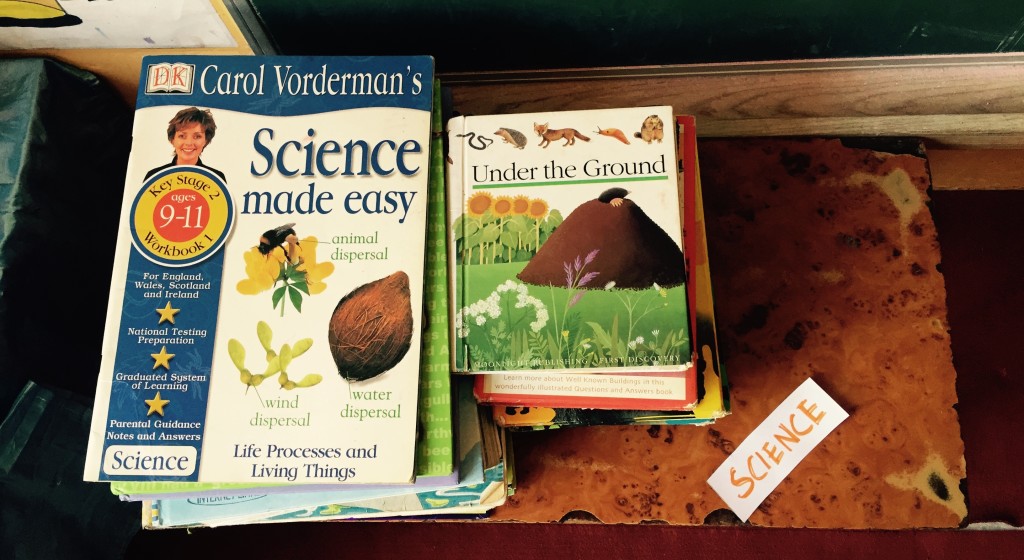
| Reference and science books |
Questions, research skills, independent study |
Updated, accessible educational resources |
A Shared Book Builds Community
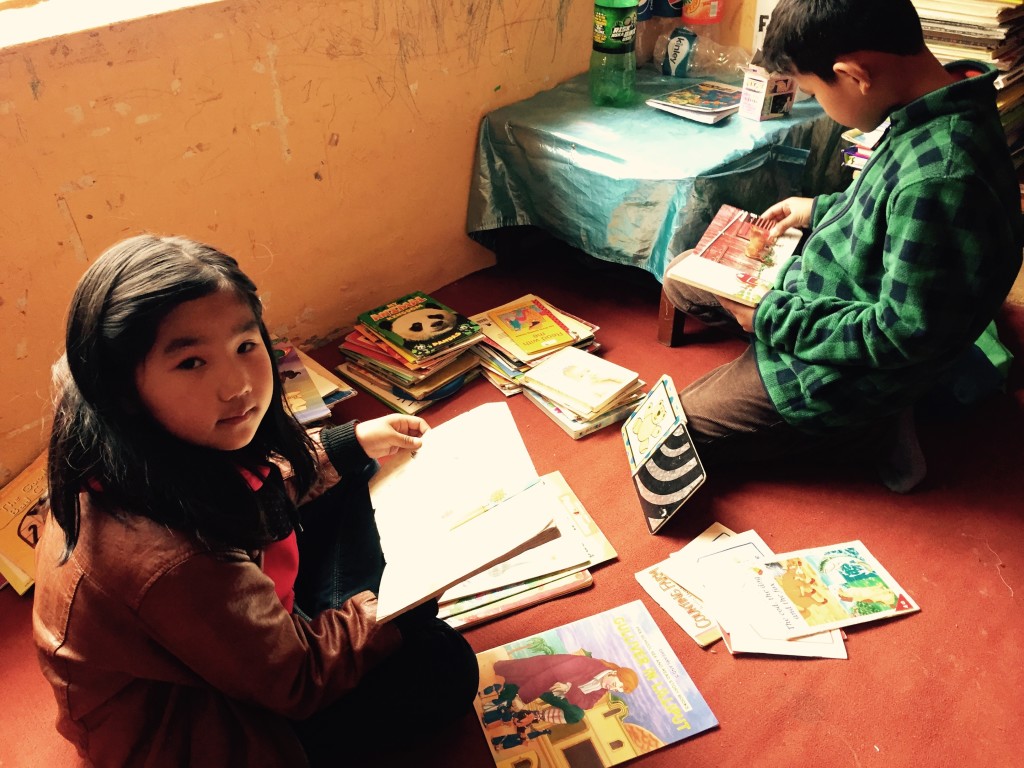
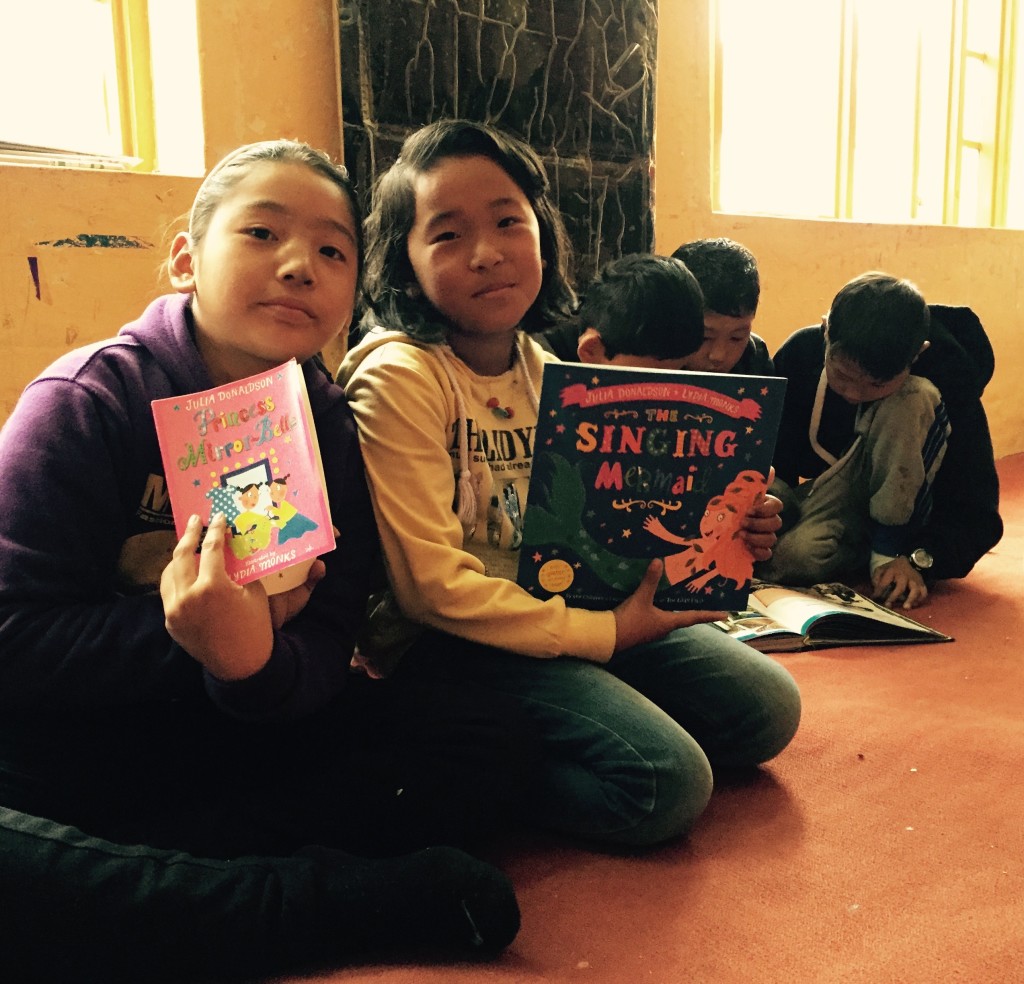
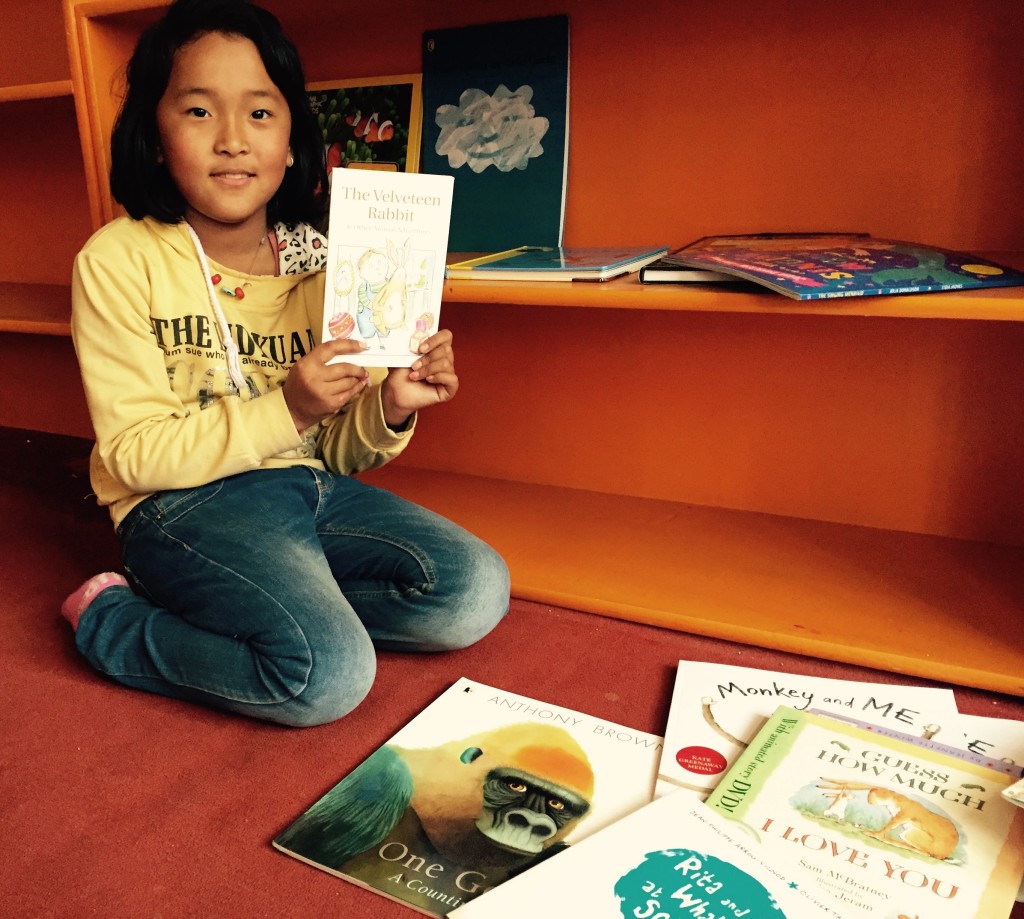
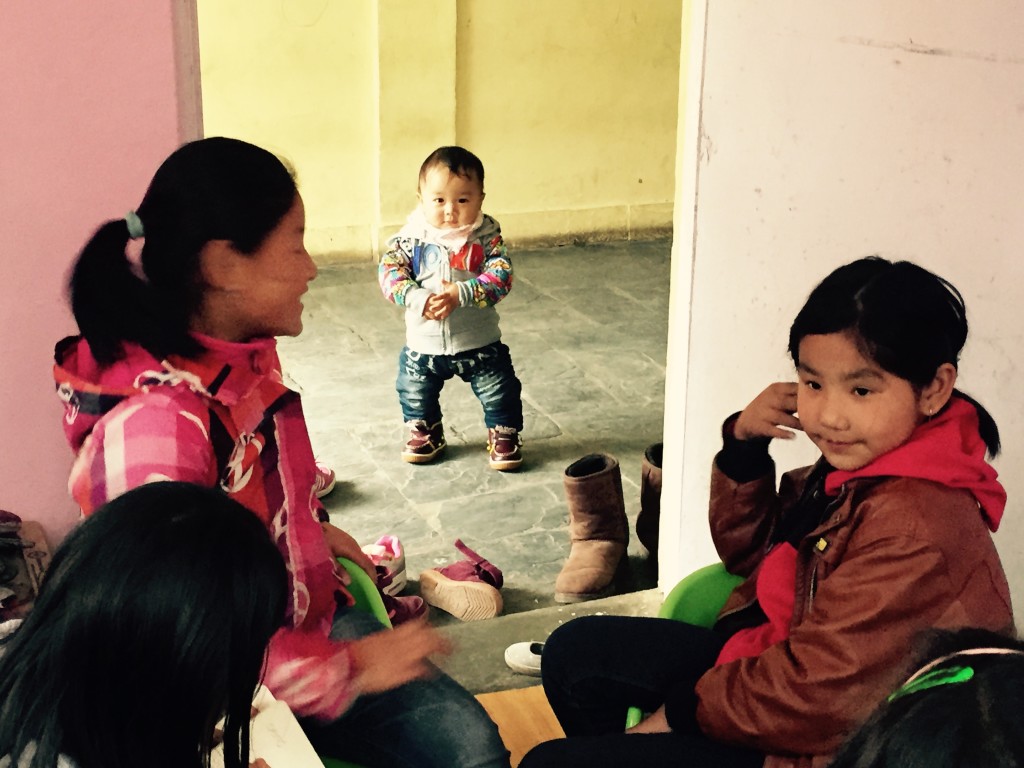
When a young monk recommends a novel to another reader, the exchange is small but meaningful. It shows that books belong to everyone and that individual opinions matter. A child who is hesitant to speak in a classroom may begin by describing a favorite character or explaining why a particular chapter was exciting.
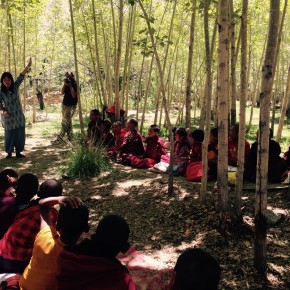
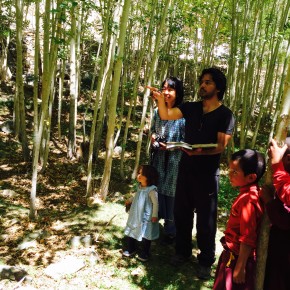
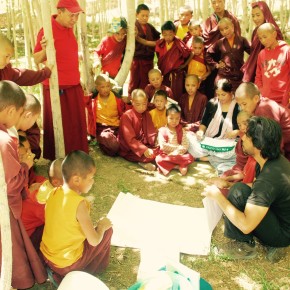
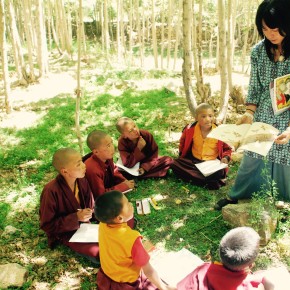
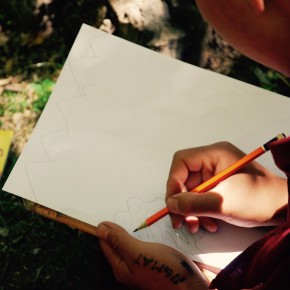
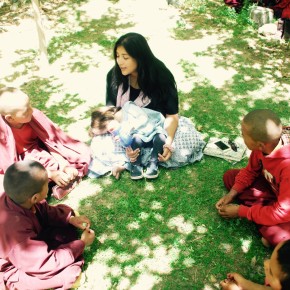
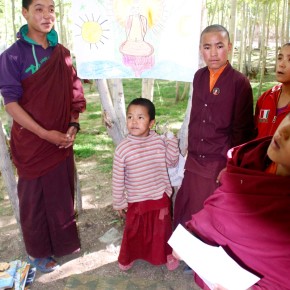
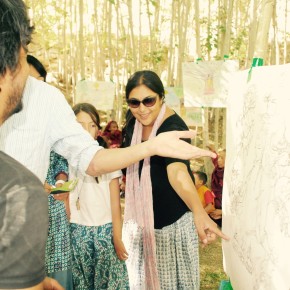
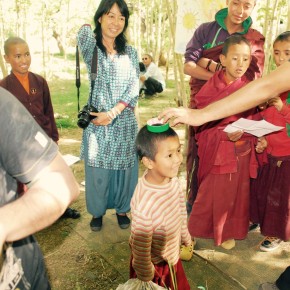
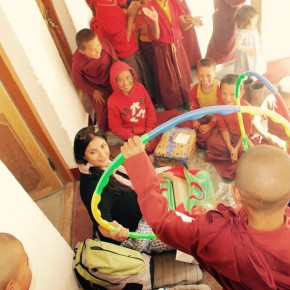
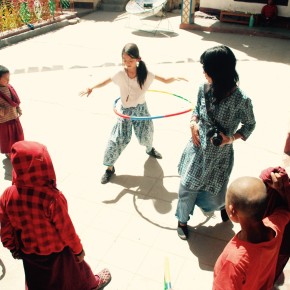
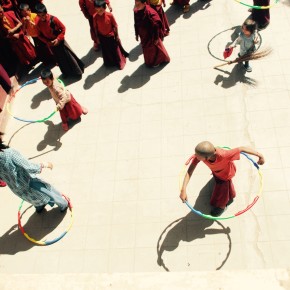
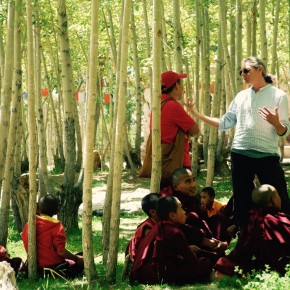
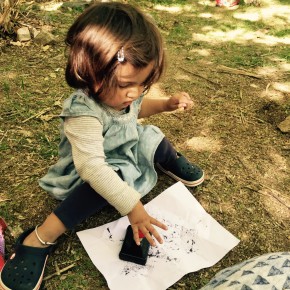
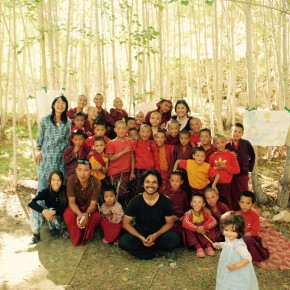
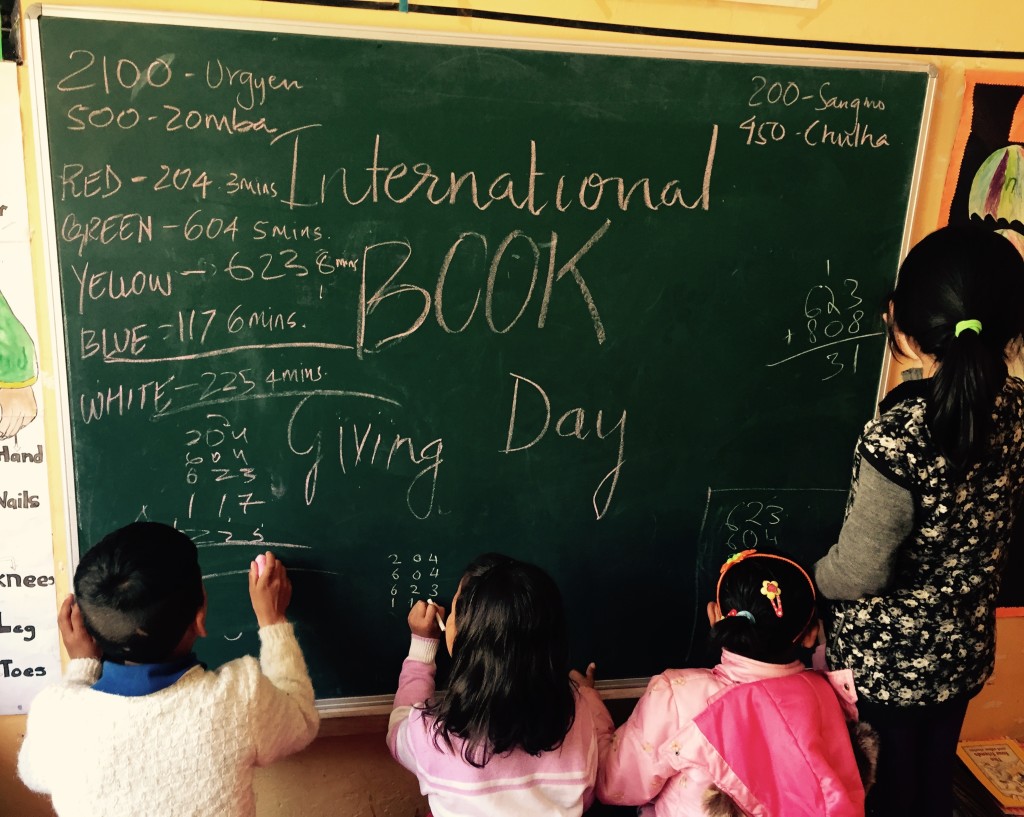
Reading together can also connect generations. Volunteers, teachers, monks, and children may gather around a story, compare interpretations, or use a book as the starting point for an art or music activity. A fantasy adventure might inspire drawings of imagined landscapes, while a discussion about friendship could lead to a group writing exercise.
These activities are especially valuable in remote communities because they bring several forms of learning together. Literacy supports education, art gives ideas a visual form, and music creates a shared emotional experience. The reading room becomes a center for curiosity rather than a place used only for homework.
From Book Donations to Lasting Learning
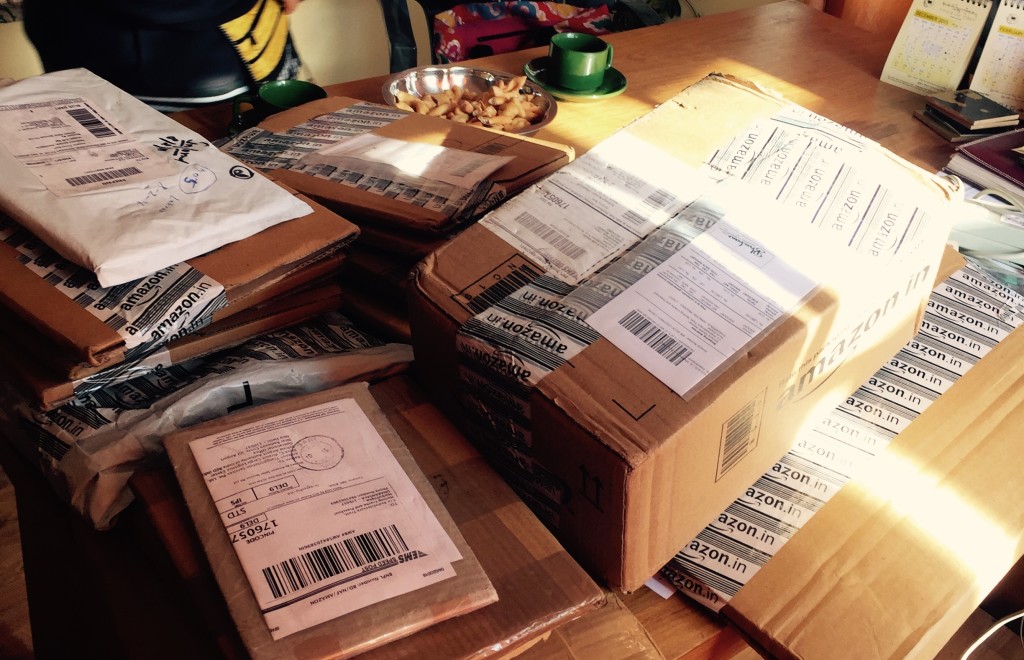
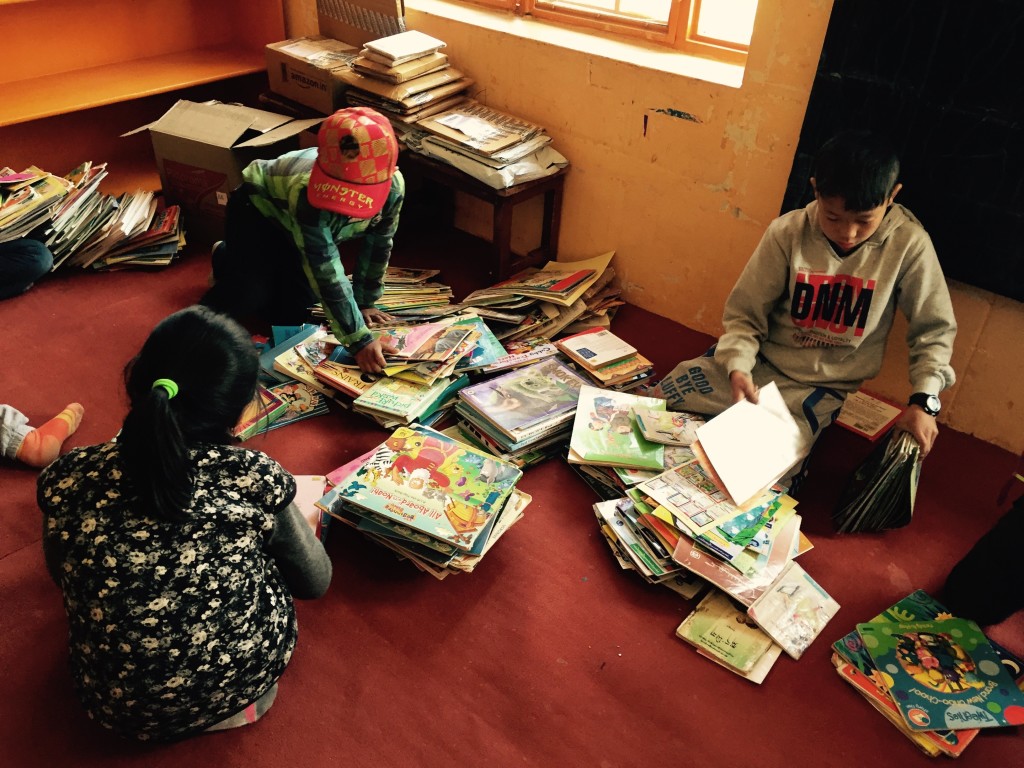
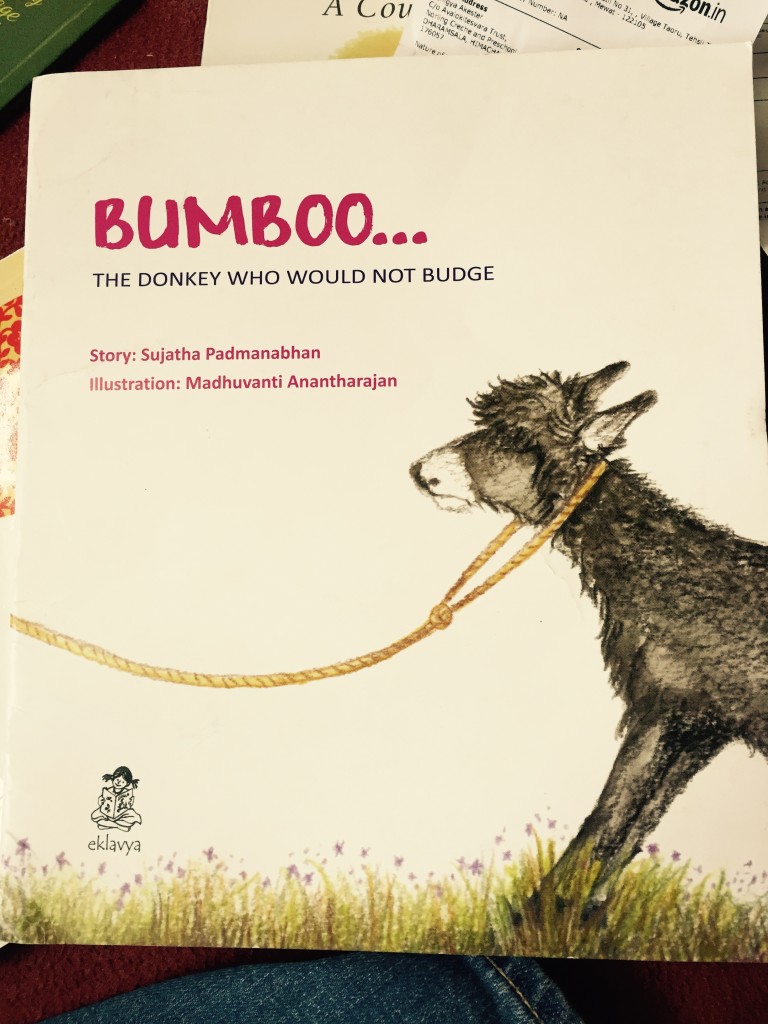
A donated book begins its journey when it reaches a reader, but its influence can continue for years. One well-used novel may pass through many hands. A picture book can become part of a storytelling session. A reference book can help a student complete a project or discover a new interest.
Effective support depends on listening to local needs. Communities may require children’s fiction, English-language learning materials, monastery resources, notebooks, or books that reflect Himalayan life. Volunteers and donors can make their contribution more useful by working with organizations that understand the schools, monasteries, languages, and age groups they serve.
Support can also include time and practical skills. Volunteers may help organize shelves, lead creative sessions, catalog books, or encourage reluctant readers. Donors can help fund transport, reading-room furniture, educational activities, and new purchases that fill gaps in an existing collection.
Ways to Strengthen a Reading Culture
A sustainable literacy program grows through consistent, thoughtful action. These approaches can help books become a regular part of community life:
- Donate new or gently used books that match the age, language, and interests of local readers.
- Support reading rooms with shelves, seating, lighting, storage, and basic library organization.
- Pair book access with storytelling, art, music, writing, or discussion sessions.
- Encourage volunteers to model enthusiastic reading without turning every activity into a lesson.
- Fund local book purchases so communities can choose materials that reflect their own culture and priorities.
The most useful contribution is one that respects the readers. Young monks should have room to select a serious study text, a humorous comic, a local folktale, or a magical adventure according to their mood. Variety makes the library welcoming and allows reading to become a habit rather than an obligation.
Carrying Stories Across the Himalayas
The sight of young monks absorbed in a Harry Potter book is memorable because it brings together two worlds that are often wrongly treated as separate: ancient learning traditions and contemporary popular culture. A monastery library can honor spiritual study while making space for novels, science, art, music, and the unrestricted movement of imagination.
In Ladakh and other Himalayan communities, access to books can help children and young monks develop skills that reach far beyond the page. Reading strengthens language, concentration, empathy, and independent thought. It also creates moments of joy—quiet moments shared with a book and lively moments shared with friends.
Avalokiteśvara Trust helps carry those moments into communities where educational resources are limited. By supporting reading rooms, book drives, and creative programs, donors and volunteers can help more young readers find stories that speak to them. A book placed on a shelf today may become a lifelong companion tomorrow.
Support Avalokiteśvara Trust’s work by contributing to a book drive, sponsoring educational resources, volunteering your skills, or sharing these stories with others. Every carefully chosen book can travel farther than expected, bringing knowledge, imagination, and connection to children and young monks beneath the Himalayan mountains.