Measuring the Impact of Our Literacy Programs
A literacy program can be counted in books distributed, reading rooms opened, or children attending activities. Those figures matter, but they only tell part of the story. At Avalokiteśvara Trust, we also want to understand whether children are reading more often, finding greater confidence in their own ideas, and gaining access to learning resources that remain meaningful in their daily lives.
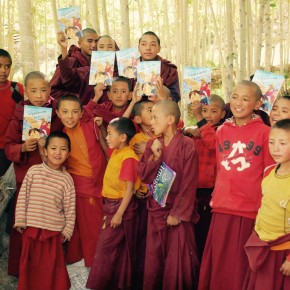
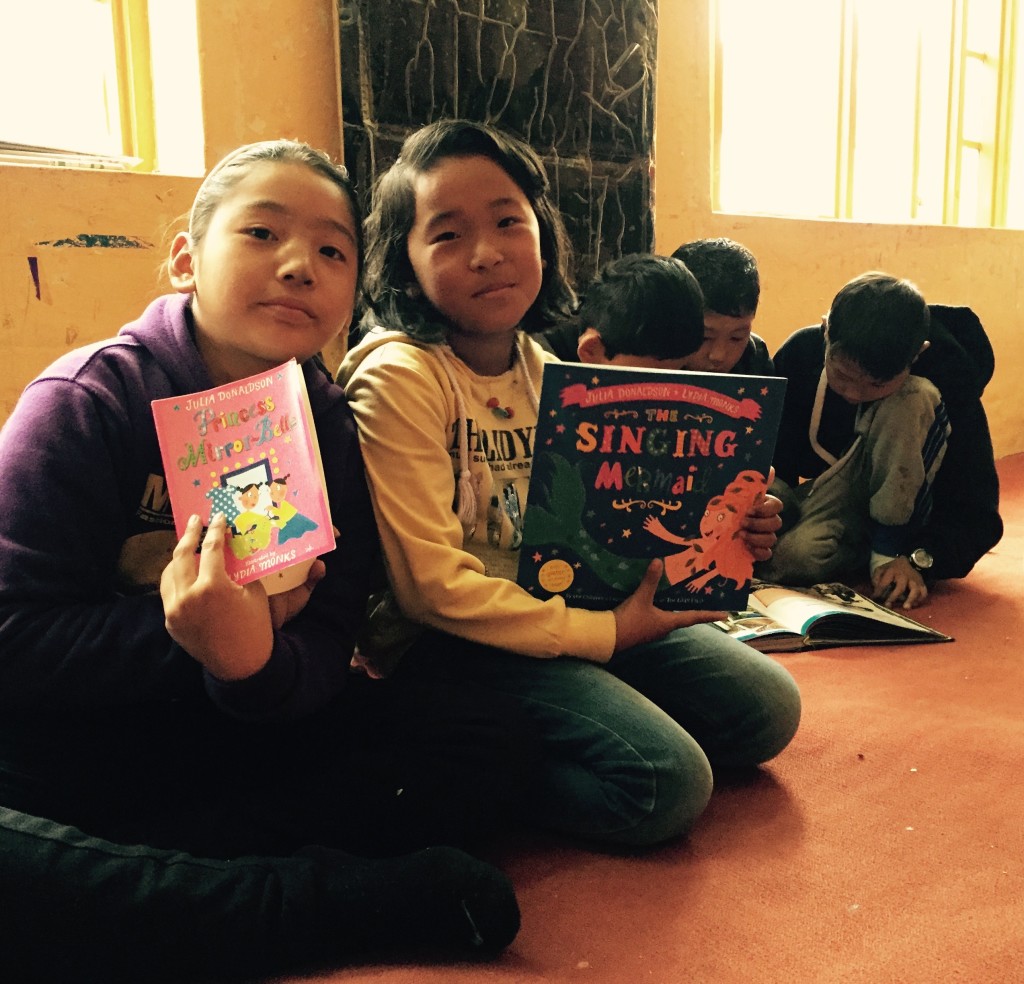
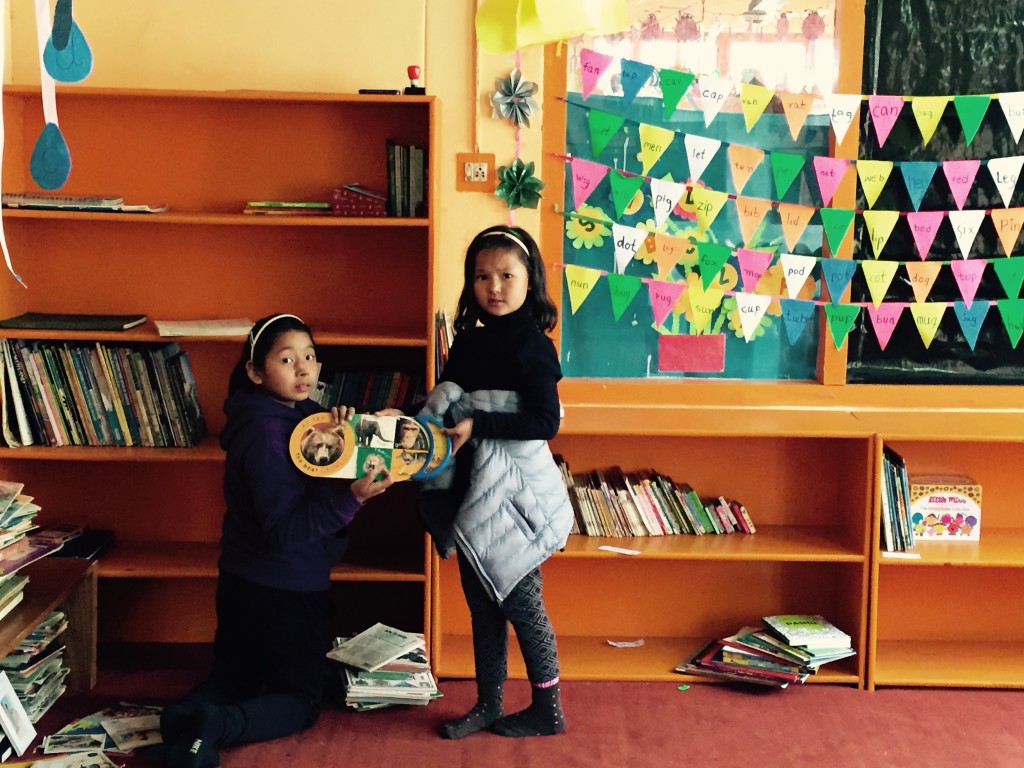
Our work with children and young monks in Ladakh and other Himalayan communities combines books with relationships, creativity, and consistent encouragement. Measuring impact therefore requires both clear evidence and patient listening. We look at participation, reading habits, language access, skills, and the ways a welcoming learning space changes a child’s experience of education.
The purpose of evaluation is not to reduce a child’s progress to a number. It is to help us learn what is useful, identify gaps, use donations responsibly, and shape future book drives and educational activities around the needs of each community.
Defining Meaningful Literacy Outcomes
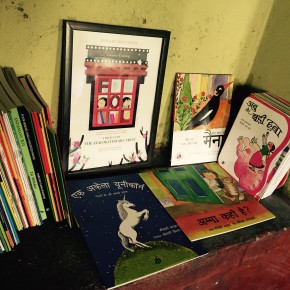
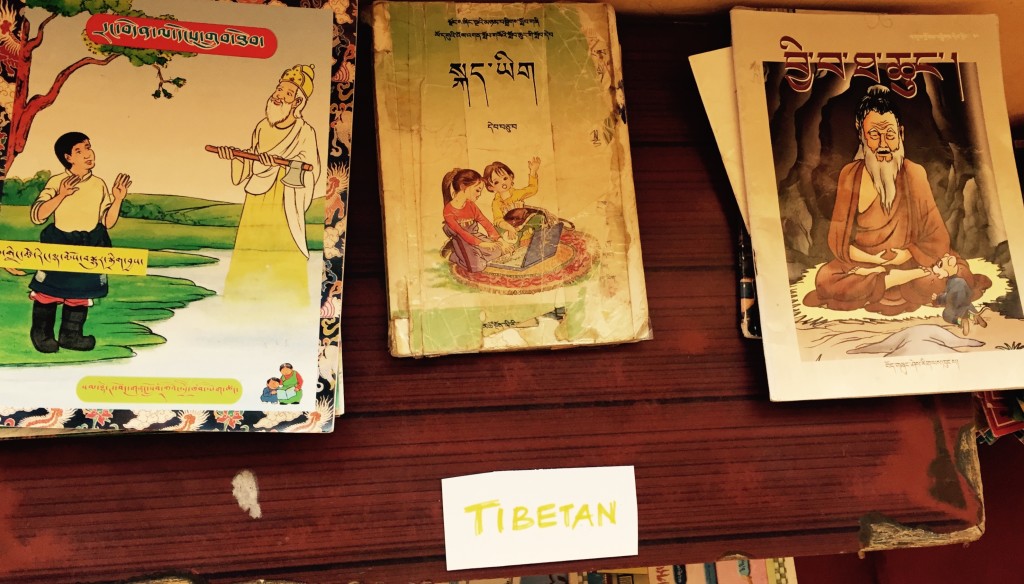
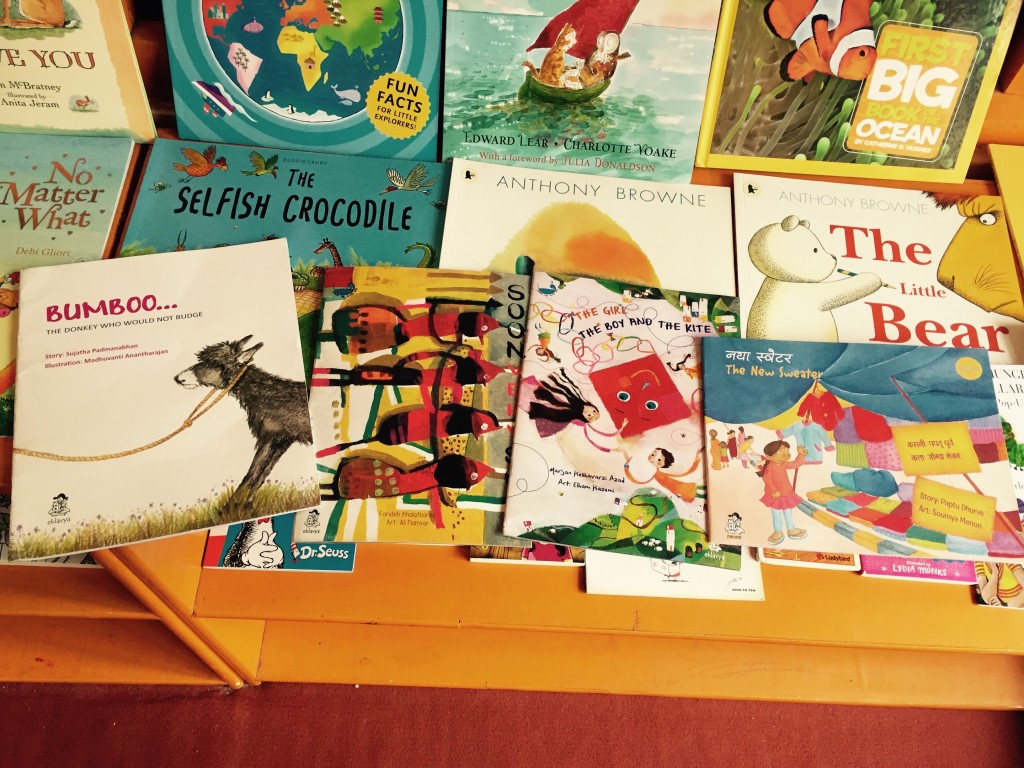
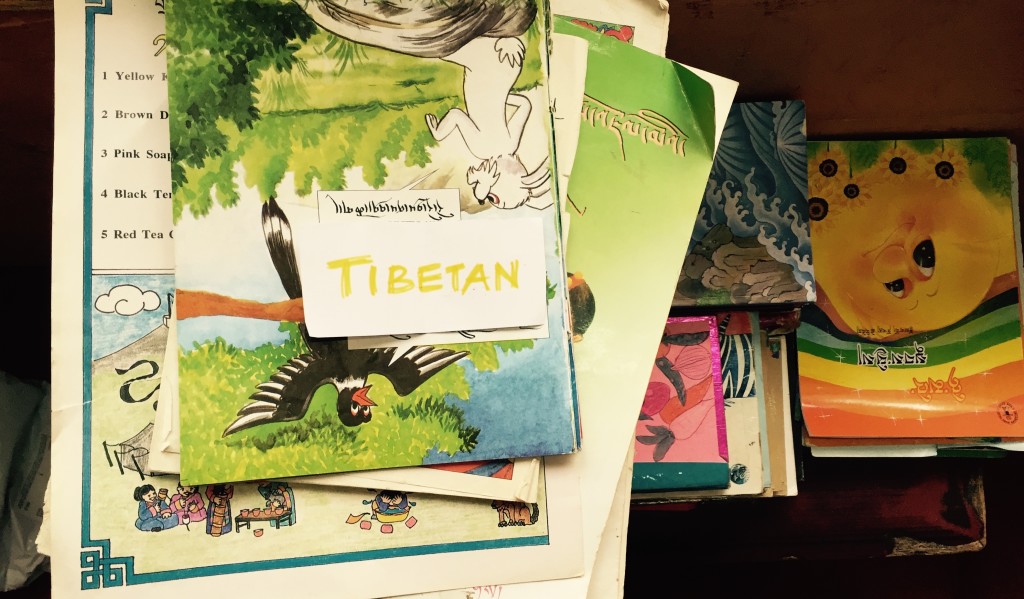
We begin by defining what progress should look like in a particular reading room or school setting. Useful outcomes may include regular attendance, the ability to choose a book independently, improved comprehension, stronger vocabulary, or a greater willingness to read aloud. For young monks, access to stories in familiar languages can be especially important, as explained in our account of storybooks in local languages.
These outcomes are connected. A child who feels comfortable selecting a book is more likely to read regularly. Frequent reading can build fluency and comprehension, while enjoyable stories can encourage children to discuss ideas, create artwork, or write their own responses. We therefore avoid treating literacy as a single skill measured through one activity.
Our indicators are adapted to local conditions. A remote community may have limited internet access, multiple languages, seasonal travel, or a school timetable shaped by monastic responsibilities. Evaluation must respect those realities rather than applying an inflexible model designed for a different environment.
Establishing A Useful Starting Point
Before assessing change, we gather baseline information. This may include the number of children using a reading room, the languages and subjects represented in the collection, how often books are borrowed, and which age groups participate in activities. We also speak with teachers, caregivers, volunteers, and young readers about existing habits and barriers.
Baseline information helps us distinguish between a program that is reaching many children and one that is supporting deeper engagement. For example, a high attendance figure may hide the fact that older girls rarely visit, that books are difficult to understand, or that children cannot borrow materials beyond the reading room. These details guide practical decisions about collection development and scheduling.
We use simple tools wherever possible. Attendance registers, borrowing logs, short reading activities, and observation notes can provide reliable evidence without placing a heavy administrative burden on local partners. When children are asked for feedback, the language and format are adjusted to their age so that their views are genuinely included.
Combining Numbers With Children’s Voices
Quantitative measures help us see patterns over time. We may track the number of active readers, average visits per child, borrowing frequency, participation in storytelling sessions, and the proportion of books available in local or familiar languages. We can compare these figures across months while taking holidays, school calendars, and seasonal conditions into account.
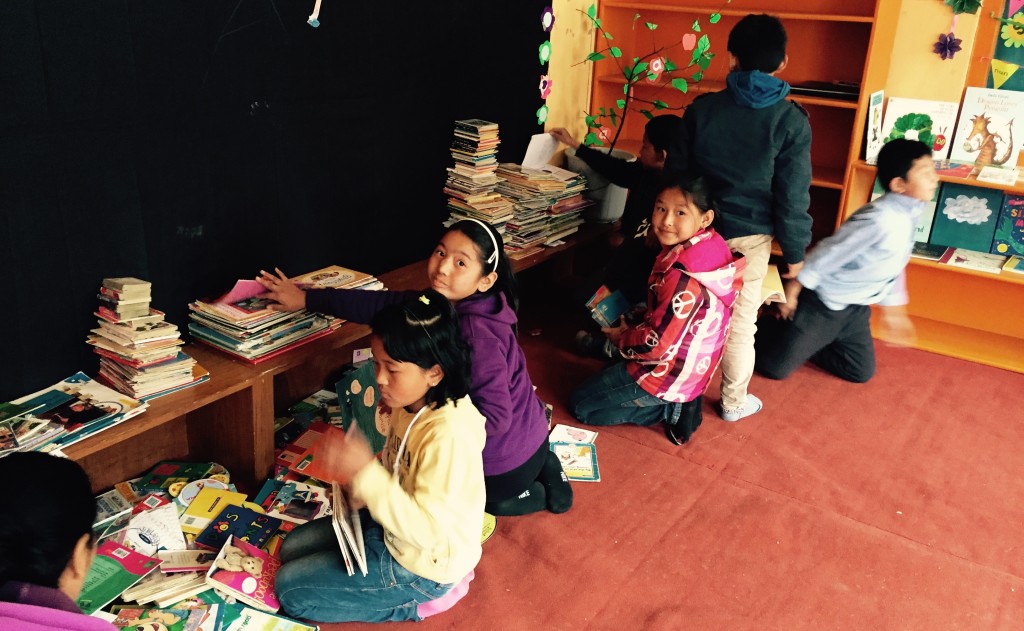
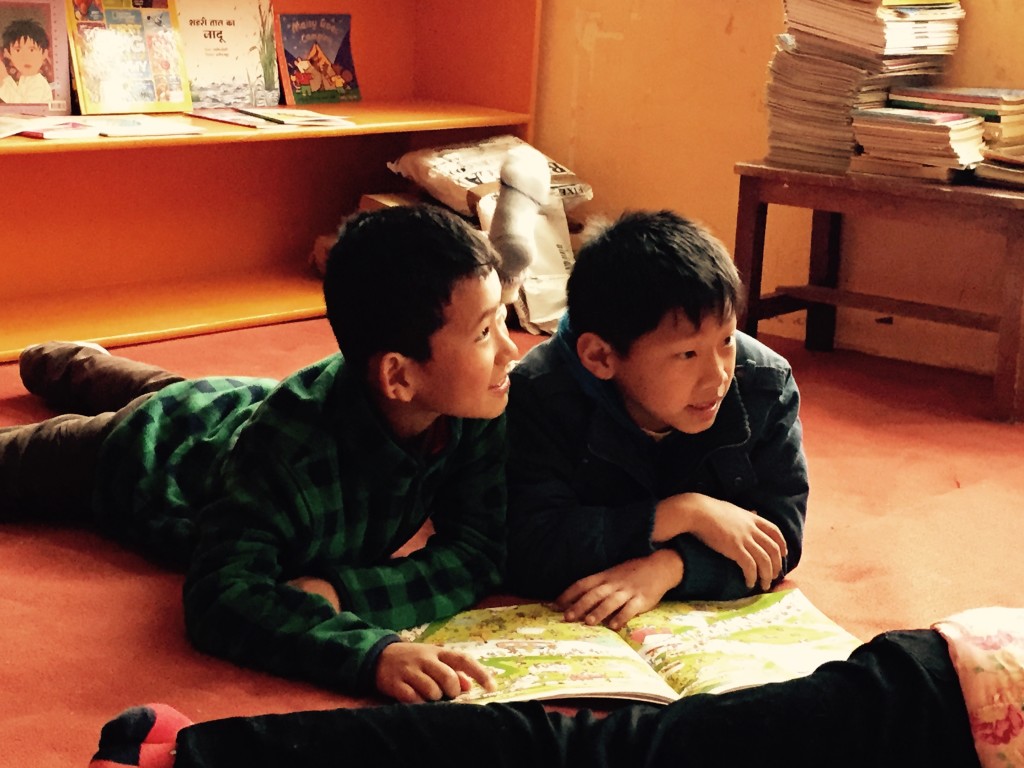
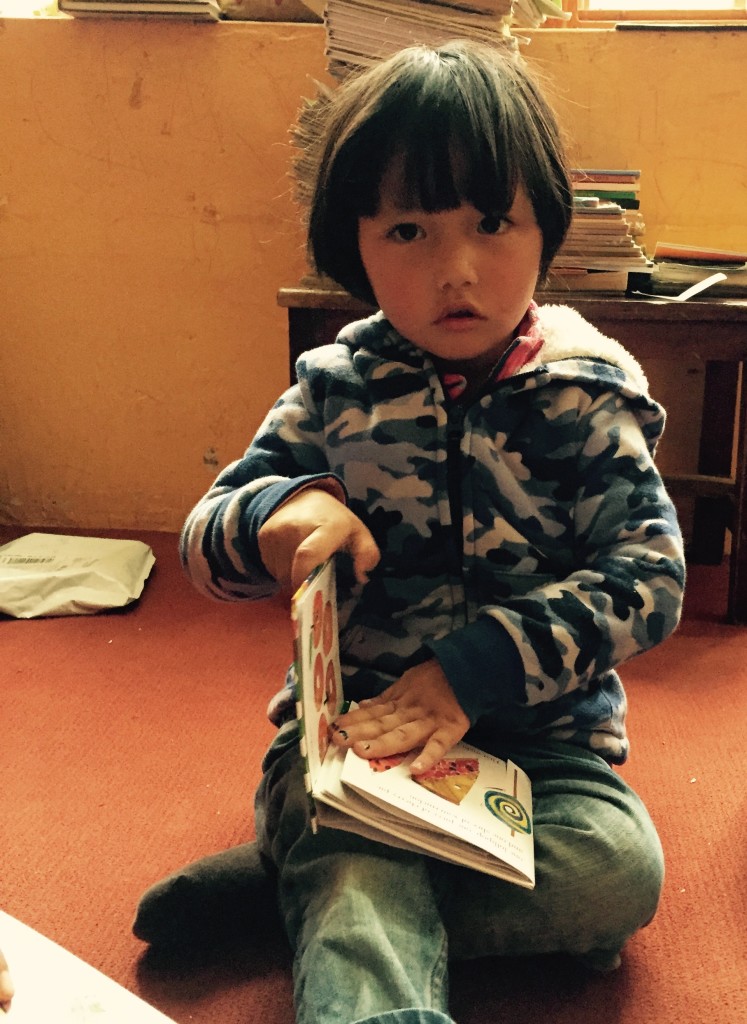
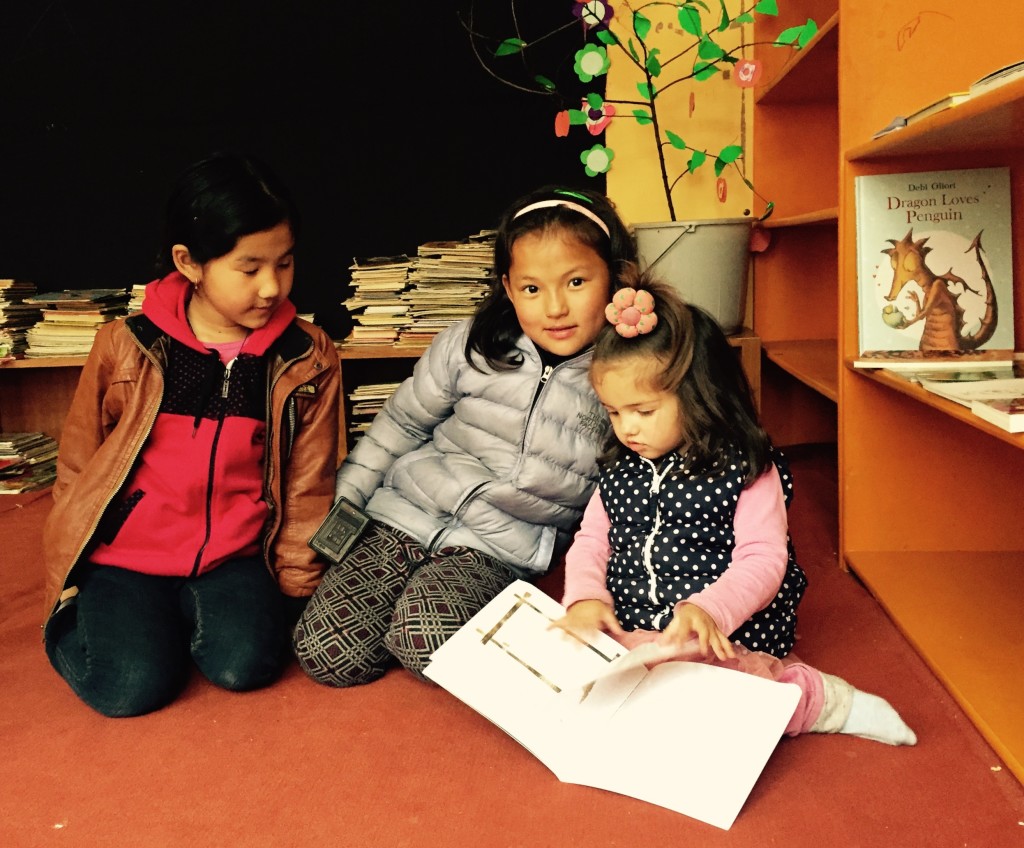
Qualitative evidence explains why those patterns exist. A teacher may notice that a previously quiet child begins contributing during group discussions. A volunteer may record that children return to nonfiction books after an art activity introduces a new subject. A young reader may say that the reading room feels like a place where it is safe to make mistakes. Such observations reveal changes that attendance data cannot capture.
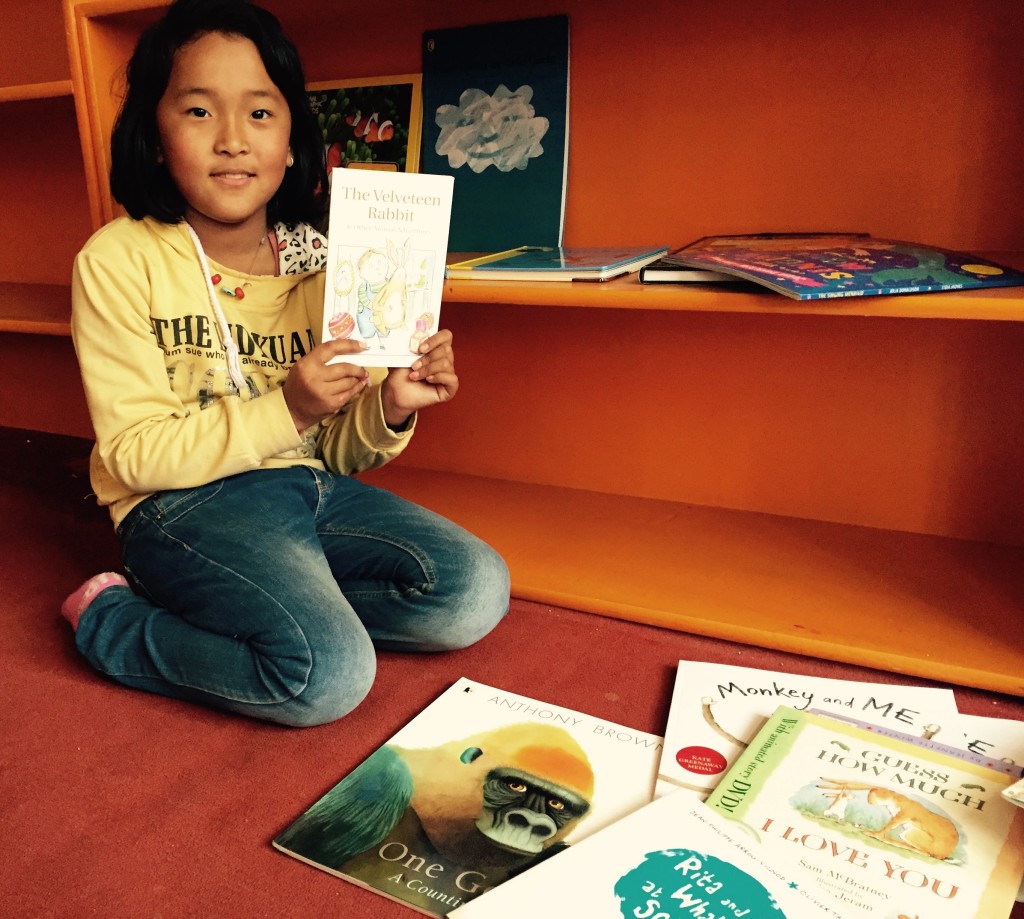
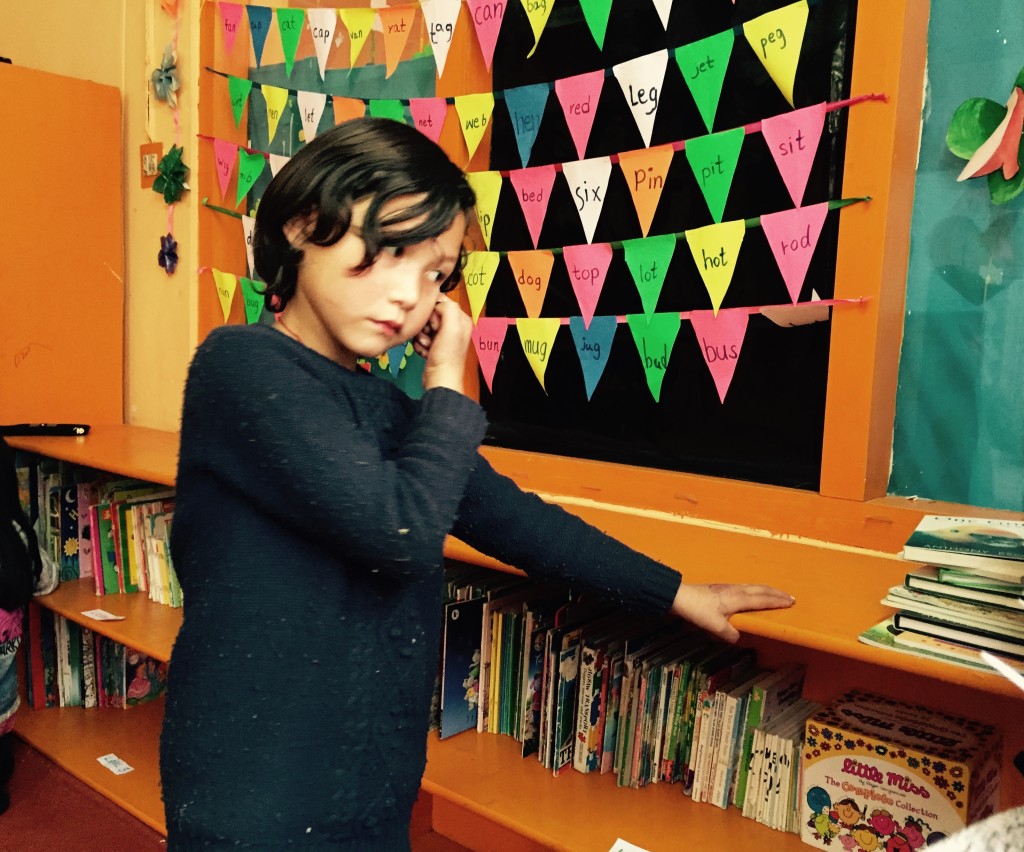
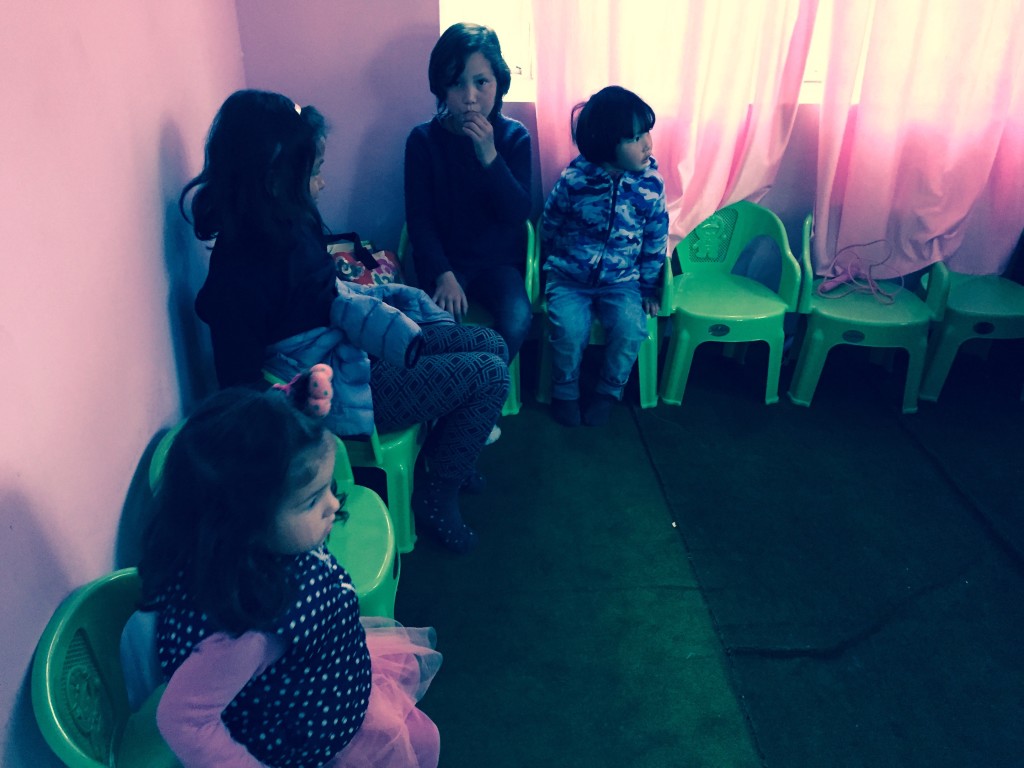
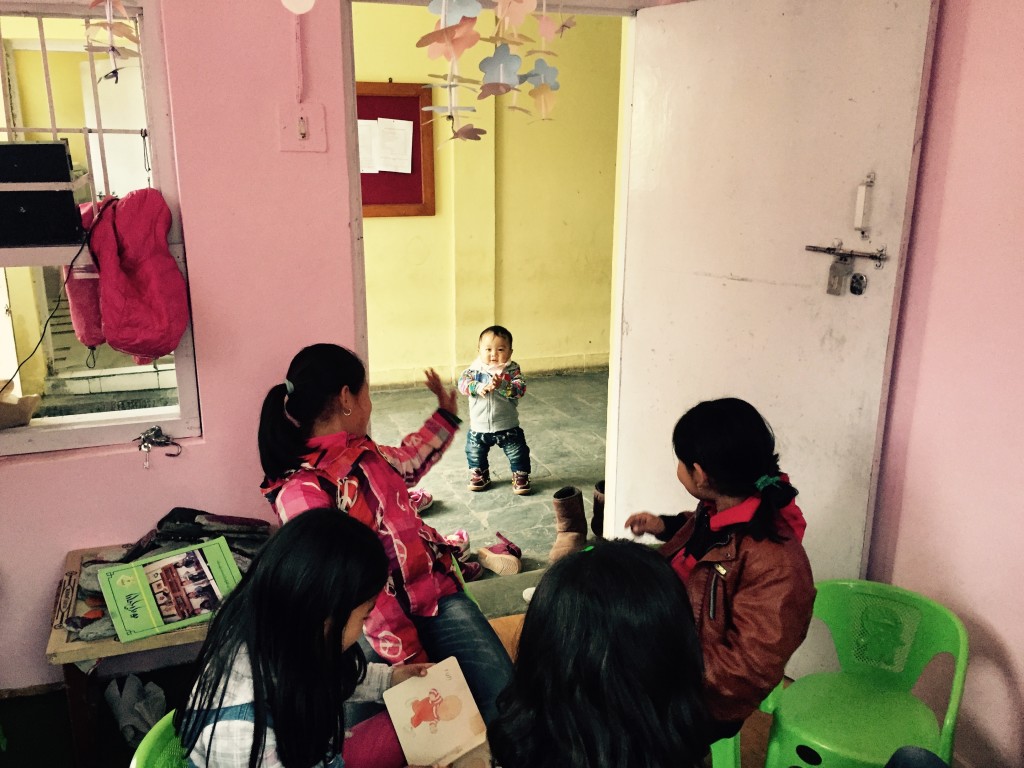
We protect children’s dignity throughout this process. Photographs, stories, and quotations are used carefully, with appropriate consent and attention to privacy. Evaluation should never make children feel tested for the benefit of adults. Its role is to understand their experiences and improve the conditions in which learning takes place.
| Area We Observe |
Possible Evidence |
What It Helps Us Understand |
| Access |
Attendance, borrowing records, language range of books |
Whether children can reach and use suitable resources |
| Engagement |
Repeat visits, reading time, participation in storytelling |
Whether reading is becoming a regular and enjoyable activity |
| Skills |
Age-appropriate reading tasks, vocabulary, comprehension |
Changes in fluency and understanding |
| Confidence |
Group discussion, book choices, creative responses |
Whether children feel able to express ideas |
| Inclusion |
Participation by age, gender, language, and background |
Who benefits and who may still face barriers |
| Sustainability |
Local involvement, collection care, volunteer continuity |
Whether benefits can continue over time |
Looking Beyond Book Counts
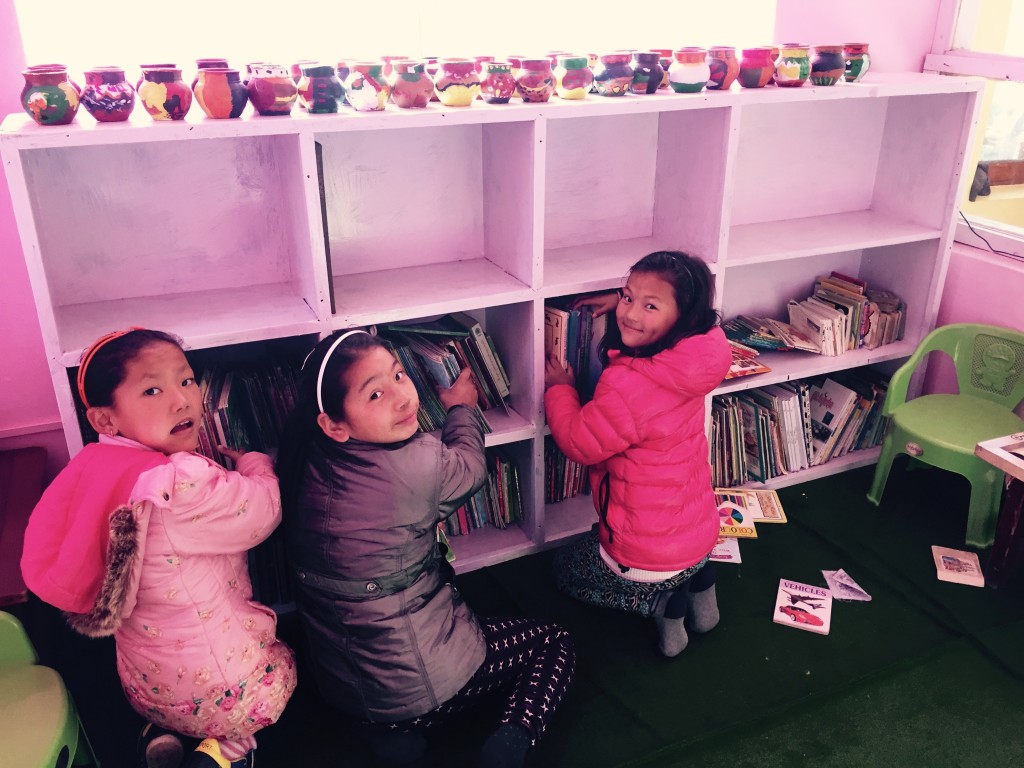
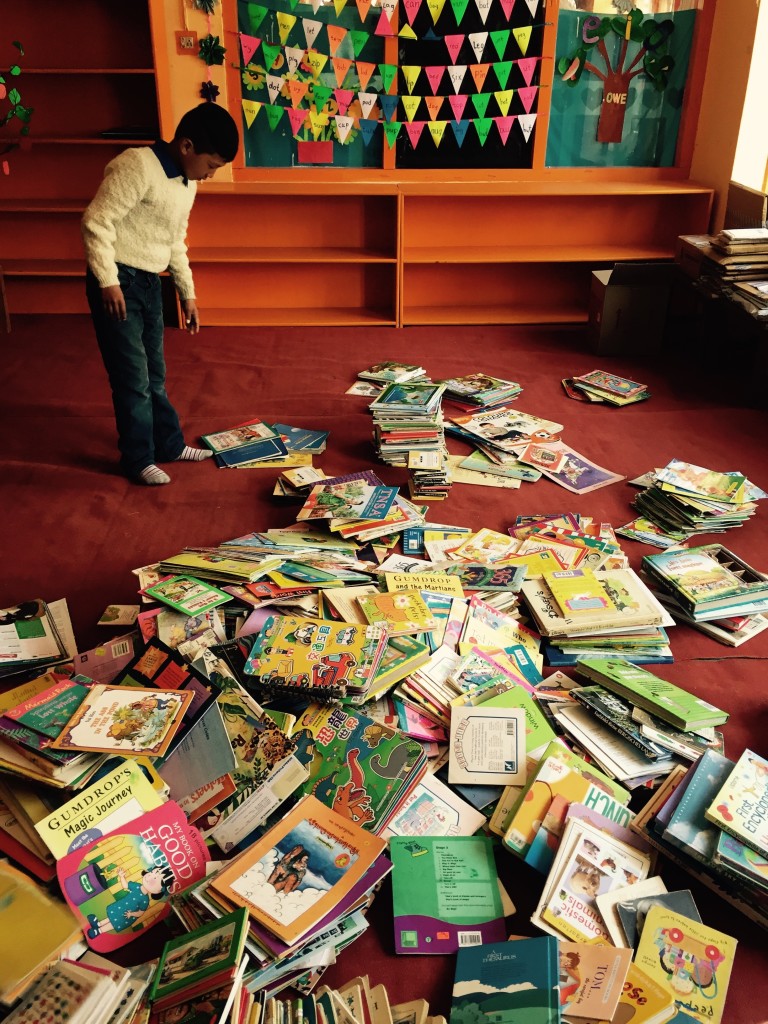
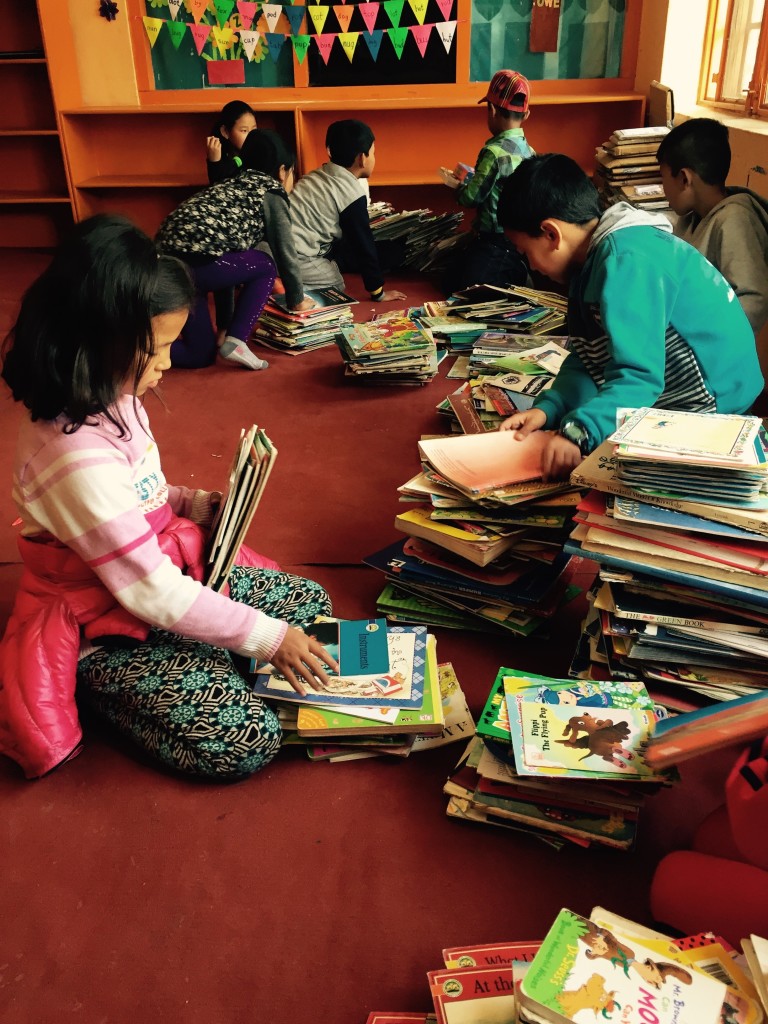
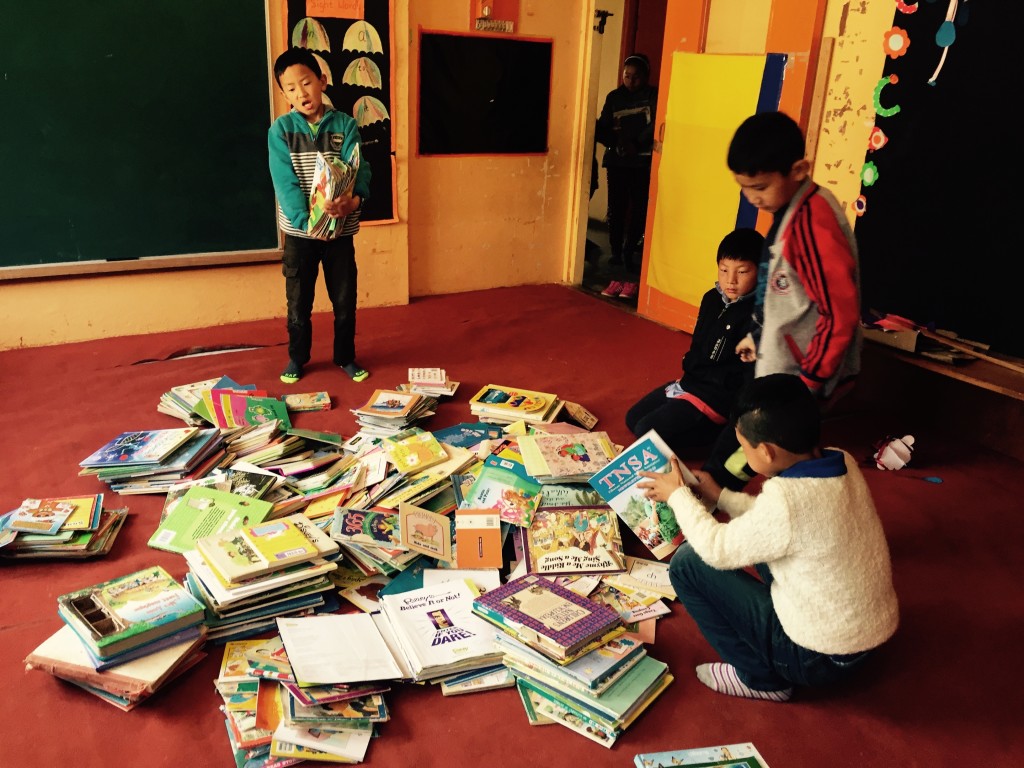
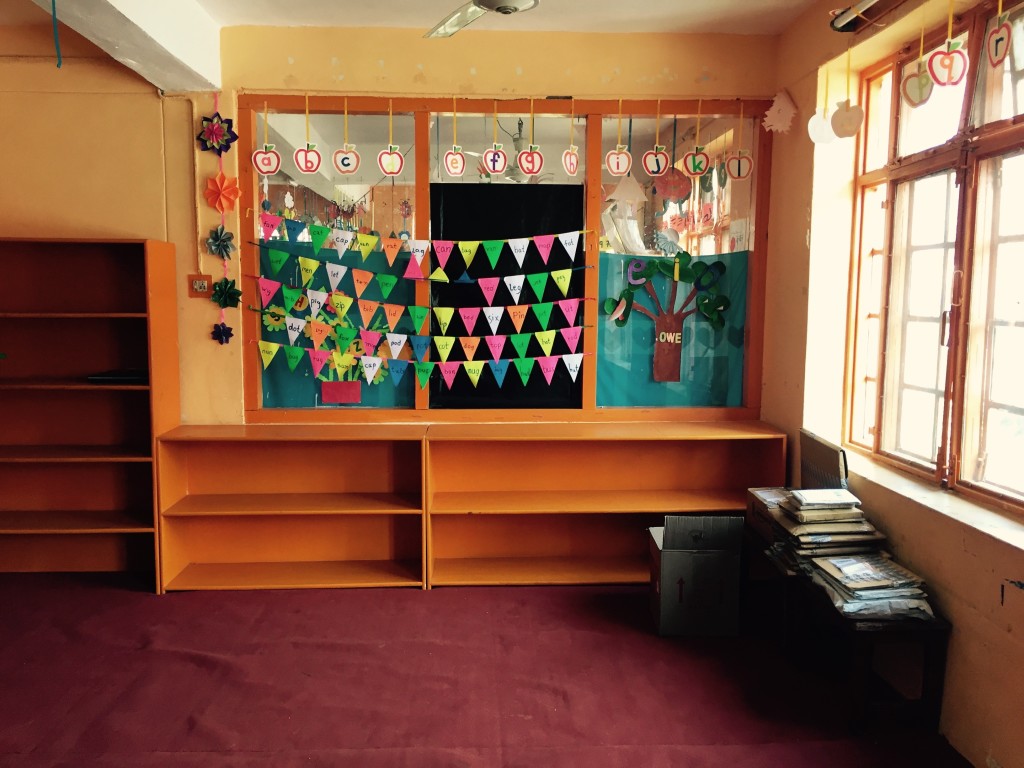
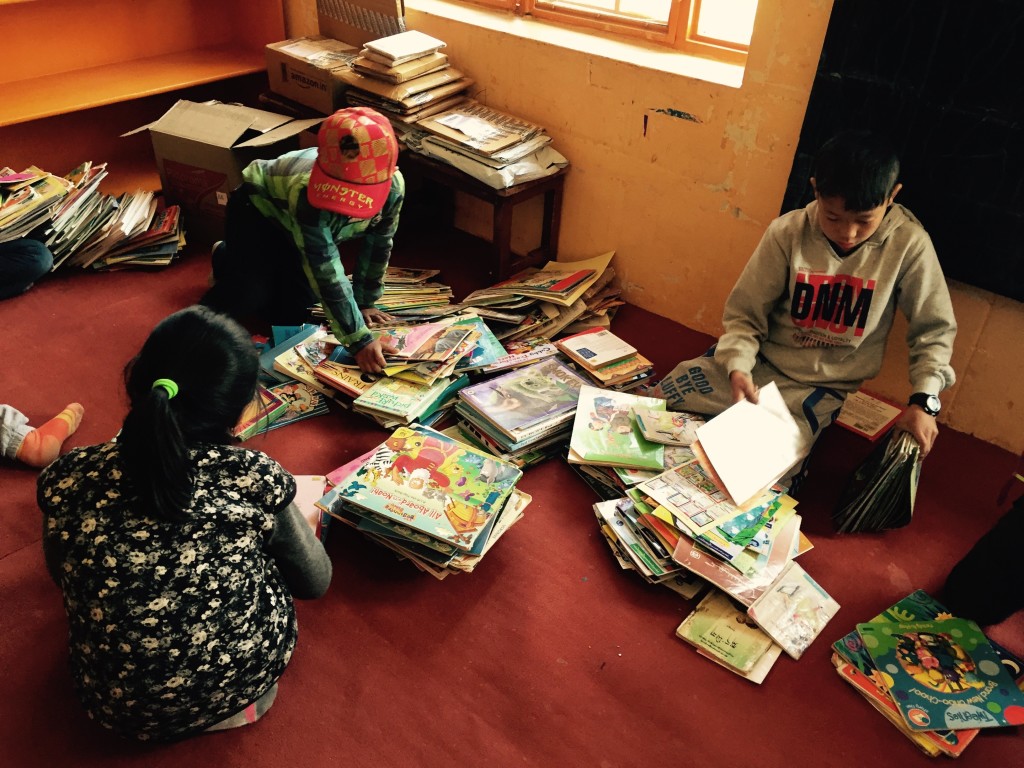
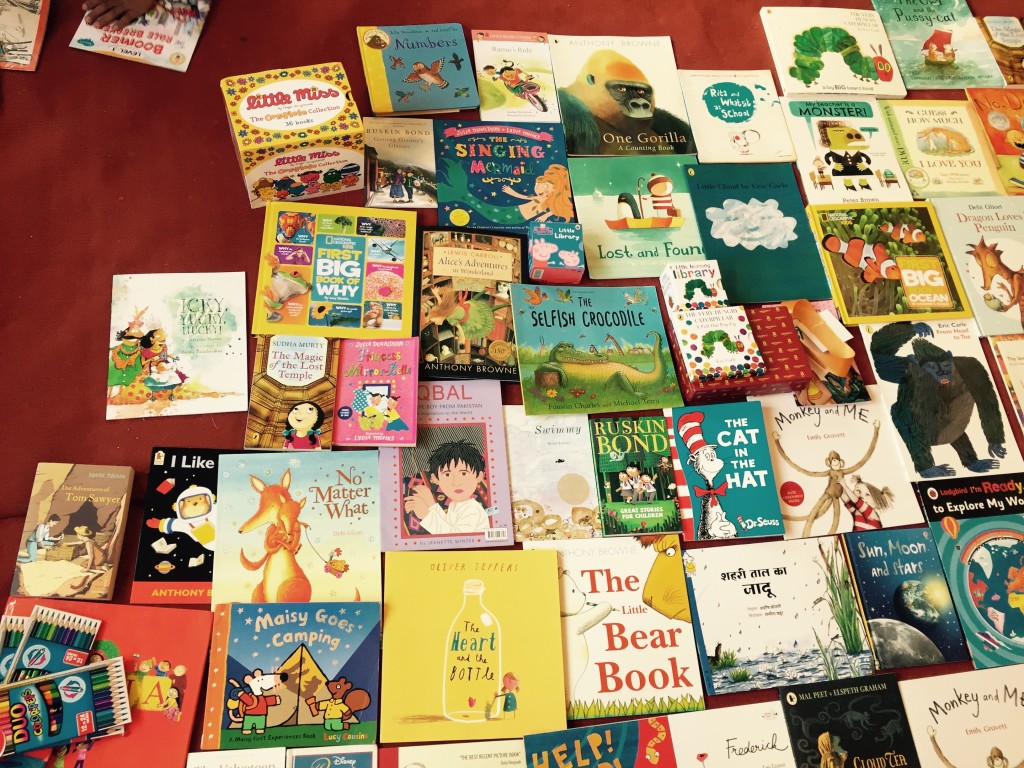
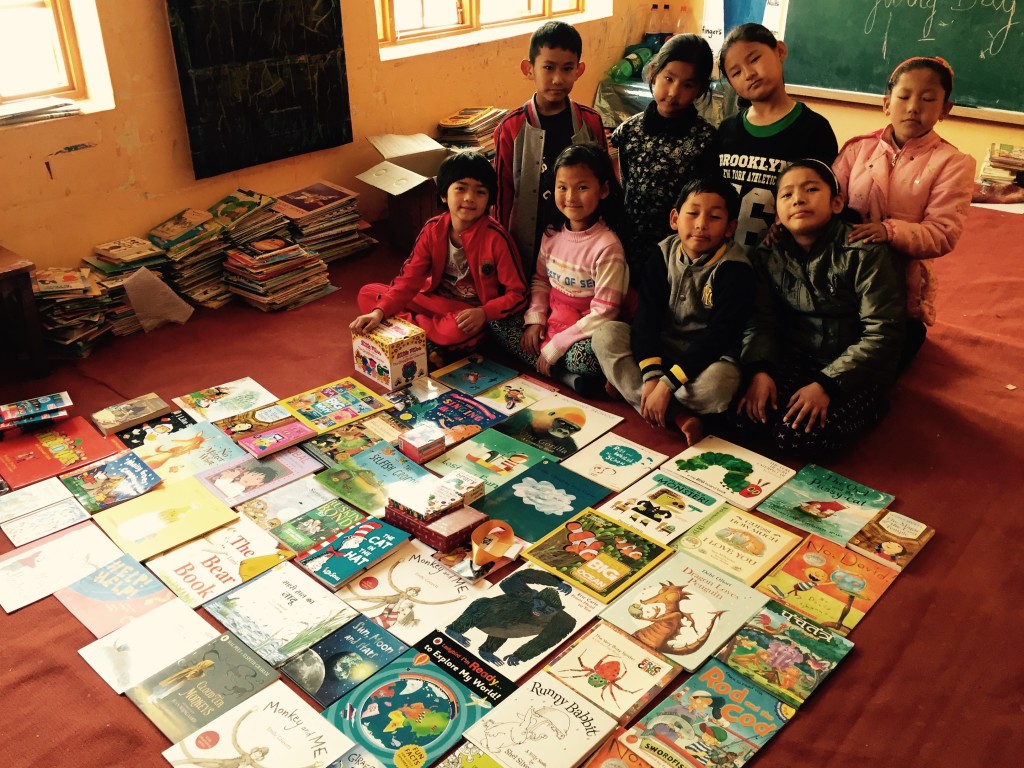
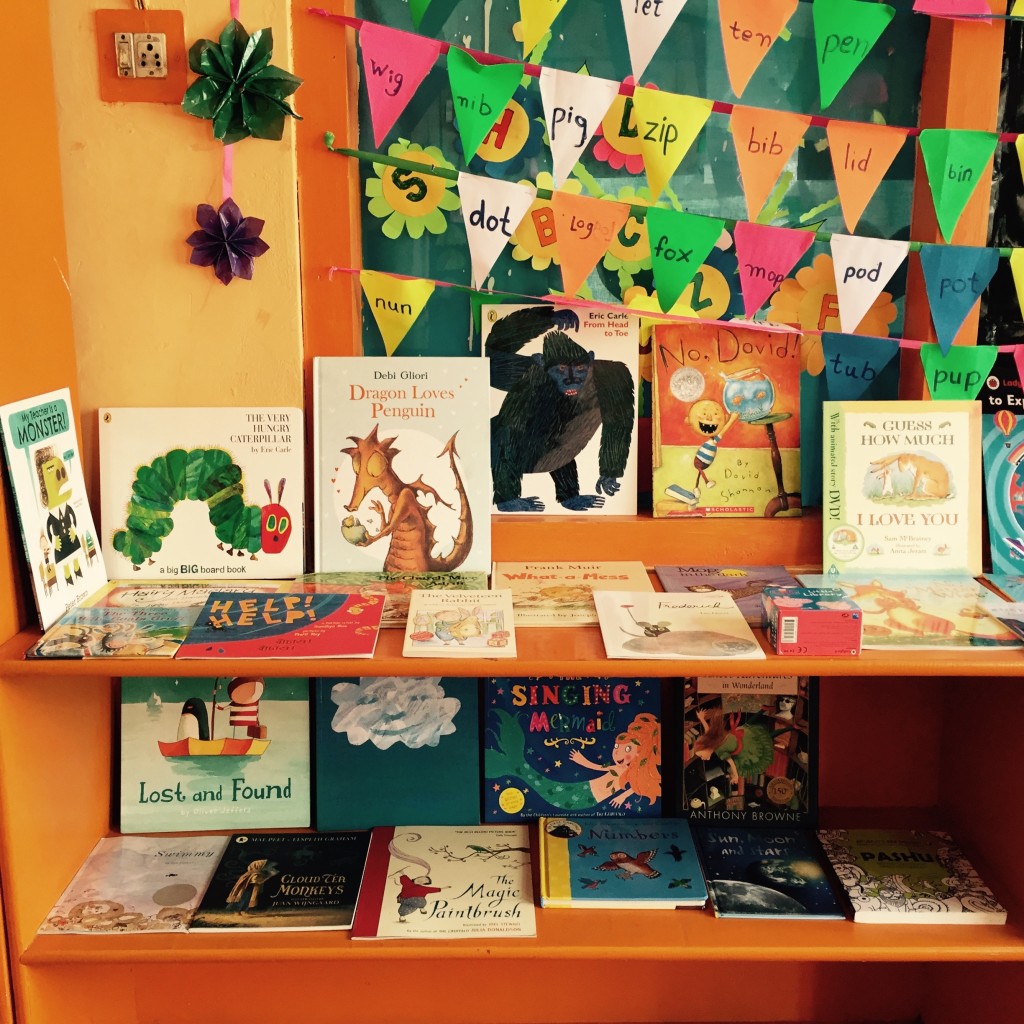
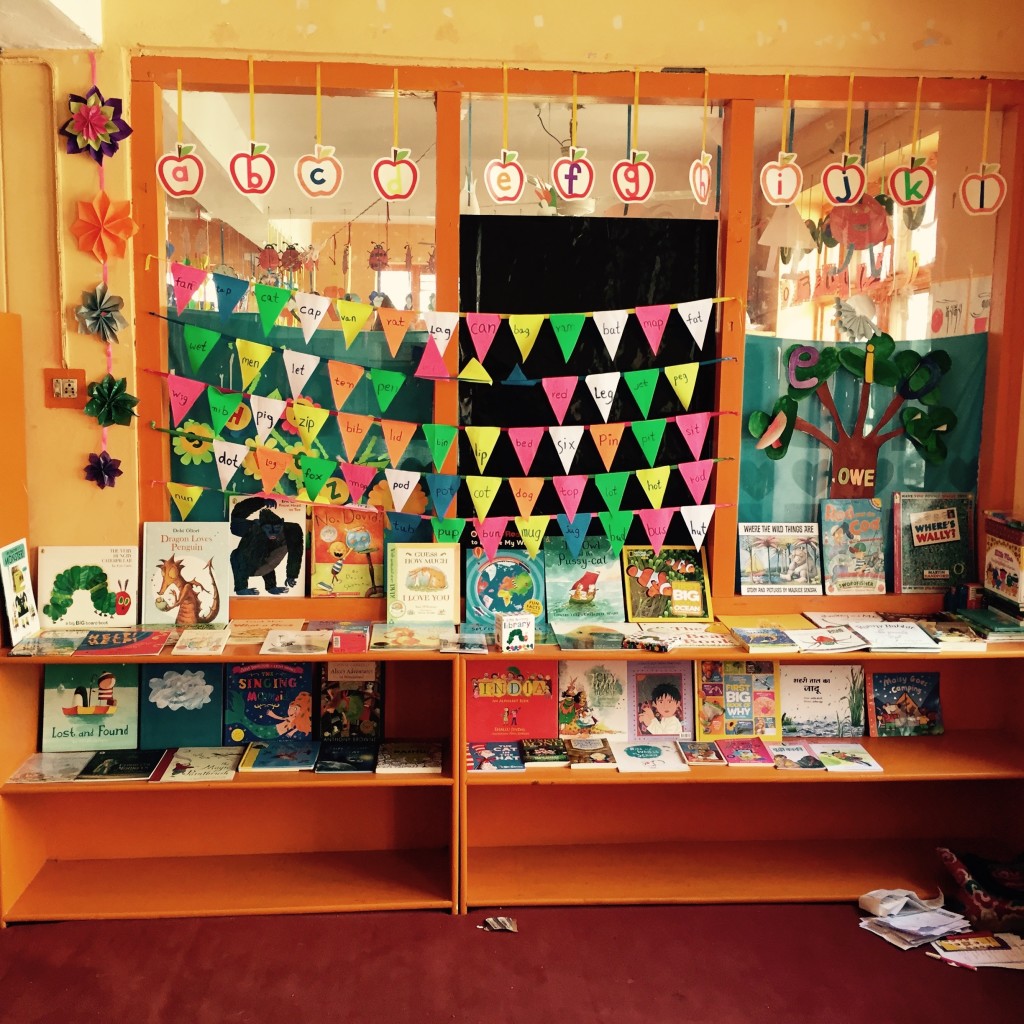
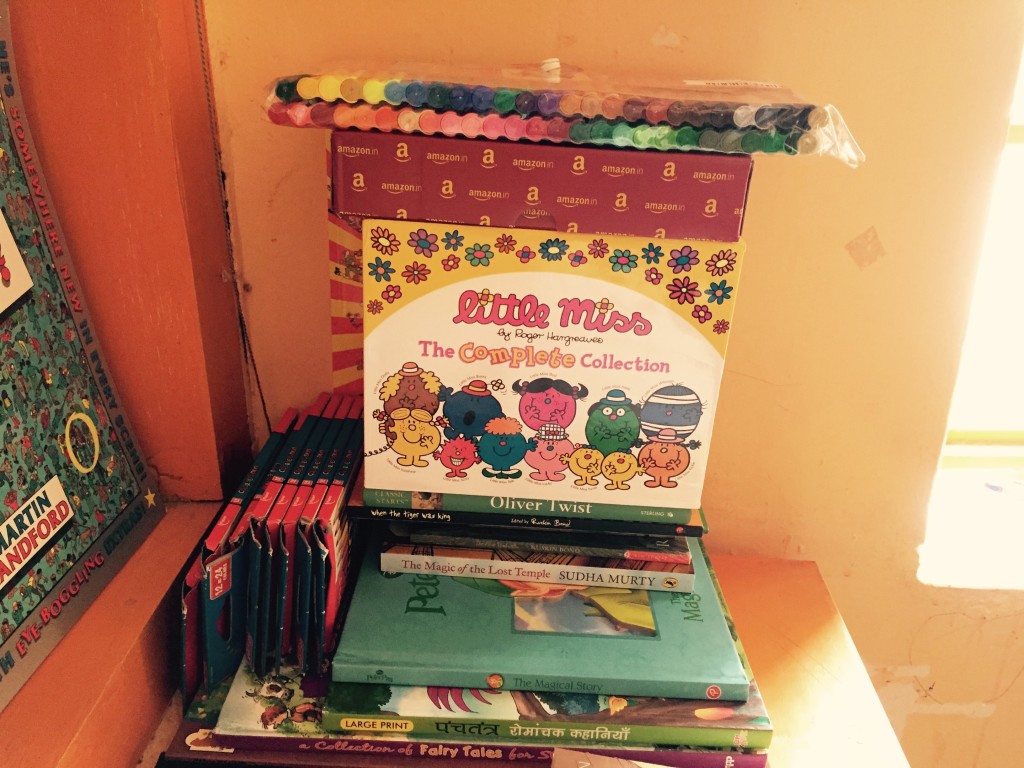
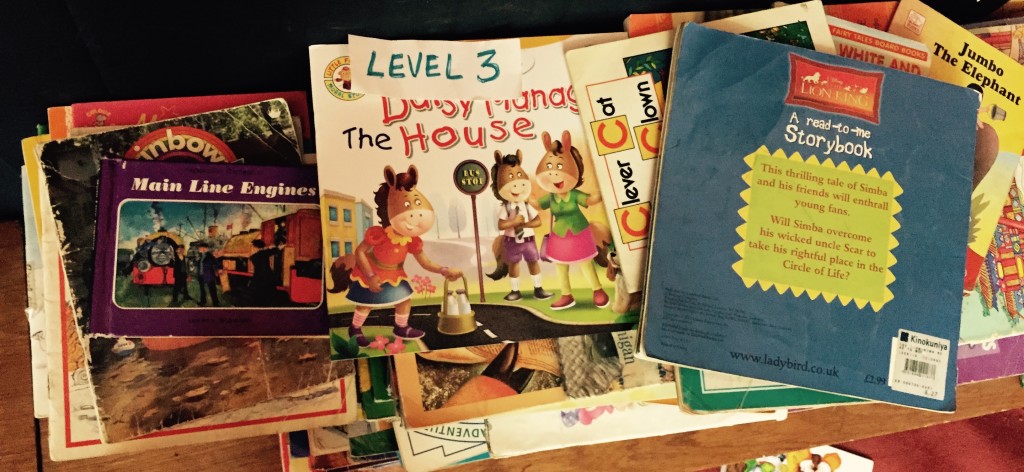
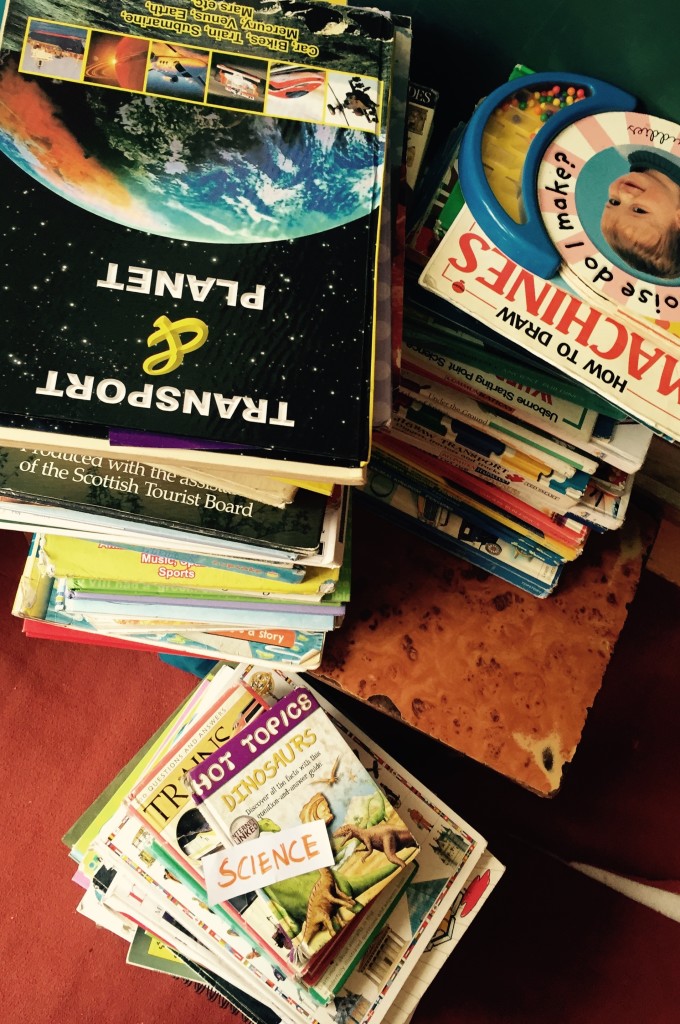
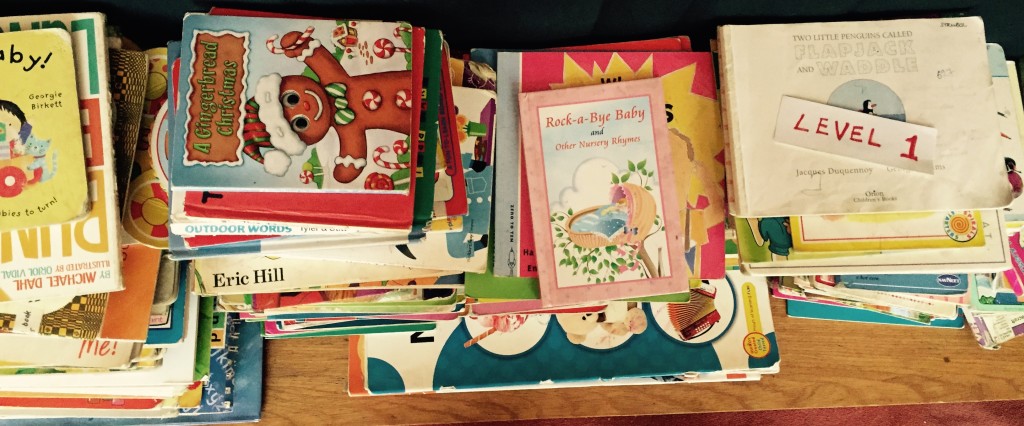
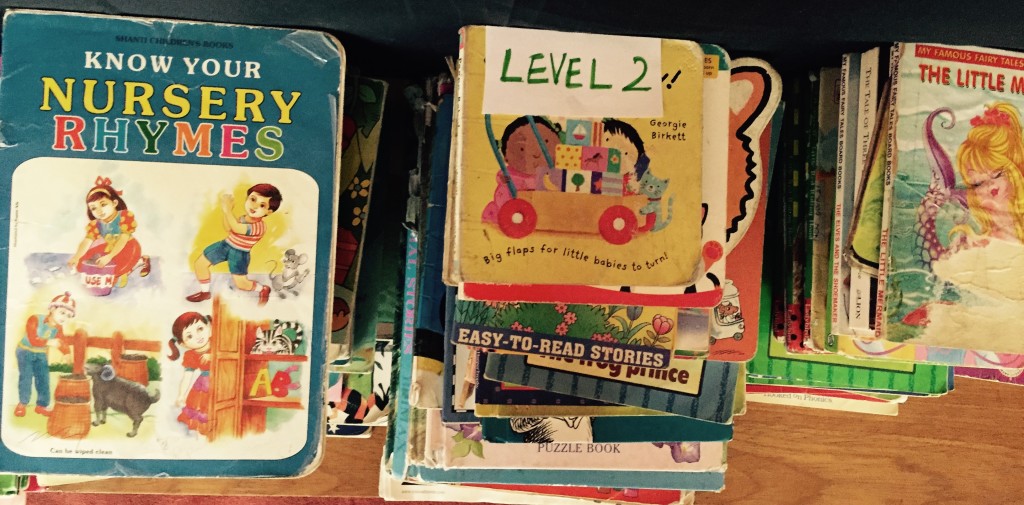
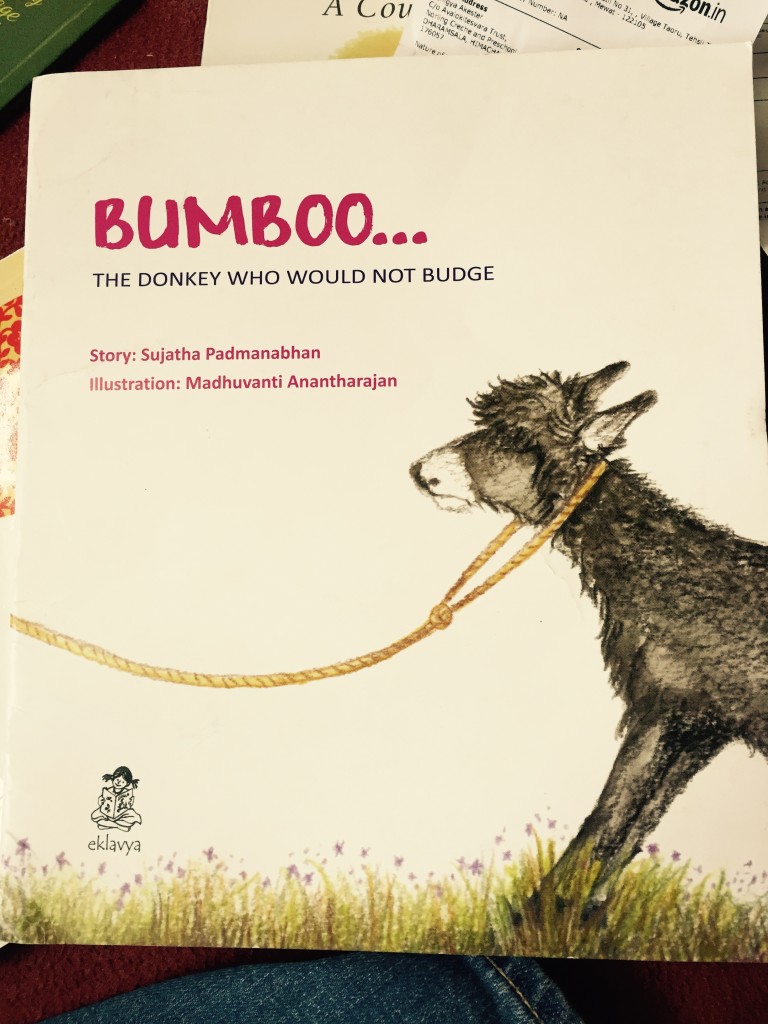
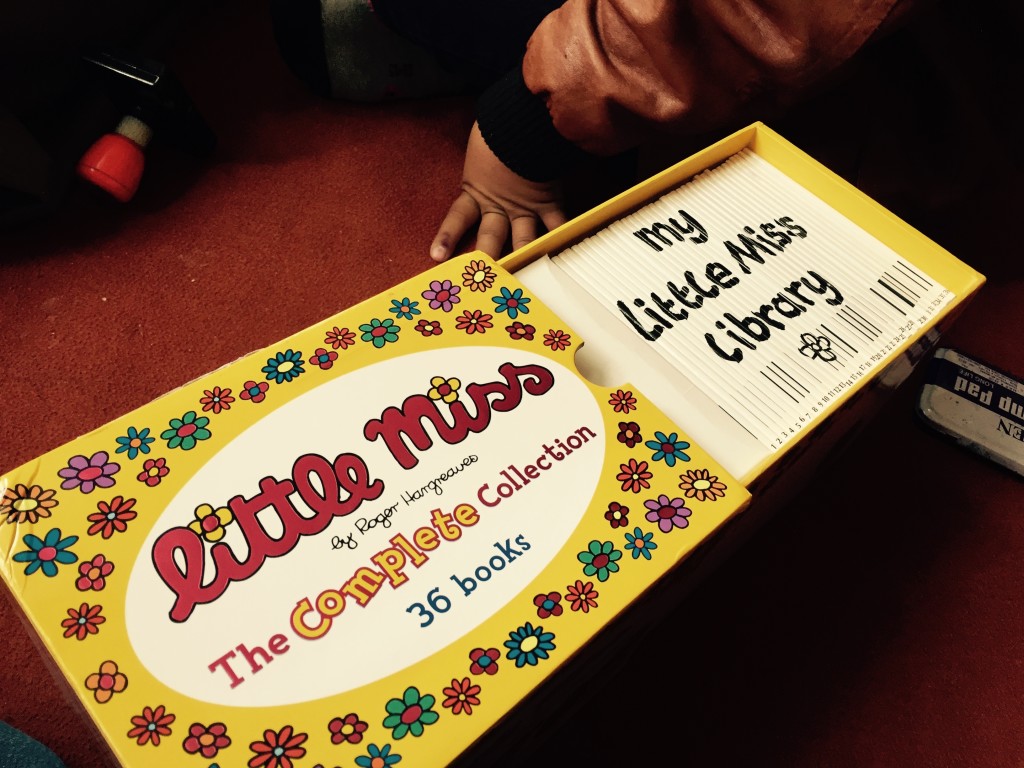
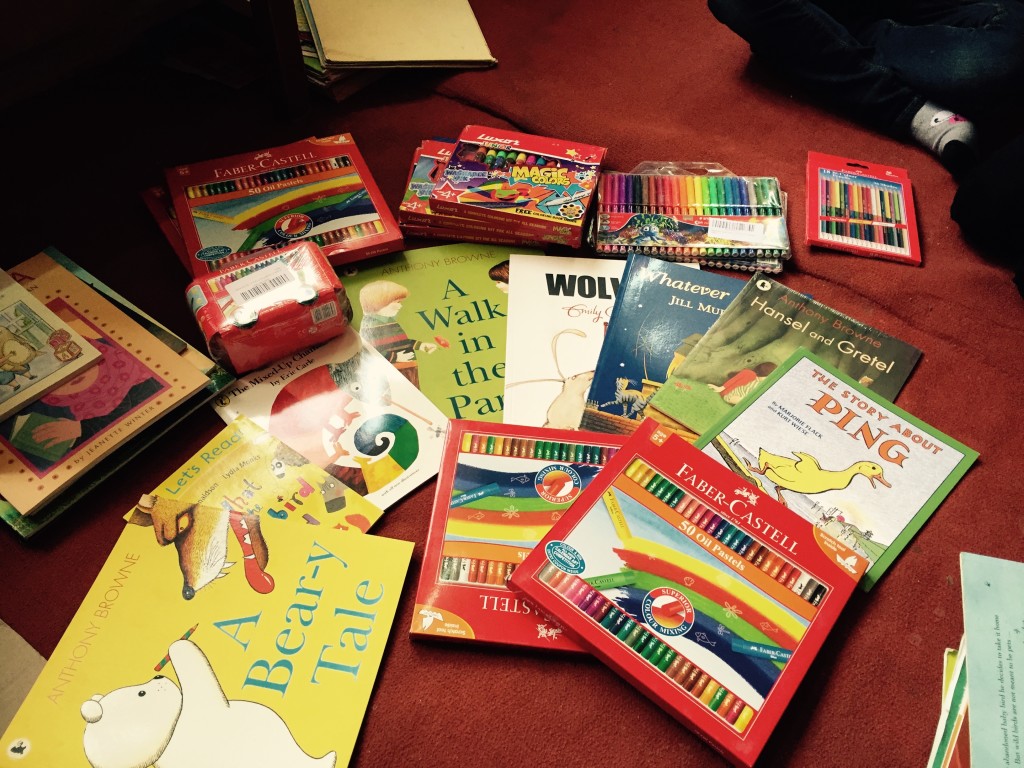
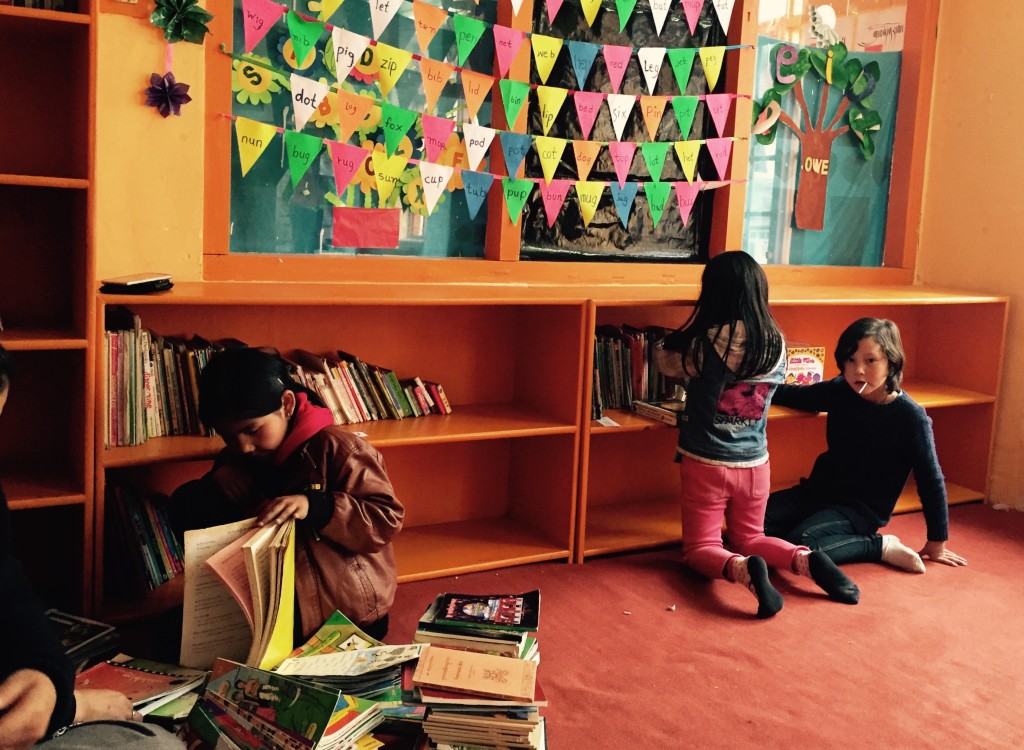
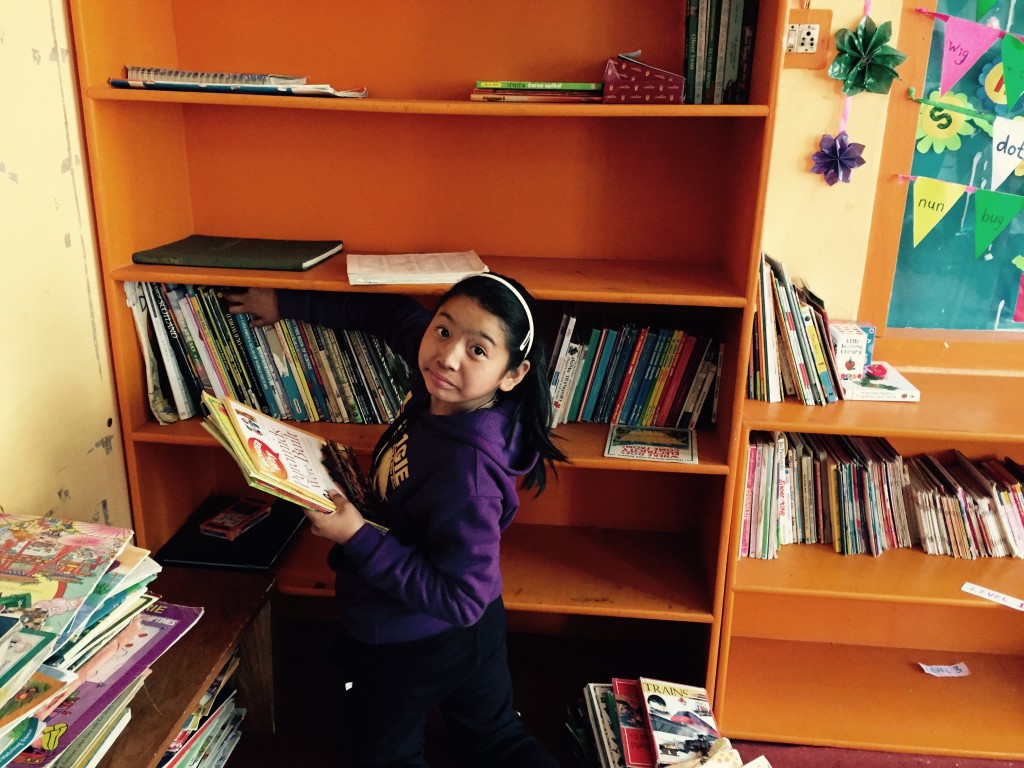
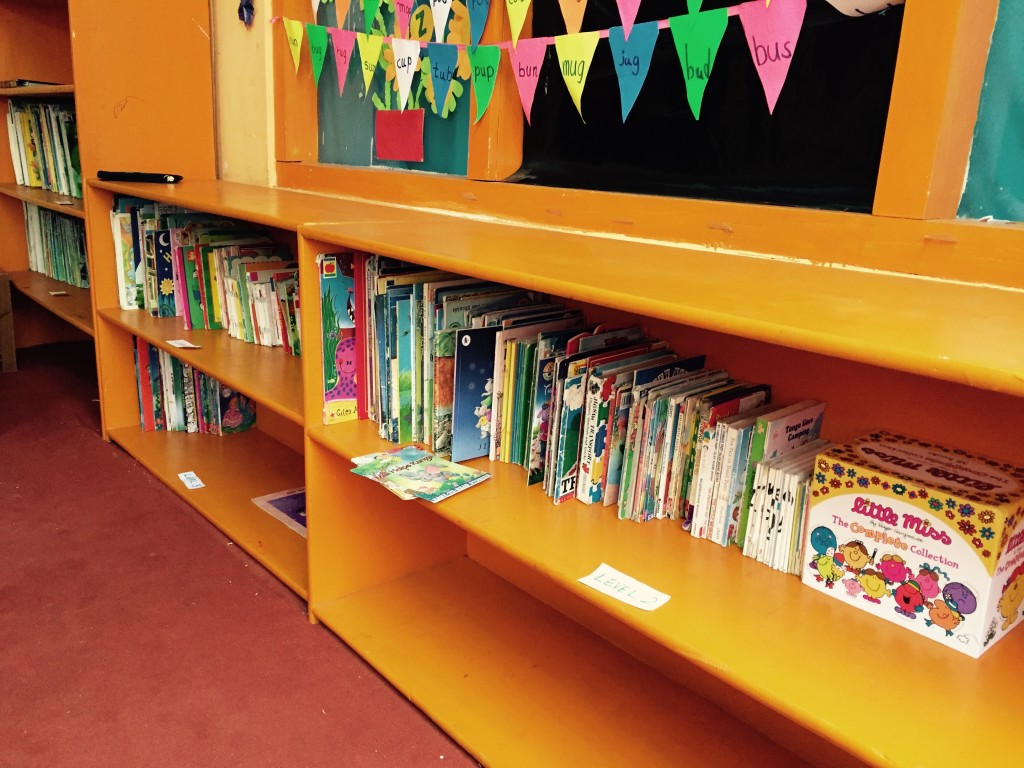
The number of books delivered is an important operational measure, yet it is not the same as educational impact. A collection has greater value when children can find books that match their reading level, interests, culture, and language. We examine whether materials are visible, organized, in usable condition, and actively recommended by adults who know the community.
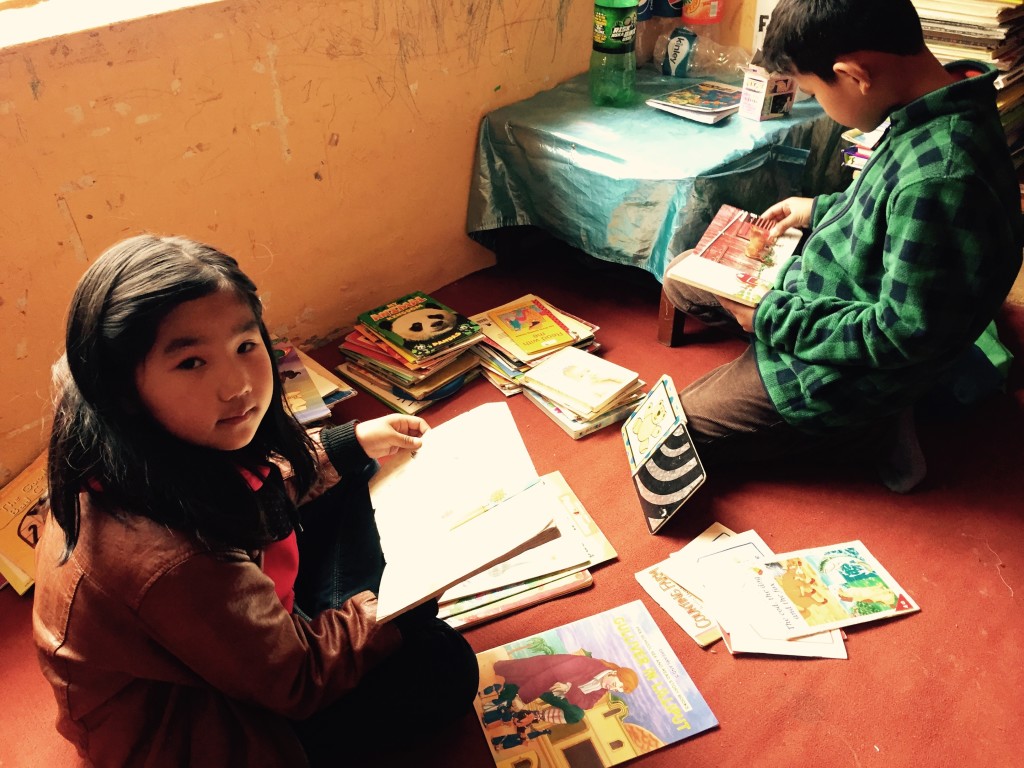
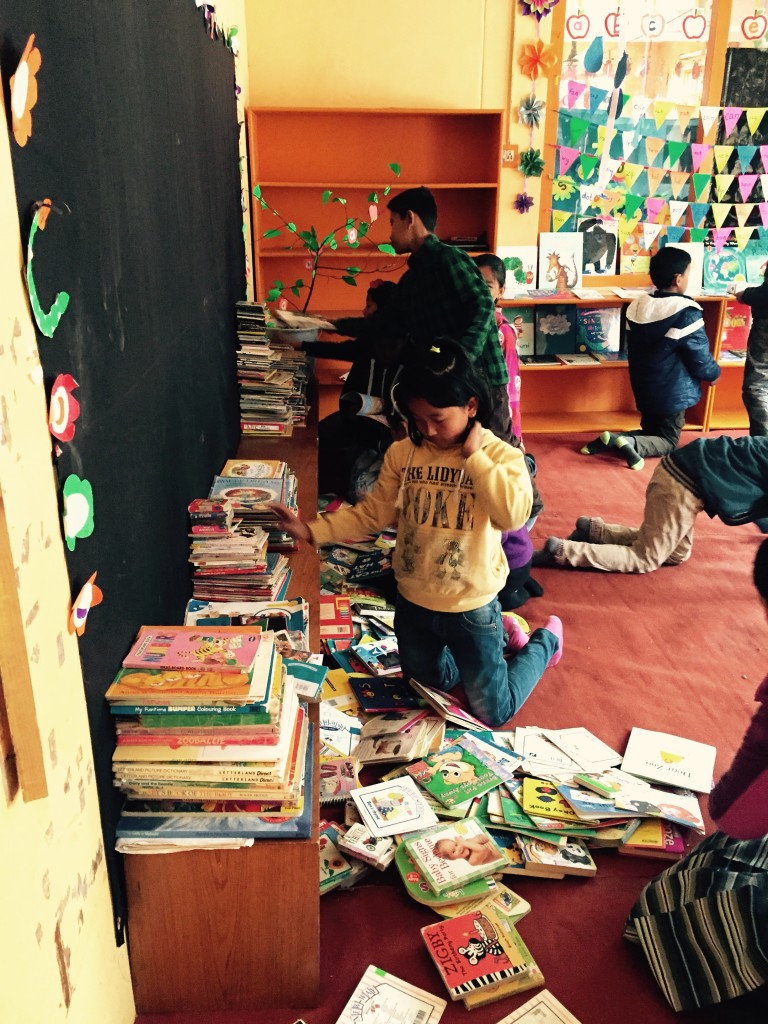
We also look for evidence of transfer beyond the reading room. Children may begin borrowing books for siblings, discussing stories at home, using new words in class, or choosing reading as a leisure activity. Teachers might incorporate books into lessons, while young monks may use stories as a starting point for reflection, drawing, music, or drama.
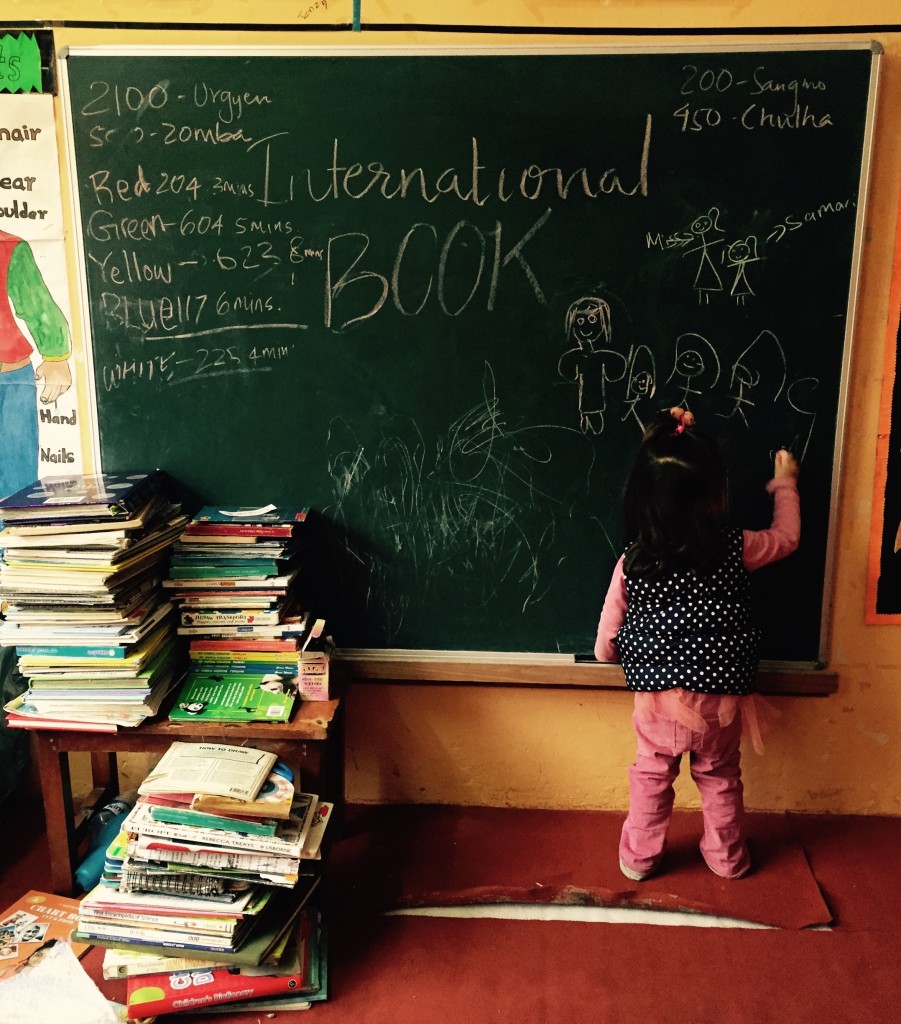
Creative activities are part of this wider literacy environment. When children illustrate a story, perform a scene, or compose a song inspired by a book, they demonstrate comprehension in a different form. These responses help us recognize varied strengths and avoid defining reading ability only through written tests.
Comparing Progress Responsibly
Impact measurement is most useful when comparisons are fair. We may compare a reading room’s results with its own earlier records rather than ranking one community against another. A small increase in regular readers can represent significant progress where books were previously scarce, while a larger program may need to address more complex inclusion challenges.
We interpret changes alongside context. A decline in visits during winter travel does not necessarily mean that interest has fallen. A new school examination period may reduce participation temporarily. Likewise, a sudden rise in borrowing could reflect a new volunteer-led reading campaign rather than a permanent change in behavior.
When possible, we combine several indicators before drawing a conclusion. Increased attendance, more frequent borrowing, positive teacher observations, and stronger responses to reading activities together provide more convincing evidence than any one figure. This approach supports honest reporting and prevents us from claiming results that the available information cannot demonstrate.
Turning Findings Into Better Practice
Evaluation has value only when it leads to thoughtful action. We review what the evidence suggests with local partners and consider changes to collections, activities, volunteer training, and communication with families. The aim is to make each reading space more responsive rather than to produce statistics for their own sake.
Several practices help us keep our measurement focused and humane:
- Record participation consistently while allowing for seasonal and local variation.
- Ask children, teachers, and caregivers what they consider meaningful progress.
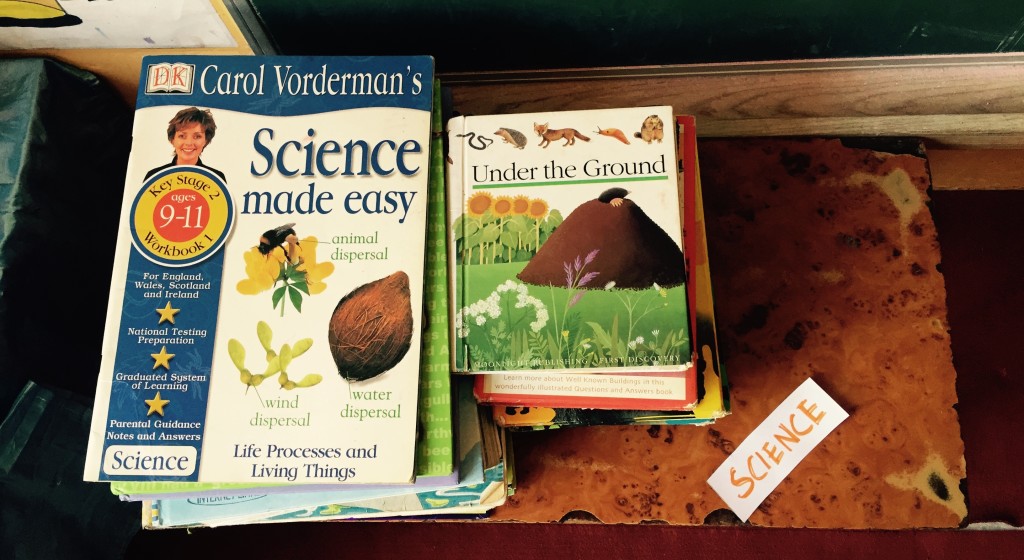
- Track access to suitable books, including language, age level, subject, and cultural relevance.
- Use creative work and conversation alongside reading activities to assess understanding.
- Share findings transparently and use them to guide future donations and partnerships.
This learning process also helps us recognize when an initiative needs more time. Literacy develops gradually, especially where children are gaining access to books for the first time. Early signs such as curiosity, repeated visits, and confidence in handling books may precede measurable changes in reading fluency.
Sharing Evidence With Care
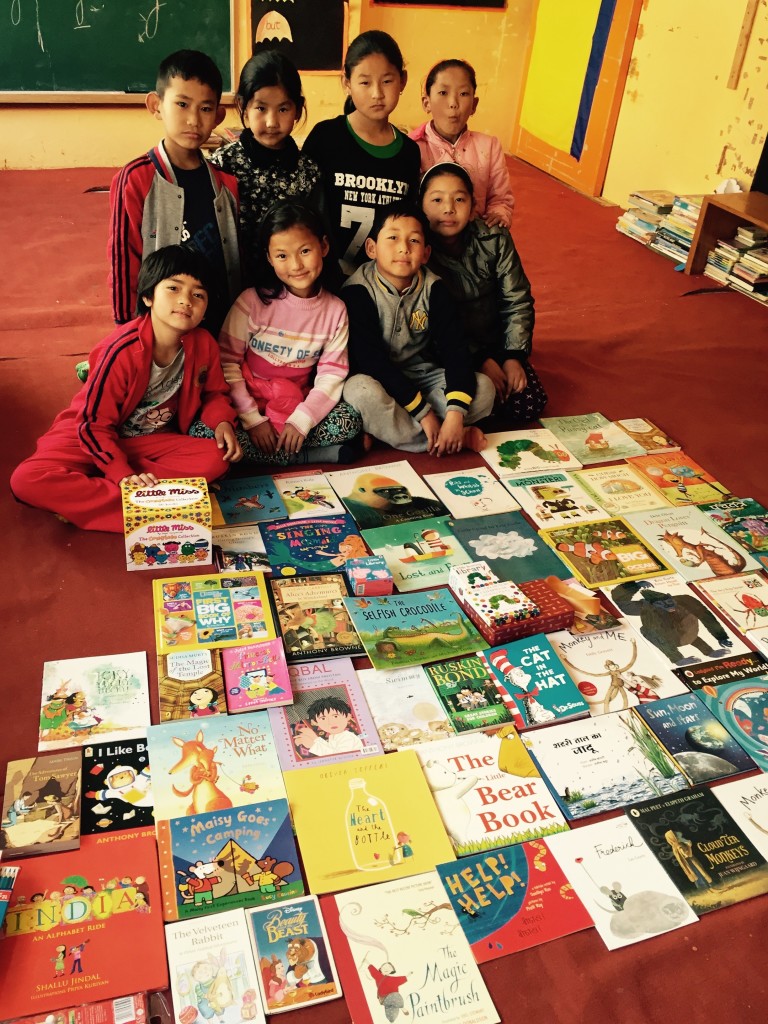
Donors, volunteers, and community partners deserve a clear account of how support is being used. We share relevant figures, stories from reading rooms, photographs where permission has been granted, and examples of how resources influence daily learning. A balanced account includes achievements as well as limitations, because trust depends on accuracy.
We avoid presenting one child’s experience as proof that every child has benefited in the same way. Instead, we describe patterns and place individual stories within their wider setting. This gives supporters a more realistic understanding of what book drives, reading spaces, and creative programs can accomplish.
The strongest evidence is often cumulative. A well-used collection, sustained local participation, children’s positive feedback, teacher observations, and gradual improvement in reading behavior can together show durable progress. By measuring carefully and listening respectfully, Avalokiteśvara Trust can continue directing resources toward literacy programs that give Himalayan children more opportunities to read, imagine, and learn.
Your support can help extend this work through books, reading rooms, educational activities, and volunteer engagement. Explore the Trust’s projects and contribute to learning spaces where children and young monks can discover stories, develop confidence, and build lasting literacy habits.