Helping Children Write Thank-You Letters to Donors Worldwide
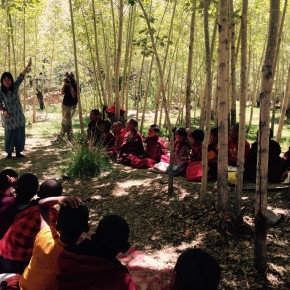
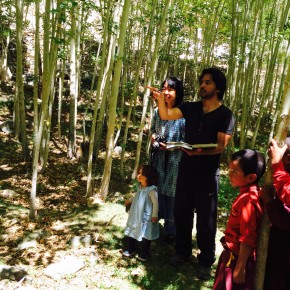
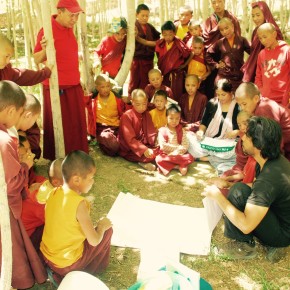
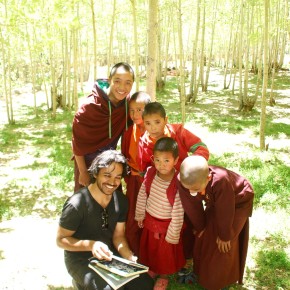
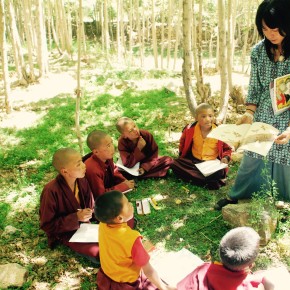
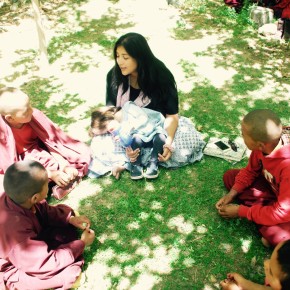
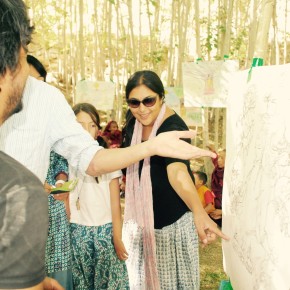
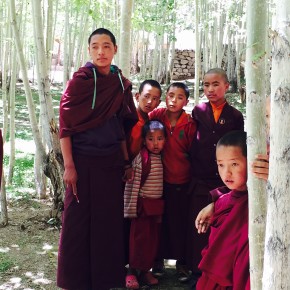
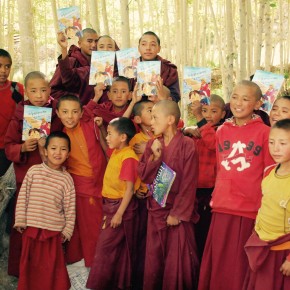
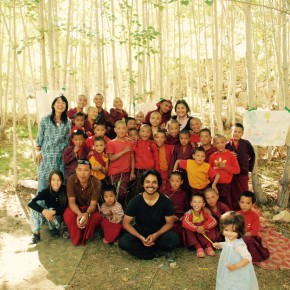
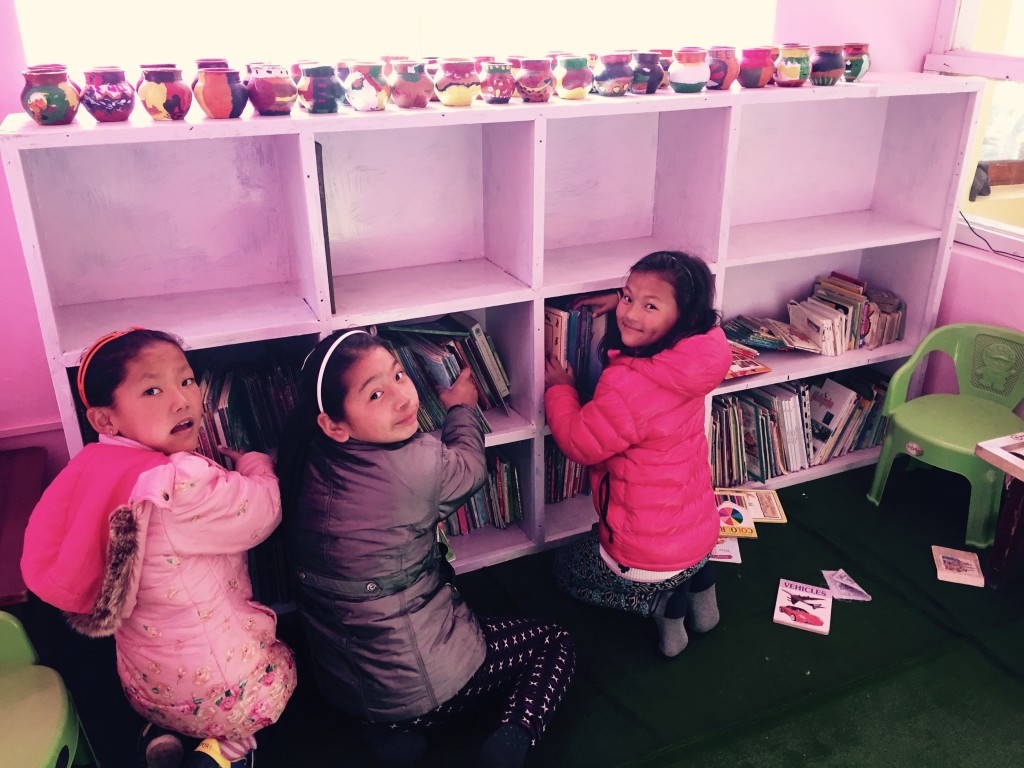
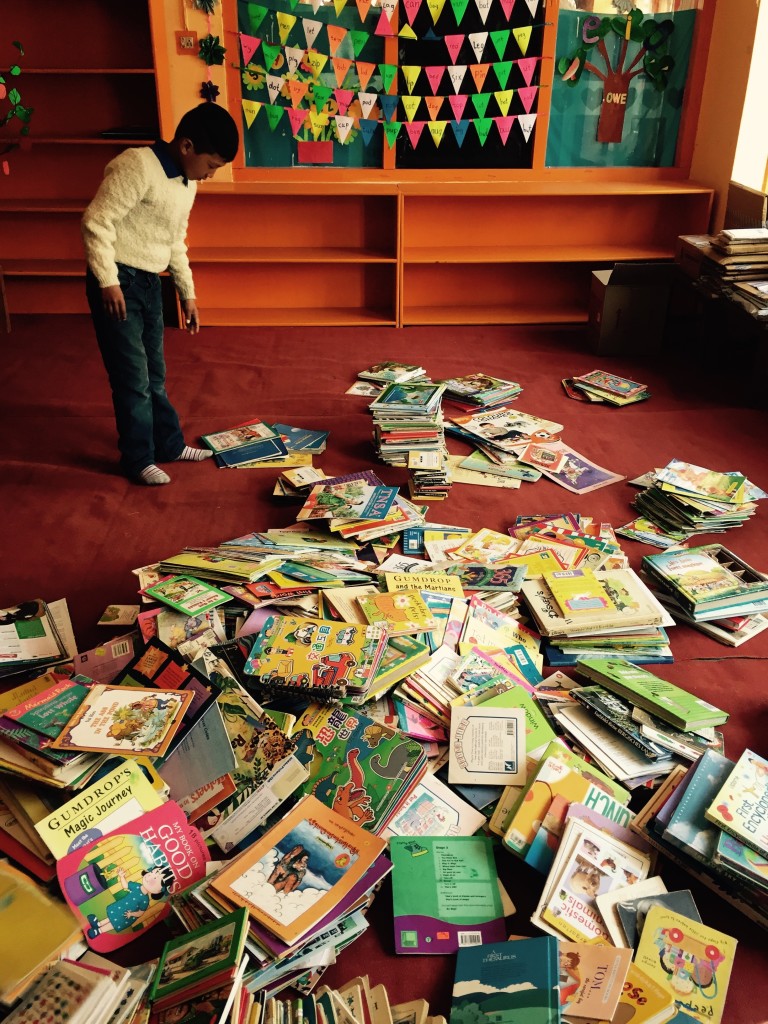
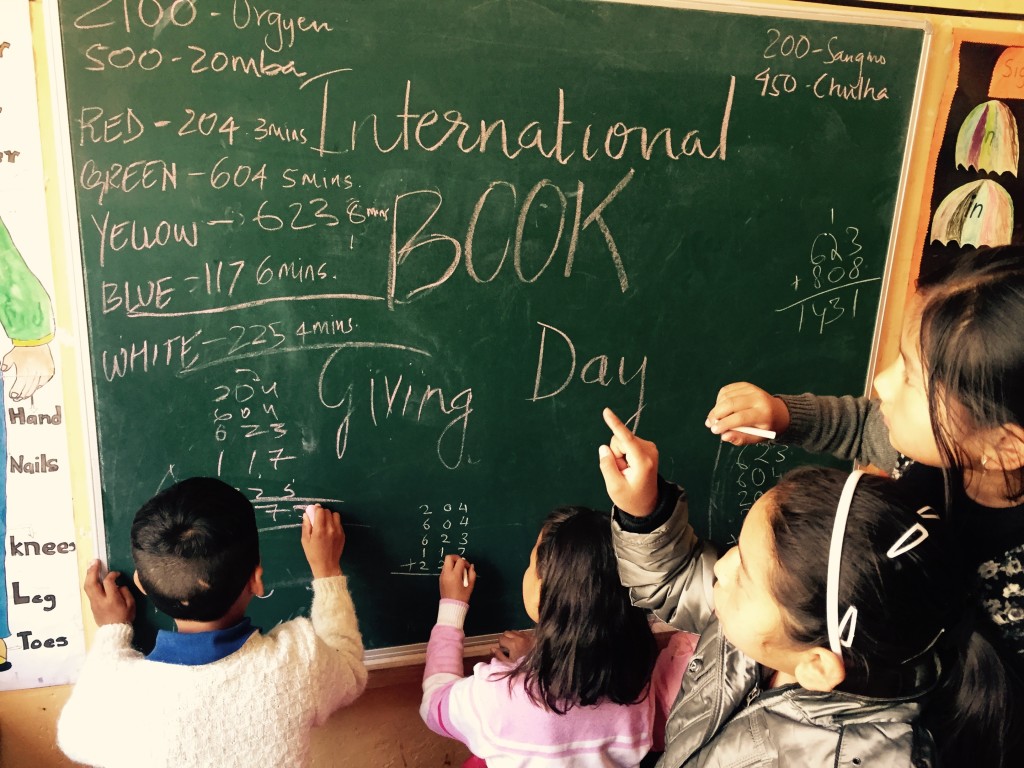
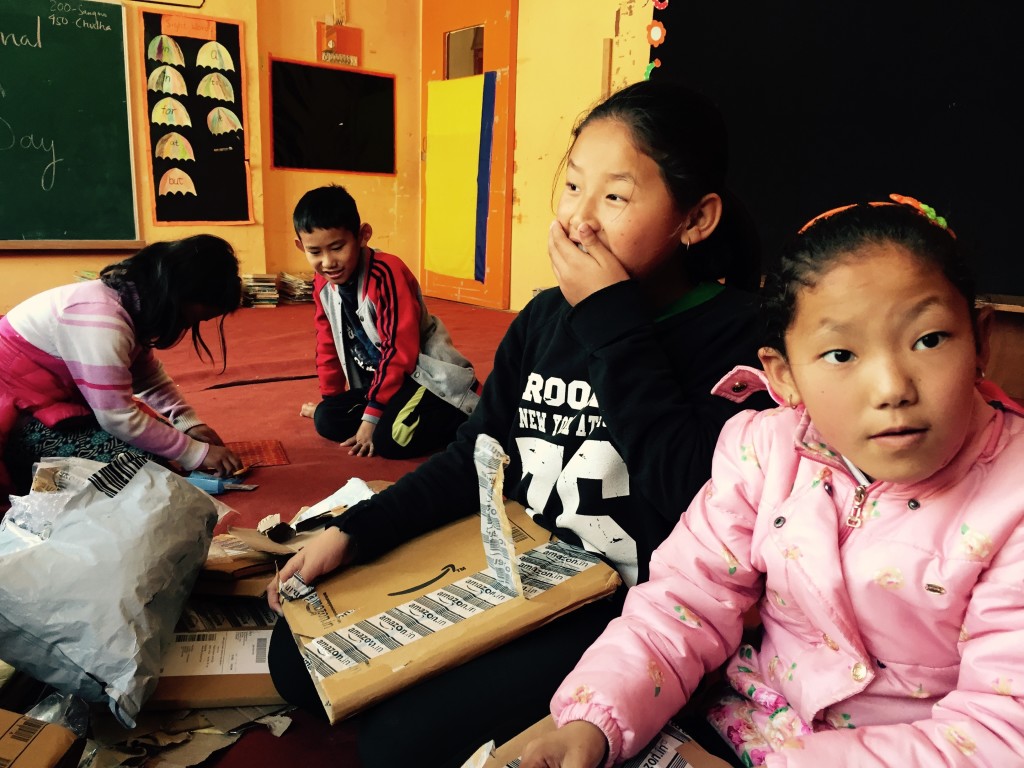
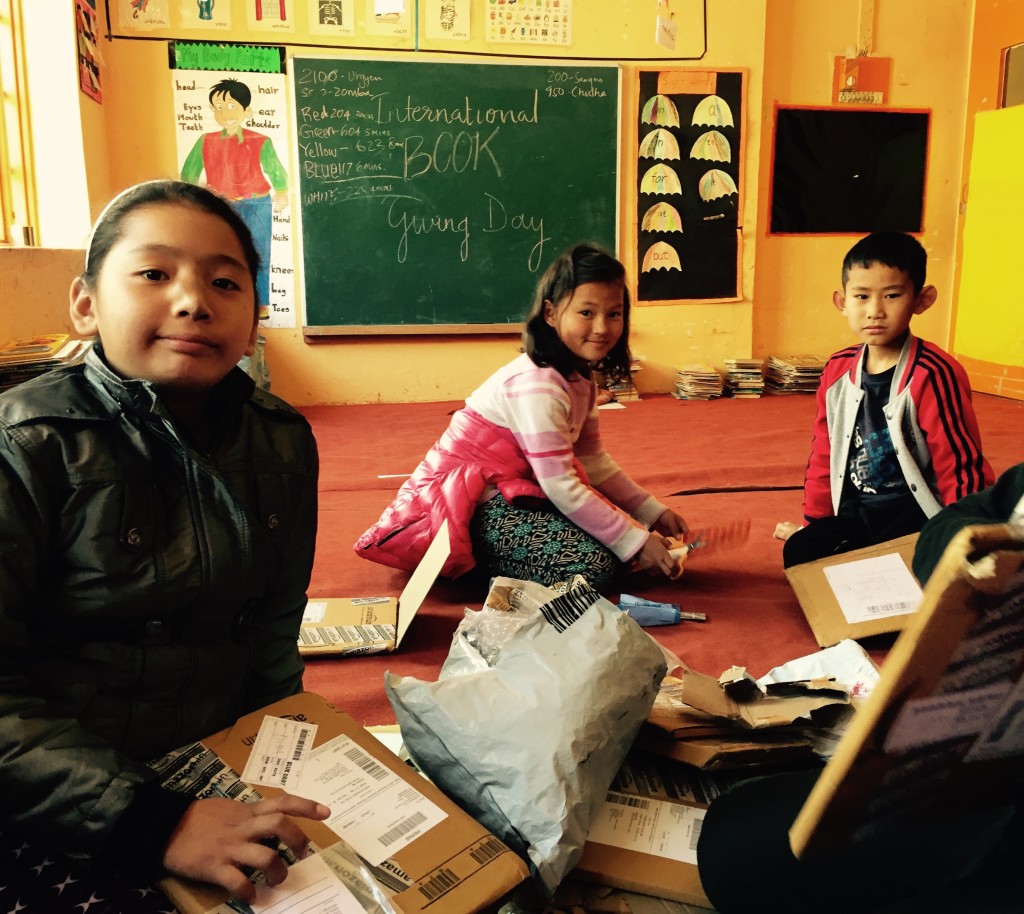
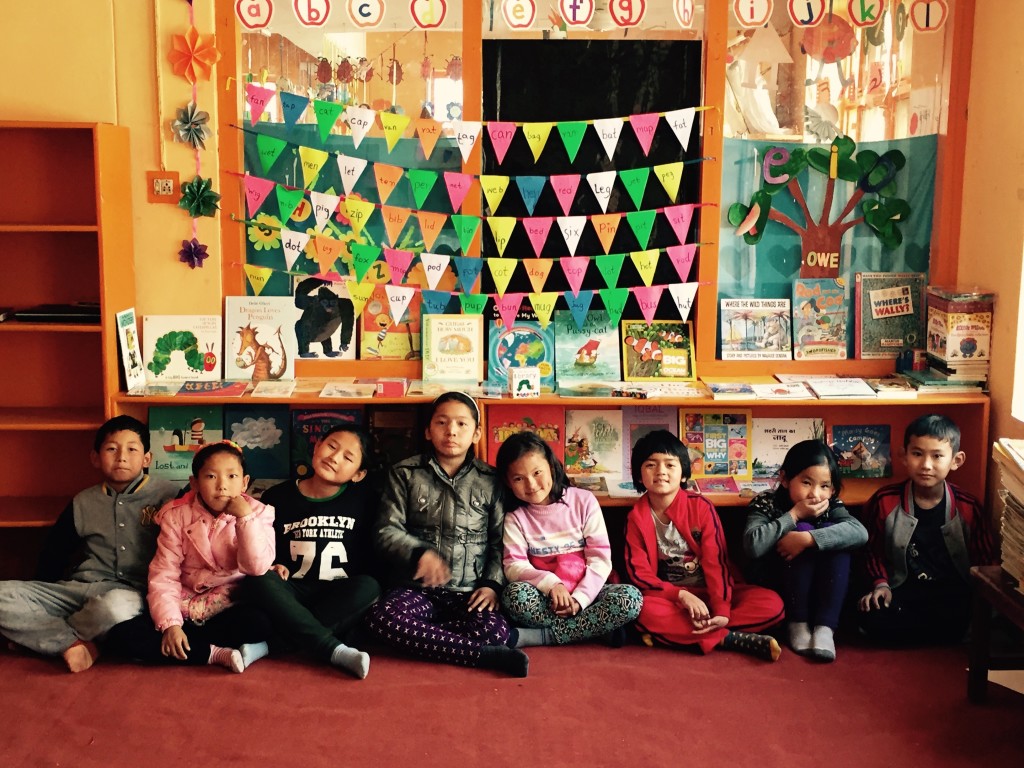
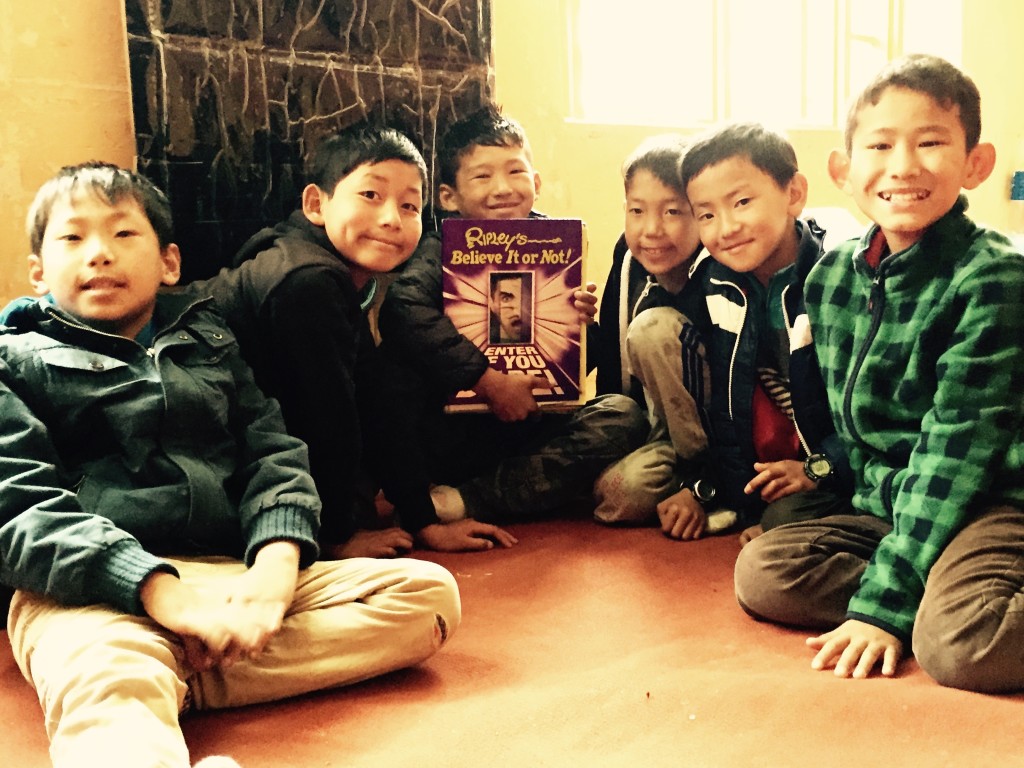
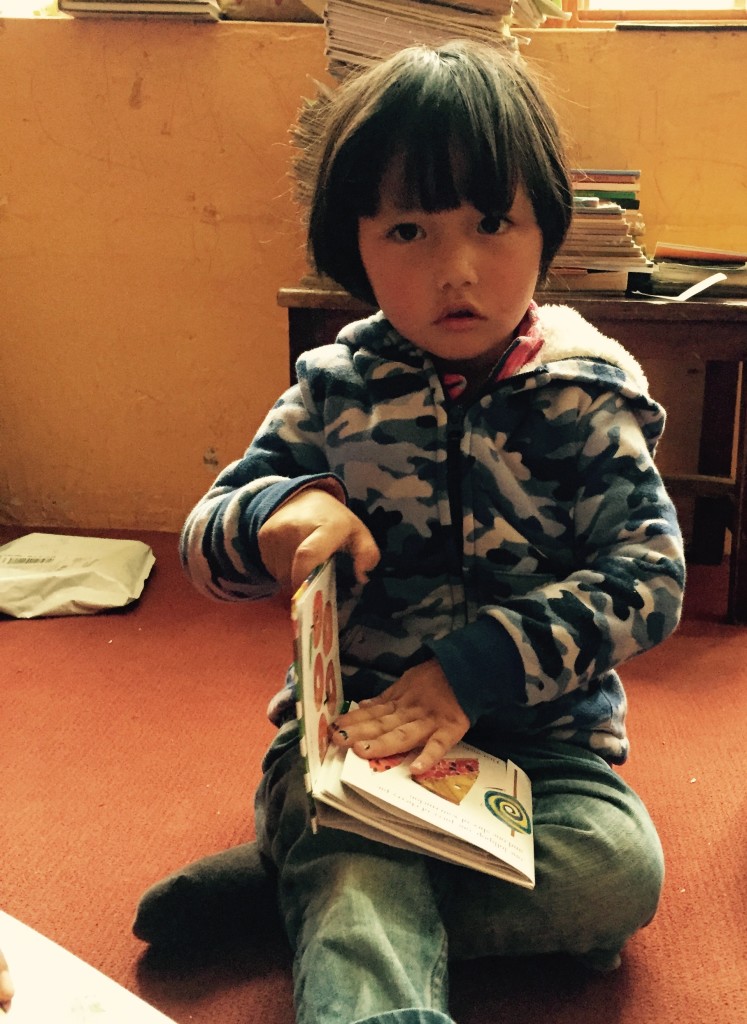
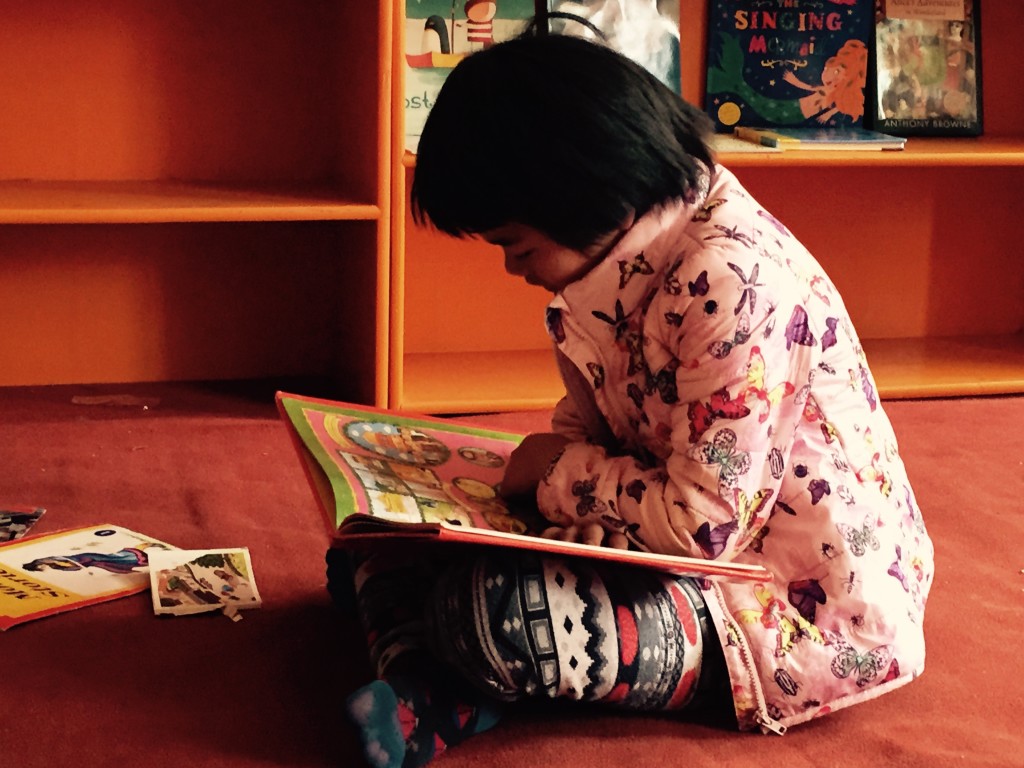
Through its work with children and young monks in Ladakh and other Himalayan communities, Avalokiteśvara Trust is showing how children can write thank-you letters to donors around the world without losing their own voice. Reading rooms, book drives, music and creative sessions already create reasons to reflect, imagine and respond.
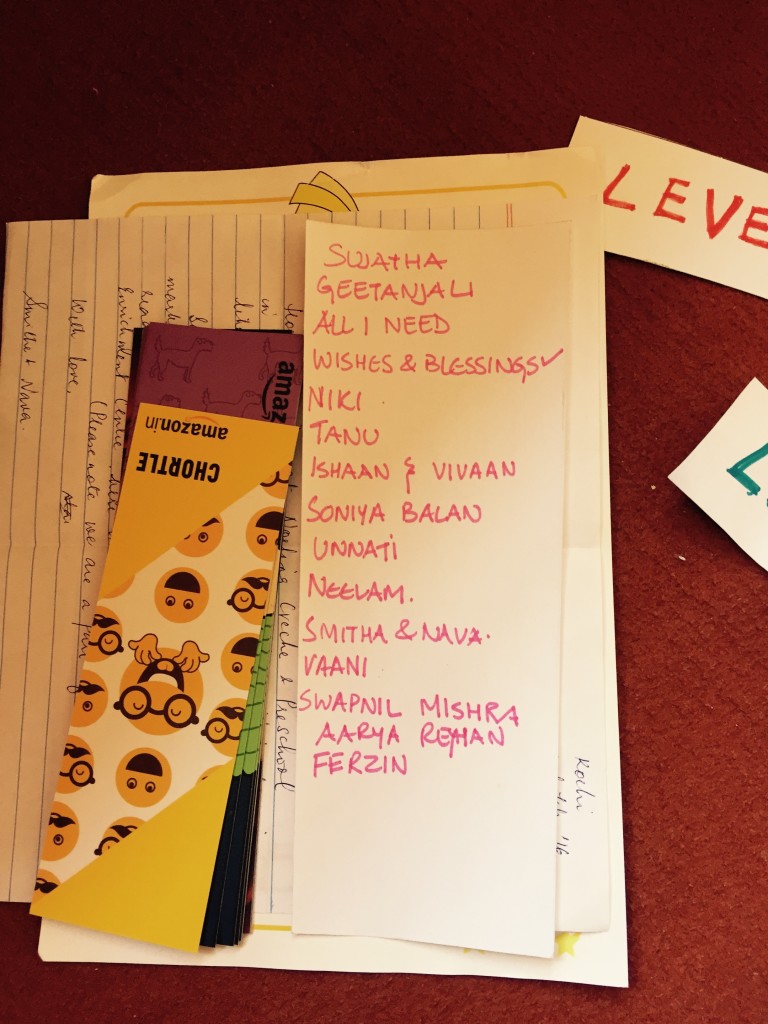
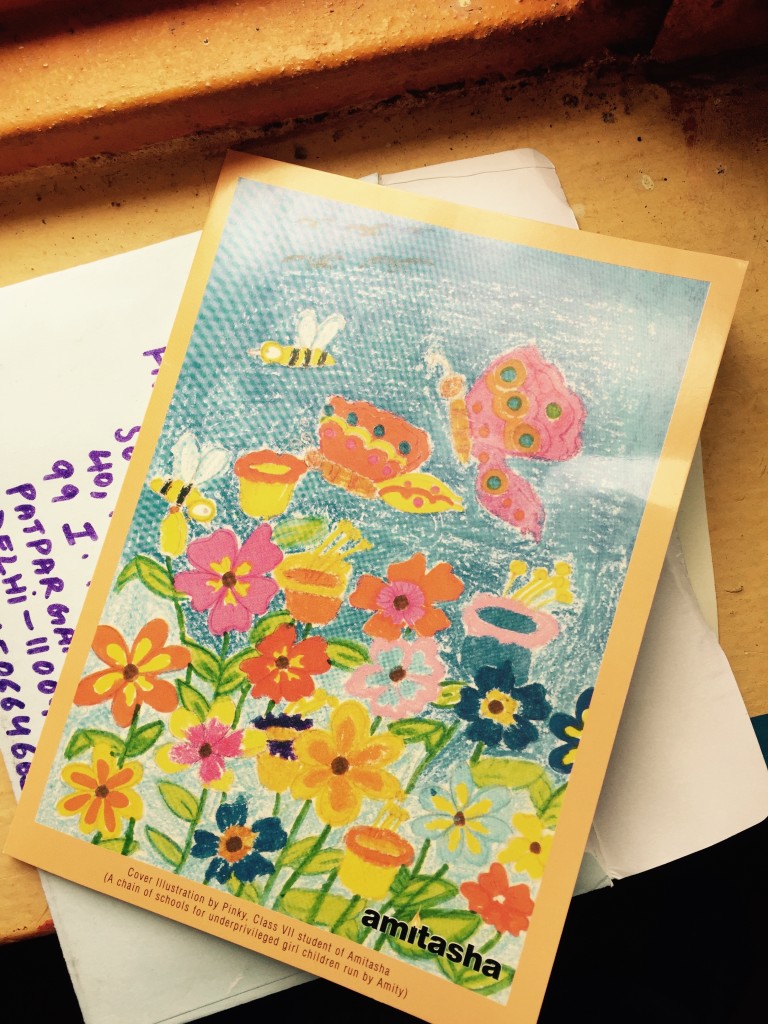
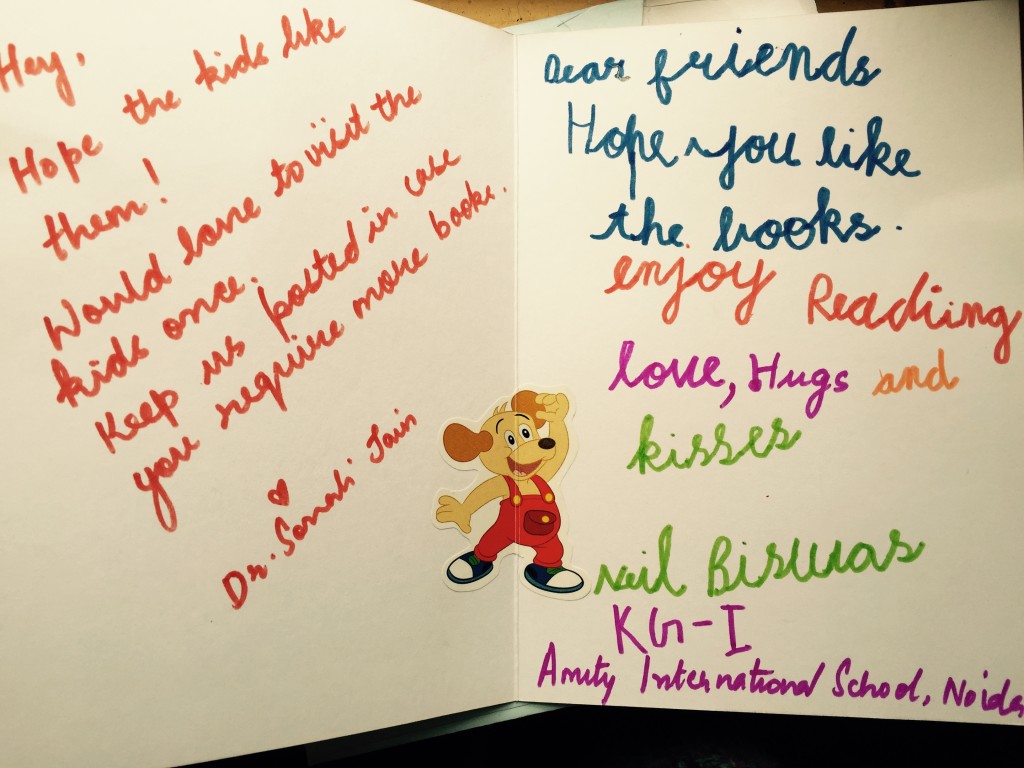
A short letter can become part of that learning. A child might describe a borrowed story, thank a sponsor for musical instruments or explain how a reading room helped someone read aloud. Done with care, the note gives a distant supporter something personal and gives the child practice in language, sequencing and thoughtful communication.
For Australian donors and volunteers, the most useful model is not a template or performance. It is a supported, voluntary process in which children choose what to share, mentors help with the mechanics and families understand how their words and images will be used.
Why gratitude becomes a learning tool
Thank-you writing works best when it has a genuine purpose. Children can identify something they used, name a skill they gained and offer one clear feeling of appreciation. This simple structure supports handwriting, vocabulary and perspective-taking while giving donors meaningful evidence of how support reaches a community.
The format should adapt to the child rather than force every result into the same mould. Comparing options also helps educators see where support is needed and where a child already has confidence.
| Format |
Main benefit |
Possible barrier |
Helpful adjustment |
| Handwritten letter |
Personal tone and valuable writing practice |
Fine motor or spelling difficulties |
Use lined paper, a scribe or shorter sentences |
| Child dictation |
Captures authentic ideas in a young child’s language |
A scribe must preserve the original meaning |
Let the child approve every transcription |
| Illustrated response |
Combines visual storytelling with written thanks |
Limited writing confidence |
Treat drawings as equal parts of the message |
| Short group message |
Encourages shared reflection and listening |
Individual contributions may be blurred |
Record each child’s contribution separately |
Keeping the child’s voice at the centre
Begin with a conversation rather than a blank page. Mentors can ask what the child noticed, which part of an activity mattered and what changed because a donor contributed. Simple prompts help children develop ideas without writing an answer that an adult has already decided is most persuasive.
A useful drafting method is to talk first, organise the thoughts next and write them last. Children can choose three words or phrases that describe their experience, arrange them in an order and expand each one with help. The final note should sound recognisably theirs, even when an adult has corrected spelling or recorded their words.
The Trust’s account of becoming a teacher illustrates how participation in learning and creative programmes can grow into wider responsibility. A letter can describe such a journey without exposing private details, focusing instead on the child’s interests, learning and changing confidence.
Turning books and activities into writing prompts
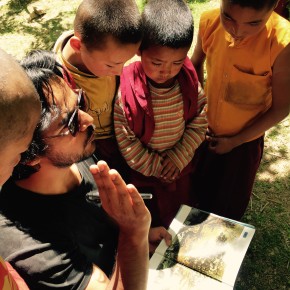
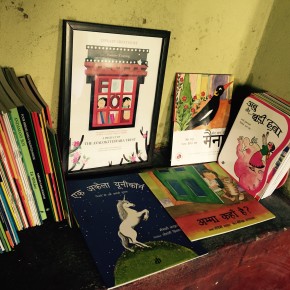
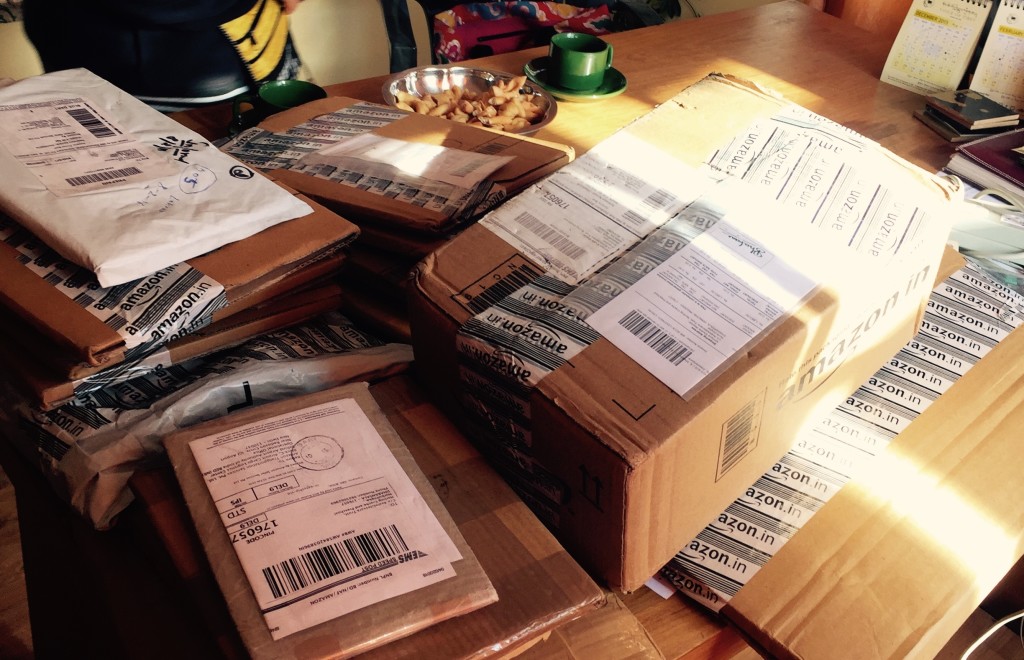
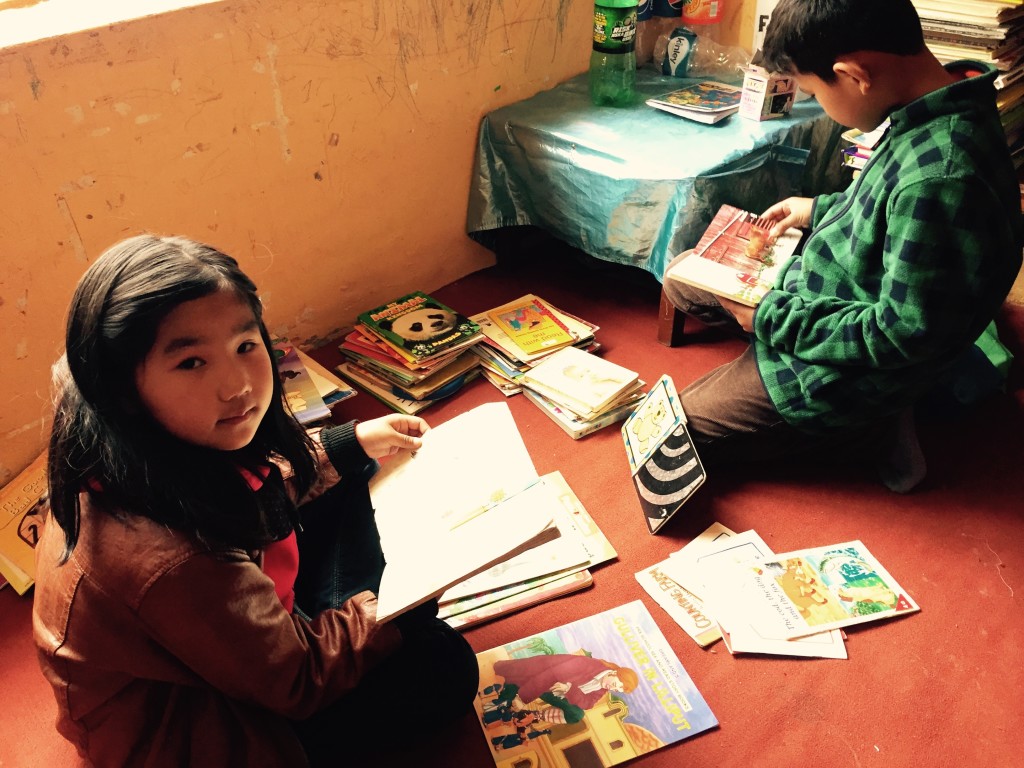
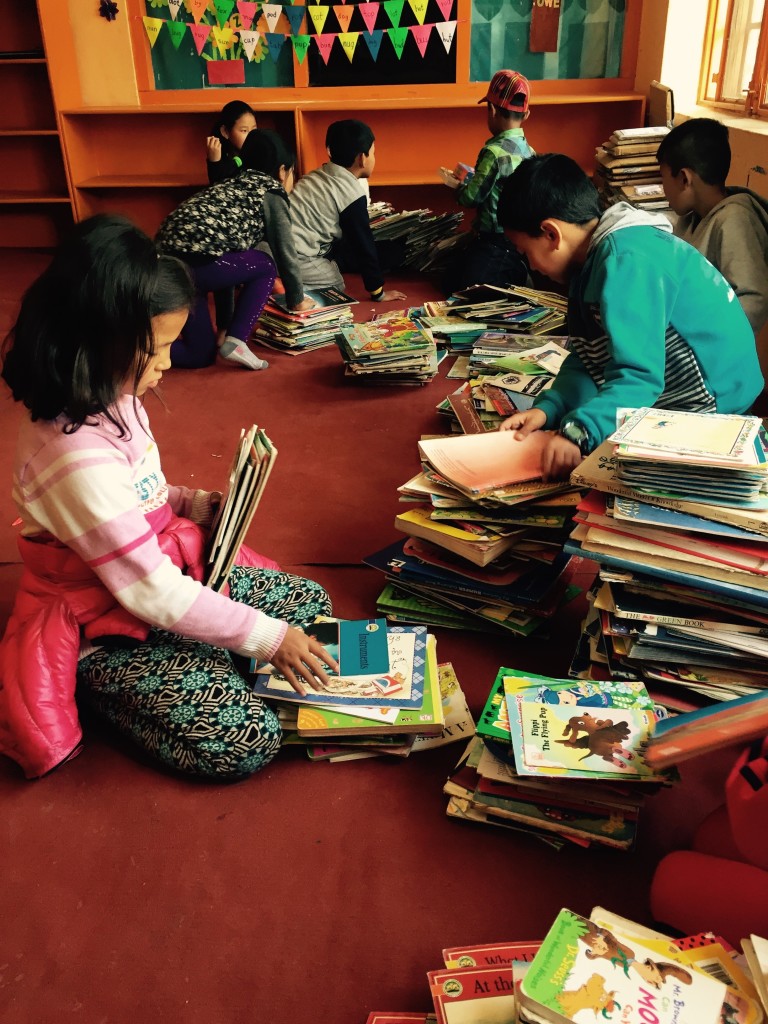
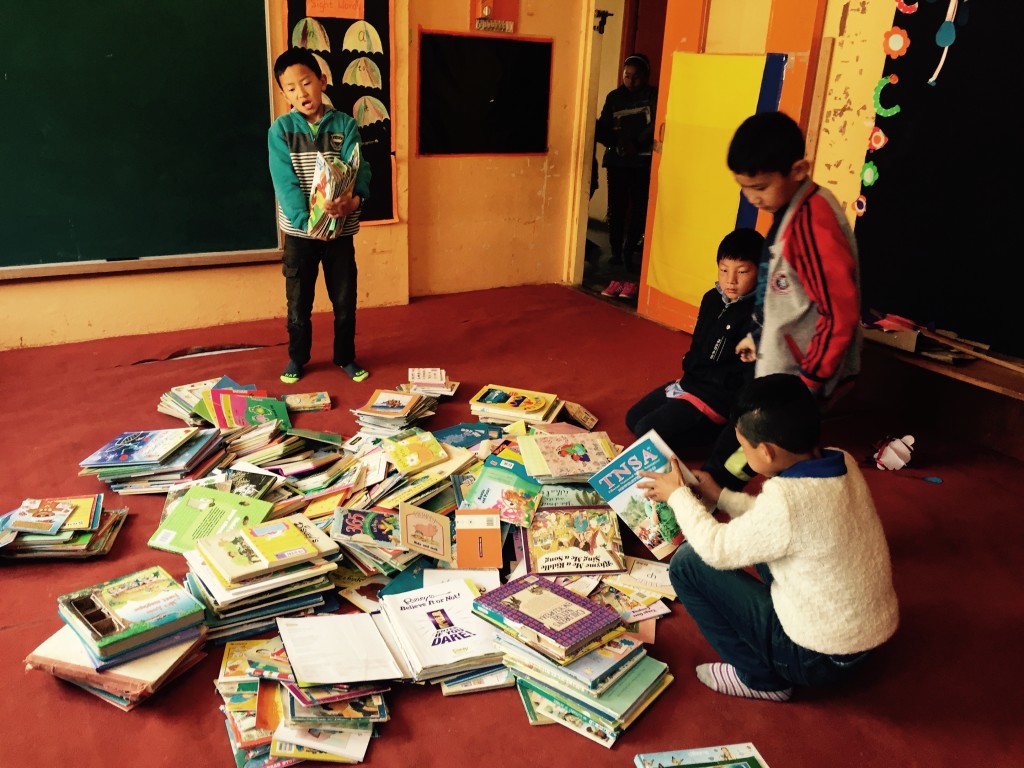
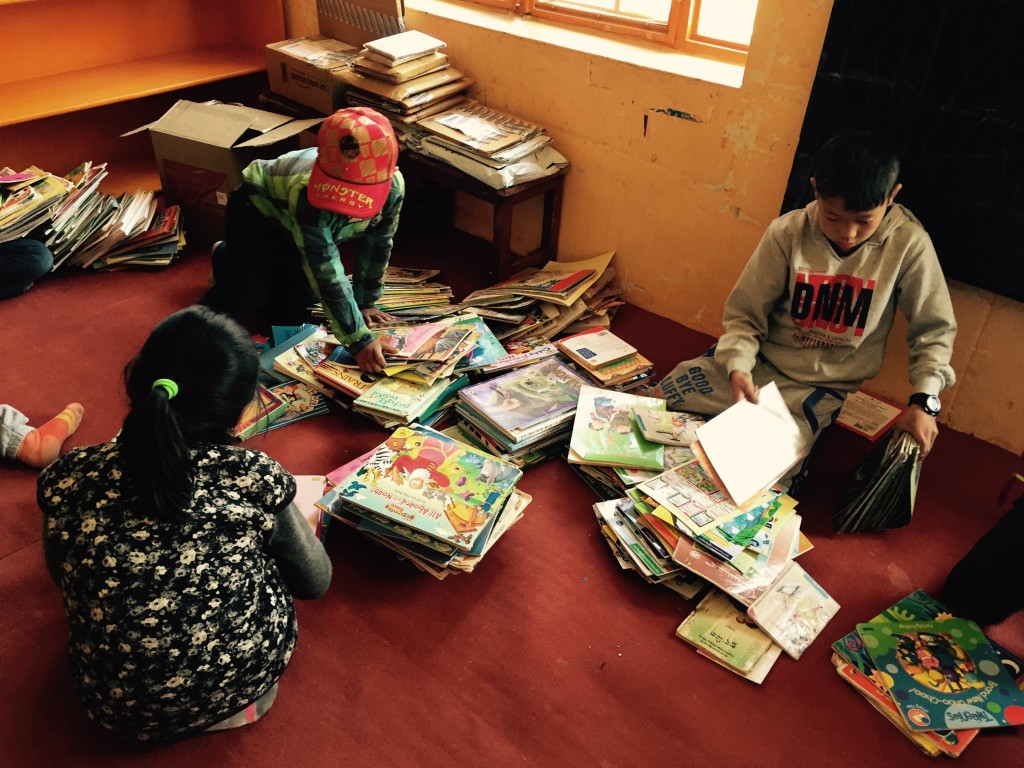
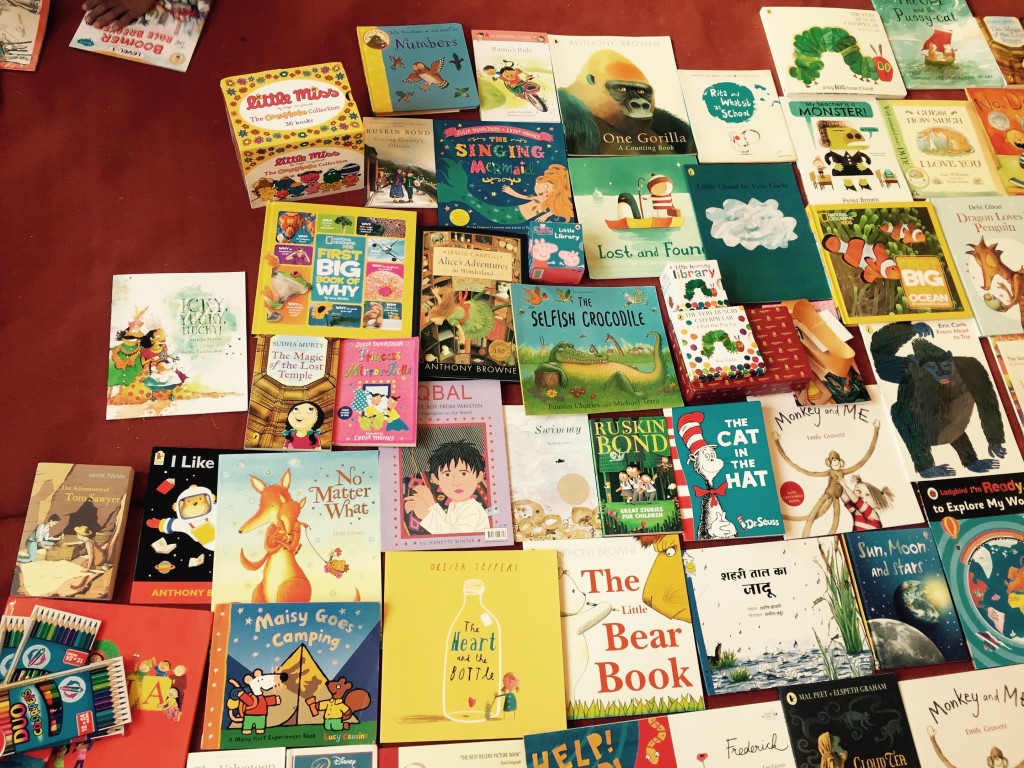
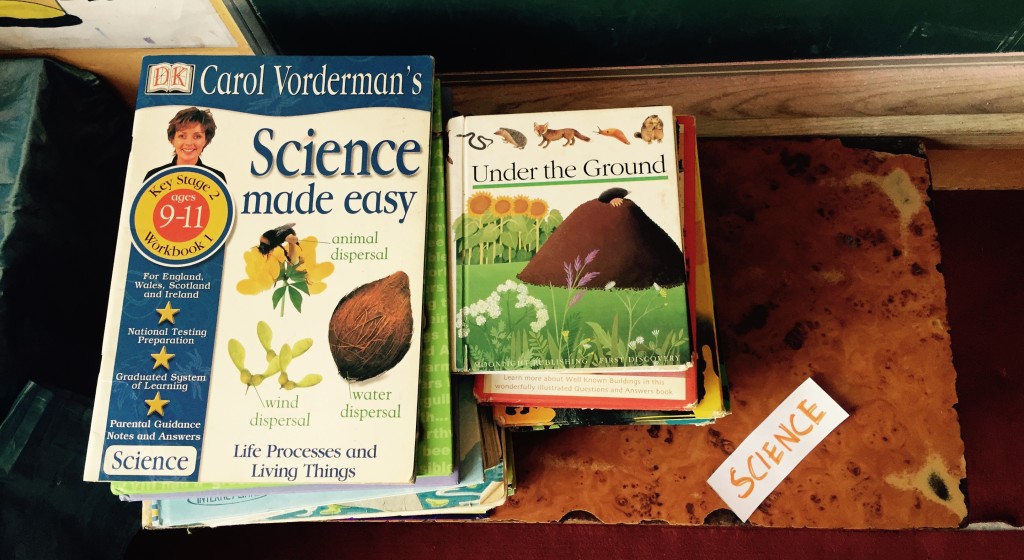
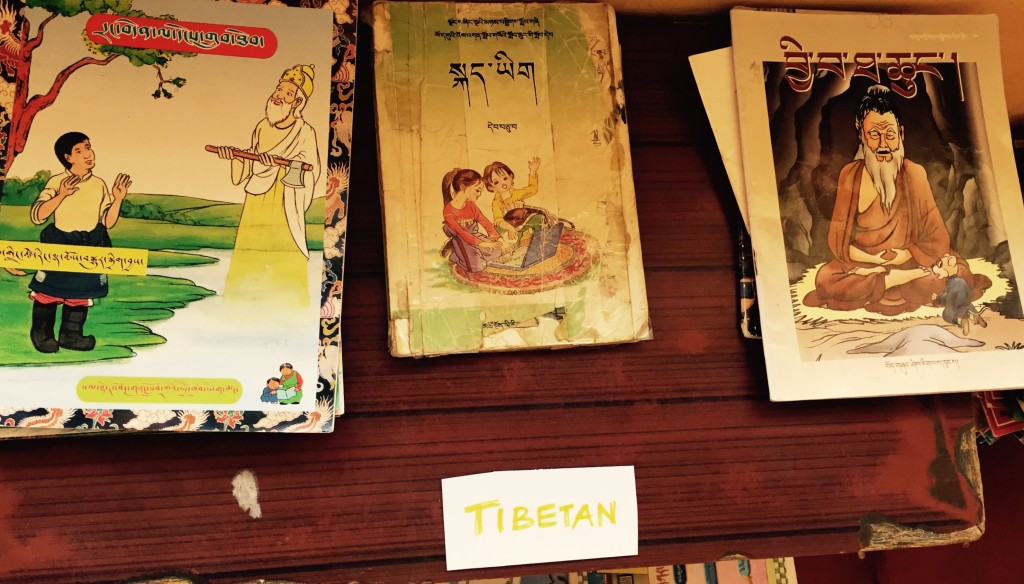
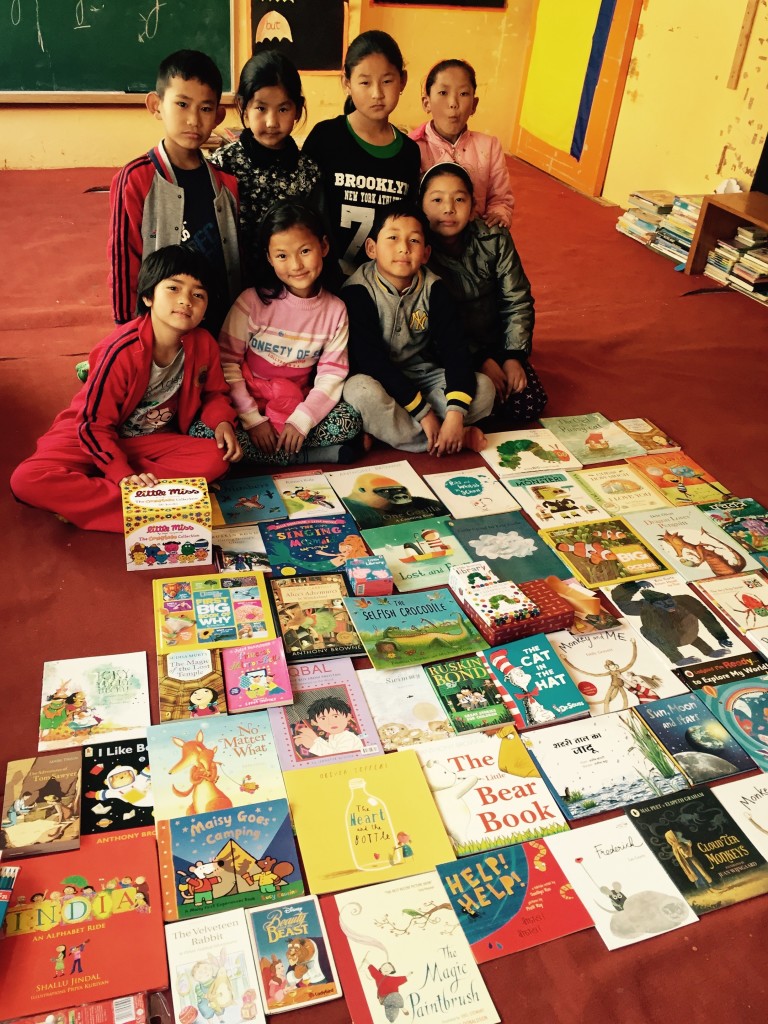
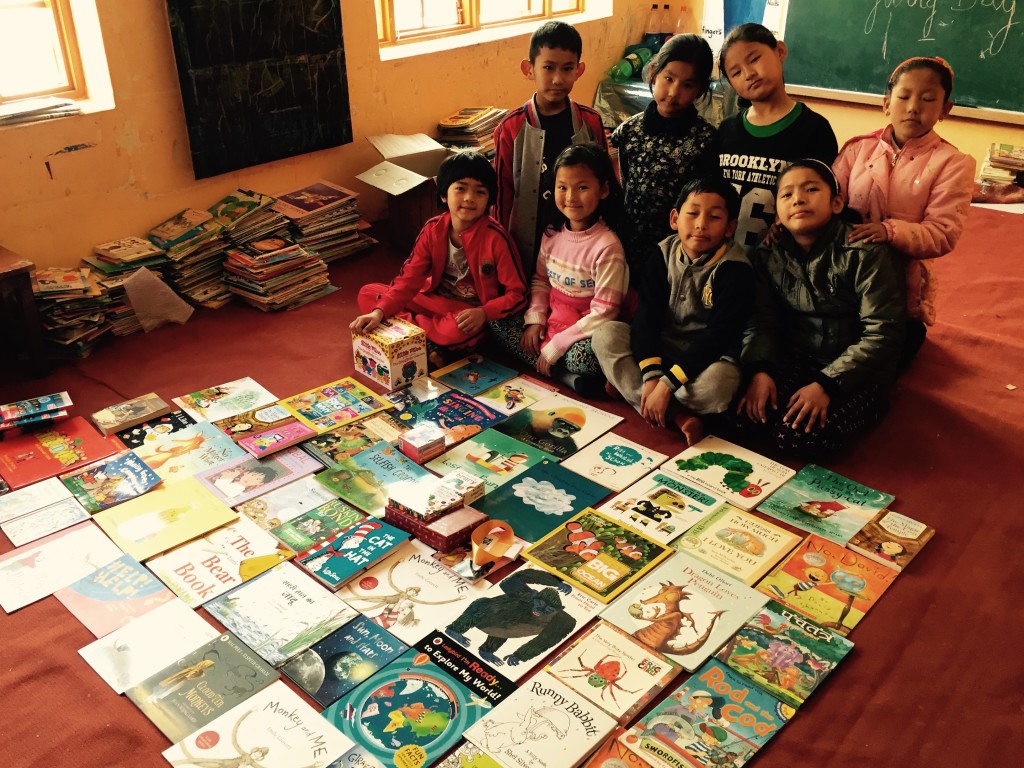
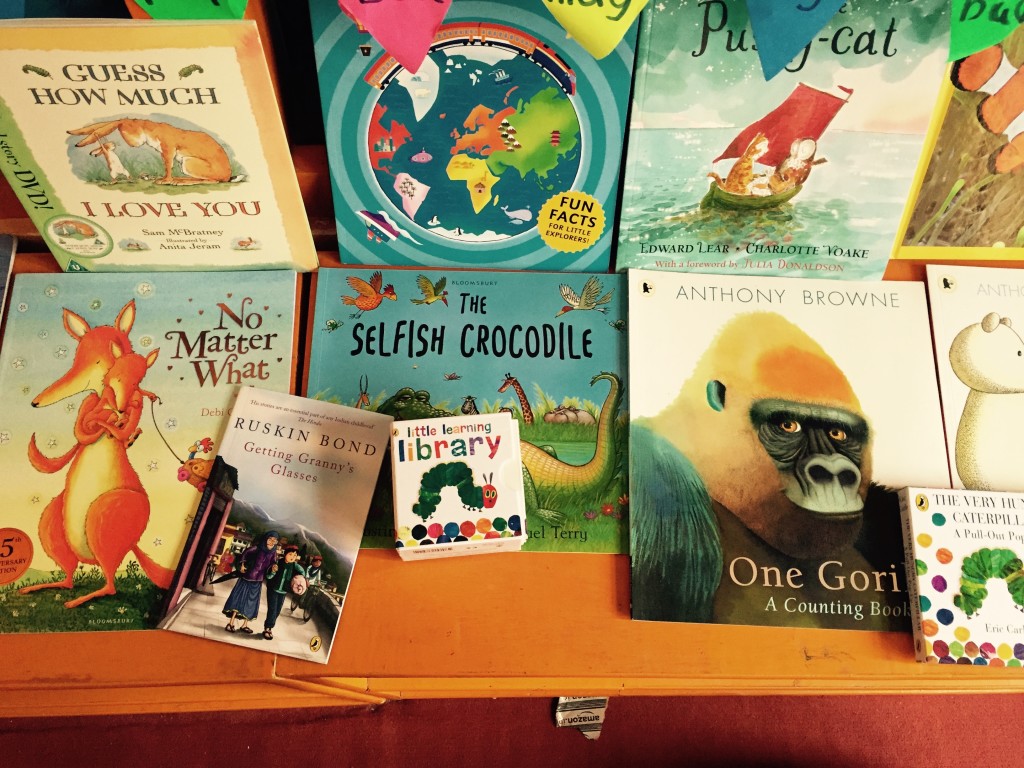
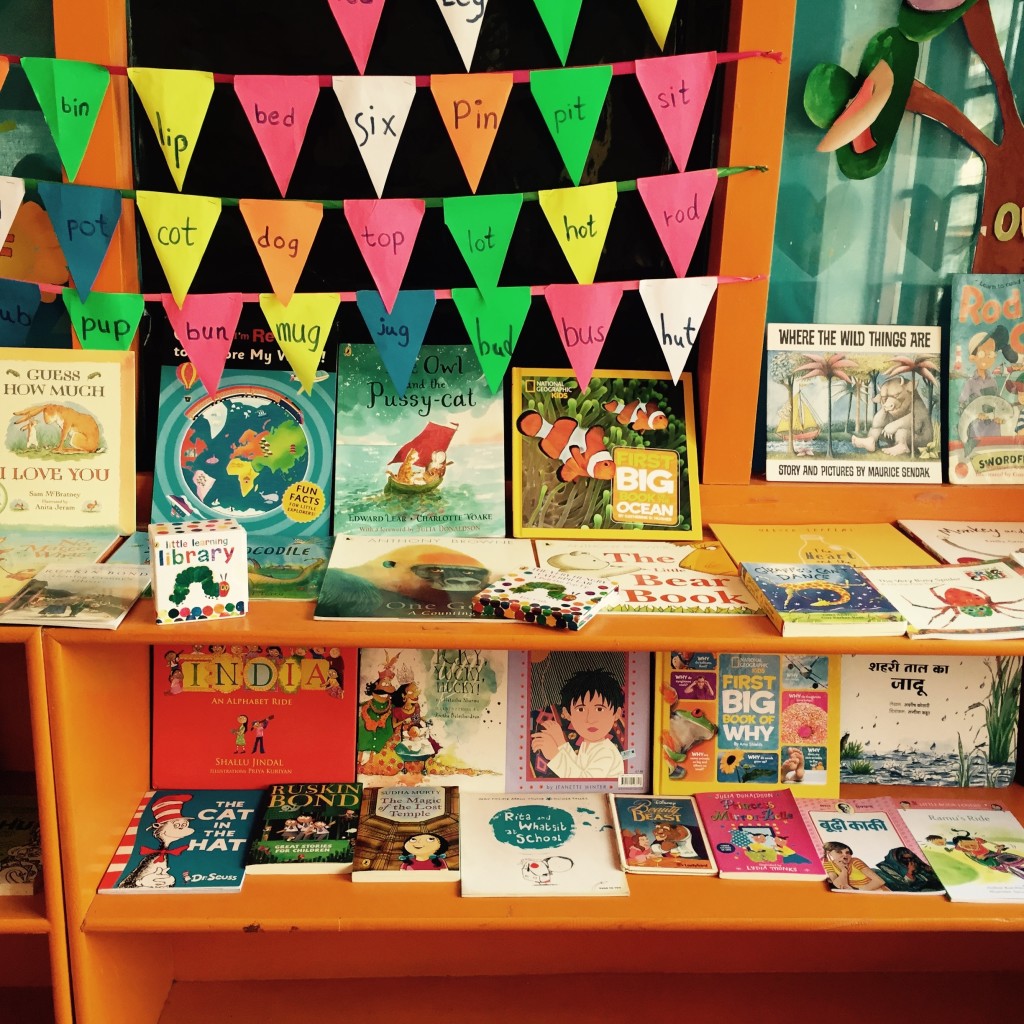
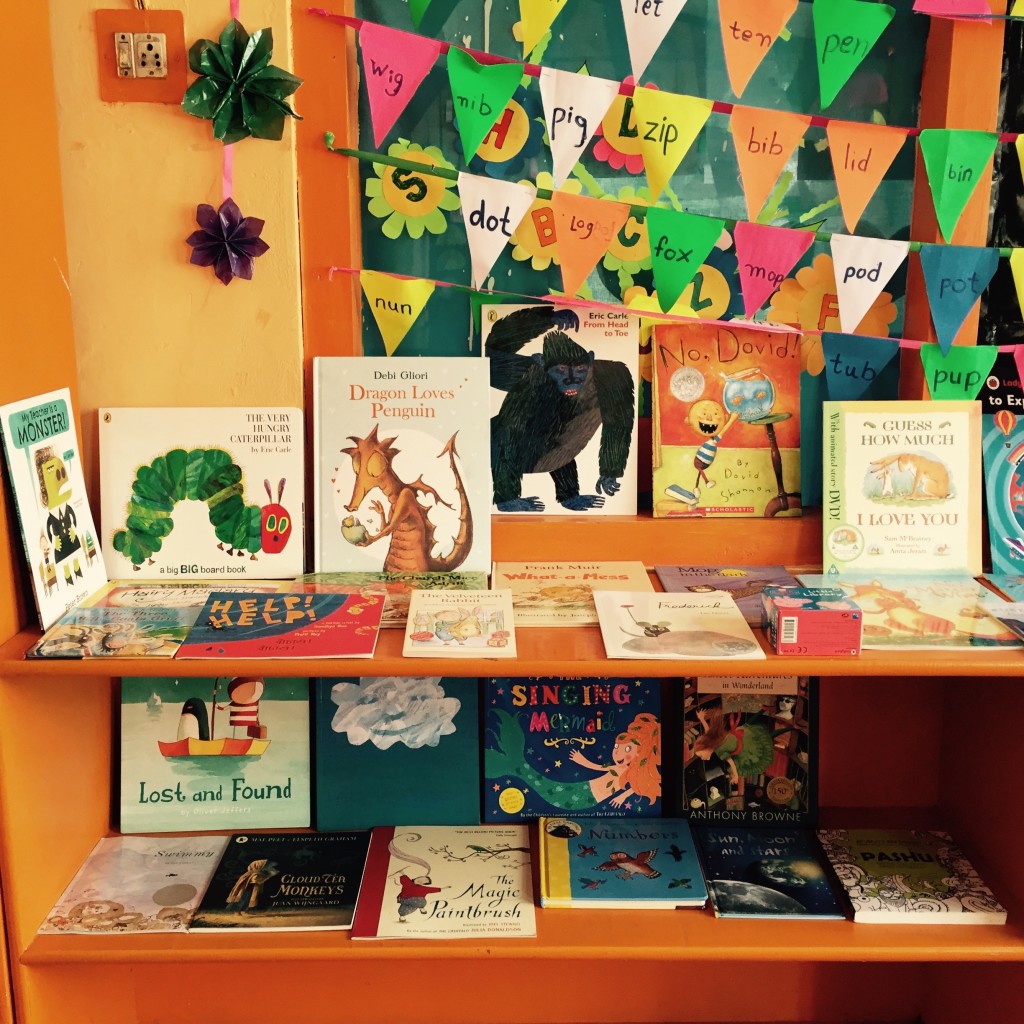
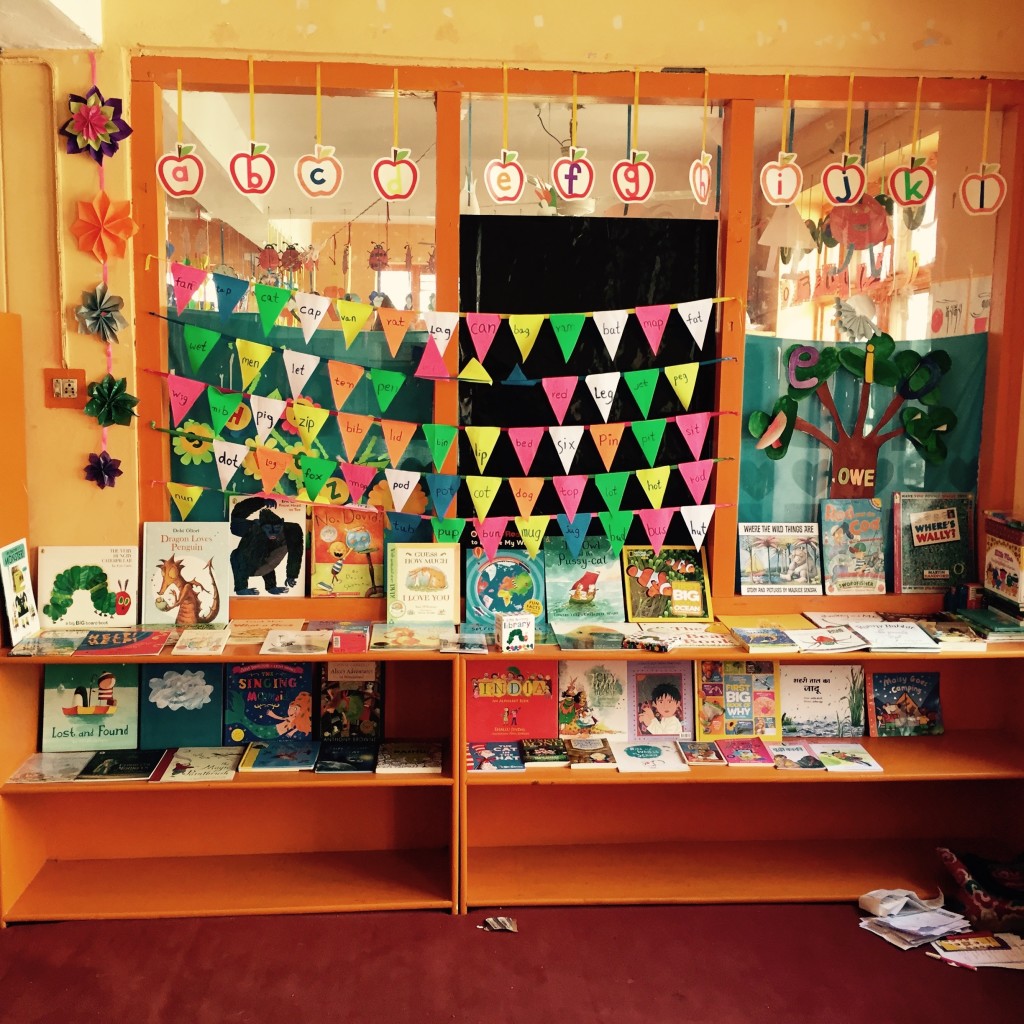
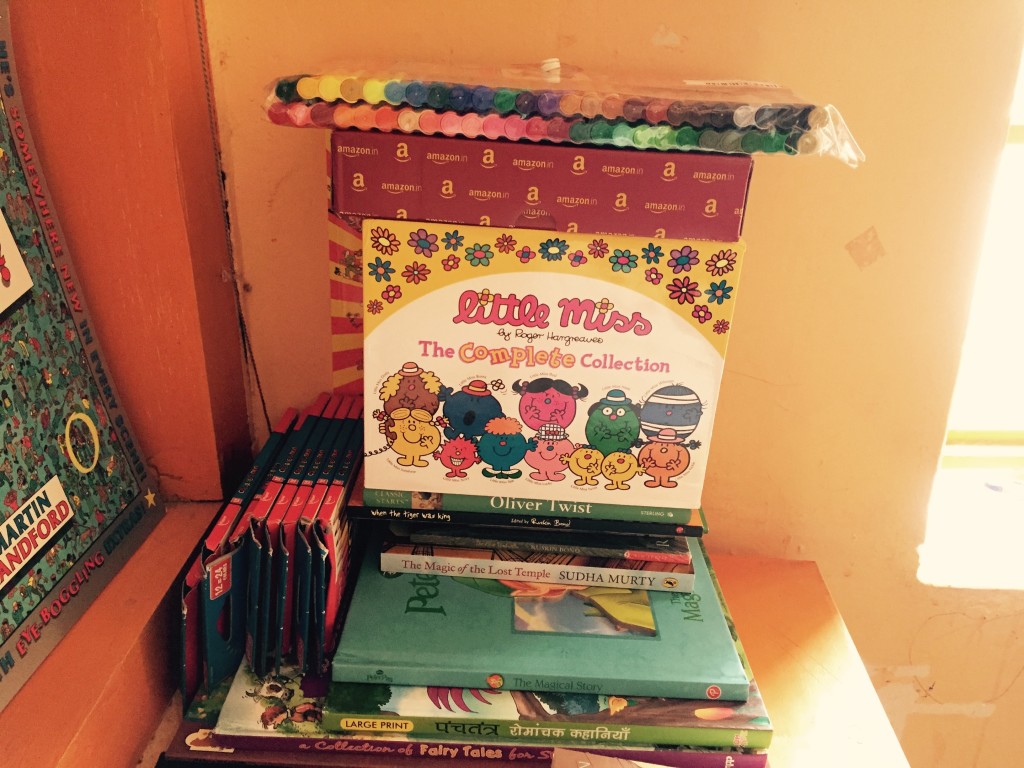
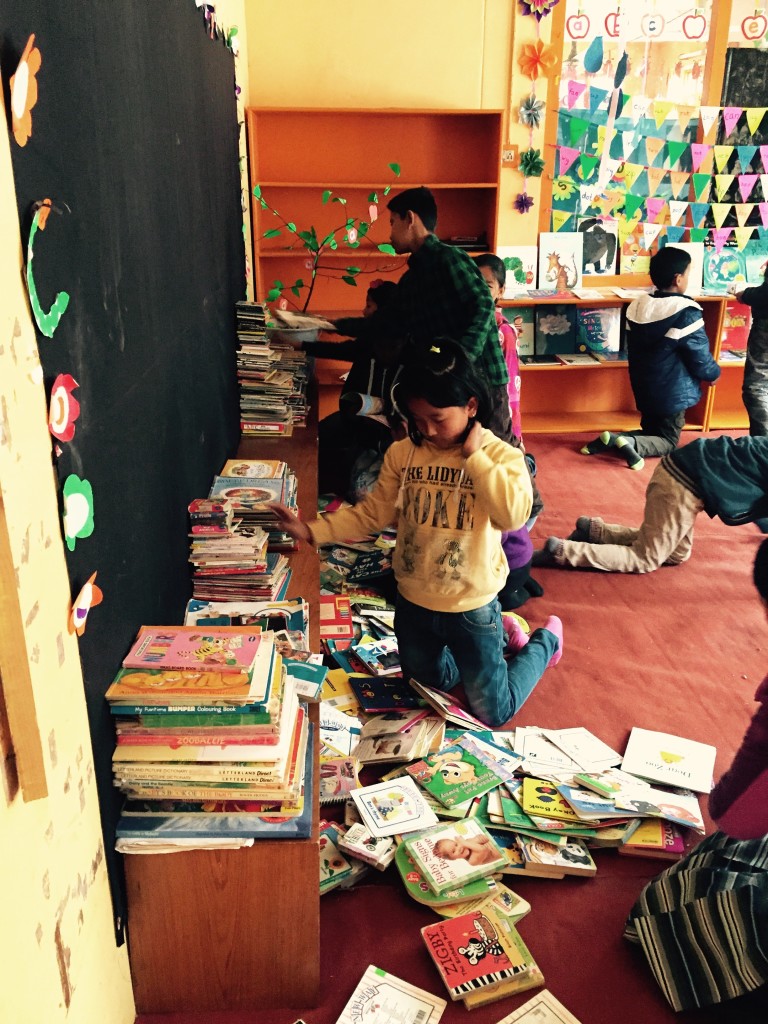
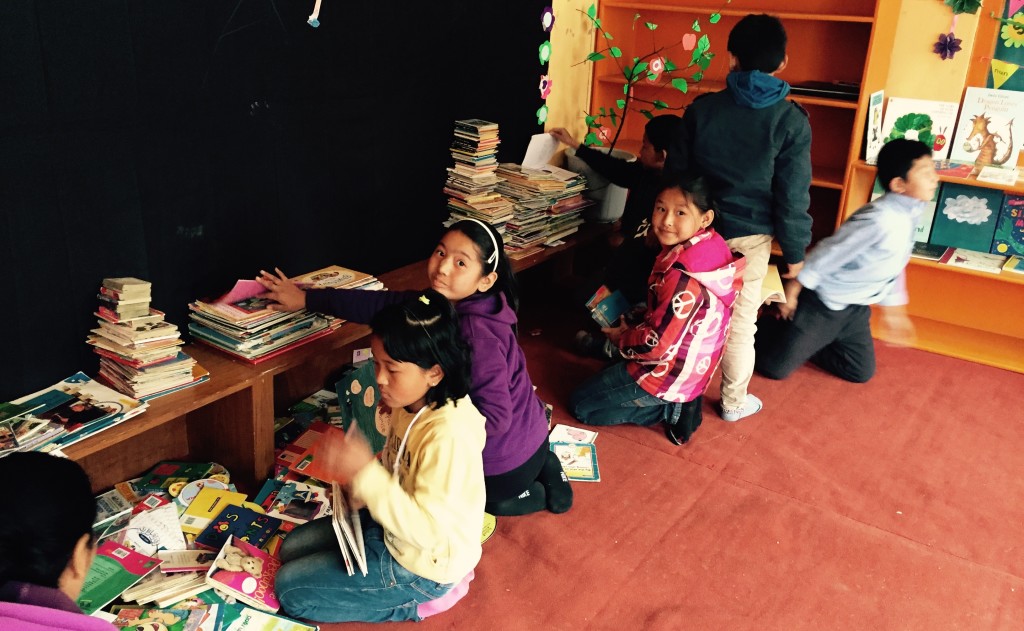
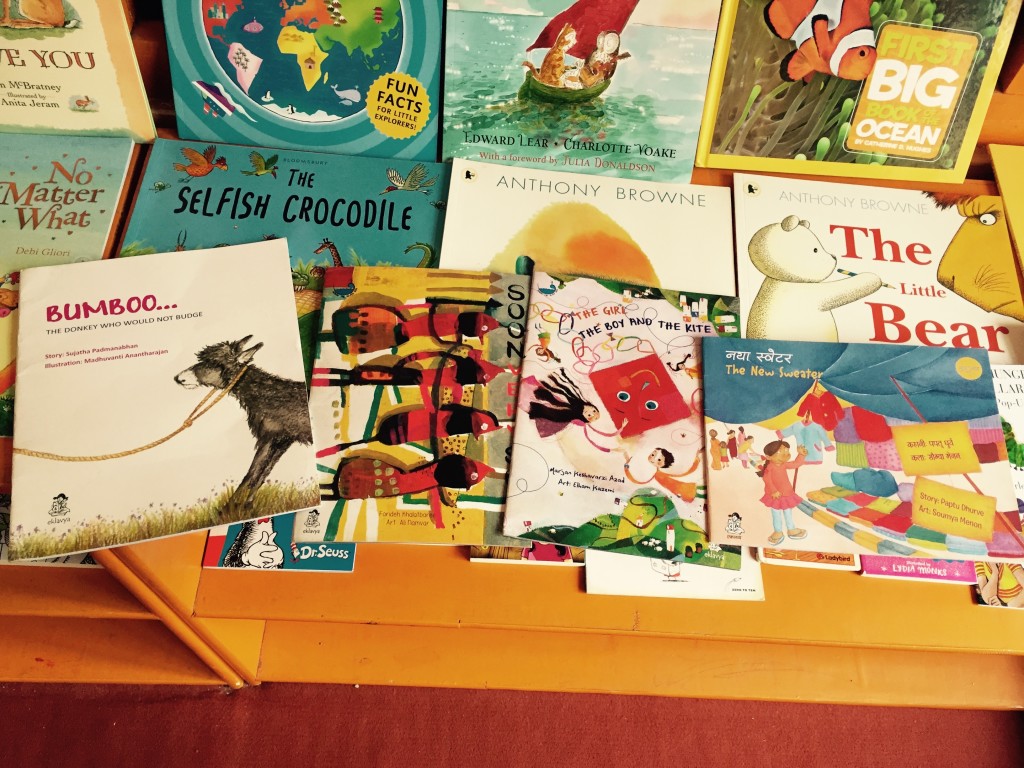
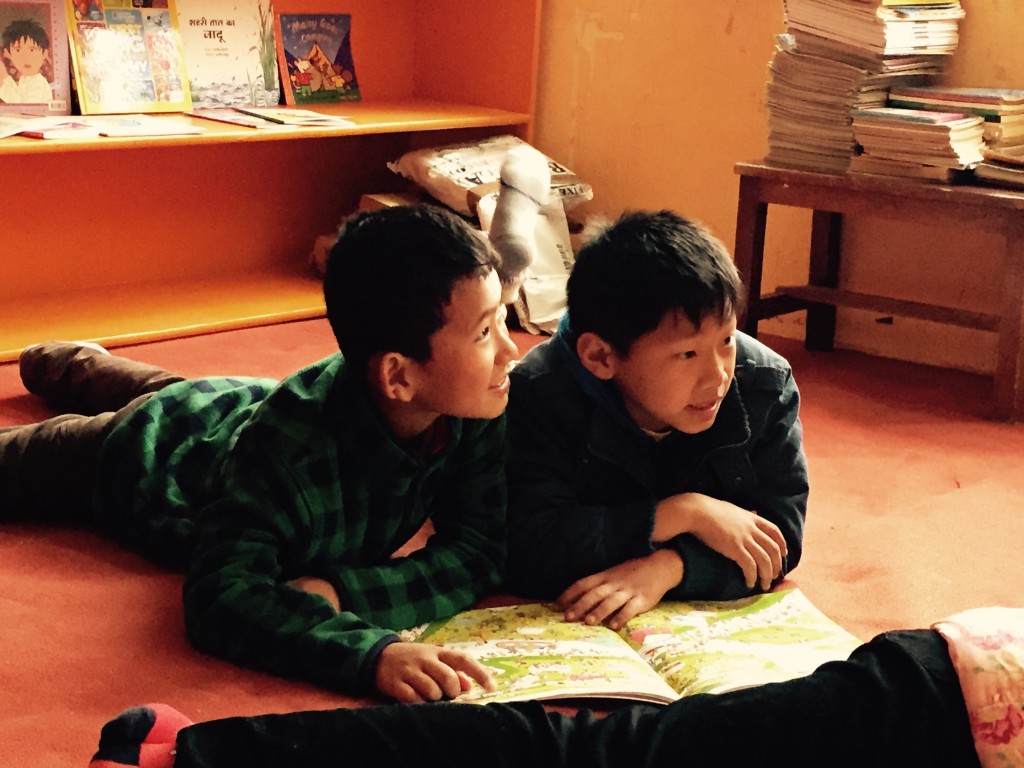
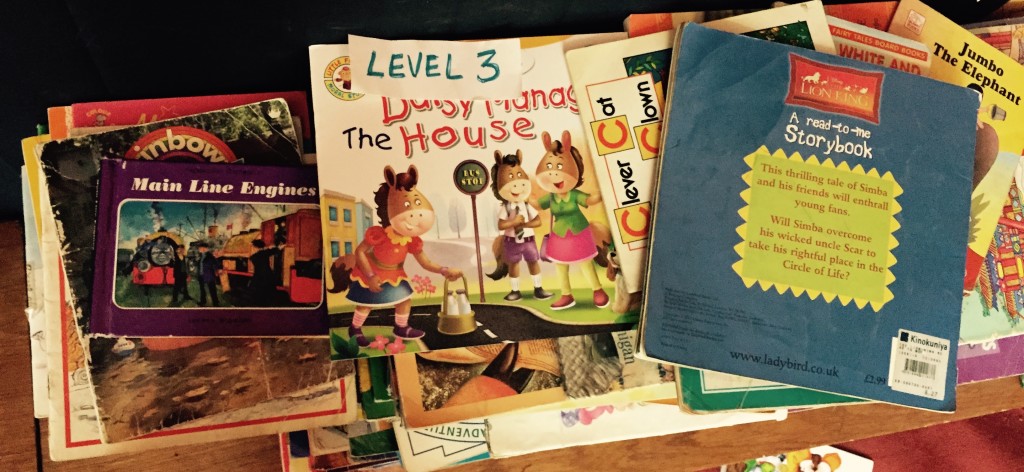
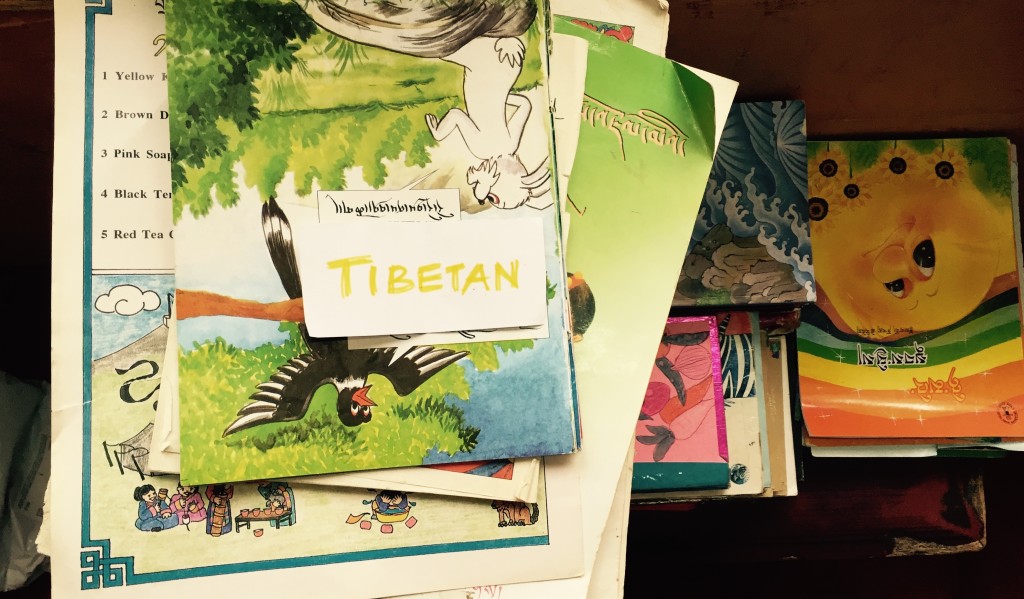
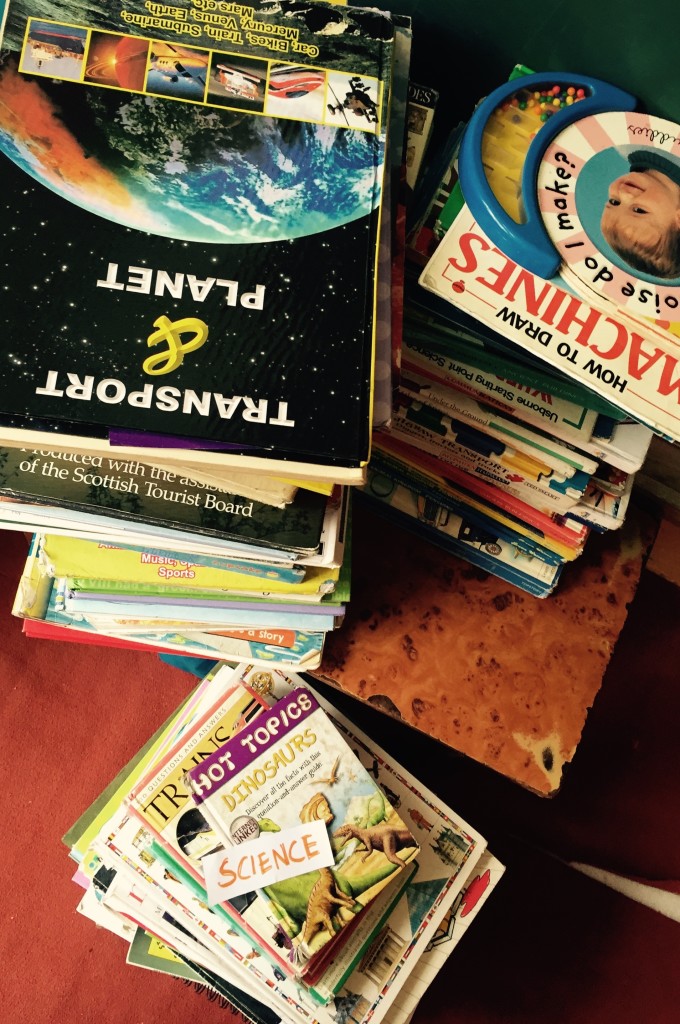
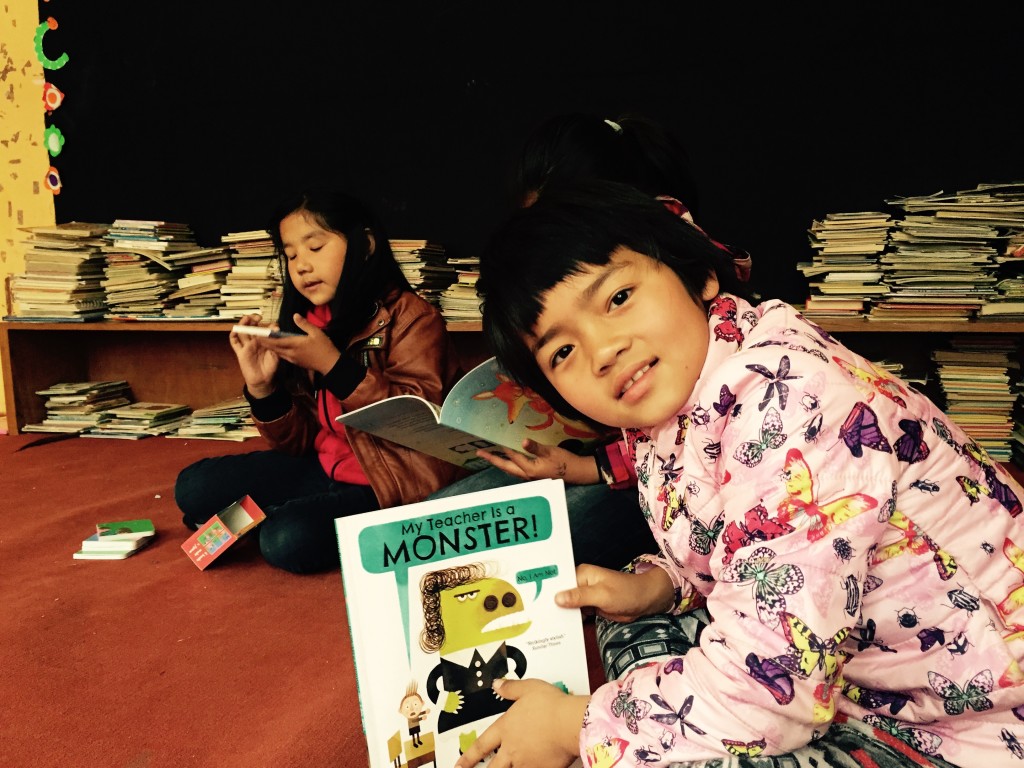
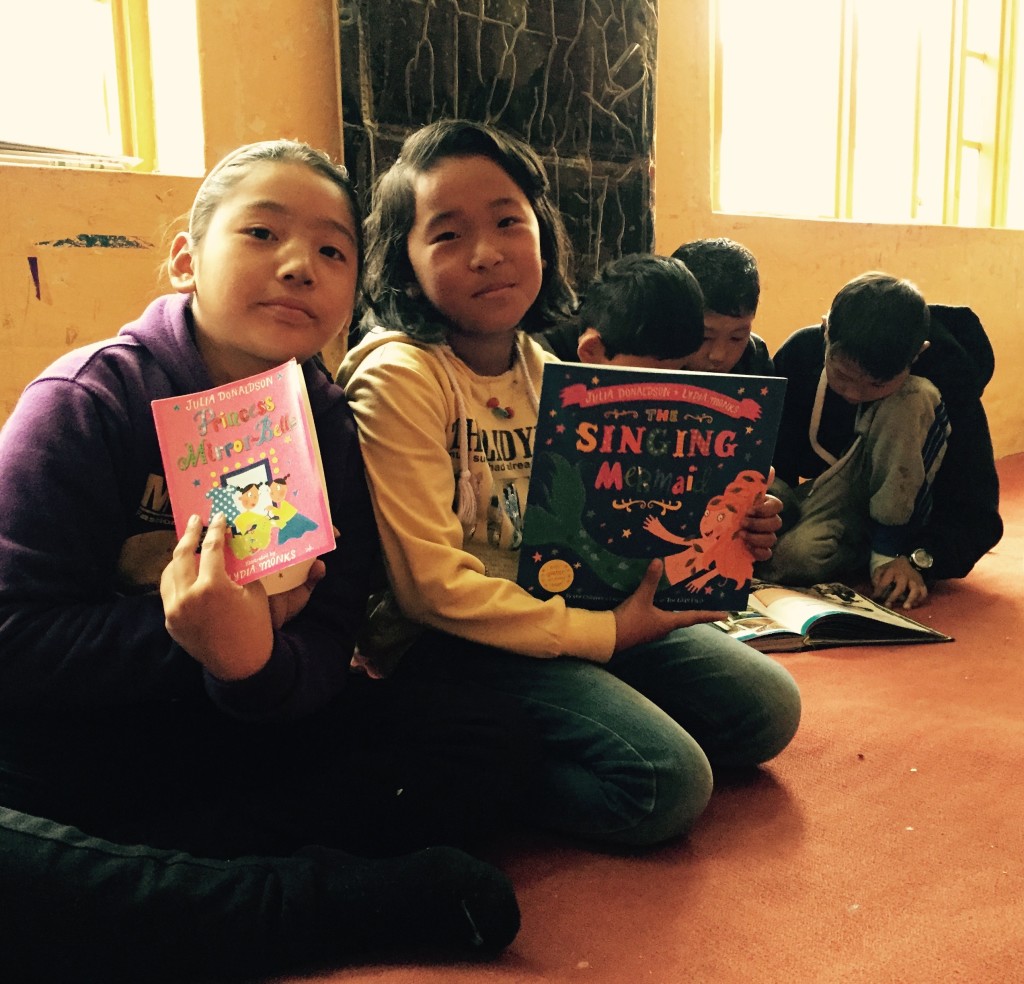
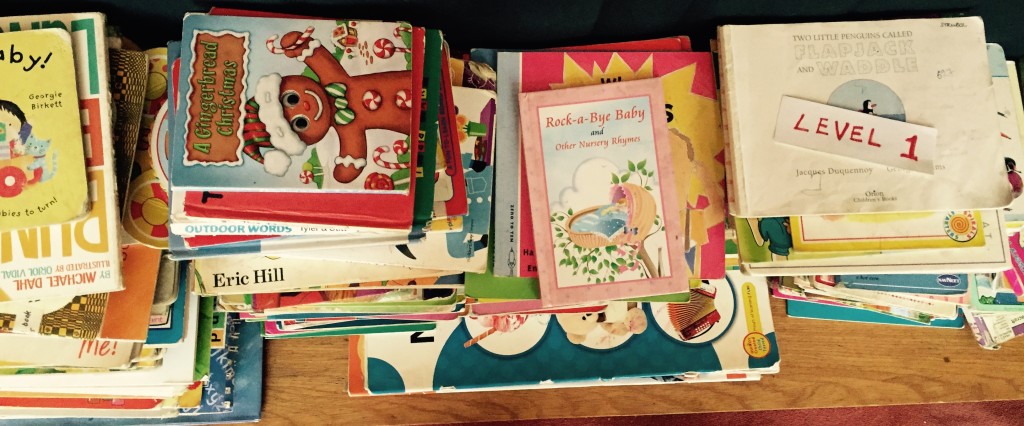
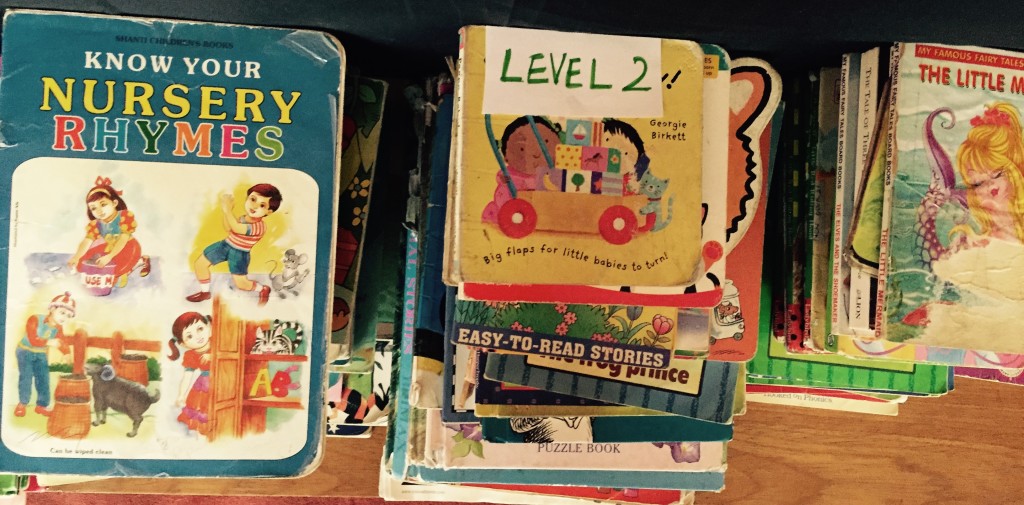
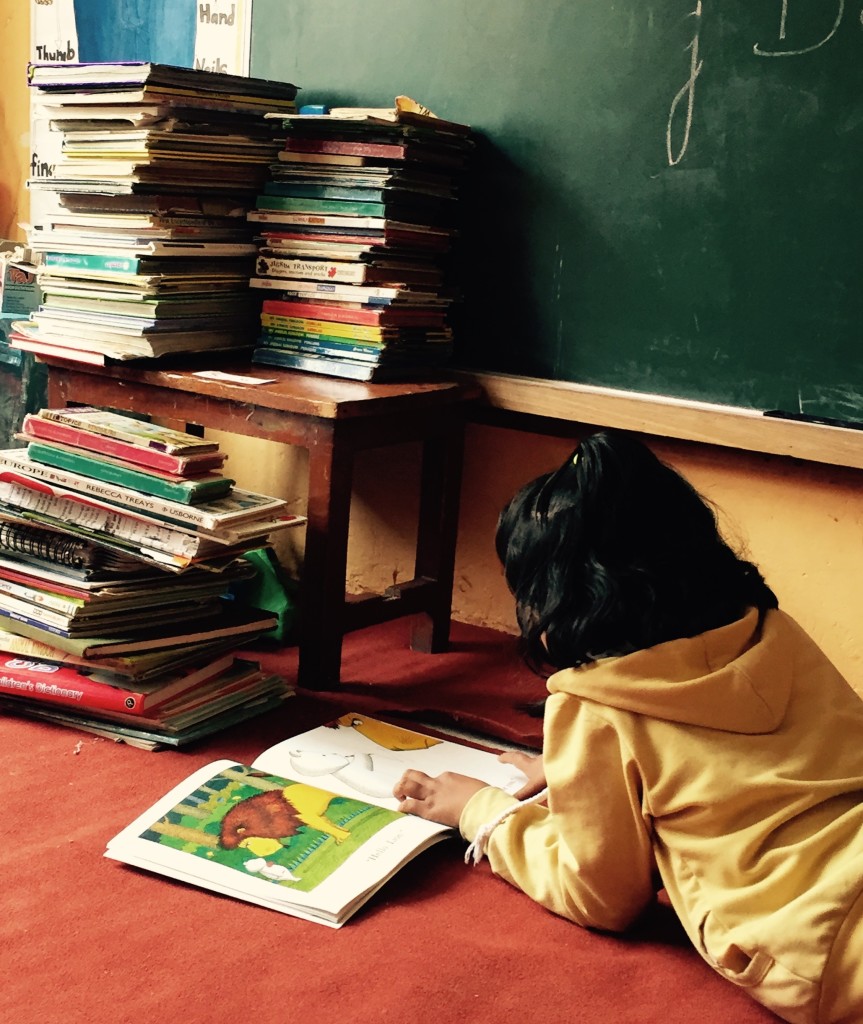
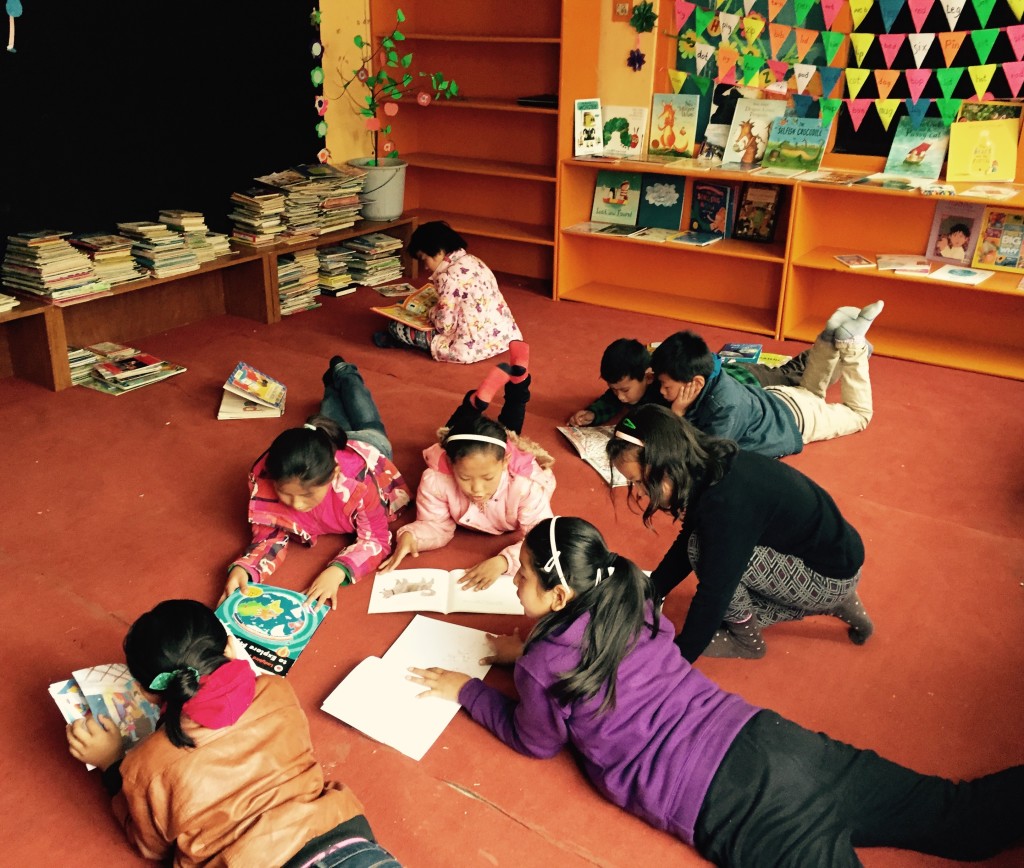
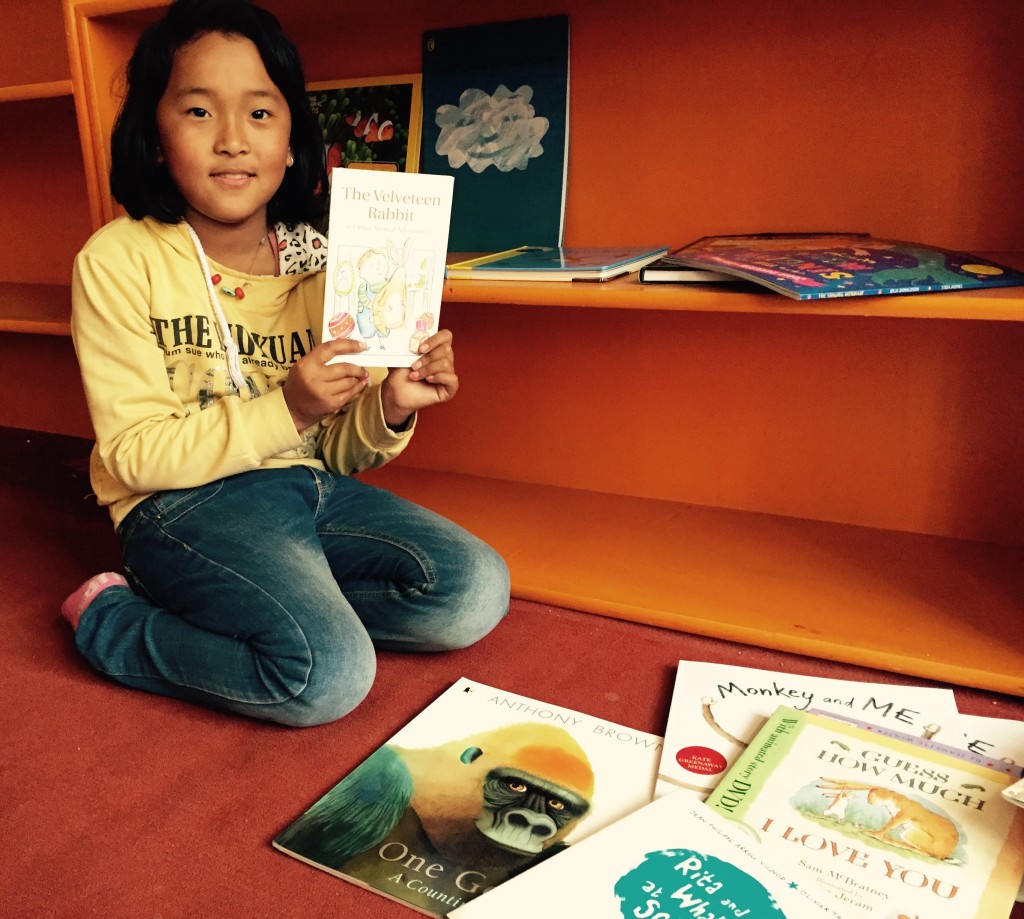
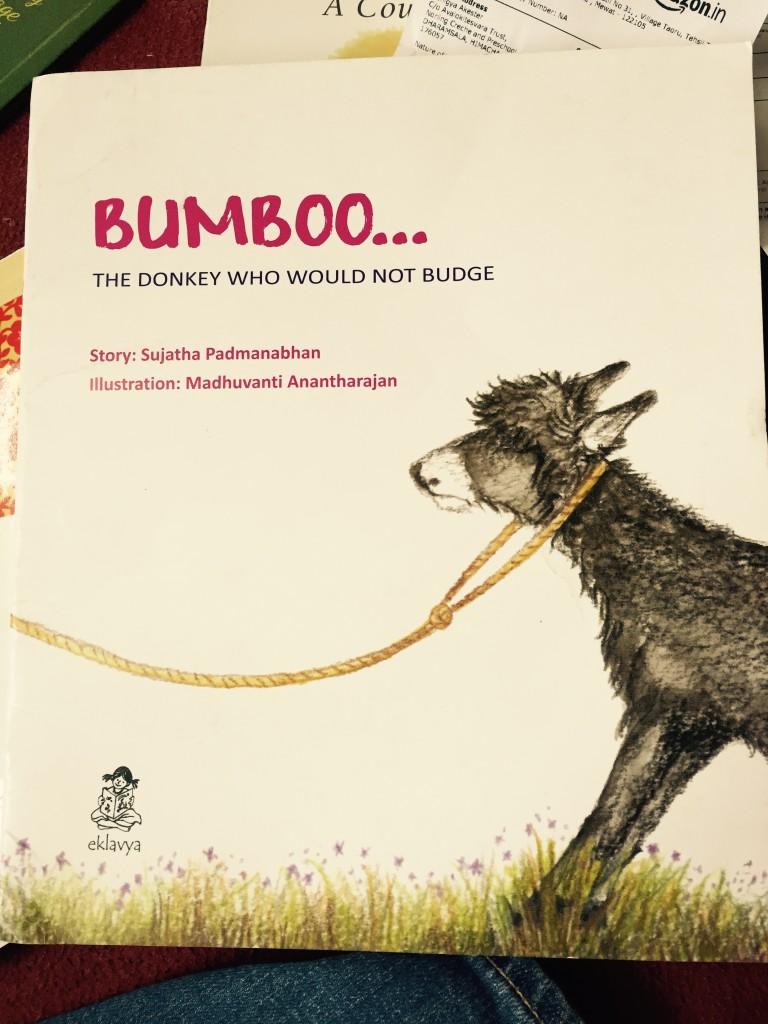
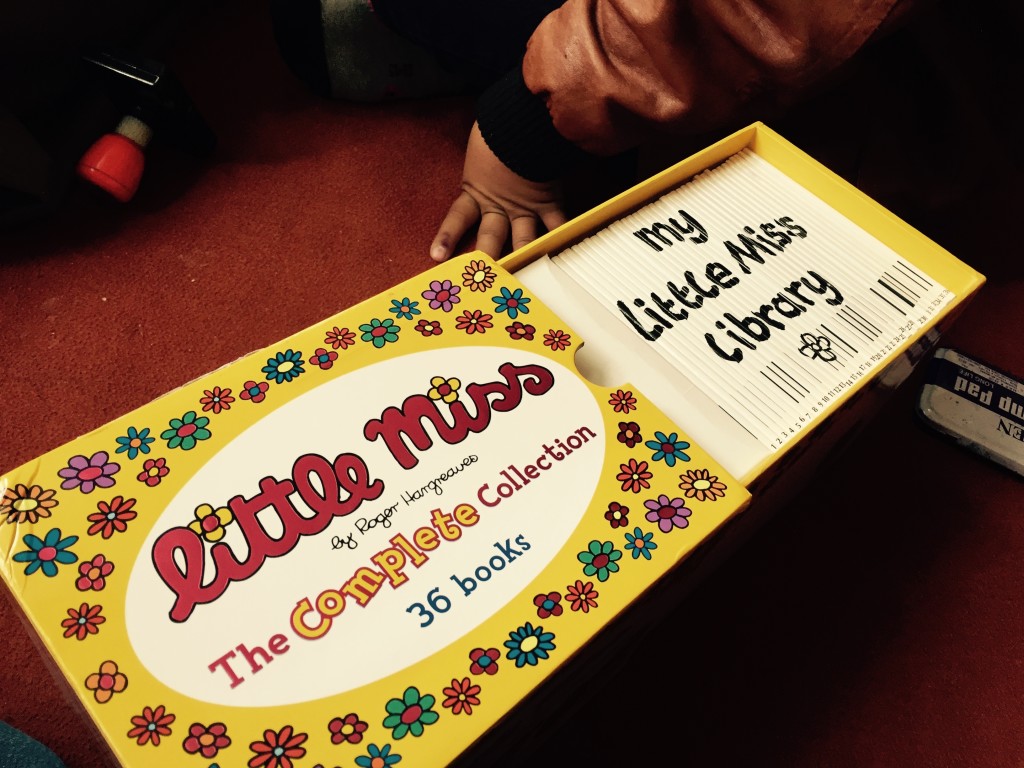
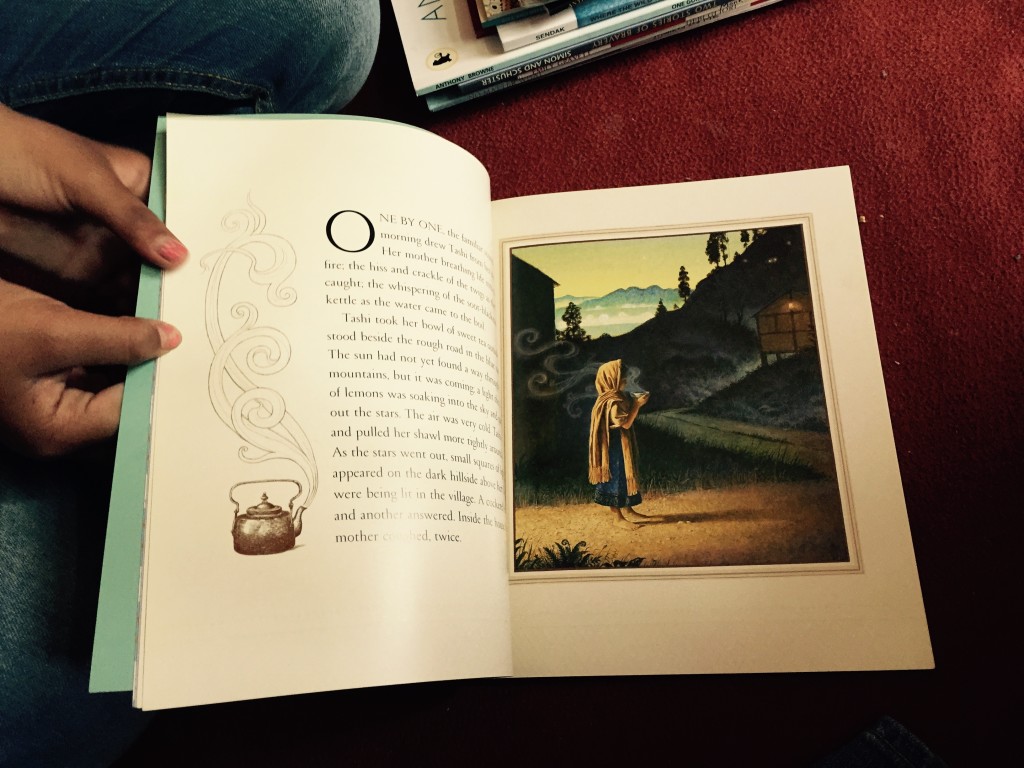
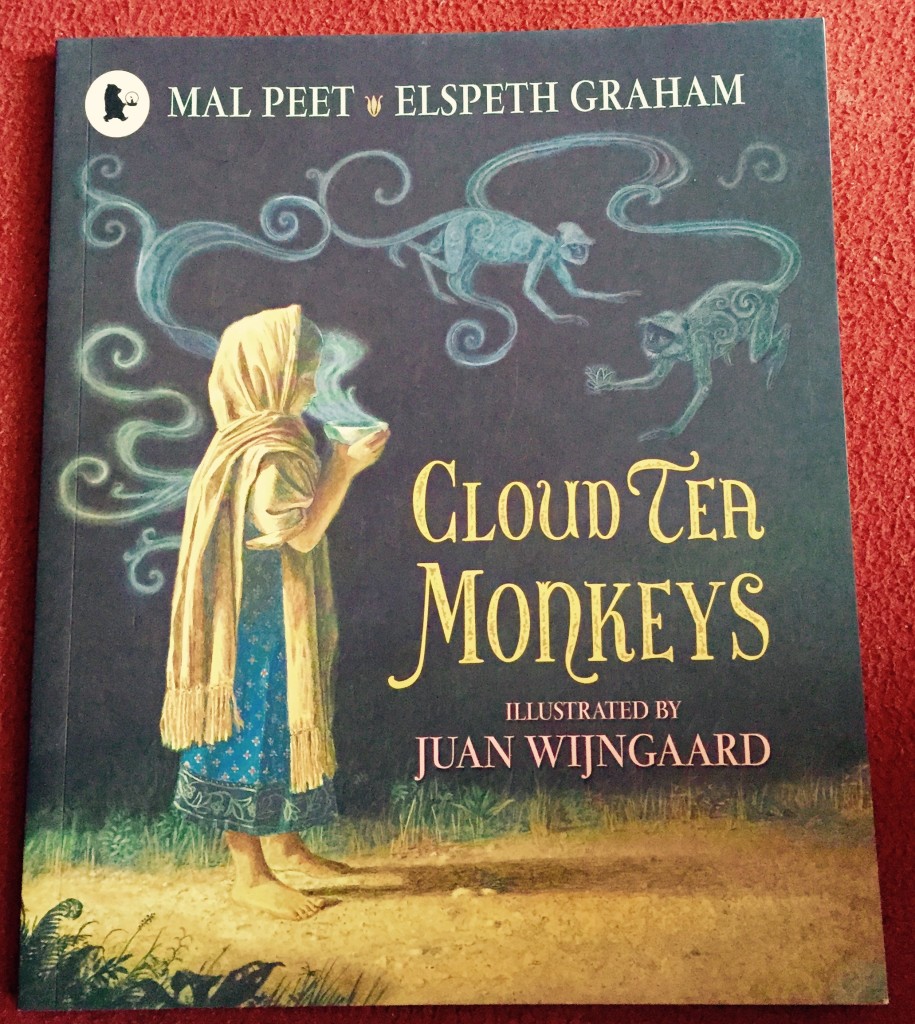
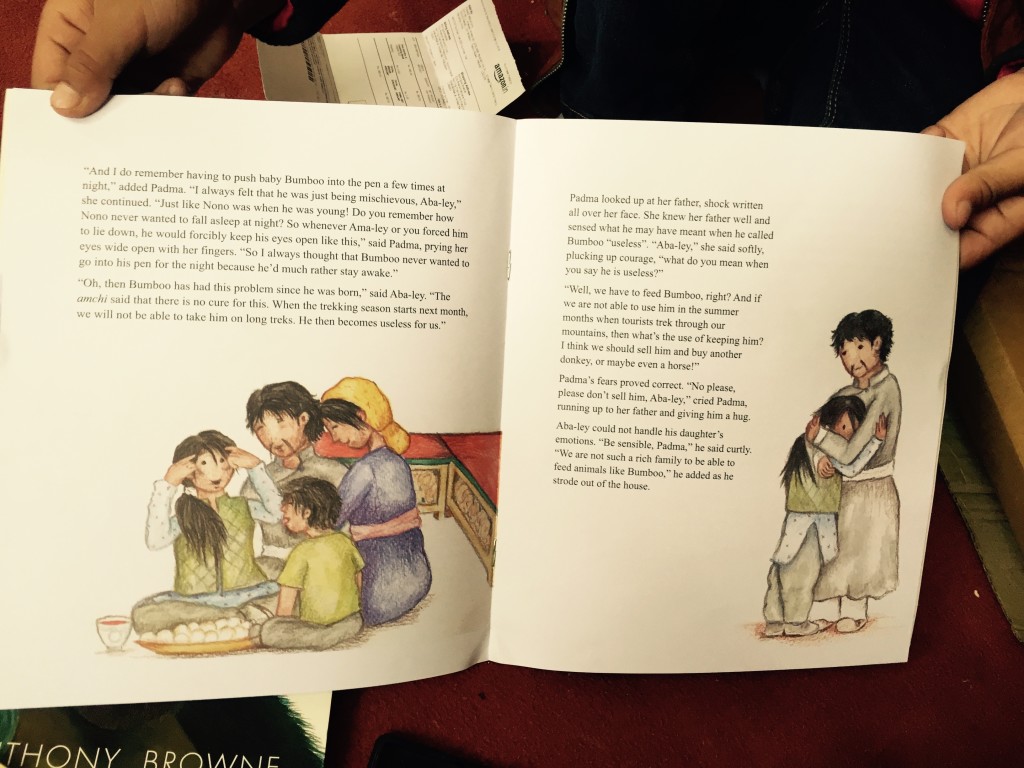
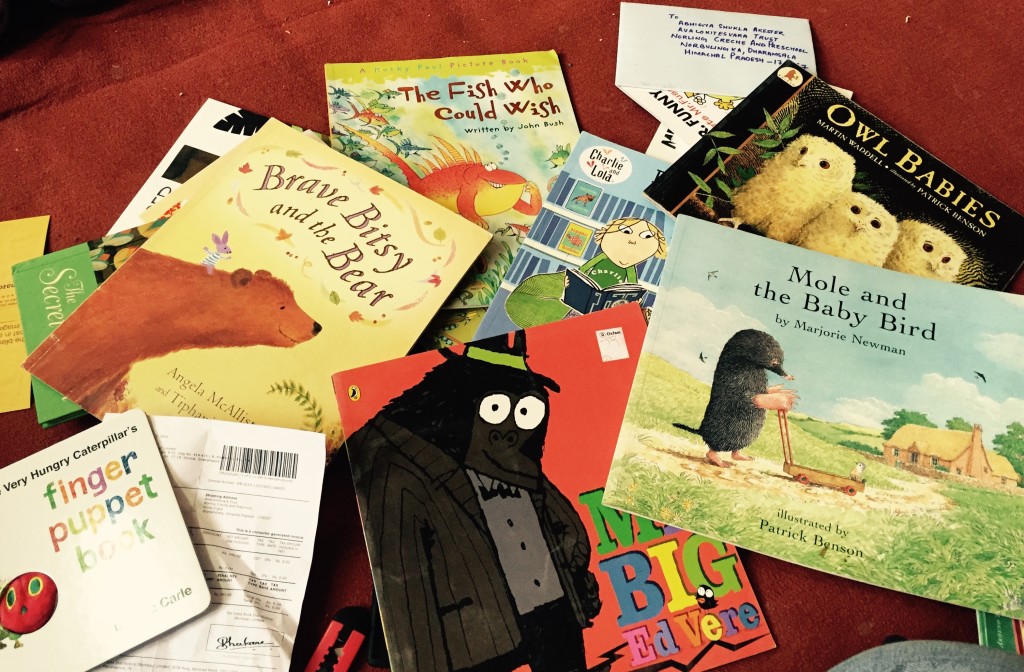
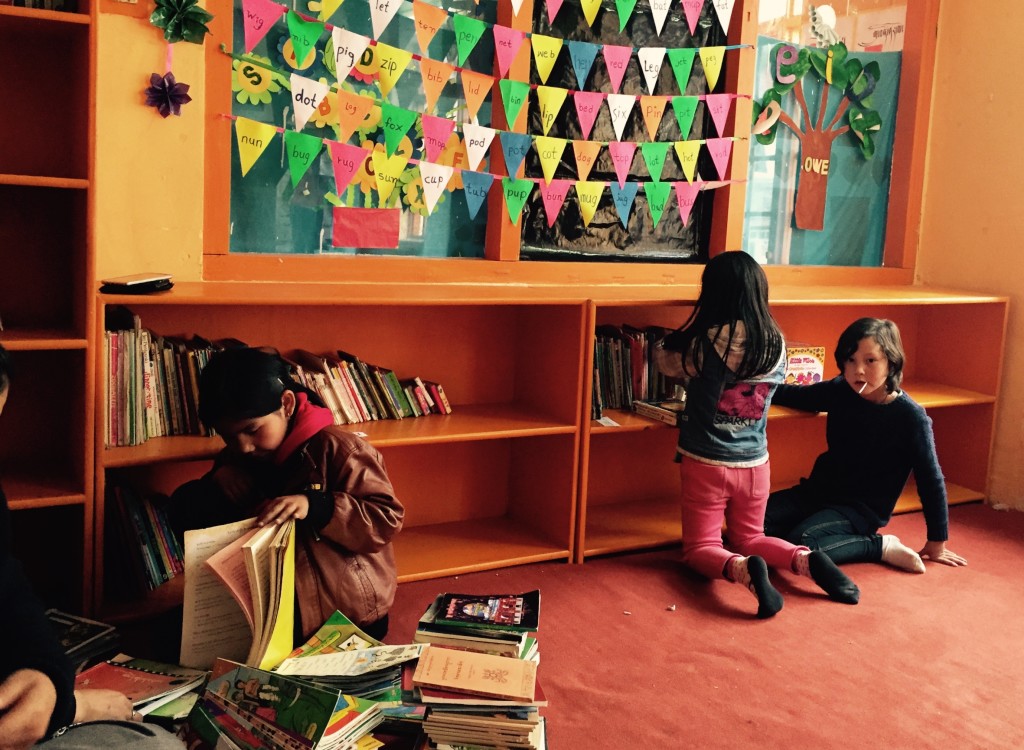
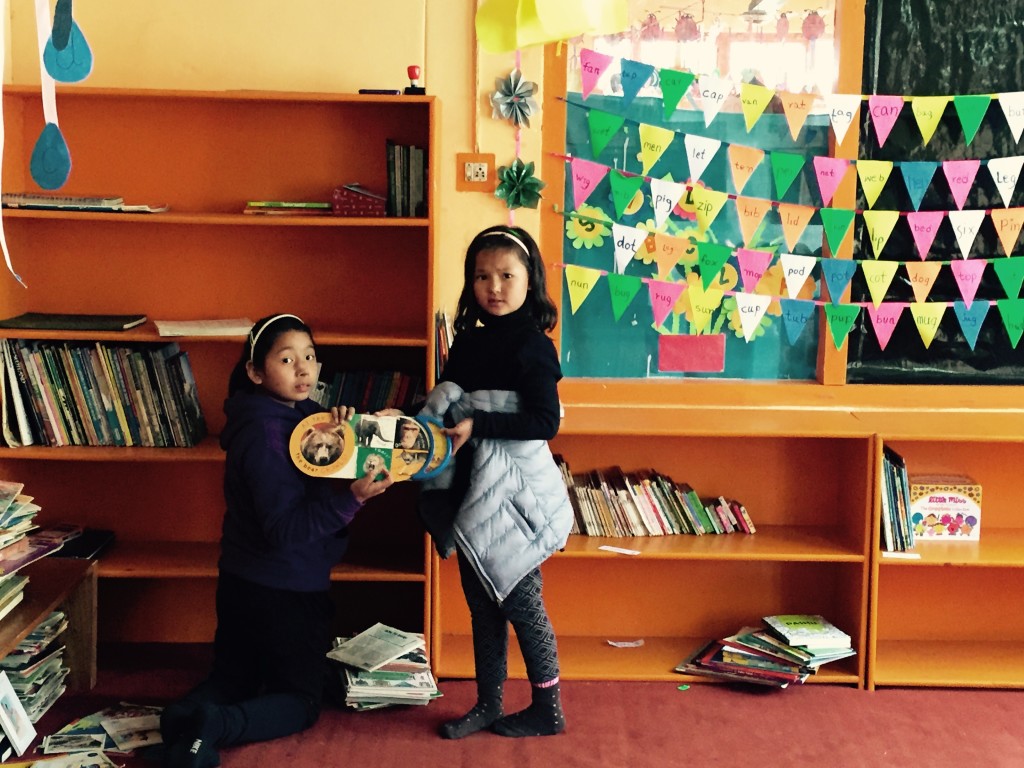
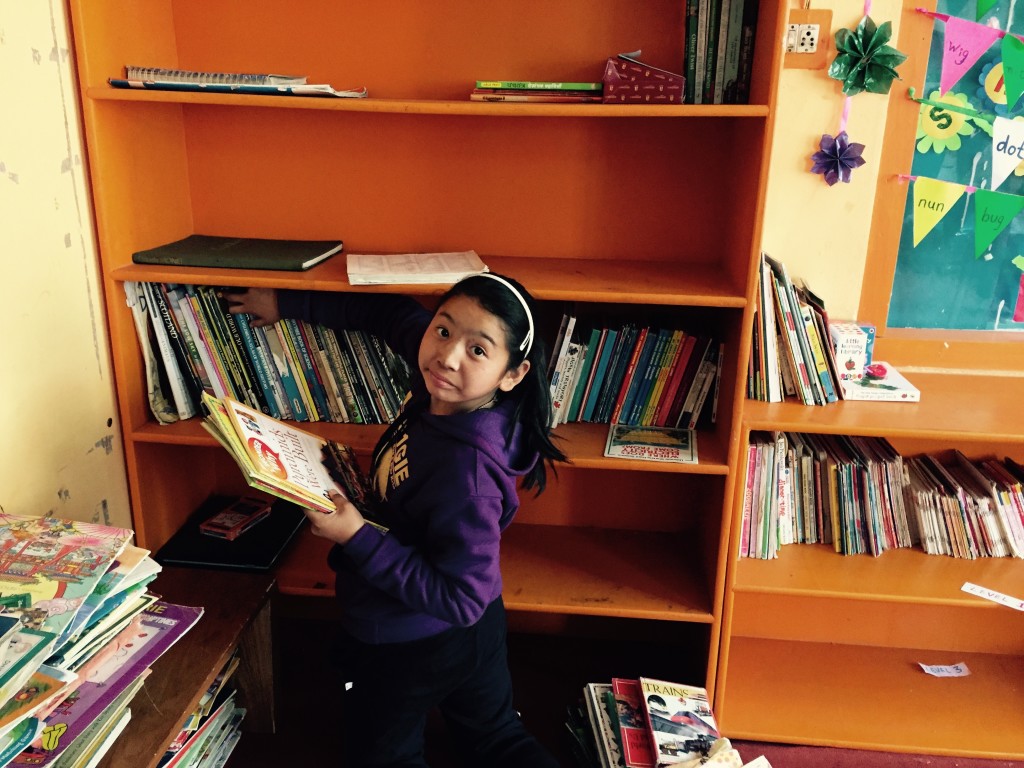
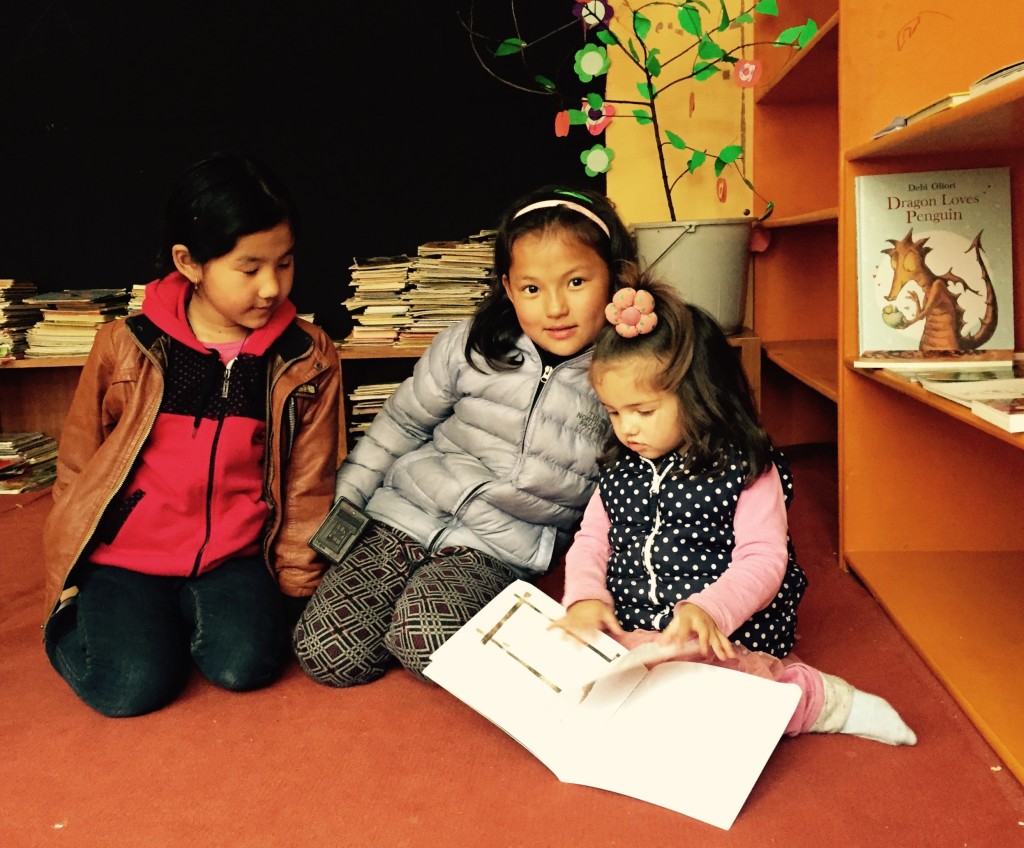
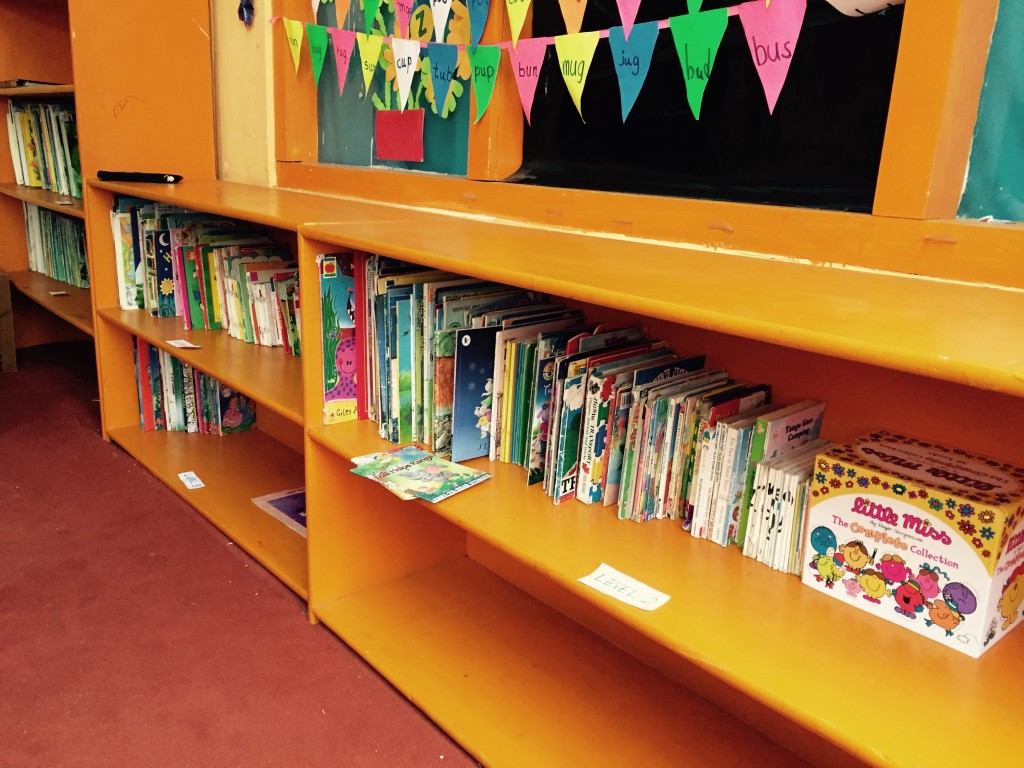
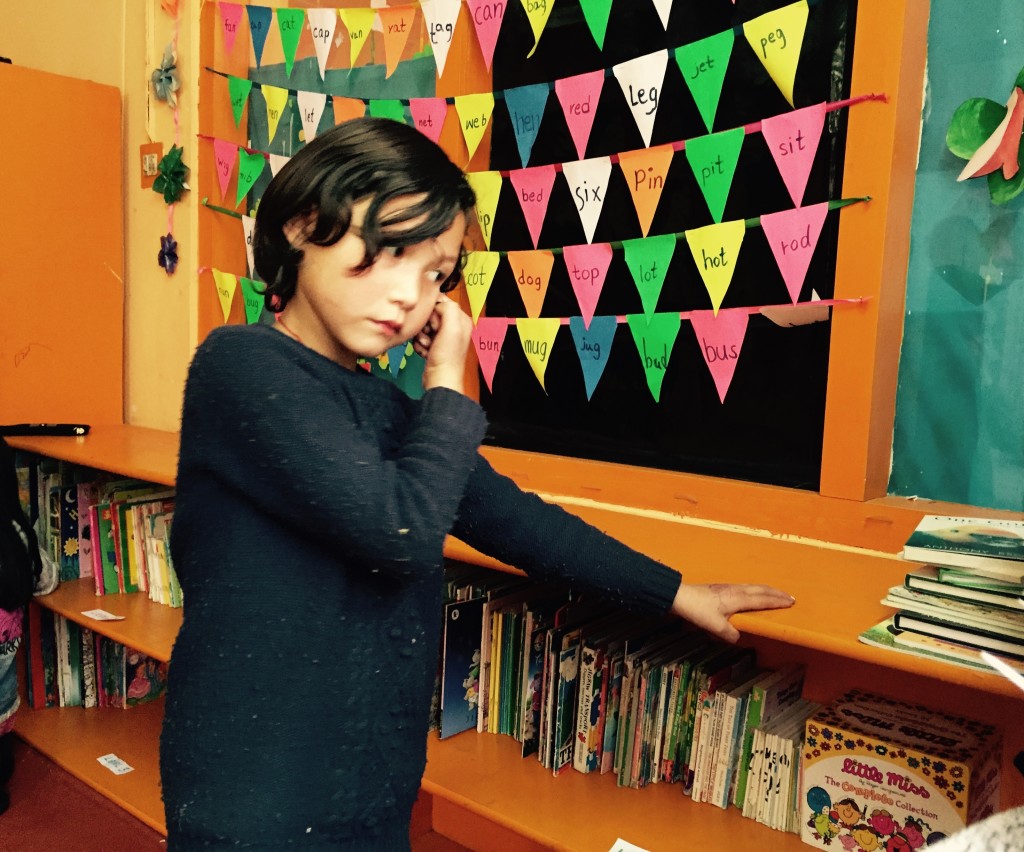
Book drives and reading rooms provide natural material for correspondence. After reading, a child might recommend a book to an Australian sponsor, describe an illustration they liked or thank the donor for making a particular story available. The response then becomes part of the literacy journey rather than a separate exercise.
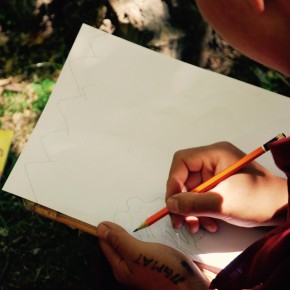
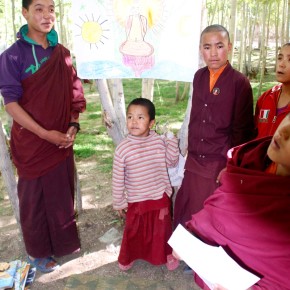
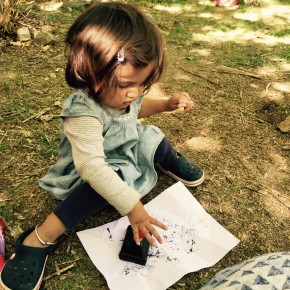
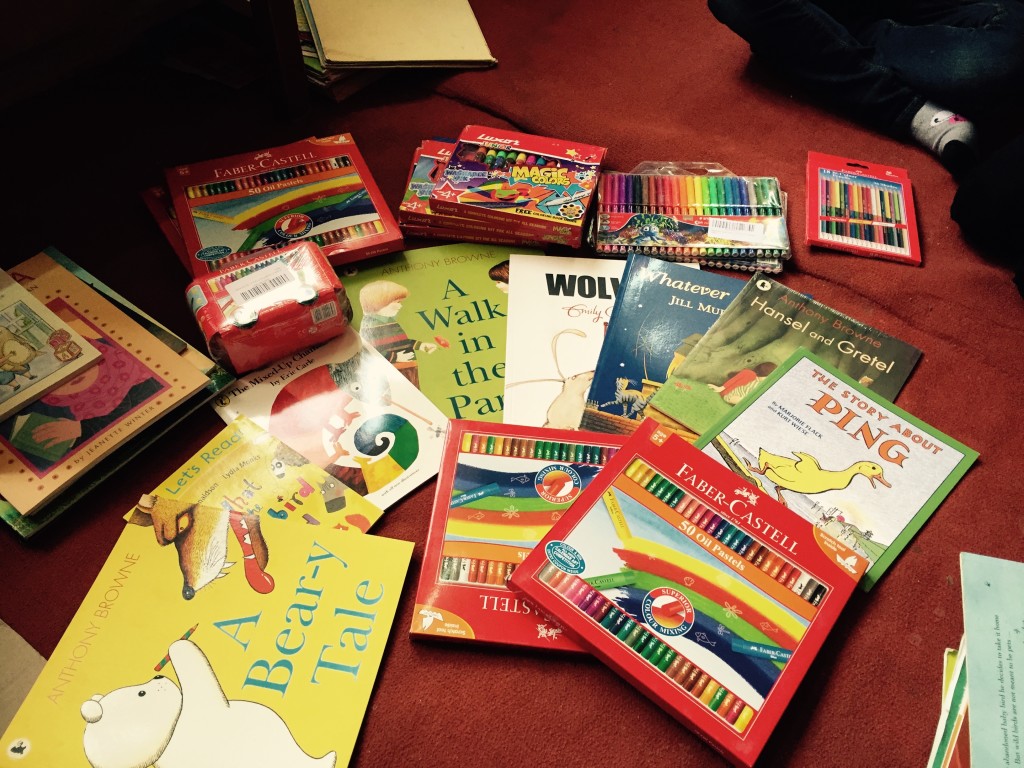
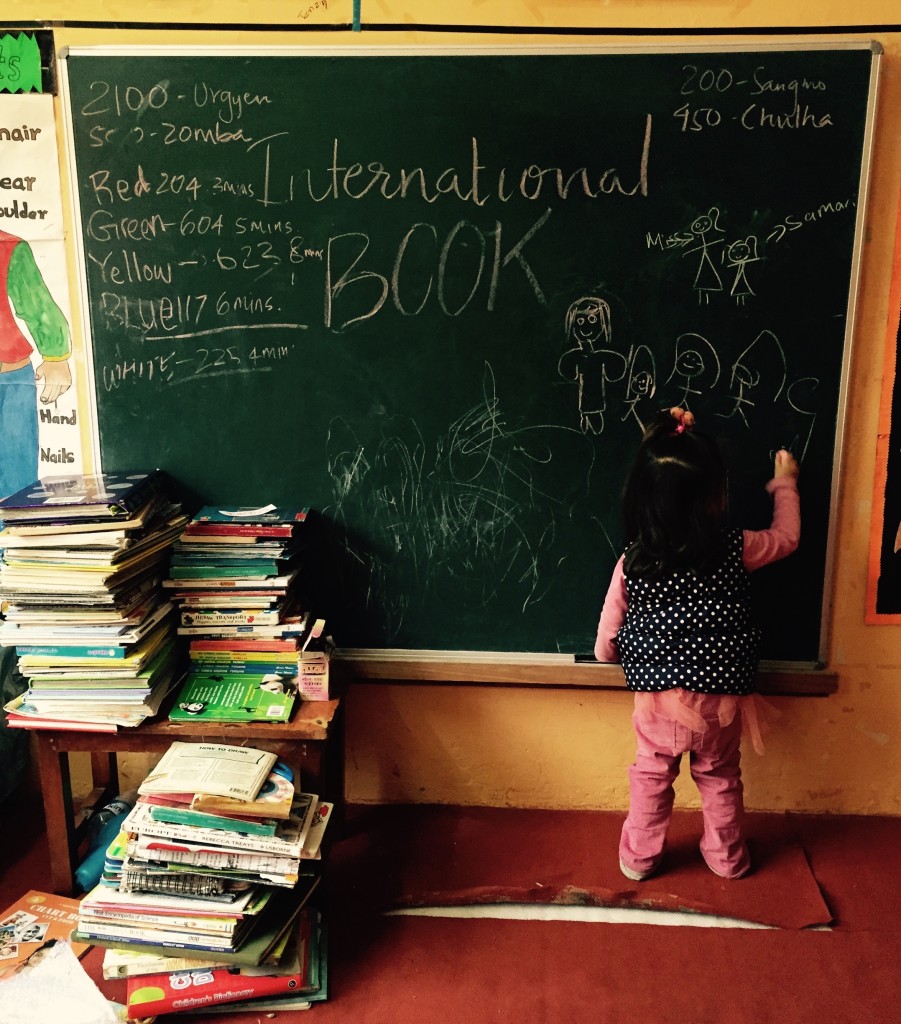
Artistic and musical activities offer equally valuable starting points. Children can write about a drawing they completed, instruments they have learned or a performance they enjoyed. A small sketch, rhythm notation or handmade decoration can accompany the letter, giving children who struggle with extended writing a way to contribute fully.
Scribes, keyboards, audio recorders and adapted pens broaden participation. The aim is not to produce identical pages, but to help every child communicate a specific idea. A brief dictated note may communicate more confidence than a polished composition assembled with too much adult assistance.
Connecting with supporters in Australia
In Sydney and Melbourne, public libraries and neighbourhood community centres already provide familiar settings for holiday reading, after-school activities and creative groups. A letter-writing desk can fit naturally beside these existing routines, allowing families and donors to participate without creating an unfamiliar event outside the community’s everyday rhythm.
The local market makes materials straightforward to source. Australia Post offers greeting cards, envelopes and postage, while supermarkets, discount stores and independent stationery shops provide notebooks, coloured pens and paper. Donated materials can be sorted locally and sent with a programme update, reducing waste and giving volunteers a practical role.
Many Australian families already use handwritten notes for school projects, holiday greetings and personal acknowledgements. Letters sent through the Trust can continue that familiar habit. A donor might receive a carefully anonymised excerpt, an illustration or a short audio clip instead of a conventional letter, depending on the child’s preference and the level of consent obtained.
Protecting privacy, dignity and consent
Australian privacy law should shape the process from the beginning. The Privacy Act 1988 and the Australian Privacy Principles provide the main federal standard, while state and territory laws may also apply. An Australian partner collecting names, addresses, images or correspondence should establish what information is necessary, how it will be stored and when it will be deleted.
Consent must cover both participation and publication. Guardians can be asked to approve a programme according to local requirements, but the child’s own agreement remains essential. Children should know that they may stop, change their mind or choose a different form of response without losing access to reading rooms and activities.
Letters should never reveal a child’s home address, family contact details, daily schedule or other identifying information unless there is specific, informed permission. Images require an equally clear agreement between the child, guardian, programme and donor. Under the Charities and Not-for-profits Commission Act 2012, Australian charity reporting and governance also provide a useful accountability framework for explaining how contributions and personal information are managed.
A practical framework for safe letter writing
A sound programme balances educational value, personal meaning and safeguarding. The following measures make that balance visible to children, families, mentors and donors:
- Give each child a genuine choice of topic, format and level of personal detail.
- Offer scribing, typing, dictation, illustration and recorded responses as equal options.
- Explain in age-appropriate language who will read, edit and receive each contribution.
- Obtain separate permission for correspondence, photographs, audio and publication of a child’s name.
- Keep direct communication between donors and children under the supervision of the Trust.
- Establish deletion, return and image-use rules before the first letter is collected.
A small pilot with one reading group can test these safeguards before expanding. Families, mentors and donors can then review whether the letters feel authentic, whether children understand the process and whether consent remains meaningful throughout the project.
Gratitude that grows into confidence
A thank-you letter can connect an Australian donor with a child’s experience without turning either side into a caricature. The child gains writing practice, reflection and a sense that someone across the world values their contribution. The donor gains detail that a photograph or financial update alone cannot provide.
The experience also prepares children for future communication: applying for a place, thanking a teacher, writing to an organisation or sharing an achievement with a wider audience. When the words remain voluntary and the process is handled responsibly, gratitude becomes more than a polite formula. The practical takeaway is to make every letter child-led, specific and protected by clear consent, so it becomes a genuine bridge between learning and human connection.