How We Choose Books for Buddhist Monastic Students
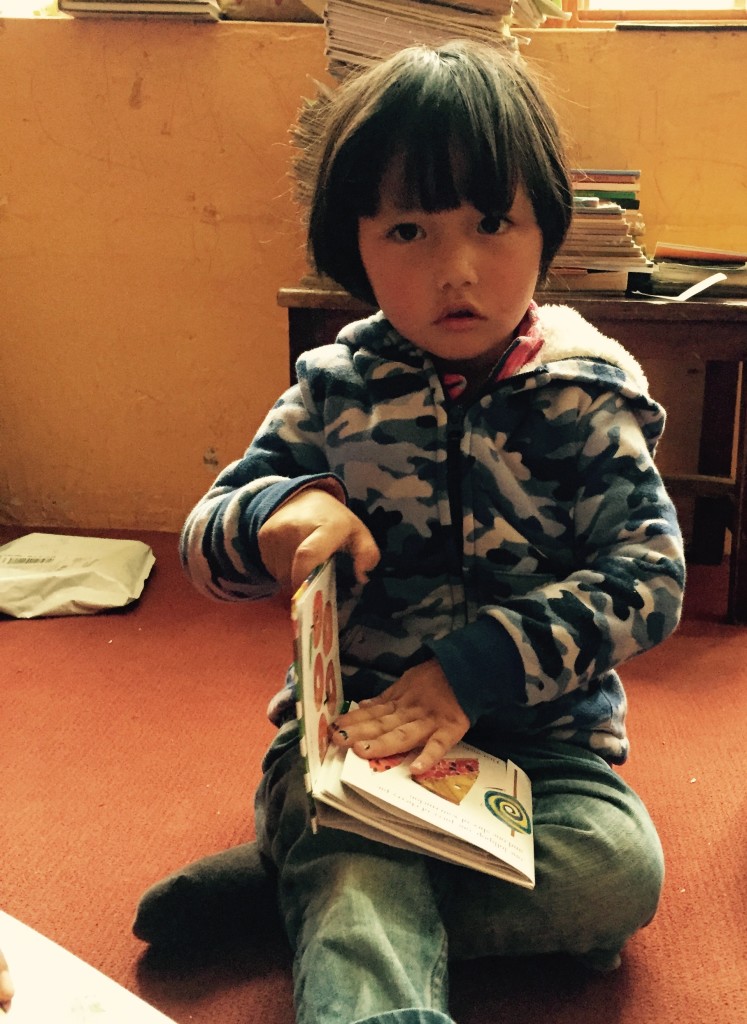
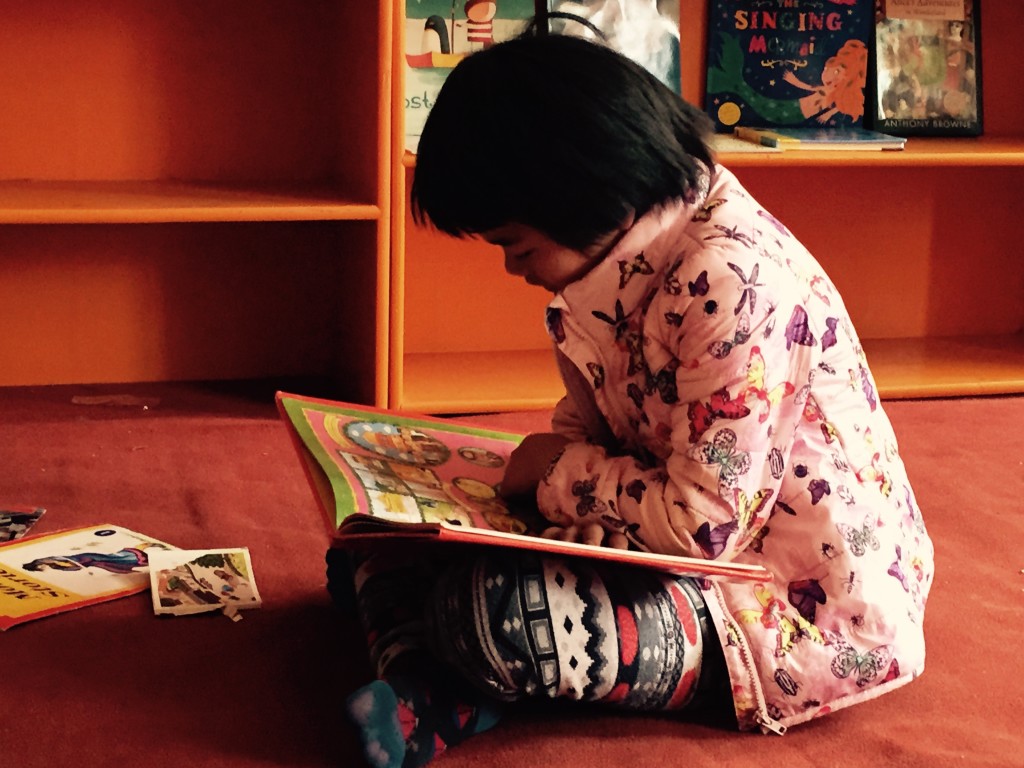
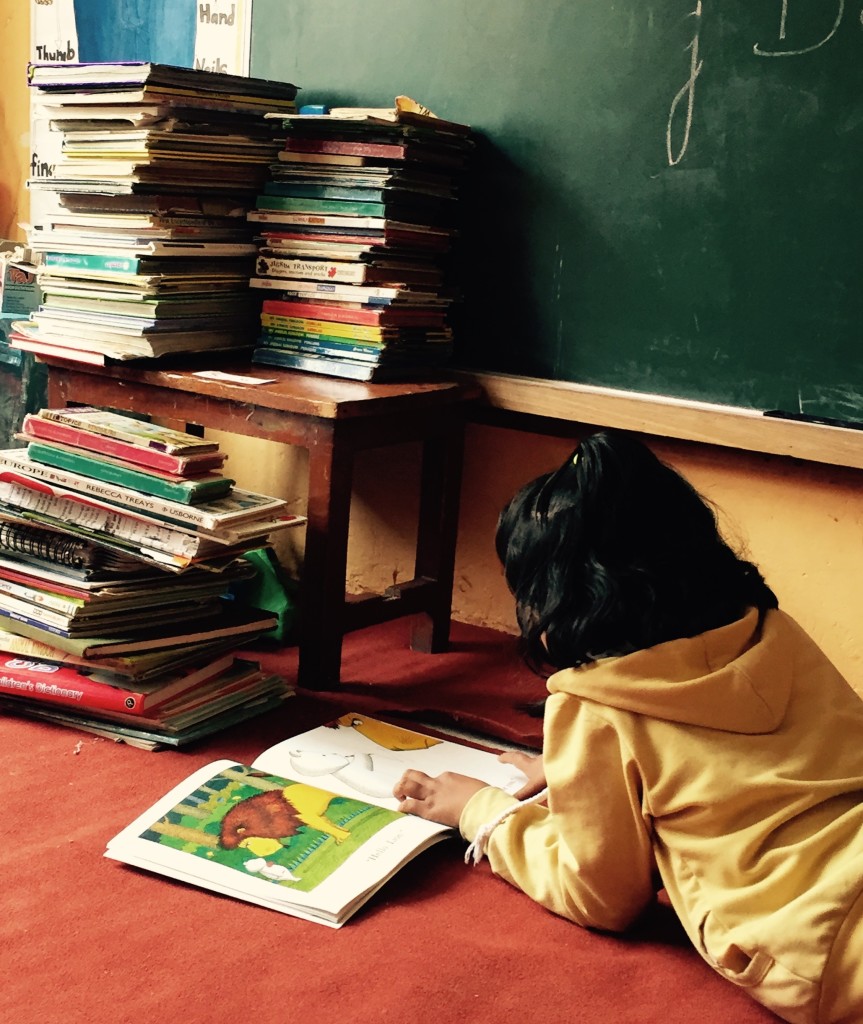
A good book can open a window beyond the classroom, strengthen a child’s confidence, or give a young monk the language to describe his own world. In Himalayan communities, where books may be scarce and libraries limited, choosing the right reading material requires more than filling shelves. Each title should be useful, welcoming, durable, and suited to the students who will read it.
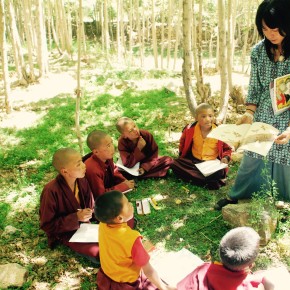
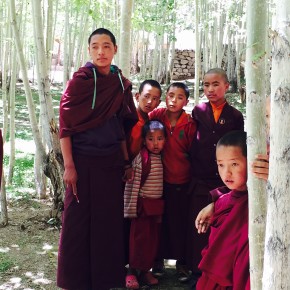
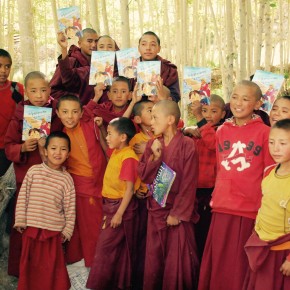
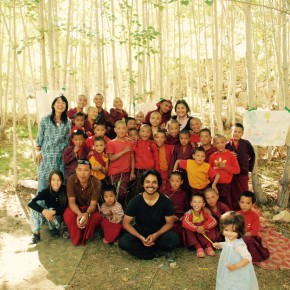
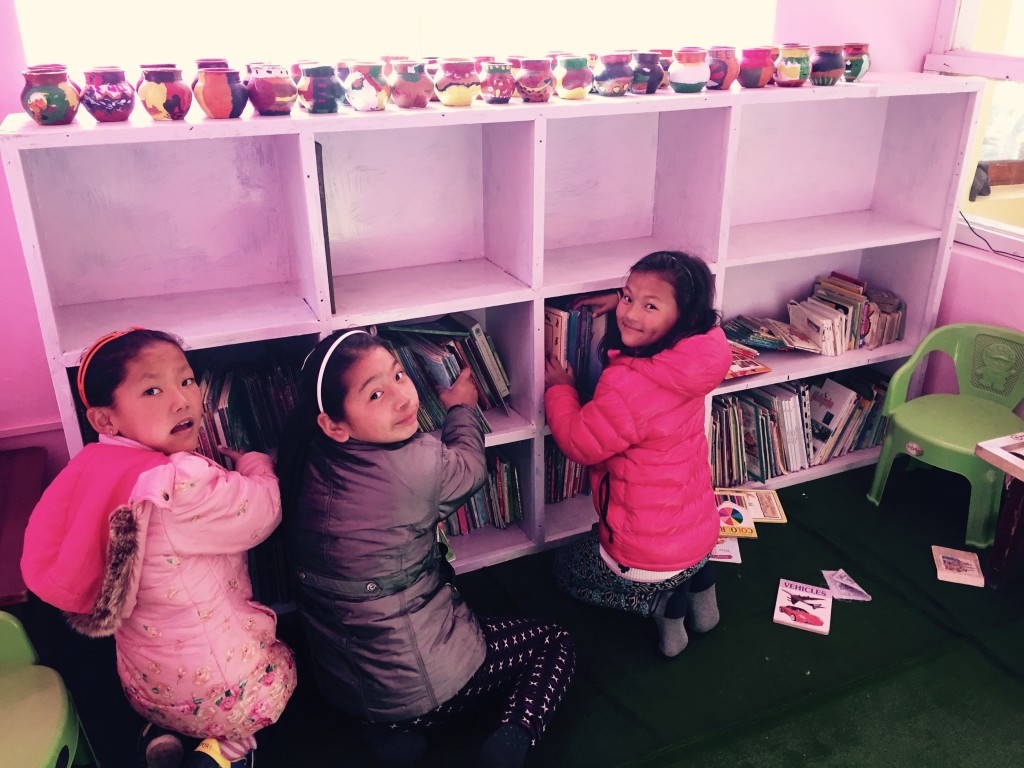
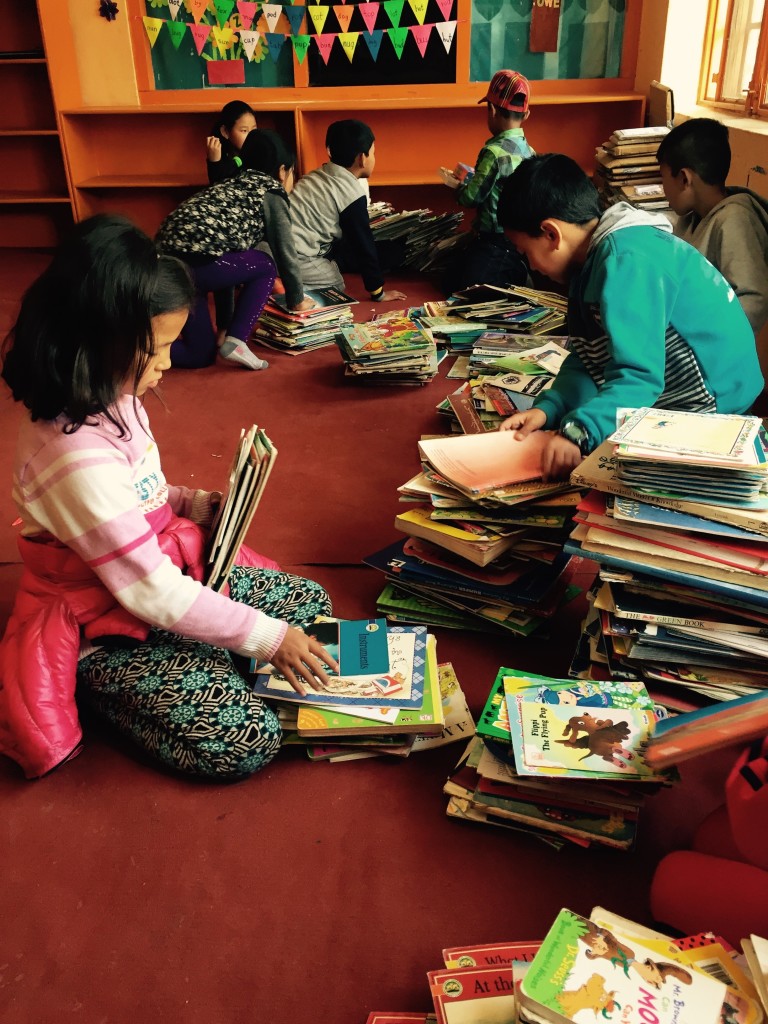
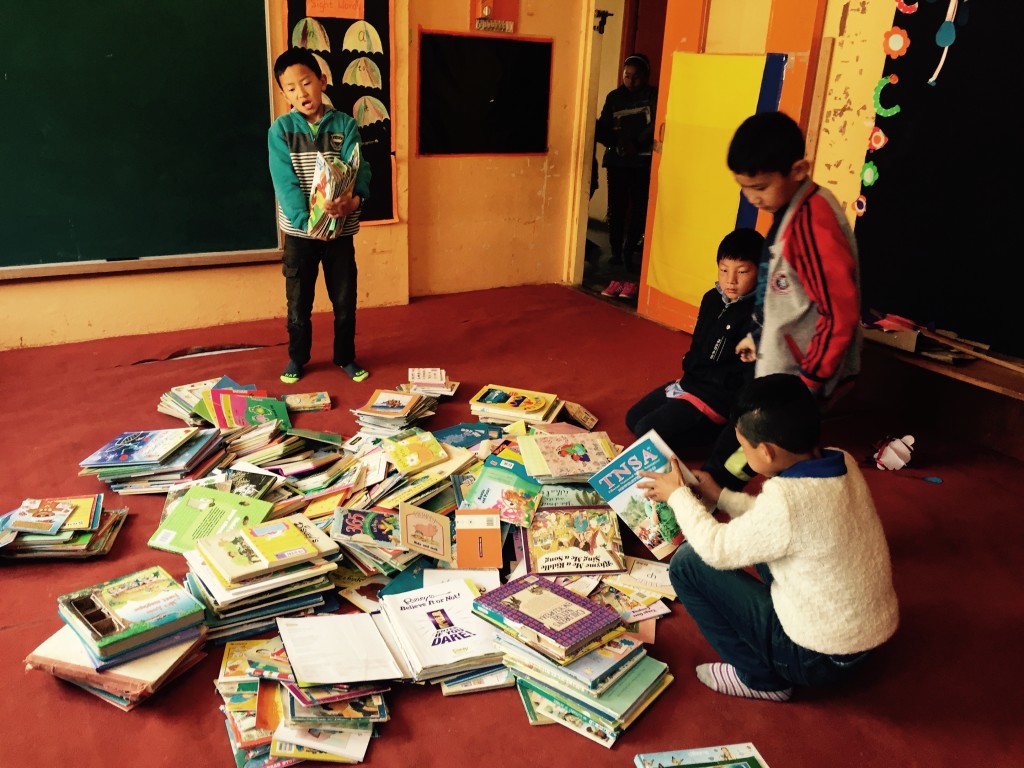
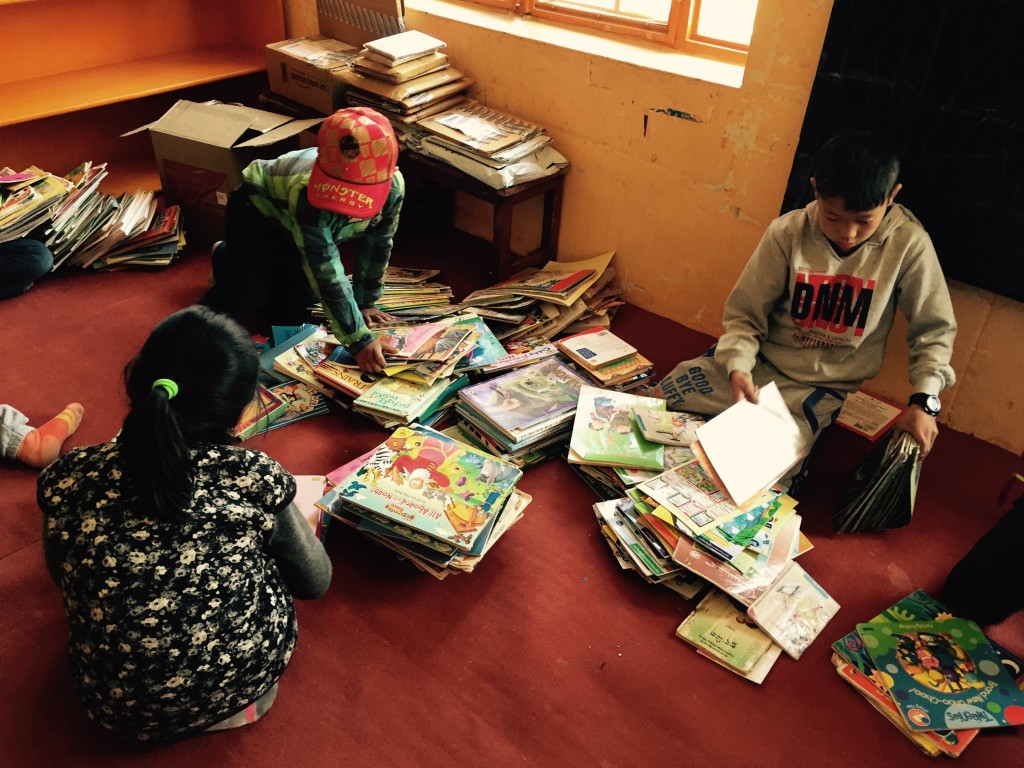
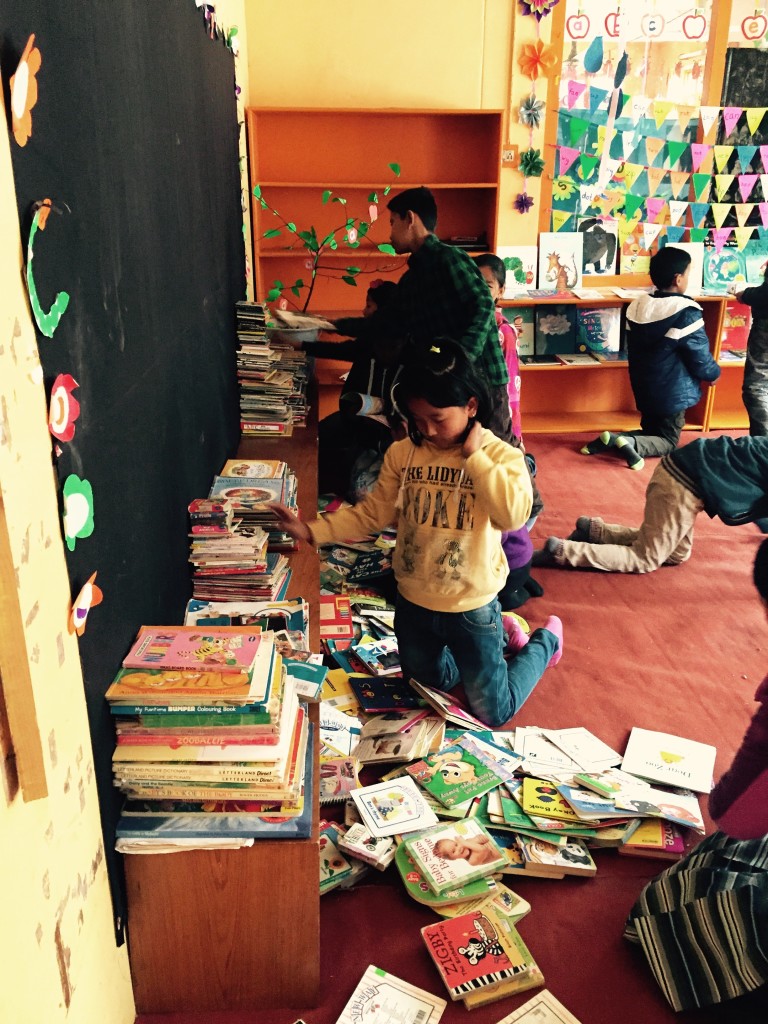
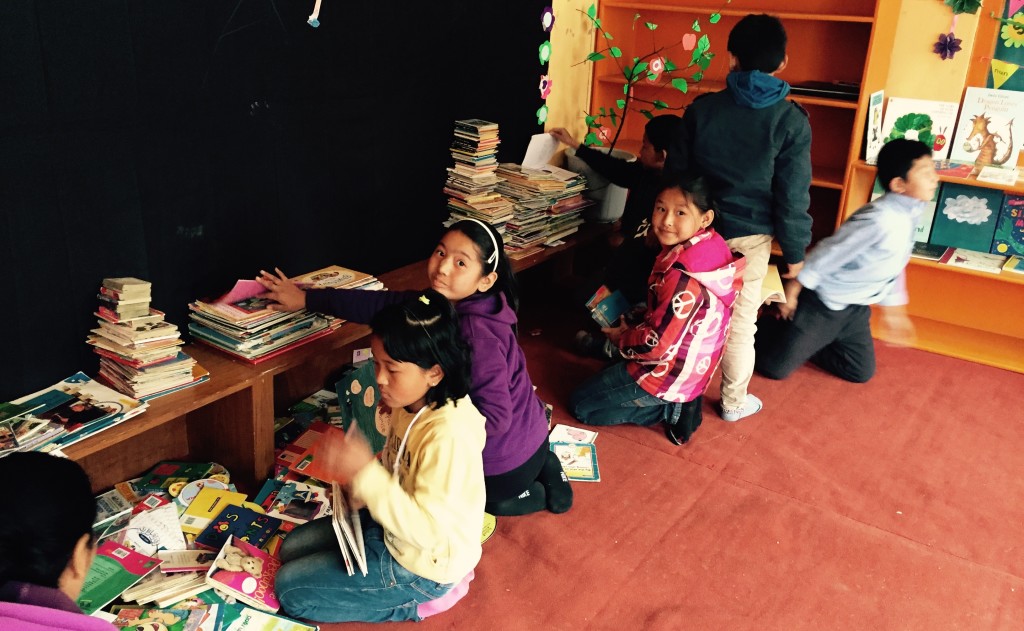
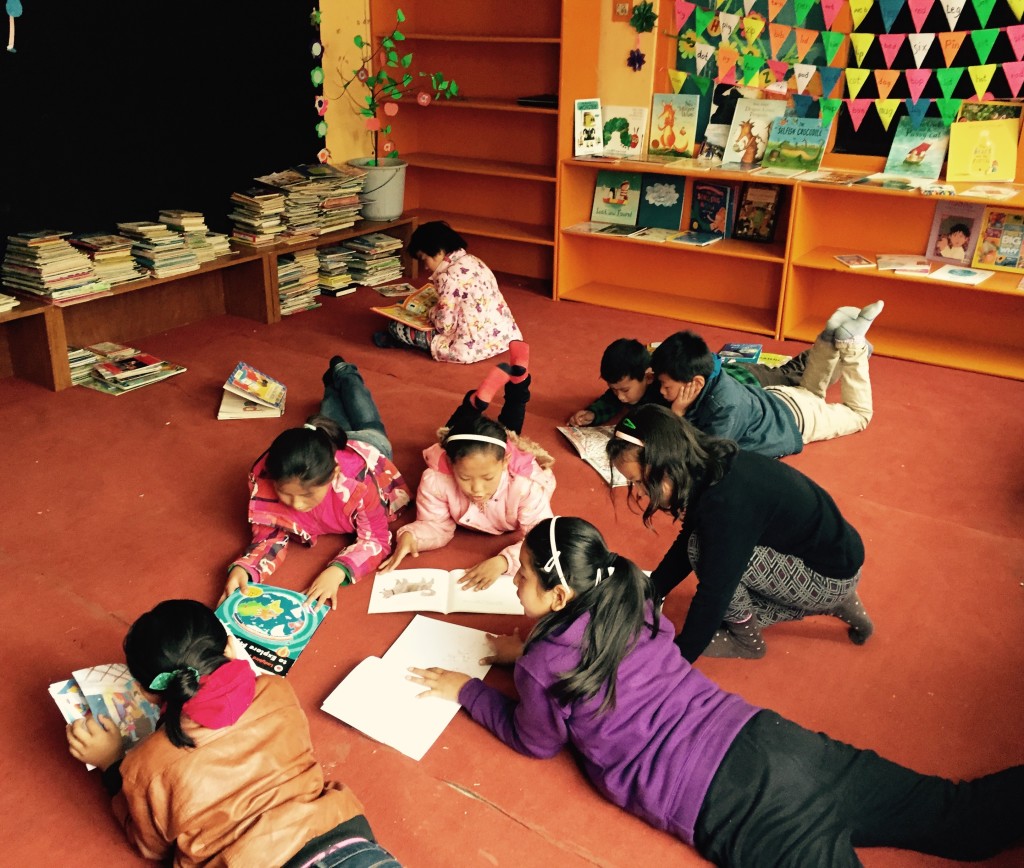
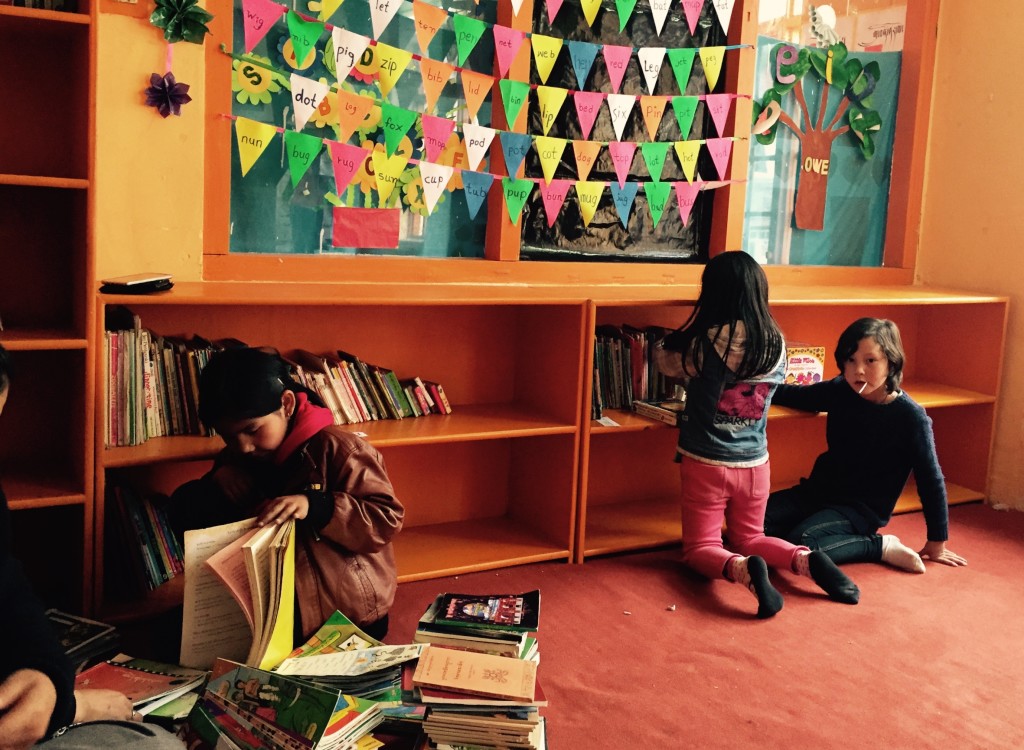
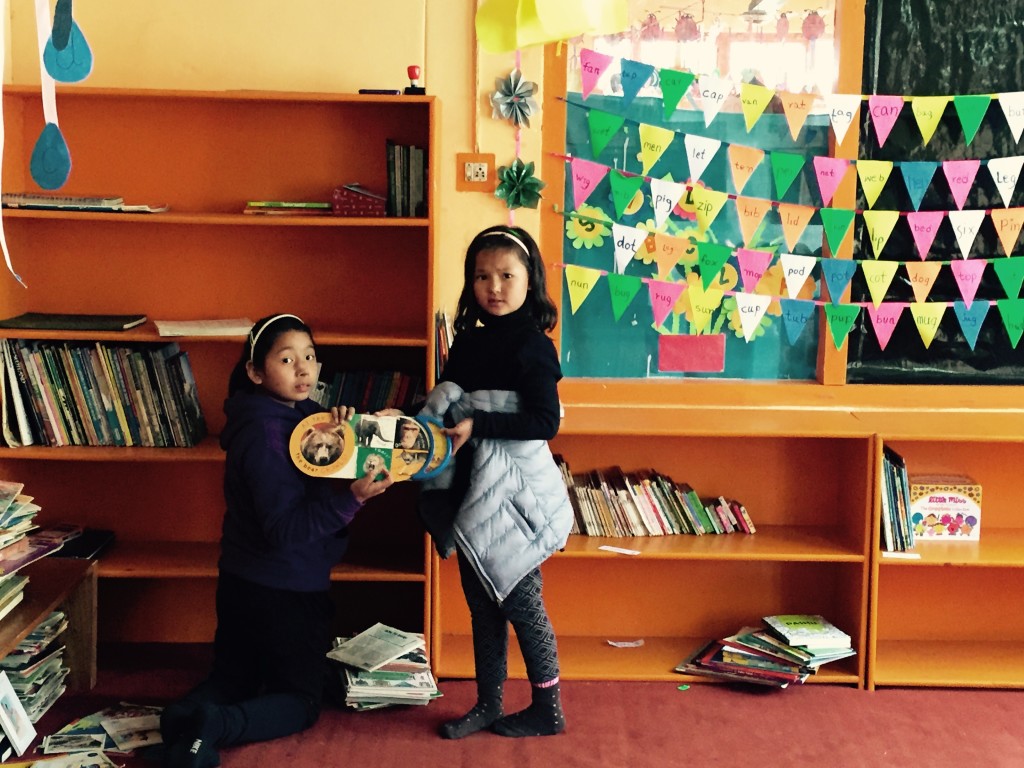
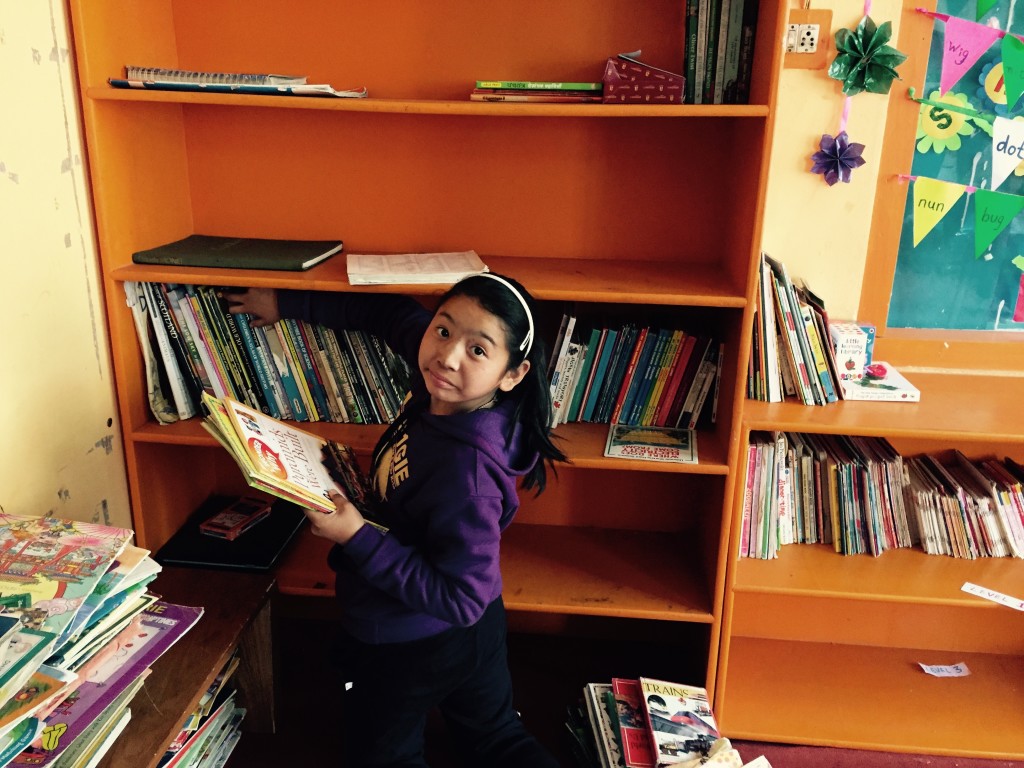
Avalokiteśvara Trust supports reading rooms, book drives, and creative learning activities for children and young monks in Ladakh and neighboring communities. Our approach to selecting books is shaped by conversations with teachers, monastic educators, families, volunteers, and students themselves. We look for books that support literacy while respecting local culture, Buddhist learning, and the curiosity of developing readers.
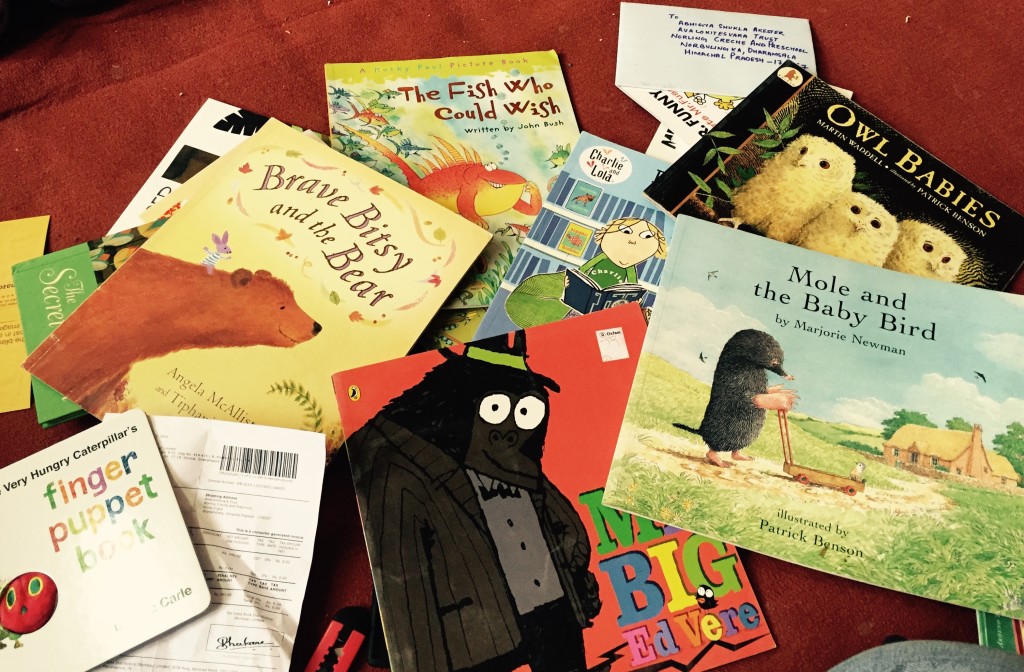
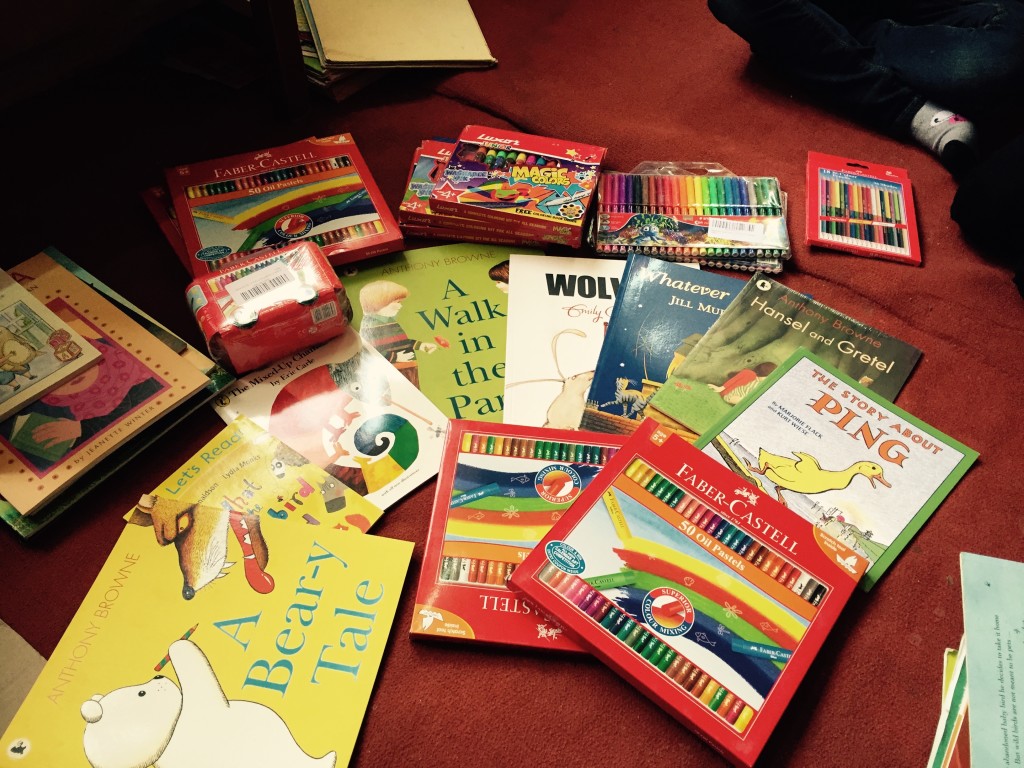
The process is practical as well as thoughtful. A beautifully illustrated story may attract a beginner, while a reference book may help an older student study independently. The strongest collection includes both kinds of resources, creating a balanced path from first stories to deeper exploration.
Listening To Students And Teachers
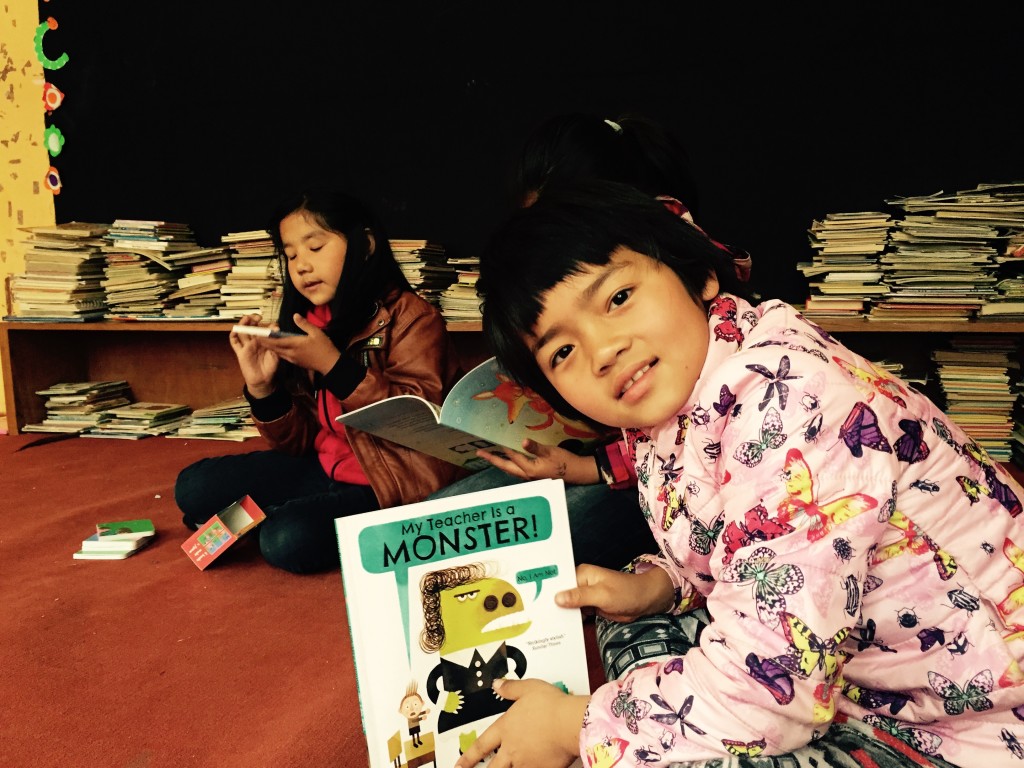
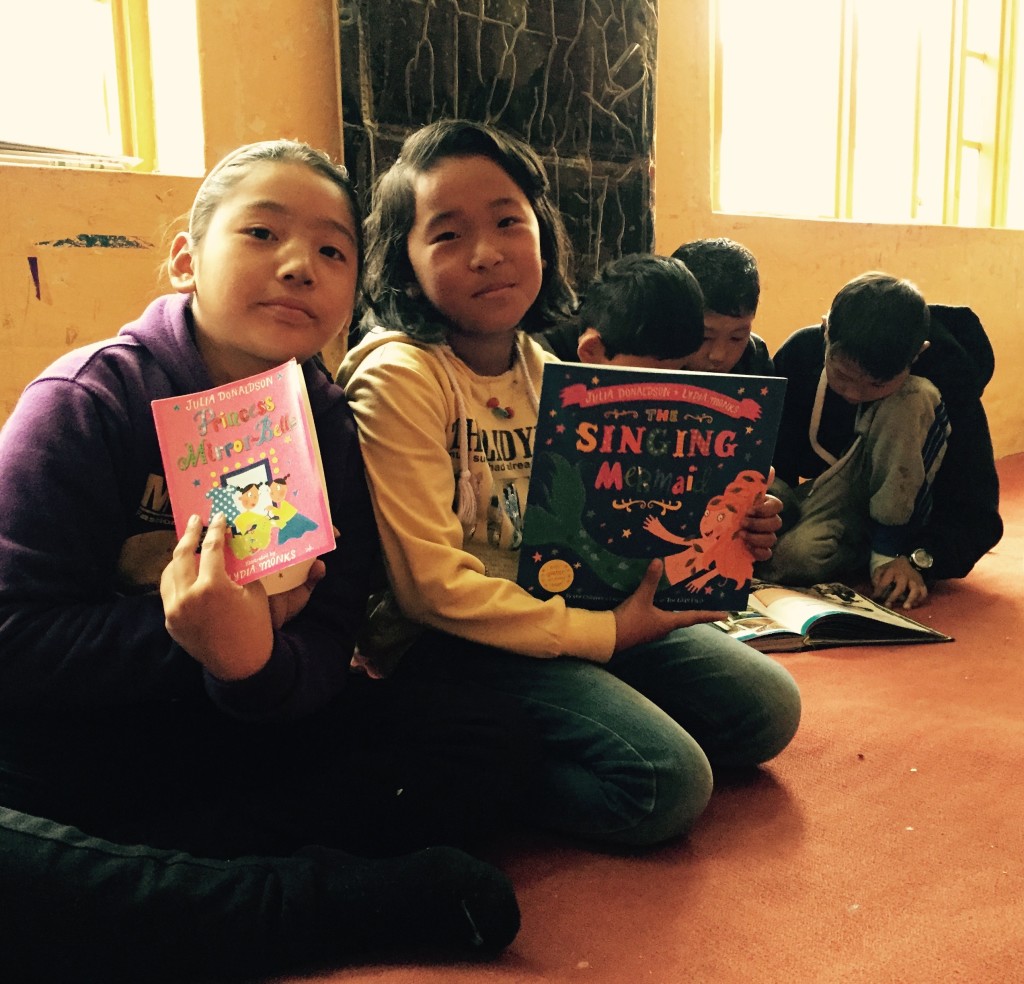
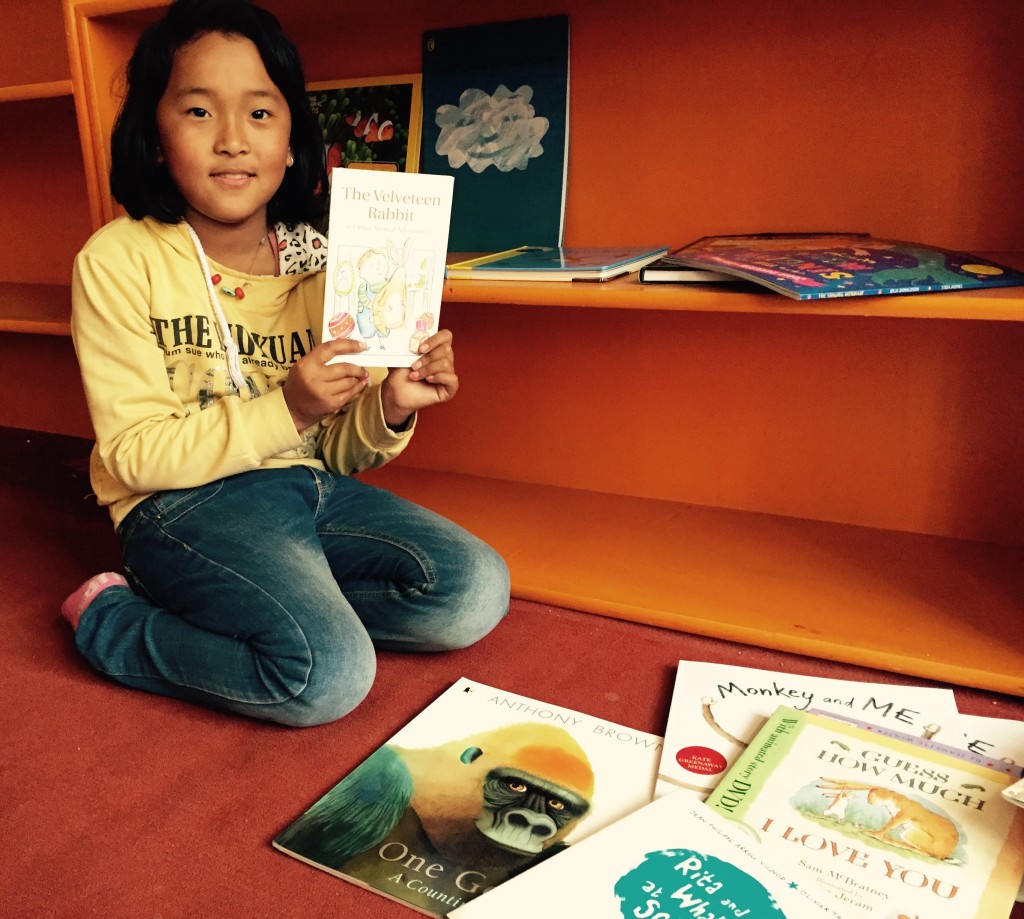
The first step is understanding how a reading room is used. Teachers can explain which languages students read most comfortably, what subjects appear in their lessons, and where existing resources are weak. Students reveal different needs through their choices: one may repeatedly seek animal stories, another may prefer science, biographies, poetry, or books about distant places.
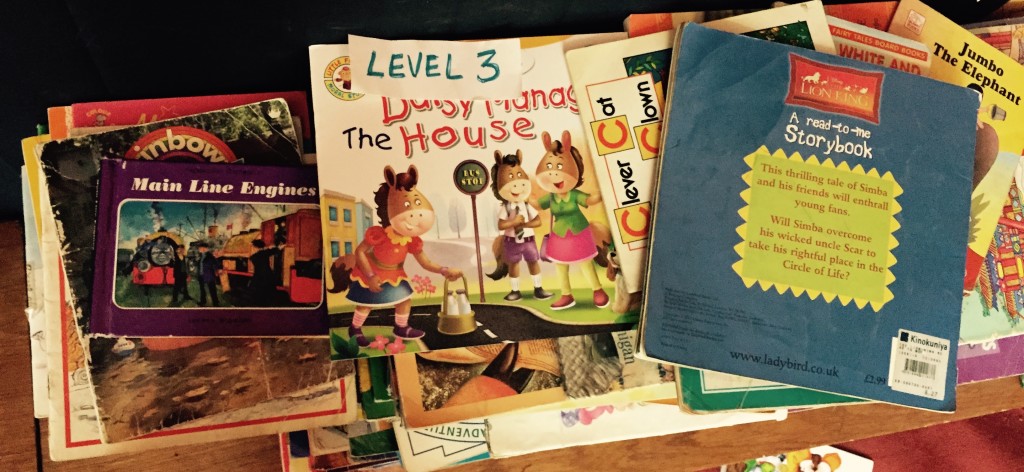
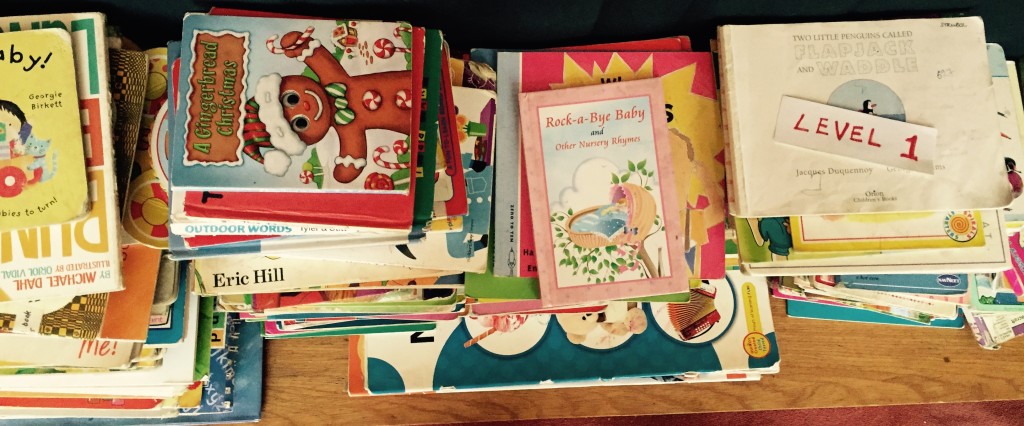
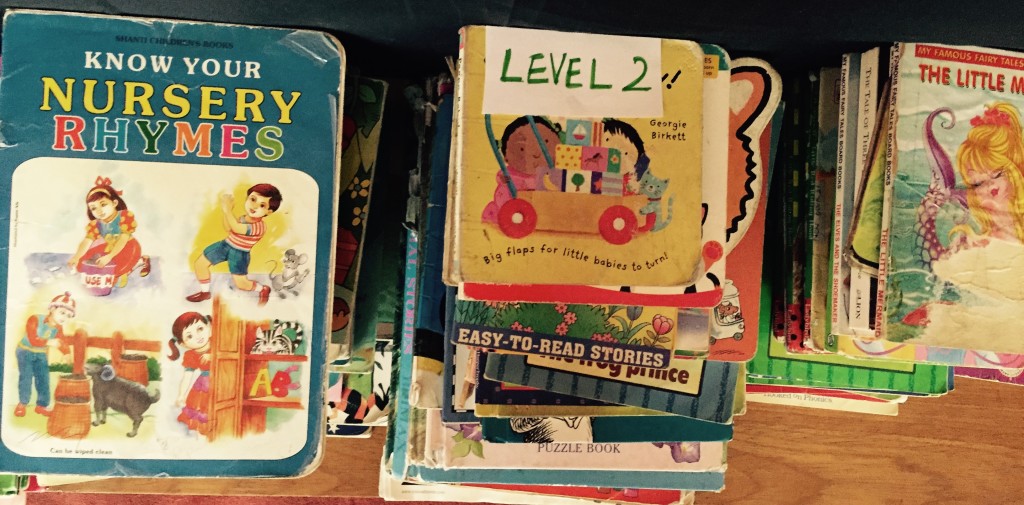
Age is important, but it is not the only measure of reading ability. Students in the same class may have very different levels of confidence, vocabulary, and experience with books. We therefore seek titles across several reading levels, including books with simple text for new readers and more substantial works for students ready to read independently.
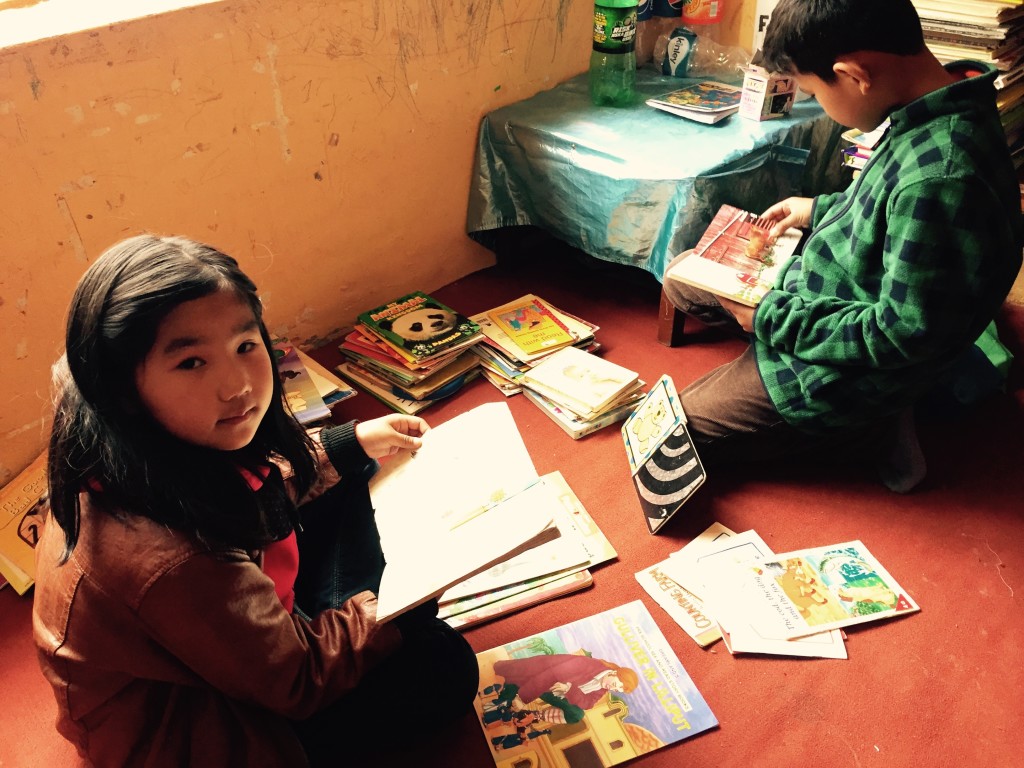
Local feedback also helps us avoid sending books that look appropriate from a distance but do not work in practice. A title with dense paragraphs, unfamiliar references, or tiny print may remain untouched. Listening carefully helps turn donations into resources that children actually pick up, share, and return to.
Building A Balanced Collection
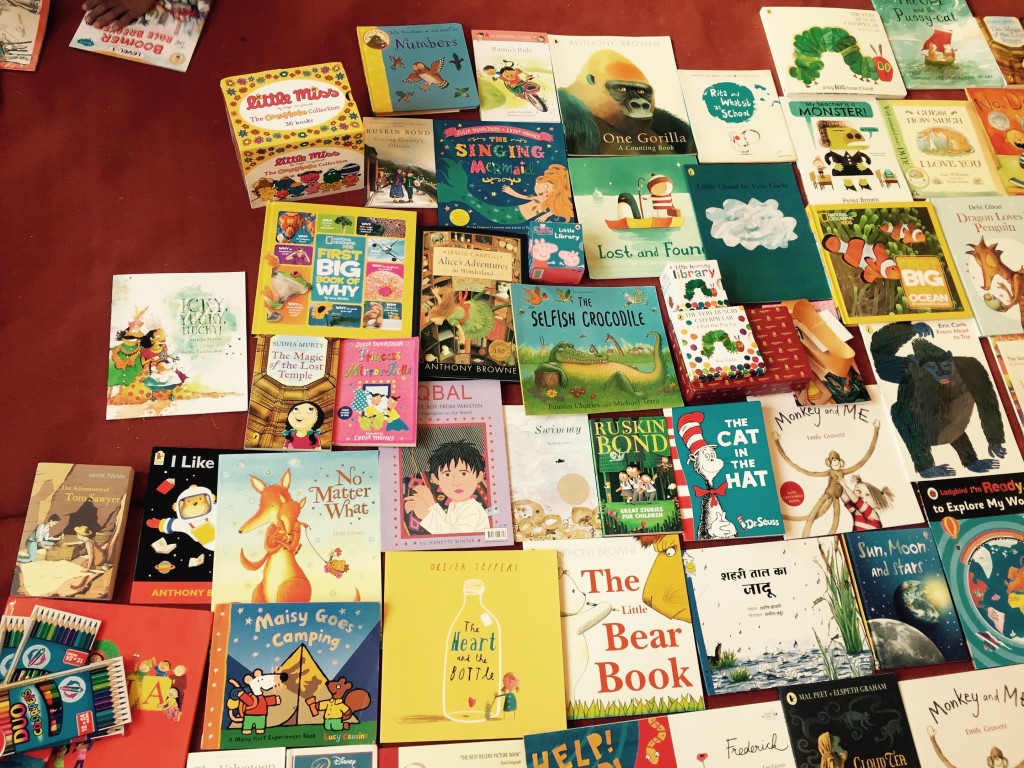
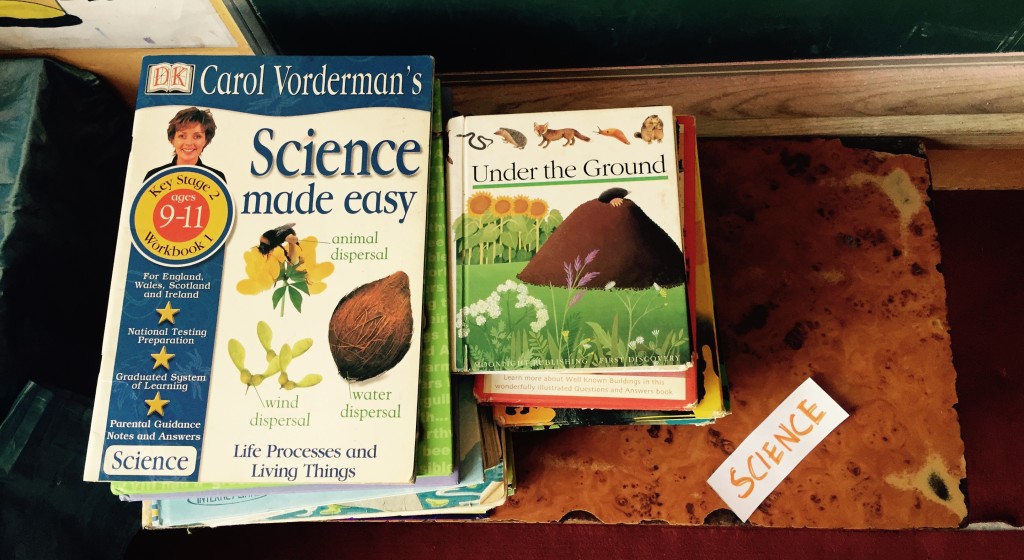
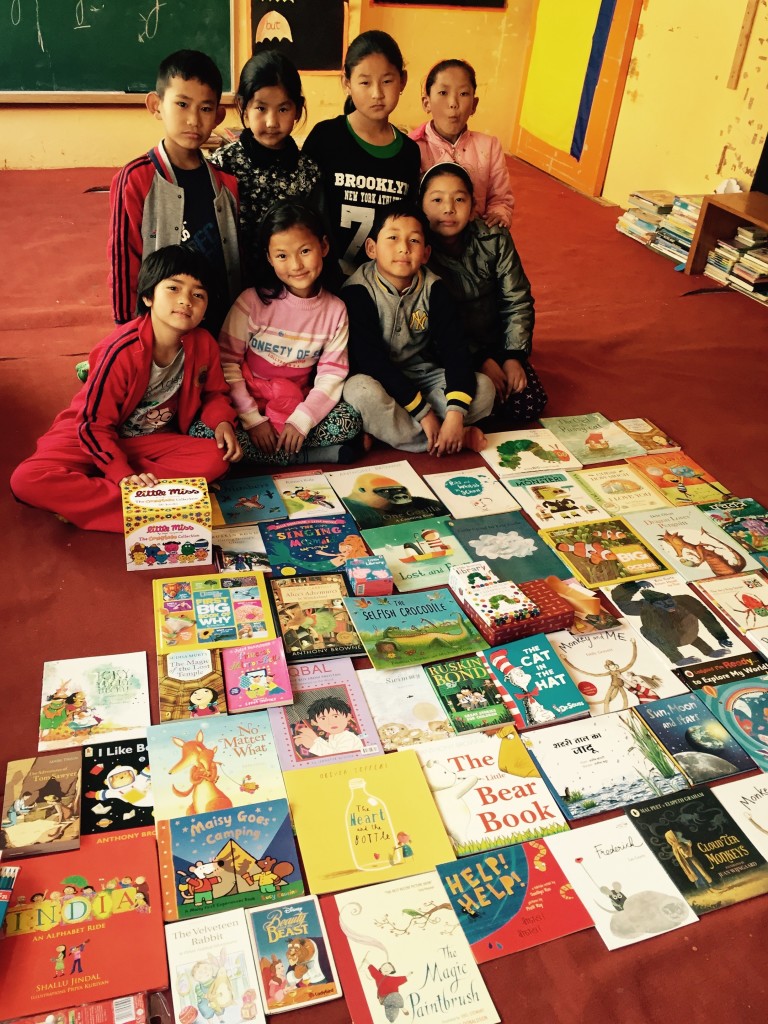
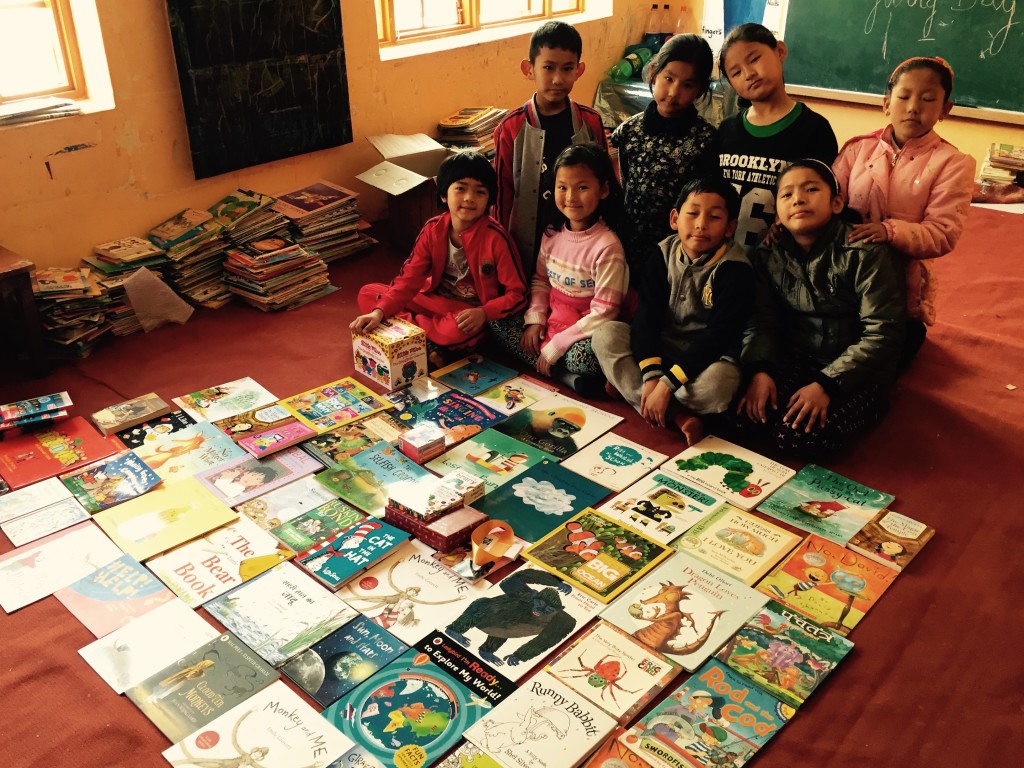
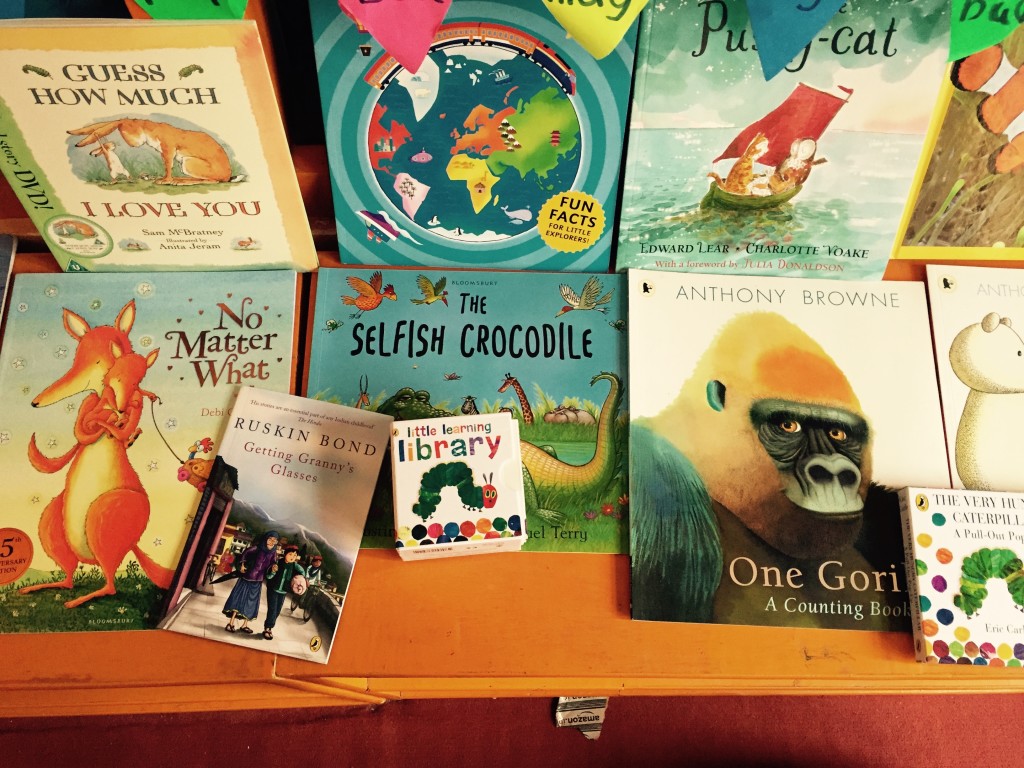
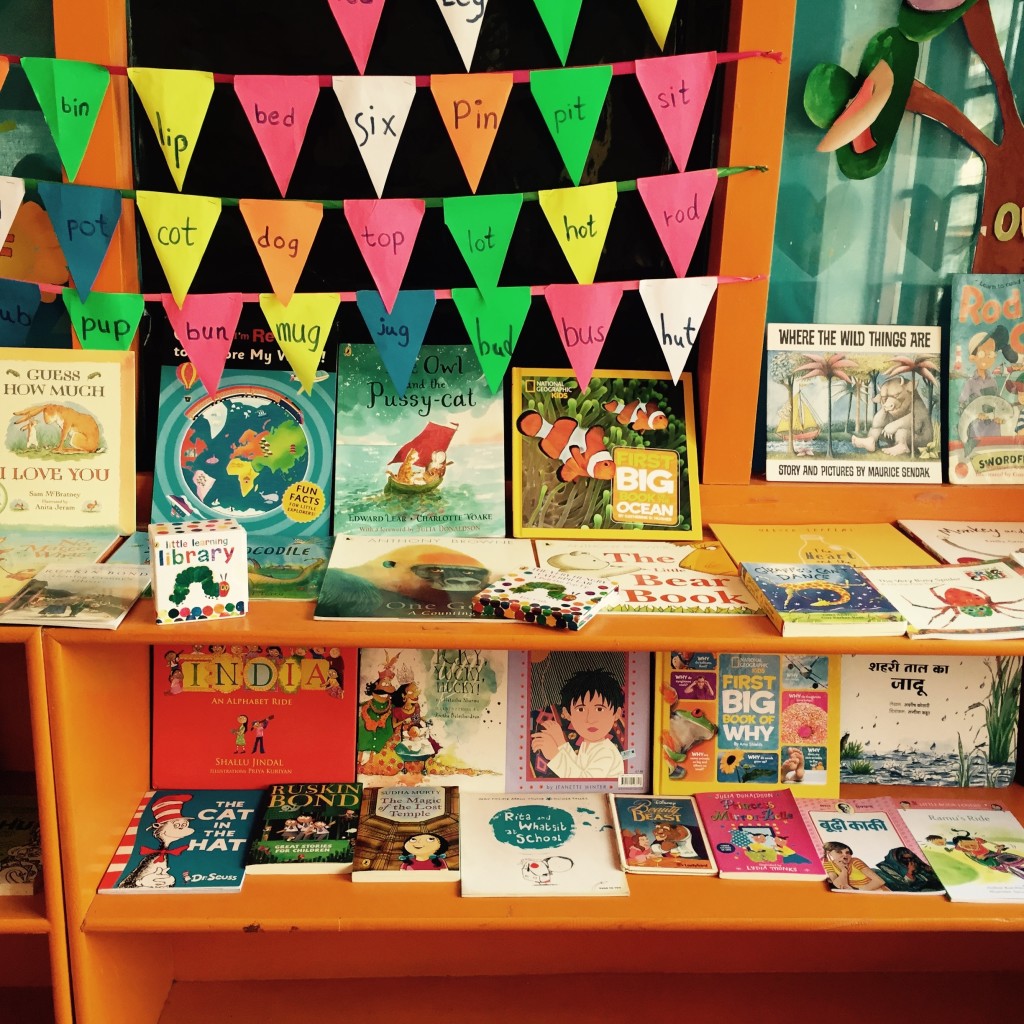
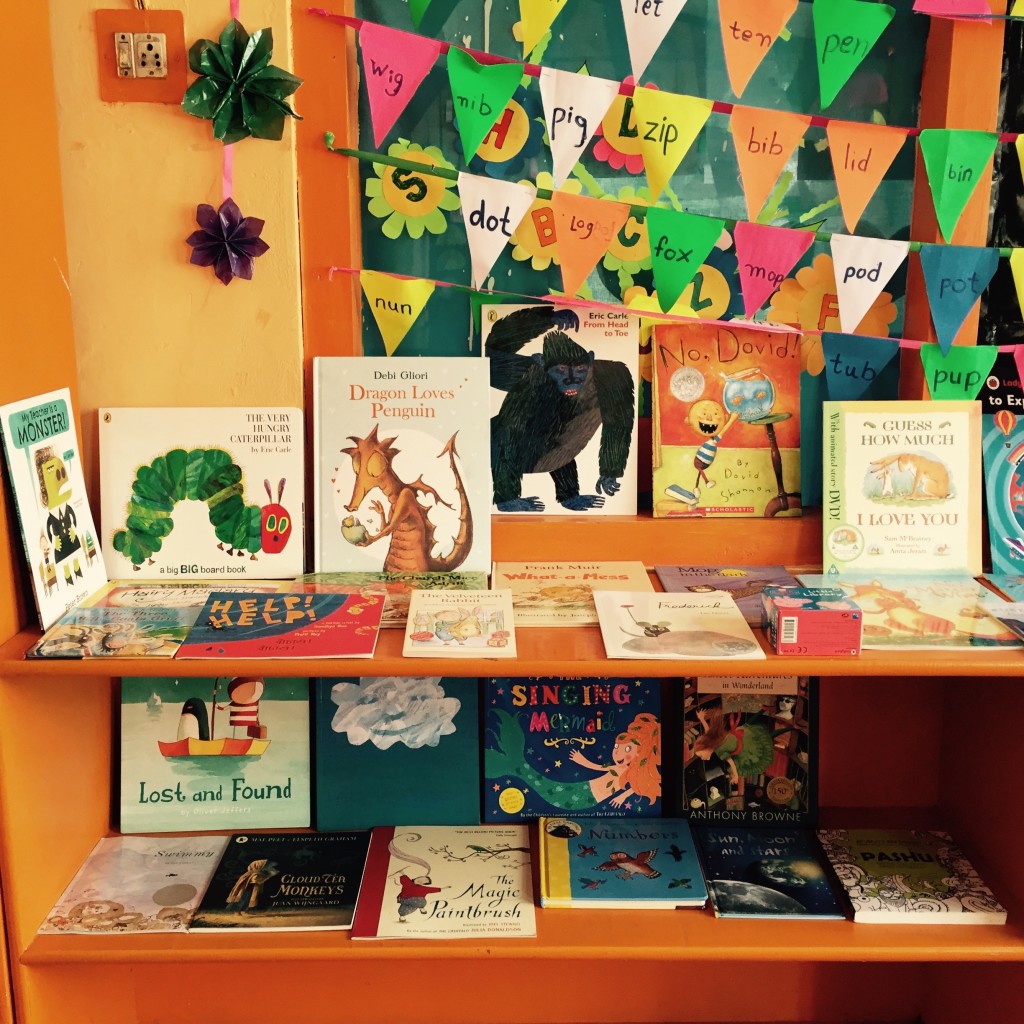
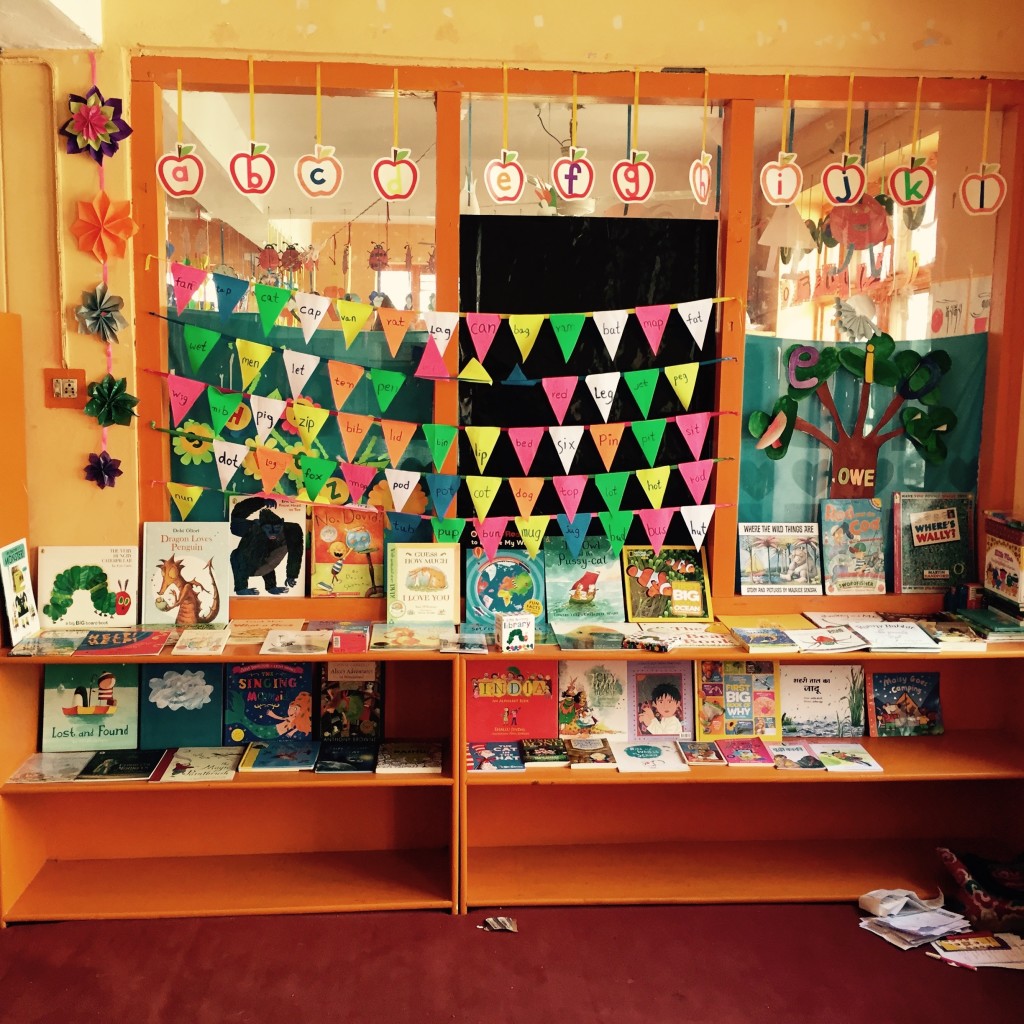
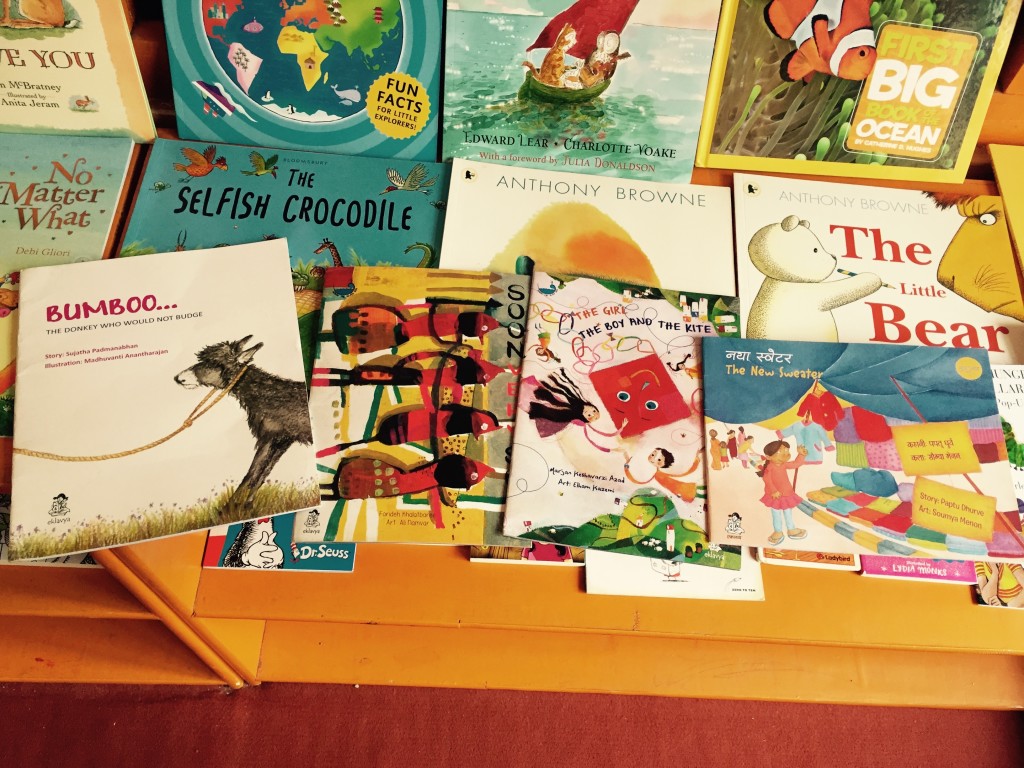
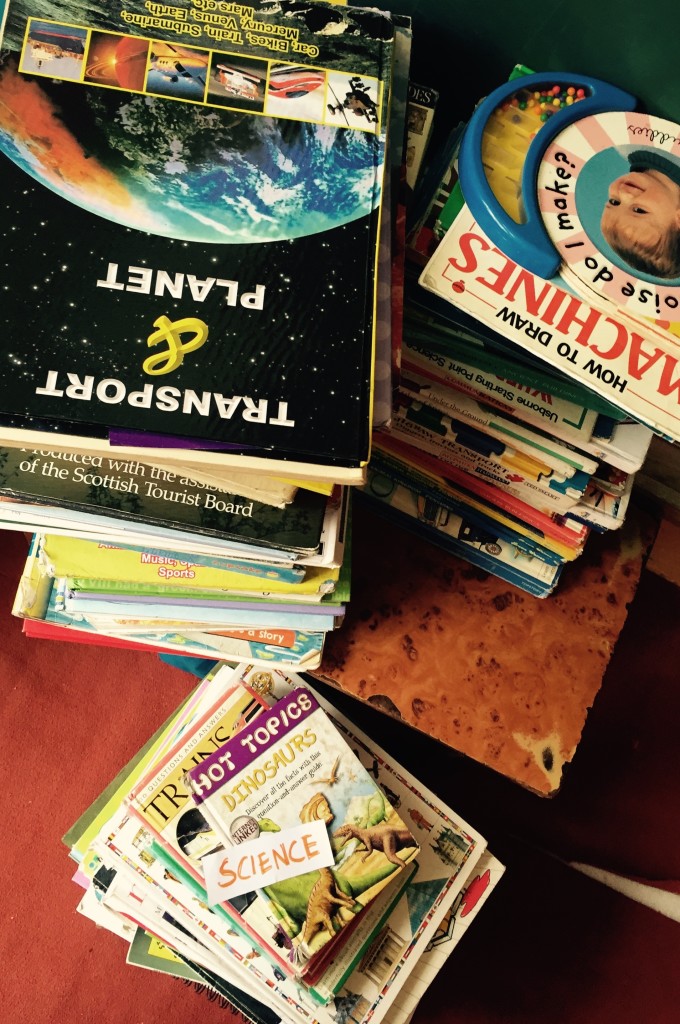
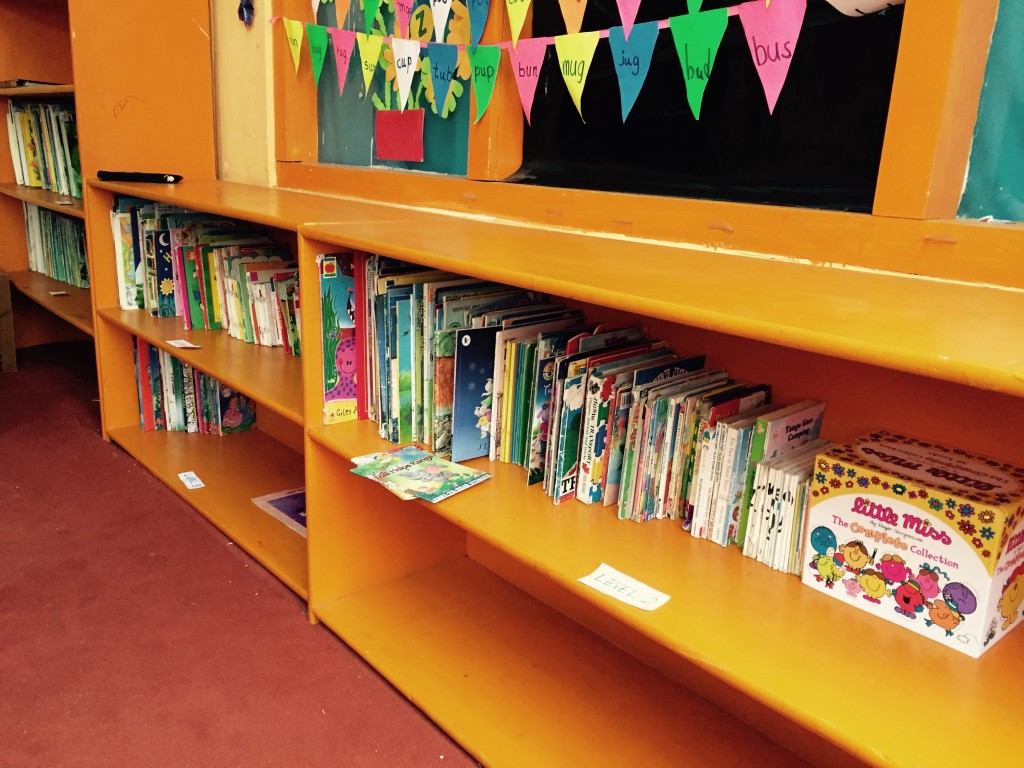
A healthy monastic library should offer variety without becoming confusing or disconnected from students’ lives. We include fiction, folktales, illustrated nonfiction, science, history, geography, art, music, dictionaries, atlases, and practical reference books. This range supports formal education while leaving room for discovery and imagination.
Books connected to Buddhist philosophy and monastic life can have a meaningful place in the collection. They may introduce stories of compassion, ethical choices, mindfulness, generosity, and the lives of respected teachers. These works are selected with care so that they complement religious instruction rather than reducing Buddhist ideas to simplistic lessons.
We also value books that present children from different regions and backgrounds. Thoughtful international literature can broaden a student’s sense of the world, especially when it is paired with stories that reflect Himalayan landscapes, family life, festivals, animals, and daily experience. A collection should create connection, not suggest that learning belongs only to faraway places.
Considering Language, Design, And Access
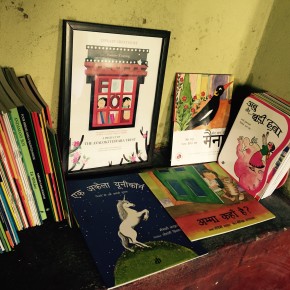
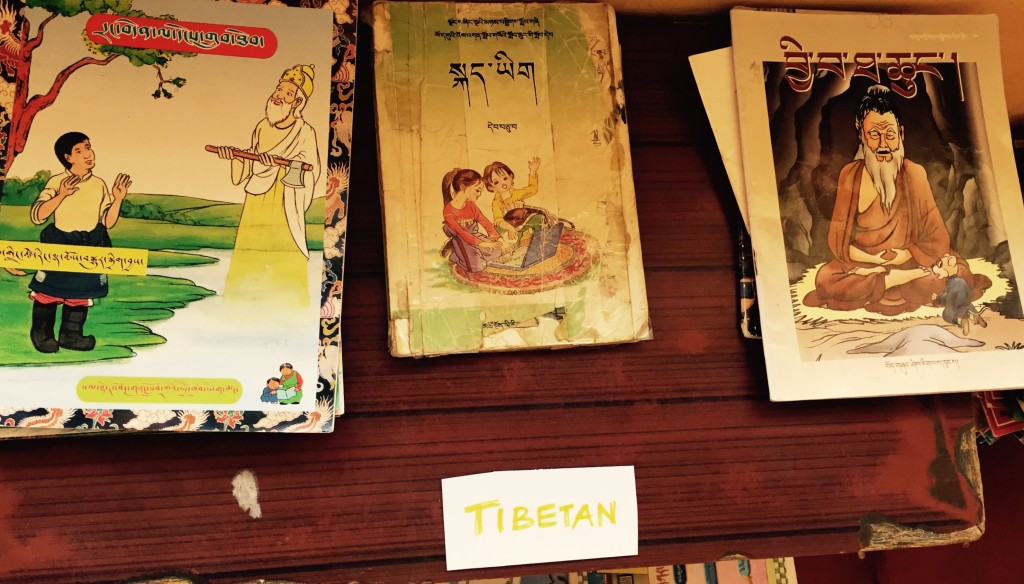
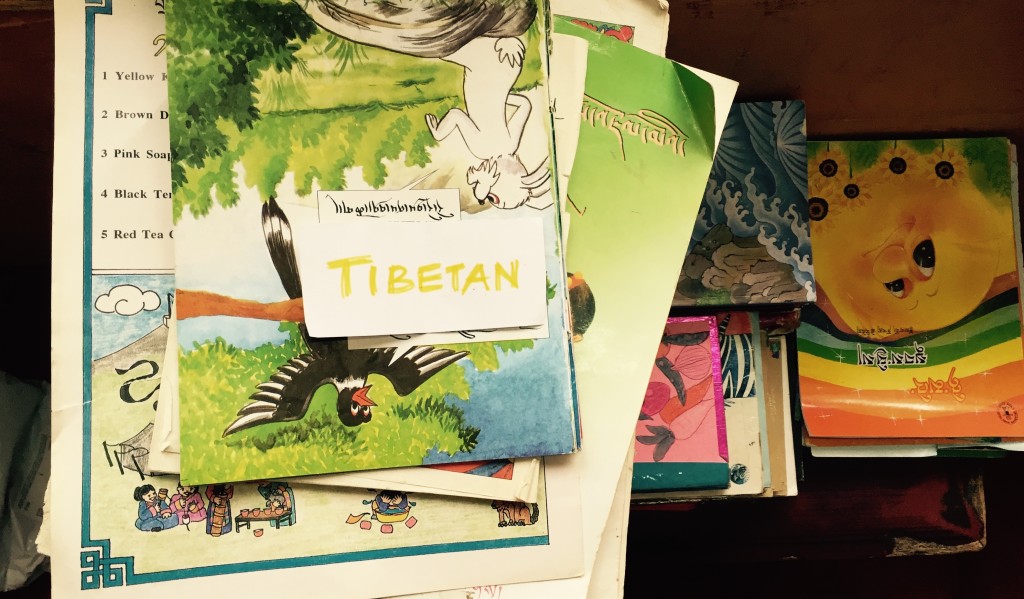
Language is central to book selection. Depending on the community and learning setting, students may use English, Tibetan, Hindi, Ladakhi, or more than one language. We seek materials that support language development without treating multilingualism as a problem. Picture dictionaries, bilingual books, clear nonfiction, and stories with repeated vocabulary can help readers move gradually toward greater independence.
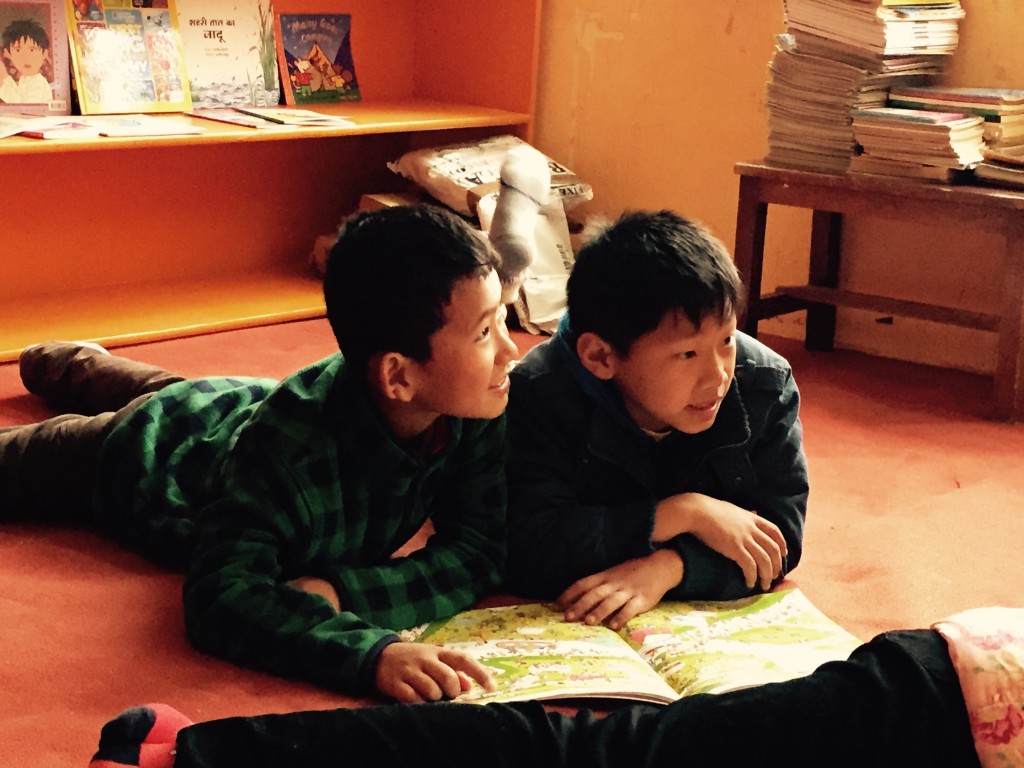
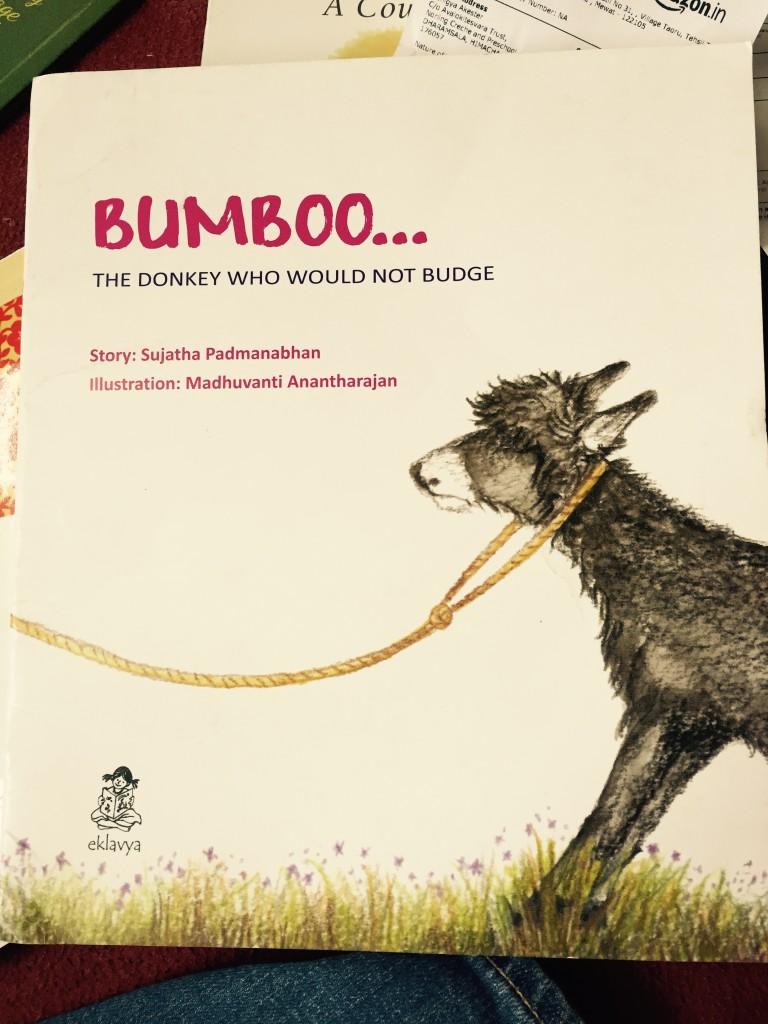
Design also affects access. Large, legible type, strong illustrations, uncluttered pages, and clear chapter structures make books less intimidating. Visual storytelling is especially valuable for early readers and for students building confidence in a second or third language. Illustrations should add meaning rather than merely decorate the page.
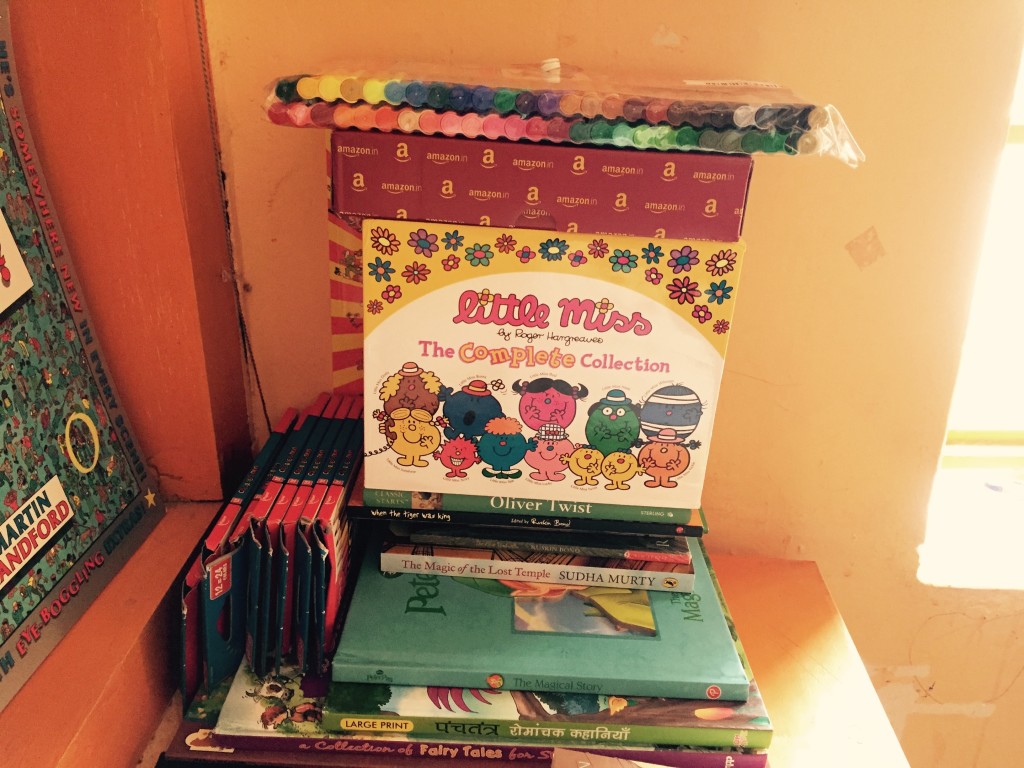
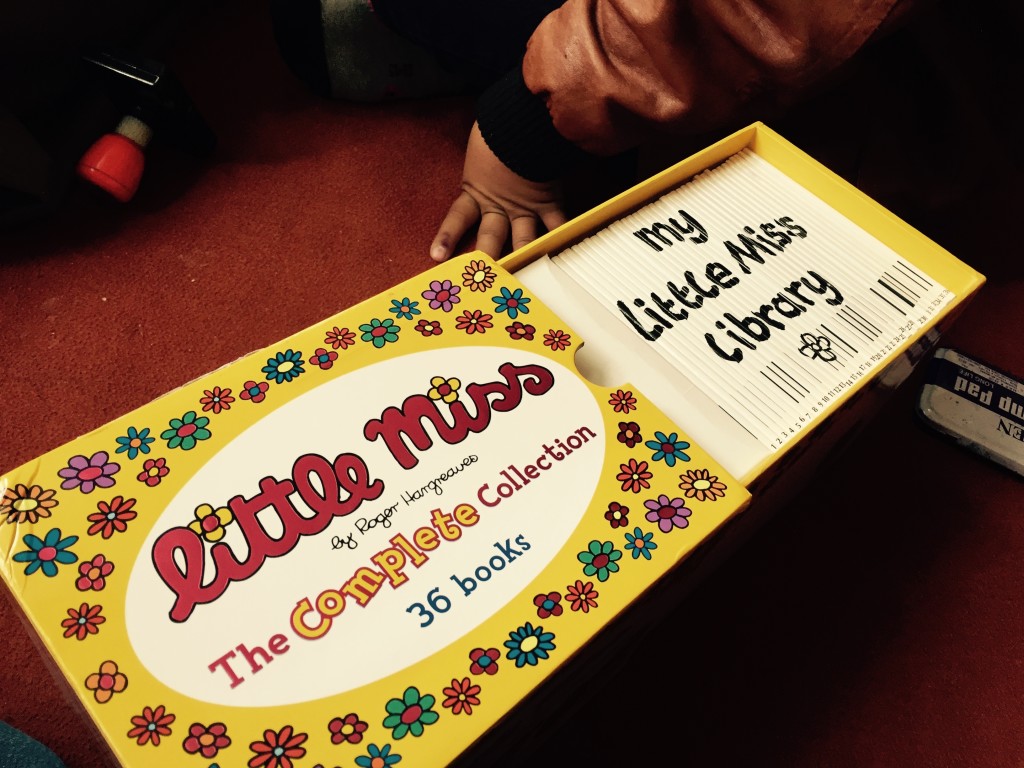
Durability matters in a busy shared library. Books may be read by dozens of students, carried between rooms, or used during long winters when replacement shipments are difficult. We favor sturdy bindings, quality paper, and formats that can withstand repeated handling. A modest number of resilient, engaging books is often more useful than a large shipment of fragile titles.
Weighing Different Kinds Of Books
Book selection involves balancing educational value with immediate appeal. A collection made entirely of textbooks may support lessons but fail to encourage voluntary reading. A collection made only of entertainment may attract attention without offering enough progression or reference material. We compare several qualities before deciding where a title belongs.
| Book type |
What it can provide |
What we look for |
| Picture books |
Early literacy, visual comprehension, shared reading |
Clear language, expressive art, durable pages |
| Fiction and folktales |
Imagination, empathy, vocabulary, enjoyment |
Strong storytelling and respectful cultural context |
| Nonfiction |
Knowledge, research skills, independent study |
Accurate information, accessible structure, useful visuals |
| Buddhist and ethical texts |
Reflection, values, spiritual understanding |
Age-appropriate language and careful presentation |
| Reference books |
Answers for schoolwork and curiosity |
Current facts, legible design, practical organization |
| Art and music books |
Creativity, expression, cultural interest |
Accessible activities and inspiring examples |
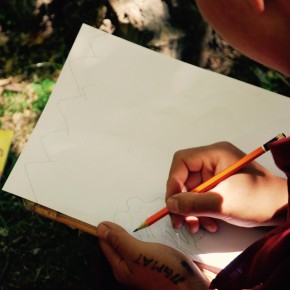
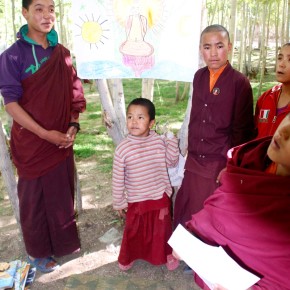
A title does not need to be famous to be valuable. Sometimes a simple book about birds, bridges, stars, or drawing can become a favorite because it meets a particular interest. We also consider whether a book can support group reading, discussion, art activities, or music sessions, allowing one resource to serve several forms of learning.
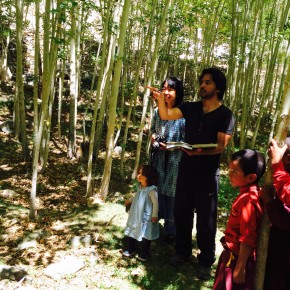
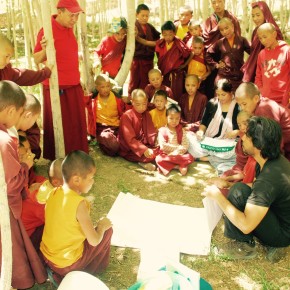
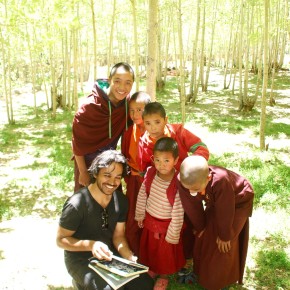
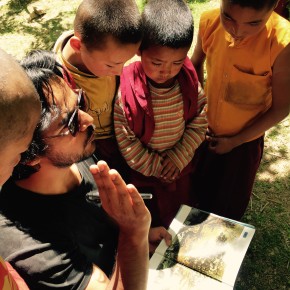
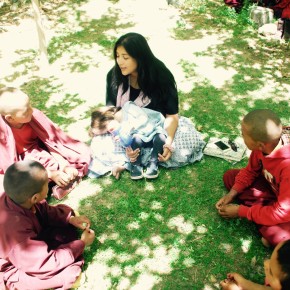
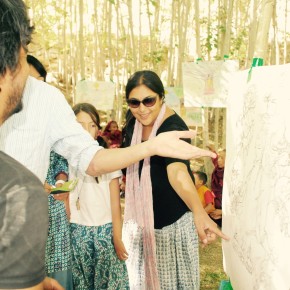
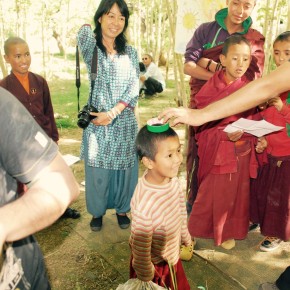
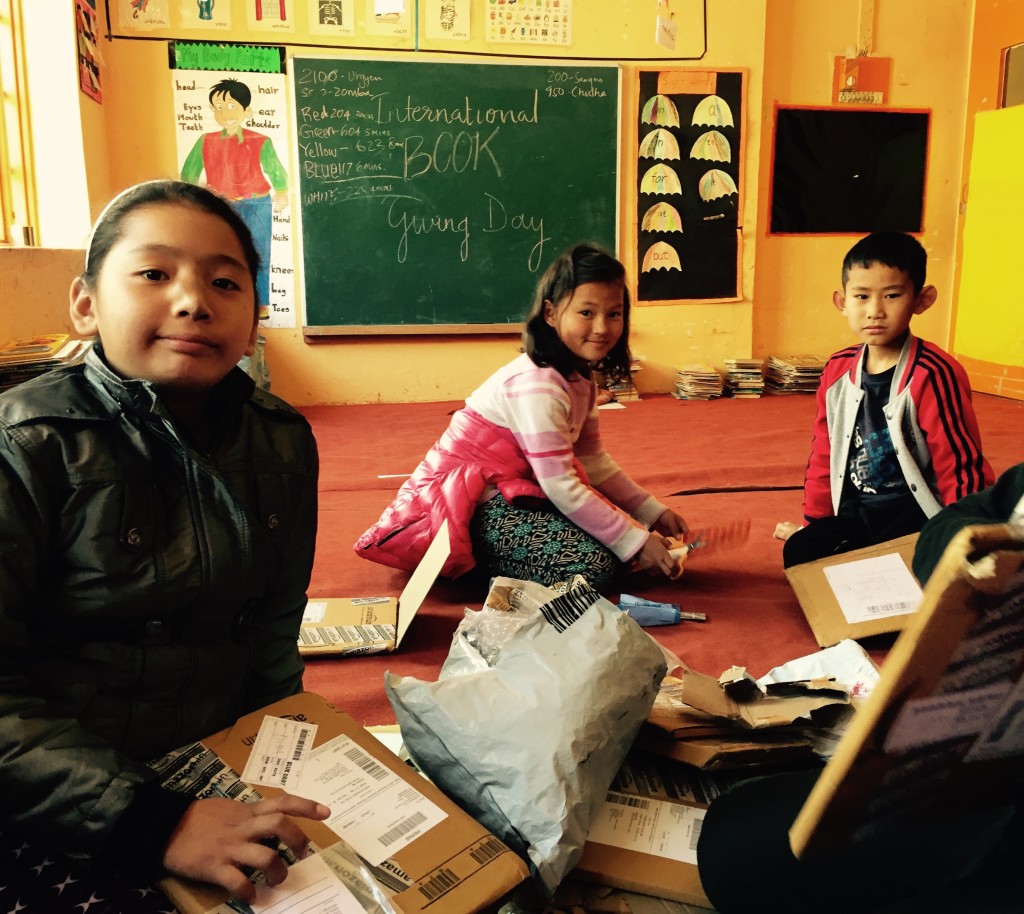
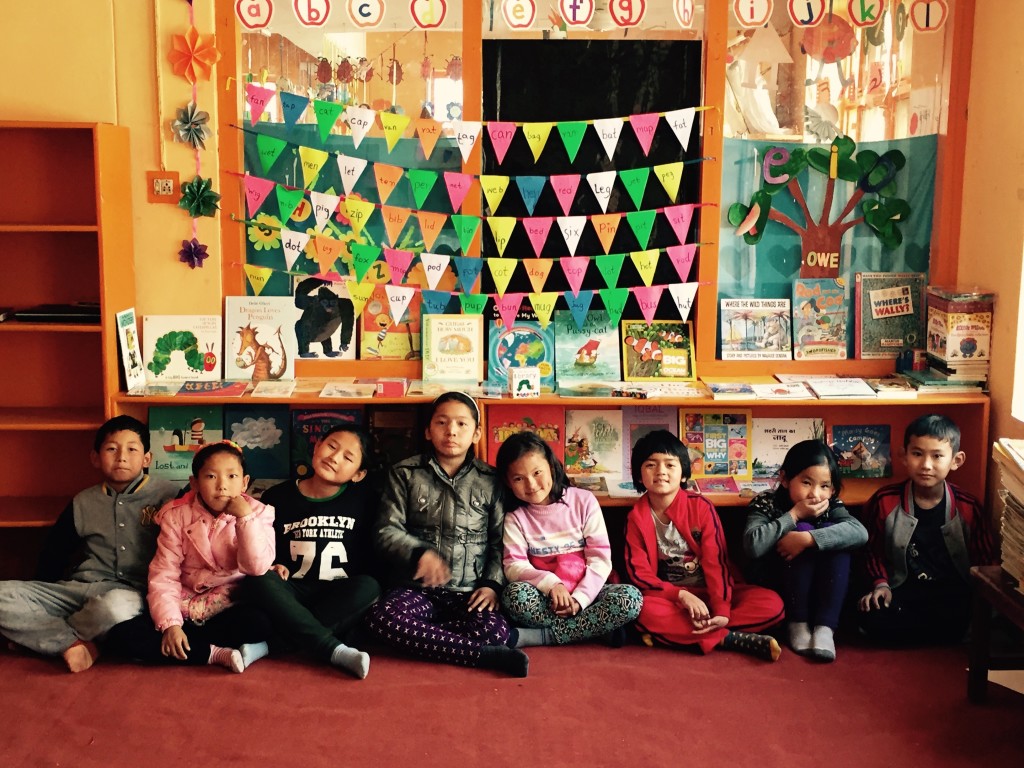
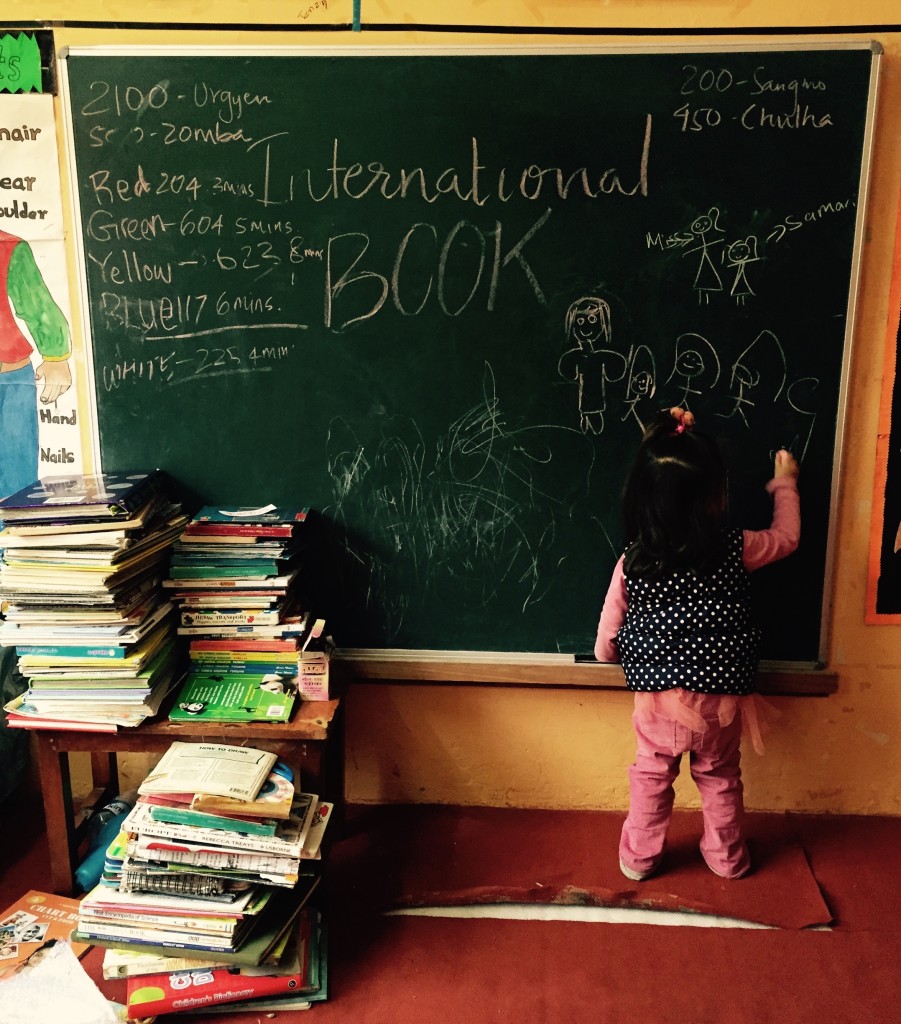
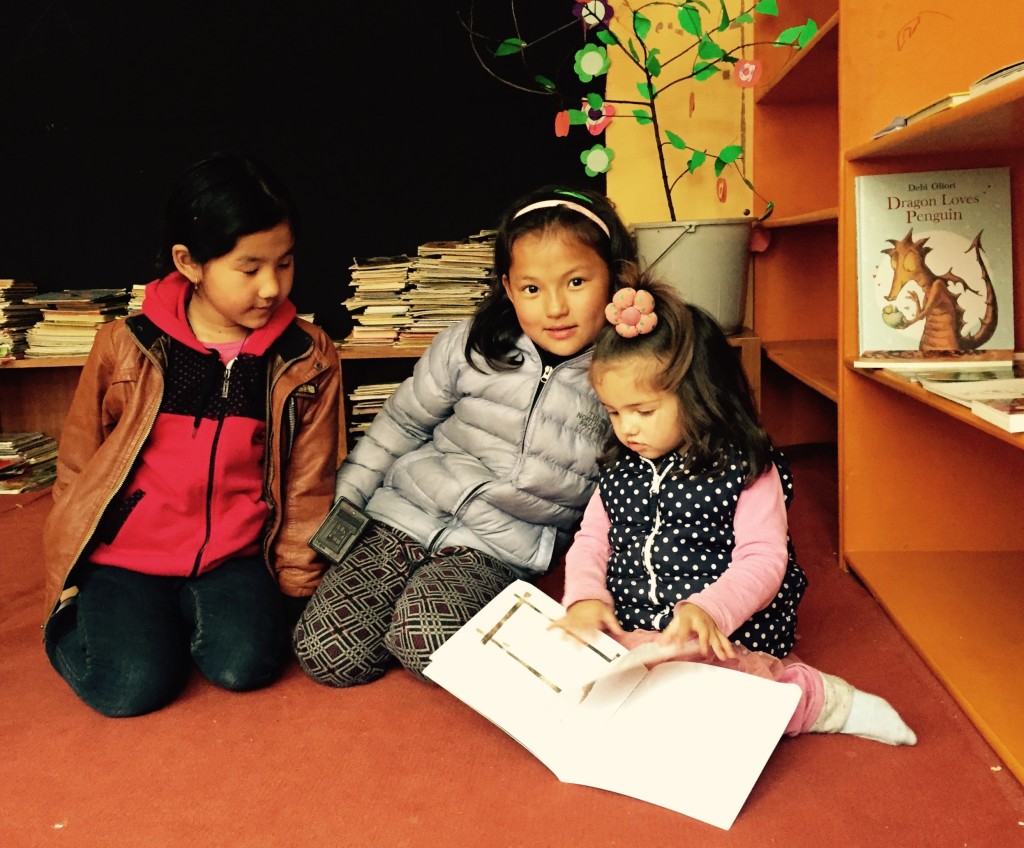
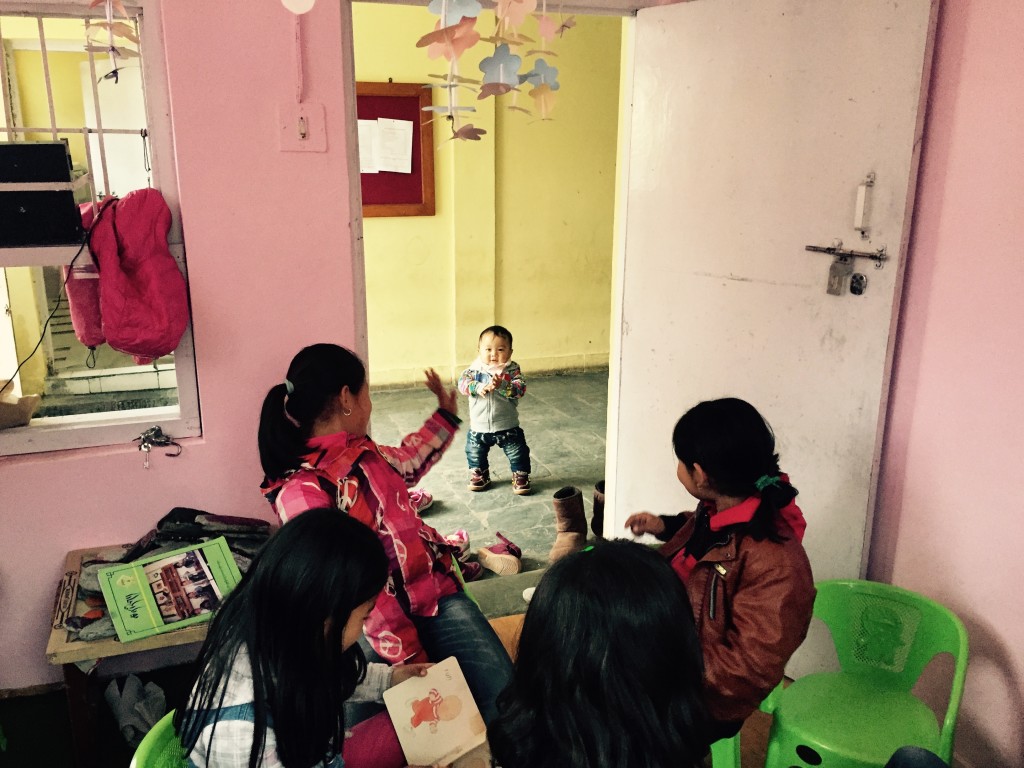
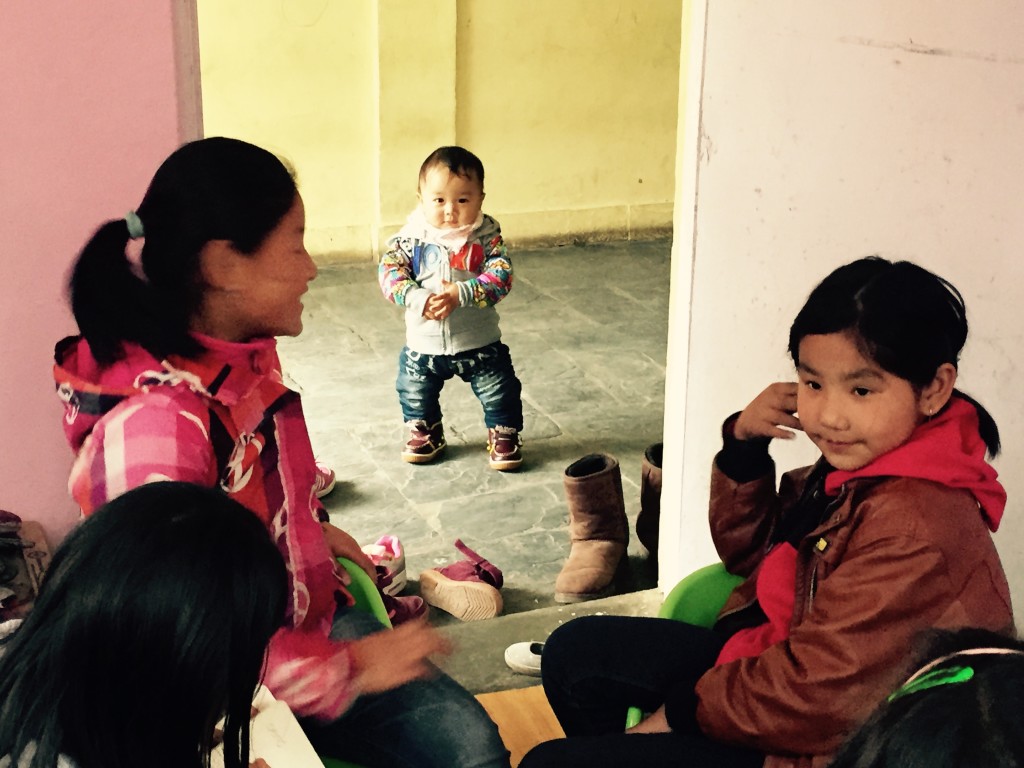
Stories from our communities help demonstrate why this approach matters. A small reading room can become more than a place to store books when its collection gives children the freedom to browse, ask questions, and discover subjects they had never encountered before.
Respecting Culture And Encouraging Curiosity
Cultural relevance does not mean limiting students to books about their own region. It means presenting unfamiliar settings with accuracy and respect while ensuring that local identity remains visible. We examine how religions, families, rural communities, indigenous peoples, and different ways of life are portrayed. Stereotypes and careless representations have no place in a learning environment.
We also consider whether Buddhist monastic students can recognize values that matter in their own education: patience, responsibility, compassion, discipline, cooperation, and attention. These themes can appear in many forms, from a story about friendship to a biography of a scientist. The goal is not to make every book instructional, but to create a collection that encourages thoughtful engagement.
Curiosity is an essential part of education. Books should allow students to ask what lies beyond their immediate surroundings, how natural systems work, how artists create, and how people solve problems. When curiosity is welcomed, reading becomes an active practice rather than a task assigned only for examinations.
Choosing Books For Long-Term Use
We look at the life of a book beyond its first reading. Can younger and older students use it in different ways? Will a teacher be able to read it aloud? Does it invite discussion or independent research? Can it remain useful as a student’s language skills improve? These questions help us prioritize books with lasting educational value.
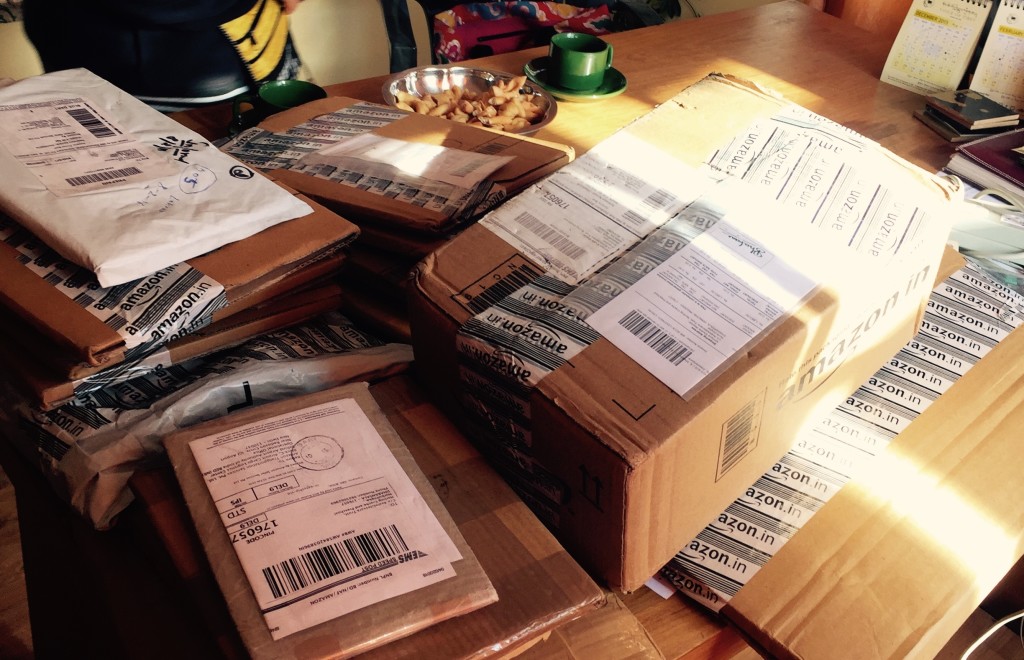
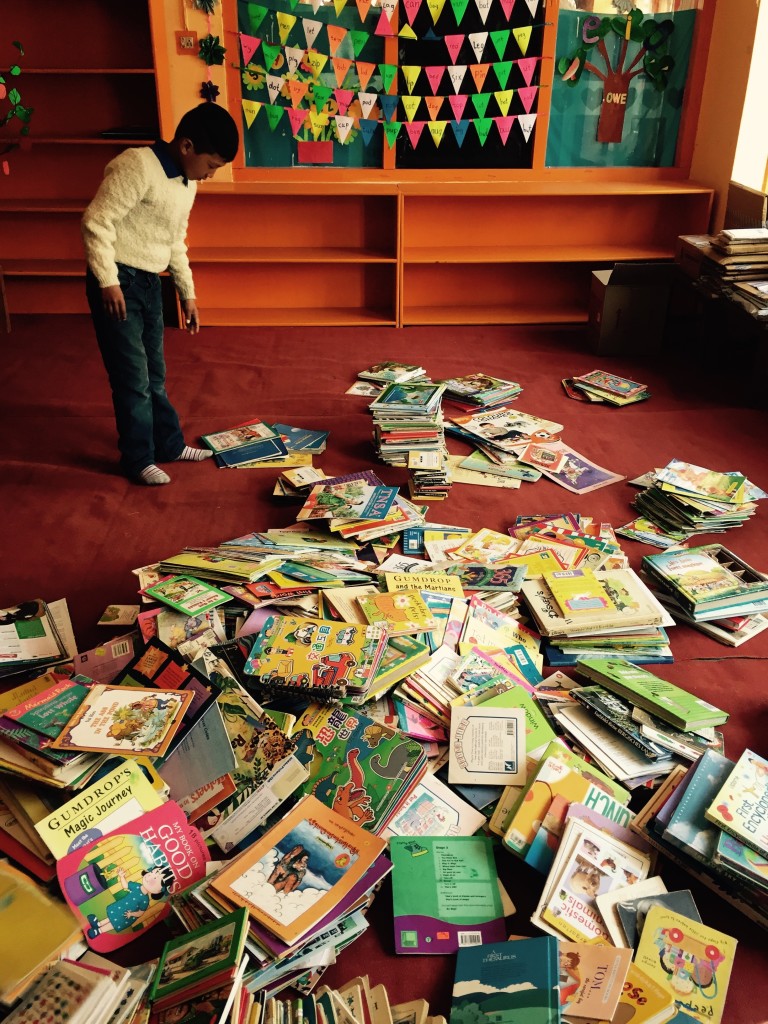
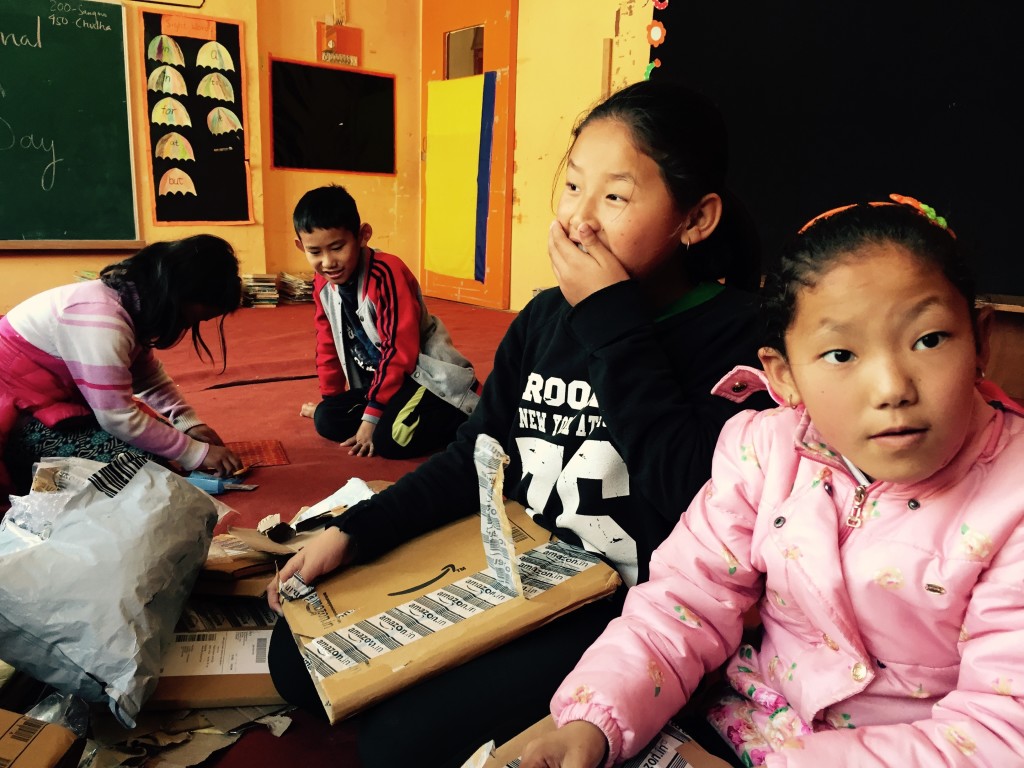
We also pay attention to ethical sourcing and practical distribution. Donated books should be clean, complete, age-appropriate, and relevant to the communities receiving them. Shipping space is limited, so every box should contain resources that have a realistic place in a reading room, classroom, or monastery library.
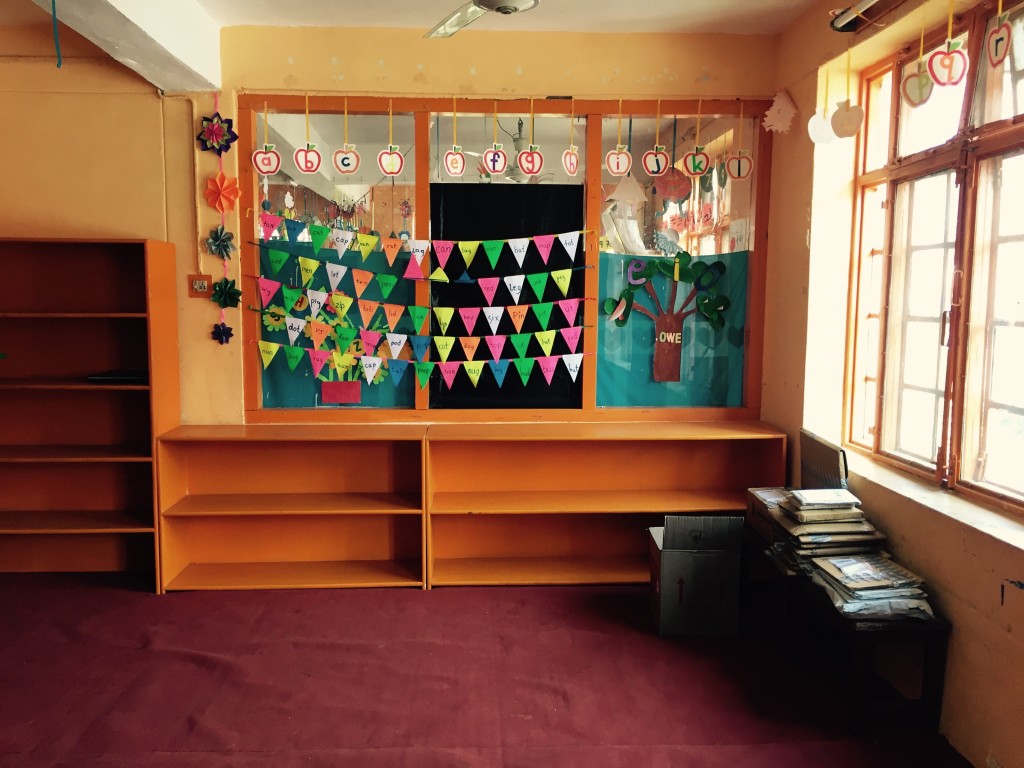
Our selection process remains flexible. As students’ interests change and new educators share their observations, the collection can grow in new directions. A reading room is a living environment: its shelves should reflect current needs while preserving room for surprise, rereading, and quiet exploration.
Principles That Guide Each Book Drive
When reviewing possible titles, we use a simple set of principles to keep decisions focused:
- Choose books that match a range of ages, reading abilities, and language backgrounds.
- Include fiction, nonfiction, reference materials, arts resources, and Buddhist or ethical literature.
- Prioritize accurate, respectful, culturally aware content over fashionable titles.
- Select attractive, readable, and durable books suited to frequent shared use.
- Listen to students and educators, then adjust future collections according to real reading habits.
These principles help volunteers and donors understand why a useful book is not always the newest or most expensive one. A carefully chosen paperback, visual dictionary, folktale collection, or science guide may have a profound effect when it reaches the right reading room.
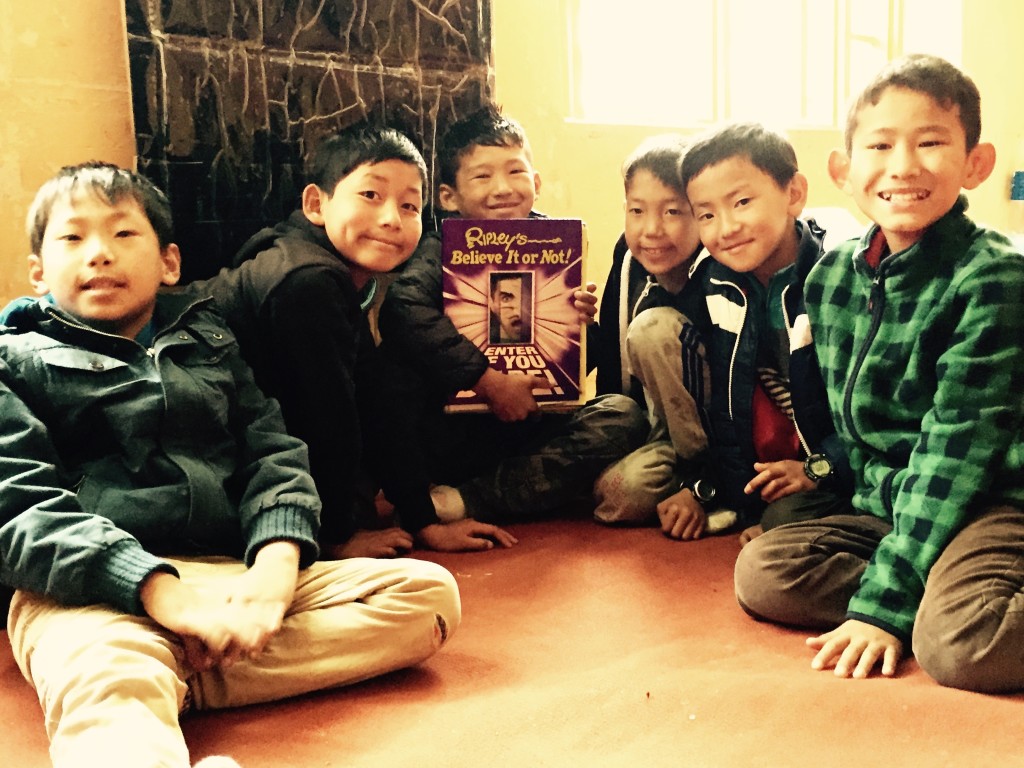
The best evidence comes from use: students recommending books to one another, returning to a story, drawing scenes from a chapter, or searching for an answer without being prompted. Those moments show that a book has moved from a donation box into the life of a community.
Every child and young monk deserves access to books that respect their intelligence, reflect their world, and expand their horizons. By supporting Avalokiteśvara Trust’s reading rooms and book drives, donors and volunteers can help place thoughtful, lasting resources into the hands of Himalayan students. A single well-chosen book can begin a habit of reading; a carefully built library can help sustain a lifetime of learning.