How to Support Literacy From Home Through Virtual Book Drives
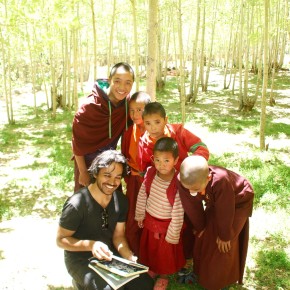
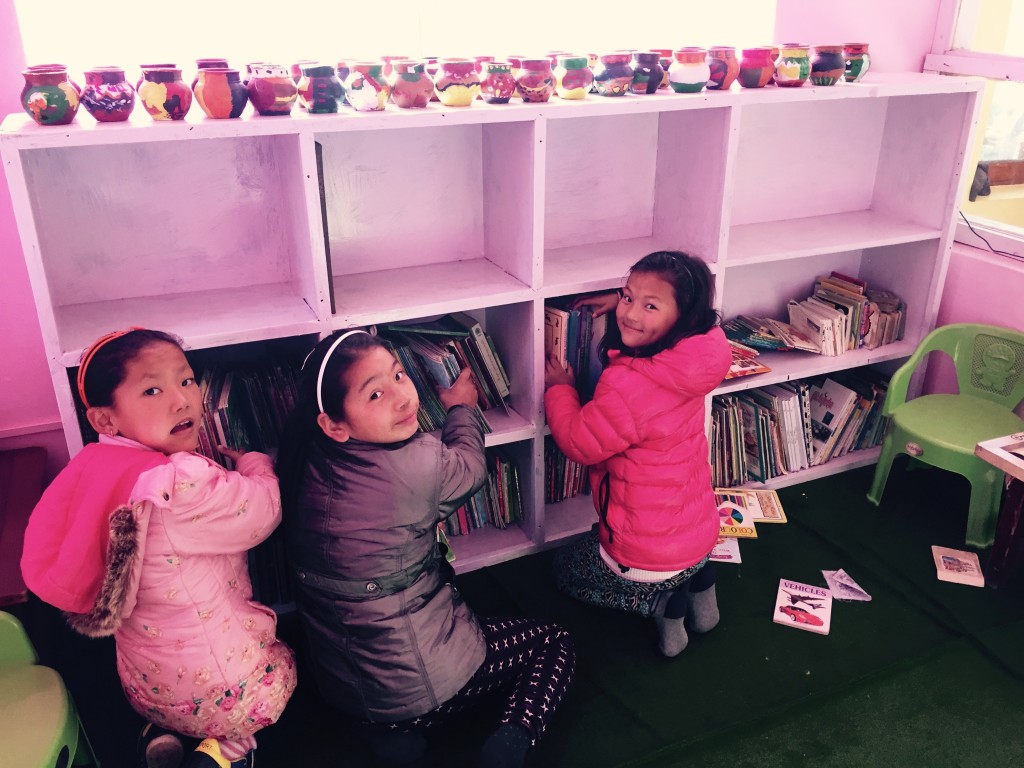
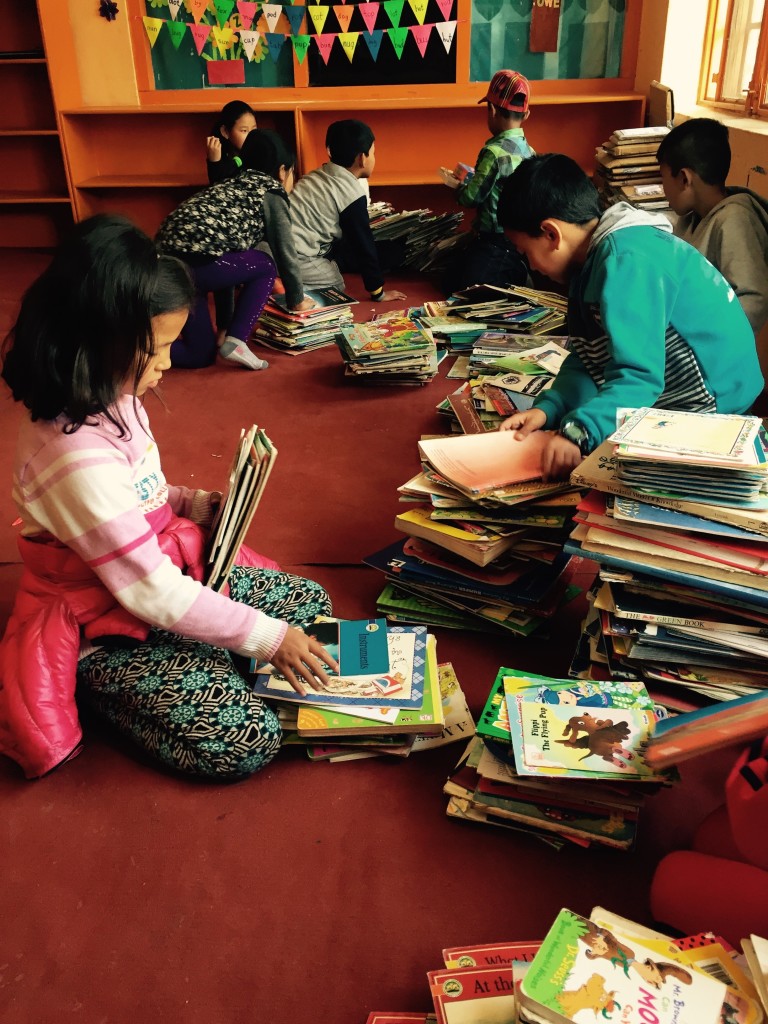
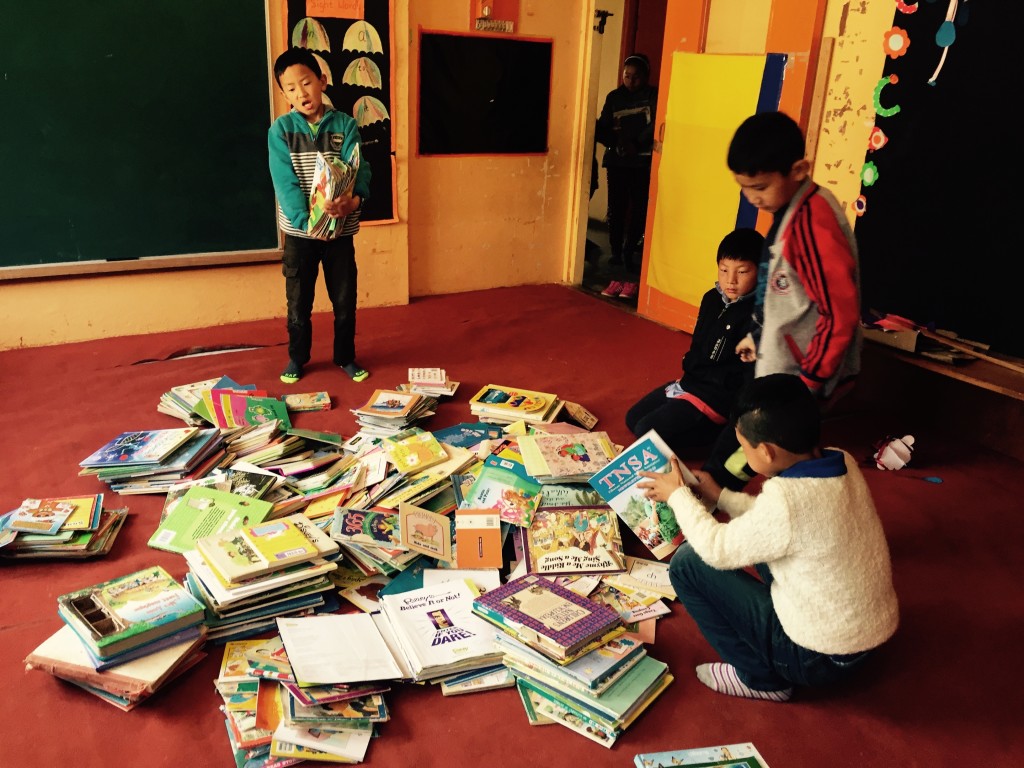
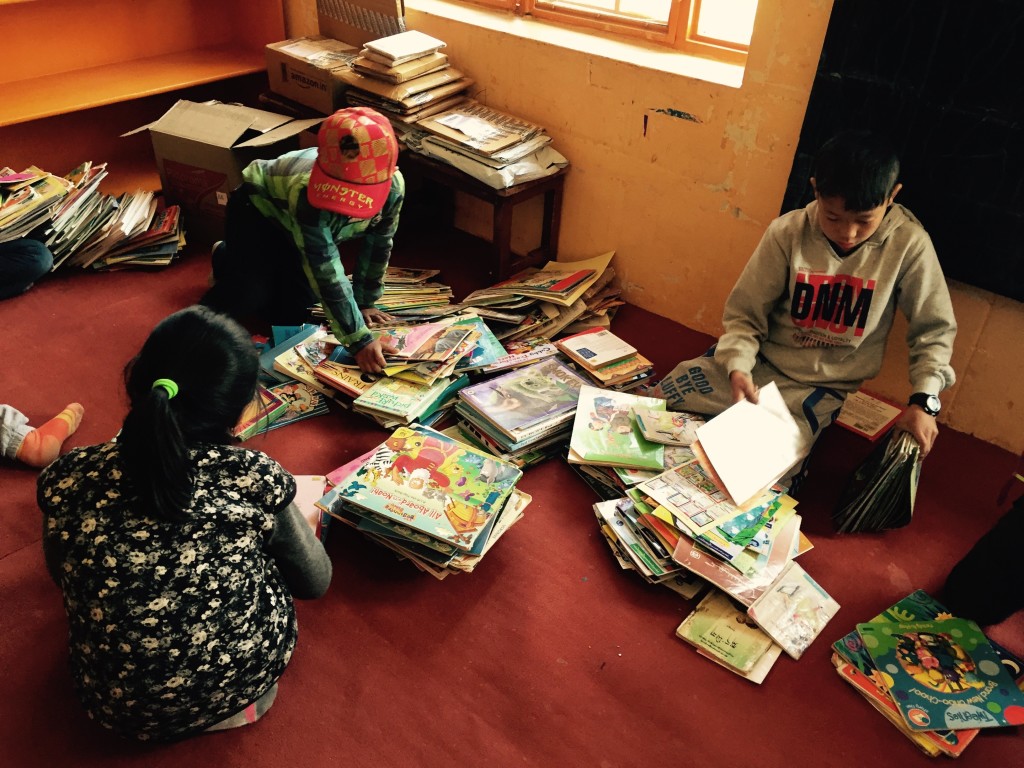
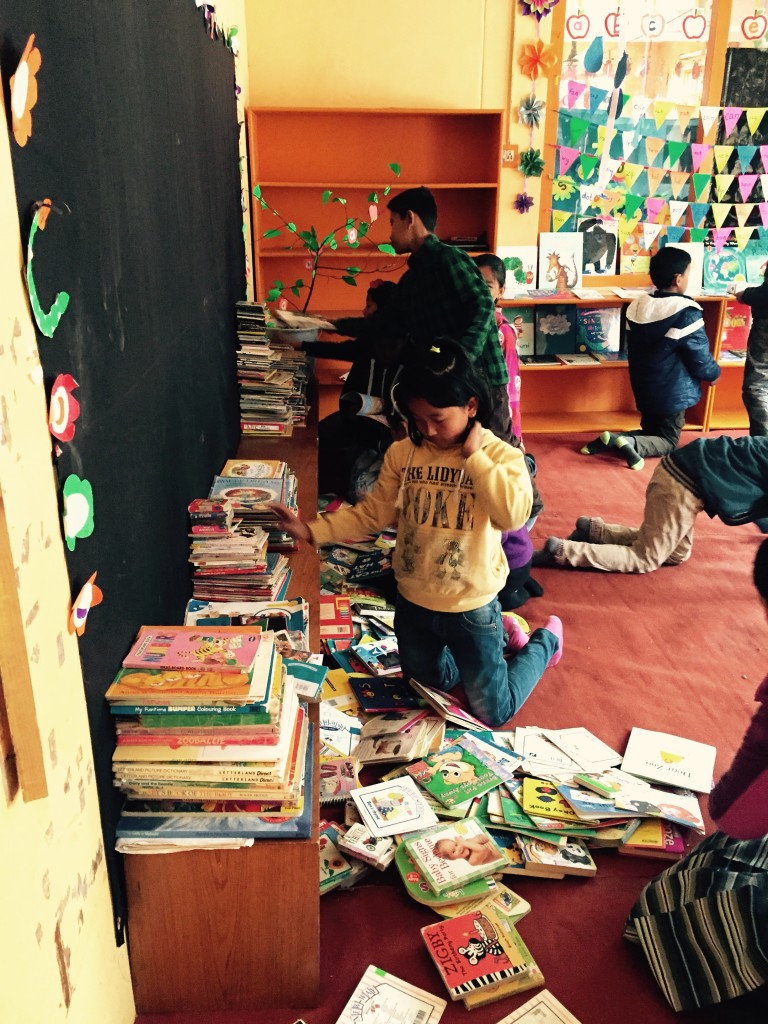
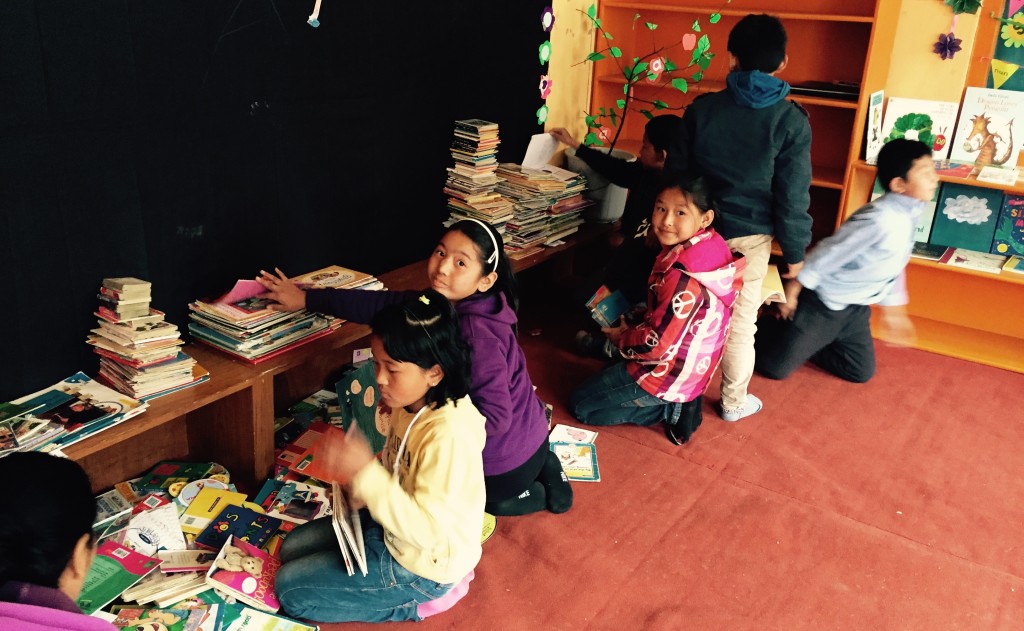
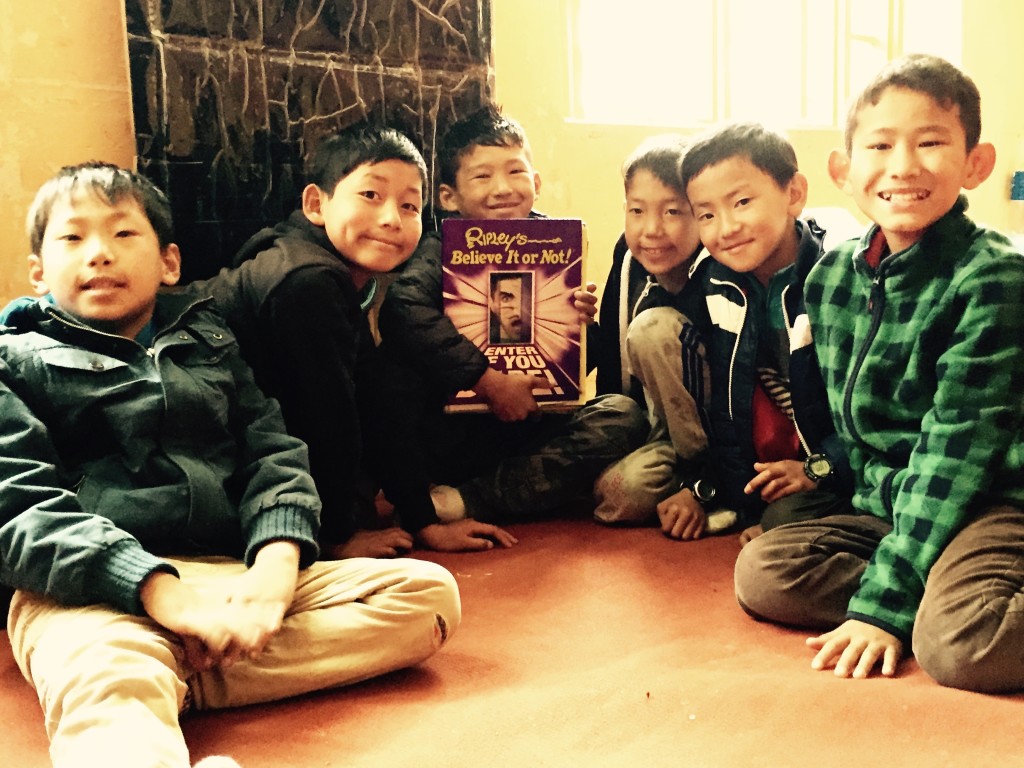
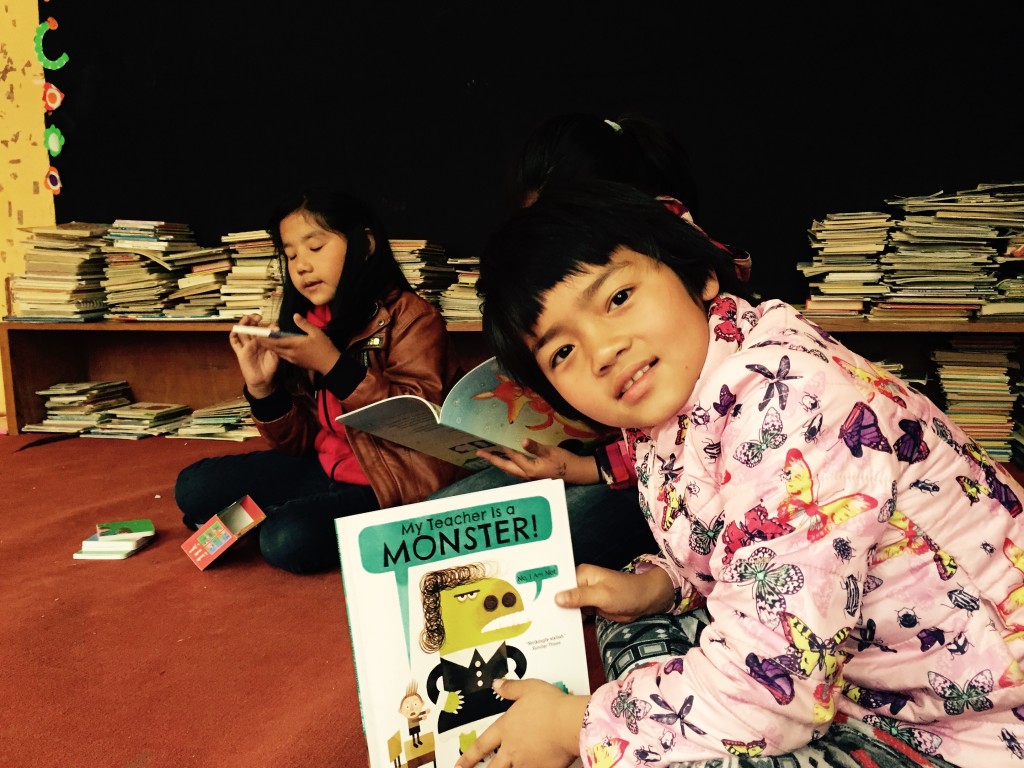
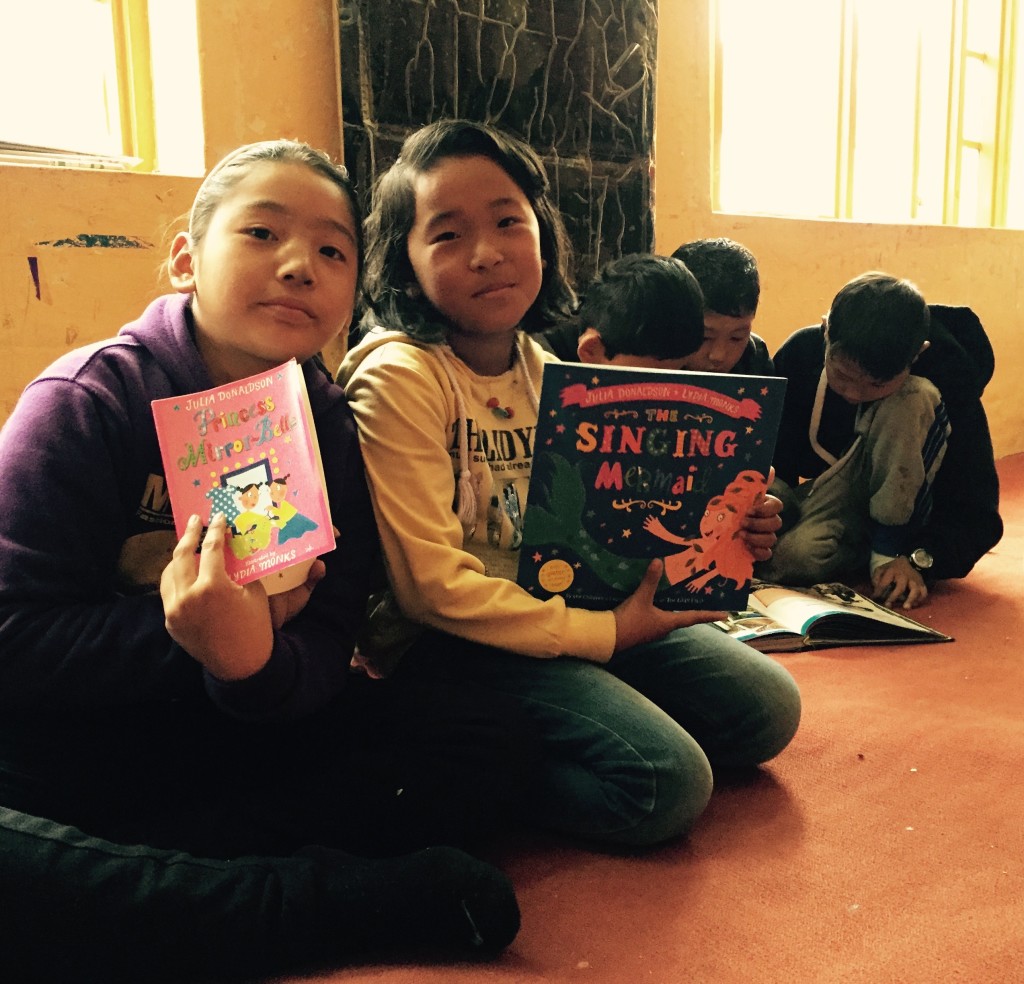
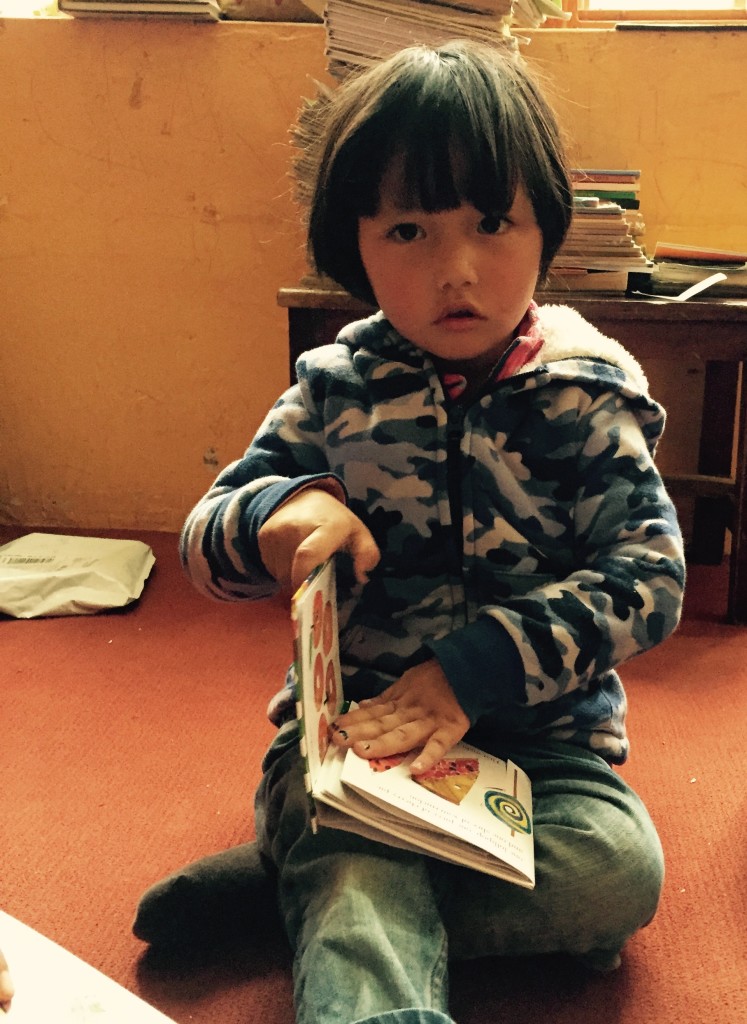
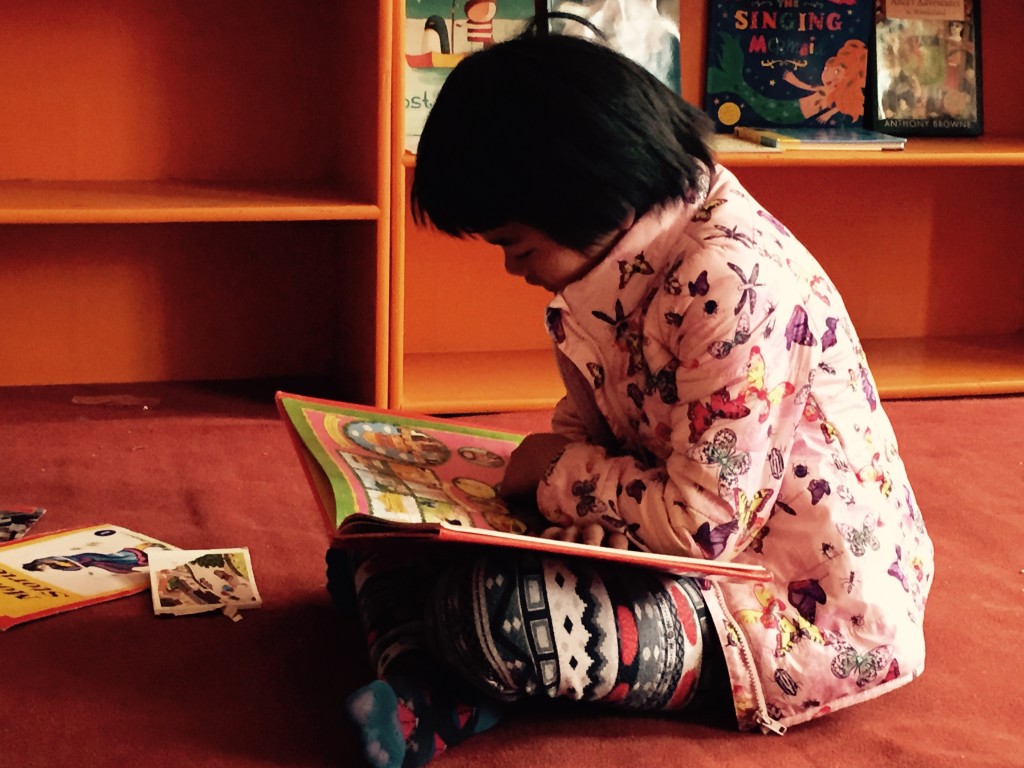
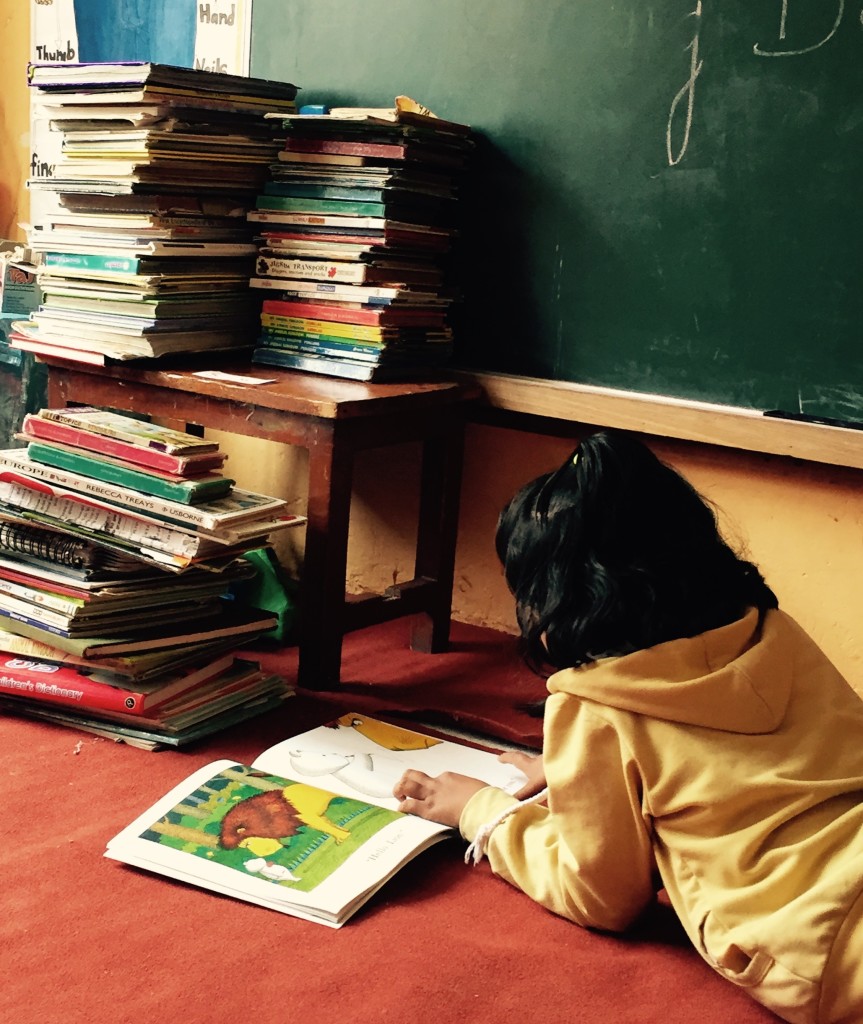
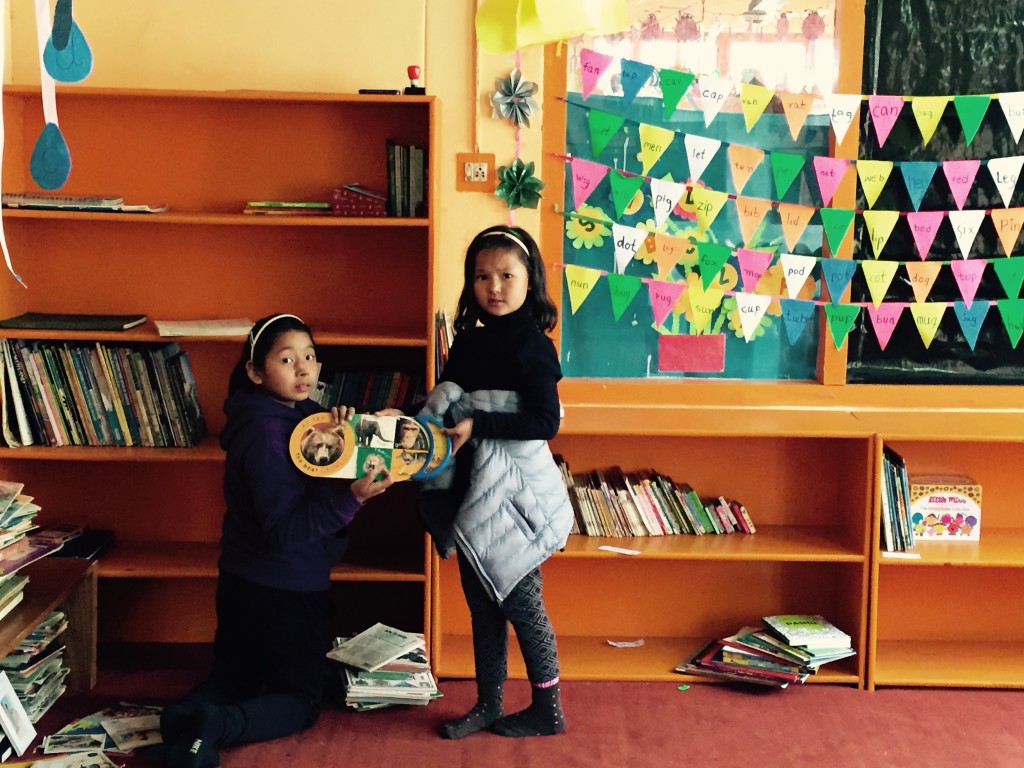
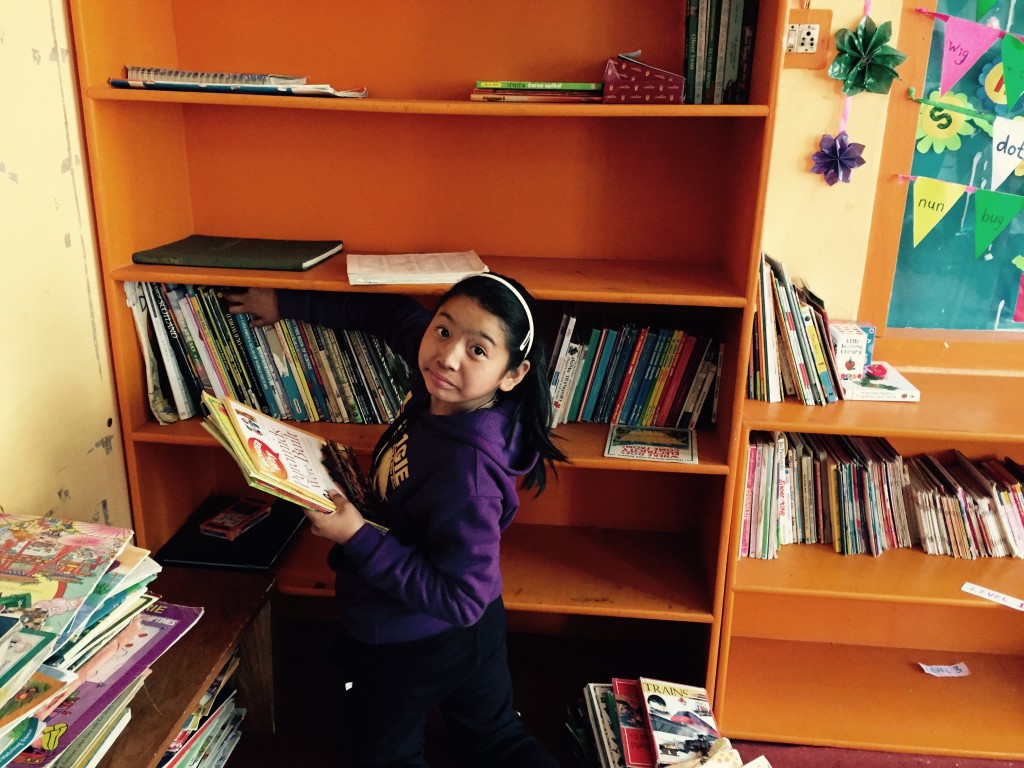
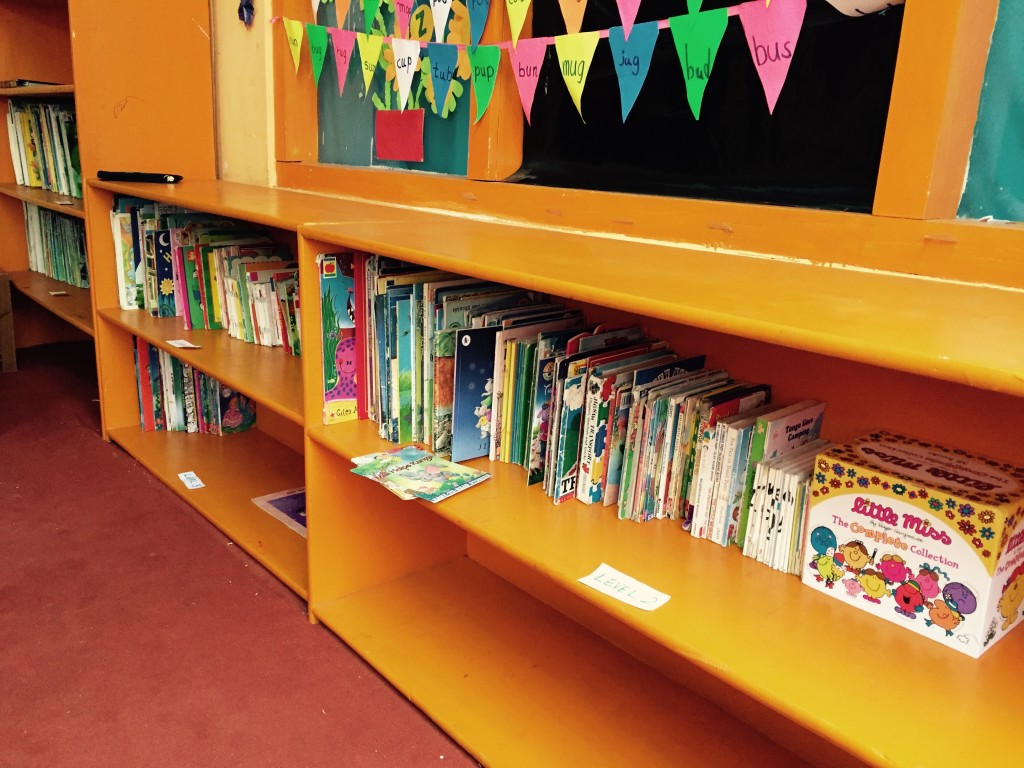
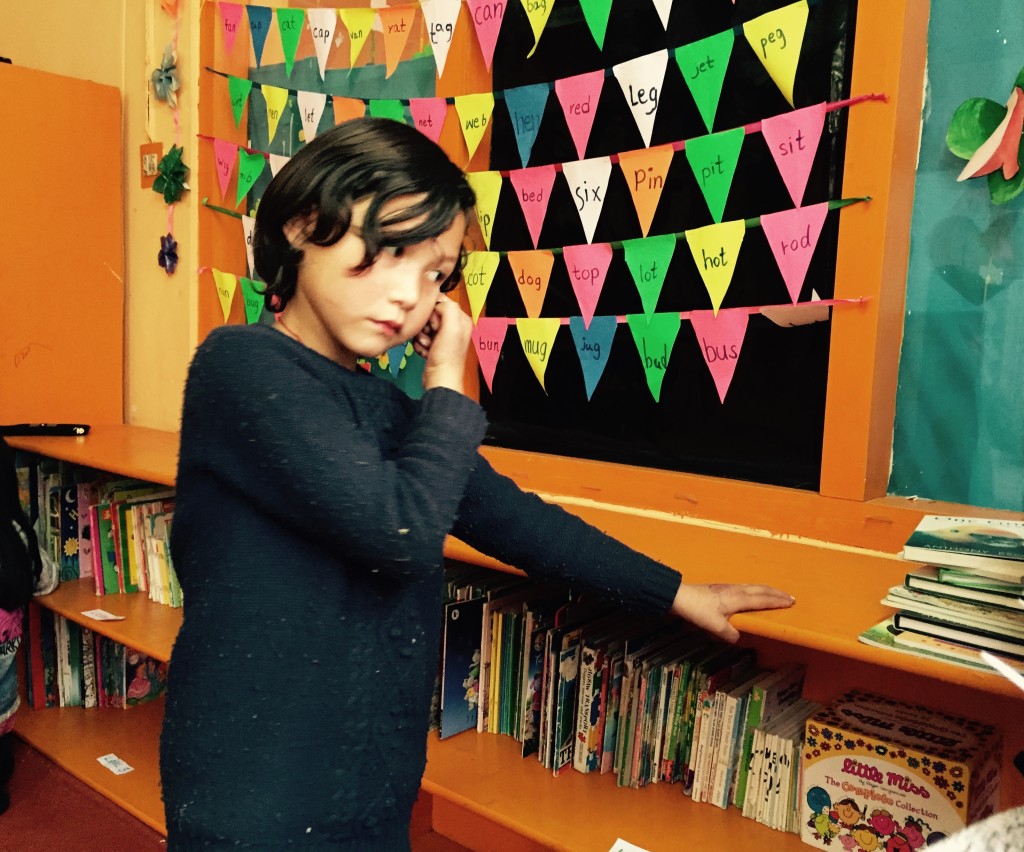
A child’s access to books can shape far more than reading ability. Stories build vocabulary, strengthen concentration, encourage imagination, and give young readers a way to understand experiences beyond their immediate surroundings. In remote Himalayan communities, a well-chosen book may also be a rare resource shared among an entire class, reading room, or monastery.
You do not need to travel to Ladakh or organize a large in-person event to contribute. A virtual book drive can connect donors, families, schools, publishers, and charitable organizations from different places. With careful planning, a small online campaign can help provide storybooks, reference materials, art supplies, and reading opportunities for children and young monks.
The most effective campaigns combine clear goals with local knowledge. They focus on books that are suitable for a particular age group, language, and learning environment rather than collecting whatever happens to be available. They also make participation simple, transparent, and rewarding for supporters.
Why Virtual Book Drives Matter
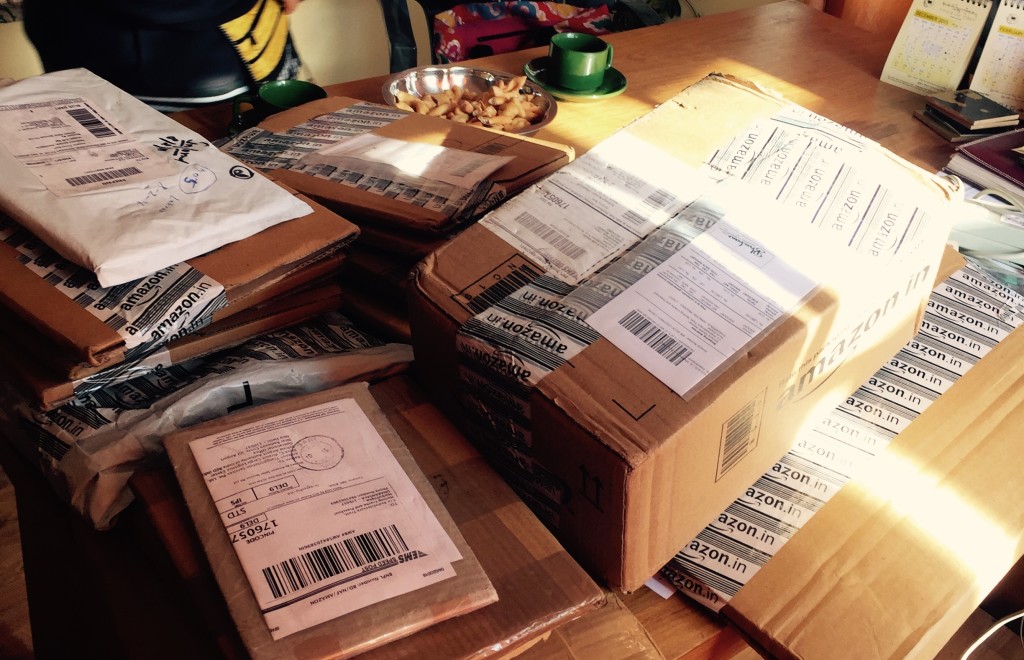
Virtual book drives remove many of the practical barriers associated with physical donation events. Supporters can contribute from home, share the campaign with friends, and purchase a requested title or make a monetary gift without transporting books themselves. An organization can then coordinate buying, shipping, cataloguing, and distribution more efficiently.
Digital campaigns also reach people who care about literacy but live far from the communities they wish to support. A teacher in another country might sponsor classroom readers, while a family could fund a set of illustrated books in honor of a birthday. Businesses can match employee donations, and schools can build cross-cultural learning projects around the campaign.
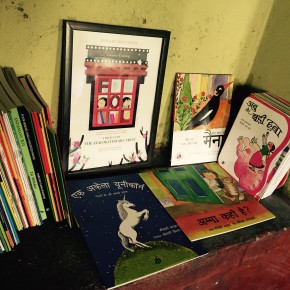
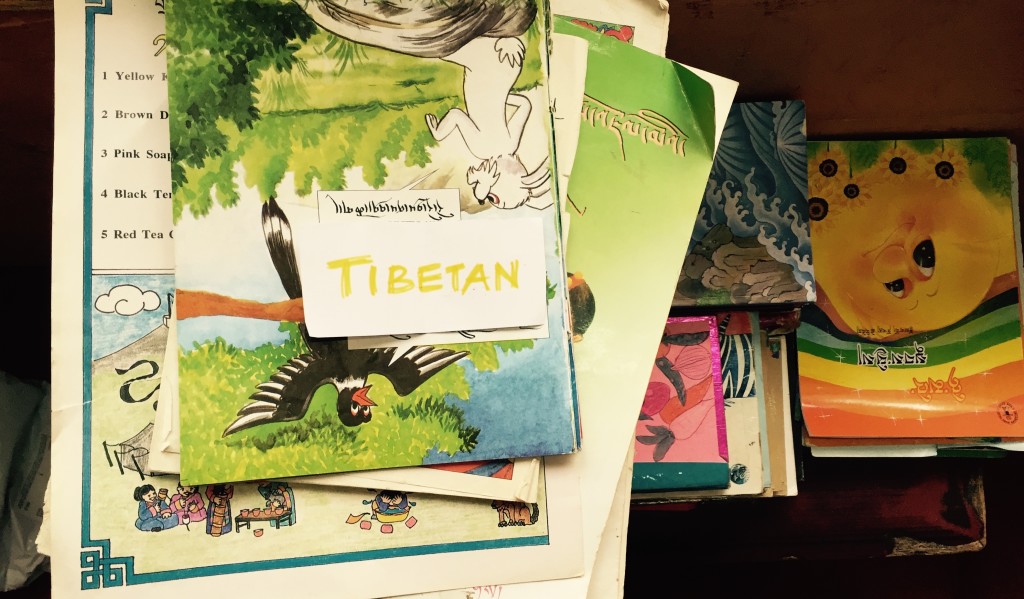
The needs of young readers are often specific. A monastery may require engaging materials in a familiar language, while a community reading room may need early readers, bilingual books, or nonfiction connected to science and nature. The case for language-specific storybooks shows why literacy support should reflect how children actually learn and communicate.
Choose A Clear Reading Goal
A successful virtual book drive begins with a defined purpose. “Help children read” is meaningful, but a campaign becomes easier to understand when it names a concrete target: equip a reading room with 100 books, provide beginner readers for a group of young monks, or create a mobile collection for villages with limited library access.
Set a realistic financial target and explain what different contributions can provide. For example, a small gift might purchase one storybook, a larger amount could supply a themed set, and a group donation might cover shelving or transportation. Avoid presenting estimates as guarantees if shipping costs or local purchasing conditions may change.
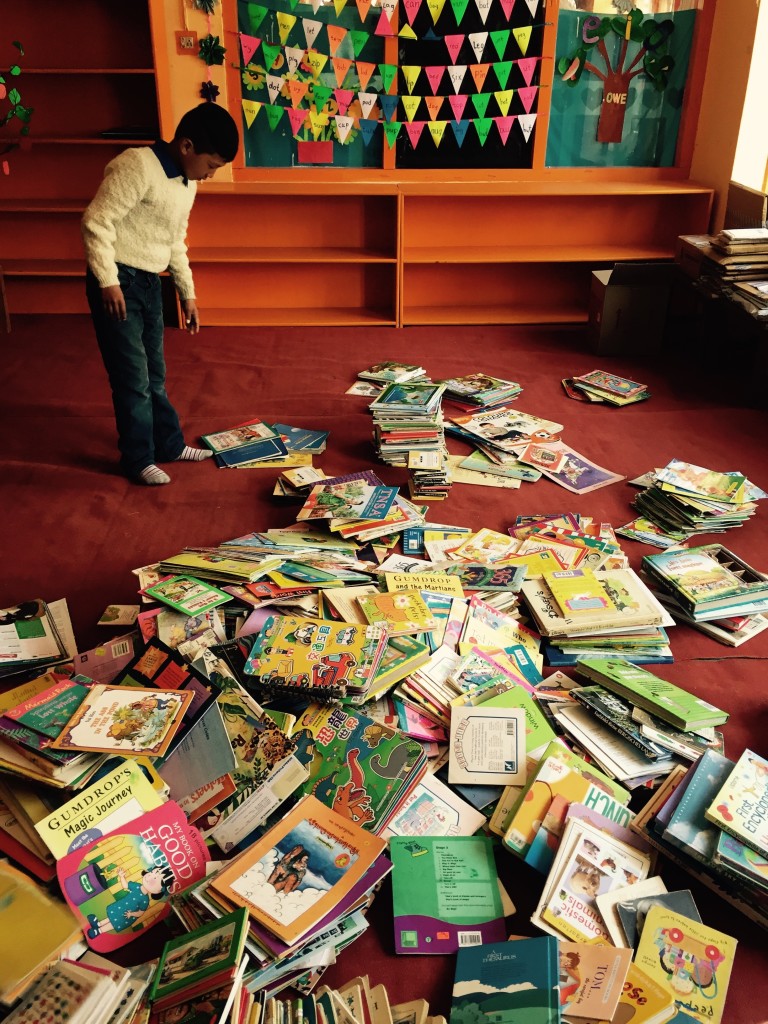
The campaign should also identify who will select the books. Local educators, librarians, monastery leaders, or community coordinators can advise on reading levels, language, cultural relevance, and durability. Their guidance helps prevent a common problem in book donation programs: sending attractive materials that are difficult to use or unsuitable for the intended readers.
Build A Campaign People Can Join
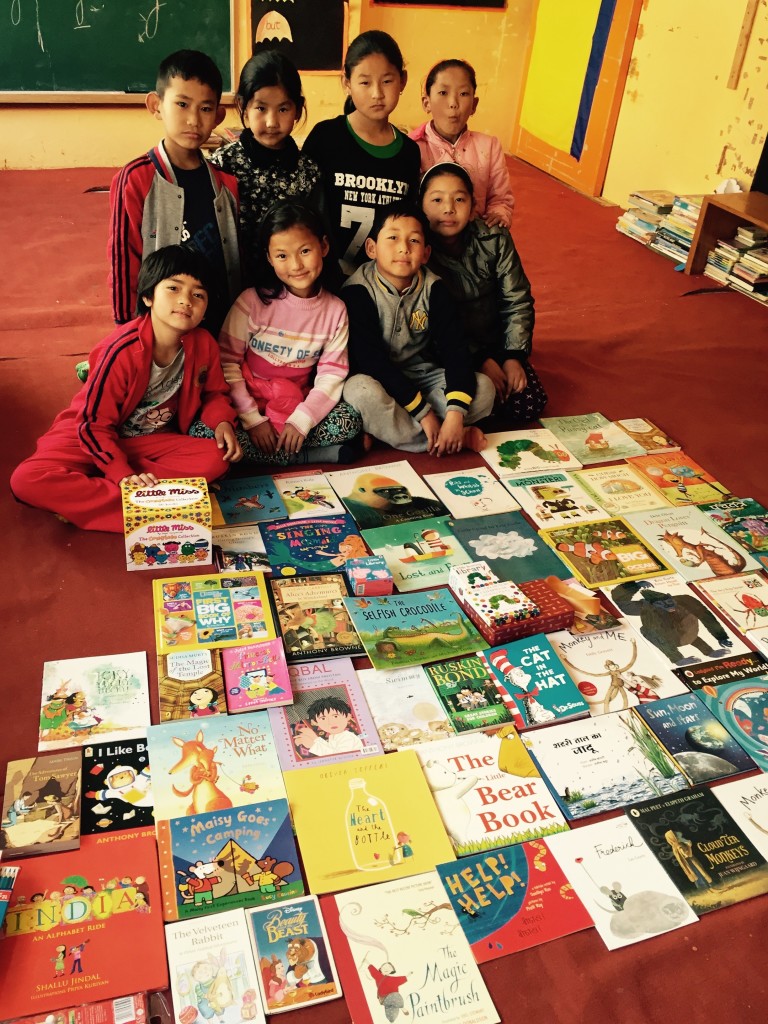
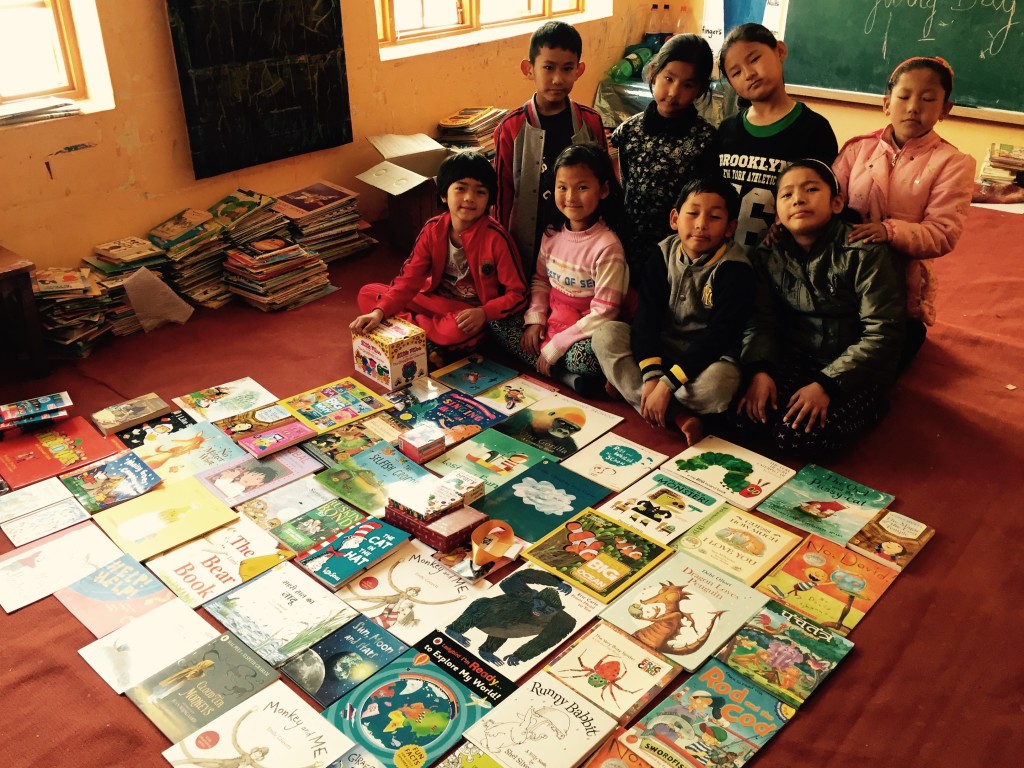
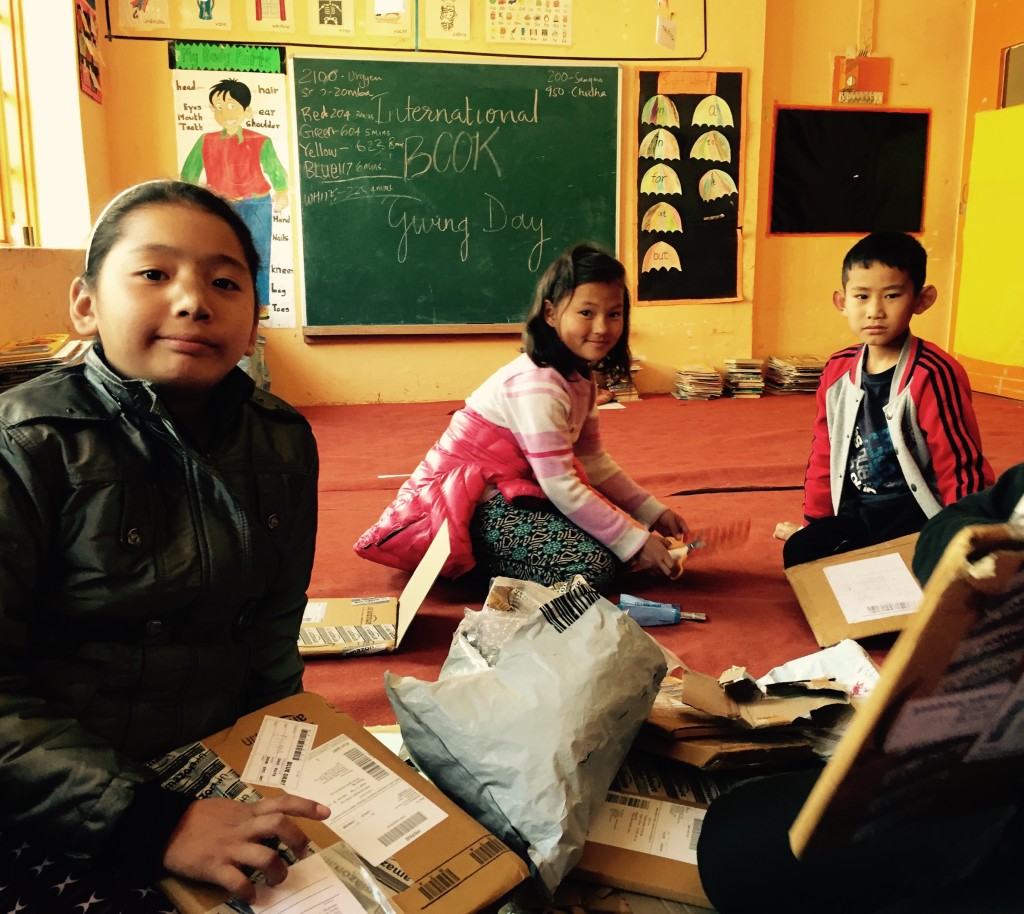
A virtual book drive needs one central online page with the essential information in a readable format. Include the purpose, beneficiary community, requested materials, donation options, deadline, and plan for delivery. A short story, photograph, or quotation can help people understand the human reason behind the campaign, while specific figures make the goal easier to follow.
Offer several ways to participate. Some supporters will prefer buying a title from a list, others will give a flexible donation, and some may share the campaign through social media or organize a small fundraiser. Schools can invite students to read a book connected with the Himalayan region, while workplaces can match donations or sponsor a complete collection.
Use regular updates to show progress without turning children into marketing material. Share the number of books funded, the reading room prepared, or the educational activities made possible. Photos should respect privacy and local customs, and any personal stories should be shared with appropriate permission. Trust grows when supporters can see how their contributions are being handled.
Compare Ways To Give From Home
Different virtual fundraising methods suit different audiences. A direct donation is usually the simplest option, while a registry can help donors choose specific titles. A peer-to-peer campaign may expand reach, but it requires more coordination and consistent messaging.
| Giving method |
Best for |
Strength |
Planning point |
| Direct online donation |
Individuals and families |
Flexible and quick |
Explain how funds will be allocated |
| Digital book registry |
Donors who prefer specific items |
Makes requested titles visible |
Confirm availability and shipping arrangements |
| School or workplace fundraiser |
Organized groups |
Builds shared involvement |
Set a clear deadline and coordinator |
| Matched-giving campaign |
Businesses and staff teams |
Increases the value of each gift |
Verify matching rules in advance |
| Virtual event |
Communities and supporters |
Creates energy around the cause |
Keep the program accessible and focused |
Whatever method you choose, make the payment process secure and mobile-friendly. Many potential donors will encounter the campaign through a phone, so the key message and donation button should be easy to find. A confirmation email can thank supporters, explain the next update, and invite them to share the campaign without applying pressure.
Select Books With Long-Term Value
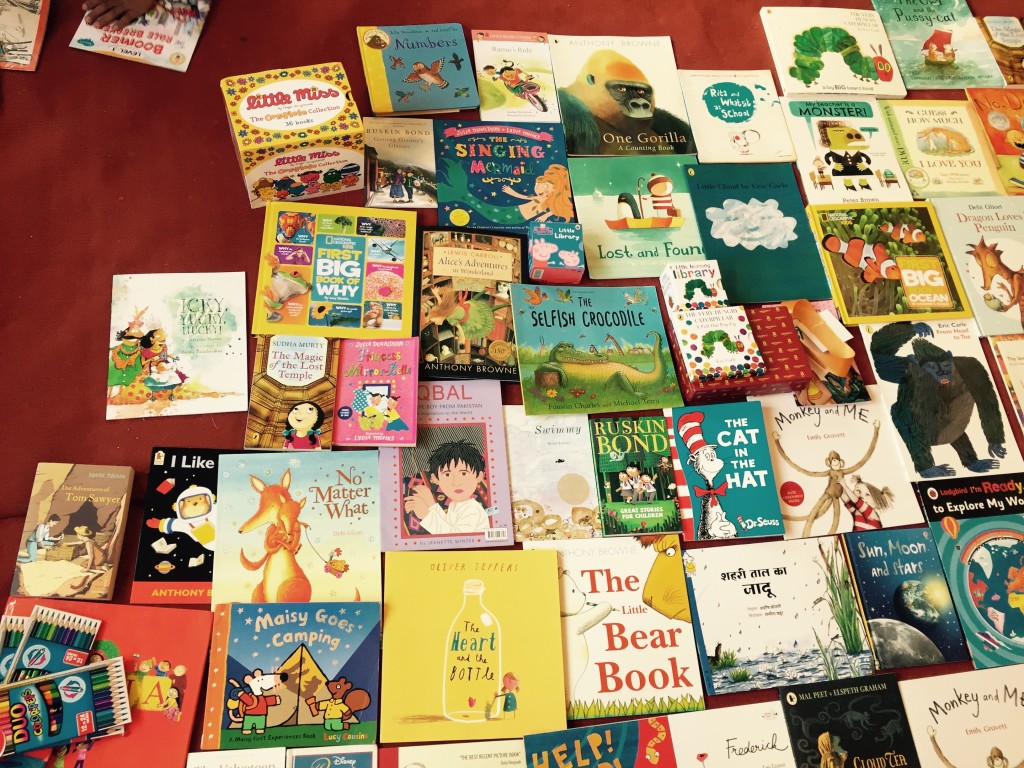
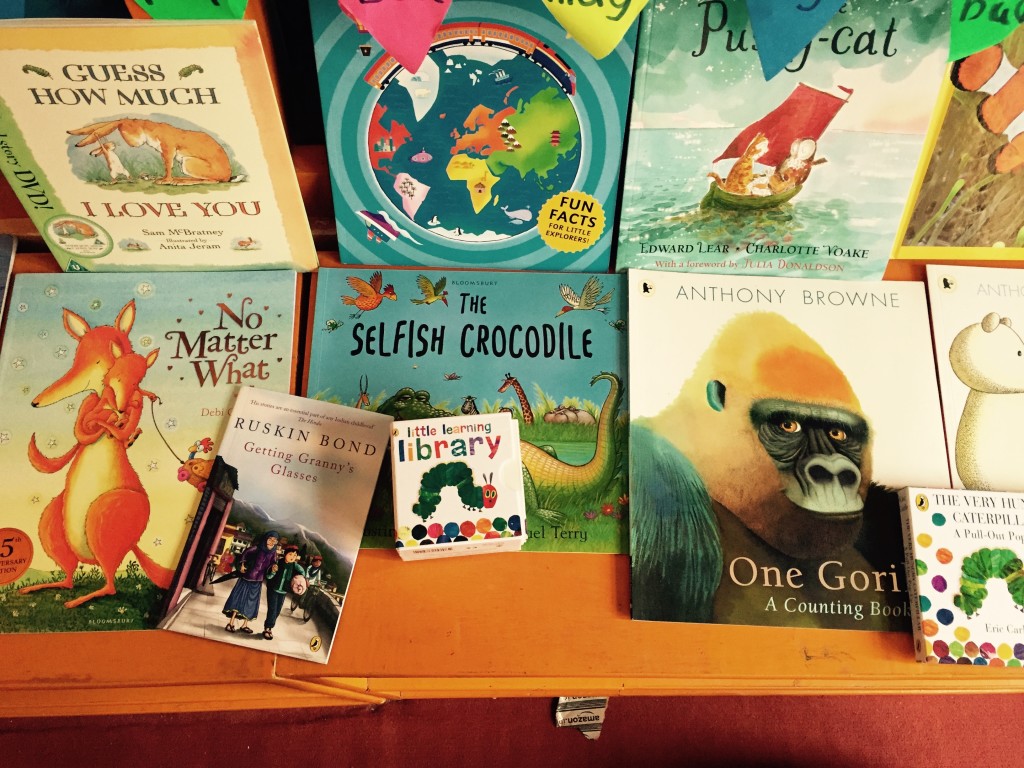
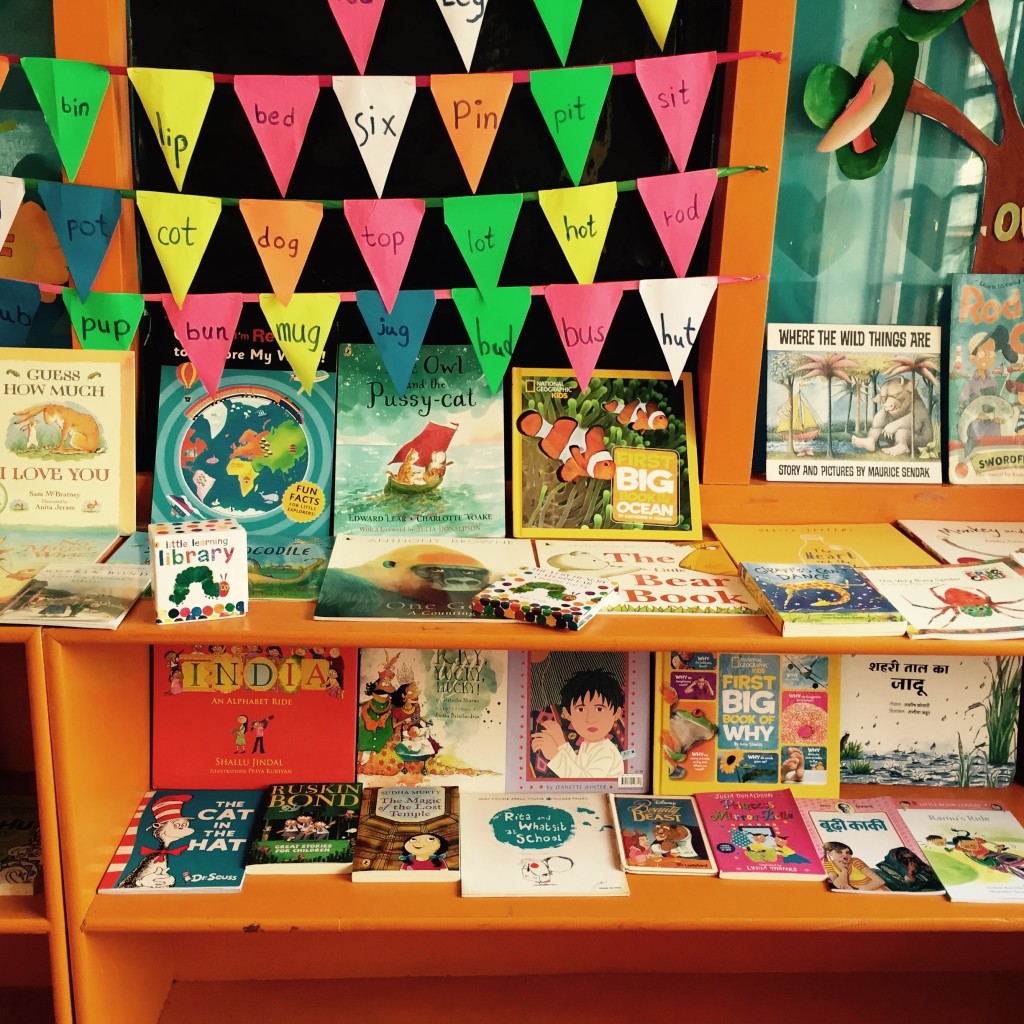
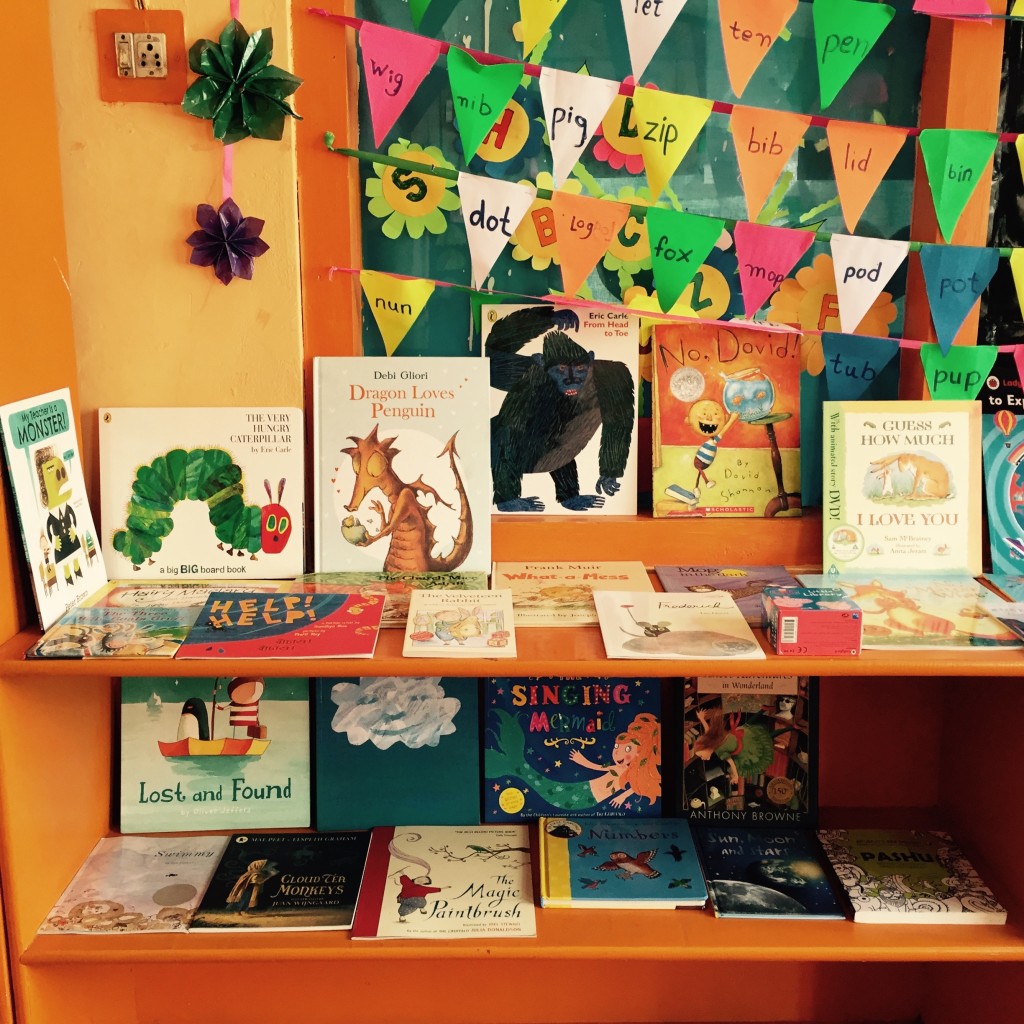
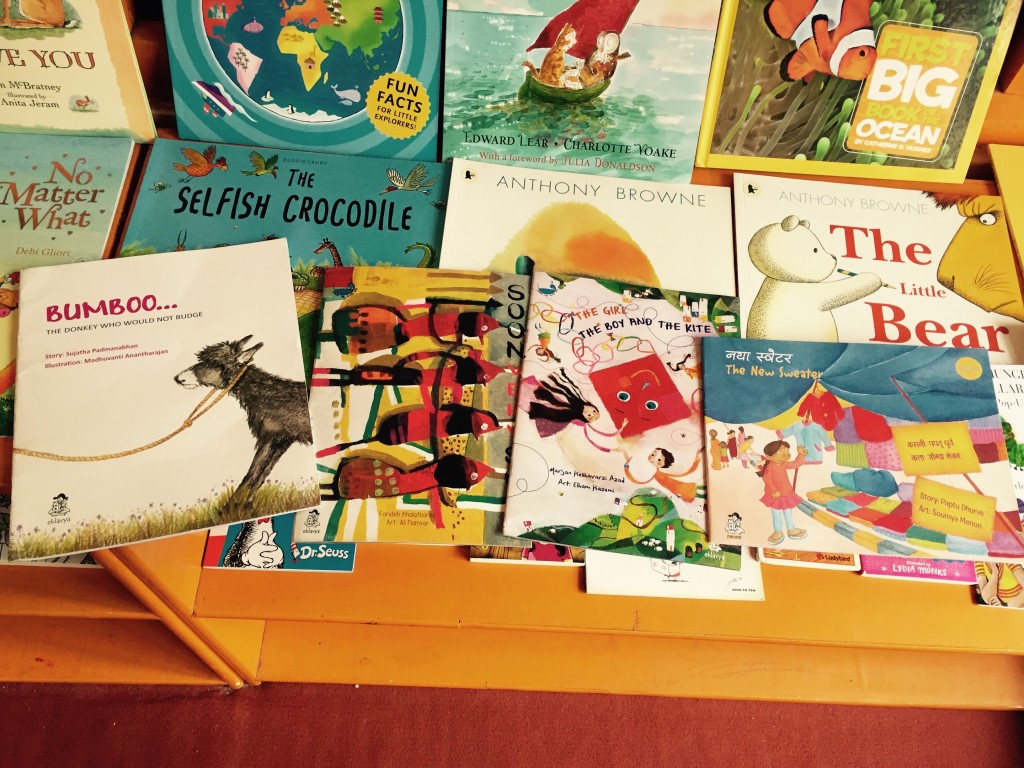
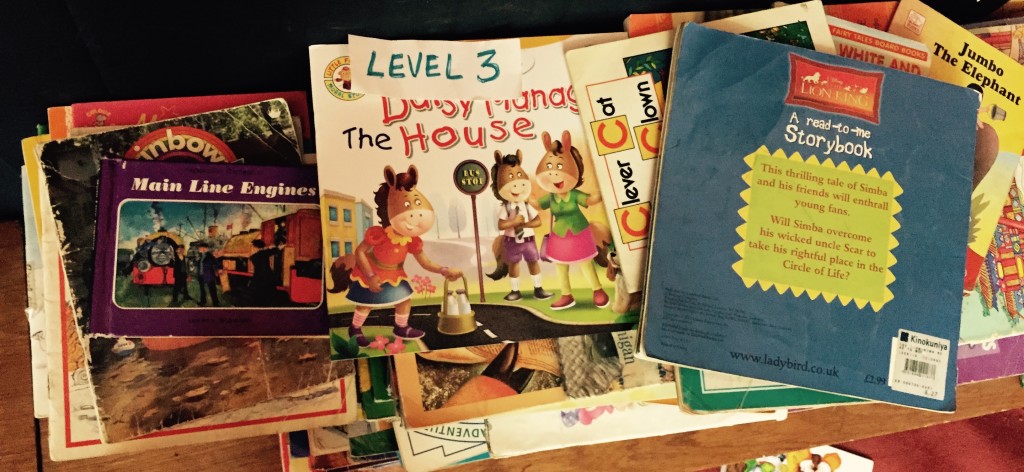
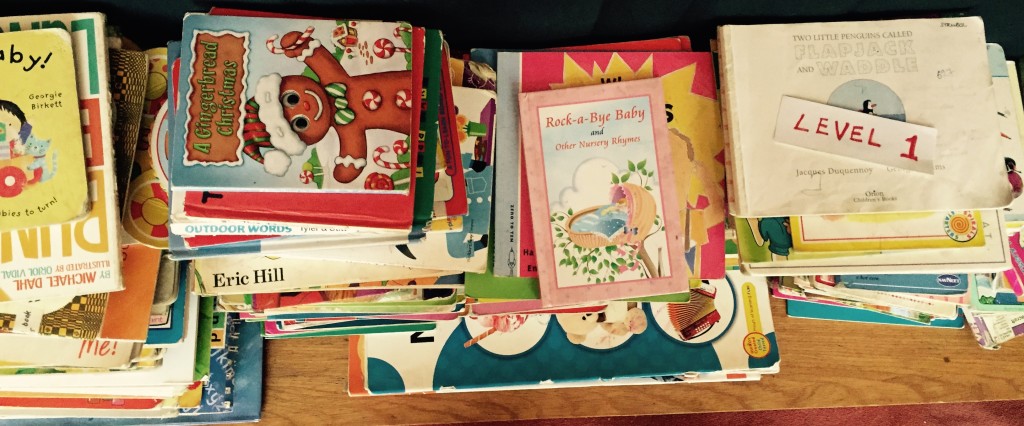
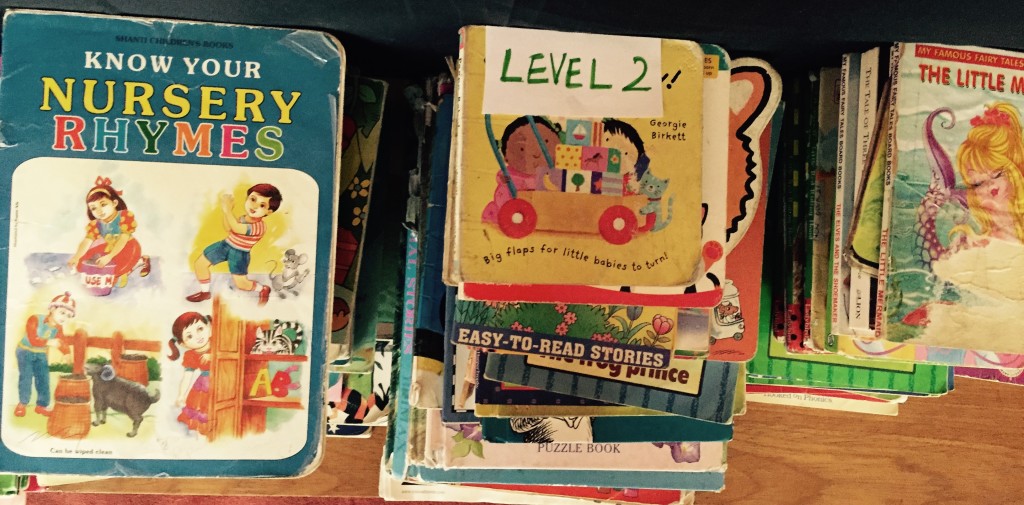
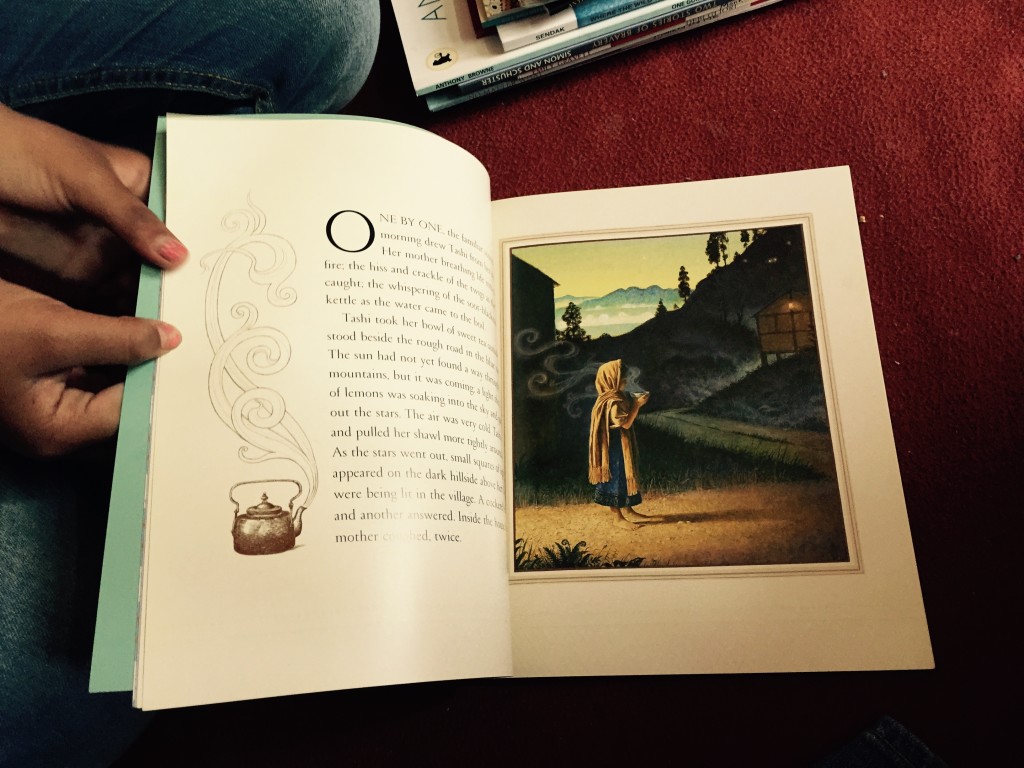
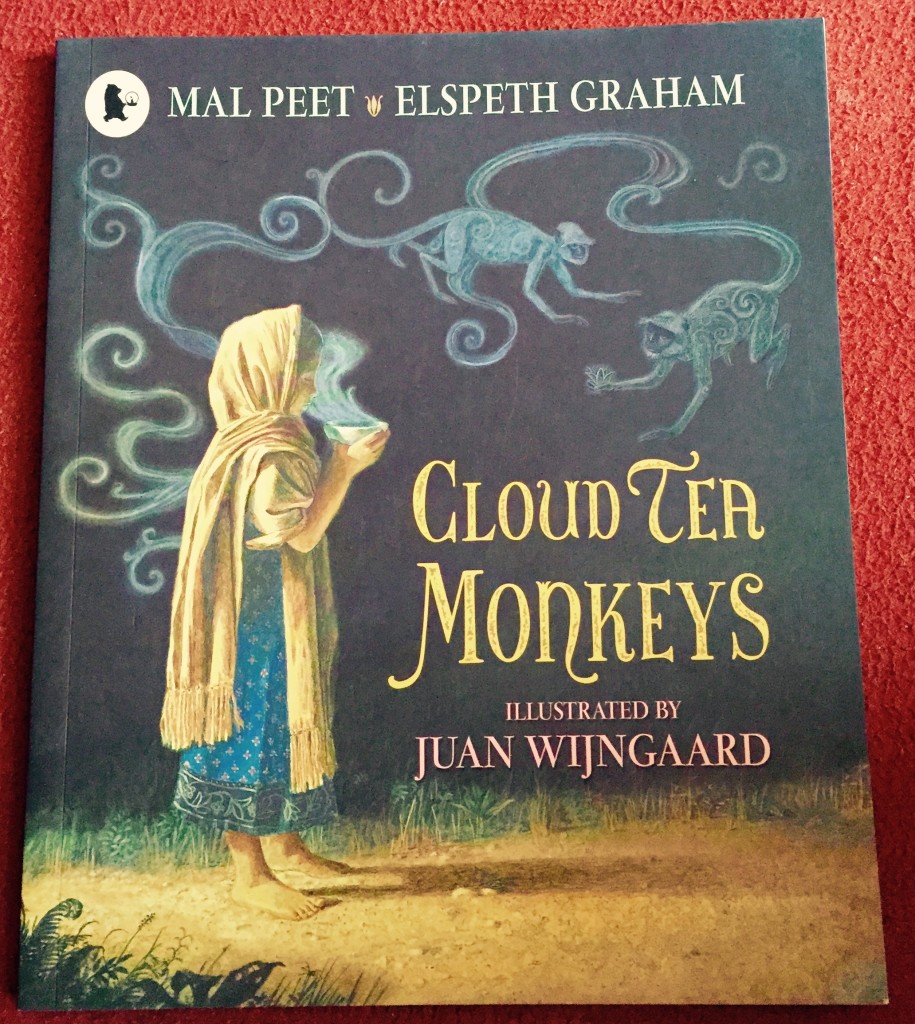
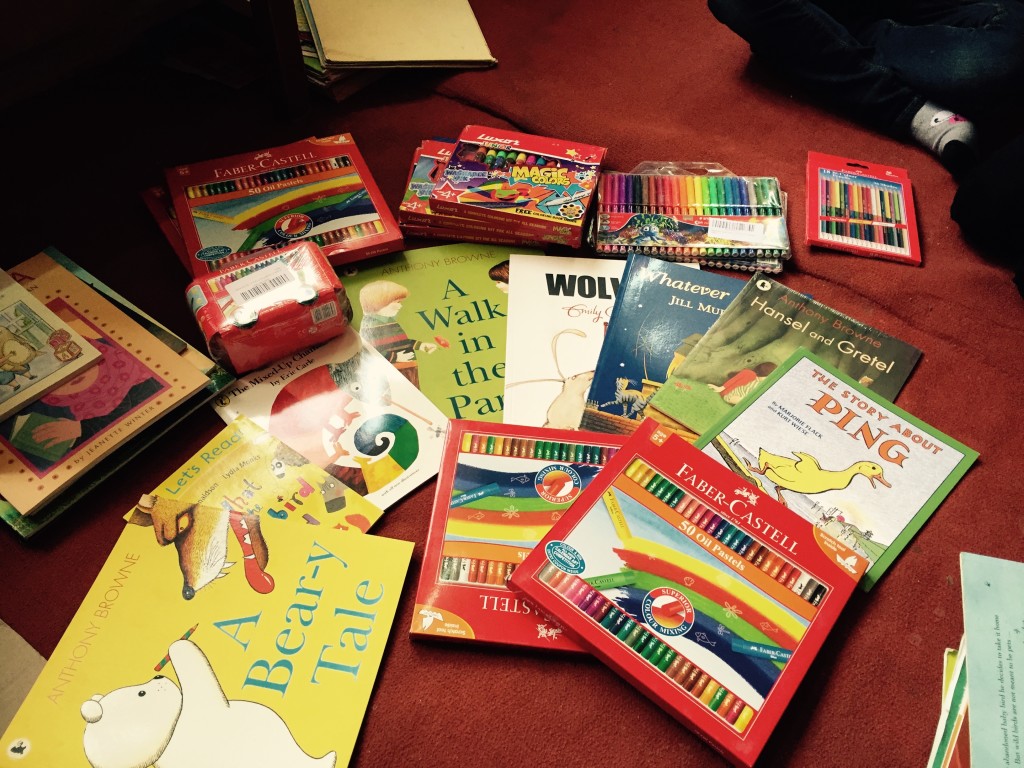
Quality matters more than quantity. Durable paperbacks, well-bound editions, and books with clear illustrations can withstand frequent handling in a shared reading room. Stories should offer varied characters, settings, and ideas while remaining understandable to the children who will use them.
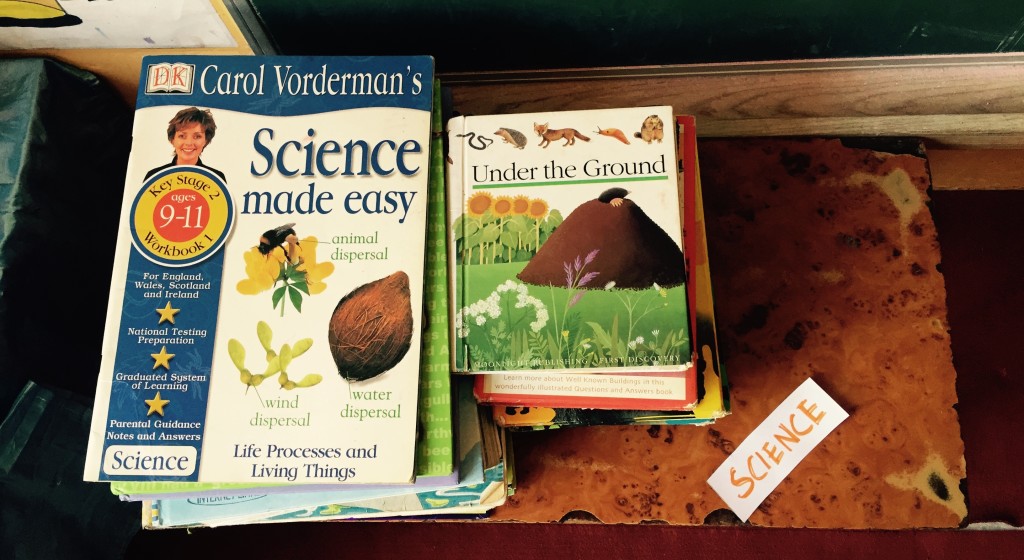
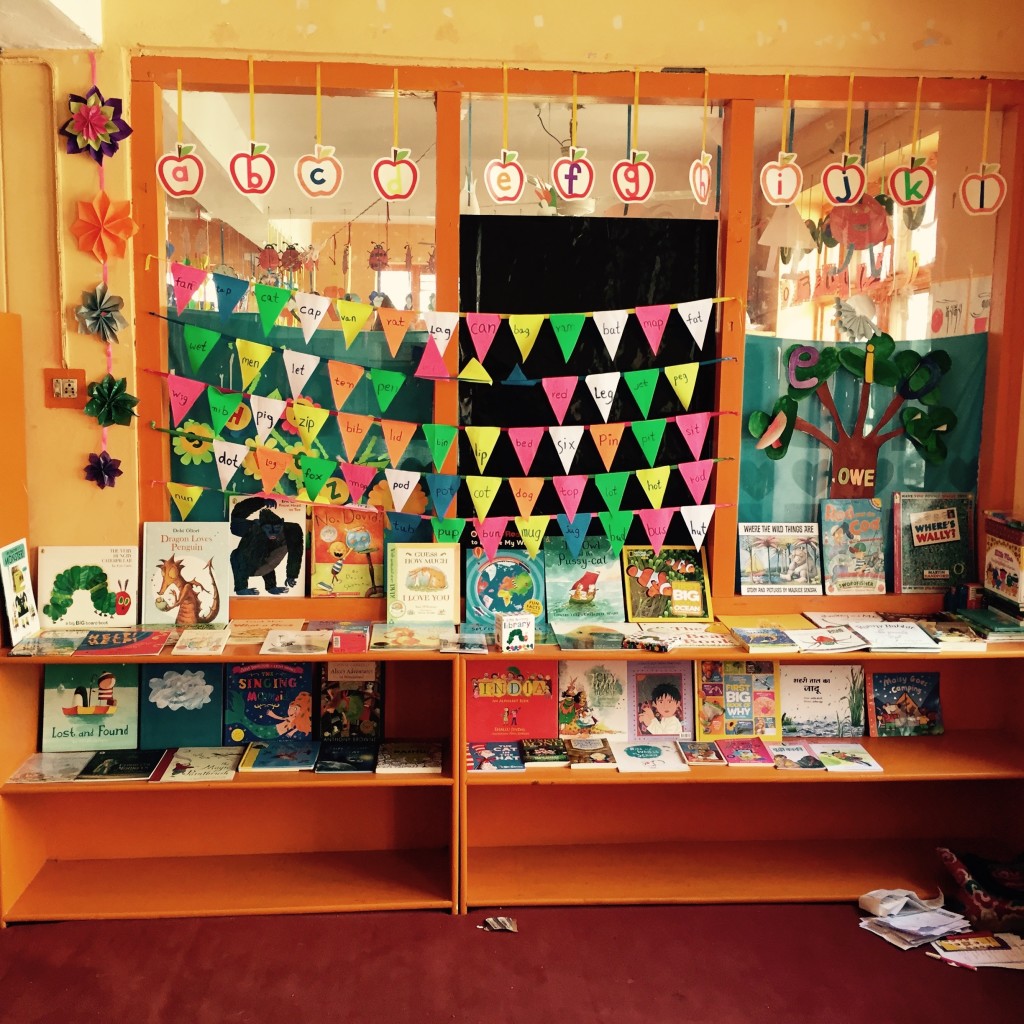
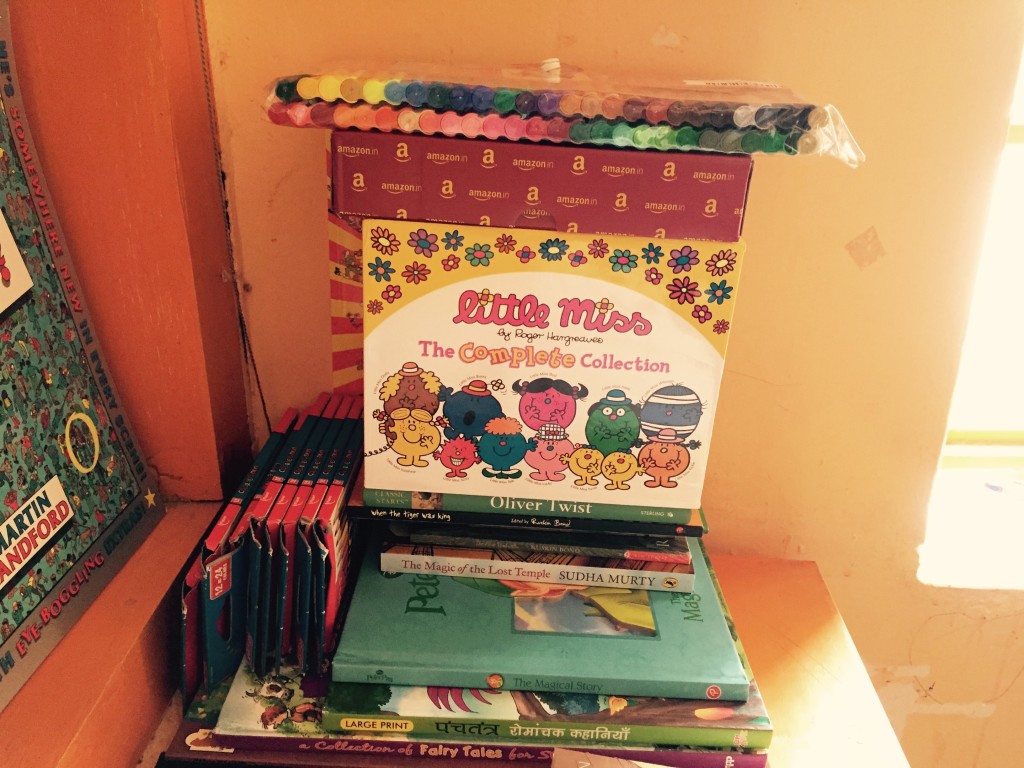
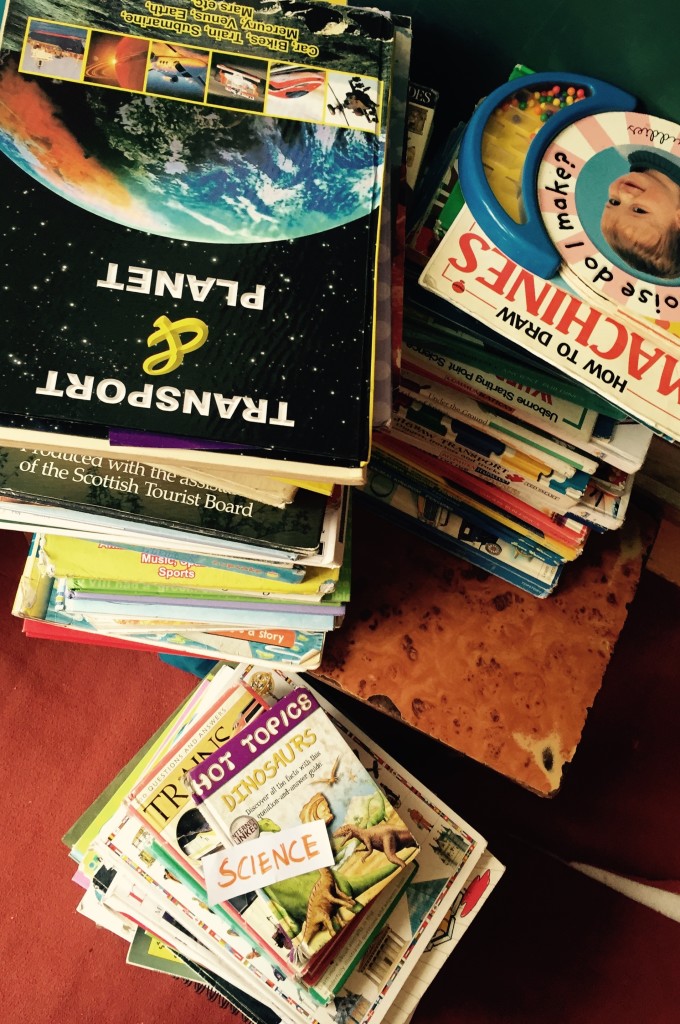
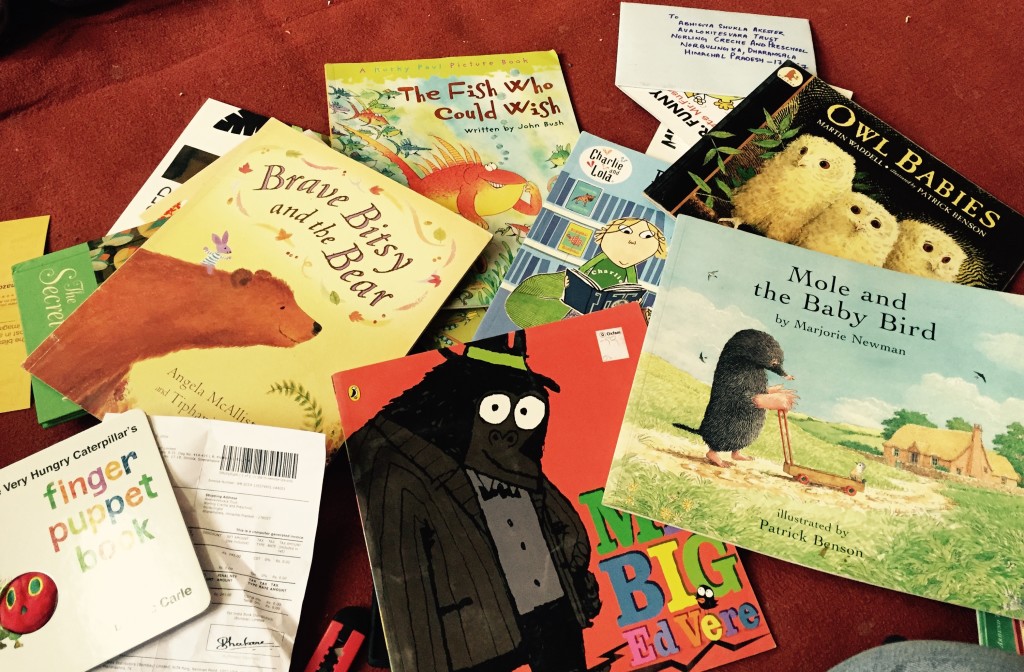
A balanced collection might include picture books, chapter books, poetry, folktales, biographies, science, geography, environmental topics, and creative activity books. Reference materials should be current enough to remain useful, while fiction can introduce humor, empathy, curiosity, and a sense of possibility. Books connected to local culture and familiar landscapes can sit alongside international titles.
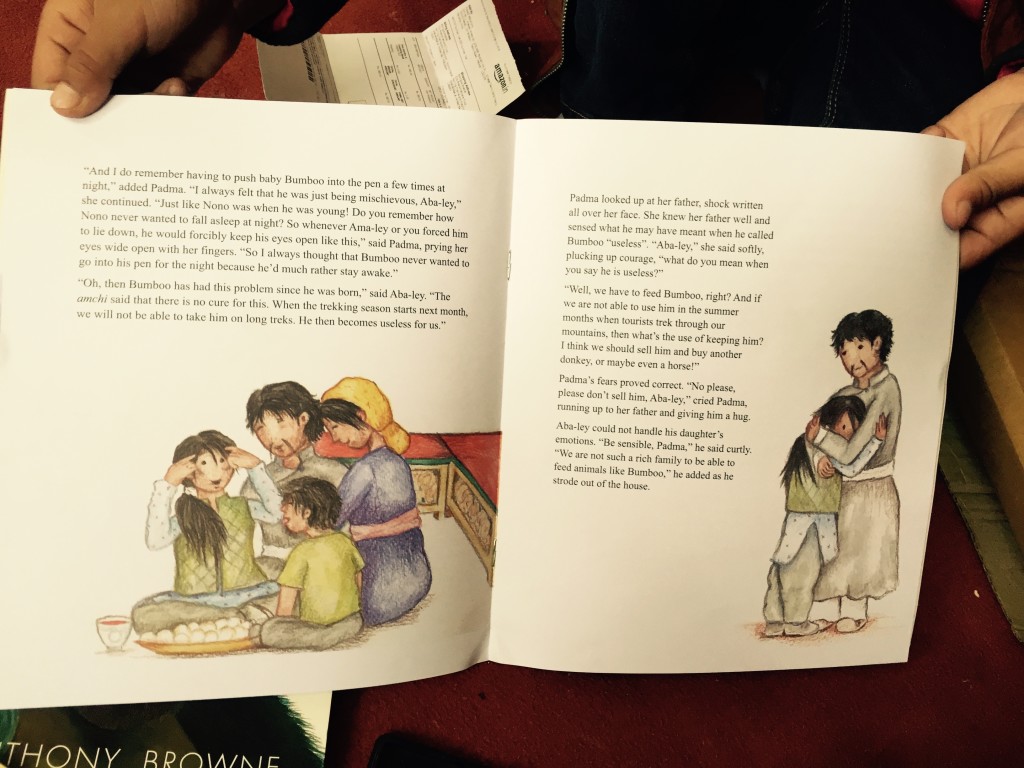
Language deserves particular care. Children benefit from reading in a language they understand well, especially when developing confidence and fluency. Bilingual materials can support language learning, but they should complement rather than replace books in the community’s own languages. Ask local partners whether digital resources, audio books, or large-print editions would address additional needs.
Turn Donations Into Reading Experiences
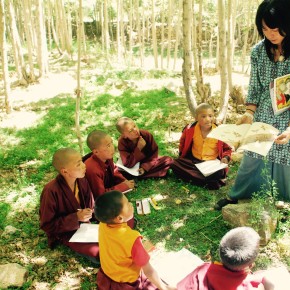
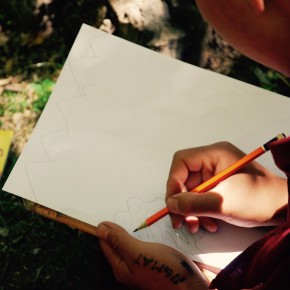
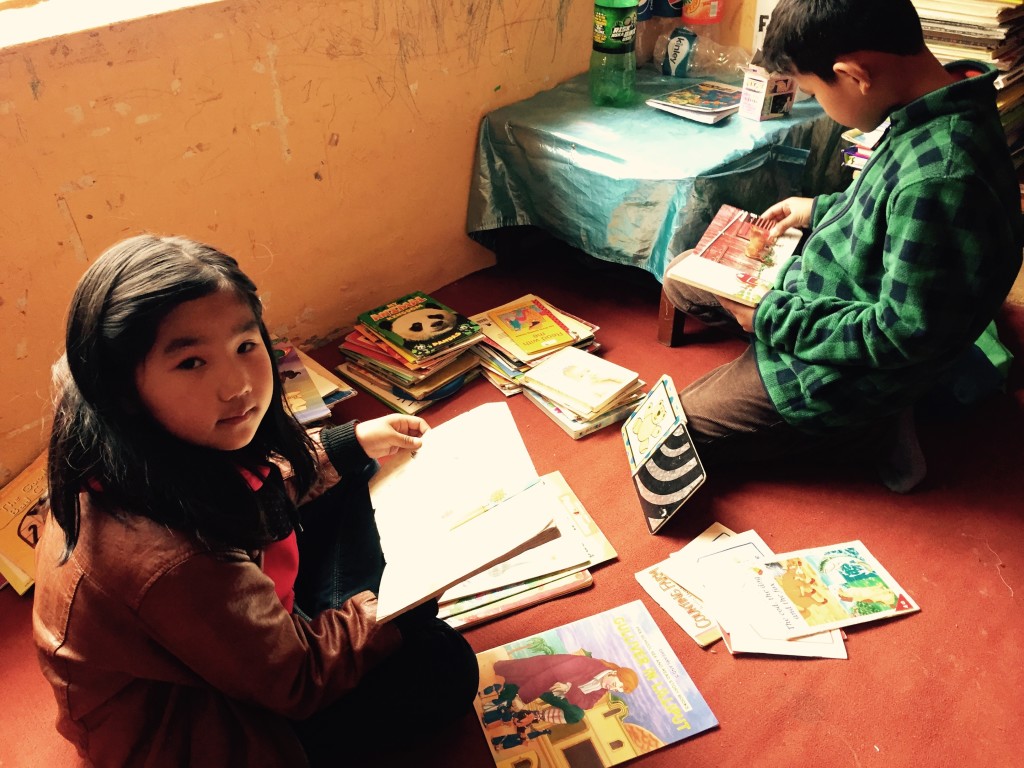
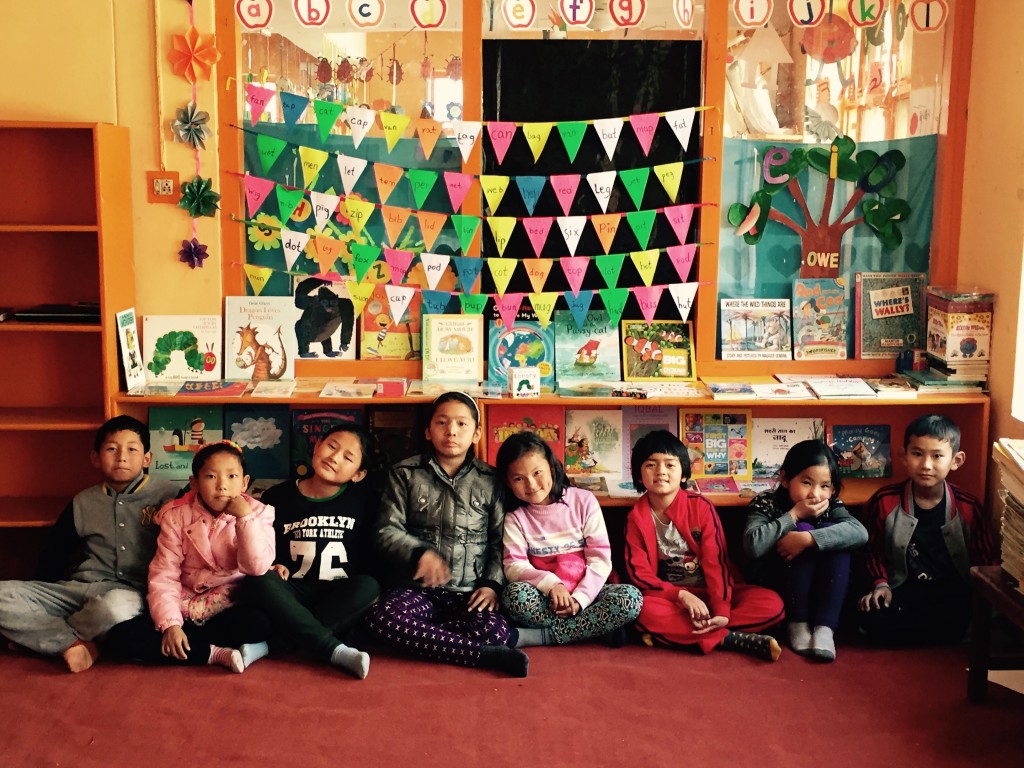
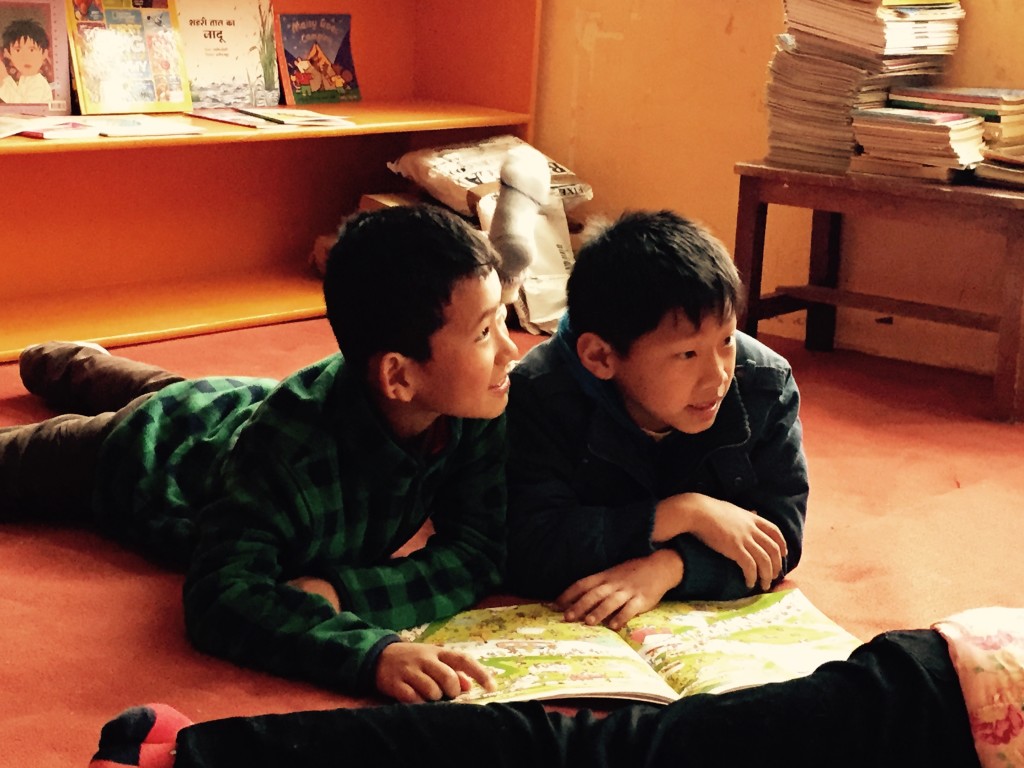
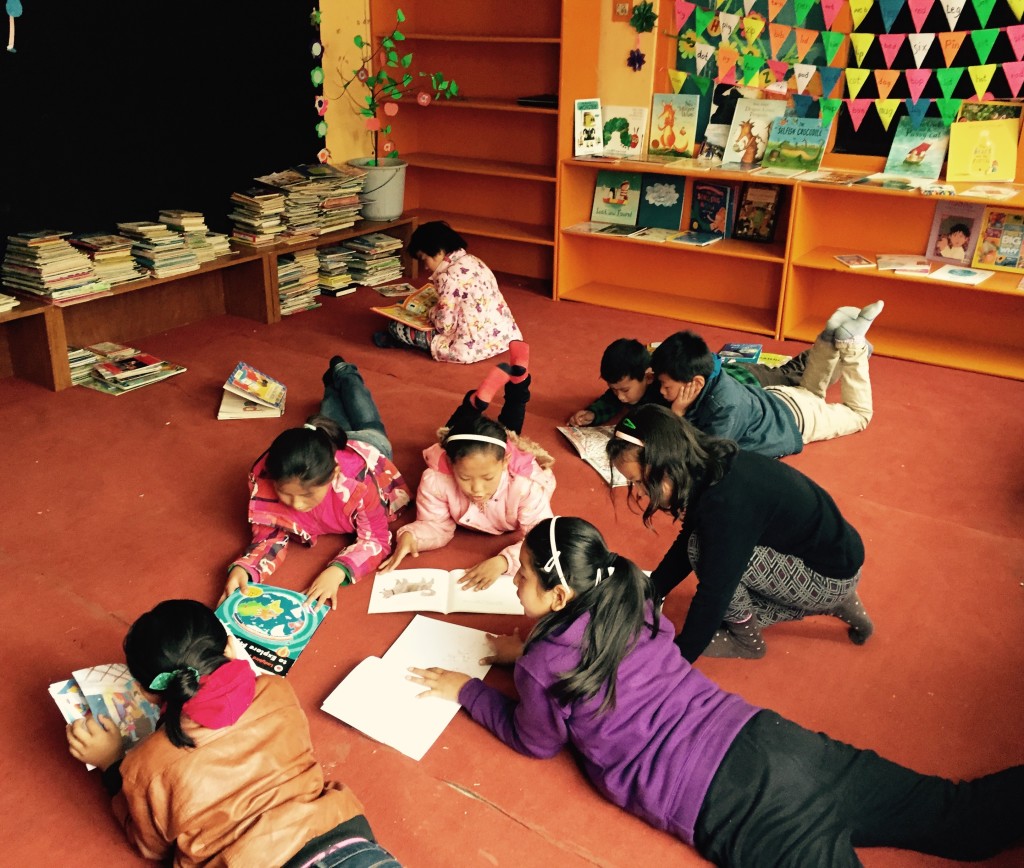
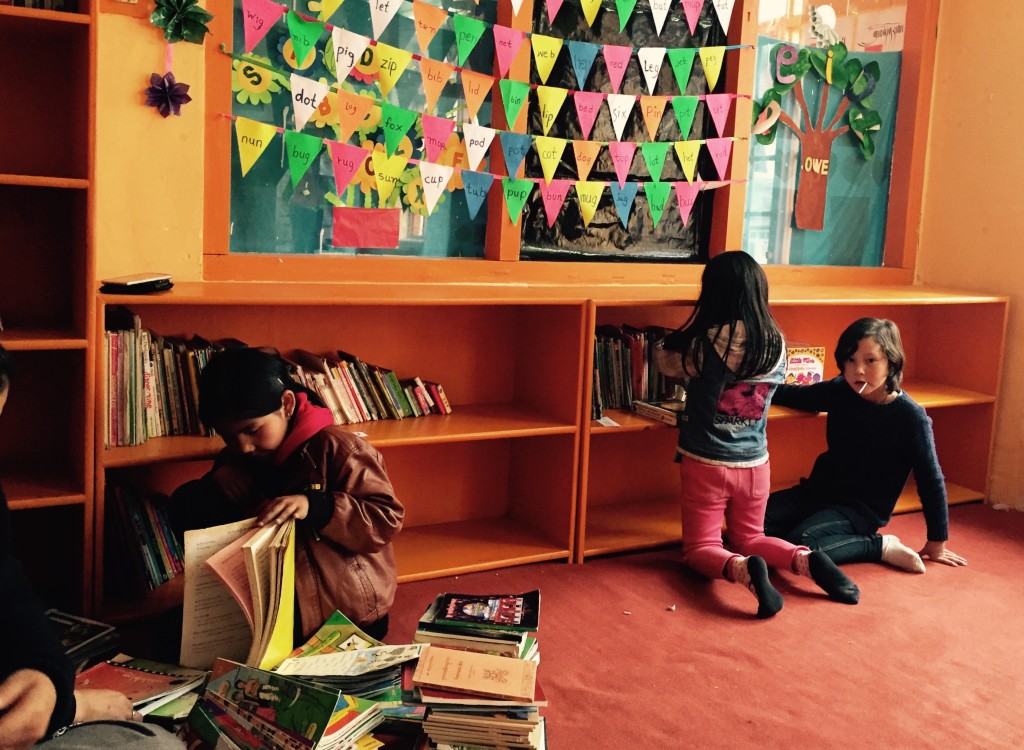
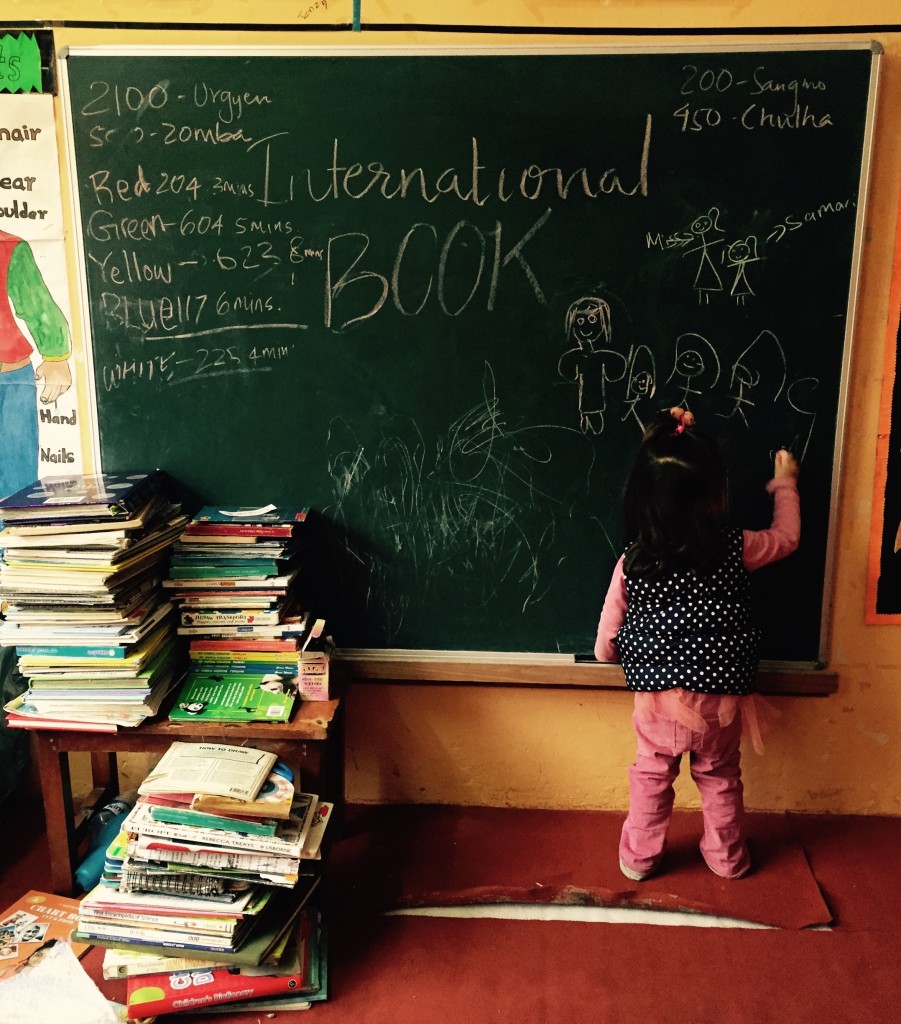
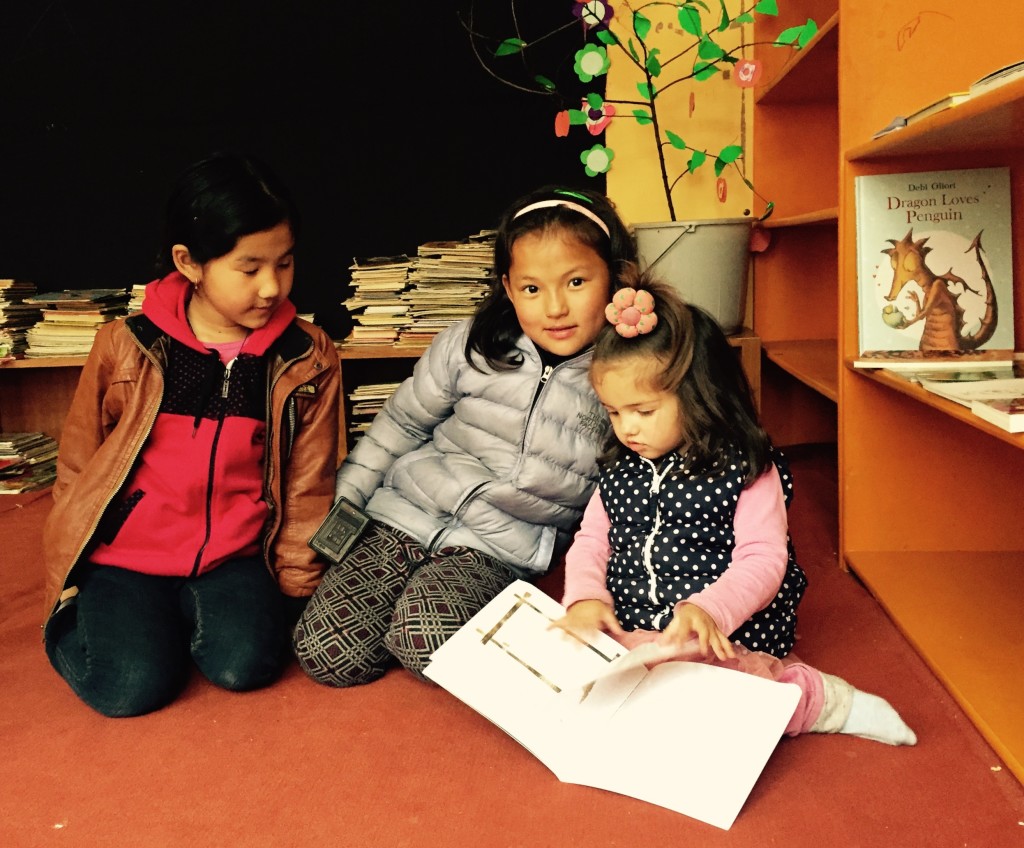
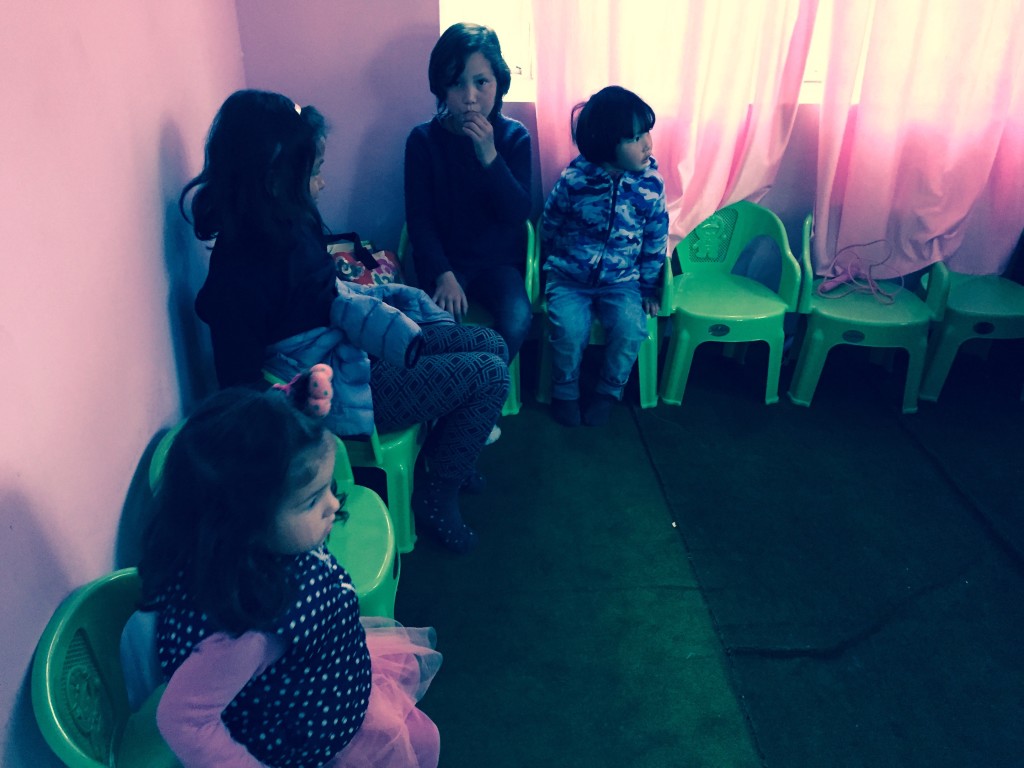
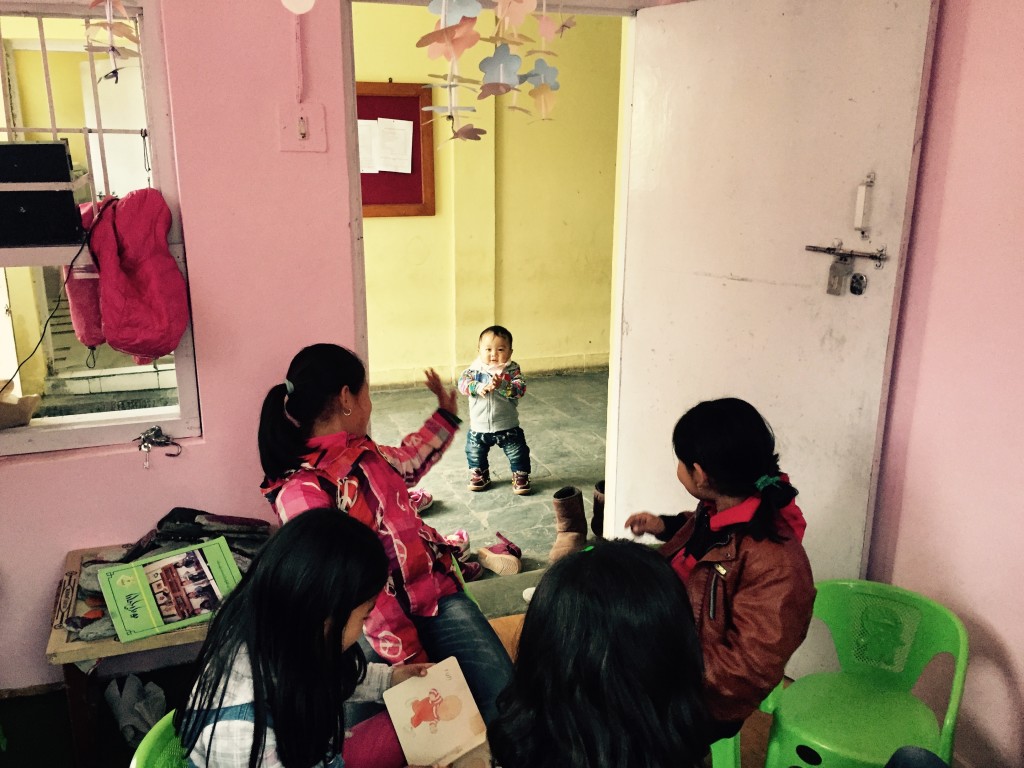
Books become more powerful when people have time and encouragement to use them. A reading room can offer quiet independent reading, group storytelling, book discussions, drawing sessions, and creative writing. Volunteers or educators might create simple activity sheets linked to selected titles, helping children connect reading with art, music, science, and conversation.
Remote supporters can contribute to this wider learning environment without teaching live classes from another country. They might fund art materials, sponsor a storytelling session, provide a reading lamp, or help translate short activities. A donor could also record an age-appropriate read-aloud, provided the organization confirms that the format, language, and permissions are suitable.
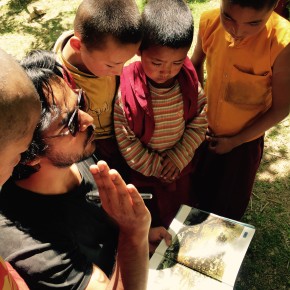
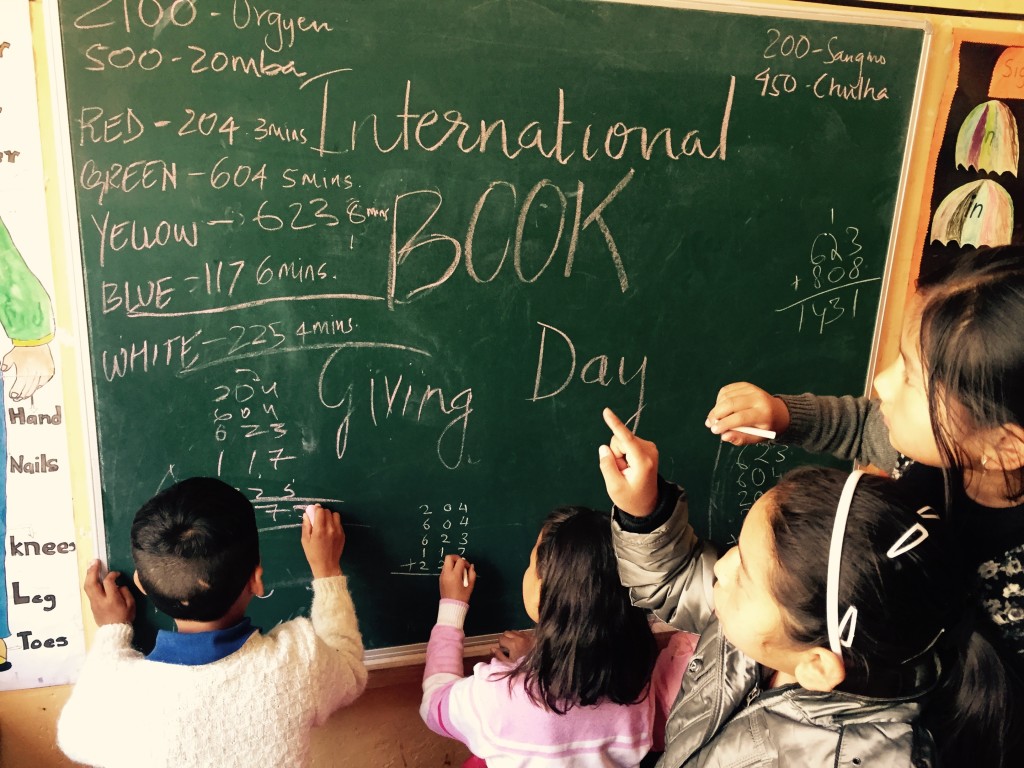
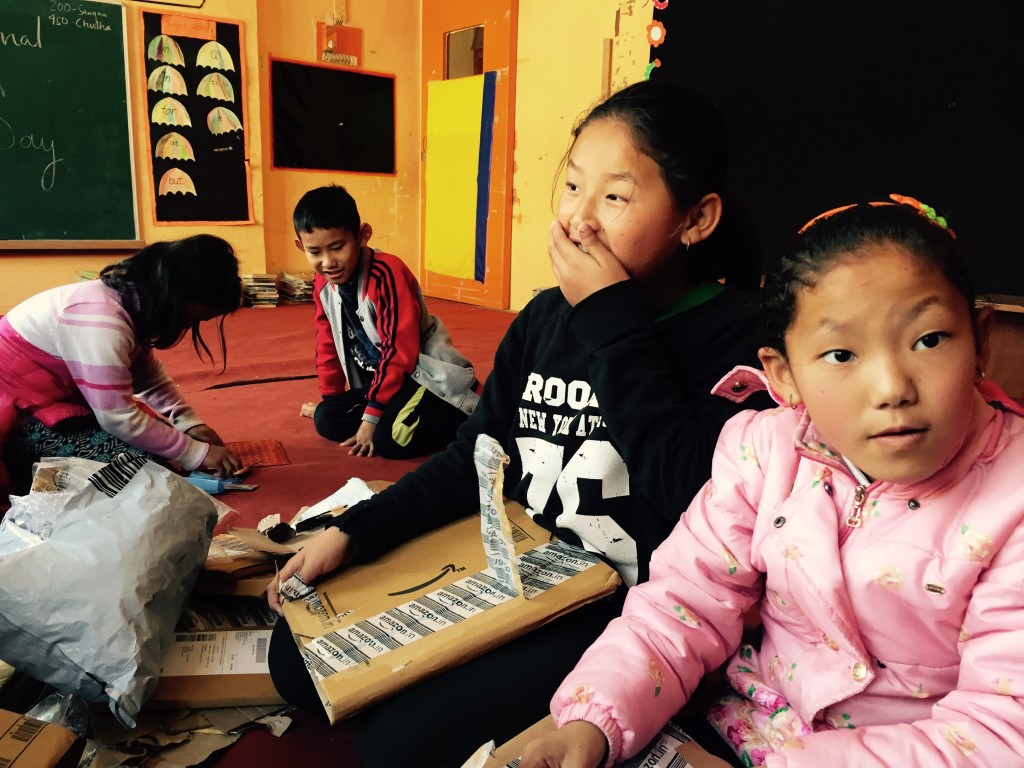
Campaign updates can highlight these outcomes. Instead of reporting only that 250 books were delivered, describe how children are using them: a group exploring folktales, young monks reading after lessons, or students creating illustrations inspired by a new collection. These details demonstrate that literacy is an ongoing practice, not a one-time shipment.
Make Every Campaign More Sustainable
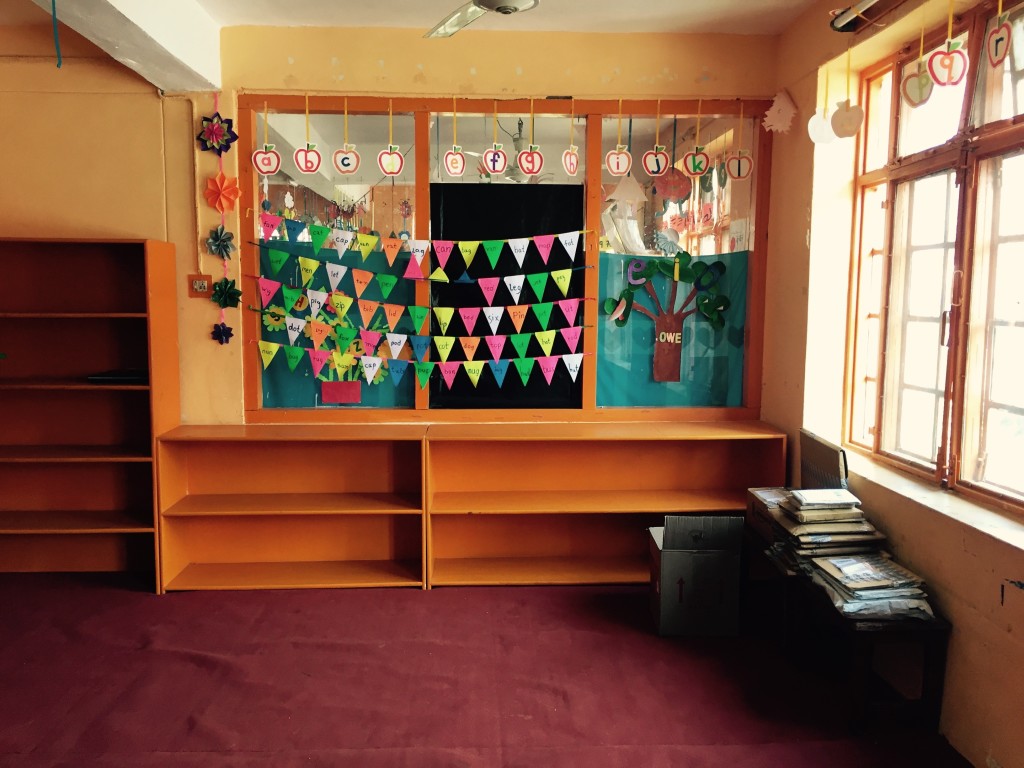
A virtual book drive should leave behind a stronger system for reading. Consider funding storage, cataloguing, repairs, and simple lending records alongside new books. A modest budget for maintaining a reading room can protect the value of the collection for years.
Organizations can also invite supporters into a longer relationship. Monthly gifts may help replenish materials, while annual campaigns can focus on different age groups or communities. Volunteers can translate information, design campaign graphics, contact local bookstores, or help share educational stories online.
Use these practical principles when planning a home-based literacy campaign:
- Set one measurable goal and connect it to a defined group of readers.
- Ask local educators or community partners to select titles and formats.
- Provide direct giving, specific book sponsorship, and group fundraising options.
- Share progress through respectful updates that protect children’s dignity.
- Budget for delivery, storage, repairs, and reading activities as well as books.
A thoughtful campaign can begin with one household, classroom, or group of friends. Share a carefully prepared appeal, invite others to sponsor a book or reading resource, and direct contributions through a trusted organization working with Himalayan communities. Each act of support can help place a meaningful story into a child’s hands and strengthen a reading culture that continues long after the virtual drive ends.