Turn Used Books Into New Literacy Opportunities
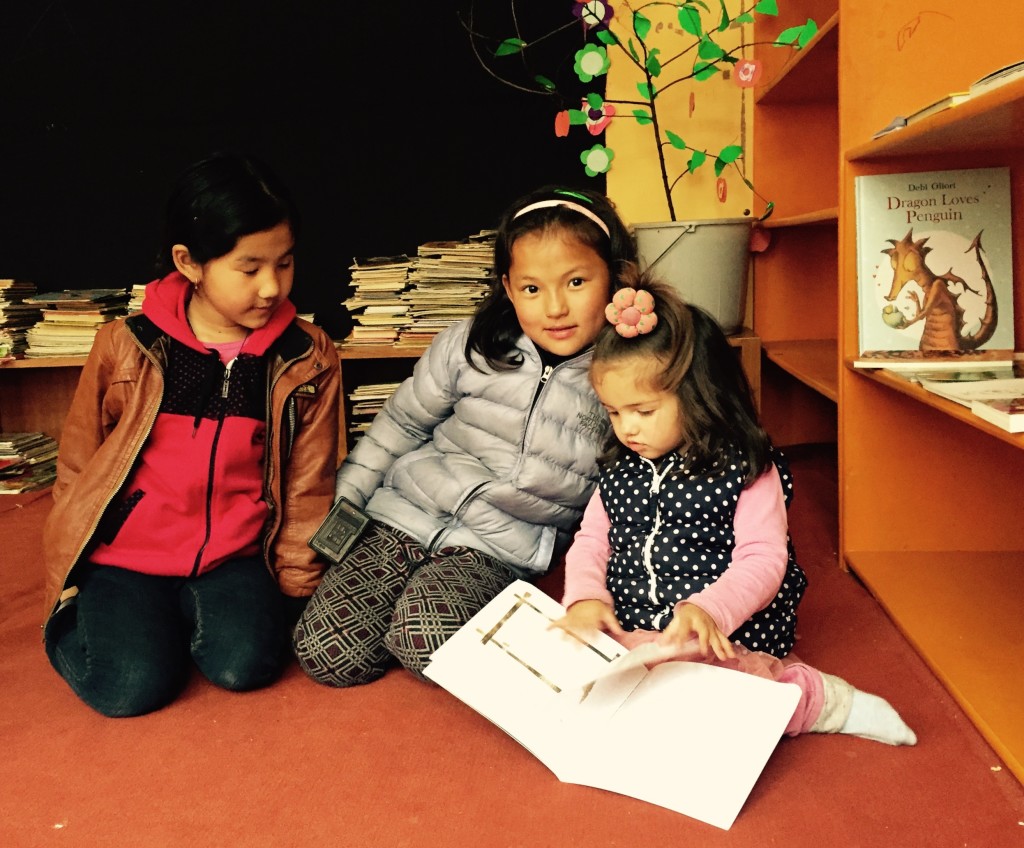
A used book sale can do more than clear crowded shelves. With thoughtful planning, it can transform donated novels, children’s stories, textbooks, and art books into funding for reading rooms, book drives, and creative learning programs. For communities with limited access to quality resources, every well-chosen title can help open a new path to learning.
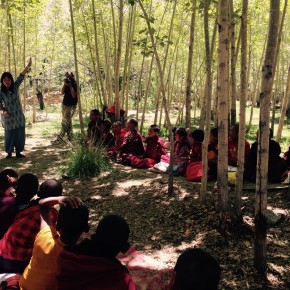
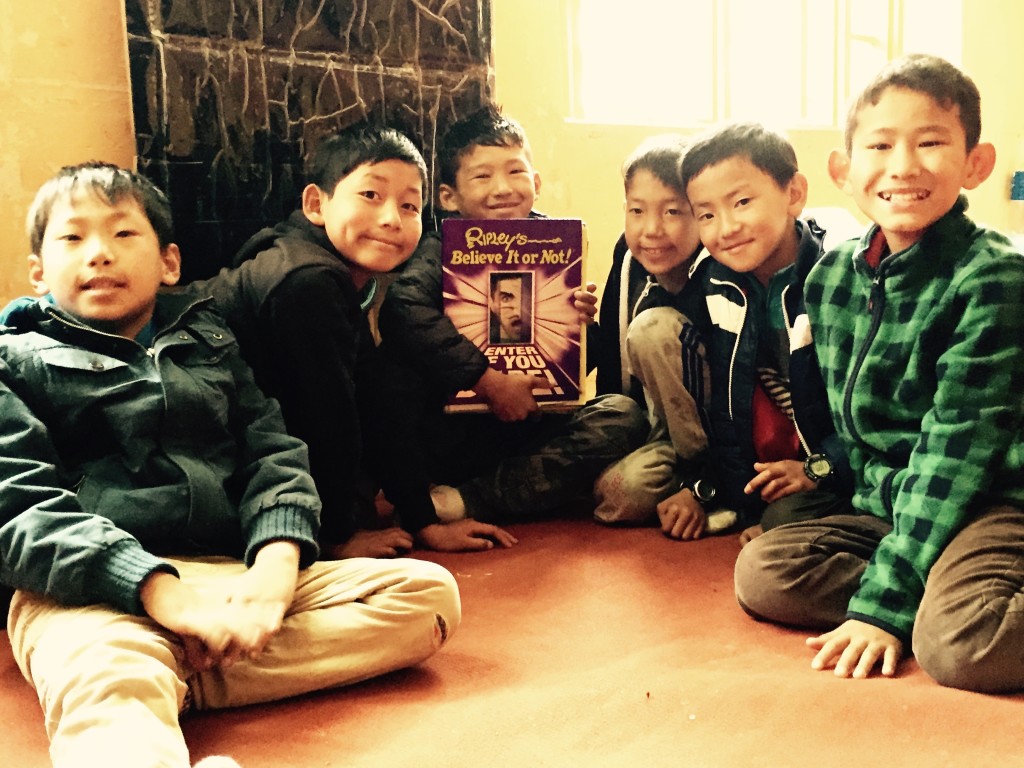
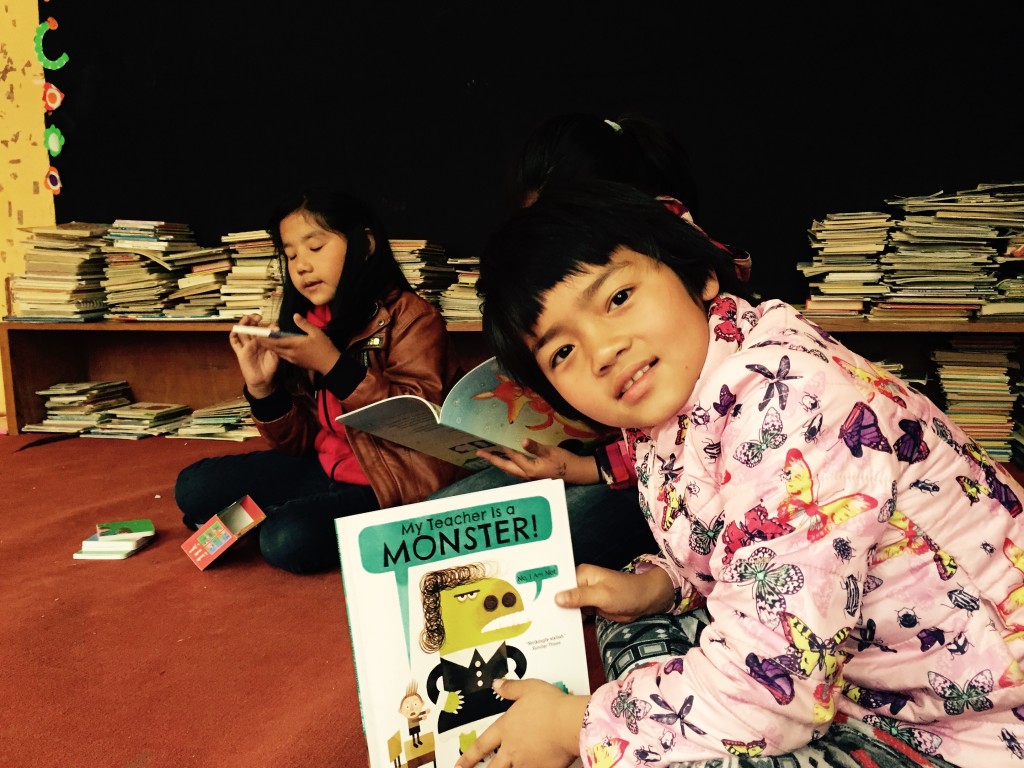
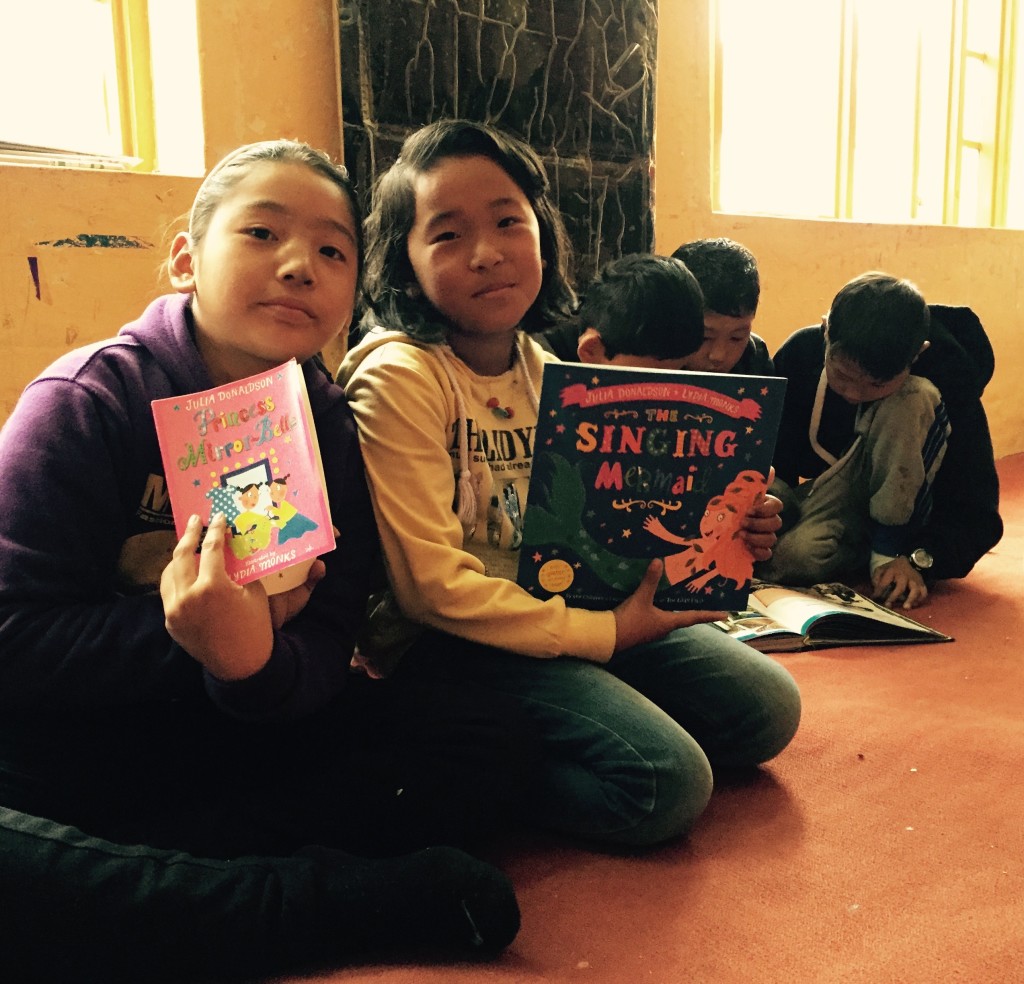
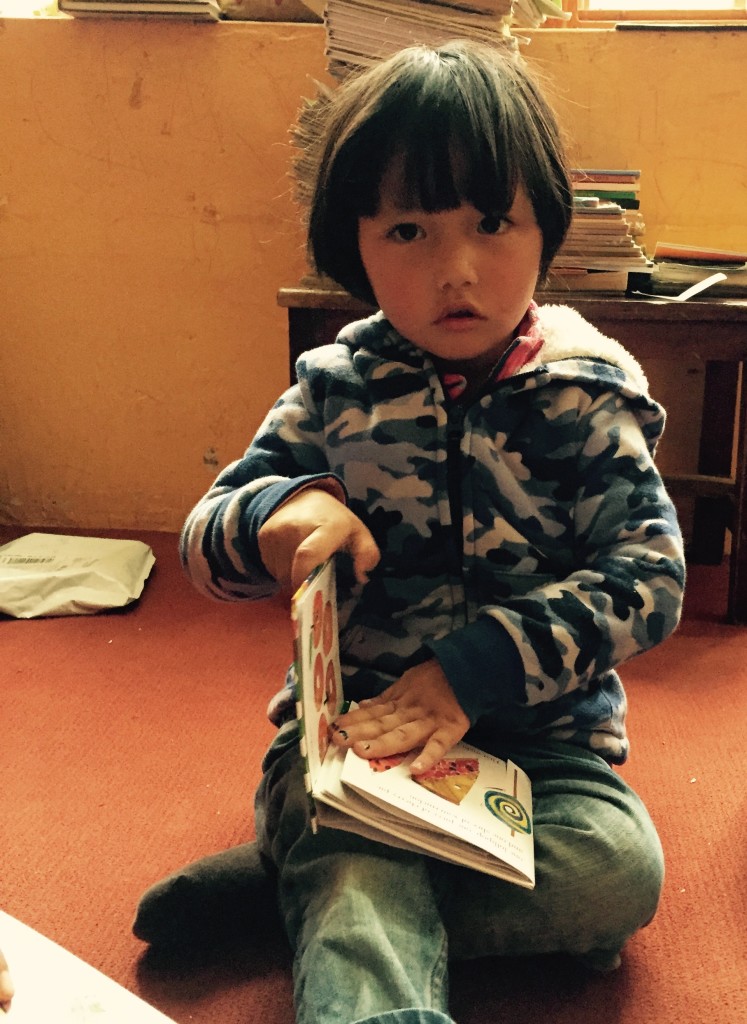
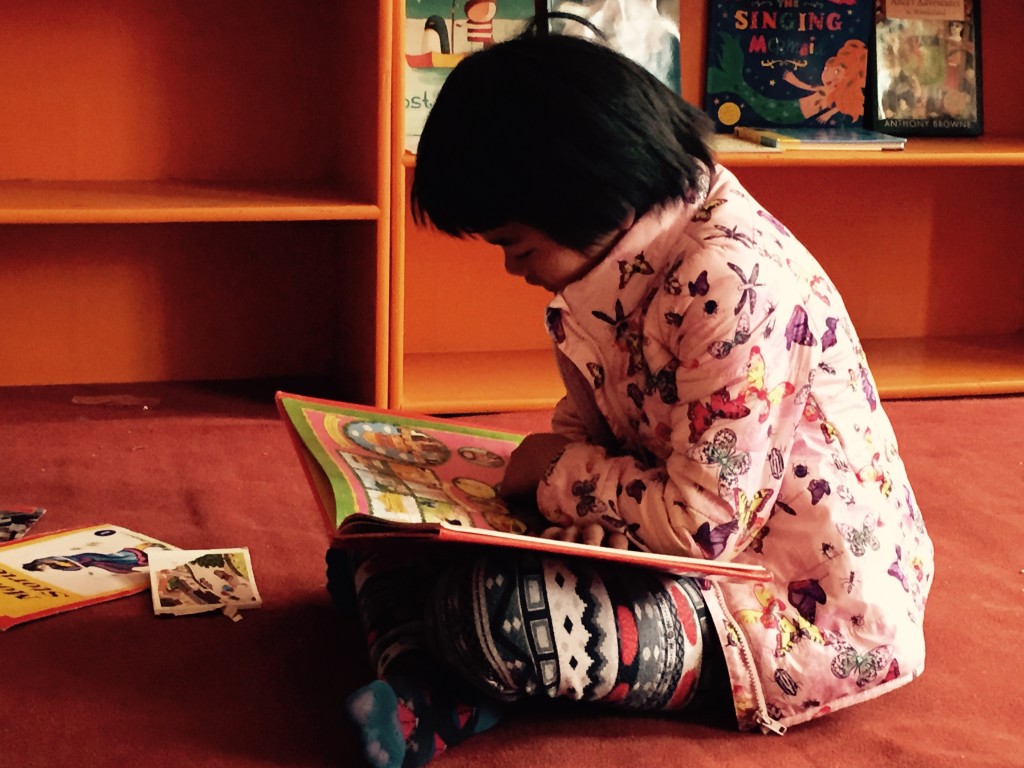
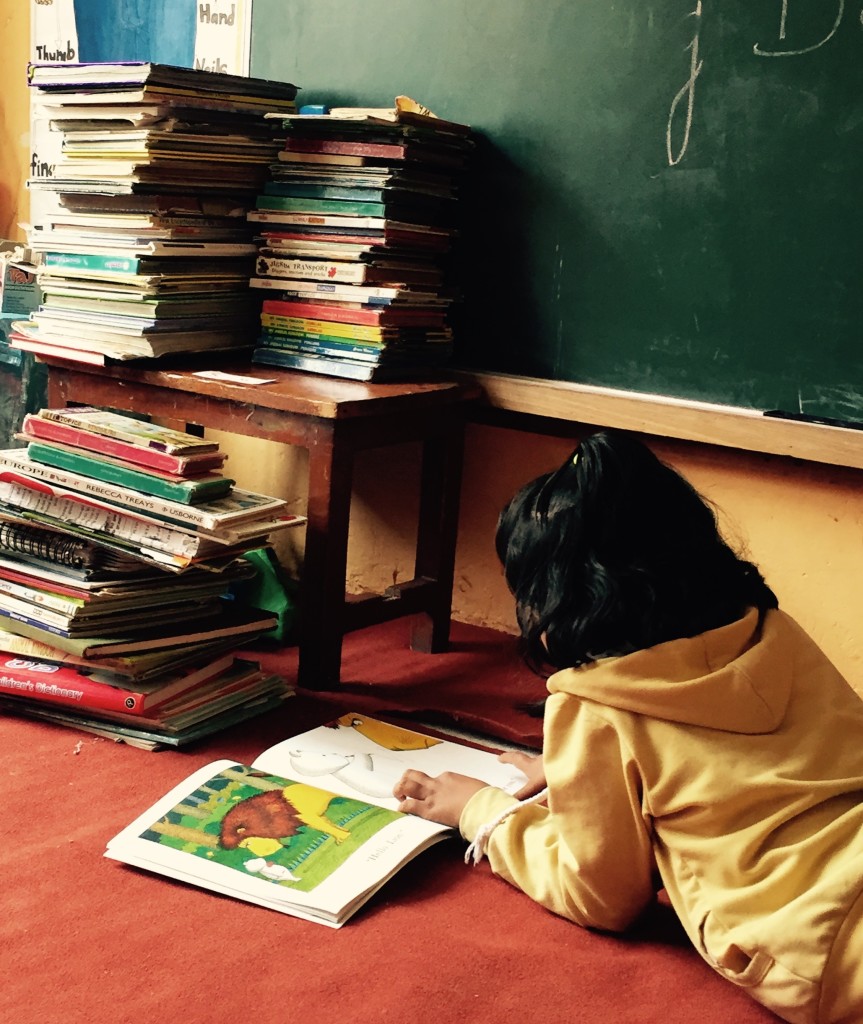
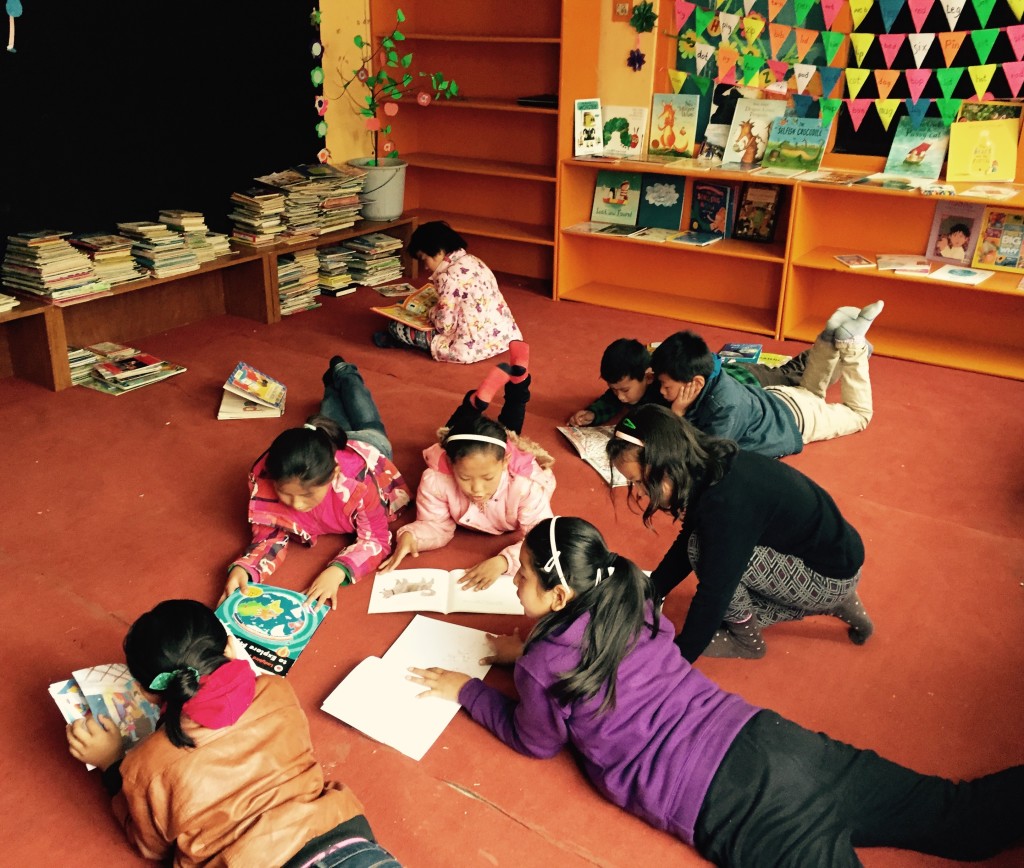
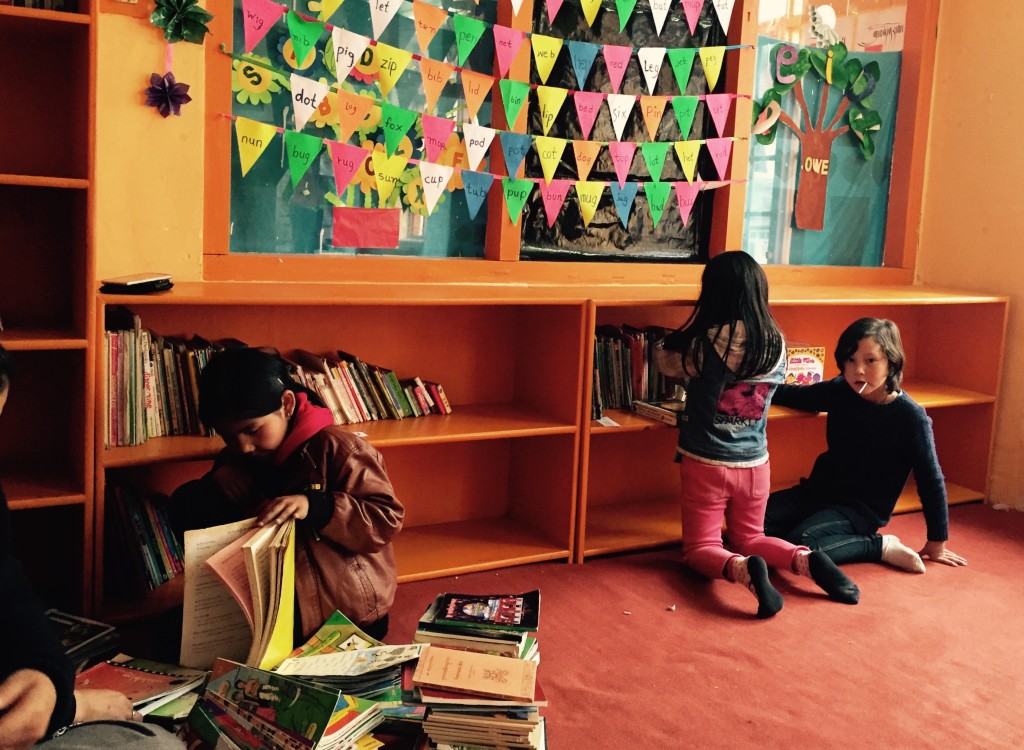
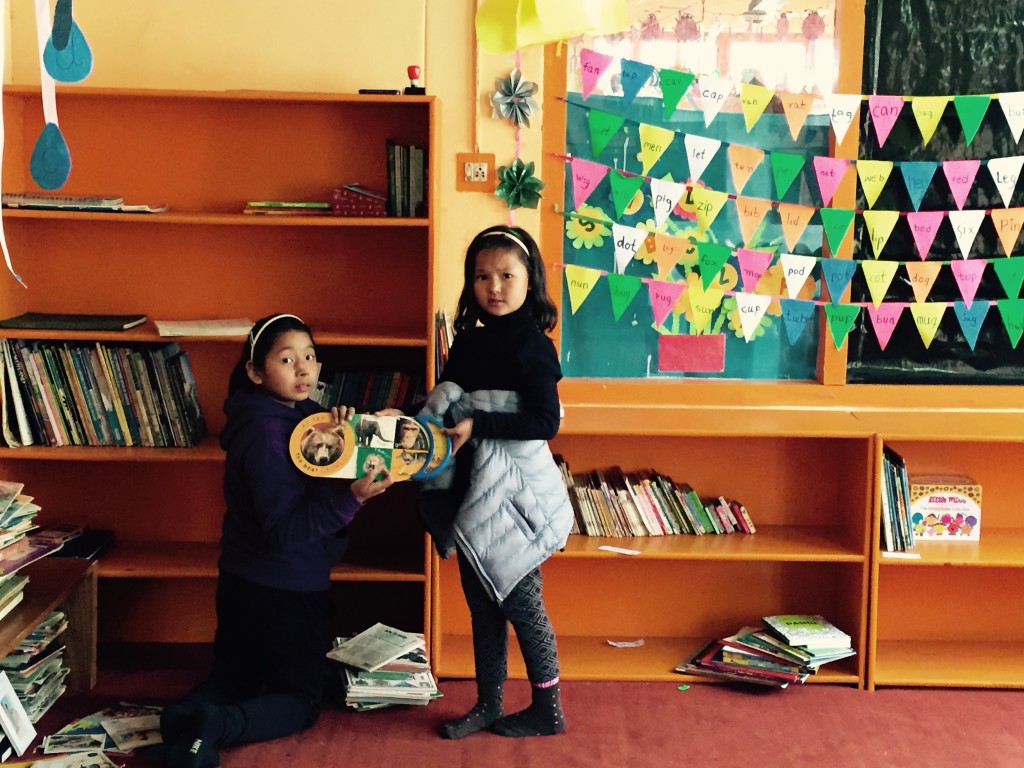
The strongest events connect a simple local activity with a clearly defined educational purpose. Supporters are more likely to donate books, volunteer time, and money when they understand how the proceeds will help children and young monks in Himalayan communities such as Ladakh.
Organizing the sale also creates an opportunity to build lasting relationships. Schools, libraries, families, businesses, and community groups can contribute materials or skills, then stay involved as literacy projects grow.
Define The Project Before Collecting Books
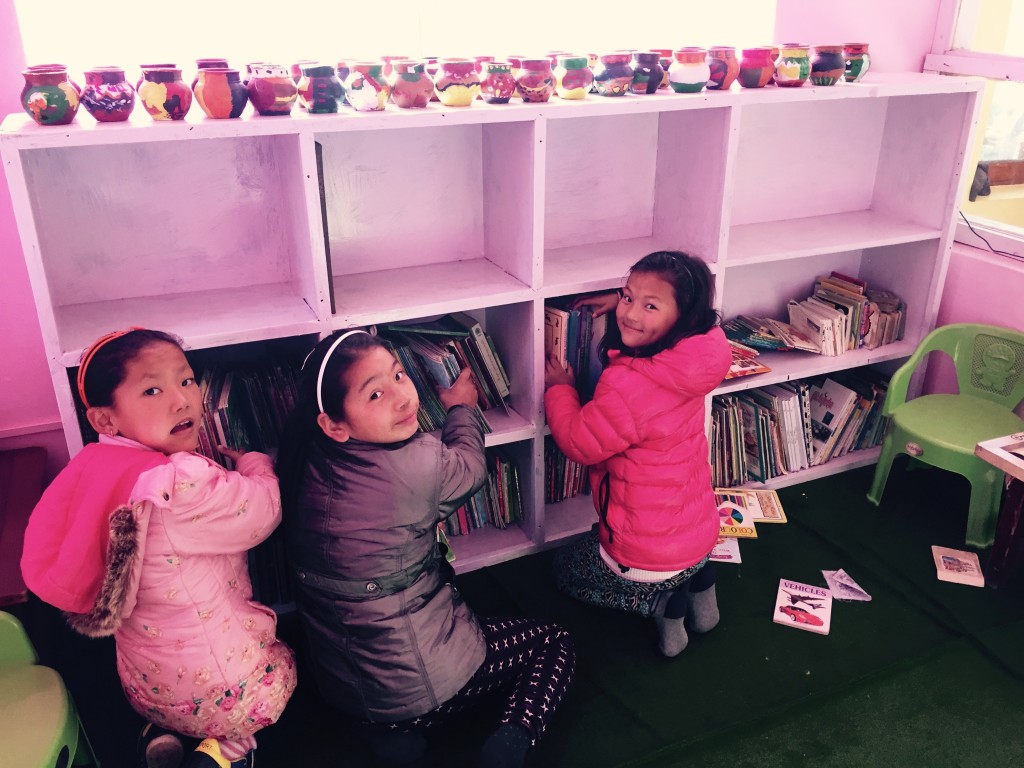
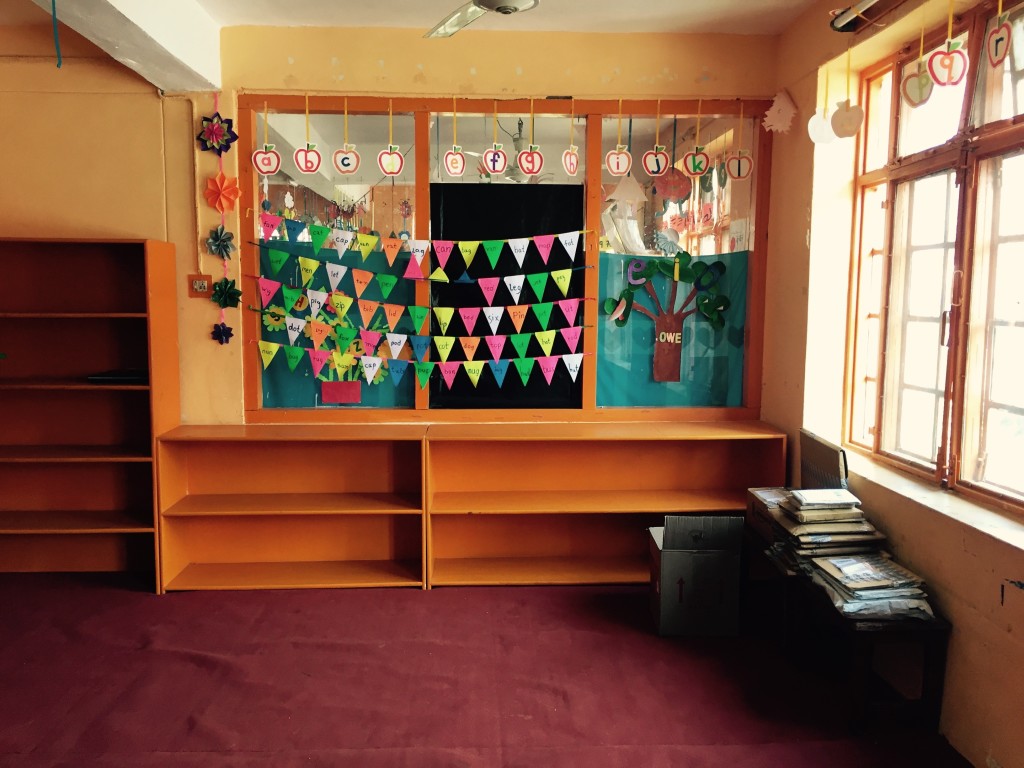
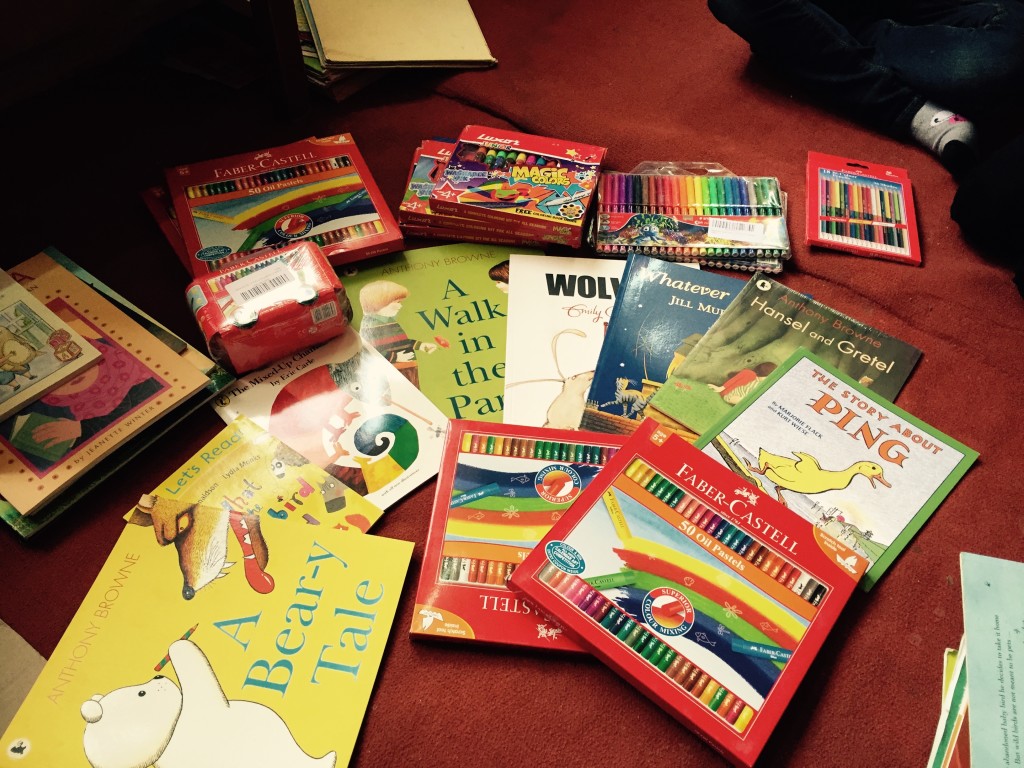
Start by choosing one specific funding goal. Proceeds might purchase shelves and floor cushions for a reading room, support transport for a remote book delivery, provide art materials, or expand a youth storytelling program. A focused objective gives the sale a memorable identity and makes fundraising progress easier to explain.
Set a realistic financial target by listing expected costs. Include venue hire, advertising, signs, payment processing, boxes, transport, and refreshments. If these expenses are covered by a sponsor or donated, state that clearly so buyers understand how much of each purchase can reach the literacy initiative.
Create a short public description of the project. For example, explain that a $500 surplus could supply age-appropriate books for a small community library, while a larger result might support reading sessions and creative workshops for several months. Specific examples make an abstract goal tangible without overstating the impact of each donation.
Build A Reliable Organizing Team
A small, well-defined team can manage a community book sale more effectively than a large group without assigned responsibilities. Appoint one coordinator, then divide the work among collection, sorting, promotion, finance, venue setup, sales, and cleanup. Written roles prevent important tasks from being forgotten during the final week.
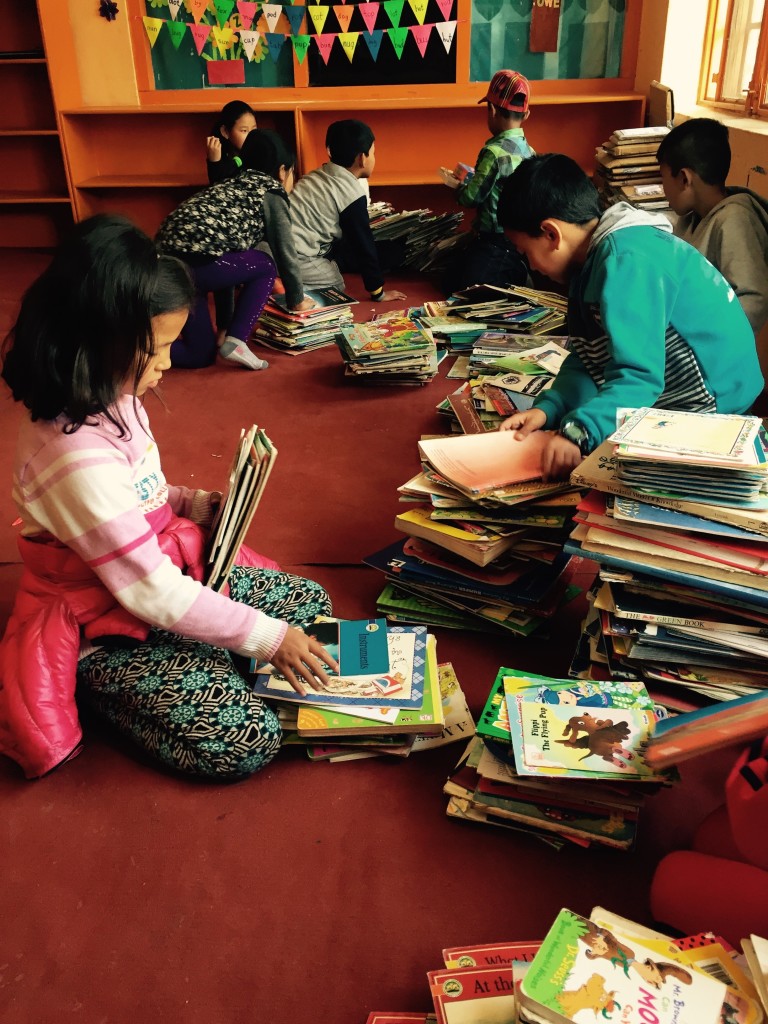
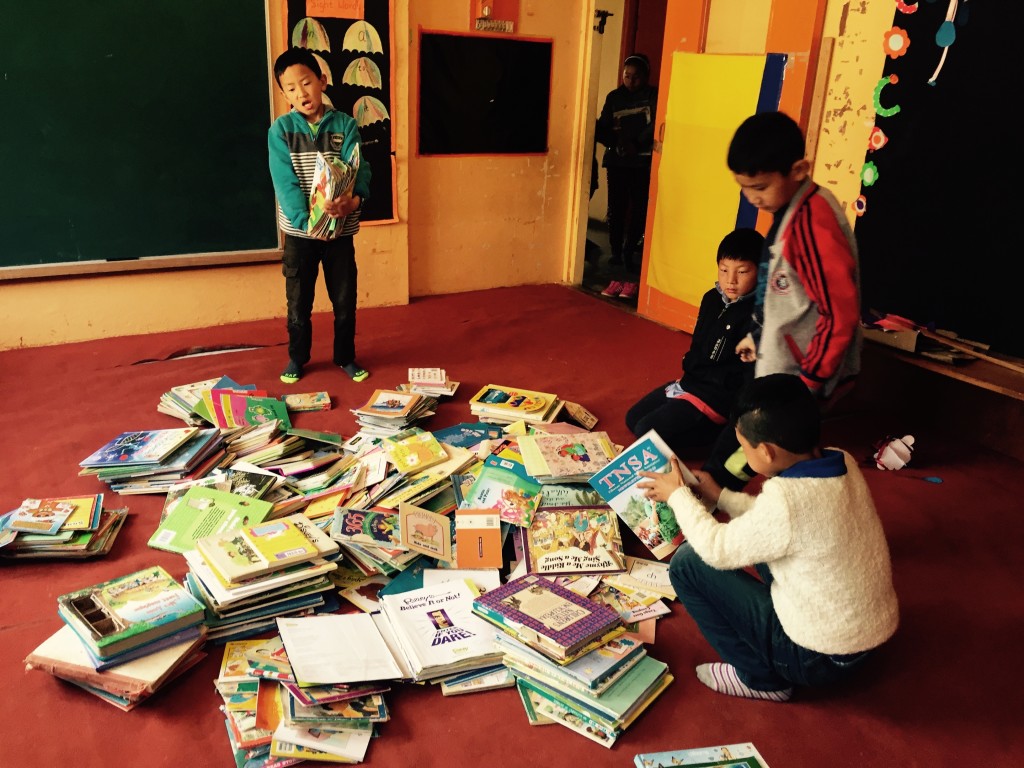
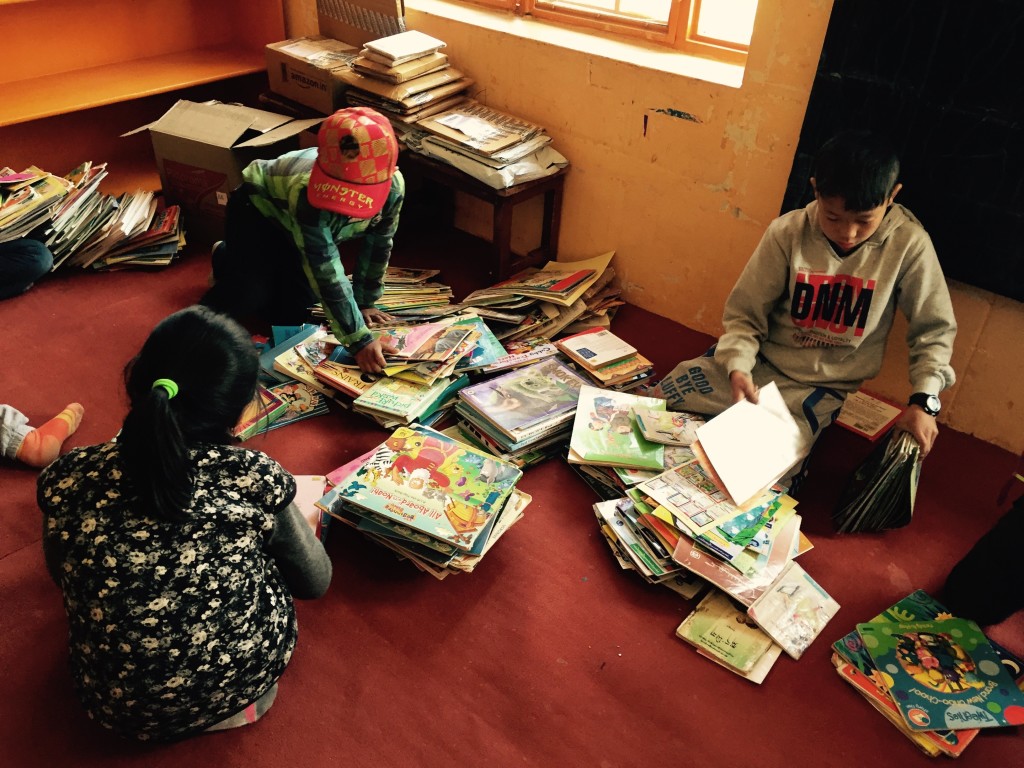
Invite volunteers with different strengths. Teachers can help assess children’s books, librarians can advise on sorting, photographers can create promotional images, and students can design signs or manage a social media announcement. Local businesses may offer tables, reusable bags, printing, or refreshments as in-kind support.
Set a shared calendar with collection dates, sorting sessions, advertising deadlines, the sale day, and the final donation transfer. Use a simple spreadsheet to record volunteer shifts, expenses, income, and unsold inventory. Transparency builds trust and makes it easier to report the result to donors.
Gather Books With Purpose
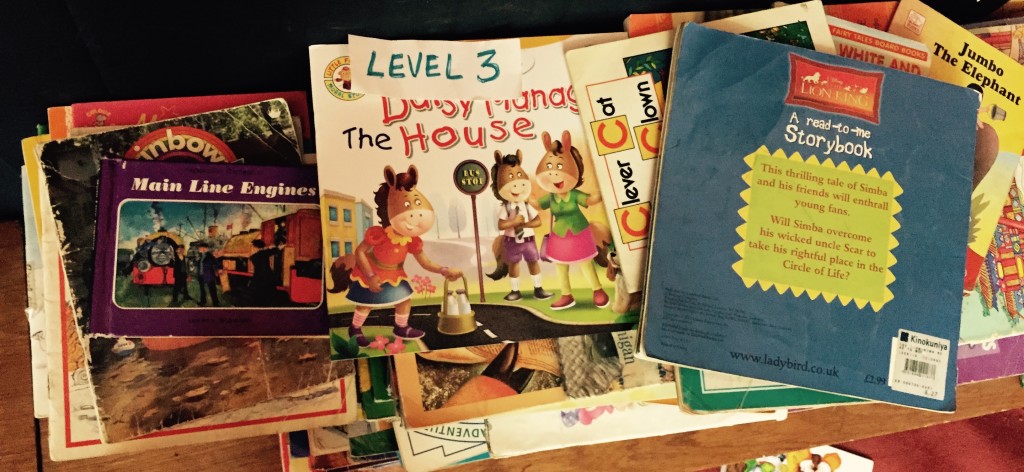
Announce the collection early and make the guidelines easy to follow. Accept clean, complete, readable books in useful categories, including children’s literature, fiction, nonfiction, language learning, study guides, cookbooks, biographies, and picture books. Clarify whether magazines, encyclopedias, damaged textbooks, or outdated computer manuals are wanted.
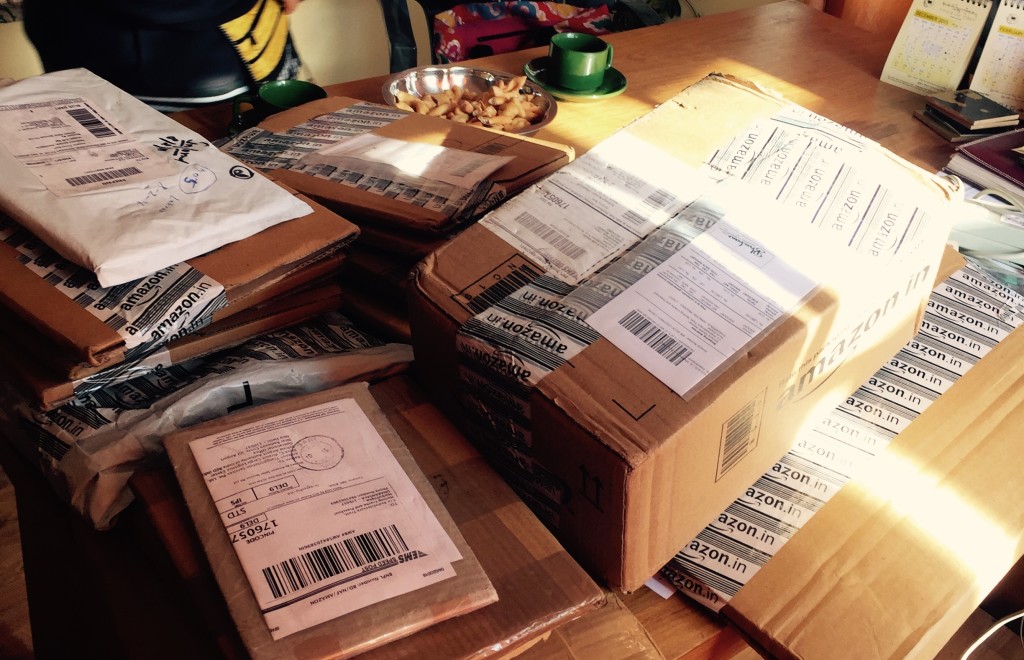
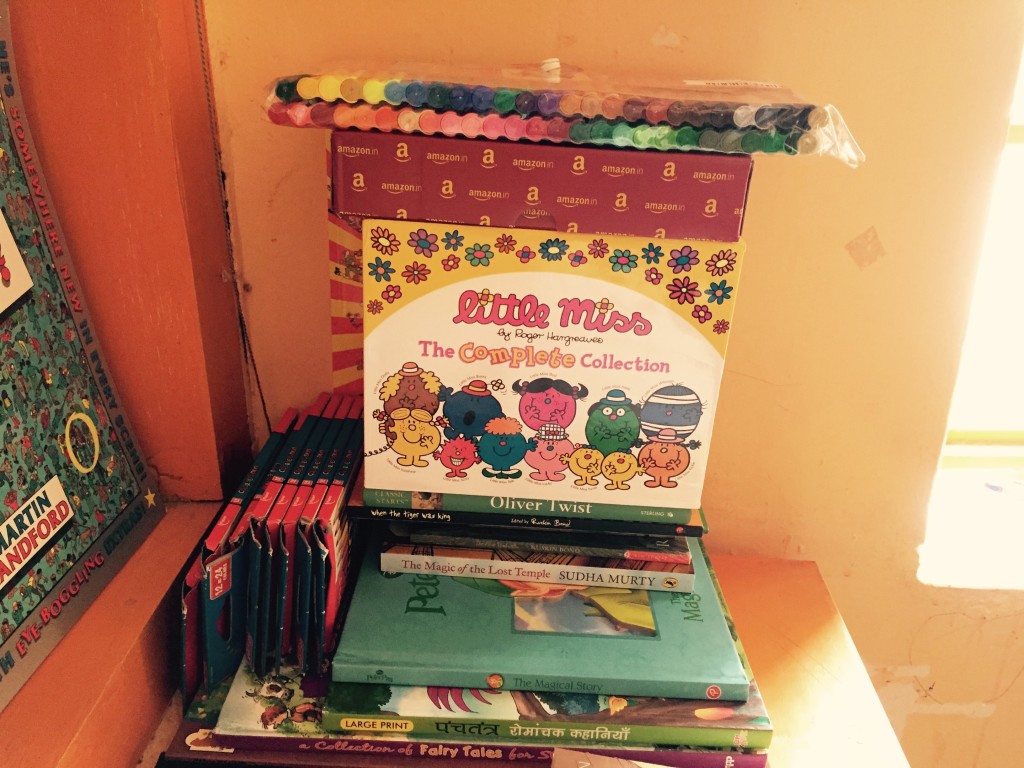
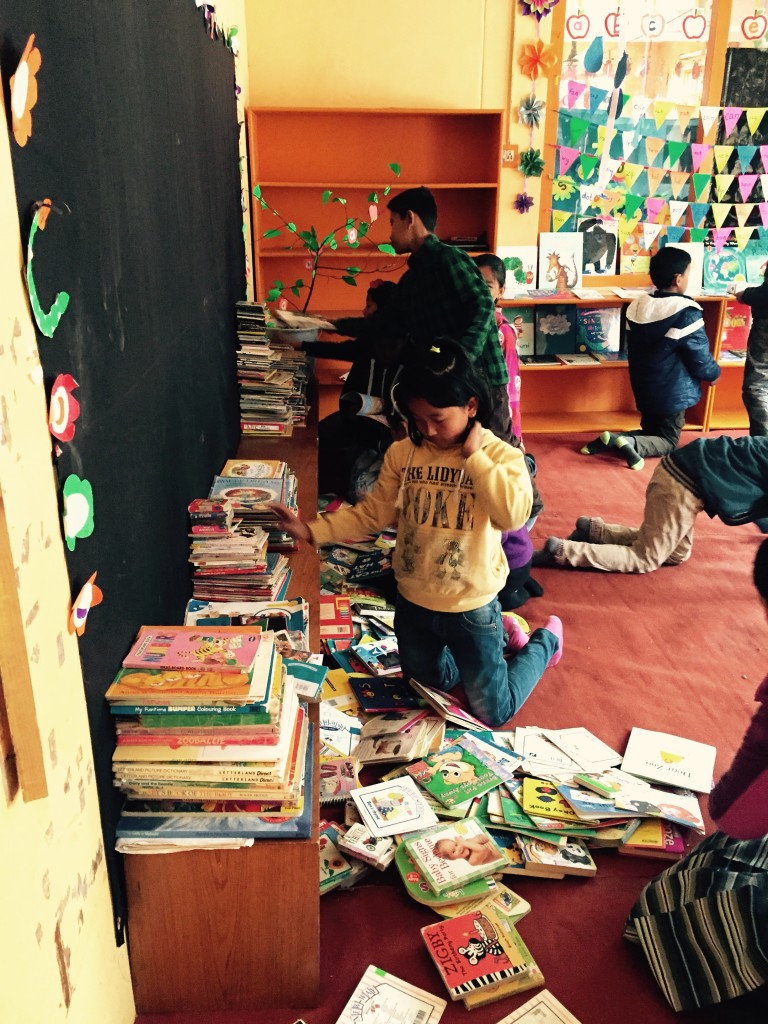
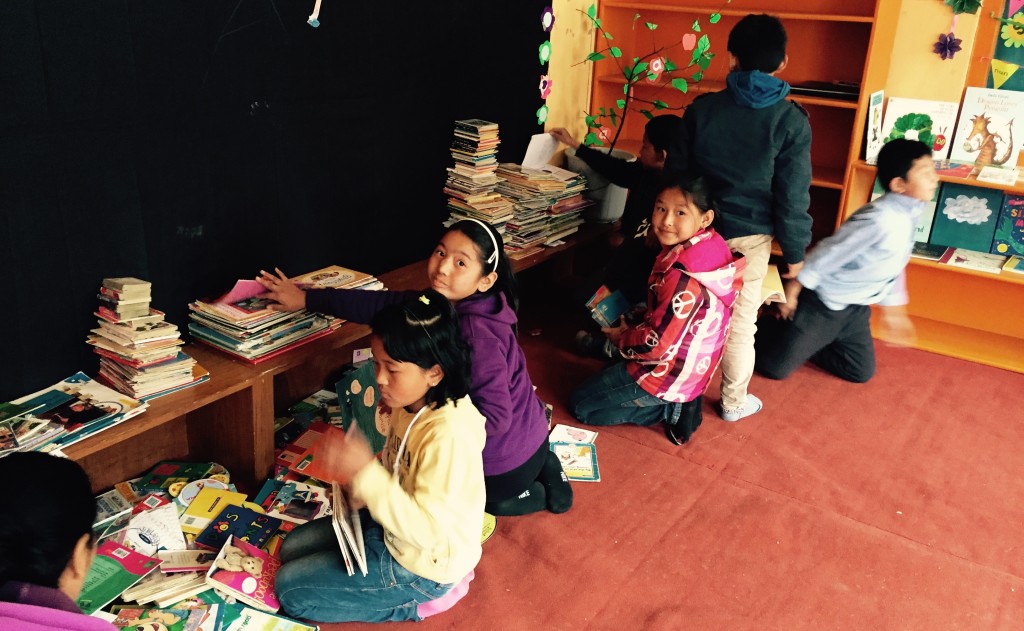
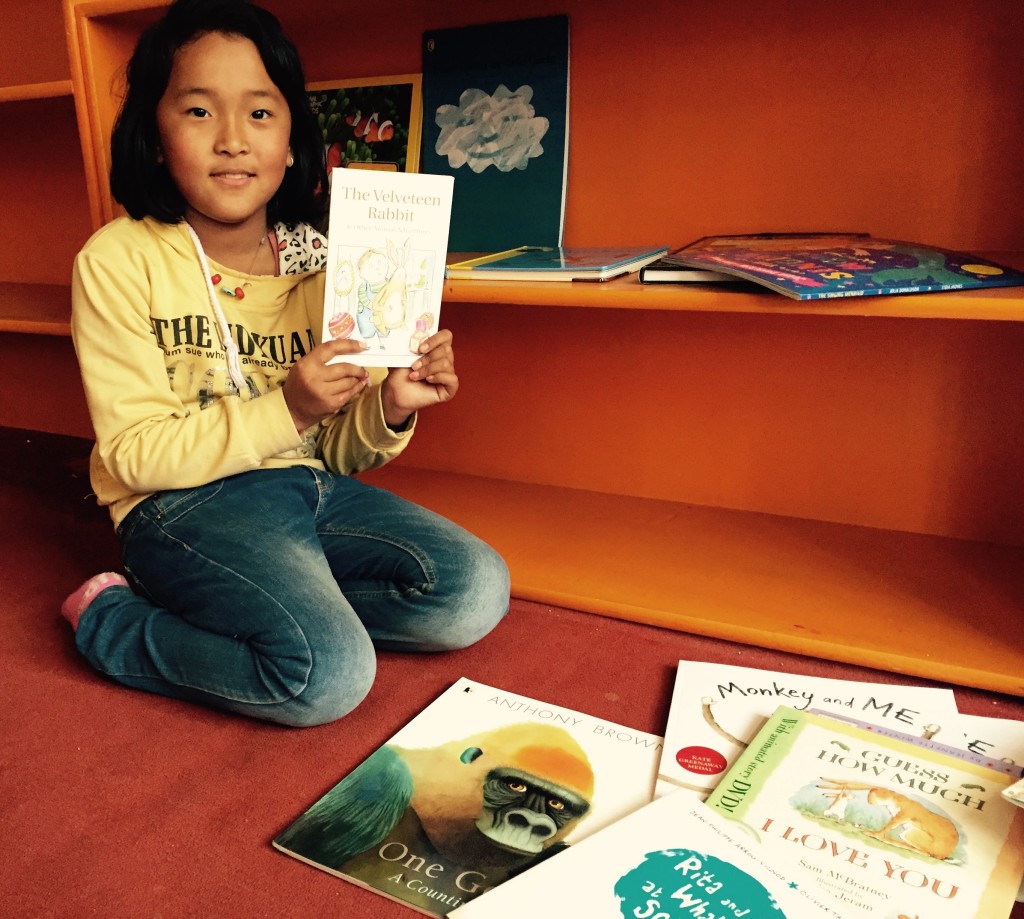
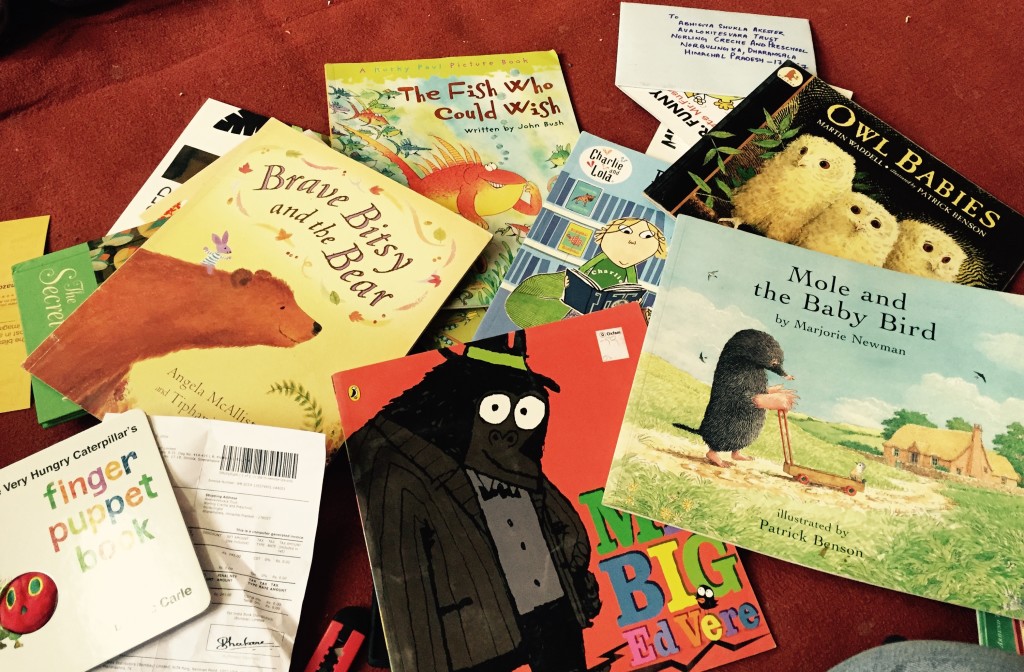
Collection points can include schools, apartment buildings, offices, cafés, libraries, and community centers. Place a sign beside each box explaining the educational purpose of the fundraiser. A short story about reading access in remote Himalayan communities can help people see that their unused books have a meaningful second life.
Quality matters more than volume. Separate books with torn covers, missing pages, mold, heavy staining, or obsolete information before they reach the sale. Guidance on responsible book giving, including ways to ensure materials reach remote schools, can help organizers think beyond simply moving unwanted items into new boxes through practical donation guidance.
Sort, Price, And Display Clearly
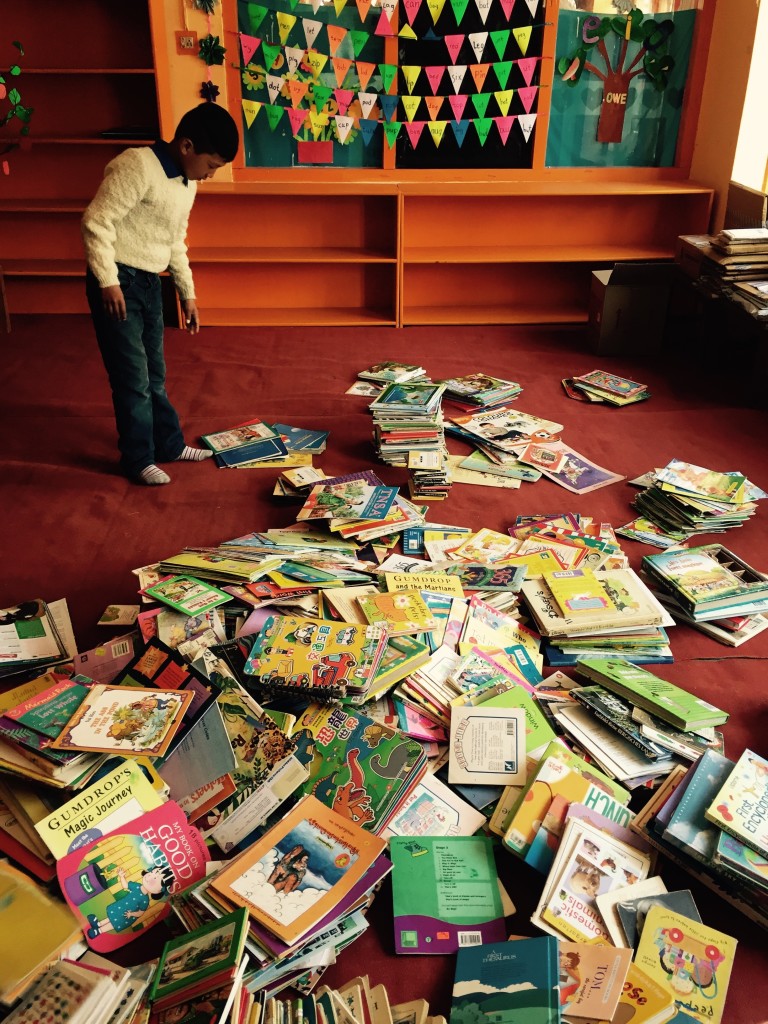
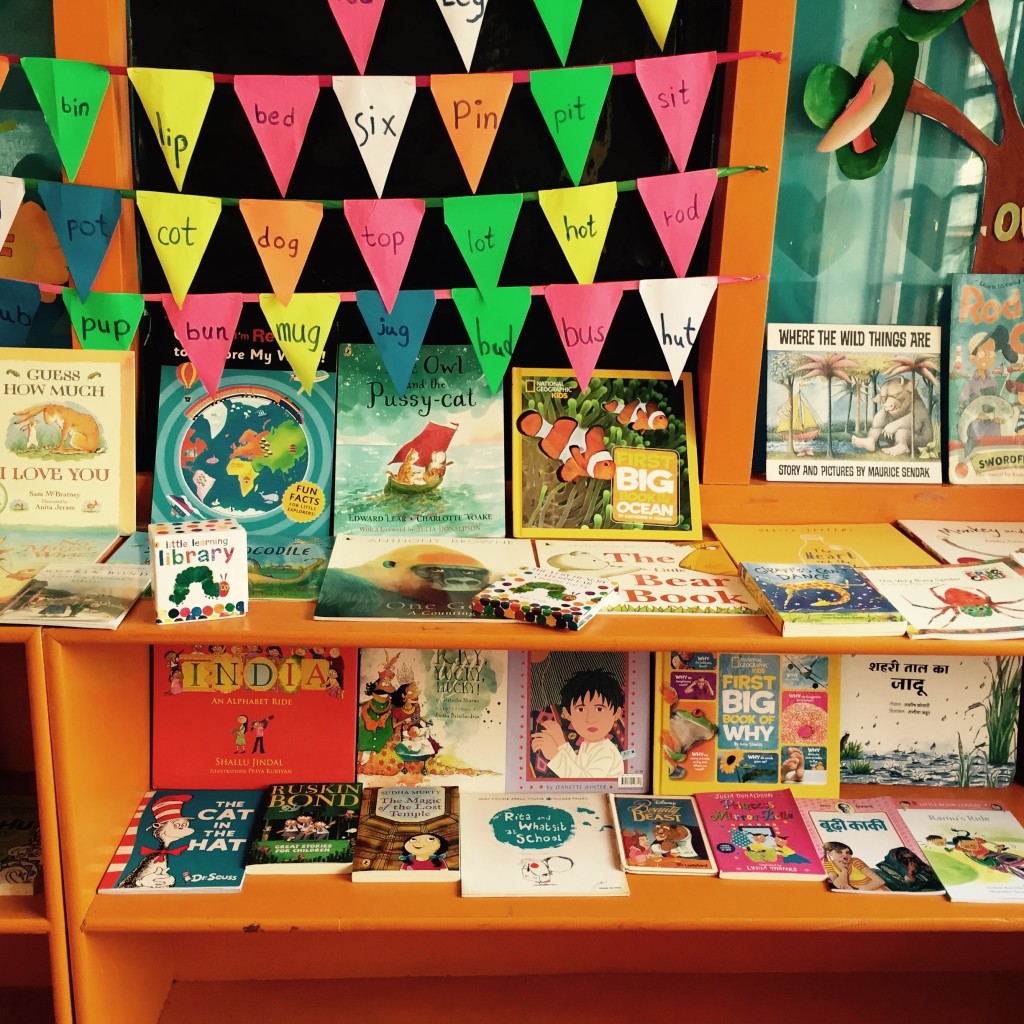
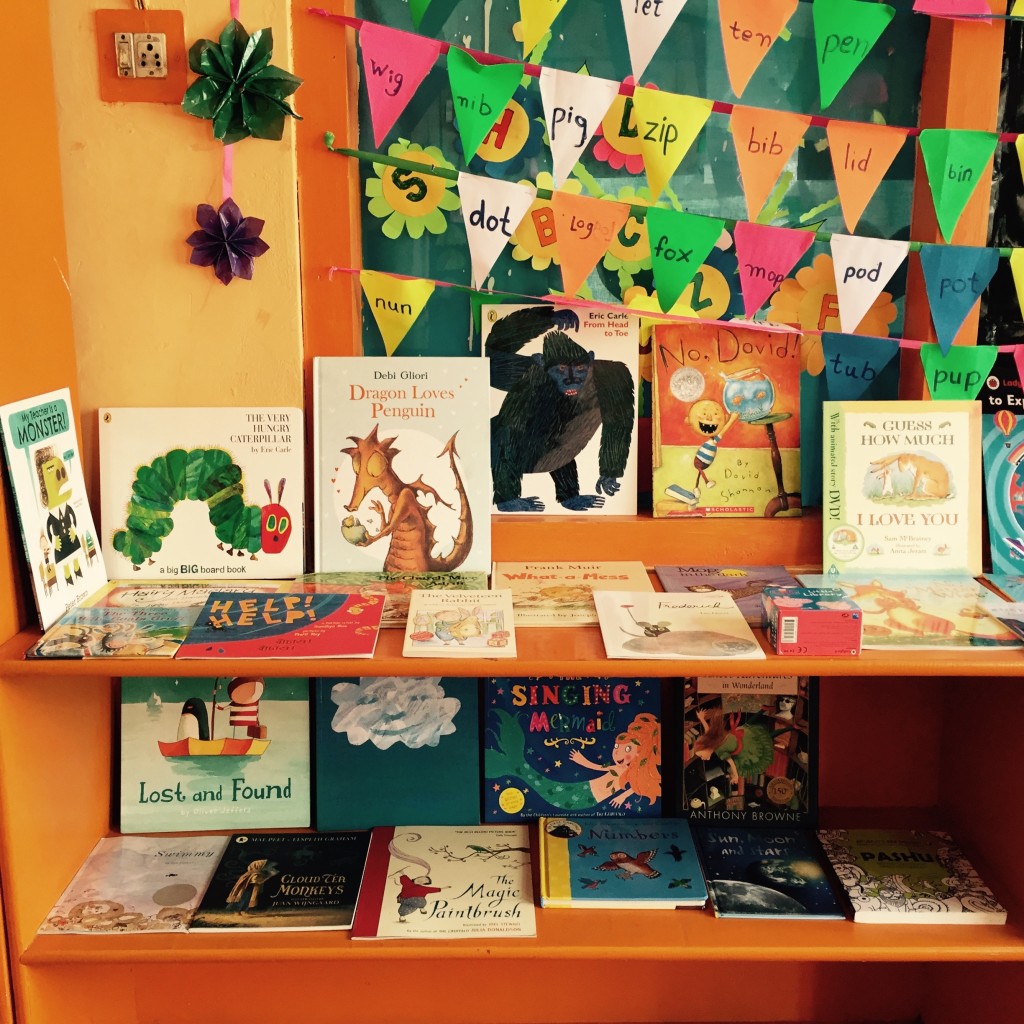
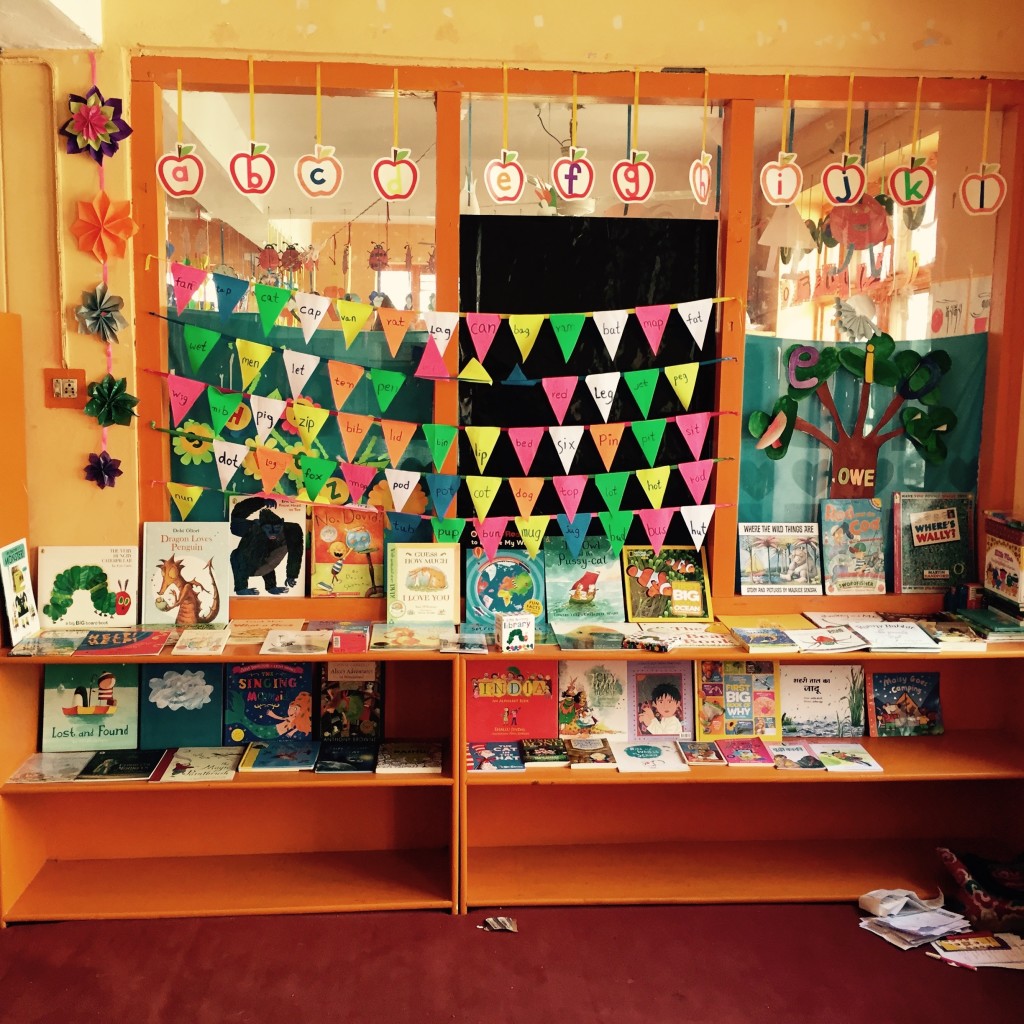
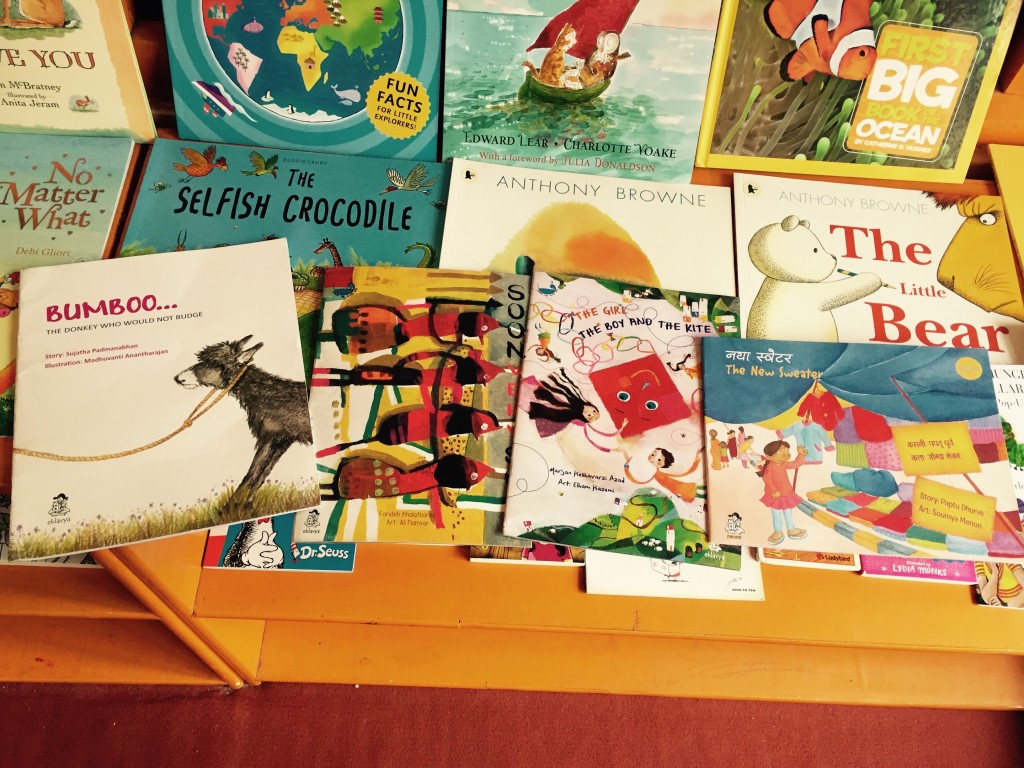
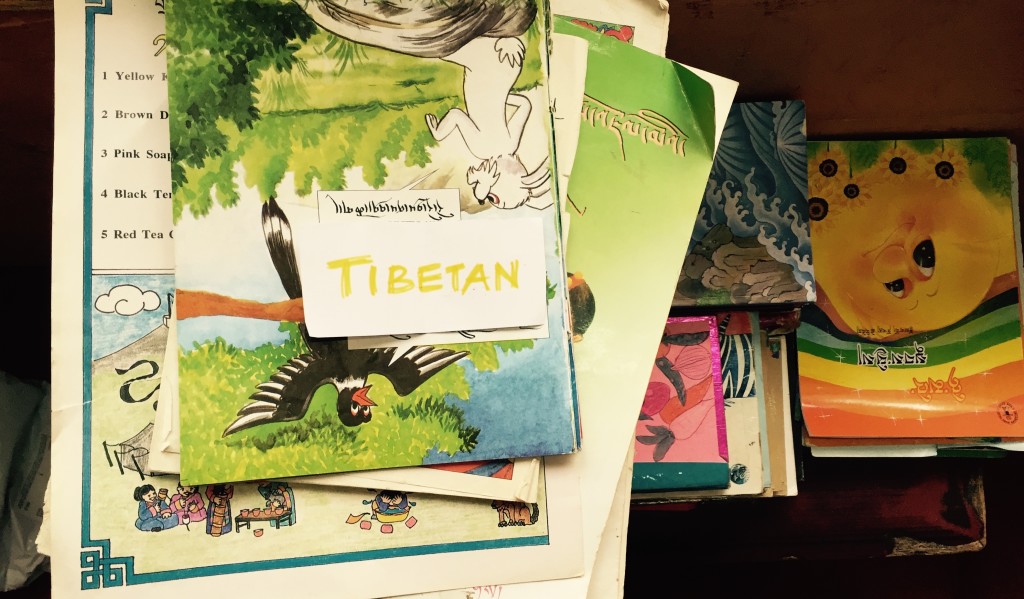
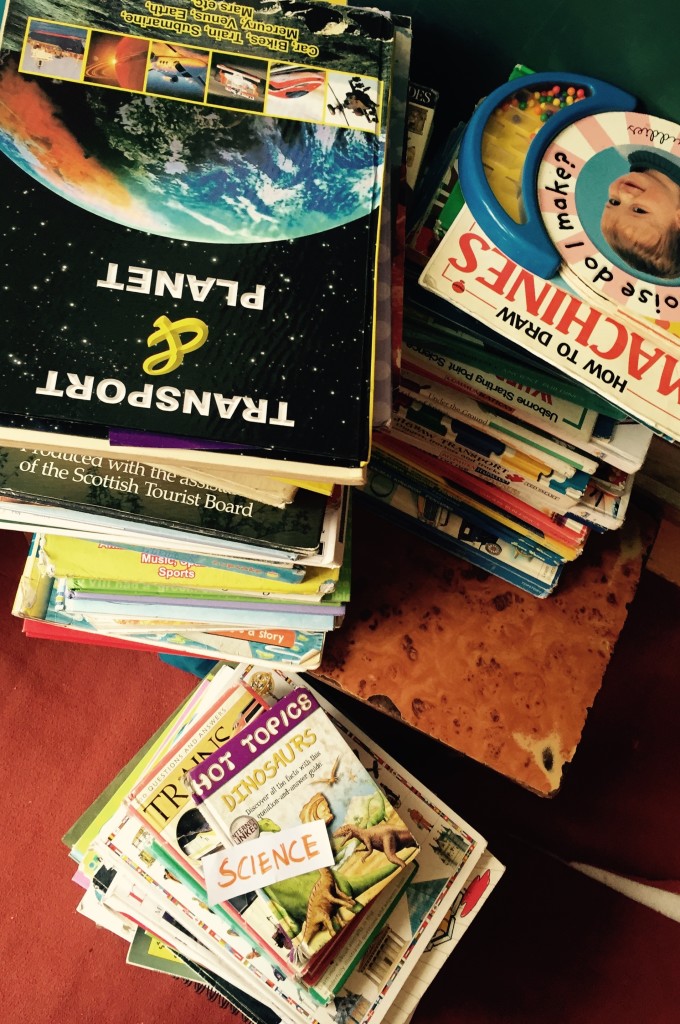
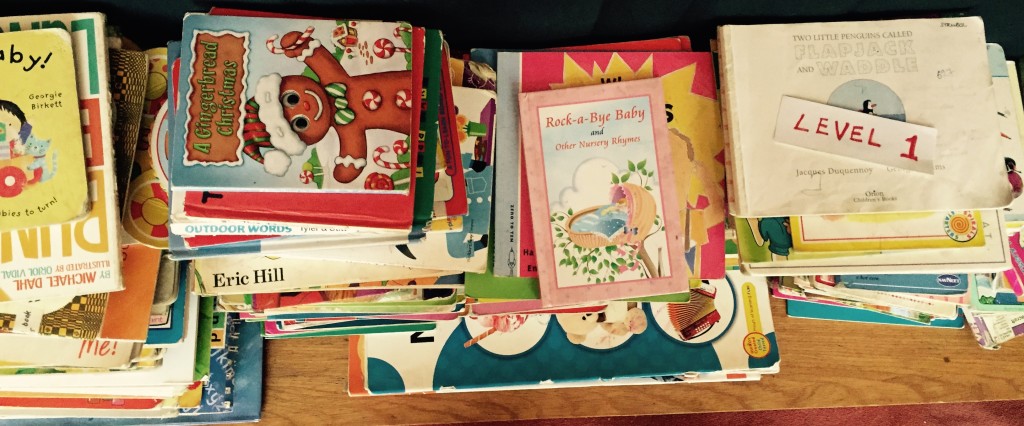
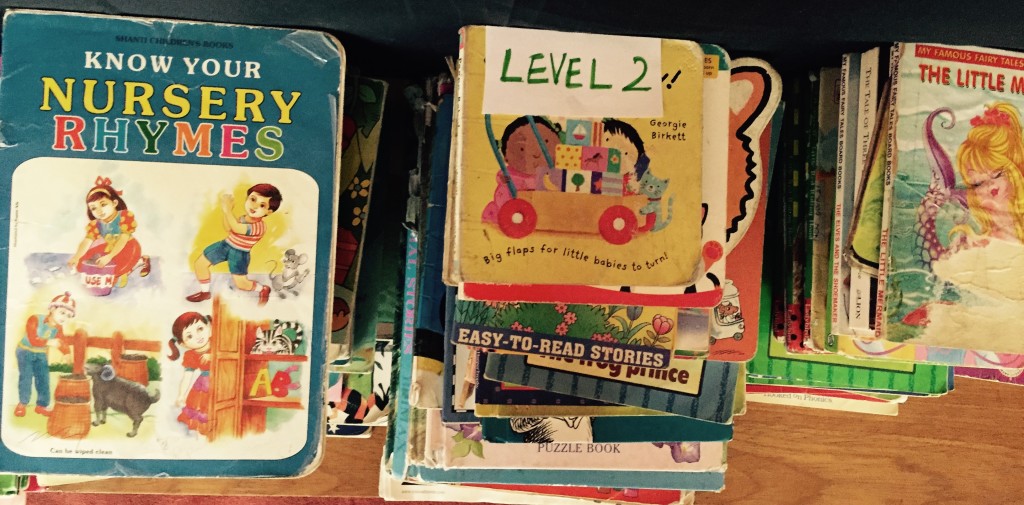
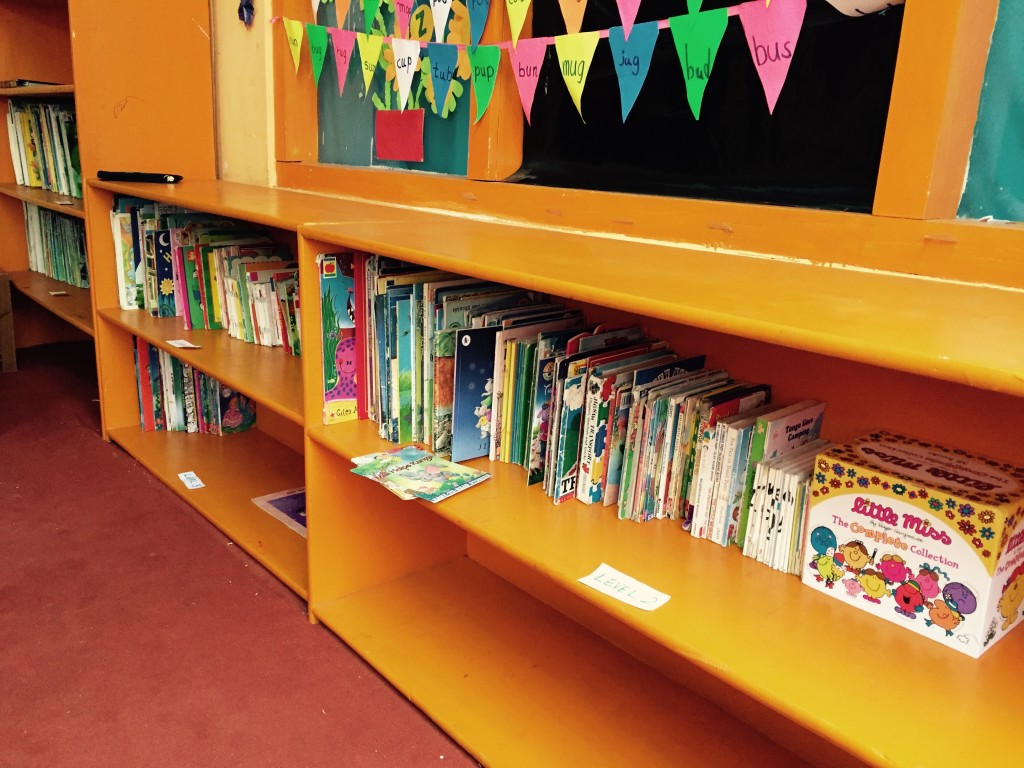
Sort the inventory into broad sections that shoppers can understand quickly. Useful categories include children’s picture books, early readers, young adult titles, adult fiction, nonfiction, reference, art and music, and local-interest books. Keep popular categories near the entrance and place special editions or signed copies in a clearly marked section.
Pricing should be accessible rather than ambitious. A low, consistent price for ordinary paperbacks speeds up transactions, while bundles can encourage larger purchases. For example, offer several children’s books for a single price or create a “fill a bag” option during the final hour. A donation-based section can work well for books that have strong personal appeal but uncertain resale value.
| Book Category |
Suggested Approach |
Display Idea |
| Picture books |
Low individual price or small bundles |
Face covers outward at child height |
| General fiction |
Consistent paperback and hardcover prices |
Alphabetize by author when possible |
| Textbooks and study guides |
Price by edition and condition |
Add the publication year |
| Art, music, and specialty books |
Mark individually |
Use a featured shelf |
| Damaged or incomplete books |
Do not sell as regular stock |
Recycle or use for crafts |
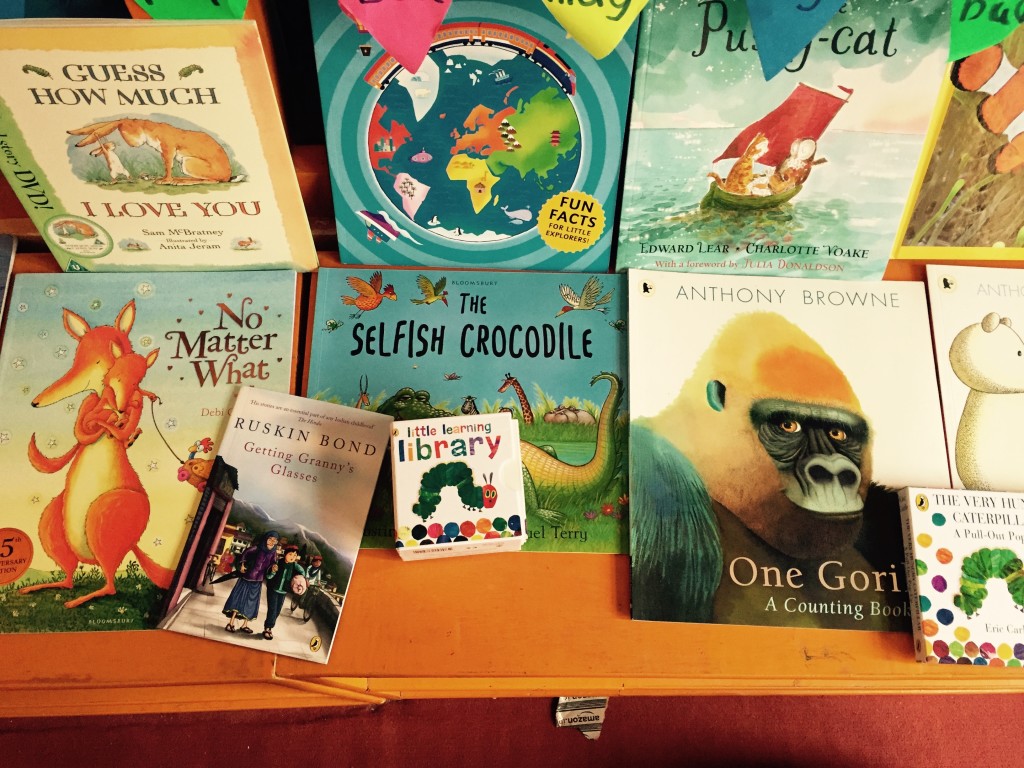
Make the event welcoming for families. Use large signs, wide aisles, sturdy boxes, and a quiet corner where children can browse. Keep children’s titles at a comfortable height, and avoid packing too many books onto one table. An orderly display encourages visitors to stay longer and discover books outside their original shopping list.
Promote The Sale As A Community Event
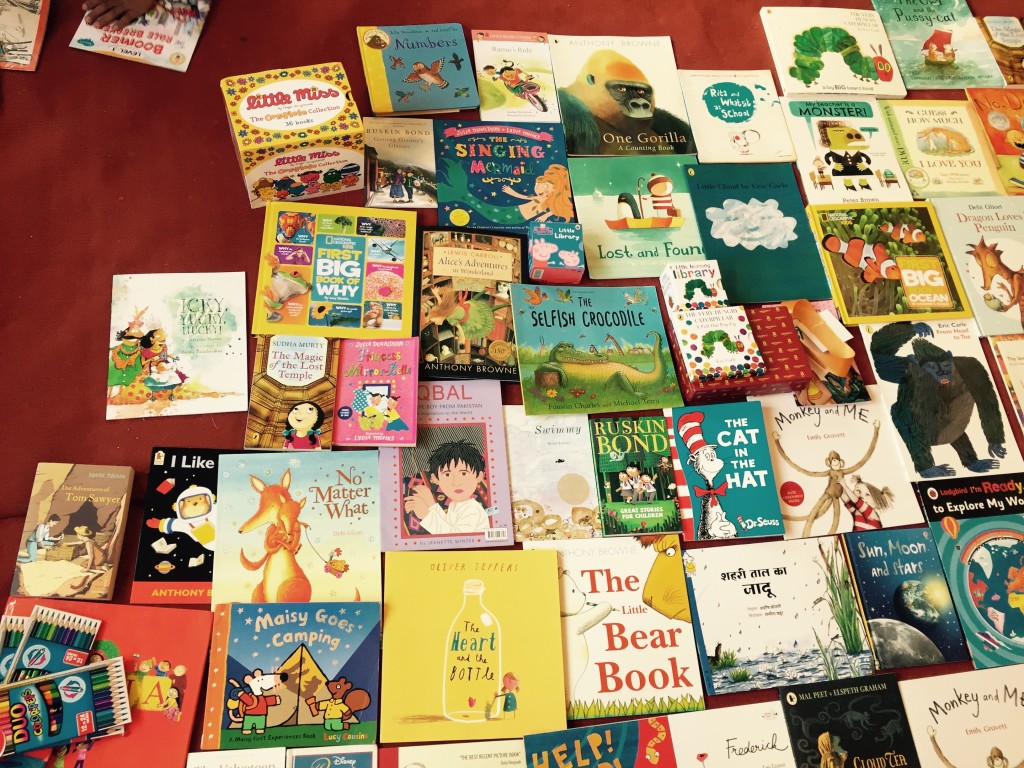
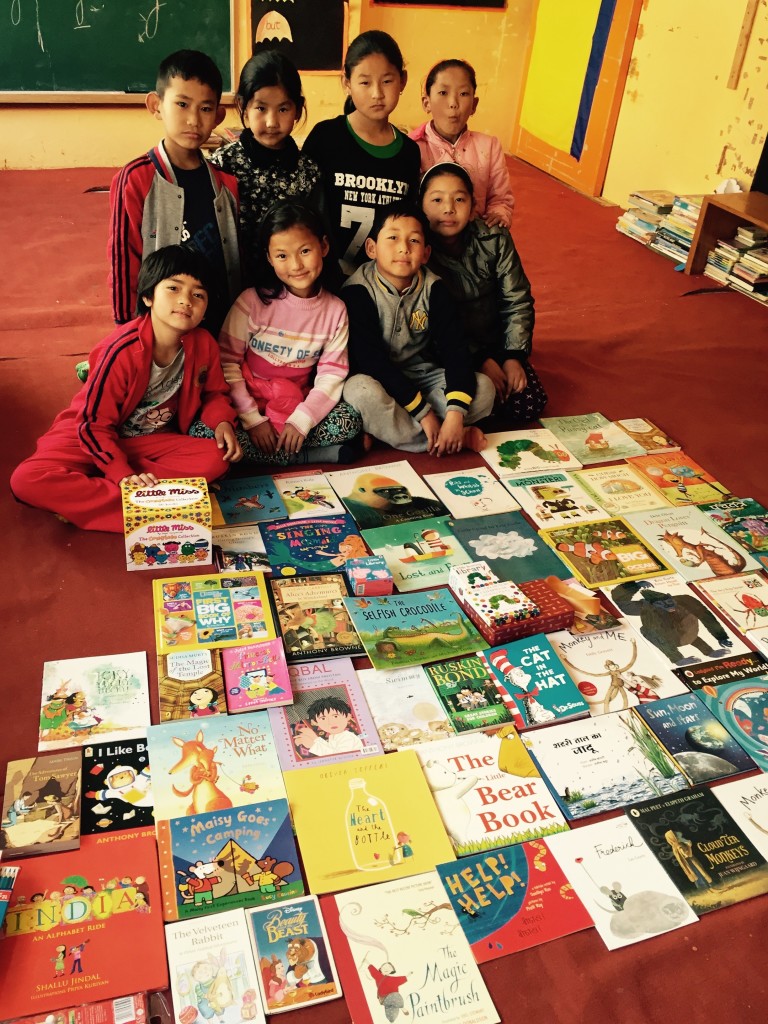
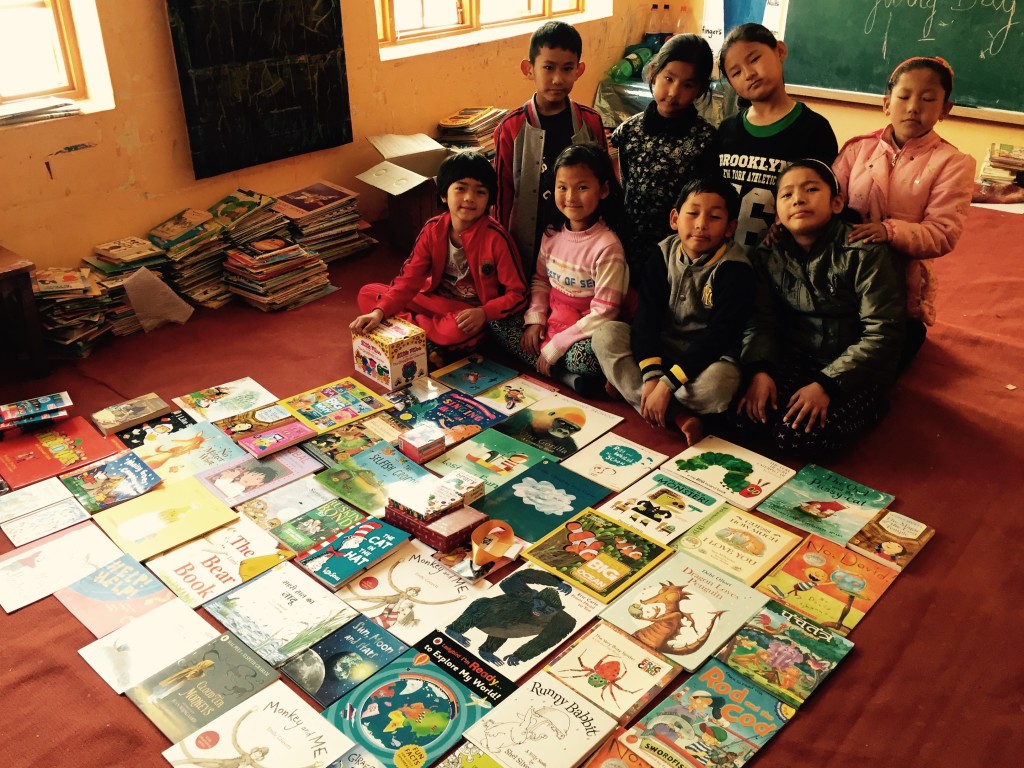
Promotion should begin at least two weeks before the sale, with reminders during the final few days. Share the date, location, opening hours, payment methods, book categories, and fundraising goal in every announcement. A clear image of colorful books or volunteers sorting donations can make digital posts more inviting.
Reach audiences through school newsletters, library noticeboards, neighborhood groups, local radio, community websites, and workplace mailing lists. Ask partners to share the same short message so details remain consistent. If the event supports literacy work in Ladakh or another Himalayan community, include a concise explanation of the educational connection without turning the promotion into a long appeal.
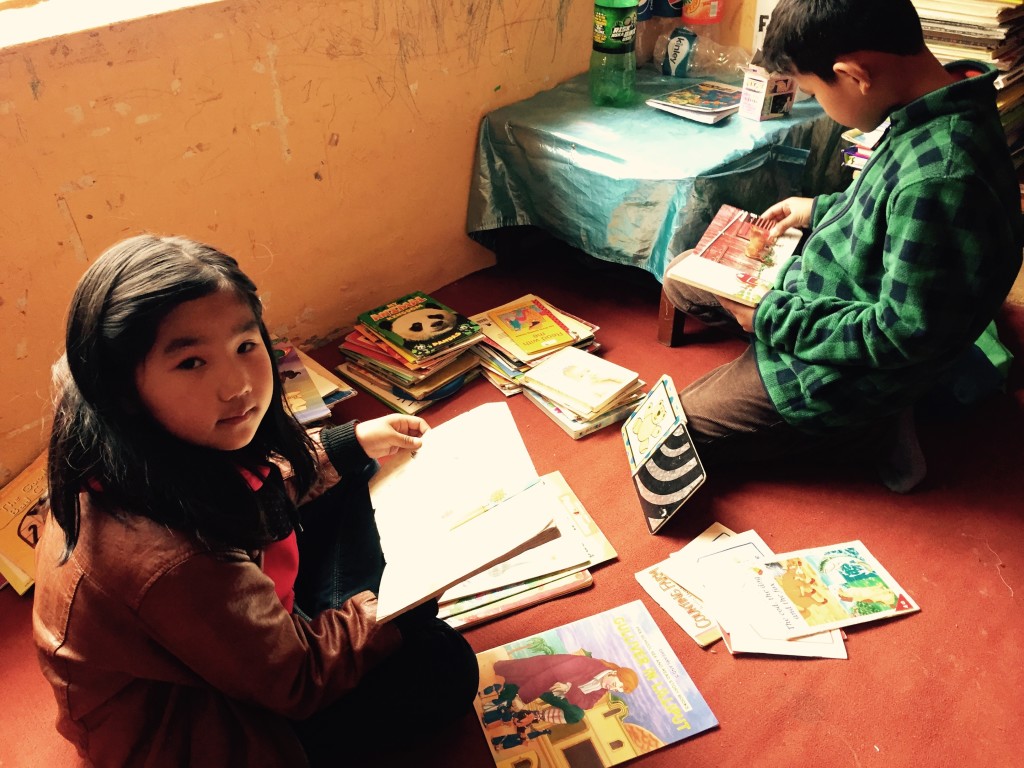
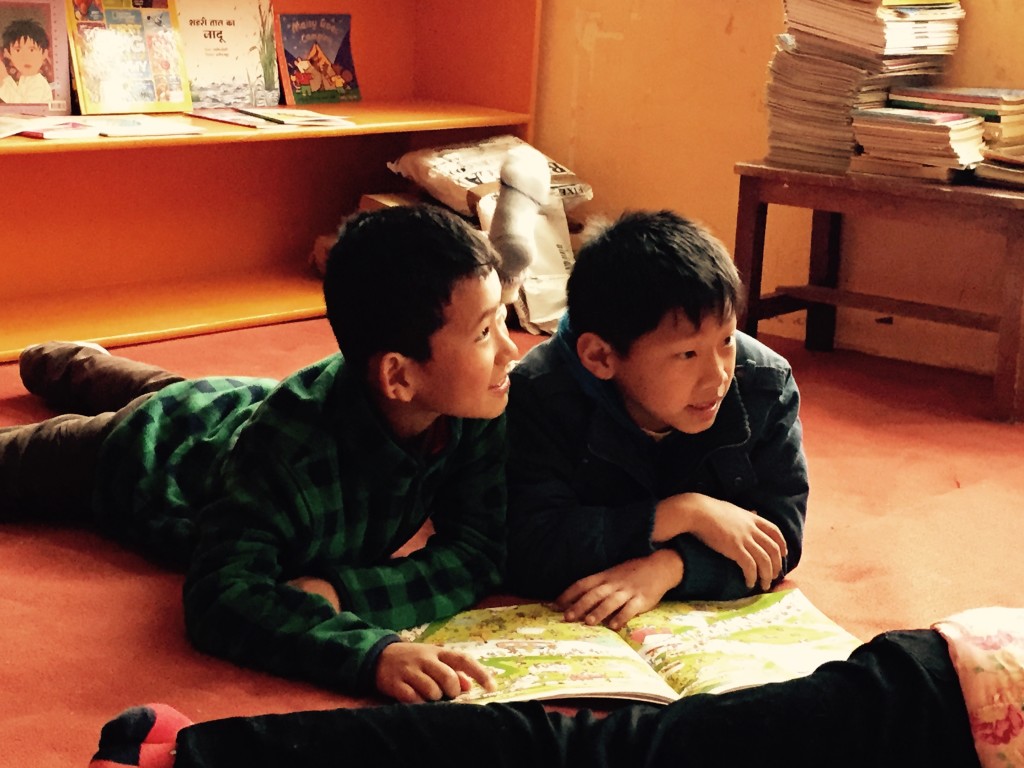
Add a small educational element to increase engagement. A volunteer might read aloud during a children’s hour, a local author could sign books, or visitors could write encouraging notes for a reading room. These activities help the fundraiser feel like a celebration of books rather than a simple clearance sale.
Make Sale Day Trustworthy And Welcoming
Prepare the venue the day before whenever possible. Arrange tables by category, place prices where they can be seen, test card readers, and keep change in a secure cash box. Use separate envelopes or digital records for sales income and any unrelated donations. Two people should count cash at opening and closing.
Greet visitors, explain the purpose of the event, and make it easy to give more than the marked price. A visible sign can say that buyers are welcome to round up their payment or add a donation. Avoid pressure; people should feel that buying a single inexpensive book is a worthwhile contribution.
Track the number of books sold, the amount raised, and the categories that attracted the most interest. At closing, offer discounted bundles or invite a partner organization to select suitable remaining titles. Books that cannot be sold should be redirected responsibly through schools, reading programs, community shelves, or recycling services.
Direct And Report The Proceeds
Count the final income with at least two people present, subtract only documented event expenses, and record the net amount. Transfer the funds through the organization’s approved donation process rather than mixing them with personal accounts. A brief financial summary should show gross sales, costs, net proceeds, and the literacy project receiving support.
Share the outcome promptly with volunteers, donors, venue partners, and buyers. Include photographs of the event, the number of books collected and sold, volunteer hours, and the next project milestone. If funds will purchase books, explain the selection criteria: language, reading level, cultural relevance, durability, and suitability for the intended community.
Good reporting turns a one-day fundraiser into a continuing partnership. When supporters see how their contribution helped equip a reading room or expand access to children’s literature, they are more likely to donate again, host another collection, or introduce new community partners.
Practical Steps For A Stronger Fundraiser
- Set a specific literacy goal and publish a simple budget before collecting donations.
- Use clear book-quality guidelines so volunteers spend less time sorting unsuitable materials.
- Offer affordable prices, bundles, and optional round-up donations to welcome every household.
- Assign two people to financial records and publish the net result after the event.
- Create a responsible plan for unsold books before sale day begins.
A used book sale becomes especially powerful when each stage reflects the educational purpose behind it. Gather thoughtfully, welcome every supporter, manage the money carefully, and show how the proceeds become books, learning spaces, and creative opportunities for children and young monks. Start with a small collection point, bring local partners together, and turn the next stack of unwanted books into a practical investment in literacy.