Five Ways to Donate Books That Reach Remote Schools
A box of donated books can open a new world for a child, but distance changes what makes a donation successful. In Himalayan villages, a school may be reached by rough roads, seasonal paths, or several stages of transport. Books must therefore be chosen, packed, and sent with the local setting in mind.
Effective book giving begins with usefulness rather than volume. A large shipment filled with unsuitable reading levels, damaged copies, or heavy textbooks may create extra work for teachers. A smaller collection selected for children’s interests and educational needs can become the foundation of a lasting school library or reading room.
Avalokiteśvara Trust supports literacy, creativity, and access to quality books in Ladakh and other Himalayan communities. The following approaches can help donors make sure that children, teachers, and young monks receive resources they can genuinely use.
Choose Books For The Children Who Will Read Them
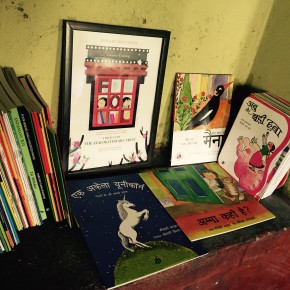
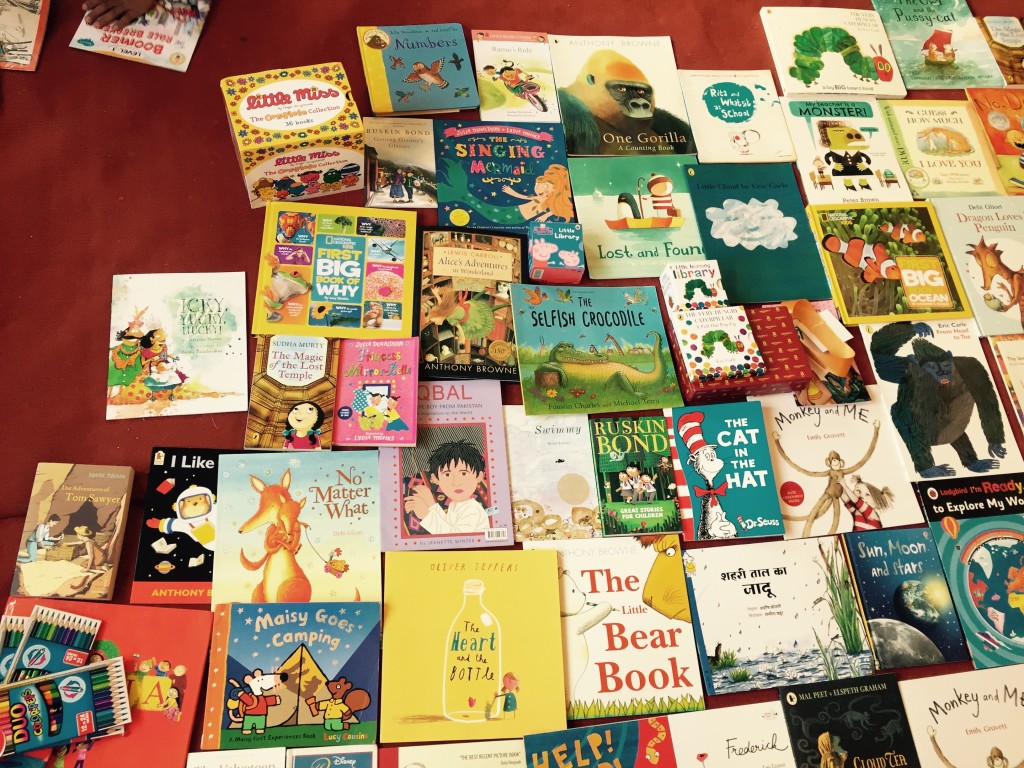
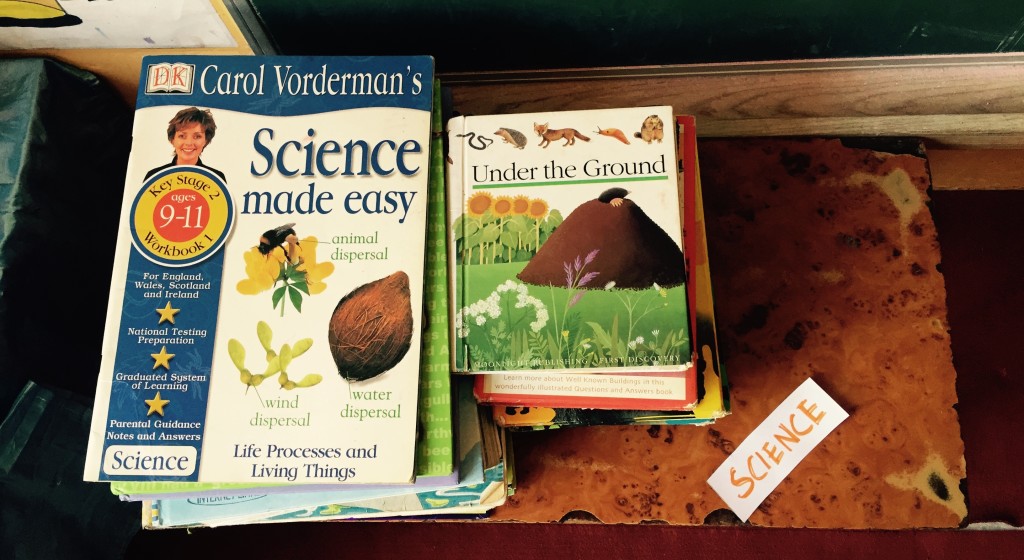
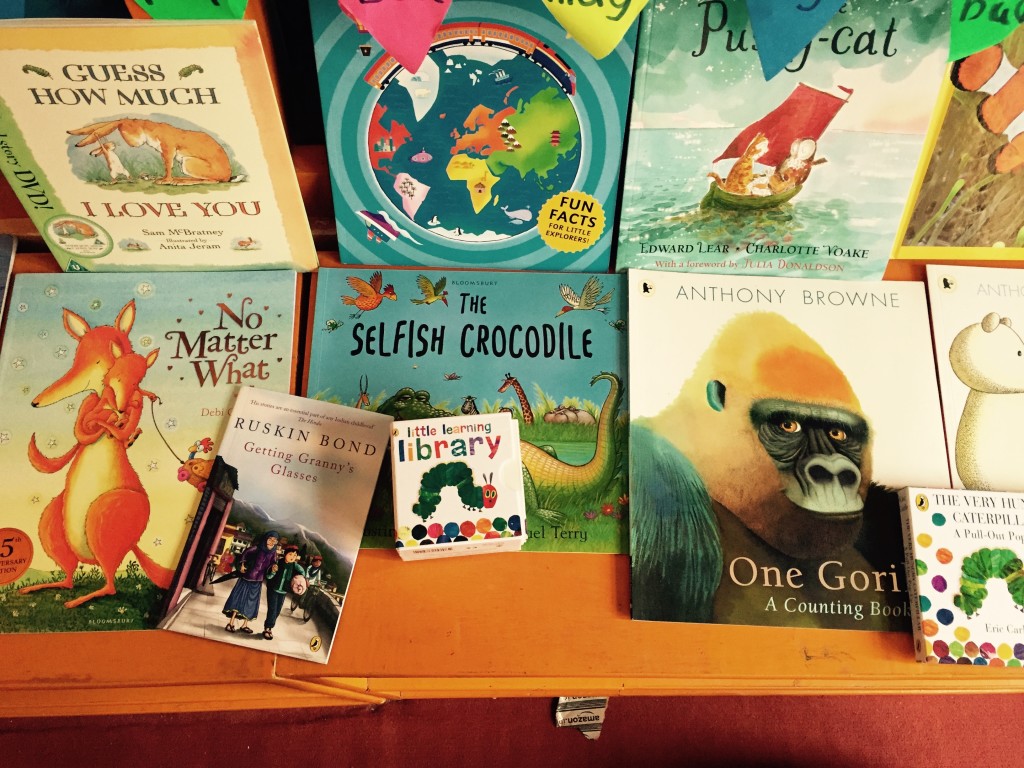
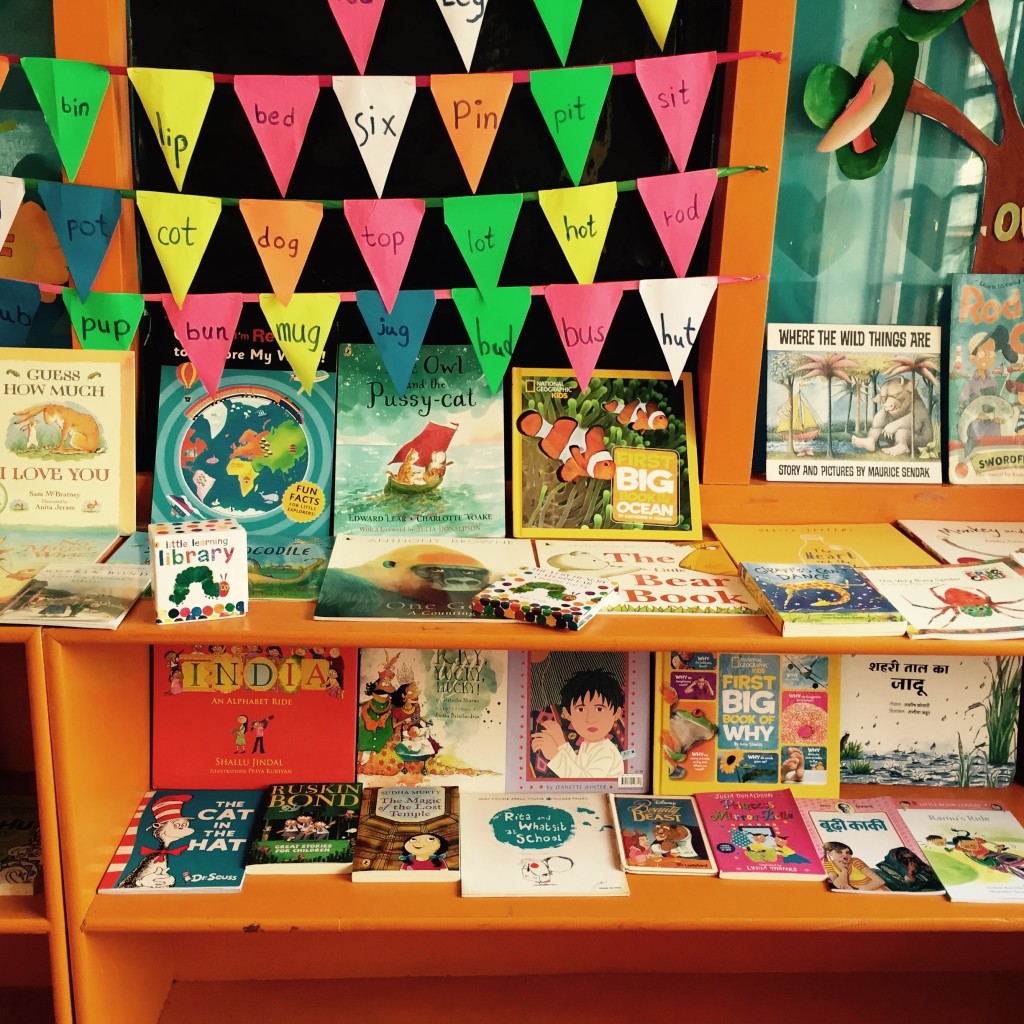
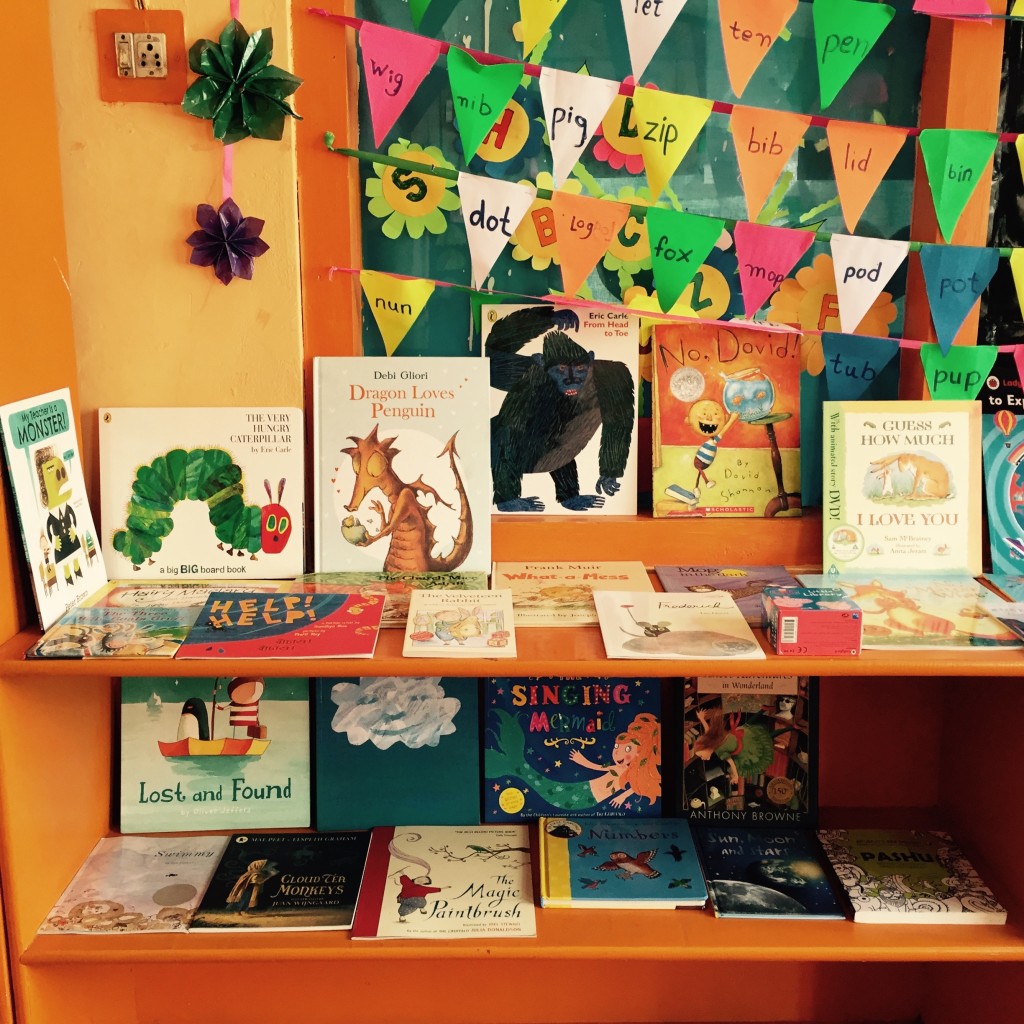
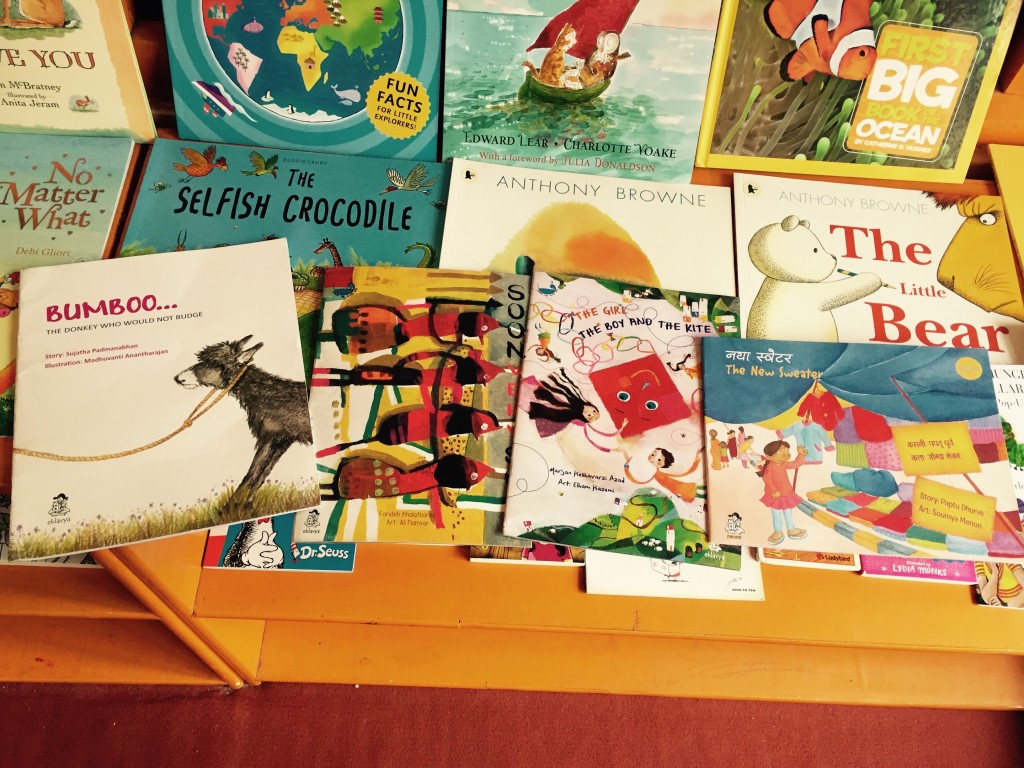
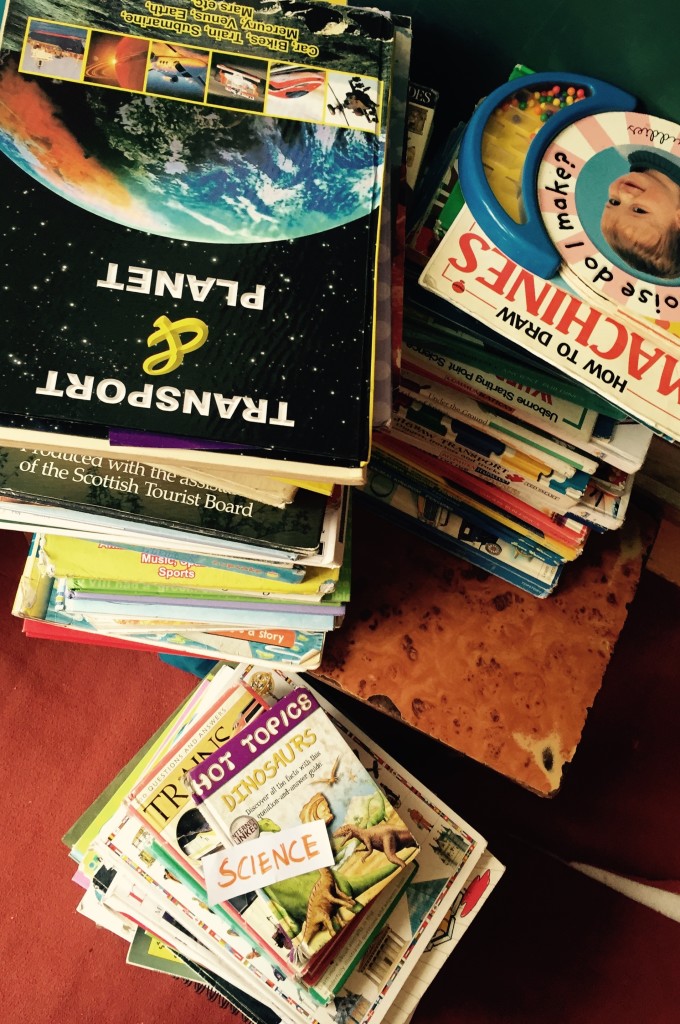
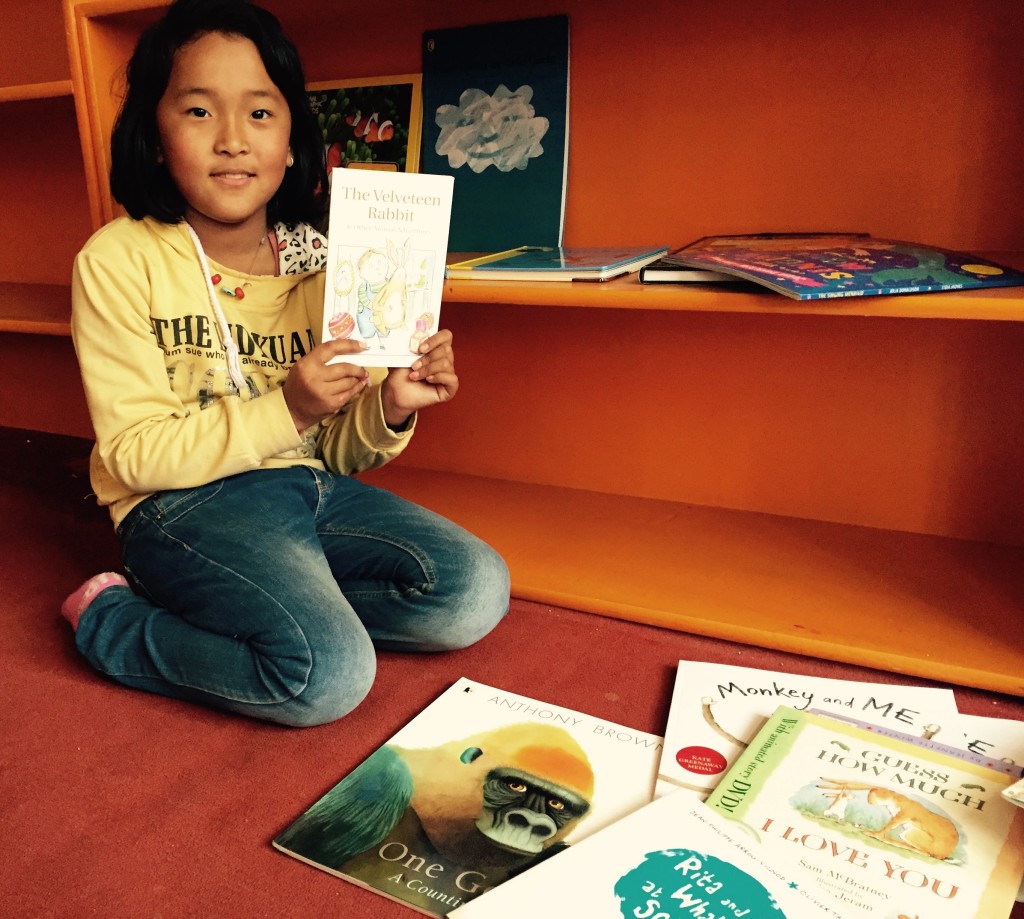
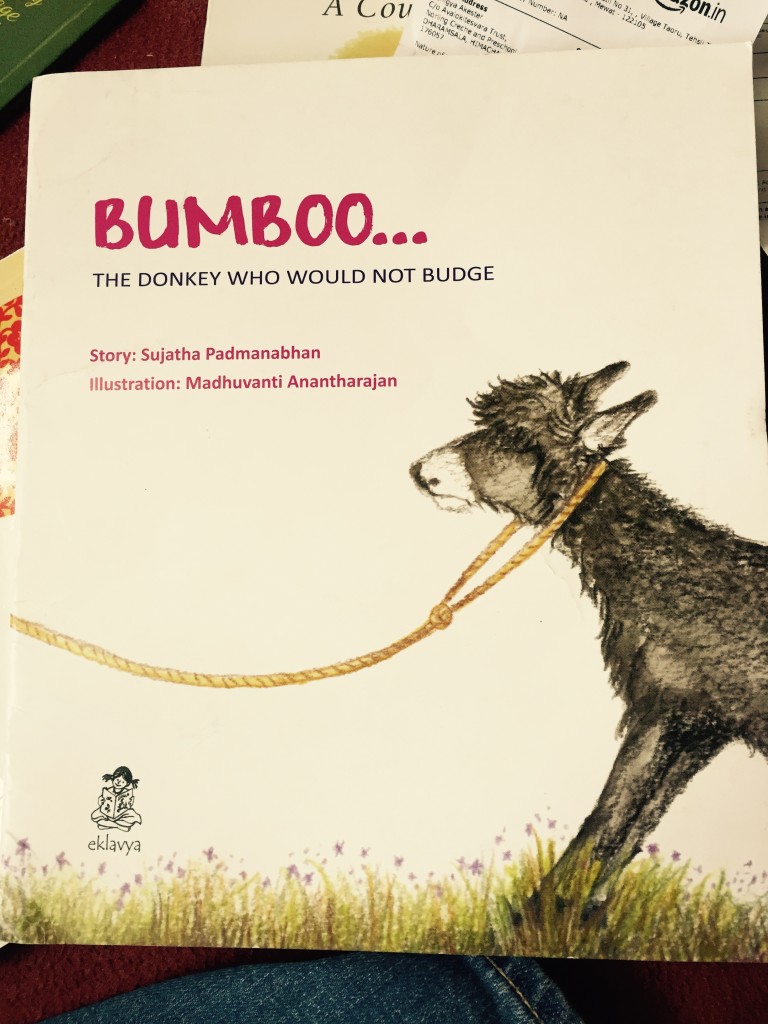
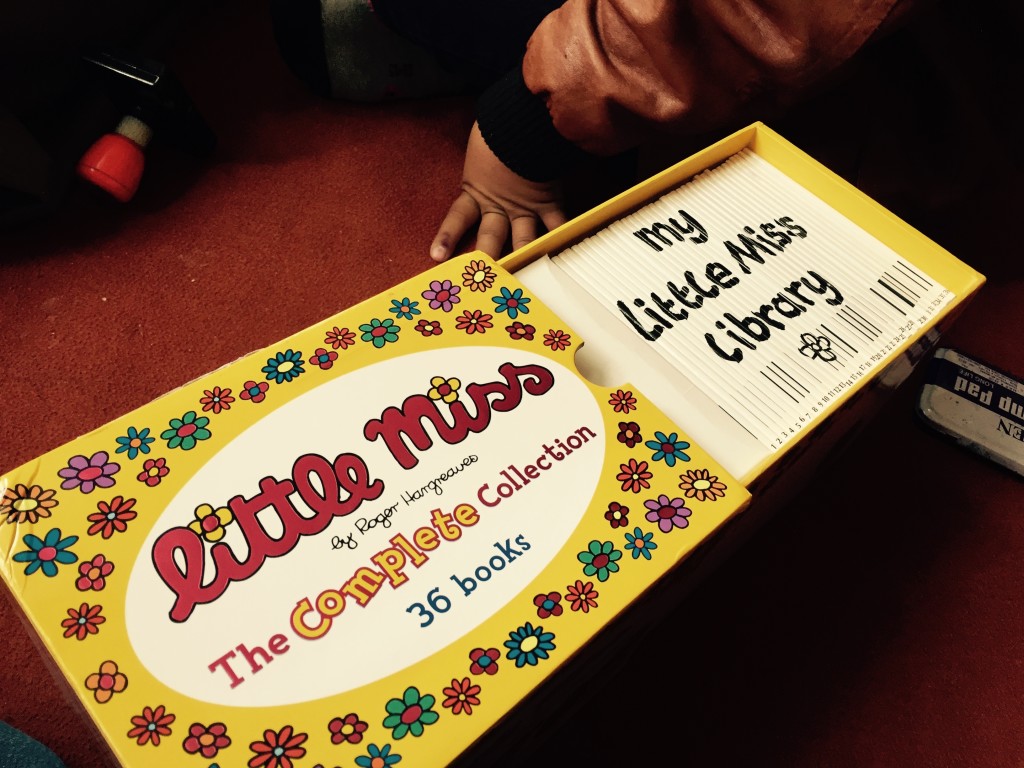
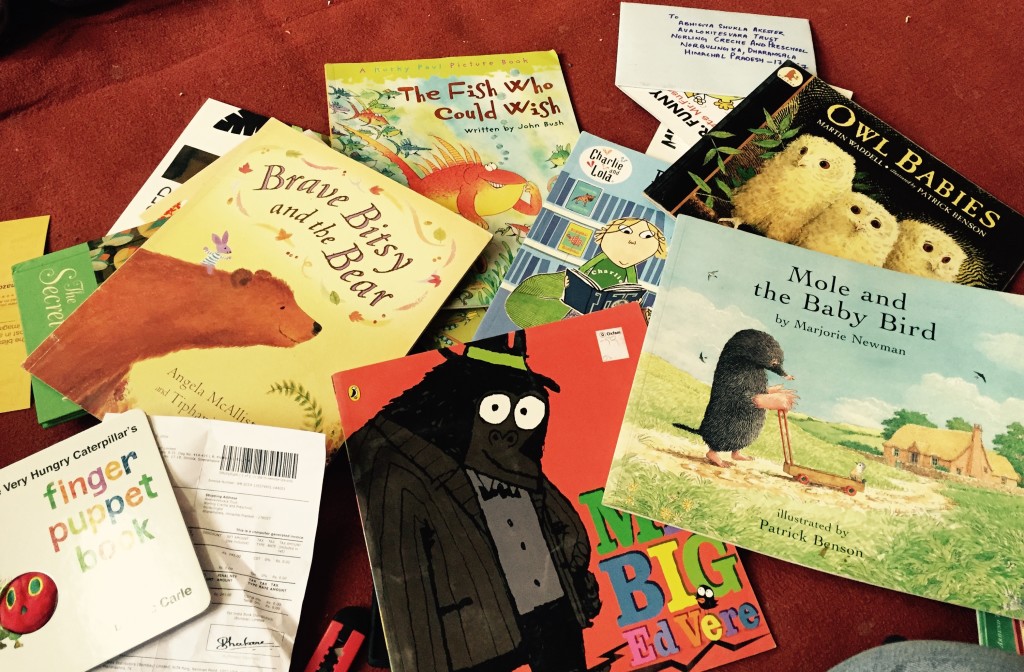
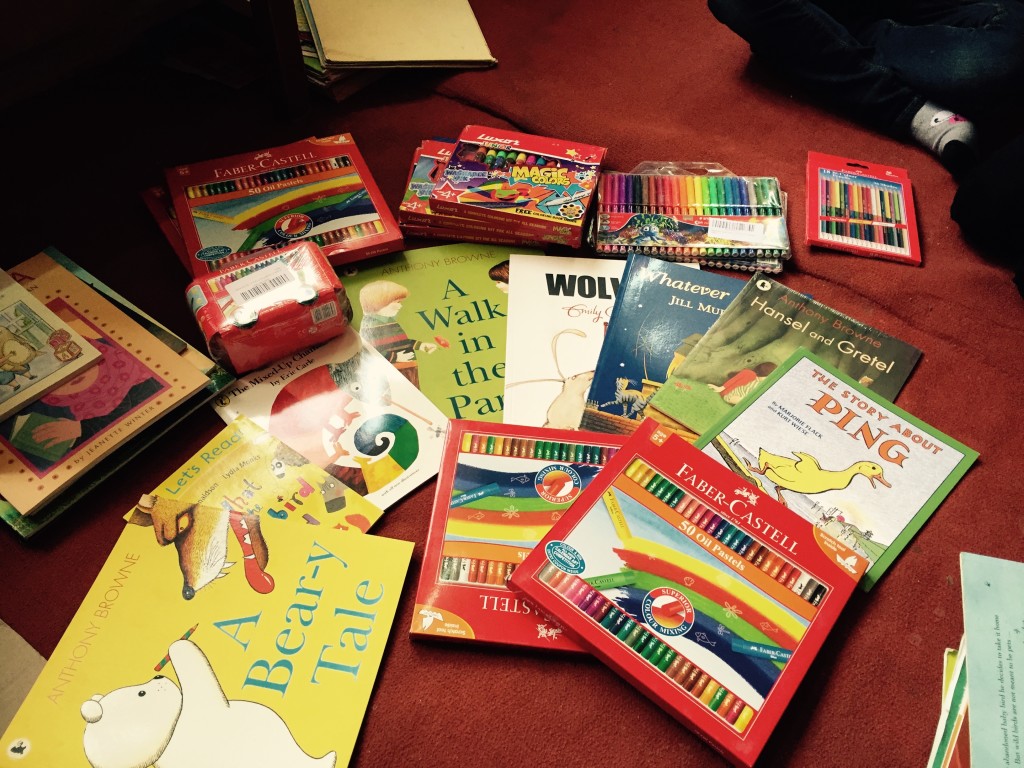
Before donating, consider age, language, reading ability, and local curriculum. Picture books, early readers, illustrated science books, folk tales, atlases, poetry, biographies, and carefully chosen novels can serve different groups. Books with clear illustrations and engaging stories are particularly valuable where children may have limited access to libraries or digital media.
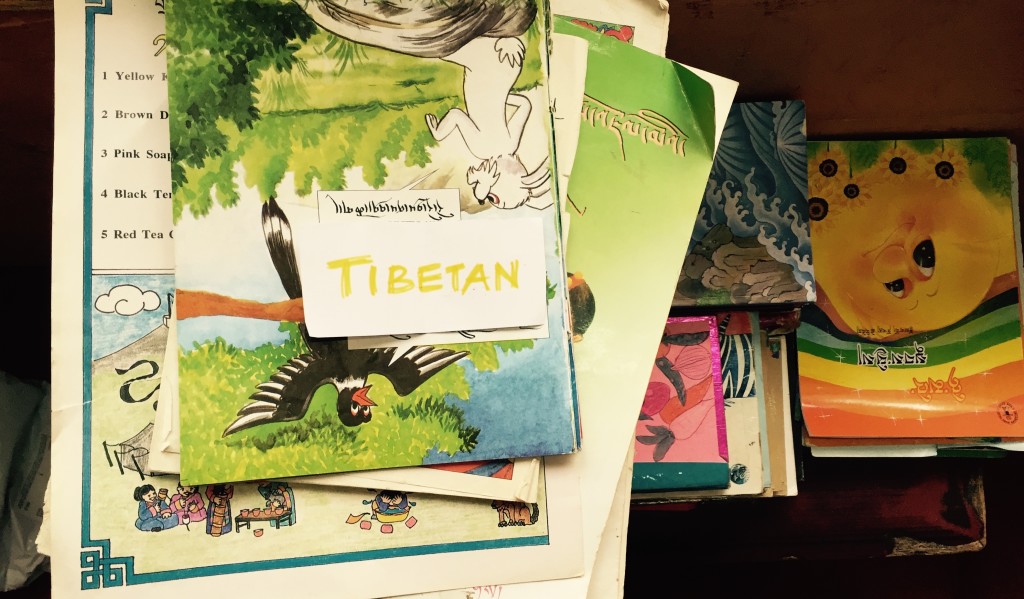
Language matters just as much as subject. English-language books can support language learning, while books in local or widely understood regional languages may be easier for younger readers to enjoy independently. Avoid sending large quantities of advanced academic material unless a school has specifically requested it. A teacher’s request is usually more reliable than a general assumption about what a remote school needs.
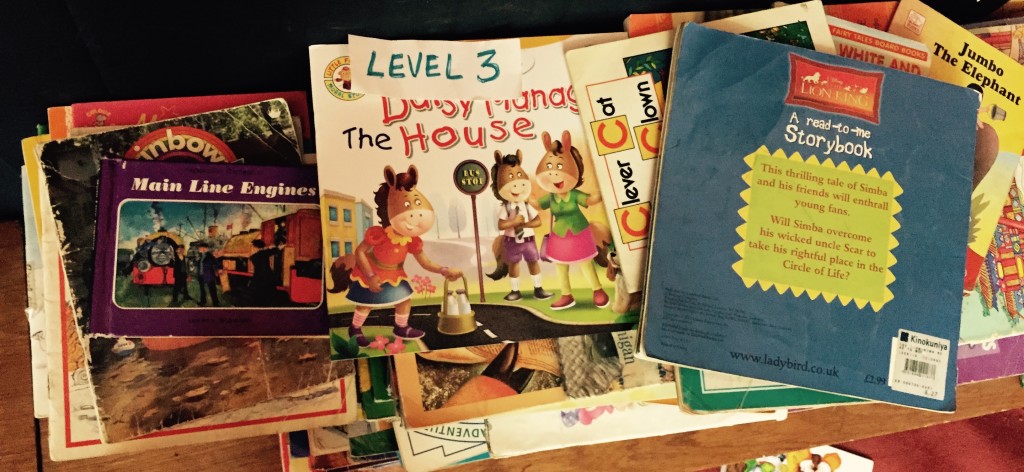
Condition also affects whether a book becomes a resource or a burden. Donate clean, complete, and age-appropriate books with sturdy bindings. Avoid encyclopedias with obsolete information, workbooks that require a particular answer key, books with missing pages, and titles built around short-lived trends. A simple quality check before packing protects the dignity of recipients and the time of local staff.
Give Through People Who Know The Route
The safest way to reach a remote school is to work with an organization, school network, monastery, community group, or local education coordinator already active in the region. These partners understand transport schedules, school calendars, language needs, customs procedures, and the practical limits of village storage. They can also identify communities that are underserved rather than sending books to the easiest destination.
Local knowledge helps match donations with real demand. A partner may know that one school needs beginner readers, another wants art books, and a nearby young monks’ residence would benefit from history, music, or creative writing resources. This kind of distribution prevents one location from receiving far more material than it can use.
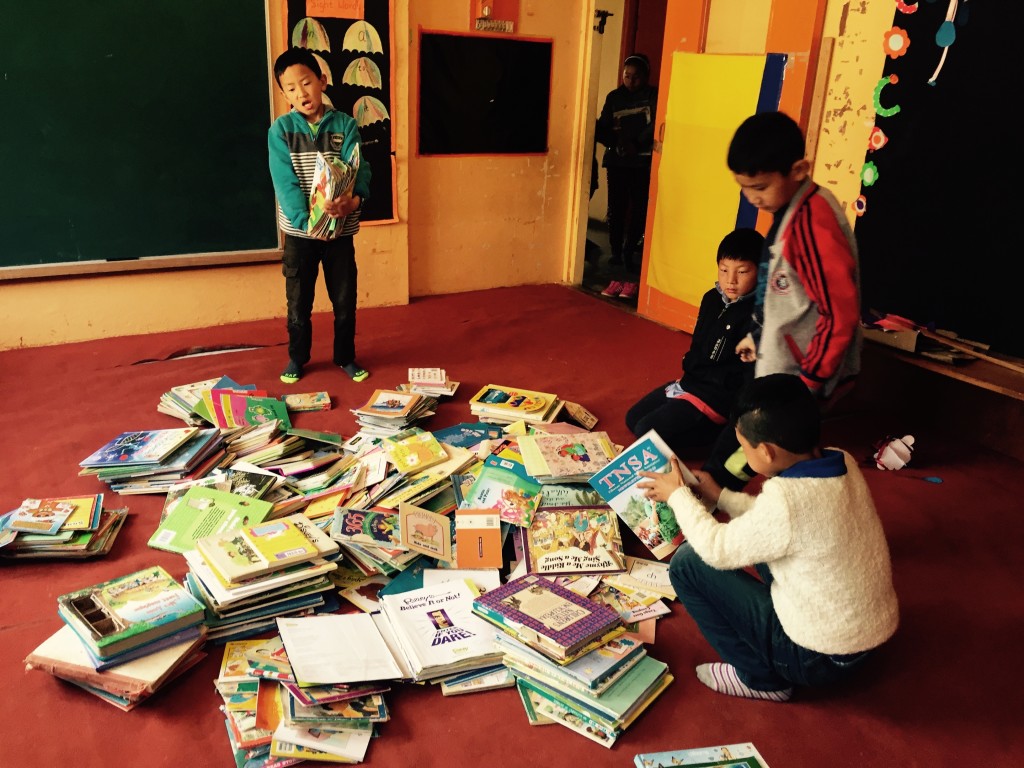
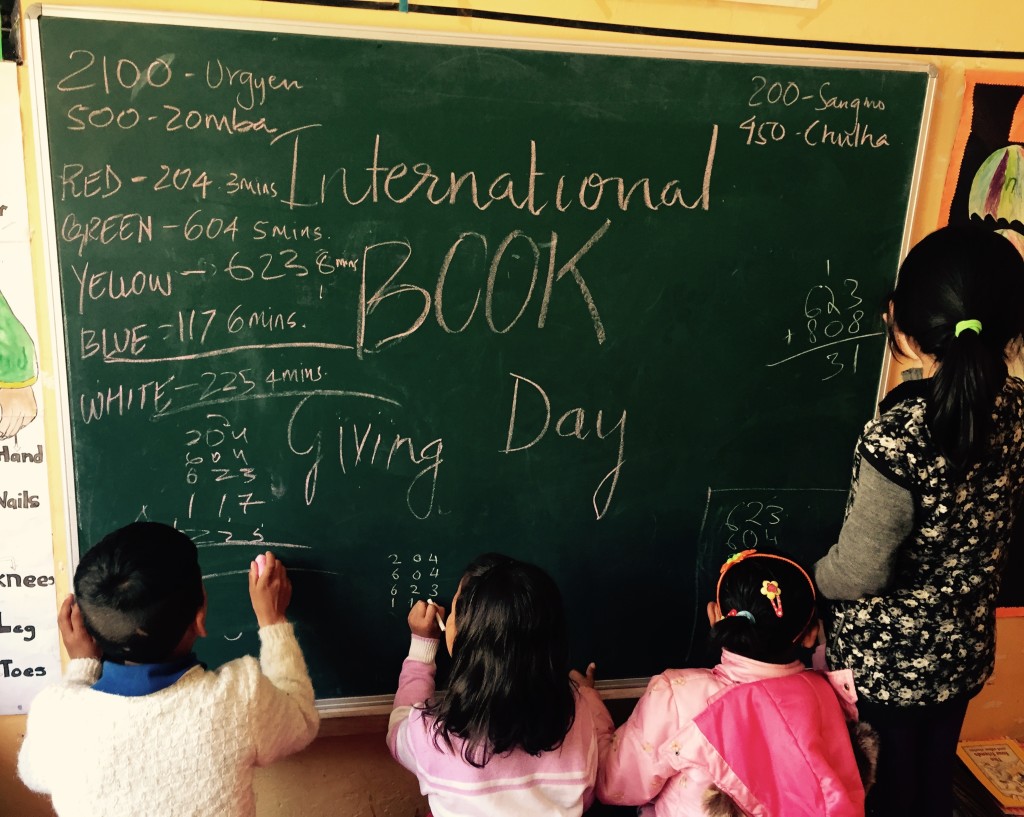
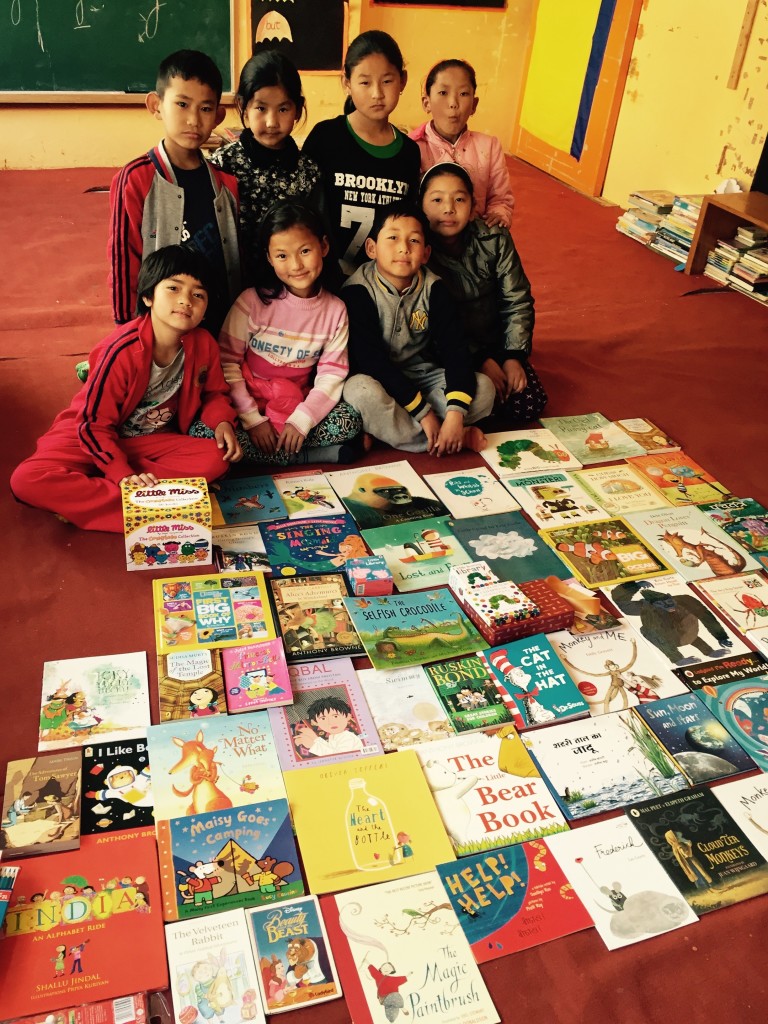
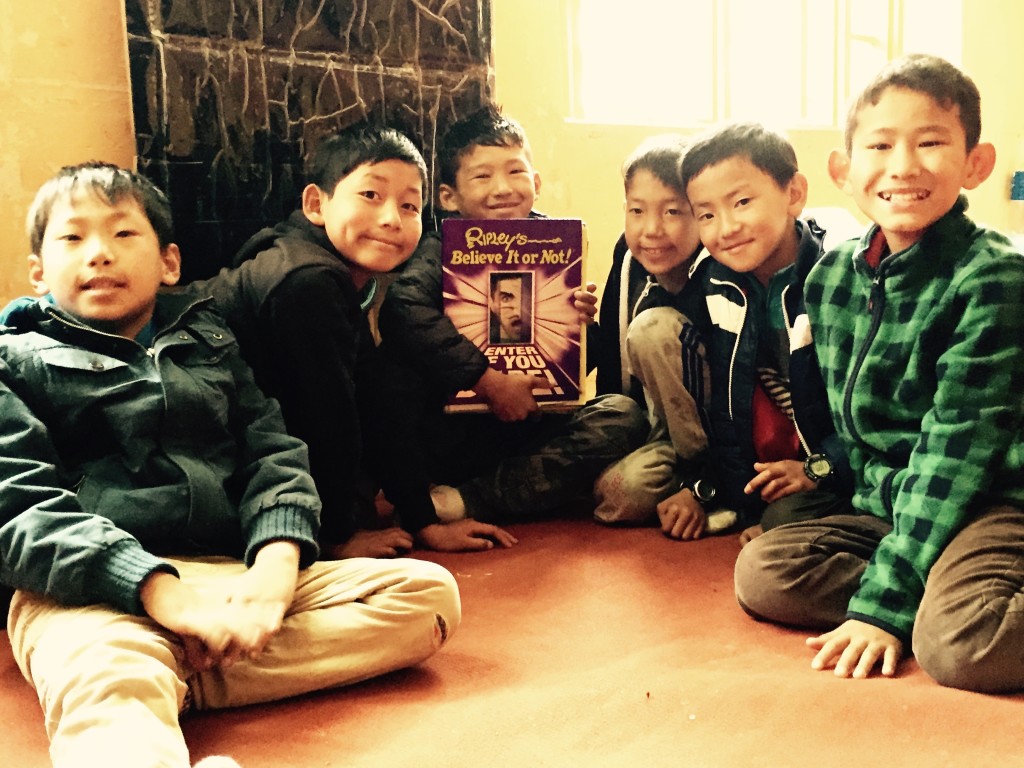
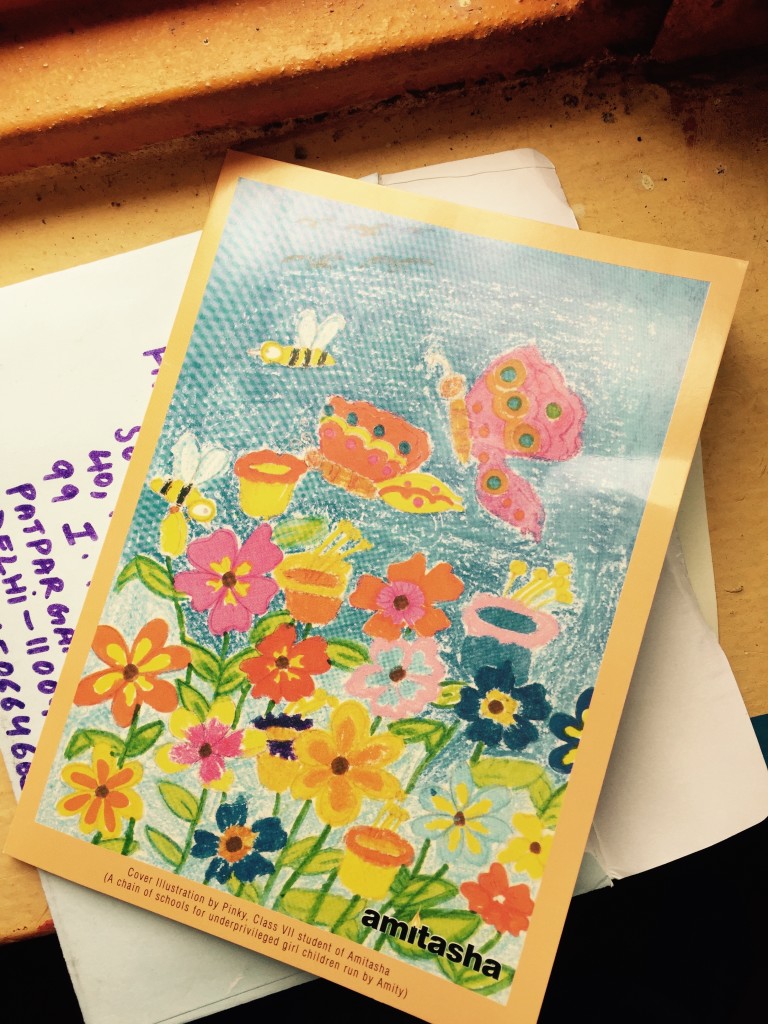
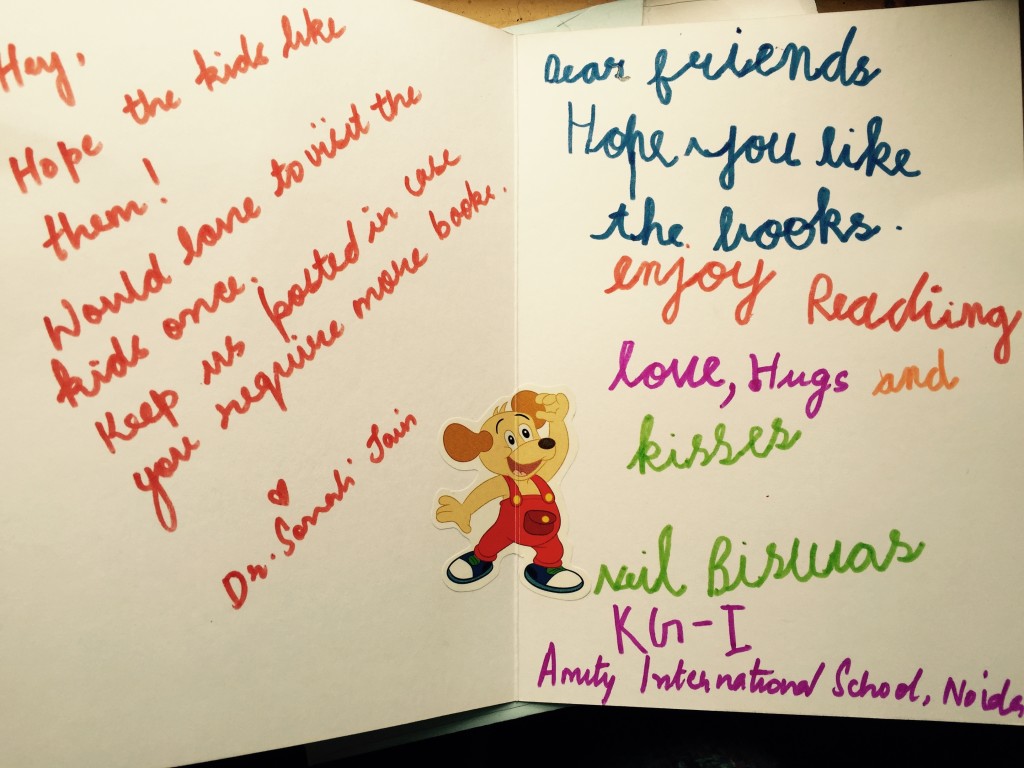
Experience from earlier projects can reveal details that are easy to miss from afar. Avalokiteśvara Trust’s account of its first book drive shows why careful planning, communication, and adaptation matter when books travel into remote Himalayan communities. Donors can learn from such field experience before assembling their own shipment.
Prepare Every Book For Its Journey
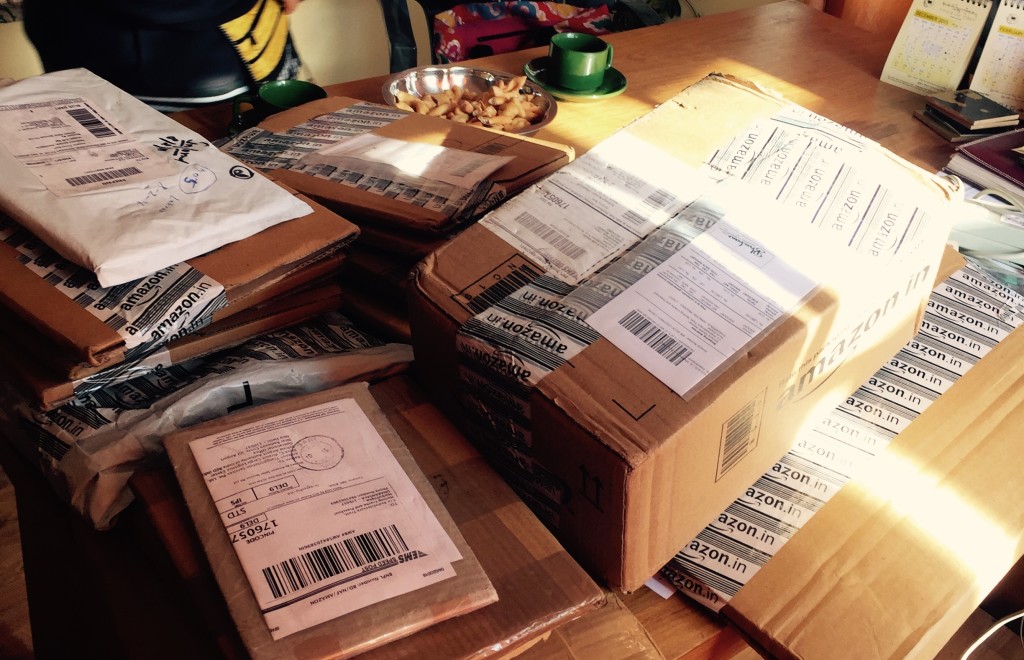
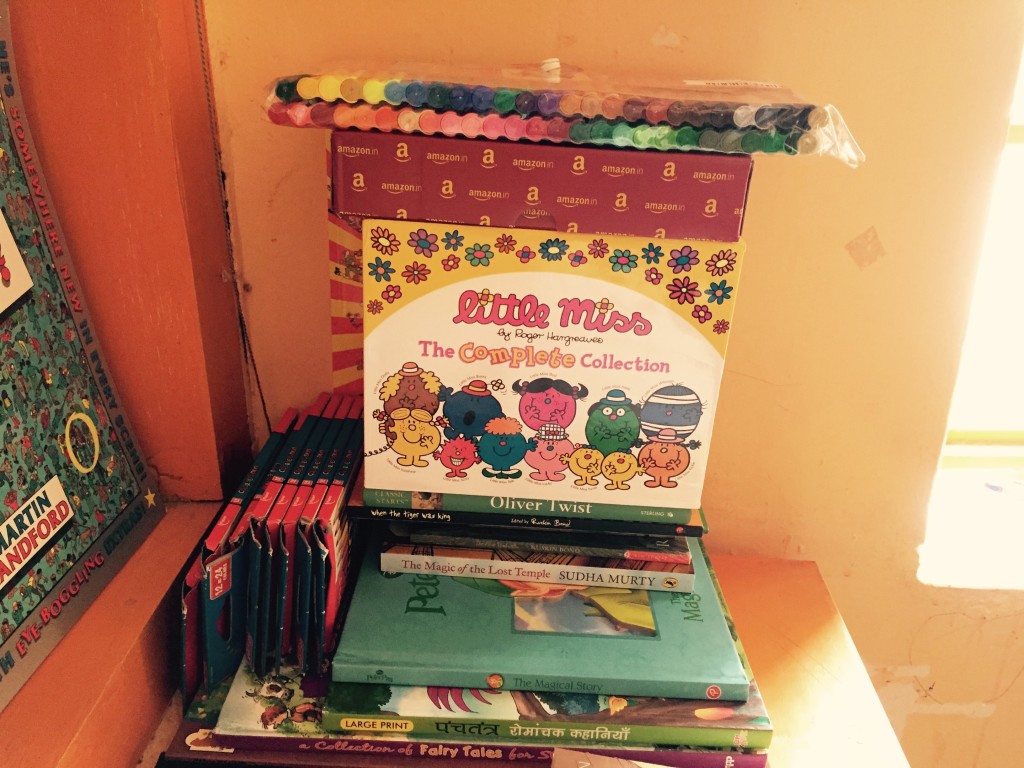
Books should be packed for dust, moisture, repeated handling, and long periods in transit. Use strong cartons that can be lifted safely, and line vulnerable shipments with waterproof material without sealing in dampness. Smaller boxes are often easier for volunteers, porters, and school staff to move than one oversized container.
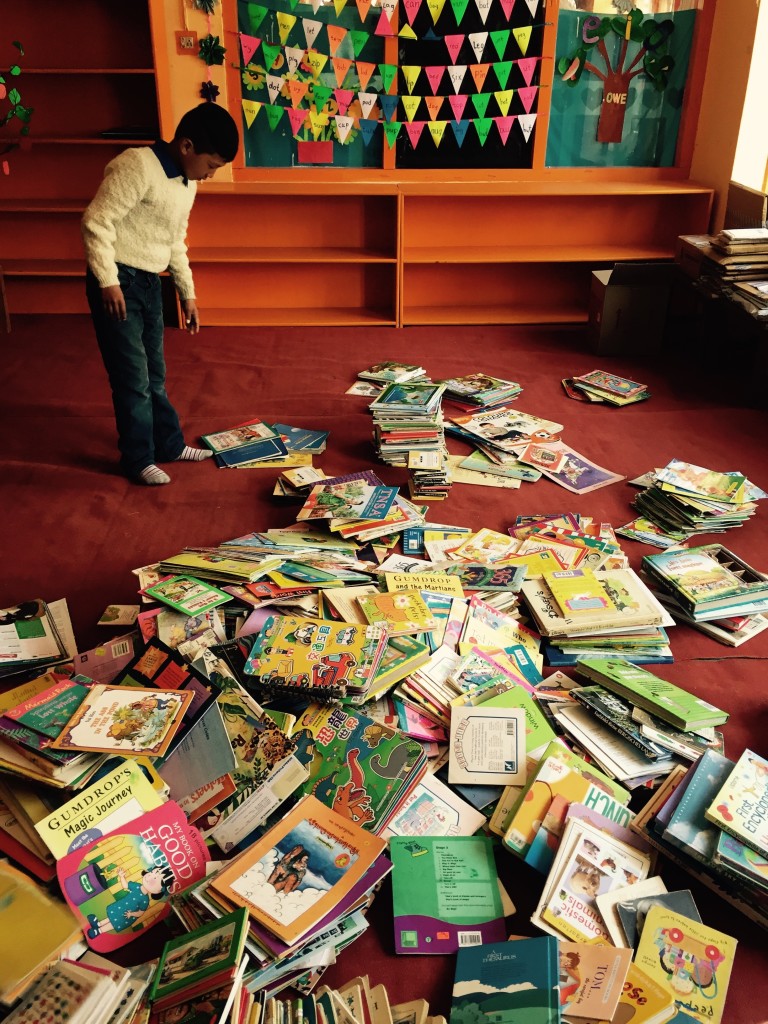
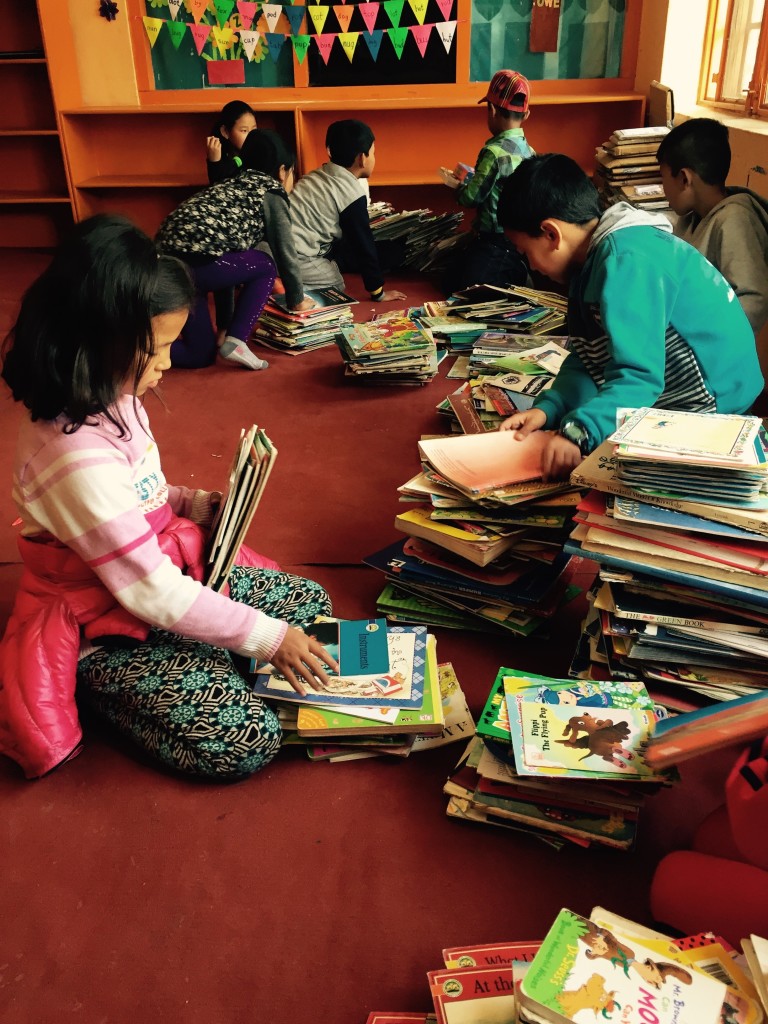
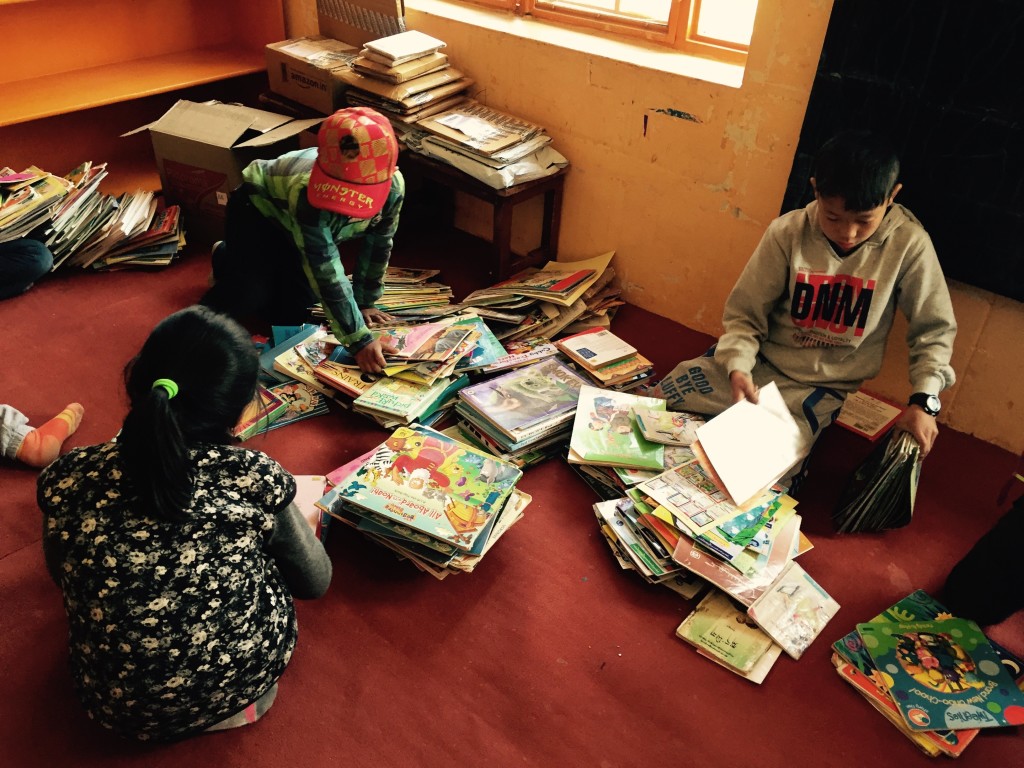
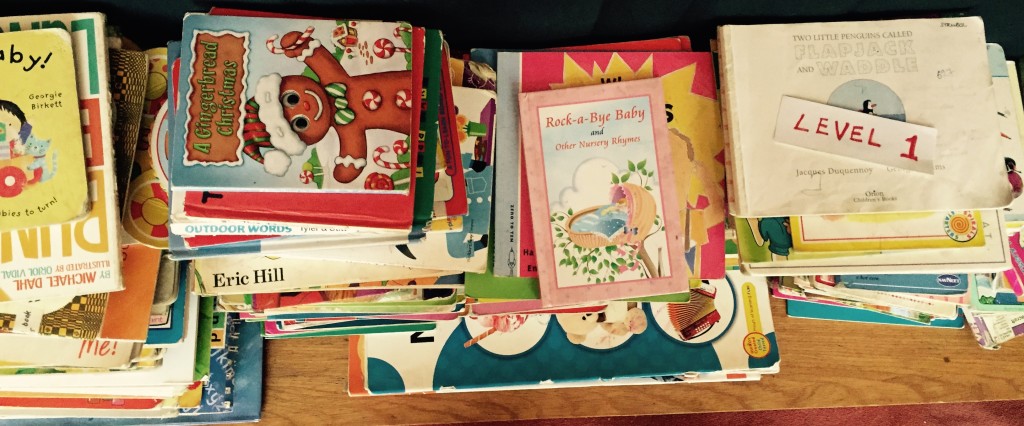
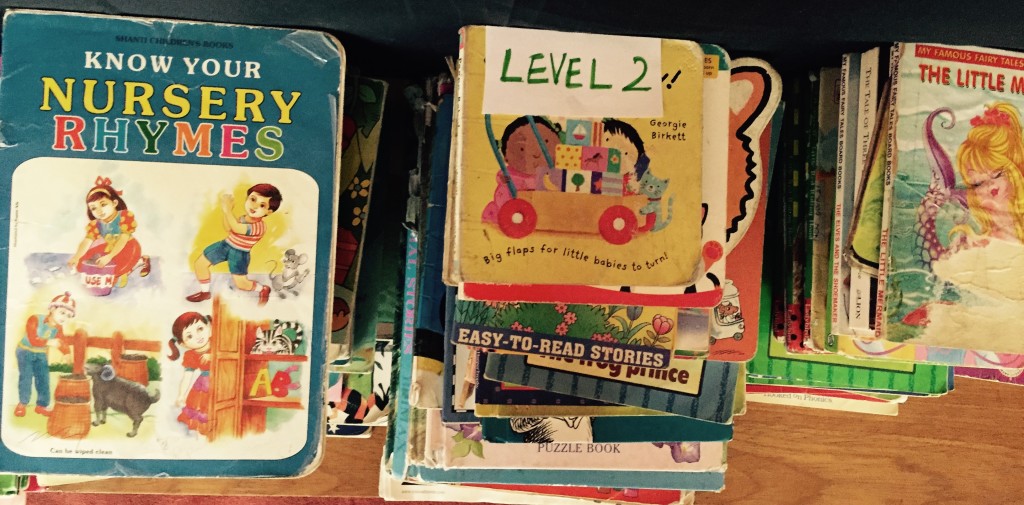
Group books by reading level or subject, then label each box clearly. A short inventory can include title, author, language, age range, and quantity. If a school has requested specific materials, place those items together and mark the box accordingly. These steps reduce sorting time when the shipment reaches a busy community.
A useful packing note should explain how the books are organized and who they are intended for. Include contact information for the coordinating organization rather than assuming the final school can resolve delivery questions. When possible, use reusable cartons or durable storage containers that can serve the school after the books have been distributed.
Match The Donation To The Delivery Method
Remote book delivery may involve several transport stages, so the method should reflect the season, distance, and final destination. A local partner may combine donated books with an existing supply trip, reducing cost and avoiding unnecessary journeys. In other cases, books can be purchased near the destination, which may provide better language selection and eliminate international freight.
Donors should ask about customs requirements, shipping restrictions, expected delivery times, and storage arrangements before sending anything. International parcels that arrive without the right documents can be delayed, charged unexpected fees, or returned. A coordinated shipment is usually more dependable than multiple unannounced packages.
| Donation Approach |
Best Use |
Main Benefit |
Important Check |
| Locally purchased books |
Communities with clear language or curriculum needs |
Supports nearby booksellers and reduces freight |
Confirm selection and pricing with a local partner |
| Carefully packed personal books |
Small, high-quality collections |
Makes use of suitable books already available |
Inspect every copy for condition and relevance |
| Coordinated bulk shipment |
Reading rooms, school libraries, and book drives |
Moves a larger collection through one organized channel |
Verify customs, storage, and final-mile transport |
| Funded book purchase |
Schools that have provided a detailed wish list |
Delivers exactly what teachers and children request |
Set a transparent budget and reporting process |
| Volunteer-supported delivery |
Projects with trusted travelers and local supervision |
Adds help with sorting, cataloguing, or activities |
Ensure the traveler can carry and deliver books responsibly |
The right method is the one that protects usefulness from donation to delivery. A donor who contributes toward local purchasing, transport, or shelving may create more educational value than someone who sends an oversized box of unsuitable titles. Shipping support is part of the donation, not an administrative detail separate from it.
Turn Books Into A Working Reading Space
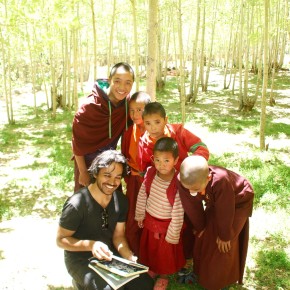
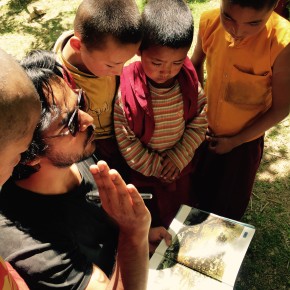
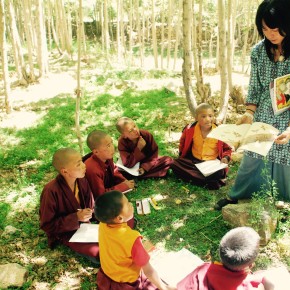
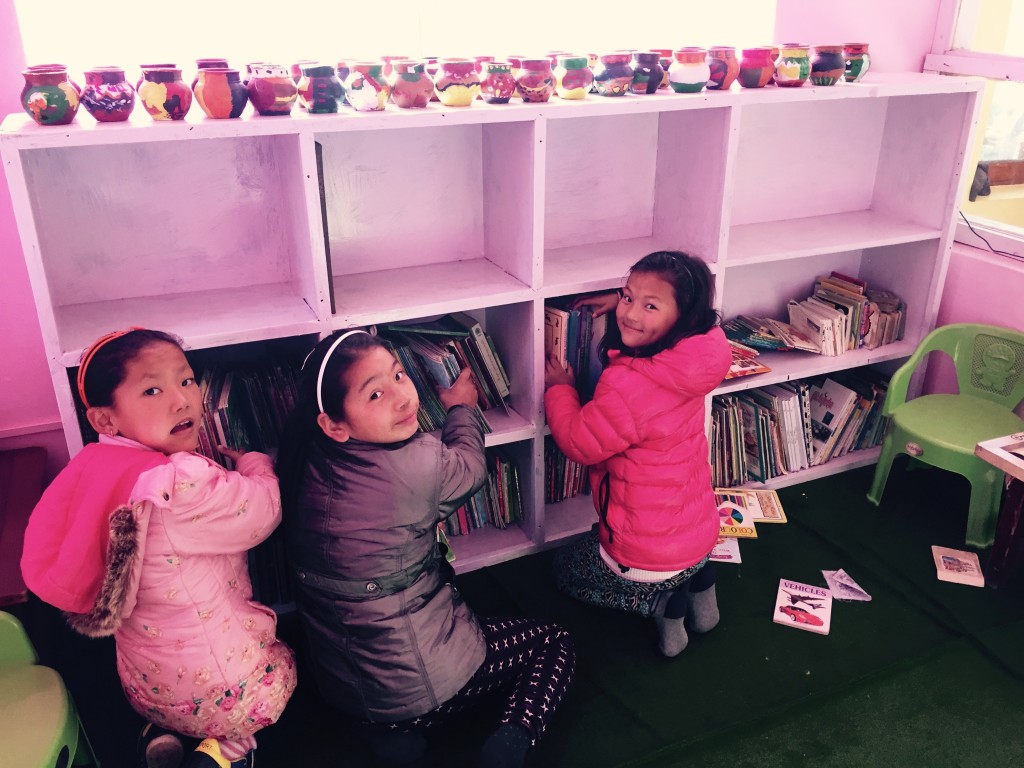
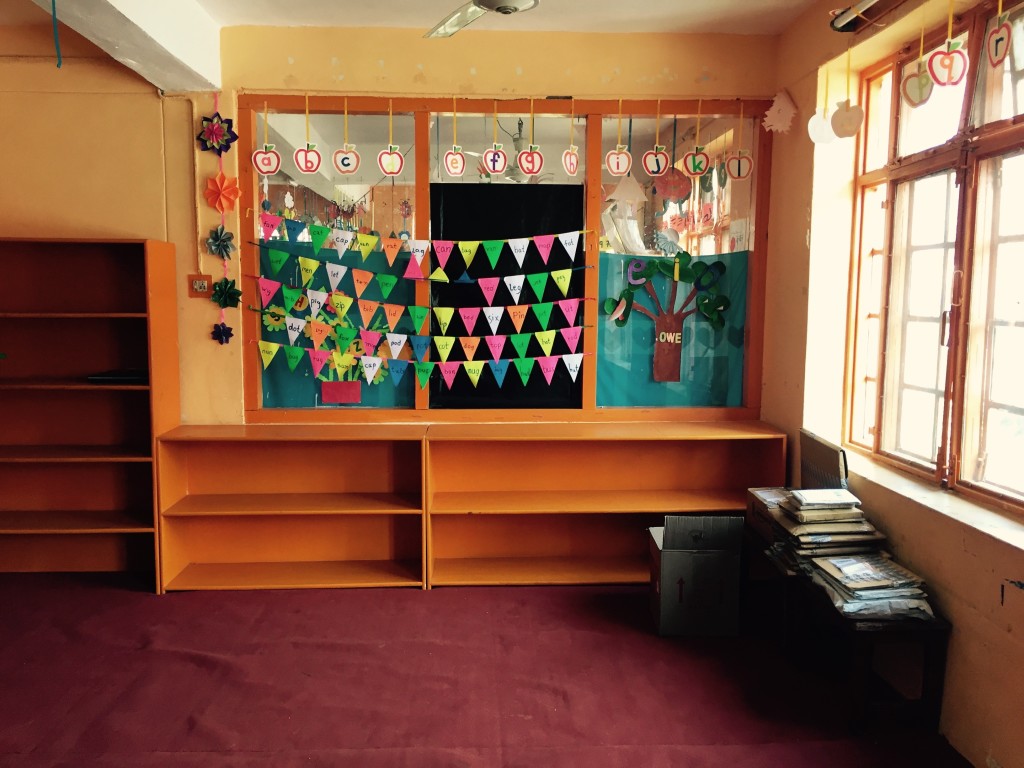
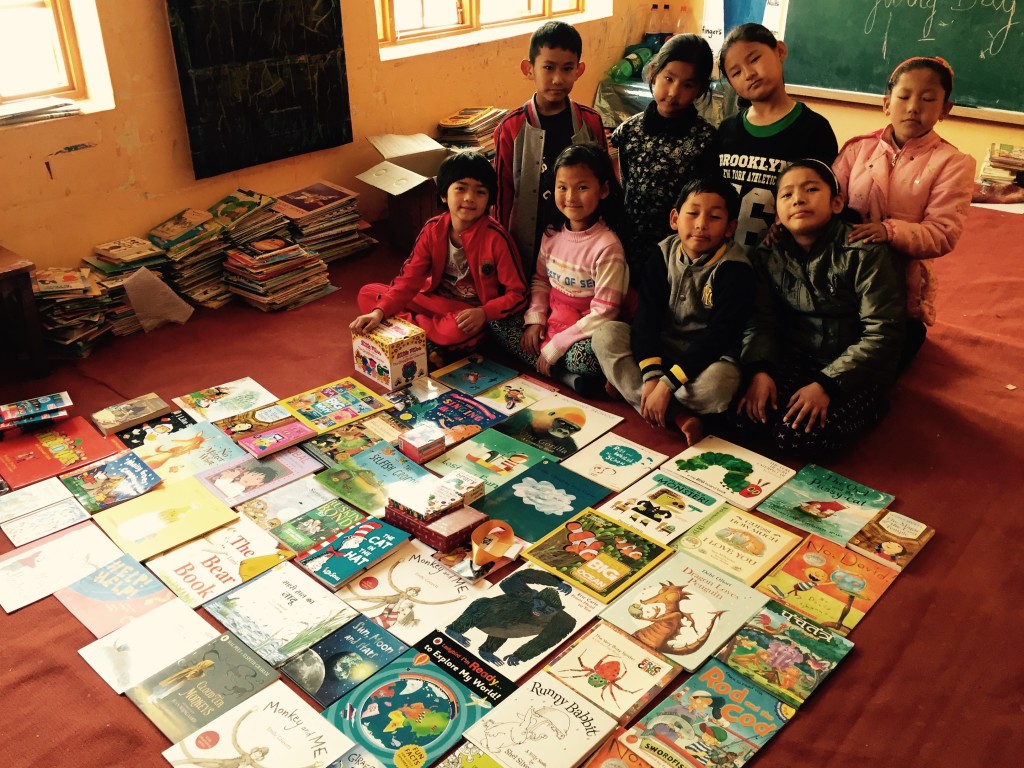
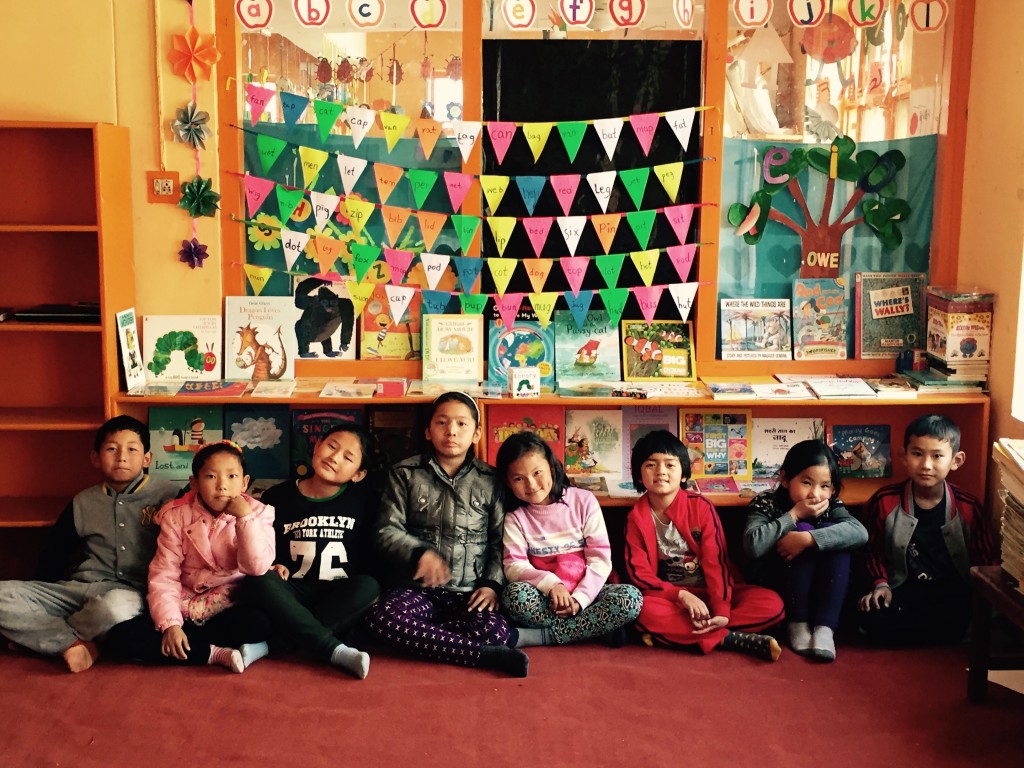
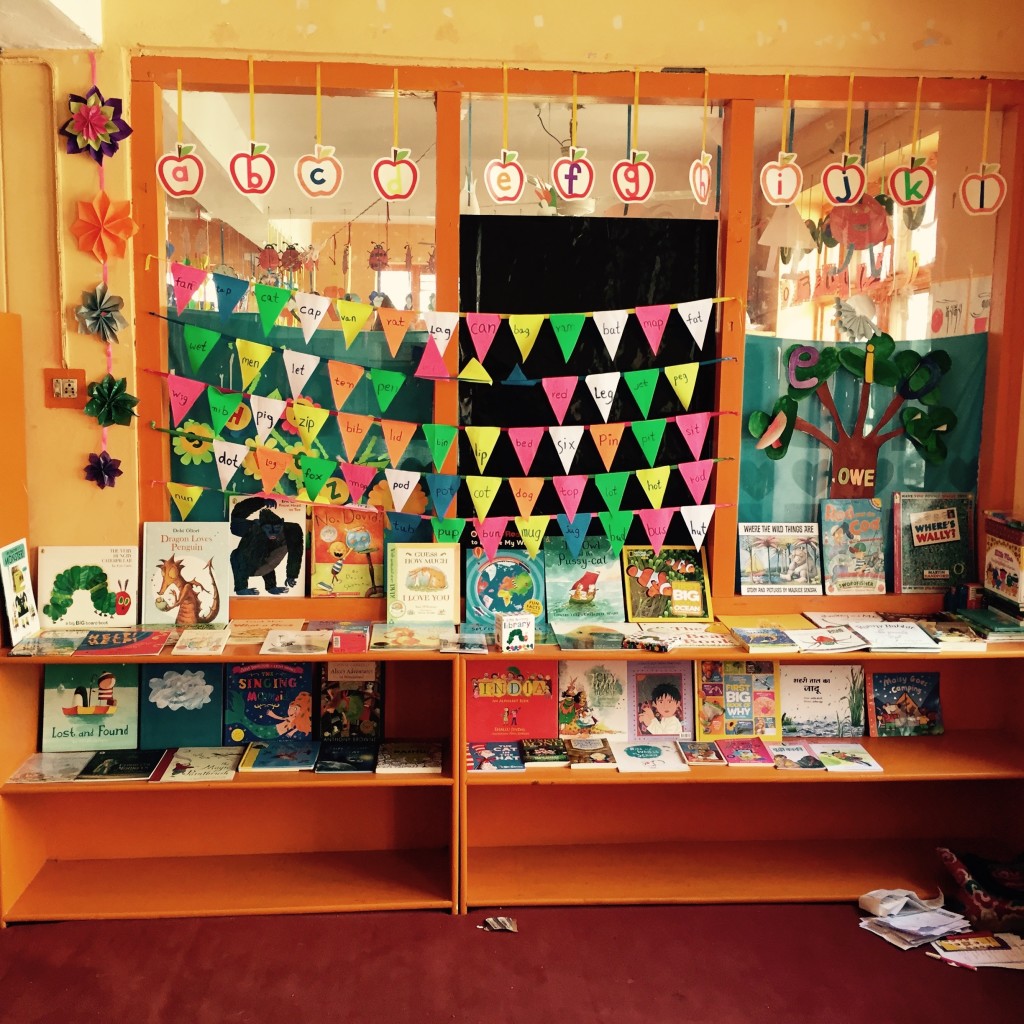
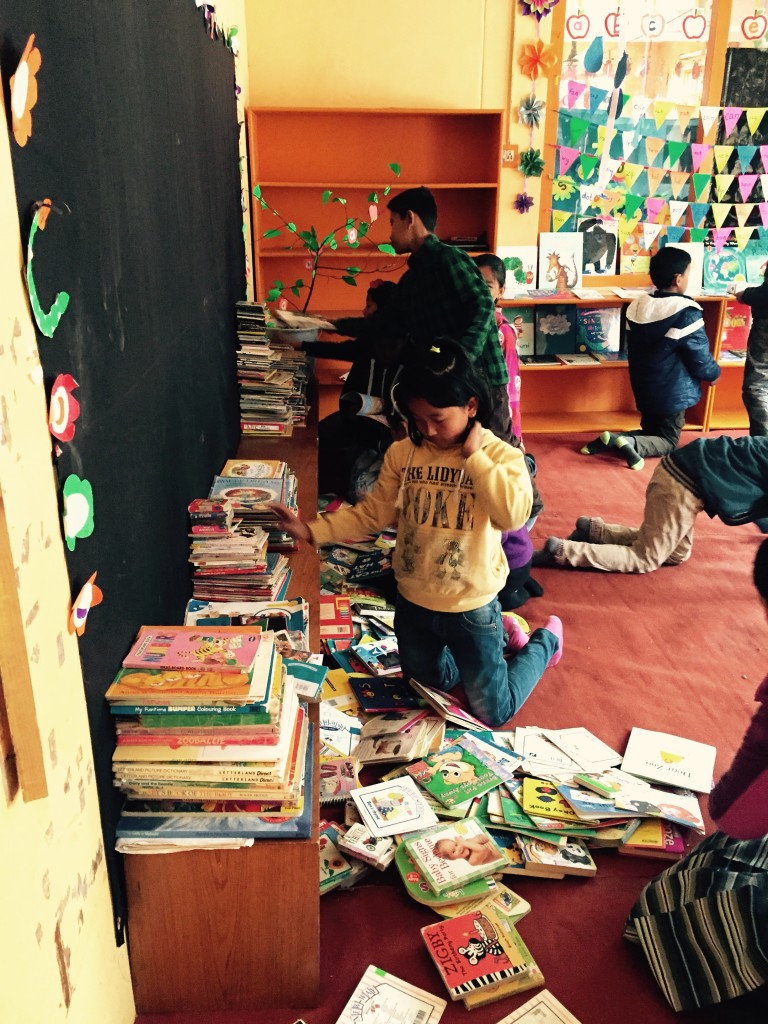
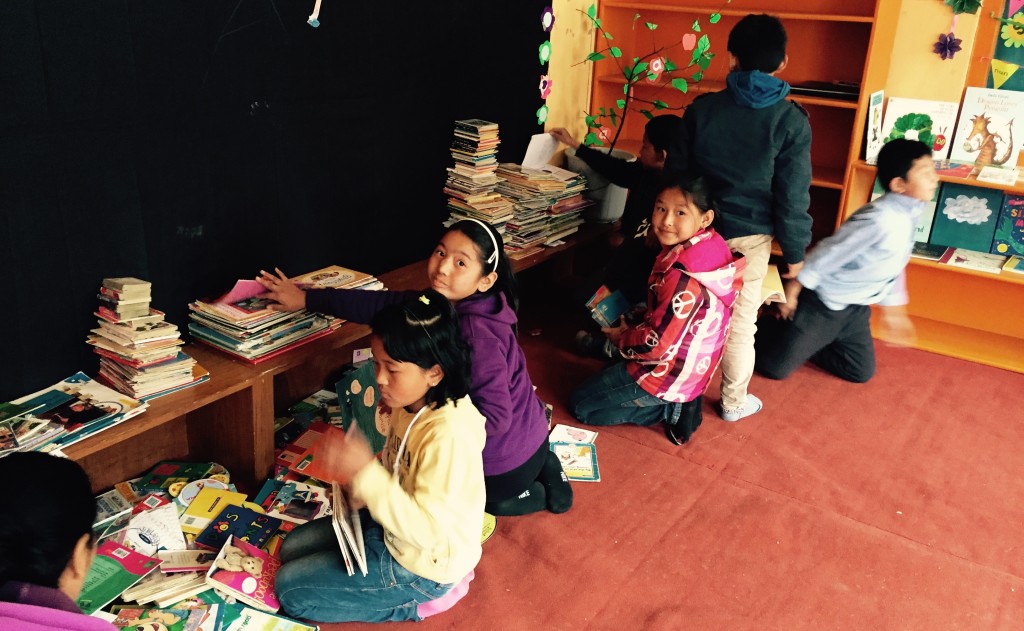
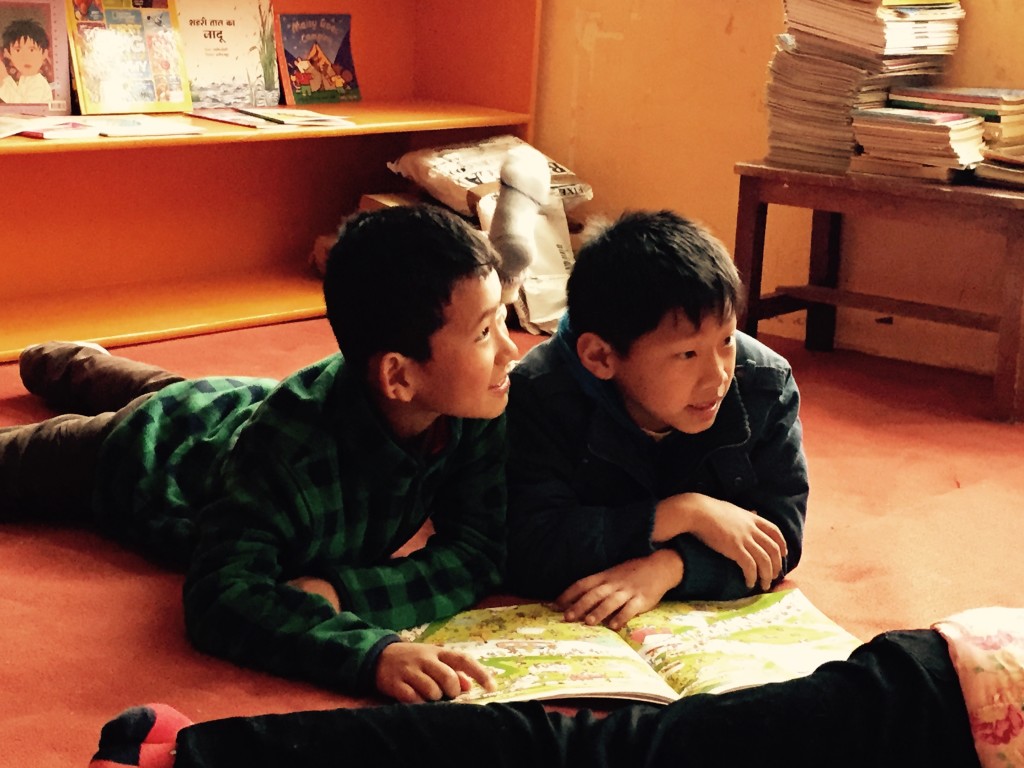
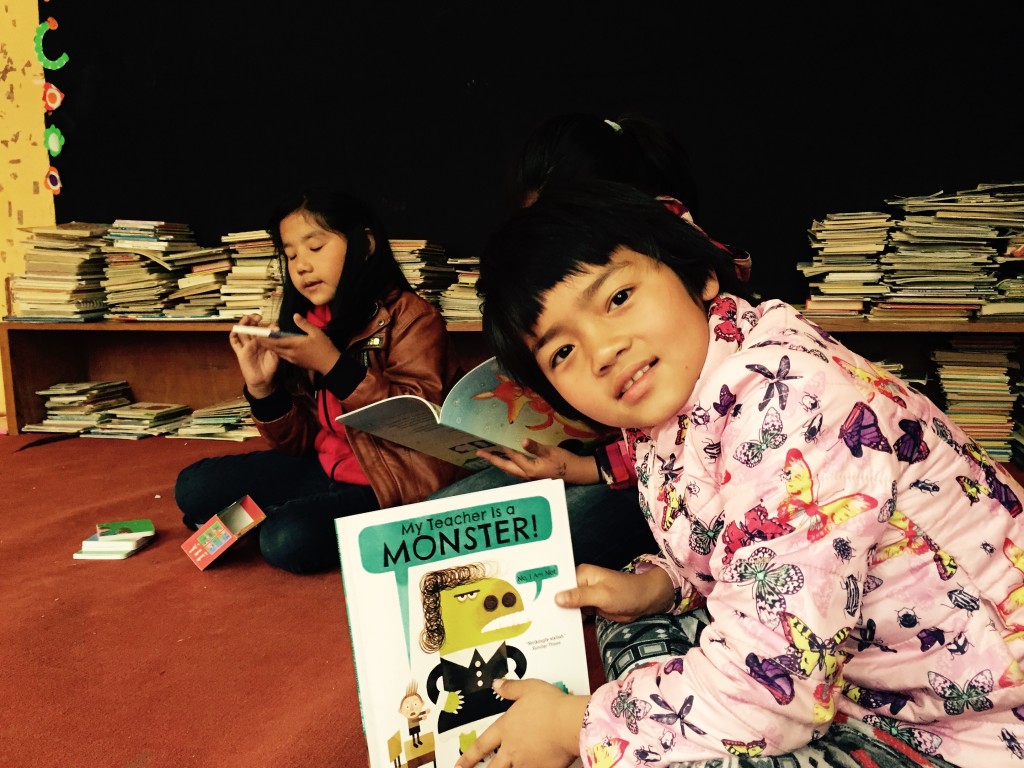
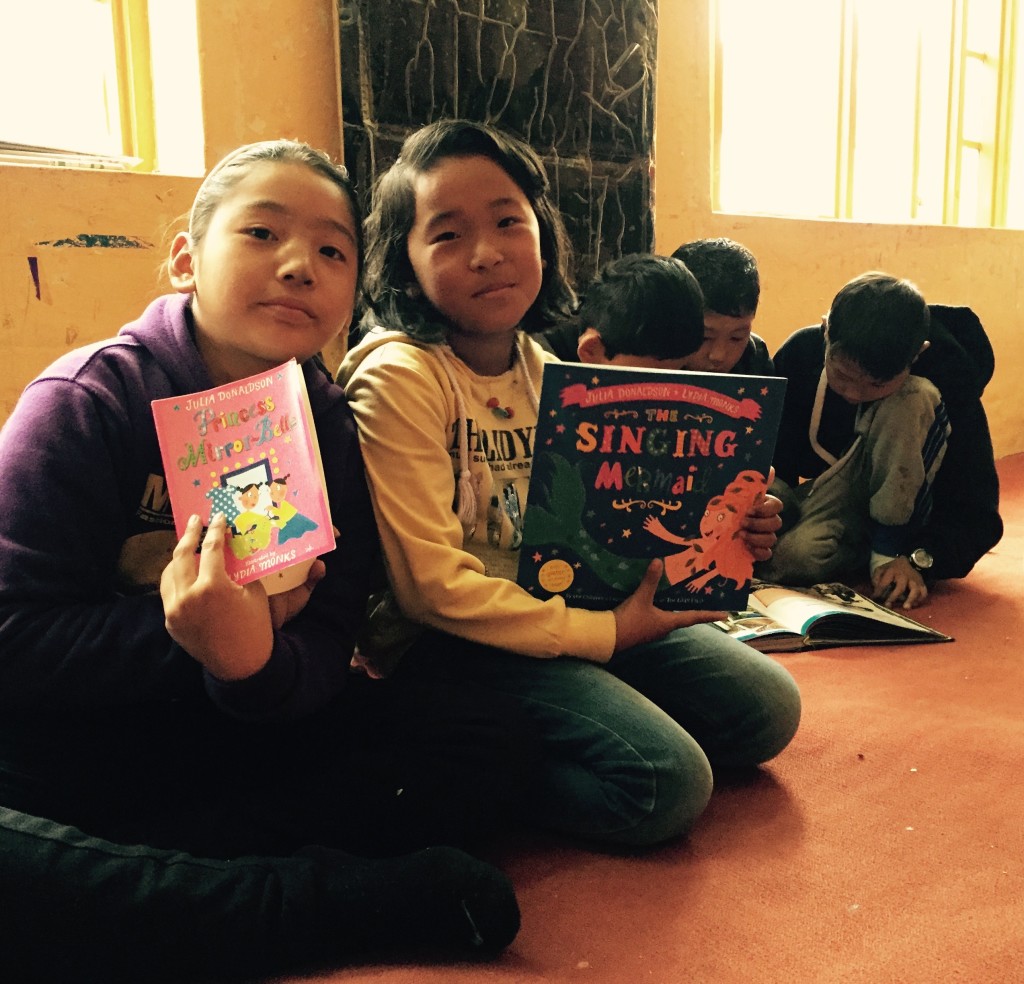
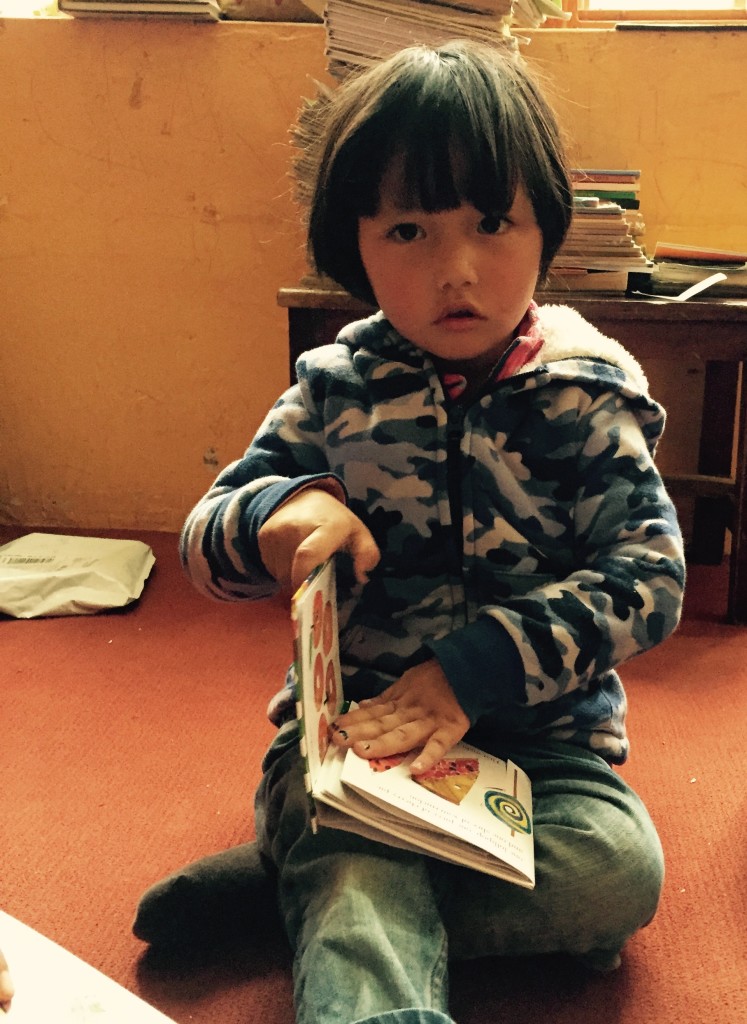
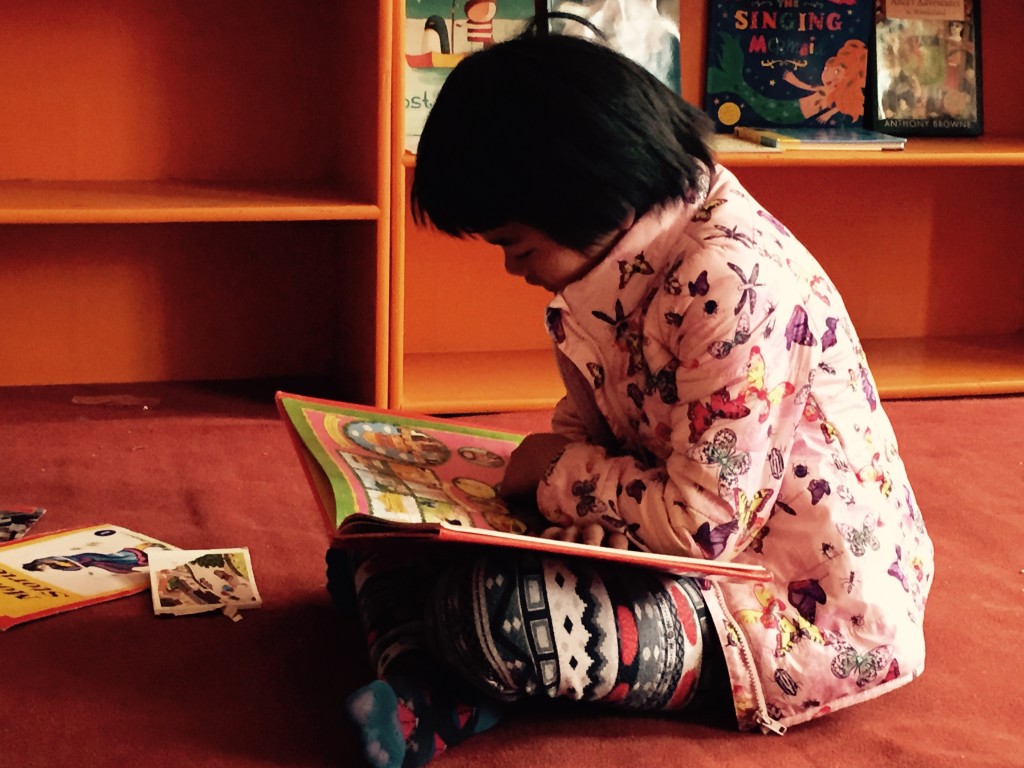
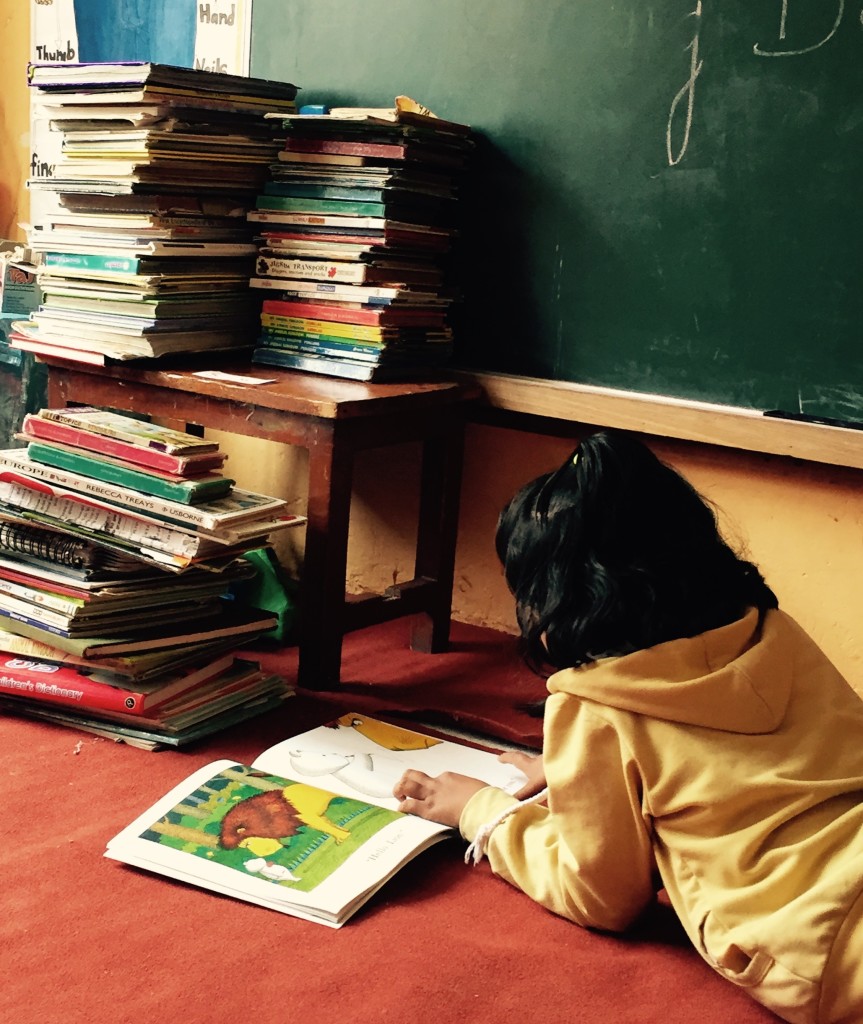
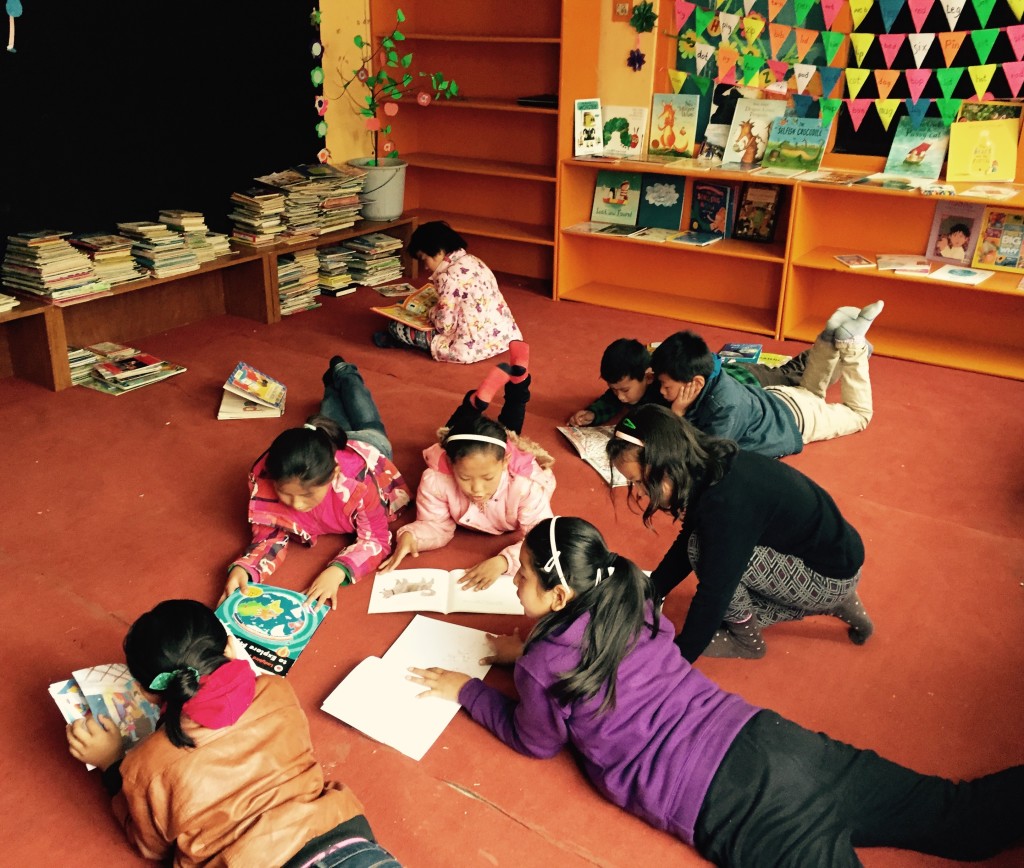
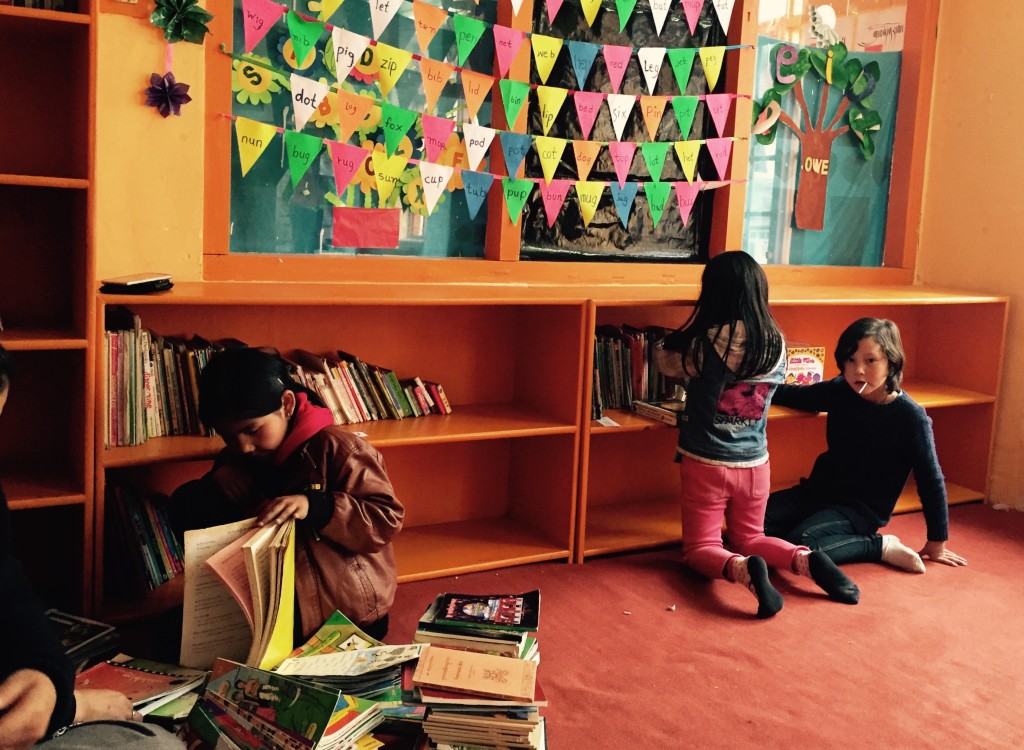
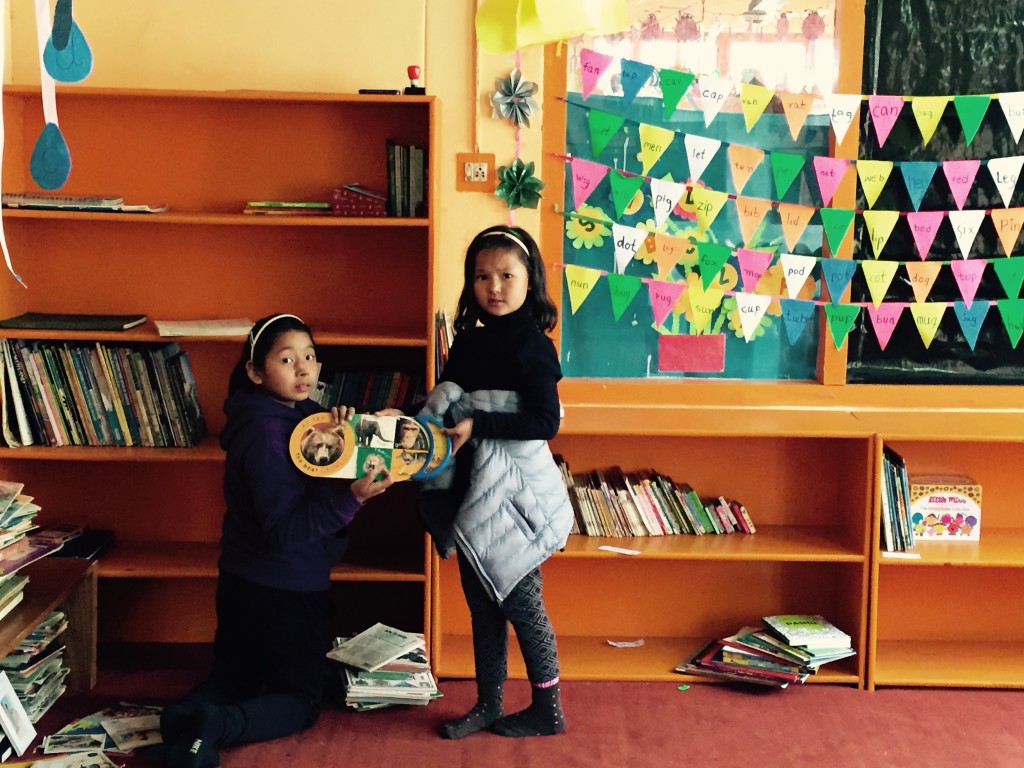
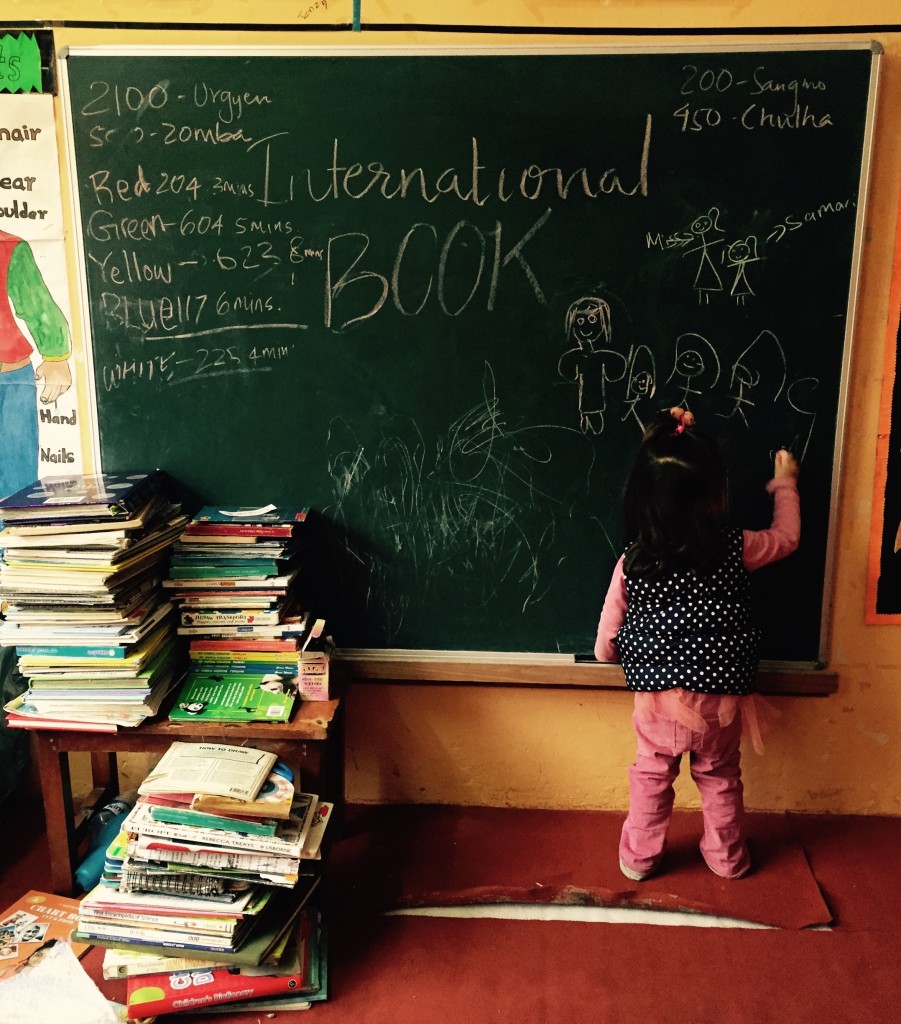
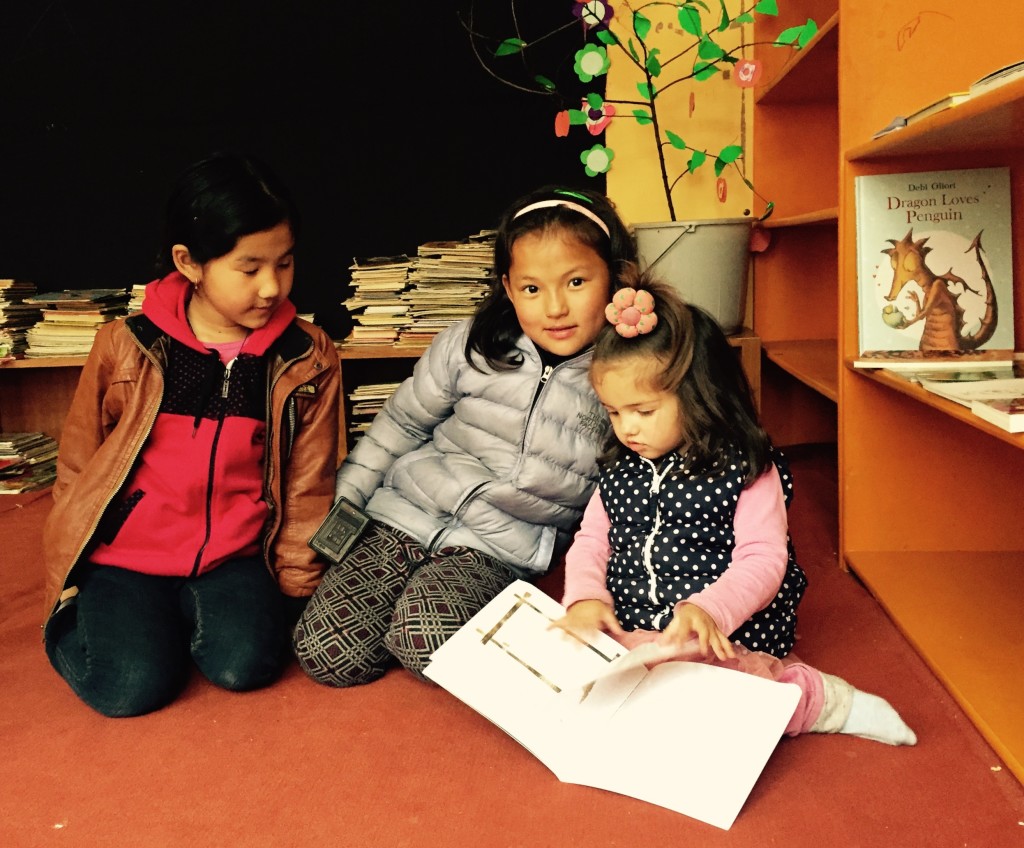
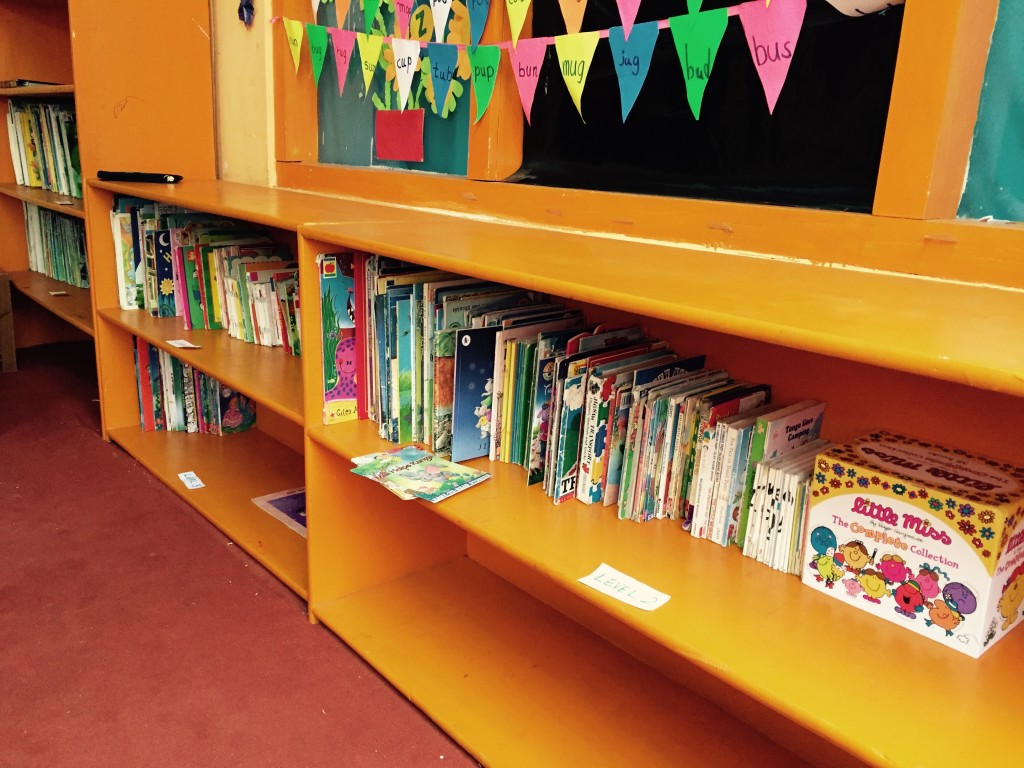
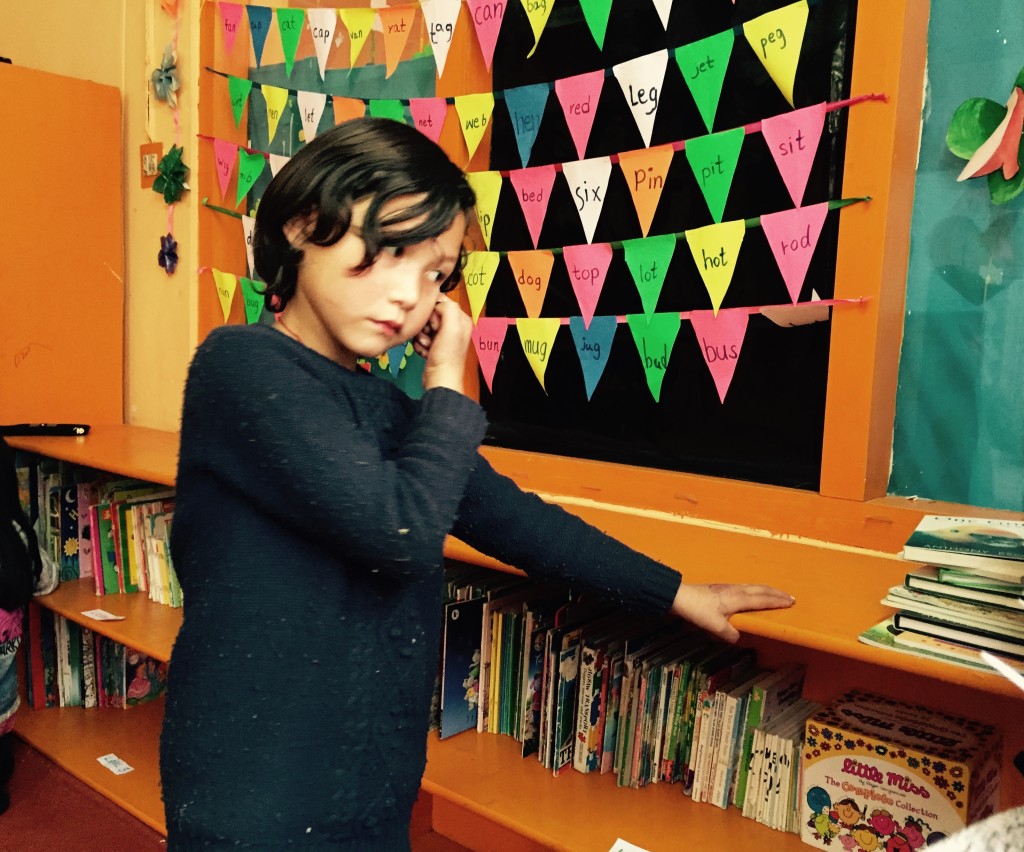
A successful donation continues after delivery. Children need a welcoming place to browse, read, discuss, and return books. Simple shelves, floor cushions, labeled sections, reading circles, storytelling sessions, and drawing activities can make a collection part of daily school life rather than a locked display.
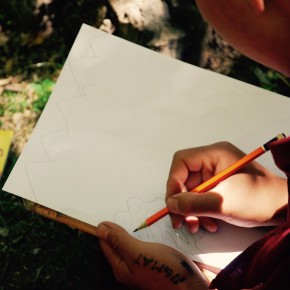
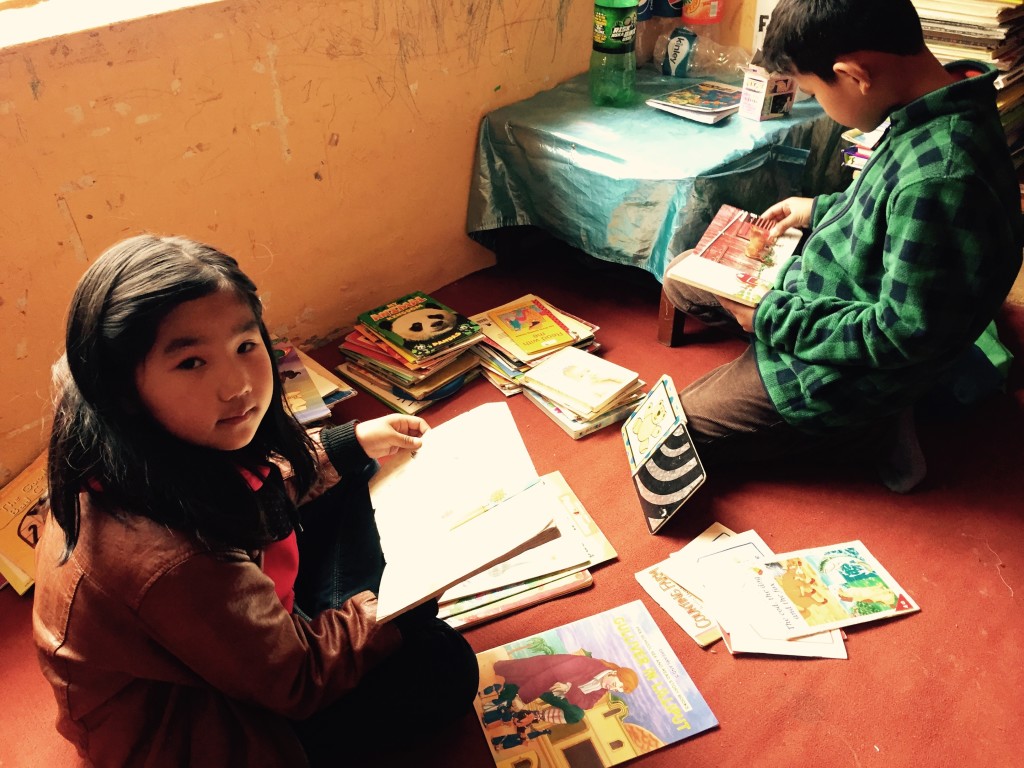
Teachers and local volunteers can help children discover books at the right level. Younger readers may need picture walks and shared reading, while older students may enjoy independent reading, writing responses, or peer recommendations. Artistic and musical activities can extend the value of books by helping children connect stories with imagination and expression.
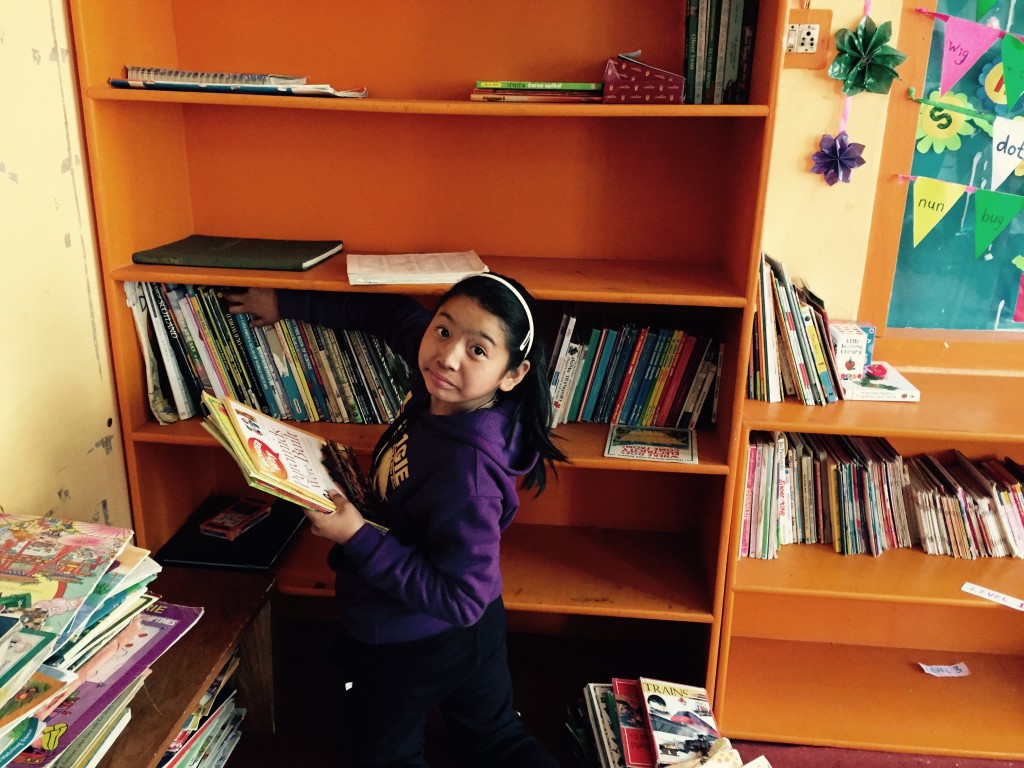
Cataloguing does not need to be complicated. A handwritten register or basic spreadsheet can record titles, borrowers, and damaged items. Clear categories such as stories, nature, history, language learning, art, and reference make it easier for children to find what interests them. A small, active library is more valuable than a large collection that no one can navigate.
Support Donations That Can Be Sustained
One-time book drives can bring immediate excitement, but long-term literacy grows through regular support. A school may need replacement books, teacher resources, reading furniture, transport funding, or seasonal activities. Donors can contribute to a continuing program rather than treating delivery as the final measure of success.
Before giving, request information about the intended community, selection process, delivery plan, and follow-up. Responsible organizations should be able to explain how books are chosen, where they go, and how local educators participate. Photos and stories can show impact, while practical updates about quantities and challenges provide a clearer picture of the work.
Useful actions include:
- Ask for a current wish list before collecting or buying books.
- Choose clean, durable titles in suitable languages and reading levels.
- Fund local purchasing or transport when shipping from far away is inefficient.
- Pack books in manageable, labeled boxes with a simple inventory.
- Support reading sessions, shelves, teacher resources, and future book replenishment.
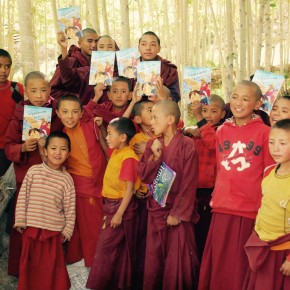
A thoughtful donor measures success by access and use: children opening books, teachers finding helpful materials, and communities building confidence around reading. In remote schools, the most valuable shipment is the one that arrives safely, fits local needs, and becomes part of an ongoing culture of learning.
To help extend access to books in Himalayan communities, explore Avalokiteśvara Trust’s education initiatives and choose a contribution that matches your resources, whether that means donating suitable titles, sponsoring transport, supporting a reading room, or helping fund future book drives. Every well-planned gift can travel farther when it is guided by local knowledge and a commitment to lasting use.