How Our Music Program Bridges Generations: Grandparents Sing Too
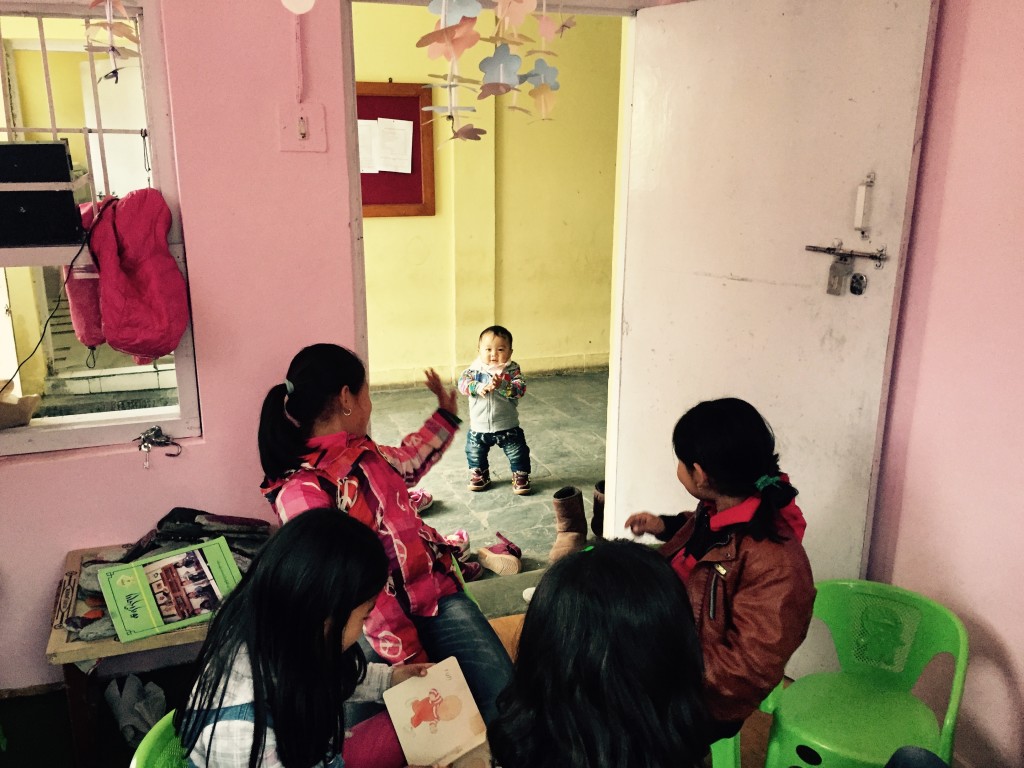
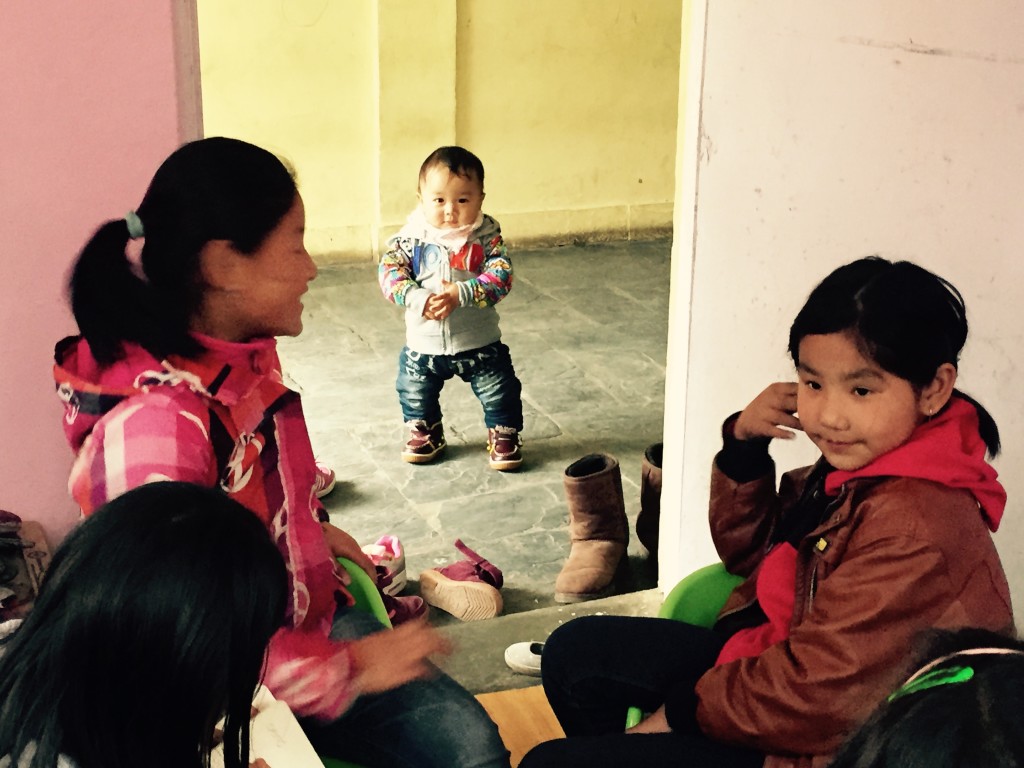
In the Himalayan communities where Avalokiteśvara Trust works, music is part of everyday life. A melody may travel from a monastery courtyard to a family kitchen, from an elder’s memory to a child’s notebook, gathering new meaning each time it is sung. Our music activities create a welcoming space where these exchanges can happen naturally.
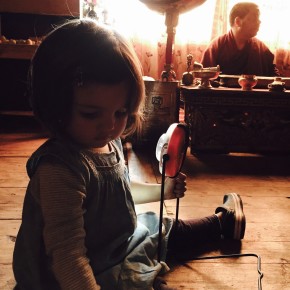
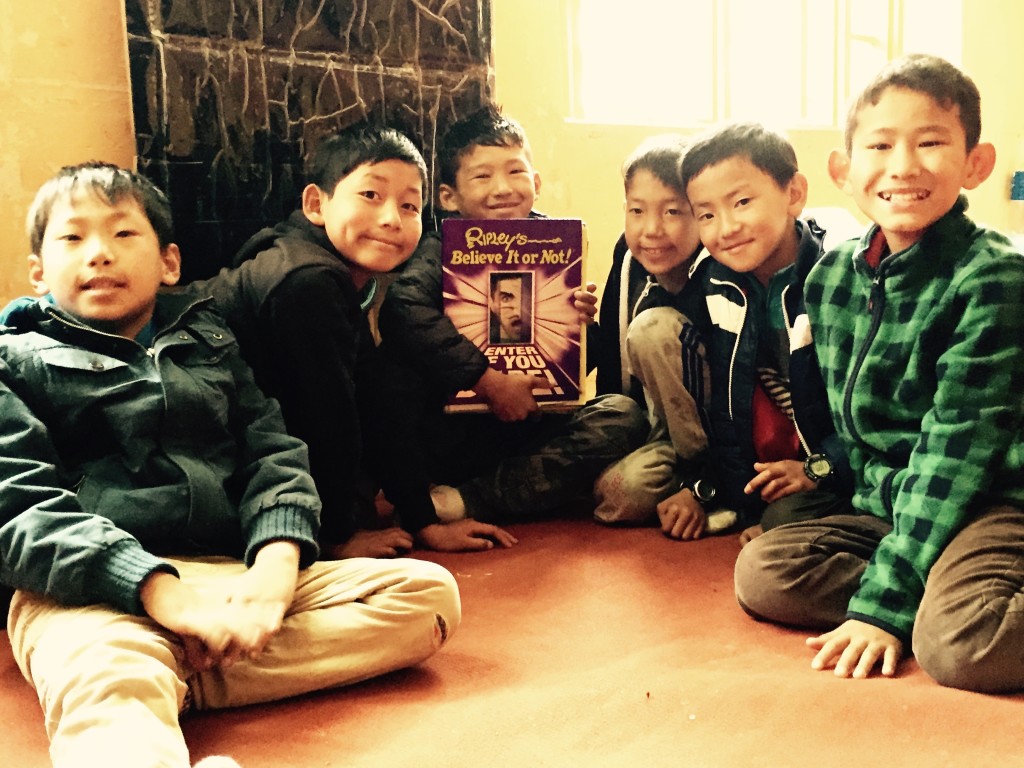
Children and young monks often arrive ready to experiment. They learn rhythms, try instruments, invent verses, and gain confidence by performing with friends. Grandparents bring a different kind of knowledge: songs remembered from childhood, local expressions, seasonal rhythms, and stories connected to particular places.
When these forms of learning meet, music becomes a bridge between generations. It strengthens literacy, encourages creativity, and gives families a shared activity that values both tradition and fresh ideas.
Music As Shared Memory
Many older community members carry songs that were learned without written music. The words may describe fields, animals, mountain passes, festivals, or moments from family history. Some melodies are used to settle children, celebrate a gathering, or make routine work feel lighter. When grandparents sing these songs aloud, young listeners gain access to a living archive.
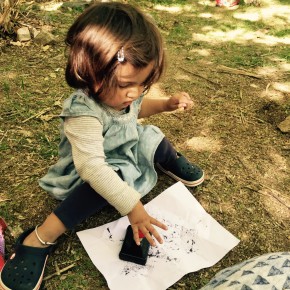
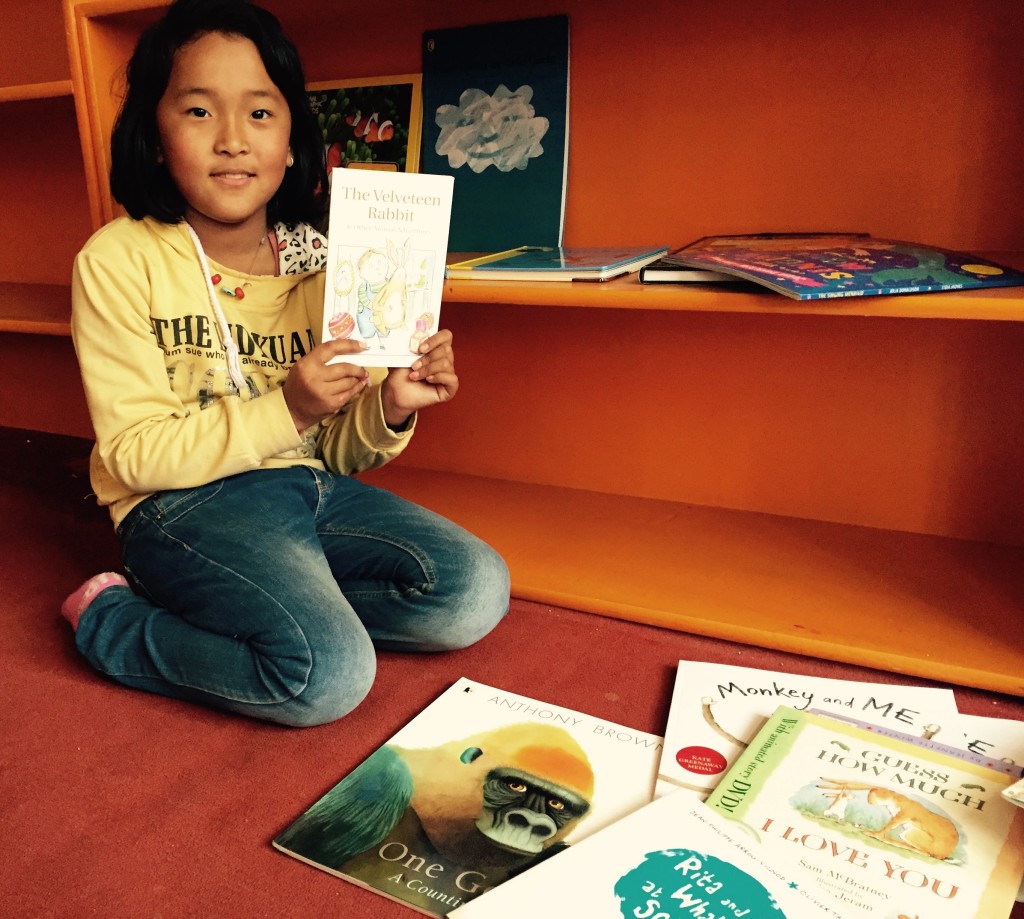
For children, this kind of encounter can make heritage feel personal rather than distant. They hear a familiar voice give shape to a song, then discover that they can learn, repeat, and adapt it. A young monk might add a steady drumbeat, while a child in a reading room writes down a remembered verse or illustrates its story.
This process supports language development in an enjoyable way. Repeated lyrics help children notice sounds, rhythm, spelling, and patterns. They are practicing communication and listening while taking part in something meaningful to their families.
From Classroom To Courtyard
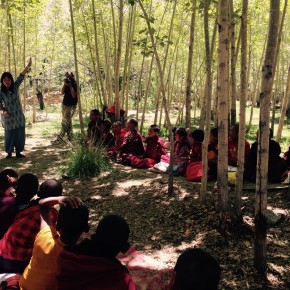
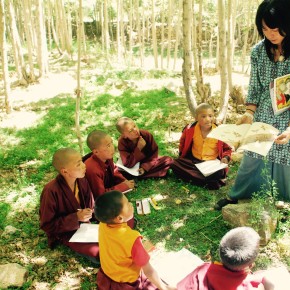
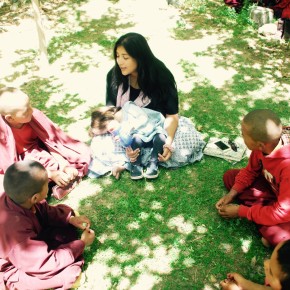
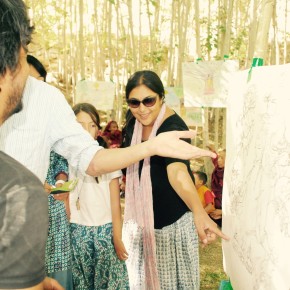
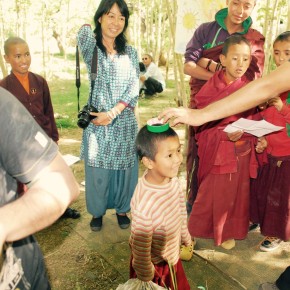
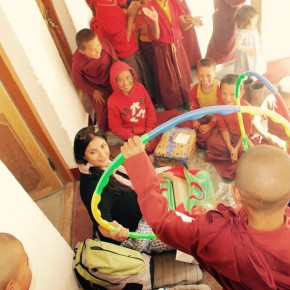
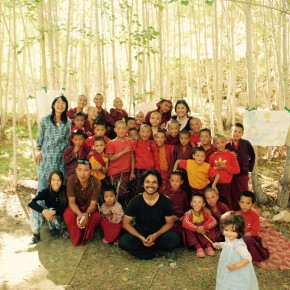
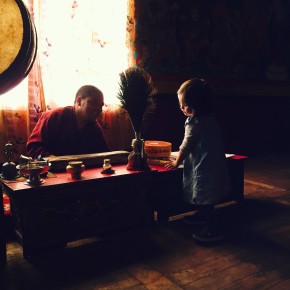
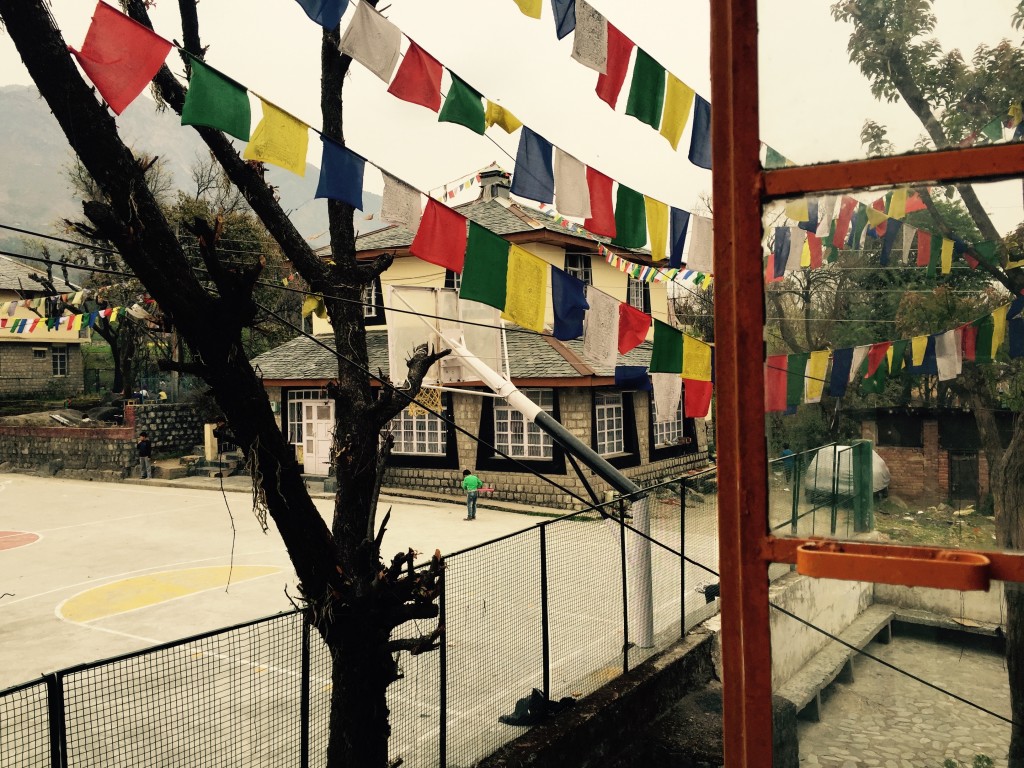
Our music program is designed to move beyond a formal lesson. A session may begin with a simple rhythm exercise, continue with singing, and end with children and elders performing together in a courtyard. The setting matters less than the invitation to participate. There is room for experienced singers, shy listeners, beginners, and people who would rather clap than take the lead.
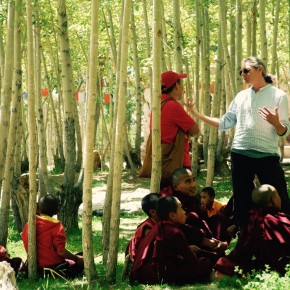
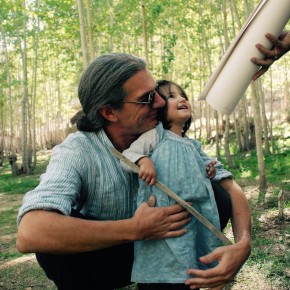
Grandparents often become natural mentors. They can teach a local song, explain when it was traditionally performed, or show how a melody changes between villages. Children respond with curiosity, asking about unfamiliar words and offering their own interpretations. This exchange gives older adults a visible role in the educational life of the community.
The result is a learning environment based on attention and reciprocity. Children are not simply receiving information, and elders are not treated as observers. Each group contributes something essential: energy and experimentation from the younger generation, memory and perspective from the older one.
What Older Voices Bring
A grandparent’s participation can alter the atmosphere of a music gathering. An elder who begins a song may initially be met with quiet concentration, but soon children join in, matching the tune or finding a harmony. Their voices may differ in pitch and strength, yet that contrast creates a fuller sound and encourages children to listen closely.
Older singers also model patience. They may repeat a phrase several times, slow down for a difficult passage, or explain why a particular word is pronounced in a certain way. These small moments help children understand that learning music is a process of careful practice rather than a test of instant performance.
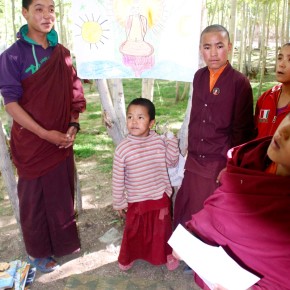
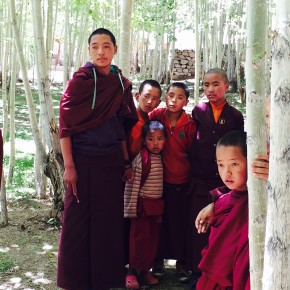
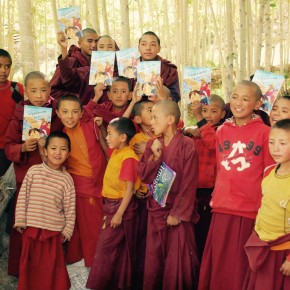
For young monks, intergenerational singing can connect education with community life. Music becomes a way to honor local culture while developing concentration, confidence, and cooperation. It also gives elders a chance to see their knowledge continuing through a new generation.
A Living Exchange Between Ages
The program’s value can be seen in what each participant gives and receives. The exchange is musical, educational, and social at the same time.
| Participant |
Contribution |
Shared Benefit |
| Grandparents |
Traditional songs, stories, pronunciation, and memory |
Recognition, connection, and a meaningful teaching role |
| Children |
Curiosity, new rhythms, drawings, and creative variations |
Confidence, language practice, and cultural understanding |
| Young monks |
Focus, disciplined practice, and group leadership |
Stronger communication and community participation |
| Families |
Encouragement, local knowledge, and shared attendance |
A common activity across age groups |
| Trust volunteers |
Instruments, resources, facilitation, and patient support |
A welcoming setting for learning and expression |
These contributions do not need to be equal to be valuable. A grandparent may sing the main melody, while a child keeps time with a small percussion instrument. A volunteer may help record lyrics, and a monk may guide the group through a repeated chorus. Each role makes the final performance possible.
Music also creates occasions for conversation after the singing ends. Children may ask relatives about their childhood, while grandparents learn what kinds of songs or instruments excite younger listeners. Those conversations can continue at home, extending the benefits of the program beyond the activity itself.
Keeping The Circle Open
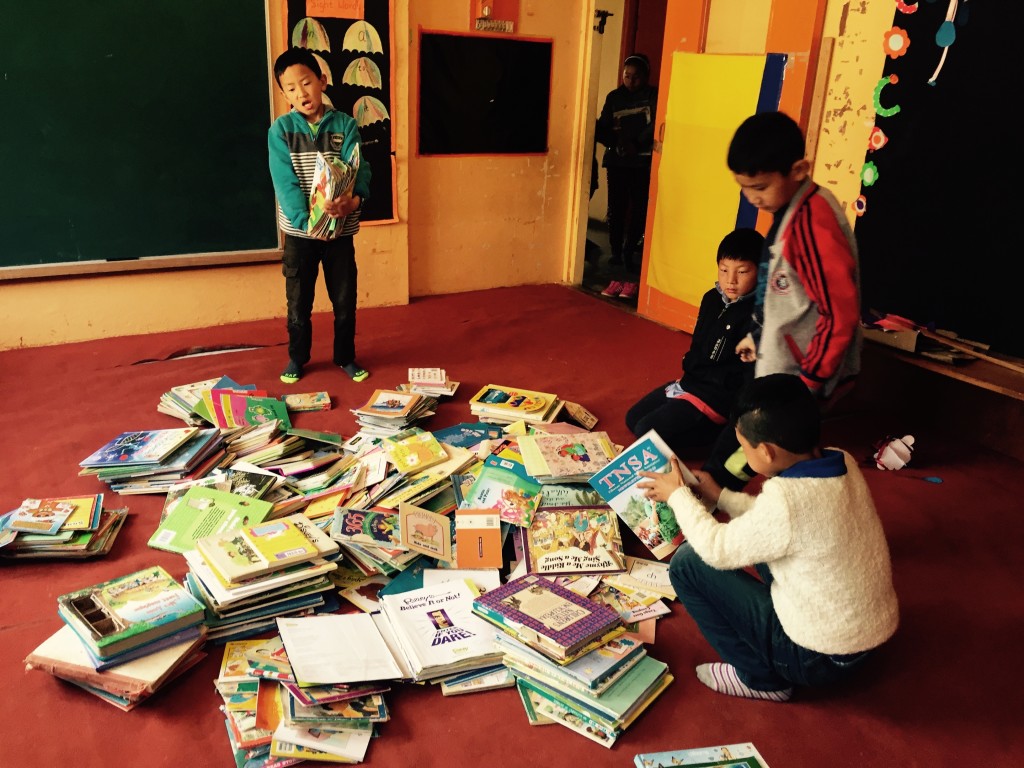
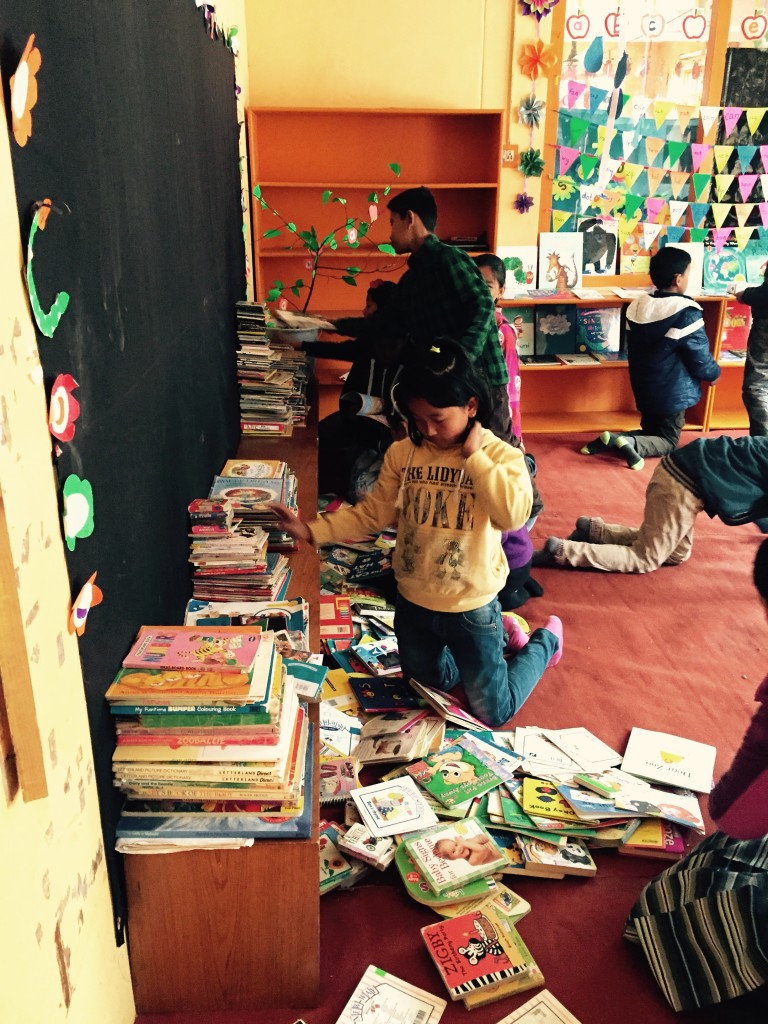
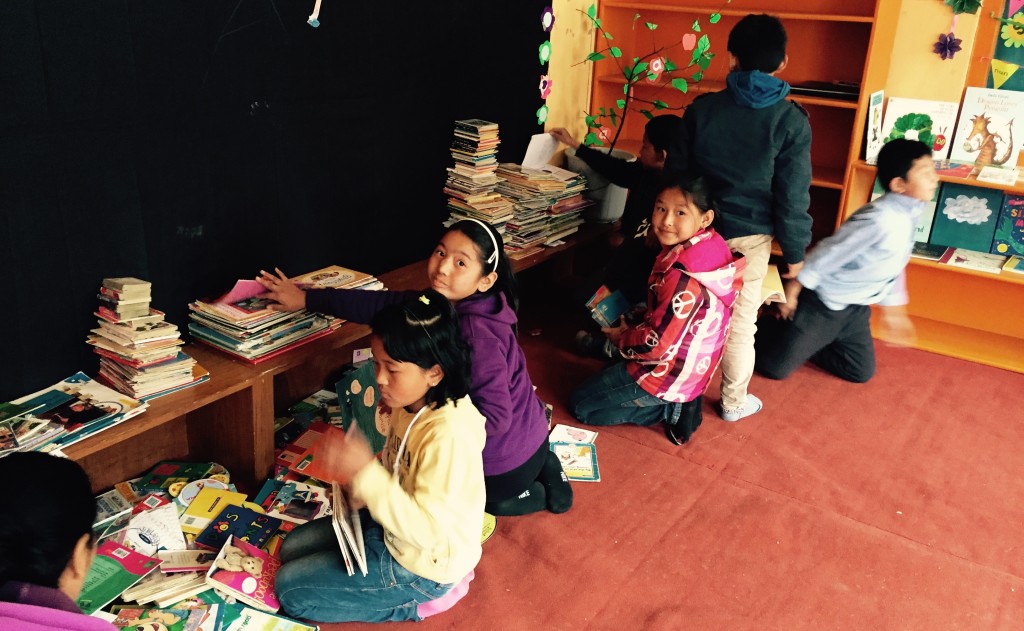
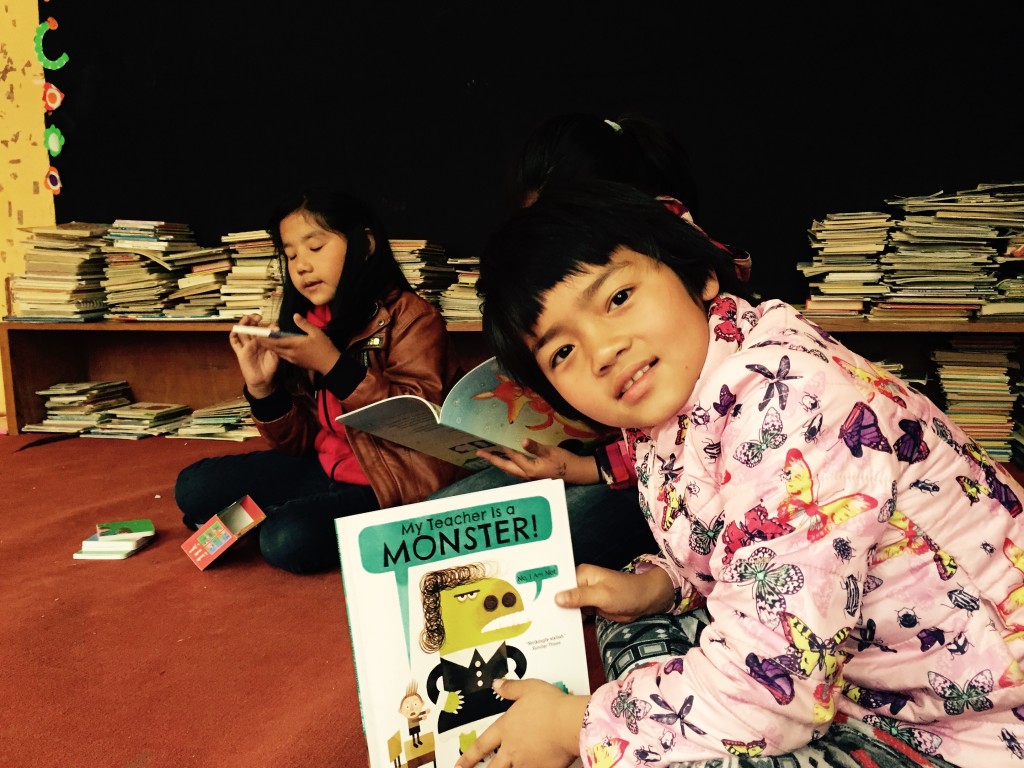
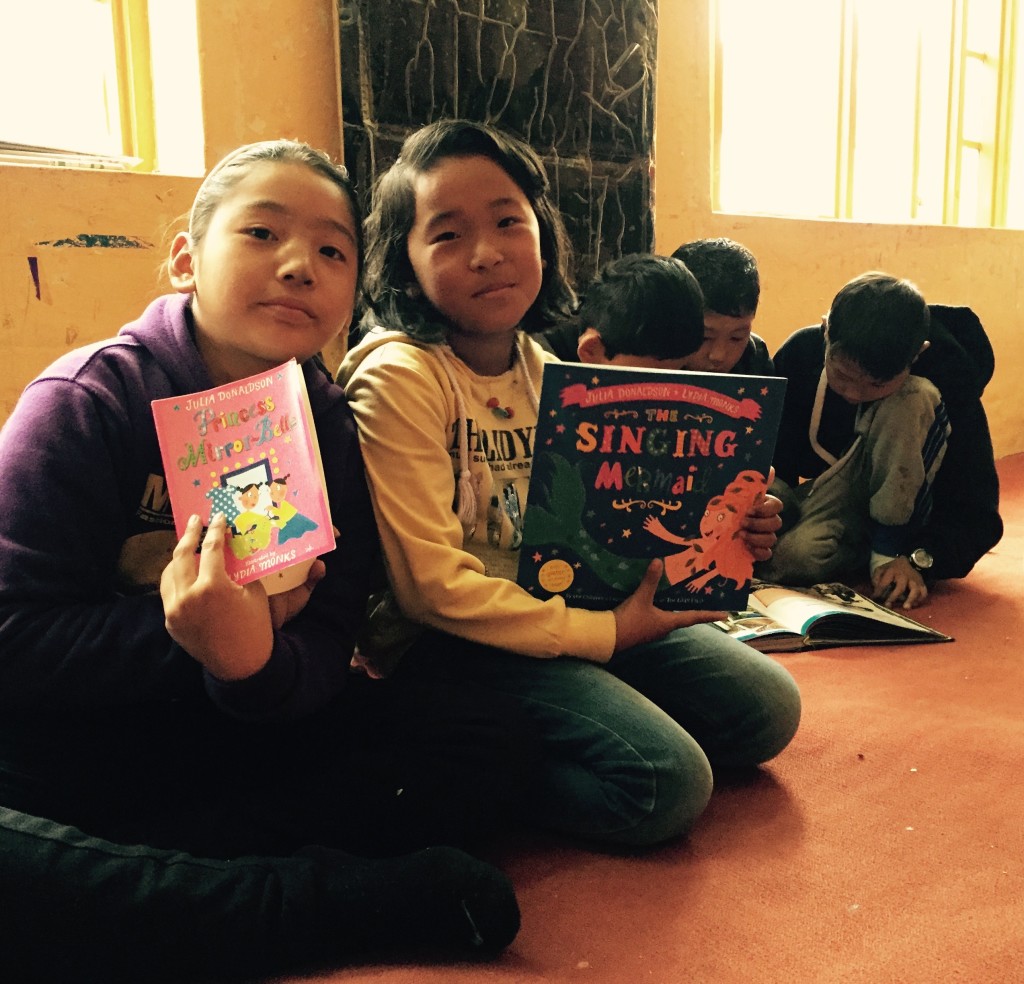
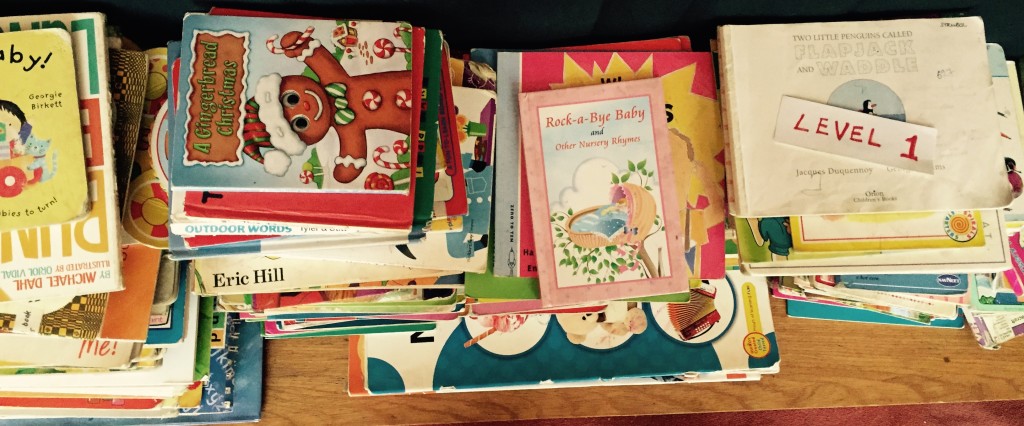
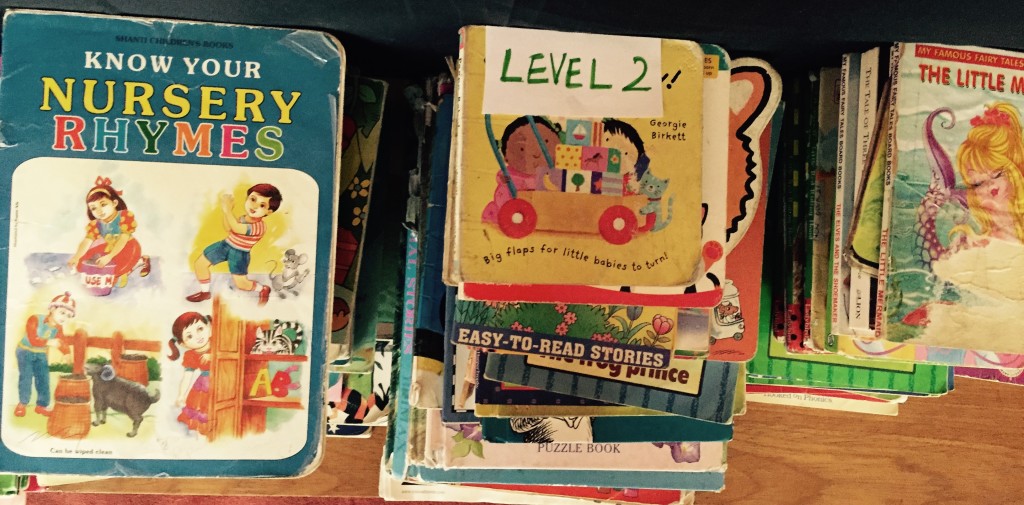
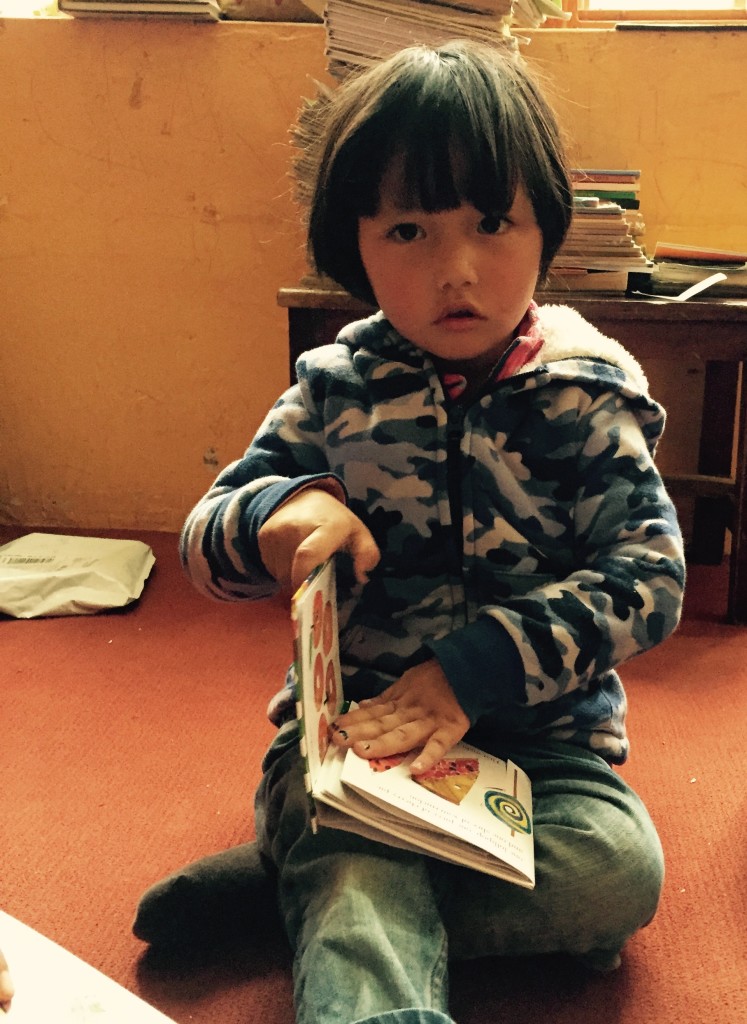
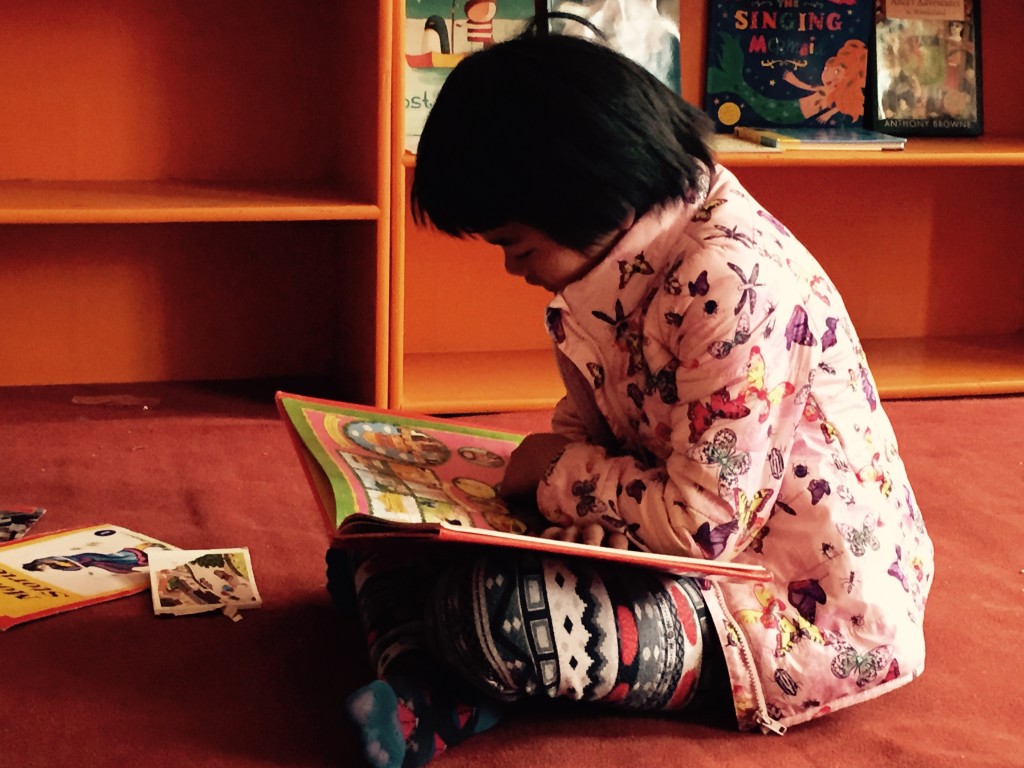
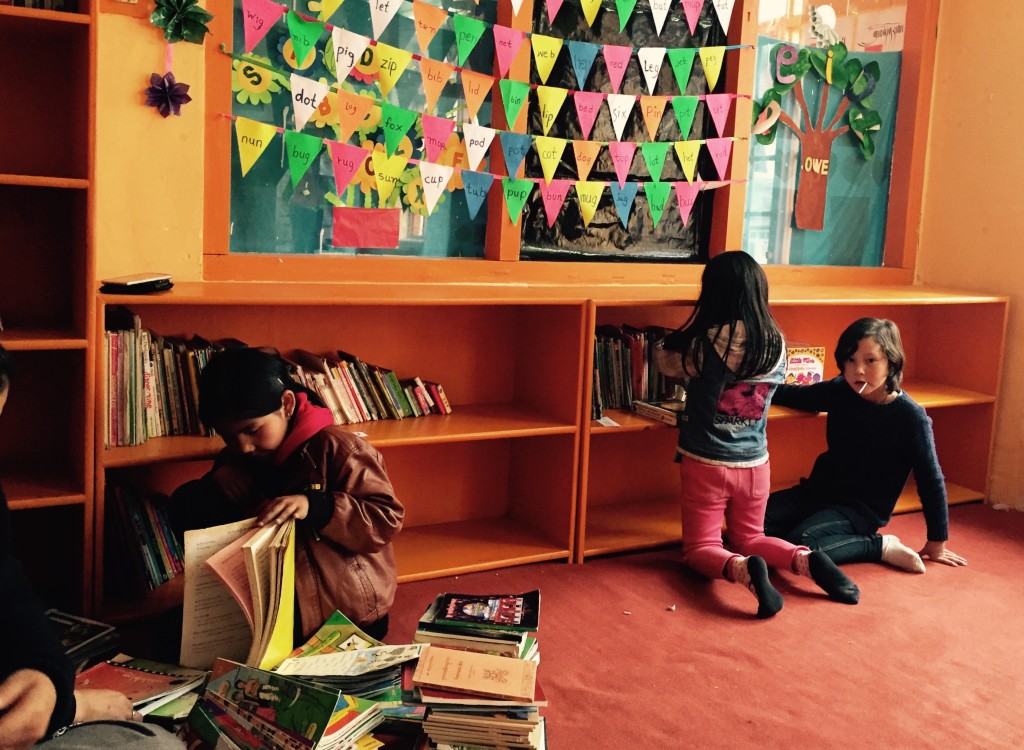
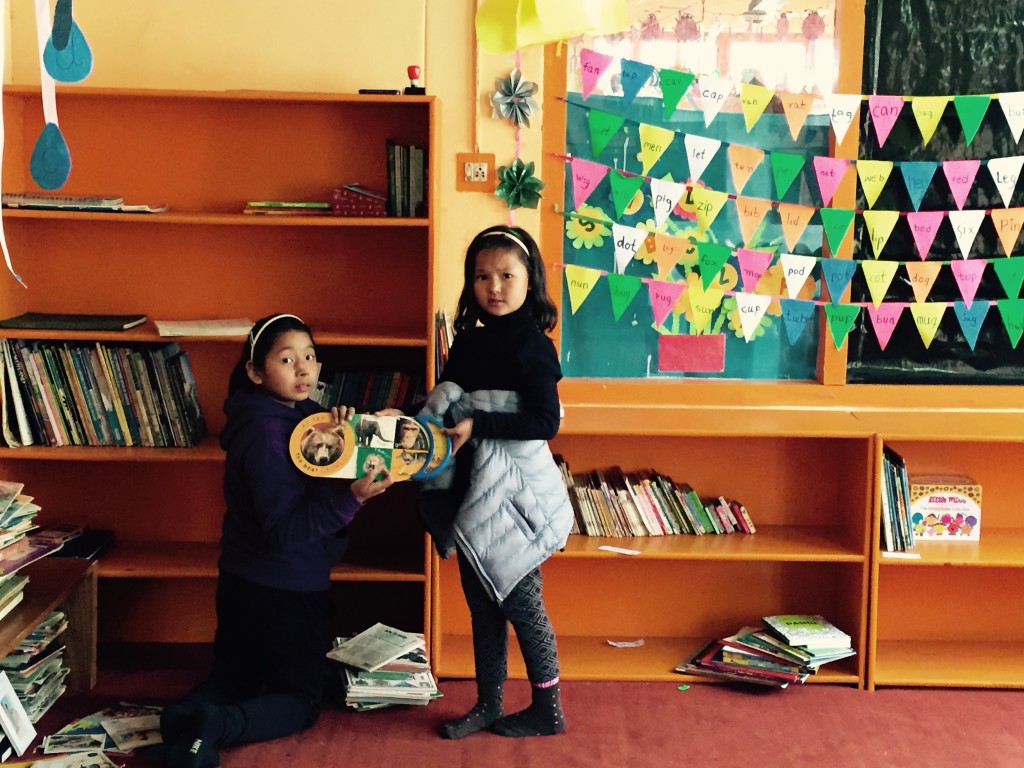
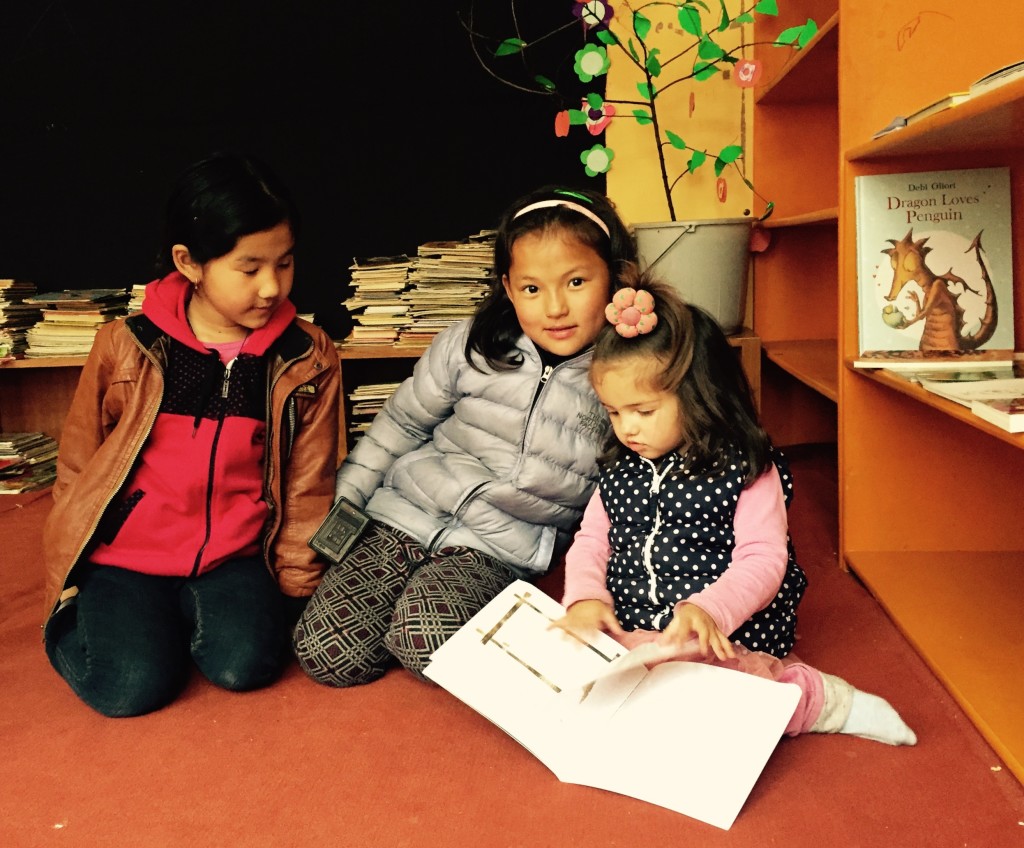
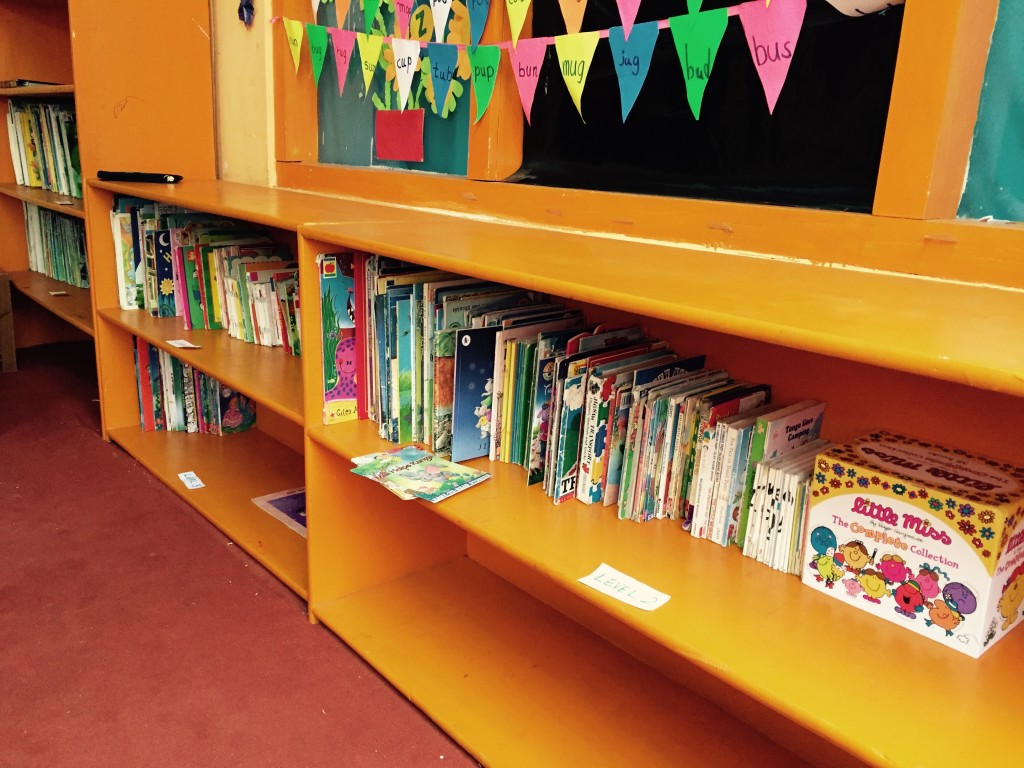
Access is central to our work. Activities are offered in communities where families may have limited access to books, instruments, arts education, or organized creative programs. Keeping music sessions welcoming and free allows children to participate because they are interested, not because their families can afford additional lessons.
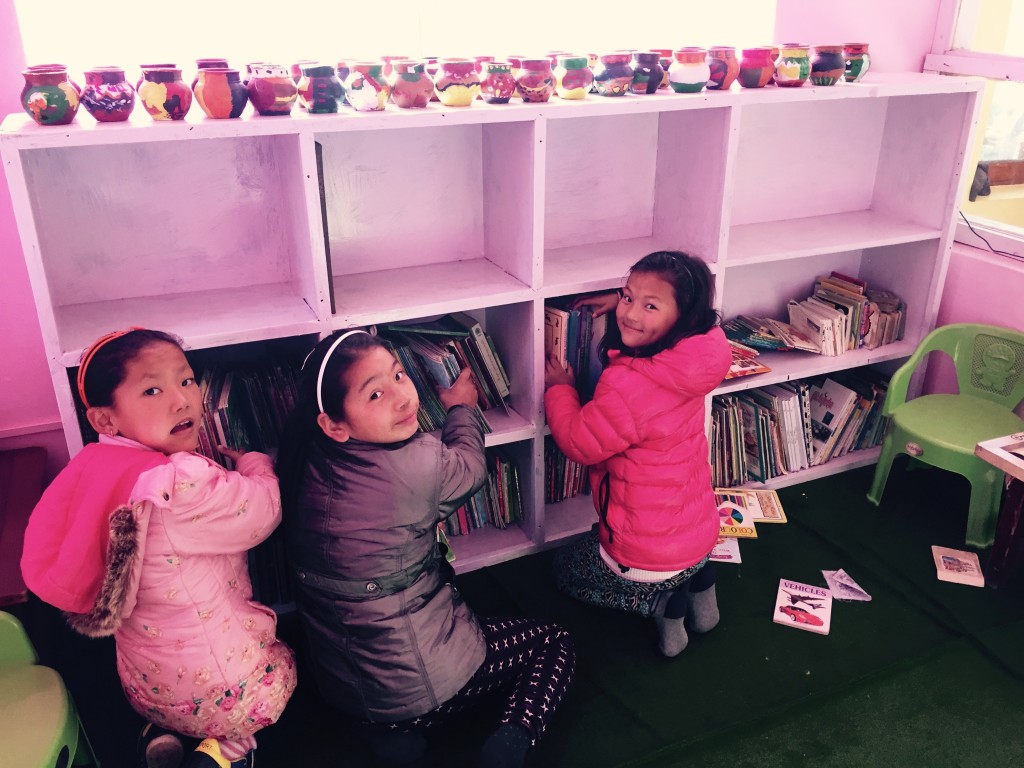
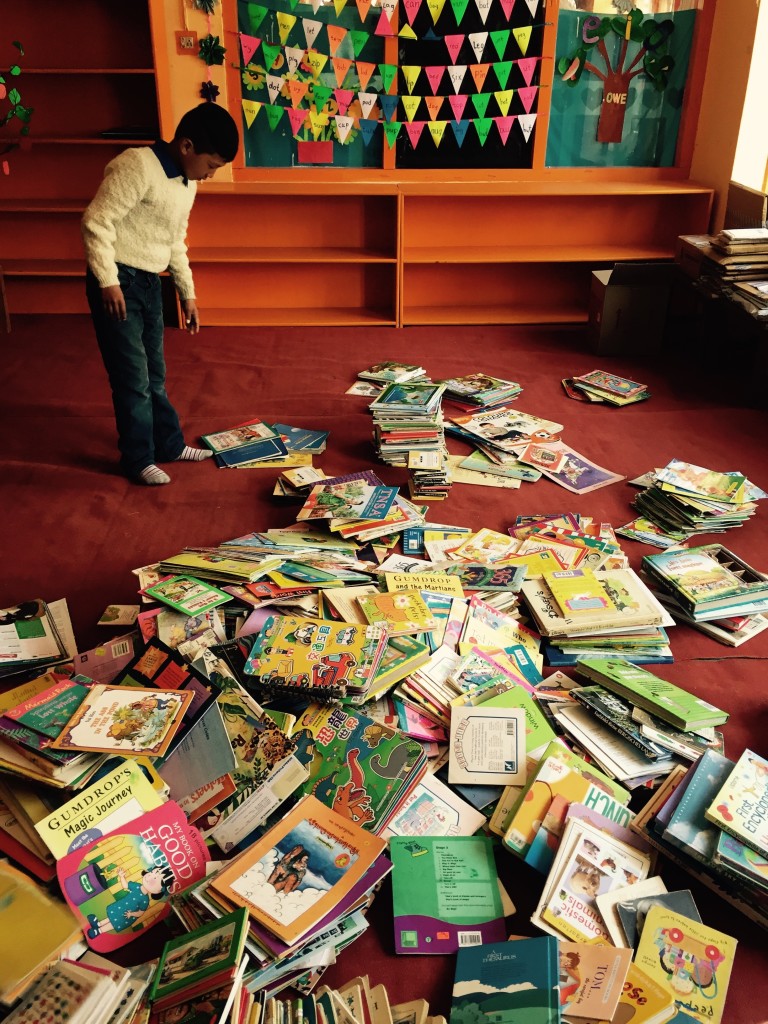
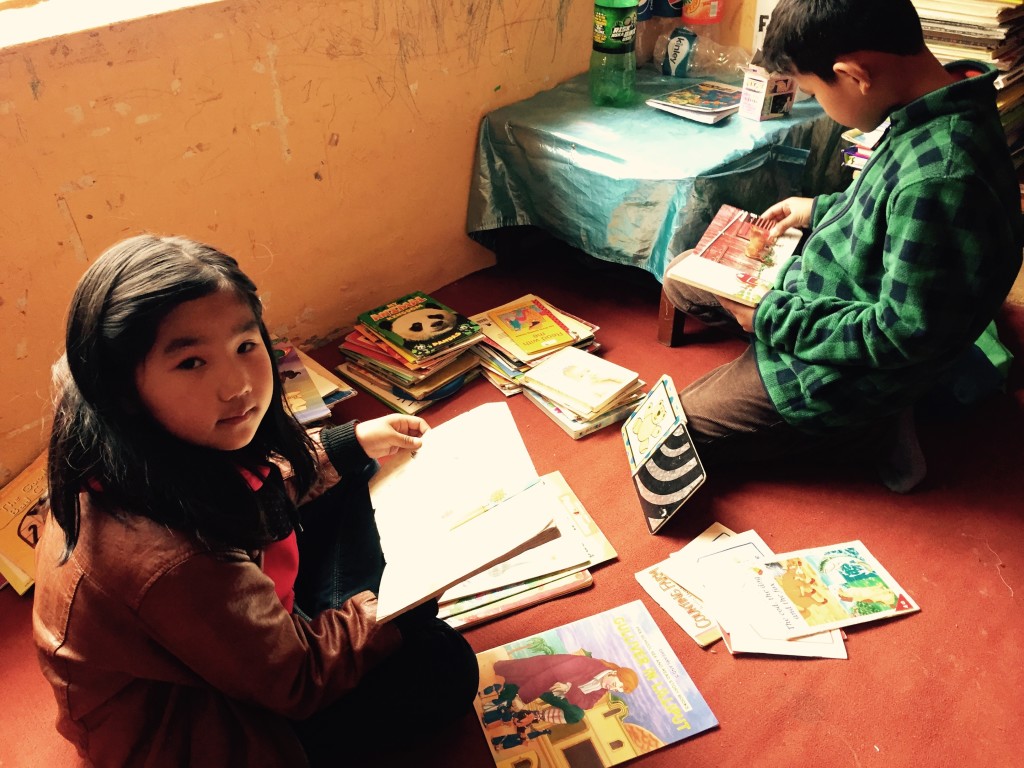
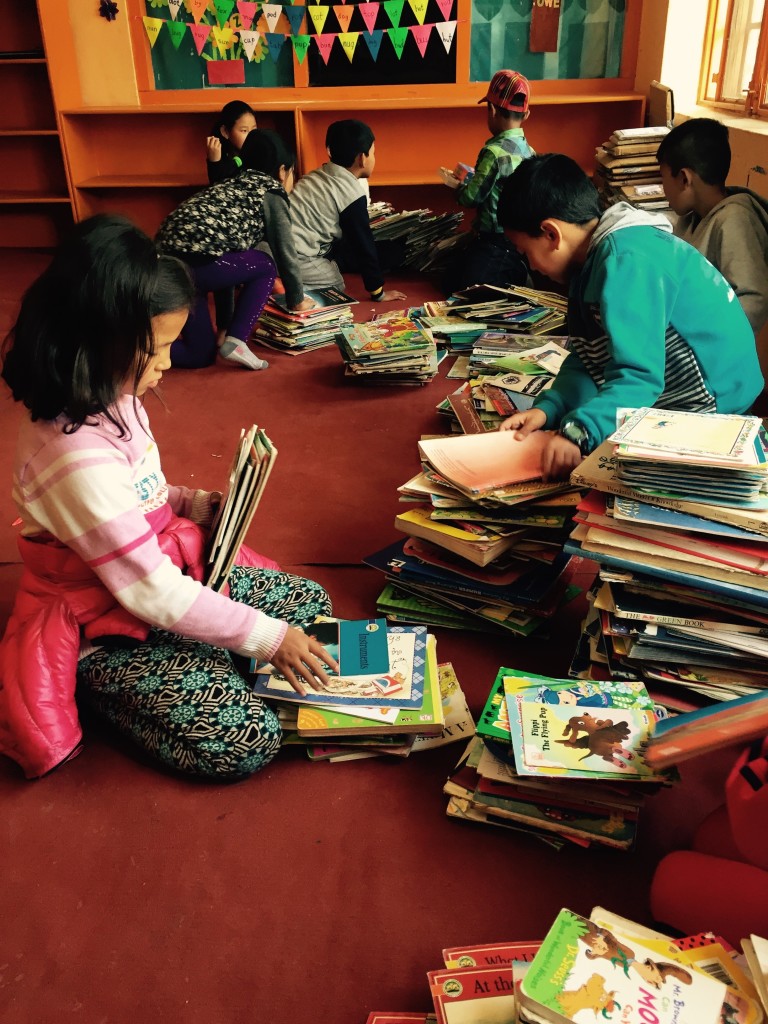
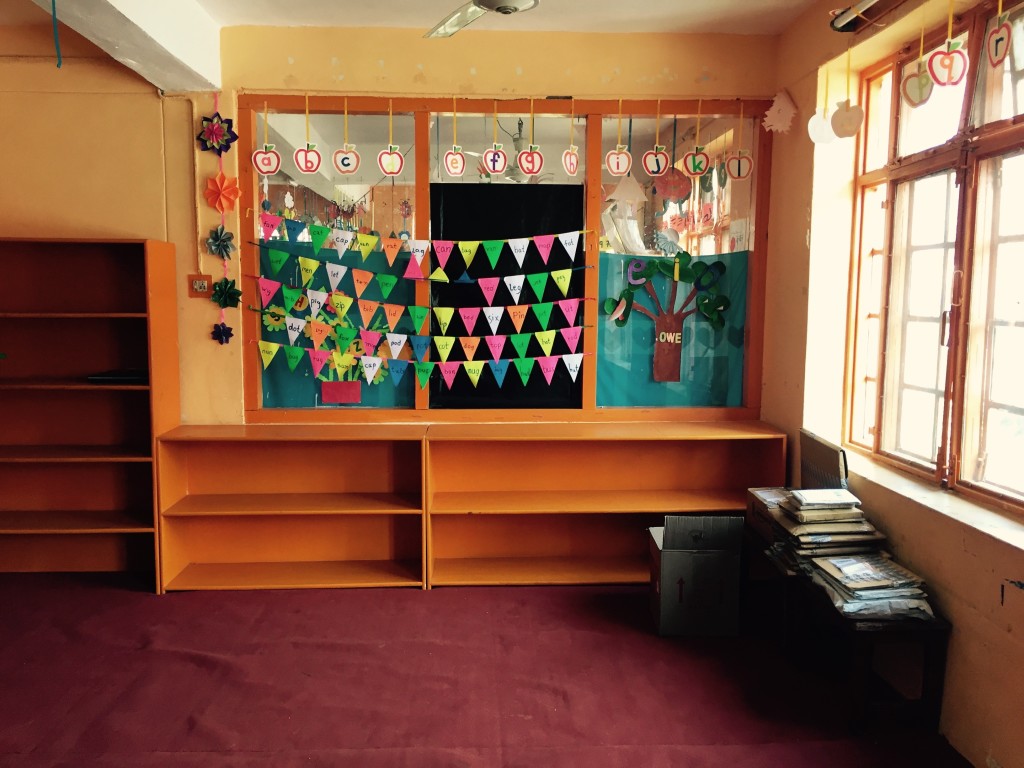
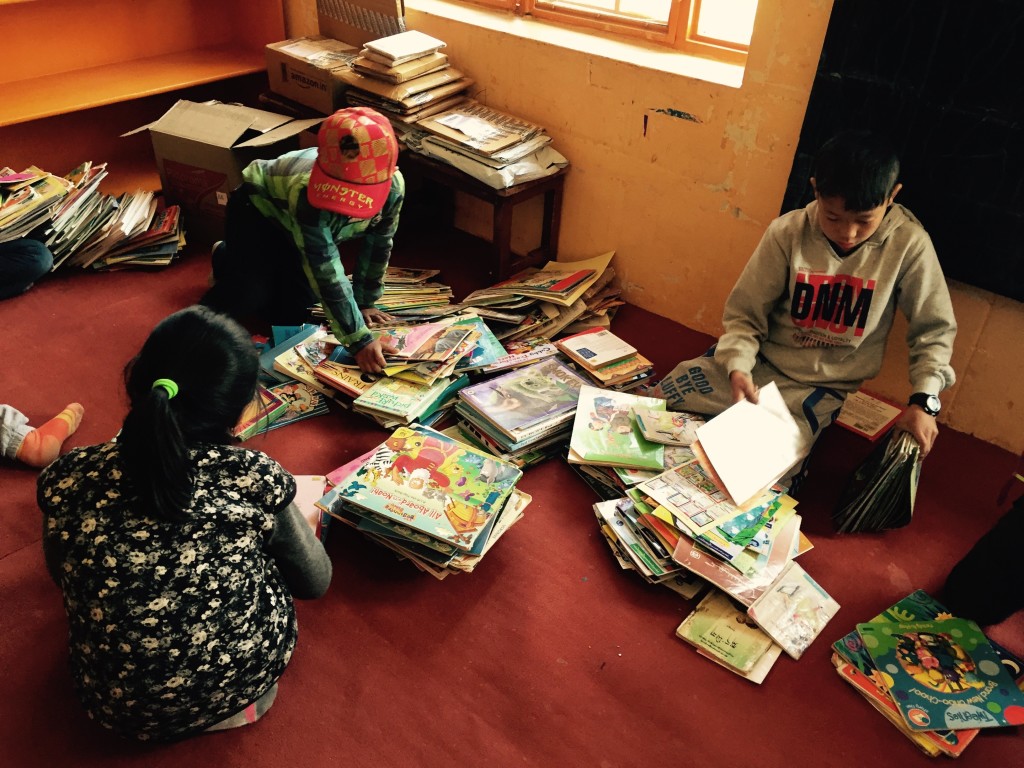
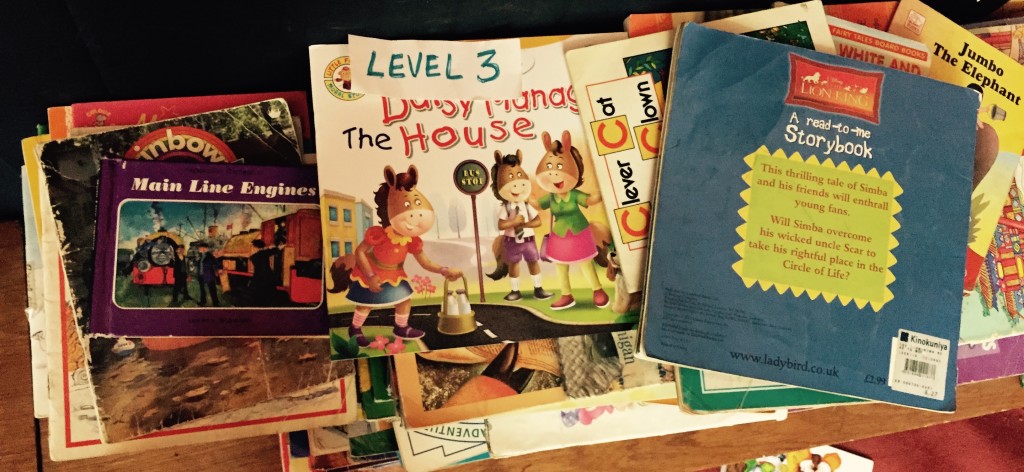
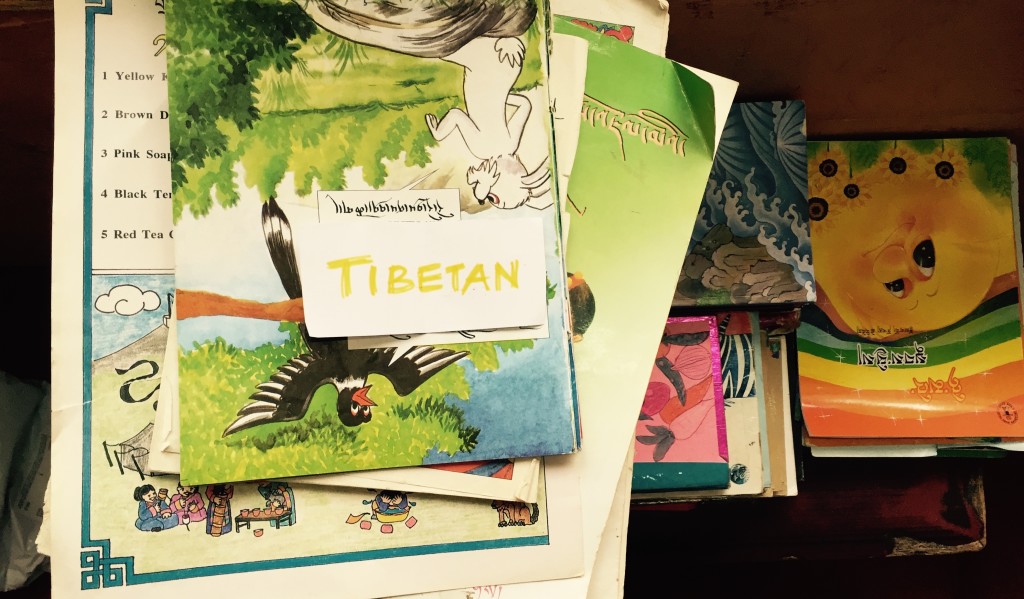
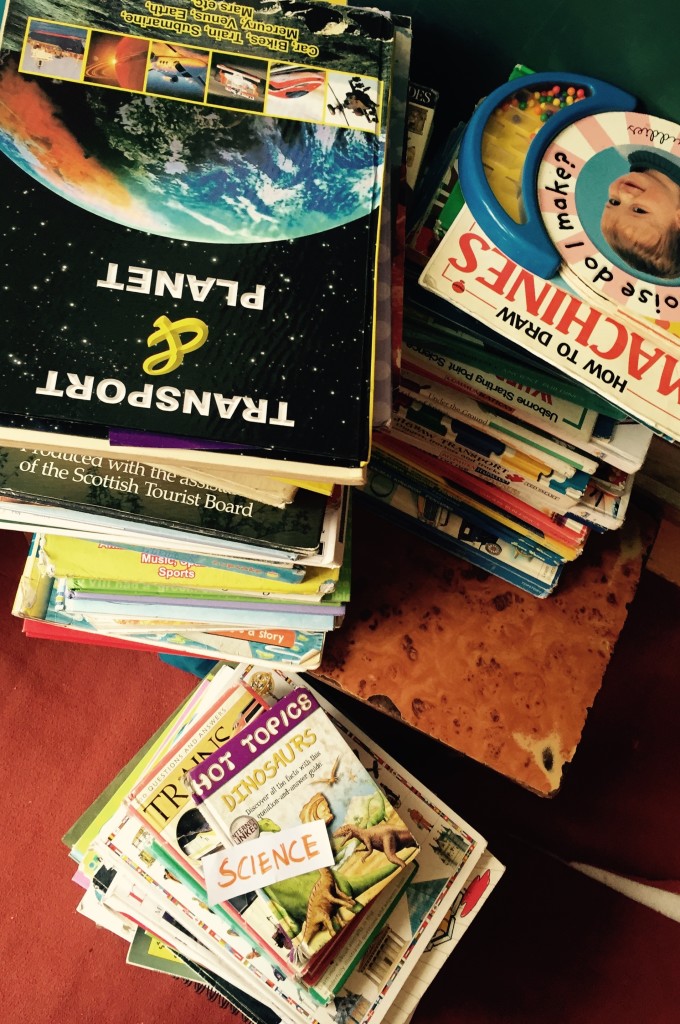
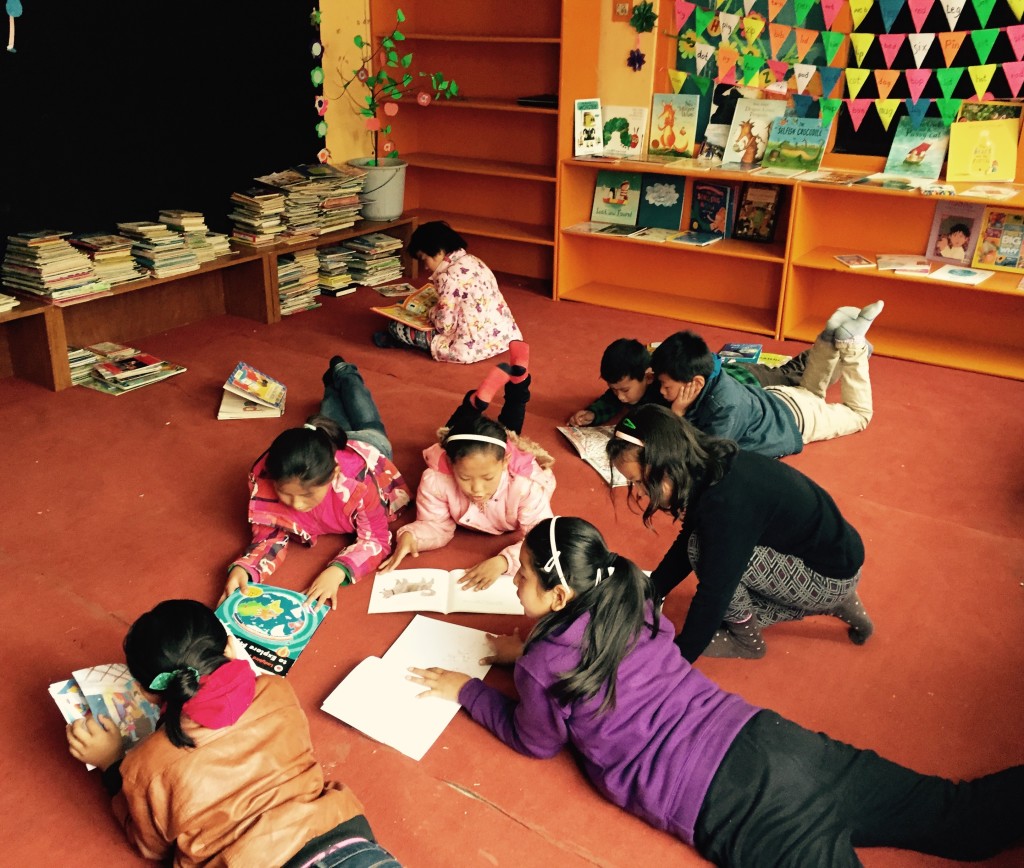
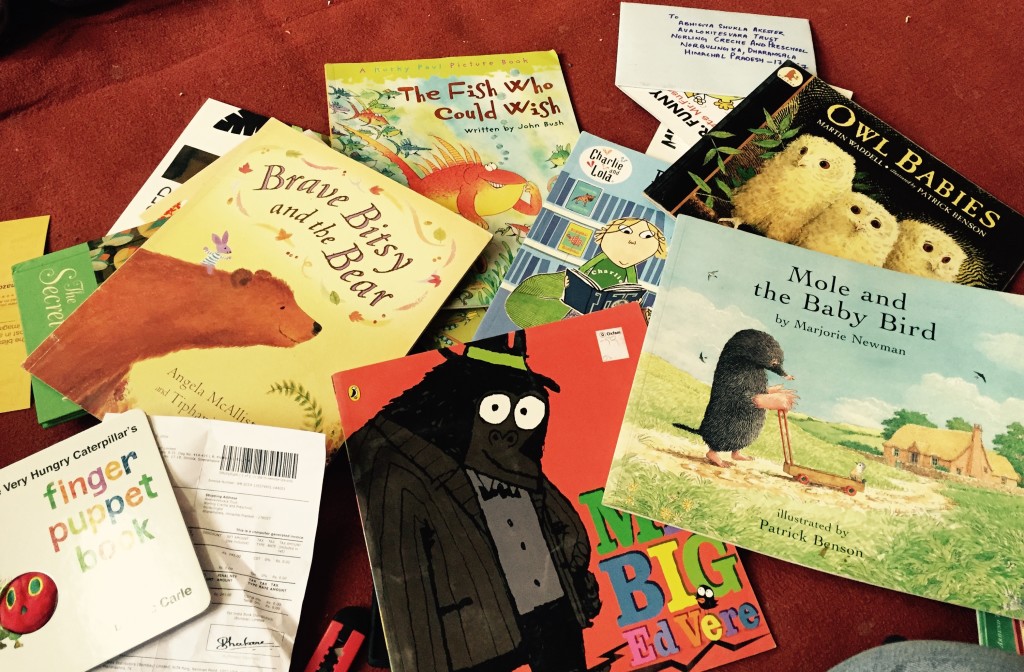
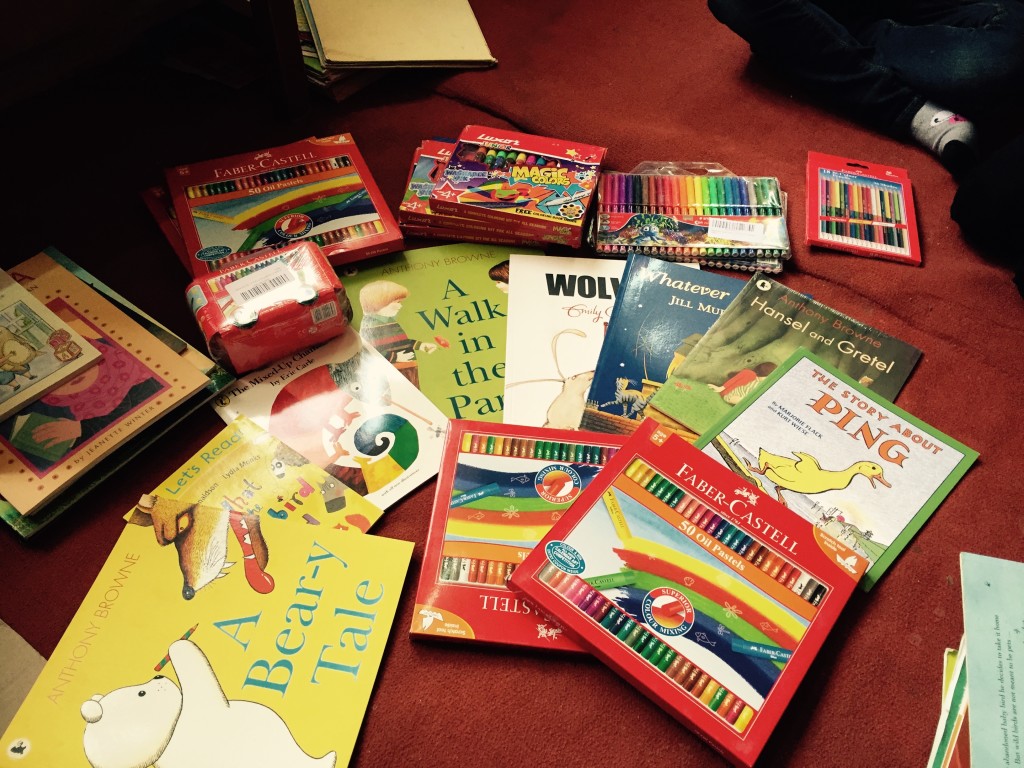
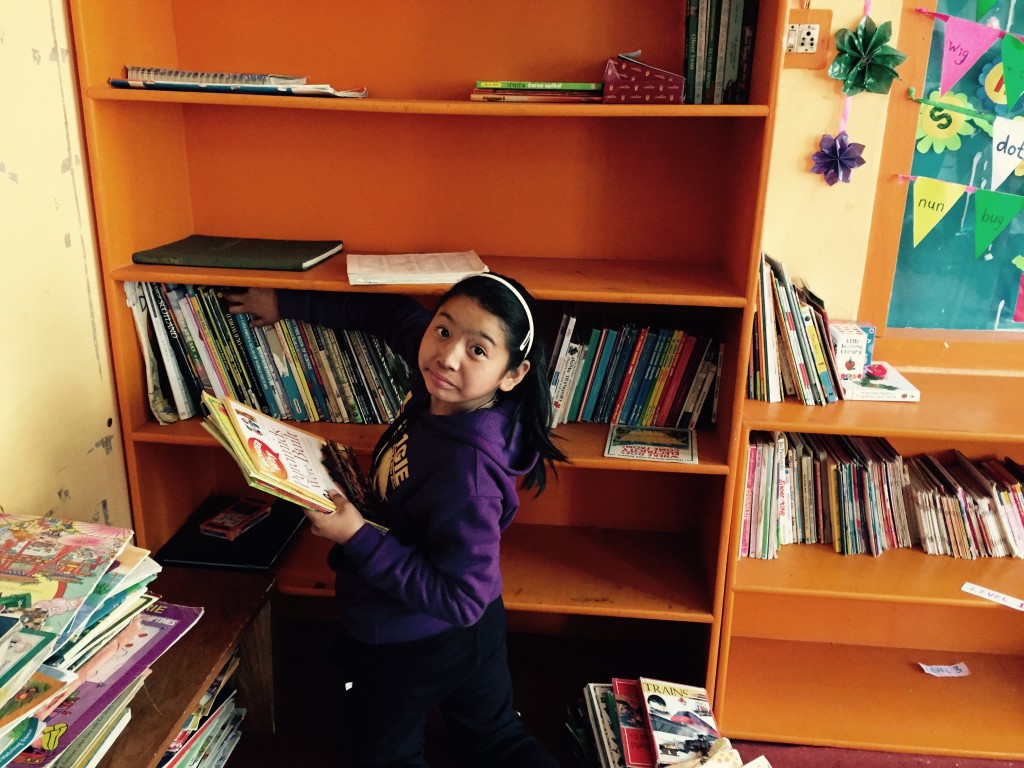
The same principle guides our wider educational work, from reading rooms and book drives to artistic activities for children and young monks. Supporters can learn more about keeping programs free and the practical care required to sustain these opportunities.
A free program also benefits grandparents. They do not need formal musical training, special clothing, or previous experience to join. Their memories are enough to begin. When the atmosphere is respectful, an elder’s imperfect or unpolished voice is welcomed as part of the community’s sound.
Carrying Songs Into Daily Life
The most lasting impact appears when music continues outside organized sessions. A child may sing a chorus while reading, a family may repeat a rhythm during a festival, or a grandparent may teach another verse during a quiet afternoon. These small acts keep songs active and allow them to evolve without losing their roots.
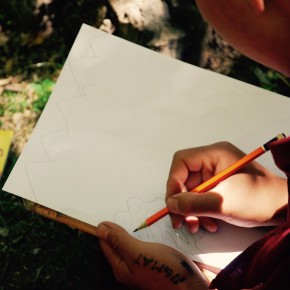
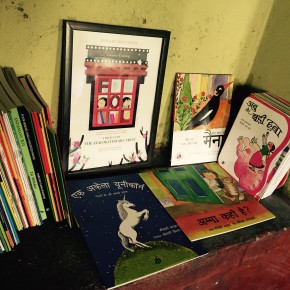
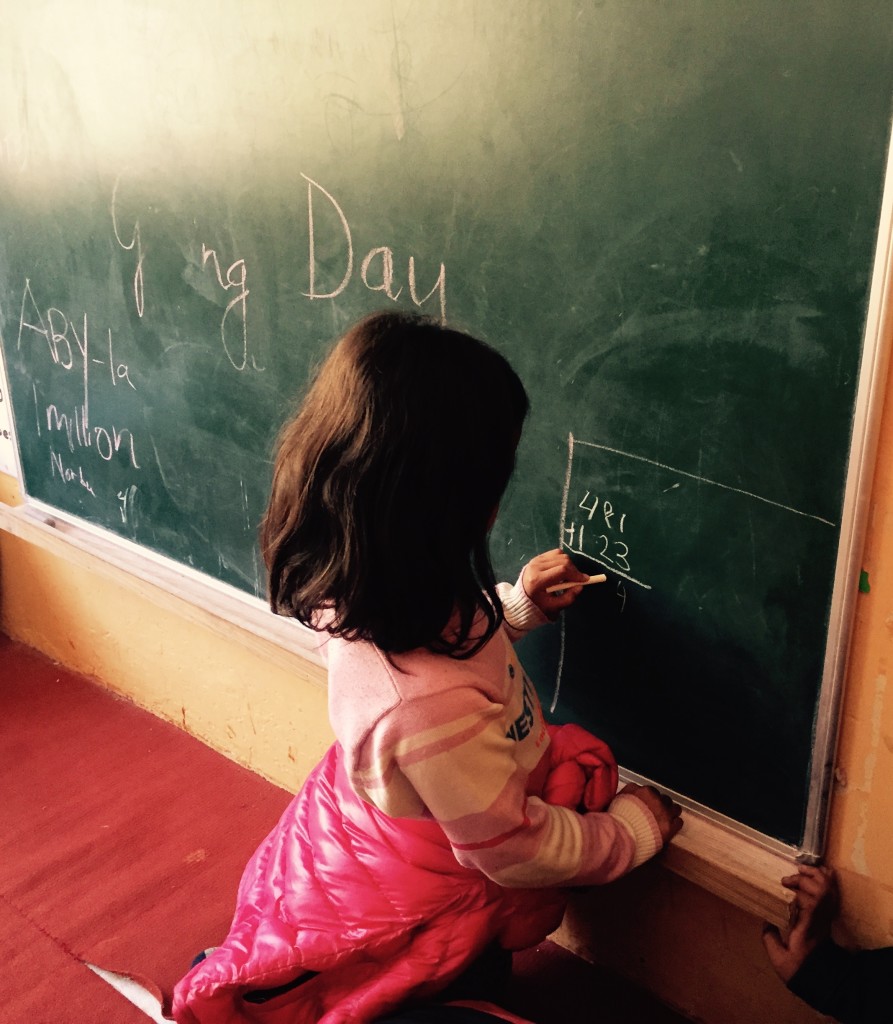
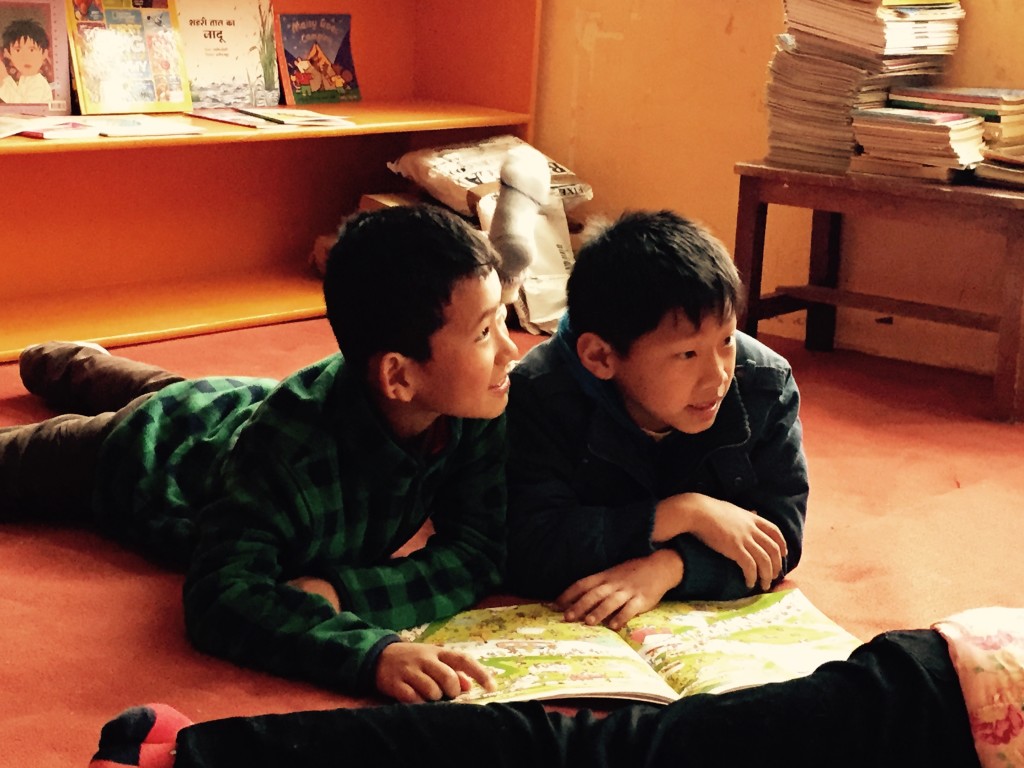
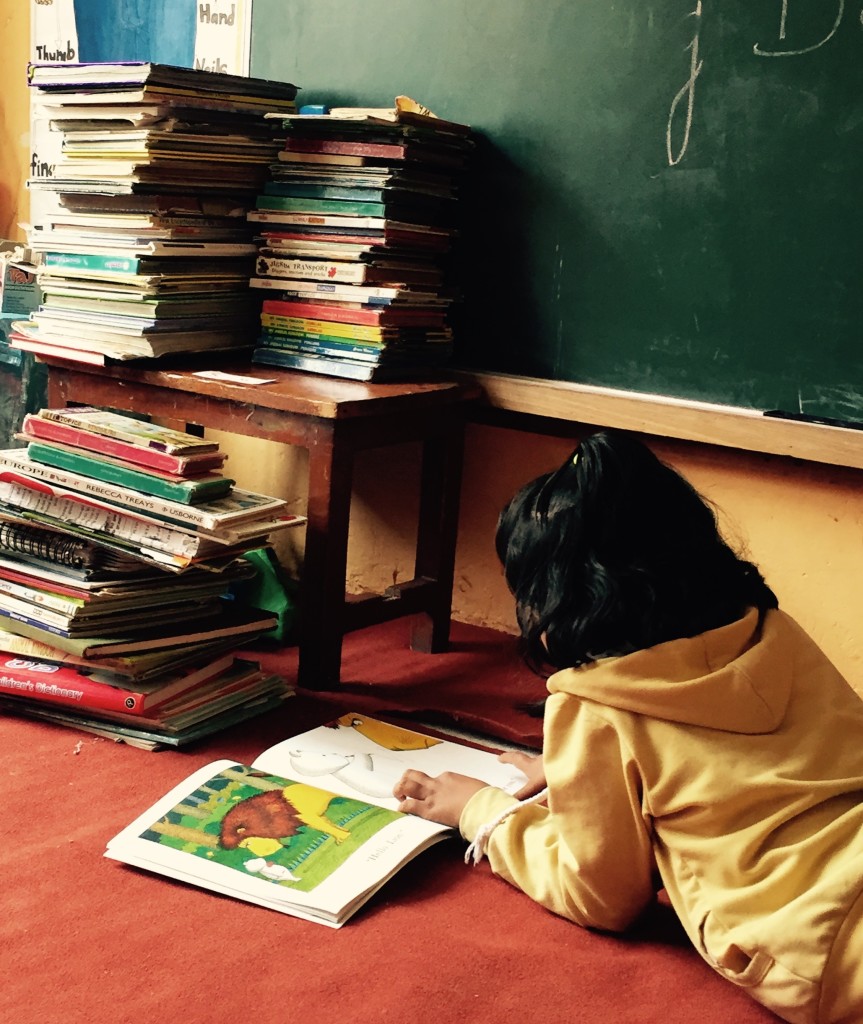
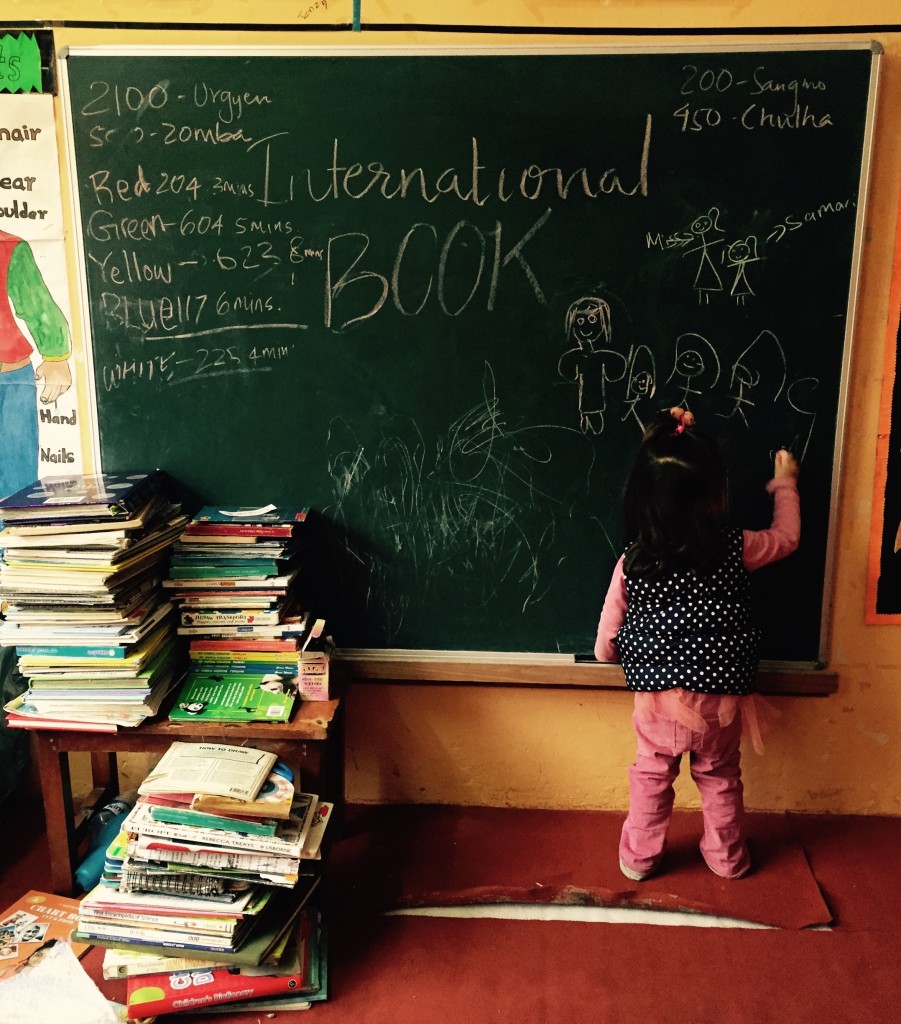
Children can also document what they learn through writing, drawing, and simple performance notes. In this way, music supports the literacy goals of our reading rooms. A song becomes a prompt for new vocabulary, a story becomes a creative writing exercise, and a rhythm becomes a way to explore patterns and counting.
Families and supporters can help strengthen this intergenerational work in practical ways:
- Share a traditional song or story with a child or young monk.
- Encourage older relatives to attend community music sessions.
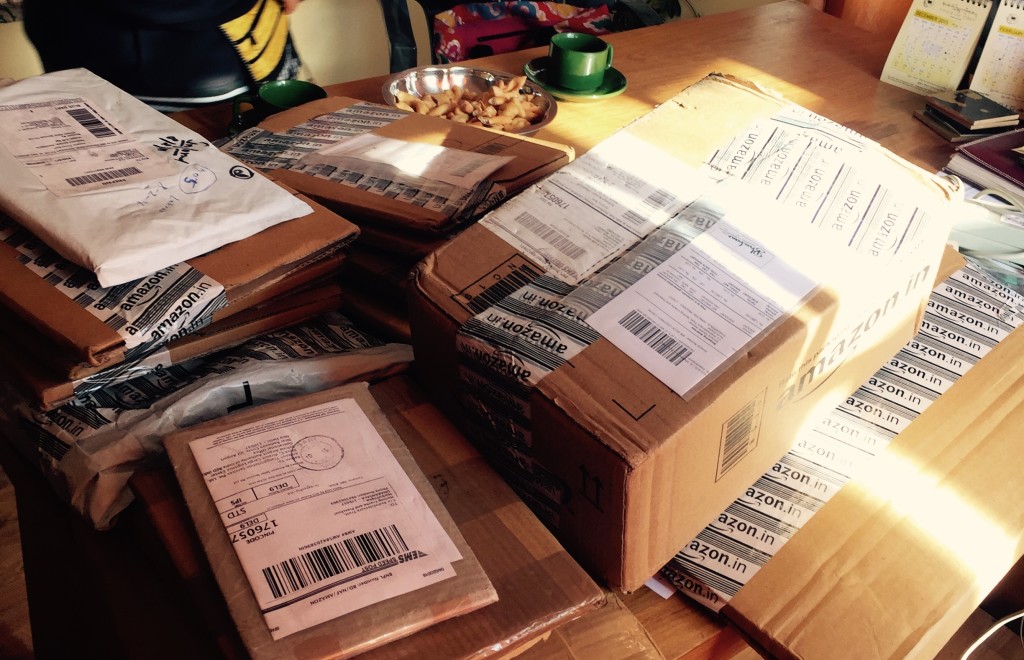
- Donate books, instruments, or funds that support free educational activities.
- Volunteer time for singing, rhythm games, creative workshops, or event support.
- Celebrate children’s performances with attentive listening and generous encouragement.
Every contribution helps create a setting where older voices remain heard and younger voices find room to grow. When grandparents sing beside children, culture becomes an active relationship rather than a memory kept at a distance.
Support Avalokiteśvara Trust by volunteering, donating, sharing our work, or helping make music and learning resources available to Himalayan communities. Together, we can keep the circle of song open across generations.