How Music Turned a Mountain School Into a Community Band
In a highland community, a small collection of musical instruments can open a surprisingly large door. What begins as a donation of drums, keyboards, guitars, or wind instruments may become a regular gathering where children listen closely, practice patiently, and discover the confidence to perform together.
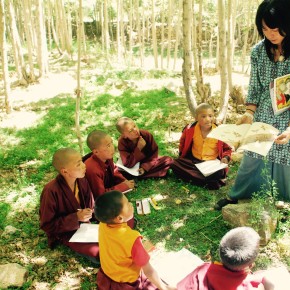
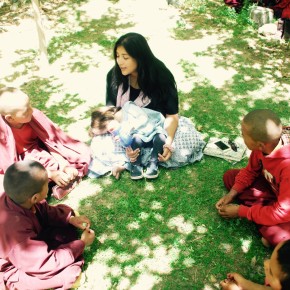
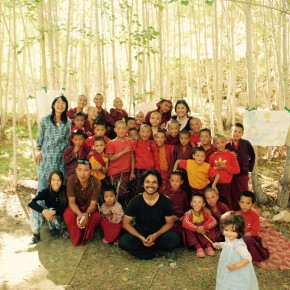
For children and young monks in the Himalayan region, access to music is often shaped by distance and limited resources. A school may have enthusiasm and talent without having enough instruments for a group lesson. One donation can change that balance, giving learners the chance to move from watching and imagining to playing, composing, and sharing.
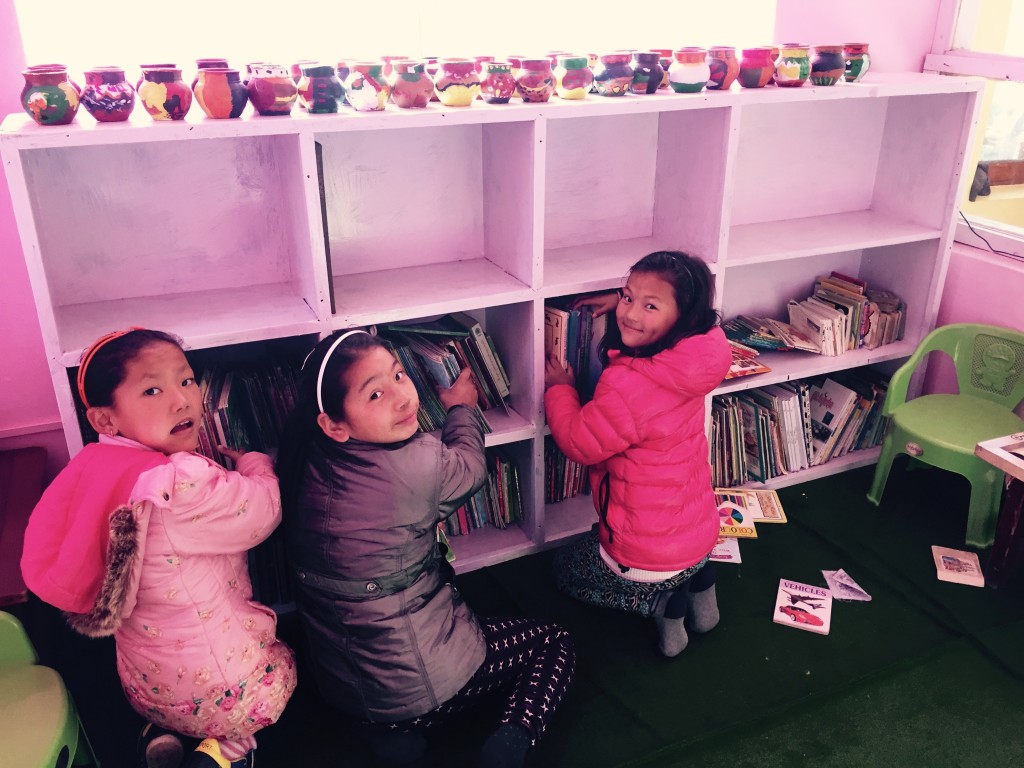
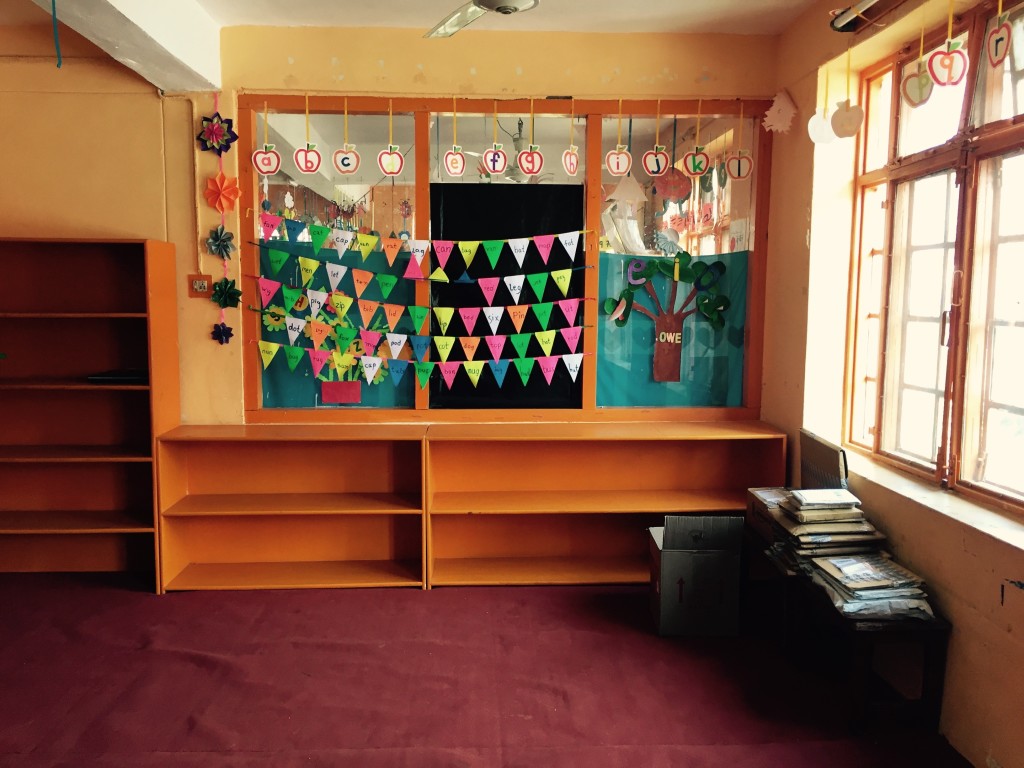
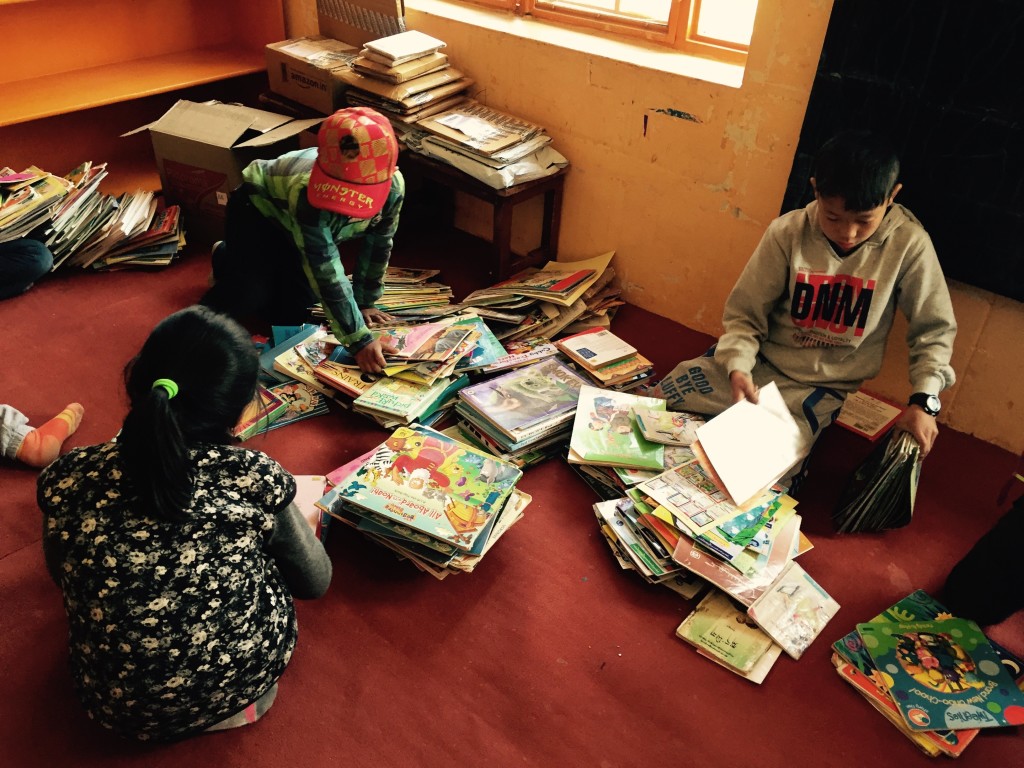
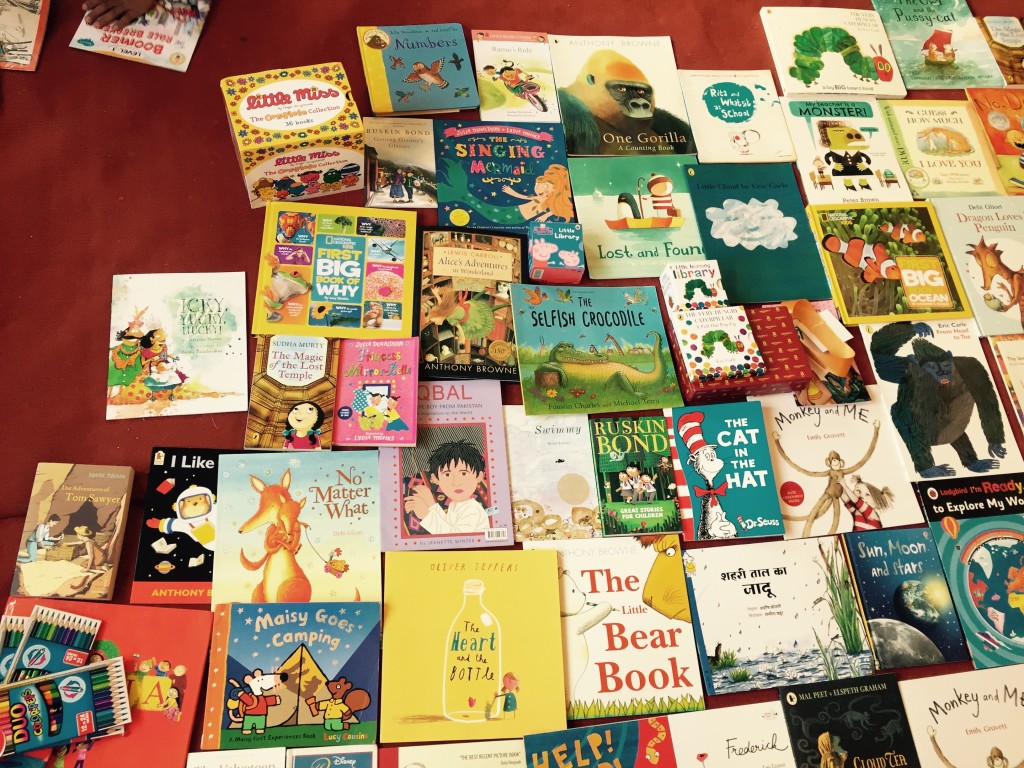
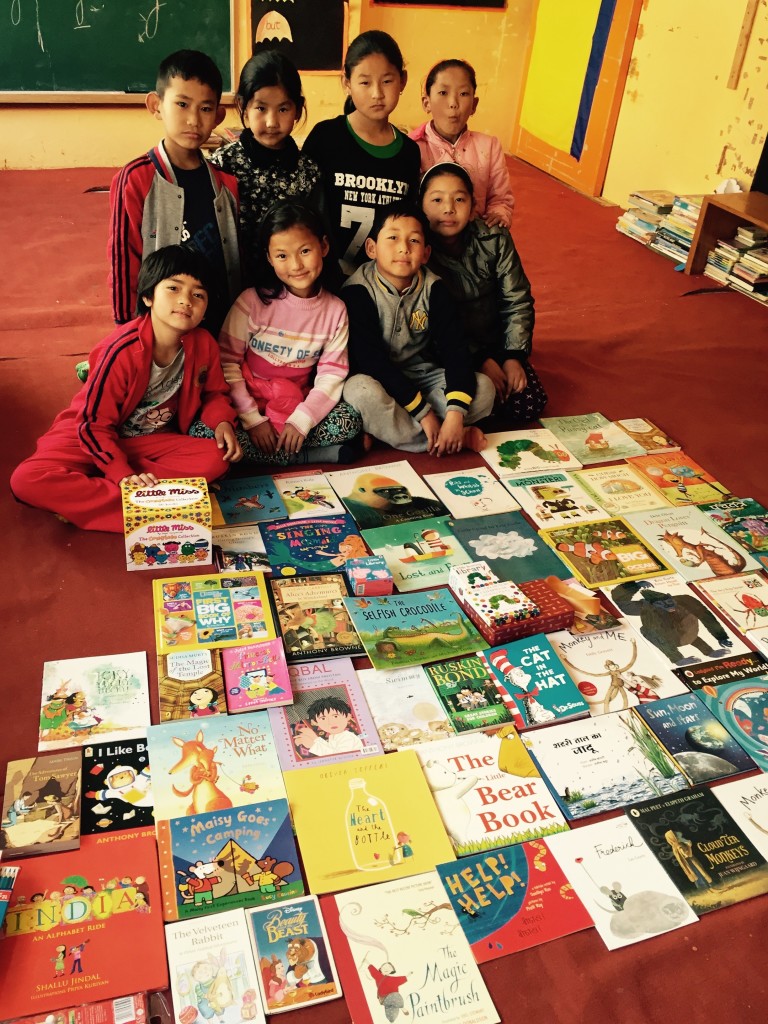
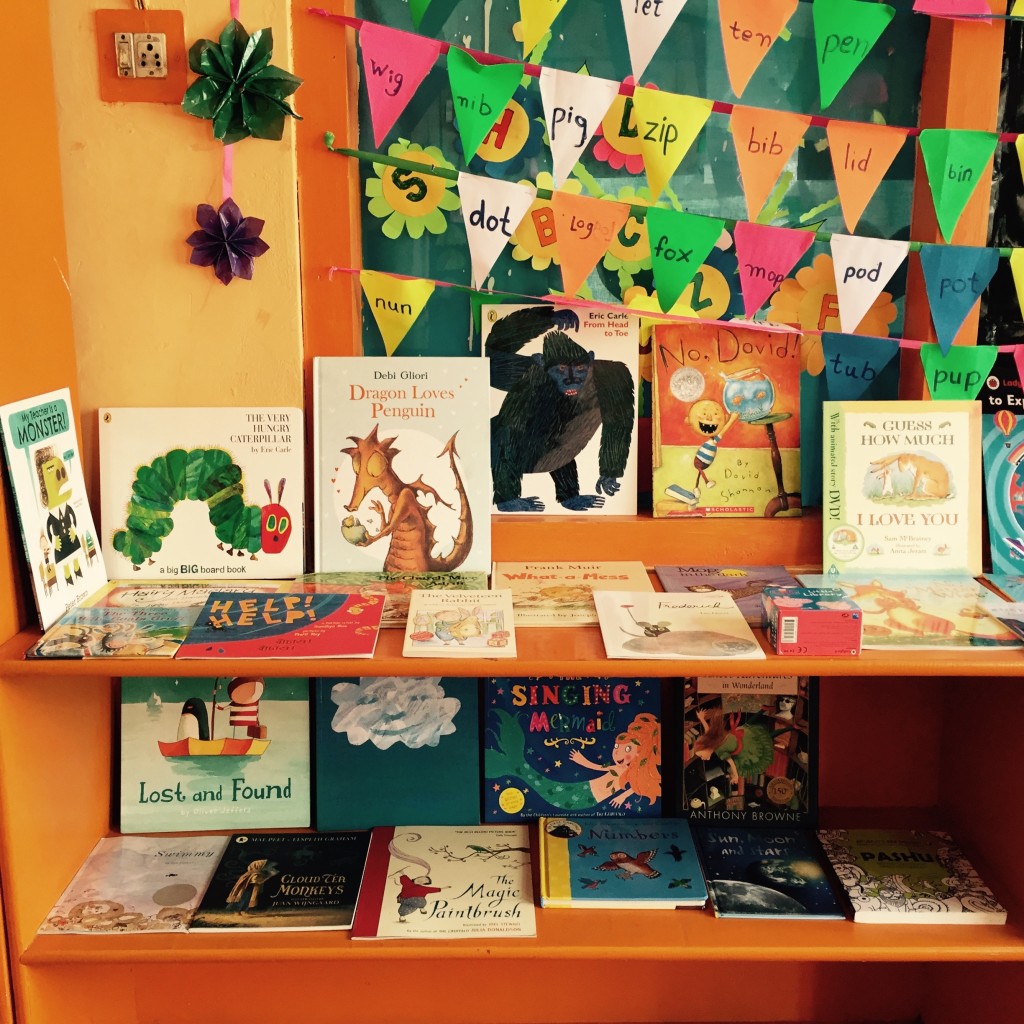
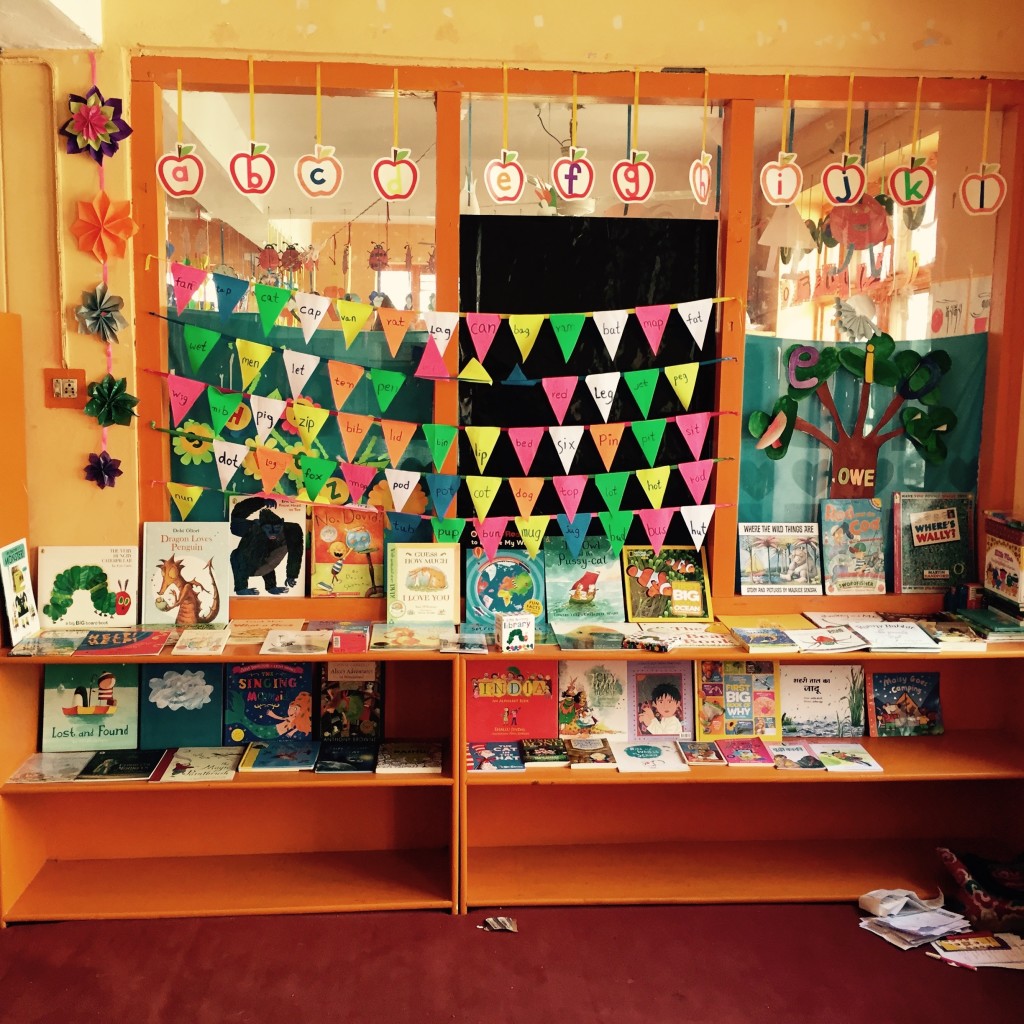
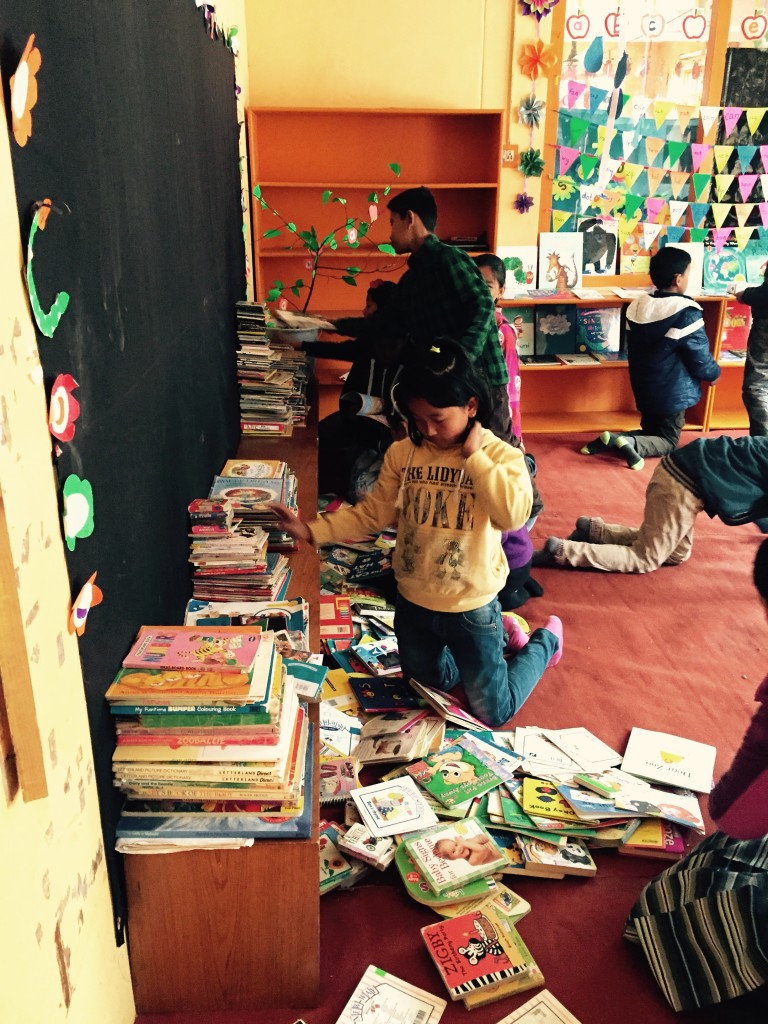
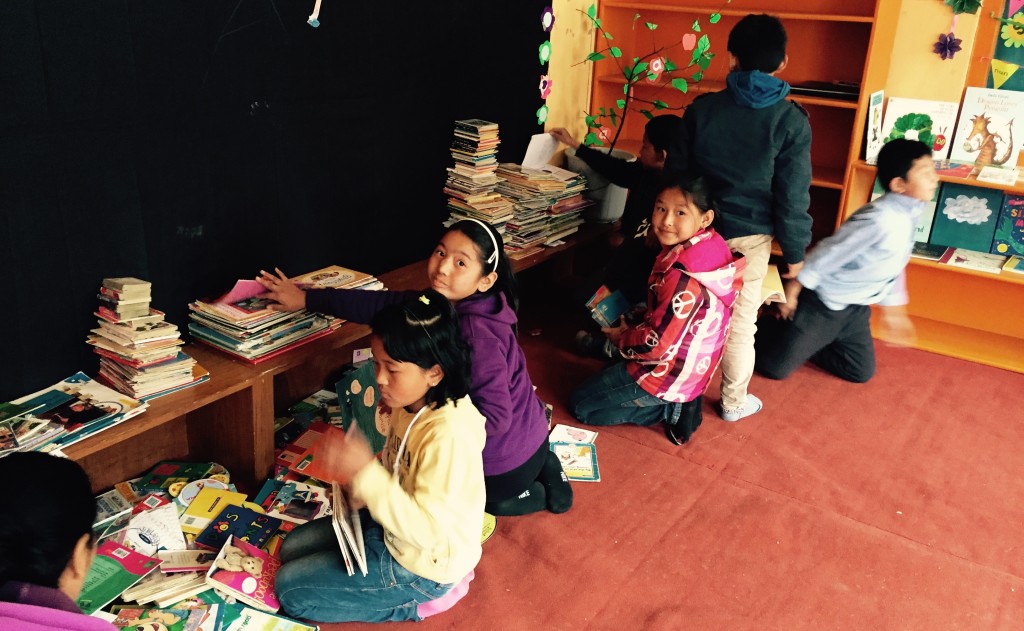
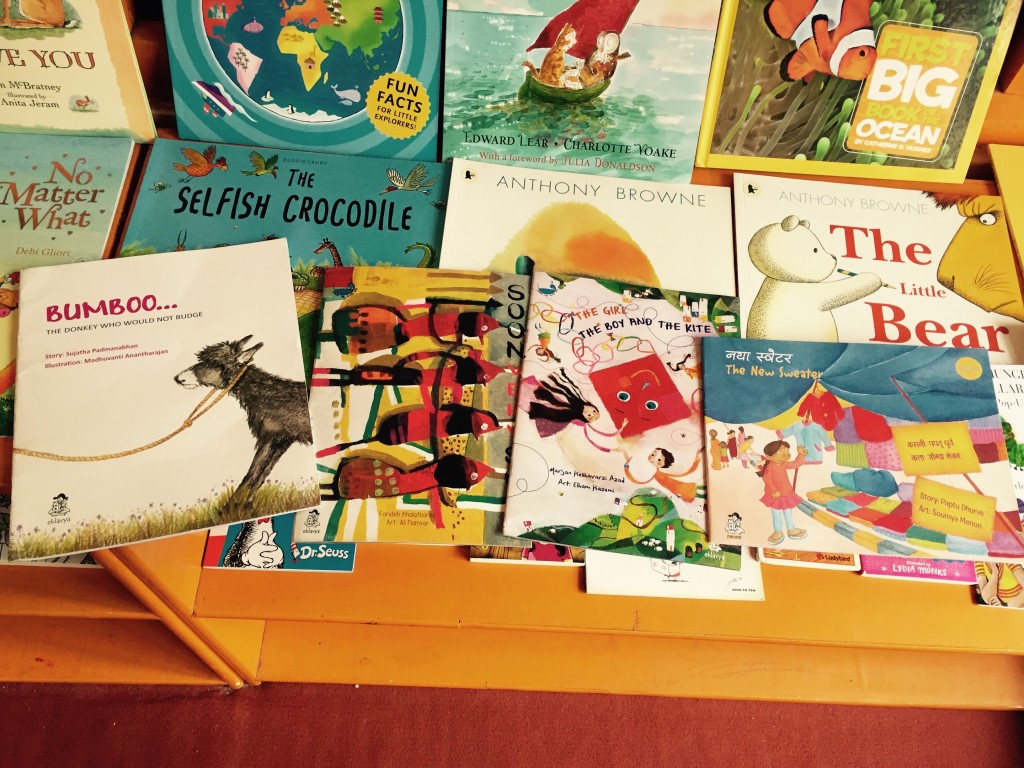
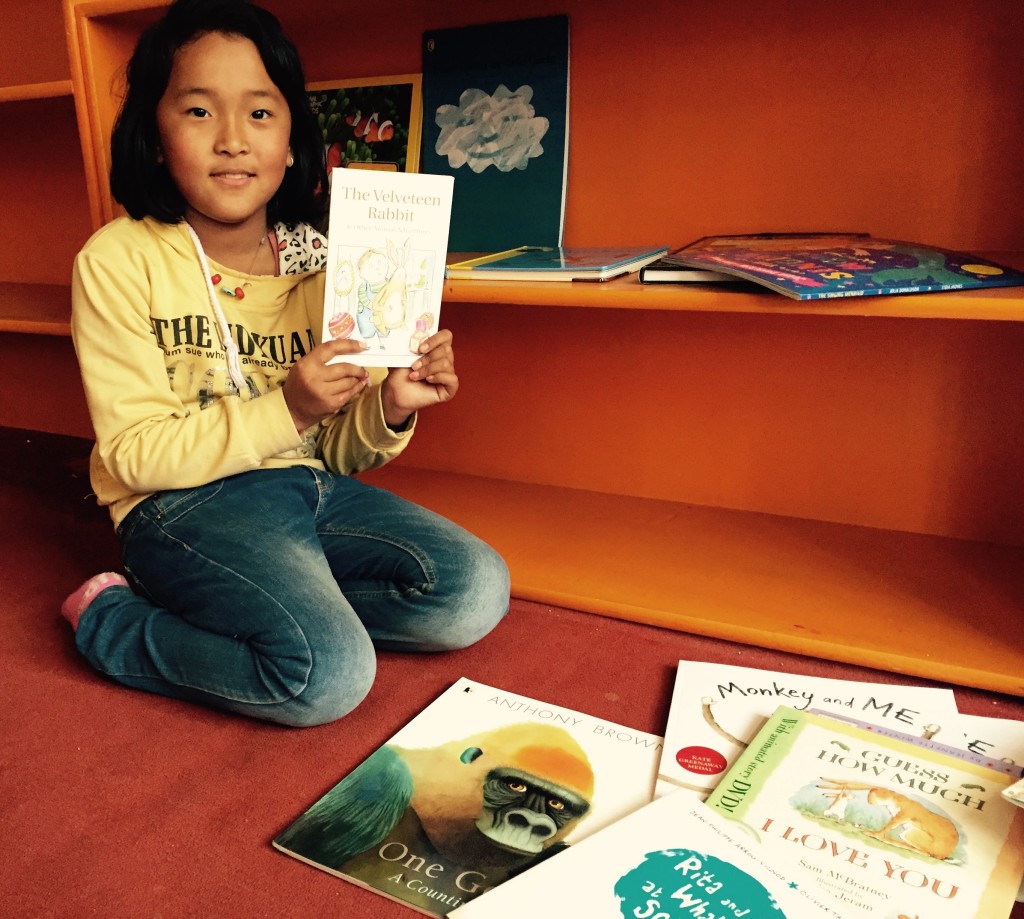
The story of one mountain band reflects the wider purpose of Avalokiteśvara Trust: bringing books, creative activities, and educational opportunities to communities in Ladakh and beyond. Like a reading room filled with new stories, a music corner gives children another language for curiosity, cooperation, and self-expression.
A Donation With a Wider Reach
The instruments arrived as practical objects, but their effect quickly became social. A guitar invited one child to learn chords; a drum gave another a steady rhythm; a keyboard helped the group hear melody and harmony. Once several children began experimenting, the equipment became a shared resource rather than a collection of individual possessions.
That distinction mattered. When instruments are scarce, music can feel like an activity reserved for a few confident pupils. A larger supply allows more children to participate, take turns, and find a role. Some may become performers, while others discover an interest in rhythm, songwriting, sound, or organizing rehearsals.
The first sessions were likely full of uneven notes and enthusiastic noise, which is part of learning. A young band does not need immediate polish to be meaningful. It needs a safe place to make mistakes, encouragement to continue, and adults who understand that creative progress often develops gradually.
Finding Rhythm In Mountain Life
Mountain communities bring a distinctive setting to music education. Children may live far from large cultural centers, professional teachers, and shops where instruments or sheet music are readily available. Travel can be difficult, and school schedules may be shaped by weather, seasonal work, and religious responsibilities.
These realities make a local music group especially valuable. Rehearsals can happen close to home, using simple arrangements that match the instruments available. Learners can teach one another, repeat familiar songs, and adapt practice to their surroundings instead of waiting for ideal conditions.
The band also creates a dependable point of connection. Children who might otherwise meet only in class or during routine community activities now have a common project. Listening to another player, keeping time, and waiting for an entrance are musical skills with everyday value: they build patience, attention, and respect.
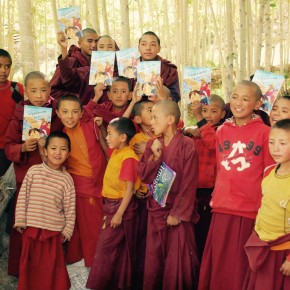
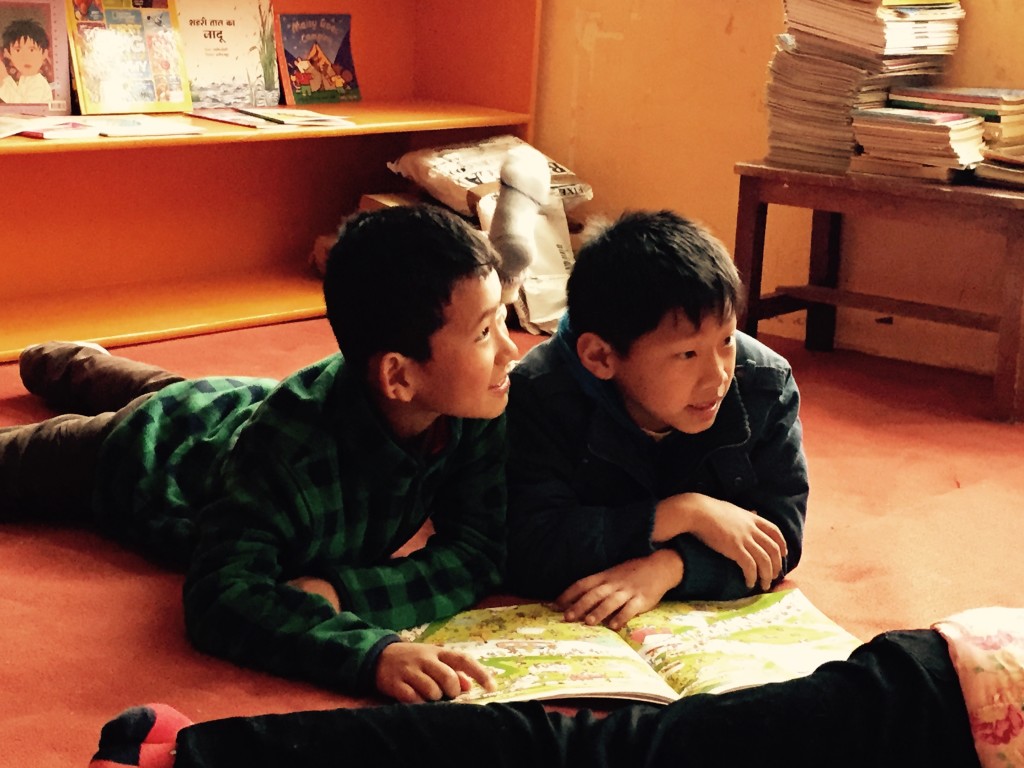
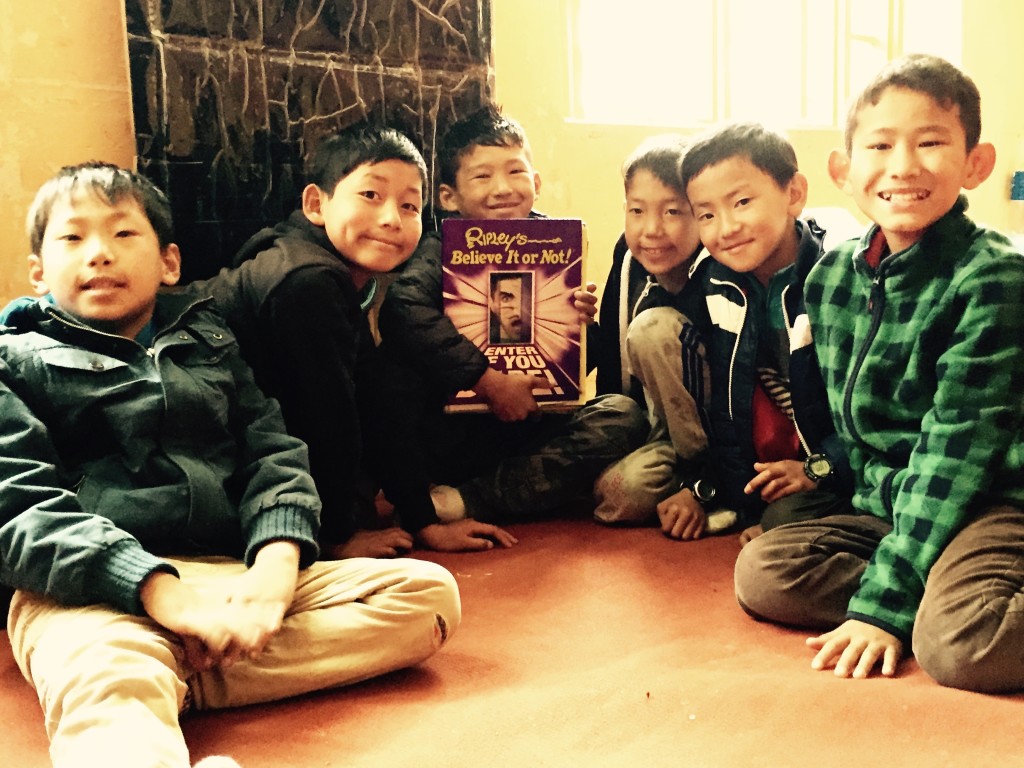
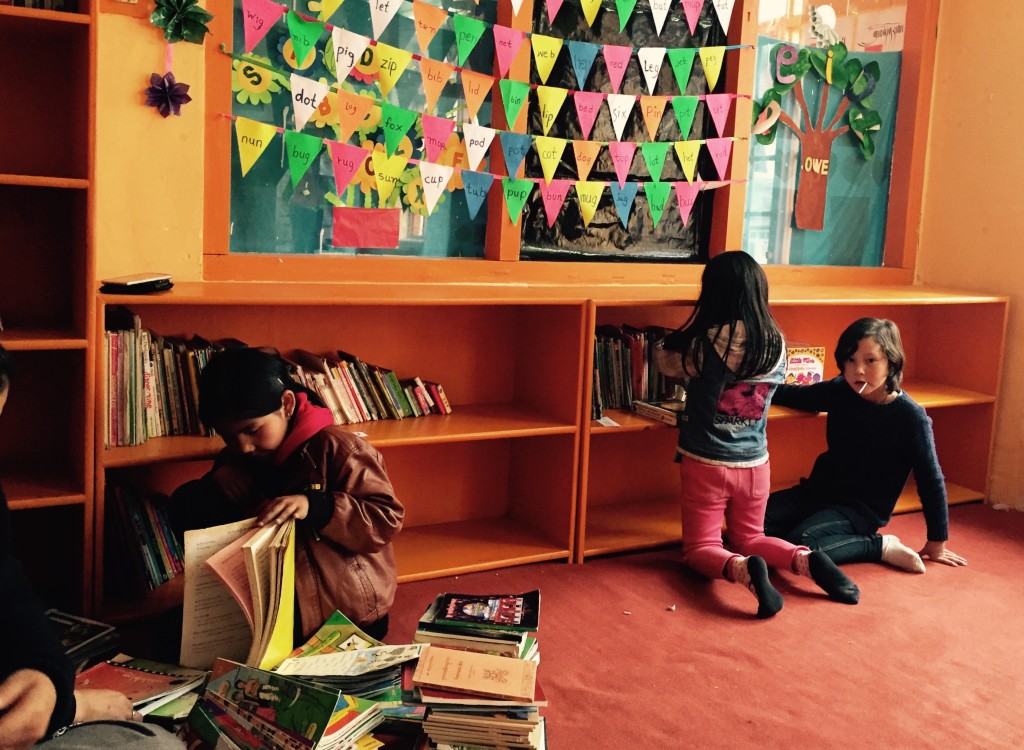
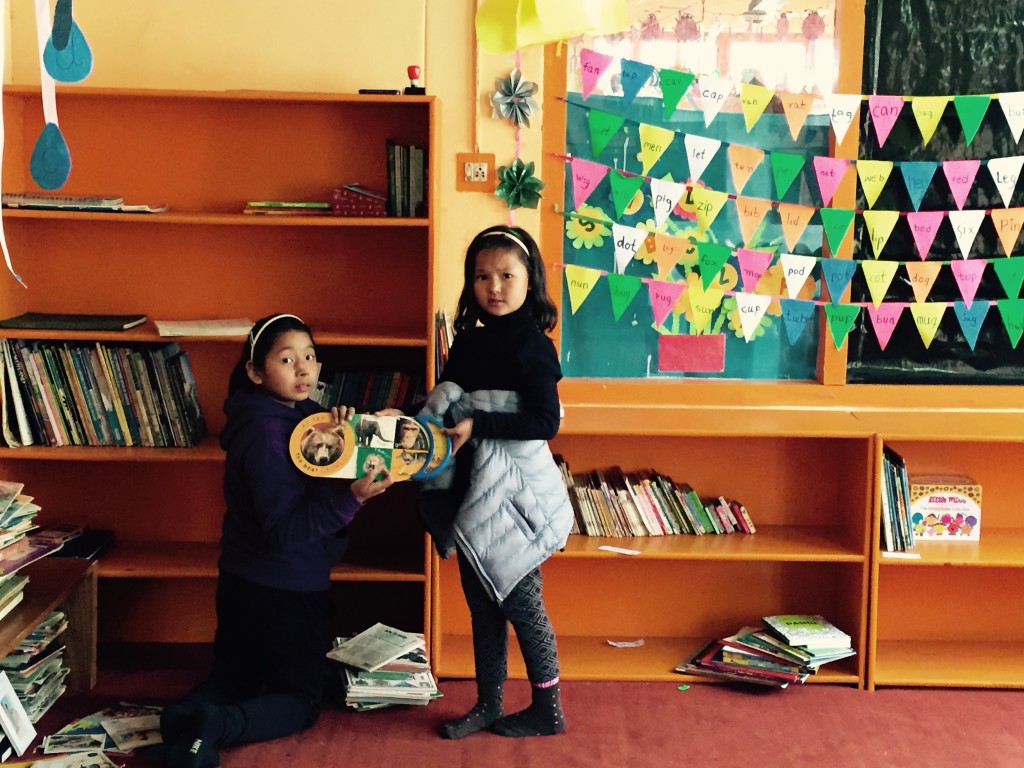
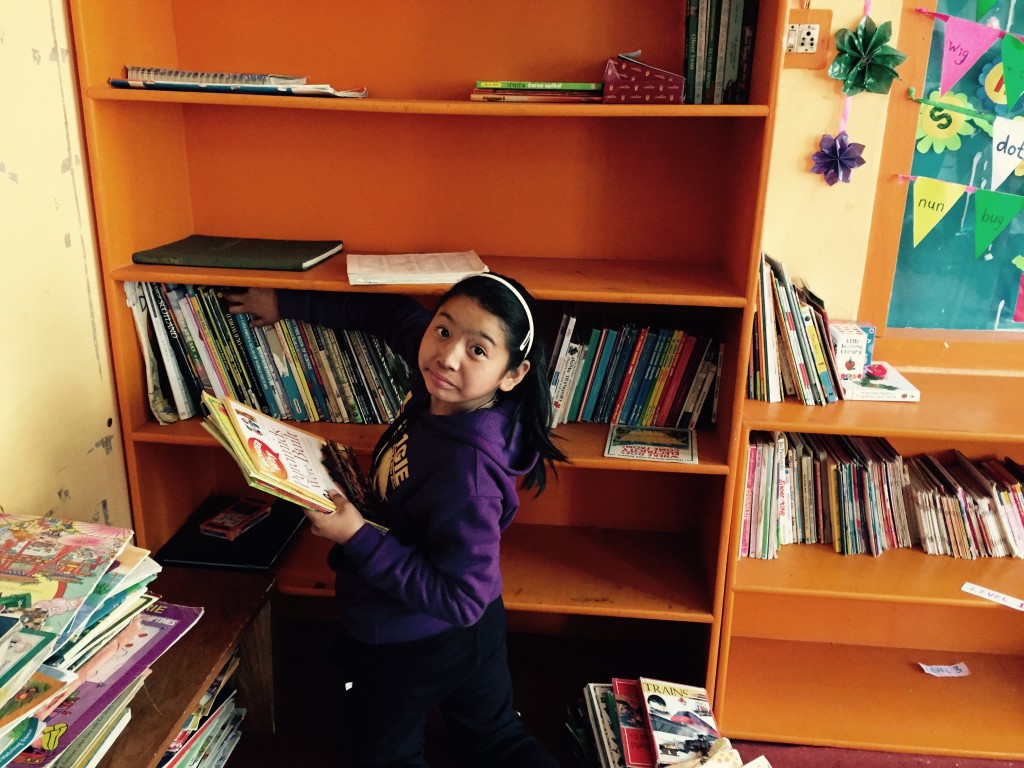
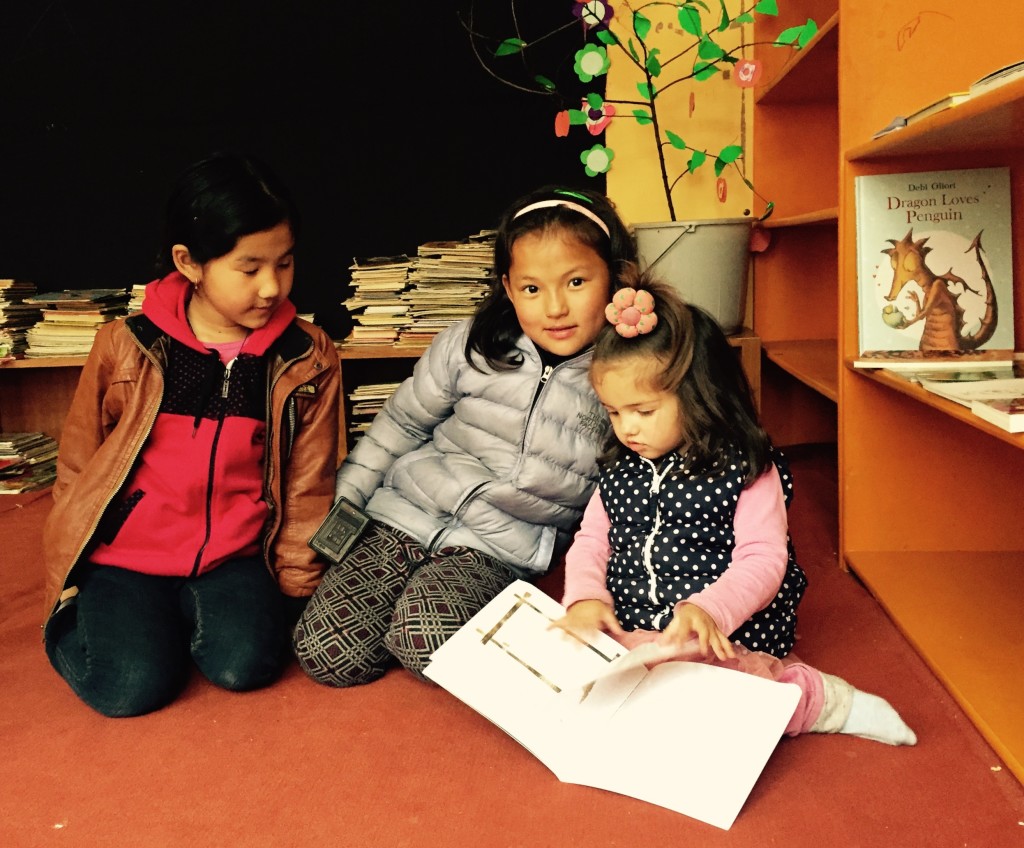
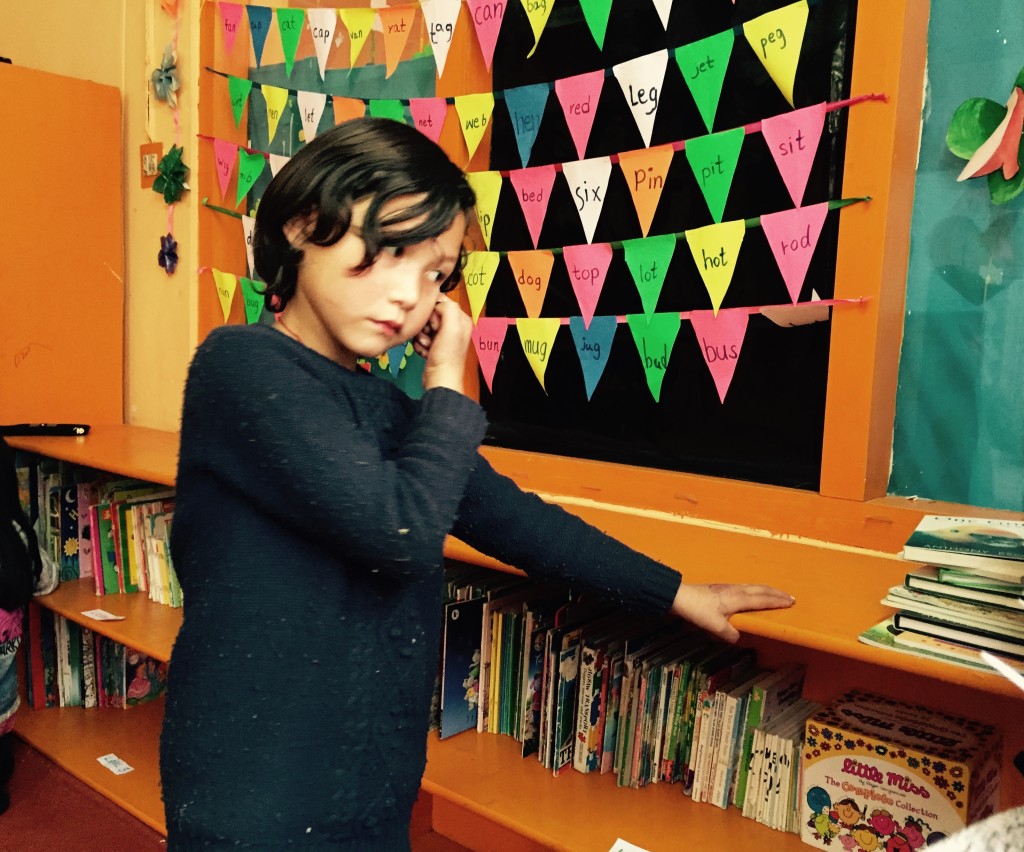
Music can sit naturally beside literacy. Children who enjoy stories may become interested in lyrics, poetry, and the written instructions behind a song. The same young readers who are captivated by adventurous fiction, as seen in the story of monks who love reading, can find another form of imaginative escape and expression through performance.
What A Community Band Teaches
A band teaches cooperation in a direct and memorable way. A drummer cannot simply play as loudly as possible, and a guitarist cannot ignore the tempo. Each participant has to hear the whole group while contributing an individual sound. That shared discipline can strengthen classroom habits and friendships.
It also gives children visible milestones. Learning a first scale, holding a rhythm for a full song, or performing for family members provides evidence of progress. For a child who may not often receive public recognition, that achievement can support self-belief and encourage further learning.
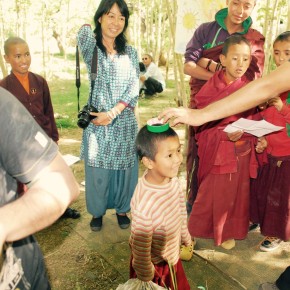
Performance does not have to mean a formal concert on a large stage. A band may play at a school gathering, a community celebration, or a small event for parents and friends. These occasions make practice feel purposeful while allowing the musicians to celebrate their own culture, surroundings, and developing talents.
| Resource |
Immediate Use |
Longer-Term Benefit |
| Guitars and string instruments |
Chords, accompaniment, songwriting |
Coordination and creative composition |
| Drums and percussion |
Beat, timing, group exercises |
Concentration and collaborative listening |
| Keyboards |
Melody, harmony, basic theory |
Confidence with musical structure |
| Sheet music and songbooks |
Guided practice and reading |
Literacy, memory, and independent learning |
| Storage and basic maintenance supplies |
Safe, organized access |
Responsibility and sustainable programming |
From First Notes To Shared Responsibility
A successful music program depends on more than receiving instruments. The children need time, guidance, and a practical system for sharing and caring for equipment. Even simple routines—returning instruments to the same place, checking strings, wiping keyboards, and recording practice times—help protect the donation.
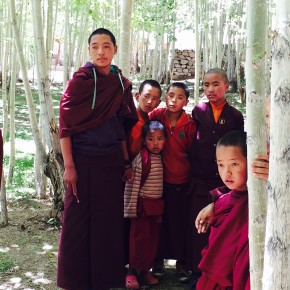
Older students and young monks can become important leaders in this process. A learner who has mastered a basic rhythm may guide a beginner. Someone who understands a song’s structure can help organize a rehearsal. Peer teaching builds confidence and allows knowledge to remain in the community even when visiting instructors cannot stay year-round.
This approach also makes the project more resilient. A band does not depend entirely on one teacher or one talented performer. It becomes a small learning network in which skills circulate. Over time, students can introduce new songs, arrange local melodies, and create performances that reflect the character of their mountain home.
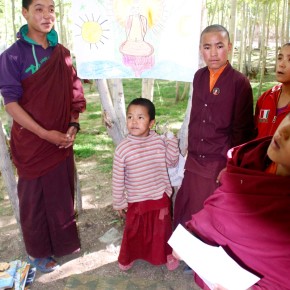
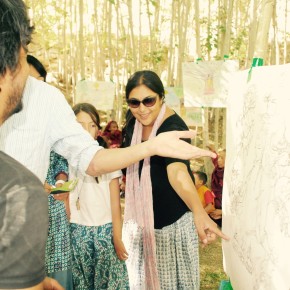
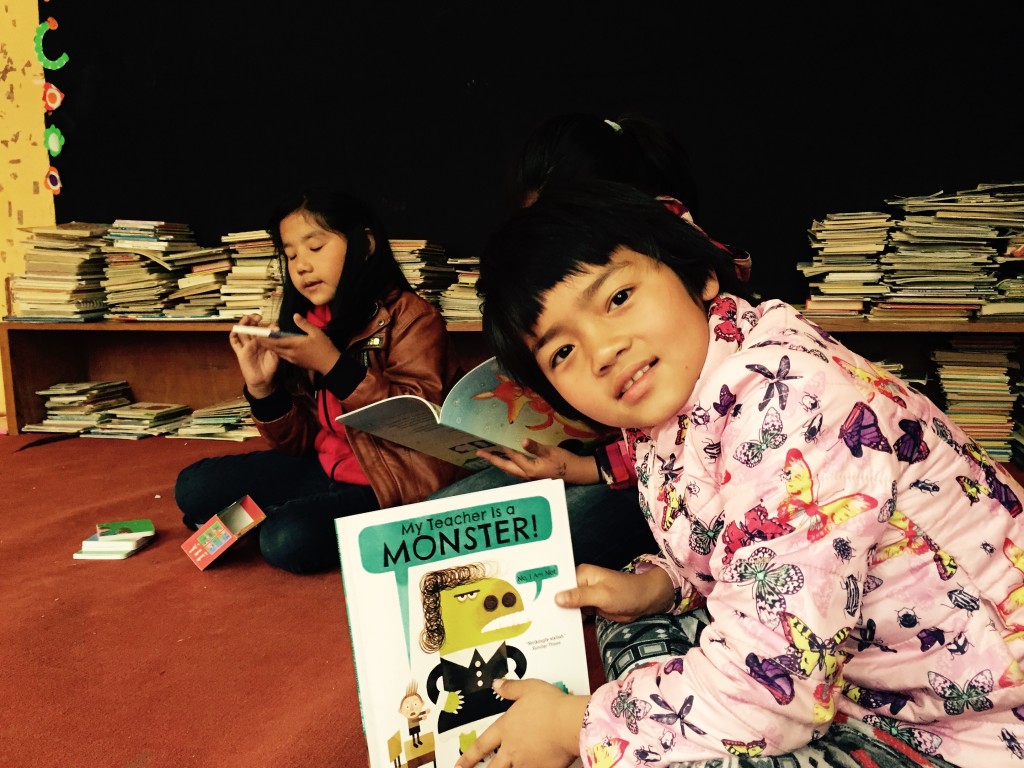
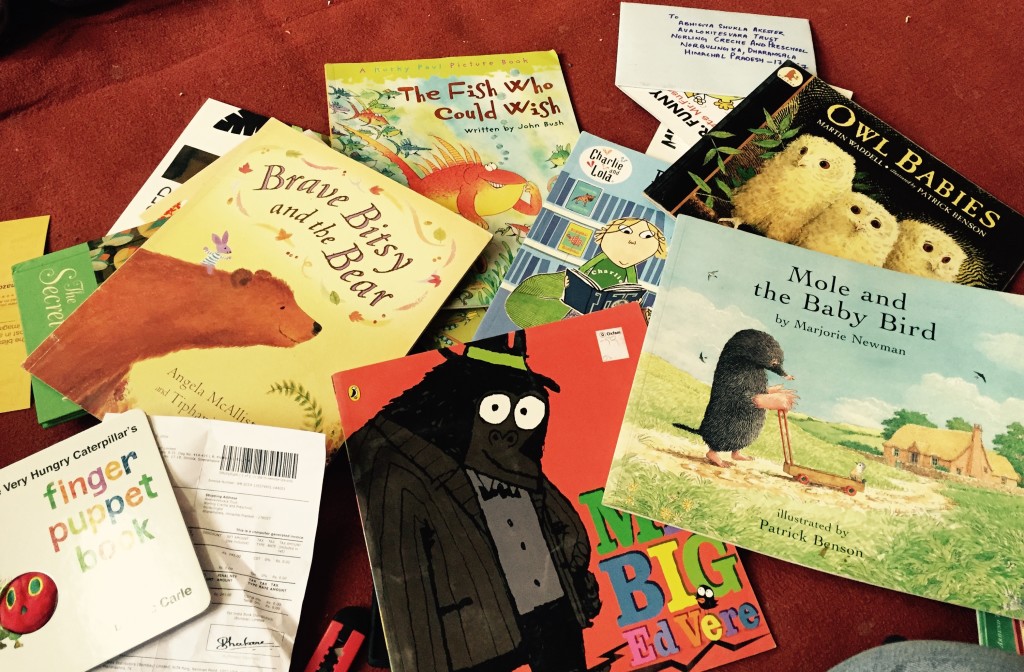
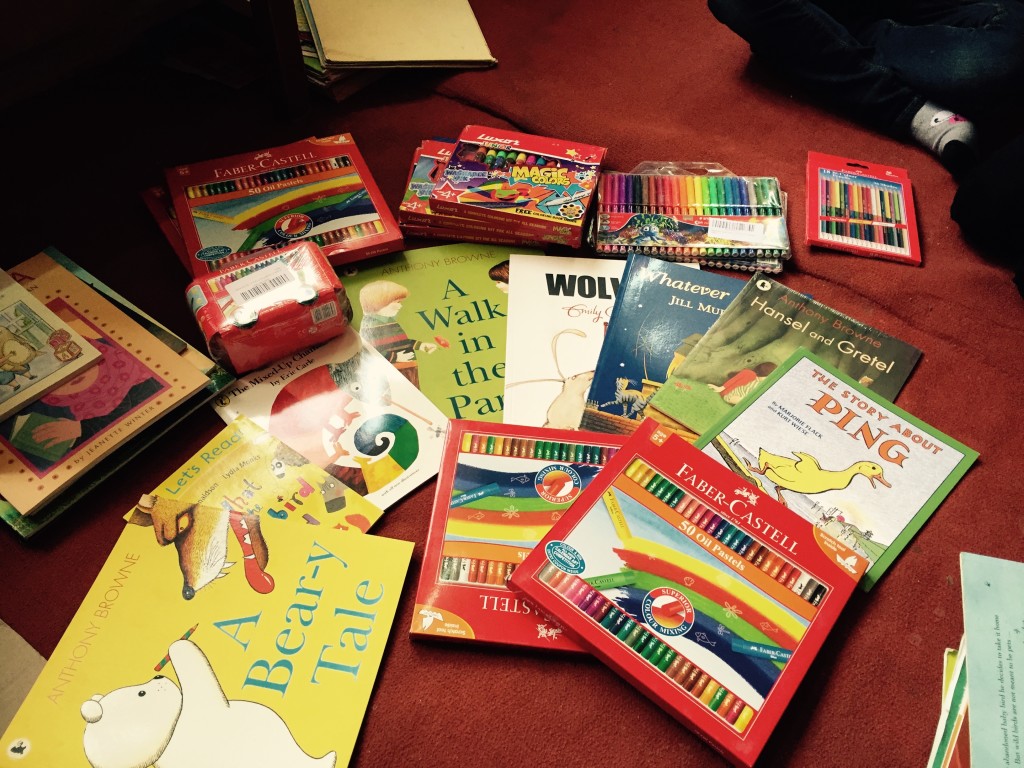
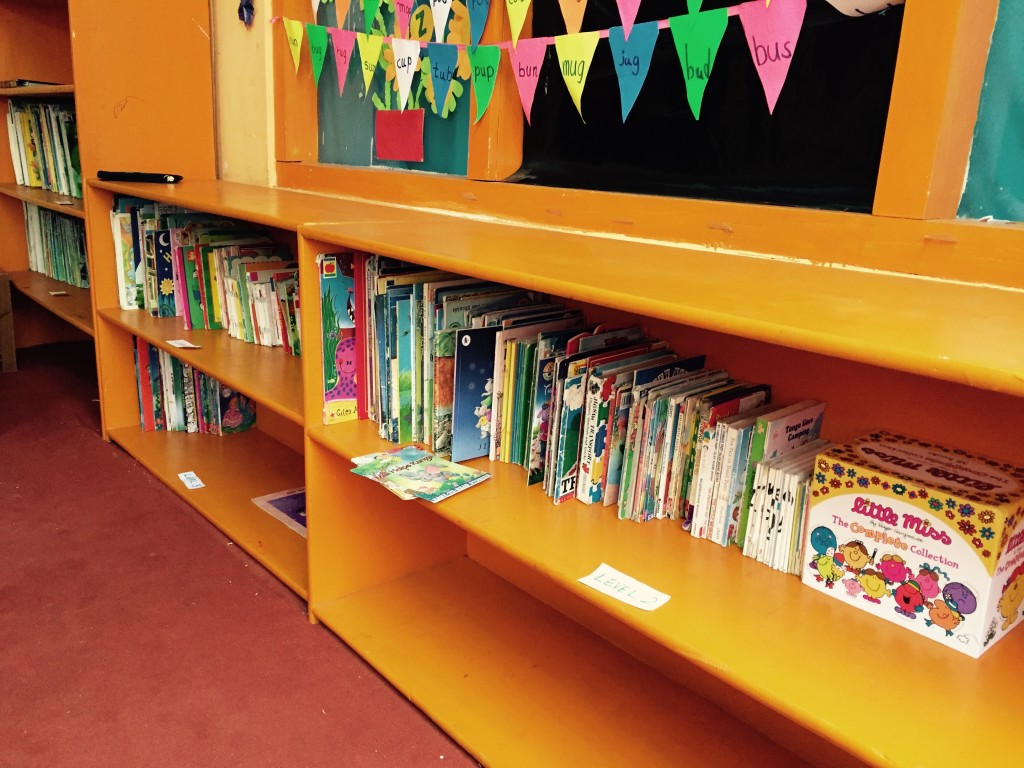
The instruments may also support wider educational activities. A reading room could host lyric-writing sessions, while an art workshop might produce posters for a concert. A book drive, music lesson, and creative gathering can reinforce one another, giving children several connected ways to explore ideas.
Why Small Gifts Can Create Lasting Change
A donation of instruments is easy to describe in numbers, yet its real value is measured in repeated use. One guitar may serve dozens of learners over several years. A set of drums can anchor group lessons, celebrations, and informal practice. Songbooks can be shared long after a single event has ended.
The impact spreads through families and the wider community. Parents see children developing discipline and confidence. Friends hear new sounds in familiar spaces. A performance can bring people together around something joyful and constructive, especially in places where organized arts opportunities are limited.
There is an emotional benefit as well. Music gives children a way to process excitement, homesickness, friendship, and hope without needing perfect vocabulary. It can help a quiet child participate without speaking at length and give an energetic child a positive structure for expression.
For donors, this is why supporting creative education matters. Funding an instrument is not simply purchasing an object. It is helping create access to practice, mentorship, community participation, and the possibility that one beginner will eventually encourage many others.
Support The Next Rehearsal
Contributions can help provide instruments, replacement strings, drumheads, music books, storage materials, and instruction for children and young monks in Himalayan communities. Each item supports a different part of the journey from curiosity to confident performance.
You can help extend this work by:
- Donating toward musical instruments and creative learning resources
- Supporting reading rooms and book drives alongside arts activities
- Sharing Avalokiteśvara Trust’s stories with friends, schools, and community groups
- Volunteering skills in music, education, library work, or program support
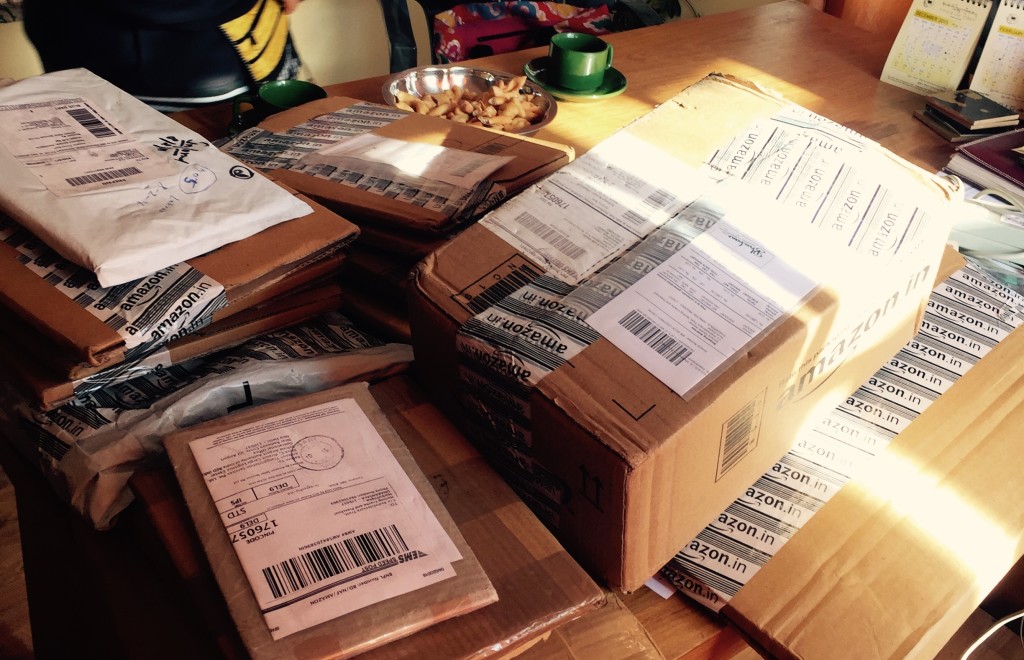
A single shipment of instruments sparked more than a band. It created a place where children could listen to one another, practice with purpose, and imagine new possibilities among the mountains. Support the next rehearsal through Avalokiteśvara Trust and help more young learners find their own rhythm.