How a Simple Alphabet Poster Became a Favorite Learning Tool
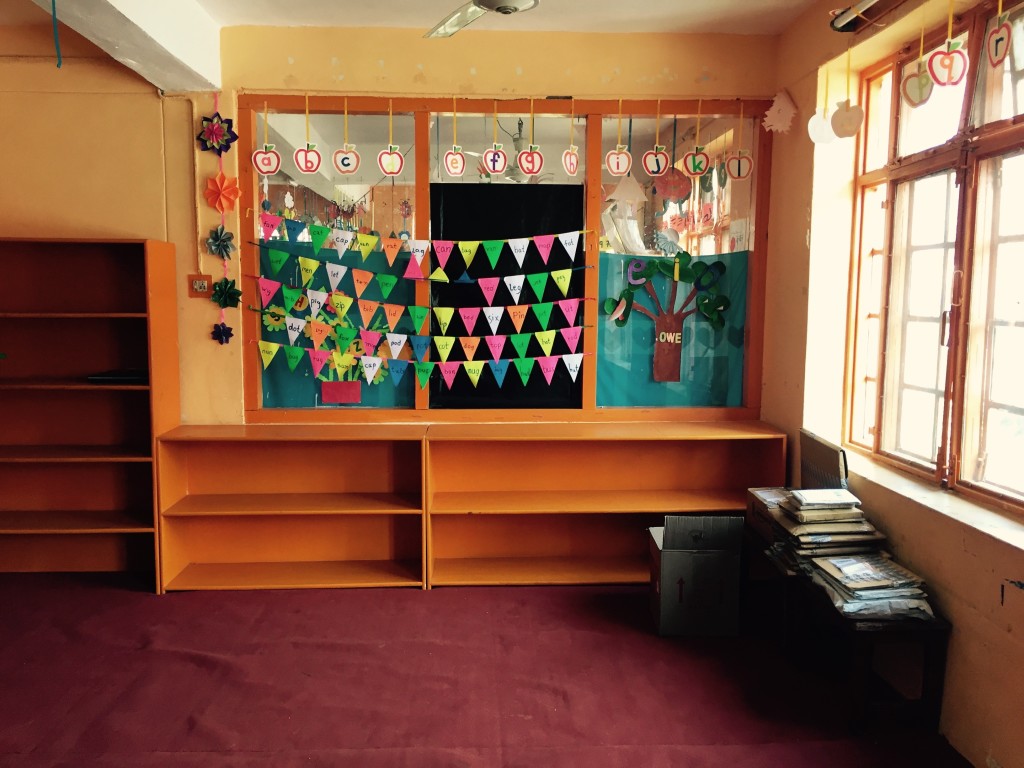
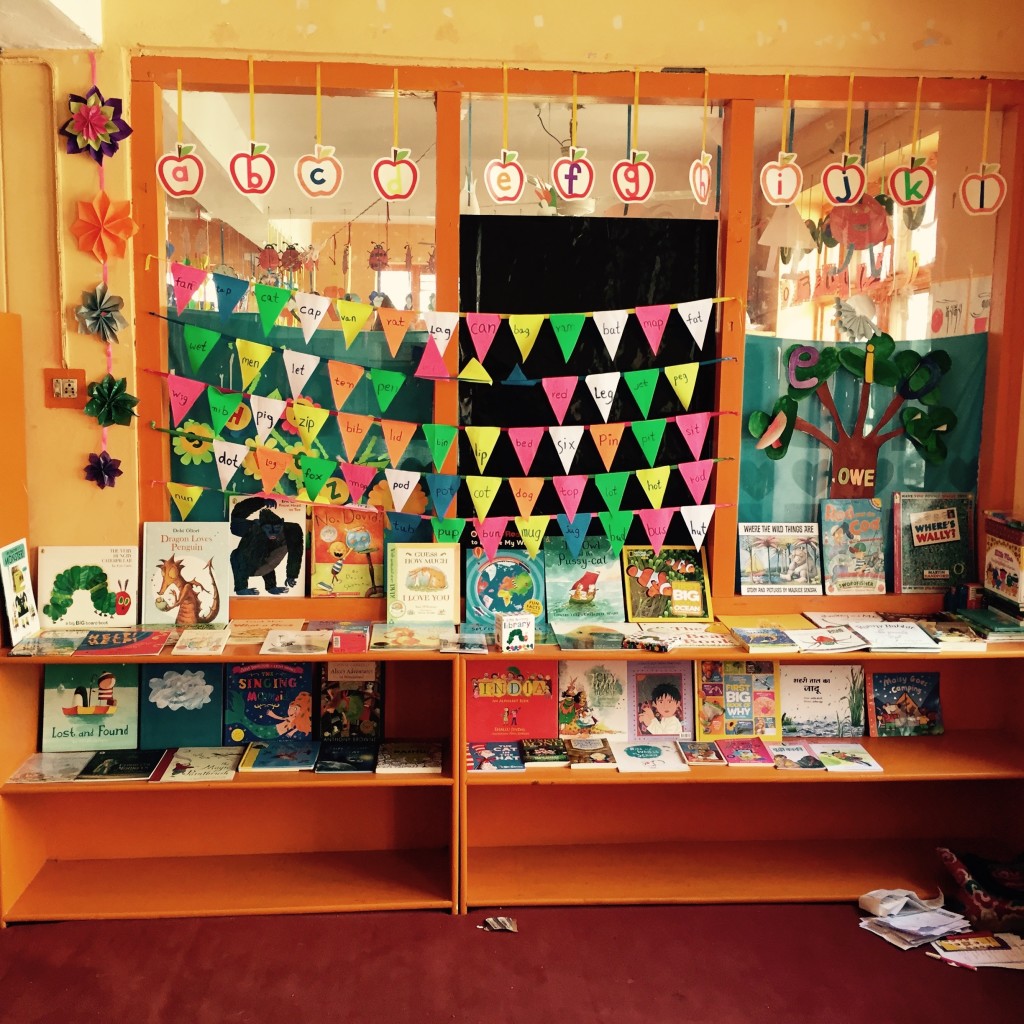
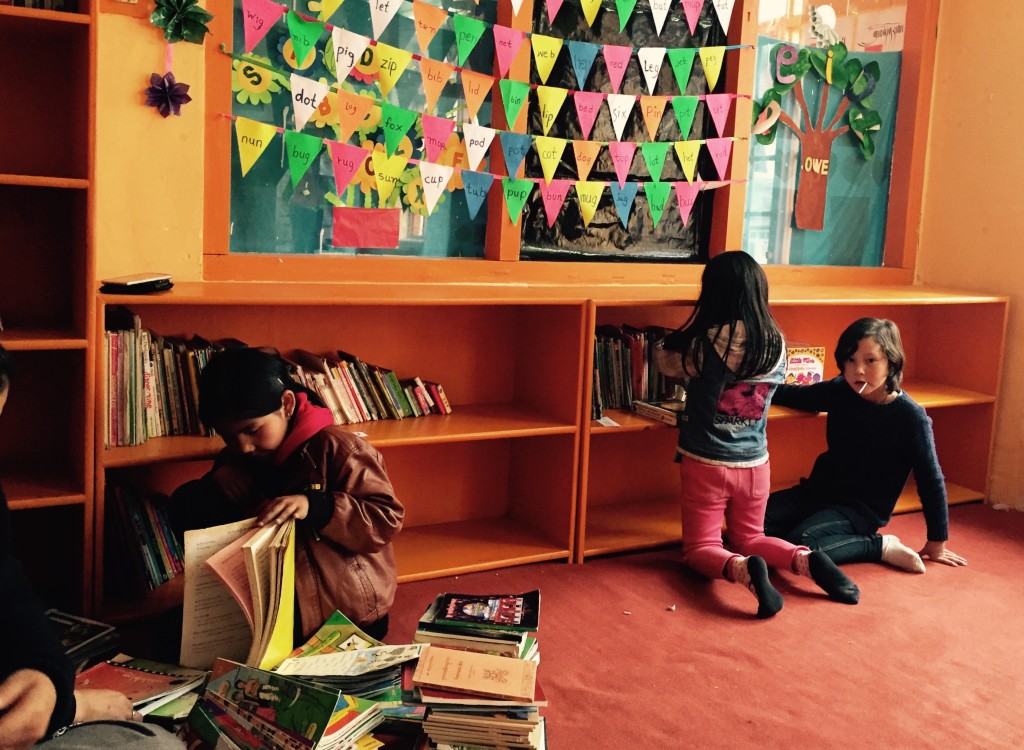
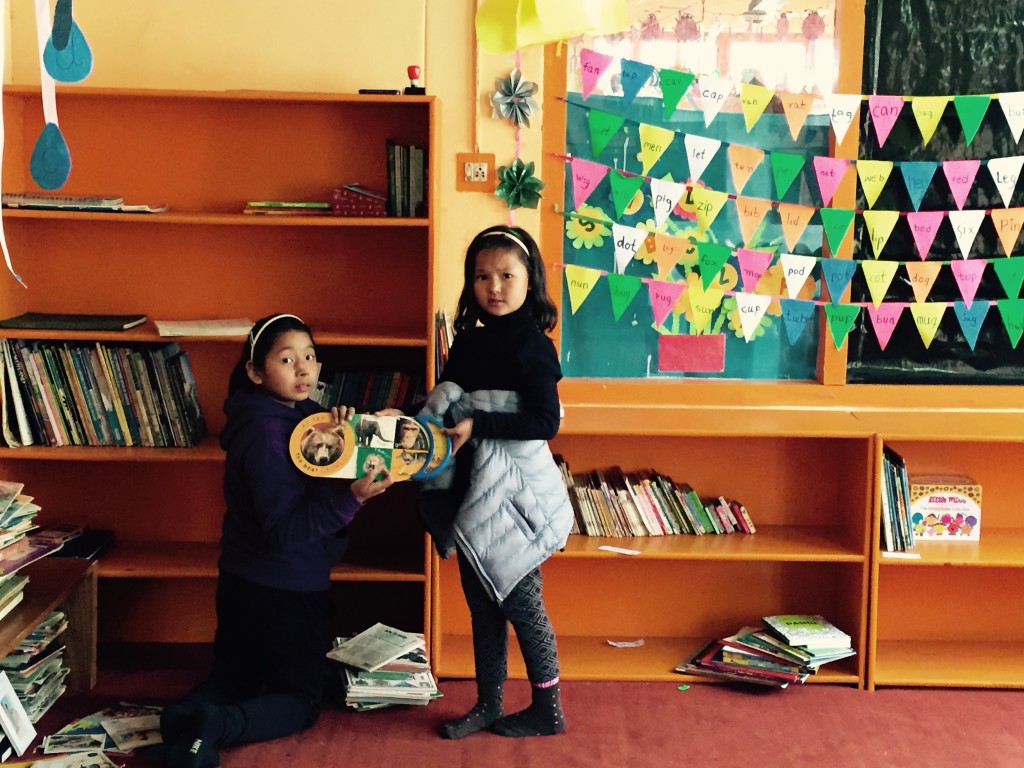
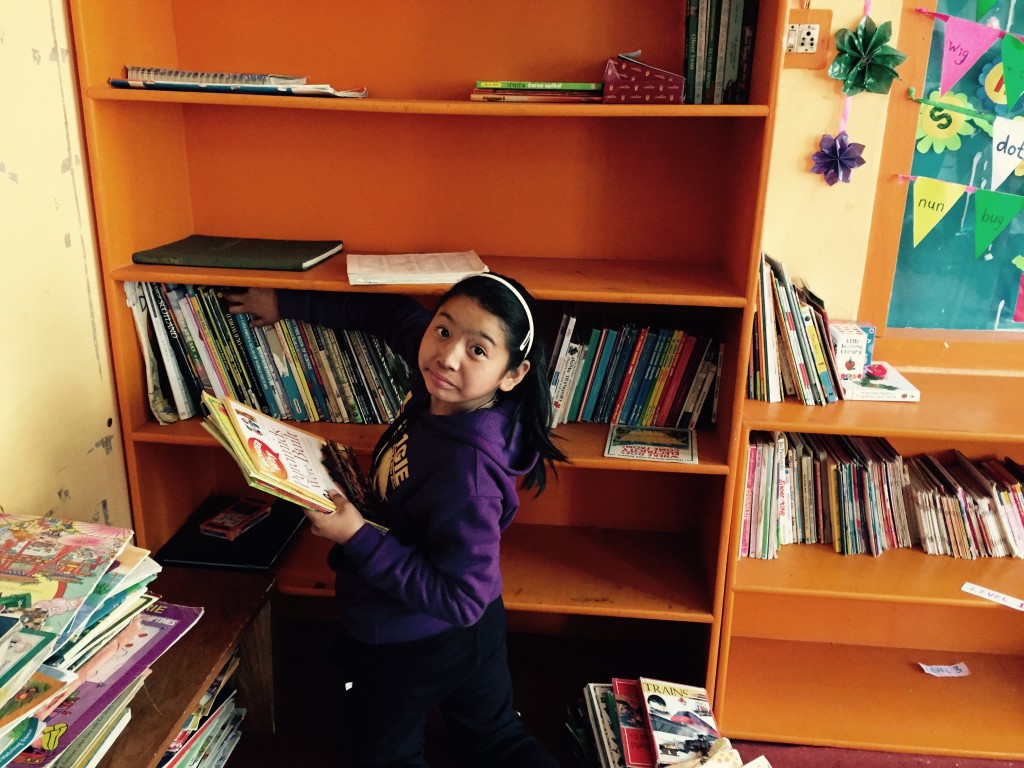
A classroom does not always need expensive equipment to become an inviting place to learn. In a reading room, a bright alphabet poster can turn an empty wall into a daily source of recognition, conversation, and discovery. Its letters, pictures, and colors offer children an approachable first step into reading.
For children growing up in Himalayan communities, access to engaging learning materials can vary widely. A well-designed alphabet chart gives young learners something dependable to return to, whether they are practicing English sounds, identifying familiar objects, or helping a younger child remember a letter.
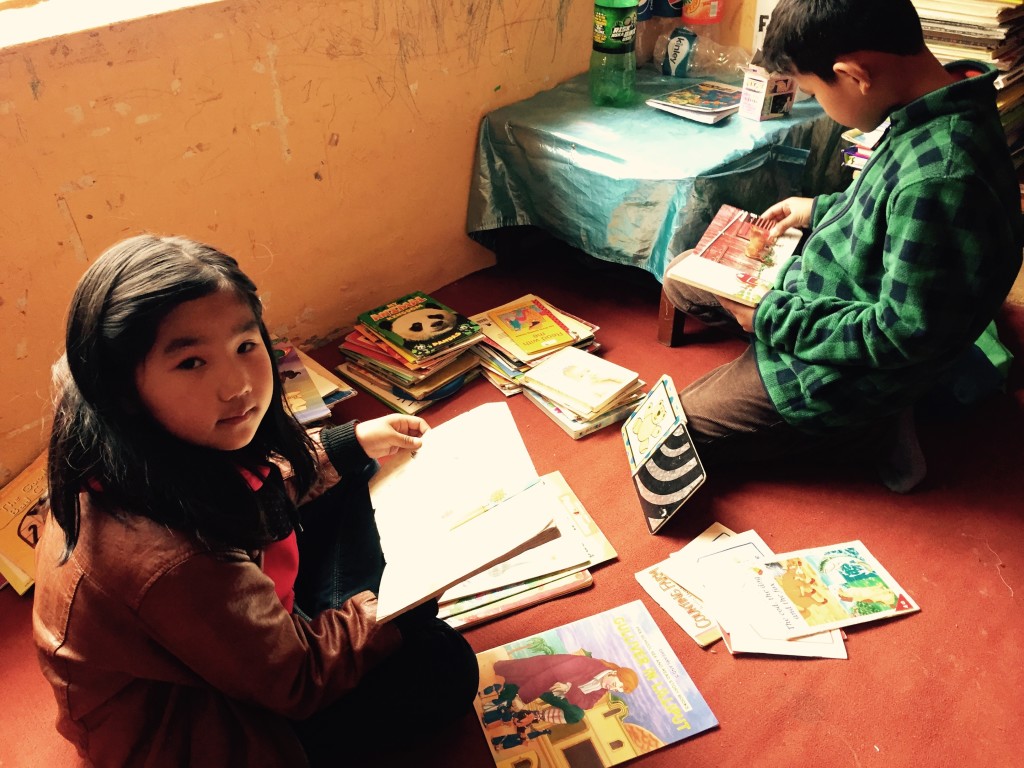
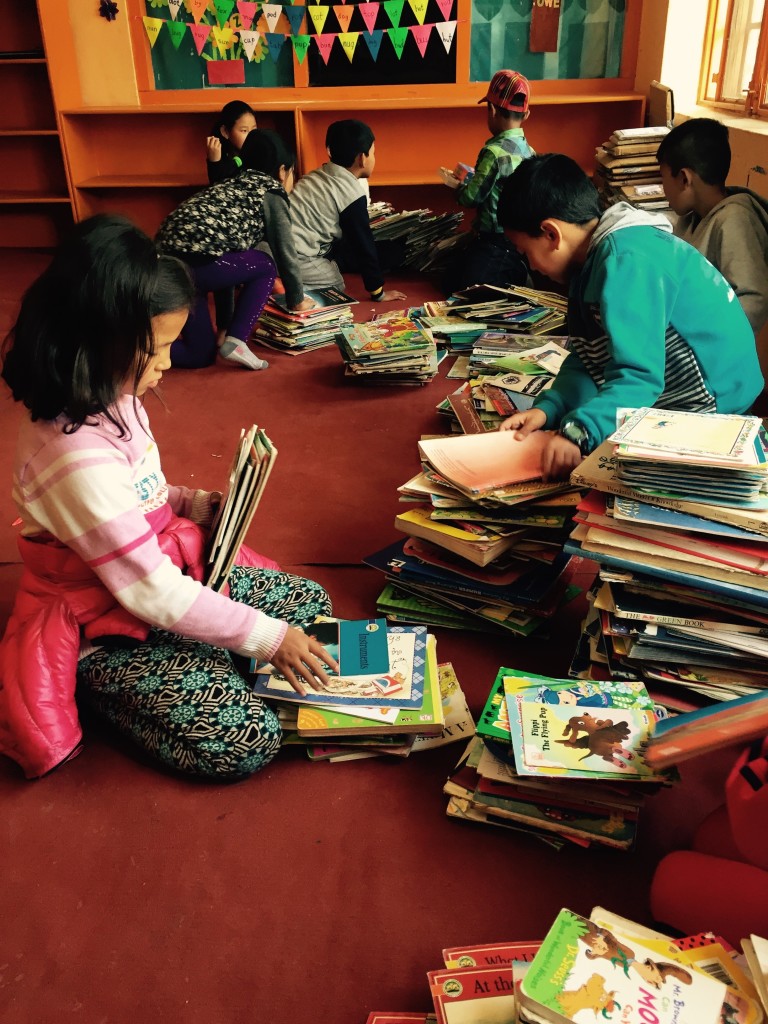
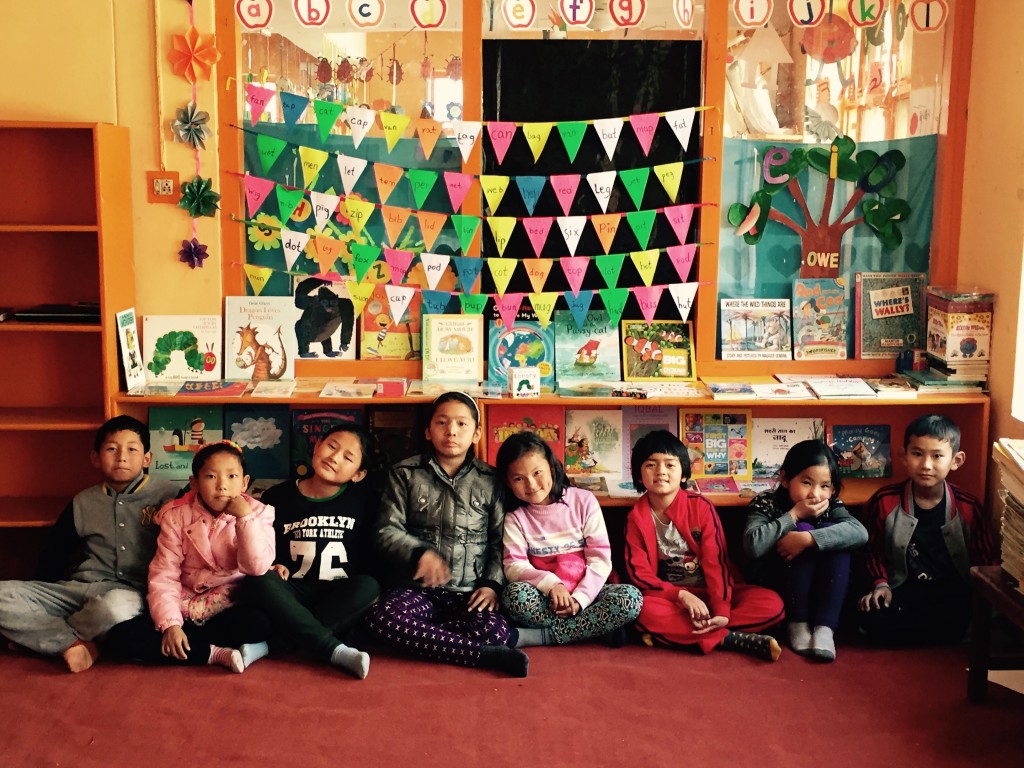
At Avalokiteśvara Trust, simple resources have a meaningful role alongside books, creative activities, music, and volunteer-led lessons. The poster is useful because it invites participation at many levels: a child may begin by pointing at a picture, then naming it, tracing a letter, and eventually reading a word independently.
Why familiar letters invite participation
Alphabet displays are easy to understand at a glance. A child who cannot yet read instructions can still recognize that each large symbol has a place on the wall. The visual order creates a gentle structure, while the colors and illustrations make the learning space feel lively rather than formal or intimidating.
The poster also supports informal learning. Children may gather around it before a lesson, compare pictures, or test one another on letter sounds. These small exchanges turn practice into a shared activity. A young learner who is hesitant to speak in front of a group may feel more comfortable pointing, repeating, or joining a song.
Familiarity is important in early literacy. Seeing the same letters day after day gives children repeated exposure without making practice feel like a test. Over time, the alphabet chart becomes part of the room’s identity, much like a favorite book or a well-used set of colored pencils.
Designing for many kinds of learners
A useful alphabet poster should be clear before it is decorative. Large letters, strong contrast, generous spacing, and recognizable images help children distinguish one symbol from another. A crowded design may look attractive from a distance but can make it harder for early readers to focus on individual letter forms.
Pictures should also connect with children’s experiences. Animals, plants, household objects, landscapes, and everyday activities can help learners attach meaning to unfamiliar words. In Ladakh and other Himalayan settings, culturally familiar images may encourage children to talk about their own lives while building vocabulary in English.
The same poster can serve learners at different stages. Beginners can practice naming letters and pictures. Developing readers can match uppercase and lowercase forms, identify beginning sounds, or copy short words. More confident children can use the display to lead a game or help someone else, turning literacy practice into peer learning.
From wall display to active lesson
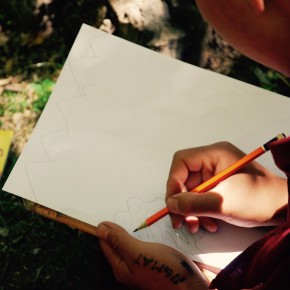
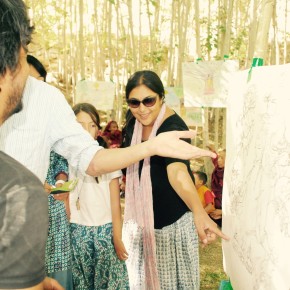
The strength of an alphabet chart lies in how people use it. A volunteer might invite children to find the first letter of their name, locate a letter hidden in a storybook, or arrange letter cards in the same order as the wall display. These activities transform a static classroom decoration into an interactive teaching aid.
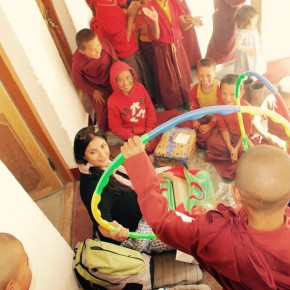
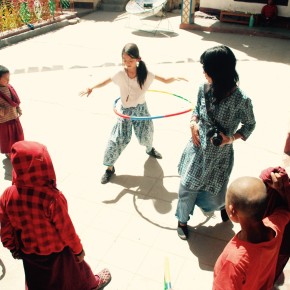
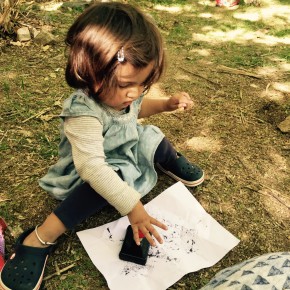
Movement can make the lessons memorable. Children can walk to the letter they hear, clap when a target sound appears, or form letter shapes with their hands. Drawing, singing, and simple rhythm exercises bring artistic and musical learning into literacy work, helping children who respond better to sound or physical activity than to worksheets.
A poster can also support storytelling. A volunteer may select three pictures from the chart and ask children to create a short tale, then add new words as the story develops. This approach connects phonics, vocabulary, speaking, imagination, and social confidence within one flexible exercise.
| Poster feature |
Learning opportunity |
Simple activity |
| Large uppercase letters |
Letter recognition and visual memory |
Find the letter that begins a child’s name |
| Lowercase matches |
Understanding different letter forms |
Pair cards with the wall display |
| Clear illustrations |
Vocabulary development |
Name the picture and describe it |
| Strong colors and spacing |
Focus and visual distinction |
Point to a requested letter quickly |
| Familiar objects and animals |
Personal connection and conversation |
Tell a story using three images |
| Durable paper or lamination |
Frequent, long-term use |
Use the poster during daily reading time |
Reading rooms make repetition possible
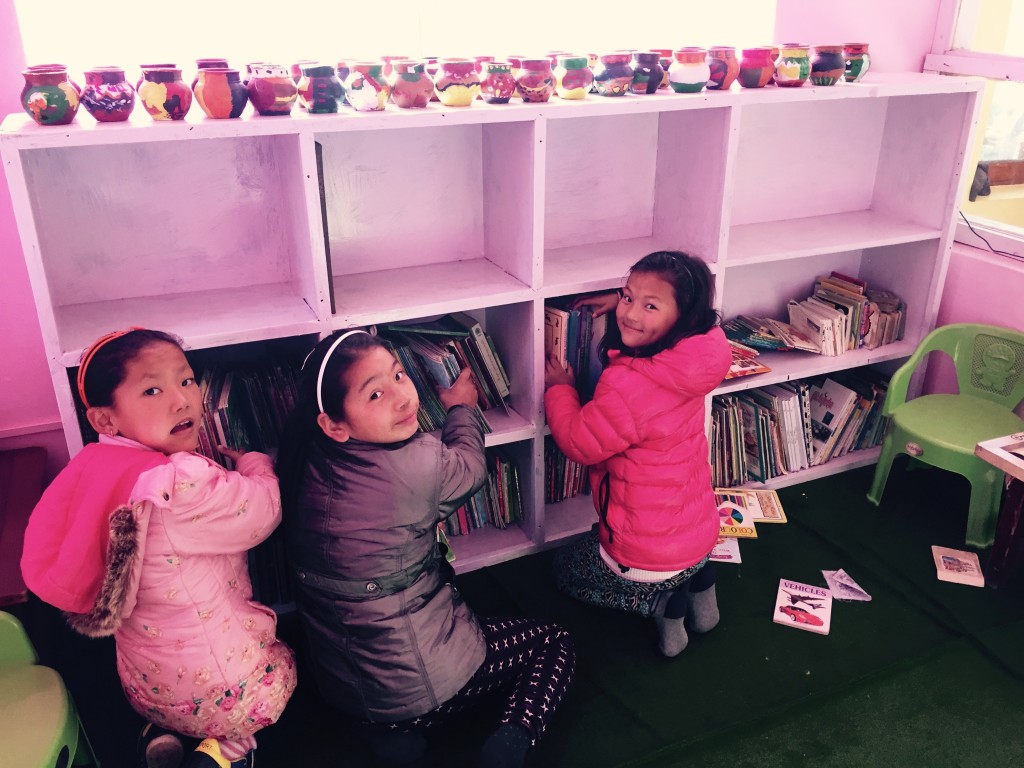
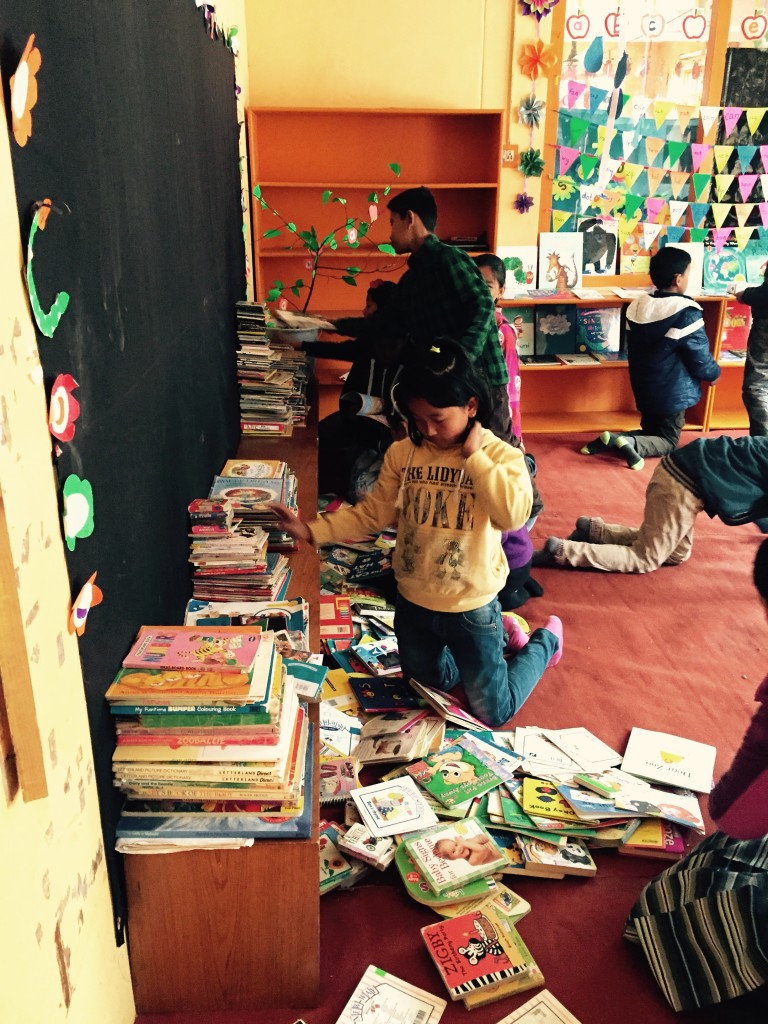
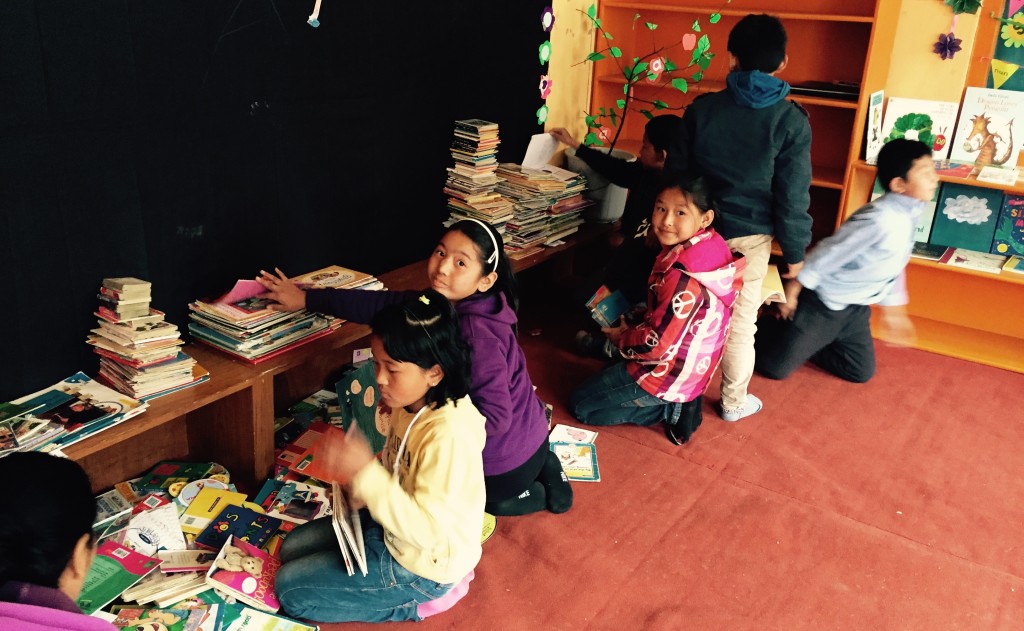
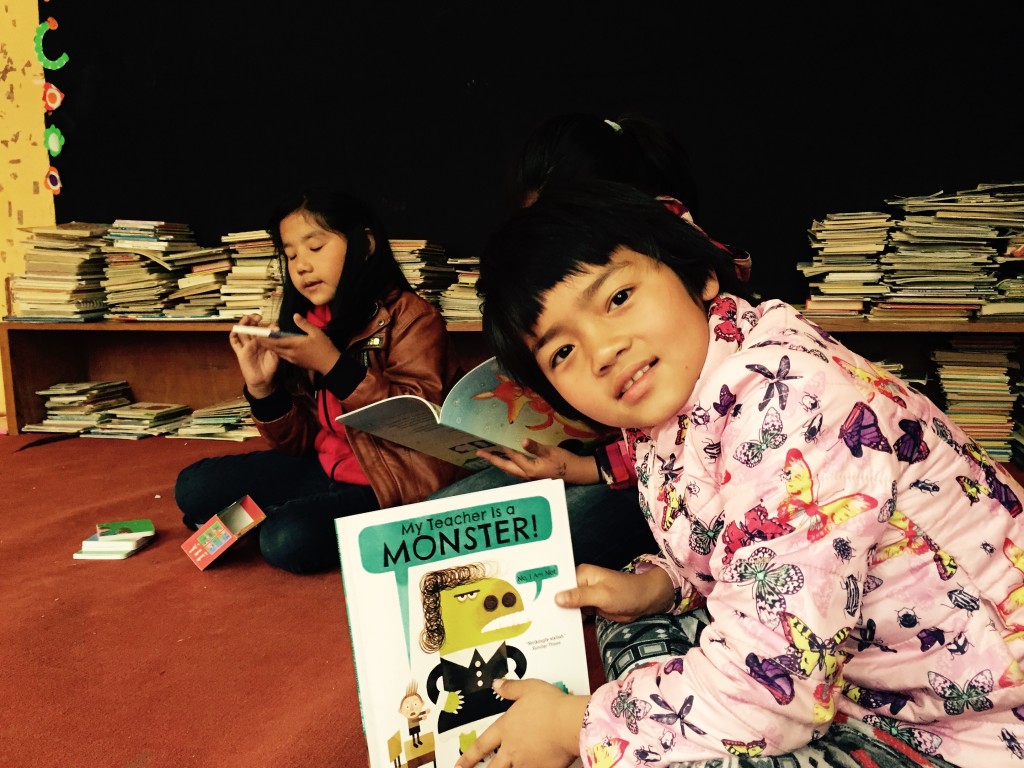
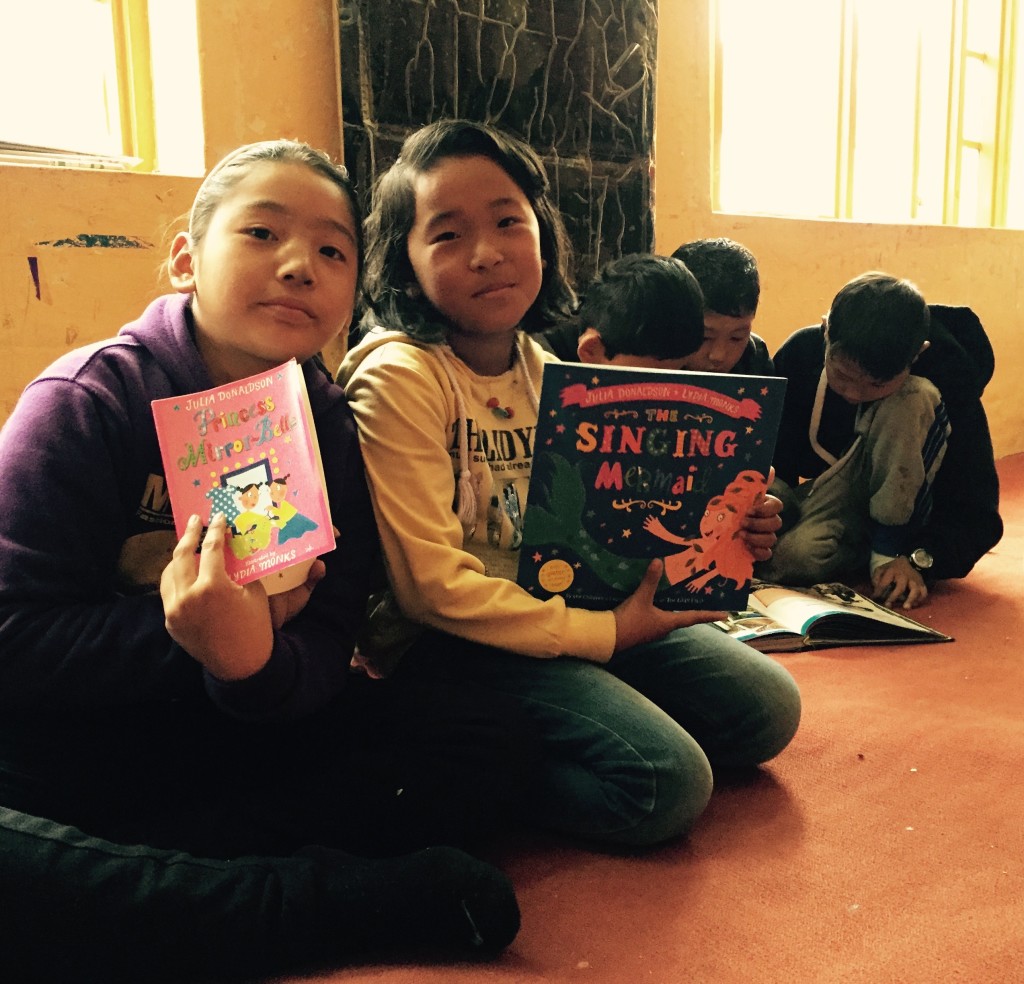
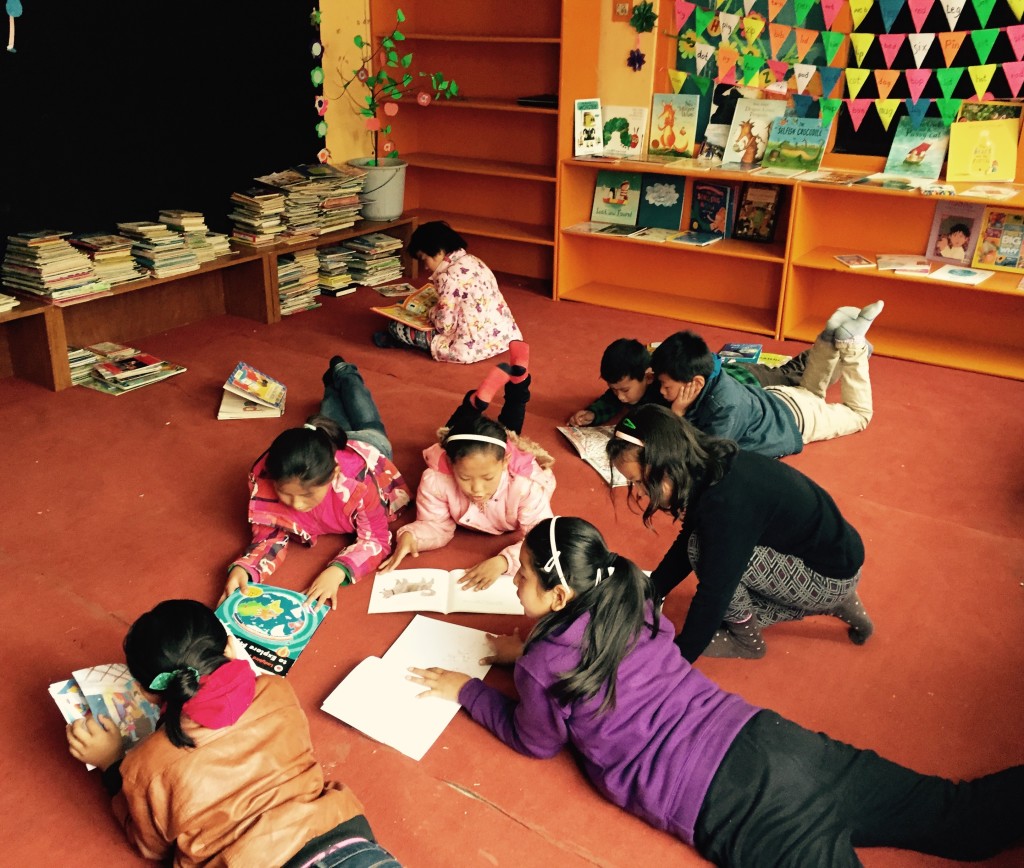
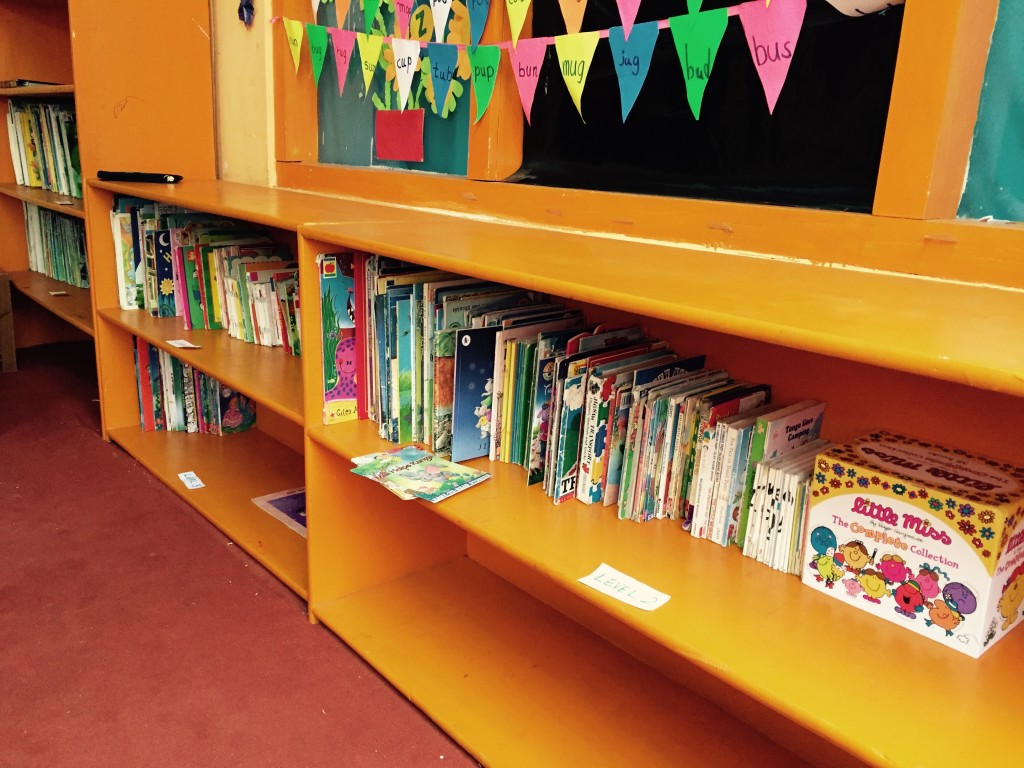
A learning tool becomes more valuable when children can encounter it regularly. In a reading room, an alphabet poster remains available between organized activities. Children can look at it while waiting for a book, use it during a drawing session, or revisit it after a story has introduced a new word.
This regular access matters because literacy develops through repeated contact with letters, sounds, vocabulary, and books. A child may not remember a new symbol after one lesson, yet recognize it after seeing it across several visits. The poster quietly supports this process without demanding special equipment or a separate lesson plan every time.
Its durability also makes it practical for community education. A carefully placed chart can welcome different groups of children throughout the year. Volunteers can build new games around the same resource, while children who have already mastered basic letters can take responsibility for guiding younger participants.
Small achievements build confidence
Learning becomes more encouraging when children can see their progress. A child who once needed help identifying a letter may later point to it quickly, write it independently, or use it in a word. These visible steps deserve recognition, especially for learners who may have had limited access to books and structured educational support.
Celebration does not need to be elaborate. A round of applause, a drawing displayed on the wall, a chance to lead a letter game, or a certificate can show children that their effort matters. Stories about celebrating children’s achievements reflect how encouragement can connect learning with pride and belonging.
Recognition also strengthens the community around a reading room. Families, volunteers, and teachers can see that progress is made through consistent attention rather than instant results. When children feel that their achievements are noticed, they are more likely to open another book, attempt a difficult word, or help someone else learn.
Keeping a simple resource meaningful
An alphabet poster works best when it is part of a wider learning environment. Books give the letters context, creative activities let children express what they understand, and conversation helps them use new vocabulary. The poster acts as a bridge among these experiences rather than standing apart from them.
Its simplicity is a practical advantage. A volunteer does not need advanced teaching equipment to use it, and a child does not need prior reading ability to participate. The chart can support a short activity during a busy afternoon or become the center of a longer lesson built around stories, songs, drawing, and group games.
Anyone preparing a literacy space can make the resource more effective by focusing on consistency and participation:
- Place the poster at children’s eye level where they can point to it easily.
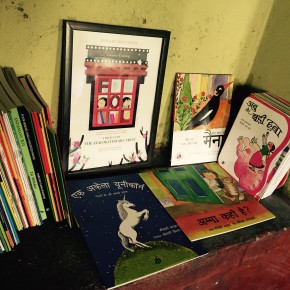
- Pair letter practice with picture books, songs, and familiar objects.
- Invite children to lead matching, naming, and letter-search activities.
- Replace damaged materials and keep the display clean and easy to read.
- Celebrate steady progress with kind, specific encouragement.
A small alphabet display can therefore become much more than classroom decoration. It can greet children when they enter, support volunteers during activities, and provide a familiar reference across many visits. In a Himalayan reading room, that dependable presence helps make literacy feel accessible, social, and joyful.
Support from donors and volunteers helps create spaces where resources like this can be used every day. By contributing books, time, creative skills, or practical assistance to Avalokiteśvara Trust, you can help more children discover the confidence that begins with recognizing one letter.