Celebrating Children’s Achievements with Certificates
A certificate can be a small piece of paper with a lasting meaning. For children in Himalayan communities, receiving one may represent weeks of reading, a brave performance, a completed art project, or the confidence to speak in front of others. Volunteers use these moments to recognize effort and show that every step in learning deserves attention.
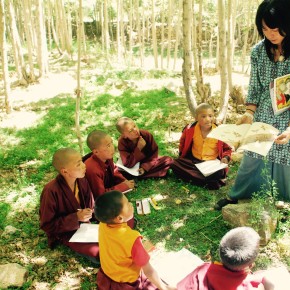
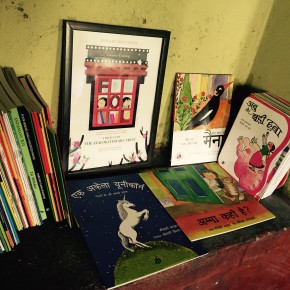
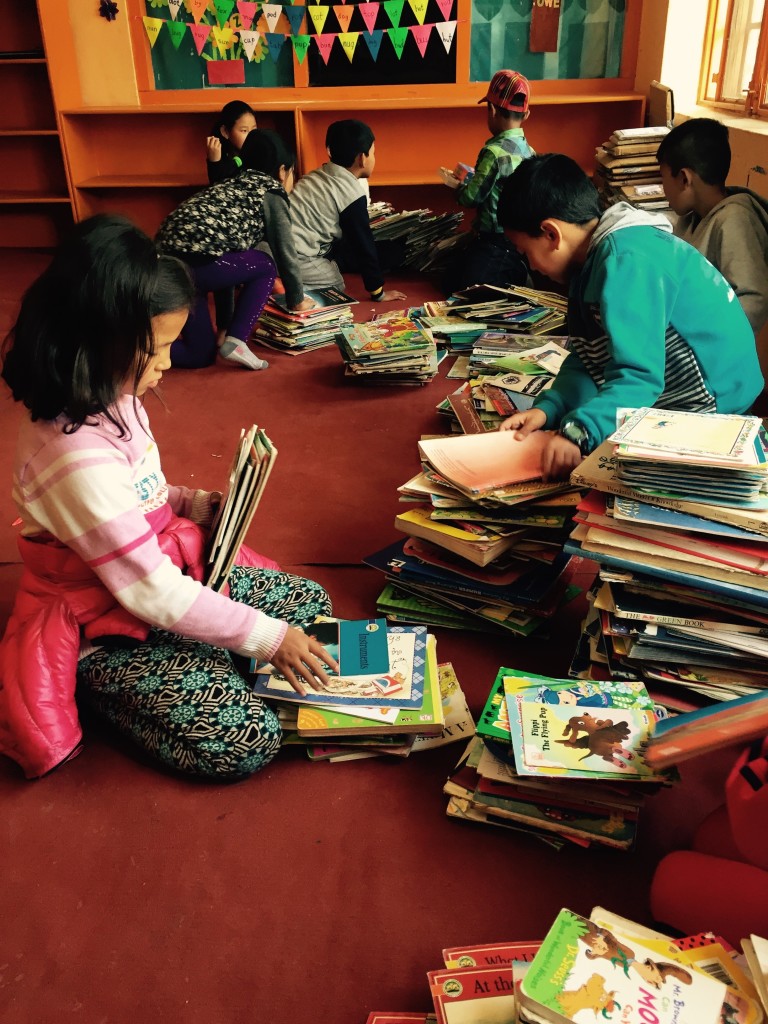
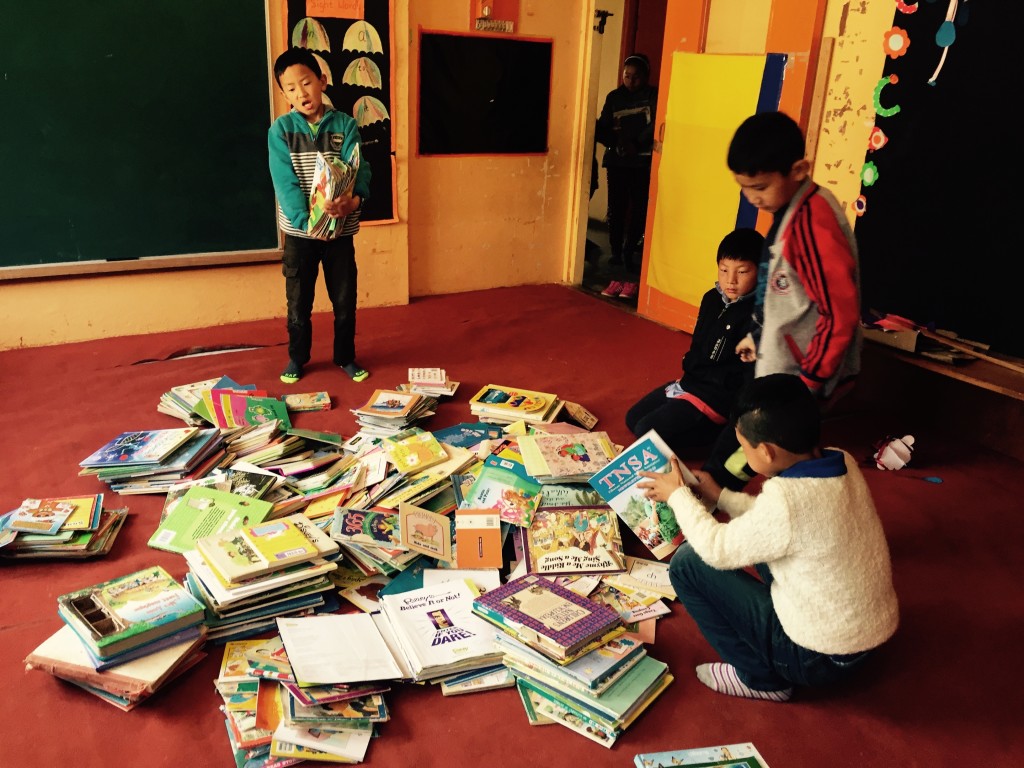
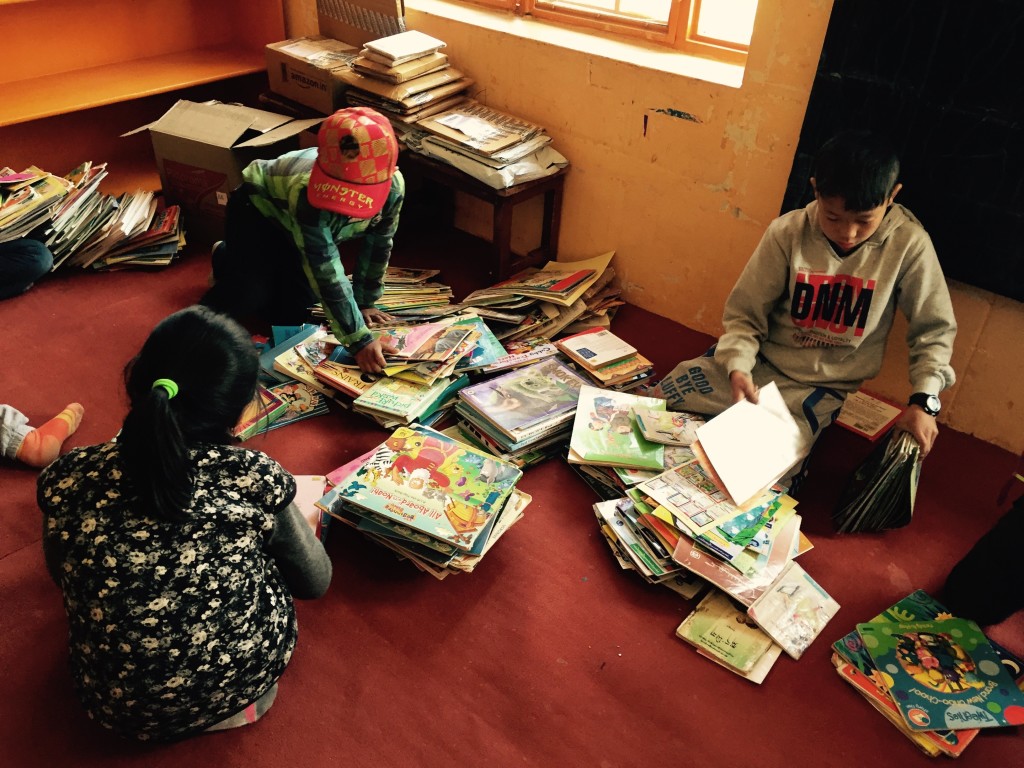
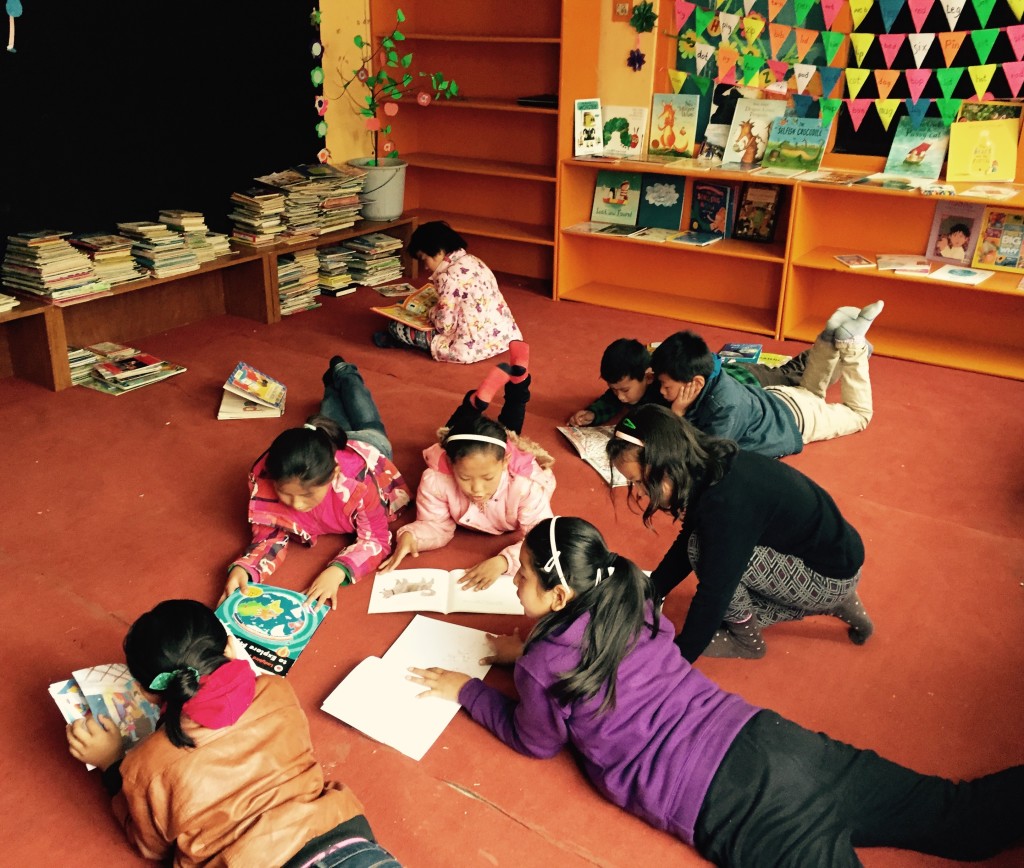
At Avalokiteśvara Trust, educational activities are designed to nurture curiosity, creativity, and a sense of belonging. Reading rooms, book drives, music sessions, and artistic workshops give children opportunities to discover their strengths. A certificate adds a visible reminder that their participation matters and that progress is worth celebrating.
How Our Volunteers Celebrate Children’s Achievements with Certificates is shaped by the children themselves. The presentation is warm, personal, and respectful rather than formal for its own sake. Volunteers celebrate improvement, kindness, persistence, teamwork, and creative expression alongside academic accomplishments.
Making Every Achievement Visible
Children do not all shine in the same way. One child may read a short story aloud with growing fluency, while another may create a thoughtful painting or learn a new rhythm on an instrument. Certificates help volunteers recognize these different forms of development without placing children into a single definition of success.
The wording on each award can reflect the achievement clearly. “Reading Progress,” “Creative Expression,” “Musical Participation,” and “Helpful Team Member” are examples of meaningful recognition. Specific language helps children understand what they have done well and gives families a positive story to share.
The award also becomes a keepsake. Some children may display it at home, place it inside a favorite book, or show it to friends and relatives. Its value comes from the memory attached to it: the activity, the applause, and the encouragement of trusted adults.
Preparing A Meaningful Presentation
Volunteers begin by observing participation over time. They notice who keeps returning to the reading room, who helps arrange materials, who completes a challenging book, and who encourages a younger participant. This approach makes recognition more inclusive and reduces the pressure of a single test or competition.
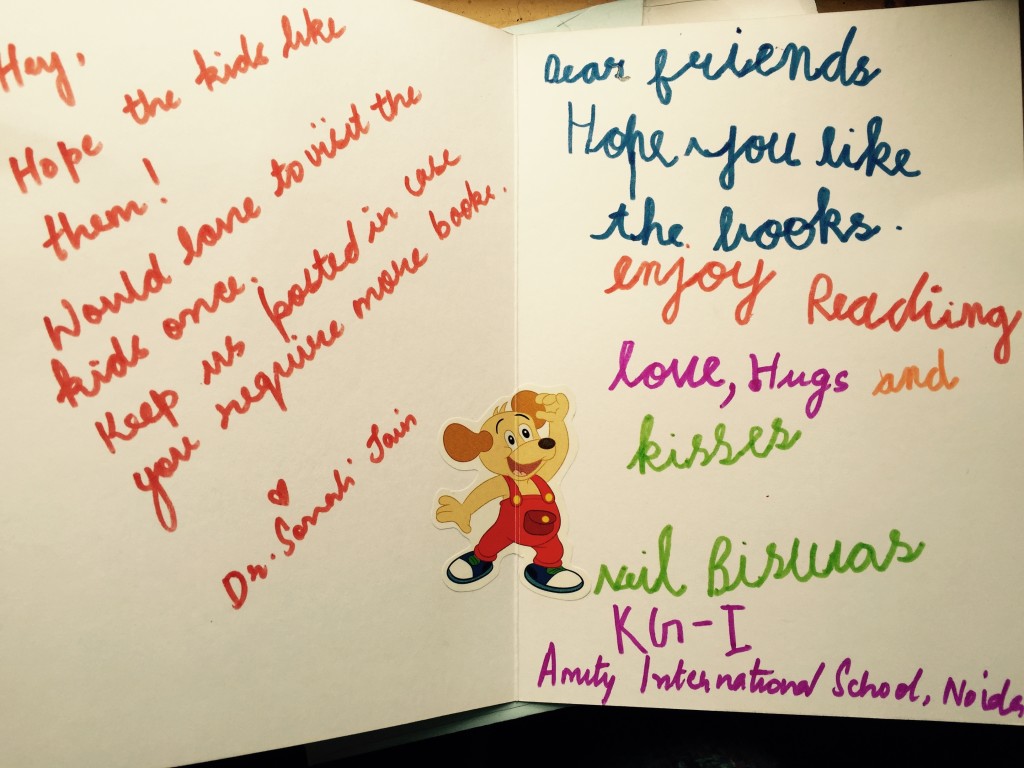
Certificates are prepared with care. Clear names, attractive designs, and simple descriptions make the awards easy to understand. When possible, volunteers add the date, activity, and a short personal message. A handwritten note can make a printed certificate feel especially thoughtful.
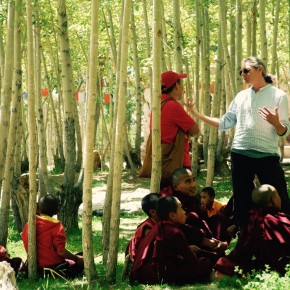
The setting matters as well. A presentation may take place after a reading session, during an art workshop, or at a small community gathering. Volunteers arrange the children so everyone can see the moment, keep the pace lively, and make room for applause without turning the event into an intimidating ceremony.
Turning Certificates Into Shared Joy
A certificate presentation is most powerful when it includes the whole group. Volunteers invite children to clap for one another, share a song, or describe a favorite part of the activity. This creates a culture where achievement is celebrated collectively rather than treated as a contest.
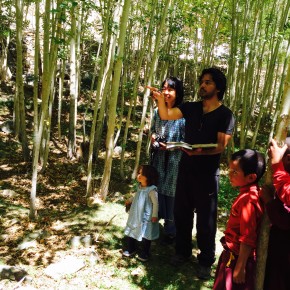
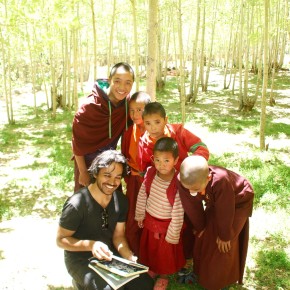
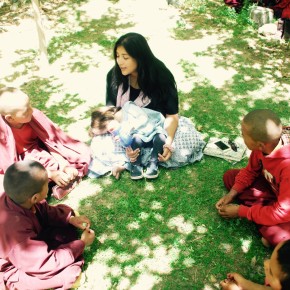
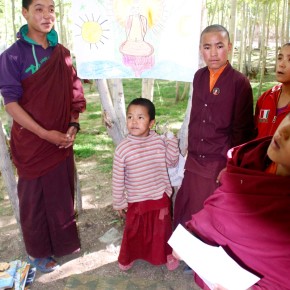
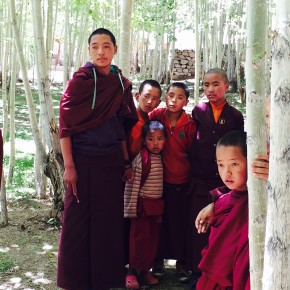
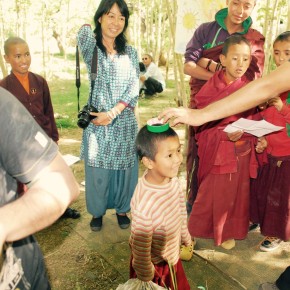
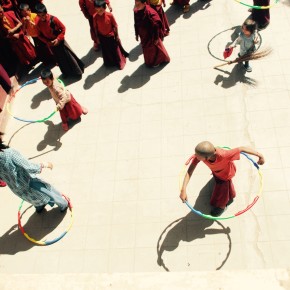
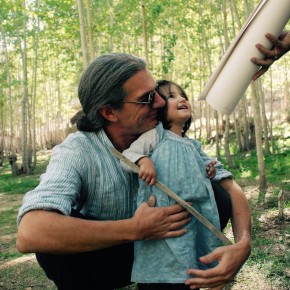
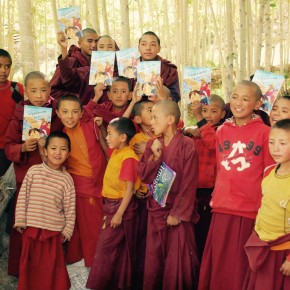
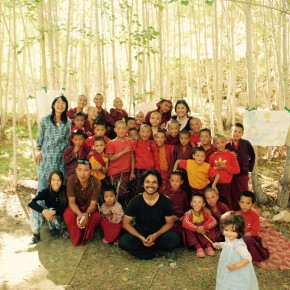
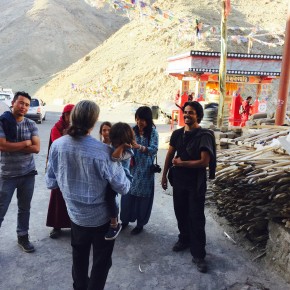
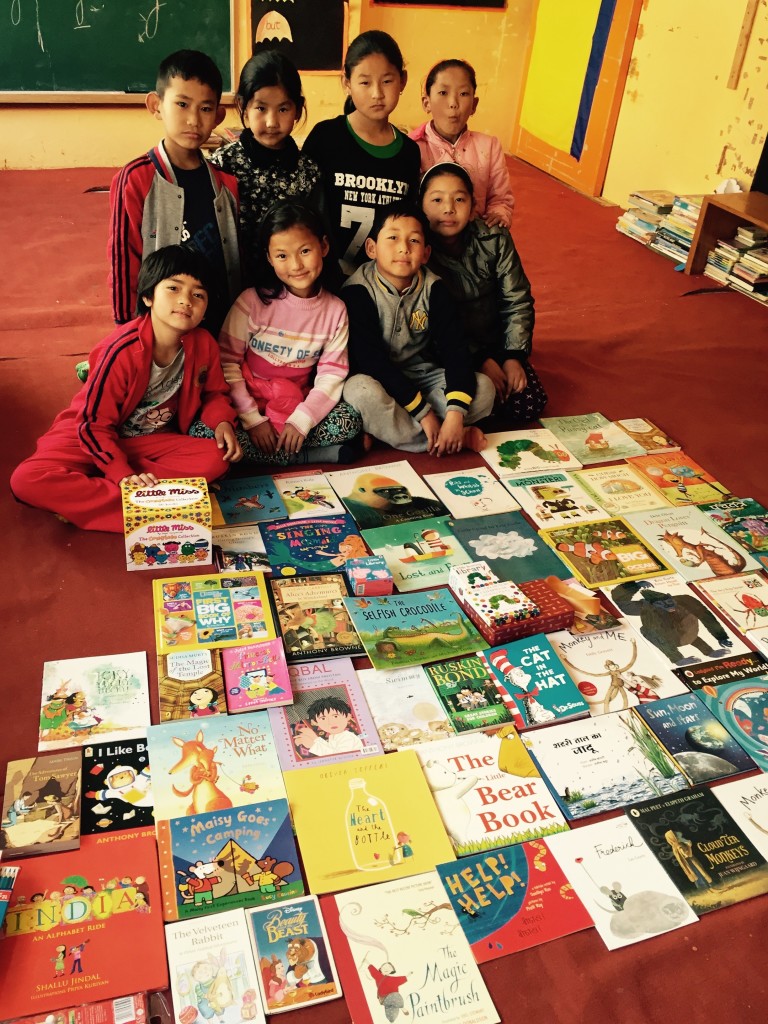
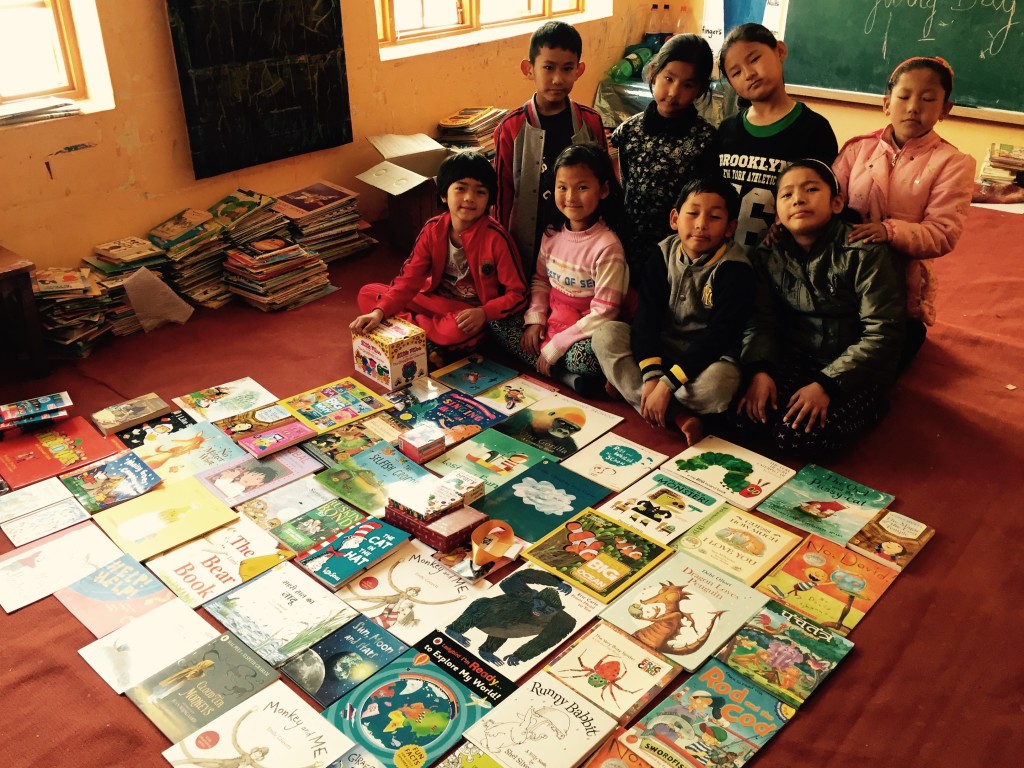
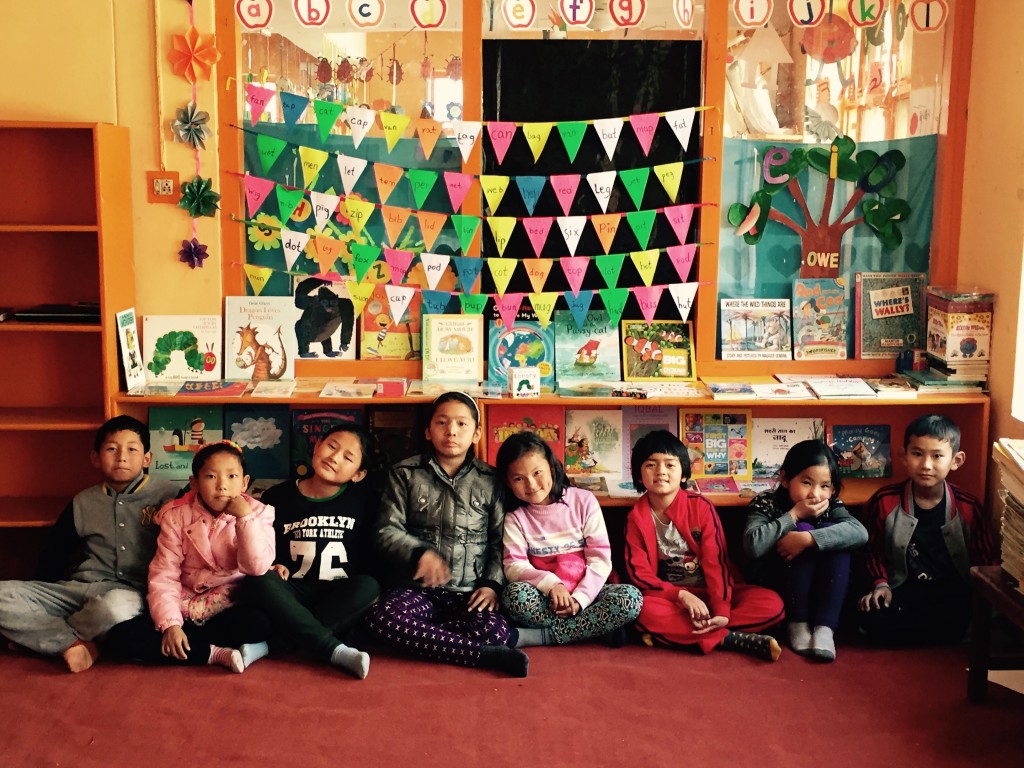
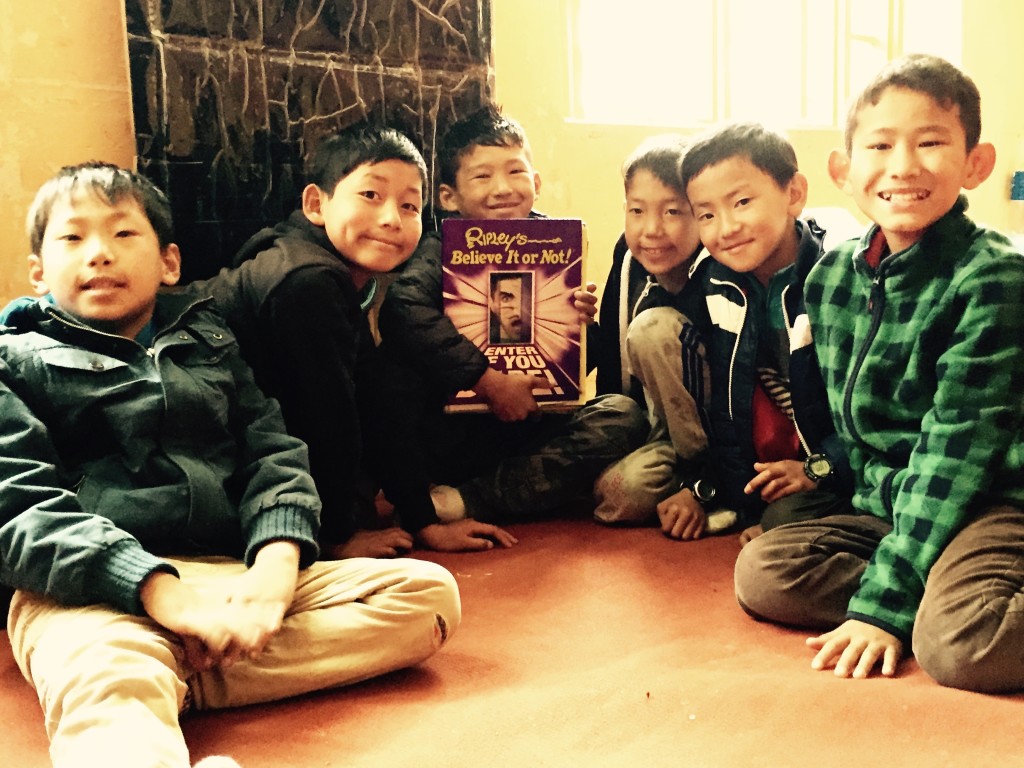
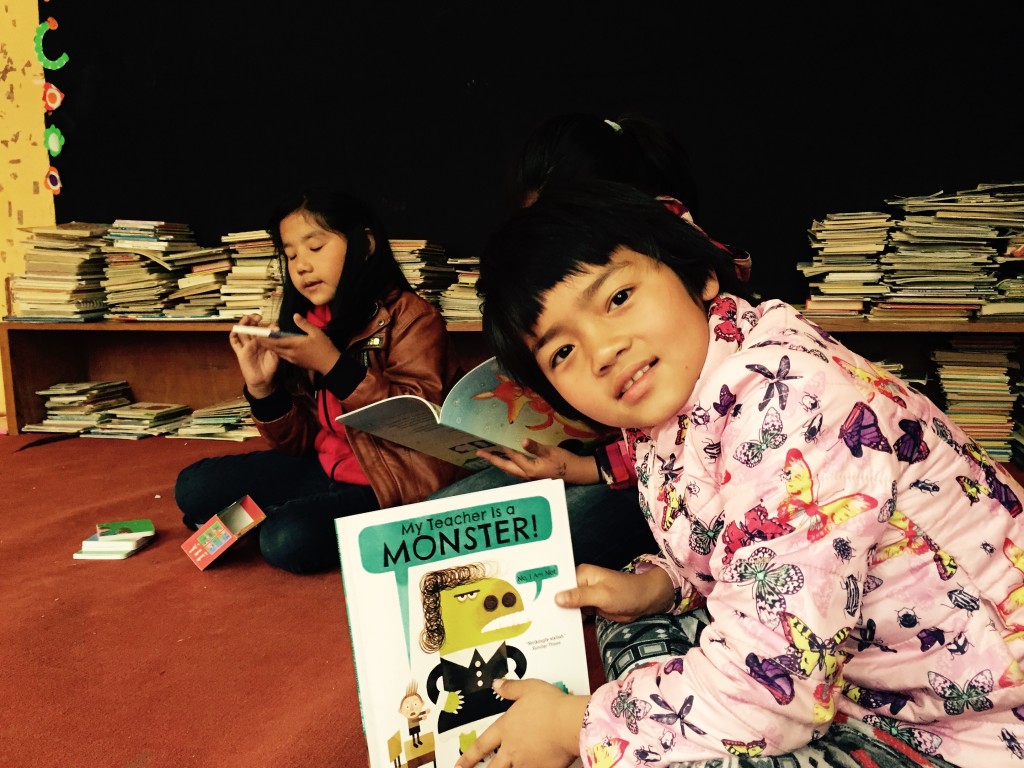
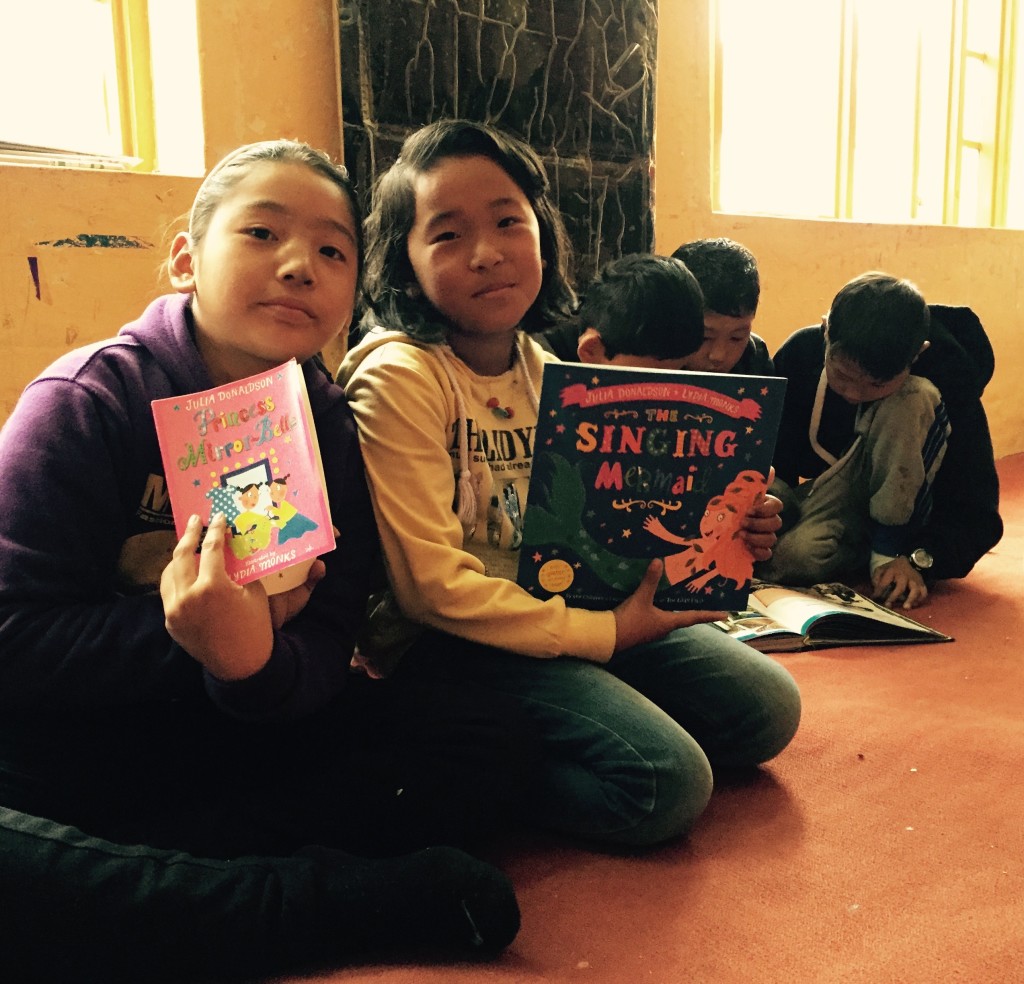
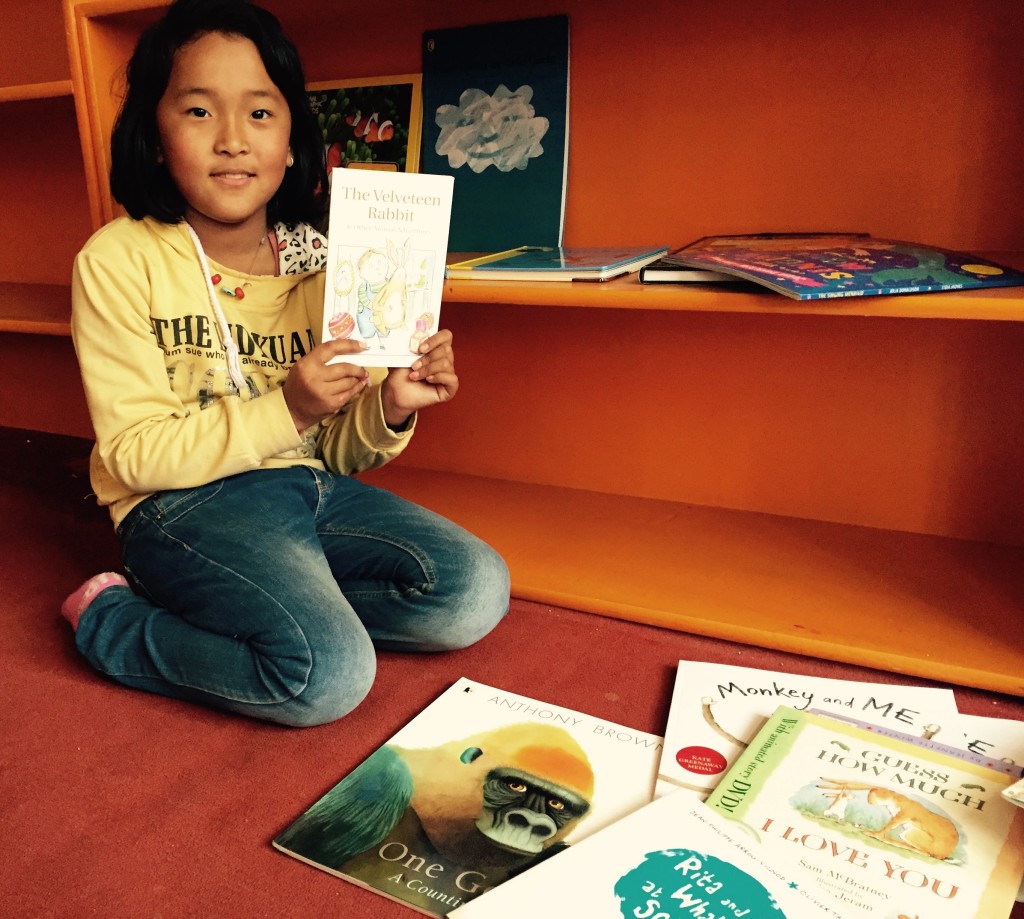
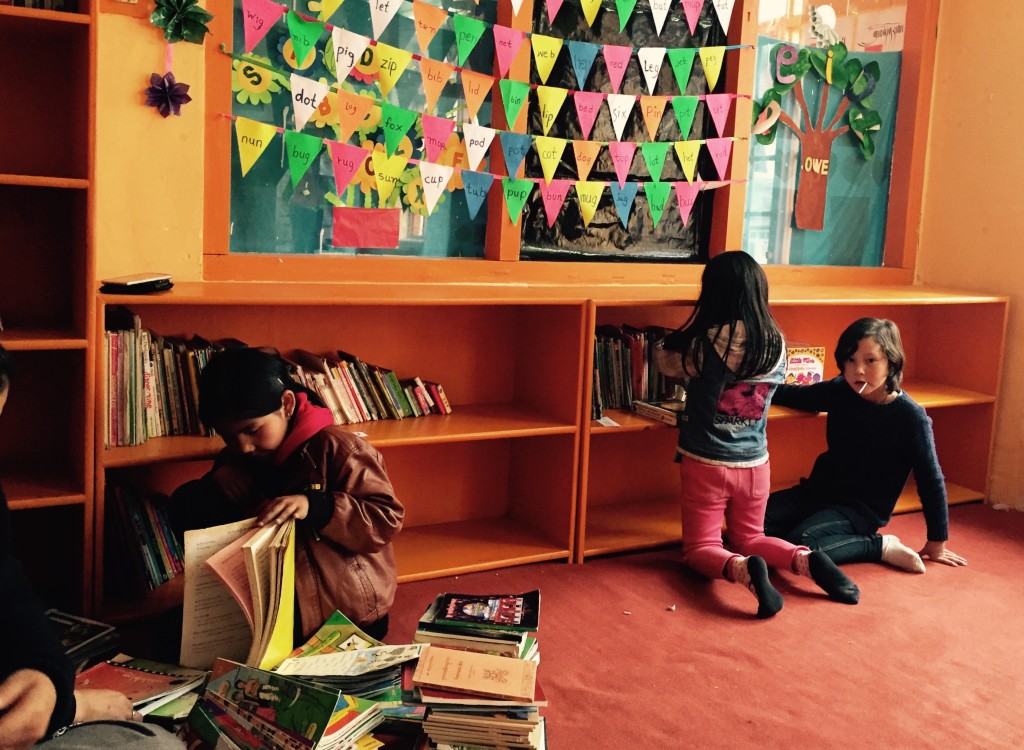
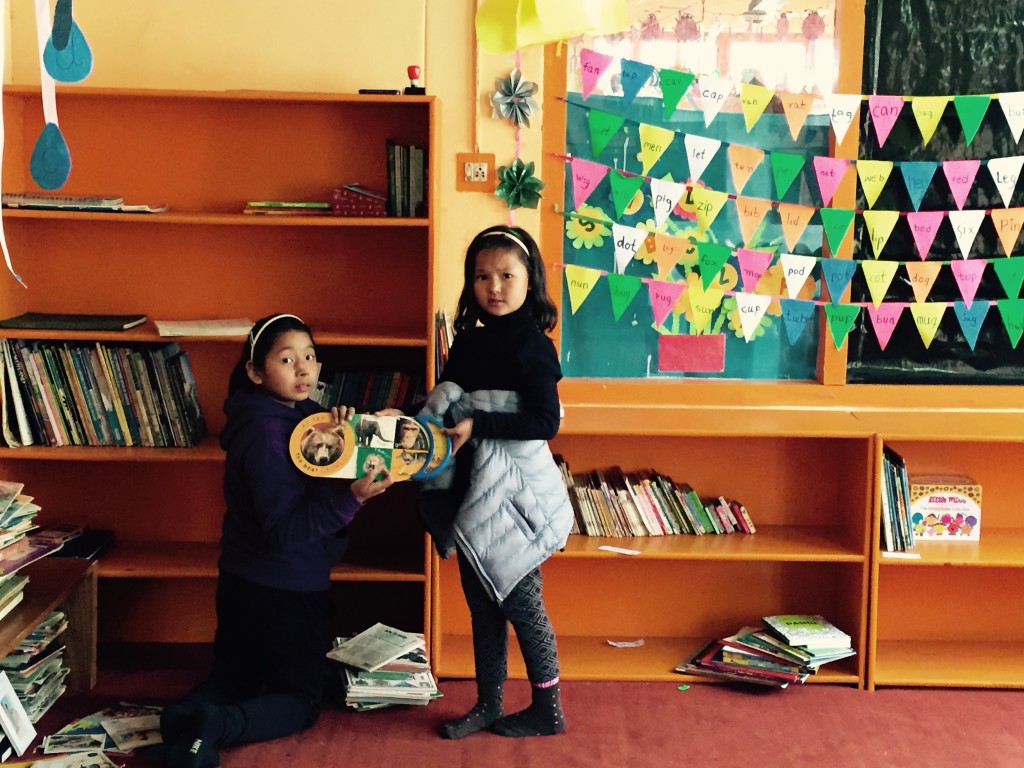
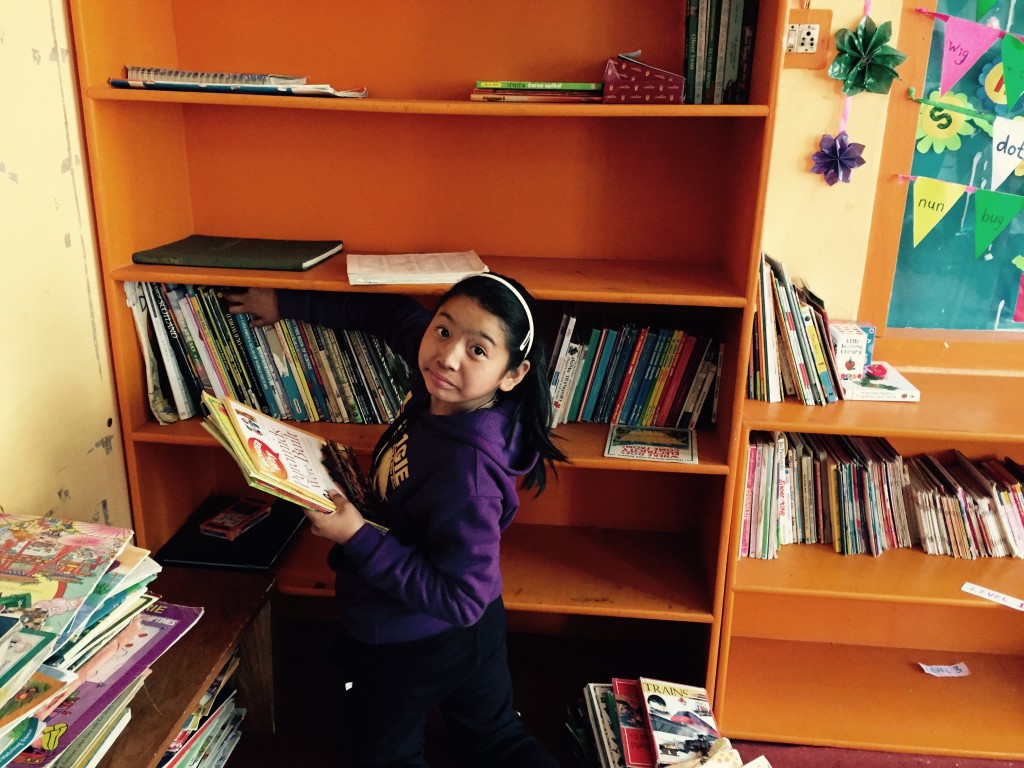
Photos may document the occasion when families and community partners are comfortable with photography. A picture of a child holding a certificate can capture pride and excitement, while group photographs show the friendships built through learning. Stories and images from Avalokiteśvara Trust help supporters see how educational opportunities take shape in Ladakh and other Himalayan communities.
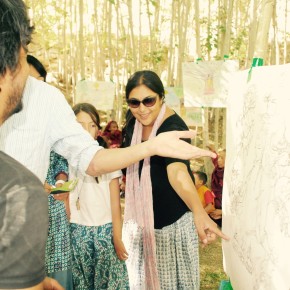
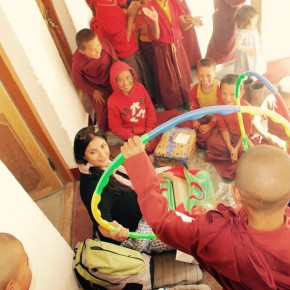
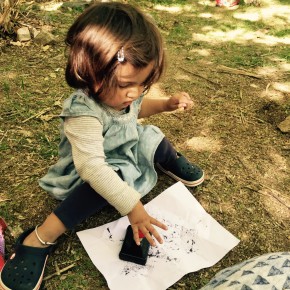
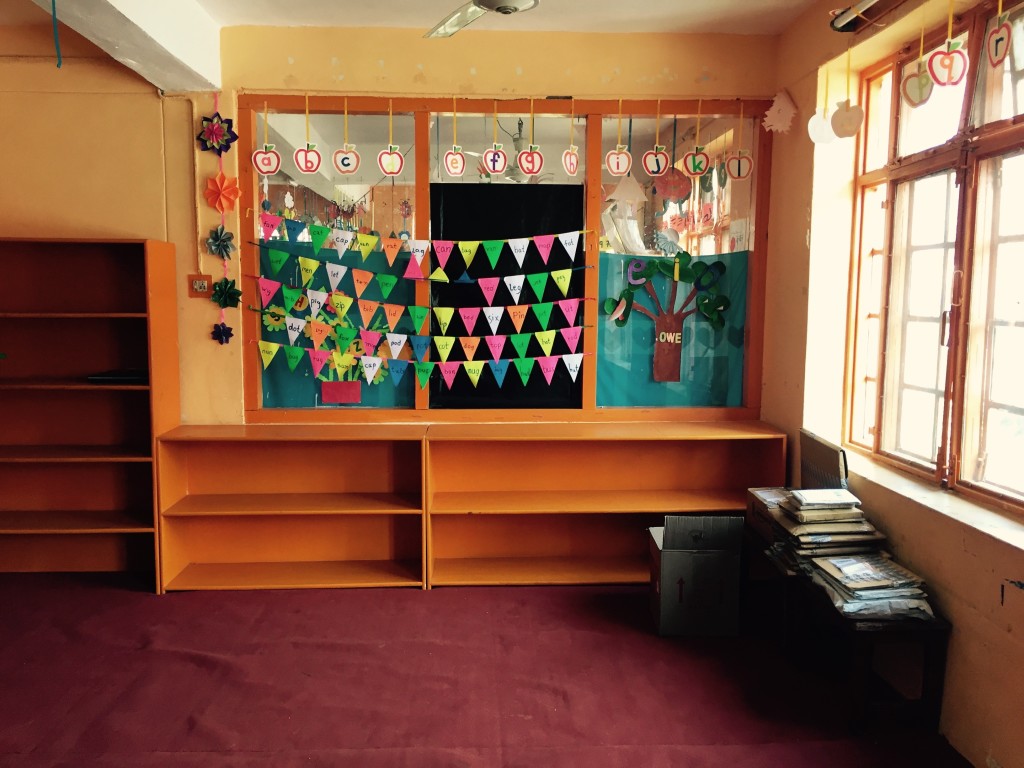
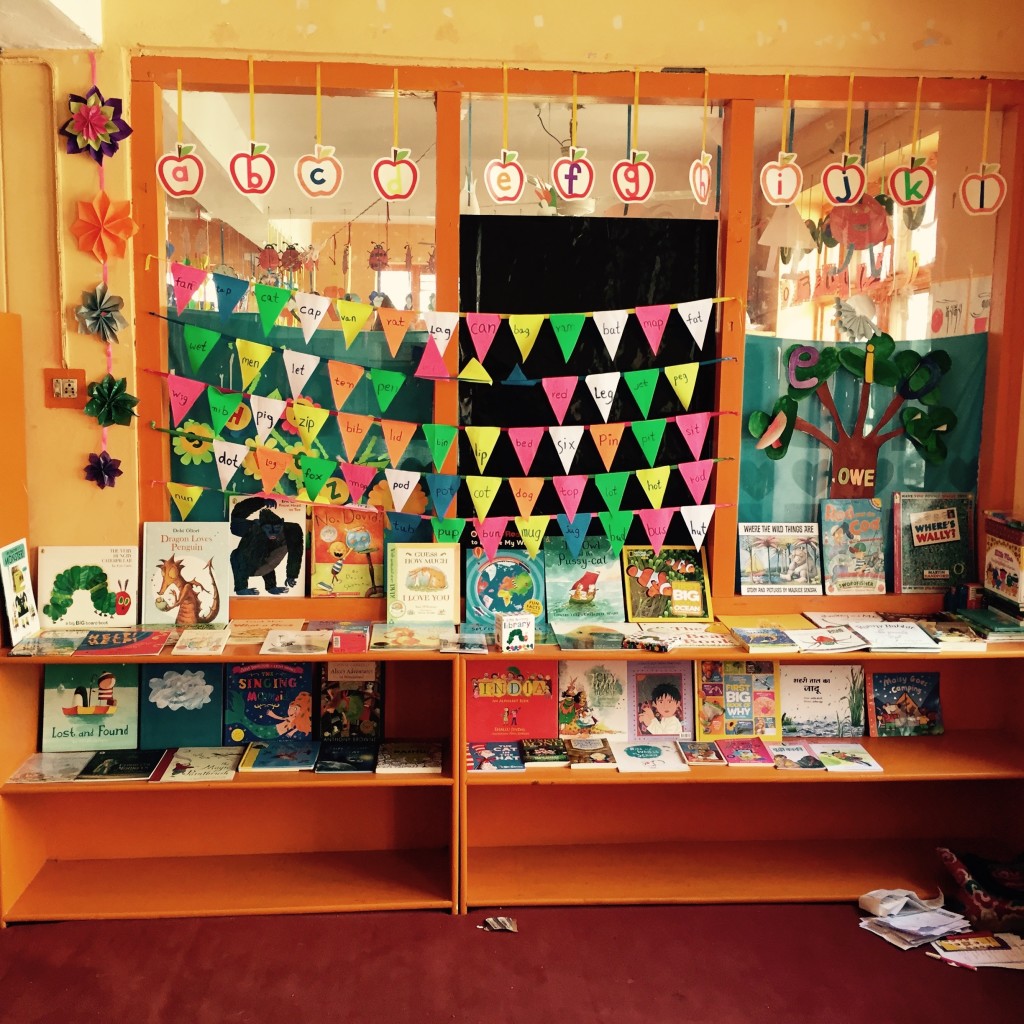
The presentation can also include a small creative element. Children might decorate certificate folders, make paper flowers for the display, or write encouraging messages for their peers. These additions turn recognition into another shared learning experience.
Choosing Recognition That Encourages Growth
Certificates should affirm progress without creating unhealthy comparison. A child who has moved from avoiding books to reading regularly has made a significant achievement, even if another child reads more advanced material. Volunteers focus on individual development and acknowledge the habits that support long-term learning.
| Achievement Area |
What Volunteers May Recognize |
Meaning For The Child |
| Reading and literacy |
Finishing a book, reading aloud, or improving fluency |
Books feel approachable and progress feels attainable |
| Artistic work |
Experimenting with color, design, craft, or visual storytelling |
Imagination and personal expression have value |
| Music and performance |
Learning a song, keeping rhythm, or performing with others |
Practice can lead to confidence and connection |
| Participation |
Attending sessions, asking questions, or completing activities |
Consistent effort is seen and appreciated |
| Community spirit |
Sharing supplies, helping younger children, or encouraging peers |
Kindness and cooperation are important achievements |
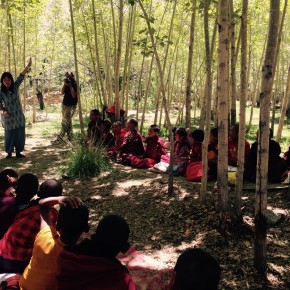
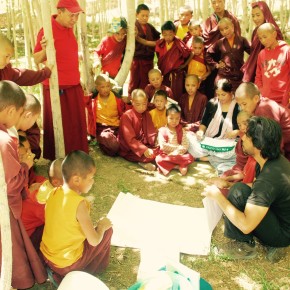
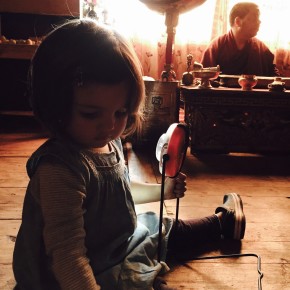
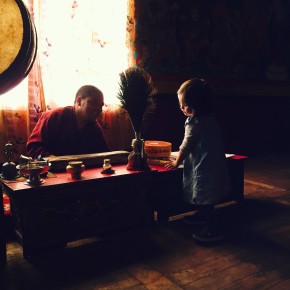
This broad approach is especially helpful for young monks and children whose educational experiences differ. Recognition can honor concentration, patience, collaboration, and courage. It allows volunteers to celebrate qualities that may not appear in a conventional school report.
The goal is encouragement that continues after the ceremony. A child who receives a certificate for reading progress may feel ready to choose another book. A young artist may volunteer to display work at the next session. A small award can become a bridge to a new challenge.
Including Families And Community
Families give certificates additional meaning. When parents, relatives, teachers, or monastery leaders are present, children experience their achievement as part of a wider community story. Volunteers can briefly explain the activity and describe the effort behind each award so that the recognition feels personal rather than routine.
Community participation also strengthens local ownership. A reading room or learning program becomes more than a place where materials are distributed; it becomes a welcoming space where children are known and encouraged. Celebrations help build trust between volunteers, families, educators, and community partners.
When families cannot attend, volunteers can help children carry the moment home. A certificate can be placed in a protective folder, accompanied by a short explanation of the activity. If appropriate, staff may share a message or photograph with caregivers, always respecting privacy and local preferences.
Practical Ways To Make Recognition Special
A thoughtful ceremony does not require expensive decorations or elaborate prizes. What matters most is preparation, attention, and sincere encouragement. Volunteers can use locally available materials and adapt the celebration to the age of the children, the size of the group, and the character of the learning space.
Useful practices include:
- Write each child’s name correctly and describe a specific achievement.
- Celebrate effort, improvement, cooperation, and creativity alongside completed work.
- Invite children to applaud, perform, read aloud, or share a short reflection.
- Keep the presentation welcoming, brief, and comfortable for shy participants.
- Give certificates in sturdy folders or envelopes so children can preserve them.
These details help every child feel included. Volunteers can also keep a simple record of awards, activities, and follow-up goals. Over time, this record shows how participation develops and helps the team create future programs that respond to children’s interests.
Carrying The Celebration Forward
A certificate is a beginning rather than a final measure. After the presentation, volunteers can guide children toward another book, a new art technique, a musical exercise, or a collaborative project. The next opportunity should feel like an invitation to continue exploring, not a demand to prove worth again.
Supporters make these moments possible through donations of books, learning materials, time, and practical assistance. By helping sustain reading rooms and creative programs, they give children more chances to experience achievement in ways that feel relevant to their lives.
You can help extend this encouragement by supporting the Trust’s work, sharing its mission, or becoming involved as a volunteer. Every contribution helps create welcoming spaces where children and young monks can learn, express themselves, and hold a certificate that reflects genuine progress.