From Discarded Materials to Creative Possibilities
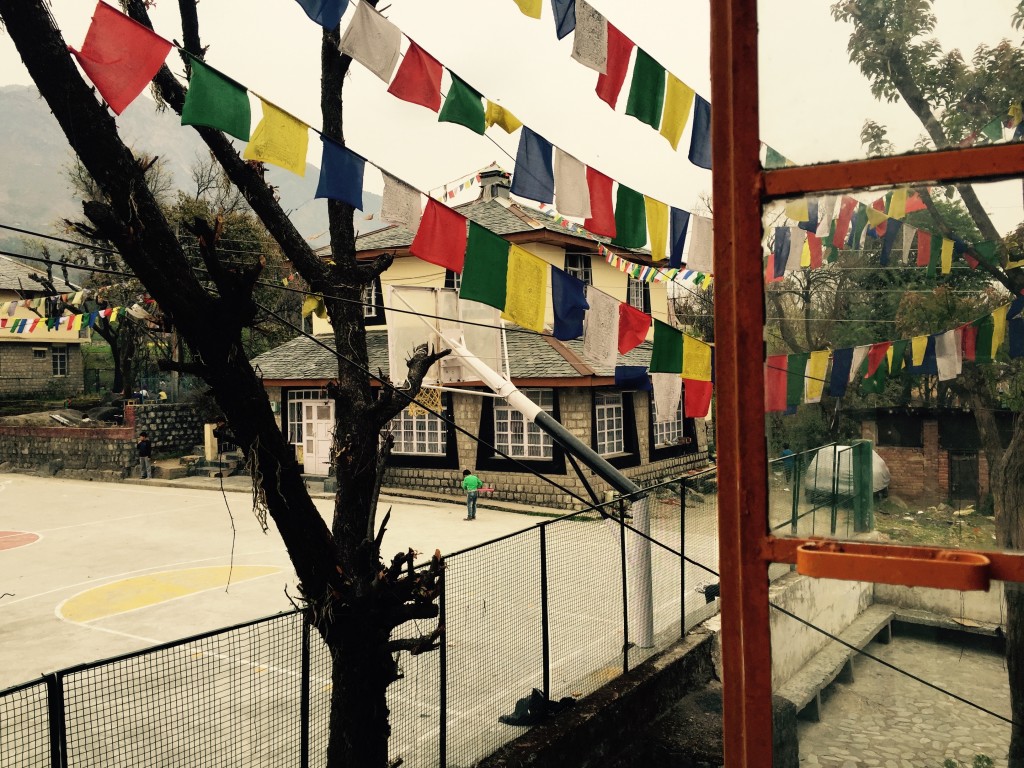
In the Himalayan region, a child’s access to art supplies can depend on distance, weather, household income, and the availability of local shops. In Ladakh, where communities are spread across high-altitude landscapes, even ordinary materials may be difficult or expensive to replace. A cardboard box, used magazine, fabric remnant, or clean food container can therefore become much more valuable than it first appears.
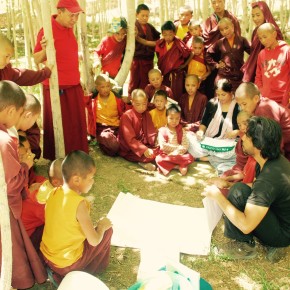
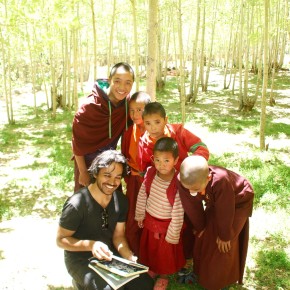
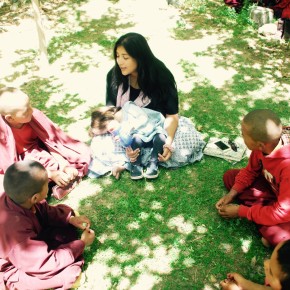
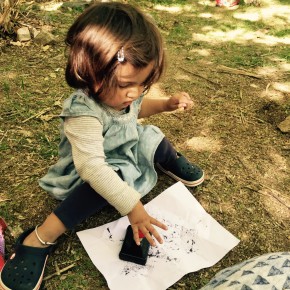
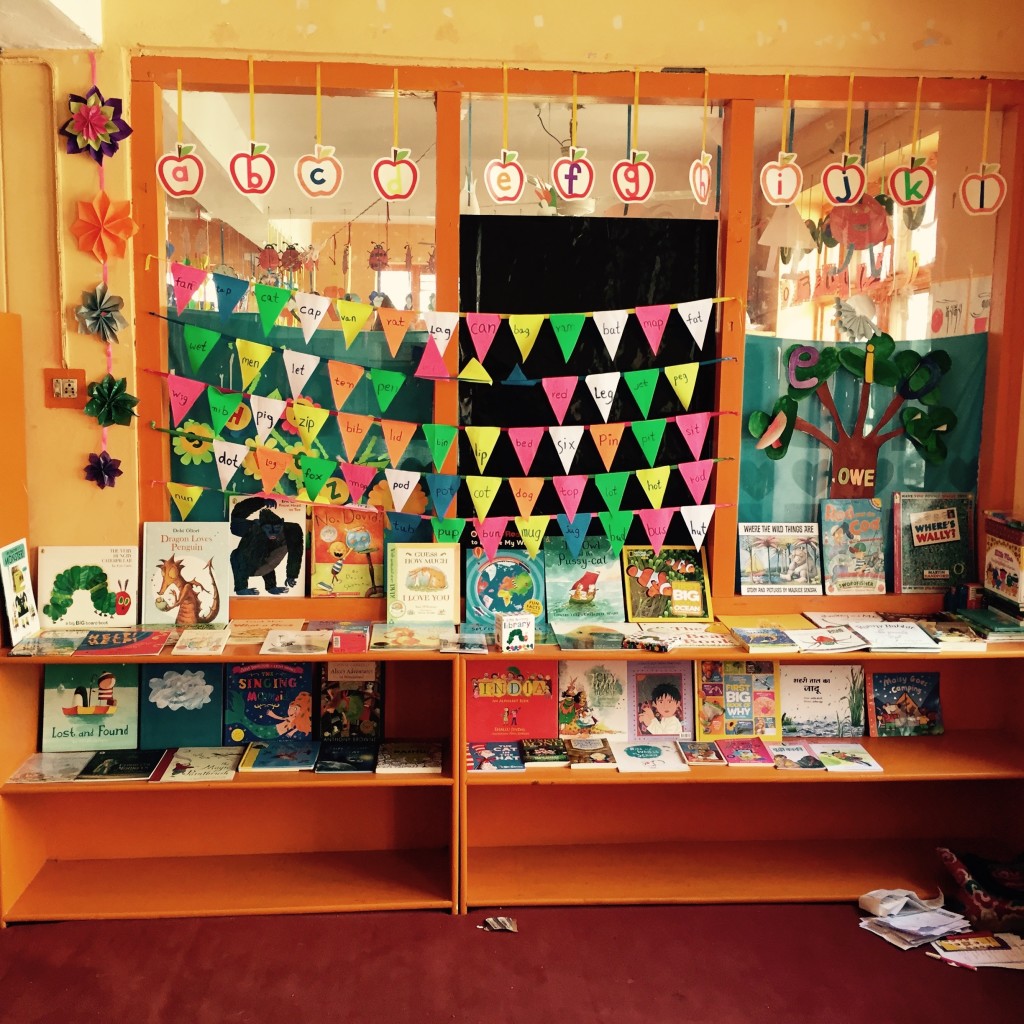
At Avalokiteśvara Trust, we see donated scrap as a resource for imagination. With careful sorting, cleaning, and preparation, everyday discards can support drawing, painting, collage, model-making, and practical design. These activities bring color into reading rooms and give children and young monks a chance to explore ideas with their hands.
Creative reuse also teaches an important lesson about responsibility. Children learn that useful materials do not always need to be new, and that thoughtful choices can reduce waste while expanding educational opportunities. The result is a simple, community-minded approach to art education.
Why Reuse Belongs in Learning Spaces
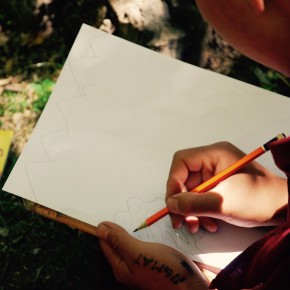
Art supplies help children develop far beyond visual creativity. Cutting, folding, threading, arranging, and painting strengthen fine motor skills and concentration. Group projects encourage communication, patience, and shared decision-making. When learners create something from a material others might throw away, they also practice problem-solving.
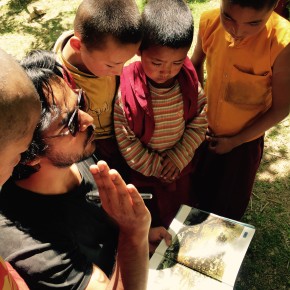
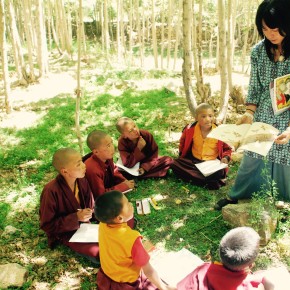
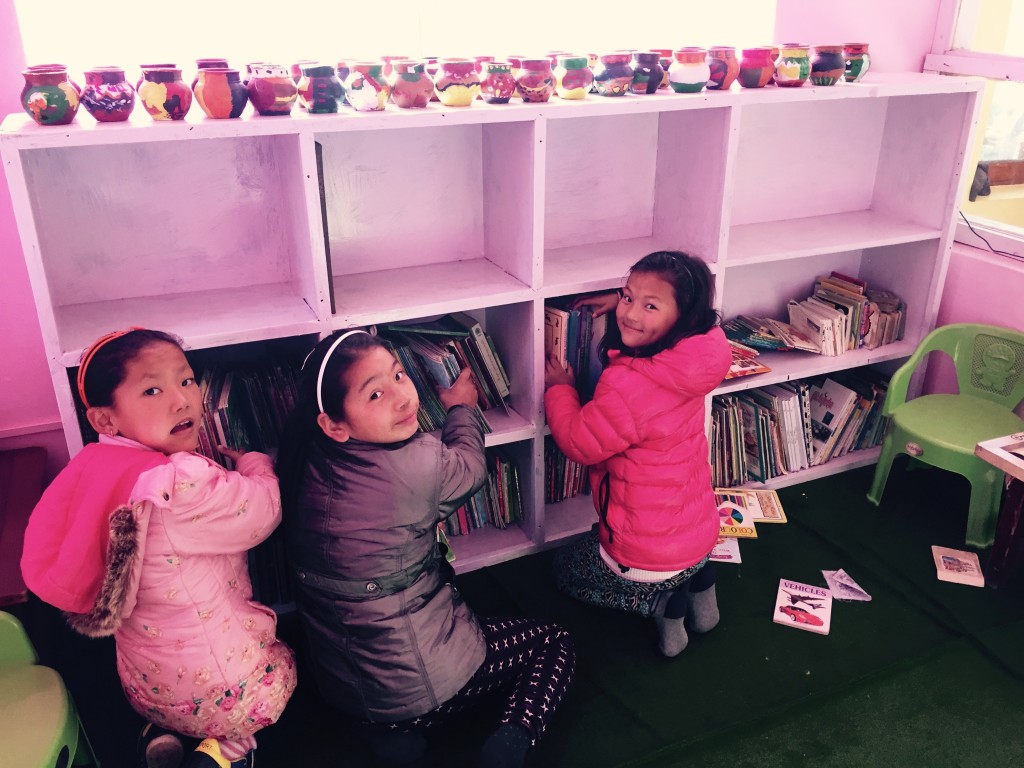
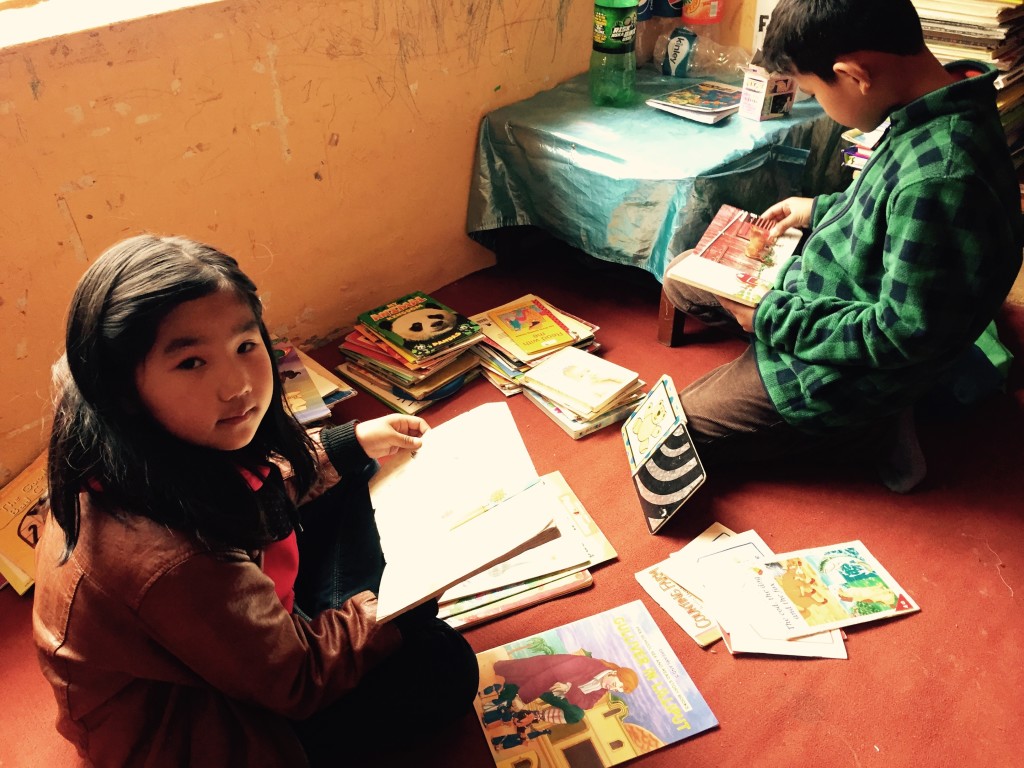
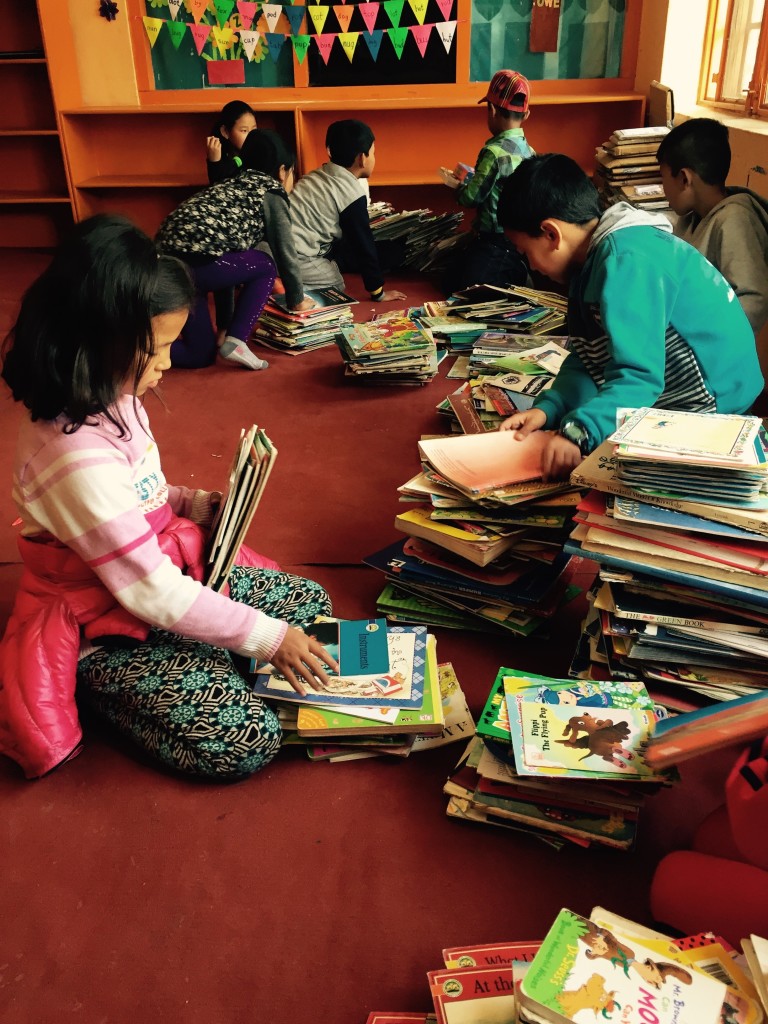
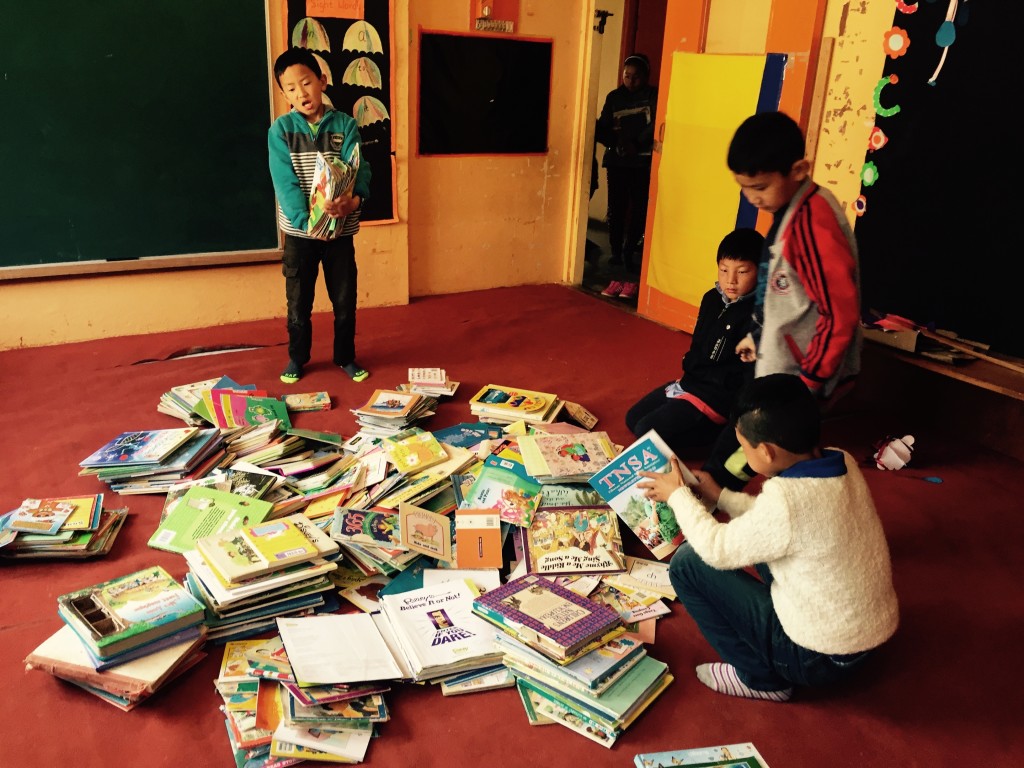
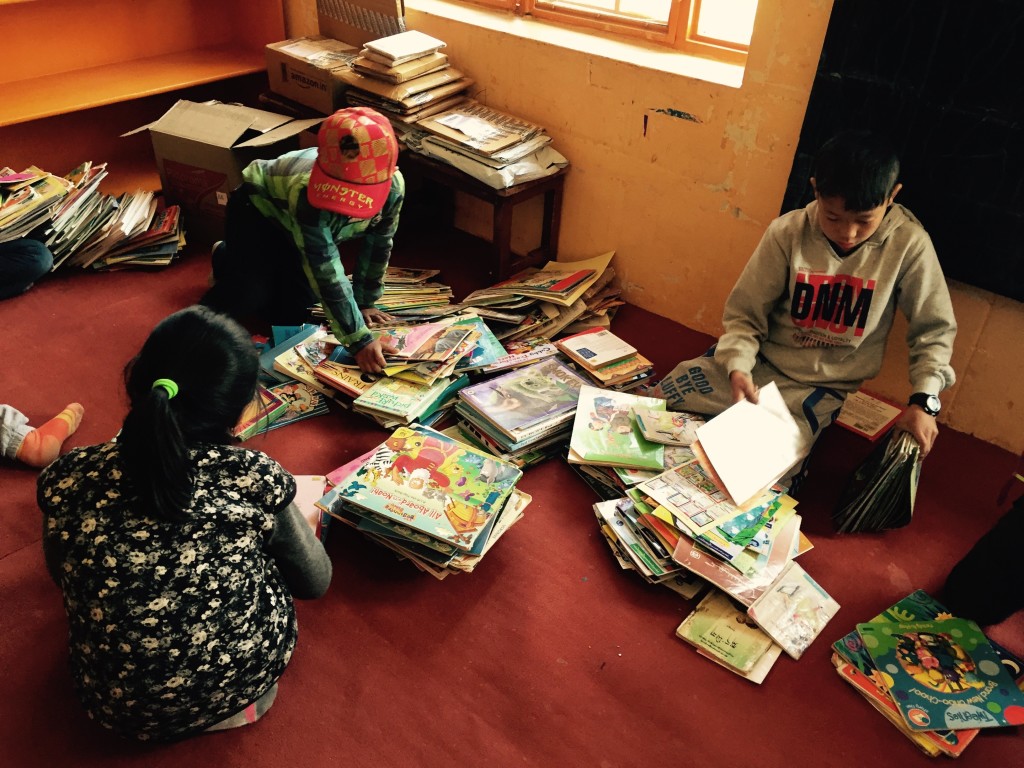
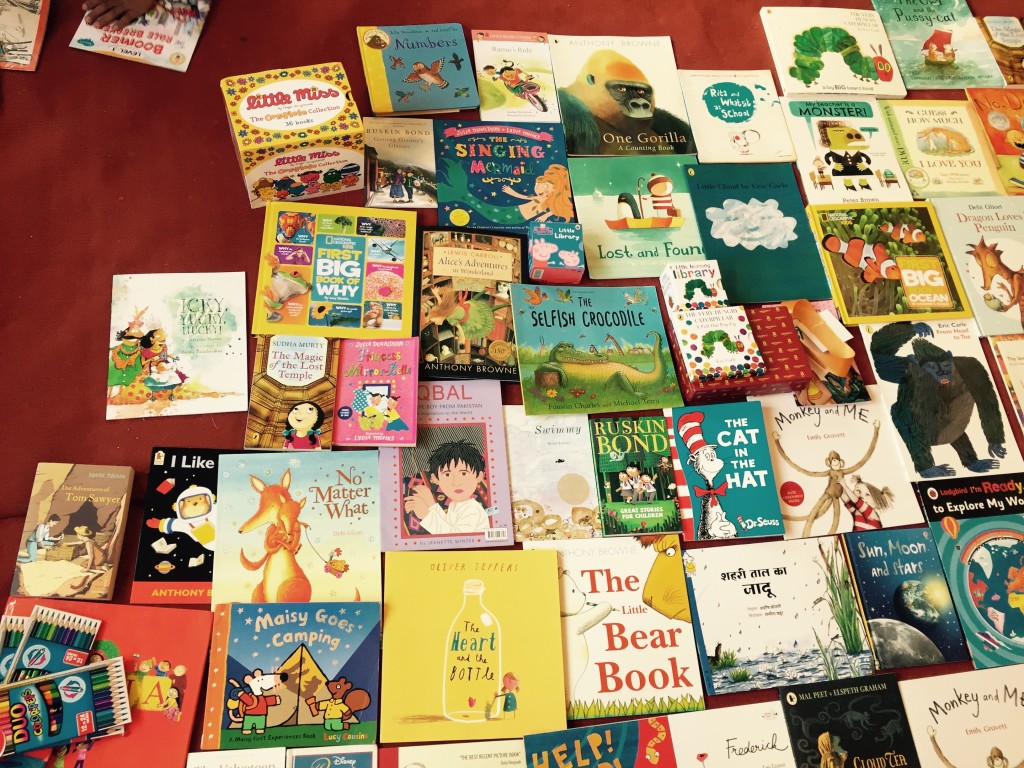
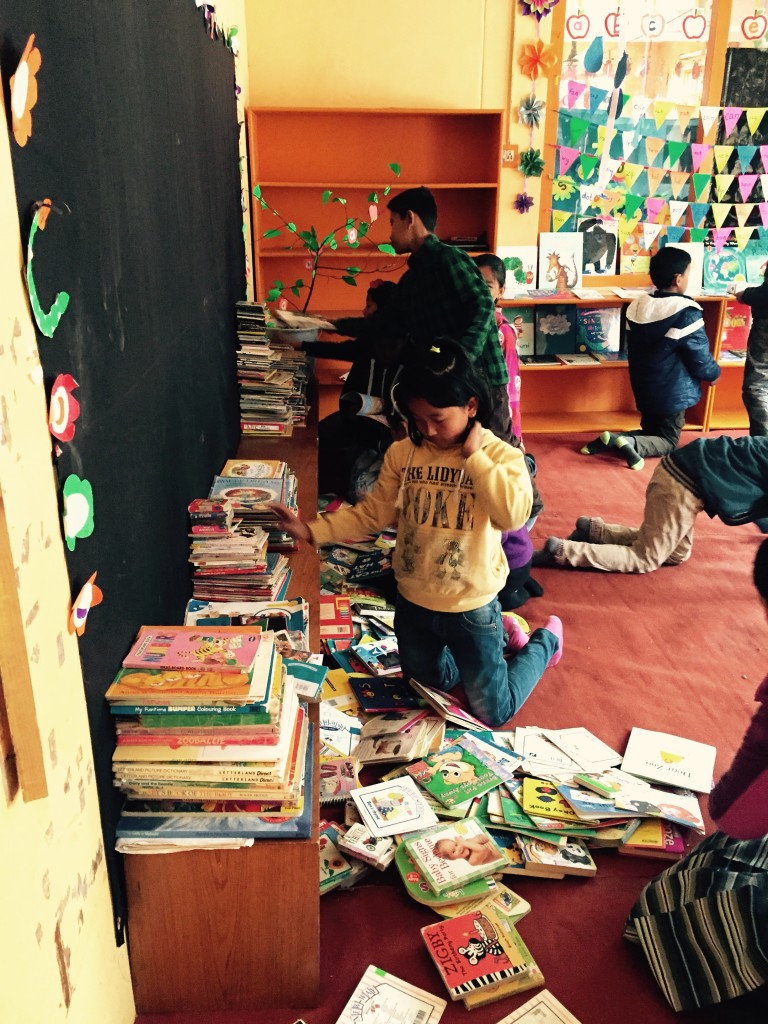
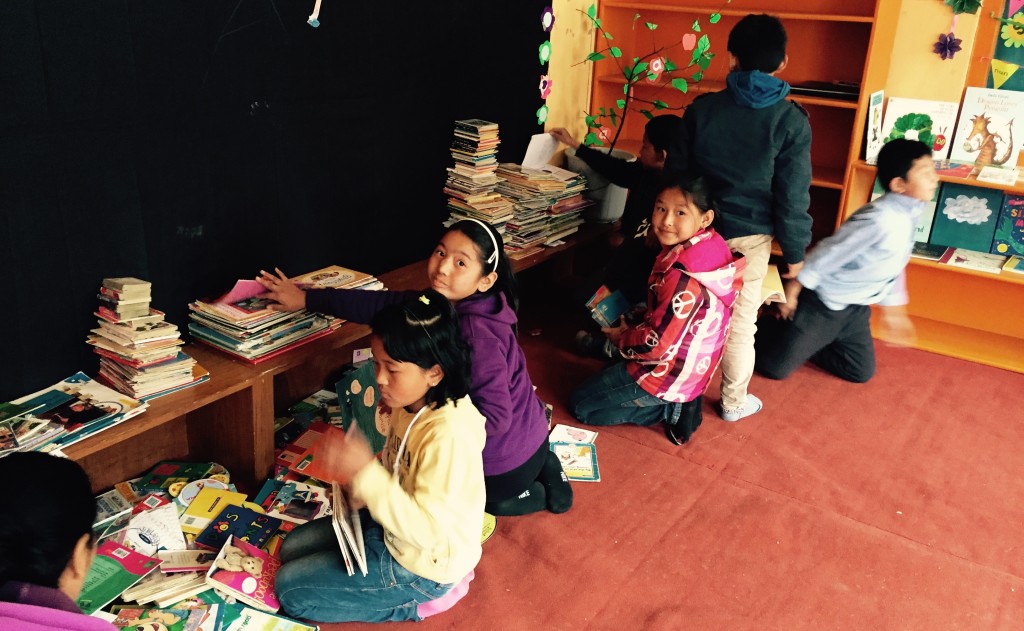
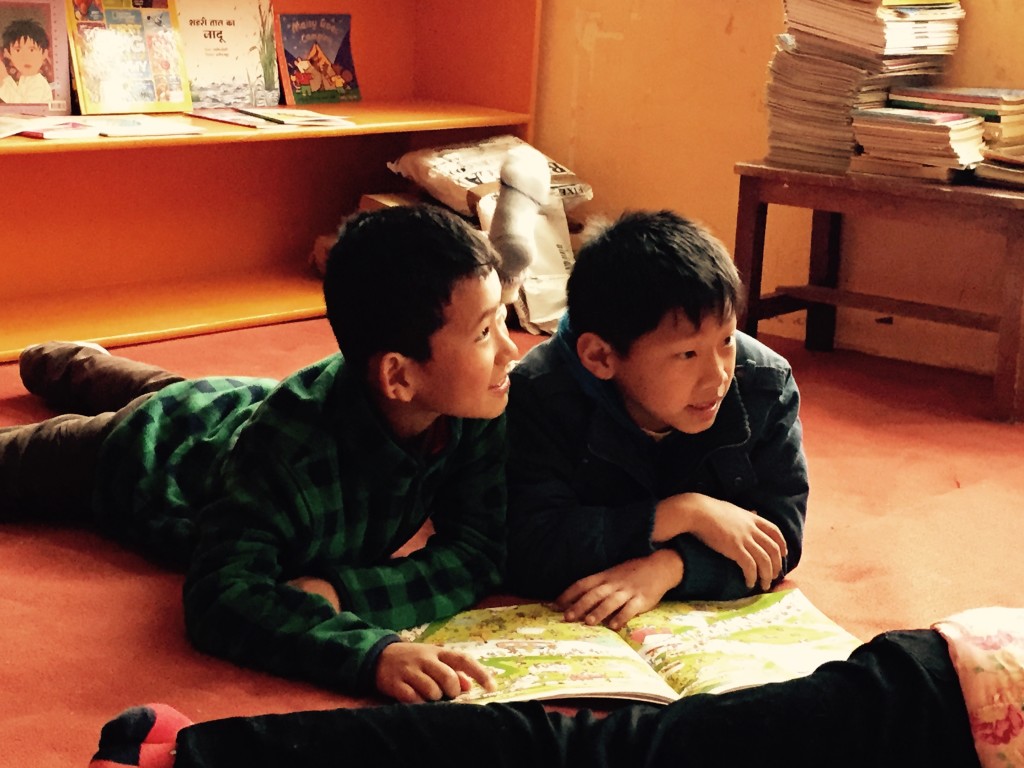
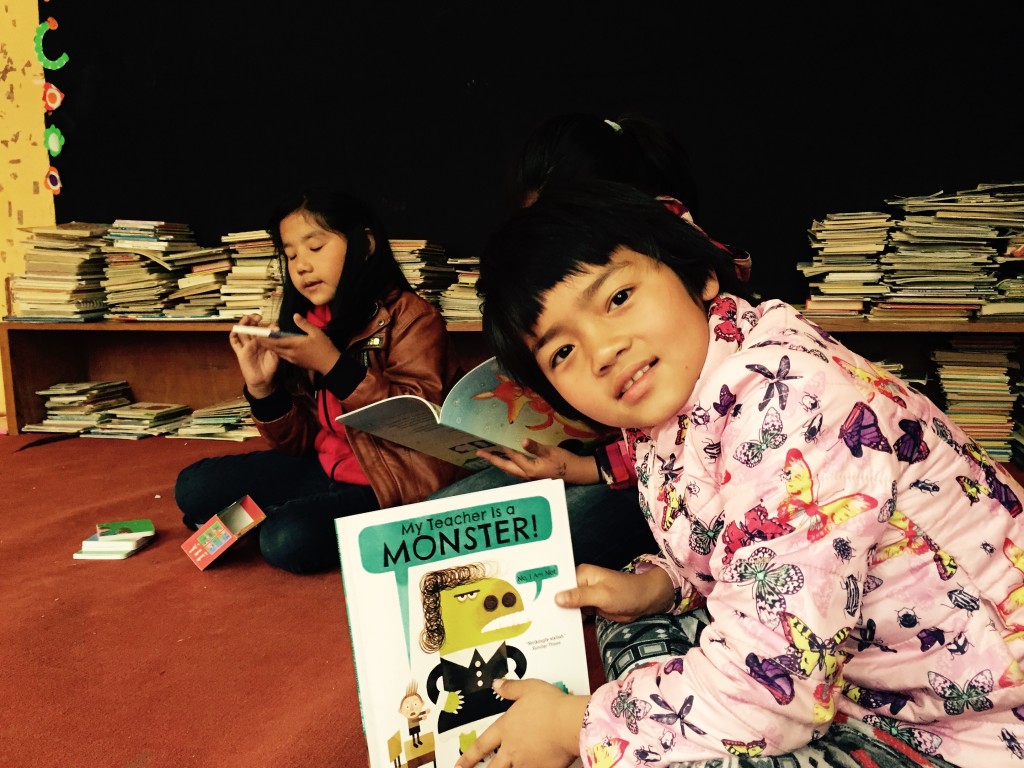
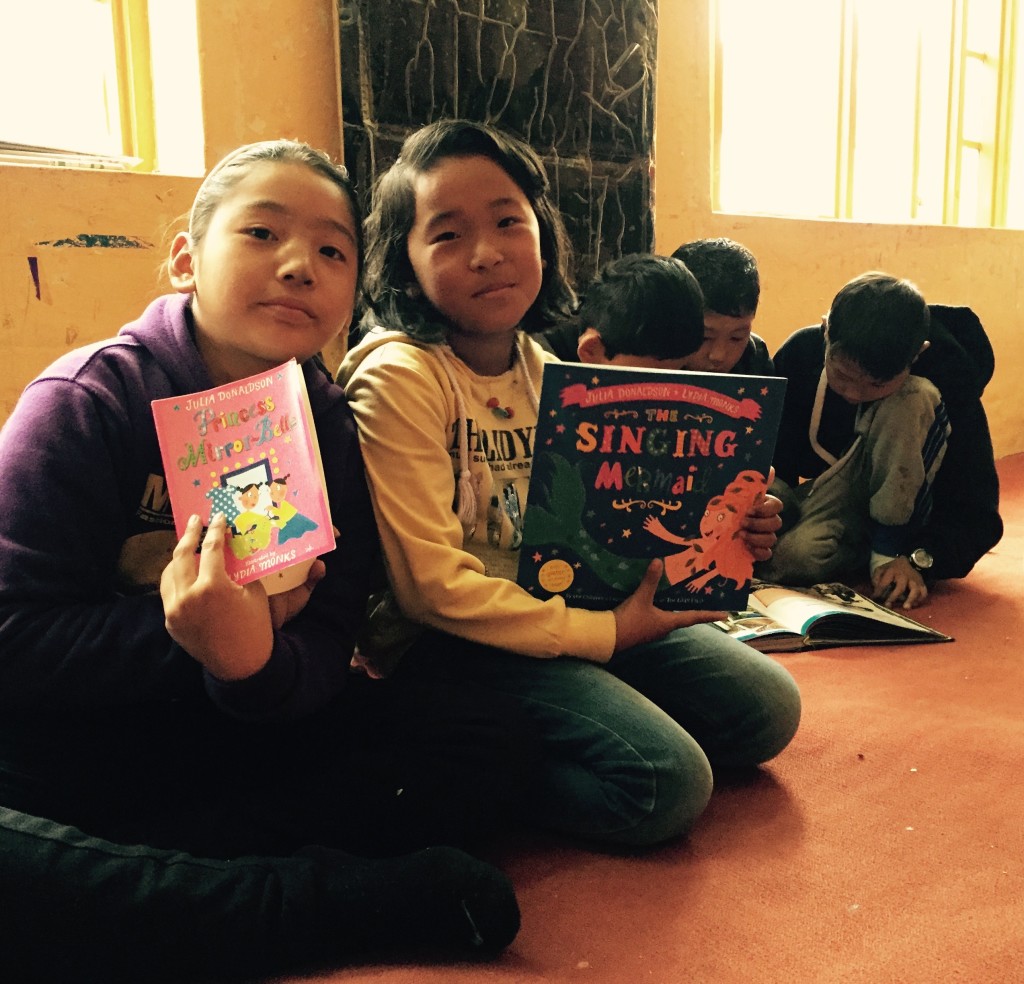
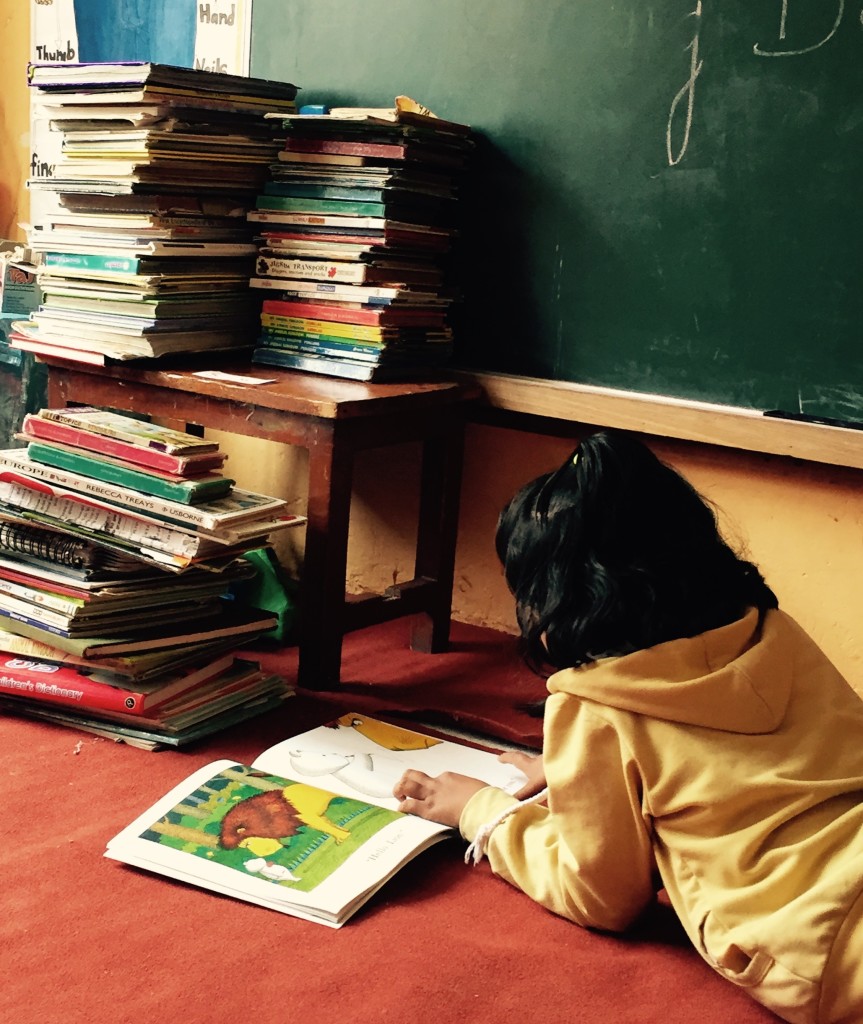
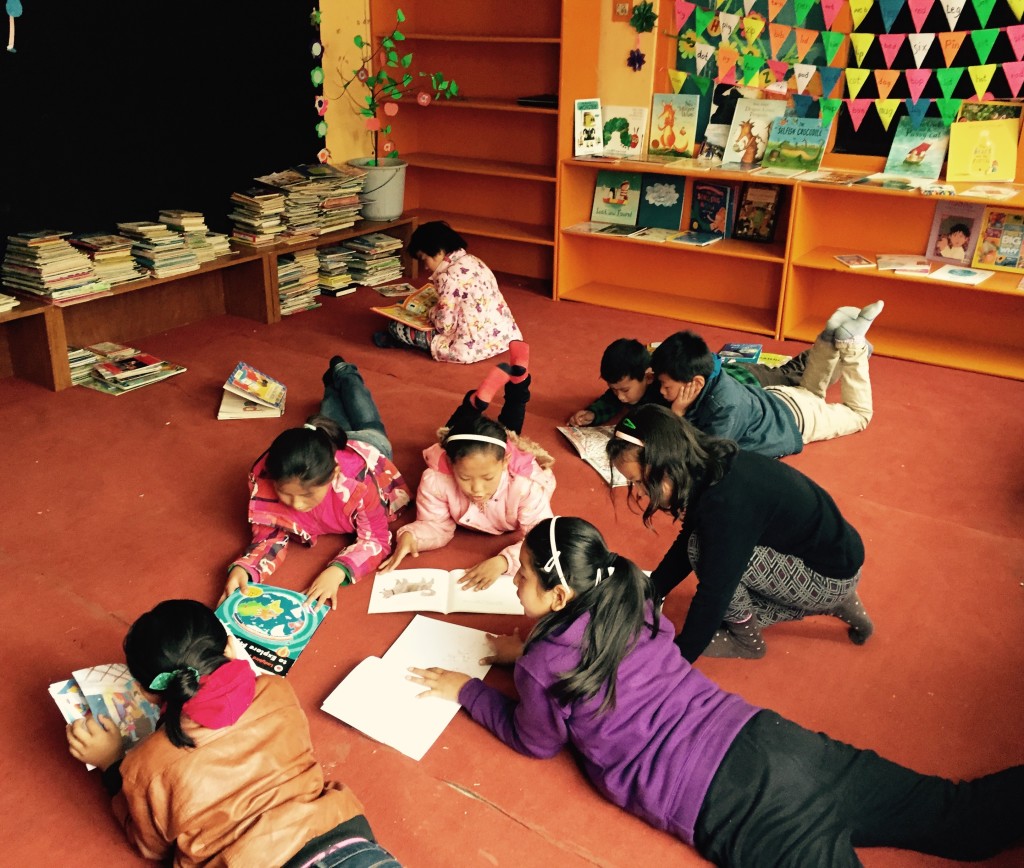
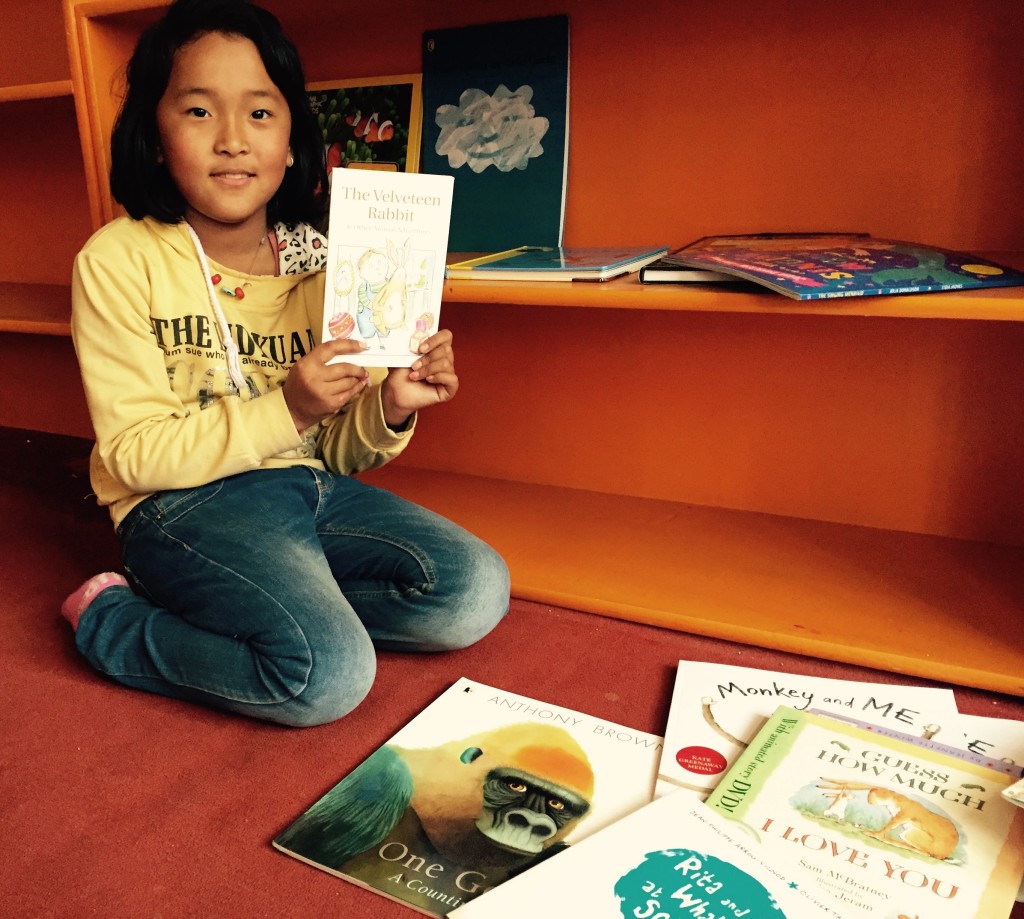
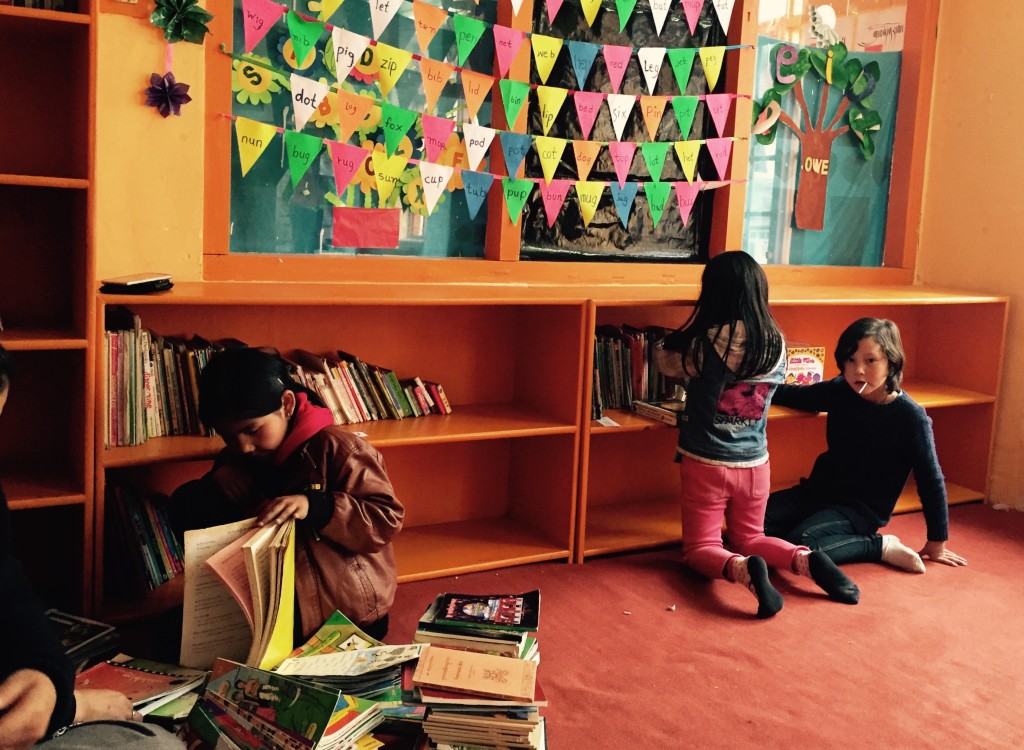
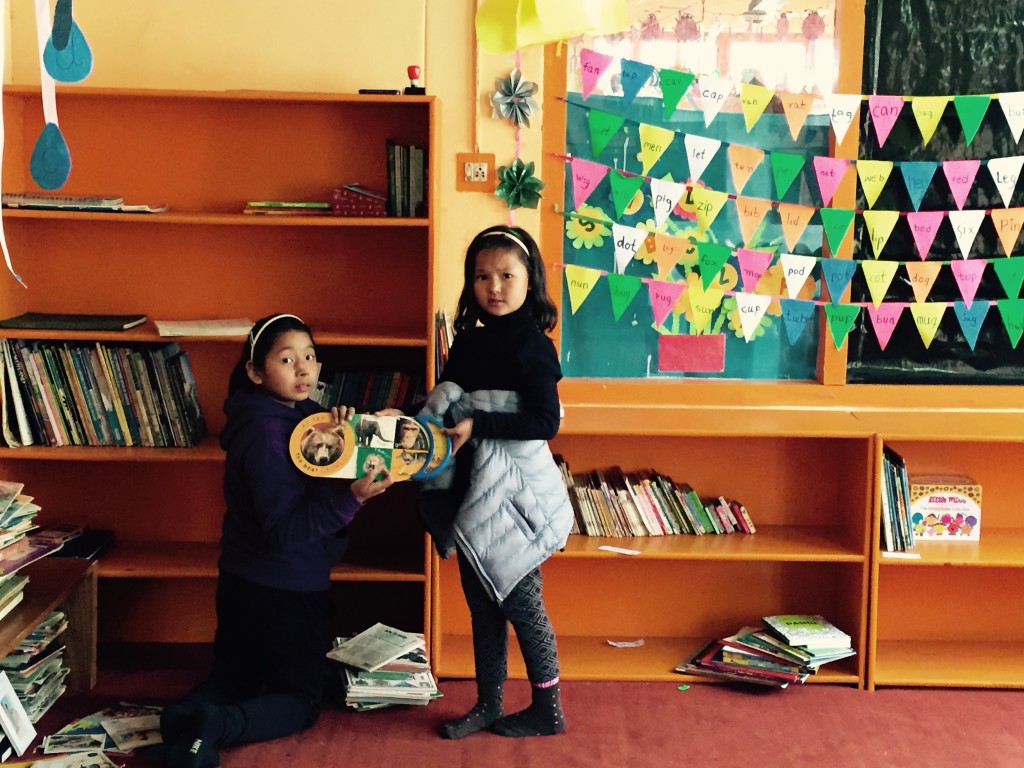
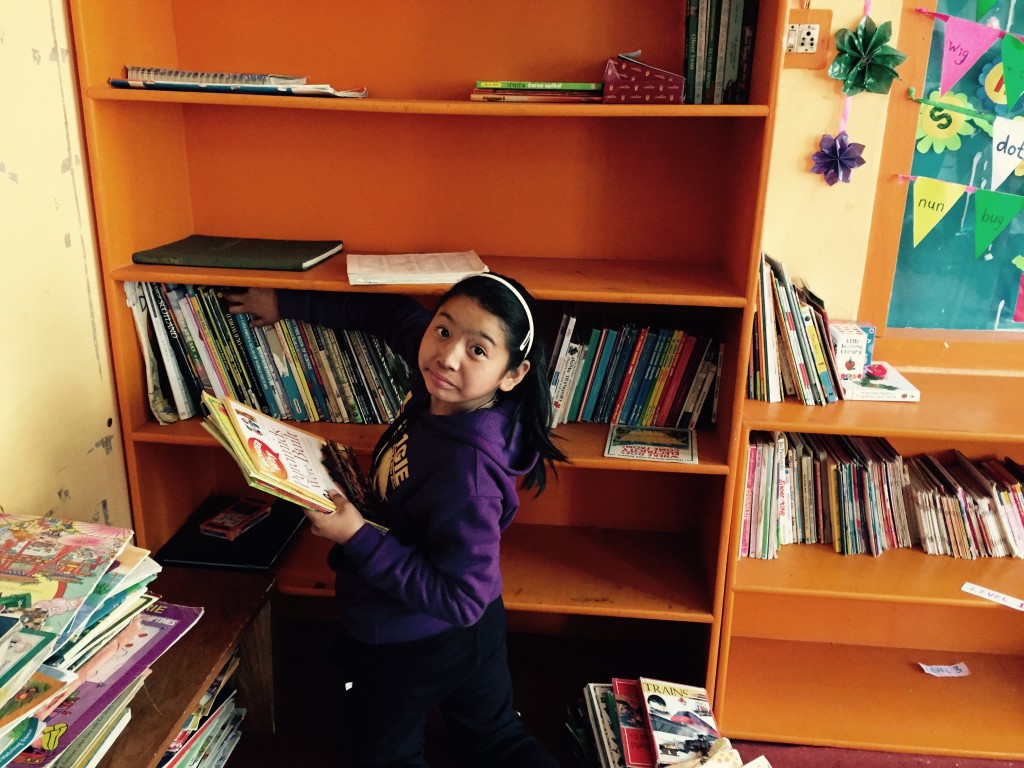
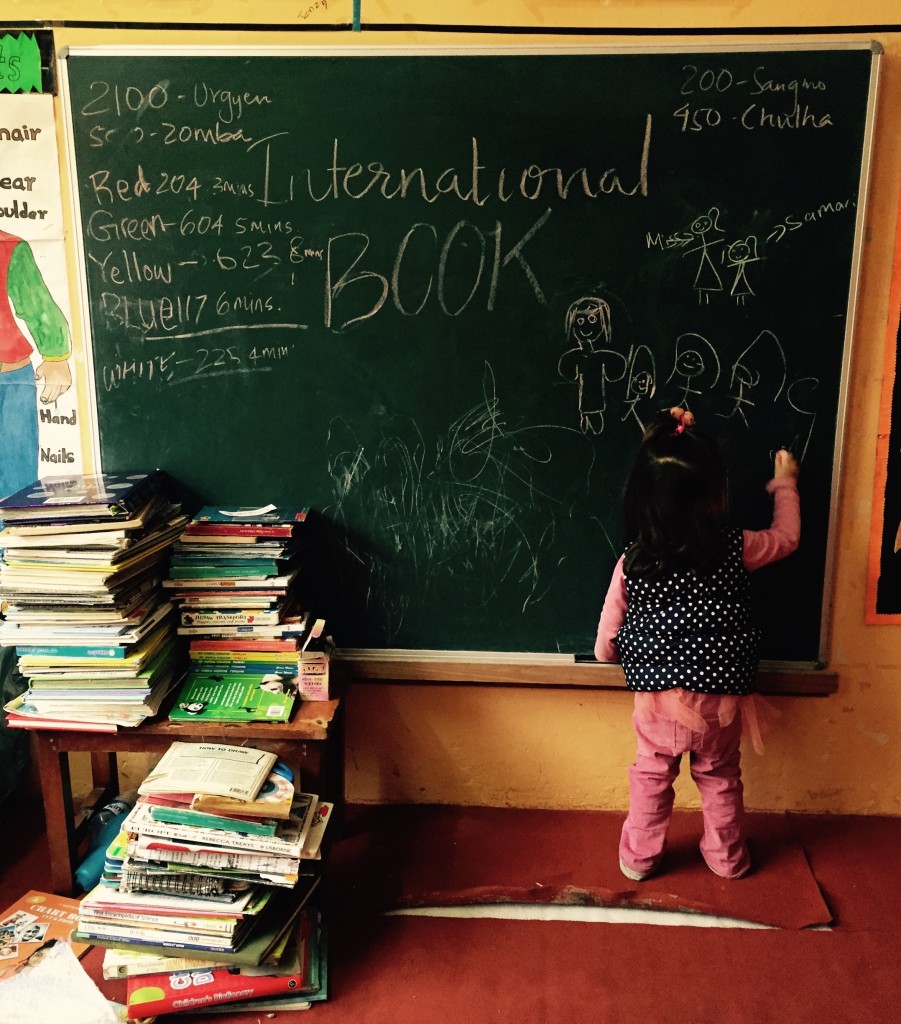
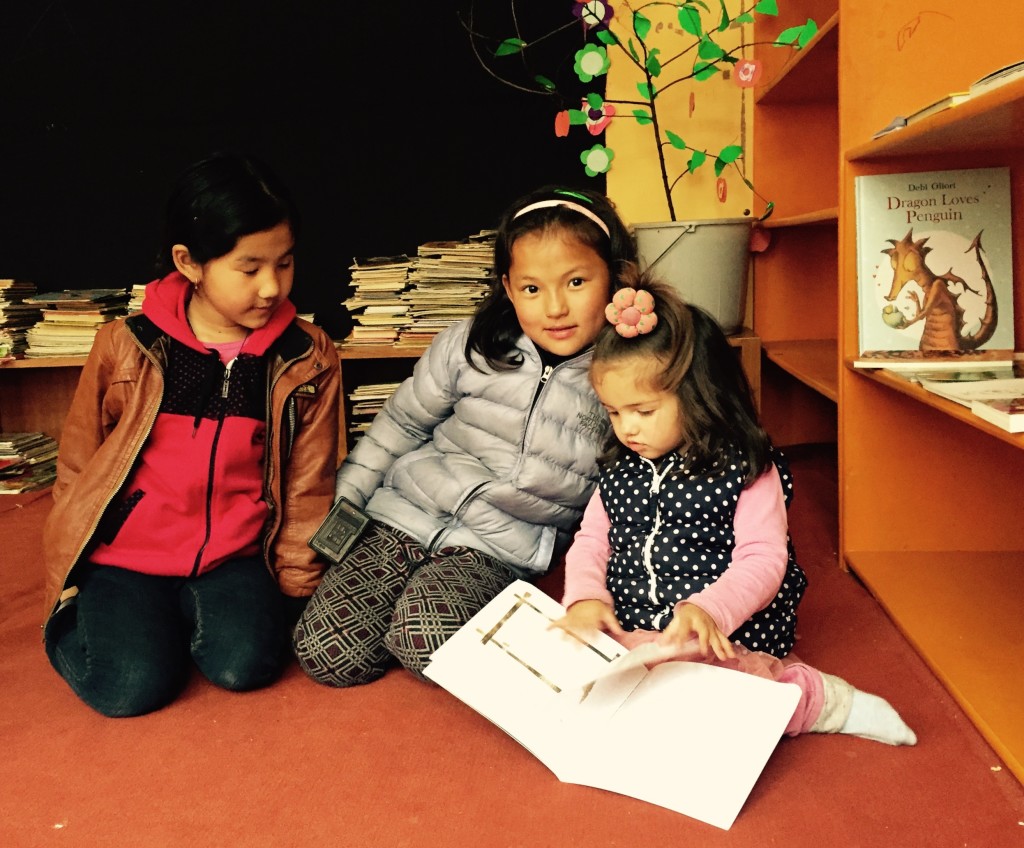
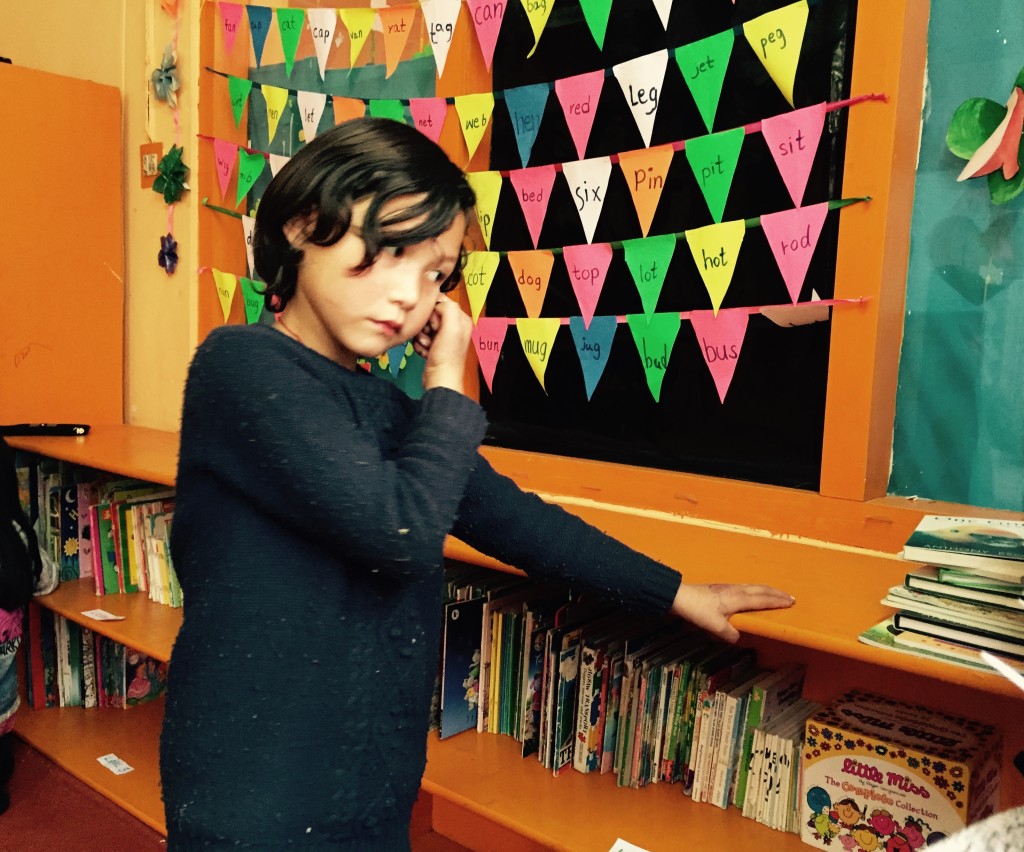
In a Himalayan reading room, recycled craft supplies can connect literacy with artistic expression. A child may illustrate a story using cereal-box cardboard, create characters from paper rolls, or build a village scene from packaging. Books provide the spark, while reused materials give the story a physical form.
This approach makes creative learning more accessible. A project does not have to stop because a particular brand of paper, brush, or craft kit is unavailable. Local and donated materials can open the door to experimentation, allowing children to focus on ideas rather than the cost of equipment.
What We Collect and How We Prepare It
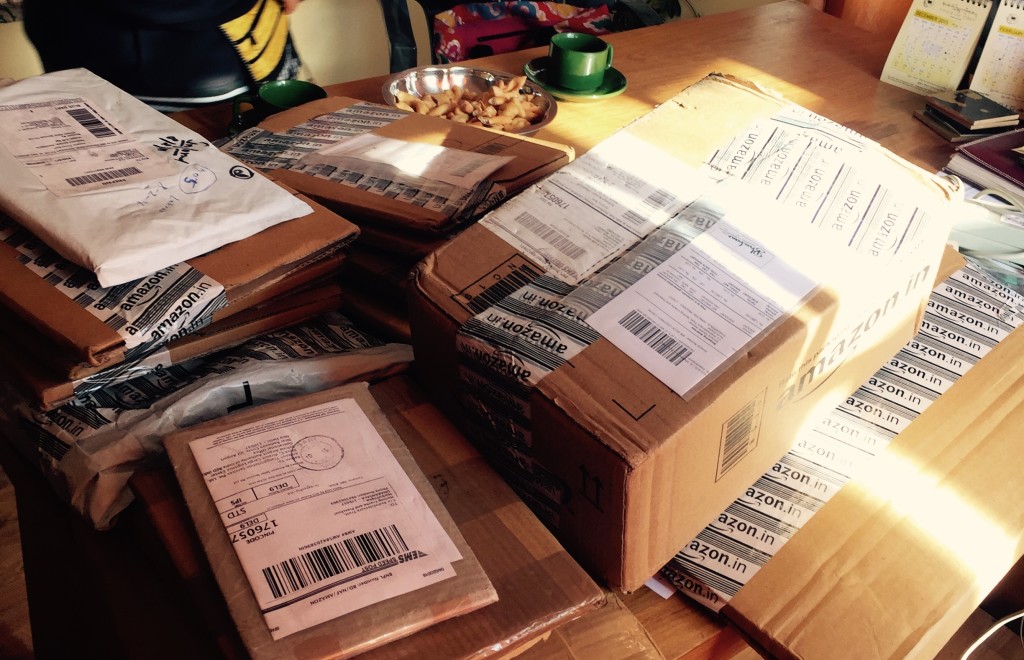
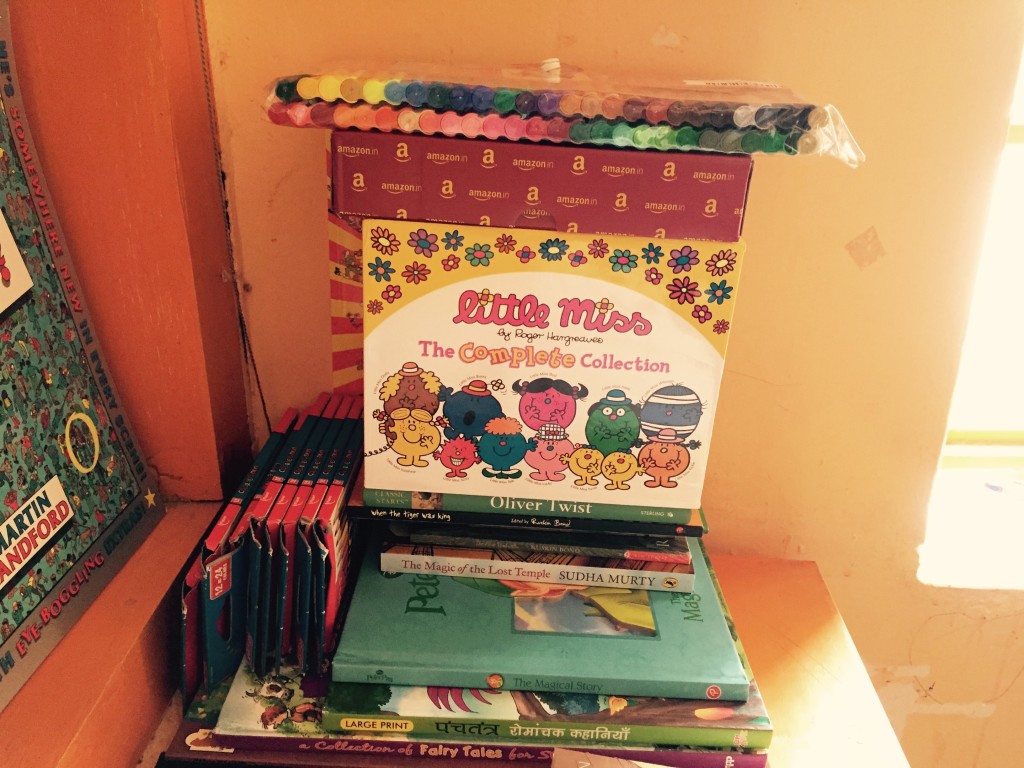
Useful scrap comes from many sources. Clean cardboard, paper bags, newspapers, magazines, egg cartons, fabric pieces, yarn, wooden sticks, bottle caps, paper tubes, and sturdy packaging can all support children’s activities. Old calendars may provide colorful images, while envelopes and paper offcuts become backgrounds, labels, or folding materials.
Preparation is essential. Volunteers inspect every donation, remove staples, tape, sharp edges, dust, and damaged sections, then sort items by type and size. Materials that have touched food, chemicals, mold, or dirty water are excluded. Only clean, dry, child-safe objects enter the craft collection.
Storage also affects how successfully materials can be used. Labeled boxes make it easier for volunteers and educators to find what they need without creating unnecessary mess. Paper is kept flat where possible, fabric is folded, and small items are placed in sealed containers. This simple system protects supplies and saves valuable activity time.
A Practical Transformation Process
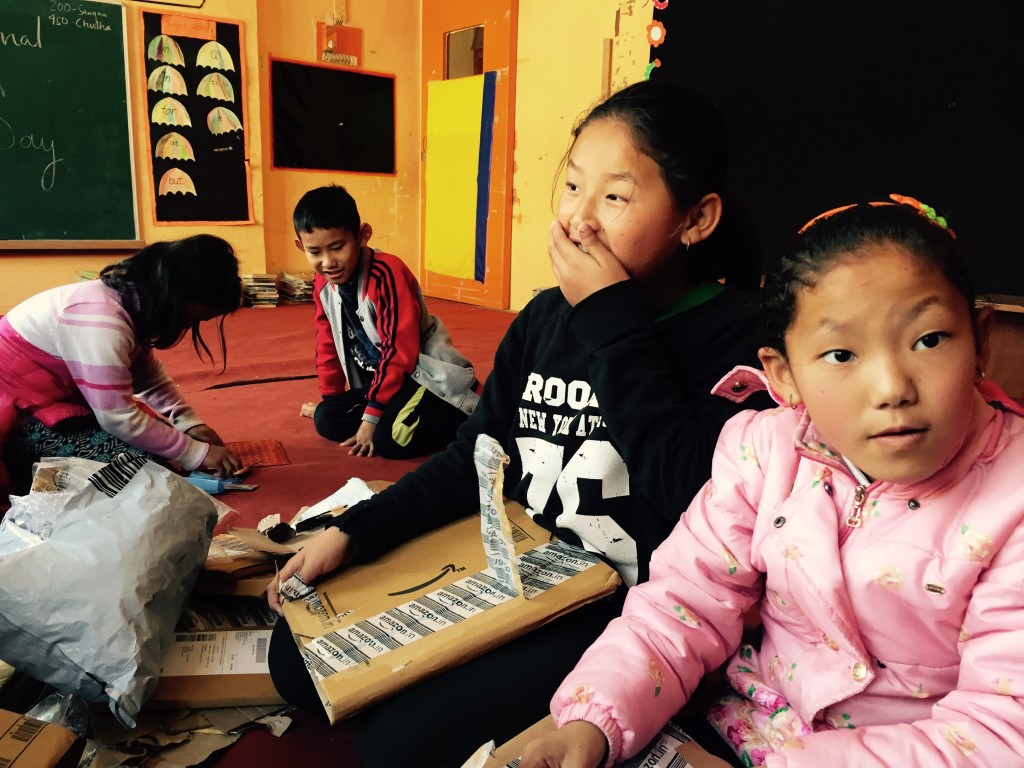
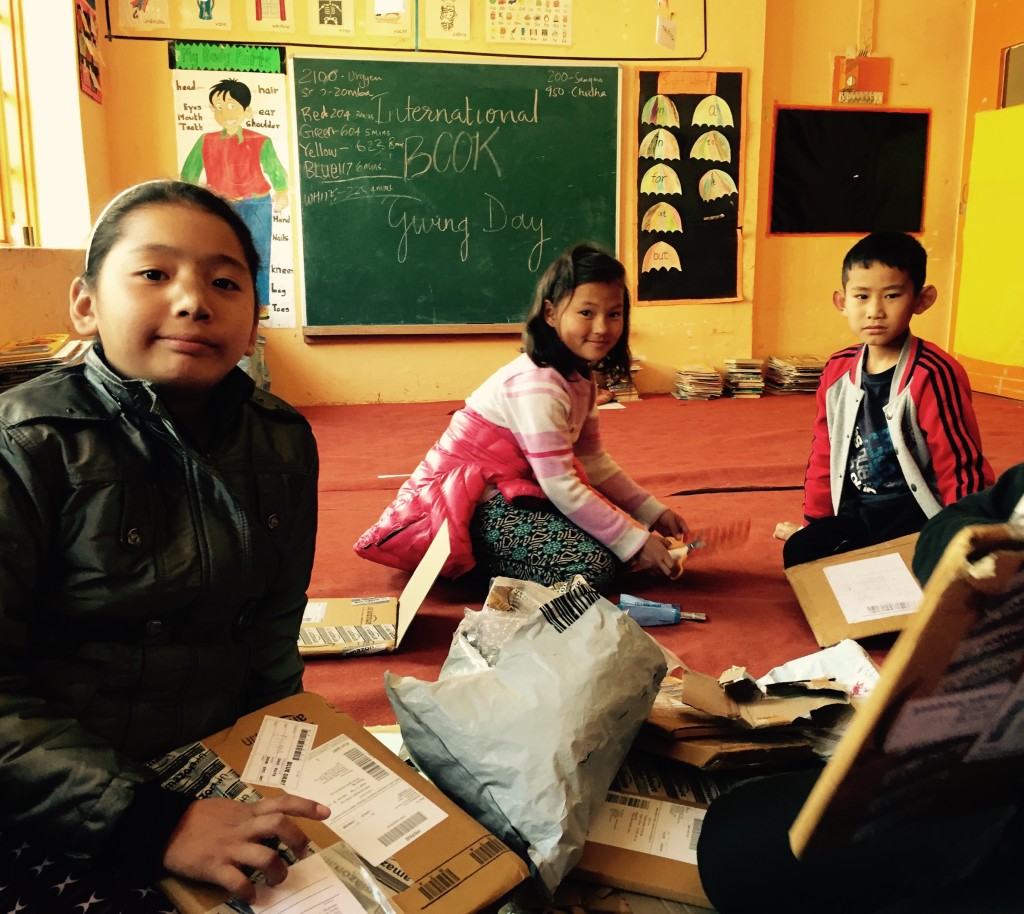
Turning scrap into art supplies is a creative process with several stages. First, donations are gathered through community collections, household contributions, and material saved from everyday activities. Next, volunteers assess the condition of each item and decide whether it can be used directly, adapted, or recycled through another channel.
The third stage is preparation. Cardboard may be cut into drawing boards, puppet shapes, bookmarks, or building panels. Magazines can be separated into color groups for collage work. Fabric can become a weaving strip, while paper tubes can form towers, musical shakers, or miniature buildings. A material’s original purpose does not limit its next one.
| Donated material |
Preparation |
Possible creative use |
Learning benefit |
| Cardboard packaging |
Flatten, trim, remove tape |
Bookmarks, models, drawing boards |
Planning and construction |
| Magazines and newspapers |
Sort, cut, and store by color |
Collage, storytelling, visual mosaics |
Observation and composition |
| Fabric scraps and yarn |
Wash, trim, and bundle |
Weaving, puppets, texture art |
Coordination and pattern-making |
| Paper tubes and cartons |
Clean and cut safely |
Sculptures, figures, classroom displays |
Spatial thinking and creativity |
| Bottle caps and small lids |
Wash, inspect, and count |
Printing, mosaics, sorting games |
Repetition, counting, and design |
The final stage is matching resources to age and activity. Younger children may work with large paper shapes and washable colors, while older learners can use prepared cardboard pieces for architectural models or collaborative installations. Volunteers can adapt the same donation for different levels of confidence and ability.
Creativity With a Lighter Footprint
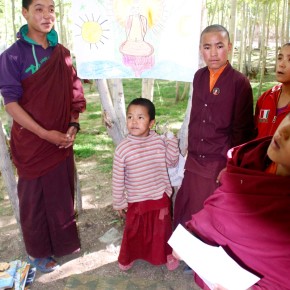
Using reclaimed materials helps children see waste differently. A finished collage may include several kinds of packaging, yet the artwork can communicate a clear story about a mountain, a monastery, a family, or a dream for the future. The act of transforming an object gives it new meaning.
This process can also introduce environmental awareness without turning an art session into a lecture. Children notice how much packaging enters a household, discuss which items can be reused, and consider how long different materials may remain in the environment. They begin to connect personal choices with the wellbeing of their community.
The environmental lesson becomes especially meaningful when paired with local culture. Natural landscapes, traditional patterns, seasonal celebrations, and village life can all inspire projects. Reused supplies keep the focus on observation and imagination, while children draw from the places and stories they know.
Measuring More Than Finished Artwork
A successful activity is not judged only by how polished the final object looks. Some children may produce a small drawing after a long period of concentration; others may contribute ideas, organize supplies, or help a group complete a shared model. Each form of participation matters.
Educators and volunteers can record practical indicators such as attendance, participation, confidence in speaking, willingness to try unfamiliar tasks, and the ability to work with others. These observations complement broader literacy outcomes. Our approach to learning is grounded in evidence, including how we measure literacy impact across programs and communities.
Creative reuse also creates visible links between activities. A child who designs a character during an art session may later write a short story about it. A group that builds a cardboard village may read books about architecture, geography, or local history. These connections help reading, making, and conversation reinforce one another.
How Volunteers and Donors Can Help
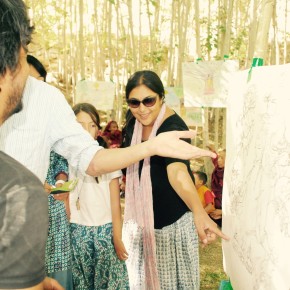
People who support this work do not need to send expensive craft kits. Clean, sturdy, reusable materials can be just as valuable when they are appropriate for children. Volunteers can contribute by collecting supplies, preparing them safely, helping lead activities, or documenting projects for families and supporters.
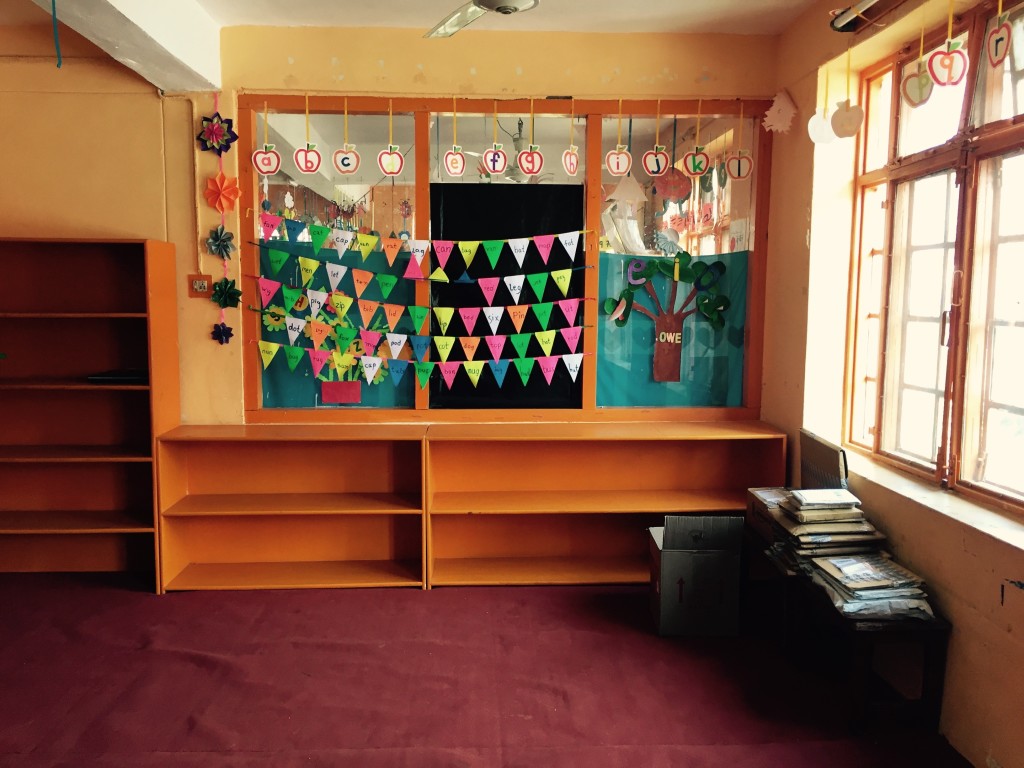
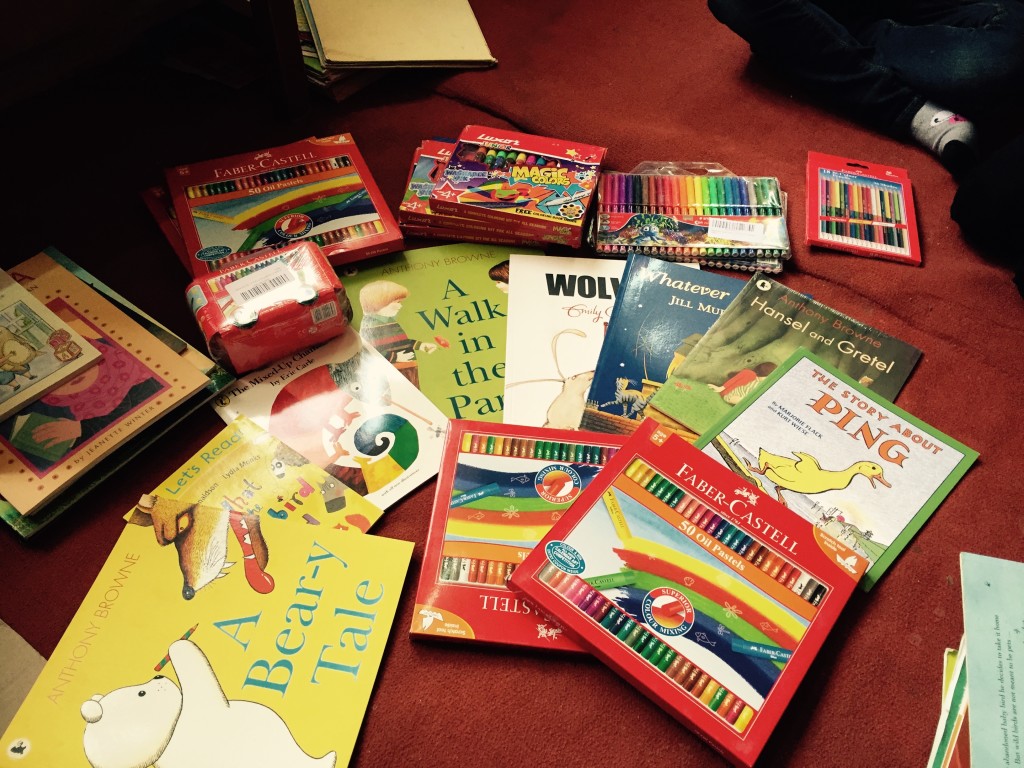
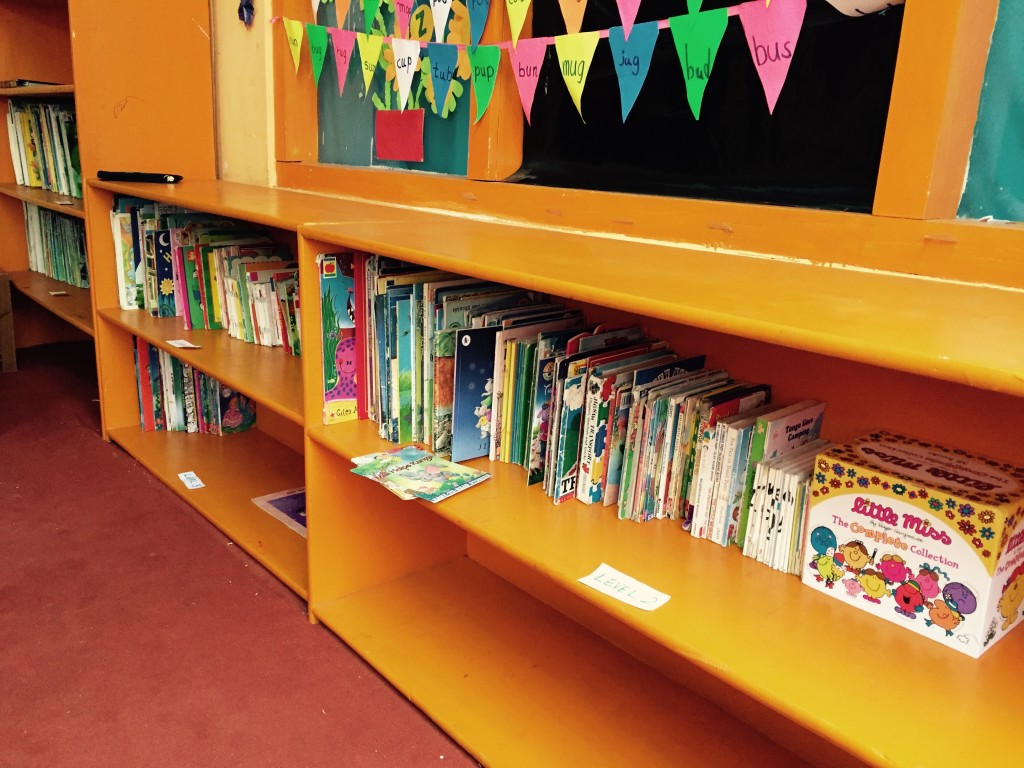
Donations also help provide the less visible elements of the program: storage boxes, child-safe scissors, non-toxic glue, washable paints, brushes, protective coverings, and shelving for reading rooms. These items make reclaimed materials practical and help educators maintain an orderly, welcoming space.
Useful contributions include:
- Clean cardboard, paper packaging, magazines, fabric offcuts, yarn, and paper tubes
- Child-safe tools, washable colors, glue, brushes, and protective table coverings
- Sturdy containers for sorting small materials by color, shape, or size
- Volunteer time for cleaning, cutting, cataloging, and preparing activity kits
- Financial support for reading rooms, educational resources, and creative workshops
A well-prepared donation can support many sessions. One large box may become a set of book covers, a collection of puppets, a model village, or a series of seasonal decorations. The value lies in the care given to the material and the opportunities it creates.
When a discarded object becomes part of a child’s artwork, it carries a new story: a story of resourcefulness, shared effort, and possibility. Supporters can help extend that story by donating suitable materials, organizing a local collection, volunteering in preparation, or contributing to the educational work of Avalokiteśvara Trust. Together, we can place more books, creative tools, and welcoming spaces within reach of children and young monks across the Himalayan region.