From bedtime stories to chapter books: tracking reading progress
A child’s reading journey often begins with a familiar bedtime story, a picture book shared aloud, or a few lines followed by a lively conversation. Over time, those early experiences can lead to short readers, folk tales, information books, and eventually chapter books. The change may seem gradual, yet each small step builds vocabulary, confidence, concentration, and a sense of independence.
Tracking reading progress helps adults notice that growth without turning reading into a test. A simple record can show which stories hold a child’s attention, where support is needed, and when it is time to offer a greater challenge. In reading rooms and classrooms, this information makes book selection more thoughtful and responsive.
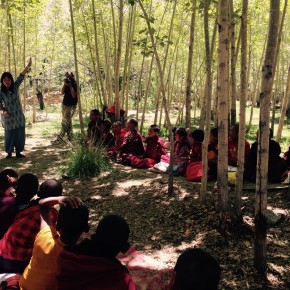
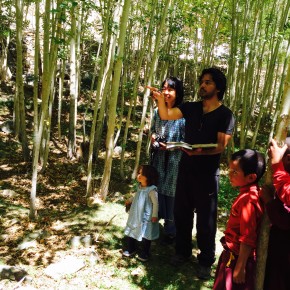
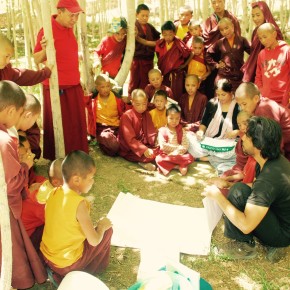
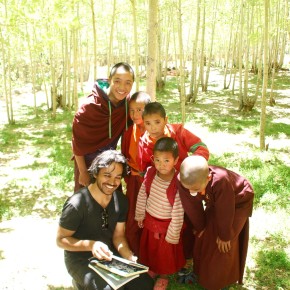
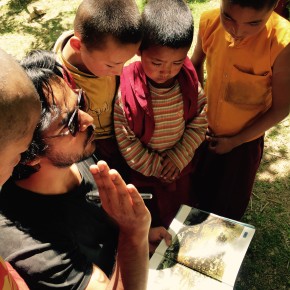
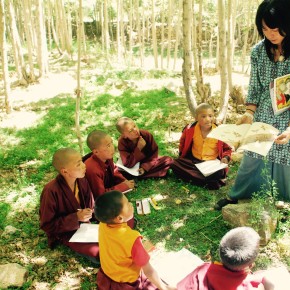
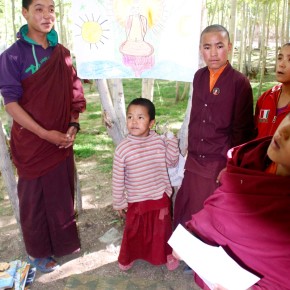
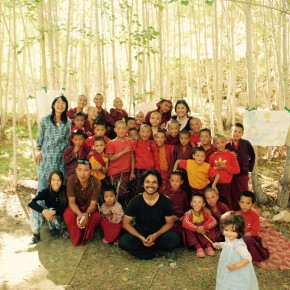
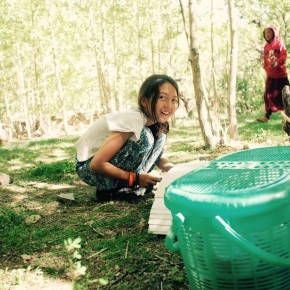
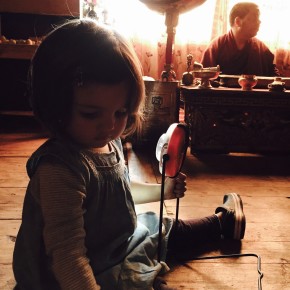
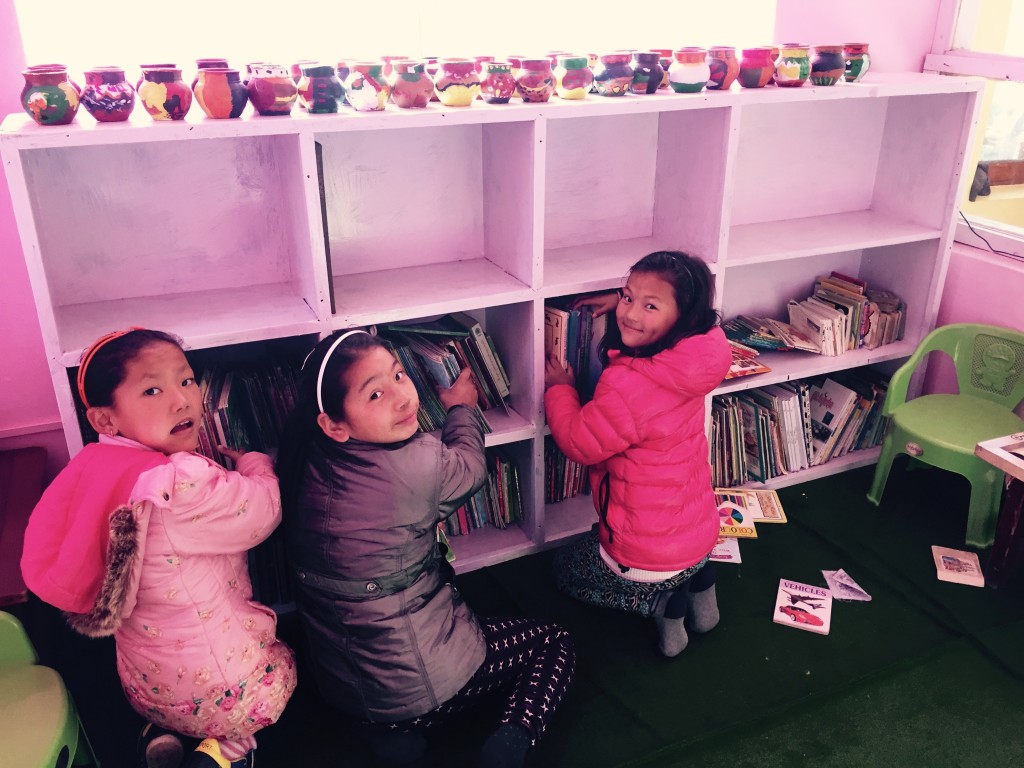
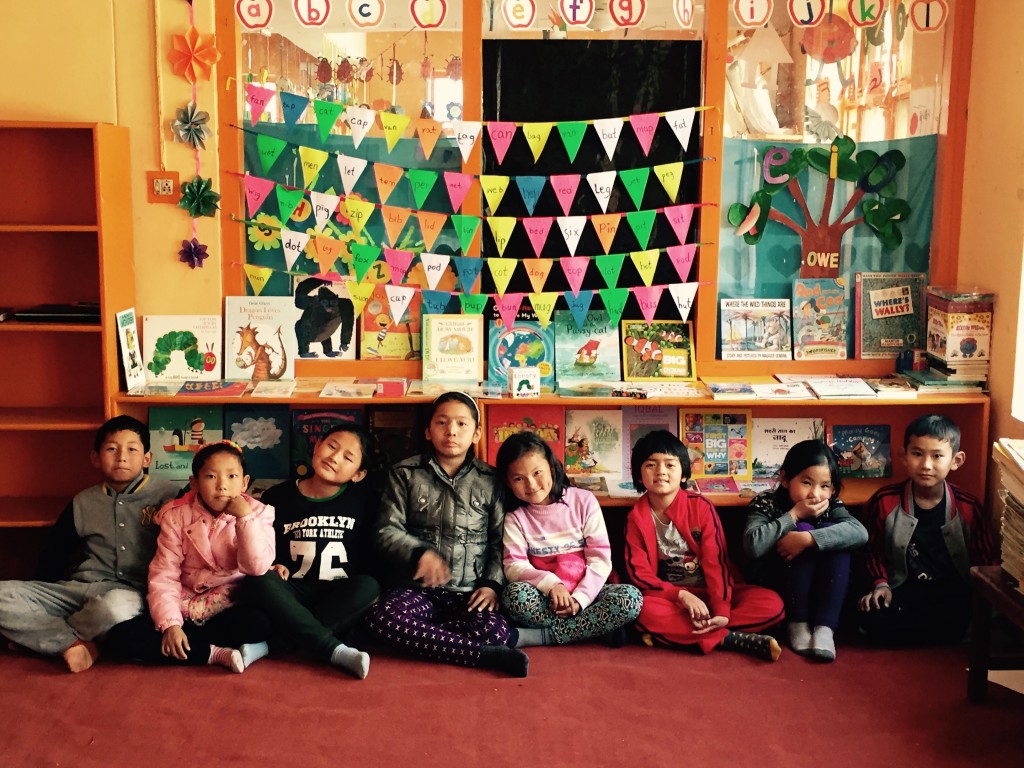
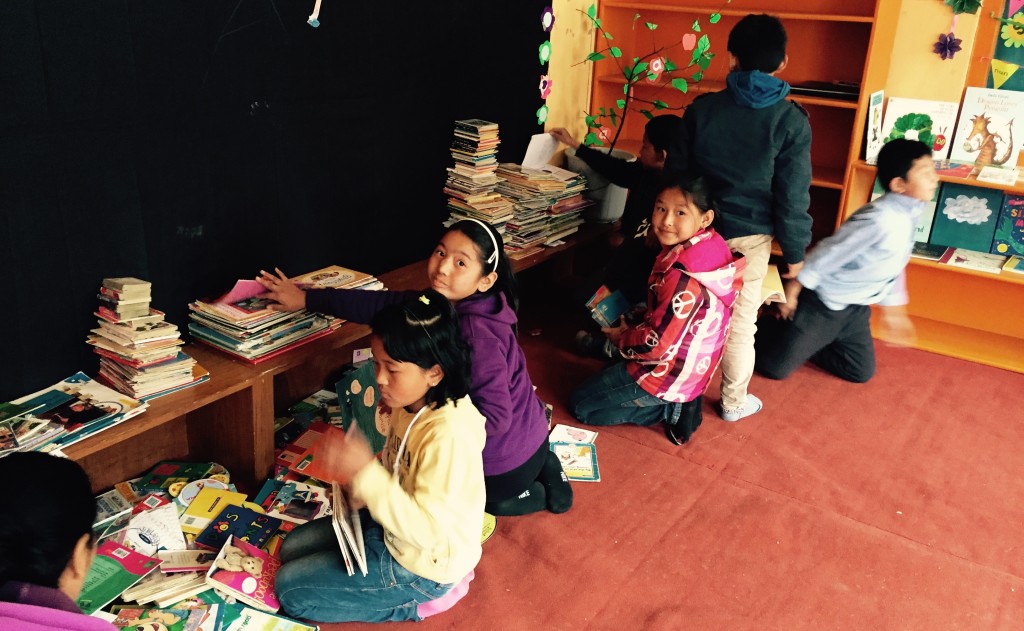
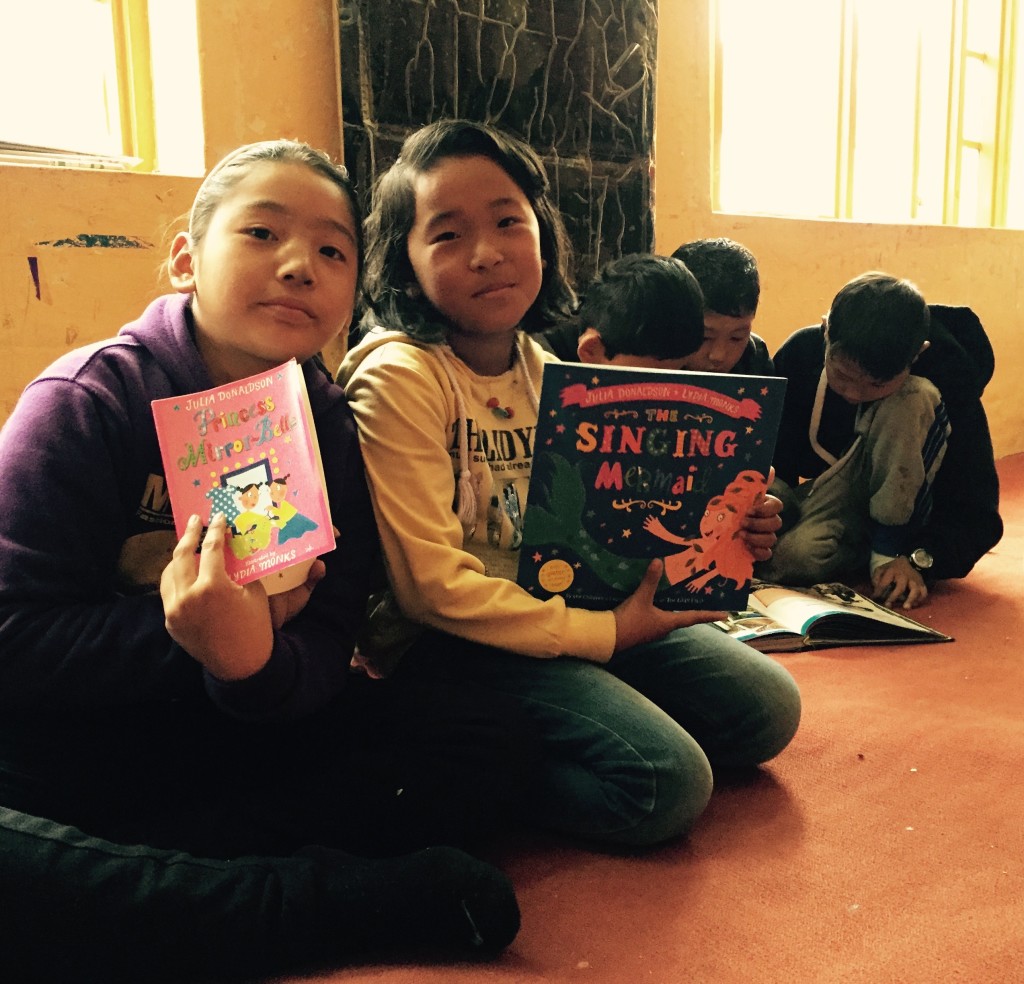
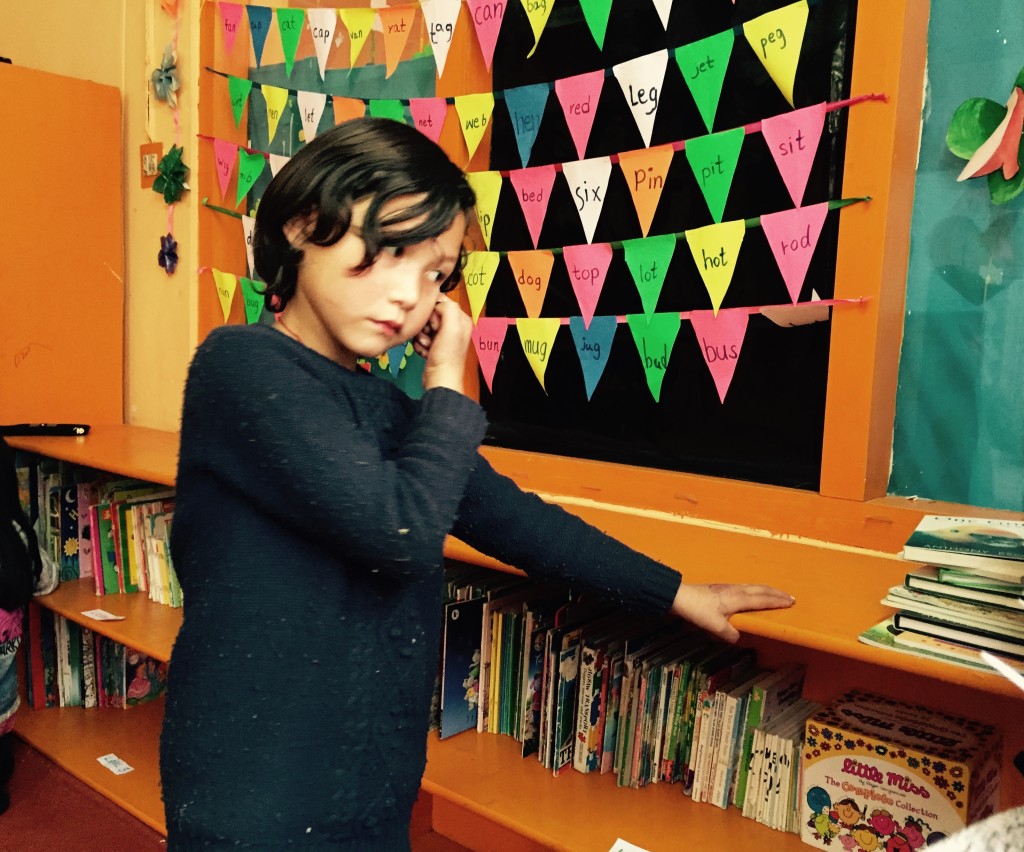
For children and young monks in Himalayan communities, access to suitable books may be as important as formal instruction. A welcoming collection, regular read-aloud time, and patient encouragement can make literacy feel connected to imagination and discovery. Progress is measured through many signs, from recognizing new words to explaining a character’s choices.
Begin with the reader, not the reading level
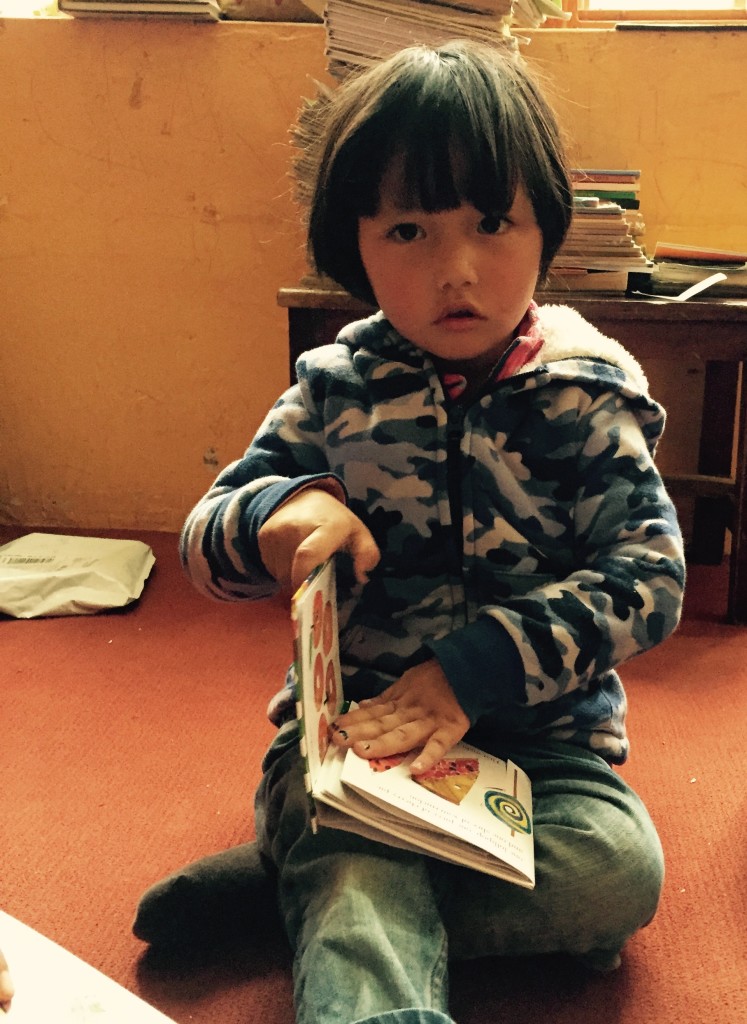
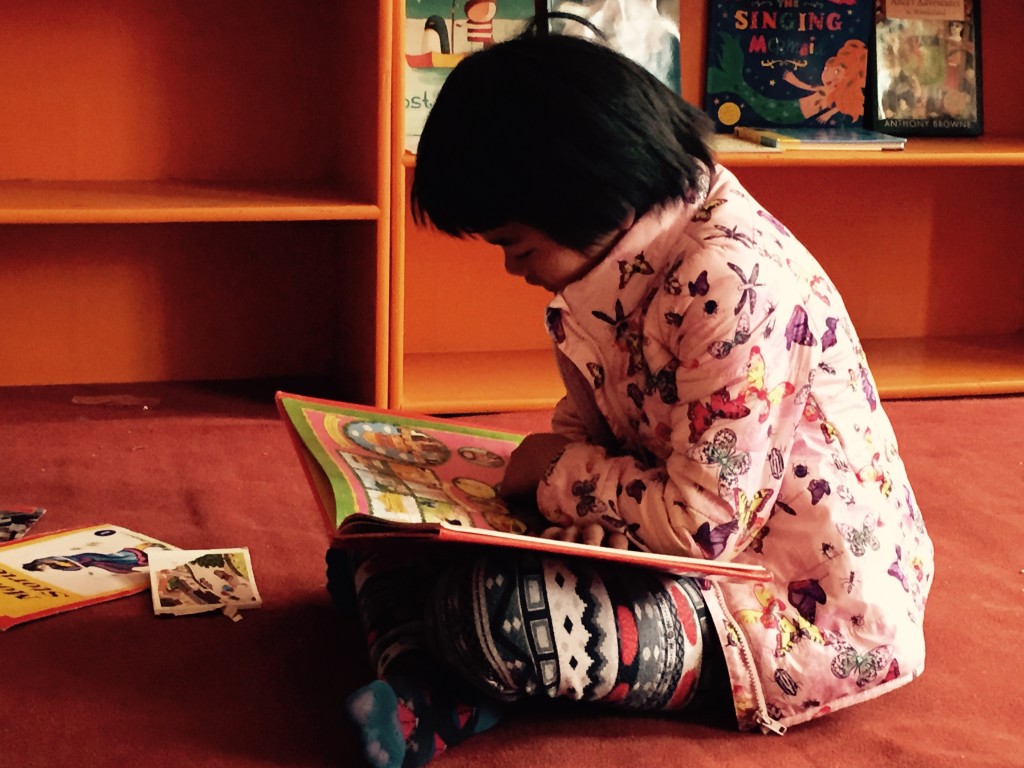
Before recording any milestones, spend time observing how a child approaches a book. Does the child choose books independently, study the illustrations, listen closely during a read-aloud, or retell a story afterward? These behaviors provide useful information before a child reads every sentence without help.
A starting note might include favorite subjects, familiar languages, preferred formats, and the kinds of support that make reading comfortable. Some children enjoy animals and adventure, while others are drawn to biographies, myths, science, or humorous stories. A personal reading profile prevents progress tracking from becoming a narrow list of skills.
It is also helpful to notice stamina. A child who listens attentively to a long story may be ready for a chapter book, even if independent decoding is still developing. Another child may read simple sentences accurately but need shorter sessions to maintain focus. Both patterns deserve encouragement and an appropriate next step.
Create small milestones that children can see
Reading development becomes easier to understand when broad goals are divided into visible achievements. A child might move from identifying a book’s cover and title to predicting what will happen, recognizing repeated words, reading a page aloud, and describing the main event. Each milestone gives adults a practical way to celebrate progress.
A reading log can remain simple. Record the date, title, format, minutes spent reading, and one brief observation. Notes such as “retold the sequence clearly,” “needed help with place names,” or “chose to read the next chapter” are more useful than a score alone. They capture comprehension, motivation, fluency, and independence together.
Concentration is part of the picture, especially in group settings. Stories about lessons from young monks remind us that curiosity and sustained attention can grow through practice. A quiet reading routine, free from pressure, gives children space to develop both qualities.
Match books to the next comfortable challenge
The best next book is usually a little more demanding than the last successful one. If a child can understand a story when listening but struggles to decode every line, pair independent reading with read-aloud support. If the child reads accurately but gives very short answers, choose books with strong plots and pause for gentle discussion.
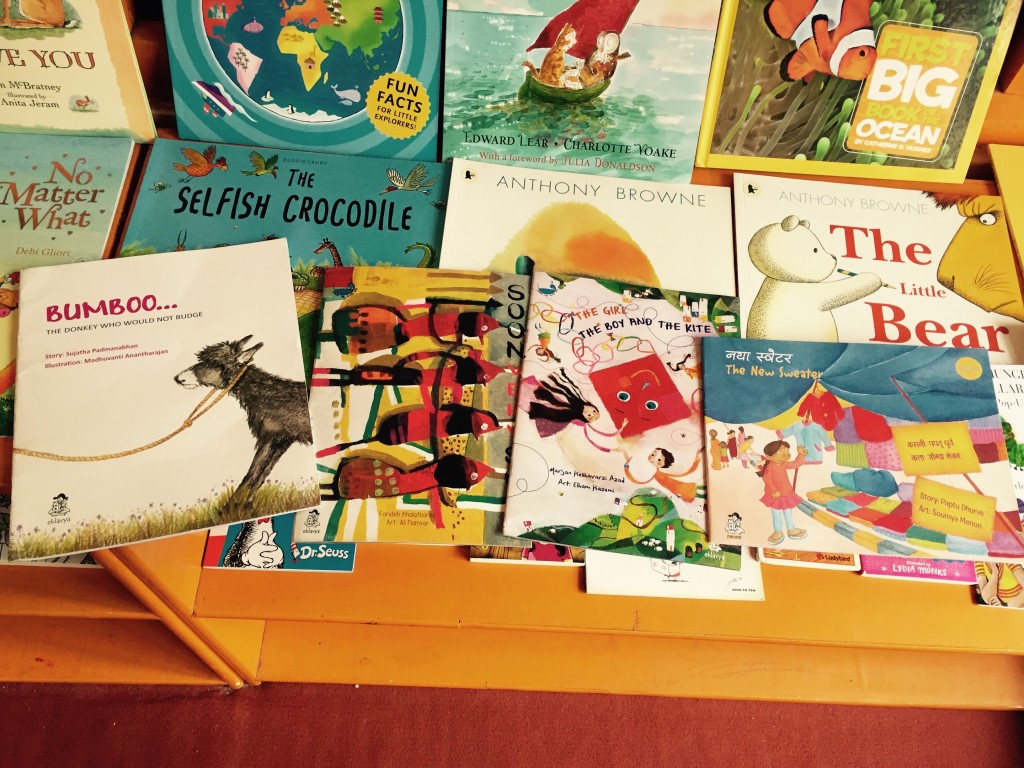
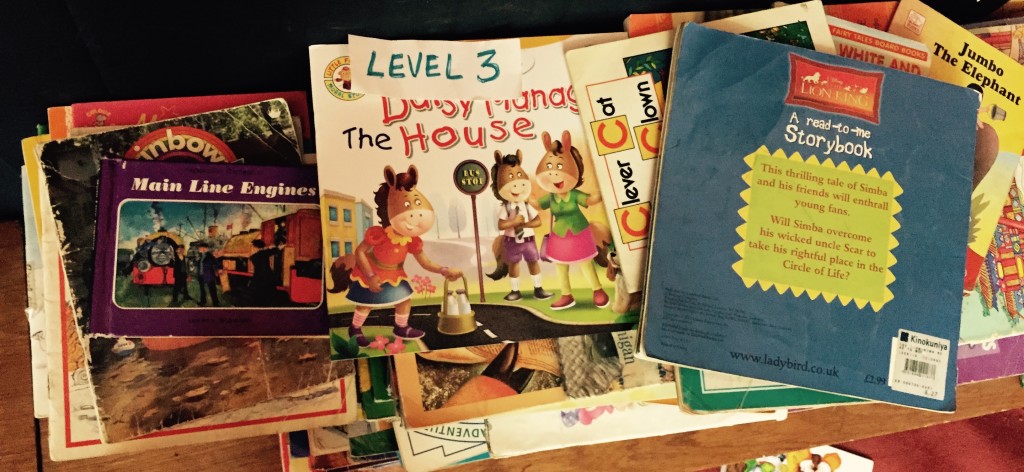
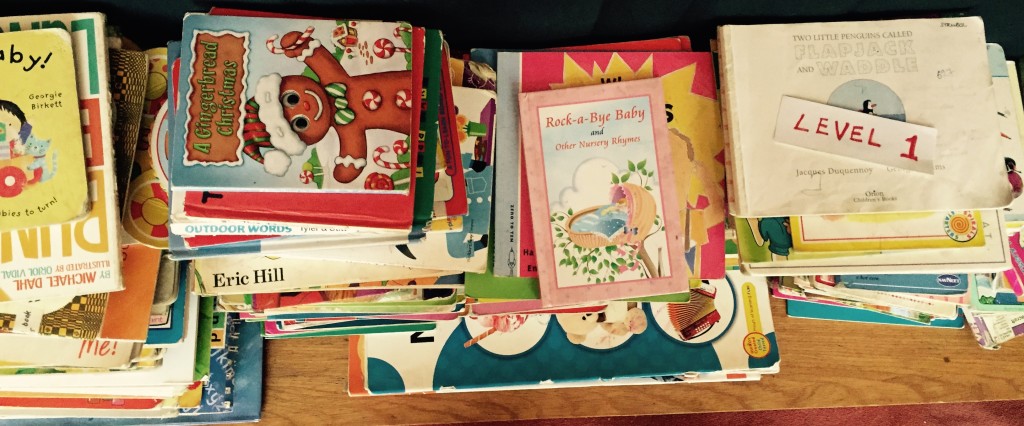
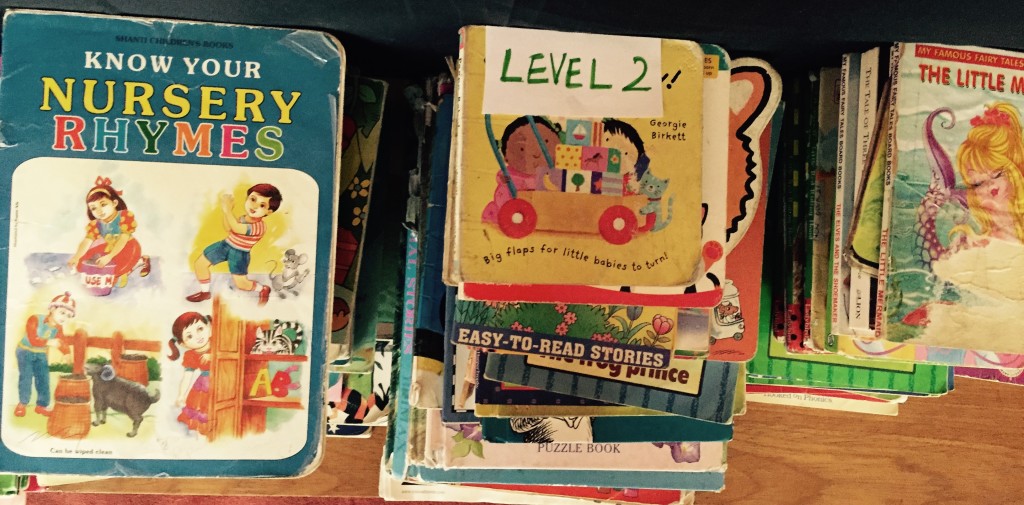
A varied collection helps children move through different stages without feeling placed in a fixed category. Picture books remain valuable for older readers when they contain complex ideas, rich language, or cultural knowledge. Early chapter books can offer manageable sections, recurring characters, and illustrations that support understanding.
Book choice should also reflect local identity. Stories connected to mountains, family life, animals, festivals, and community traditions can make reading feel familiar, while books from other places expand the child’s view of the world. In Ladakh and similar communities, multilingual resources can support language learning while preserving a connection to home.
Use evidence that goes beyond finished pages
A completed book is one sign of progress, but it is not the whole story. A child may read slowly and understand deeply, or finish quickly while missing important details. Short conversations reveal what the reader can explain, remember, infer, and connect to personal experience.
Useful evidence can be gathered through informal prompts: “What changed in this chapter?” “Which part surprised you?” or “What might happen next?” Younger children can respond through drawing, acting, sequencing pictures, or choosing a favorite character. These activities make comprehension visible without interrupting the pleasure of reading.
| Reading stage |
Signs of progress |
Helpful support |
| Shared picture books |
Names characters, predicts events, retells key moments |
Read aloud, discuss images, repeat favorite stories |
| Emergent independent reading |
Recognizes common words, follows print, reads short sentences |
Sound out words together, use patterned texts |
| Early readers |
Reads familiar books with growing fluency, answers simple questions |
Re-read, pause for meaning, celebrate effort |
| Short chapter books |
Tracks events across chapters, summarizes, manages a longer session |
Mark stopping points, discuss new vocabulary |
| Developing independent readers |
Chooses books, makes inferences, compares characters or ideas |
Recommend varied genres and allow personal projects |
Turn the record into encouragement
A progress record should help children see themselves as readers. Instead of displaying only levels or corrections, include titles completed, new words discovered, questions asked, and moments of persistence. A “favorite line” section or a space for drawings can make the record feel like a personal reading journal.
Praise should be specific. “You went back to the paragraph to check the meaning” recognizes a strategy. “You kept reading after that difficult word” acknowledges resilience. Specific feedback teaches children which habits help them become stronger readers, while general approval can feel less connected to their effort.
Adults can review records regularly and adjust the reading environment. If several children avoid longer books, staff might organize a group read-aloud or introduce books with shorter chapters. If children repeatedly choose the same genre, add related titles before inviting them toward something unfamiliar.
Make reading progress a shared experience
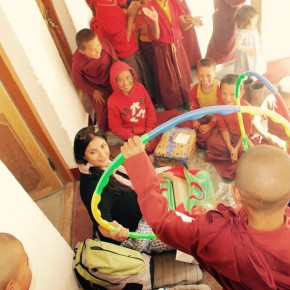
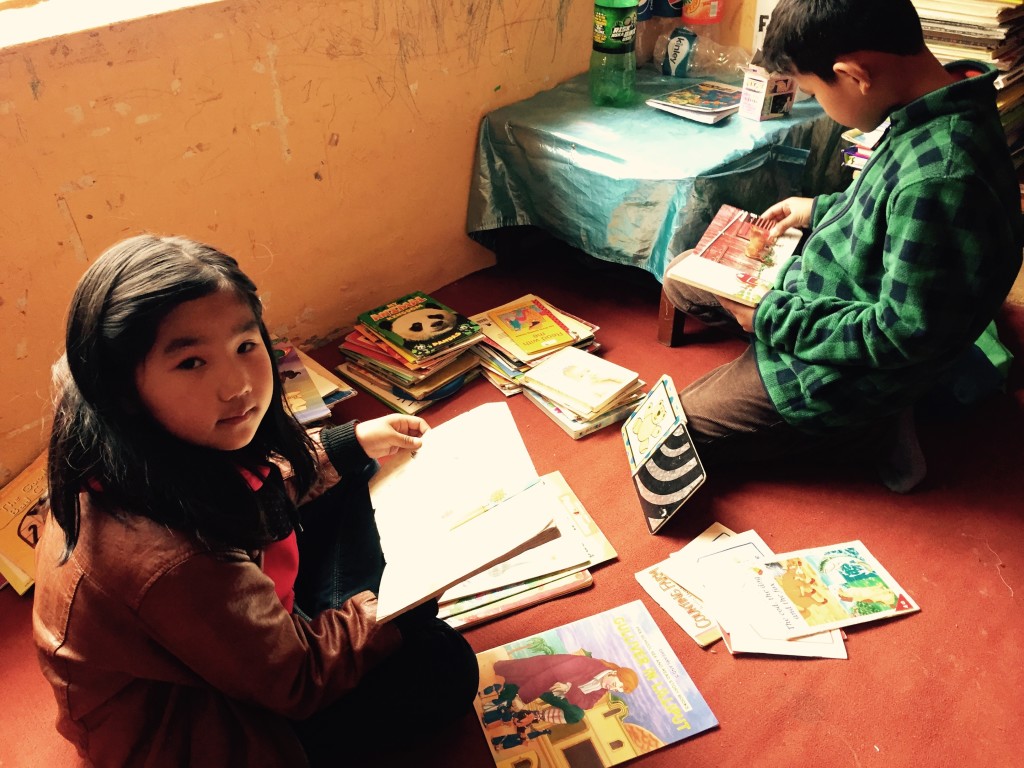
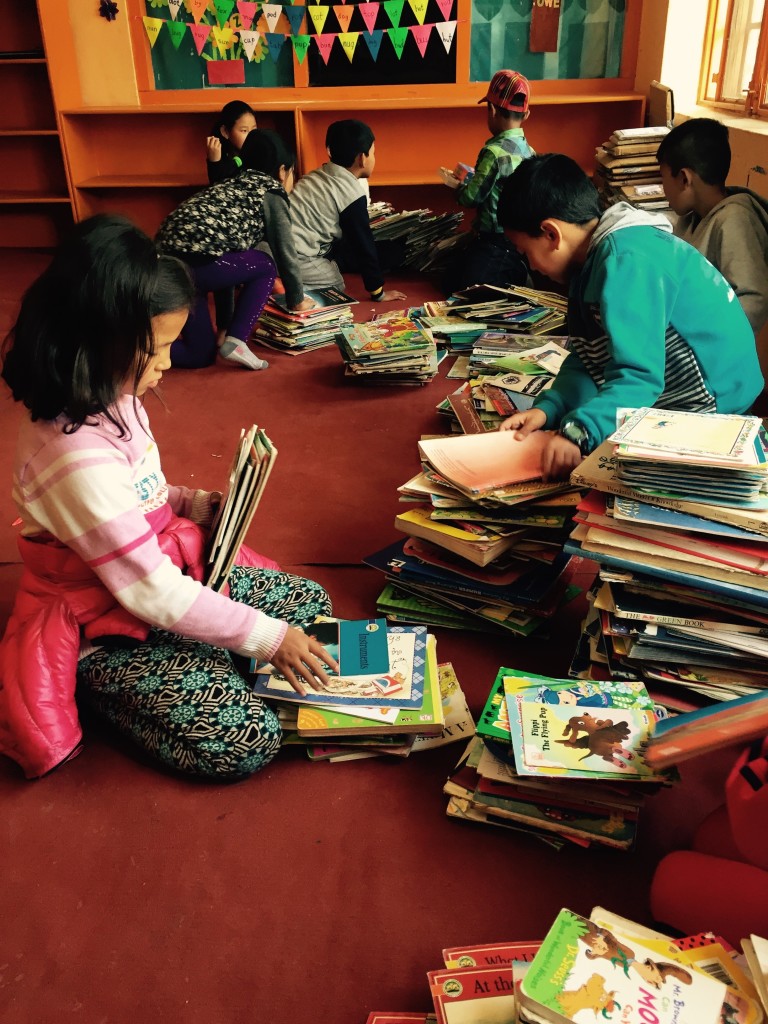
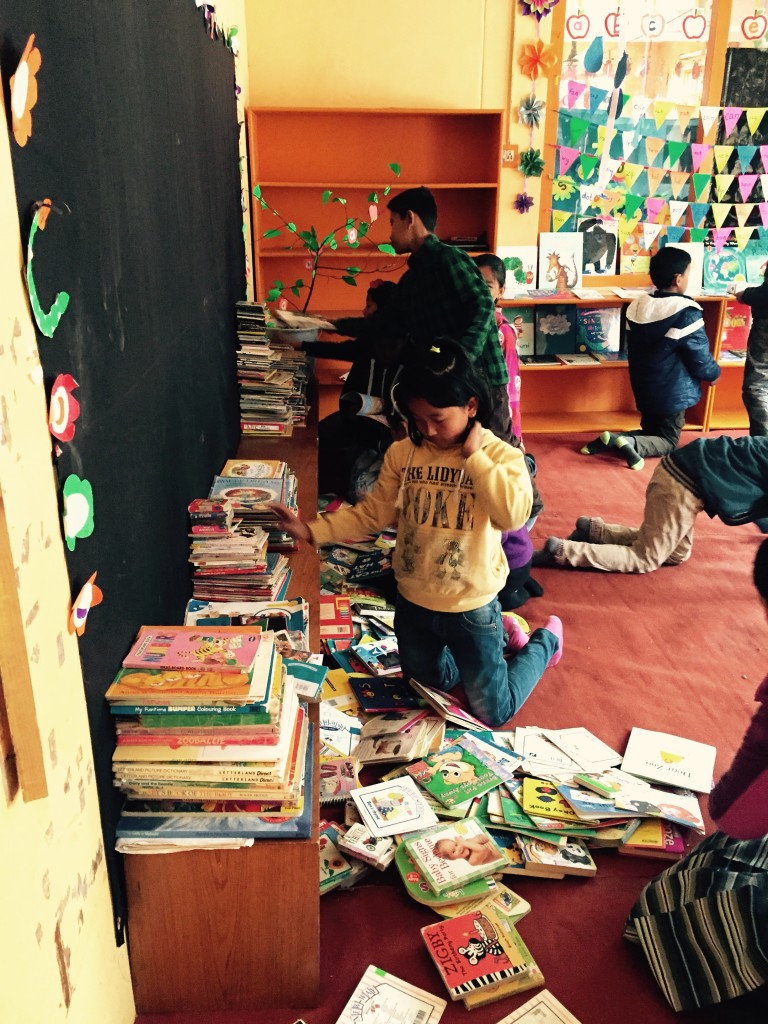
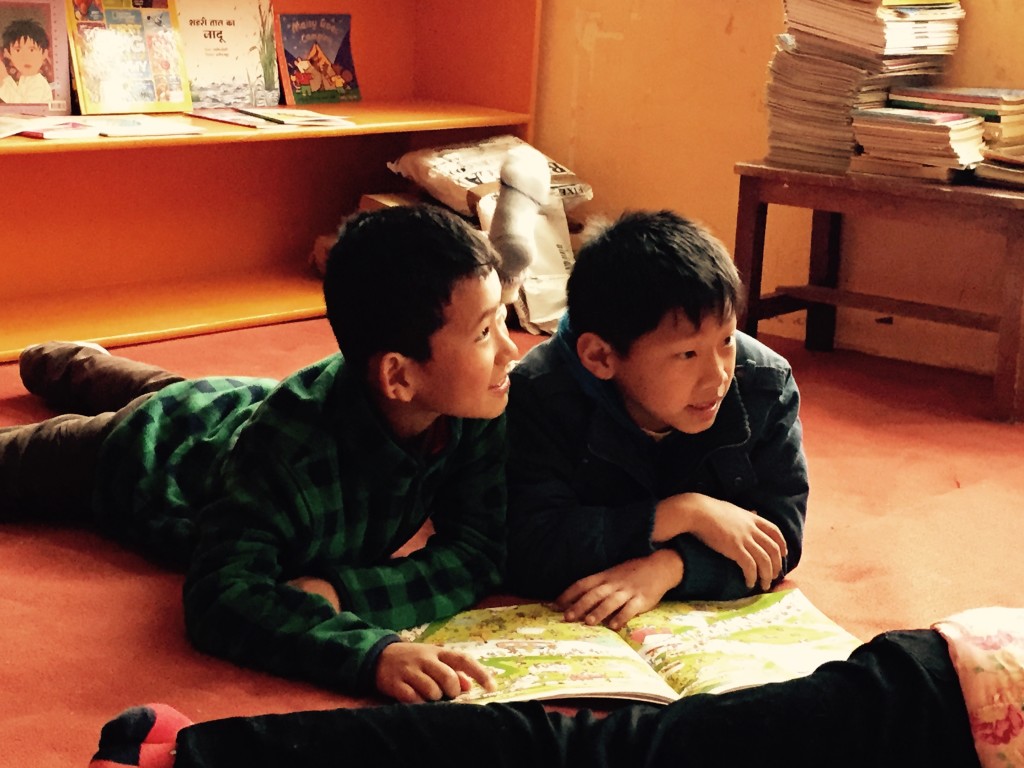
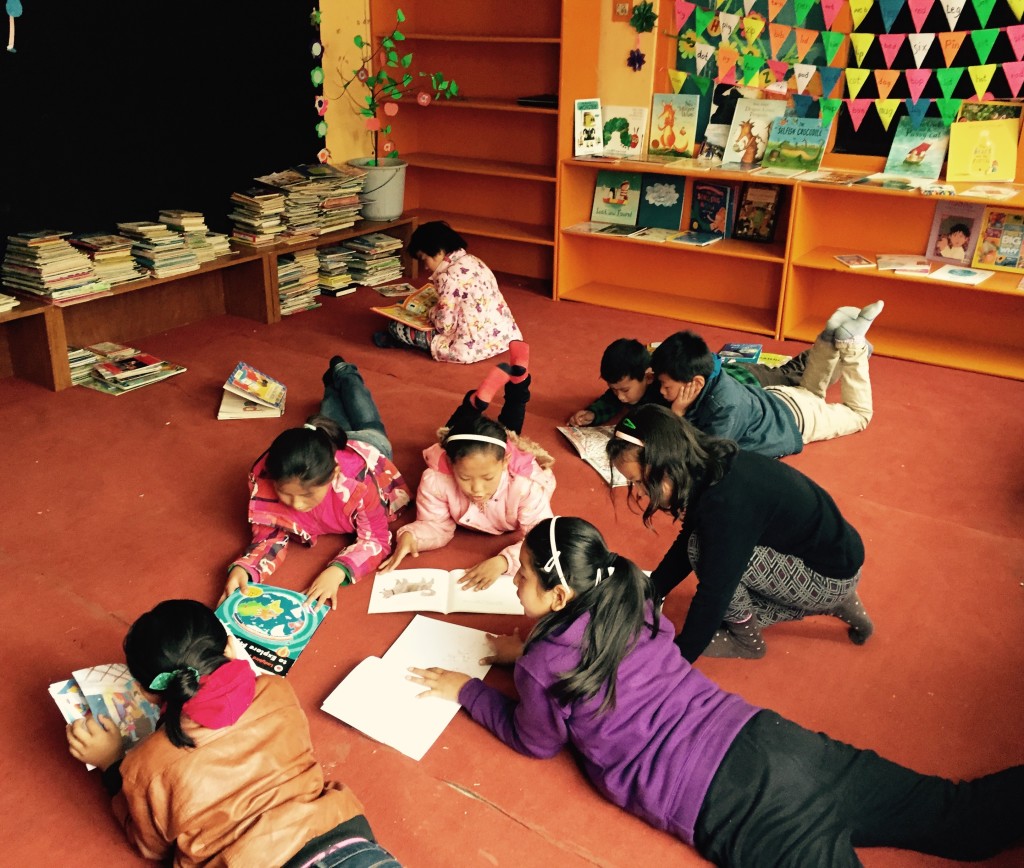
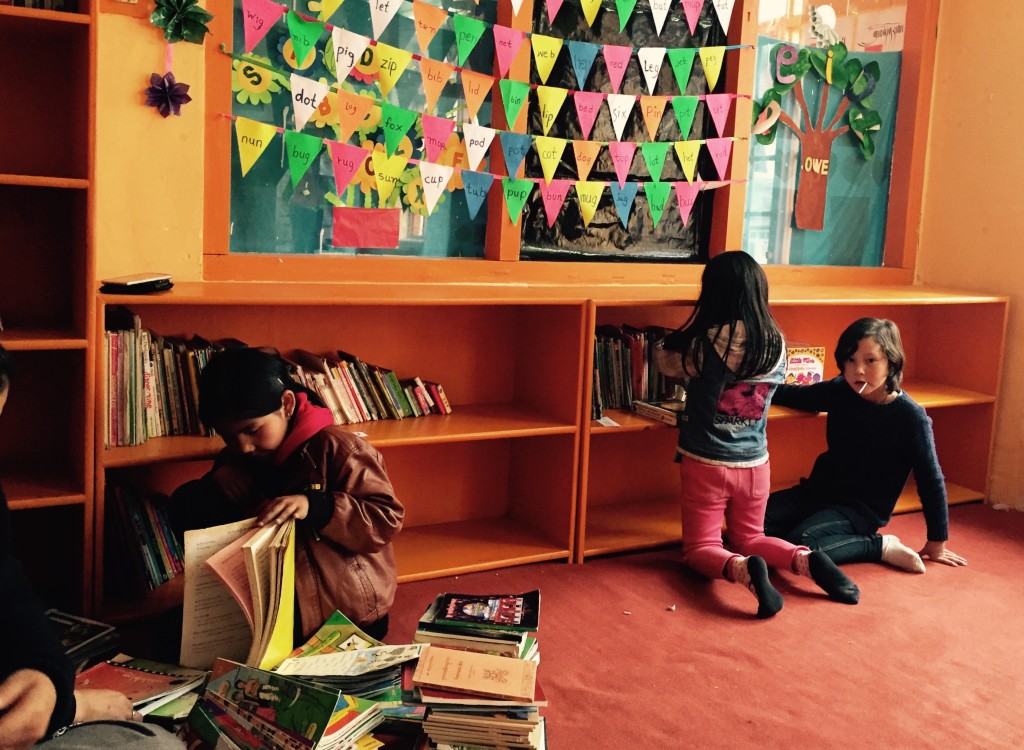
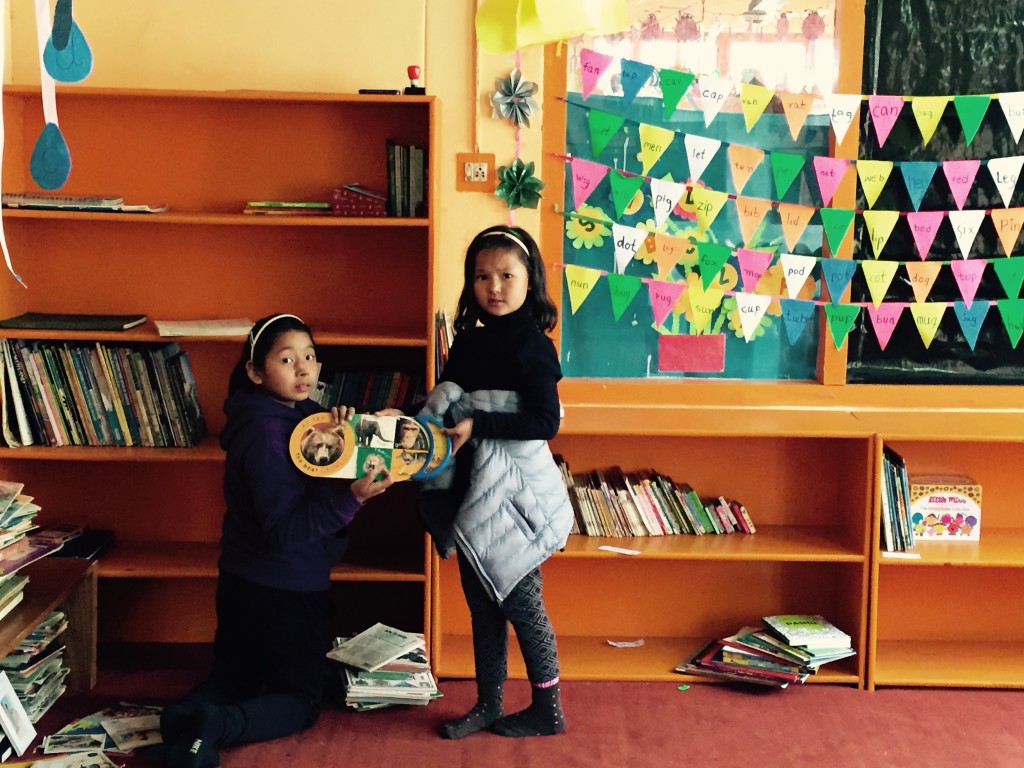
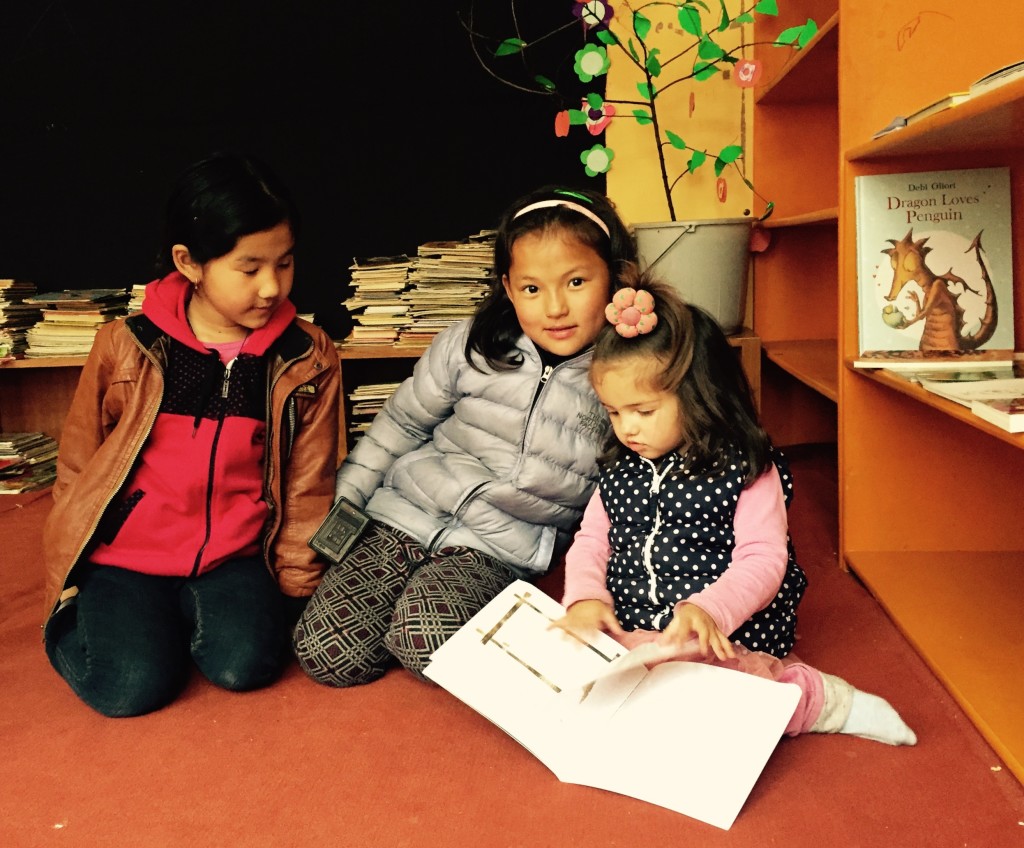
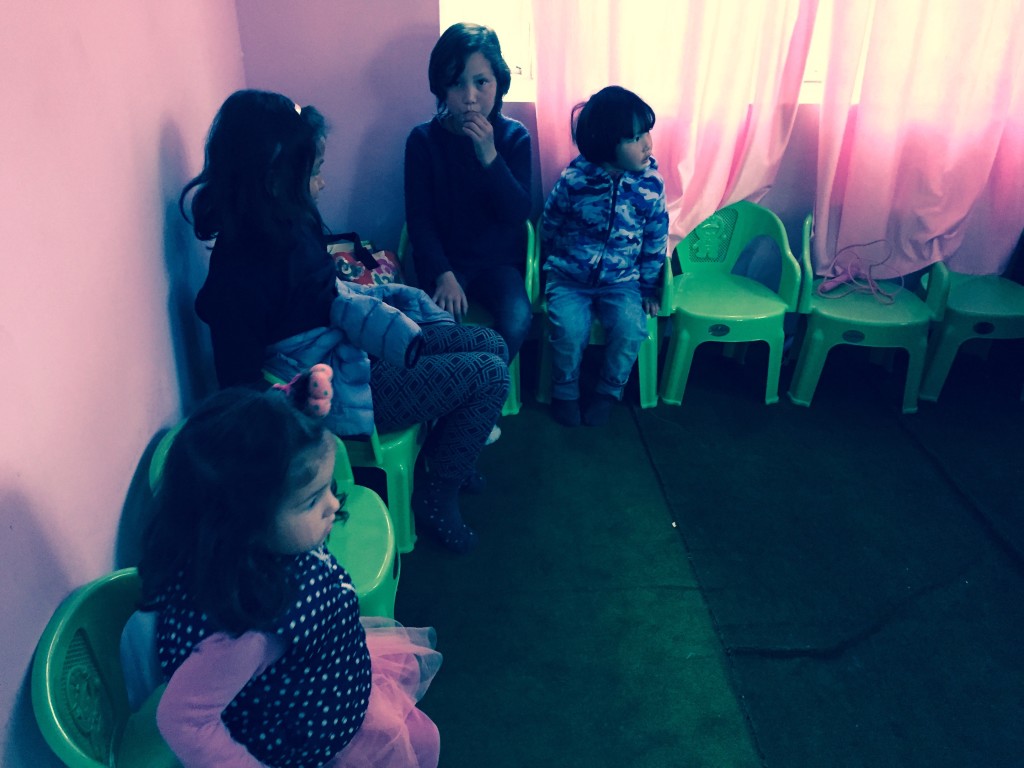
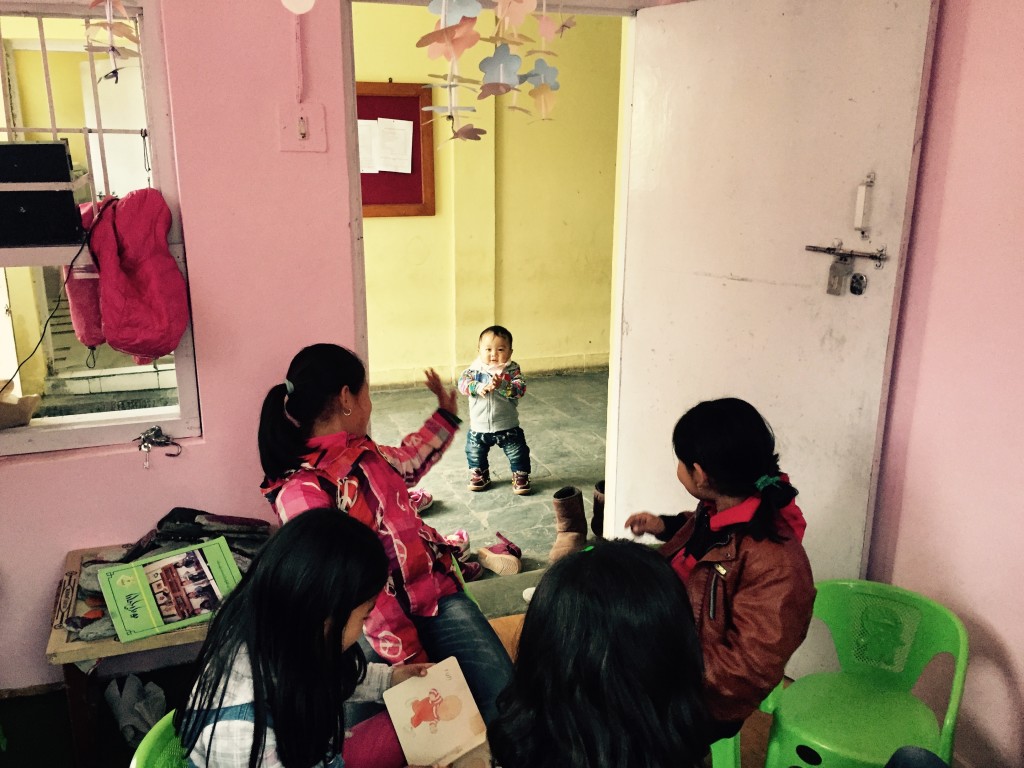
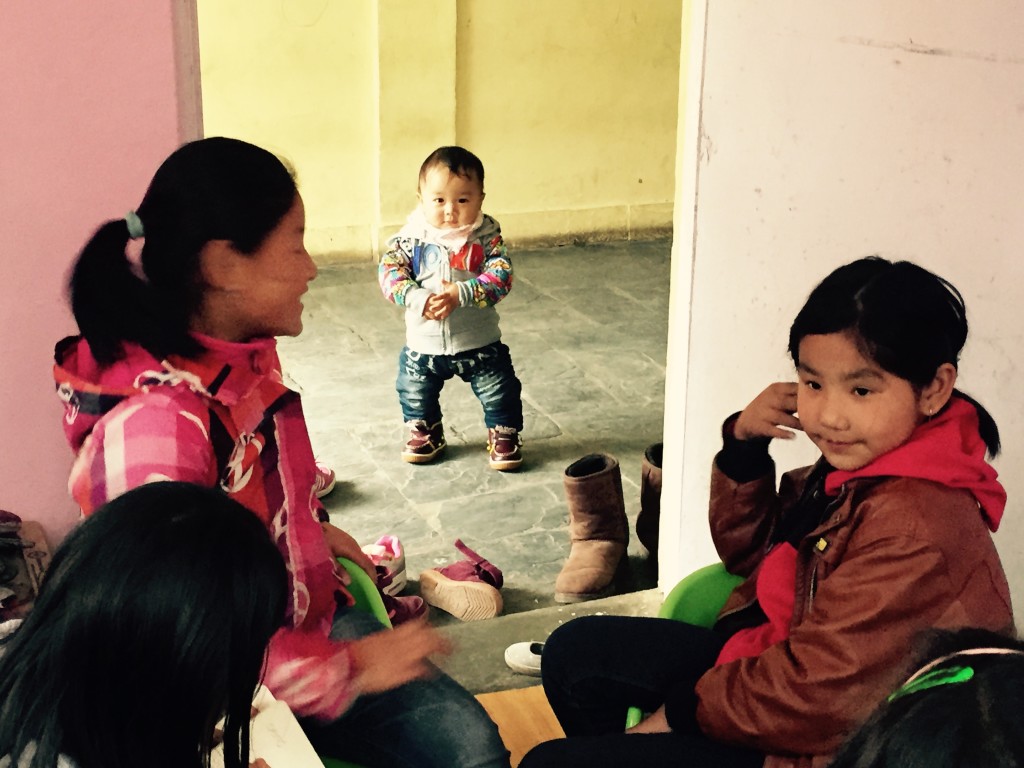
Reading grows through relationships. A volunteer, teacher, older student, or family member can listen to a child read and respond with genuine interest. In a reading room, children may recommend books to one another, perform a scene, create a character portrait, or work together to retell a traditional tale.
Group activities should leave room for different abilities. A confident reader can read dialogue, while another child illustrates the setting or arranges story cards. These roles allow everyone to participate in literary discussion and build confidence, even when reading fluency varies.
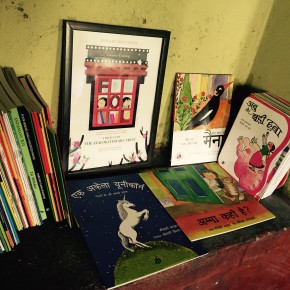
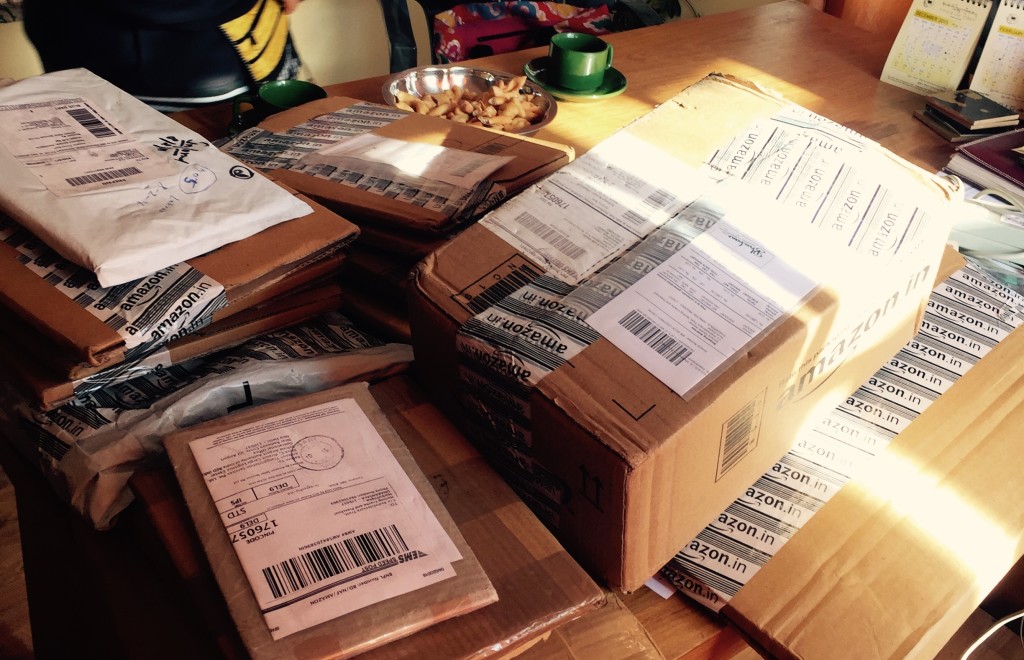
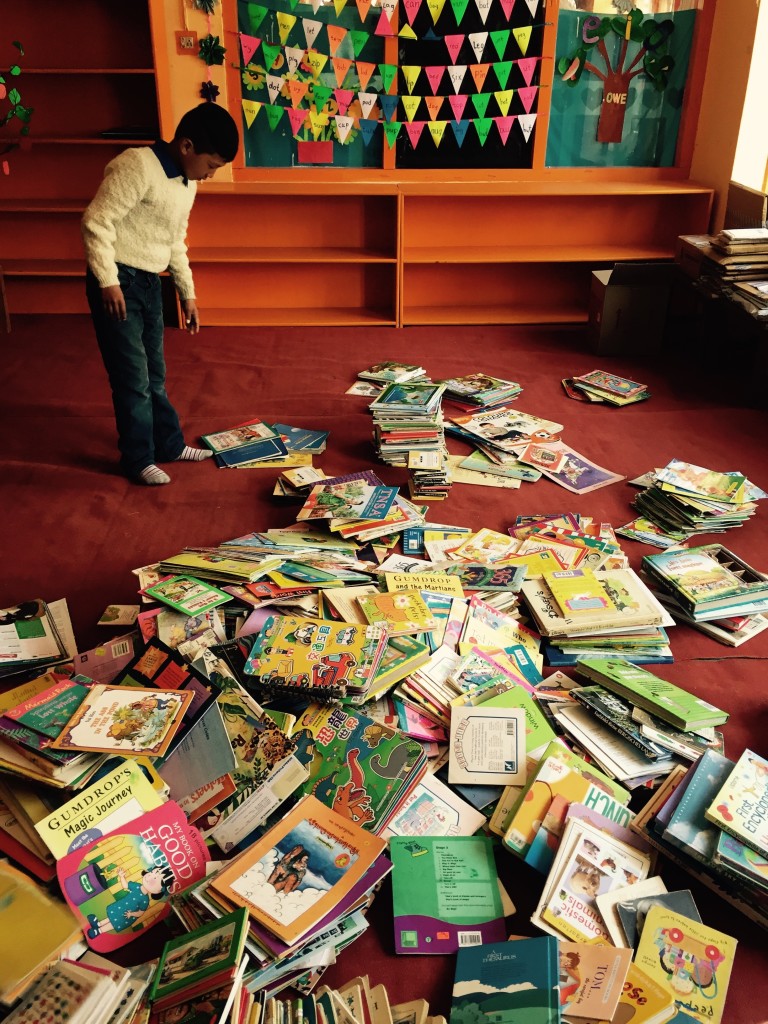
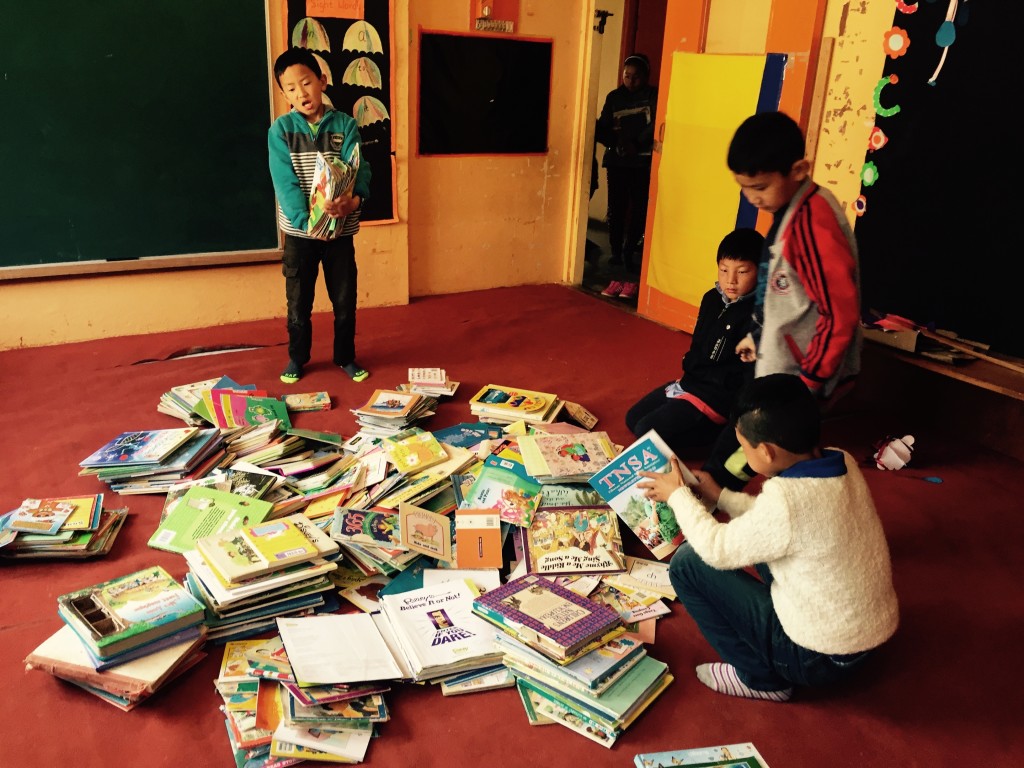
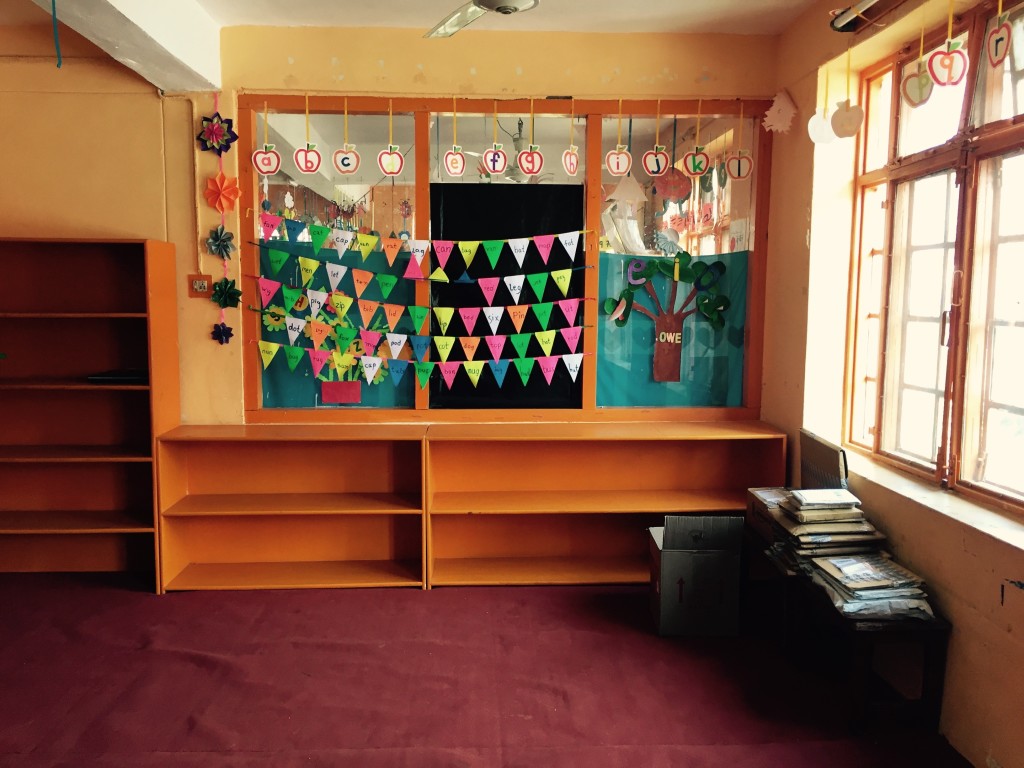
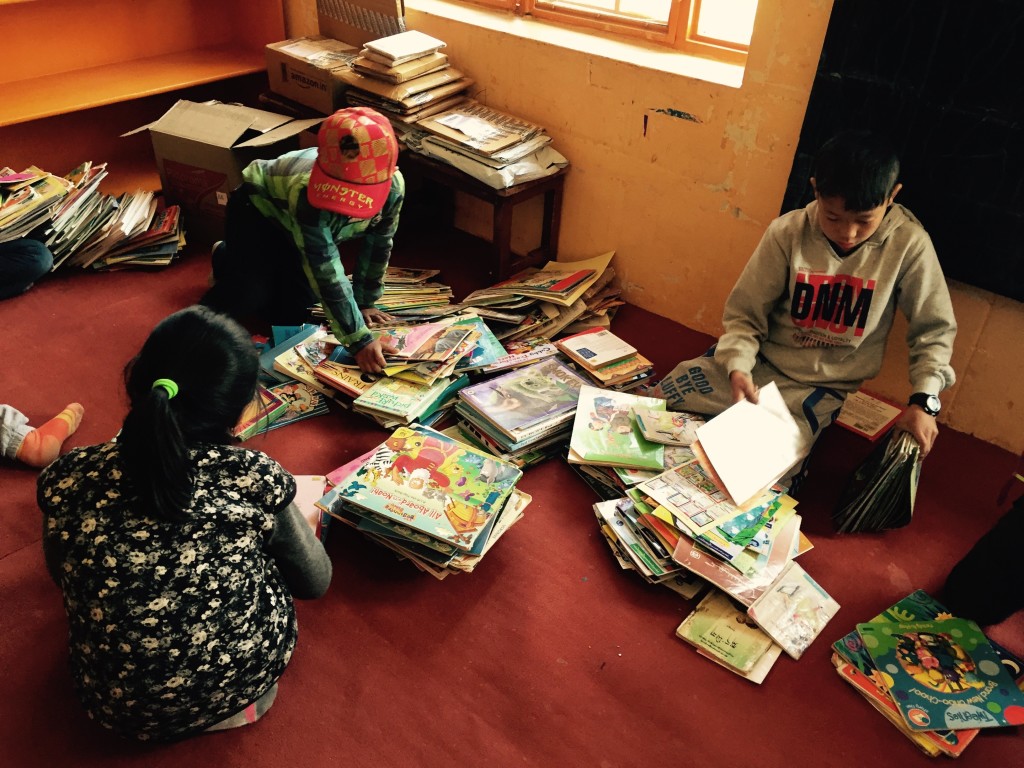
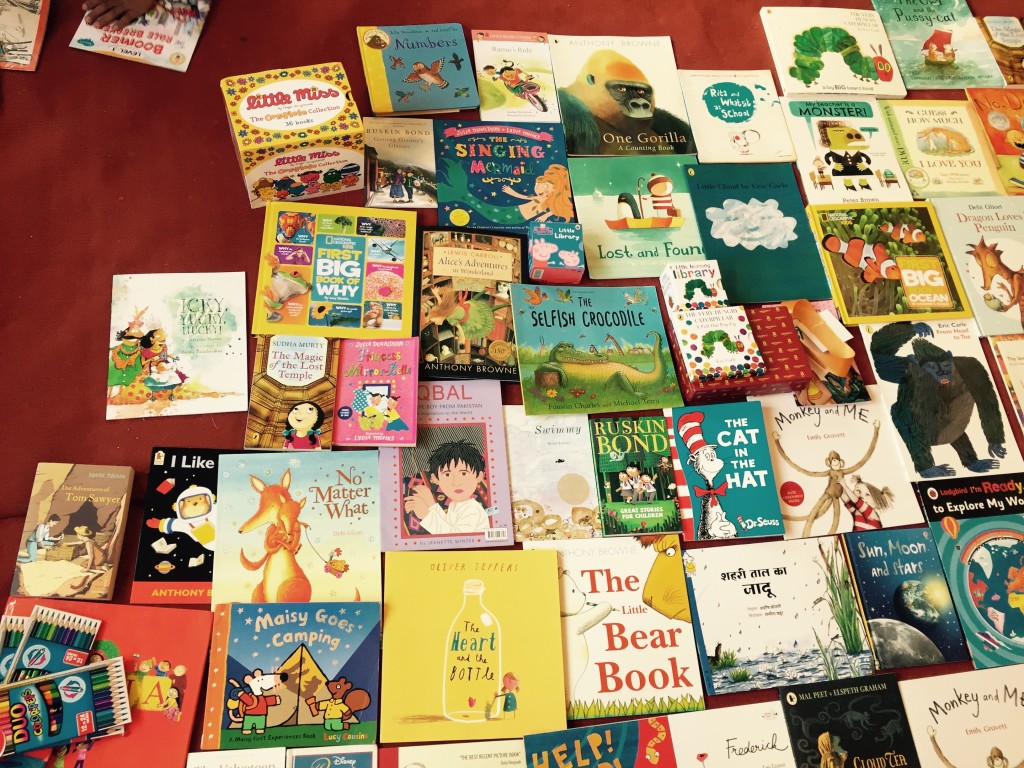
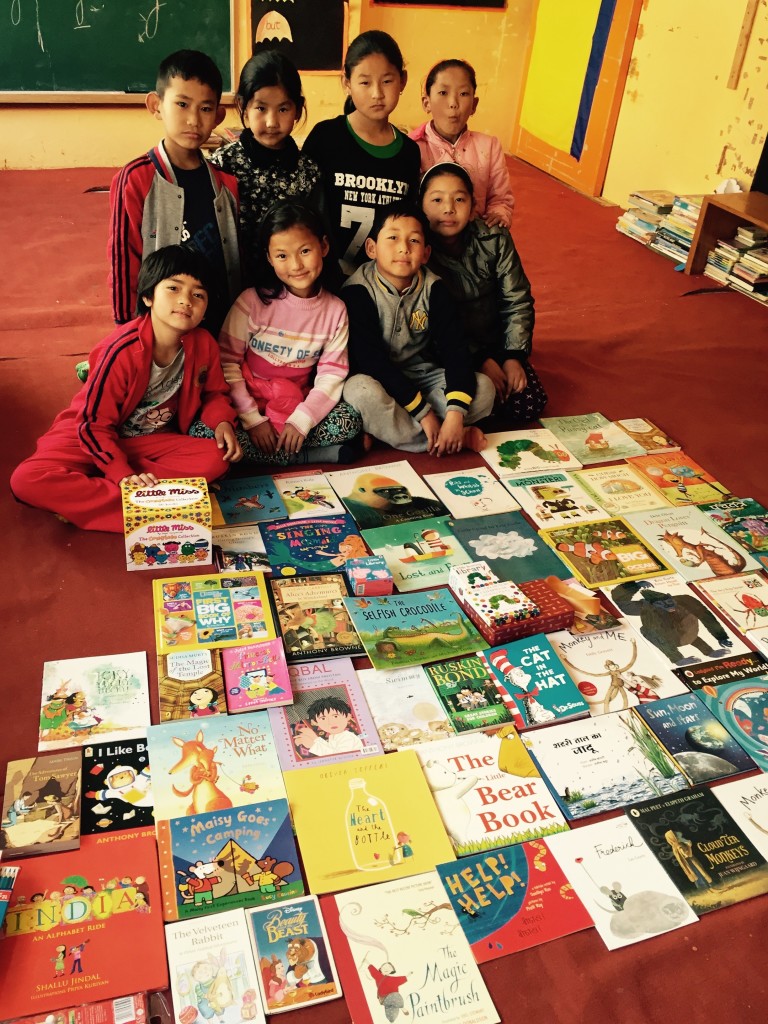
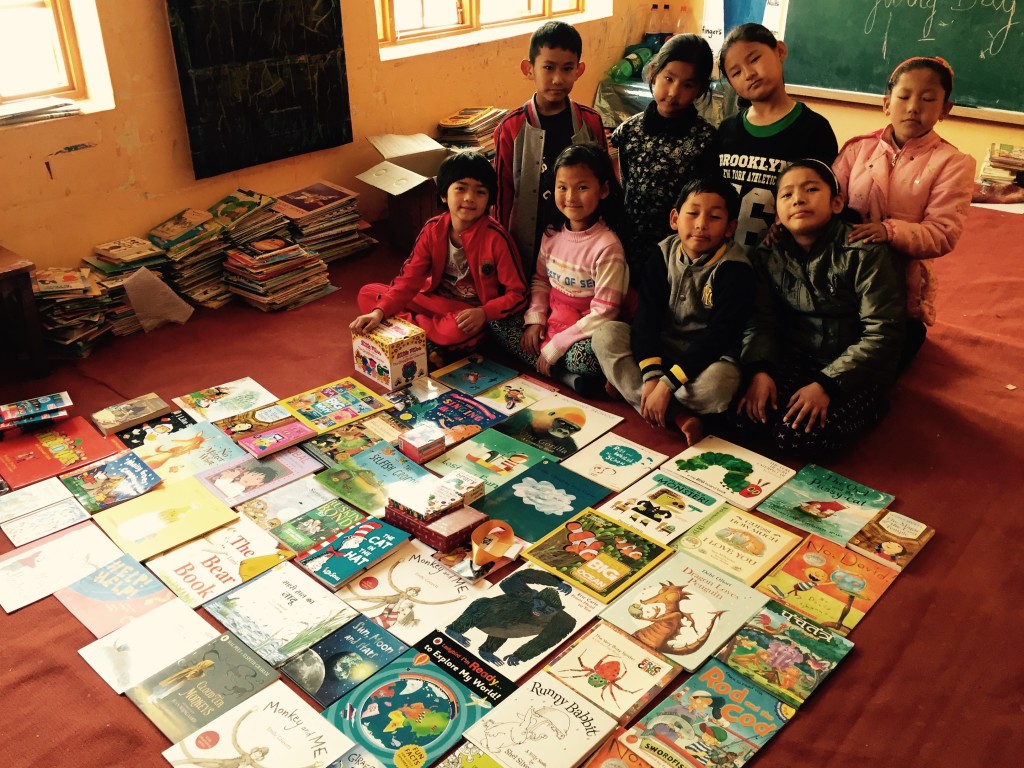
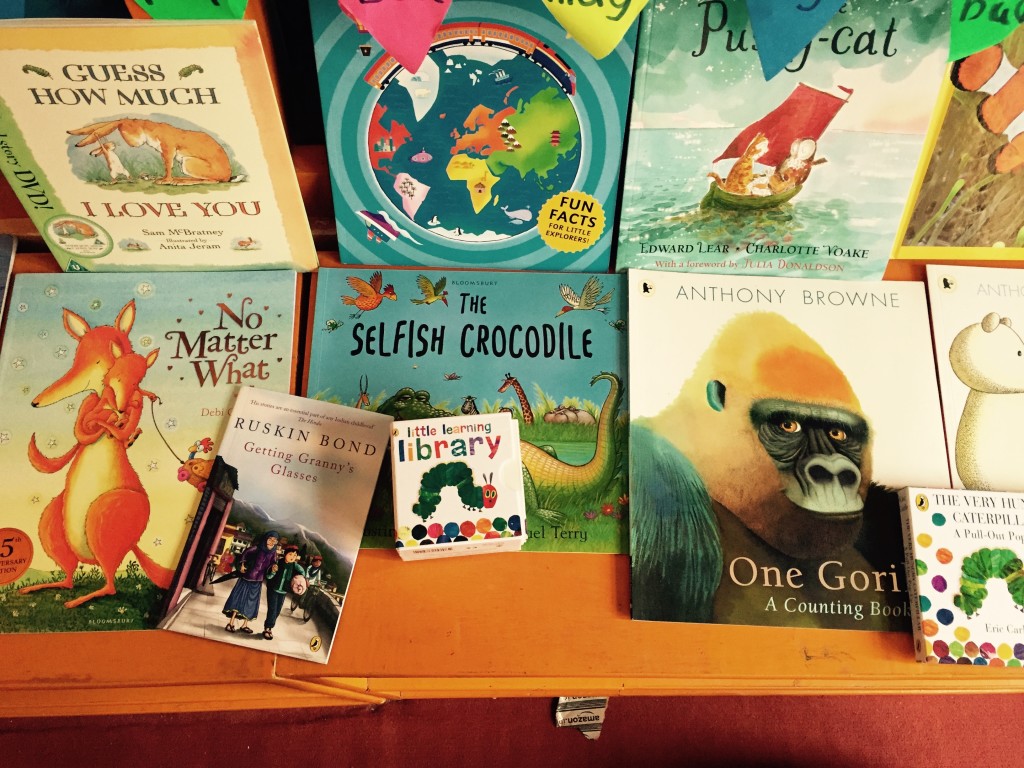
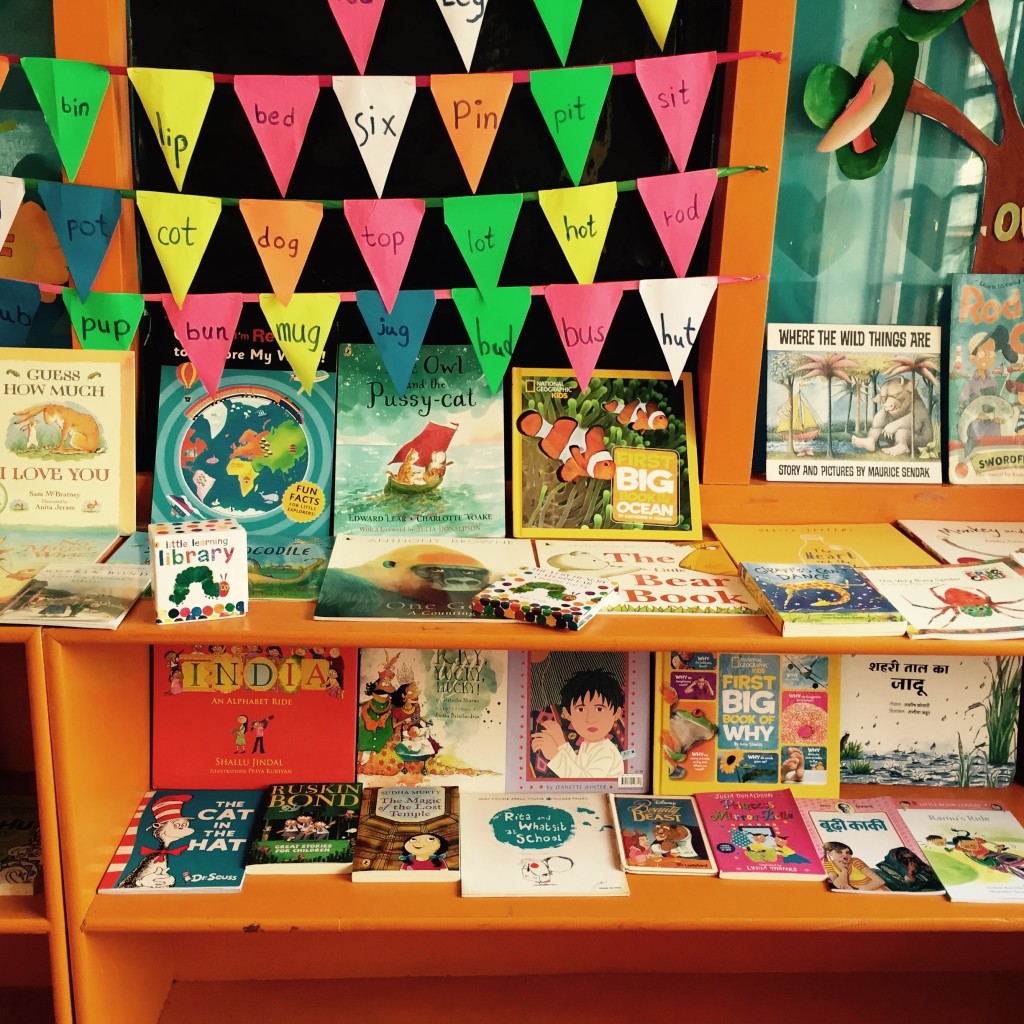
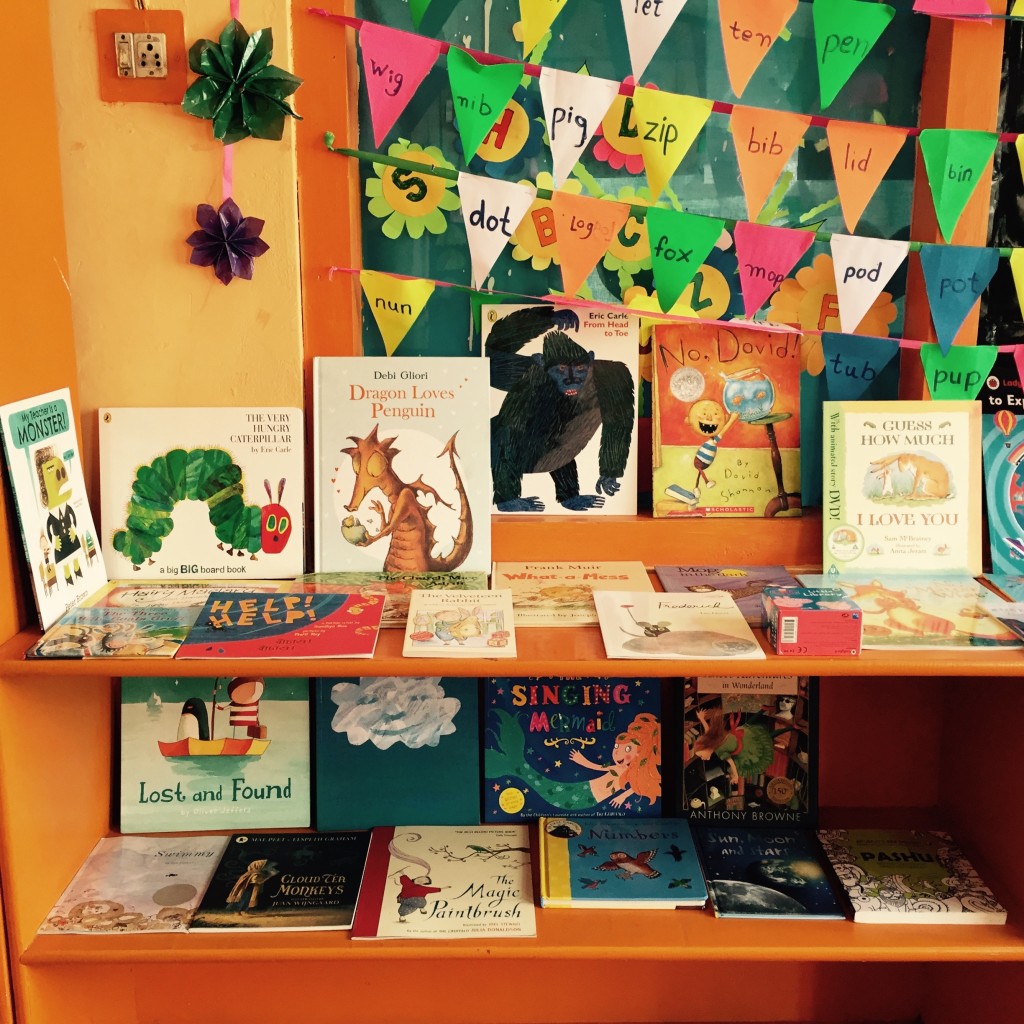
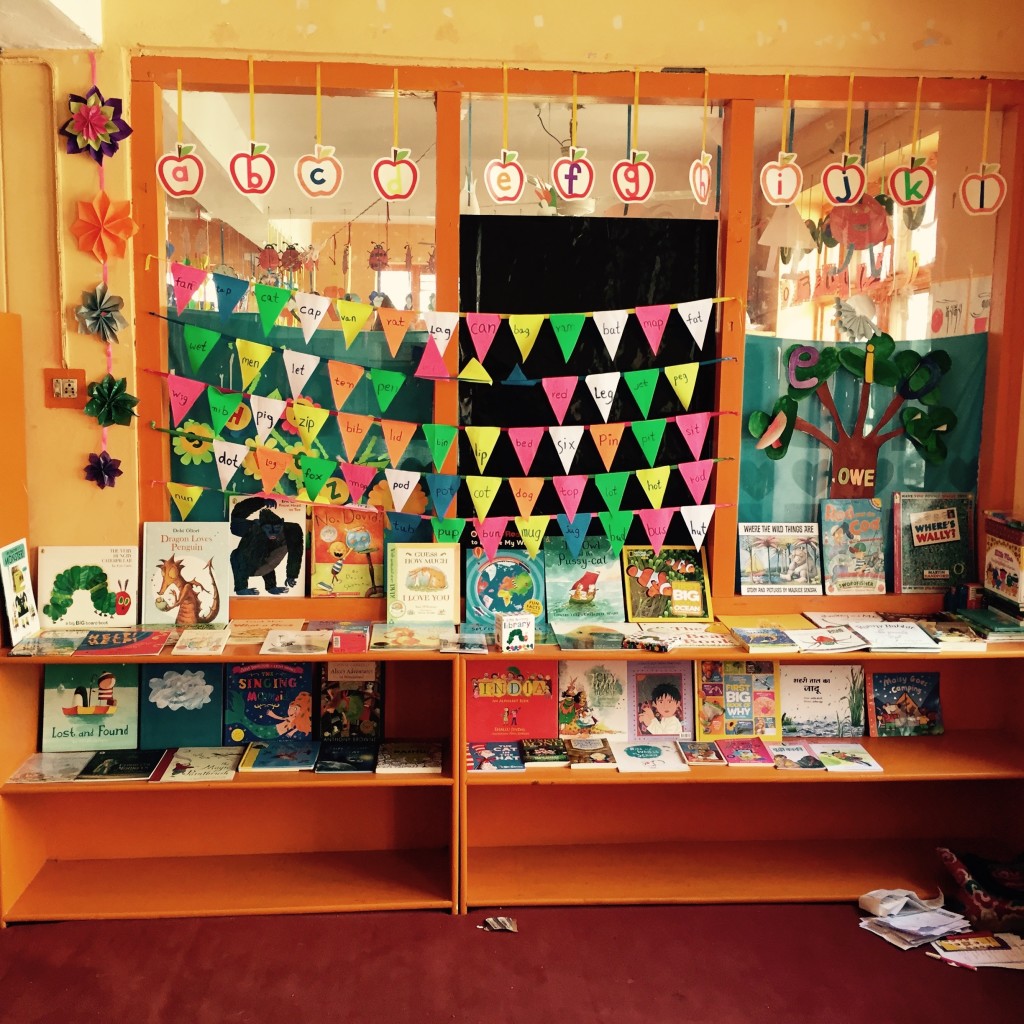
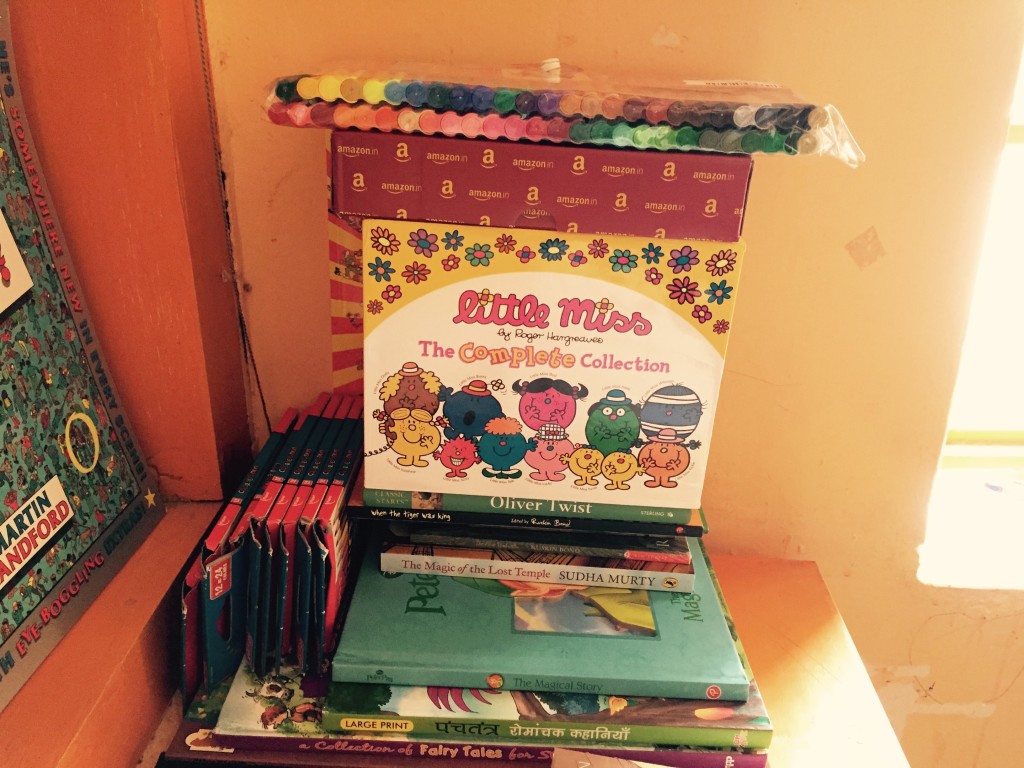
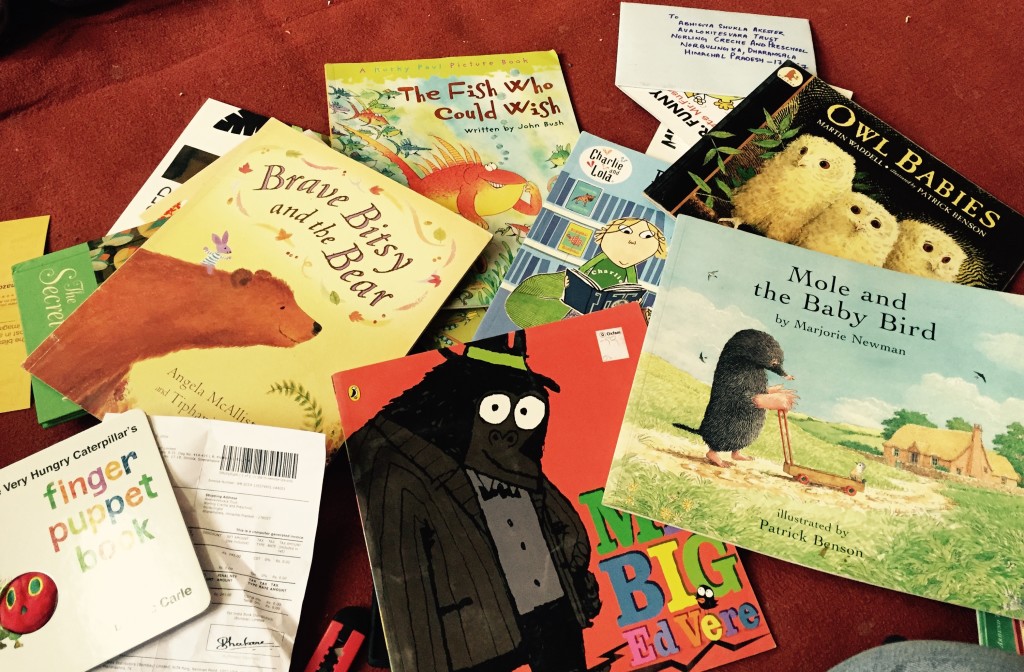
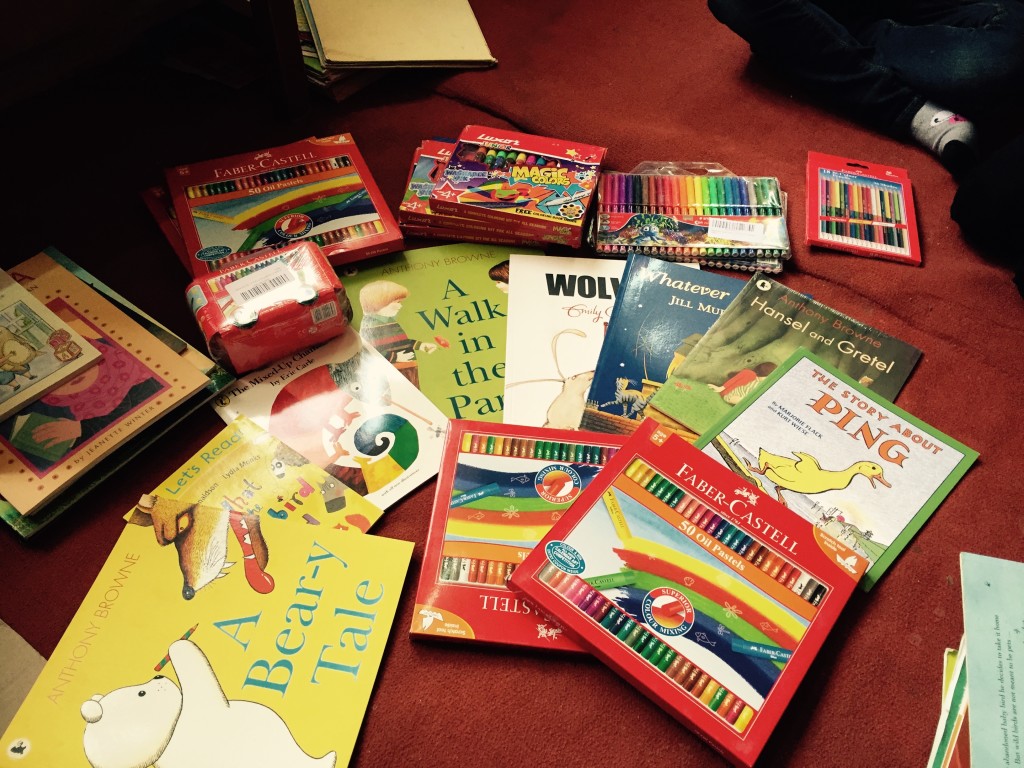
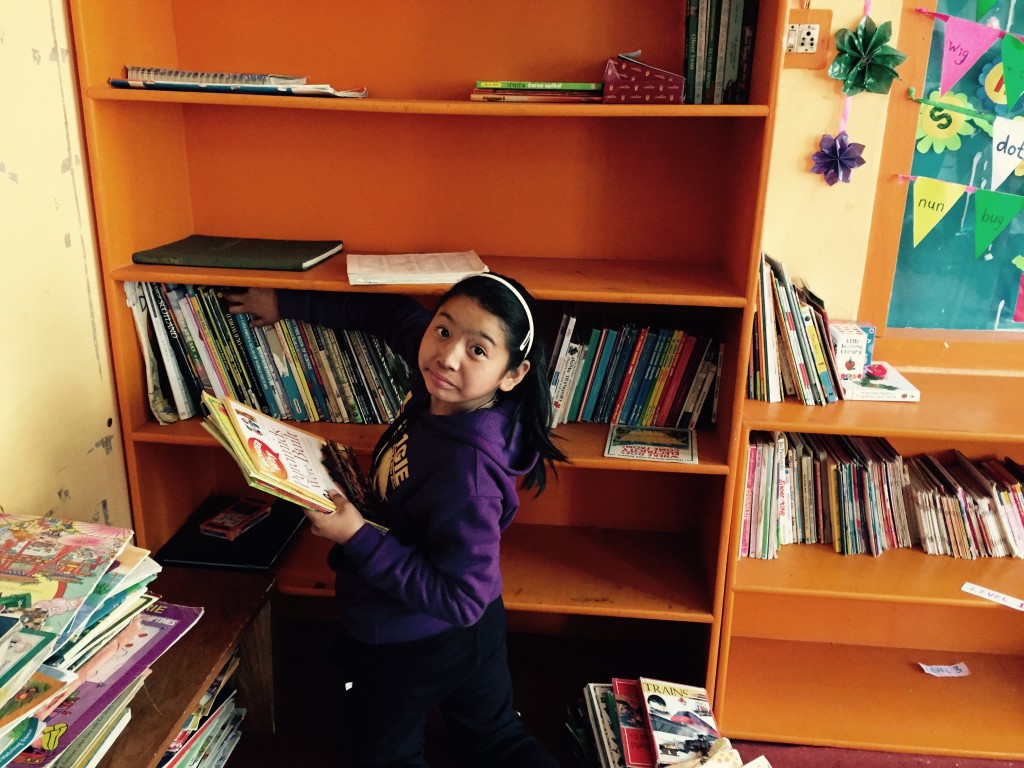
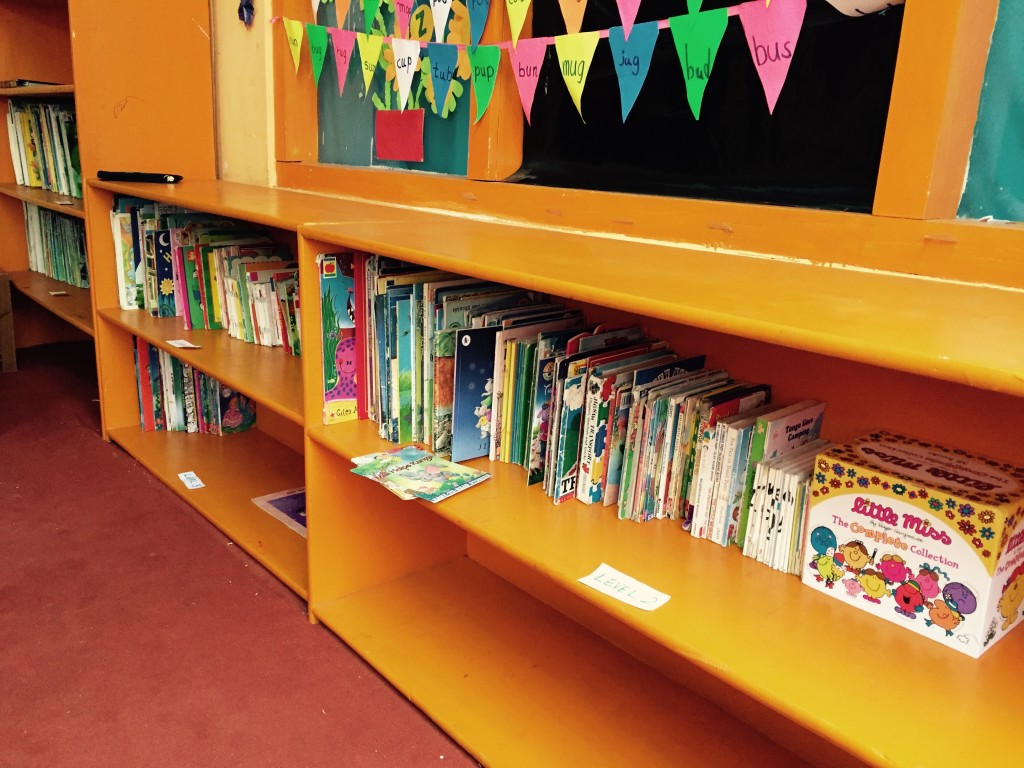
Book drives and carefully planned donations can strengthen this process when they provide suitable, attractive, durable books rather than simply a large quantity. Shelves should include easy choices, new challenges, reference materials, poetry, comics, and stories in languages children understand. A well-organized collection makes independent selection possible.
Practical habits for a reading record
A useful system does not require expensive software or lengthy assessments. One notebook, a set of reading cards, or a shared spreadsheet can preserve enough information for thoughtful decisions. Keep the language encouraging and review notes with children whenever possible.
- Record both what the child reads and how the child responds to it.
- Set one manageable goal, such as reading for ten minutes or retelling a chapter.
- Revisit favorite books to build fluency, confidence, and deeper comprehension.
- Offer two or three suitable choices so children can practice making decisions.
- Share progress with families through brief, positive notes and reading suggestions.
The record should remain flexible as children develop. A reader may advance quickly in fiction while needing more support with informational texts. Another may understand stories well in a familiar language and need additional vocabulary support in English. Tracking these differences allows adults to provide resources with care rather than relying on assumptions.
When bedtime stories become chapter books, the most meaningful progress is often seen in a child’s growing willingness to explore. Each new title can open a path toward stronger language, focused attention, creative expression, and connection with others. Support that path by donating quality books, helping create welcoming reading spaces, or volunteering time with children and young monks through Avalokiteśvara Trust.