Five Books That Every Himalayan Child Should Read
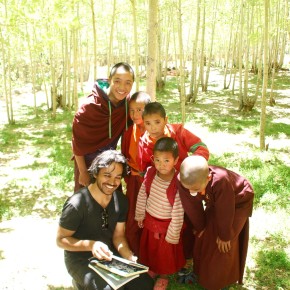
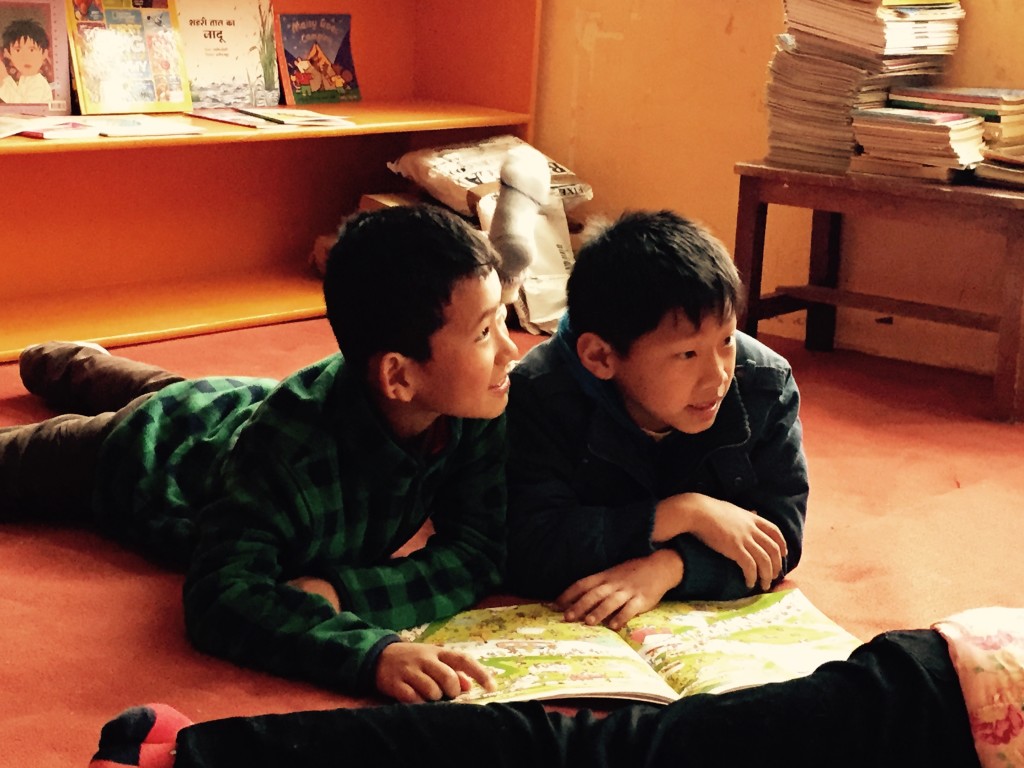
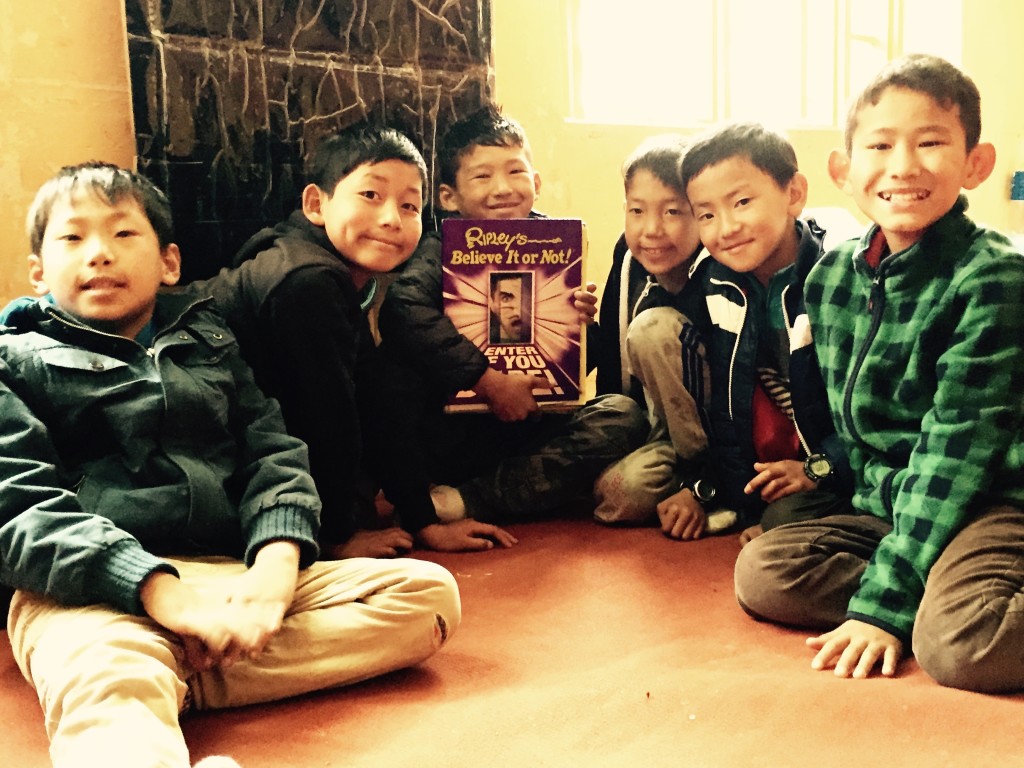
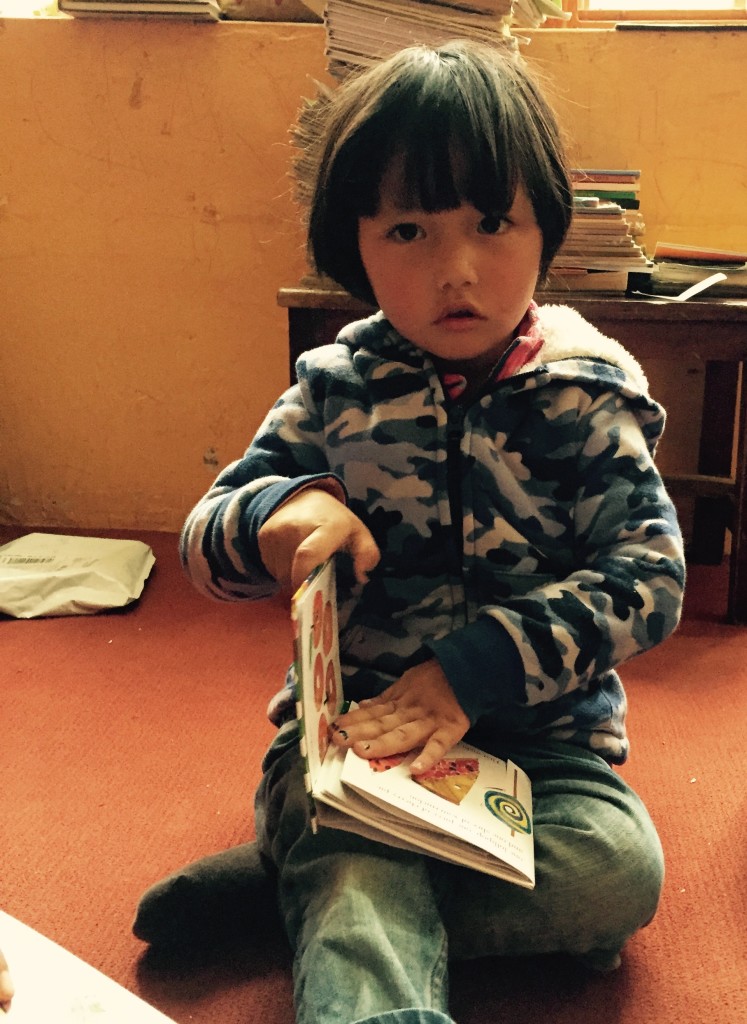
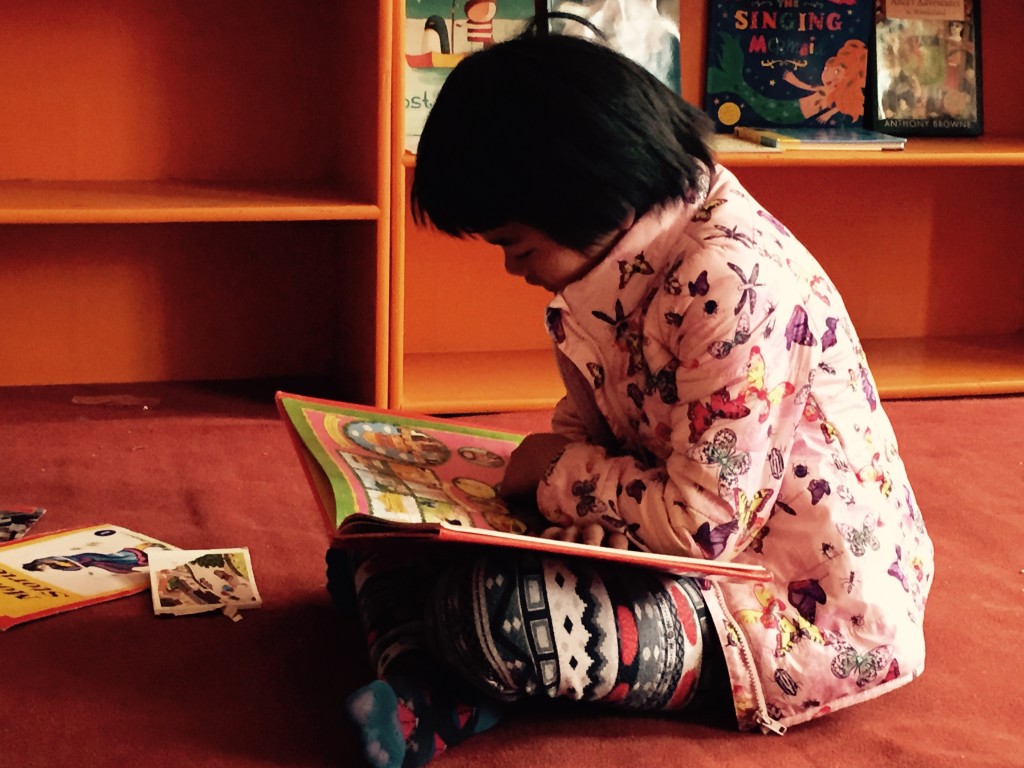
A good children’s book can travel across a mountain pass, enter a remote classroom, and open a world larger than the village where it is read. For children in Ladakh and other Himalayan communities, reading offers more than language practice. It builds confidence, strengthens imagination, and creates a welcoming space for questions, conversation, and creative expression.
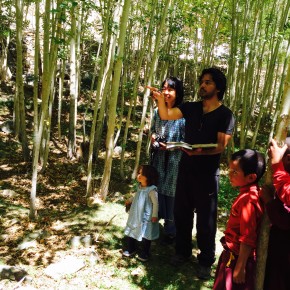
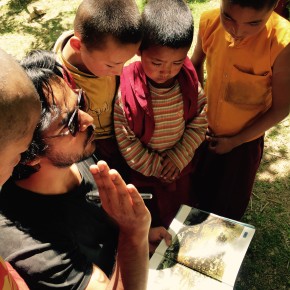
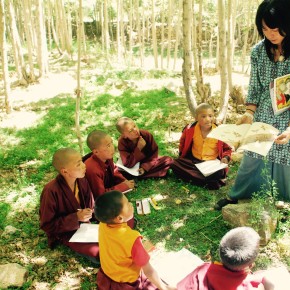
The five books selected here bring together local landscapes, traditional wisdom, humor, nature, and wonder. They can be enjoyed by children at different reading levels, especially when adults, older students, or volunteers read aloud and discuss the stories in more than one language.
The phrase “every Himalayan child should read” should be understood as an invitation rather than a strict rule. Children deserve access to many kinds of books, including stories from their own communities and books that introduce unfamiliar places. A strong reading shelf respects both needs.
The Blue Umbrella And The Familiar Mountain World
Ruskin Bond’s The Blue Umbrella is an ideal choice for young readers who recognize steep paths, small settlements, changing weather, and the close relationships found in mountain communities. The story follows Binya, a village girl whose beautiful blue umbrella attracts attention and envy. Its language is approachable, while its emotional questions are rich enough for group discussion.
Children can talk about kindness, possession, jealousy, and forgiveness without needing a complicated plot. The book also helps young readers see that a Himalayan setting can be the center of a meaningful literary world, rather than merely a distant backdrop in someone else’s adventure.
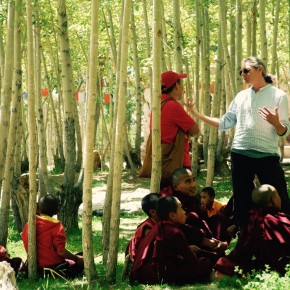
In a reading room, this story can lead to drawing activities about village life, short descriptions of a treasured object, or conversations about how people repair relationships. For children learning English, illustrated editions and shared reading make the vocabulary less intimidating.
Panchatantra And The Intelligence Of Storytelling
The Panchatantra belongs on a Himalayan children’s bookshelf because its animal tales connect entertainment with practical wisdom. Stories about clever rabbits, loyal friends, foolish kings, and talking animals have traveled across South Asia for centuries. Their short structure makes them particularly useful for read-aloud sessions and beginner readers.
Each fable presents a decision and its consequence, but children do not have to accept the stated lesson without question. They can ask whether a character acted fairly, whether cleverness is always admirable, or how the ending might change if another animal told the story. Such discussion develops comprehension and ethical reasoning at the same time.
Adaptations should be chosen with care, since some versions use difficult language or contain ideas that need explanation. A teacher or volunteer can pair one tale with a role-play, puppet show, or retelling in Ladakhi, Tibetan, Hindi, or a family language. Oral storytelling then becomes a bridge into independent reading.
Aesop’s Fables For Short, Memorable Lessons
Aesop’s Fables offers another collection of brief stories that can fit naturally into a busy school day. “The Tortoise and the Hare,” “The Lion and the Mouse,” and “The Ant and the Grasshopper” are familiar to many children, yet each can be revisited at different ages. Younger readers enjoy the animals and repetition; older children can examine the assumptions behind each moral.
These fables are especially valuable for developing prediction skills. Before the final paragraph, a group can pause and ask what may happen next. Children can then compare the printed ending with one they invent themselves. This small act gives them ownership of the story and encourages them to write, perform, and illustrate.
A collection of fables also supports vocabulary building because the stories contain clear actions and strong contrasts. Teachers can select one passage for reading practice, one for drawing, and one for a short dramatic performance. Books become active learning resources rather than objects that remain untouched on a shelf.
A Shelf That Balances Roots And Curiosity
The Little Prince by Antoine de Saint-Exupéry introduces children to a very different style of storytelling. Its planets, travelers, fox, rose, and desert landscapes invite questions about friendship, responsibility, loneliness, and the ways adults see the world. Some ideas may be abstract for younger children, so the book works best when read in stages and discussed together.
Eric Carle’s The Very Hungry Caterpillar offers a gentler entry point for early readers. Repetition, counting, colors, days of the week, and transformation make it suitable for children beginning to connect printed words with familiar concepts. Its visual design can inspire paper collage, sequencing games, and nature observation around the classroom.
| Book |
Strongest Age Range |
Ideas It Opens |
Creative Follow-Up |
| The Blue Umbrella |
8–12 |
Kindness, envy, village life |
Draw a treasured object |
| Panchatantra |
6–12 |
Wisdom, choices, consequences |
Retell a fable as a play |
| Aesop’s Fables |
5–11 |
Responsibility, prediction, fairness |
Invent a new moral |
| The Little Prince |
9–14 |
Friendship, care, imagination |
Create a small paper planet |
| The Very Hungry Caterpillar |
3–7 |
Counting, sequence, change |
Make a life-cycle collage |
Together, these five titles offer a useful range of reading experiences. They include short and longer texts, realistic and fantastic settings, simple and philosophical themes, and activities that suit quiet reading as well as group learning.
Stories Become Stronger Through Art And Music
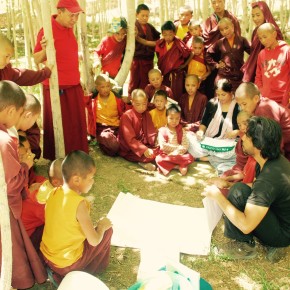
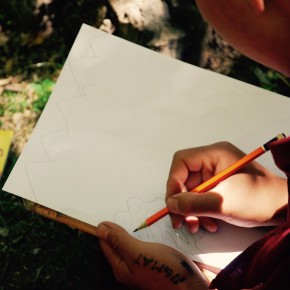
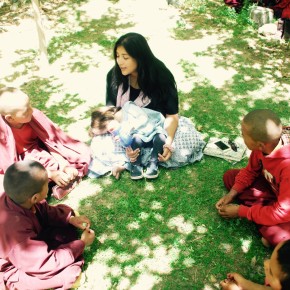
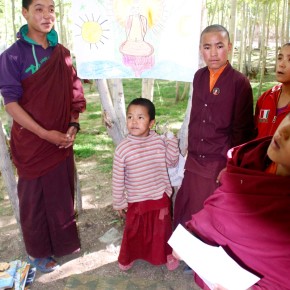
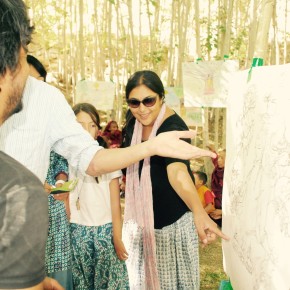
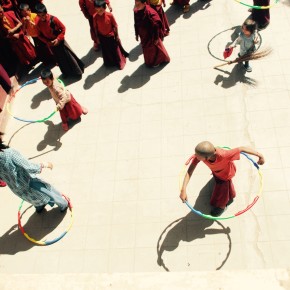
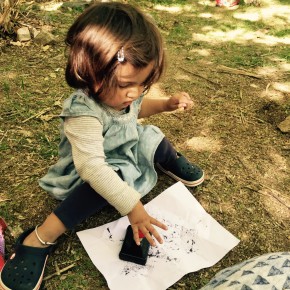
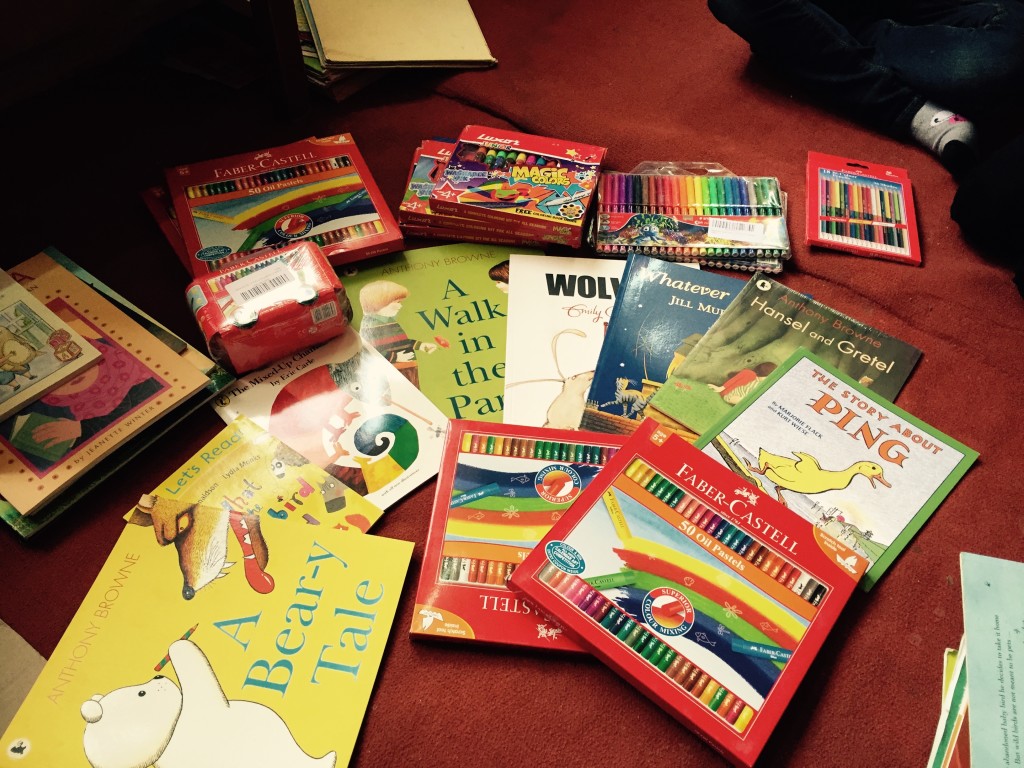
Children often understand a story more deeply when they can respond with their hands, voices, and bodies. A fable can become a puppet performance, a mountain scene can inspire a watercolor, and a repeated phrase can turn into a song. These activities support children who may feel hesitant about reading aloud but are confident in drawing, movement, or rhythm.
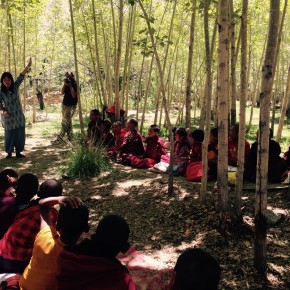
Music is especially effective in remote classrooms because it creates a shared language among children with different reading abilities. The Trust’s account of how volunteer musicians bring rhythm shows how creative activities can make learning more memorable and joyful. A story session does not need expensive equipment; clapping patterns, handmade instruments, and local songs can all help children engage.
The books should also encourage children to notice their own surroundings. After reading about a forest, a child might record local birds. After discussing a journey, another might draw a map between home, school, and the nearest reading room. Literacy grows when printed stories connect with lived experience.
Building A Living Reading Room
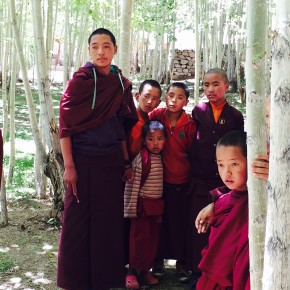
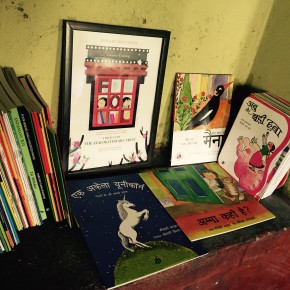
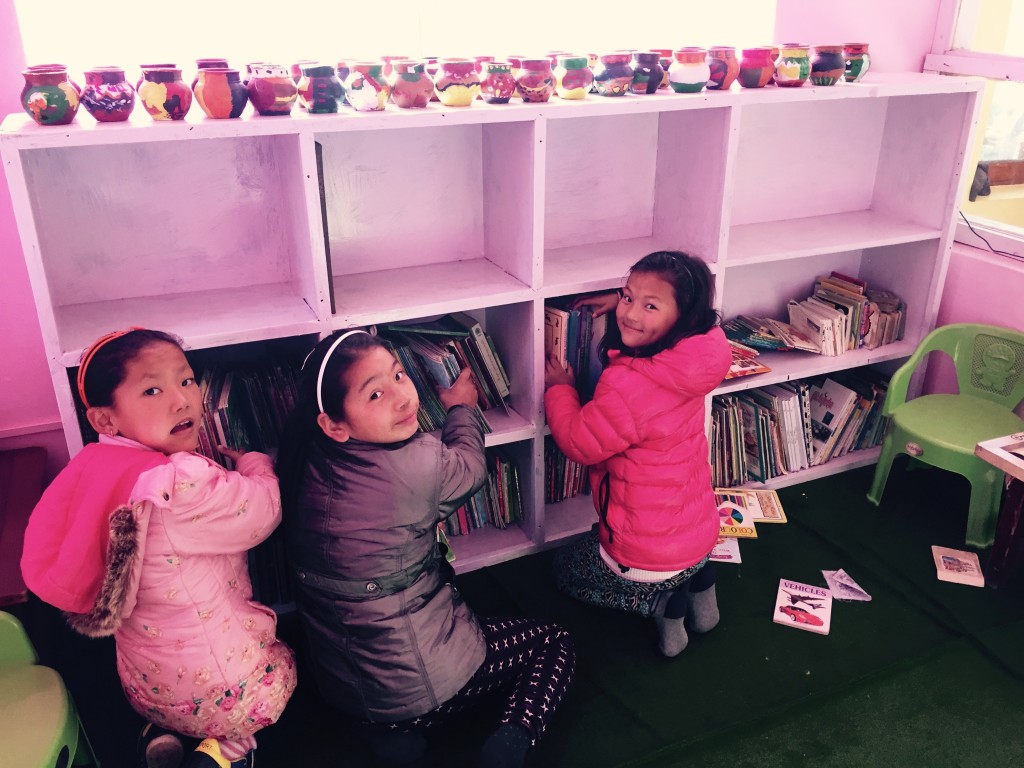
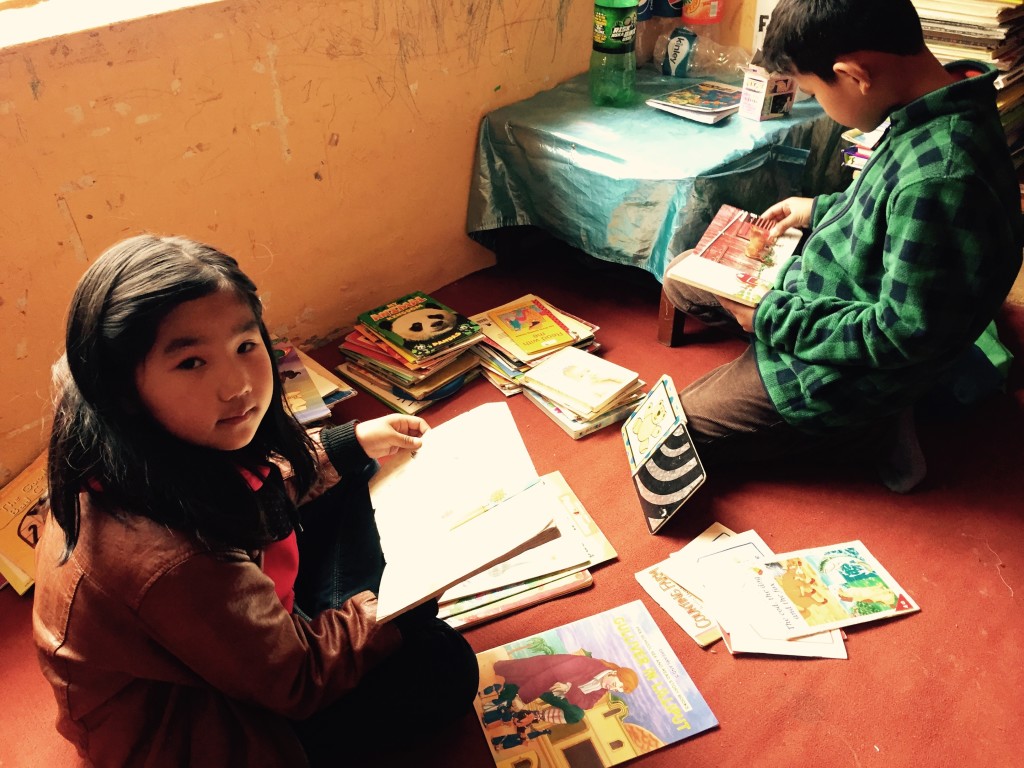
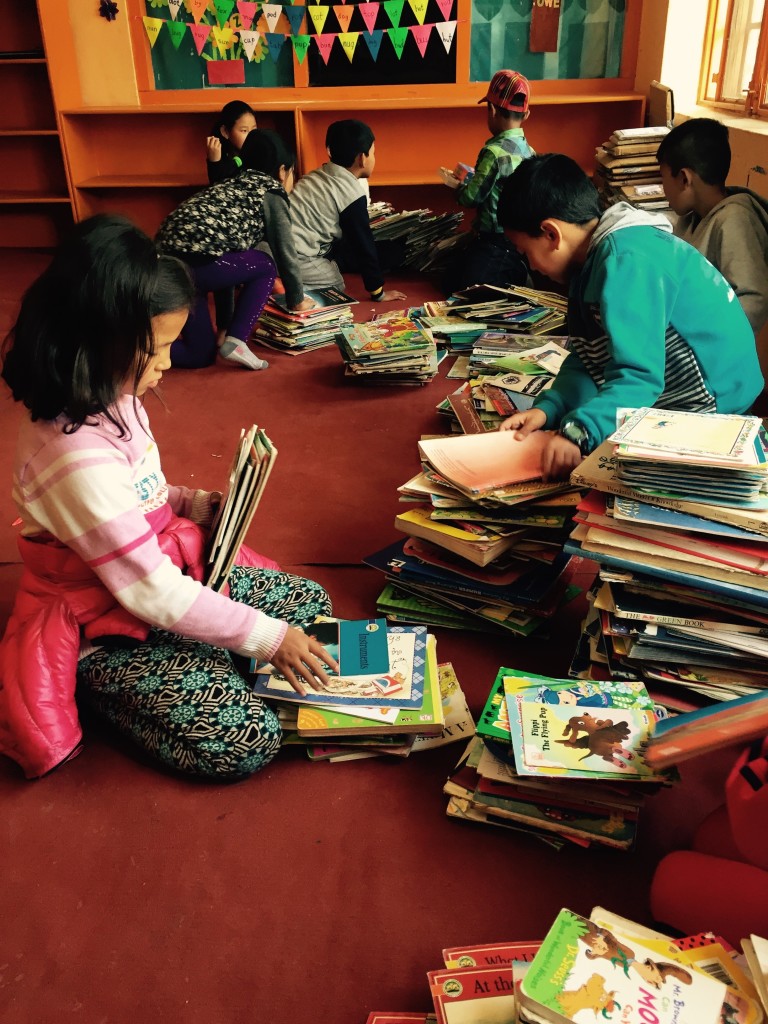
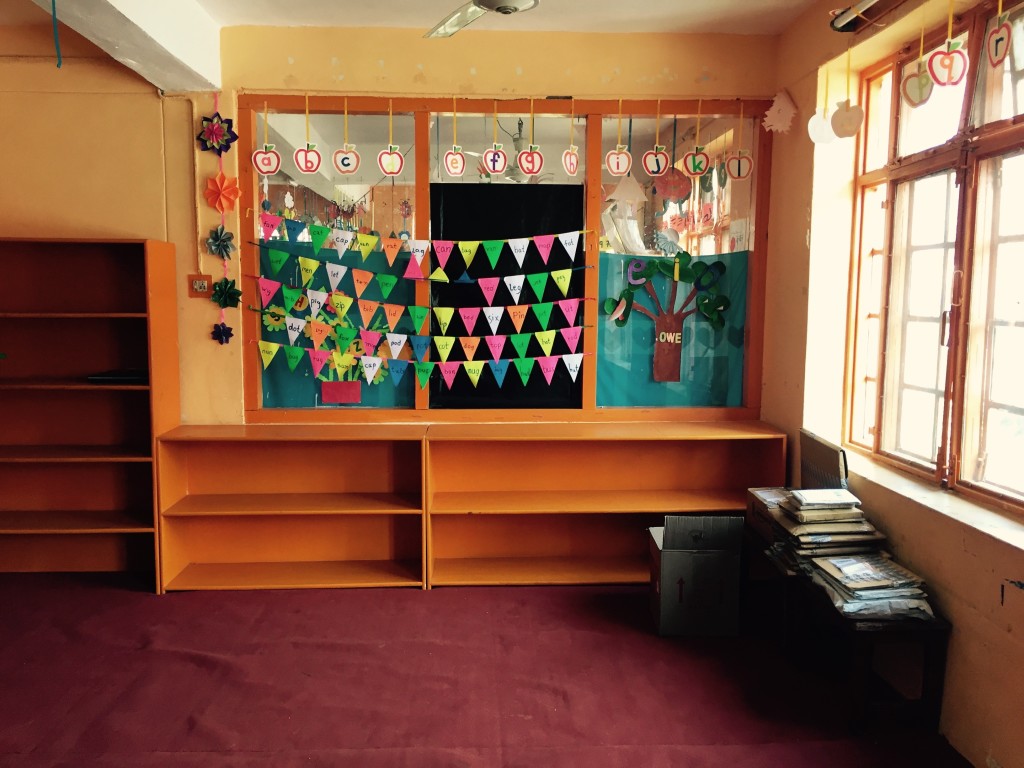
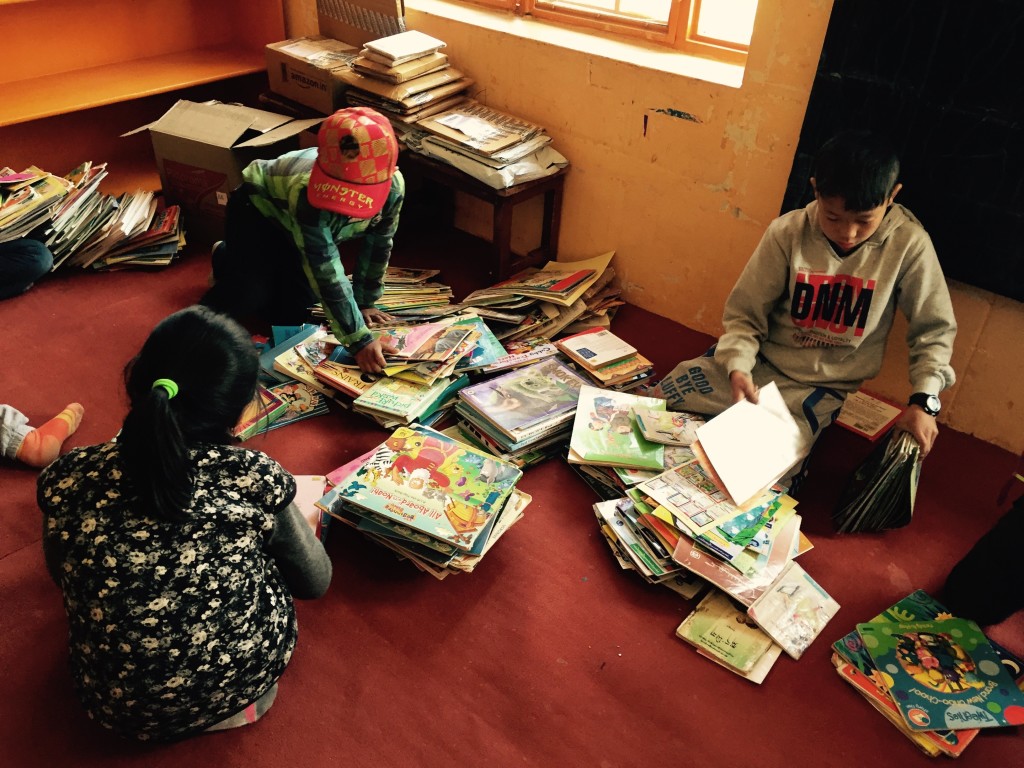
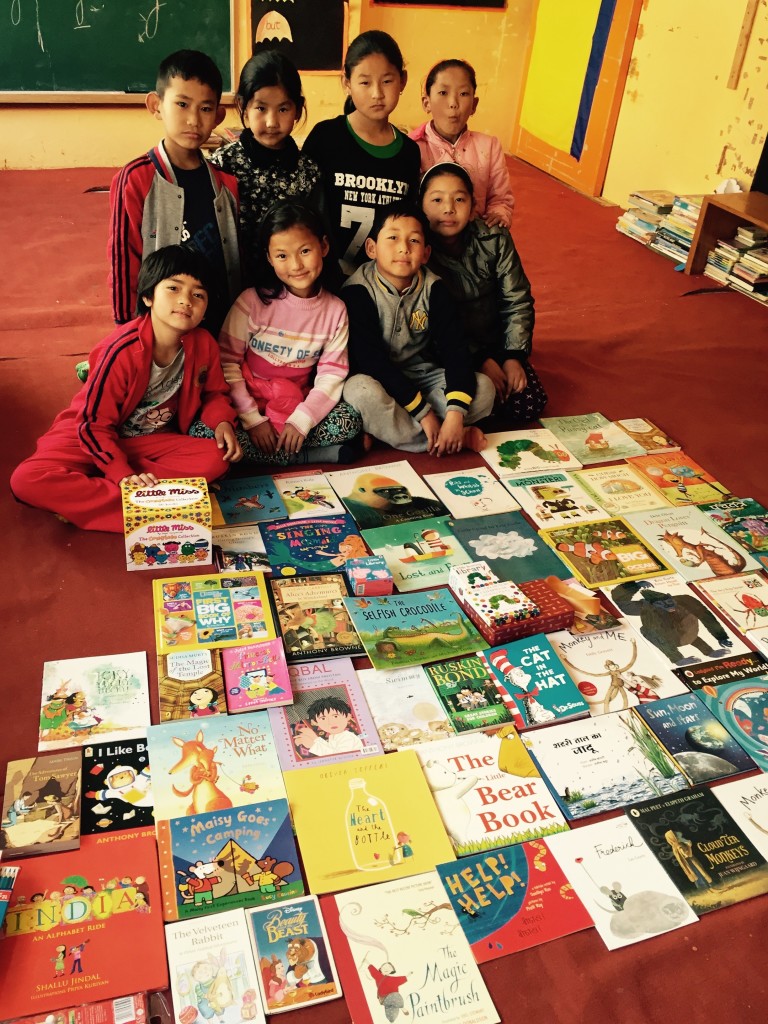
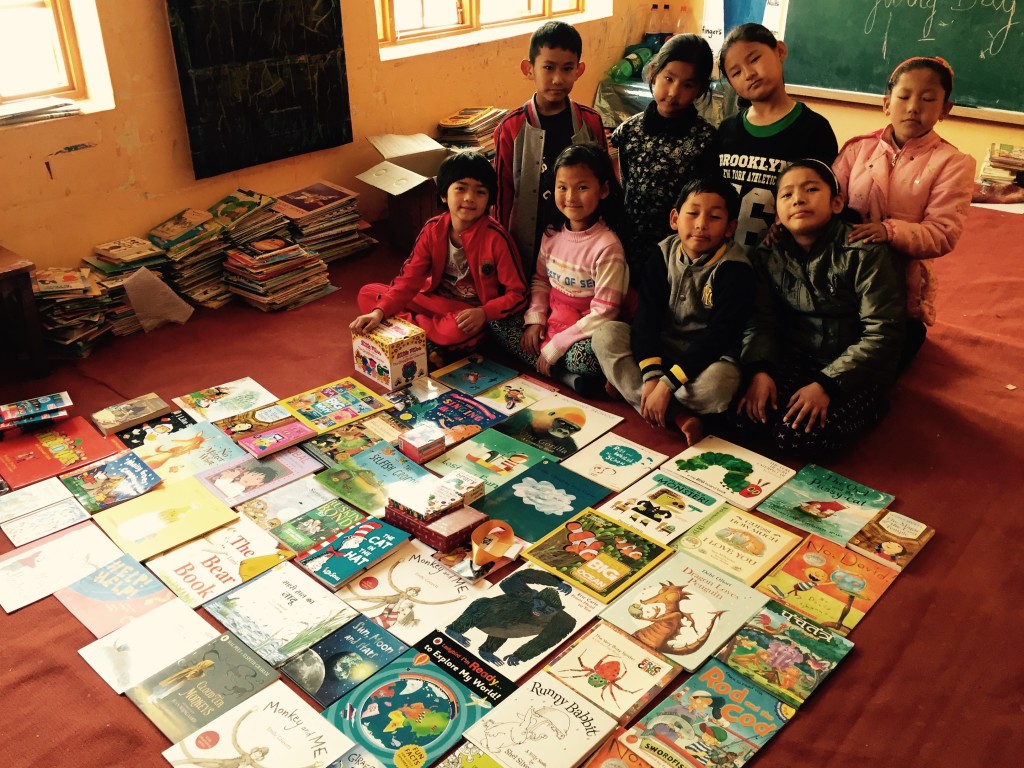
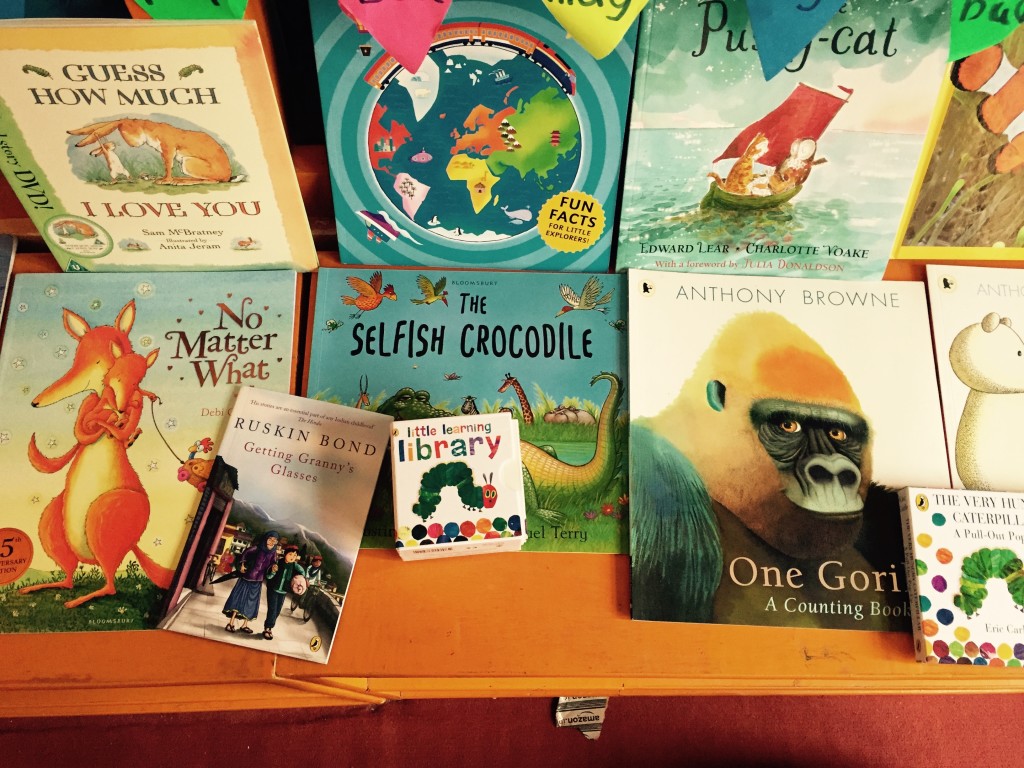
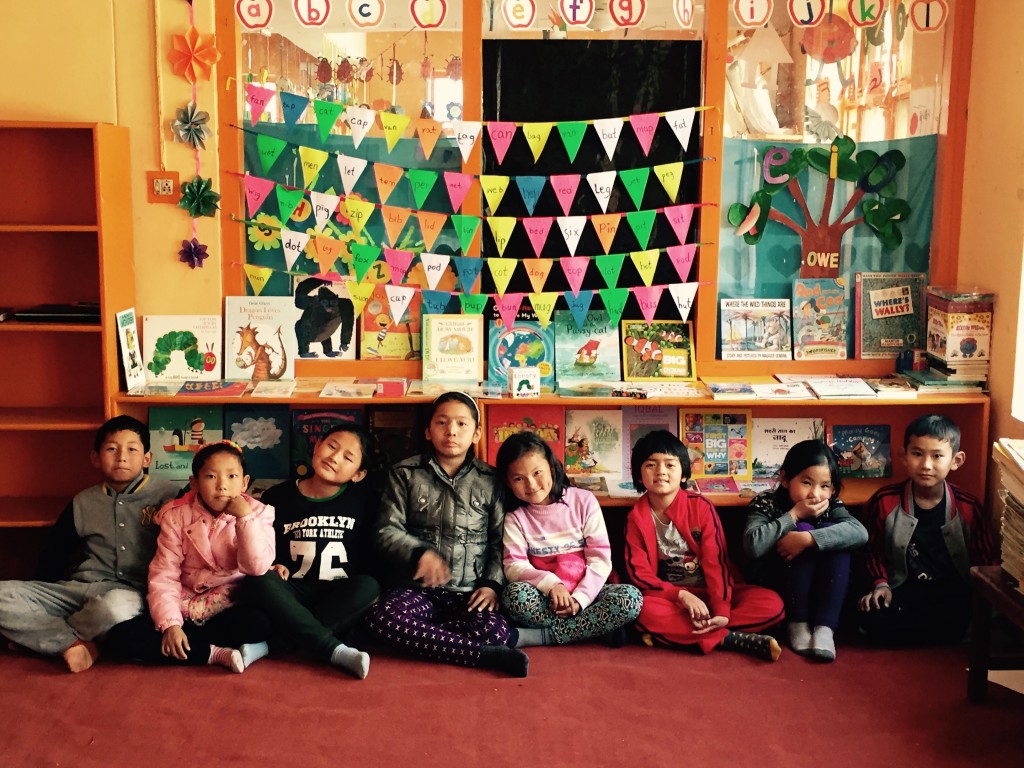
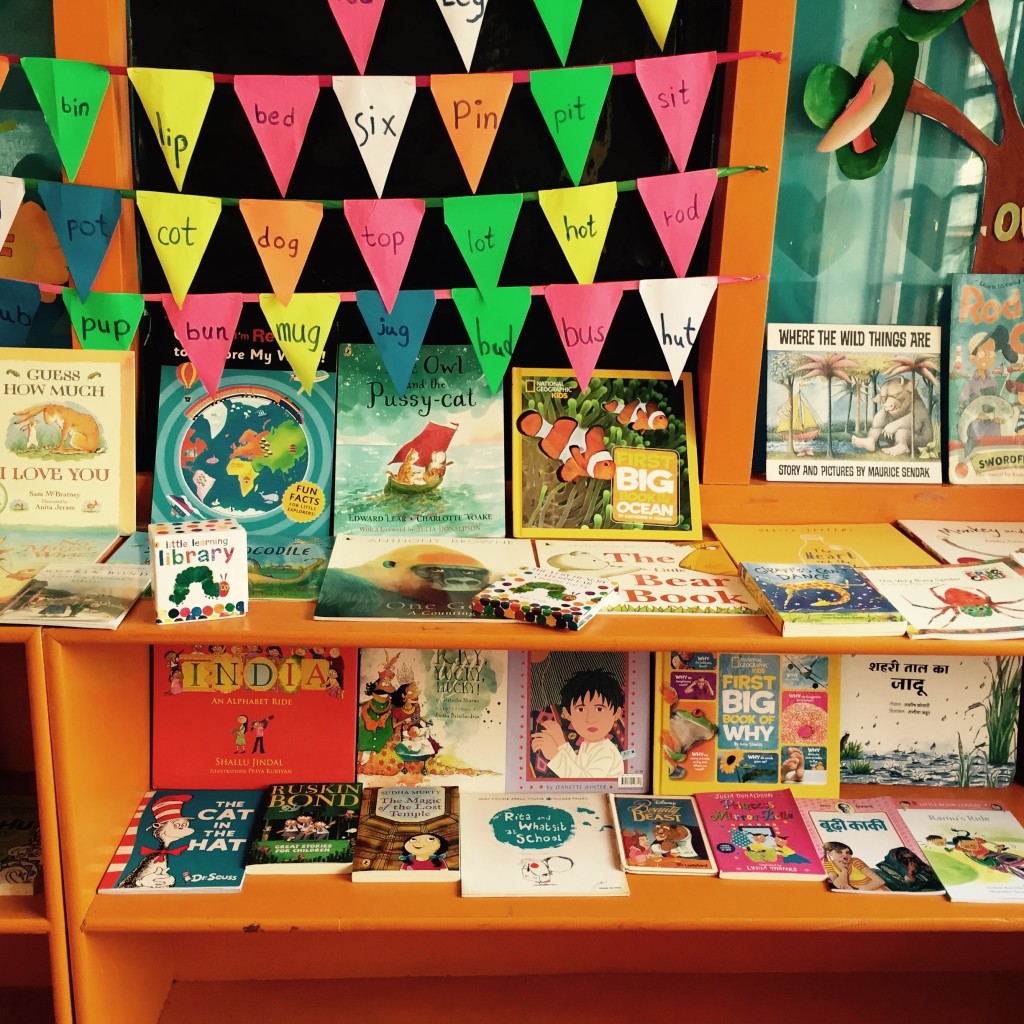
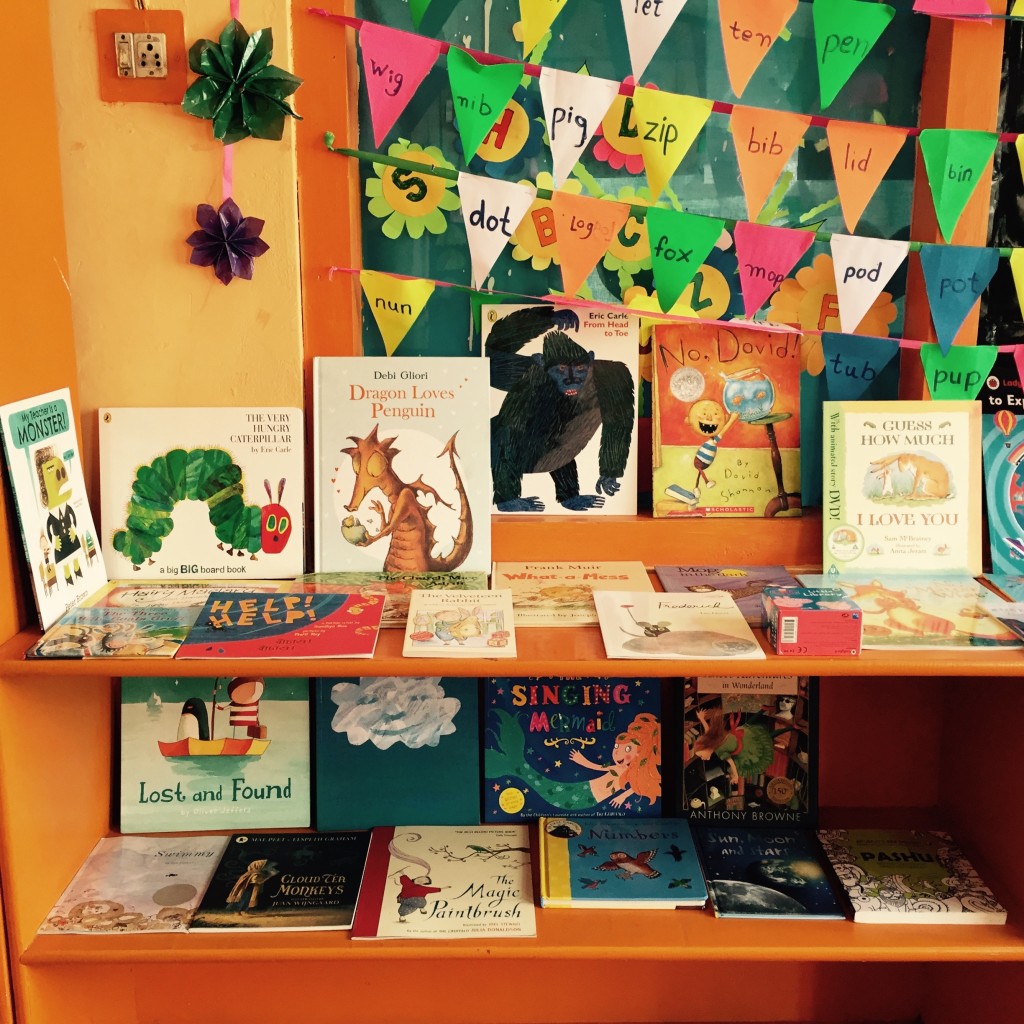
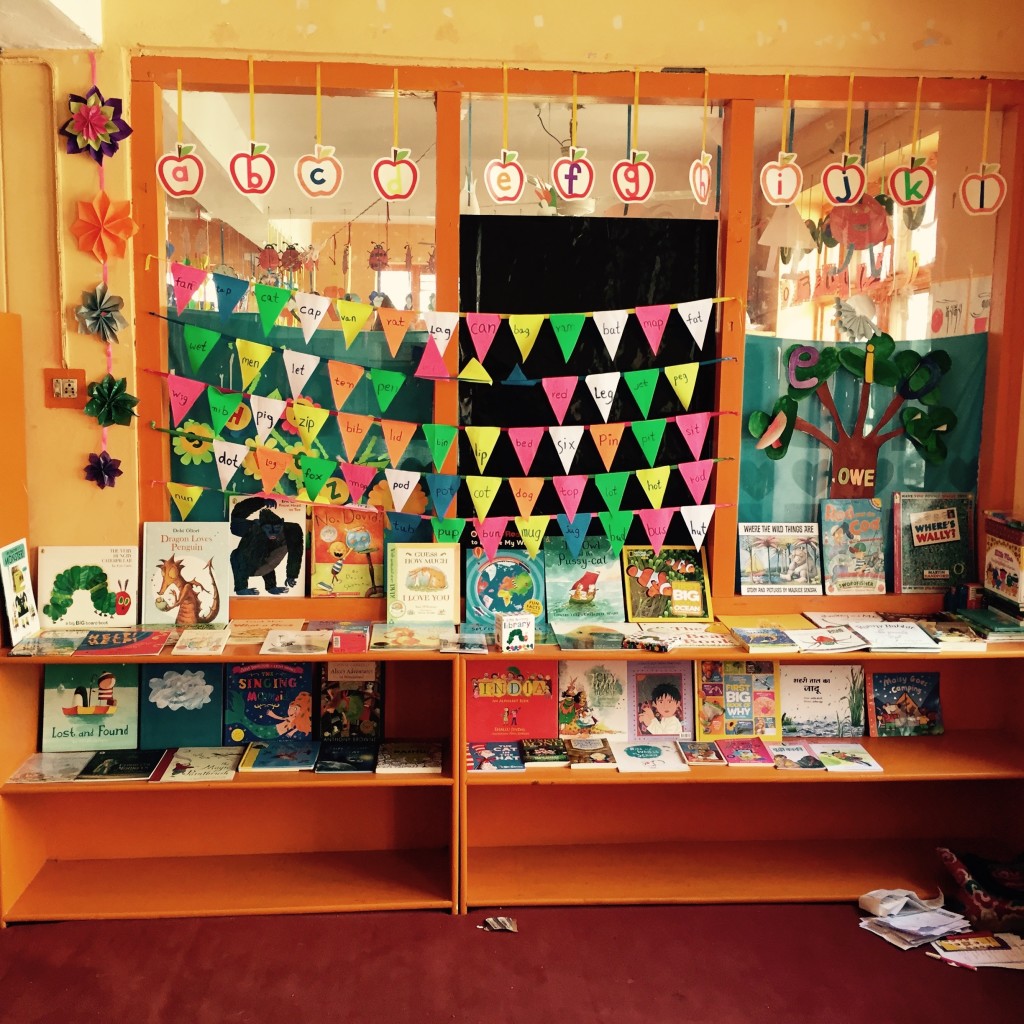
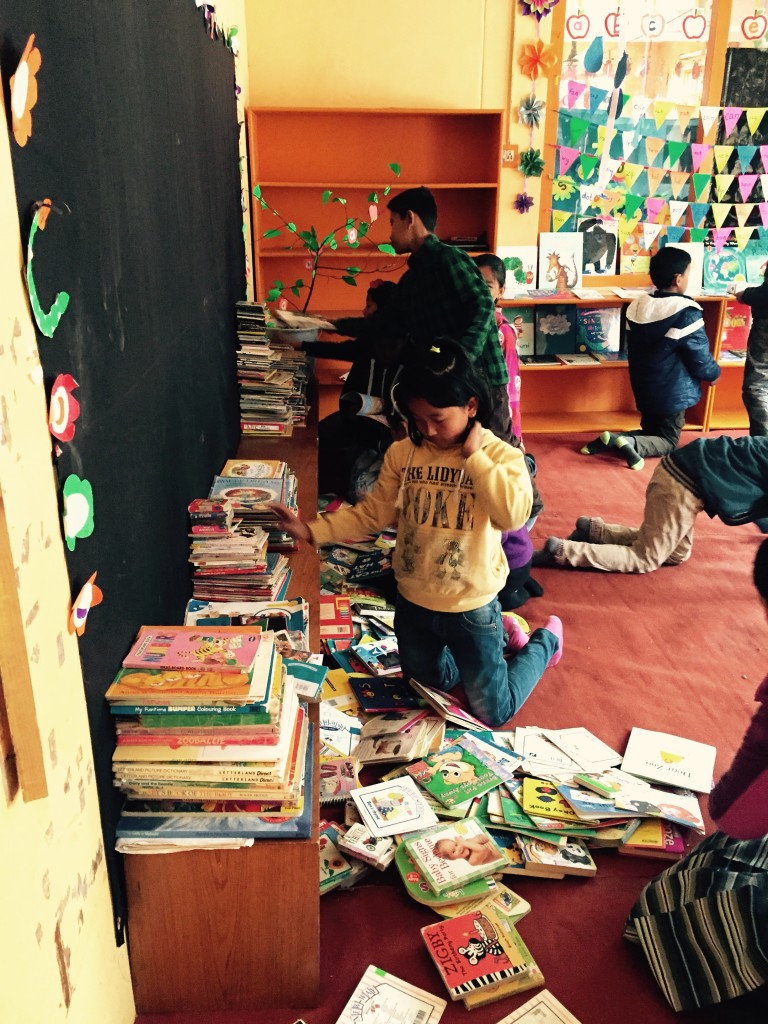
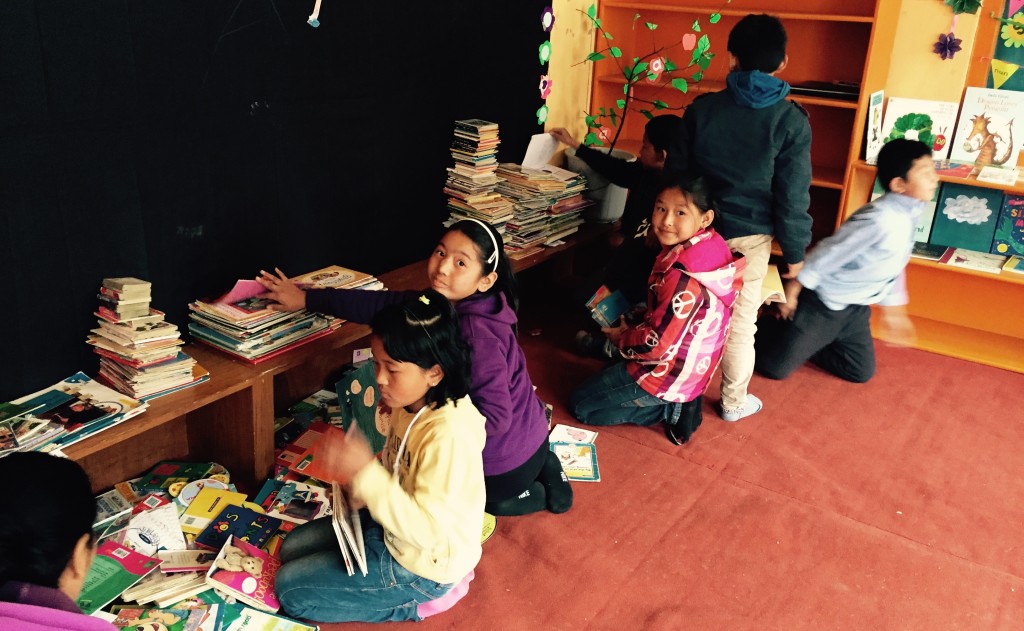
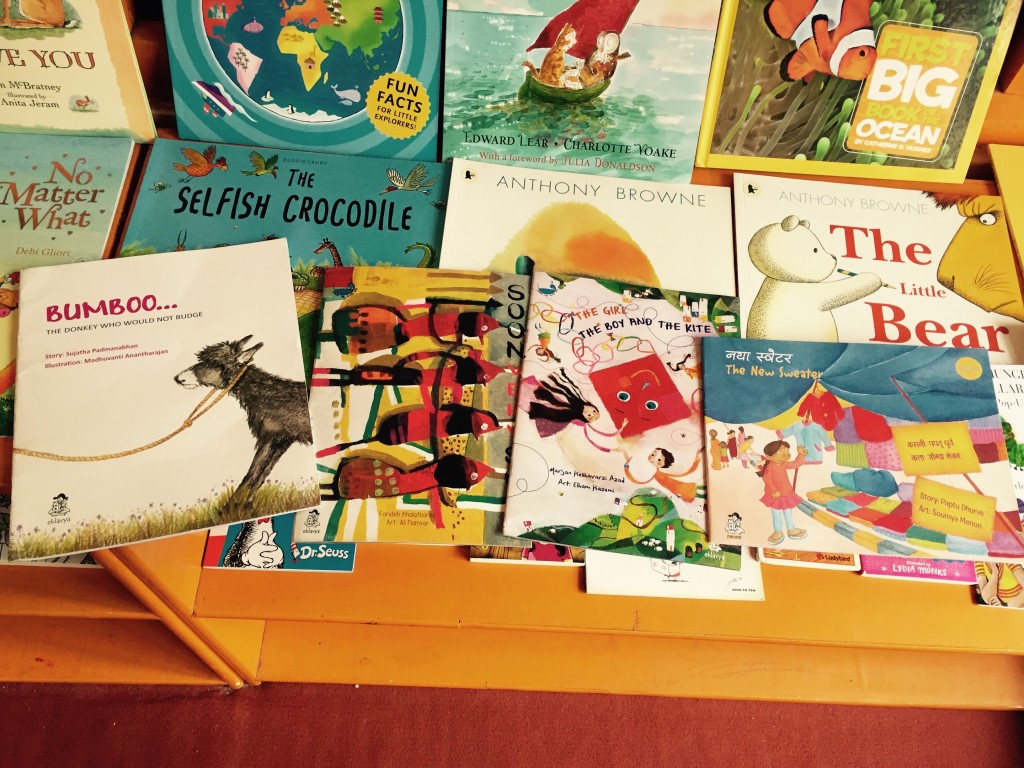
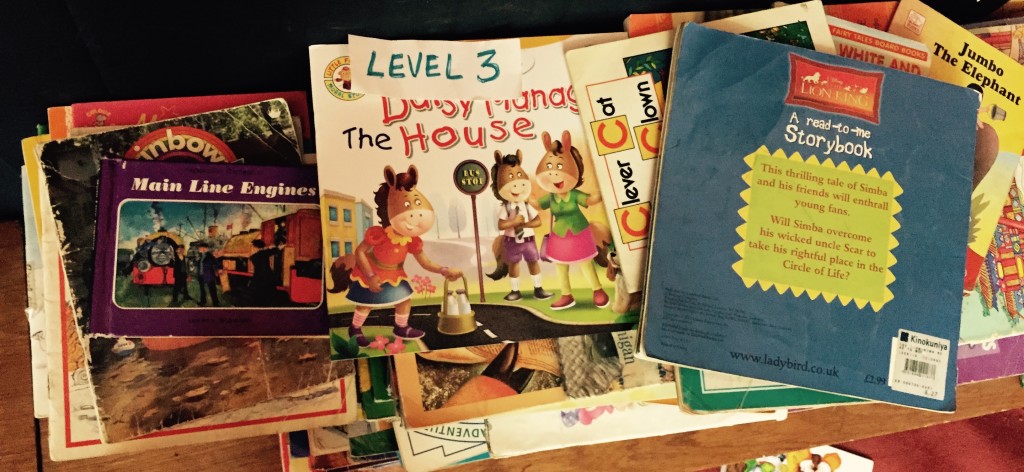
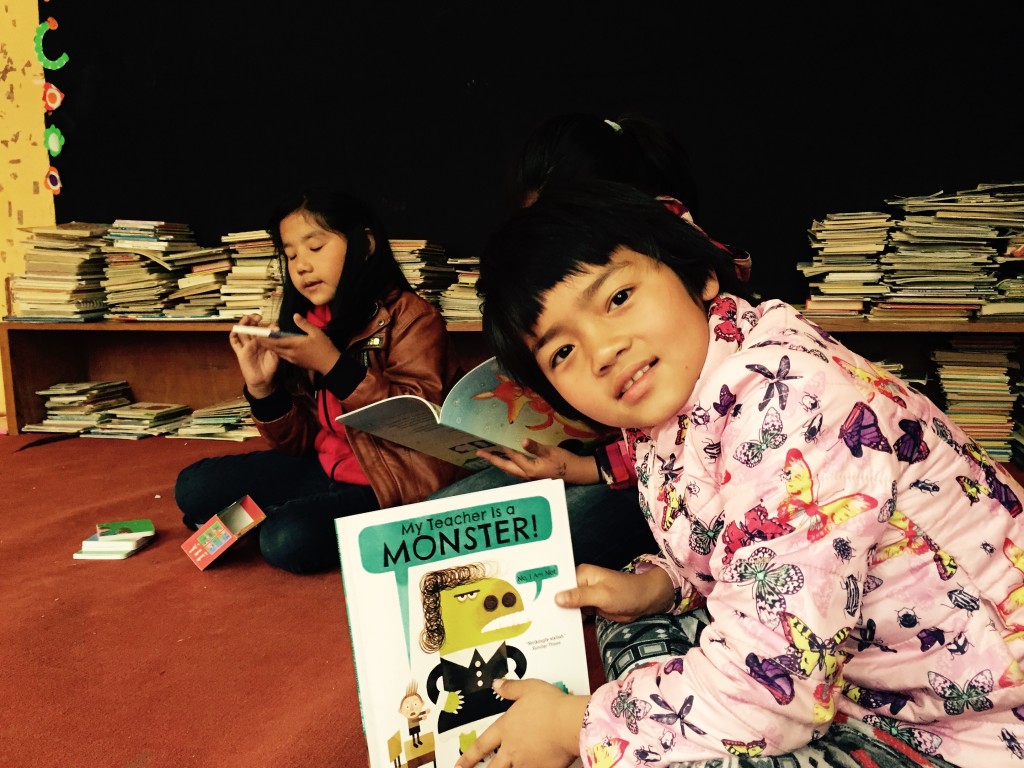
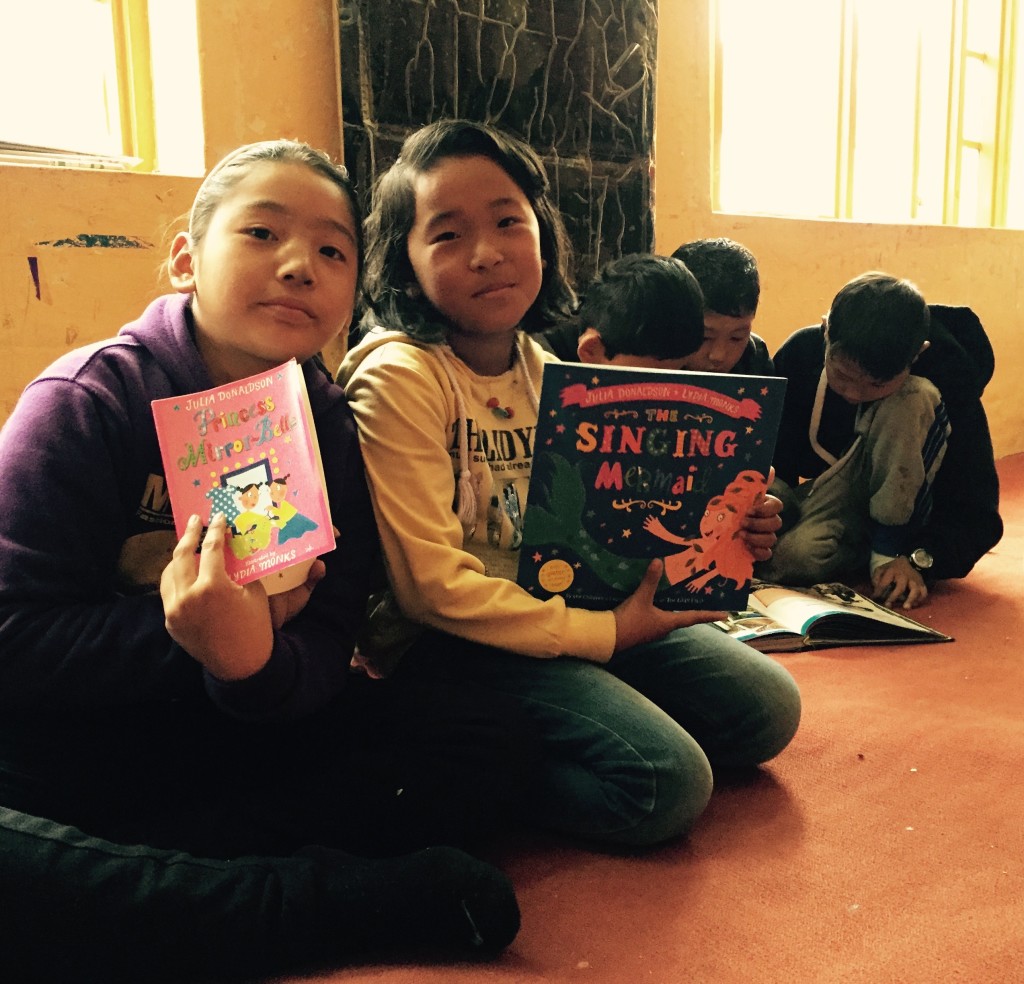
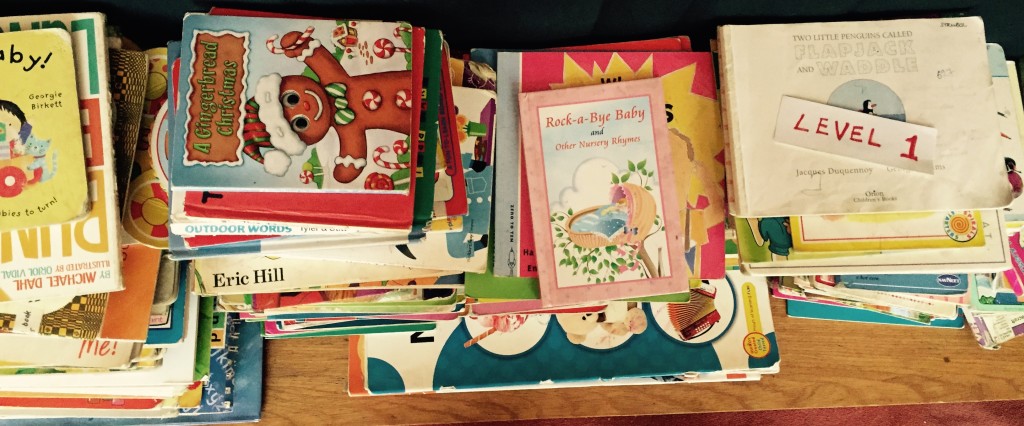
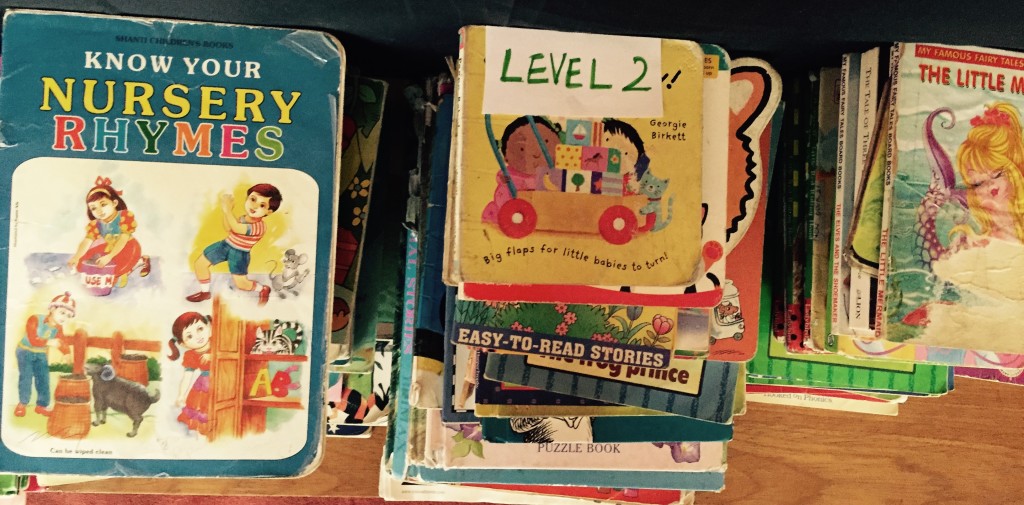
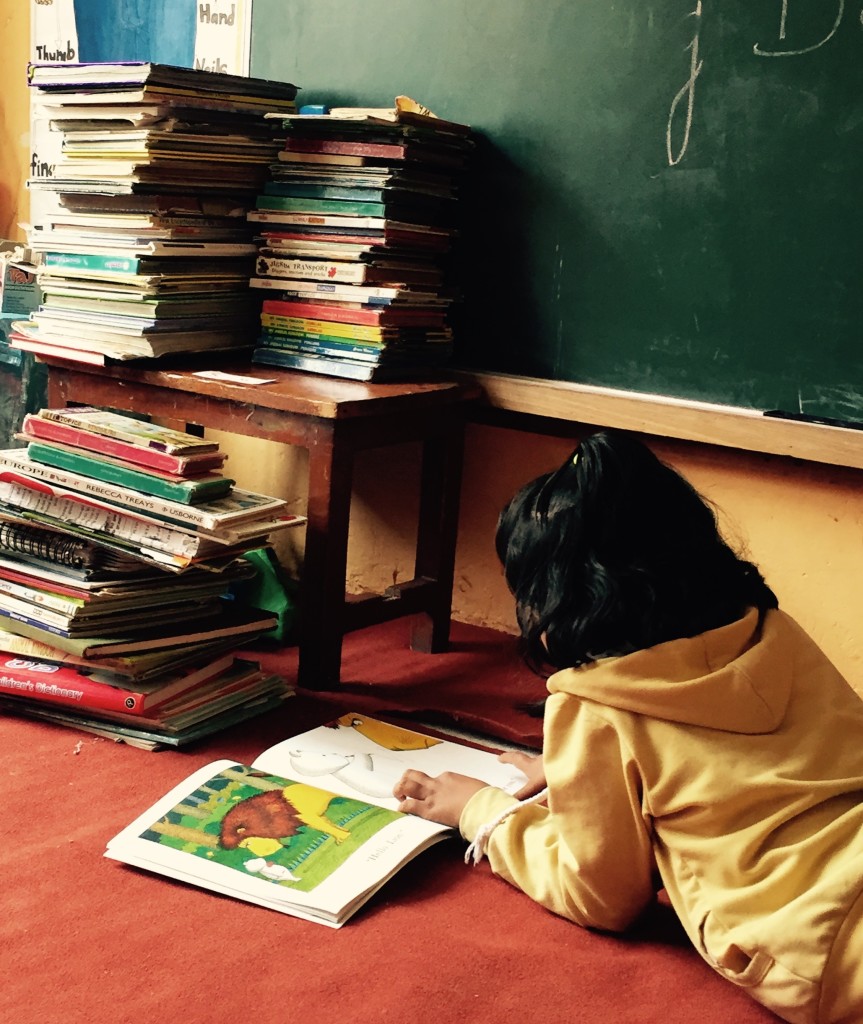
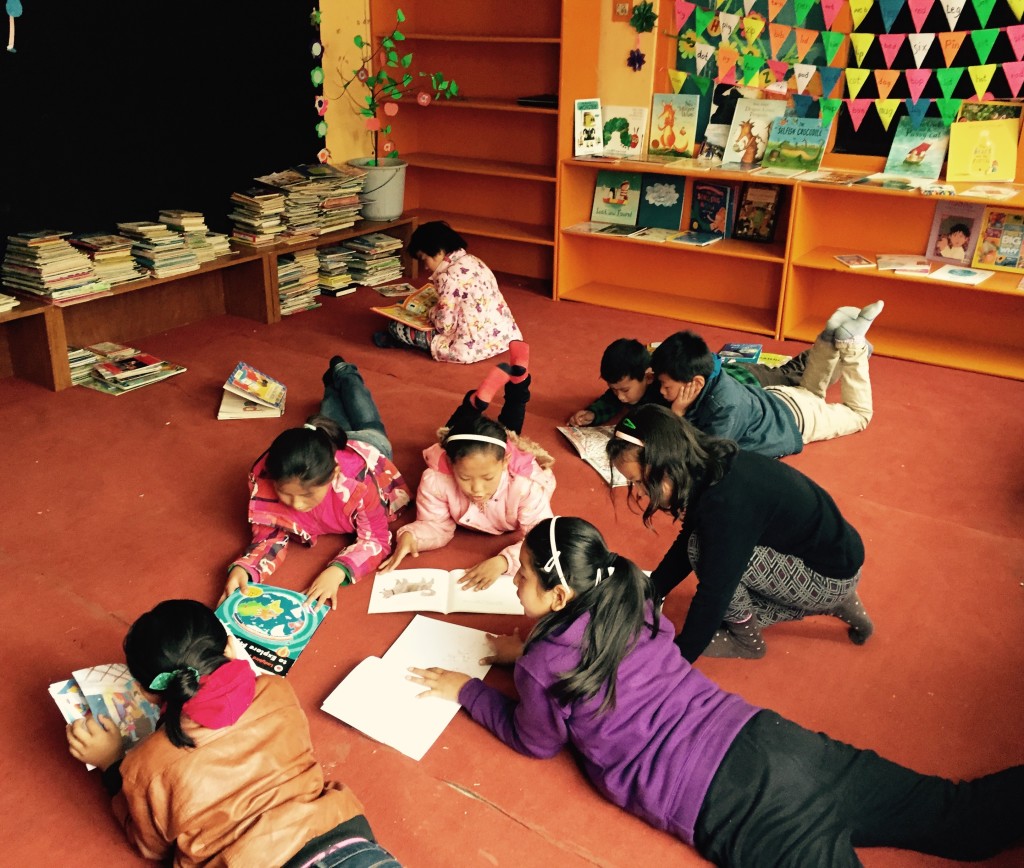
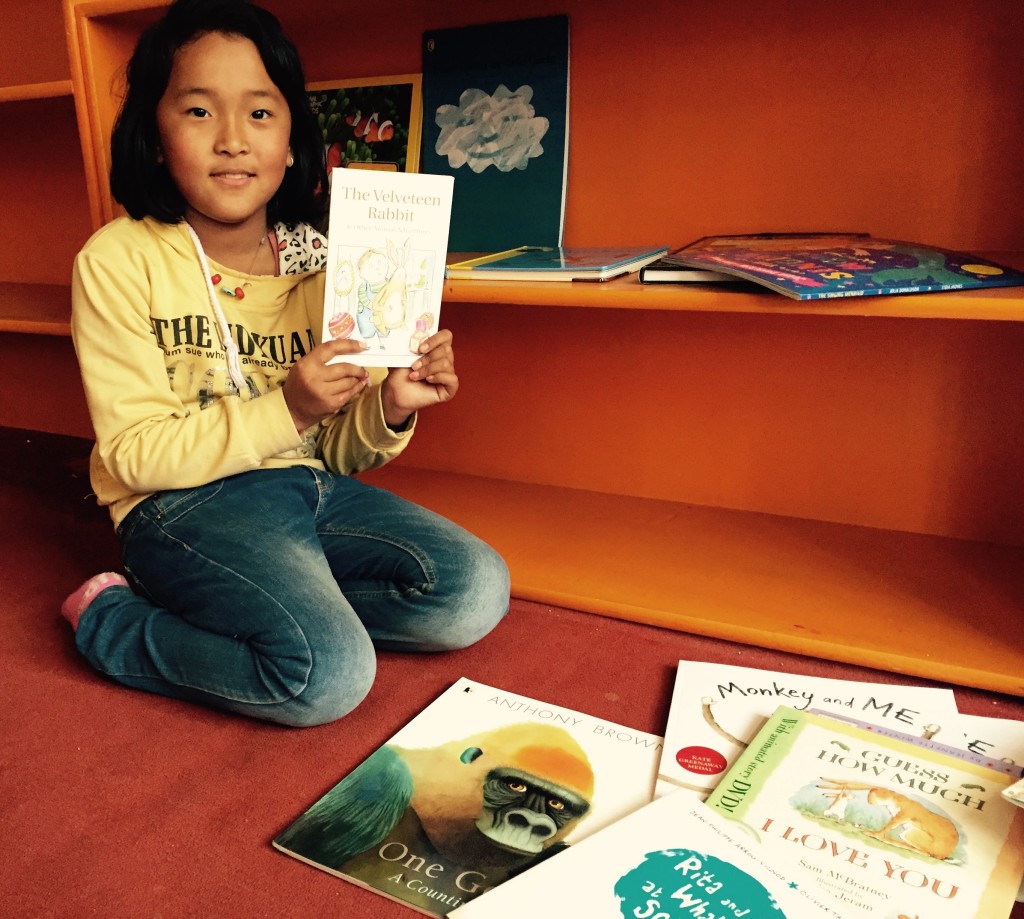
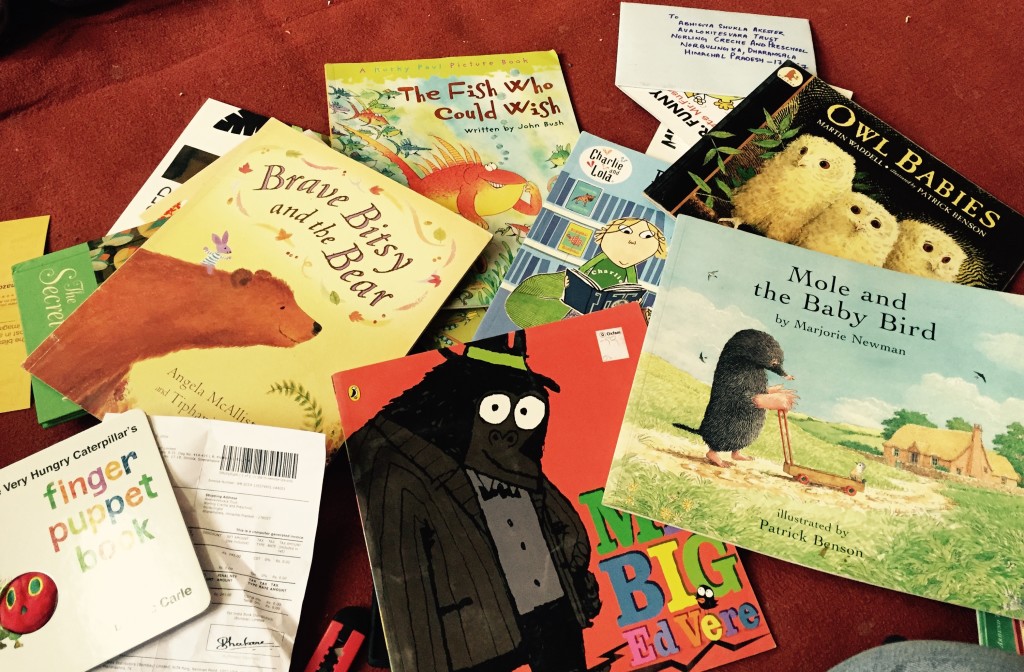
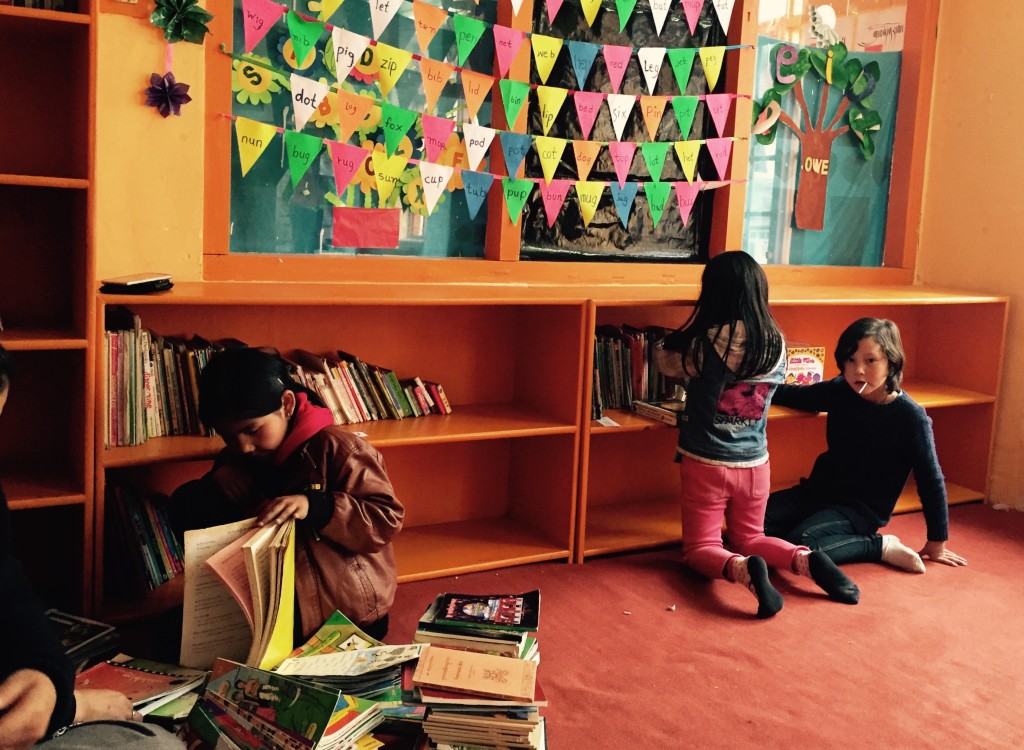
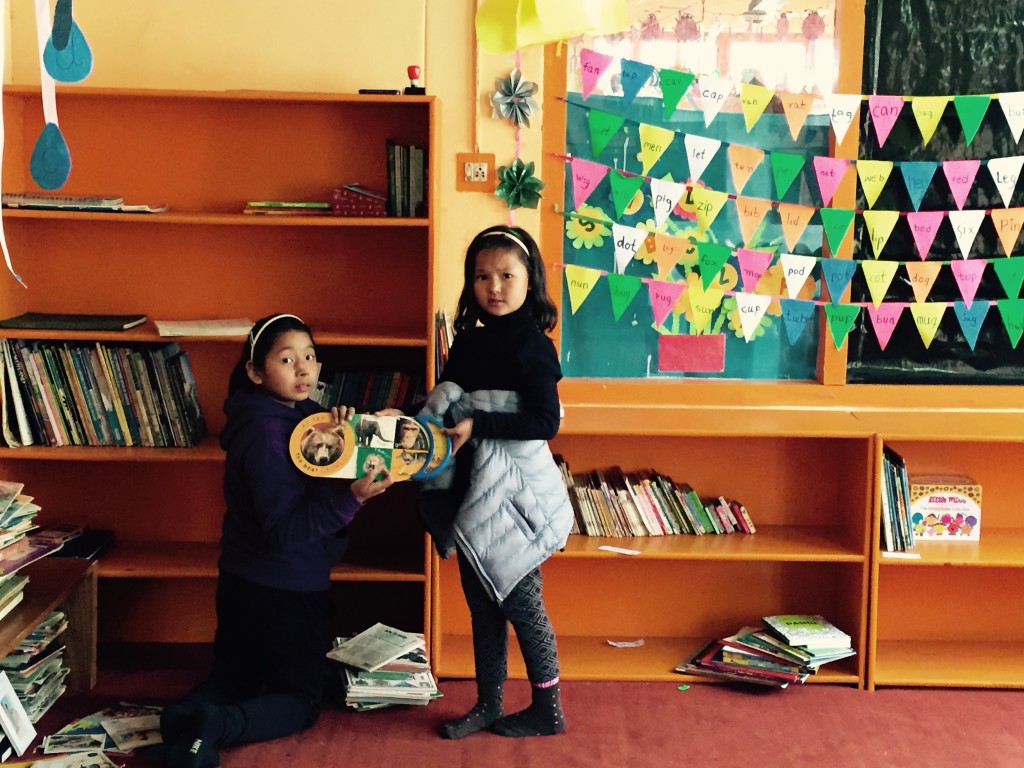
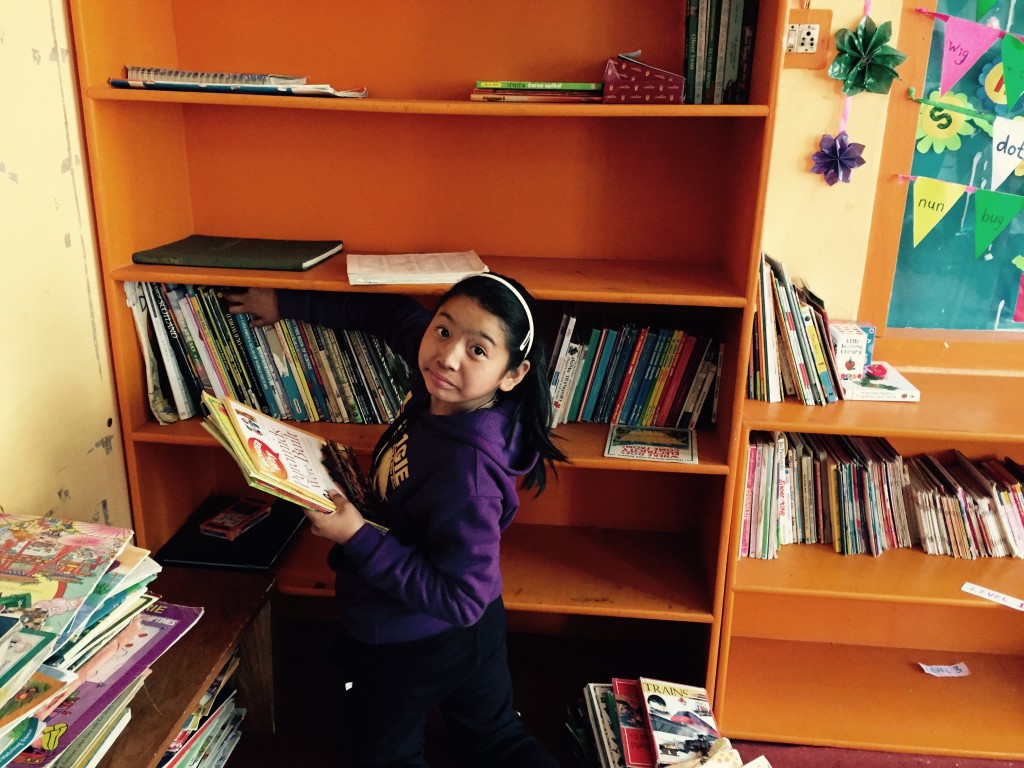
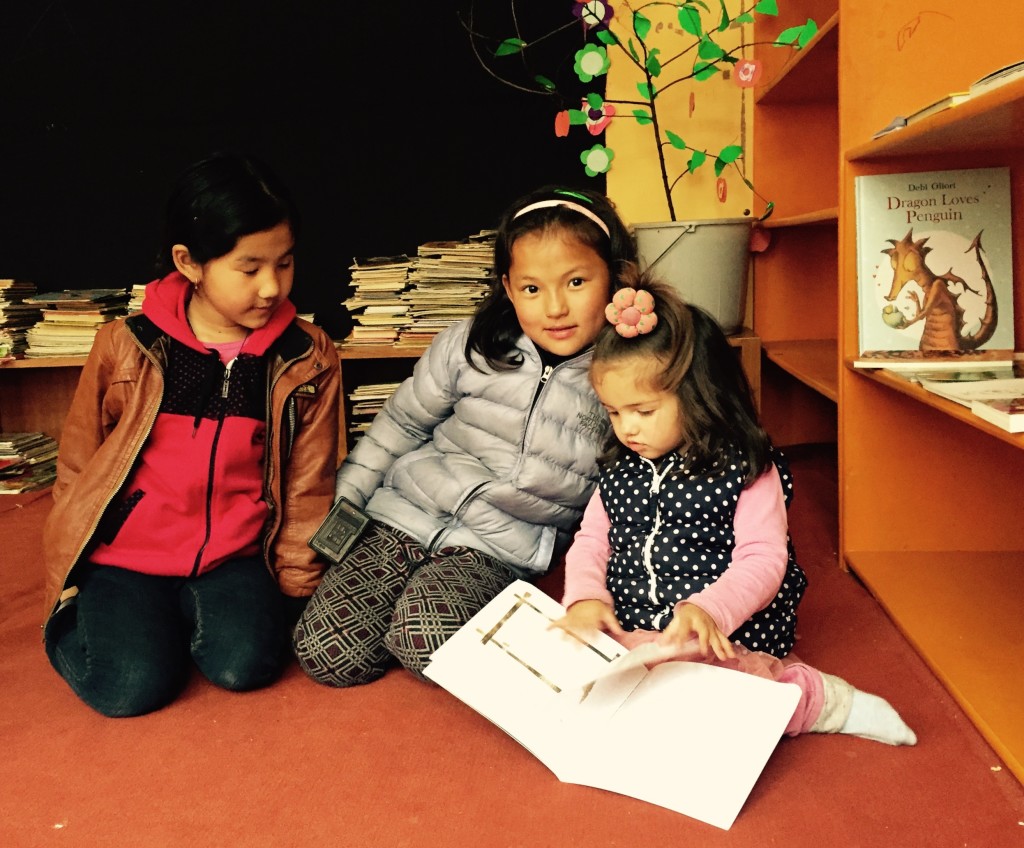
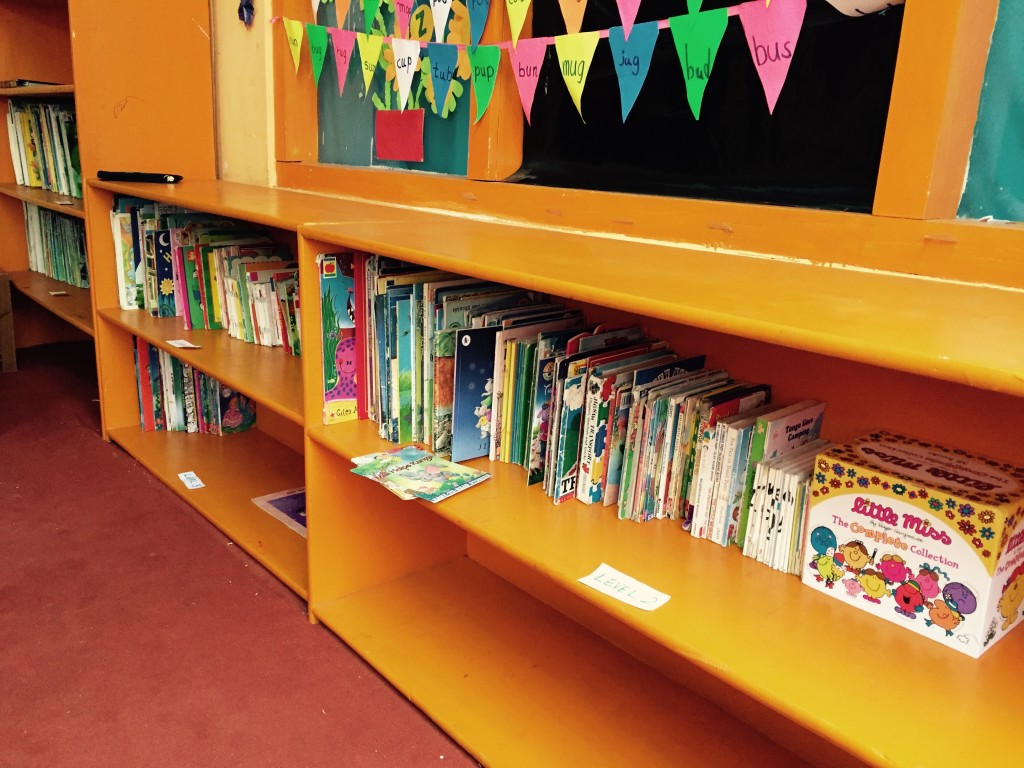
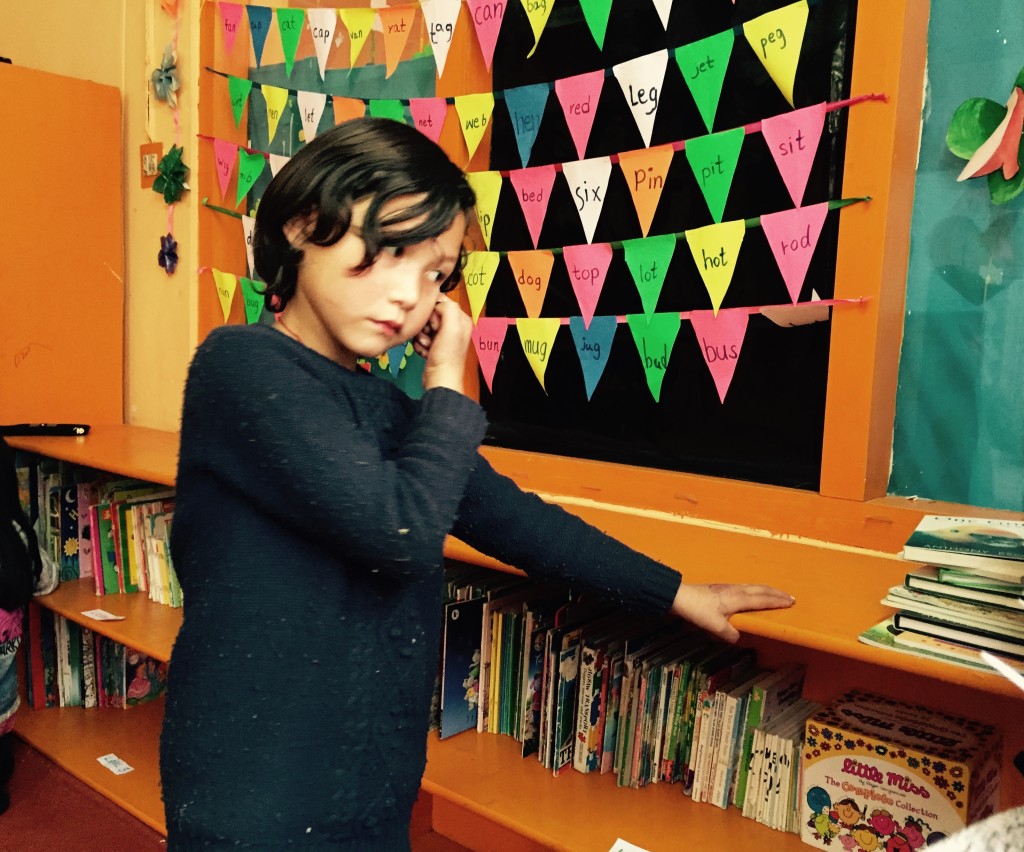
A collection succeeds when books are easy to reach, carefully looked after, and regularly shared. Reading rooms in Himalayan communities can display books with covers facing outward, group titles by reading level, and keep a small area for drawing and storytelling. A simple borrowing card can help children bring stories home and tell siblings or grandparents about them.
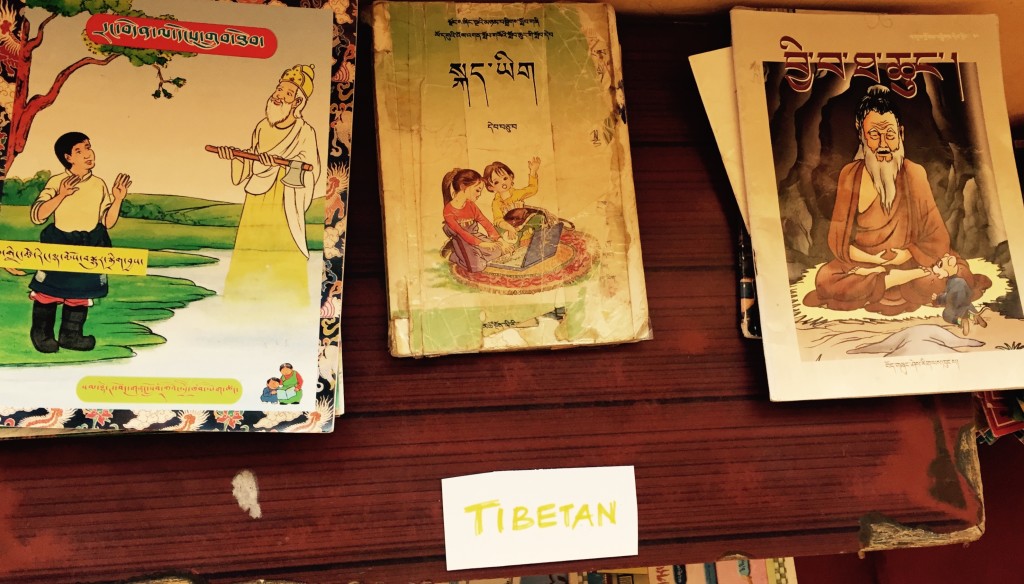
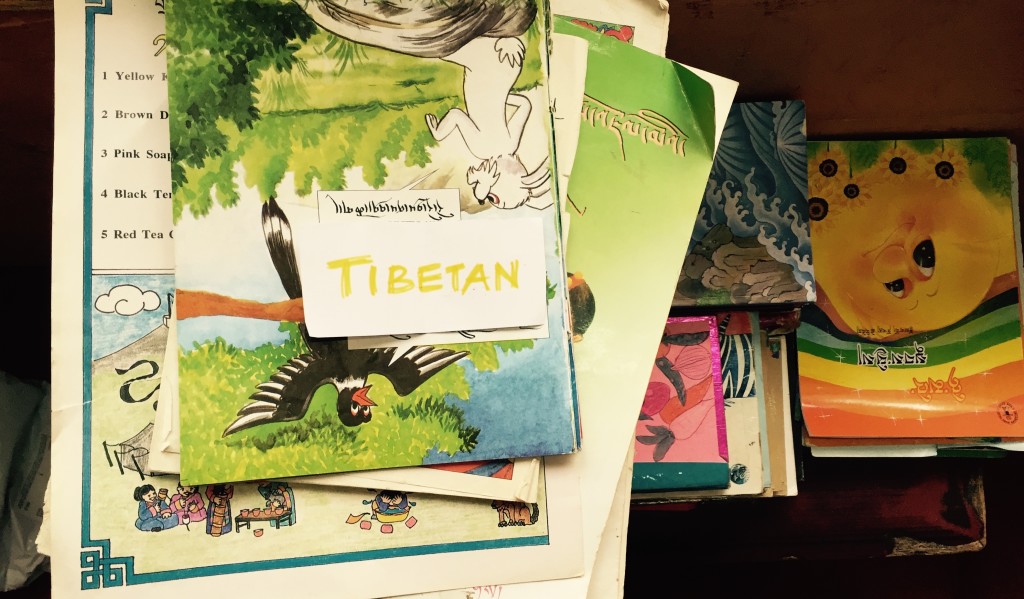
Language access matters as much as book selection. English editions can widen educational opportunities, while Hindi, Tibetan, Ladakhi, and other local-language books help children see their identities and landscapes reflected in print. When a title is available in several languages, children can compare expressions, learn new vocabulary, and invite family members into the reading experience.
A practical reading program might pair one featured book with a weekly activity:
- Read one chapter or story aloud, pausing for predictions and vocabulary.
- Invite children to retell the plot in their strongest language.
- Add drawings, music, drama, or nature observation connected to the book.
- Let children recommend a title to a friend and explain their choice.
- Keep a shared reading journal with sketches, favorite lines, and new words.
These habits make a book collection feel active rather than formal. They also give volunteers clear ways to support children without turning every reading session into a test.
Shared Books, Wider Possibilities
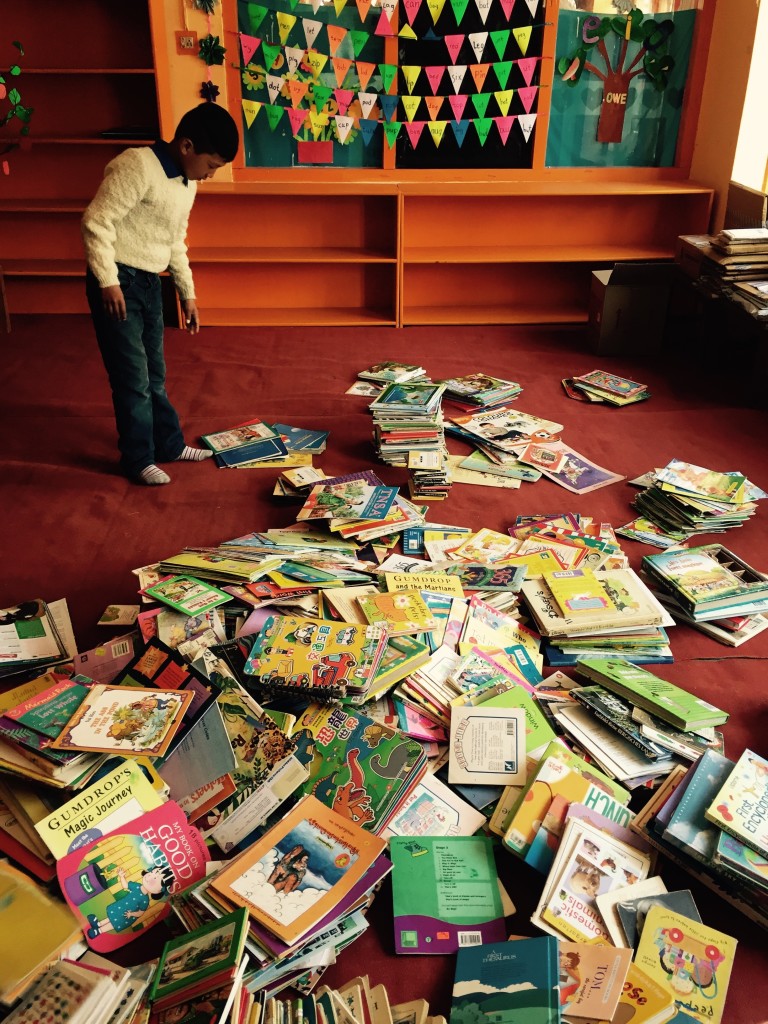
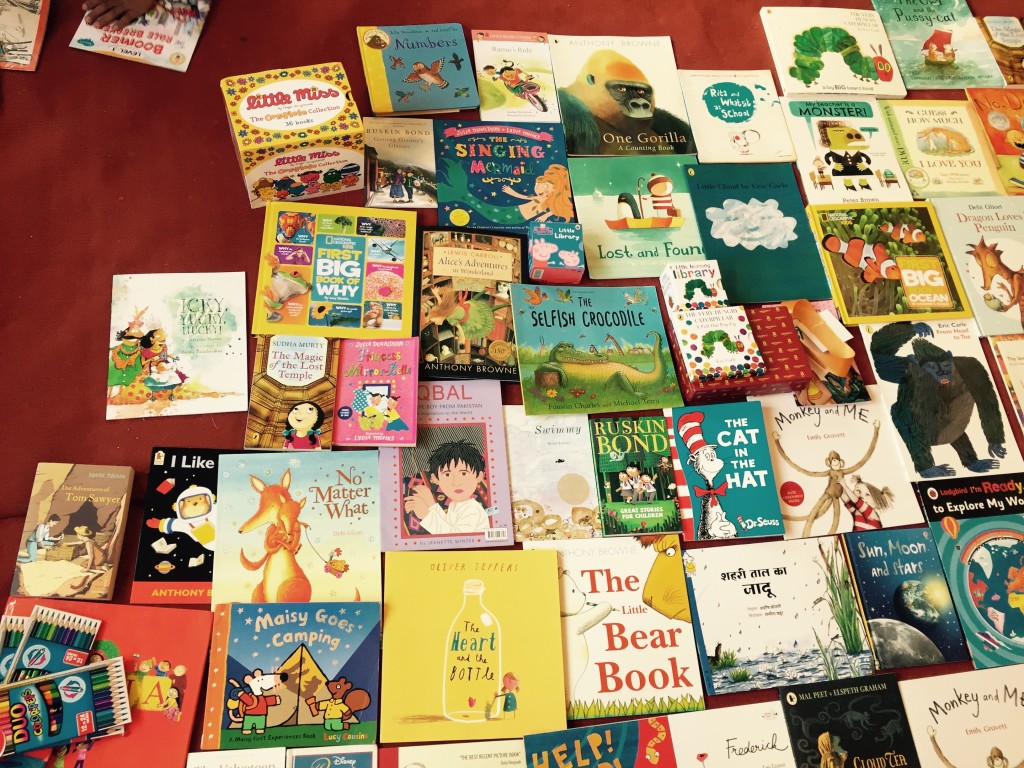
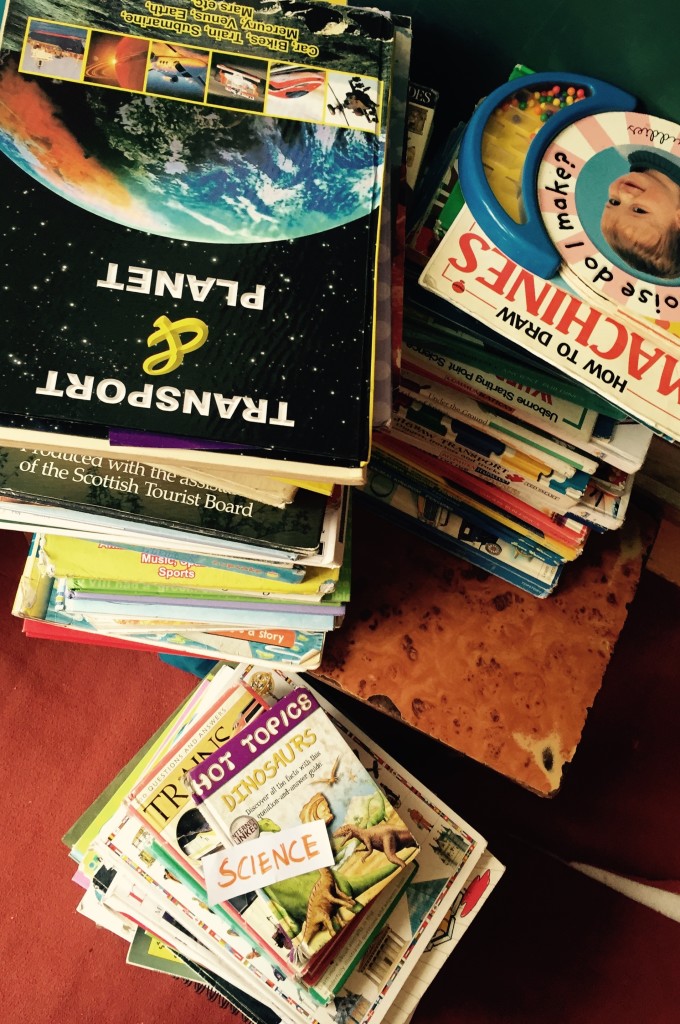
The five titles named here can give children a strong beginning, but they should sit beside local folktales, biographies, poetry, science books, comics, and stories by Himalayan writers. A child who starts with a fable may soon want to read about snow leopards, astronomy, music, medicine, or another valley. Curiosity rarely follows a fixed shelf.
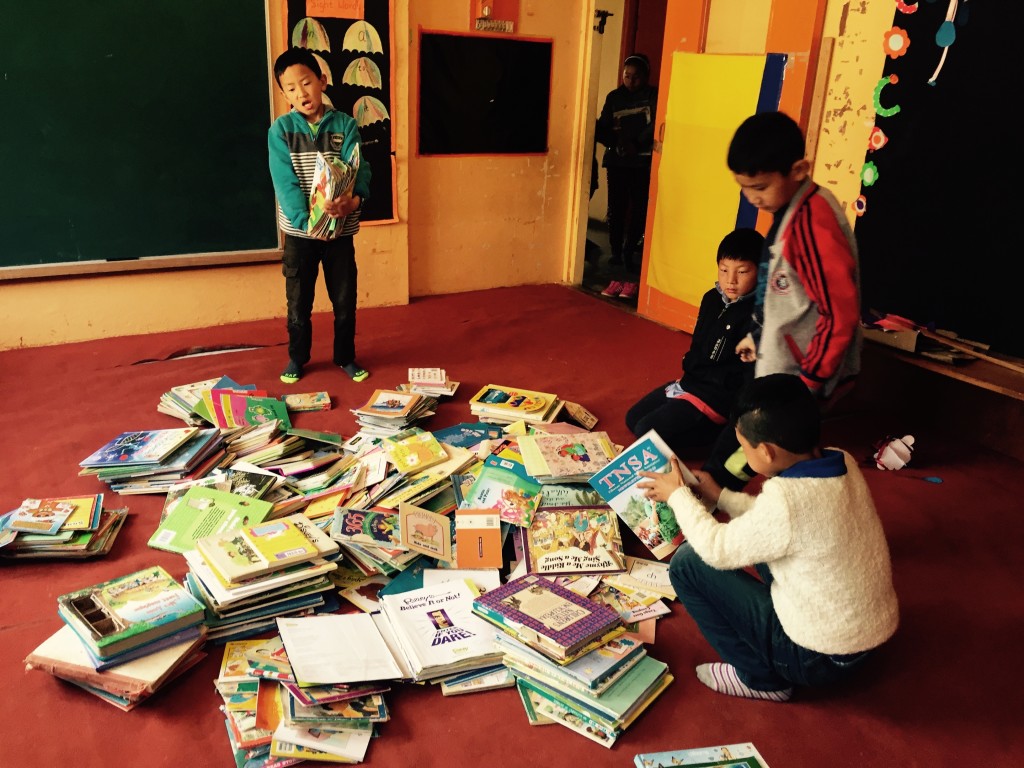
Every donated book can contribute to that expanding world. Support for reading rooms, book drives, and creative education helps children find stories in places where access may otherwise be limited. Visit Avalokiteśvara Trust’s work, share a book drive with your community, or help provide the next welcoming shelf where a young reader can begin.