How Our Volunteer Musicians Bring Rhythm to Remote Classrooms
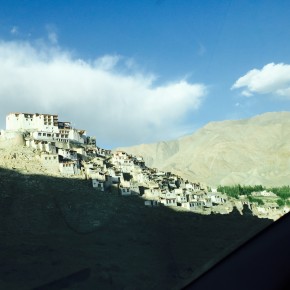
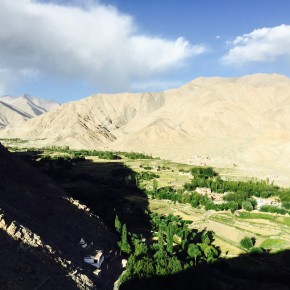
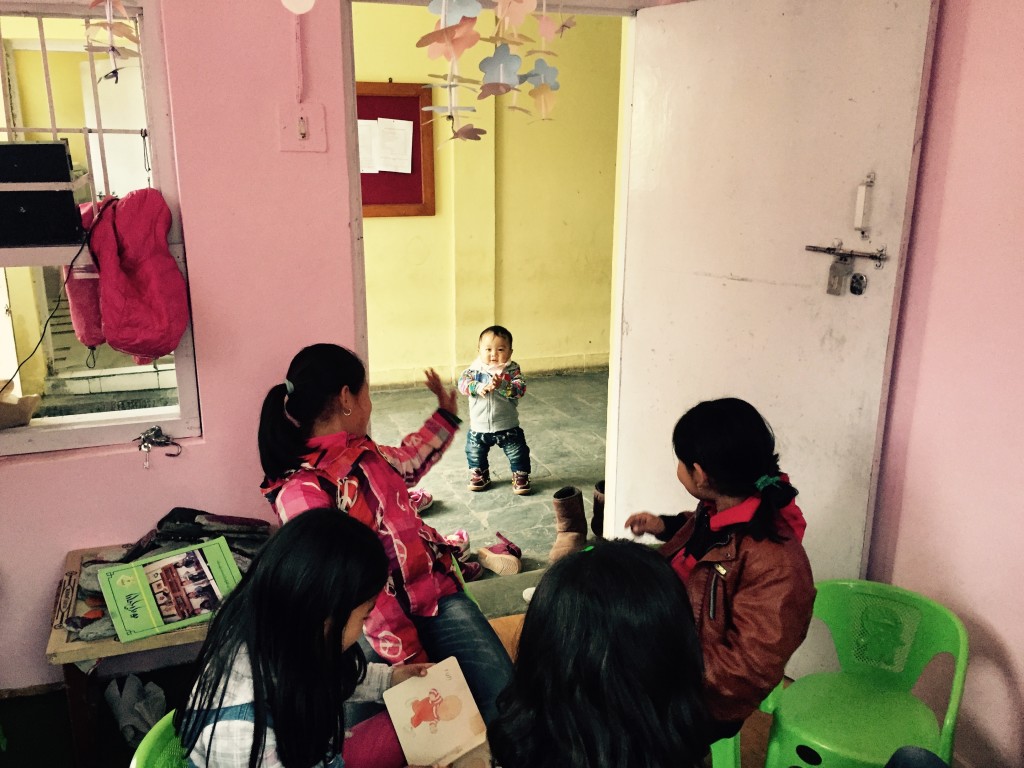
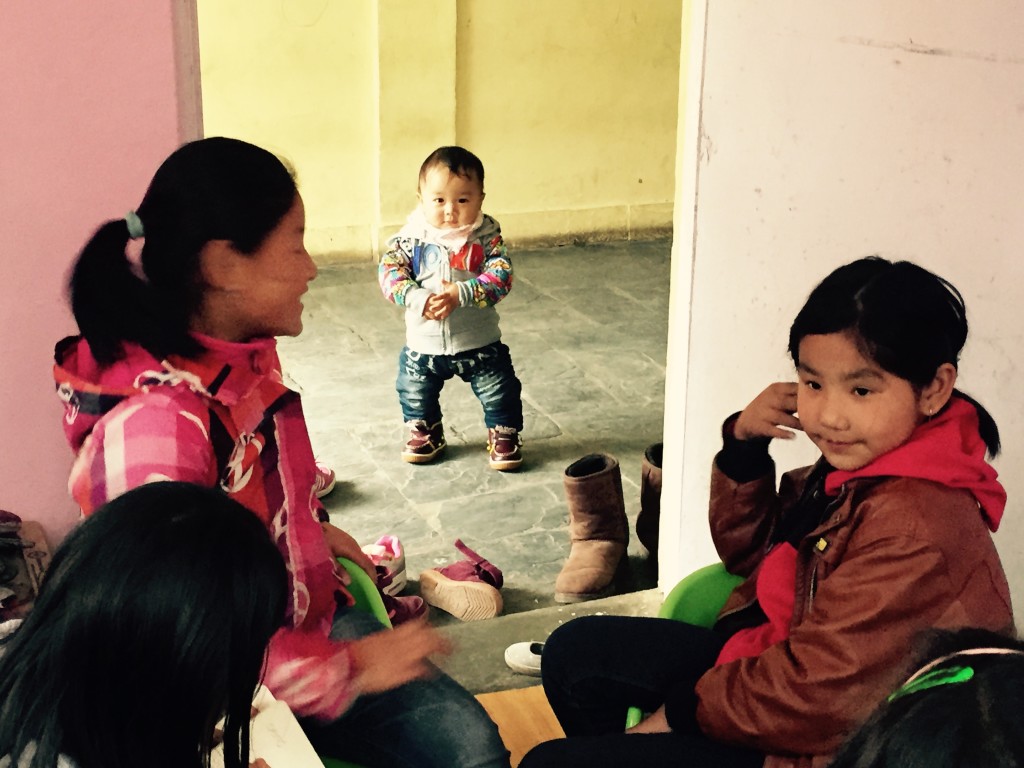
In the high valleys of Ladakh, a classroom may be separated from the nearest music shop, cultural center, or specialist teacher by hours of difficult travel. Yet children in remote communities have the same instinct to sing, move, listen, and create as students anywhere else. A simple drum, handmade shaker, or shared song can open a lively path into learning.
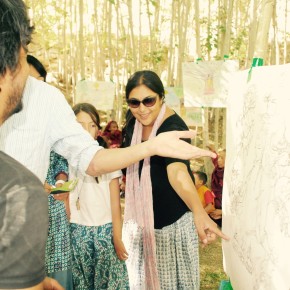
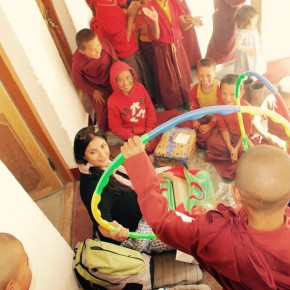
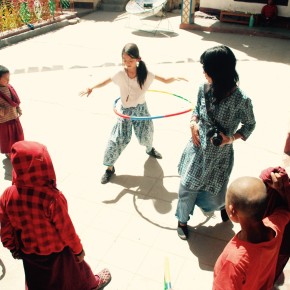
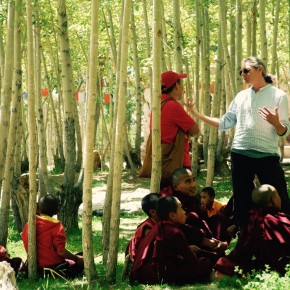
Our volunteer musicians carry that possibility with them. They arrive with instruments, adaptable lesson plans, and a willingness to learn from each community. Their sessions make space for rhythm, creativity, confidence, and collaboration while complementing the reading, arts, and educational activities supported by the Avalokitesvara Trust.
Music in these classrooms is not treated as an occasional performance. It becomes a practical teaching language: a way to remember new words, explore patterns, express feelings, and build friendships. The sound may be quiet or exuberant, traditional or experimental, but its purpose remains consistent—helping children discover that their ideas deserve to be heard.
Bringing instruments beyond the main roads
Reaching a remote classroom often requires careful planning. Volunteers may travel along narrow mountain roads, adjust to changing weather, and carry instruments that are light enough for a long journey but durable enough for frequent use. Their preparation includes spare strings, drumheads, cables, batteries, and simple materials for making percussion instruments locally.
The work begins before the first note. Musicians speak with teachers and community partners about the children’s ages, language backgrounds, previous experience, and daily routines. This helps them design activities that feel relevant rather than importing a fixed program. A rhythm game may draw on a local celebration, while a singing exercise can incorporate words familiar from the children’s reading lessons.
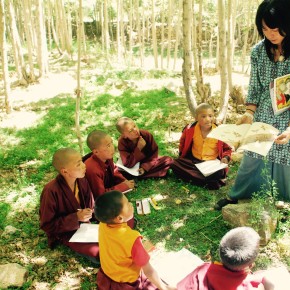
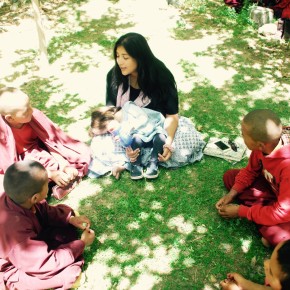
Small groups are especially valuable in these settings. A volunteer can notice who is eager to lead, who prefers to observe, and who needs encouragement before joining in. By keeping activities welcoming and flexible, the sessions give every child a manageable way to participate.
Rhythm as a bridge to literacy
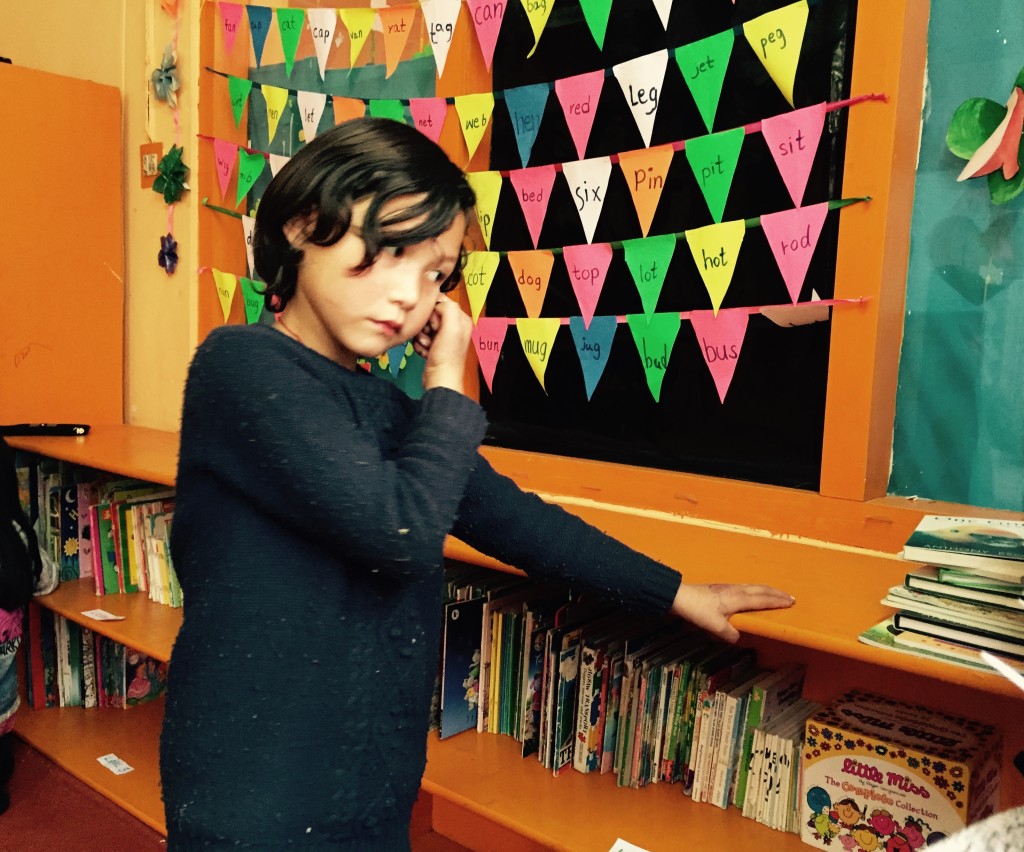
Music supports early literacy because it makes sound, sequence, and memory tangible. Children clap syllables, repeat patterns, match lyrics to pictures, and invent short verses using new vocabulary. These activities help them hear the structure of language while reducing the pressure that can accompany formal reading practice.
Songs also give repeated exposure to words without making repetition feel like a test. A child may remember a phrase because it belongs to a melody or a movement pattern. When volunteers connect singing with books, children can act out a story, create a soundscape for a page, or compose a refrain for a favorite character.
The benefits extend to older learners. They may write lyrics, arrange a group performance, or compare the sounds and meanings of words in different languages. Such exercises encourage careful listening and clear communication, skills that support schoolwork across subjects.
Creating confidence through shared sound
A classroom ensemble offers a direct lesson in cooperation. Each child has a part, yet no single instrument carries the whole piece. Students learn to wait for a cue, listen to a neighbor, keep a steady beat, and recover when a mistake interrupts the performance. These are musical skills, but they also strengthen patience, attention, and mutual respect.
For children who are shy about speaking in front of others, rhythm can provide a gentler first step. A student might begin by tapping a repeated beat, then progress to leading a call-and-response pattern or singing a short line. The experience of contributing successfully can gradually change how that child approaches other classroom activities.
Volunteers pay attention to the emotional atmosphere as well as the tempo. A fast game can release energy after a demanding lesson, while a quiet breathing exercise can help students settle. Music gives teachers another tool for shaping the day and recognizing the different ways children learn.
Local traditions and new creative paths
The strongest music workshops make room for local knowledge. Himalayan communities have rich traditions of chanting, drumming, folk song, and ceremonial music. Volunteers approach these traditions with respect, inviting children and local educators to share what they know rather than presenting outside styles as the default.
This exchange can lead to creative combinations. A familiar rhythmic pattern might accompany a new English song, or children might use a contemporary arrangement to tell a story from their community. The goal is not to replace cultural heritage with imported entertainment. It is to give young musicians room to value their roots while experimenting with fresh forms.
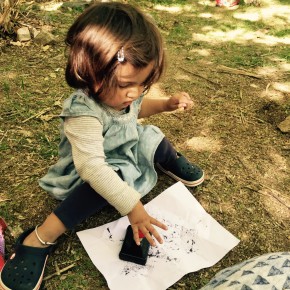
In some sessions, children build simple instruments from safe, accessible materials. Recycled containers become shakers, cardboard becomes a stringed model, and stones or sticks help demonstrate texture and beat. These projects show that music does not depend on expensive equipment, making creative practice easier to continue after the volunteers leave.
What a classroom session can look like
A workshop usually balances structure with discovery. Volunteers may begin with a welcome song and body percussion, move into a focused listening or rhythm activity, and finish with group composition. The sequence can be shortened for younger children or expanded when a class is ready to work toward a performance.
The table below illustrates how different activities contribute to broader educational aims:
| Musical activity |
Skills children practice |
Classroom connection |
| Call-and-response singing |
Listening, memory, pronunciation |
Language development and participation |
| Clapping syllables |
Rhythm, concentration, vocabulary |
Reading readiness and word awareness |
| Group drumming |
Coordination, turn-taking, self-control |
Cooperation and classroom routines |
| Writing short lyrics |
Imagination, spelling, expression |
Creative writing and communication |
| Soundtracking a story |
Interpretation, sequencing, empathy |
Reading comprehension and discussion |
| Instrument-making |
Problem-solving, design, resourcefulness |
Practical learning and creativity |
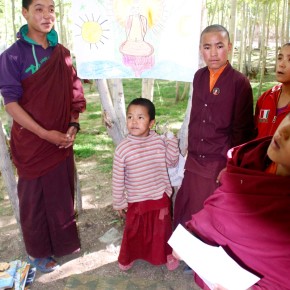
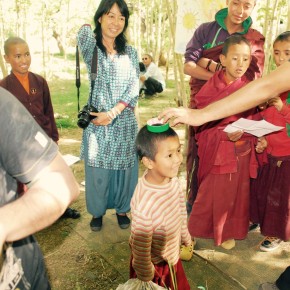
A session may end with an informal sharing circle rather than a polished concert. Children can describe the beat they created, explain how they solved a problem, or perform for another class. This keeps the focus on learning and ownership instead of perfection.
Documentation also matters. With permission, photographs, recordings, and short reflections help families and supporters see the children’s progress. These stories make the impact of educational outreach visible while respecting the dignity and privacy of every participant.
Supporting continuity after volunteers depart
A visiting musician can spark enthusiasm, but lasting value comes from leaving useful tools behind. Volunteers share simple song sheets, rhythm cards, activity instructions, and suggestions for adapting lessons with everyday objects. Teachers can then repeat a favorite game during the school week or include music in reading-room activities.
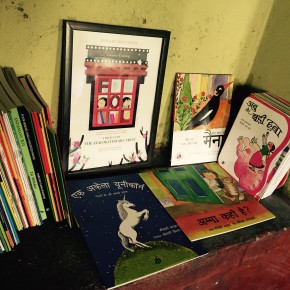
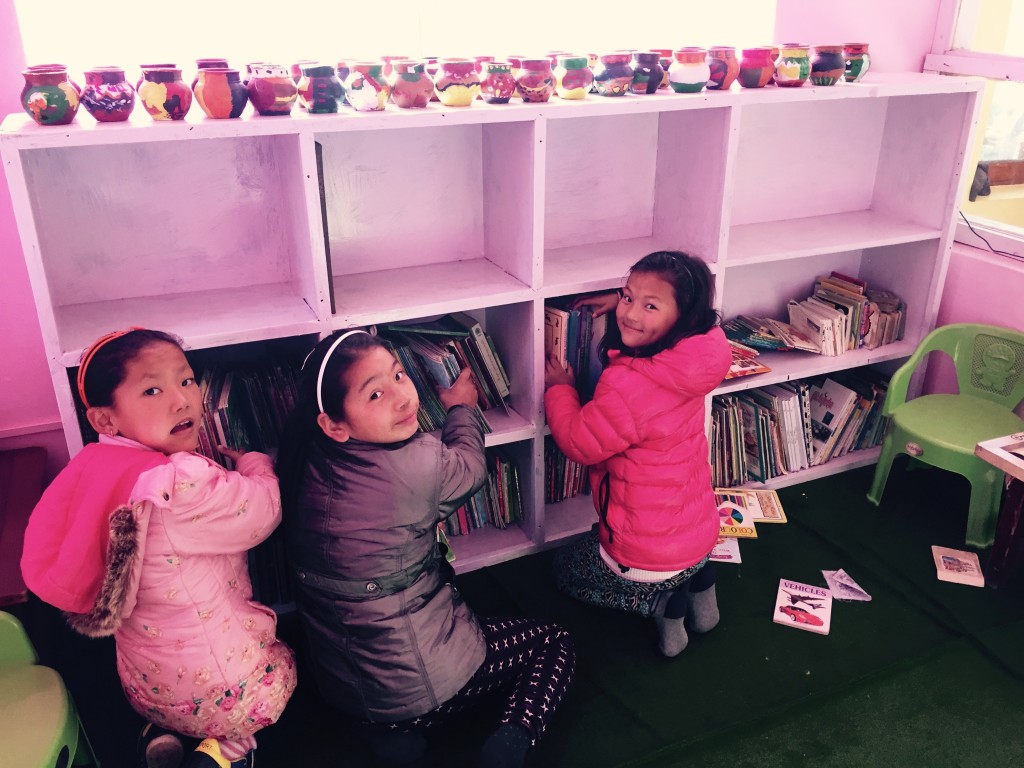
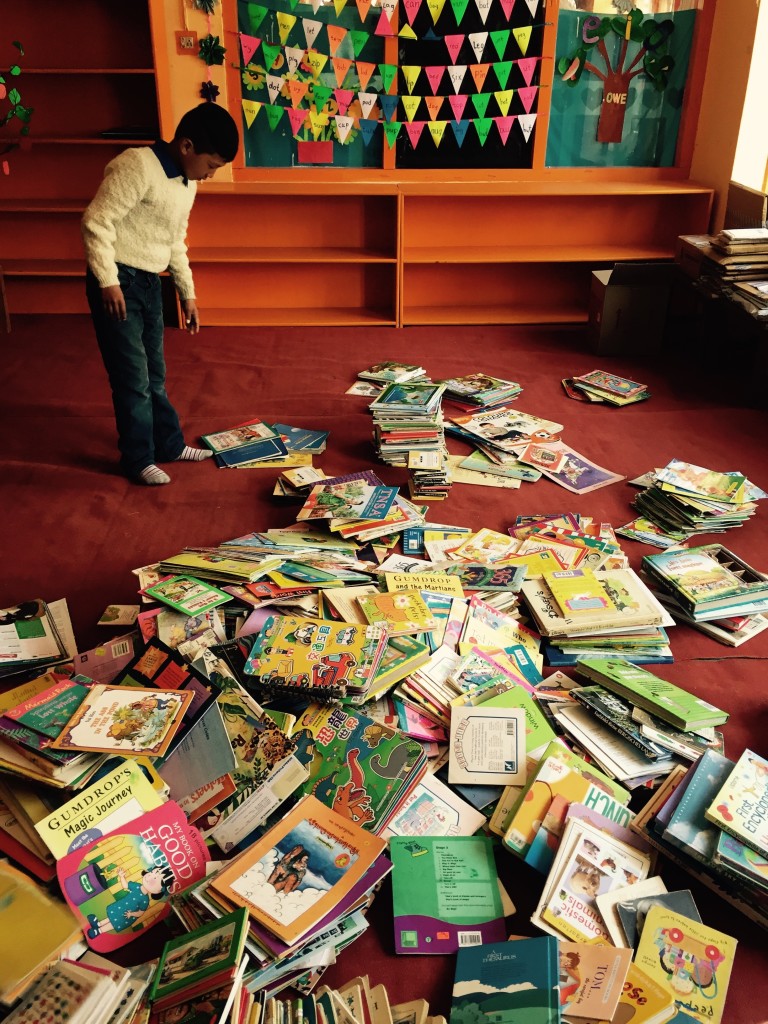
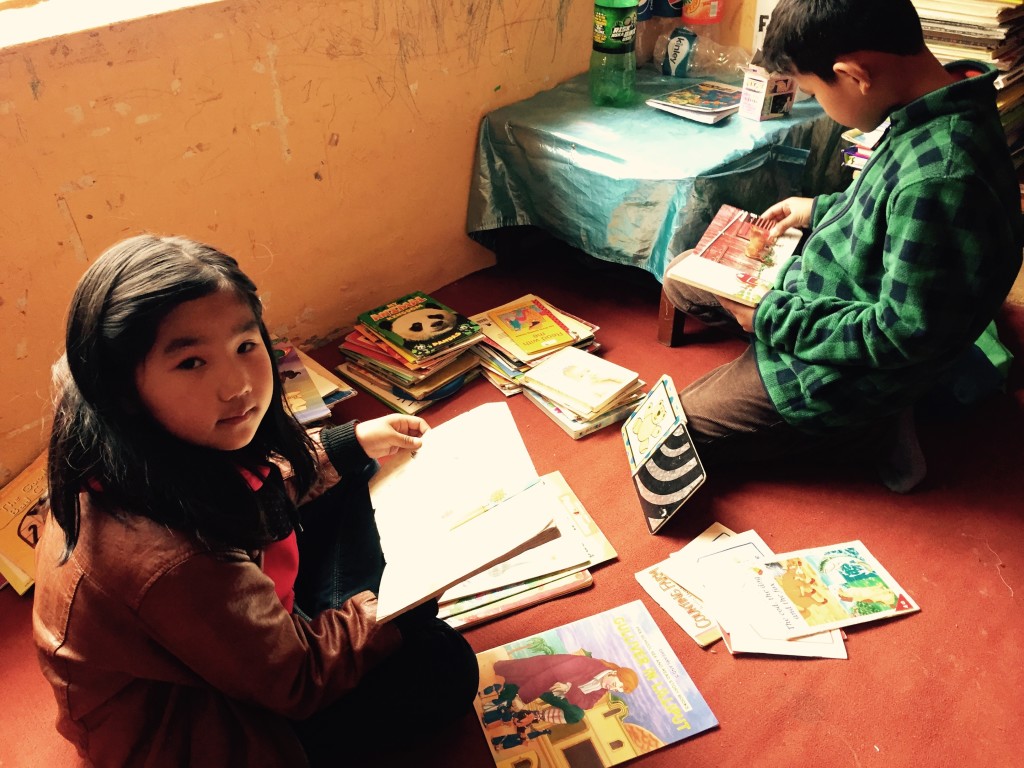
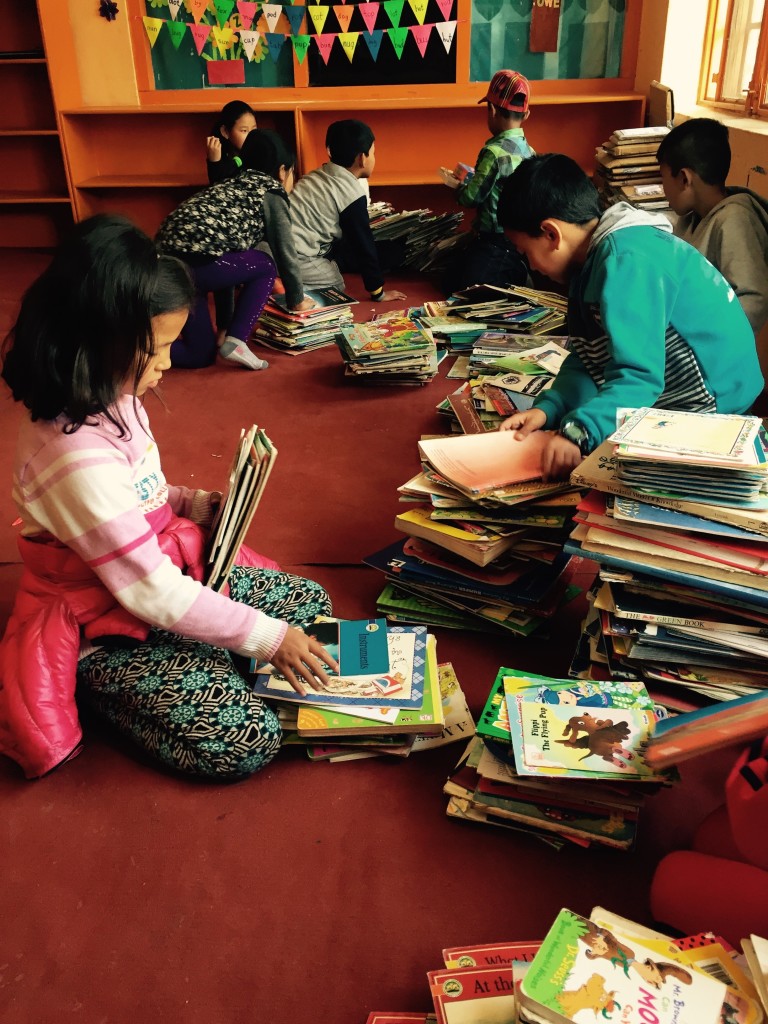
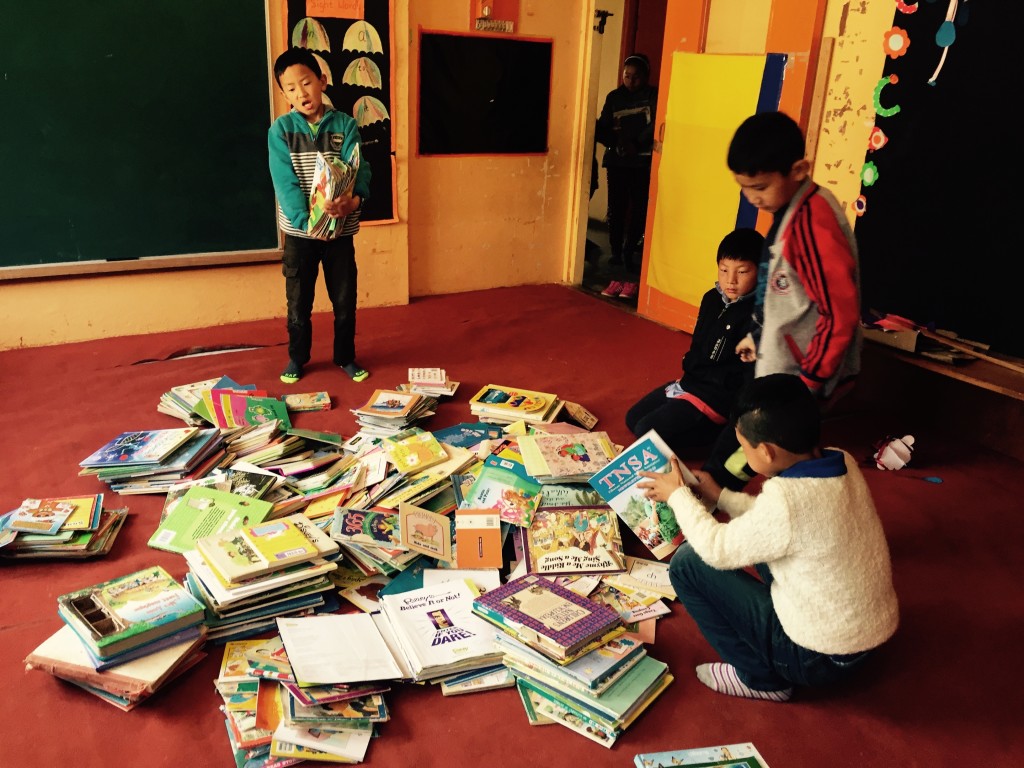
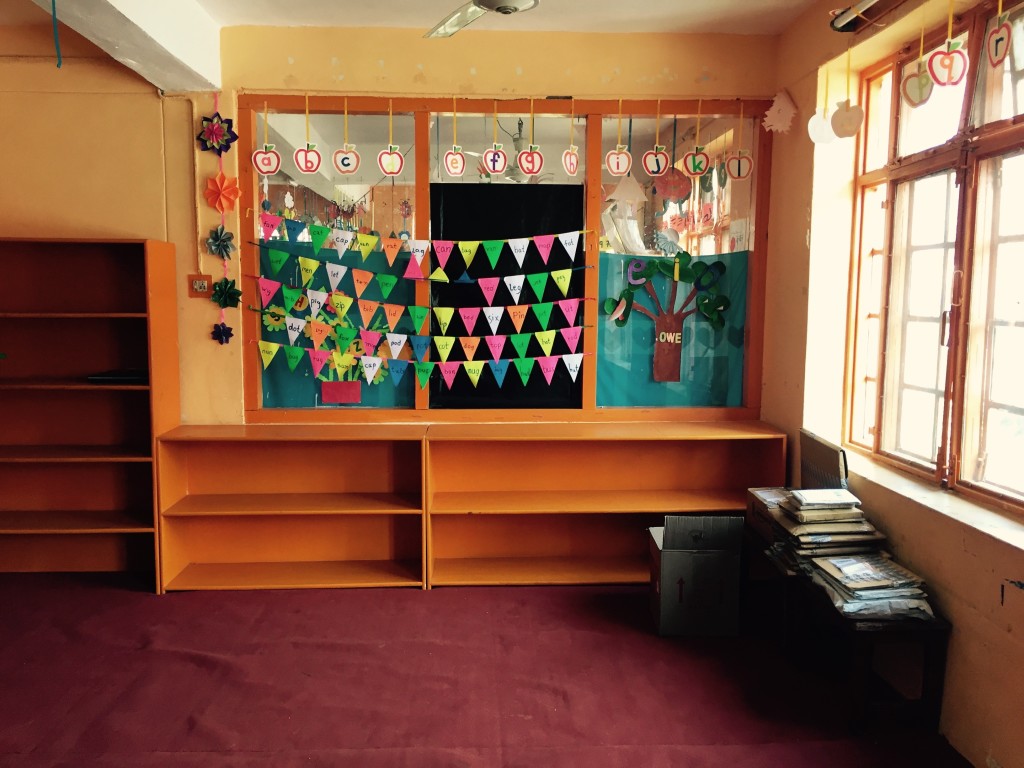
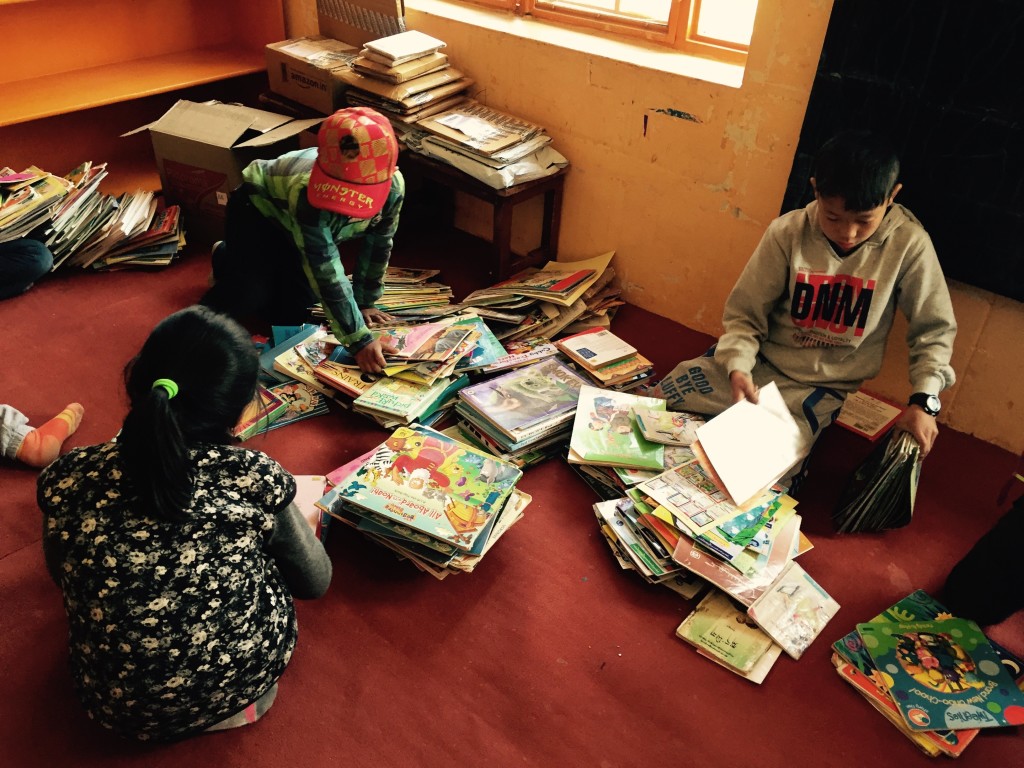
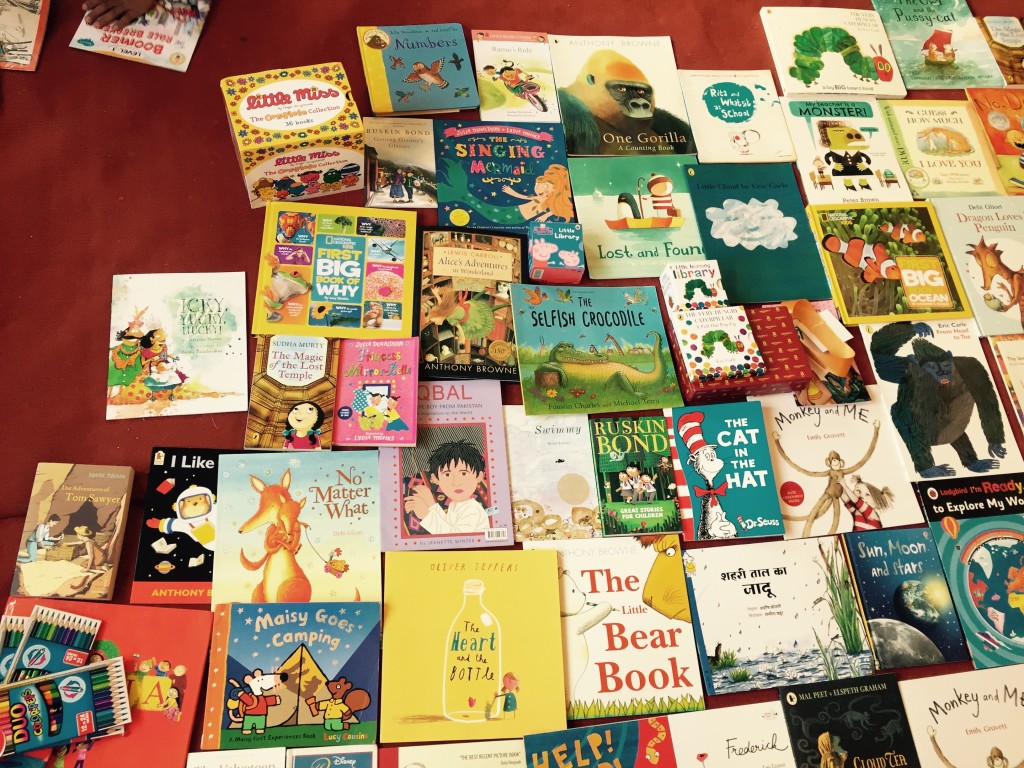
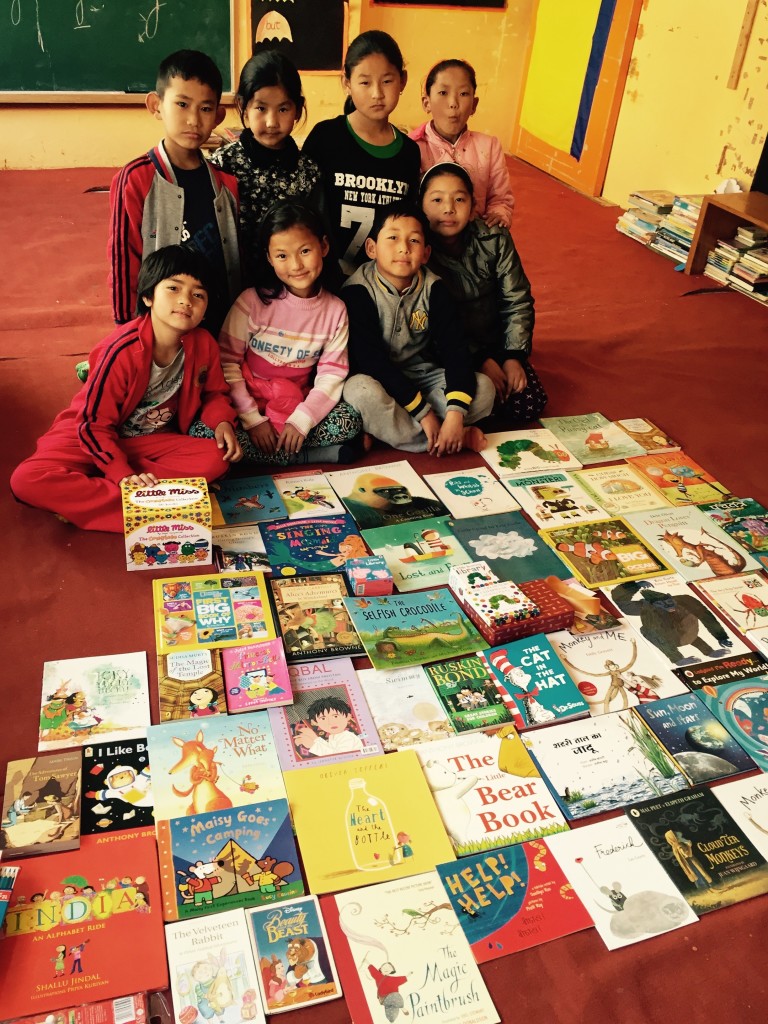
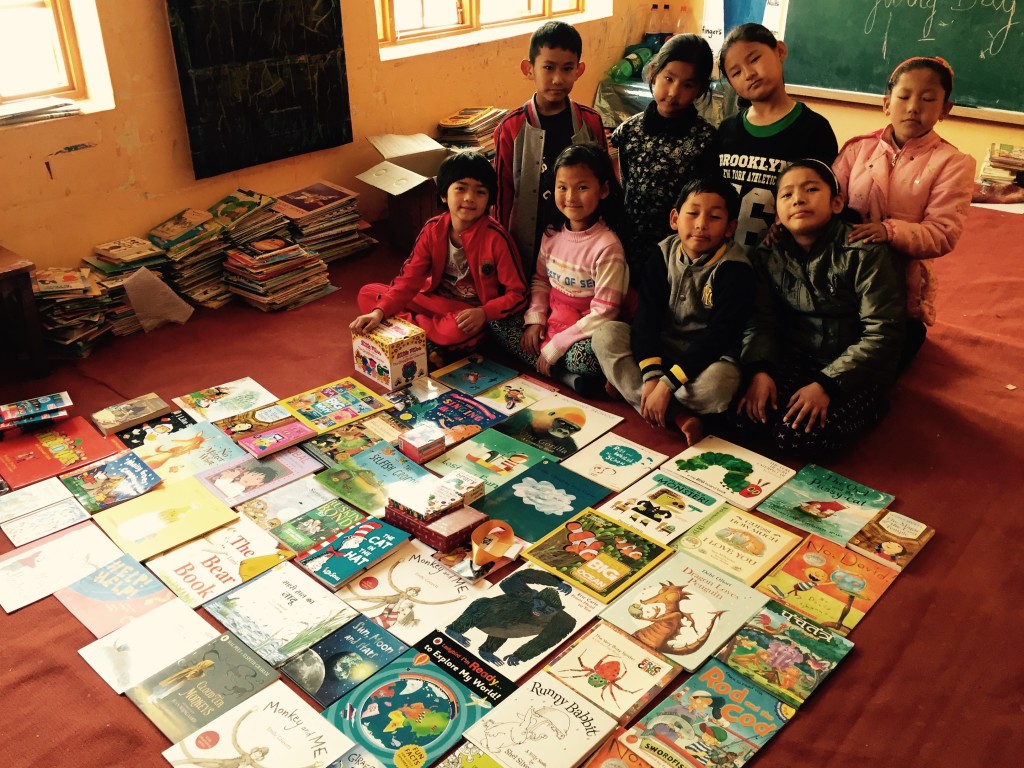
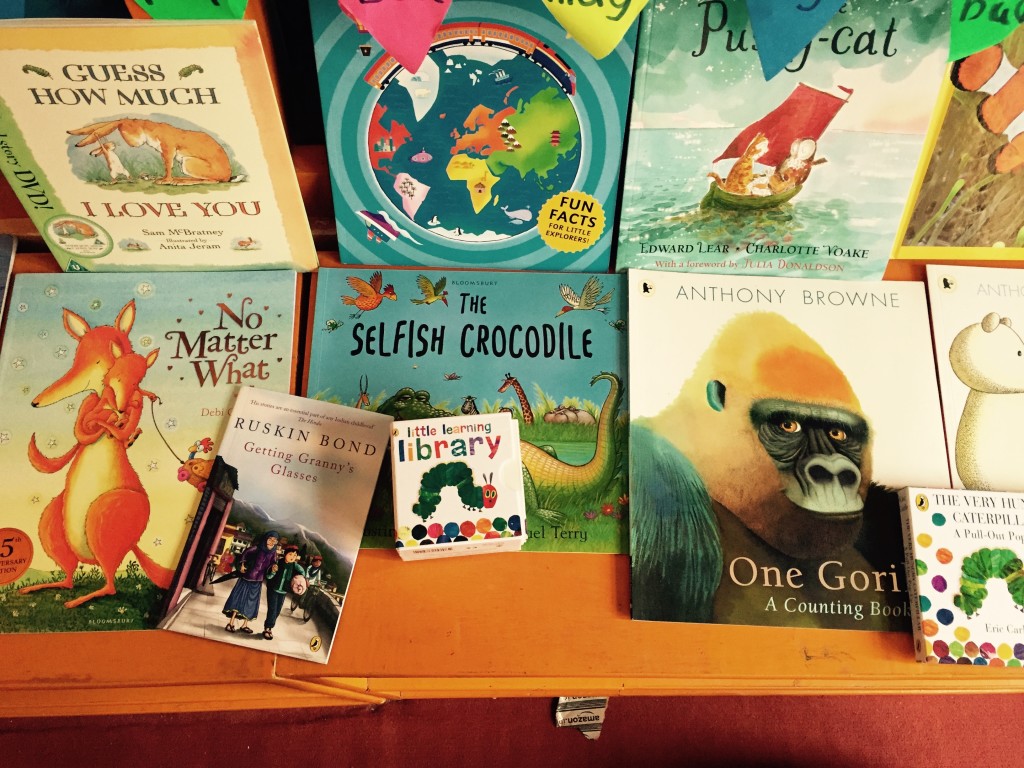
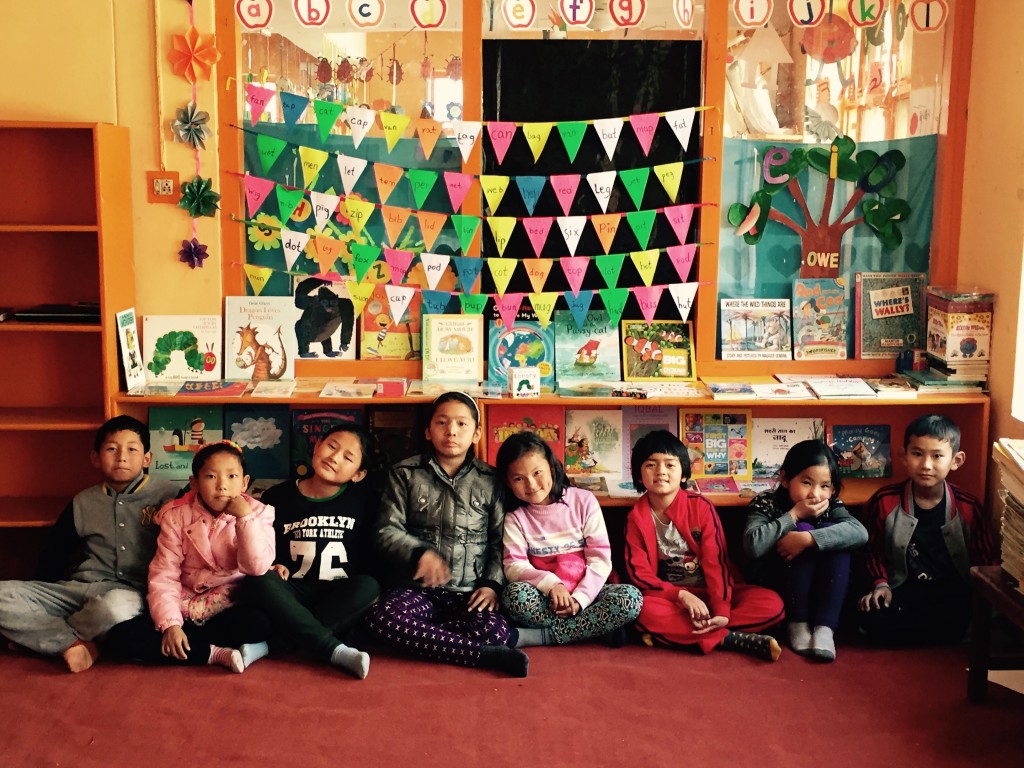
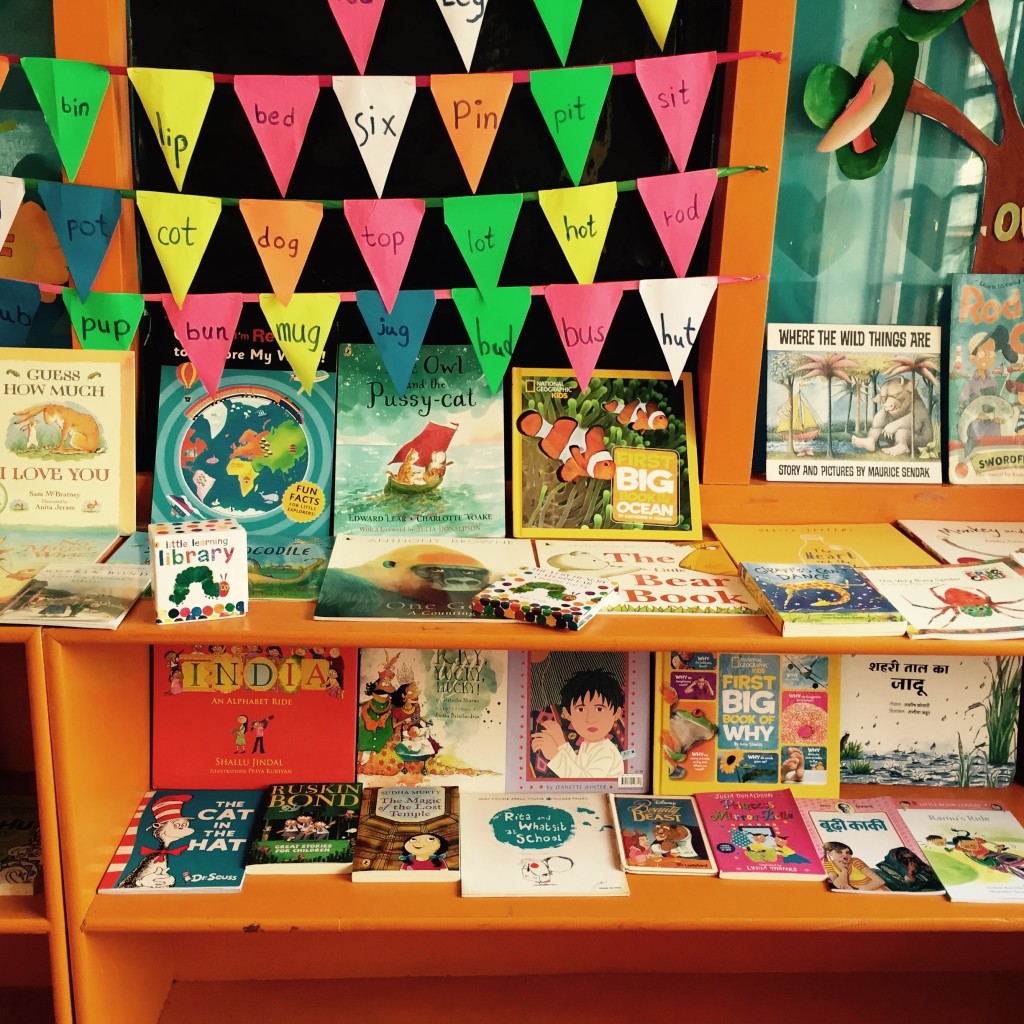
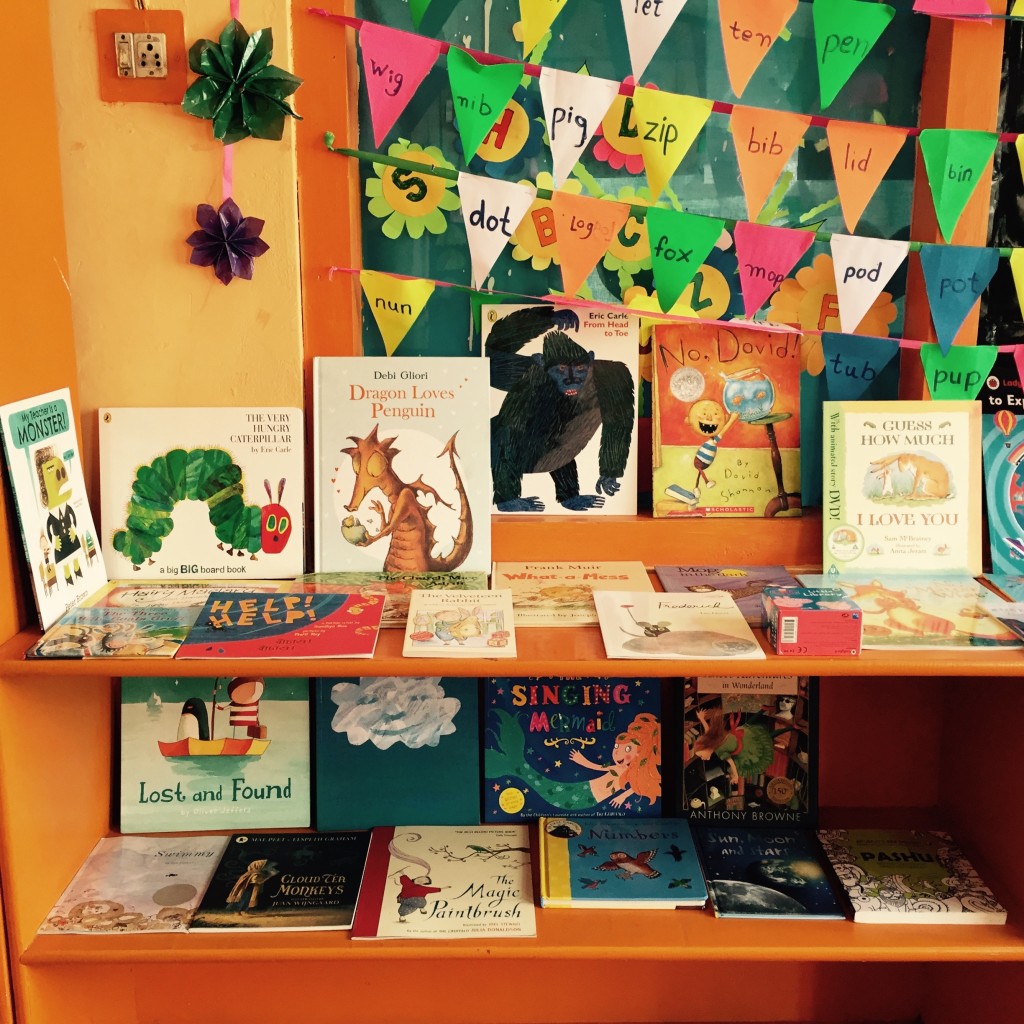
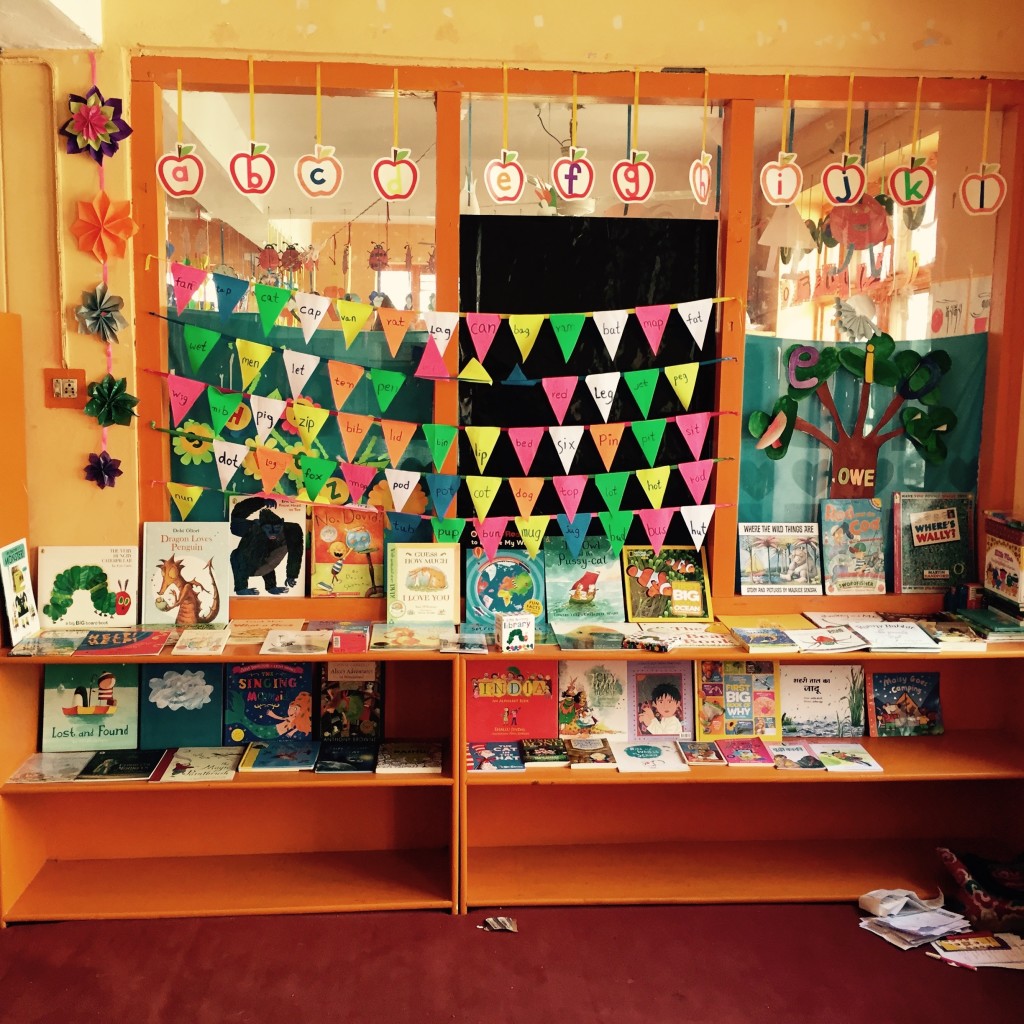
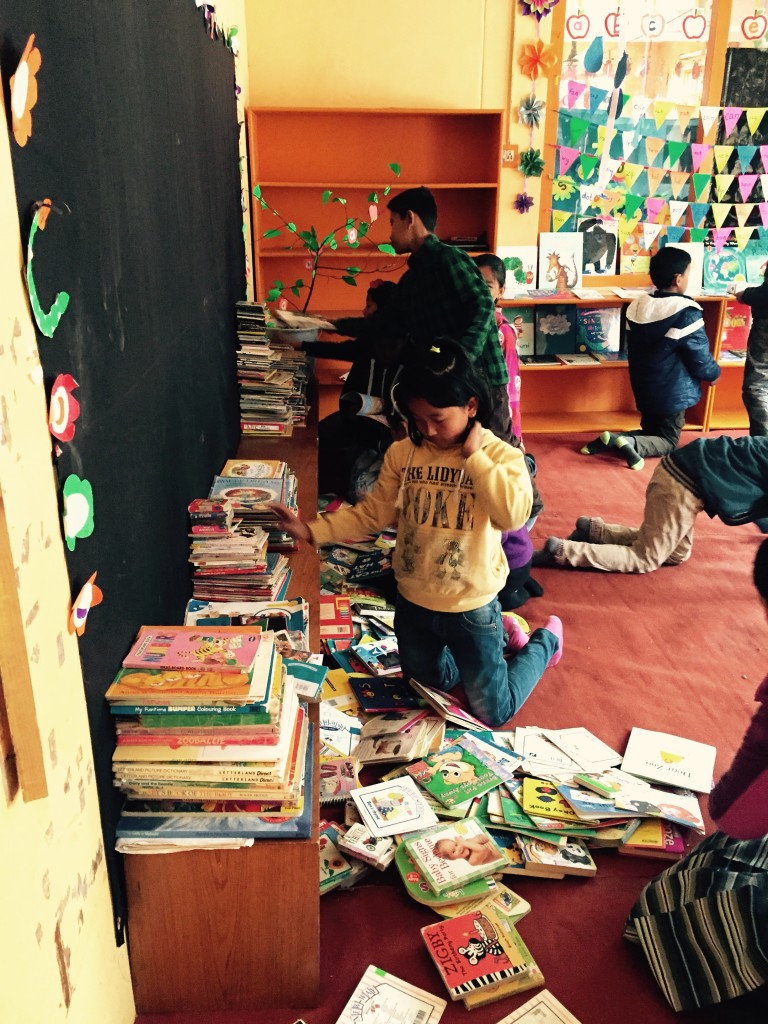
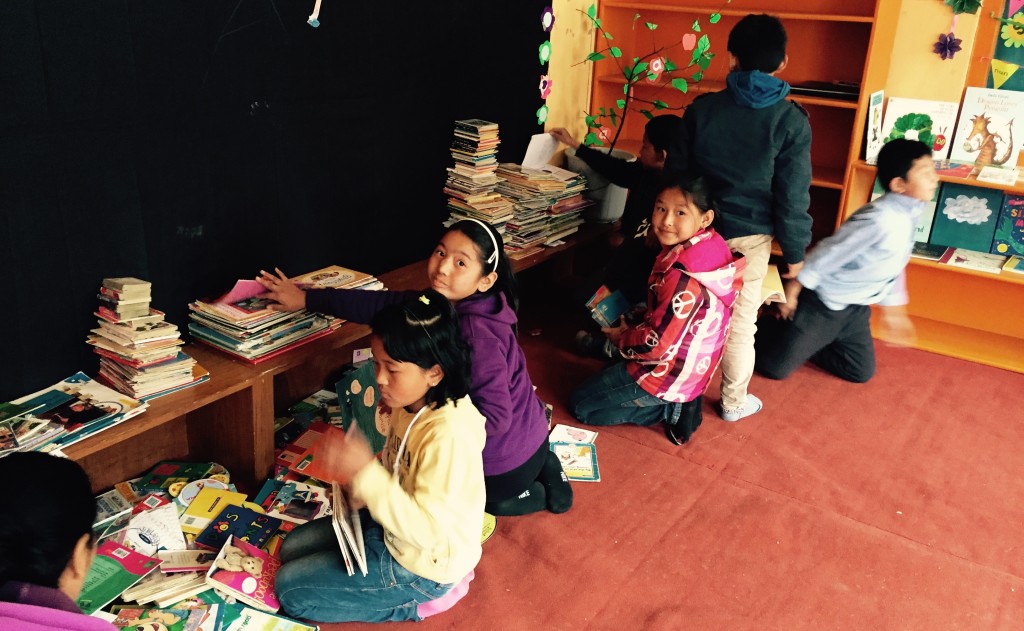
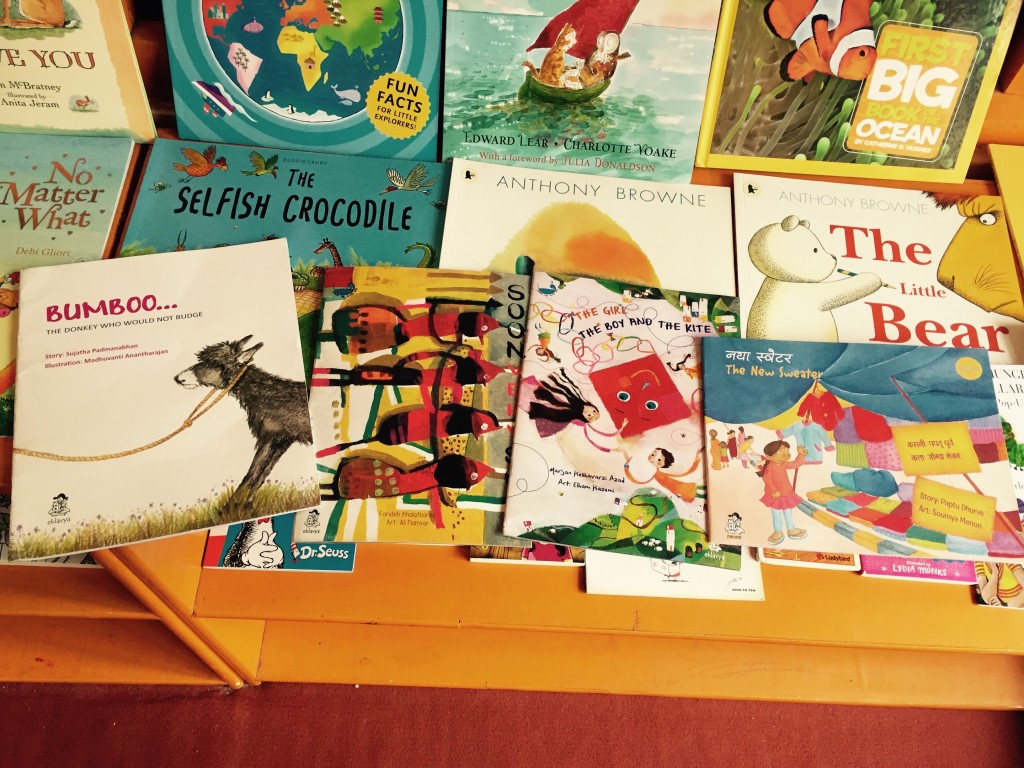
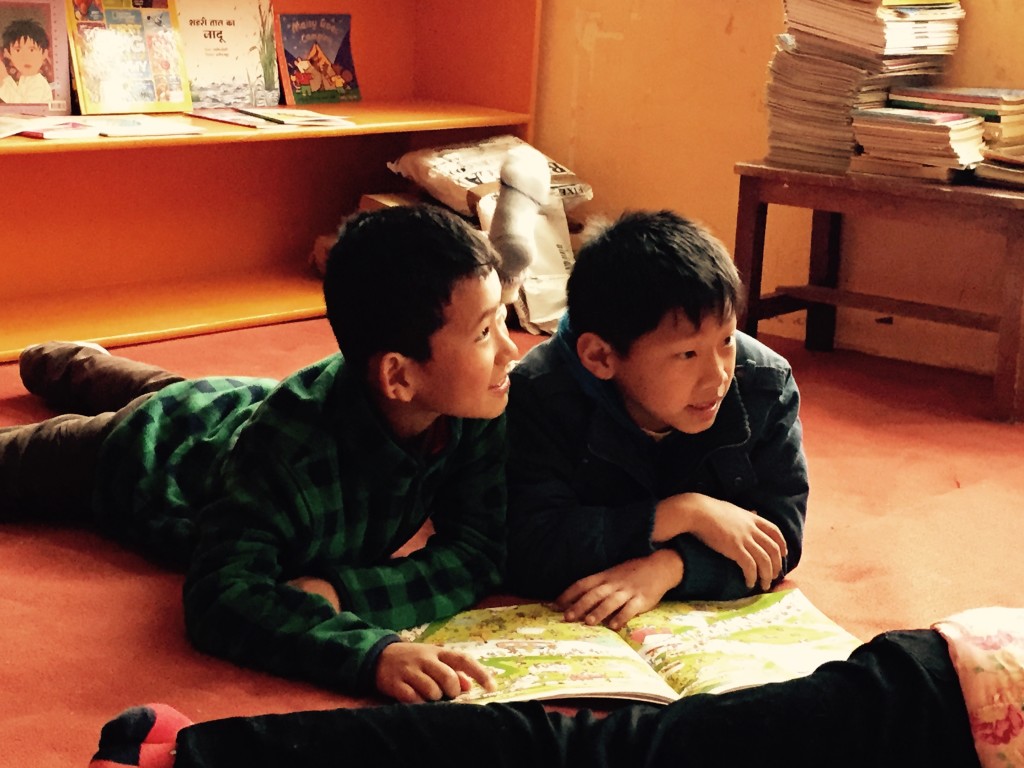
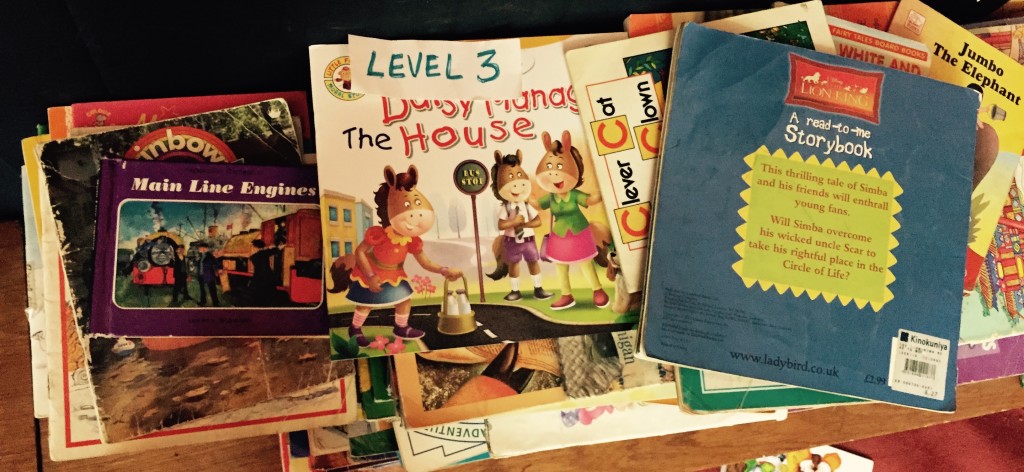
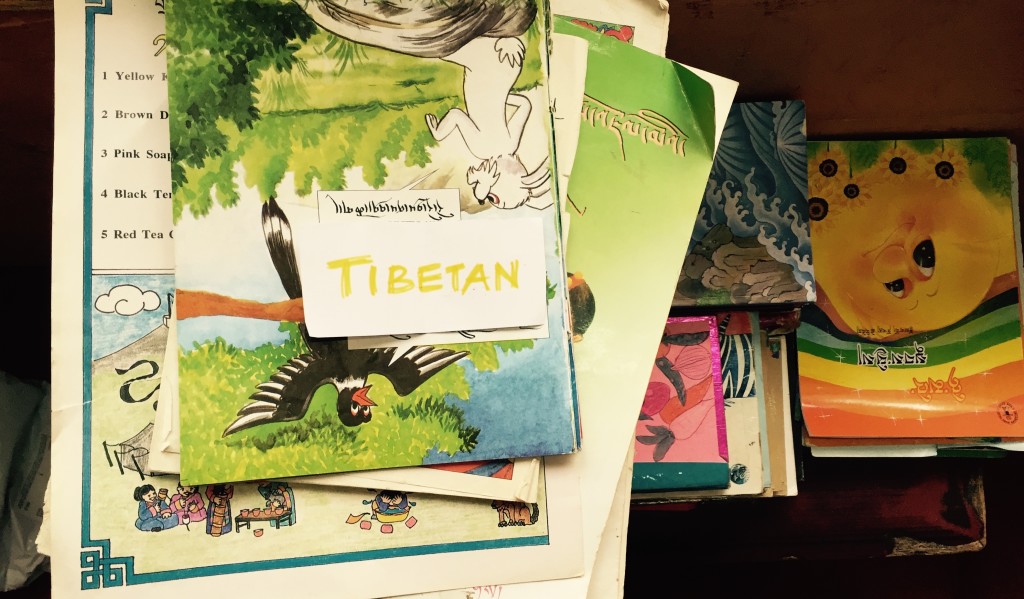
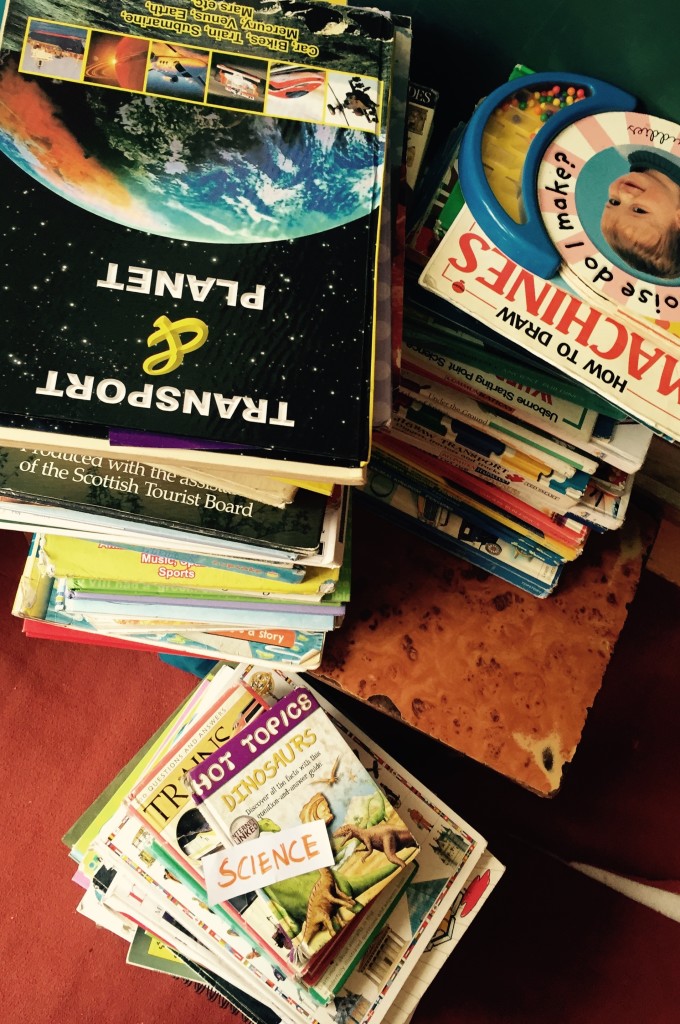
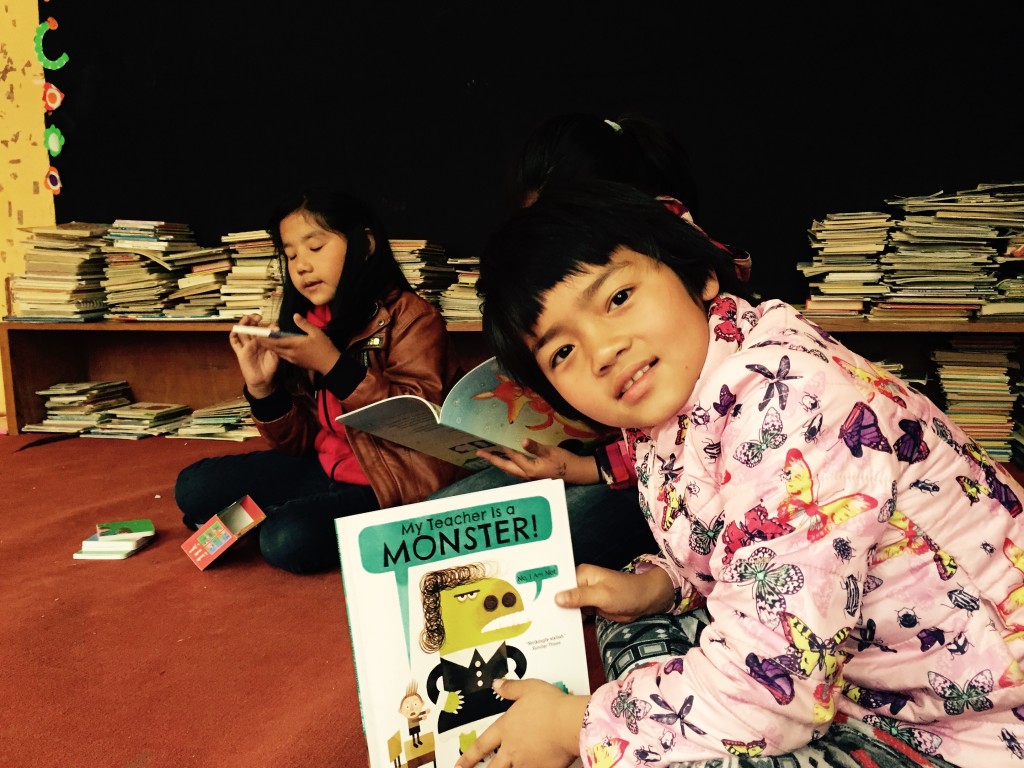
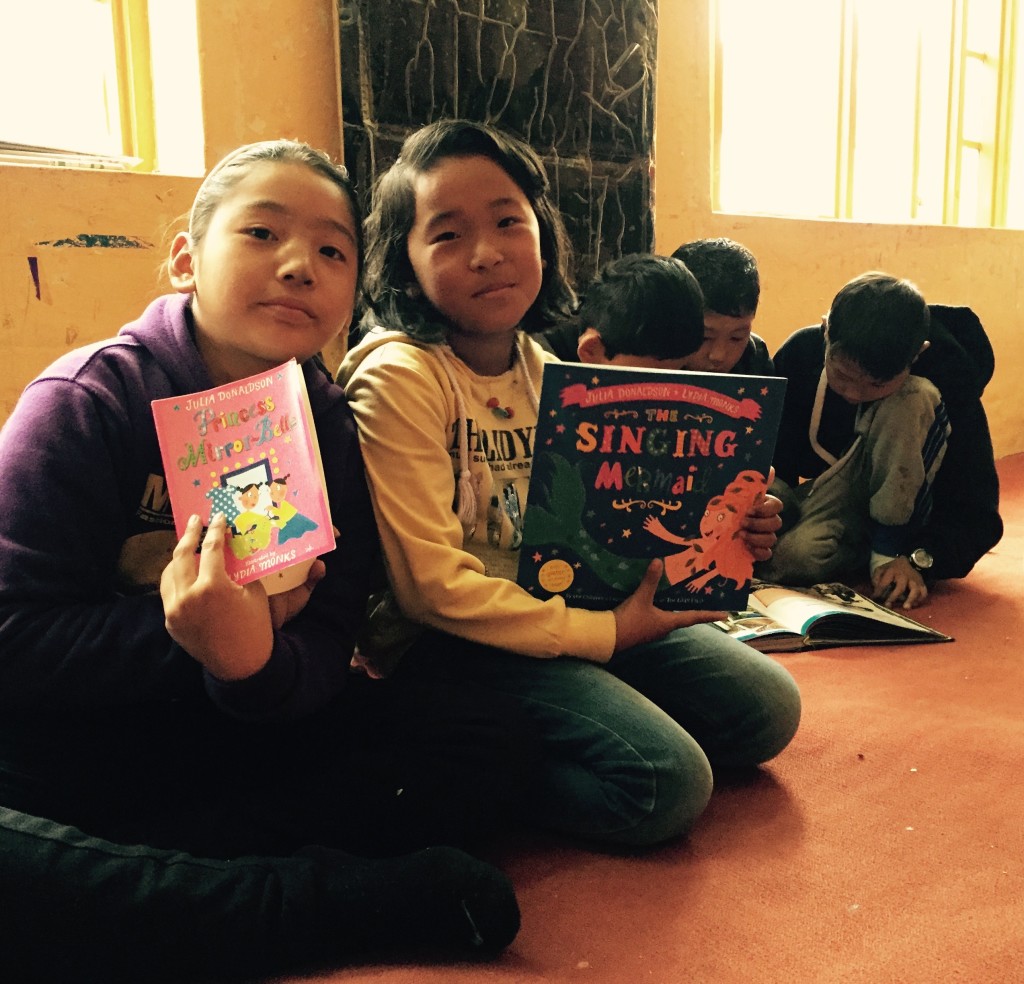
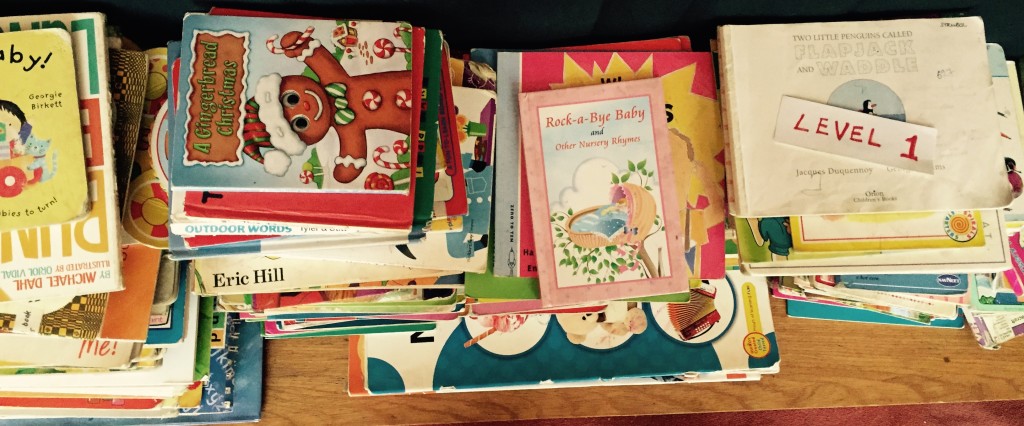
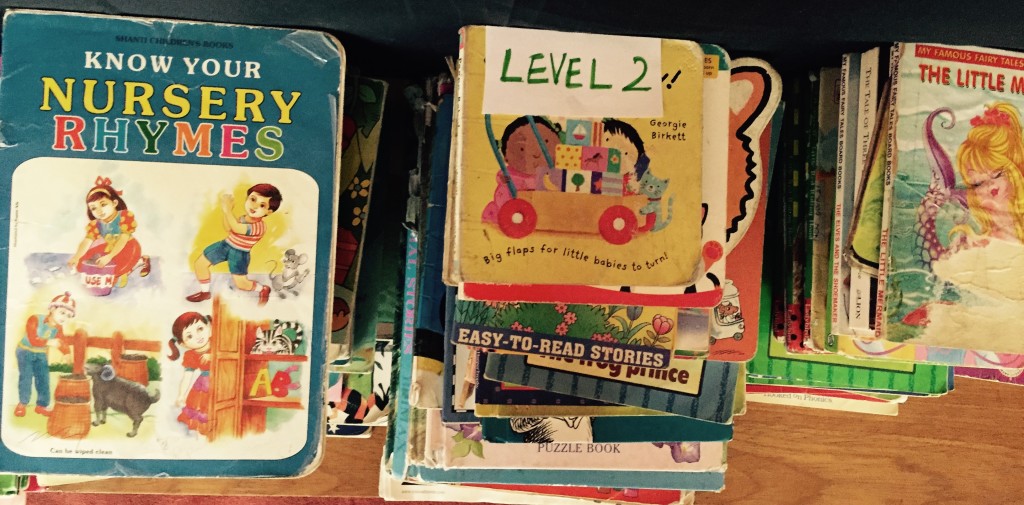
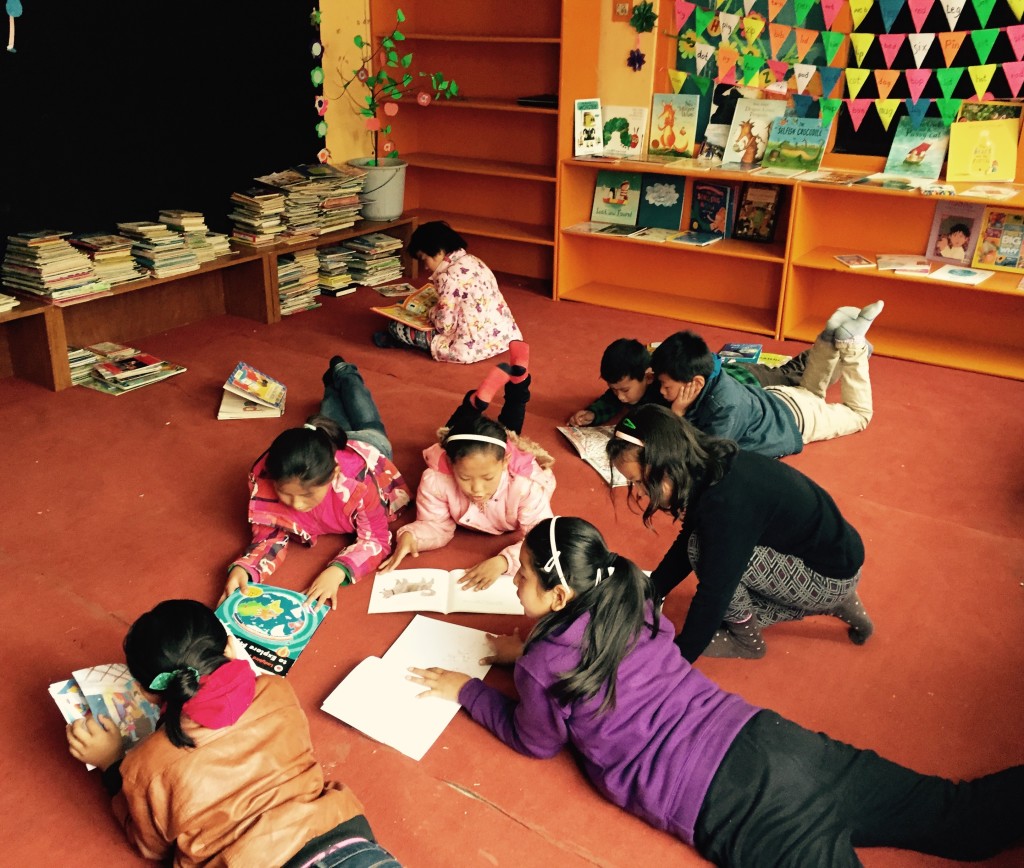
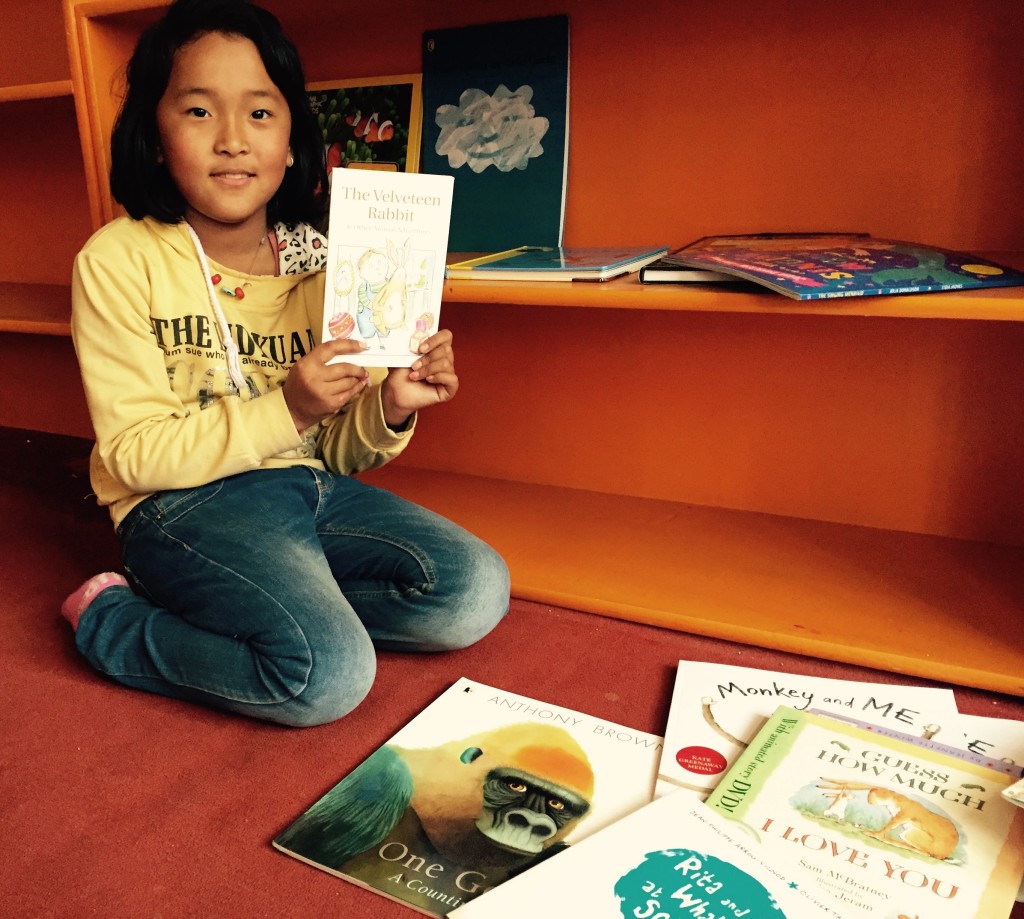
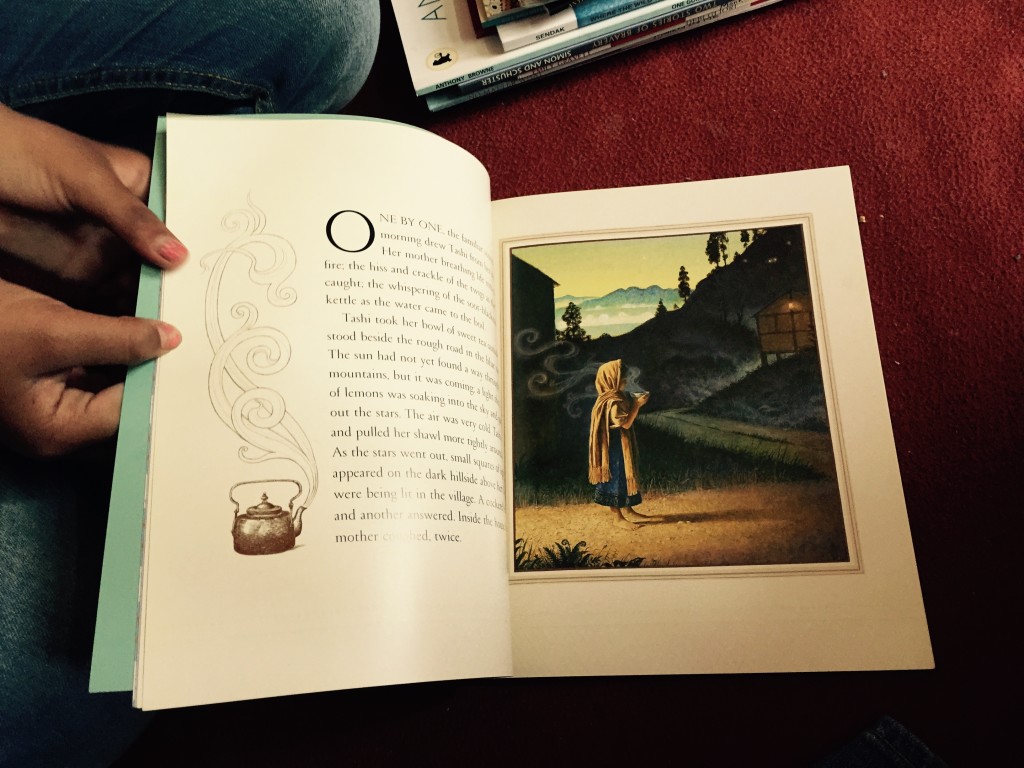
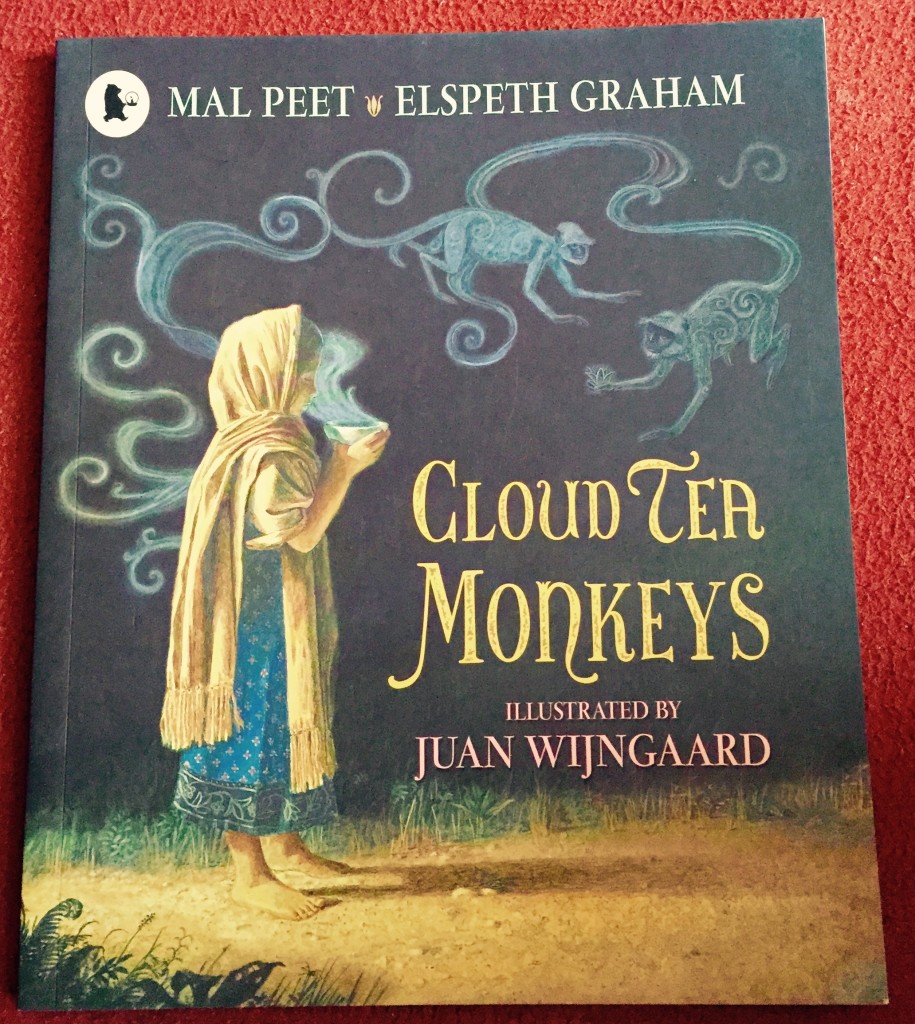
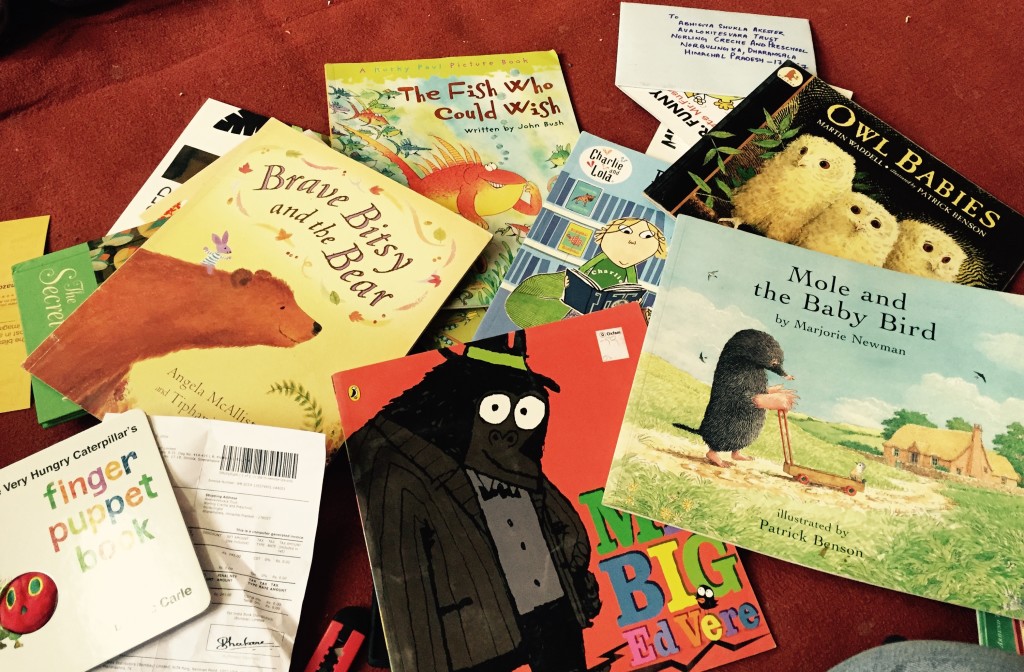
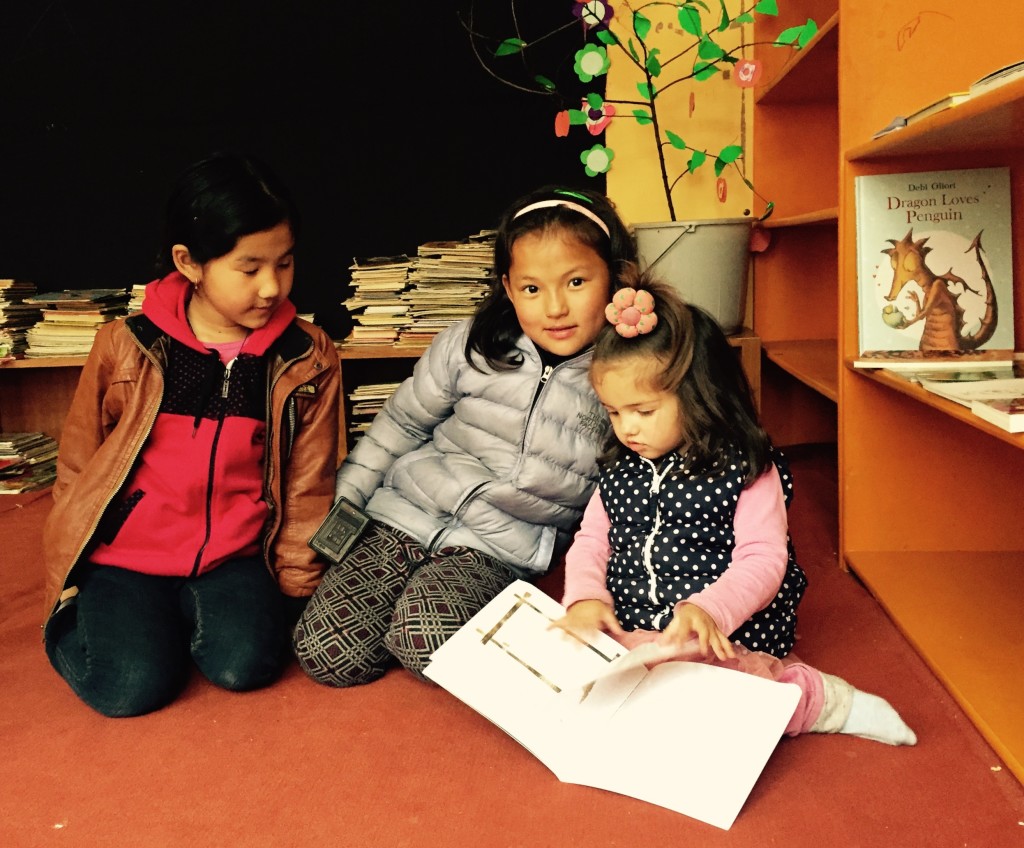
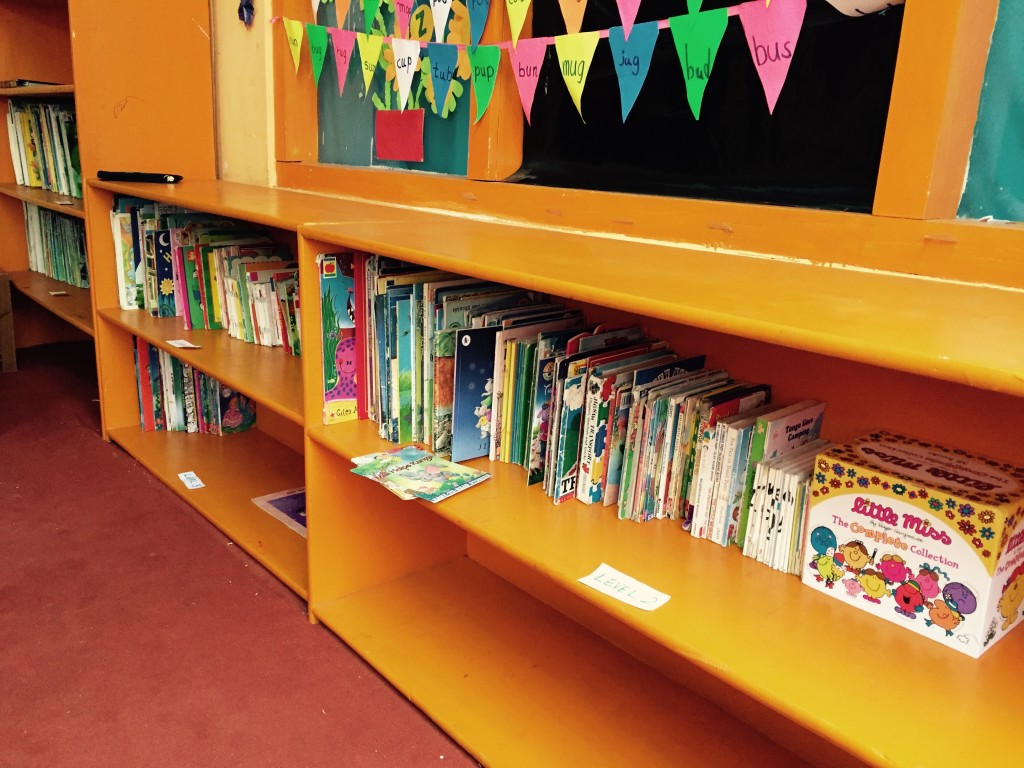
The Trust’s book drives and learning spaces create natural opportunities for this continuity. A story corner can include books about instruments, composers, animals, or local traditions. Children may read a short text, create a rhythm for it, and perform their interpretation. This combination of books and music encourages them to move between listening, reading, making, and presenting.
Relationships with local teachers are essential. Educators understand the community, maintain contact with families, and know how to adjust activities to the school calendar. When musicians work alongside them, the program becomes a shared resource rather than a one-time visit. Future volunteers can build on activities that have already proved meaningful.
How supporters can strengthen music education
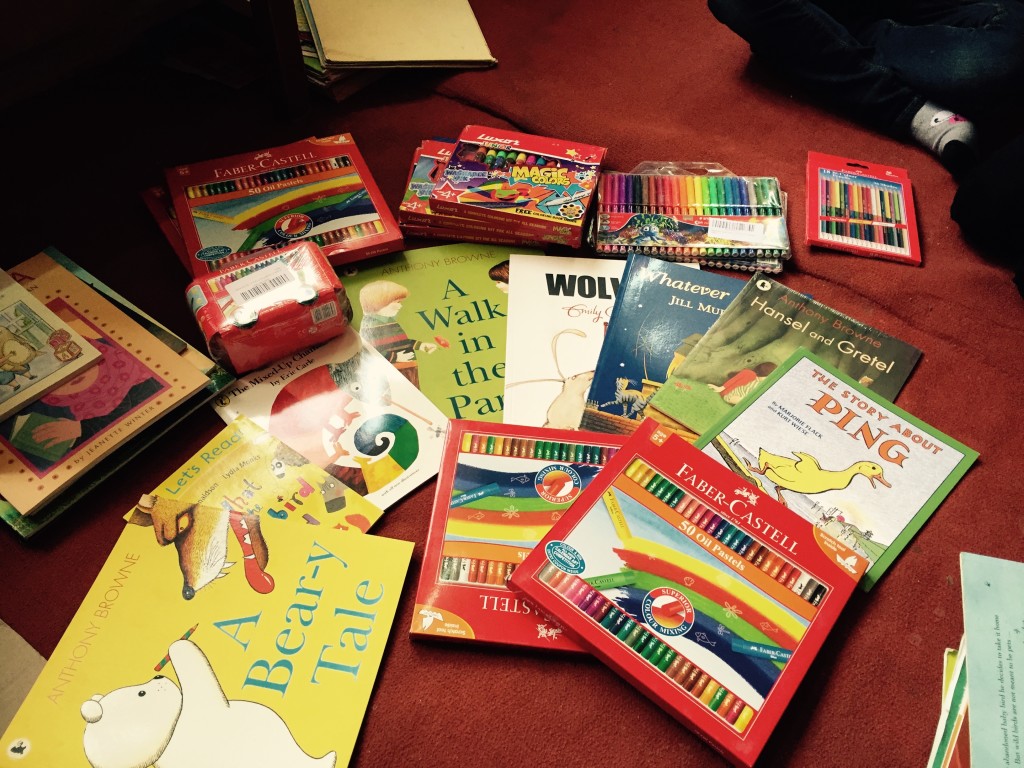
Reliable support helps bring musicians, instruments, and educational materials to communities that are difficult to reach. Donations can contribute to travel, instrument maintenance, workshop supplies, and the creation of durable resources for reading rooms and classrooms. Volunteer expertise is equally valuable when musicians can commit time to planning, teaching, or recording adaptable activities.
People who support this work can help in practical ways:
- Donate new or gently used child-friendly instruments that are easy to transport and maintain.
- Sponsor workshop materials such as strings, percussion accessories, notebooks, and craft supplies.
- Volunteer musical, teaching, translation, photography, or logistical skills.
- Share children’s learning stories responsibly to raise awareness of educational access in the Himalayas.
- Encourage schools, music groups, and community organizations to organize book or instrument drives.
Every contribution should be guided by local priorities. A well-chosen set of durable rhythm instruments may be more useful than a large collection of specialized equipment. Conversations with teachers and community partners help ensure that support fits the classroom, the climate, and the children who will use it.
When volunteer musicians bring rhythm to remote classrooms, they bring more than songs. They bring an invitation to listen closely, take creative risks, and work together. A beat shared by a whole group can turn an unfamiliar room into a community of learners.
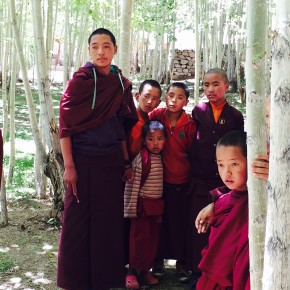
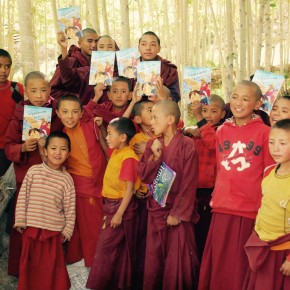
You can help extend that invitation by supporting the Trust’s educational programs, sharing useful instruments, or offering your own musical and teaching skills. Visit the organization’s work to learn how to contribute to reading rooms, arts activities, and learning opportunities for children and young monks across the Himalayan region.