A Guide To Cultural Etiquette For Volunteers In Ladakh
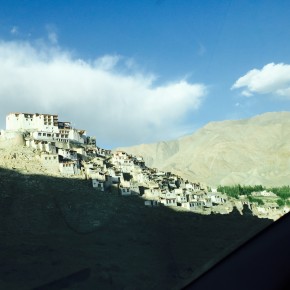
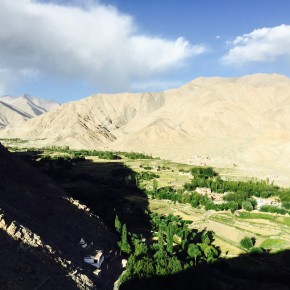
Volunteering in Ladakh is an opportunity to learn alongside children, young monks, teachers, families, and community leaders. The region’s high-altitude landscapes are striking, but its cultural life deserves equal attention. Buddhist monasteries, Muslim communities, village traditions, family networks, and local languages all shape how visitors are received and how educational projects function.
Good intentions are valuable, yet respectful conduct requires more than enthusiasm. Volunteers should arrive ready to observe, listen, and adapt rather than assume that familiar habits will translate easily. A calm manner, modest clothing, and patience often communicate respect more clearly than elaborate words.
This cultural etiquette guide focuses on practical choices that support trust. Whether you are helping in a reading room, joining a book drive, leading an art activity, or visiting a monastery, your behavior can strengthen the work you came to support.
Begin with humility and local guidance
Ladakh is culturally diverse. Leh, remote villages, monastic settlements, and Muslim-majority communities may have different customs and expectations. Avoid treating the region as a single cultural setting or assuming that an approach welcomed in one community will be appropriate elsewhere.
Before beginning a placement, listen carefully to the local coordinator. Ask about greetings, appropriate clothing, photography, schedules, religious spaces, and family protocols. Local staff understand relationships that visitors cannot learn from a short orientation, so their guidance should shape your daily conduct.
Learn a few useful words in Ladakhi or the language commonly spoken in your host community. “Juley” is widely used as a greeting, farewell, and expression of thanks, although pronunciation and usage can vary. Using local words respectfully is appreciated, while attempting to imitate accents or turning language practice into a performance is best avoided.
Dress and greetings that show respect
Modest clothing is appropriate throughout Ladakh, especially in villages, monasteries, schools, and family homes. Choose trousers or long skirts, shirts that cover the shoulders, and layers that are practical for changing temperatures. Very short shorts, low-cut tops, and revealing clothing may make community members uncomfortable even when such clothes are normal in your home country.
Remove your shoes when entering a home or any place where local people indicate that footwear should be left outside. Greet people calmly, with a smile and “Juley,” and allow them to decide whether a handshake is welcome. Some people may prefer a verbal greeting or a slight nod, particularly in religious settings.
When visiting a family, accept tea or a small offering graciously when possible. If you have dietary restrictions, explain them politely rather than rejecting food abruptly. Hospitality is often an important part of relationship-building, and a respectful explanation allows your host to respond without embarrassment.
Visiting monasteries and sacred places
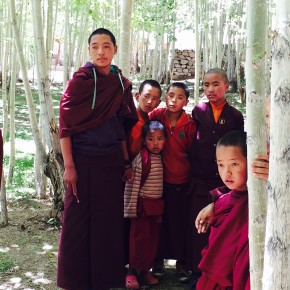
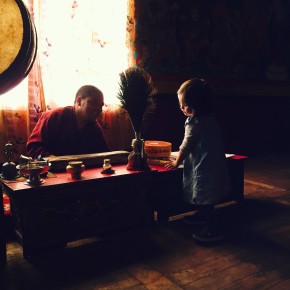
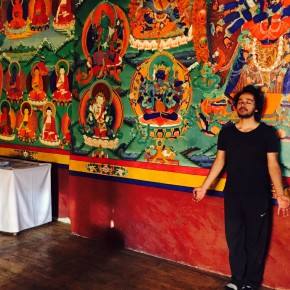
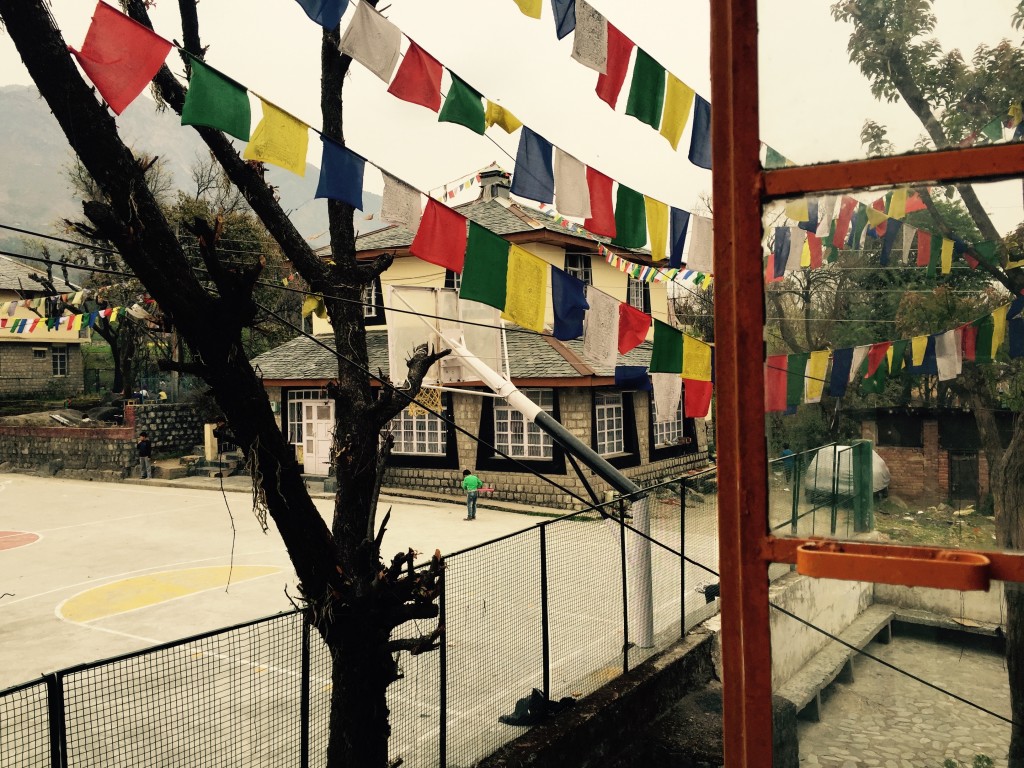
Monasteries are active religious spaces, not simply attractions. Keep your voice low, dress conservatively, and follow signs or instructions from monks and local guides. Ask before entering restricted rooms, sitting in a particular place, or joining a ceremony. Some areas may be closed to visitors, and those boundaries should be accepted without complaint.
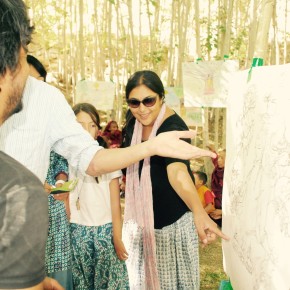
Walk clockwise around stupas, mani walls, and prayer wheels unless local instructions say otherwise. Avoid touching statues, scriptures, ritual objects, or offerings. Do not sit with your feet directed toward a shrine, teacher, monk, or sacred image. Pointing with a finger can also seem impolite; use an open hand when indicating a person or object.
Photography calls for special care. Always ask before photographing monks, worshippers, ceremonies, and children. A monastery may permit general photographs while prohibiting cameras in a prayer hall. Turn off flash and never interrupt prayer, teaching, or quiet reflection to get a picture.
| Situation |
Respectful approach |
Avoid |
| Entering a home |
Remove shoes and wait for guidance |
Walking in without invitation |
| Greeting someone |
Use “Juley,” a nod, or an offered handshake |
Insisting on physical contact |
| Visiting a monastery |
Dress modestly and follow signs |
Treating sacred areas as tourist scenery |
| Taking photographs |
Ask permission first |
Photographing people secretly |
| Working with children |
Follow safeguarding rules and staff direction |
Offering private gifts or making promises |
| Sharing food or materials |
Check local preferences and needs |
Assuming every gift is suitable |
Working with children and young monks
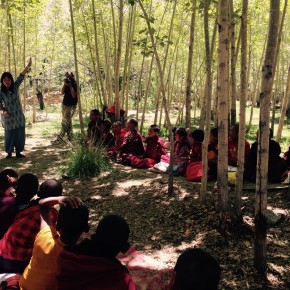
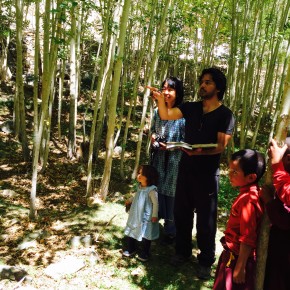
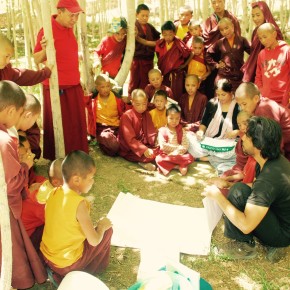
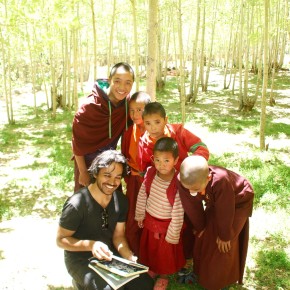
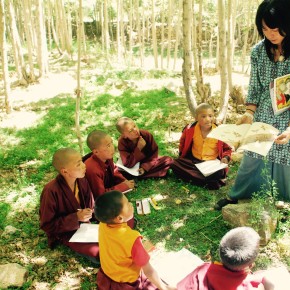
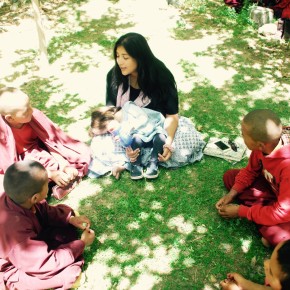
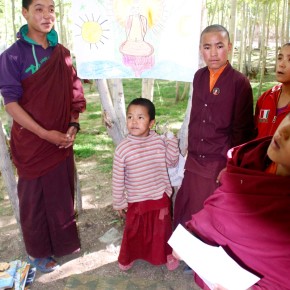
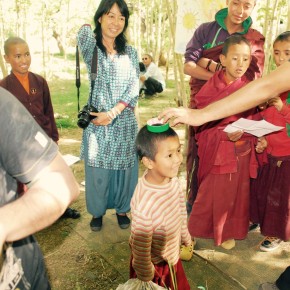
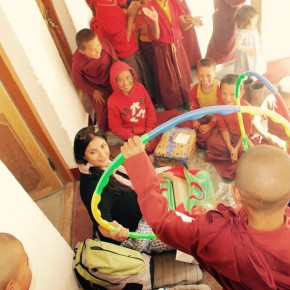
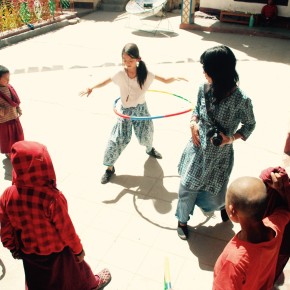
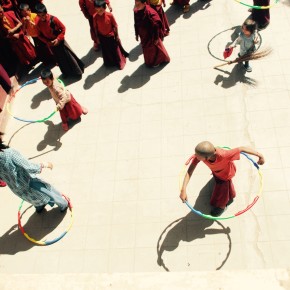
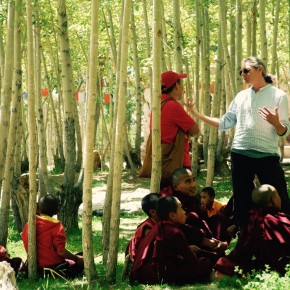
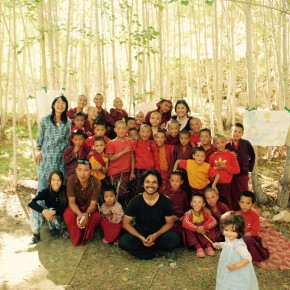
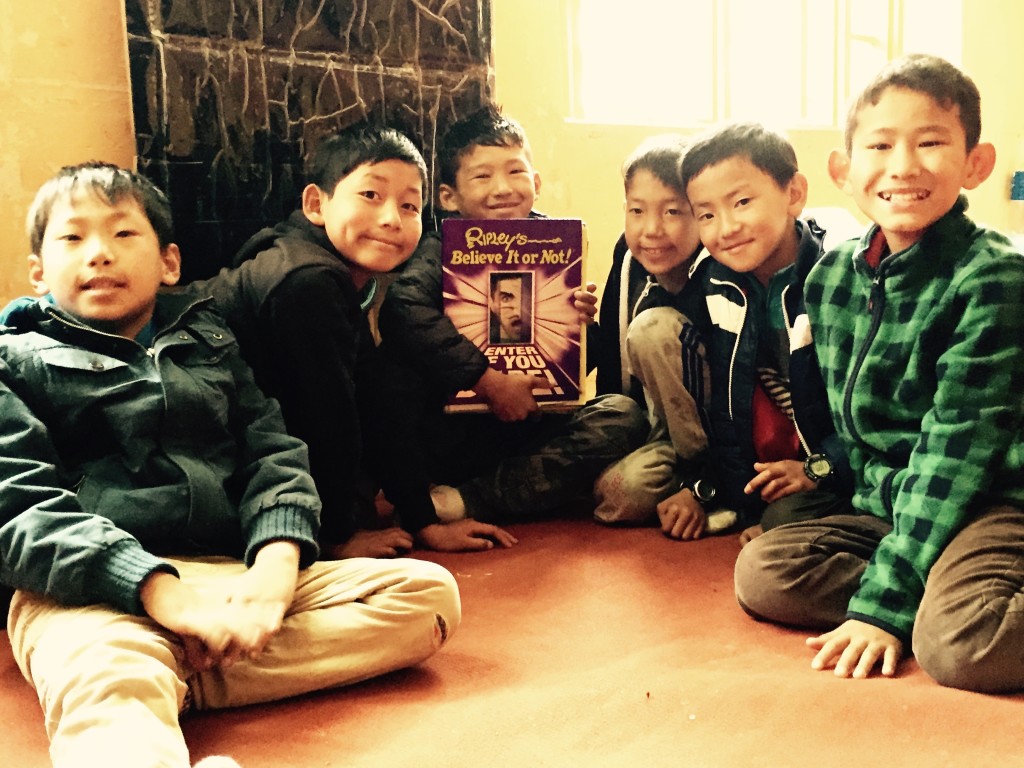
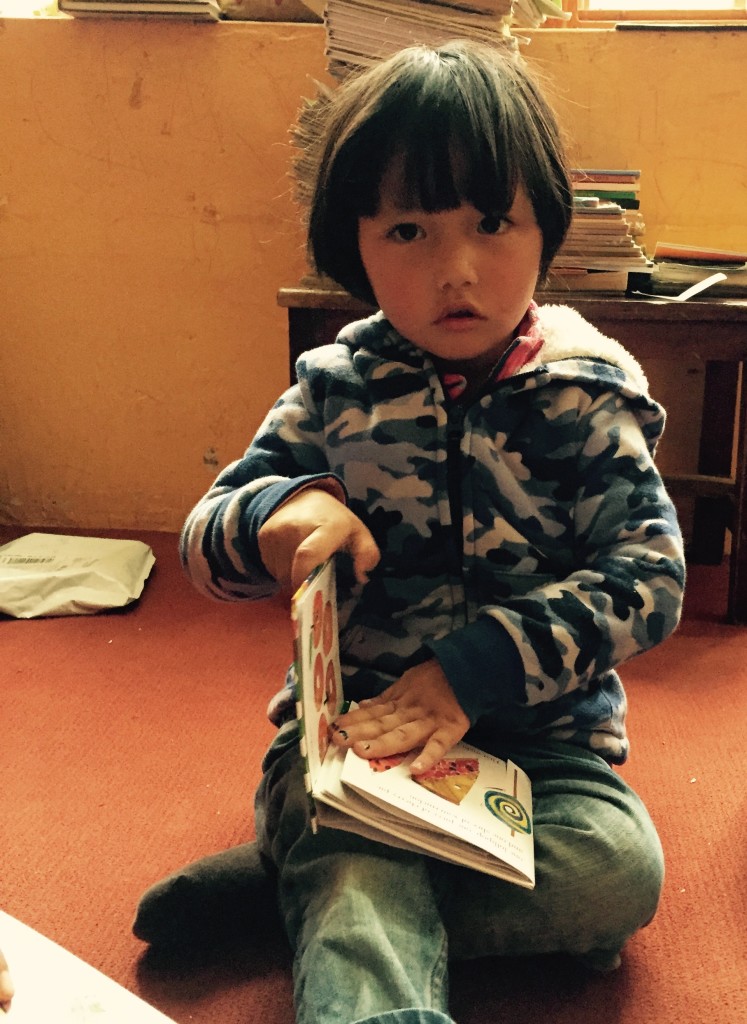
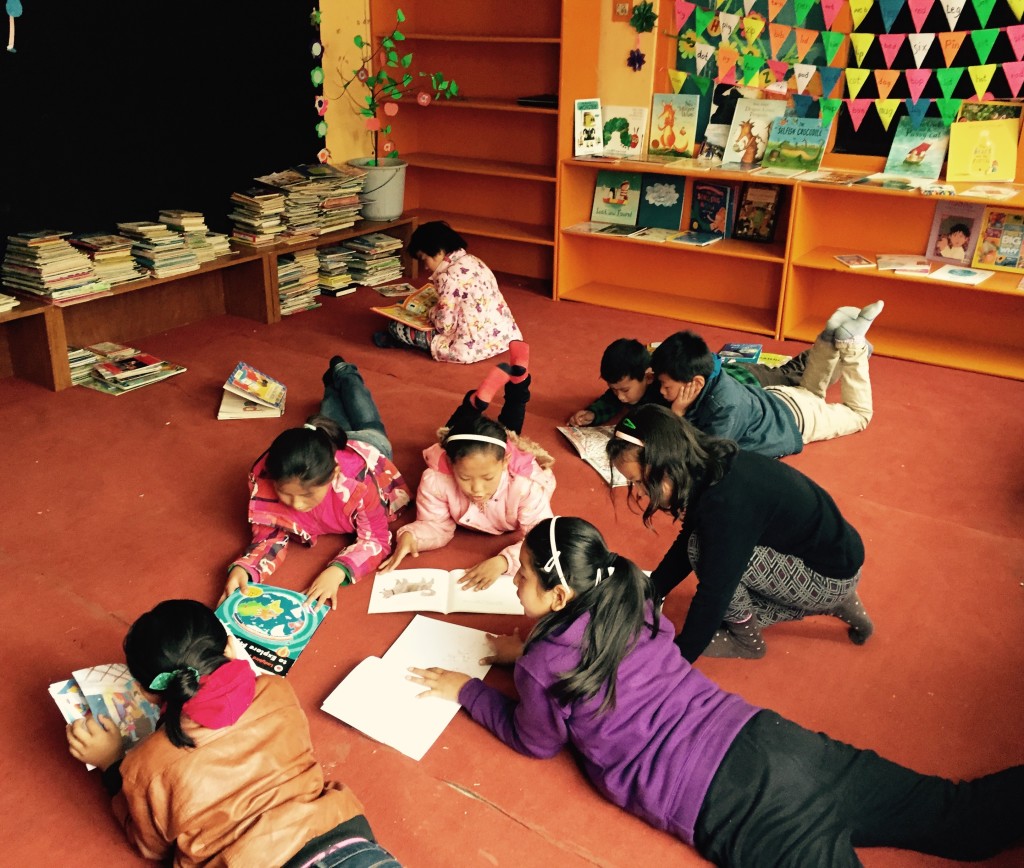
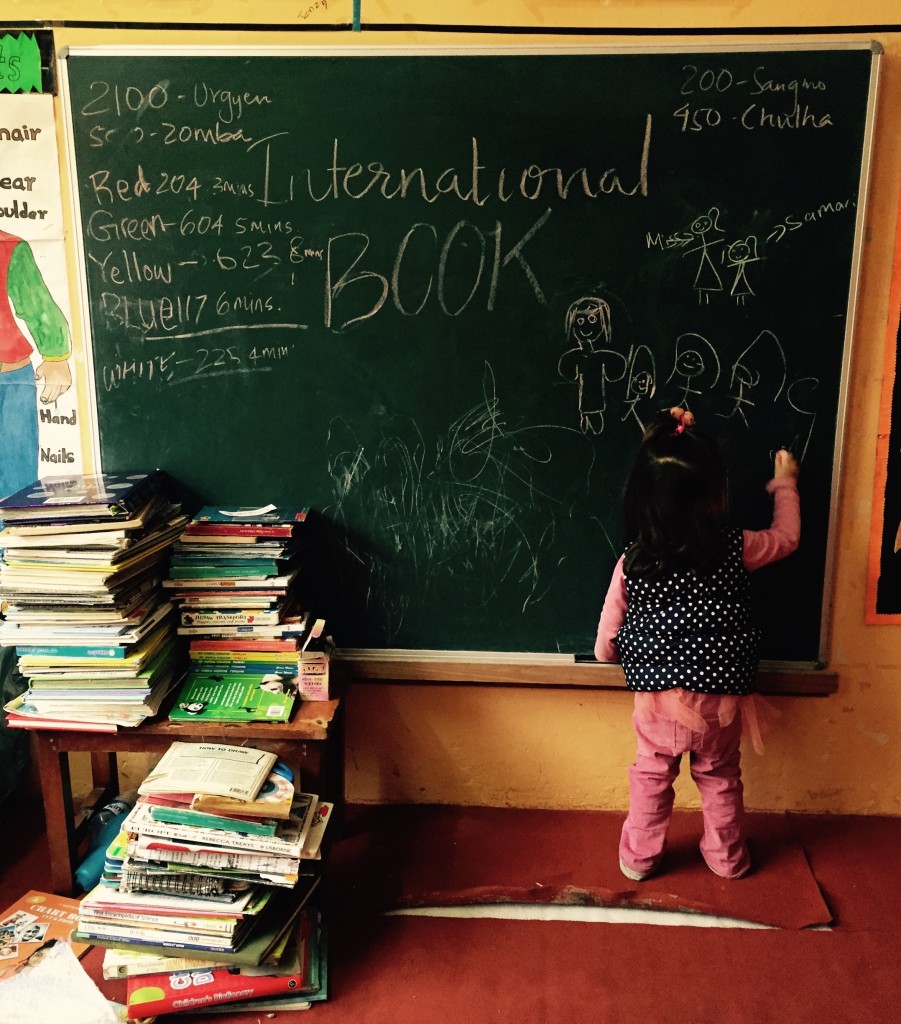
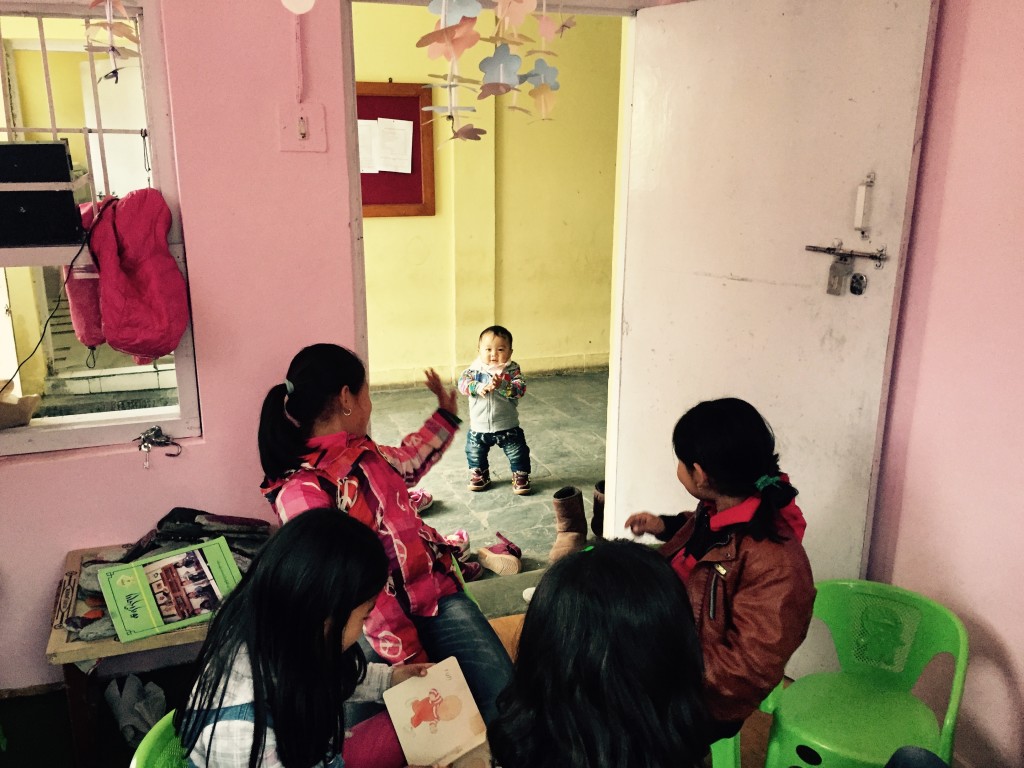
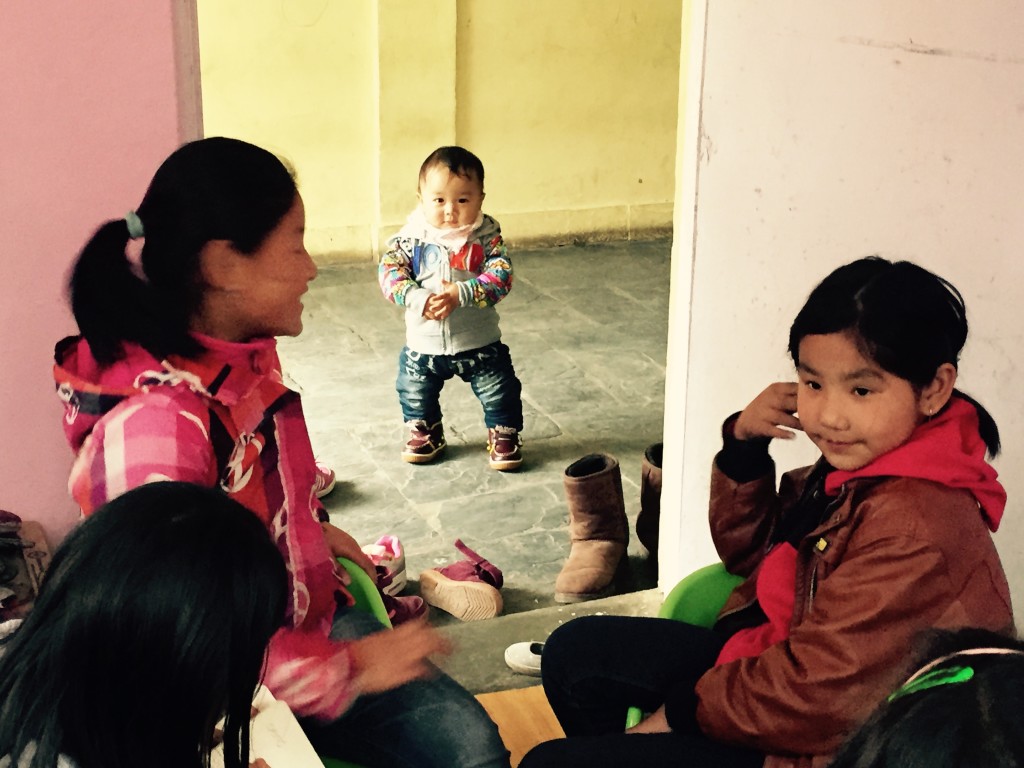
Educational volunteering should protect children’s dignity, privacy, and independence. Introduce yourself clearly, follow the host organization’s safeguarding procedures, and keep activities appropriate to age and ability. A child may be curious about a foreign visitor, but friendliness does not equal permission for hugs, private messages, or one-to-one contact outside agreed settings.
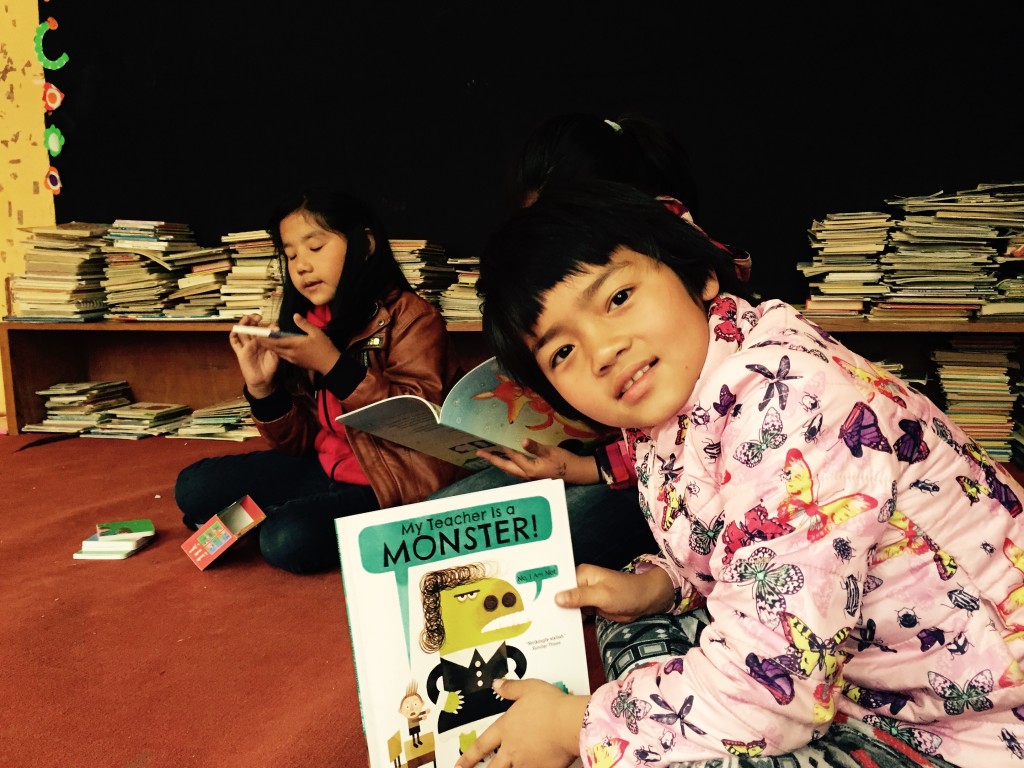
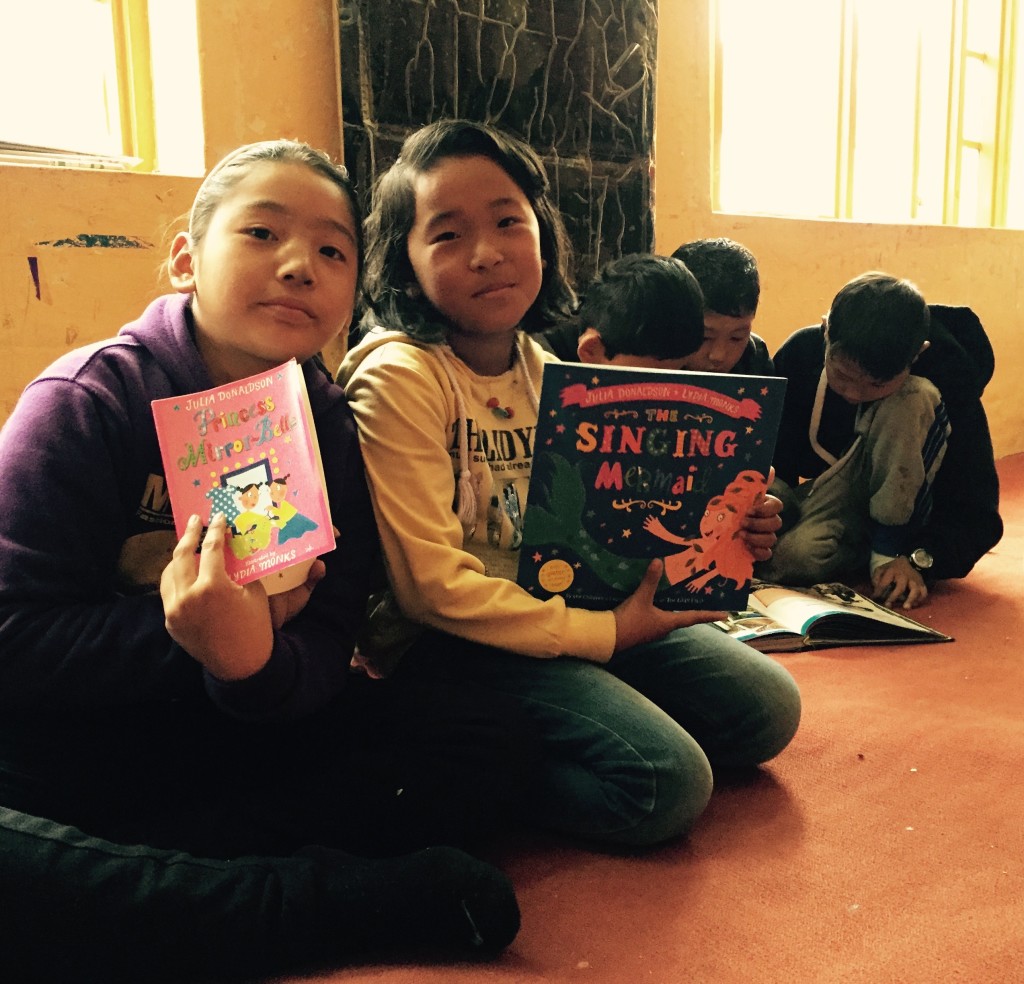
Do not use children as props for travel stories or social media. Ask the program leader about photography permissions, and respect a child’s decision not to be photographed. Avoid publishing names, school details, or identifiable personal stories unless the organization has confirmed that consent and safeguarding requirements have been met.
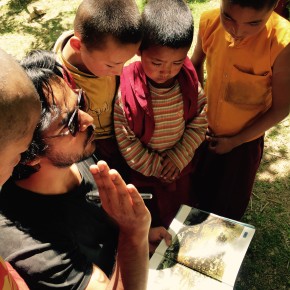
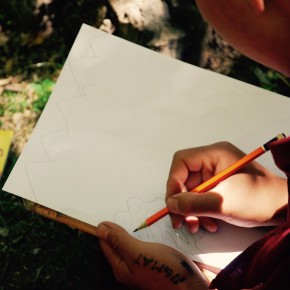
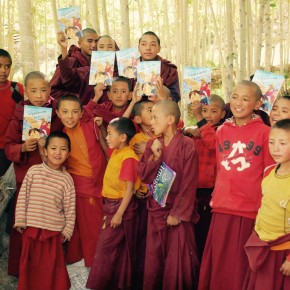
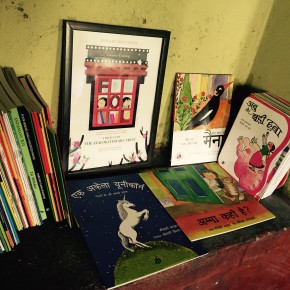
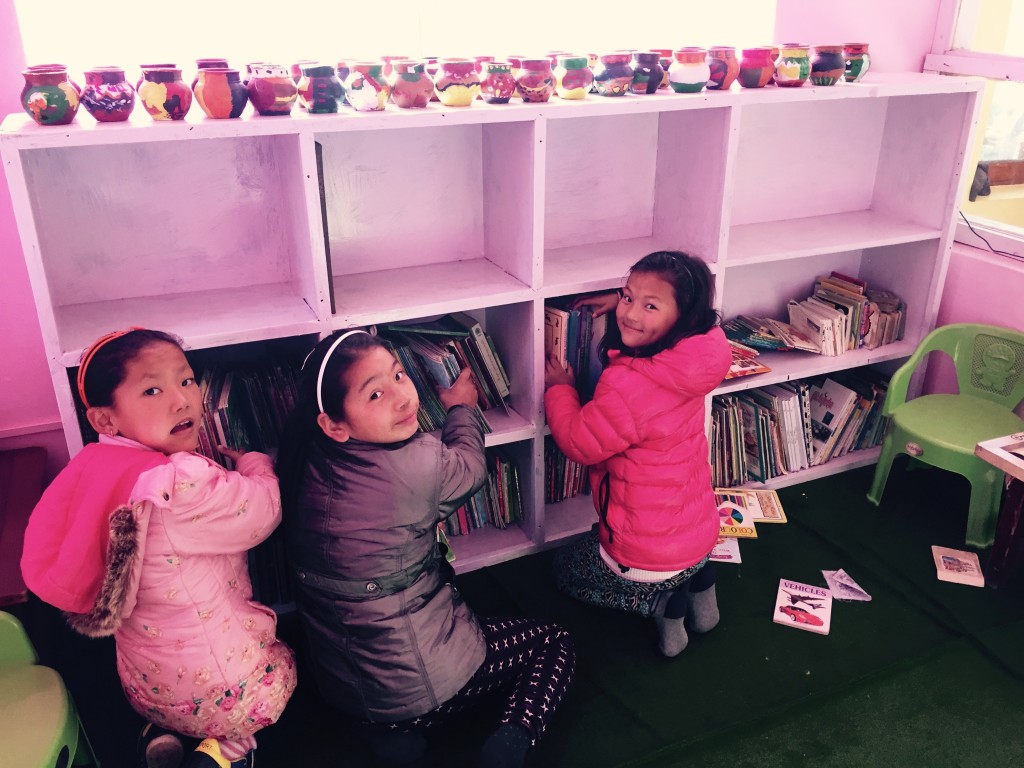
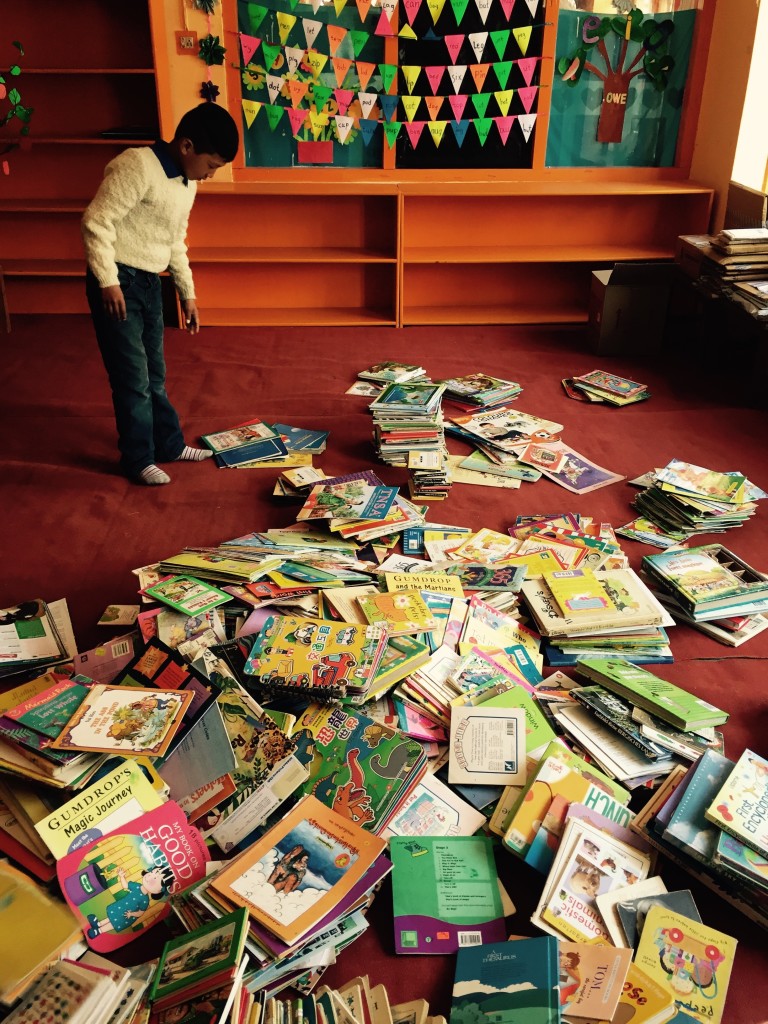
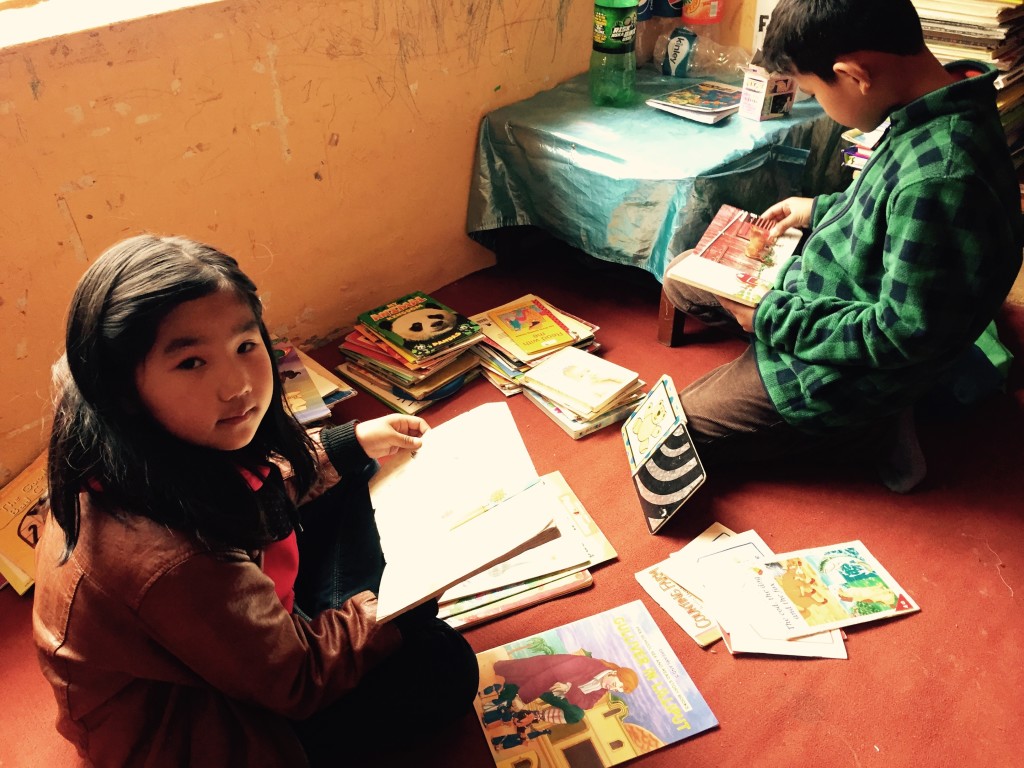
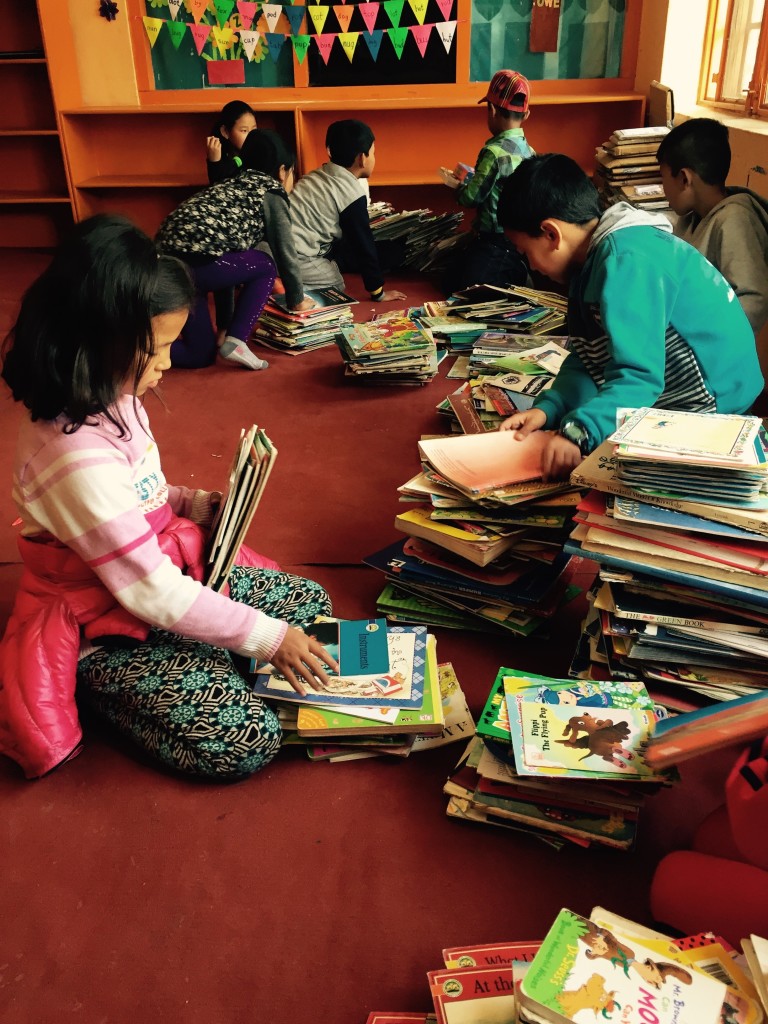
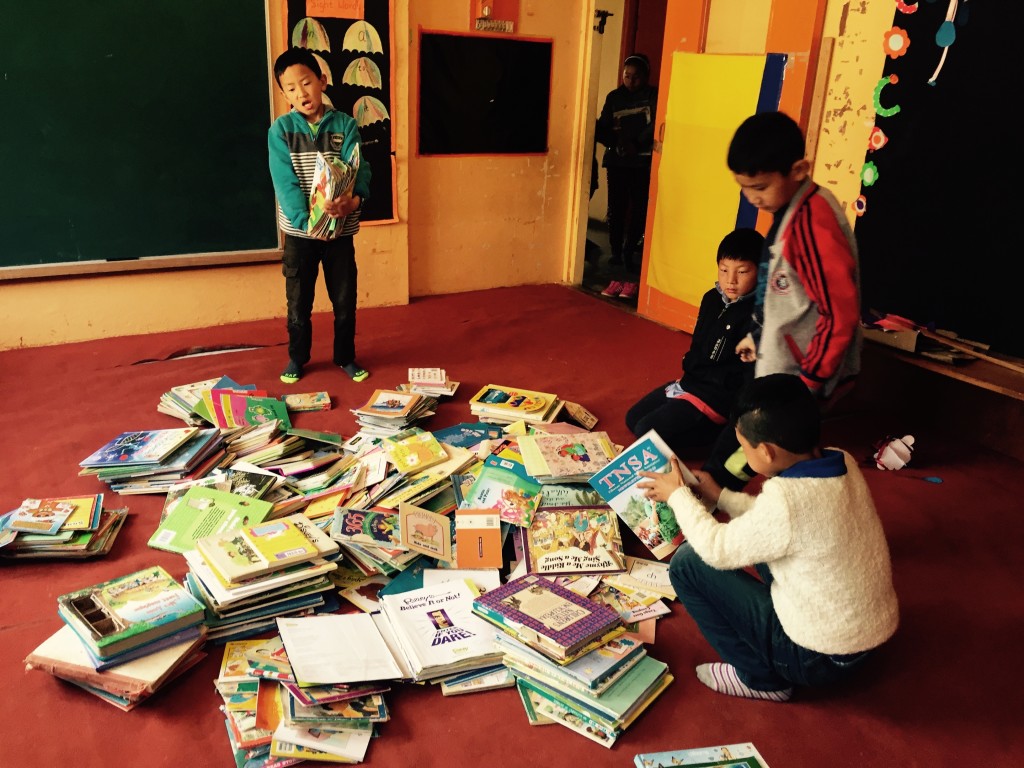
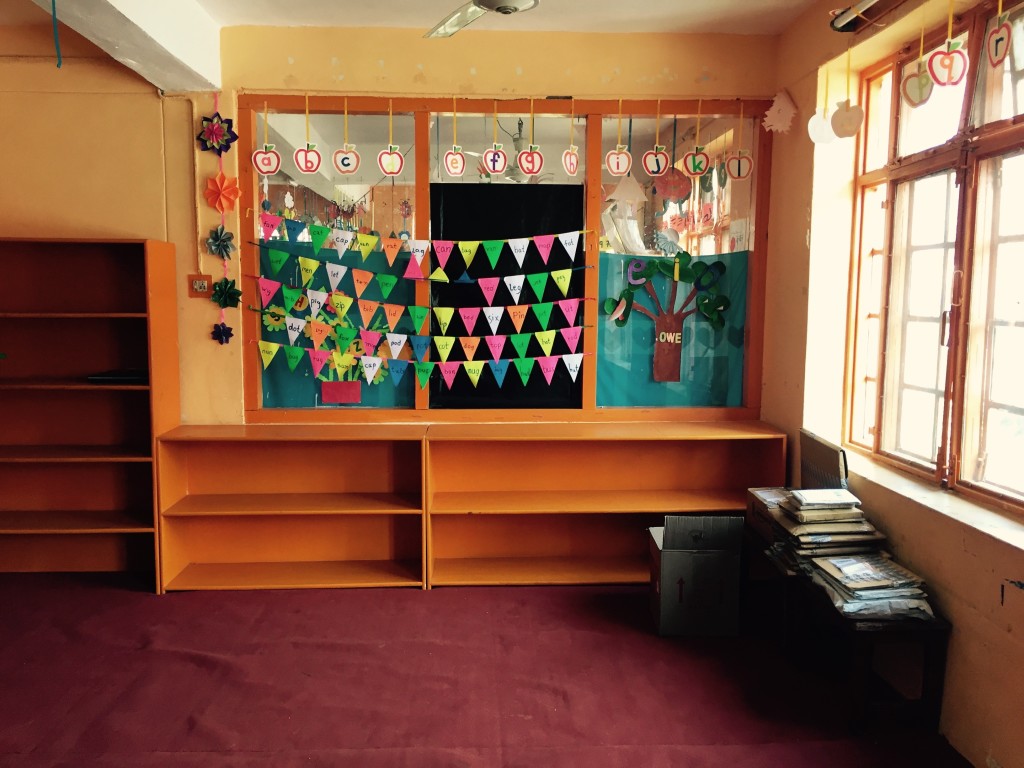
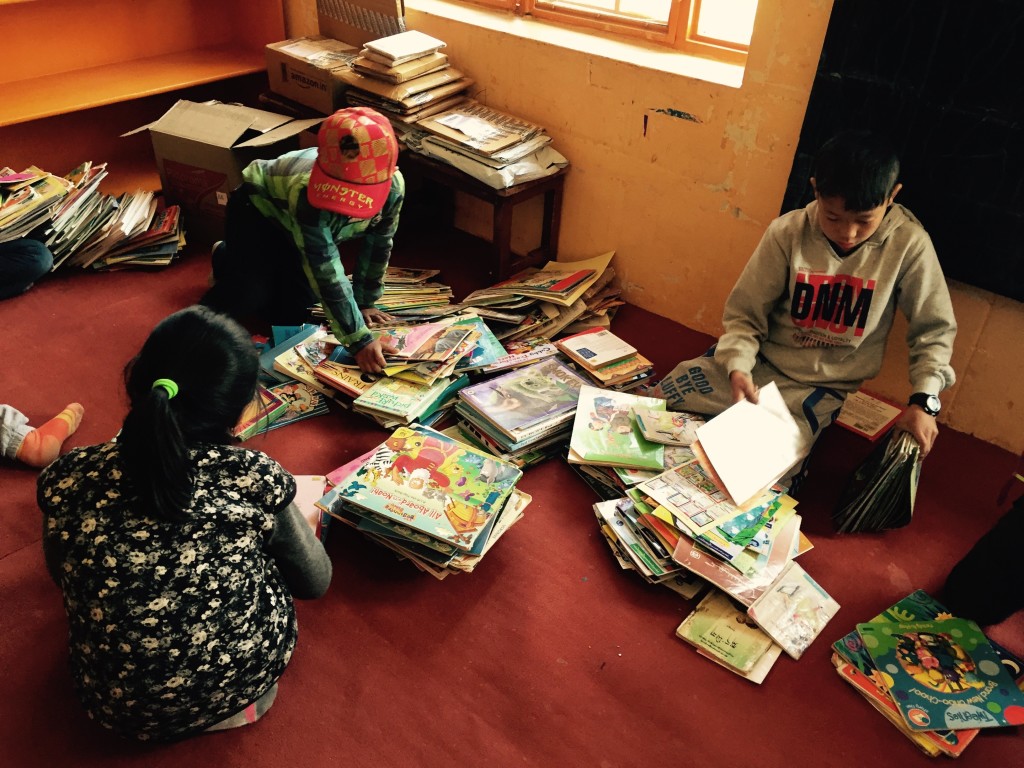
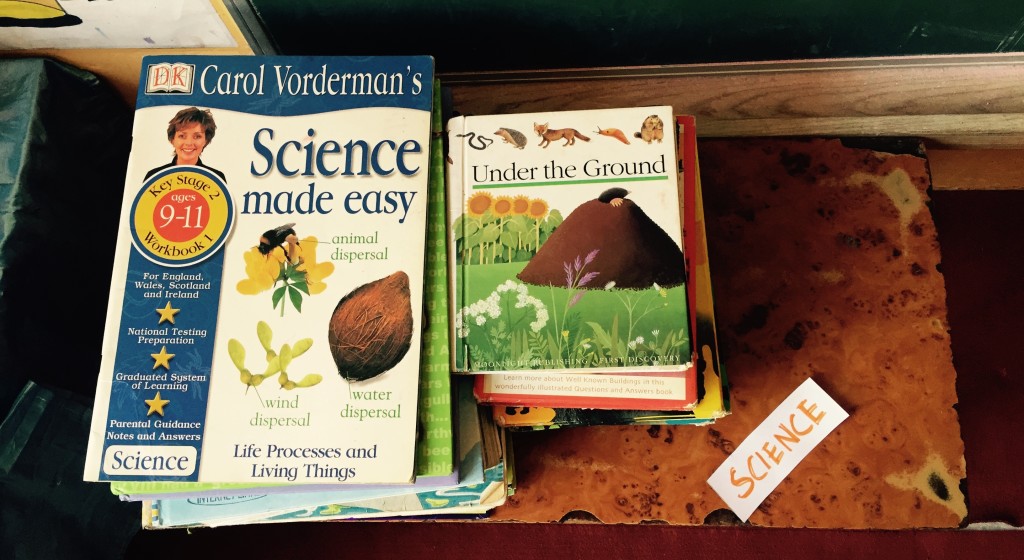
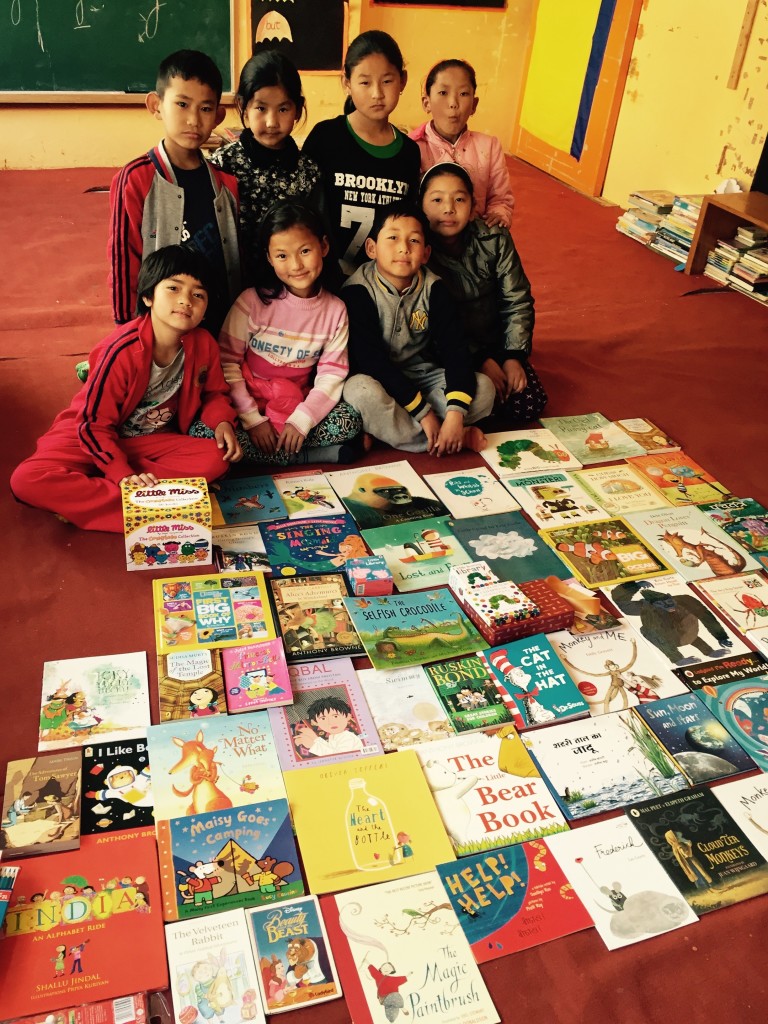
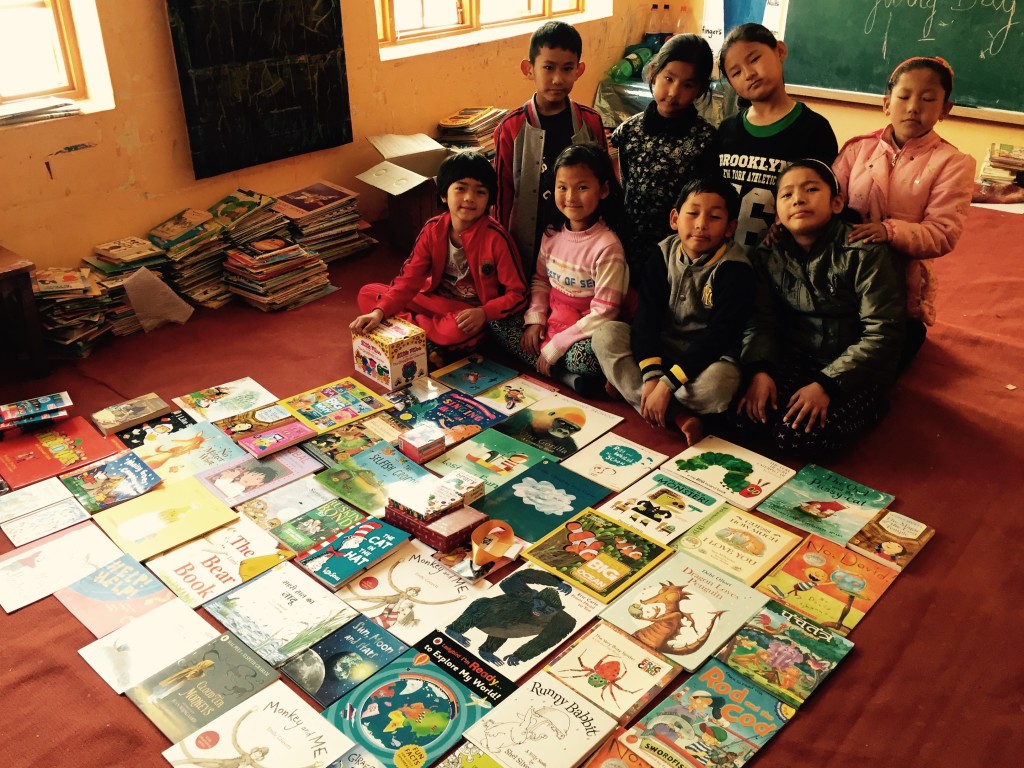
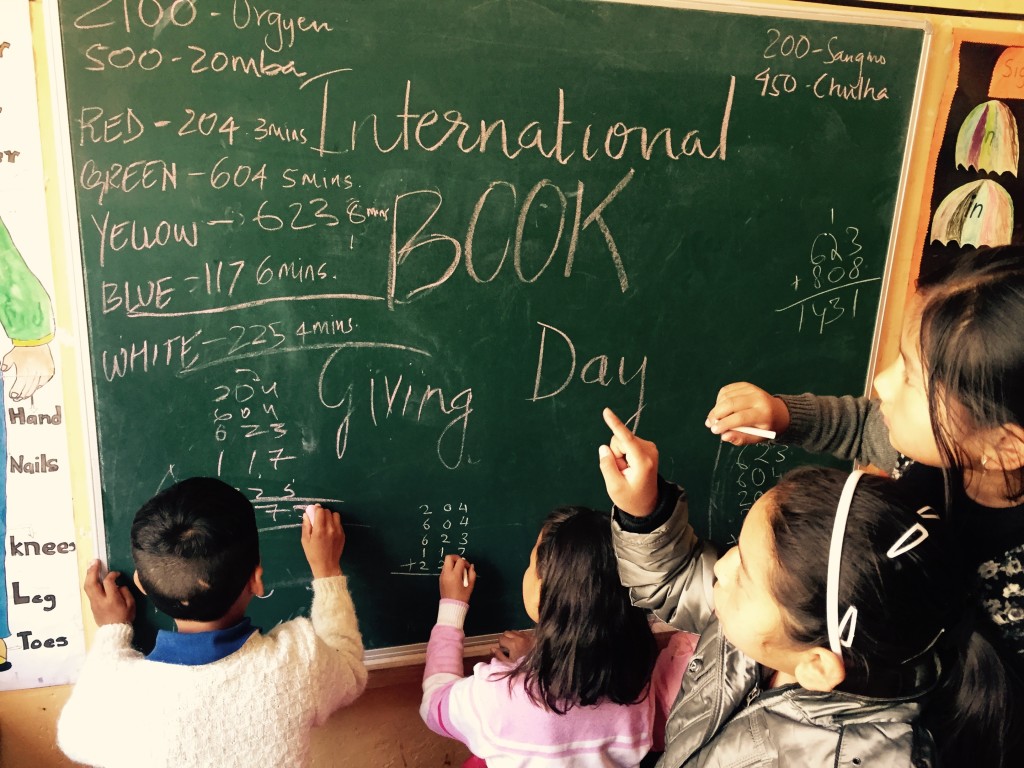
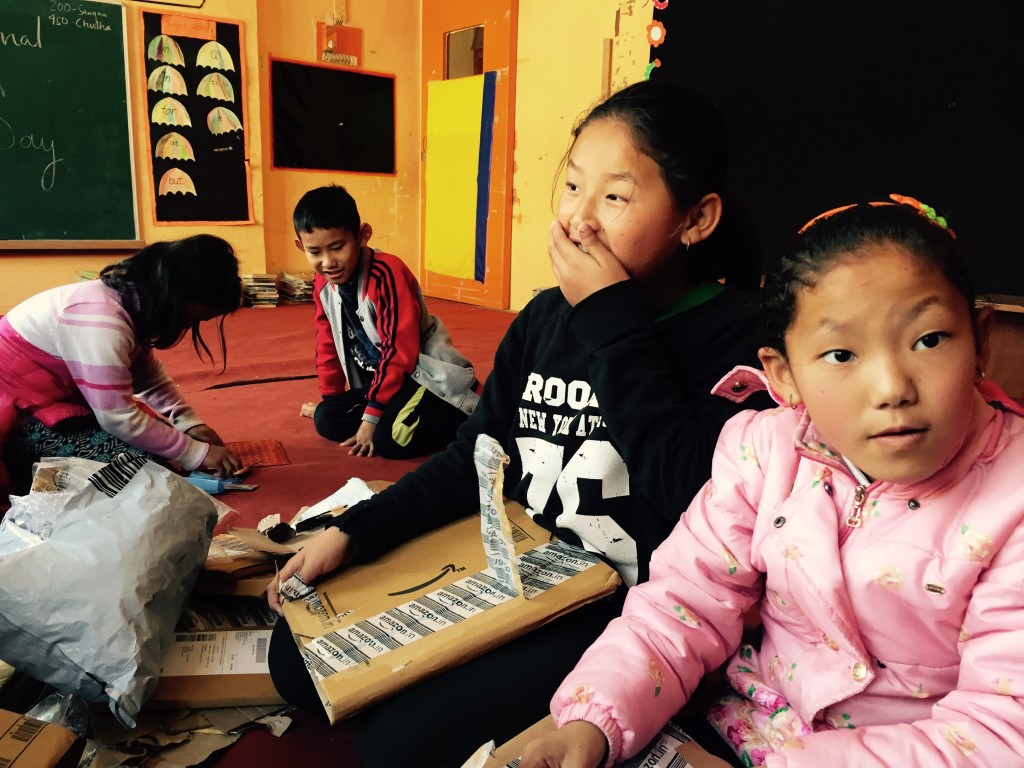
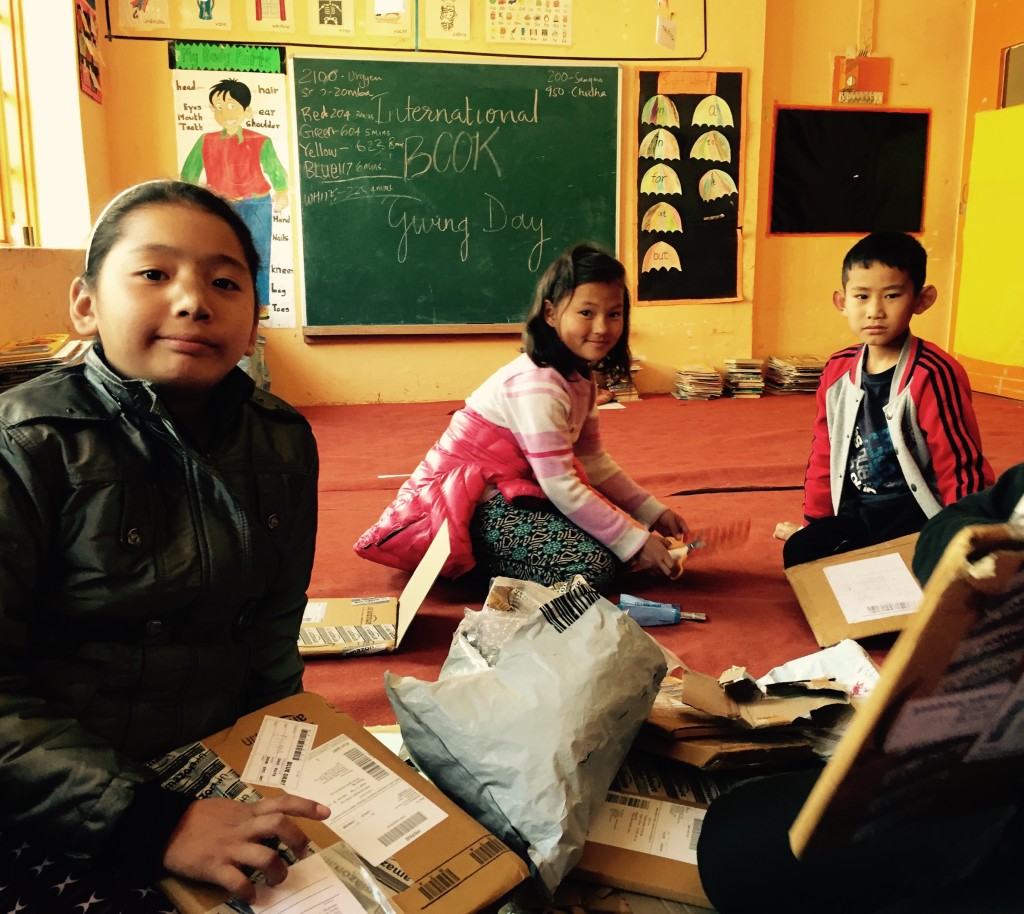
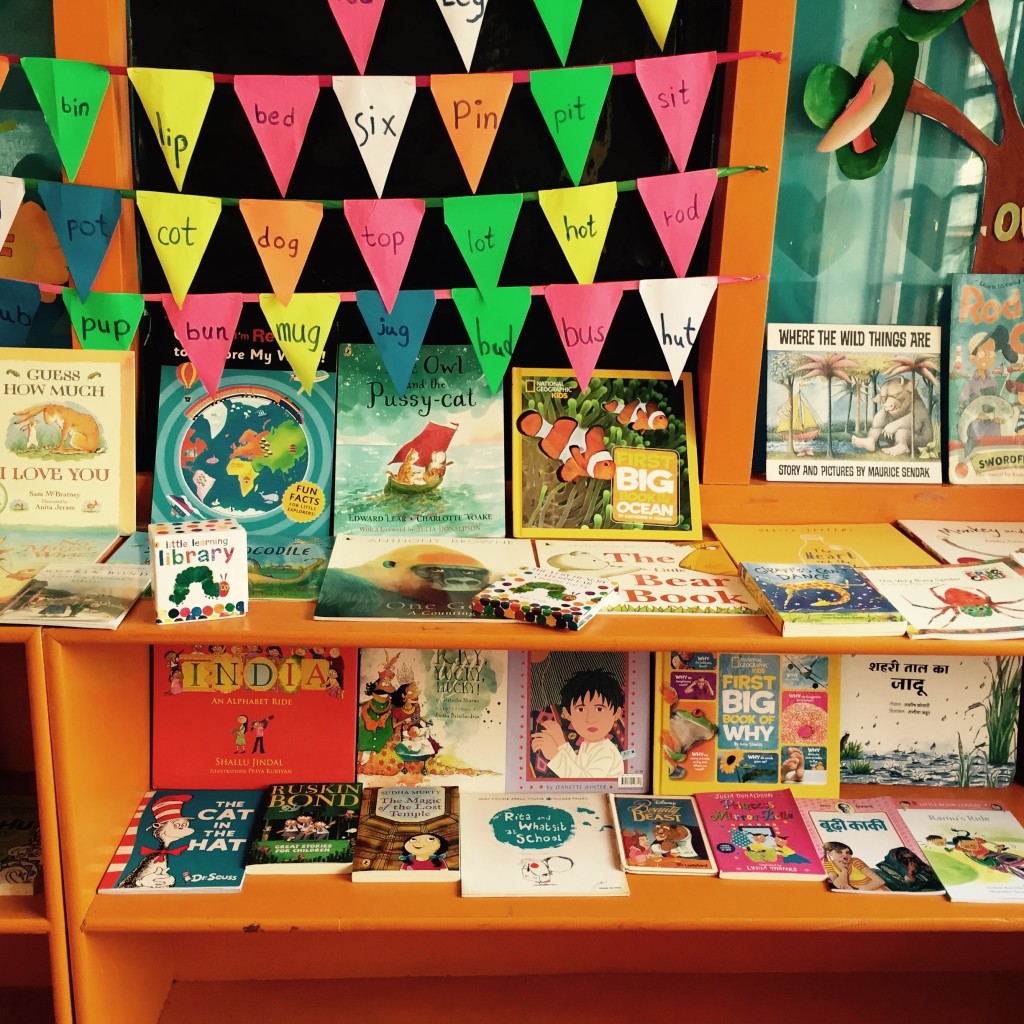
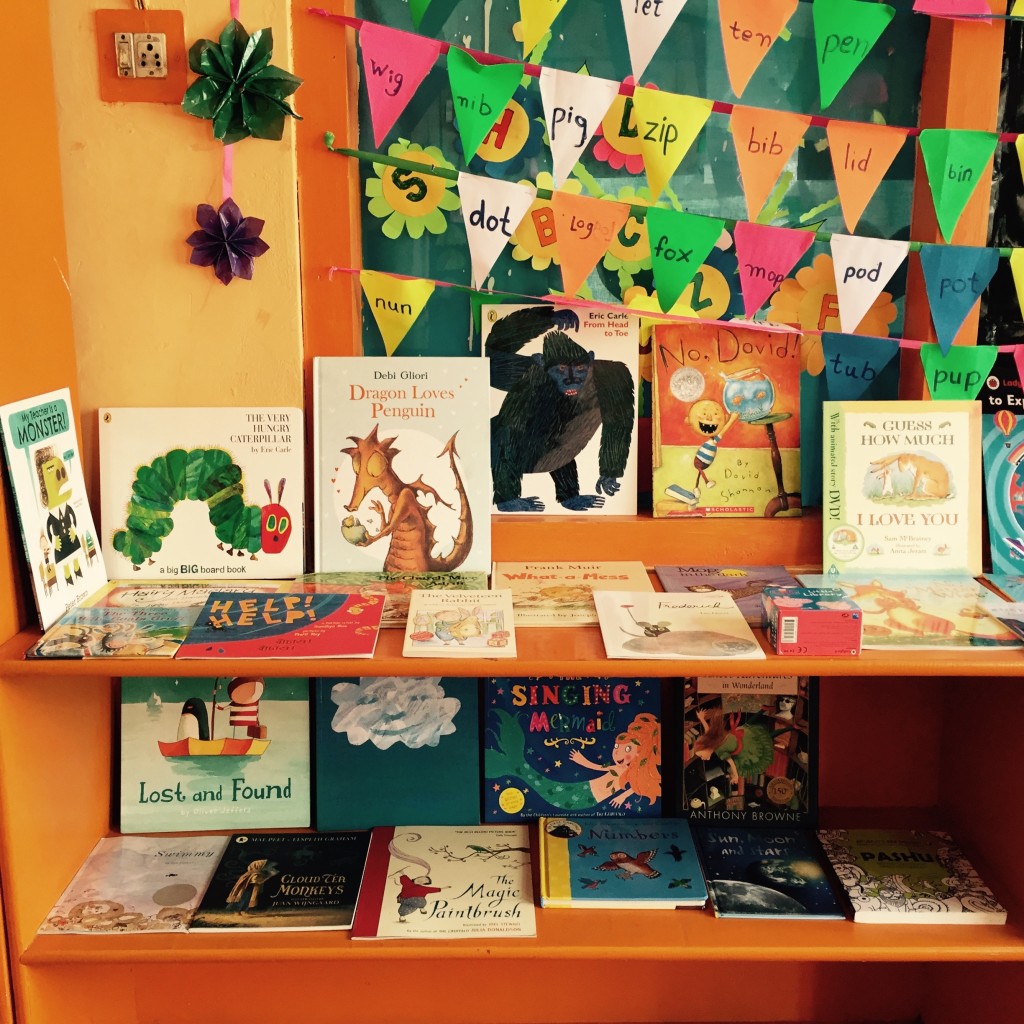
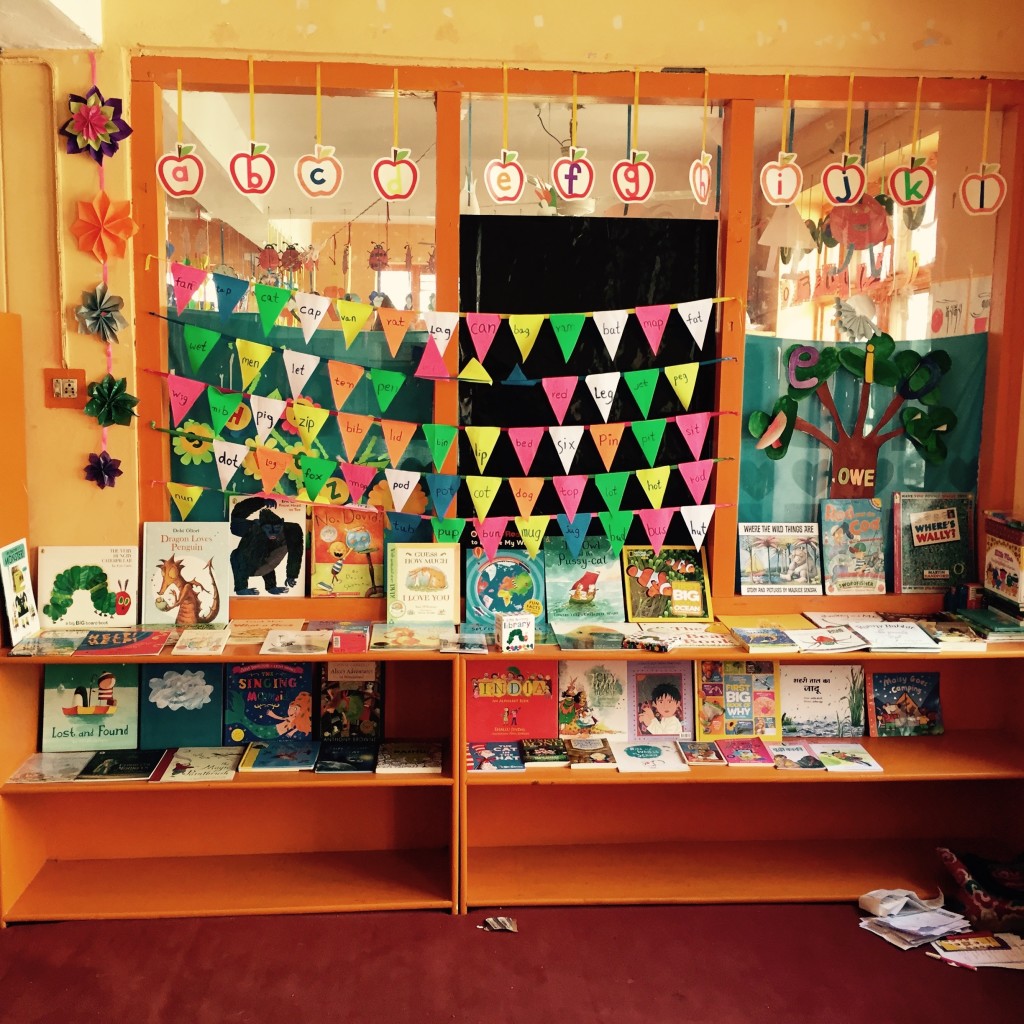
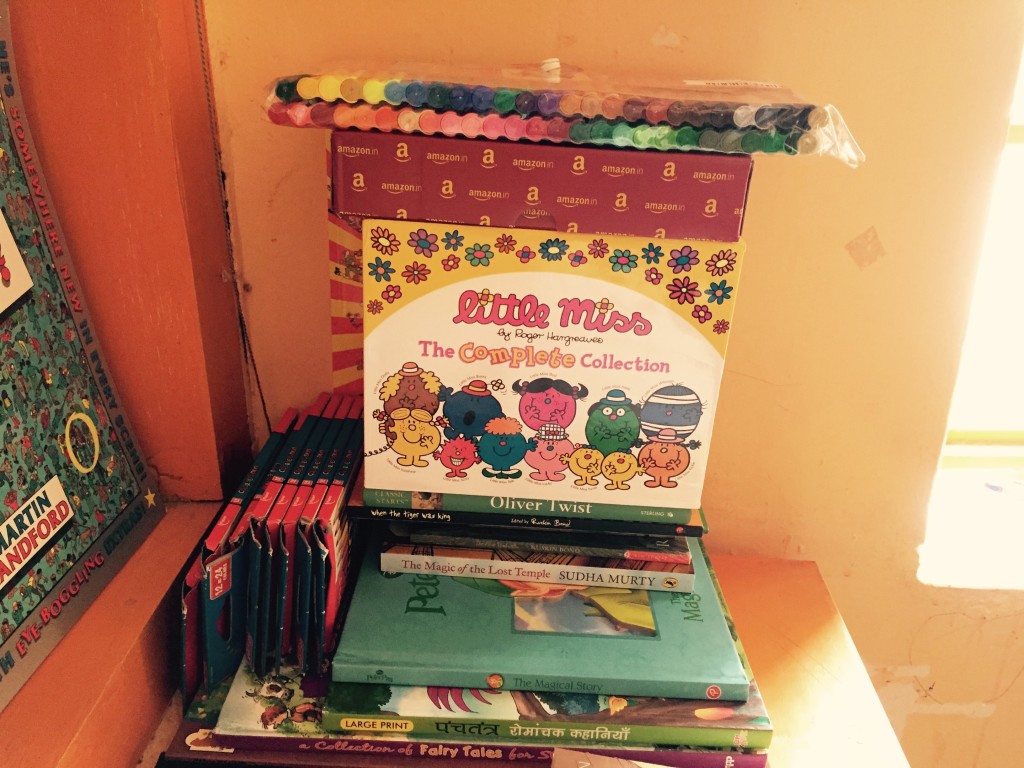
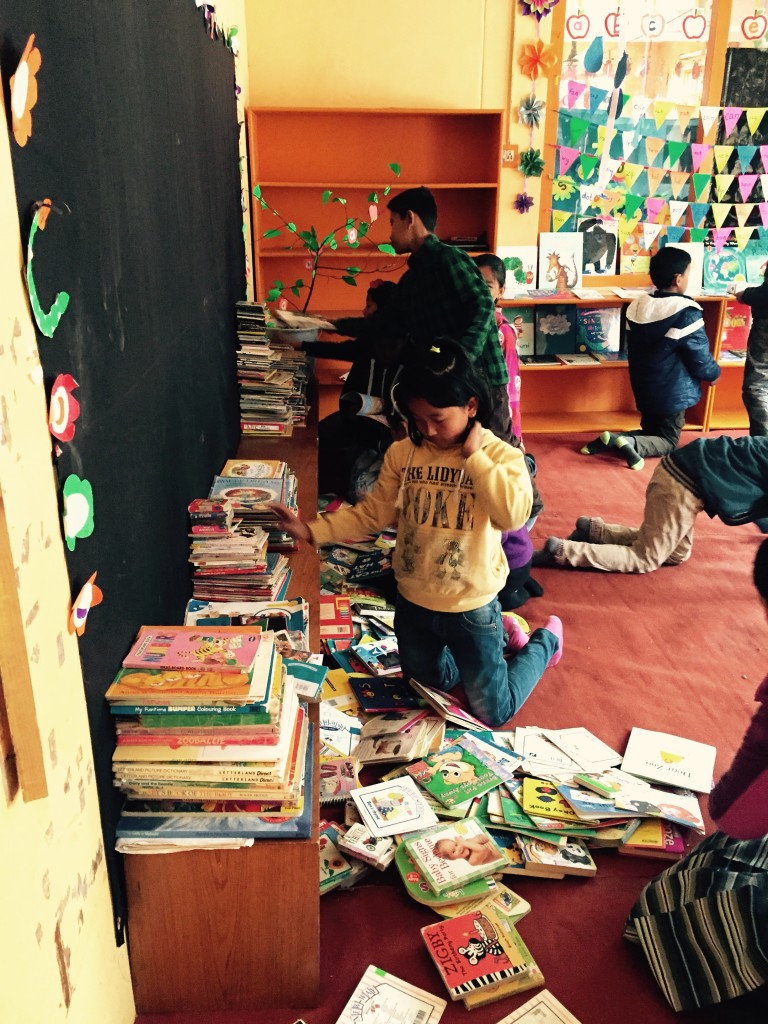
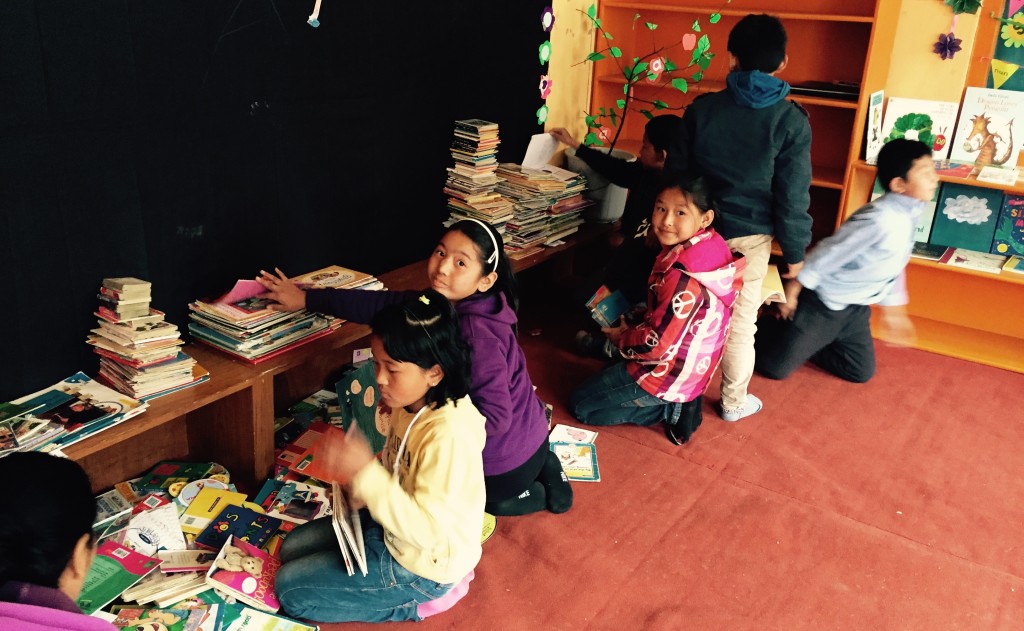
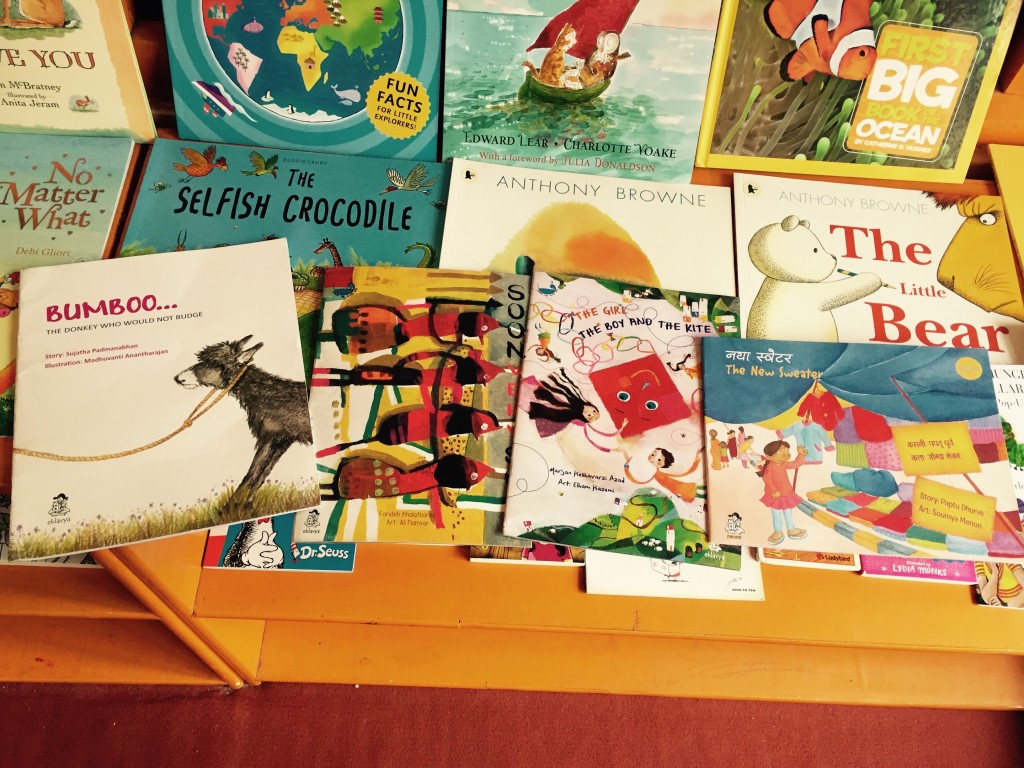
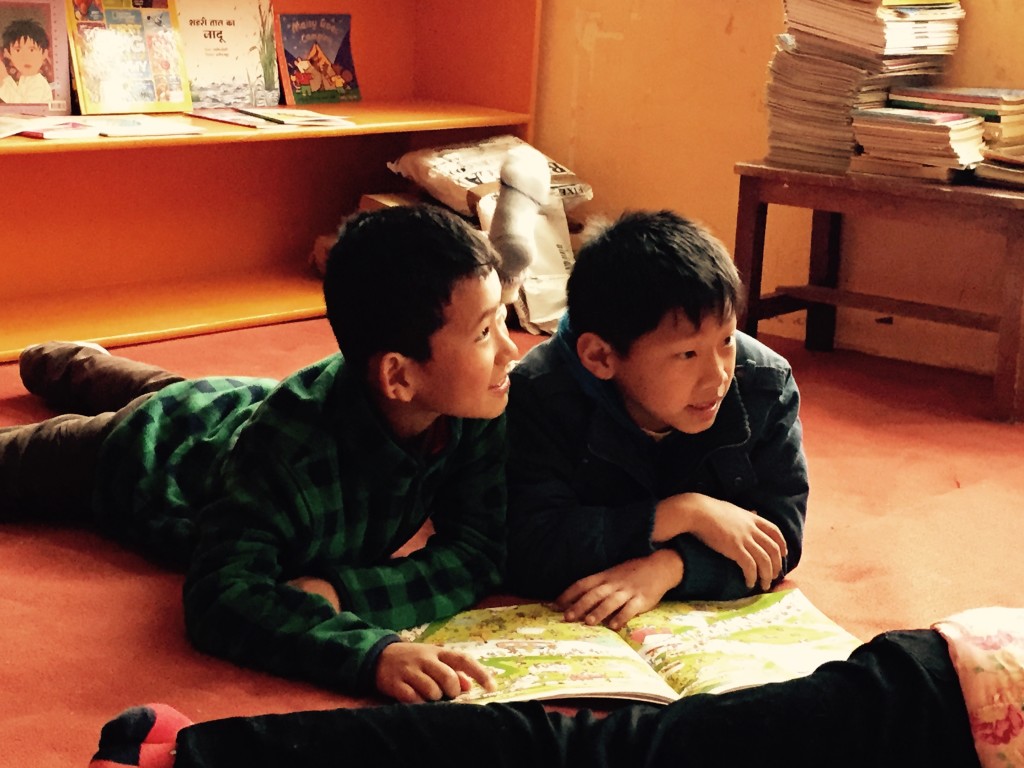
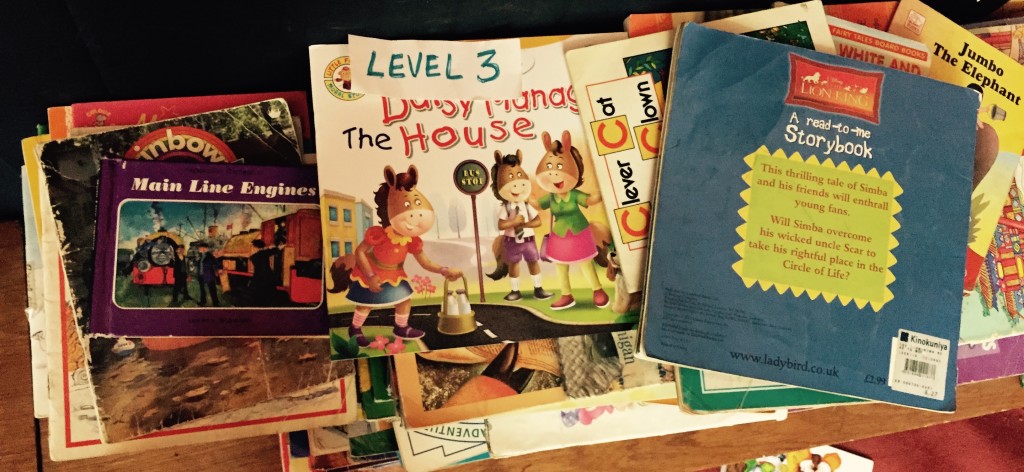
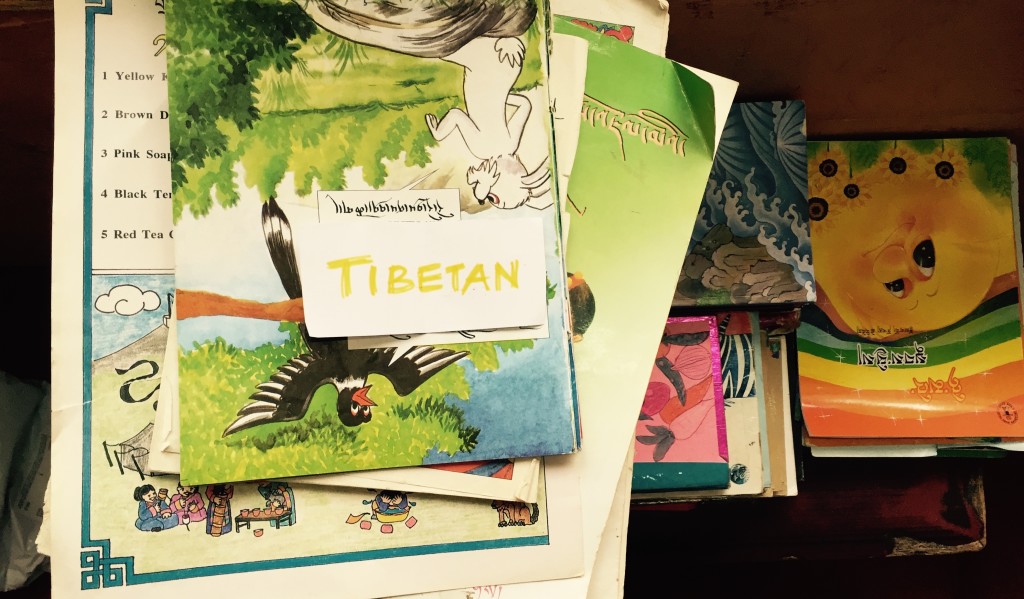
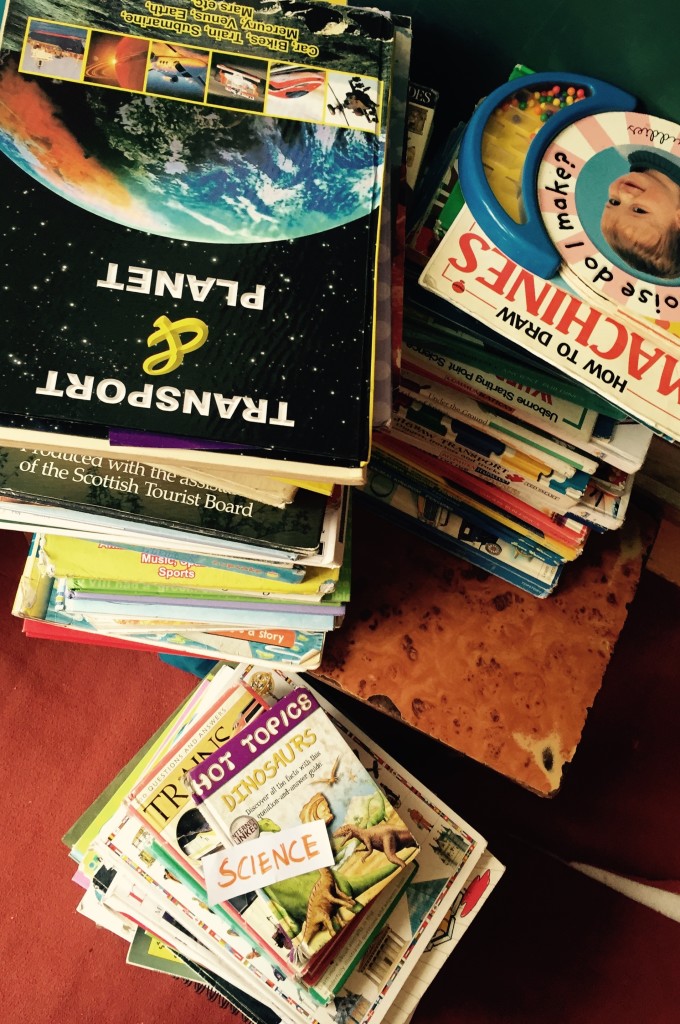
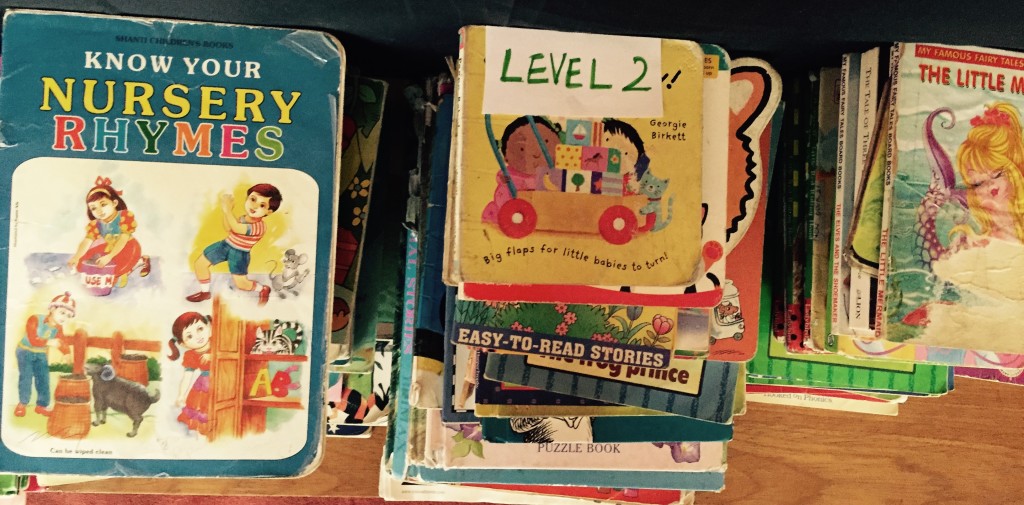
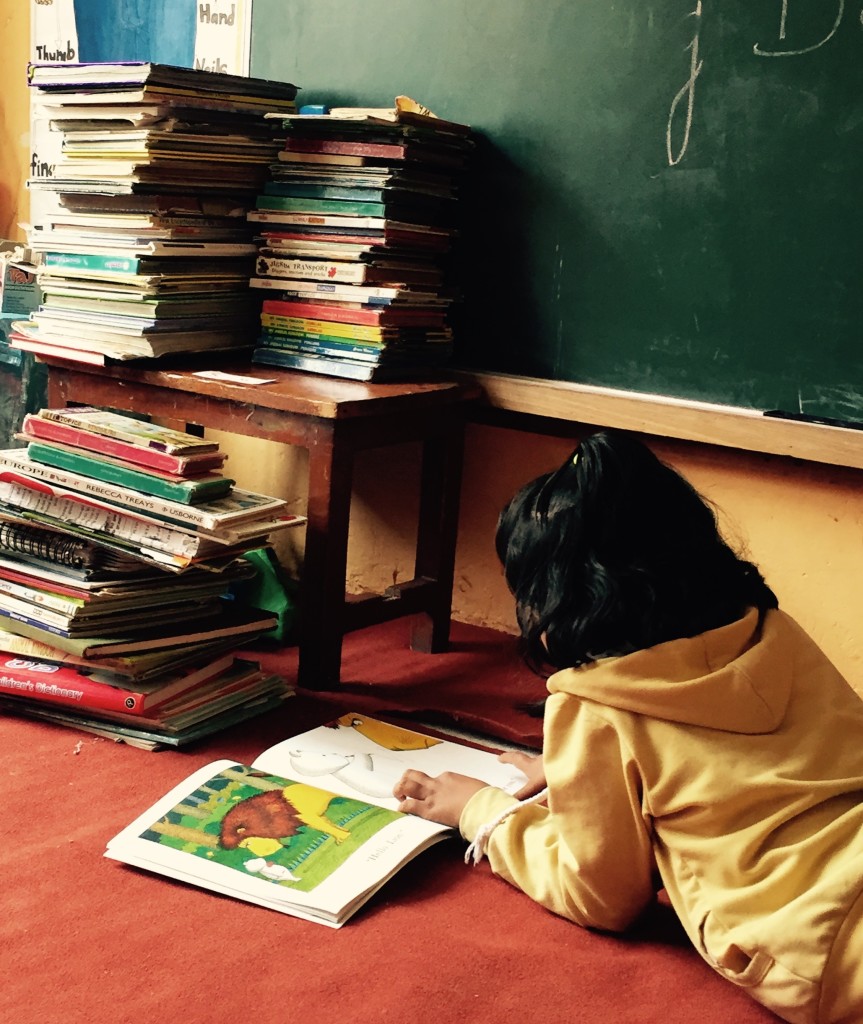
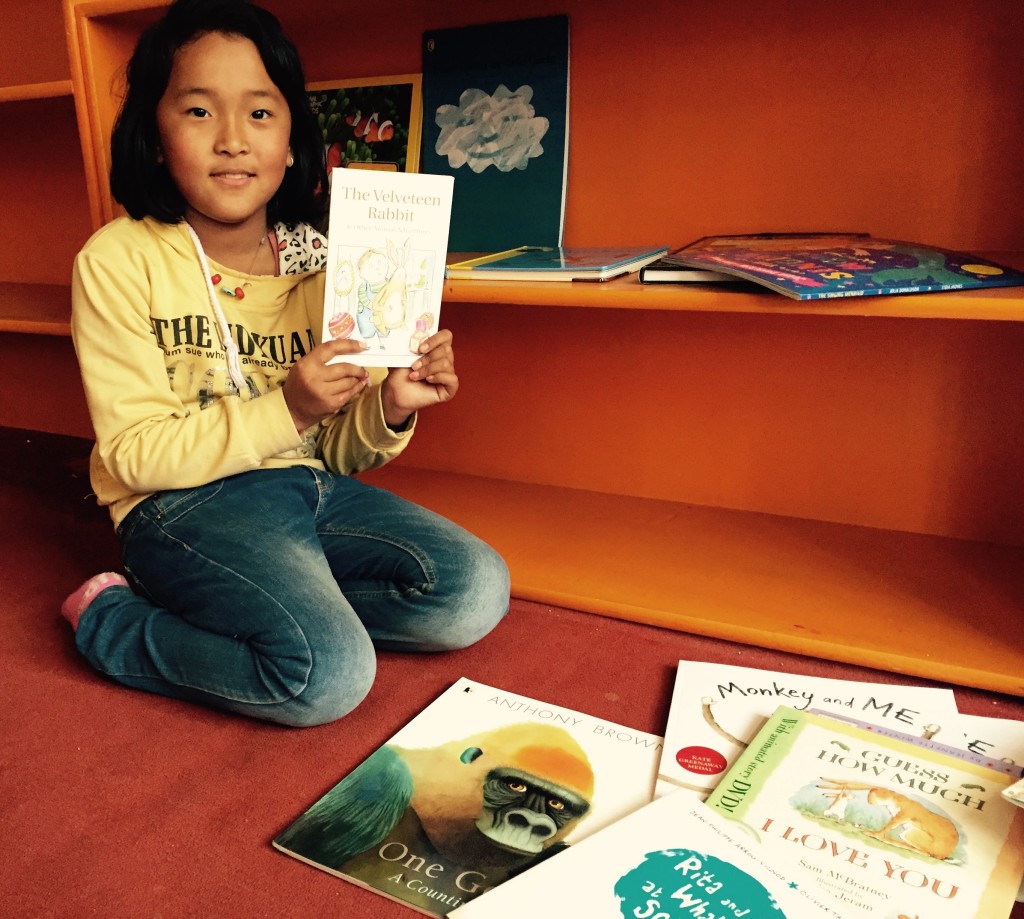
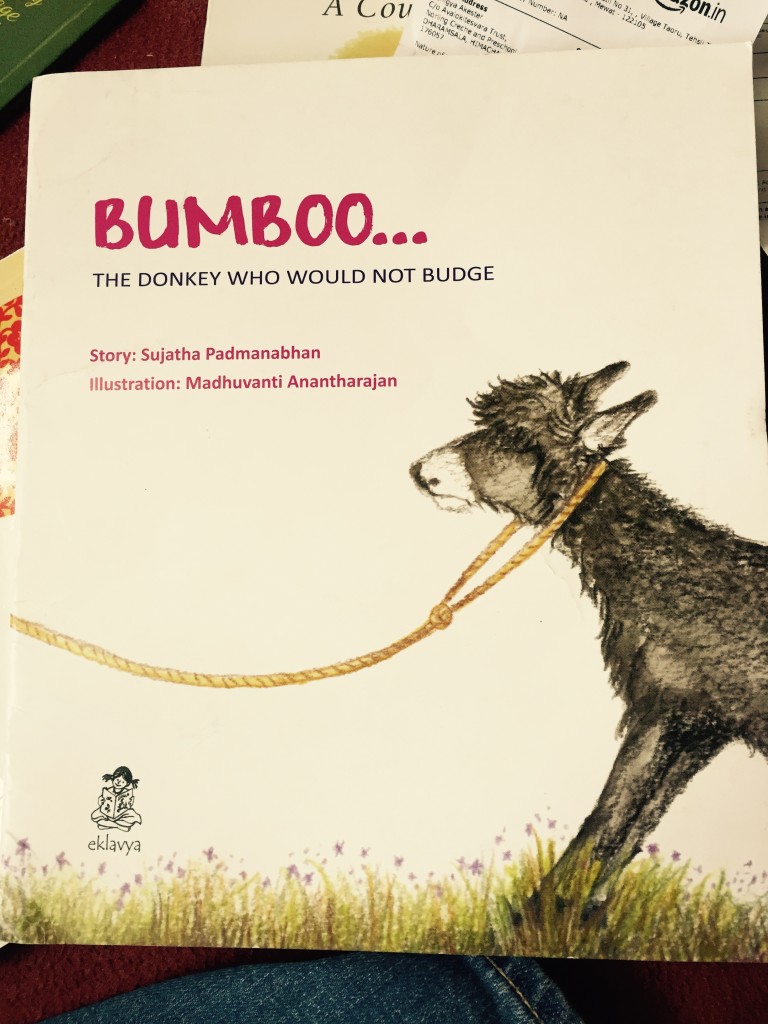
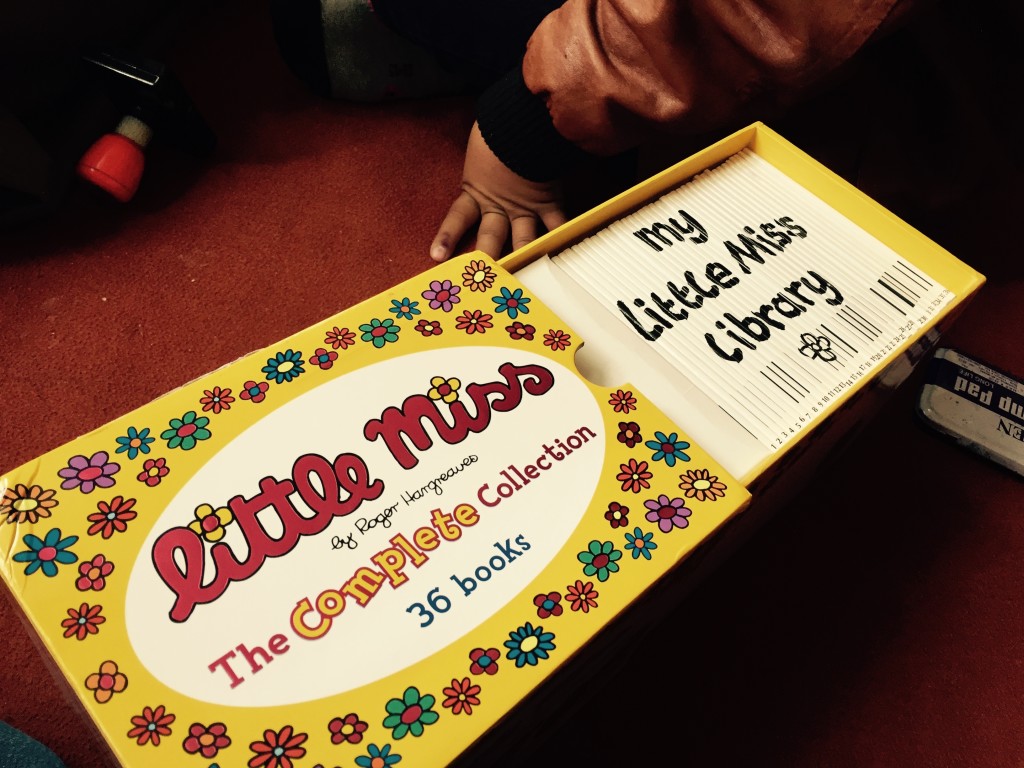
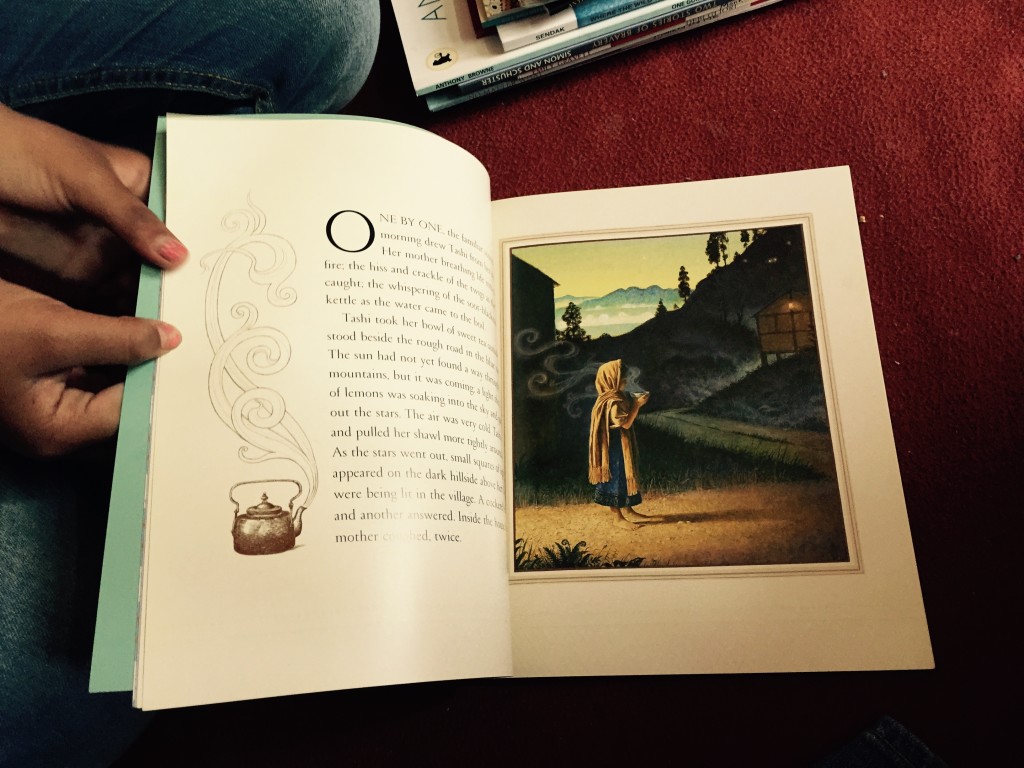
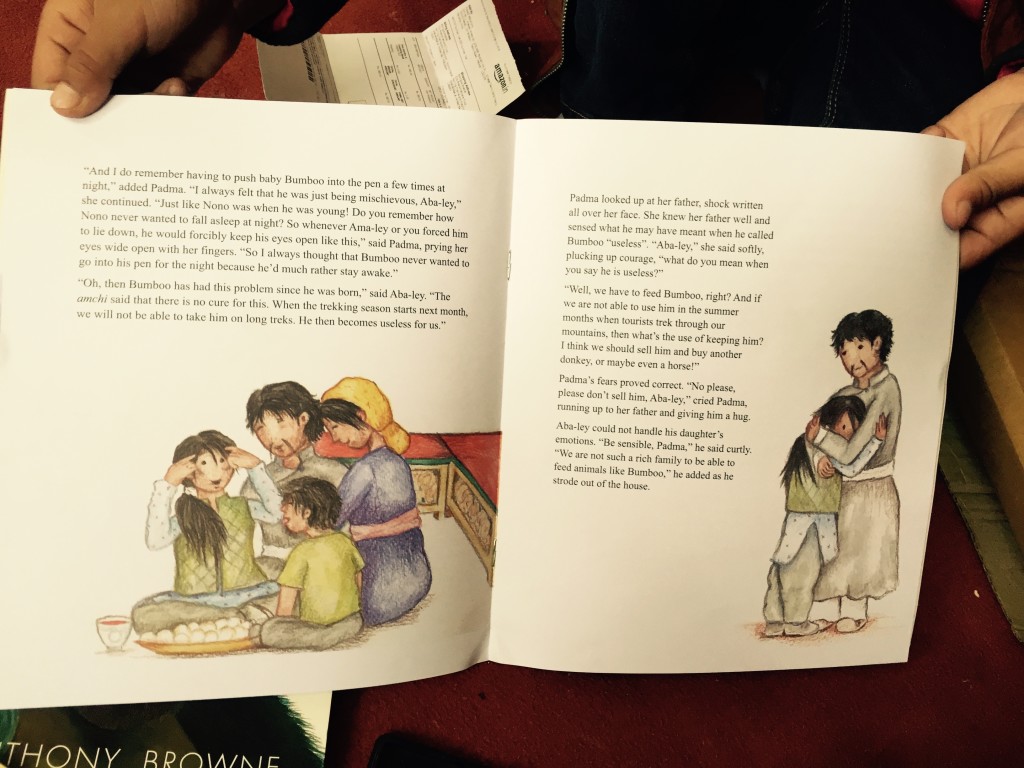
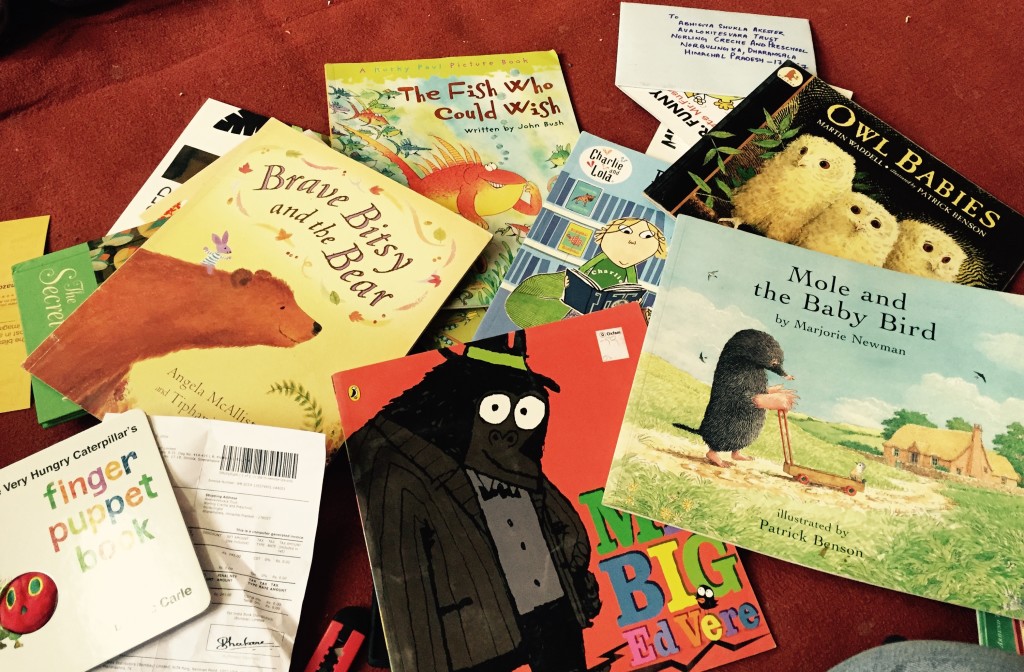
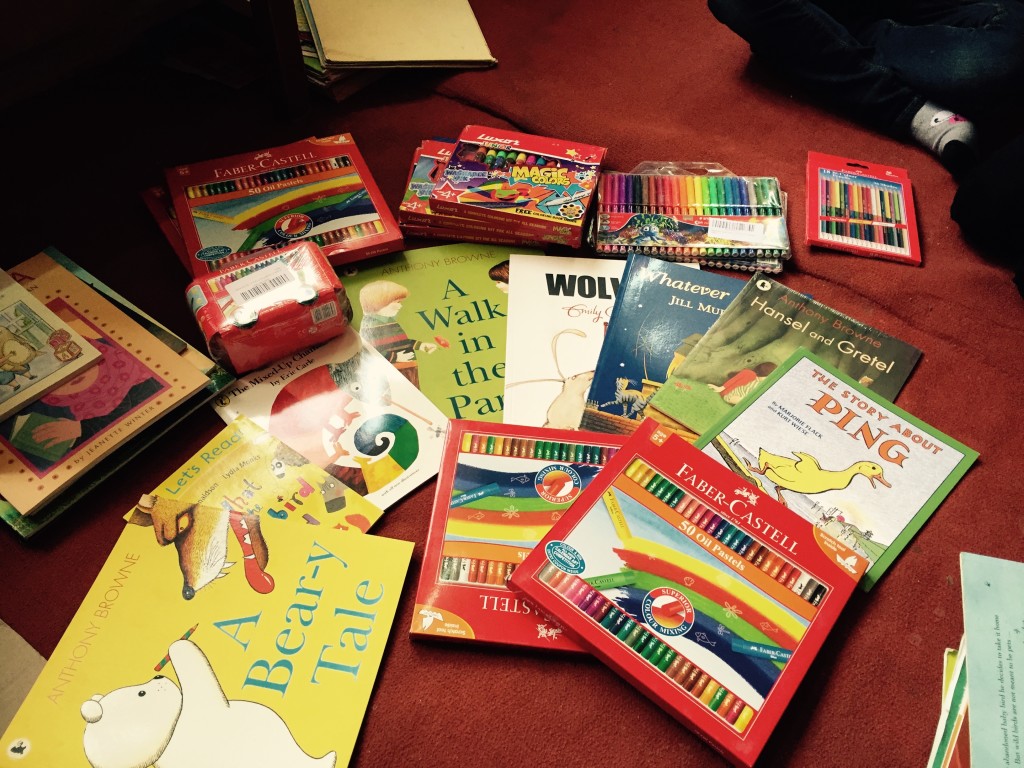
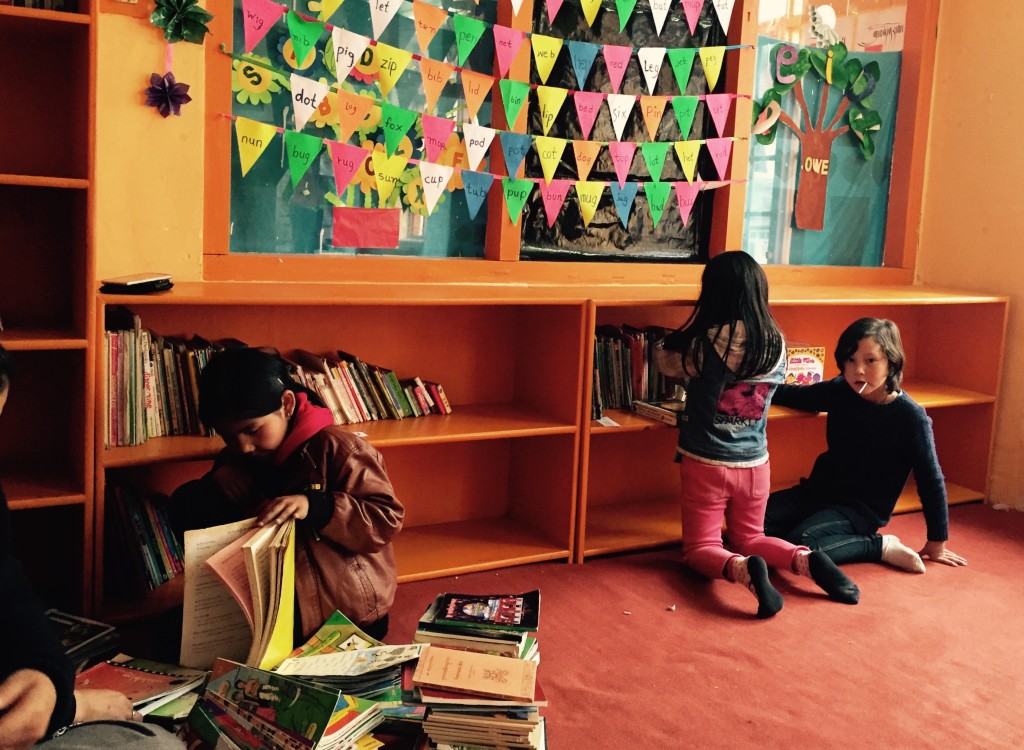
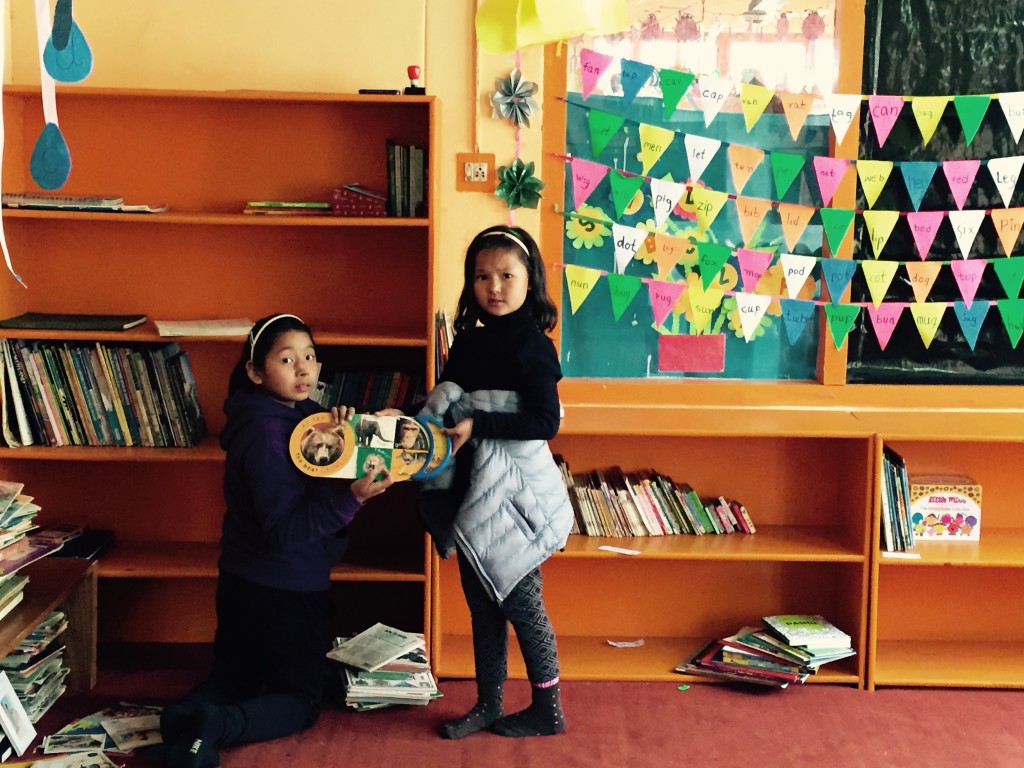
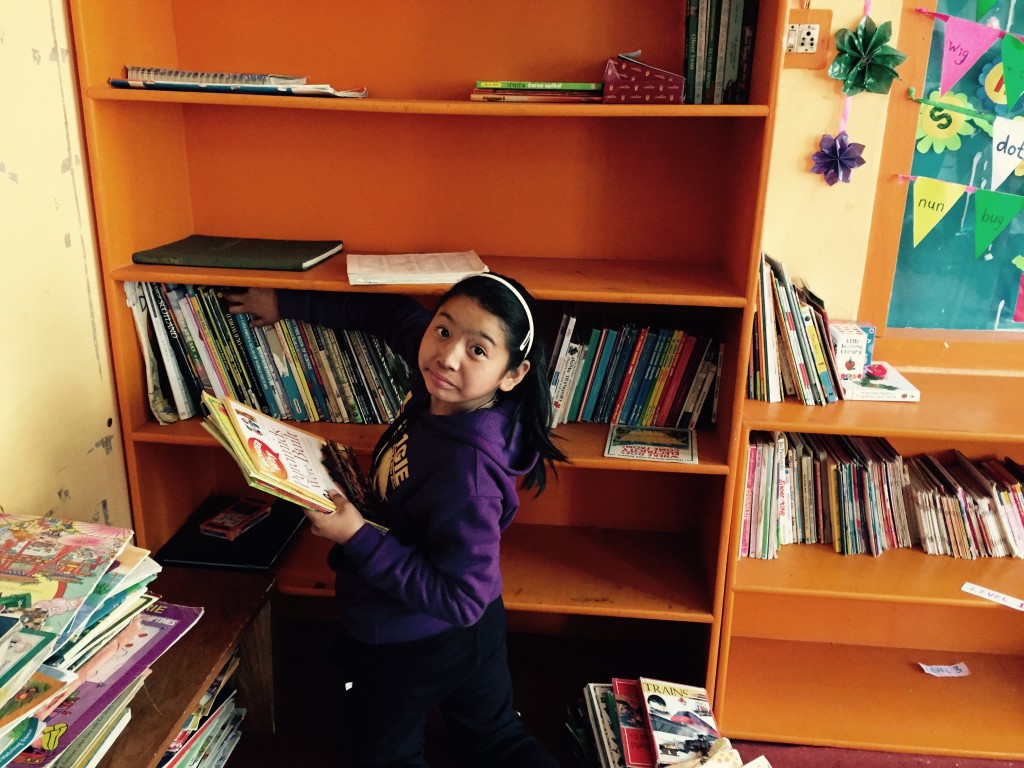
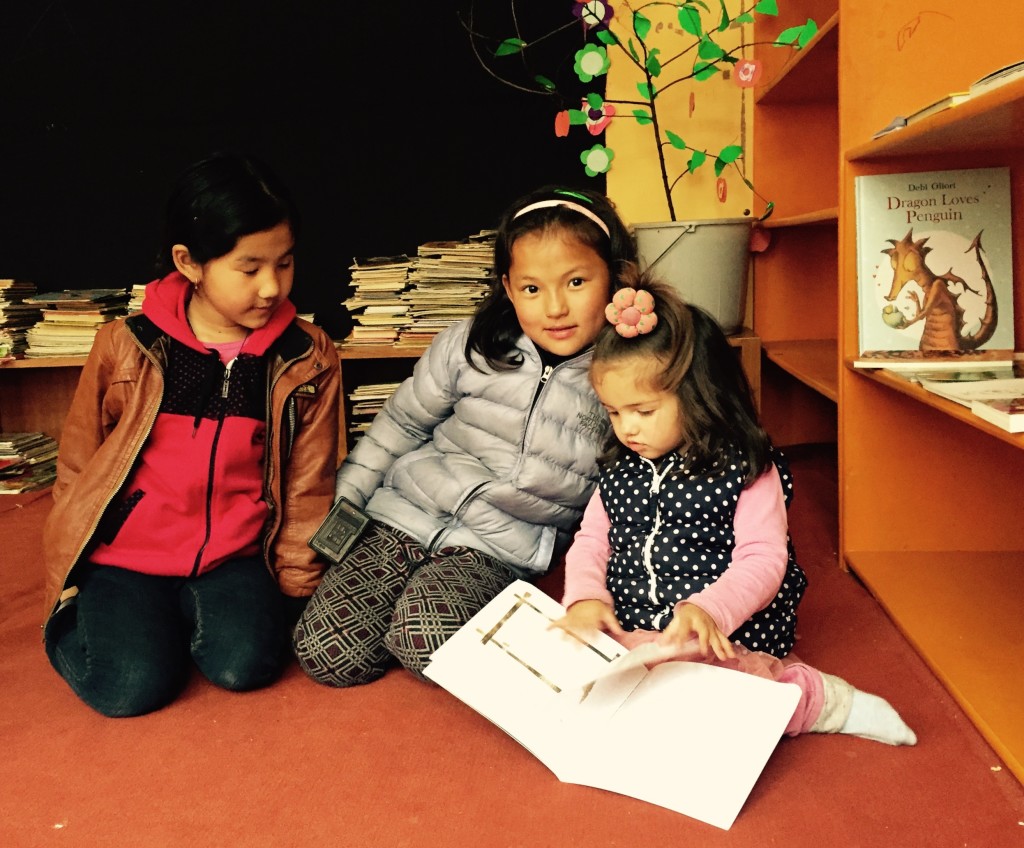
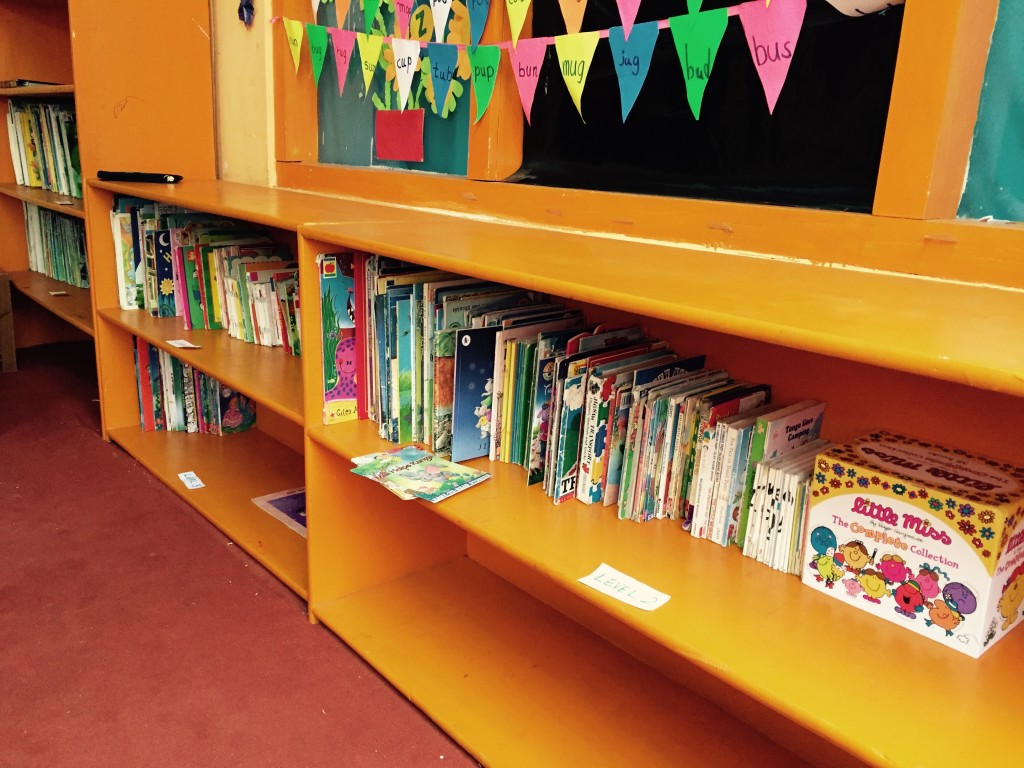
Books, art supplies, and learning activities are most useful when selected with local educators. Give materials through the established program rather than handing out sweets, money, or personal presents. A fair distribution system prevents competition and helps ensure that children do not feel pressure to perform gratitude.
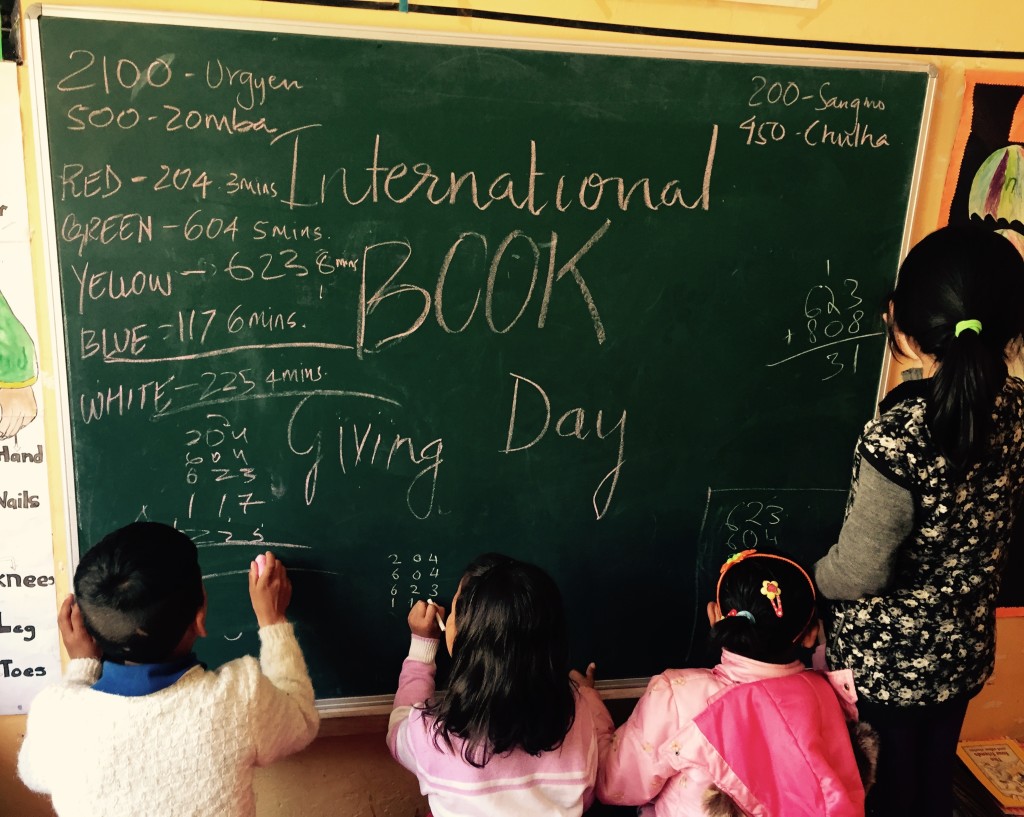
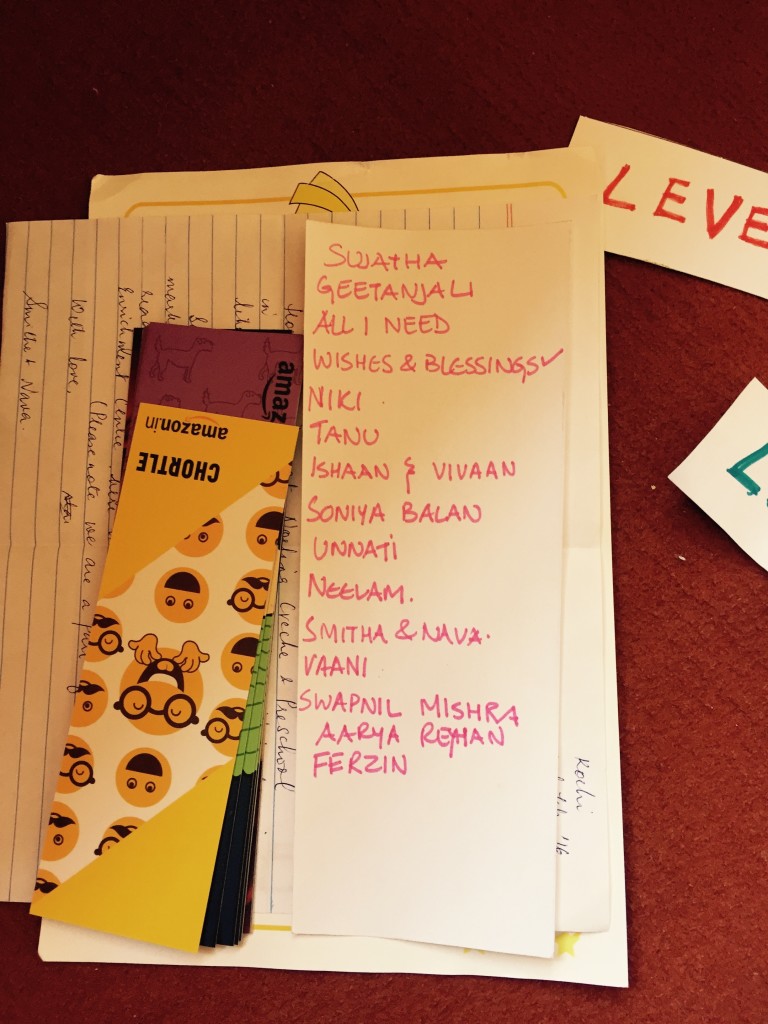
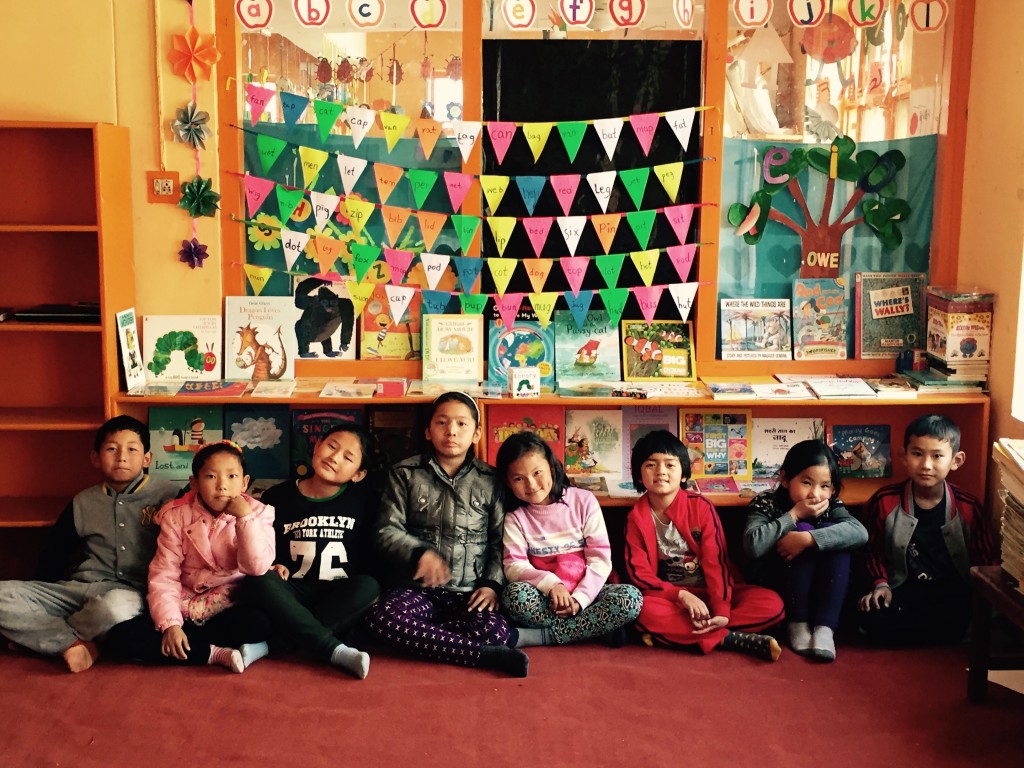
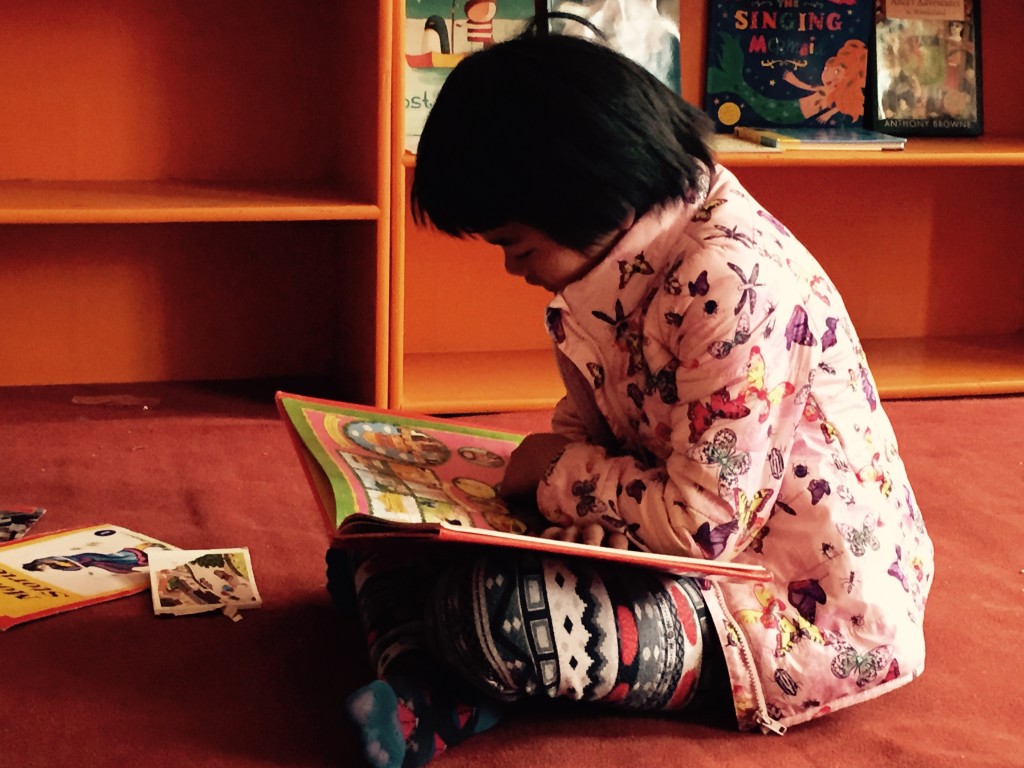
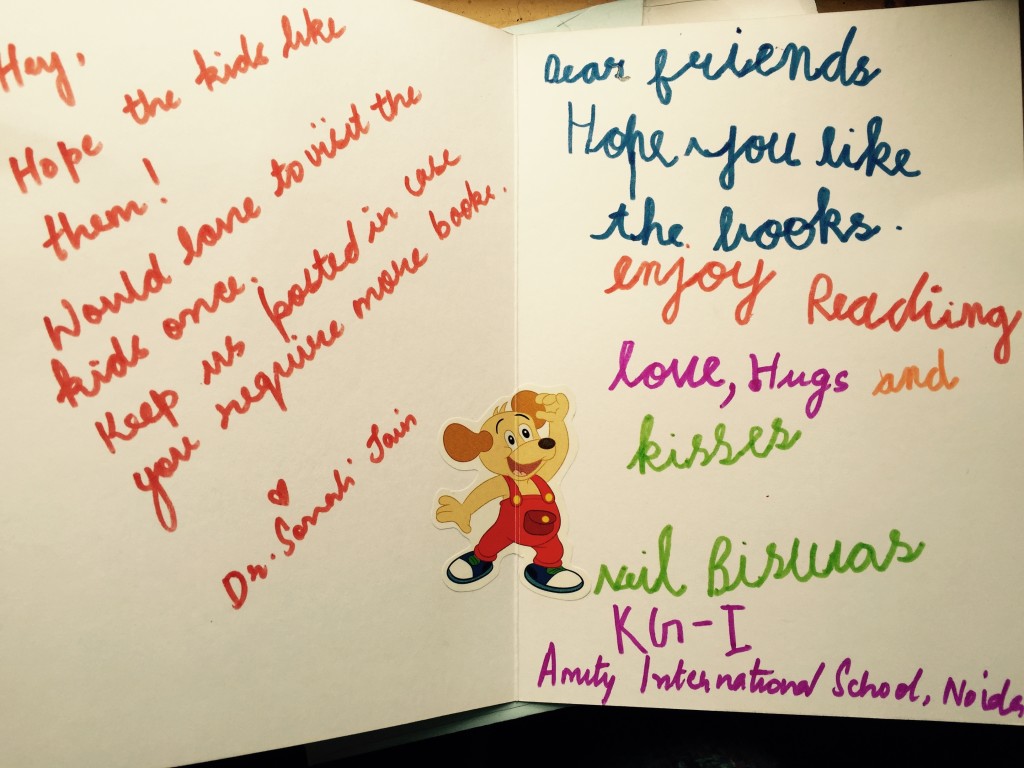
The emotional meaning of educational support can be easy to underestimate. Stories such as these thank-you letters show how access to books can create a lasting connection, yet volunteers should remember that children are participants in a community project, not an audience for personal generosity.
Gifts, food, and responsible photography
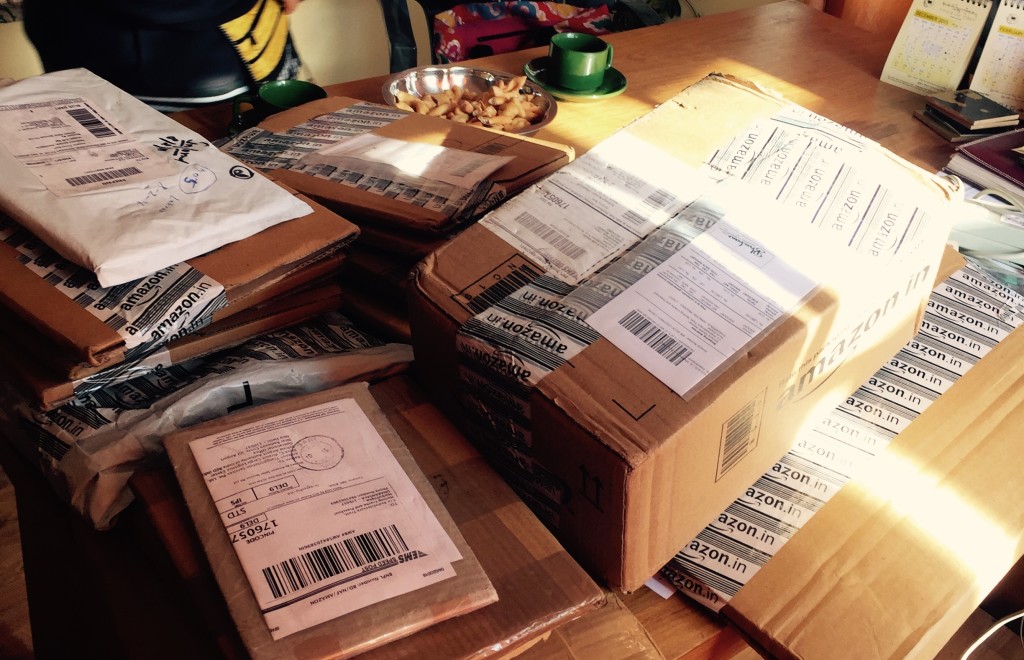
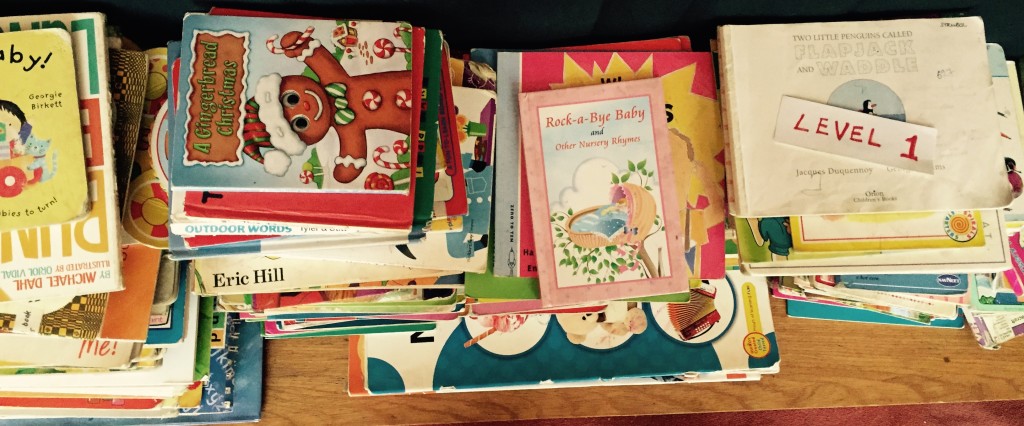
If you want to bring gifts, consult the organization before traveling. New or gently used books, carefully chosen supplies, and items requested by teachers are generally more helpful than random donations. Avoid distributing gifts directly unless staff have planned the process. Unequal giving can create tension among children and families, even when the original intention is kind.
Ask before sharing food, especially in communities with religious, medical, or dietary restrictions. Do not assume that vegetarian food is required everywhere, and do not pressure anyone to try something unfamiliar. When offered local food, take a small portion if you are unsure and express appreciation for the hospitality.
Photography should document activities only when it serves the project and has been approved. Seek permission from adults responsible for children, avoid staged displays of hardship, and never photograph private moments without consent. Images that preserve dignity are more valuable than dramatic pictures designed to attract attention.
Travel thoughtfully in high-altitude communities
Altitude, weather, and limited infrastructure affect both volunteers and host communities. Rest during the first days, drink water, follow medical advice, and communicate early if you feel unwell. Do not expect local staff to reorganize an entire program around an avoidable lack of preparation.
Arrive on time, but understand that schedules may change because of weather, religious observances, transport, school needs, or family responsibilities. Flexibility is a form of respect. If you make a commitment to lead an activity, bring the required materials and complete the session reliably.
Use water and electricity carefully, carry reusable items where practical, and dispose of waste properly. Ask before taking natural materials, entering fields, or walking through private areas. In mountain communities, environmental responsibility is closely connected to cultural respect because local livelihoods depend on fragile land and limited resources.
Everyday habits that build trust
Small actions have a cumulative effect. Listen more than you speak during the first days, learn people’s names, and avoid comparing Ladakh unfavorably with your home. Do not criticize local teaching methods, religious practices, food, or infrastructure without first understanding the circumstances behind them.
Keep professional boundaries with children, families, monks, and colleagues. Discuss concerns privately with the coordinator rather than correcting someone publicly. If you make a mistake, apologize briefly, accept guidance, and change your behavior. Defensiveness can damage trust more quickly than the original error.
Before leaving, thank the people who hosted and supported your work. Share useful observations through the organization, return borrowed items, and ensure that unfinished tasks are clearly handed over. A respectful departure helps maintain the relationships that future volunteers and local projects depend on.
Pack these principles into your preparation:
- Follow local coordinators’ instructions, especially in religious and educational settings.
- Dress modestly and ask permission before touching, entering, photographing, or giving.
- Protect children’s privacy and follow every safeguarding requirement.
- Choose useful, fairly distributed materials instead of spontaneous personal gifts.
- Conserve water, reduce waste, and remain patient when plans change.
Respectful volunteering is measured through consistency: the way you enter a room, listen to a teacher, share resources, and respond when customs differ from your own. Prepare carefully, arrive with curiosity, and let local relationships guide your contribution. Support literacy, creativity, and learning in ways that honor the communities making that work possible, whether through volunteering, responsible giving, or helping more children gain access to quality books.