A Day in the Life of a Bookmobile Driver in the High Himalayas
Before sunrise, the valleys of Ladakh are often silent except for wind moving across the rooftops and the occasional call from a monastery courtyard. A bookmobile driver begins work in that cold blue hour, checking the vehicle, securing boxes of books, and studying the mountain road ahead. The day’s route may connect a school, a village reading room, and a monastic community spread across high desert terrain.
This is more than a delivery service. A mobile library carries stories, reference books, art materials, and the promise of regular learning to children who may live far from a large collection. For young readers and monks, a visit from the book van can bring fresh ideas, creative energy, and a welcome change to the rhythm of daily life.
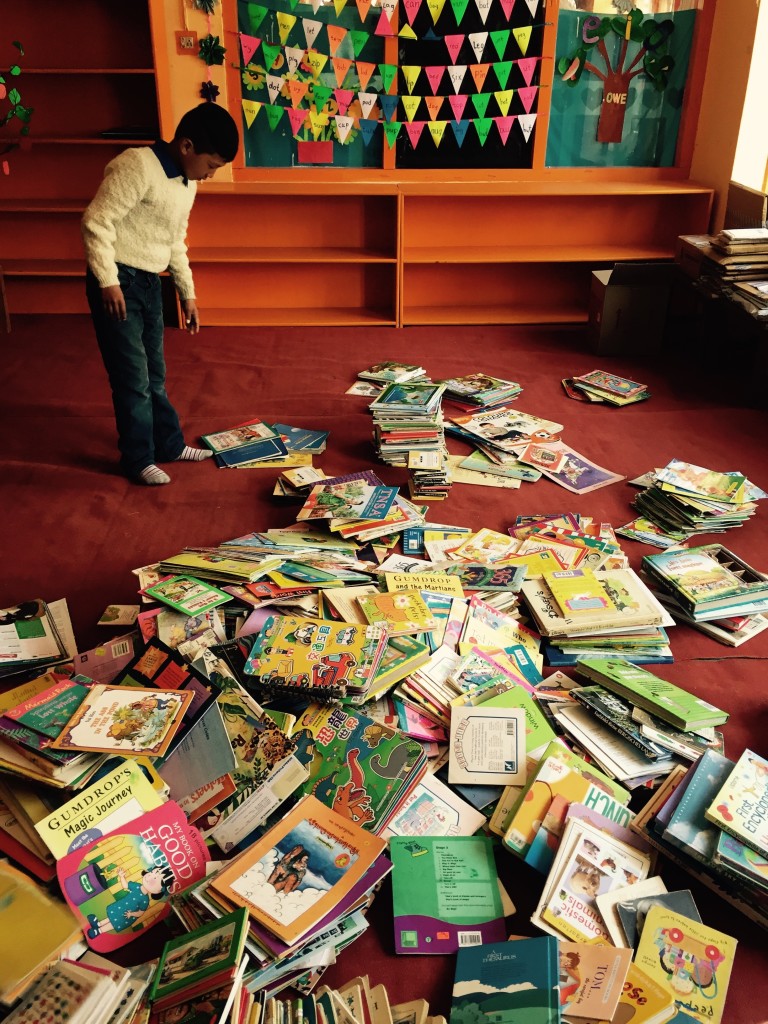
The journey also reflects the wider mission of Avalokiteśvara Trust. Through book drives, reading spaces, and educational activities, the organization helps make quality books available in Himalayan communities where distance, weather, and limited resources can restrict access to learning.
Preparing For A Mountain Route
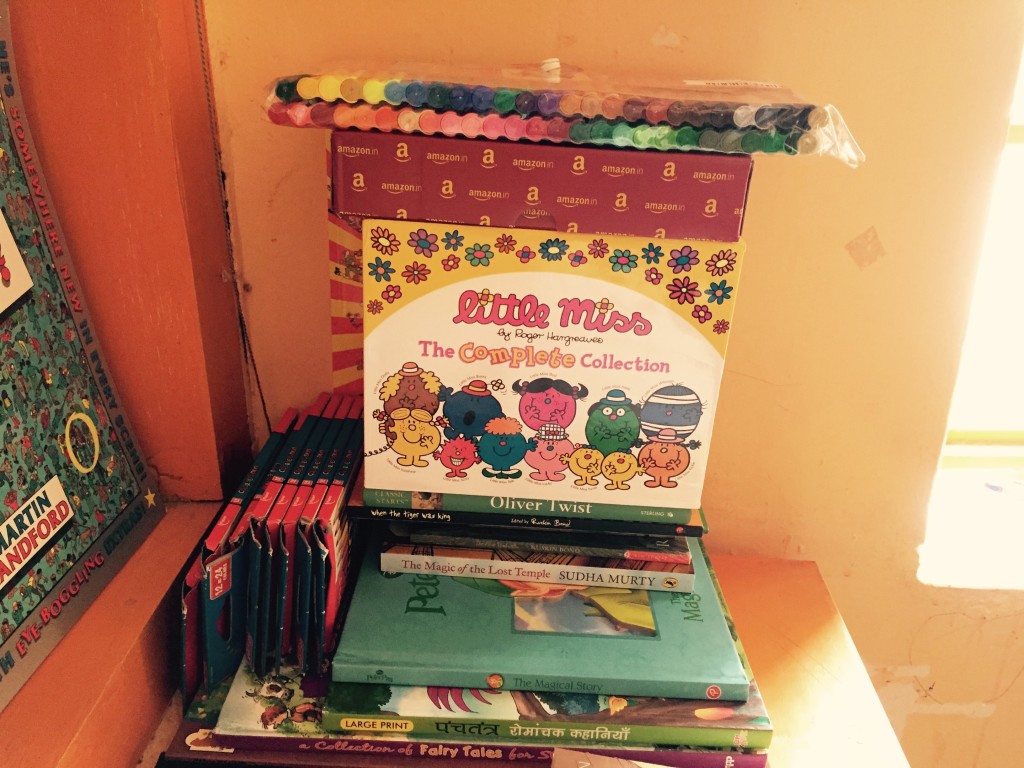
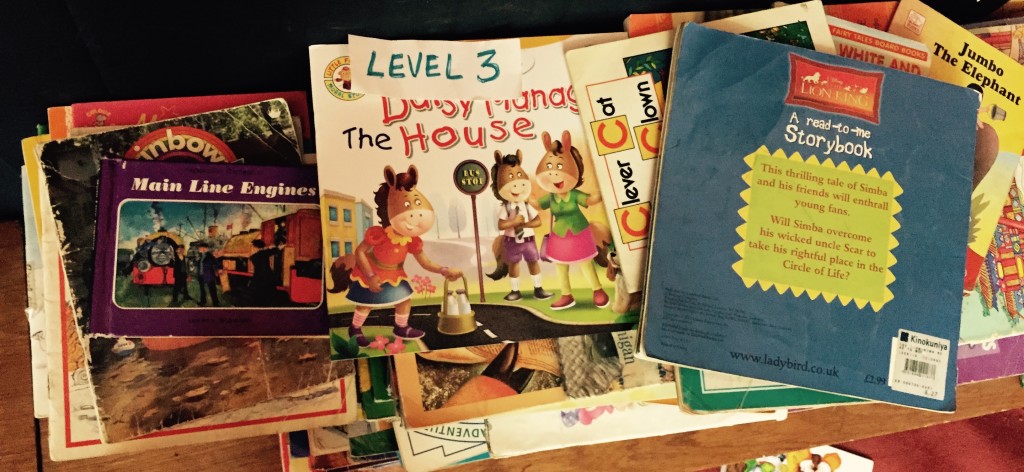
The driver’s morning starts with practical details. Tire pressure, fuel, brakes, spare tools, blankets, and first-aid supplies all matter when the nearest repair shop may be many miles away. Books must be packed so that fragile picture books, children’s novels, educational resources, and music materials arrive safely after a long drive over uneven roads.
Route planning requires close attention to altitude and weather. A road that looks clear at breakfast may become difficult after snowfall, a landslide, or a sudden change in visibility. The driver keeps in touch with local contacts and adjusts the schedule when necessary, making reliability a careful balance between commitment and good judgment.
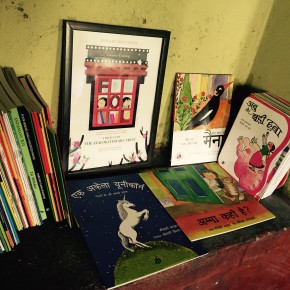
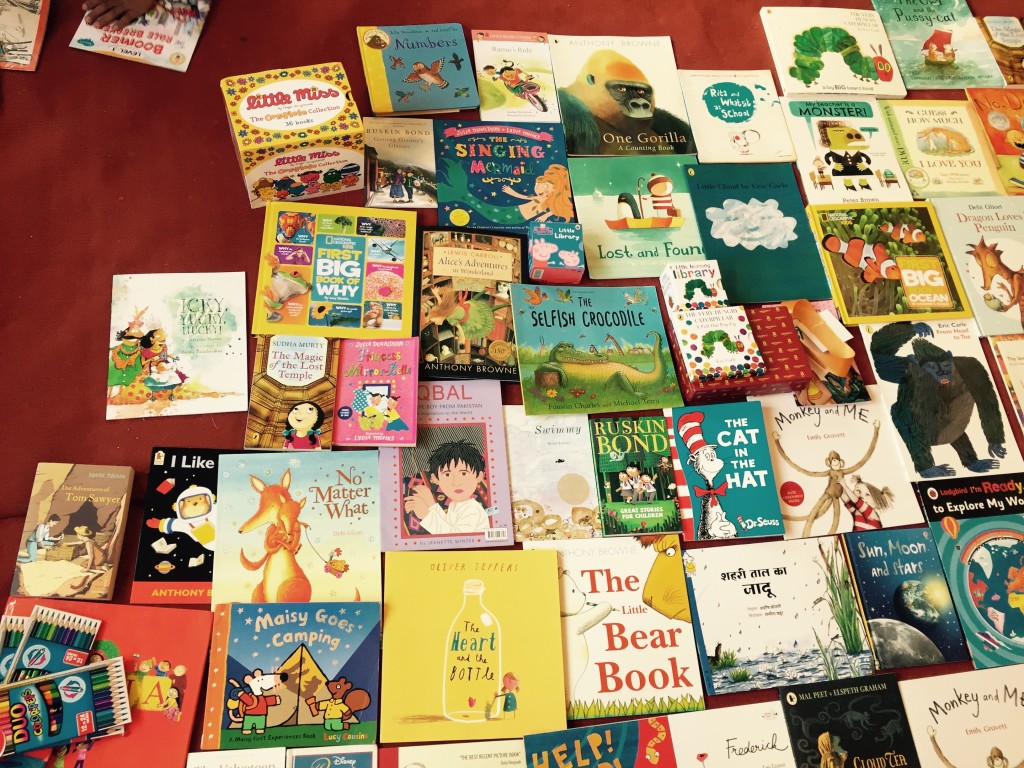
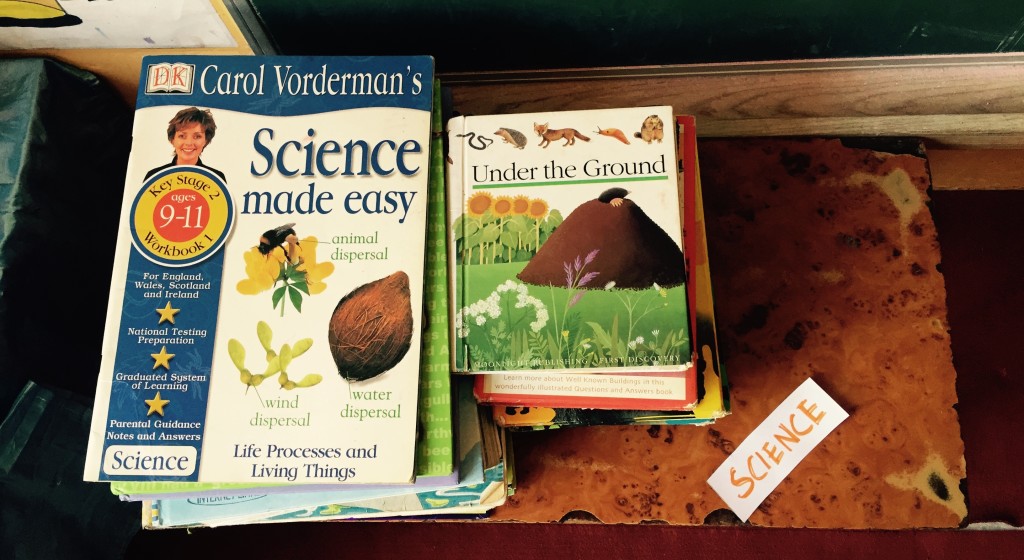
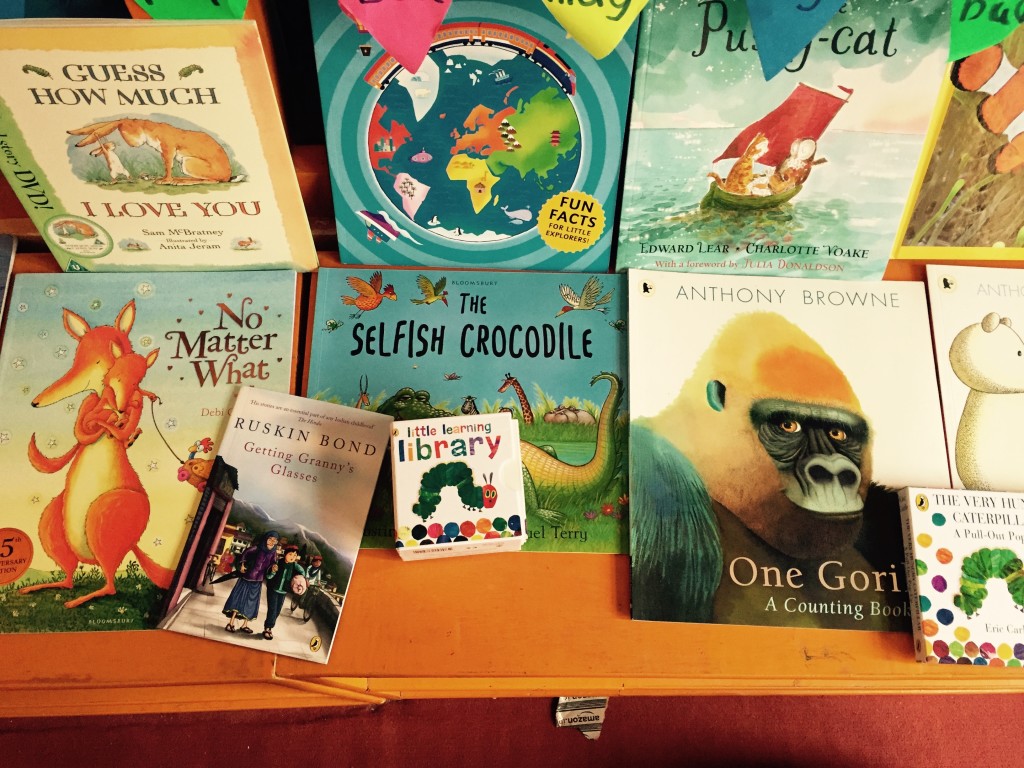
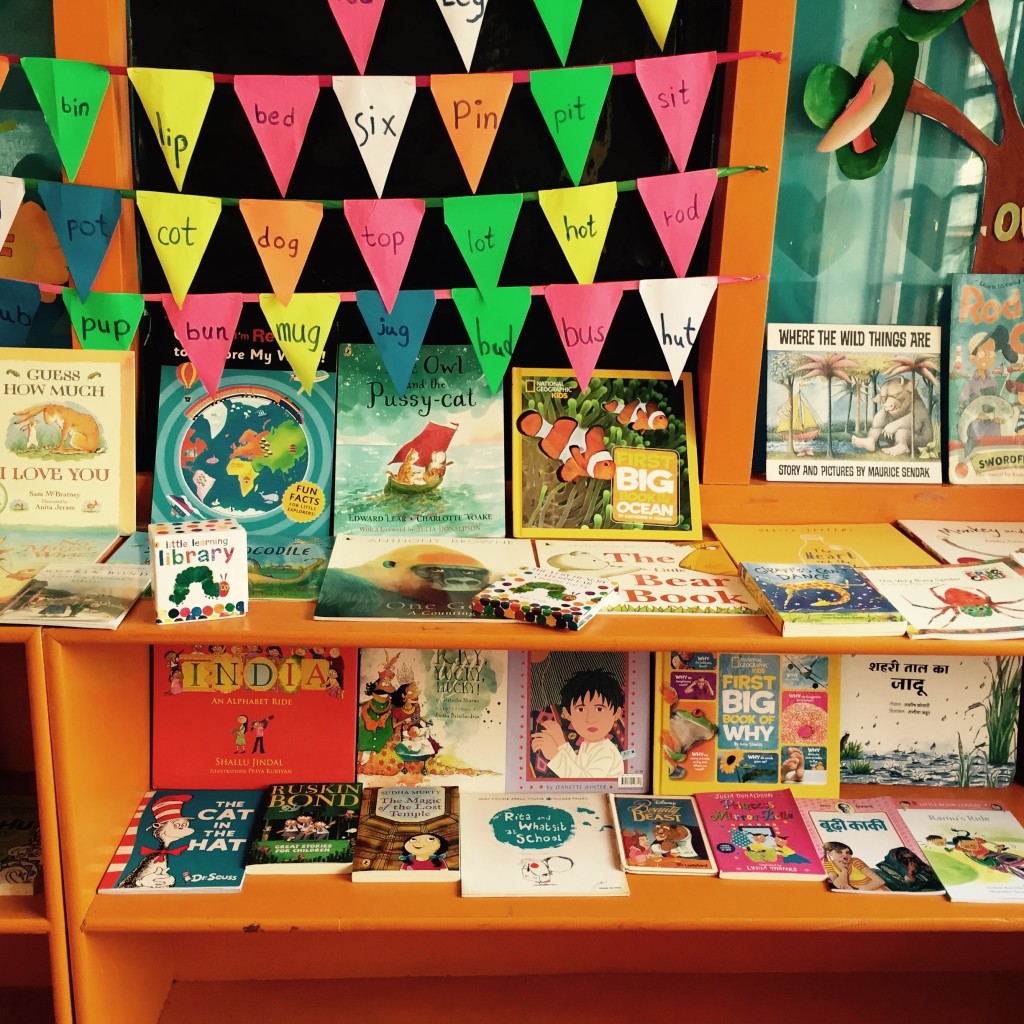
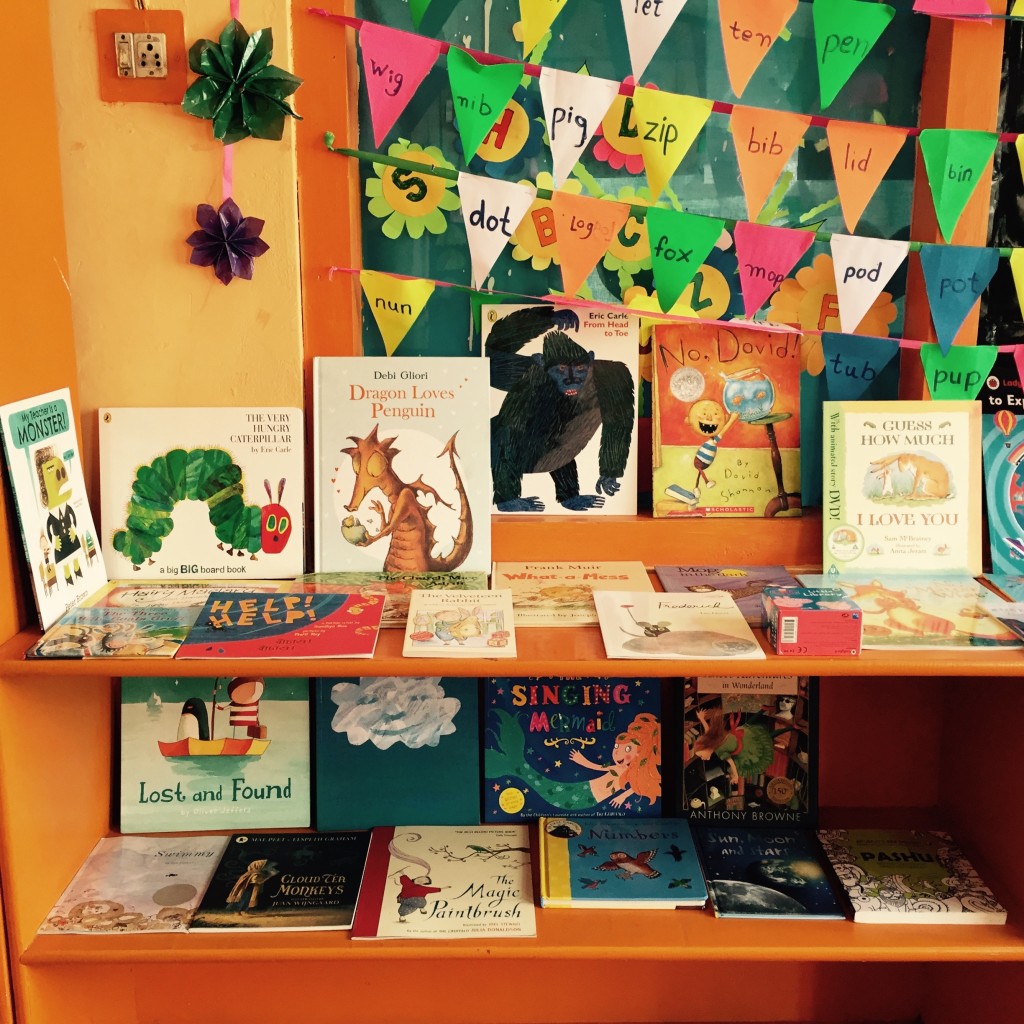
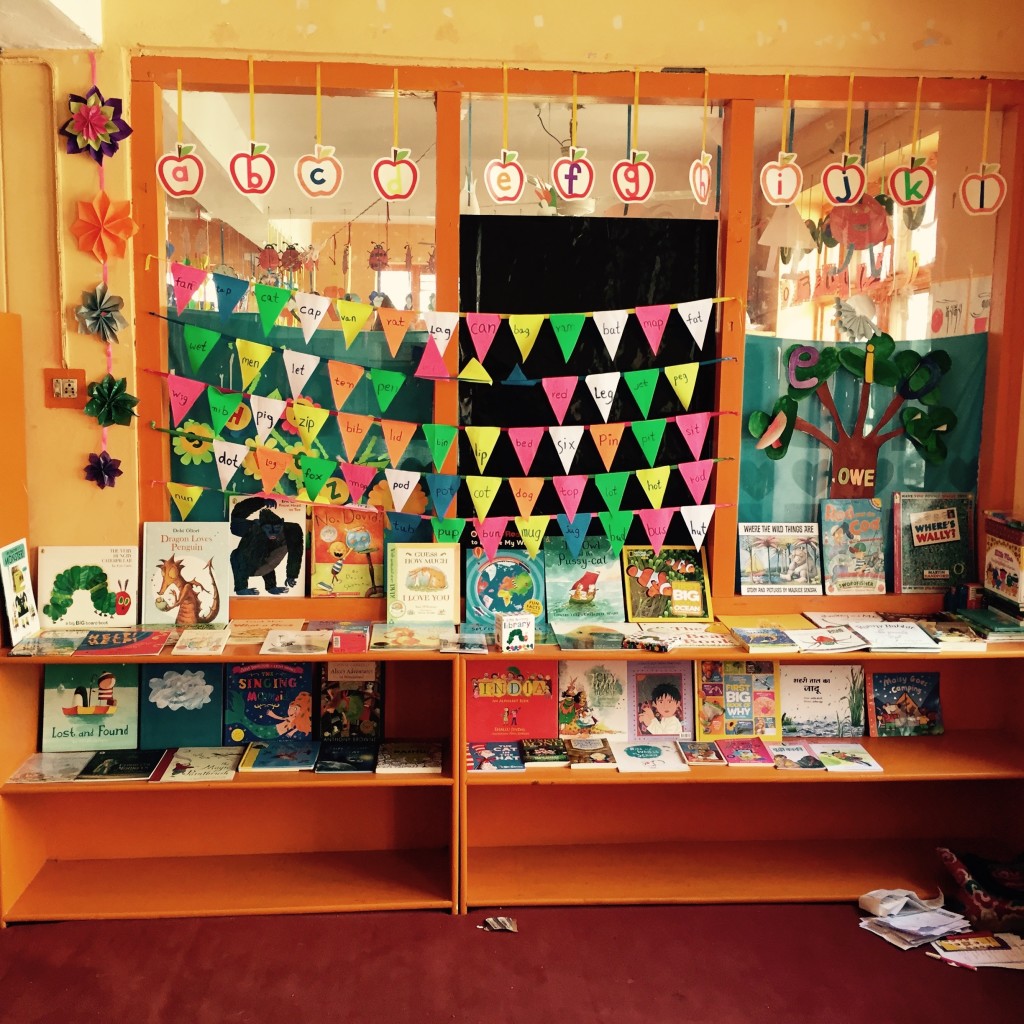
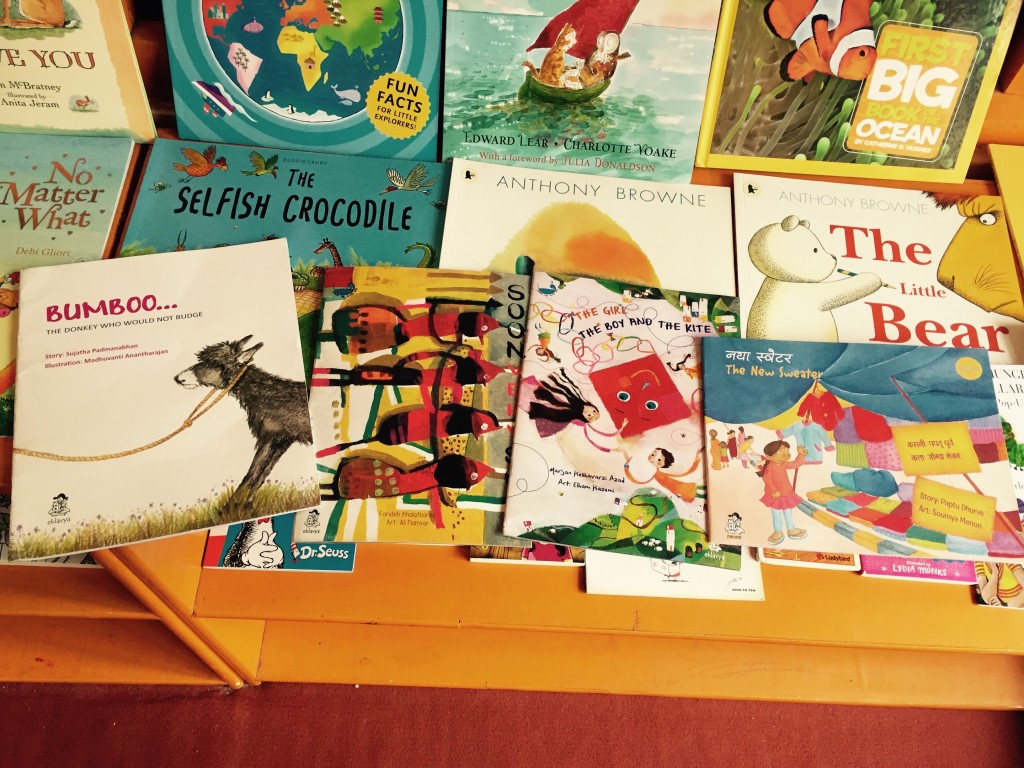
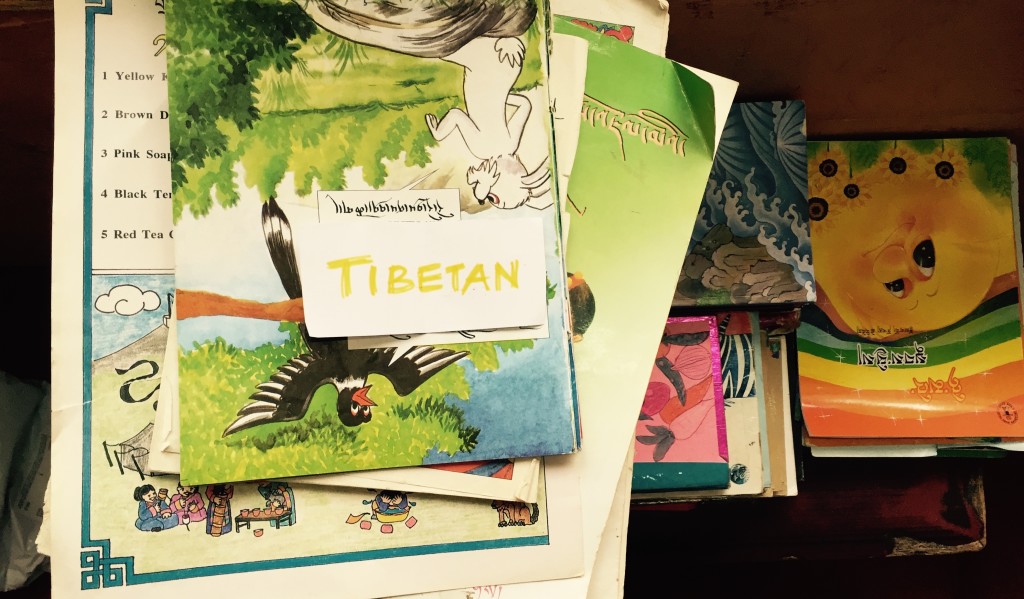
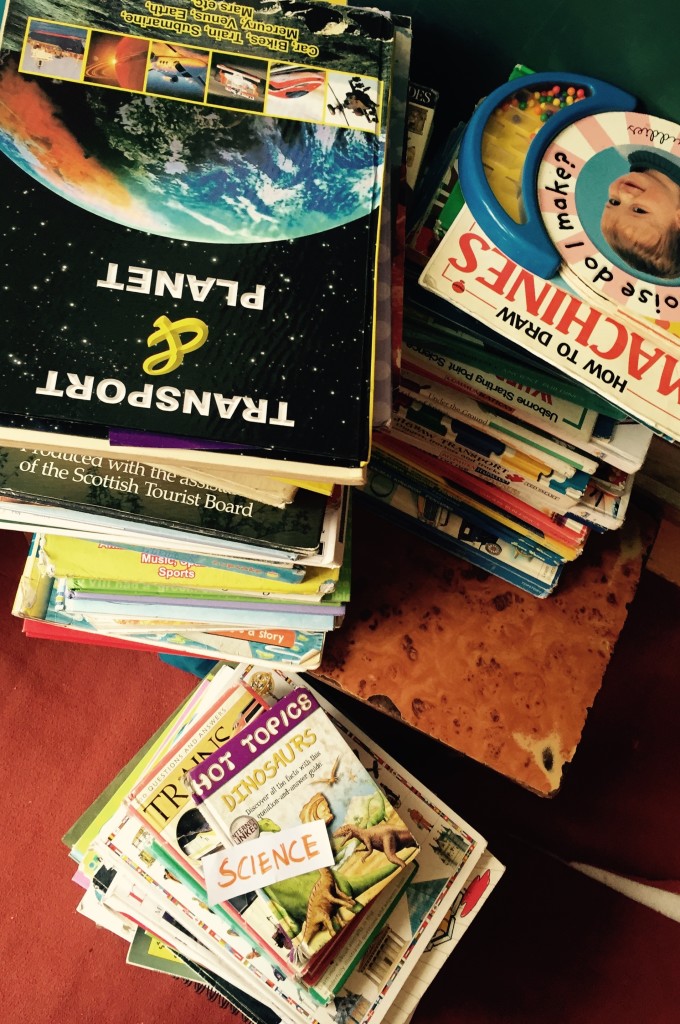
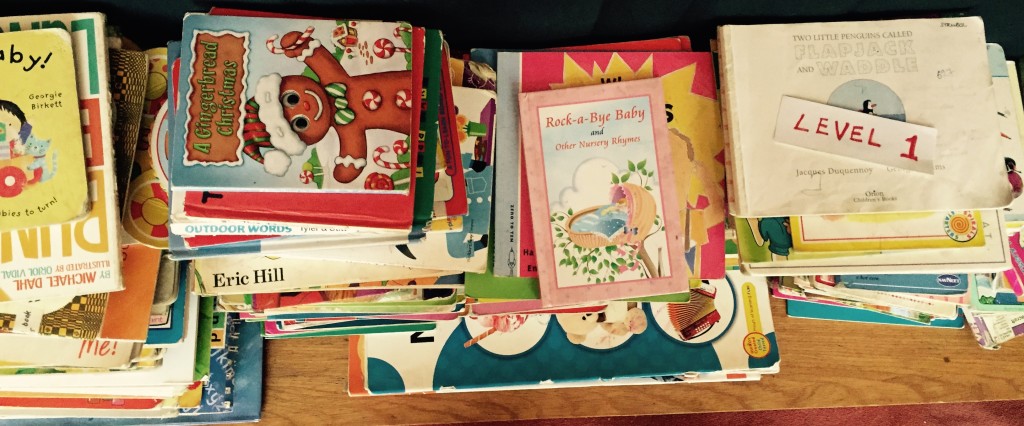
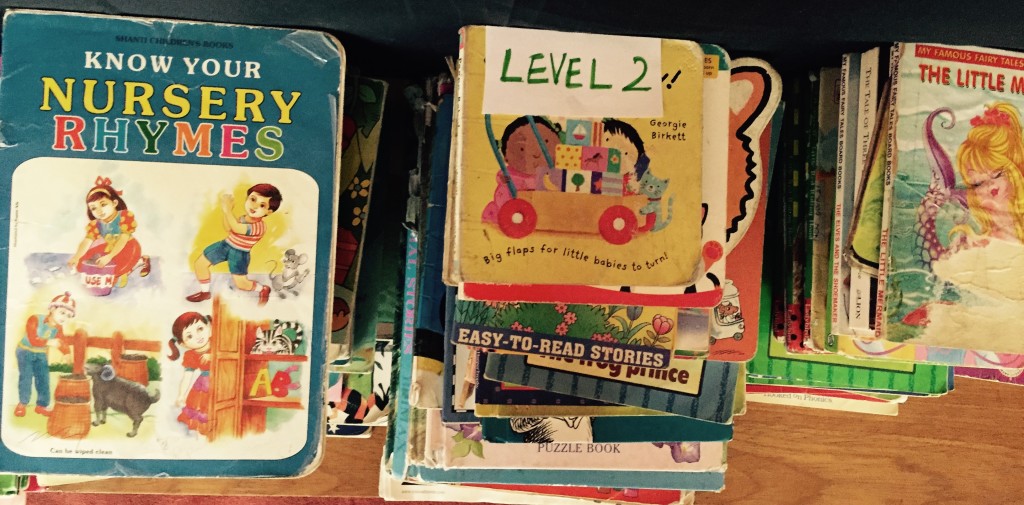
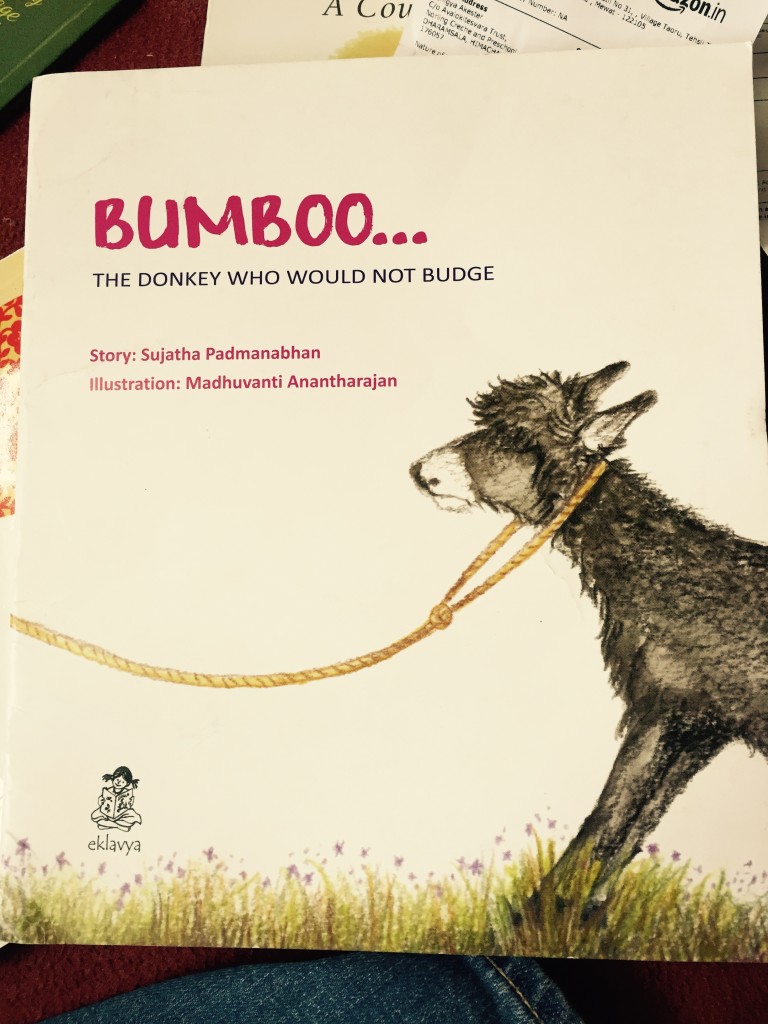
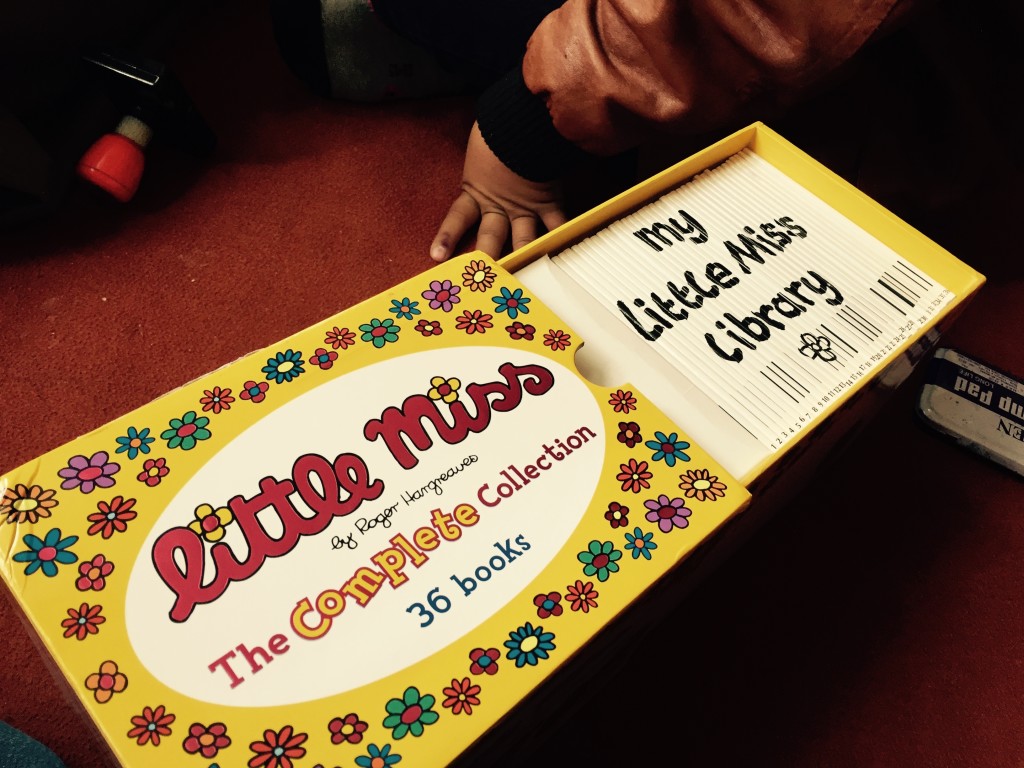
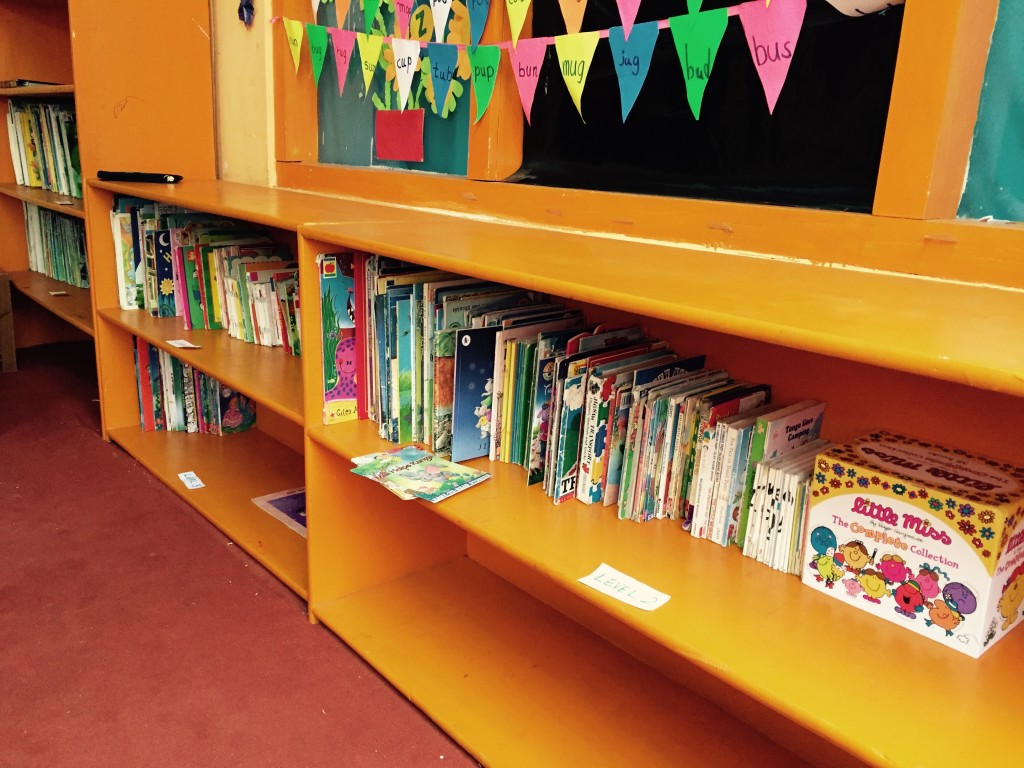
The shelves are arranged with the day’s readers in mind. Younger children may choose illustrated stories, while older students often look for adventure, science, history, or language-learning books. At a monastery, the selection may include works that support study alongside fiction and creative reading.
Climbing Toward Remote Communities
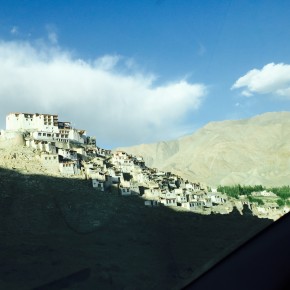
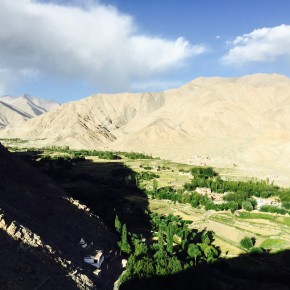
As the vehicle leaves the main settlement, the landscape opens into stark slopes, braided streams, and villages built around limited water and fertile ground. The drive can take longer than expected because the route follows the terrain rather than a straight line. High passes, narrow bridges, and rough tracks turn every kilometer into part of the workday.
A bookmobile driver must be both attentive and patient. The vehicle carries a valuable load, yet the purpose of the journey is human contact. There is time for a child to browse slowly, for a teacher to explain which resources are needed, and for a young monk to recommend a book to a friend.
These visits create continuity. Children begin to recognize the vehicle and may plan their reading between visits. A regular mobile library service can support classroom learning while encouraging independent reading, imagination, and the habit of caring for shared resources.
The Stop That Becomes A Reading Room
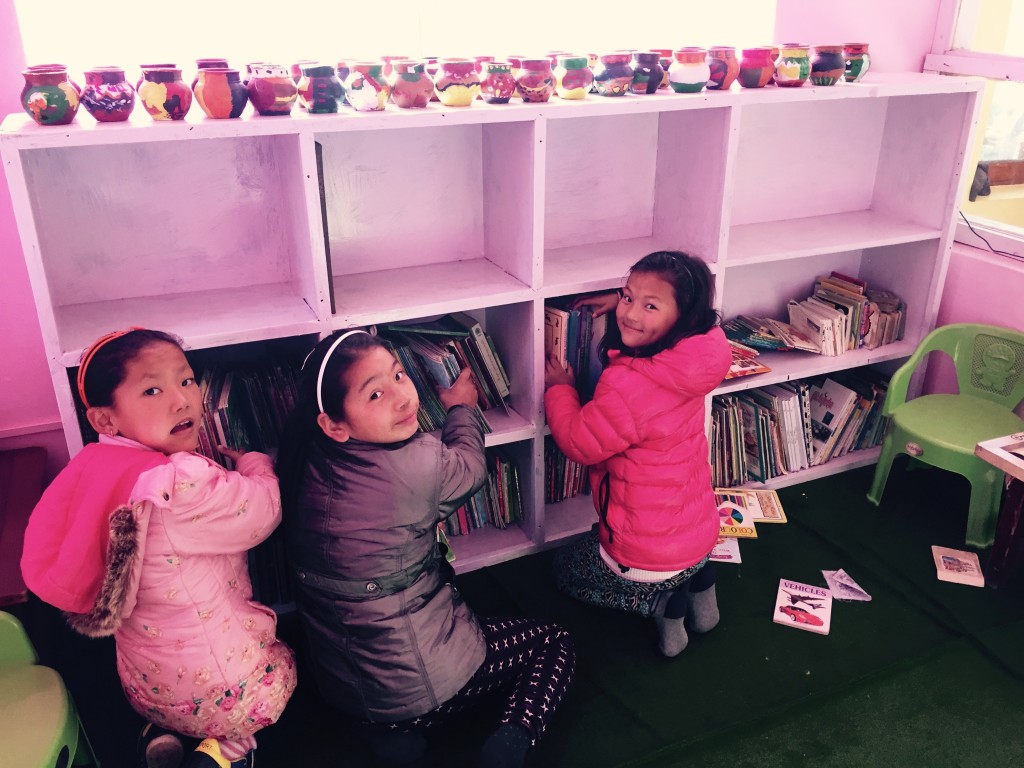
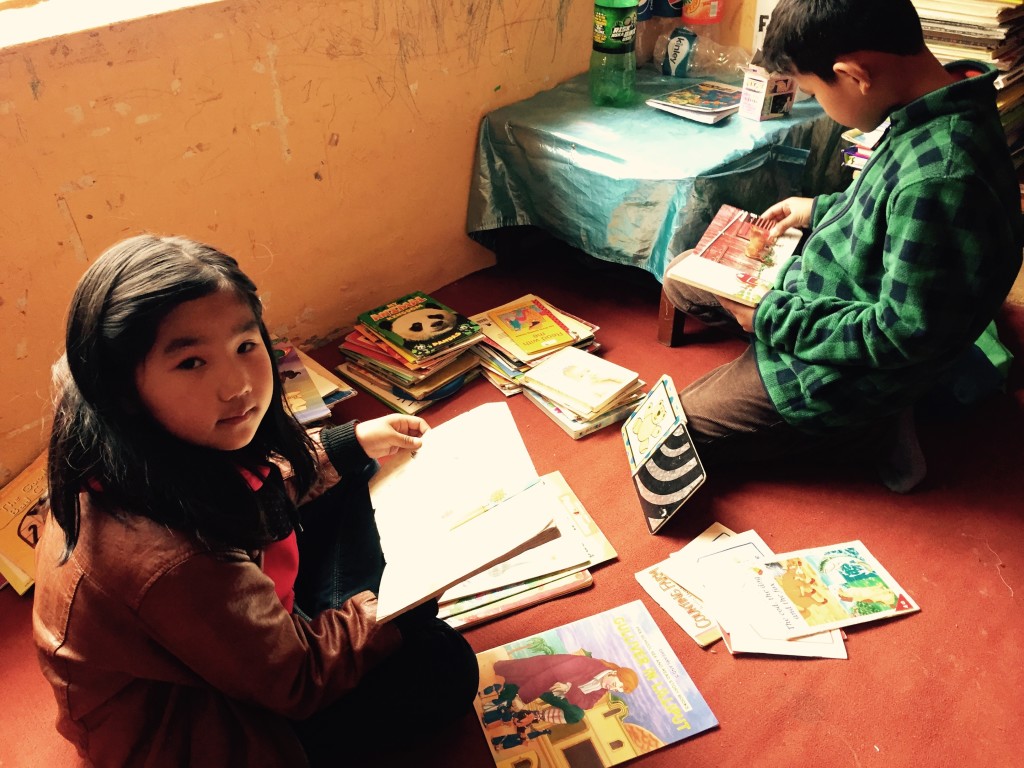
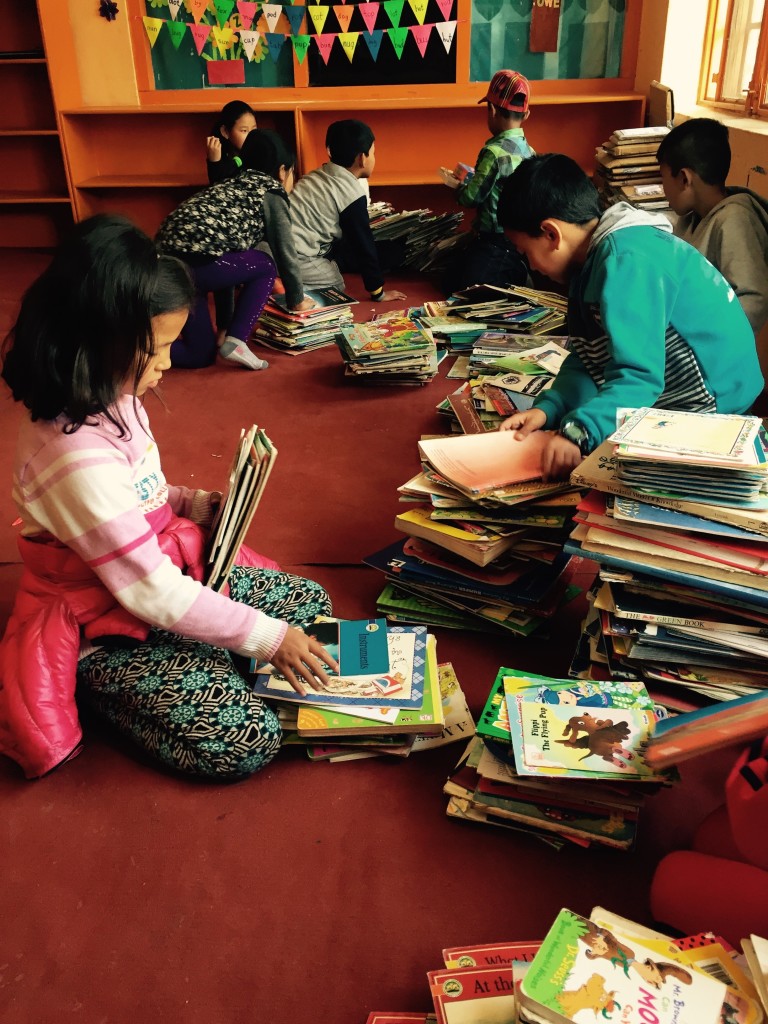
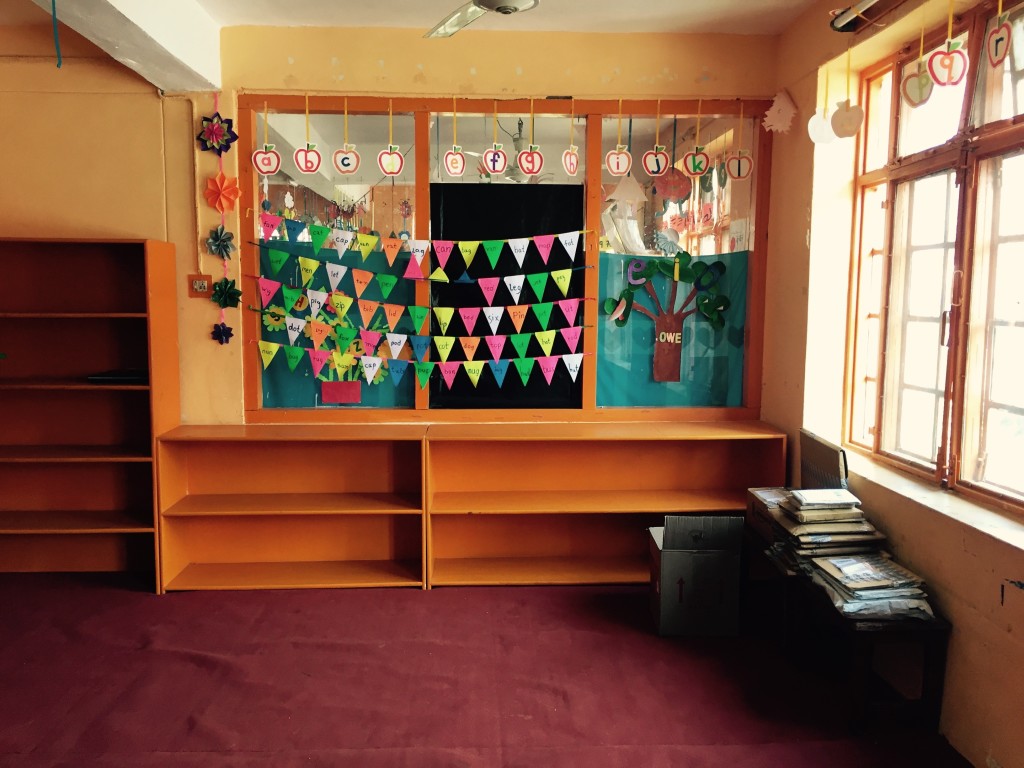
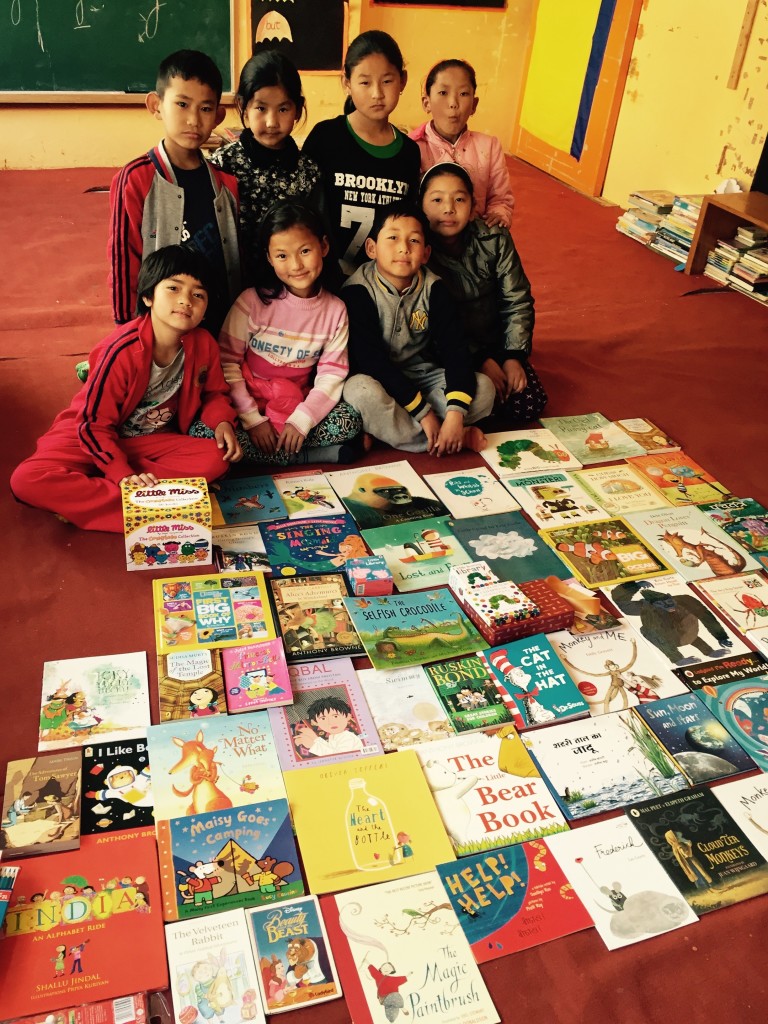
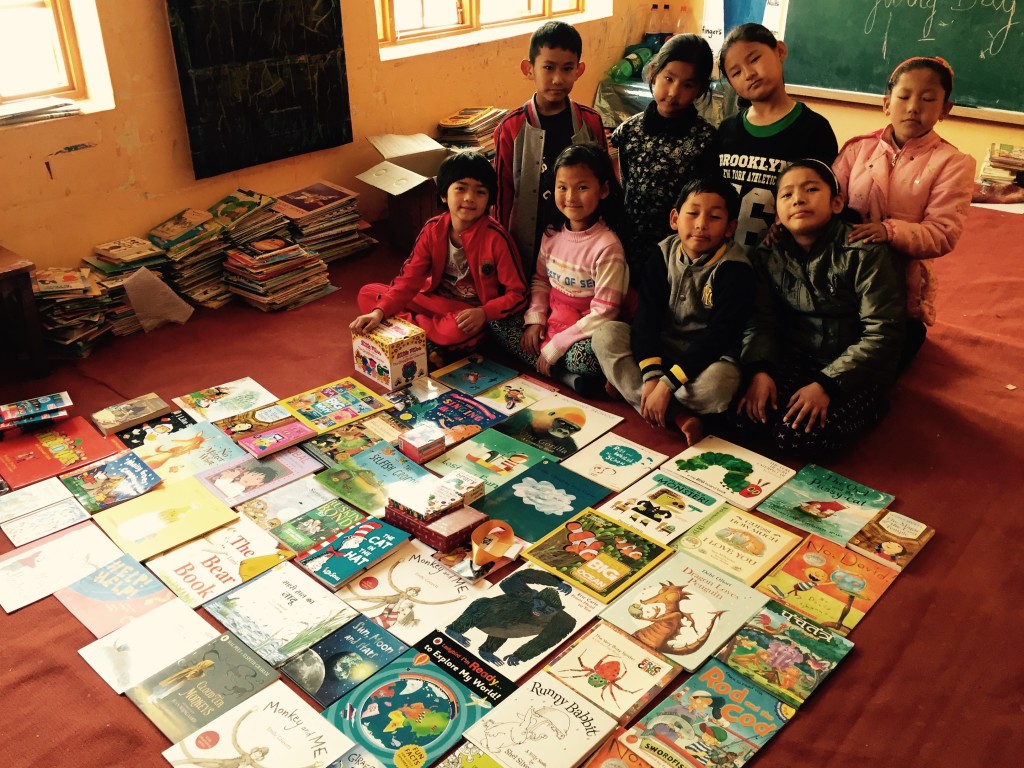
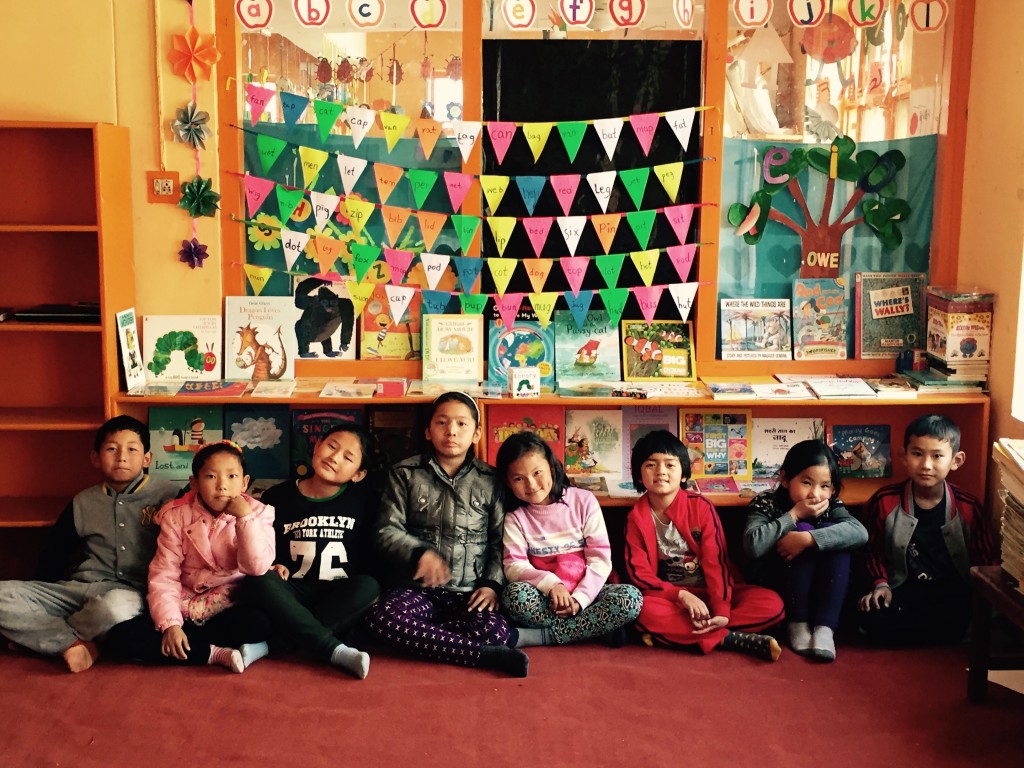
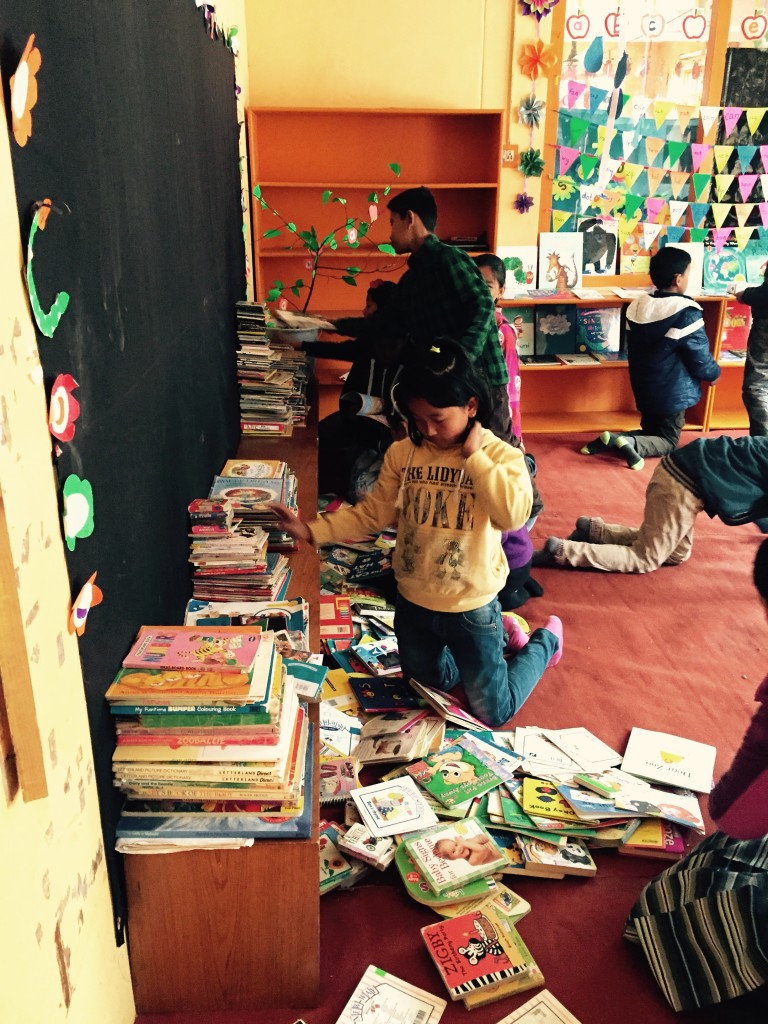
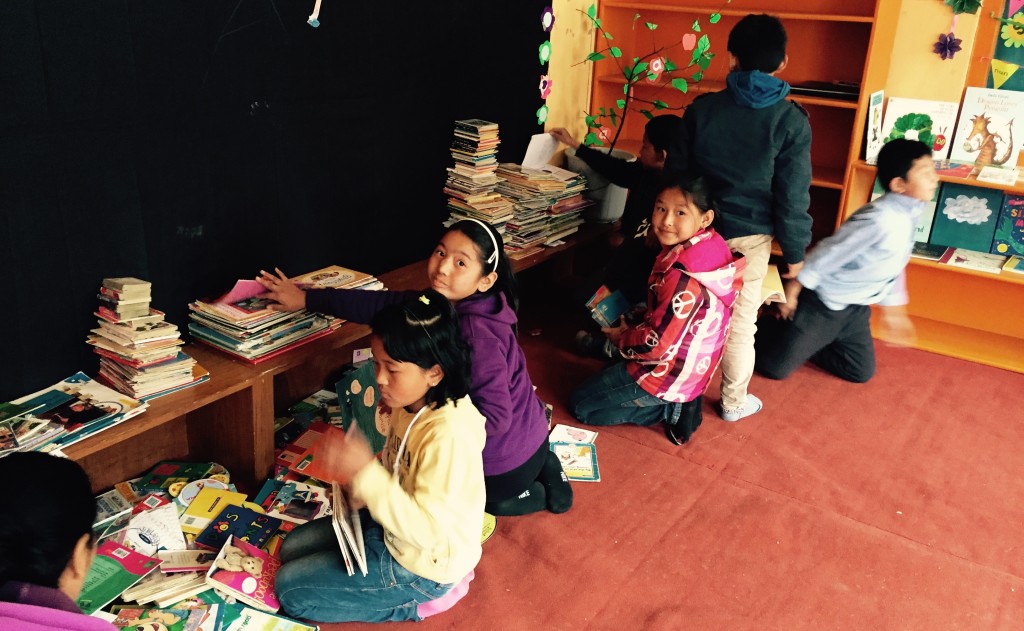
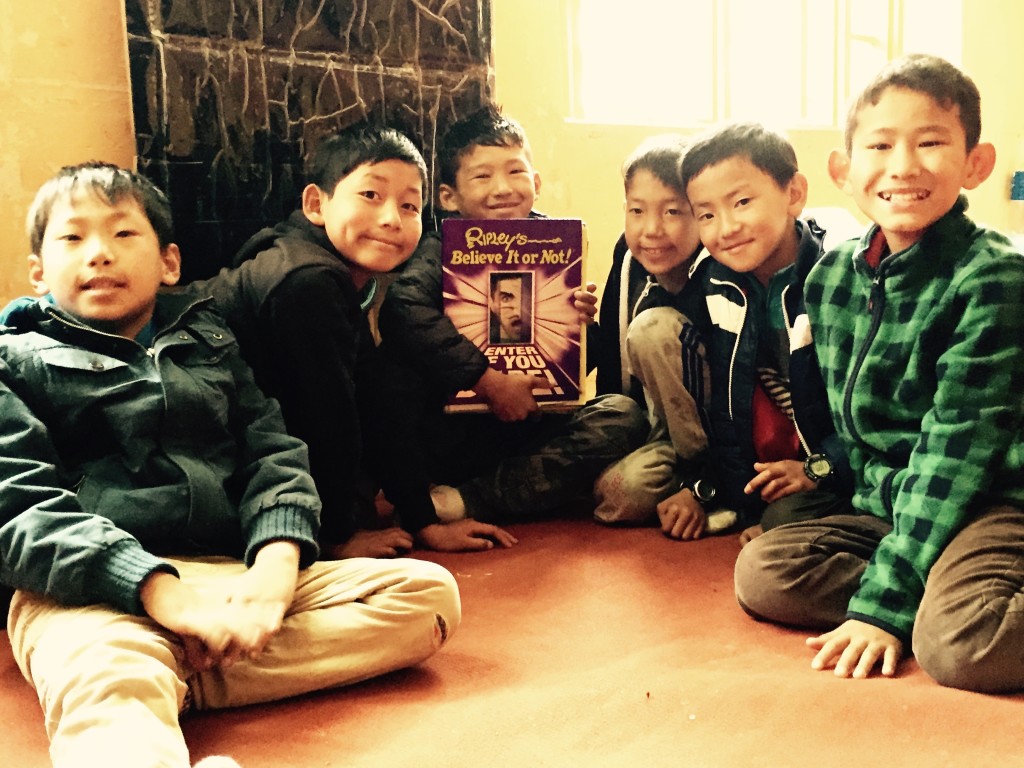
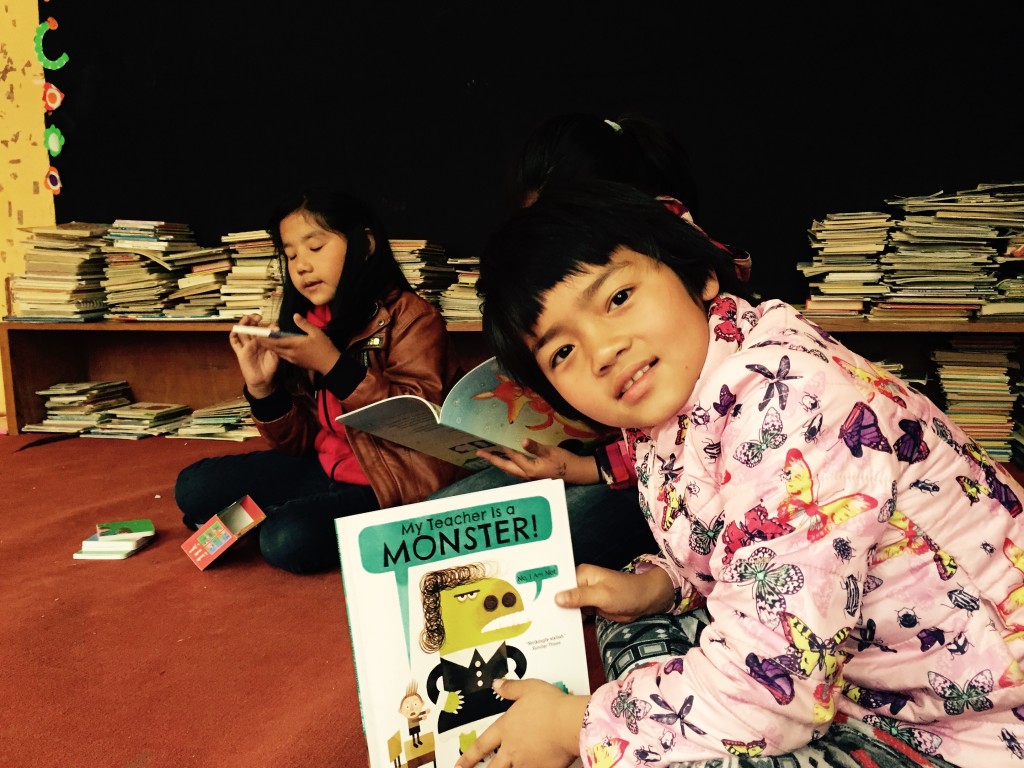
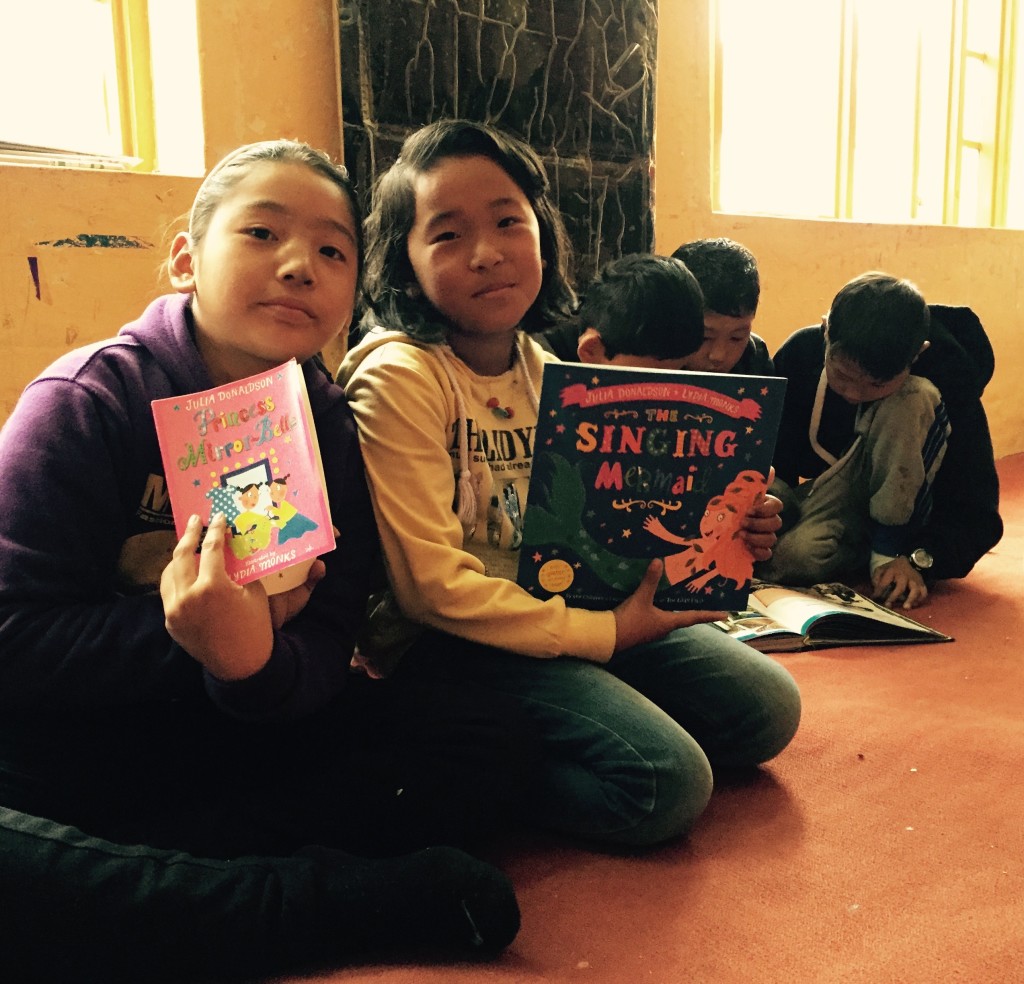
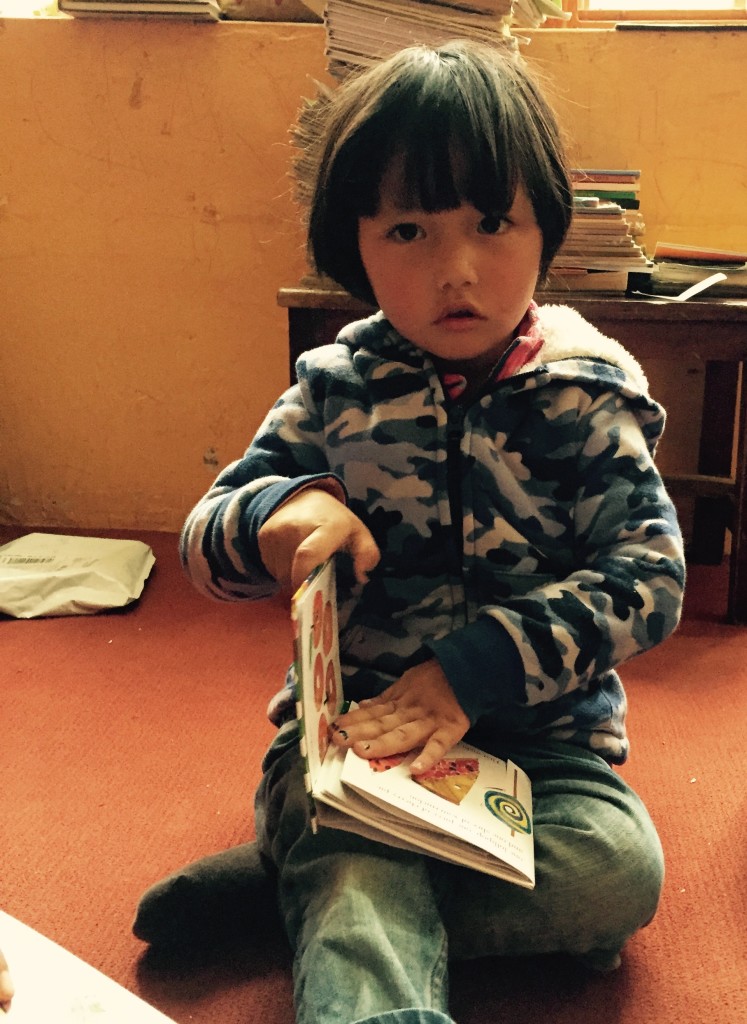
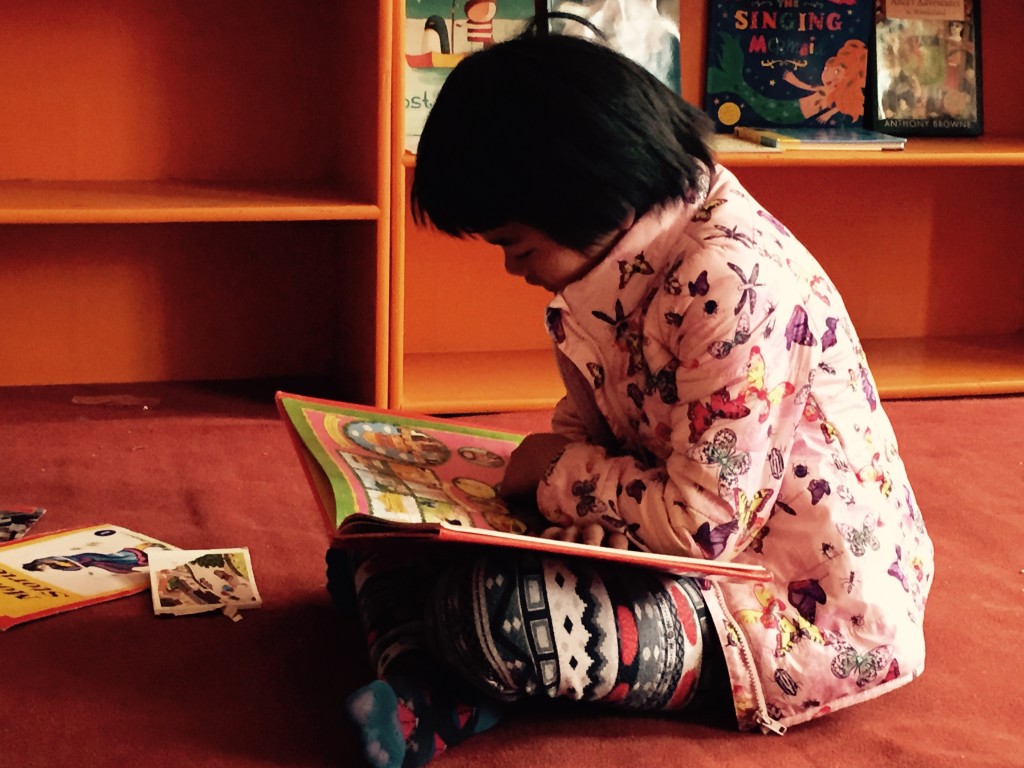
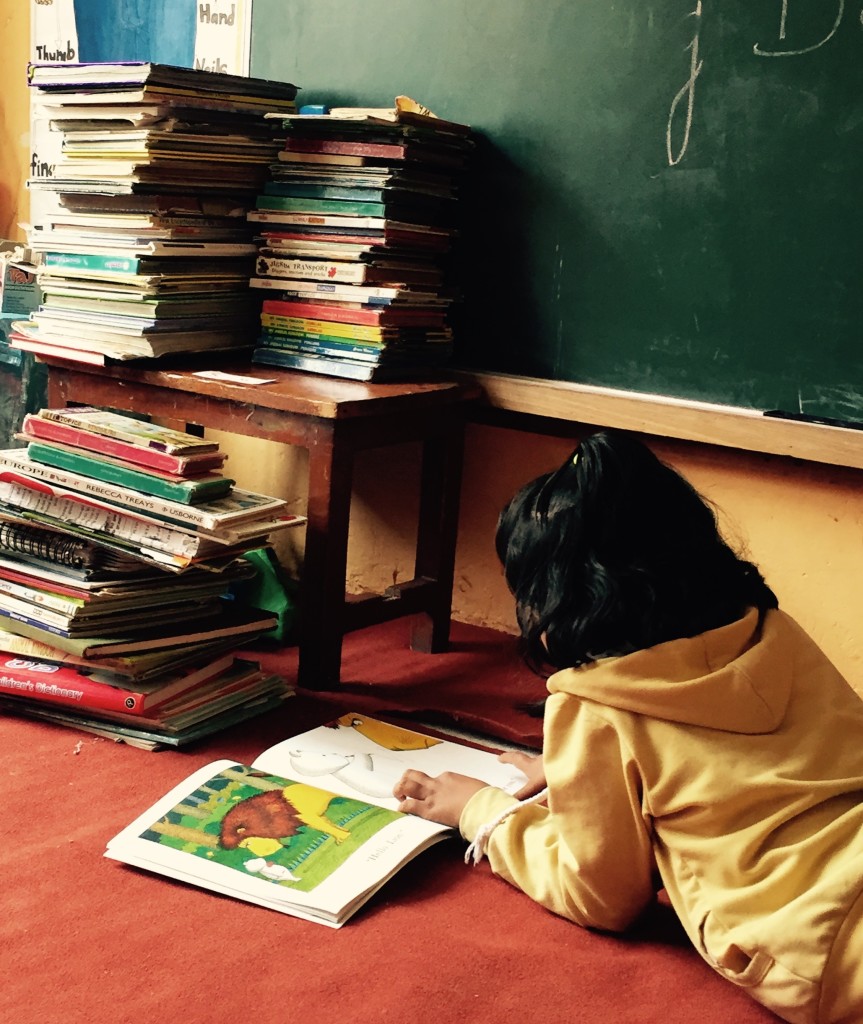
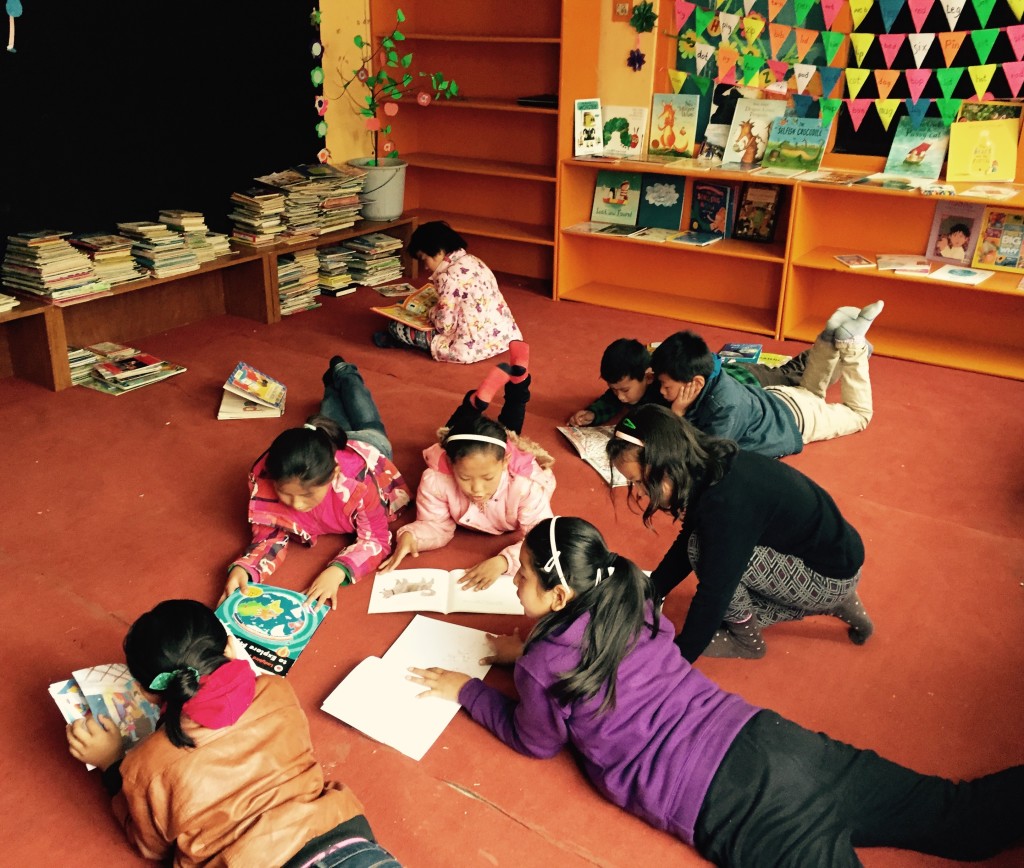
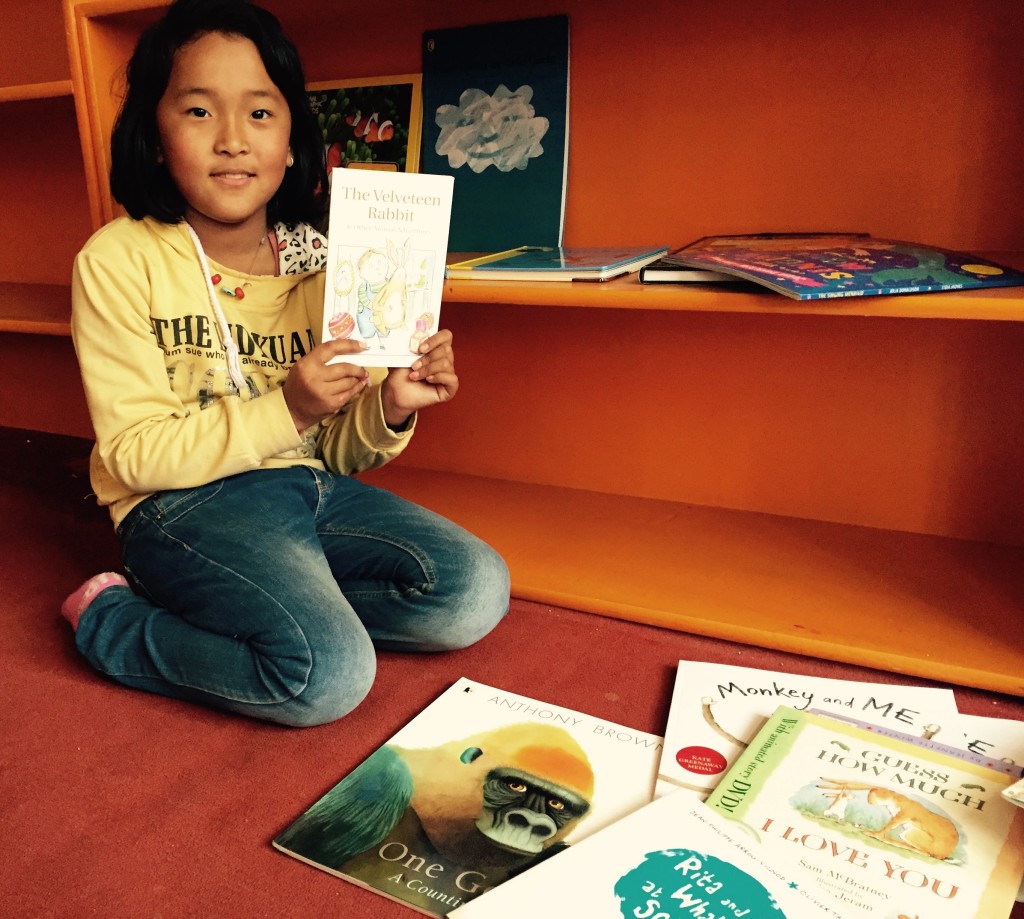
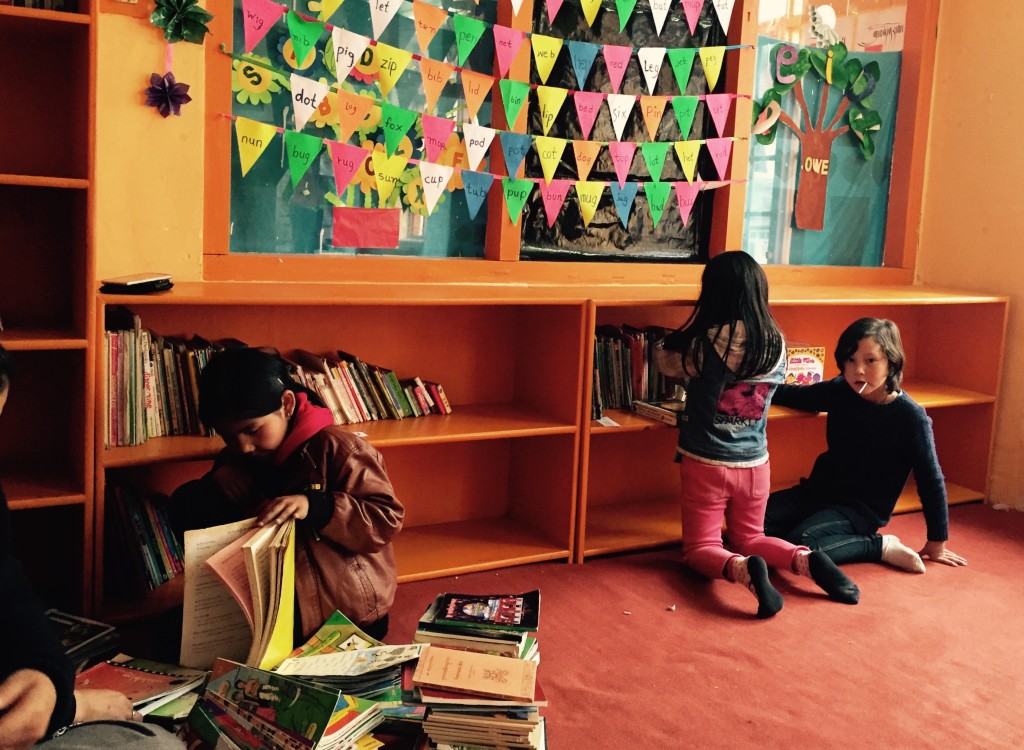
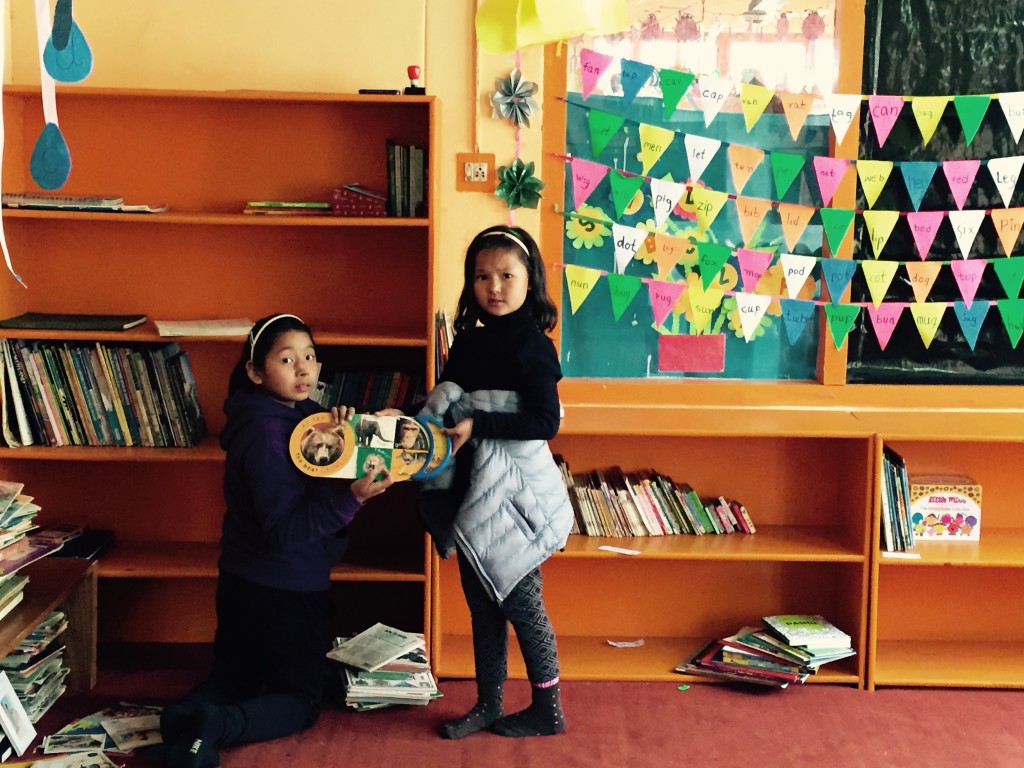
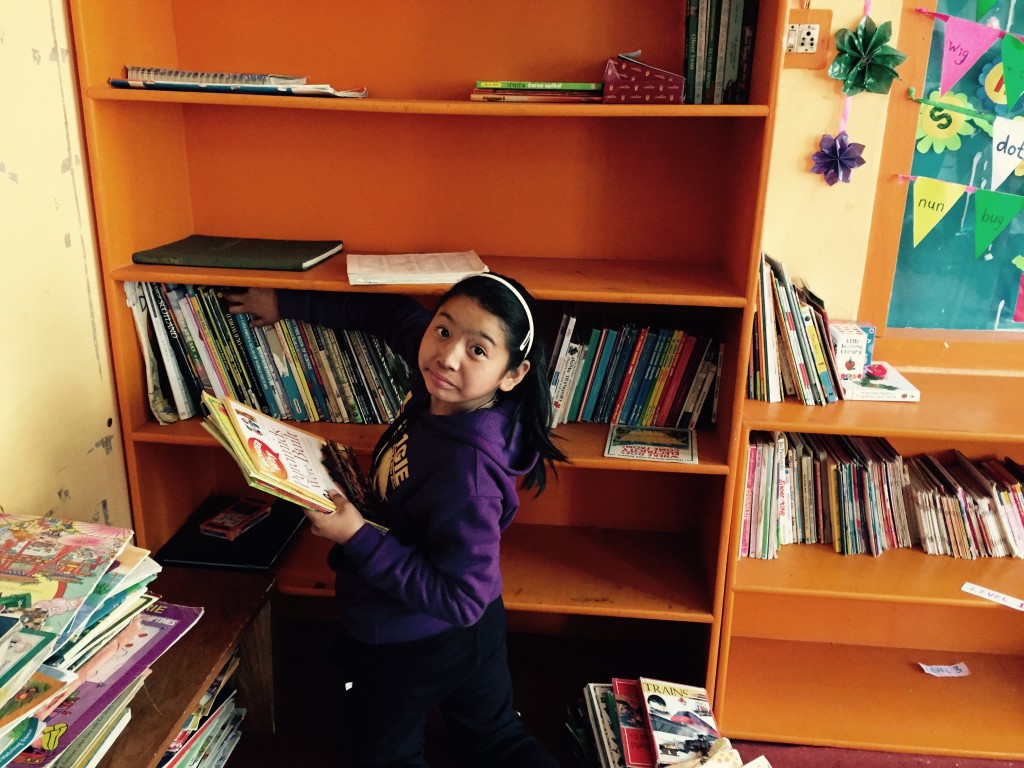
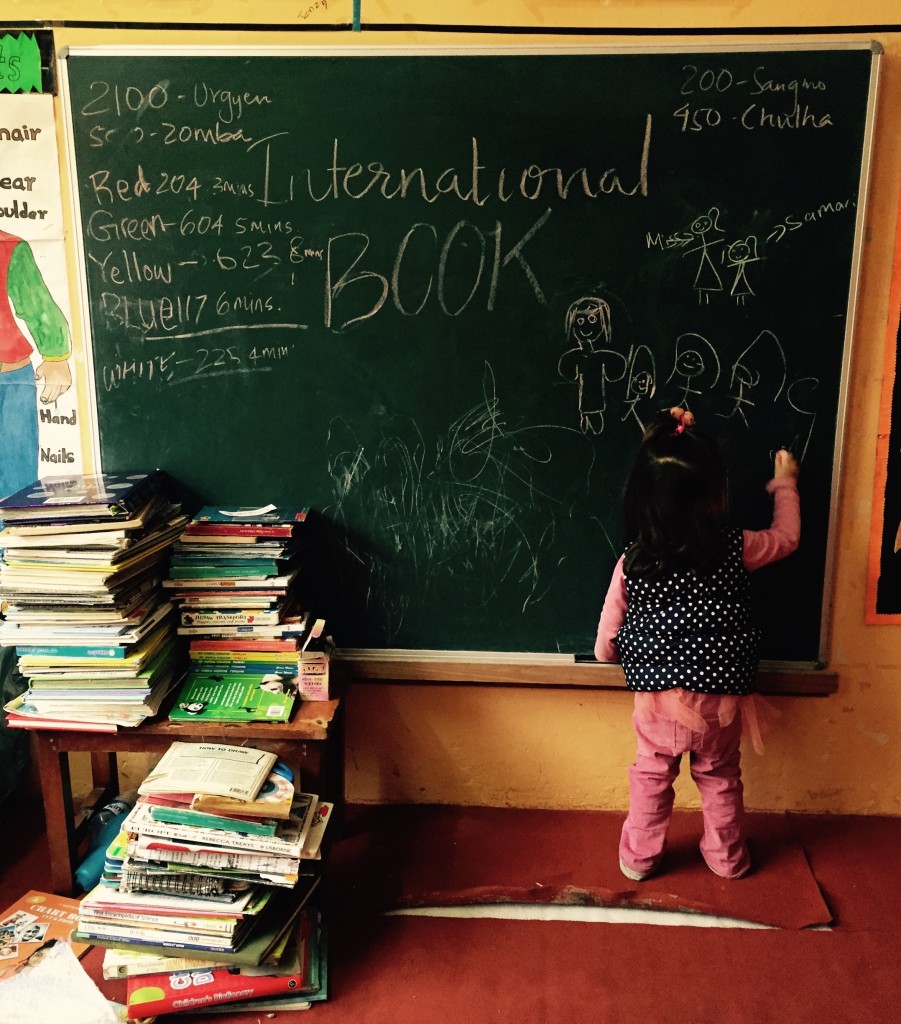
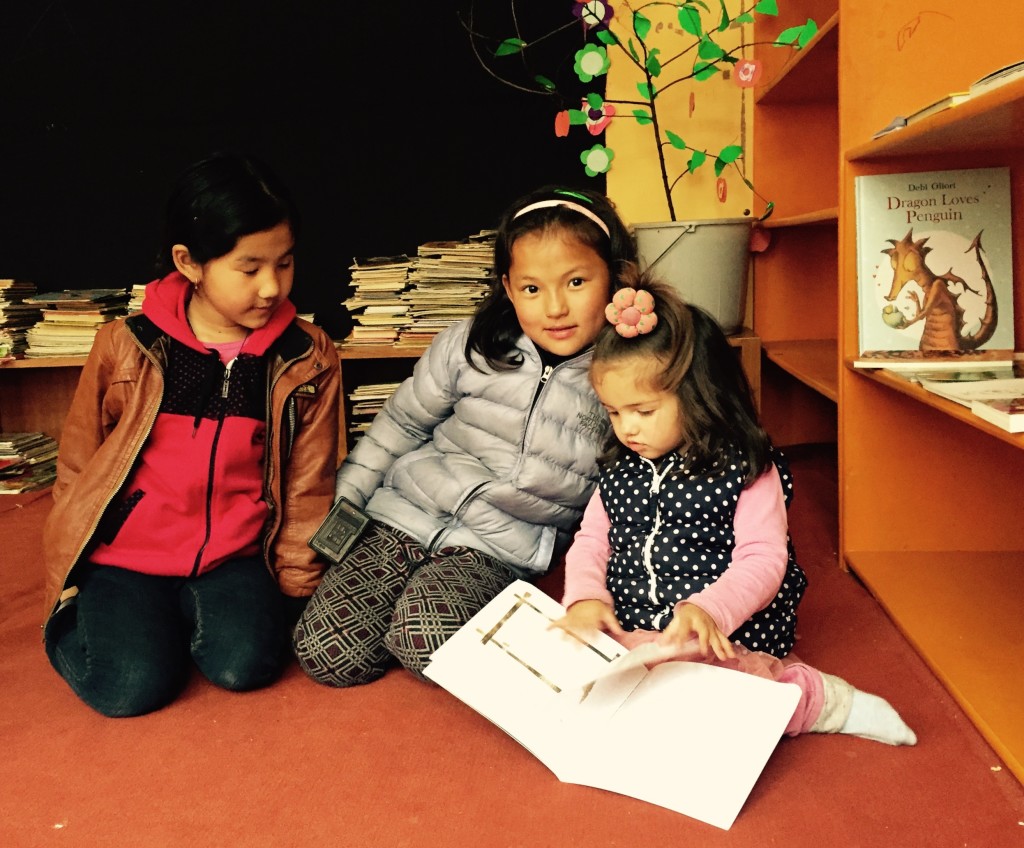
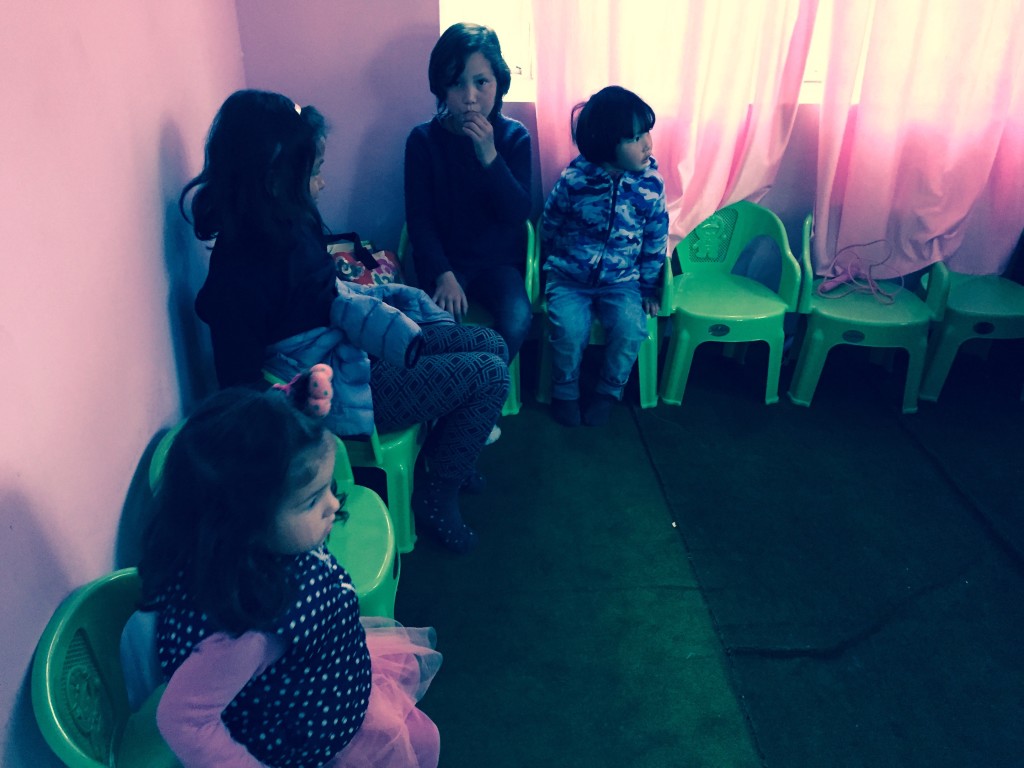
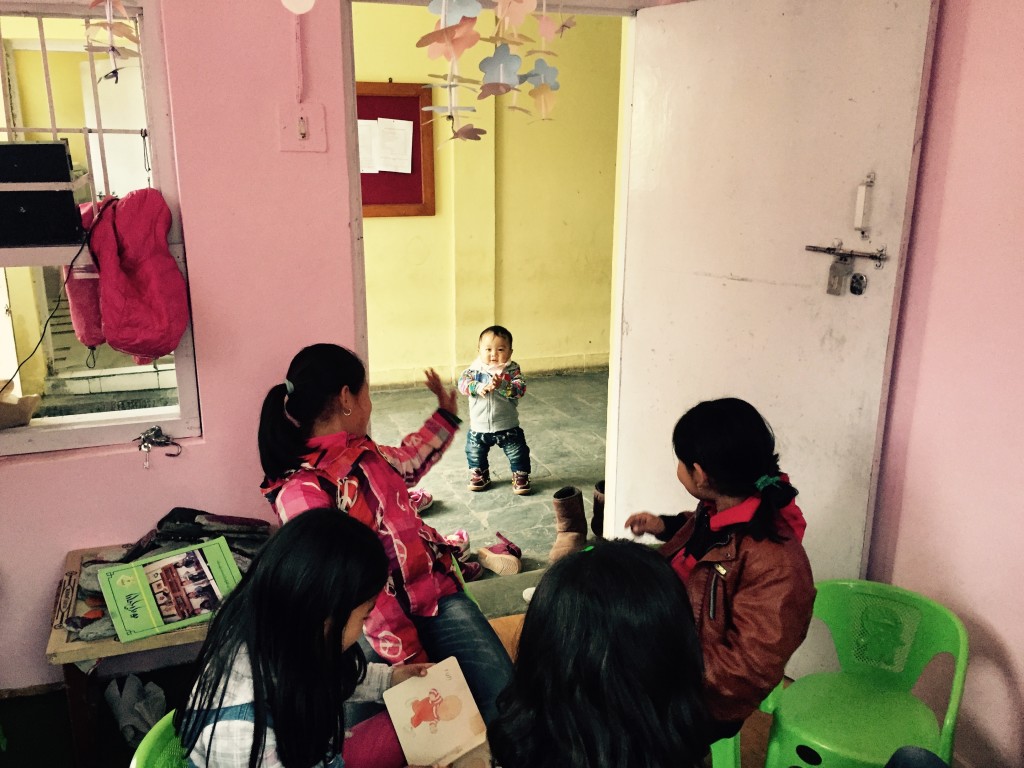
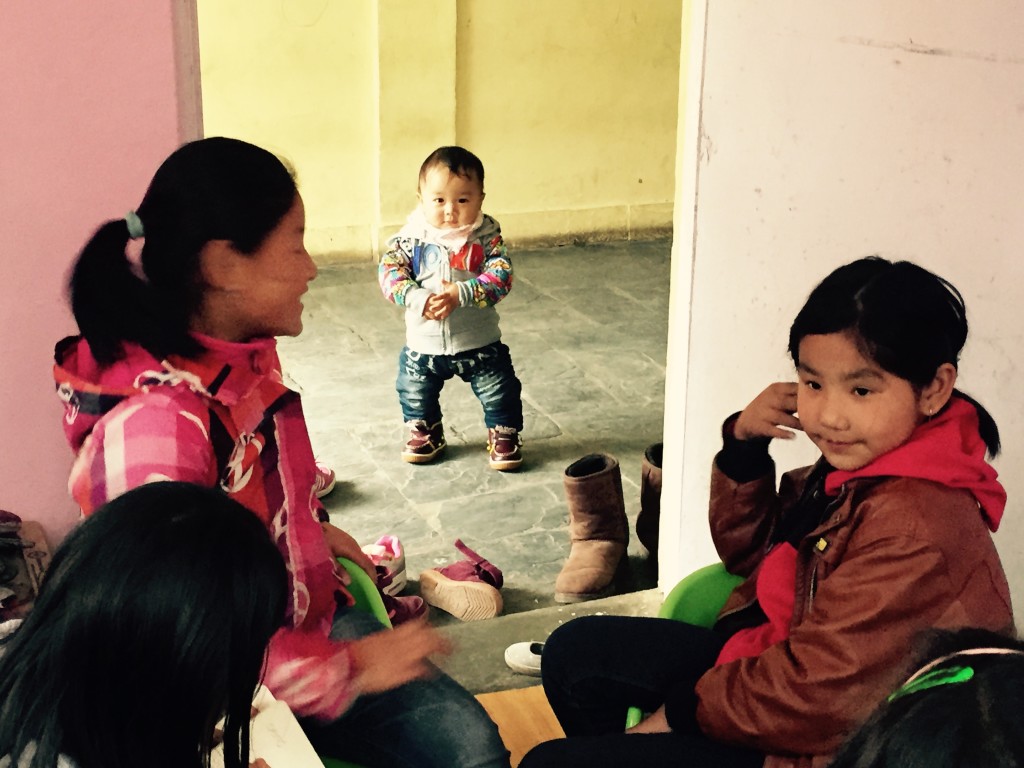
When the bookmobile arrives, its doors can transform an ordinary courtyard, classroom, or community space. Children gather around the shelves, compare covers, and ask for help finding a title. Some readers know exactly what they want; others discover books by following a picture, a color, or a recommendation from a peer.
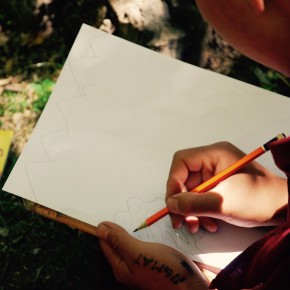
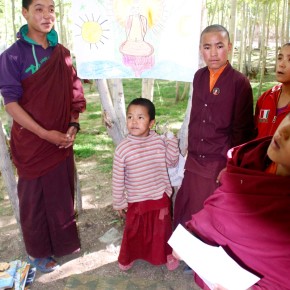
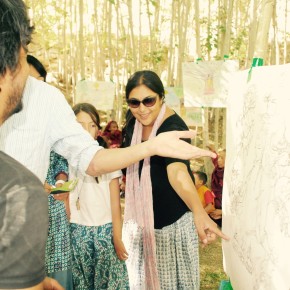
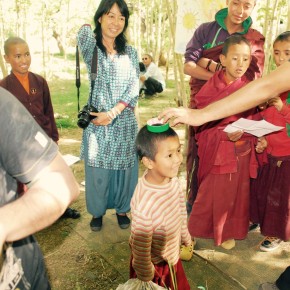
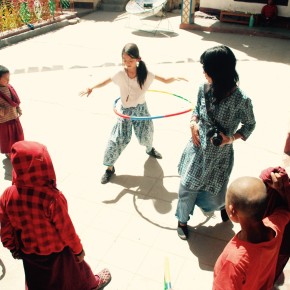
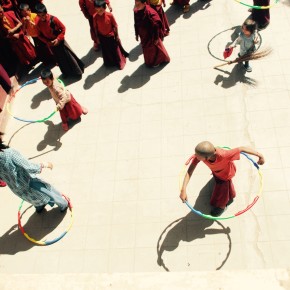
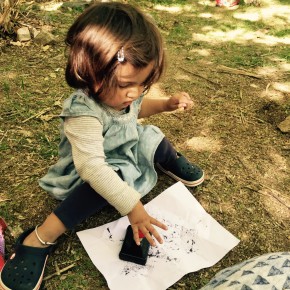
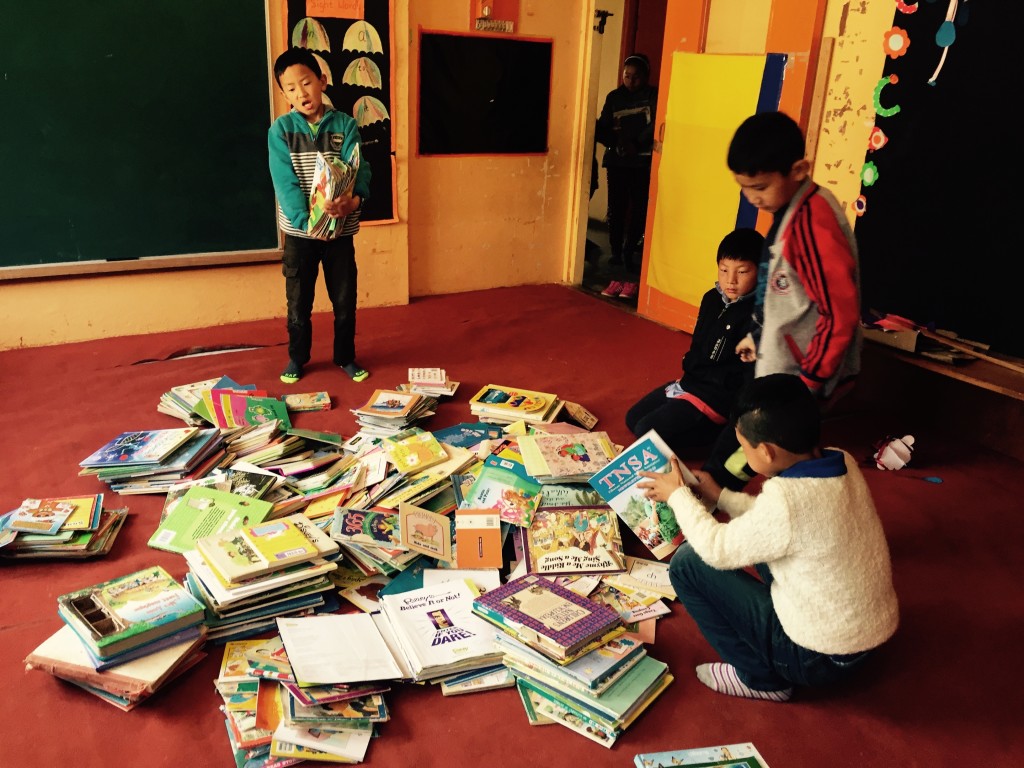
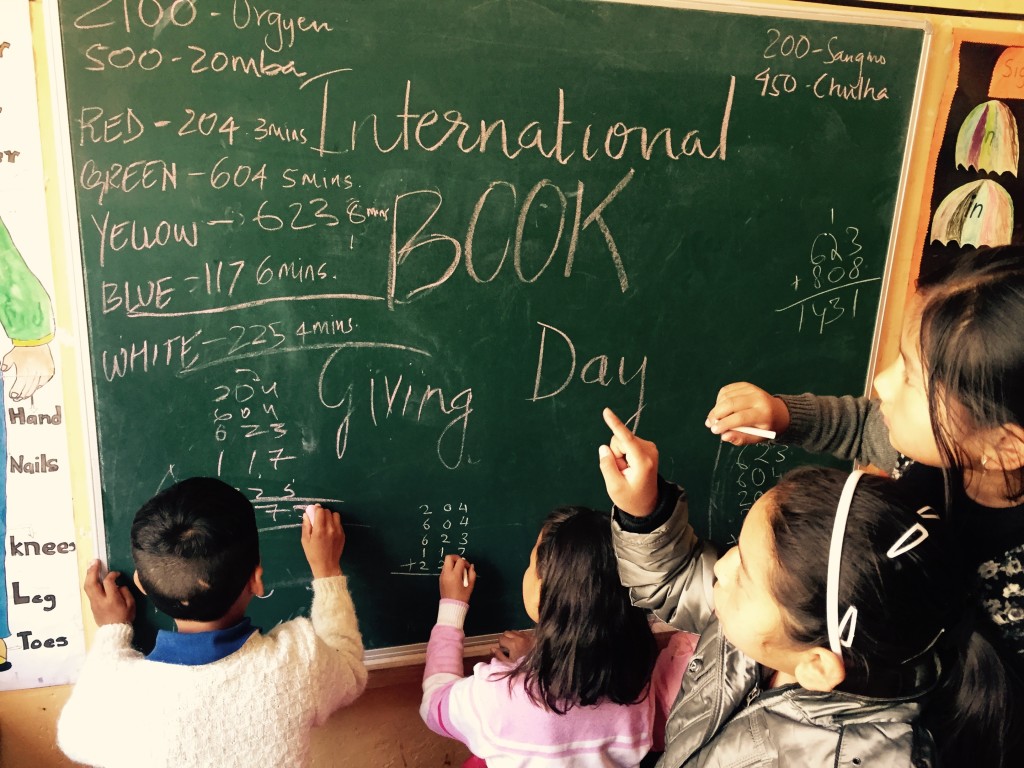
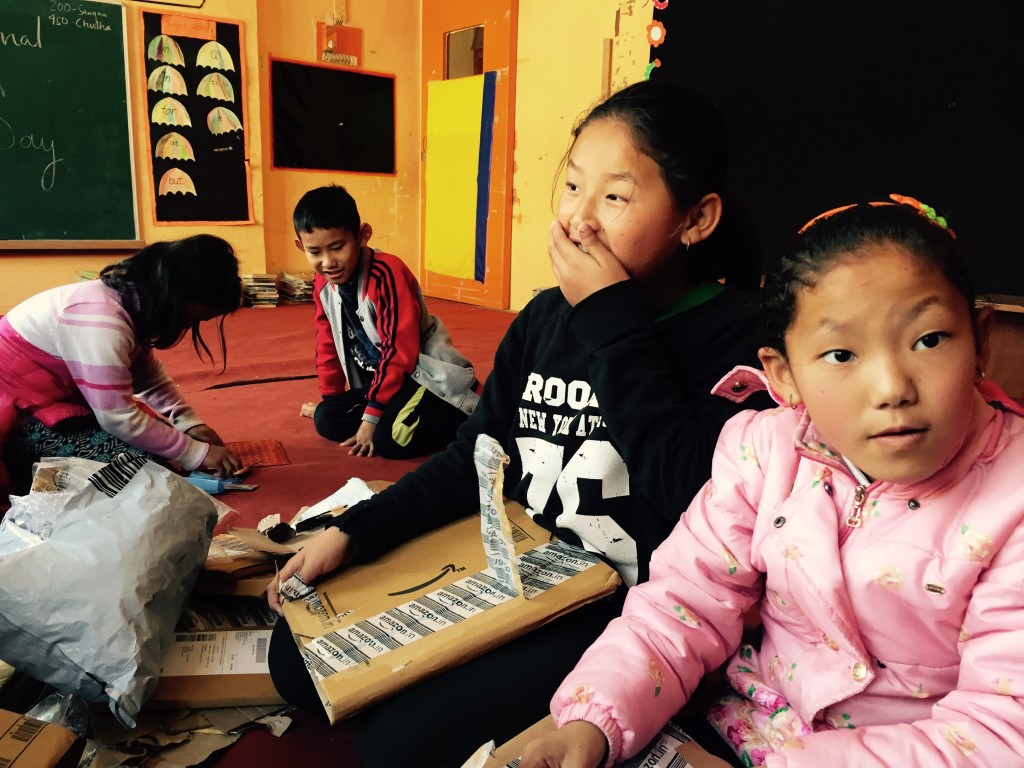
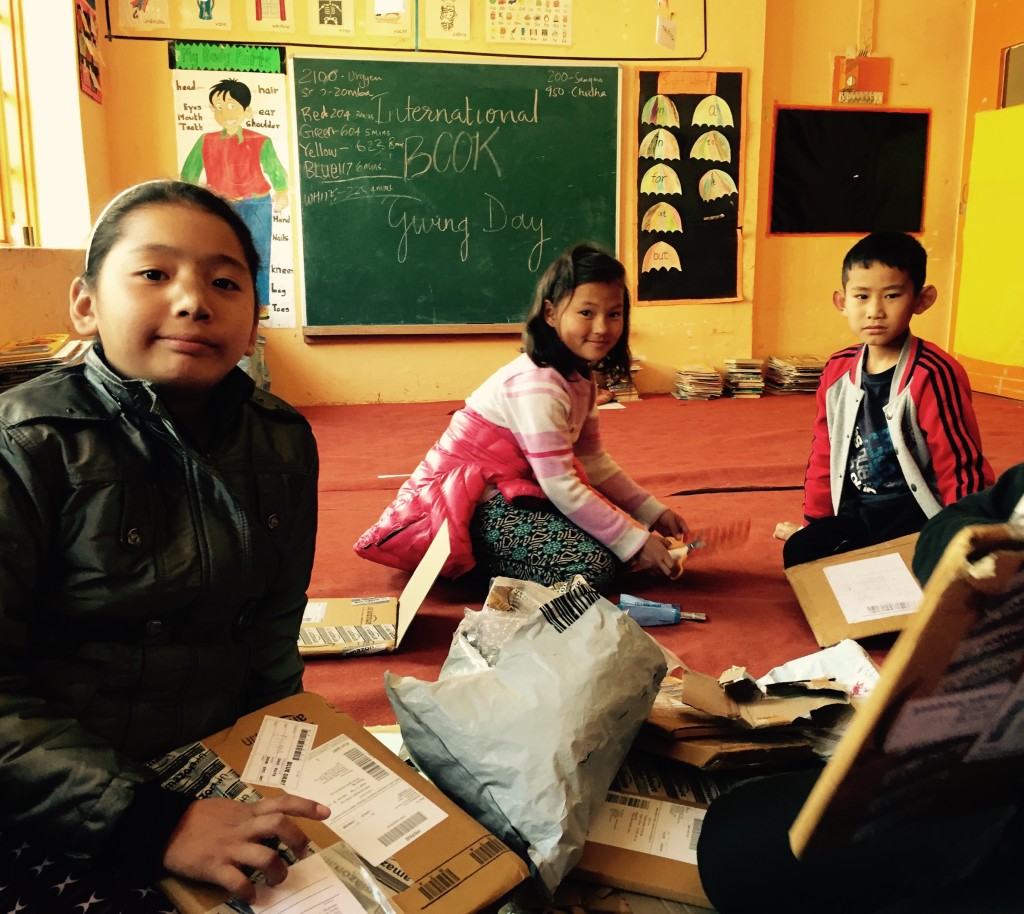
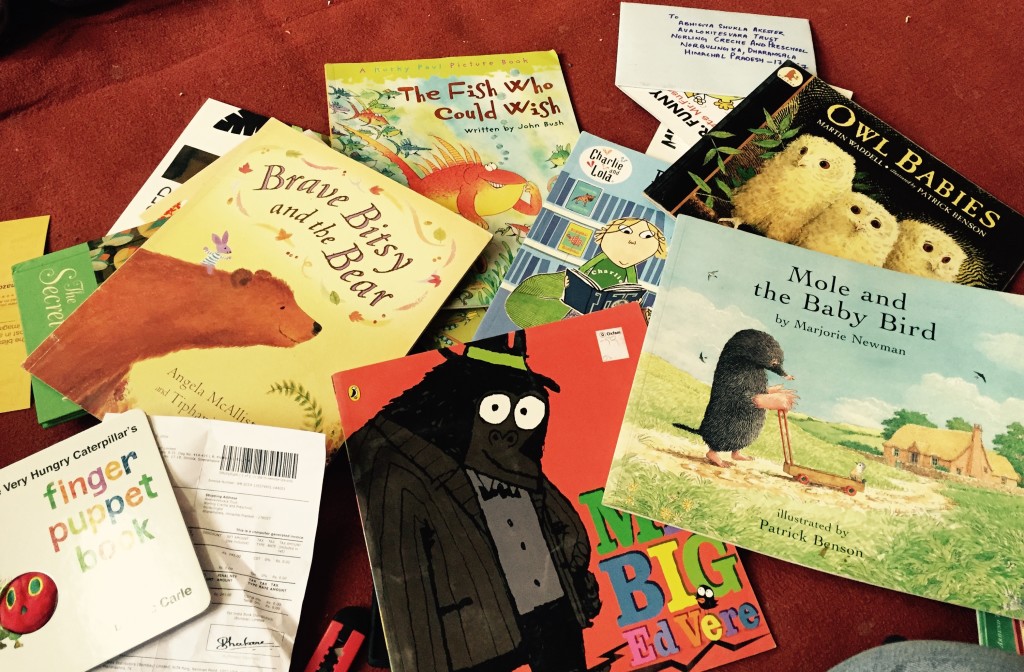
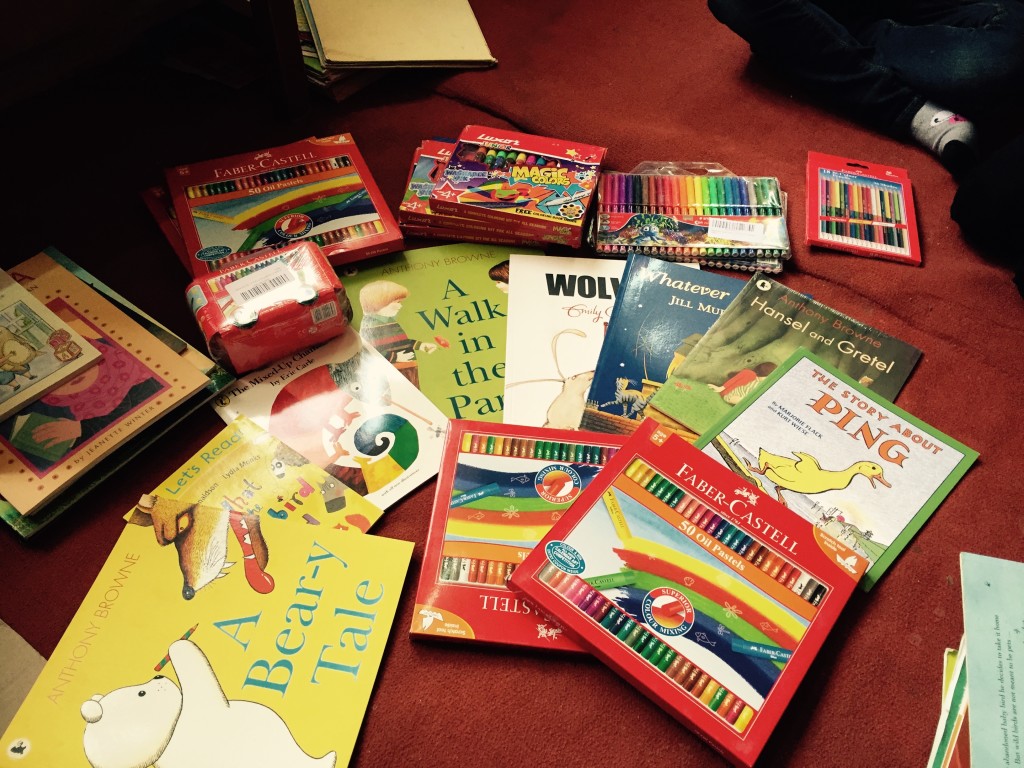
The driver may help organize a read-aloud session, distribute donated books, or set aside materials for a teacher. Art supplies and musical resources can be as important as printed pages because literacy grows alongside confidence, expression, and curiosity. A child who draws a scene from a story or performs a song may be developing the same sense of agency that reading encourages.
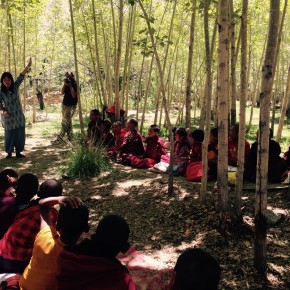
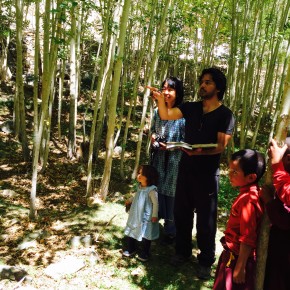
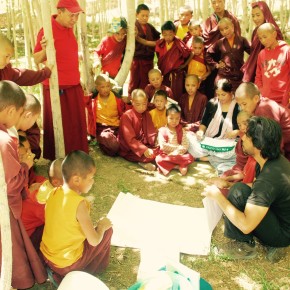
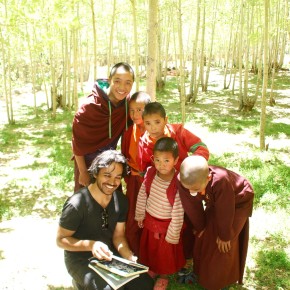
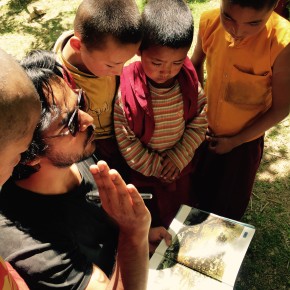
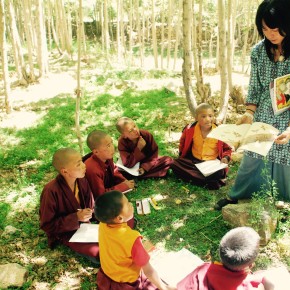
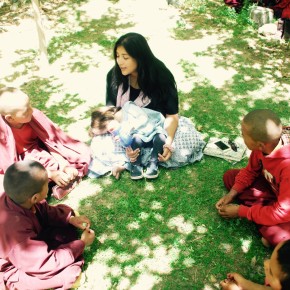
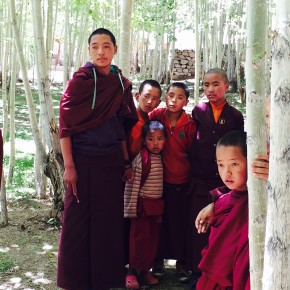
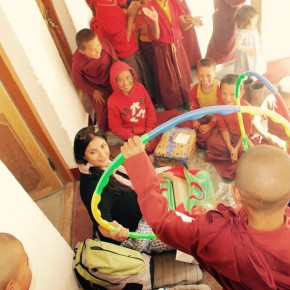
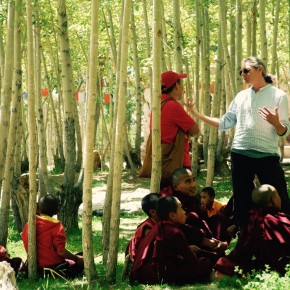
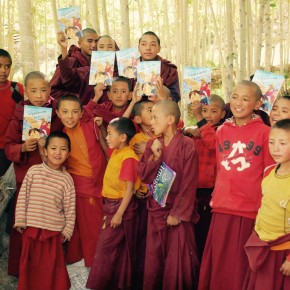
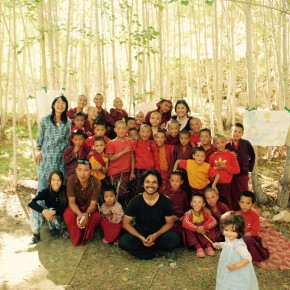
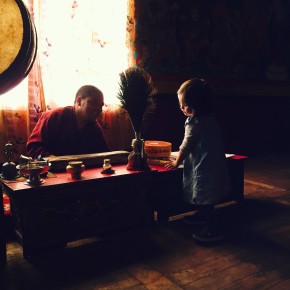
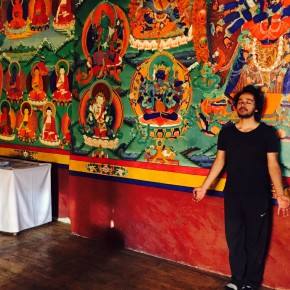
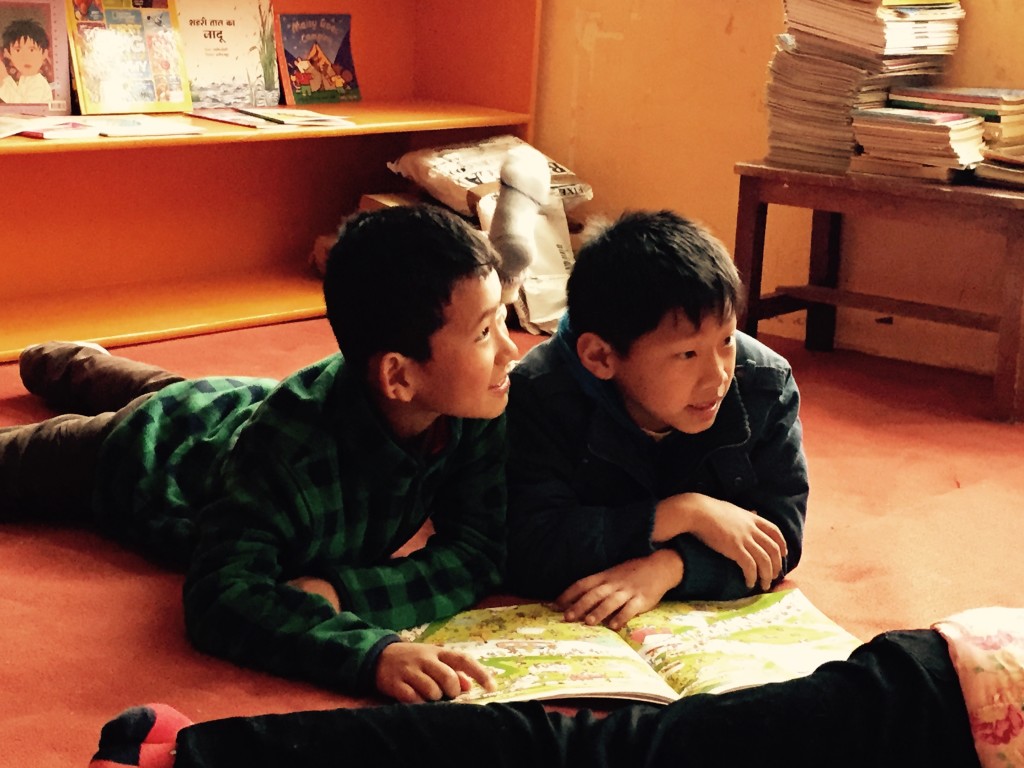
At a monastery library, the atmosphere can be quieter but no less lively. Young monks may study, read together, or explore subjects beyond their formal lessons. Avalokiteśvara Trust shares a glimpse of this experience in a visit with young monks, showing how books can support both concentration and community.
What A Typical Day Holds
| Part of the day |
Driver’s focus |
Benefit for readers |
| Early morning |
Vehicle checks, packing, and route planning |
Safe and dependable service |
| Mountain journey |
Careful driving and communication with local contacts |
Access for remote communities |
| First stop |
Unloading books and welcoming children |
Choice, conversation, and discovery |
| Reading session |
Browsing, storytelling, and resource sharing |
Literacy and creative confidence |
| Final visit |
Returning books and gathering requests |
Continuity for the next journey |
| Evening |
Vehicle care and route notes |
Better preparation for future trips |
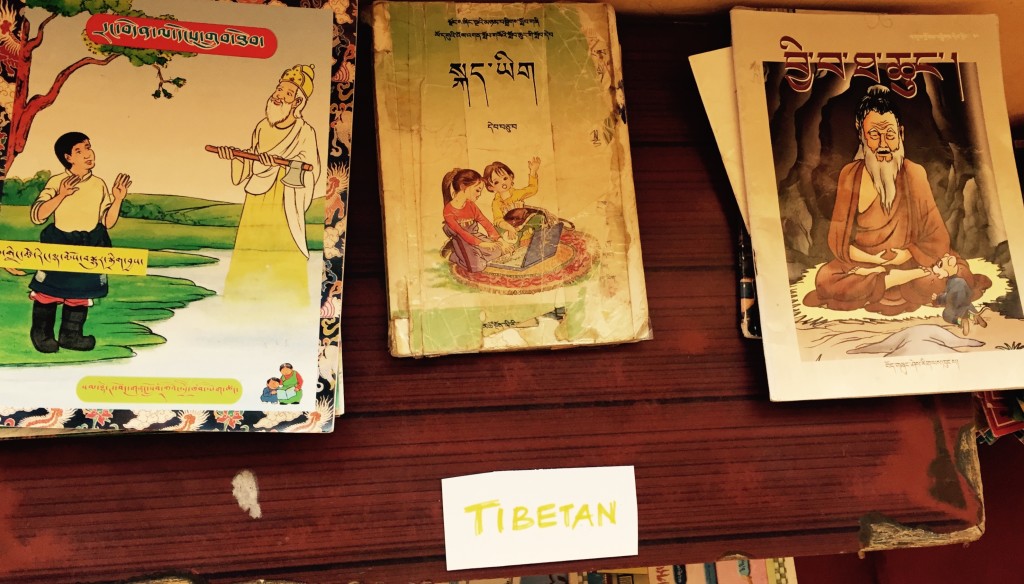
No two routes are identical. A school may need dictionaries and science books one week, while a village reading room requests folktales and picture books the next. The driver records requests, notices which titles attract attention, and helps the Trust understand how each collection can develop.
The schedule may also include unexpected moments: a child returning a carefully covered book, a teacher asking for materials in another language, or a group of young readers debating which story should be read aloud. These small exchanges show that a mobile library is a relationship built over repeated visits, not simply a vehicle moving from place to place.
Learning Beyond The Printed Page
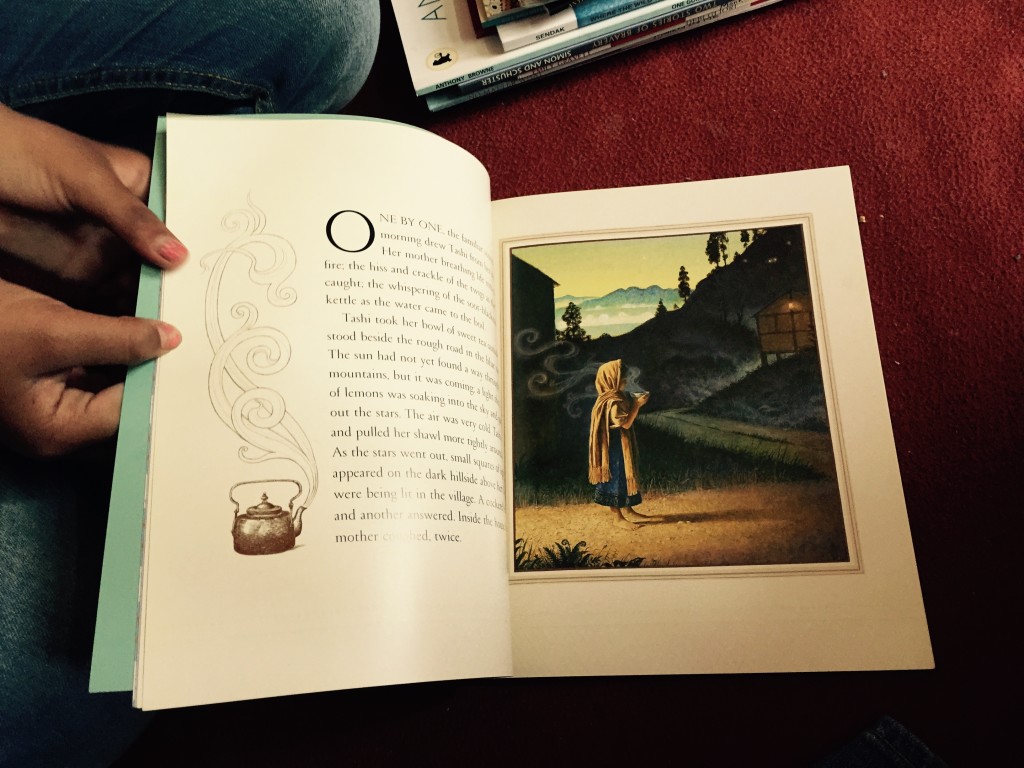
Books open doors to subjects that may not be part of a child’s immediate surroundings. A story set beside an ocean can prompt questions about geography. A biography can encourage discussion about courage and service. A book about painting, music, or science can help a young person imagine a future that extends beyond familiar routines.
In the Himalayan region, access to books can carry special importance because libraries and bookstores are unevenly distributed. A mobile collection helps reduce that distance. It also gives children the freedom to choose reading for pleasure, an experience that can strengthen vocabulary and concentration without feeling like an additional lesson.
The wider program supports this atmosphere through reading rooms, book donations, creative workshops, and activities for young monks. These initiatives work together: a welcoming space encourages attendance, a varied collection sustains interest, and artistic experiences help children use what they learn in personal and imaginative ways.
Keeping The Journey Sustainable
A successful bookmobile depends on more than a capable driver. Local teachers, monastery representatives, volunteers, donors, and community members all contribute knowledge and practical support. Their involvement helps ensure that books are relevant, visits are welcomed, and resources remain in circulation rather than sitting unused.
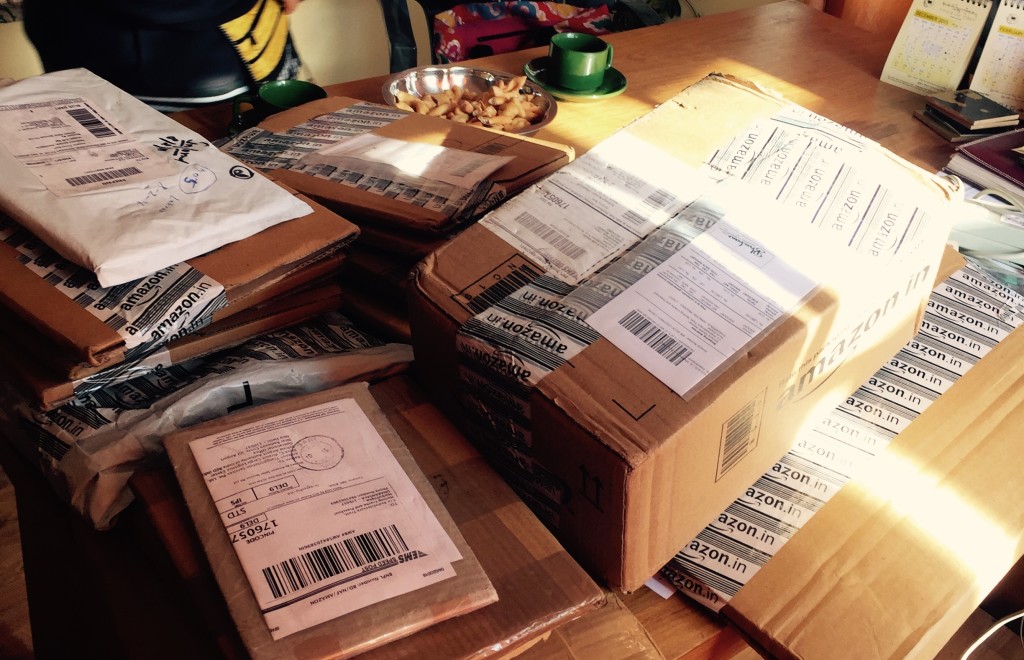
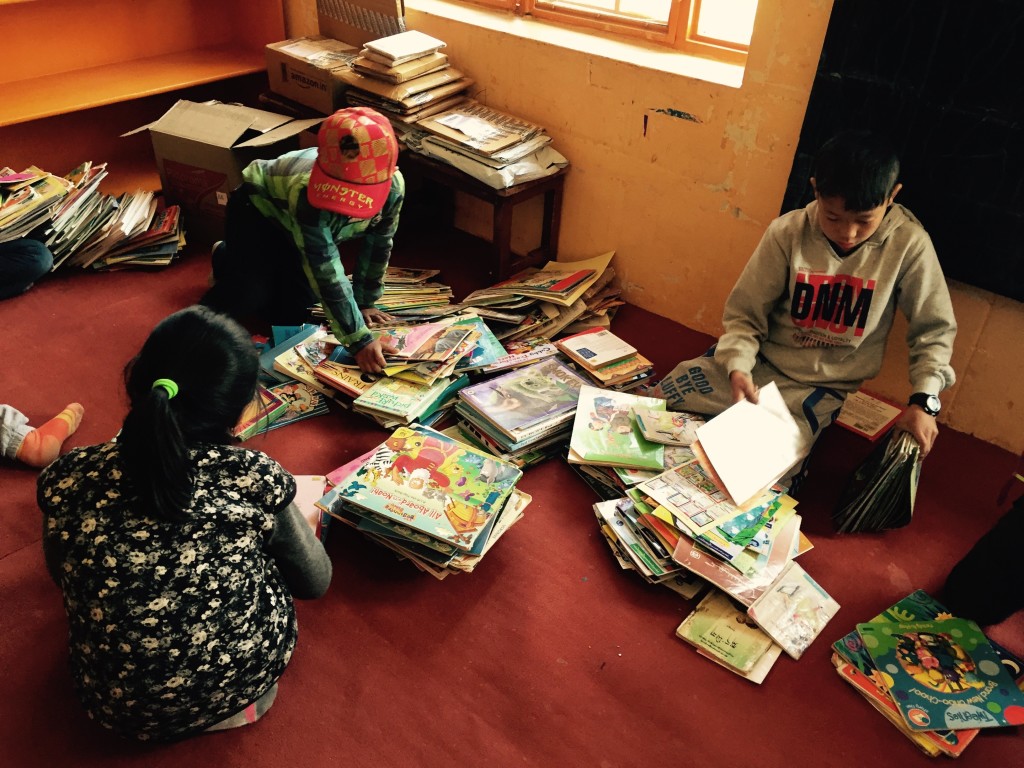
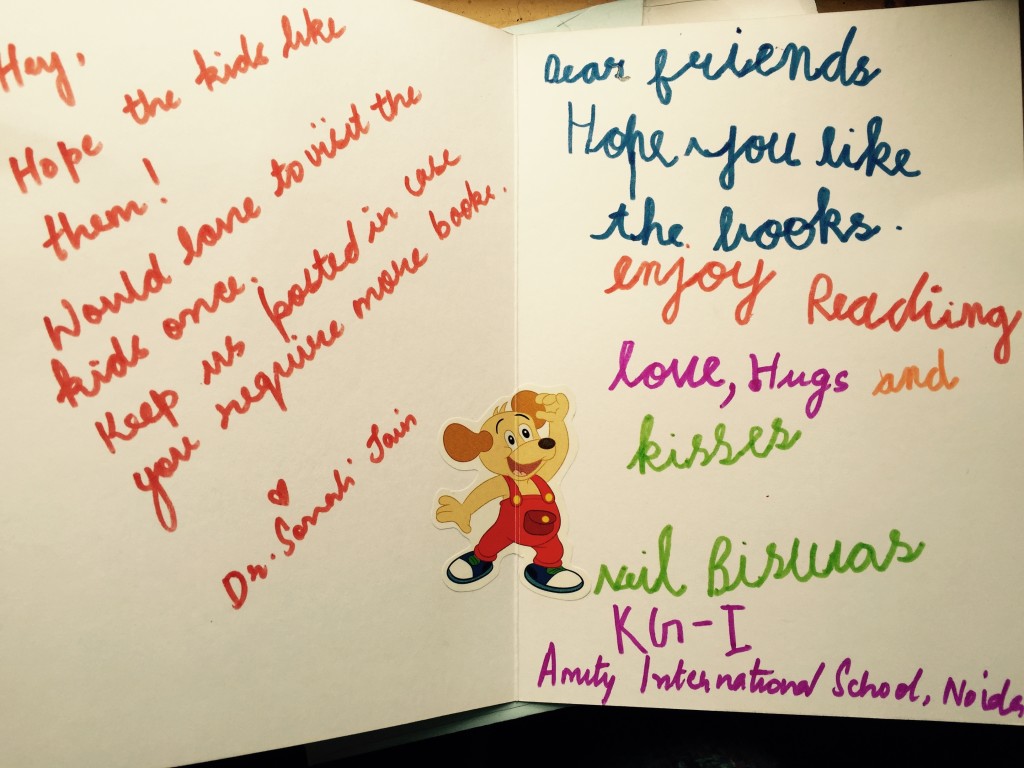
Volunteers may assist with sorting donations, cataloging books, leading activities, or preparing reading spaces. Donors help cover the costs of books, transport, maintenance, and educational programming. Even a modest contribution can support the repeated journeys that make access to reading dependable.
Useful ways to support a Himalayan mobile library include:
- Donate new or carefully selected books suited to children and young learners.
- Sponsor transport, vehicle maintenance, or supplies for a remote route.
- Help organize a community book drive for high-quality, age-appropriate titles.
- Volunteer time for sorting, storytelling, art activities, or library preparation.
- Share stories from the program to build wider awareness of literacy access.
The Road Home
By late afternoon, the light turns golden across the mountains, and the bookmobile begins its return journey. Empty spaces on the shelves show which books were borrowed, while a notebook fills with requests for the next visit. The driver may be tired, but the day has left behind new stories, shared conversations, and a reason for children to look forward to the vehicle’s return.
A day in the life of a bookmobile driver in the High Himalayas is measured in more than miles. It is measured in pages opened, questions asked, and young readers who discover that a library can come to them. Support the Avalokiteśvara Trust through volunteering, donating, or sharing its work so that the next mountain route can carry books even farther.