Why Picture Books Matter in Ladakhi and Tibetan
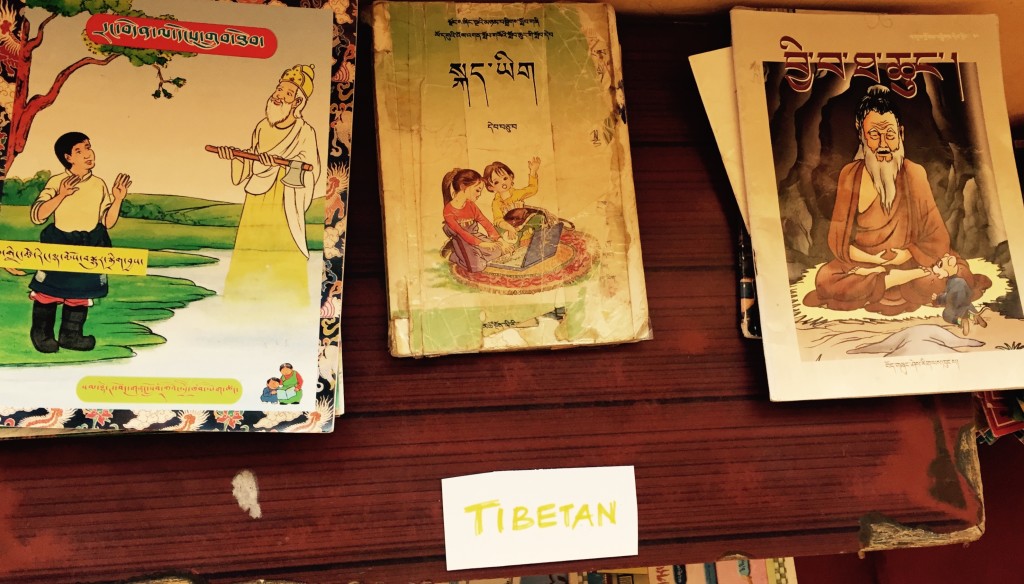
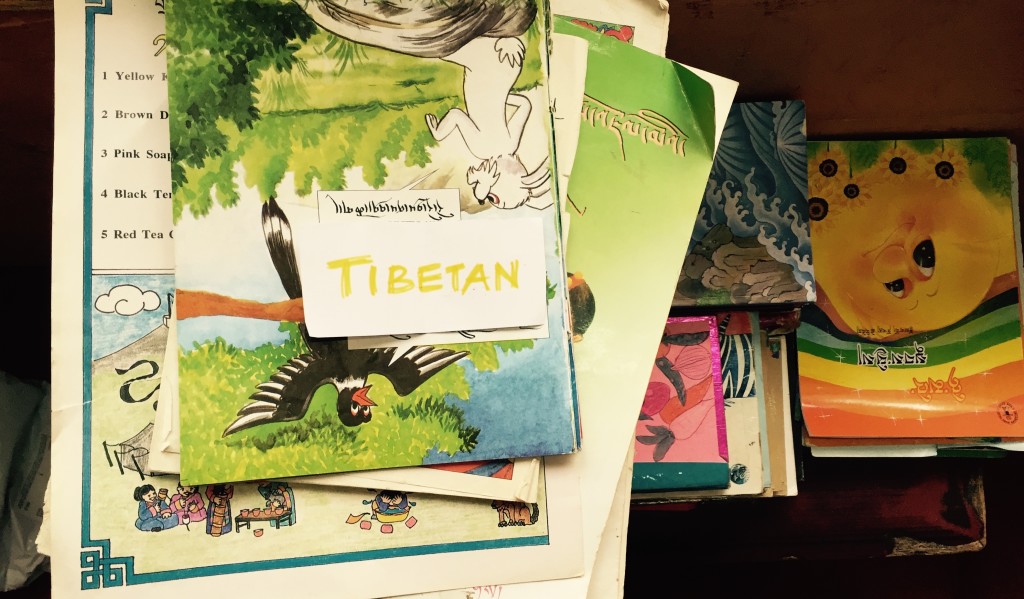
A picture book can open a door before a child is ready to read a long chapter. Images invite attention, repeated phrases build confidence, and a shared story gives children a reason to ask questions. In the Himalayan region, making these books available in Ladakhi and Tibetan helps young readers encounter literature in languages that feel close to home.
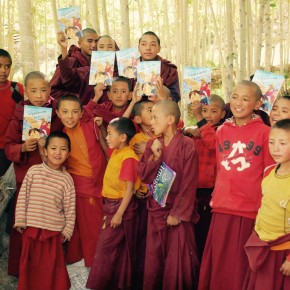
For children in Ladakh and nearby communities, language is connected to family, landscape, memory, and identity. A story about a mountain, a friendship, or a curious animal becomes more meaningful when its words sound familiar. Translation therefore does more than transfer sentences from one language to another. It creates a bridge between global children’s literature and the lived experience of Himalayan families and young monks.
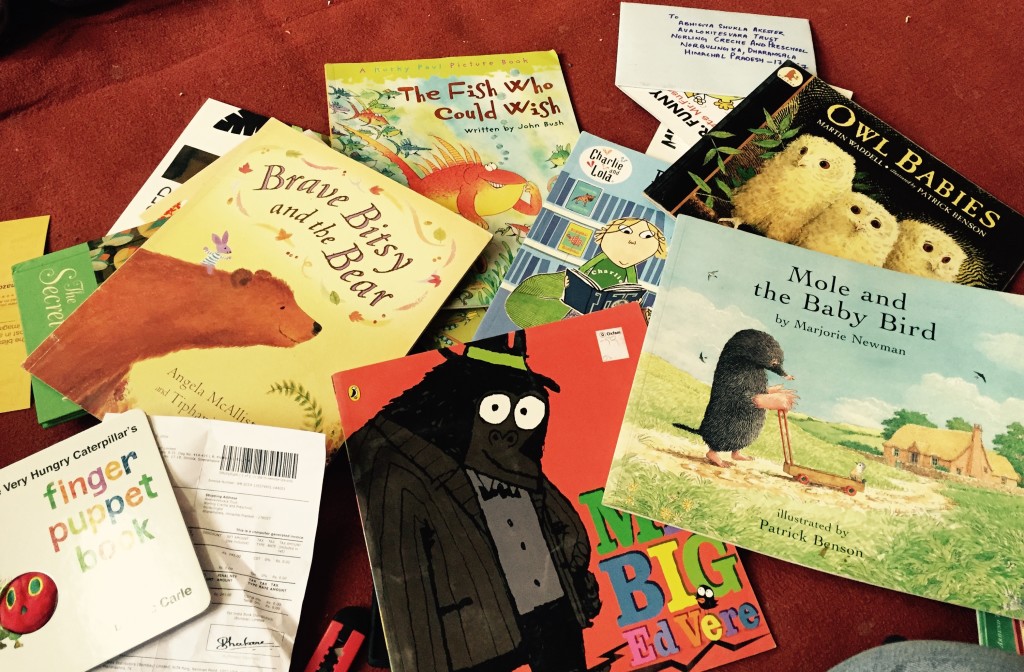
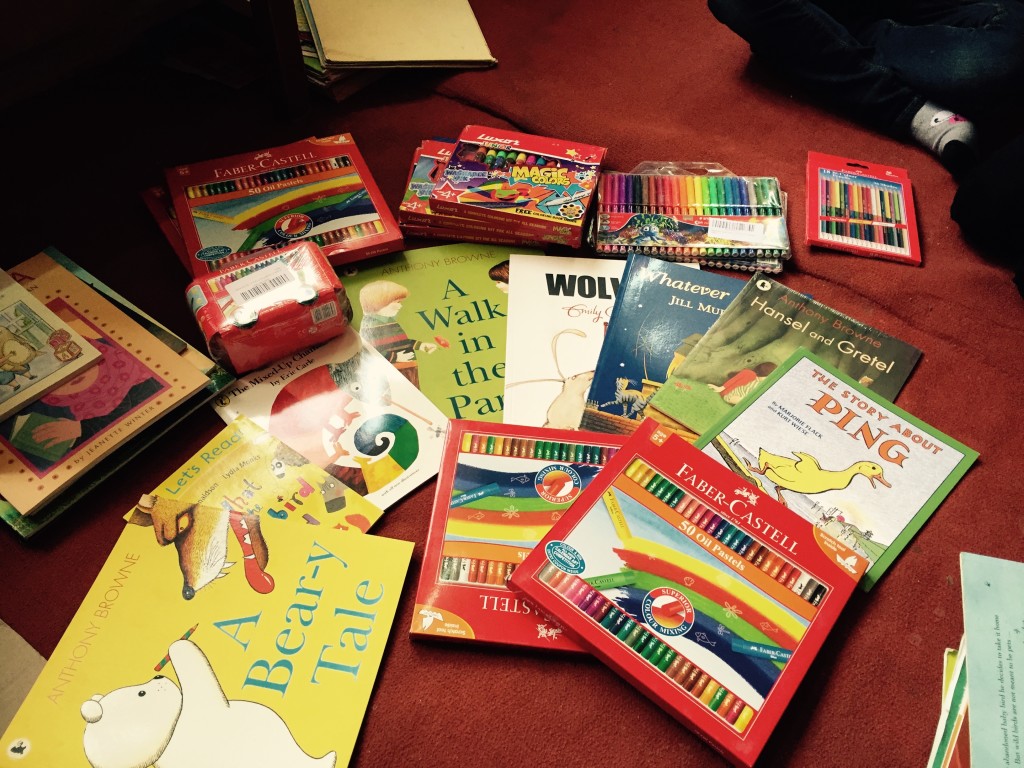
Avalokiteśvara Trust supports reading rooms, book drives, and creative learning activities that make this bridge practical. By placing beautifully illustrated books in accessible spaces and developing editions in local languages, the organization encourages reading as a joyful, social, and imaginative activity.
A first language can unlock a love of reading
Children often understand a story before they can explain every word. When a picture book is written in Ladakhi or Tibetan, young readers can use familiar vocabulary to follow the plot, recognize emotions, and predict what may happen next. This early success matters because it turns reading from a difficult school task into an experience of discovery.
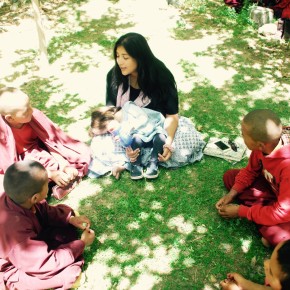
Local-language books also invite adults into the story. Parents, grandparents, teachers, and monastery educators may be more comfortable reading aloud in Ladakhi or Tibetan than in English. A shared reading session can then become a time for conversation, humor, and memory. Children learn that books belong in everyday life, not only in classrooms.
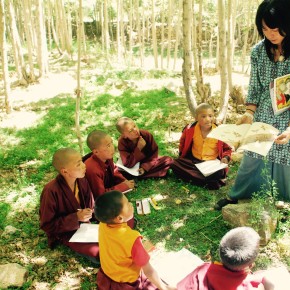
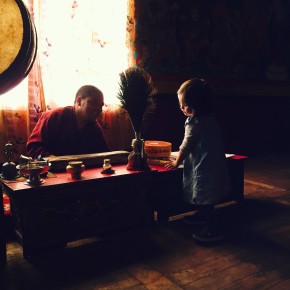
For young monks, illustrated stories can complement religious education and formal study. They offer opportunities to explore kindness, courage, responsibility, nature, and cooperation through accessible narratives. A carefully chosen book can support reflection without making every learning moment feel like a lesson.
Translation is an act of cultural care
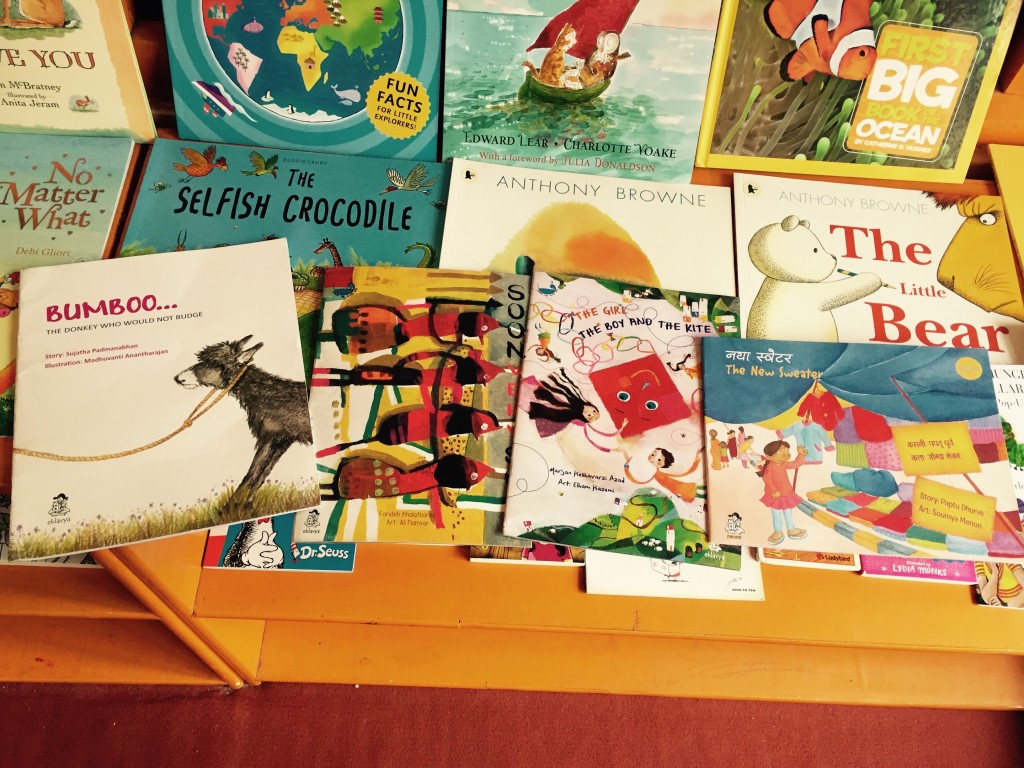
Translating a picture book requires attention to rhythm, humor, names, sound effects, and the relationship between words and images. A phrase that is charming in English may feel unnatural when translated directly. The best Ladakhi and Tibetan editions preserve the spirit of the original while allowing the language to sound natural to children and fluent readers.
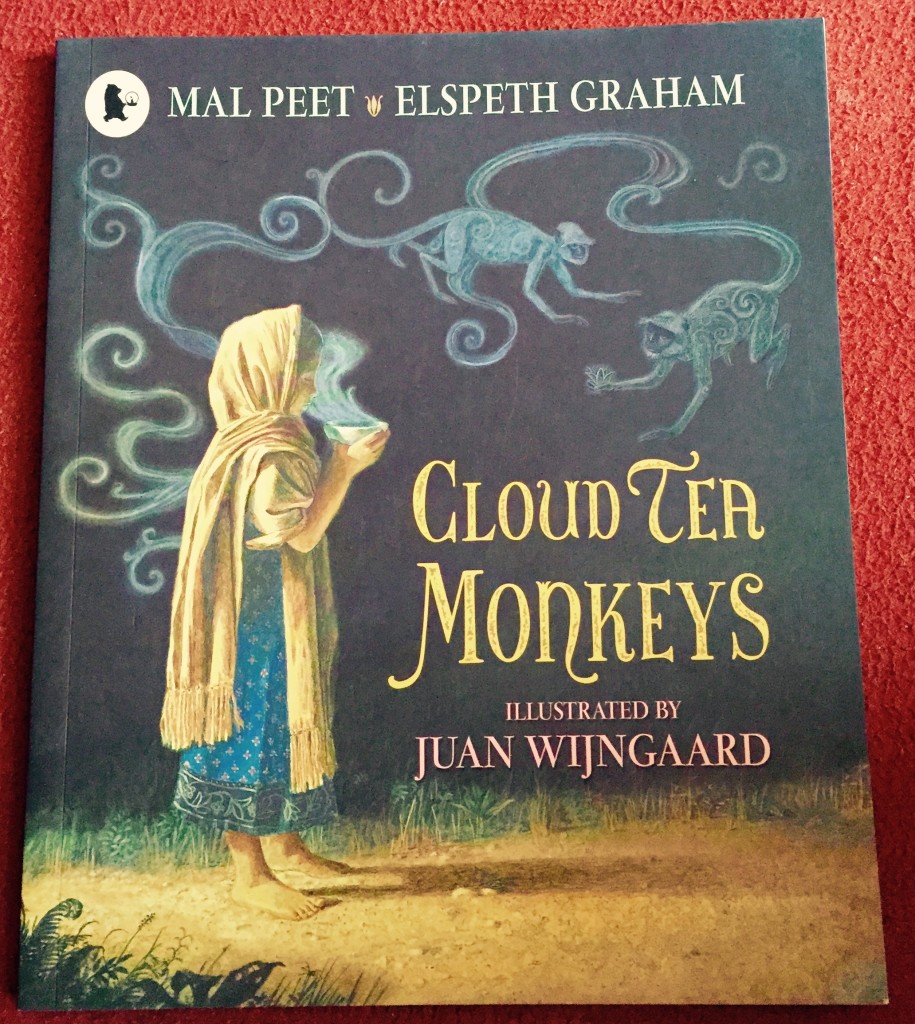
Cultural context also deserves care. Some stories travel easily across borders, while others need thoughtful adaptation. Food, family structures, landscapes, clothing, animals, and daily routines may be unfamiliar to a child in a Himalayan village. This does not mean every foreign detail must be removed. Instead, translators and educators can help children explore difference while ensuring that the story remains understandable and welcoming.
Language choices may vary between communities, too. Ladakhi includes regional forms and spoken varieties, while Tibetan educational materials may use different registers depending on their audience. A translation project benefits from local teachers, fluent speakers, artists, and community members who can test whether the text feels clear, warm, and natural.
Pictures and words work together
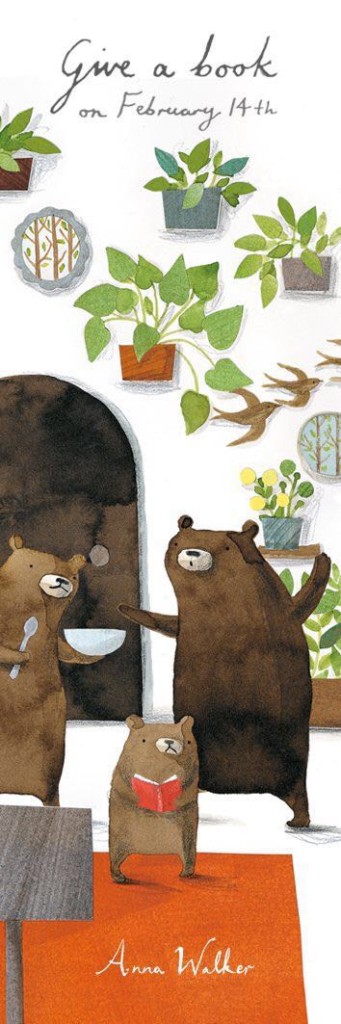
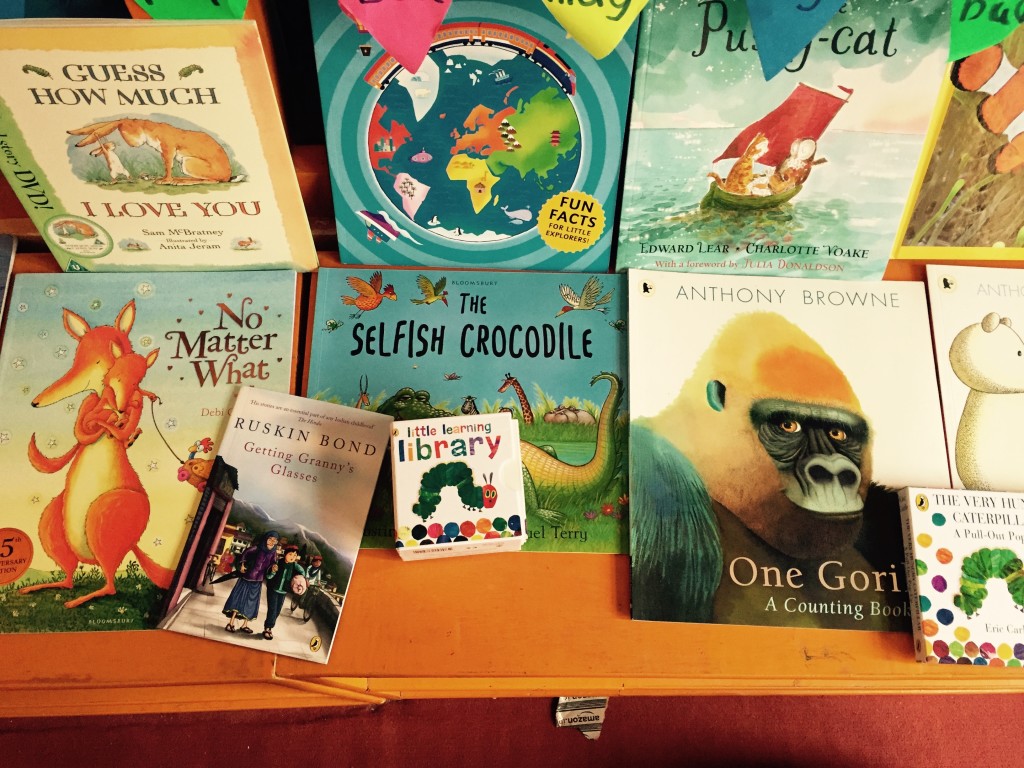
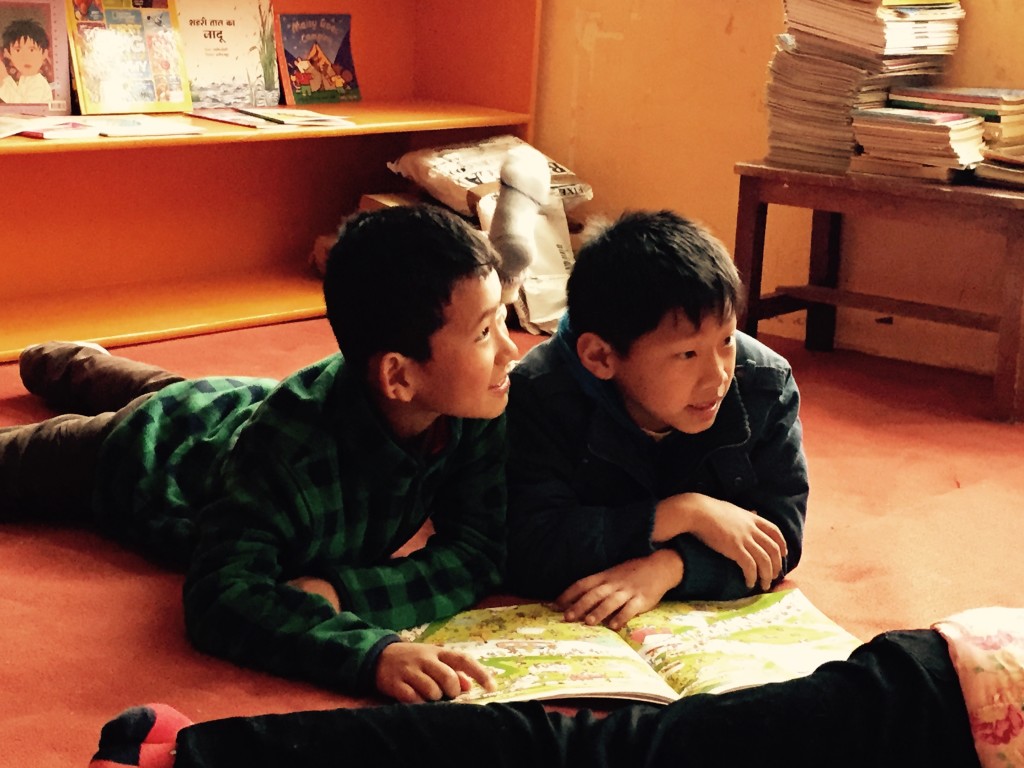
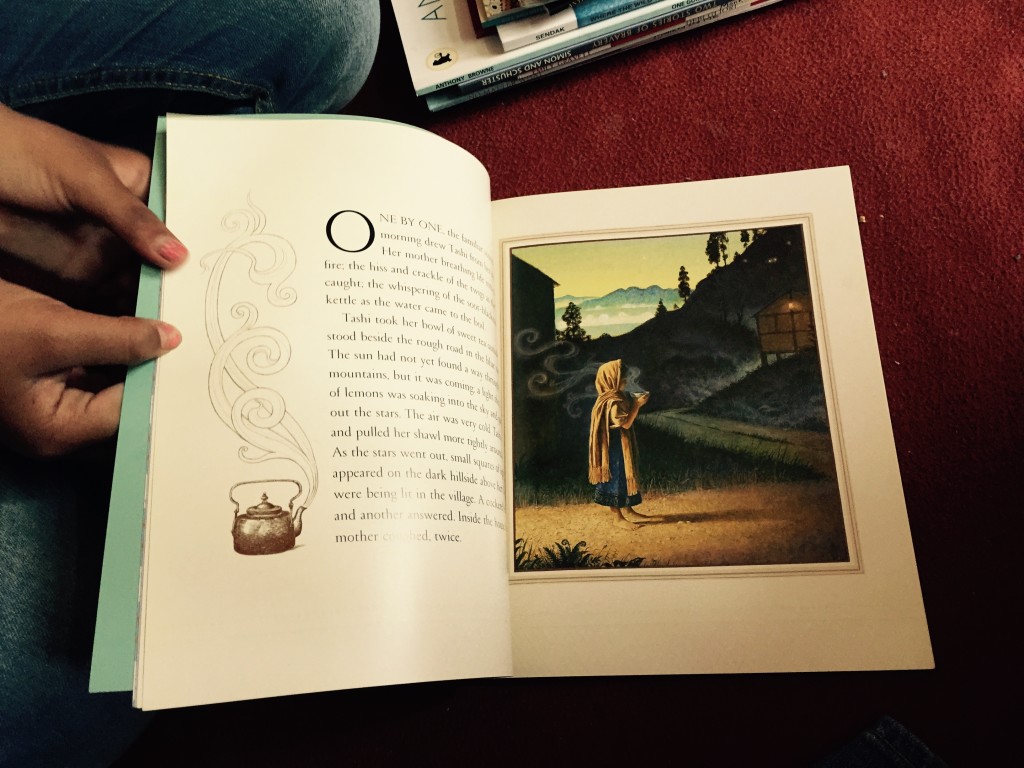
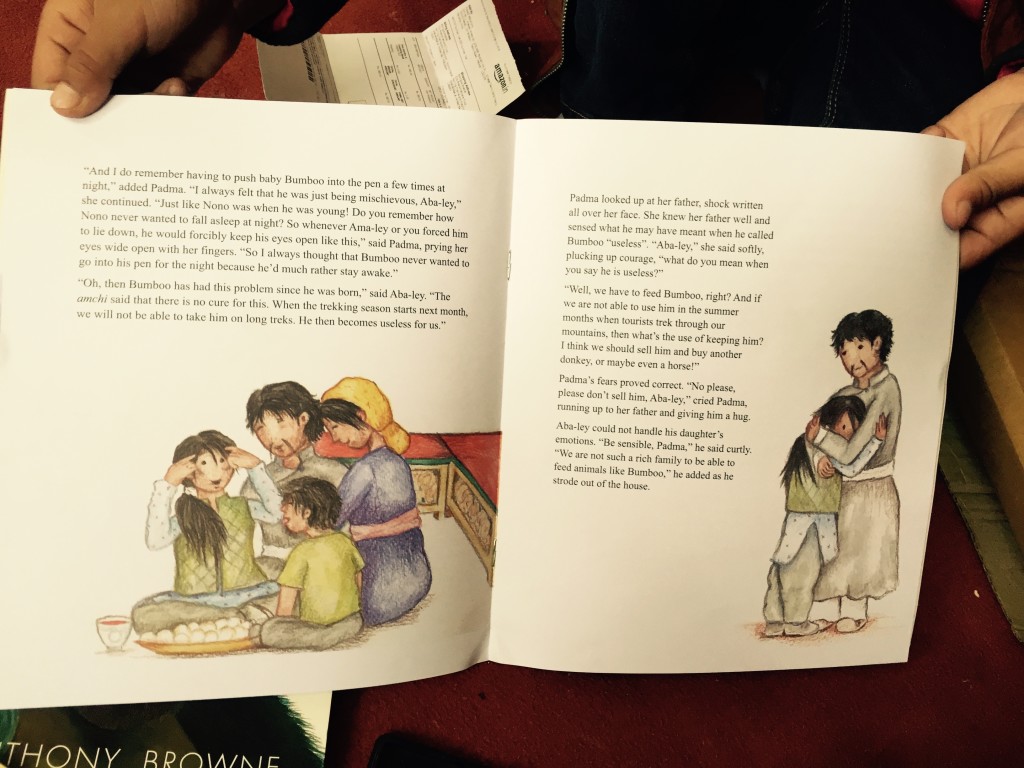
Picture books are especially valuable in multilingual education because meaning is carried by more than print. A child who is still learning English, Ladakhi, Tibetan, or another school language can look at a character’s expression, follow a sequence of events, and connect new vocabulary with visual clues. Illustrations make the reading experience more inclusive for different ages and ability levels.
This combination supports several forms of learning at once. Children practice listening when an adult reads aloud, build vocabulary when they point to objects, and develop storytelling skills when they retell the plot in their own words. They can also compare languages, noticing how the same feeling or action is expressed differently.
| Element of a picture book |
Benefit for young readers |
Value of Ladakhi or Tibetan translation |
| Illustrations |
Support understanding and visual thinking |
Connect scenes with familiar places, objects, and cultural references |
| Repeated phrases |
Build memory and reading confidence |
Make new local-language vocabulary easier to practice |
| Characters and emotions |
Encourage empathy and discussion |
Give children language for their own experiences |
| Read-aloud text |
Strengthen listening and pronunciation |
Include families, teachers, and monastery communities |
| Story sequence |
Develop prediction and narrative skills |
Help children explain ideas in a language they use every day |
A bilingual or multilingual edition can extend this benefit. Children may read a sentence in Ladakhi or Tibetan, compare it with English, and gradually understand that languages can express the same idea in distinct ways. This builds respect for linguistic diversity and gives older learners a practical reason to keep reading.
Reading rooms turn access into habit
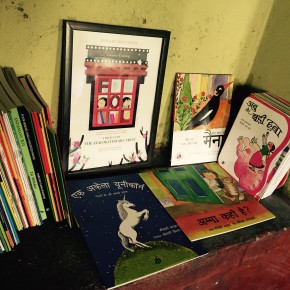
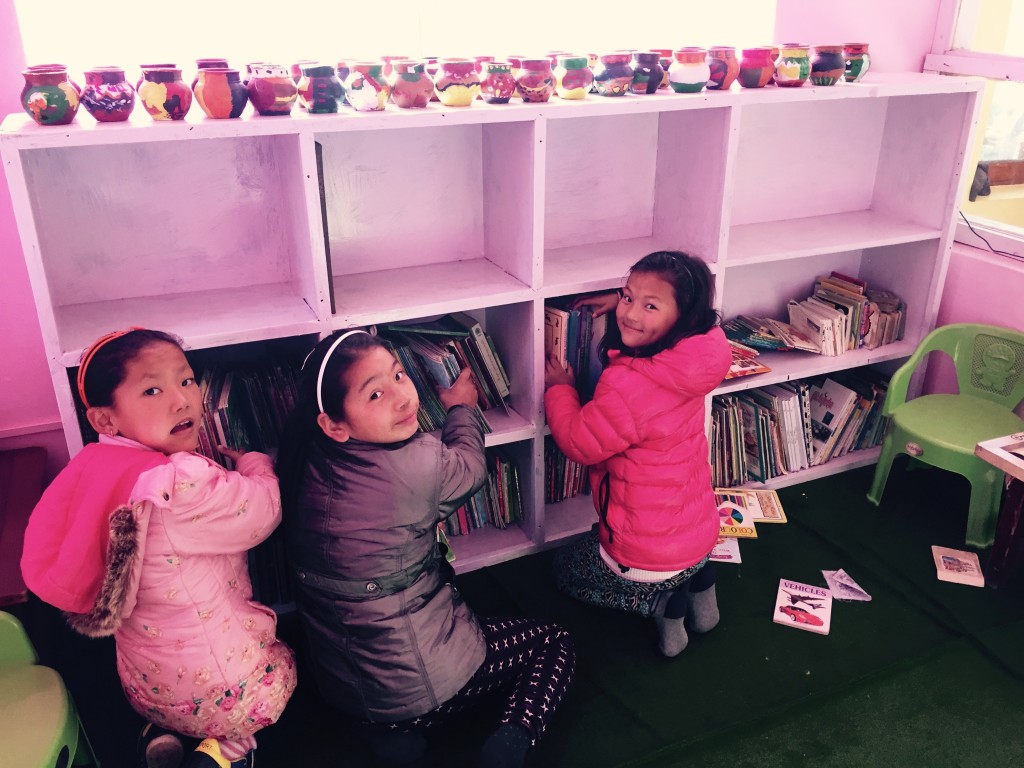
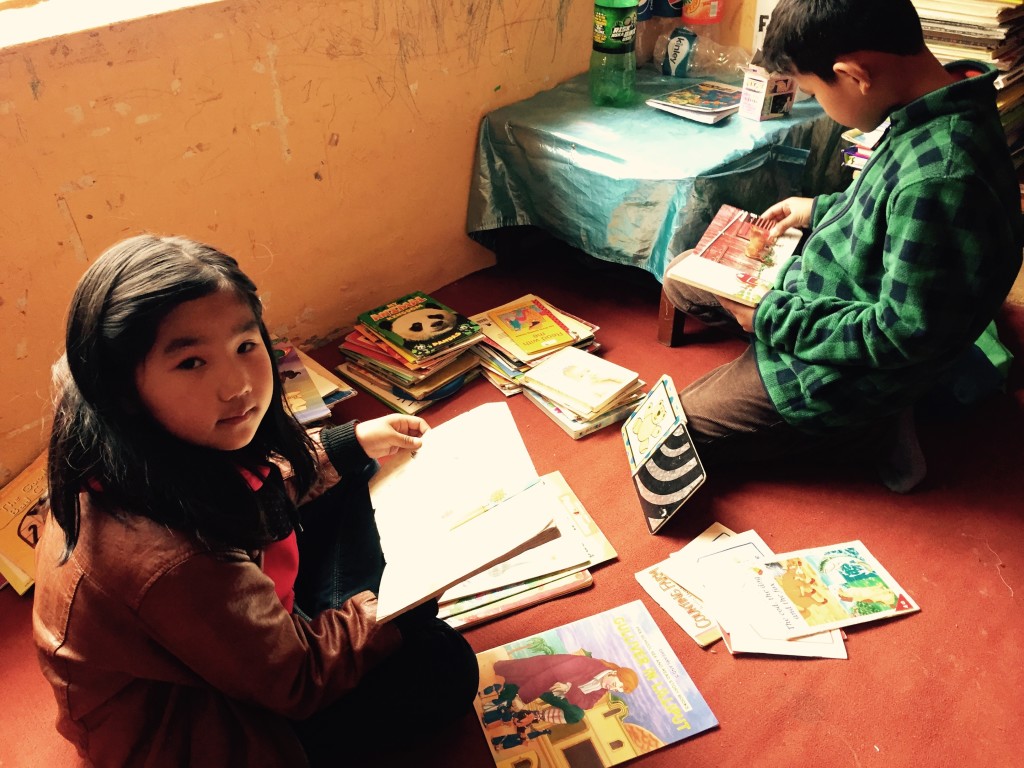
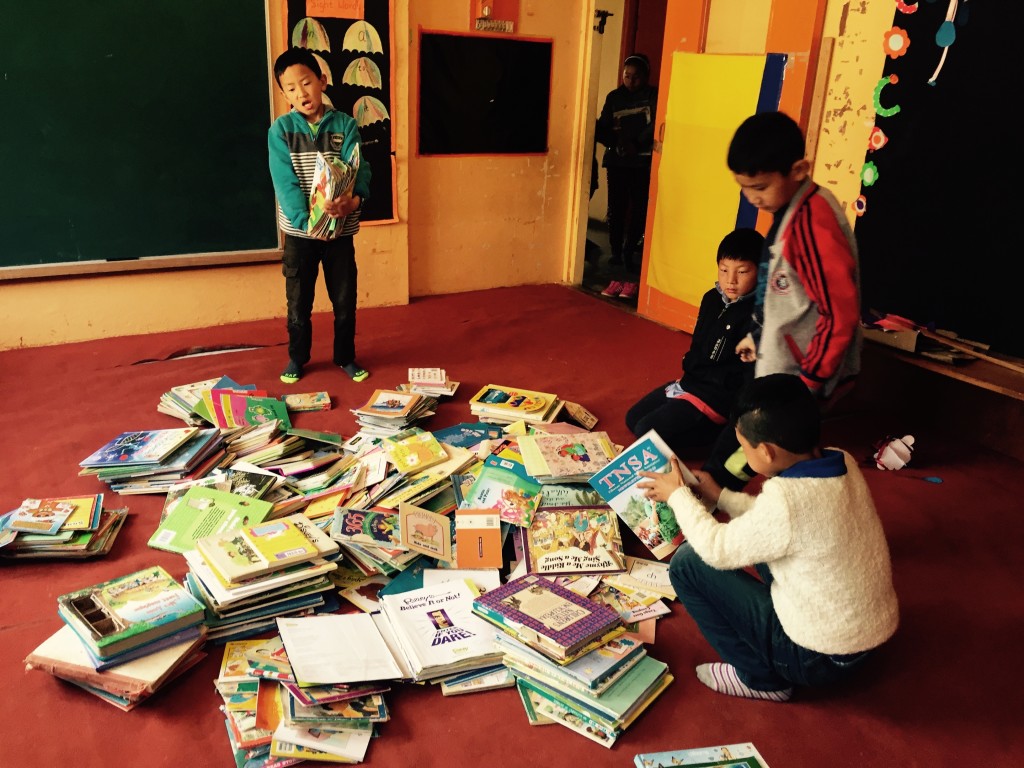
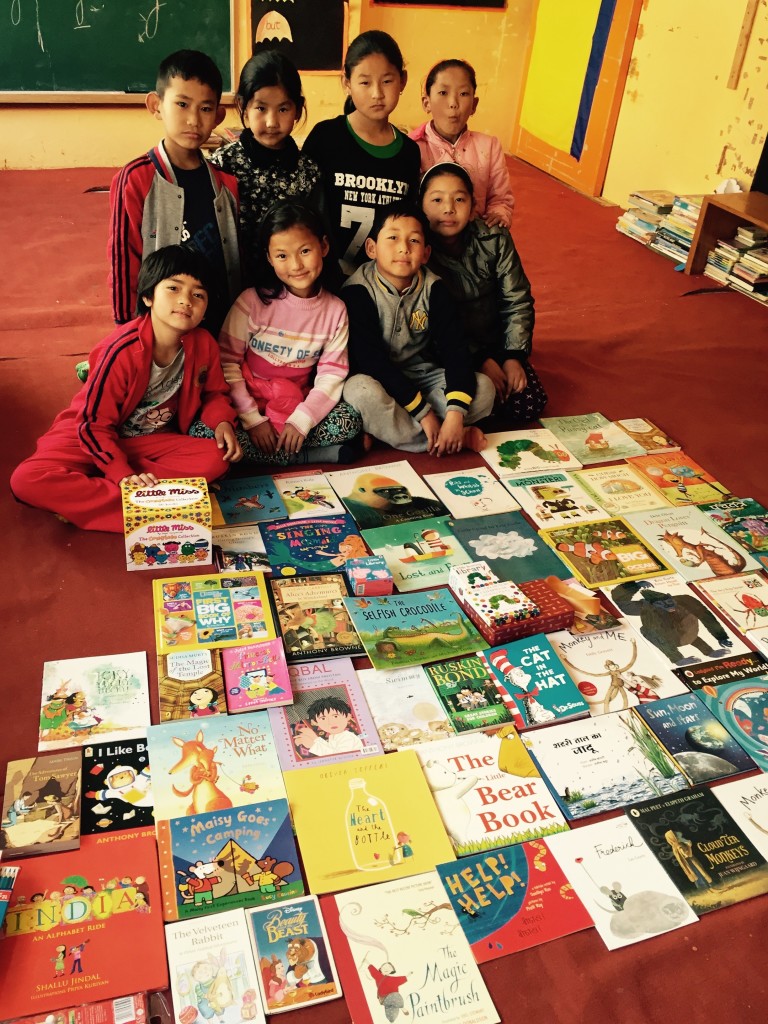
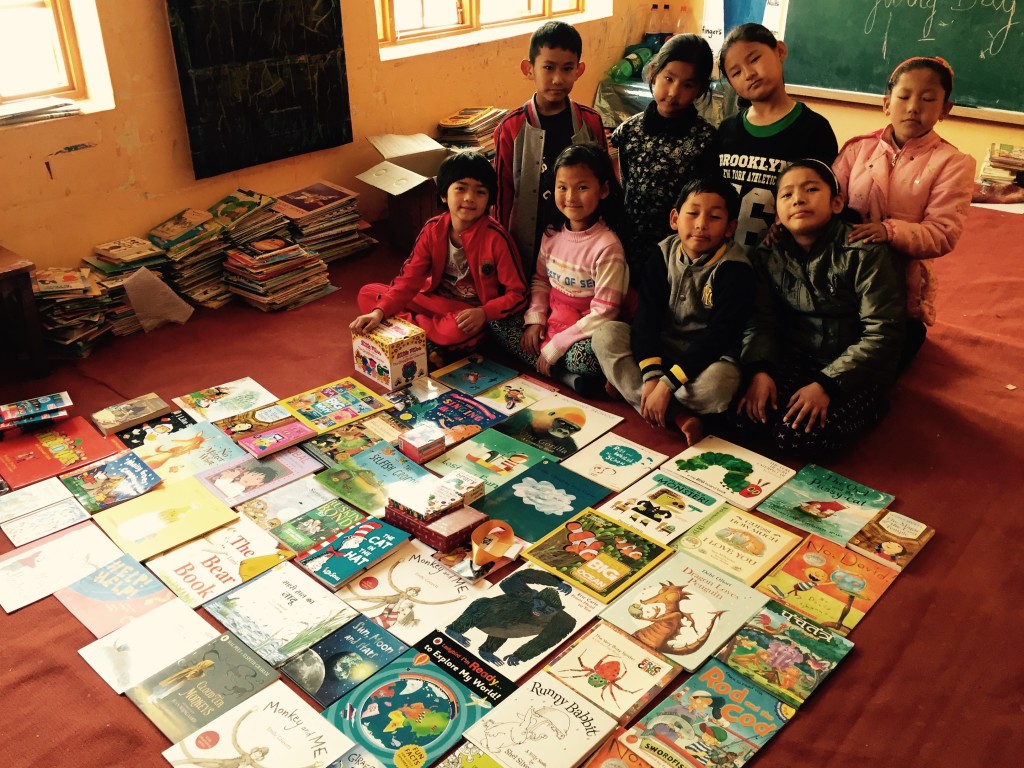
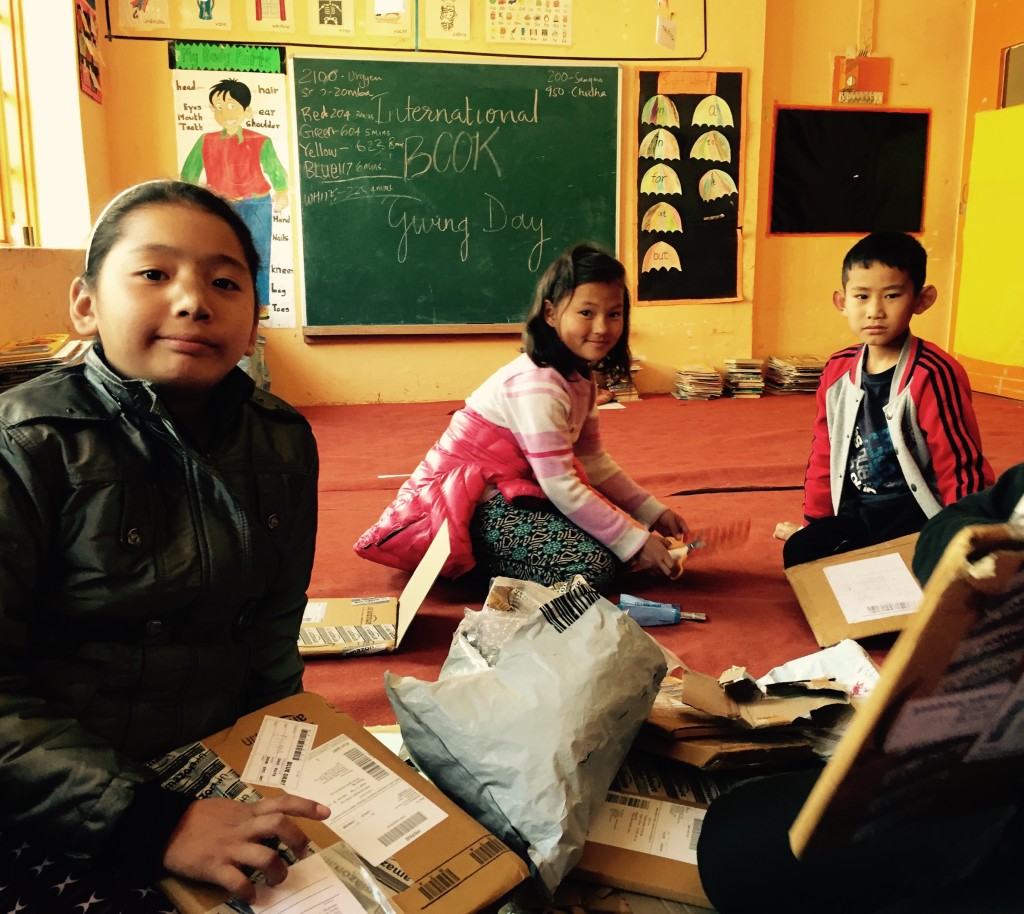
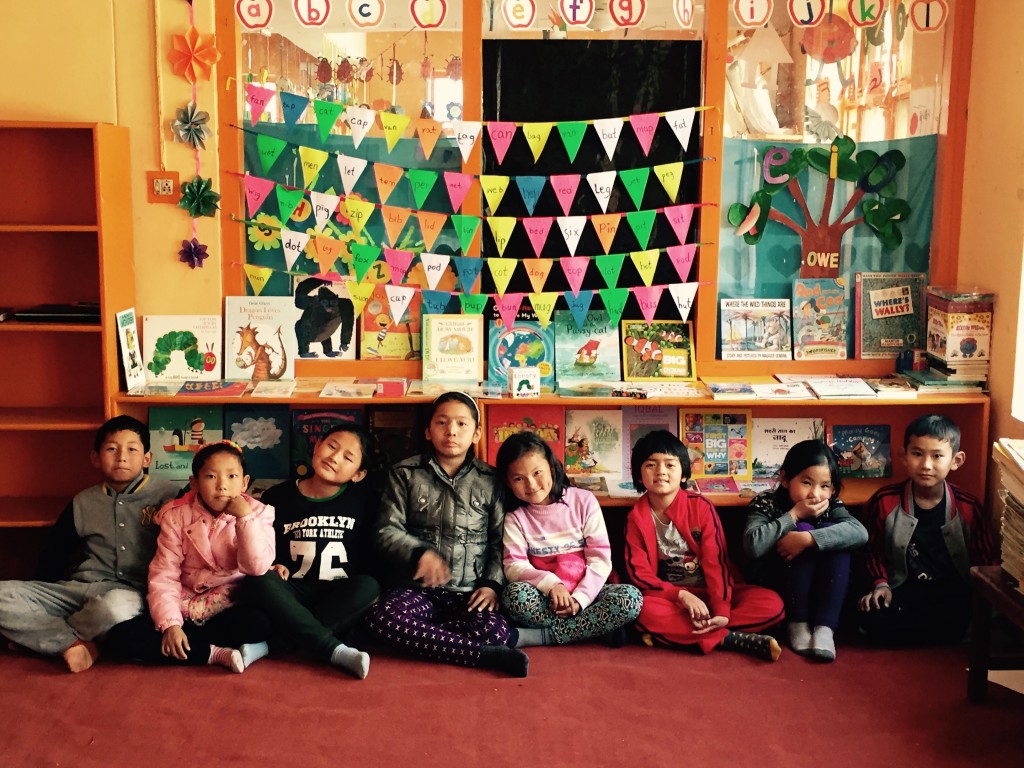
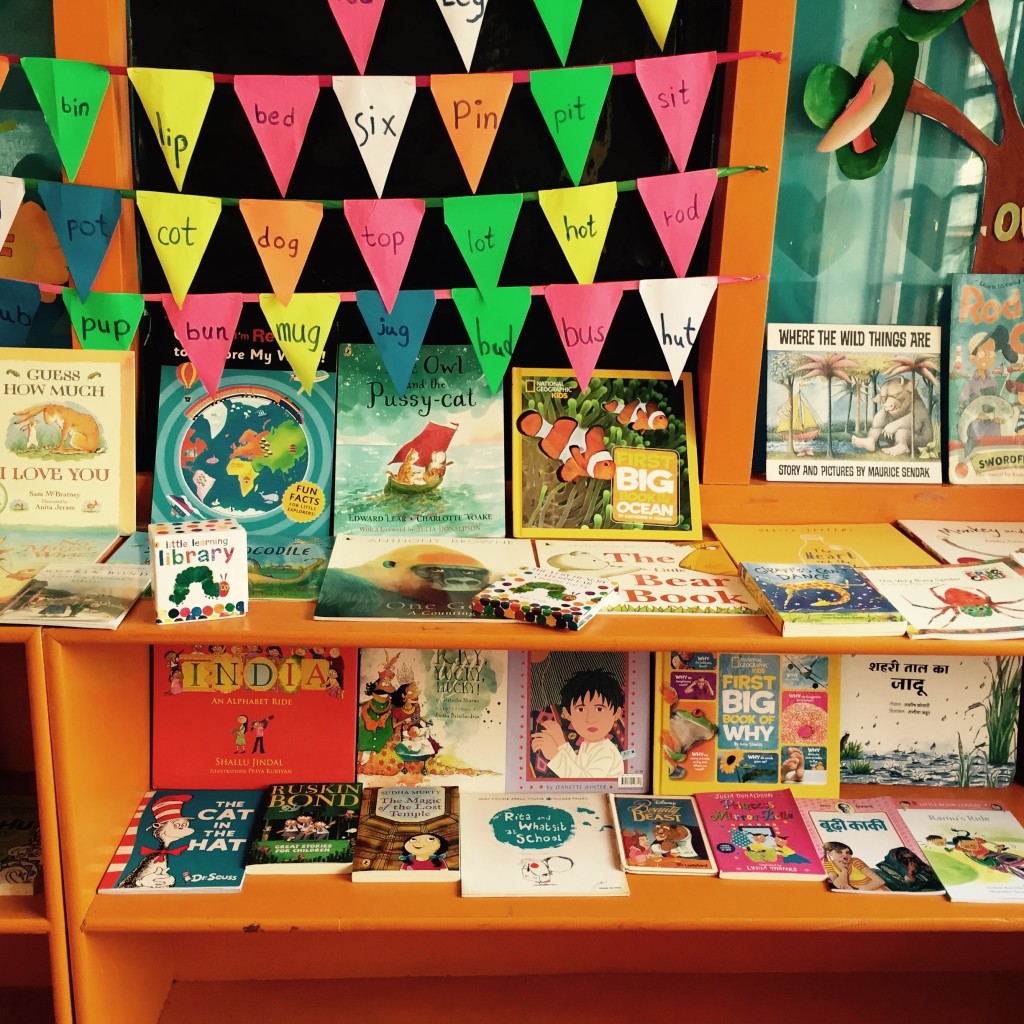
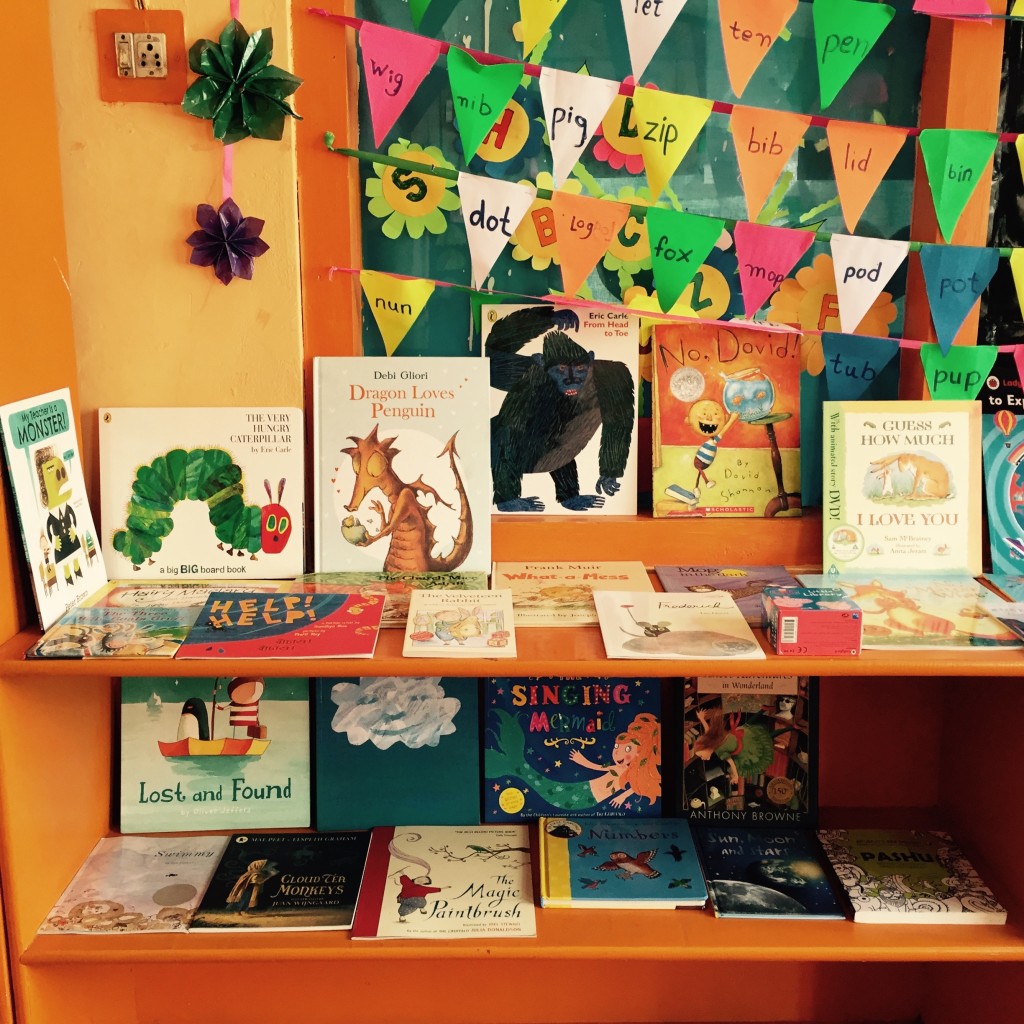
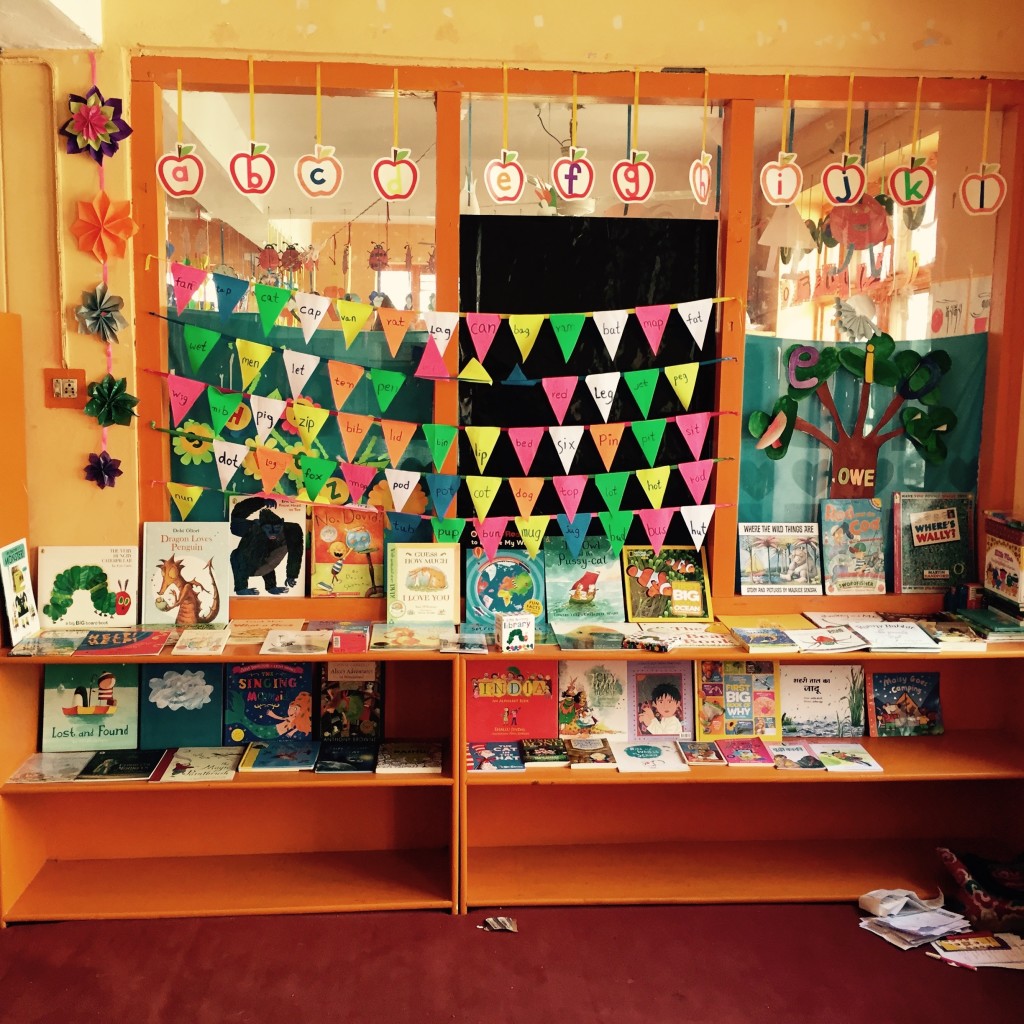
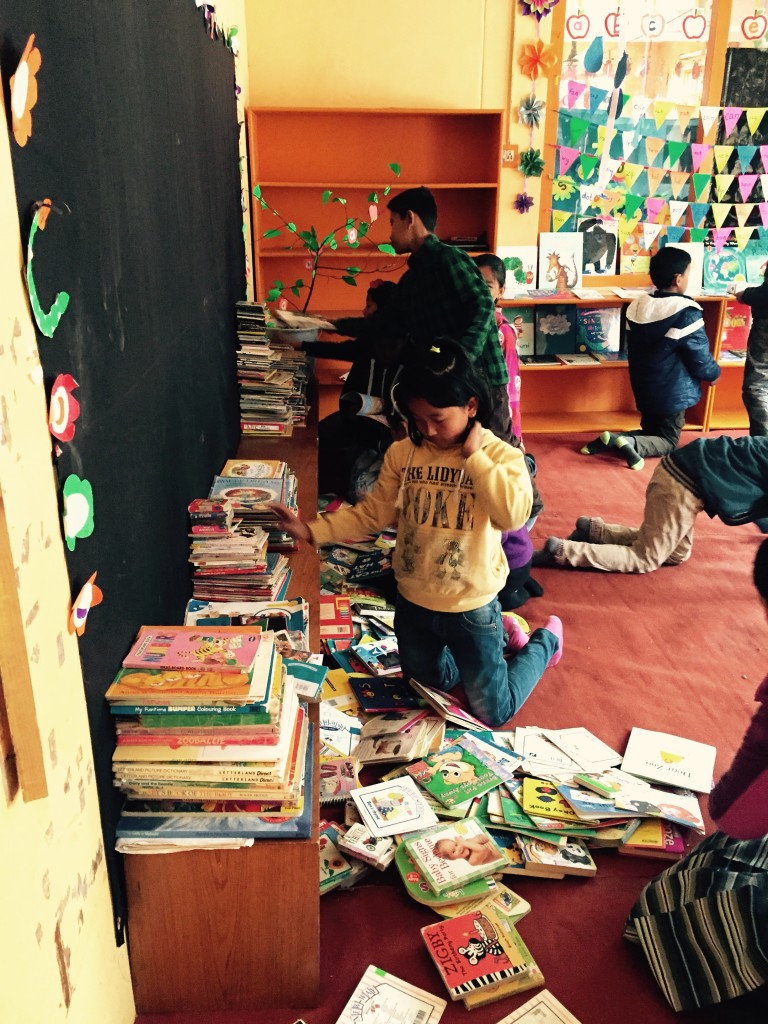
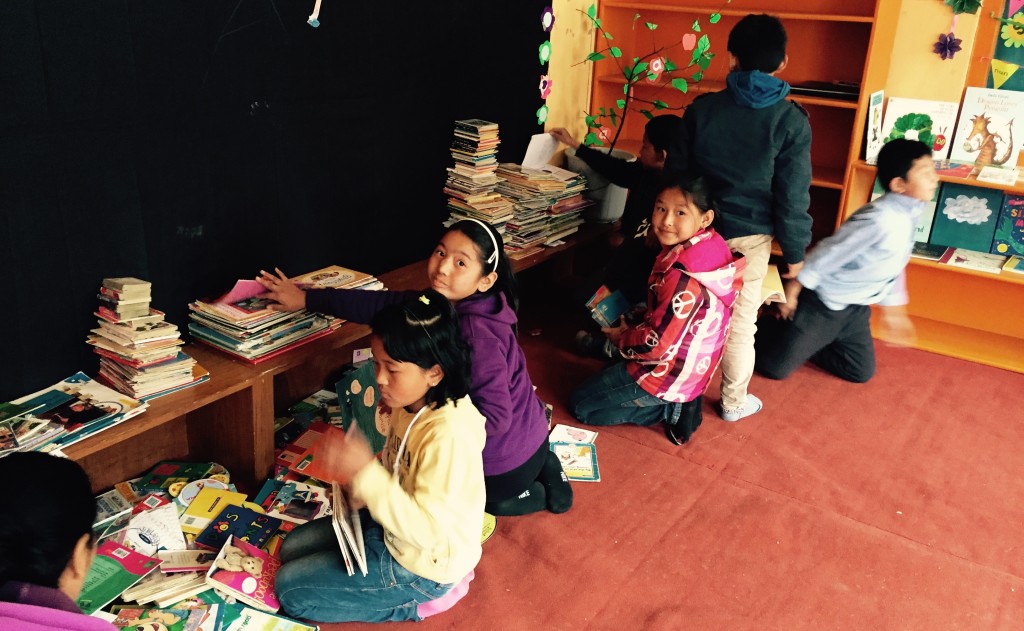
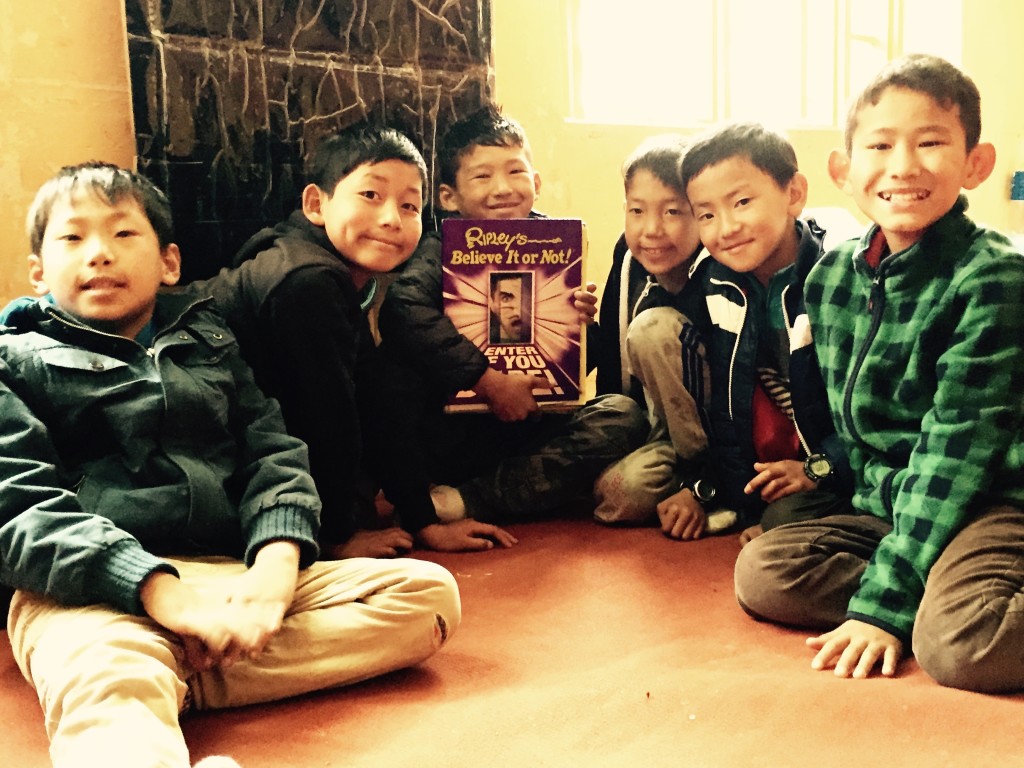
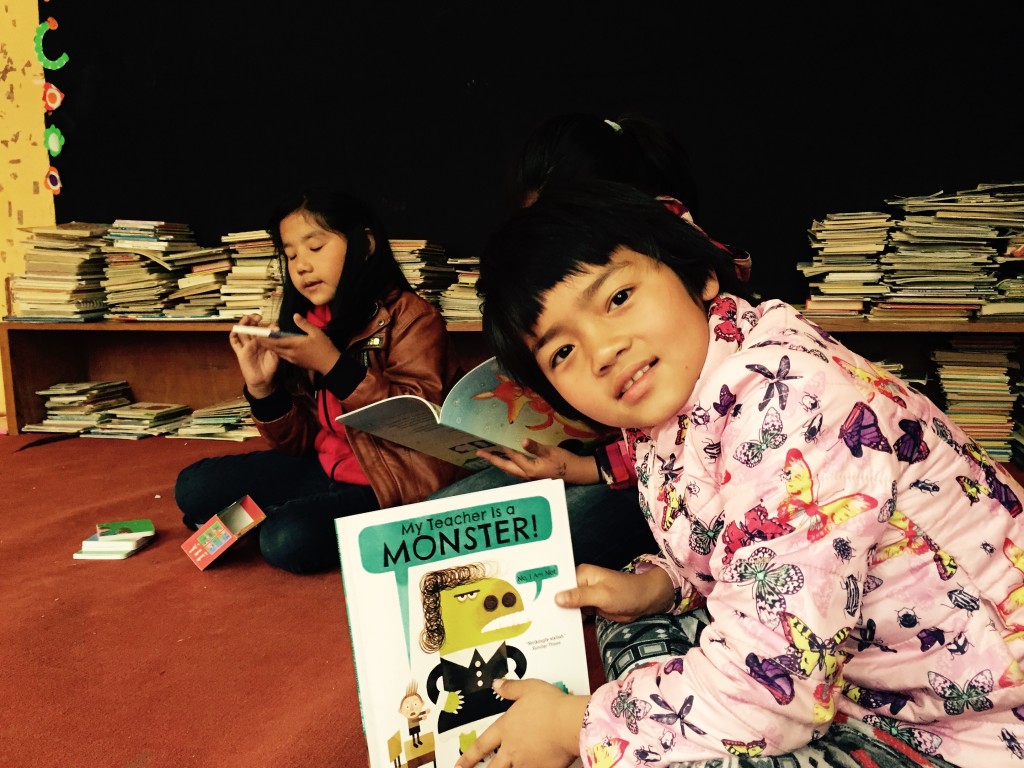
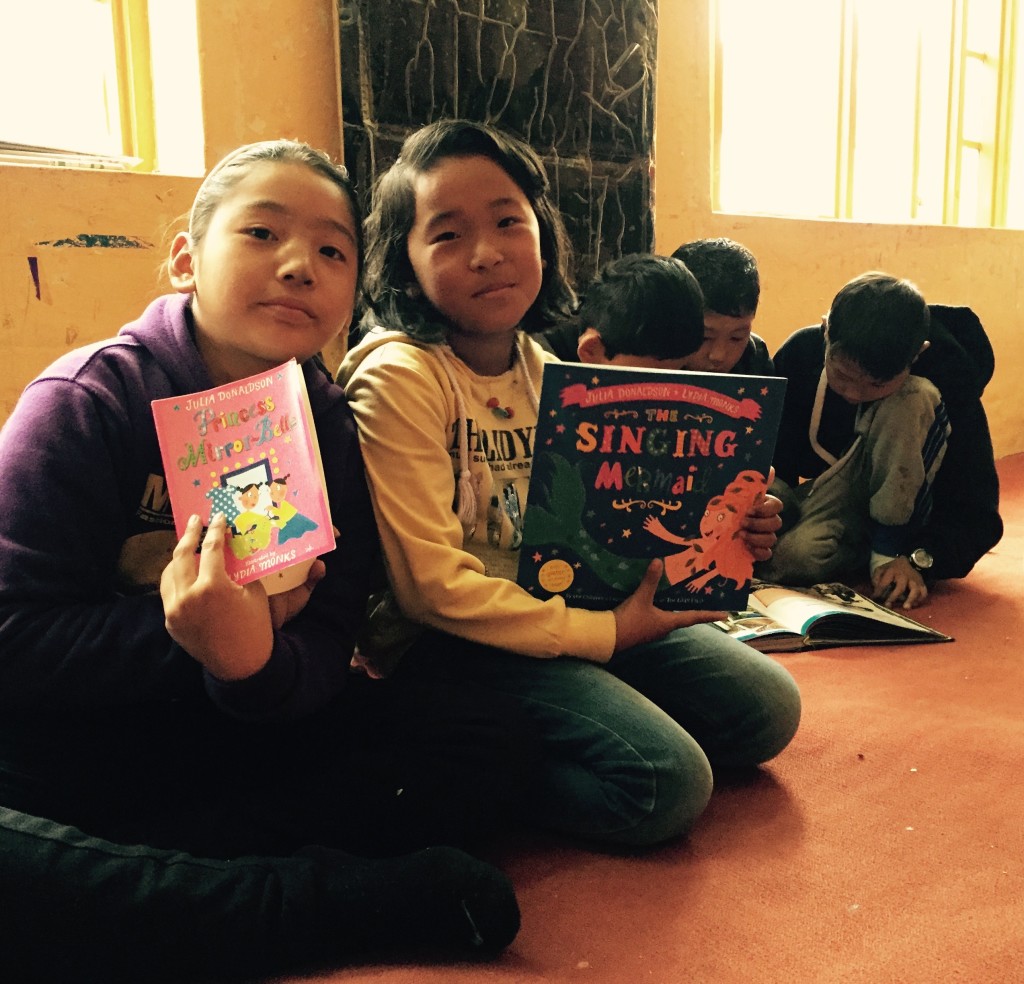
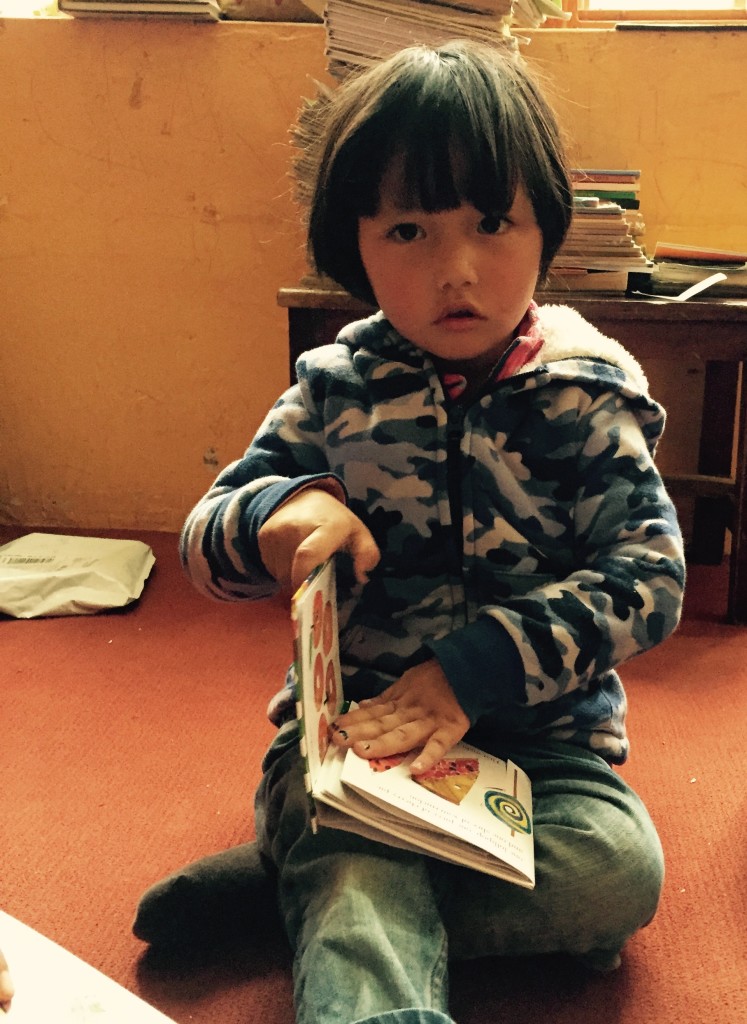
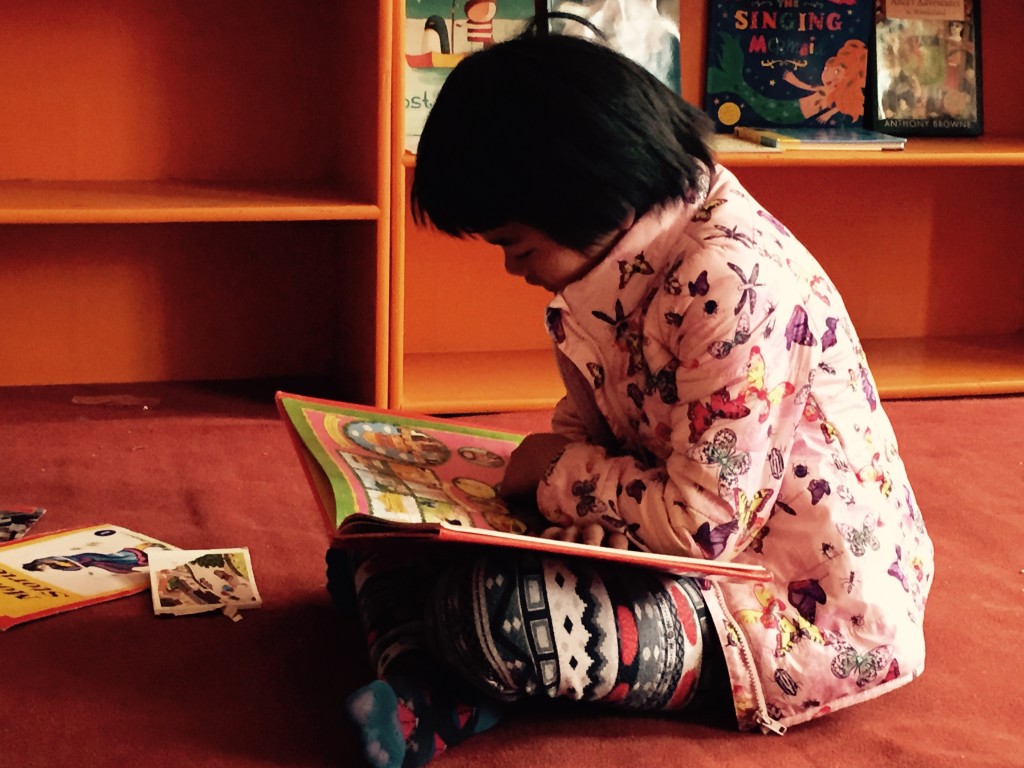
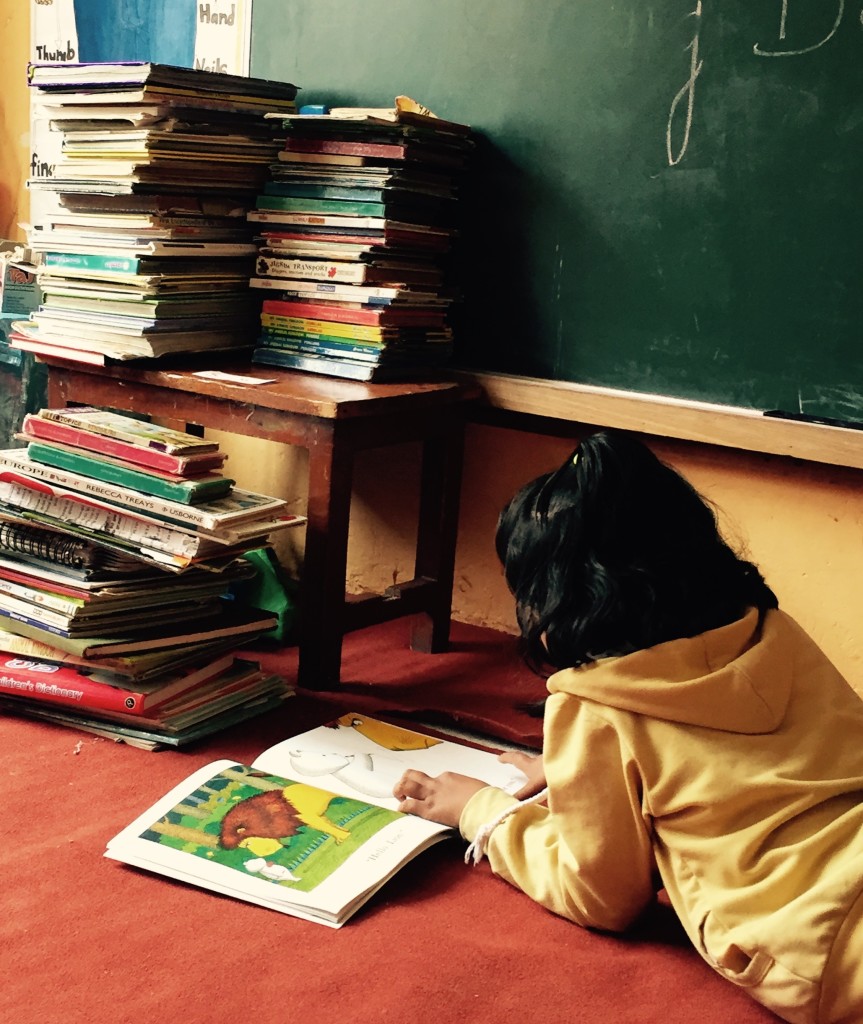
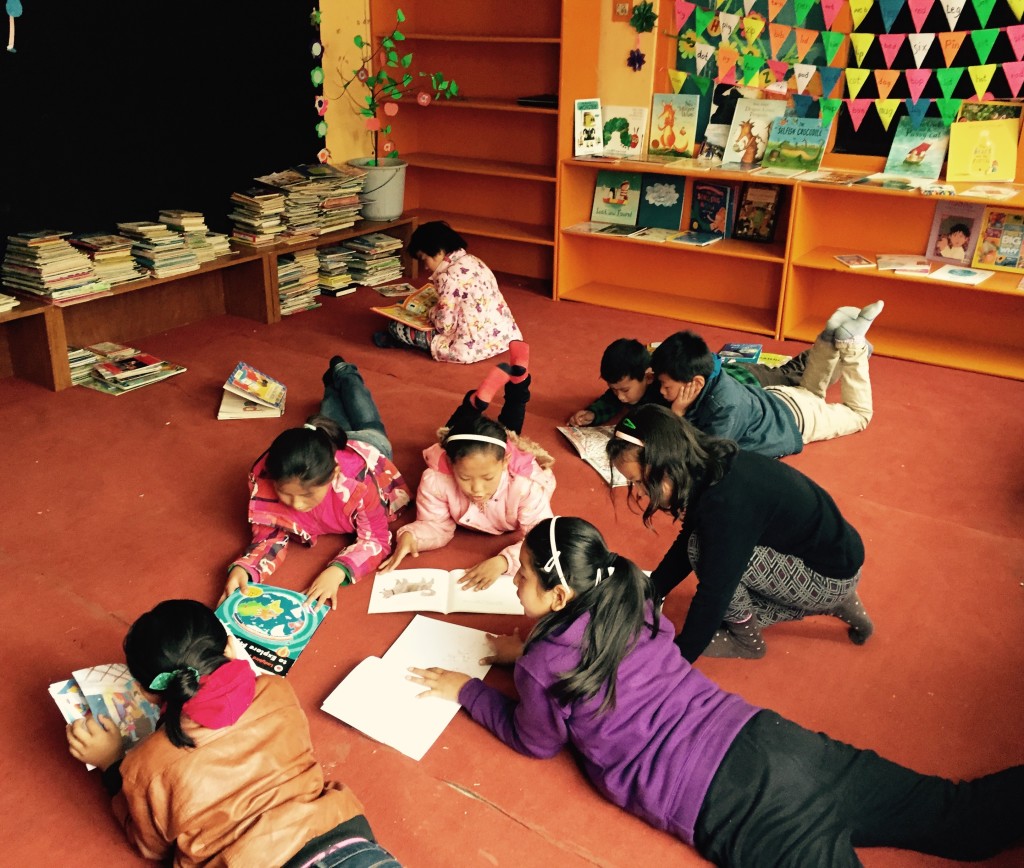
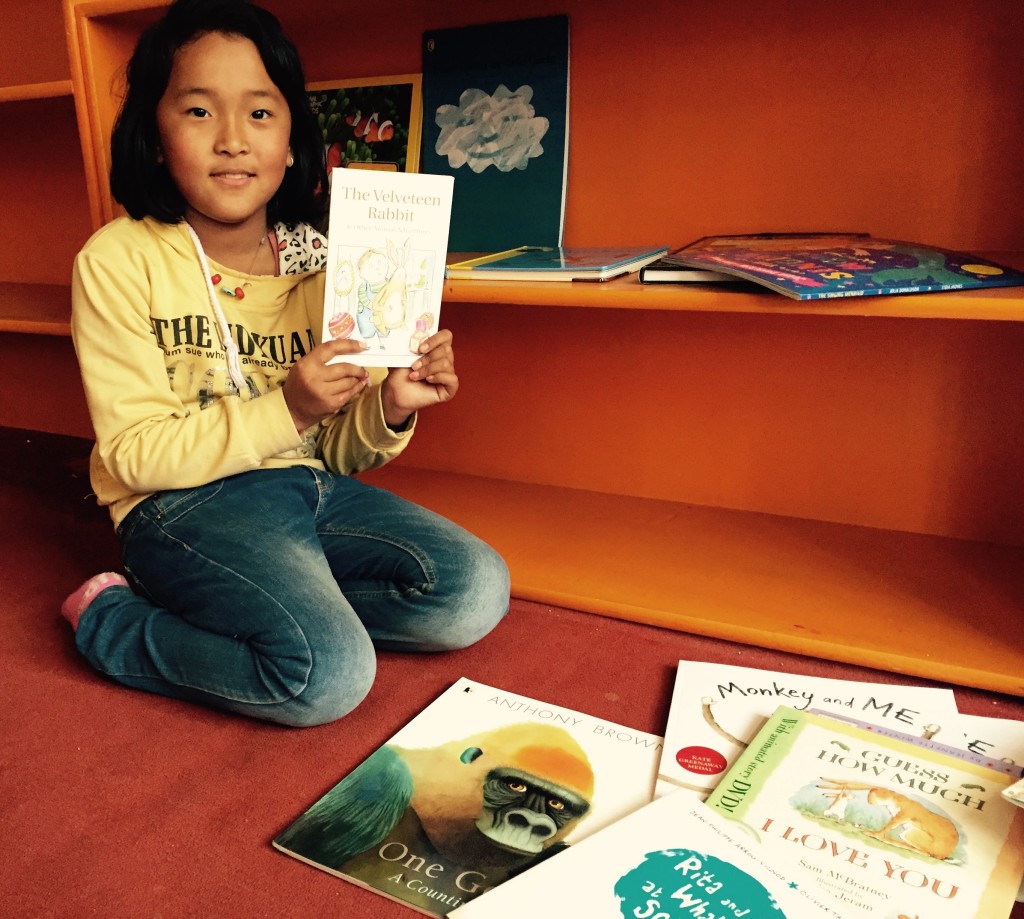
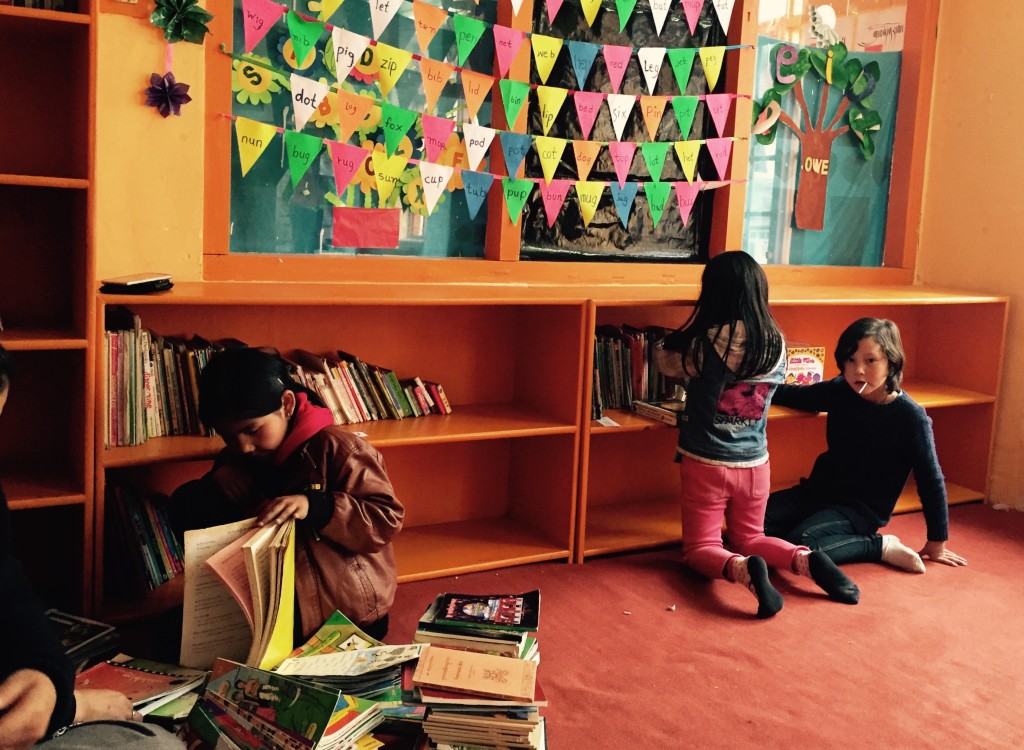
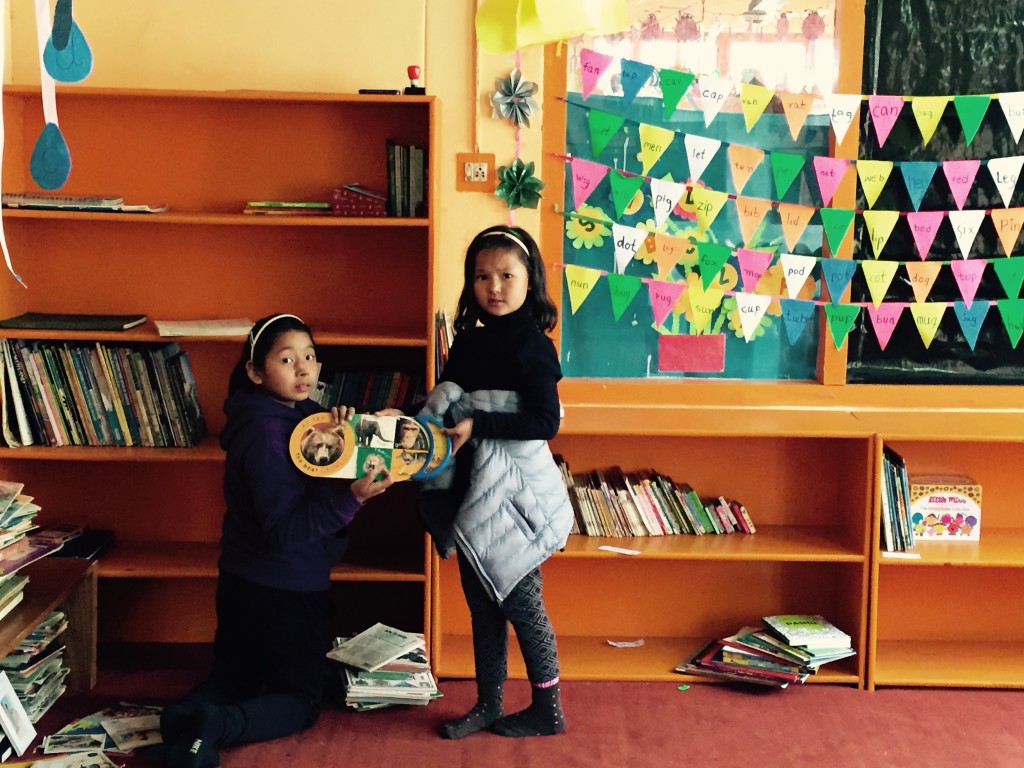
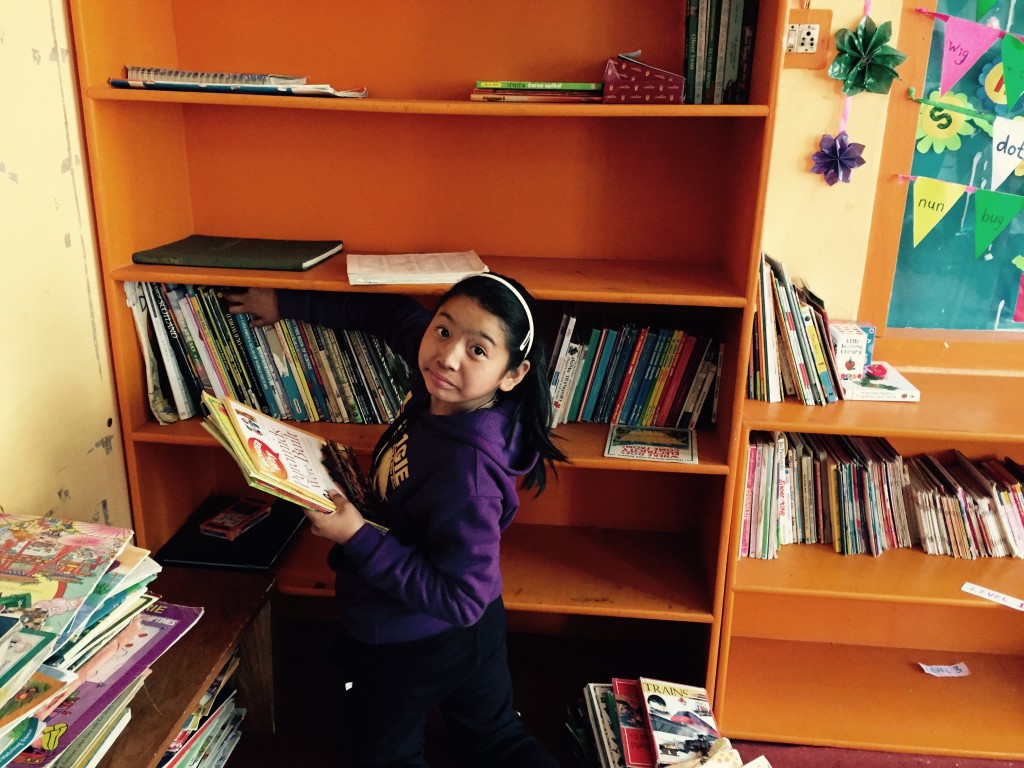
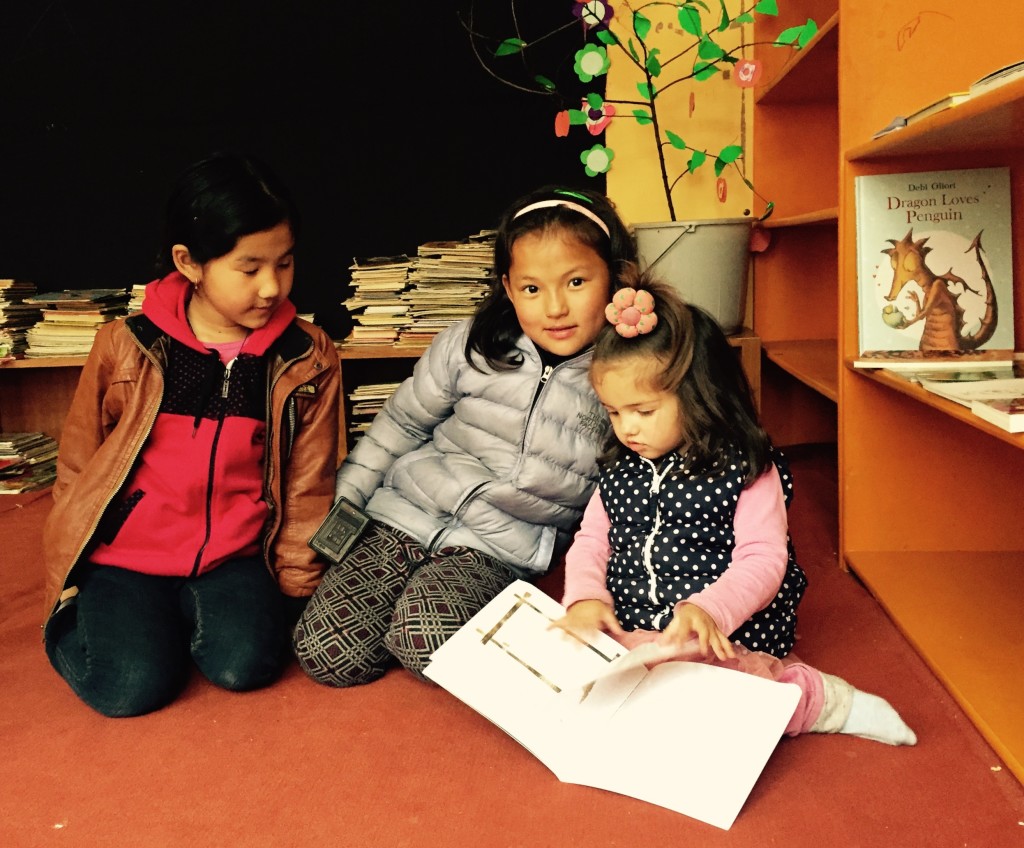
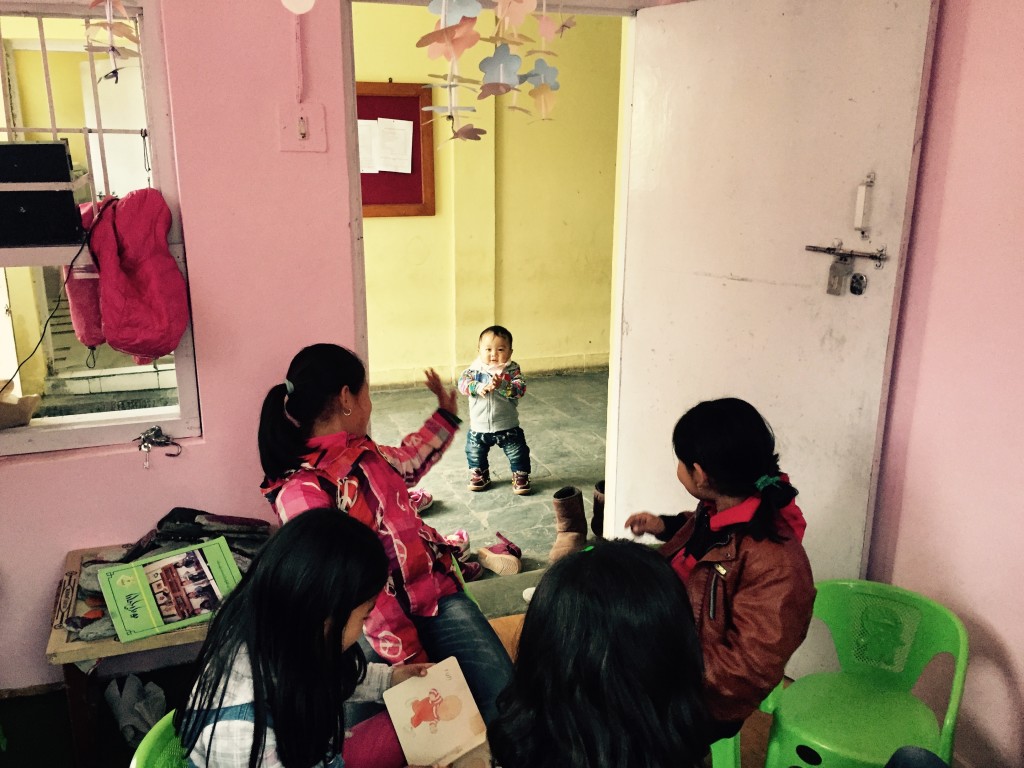
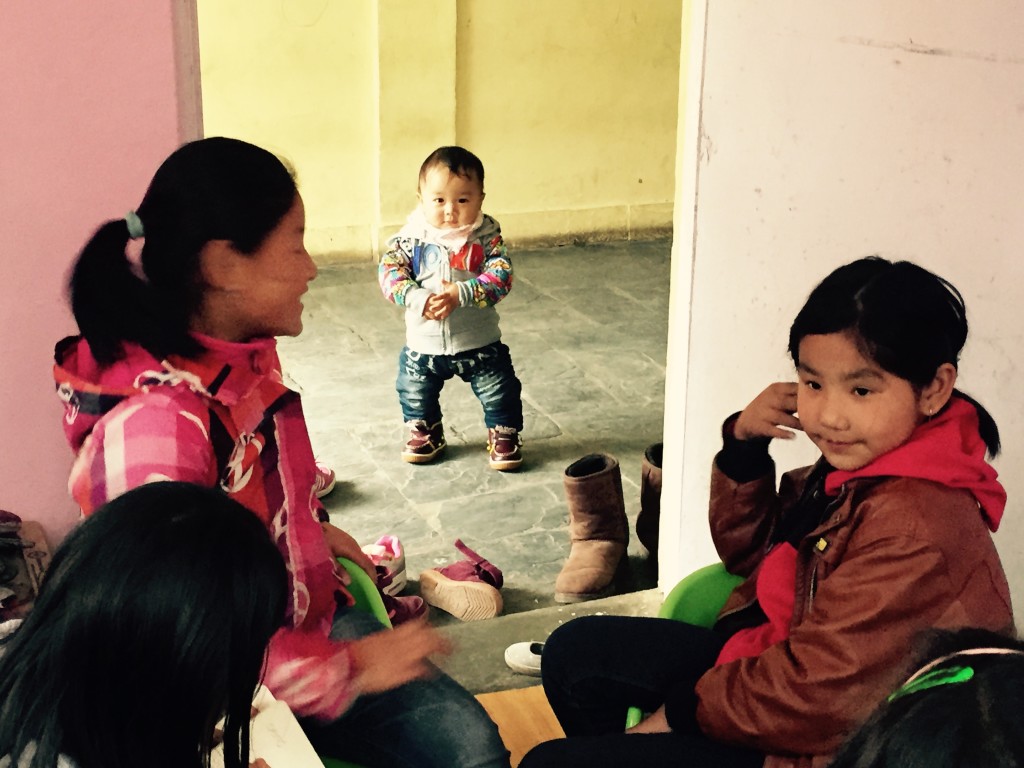
A translated book has the greatest effect when children can find it, handle it, and return to it often. Reading rooms provide that steady access. In communities where families may have limited money for books or where shops carry few children’s titles, a welcoming room can become an important educational resource.
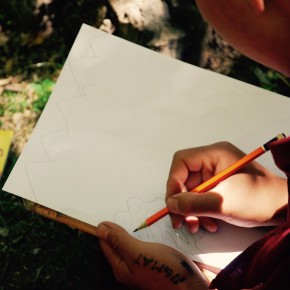
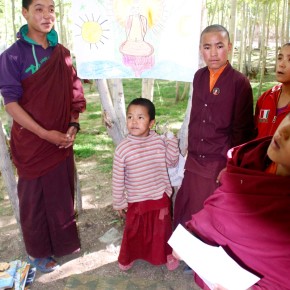
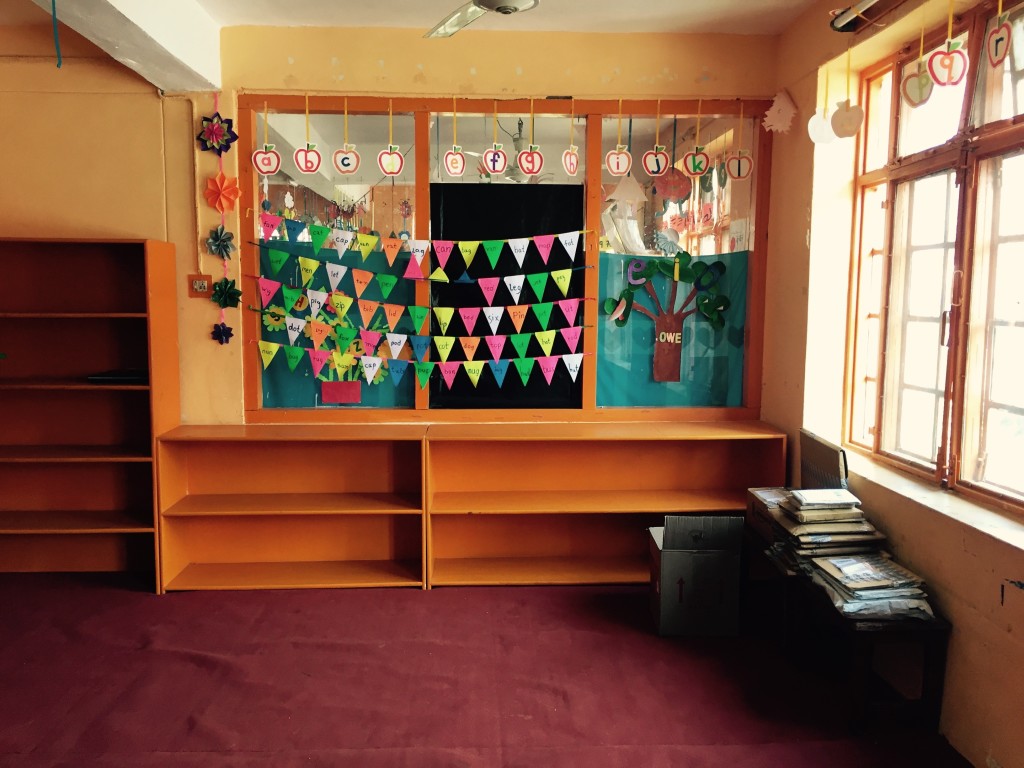
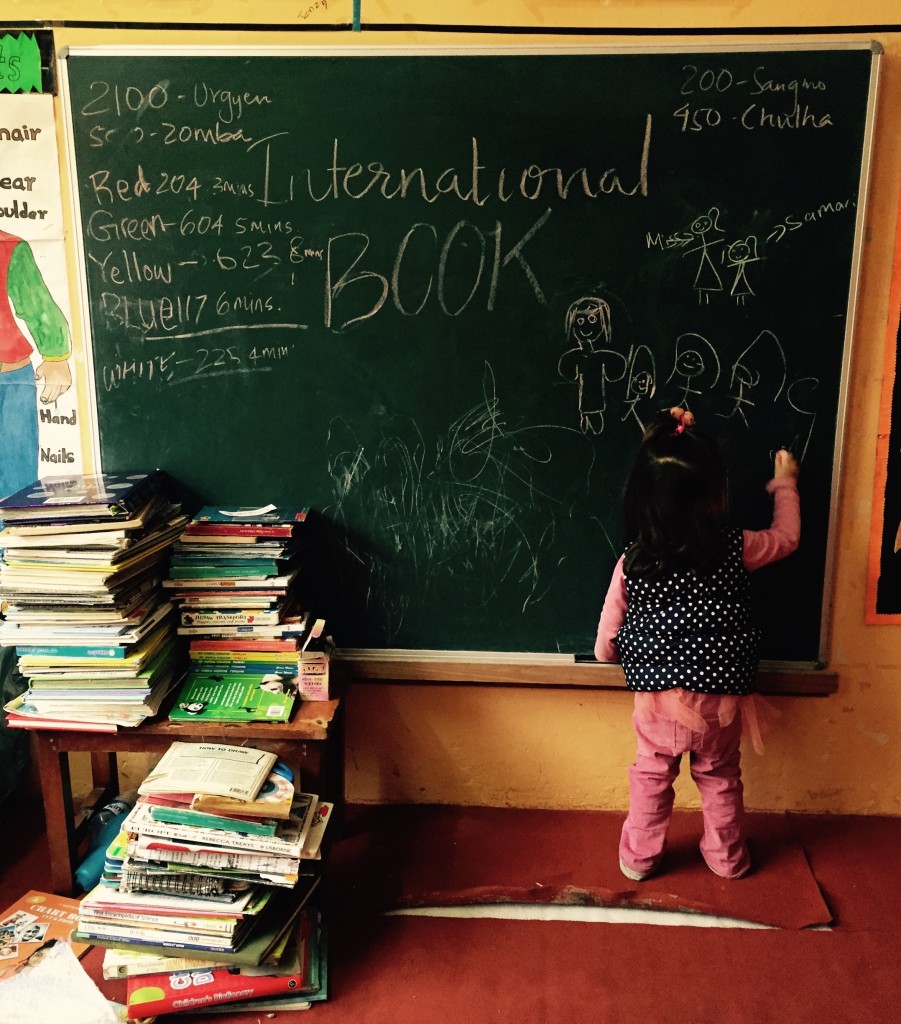
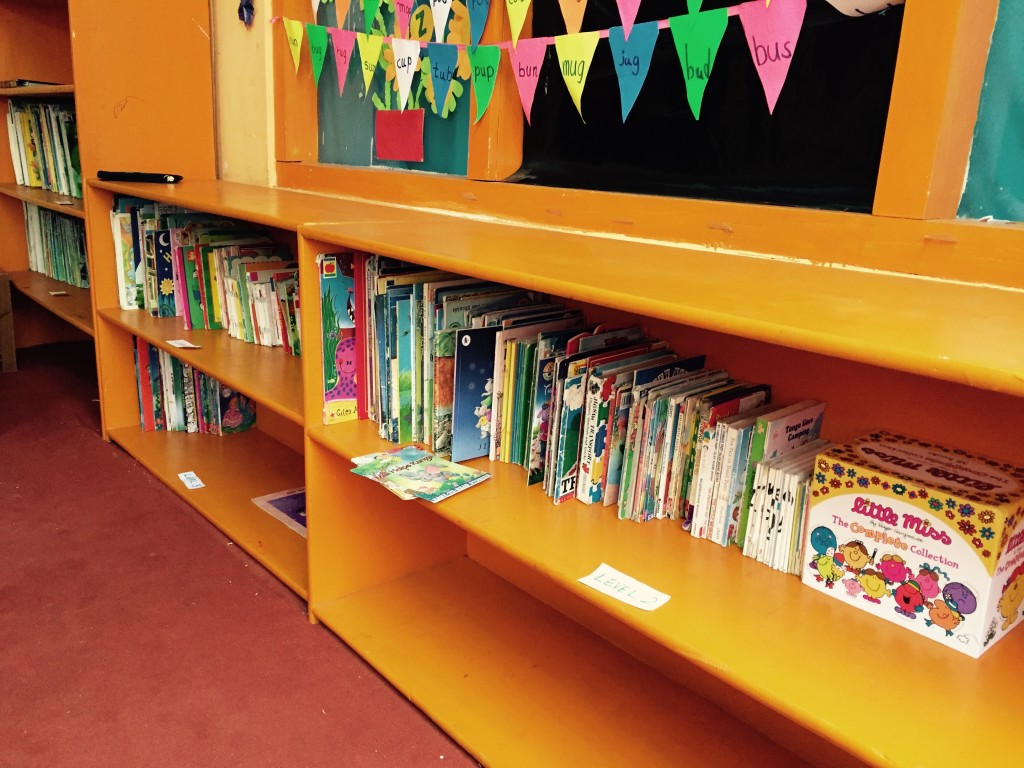
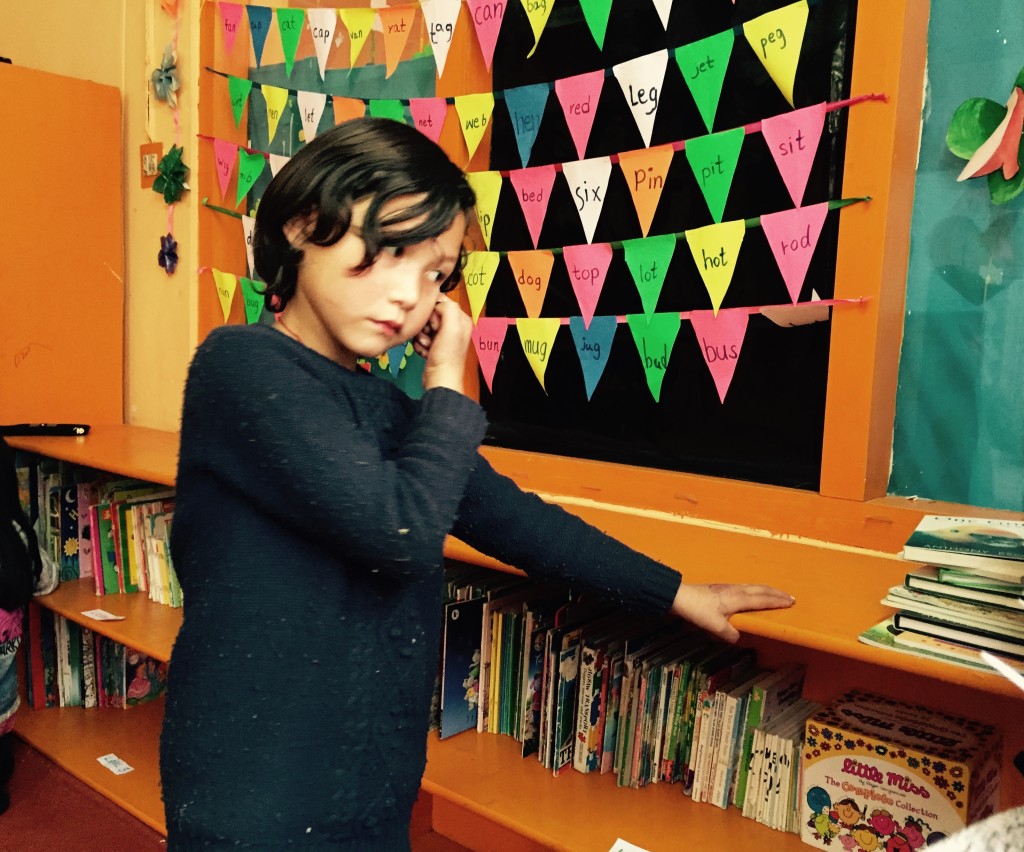
The setting matters as much as the collection. Low shelves, comfortable seating, good light, and inviting displays help children feel that books are made for them. Storytelling sessions, drawing activities, music, and simple book discussions can make the room active without making it feel like another classroom.
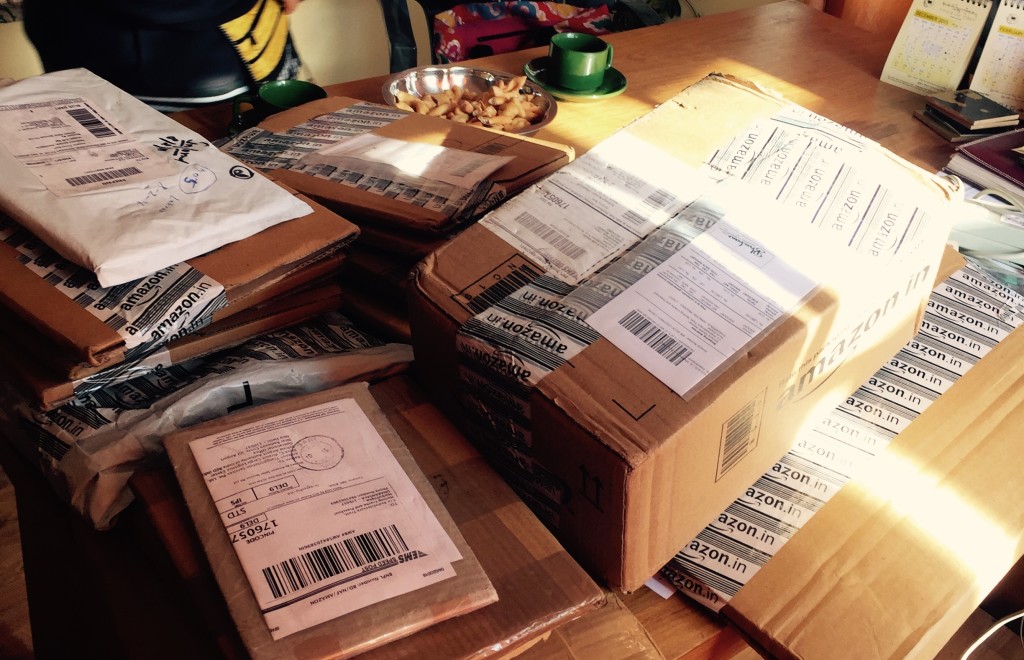
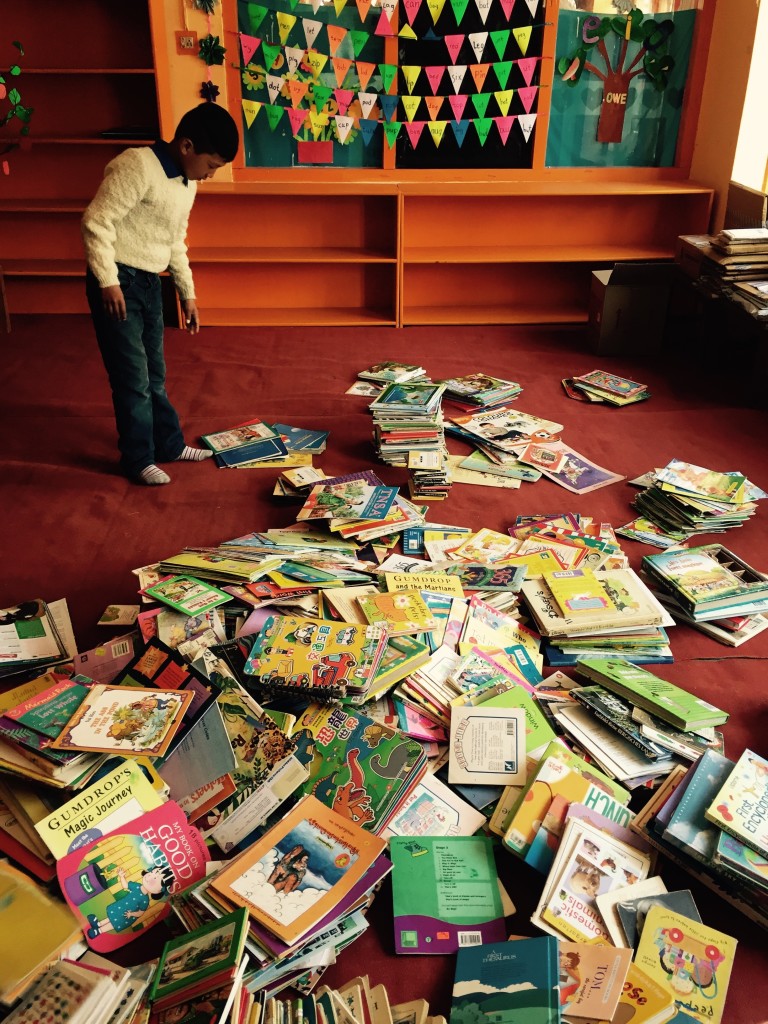
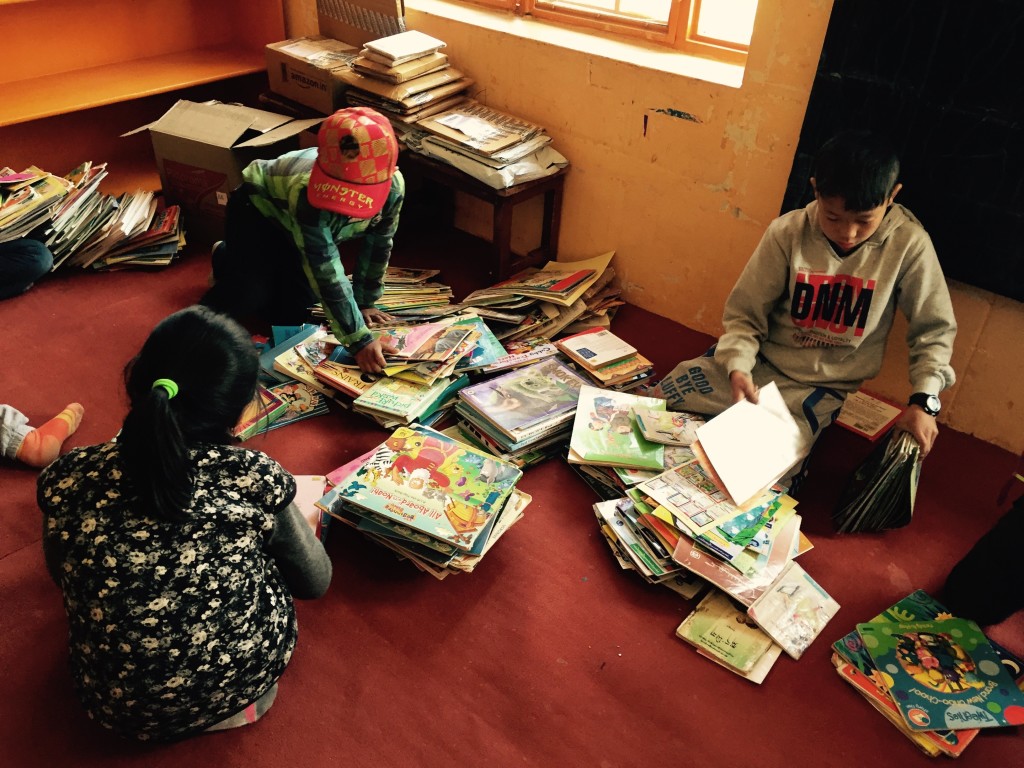
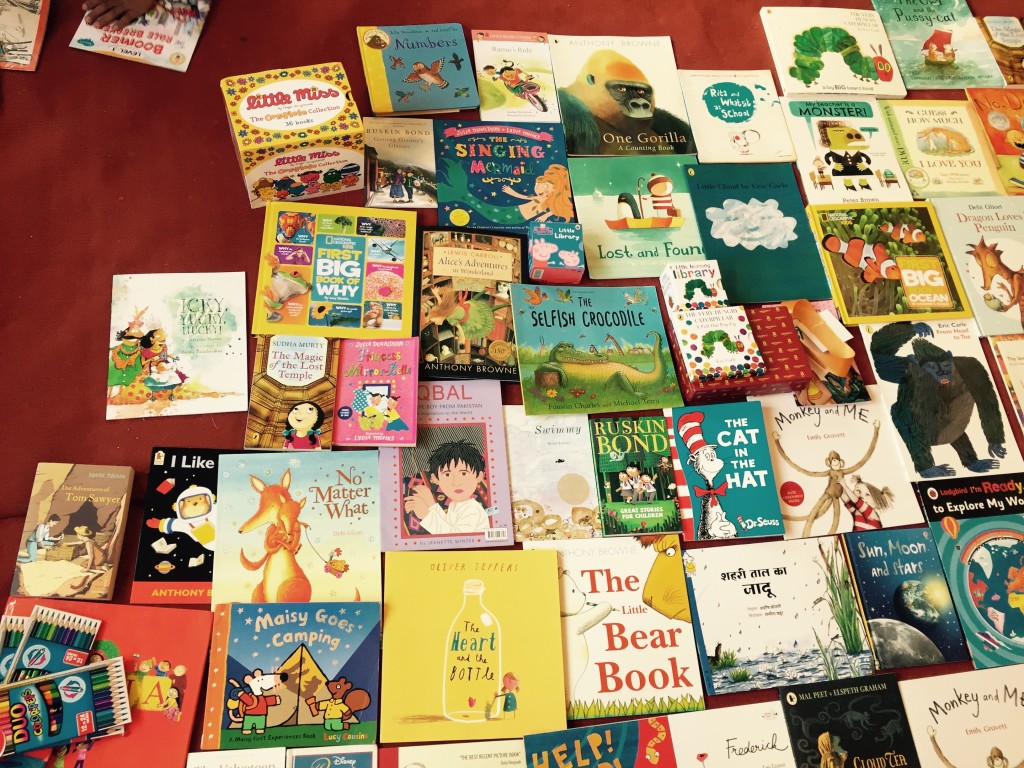
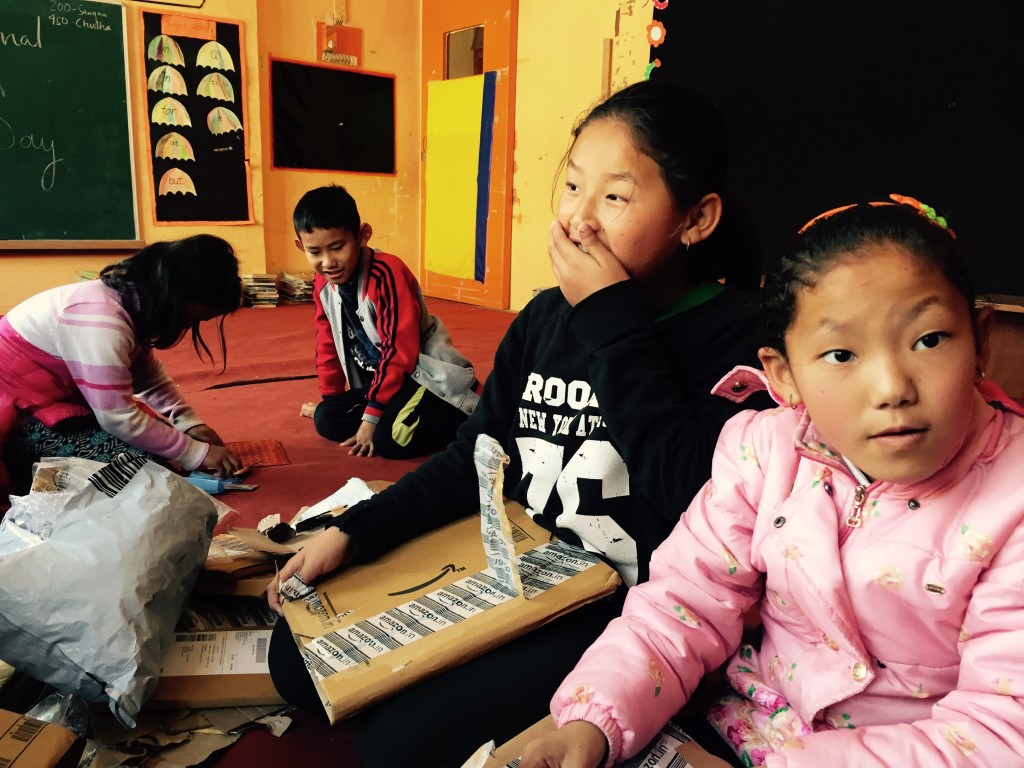
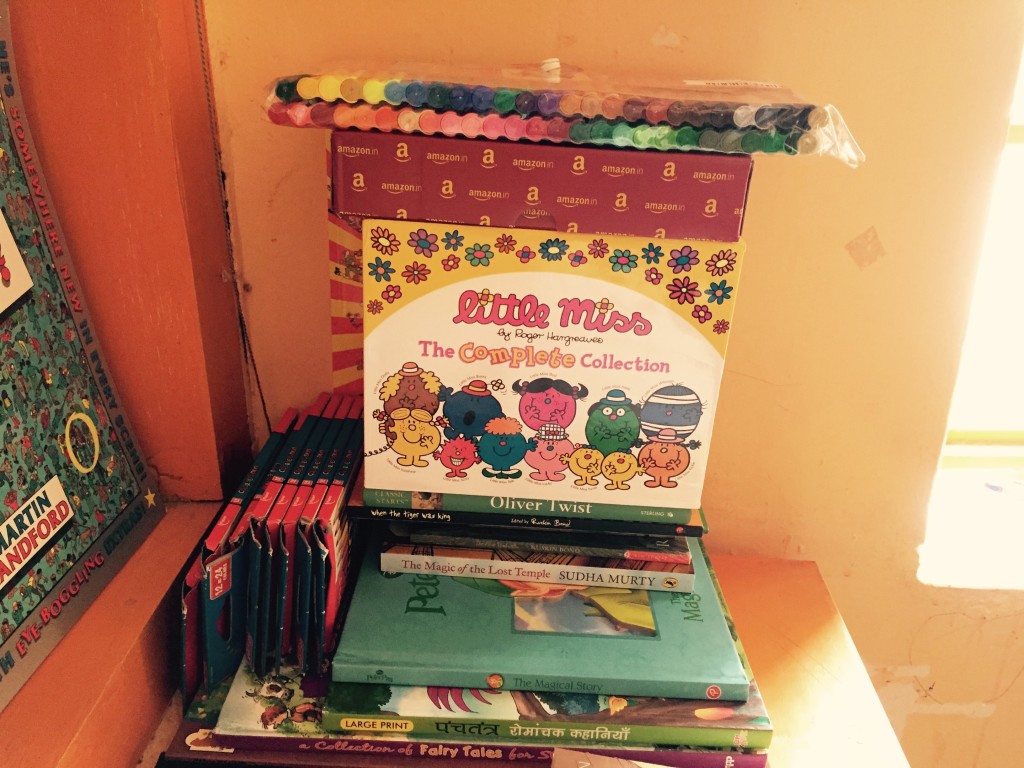
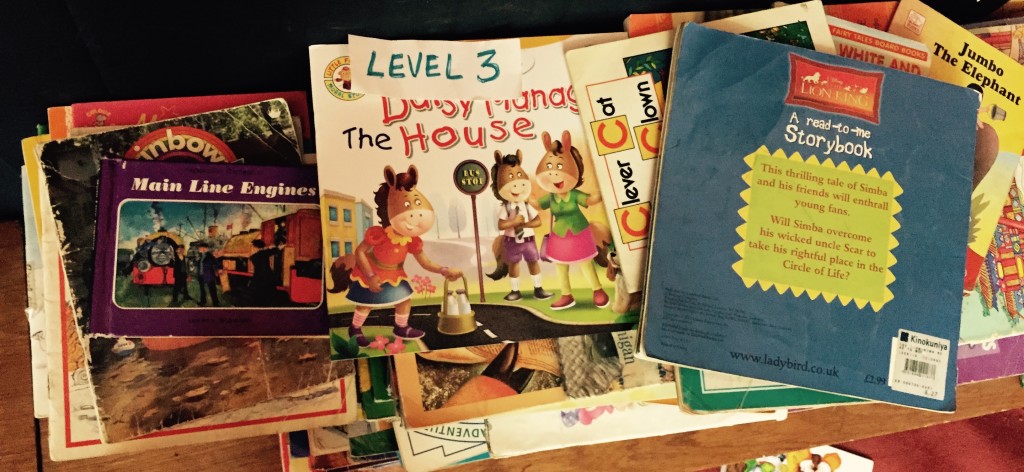
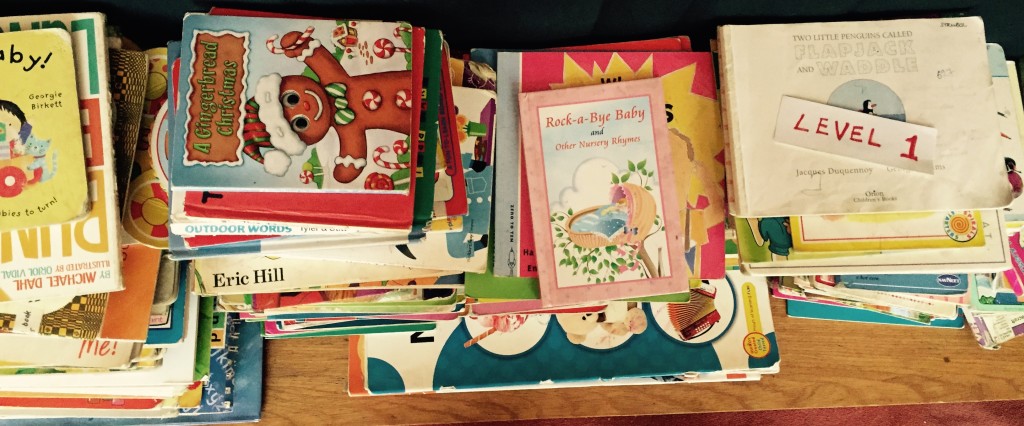
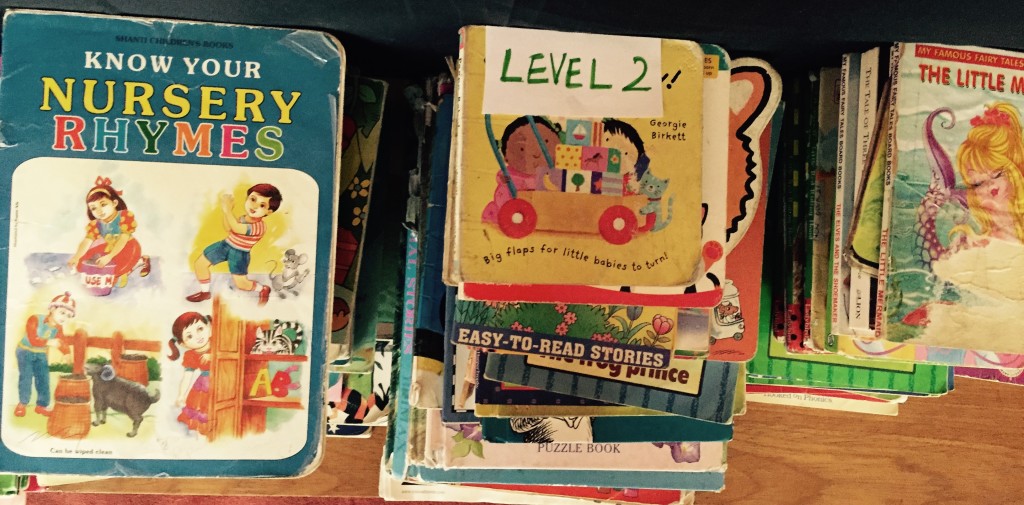
Avalokiteśvara Trust’s work with reading spaces and book drives helps create these conditions in Ladakh and other Himalayan communities. Donations of books are especially useful when they are selected with local ages, interests, languages, and reading levels in mind. A small collection of relevant books can be more effective than a large collection that children cannot understand or enjoy.
Local stories deserve a place beside translated ones
International picture books can broaden a child’s view of the world, but local storytelling gives that world a strong foundation. Books about Himalayan landscapes, village life, festivals, animals, family relationships, and traditional knowledge help children recognize their own surroundings as worthy of literature.
This is why translation should be part of a wider publishing and reading effort. Alongside translated titles, children benefit from original Ladakhi and Tibetan stories created by local writers and artists. These books can preserve oral traditions, record community memories, and give young people characters who reflect aspects of their lives.
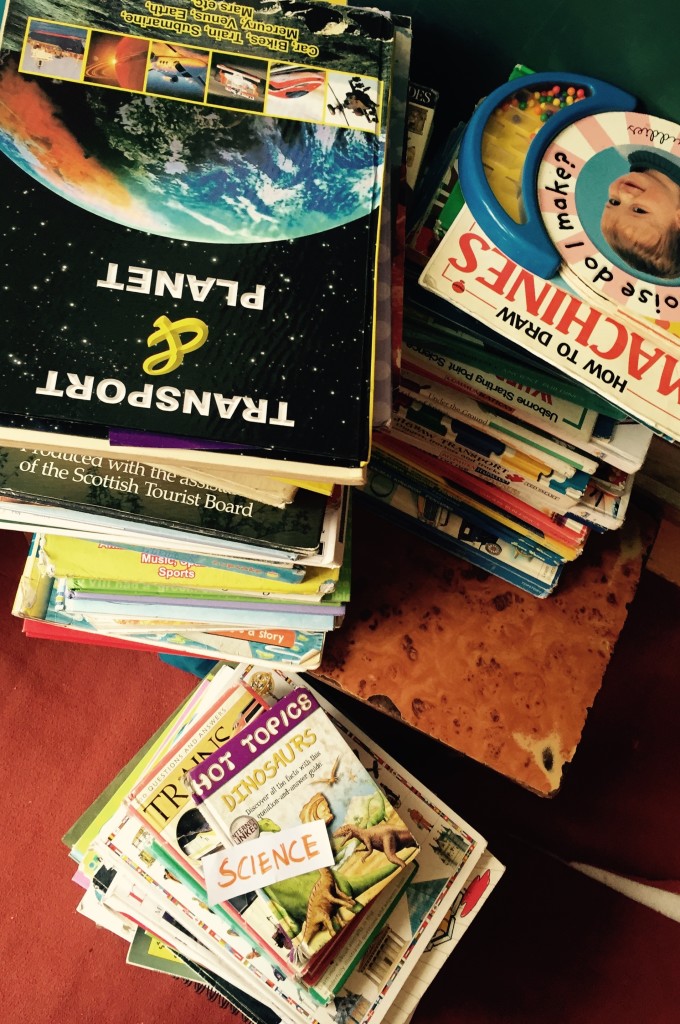
A balanced library might include folktales, contemporary fiction, nonfiction about nature, poetry, biographies, and wordless picture books. Wordless books are particularly useful in multilingual spaces because children can create narratives in whichever language they know best. They encourage imagination while allowing readers of different ages and language backgrounds to participate together.
Thoughtful support makes every book count
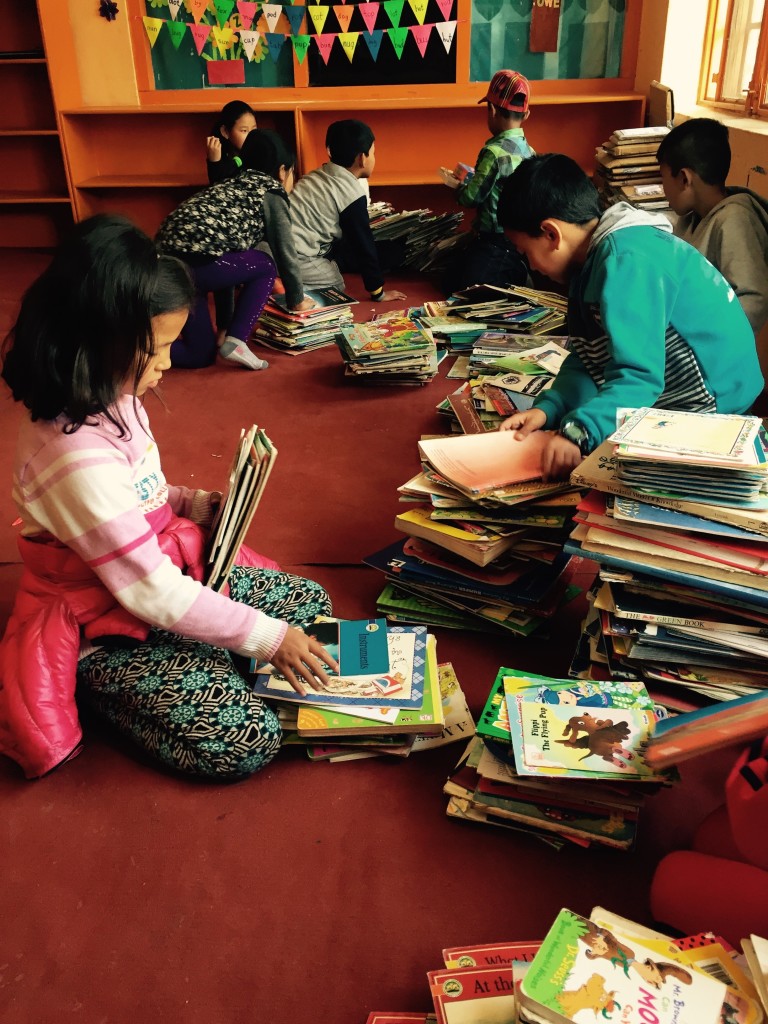
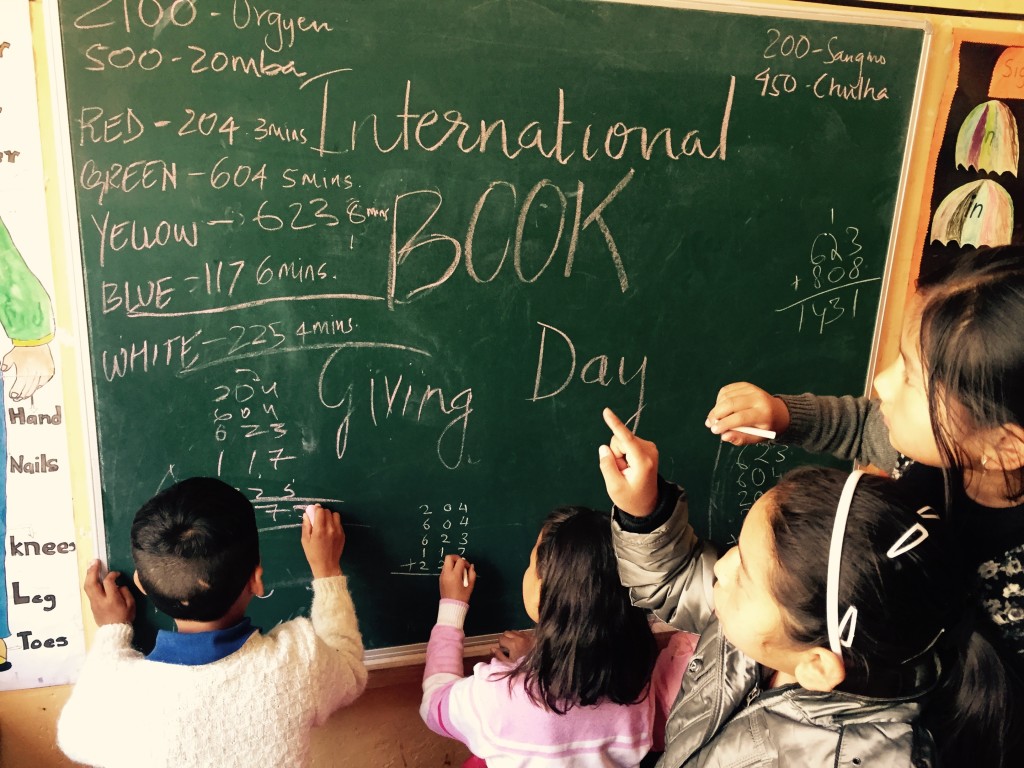
Language access is strengthened when donors, volunteers, educators, and translators work toward the same purpose. Financial support can help cover translation, editing, illustration, printing, transport, and the maintenance of reading rooms. Volunteers may contribute by sorting collections, leading story sessions, preparing creative activities, or helping children discover books that match their interests.
Useful support begins with listening to local needs. Communities can guide decisions about which languages, age groups, subjects, and formats deserve priority. Feedback from children is equally important. Their repeated requests, favorite characters, and spontaneous storytelling often reveal what makes a book memorable.
Practical ways to support Himalayan children’s literacy include:
- Sponsor translated picture books for a reading room or monastery community.
- Donate high-quality children’s books that suit different ages and reading levels.
- Support art, music, and storytelling sessions connected with books.
- Share information about Avalokiteśvara Trust with schools, families, and responsible volunteers.
- Fund local participation in translation, editing, illustration, and book distribution.
When a child sees a familiar word beside an engaging image, the experience can be quietly transformative. It says that their language belongs on the page, that their imagination deserves time, and that reading can connect them with both their own community and the wider world.
Avalokiteśvara Trust welcomes people who want to help make that experience possible. By donating books, supporting translation and reading rooms, volunteering time, or sharing the organization’s work, you can help more children and young monks discover stories in languages that speak directly to them. A single book can begin a conversation; a sustained library can help that conversation grow for years.