Why we teach origami to reuse discarded notebook pages
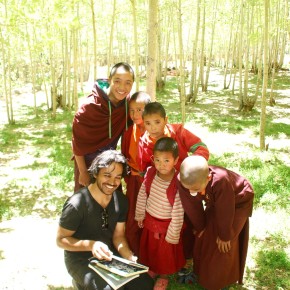
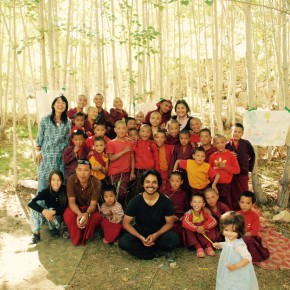
At Avalokiteśvara Trust, we teach origami as a way to reuse discarded notebook pages. The simple practice turns school leftovers into useful objects while giving children and young monks opportunities to read, measure and create.
A single clean sheet can hold a geometry lesson, a quiet moment of concentration and the beginning of a handmade bookmark. Because the material is familiar and the first folds are manageable, learners can begin even when they have no origami experience.
Pages that once carried sums, stories or sketches can carry new ideas. Folding them supports literacy through instructions, mathematical language through shape and spatial reasoning through careful observation.
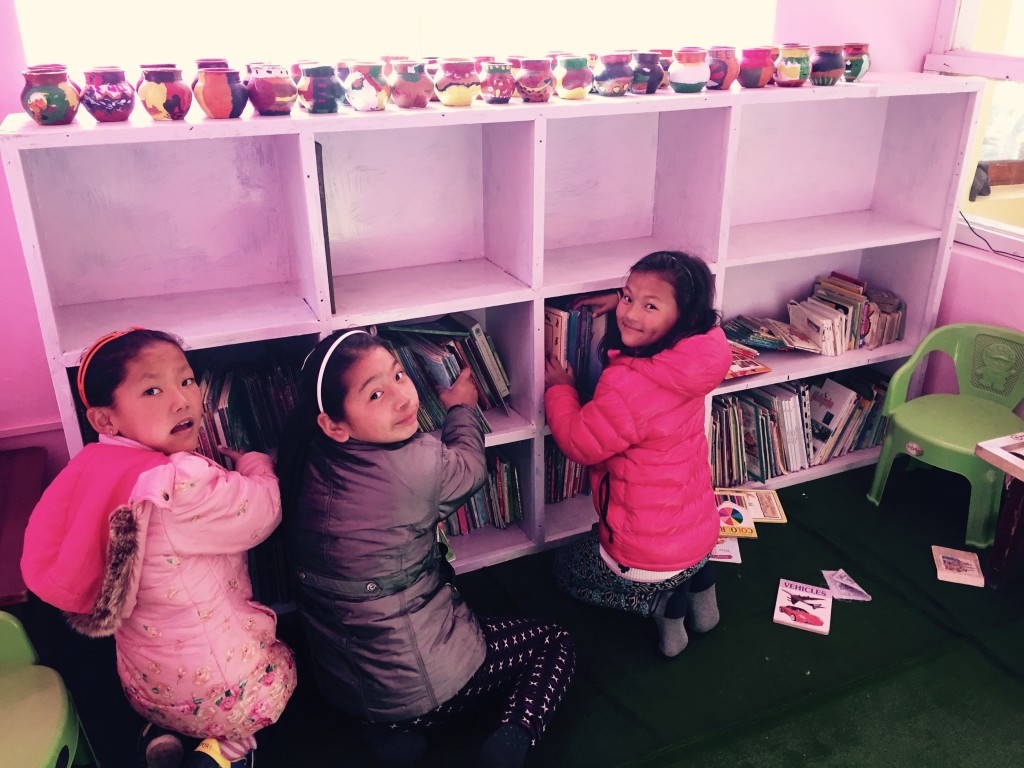
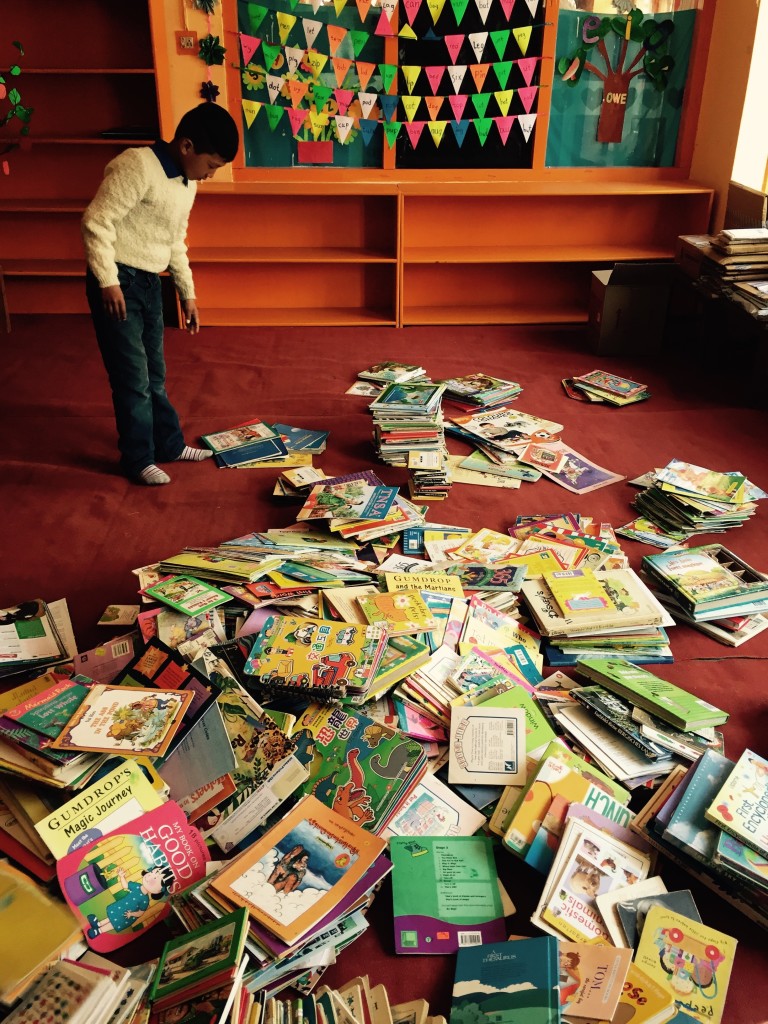
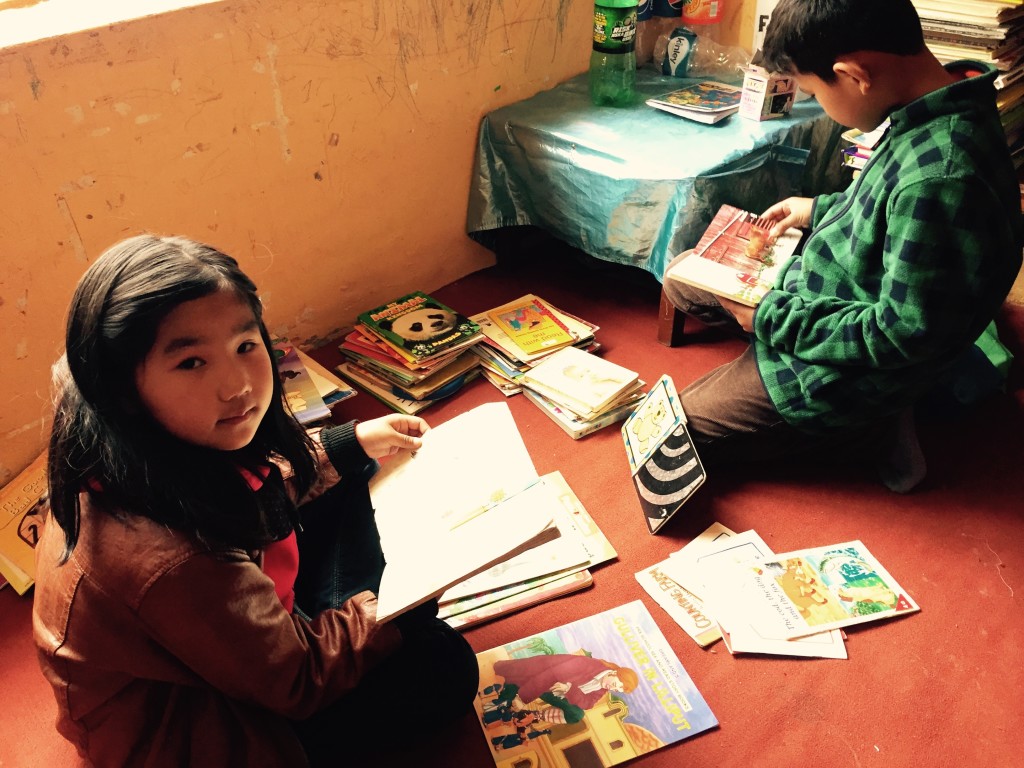
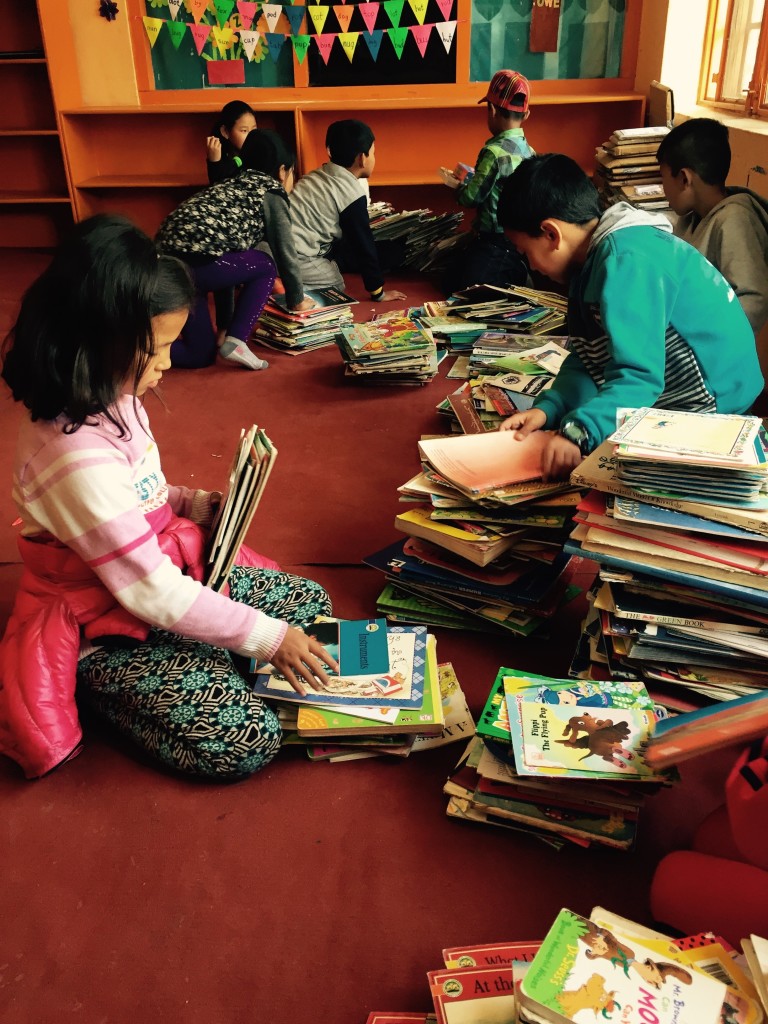
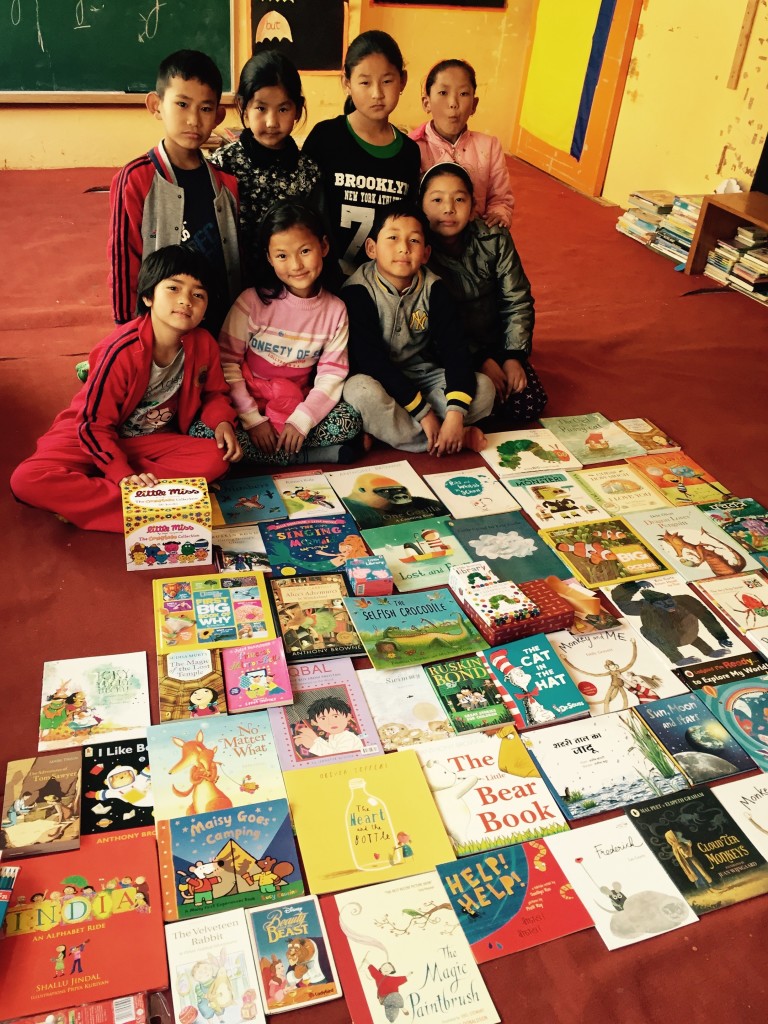
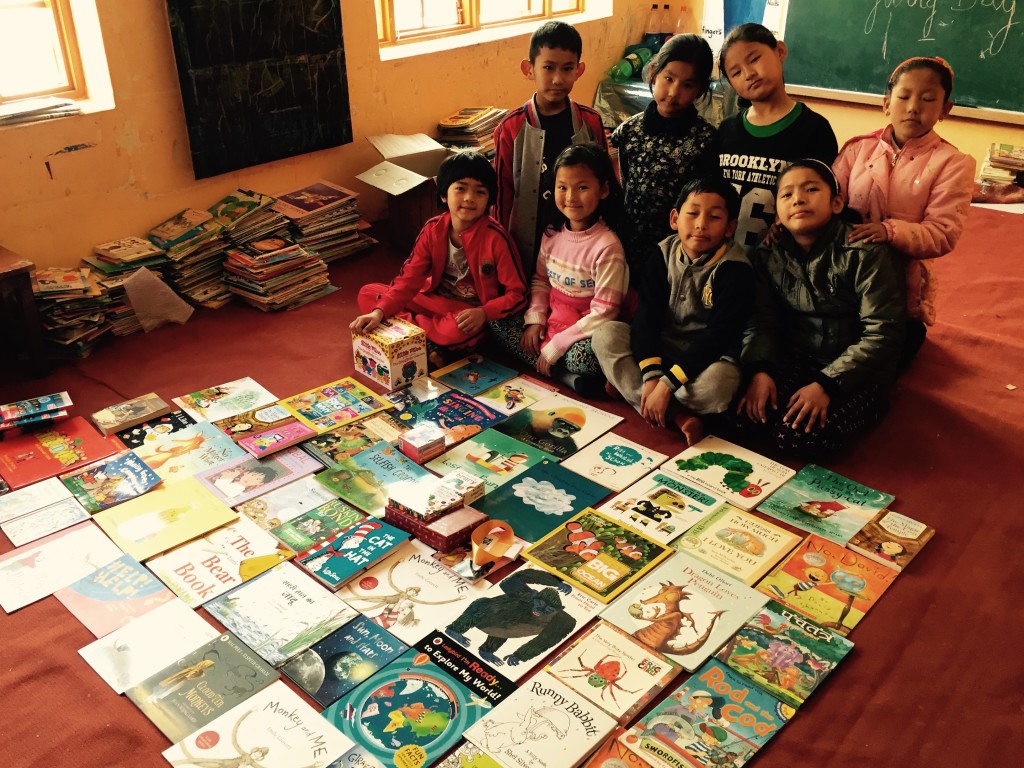
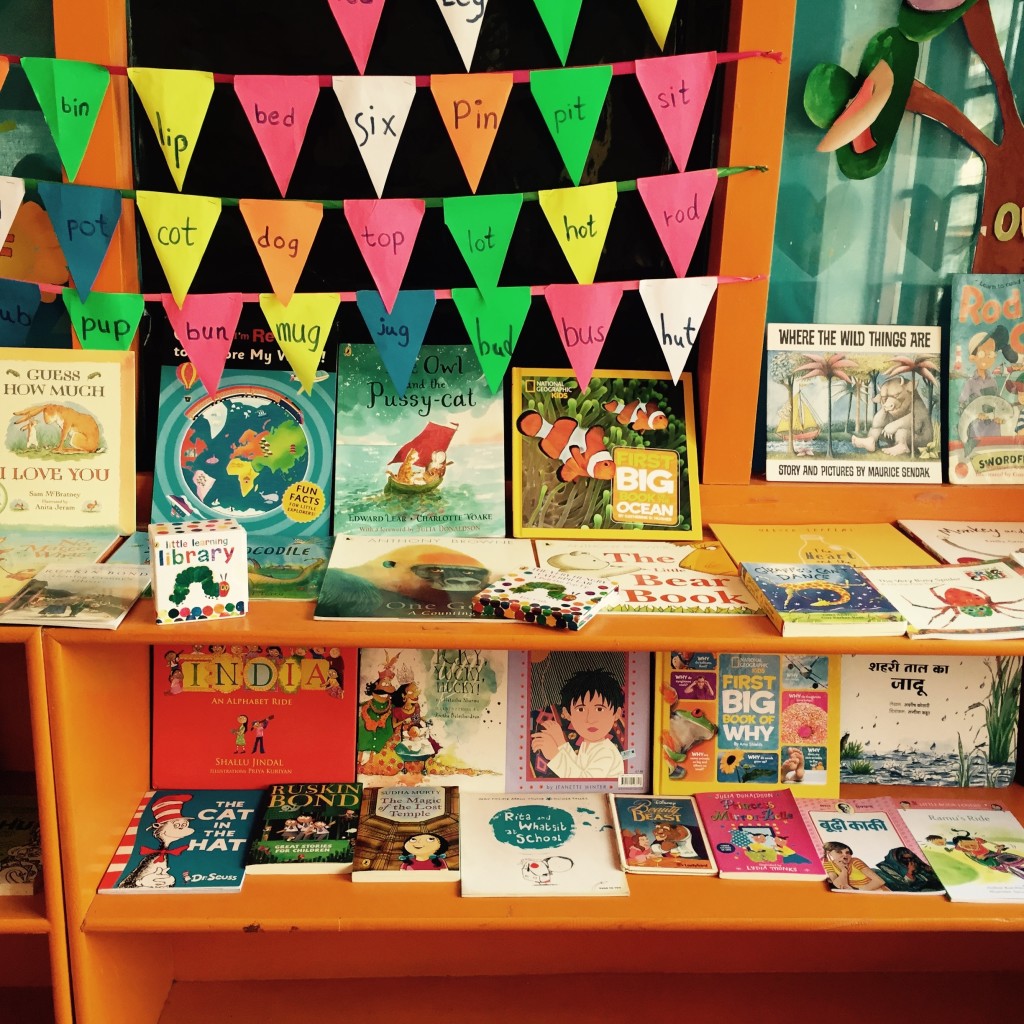
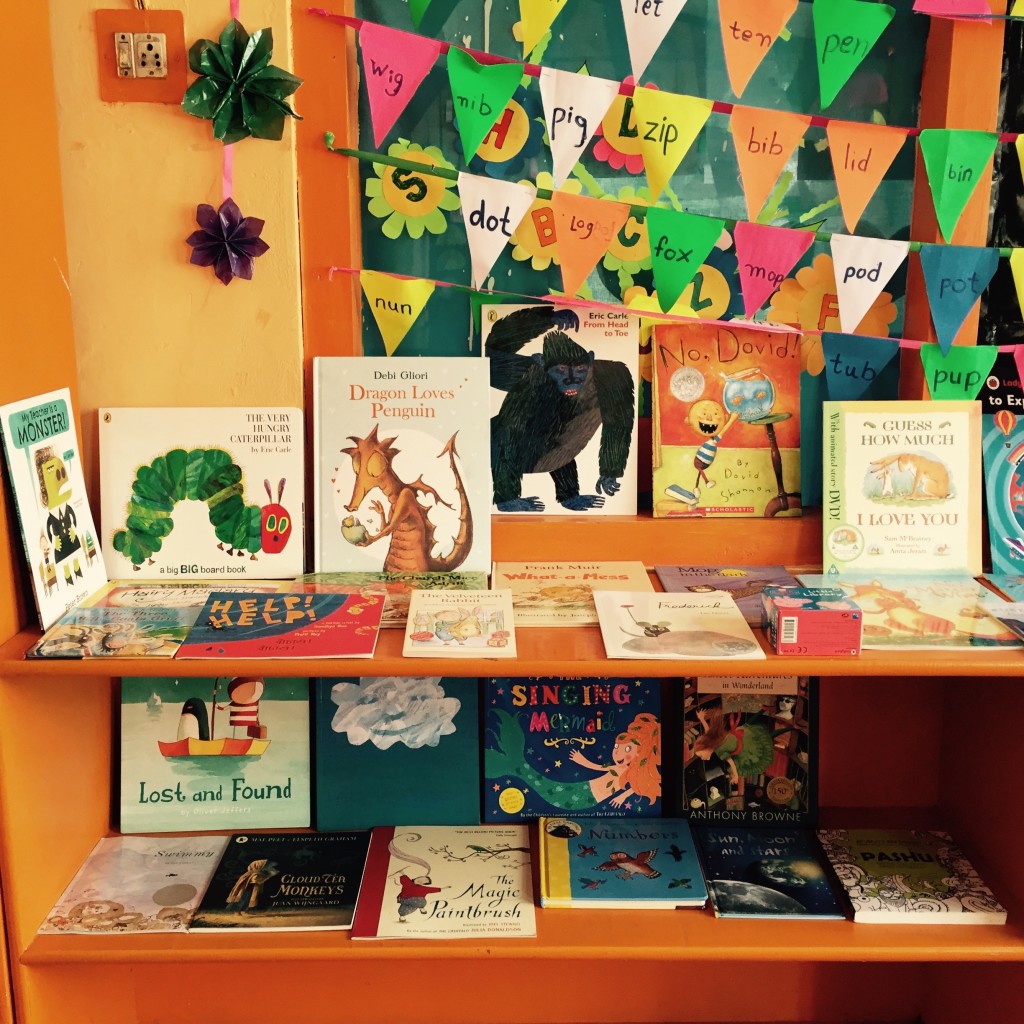
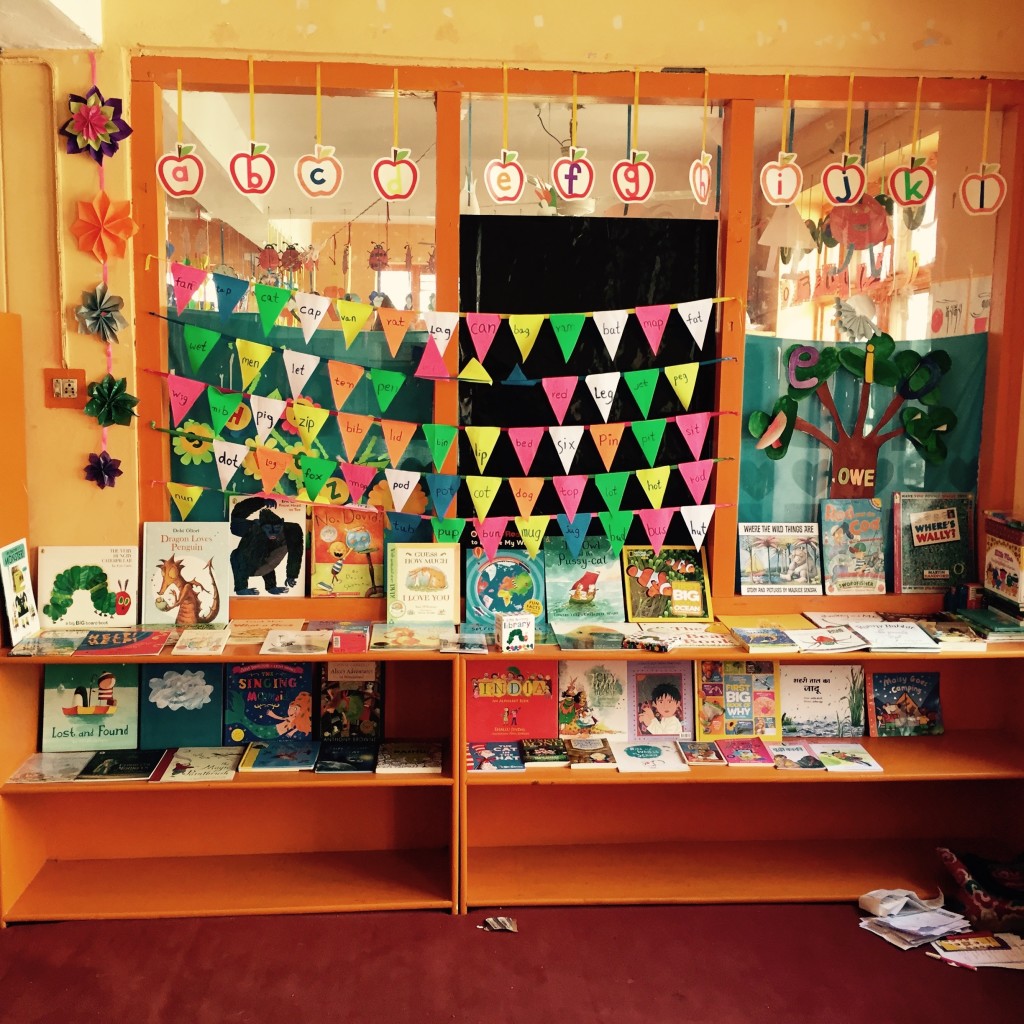
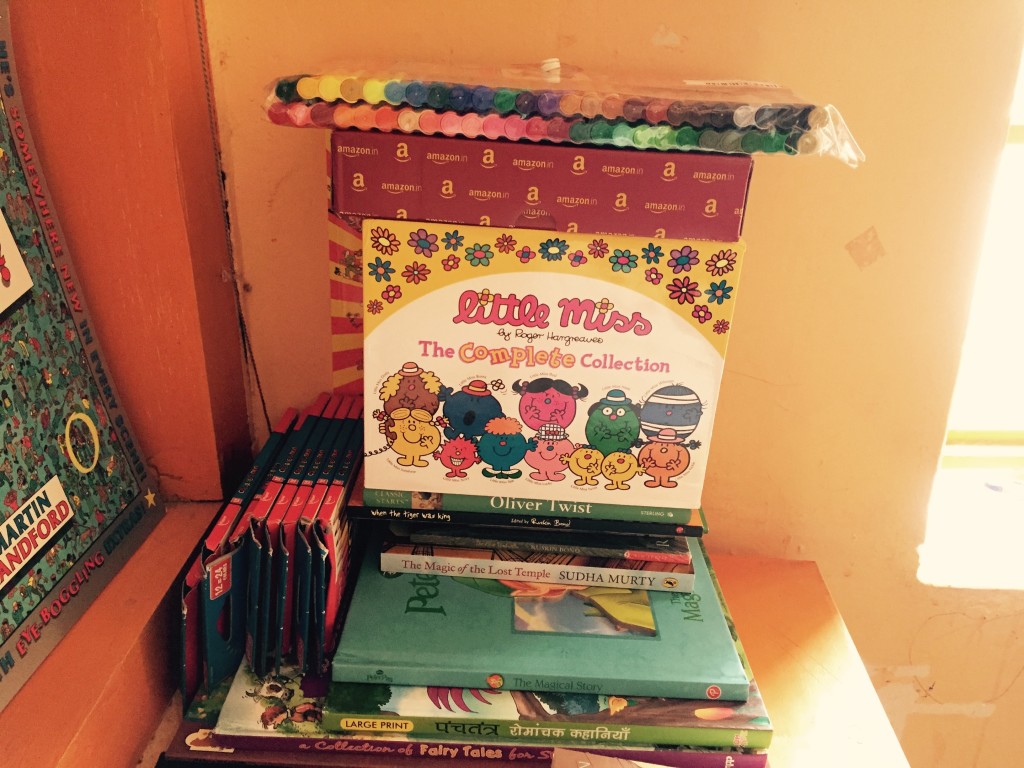
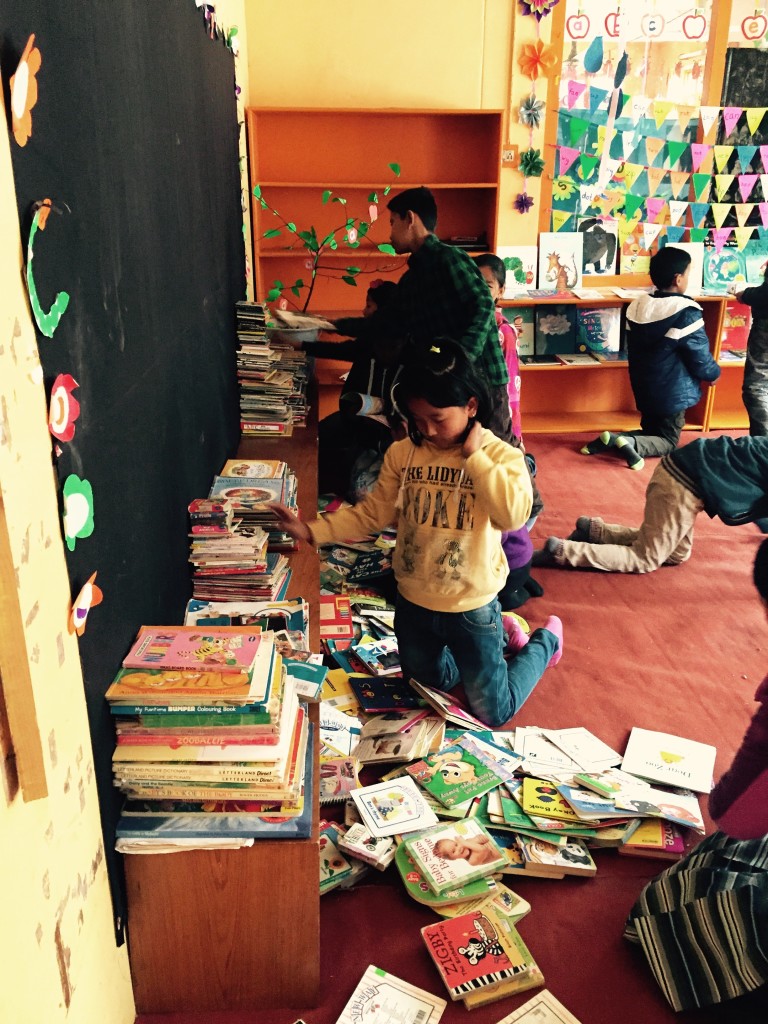
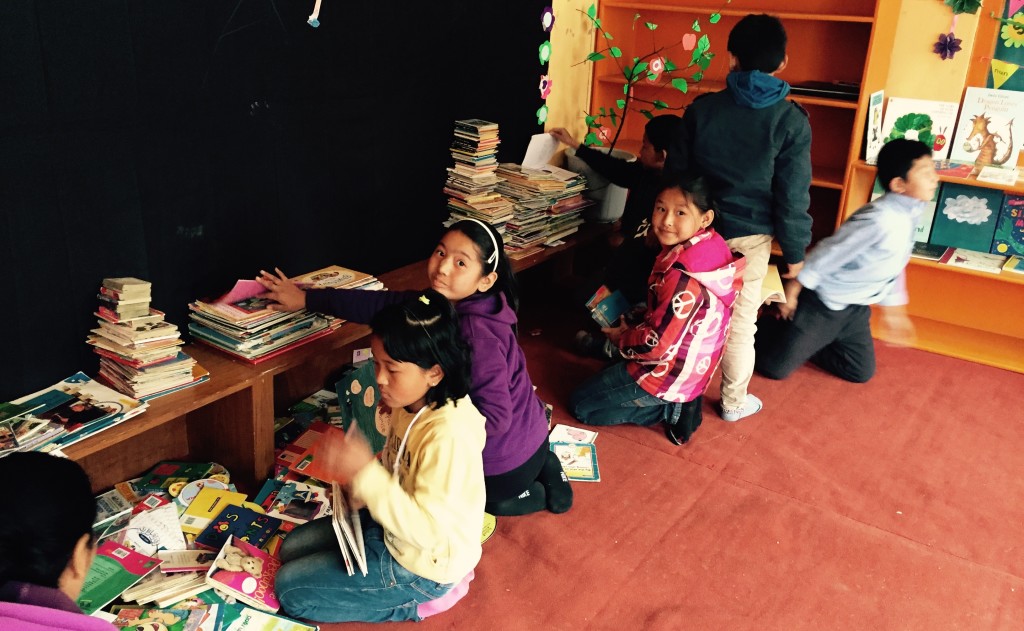
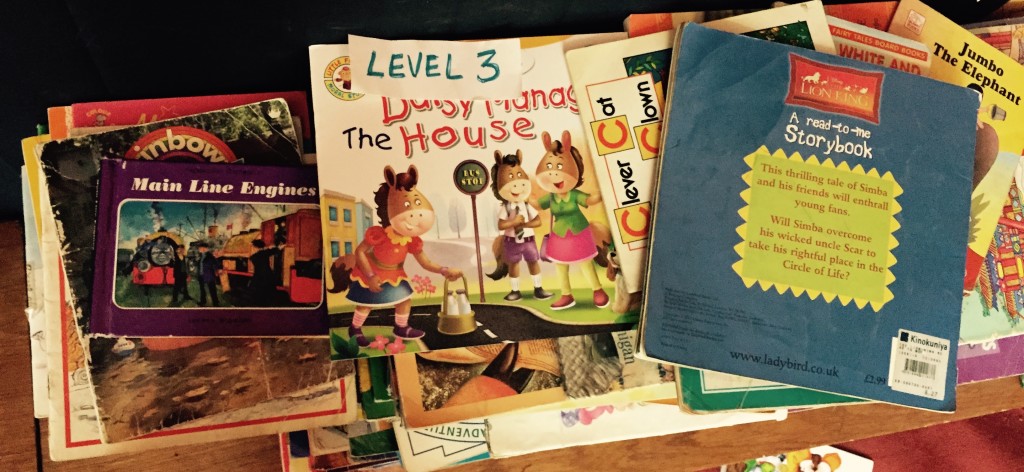
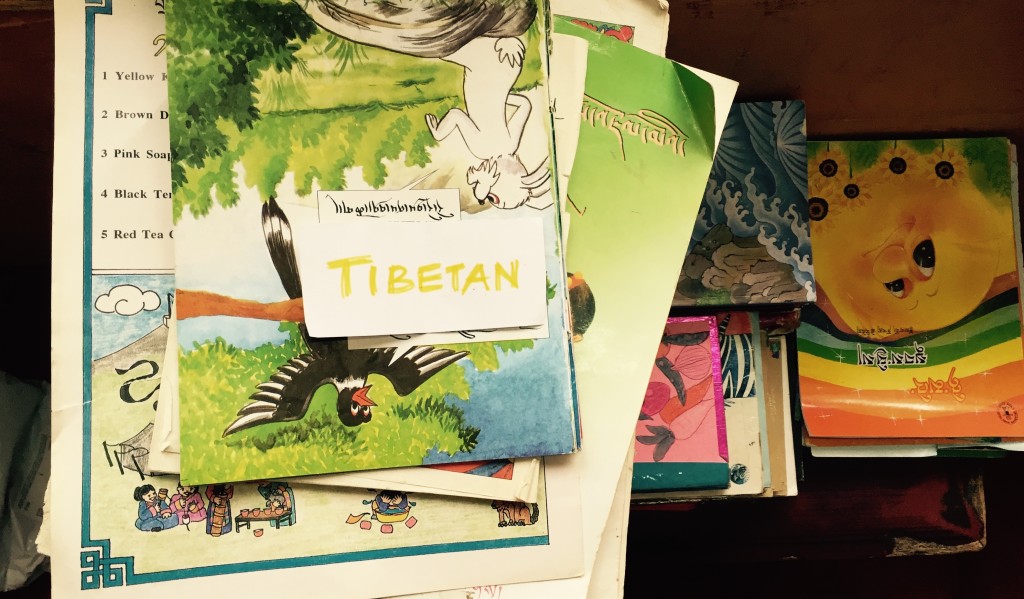
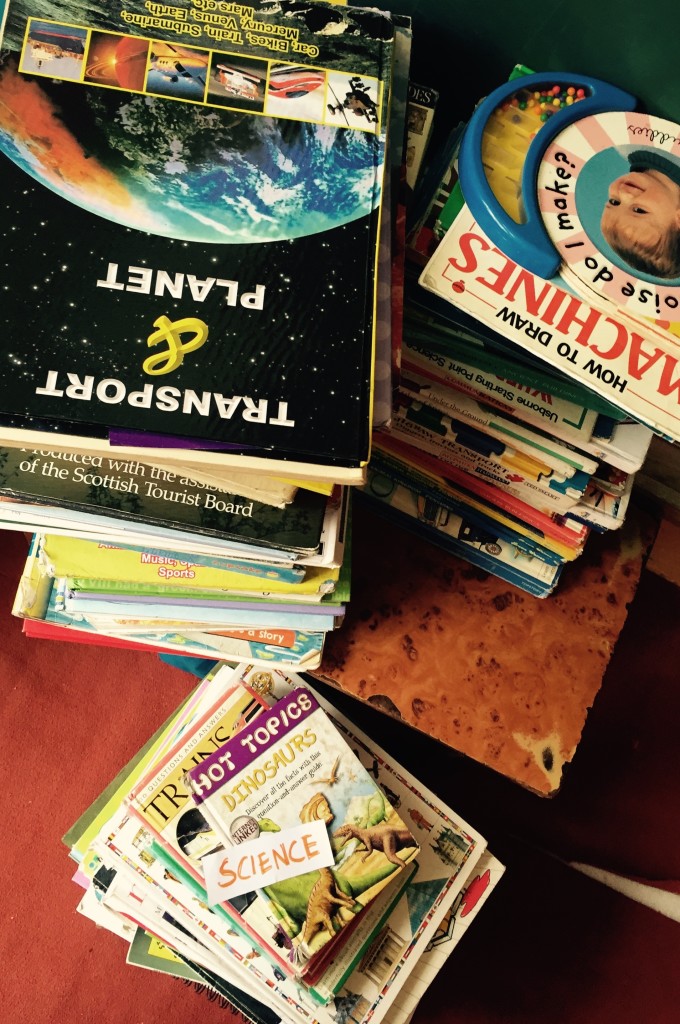
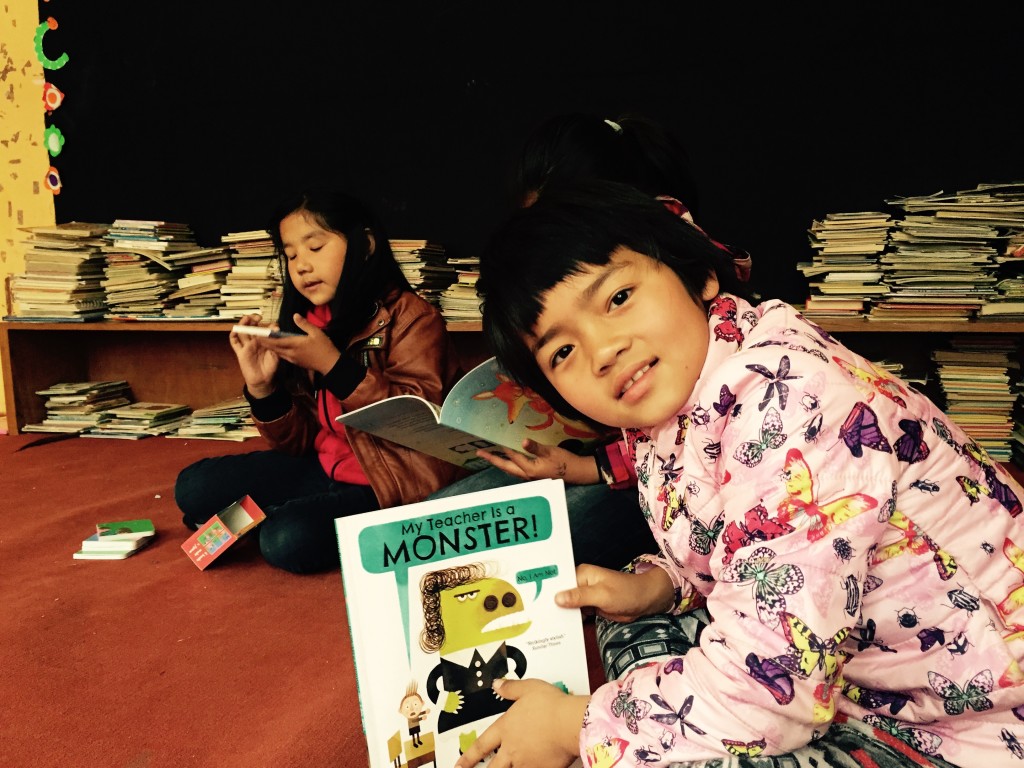
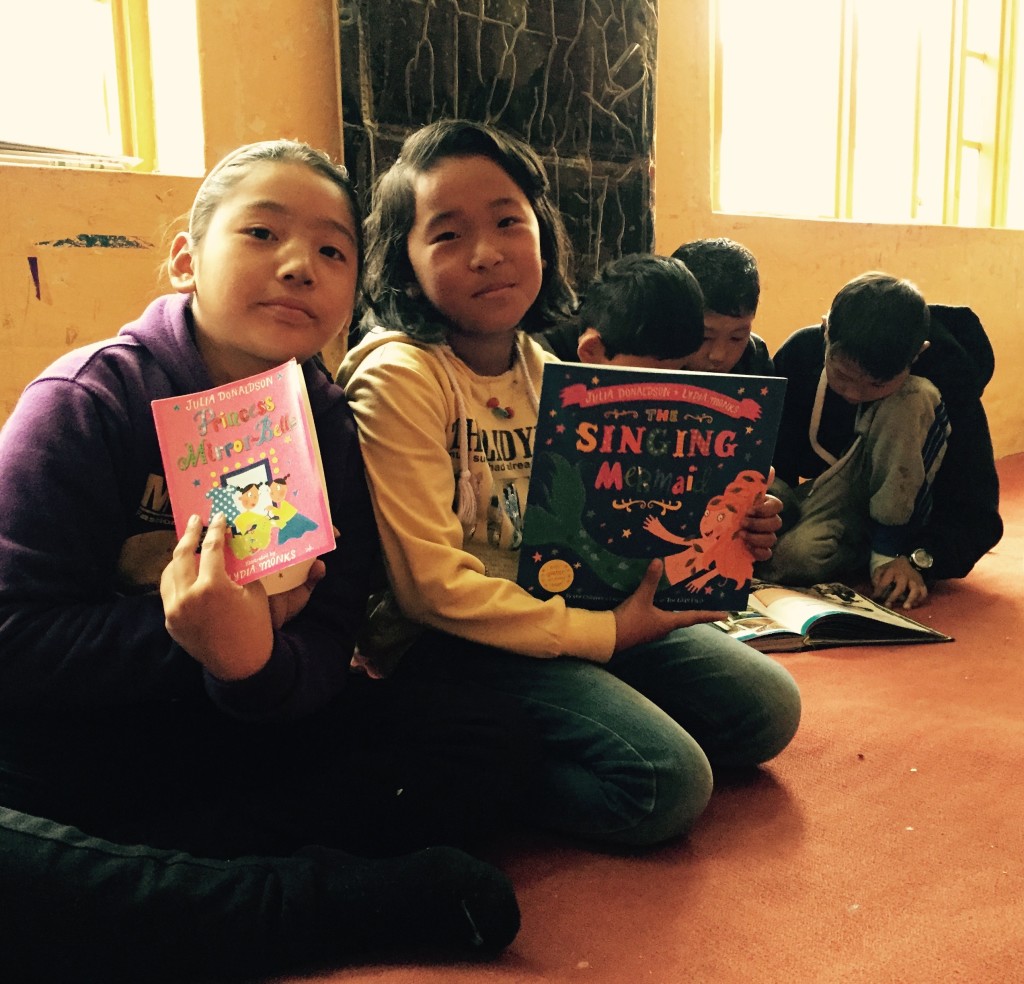
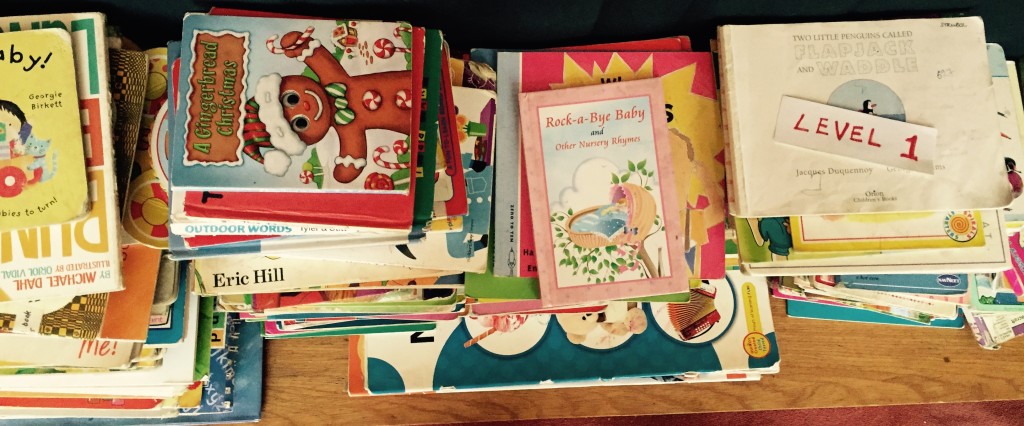
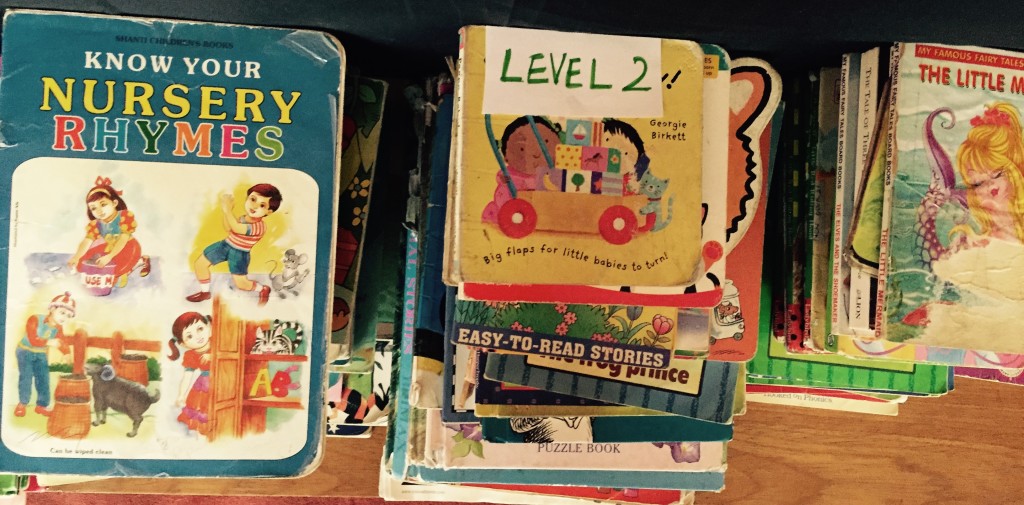
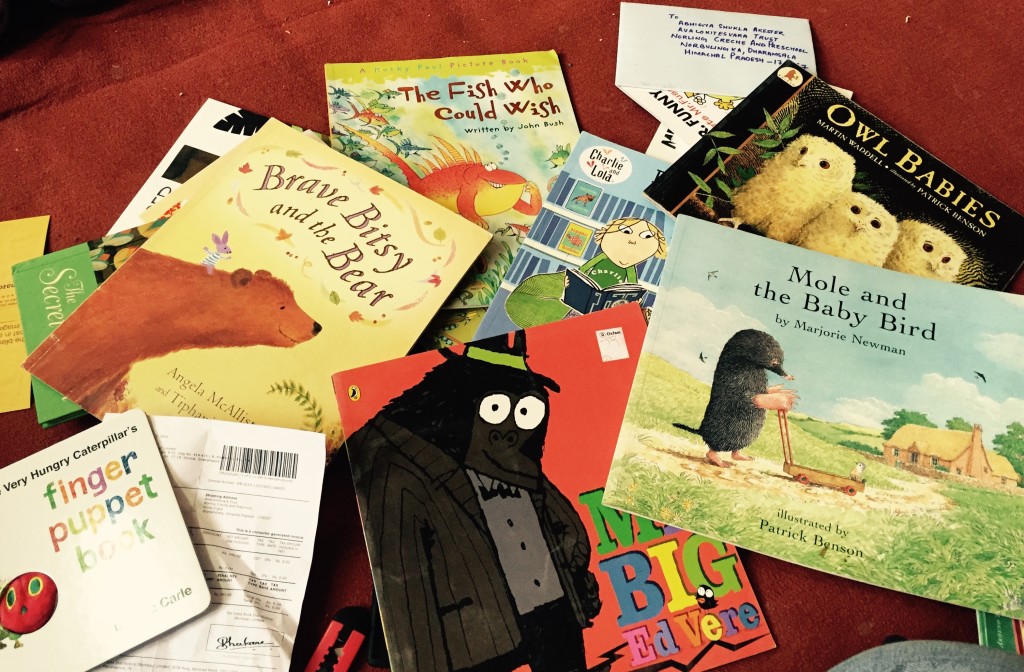
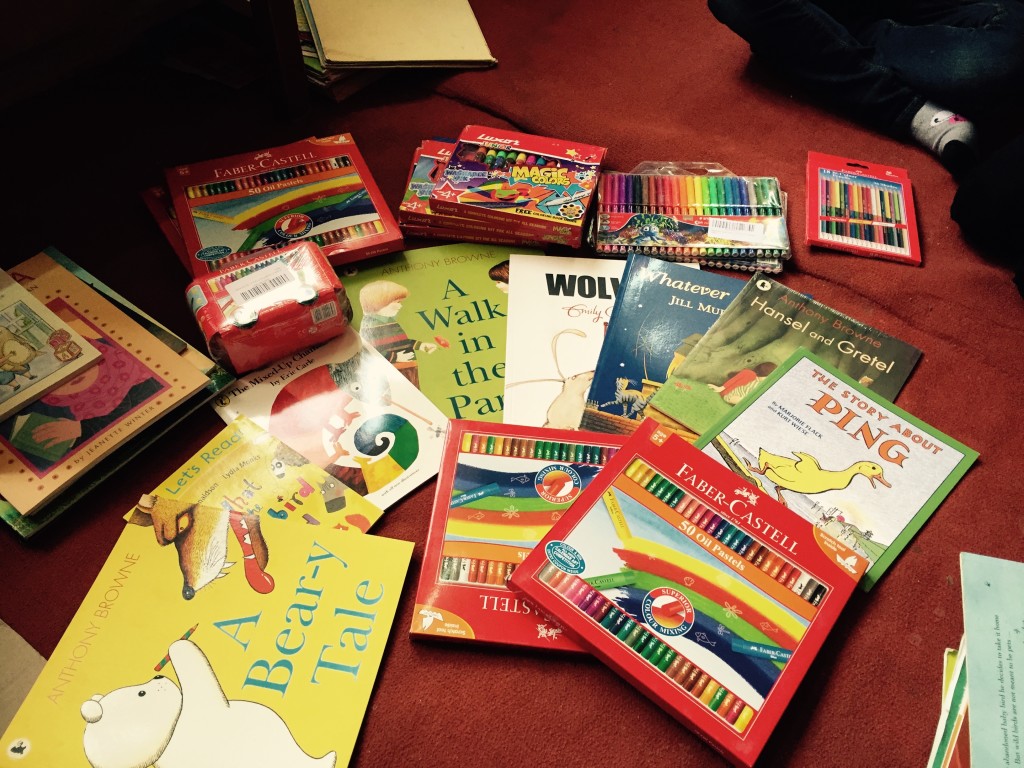
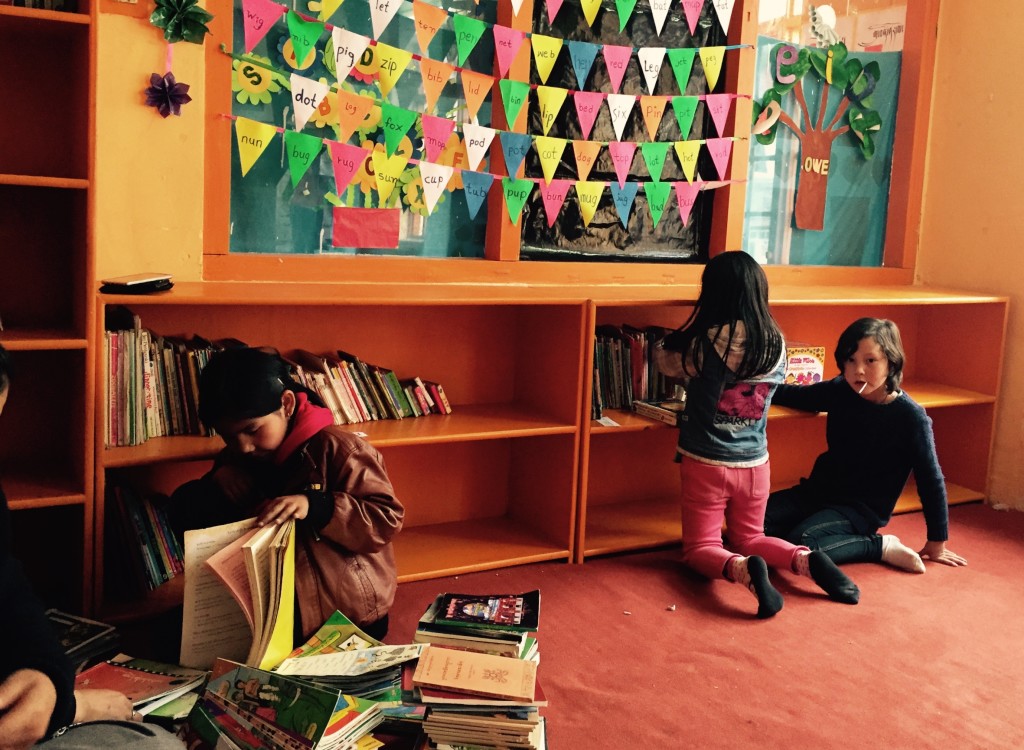
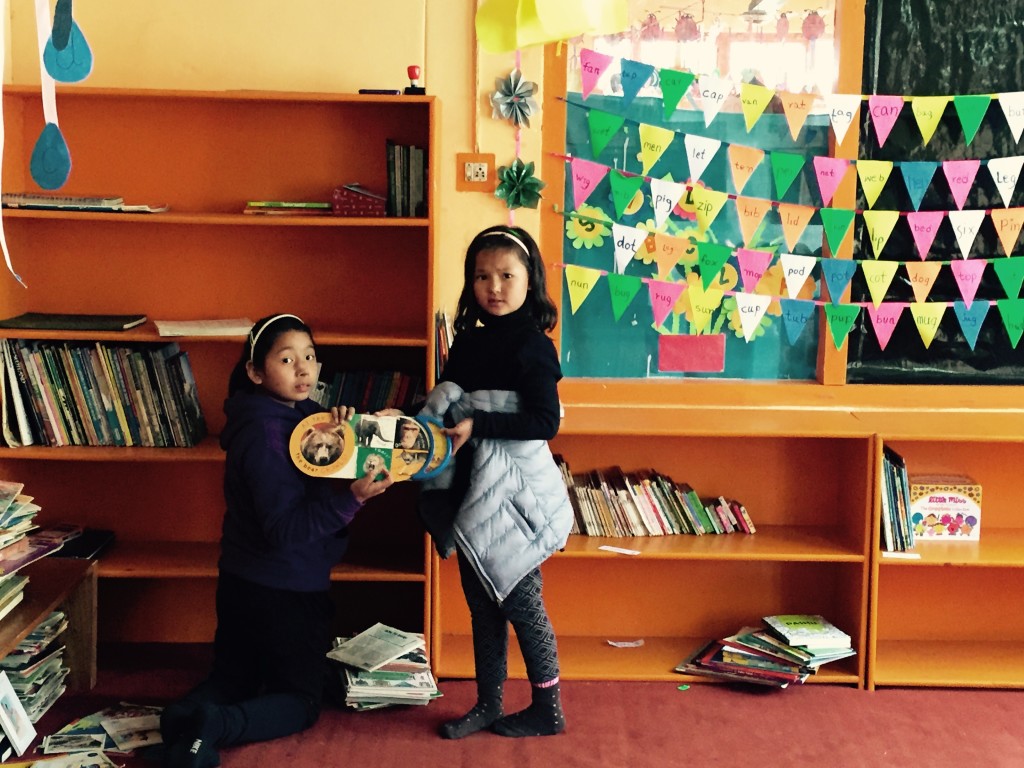
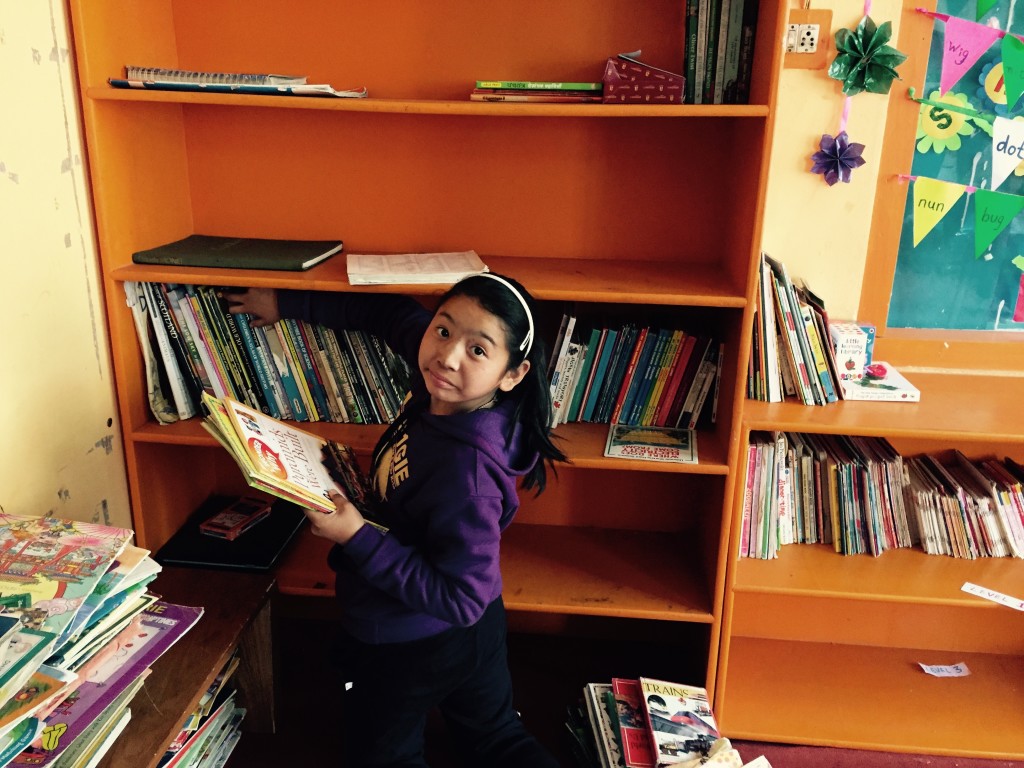
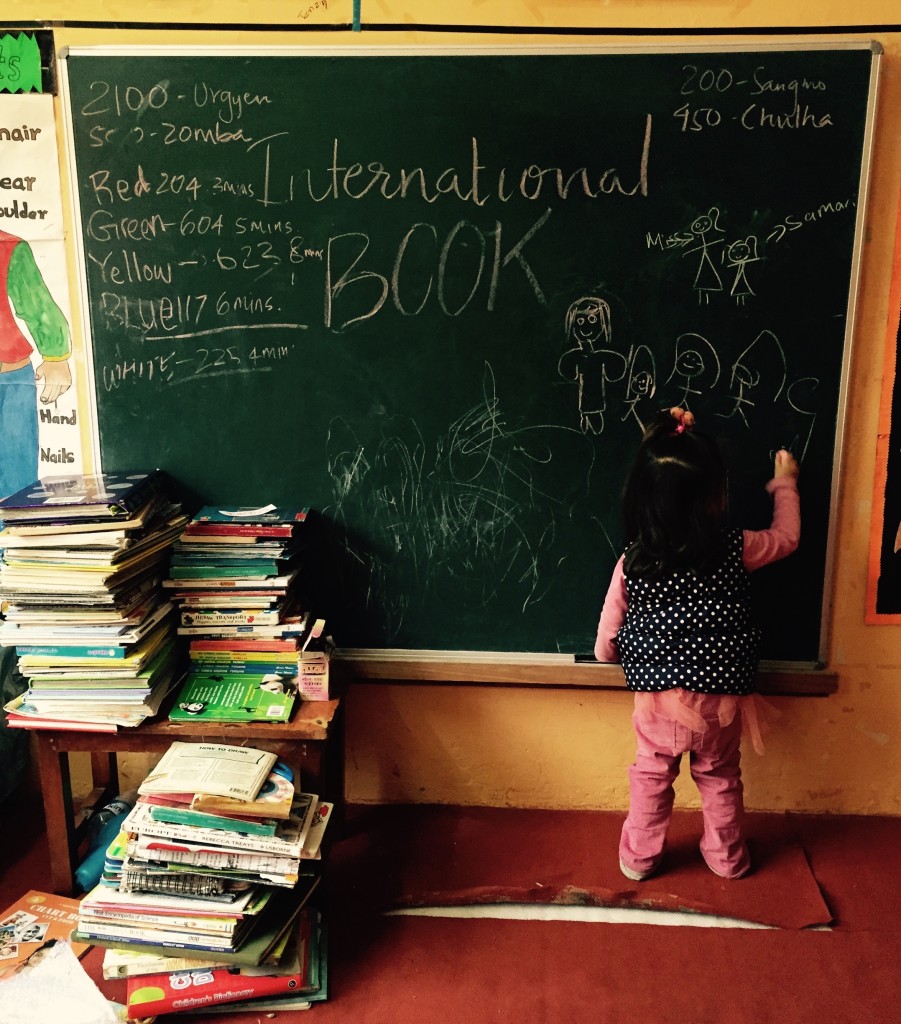
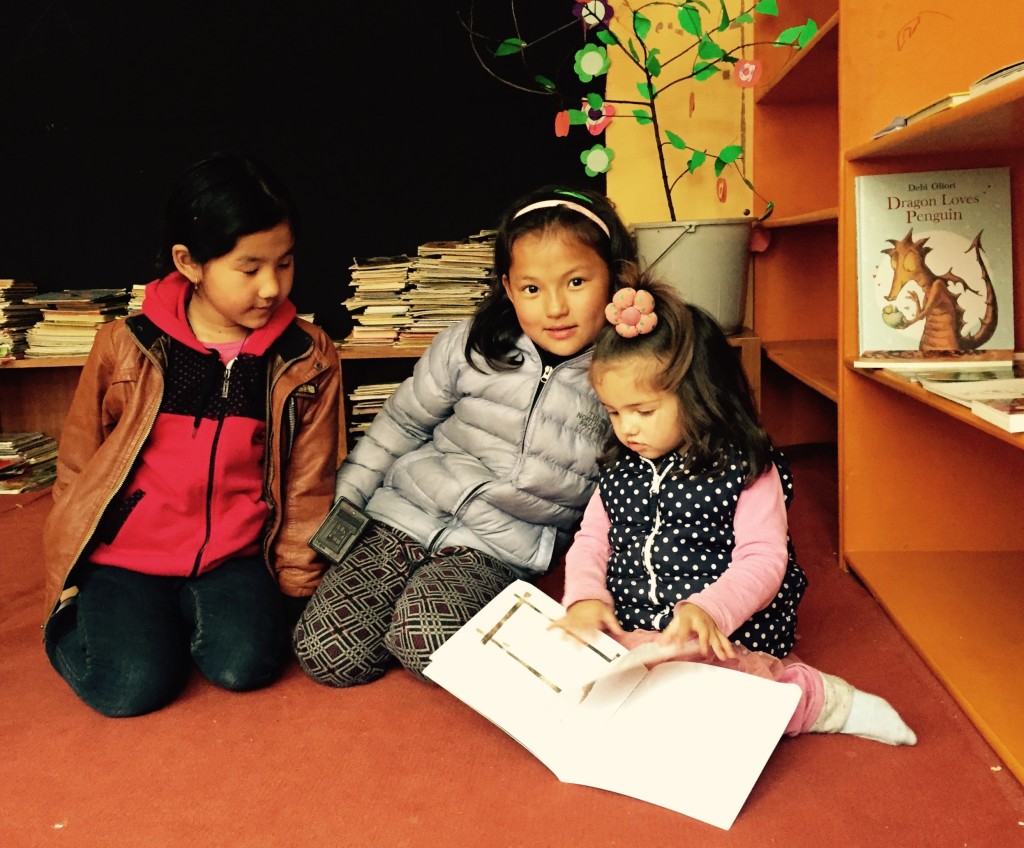
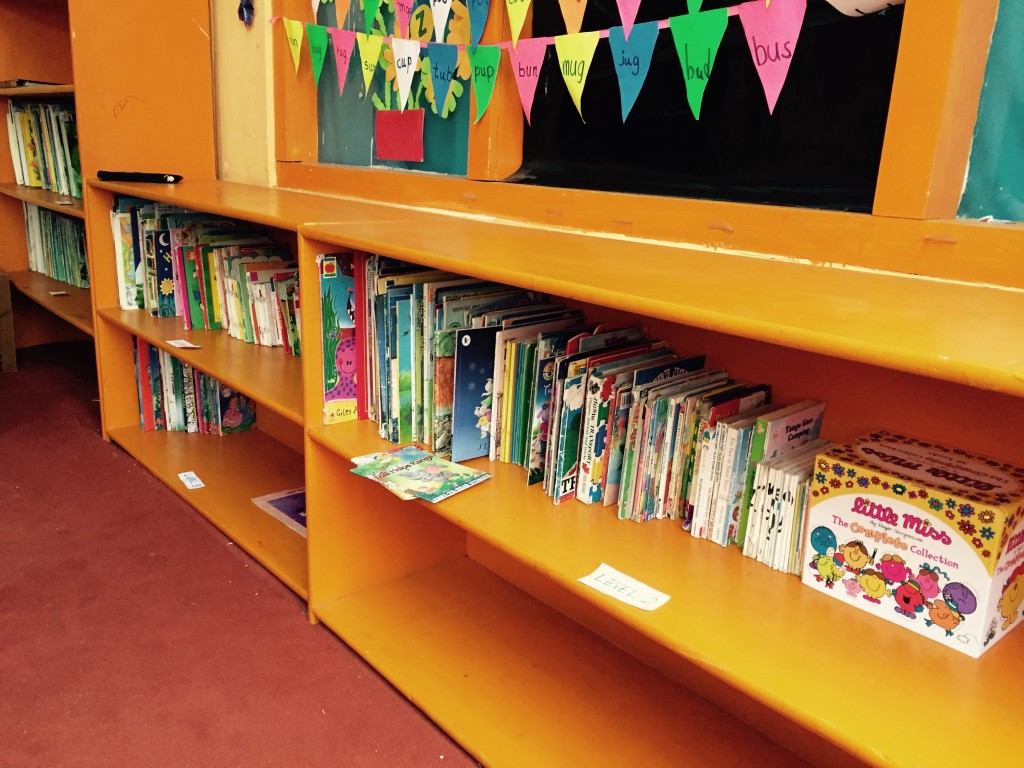
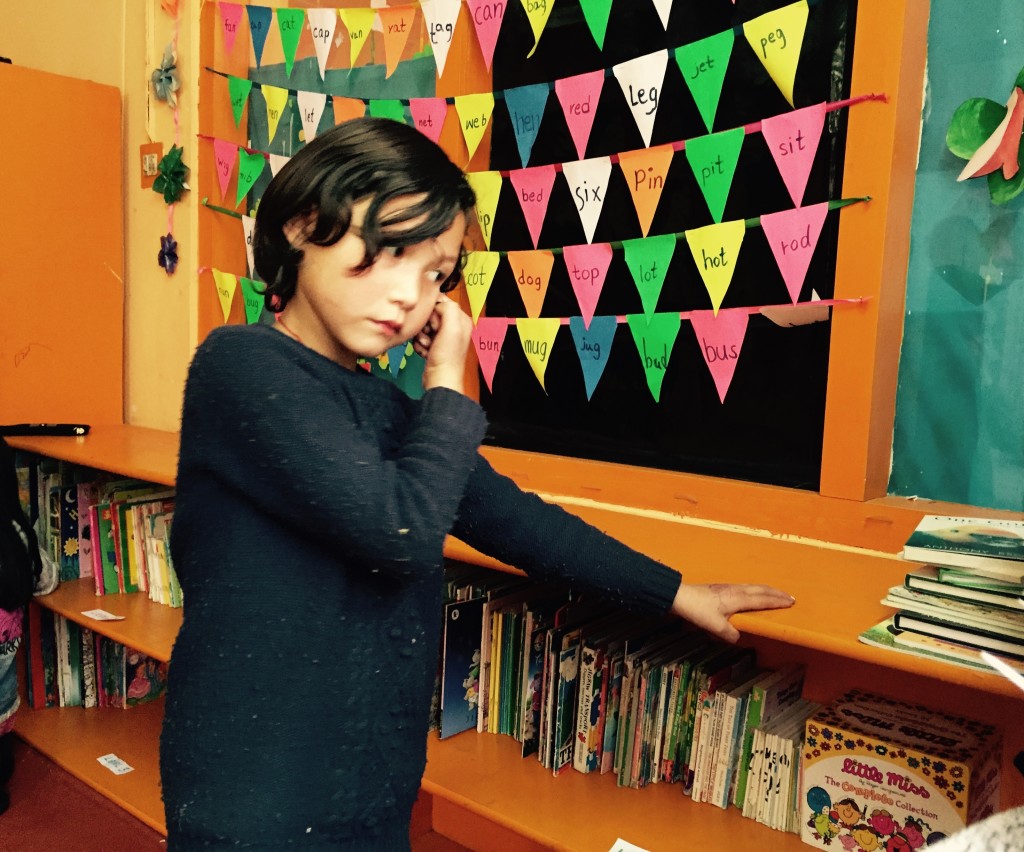
Our reading rooms, book drives and creative activities give this work a wider purpose. Origami connects books with hands-on learning, so reclaimed paper becomes part of a thoughtful educational resource rather than a craft isolated from reading.
A second life for familiar paper
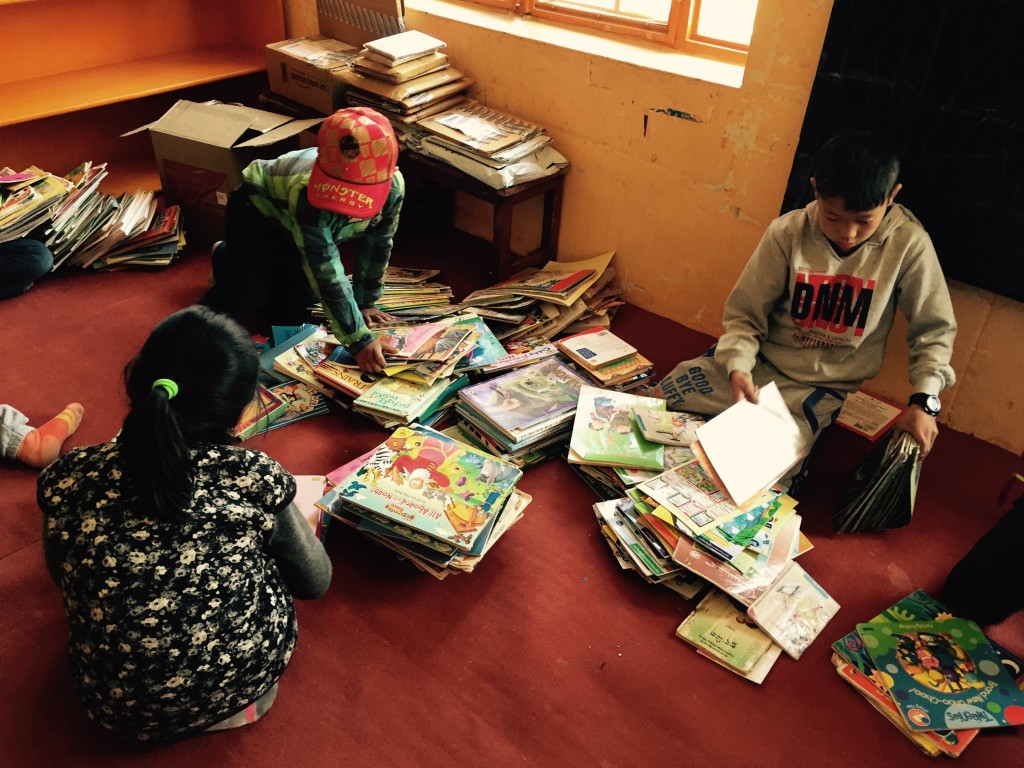
Many notebooks reach the end of their useful school lives with blank backs, loose leaves or pages marked by small experiments. Instead of discarding them immediately, we sort the clean sheets and keep them for folding activities. Ruled, squared and grid paper each offer a different starting point for learning.
Cleaning and sorting the pages also teaches care for materials. Children learn that a resource can have more than one purpose and that an ordinary sheet can be prepared thoughtfully before it becomes something new. The activity begins with an appreciation of what paper can do rather than how quickly it can be used.
Reuse must remain respectful of the original learning. A page covered in corrections may be useful for testing folds, while a blank page can become a bookmark or simple model. This distinction encourages careful selection and shows that saving paper does not require treating every sheet in the same way.
Why folding supports learning
Origami gives young learners a practical way to encounter geometry. Creases introduce angles, symmetry, diagonals and spatial relationships in forms that can be seen and handled. A square becomes a triangle, then a smaller square, while language such as fold, flap, edge and valley gives mathematical ideas a clear spoken form.
Each model also develops sequencing and problem-solving. A paper crane or traditional boat may look simple, but it depends on accurate steps, memory and the ability to recognise where an earlier fold belongs. When instructions are read aloud, learners gain experience following directions before they begin creating independently.
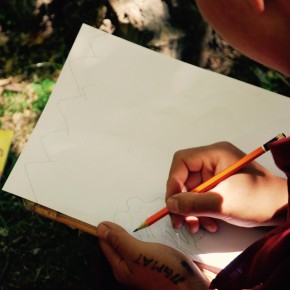
Creative expression grows alongside these technical skills. Choosing colours, adding a drawn landscape or turning a model into a bookmark links the mathematics of folding with imagination. The result is an activity that can support quiet concentration, fine motor development and confidence without requiring expensive equipment.
Origami in the Himalayan setting
In Ladakh and other Himalayan communities, children may travel considerable distances to access educational resources. Using available paper in inventive ways helps an activity remain focused and achievable. Notebook pages are common in homes and schools, so reclaimed sheets feel more accessible than materials that must be purchased specially.
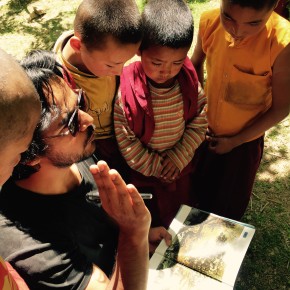
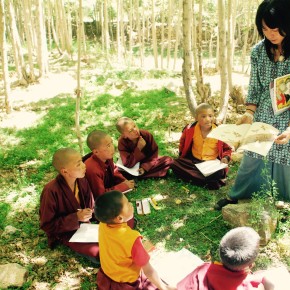
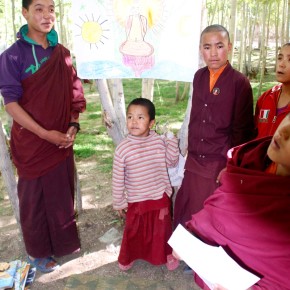
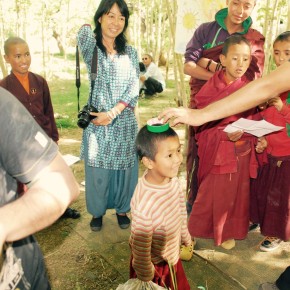
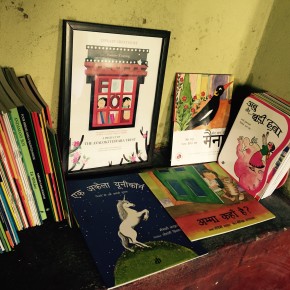
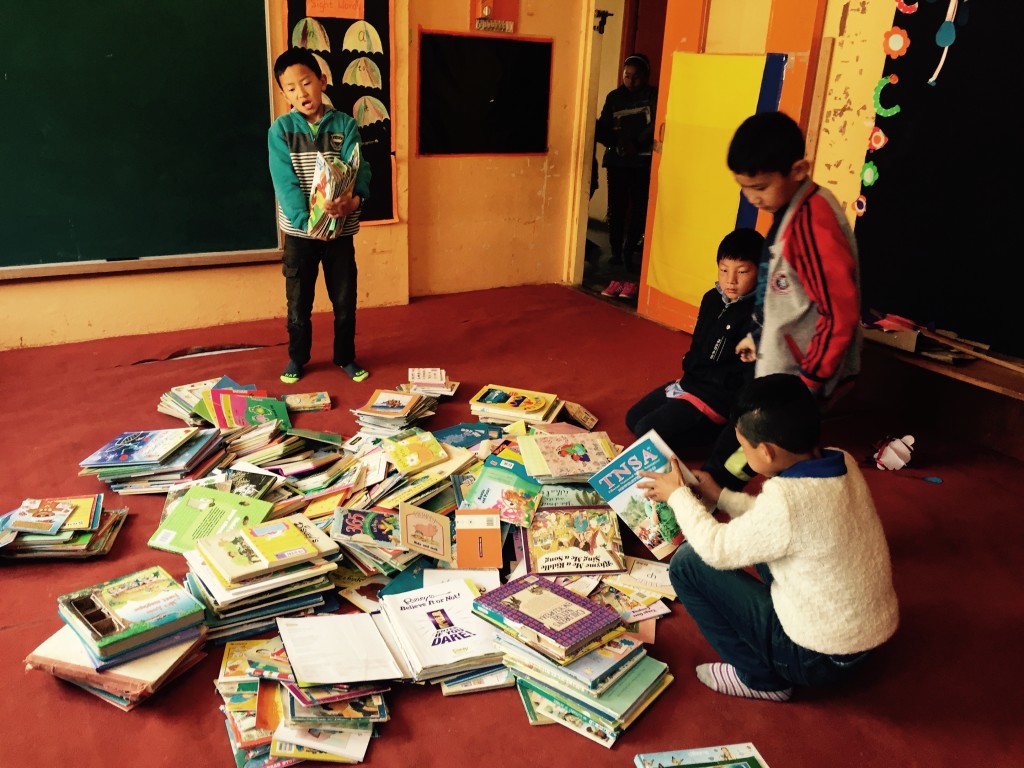
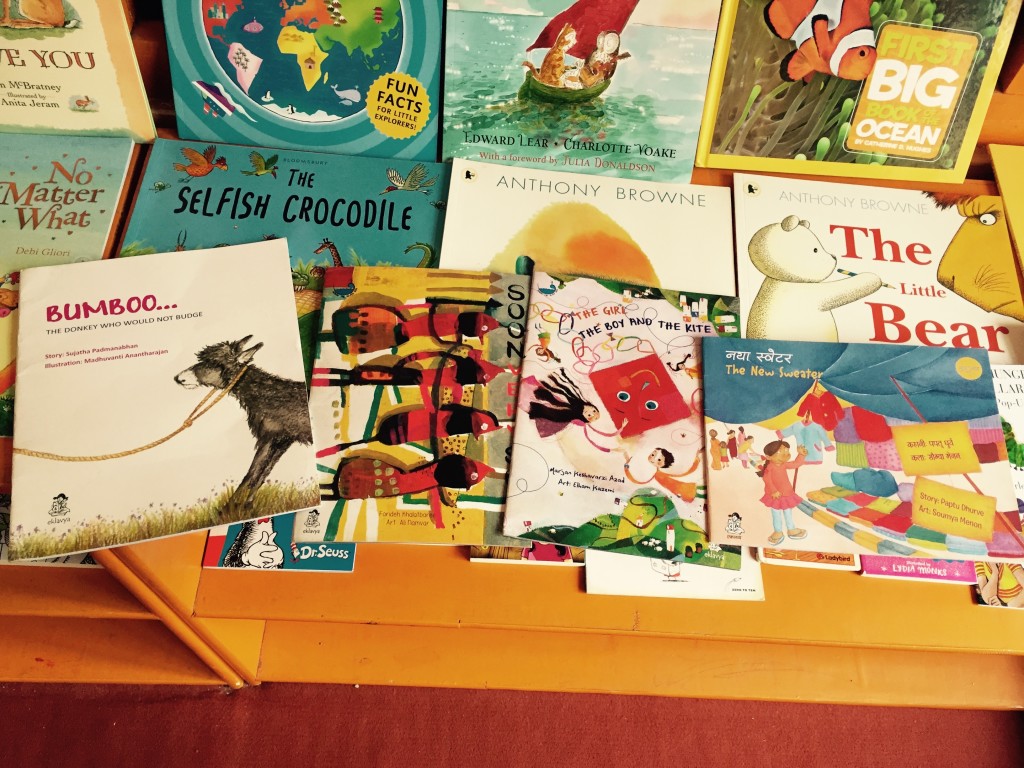
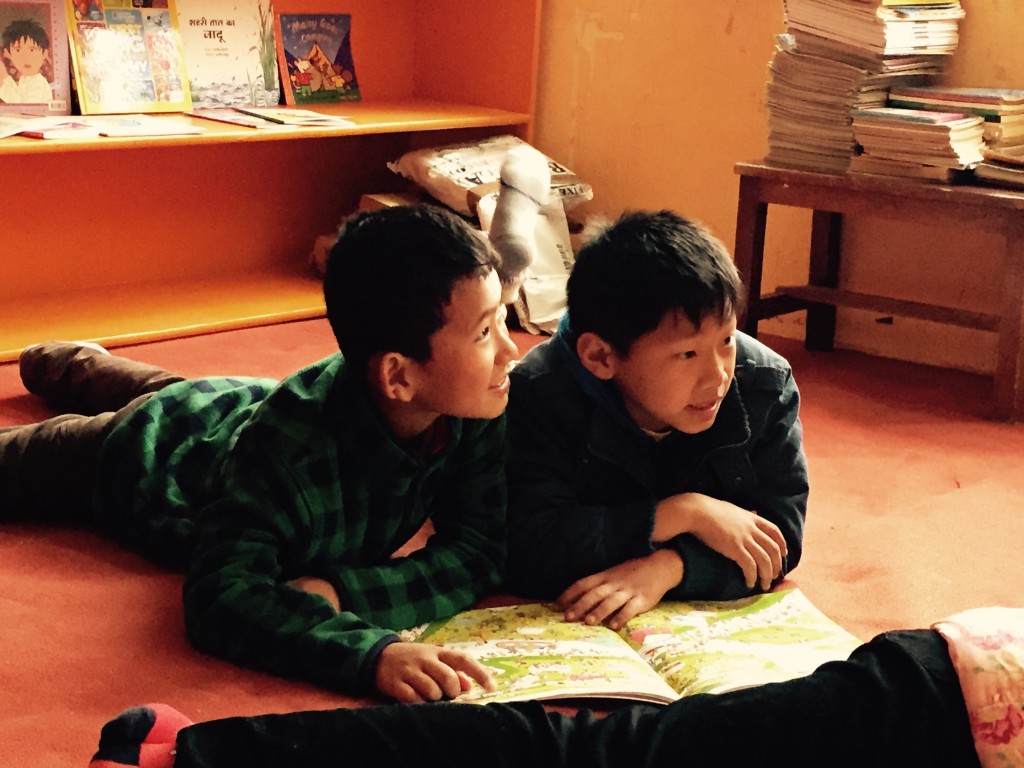
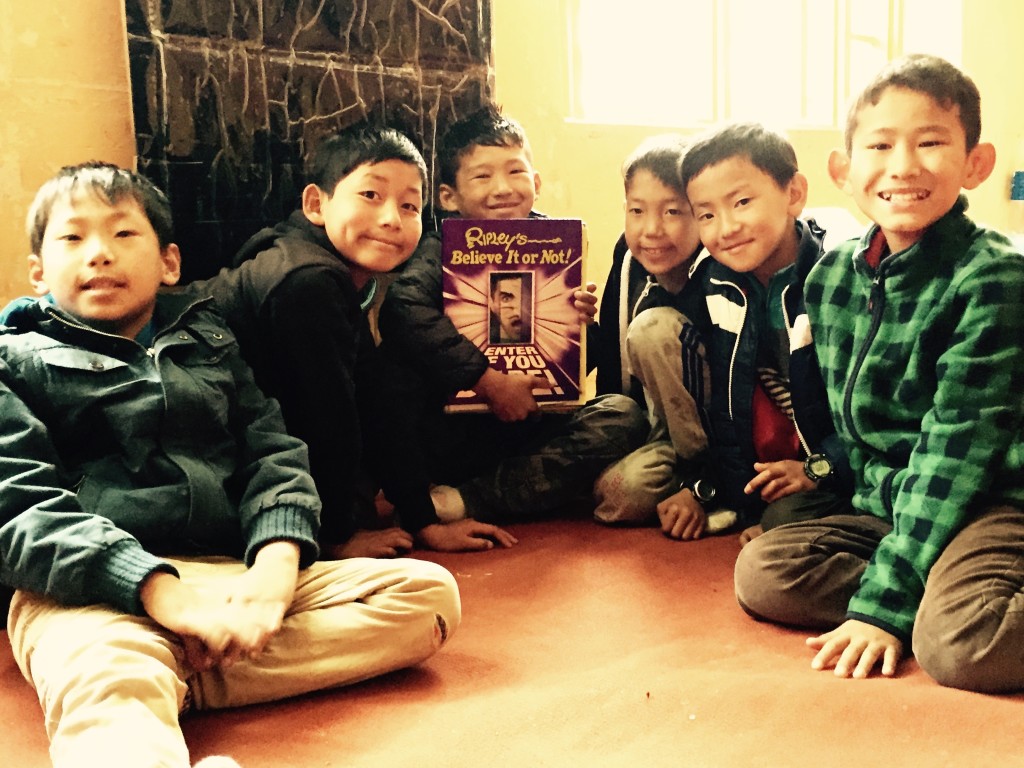
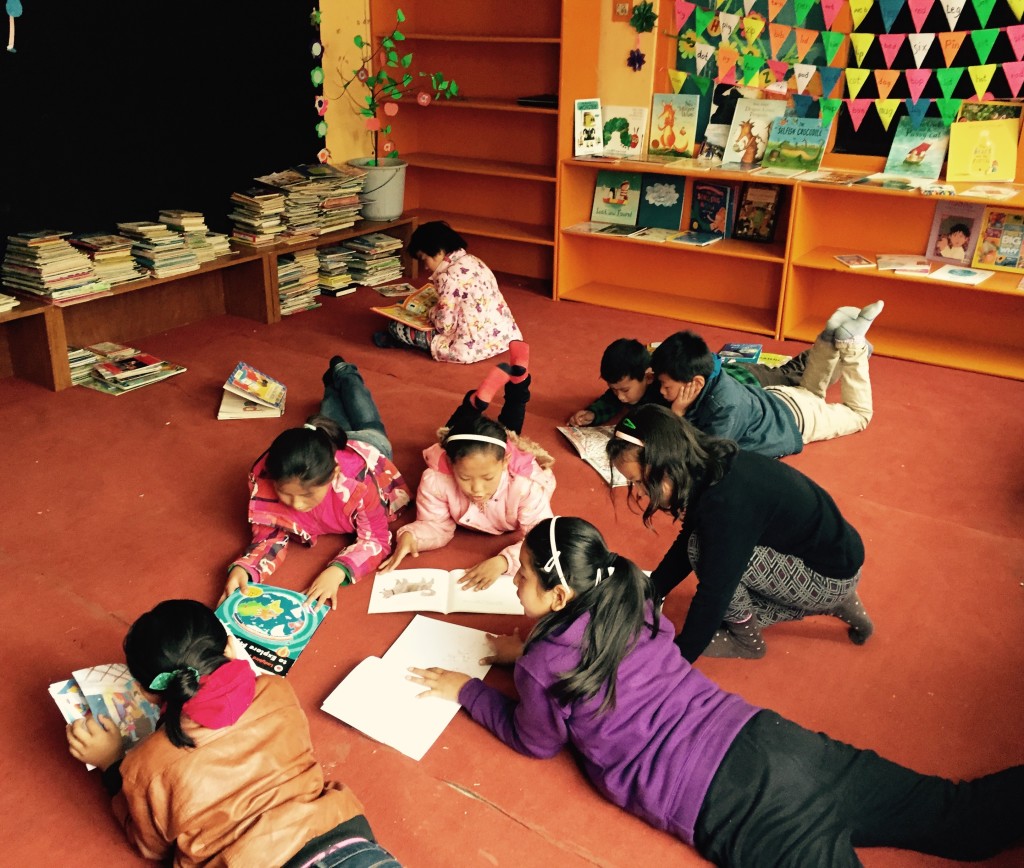
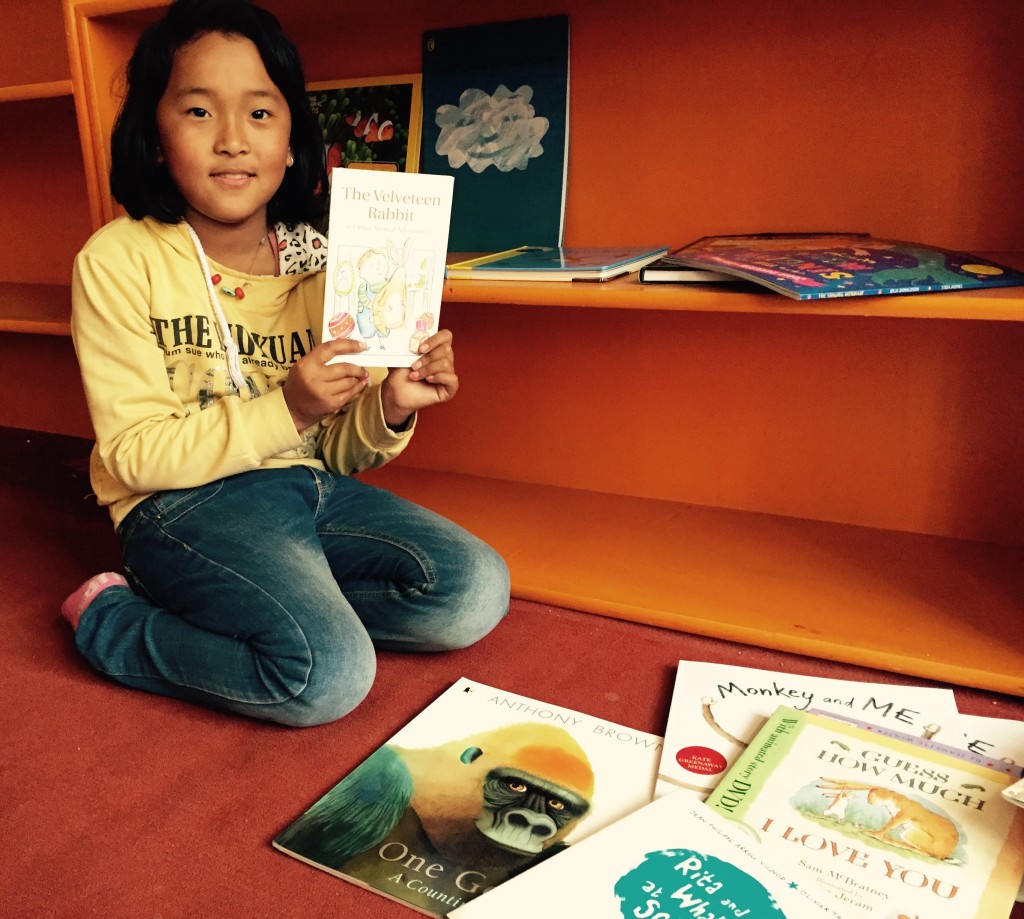
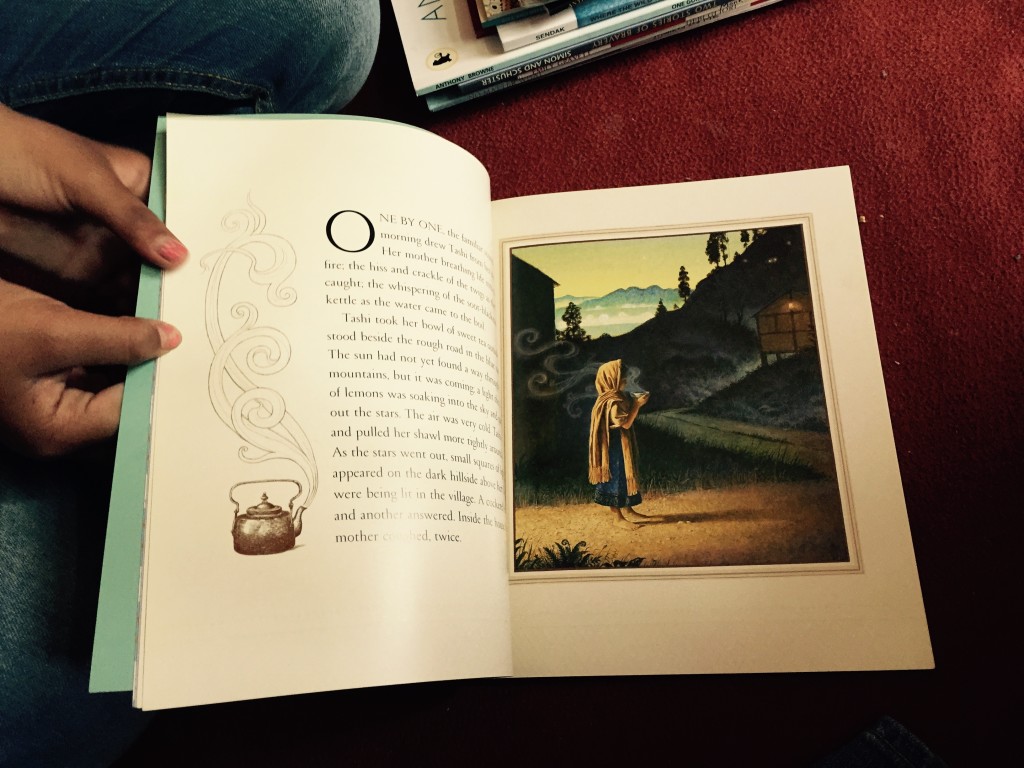
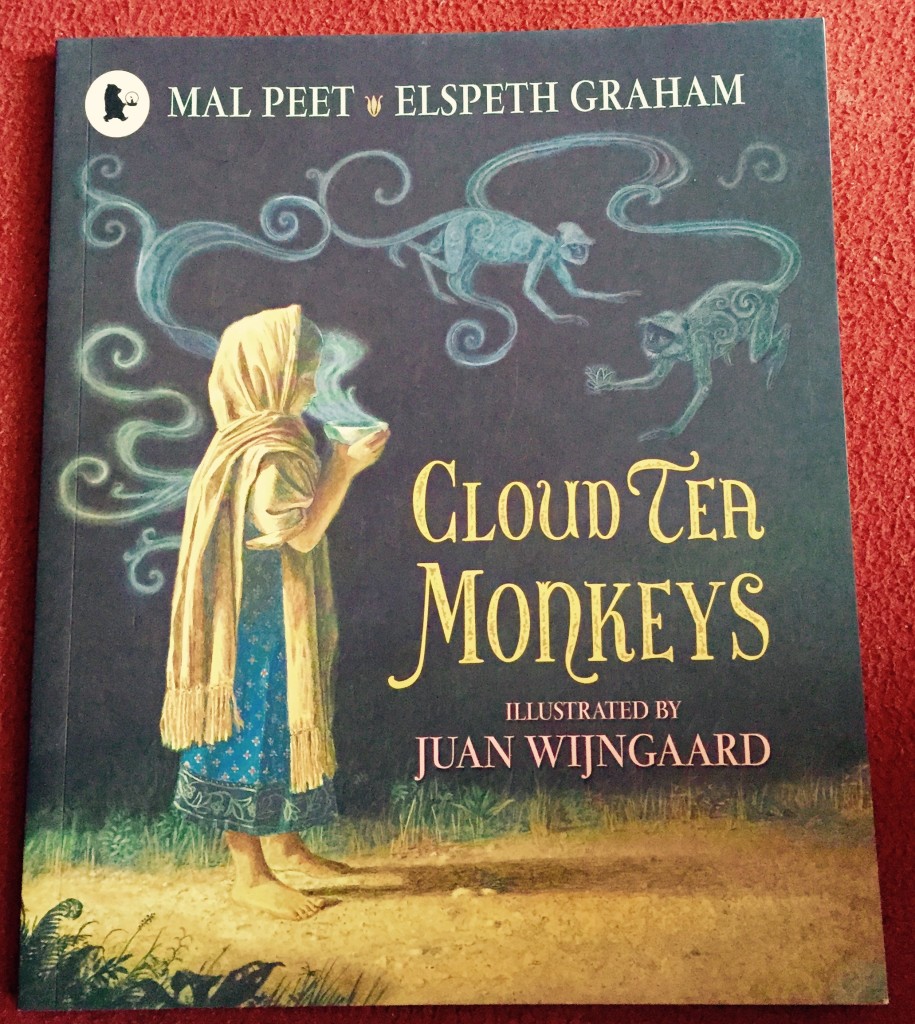
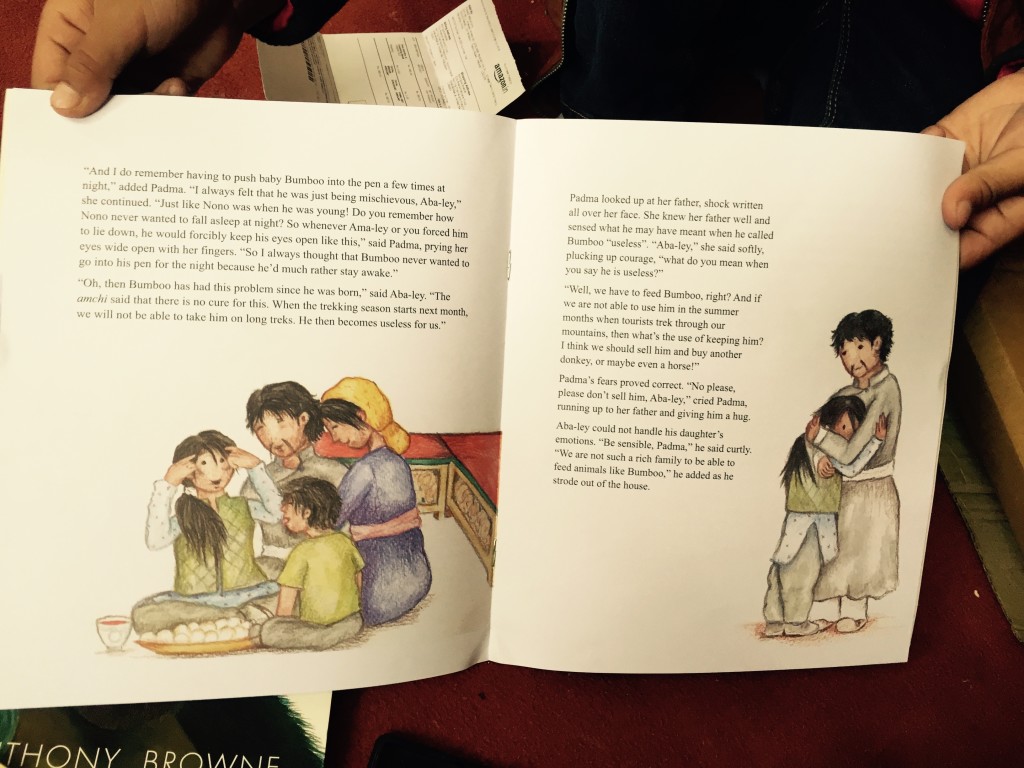
At our reading rooms, folded objects can naturally accompany books. Bookmarks made from notebook pages give a tangible purpose to recycled material, while models based on mountains, animals or local stories can prompt conversation about what children see around them. The creative work becomes an invitation to read rather than a replacement for reading.
The principle travels well: in Chattanooga, community reading projects also show how books can become part of a wider community life. Both examples demonstrate how shared learning spaces can connect practical participation with access to stories and information.
Practical choices for Australian classrooms
Australian partners can adapt the activity with materials already familiar to families and schools. Stationery shops in Sydney and Melbourne commonly stock A4 exercise books and squared or grid-paper notebooks, while the January start of the Australian school year creates a natural point for collecting clean unused pages. A small supply gathered at that time can support activities throughout the year.
A simple materials collection keeps the project inexpensive and easy to manage:
- Clean, unused pages from ruled, squared or grid notebooks
- Larger sheets of thin recycled paper for testing models
- Pencils, erasers and a small roll of paper tape
- Blunt scissors for activities that require cutting
- Shallow trays or folded newspaper for sorting materials
Each session can combine reading with a manageable folding challenge:
- A short passage read before the first fold
- One demonstration followed by paired practice
- Vocabulary connected with edges, flaps, peaks and valleys
- A shared display of models beside selected books
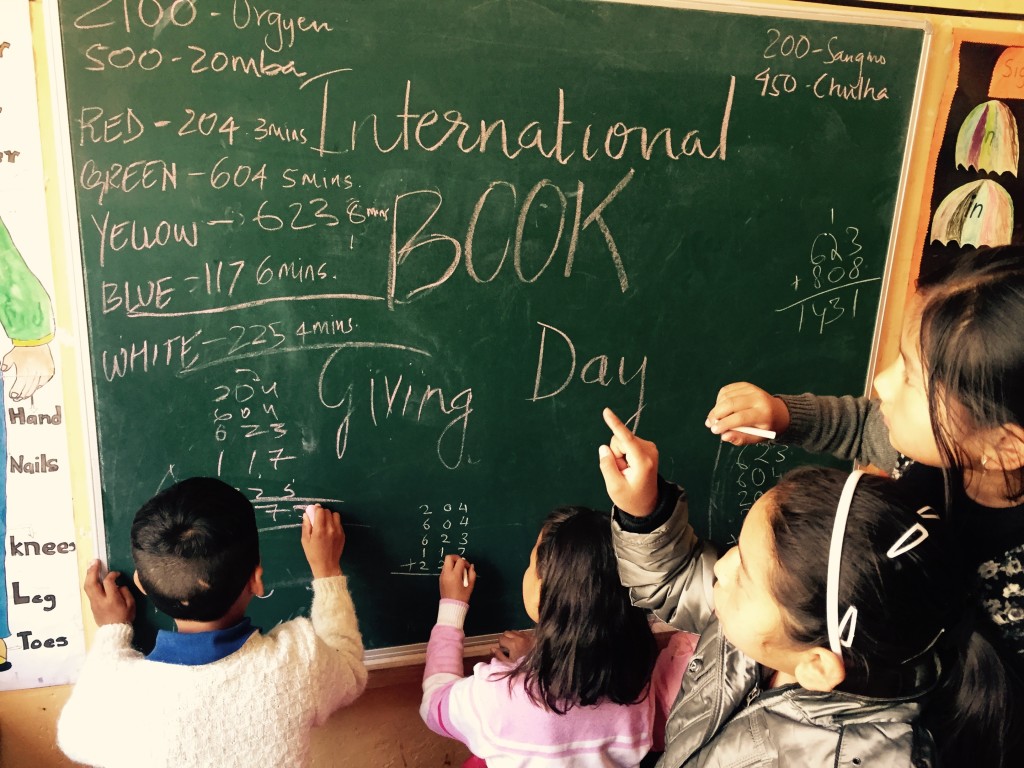
- A tally of notebook pages reused at the end
Local habits make reuse especially easy to explain. Many Australian councils accept clean paper in household recycling, although rules differ between municipalities and soft plastics usually require separate collection. Children’s Book Week in August can provide a timely connection between stories and paper models, while community op shops and school fetes offer established places for exchanging useful materials. In remote areas, sharing patterns and instructions can reduce the cost of transporting bulk supplies.
Building skills one fold at a time
A successful session needs a clear progression. We begin by examining the page, identifying its edges and grid lines, and selecting one simple square-based model. The facilitator reads the first instruction, demonstrates the fold and allows time for every learner to complete it before moving forward.
Language develops as the model takes shape. Terms such as mountain fold and valley fold become part of a shared vocabulary that can later appear in mathematics lessons. Learners can retell the instructions, compare diagrams or explain how a shape changes, turning the reading activity into a form of practical comprehension.
Activities should remain flexible. Some children may need larger paper, pre-cut squares or fewer steps, while others may be ready to adapt a model or design their own version. Progress comes from understanding and persistence rather than producing a perfect object within a fixed time.
Measuring more than paper savings
The strongest evidence of the activity appears in participation and confidence. Facilitators can record how many learners take part, which folds they can explain and whether they return to a difficult model. A simple tally of pages reused also records the material benefit without exaggerating its wider environmental effect.
The reading connection deserves attention too. Children might retell a story through a folded shape, identify instructions in a book or compare two methods for making the same object. Photographs of finished models can support reflection, provided the children and families involved give informed permission for their images to be shared.
Paper reuse is one part of a larger pattern of care that includes repairing, sharing and recycling. Its direct value here is modest but real: discarded notebook pages gain another purpose, and children develop practical skills while participating in a shared reading experience.
Preparing the next shared session
The model works best when reading, folding and reflection are planned as one activity. Australian supporters can contribute clean paper, simple folding guides or funding for locally made materials, while local facilitators select models that connect with books already available in the community. Sharing instructions digitally can also reduce freight to remote areas.
Before a session, the facilitator can prepare a small kit containing square starting sheets, a bookmark pattern, a vocabulary card and one five-step model. Children keep their work, return to it during a later reading period and explain the process they used. This creates continuity between creative sessions and reading-room activities.
The concrete next step is to prepare one origami-and-reading kit for the next session, using twelve clean notebook pages, one bookmark pattern and a five-step folding sequence.