Why We Teach English Through Songs and Rhymes in the Himalayas
In Himalayan communities, learning often takes place across several languages. Children may speak a local language at home, encounter Hindi or another regional language in daily life, and meet English through schoolbooks, signs, technology, or visiting volunteers. This rich multilingual setting creates valuable possibilities, yet it can also make English feel distant and difficult.
At Avalokiteśvara Trust, songs and rhymes help make that distance smaller. A melody gives children a reason to listen, repeat, move, laugh, and try again. Familiar sounds become useful words, and short verses create a gentle path toward pronunciation, reading, and conversation.
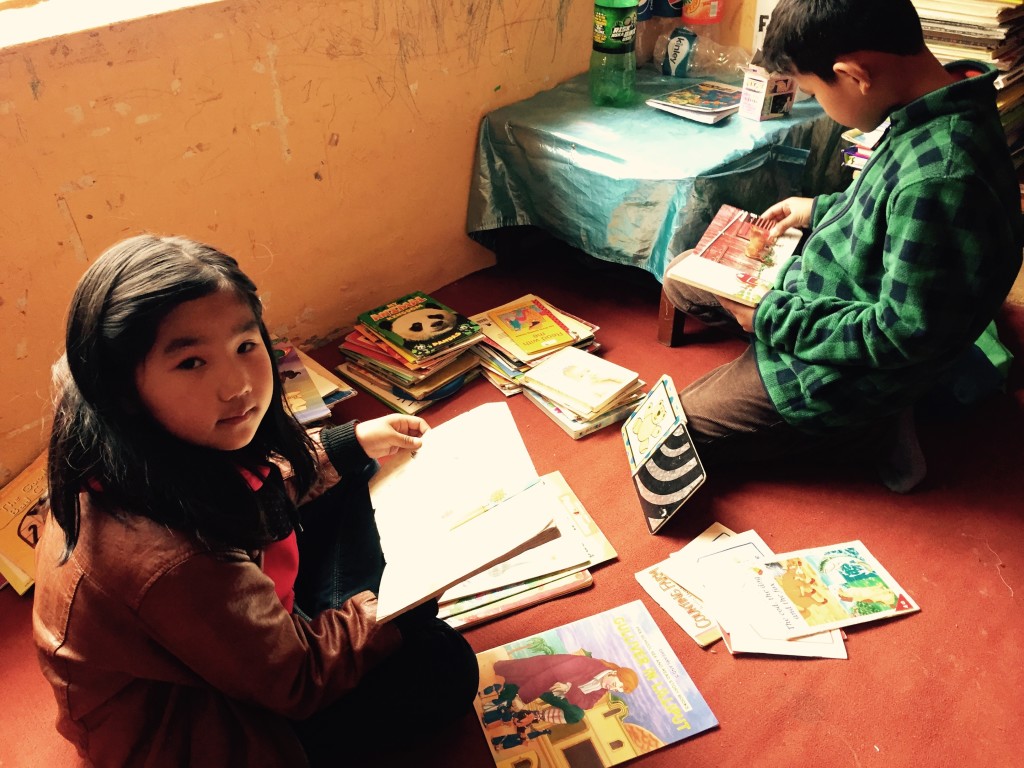
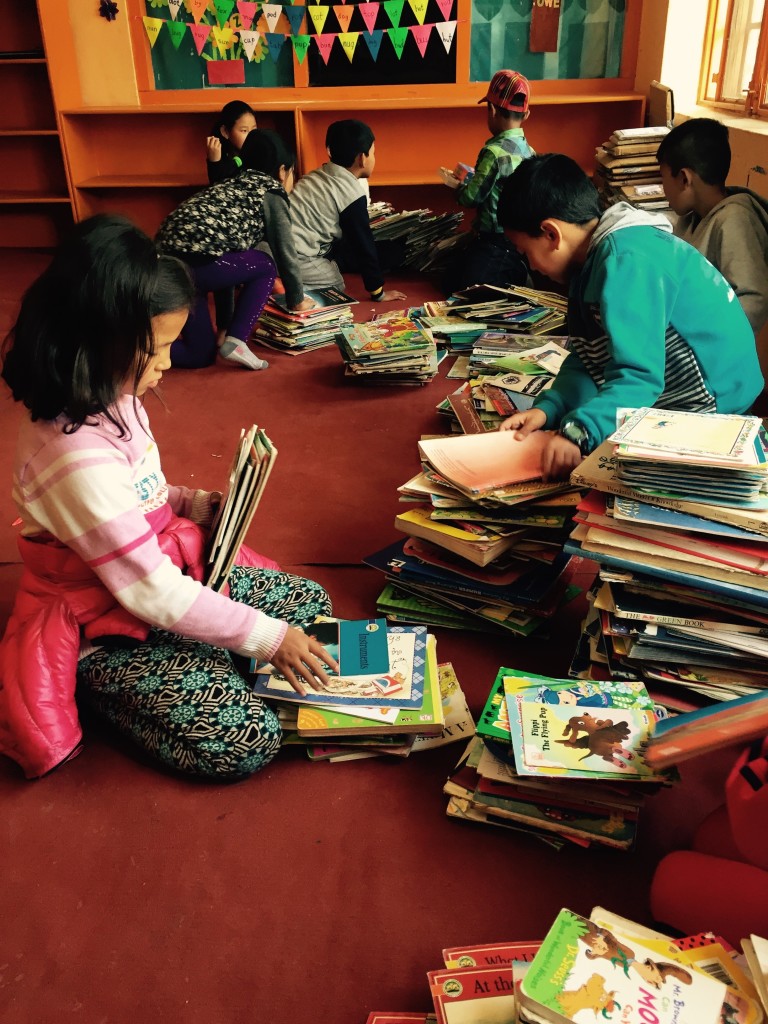
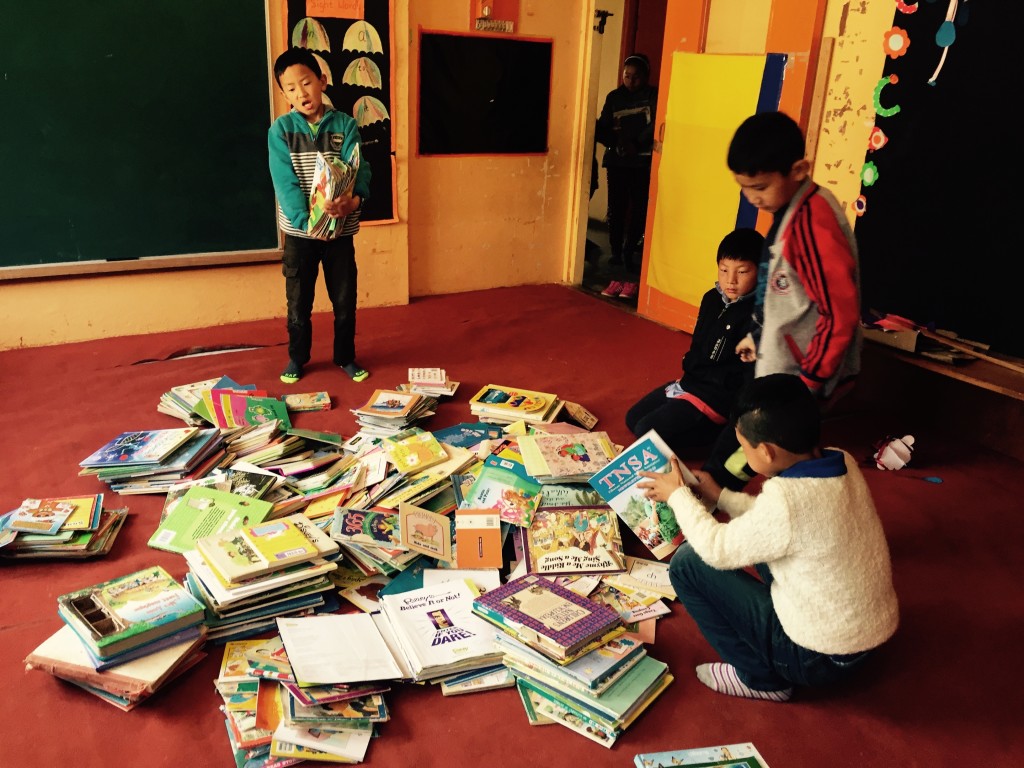
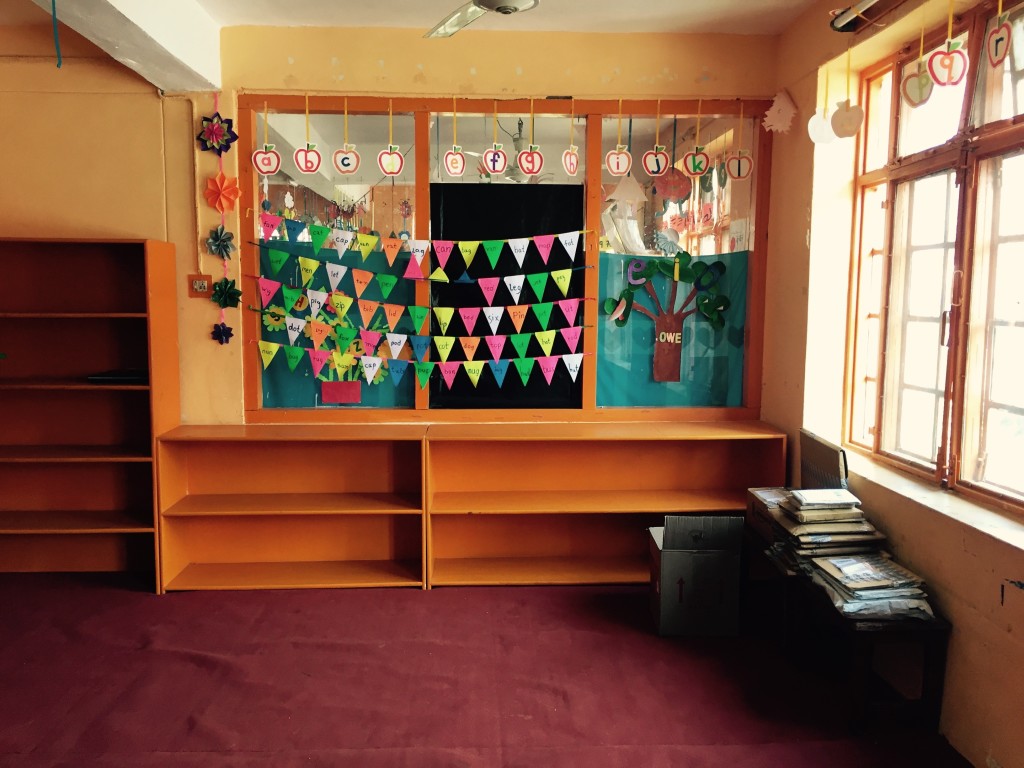
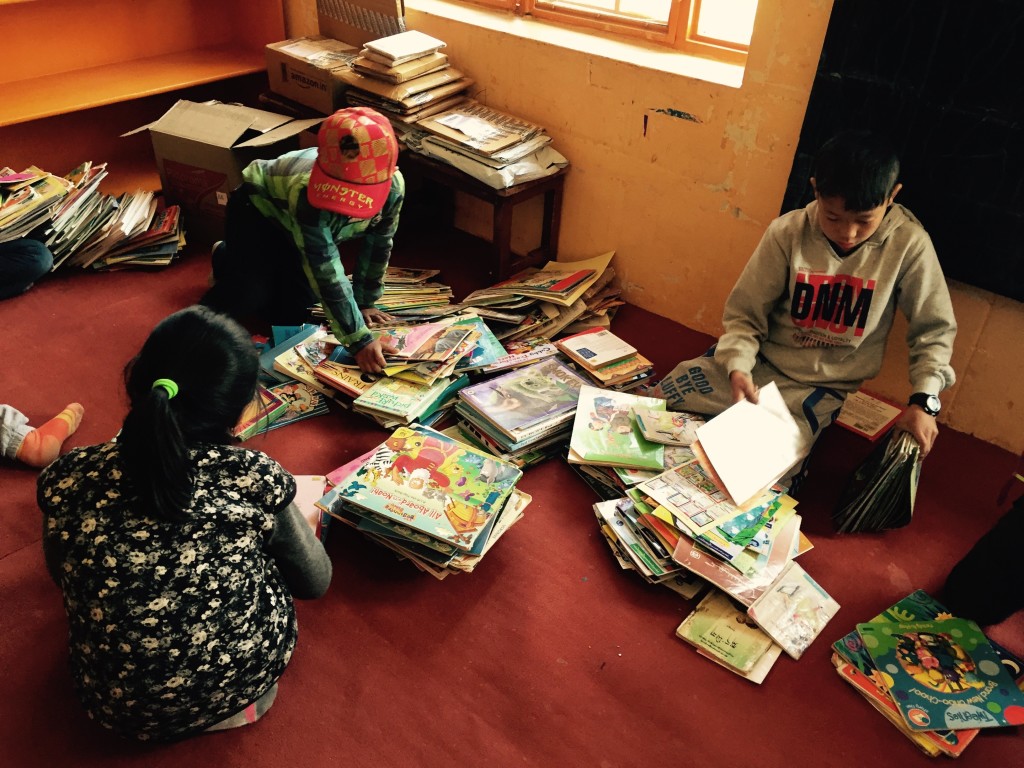
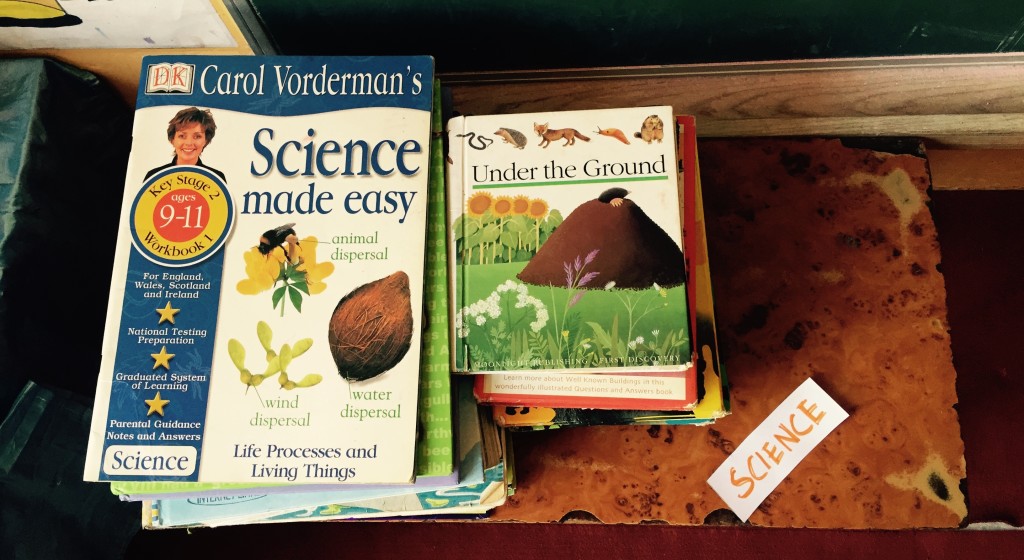
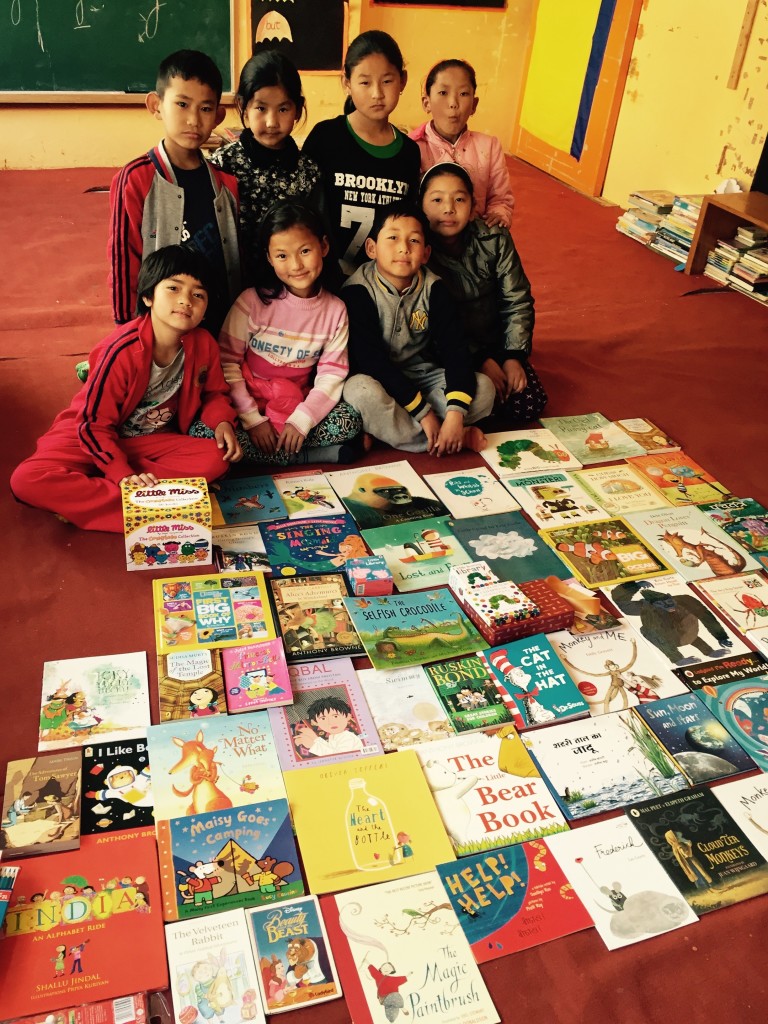
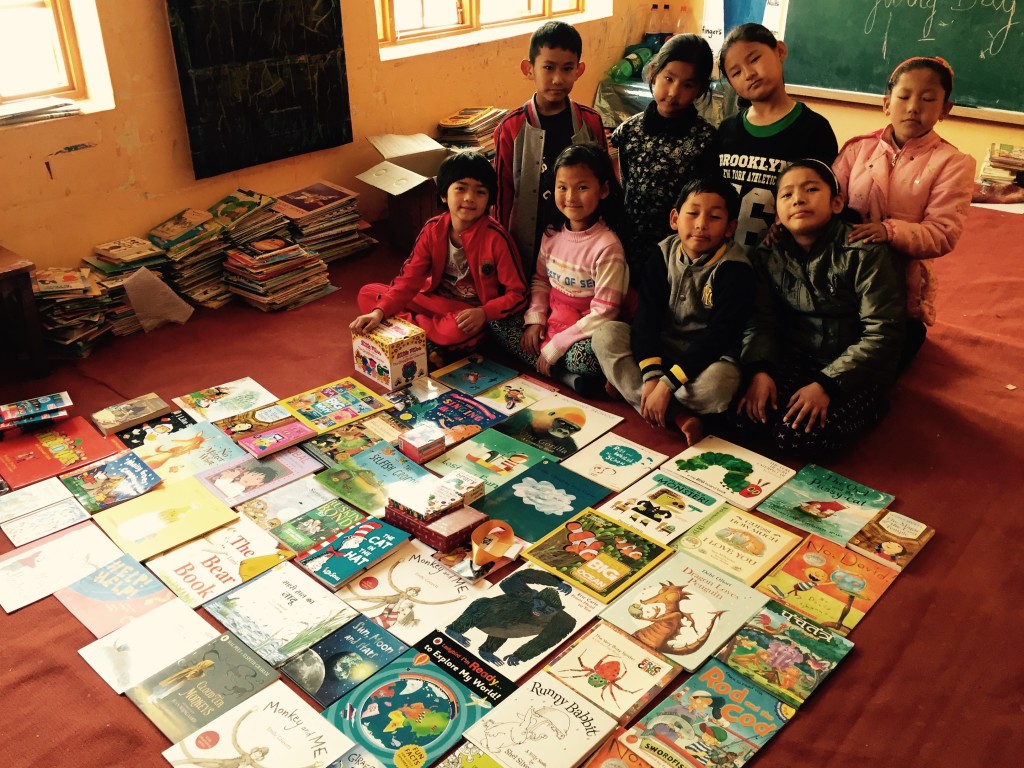
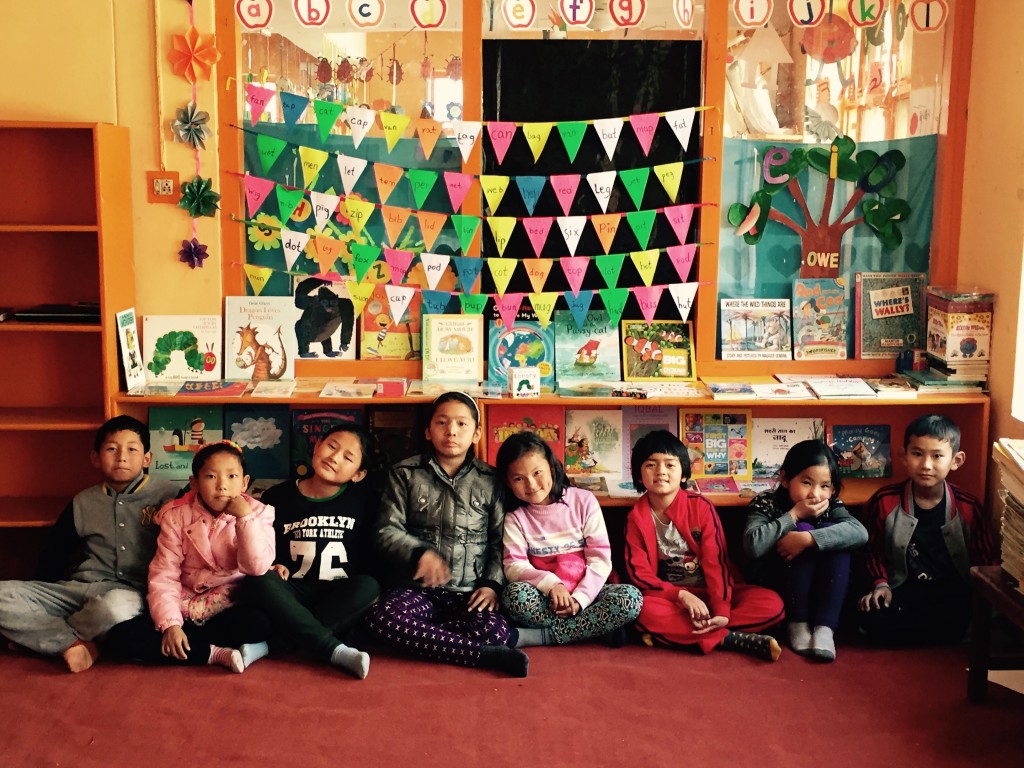
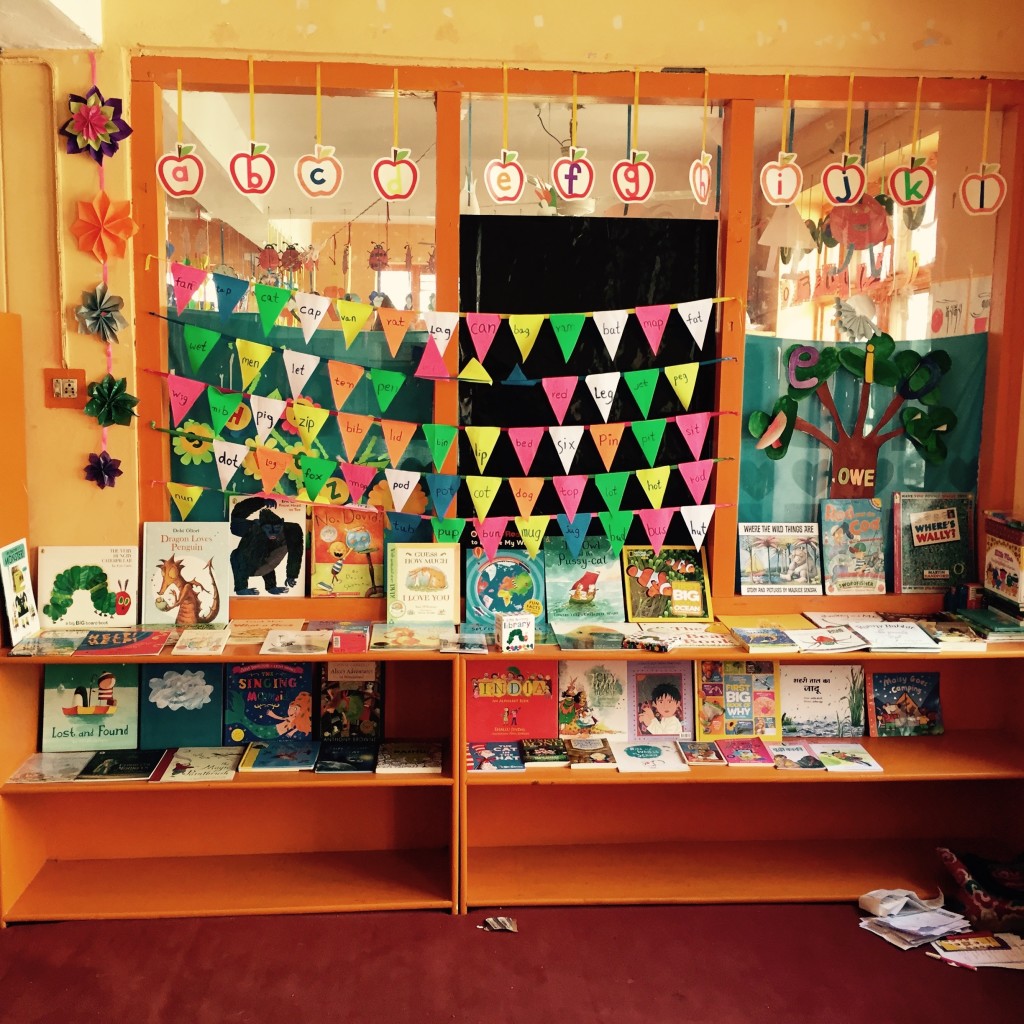
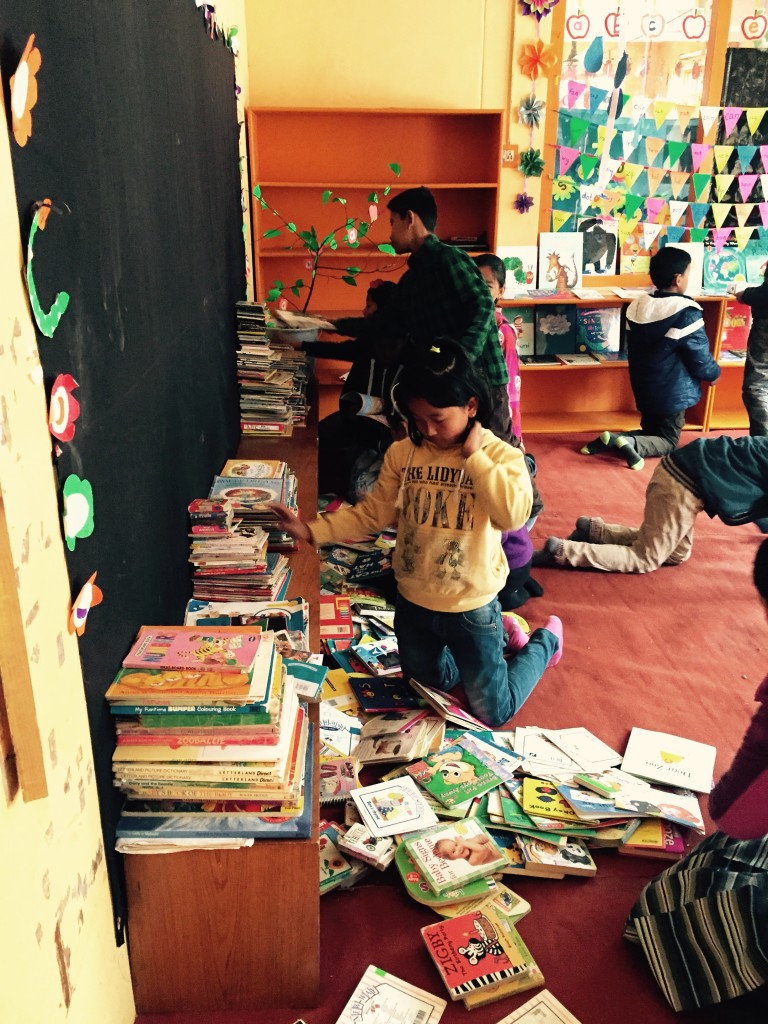
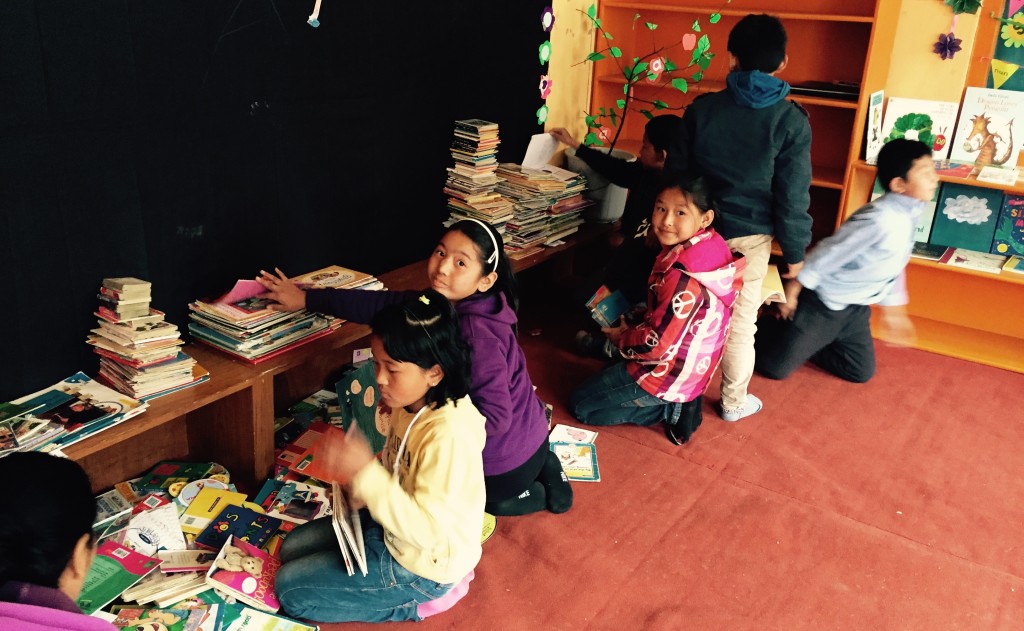
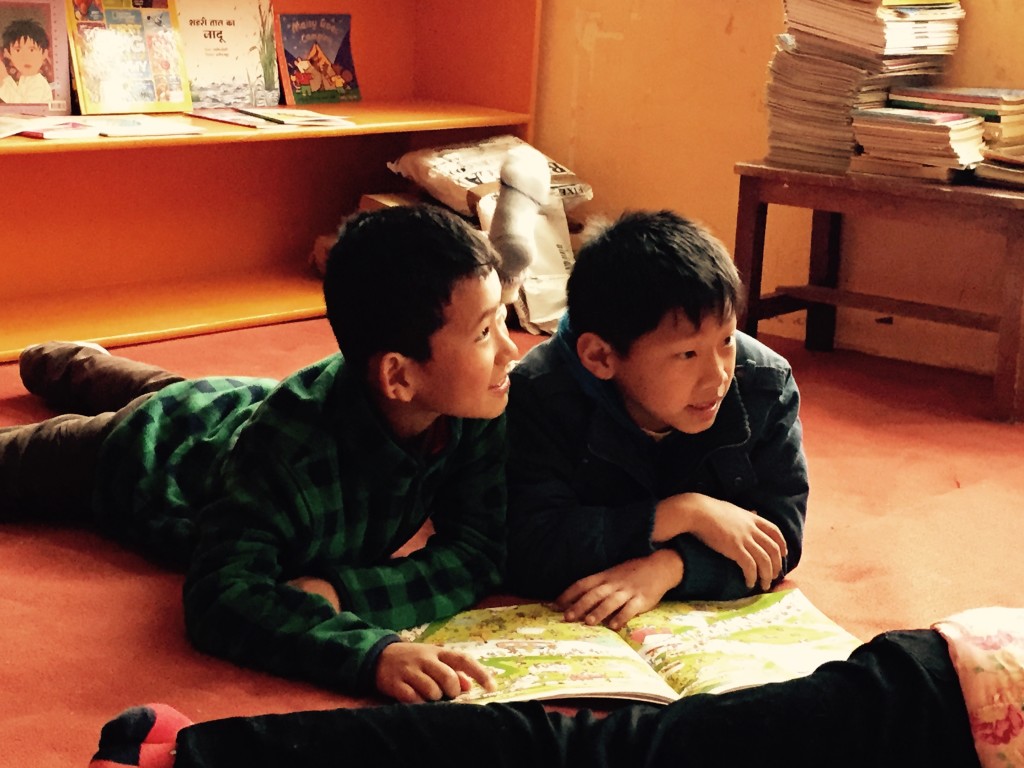
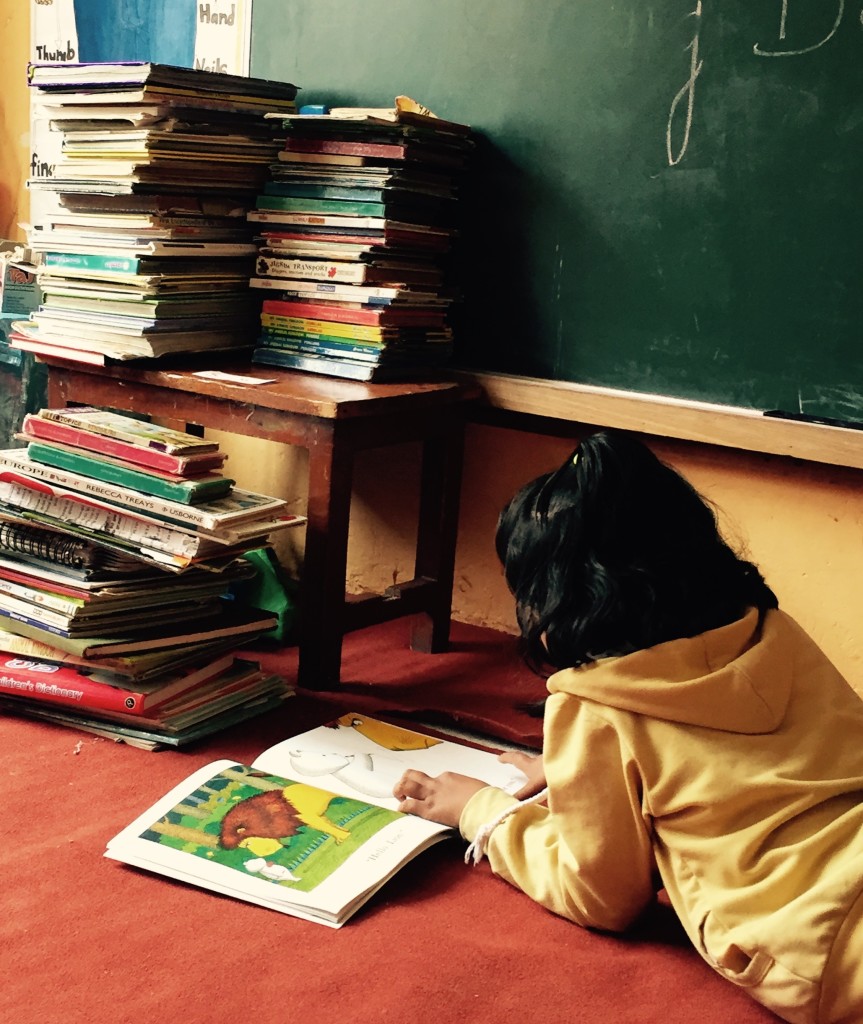
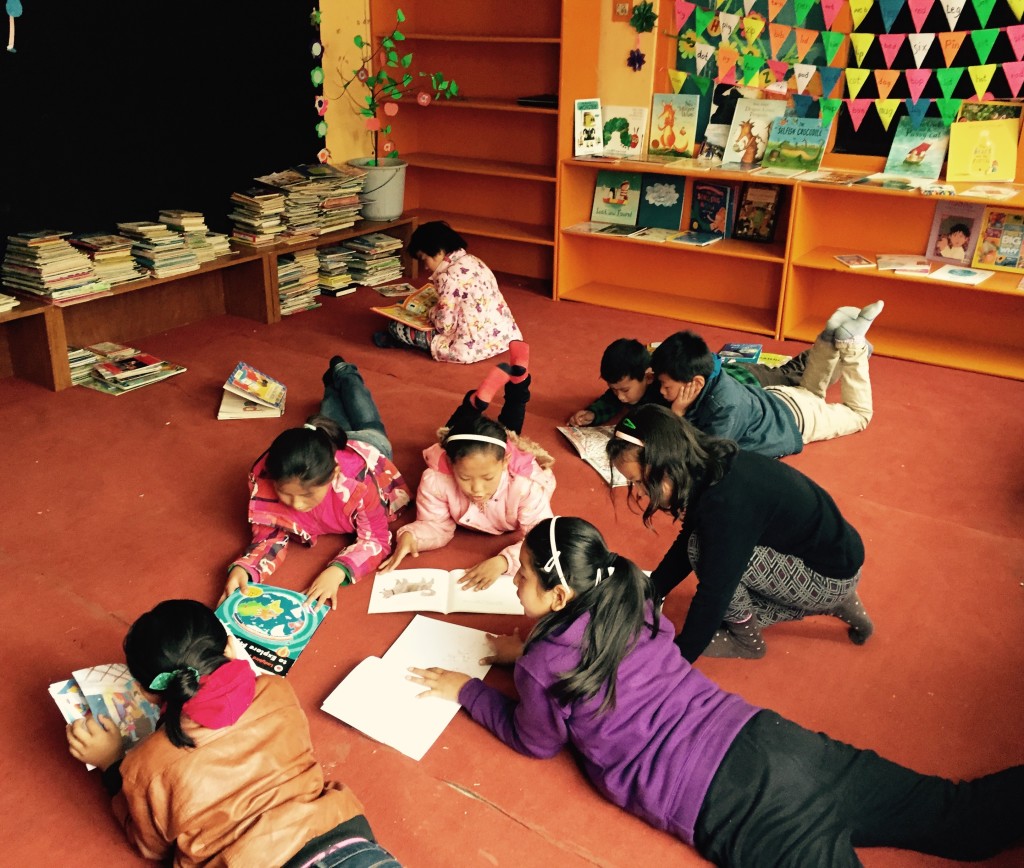
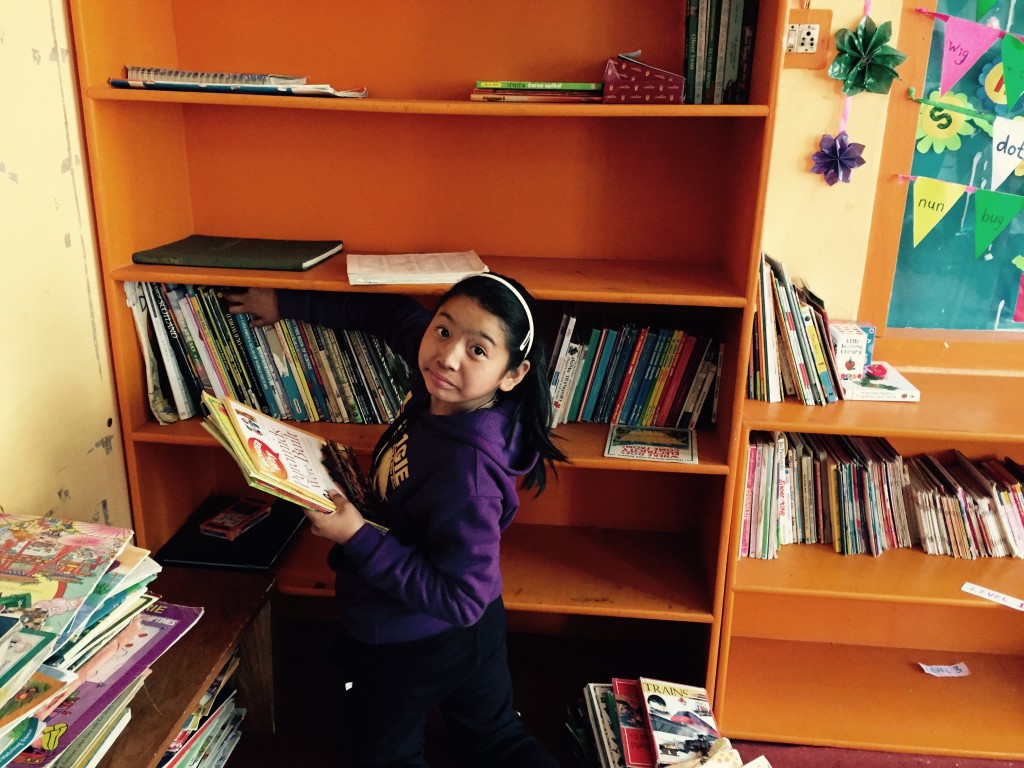
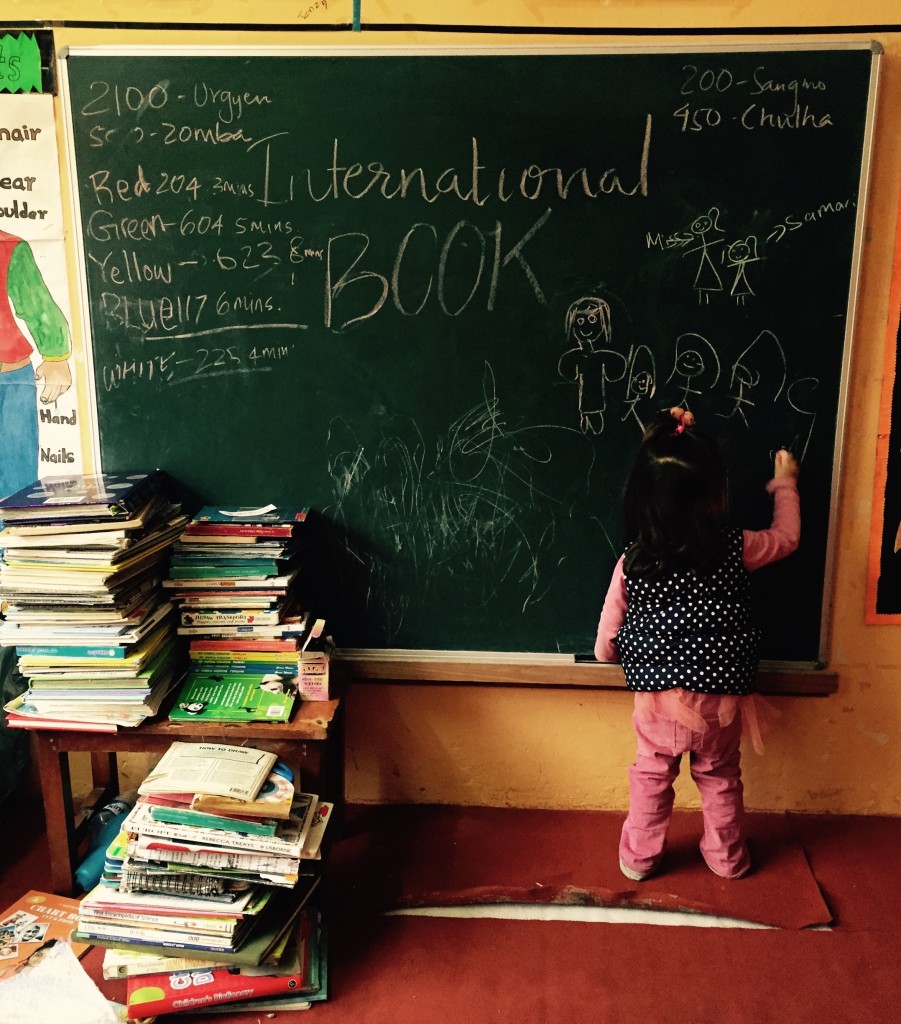
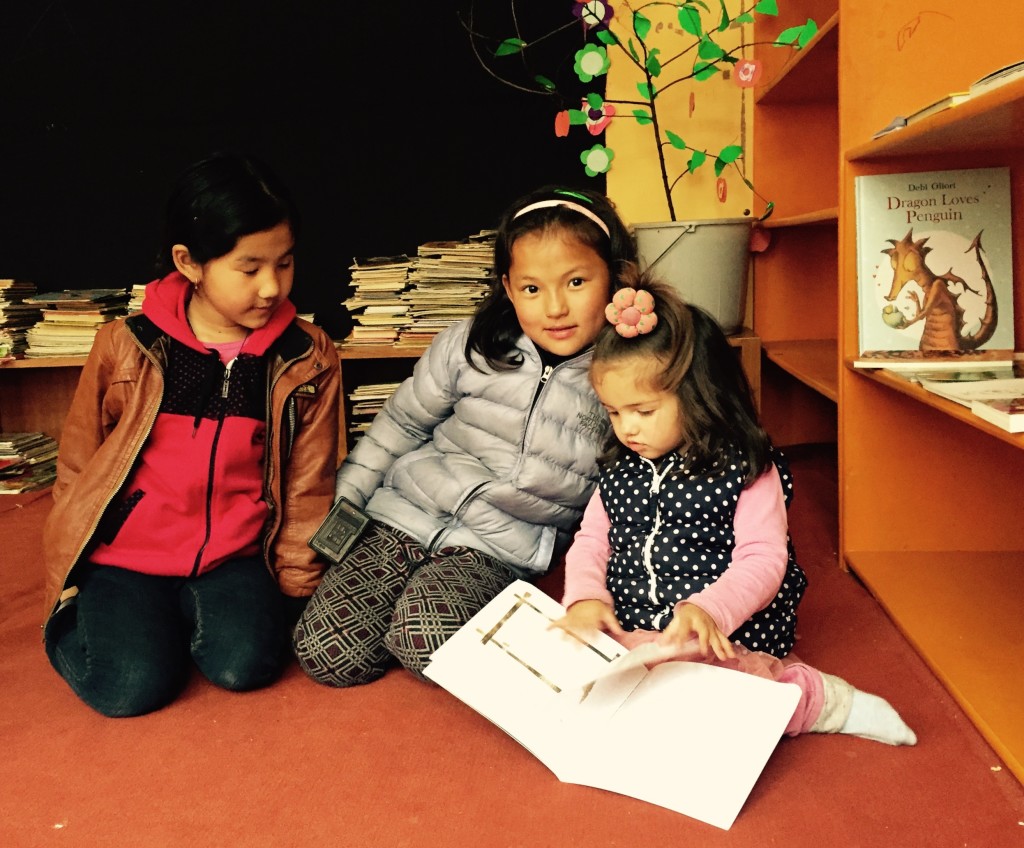
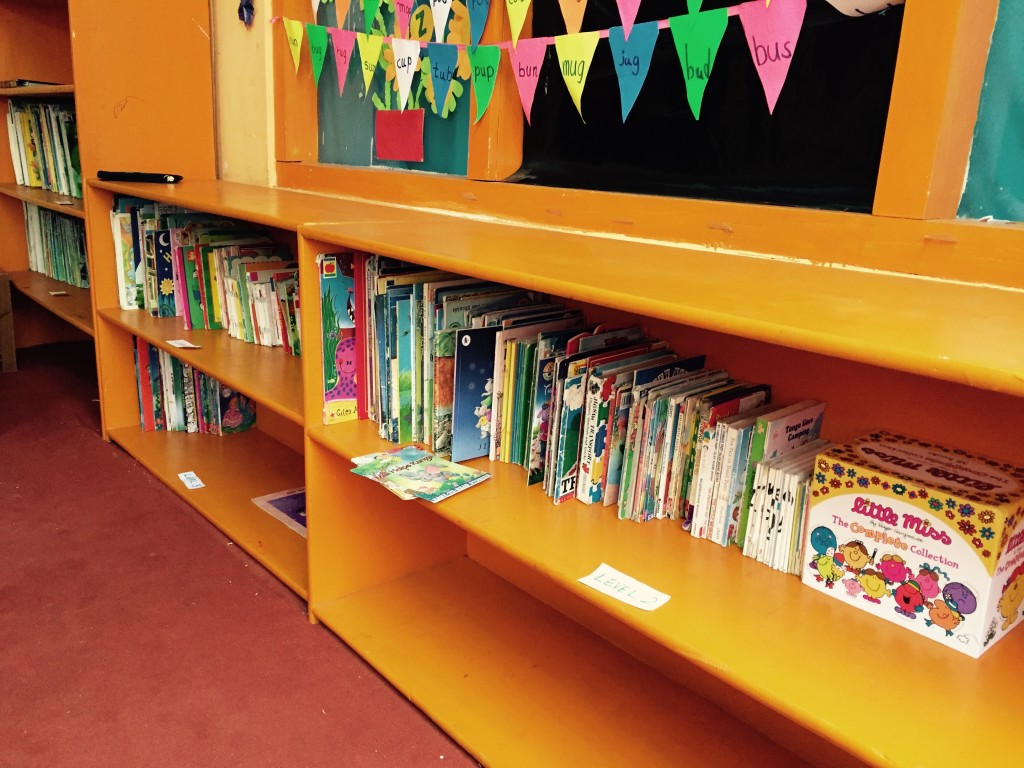
This approach belongs to a wider educational purpose. Reading rooms, book drives, creative activities, and music sessions give children access to resources that support curiosity over time. English is one part of that work: a practical language skill that can grow alongside confidence, imagination, and a lasting love of learning.
A natural bridge across languages
Songs provide a welcoming starting point for children who are still becoming comfortable with English. A child does not need to understand every word before joining in. Repeated phrases, actions, and a steady beat make participation possible from the first session, including for beginners who may hesitate during a conventional lesson.
This matters in remote Himalayan communities, where classroom resources can vary and children may have different levels of exposure to English. A familiar rhyme can bring the whole group together without requiring every learner to progress at the same speed. Children with stronger language skills can model pronunciation, while newer learners gain support from the group.
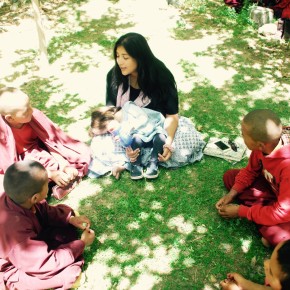
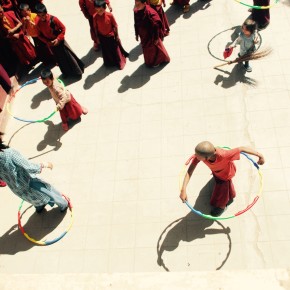
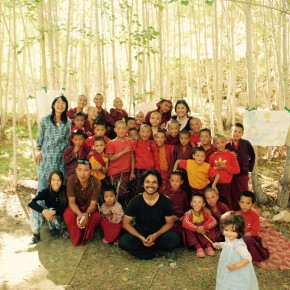
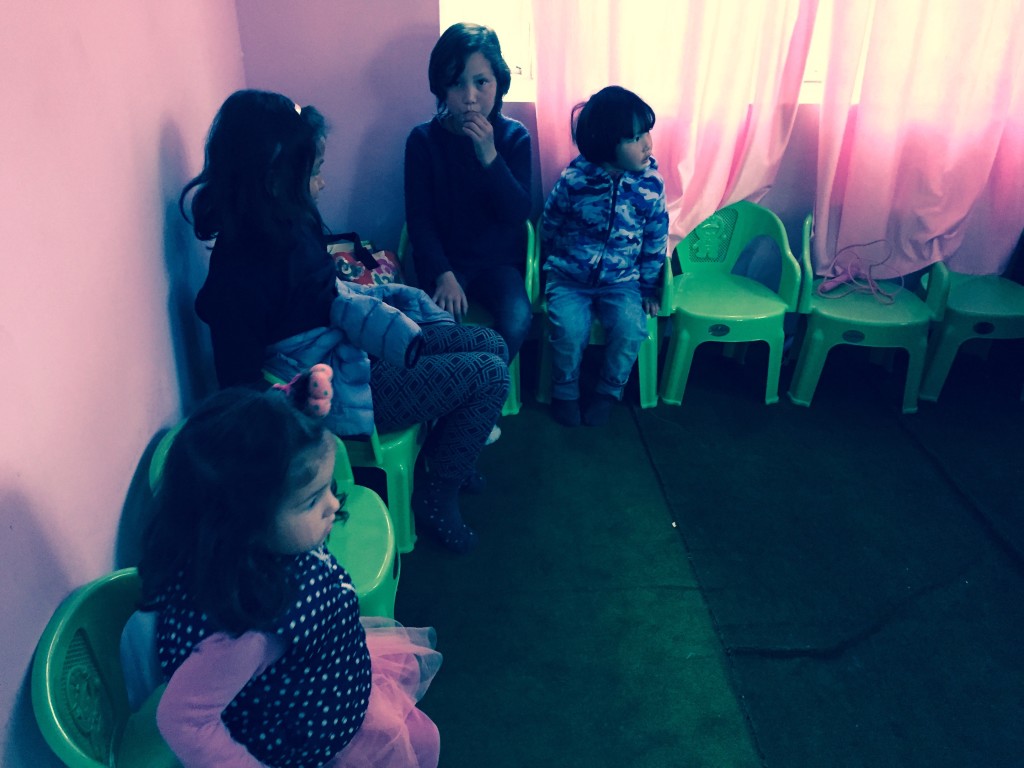
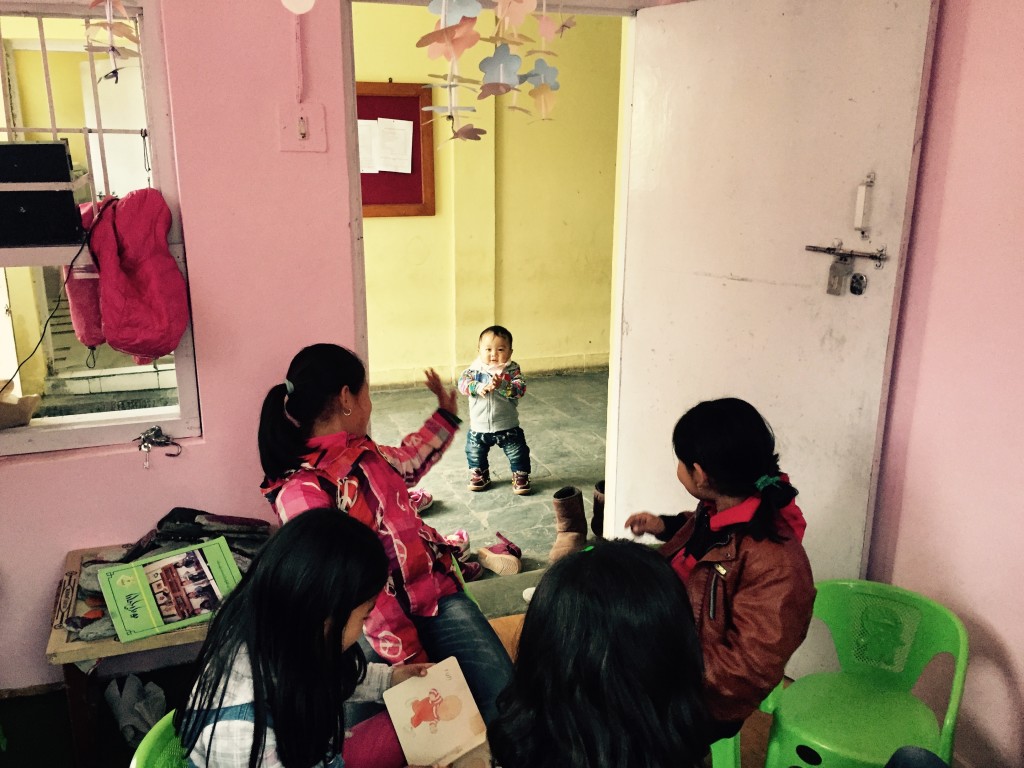
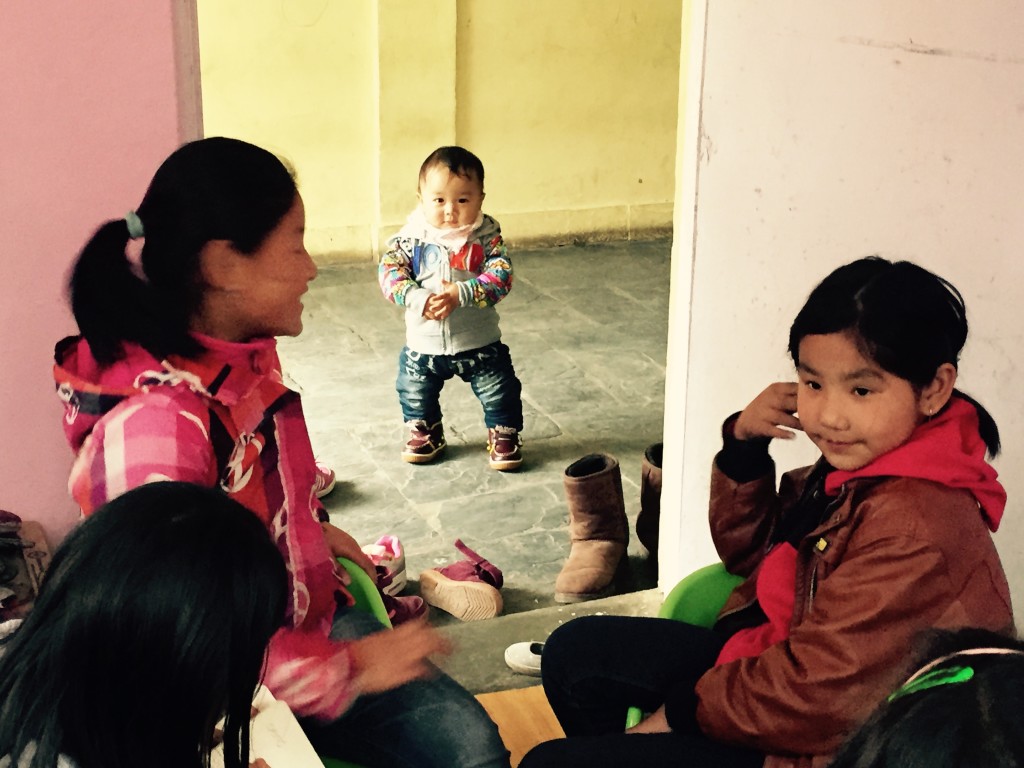
The social setting is important too. Singing in a circle changes the feeling of practice. Mistakes become part of the activity rather than a public failure, and children can hear English being used as a shared form of play. That positive association often encourages them to speak more willingly in later lessons.
Why rhythm supports memory
Rhythm organizes language into patterns that are easier to notice and recall. Children hear where a phrase begins, which syllables are stressed, and how words connect in natural speech. Through repetition, they practice sounds such as short and long vowels, consonant combinations, and common word endings without relying on abstract explanations.
Rhymes also strengthen listening skills. A child learns to anticipate a repeated line, identify a familiar word, or recognize a sound that appears at the end of several phrases. These small acts of listening build phonological awareness, an important foundation for early reading and spelling.
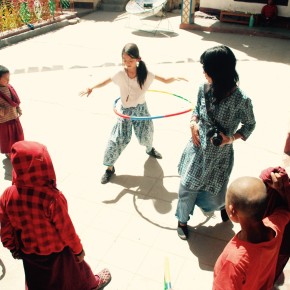
Movement can reinforce the same learning. Clapping syllables, tapping a beat, pointing to picture cards, or acting out verbs links sound with physical experience. When vocabulary is connected to an action, image, or emotion, it is more likely to remain meaningful after the song has ended.
From listening to confident speech
Songs are useful because they connect several language skills within one short activity. A teacher can begin with listening, add gestures for meaning, invite repetition, and then use the same words in a simple conversation or reading exercise. This sequence lets children move from recognition toward independent use.
| Learning aim |
How songs and rhymes help |
Follow-up activity |
| Pronunciation |
Repeated sounds and steady rhythm give children a model to copy |
Echo lines, clap syllables, or practice challenging sounds |
| Vocabulary |
Words appear in memorable phrases connected to actions or pictures |
Sort picture cards, act out verbs, or label objects |
| Listening |
Children learn to notice familiar words within continuous speech |
Raise a card when a target word is heard |
| Speaking confidence |
Group singing reduces pressure and encourages participation |
Replace a word, complete a line, or perform in pairs |
| Early literacy |
Repeated lyrics connect spoken language with printed words |
Match lines to pictures, trace key words, or read a short verse |
The same song can therefore be adapted for different ages and abilities. Younger children might focus on actions and a few key words. Older learners can identify rhyming words, change a verse, write new lines, or perform a short song for their peers. This flexibility helps mixed-age groups learn together.
Progress does not have to be measured by a perfect performance. A child who begins by listening may later join the final word of each line, then sing a full phrase, and eventually use the vocabulary in ordinary conversation. These small steps show that language development is taking place.
Learning that fits Himalayan classrooms
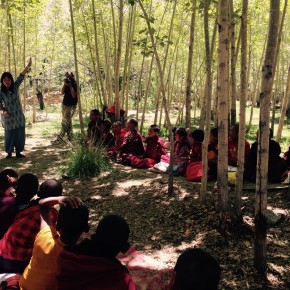
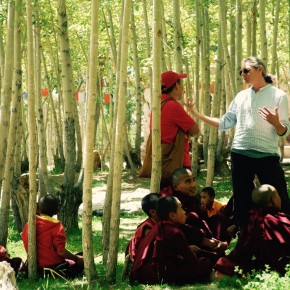
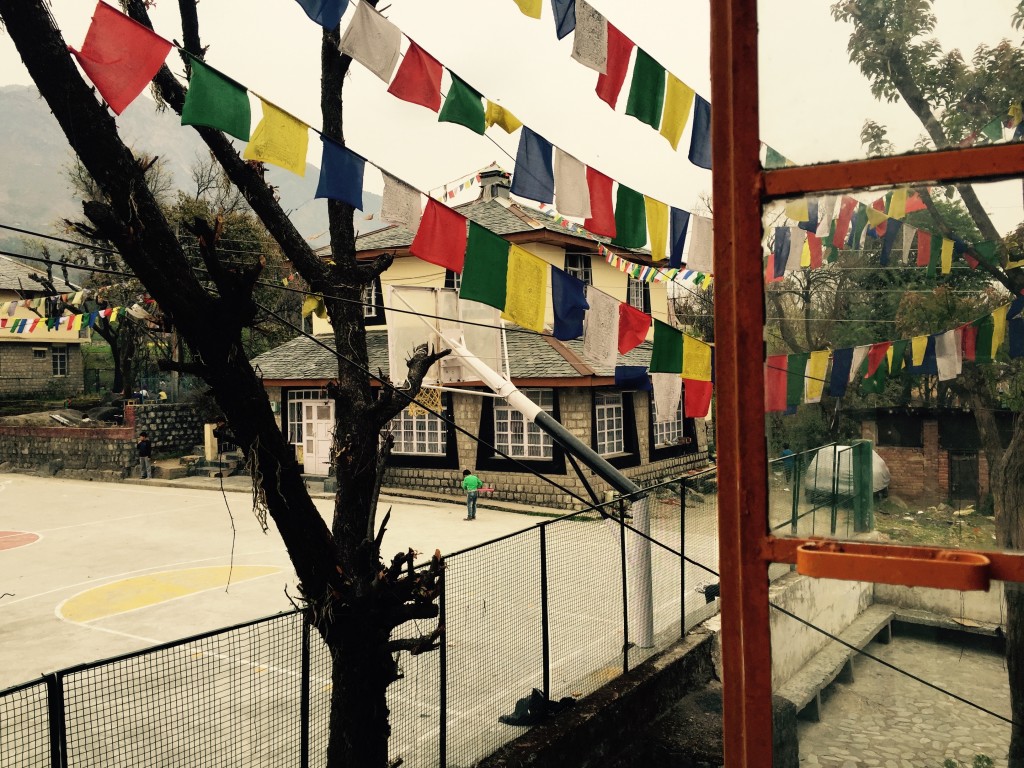
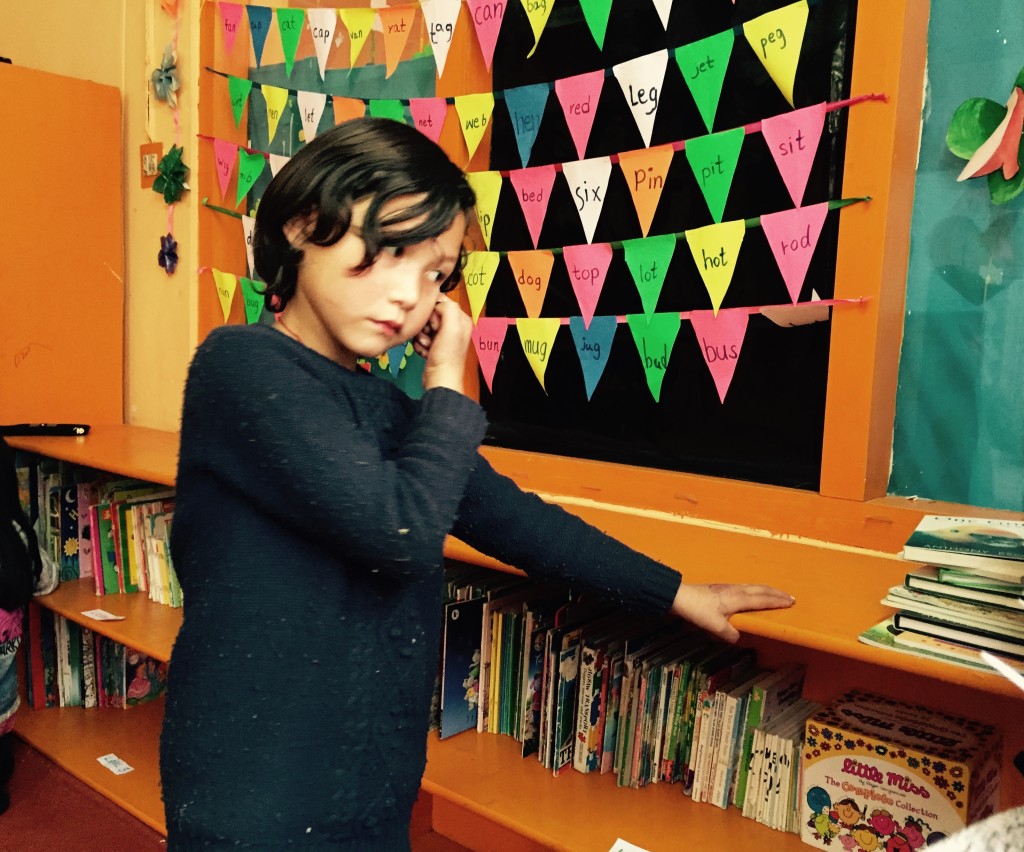
Educational activities in mountain regions need to respect local rhythms of life. Weather, travel distances, community responsibilities, and school schedules can affect attendance and available teaching time. Songs and rhymes are portable resources: they require very little equipment and can be used in a reading room, classroom, courtyard, or monastery setting.
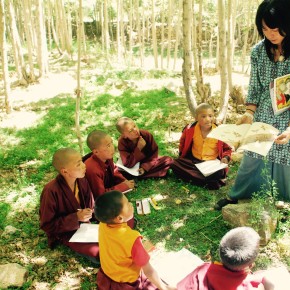
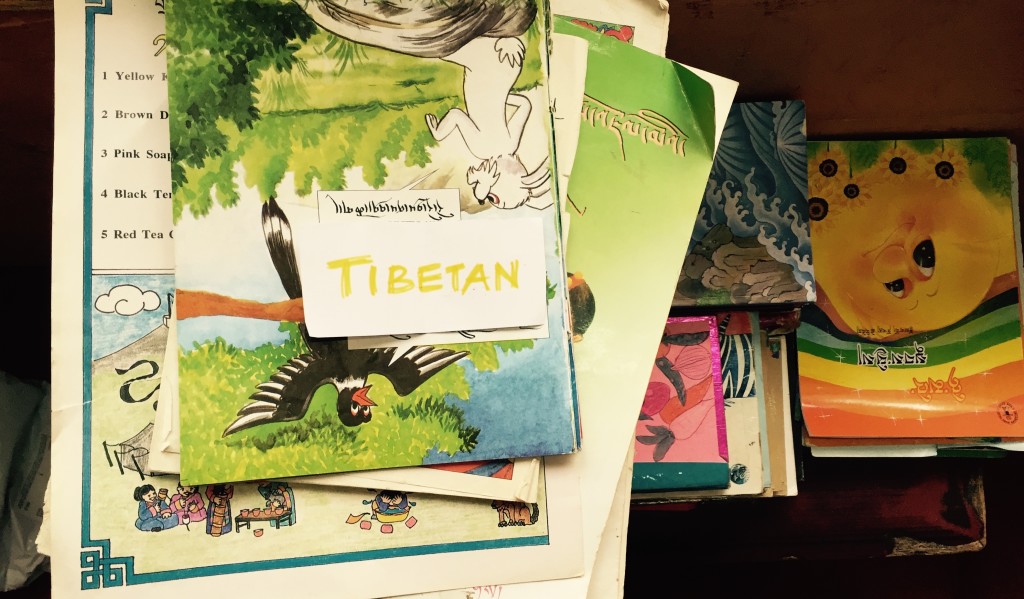
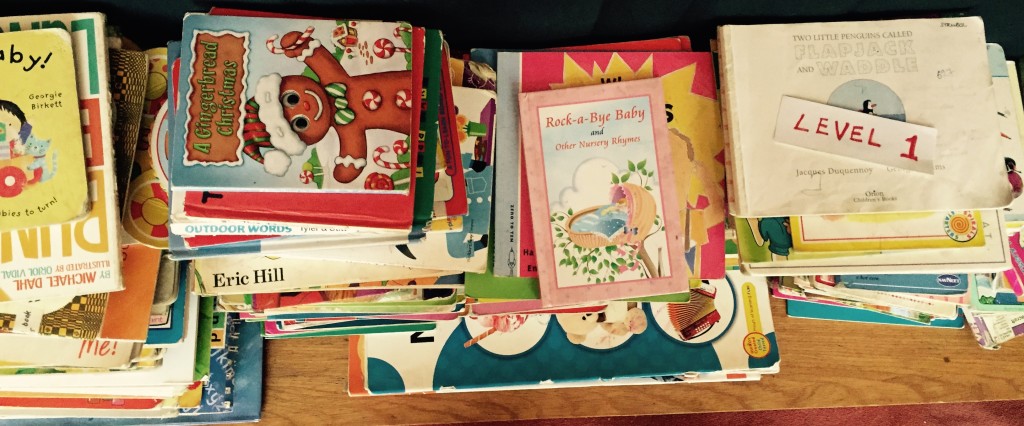
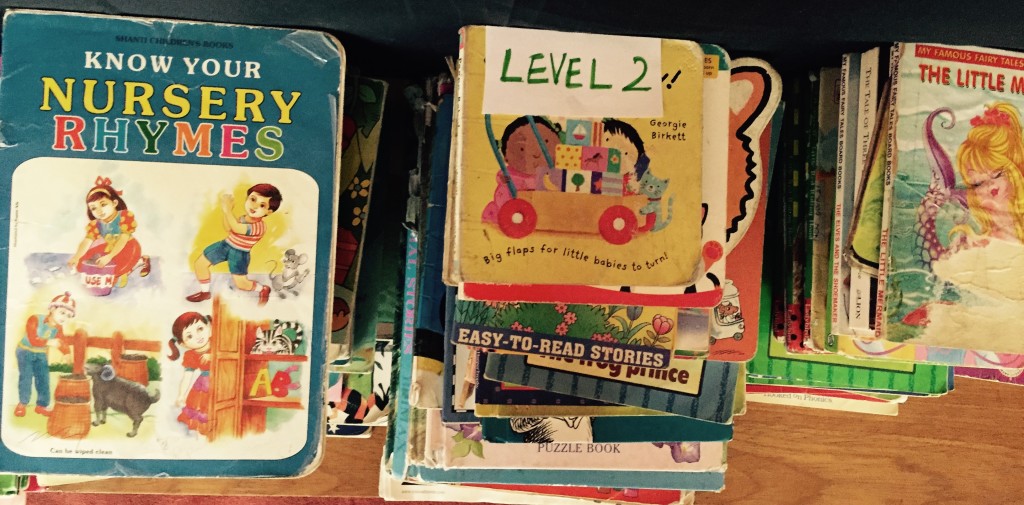
They also work well when a group has limited access to printed materials. A teacher can introduce a rhyme orally, add hand-drawn pictures, and gradually connect the spoken words to a shared book. When books are available, repeated lyrics can become a bridge into reading practice, helping children recognize familiar language on the page.
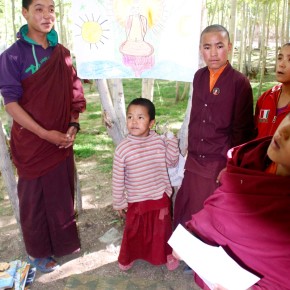
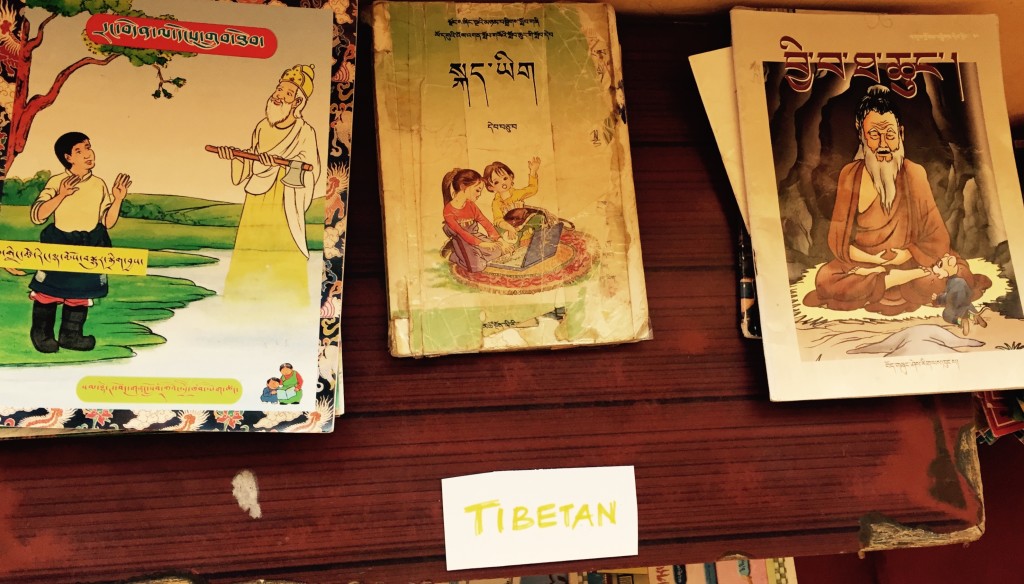
Local culture should remain visible in this process. English activities can include images of mountains, animals, weather, family life, journeys, and festivals that are meaningful to Himalayan children. Inviting learners to create verses about their own surroundings gives English a local voice instead of presenting it as a language separated from everyday experience.
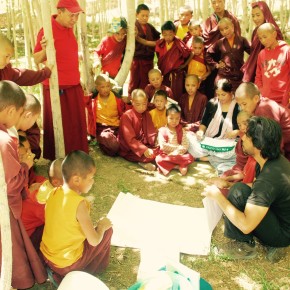
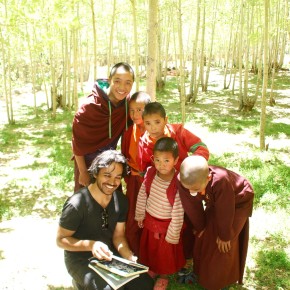
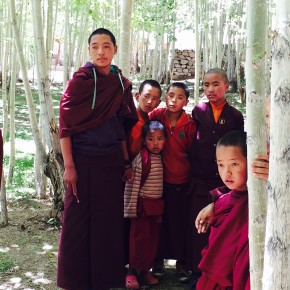
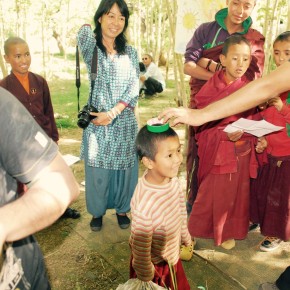
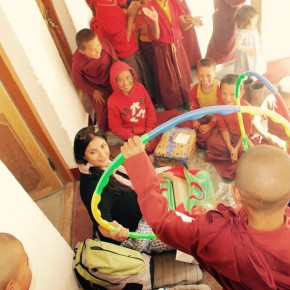
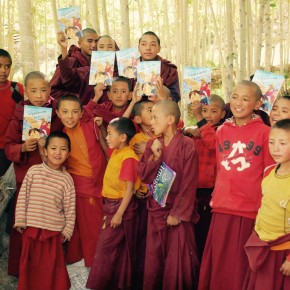
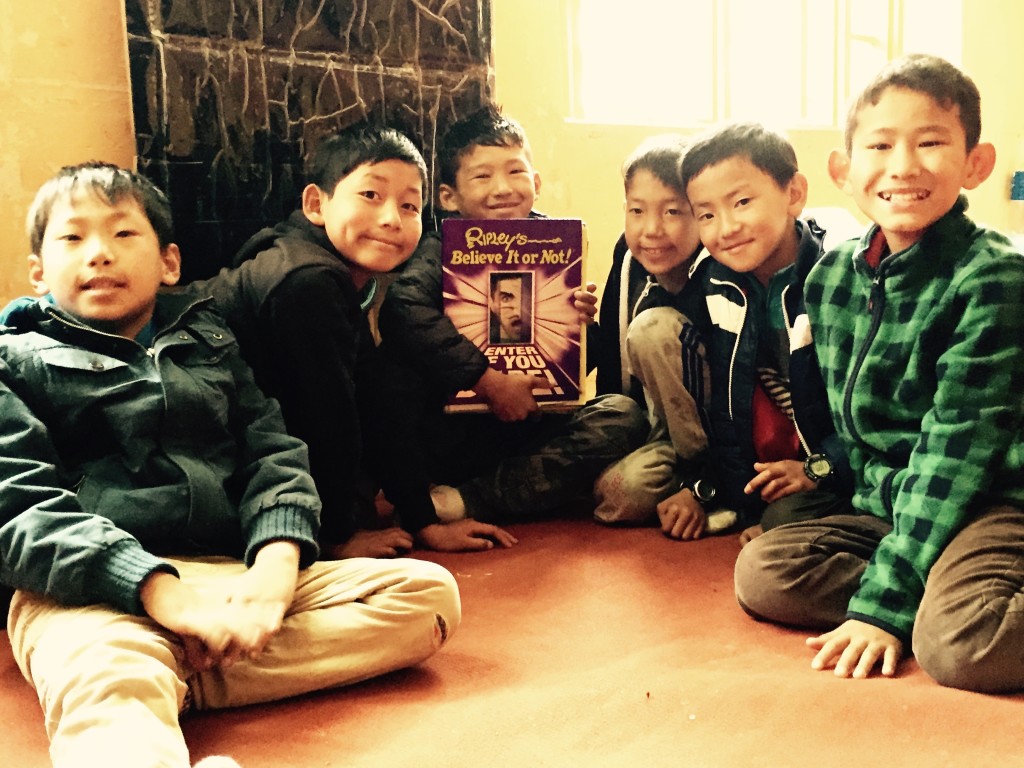
For young monks and other children living or studying in community settings, music can also support routine and belonging. A short opening song may settle a group before reading time, while a closing rhyme can help children remember new words. These predictable transitions create structure without making learning feel rigid.
Songs that open the door to books
Oral language and reading development strengthen one another. Once children know a rhyme by sound, printed lyrics are less intimidating because many words are already familiar. Teachers can point to each word while the group sings, highlight repeated phrases, and show how spoken sounds correspond to letters.
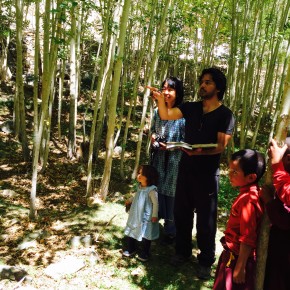
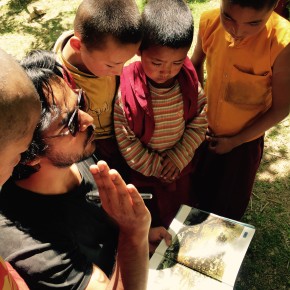
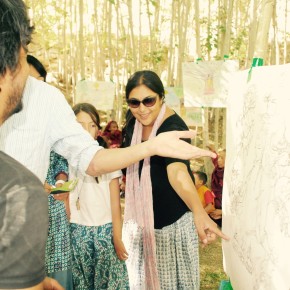
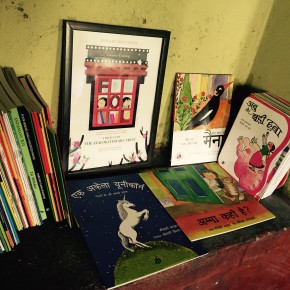
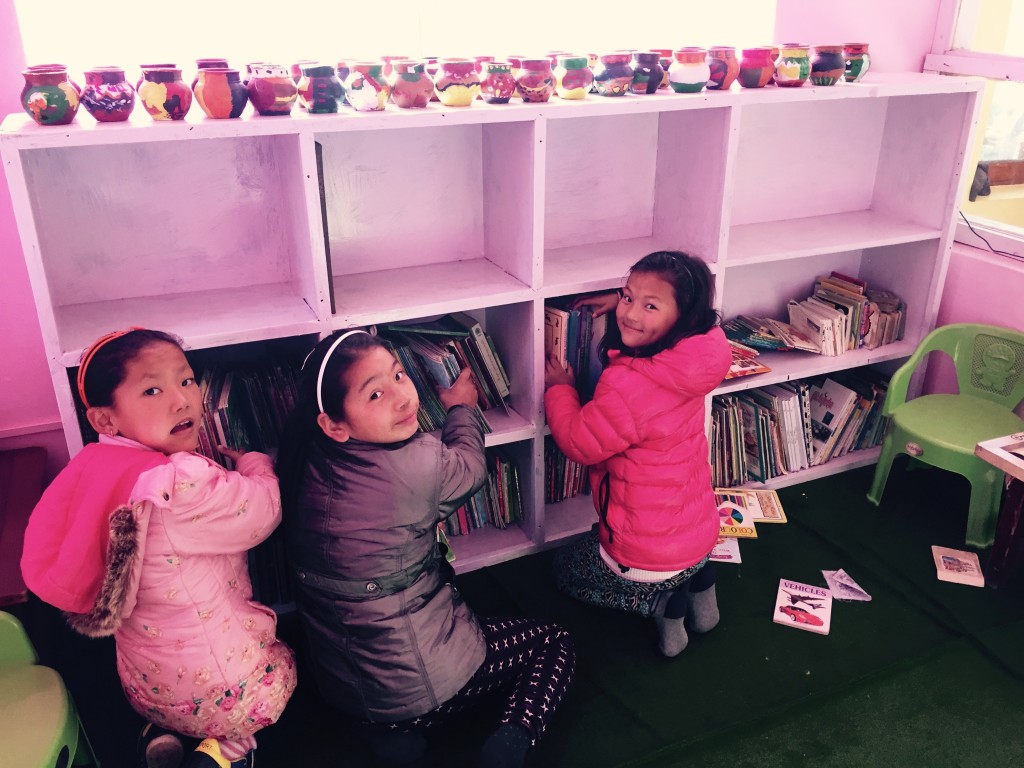
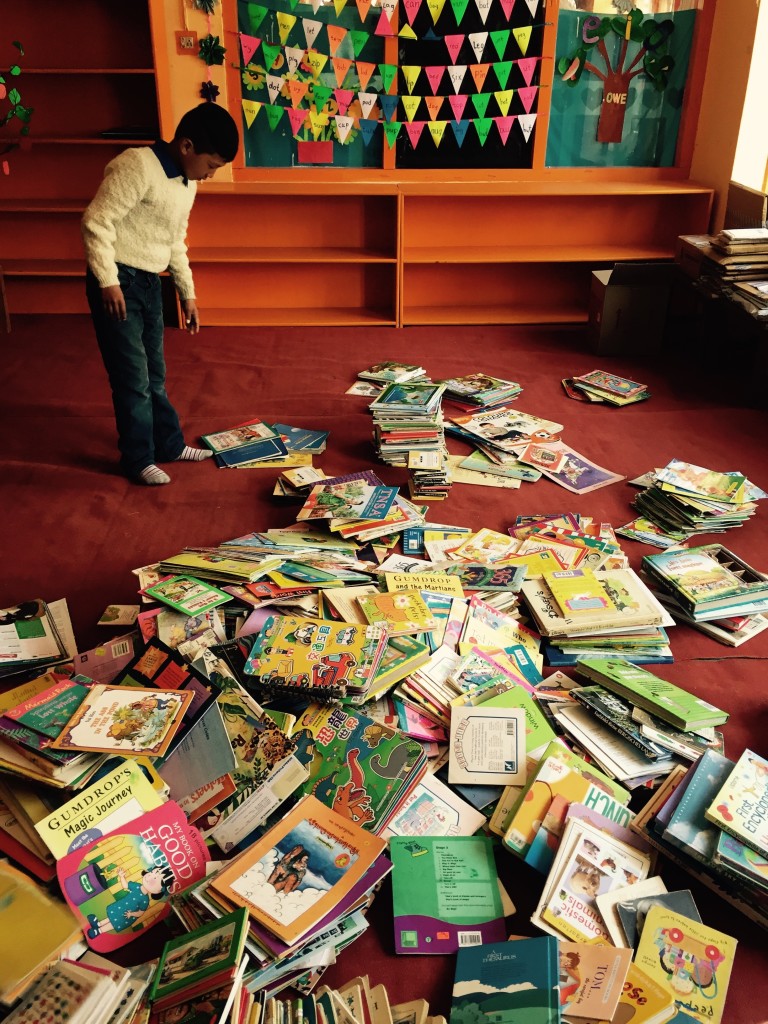
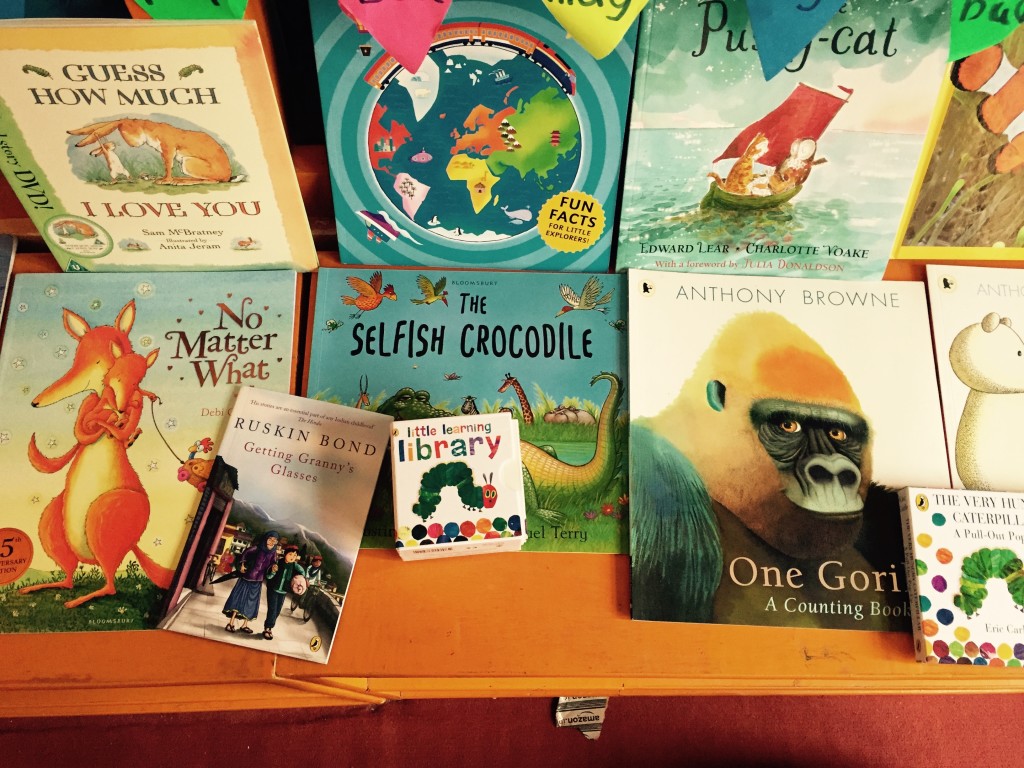
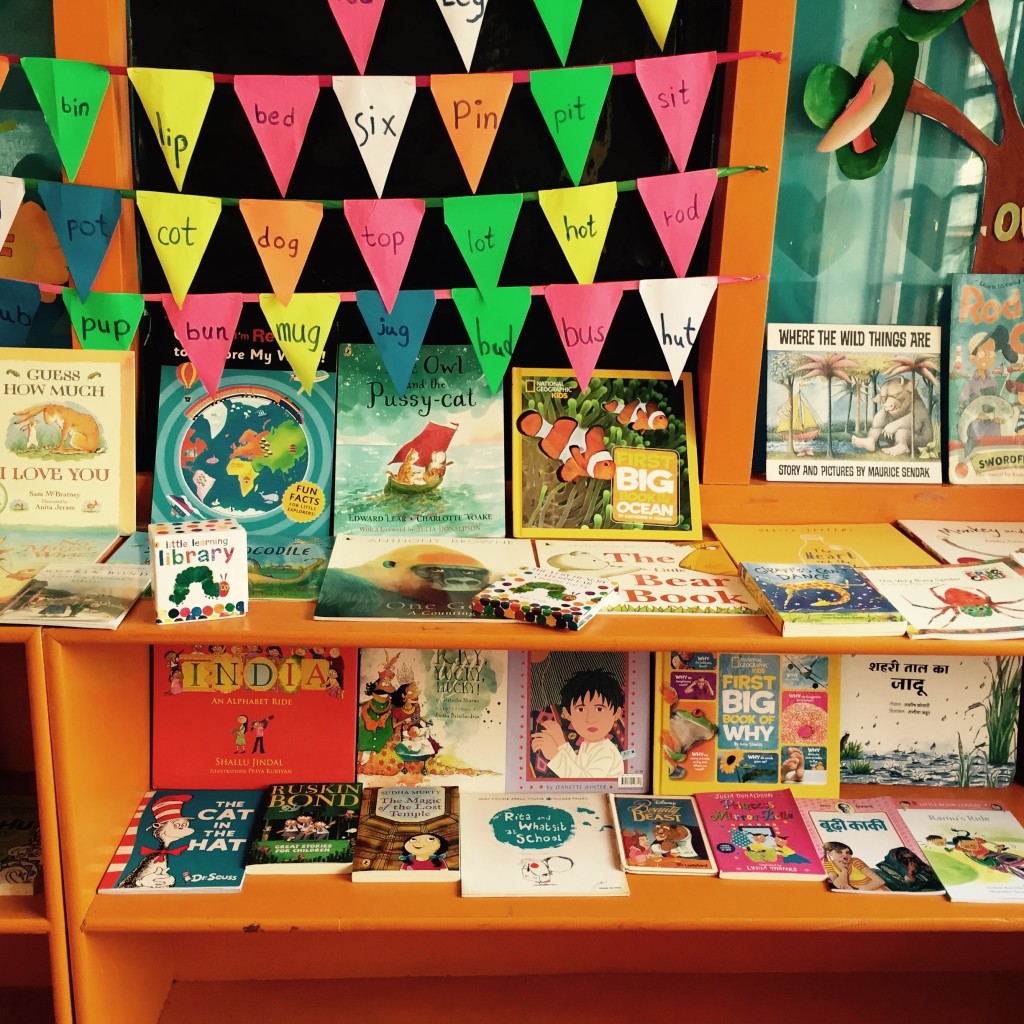
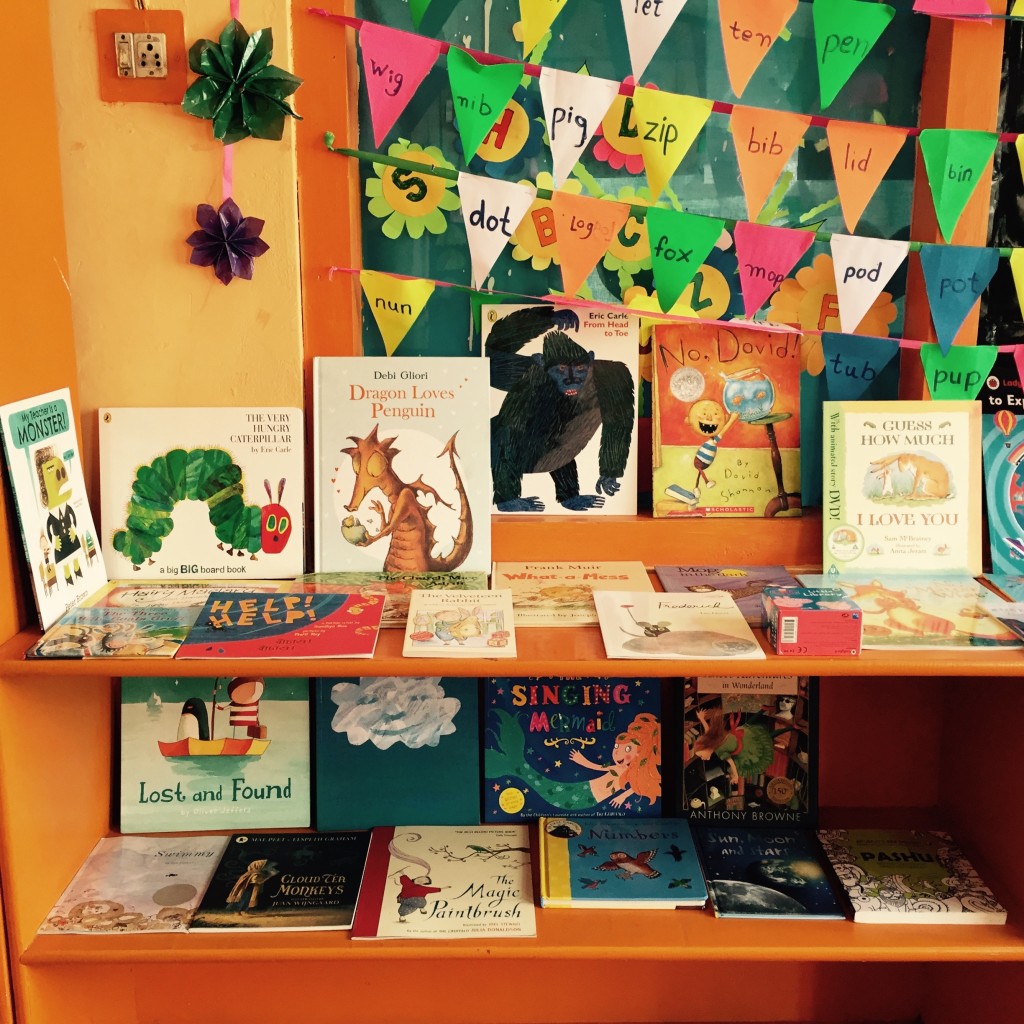
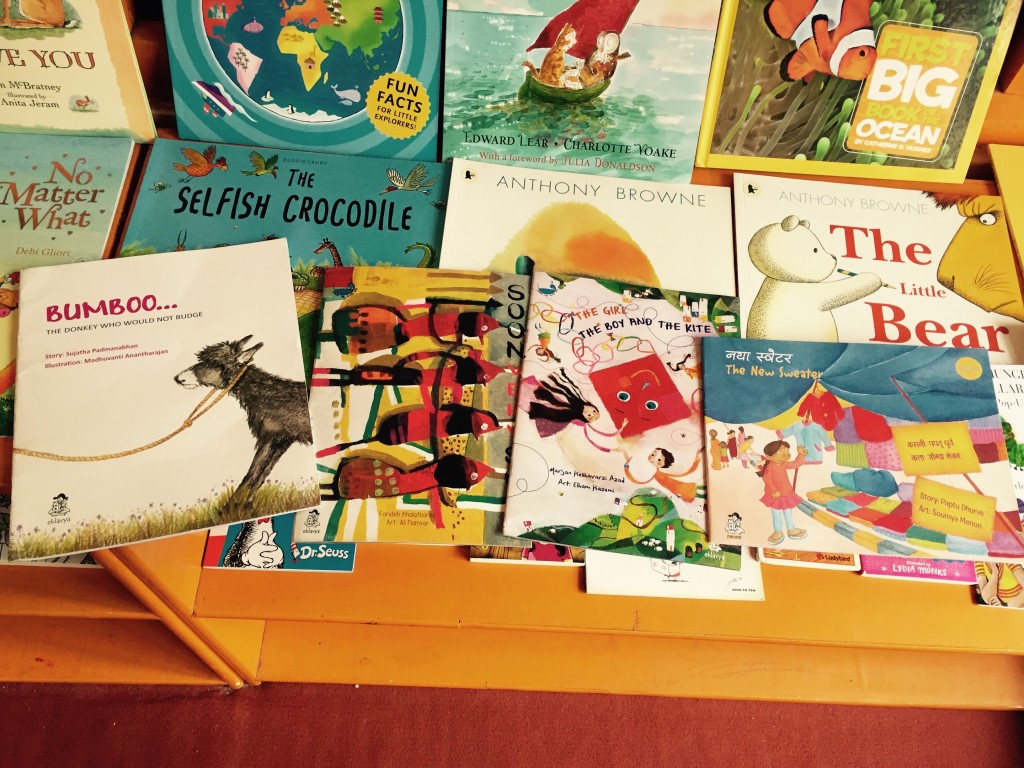
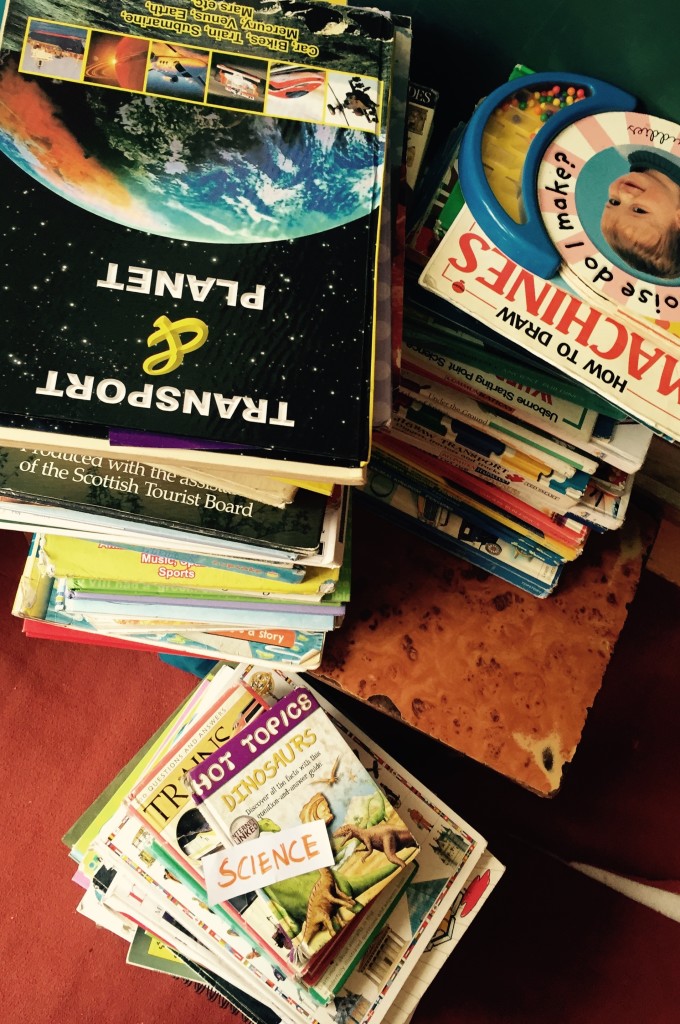
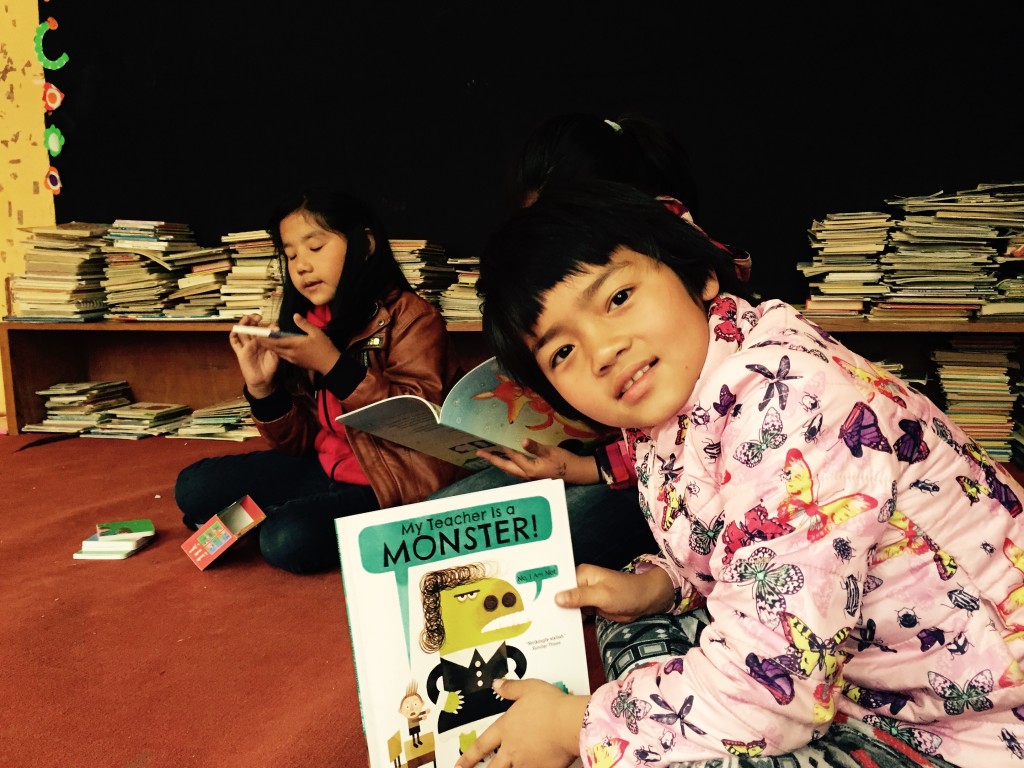
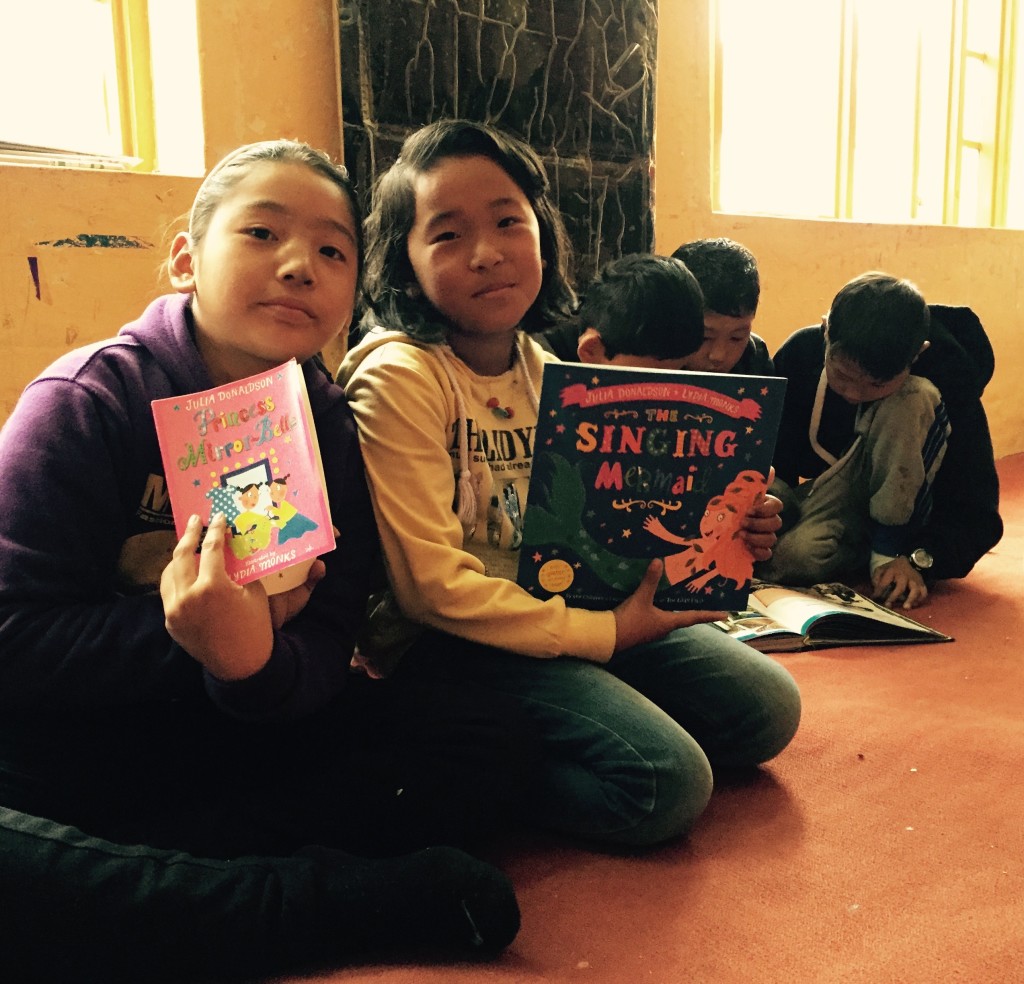
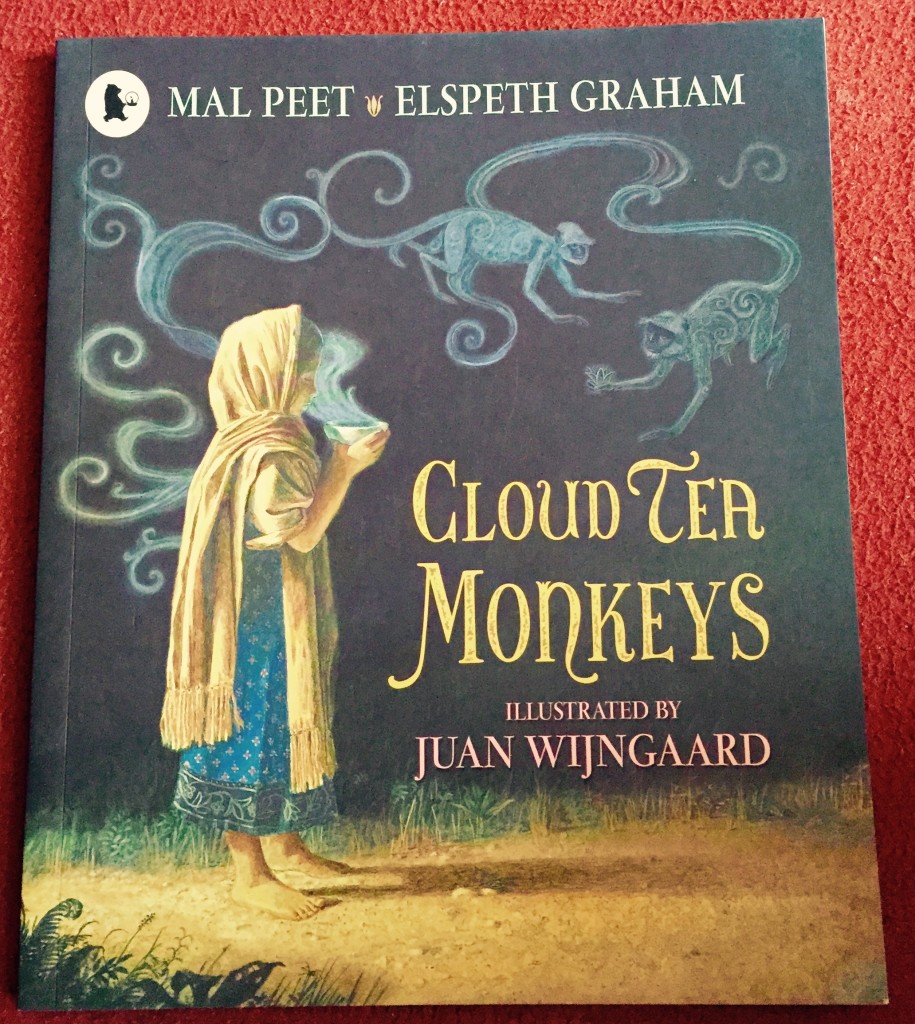
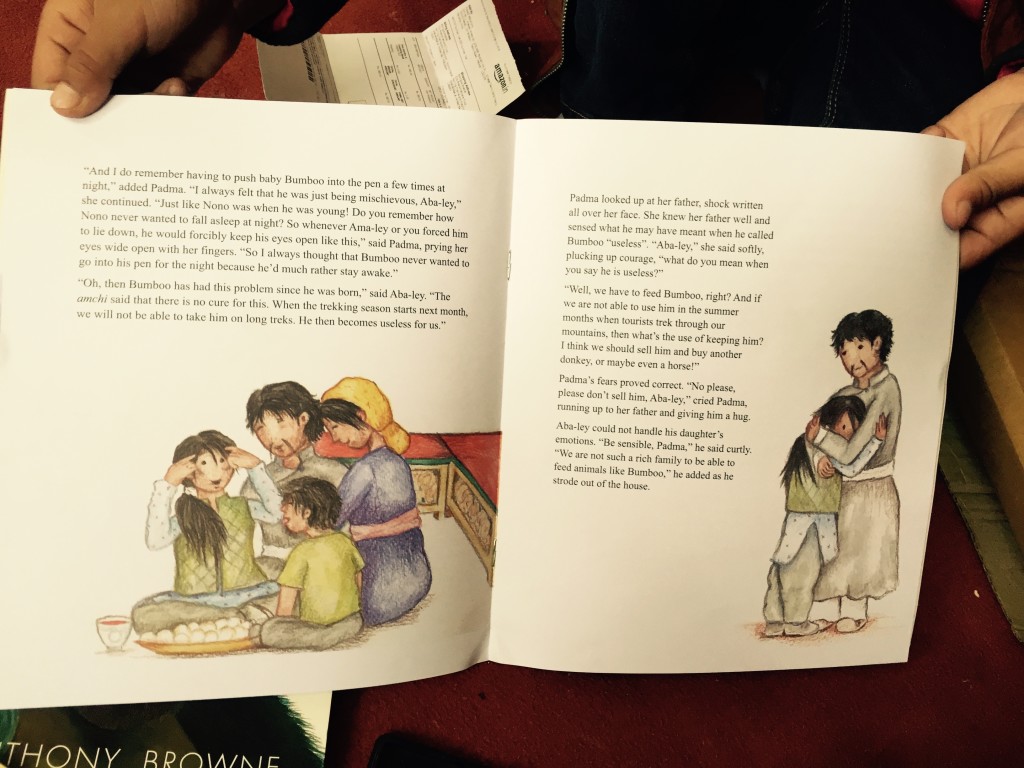
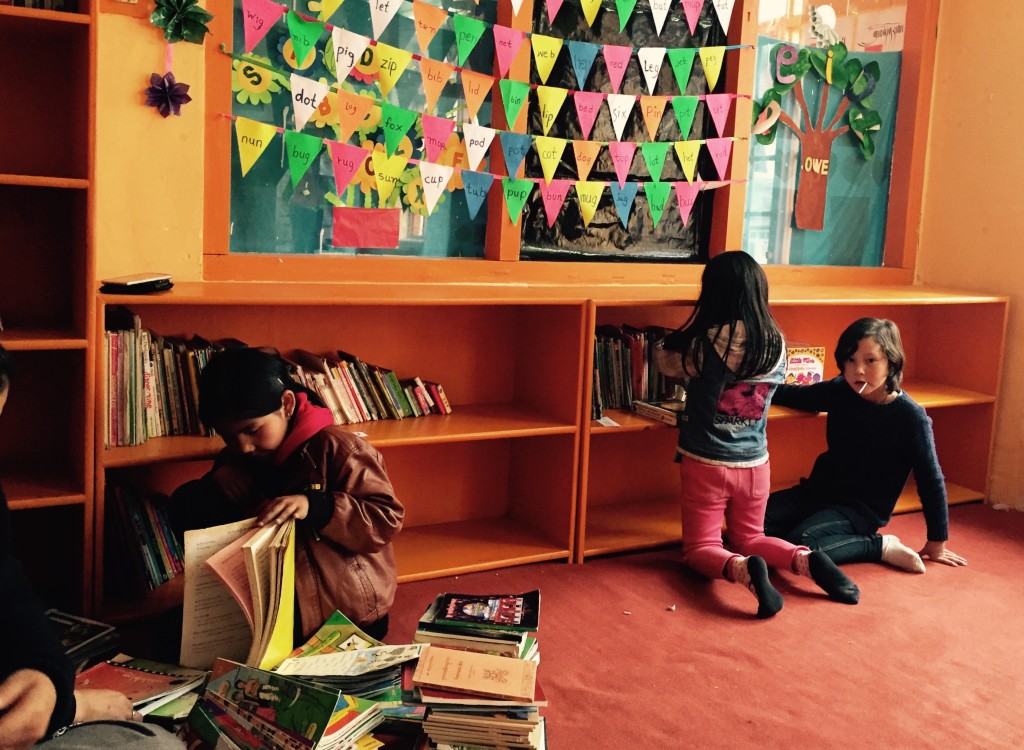
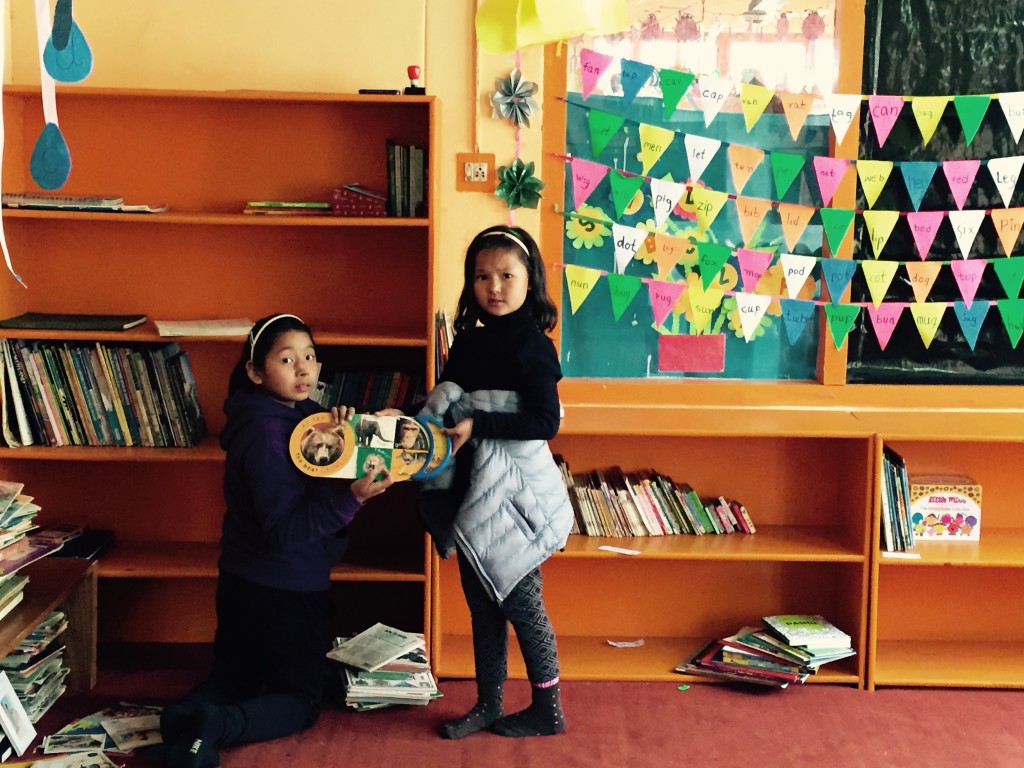
This method is especially useful in reading rooms, where books, story cards, and illustrated materials can extend the lesson. A song about colors might lead to a picture book; a rhyme about animals could become a nonfiction reading activity; a verse about travel might inspire children to draw a map or write a few sentences.
Creative follow-up activities can include:
- Matching repeated words with pictures or objects
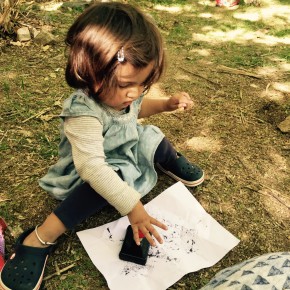
- Making simple books with one line and one drawing per page
- Finding rhyming pairs in a familiar poem
- Creating new verses about local places, animals, or daily routines
- Performing a short song for families, classmates, or visitors
These activities develop more than vocabulary. They encourage sequencing, memory, fine motor skills, artistic expression, and cooperation. A child who illustrates a verse is interpreting meaning; a child who invents a new line is experimenting with grammar and sound. Each response gives educators a clearer view of the learner’s progress.
The arts also make room for different strengths. Some children sing loudly, while others prefer drawing, playing a simple rhythm, or arranging picture cards. By offering several ways to participate, English learning becomes more inclusive and gives every child a meaningful role.
How supporters can strengthen the work
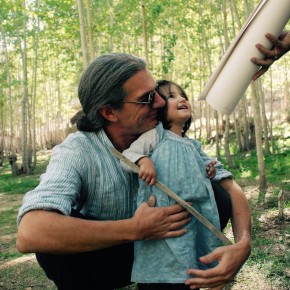
A successful music-and-language session depends on consistency more than expensive equipment. Volunteers can learn a small collection of age-appropriate songs, use clear gestures, repeat key vocabulary, and leave time for children to lead. Patience is essential: pronunciation develops gradually, especially when learners are working across several languages.
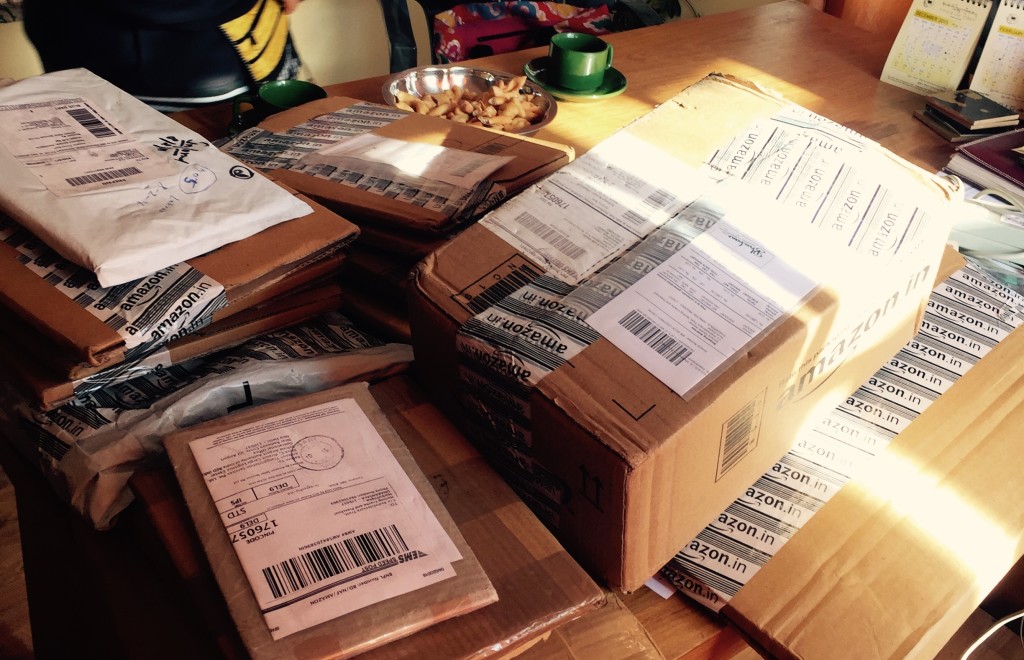
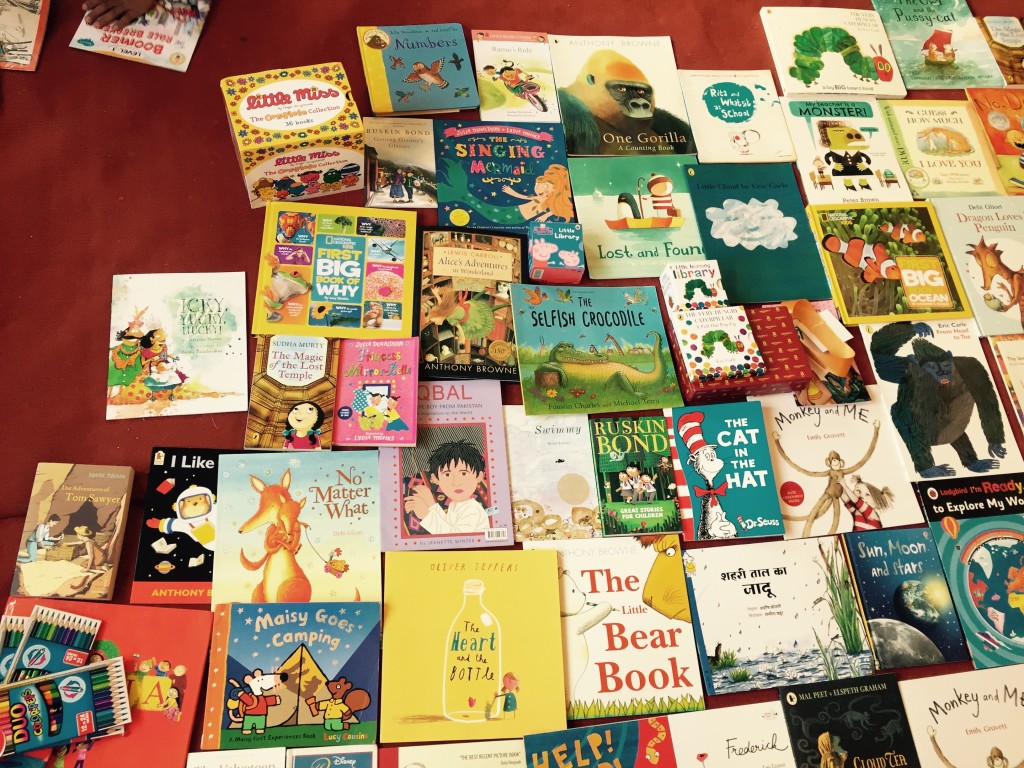
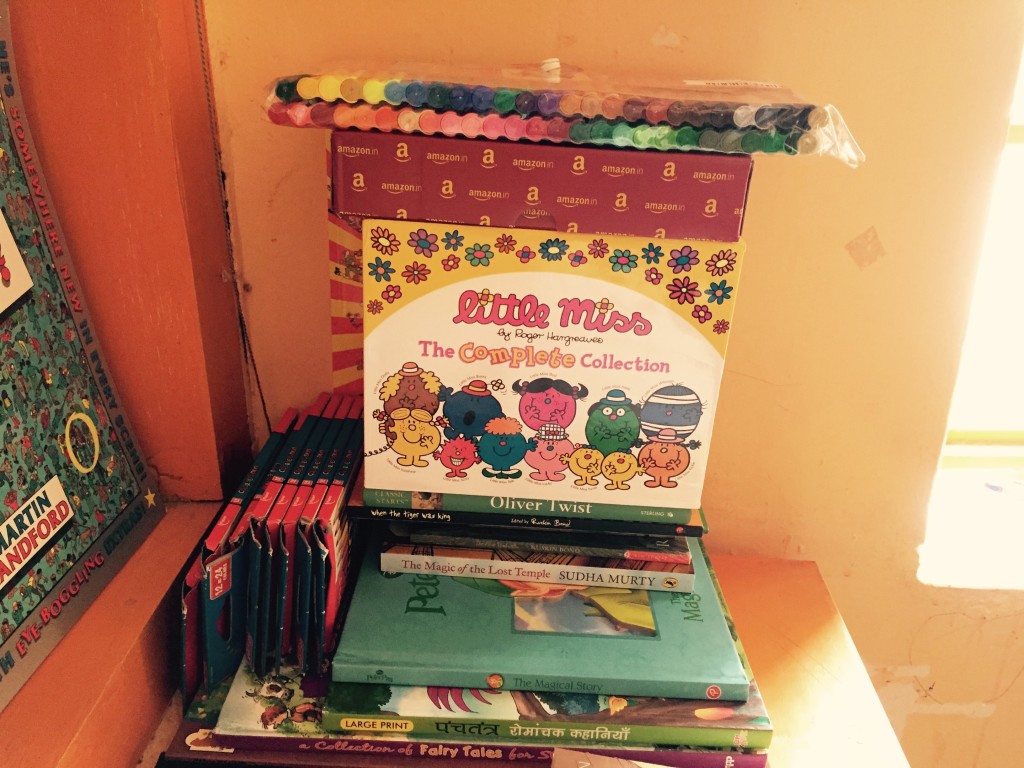
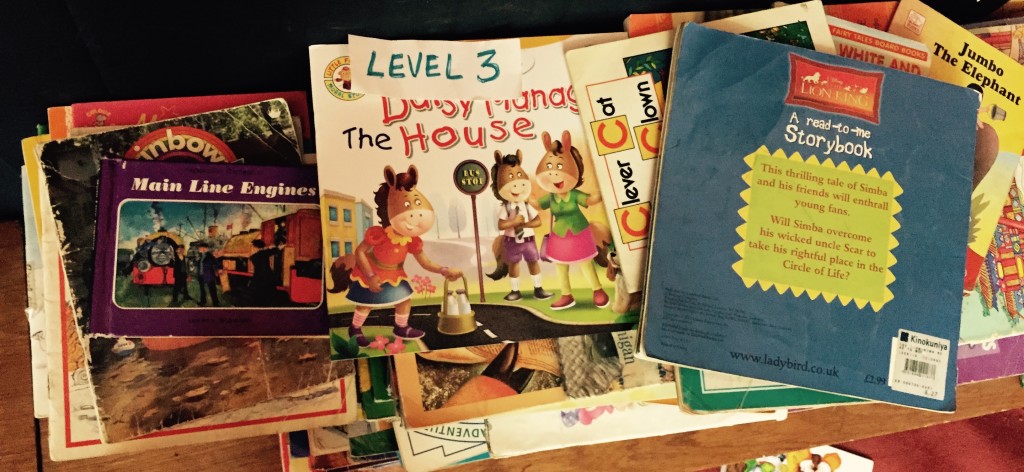
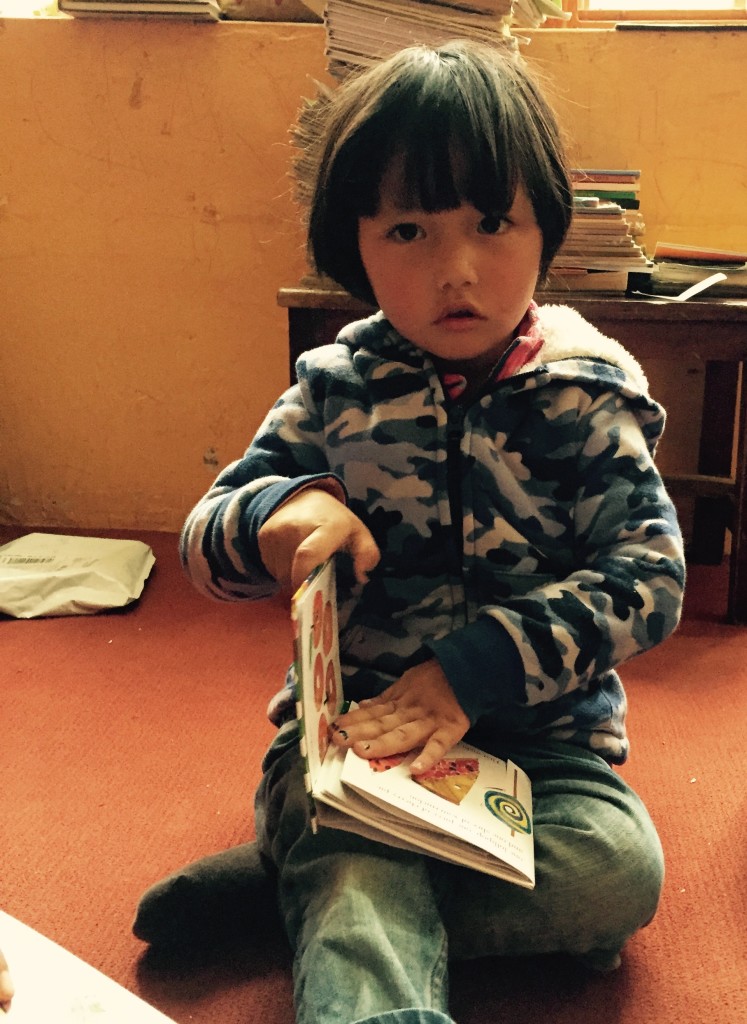
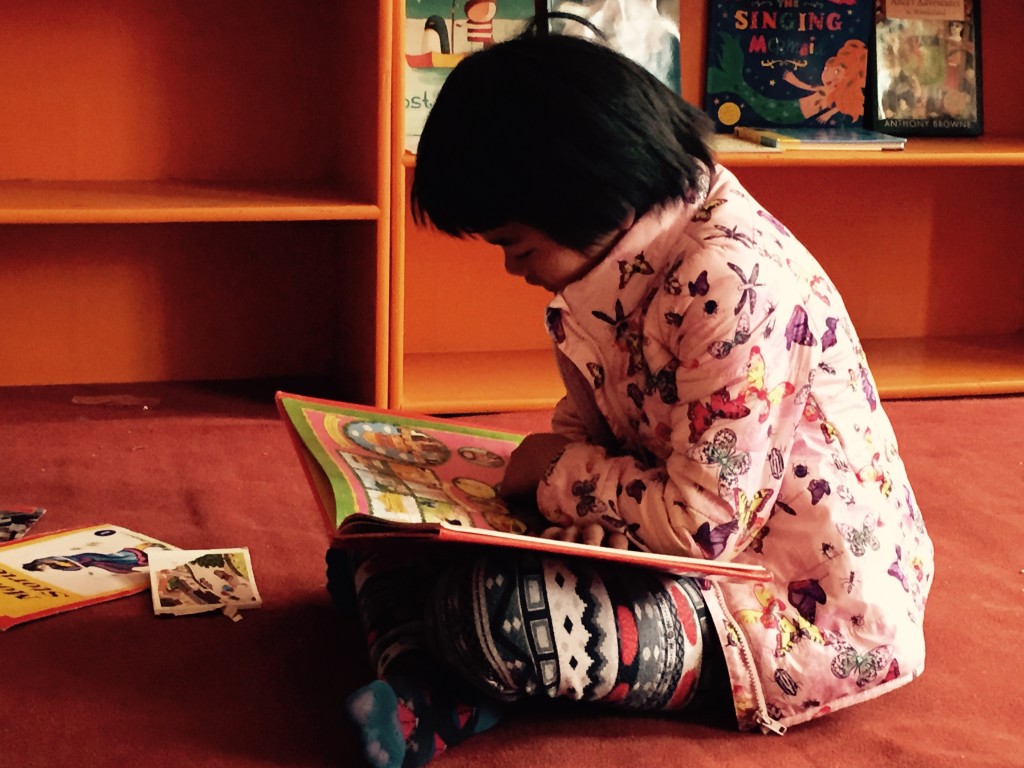
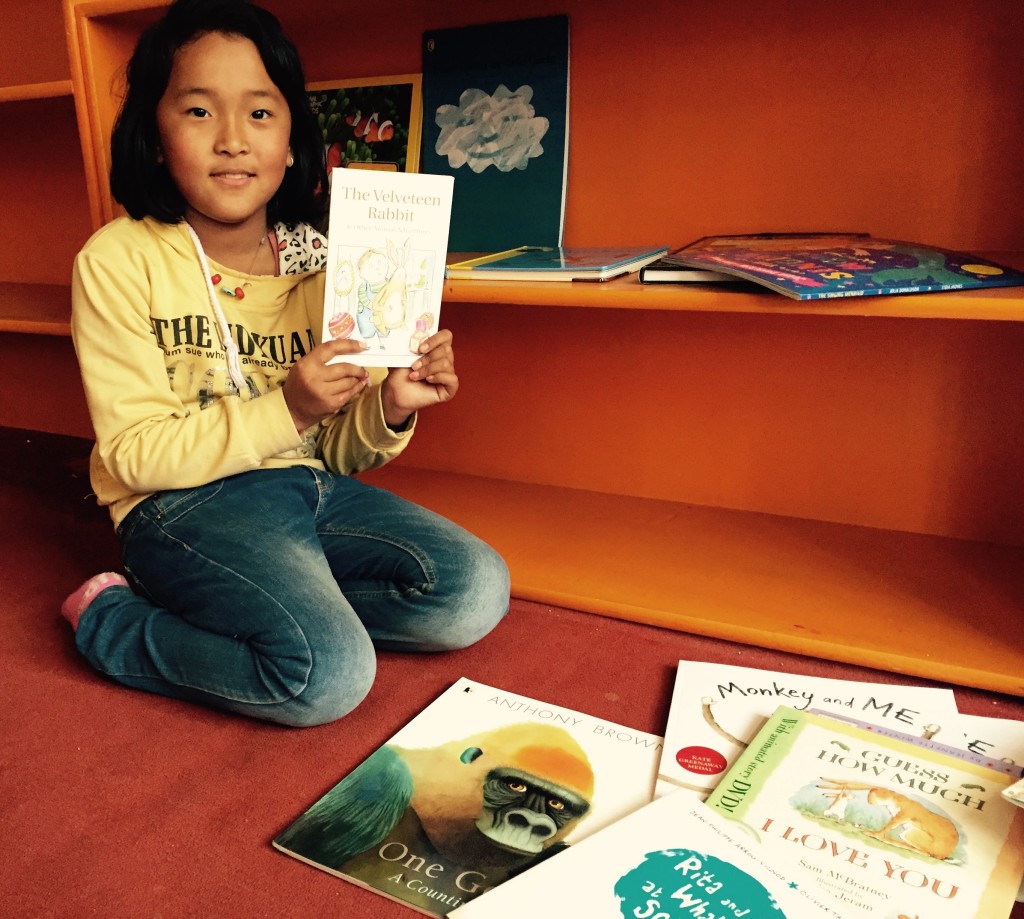
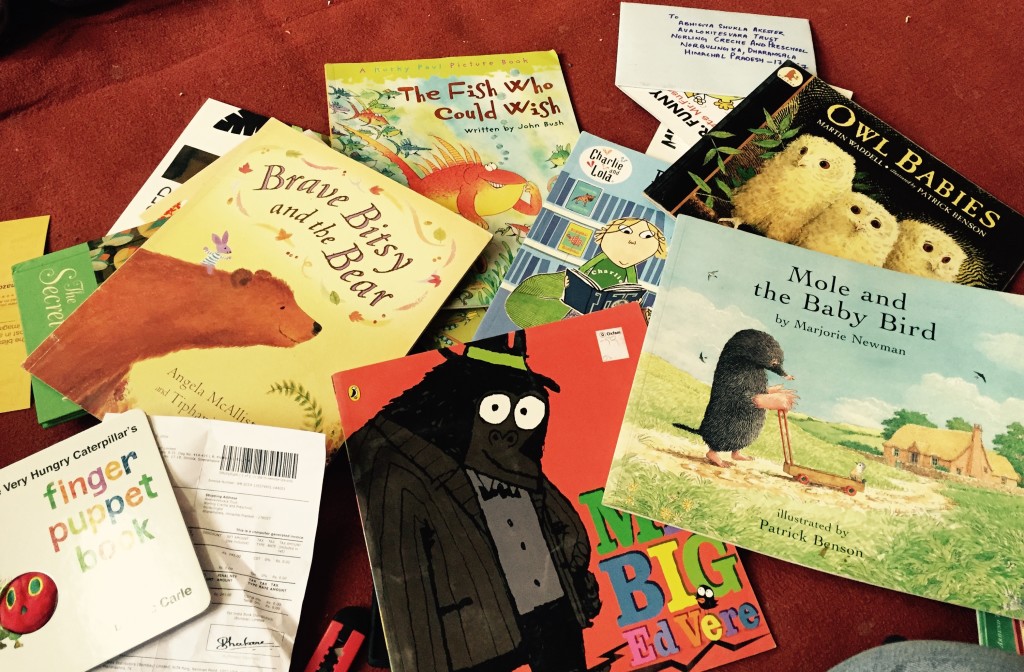
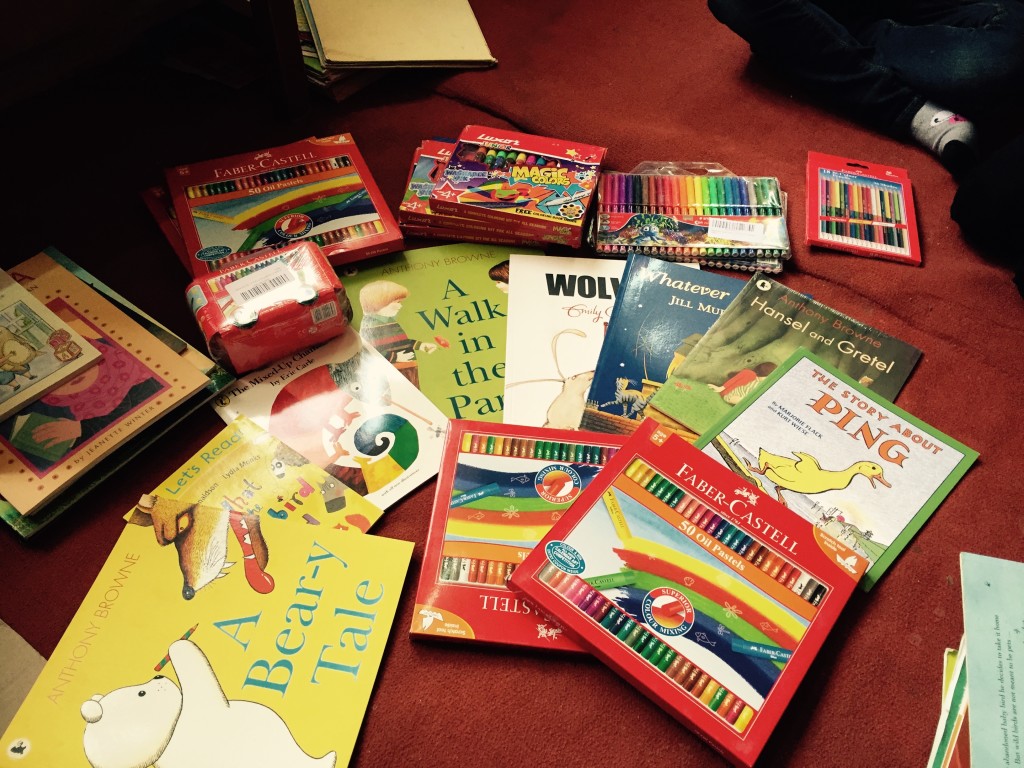
Donors and community partners can support the surrounding learning environment by helping provide books, art supplies, musical materials, and comfortable spaces for reading and group activities. A well-stocked reading room gives children opportunities to revisit language after a session, while suitable picture books help connect songs with stories and independent exploration.
Useful support can include:
- Funding books and illustrated English readers for community reading rooms
- Providing durable musical instruments and art materials
- Supporting teacher and volunteer training in playful language learning
- Sharing culturally responsive songs, stories, and teaching resources
- Contributing to regular educational activities in Ladakh and nearby communities
The strongest programs listen to local teachers, families, and children. Their observations help determine which themes feel relevant, which activities suit a particular group, and how English can complement existing languages rather than displace them. Avalokiteśvara Trust’s work is grounded in this kind of relationship-based learning.
When children sing together, they practice sounds and words, yet they also build courage. They discover that a new language can be explored through movement, creativity, friendship, and repetition. That confidence can carry into the pages of a book, a classroom discussion, or a future opportunity beyond their village.
Support Avalokiteśvara Trust by helping expand access to books, reading spaces, music, and joyful learning activities for children and young monks across the Himalayas. Your contribution can help turn a simple song into a lasting connection with language, literacy, and possibility.