Writing thank-you notes as a practice in gratitude
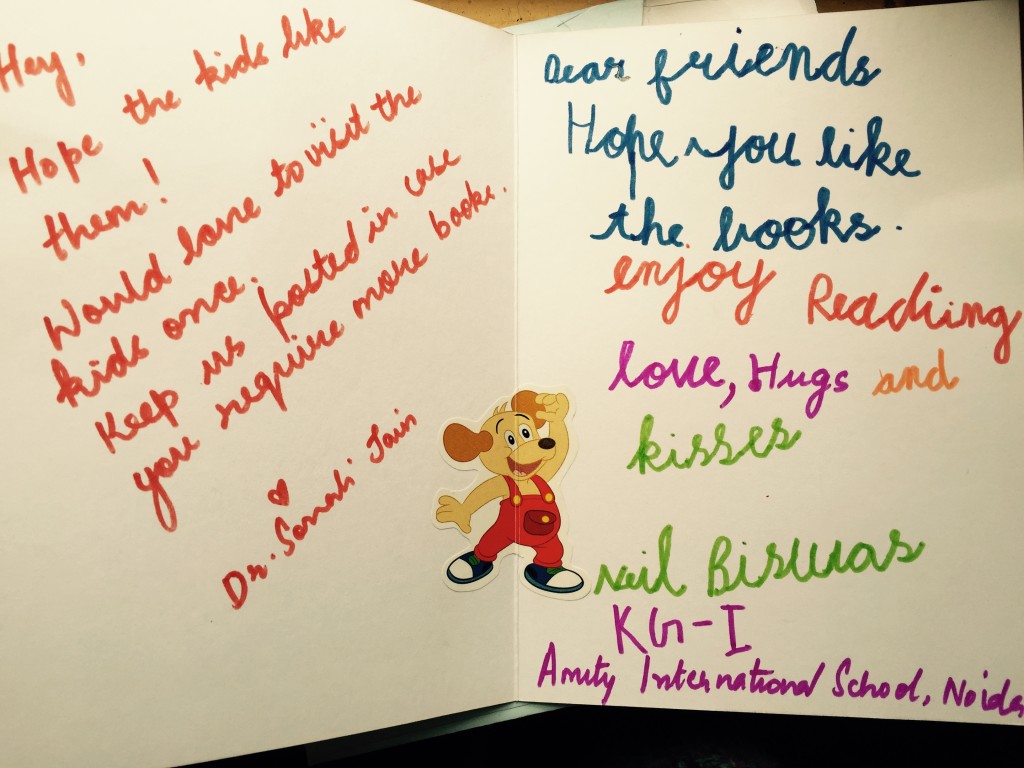
Gratitude becomes visible when a child pauses to notice what another person did, finds the words and responds thoughtfully. A thank-you note turns that pause into action: the child chooses a card, writes a name and sends a message the recipient can keep. Appreciation becomes deliberate rather than fleeting.
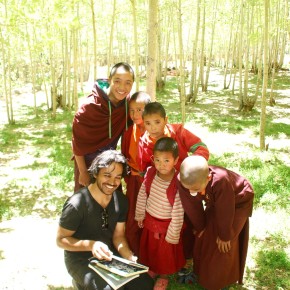
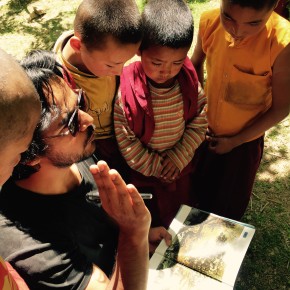
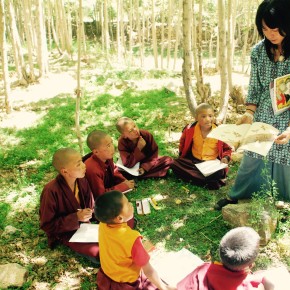
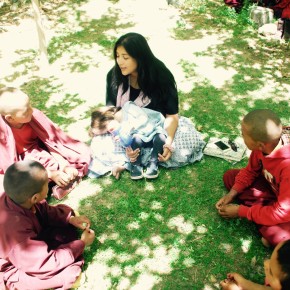
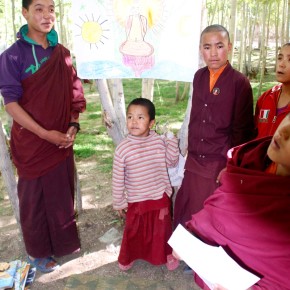
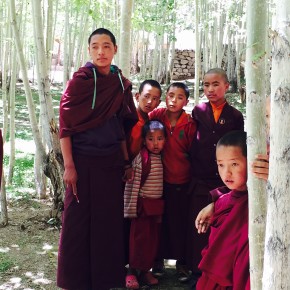
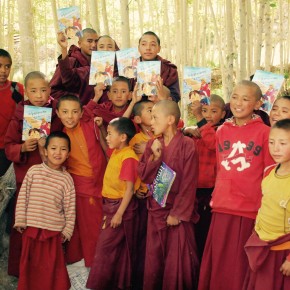
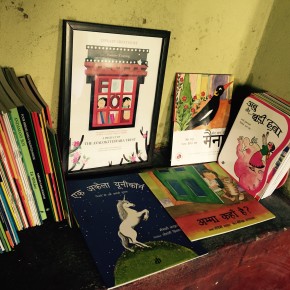
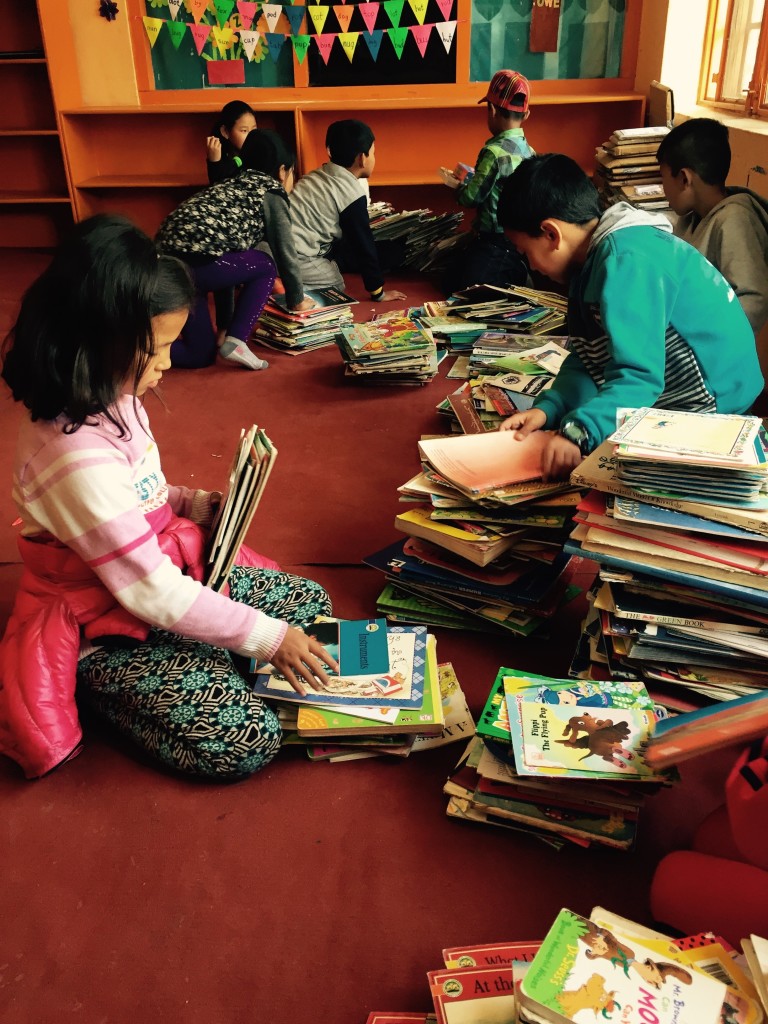
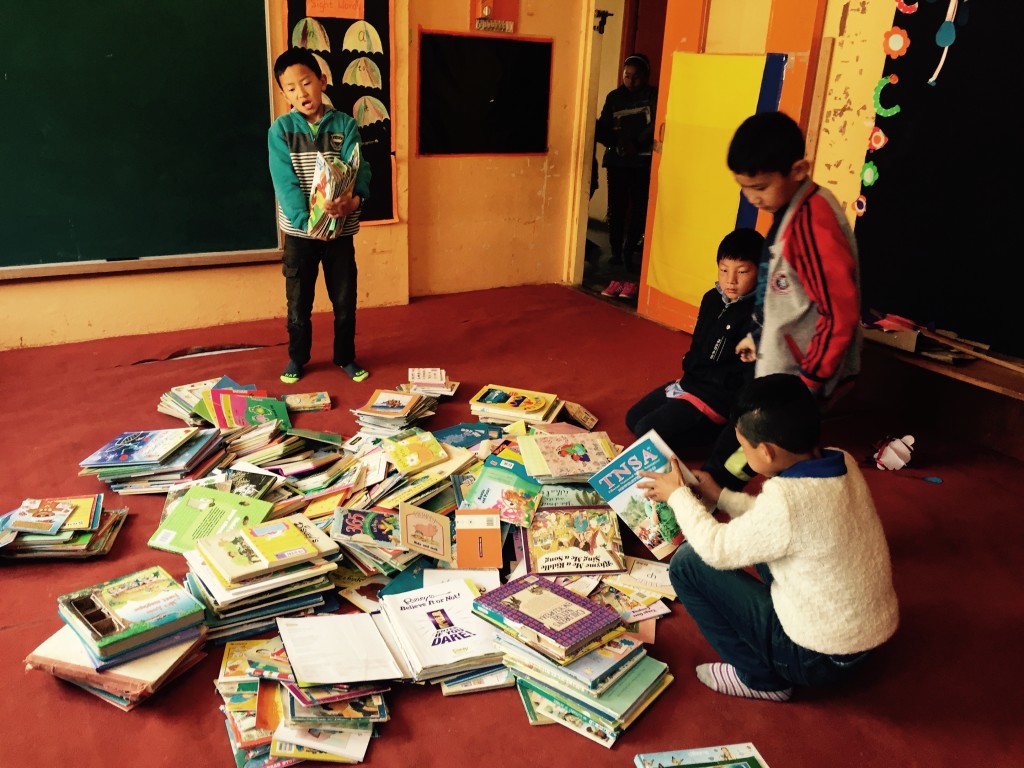
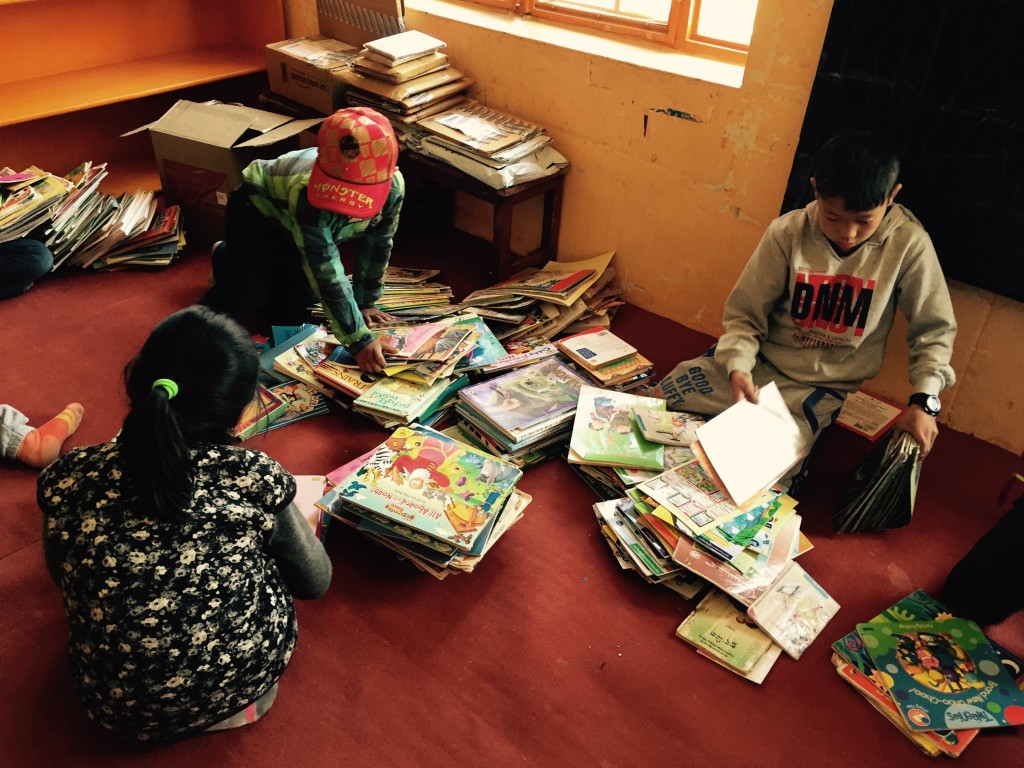
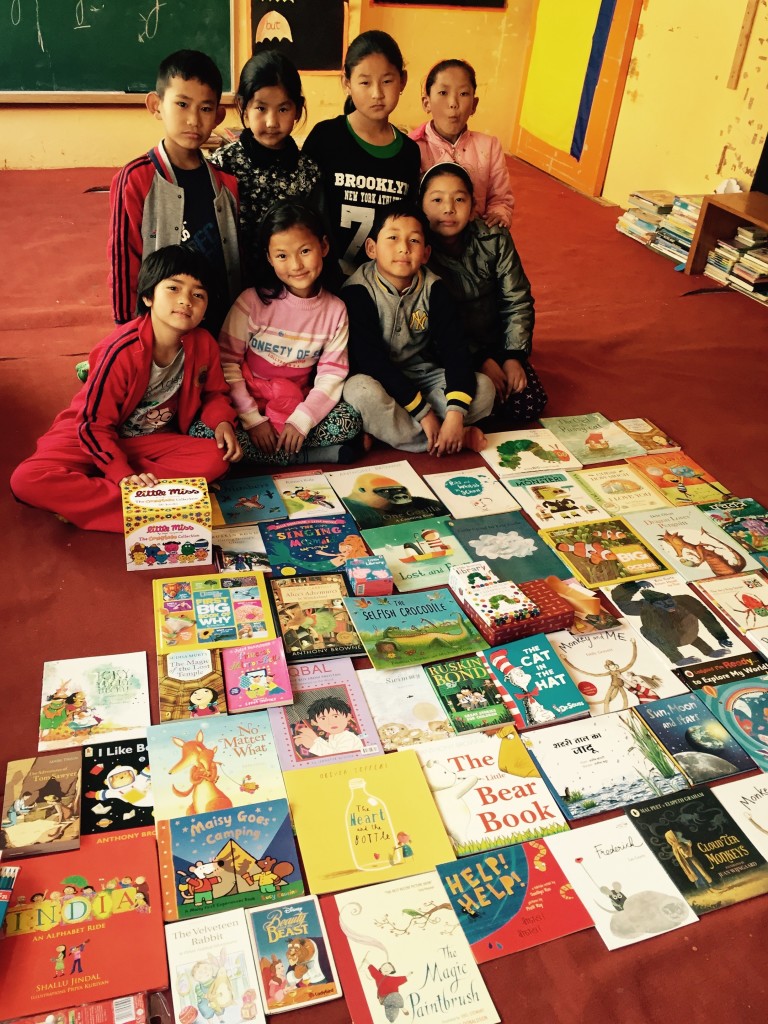
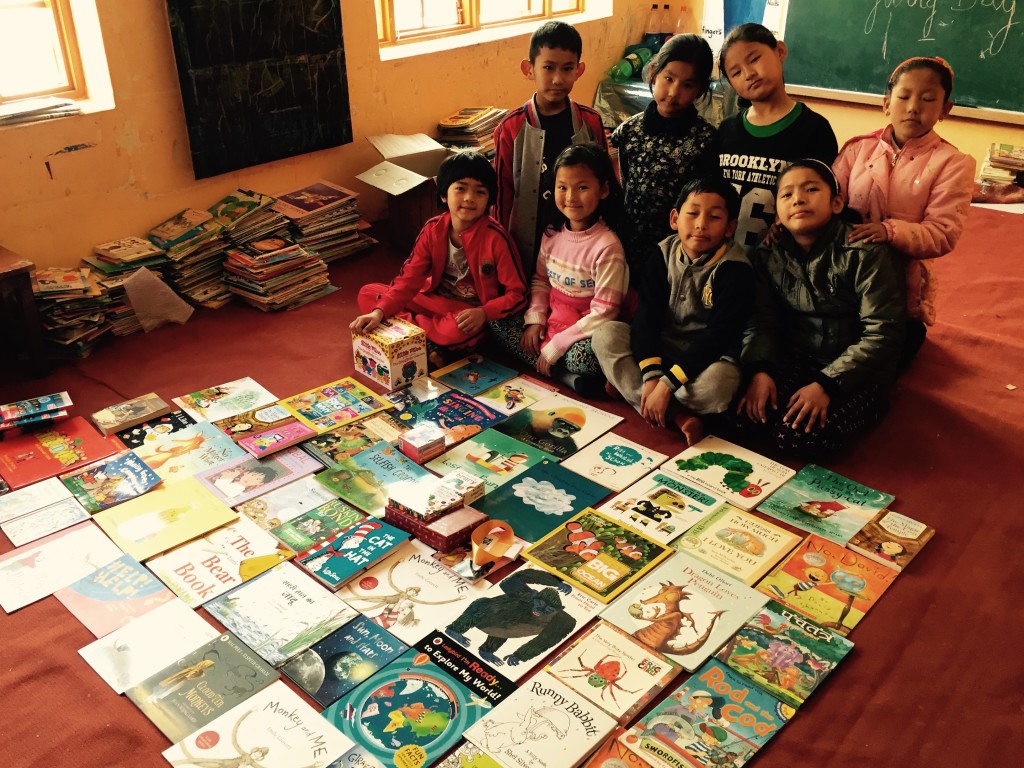
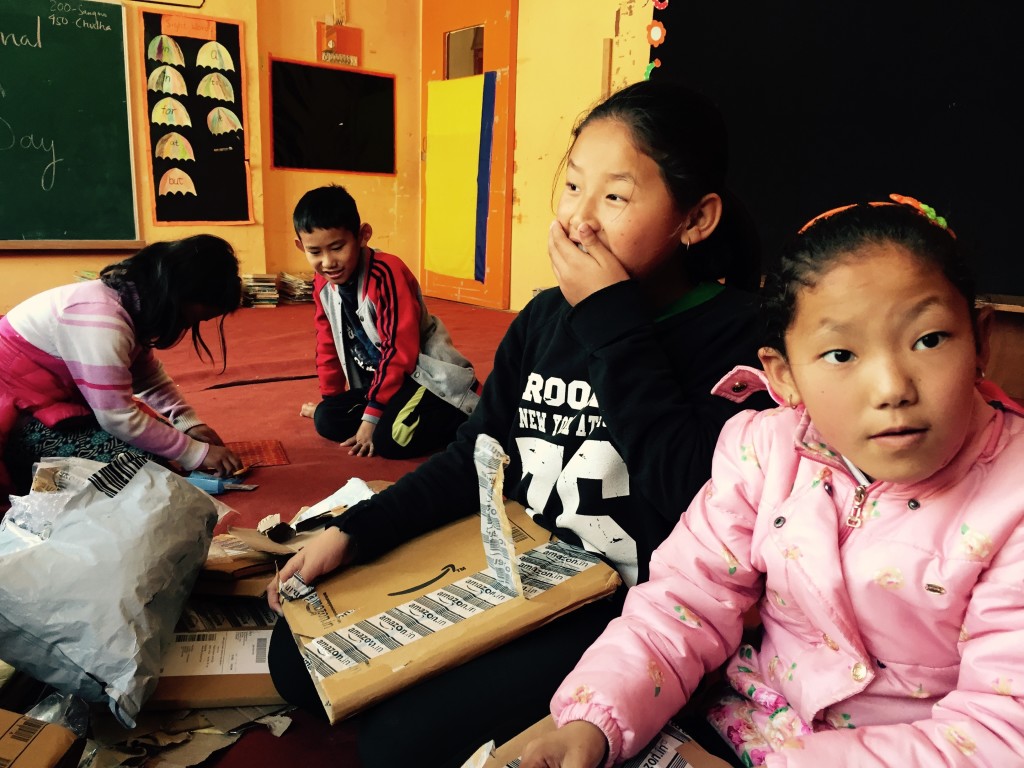
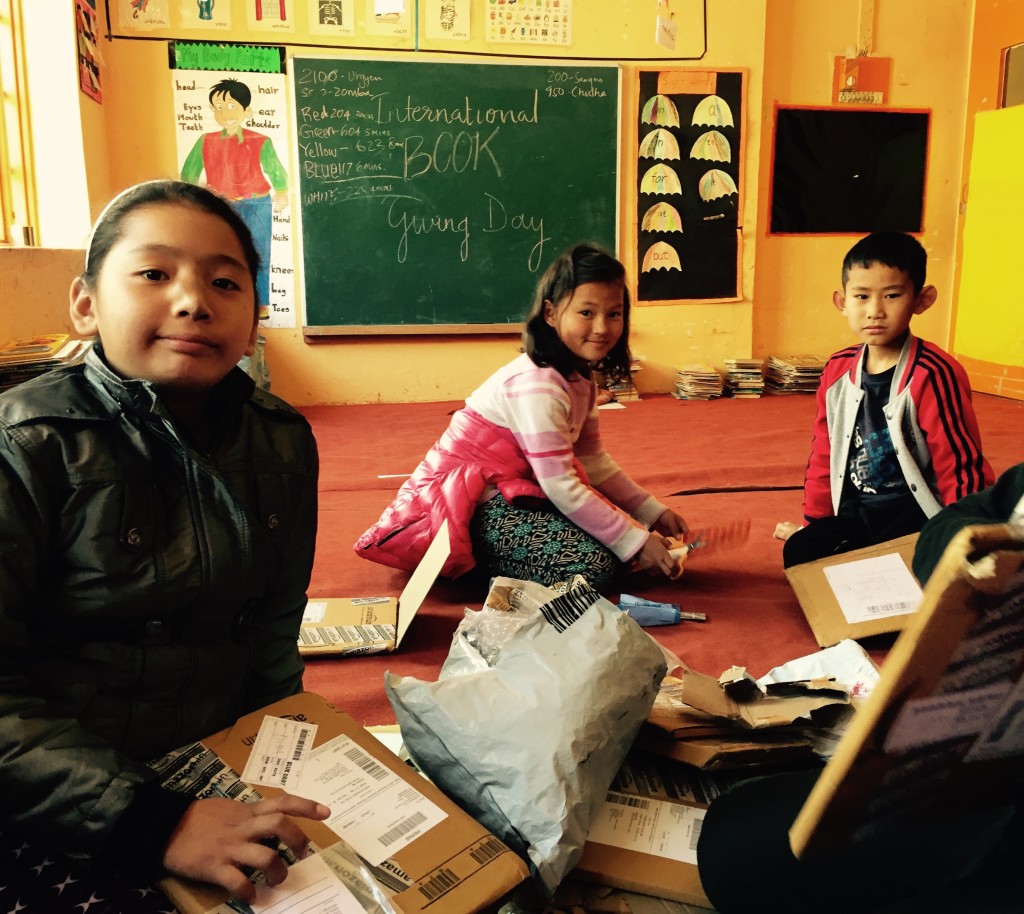
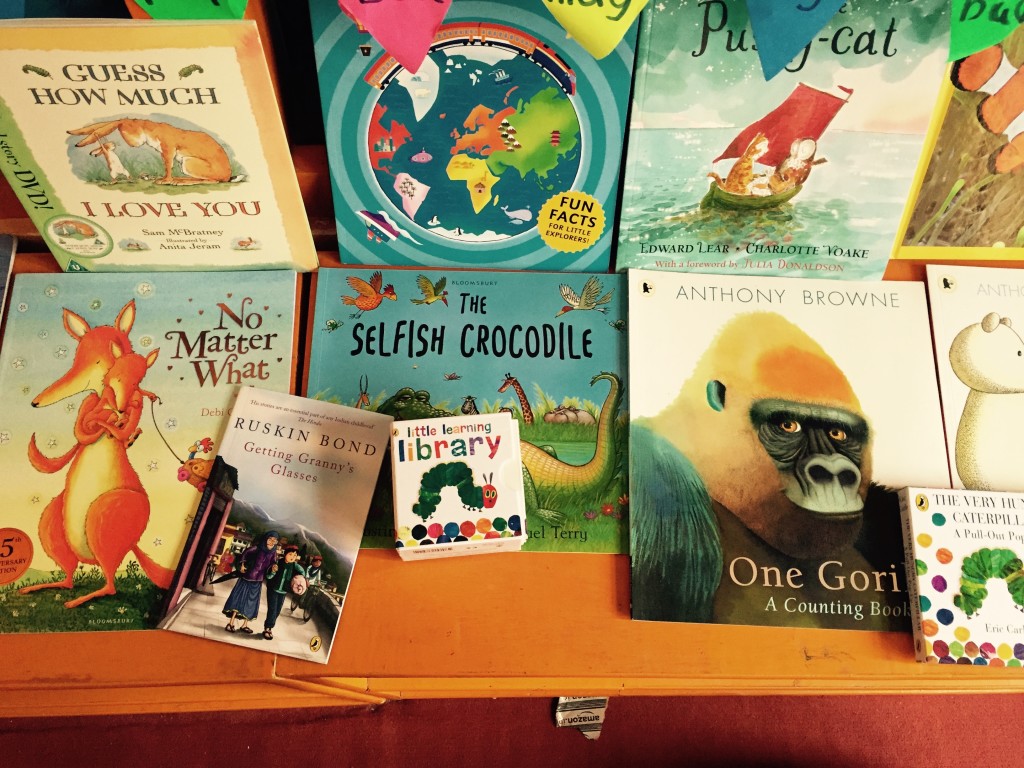
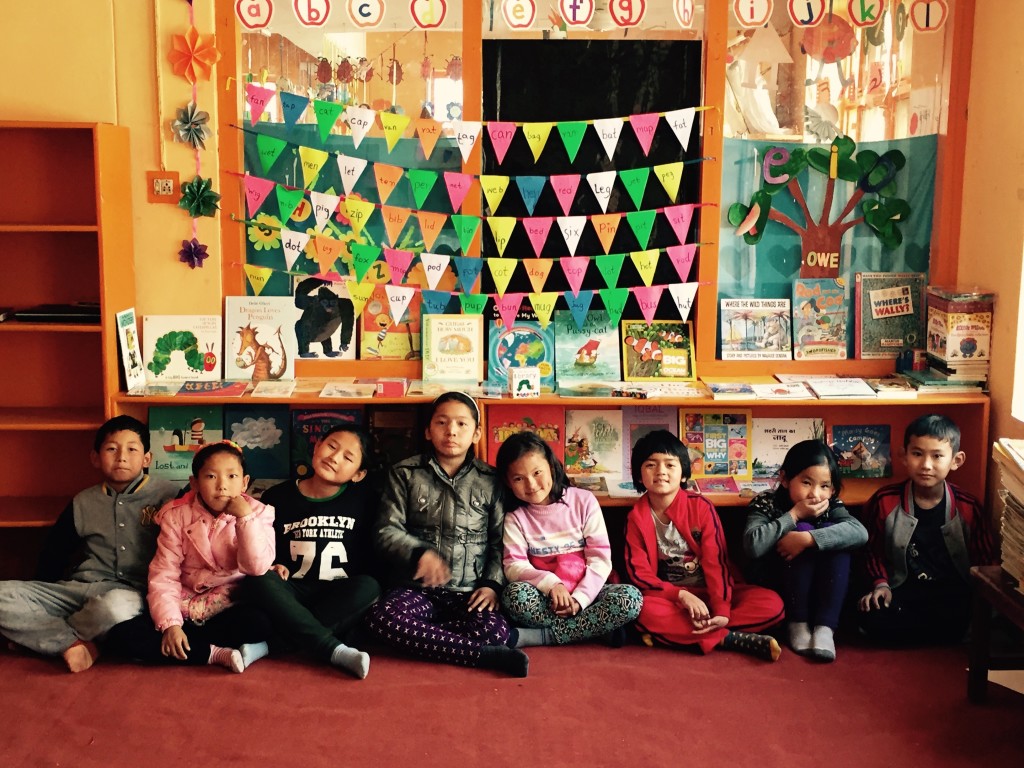
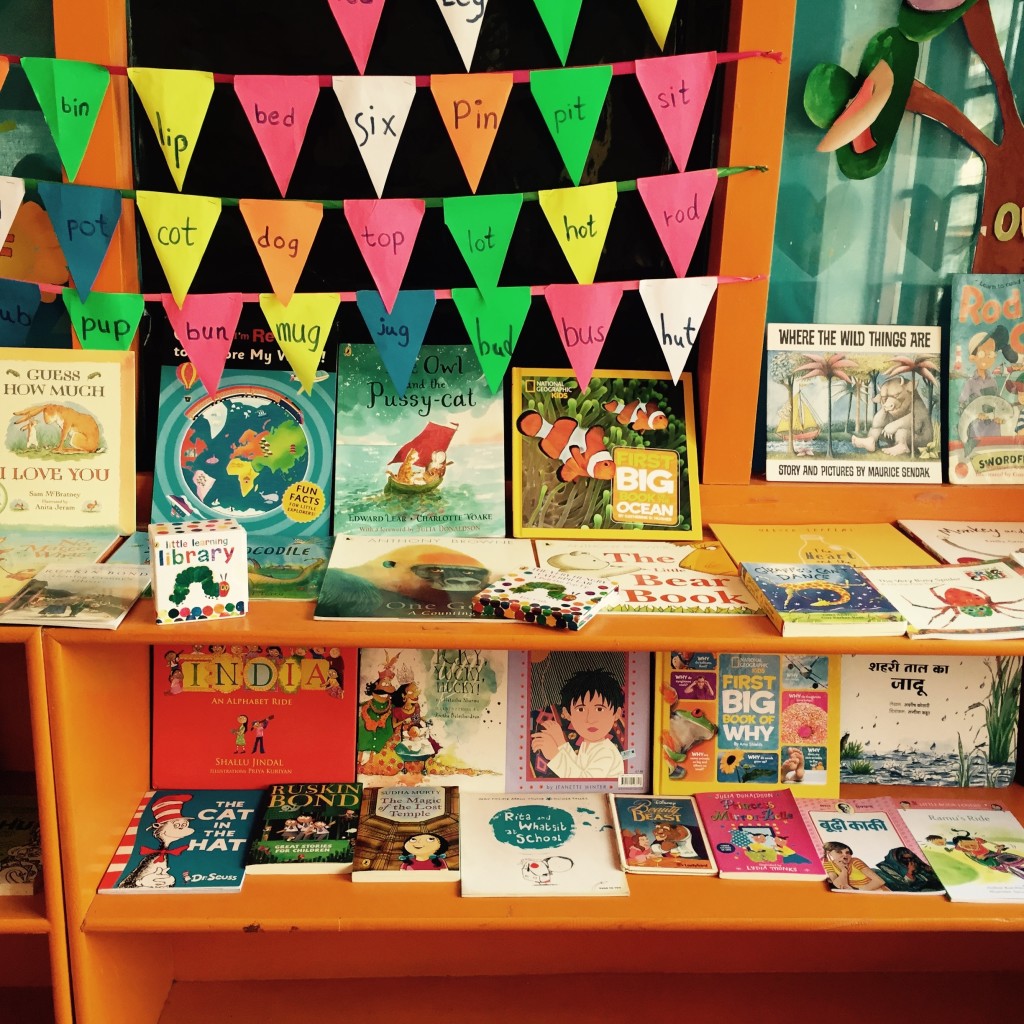
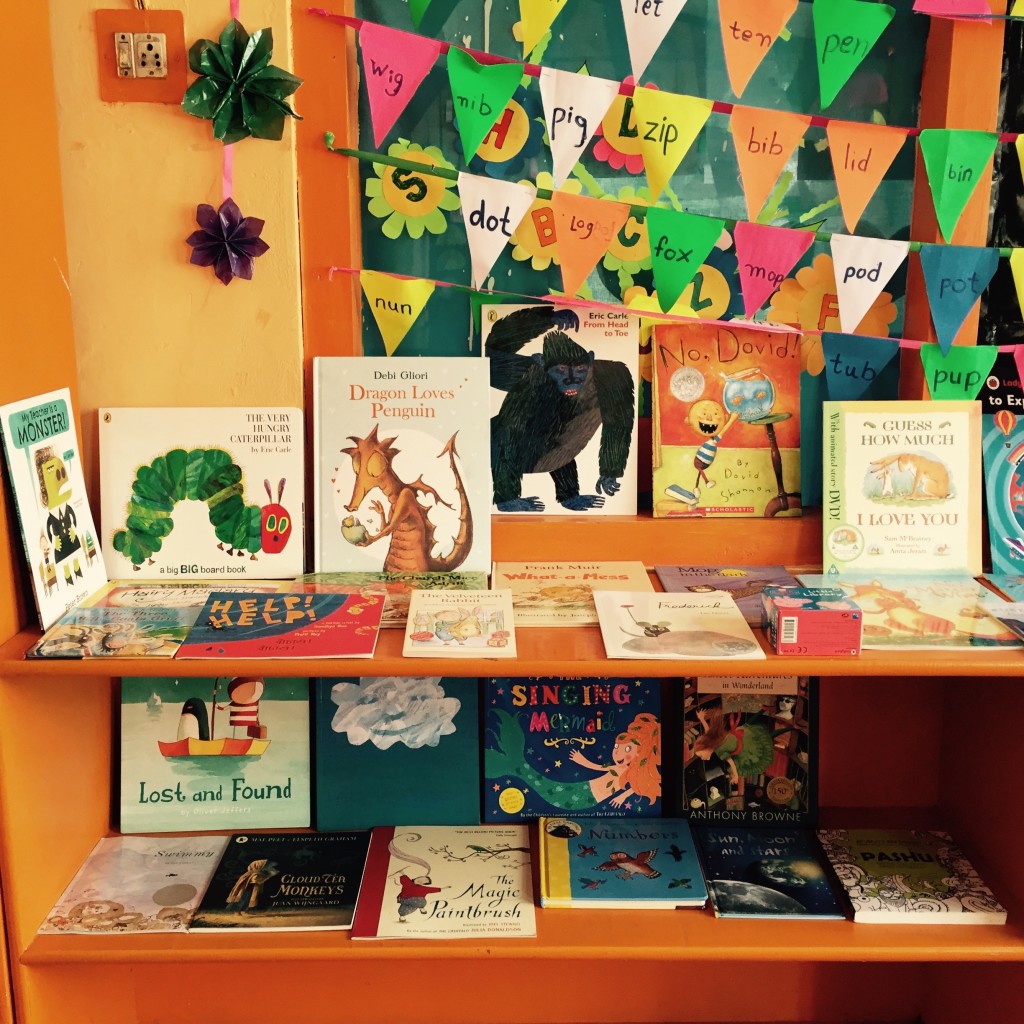
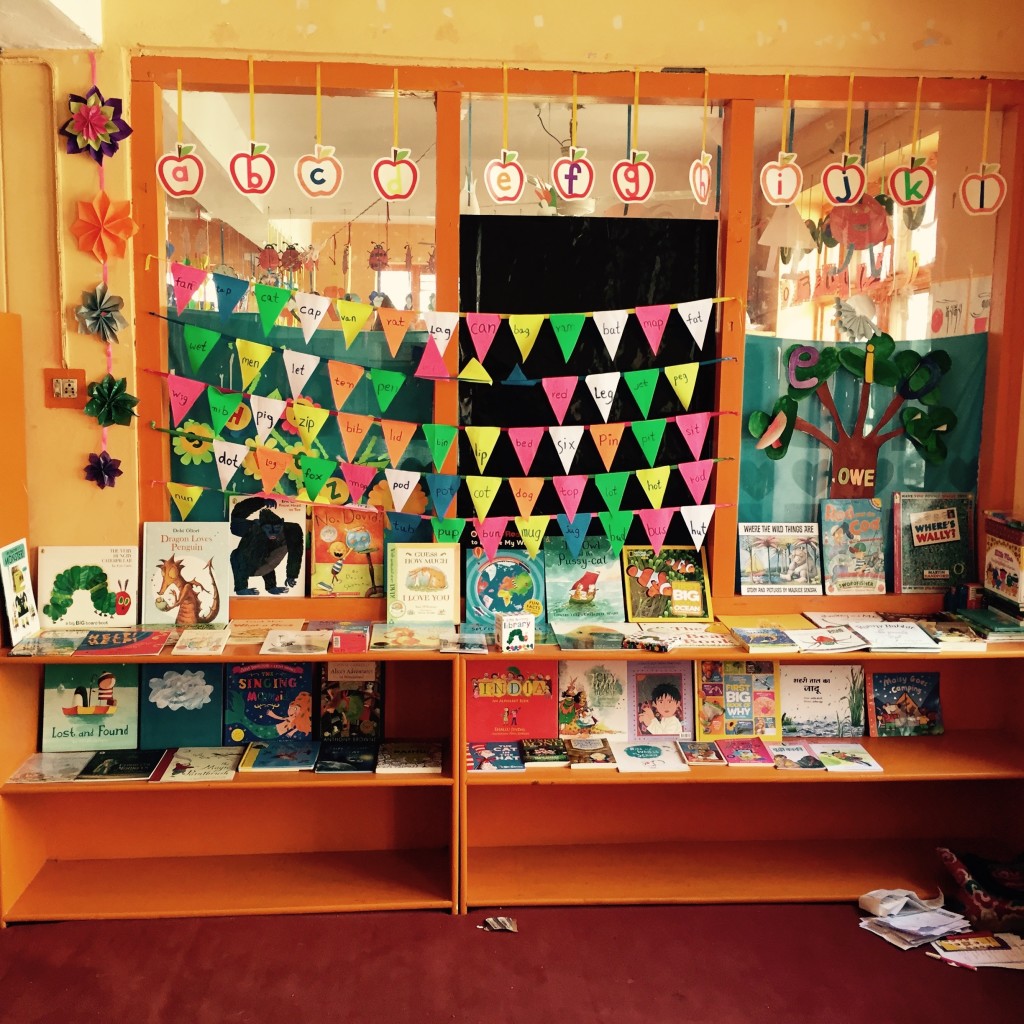
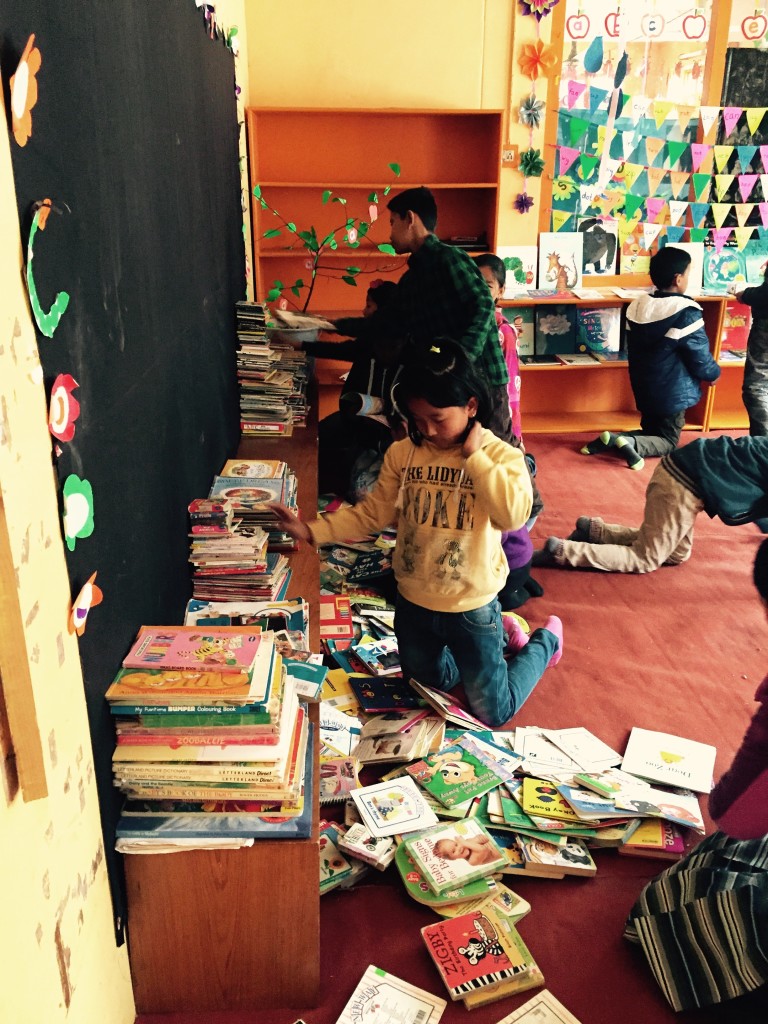
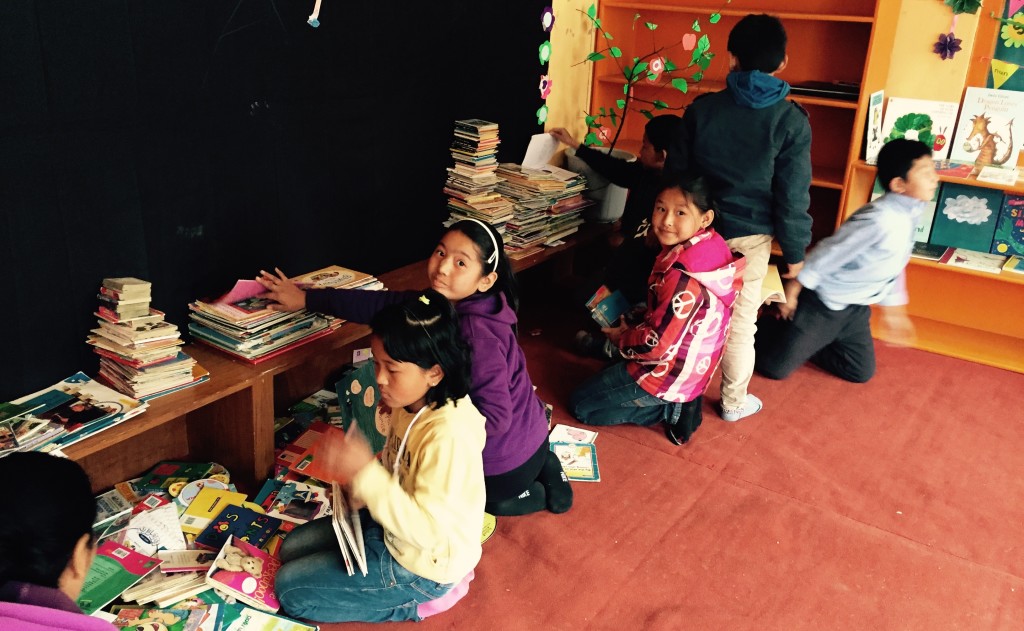
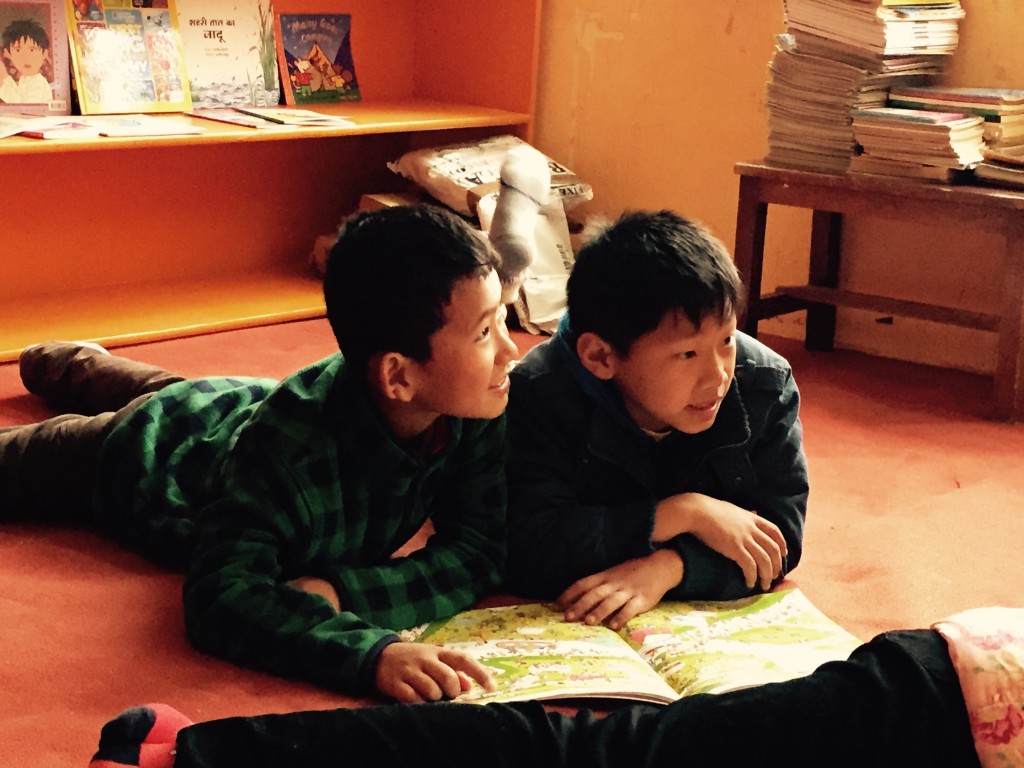
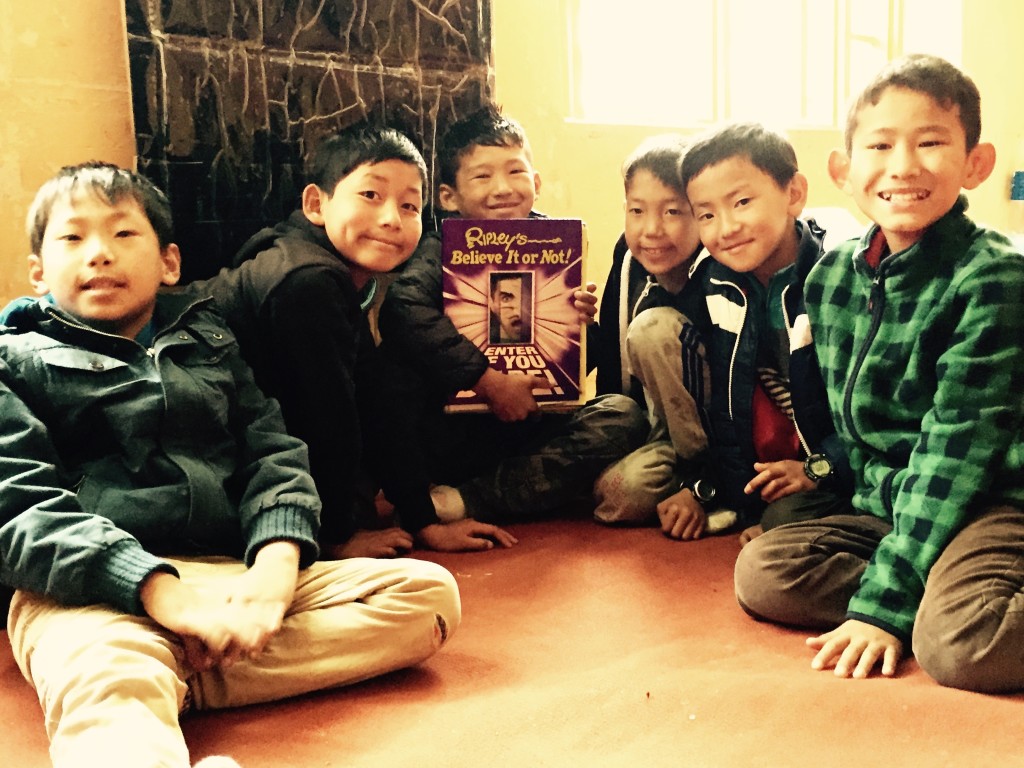
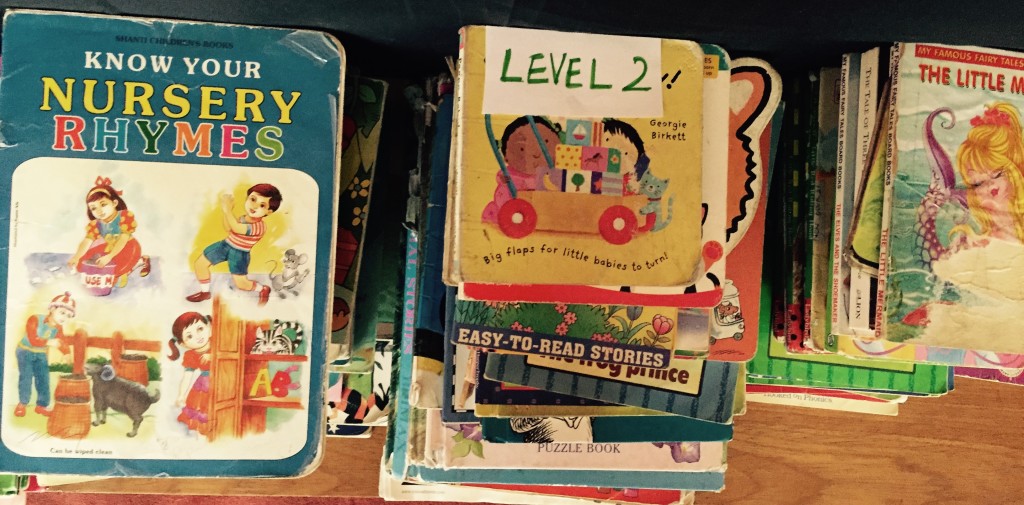
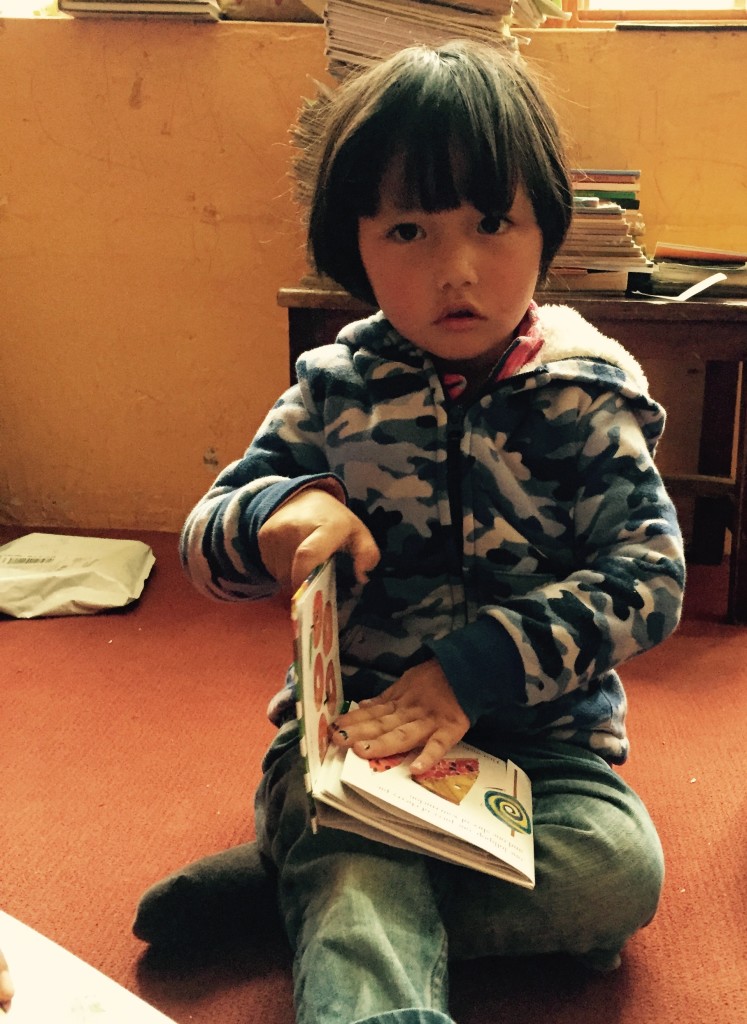
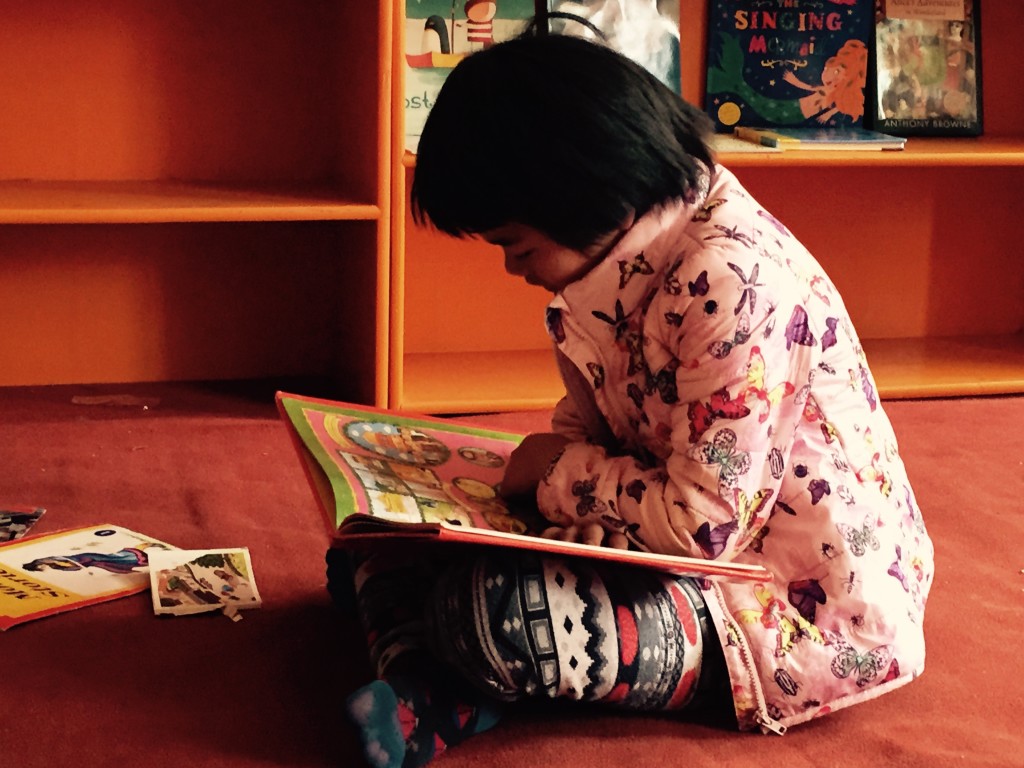
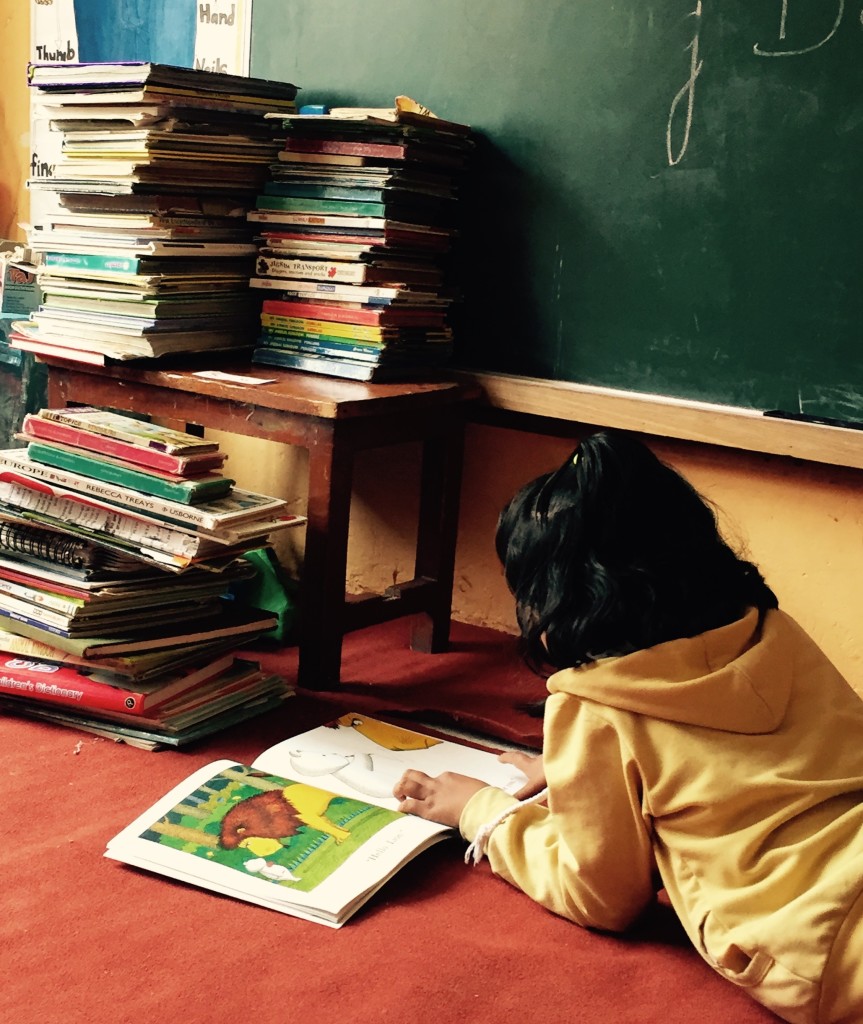
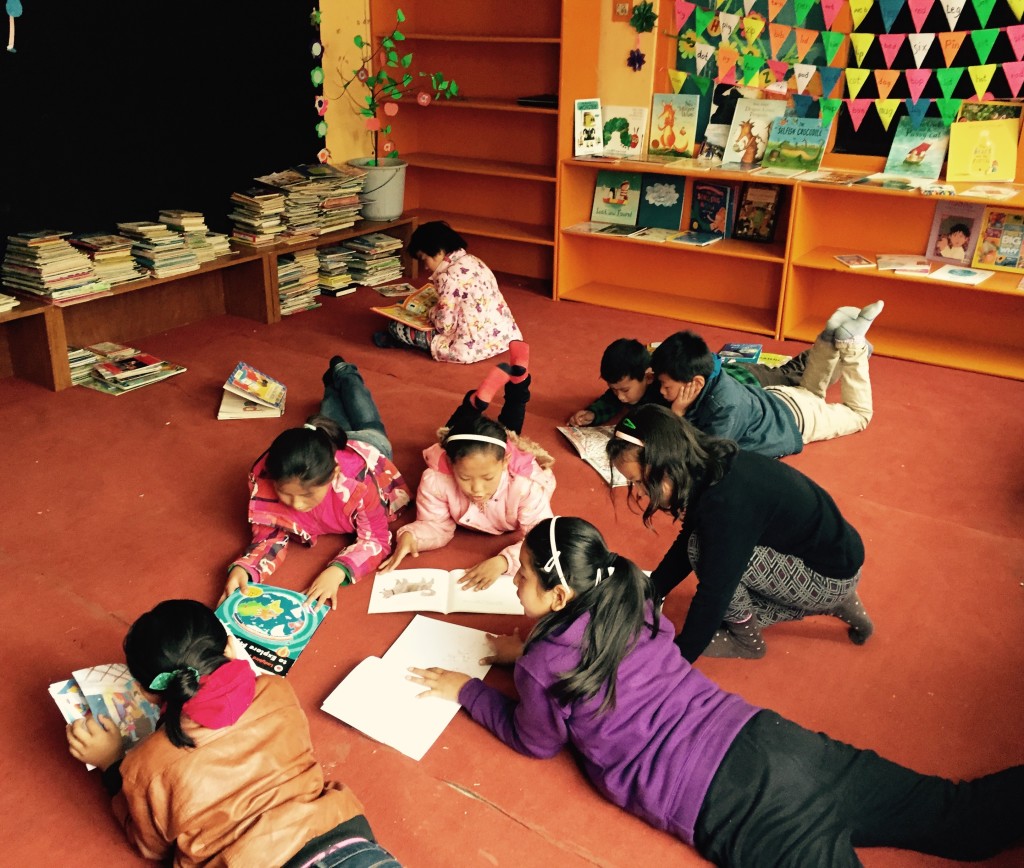
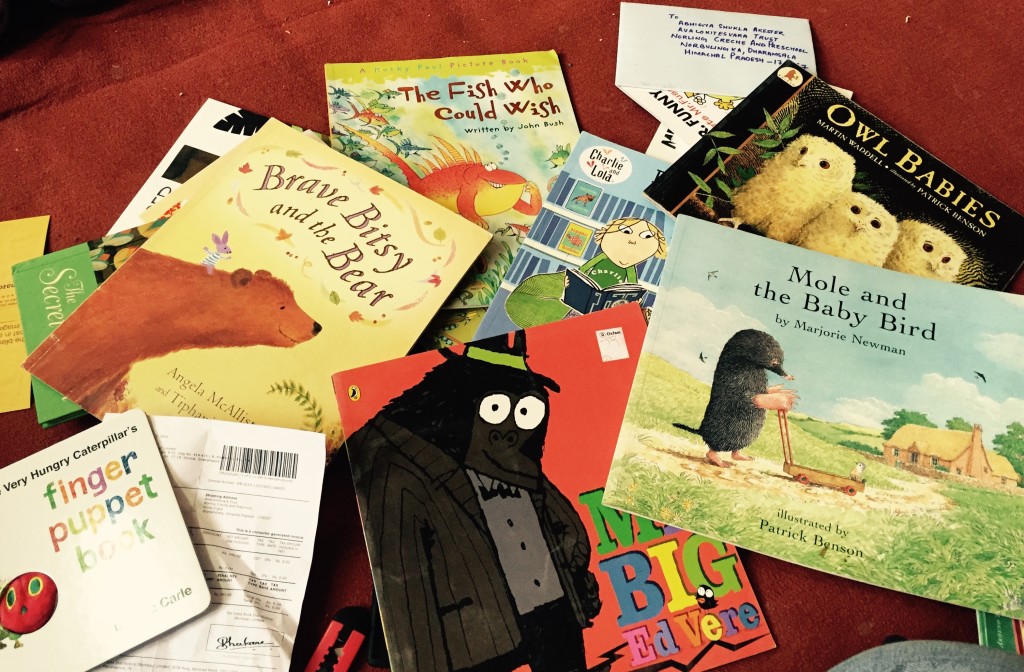
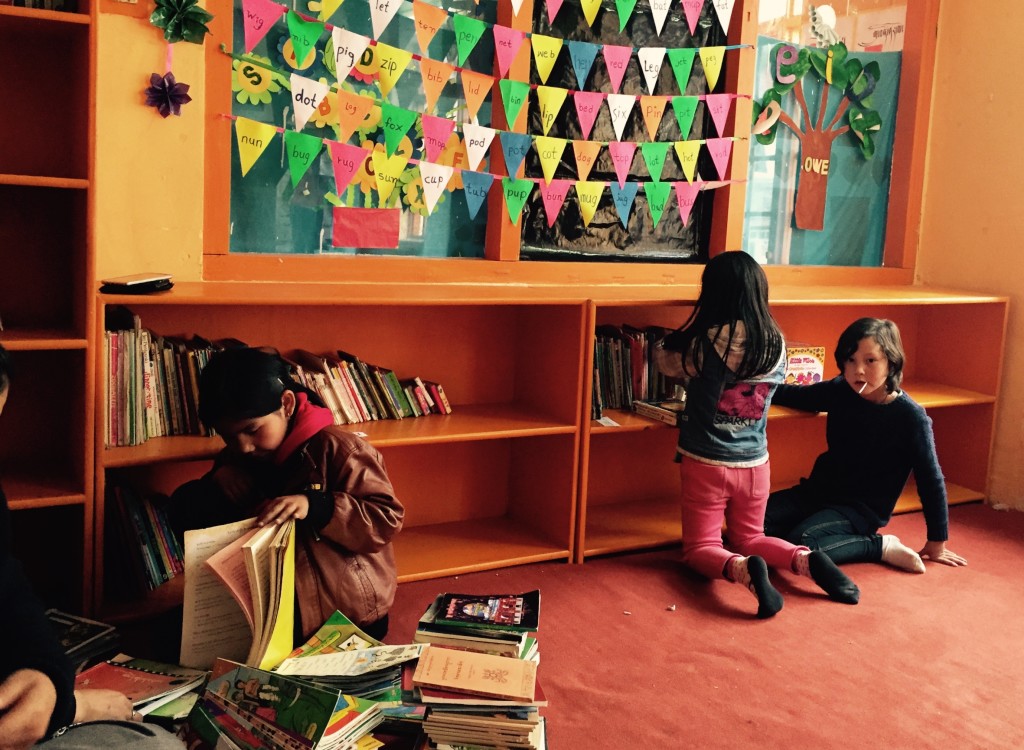
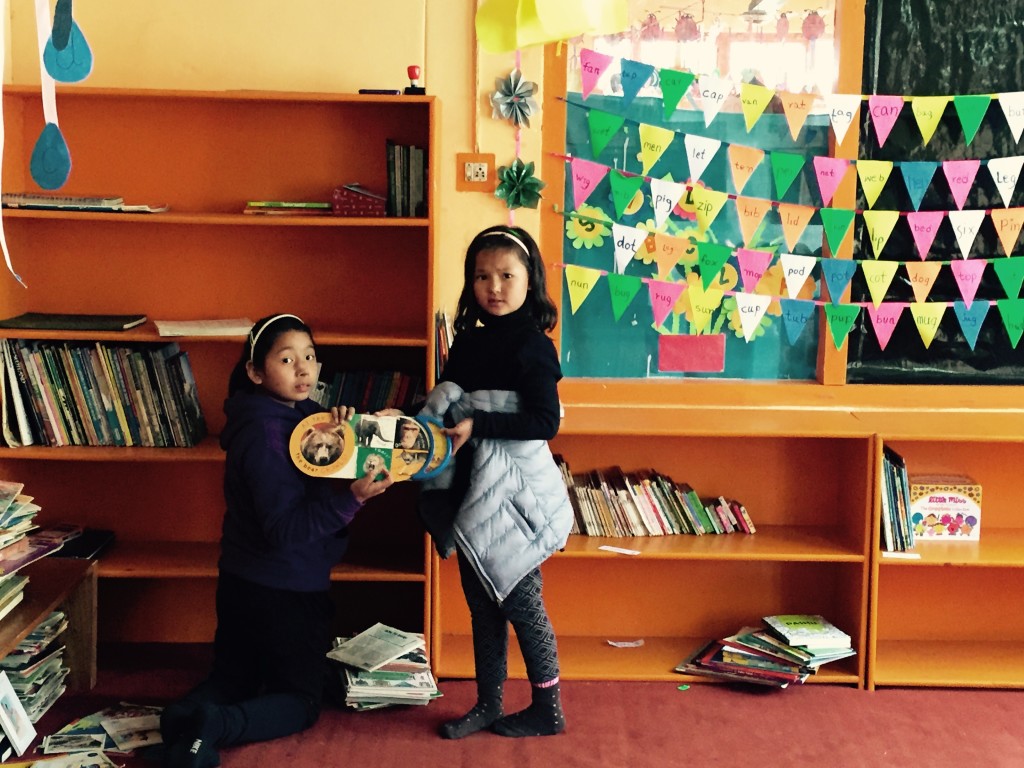
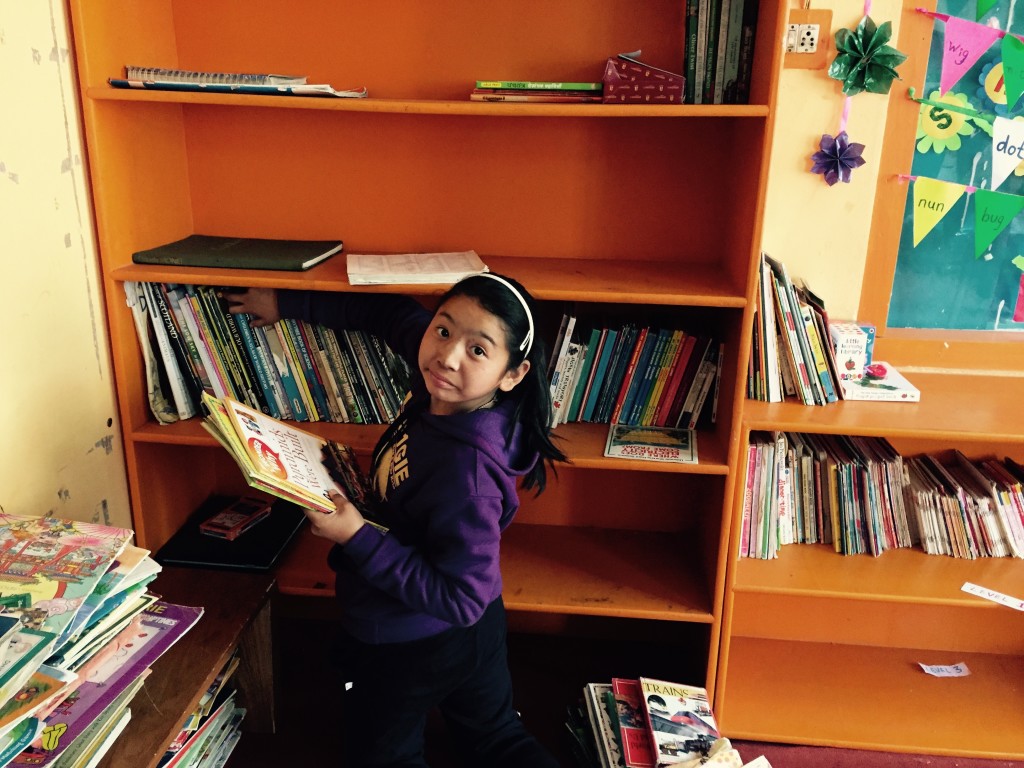
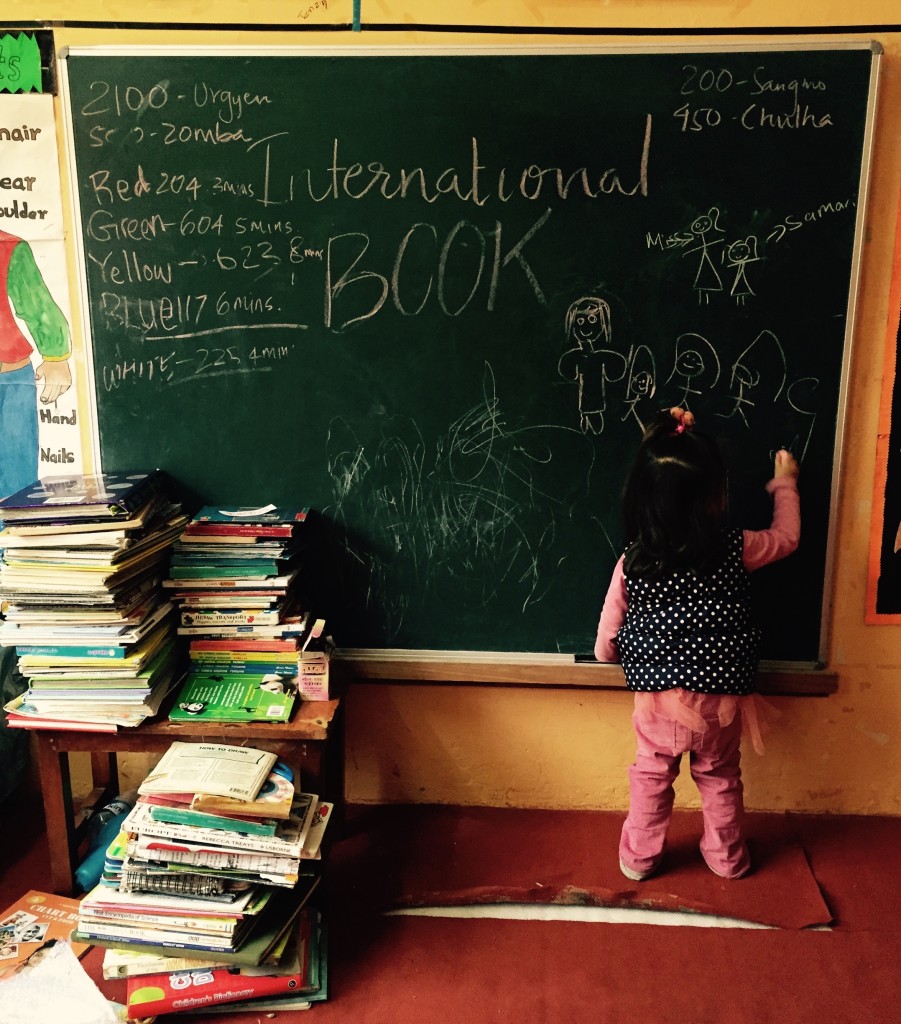
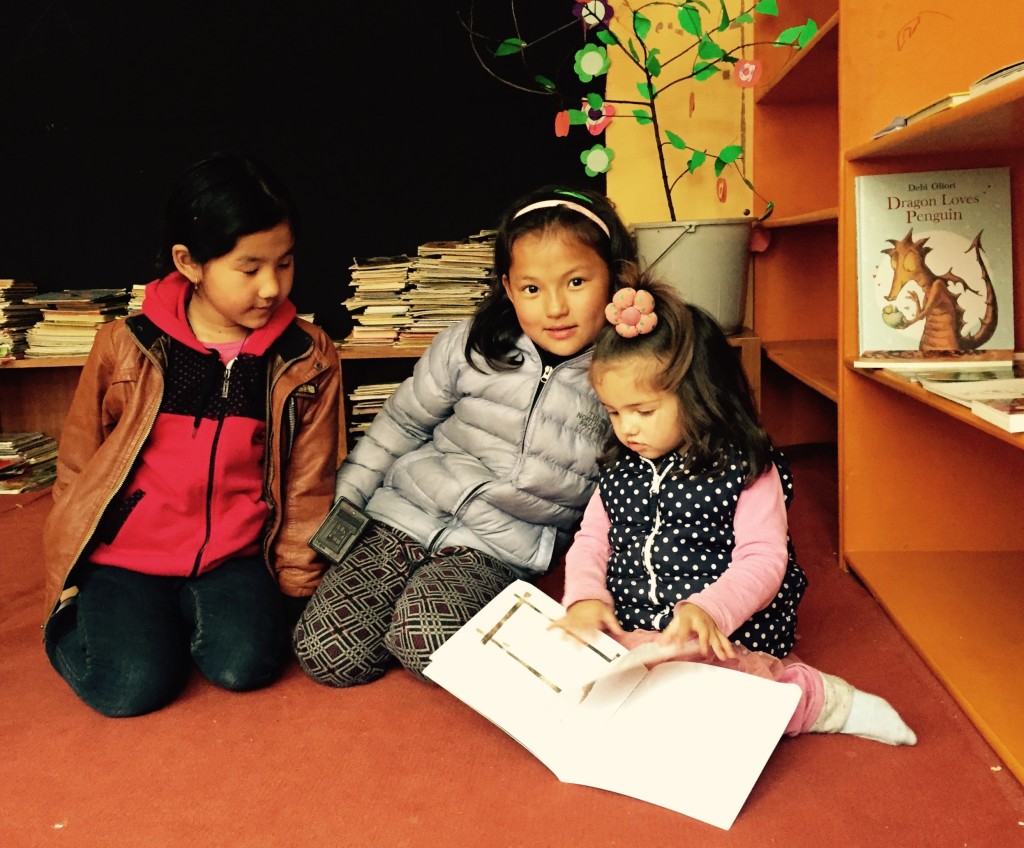
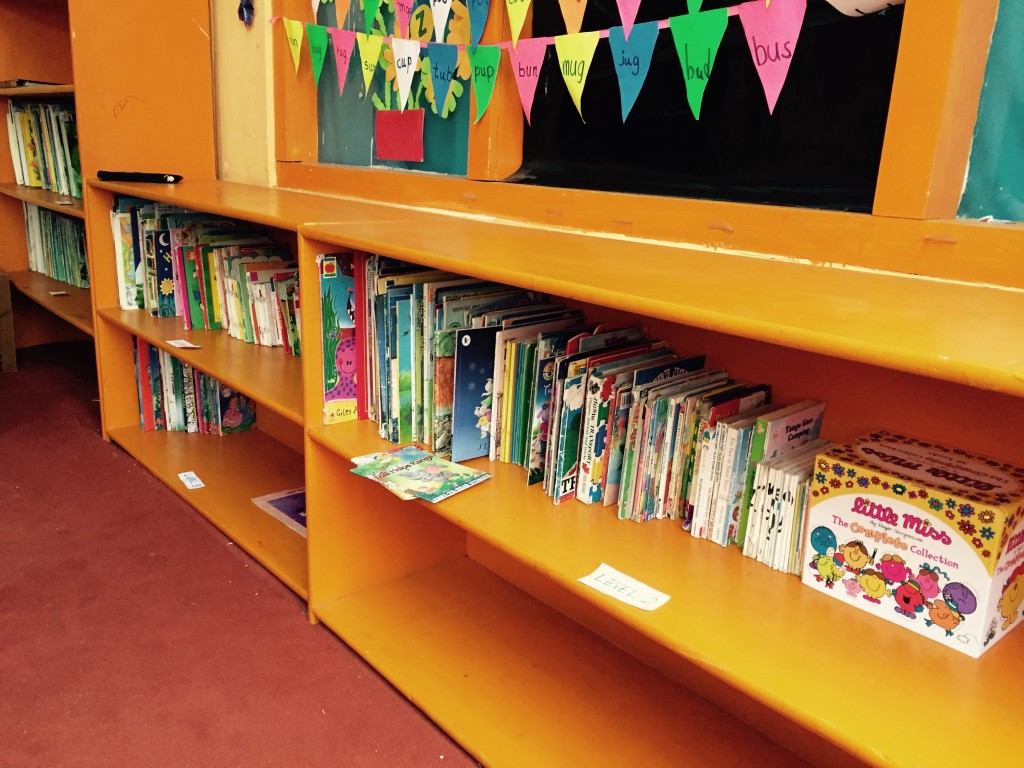
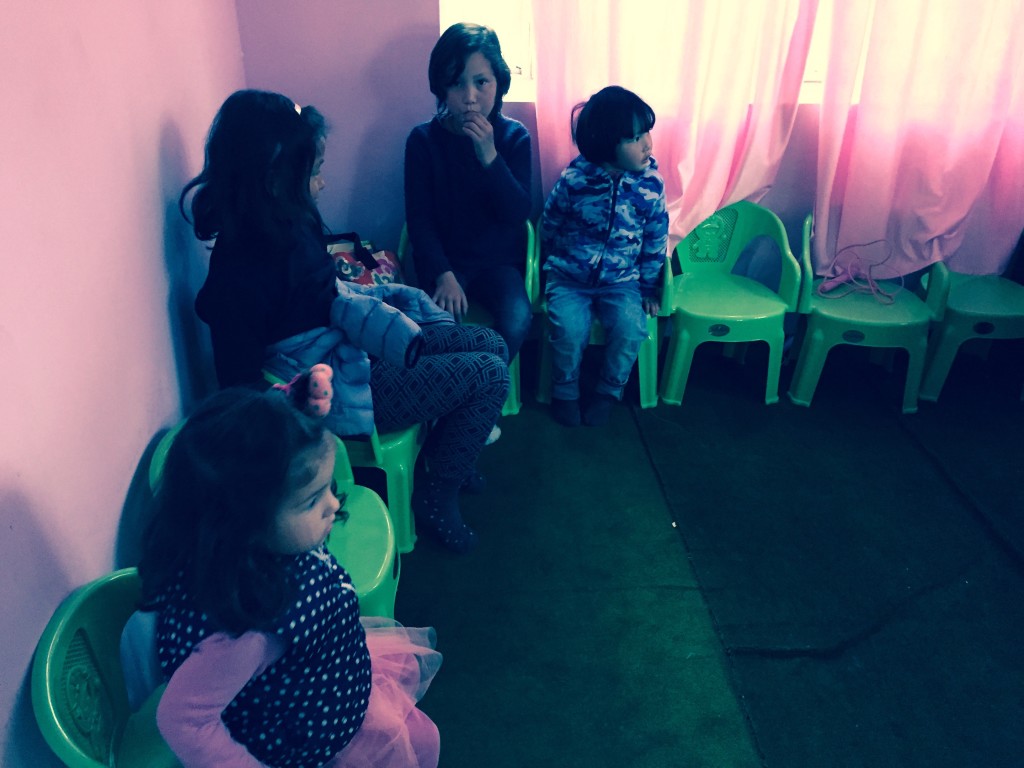
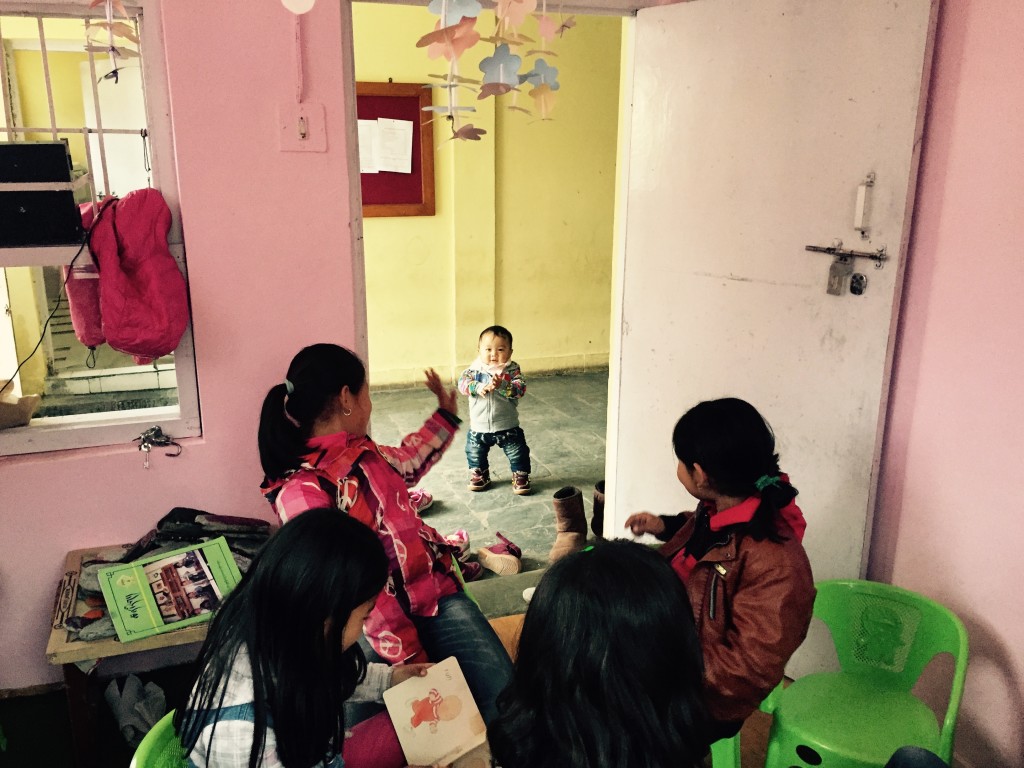
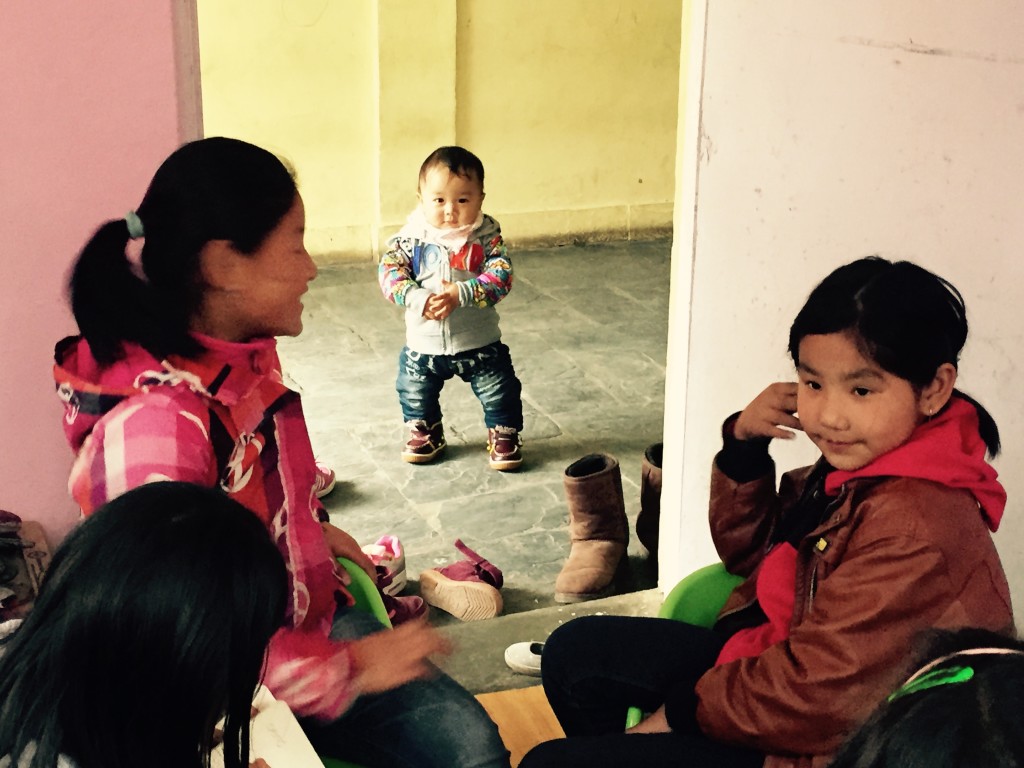
Writing such notes also supports literacy. Children practise spelling, punctuation and handwriting while thinking about an audience. In Avalokiteśvara Trust’s work with children and young monks in the Himalayan region, this writing joins reading rooms and book drives to emotional learning: books open worlds, and letters acknowledge the people who make those worlds available.
For Australian audiences, the idea may sound old-fashioned beside emails, texts and instant reactions. That contrast is useful. A handwritten note asks for time and attention in a culture where “ta” can close an exchange in one syllable. Children still meet cards and notes at school, birthday parties, camps and community events, so the practice feels familiar when it begins with real experiences.
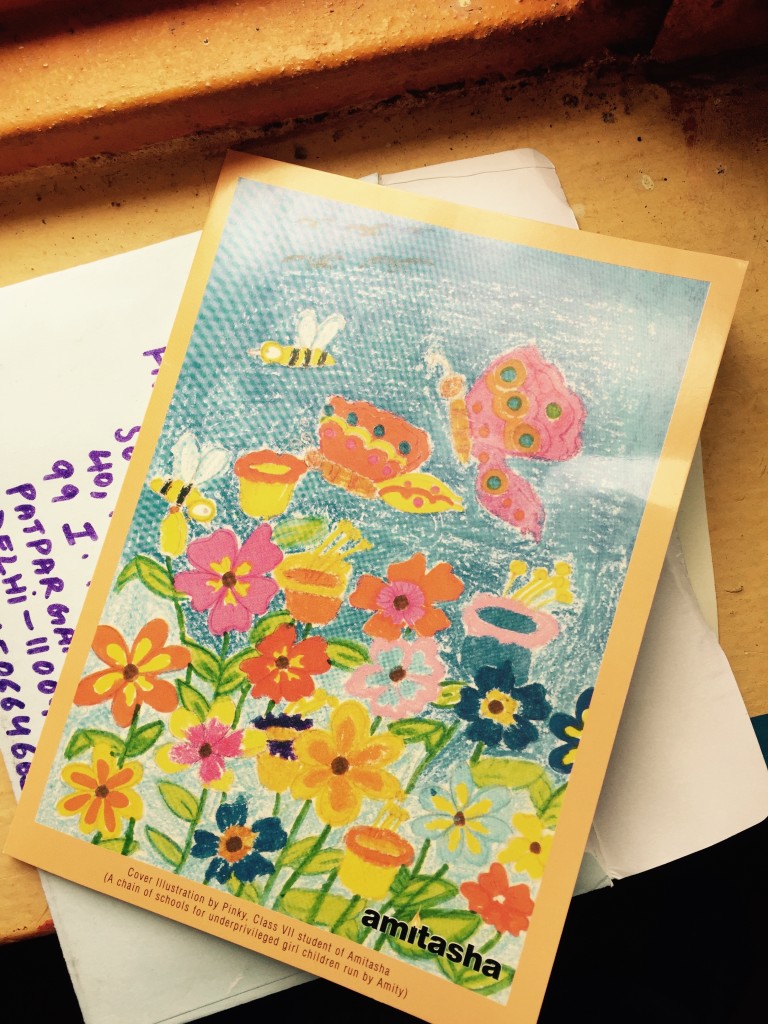
The aim is not polished gratitude or forced sincerity. A note can be short, awkward or accompanied by a drawing. What matters is that the child understands the person, explains the reason for thanks and recognises that kindness can be answered with care. Used this way, the exercise builds connection rather than obligation.
| A sincere thank-you note |
A compulsory thank-you note |
| Names and describes a specific contribution |
Uses vague praise or a copied sentence |
| Chooses language for one reader |
Treats the note as a compliance exercise |
| Offers writing practice and reflection |
Values speed, neatness or rewards above meaning |
| Can reveal care, confidence and perspective |
Can feel artificial or create embarrassment |
What thank-you notes teach
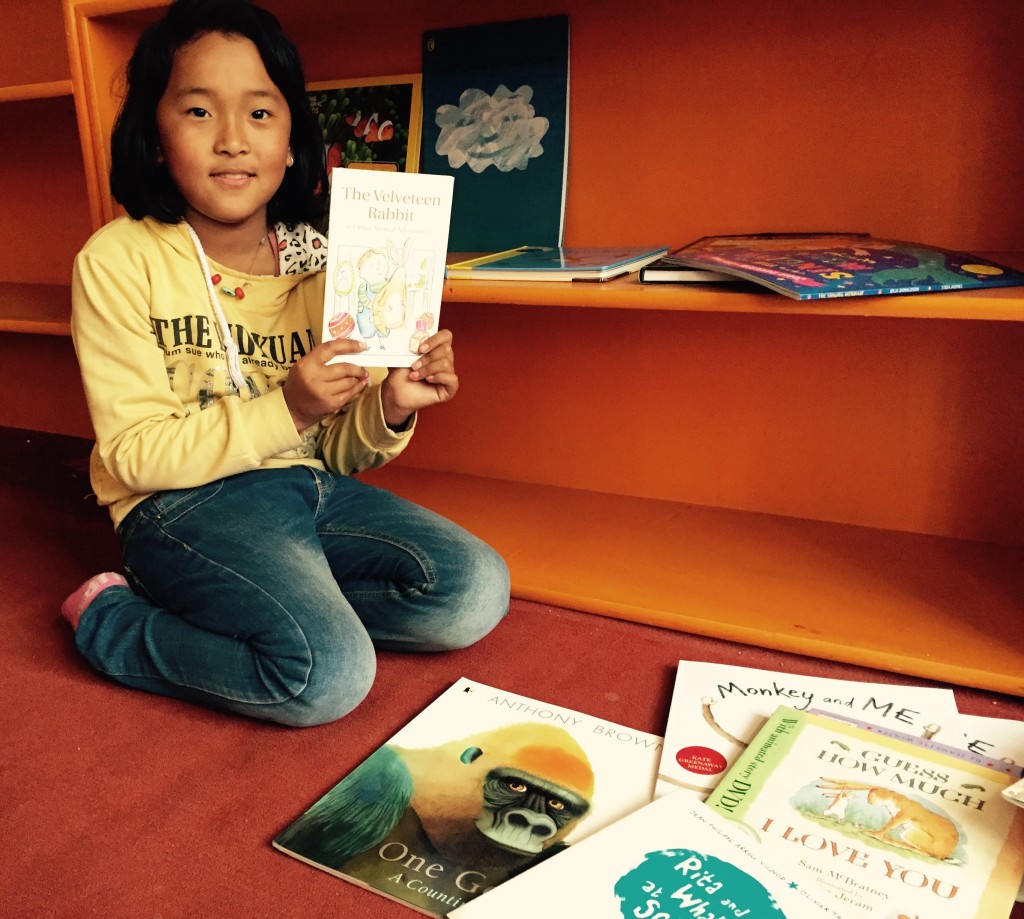
The first lesson is attention. To write “Thank you for lending me The Secret Garden,” a child must recall the book, the borrowing and the person who offered it. Specificity keeps gratitude connected to an experience. It also teaches that appreciation is more useful when it names the action that helped.
The second lesson is perspective. The writer considers what the recipient did, why it mattered and how the gift was received. A teacher who supervised a project, a bus driver who helped a child or a volunteer who read aloud may not expect a letter, yet each contribution can deserve recognition. Addressing one person with respect encourages empathy.
Writing develops voice. Children learn to sound warm without exaggerated praise, concise without being bare, and honest without embarrassing the reader. These are useful communication habits when a child is unsure how to express a feeling. Repeated notes can help a young writer handle audience, tone and reflection with greater confidence.
Learning to see the recipient
Children often find “thank you” easier than “what did you do that helped me?” A useful prompt asks for a detail: What happened? Why was it helpful? How did it make you feel? Answers can come through conversation, drawing or dictation. This keeps the note personal and prevents every letter from sounding like a classroom template.
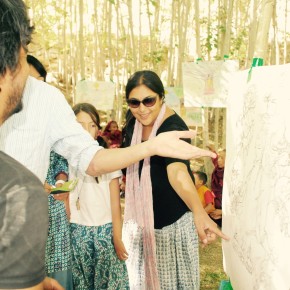
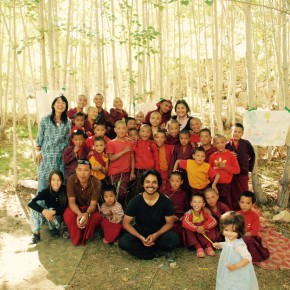
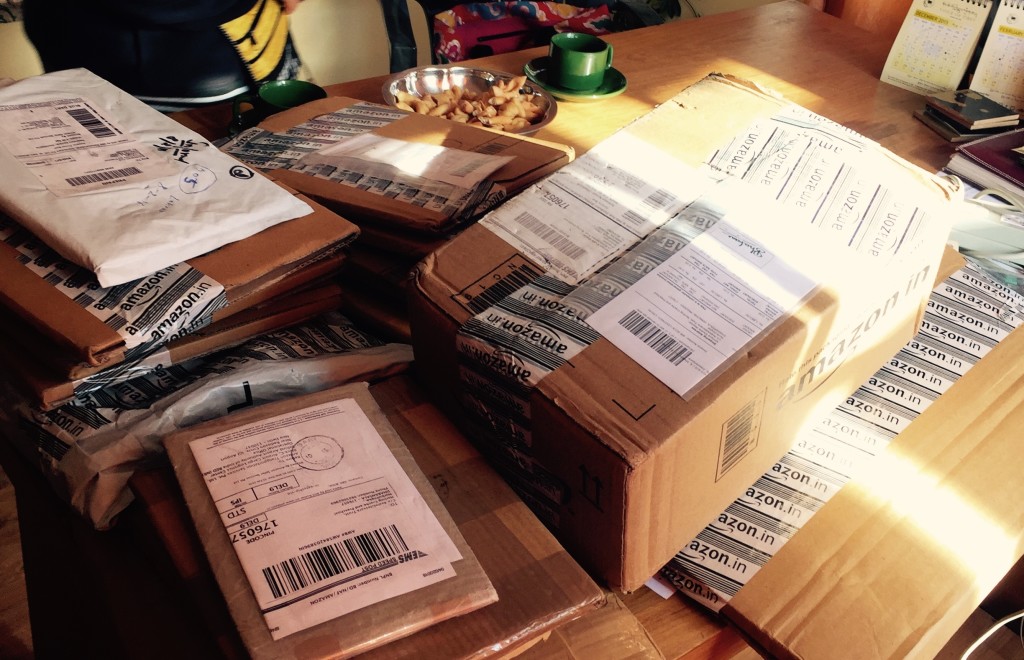
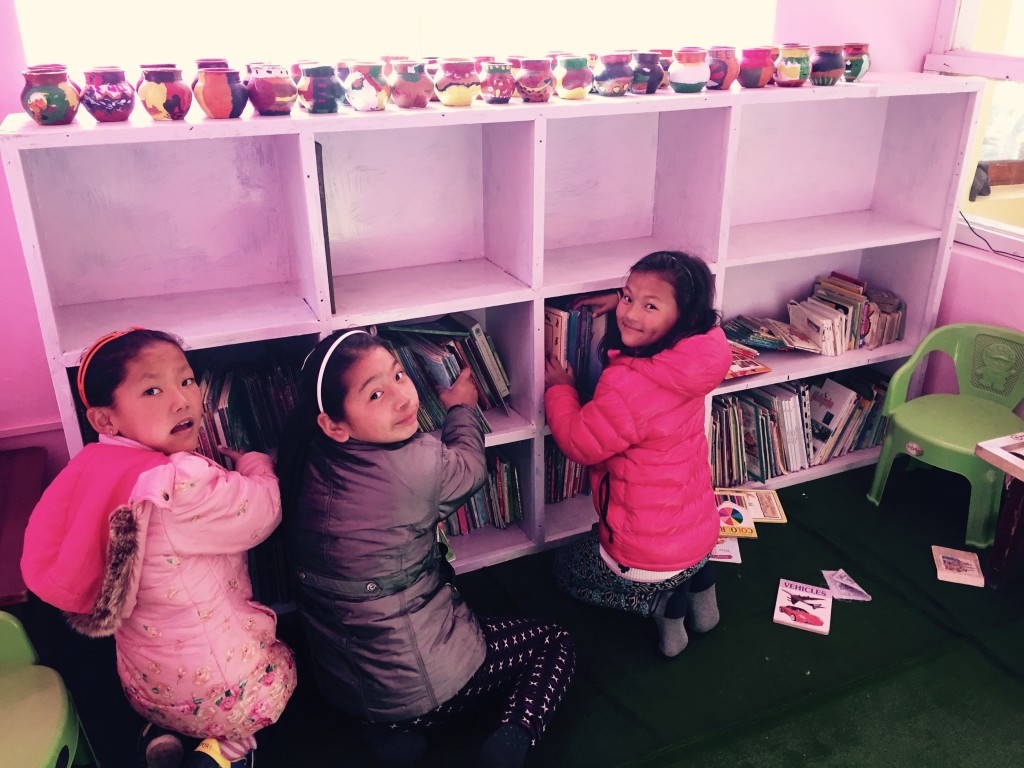
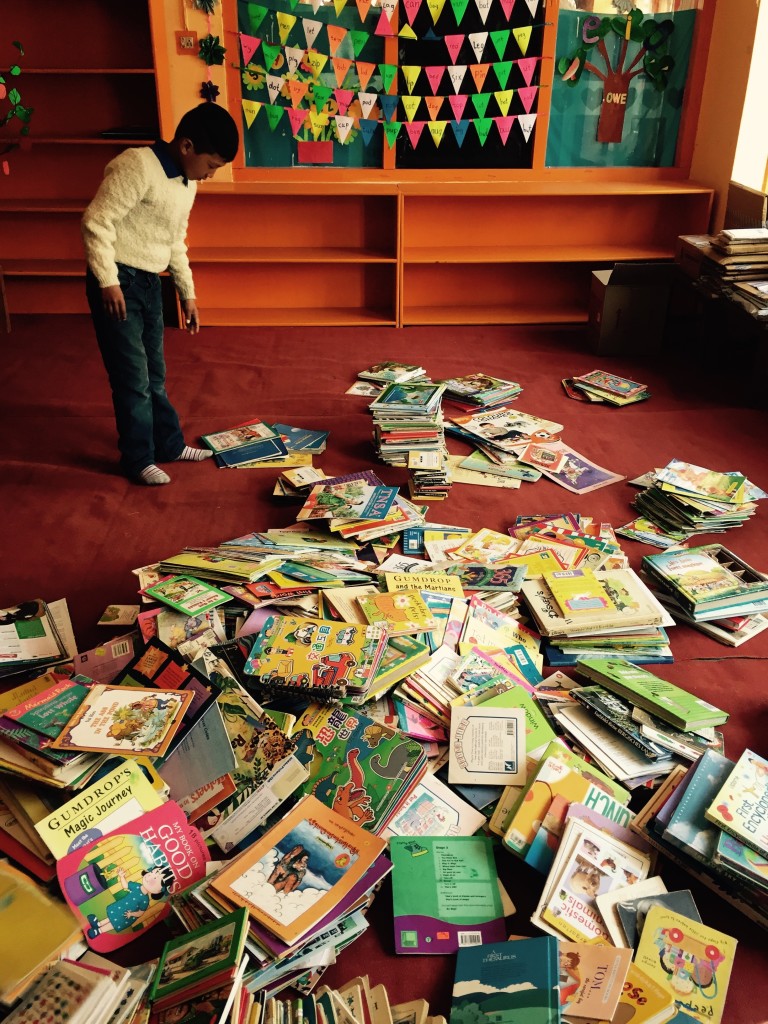
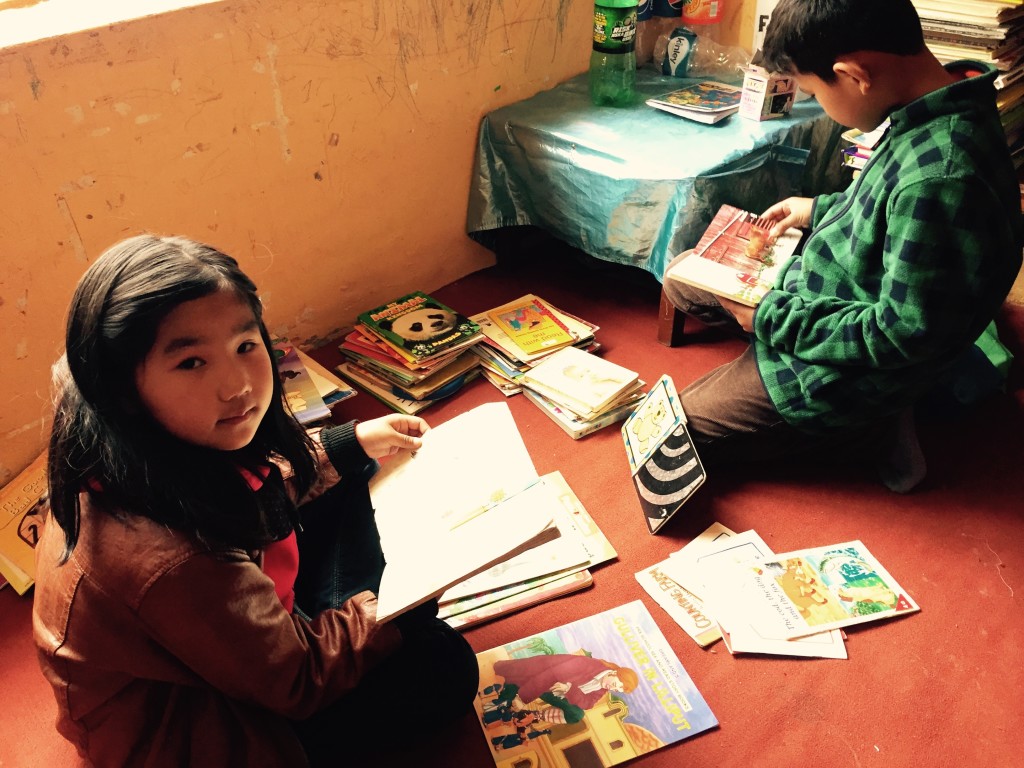
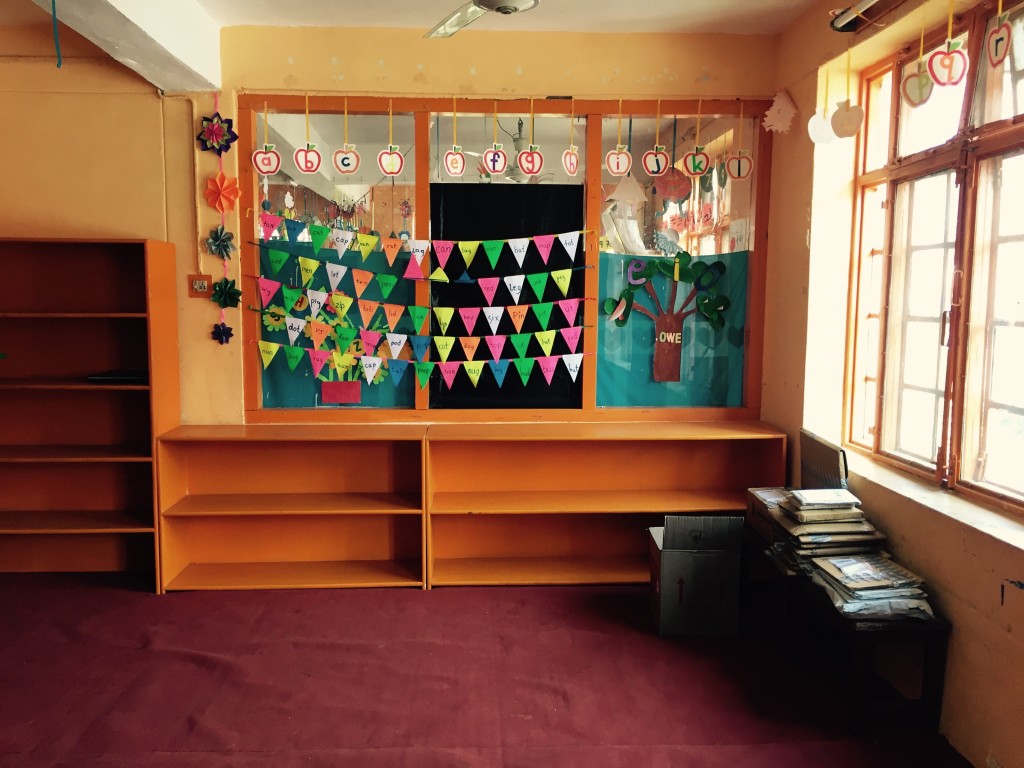
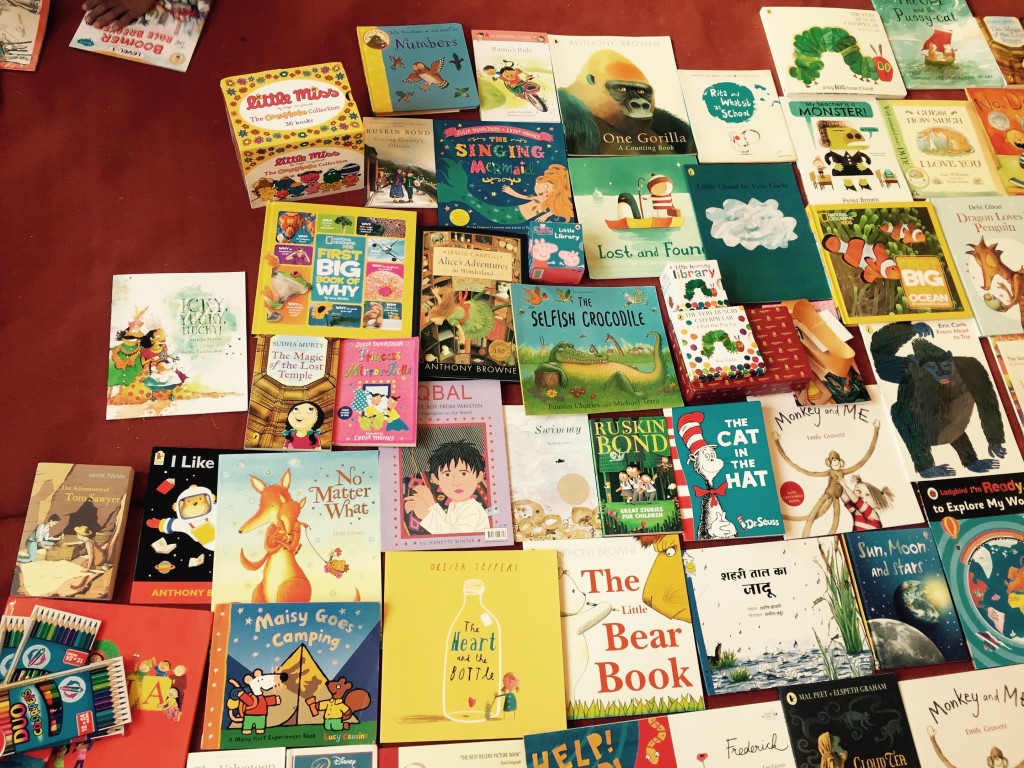
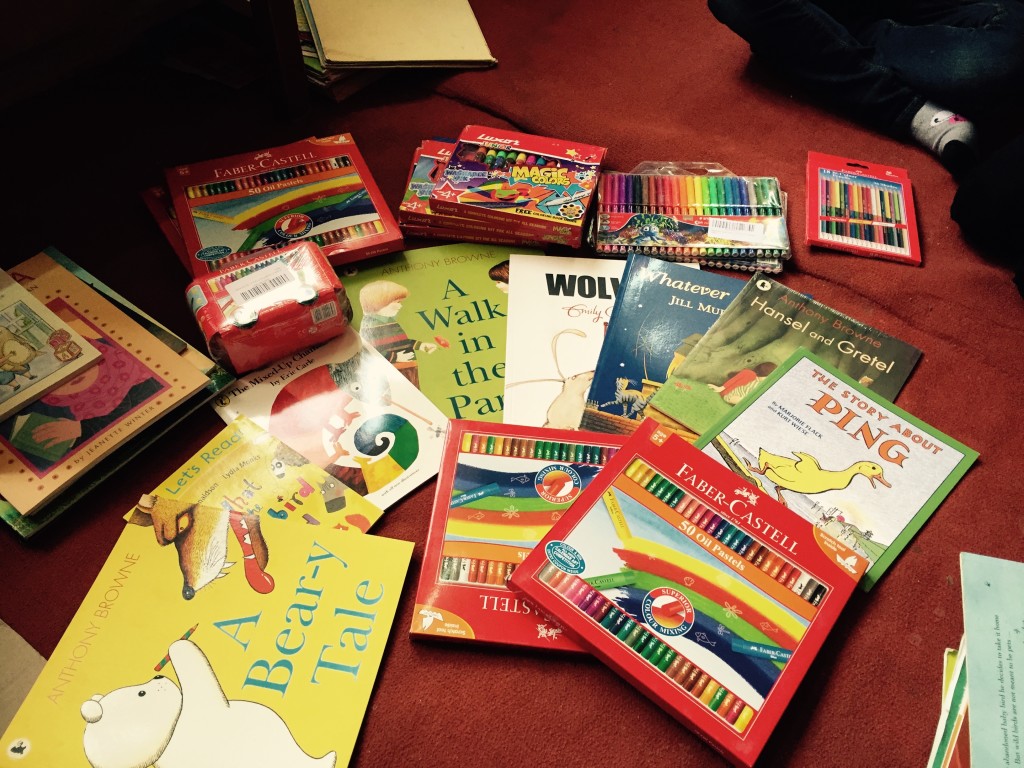
That specificity matters in community projects too. Avalokiteśvara Trust creates reading rooms, organises book drives and provides educational, artistic and musical activities for children and young monks in Ladakh and nearby communities. When a child thanks a book donor, artist or volunteer, the note recognises more than an object; it acknowledges the effort behind a shared learning experience.
A good thank-you need not be sentimental. “I used the paint you donated for our mural” is stronger than generic kindness. “The story you read helped our group keep going” gives a reader the reason behind the thanks. A concrete response lets the recipient see the effect of a contribution, deepening trust between children, mentors and families.
Handwriting in Australian classrooms
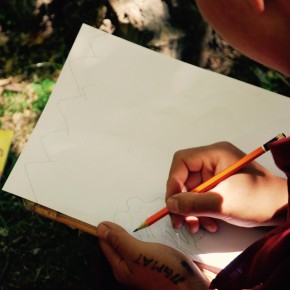
Australian classrooms often combine printed worksheets, shared screens and group discussion. Handwriting offers a different rhythm. Letters, journals and cards require children to hold a thought long enough to shape it on paper, and the slower pace can improve observation. Fine-motor control and legible letter formation remain useful even when communication happens by mobile phone.
Local habits make the activity approachable. Australia Post and neighbourhood post offices remain familiar in family life, while schools in Melbourne, Sydney and regional towns often prepare cards for visitors, retiring teachers or event guests. Children also hear the informal “ta” in Australian speech; a written note gives that spoken courtesy more care and detail.
Classrooms across Australia include children from many cultural and linguistic backgrounds, and many acknowledge Aboriginal and Torres Strait Islander peoples at the start of the school day. A gratitude practice should respect those protocols rather than replace them. Teachers can invite oral thanks, artwork and letters without ranking one culture’s custom above another.
Two practical ways to build the habit
A workable routine links the note to something that really happened. Short, regular opportunities work better than a rare display of polished writing.
For children, a simple sequence can look like this:
- Keep a small box for cards, stickers and blank paper.
- Draw the thank-you first, then add two or three sentences.
- Say the person’s name while choosing words.
- Ask what the person did and how it helped.
- Send or display the finished note.
For educators, a short weekly routine can include:
- Invite thanks after visitors, shared reading or group projects.
- Model a short note about something a child genuinely noticed.
- Read one aloud only with the writer’s permission.
- Discuss specific, sincere language instead of neatness.
- Let children revise and choose whether to include a drawing.
Both approaches keep the activity low in pressure and high in connection. Children can repeat it for a grandparent, peer, librarian or volunteer, building the habit across relationships. The recipient’s response adds another layer: a child sees that gratitude can start a conversation rather than end one.
Measuring growth without scoring sincerity
Assessment should protect the humanity of the exercise. Teachers can look for a named recipient, a clear reason and an attempt to communicate, but grading the depth of feeling rewards performance. A portfolio of ordinary notes often shows more growth than a single polished letter, and children gain confidence when their efforts are not compared with those of classmates.
Emotional habits also belong within a wider view of children’s development. Child wellbeing resources can help schools place writing and reflection alongside health, belonging and family support. Grading gratitude as another assessment category would narrow its purpose. Calm attention, supportive relationships and expressive language all shape how children learn.
Ask what happens next. Did the child spell the recipient’s name correctly? Did they choose a respectful greeting? Did the note lead to a conversation, a returned favour or a deeper act of care? These questions measure responsibility and communication without claiming to measure private emotion. Teachers can also notice whether children increasingly recognise help from people outside their immediate circle.
Gratitude that travels beyond the classroom
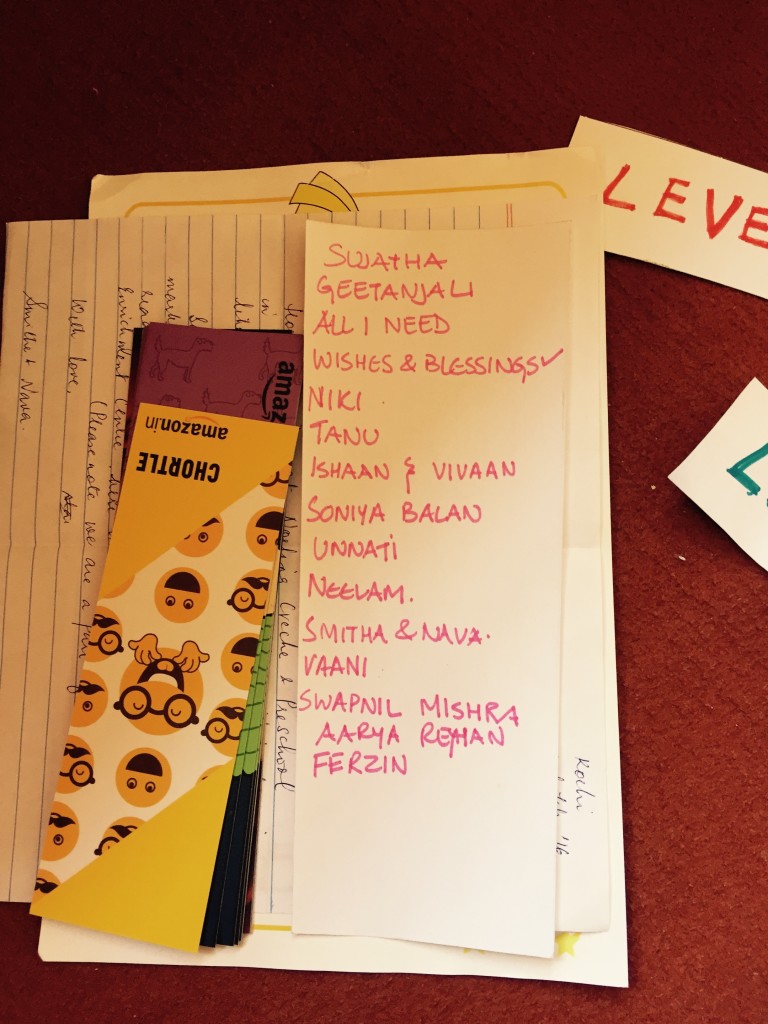
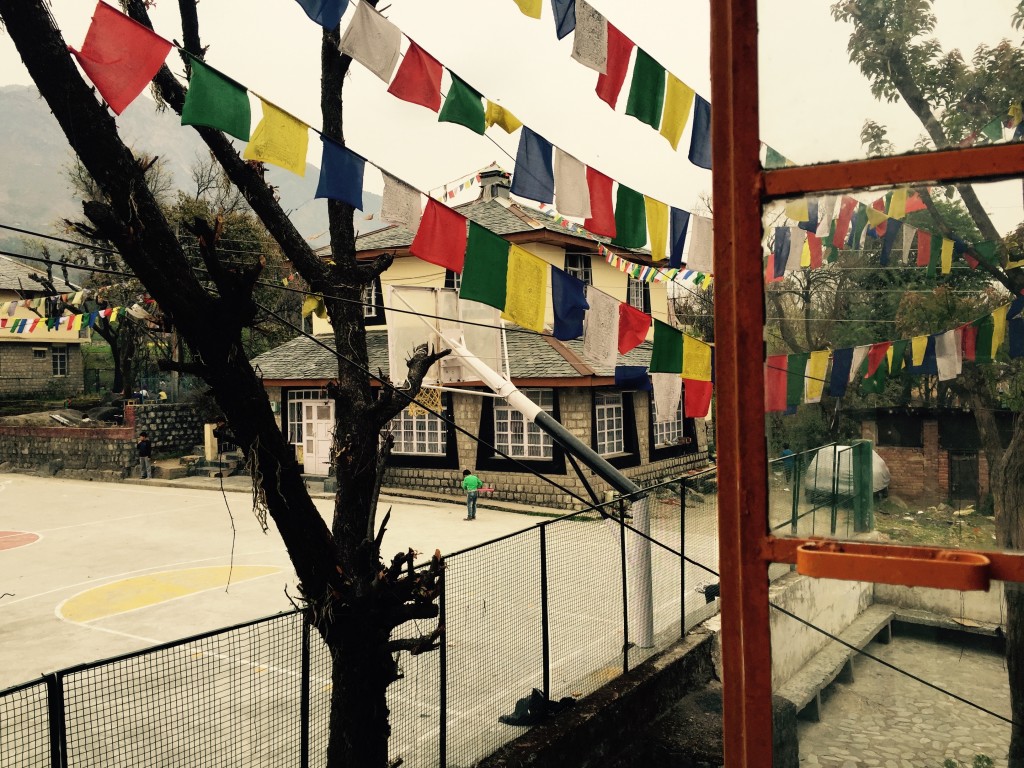
Handwritten notes can cross distances. A child in Melbourne might mail thanks to a librarian, while a class in Sydney can share the format with a reading group in Ladakh. If letters are exchanged, the purpose should be mutual understanding rather than collecting exotic responses. Photographs, drawings and translated words can accompany them, while children’s names and images remain protected.
Donation and volunteer communities in Australia often rely on school councils, parent associations, local businesses and registered charities, and thank-you notes can add a human story to that network. A note can explain what a book, instrument or art supply enabled. The recipient then knows that support reached a real activity, and the child sees how practical generosity becomes a shared achievement.
A final stage is often the easiest: receiving thanks. When children hear that their words mattered, they learn that their own contribution can also deserve recognition. Gratitude becomes reciprocal. The lasting lesson is that thanks are more than good manners; they are a way of noticing effort, speaking with care and strengthening the bonds that allow learning to continue.