Repairing Torn Books Teaches Children the Practice of Care
A torn page can look like a small problem. For a child in a Himalayan reading room, however, repairing that page can become a meaningful lesson in patience, responsibility and respect. The work says that a well-loved book is still valuable, and that damaged things deserve attention rather than immediate replacement.
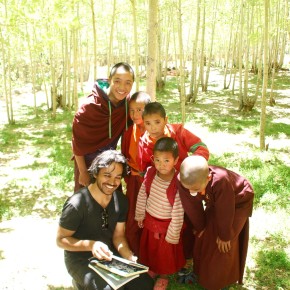
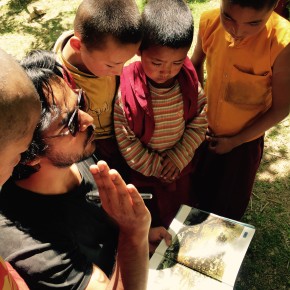
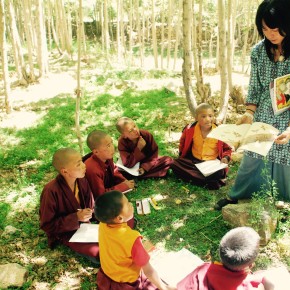
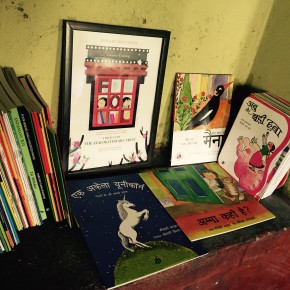
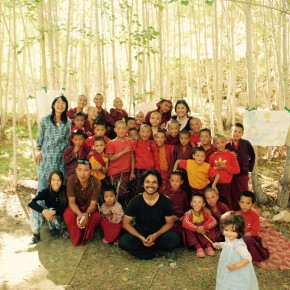
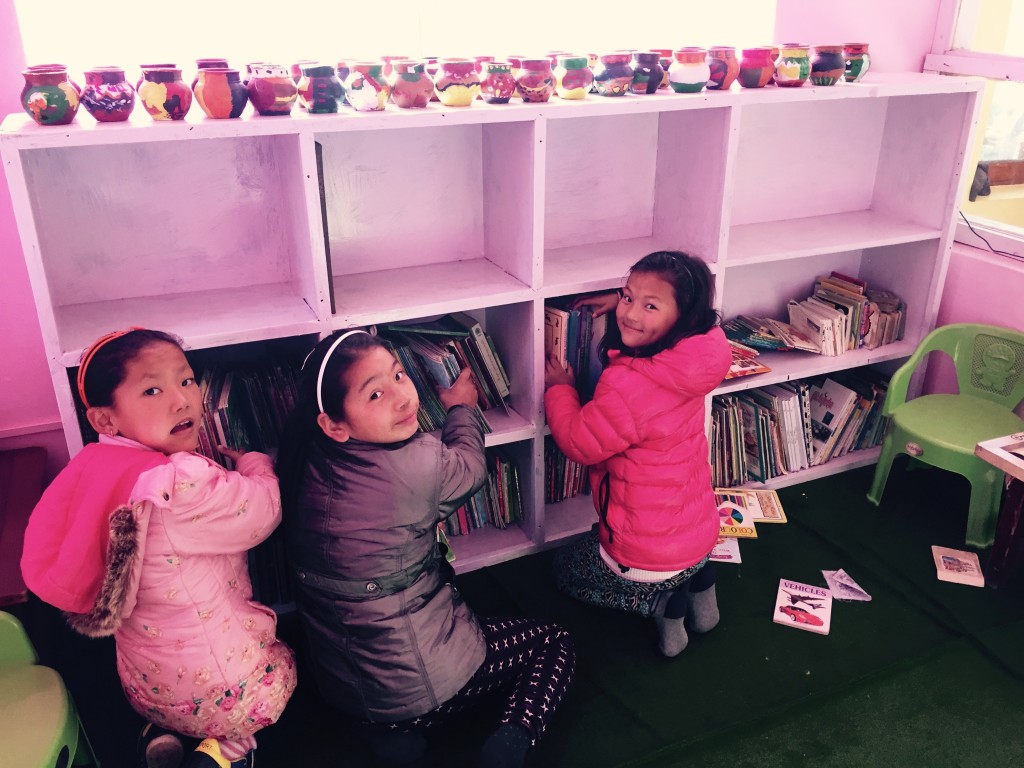
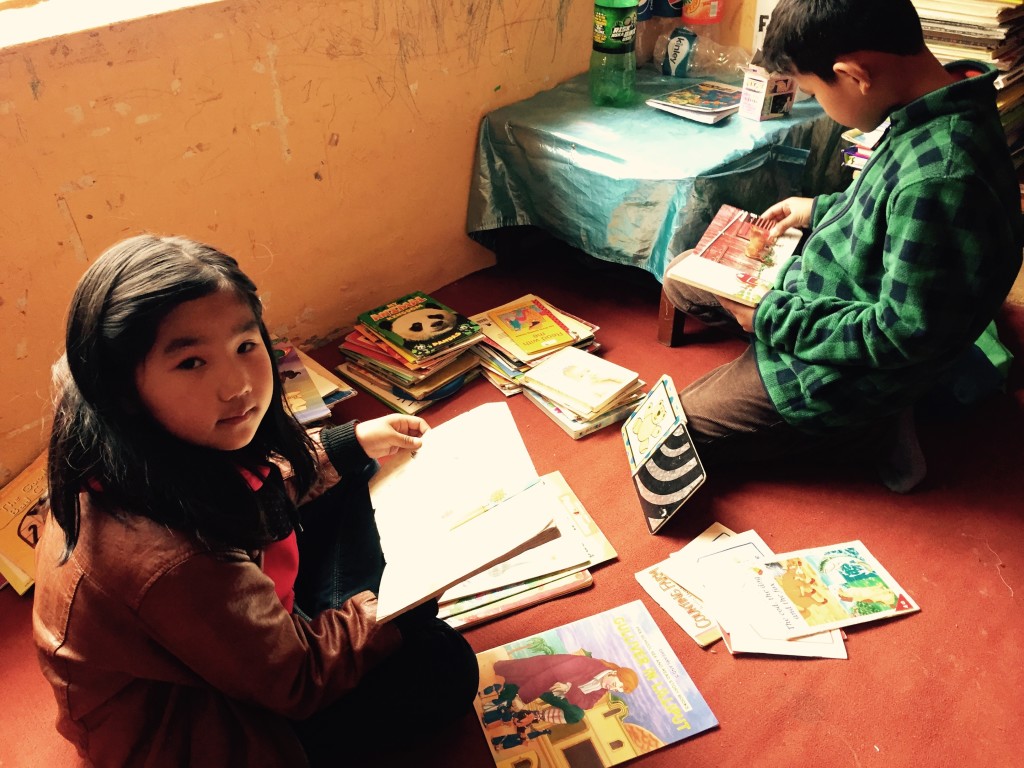
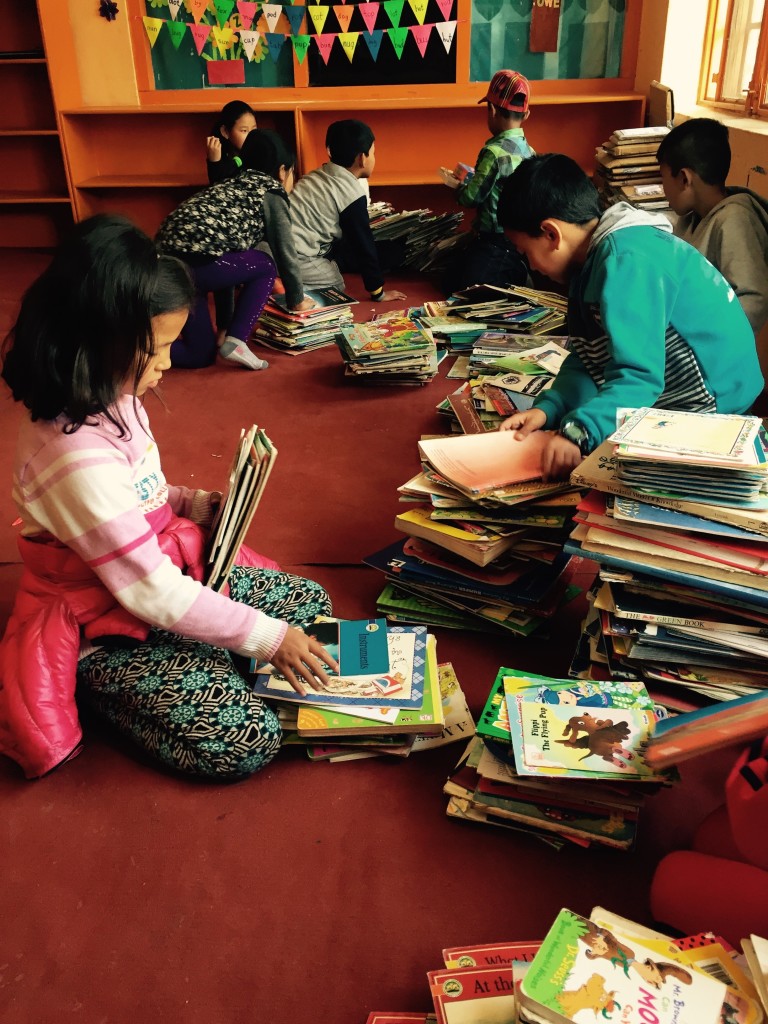
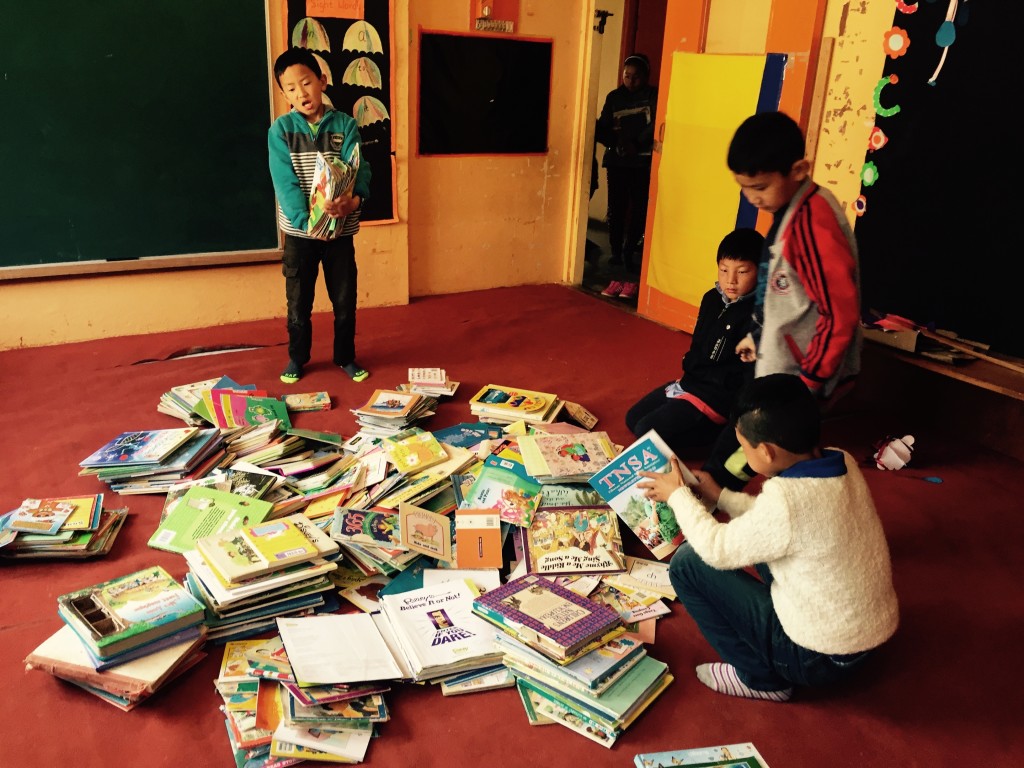
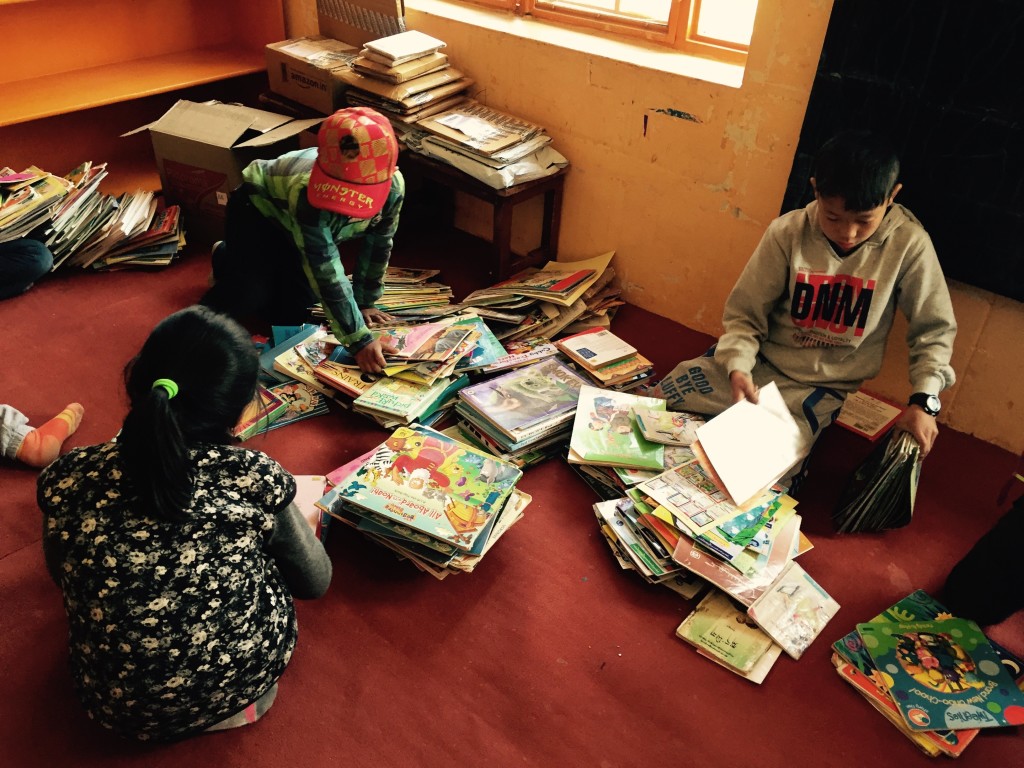
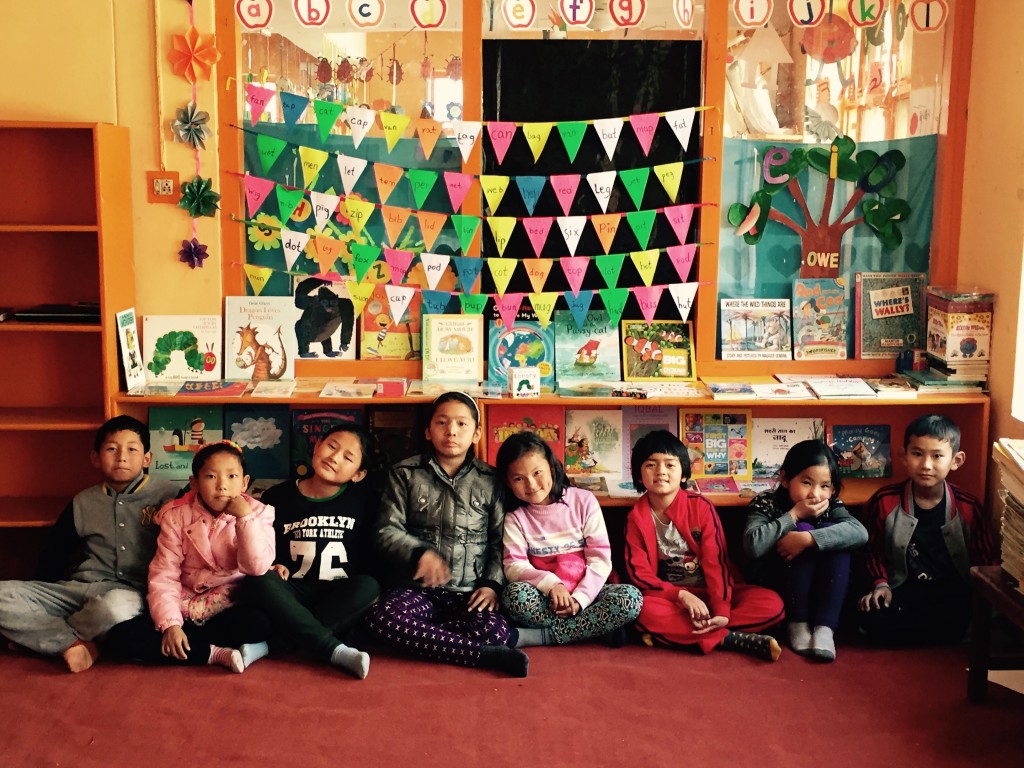
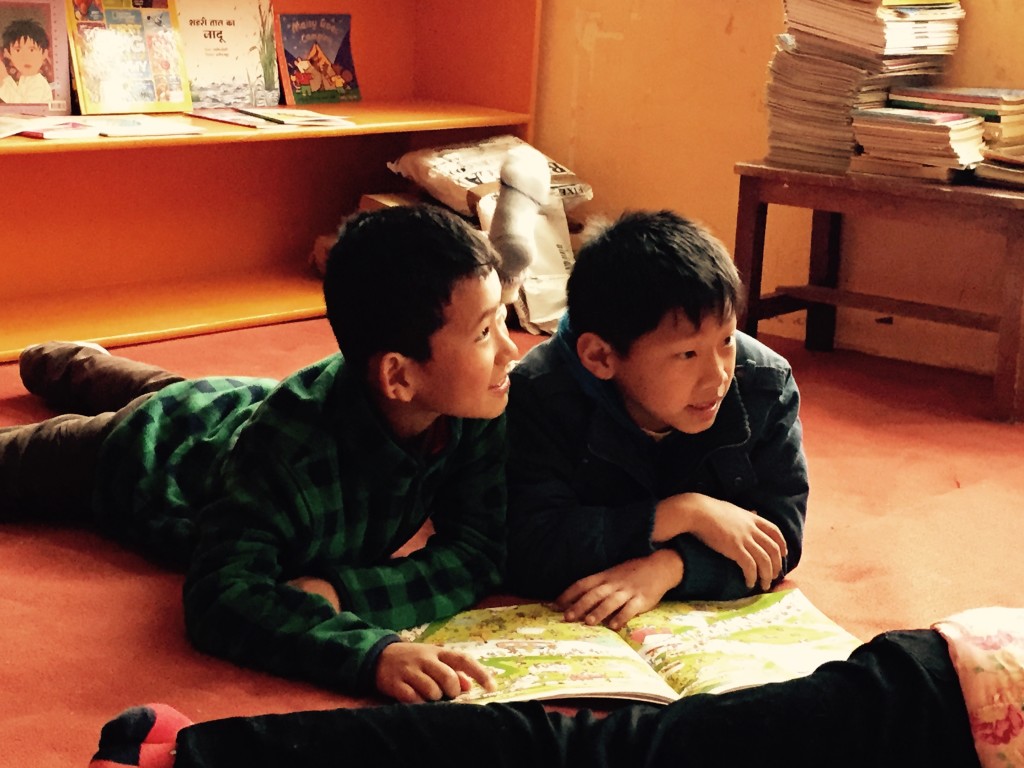
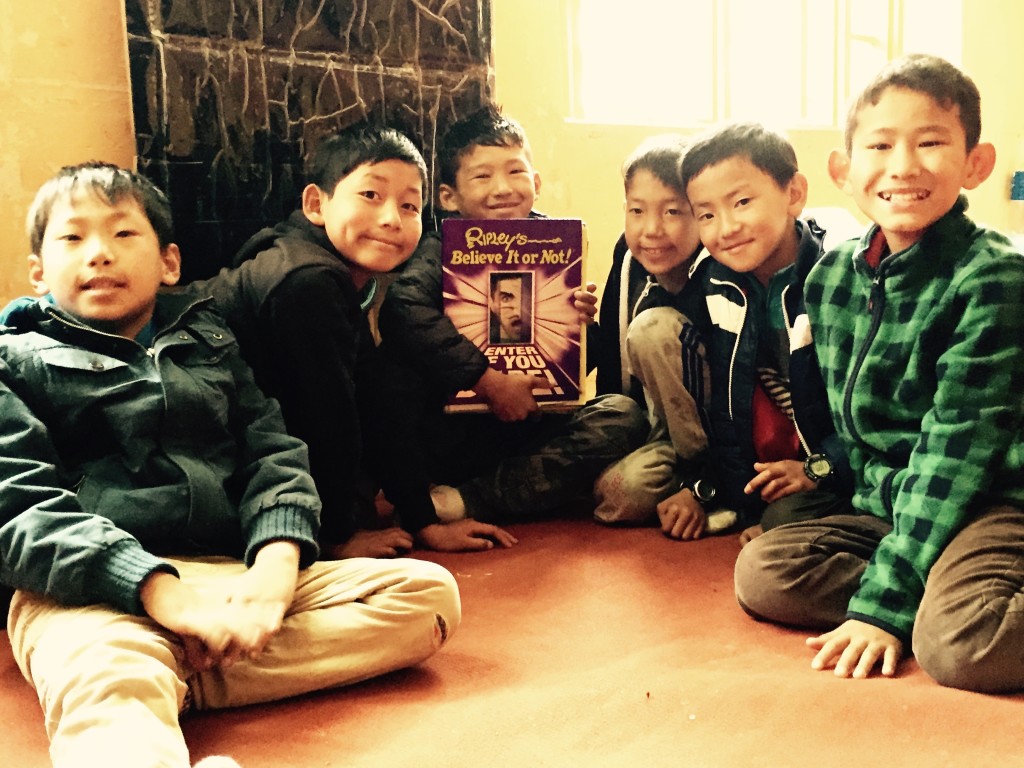
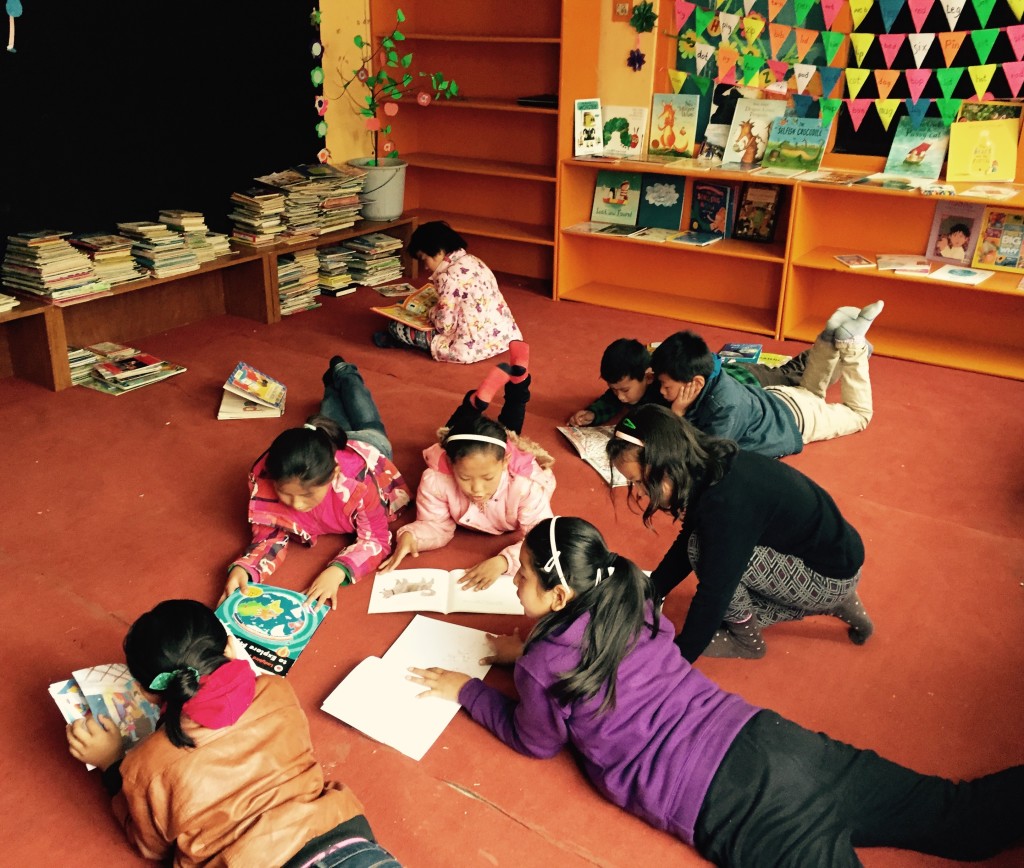
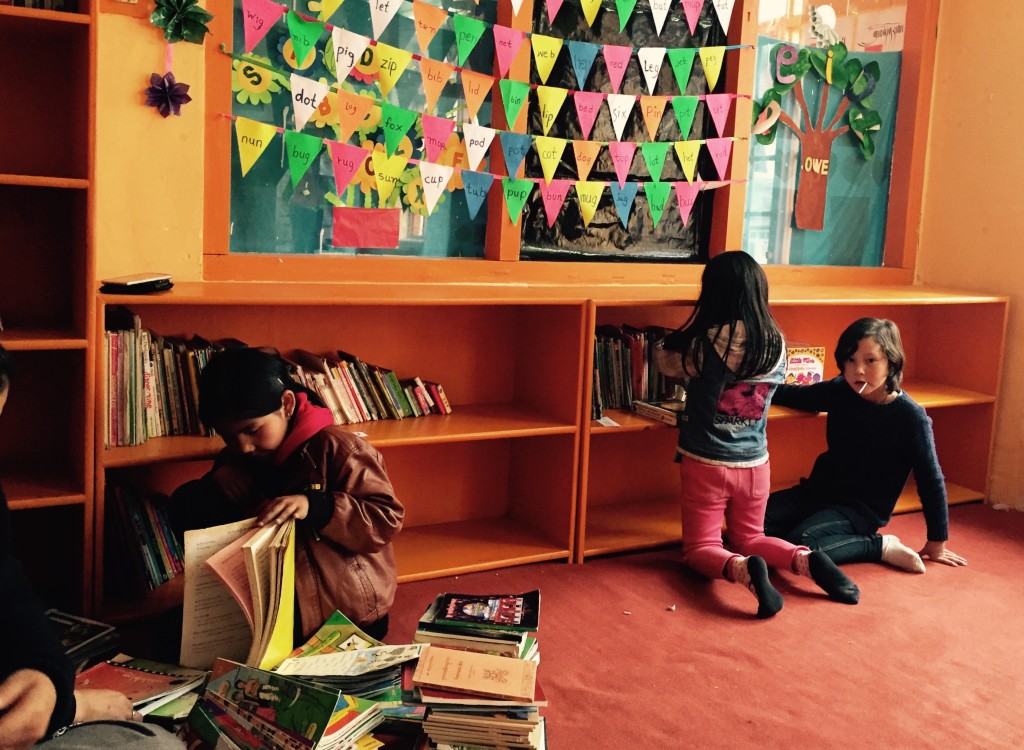
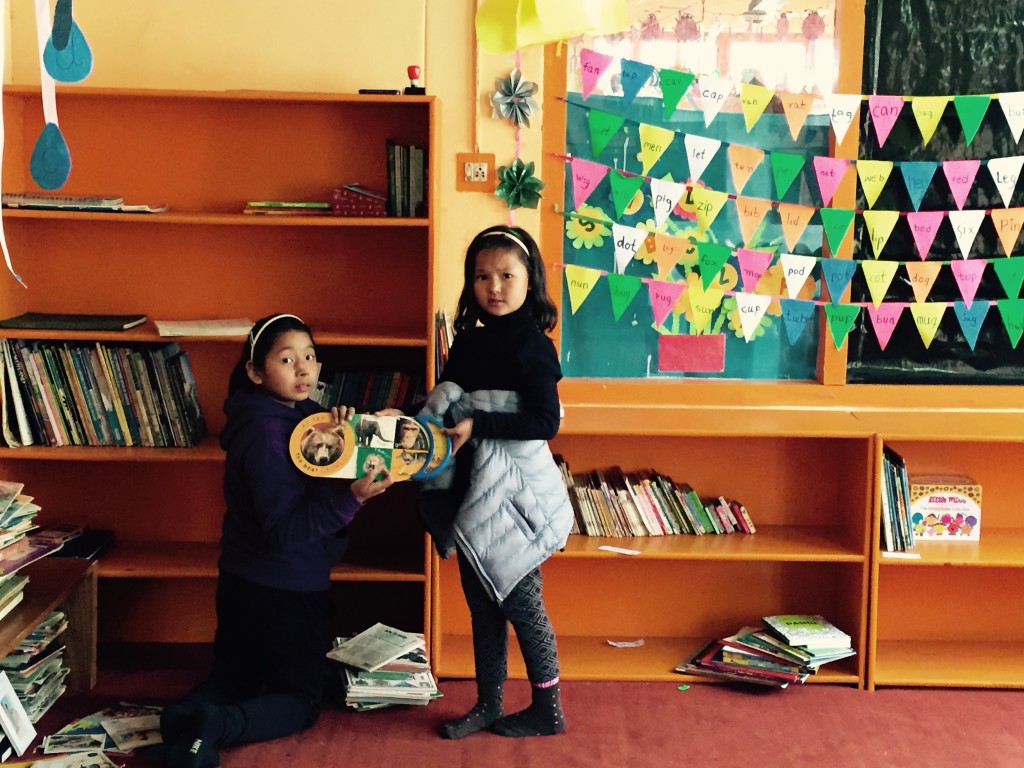
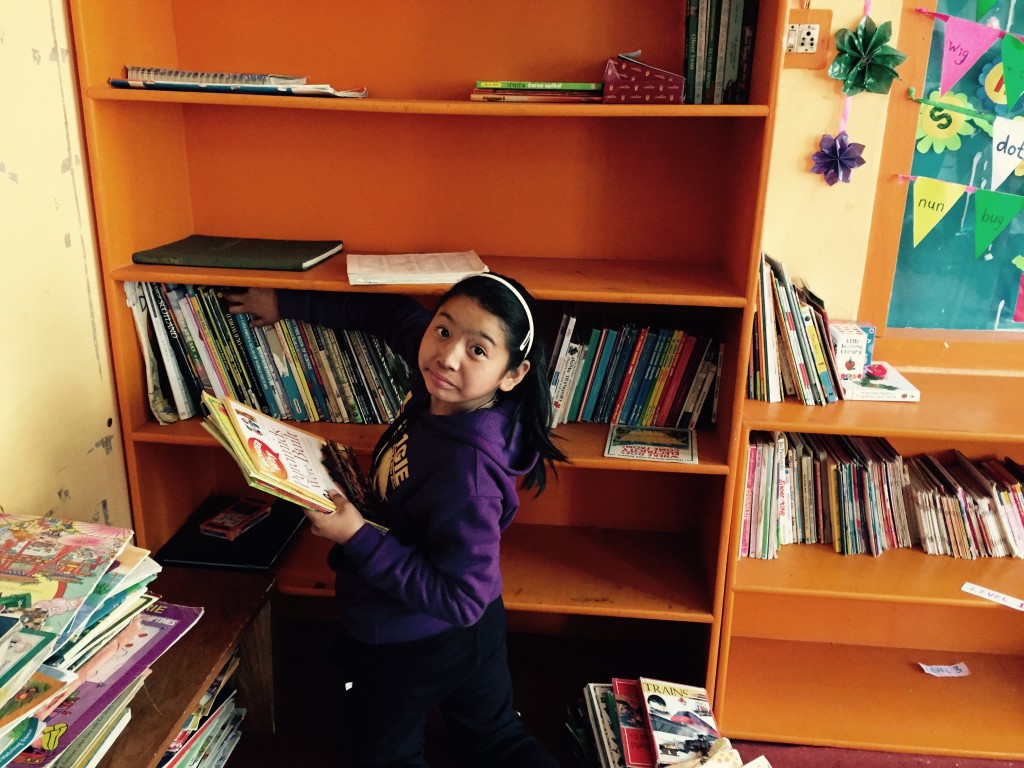
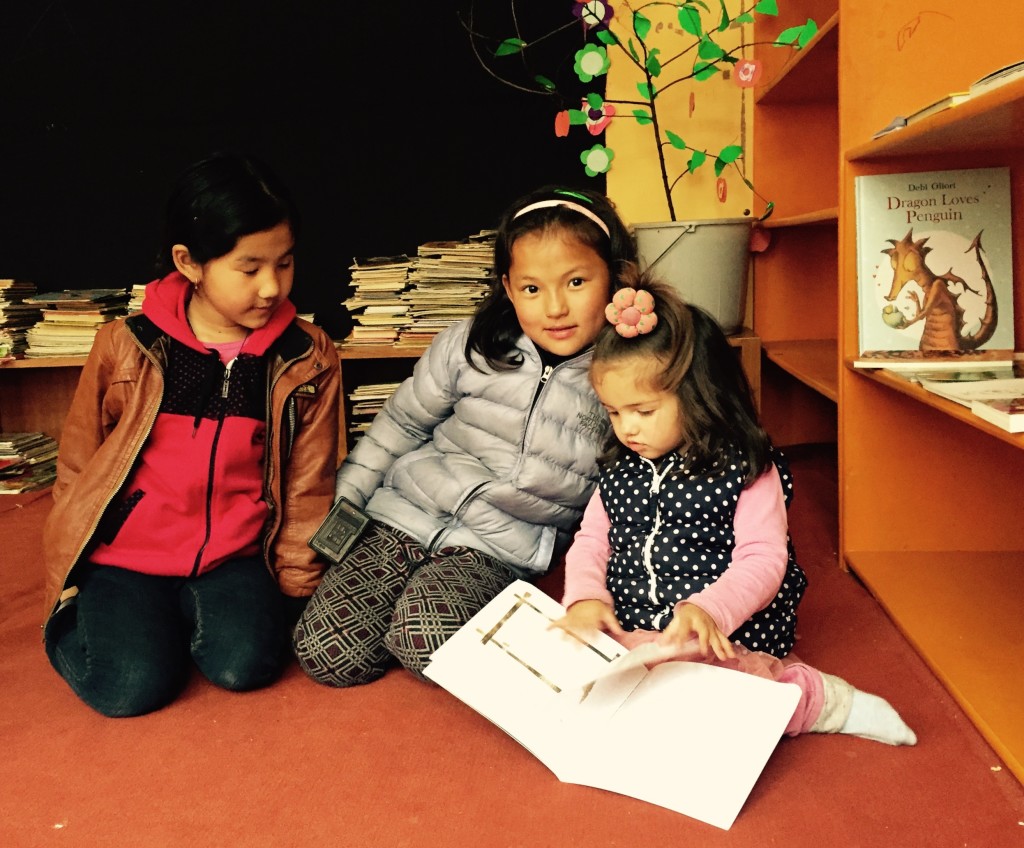
At Avalokiteśvara Trust, children and young monks encounter books as gateways to stories, knowledge, art and imagination. Teaching children to repair torn books as a lesson in care connects literacy with everyday life. It gives them a practical way to protect shared resources while building a stronger relationship with reading.
Care Begins With A Damaged Page
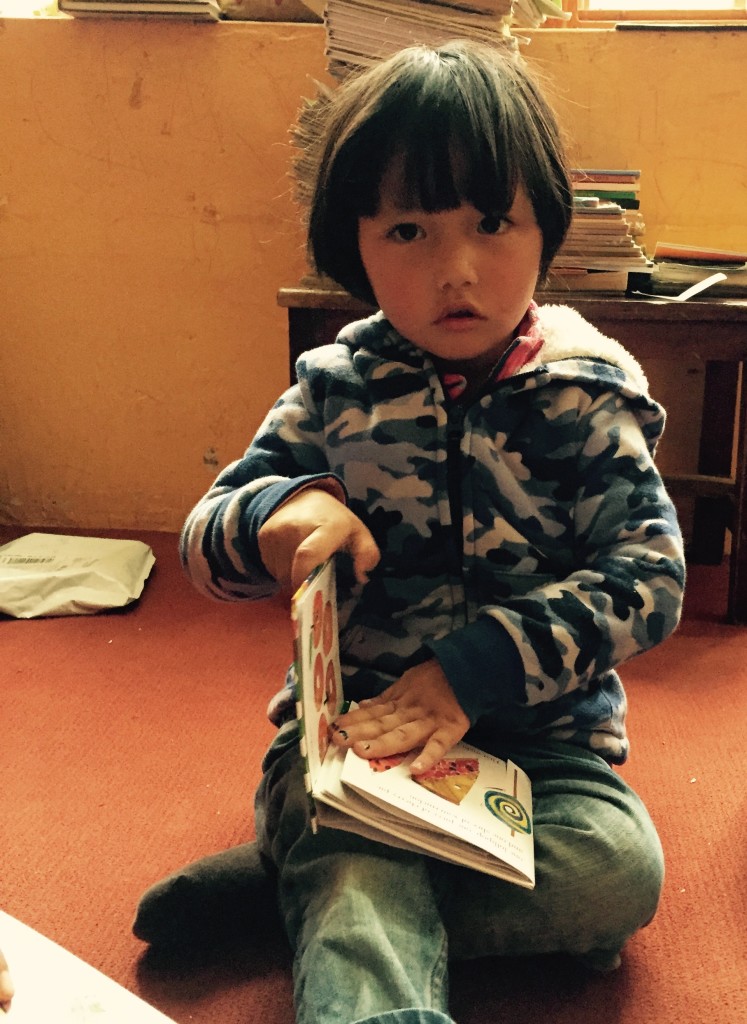
Children often notice a torn cover or loose page before adults do. Their first response may be disappointment, especially when the book is a favourite. Repairing it creates a pause between damage and disposal. Instead of seeing the book as finished, the child learns to look closely and ask what can be saved.
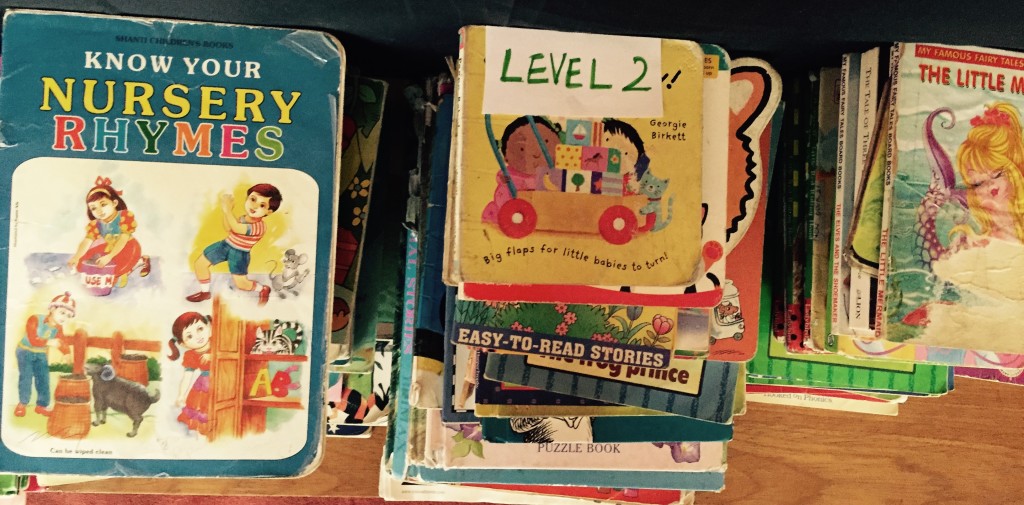
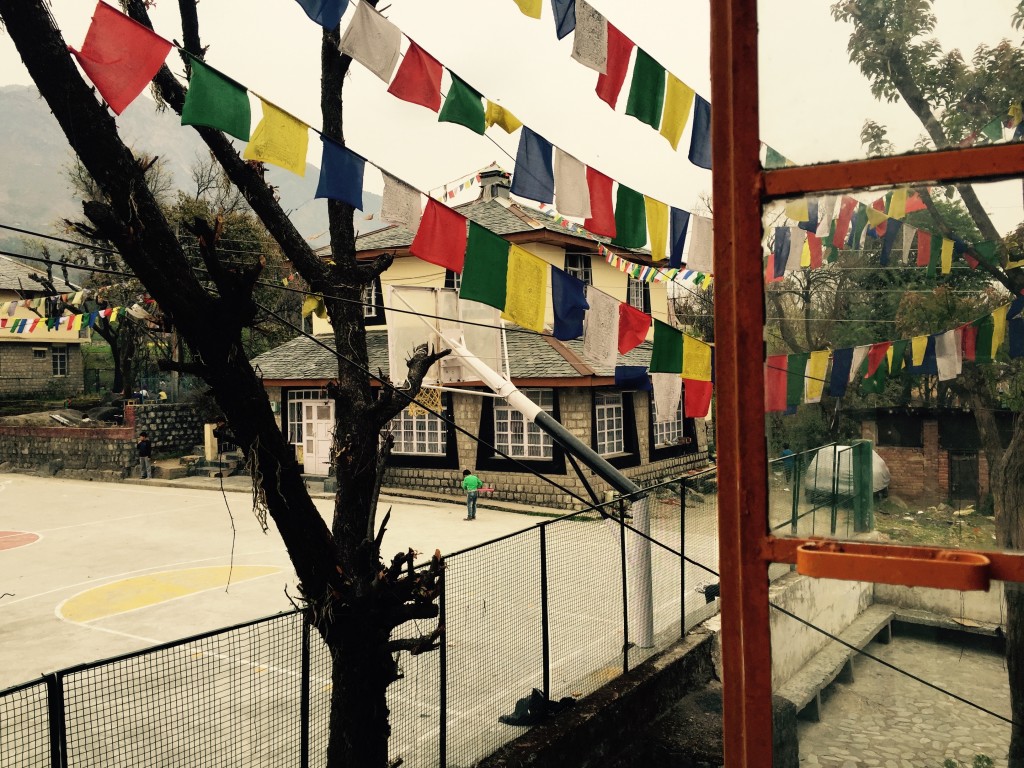
This is especially important in communities where books are limited, expensive to replace or difficult to transport. In Ladakh, supplies may travel long distances before reaching a village or monastery. A repaired book can remain available to many readers, extending the life of a resource that has already travelled a long way.
The same principle is familiar in Australia. A school library in Melbourne may have a generous collection, while a small regional or remote school can face tighter budgets and slower deliveries. Whether a book comes from a local op shop, a library sale or a community book drive, caring for it helps more children enjoy it.
Repair Becomes Practical Literacy
Book repair involves close observation. Children learn to identify a split along the spine, a loose page, a damaged corner or a cover that needs reinforcement. They begin to understand how a book is made and how its parts work together. This turns a simple craft activity into hands-on learning.
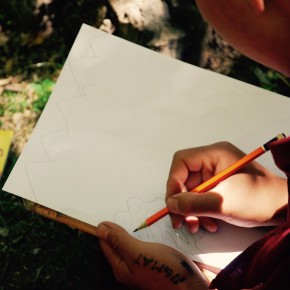
The process also develops fine motor skills. Applying a small amount of paste, smoothing paper, folding a protective strip and pressing a page flat all require control. Younger children can work with an adult, while older students may learn to complete simple repairs independently.
These actions support reading in a quiet, practical way. Children handle books carefully, notice their structure and spend time with the object before opening it. The lesson is not about producing a perfect repair. It is about learning that attention can restore usefulness.
Patience Is Part Of The Lesson
A hurried repair often creates another problem. Too much glue can wrinkle a page, and careless tape can make a spine harder to open. Children therefore practise slowing down, following steps and accepting that good work takes time. This is a valuable counterbalance to disposable habits and instant digital entertainment.
Repair also makes room for problem-solving. A child may need to decide whether a page should be aligned from the top, how much adhesive is enough or whether an adult should handle a fragile section. These small decisions build confidence because the child can see the result of careful effort.
In a reading room, that patience can spread beyond books. Children may become more attentive to musical instruments, art materials, shared games and classroom objects. A repaired resource becomes evidence that care is an action, not simply a feeling.
Skills Children Practise While Mending
The activity can be adapted for different ages and abilities. A younger child might press down a folded corner, while an older child helps sort books, repair covers or show another reader how to handle a damaged page. The aim is shared learning rather than technical perfection.
Children practise several connected skills during a repair session:
- Observing damage before deciding what to do
- Using scissors, paper, paste and tape safely
- Following a sequence of simple instructions
- Working patiently without rushing the result
- Taking responsibility for an item used by others
These skills are transferable. A child who learns to protect the spine of a book may also learn to pack school materials carefully or return shared supplies to their proper place. The activity gives responsibility a visible, achievable form.
In an Australian setting, the same session might fit naturally into a school library, an after-school group or a Saturday community gathering. Families used to “having a go” at practical tasks can make book repair feel ordinary and useful, rather than like a formal lesson.
Shared Books Create Shared Responsibility
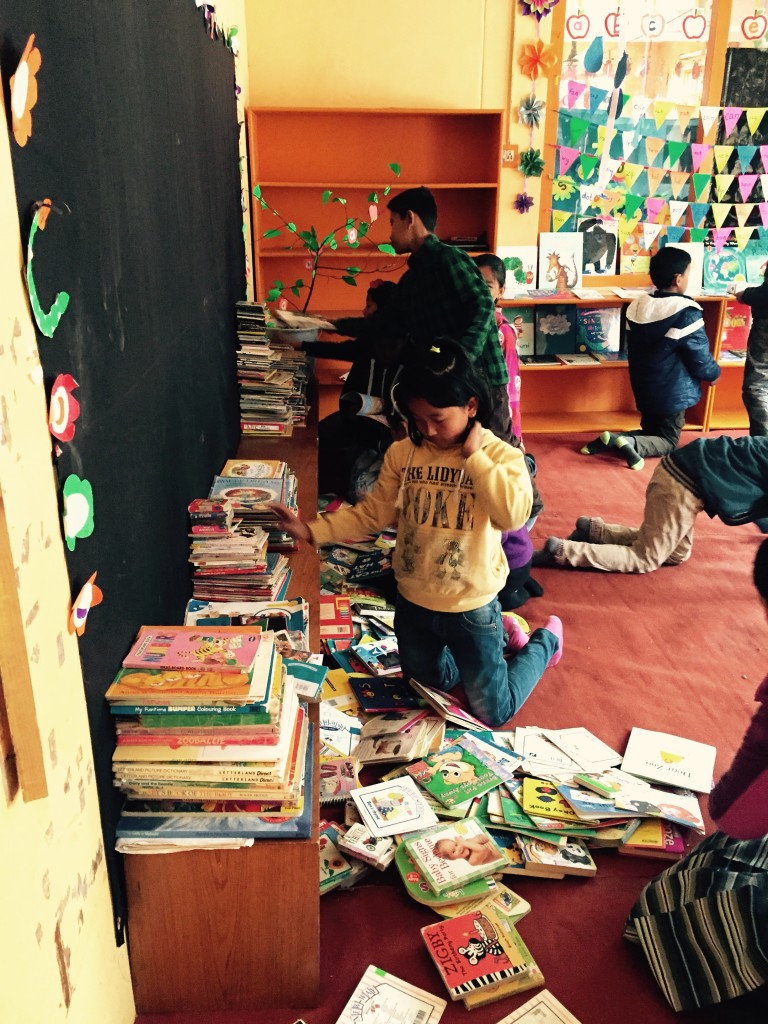
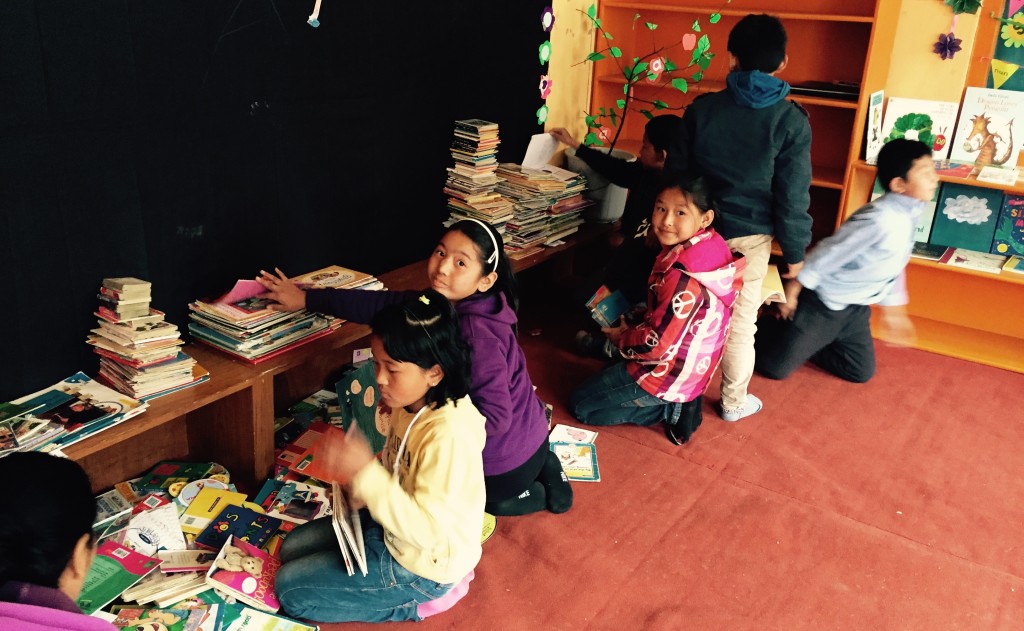
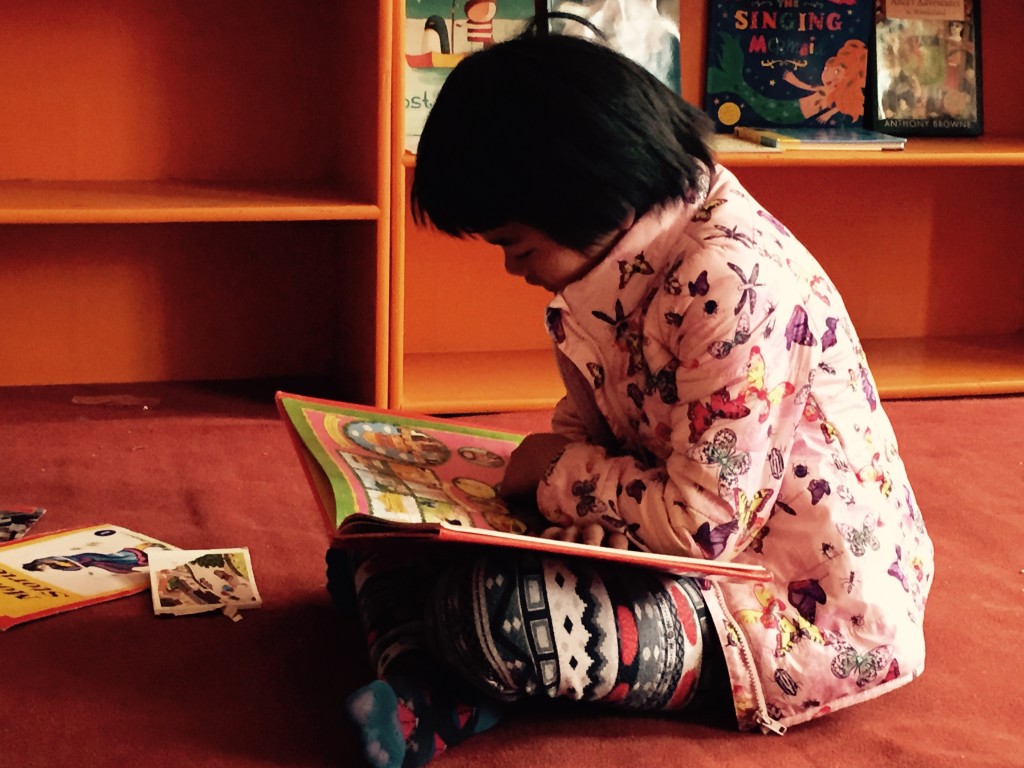
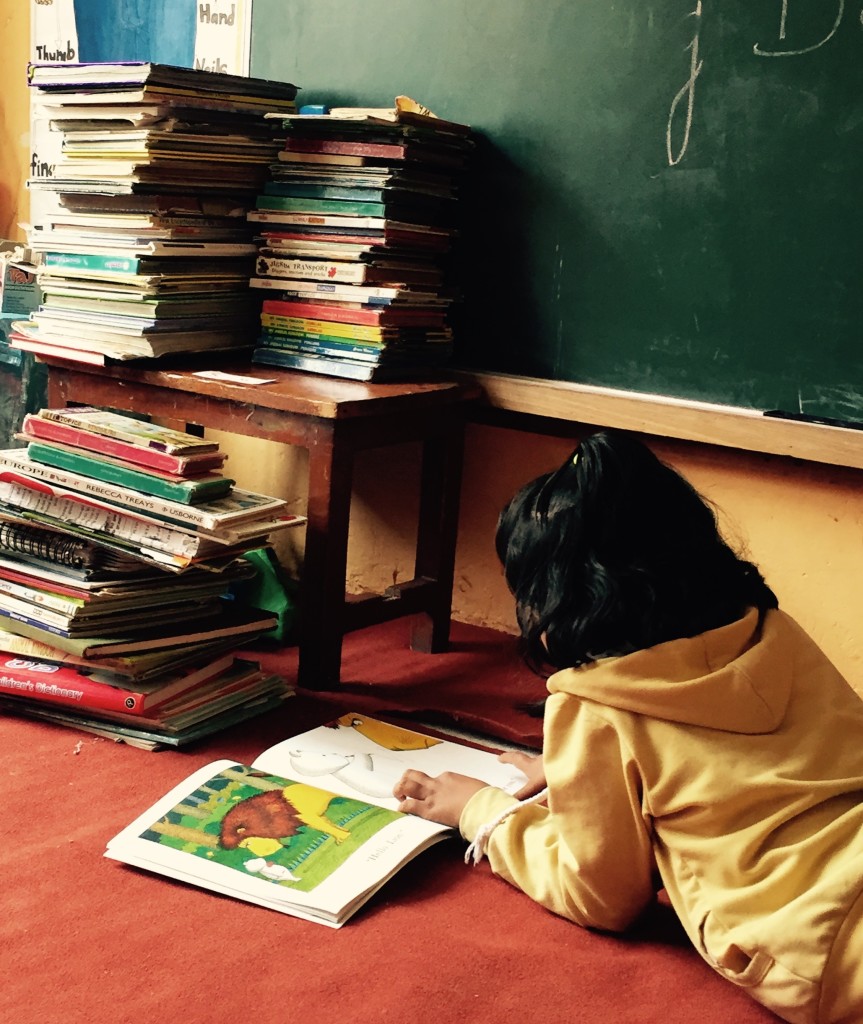
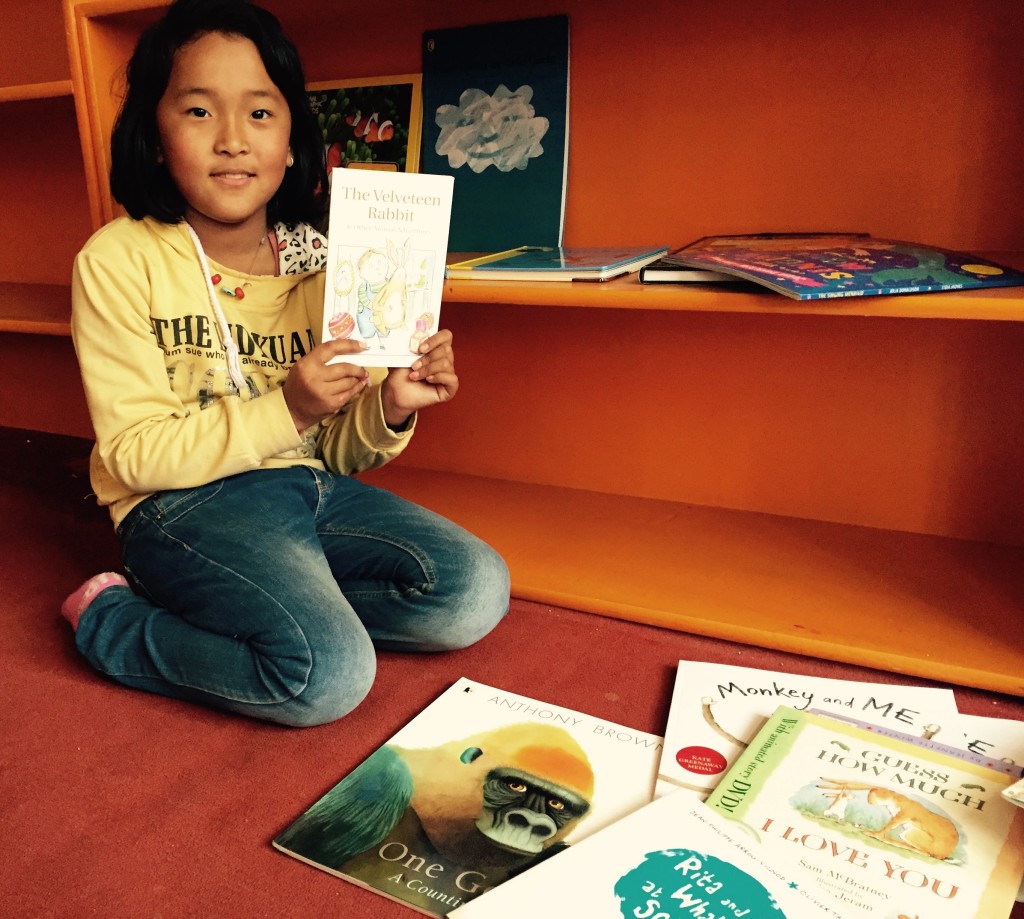
A reading room works because resources circulate. One child reads a story, another studies its illustrations, and a young monk may later use the same book for language learning. Repairing a damaged volume helps children understand that ownership can be collective. They are caring for the next reader as well as themselves.
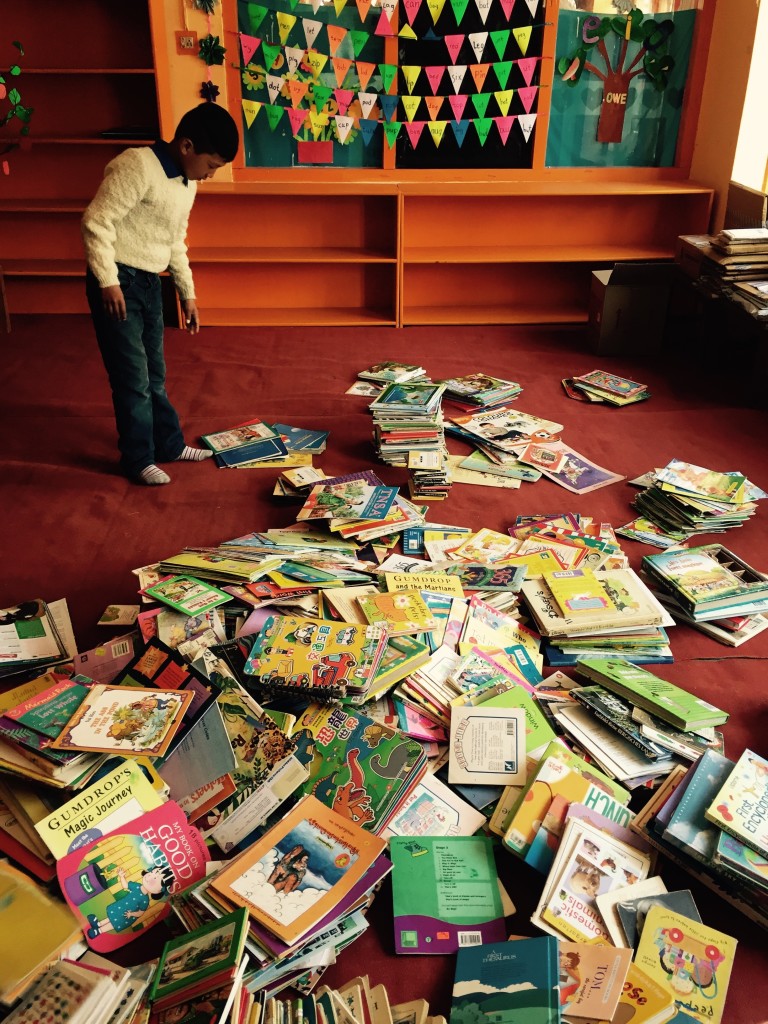
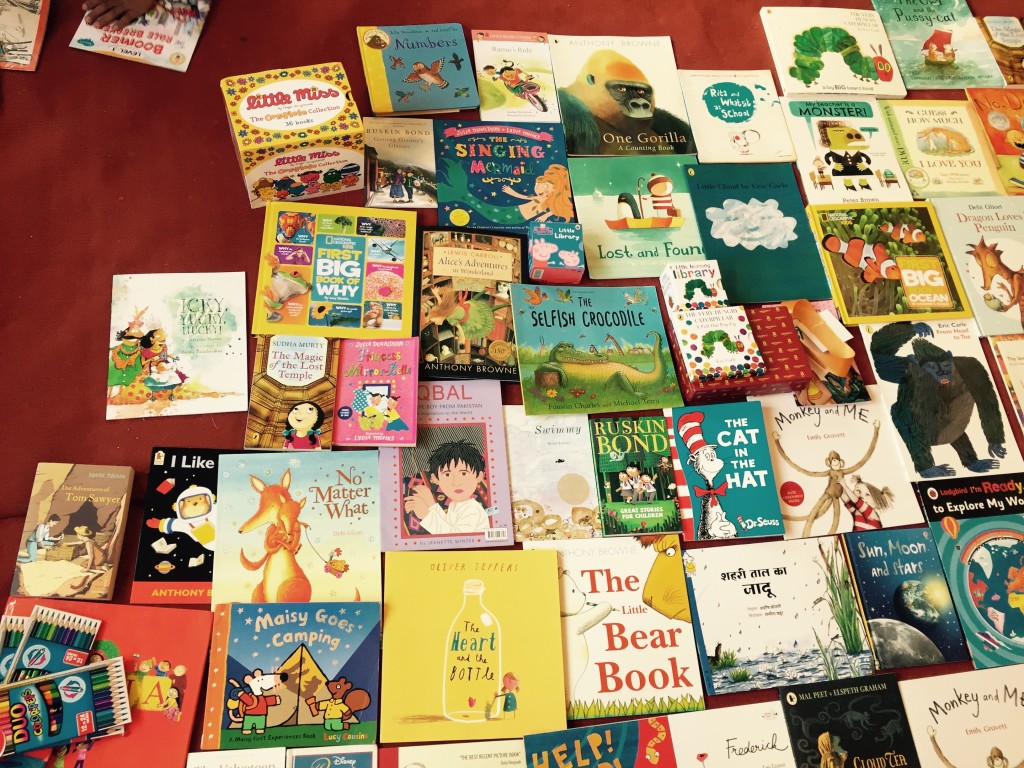
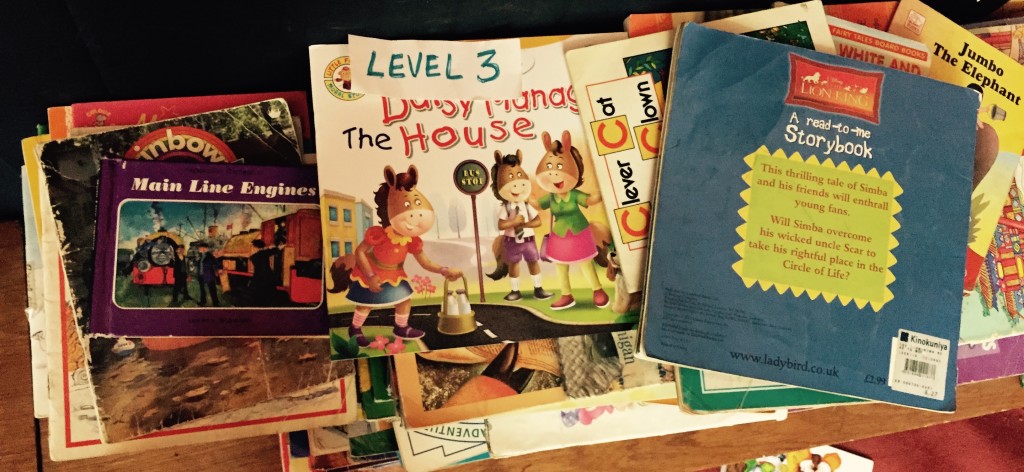
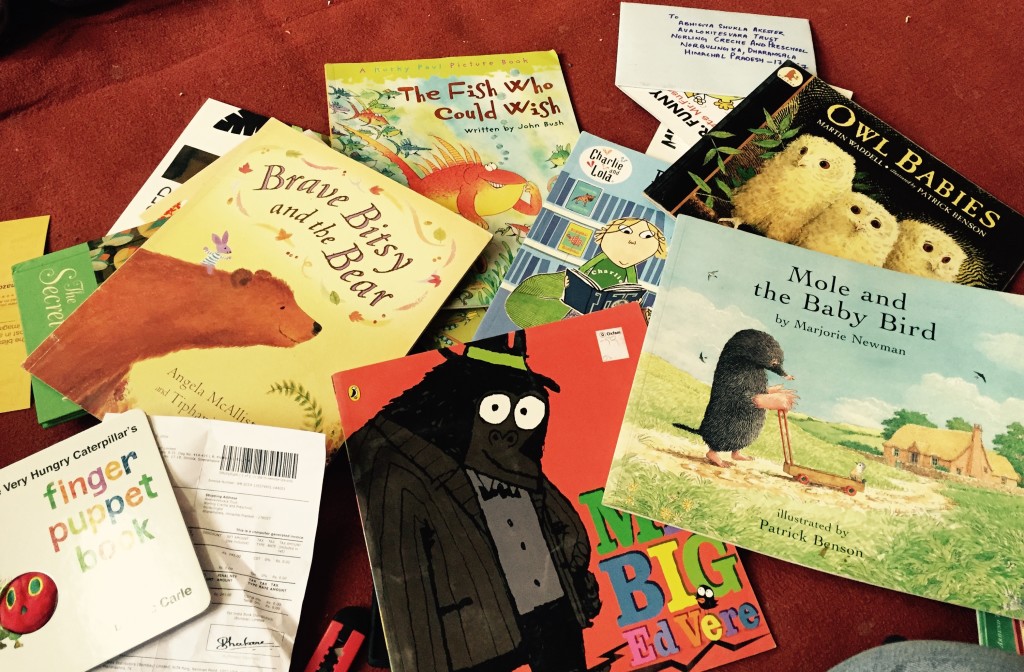
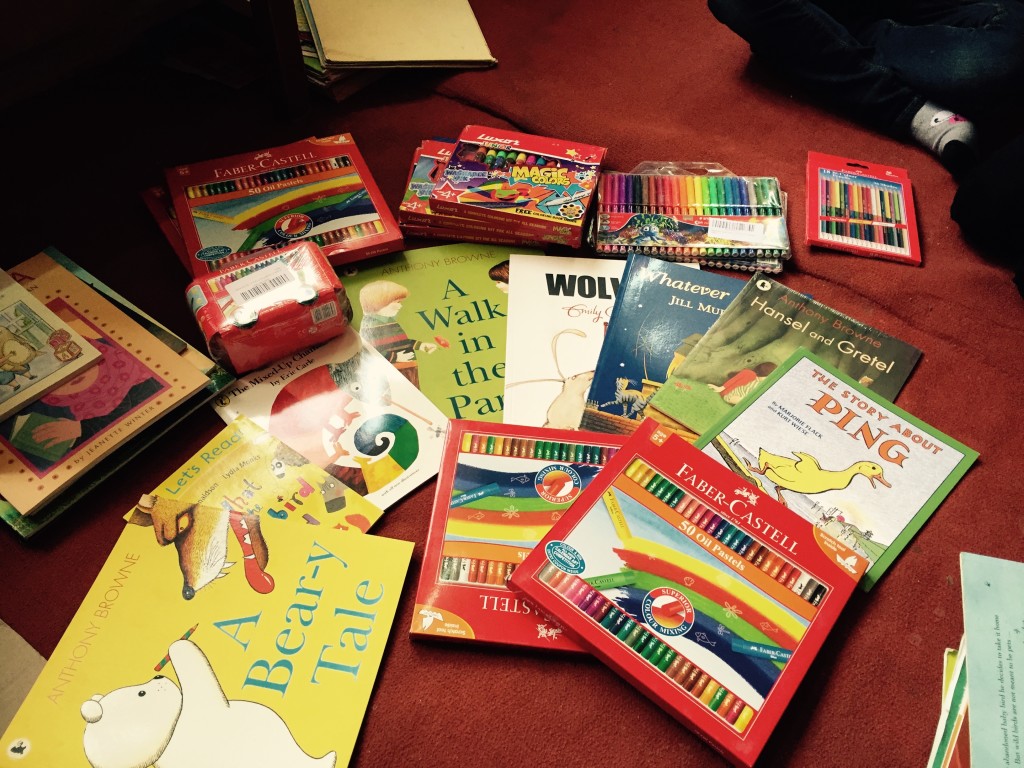
This idea reflects the spirit of a community book drive. Australian supporters may gather books through school collections, neighbourhood groups, local libraries or fundraising events. Yet sending books is only one part of the work. Choosing suitable titles, preserving them and helping children use them well gives the donation a longer life.
Practical realities matter here. International postage can be costly, and books sent to remote Himalayan communities need to be relevant, durable and manageable in number. A culture of repair makes each carefully selected book more useful. It also encourages donors to think about quality and suitability, rather than simply quantity.
Repair And Replacement Serve Different Needs
Not every book can be saved. Some have mould, missing sections or damage that makes them unsafe or impossible to read. Teaching repair does not mean keeping every item forever. It means making a thoughtful decision about what can be restored and what should be responsibly retired.
| Situation |
Repair is useful when |
Replacement may be wiser when |
| Torn page |
The text is complete and the paper can lie flat |
Important sections are missing |
| Loose cover |
The boards and pages are still sound |
The binding is beyond safe reinforcement |
| Worn corners |
Damage is minor and the book remains readable |
The book has become unstable or sharp |
| Marked pages |
Notes do not prevent reading |
Water, mould or serious staining is present |
| Frequently used title |
Repair can extend access for many readers |
A newer, durable edition is available |
This distinction teaches judgement. Children learn that care is not the same as keeping everything untouched. A book may be repaired, set aside for parts, recycled or replaced according to its condition and purpose.
For Australian donors and volunteers, this can guide book selection before a collection is sent overseas. Clean, complete, culturally appropriate books are more helpful than a large box of unwanted copies. A smaller, well-chosen donation respects the children who will receive it and the people who maintain the reading room.
A Small Practice With A Long Reach
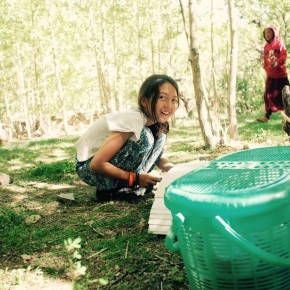
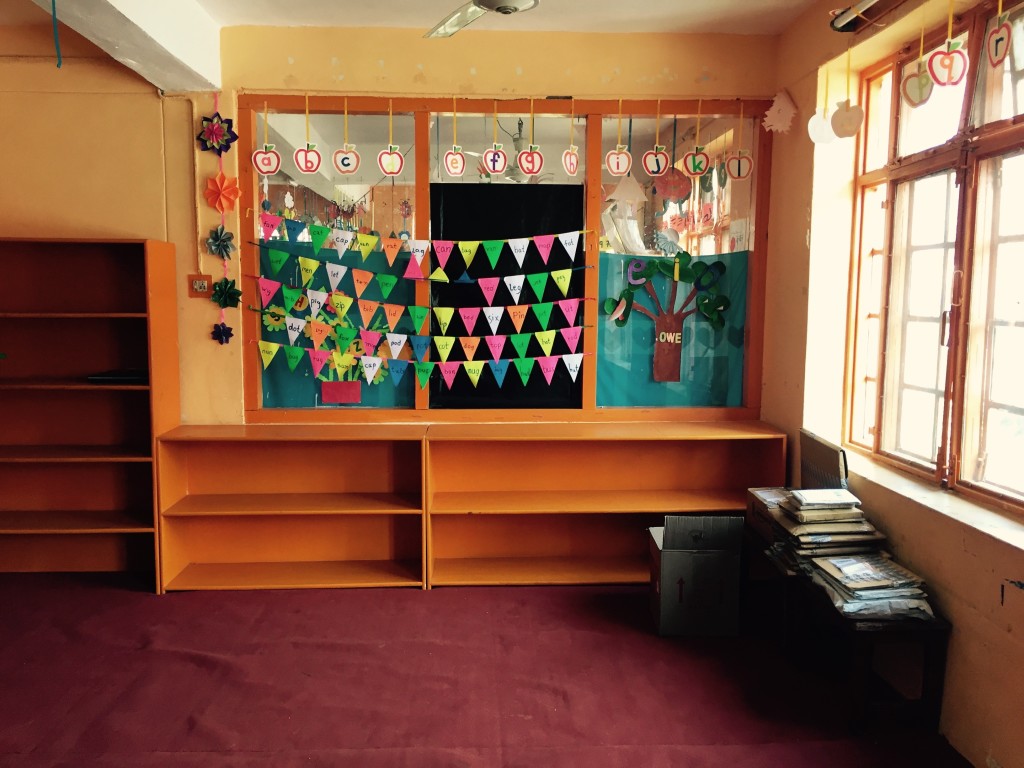
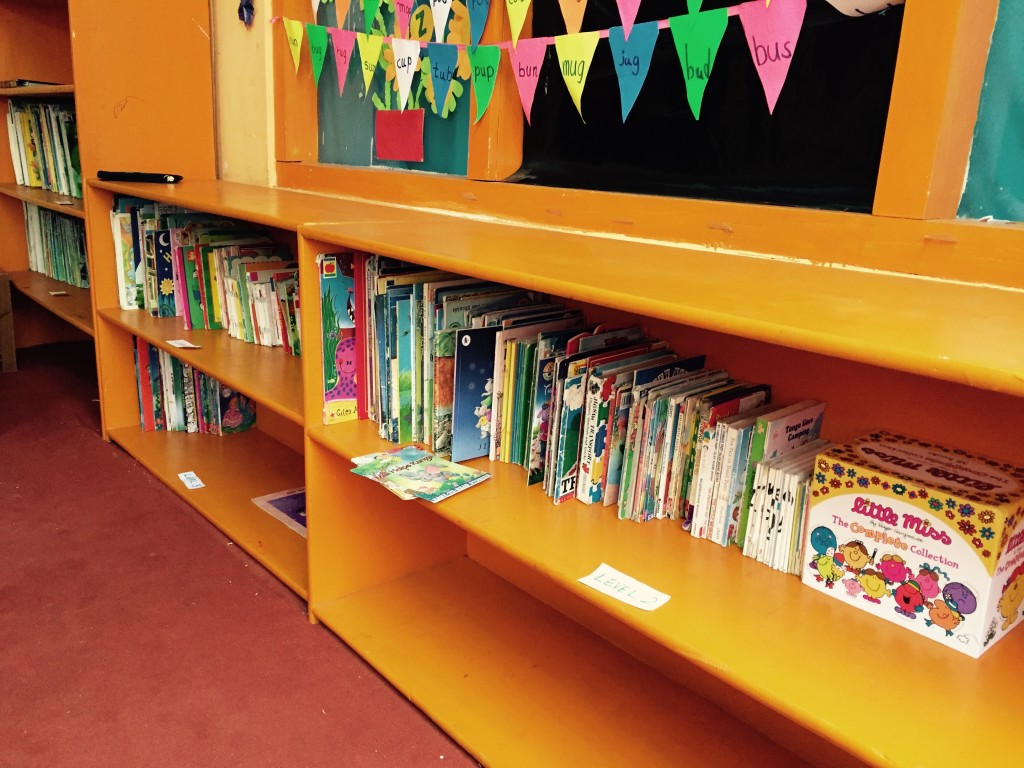
Book repair can become part of the rhythm of a learning space. A basket for damaged books, a small set of safe materials and a regular repair time are enough to begin. Children can help record which books need attention and return repaired copies to the shelves.
Adults can support the habit by modelling care rather than correcting every mistake. Useful reminders include:
- Carry books with two hands when the cover is loose
- Keep food and drink away from reading materials
- Turn pages from the corner instead of pulling the edge
- Return books to a shelf rather than leaving them on the floor
- Ask for help when a repair needs stronger tools or materials
The practice also carries emotional meaning. When a child repairs a book, they see that their hands can protect something valuable. They learn that shared resources connect people who may never meet: the person who donated the book, the child who reads it today and the next reader waiting for the story.
That is why this modest activity matters at Avalokiteśvara Trust. Repairing a torn book teaches children to notice, preserve and share. The lasting lesson is simple: care becomes real when we give our time and attention to help something remain useful for someone else.