Teaching children to repair and care for their books
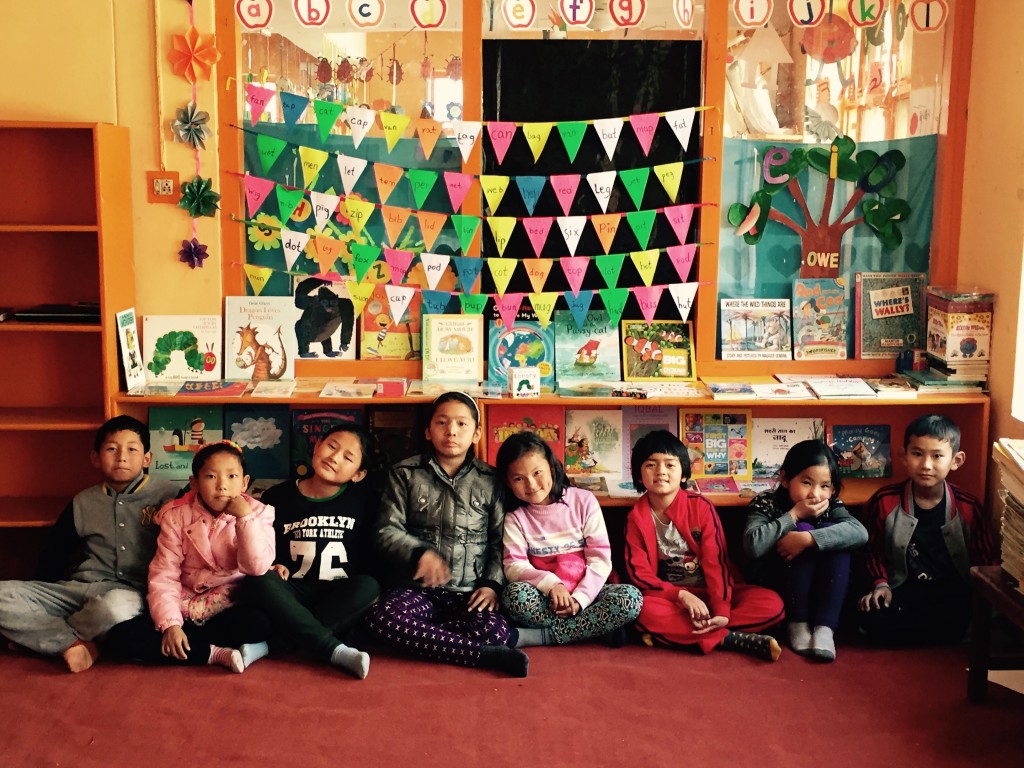
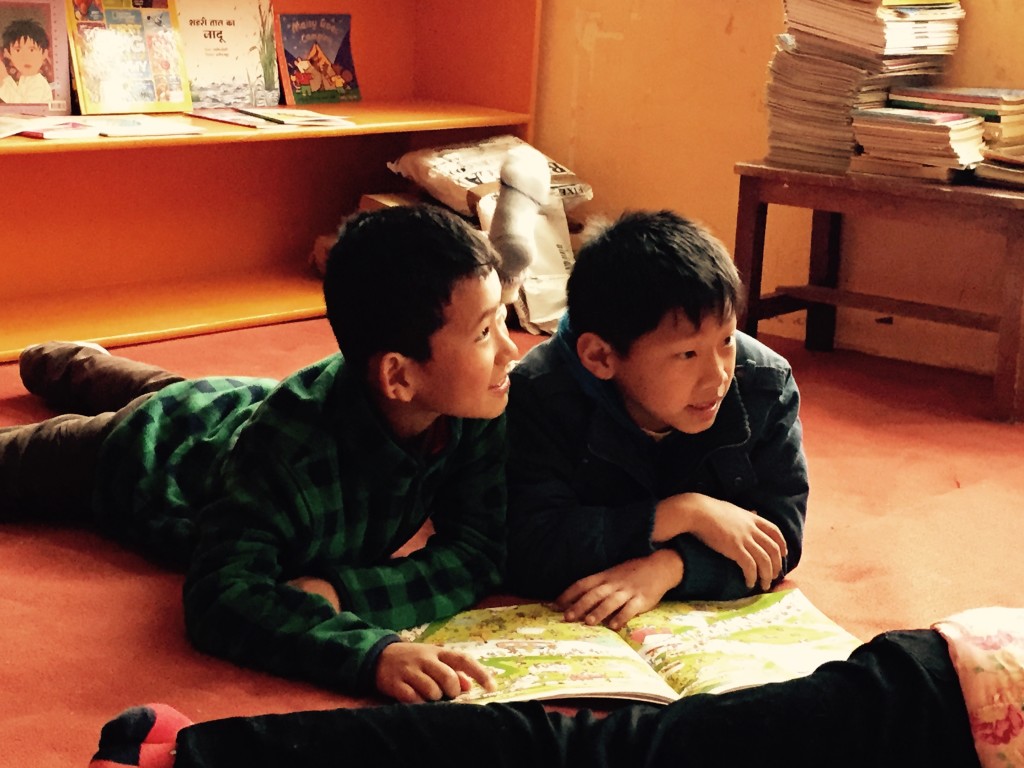
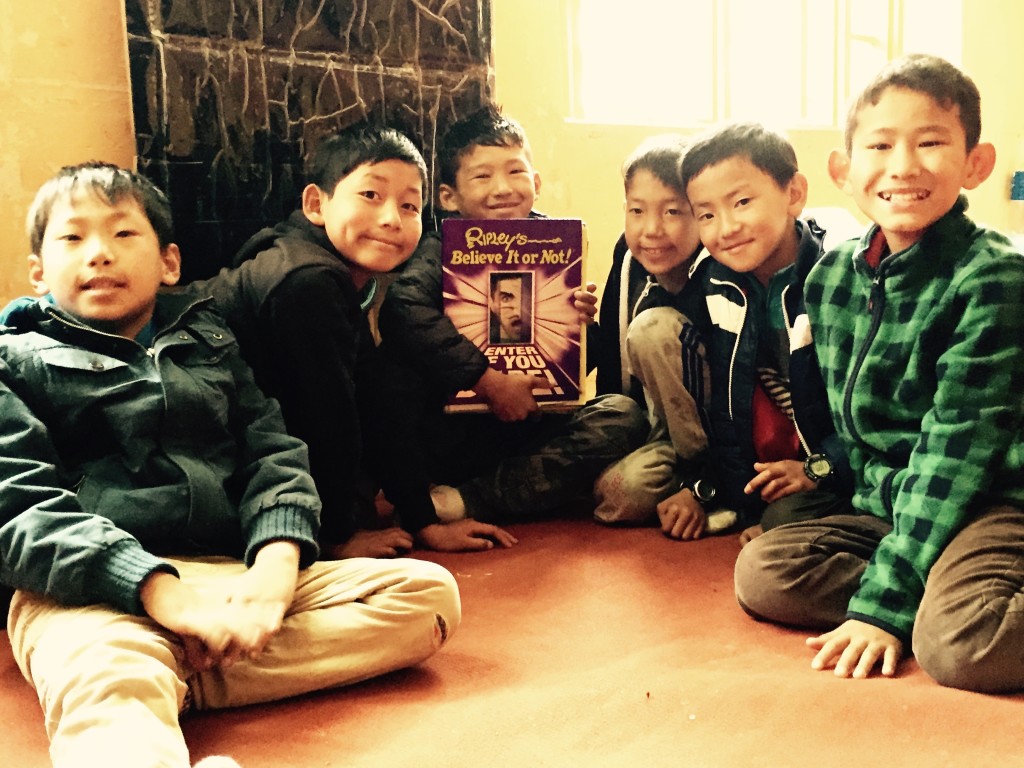
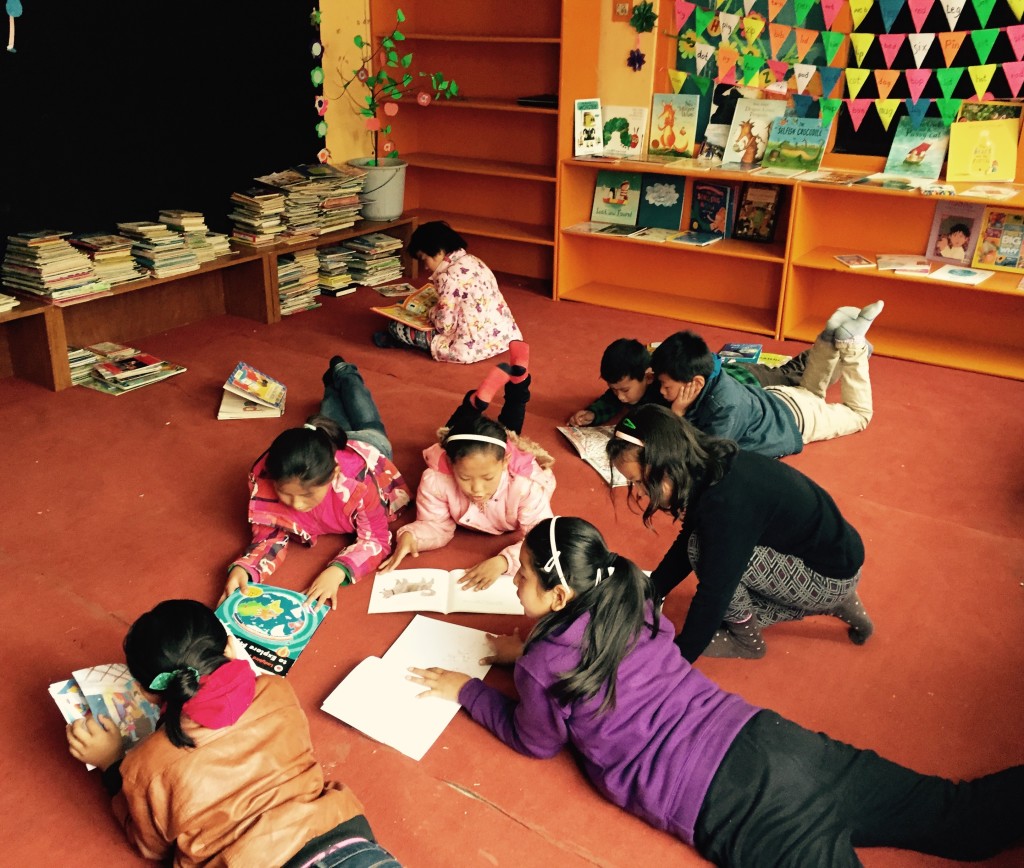
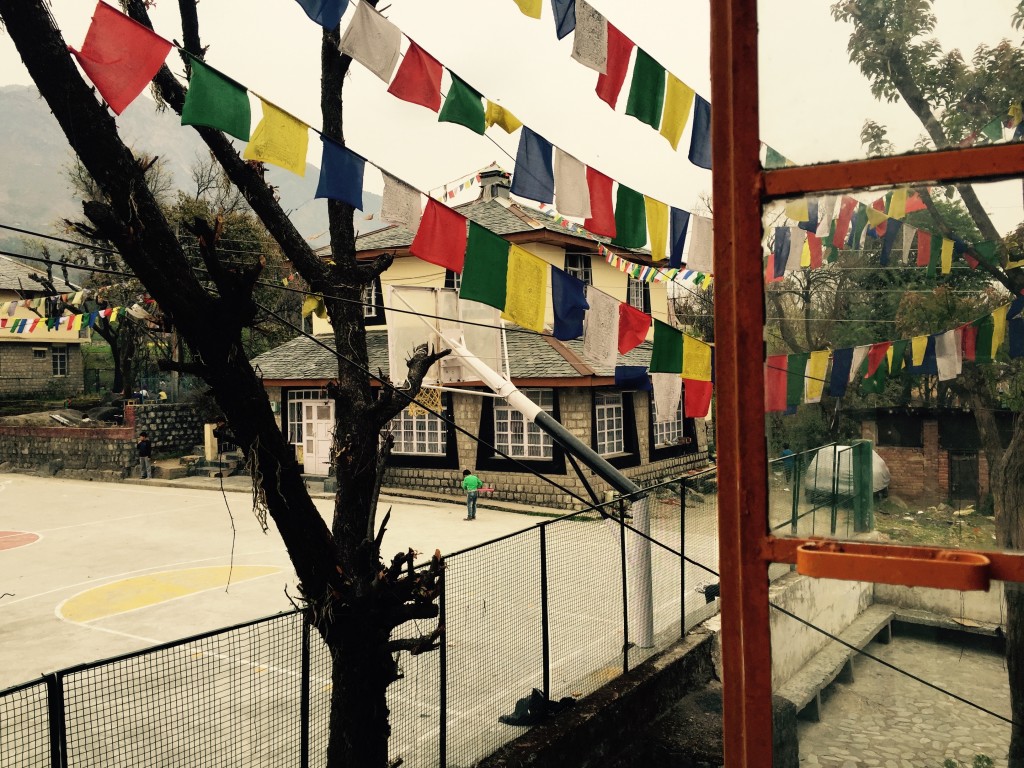
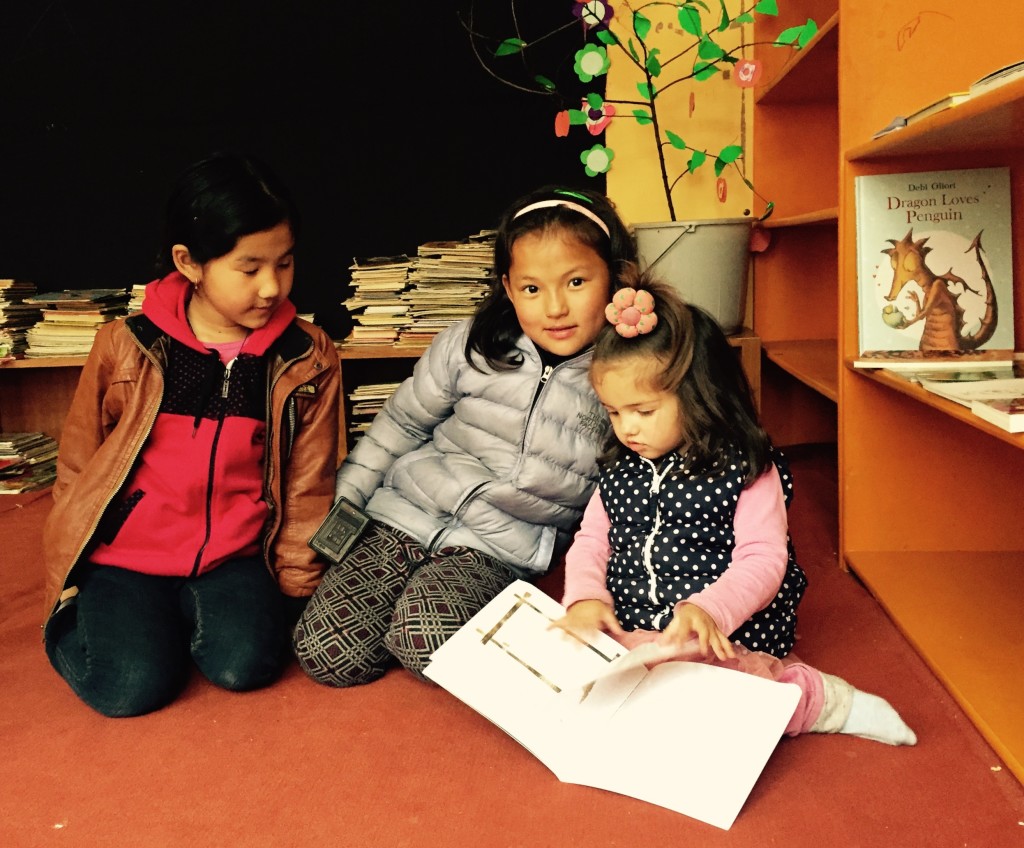
When a child learns to mend a torn page or wipe a dusty cover, they are learning something far larger than a practical skill. They are being handed a quiet, enduring lesson about respect, ownership, and the value of a story. Across Australia, where school libraries in Brisbane and regional towns alike often run on tight budgets, the habit of looking after books can stretch a single copy across many eager hands. The same principle travels well to the reading rooms of the Himalayas, where small libraries serve dozens of young monks and neighbourhood kids with only a handful of titles to share.
Book care sits at the crossroads of literacy and character. Children who understand that a book has had a life before them, and will have one after, treat reading as a relationship rather than a transaction. In a country where families regularly pick up pre-loved picture books from Salvos stores or community op shops, that mindset is already part of the cultural furniture. Teaching children the small acts of repair and tidying turns a passive appreciation of books into an active, almost affectionate practice.
Why book care matters beyond the classroom
A book that arrives in a child's hands in perfect condition has usually passed through several sets of fingers already. Australian publishers, distributors, and school suppliers know this well, which is why so many primary schools invest in reinforced editions and library-grade covers. Still, paper tears, glue weakens, and corners curl. When a child is shown how to mend these small damages with a piece of tape, a smear of PVA glue, or a steady hand on a folded page, the message is unmistakable: this object matters enough to fix.
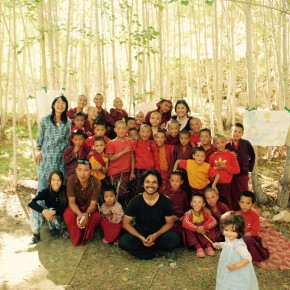
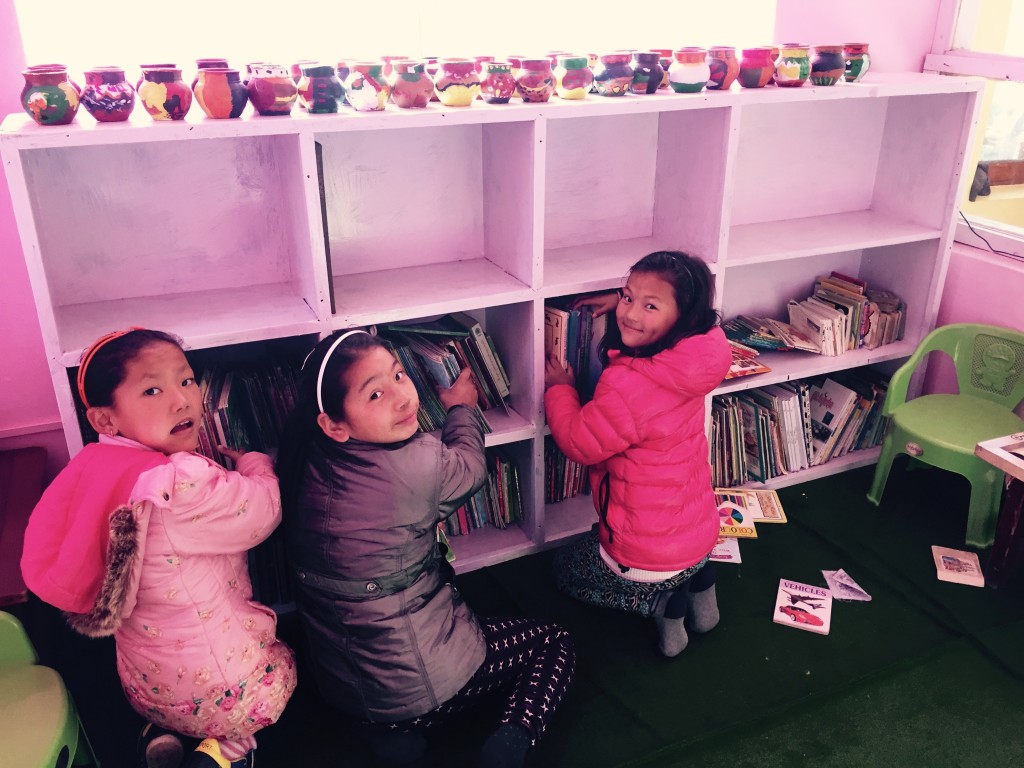
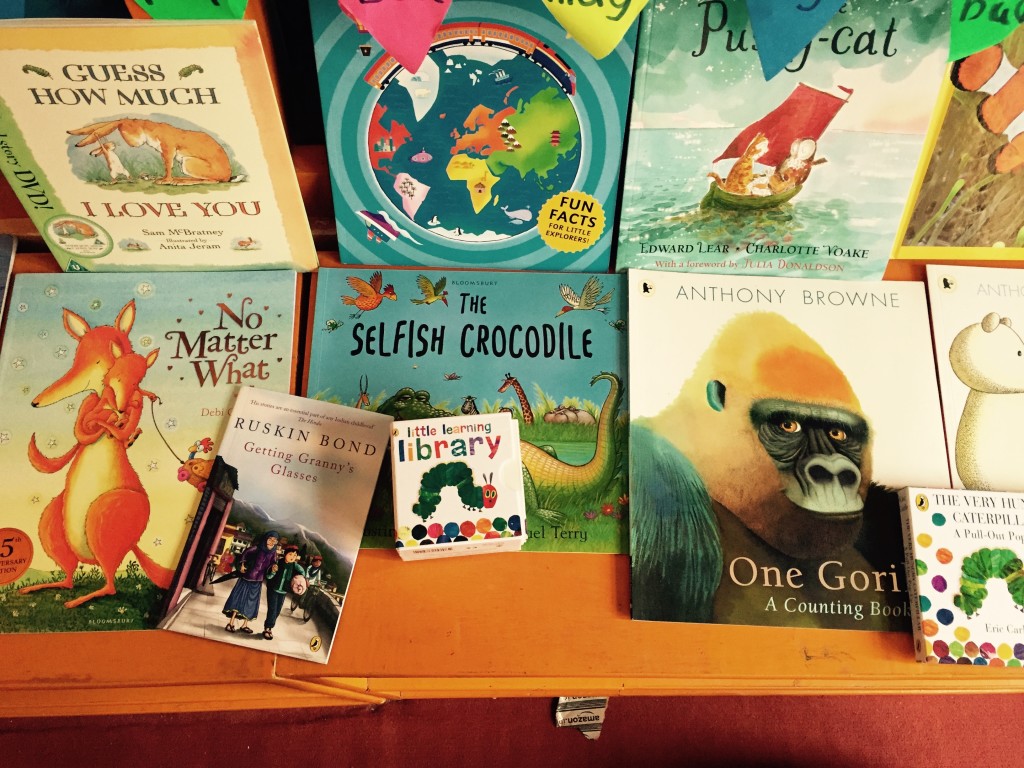
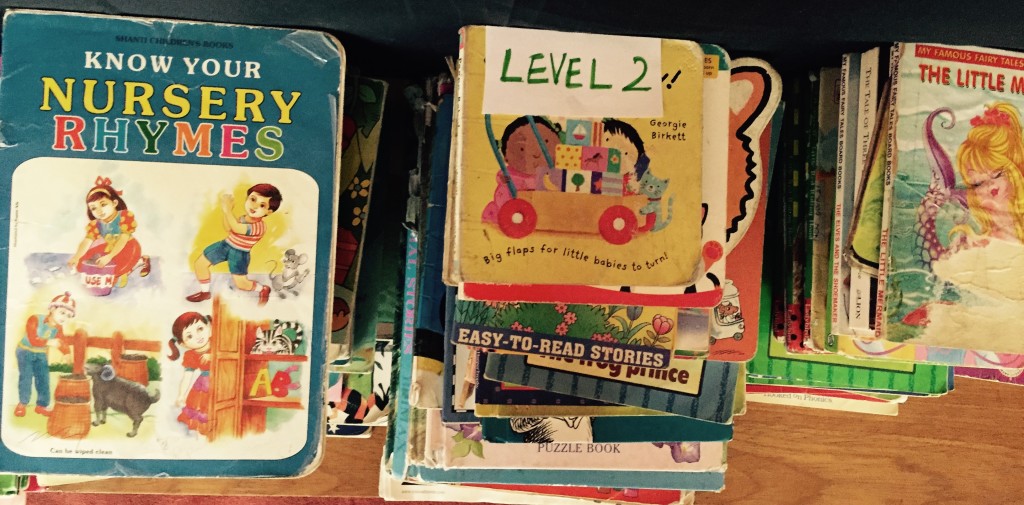
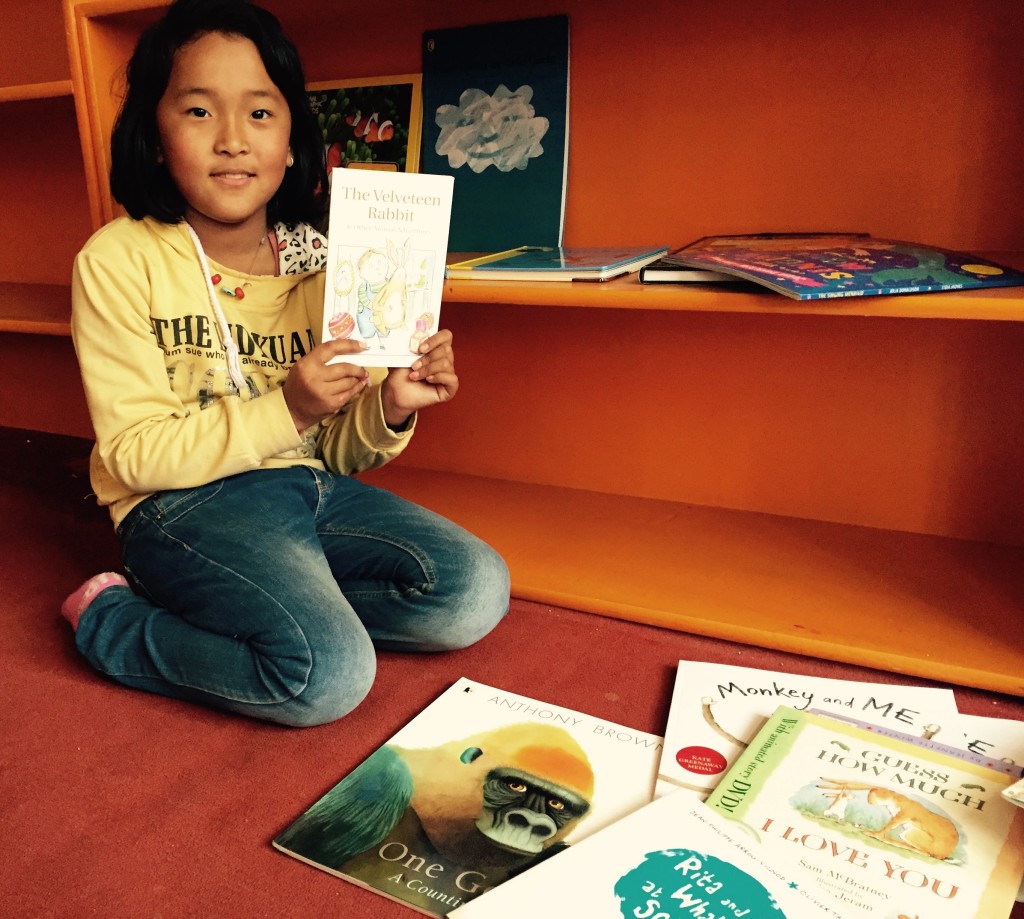
There is also a question of equality. Children from homes where books are scarce, whether in a remote Western Australian community or a mountain village in Ladakh, often share a single copy among siblings or classmates. A repaired book is a book that stays in circulation. The work of organisations such as the Avalokiteśvara Trust shows how this ethic scales up into something meaningful, with reading rooms designed for shared use and young readers encouraged to look after what they borrow.
Simple repair skills that children can practise
The skills children pick up fastest are also the most useful. A short, supervised workshop can cover the basics in a single afternoon session, the sort of activity that fits neatly into a school's literacy block or a library holiday program. Once a child has learned to recognise the difference between a tear that needs glue and one that needs tape, they tend to carry that judgement into everything else they read.
Core repair techniques for young hands
- Reinforcing a loose spine with a strip of acid-free tape along the inside cover
- Smoothing dog-eared corners by gently dampening and pressing the page flat under a heavy book
- Mending a ripped page with a small piece of Japanese tissue and diluted PVA glue, applied with a soft brush
- Cleaning cloth or laminated covers with a barely damp cloth, avoiding sprays that can damage printing
- Labelling a repaired book with a small sticker so the next reader knows its history
Children also benefit from learning what not to do. No amount of repair rescues a page that has been written on, and water damage is almost always permanent. Setting these limits early prevents disappointment later, and helps young readers understand that care is also about prevention, not just cure.
From repair to habit: building a reader's mindset
Repair is a visible act, but the deeper habit is invisible. Children who tidy shelves, return books upright, and keep their reading nook free of crumbs are building a daily ritual of respect. In Australian homes, where a child might read in a sun-drenched corner during a long summer arvo or curl up with a novel during a chilly Hobart winter evening, the conditions for books vary enormously. Humidity in coastal Queensland, dry heat in inland NSW, and salt air in places like Cairns all test the resilience of a paperback. Children who are taught to store books away from windows, off the floor, and out of direct sunlight are quietly learning environmental literacy as well.
Everyday habits that protect a home library
- Washing hands before reading, especially after brekkie or a snack in the loungeroom
- Storing paperbacks upright on a shelf rather than stacked flat to prevent warping
- Keeping books away from heaters, windows, and the family dog's favourite nap spot
- Using a bookmark instead of folding corners, even a scrap of paper or an old bus ticket works
- Closing books gently and sliding them, not dropping them, into a backpack
There is also a social layer. In group reading settings, from a primary classroom in Melbourne to a monastery classroom in Leh, children often adopt the habits of their peers. If the group treats books with care, new members tend to follow. If a teacher models repair openly, without embarrassment, the children learn that fixing something is a strength, not a sign of poverty or neglect. This kind of modelling is what turns a one-off lesson into a culture.
Australian initiatives that already champion book care
Australia has quietly built a strong ecosystem around shared, well-loved books. The country's network of public libraries, from the flagship State Library of Victoria to small council branches in regional NSW, runs repair and preservation programs that often welcome young volunteers. Books in Homes Australia, which provides new books to children in low-income communities, has long emphasised that ownership comes with responsibility. Schools participating in the program regularly run "love your books" weeks where children clean, label, and mend their growing collections.
Charity bookshops, or op shops as they are widely known, are another quiet classroom. Children accompanying parents to drop off or pick up pre-loved titles see books as living objects that travel between households. Indigenous literacy programs, particularly those working in remote Northern Territory communities, have long understood that book care is inseparable from cultural care. A story that has been read aloud many times, repaired, and passed to a younger sibling carries the warmth of that history with it.
What this looks like in a Himalayan reading room
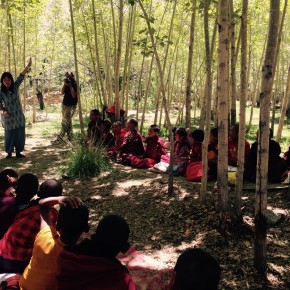
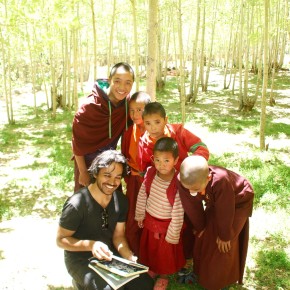
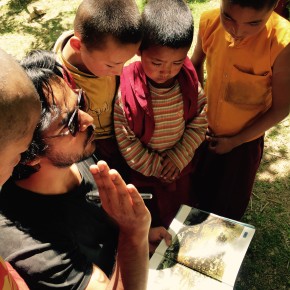
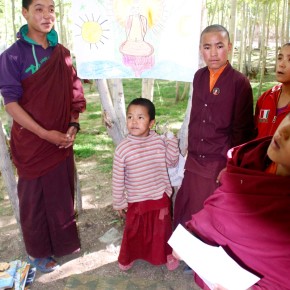
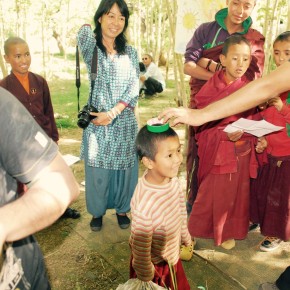
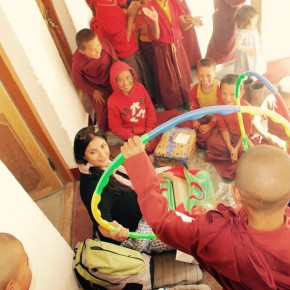
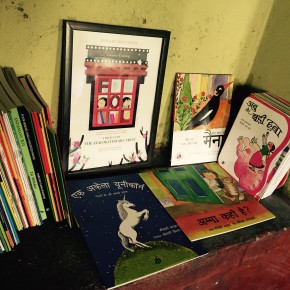
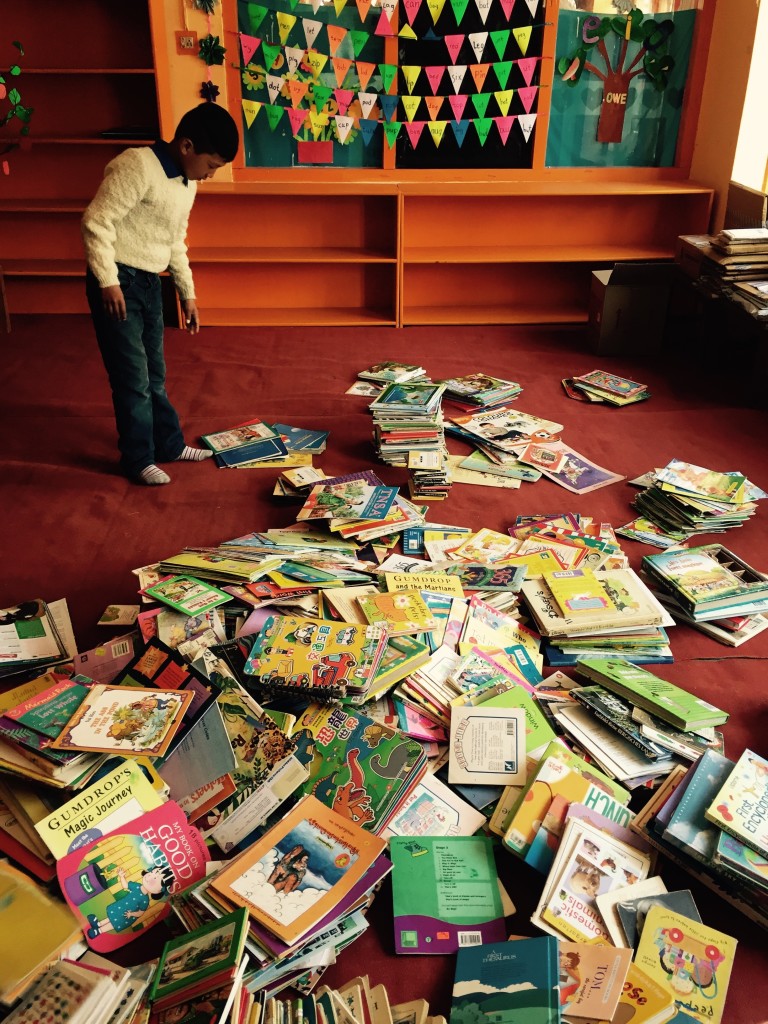
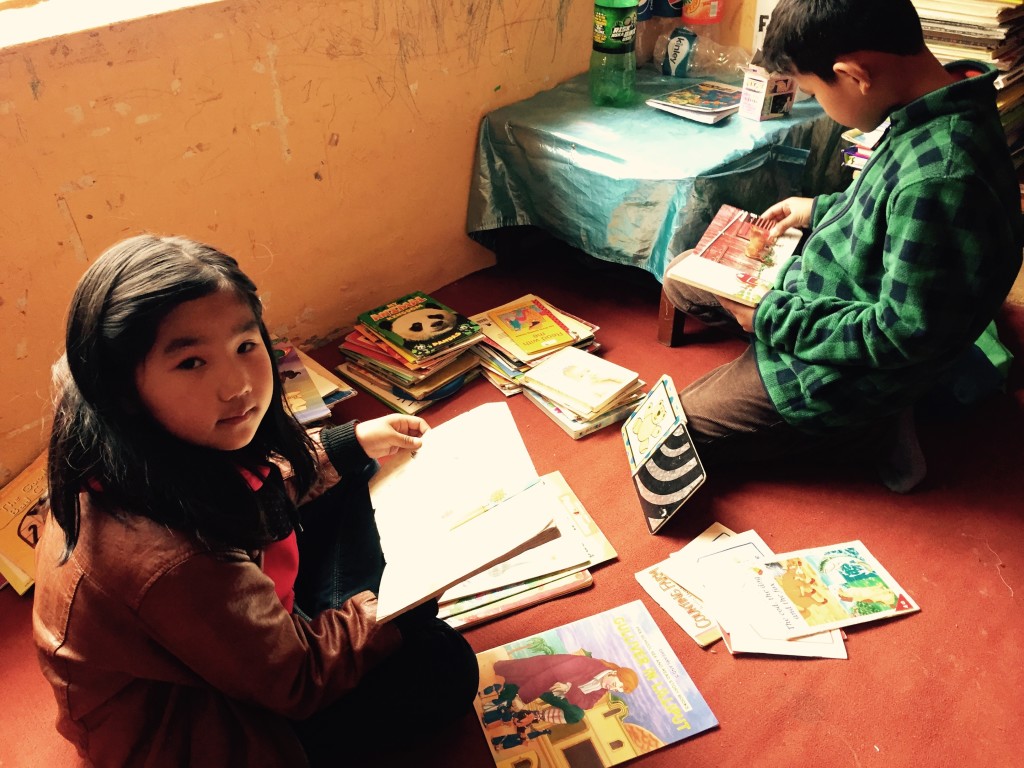
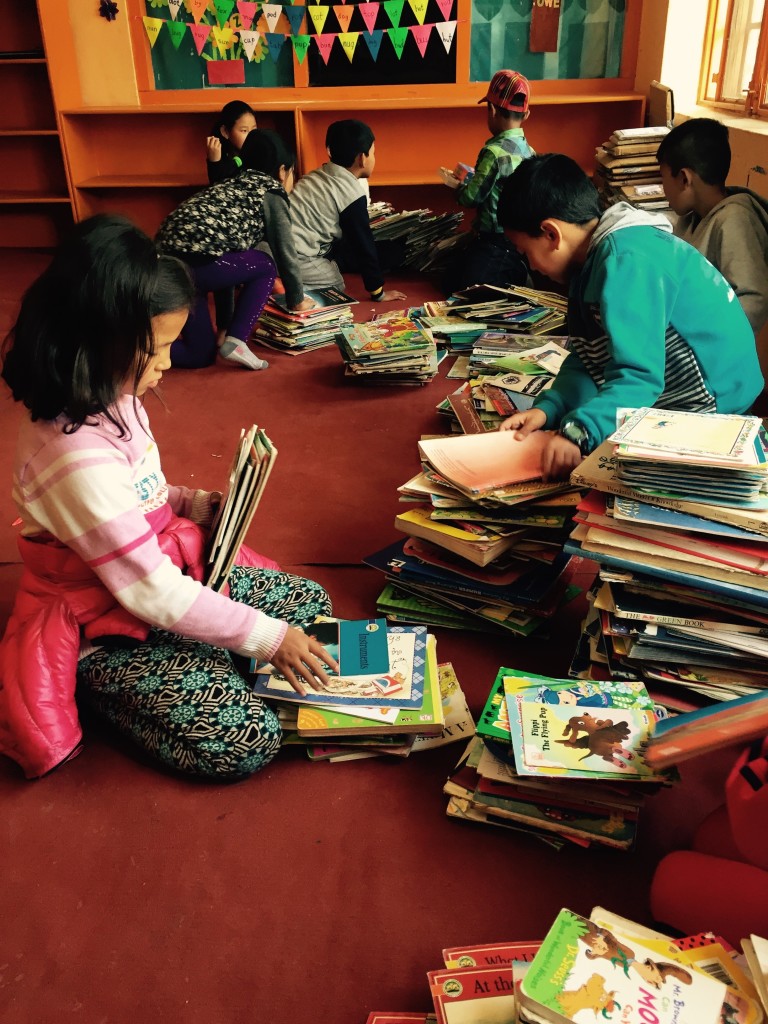
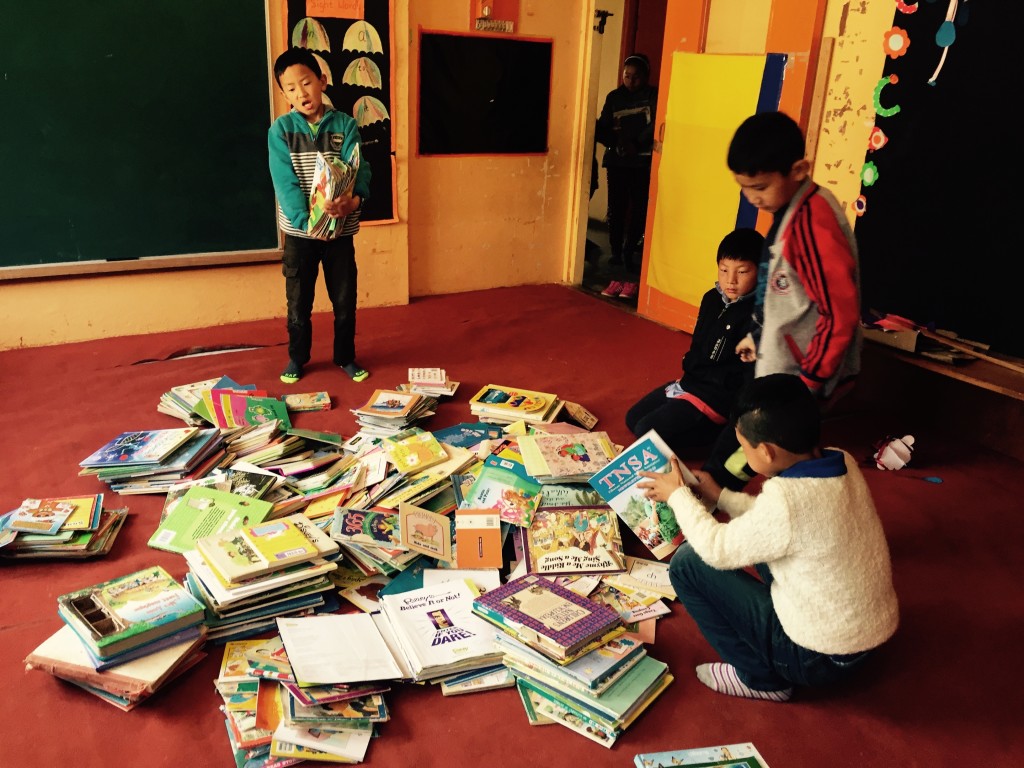
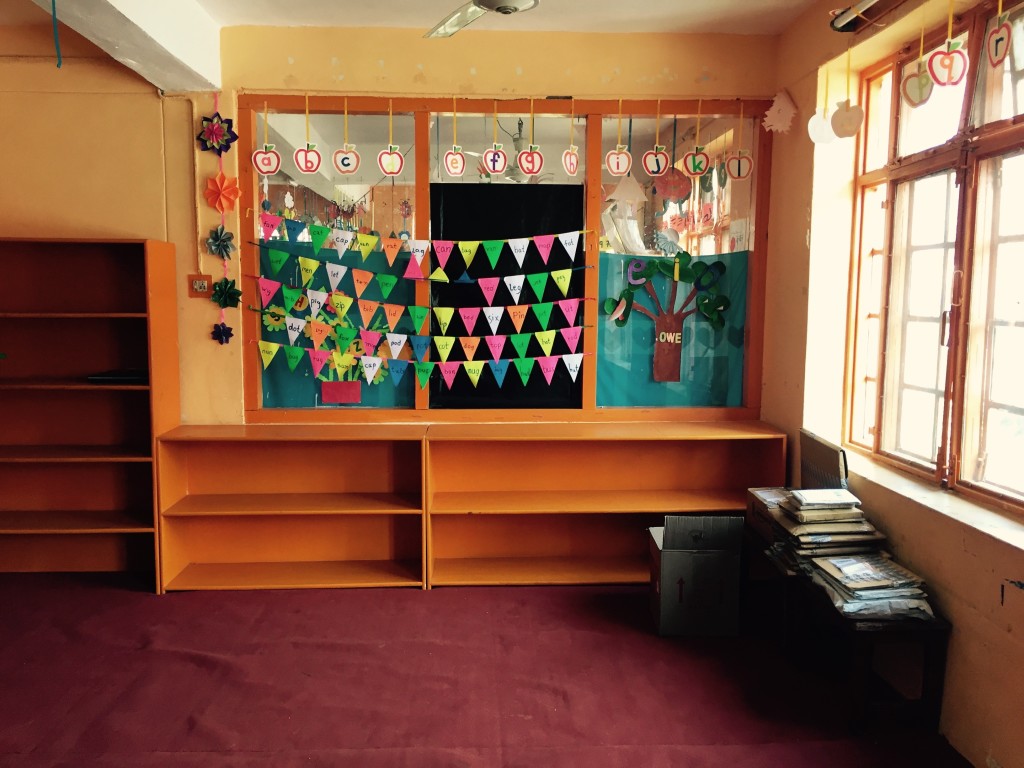
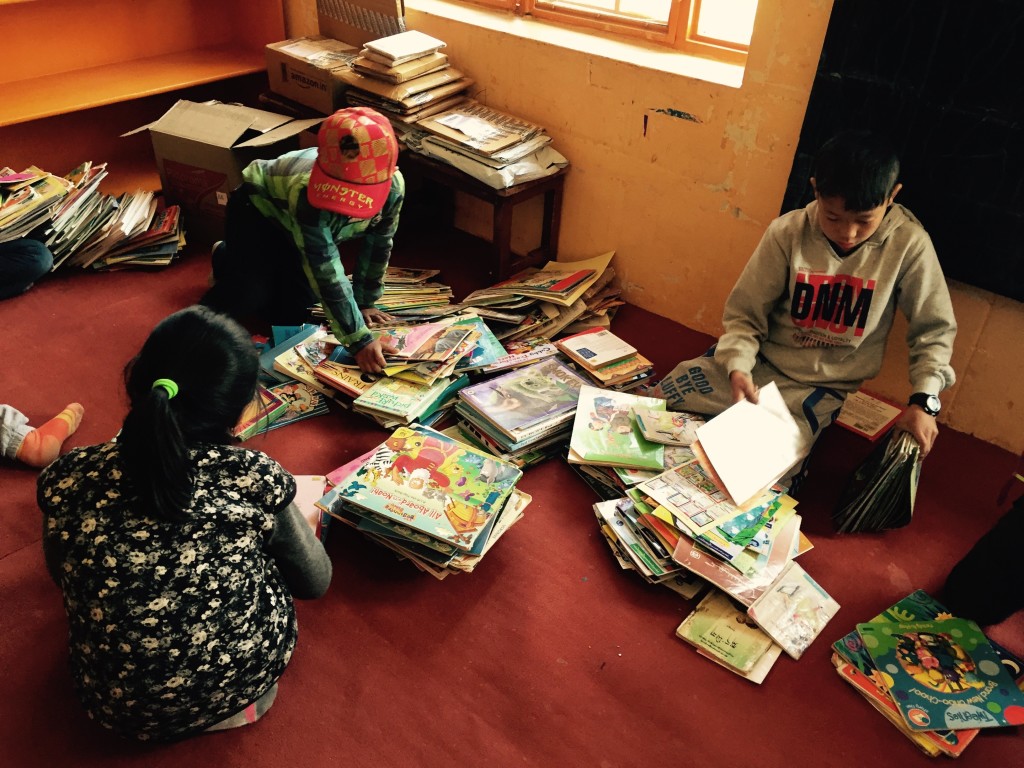
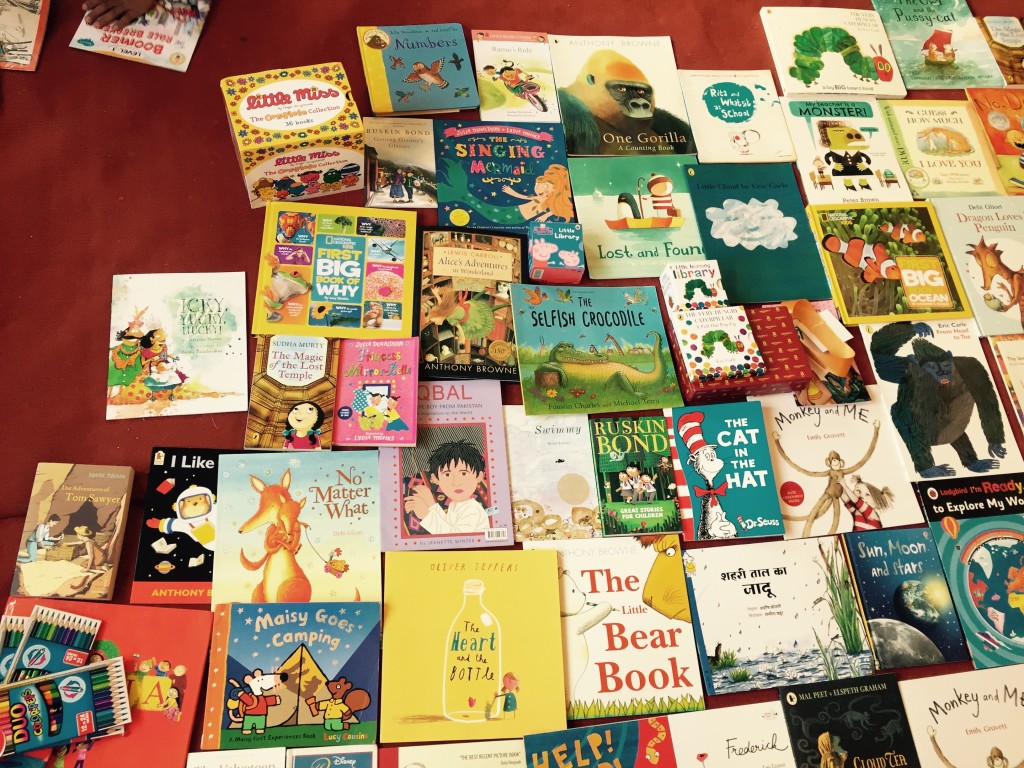
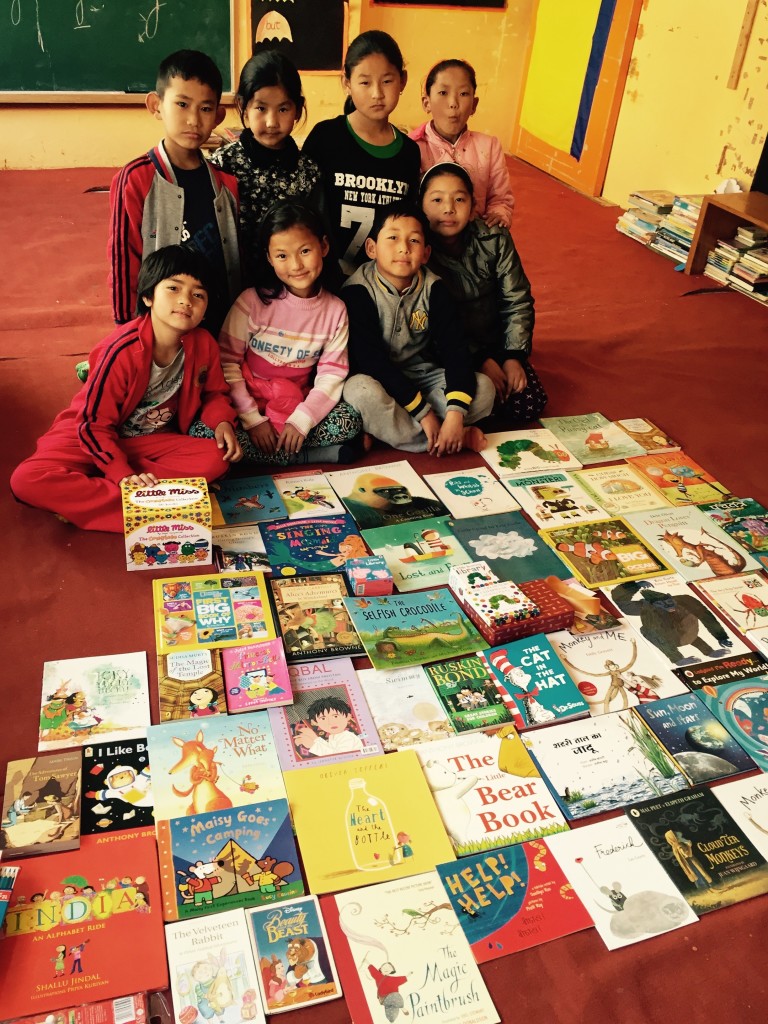
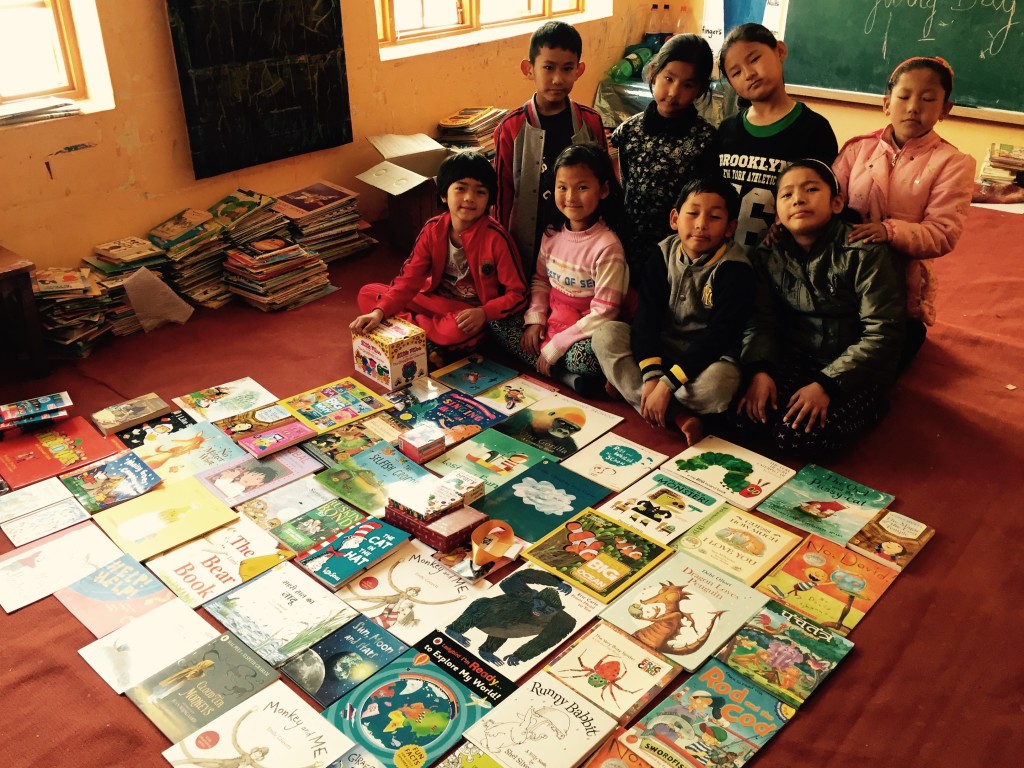
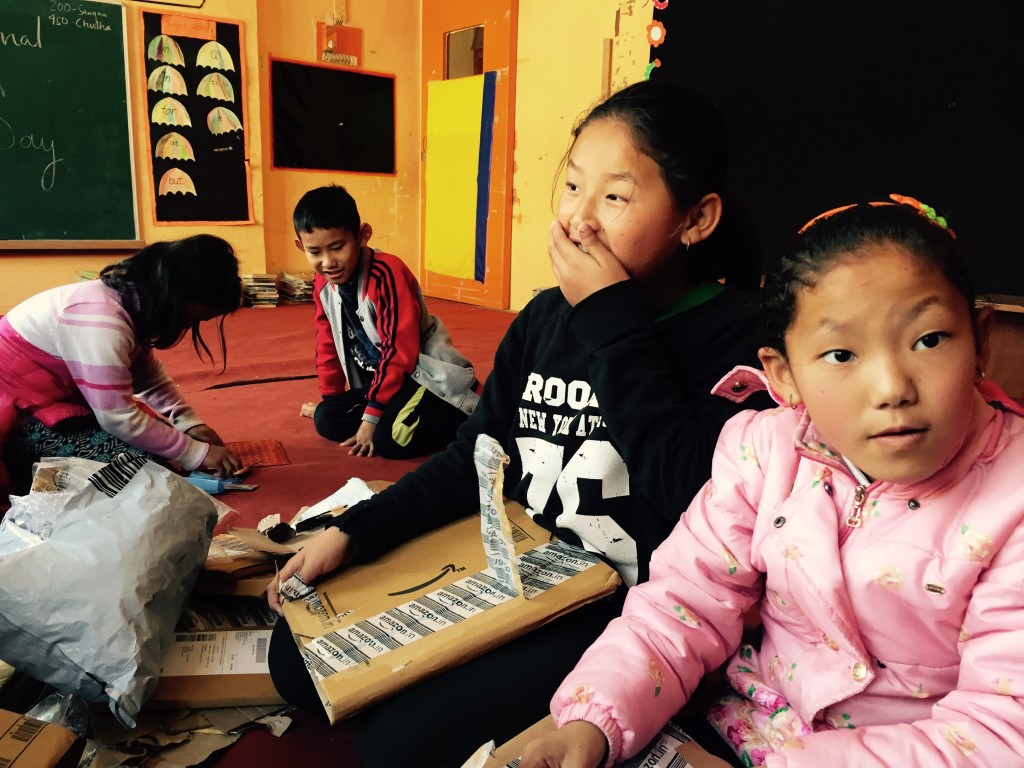
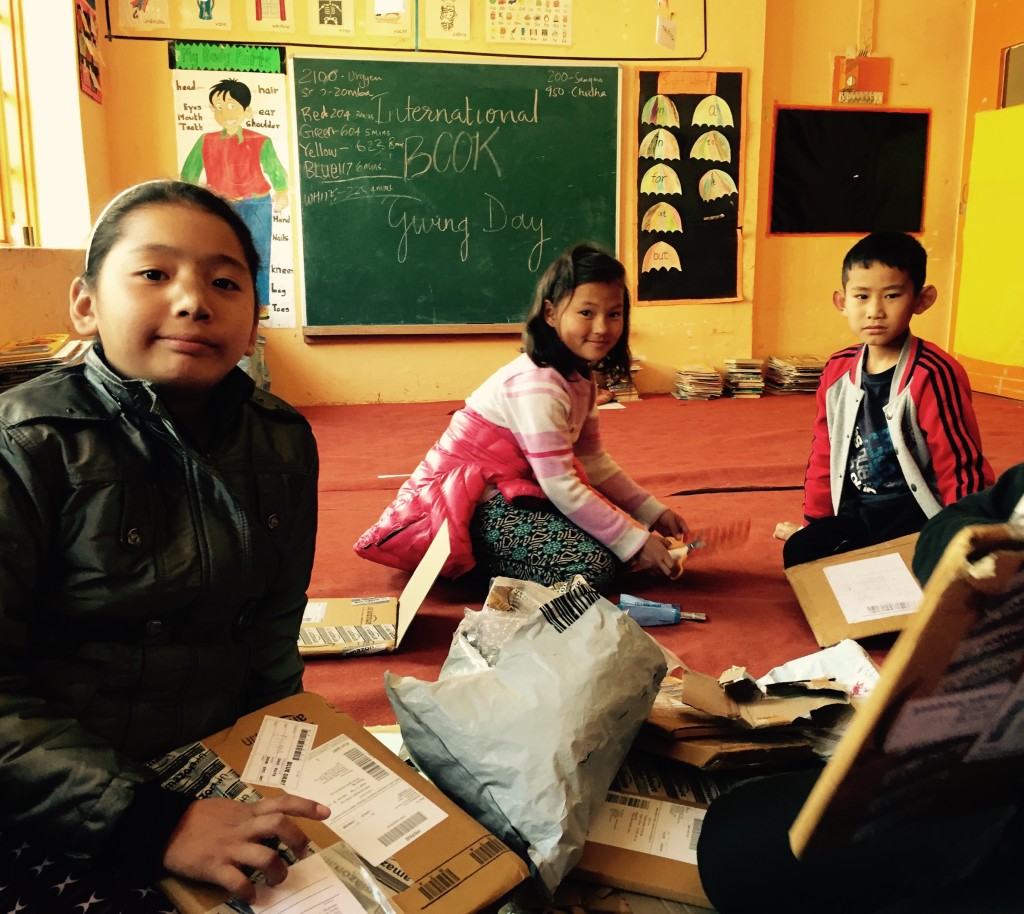
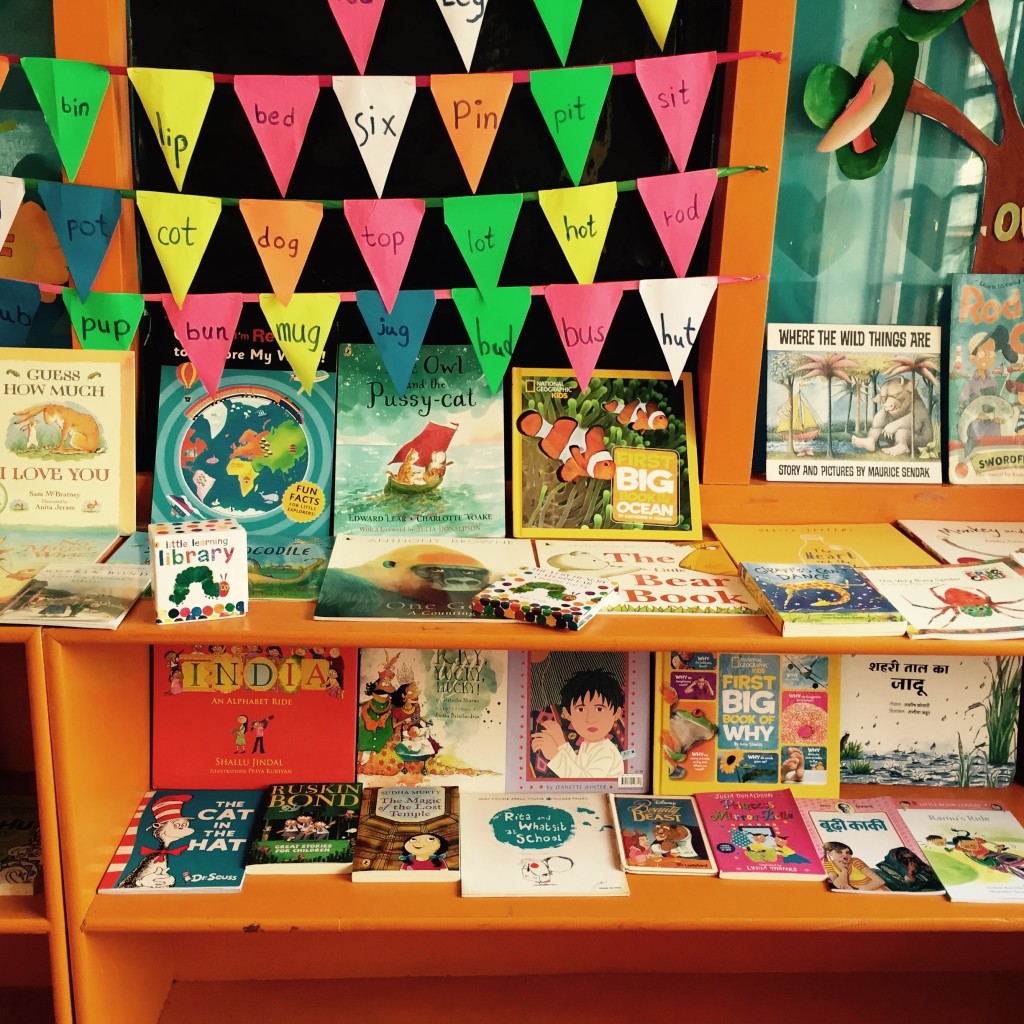
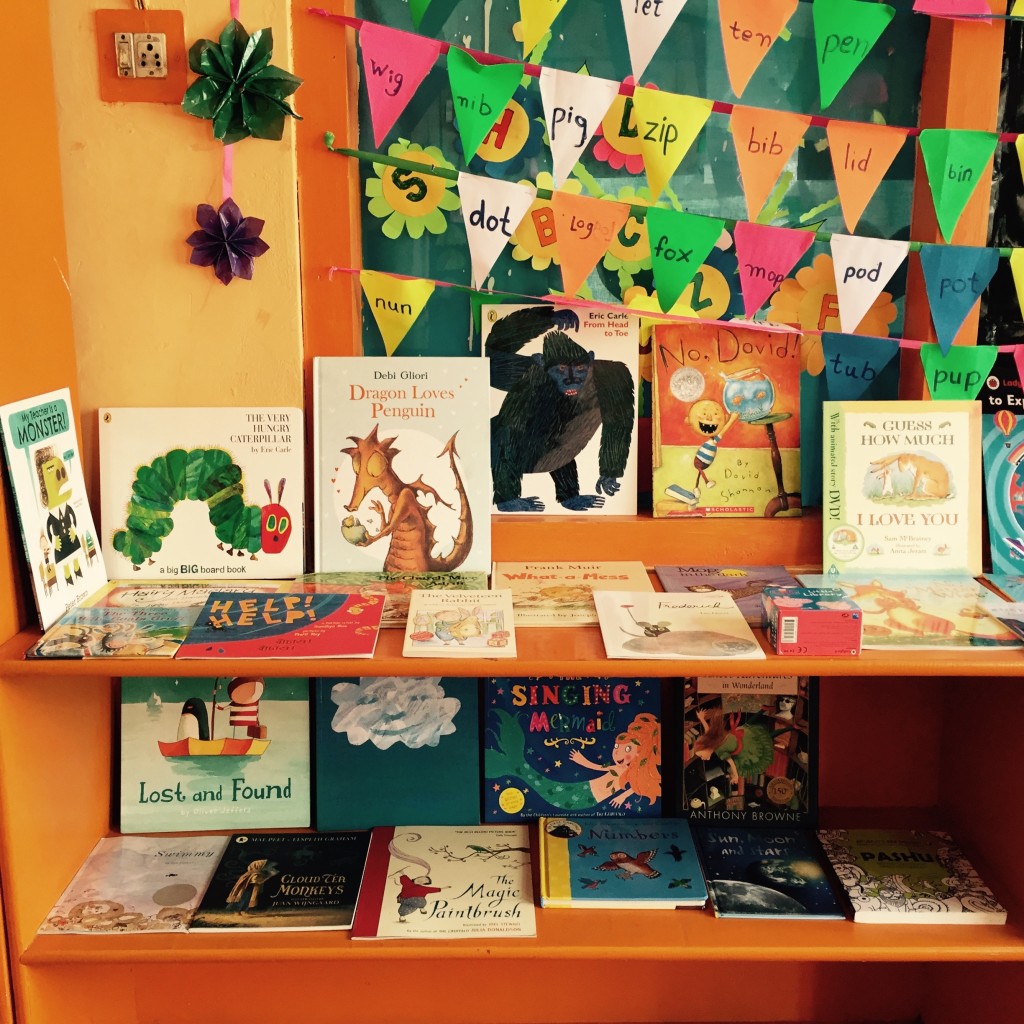
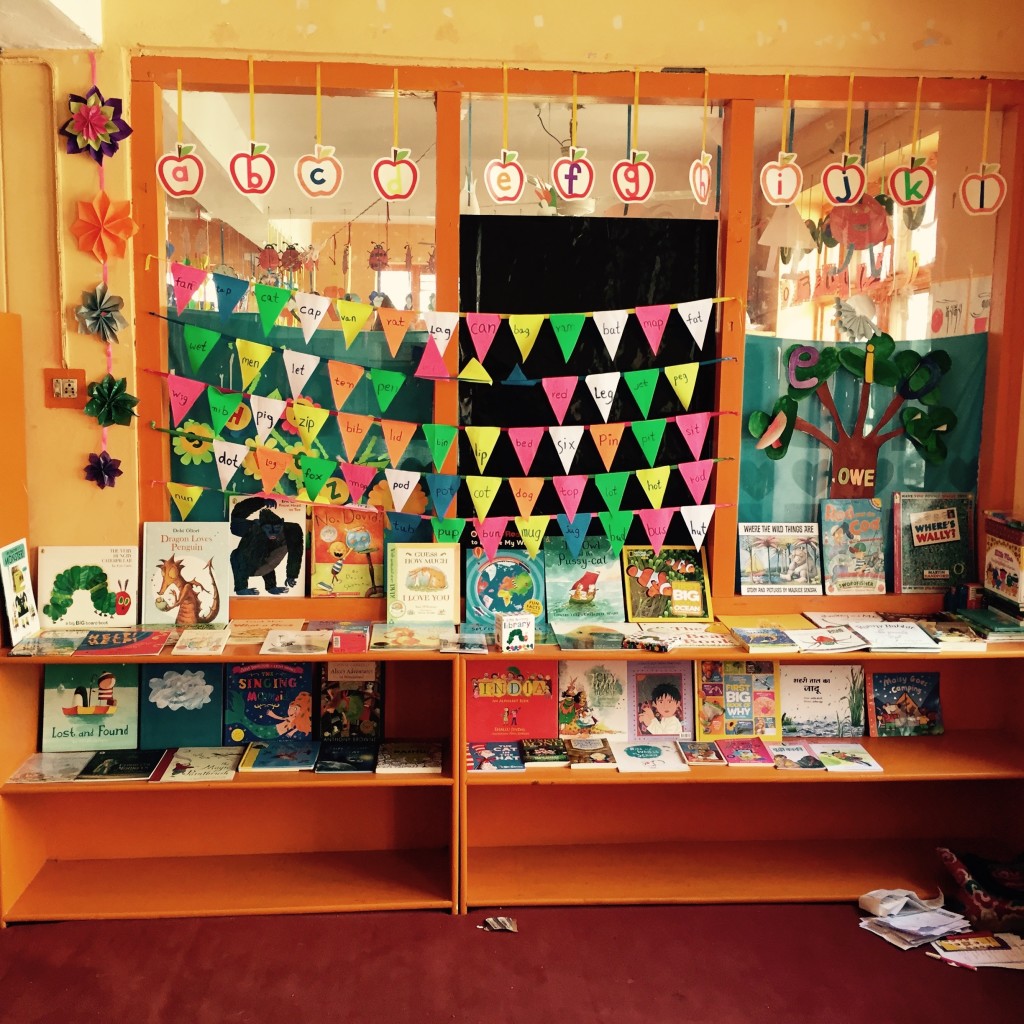
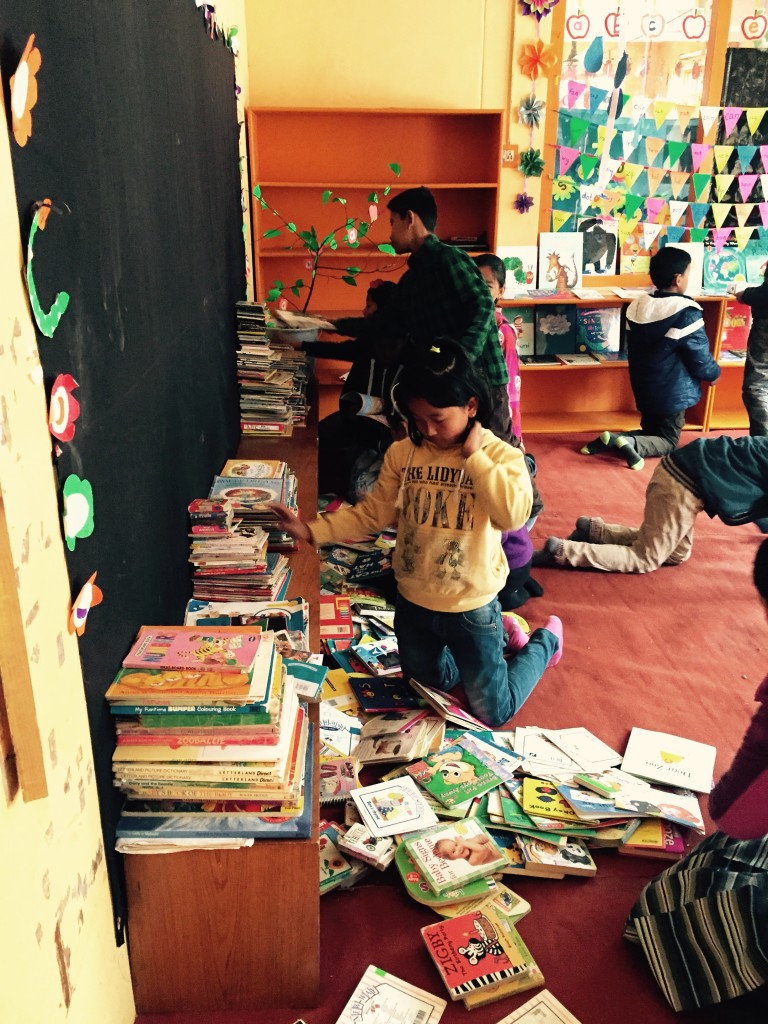
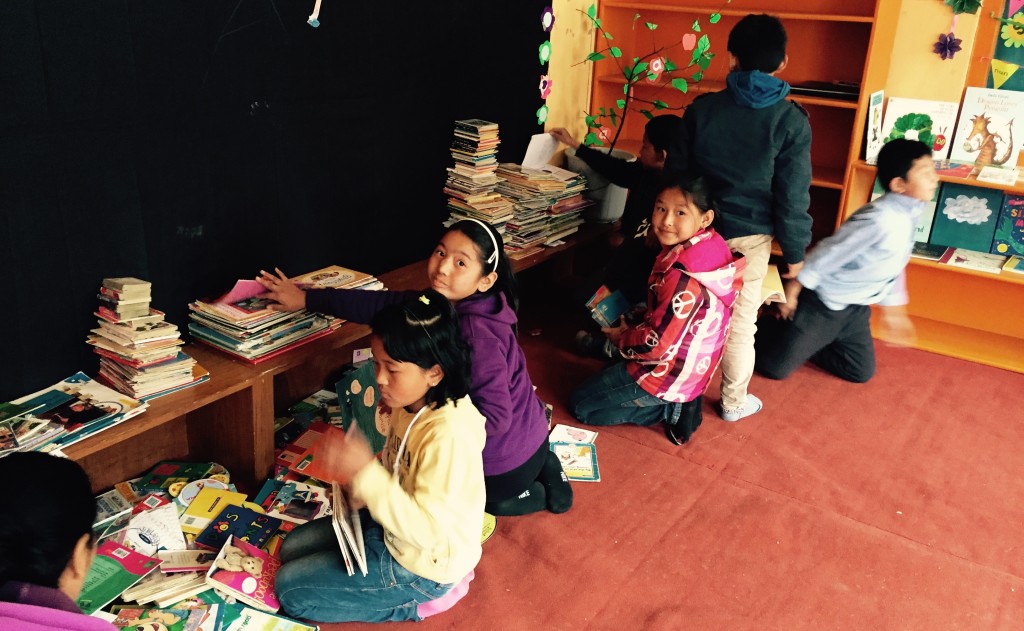
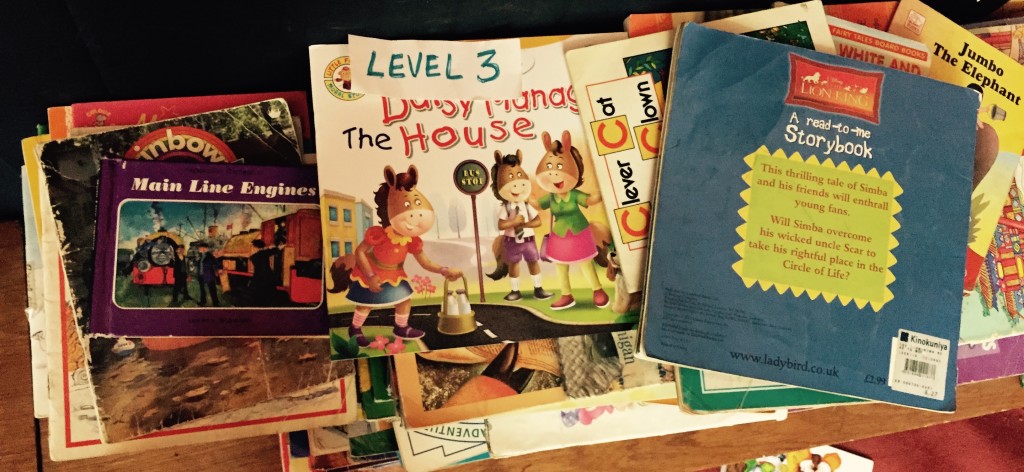
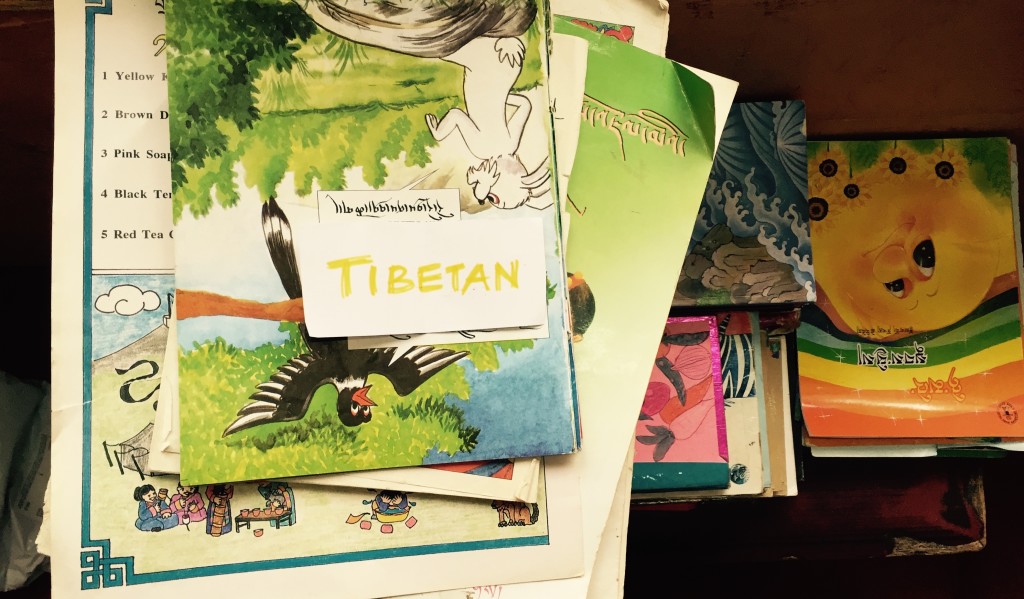
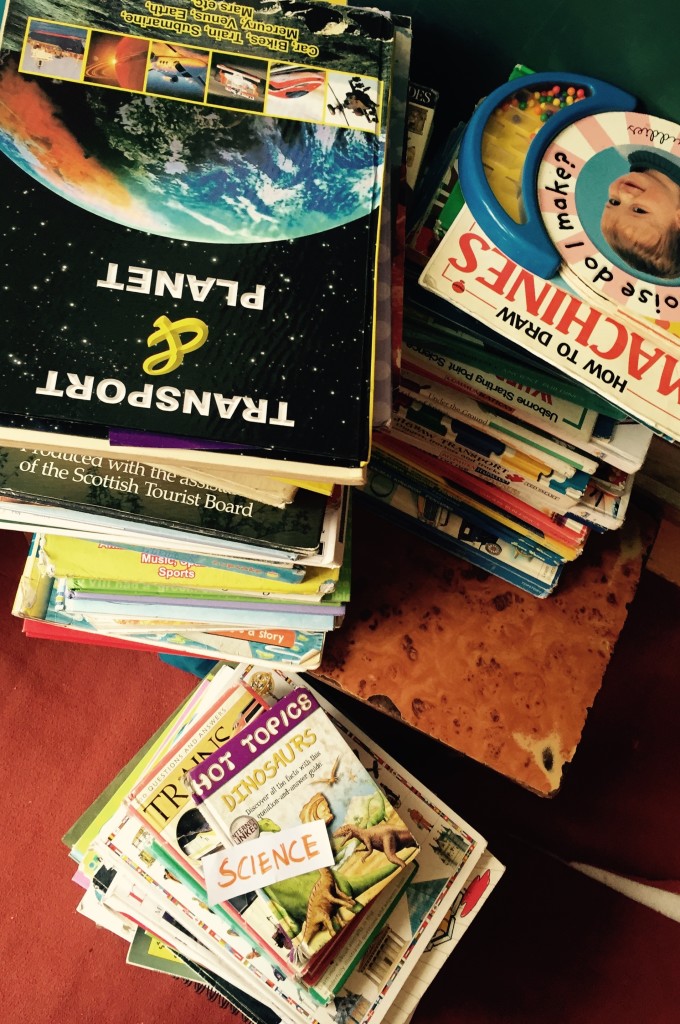
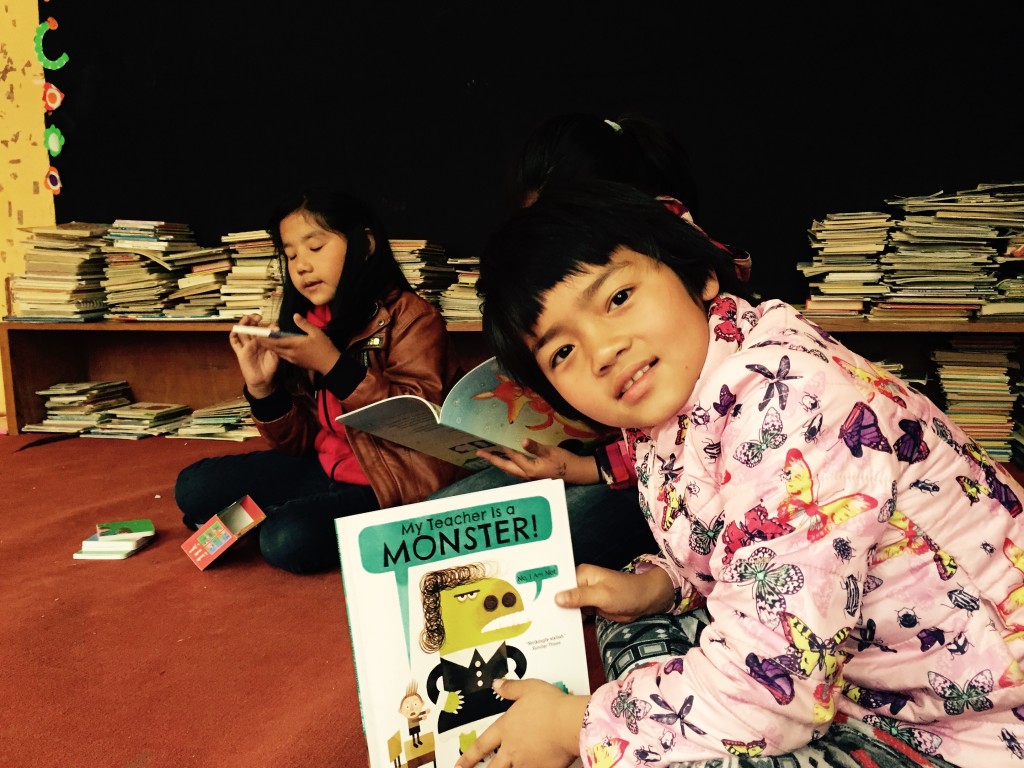
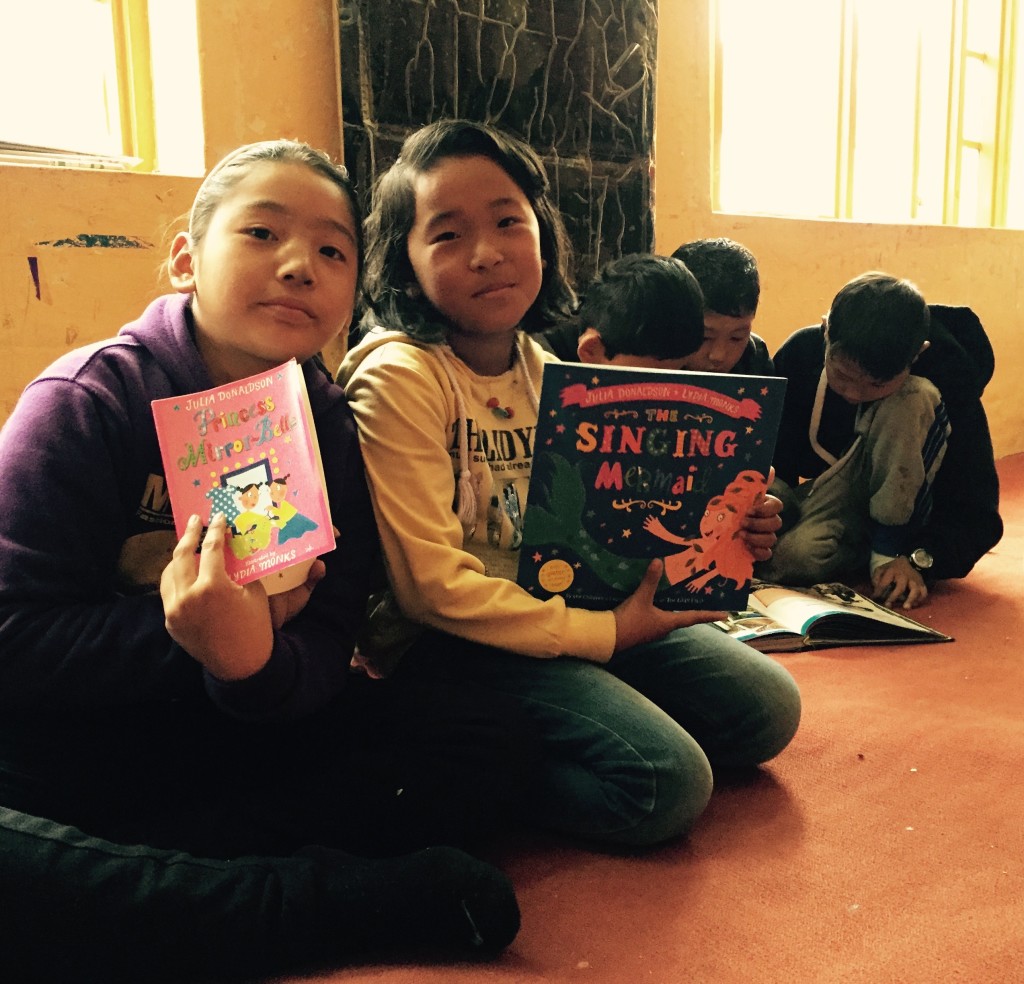
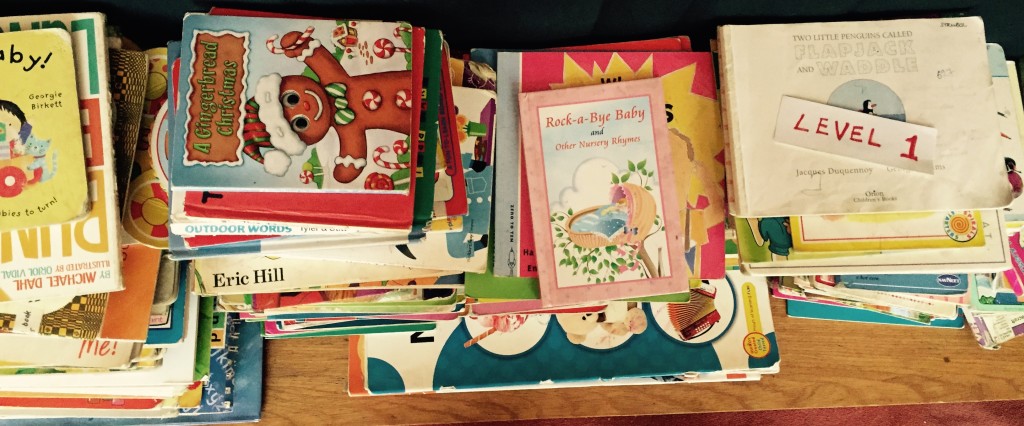
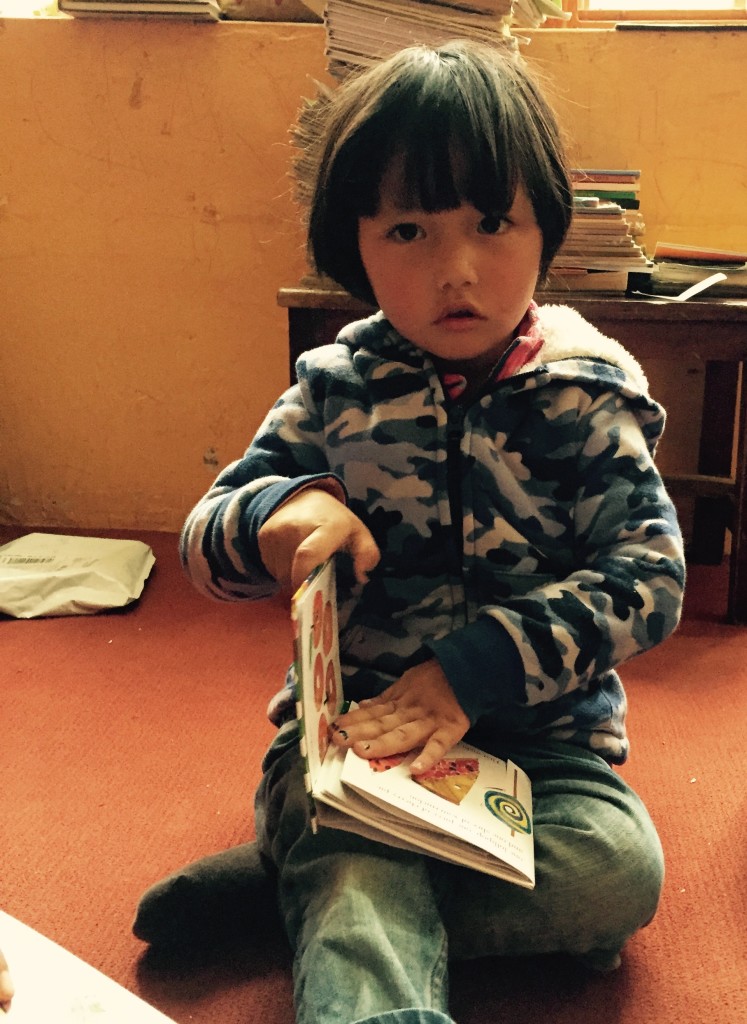
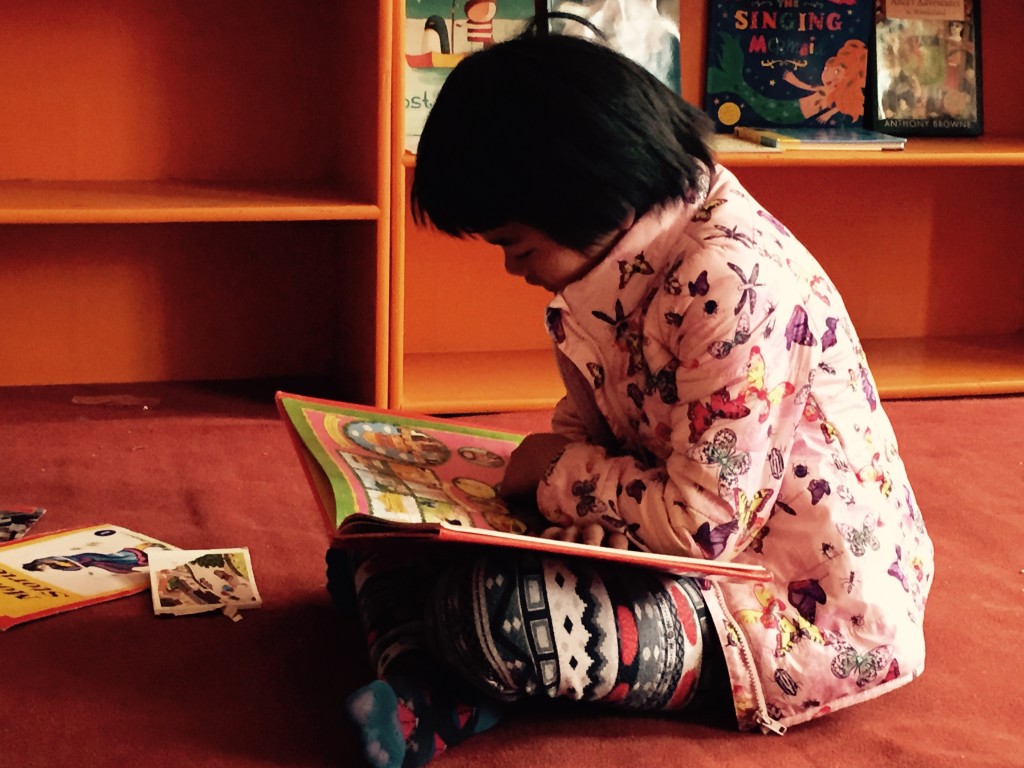
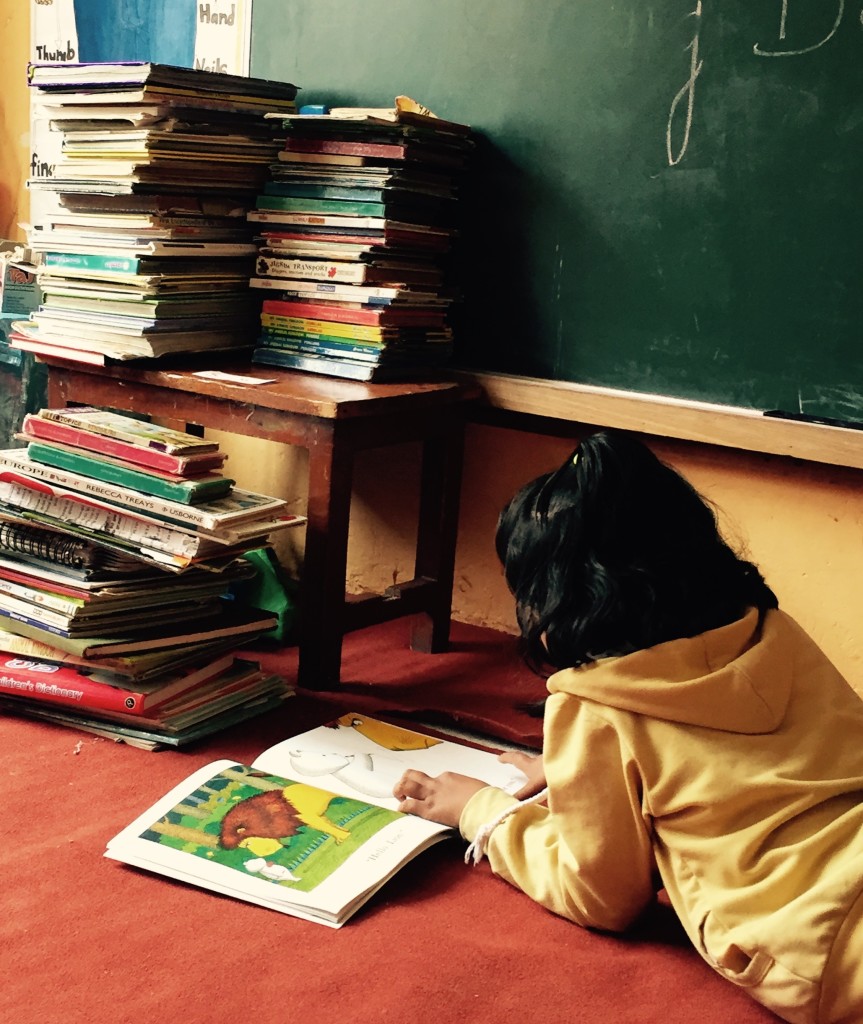
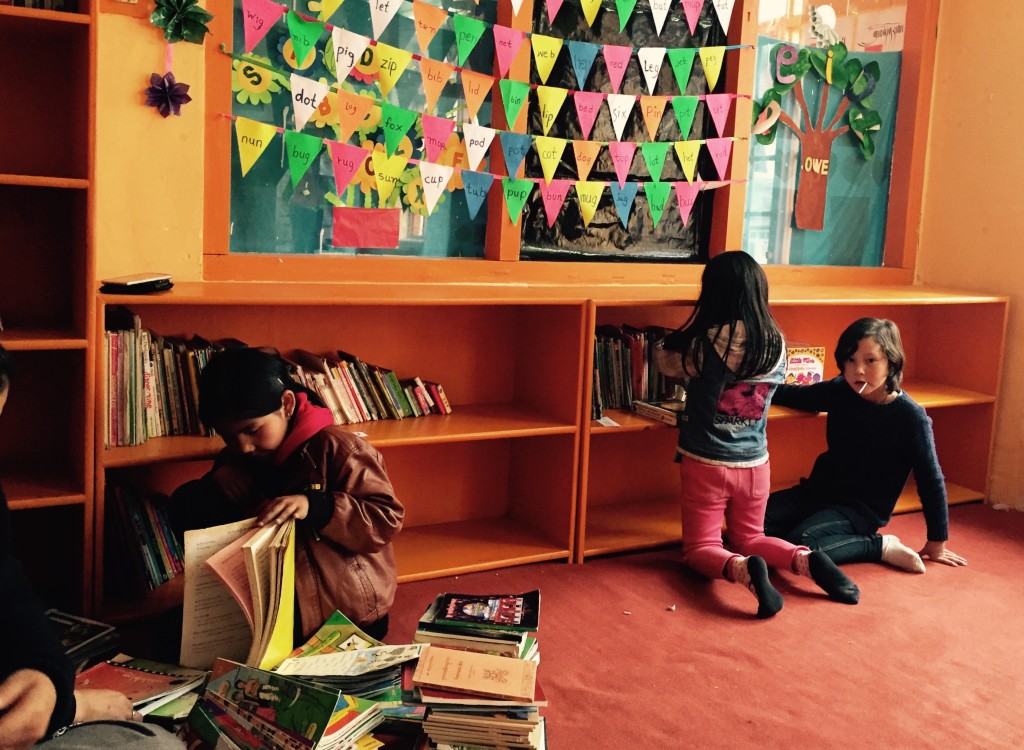
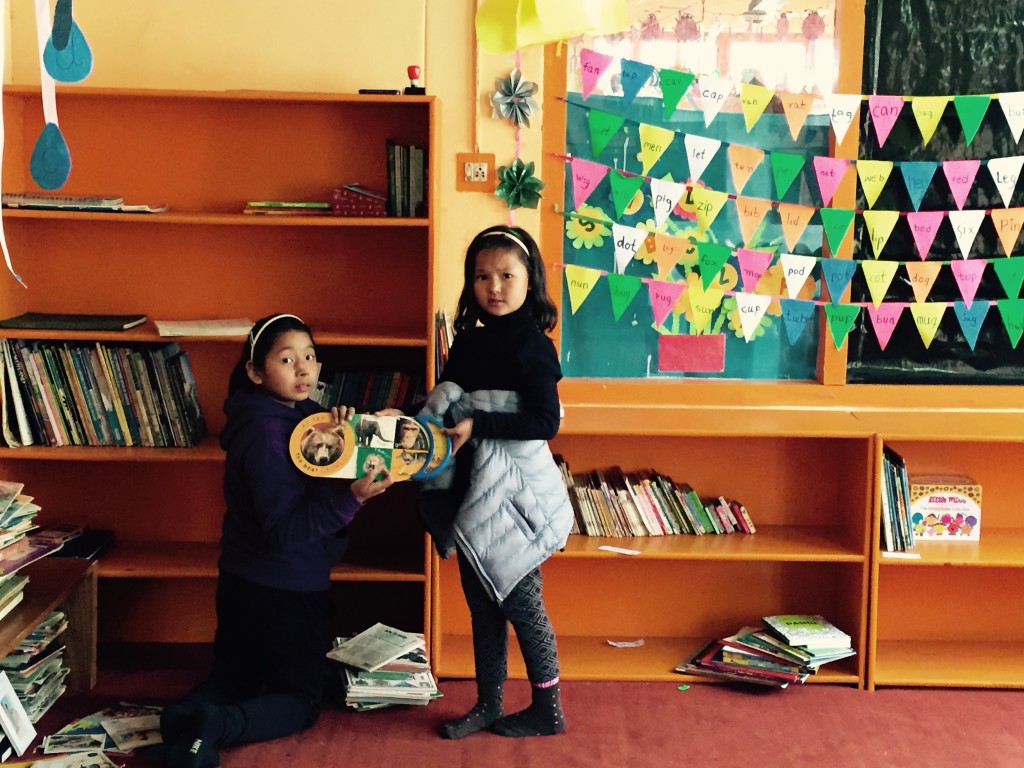
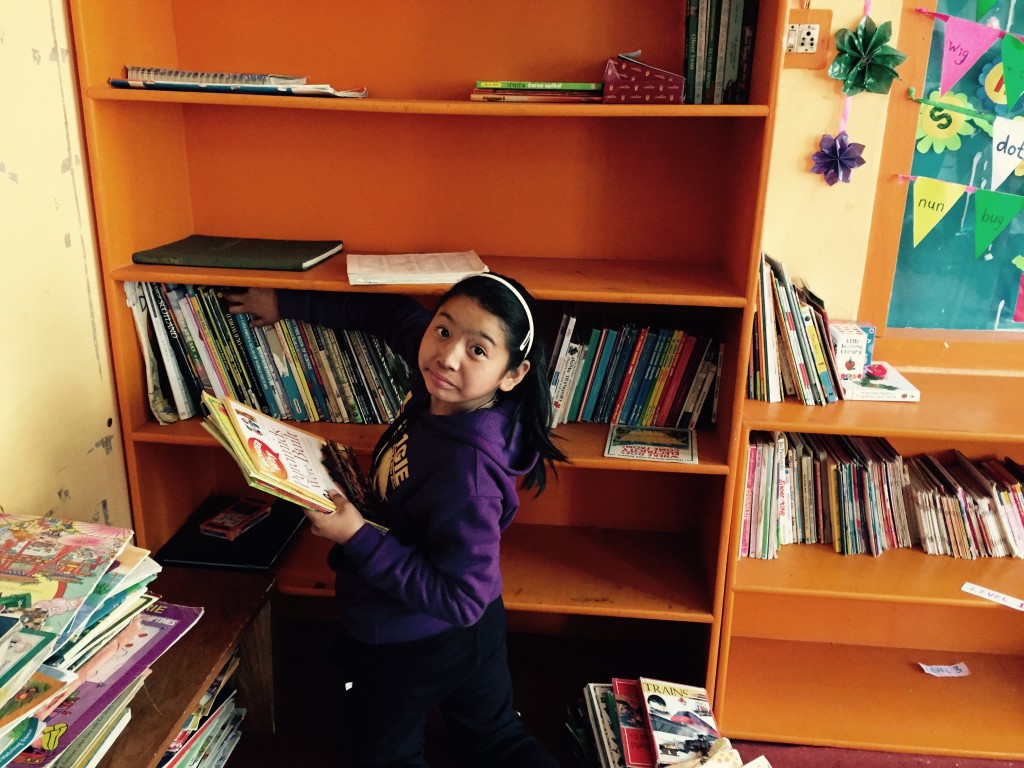
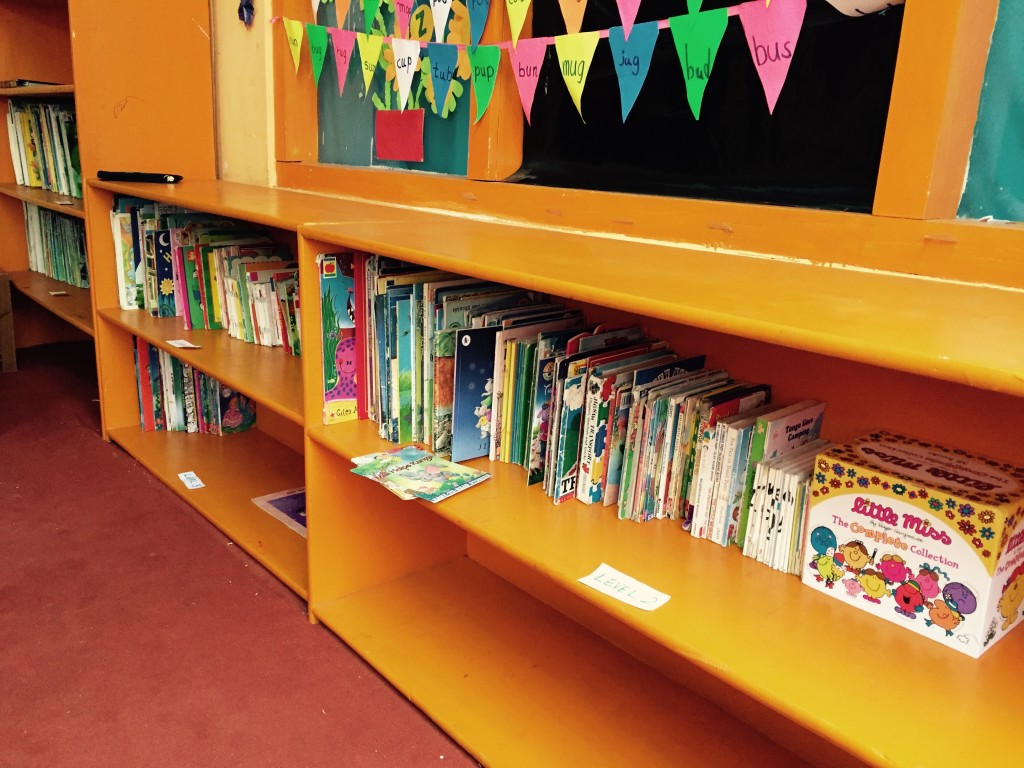
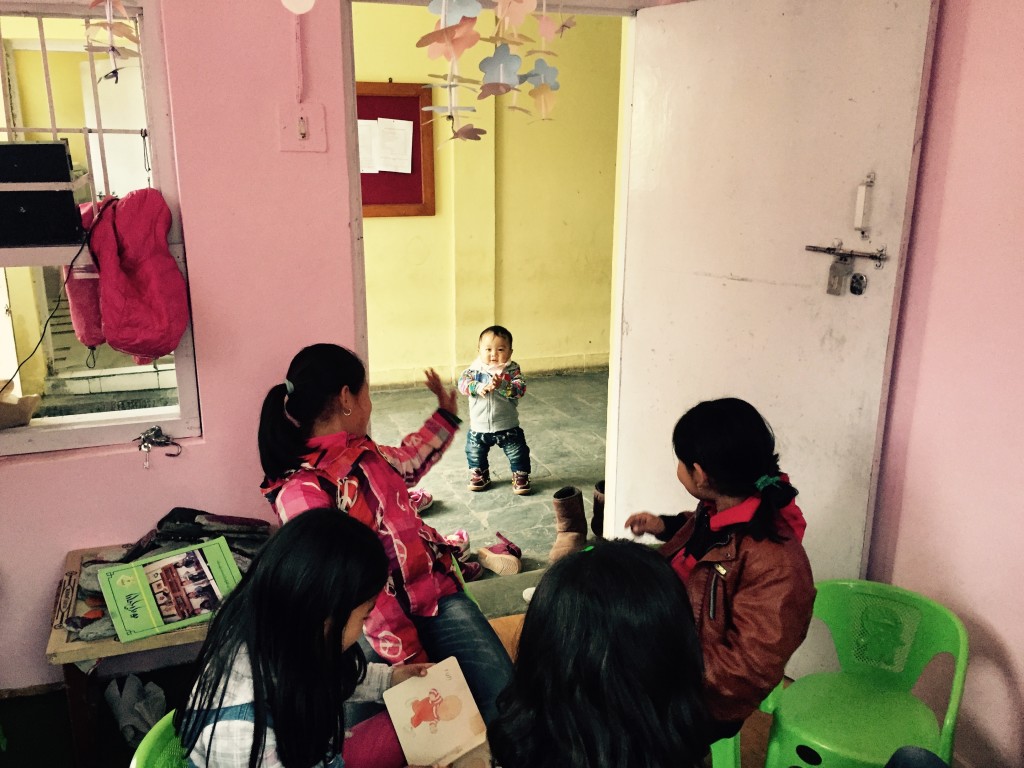
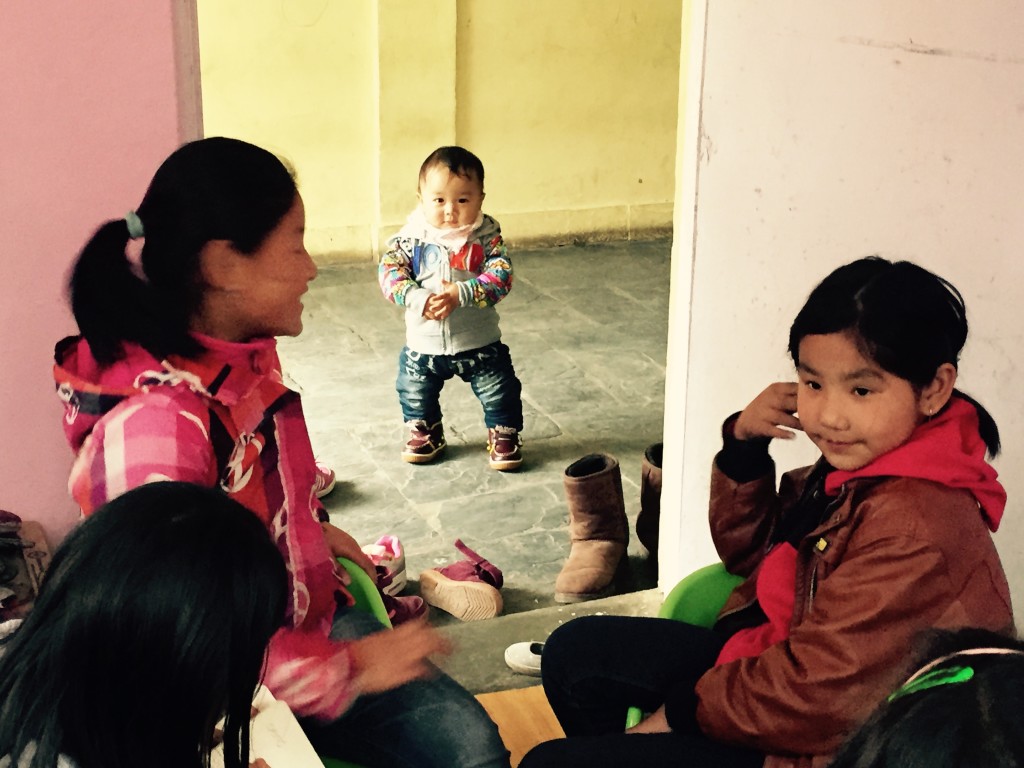
The reading rooms supported through Himalayan education charities operate in conditions very different from a suburban Australian library. Books are often donated from abroad, translated into local languages, and shared among dozens of children who may not have any books at home. In this context, teaching children to repair and care for their books is not optional; it is the only way the library survives.
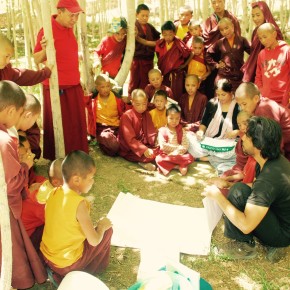
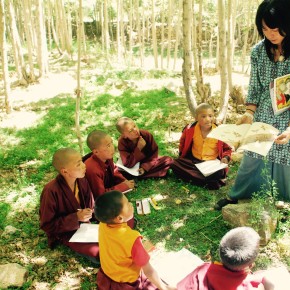
A typical session might start with a short lesson on how to open a book without cracking the spine, followed by a group repair of the week's worst-damaged titles. Older children are often trusted to lead younger ones, which builds confidence and reinforces the social value of looking after shared resources. The same PVA glue and Japanese tissue used in Australian school workshops appear on these reading room tables, alongside sturdy cotton tape suited to hardback editions that have crossed mountain passes in a volunteer's backpack.
| Approach |
Setting in Australia |
Setting in a Himalayan reading room |
| Main tools |
Acid-free tape, PVA glue, bone folder |
PVA glue, Japanese tissue, cotton tape, donated repair kits |
| Who leads sessions |
Teacher-librarian, parent volunteer, older student |
Older student, visiting volunteer, local caretaker |
| Typical repairs |
Dog-ears, broken spines, pen marks, cover wear |
Torn pages from heavy use, water damage, broken spines |
| Source of books |
School budget, Books in Homes, op shops, public libraries |
International donations, charity shipments, translated titles |
| End goal |
Lifelong reading habits, library skills, book ownership |
Shared access, durability across many readers, cultural pride |
Across both contexts, the lesson is the same: a cared-for book is a book that gets read again. A practical takeaway for any parent, teacher, or volunteer is to spend ten minutes this week showing a child how to mend a torn page. The repair itself will last for years, but the message it sends will last much longer.